


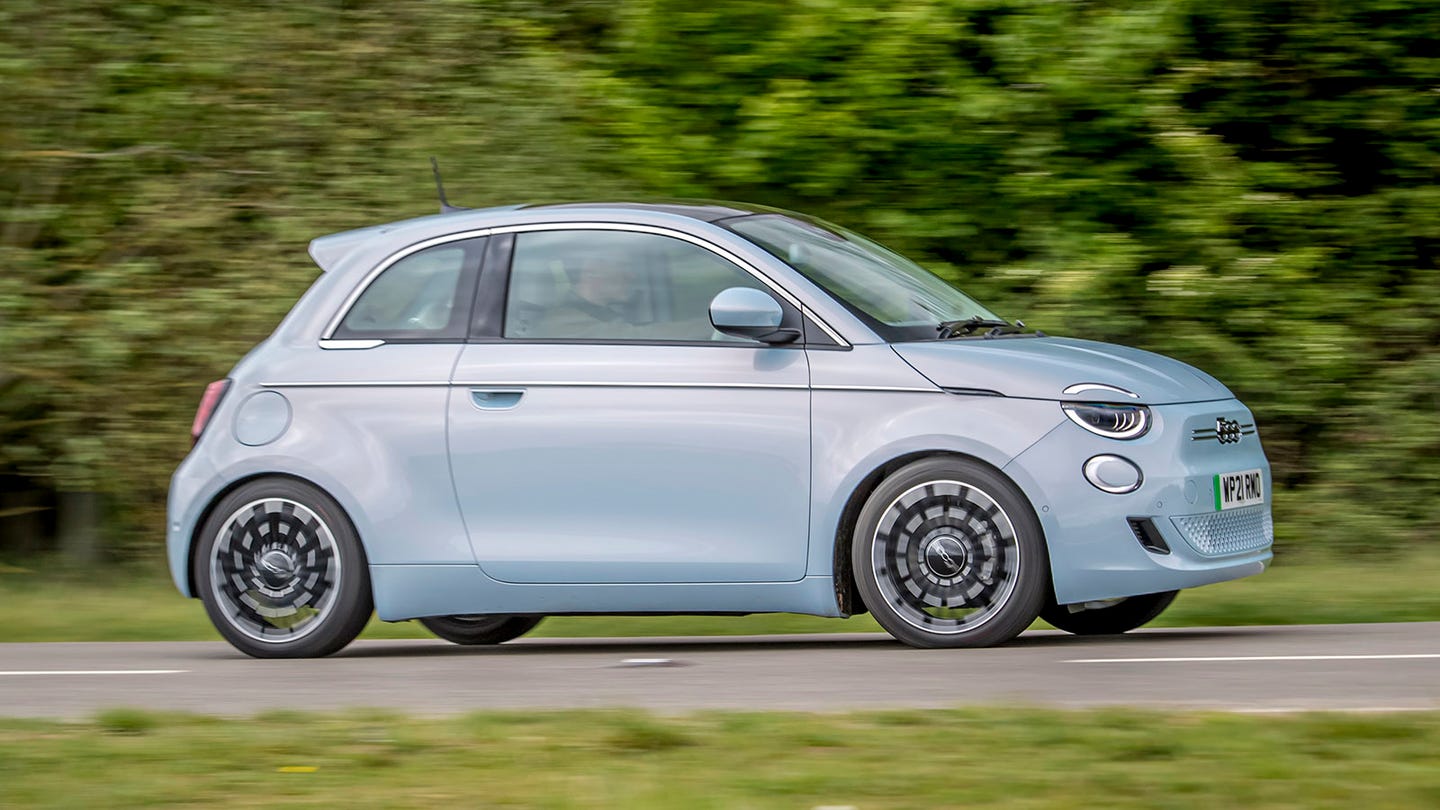







Thinking of going electric? Our guide explains everything you need to know about an EV's battery and how long it'll last.
Maybe you've never given much thought to how a fuel-powered car works. You simply pull up to a filling station, top up with petrol or diesel, and off you go. If you're thinking of making the switch to electric, all the talk about batteries, charging, kW, kWh and so on probably feels like you're having to learn a new language or read a dense legal document.
Buying and owning an electric car is easy, but there are some differences and unique terminology you should know before making the switch. This guide explains everything you need to know about electric vehicles (EVs).
- How does an electric car work?
- Electric car battery sizes and kWh explained
- Single-motor vs dual-motor EVs explained
- Electric car charging speeds and kW explained
- How long does it take to charge an electric car?
- What type of battery is used in electric cars?
- How long do the batteries in electric cars last?
- How to help your EV battery last as long as possible
- How do I get more range from an EV?
- Does rapid charging damage an EV's battery?
- Do electric cars need maintenance?
- EV glossary – jargon-busting abbreviations and terms
- Best electric car lists – find your perfect EV
How does an electric car work?
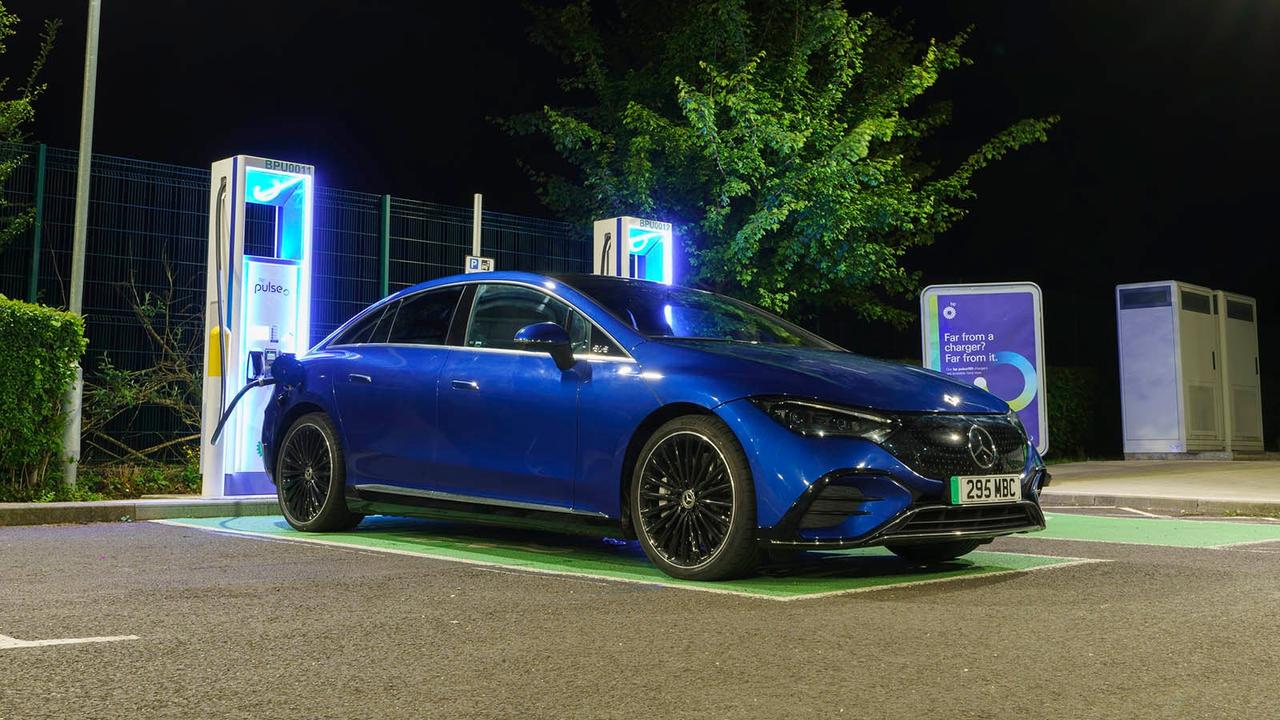
- EVs feature a battery pack, motor(s), inverter, charge port and a single-speed transmission
- EVs are much simpler and have far fewer moving parts than a petrol or diesel engine
- Charging sockets are standardised in the UK and Europe
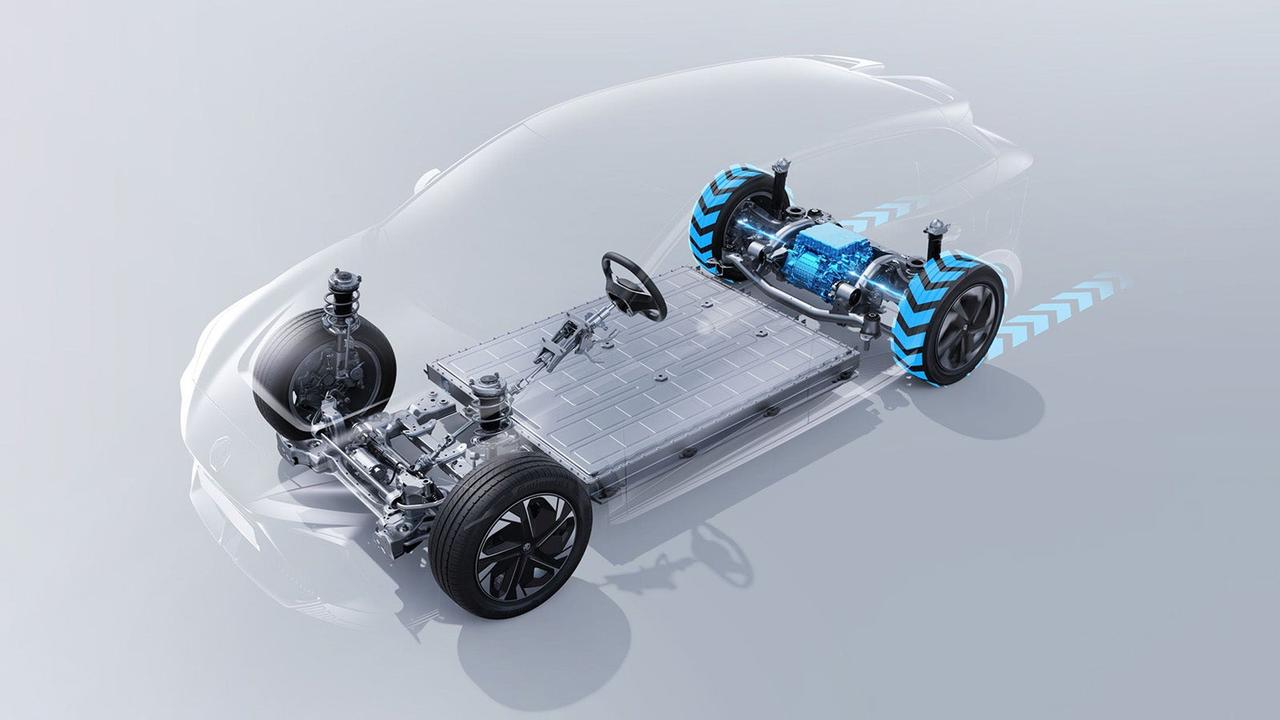
An electric car is one that's powered totally by electricity, with no engine. That means there's a big battery pack – usually hidden under the floor – connected to one or more electric motors that directly power the wheels. If a car is powered by fuel and electric, that's a hybrid car.
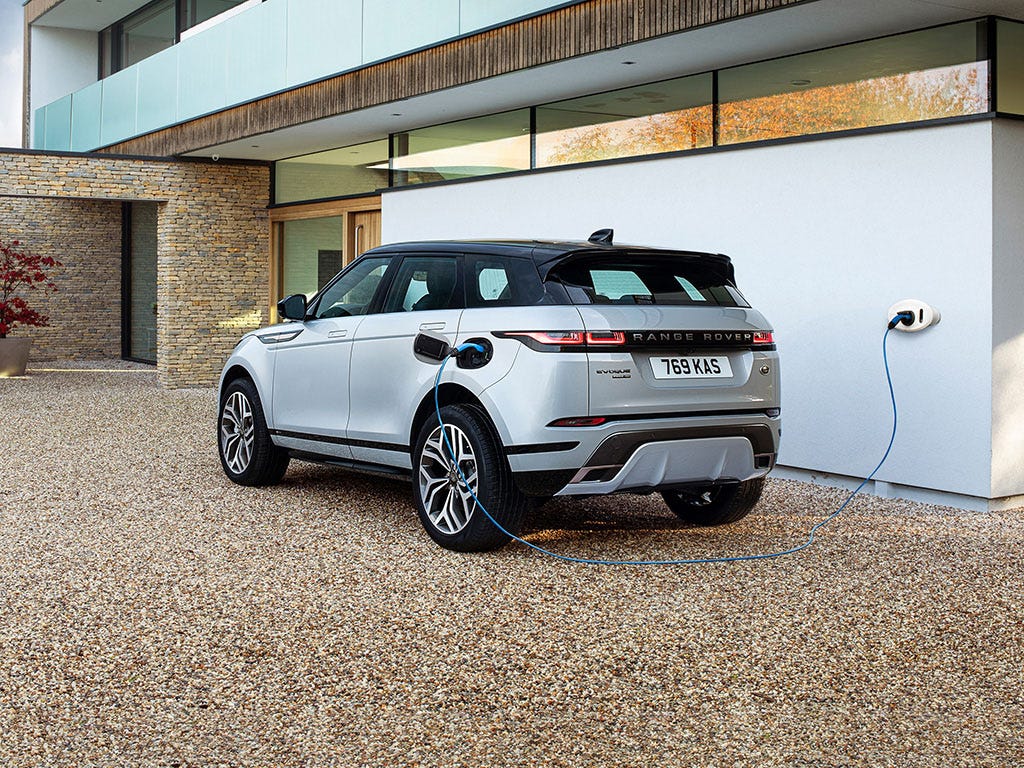
An EV's battery pack usually stores enough electricity for several hundred miles of driving, and can then be recharged at an EV charging point or from your mains electricity supply.
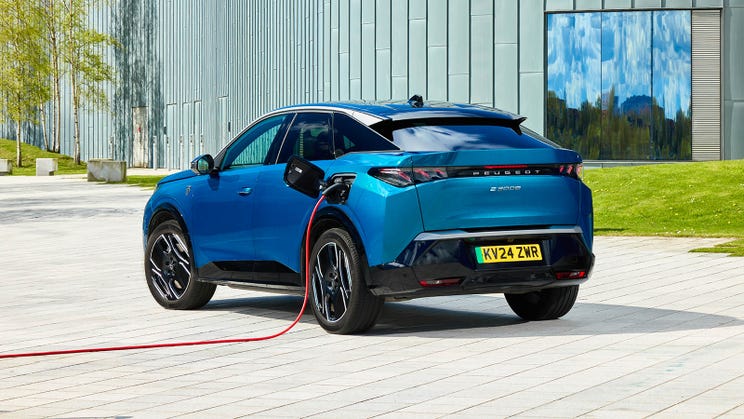
All EVs in the UK and Europe use the same type of charging connector (apart from a tiny handful of early models). That means you can plug your EV in at any public or private charger over here or on the continent. EVs have an inverter to control and convert the electricity from DC (direct current) to AC (alternating current).
Since the electric motor powers the wheels directly, all EVs are automatic and have just one 'gear' that goes all the way from a standstill to their top speed. Having powerful motors and a single-speed gearbox is what makes EVs so smooth and easy to drive – there's no clutch to manage and no breaks in acceleration as gears change.
Electric car battery sizes and kWh explained
- There are lots of different battery sizes, just like there are lots of different engine sizes
- Aerodynamic efficiency is important in getting the best possible range
- The bigger the battery pack, the heavier and costlier it is
Electric car batteries come in different sizes. Broadly speaking, the larger your EV's battery, the further it'll drive on a charge. Many electric models offer a choice of battery sizes, with smaller-battery models being more affordable, and pricier bigger-battery versions that'll go further on a charge.
EV battery packs are measured in kilowatt-hours (kWh). The bigger the number, the more electricity your EV can store. Small EVs usually have batteries between 30-50kWh, mid-sized models are usually 50-70kWh, while large and long-range EVs might have batteries measuring 90kWh or larger.
Battery size isn't the only factor that influences range, however. Aerodynamic EVs like the Tesla Model 3 can squeeze a lot of miles from a fairly modest battery pack, while bulky electric SUVs like the Audi Q8 e-tron return only average range figures despite their massive batteries. The same is true for petrol and diesel cars – aerodynamics plays a big role in efficiency, regardless of what your car's powered by.
There's a tradeoff engineers have to make when designing EVs. Increasing the battery size will push range up, but since batteries are heavy, the car's total weight grows at the same time, reducing its efficiency. You get diminishing returns as you fit larger, heavier batteries, not to mention making the car more expensive for buyers. As a result, most EVs try to find a middle ground between long range and efficiency.
Single-motor vs dual-motor EVs explained
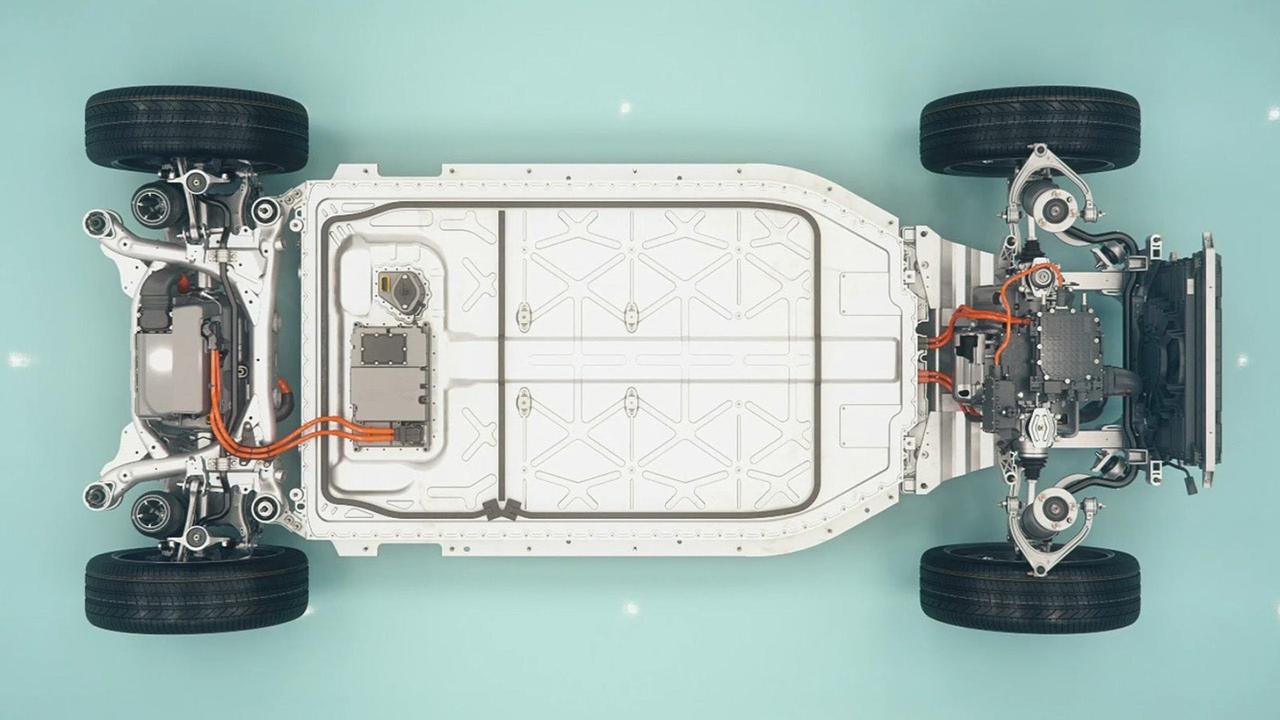
- Dual-motor EVs are typically very powerful (it's like having two engines)
- Motors are small and can be mounted onto the axle to save space
- Most dual-motor EVs are set up to provide extra grip in slippery conditions rather than Land Rover-like off-road capability
All EVs have at least one electric motor. This takes the place of a fuel-powered car's engine and gearbox, and powers either the front or rear axle. Despite being so compact, modern electric motors have a lot of power, so you usually only need one to give an EV plenty of performance.
Some car brands choose to write their motor power in kilowatts (kW), rather than the horsepower (hp) figure we're used to seeing on engine-powered vehicles. These two figures measure the exact same thing, however, so it's possible to convert between them. For example, a 100kW EV is the same as a car with 134hp (1kW = 1.34hp).
If you want your fuel-powered car to be four-wheel drive, you have to add extra mechanical parts. This is easier on an EV, however, as you simply add another electric motor to the other axle. These setups are known as dual-motor EVs and they're usually quite a lot faster than single-motor EVs. While they're often pricier than single-motor EVs, dual-motor cars don't have much of an efficiency penalty so still return good range figures.
Some high-performance EVs go even further. The Tesla Model S Plaid, for example, has a single front motor and one motor each for the rear wheels, making three in total. If that's not enough, the controversial Ferrari Luce has quad motors – one for each wheel.
Electric car charging speeds and kW explained
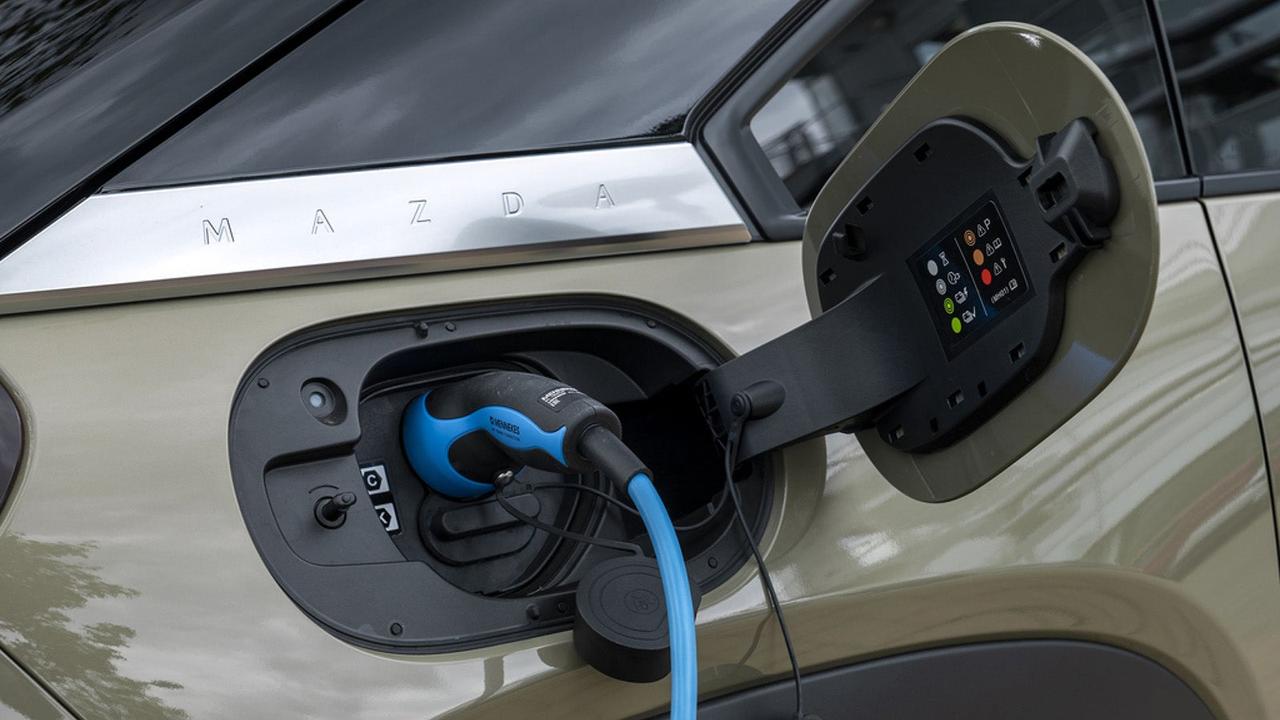
- The vast majority of EVs have fast-charging capability
- Electric cars and chargers work together to provide a safe level of charge
- Advertised charging rates apply in perfect conditions; you may be waiting a little longer than you initially expected while public charging
Another factor to consider when EV shopping is how fast the car can charge. This is especially important if you'll be tackling long drives in your EV, as it'll determine how long you need to spend stopped mid-journey waiting for your car to recharge.
Charging speeds are measured in kilowatts (kW) – exactly the same figure used to measure electric motor power. As you'd expect, a higher charging speed means your battery will fill quicker.
Remember that you'll only see that max charging speed in the real world if you find a public charger capable of putting out that much power. Slower charging points will only be able to fill your car as fast as they're rated for. Don't fret either about connecting your EV to a charge point with a higher charge rate than your EV. For example, if your EV can only charge at up to 100kW and you connect it to a 250kW charge point. In this case, the car will simply accept current at its max rated speed, with no risk of overcharging the battery.
But the charging speed you'll see also varies depending on other factors, such as the temperature of the battery, the external temperature and if the charger you're using splits power between multiple sockets. If your car is able to accept 100kW of fast-charging power, you may not see this speed at all chargers.
How long does it take to charge an electric car?

- Slow AC charging takes hours (useful for charging overnight)
- Fast DC charging typically takes less than an hour
- The charge rate slows down between 80% and 100%
How long it takes depends on the type of charging you're doing. The fastest way to charge your EV is using a public charger. These put out high-power DC electricity, usually rated from 50-350kW. At these speeds, modern EVs can often go from 10-80% charge in half an hour or less – perfect for topping up partway through a long drive. Be aware that public chargers are usually the most expensive way to charge, however.
Why do we measure fast charging from 10-80% rather than 0-100%? That's because charge rates get much slower between 80 and 100% due to battery chemistry. So, on long drives, it's usually more time-effective to top up quickly to 80% and get back on the road again rather than wait even longer to hit 100%.
However, most EV owners do most of their charging at home overnight. This will be using an AC charge point rated at around 7kW. At this speed, most EVs will be able to recover a full charge in one night, ready to go again the next morning. Although bear in mind that few owners fully empty their battery in a day's driving so, in reality, most will only need a few hours home charging to recover whatever they used that day.
It's possible to charge an EV from a standard household three-pin plug socket, but you'll need to make sure the wiring is in good condition – it can be a fire risk if the wiring or socket is in poor condition. A household socket gives 2.3kW of power, so it'll take hours and hours to fully charge an EV using this method.
What type of battery is used in electric cars?

- Batteries are made up of packs of cells
- EVs have complex battery management software to prolong their longevity
- LFP and NMC battery chemistry is used in modern EVs, with differences in range or cost
Modern electric vehicles use lithium-ion (Li-ion) batteries. These were commercialised in the early '90s and store vastly more energy than other battery types, making them suitable for use in cars.
EVs usually have dozens or hundreds of individual battery cells. These are arranged together in modules, with several modules making up an EV's battery pack. This is one of the reasons EV batteries last longer than Li-ion batteries in phones or other small electrical devices, because they share the load of driving and charging among many separate cells, rather than just one big one.
Another key difference that helps EV batteries last longer is that their temperature and charge is actively managed by a battery management system (BMS). This setup means EV batteries are always at a happy working temperature regardless of the weather, and the charge is shared evenly among all the separate cells.
All EVs use lithium-ion batteries but differences are emerging in the specific chemistries used. Most EVs use Li-ion batteries with cathodes made from nickel, manganese and cobalt – these NMC batteries have the best energy and power density. However, some affordable EVs now use LFP batteries, which are Li-ion cells with cathodes made from lithium, iron and phosphorus. LFP cells trade a little power and energy density for better affordability and durability.
How long do the batteries in electric cars last?
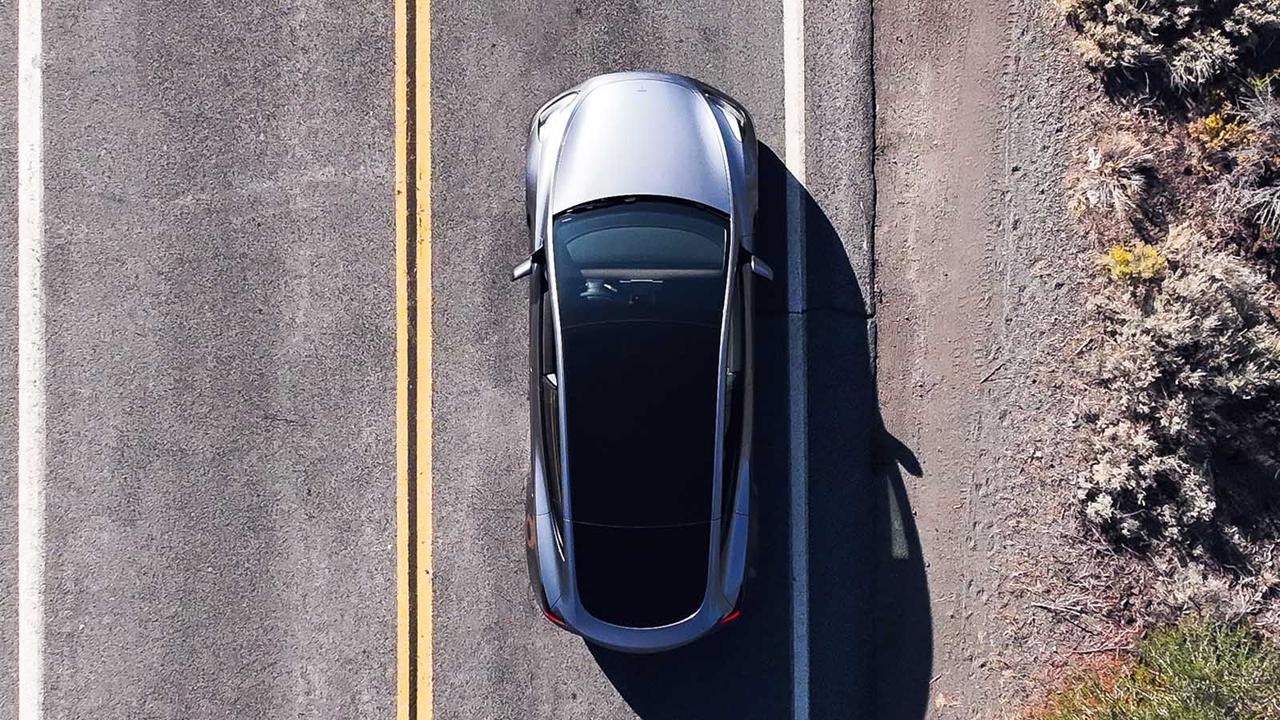
- EV batteries are proving to be more durable than initially expected
- It's normal for batteries to degrade slightly over time
- This affects the maximum range you'll achieve (and how valuable the car is) but the car is still usable
The battery packs in today's electric cars are expected to last around 20 years or 200,000 miles on average. Since that's roughly how long the car is expected to stay in service, it's reasonable to assume that the battery packs in today's EVs will last the lifetime of the car and won't need to be replaced.
Of course, like fuel-powered cars, how carefully you use the EV and how well you take care of it will have an impact on how long it lasts. Neglecting the car's maintenance and following bad charging habits will wear out your battery faster than someone who's more mindful of these factors.
Most brands choose to warranty the battery packs in their cars for around eight years or 100,000 miles – whichever comes first. Note that this is just the length of time in which the manufacturer is happy to provide a no-cost replacement should the battery fail. With careful use, EV batteries should last much longer than that.
Battery warranties typically stipulate that the battery is covered if it drops below 70% of its original capacity. A certain level of battery degradation is normal, and electric cars are still usable even if they return marginally fewer miles than a brand-new equivalent.
Read our full guide explaining how long electric car batteries last.
How to help your EV battery last as long as possible
These simple steps will help maximise your EV battery's lifespan. Be aware that these are only 'best-practice' tips, and your EV battery should still last a very long time even if you can't follow all of them all the time.
- For everyday driving, keep your charge level below 80%
- You can limit the max charge level through your car's screen, the associated app or your charge point
- Only charge to 100% when you know you'll be tackling a long drive
- For example, set your EV to charge to 100% the night before a big journey
- It's best to charge little and often
- For example, recovering 10-20% every night, rather than a big 80% charge once a week
- Save public fast chargers for long journeys
- Fast charging causes slightly more wear to a battery, so it's best saved for topping up on long drives
- Slower AC home or destination chargers aren't useful for long drives but cause slightly less wear
Again, EVs and their batteries will happily cope if you can't fully follow these steps, but these tips are a good guide to help your EV last as long as possible.
How do I get more range from an EV?

- Smooth driving improves range – and the longevity of parts
- EVs are very efficient in stop-start traffic
- Climate control can dent an EV's range
Most of the same efficient driving techniques that help you save fuel in an engine-powered car apply when you're driving an EV. You want to reduce the amount of time you spend braking and accelerating, and maximise the amount of time you're cruising at a steady speed.
Naturally, you'll need to be mindful of how you're using your brake and accelerator, but you'll also need to be paying close attention to traffic around you. Predicting when a light will change or when a gap in traffic will open up, means you can use less braking and acceleration as you anticipate the change.
Using on-board features such as the navigation or audio system will make a negligible difference to your total range. However, your car's climate control can have a small but noticeable impact on total efficiency. For example, choosing to use heated seats over the cabin heater can help eke out a few extra miles. Similarly, your EV will use more range by having the air con on its very coldest setting rather than just one or two degrees more.
Electric cars use brake regeneration to recharge the battery in stop-start driving. This is where the motor switches to reverse as soon as you come off the accelerator, scooping up the energy that would otherwise be lost during deceleration. You can often increase or decrease the regen braking setting – you might want stronger regen around town and weaker regen at higher speeds.
Does rapid charging damage an EV's battery?
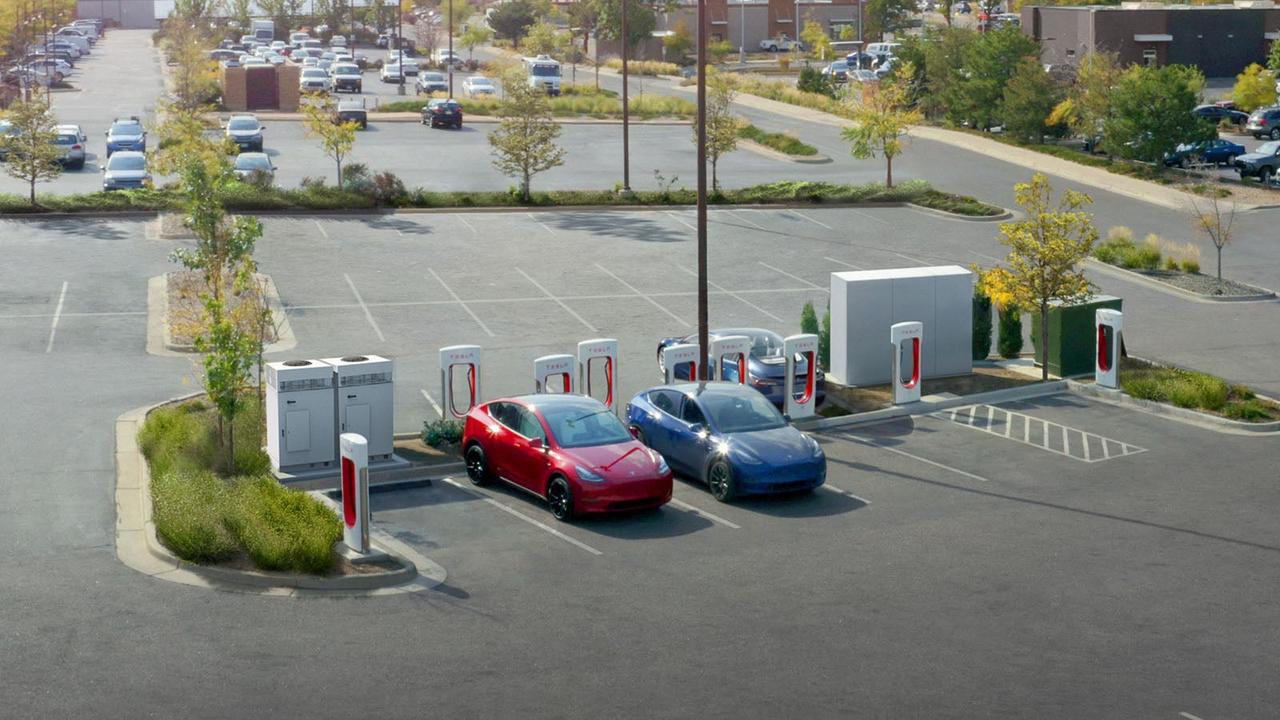
Using a public fast charger now and then won't damage your EV's battery. However, using fast charging exclusively might cause your battery to wear out at a slightly accelerated rate.
That's why best practice with an EV is to save public fast charging for times when you're tackling long drives. For day-to-day driving, it's preferable to use slower home or destination charging as this'll put a little less strain on your battery.
Do electric cars need maintenance?
As with any car, an electric car will still need servicing.
Wipers, tyres, brakes and brake fluid are just a few of the essential items that still need regular inspections regardless of whether your car is electric or uses a regular combustion engine. However, some electric cars have longer service intervals than petrol or diesel cars.
Read more in our guide to electric car maintenance.
EV glossary
Unfortunately, there are a lot of abbreviations and new words to get your head around if you're looking to buy an electric car. We've produced a jargon-busting alternative fuels and electric cars glossary to get you clued up on what all these terms mean.
Find the used electric car for you at Motorpoint
- Best electric cars
- Best cheap electric cars
- Best cheap electric SUVs
- Best small electric cars
- Best electric family cars
- Best electric hatchbacks
- Best electric SUVs
- Best electric 4x4s
- Best 7-seat electric cars
- Best electric estate cars
- Best electric luxury cars
- Cheapest electric cars with the longest range
- Longest-range electric cars
- Fastest-charging electric cars
- Best Chinese electric cars
- Best-looking electric cars
- Best electric hot hatches
Electric car FAQs
Save thousands on electric cars
Shop a huge selection of nearly new and used electric cars for sale at Motorpoint. All vehicles are quality inspected and include warranty cover, and have the lowest prices guaranteed.