






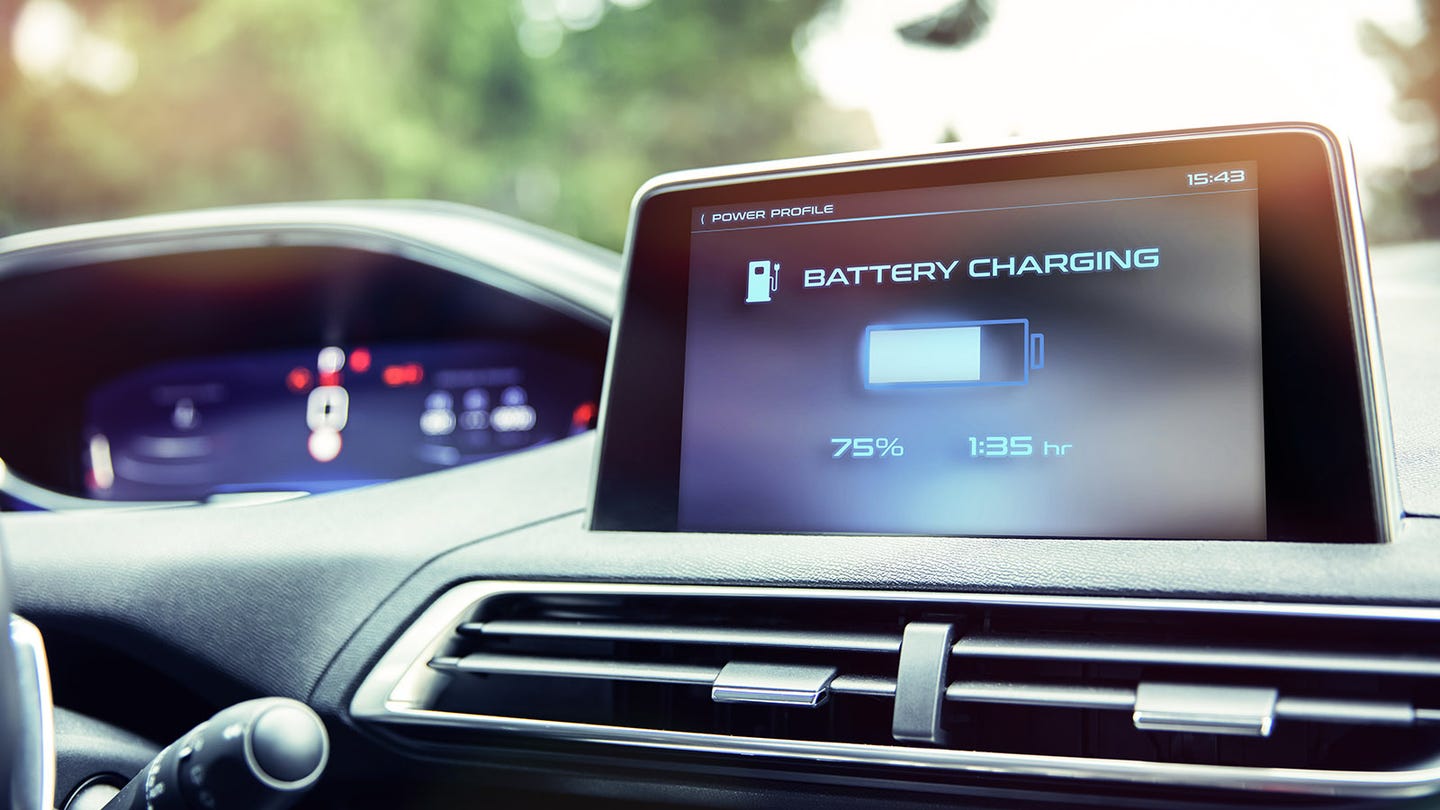

Preconditioning is a feature that lets your EV heat or cool its battery before you fast charge it.
Doing so puts the battery into its ideal temperature range, which lets it hit high charging speeds much faster than a car that's not been preconditioned.
We'll explain how EV battery preconditioning works here, along with looking at the benefits and explaining how to use it.
What is EV battery preconditioning?
- Battery preconditioning makes your EV charge more quickly from public fast chargers
- So you only need it when you're using the public charging network, such as long journeys
- You activate battery preconditioning before taking your EV to a fast charger
- It automatically heats or cools the EV's battery as needed
- This means your battery is ready to accept fast charging speeds as soon as you arrive at the charger
- An EV that's not preconditioned will take noticeably longer to hit fast charging speeds
- Many newer EVs use the sat nav to see when you're going to a charger and start preconditioning
- Some EVs let you activate preconditioning manually
- Preconditioning doesn't improve range, but substantially reduces charging time
- This means you'll spend less time charging on long drives
What does EV battery preconditioning do?
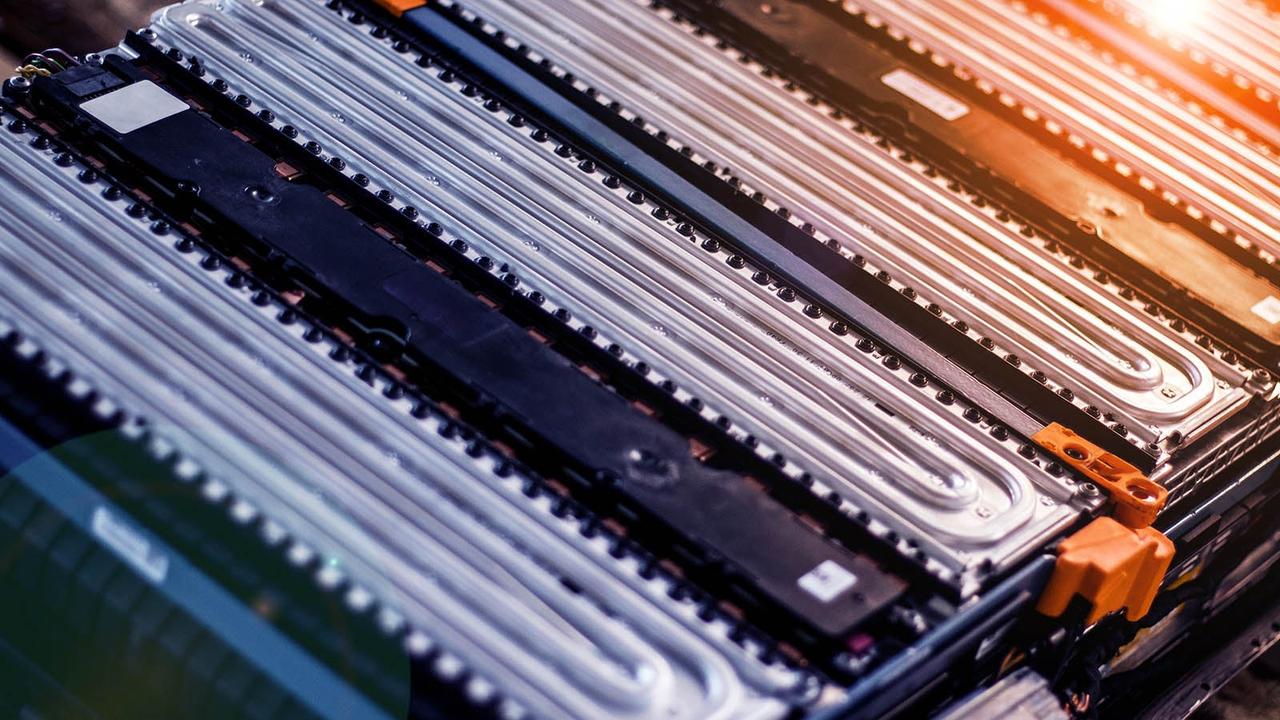
Virtually all EVs have active temperature management built into their battery packs. This is a system that pumps liquid coolant through the battery pack to heat or cool it, and maintain a happy operating temperature.
The battery can power the car across a wide range of temperatures, but it wants to be close to its ideal operating temperature for fast charging. This is where preconditioning comes in, heating or cooling the battery pack to get it close to that perfect temperature.
How to precondition your EV's battery
Annoyingly, many EVs tie the preconditioning feature to the car's sat nav. In theory, this makes the system more convenient because you simply set a charger as your destination, and your EV figures out when to start preconditioning, and by how much.
However, this isn't a great solution in practice. For starters, you can't manually begin preconditioning without the sat nav, so you're obliged to set a public charger as your destination, even if you don't need GPS guidance. Plus, many drivers prefer to use their own mapping apps through Apple CarPlay or Android Auto – most EVs currently cannot activate preconditioning through these third-party apps.
- Consider the route you're planning to drive
- If possible, identify the charging points you'd like to stop at ahead of time
- Enter your desired charging station into your car's built-in sat nav (not through Apple CarPlay or Android Auto)
- If your desired charging station isn't available through your EV's sat nav, locate a charging station that's a similar distance away and set your navigation to that station before proceeding to your original planned stop
- Ideally, you'll do this 30-40 minutes before you arrive at the charger
- Even if you're much closer to the charger, it's still worth preconditioning as much as you can to give your car a headstart
- You can also set the charger as your destination sooner than 30-40 minutes or at the start of your journey – your EV will only start preconditioning when it's the right time
- Once you arrive at the charging station, your battery should be either fully or partially ready to accept fast charging speeds
How to manually precondition your EV's battery
Some more flexible EVs make the preconditioning process much easier to control.
- Find the preconditioning button in your car's settings
- This is usually found in the infotainment system
- Press the button to start preconditioning before you head to a fast charger
- Ideally, you'll start preconditioning around 30-40 minutes before arriving at the charger
- It's still worth preconditioning your battery even if you're just a few minutes away, though you'll see less benefit
- Once at the charger, you'll get a faster charging speed sooner than if you hadn't preconditioned
When should you precondition your EV's battery?
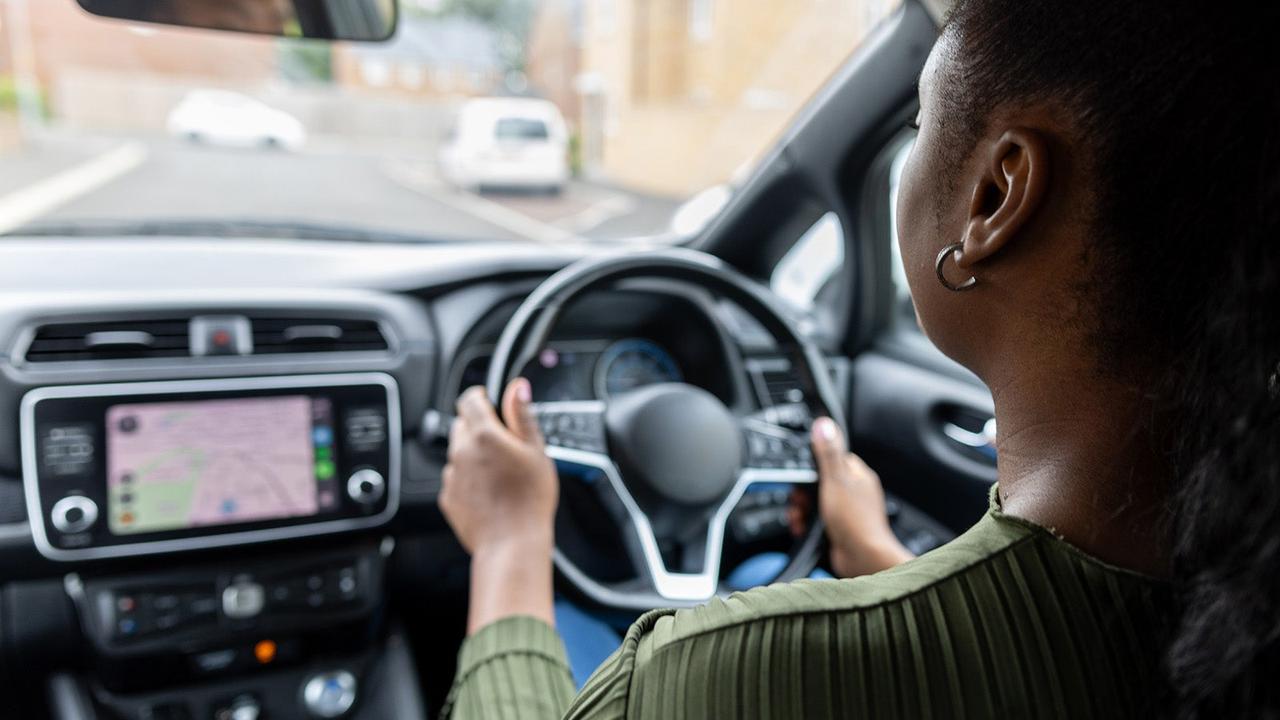
EV battery preconditioning is only needed when you're going to be using public fast chargers. For drivers who can charge at home, preconditioning isn't needed for regular, day-to-day driving.
You'll get the most benefit from battery preconditioning when the weather is very hot or, more likely in the UK, very cold. In these circumstances, an unconditioned EV battery might take a long time to get to the right temperature and start fast charging. Meanwhile, a preconditioned EV battery will be able to jump straight to fast charging speeds as soon as it's connected.
Less time spent charging is always a good thing for EV drivers, but it's especially useful on a long journey. Tactically preconditioning your battery before a charging stop will significantly reduce the time you spend stopped and plugged in, thus reducing your overall travel time.
How long does preconditioning take?
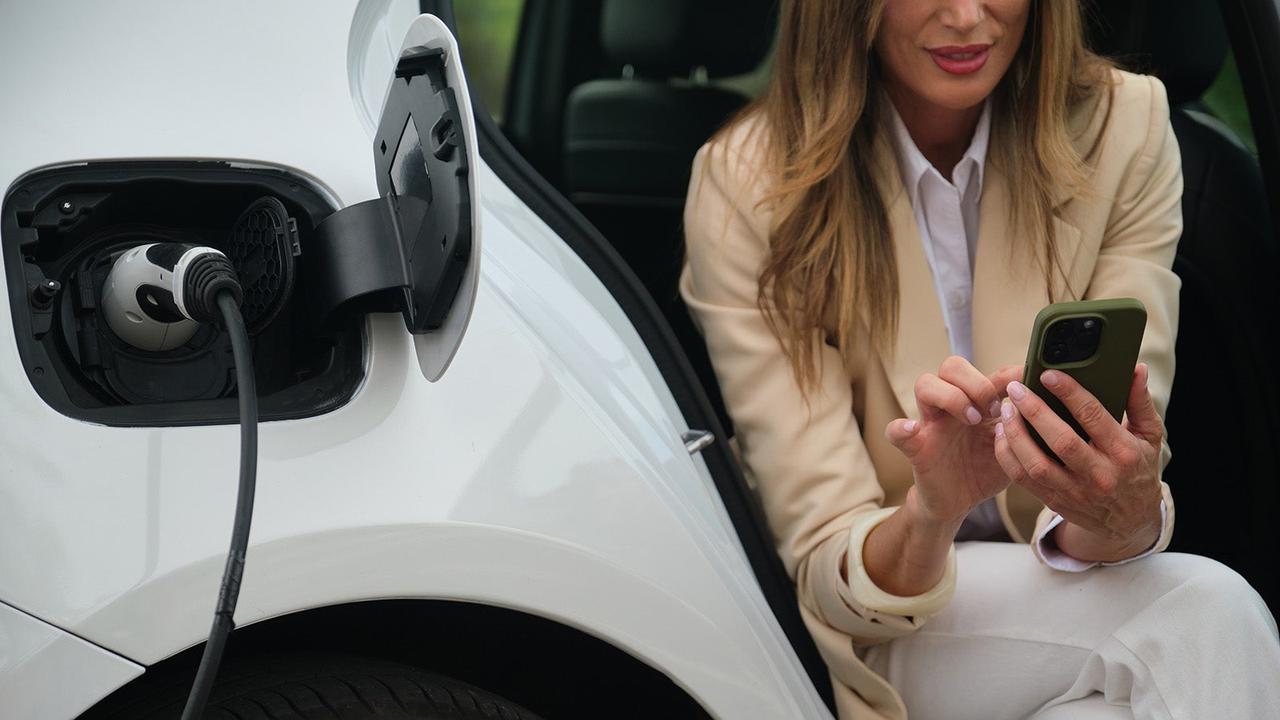
Most EVs can precondition their battery packs to a happy fast-charging temperature in around 30-40 minutes. However, that that figure will vary dramatically depending on the outside temperature and your EV's specific battery design.
For example, in moderate weather conditions where temperatures are a little above 20ºC, your EV might decide that it only needs a little preconditioning or none at all. This is because the battery is already close to its ideal operating temperature, so there's little benefit from extra preconditioning. Your car is equipped with all the sensors and controllers needed to make these decisions automatically.
Does preconditioning improve EV range?
Technically, no – preconditioning doesn't affect EV range directly. Instead, preconditioning means you can charge your battery more effectively at a public fast charger. If you're on a long journey, this means you spend less time at the charger and get to your destination sooner.
For drivers covering big mileages, the most effective thing you can do to improve your range is to keep your speed under control. An EV travelling below the national speed limit will go substantially further on a charge than one driven above the national limit.
Does preconditioning use battery power?
Yes. Preconditioning your EV battery before using a public fast charger does actually use more of your battery's power than choosing not to precondition it.
However, preconditioning also substantially shortens your overall charging time. This not only makes up for the extra few battery percent you spent preconditioning on your way to the charger, but it also reduces your overall journey time.
Why EV battery temperature matters
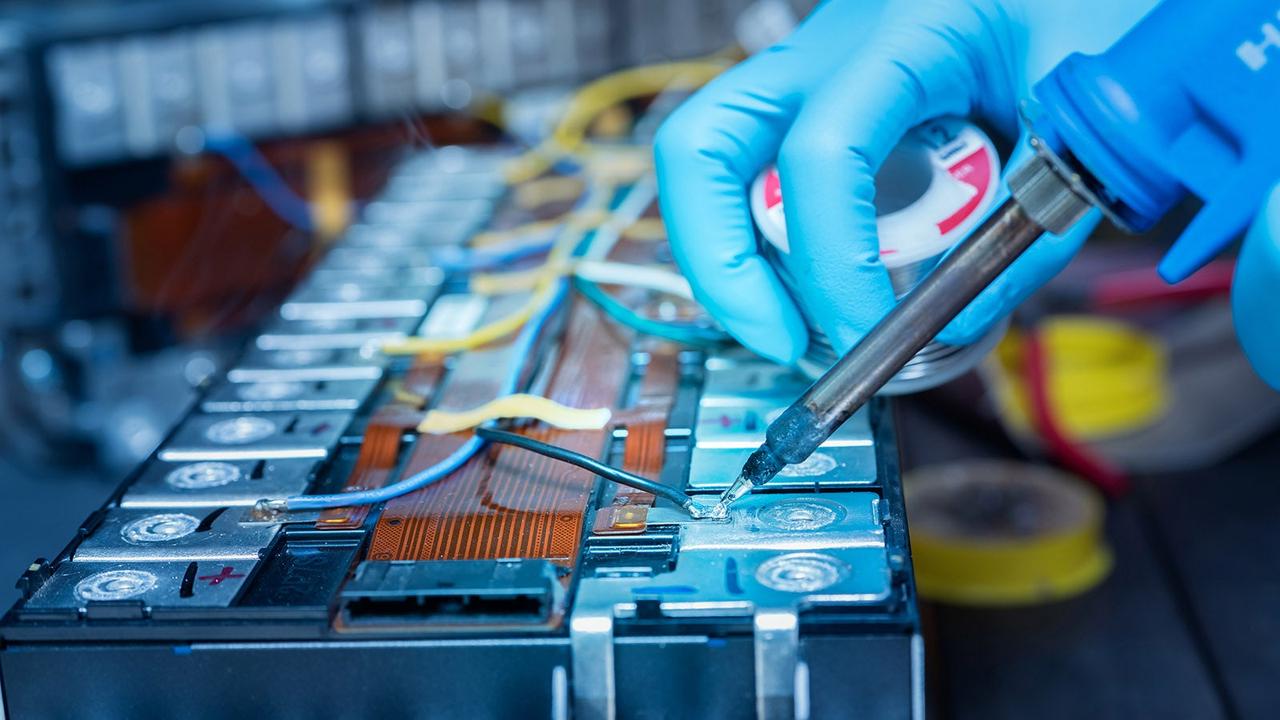
Battery cells contain chemical reactions that power your wheels going one way, or charge your battery going the other way. These reactions are heavily dependent on the ambient temperature so, rather than leave that to chance, EV makers design the battery pack so it can be actively cooled or heated using the car's climate control system. This keeps the battery in a happy operating window.
For regular driving and slower home charging, there's a fairly wide range of temperatures your EV's battery is happy to operate at. However, high-power public fast chargers require a narrower window that's much closer to the pack's ideal operating temperature. This is why preconditioning saves time at the charger because, otherwise, you'd have to wait for the battery pack to get to the right temperature while it's plugged in.
At what temperature should you precondition an EV battery?
You can instruct your car to precondition your battery at any temperature. Your EV will use its sensors and driving data to work out how much preconditioning to use and when after the request is made.
However, preconditioning makes the biggest impact when ambient temperatures are particularly high or low. That means temperatures above 30ºC or below 10ºC are likely to see more benefit from preconditioning.
Pros of EV battery preconditioning
- Faster charging stops
- Shortens long journeys
- Your car automatically picks when to start preconditioning
Cons of EV battery preconditioning
- Some EVs make preconditioning controls fiddly
- Preconditioning is a bad idea if you only have enough charge to make it to a charger
- It's another thing to think about planning long drives in an EV
Which EVs have battery preconditioning?
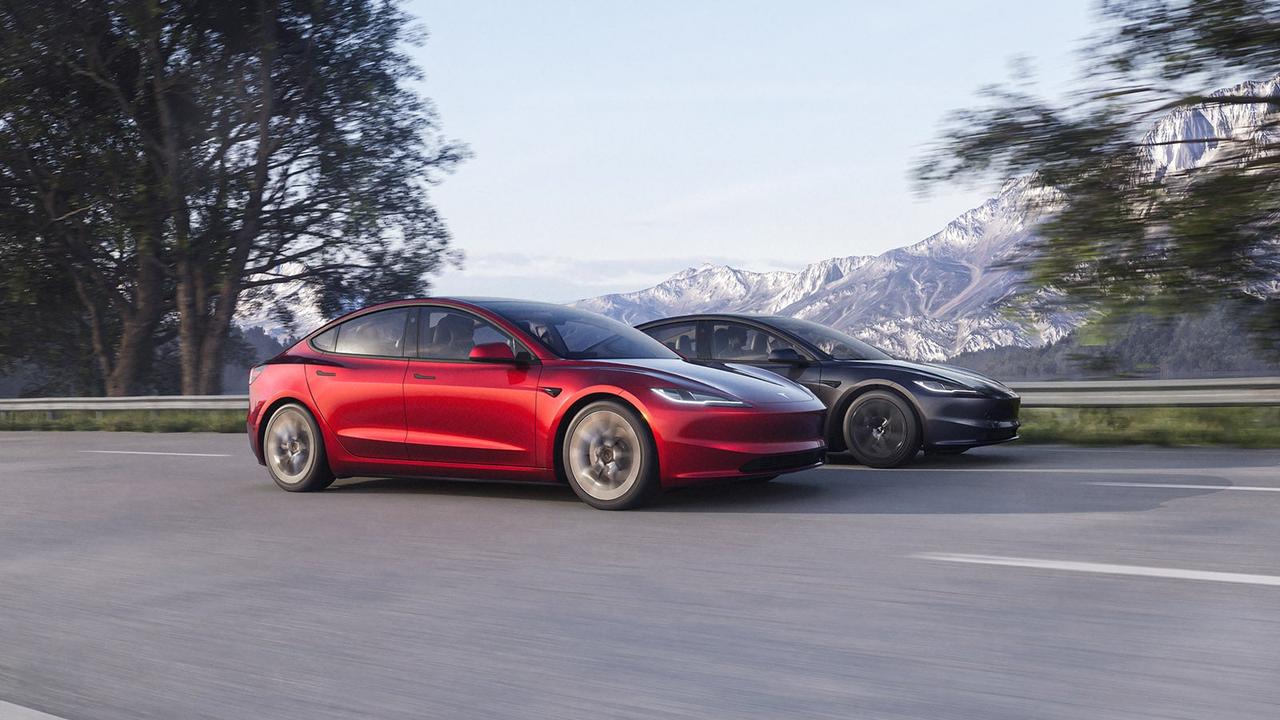
Preconditioning is widespread on electric cars from brands like Tesla, Mercedes, BMW and Polestar, among many others (learn more about Tesla battery preconditioning here). In most cases, this is automatic preconditioning that's linked to the car's sat nav.
Some models, including recent EVs from brands like Hyundai and Kia have started to add a manual preconditioning control.
What happens if you don't precondition your EV's battery?
Absolutely nothing will happen to your EV's battery if you don't precondition it. Choosing to precondition has no bearing on the range, longevity or effectiveness of your battery pack.
What will happen, is that your EV will take longer to charge from a public fast charger. This is because it'll have to spend some of the time it's plugged in warming or cooling the battery so it can accept a high charging speed. As a result, a long journey with recharging stops will take longer without preconditioning your battery.
How important is EV battery preconditioning?
The answer here will vary depending on how often you're likely to tackle long journeys in your EV. If you regularly cover big mileages, preconditioning will make a meaningful impact on your charging times in hot or cold weather.
However, if you're an EV driver who usually charges at home and only covers average daily mileages, you'll probably rarely use preconditioning.
Massive savings on nearly new and used EVs
Shop a huge choice of nearly new and used electric cars for sale at Motorpoint. For more inspiration, see the top 10 fastest charging electric cars you can buy.