


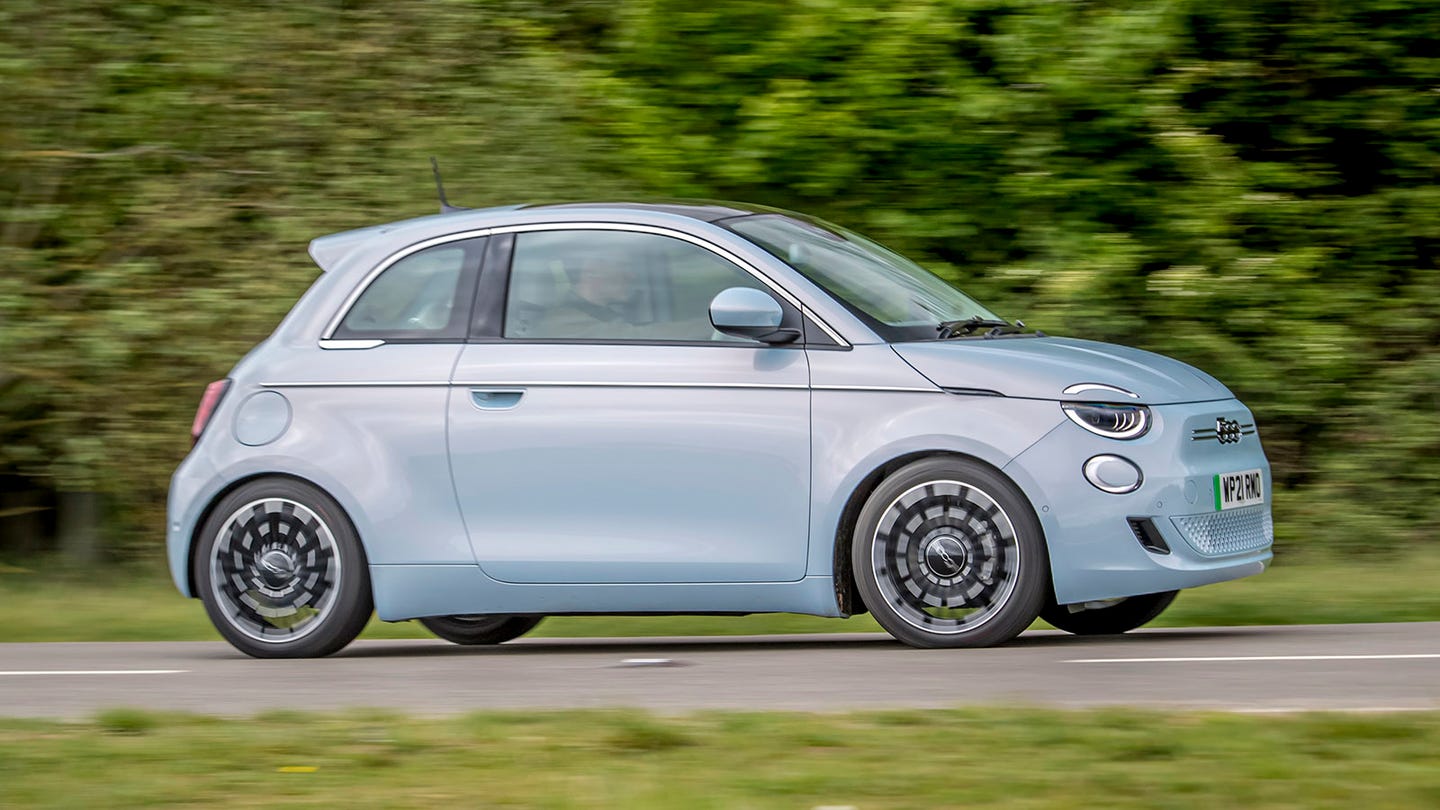







It's never been easier to swap to an electric car.
There's a huge selection of electric models to suit most budgets. Plus, with so many used electric cars now available, prices for some EVs have now dropped below equivalent fuel-powered models, making them a bit of a second-hand bargain.
Buying and owning an electric car is easy, but there are some differences and unique terminology you should know before making the switch. This guide explains everything you need to know about EVs.
What is an electric car?
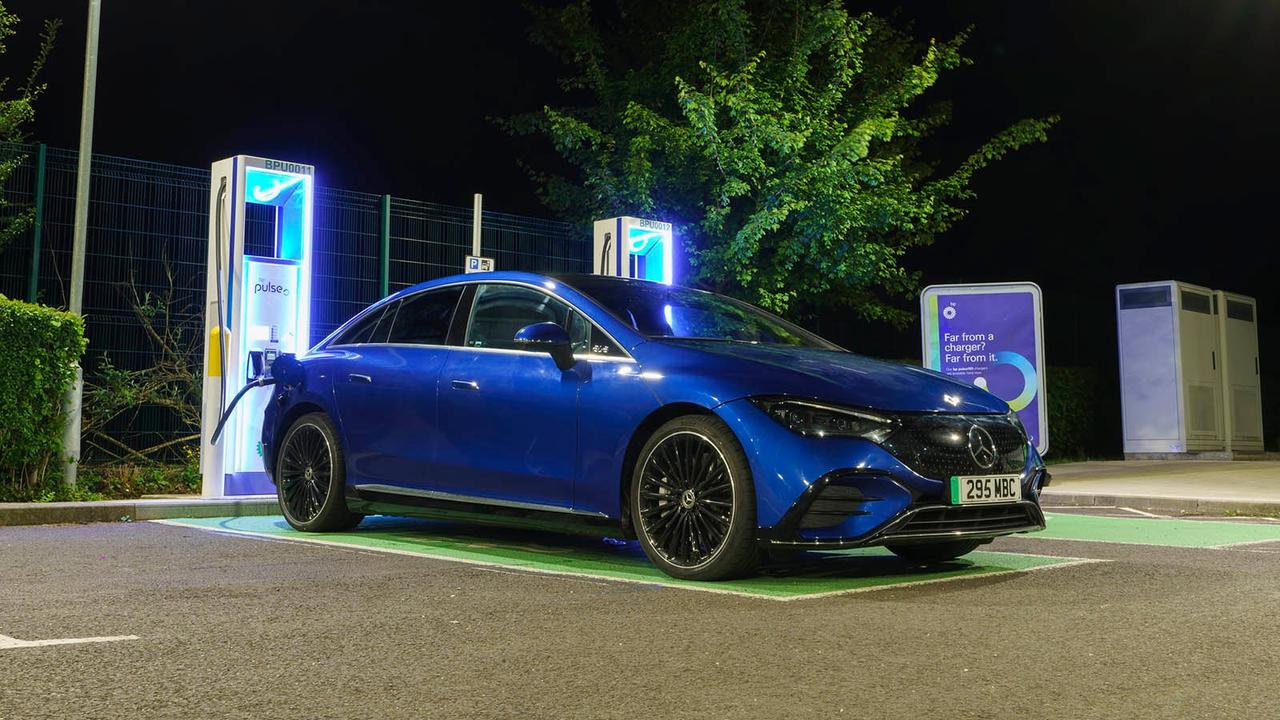
Let's start with the simple stuff. An electric car is one that's powered totally by electricity, funnily enough. That means there's a big battery pack – usually hidden under the floor – connected to one or more electric motors that directly power the wheels.
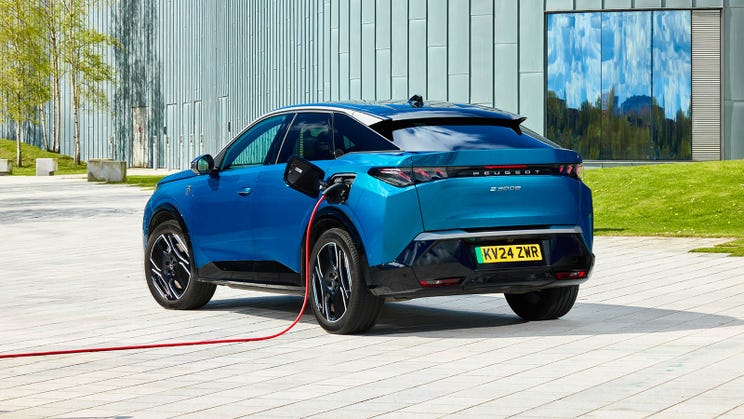
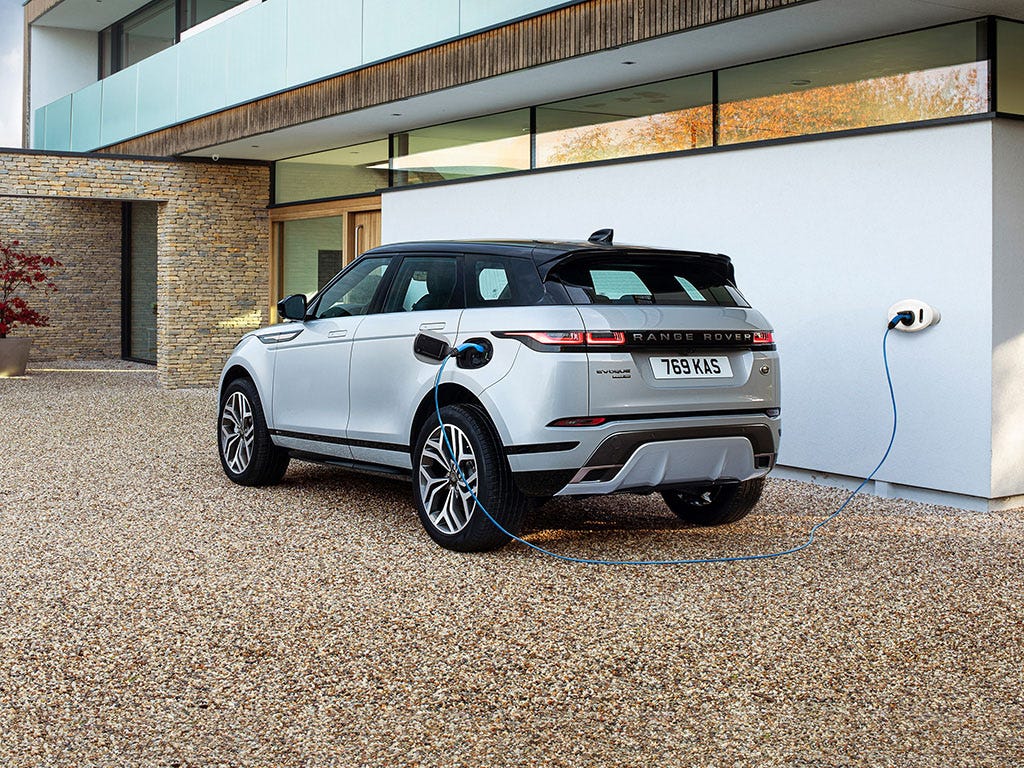
An EV's battery pack usually stores enough electricity for a few hundred miles of driving, and can then be recharged at an EV charging point. All EVs in the UK and Europe use the same type of charging connector (apart from a tiny handful of early models). That means you can plug your EV in at any public or private charger over here or on the continent.
Since the electric motor powers the wheels directly, all EVs are automatic and have just one 'gear' that goes all the way from a standstill to their top speed. Having powerful motors and a single-speed gearbox is what makes EVs so smooth and easy to drive – there's no clutch to manage and no breaks in acceleration as gears change.
Getting rid of a car's engine brings other benefits too. Electric motors are small and battery packs are flat, so they're easy to package within a car's body. That means EVs can push their axles far out to the car's edges, unlocking more interior space without making the body any larger.
Electric car battery sizes and kWh explained
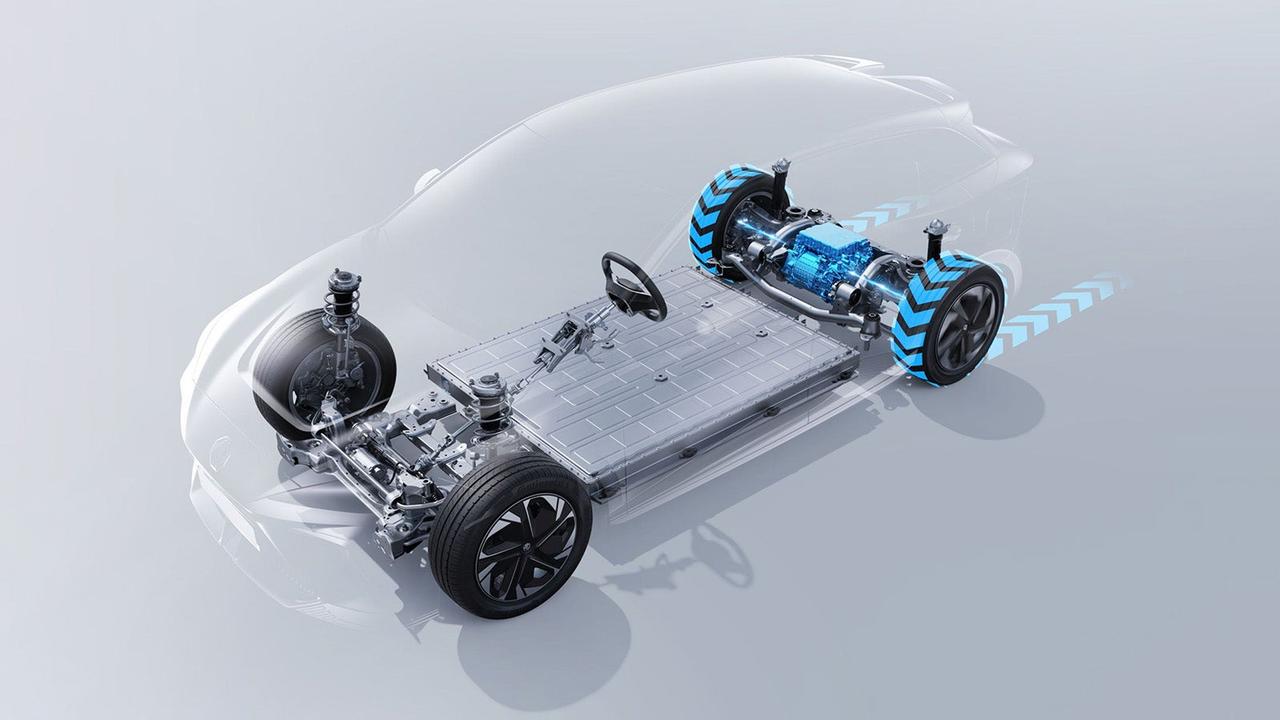
Electric car batteries come in different sizes. Broadly speaking, the larger your EV's battery, the further it'll drive on a charge. Many electric models offer a choice of battery sizes, with smaller-battery models being more affordable, and pricier bigger-battery versions that'll go further on a charge.
EV battery packs are measured in kilowatt-hours (kWh). The bigger the number, the more electricity your EV can store. Small EVs usually have batteries between 40-50kWh, mid-sized models are usually 50-70kWh, while large and long-range EVs might have batteries measuring 90kWh or larger.
Battery size isn't the only factor that influences range, however. Aerodynamic EVs like the Tesla Model 3 can squeeze a lot of miles from a fairly modest battery pack, while bulky electric SUVs like the Audi Q8 e-tron return only average range figures despite their massive batteries.
There's a tradeoff engineers have to make when designing EVs. Increasing the battery size will push range up, but since batteries are heavy, the car's total weight grows at the same time, reducing its efficiency. You get diminishing returns as you fit larger, heavier batteries, not to mention making the car more expensive for buyers. As a result, most EVs try to find a middle ground between long range and efficiency.
Single-motor vs dual-motor EVs explained
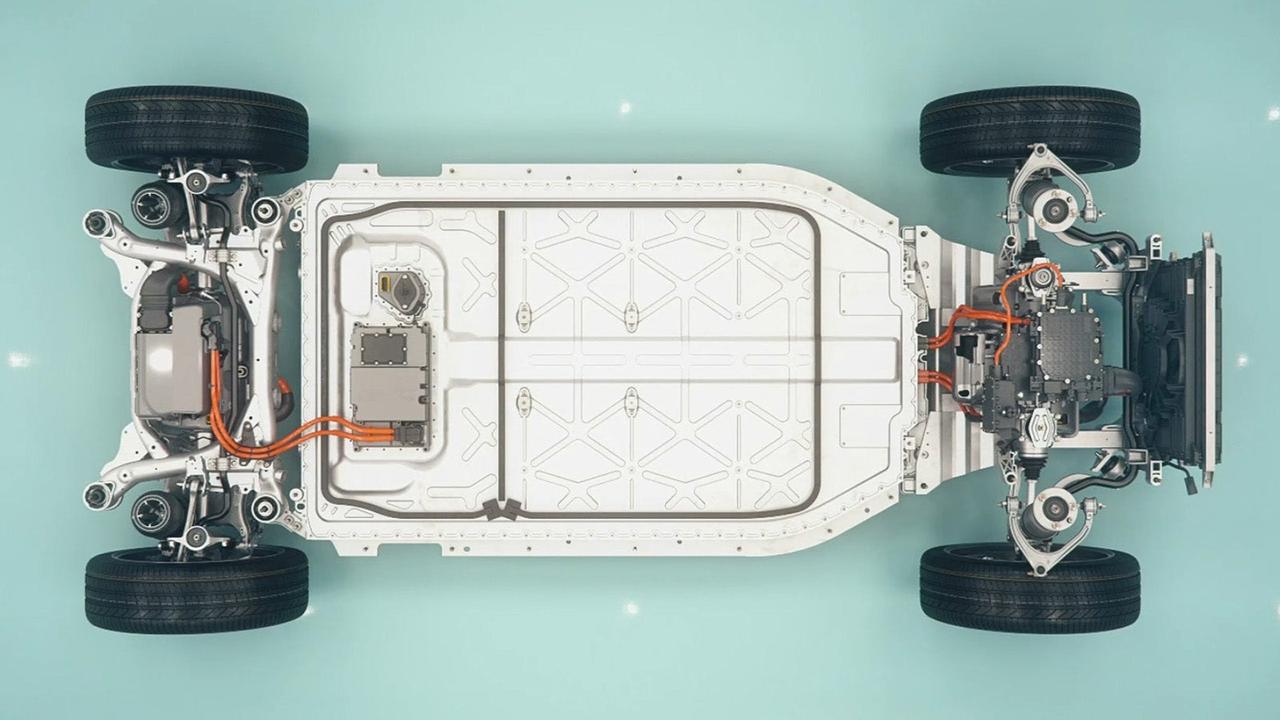
All EVs have at least one electric motor. This takes the place of a fuel-powered car's engine and gearbox, and powers either the front or rear axle. Despite being so compact, modern electric motors have a lot of power, so you usually only need one to give an EV plenty of performance.
Some car brands choose to write their motor power in kilowatts (kW), rather than the horsepower (hp) figure we're used to seeing on engine-powered vehicles. These two figures measure the exact same thing, however, so it's possible to convert between them. For example, a 100kW EV is the same as a car with 134hp (1kW = 1.34hp).
If you want your fuel-powered car to be four-wheel drive, you have to add extra mechanical parts. This is easier on an EV, however, as you simply add another electric motor to the other axle. These setups are known as dual-motor EVs and they're usually quite a lot faster than single-motor EVs. While they're often pricier than single-motor EVs, dual-motor cars don't have much of an efficiency penalty so still return good range figures.
Some high-performance EVs go even further. The Tesla Model S Plaid, for example, has a single front motor and one motor each for the rear wheels, making three in total. While range-topping Rivian models have quad motors – one for each wheel.
Electric car charging speeds and kW explained
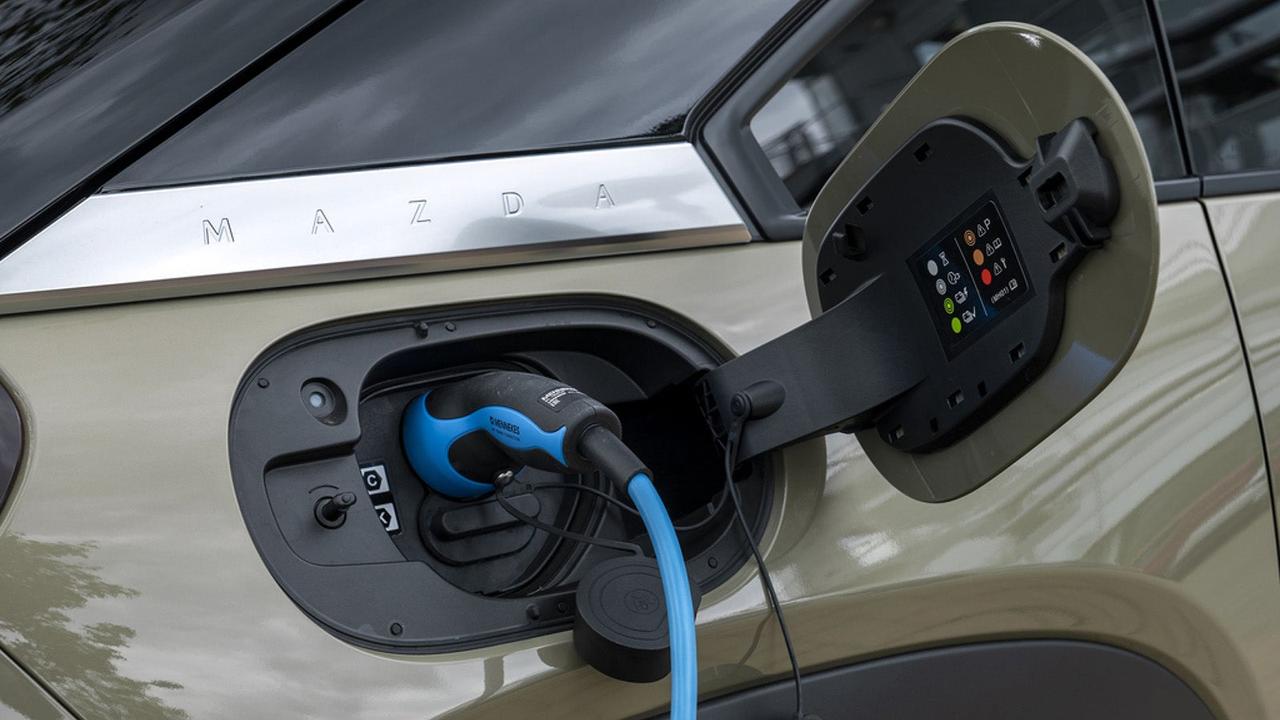
Another factor to consider when EV shopping is how fast the car can charge. This is especially important if you'll be tackling long drives in your EV, as it'll determine how long you need to spend stopped mid-journey waiting for your car to recharge.
Charging speeds are measured in kilowatts (kW) – exactly the same figure used to measure electric motor power. As you'd expect, a higher charging speed means your battery will fill quicker. Remember that you'll only see that max charging speed in the real world if you find a public charger capable of putting out that much power. Slower charging points will only be able to fill your car as fast as they're rated for.
Don't fret either about connecting your EV to a charge point with a higher charge rate than your EV. For example, if your EV can only charge at up to 100kW and you connect it to a 250kW charge point. In this case, the car will simply accept current at its max rated speed, with no risk of overcharging the battery.
How long does it take to charge an electric car?

That depends on the type of charging you're doing. The fastest way to charge your EV is using a public charger. These put out high-power DC electricity, usually rated from 50-350kW. At these speeds, modern EVs can often go from 10-80% charge in half an hour or less – perfect for topping up partway through a long drive. Be aware that public chargers are usually the most expensive way to charge, however.
Why do we measure fast charging from 10-80% rather than 0-100%? That's because charge rates get much slower between 80 and 100% due to battery chemistry. So, on long drives, it's usually more time-effective to top up quickly to 80% and get back on the road again rather than wait even longer to hit 100%.
However, most EV owners do most of their charging at home overnight. This will be using an AC charge point rated at around 7kW. At this speed, most EVs will be able to recover a full charge in one night, ready to go again the next morning. Although bear in mind that few owners fully empty their battery in a day's driving so, in reality, most will only need a few hours home charging to recover whatever they used that day.
How long do the batteries in electric cars last?
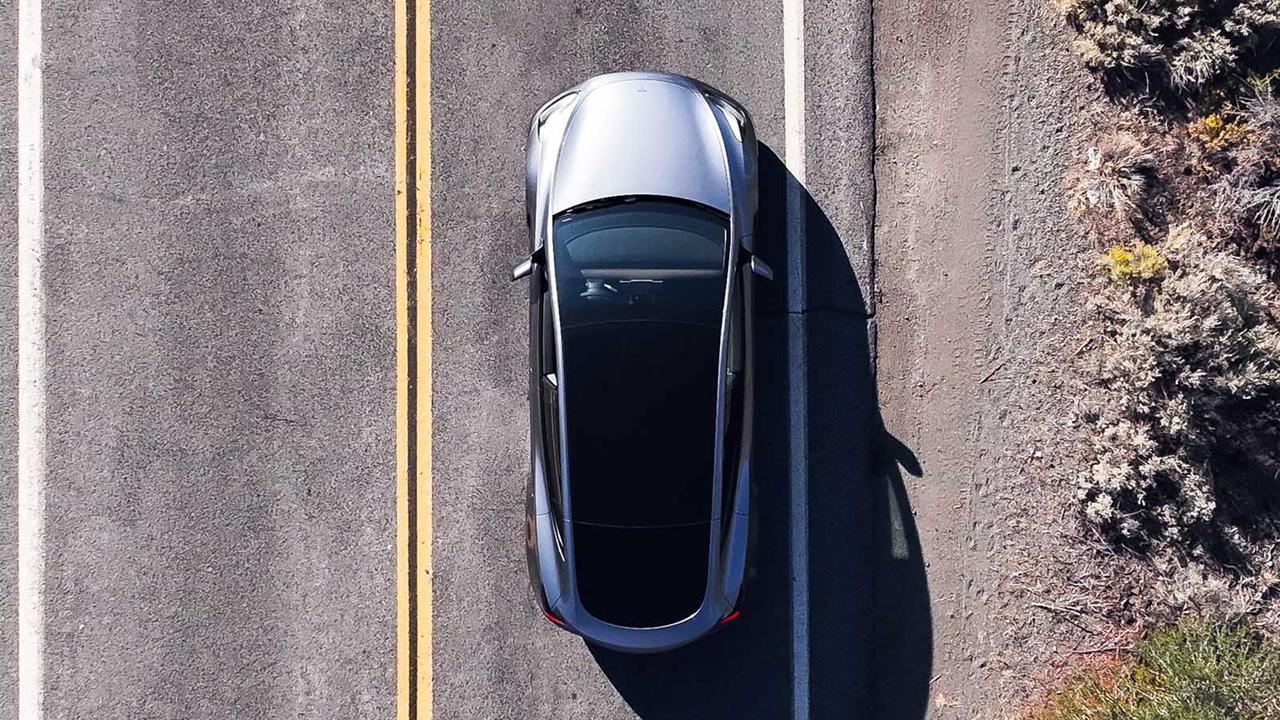
The battery packs in today's electric cars are expected to last around 20 years or 200,000 miles on average. Since that's roughly how long the car is expected to stay in service, it's reasonable to assume that the battery packs in today's EVs will last the lifetime of the car and won't need to be replaced.
Of course, like fuel-powered cars, how carefully you use the EV and how well you take care of it will have an impact on how long it lasts. Neglecting the car's maintenance and following bad charging habits will wear out your battery faster than someone who's more mindful of these factors.
Most brands choose to warranty the battery packs in their cars for around eight years or 100,000 miles – whichever comes first. Note that this is just the length of time in which the manufacturer is happy to provide a no-cost replacement should the battery fail. With careful use, EV batteries should last much longer than that.
Read our full guide explaining how long electric car batteries last.
How to help your EV battery last as long as possible
These simple steps will help maximise your EV battery's lifespan. Be aware that these are only 'best-practice' tips, and your EV battery should still last a very long time even if you can't follow all of them all the time.
- For everyday driving, keep your charge level below 80%
- You can limit the max charge level through your car's screen, the associated app or your charge point
- Only charge to 100% when you know you'll be tackling a long drive
- For example, set your EV to charge to 100% the night before a big journey
- It's best to charge little and often
- For example, recovering 10-20% every night, rather than a big 80% charge once a week
- Save public fast chargers for long journeys
- Fast charging causes slightly more wear to a battery, so it's best saved for topping up on long drives
- Slower AC home or destination chargers aren't useful for long drives but cause slightly less wear
Again, EVs and their batteries will happily cope if you can't fully follow these steps, but these tips are a good guide to help your EV last as long as possible.
Electric car depreciation explained
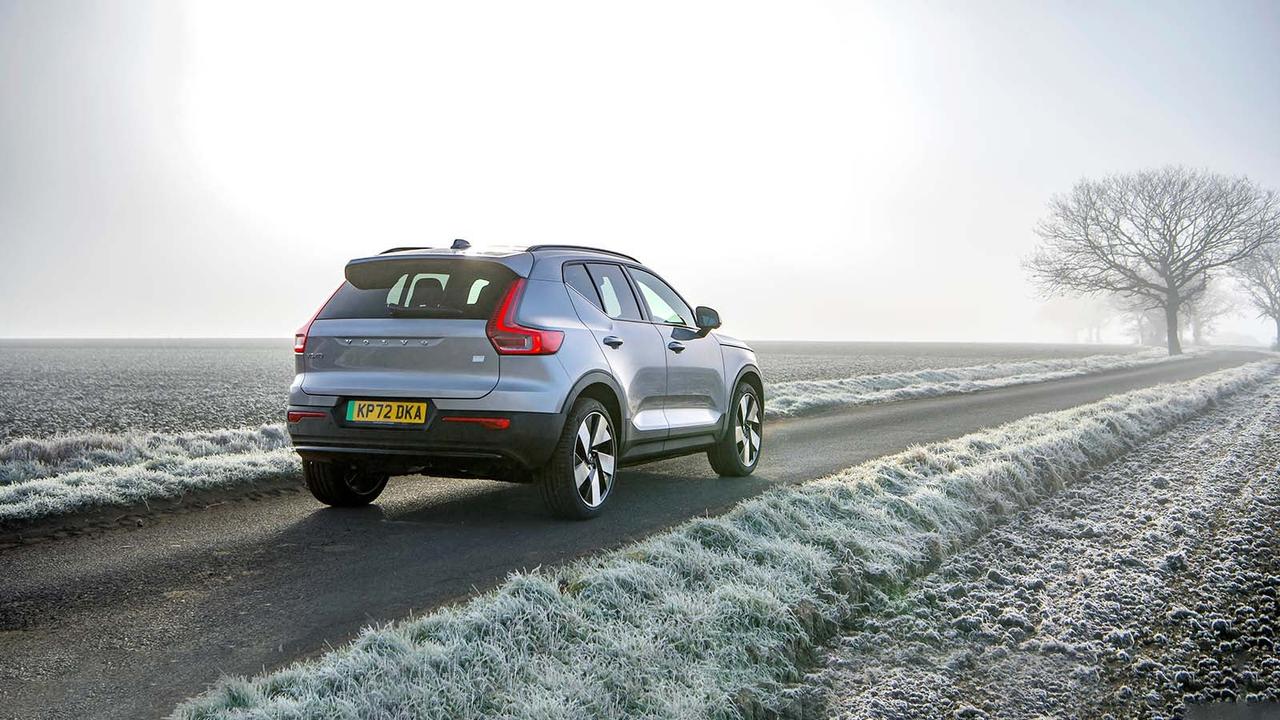
Currently, depreciation for electric cars is a little faster than fuel-powered models. Like all depreciation, this is a double-edged sword. On the one hand, you'll lose a little more money over time as the EV's value falls. On the other, the car will be more affordable in the first place on the used market.
We've created an in-depth guide to electric car depreciation, but the most important thing to know is that EV depreciation is heavily front loaded. That means the first buyer tends to take the biggest hit in terms of lost vehicle value, with the rate of depreciation slowing from the second year onwards to a rate much closer to fuel-powered cars.
As a result, EVs are currently fantastic value for money as nearly new or used cars. Most of the depreciation has already been felt by the first owner, and the price premium those EVs had over equivalent fuel-powered models when they were new has been wiped out by the time they hit the used market.
What type of battery is used in electric cars?

Modern electric vehicles use lithium-ion (Li-ion) batteries. These were commercialised in the early '90s and store vastly more energy than other battery types, making them suitable for use in cars.
EVs usually have dozens or hundreds of individual battery cells. These are arranged together in modules, with several modules making up an EV's battery pack. This is one of the reasons EV batteries last longer than Li-ion batteries in phones or other small electrical devices, because they share the load of driving and charging among many separate cells, rather than just one big one.
Another key difference that helps EV batteries last longer is that their temperature and charge is actively managed by a battery management system (BMS). This setup means EV batteries are always at a happy working temperature regardless of the weather, and the charge is shared evenly among all the separate cells.
All EVs use lithium-ion batteries but differences are emerging in the specific chemistries used. Most EVs use Li-ion batteries with cathodes made from nickel, manganese and cobalt – these have the best energy and power density. However, some affordable EVs now use LFP batteries, which are Li-ion cells with cathodes made from lithium, iron and phosphorus. LFP cells trade a little power and energy density for better affordability and durability.
How do I get more range from an EV?

Most of the same efficient driving techniques that help you save fuel in an engine-powered car apply when you're driving an EV. You want to reduce the amount of time you spend braking and accelerating, and maximise the amount of time you're cruising at a steady speed.
Naturally, you'll need to be mindful of how you're using your brake and accelerator, but you'll also need to be paying close attention to traffic around you. Predicting when a light will change or when a gap in traffic will open up, means you can use less braking and acceleration as you anticipate the change.
Using on-board features such as the navigation or audio system will make a negligible difference to your total range. However, your car's climate control can have a small but noticeable impact on total efficiency. For example, choosing to use heated seats over the cabin heater can help eke out a few extra miles.
Does rapid charging damage an EV's battery?
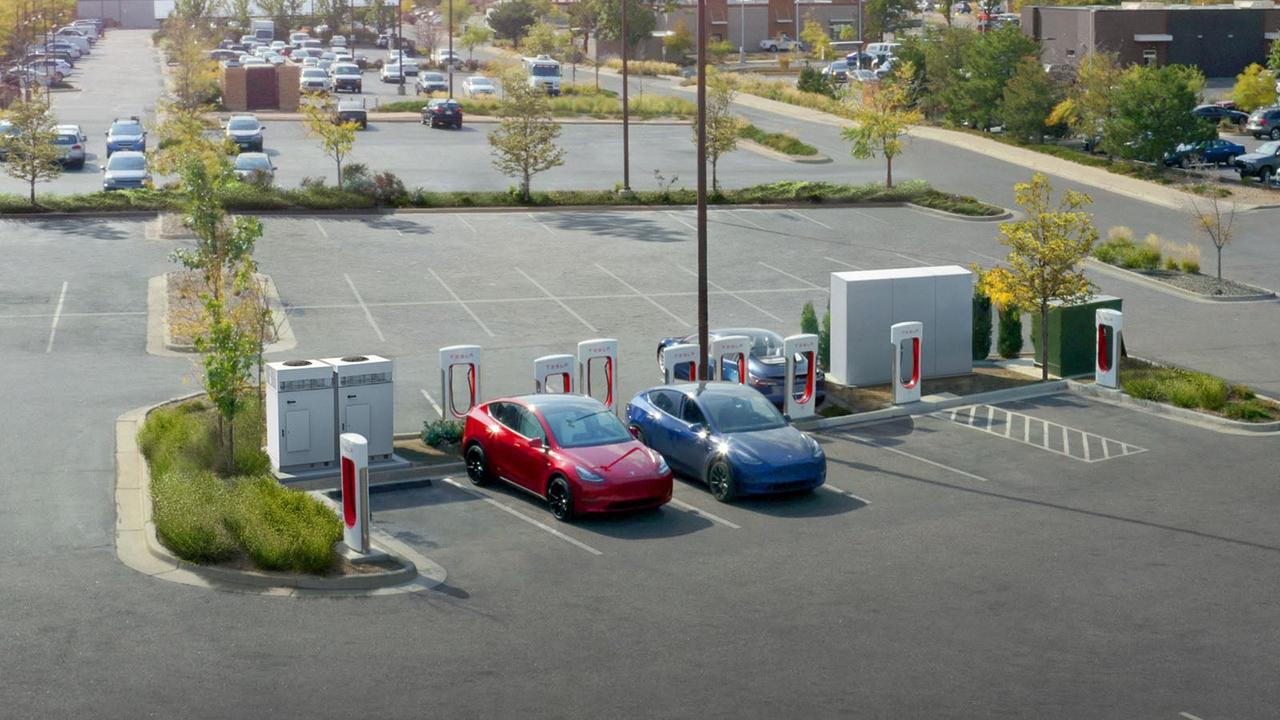
Using a public fast charger won't damage your EV's battery. However, using fast charging exclusively might cause your battery to wear out at a slightly accelerated rate.
That's why best practice with an EV is to save public fast charging for times when you're tackling long drives. For day-to-day driving, it's preferable to use slower home or destination charging as this'll put a little less strain on your battery.
Do electric cars need maintenance?
As with any car, an electric car will still need servicing.
Wipers, tyres, brakes and brake fluid are just a few of the essential items that still need regular inspections regardless of whether your car is electric or uses a regular combustion engine.
Electric car FAQs
Save thousands on electric cars
Shop a huge selection of nearly new and used electric cars for sale at Motorpoint. All vehicles are quality inspected and include warranty cover, and have the lowest prices guaranteed.