








What is Hyundai N Line? Discover the sporty upgrades

Ben Custard
•
Manufacturer Guides

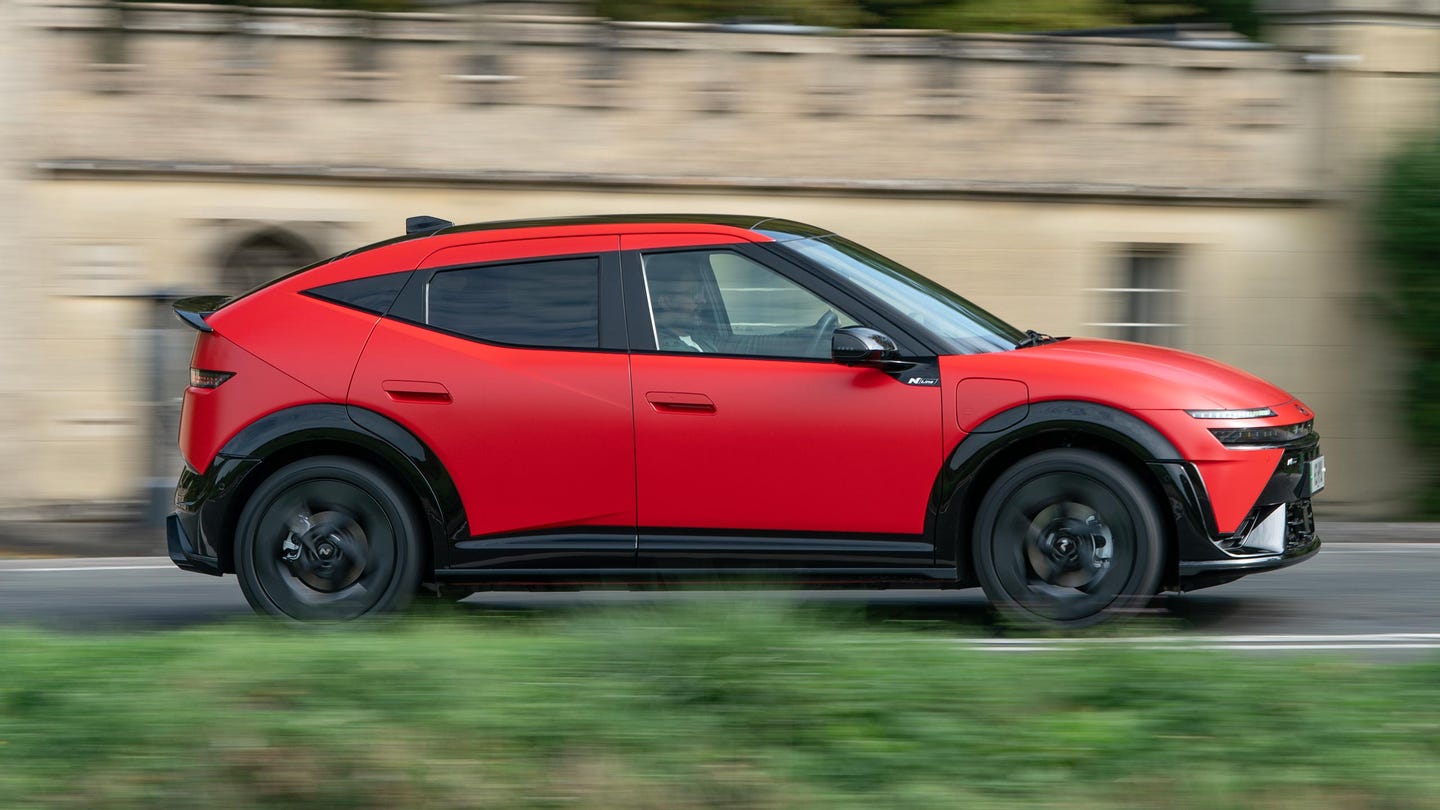
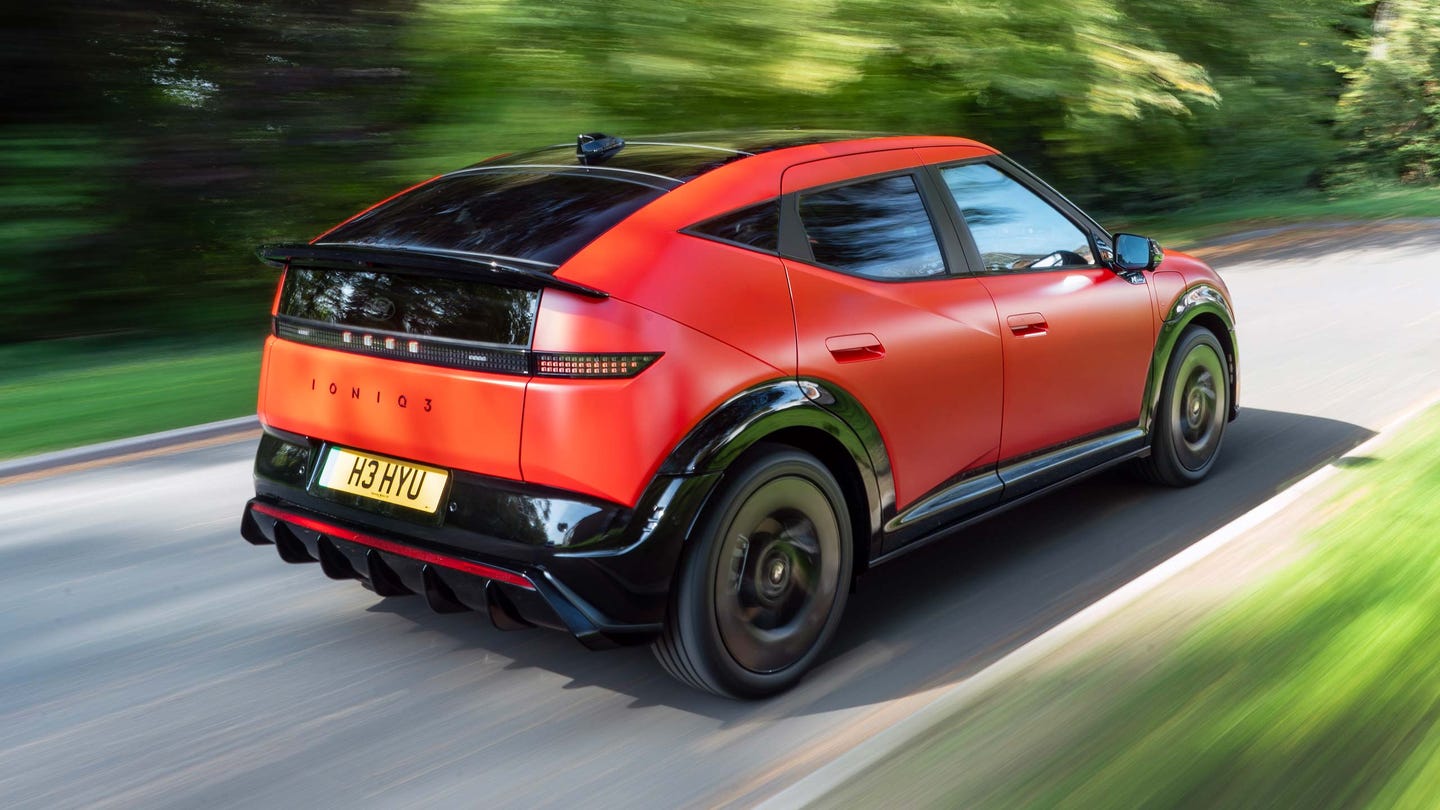
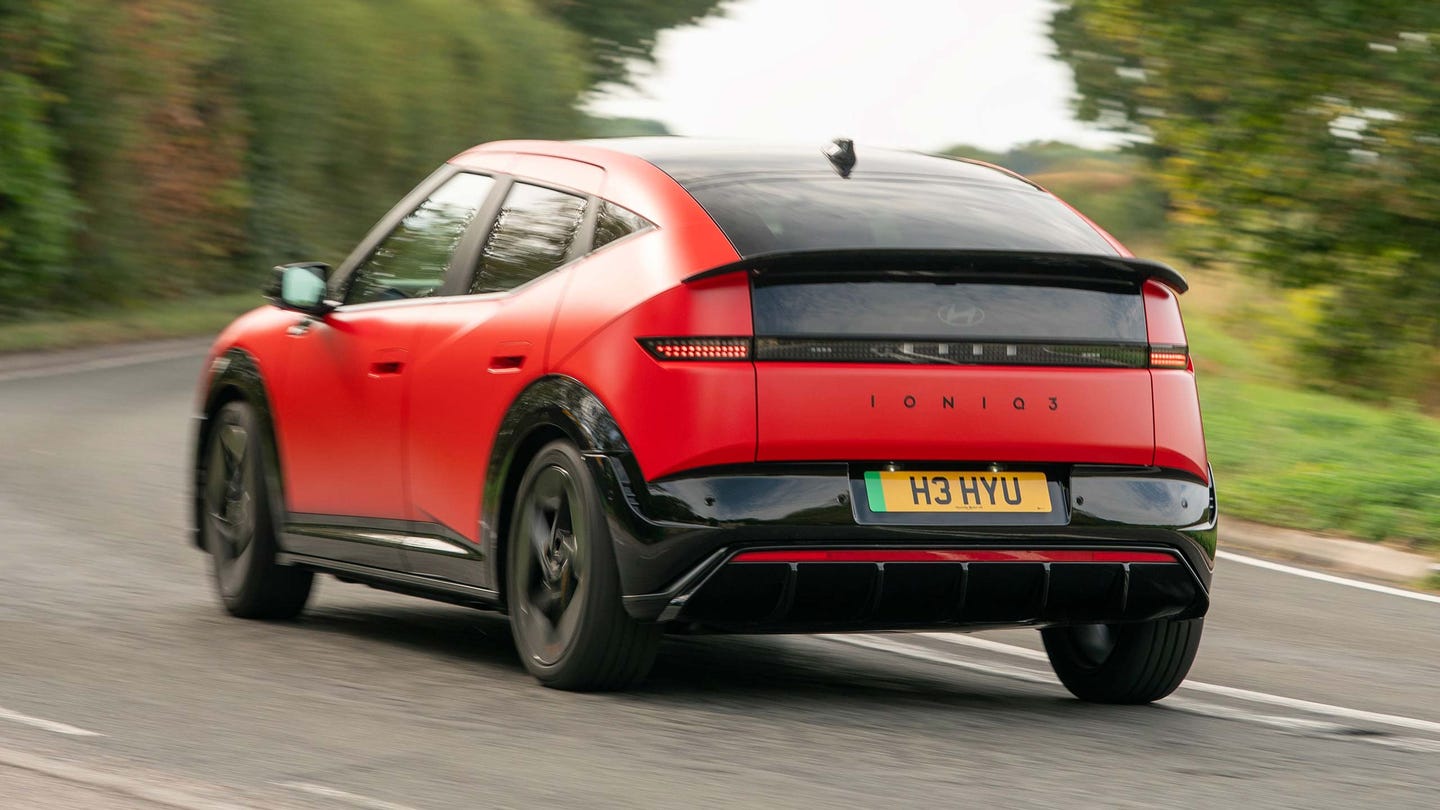
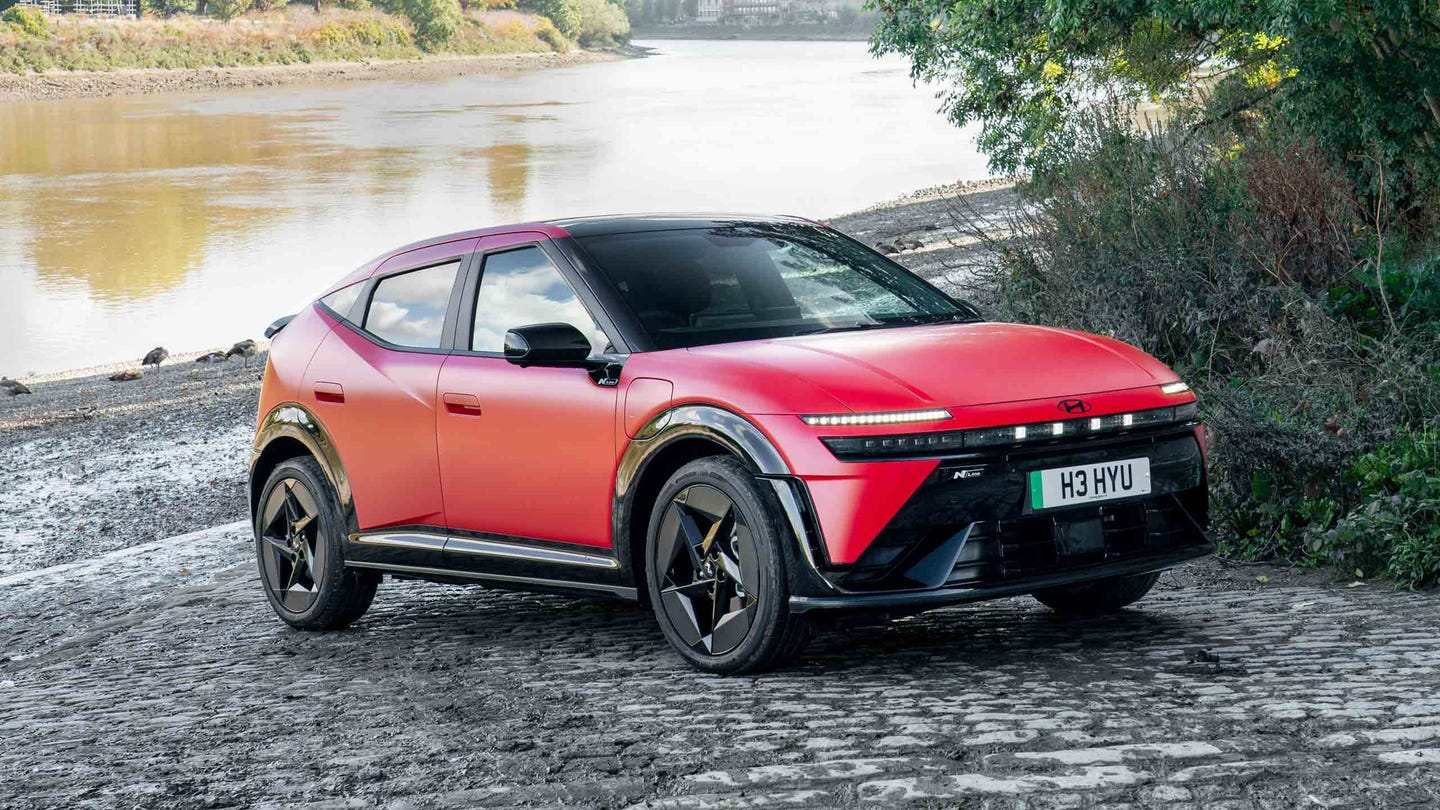
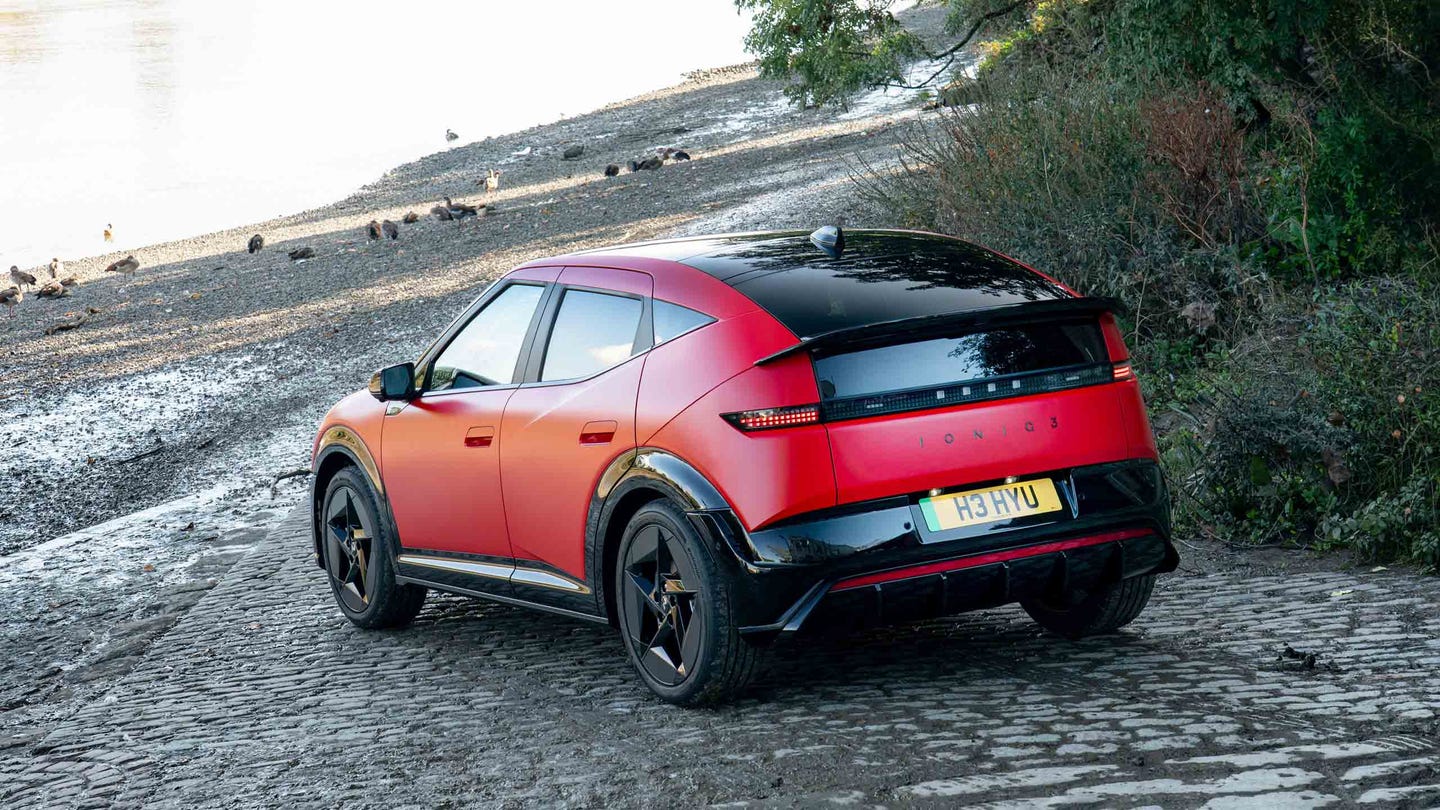
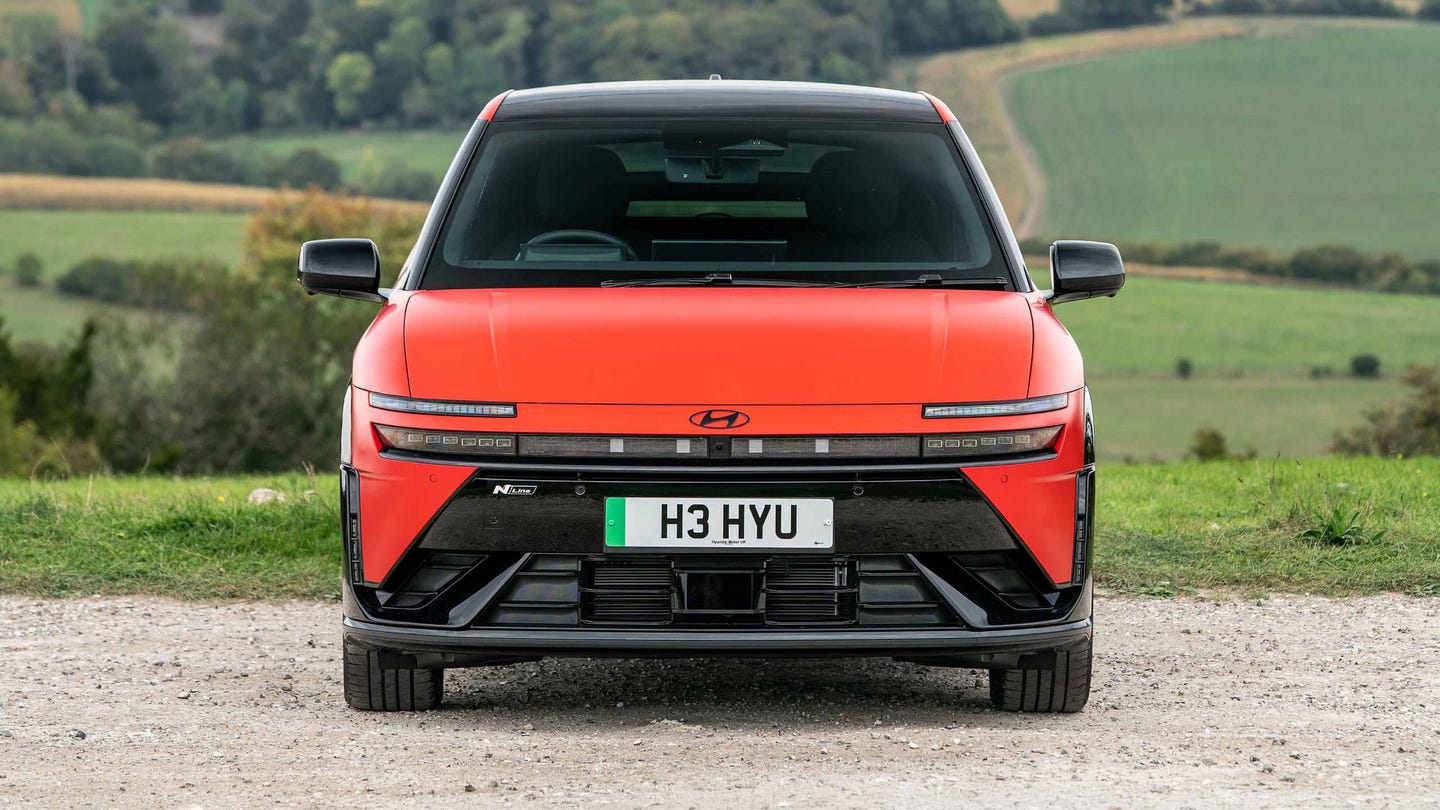
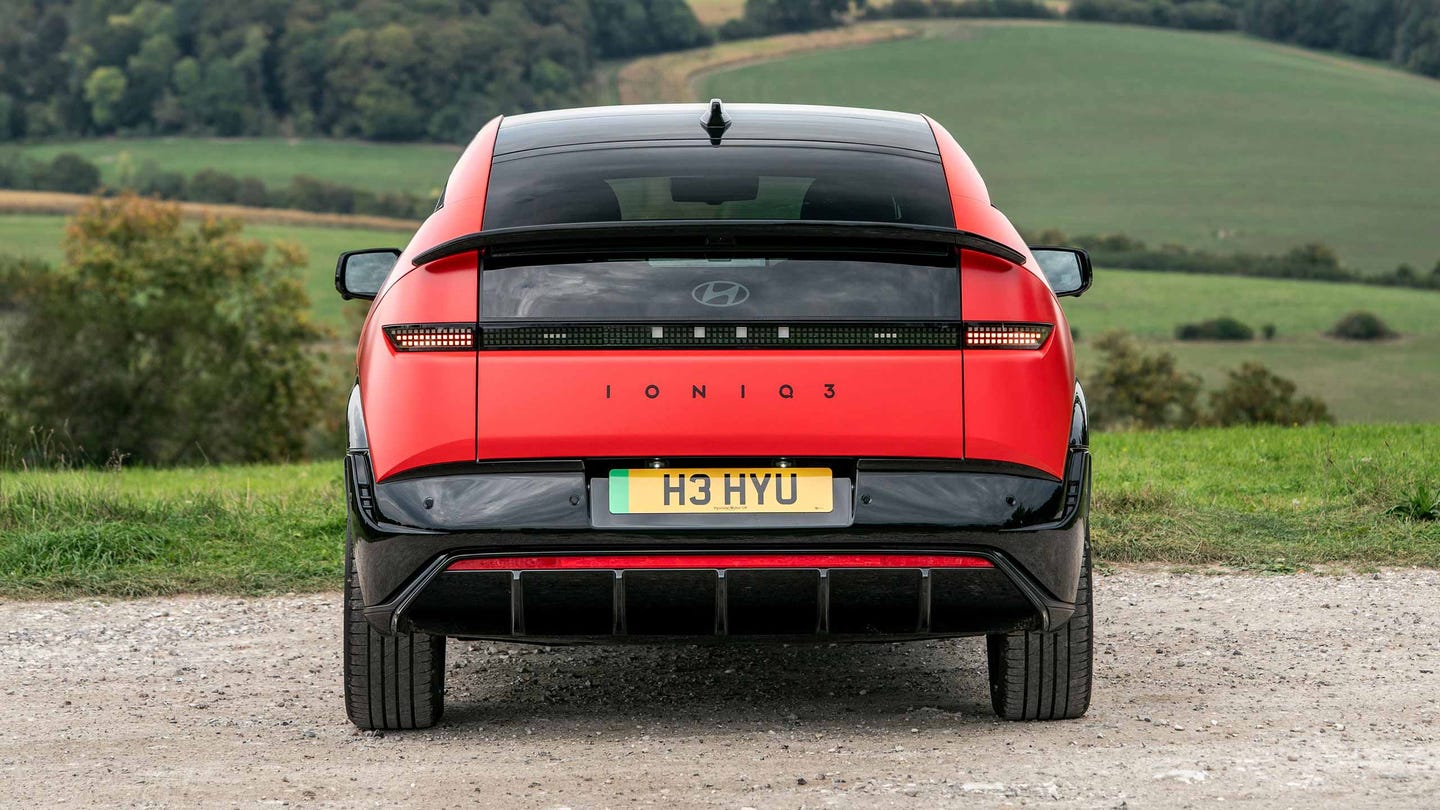
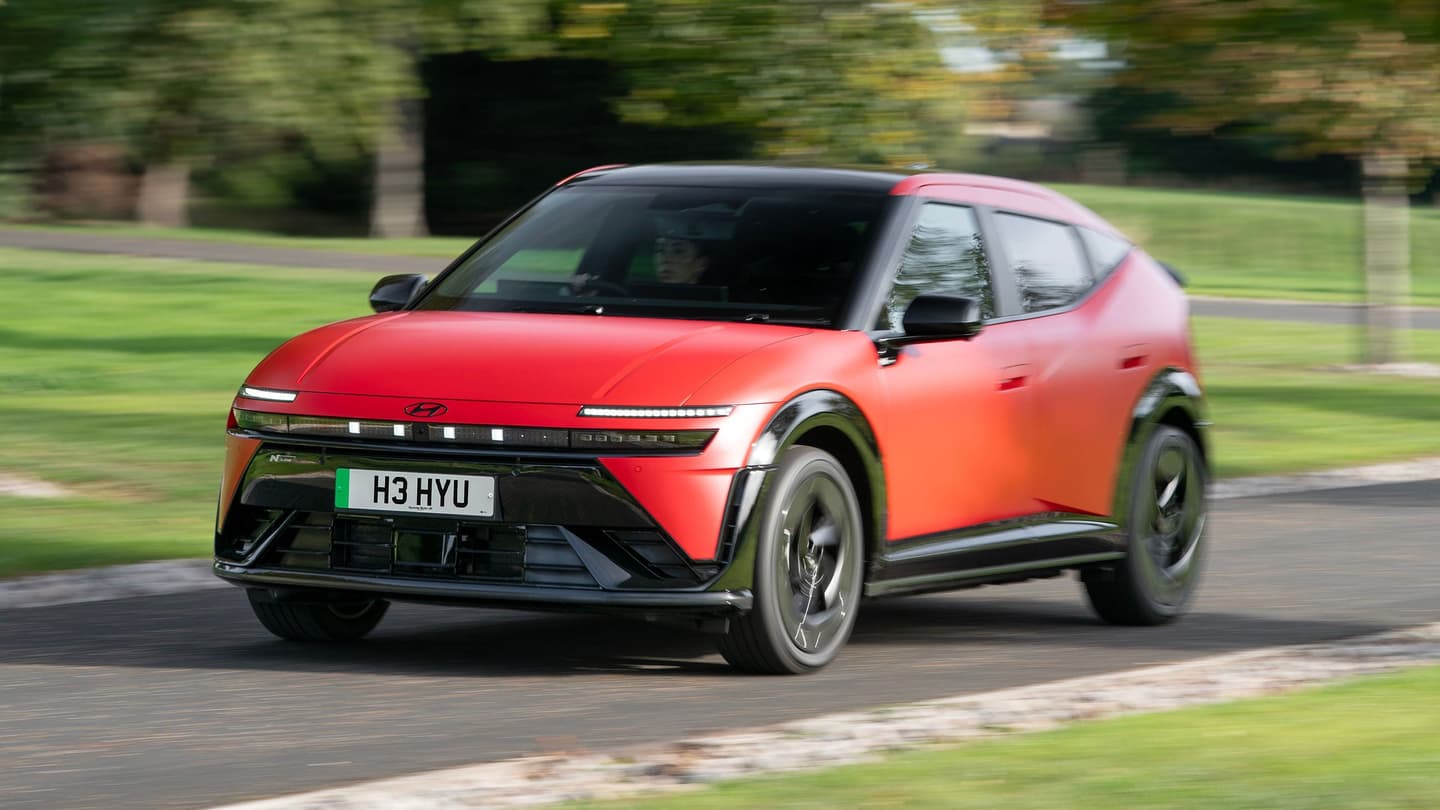
The Hyundai Ioniq 3’s pointy, slightly curious styling will be the main talking point – but dig deeper and you'll find a car of many talents.
It's a well-rounded car, with a refined driving experience, a long range, fantastic practicality and lots of tech.
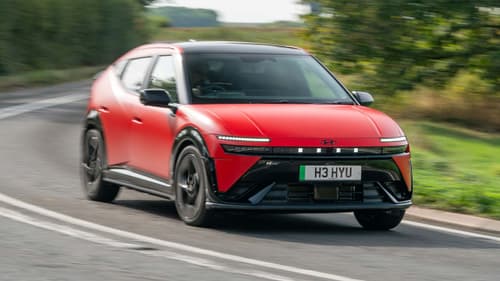
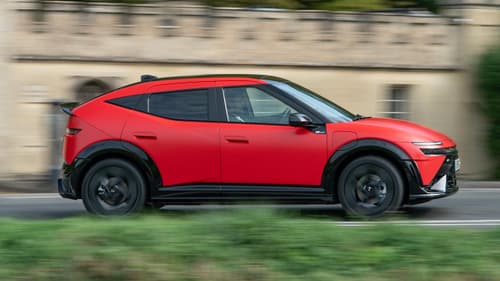
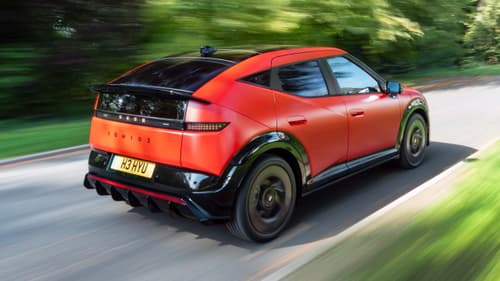
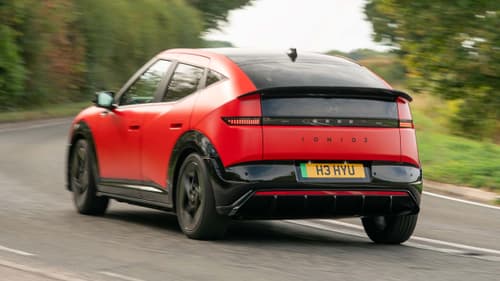
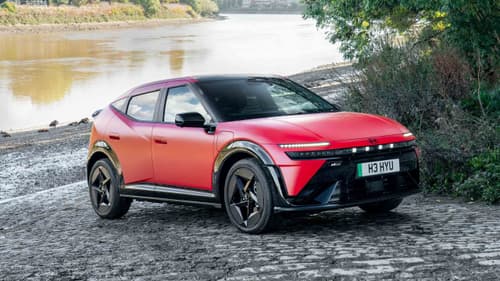
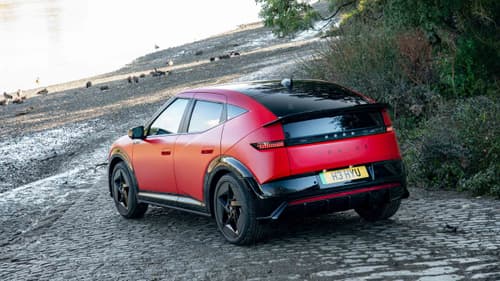
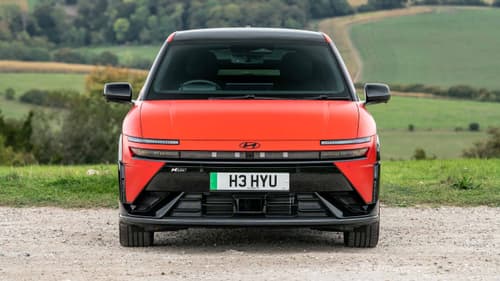
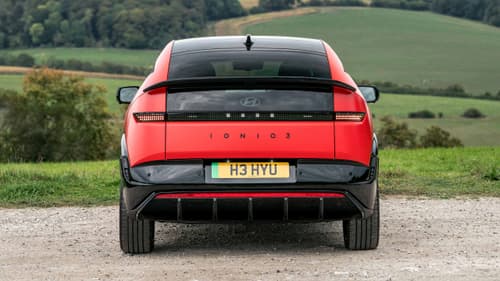
It’s quite astonishing how Hyundai keeps evolving its design language and making each model look different, but also keeping them within the same family style. The Ioniq 5, Ioniq 6 and Ioniq 9 all have commonalities while simultaneously having completely unique elements – you might argue that all of Mercedes’ electric cars, for example, look basically the same.
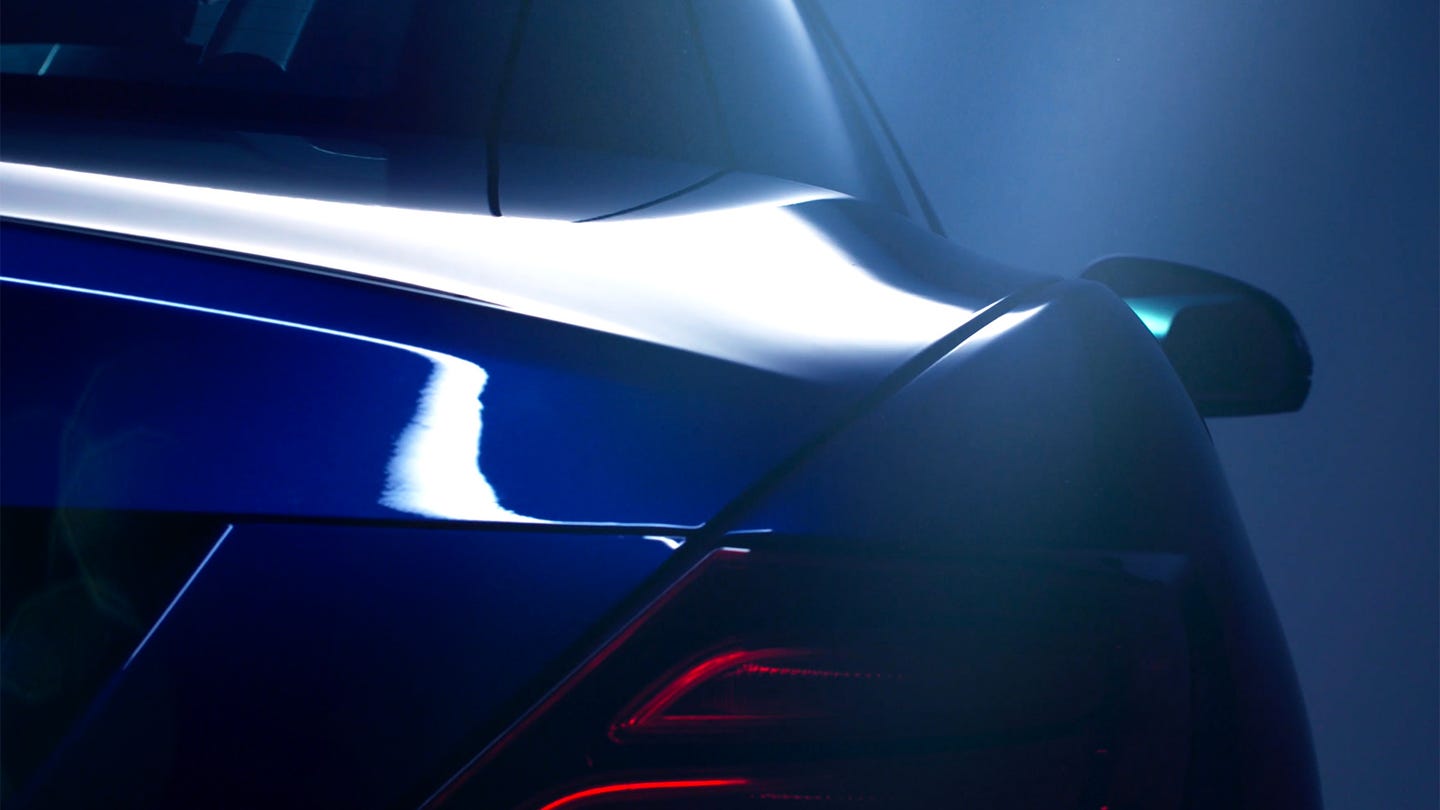
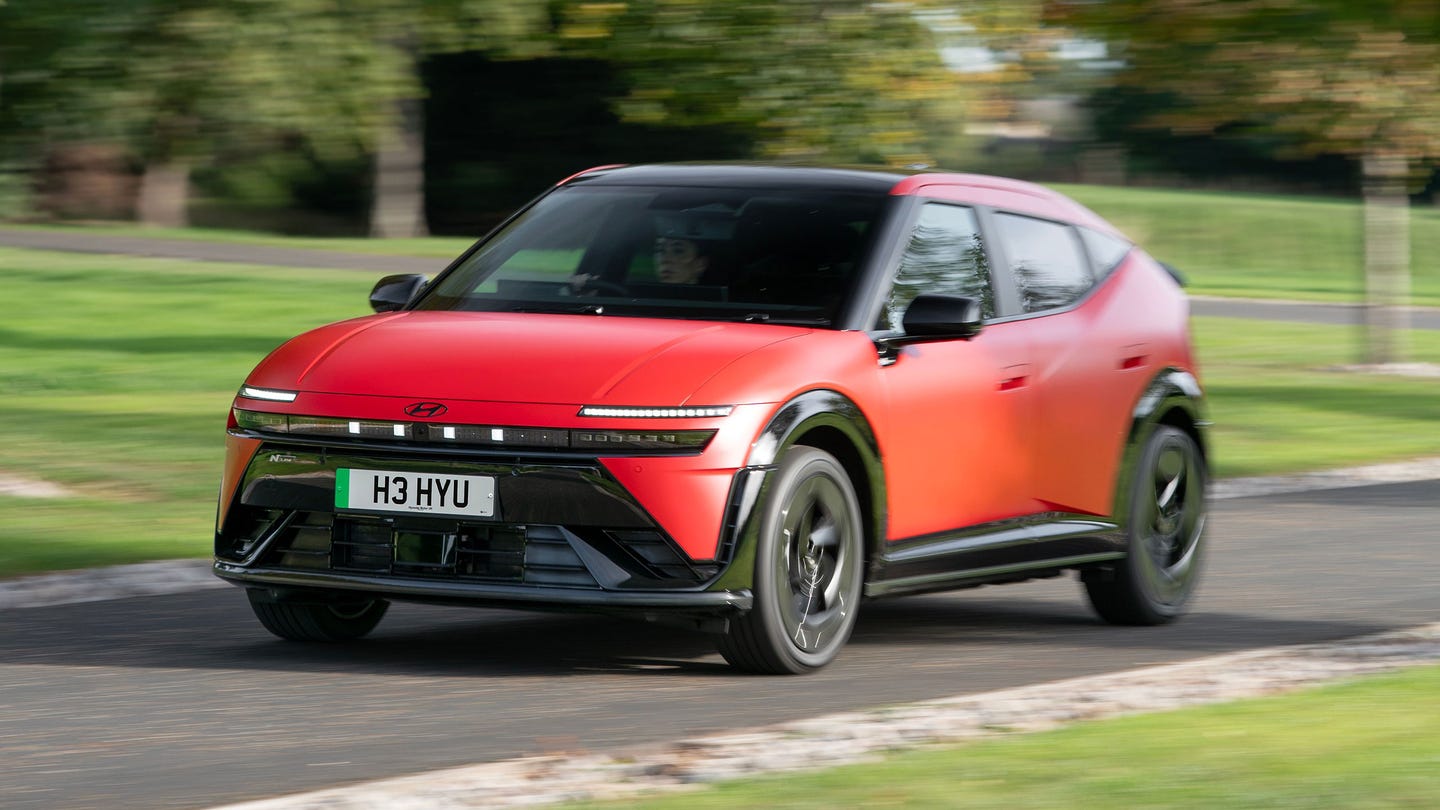
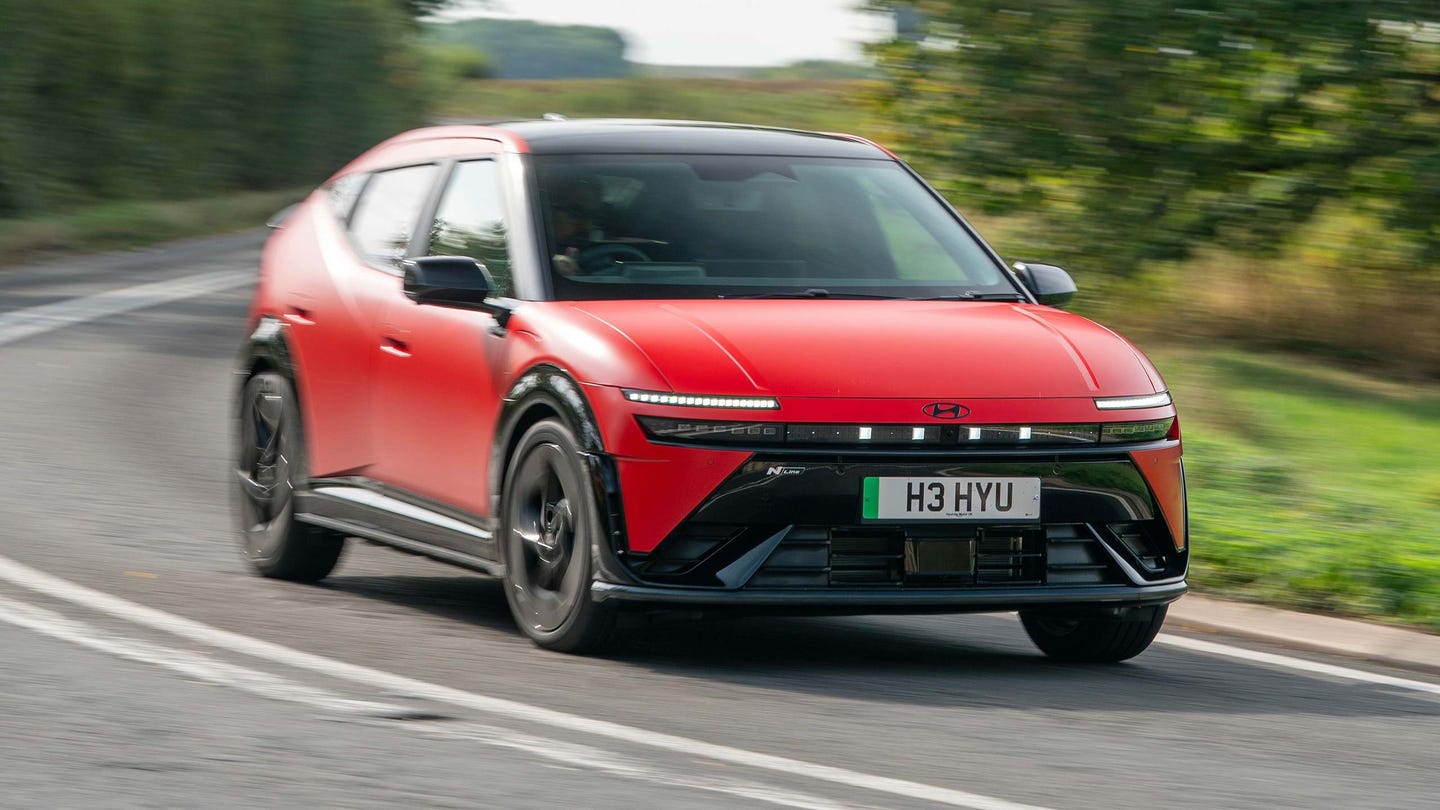
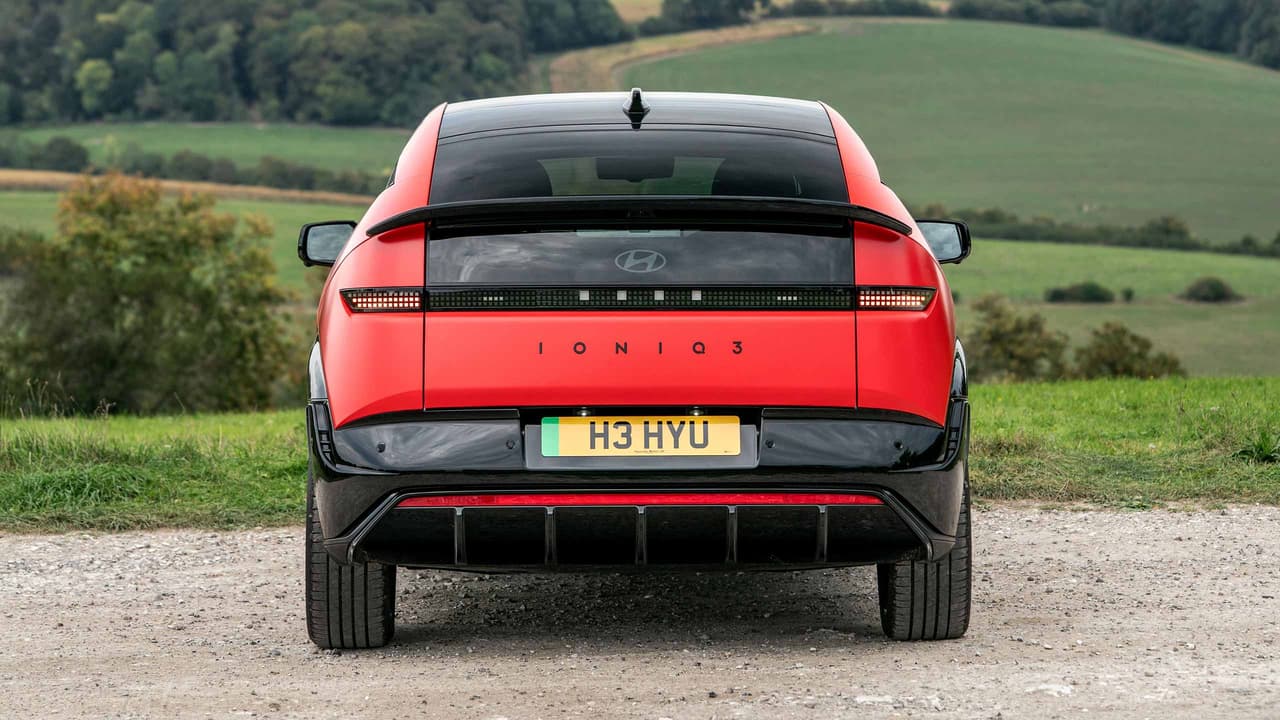
The new Hyundai Ioniq 3 stands out in the same way that the other Ioniq cars do. It’s sharp, futuristic and daring. Inspired by steel, you wouldn’t call it classically pretty but it’s certainly eye-catching. If the Volkswagen ID. Polo is ‘hedging your bets’, the Ioniq 3 is ‘chuck it all on red’. Matte red, in the case of the top-spec N Line Evo car in our pics.
In terms of performance, boot space and range, the Ioniq 3 is broadly in line with (or better than) the ID. Polo and Renault 4. But the Hyundai is cheaper.
Thanks to the higher level of electric car grant instantly knocking £3,750 off the price, the Ioniq 3 starts at just £18,495 – putting it right amongst the cheapest electric cars (which all have a much shorter range and much less space than the Hyundai. However, the brand reckons most buyers will go towards the higher end of the range, which tops out at £28k. That’s still a few grand cheaper than a top-spec ID. Polo.
As long as you can put up with the poor rear visibility and slightly fiddly touchscreen, the Ioniq 3 goes straight in as one of the very best electric hatchbacks on sale.
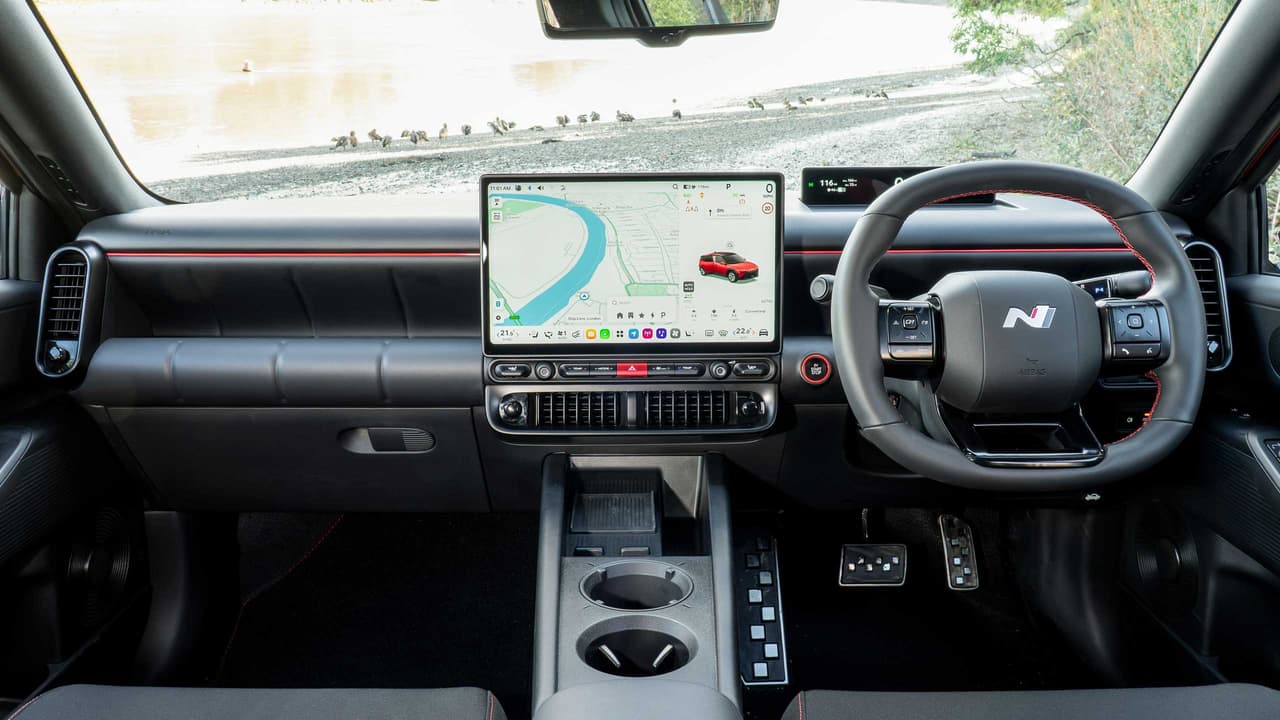
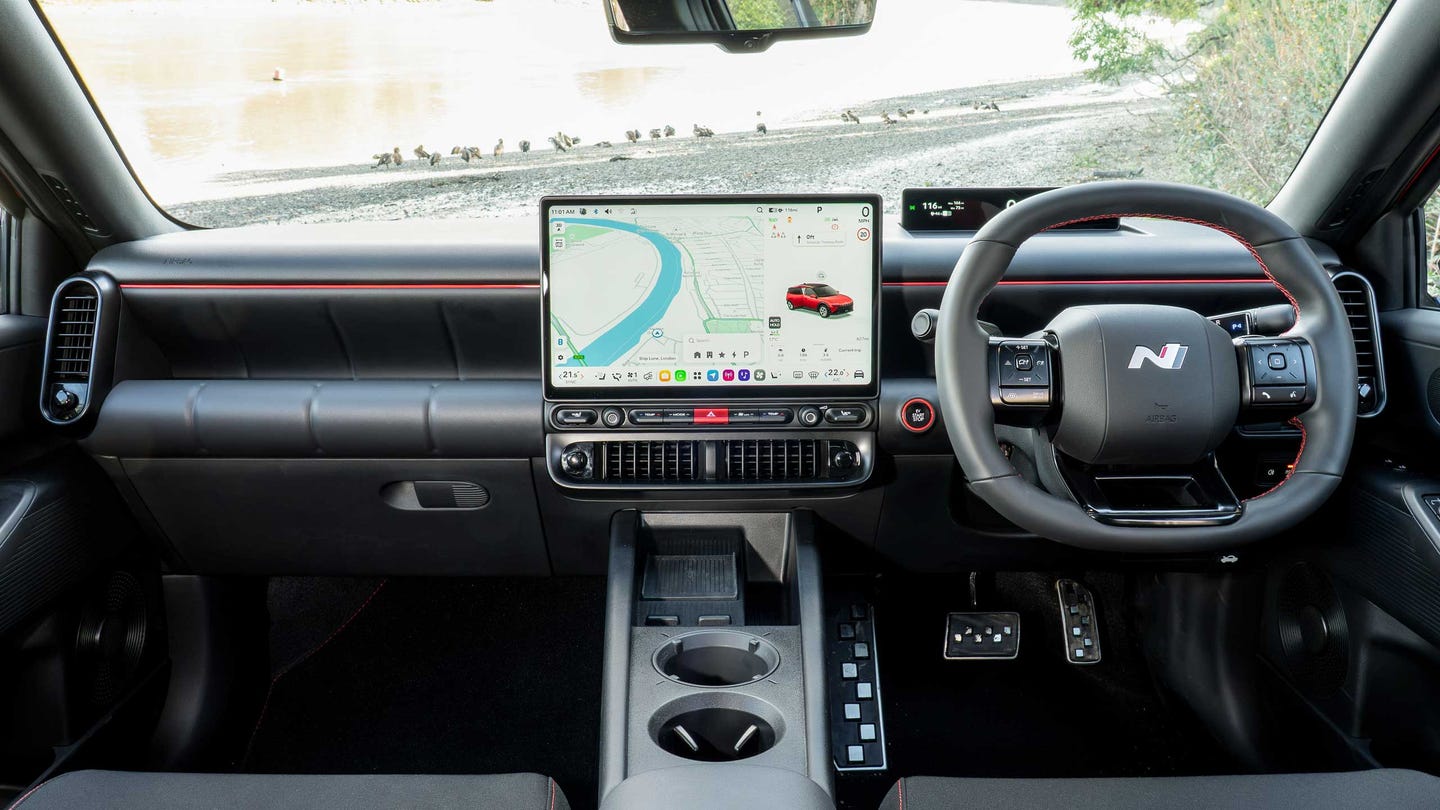
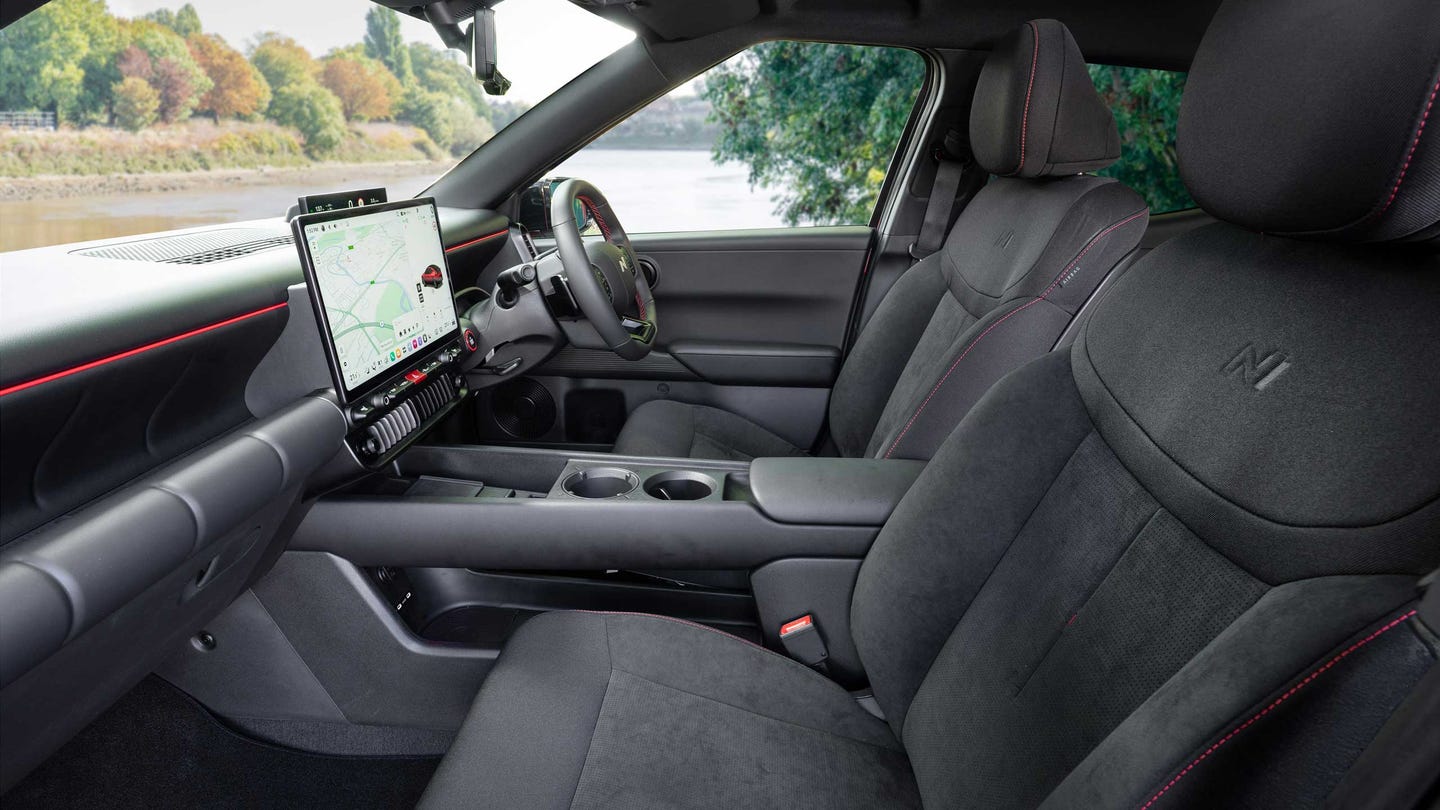
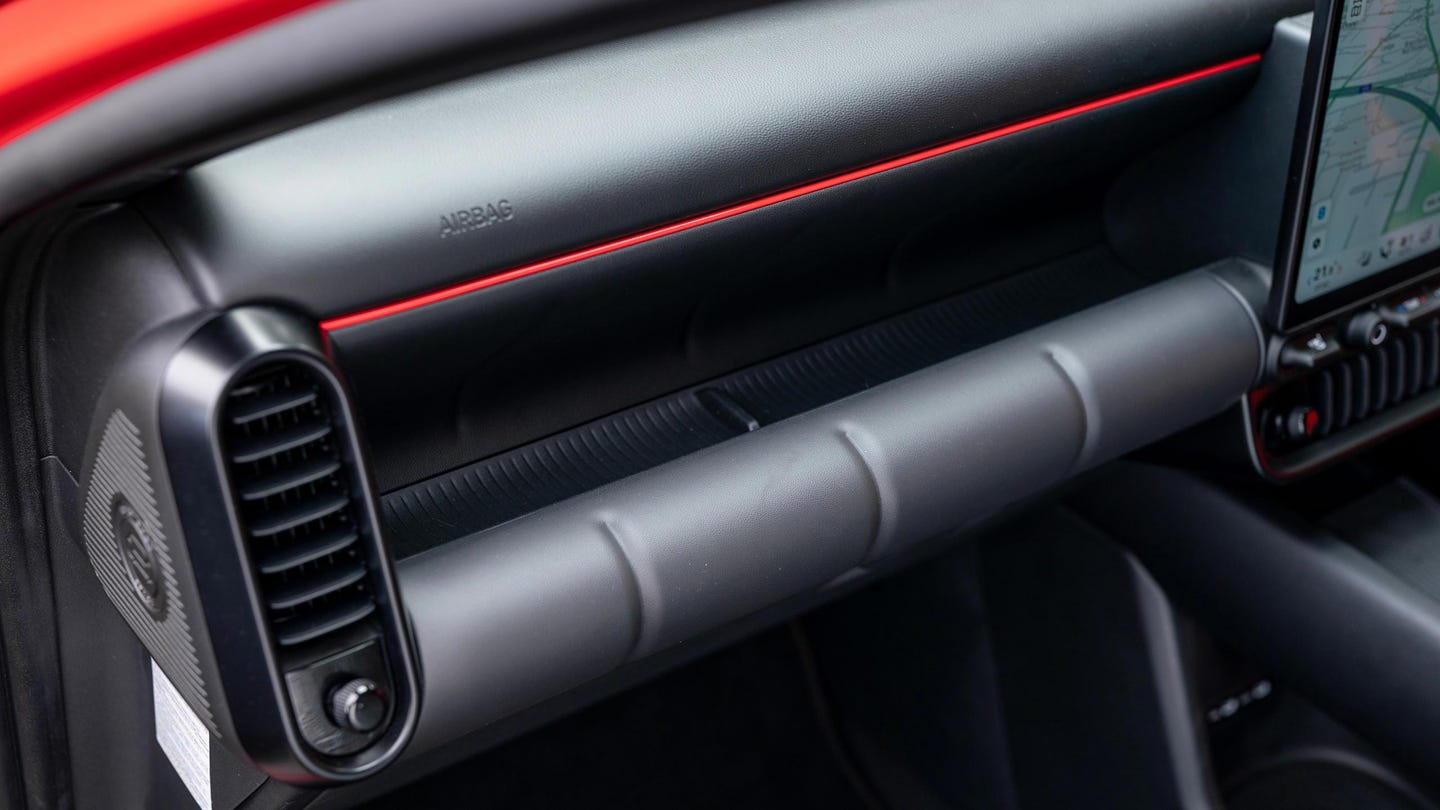
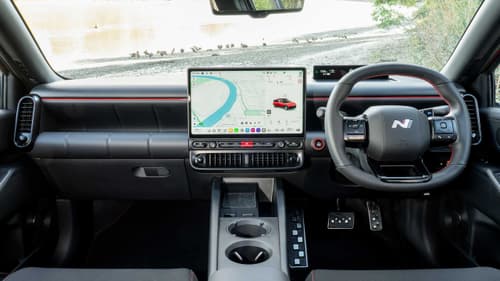
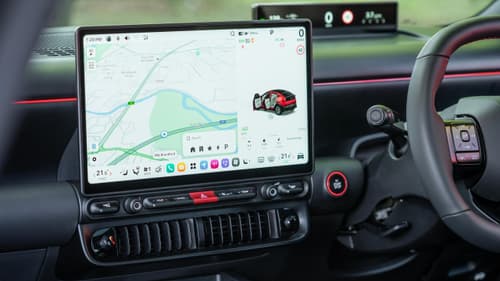
The Ioniq 3 has a pleasingly clean interior design, and it doesn’t feel too minimalist despite the large touchscreen taking up a lot of the area. Hyundai’s clearly screwed everything together exceptionally well, and the materials used are plusher than you might expect for the price.
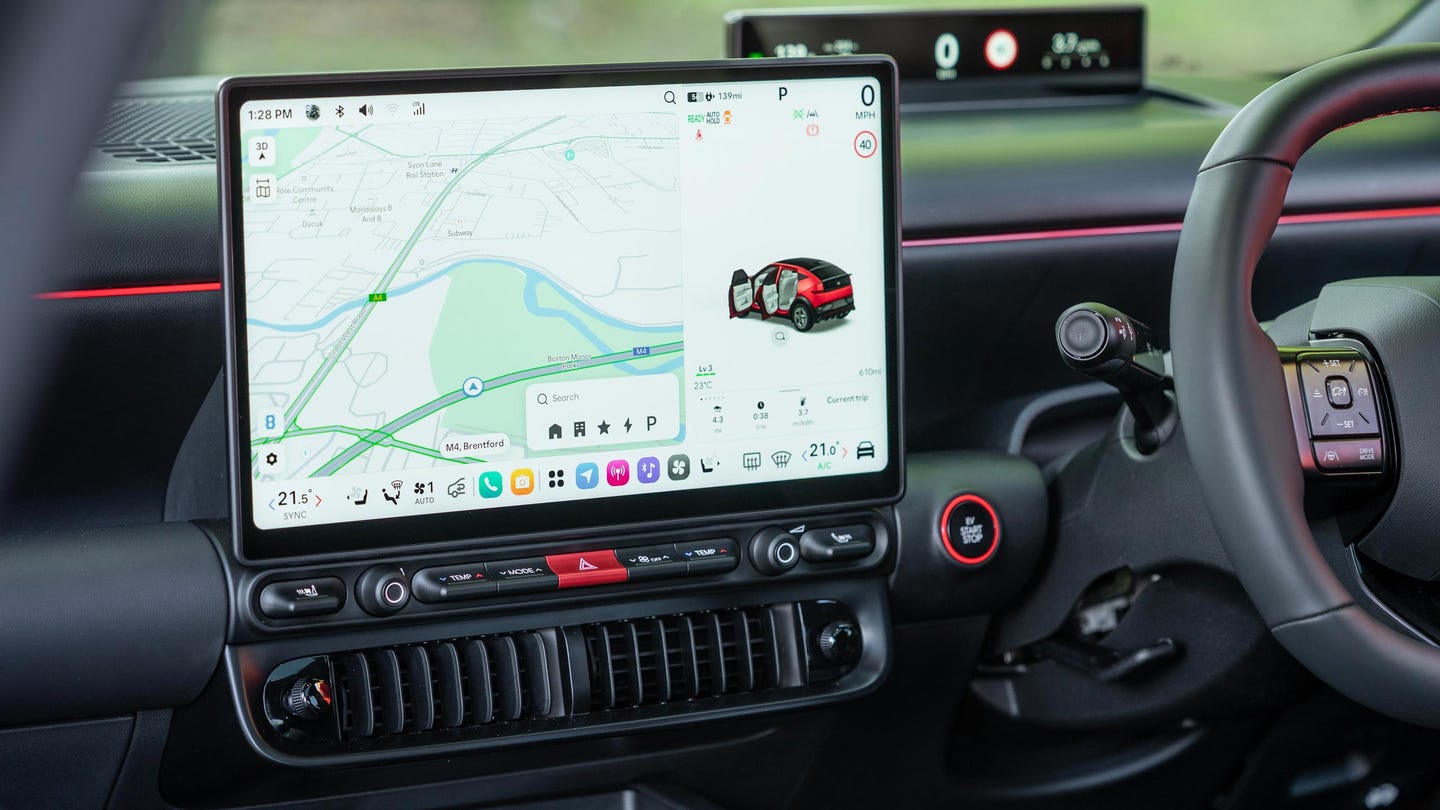
There are physical buttons arranged into sensible clusters on the steering wheel, and a few physical buttons under the screen for the most important climate functions, but you’ll be using the touchscreen for most things.
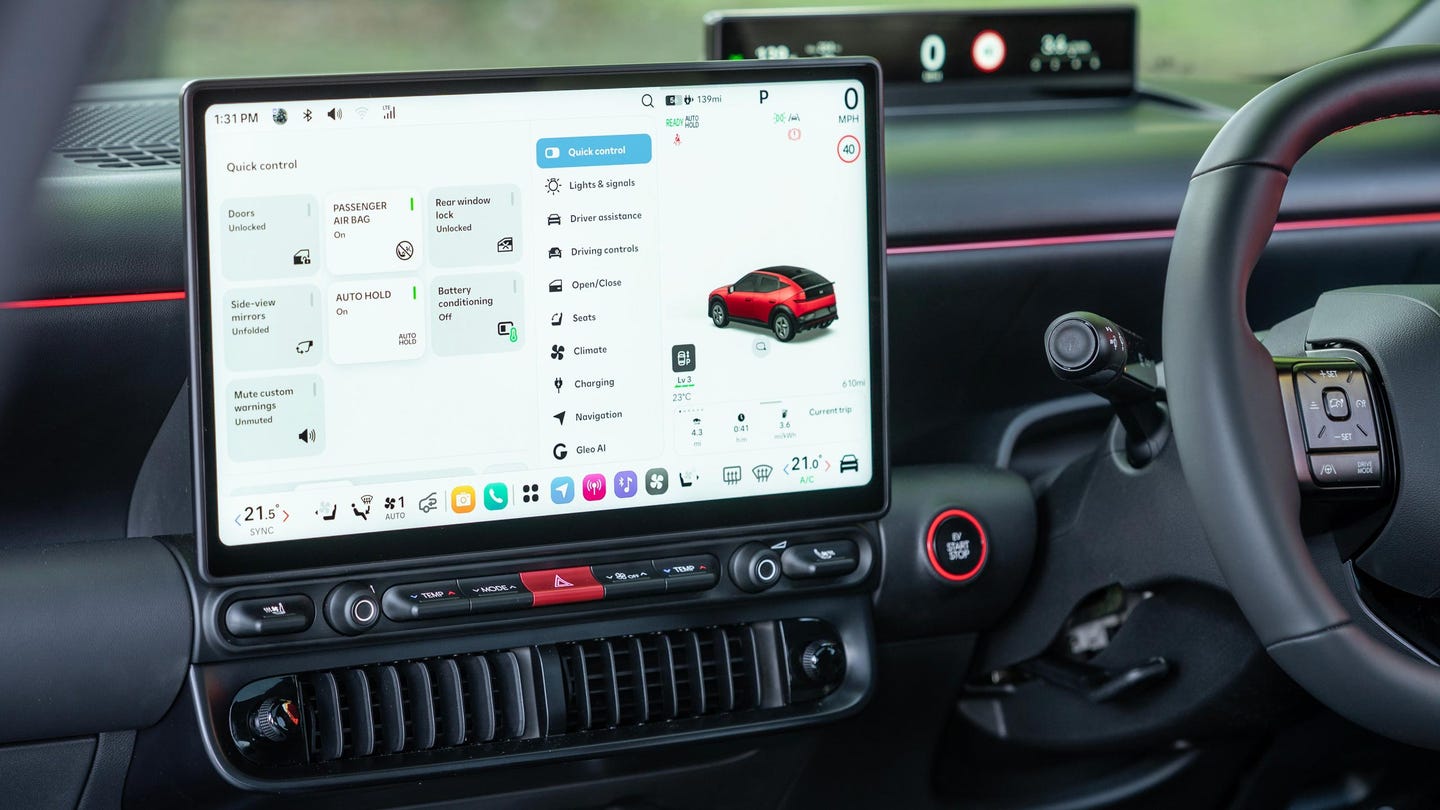
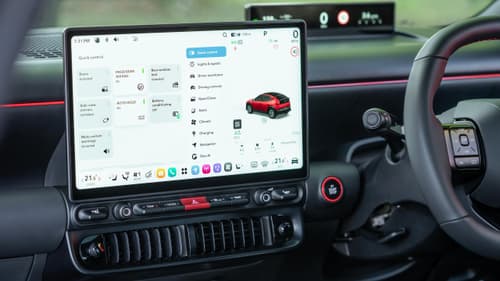
Hyundai’s clearly taken a leaf out of Tesla’s infotainment book – or maybe from the various Chinese brands that are trying to eat chunks of Hyundai’s lunch. There’s a permanent bar at the bottom featuring shortcuts to your main apps and additional climate controls, and then an app menu that unfurls to present the apps you’ll rarely or never use. Click the car button and a vast menu of settings comes up.
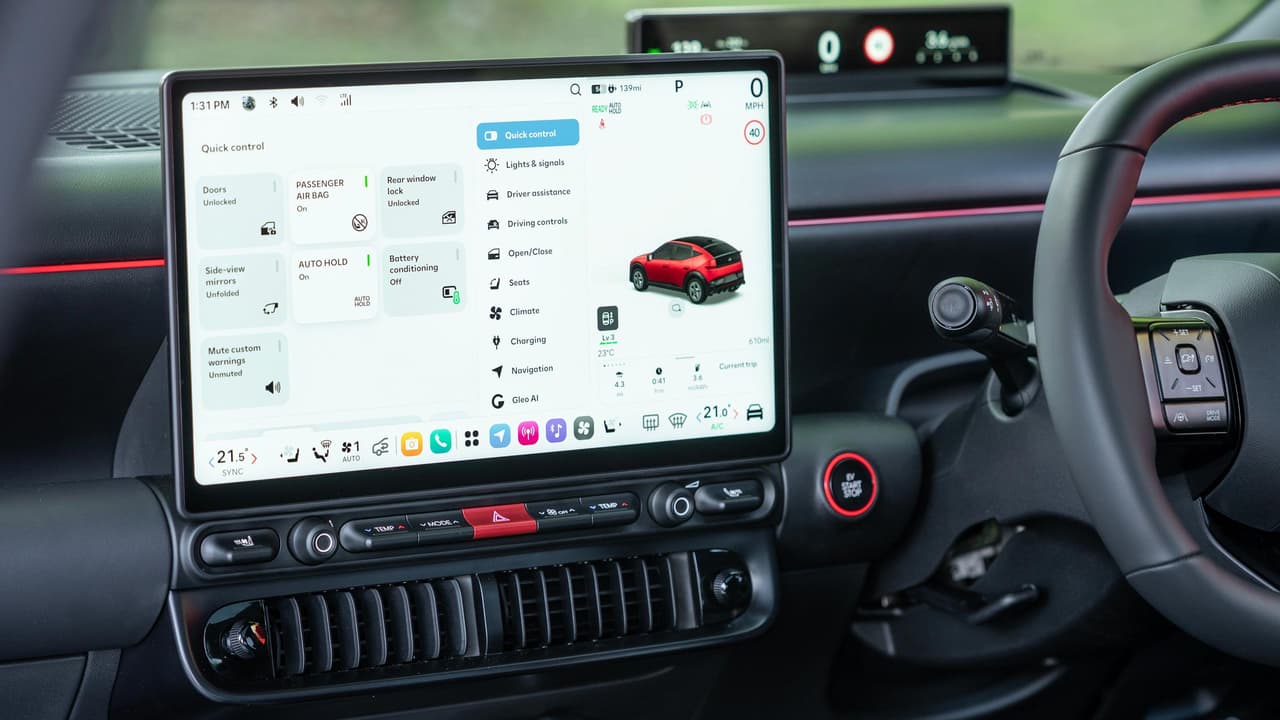
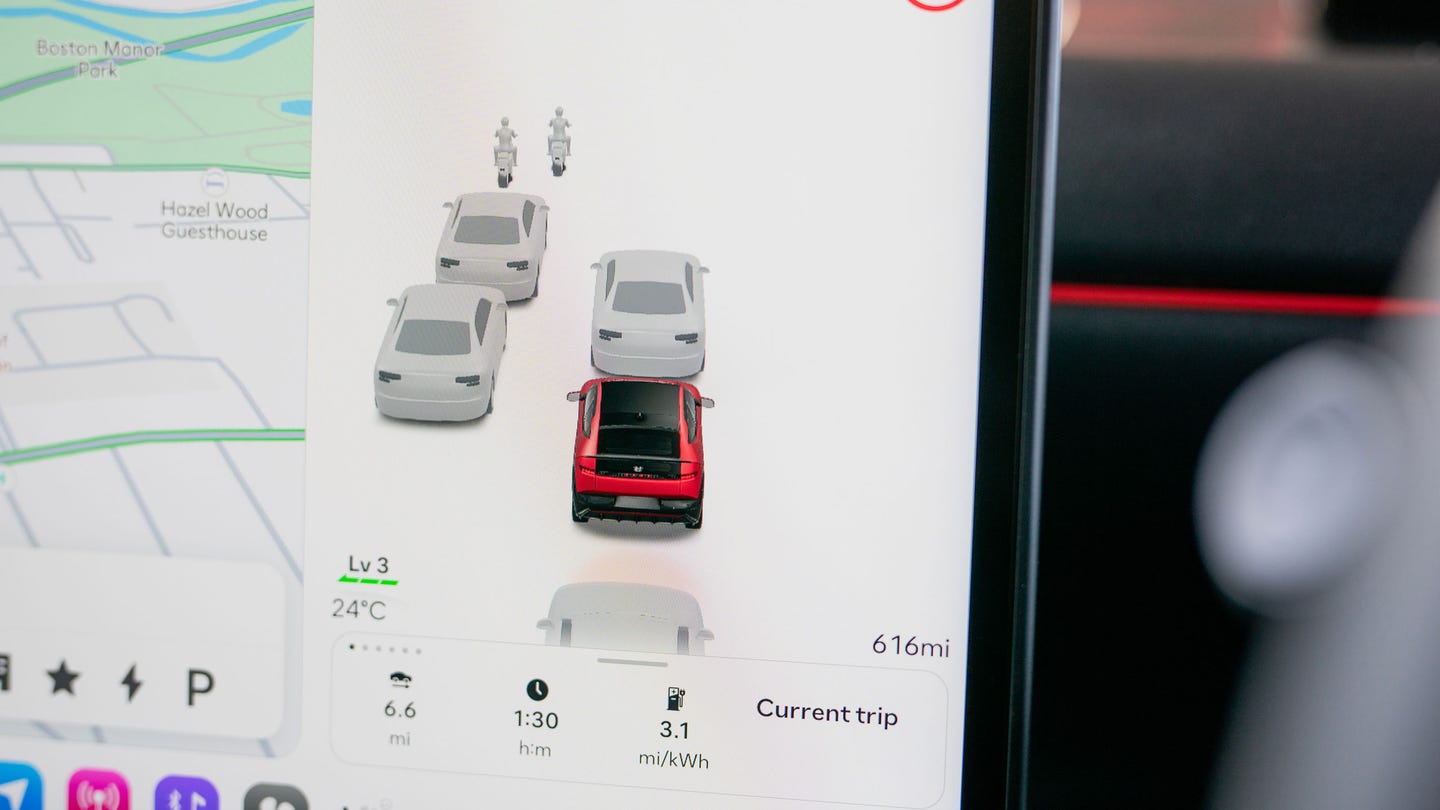
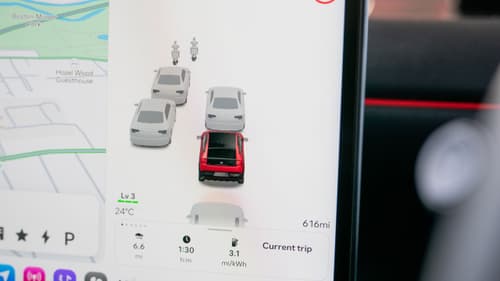
Luckily, most of these settings won’t need fiddling with – you’ll probably pick your settings once and never visit some of the submenus again. It's still a bit of a pain to change some of these settings that you might use, and as a result you still takes your eyes off the road for too long. And while some aspects of the screen are customisable, you can’t get rid of the display that shows what the sensors and cameras are seeing – which seems like a waste of prime space.
All versions except base-spec Advance come with an additional display in front of the driver, giving you your important information at a glance. But because it’s not standard, the information is also displayed on the touchscreen, as are the driver assistance warnings. If you happen to nudge over the speed limit, you’ll see two flashing speed limit icons in your peripheral vision.
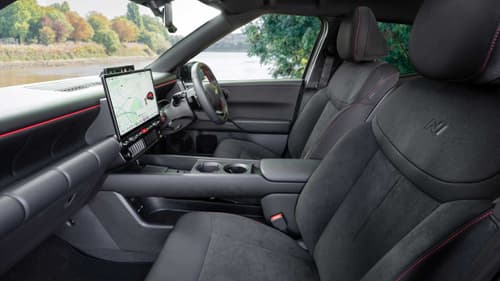
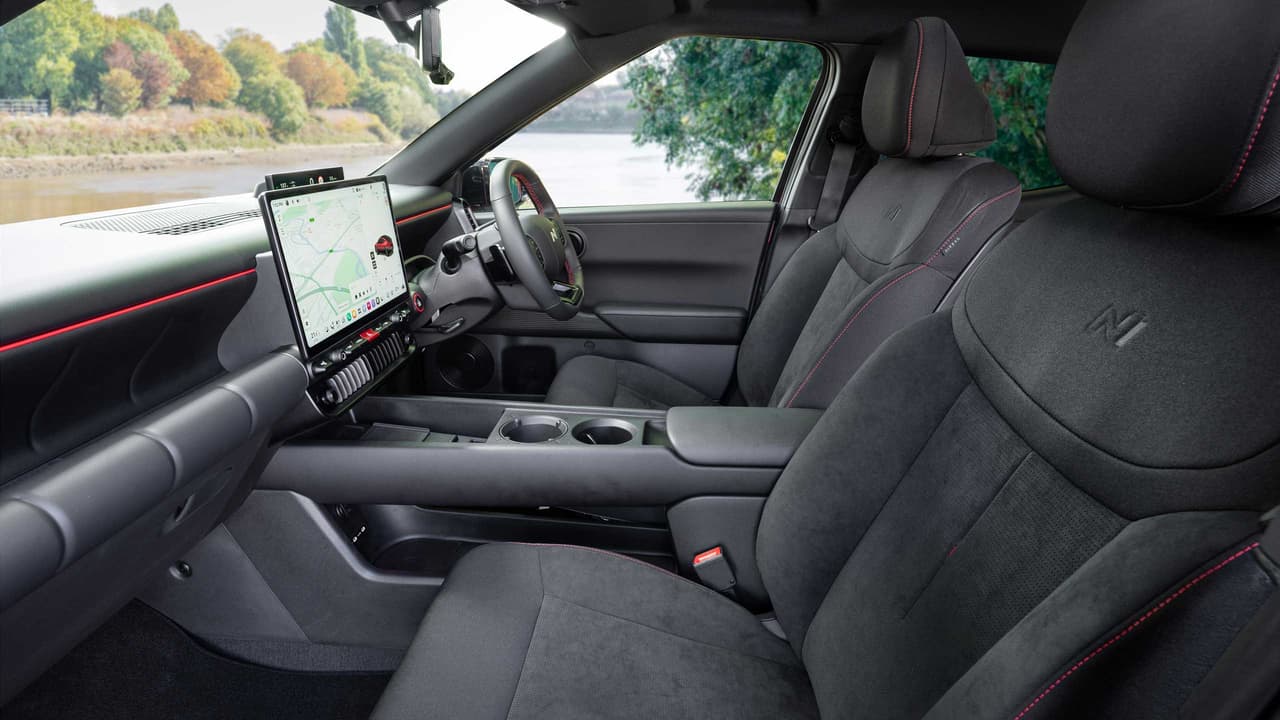
The seats should be comfortable for most people – we drove the Ioniq 3 for the best part of four hours with no complaints – and the forward visibility is decent enough. Over-the-shoulder visibility could ideally be a little better, while the rear view is pretty limited due to the spoiler splitting the windscreen in half. There’s plenty of adjustment in the front seats, including passenger height adjustment for three of the four trim levels, although oddly you can’t adjust the lumbar support while driving.
The £18.5k Advance model includes two-zone climate control, a reversing camera, wireless Apple CarPlay and Android Auto, adaptive cruise control and advanced lane-keeping assist. Premium is next, adding auto wipers, wireless phone charging, power-folding mirrors, and the ability to preheat the battery before charging.
Step up to Ultimate and Hyundai will throw in a heated steering wheel, built-in sat nav, upgraded headlights, ambient lighting, heated front seats and lashings of suede upholstery. Besides its racy styling package, the top-spec N Line Evo trim also includes a surround-view camera, a bigger touchscreen, blind-spot monitoring and park assist (featuring a function that memorises how to reverse into often-used parking spaces, such as your driveway).
If you’ll appreciate some of Hyundai’s flagship features in your small EV, go for the £2,500 Comfort Pack. Highlights include powered ‘relaxation’ front seats with a memory function and ventilation, heated rear seats and an eight-speaker Bose sound system.
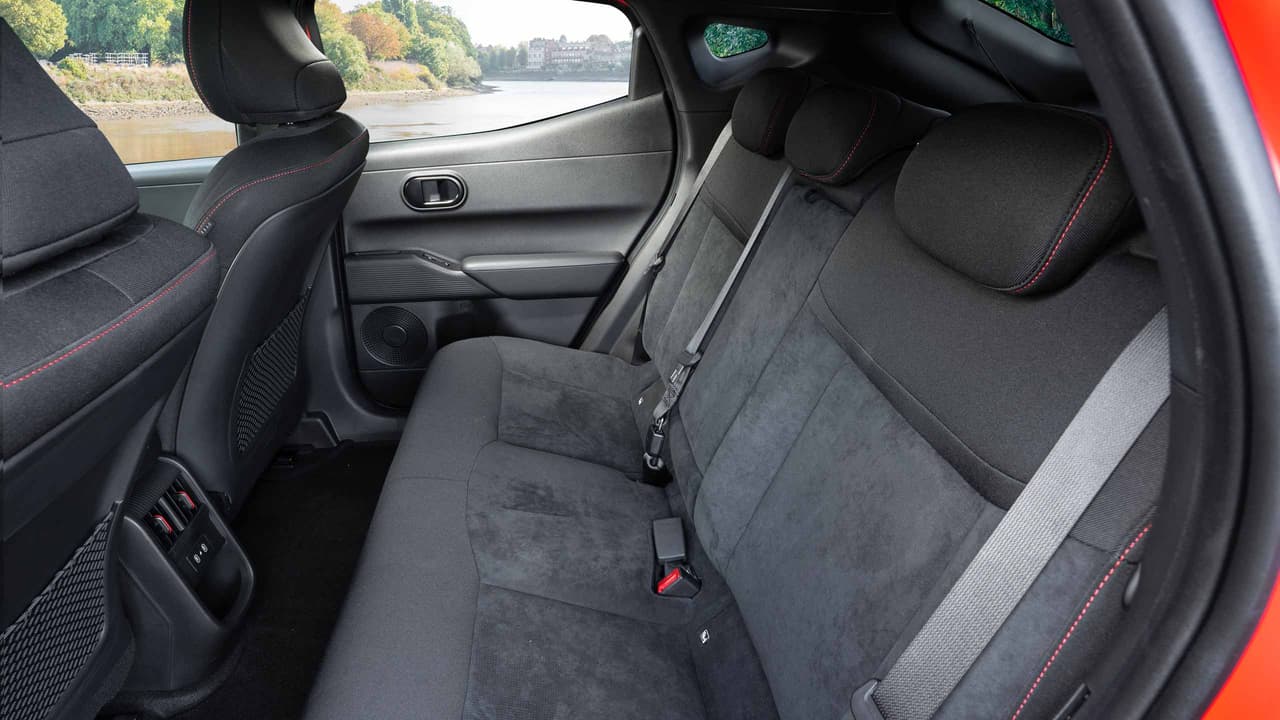
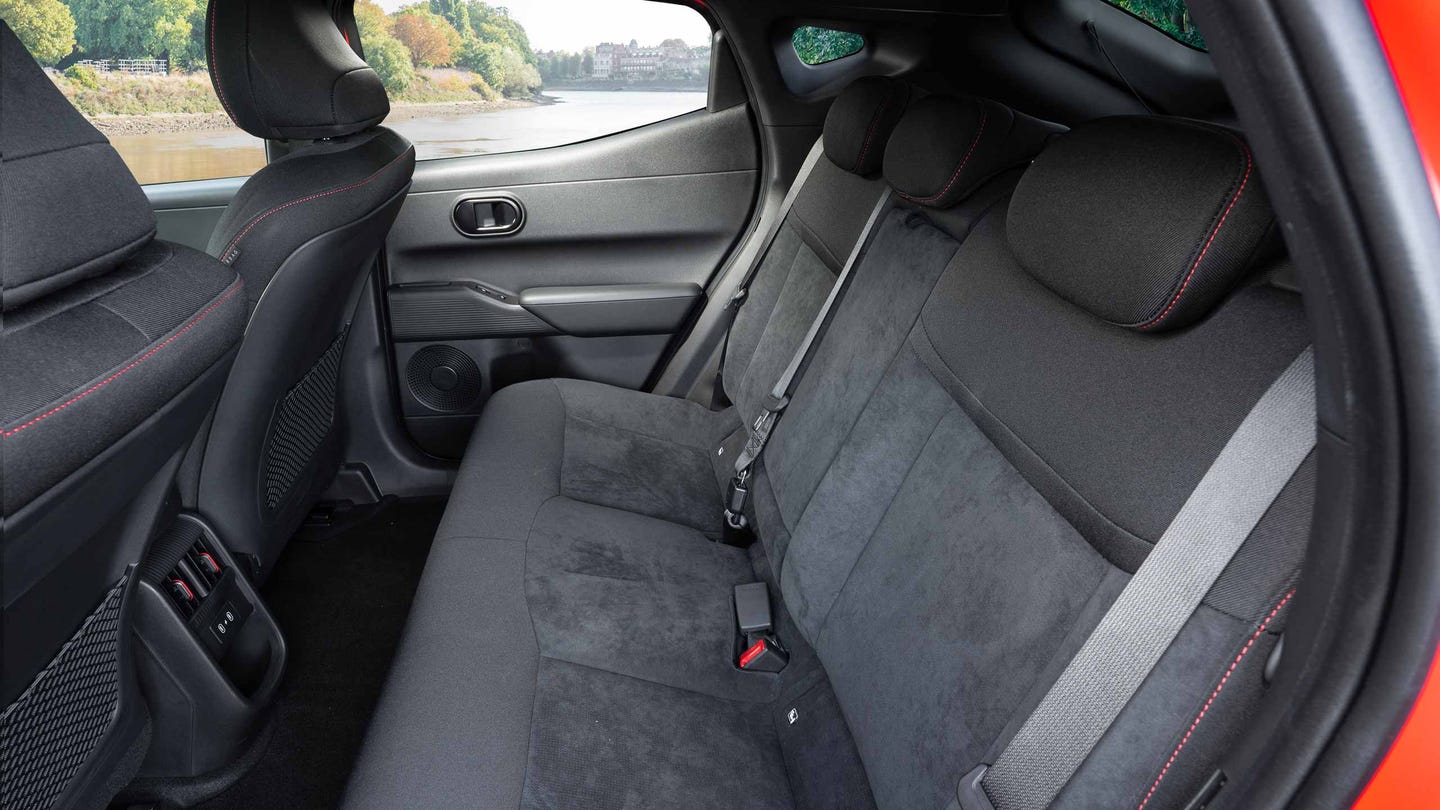
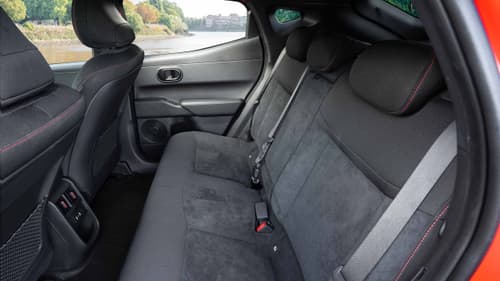
Given the Hyundai Ioniq 3 measures just 4,155mm long, it’s remarkable how much space you get inside. Even with the front seat fully back – where you might struggle to reach the firewall – there’s enough room for an adult in the rear seat. If no one’s especially tall, you’ll all have space to stretch out.
The rear seats are deeply scalloped like a 1990s sports car, which is initially a bit surprising. Often, the floor is a bit too high in the back seat of an electric car for adults to sit comfortably; having such deep seats means this isn’t an issue and the rear seats are supportive.
Even with the seats like this, headroom won’t be impressive if you’re any taller than average. The shape of the seats also means anyone sitting in the middle seat will really feel like they’ve drawn the short straw, perched above the other two.
The base-spec Advance misses out on seatback pockets, a rear light, illuminated vanity mirrors and rear air vents – which sound like little things but you might not realise how much you use them until you buy a car without one. High-spec cars also get reclining rear seats to improve comfort on long journeys.
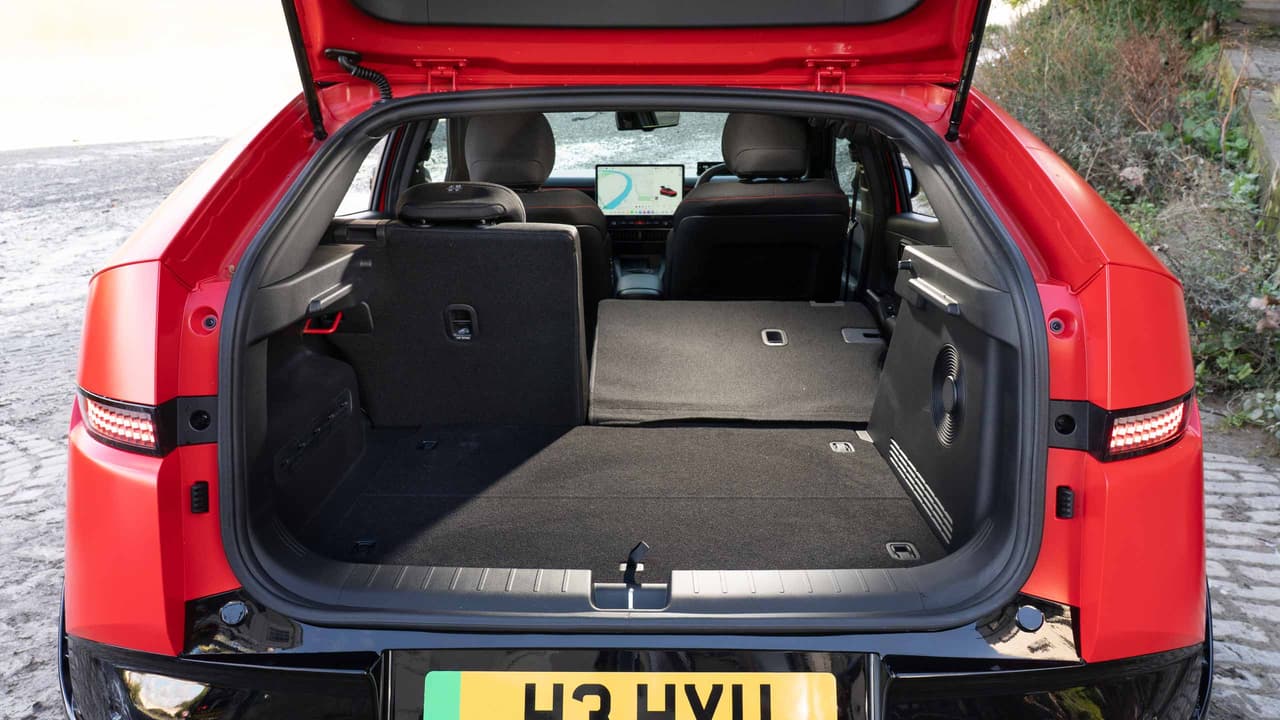
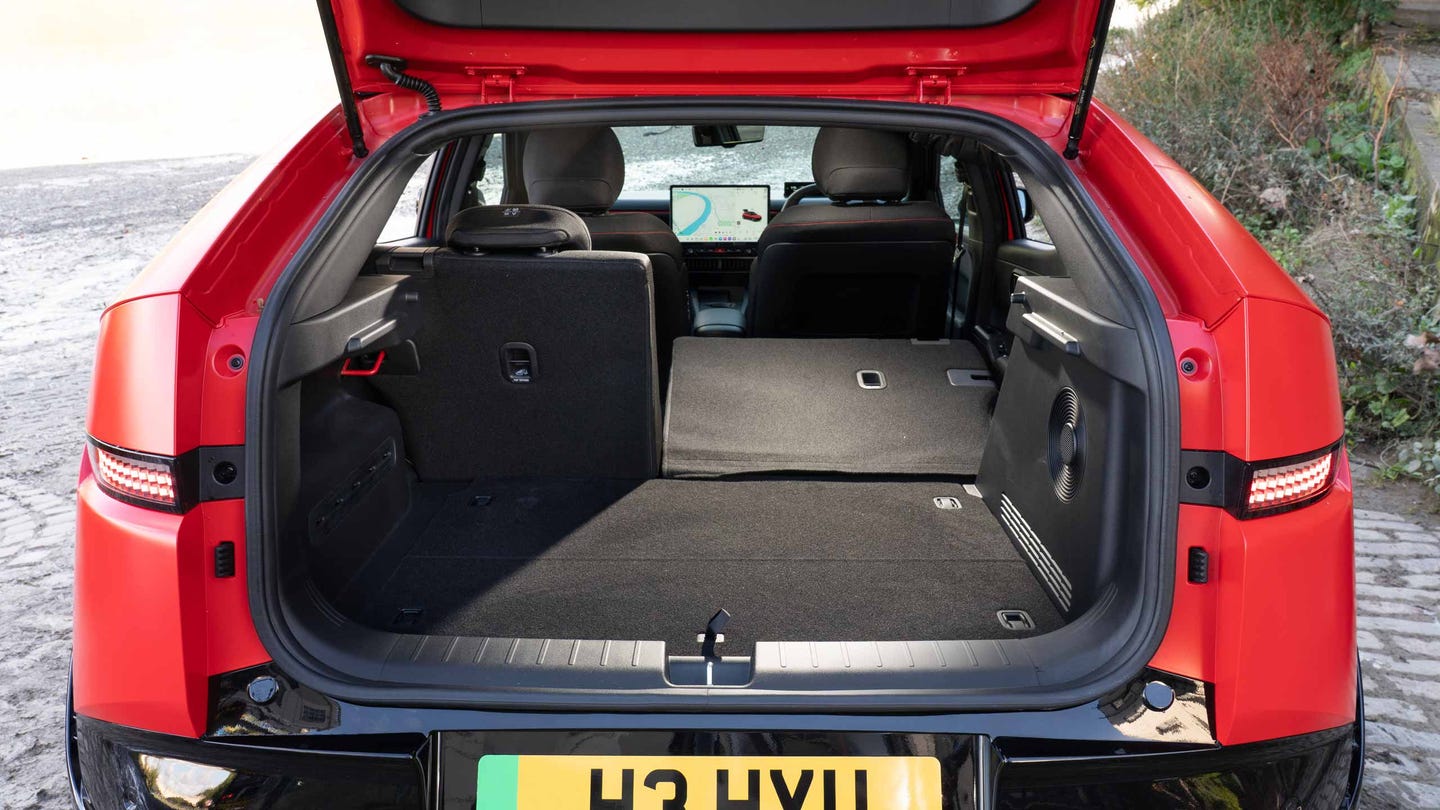
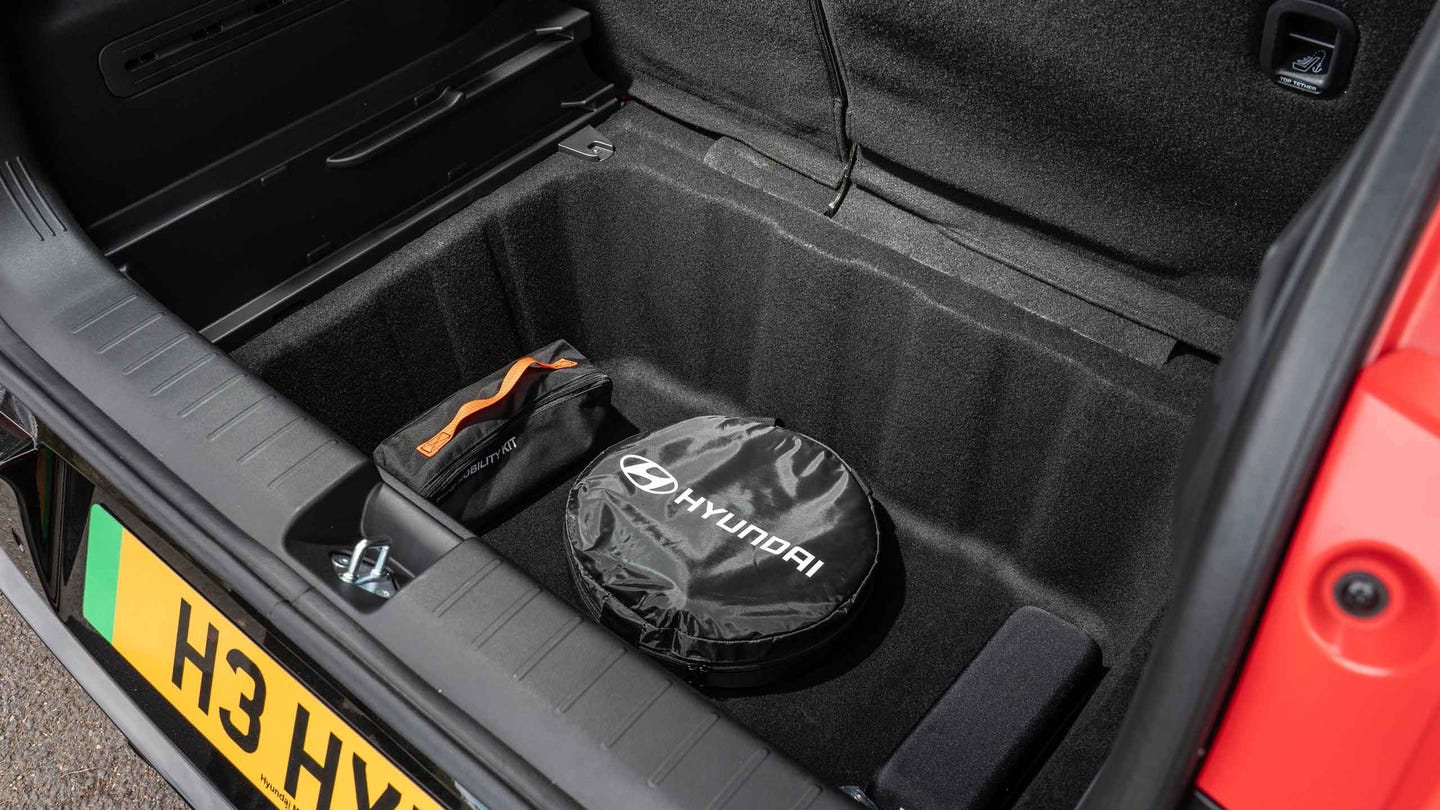
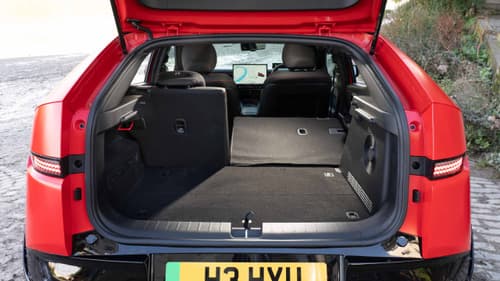
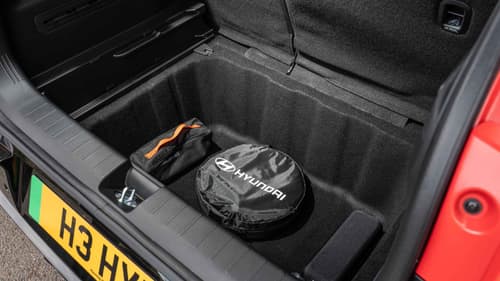
Lift up the bootlid (a powered bootlid isn’t even an option) and you’re met with a 310-litre space. That’s not all though, because there’s even more space under the floor. Total luggage capacity with the seats up stands at 441 litres, matching the Volkswagen ID. Polo at the very top of the class.
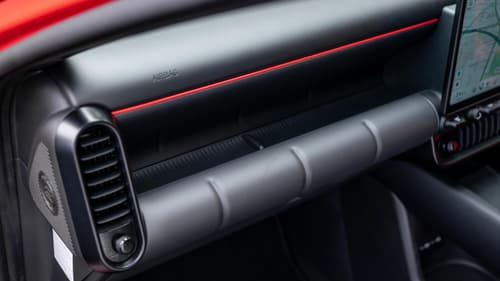
More impressive still is the amount of interior storage up front. It’s amazing that the interior is so solid considering there are more holes and cutouts than in a block of Swiss cheese. There’s a massive shelf in front of the passenger, and that continues around the steering wheel (giving the driver somewhere to hide a sneaky pack of travel mints). There are useful slots around the phone tray, two mega cupholders, a large storage space in the centre armrest, huge door bins, a sizeable glovebox and a semi-hidden area under the centre console. The front cupholder can be taken out, leaving a hole through to the bit underneath. Ideal if you’ve got a metre-long water bottle – or a baguette. Take that, Renault!
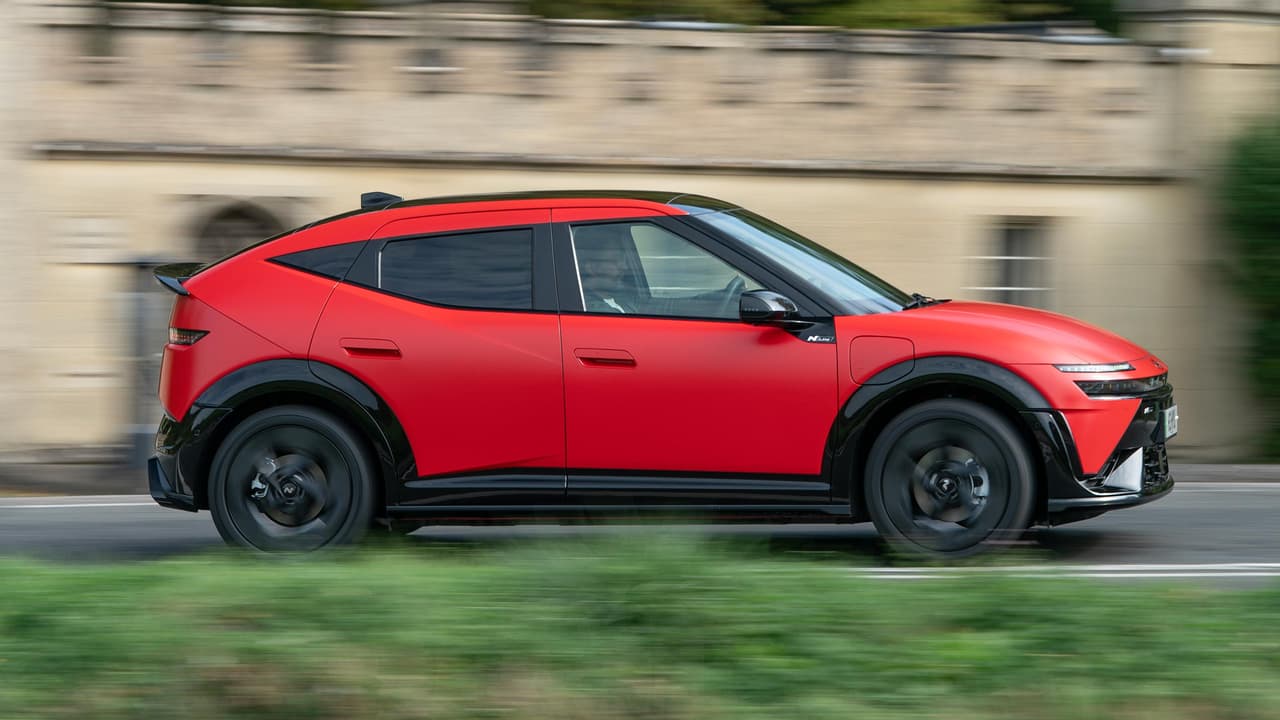
Hyundai claims the Ioniq 3 has ‘best in class’ aerodynamics, so it should slip through the air more efficiently than rivals. The 42.2kWh entry-level battery offers 213 miles, while the 61kWh battery manages up to 305 miles between charging.
We won’t dwell on the 42.2kWh battery too much, because it’s only available on the base Advance trim. A little unusually, it’s more powerful than big-battery cars so it’s a bit faster from 0-62mph. That’s due to the differing chemistries in the batteries; the lithium-iron phosphate (LFP) smaller battery gets its power out slightly more efficiently than the nickel manganese cobalt (NMC) bigger battery.
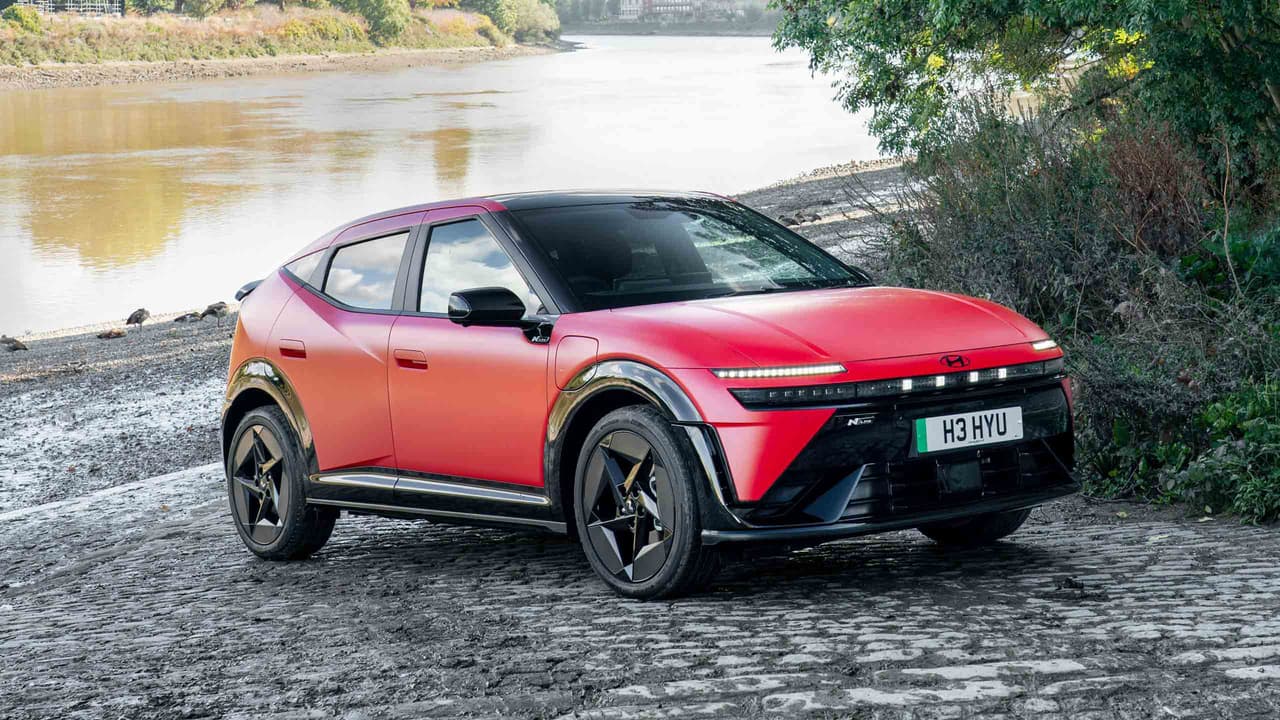
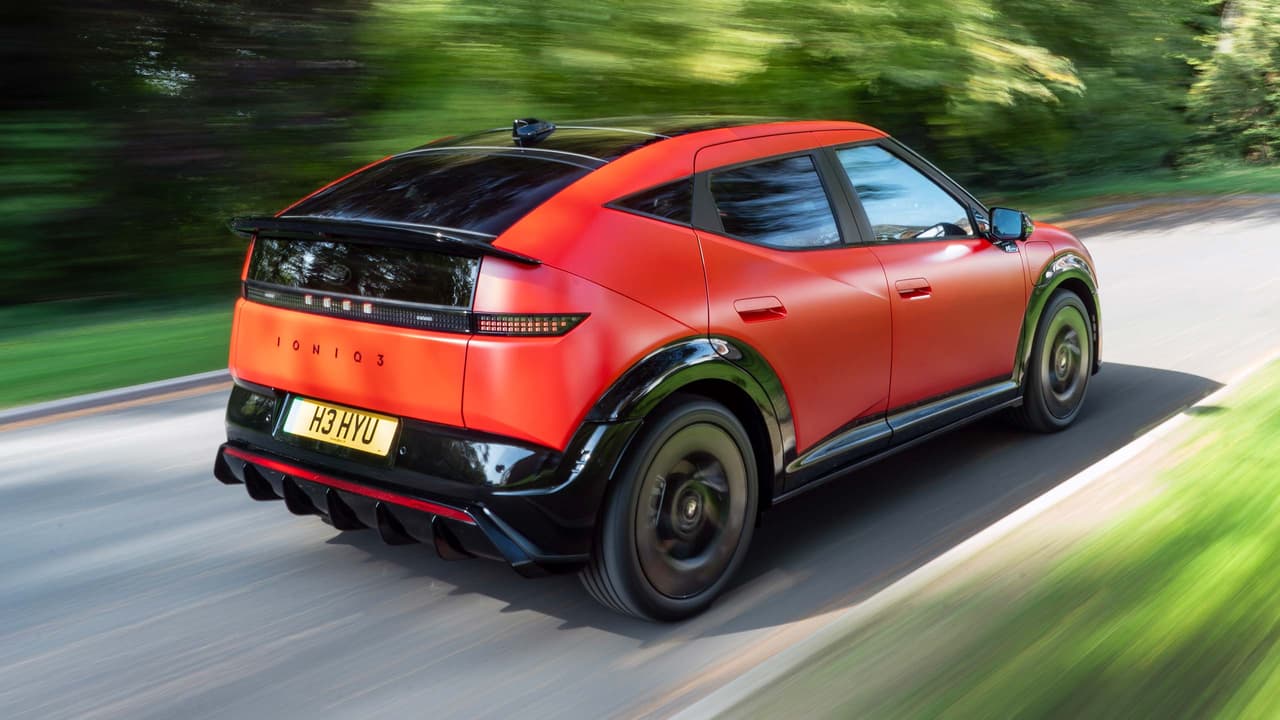
The 61kWh battery is optional on Advance trim and the only choice on other versions – so the vast majority of Ioniq 3s will come with this pack. All trims except the N Line Evo model manage around 300 miles; the sporty N Line badged version has a big spoiler and a sharp body kit, which reduces the quoted range to 265 miles. The range figures look realistic: our test cars returned around 280 miles on fast, undulating Welsh A-roads.
The 135hp motor attached to this battery is peppy, taking 9.5 seconds to get from 0-62mph (compared to 8.7 seconds for the smaller battery). It feels perfectly powered for UK roads – you never yearn for more power but you never feel like you’re holding up traffic either.
Max charging figures are 110kW for DC outlets and 22kW for AC. At a suitably fast public charger, a 10-80% top-up takes half an hour. Most owners will charge at home whenever possible, and a 10-100% charge takes around eight and a half hours from a 7kW home wallbox. If you buy a model with built-in sat nav, it includes intelligent route planning that takes charging stops into account – but then Google Maps will do that if you’ve got Android Auto or Apple CarPlay.
Not only built in Europe (that’s why it gets such a big electric car grant), the Ioniq 3 is also developed for Europe. And there are several areas where you can really feel that.
The ride quality is excellent – the Ioniq 3 smooths out bumps expertly and makes light work of a challenging road. It’s coupled with great body control, which displays itself as a very stable feel over undulating surfaces and through corners. The pedals are also very well calibrated, with the brakes feeling reassuringly strong – not always a given in electric cars.
We reckon the Ioniq 3 serves as a really good base if Hyundai decides to produce a hot N version – the chassis feels like it could cope with a chunk of more power. The N Line Evo trim already looks like a souped up version with its unmissable spoiler.
As well as the ride quality, the refinement is really strong. There’s very little wind, suspension or ambient noise, and only a bit of tyre noise at high speeds.
Another way that the Ioniq 3 is developed for Europe is how its ADAS alerts are delivered to the driver. Hyundai says it has toned down the warnings and bongs compared to its previous Ioniq models, and we mostly agree – we spent four hours in our test cars and didn’t feel the need to pull our hair out at any time.
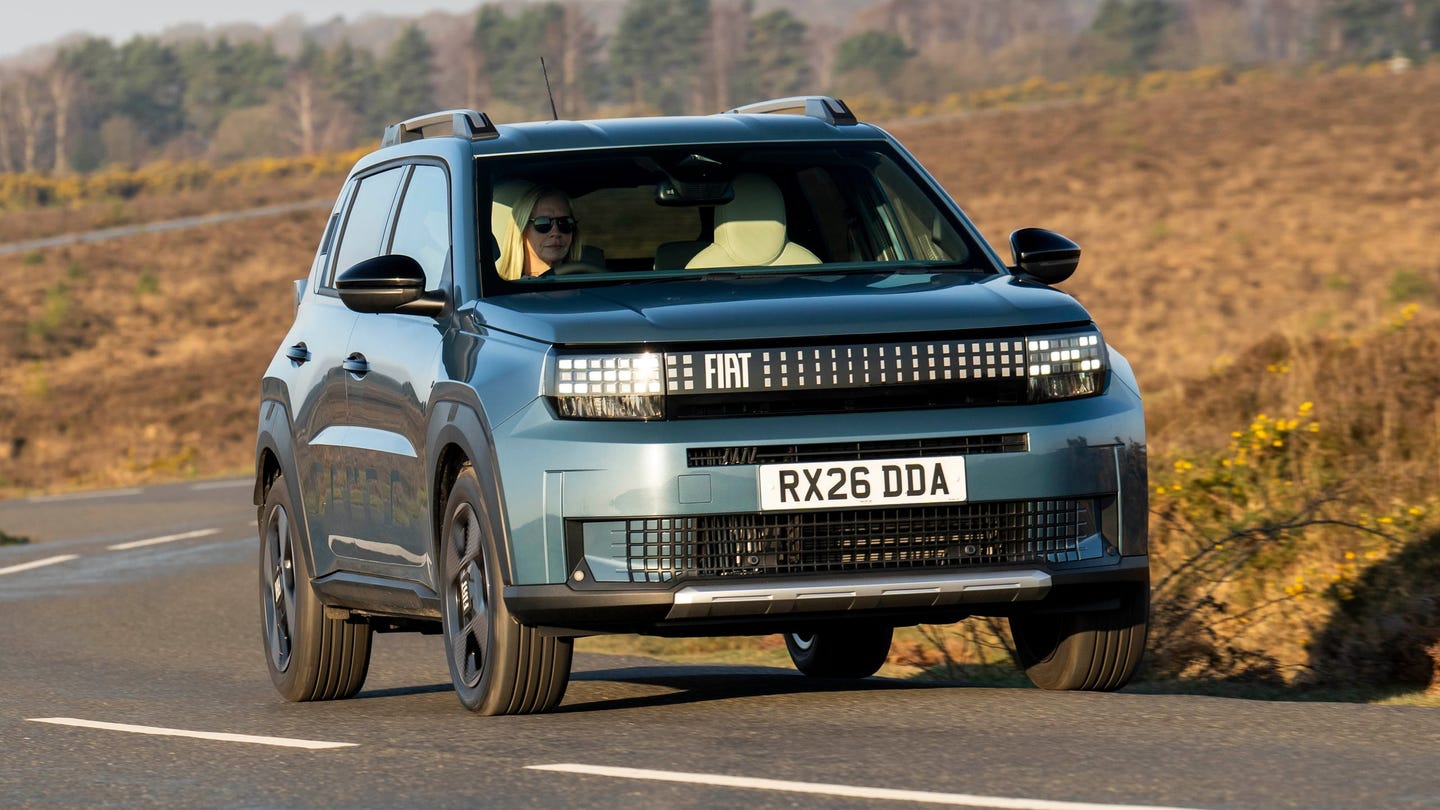
Cheap and full of character: the new Grande Panda is a top small car

Small electric SUV trades interior space for impressive efficiency