









Renault SUV and car model range explained

Ben Custard
•
Manufacturer Guides

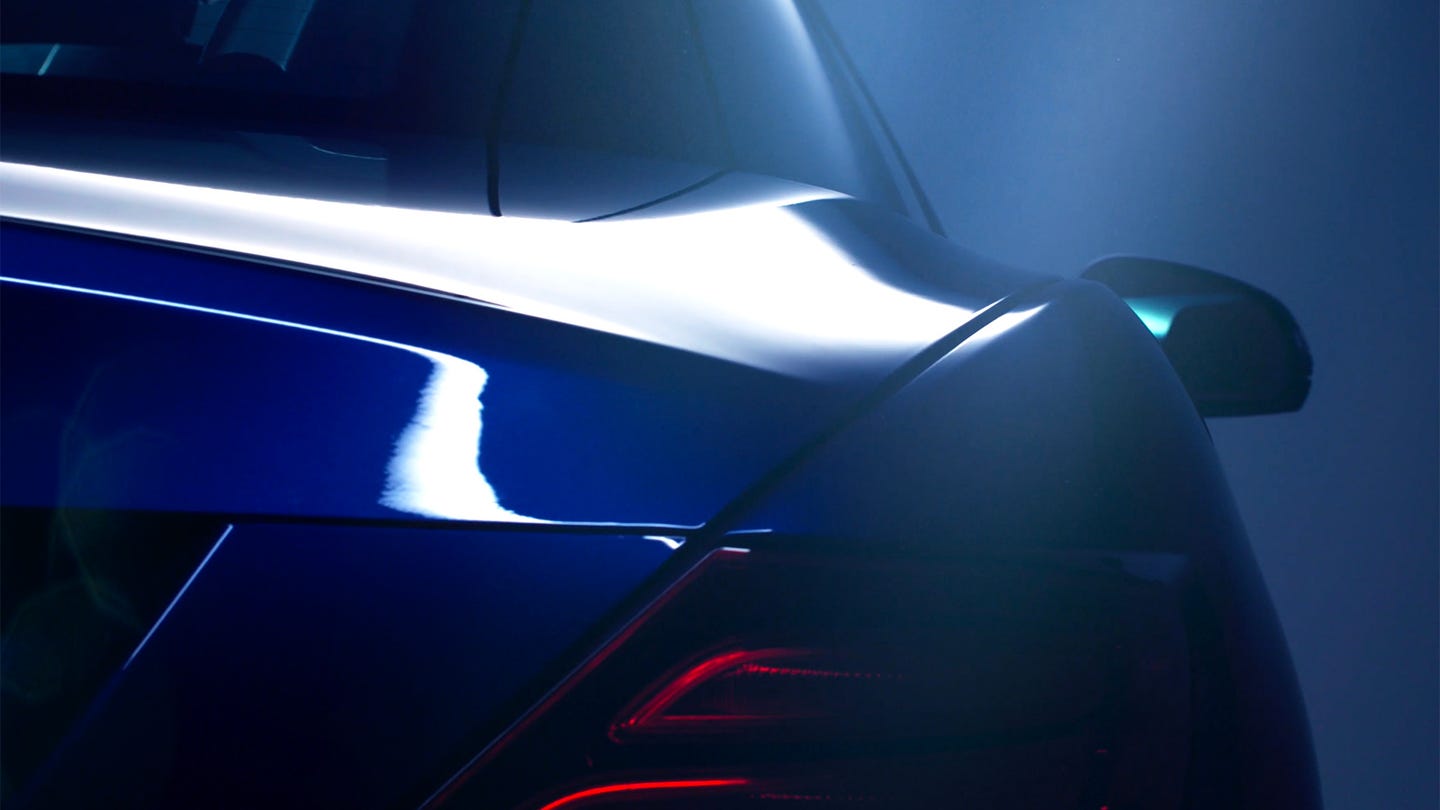
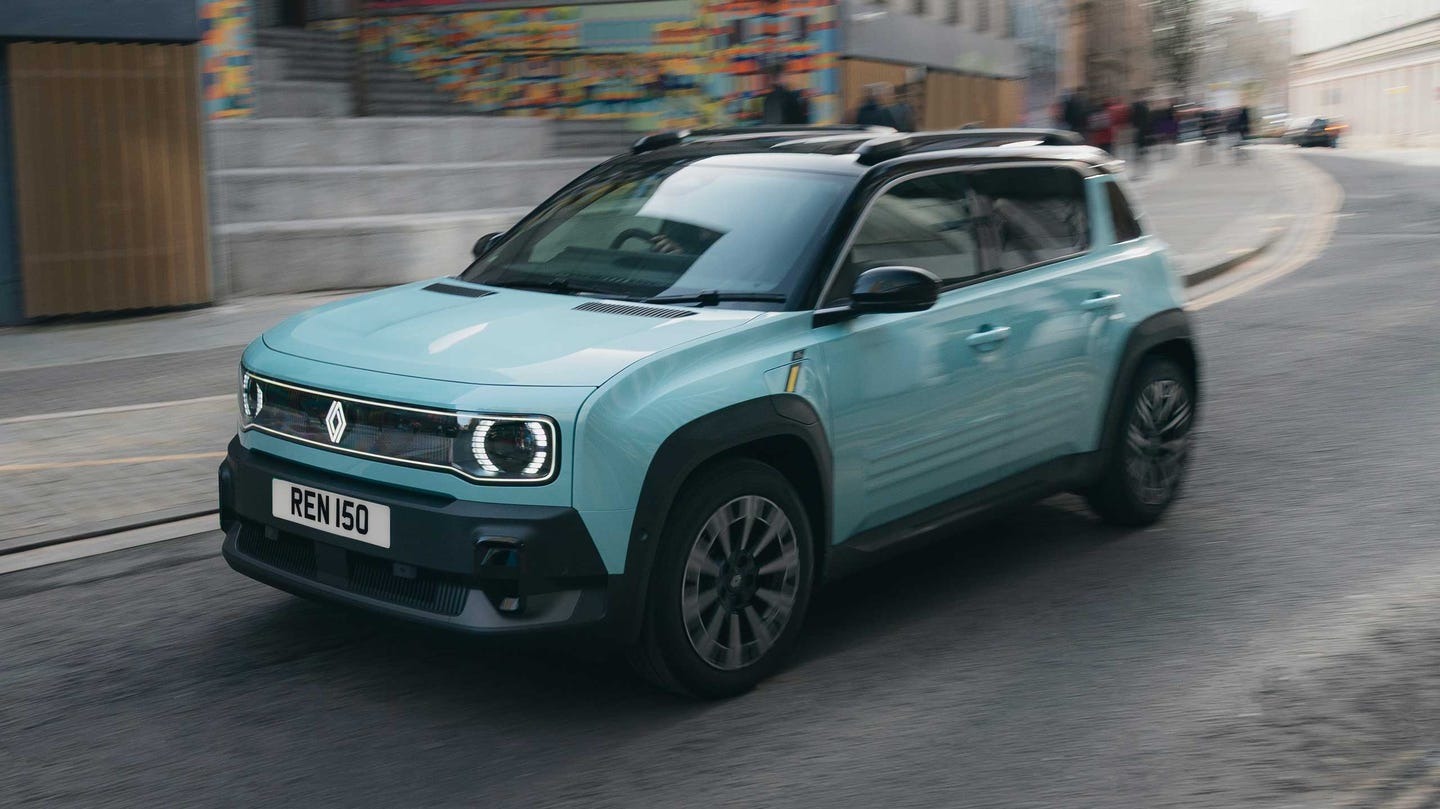

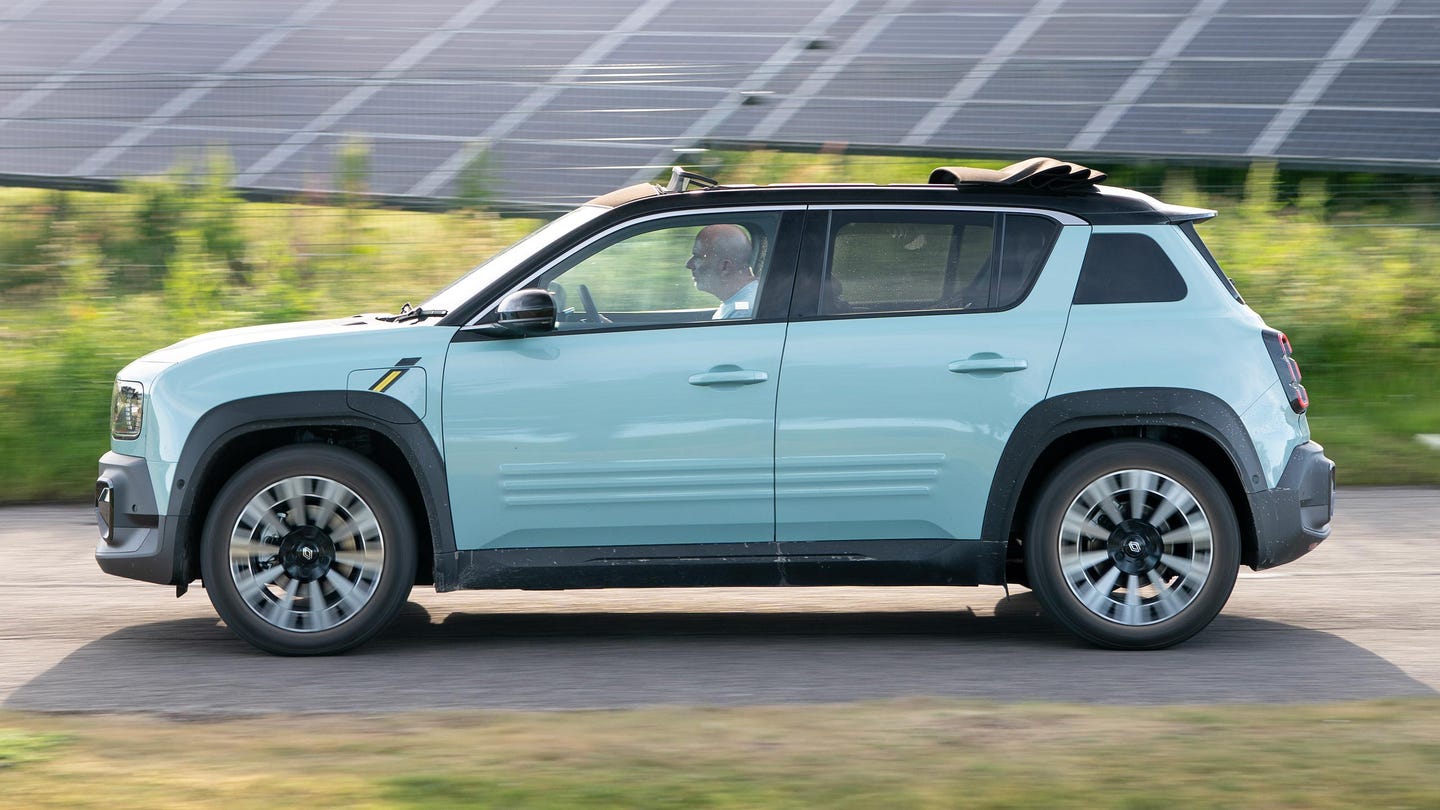
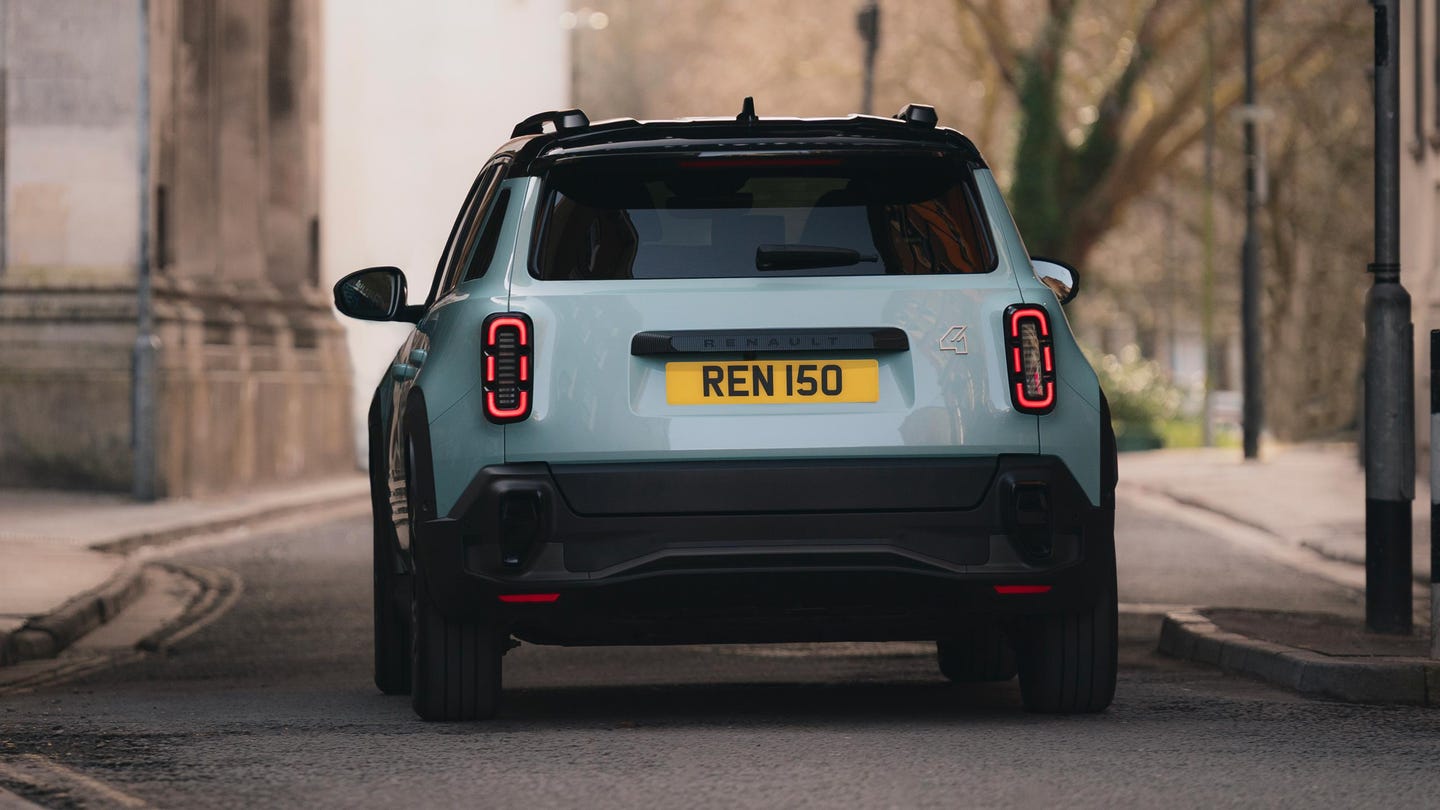


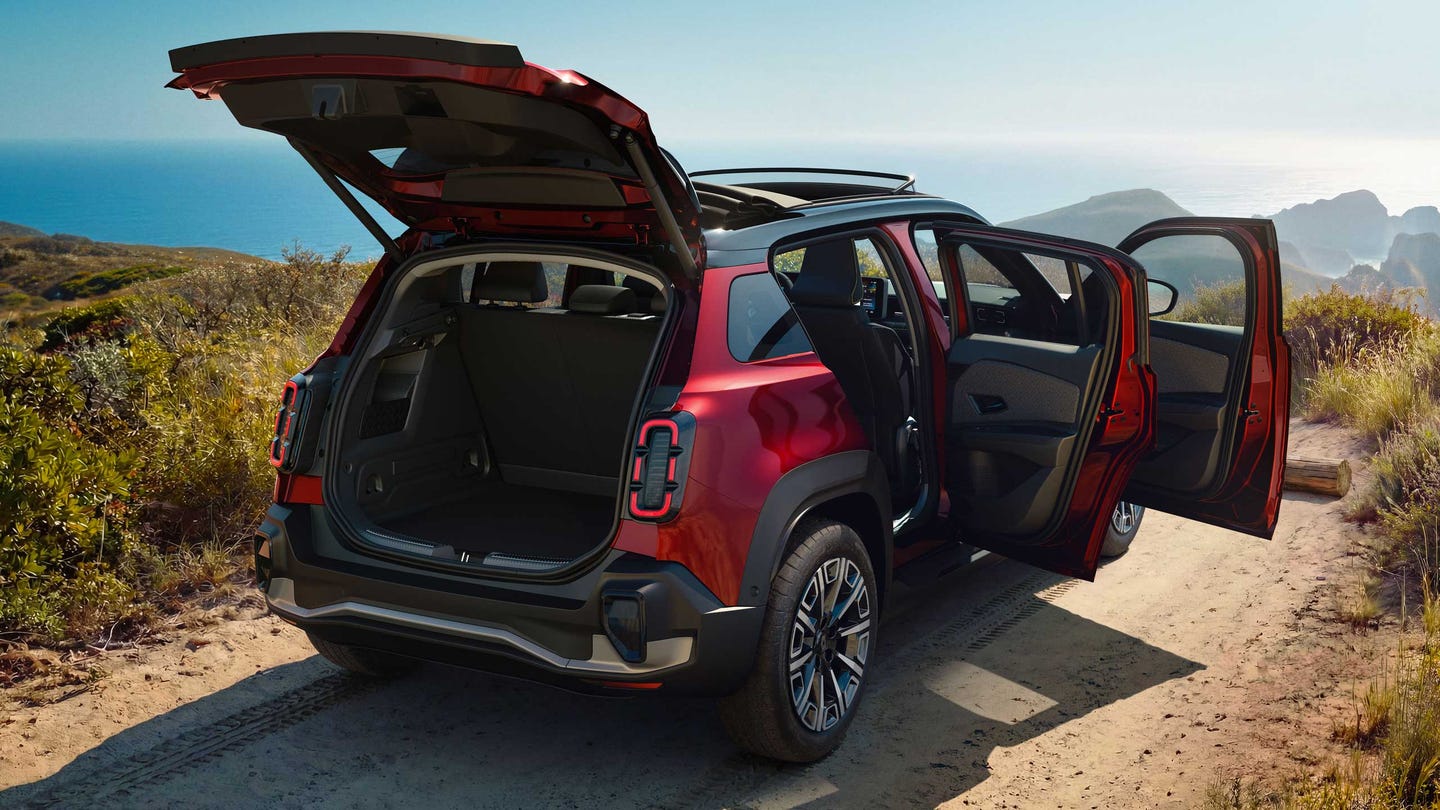
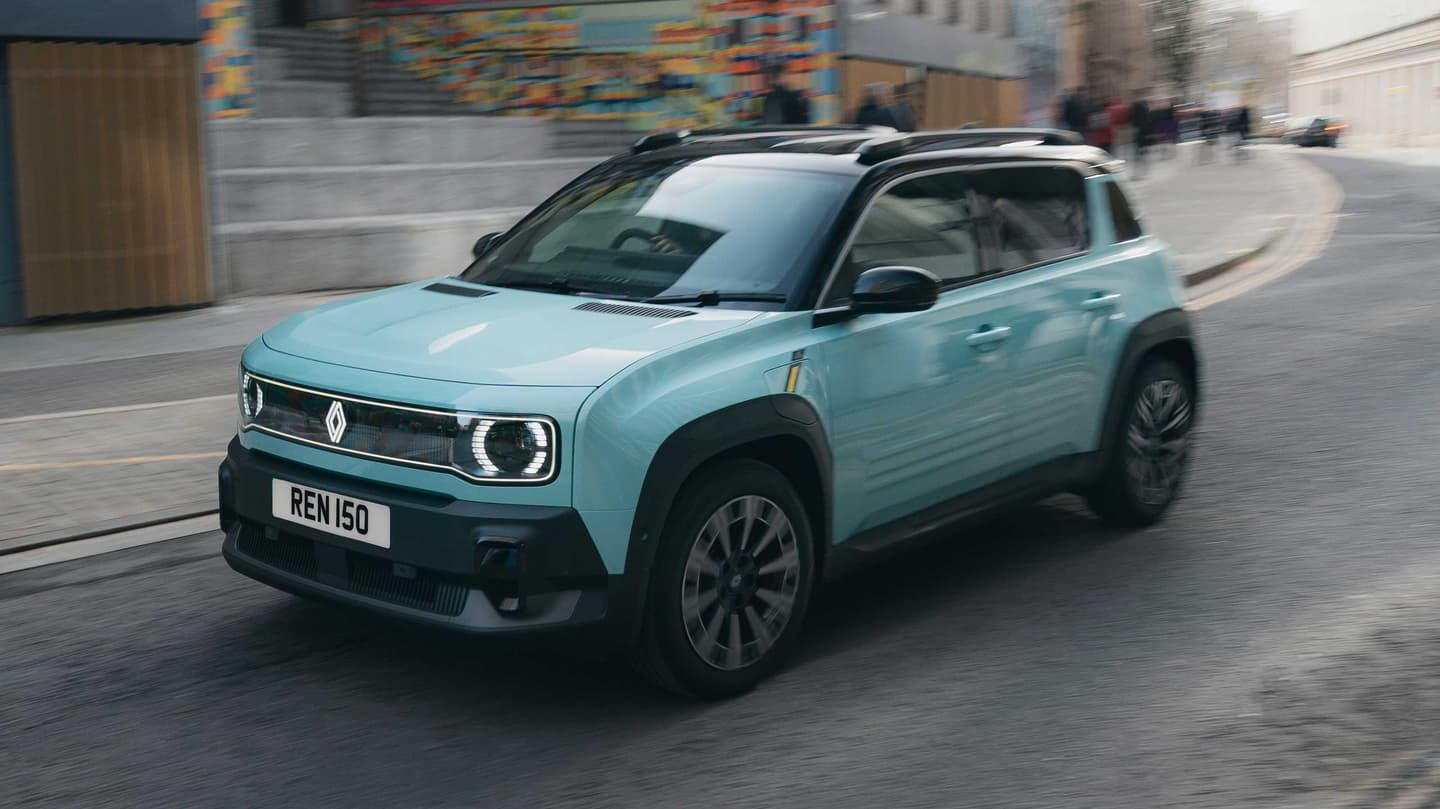
The Renault 4 isn’t the main character in the brand’s electric car range – that’s the hugely popular Renault 5 – but, if it was a film star, the 4 would win the Oscar for best supporting actor.
Even ignoring the characterful looks, the Renault 4 offers genuinely helpful tech, enough rear-seat space for a small family and a big boot for its size.
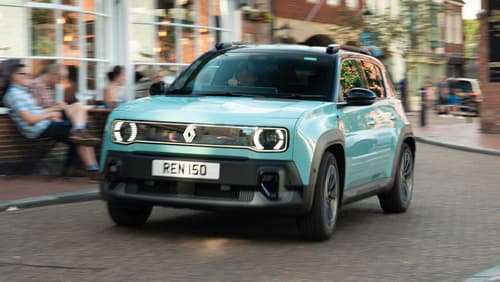
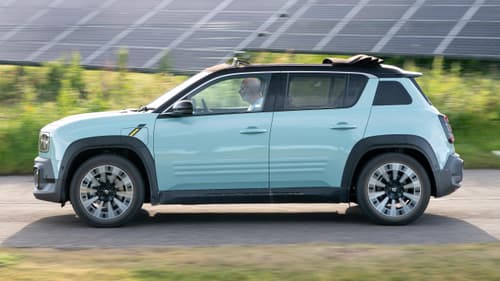
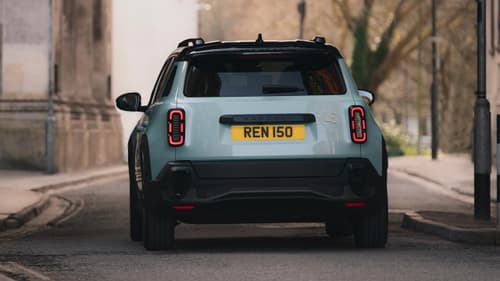
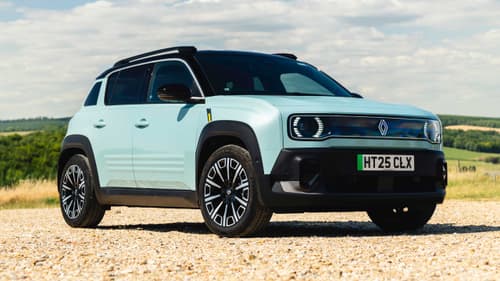
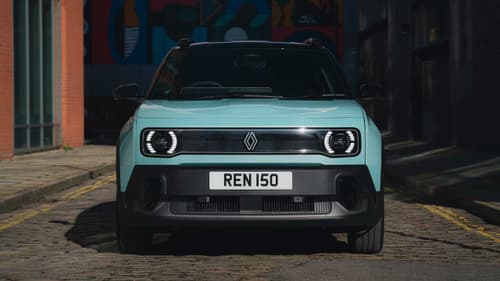
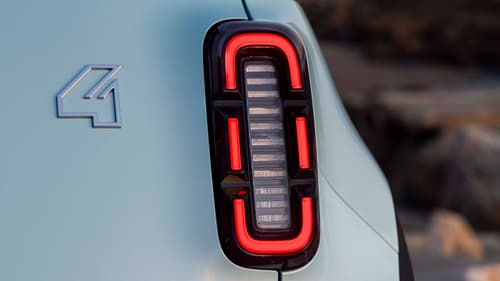
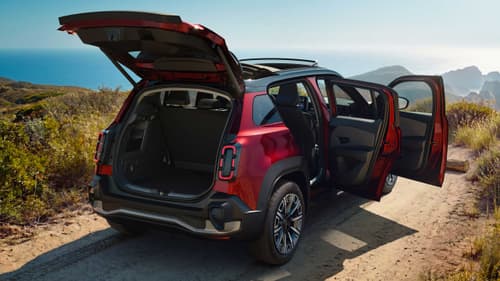
Next to the best-selling Renault 5, the Renault 4 might seem a bit prudish and straight-laced. Like a pair of cargo trousers to the 5’s flared jeans.
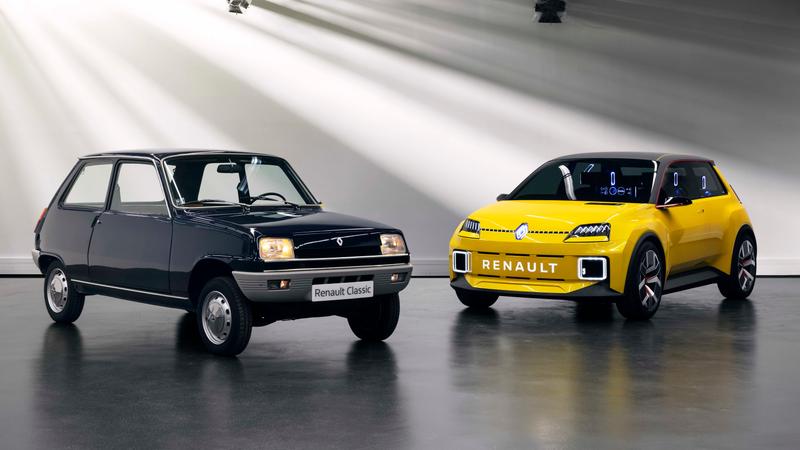
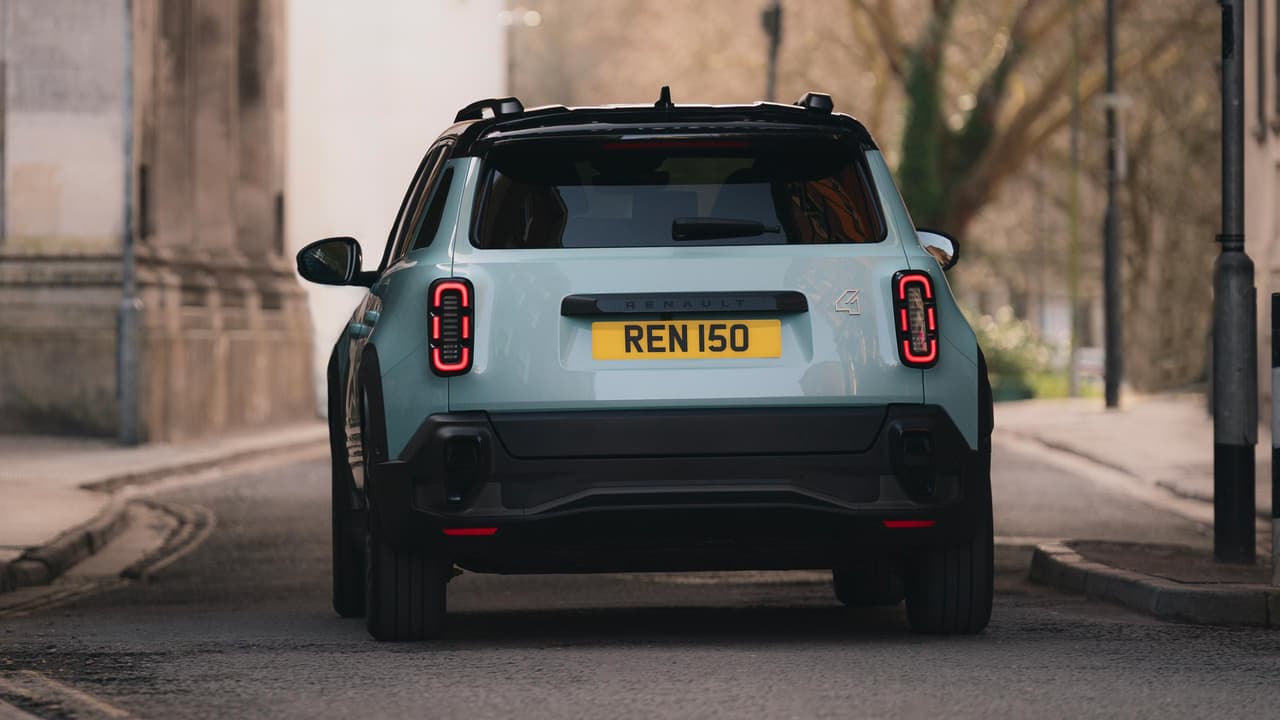
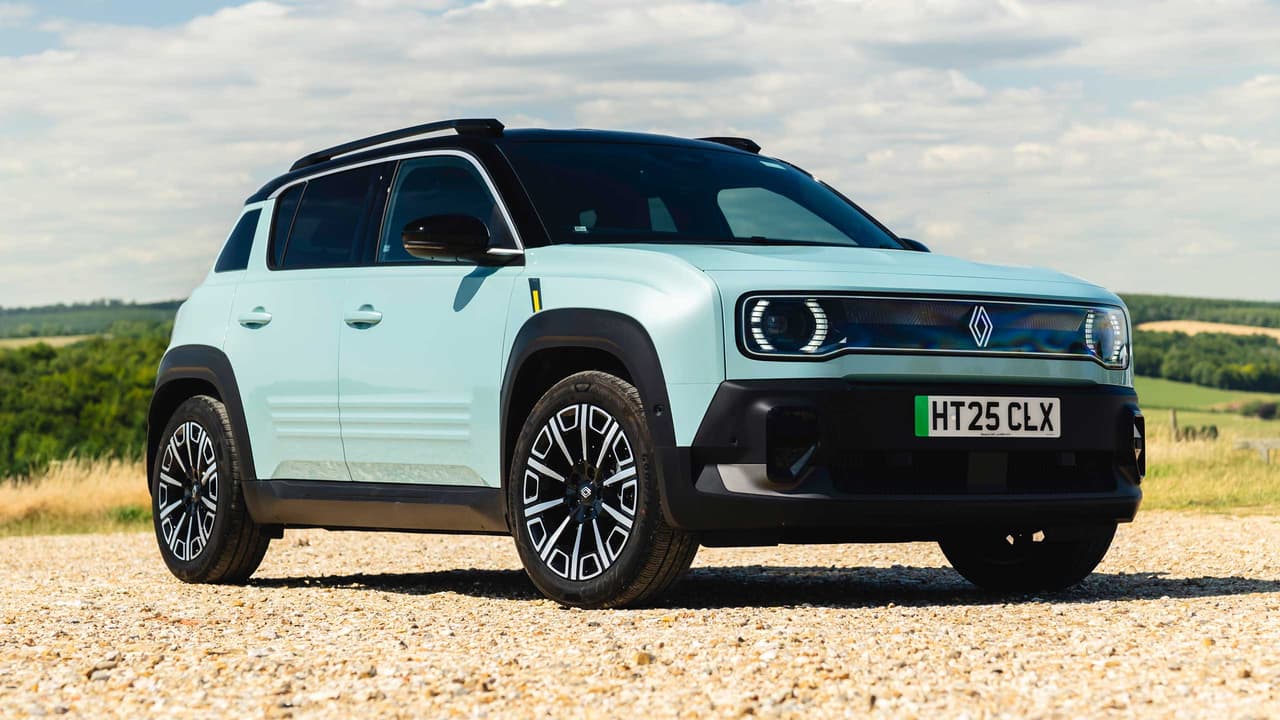
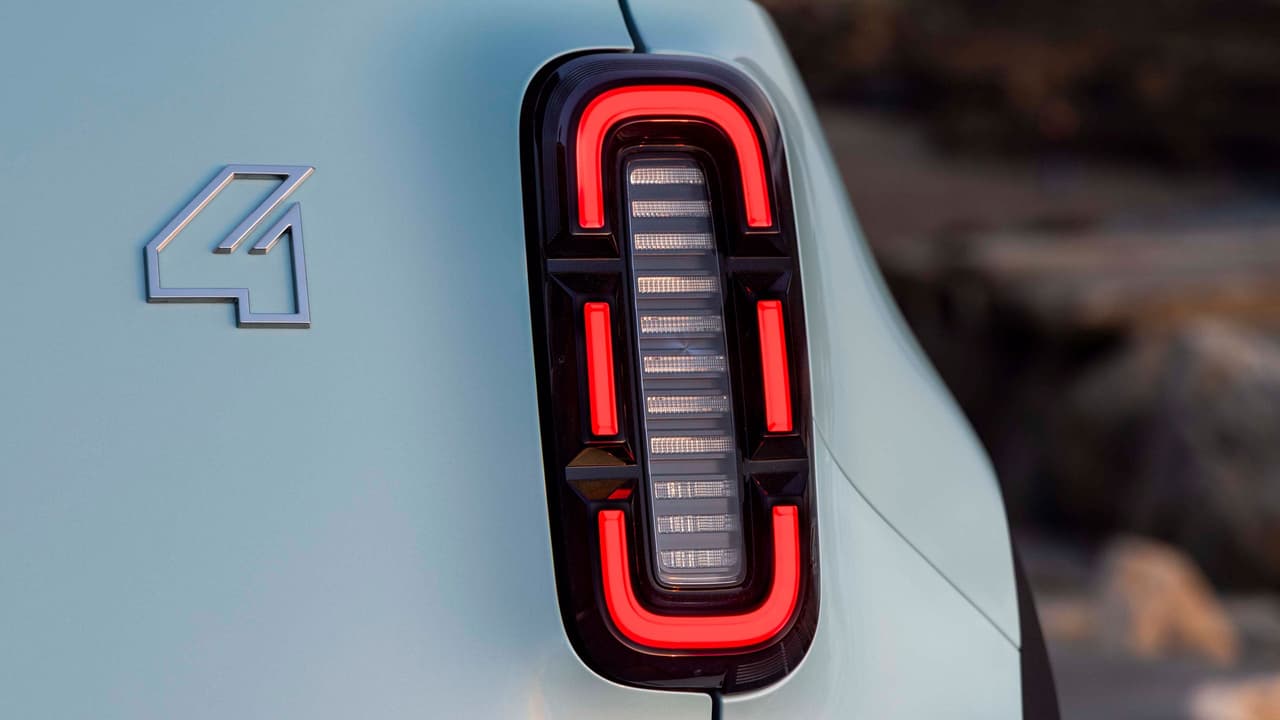
But the 4 isn’t short of its own appeal. By mining its history and bringing it right up to date, Renault has unearthed a rich seam of highly desirable models. The lines of the Renault 4 are instantly recognisable if you’re familiar with the original R4, and the whole design is clean and confident. The delight is in the detail: we love the trim pieces that take inspiration from the brand’s diamond logo, and the ribbed door panels.
"The effort that Renault has clearly put in makes the 4 a lovely place to sit"
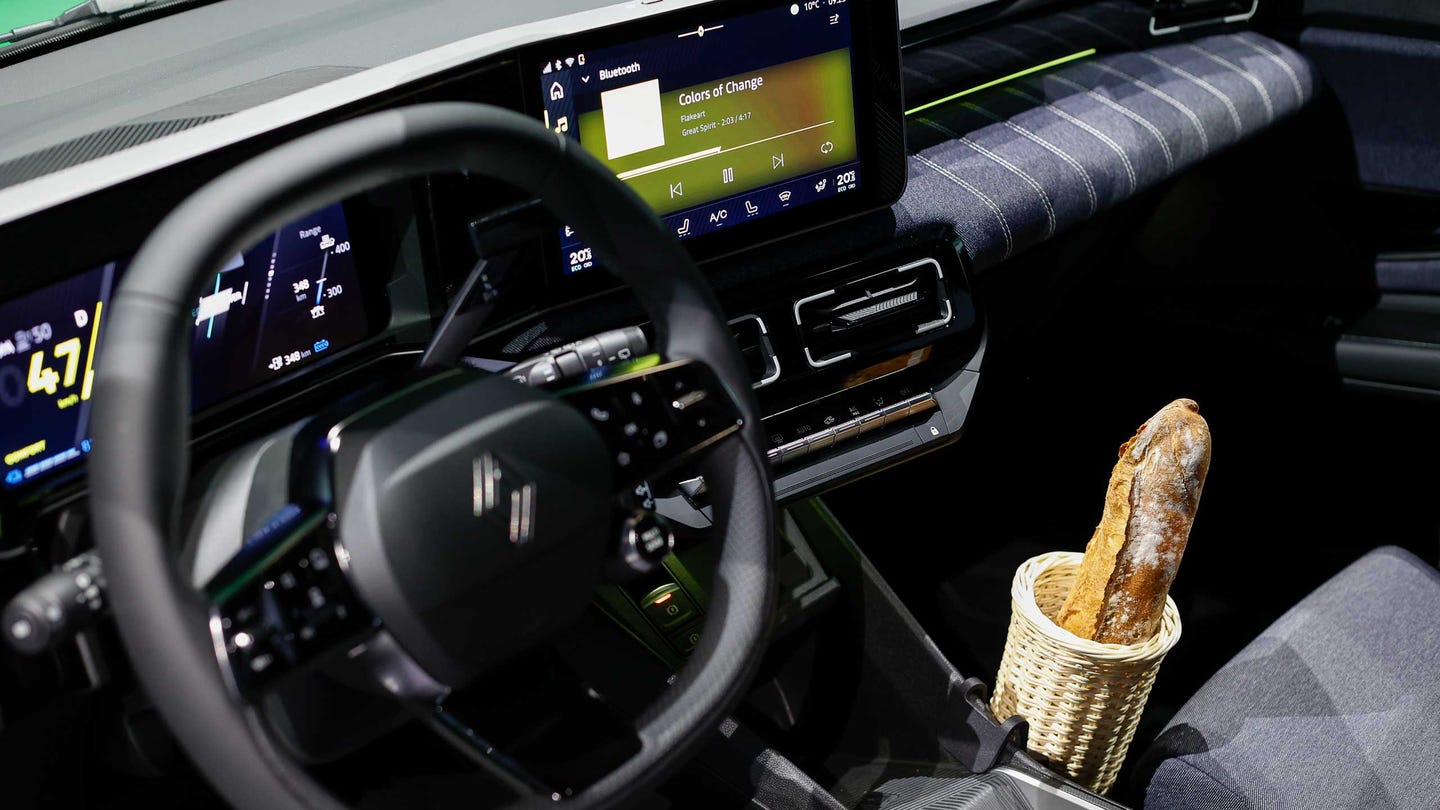
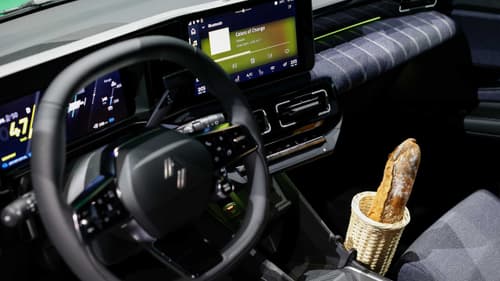
To make sure the 4 stands out, Renault offers a couple of heritage-inspired pastel paint shades, a host of graphics packs and some 3D-printed accessories to customise the car to your liking. Like the 5, you can option a wicker baguette holder for early morning boulangerie runs. Unlike the 5, you can even have the 4 with a folding fabric roof to bring a bit of glamour to family journeys and in-car picnics.
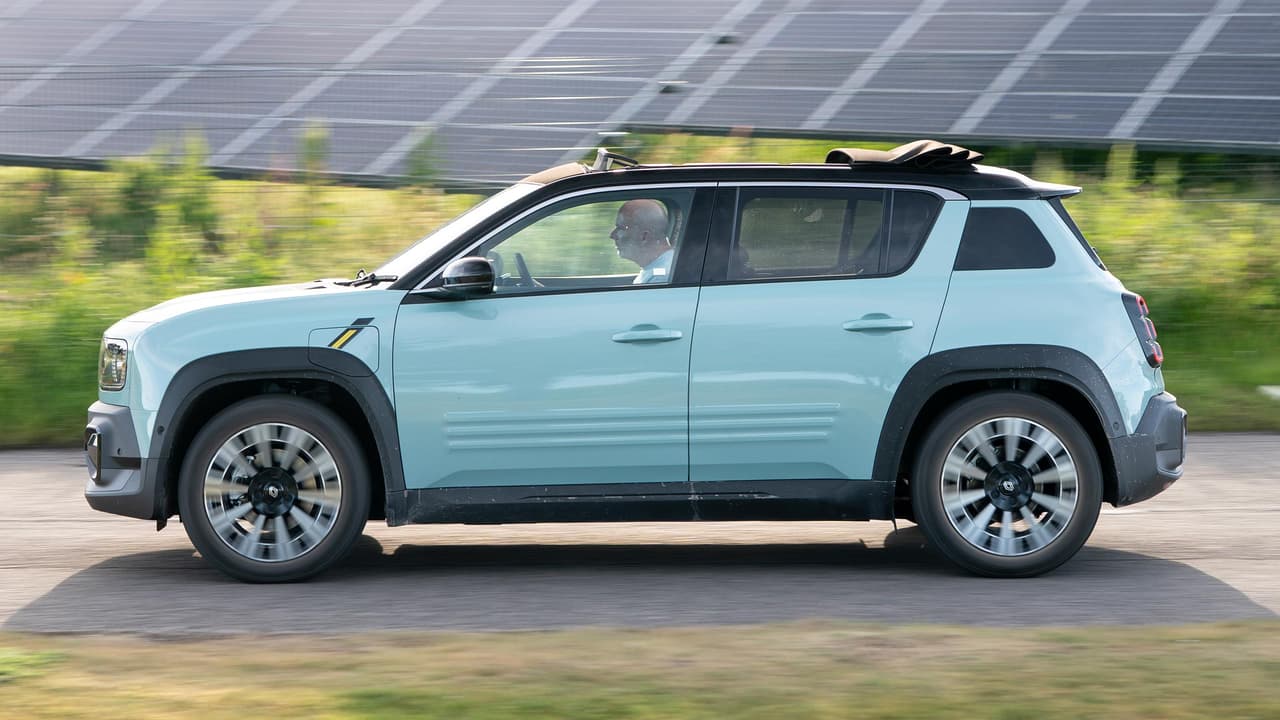
Even without the ‘plein sud’ open-roof option, the Renault 4 is a feelgood car. The interior is full of lovely textures and expensive-feeling details, the driving experience is refined and fun, and the practicality is impressive for the car’s size. That’s where the 5 stutters a little – the 4 has all the qualities of the 5 but with a bit more space for a small family.
The 4 doesn’t come with a cheaper small-battery option like the 5, but that does mean that every version of the 4 promises almost 250 miles of range between charges. With fast-charging included, the Renault 4 is well up for the occasional long journey.
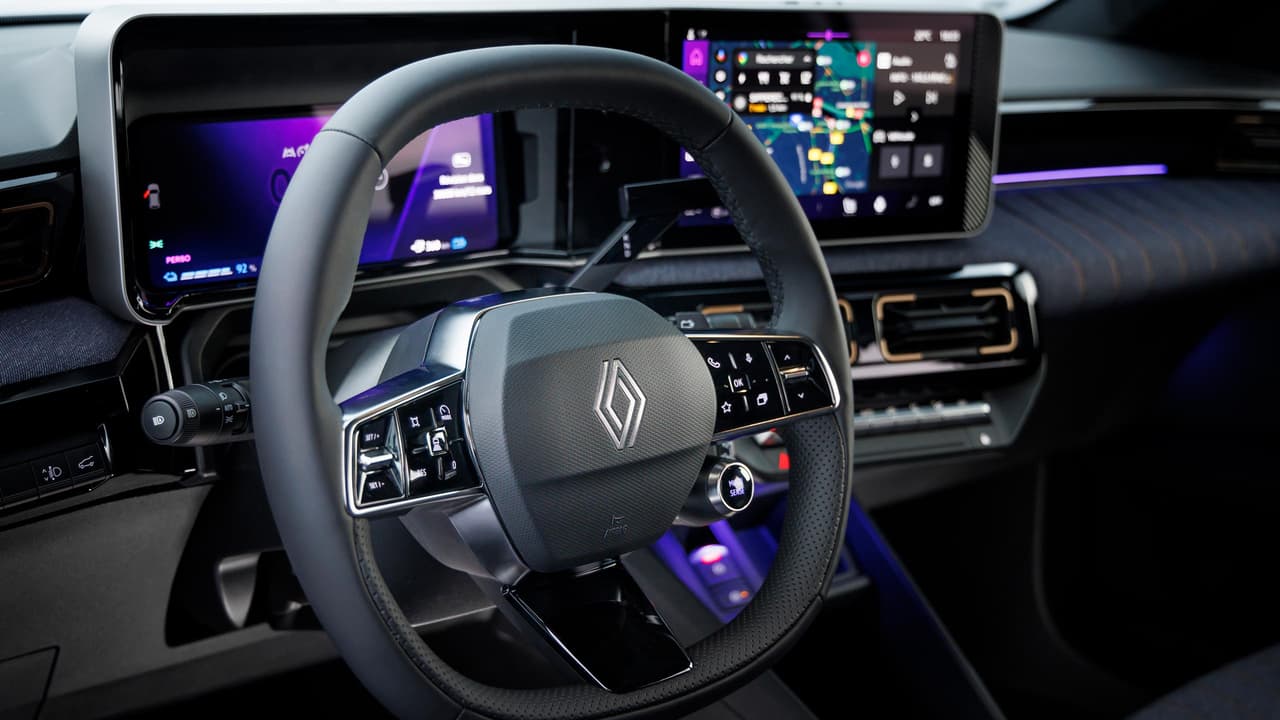
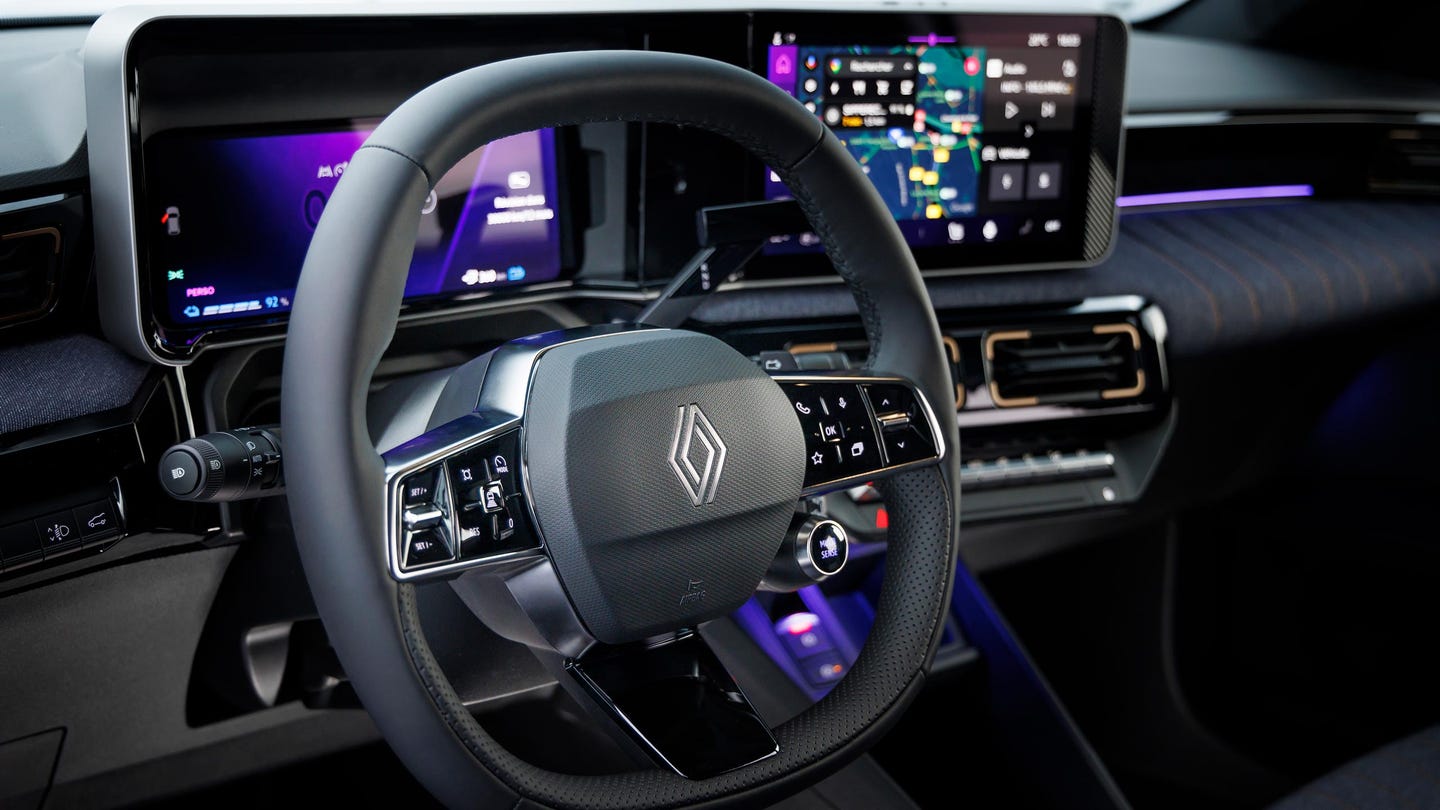
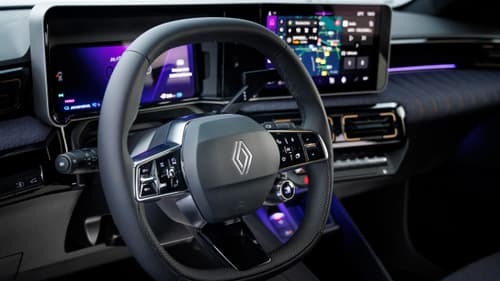
Whereas the classic Renault 4 went for utilitarian basicness, the new model is premium-feeling and smart inside. Smart in both senses of the word – the design is fantastic and the Google Maps integration means you’ll never find yourself in an unexpected traffic jam.
The effort that Renault has clearly put in makes the 4 a lovely place to sit. You’ll spend some time taking in the leather-style upholstery on the dashboard, the houndstooth cloth on the door trims, the yellow accents, the subtle tricolore detailing, and the square pattern on the seats and ceiling (or the denim upholstery on Techno models).
The majority of the interior feels well built, and the various physical controls operate with a satisfying click. Renault’s decision to put three stalks on the right-hand side of the steering wheel still feels like too many. Although, after living with the car a while, you don’t often hit the wipers when you’re trying to change gear.
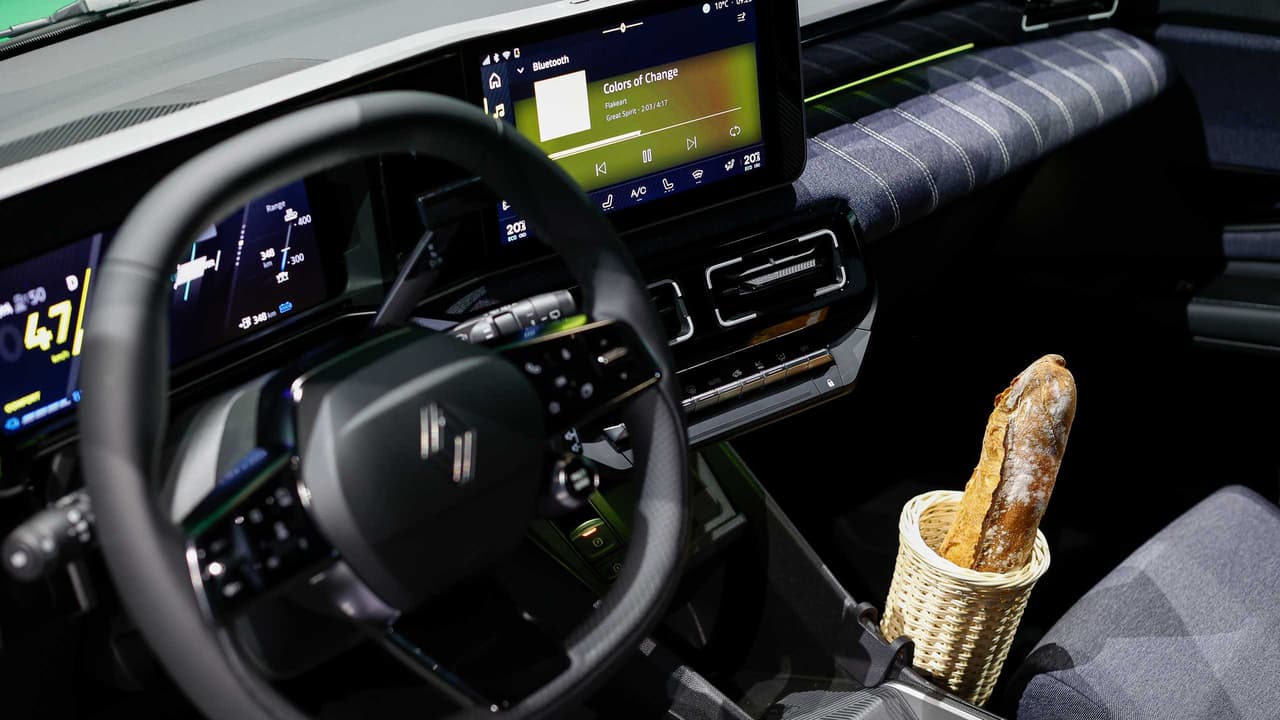
As well as being very connected and polished, the infotainment system is simple to use and responds quickly. The graphics are sharp and there are some sticky shortcut icons that make it easy to skip from one screen to another.
Base-spec Evolution+ is very rare – we couldn’t find any for sale at the time of writing. Even so, the standard equipment includes a reversing camera, wireless Apple CarPlay and Android Auto, a host of safety features and the 10-inch touchscreen. Go for the mid-range Techno+ trim and you’ll additionally get tinted windows, a contrasting black roof, roof rails, adaptive cruise control and face ID – letting you set your driver profile and seat position automatically. Techno also includes the ability to precondition the battery before you reach a public fast charger.
Top-spec Iconic+ features recycled seat upholstery, a powered bootlid, a Harman Kardon audio system, paddle shifters for adjusting the brake regeneration level, heated front seats, customisable driving modes and a heated steering wheel.
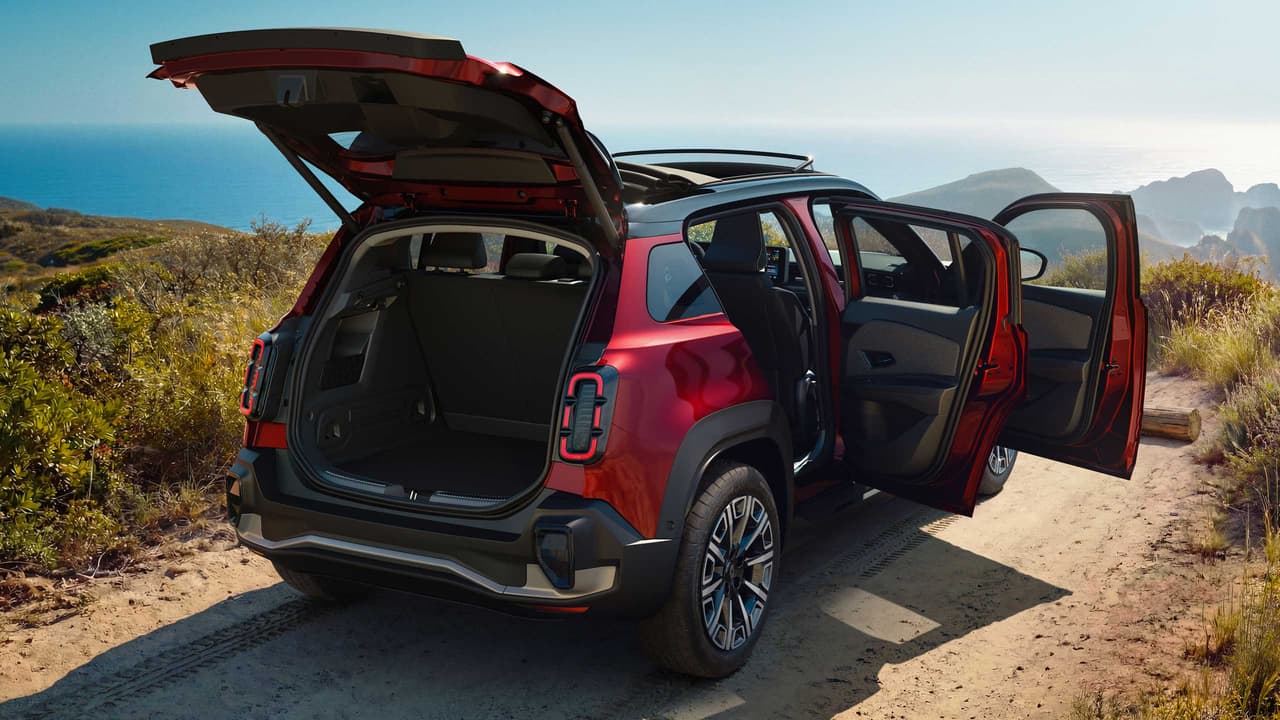
The main drawback of the stylish Renault 5 is that it’s not very practical. It’s fine for singles or couples who don’t often need to use the back seats, but it won’t be a great choice for families. That’s where the Renault 4 comes in – the extra length and boxier shape make all the difference.
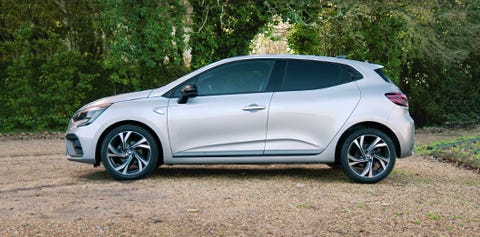
With an average-sized adult sitting up front, there’s a decent amount of passenger space behind. Four adults can comfortably fit in the 4, although there might have to be some compromise if anyone’s particularly tall. It’s worth remembering that the 4 is only fractionally bigger than a Renault Clio, so it’s still not a big car.
Rear-seat passengers get map and phone pockets, plus USBs and good sized door bins. You also get the same nice materials as in the front, which isn’t the case in the Vauxhall Mokka Electric or Fiat 600e. The doors open fairly wide and the Isofix points are easily accessible, so the 4 is a good option for fitting child seats in – provided your child seat isn’t a bulky rear-facing one.
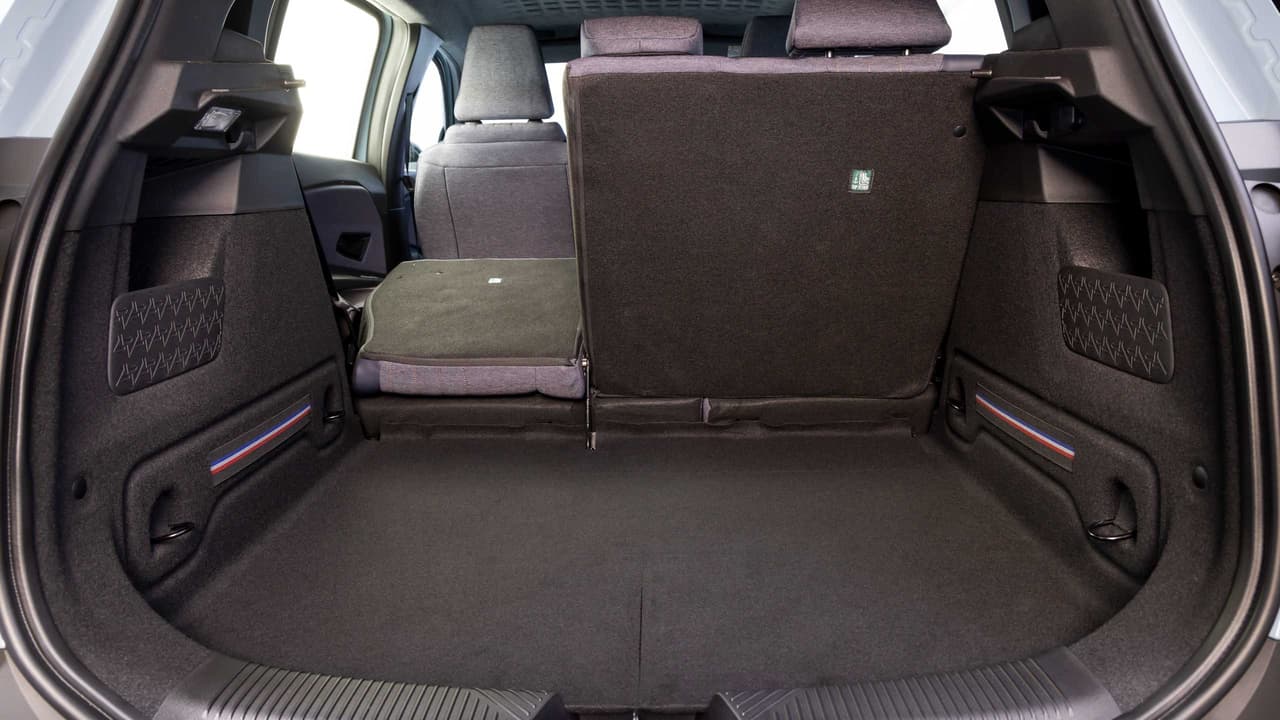
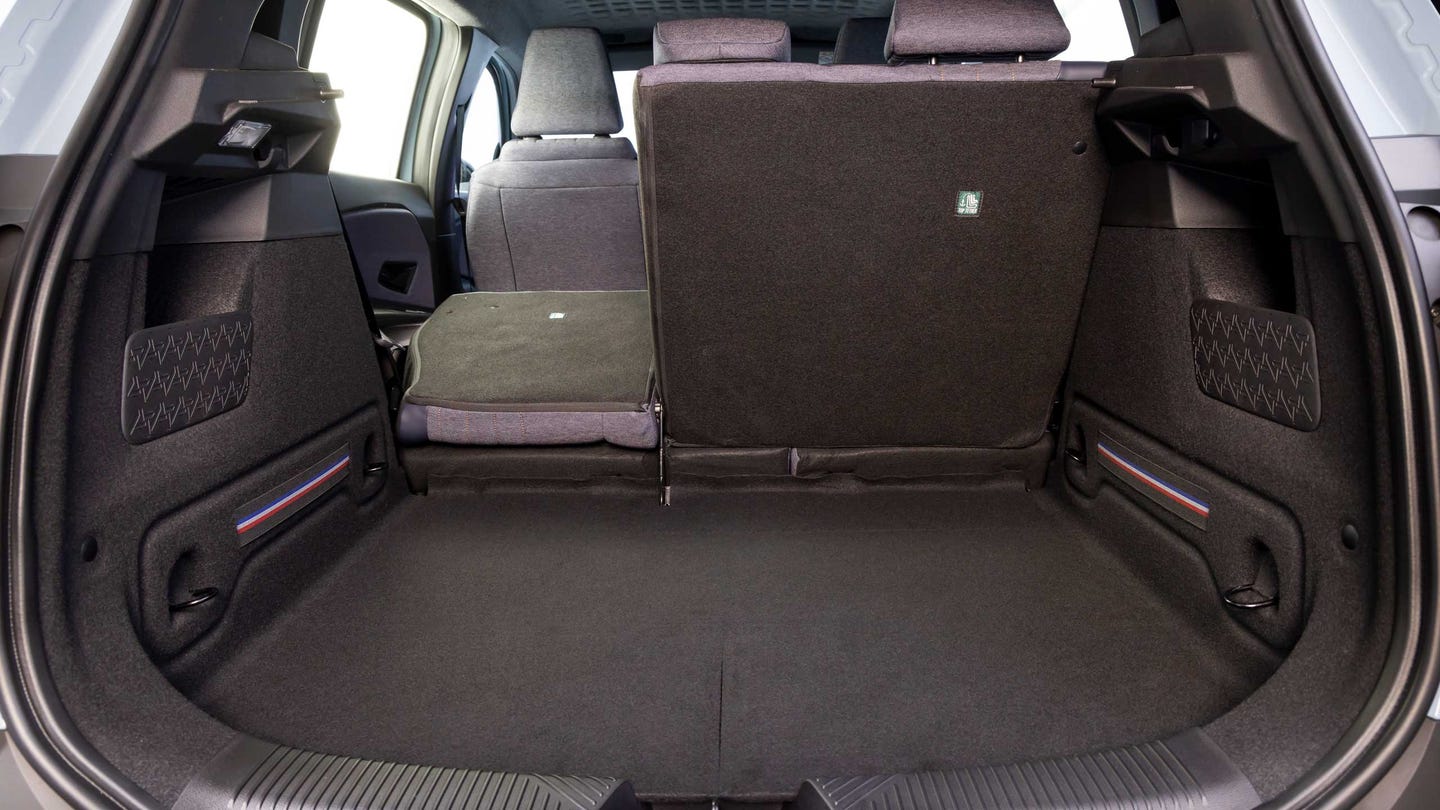
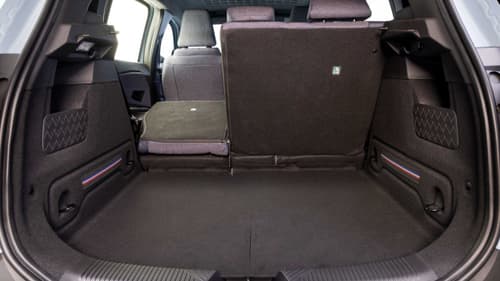
The rear seats don’t do anything clever – they don’t slide like in the Renault Captur or Volkswagen T-Cross. They fold in a 60:40 split but don’t fold down particularly flat, which could make it a bit tricky to carry oversize items.
Storage upfront is generally alright. The glovebox is a reasonable size and there are several well-shaped storage areas along the centre console. However, the front door bins are too small and a bit awkwardly shaped for large water bottles.
The 420-litre boot is a great size, putting the 4 right among small SUVs like the Peugeot 2008 and Nissan Juke. What’s immediately obvious is how low the lip is – it’s really easy to load heavy items in, or for a dog to jump in. Hooks, tie-down points, small side pockets, a 12V socket and elastic straps all make the boot really useful. Just watch the bootlid as it opens and closes – there are a couple of sharp edges on the tailgate.
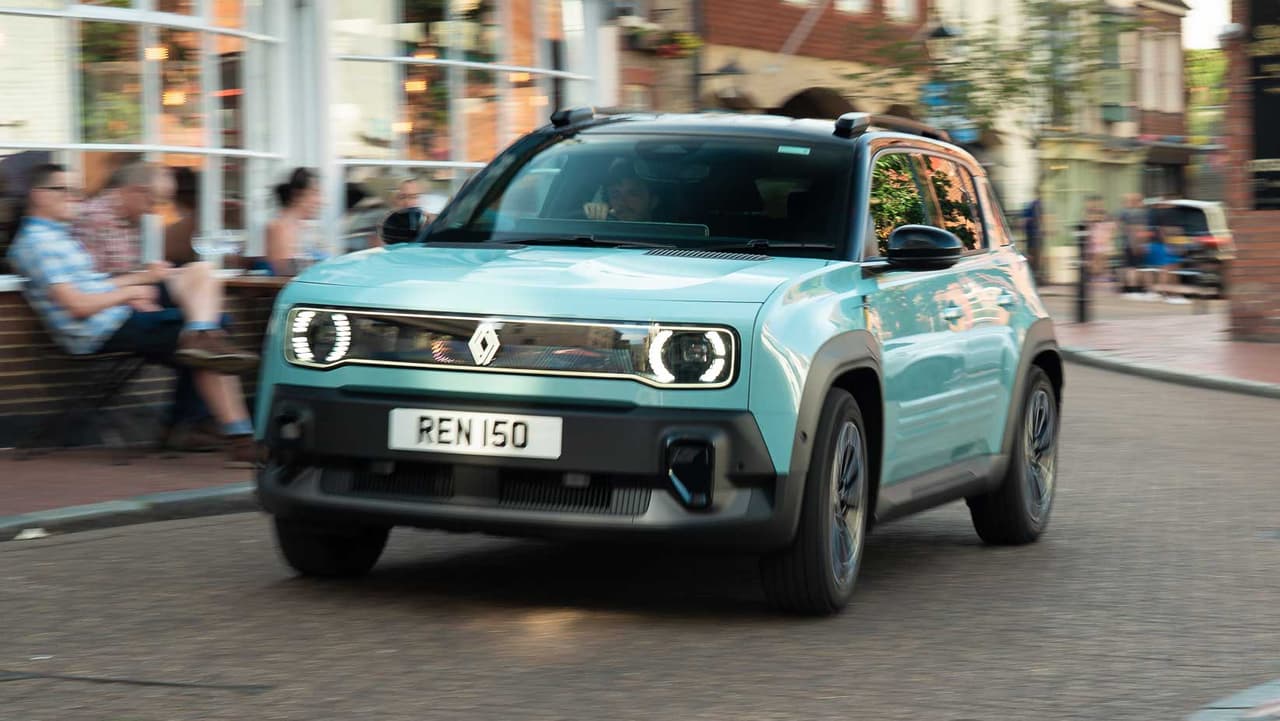
Keeping it simple, the Renault 4 is only offered with one powertrain. A 52kWh battery powers a 150hp electric motor on the front axle. Performance is brisk but not excessive, with the 0-62mph time of 8.2 seconds being more than quick enough to get the 4 up to motorway speeds.
Match Renault’s quoted 4 miles per kWh efficiency figure – which shouldn’t be tricky to do, especially around town – and you’ll manage up to 245 miles between charges. That’s a fairly impressive range figure from a 52kWh battery, even if the streamlined Nissan Leaf promises up to 280 miles from the same battery.
On our test drive, the 4 was returning roughly 90% of the quoted figure, and around 220 miles should be plenty for drivers who can charge at home. A heat pump comes as standard, which should boost efficiency – and therefore range – in winter.
The 4 can charge at up to 11kW on an AC charger, and 100kW on a DC rapid charger. These aren’t class-leading speeds, but it’s still quick enough for a 15-80% charge in as little as 30 minutes.
The built-in Google Maps software shows you the best places to charge on a long journey, and how much you’ll need to charge to complete your journey. It takes most of the hassle out of planning long-distance driving because you don’t need to study the chargers in the local area before you go.
Via an optional adaptor, the Renault 4 also offers bi-directional charging. Also called Vehicle-to-Load or V2L, it allows you to charge up or power other electrical devices from the car’s battery pack.
The original Renault 4 offered a comfortable ride and some rough-terrain capability, like the Citroen 2CV, but without feeling like it was going to topple onto its roof around corners, like the 2CV.
A slightly raised ground clearance, instant electric power and rugged plastic panels means the current Renault 4 will also tackle a bumpy track with ease, even though you’ll hardly ever take it away from paved roads.
And, in those other aspects, the new Renault 4 isn’t a million miles away from its predecessor. The ride is still composed, and the slightly firm edge to it benefits body control at high speeds. The suspension soaks up big bumps well and, while it can be a little jiggly over frequent small bumps, so are most modern cars.
There’s a little bit of tyre noise at speed but, overall, the 4 is refined. You’ll probably have no qualms jumping in the 4 and completing a long motorway journey. We found the seats to be quite comfy in our time with the car, although seat comfort is subjective and it’s well worth trying out a car’s seats before you buy.
The modern 4 obviously feels a lot more substantial than the featherweight original. With heavy batteries under the floor, the new car is twice as heavy as the 720kg car it took inspiration from. Part of the extra weight is explained by more driver assistance features, and the Renault 4 has the whole complement of tech to keep you safe.
Thankfully, the systems are easy to turn off if you feel like you’re being helicopter parented. Renault’s 'My Safety Perso' switch lets you bundle your preferred settings into one button, so it’s simple to deactivate certain systems as you wish.
Another thing the modern Renault 4 offers is regenerative braking. The paddles make it really easy to adjust the level of regen to match the situation – we much prefer this method rather than having to dive into the touchscreen, like in the BYD Atto 2 and similar cars. There are five regen settings, culminating in a full one-pedal experience that will bring you to a complete stop when you come off the accelerator. Driving the car like this quickly becomes second nature around town, but you’ll probably want a lower regen setting for faster roads.
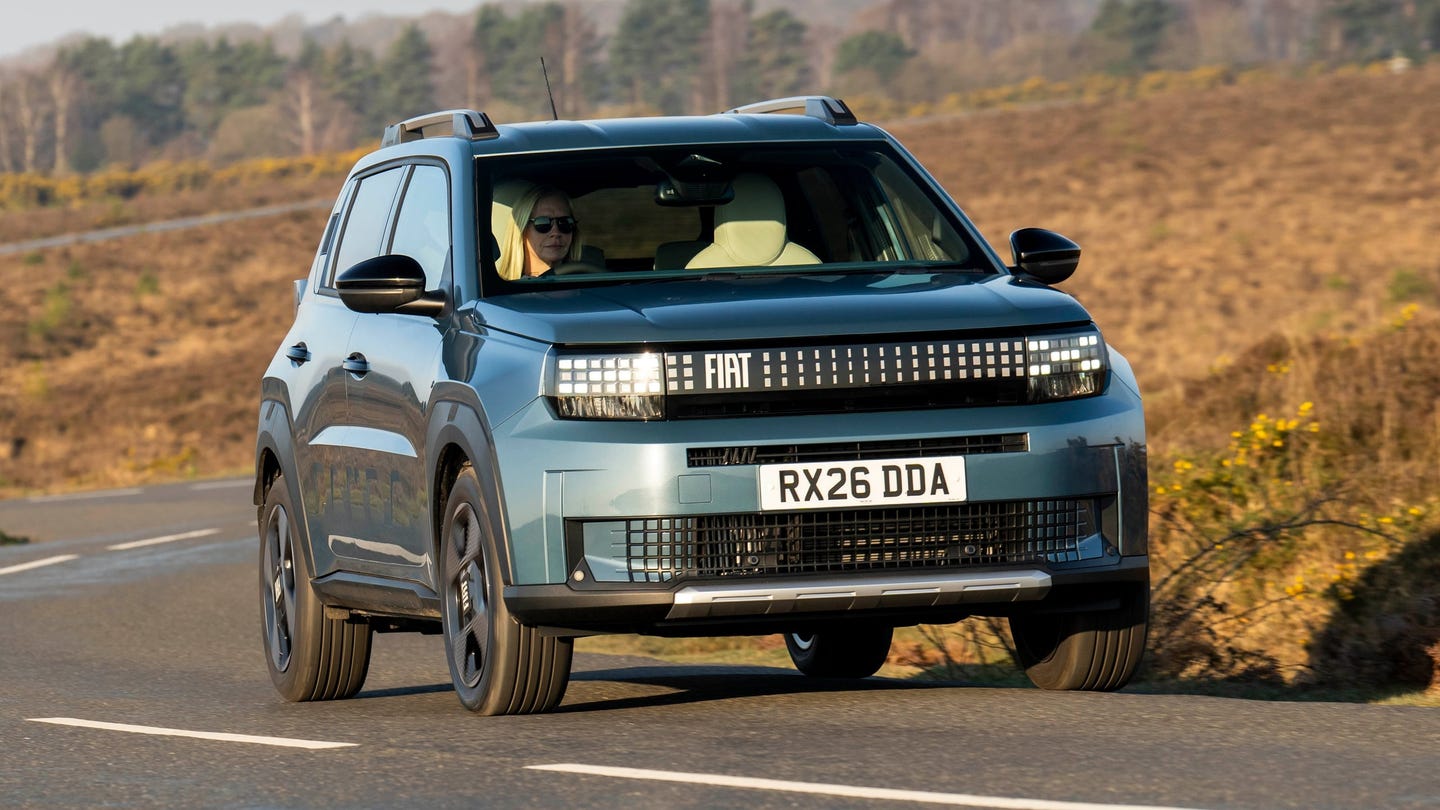
Cheap and full of character: the new Grande Panda is a top small car

Small electric SUV trades interior space for impressive efficiency
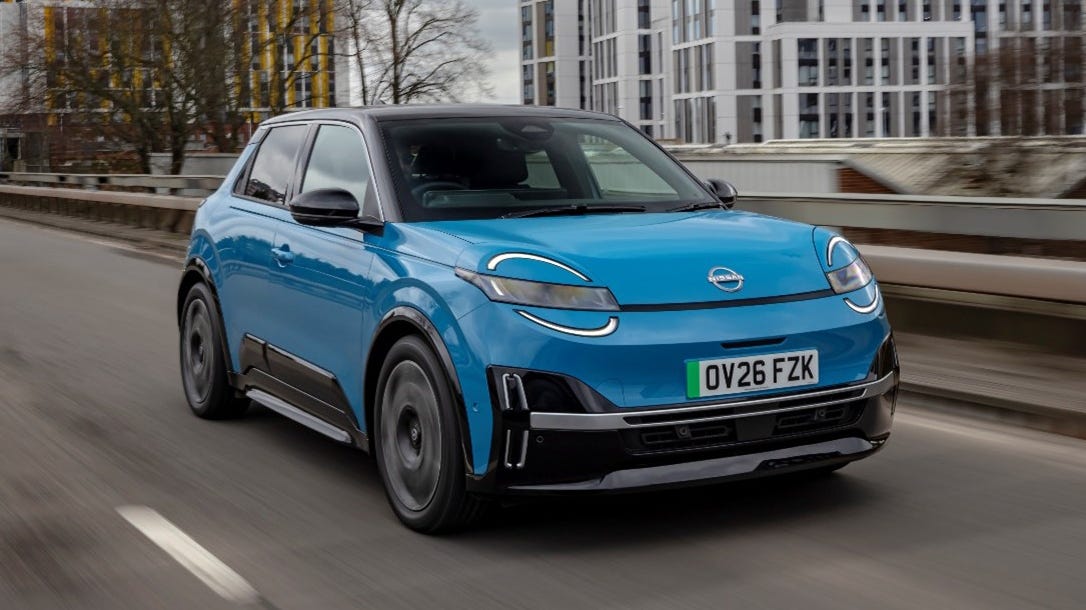
Can Nissan’s new Micra EV escape the shadow of the related Renault 5?