





10 of the best Italian cars to buy
Ben Custard
•
Choosing A Car

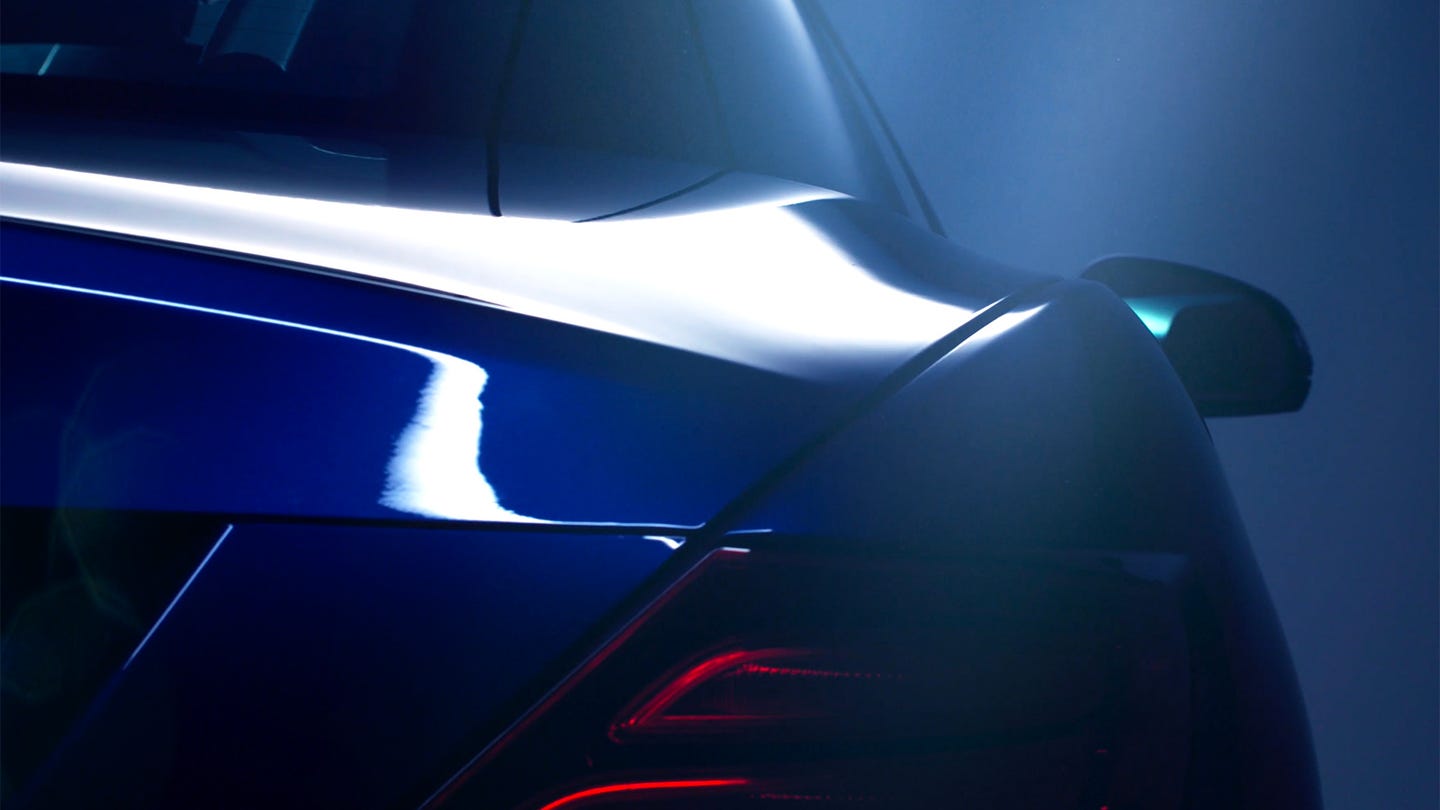
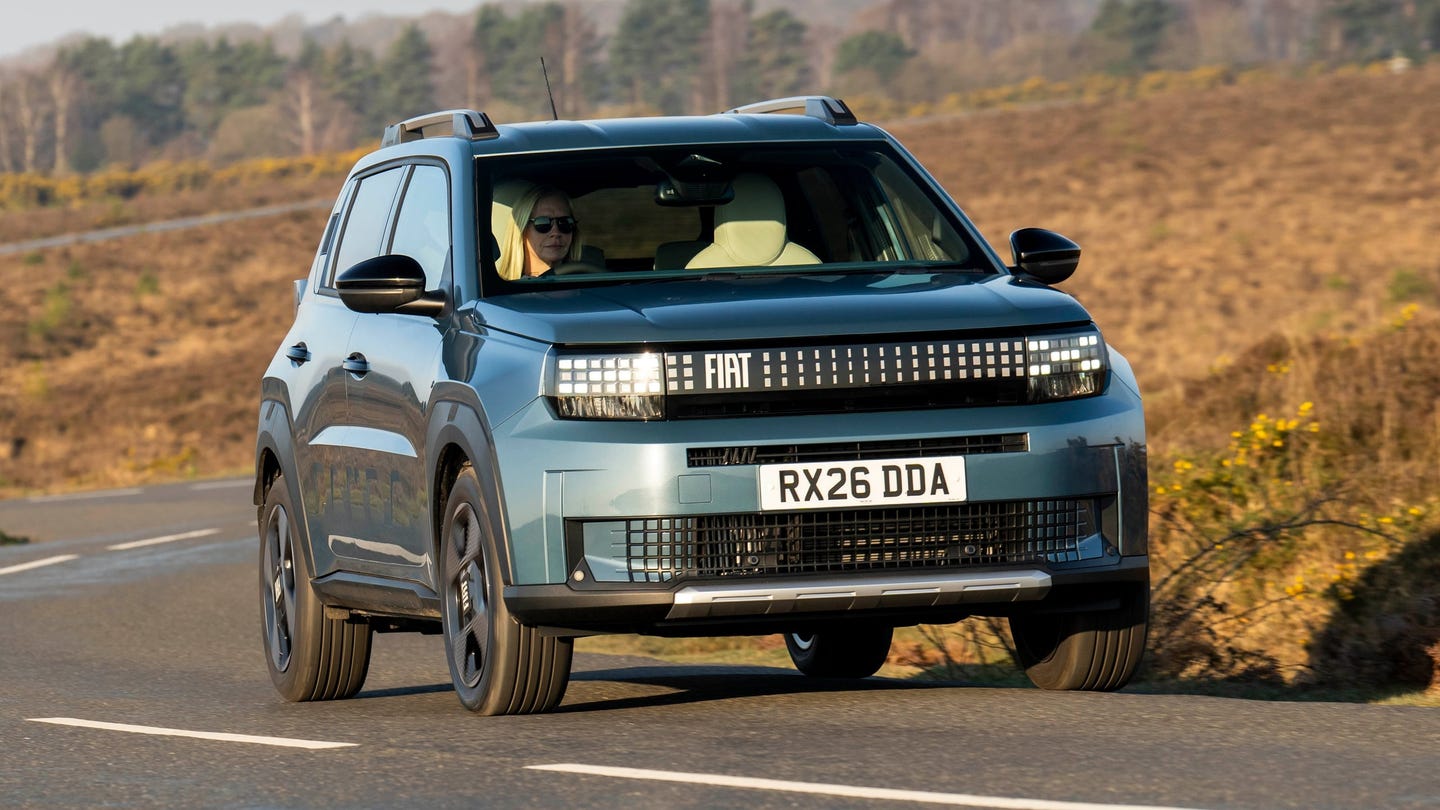
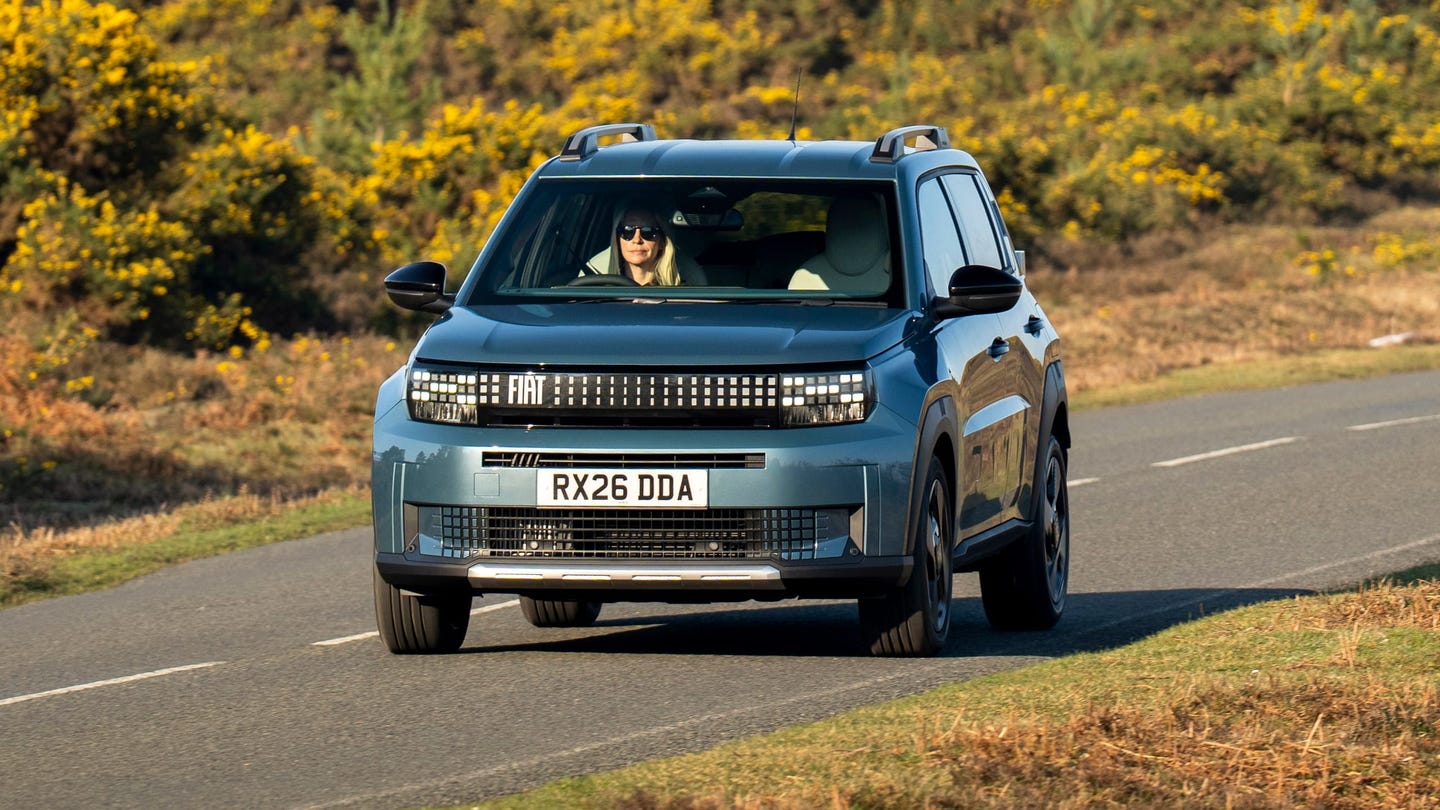
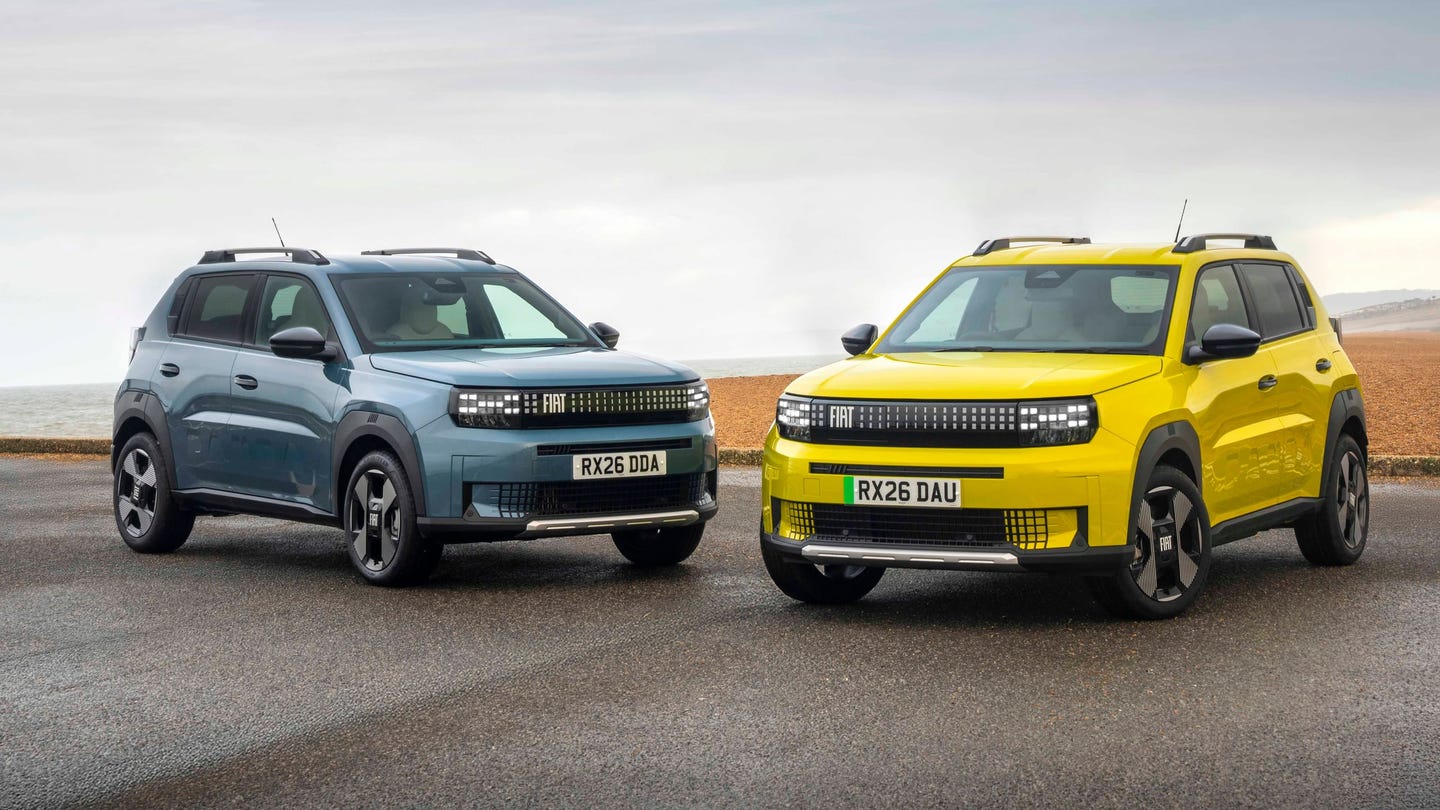
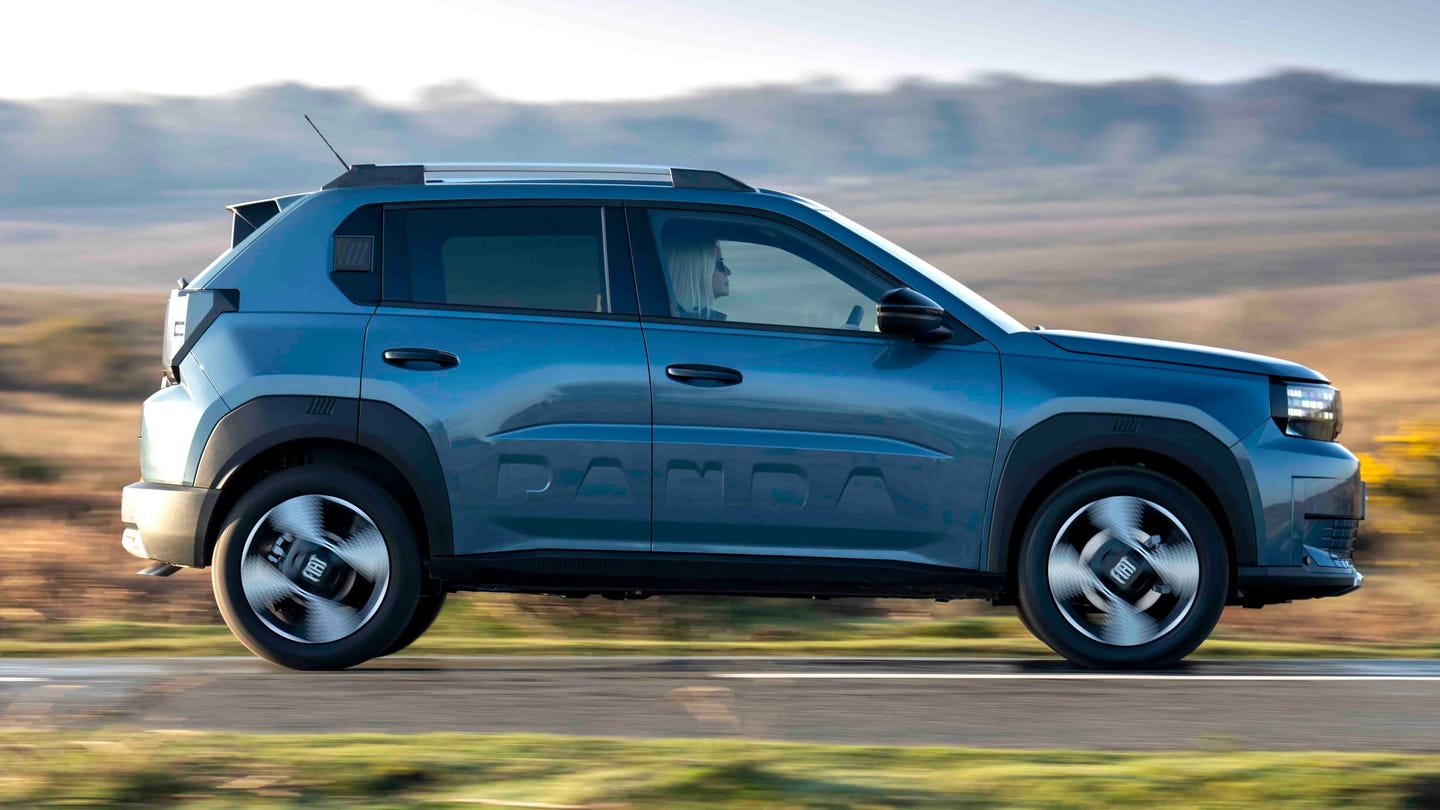
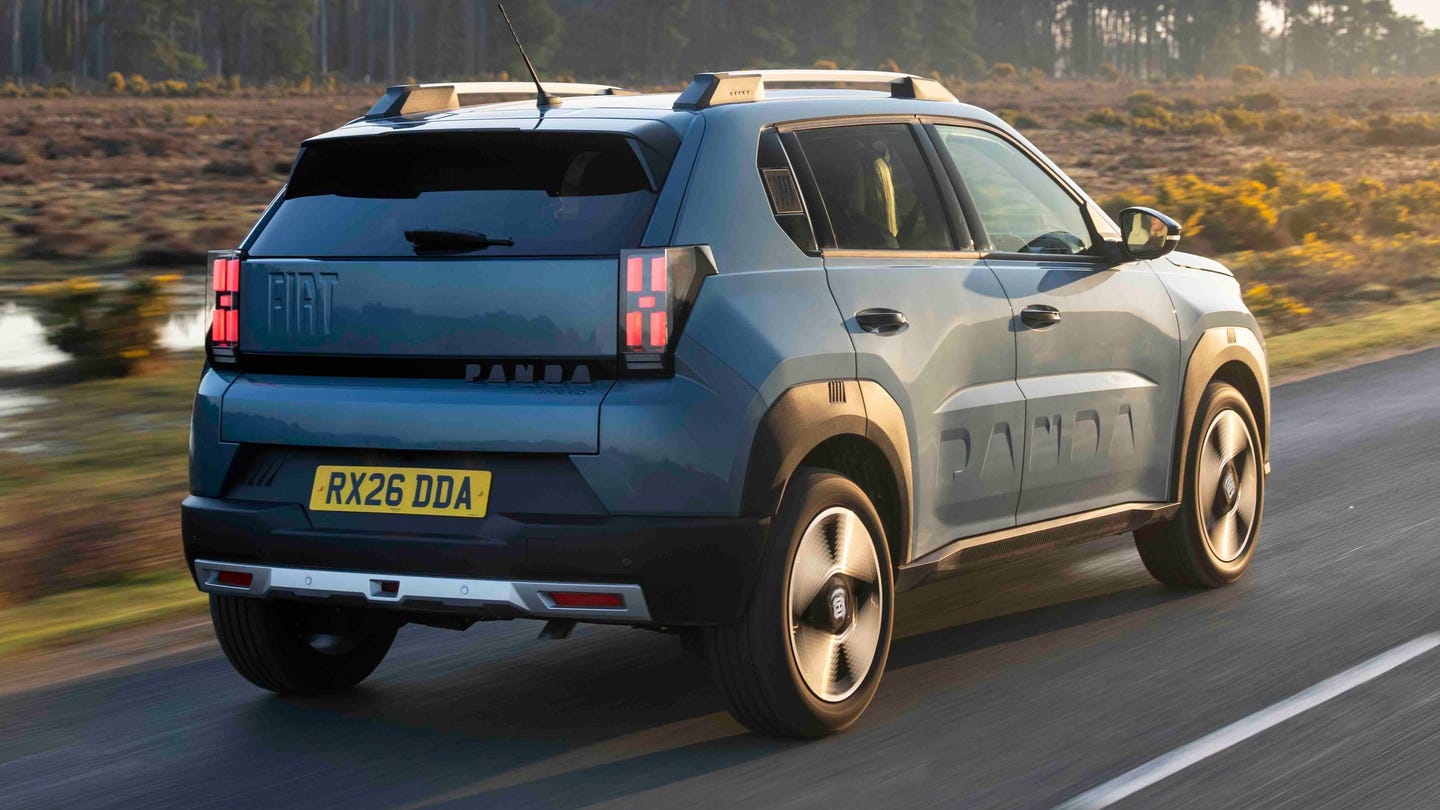
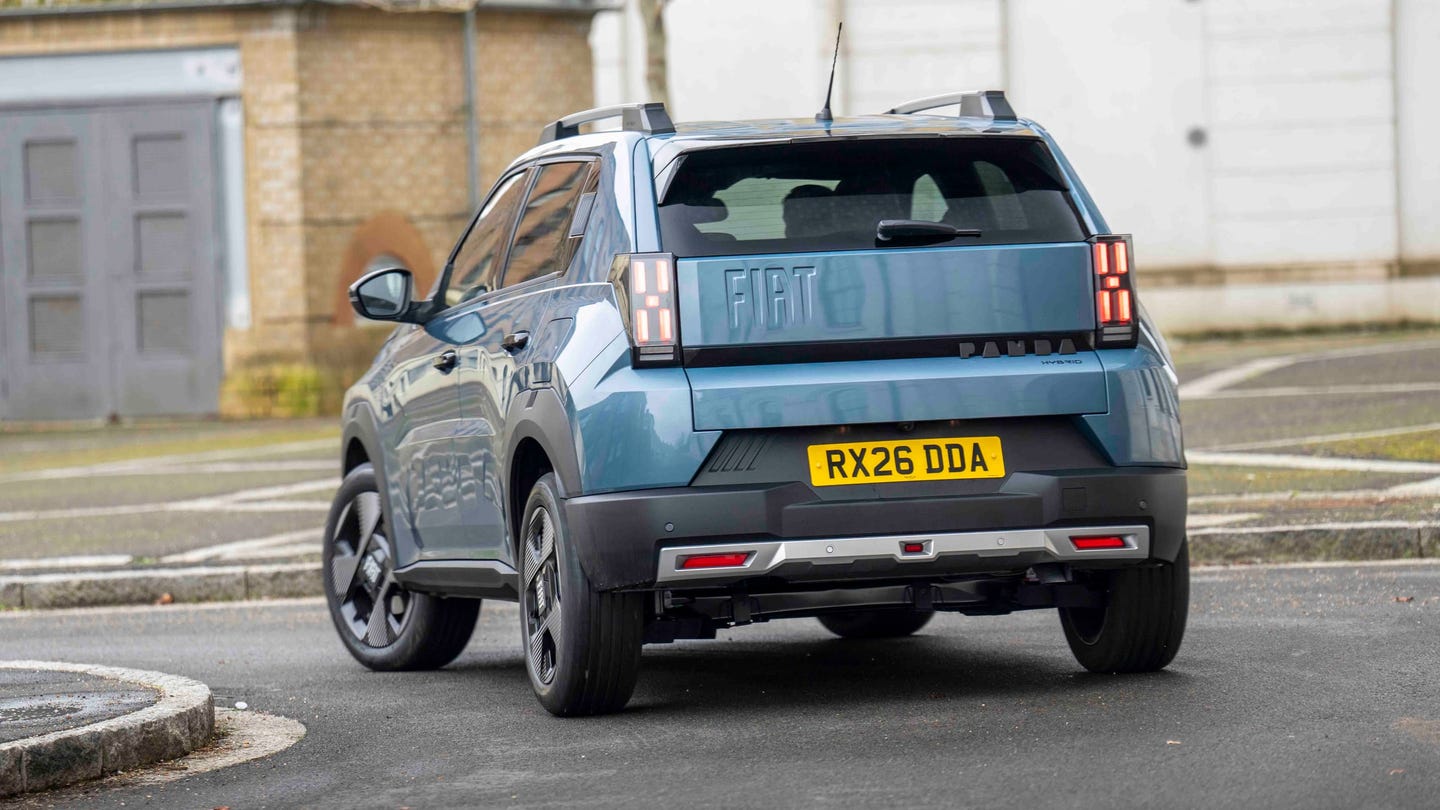
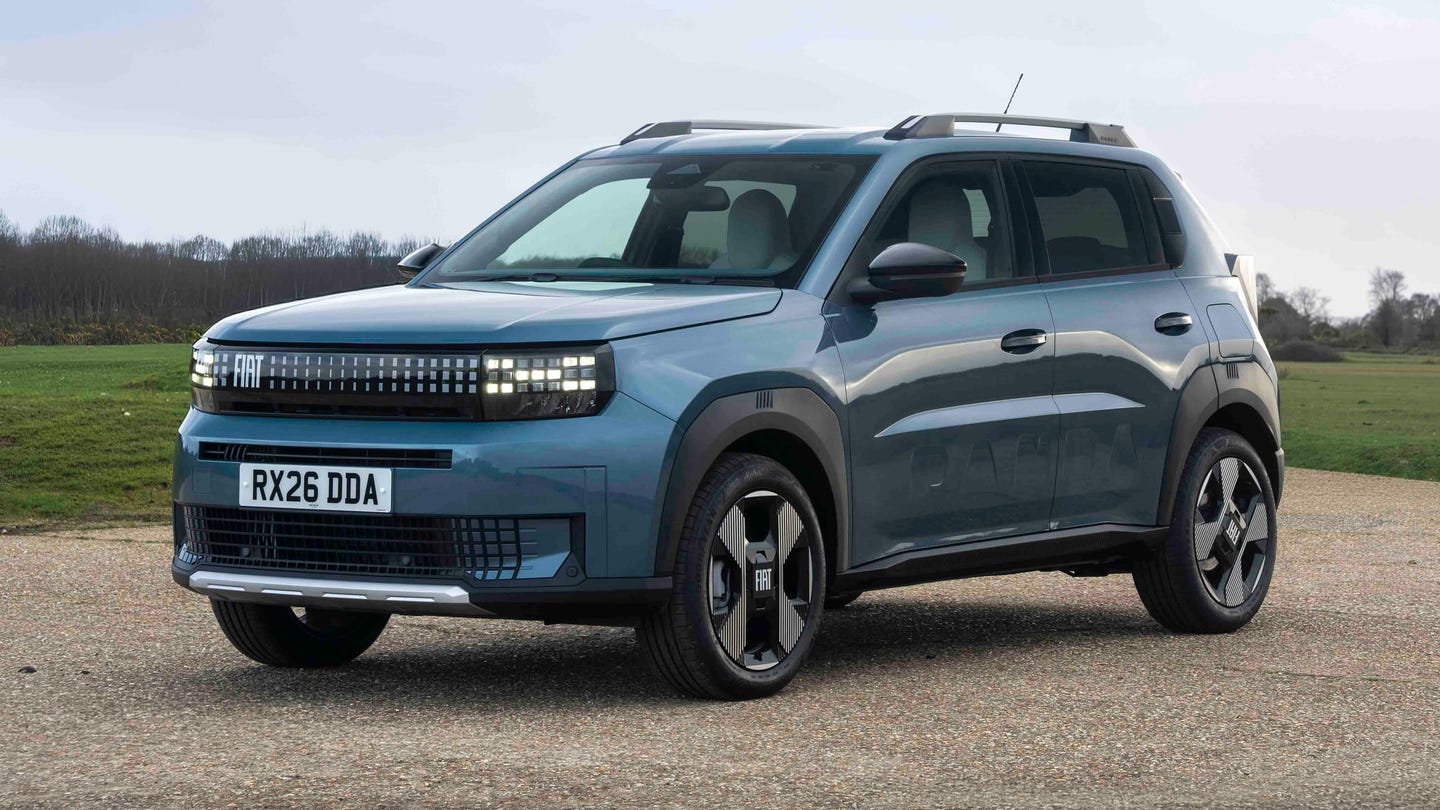
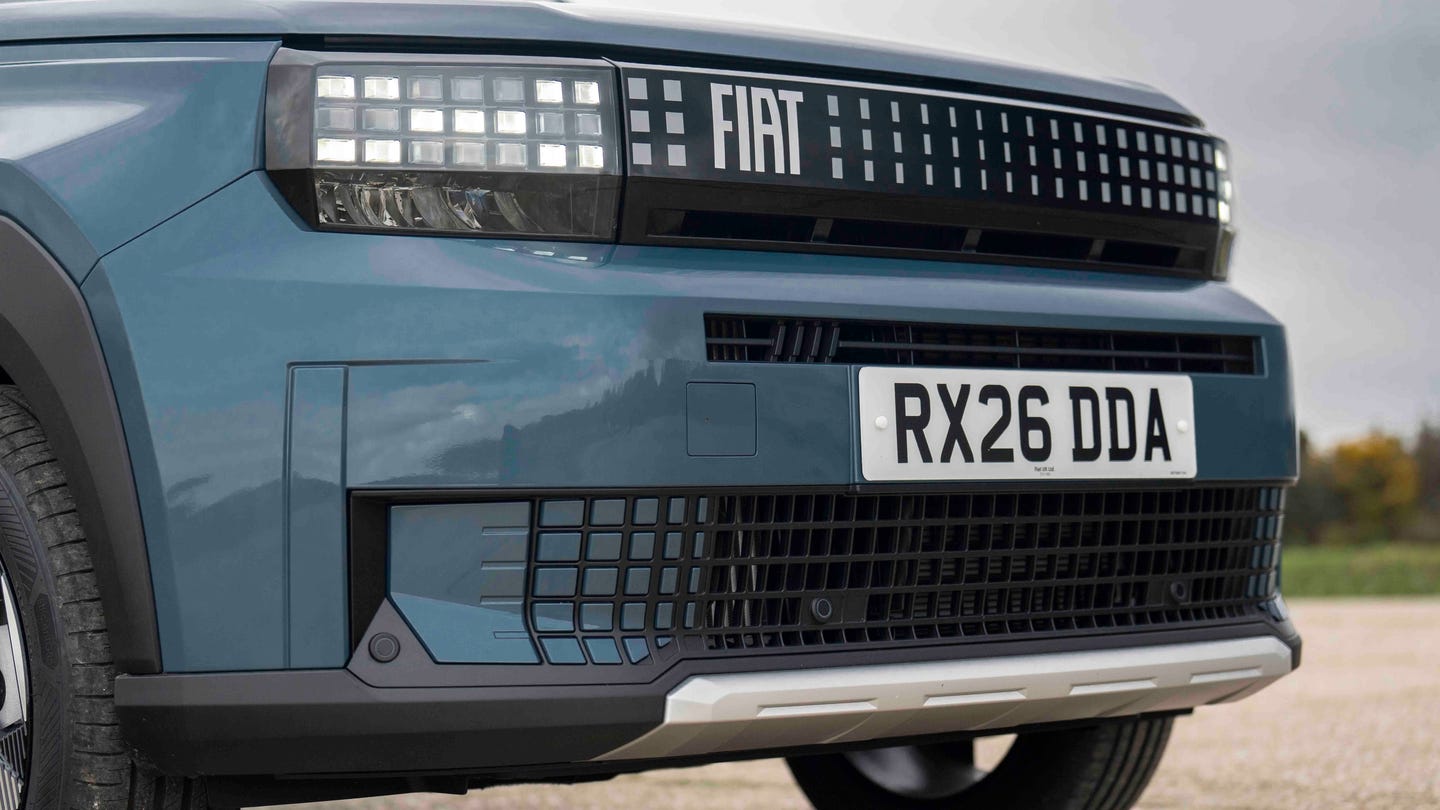
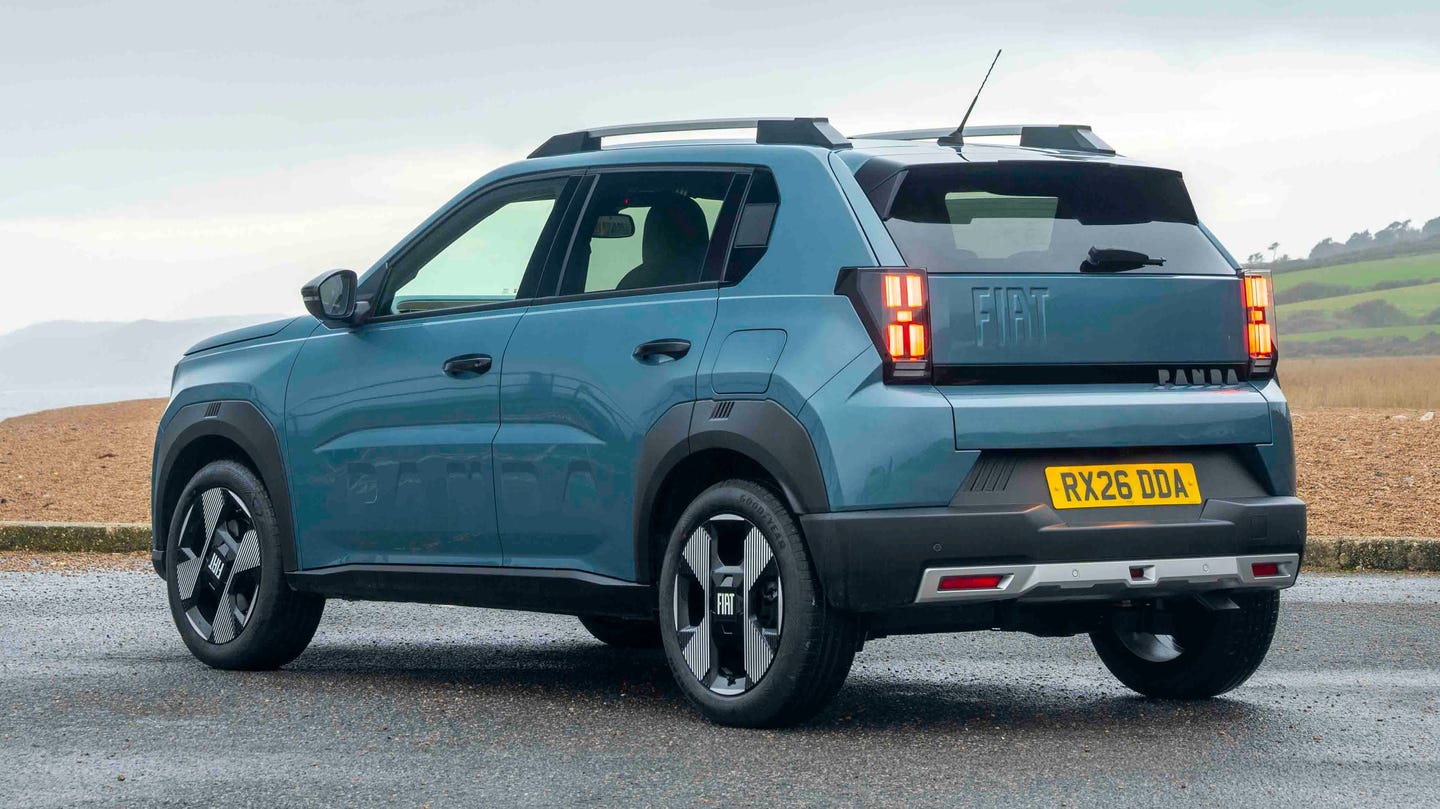
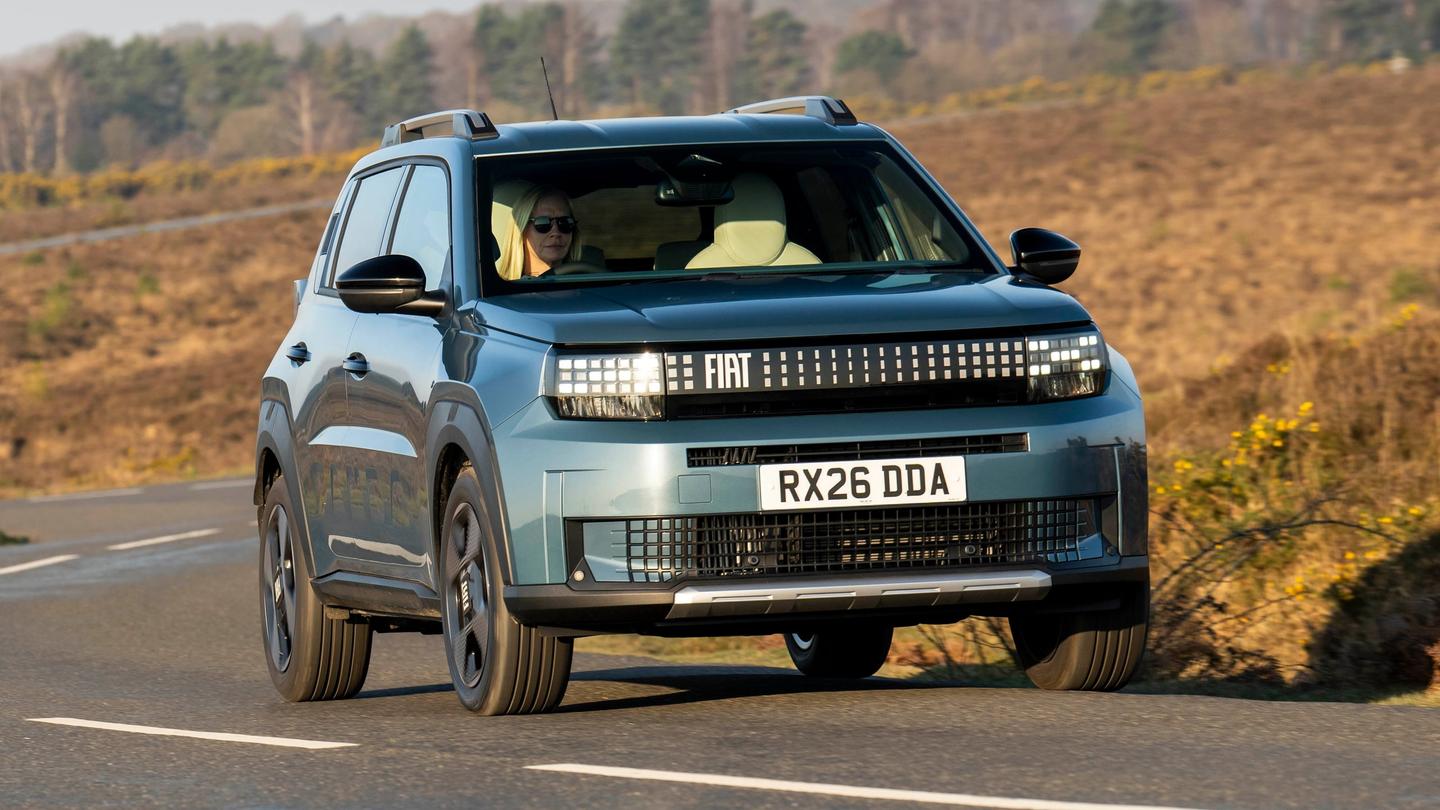
The Fiat Grande Panda is a feelgood car that happens to also be good. You can choose from petrol and electric versions, both with simple tech and a clear focus on fun design.
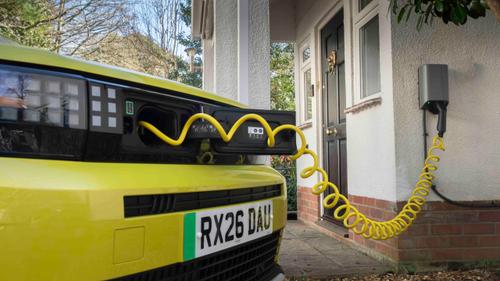
There’s some really clever thinking baked in, such as the highly sustainable interior and – on the EV – an integrated charging cable.
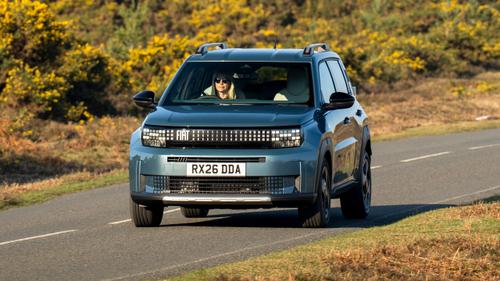
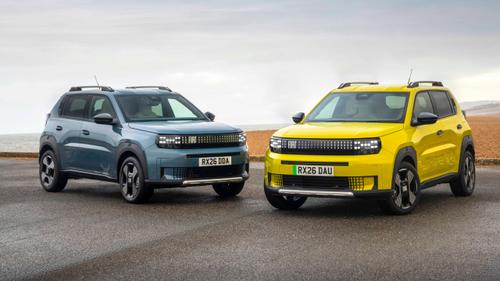
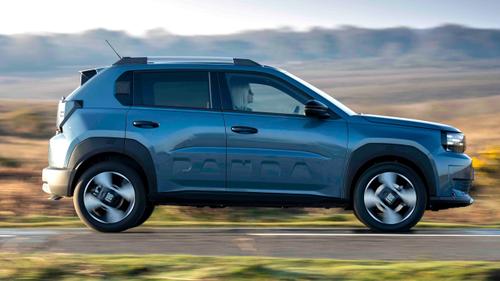
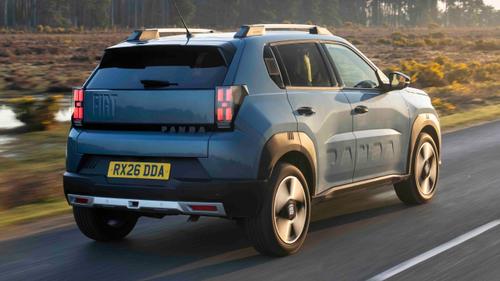
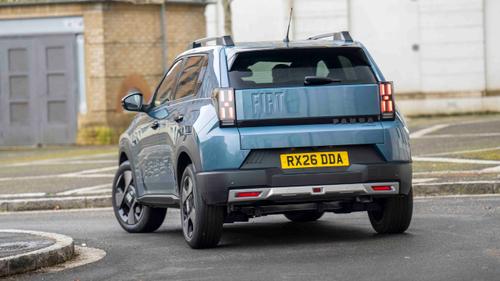
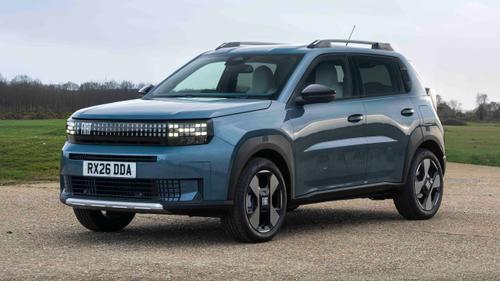
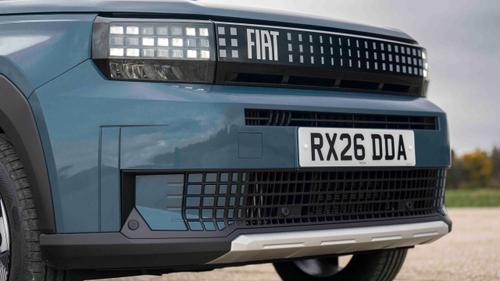
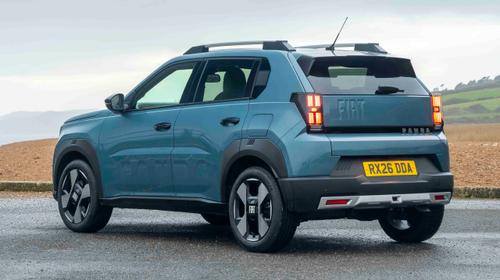
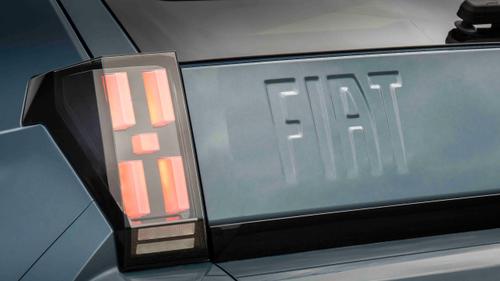
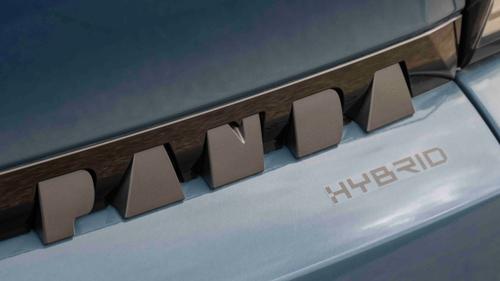
If the Fiat Grande Panda played sports, it’d win the trophy for the most improved player. Compared to the old Fiat Panda, the Grande Panda is measurably better in every way, and considerably more modern-feeling.
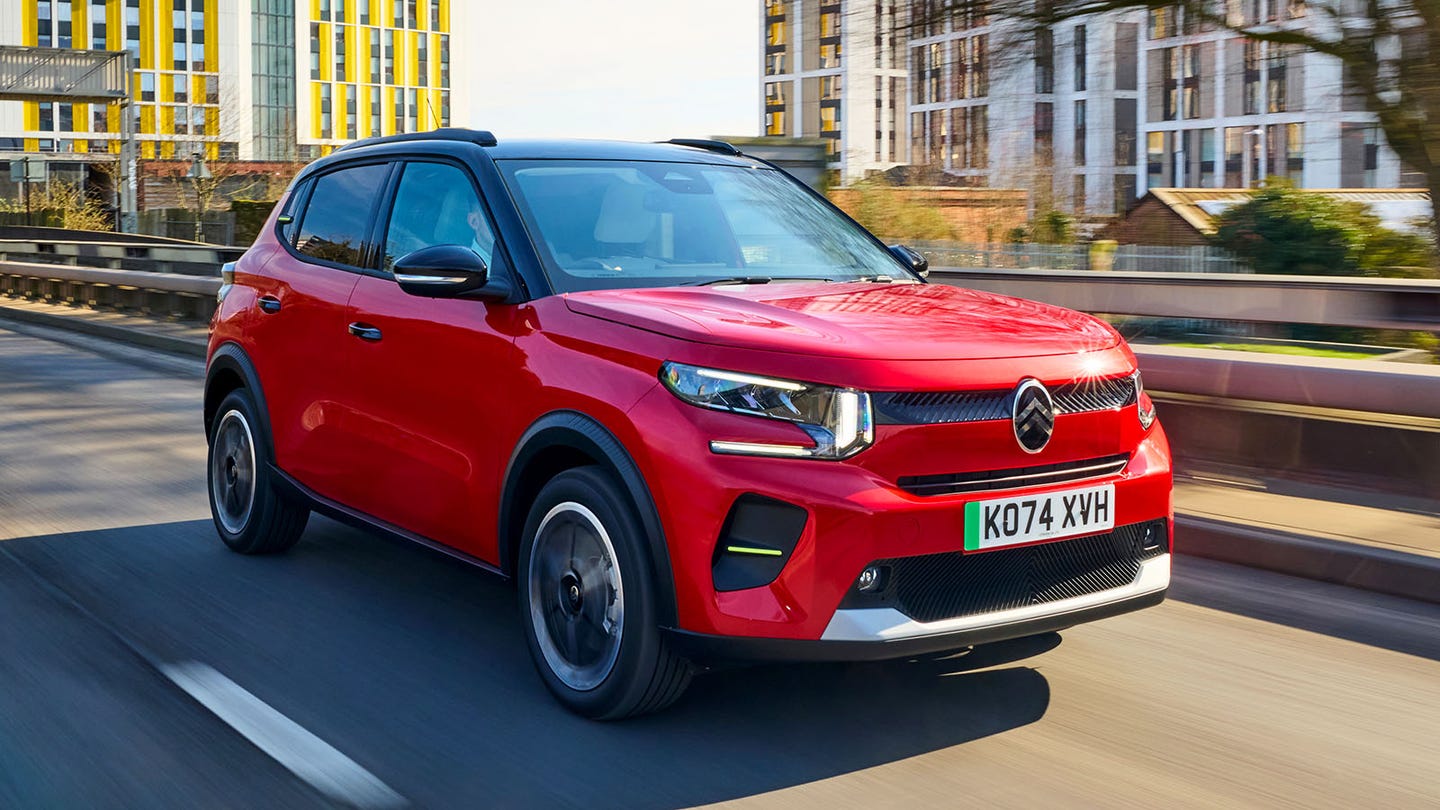
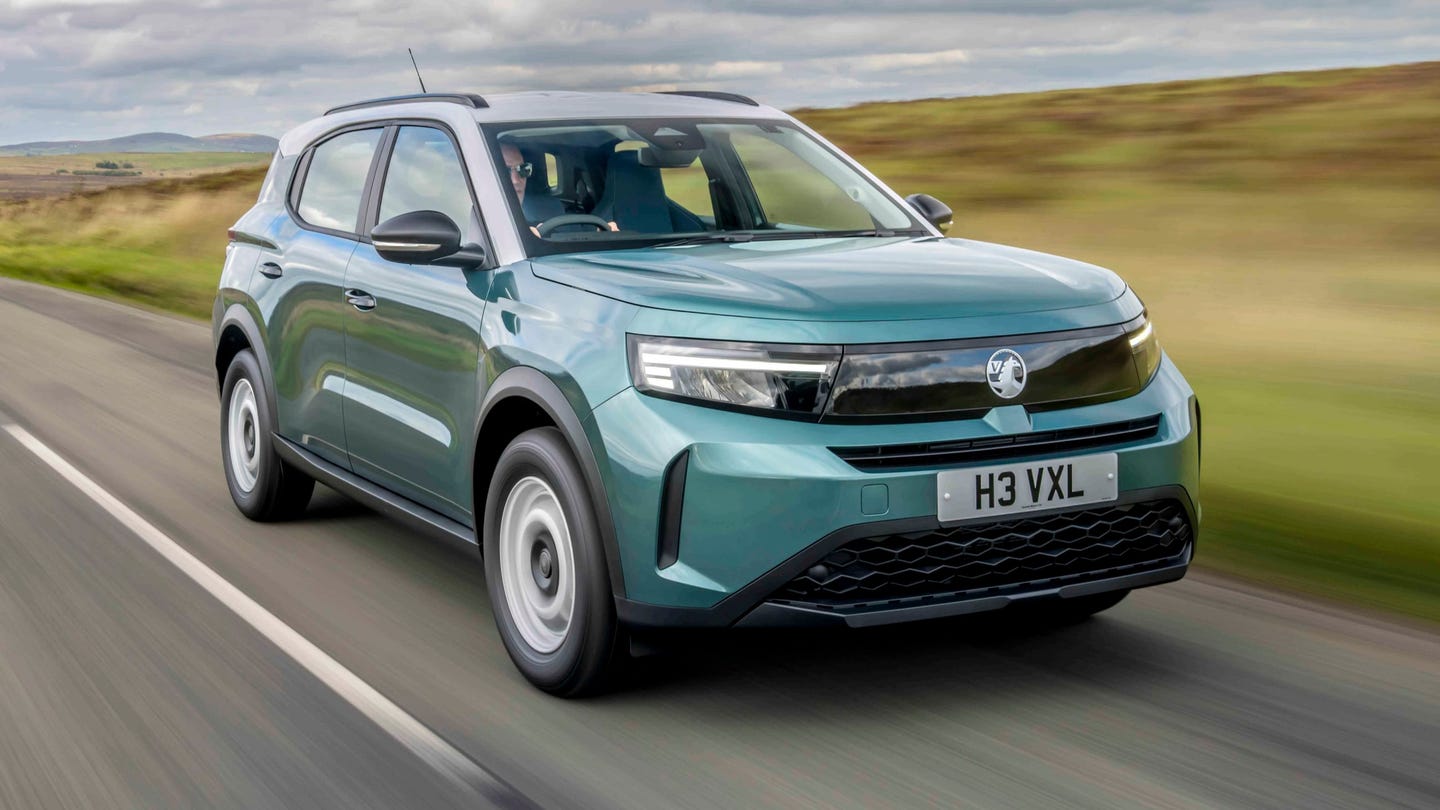
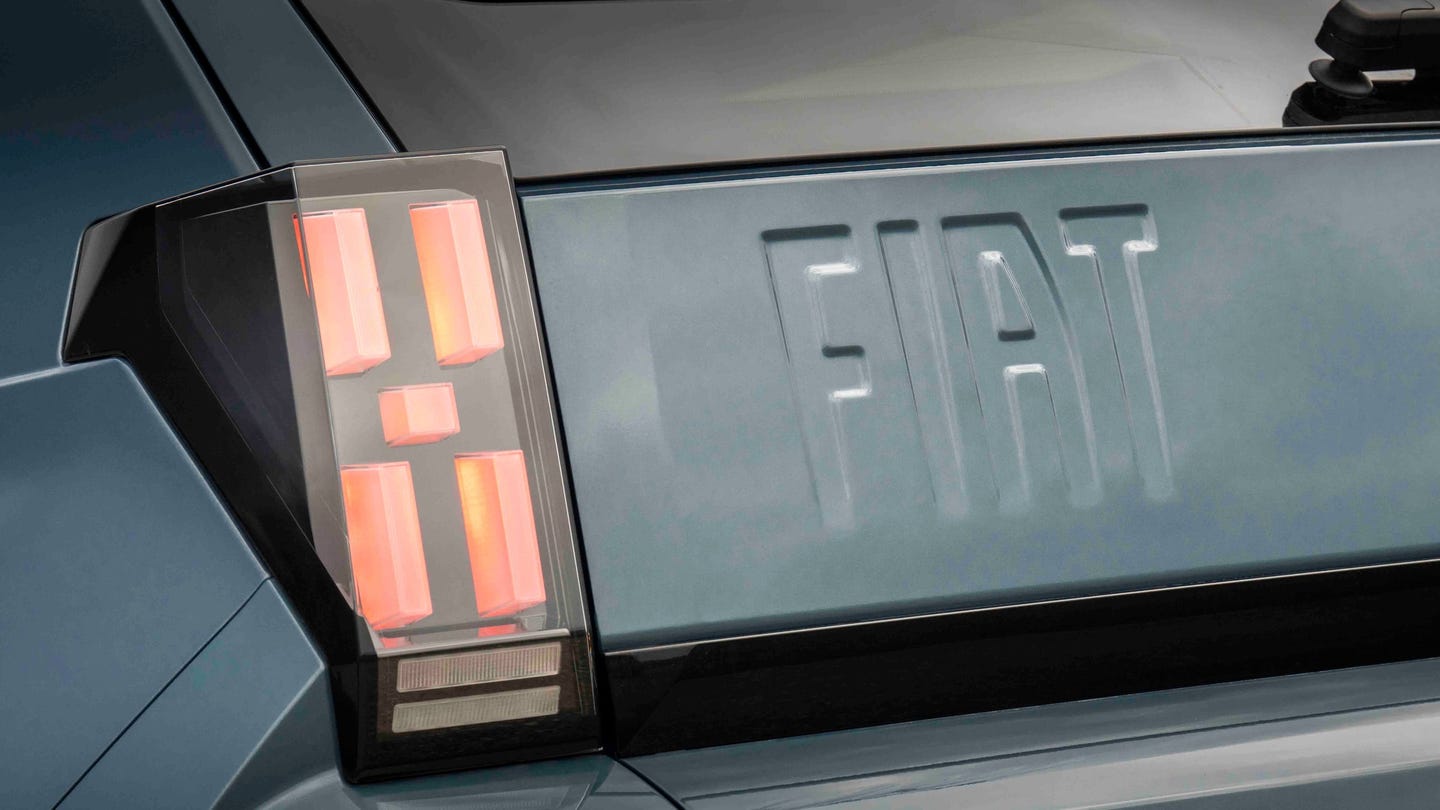
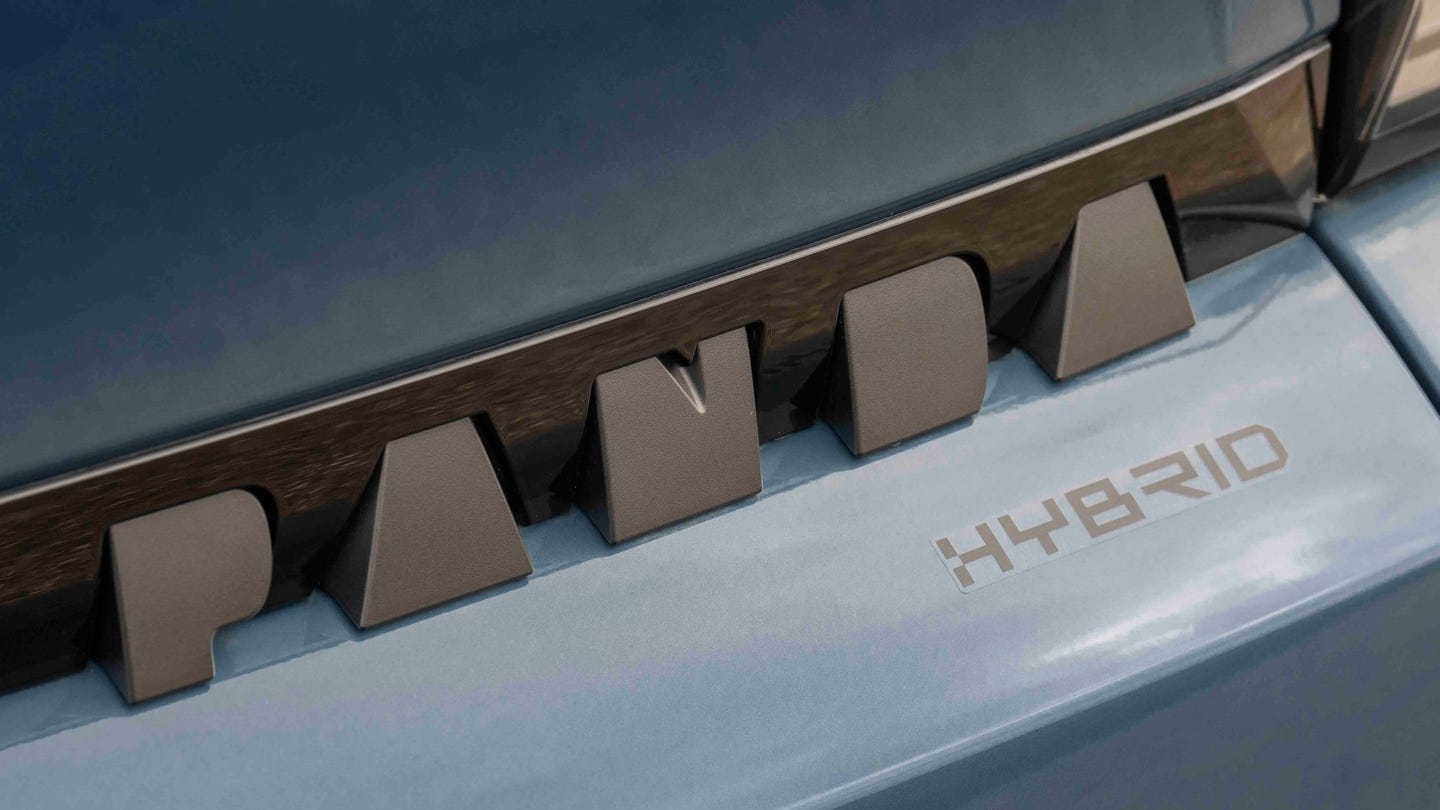
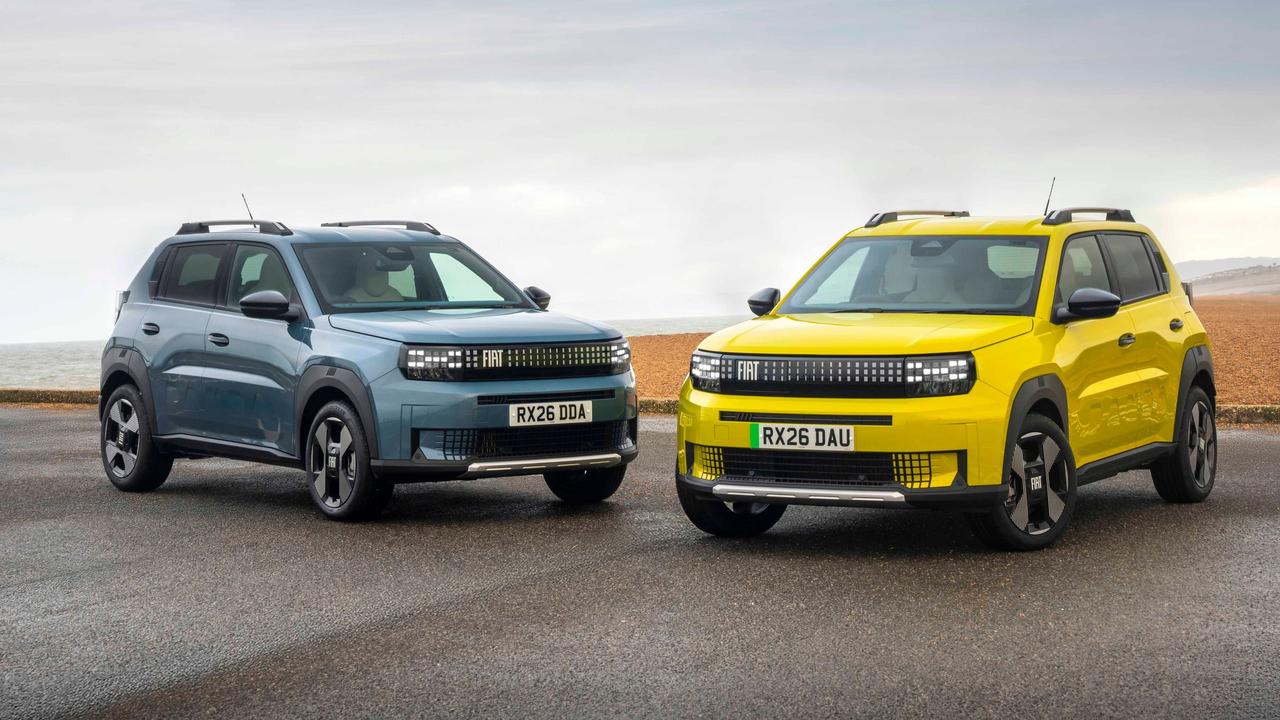
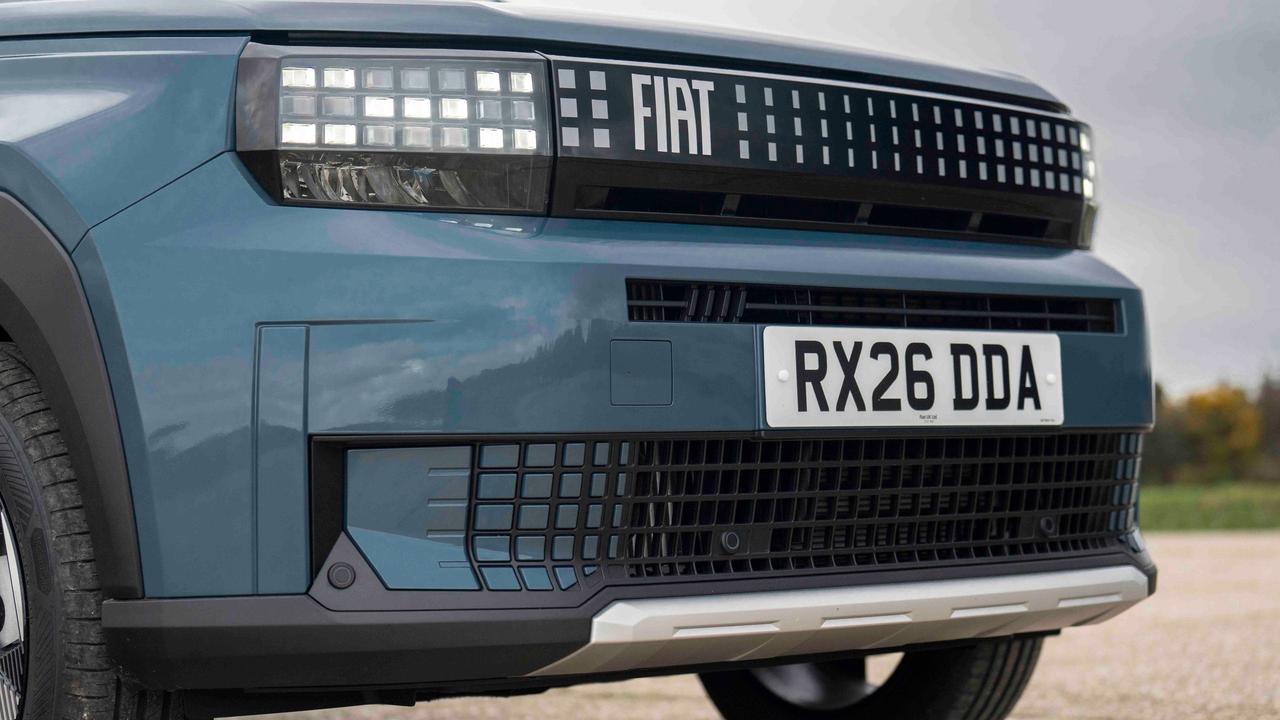
It shares its parts with the Citroen C3 and Vauxhall Frontera – and you can see that in the profile – but the Grandy Pandy stands out with lots of eye-catching details. The pixellated headlights and offset ‘grille’ give a clear nod to the original Panda – now a cult classic – and we particularly love the 'Panda' lettering stamped into the doors. There are fun touches wherever you look, such as the Fiat stripes on the wheel arches and a holographic panel on the rear pillar.
"Like its animal namesake, the Panda isn’t a sporty animal"
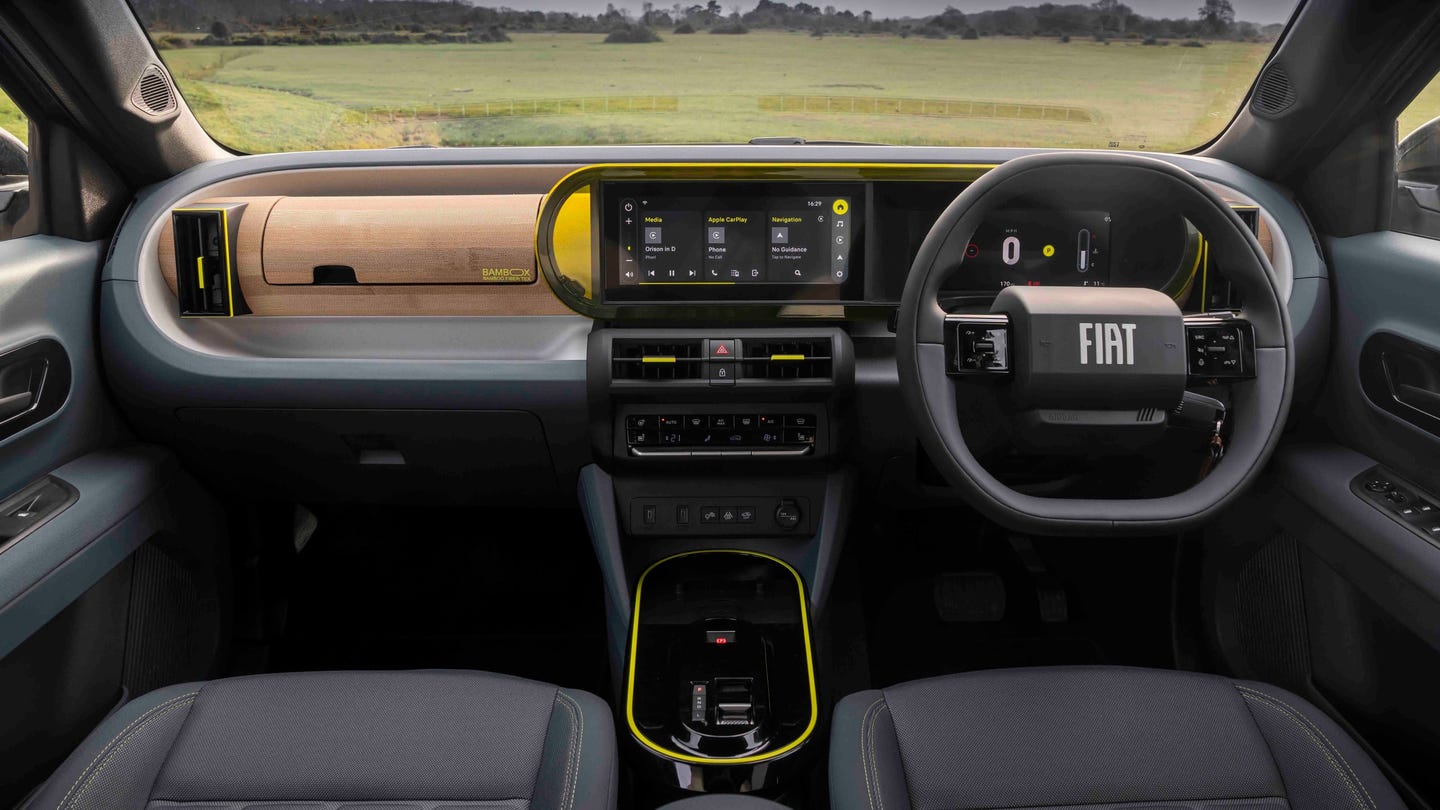
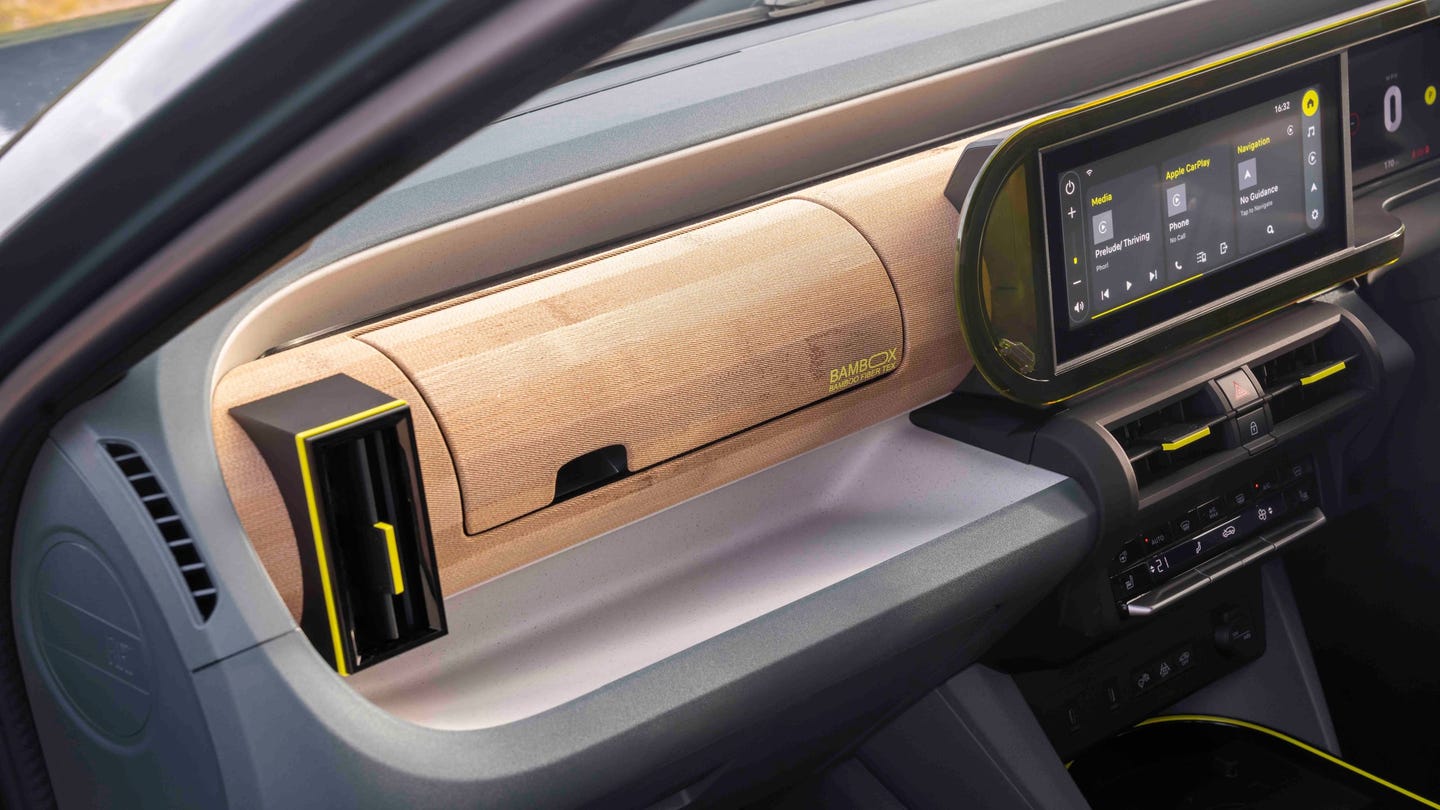
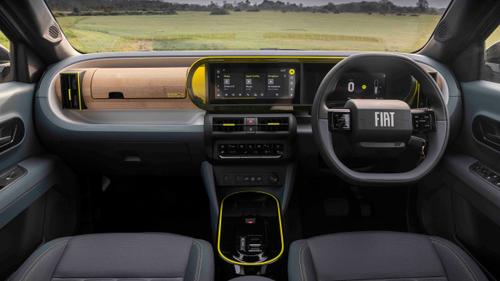
That continues inside, with an oval theme dedicated to the old Lingotto Fiat factory with a rooftop test track, and a little Panda car climbing the loop next to the touchscreen. The designers have clearly spent plenty of time making the Grande Panda unique, and it really helps to set this car apart from the Citroen and Vauxhall.
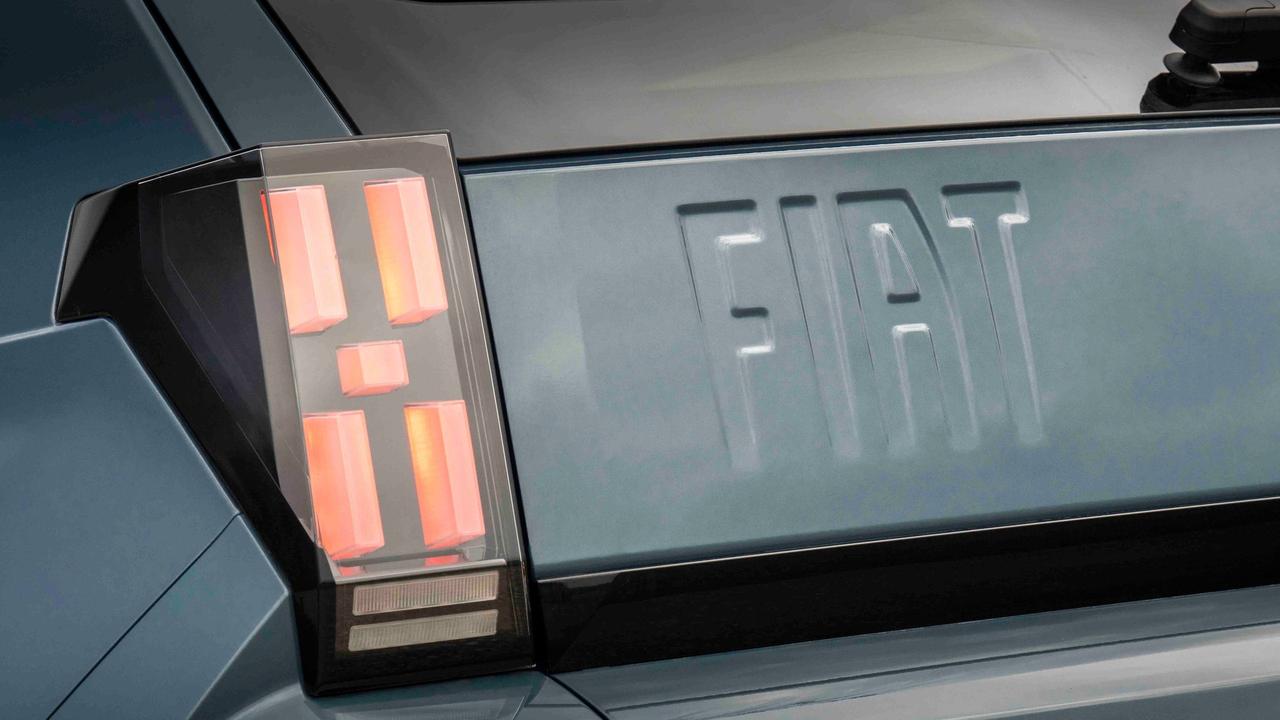
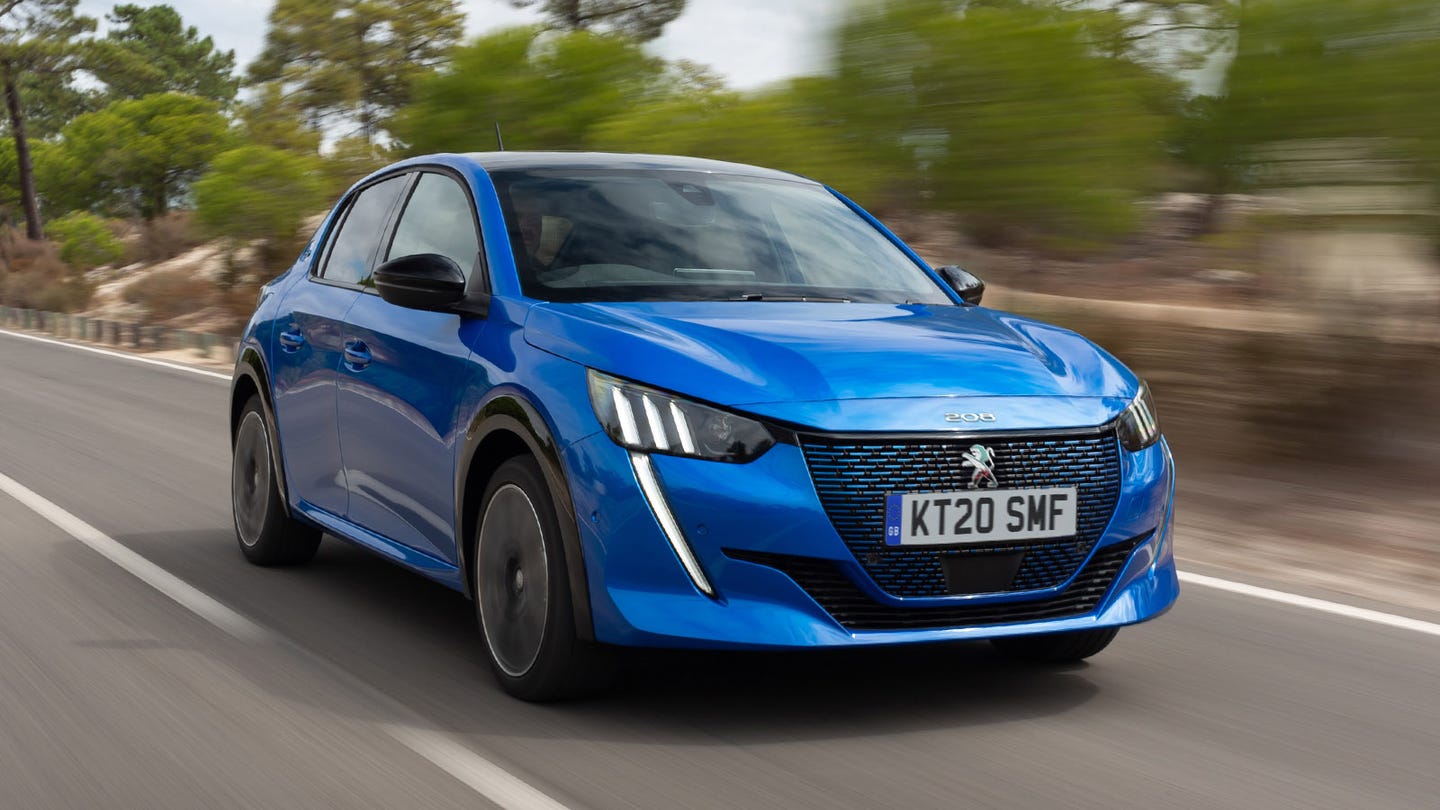
The style is backed up by substance. There’s an economical hybrid engine, a comfy ride quality, a big boot and a good level of standard equipment – none of which you got on the old Panda. The changes elevate the Grande Panda into the mix with the best superminis, such as the Peugeot 208, SEAT Ibiza and Suzuki Swift.
There’s also an electric model, which keeps the price down by offering modest power and range figures. Officially it promises up to 199 miles of range, which you might get close to if you’re mainly driving around town. On faster roads, the range drops quicker as the motor has to work hard.
The electric version is more expensive if you’re a new car buyer paying cash, but Fiat’s made it so that both versions have the same monthly price on a PCP finance deal. We would bet our trousers that the electric one will be cheaper as a used car than the hybrid one.
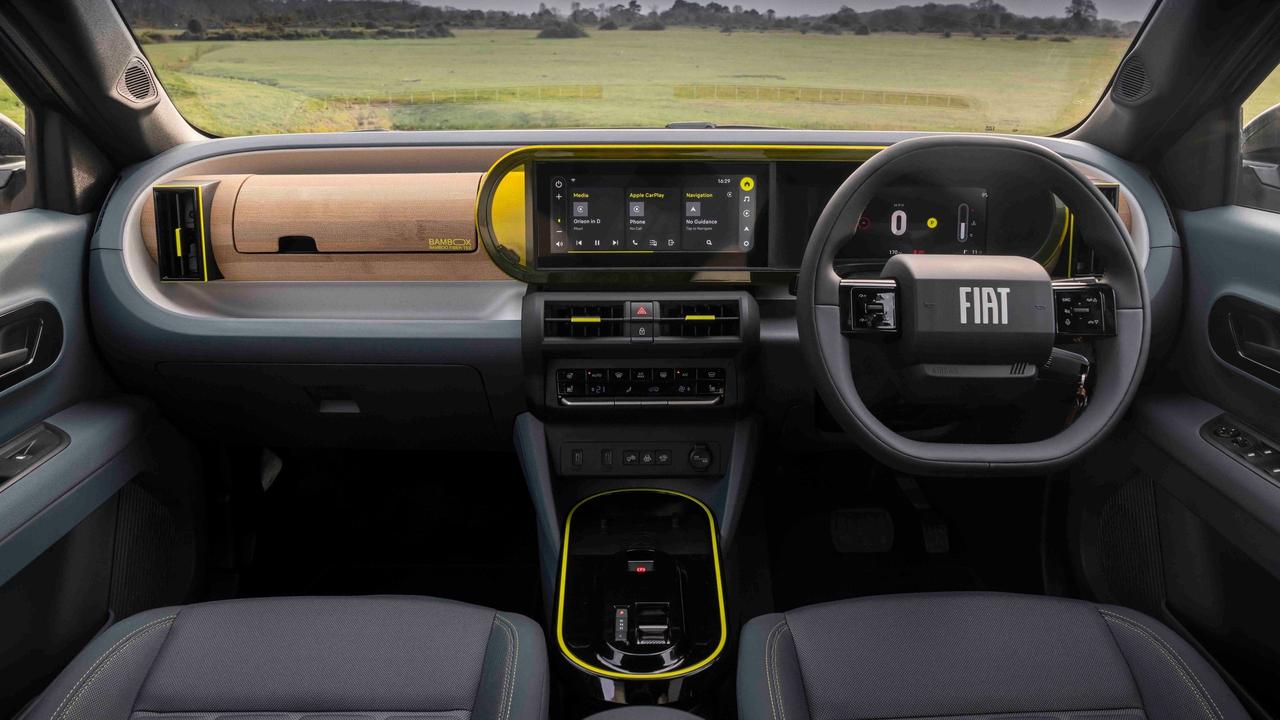
As Kevin McCloud might say, Fiat has 'brought the outside in' with the Grande Panda’s interior. Here, it’s more about fun design touches rather than floor-to-ceiling windows and fake grass, but the comparison stands. It’d be a bit disappointing if the Panda looked great but had a deeply boring interior.
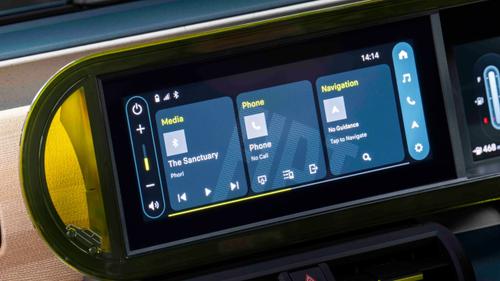
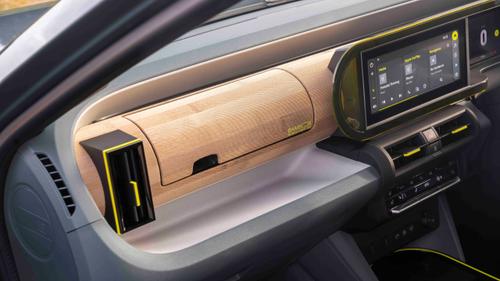
All cars get a yellow translucent plastic surround for the screens, which is echoed in the yellow air vent accents and on the centre console. Depending on the trim level you pick, the top dashboard is covered in a natty textured panel or bamboo. Pandas and bamboo – a perfect match.
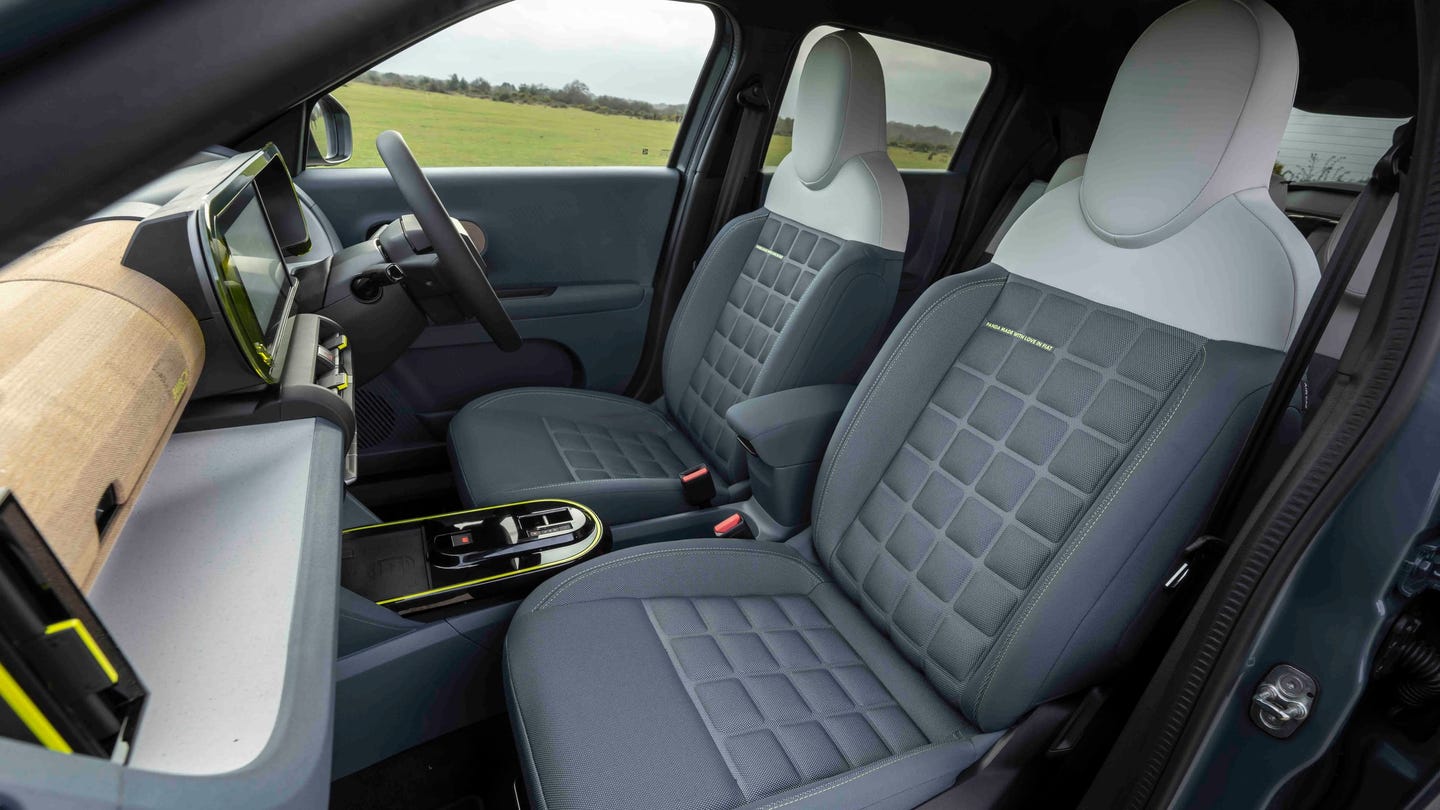
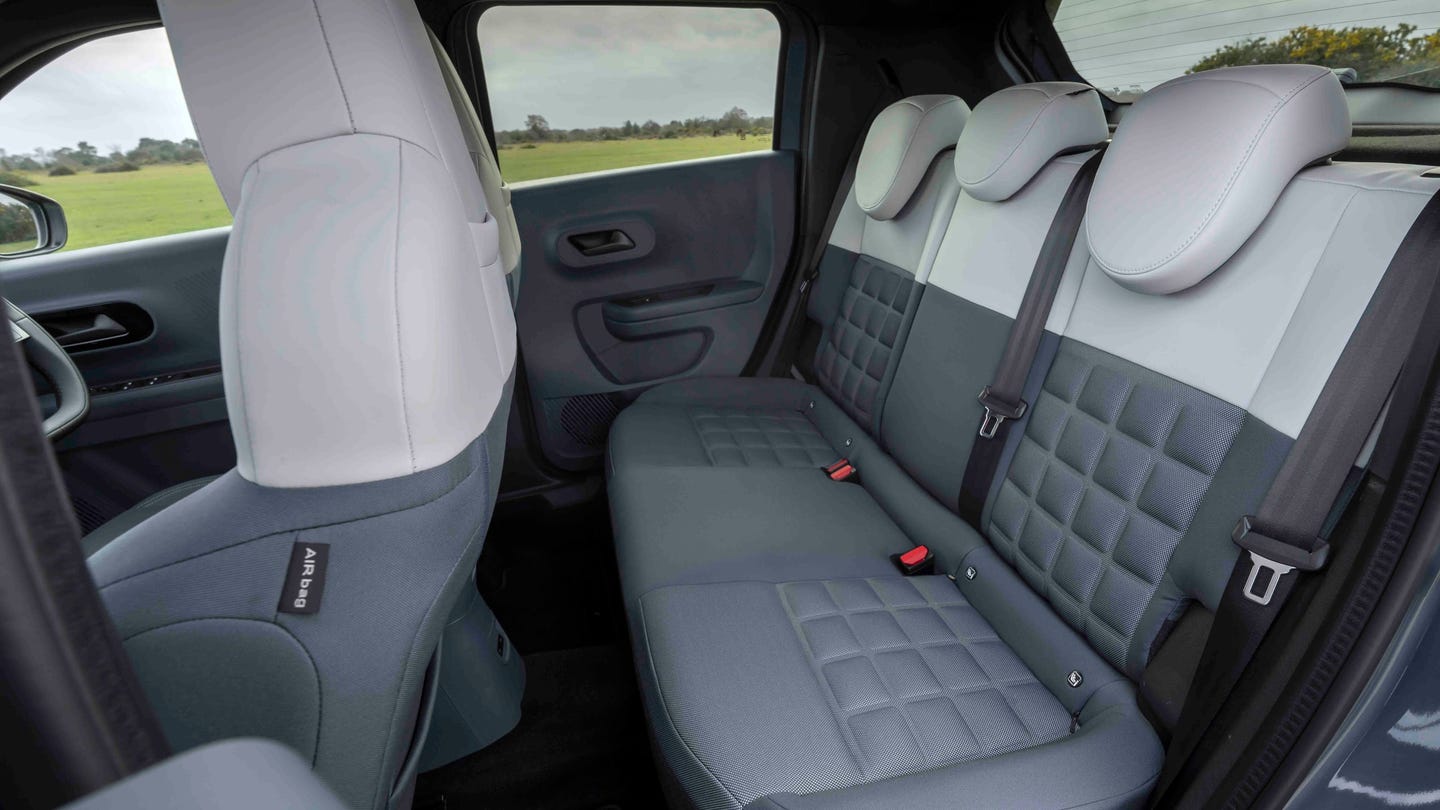
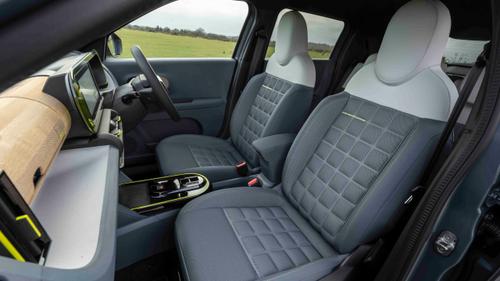
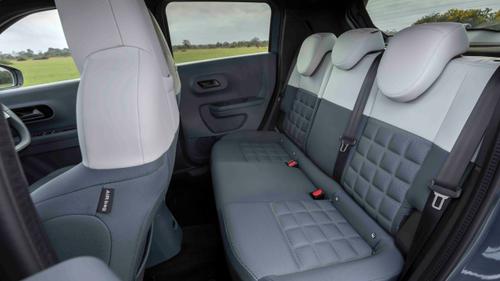
You get interesting upholstery choices, too. Fiat could have put some plain grey cloth in the Panda but it’s chosen a two-tone option with fun embossing and contrast stitching, even on the base model. Top-spec La Prima includes square detailing in the seat foam that harks back to the original Panda’s upholstery.
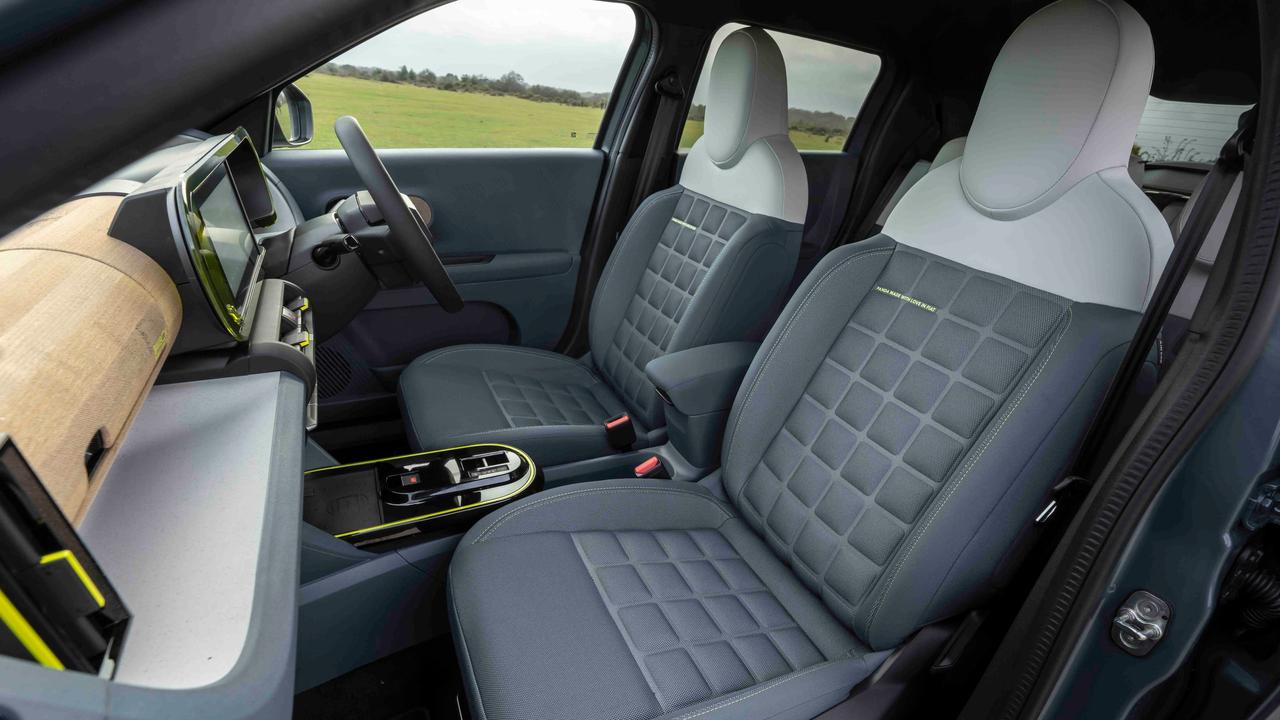
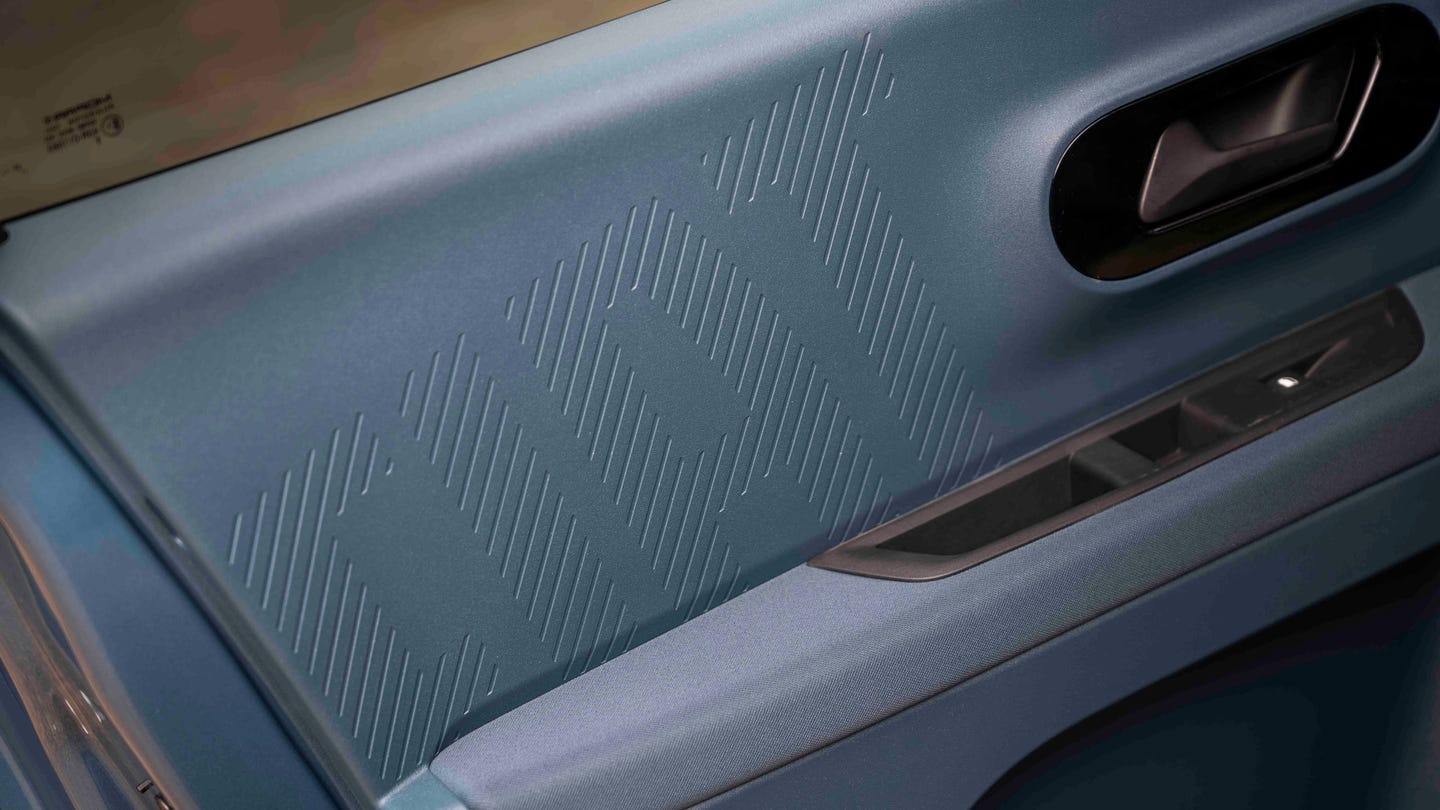
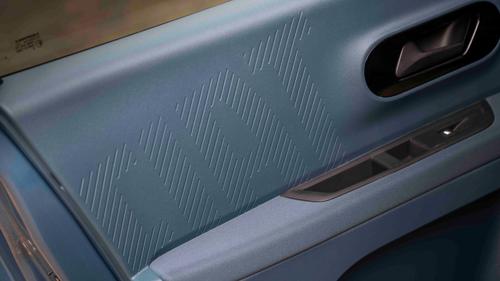
Unusually, a lot of the interior is blue, rather than the more conventional black or grey. We really like this but it might be an acquired taste for some buyers. Everything that’s blue is made from recycled materials, so you can feel like you’re doing your bit for the environment. In fact, every Grande Panda contains 140 drinks cartons worth of recycled material.
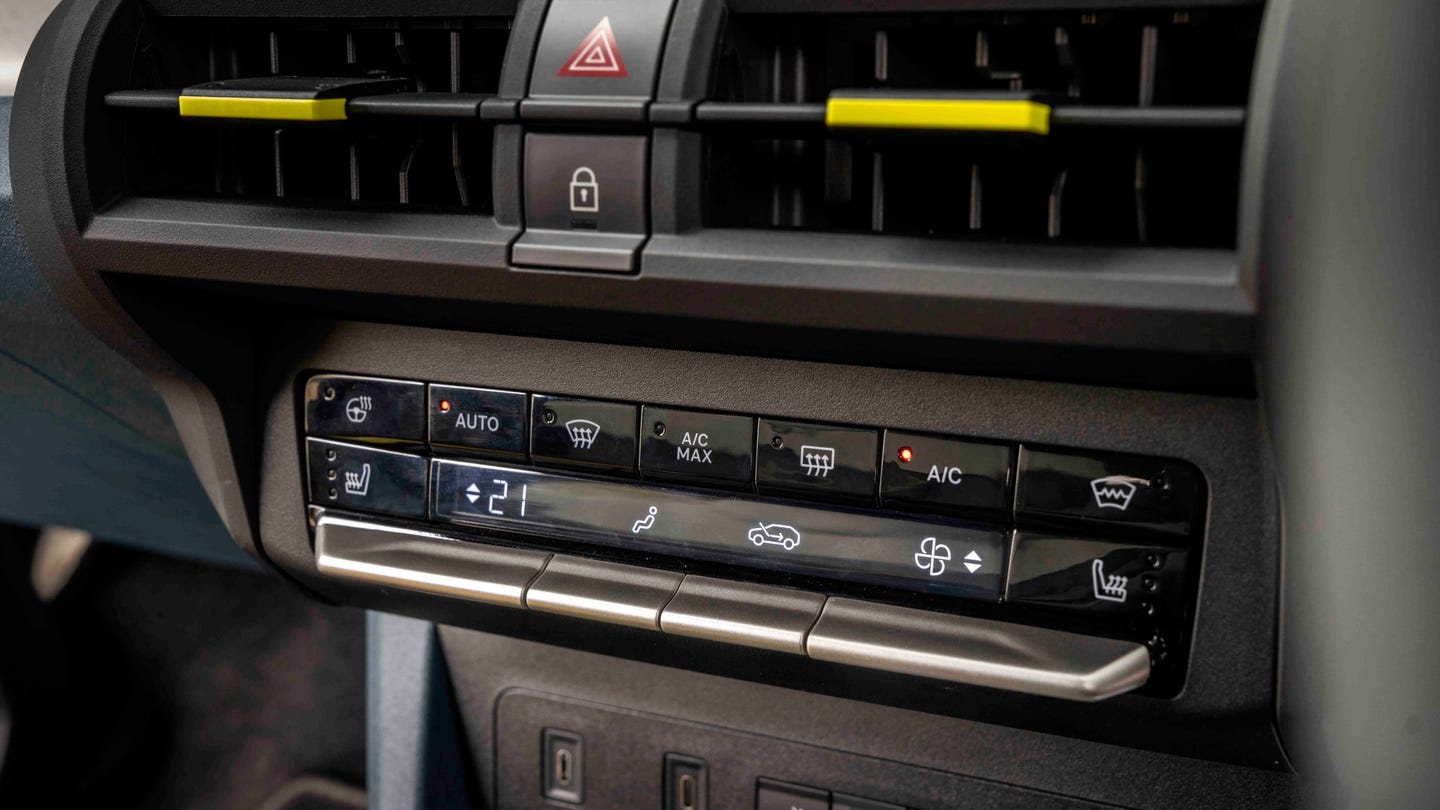
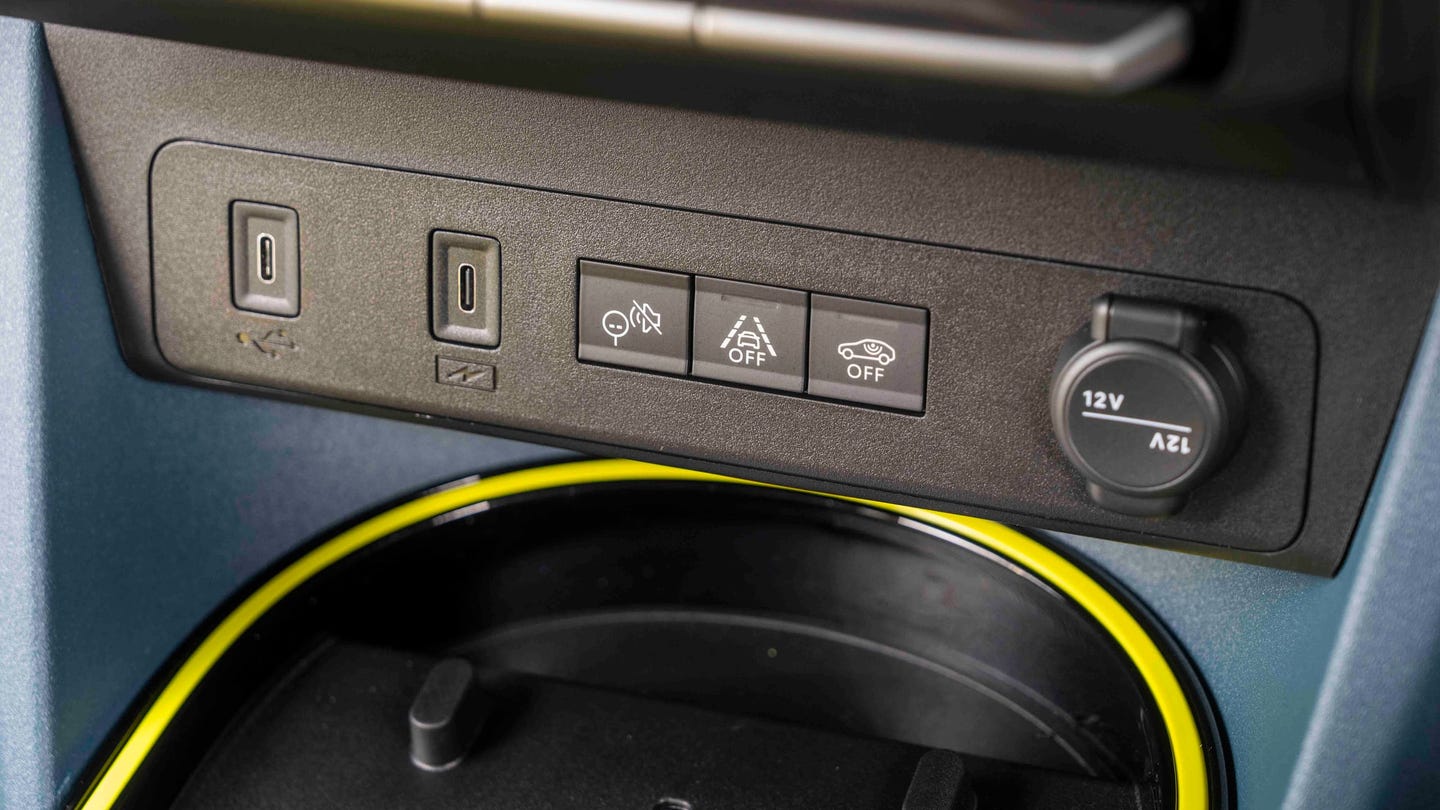
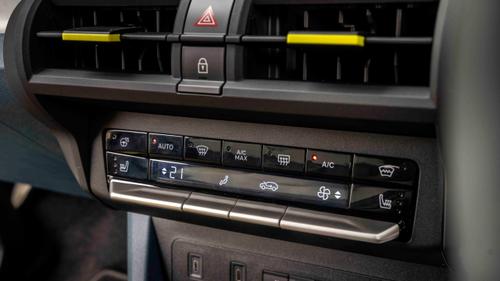
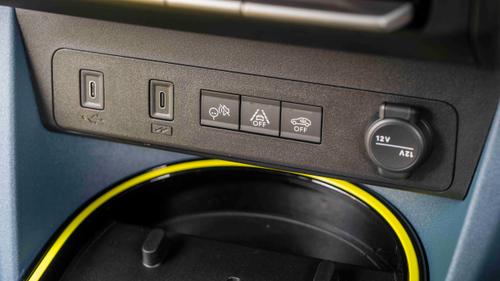
Simplicity is at the forefront of the Panda’s mission statement. There are physical knobs and buttons for the air conditioning and prominent buttons to turn the lane-keep assist and speed limit warning systems off – and you simply press and hold to disengage them. No faffing about with the touchscreen or a convoluted process.
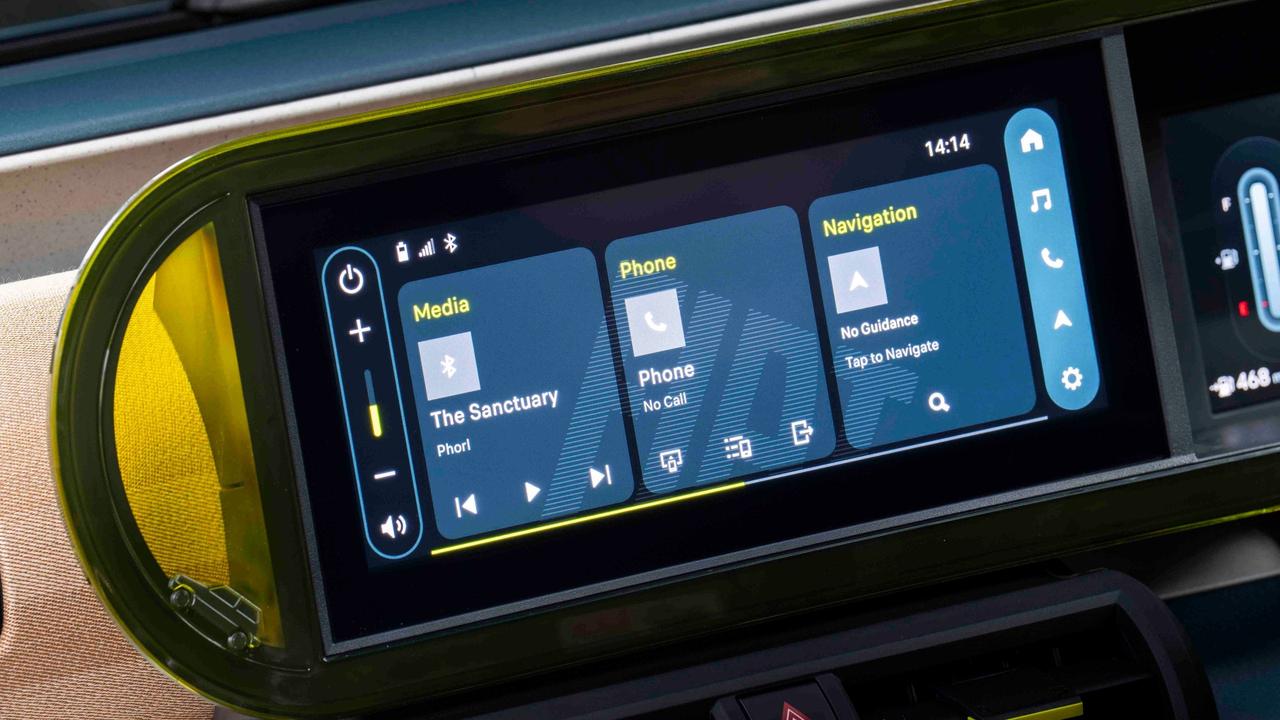
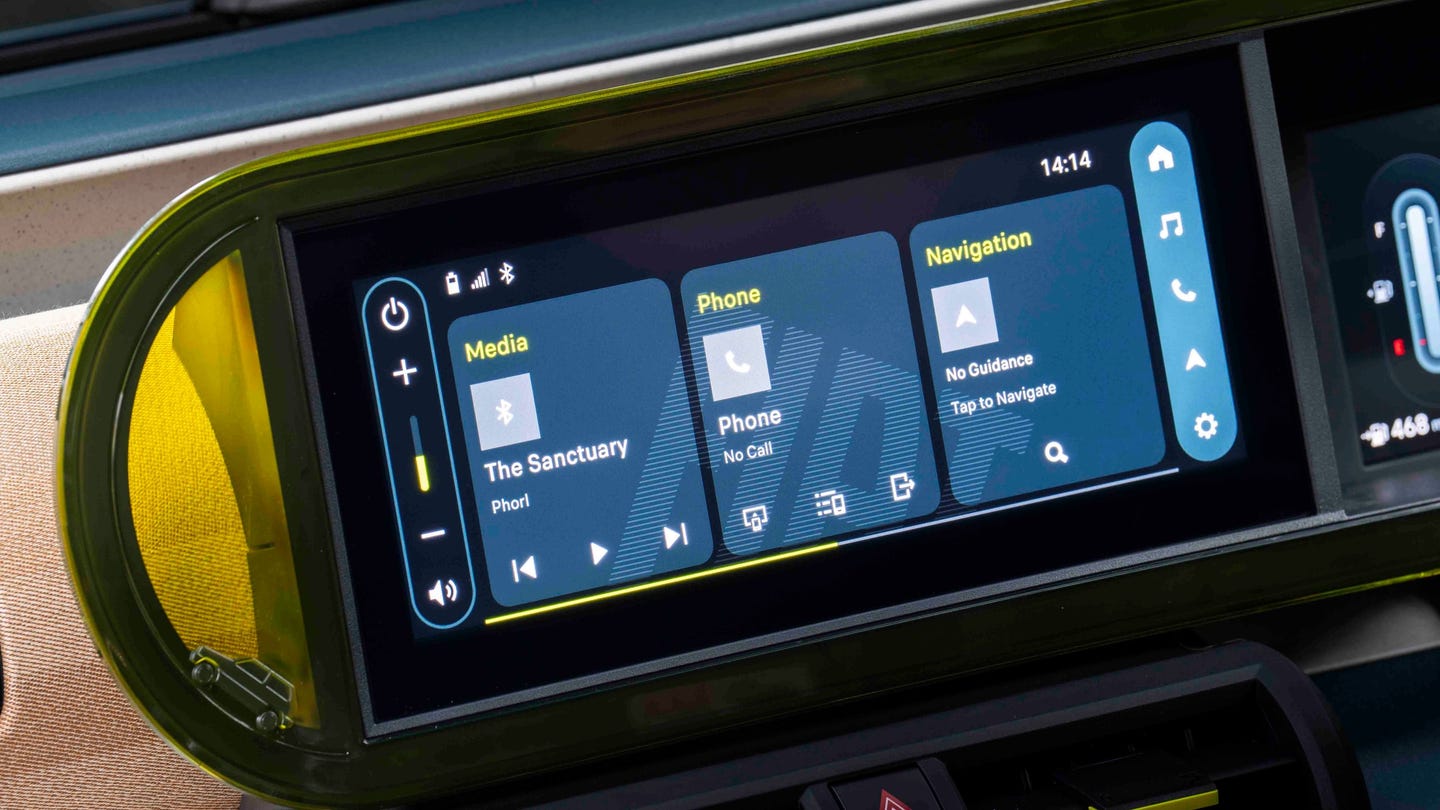
Like the Citroen and Vauxhall, the touchscreen doesn’t actually have that much functionality baked into it. That’s a good thing. There’s wireless Apple CarPlay and Android Auto so, assuming you have a smartphone, you can use your familiar apps. There aren’t menus and menus of settings – it’s refreshingly wysiwyg.
Similarly, you can’t change much in the digital dials, but we appreciated the crispness and clarity of the minimalist display. You can flick through the trip computer readouts, and the power delivery screen, by pressing the button on the end of the right-hand stalk. The limited settings menu is accessed by pressing the menu button on the steering wheel.
The materials are unashamedly rough and ready, but the build quality is generally strong. However, we noticed a mark on the door panel of our test car, which suggests that it could scratch easily.
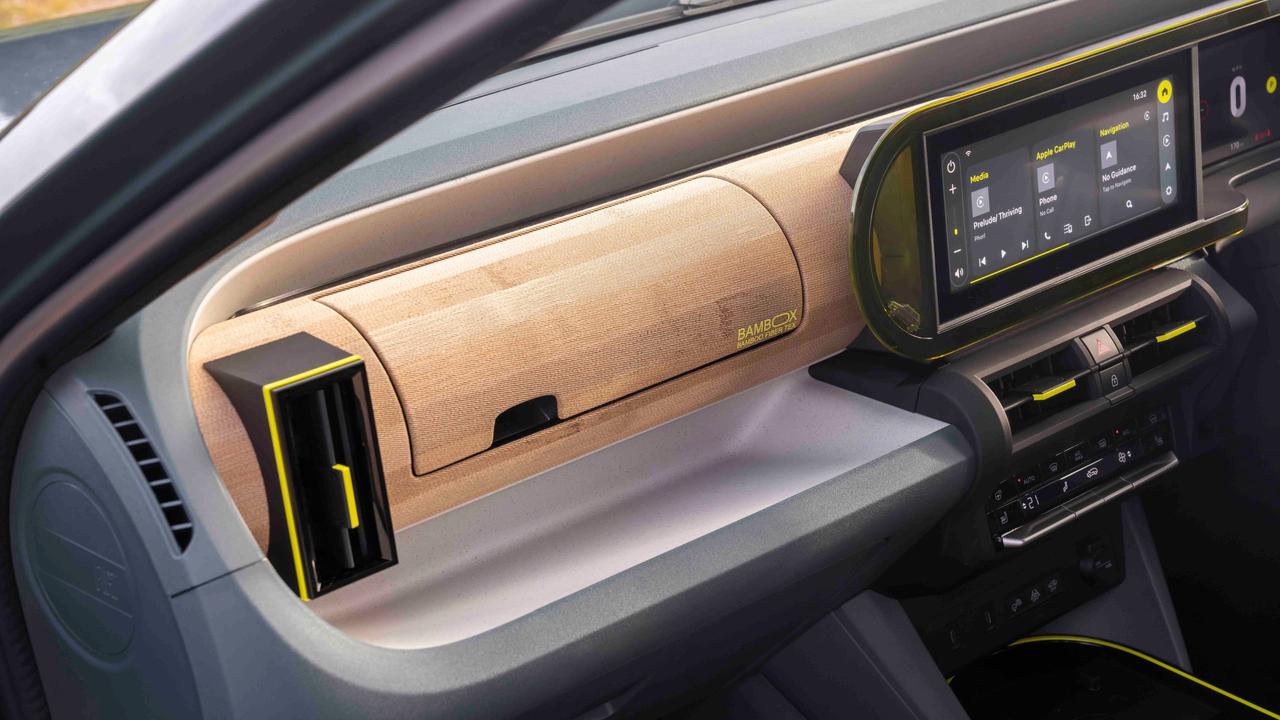
There are just three trim levels to pick, matched across hybrid and electric versions. Pop is the cheapest, but comes with both 10-inch screens, rear parking sensors, LED headlights and heated and powered door mirrors. Hybrid cars get hubcaps, while electric versions celebrate the steel wheels with white paint.
Mid-range Icon trim gains alloy wheels, roof rails, skid plates on the bumpers and tinted rear windows. Upgrade to La Prima – which is likely to be the big seller – and you’ll get bigger wheels, heated front seats, a heated steering wheel, integrated sat nav and a reversing camera. There aren’t any options to choose from apart from the paint colour.
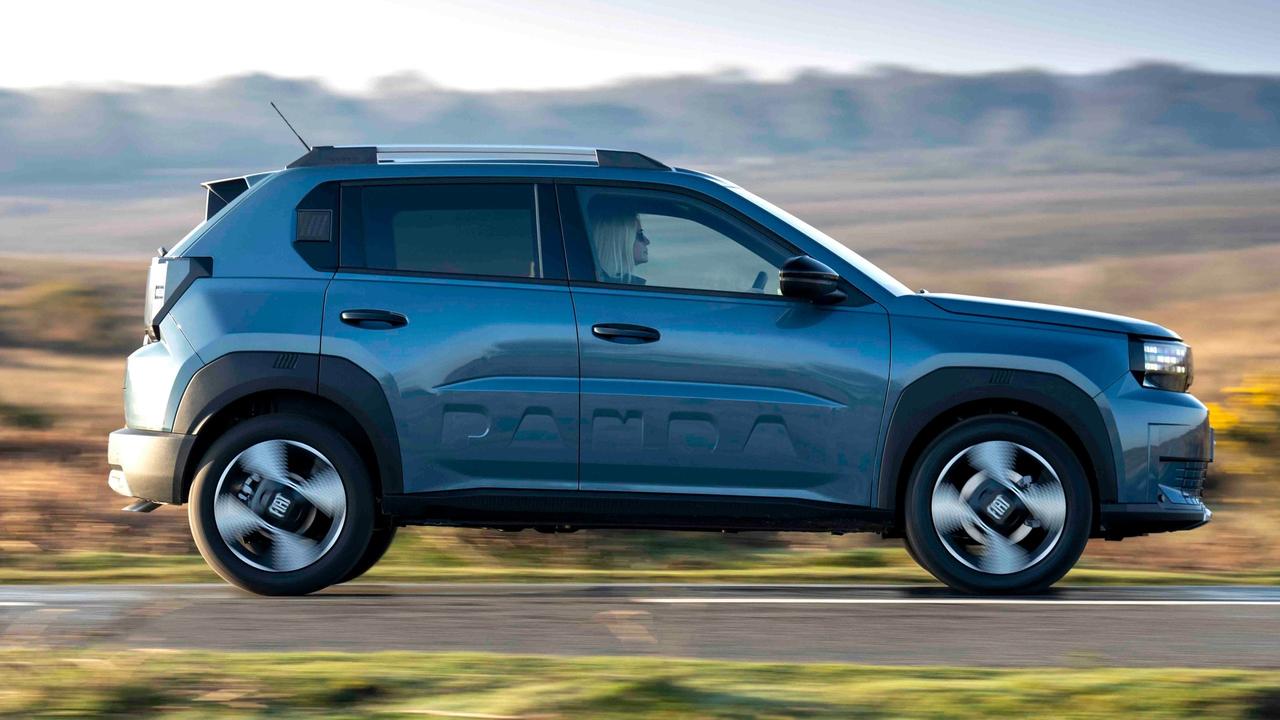
The Grande bit of the Panda’s name is because the new car is a bit bigger than the old one, but it’s still not a big car in the grande scheme of things. Like Starbucks’ version of grande.
Measuring 3.99 metres long, it’s not surprising that the Grande Panda doesn’t offer limousine-like legroom. Rear-seat space is fine for average-sized adults, although a taller person will feel cramped. Headroom is also decent enough provided you’re not a professional basketballer.
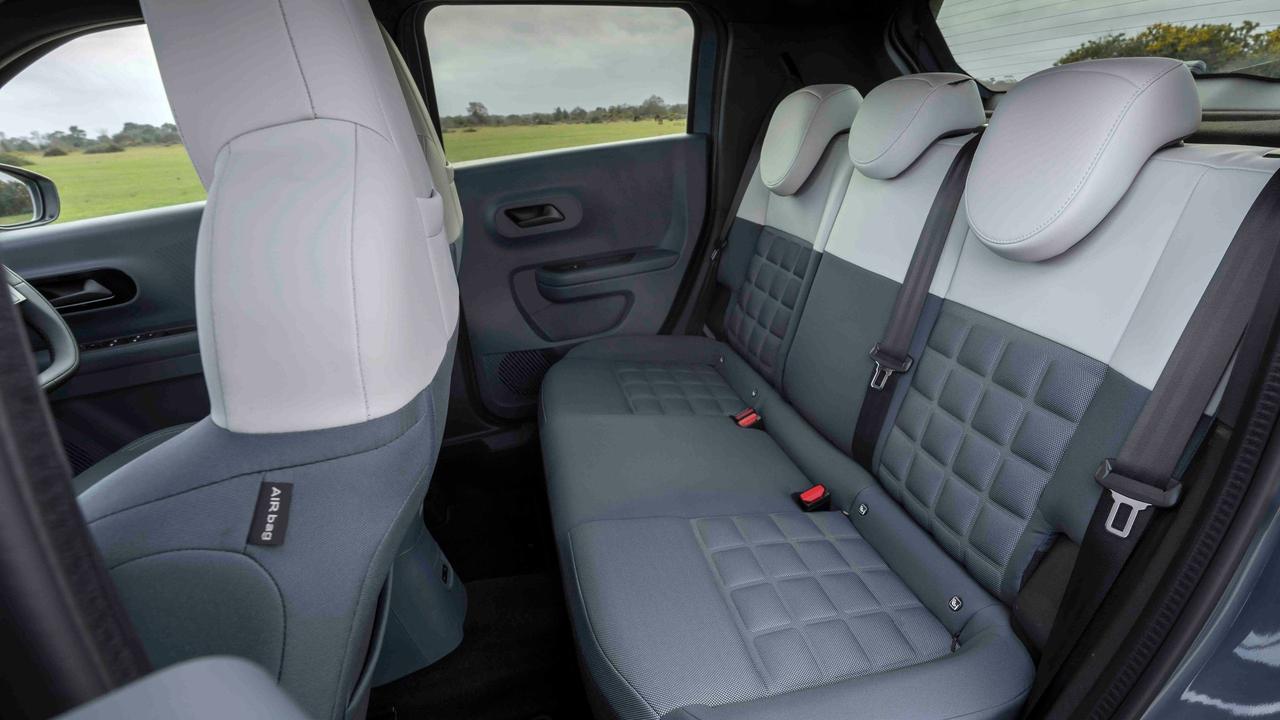
Entry-level Pop trim misses out on seatback pockets, but every Panda gets split-folding rear seats and door bins. Top-spec versions also come with rear USBs. It’s a bit annoying that Stellantis persists with the zipped Isofix covers, which make installing child seats harder than it needs to be.
Both front seats get height adjustment, and the steering wheel adjusts for reach and rake, so it should be easy enough to find a comfortable driving position.
Storage up front is generally decent. There’s a useful and configurable storage tray between the seats, a phone tray on the centre console and deep door bins. The half-width glovebox is annoying, but it’s great that there’s a second storage area above. Icon and La Prima models get a central armrest with a covered cubby beneath.
You don’t need to find somewhere for the key to go, because Fiat’s provided a slot in the steering column that the key needs to go into. You twist it to start the car, and take it out to turn the car off. This could catch on!
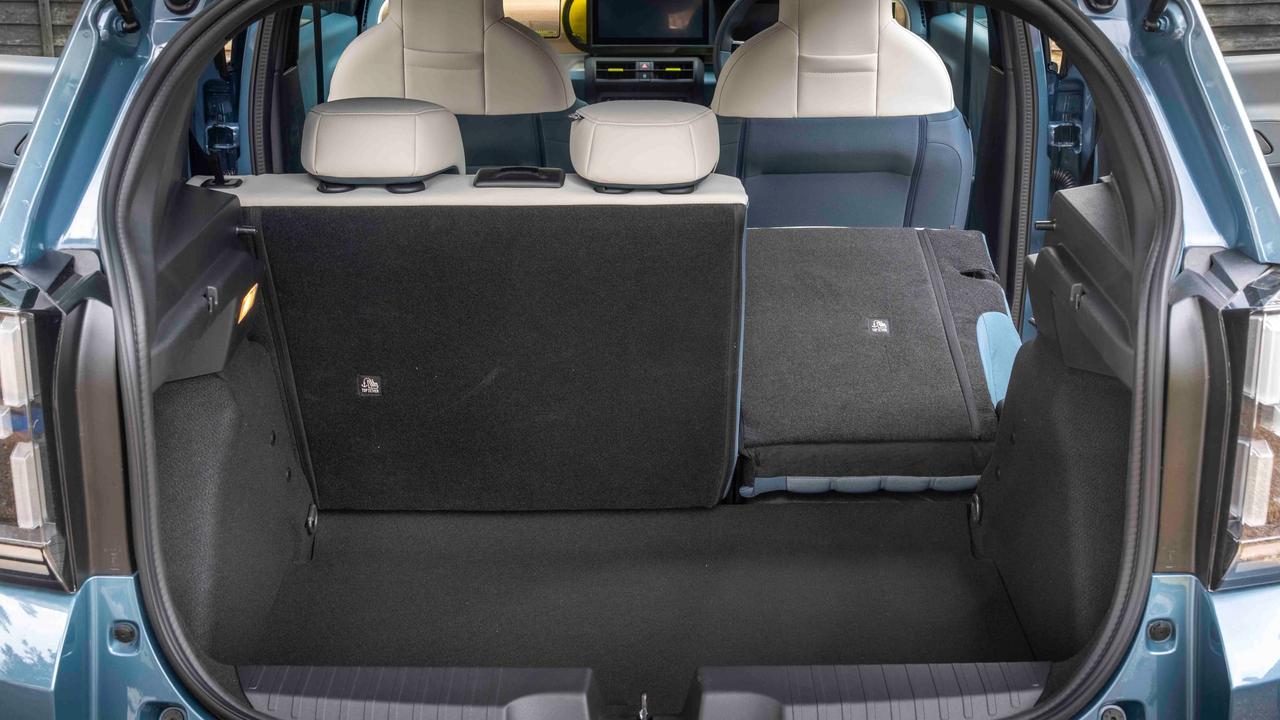
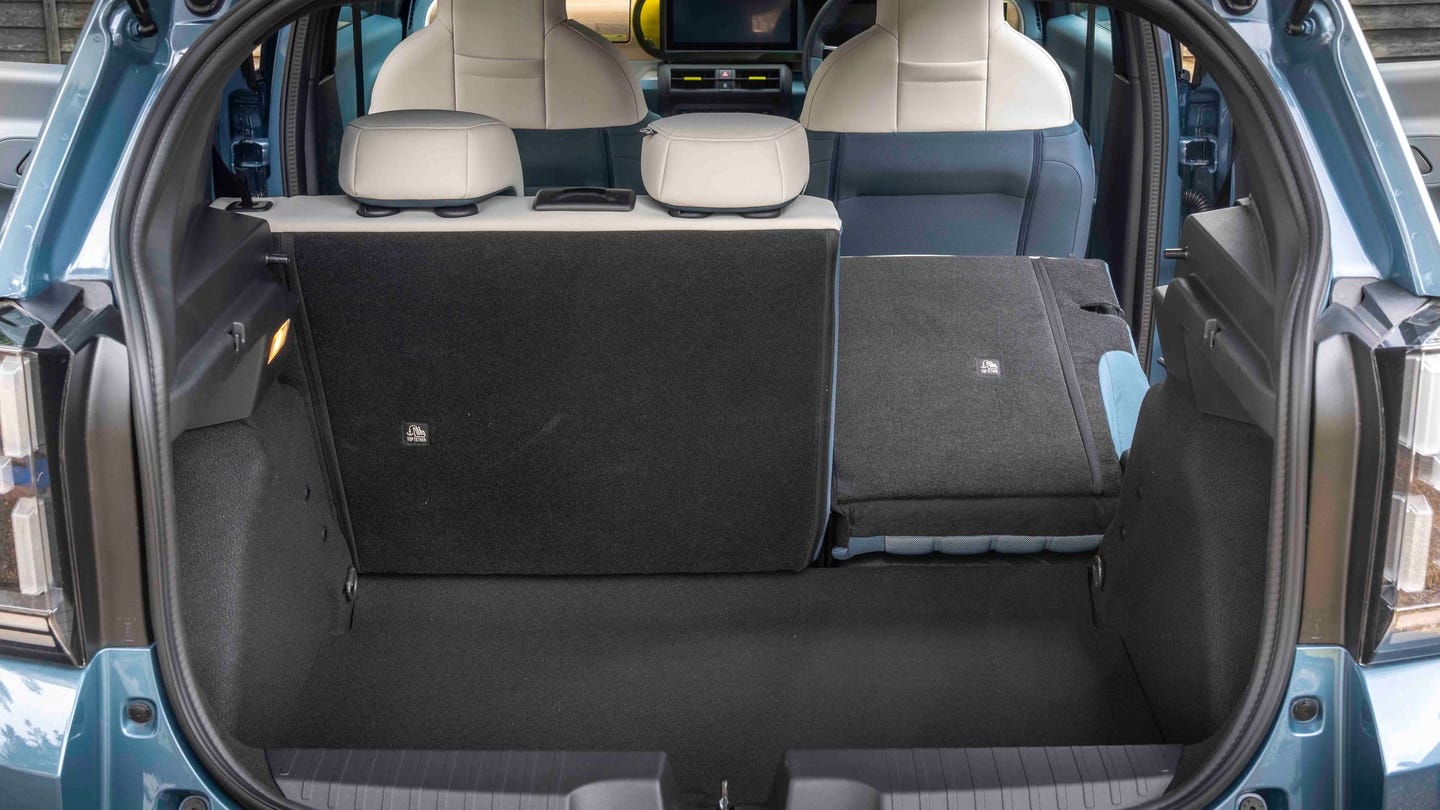
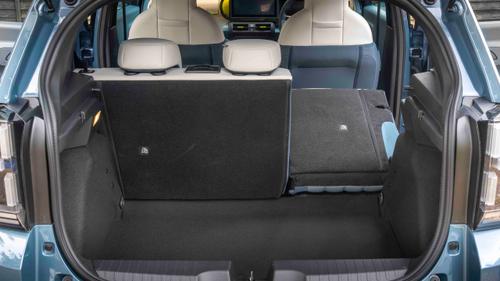
The 361-litre boot is a good size, and there are a couple of curry hooks to hang light items like coats… or curries. It’s a deep loadbay, which will come in handy but means there’s a big lip to haul heavy items over.
Folding down the seats frees up extra space, but there’s a big step from the boot floor to the seats – and the seats don’t fold very flat, either.
For now, the Panda comes with a choice of hybrid and electric powertrains, so it’s automatic-only. Fiat’s looking at bringing a 1.2-litre turbo petrol with a manual gearbox to the UK, but it needs to consider the switch from left to right-hand-drive, the demand and whether the brand can sell enough electric cars to satisfy the ZEV mandate.
The hybrid uses a 0.9kWh battery alongside the petrol engine and a compact electric motor. Total output stands at 110hp, for a 0-62mph time of 11.2 seconds. In this application, the engine feels neither fast or slow – it’s perfectly adequate for keeping up with traffic and getting up to motorway speeds.
More important is its 55mpg WLTP estimate, which could actually be a bit conservative. We saw 53mpg on our test route, and mid-60s before we hit the hilly roads in rural Worcestershire.
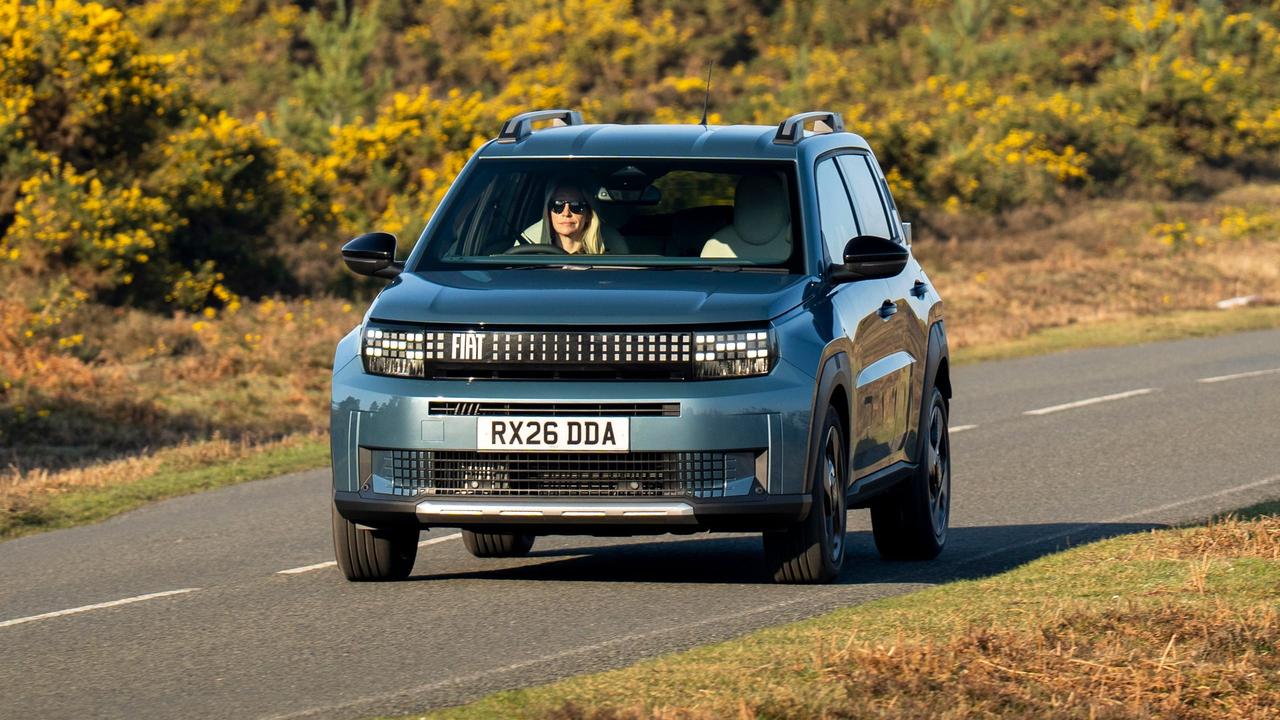
Around town, the Panda can run on battery power surprisingly often. It’s always keen to scoop up energy from slowing down to recharge the battery, which is great at lower speeds. However, we found it was a bit tricky to coast down hills because the car would slow down from the regenerative braking – it’s a bit strange to keep your foot on the go pedal when heading down a steep road. The regen fades away when the battery’s full, but you’ve got no indication of when that happens until the car starts running away from you.
The other choice is the fully electric Grande Panda, which comes with a 44kWh battery and a 113hp electric motor. The acceleration matches the hybrid’s, and it feels broadly the same in the real world too. You can only go 82mph in the EV, though, while the hybrid continues to 99mph.
Range stands at 199 miles, which seems achievable around town. On faster roads, you can expect around 150 miles of range – or probably a bit less at motorway speeds. This feels a little limiting in practice, even though the average driver would only need to charge up once or twice a week with this range figure.
A 20-80% charge takes less than four and a half hours from a home wallbox – meaning you can take full advantage of the cheap periods on an electric car tariff – or 27 minutes at a 100kW public fast-charger.
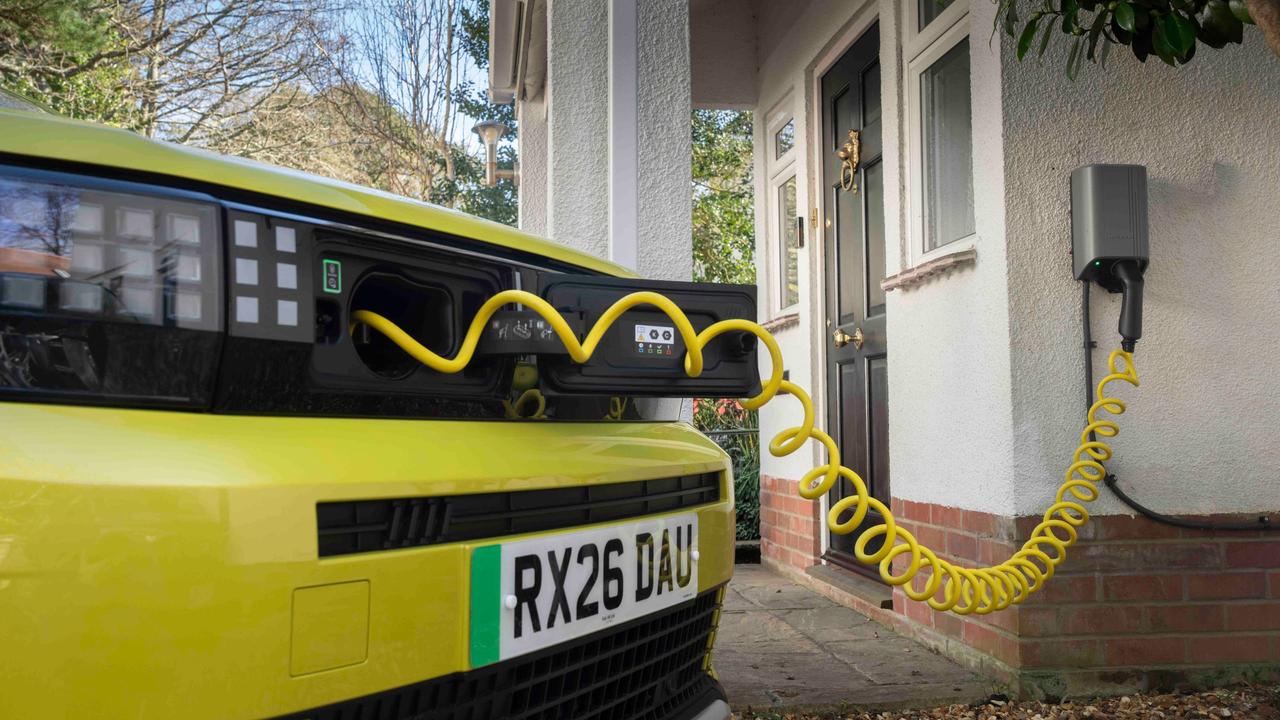
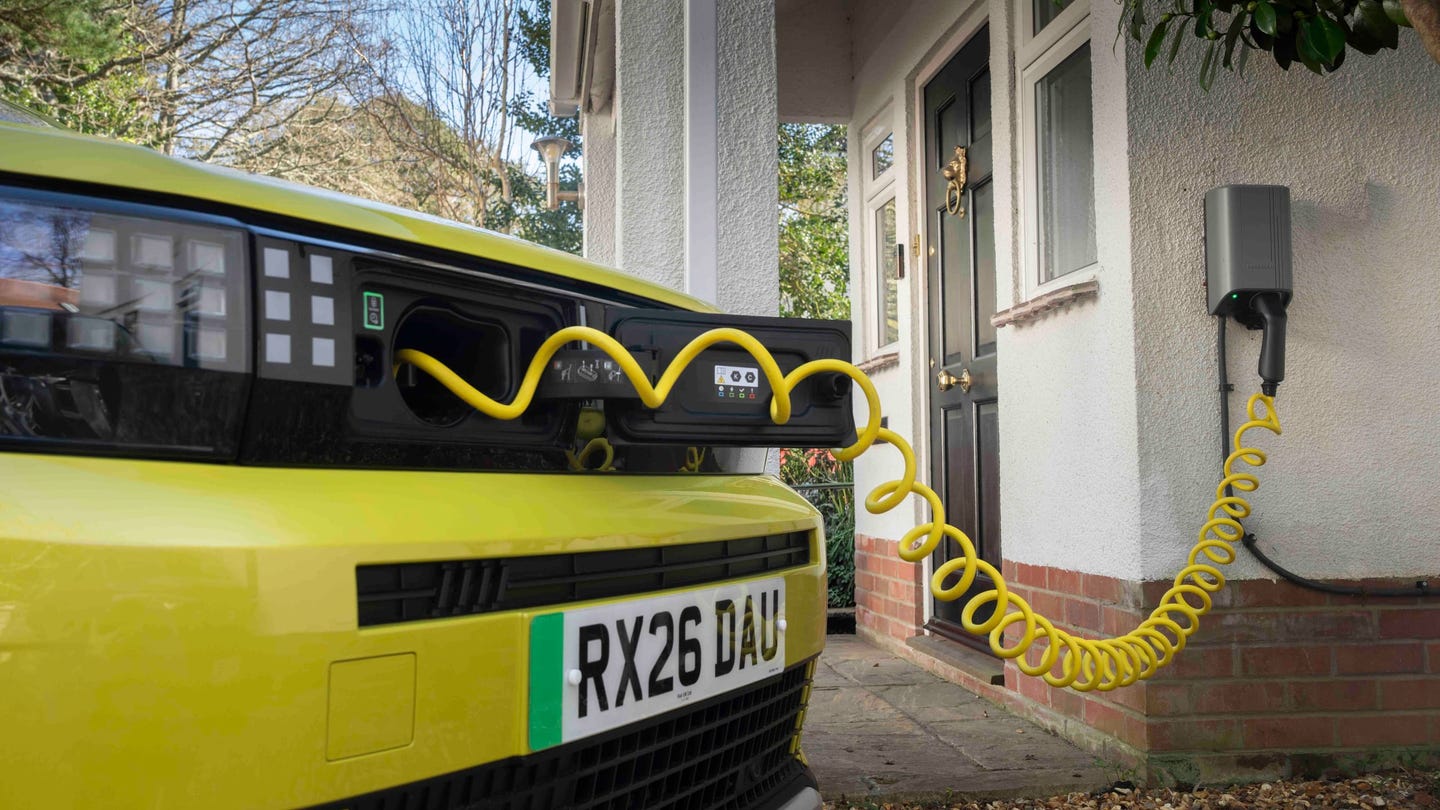
The ‘leccy Panda comes with a surprise: an integrated charging cable in the car’s nose. This 4.5-metre cable looks like a yellow landline phone cord, and it’ll process up to 7kW of charging power. A lot of lower-power public chargers – on-street ones, for example – are untethered, so this is the ideal solution for that. It also keeps the cable clean and doesn’t reduce boot space.
Electric versions are also only a couple of insurance groups higher than the petrol one, so you won’t be paying a lot extra. When you need to renew the road tax, it’s the same amount for both cars.
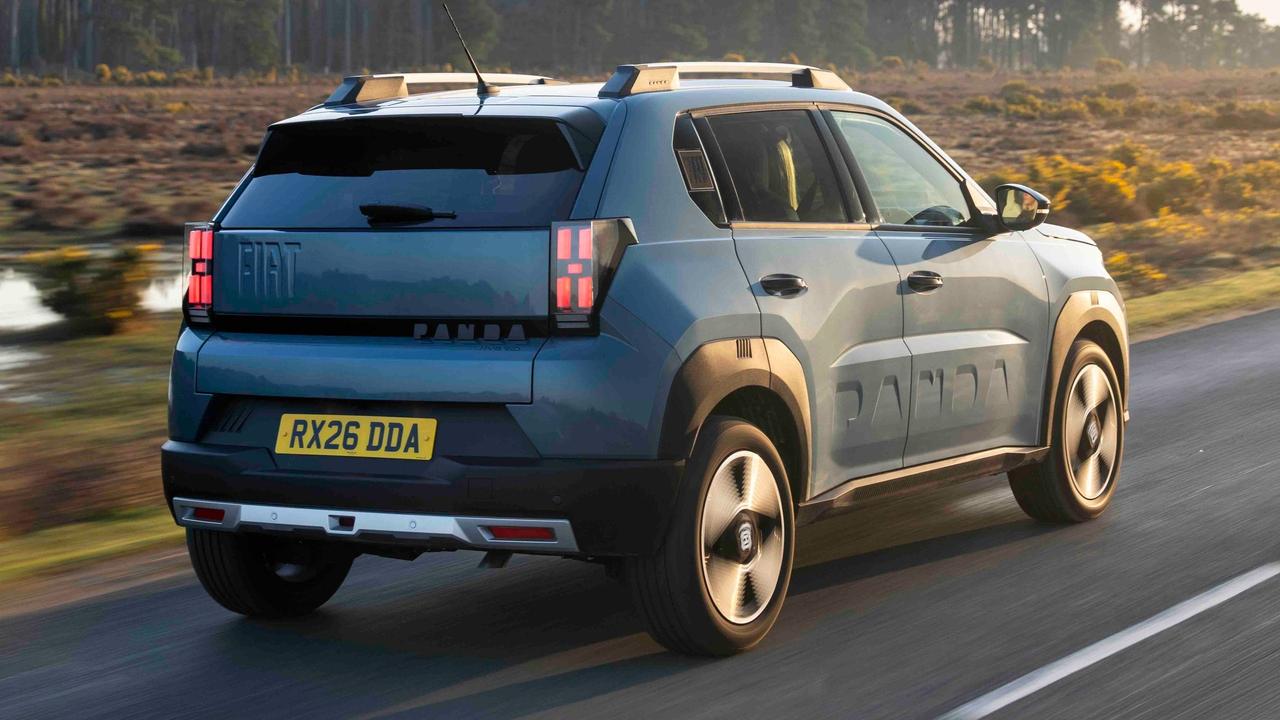
Like its animal namesake, the Panda isn’t a sporty animal. It’s softly sprung with a comfortable ride, soaking up big bumps with a floaty quality.
Over the sort of scratchy road surfaces you’ll find extensively across the UK, the Panda is a little pattery – but so are most rivals.
Neither the brakes nor the steering have much feel – the steering in particular is quite woolly – but the lightness of the steering is a real positive for this car. It’s painless to drive around town and easy-going at higher speeds.
There’s a bit of tyre noise present most of the time, and wind noise increases as you get up to motorway speeds. It’s an acceptable reminder that this is a cheap car and one that’s not really meant for hours of motorway driving – but it can manage that if you need it to.
The electric Panda’s brake regeneration system feels similar to the hybrid’s, and you get one setting. We’d ideally like to adjust this while driving, but the lack of settings is refreshing. No drive modes, either. There’s very little to fiddle with while driving – and little to get cross about, because the Panda’s well set up for everyday mooching about.
A brilliant small hatchback that's fun to drive and quite practical