






EV battery technology explained – how does an electric car work?

Mike Vousden
•
Electric Cars

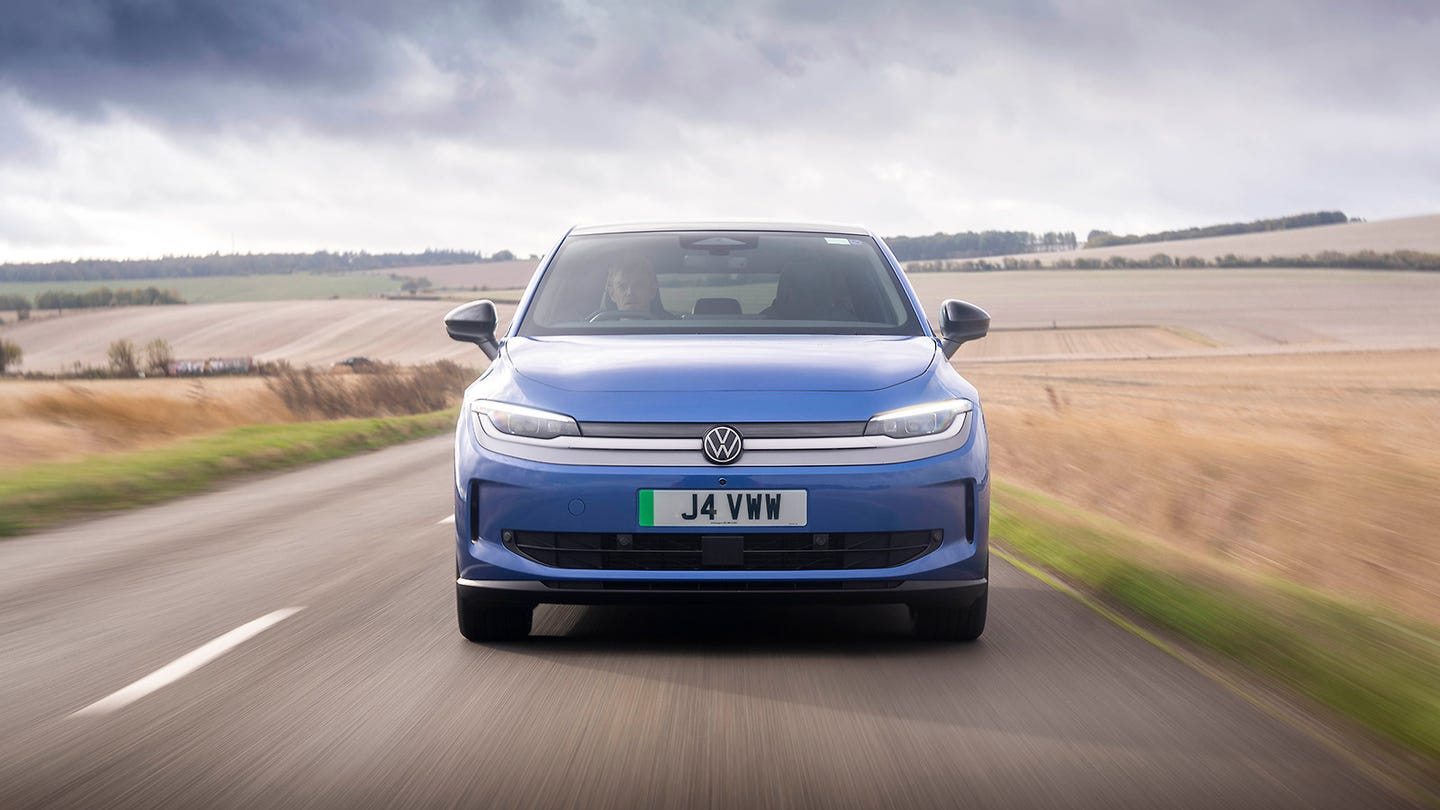
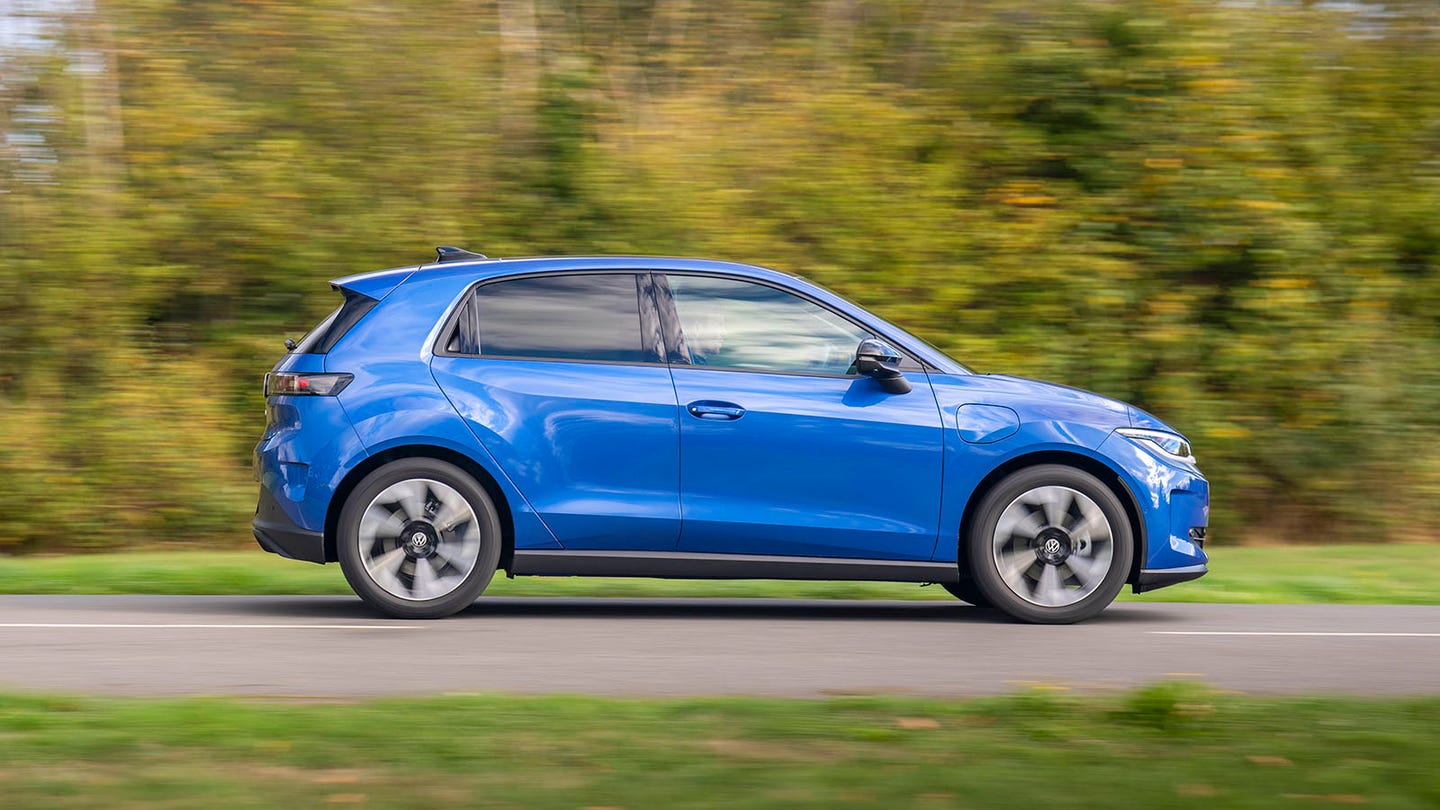
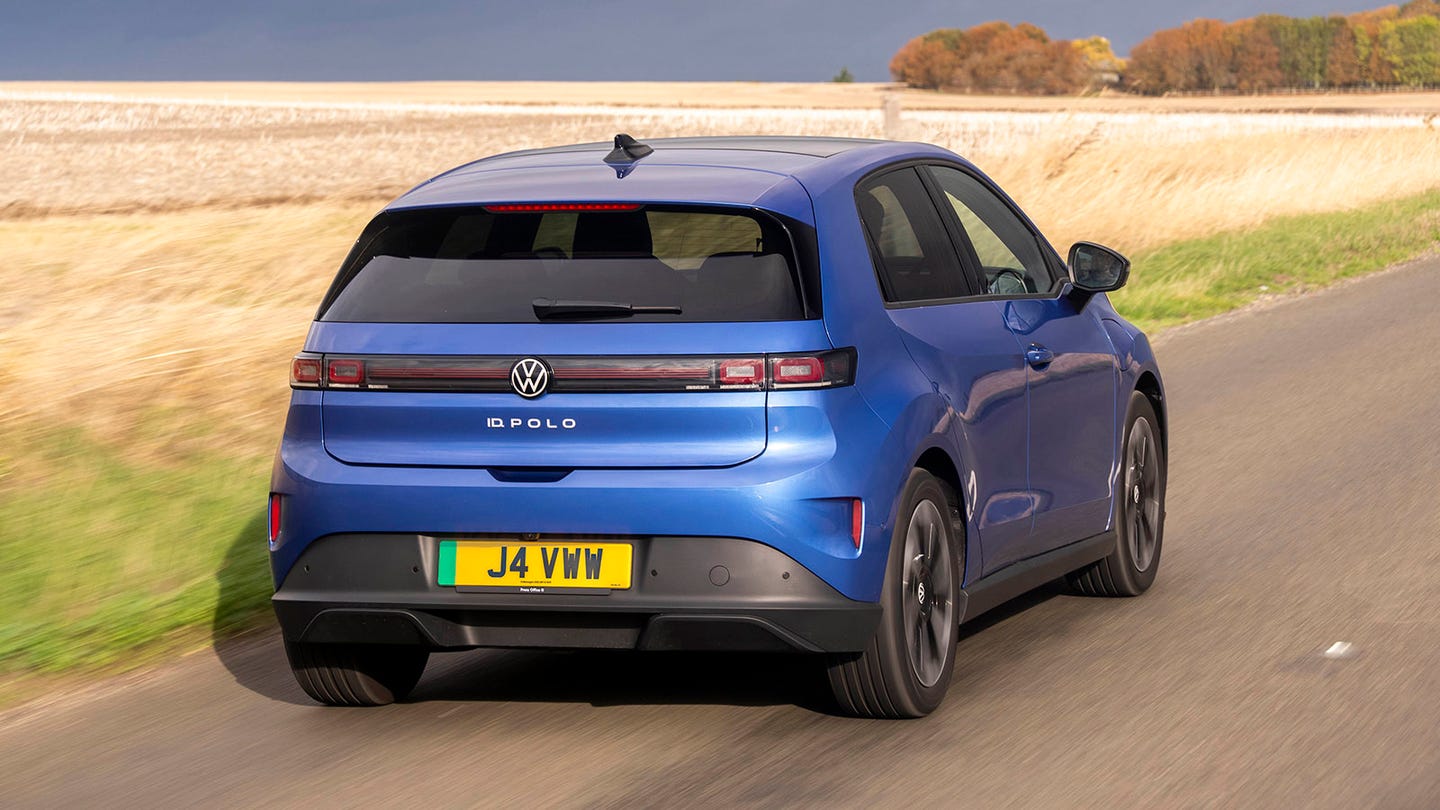
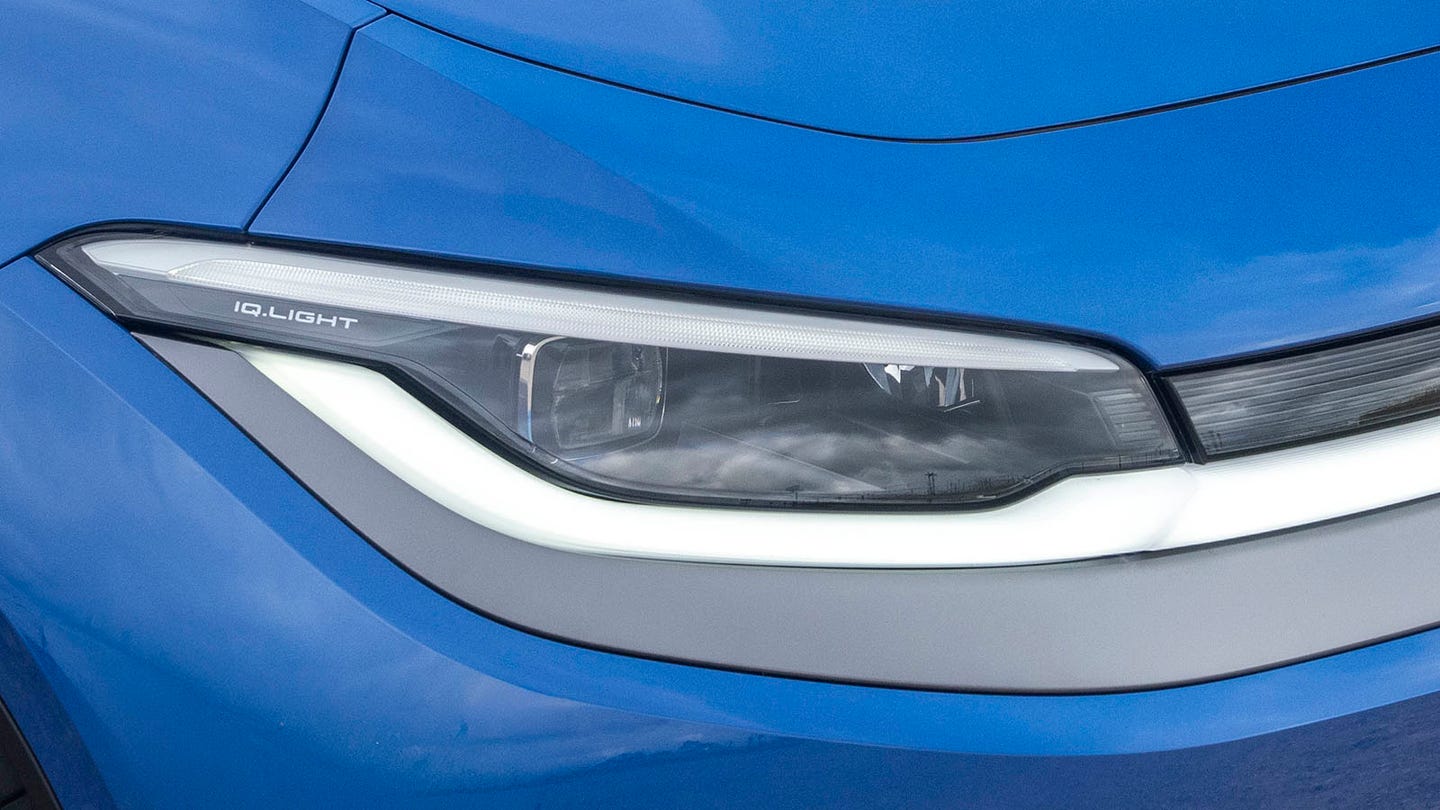
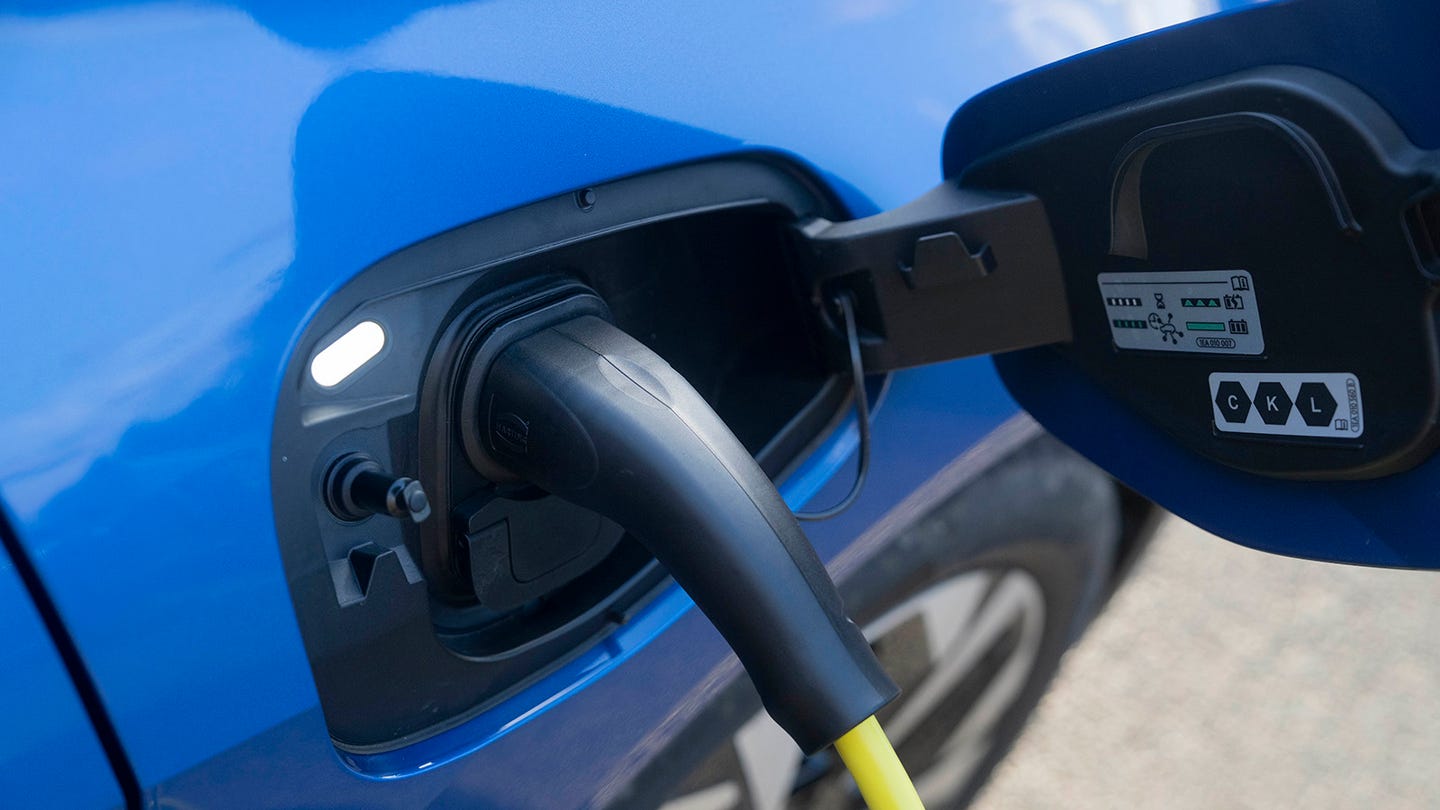
Volkswagen's first ID-branded electric cars landed with a bit of stumble. Their stripped-back interiors were sold as 'minimal', but made the cars feel cheap. And the infotainment software wasn't sophisticated or reliable enough for all the new controls it had to handle.
So, the pressure's on for the new ID. Polo to right the wrongs of its predecessors. No surprise then, that VW chose a name harks back to its better days, abandoning the numbered system ID. cars used before.
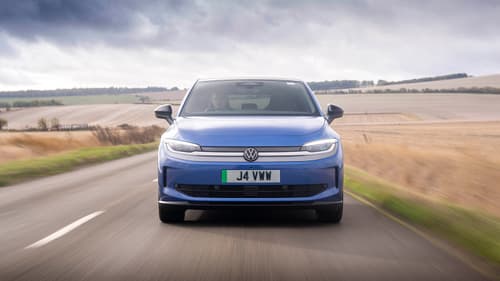
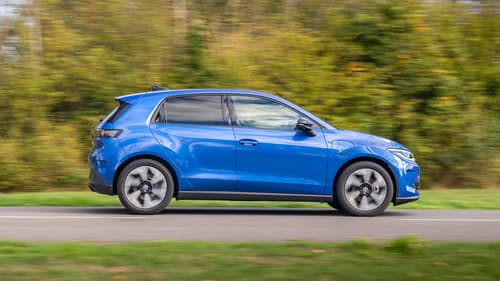
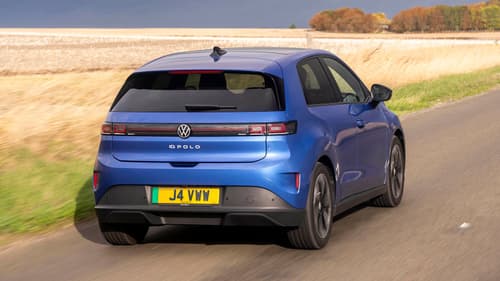
And the short answer is… Volkswagen's smashed it out of the park. The ID. Polo makes lots of small but meaningful changes to the brand's electric-car formula that add up to a huge overall impact.
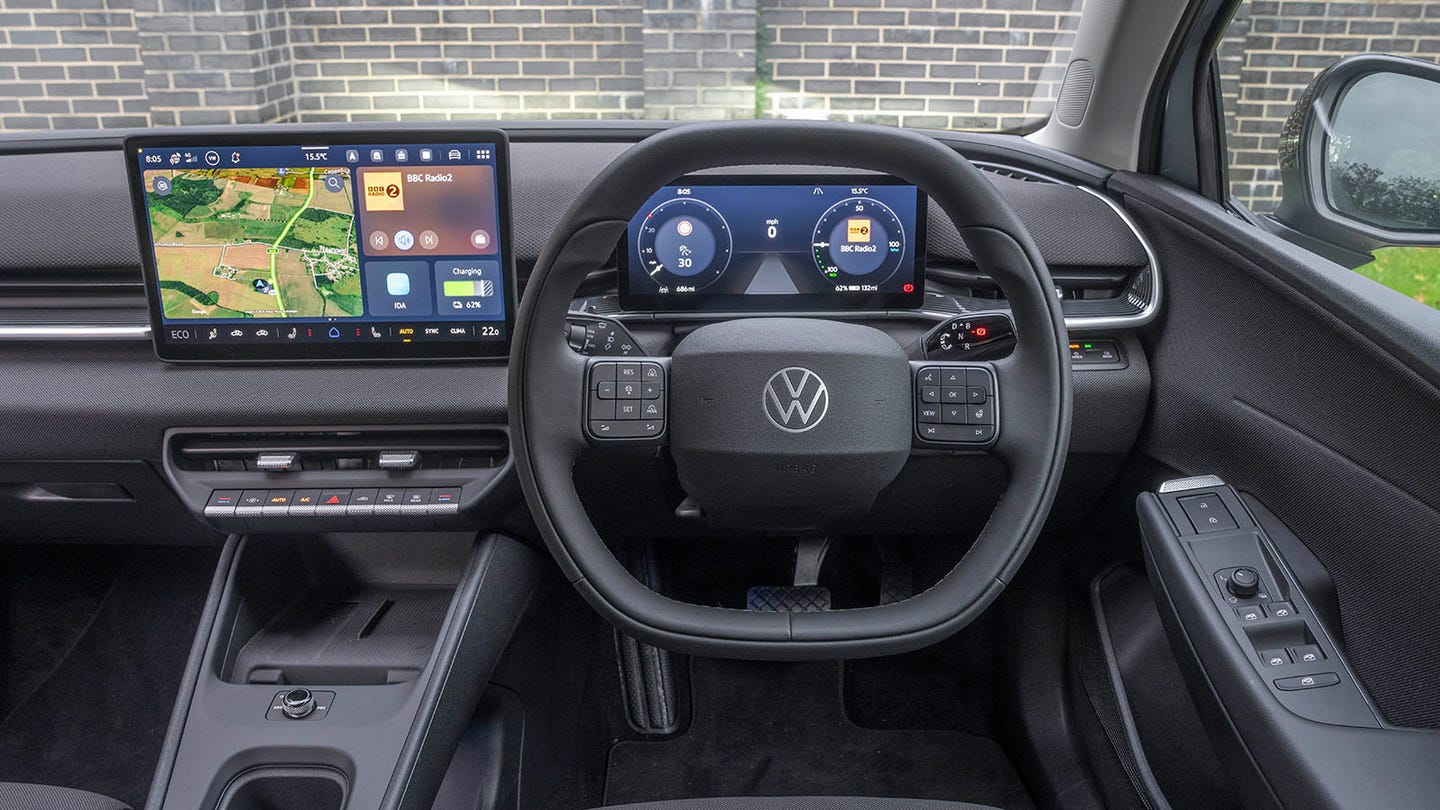
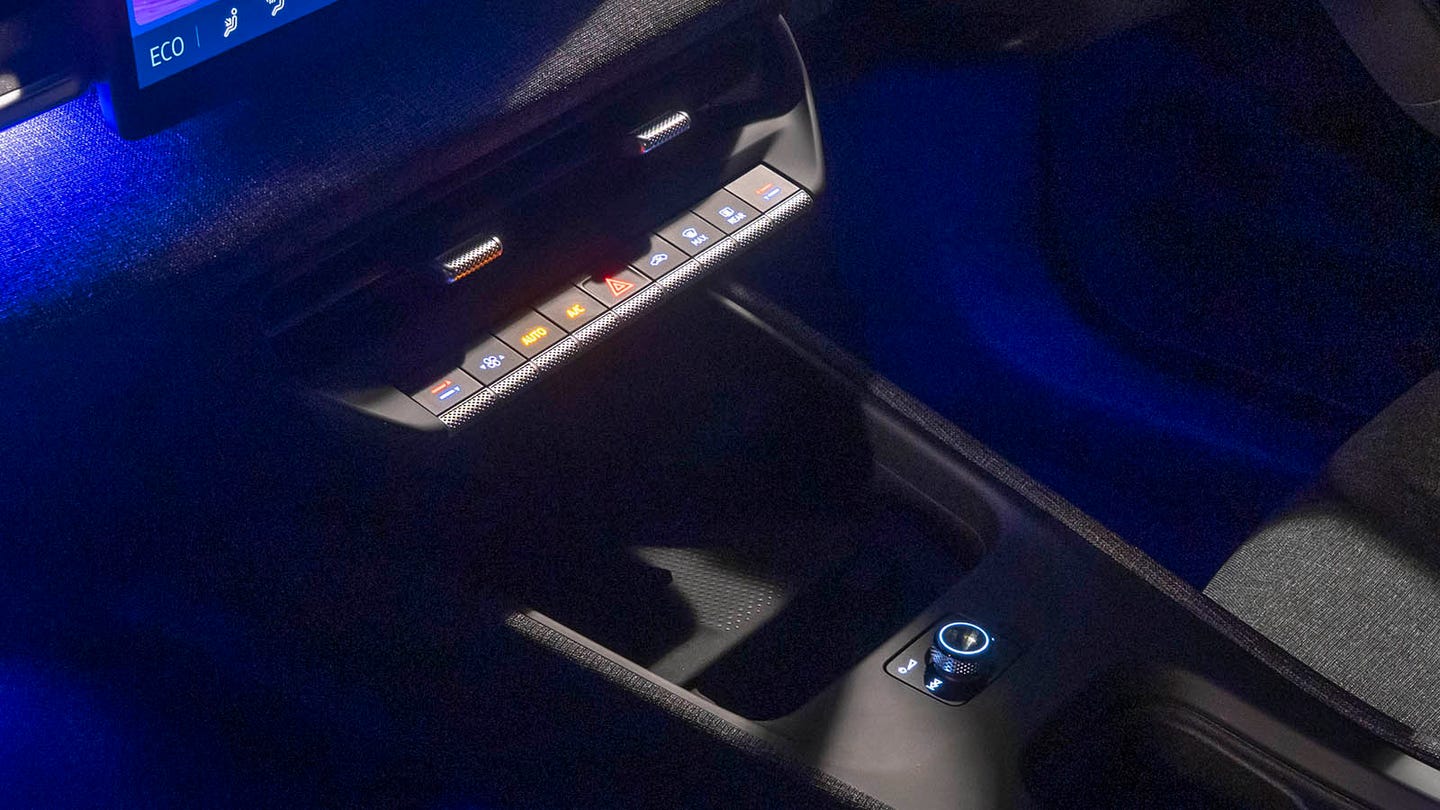
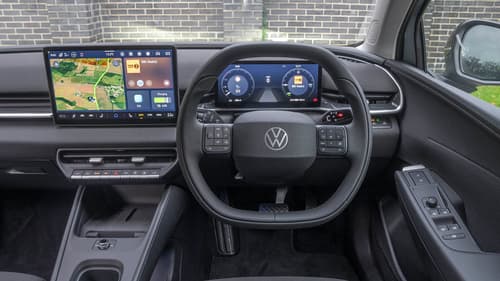
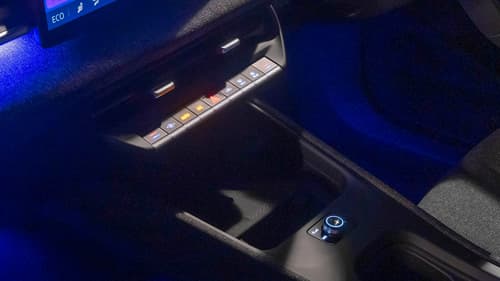
Gone are the awful touch-sensitive controls. Gone are the hard plasticky materials. And, making a welcome return, are proper physical buttons for the climate controls, proper buttons on the steering wheel, and a proper dial for the stereo.
"The ID. Polo's cabin rightfully earns the most headlines. This was where early ID. cars were heavily criticised, and Volkswagen has certainly risen to the challenge"
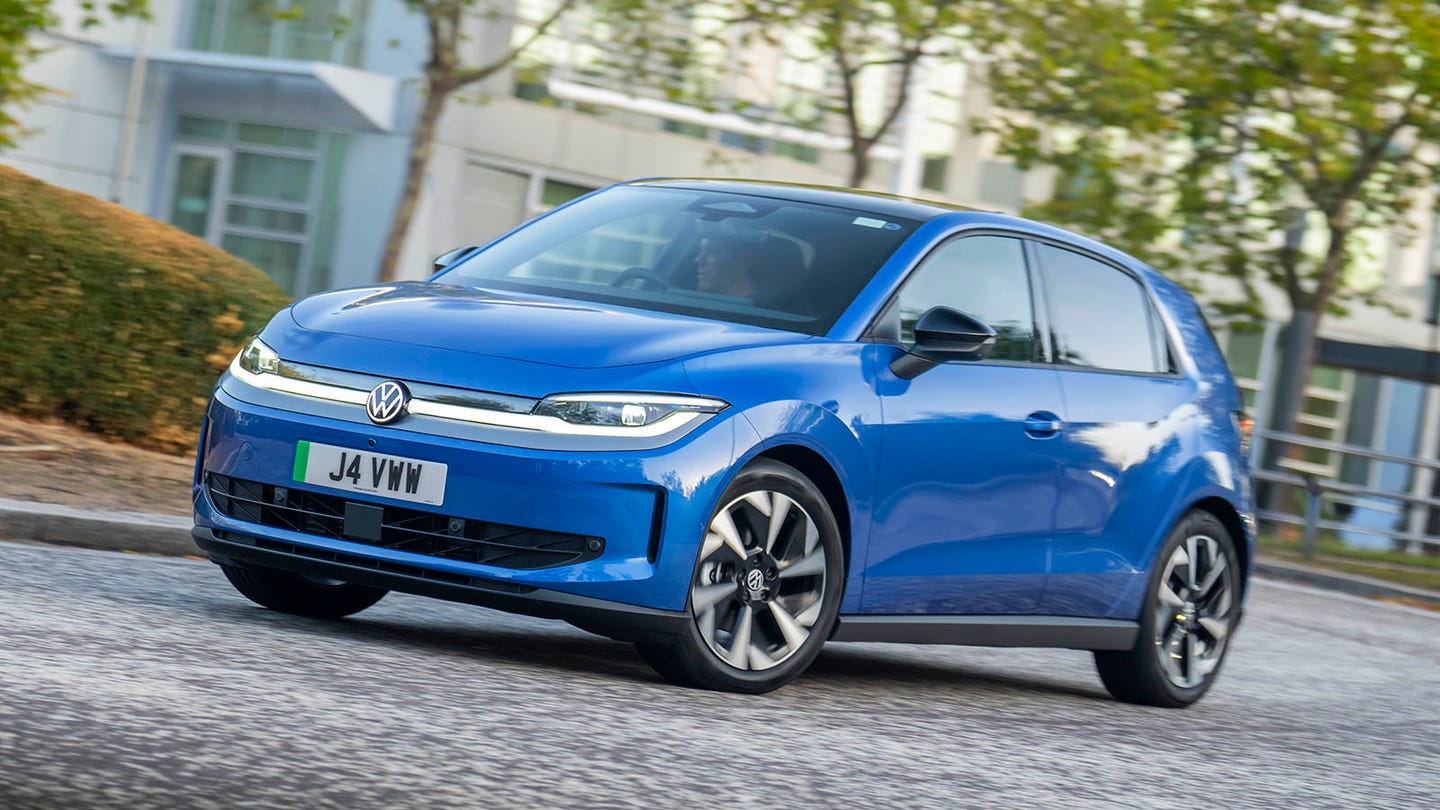
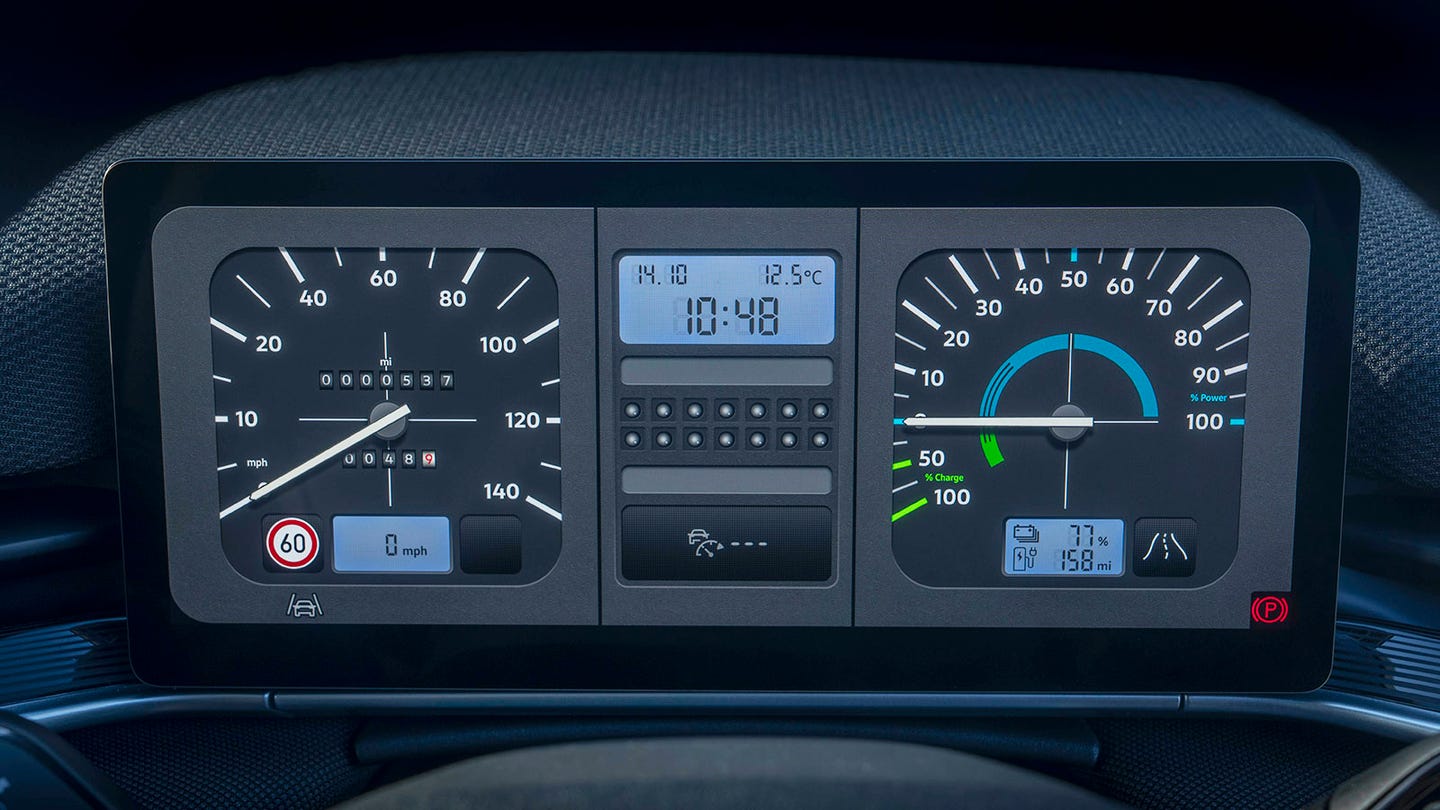
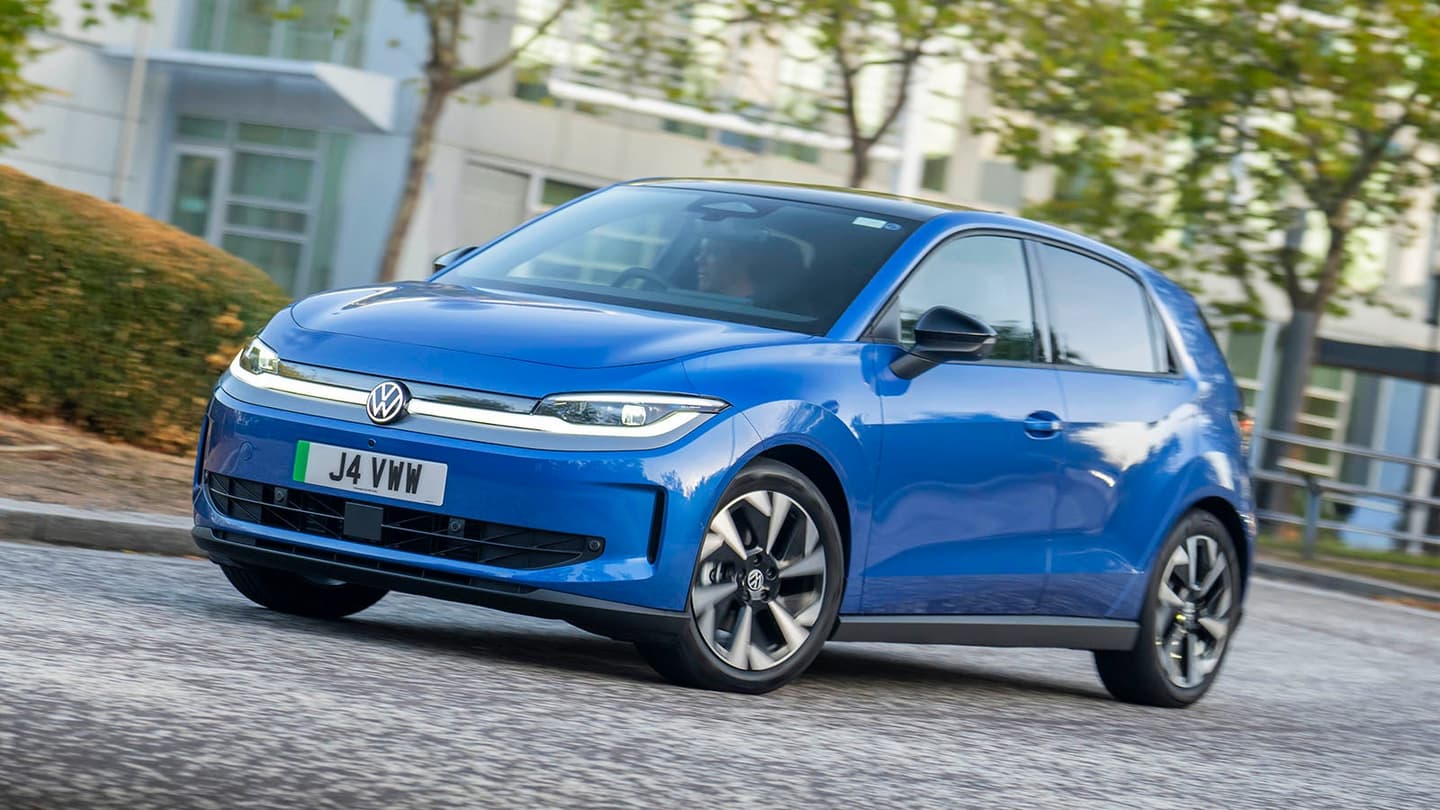
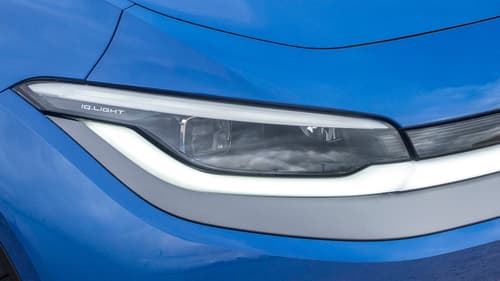
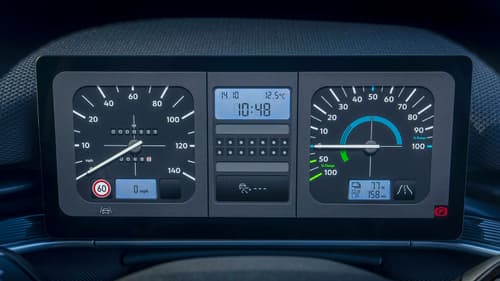
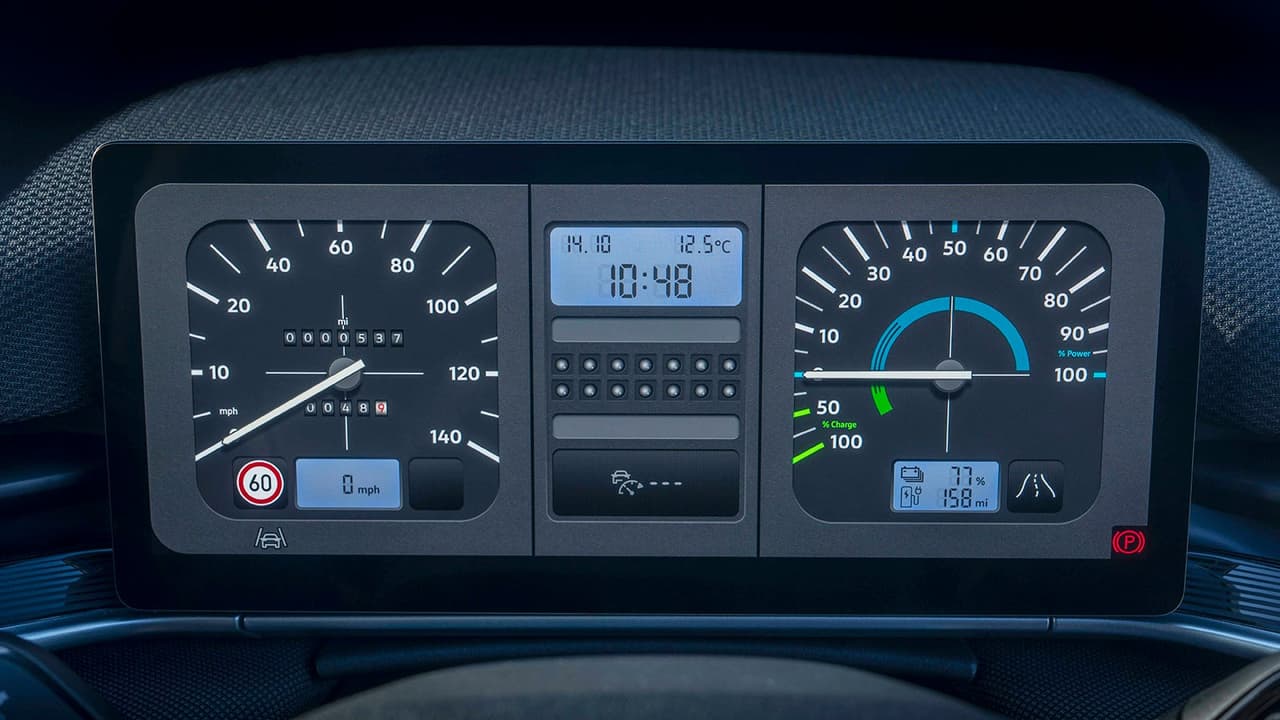
It goes further than that, too. VW says the front end has a 'smile' that recalls the original '70s Polo, while the C-pillar is inspired by the original VW Golf. Another nod to the old Golf can be found inside, with a selectable retro layout for the digital driver's screen. This has simple, elegant dials for speed and motor power, and trip data shown on old-school seven-segment displays.
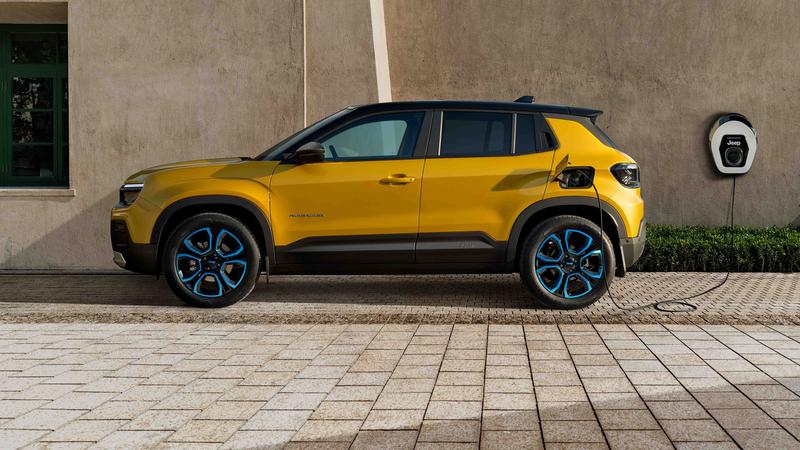
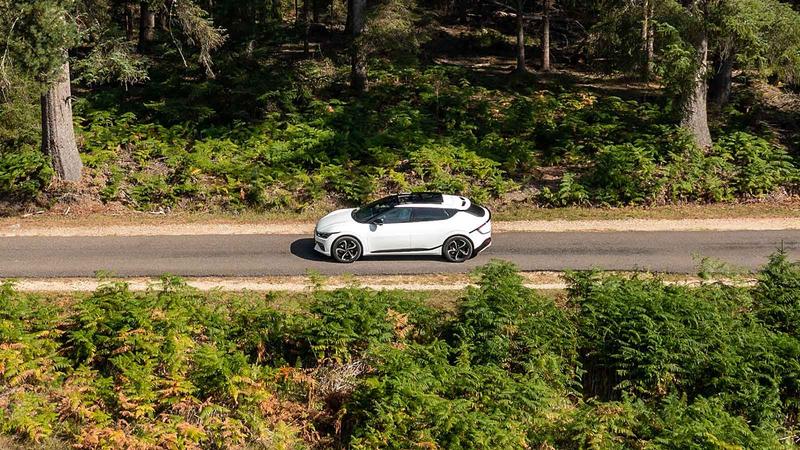
Of course, the ID. Polo isn't just here to remind us of VW's greatest hits. It needs to stand on its own four wheels in the increasingly competitive small electric car market. That means facing off against cars like the Kia EV2, Renault 5 and Mini Aceman – along with wackier alternatives like the Hyundai Inster, Fiat Grande Panda or Jeep Avenger EV.
Compared to those cars, the ID. Polo is just a little more expensive across the board. Entry-level Life models cost just under £24,000 – rising to just over £28,000 if you want the long-range battery. Upgrading to fancier Style trim ups the price by around £3,500, with a similar leap expected again for the range-topping ID. Polo GTI hot hatch, which is due on sale a little after the regular model. Those prices mean the ID. Polo is just a few hundred pounds more than an equivalent petrol-powered Polo, once you account for the government EV grant.
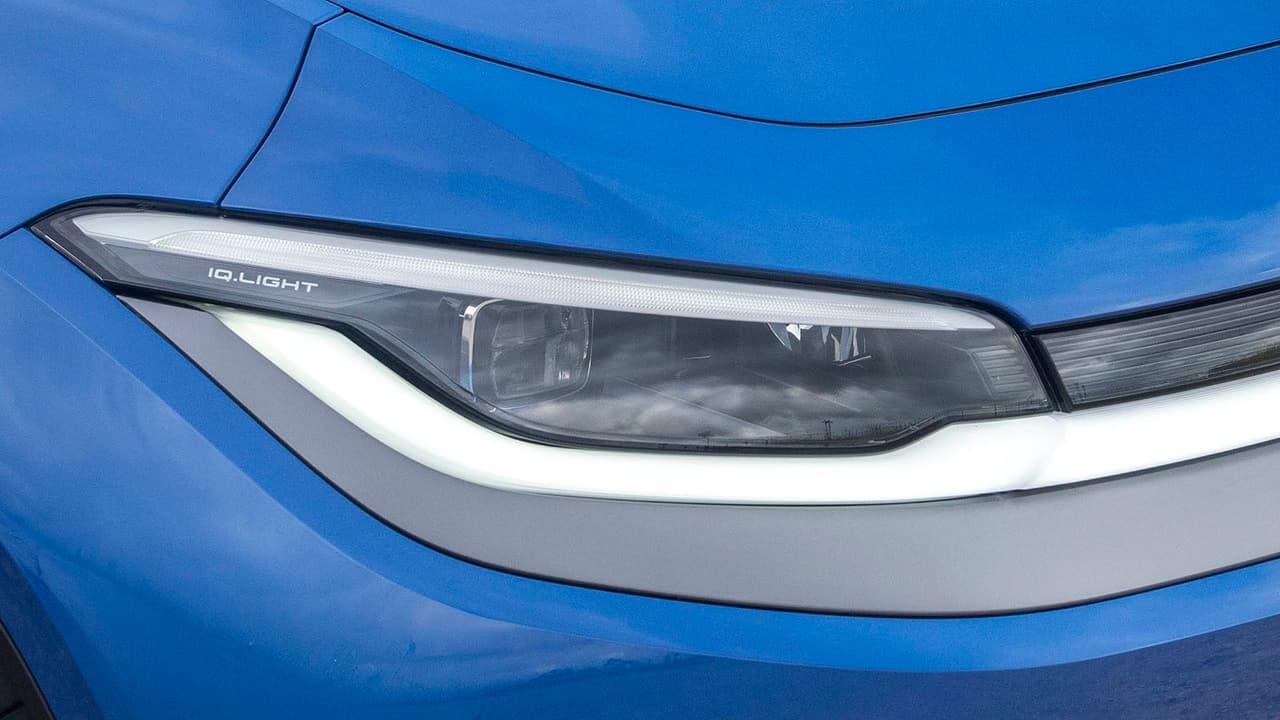
The thing is… this is finally a VW electric car that actually justifies the extra cost over rivals. Unlike tinny early ID.3s or lacklustre entry-level ID.4s, the ID. Polo feels substantial and premium. Its newfound switchgear clicks and clacks with satisfying solidity and, as we'll discover on the open road, the car's ride and handling are near-enough faultless.
So we can forgive the ID. Polo for having on-paper specs that are merely decent by class standards. Entry-level cars with a 37kWh battery cover a claimed 200 miles on a charge, while upgraded 52kWh models up this to 281 miles.
On the move, the whole recipe really makes sense – you encounter much less friction in the user experience than older ID. cars. Adjusting climate or driving settings is much easier, the driving experience is smooth and effortless, and it's impressively practical too. Simply put, this is Volkswagen back to its absolute best.
Scroll down to find out more about the new ID. Polo's practicality, driving range and performance.
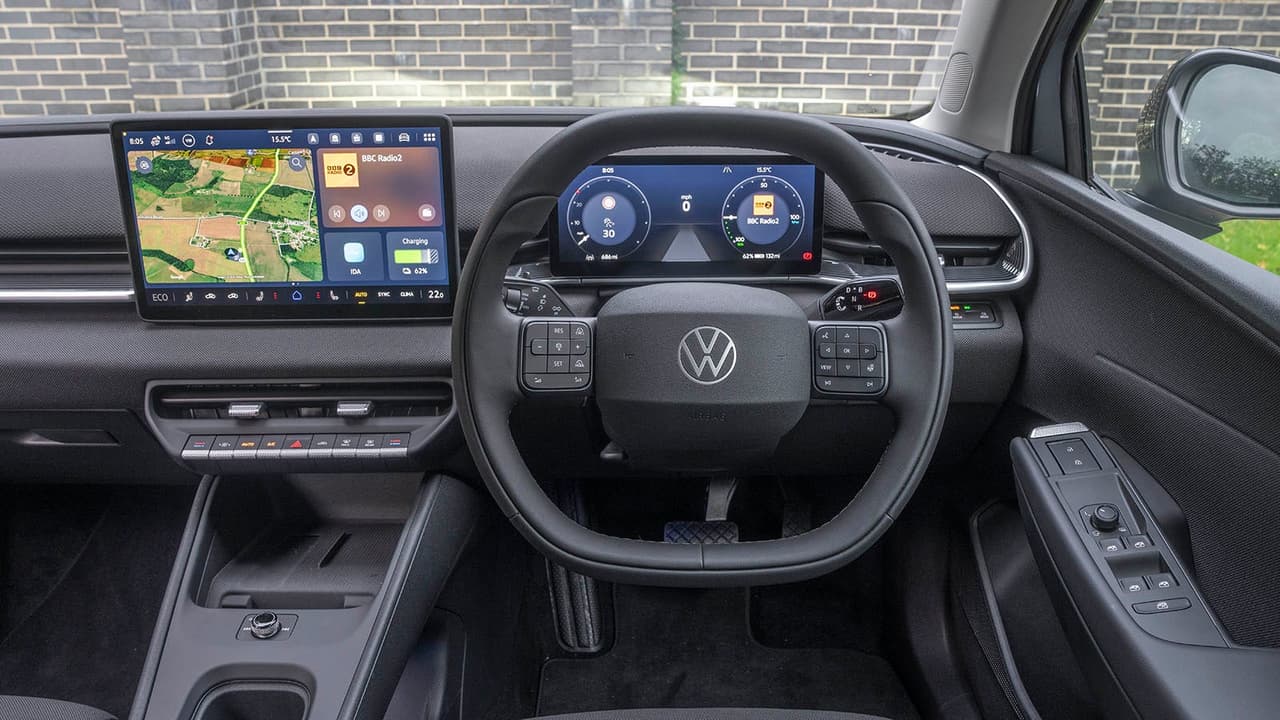
The ID. Polo's cabin rightfully earns the most headlines. This was where early ID. cars were heavily criticised, and Volkswagen has certainly risen to the challenge. Starting just with the materials around you, Volkswagen's leaned away from the bland moulded plastic it previously favoured, and now you'll find surfaces like the dashboard and door panels covered in textiles. It's a small change but it helps the cabin feel comfier and more welcoming.
Volkswagen's also worked hard on the interface. As mentioned, that means the return of many physical controls that were hastily ditched on older cars. They don't feel like crowd-pleasing afterthoughts, though. They're very deliberately laid out to genuinely enhance the user experience. The piano-key style centre controls exclusively handles climate settings and the hazard lights – each button exactly where you'd expect it to be, with a tactile knurled edge and a solid click when pressed.
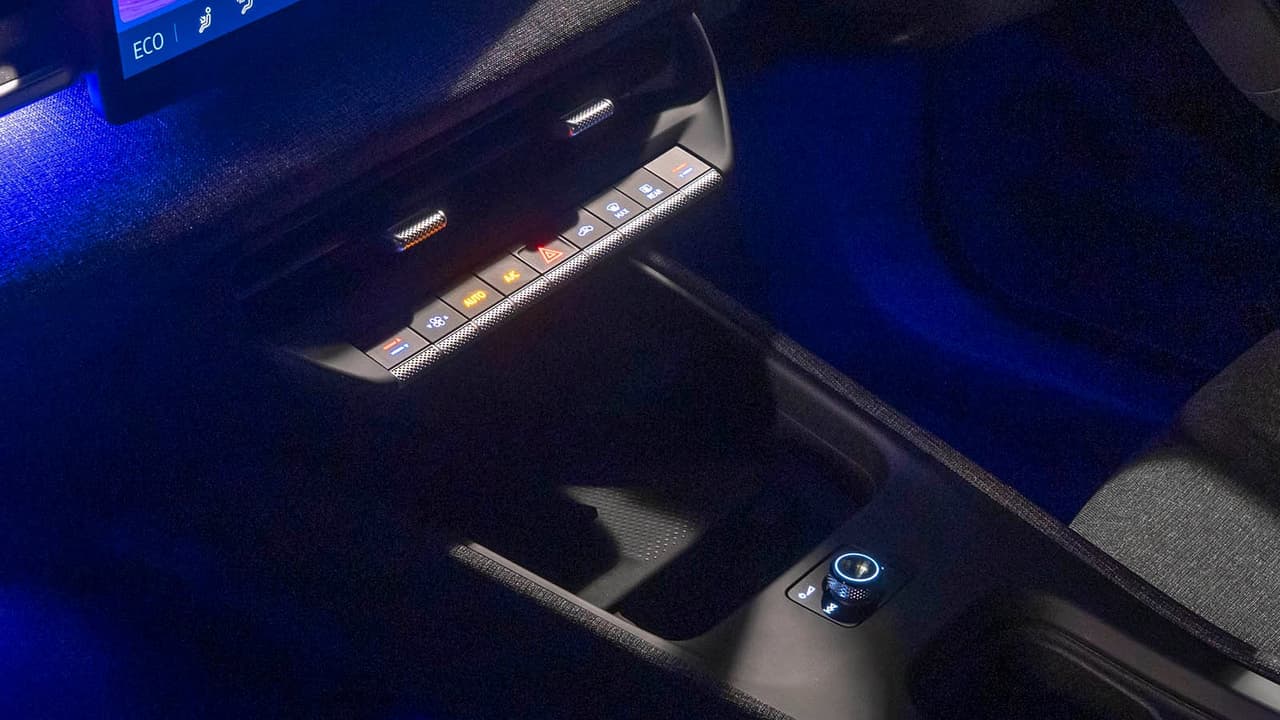
Then there's the central audio dial. This is placed squarely in the middle of the centre console on its own, easily accessible by both front occupants. No swipe-down menus, no tap-tap-tapping on up/down icons – just a simple, intuitive dial you twist right for louder, left for quieter, and press to shut it up. Heavenly. You can also click it from side to side to skip tracks or stations. Best of all, precisely none of this adjustment needs you to take your eyes off the road.
Elsewhere, we like the satisfying flap-style interior door handles built into the armrests. VW also earns points for fitting four proper window switches, rather than the frustrating front/rear selectable pair fitted to old ID. models.
Another favourite feature is the two-spoke steering wheel. It has a squared-circular design and feels light in the hand thanks to generous thumb cutouts. The design leaves obvious spots to rest your hands while cruising. More tactile and clearly labelled buttons are spread across the two wheel spokes – a night-and-day improvement over the aggravating touch-sensitive controls they replace. Being picky, there are more blank switches here than expected, but it's a small price to pay for a big overall improvement.
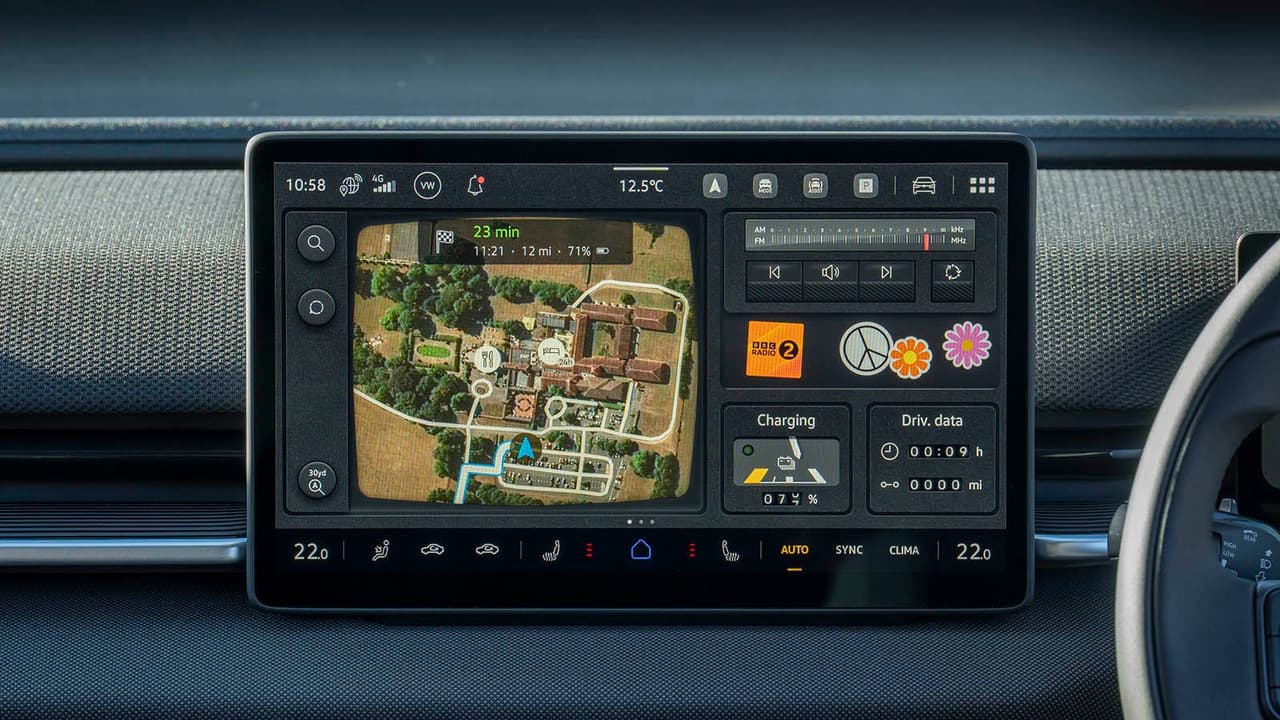
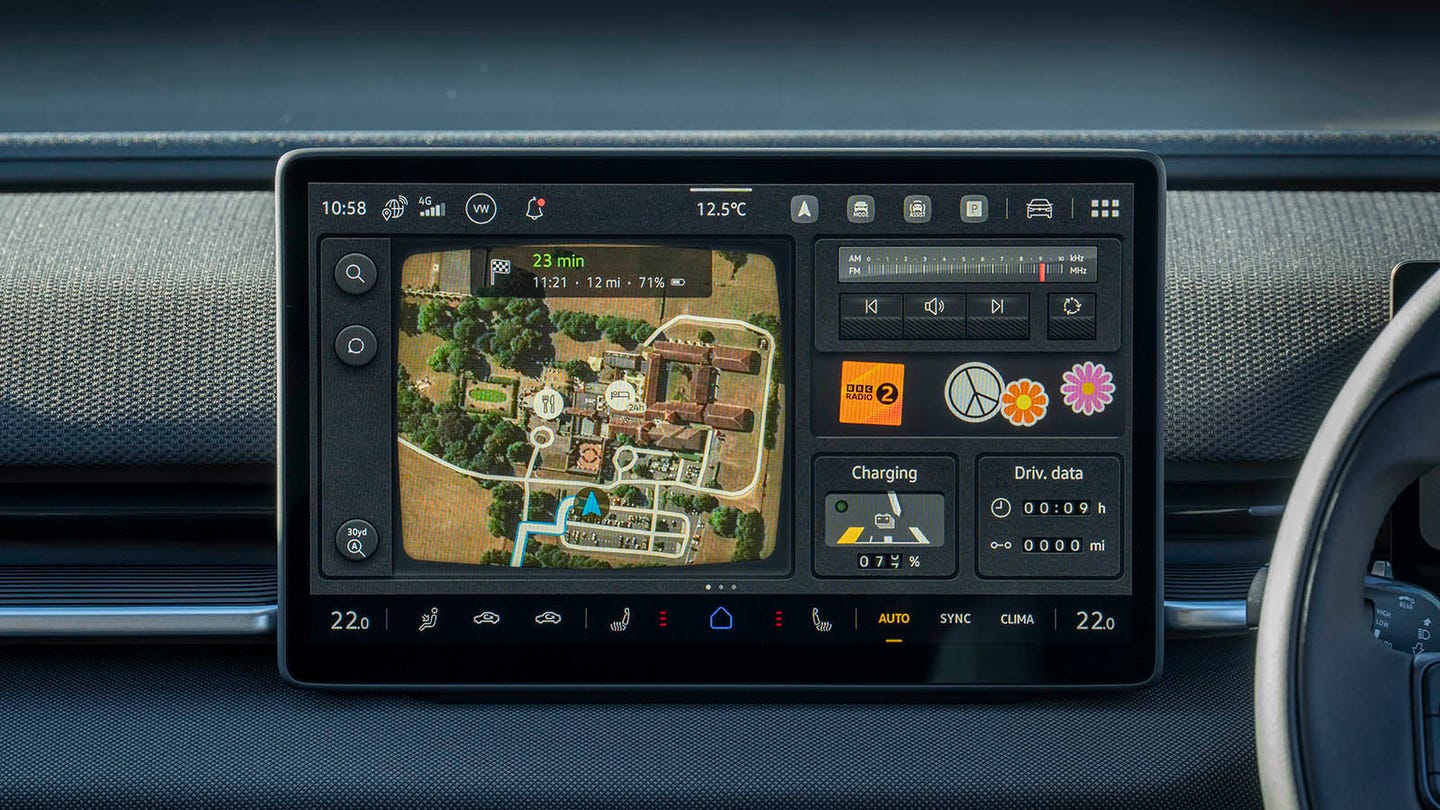
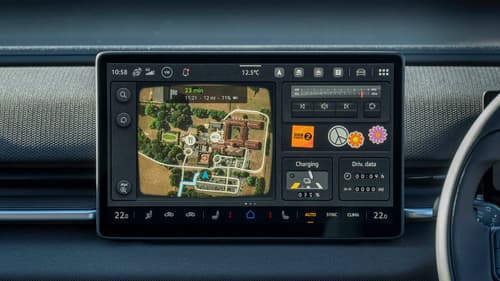
On the digital side, there's a small screen behind the wheel for the driver's dials, and a larger touchscreen in the centre. Starting with the latter, we acknowledge that Volkswagen has improved the screen's overall layout since it arrived on the first ID. cars, but it's still one of the car's weaker areas. Icons are randomly scattered across the menus, with lots of graphics and colours competing for your attention.
The sat nav is particularly egregious. You can just about make sense of the interface on the main map screen but, once you actually start navigating, about half the screen is taken up with extra controls and information readouts. That means the actual driving map ends up shoved off into a corner, and on-the-fly adjustments require you to sort through the smorgasbord of unlabelled icons.
If you're curmudgeons like us, however, you'll love the 'retro' mode for the screens. For the driver's display, you can swap to this layout from an obvious button on the steering wheel, and you're rewarded with two old-fashioned analogue dials mimicking an original Volkswagen Golf. We genuinely found this easier to read at a glance than many modern digital dials, so we'd leave it on all the time – save for moments when we'd prefer the full-screen map layout.
You can also swipe the centre screen home screen over to its 'retro' mode. This transfers on-screen trip information to traditional rotary odometer-style readouts, and makes the nested sat nav look like an old-fashioned CRT screen. You also get a little row of selectable digital 'stickers' so you can express your individual personality through your ID. Polo's infotainment screen. There's nothing particularly wrong with this layout, but it doesn't have the same sense of being genuinely useful like the driver's dials.
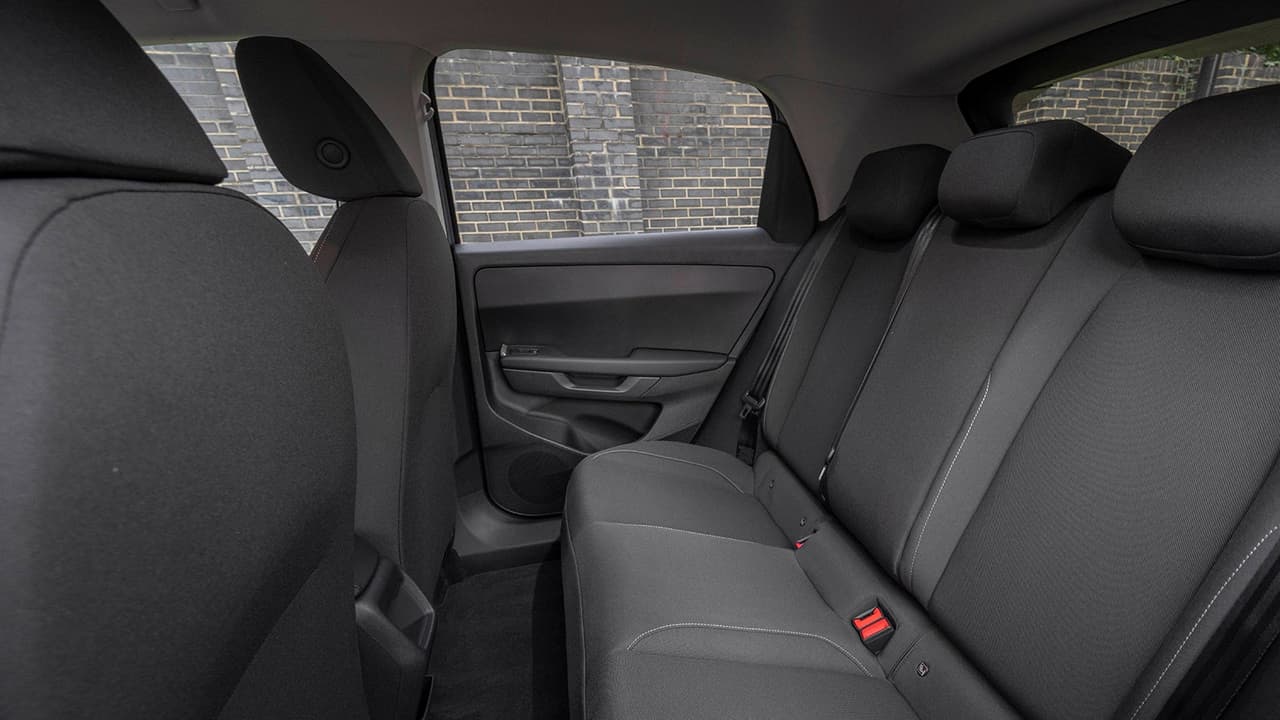
Volkswagen's taken full advantage of the ID. Polo's electric layout. That means the body is 2cm shorter in length than a petrol-powered Polo, so the car's easier to park. But the wheelbase (the space between the axles) is stretched out longer than a petrol Polo, unlocking a larger cabin within the car's smaller footprint. When you combine that with the ID. Polo's extra 10cm height over the petrol car, you realise it's actually closer in proportions to small SUVs like the Kia EV2, despite the styling reading as a hatchback.
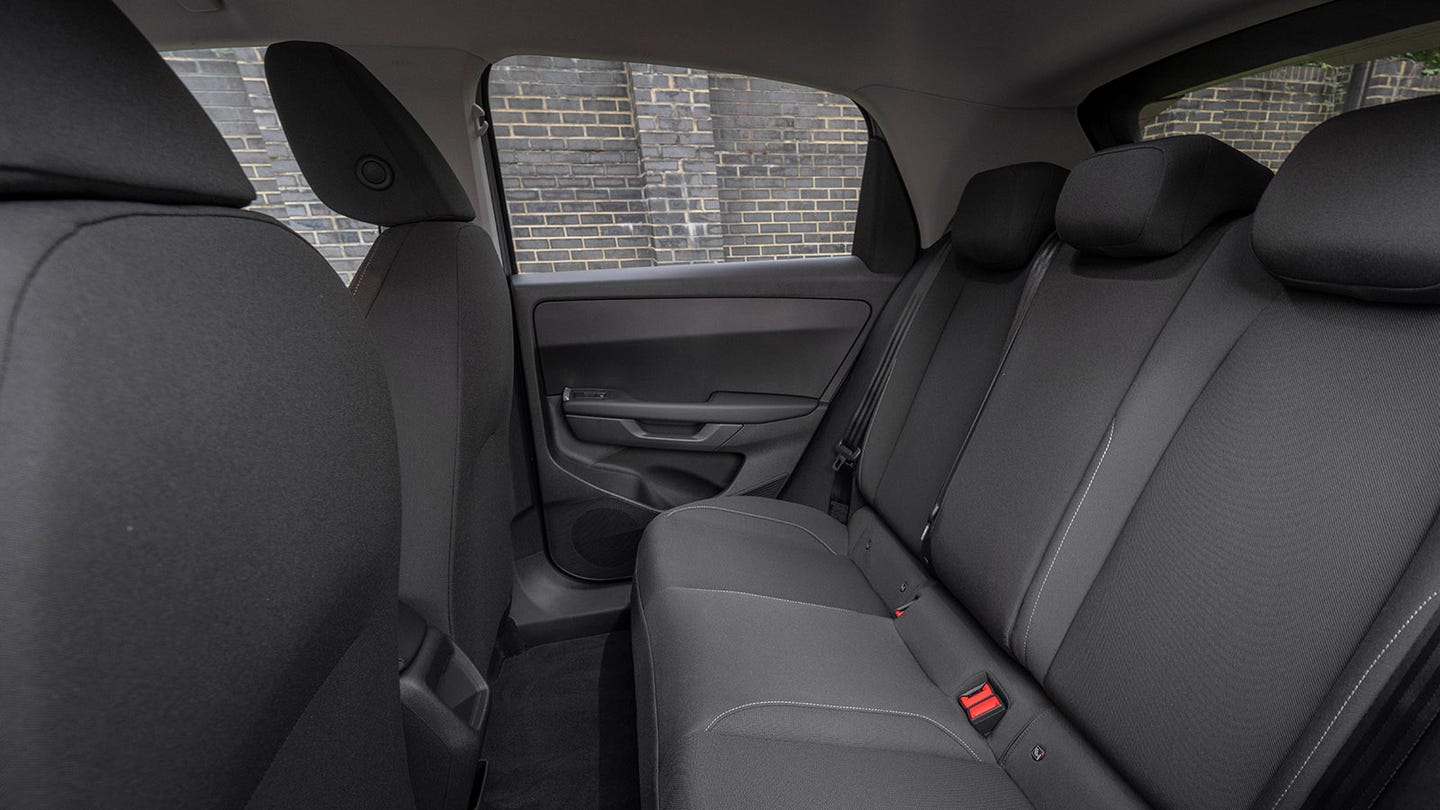
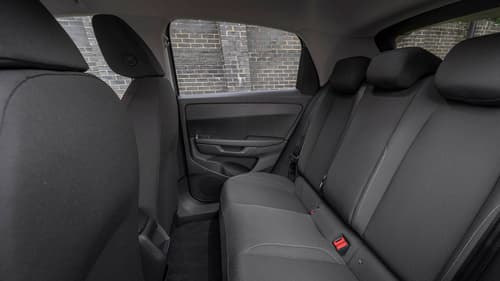
All that nipping and tucking means the ID. Polo is remarkably practical for its size. There's loads of adjustment up front – so much that our average-height reviewer couldn't even reach the firewall when the seat was pushed all the way back. And, with that front seat still set up for a seven-footer, our same average-height reviewer could still just about fit behind them. That means you could conceivably use the ID. Polo as a very small family car, provided none of your passengers are especially tall.
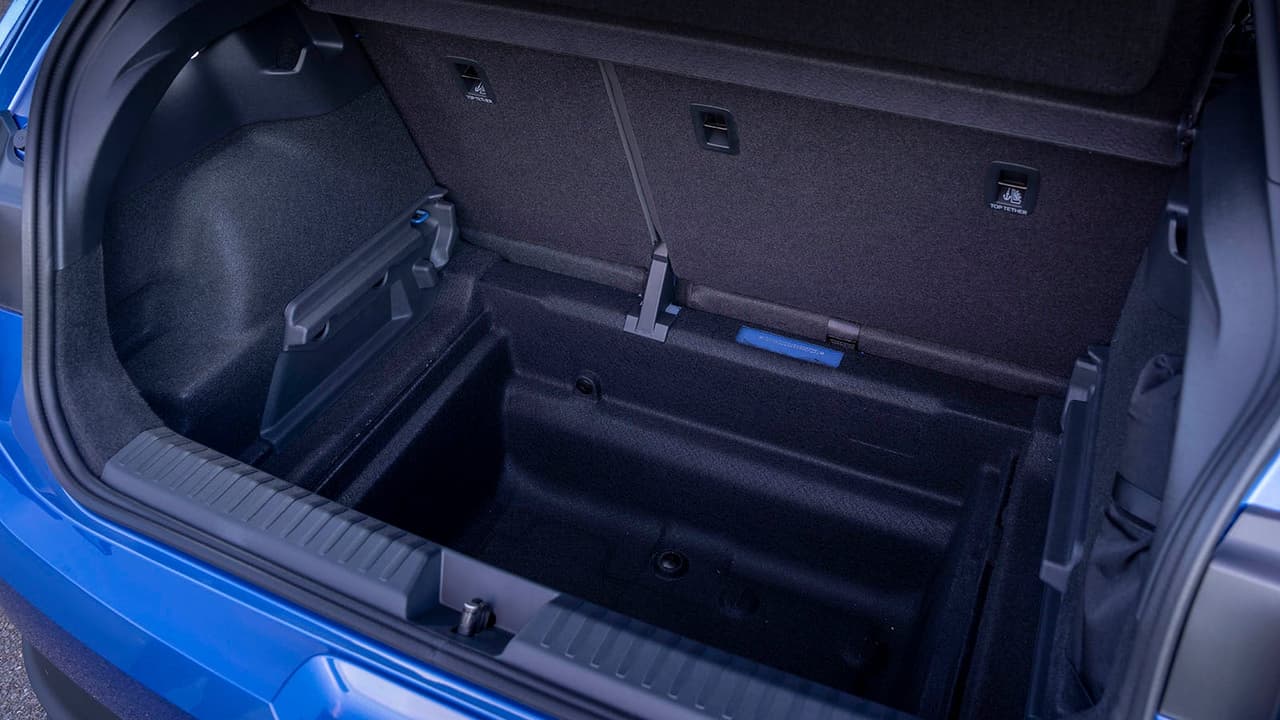
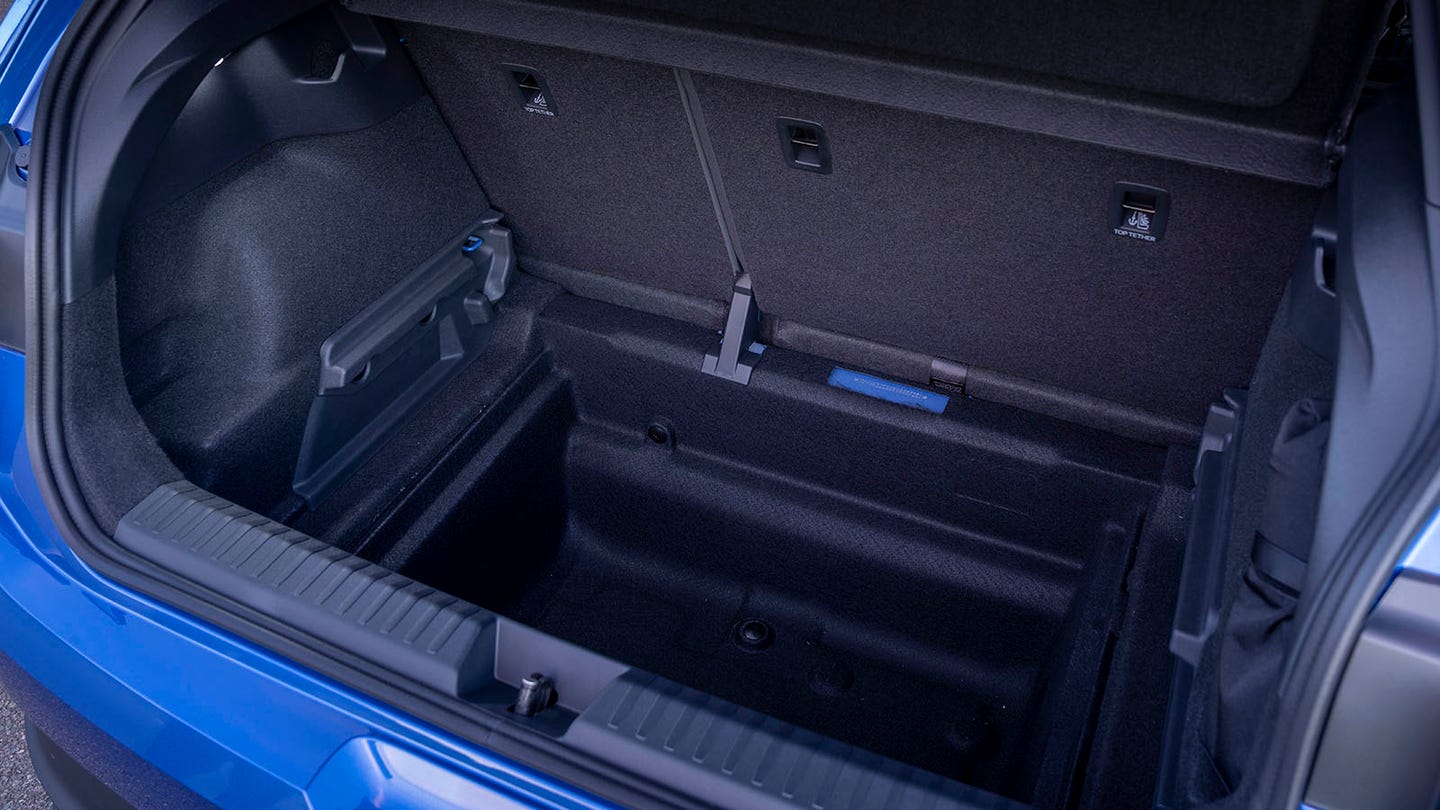
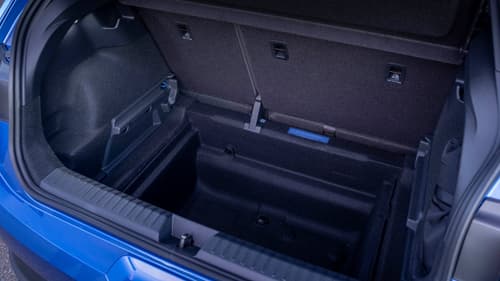
More gold stars are earned by the ID. Polo's boot. It measures 441 litres in total, which is absolutely enormous for this class, and larger than many family hatches from the class above. You might wonder where all that promised space is at first, since opening the boot reveals a useful but average-sized cargo area. Flip up the boot floor, however, and it becomes obvious, with a gargantuan underfloor space that's easily big enough for a cabin suitcase. Combining the spaces, even bulky pushchairs or ambitious weekly shops should pose no challenge.
As for cabin storage, the ID. Polo acquits itself well. There are big door bins and a useful glovebox, plus an obvious spot in the dash to chuck your phone – which benefits from standard wireless charging and wireless screen mirroring. Some EVs have a handy open space between the front seats for a handbag or rucksack, but the ID. Polo's centre console occupies this space. You do get the next-best thing, however, which is a useful shelf below the console just big enough for a purse or a small box of tissues.
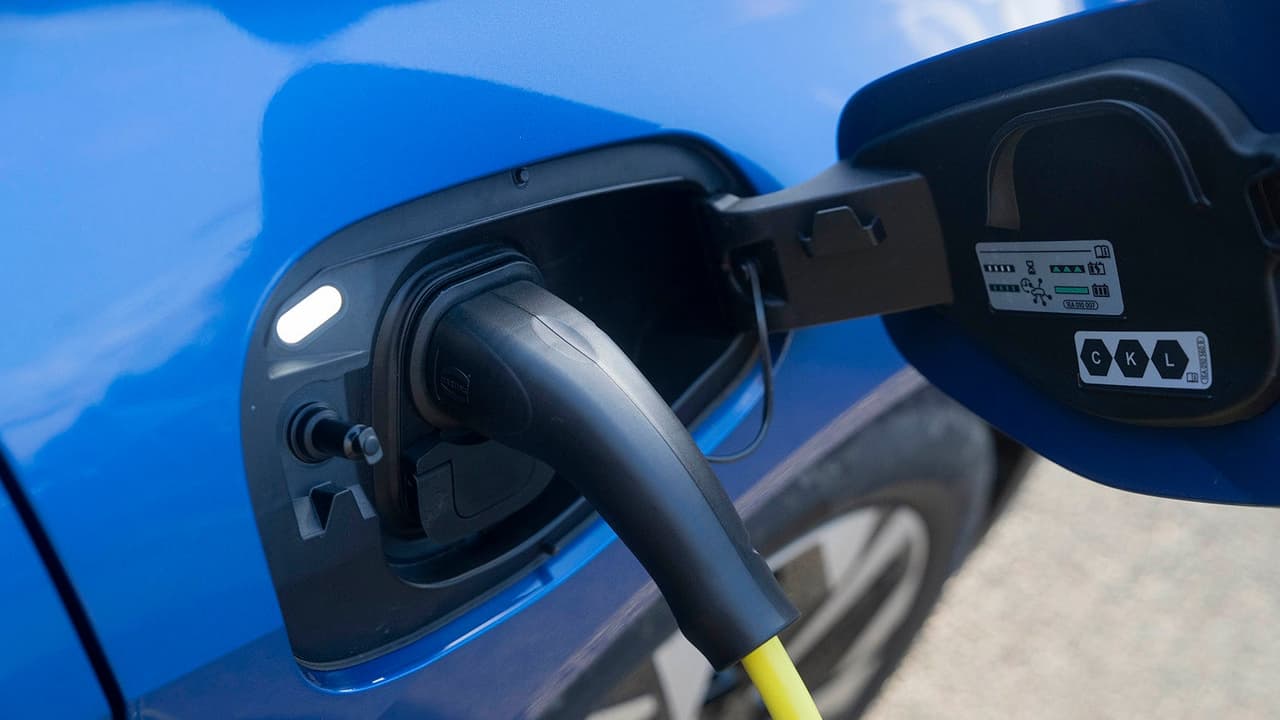
There are two battery packs and three motors in the regular ID. Polo lineup, excluding the sporty ID. Polo GTI for now. All the car's on-paper figures are competitive within its class, but not noticeably ahead of its main rivals.
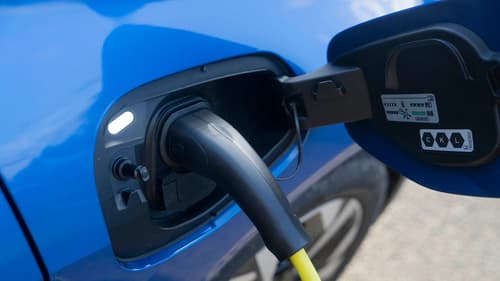
The smaller pack measures 37kWh and claims around 200 miles to a full charge. Find a suitably powerful public charger and you'll cover the 10-80% benchmark recharge in as little as 23 minutes. This pack comes with a 116hp electric motor as standard, with the option to upgrade to a 135hp motor, which drops the 0-62mph time from 10.6 seconds to 9.5 seconds. Style-trimmed 37kWh cars get the punchier motor as standard.
Upgrading to the larger 52kWh pack means range jumps up to 281 miles. This pack has a slightly faster peak charge speed, so the quoted 10-80% time is virtually the same at 24 minutes, despite its larger capacity. It's also exclusively paired with a 211hp electric motor, making the car feel noticeably quicker and dropping the 0-62mph time to 7.1 seconds.
Our test car was the 52kWh/211hp version and we instantly felt at-home at the controls. Floor the pedal from a standstill and there's the briefest ramp up as the motor takes care not to smack your head against the headrest. From there, the ID. Polo feels exactly how you want an EV to feel – supremely smooth and very swift, with instant power available the moment you jab the throttle.
We also appreciate that VW hasn't overloaded the car with a million different drive modes. Instead, it's simply chosen one, well-calibrated setting that you never feel the need to change. You have the option to swap between normal 'D' driving and 'B' mode for extra battery regen by twisting the stubby gear selector, plus a one-pedal driving mode accessed through the screen.
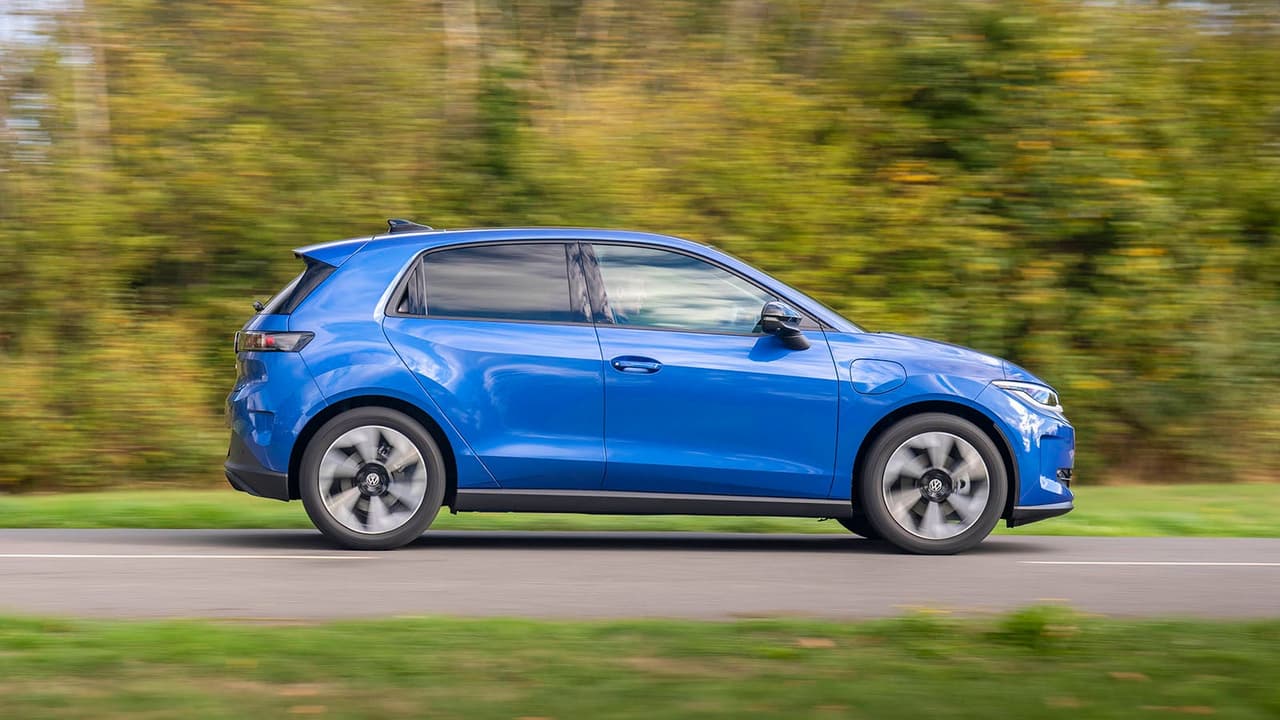
Our test routes snaked around rural Oxfordshire, accompanied by typically soggy British weather. In these somewhat challenging conditions, the ID. Polo was nothing short of superb. It felt as stable as a rock and generated far more cornering grip than we'd expect given the sodden surfaces we threw it at.
That translates to accurate, predictable handling on the move. You're never guessing how much steering you need, or how much pedal pressure to use – it just feels instantly familiar and approachable. We'd stop short of calling the car truly 'fun', since it lacks the kind of front-end aggression you'd get in a proper hot hatch. Despite that, it's still very satisfying to string down a flowing back road.
Many early ID. electric cars were rear-wheel drive. However, Volkswagen's swapped to front-wheel drive for the ID. Polo, freeing up a little more boot space in the process. You won't notice the change in day-to-day driving but, pin the throttle out of a T-junction, and you'll hear the unloaded front wheels occasionally scrabble for grip.
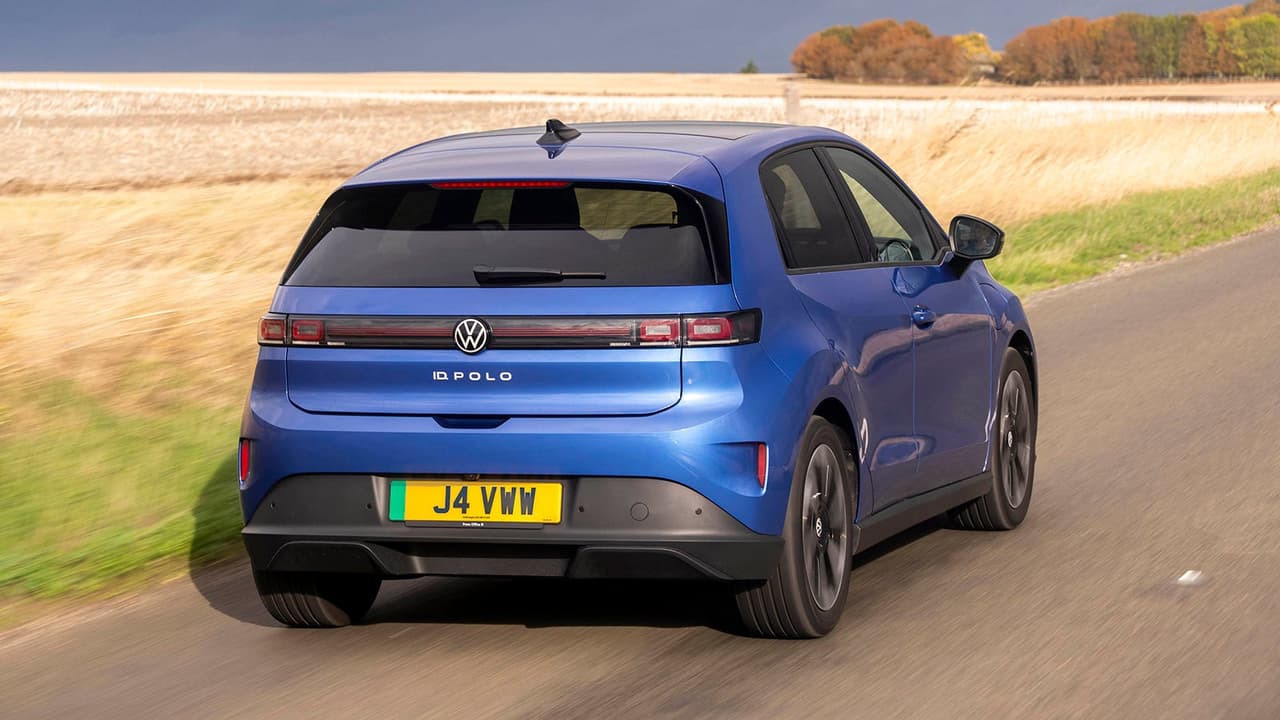
The ID. Polo's unshakeable stability comes from its suspension. Its overall setup is fairly firm, with the car much more resistant to body roll than softer rivals like the Fiat Grande Panda. The damping is sophisticated enough to stop most of the harshness from making it to your more sensitive vertebrae, but you'll still thump through speedbumps and potholes rather than glide over them. Many drivers will happily trade some comfort for the ID. Polo's planted handling, but those seeking a more cushioned experience should look elsewhere.
Another slight downside is the refinement. This is a classic issue for electric cars since they don't have a petrol-powered white-noise generator under the bonnet, so other driving noises can seem more obvious. For the most part, the ID. Polo is very hushed, with no motor whine and minimal wind and suspension noise. However, the tyres on our test car did generate some roar at virtually all speeds. It's only a small amount so you don't have to raise your voice to be heard but, since everything else is so quiet, it does end up standing out.

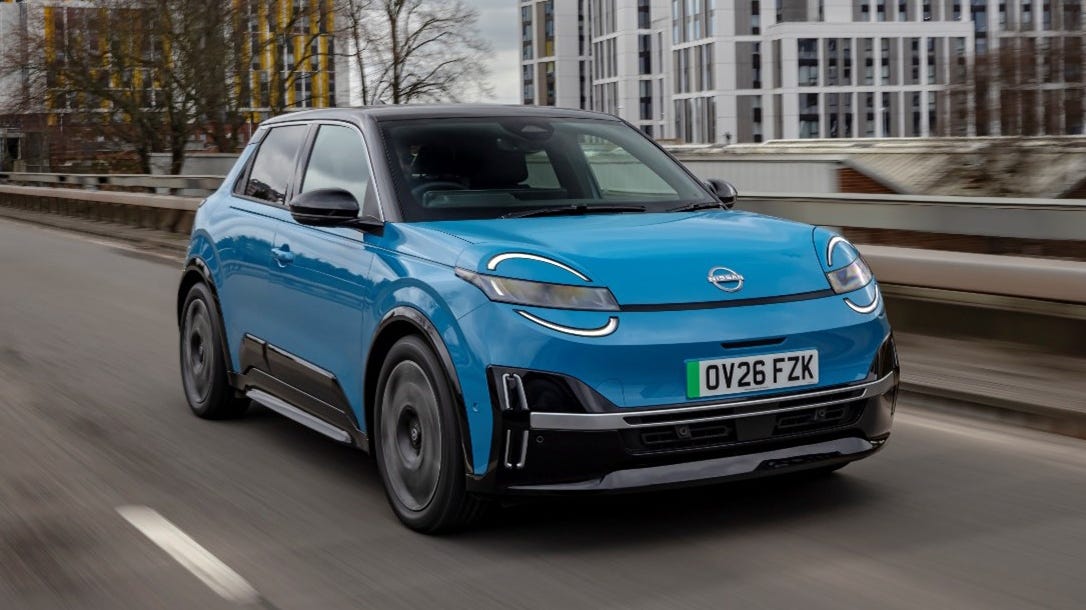
Can Nissan’s new Micra EV escape the shadow of the related Renault 5?
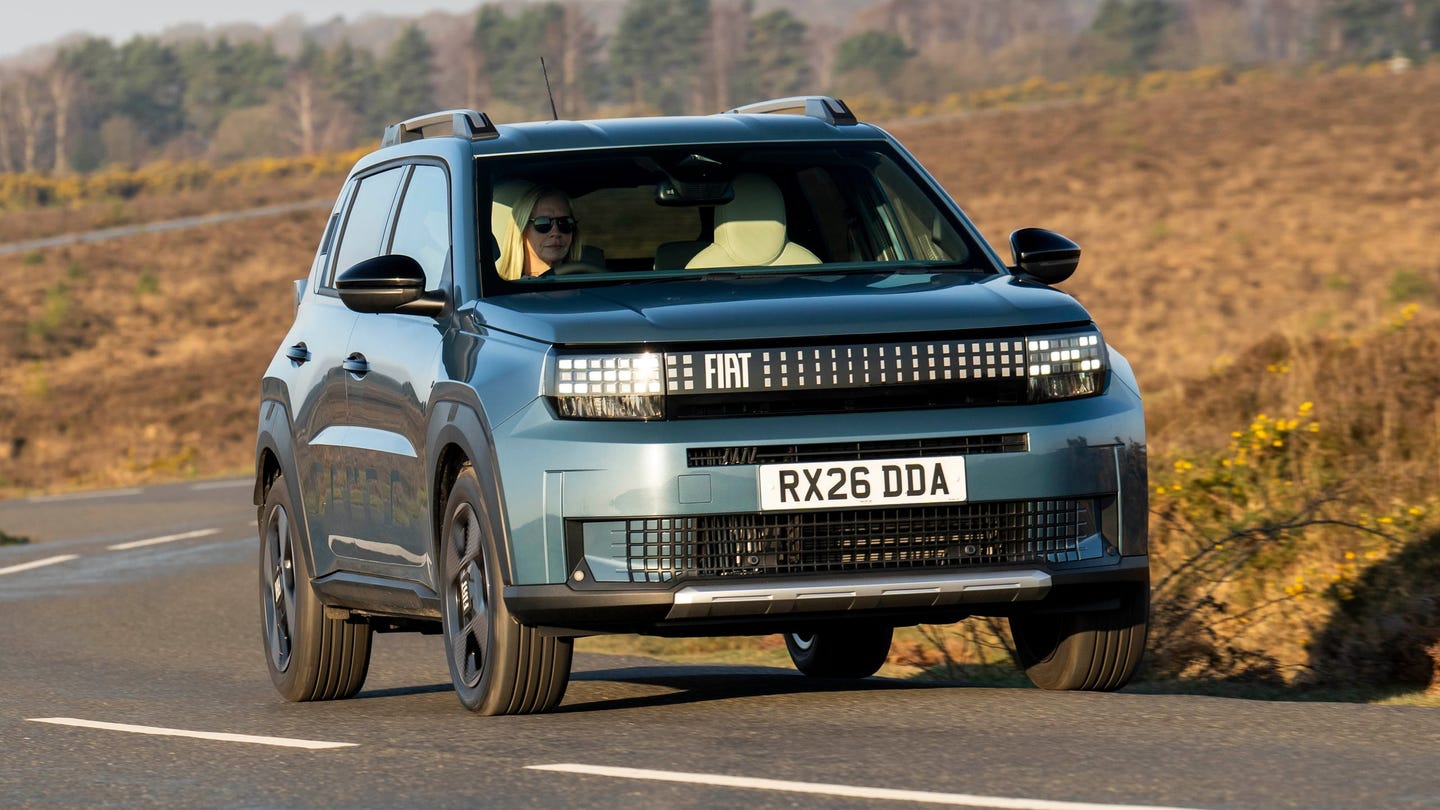
Cheap and full of character: the new Grande Panda is a top small car