







The cheapest electric cars with the longest range

Mike Vousden
•
Electric Cars

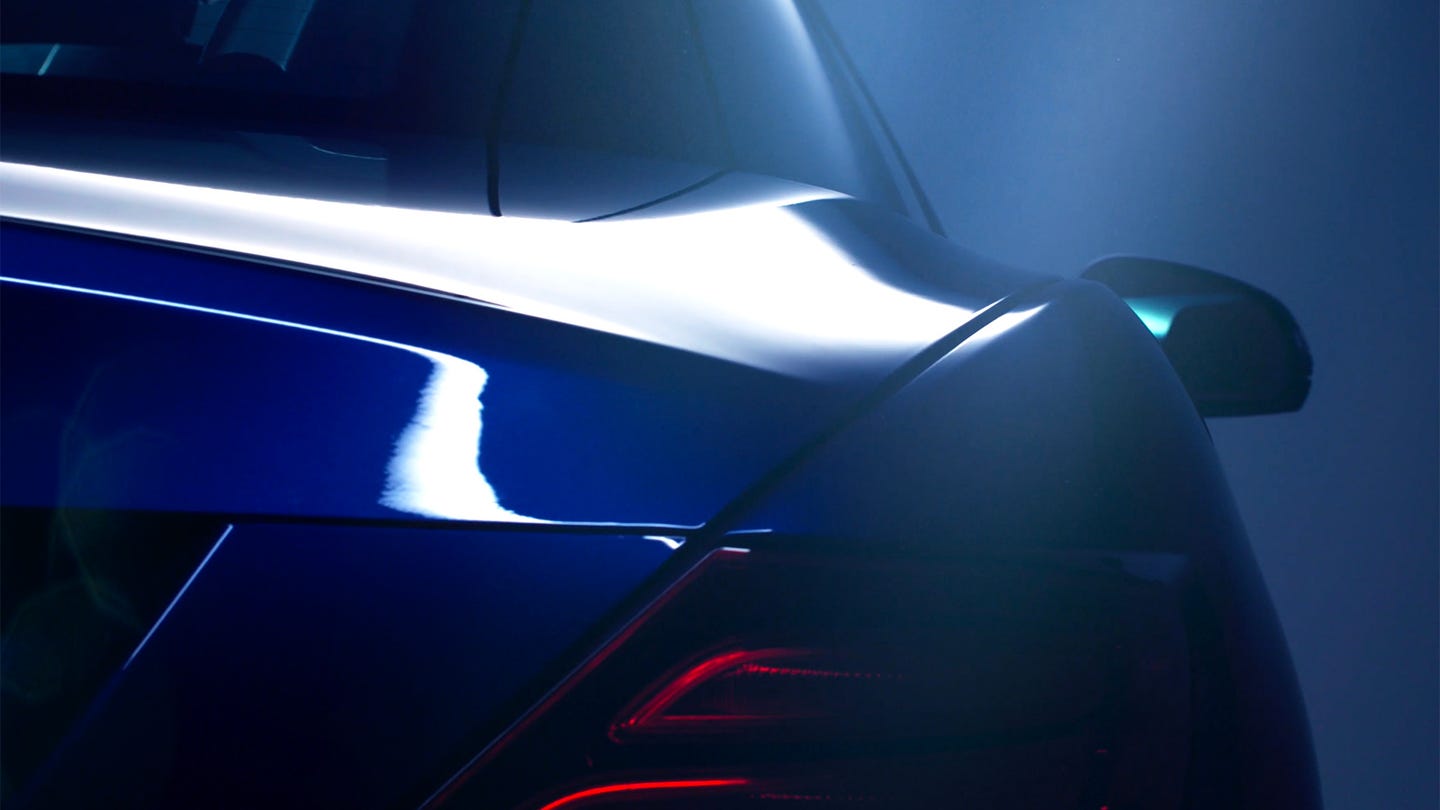
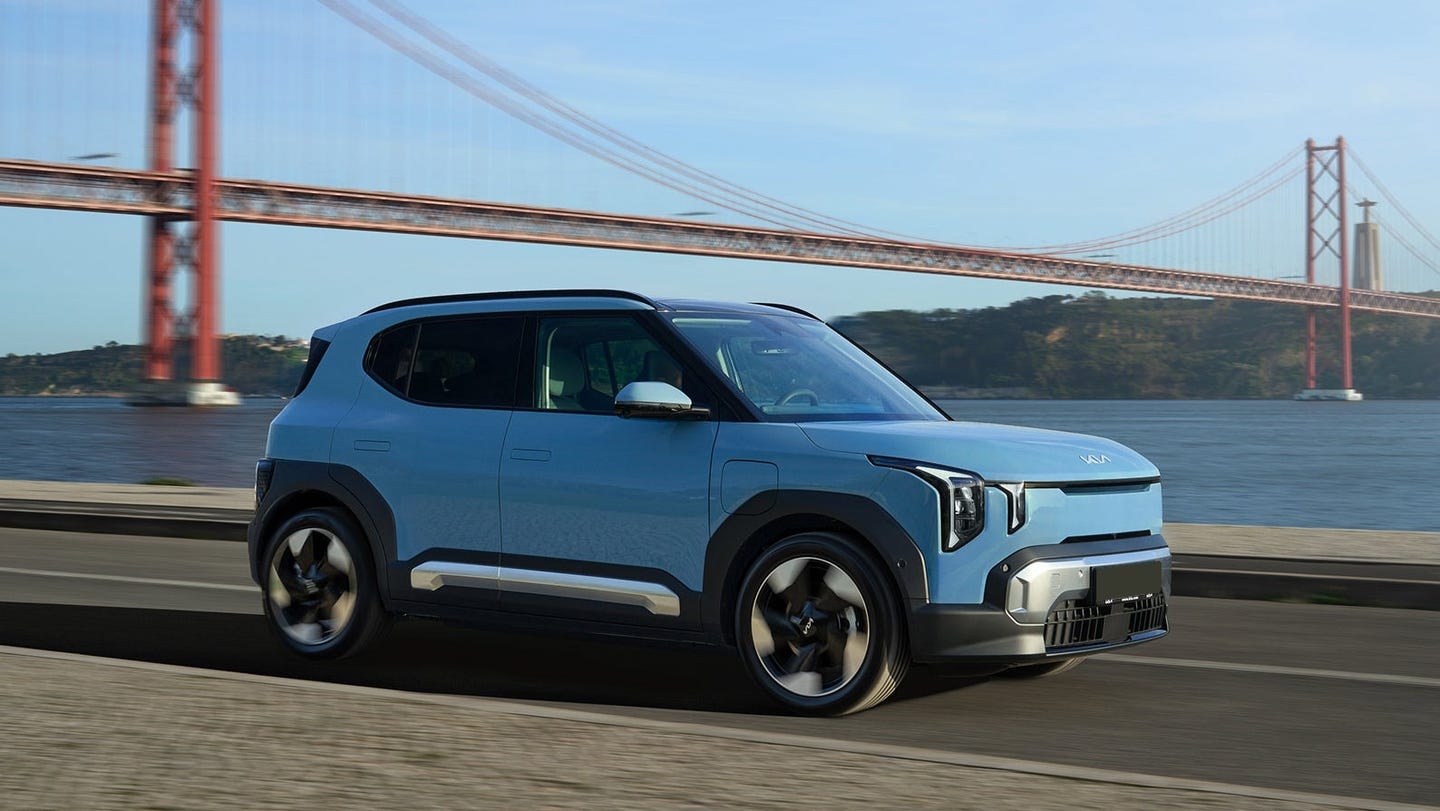
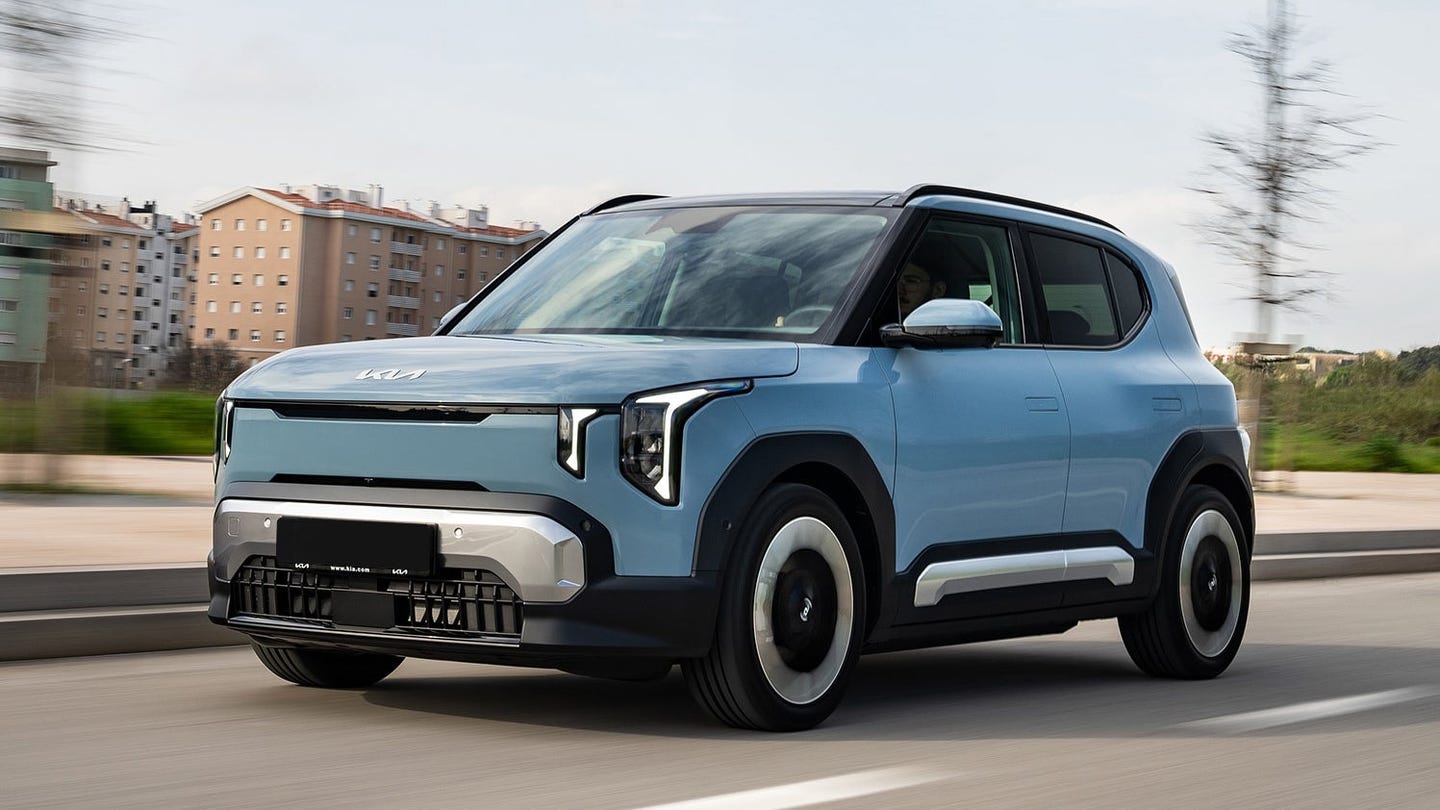
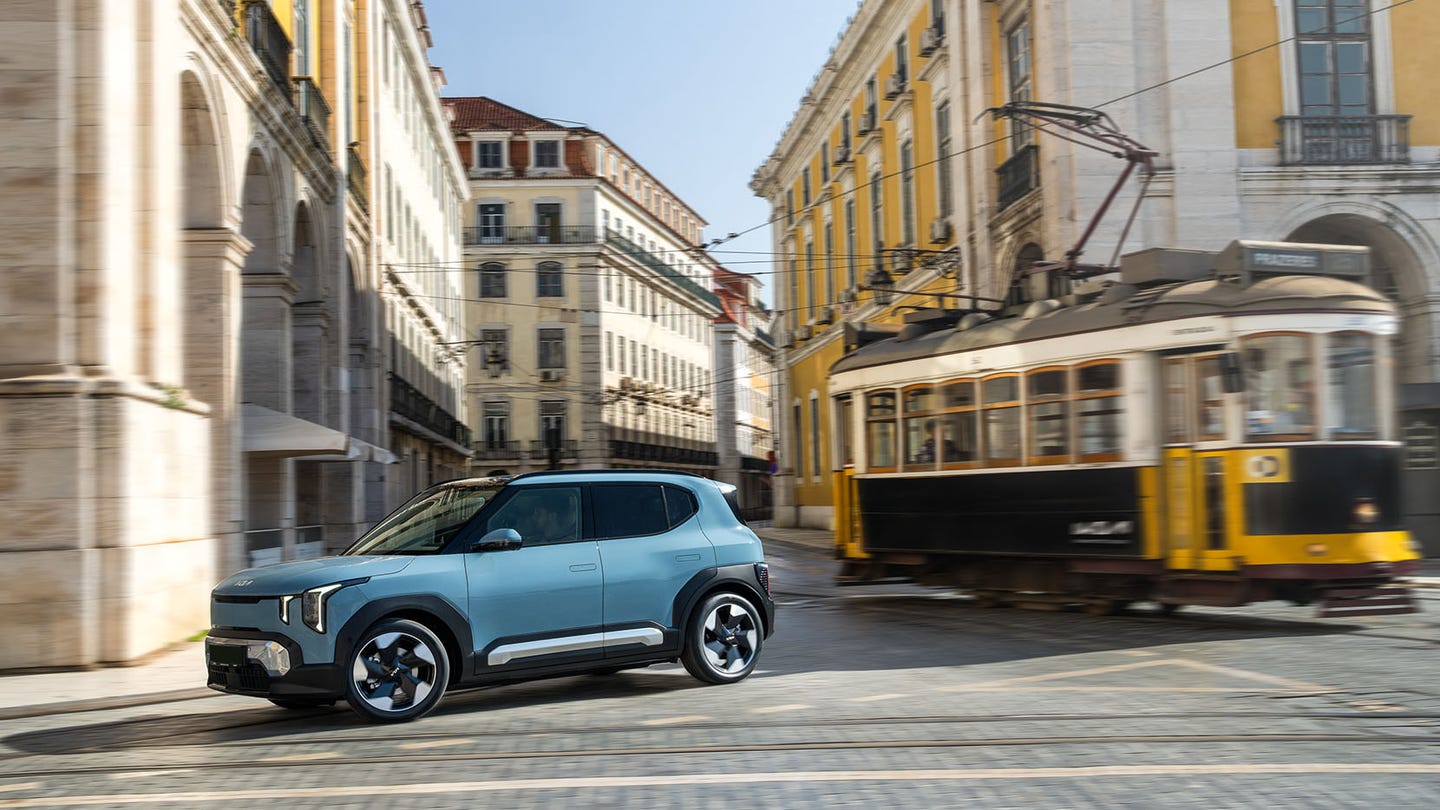
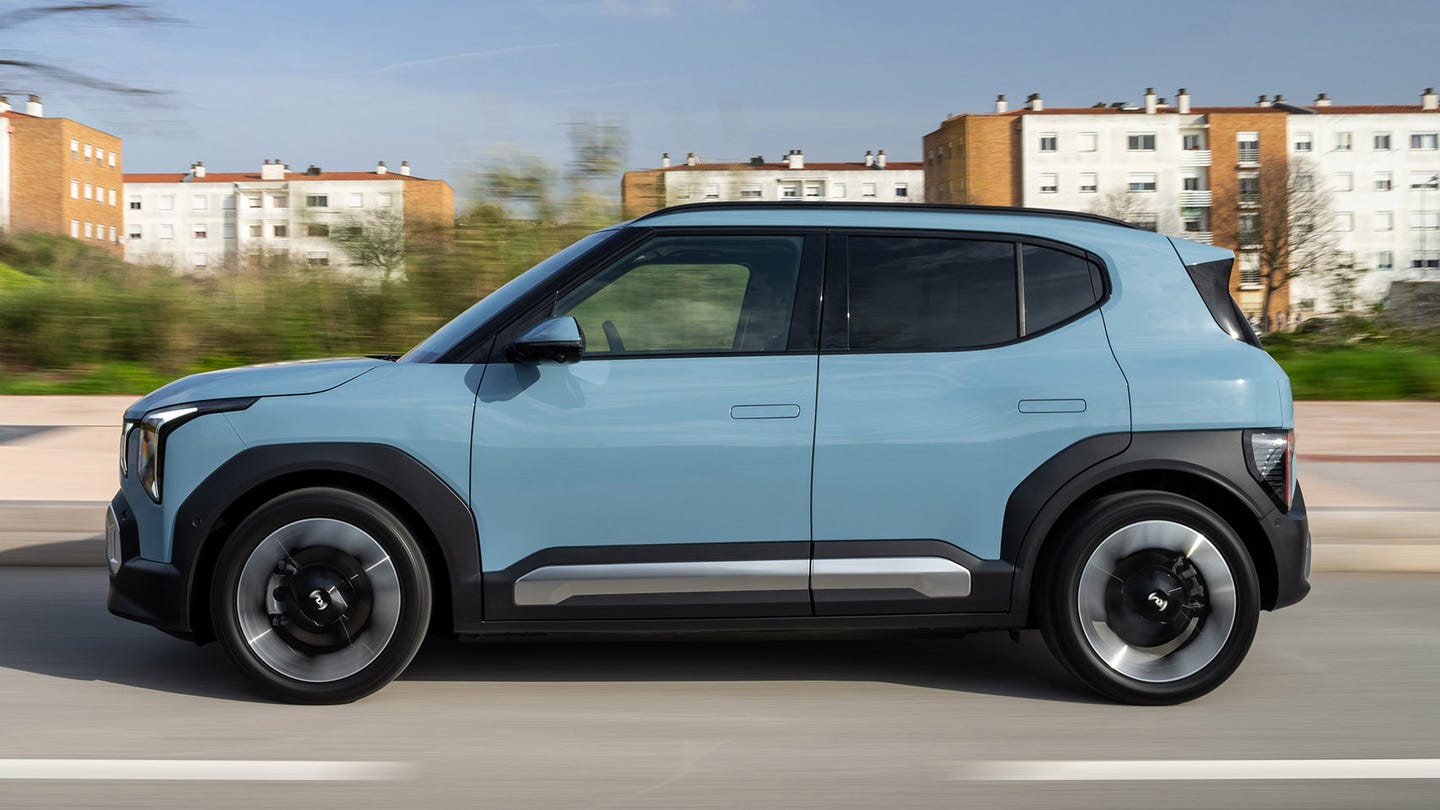
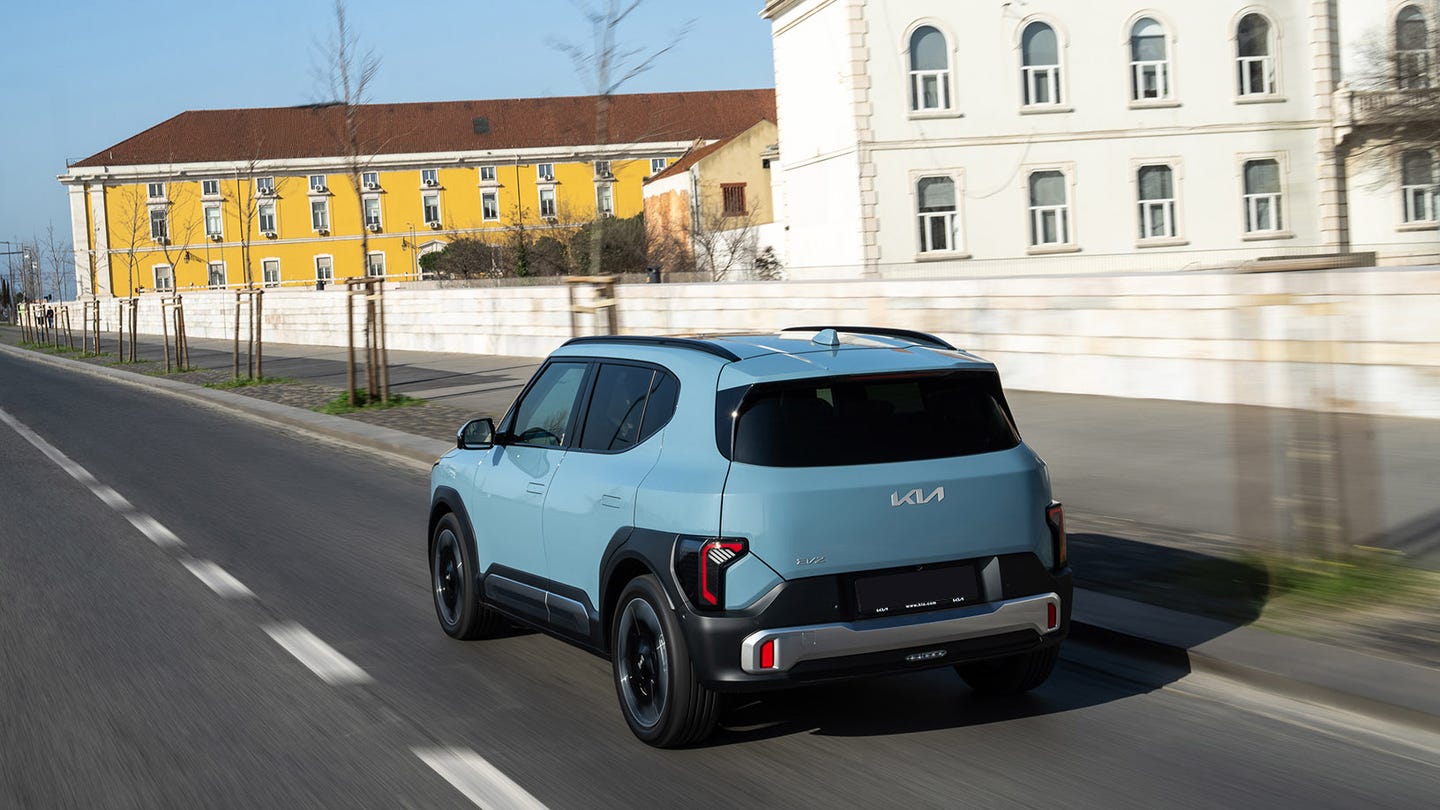
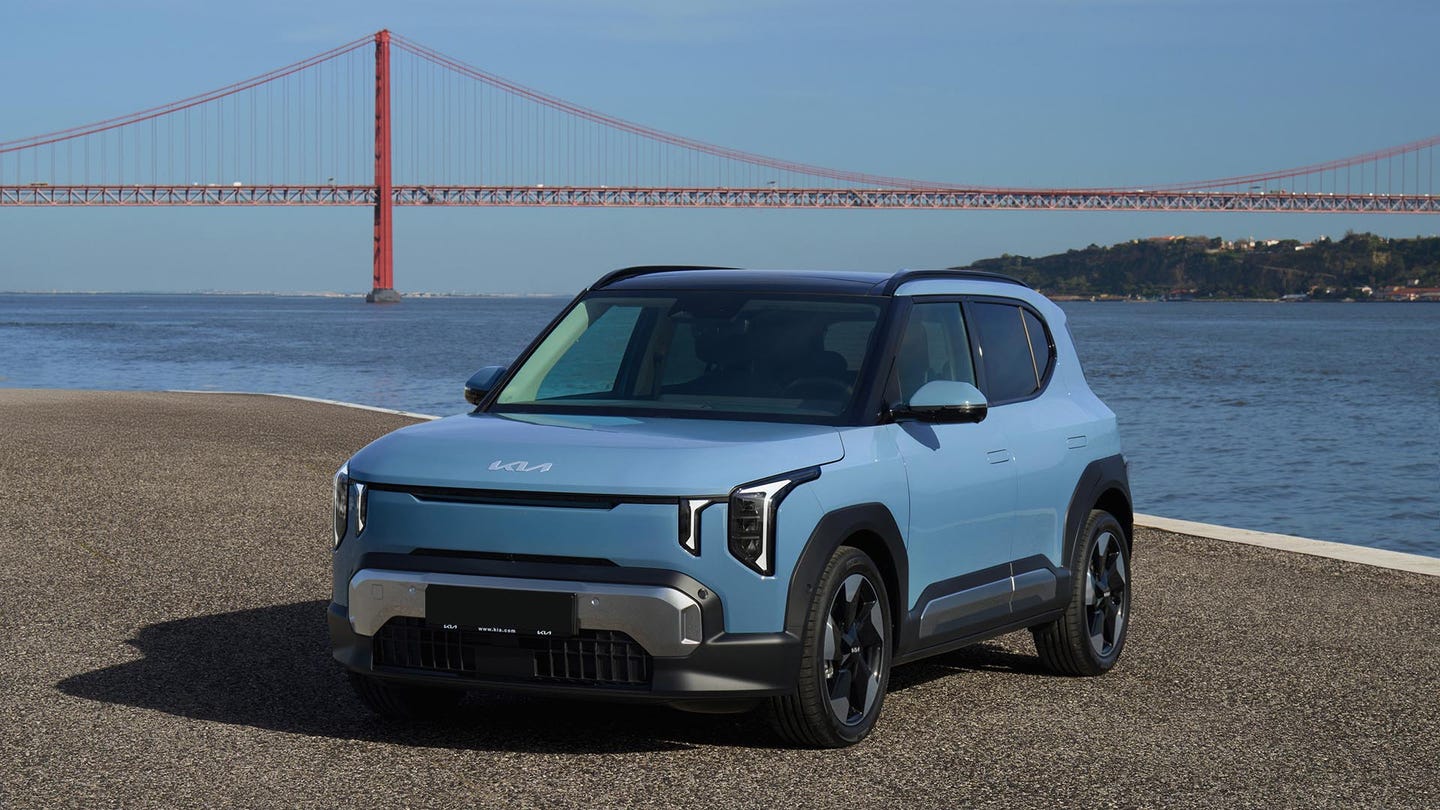
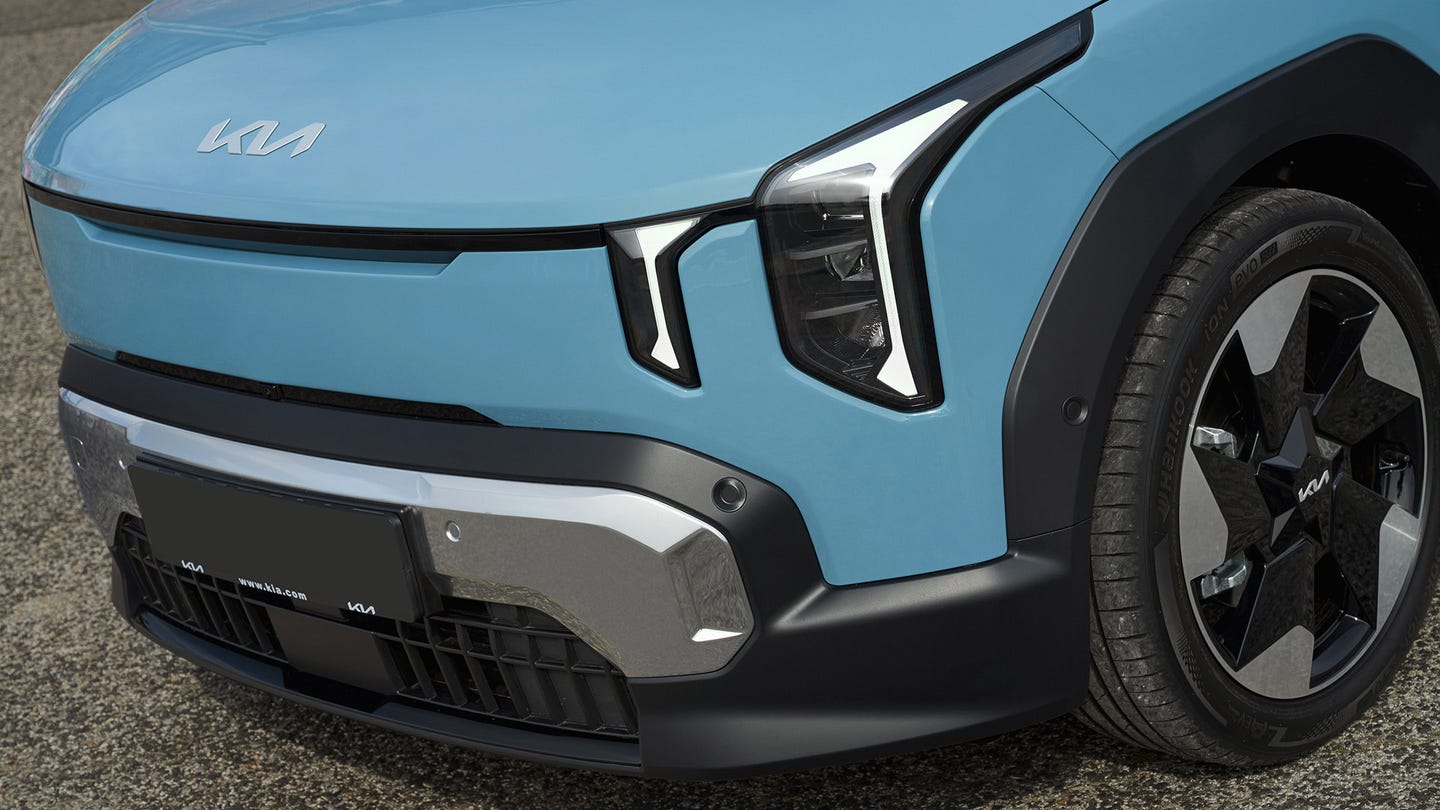
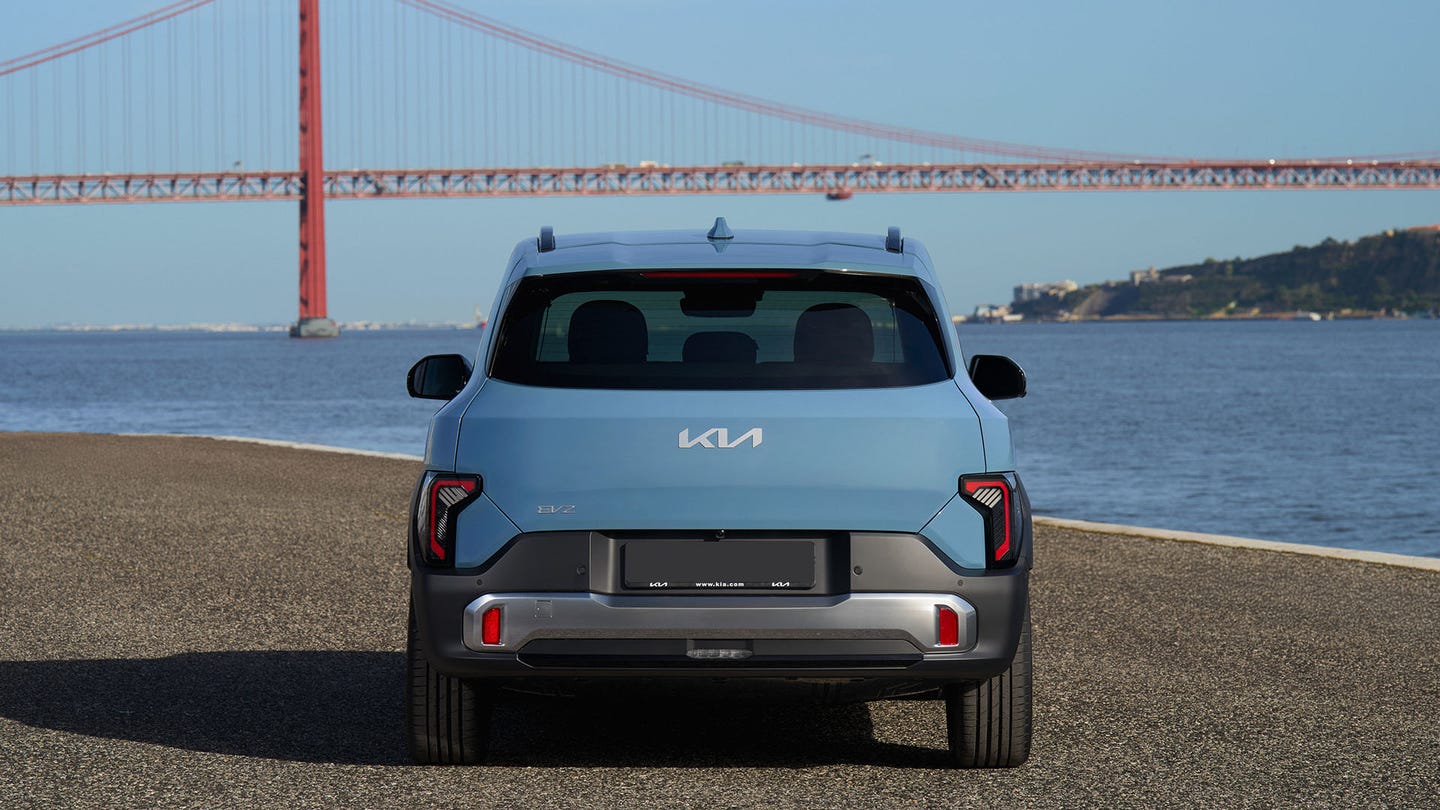
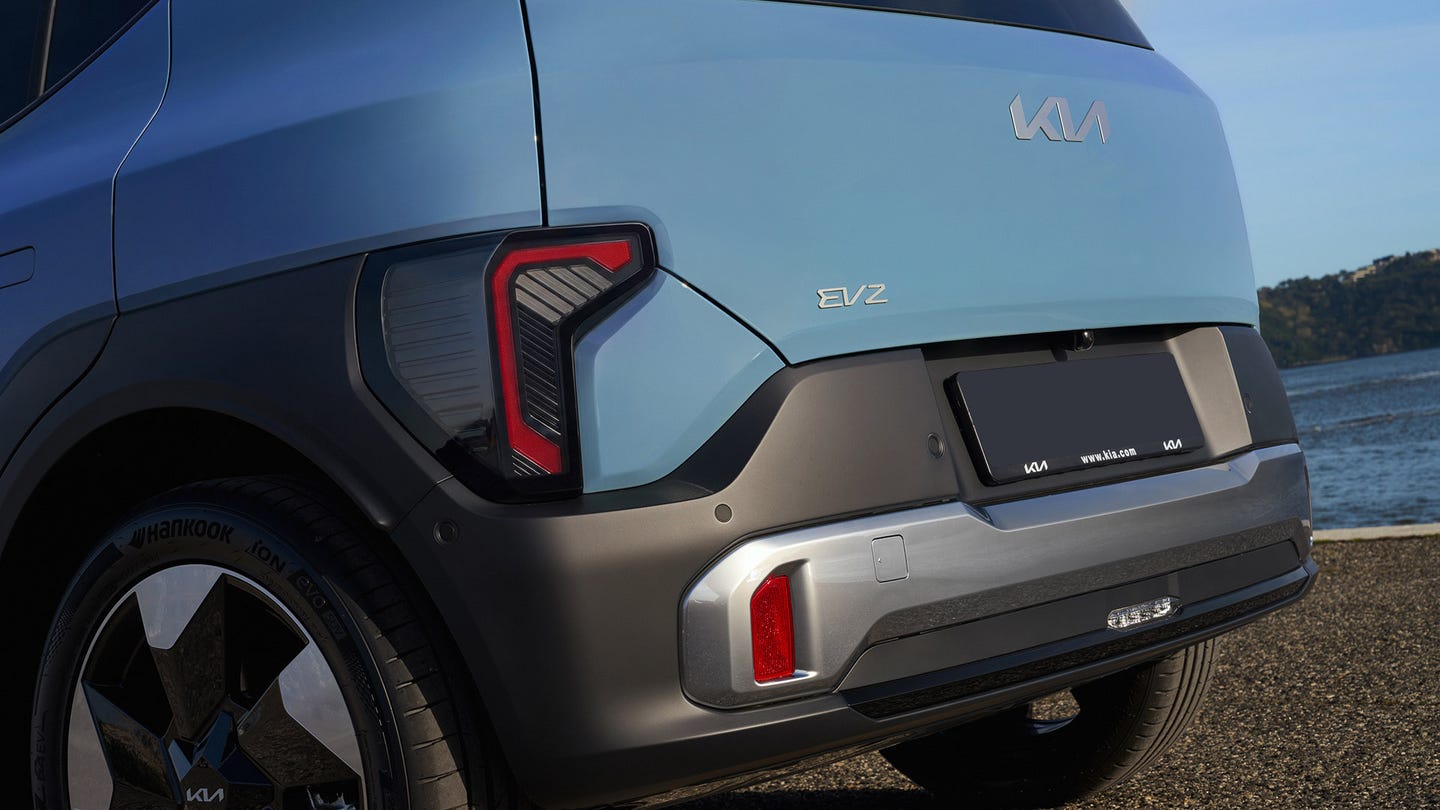
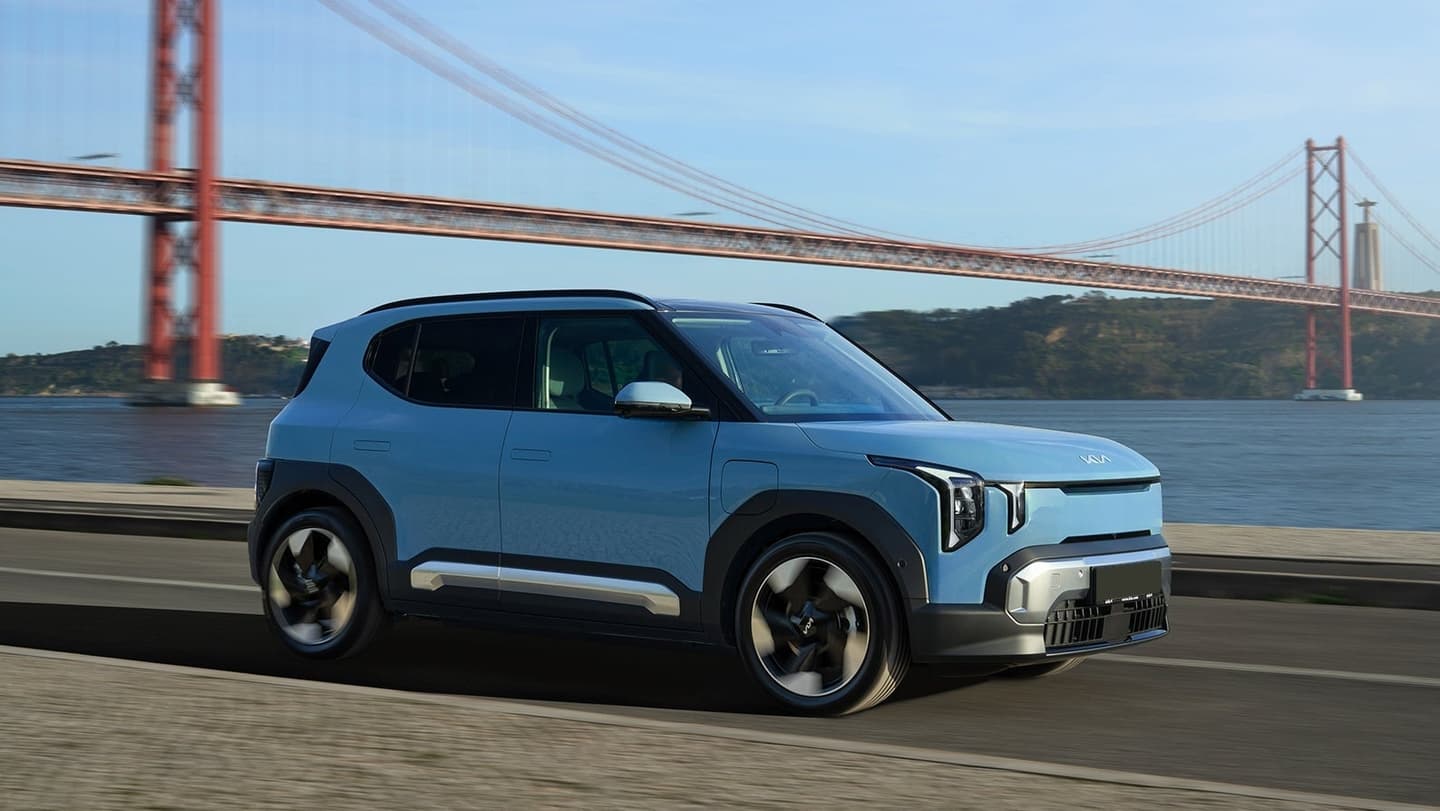
The Kia EV2 is one of the last pieces of the puzzle for the Korean brand’s electric car push.
It’s the smallest and cheapest electric model Kia currently offers, but it feels like a grown-up car from behind the wheel – which sits in a very high-tech and spacious interior. The EV2's price makes it feel excellent value for money.
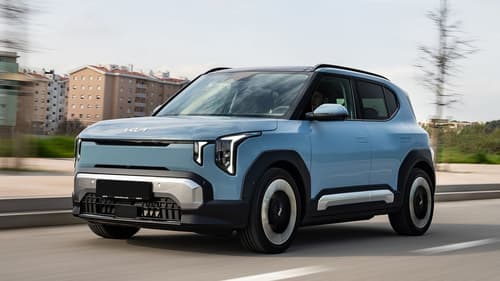

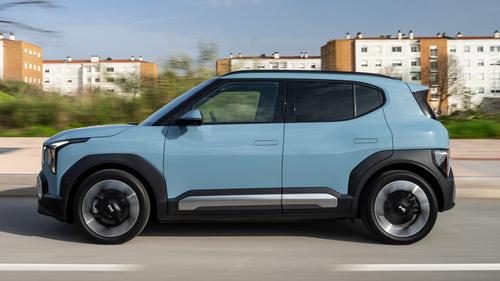
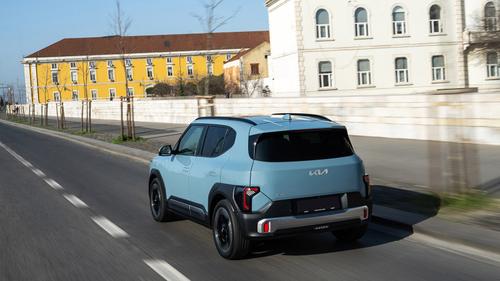




It might be worth holding off ordering a Ford Puma Gen-E just yet, because the Kia EV2 is here to upset the applecart.
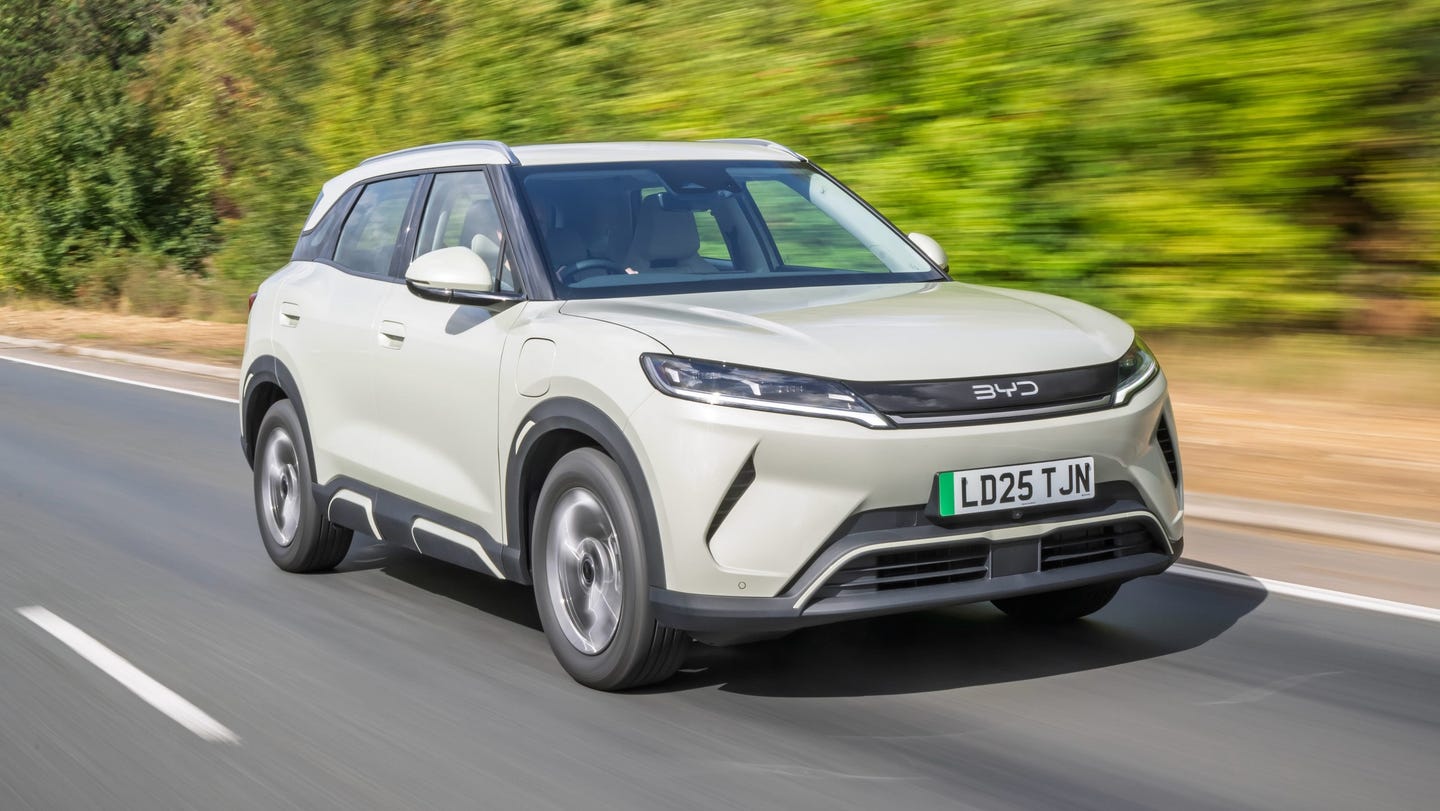
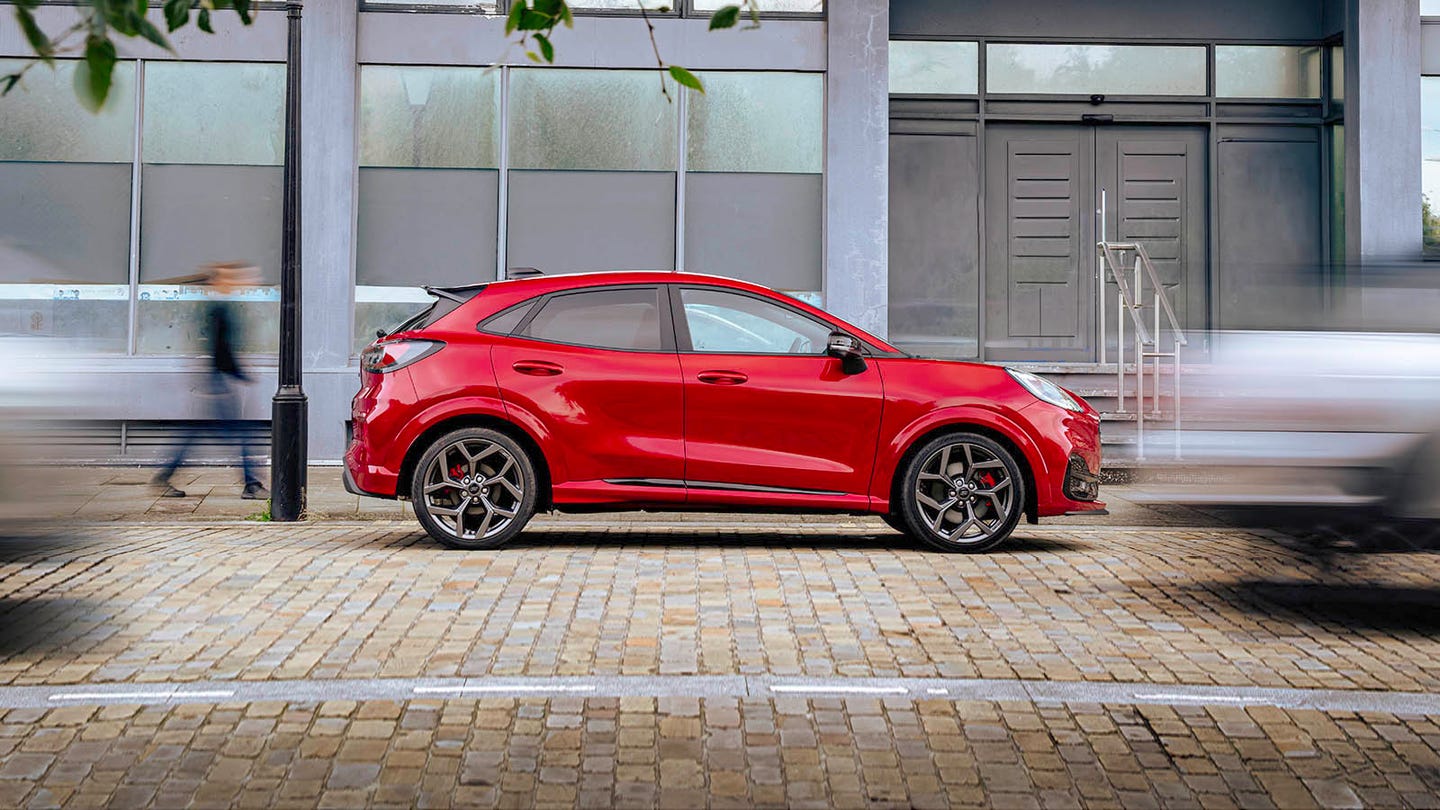
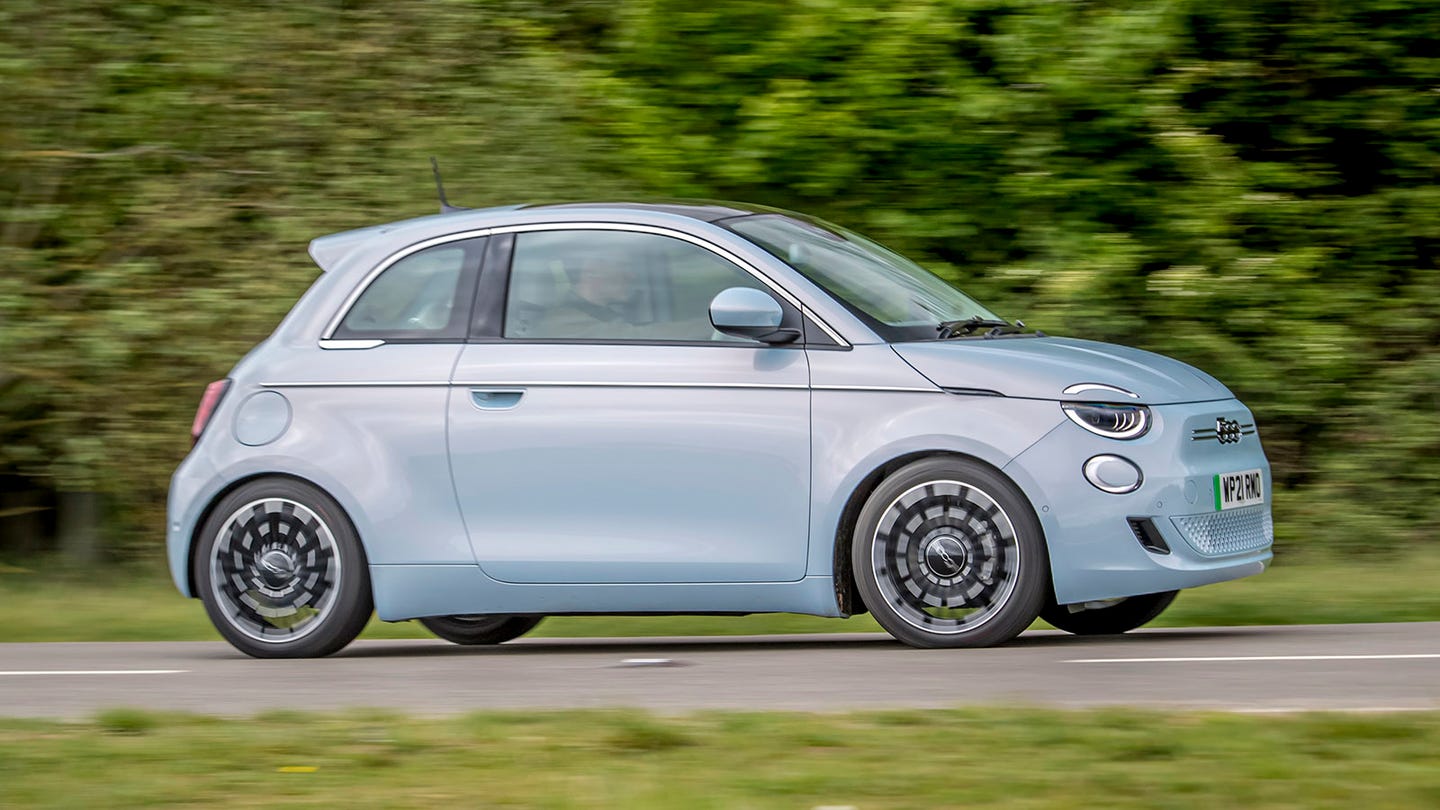
The EV2 is Kia’s new entry-level electric car — if you know how numbers work it’s likely you’ll work out that it sits underneath the EV3, EV4, EV5, EV6 and, er, EV9. It’s here to go up against the Ford, as well as established rivals such as the Peugeot e-2008, Vauxhall Mokka Electric and Fiat 600e plus newcomers like the BYD Atto 2 and Leapmotor B03X.
"The sheer amount of technology available on the EV2 is mind-blowing"
And it really is here. Developed for Europe and built in Kia’s Slovakia factory, the EV2 knows the sort of road surfaces it’ll come up against. It’s comfortable for a small car, impressively refined, and compact enough to stop high-street parking causing a receding hairline. Because of the European development and battery sourcing, we expect the EV2 to join the EV4 in benefitting from the Government’s Electric Car Grant, which’ll deduct at least £1,500 from the list price.

Kia expects the EV2 to be eligible for the top-rung £3,750 grant and, until its eligibility is confirmed, the Korean brand is already knocking that amount off the price. The resulting starting price of £24,245 is incredibly competitive – especially when you realise that's for the big battery that promises up to 280 miles of range.
If you'll permit us to do some napkin maths, that means the EV2 offers the best range per pound of any electric car on the market. The Kia EV2 costs £86.59 per mile of range it offers, compared to £93.78 for the Renault 4, £98.82 for the MG4 Urban and £101.33 for the Ford Puma Gen-E. In other words, it's really good value.
Our Euro-spec test car was crammed with optional extras, but it seems that many of the features have been made standard in the UK. You get alloy wheels, heated front seats, a heated steering wheel, big screens and lots of driver assistance tech – which, for the most part, is quite easy to disengage.
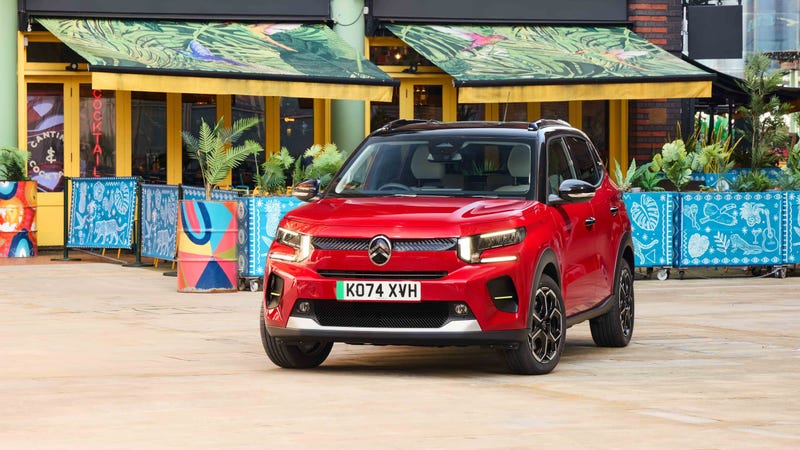
Above the base-model Air trim is a First Edition version that's the only trim level to come with the small battery. This still manages a quoted 200 miles of range, almost exactly matching the Fiat Grande Panda and Citroen e-C3. Both EV2 battery options enable a 10-80% charge in the industry-standard half an hour, but you’re more likely to charge at home overnight.
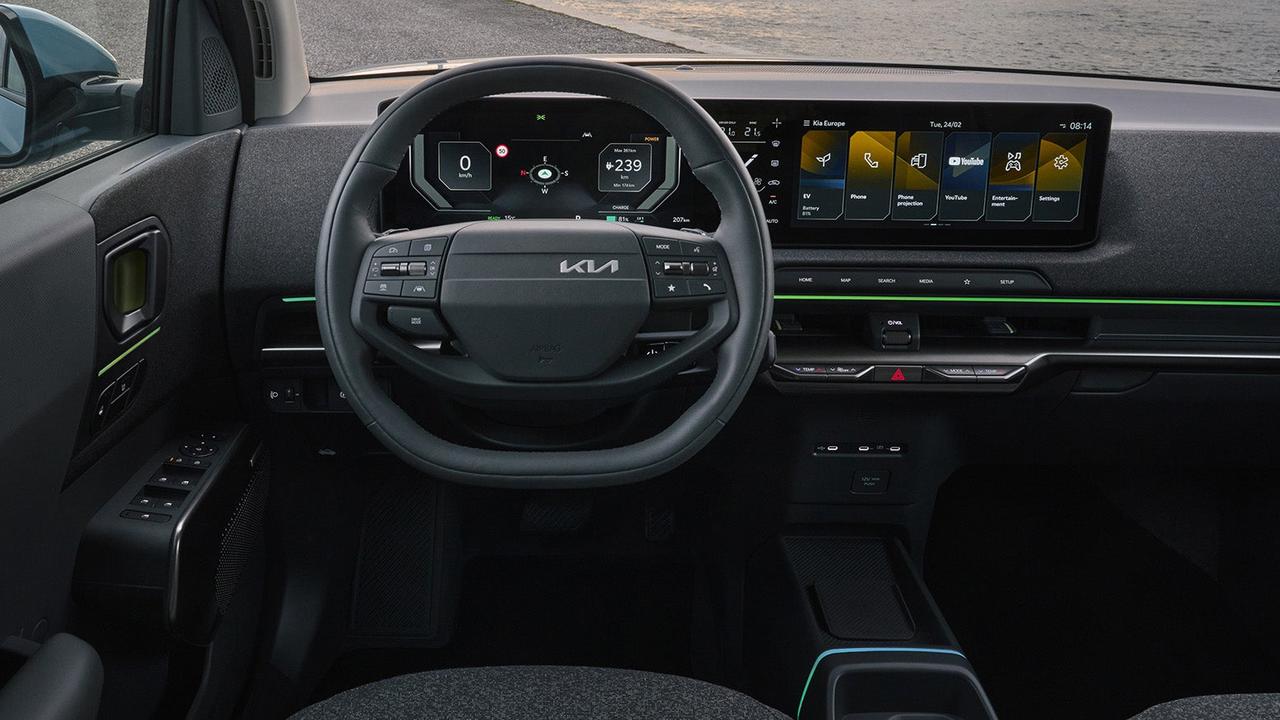
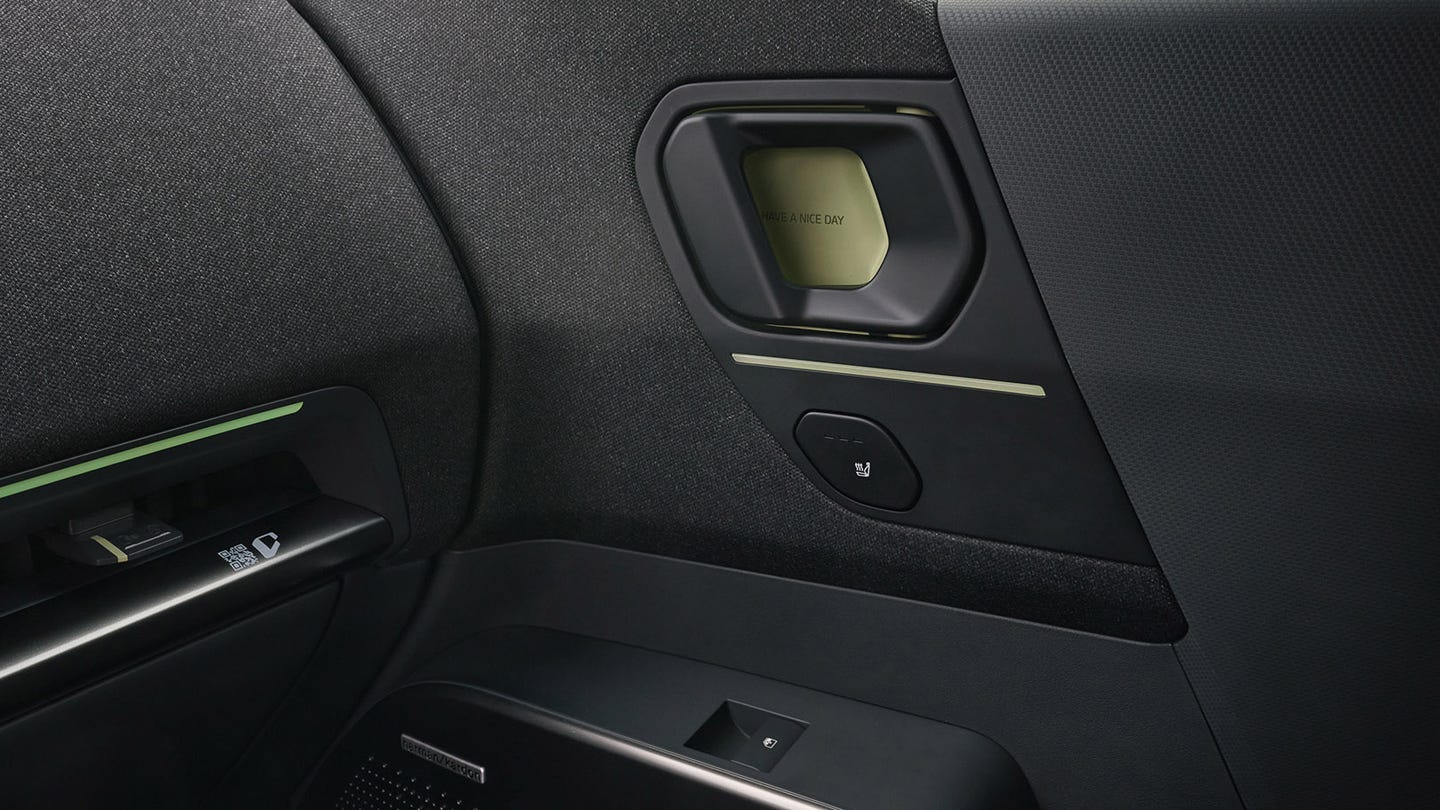
The Kia EV2 is quite a welcoming place to be — and not just because of the fun ‘hello’ and ‘have a nice day’ tags on the front doors and door handles.
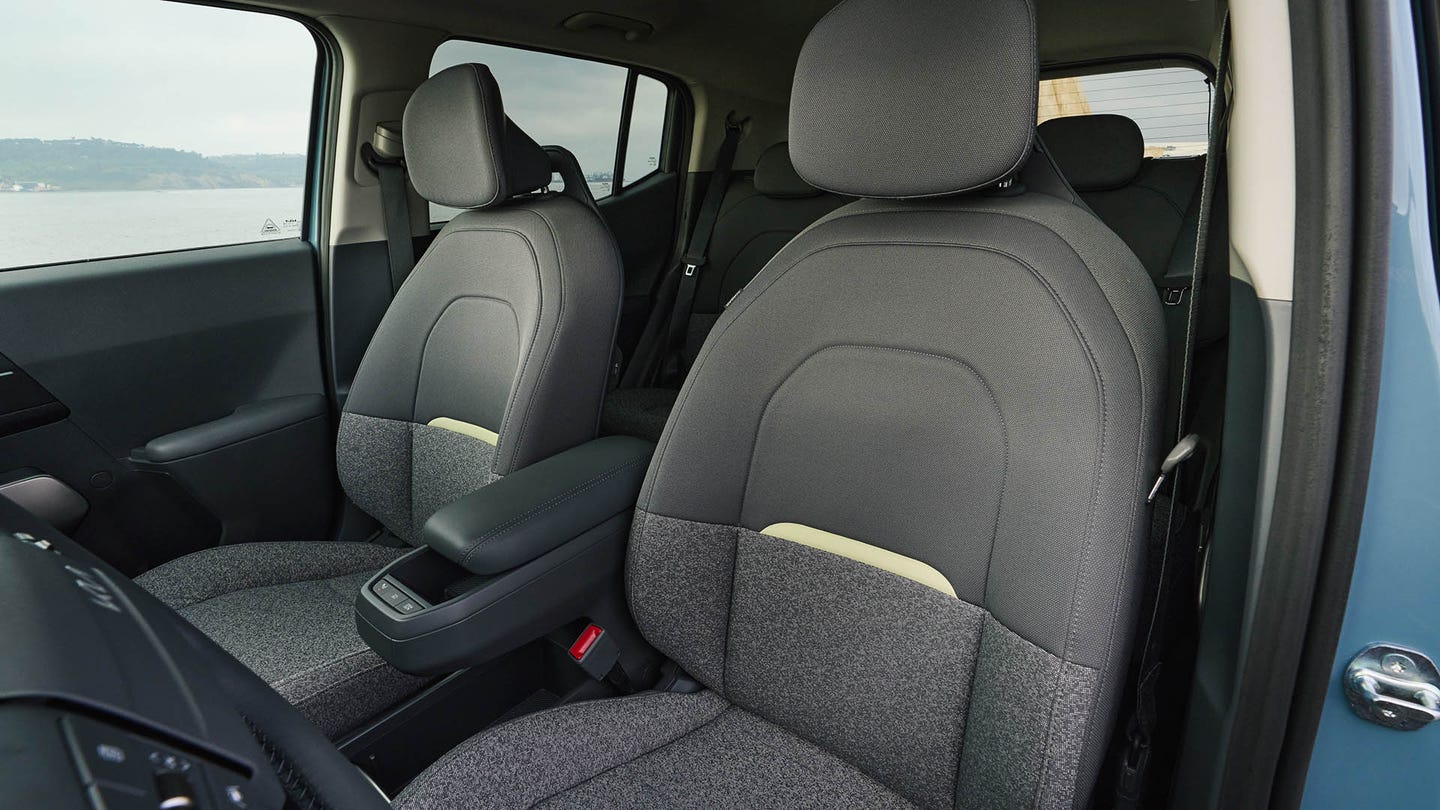
For the most part, it feels like a sophisticated, expensive car from behind the wheel. There’s fabric trim across the dash, a few areas of colour and nice upholstery, which all help to stop it feeling drab. Having spent most of a day driving the EV2, we can confirm that the seats are comfortable — although our test car did have the optional powered seat with heating and lumbar adjustment.

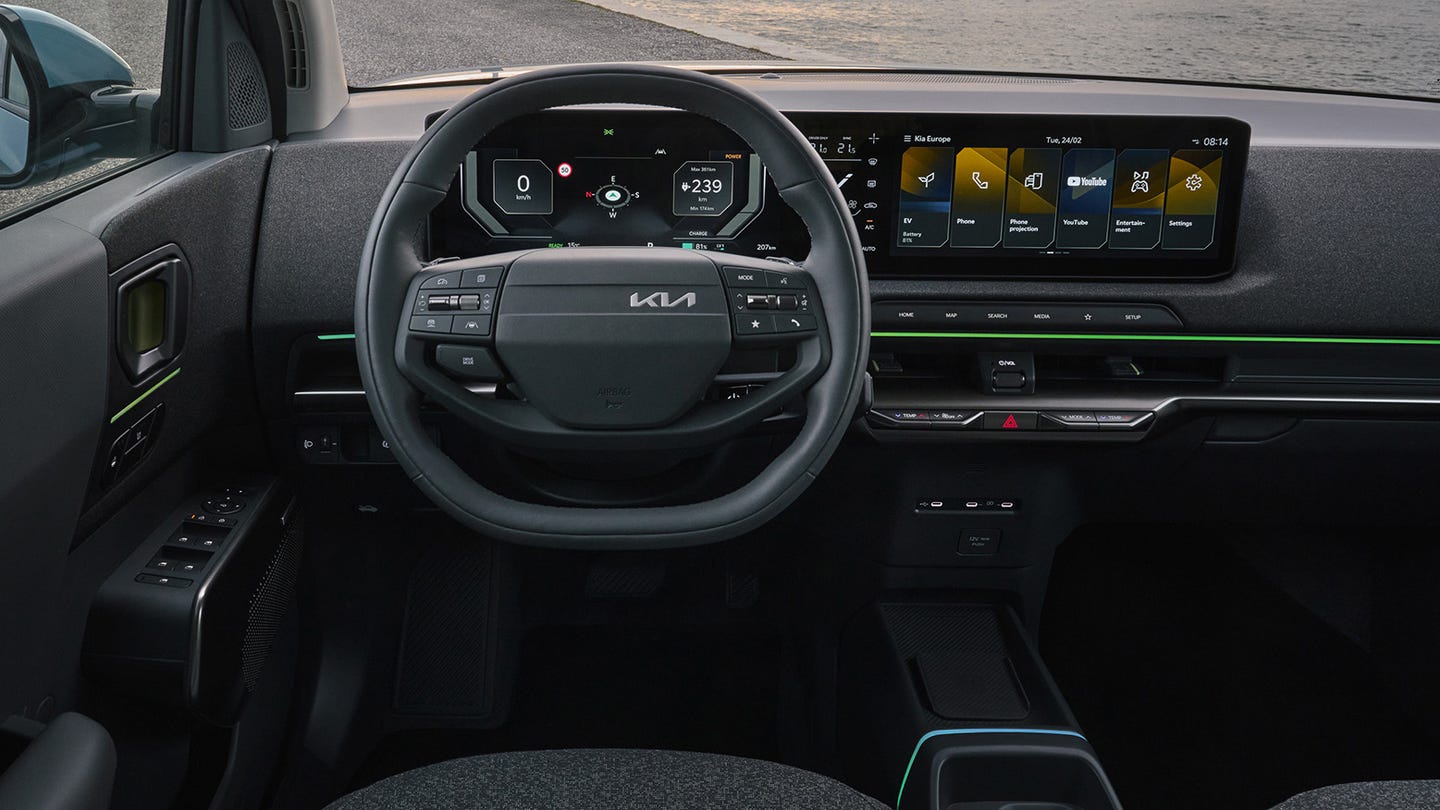
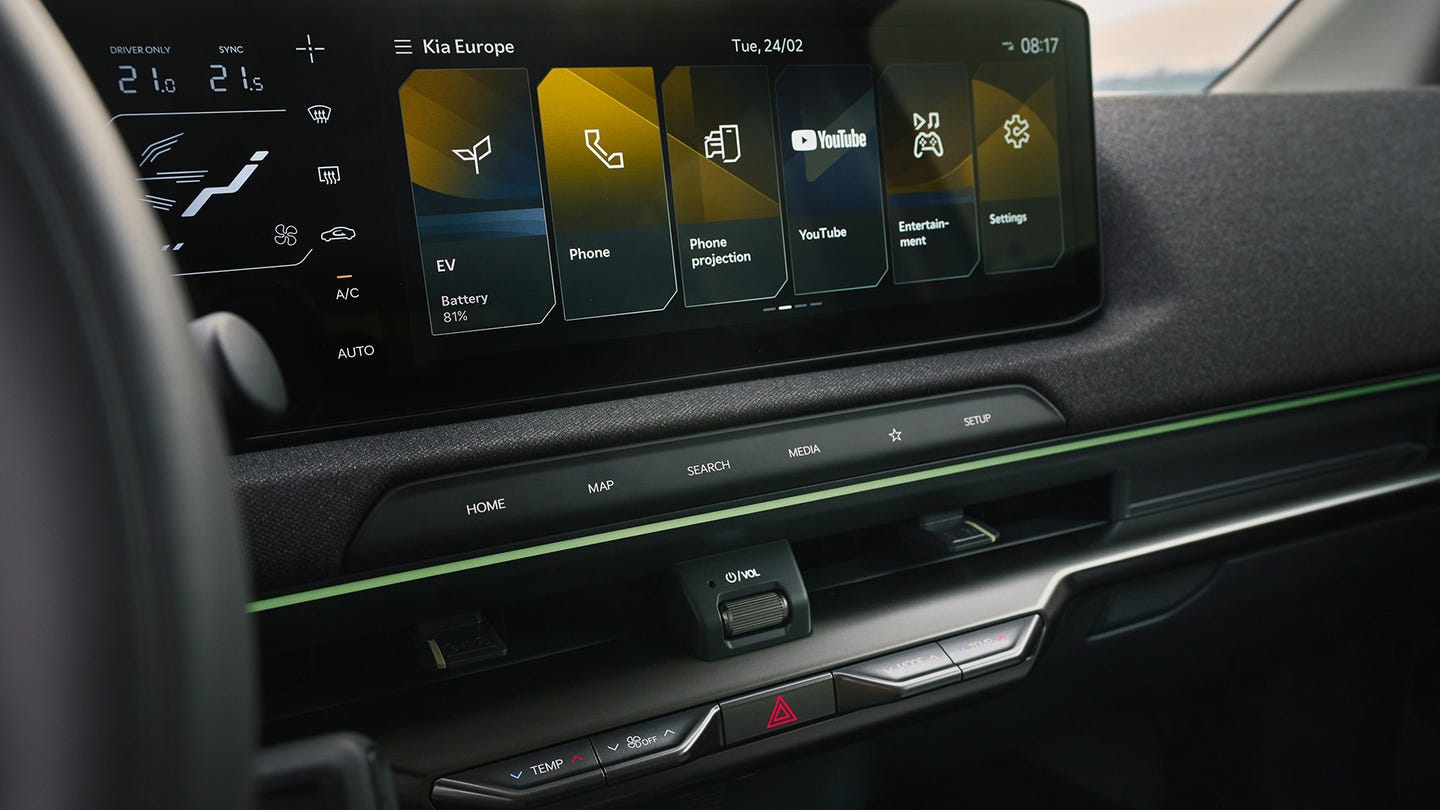
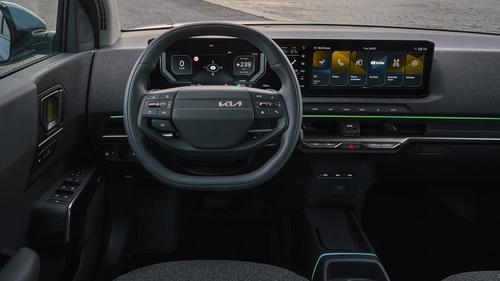
Three screens sit side-by-side on the dashboard. These are standard, impressively. The digital dials and touchscreen measure 12.3 inches each, and sandwiched between them is a smaller screen dedicated to the climate control functions. This is mostly blocked by the steering wheel, but tap the arrow and the climate menu expands onto the bigger touchscreen.
The dials are clear and easy to read, giving you the need-to-know information at a quick glance. The touchscreen is mostly intuitively laid out, and there’s always a home button so you can escape the sub-menu you’ve fallen into. We were impressed by the system’s crisp graphics and quick responses, but less taken by the National Geographic theme which put images of planets where we’d expect icons relating to the car’s functions. Should you prefer, you can pick new themes from the Kia Store within the touchscreen, including a 2026 football World Cup theme that’s free for the next few months.
If you are a sports fan, you can set your favourite sports teams within one of the menus and stay up to date with recent scores. It gave us something to look at while stuck in rush-hour traffic, if nothing else.

The sheer amount of technology available on the EV2 — most of which you’d expect in a luxury car, not a small SUV — is mind-blowing, even if much of it requires paying extra for.
You can use your phone as a digital key if you choose to set that up. You can opt for RSPA (not the animal charity, it stands for Remote Smart Parking Assistance), which lets you drive the car in or out of a parking space while not sitting in it. A real boon if the car next to you is inconsiderately close. You can even have Highway Drive Assist, consisting of adaptive cruise control, a clever lane-keeping system and even lane-change assist (which moves you over to the next lane when you indicate). Our test car also featured a 540-degree camera with instant responses and multiple camera views to stop you scratching the funky bodywork. The Harman Kardon stereo will be a must-tick box for keen music fans.
Relative to the EV3, Kia’s stripped out some of the nicer materials from the EV2 to save cost. You’ll find cheaper plastics throughout, but these aren’t offensive. The build quality is strong, suggesting that the EV2 will stand up well to family life.

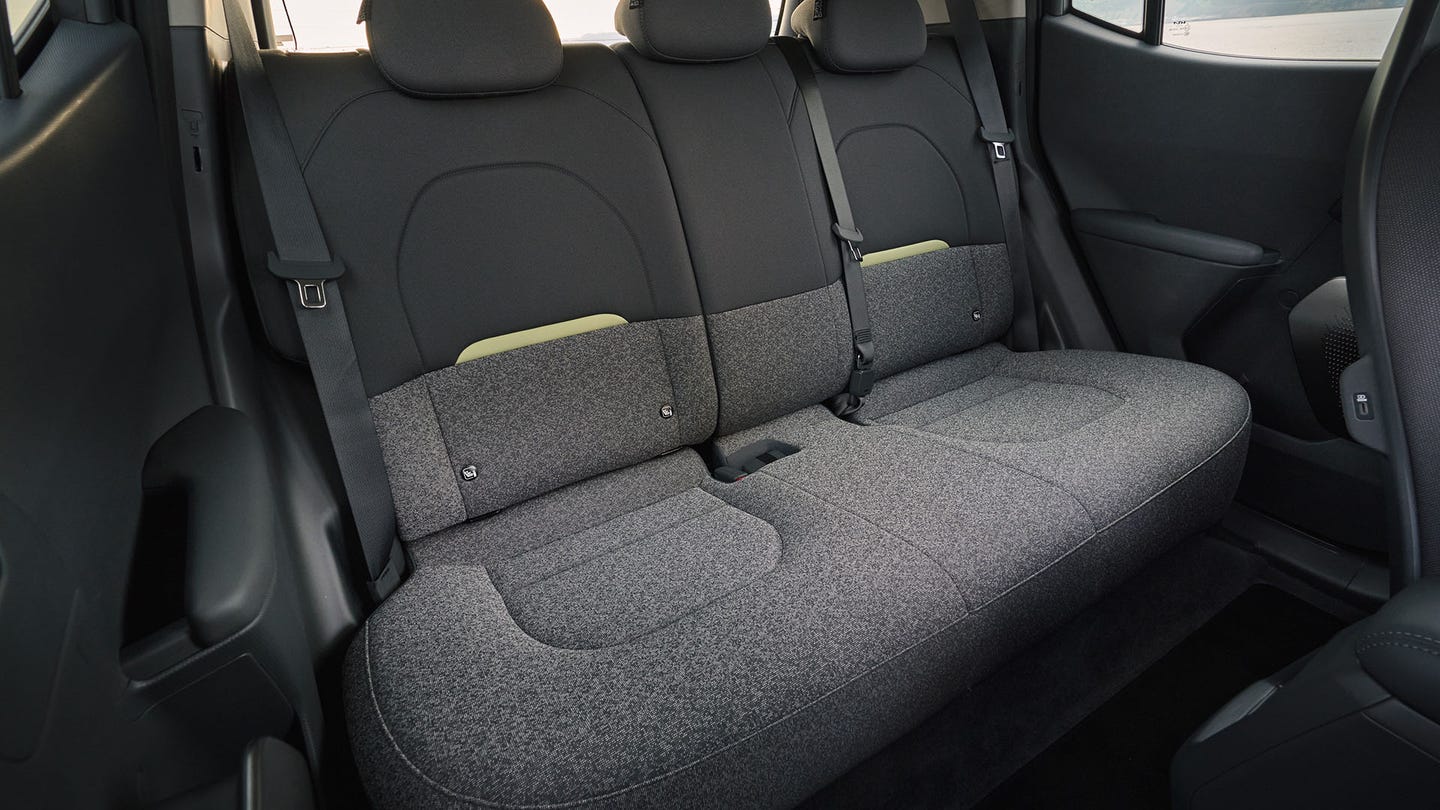
In some markets the EV2 is offered as a four-seater with a sliding rear bench. Every EV2 bound for the UK will have a five-seat layout with a more conventional fixed bench and not quite enough space for three adults.
Still, we usually find that sliding rear seats aren’t as useful in real life as they seem. There’s a decent amount of legroom in the five-seat model, with wiggle room for an average-sized adult to sit behind another average-sized adult. If one is particularly tall, there’s going to be some compromise or squashed knees. But find a four-metre-long car where that’s not the case.
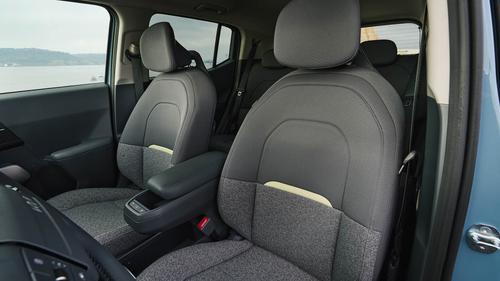
There’s plenty of headroom in the front, plus lots of seat adjustment. Your passenger can choose their seat height, which isn’t the case in a surprising amount of rivals.
But there’s not much headroom in the back, because the seats are mounted much higher than the fronts. Blame the battery pack pushing up the floor. As we’ve found in many electric cars, the high floor also means your legs are more raised than you’d expect and there’s no support for your thighs.
Access to the rear seats is quite easy, though, and you’re less likely to bump your head getting in than you are in the Puma Gen-E. It’s a breeze to install child seats, thanks to easily findable Isofix points, and rear-seat passengers are well catered for with air vents, USBs, decently sized door pockets and an overhead light.

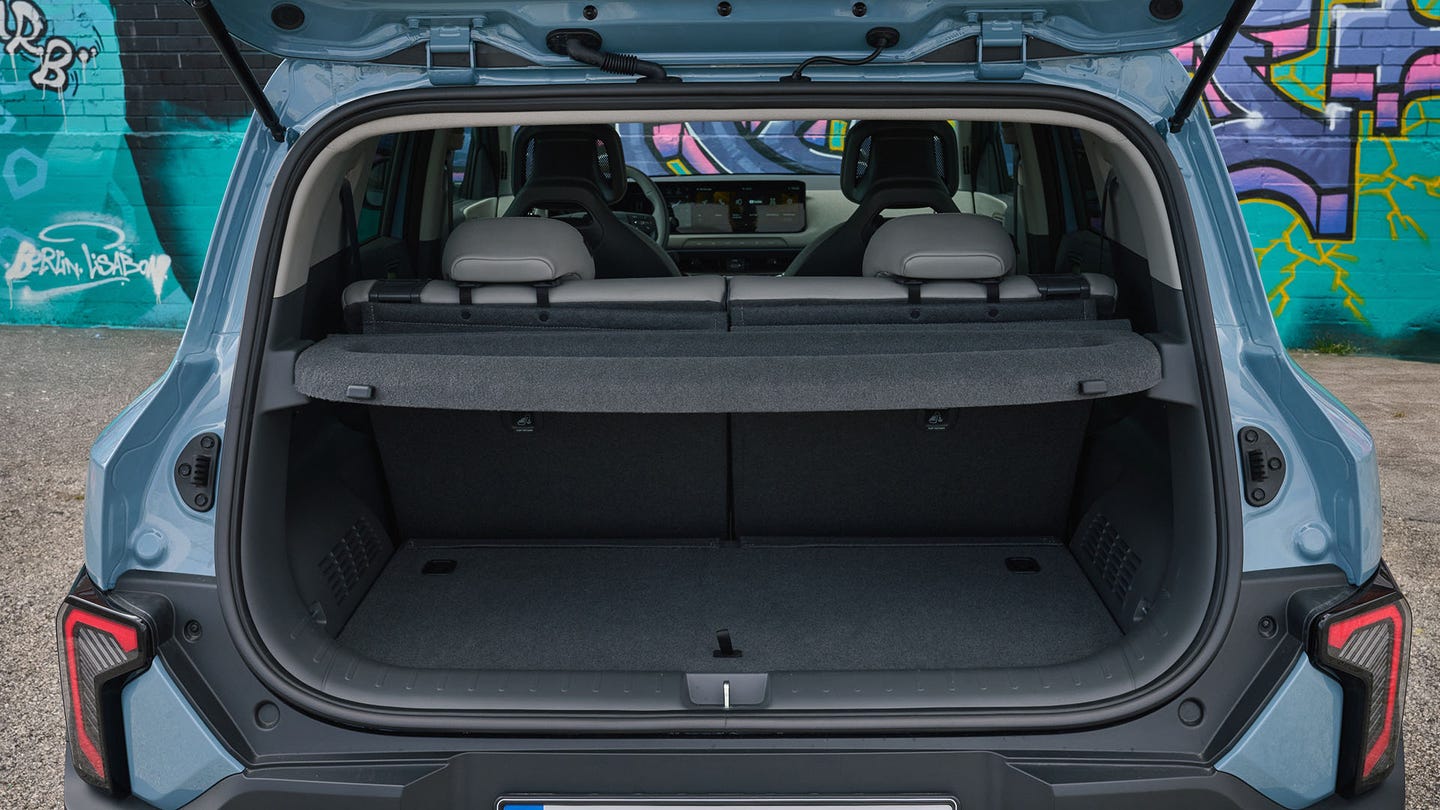
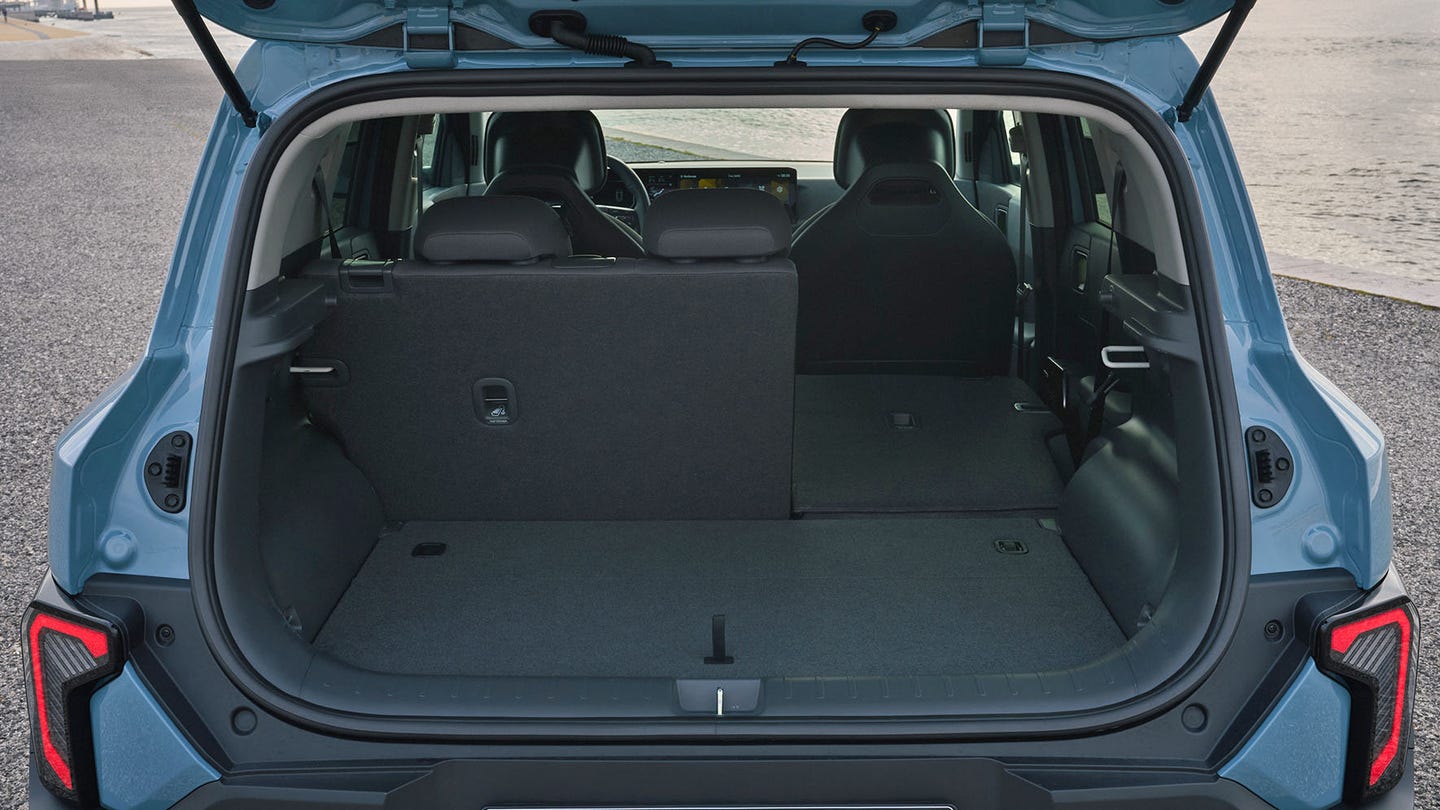
The boot measures 362 litres, which is about average for the class and should be more than enough for the weekly shop or a couple’s holiday luggage. You’ll need to lift up or take out the false floor to benefit from the full amount of space, and it sits against the seatbacks when lifted up. The false floor removes the load lip and gives a nearly flat floor when the rear seats are folded, but the load height is a little on the high side to begin with.
Even beneath that, there’s a spare wheel well — which, in our car, housed the subwoofer for the audio system and provided space for cable storage or a breakdown kit. There’s also a 15-litre frunk under the bonnet (on top-spec models), which is just about big enough for a neatly curled up cable. The frunk features sound deadening on its underside, so models without this may be a bit louder at motorway speeds than cars that have it.
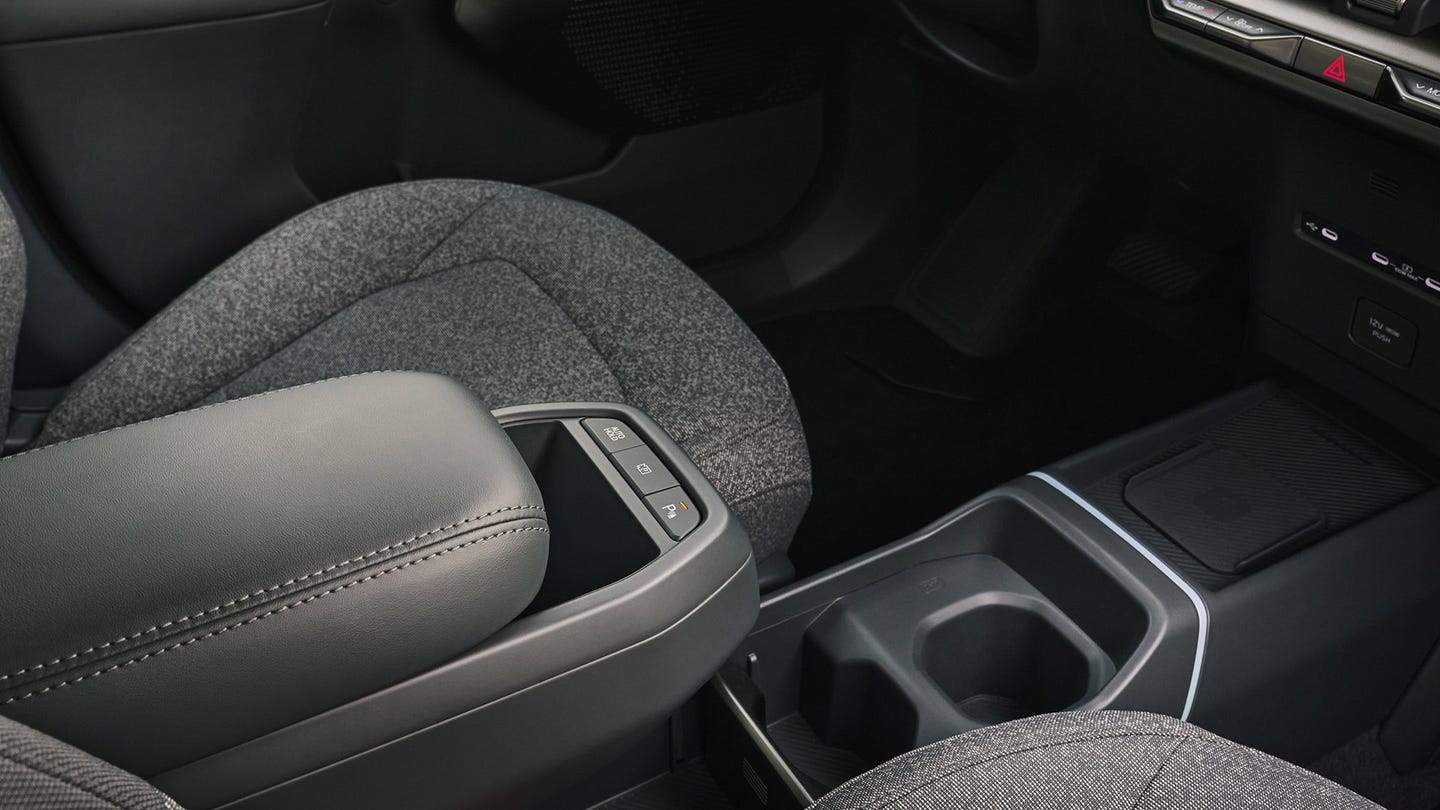
For the bits and pieces you want closer to you, the interior storage is impressive. The glovebox is a proper size and there are compartmented storage areas in the centre console, including a phone tray and space for a handbag. We found the cupholders on the centre console to be an awkward size — we couldn’t get a water bottle, a bottle of orange juice or a can of fizz to fit properly without rattling around. Perhaps it’s time for us to join the Stanley bottle trend.
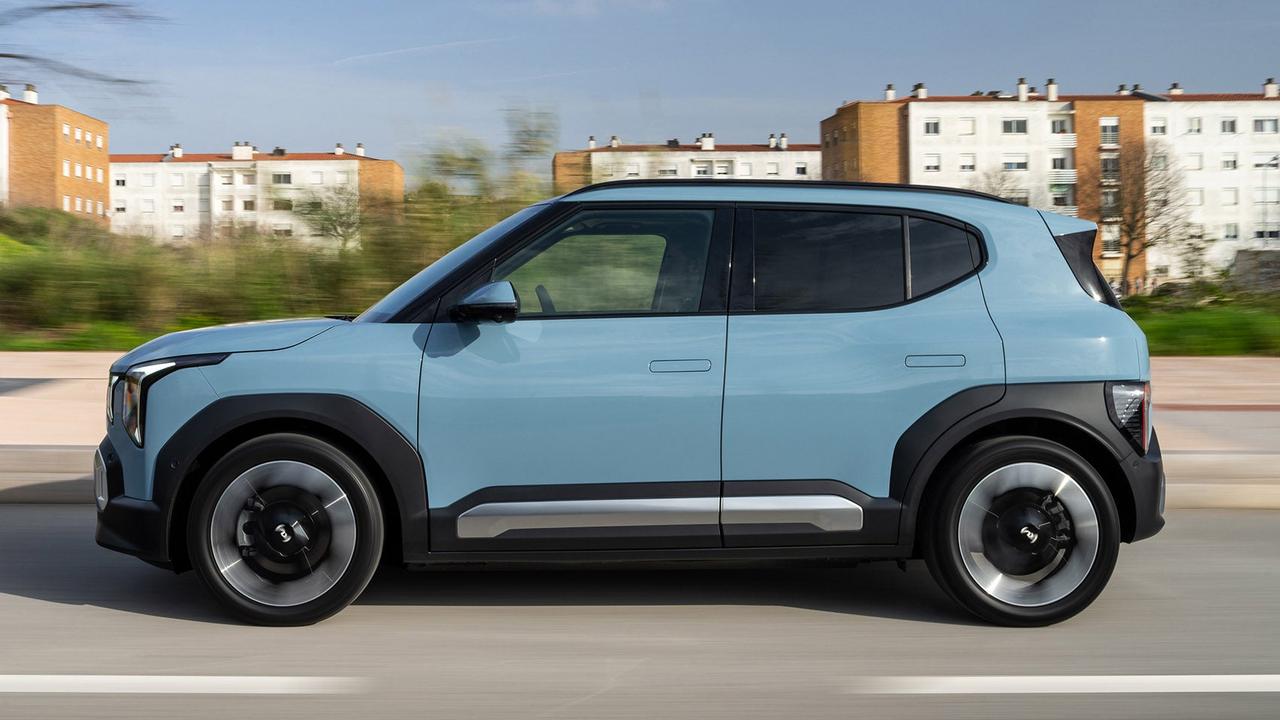
Standard-range versions promise up to 197 miles between charges, while long-range versions officially achieve 280 miles. We drove the small-battery model in Lisbon in good weather, and we would have got very close to the EV2’s official estimate based on how far we drove and the level of charge left at the end. Efficiency seems healthy: we saw 5 miles per kWh in a journey that took in urban sprawl, winding hill roads and the motorway. More like 6mi/kWh in snarly stop-start traffic.
Ah yes, but what about in Britain when it’s rarely 20 degrees? Obviously efficiency will drop a bit in cold weather, but Kia tells us that the EV2 managed 75% of its quoted WLTP figure in -20 degree weather, whereas the rivals it mentioned achieved about 60% of their respective range estimates. We’ll take Kia’s word for it — rather them test in those conditions than us! A heat pump is optional.

Both batteries can charge from 10-80% in half an hour at the right charger, and the EV2 is the first Kia to offer 22kW AC charging — which, admittedly, is more common in Europe than in the UK, and it's a cost extra. But both batteries are small enough to take advantage of the cheap periods of power on an EV-focused electricity tariff.
The front-mounted electric motor produces 147hp — more than enough for a car of this size. Acceleration at lower speeds is perfect, feeling zippy and eager without launching you forward towards the car in front at a scary speed. As you go faster the acceleration isn’t quite so punchy, but there’s still enough in reserve for motorway overtakes. In normal everyday driving, the EV2 never feels like it could do with any more power.

The EV2’s European development has paid off, and it feels ideally matched to what UK buyers tend to value. Occasionally the EV2 feels firm over sharp impacts at lower speeds, but it has a grown-up level of ride quality that makes light work of scruffy road surfaces. It settles quickly and always feels controlled.
Refinement is excellent. There’s loads of sound deadening and vibration suppression underneath the floor mats and under the bonnet, plus an acoustic windscreen, so you never hear the e-motor and there’s only a bit of wind and tyre noise at high speeds. Doubly impressive considering that the EV2 looks like a toy model of a Land Rover.

The steering is accurate and well-weighted, although if we were being really picky we’d like a little more steering feel and a very slightly quicker steering rack to improve the car’s handling just a touch. There’s not much difference in the steering wheel weight between the Eco, Normal and Sport driving modes, and only a subtle difference in the throttle response.
The overriding experience is that the EV2 is really easy to drive. Everything works as it should, there aren’t any surprises and it’s a car that you can just get in and go, without messing around with menu after menu before every journey. It never feels like you’re driving a small-ish, cheap-ish car. We didn’t even find the driver assistance systems too intrusive, and they’re mostly easy to turn off if you do decide to continue without them.
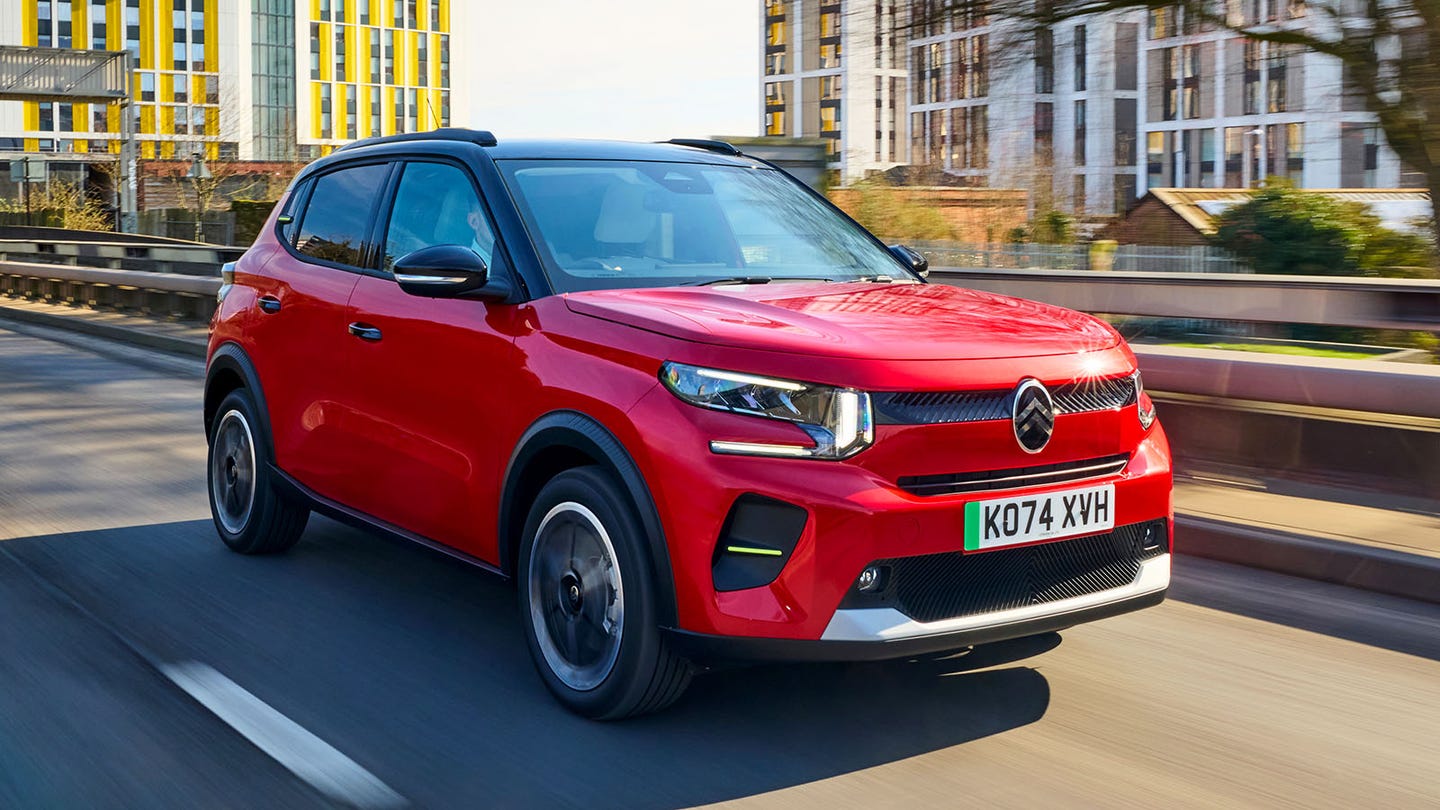

Small electric SUV trades interior space for impressive efficiency