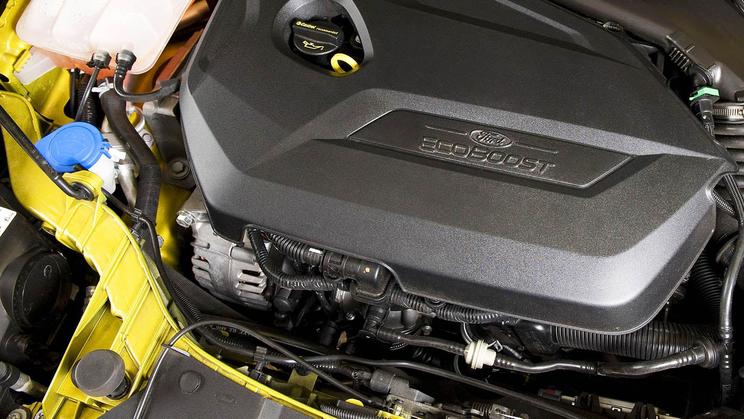



















PureTech petrol engines are powerful and economical, but they’re worth researching before you buy a car with one fitted.
Carmakers are always pushed to make their engines more and more efficient, which is good news for drivers because it makes fuel station visits cheaper.
The PureTech petrol engines fitted in numerous Stellantis cars – including Peugeot, Citroen, DS and Vauxhall – were very advanced, featuring a host of improvements to boost fuel economy and reduce carbon dioxide emissions over previous petrol engines. Unfortunately, some PureTech engines have given owners headaches.
PureTech engines
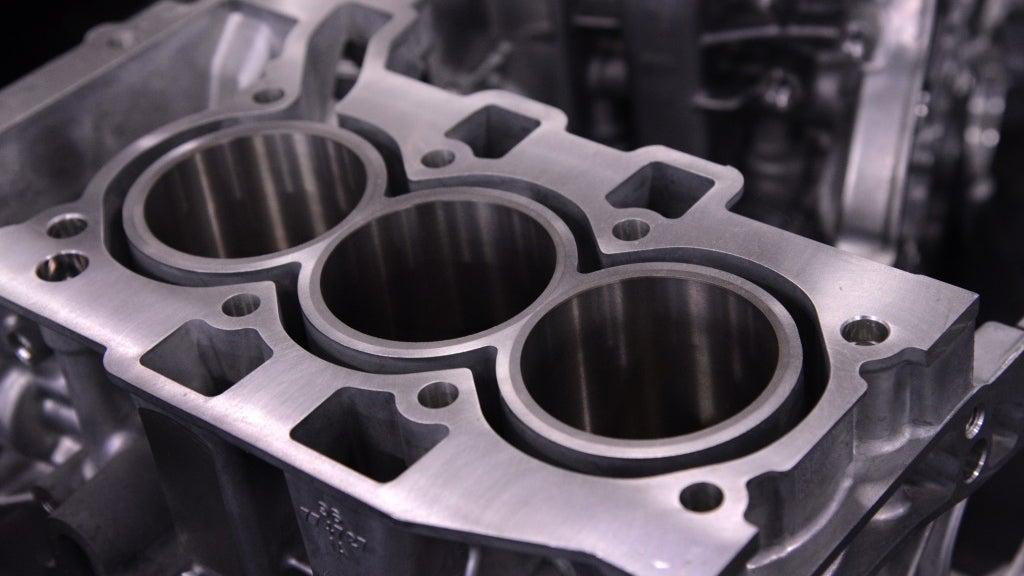
PureTech engines offer the performance of a bigger engine with low day-to-day running costs.
Most PureTech engines have three cylinders, rather than the traditional four. Small three-cylinder petrol engines are commonplace in modern cars, and the reduced cylinder count makes the engine lighter, more compact and built with fewer moving parts.
PureTech engines include direct fuel injection, lightweight materials and a focus on reducing friction within the engine bay. Many are turbocharged, bringing extra power when needed without increasing engine size.
PureTech 1.2 engine
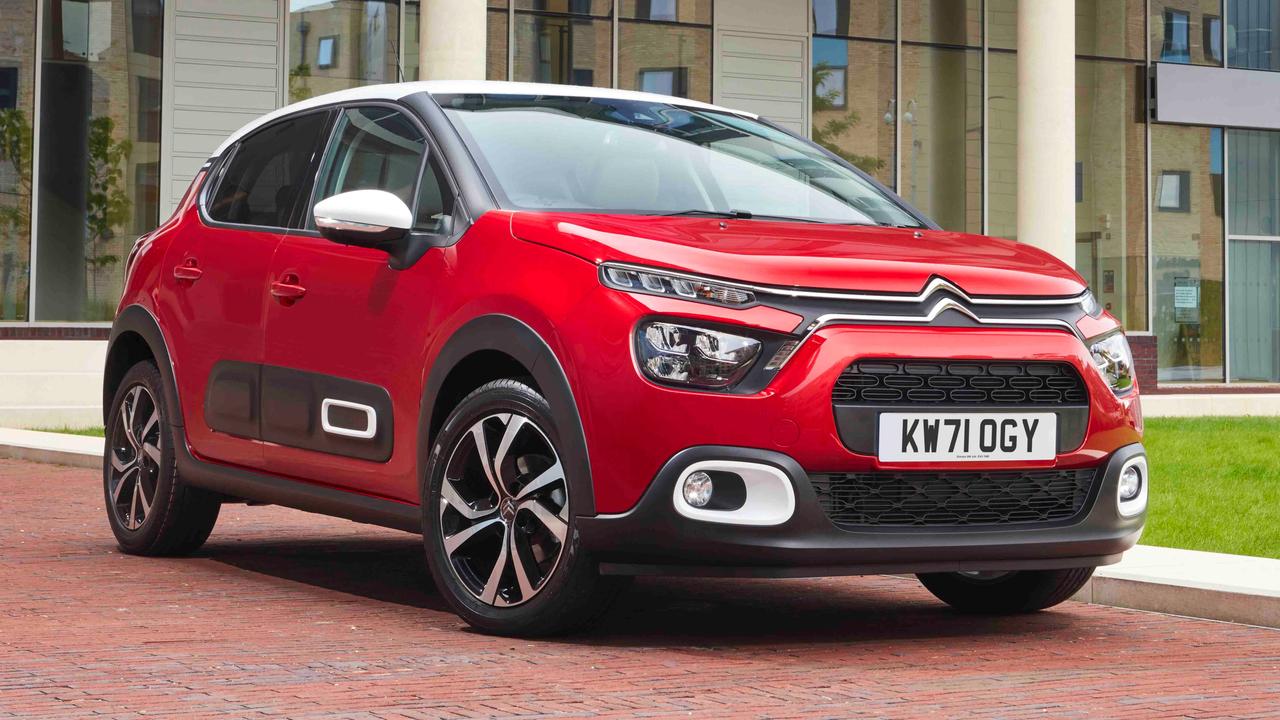
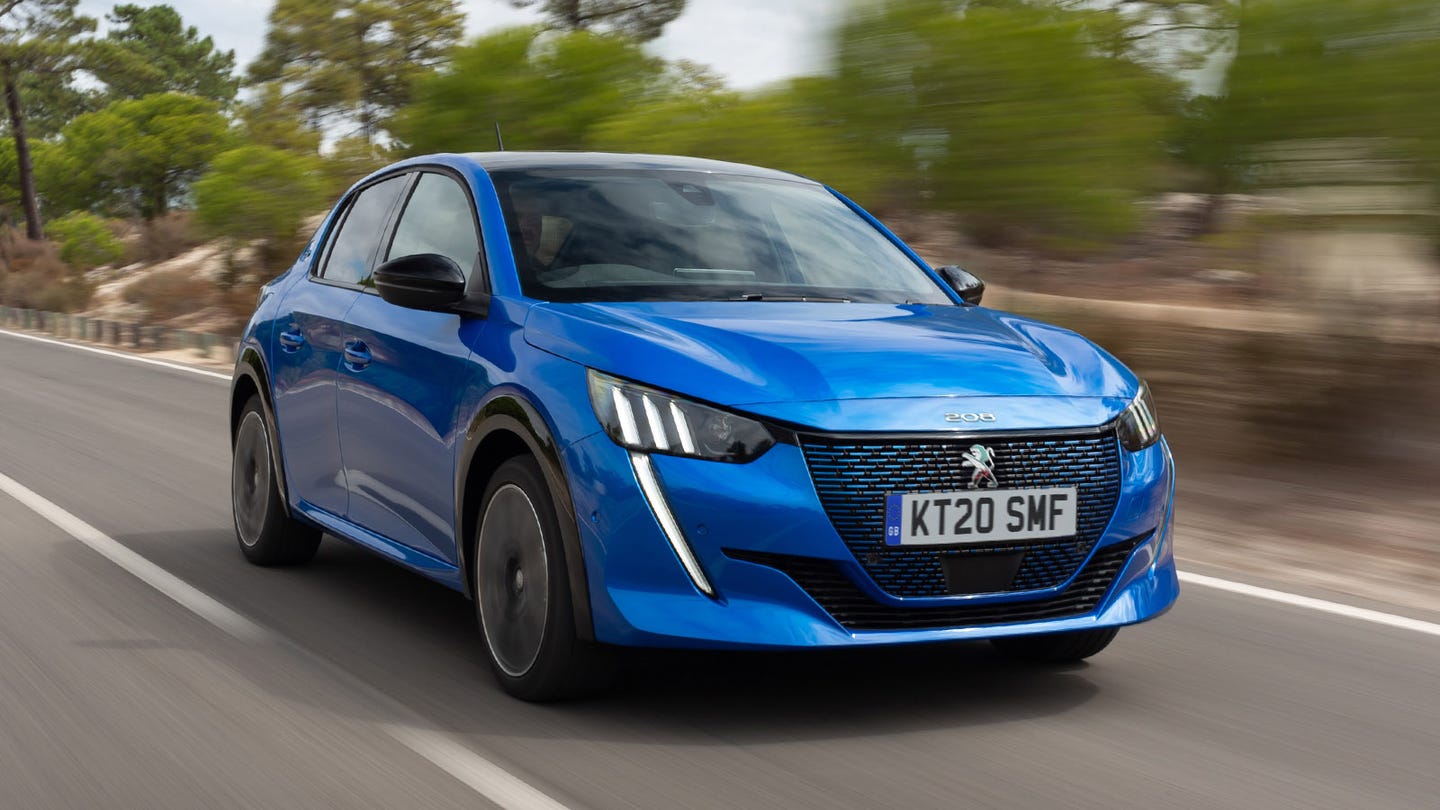
This is the most well-known PureTech engine, for good and for bad. From 2015, it won the International Engine of the Year award for four years on the trot, and its combination of fizzy performance and impressive fuel economy make it a delight to use. The fact that it’s fitted in a wide range of cars, from the compact Vauxhall Corsa to the seven-seat Peugeot 5008, shows its bandwidth.
Non-turbocharged engines produce 82hp, while turbocharged versions are offered with 100, 110, 130 and 155hp. Lower output versions typically come with a five-speed manual gearbox, while higher output versions tend to offer a six-speed manual or an automatic gearbox with either six or eight gears.
You’ll find this engine in a wide range of cars:
- Citroen C1, C3, C3 Aircross, C4, C4 Cactus, C5 Aircross, C5 X
- DS 3, DS 4, DS 7
- Jeep Avenger
- Peugeot 208, 2008, 308, 3008, 408, 508, 5008
- Vauxhall Corsa, Astra, Mokka, Crossland, Grandland
Some entry-level cars, such as the Citroen C1, also got a naturally aspirated 1.0-litre PureTech engine.
PureTech 1.2 Hybrid engine
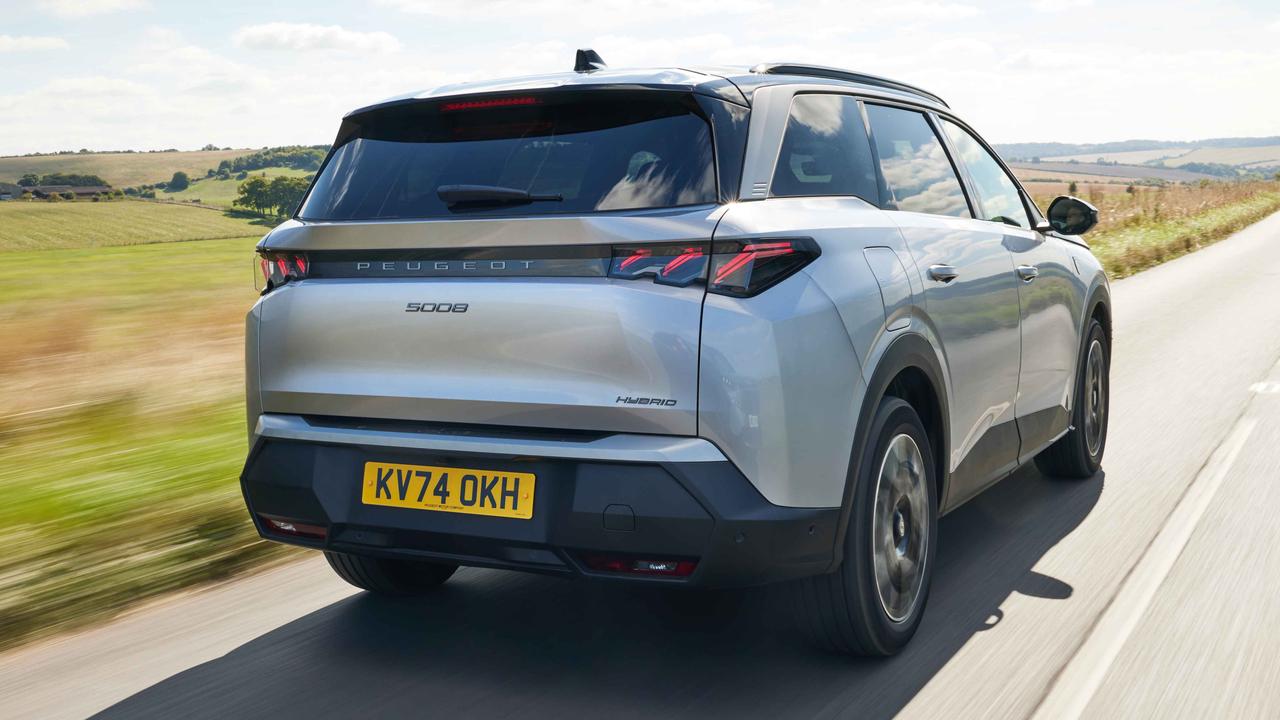
This engine has replaced the standard 1.2-litre engine, and it’s fitted in broadly the same selection of cars. It introduces a mild-hybrid system comprising a 0.9kWh 48-volt battery mounted under the passenger seats and a 28hp electric motor – which is integrated within the six-speed automatic gearbox.
Stellantis says this engine can run on electric power for up to 50% of ‘low-speed urban cruising’, which reduces fuel consumption by up to 15% and a decent reduction in CO2 emissions compared with the 130hp 1.2 PureTech engine.
Notably, this engine uses a timing chain rather than a timing belt.
This engine is fitted in newer examples of:
- Alfa Romeo Junior
- Citroen C3, C3 Aircross, C4, C5 Aircross
- DS No.3, No.4, No.7
- Fiat Grande Panda, 600
- Jeep Avenger
- Peugeot 208, 2008, 308, 3008, 408, 5008
- Vauxhall Corsa, Astra, Mokka, Frontera, Grandland
PureTech 1.6 engine

The larger, four-cylinder 1.6 PureTech engine is much rarer than the 1.2, although it hasn’t garnered the same negative press. It’s a chain-driven engine with either 180hp or 225hp, and has roots in an older 1.6-litre Peugeot engine that saw service in cars such as the Peugeot RCZ and even the second-generation Mini Cooper S.
This engine has been fitted in some of the larger cars in the Stellantis portfolio, such as the Peugeot 508 and 5008, DS 7, Citroen C5 Aircross and Vauxhall Grandland.
Problems
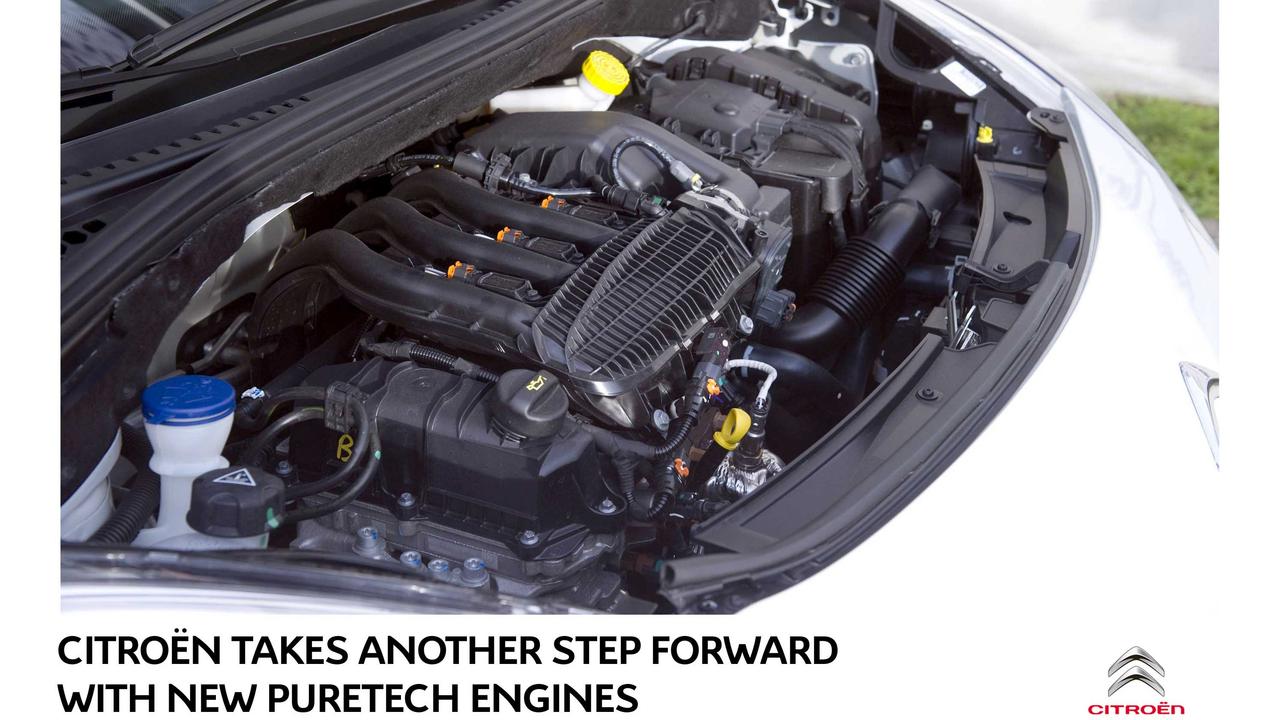
PureTech engine problems broadly come from the popular 1.2 engine. The engine uses a timing belt that’s lubricated with the engine’s oil (hence ‘wet belt’), and this was supposedly meant to last the lifetime of the car. This setup improved efficiency and reduced fuel consumption.
It became apparent that the oil would prematurely degrade the timing belt, and little chunks of rubber from the belt would come off and clog up the engine. This could bring on engine failure and owners left with hefty bills.
PureTech engines can be very reliable if routine maintenance is kept up to date. It would be prudent to change the oil more frequently than the manufacturer’s recommended intervals, and to specify good-quality oils and filters. The same is true of the timing belt – it can be a costly replacement but cheaper than the damage that can occur if the belt degrades.
Compensation programme
If you own a car with the 1.2-litre PureTech engine and have had problems with excessive oil consumption or premature timing belt failure, Stellantis is offering compensation. The damage needs to have occurred in 2022 to 2024. You will need to have followed the manufacturer’s recommended maintenance schedule and work must have been carried out at an authorised service centre. Your car needs to be under 10 years old and had less than 112,000 miles on the clock when the problems happened.
Should I buy a car with a PureTech engine?
The 1.2-litre PureTech engine is fun and frugal, and it can last for many years with the correct maintenance. You can also protect yourself during your ownership of the car by opting for an extended warranty.
The 1.2 Hybrid engine seems to offer improved reliability, so this engine shouldn’t be anything to worry about. It’s more economical than the standard 1.2, and comes with an automatic gearbox as standard to make every journey easier.
Shop used petrol cars for sale at Motorpoint, or read our guide to the best petrol cars.
.jpg&w=744&q=75)