






The best Chinese cars under £20,000

Mike Vousden
•
Affordable Driving

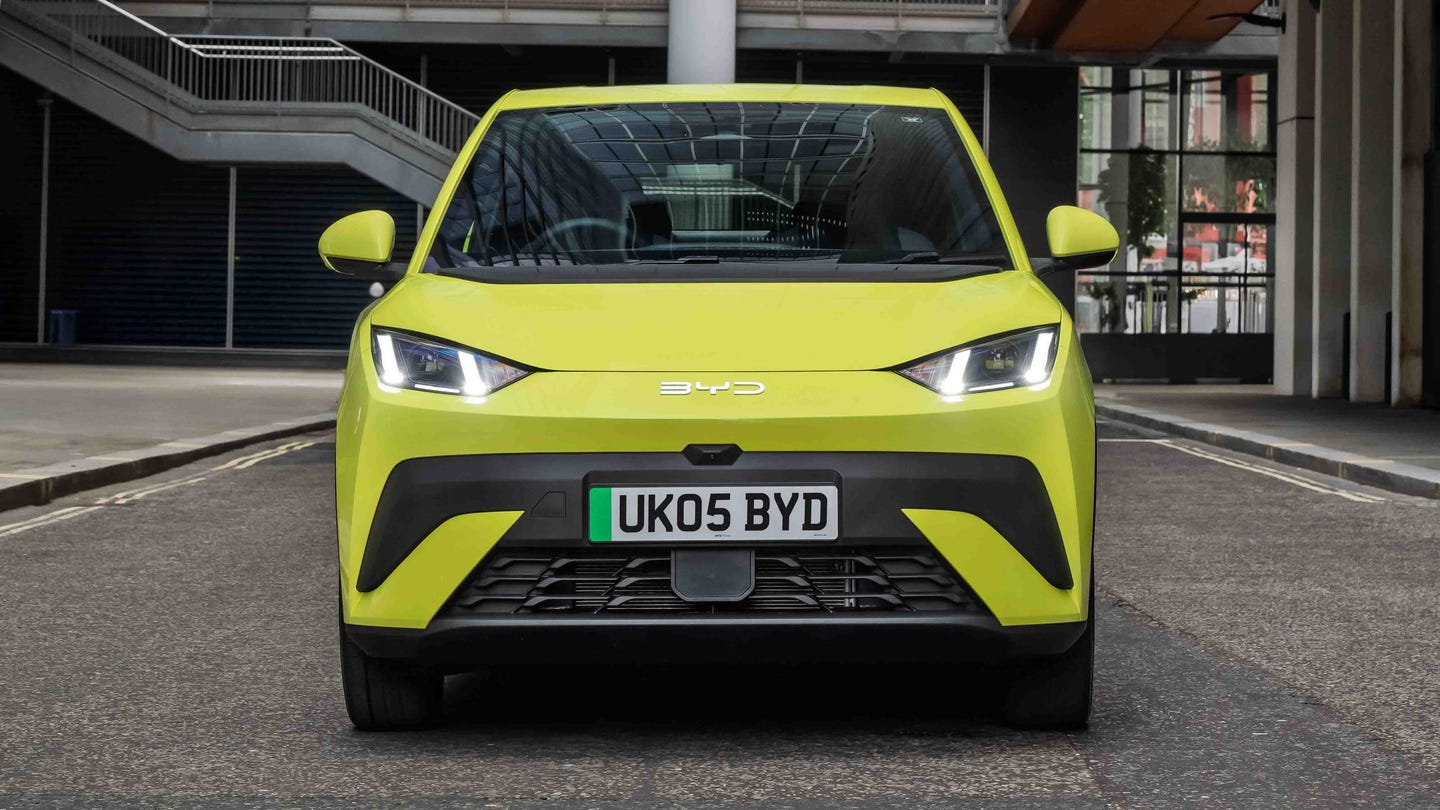
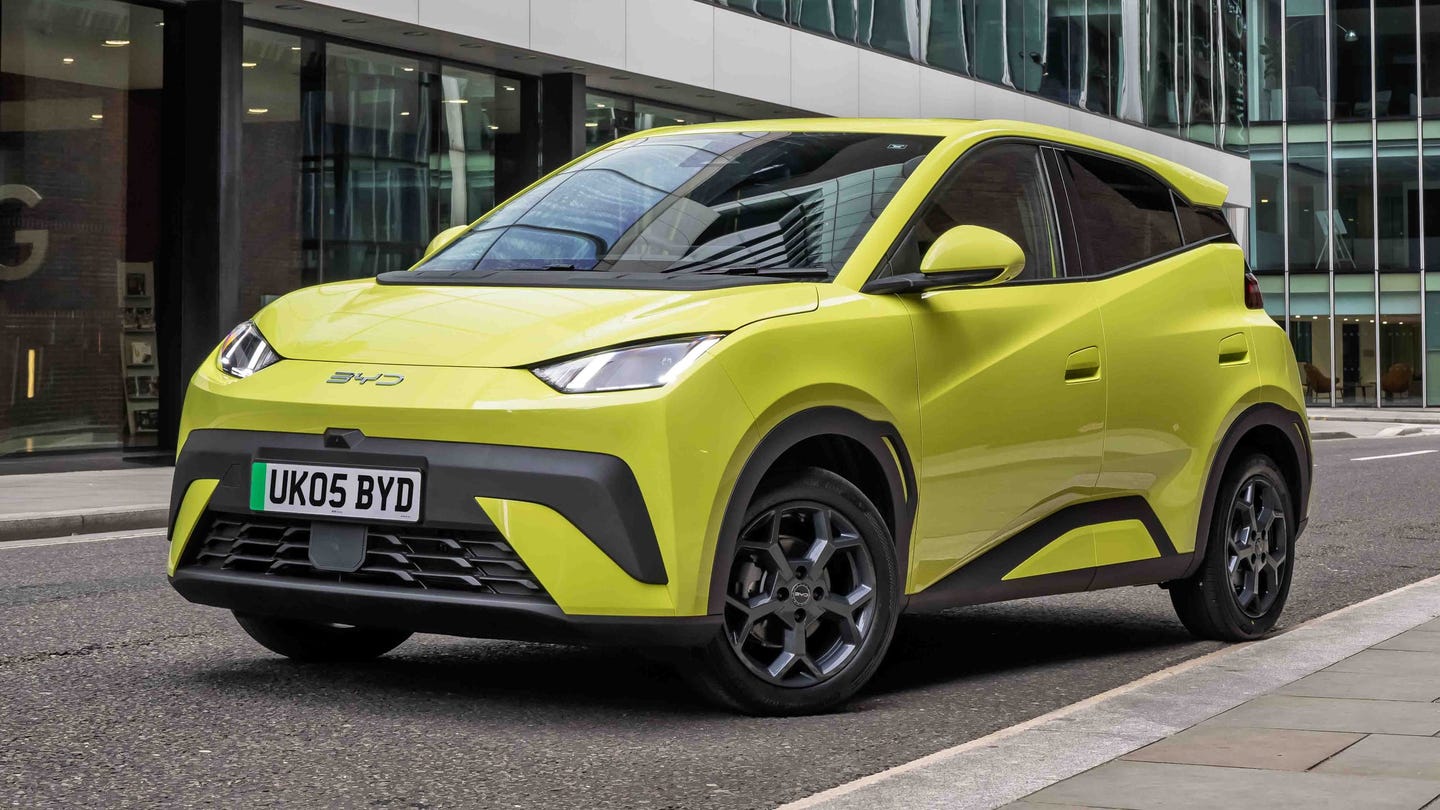
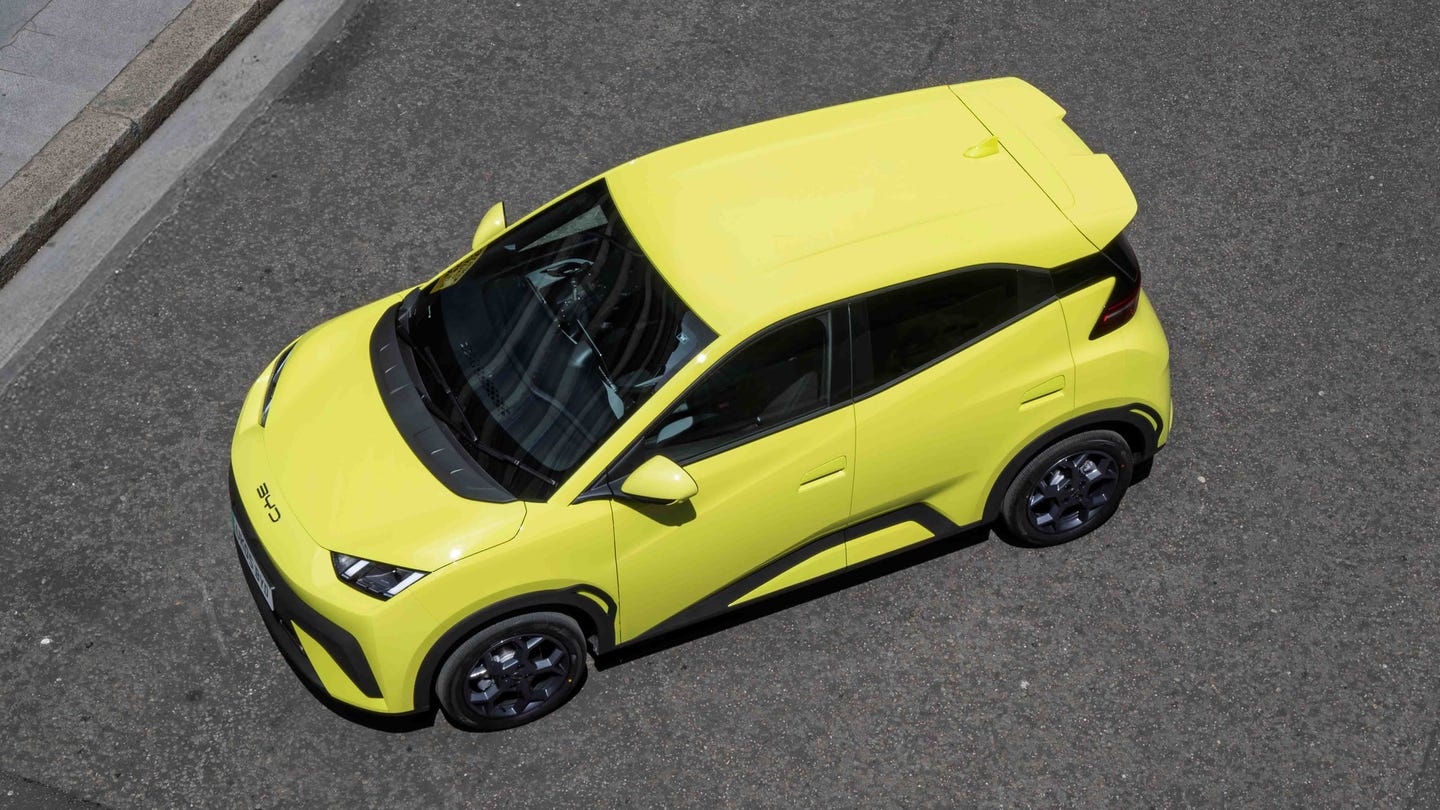
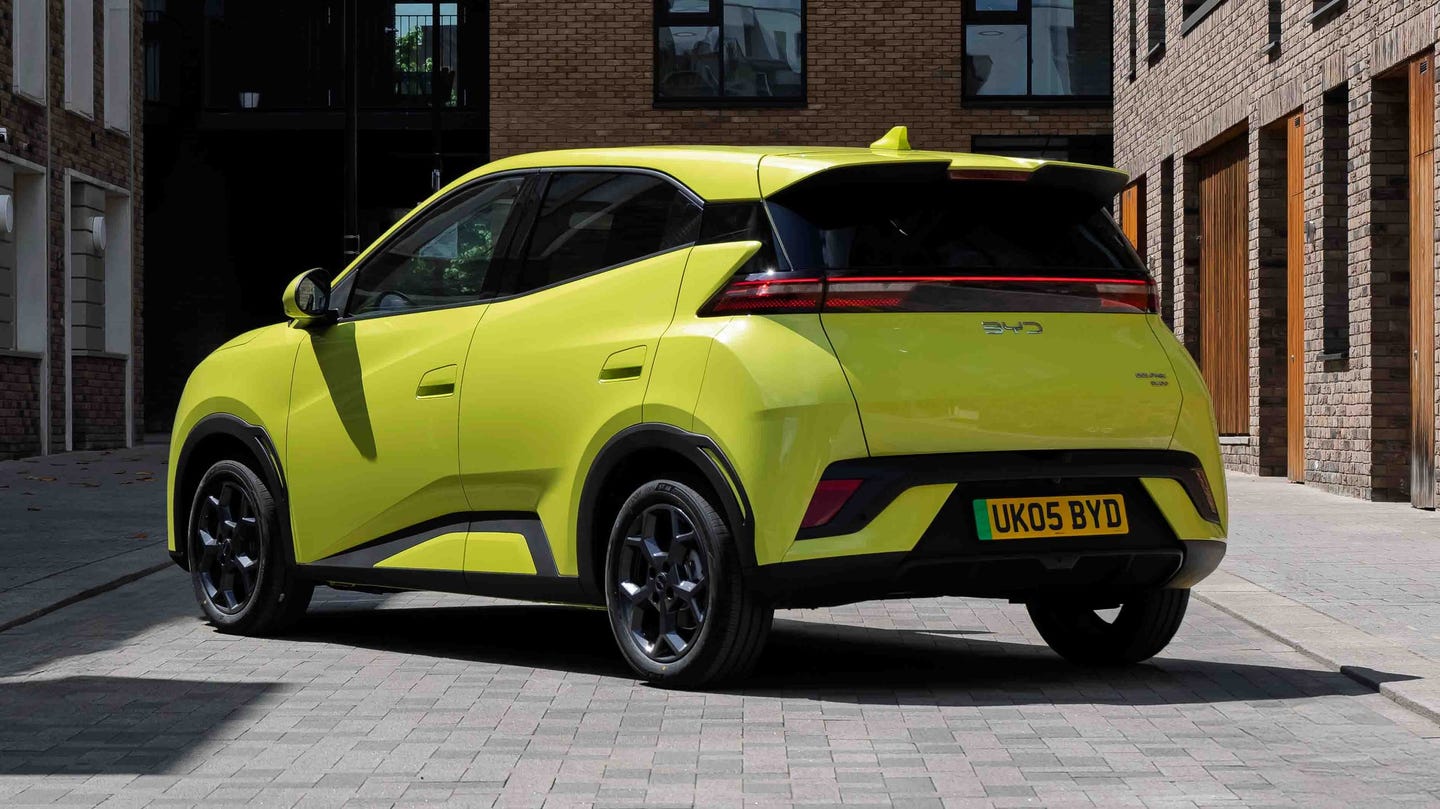
Could a dolphin surf? Well, maybe. Dolphins have been spotted playing and jumping through the breakers in places such as Australia.
What that has to do with a tiny Chinese electric car, we’re not sure. But it could’ve been worse – in other markets the BYD Dolphin Surf is called the Seagull. Keep your chips close to your chest.
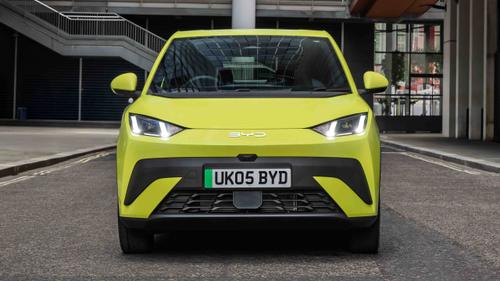
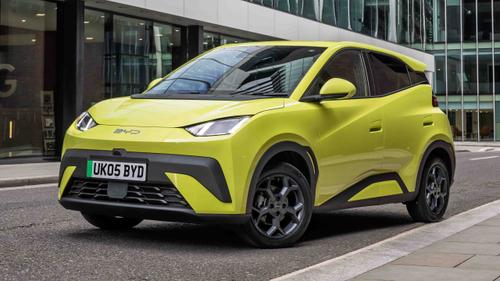
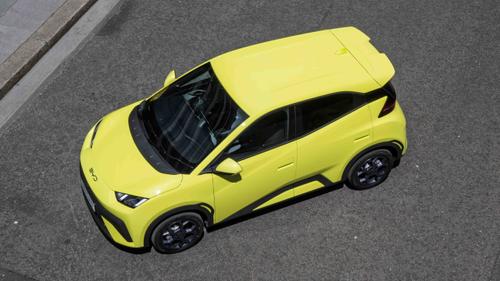
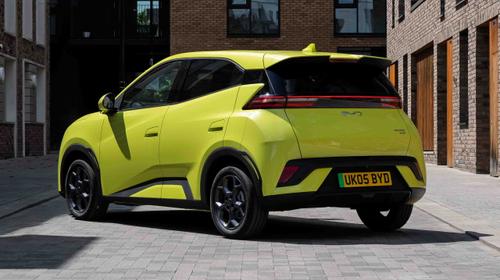
Nonsensical nautical name aside, the BYD Dolphin Surf is at least worth considering if you want a small, town-focused electric car – and its battery sizes means it caters for several different types of buyer.
At the bottom end, the cheapest model offers a 137-mile range – putting it right amongst cheaplings such as the Dacia Spring and Leapmotor T03. Upgrade to the 200-mile battery and you could compare the baby BYD against the likes of the Fiat Grande Panda. But top-end models ask a similar price to considerably better cars, such as the Renault 5 (and, of course, the related Nissan Micra).
"Having a dedicated button for rotating the screen on the steering wheel feels too prominent for a feature you might rarely use"
Good stuff first: the Dolphin Surf has a much more grown-up interior than the Spring and T03, and the tech is more comprehensive than in the Grande Panda or Citroen e-C3. There’s a five-star Euro NCAP safety score – uncommon at this end of the market – and BYD provides a six-year warranty. If you can charge at home, the Surfin’ Dolph will cost very little to run, and even insurance costs should be reasonable.
However. The overreliance on the touchscreen is at best frustrating and at worst dangerous. The interior is drab compared with more stylish rivals, and you’ll need to put up with the driving experience being less polished than the likes of the R5 and Grande Panda. It’s less a case of surfing, more a case of bobbling.
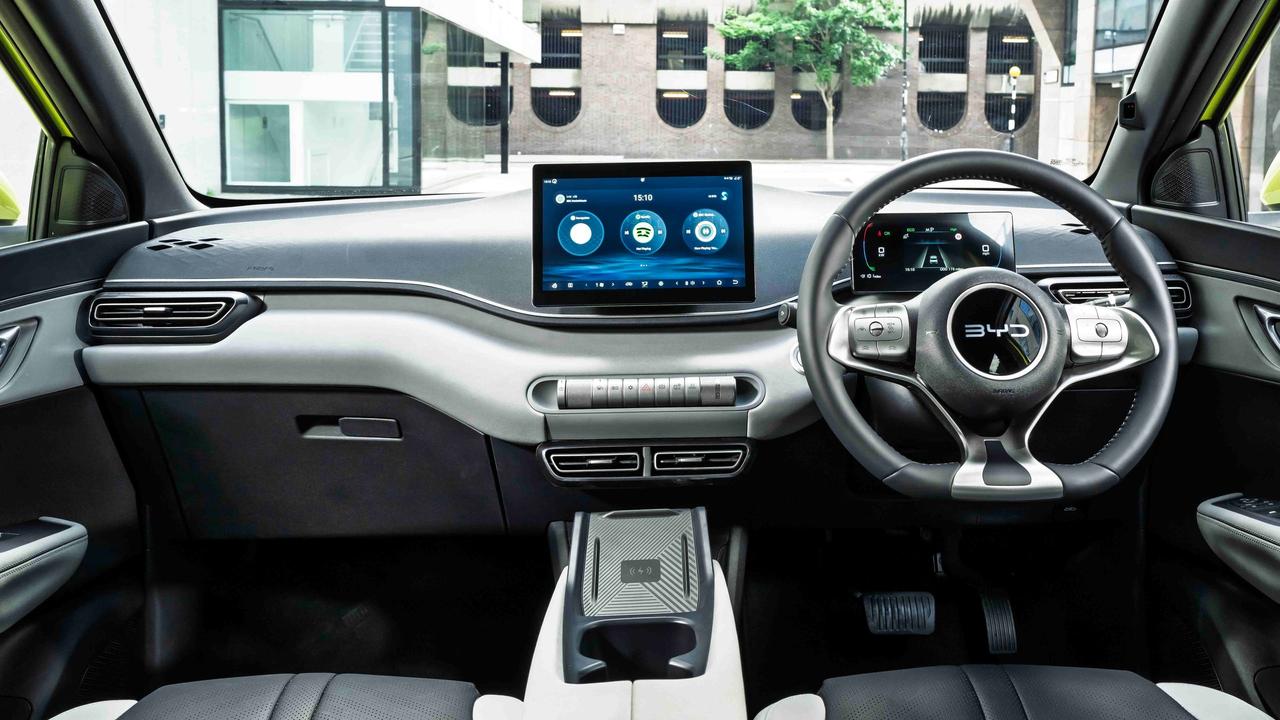
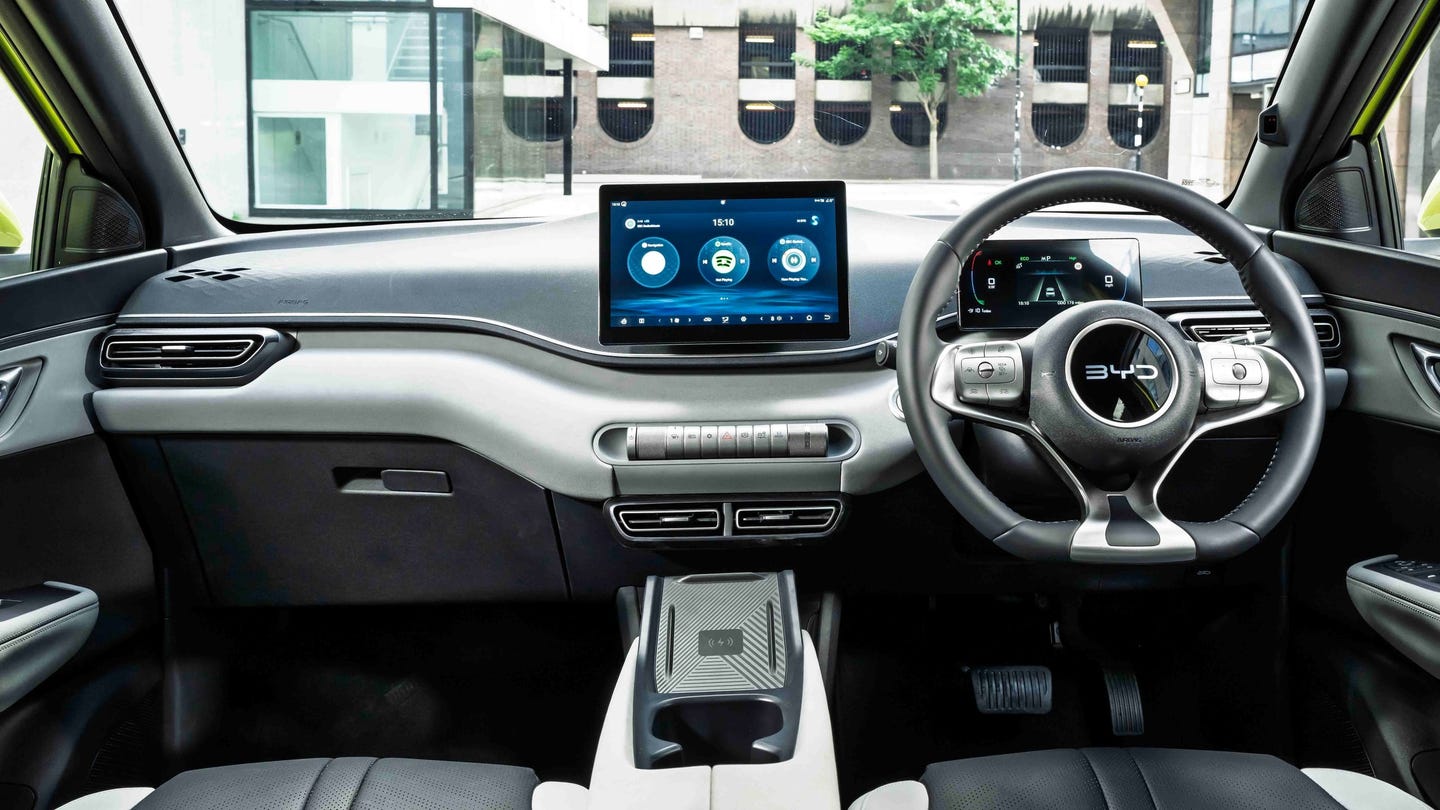
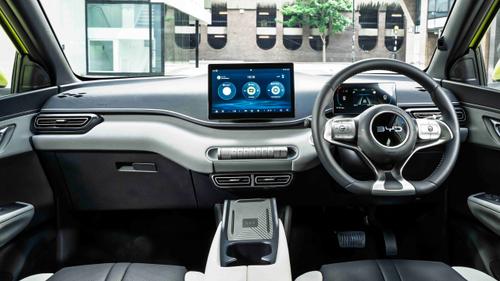
Considering it’s one of the cheapest new cars on the road, the BYD Dolphin Surf punches above its price for interior quality. There are plenty of metal-effect elements – the row of machined switchgear on the centre console is a highlight – and some interesting shapes and textures in the surfacing.
Some of the materials look like they’ll be padded and soft to the touch, but are actually hard and plasticky. That’s no problem for the price. The overall build quality and the materials used are several leagues above the Dacia Spring and Leapmotor T03, and the grown-up interior design might make you feel like the delightful Fiat Grande Panda is a Fisher Price toy in comparison. For our money, we prefer the Fiat’s more fun approach to interior design, plus the Renault 5’s showstopping cabin.
We found the seats fairly comfortable on our test drive, but they might lack a bit of support on longer journeys. The base-spec Active version doesn’t give you height adjustment on the driver’s seat; no Dolphin Surf lets the passenger adjust their height. Visibility out the front is decent but the rear view is compromised by the large pillars and small windscreen. There’s no rear wiper, so in winter the rear windscreen can quickly become grimy.
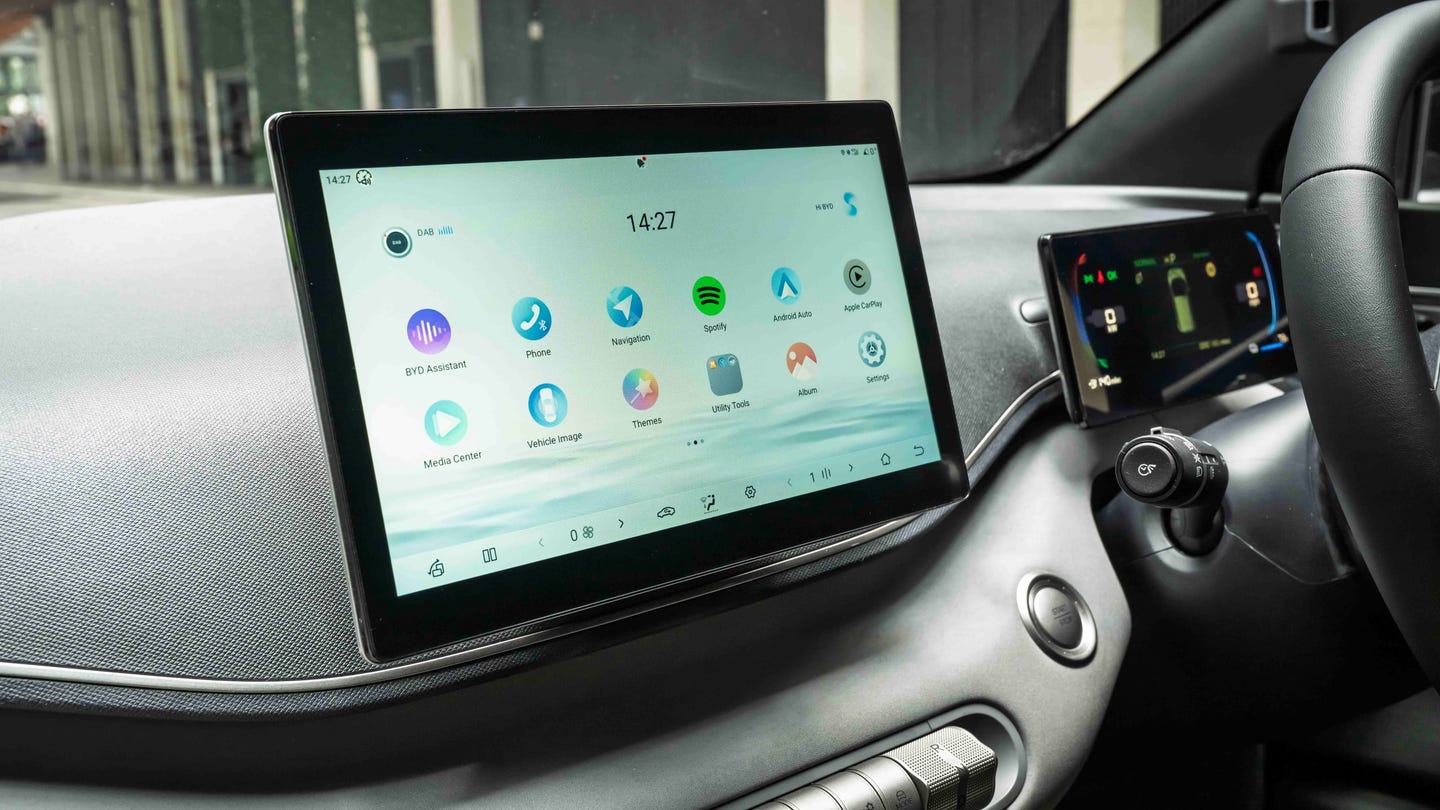
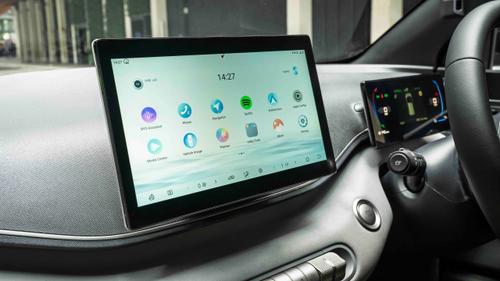
The 10.1-inch touchscreen is similar to what’s fitted in other BYD models we’ve tried. The main functions are easily accessible, but far too much is hidden away in vast submenus. That includes demisting the rear windscreen and the regenerative braking setting. To give BYD its dues, the headlights and fog lights are on the indicator stalk – some Chinese cars even put these functions in the touchscreen.
The home screen could be a lot more useful, however. All the main features are on a small, scrolling bar at the bottom, with most of the screen taken up by a wallpaper image. You can split-screen the navigation and Spotify, but no other music apps are supported.
If you’d rather, you can skip BYD’s infotainment system and use Apple CarPlay/Android Auto instead. Handily, the climate control bar at the bottom of the screen now stays in place when you’re mirroring your phone.
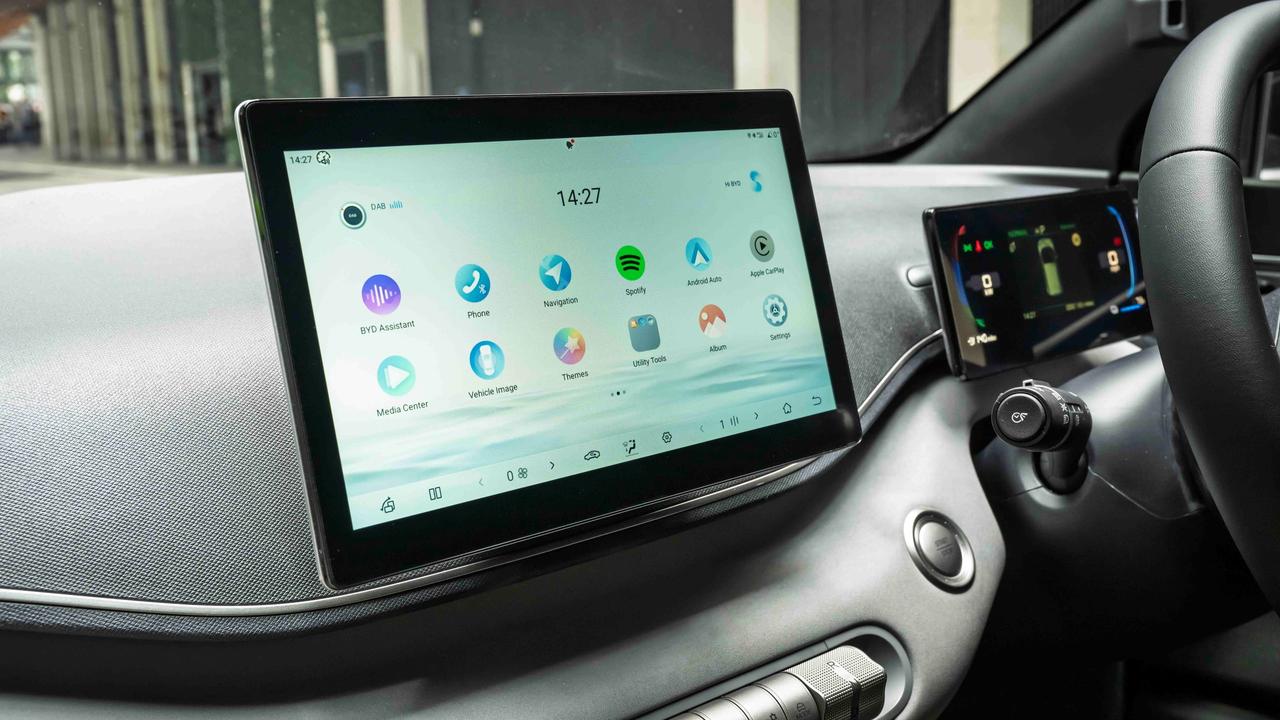
As with every BYD, the screen can rotate from landscape to portrait. We can see this being useful for the sat nav display, but you’ll probably leave it in landscape most of the time – especially because it reverts back to landscape every time you turn the car off. Having a dedicated button for rotating the screen on the steering wheel feels too prominent for a feature you might rarely use. What’s more, you can’t see anything on the screen in portrait mode if you’re wearing polarised sunglasses.
The base-spec model only comes with the smaller battery but plenty of standard equipment. There’s auto high-beam assist for the headlights, vegan leather seats (pleather, in other words), sat nav, rear parking sensors, a reversing camera, adaptive cruise control, keyless entry and the ability to power other electrical devices at a maximum rate of 3.3kW.
Mid-spec Boost trim includes the bigger battery, alloy wheels, auto wipers, power-folding mirrors and powered front seats. Top-of-the-range Comfort trim gets LED headlights, heated front seats, wireless phone charging and a 360-degree parking camera.
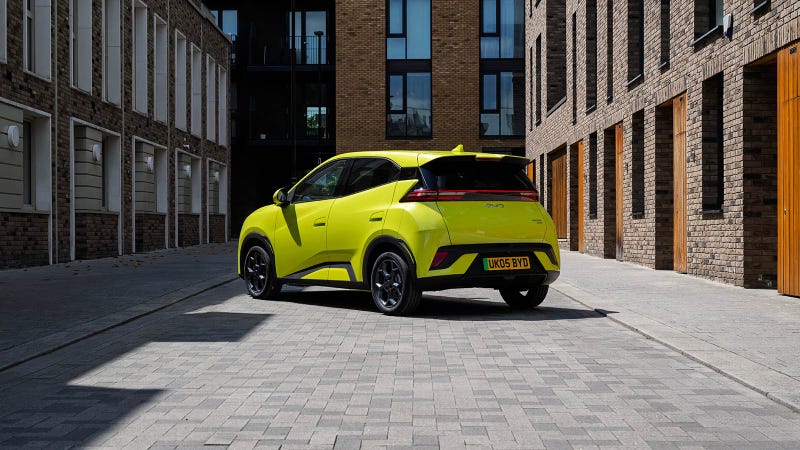
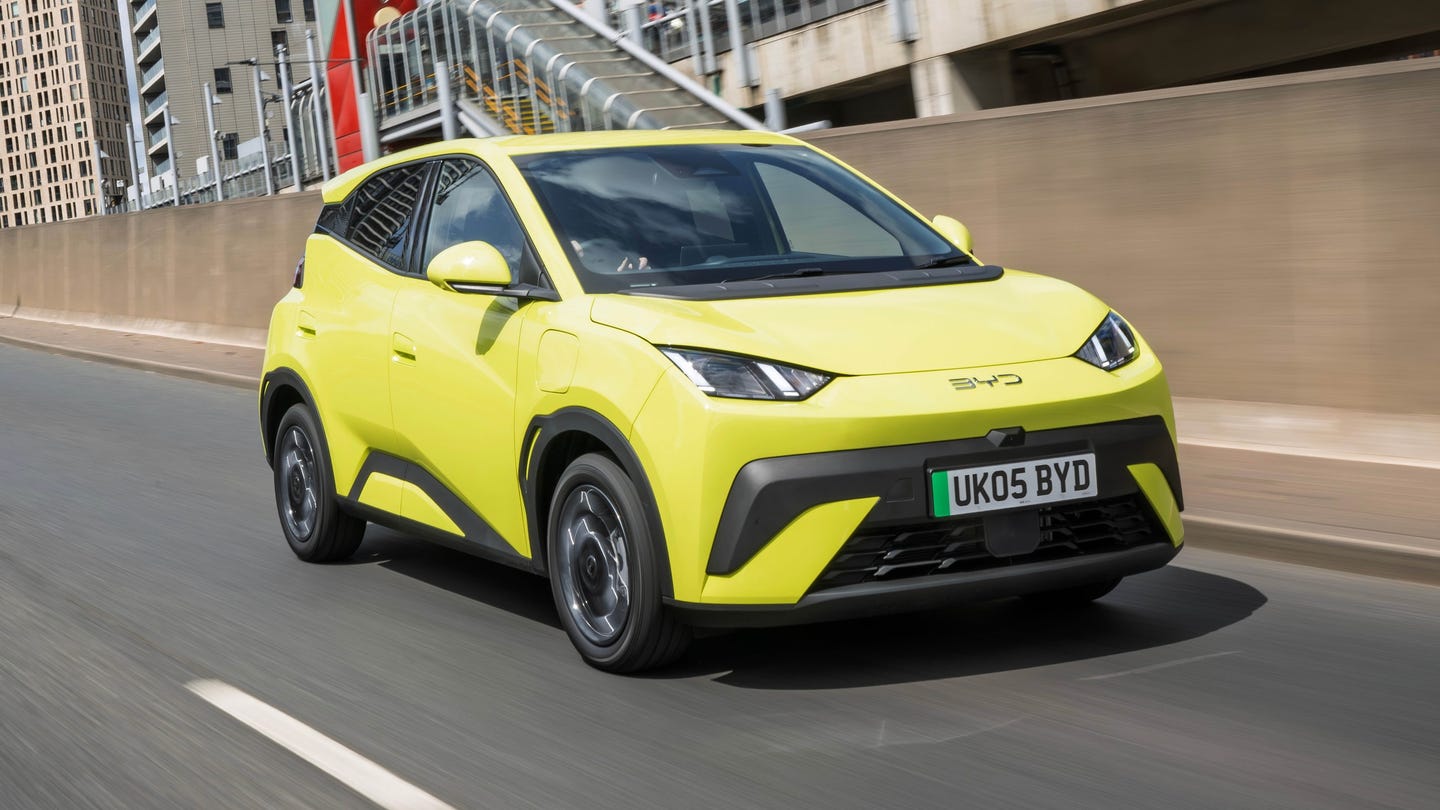
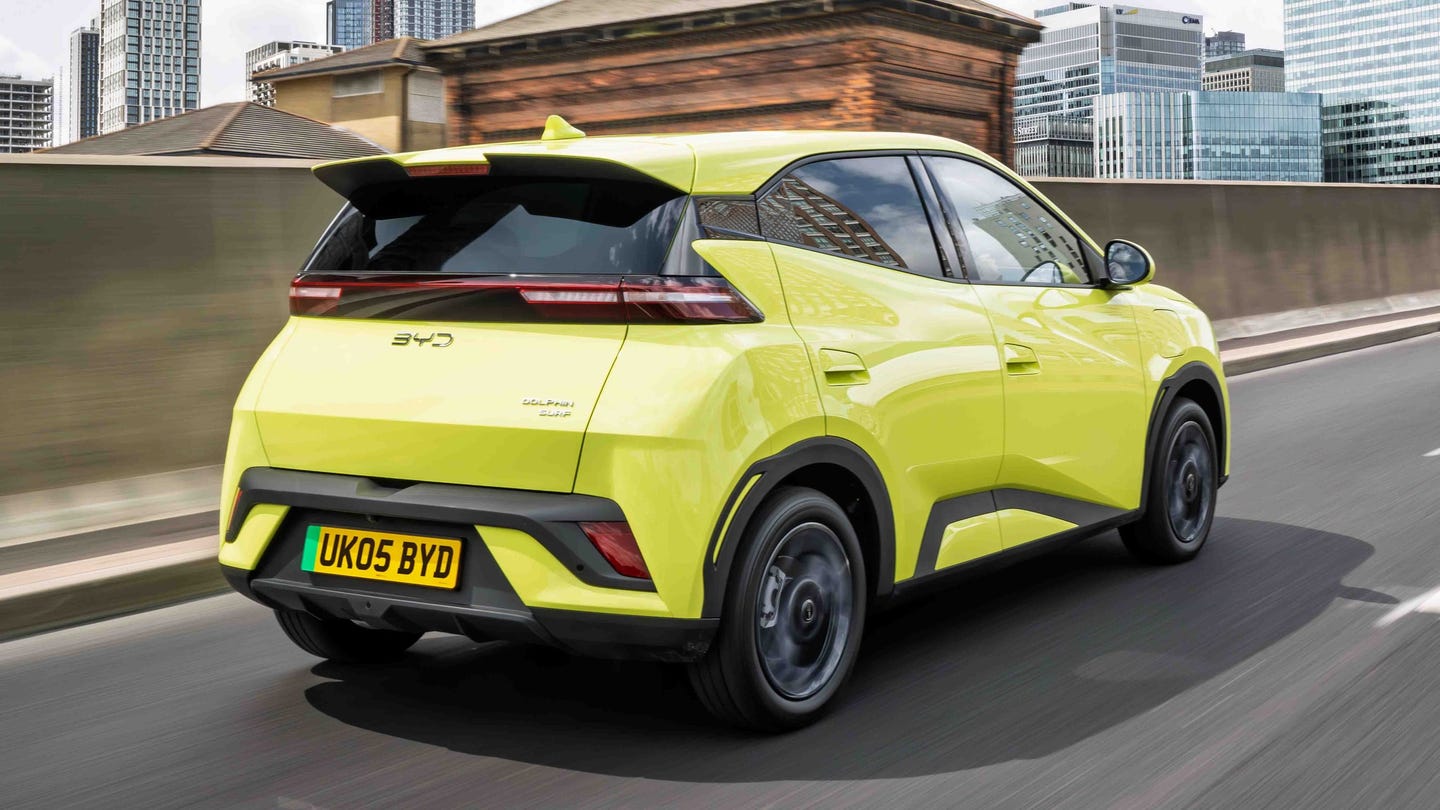
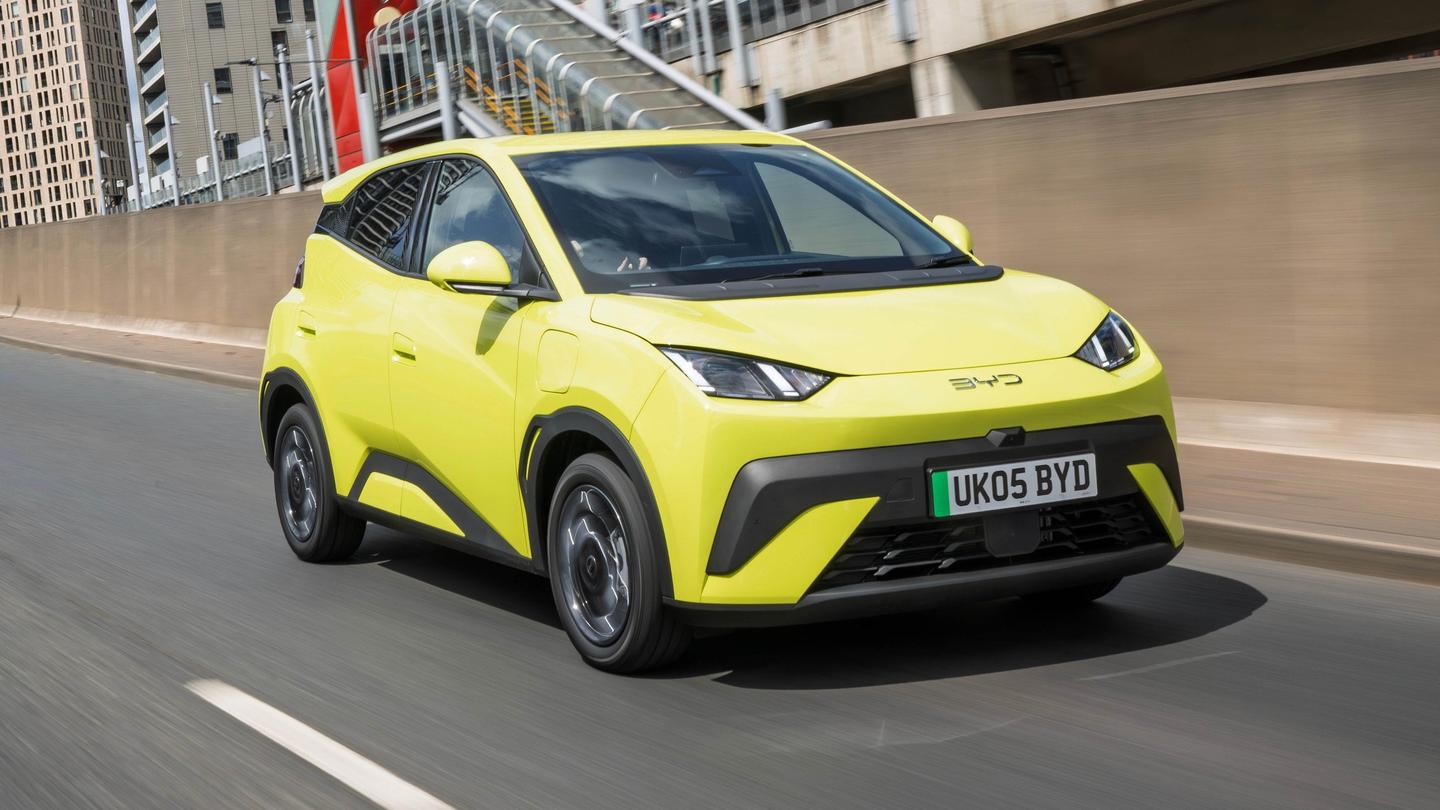
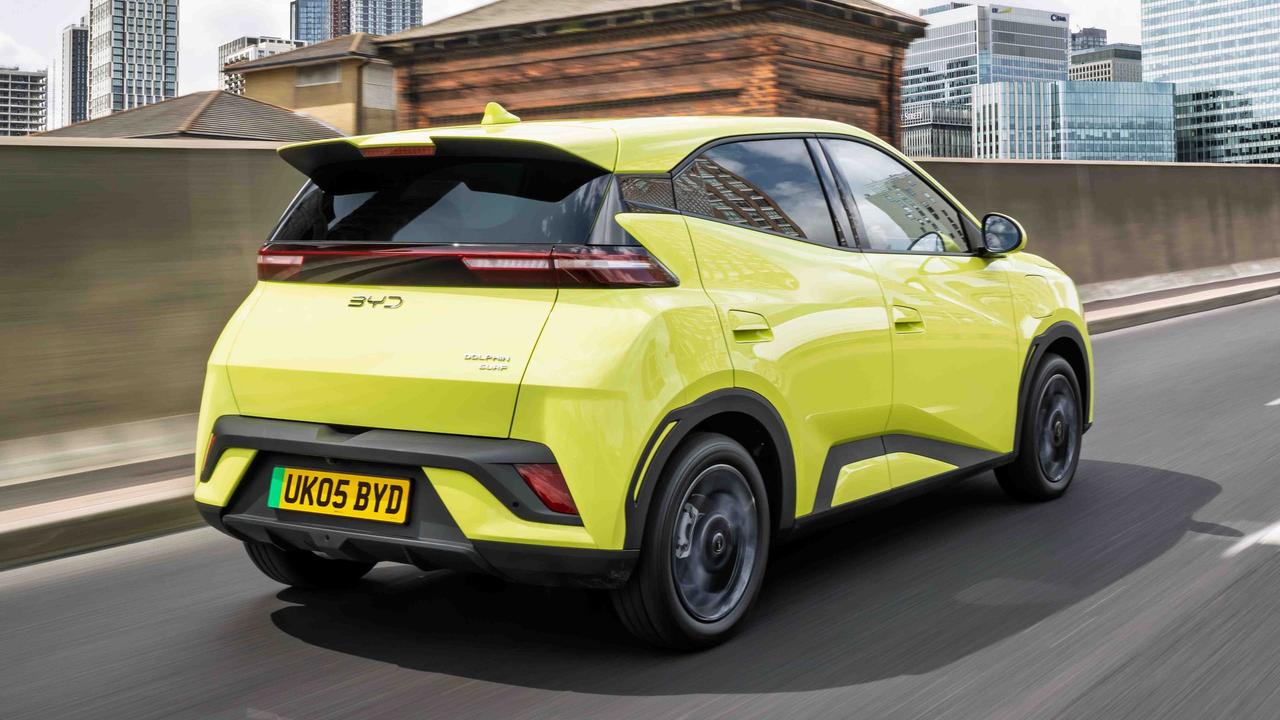
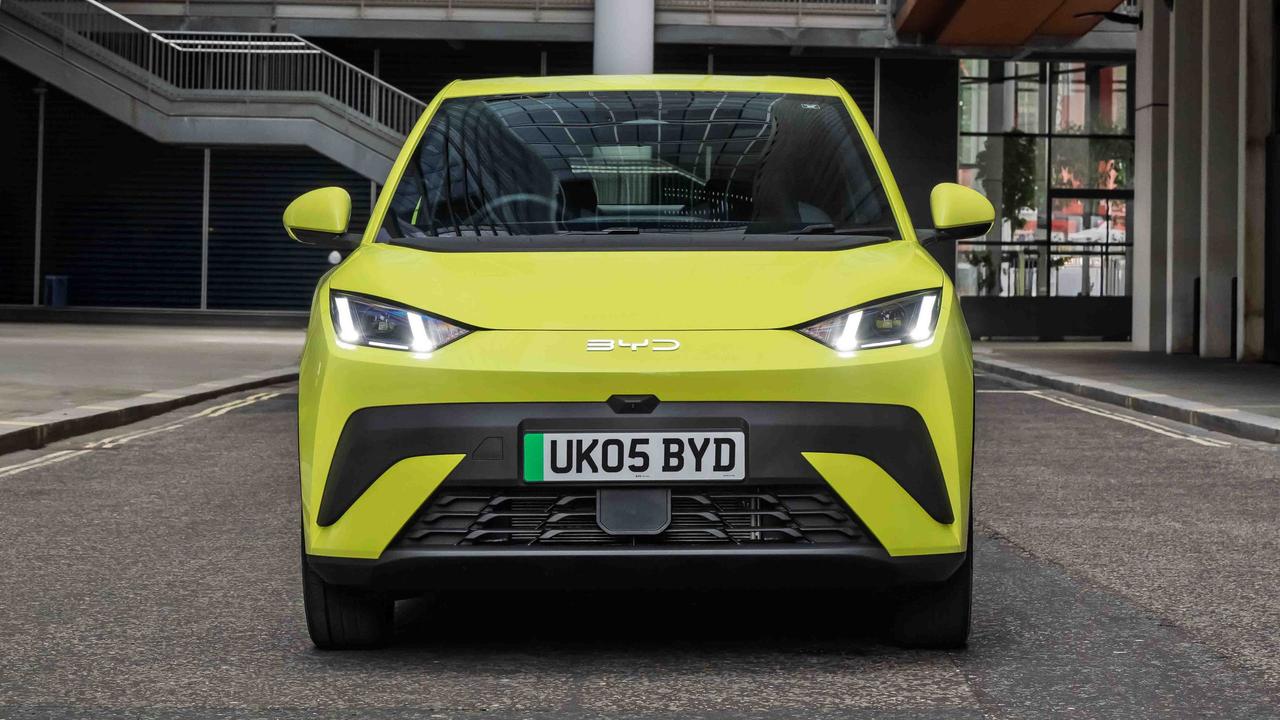
Looks are deceiving: the BYD Dolphin Surf appears to be one of the smallest cars on the road, but it’s actually almost as long as a Ford Fiesta. Plus, it’s taller than many small SUVs, such as the Jeep Avenger, Volkswagen T-Cross and Vauxhall Mokka.
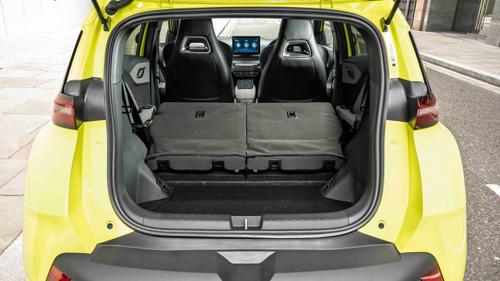
There’s actually plenty of space for four adults to sit in the Dolphin Surf. Legroom is pretty generous for a sub-four-metre car. We might’ve expected a bit more rear headroom given the car’s height – most adults will have space but taller folks will be a bit cramped. This is down to the rear seats being elevated above the fronts like in a cinema – and the battery pack has to go under the floor.
Three of the car’s four seats have Isofix points. We’re fairly sure the Dolphin Surf is the smallest car that can fit three child seats in. You might find that your kid prefers to ride in the front, because the Dolphin Surf’s rising windowline and chunky front seats make it hard to see out from the back.
Back-seat passengers get map pockets on the seats, a useful storage area at the back of the front centre armrest and good-sized door bins, but no USBs or reading lights. Further forward, there’s a prominent phone tray above an open storage area that’d fit a small handbag or rucksack.
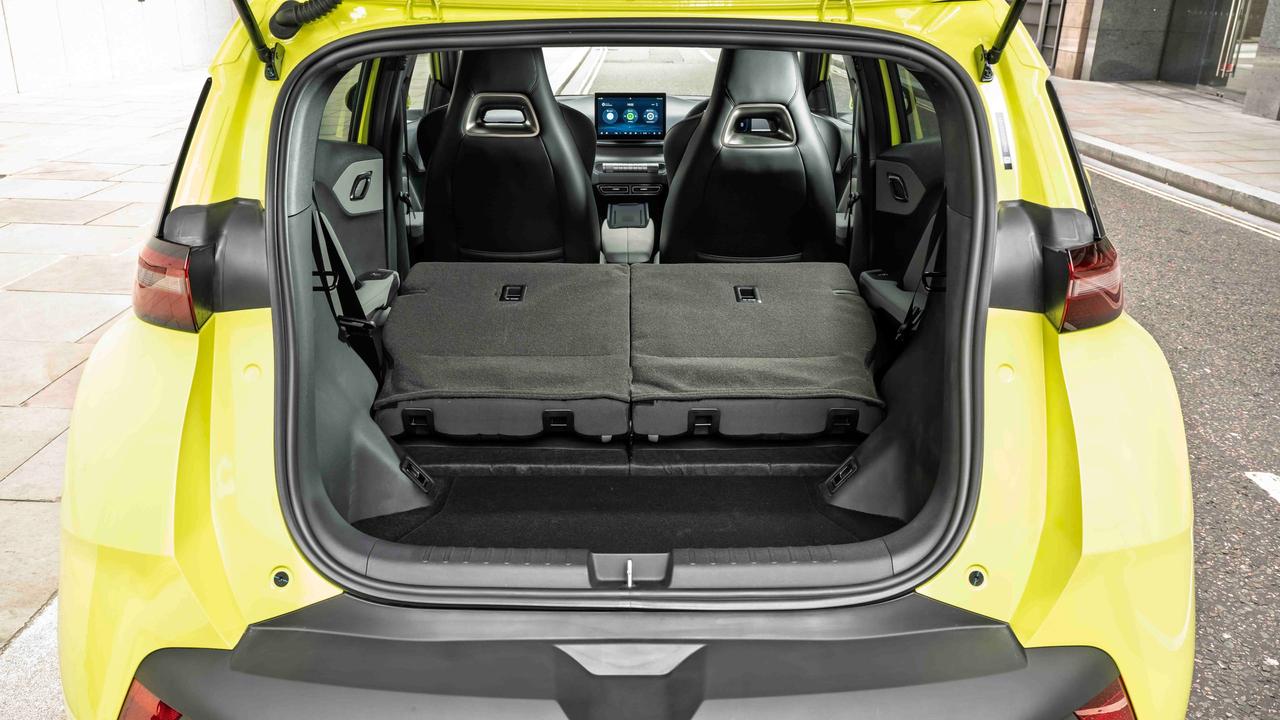
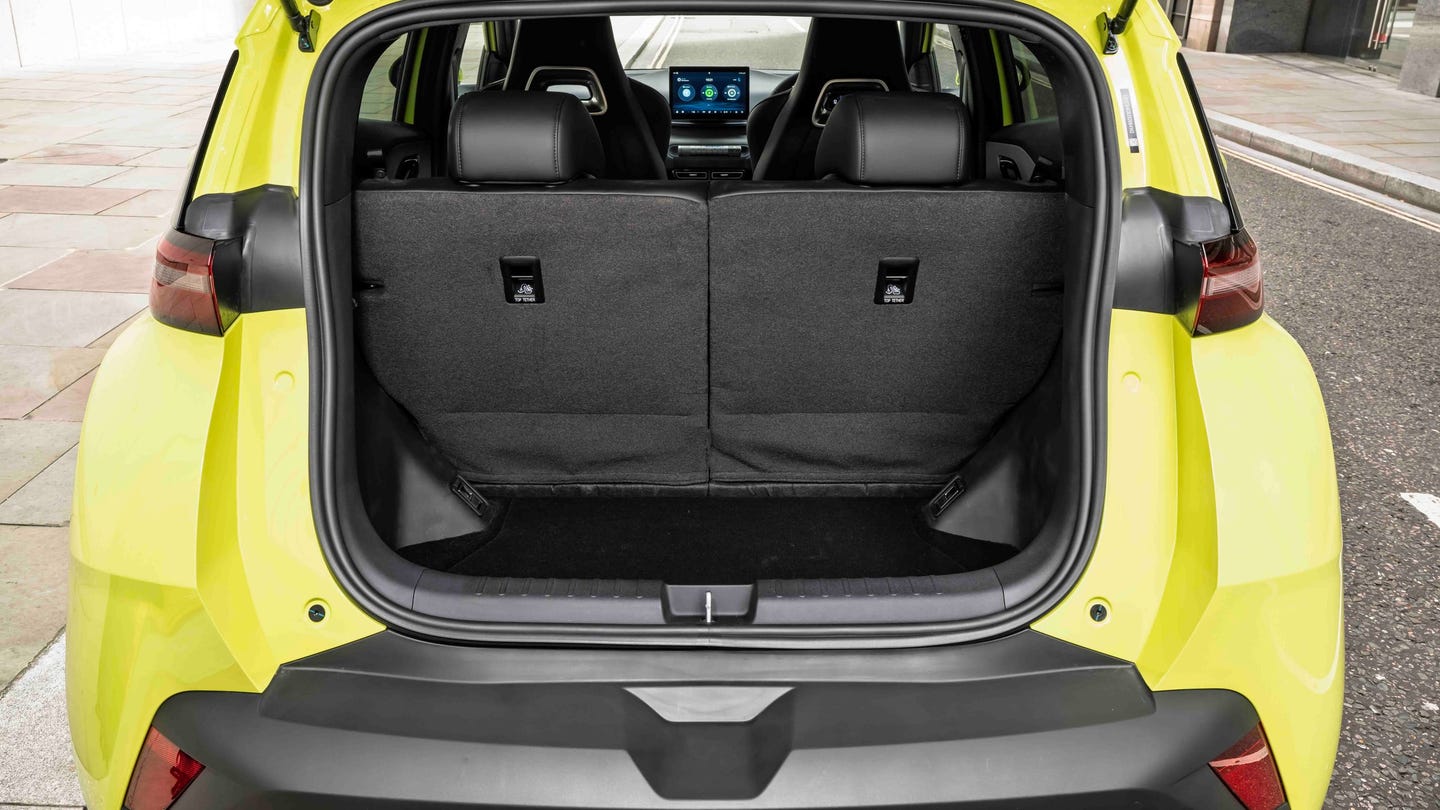
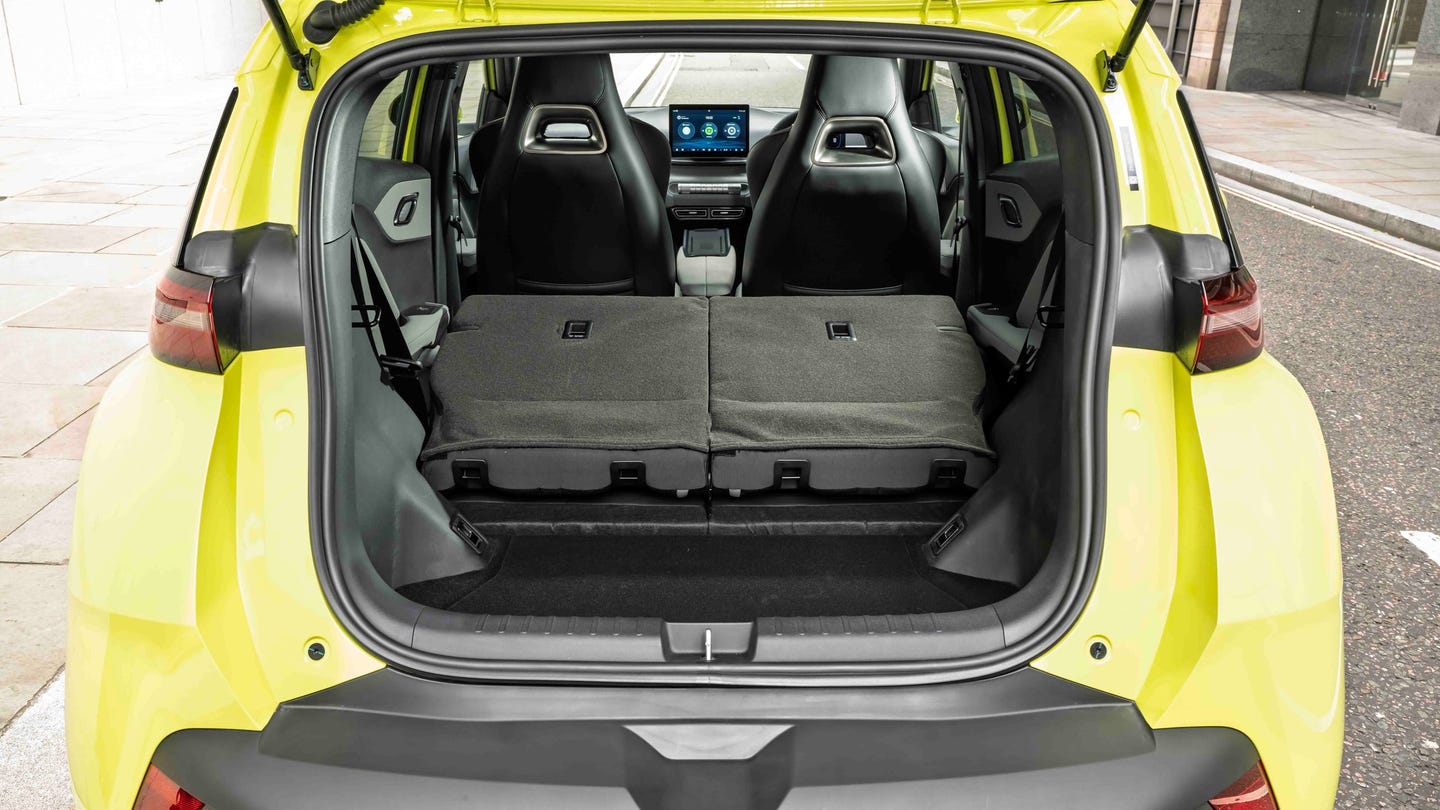
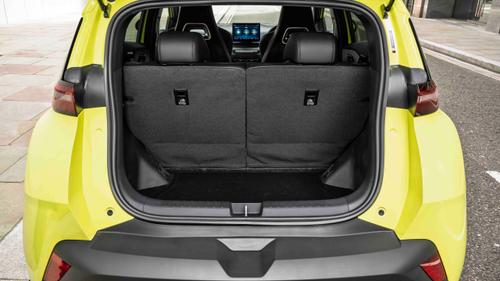
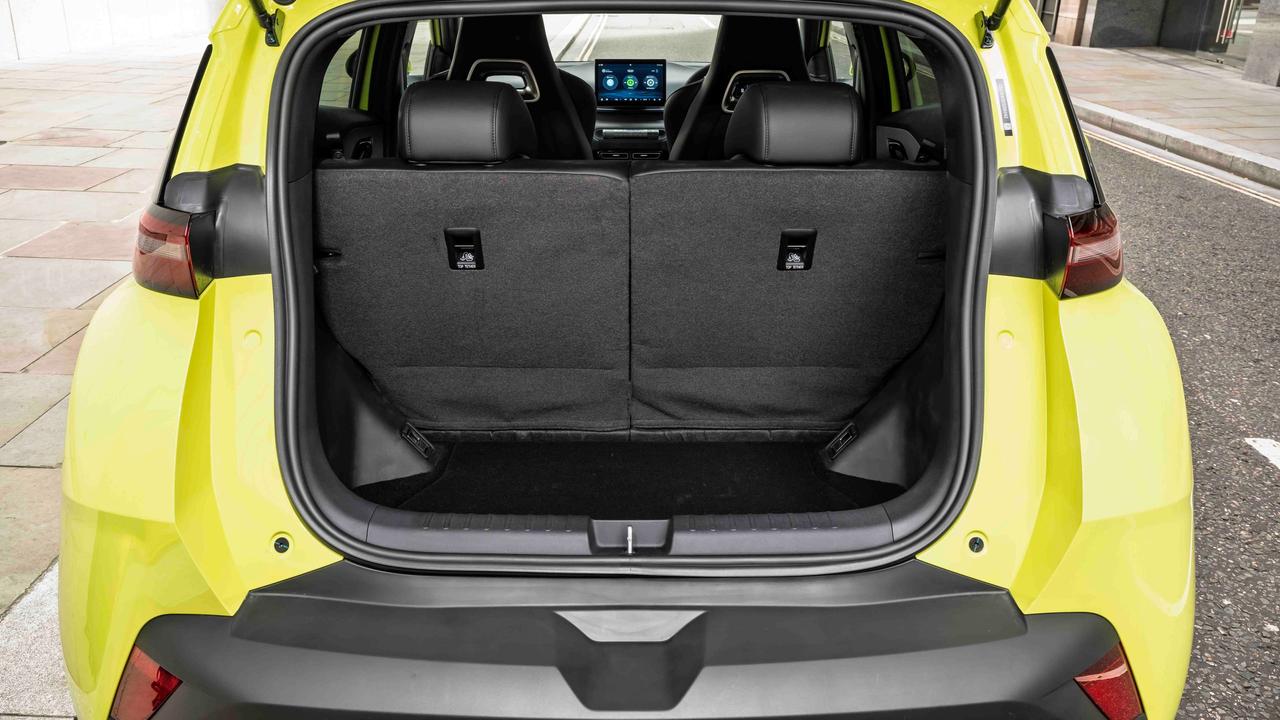
The boot measures 308 litres including a shallow underfloor storage area, where you’ll probably keep the charging cable because there’s no frunk under the bonnet. Although the boot is a bit bigger on paper than the likes of the Leapmotor T03 and the Suzuki Swift, it’s an awkward shape. There’s no parcel shelf because the seatback near-enough meets the bootlid, so the space is effectively triangular. Annoyingly, there are some intrusive mouldings in the boot which’ll make it harder to load large items. But then the boot opening is on the narrow side anyway.
Versatility is boosted by the 50/50 split-folding rear seats, which lets you carry oversize items alongside a passenger. Some rivals such as the Spring and T03 make you choose between passengers or luggage.
BYD has fitted a small 30kWh battery in the entry-level Dolphin Surf to keep the price down, and the resulting 137-mile official range is perfectly adequate if you’re buying the Surf as a second car or if you largely drive in built-up areas. It’s comparable with the Spring, the small-battery Citroen e-C3 and the funky Honda Super-N. BYD reckons you’ll get 4 miles per kWh in mixed driving, and closer to 6mi/kWh around town – which would enable 200 miles between charges.
Most buyers opt for the bigger 43.2kWh battery, which is included on Boost and Comfort trim levels. This sees the mixed driving range estimate increase to 200 miles on the dot, and up to 305 in stop-start driving. In our experience, the 200-mile estimate is achievable in real-world driving, meaning the Dolphin Surf is well suited to the occasional longer journey.
The smaller battery can fast-charge at 65kW, while it’s 85kW for the bigger battery. Both charge from 10-80% in half an hour. You’re probably more likely to charge at home where it’s significantly cheaper, and both batteries can be fully charged in a few hours. On a specialised EV tariff, a full charge at home costs about £3 for the bigger battery.
The mid-range Boost model is the slowest of the lot, because it uses the same 88hp motor as the base model but with the bigger and heavier battery. Here, 0-62mph takes 12.1 seconds (a second longer than the Active base model). The performance is fine around town but a little lacking on faster roads.
Top-spec Comfort packs an almost hot-hatch-like 156hp, for a much zippier 0-62mph time of 9.1 seconds. The slight trade-off is a 193-mile range estimate. All Dolphin Surfs top out at 93mph.
BYD reckons its Blade battery is the safest on the market. The LFP chemistry (lithium iron phosphate) is said to be particularly heat-resistant and the battery passed an arduous nail-penetration test without smoke or flames. The company encourages you to charge to 100% rather than the usually advised 80%, and promises that the car can handle more than 5,000 charging cycles.
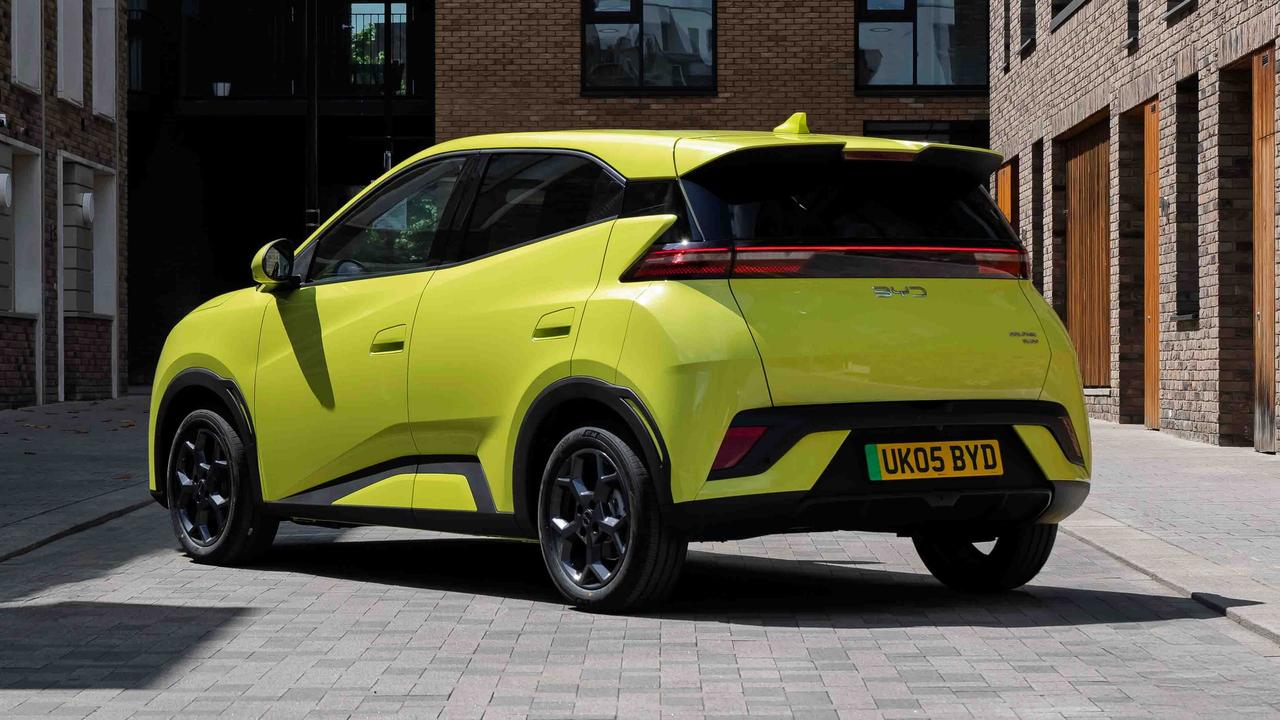
The driving experience is clearly some way down the Dolphin Surf’s priority list – or an easy area for BYD to cut costs in. It’s adequate in most areas but doesn’t stand out in any particular aspect.
Hardly surprisingly, the Dolphin Surf is happiest around town. It has a tight turning circle and light steering, making parking a breeze. Performance is nippy enough with the 88hp motor, and the car is pleasingly efficient at low speeds.
It’s a shame, then, that the Dolphin Surf’s brake regen modes aren’t very strong. The Nissan Micra’s one-pedal driving mode makes it much more enjoyable to drive in a stop-start environment, because you can simply modulate the accelerator pedal rather than having to brake and accelerate. A stronger regen mode would also hide the jerky transition between regen braking and the actual discs taking over.
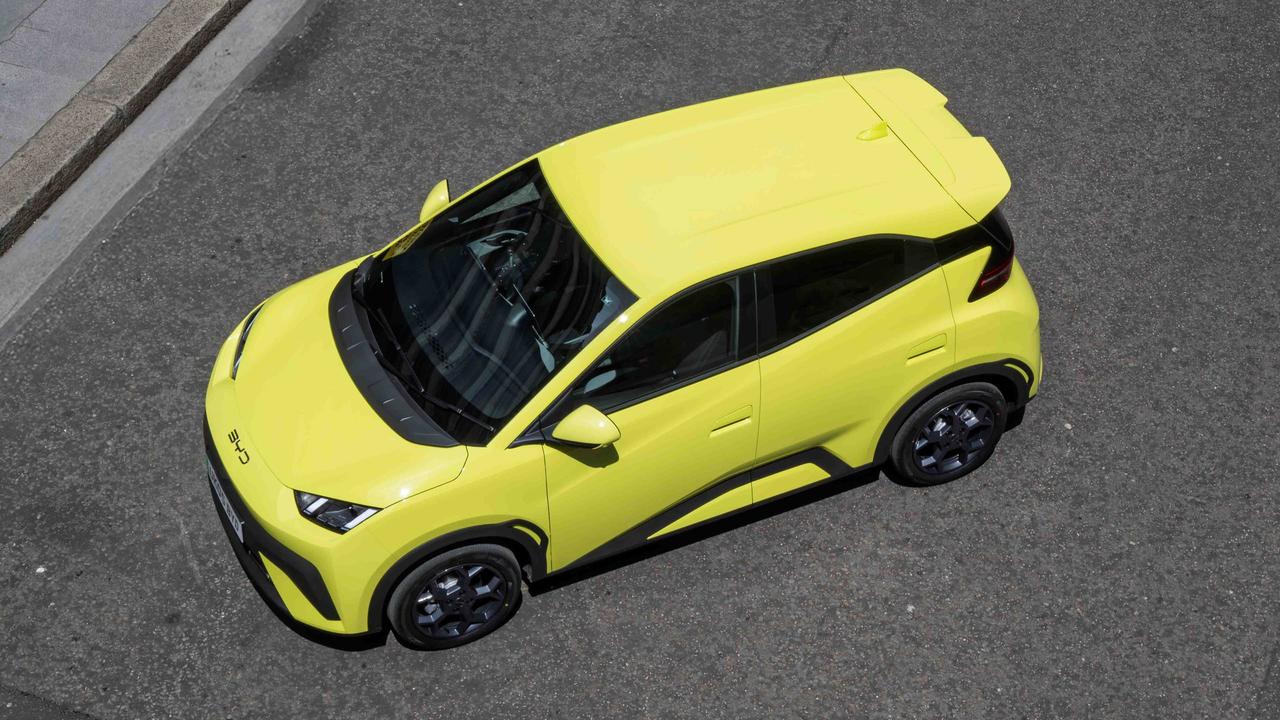
The Dolphin Surf's light steering ends up feeling a bit lazy on faster roads, so you’ll need to do lots of corrections and recentring. It isolates you from the driving experience; some rivals have a more engaging experience and more of a rock-solid feel. That’s not helped by the skinny tyres breaking traction when you leave a junction in slippery conditions.
Refinement and ride comfort are both in the middle of the small EV pack. There’s a fair bit of ambient noise at motorway speeds but slightly less than the Spring and T03. Bumps are rounded off fairly well but a Citroen e-C3 is comfier.
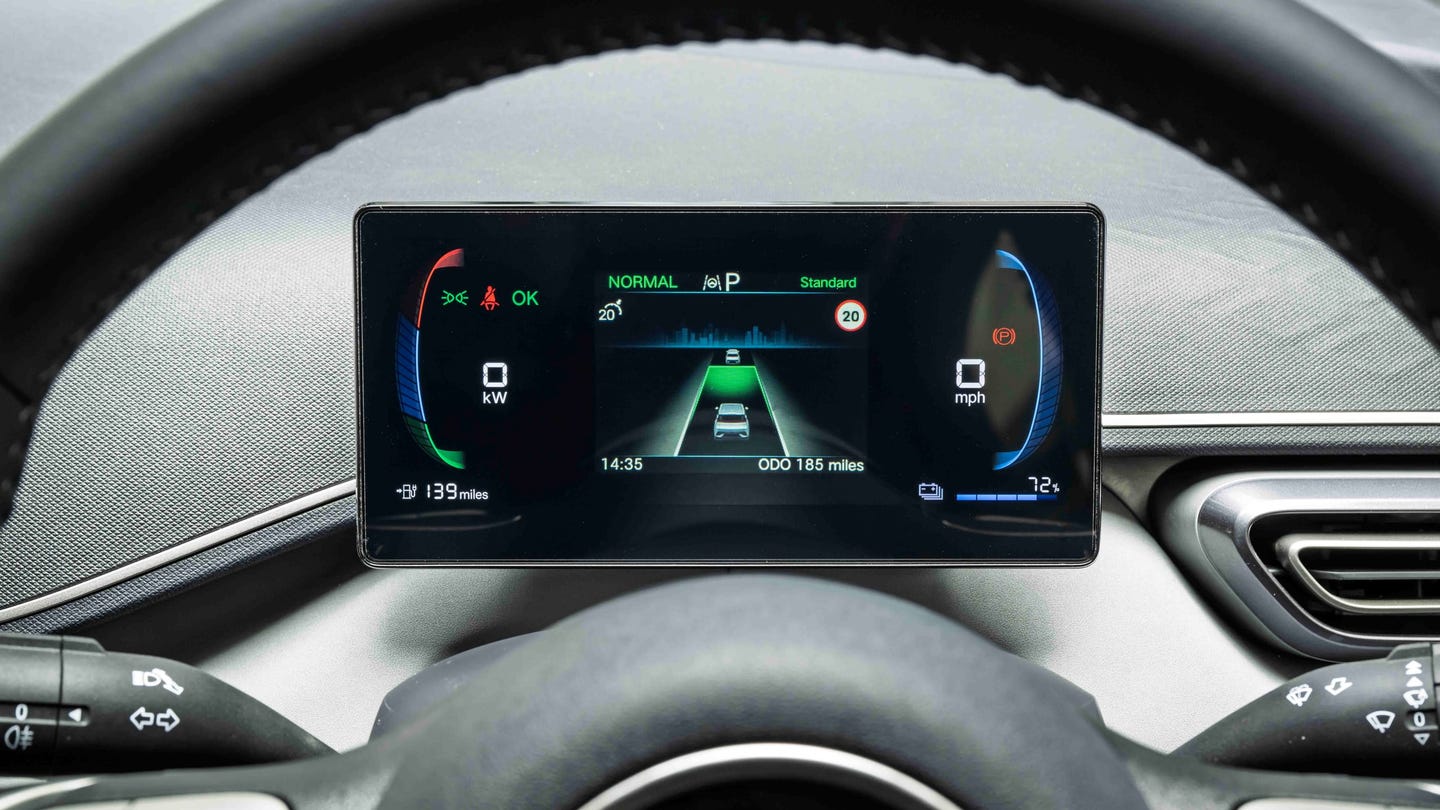
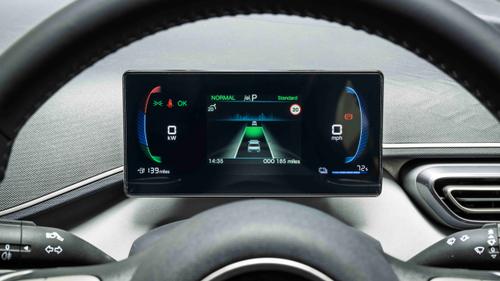
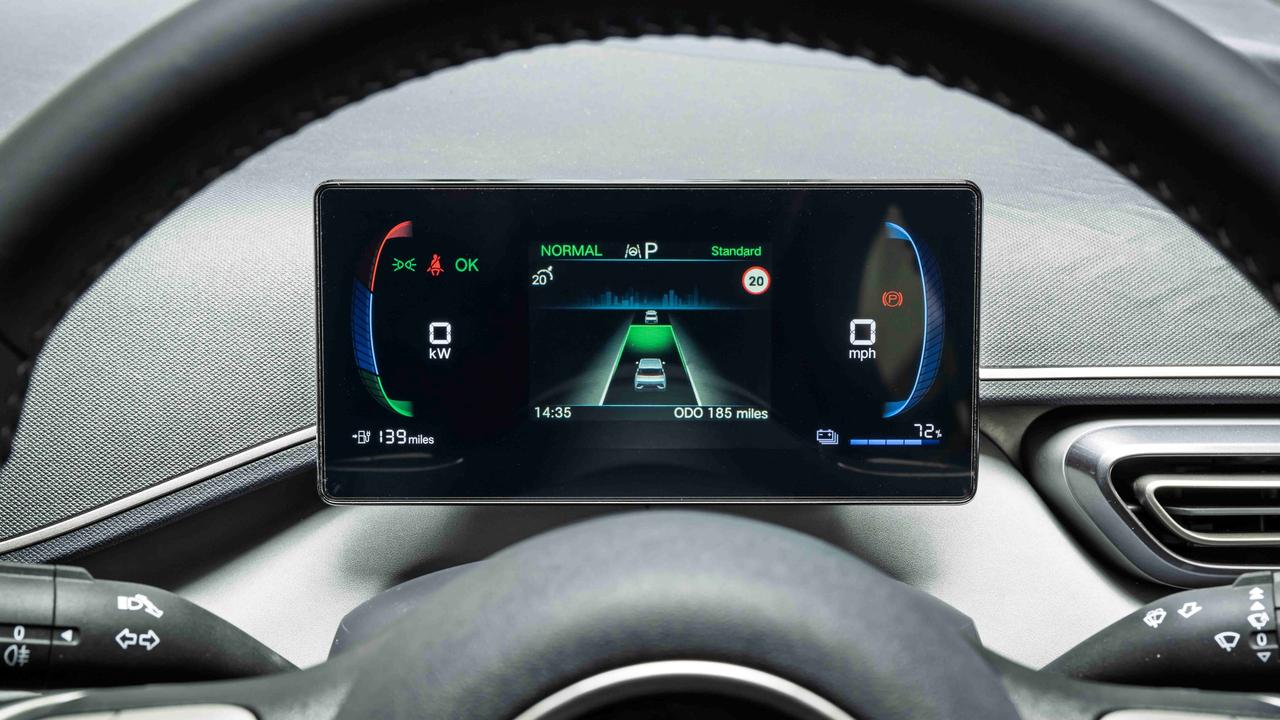
Some of the driver ‘assistance’ features are poorly calibrated and downright annoying, often deciding to steer for you or bonging away. Both distract you from driving, and turning them off requires a deep dive into the touchscreen – which, again, means you’re taking your focus away from the road.
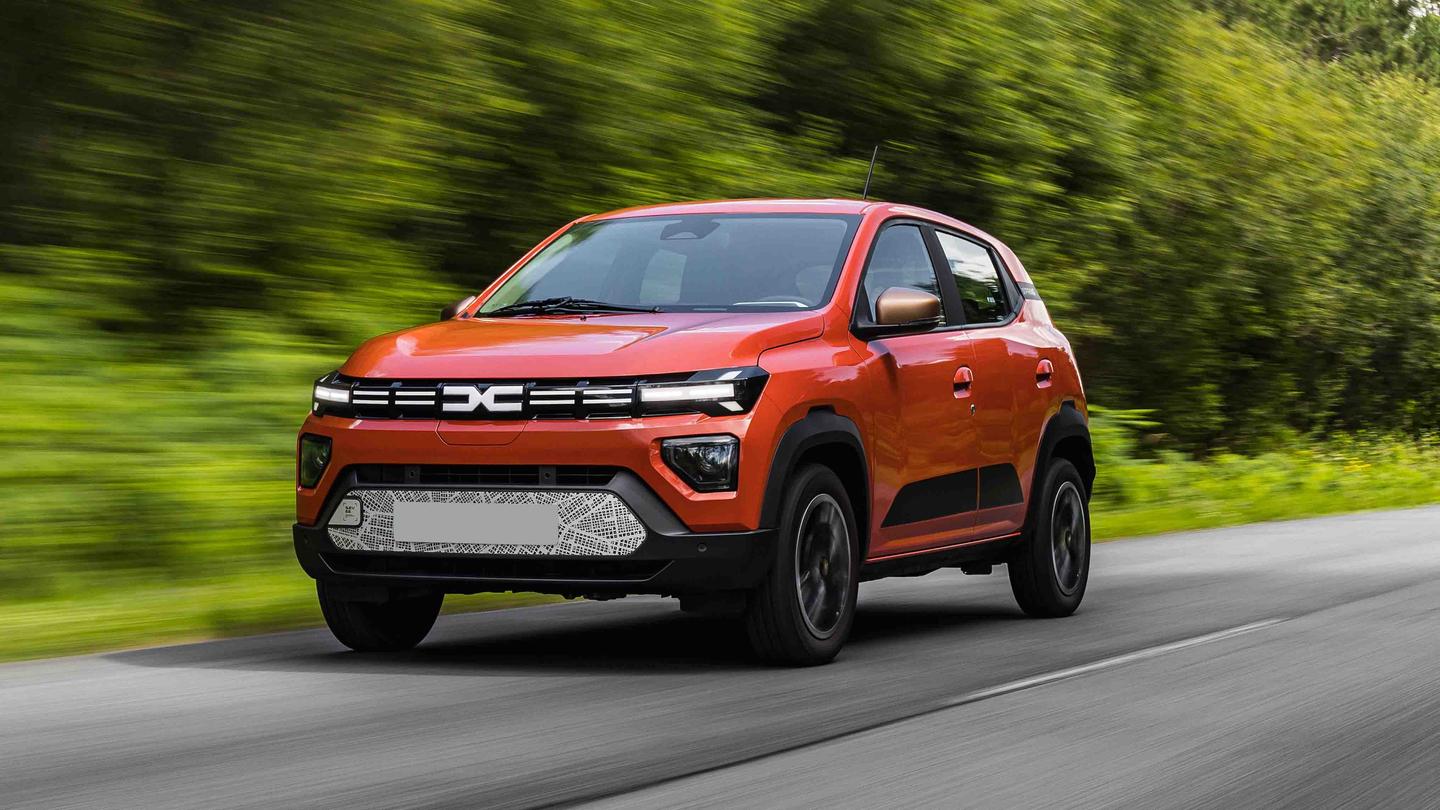
The cheapest EV on sale is a top runabout – in town and further afield
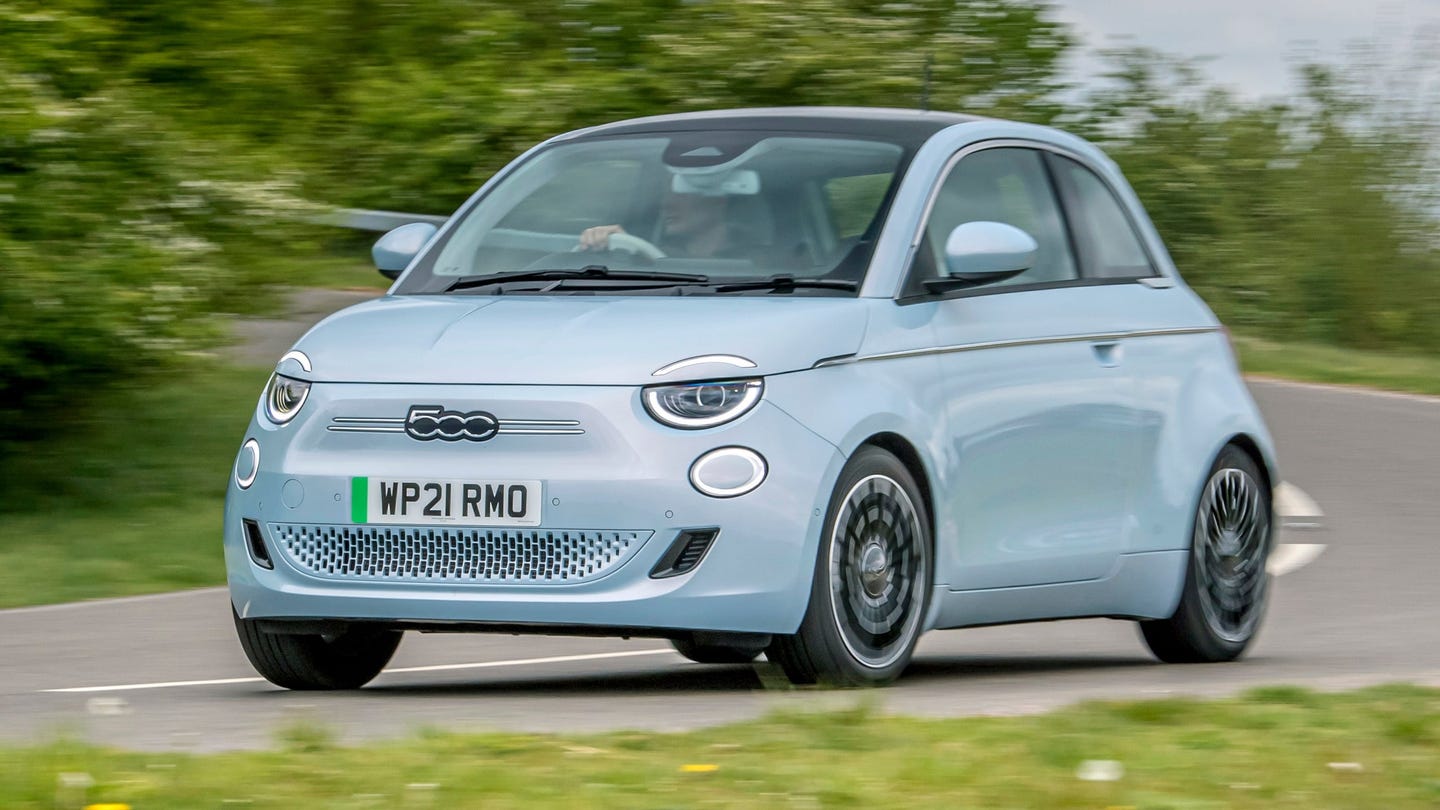

Tiny electric city car is quite grown up and astoundingly cheap