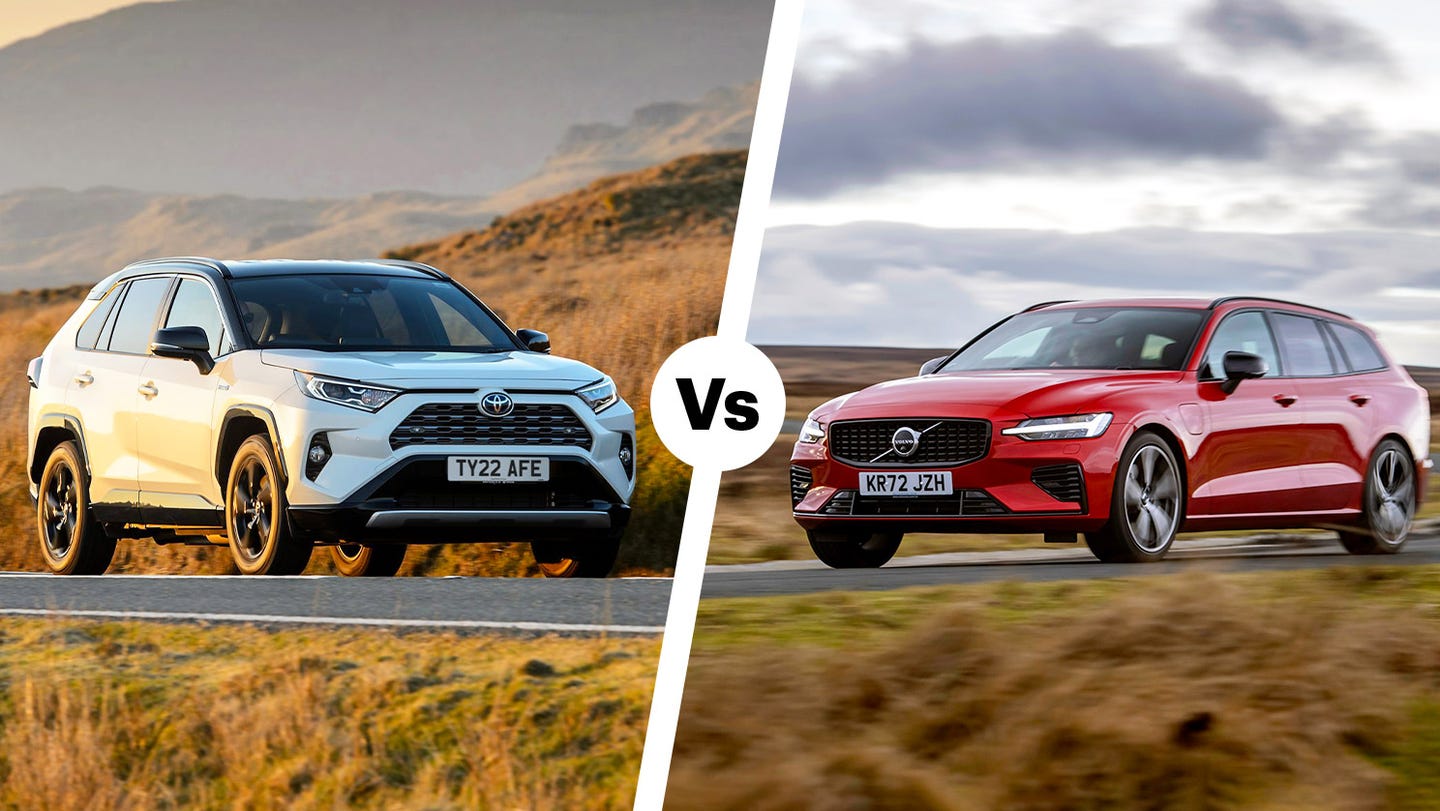
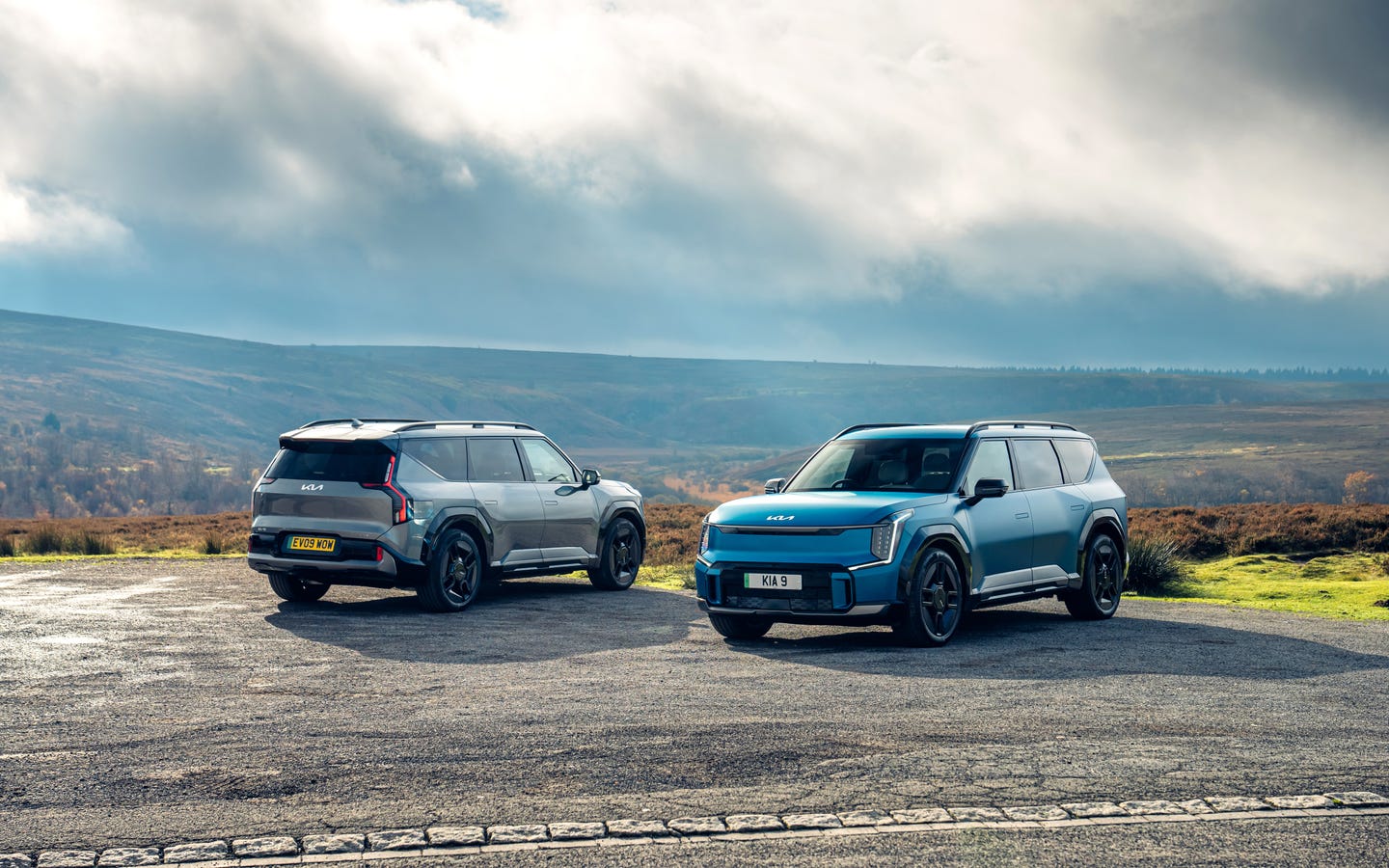








Hybrid cars have gone from a niche oddity to a mainstream choice in the last few years.
They're an increasingly tempting option for drivers used to fuel-powered cars, as you have excellent efficiency with the flexibility of refuelling. Plus, they're a great stepping stone if you're considering switching to an electric car.
This complete guide will explain the different types of hybrid cars, how they work, and help you choose the right option for you.
What is a hybrid car?
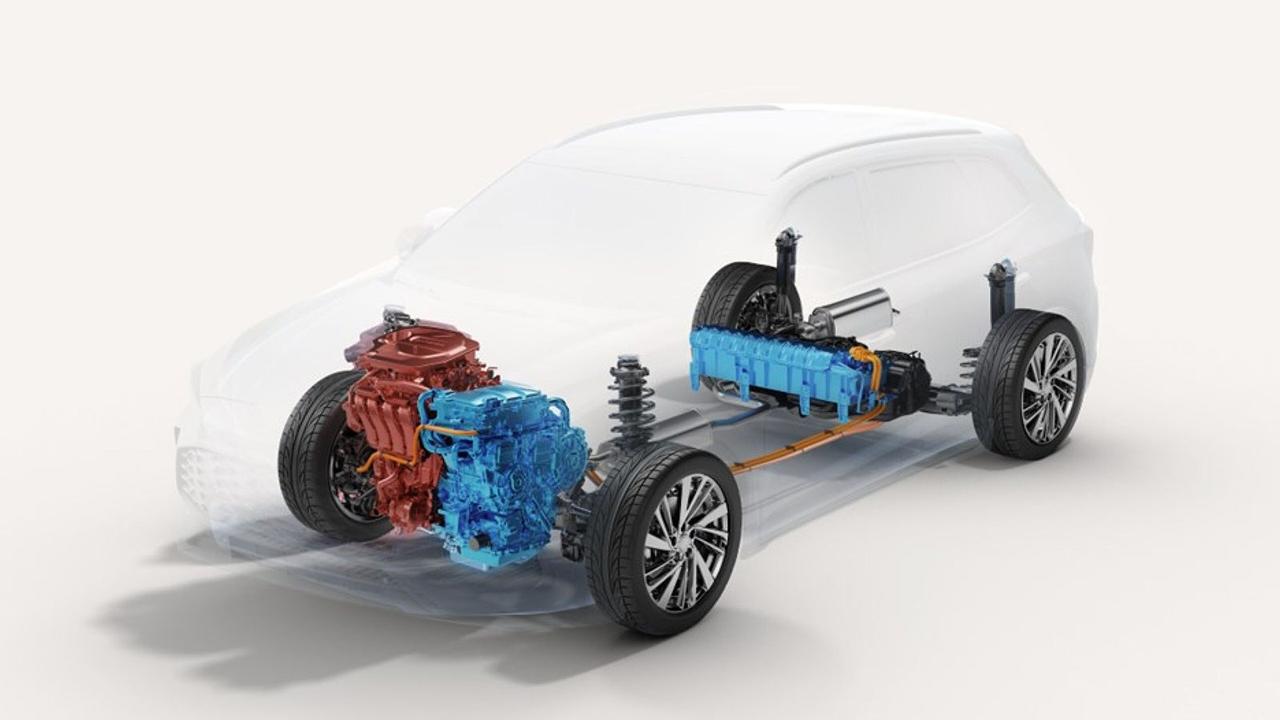
A hybrid car uses both a fuel-powered engine and an electric motor to power the wheels. There are several different types of hybrid, all serving as a middle-ground between fully electric cars and fully engine-driven cars.
Hybrid cars let you enjoy the benefits of both petrol and electric power. Having an engine means you always have the flexibility of refuelling and, for mild and full-hybrids, you don't have to charge them. While the electric motor reduces the load on the engine and lets you recapture energy when you're slowing down – both of which substantially increase fuel economy.
Types of hybrid car
There are three main types of hybrid car – mild, full and plug-in hybrids. Let's explore the differences:
| Mild hybrid | Full hybrid | Plug-in hybrid | |
| Also known as | MHEV | Self-charging hybrid, FHEV, HEV | PHEV |
| Can it drive on engine power? | ✅ | ✅ | ✅ |
| Can it drive on electric power? | ❌ (some modern MHEVs can drive at car-park speeds on electric power) | ✅ (usually urban speeds only) | ✅ |
| Typical electric range | Less than 0.1 miles | Less than 1 mile | 30-70 miles |
| Typical mpg in mixed use | 40-50 mpg | 50-60 mpg | 100+ mpg |
| How is it recharged? |
|
|
|
| Ideal for: | Any driver, especially those wanting a familiar petrol/diesel car | Any driver, though those who cover lots of motorway miles will see a bit less overall benefit | Drivers with a regular commute and access to a charger at work or at home |
| More information | Guide to mild hybrids | Guide to full hybrids | Guide to plug-in hybrids |
Pros and cons of hybrid cars
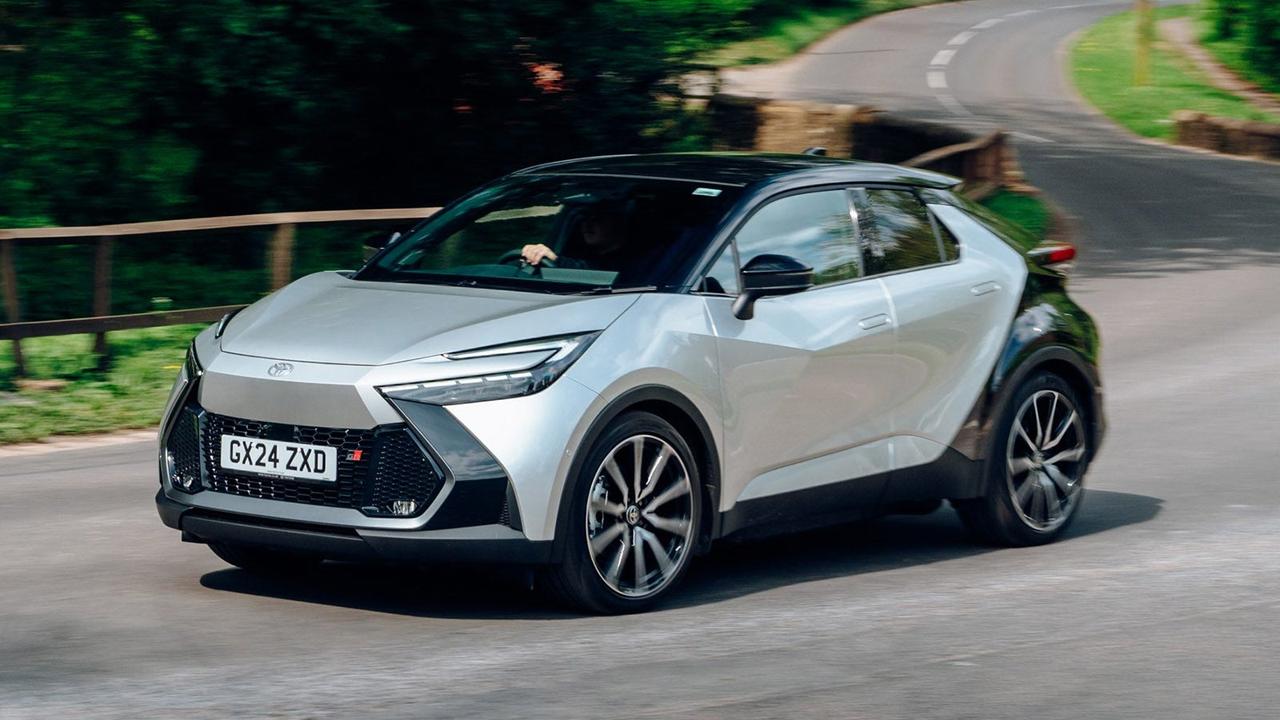
Pros of hybrid cars:
- Excellent efficiency
- Electric motor makes them smooth in stop-start traffic
- Retain the flexibility of refuelling
- No faffing around with recharging (mild and full hybrids)
- Can cover your commute on electric power alone (plug-in hybrids)
Cons of hybrid cars:
- More expensive than purely engine-powered cars
- Can sound a bit coarse at full throttle
- Usually designed to be easy to drive but not much fun
- Plug-in hybrids require access to an EV charger
Are hybrid cars worth it?
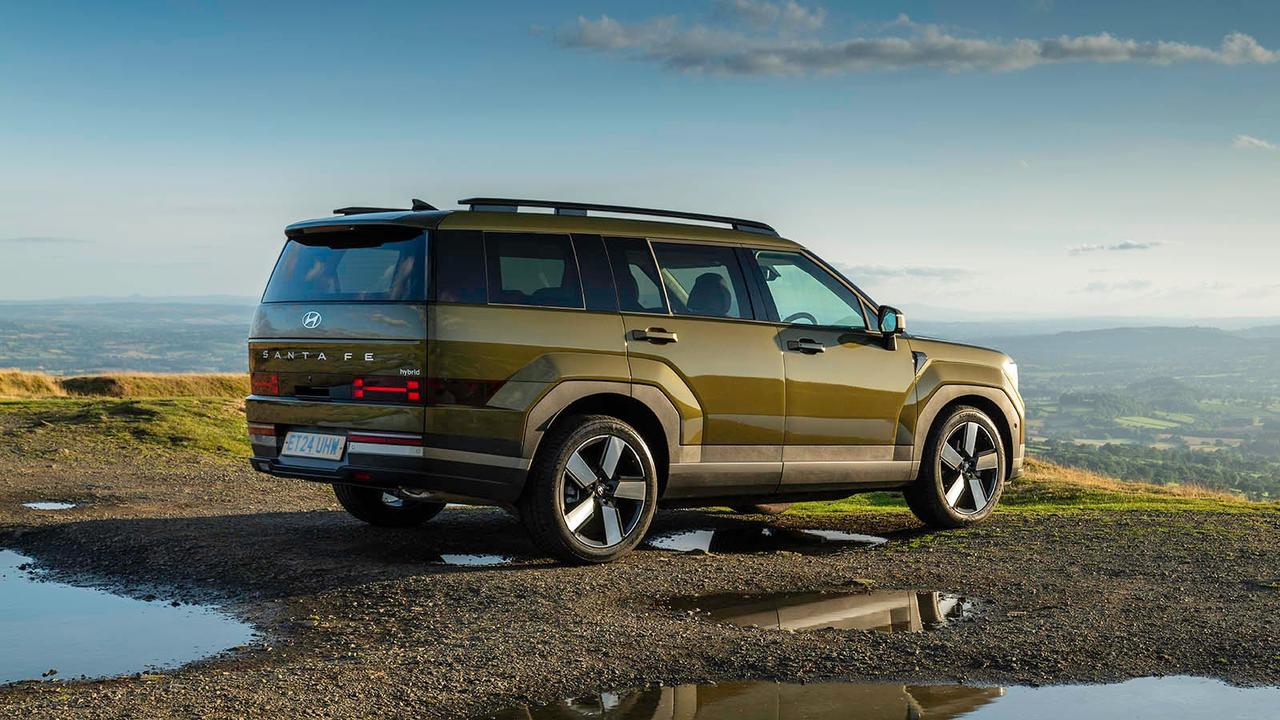
The answer really depends on the type of driving you normally do. If you do mostly mixed motoring, taking in a range of urban, suburban and faster roads, then a mild or full hybrid could be perfect for you. It'll save you money at the pump, and be smoother and easier to drive than many engine-powered alternatives.
If you have a regular commute and access to an EV charger, then a plug-in hybrid could slash your running costs. These retain the all-round flexibility of mild and full-hybrid cars, but add the extra dimension of a meaningful electric-only range, ideal for regular commuters or school-run hops.
However, some drivers won't see quite as much benefit from hybrid cars. For example, drivers who have a high annual mileage and do lots of motorway driving – they'll still see an economy improvement in a hybrid car, but it'll be less of a jump than for a driver who does mostly mixed motoring. These drivers might be better off with a fuel-sipping diesel car.
In addition, many hybrid cars currently have a lower towing rating than an equivalent fuel-powered option. As a result, if you regularly pull heavy trailers, you might be better off with a purely petrol or diesel car.
Things to consider when buying a hybrid car
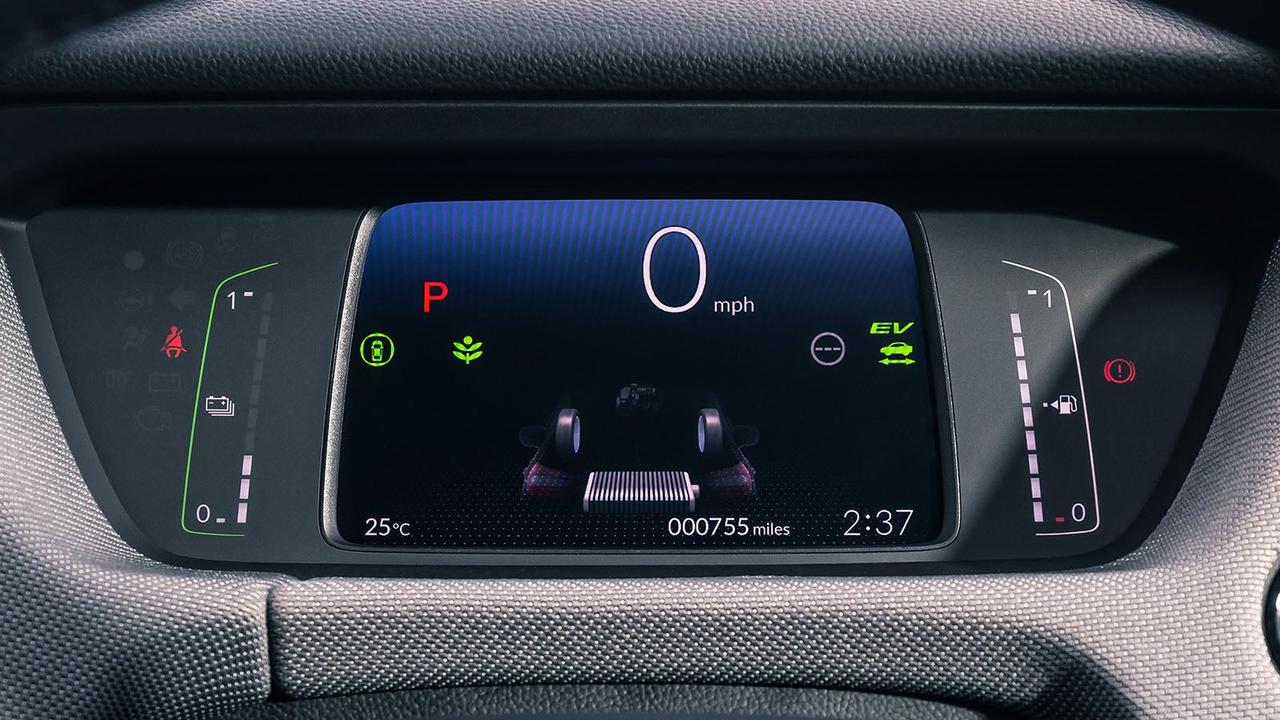
- Is a hybrid car right for me?
- Consider your annual mileage and the types of roads you normally travel on
- Small to medium-mileage drivers who mostly do mixed motoring are ideal candidates
- Drivers who cover very high annual mileages or who tow regularly might prefer a diesel
- What type of hybrid should I buy?
- Mild-hybrid cars usually feel the same as regular fuel-powered cars from behind the wheel, so suit any kind of driver
- Full-hybrid cars are a great all-round choice, but you'll see the most benefit if you cover a mix of urban, suburban and faster roads
- Plug-in-hybrid cars are by far the most efficient type of hybrid, but you'll need a place to recharge the car to see the most benefit
- What type of car should I buy?
- Hybrid powertrains are available in all types of cars
- SUVs, MPVs and estates are great choices if you need a family car
- Hatchbacks and coupes are a better choice if you don't need as much space
- Can I afford a hybrid car?
- There are lots of hybrids across a range of price points
- They'll usually cost a bit more to buy than an equivalent purely engine-powered cars
What to check when buying a used hybrid car
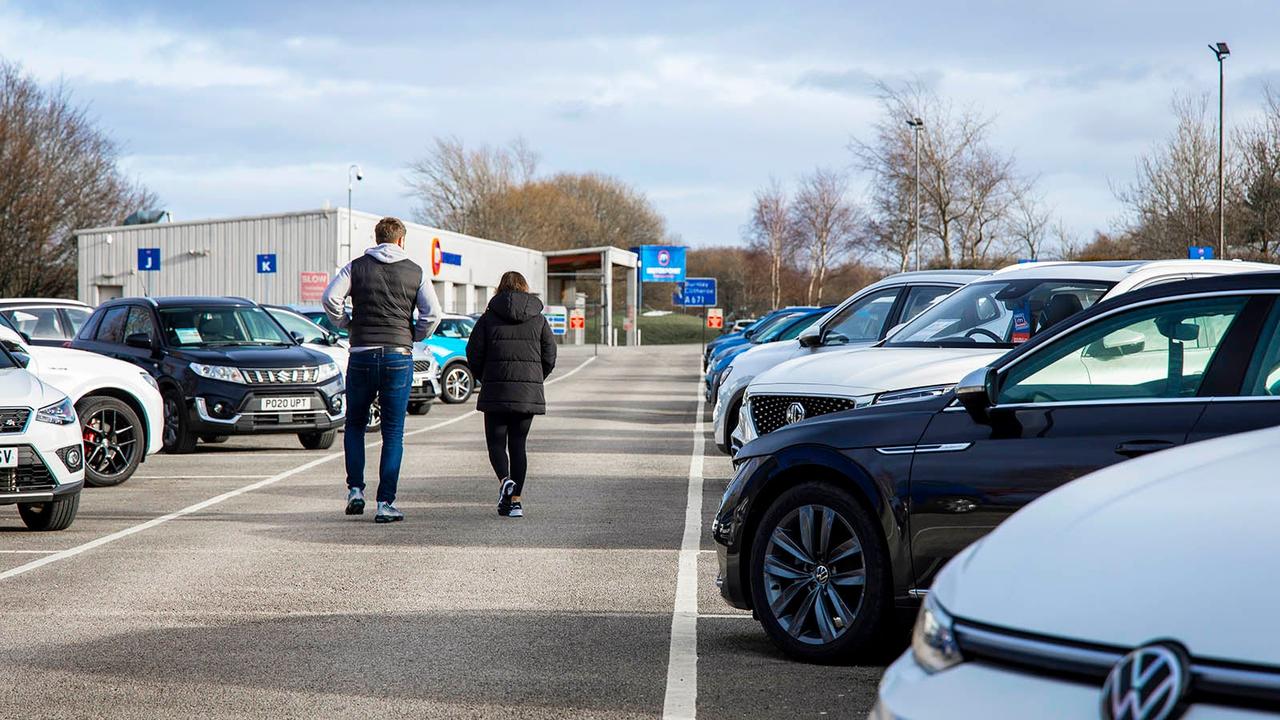
- What type of hybrid is the car?
- Many brands market their cars as 'Hybrid', but they don't always make it clear what type of hybrid it is
- You can usually consult the spec sheet or a salesperson to identify the hybrid type
- Consider whether the type of hybrid matches your driving needs
- Is the car in good cosmetic and mechanical condition?
- A thorough inspection can sometimes reveal how well a car was cared for
- Make sure you test drive the car and check for any unusual noises or weird sensations
- It's normal for the engine in hybrid cars to change speeds independently of the car's road speed as more or less charging is required
- For plug-in hybrids:
- Does the car come with its original charging cable(s)?
- PHEV cars are usually supplied with a cable that connects to a household three-pin plug, and/or another cable that connects to an AC wallbox-style EV charger
- Make sure the car you're looking at has at least one of these cables
Running costs of hybrid cars

Here is an example breakdown of hybrid-car running costs compared with a regular fuel-powered model.
- Purchase price
- Hybrid cars are usually around 10% more expensive to buy in the first place
- Fuel economy
- Mild hybrids may be up to 5% more efficient than an equivalent fuel-powered car
- Full hybrids are around 20% more efficient
- Plug-in hybrids can improve efficiency by 200% or more if you recharge regularly
- Insurance
- Hybrids are usually a fraction more expensive to insure due to their more complicated powertrains, though the difference is usually quite small
- Road tax
- All cars are taxed based on their purchase price so, as long as a hybrid doesn't cross the threshold for the luxury car tax, it'll cost the same to tax as a fuel-powered car
- Maintenance
- Hybrid cars are usually comparable to fuel-powered cars for maintenance costs
- Although any repairs to the hybrid system specifically could be pricey
Best hybrid cars to buy
Here are our picks for the best hybrid cars you can buy across a range of categories:
- Best hybrid cars
- Best small hybrid cars
- Best 7-seater hybrid cars
- Cheapest hybrid cars
- Best hybrid family cars
- Best hybrid SUVs
- Best hybrid hatchbacks
- Best hybrid estate cars
- Best hybrid 4x4s on sale
- Best hybrid tow cars
- Best used plug-in-hybrid cars
- Best 7-seater plug-in-hybrid cars
- The longest-range plug-in-hybrid cars