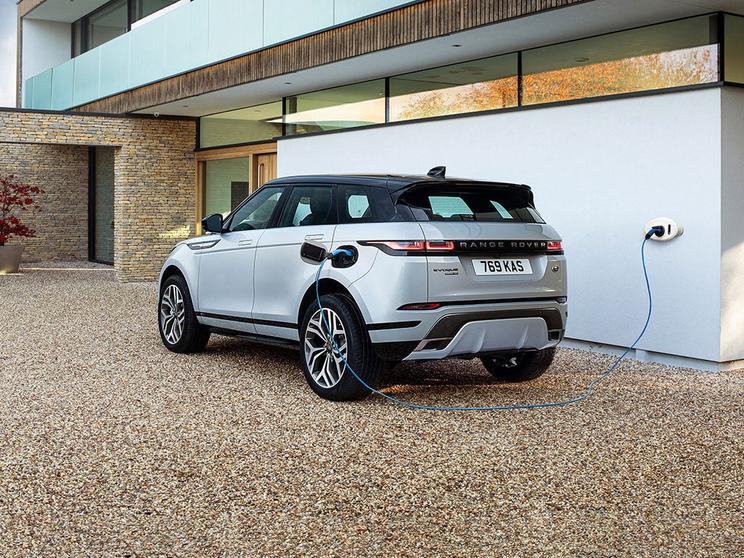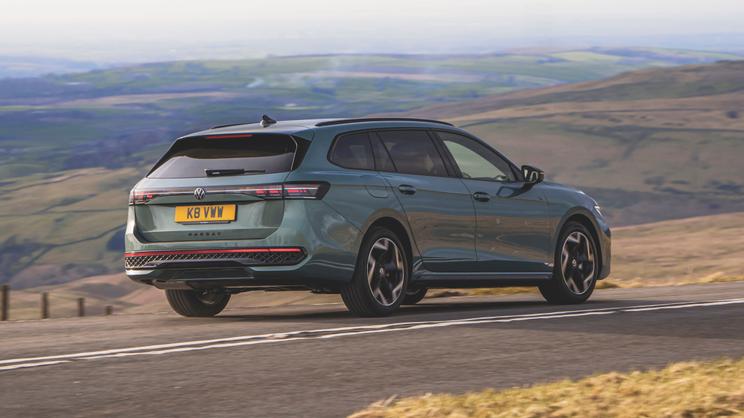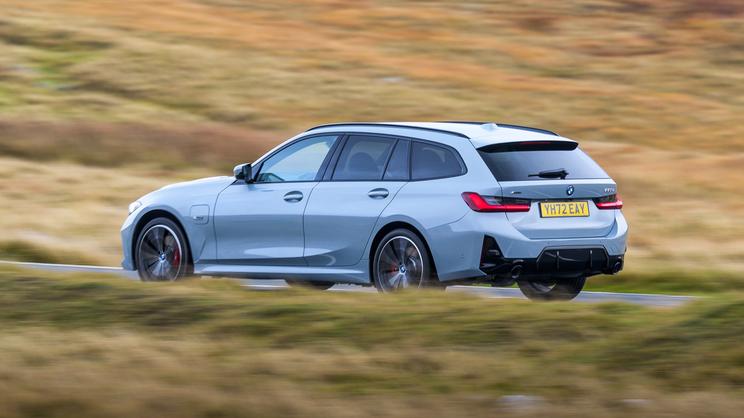
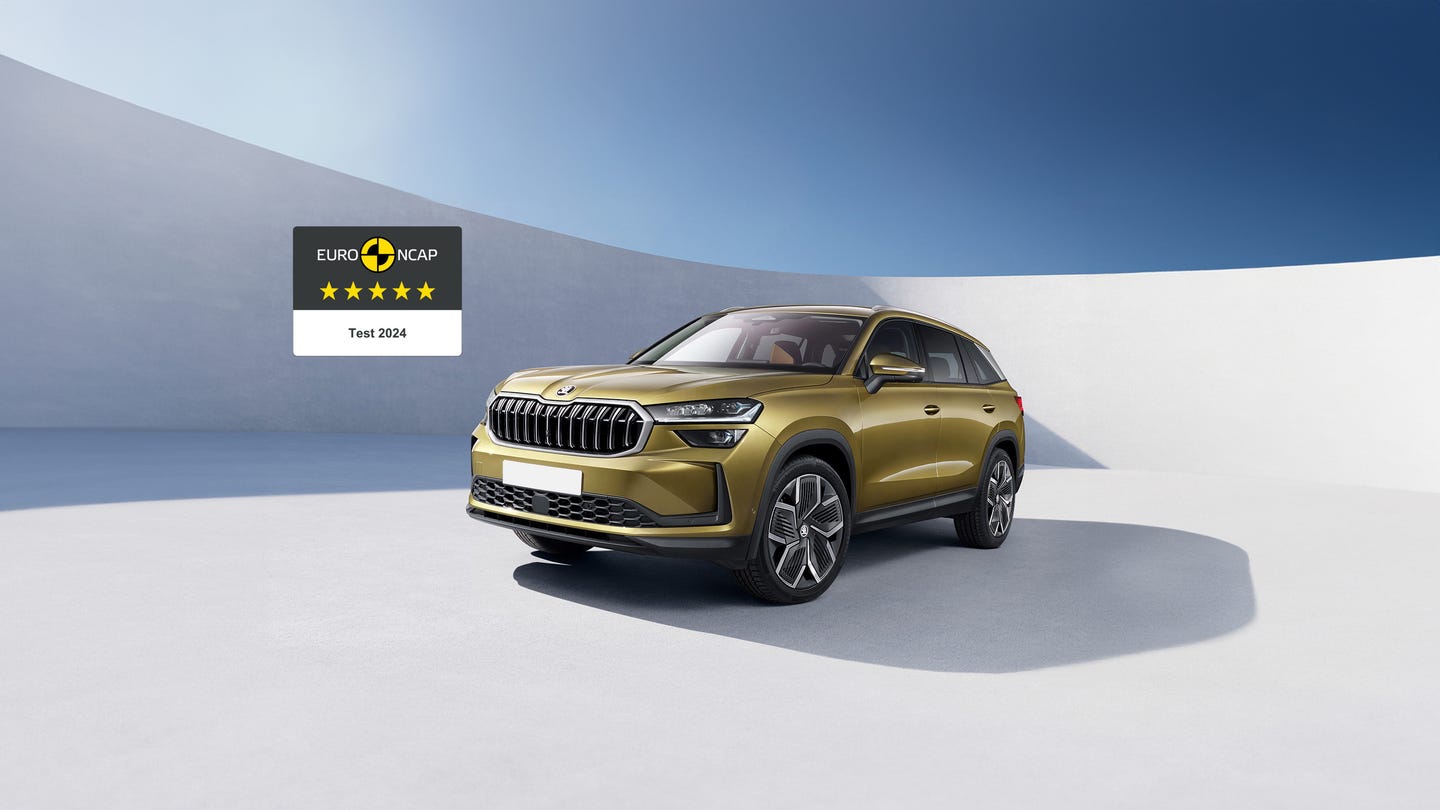








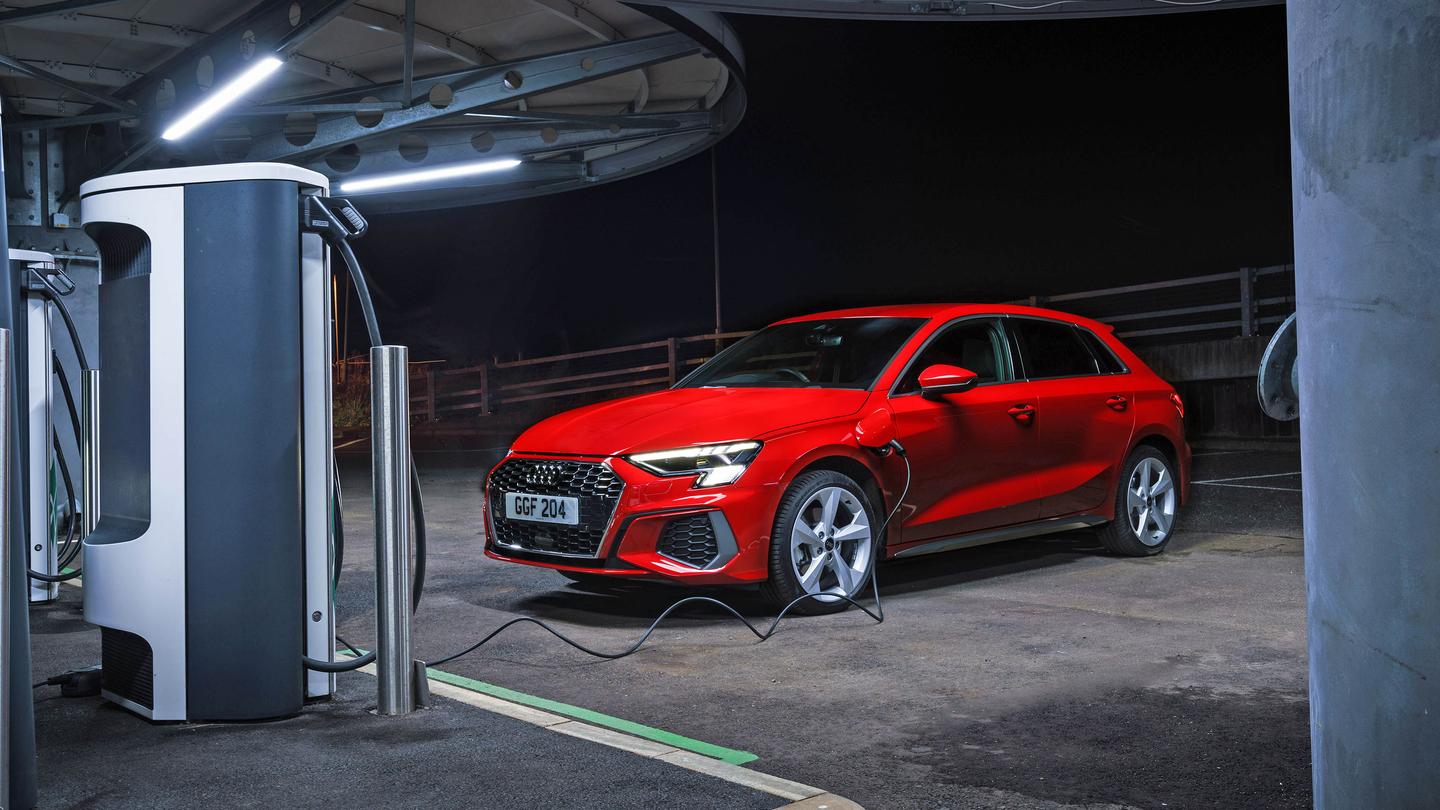

There’s a lot of information on charging fully electric cars, but there are certain things to think about when charging a plug-in hybrid.
Plug-in hybrids are increasingly popular in the UK. They give you the opportunity to lower your fuel costs, run on clean electric power for local journeys, and see if a full EV would suit your lifestyle.
The main thing to bear in mind is that many plug-in hybrids can’t fast-charge like a fully electric car (although a growing number of new models can). This means that you’re limited to slower charging, which could be a pain on longer journeys. However, many drivers will mostly charge at home, and plug-in hybrids don’t need to have any charge in the battery to keep working.
Do you have to charge a plug-in hybrid?
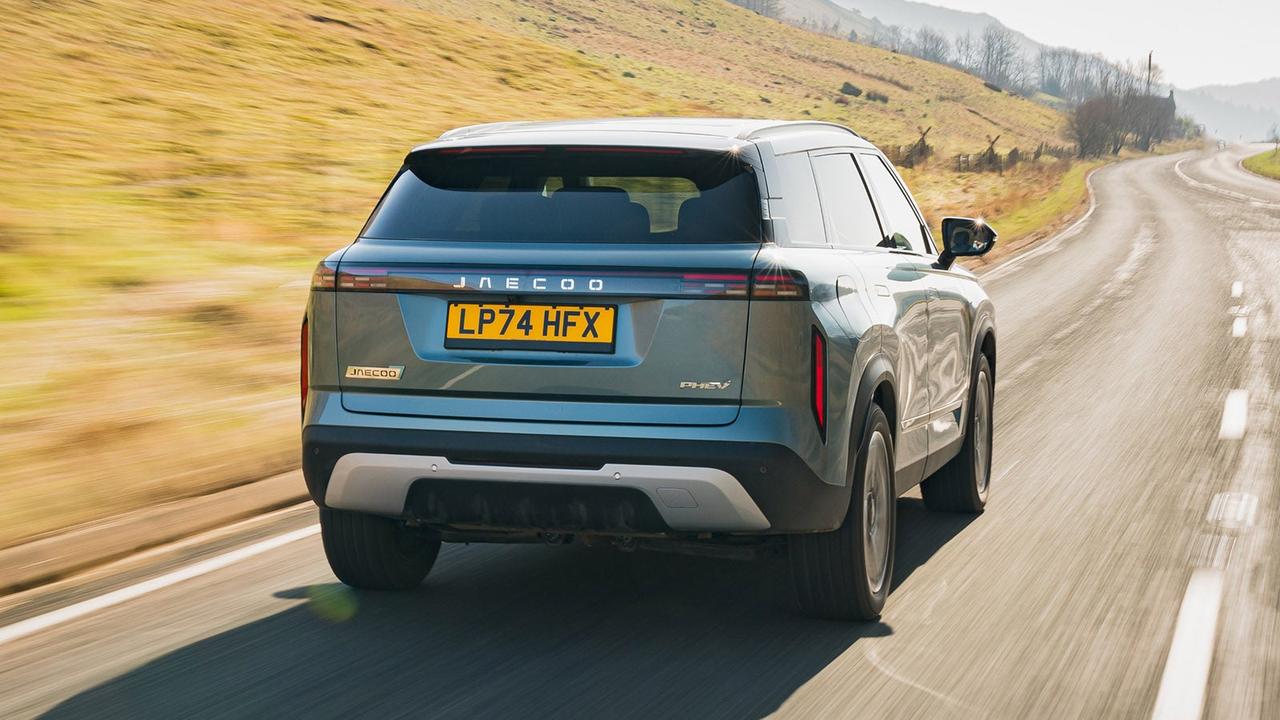
You don’t have to charge a plug-in hybrid, but it’s highly recommended that you do.
If you never charge a plug-in hybrid, you’re using the engine to lug around a heavy battery for no reason. This will make your fuel economy worse than if you were driving a conventional petrol car.
Without the battery being on hand to feed the electric motor, the engine has to do all the work – meaning you’re not getting the performance or acceleration that you would if both sources were working optimally together.
Additionally, many PHEVs come with a smaller fuel tank – so not using a PHEV as intended means you won’t be able to go as far as a conventional petrol car without having to fill up.
Where to charge a plug-in-hybrid car
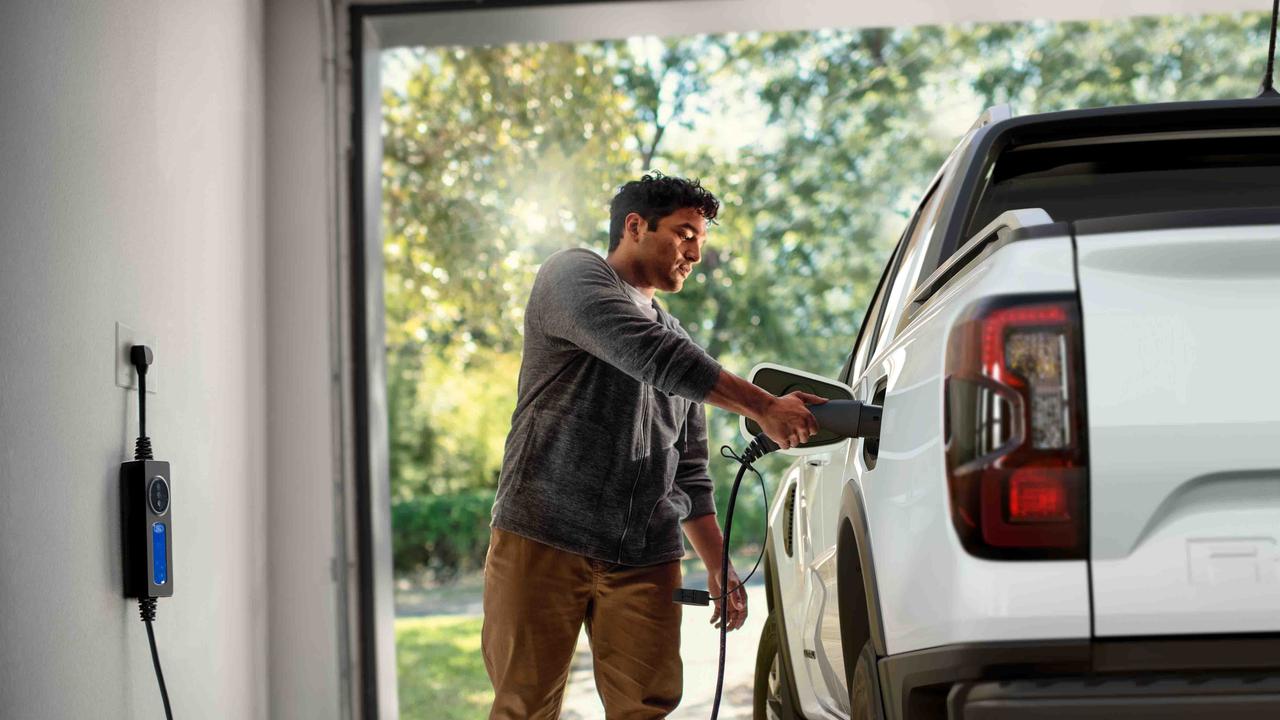
While a growing number of plug-in-hybrid cars have a CCS2 charging connector for public fast chargers, the majority of plug-in hybrids only come with a Type 2 AC charger.
This means you can only plug into slower AC chargers, such as a wallbox at home or at work, or an on-street charger. AC charging maxes out at 22kW, and not all PHEVs will be able to charge at this rate – some are limited to 7kW (the capacity of a home wallbox) or even 3.6kW.
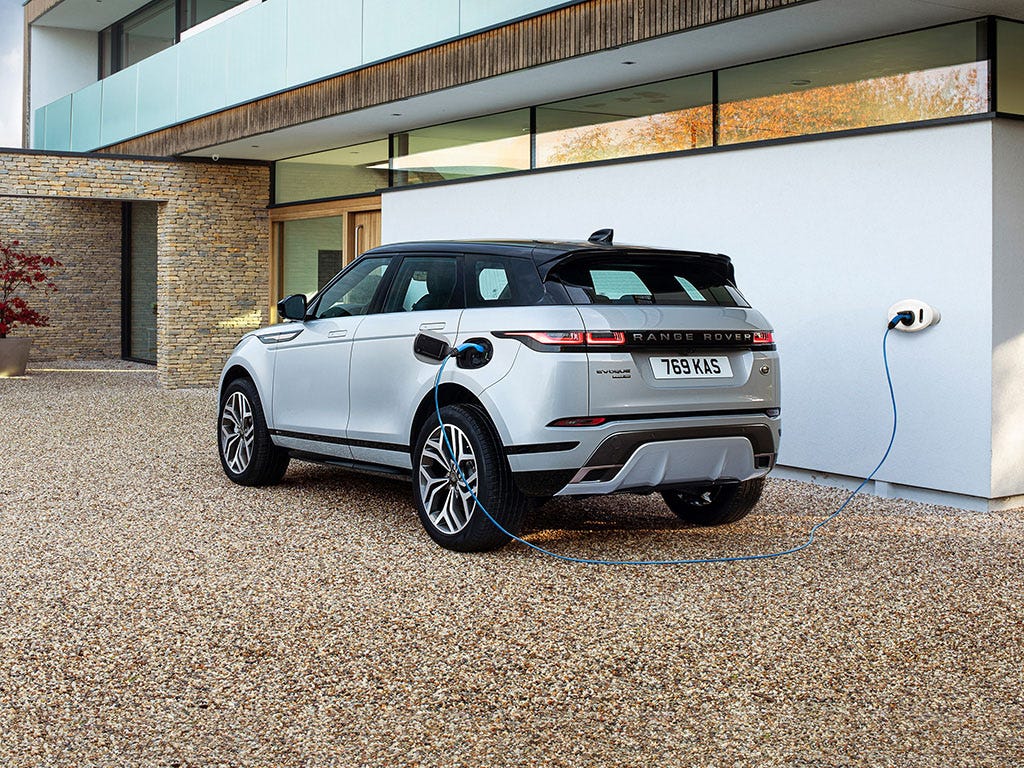
If you’ve got a driveway or a dedicated parking space, the easiest way to charge a plug-in hybrid is doing so at home. You can take advantage of cheap periods of electricity – such as overnight – to give you a full battery for the lowest possible cost.
Even if you’ve got a fast-charging PHEV, you may not want to use motorway charging networks, because the price of electricity on these is often more than you’ll spend on petrol. Electric car drivers might also feel strongly if you take the last free charger at a station, because you’ve still got an engine to power the car.
How long does a plug-in hybrid take to charge?
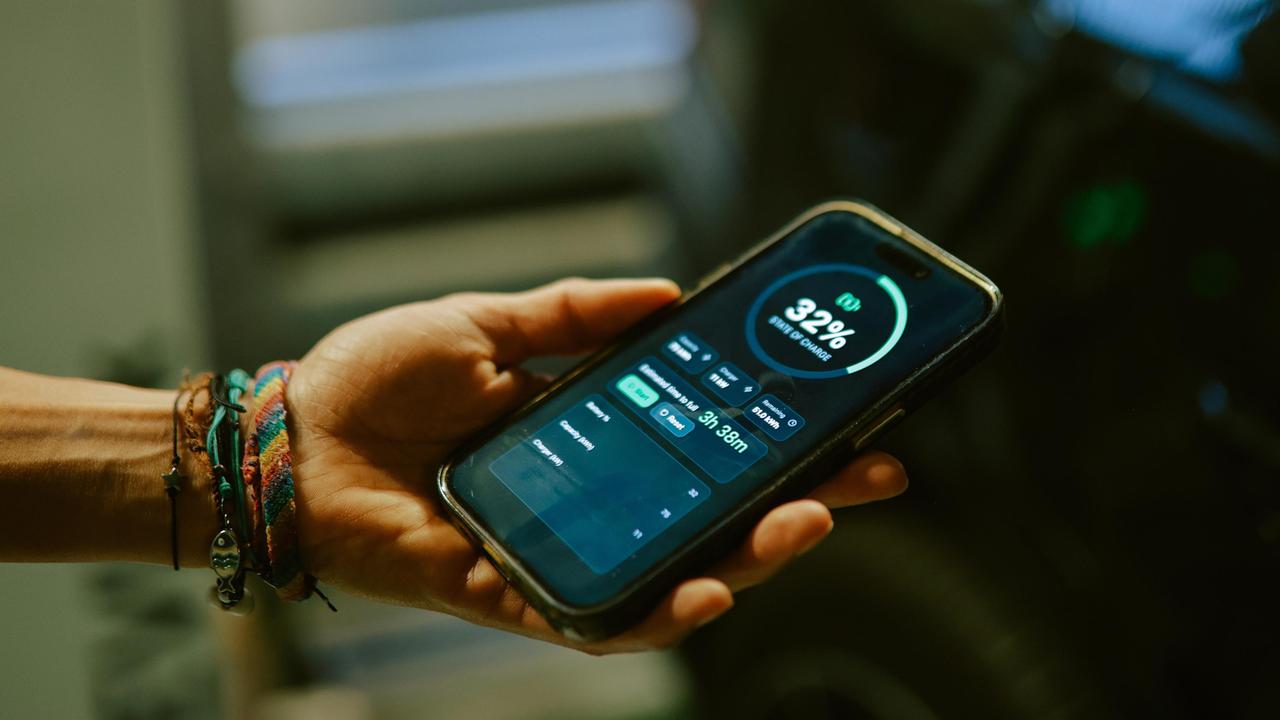
The time it takes for a plug-in hybrid to charge varies on the following:
- The maximum charging rate of the car
- The maximum charging rate of the charger
- The capacity of the battery and how much charge it has
We’ve put together a couple of examples, based on common battery sizes and charger types. Times are estimated and may depend on the car in question and the external temperature.
| Example battery size | Time from 0-100% |
| 13kWh |
|
| 26kWh |
|
If a plug-in hybrid can fast-charge, it’s likely to manage a 10-80% charge in around half an hour at a suitable chargepoint.
Do plug-in hybrids self-charge while driving?
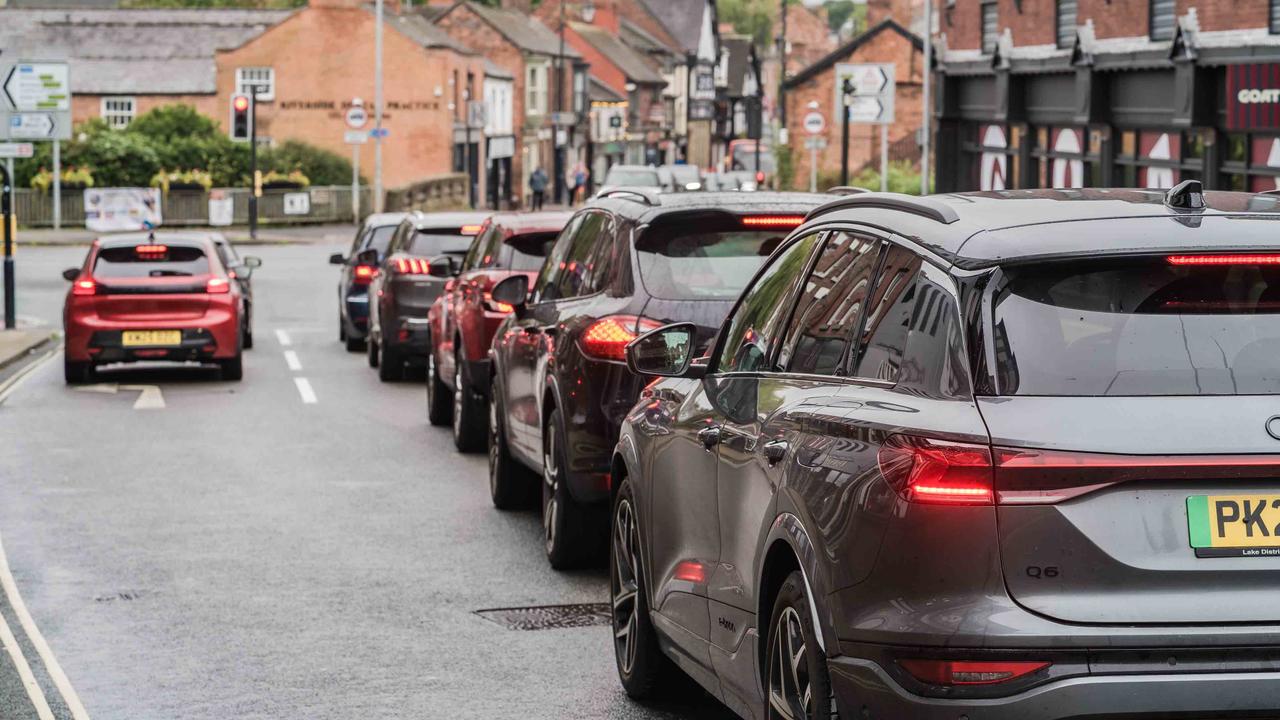
Like self-charging hybrids, plug-in hybrids regenerate the energy that would otherwise be lost during braking or slowing down, and feed it back into the battery. As such, it’s easier for PHEVs to recoup some battery charge in stop-start traffic than on faster roads.
Some PHEVs do have a 'battery charge' mode, with the engine working a little harder to charge up the battery. But this is a particularly inefficient way of driving, because you’ll be using a lot more fuel – and creating more emissions in your local environment – for a few miles of electric range.
Can plug-in hybrids run without charging?
Yes, plug-in-hybrid cars are designed to run on engine power alone if there’s no charge in the battery. If you run out of fuel and charge, you’ll need to have your car recovered.
What happens if you don’t charge a plug-in hybrid?
Repeatedly leaving a PHEV’s battery empty for extended periods can accelerate natural battery degradation. This limits your charge capacity and how far you'll be able to drive on electric power.
In day-to-day driving, your fuel consumption will be higher than a conventional petrol car, because of the weight of the heavy battery pack and associated components.