
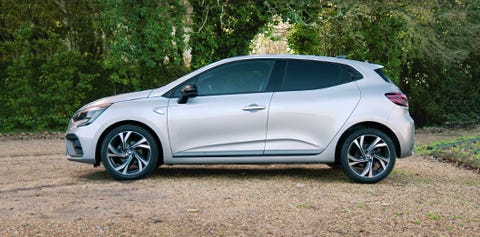
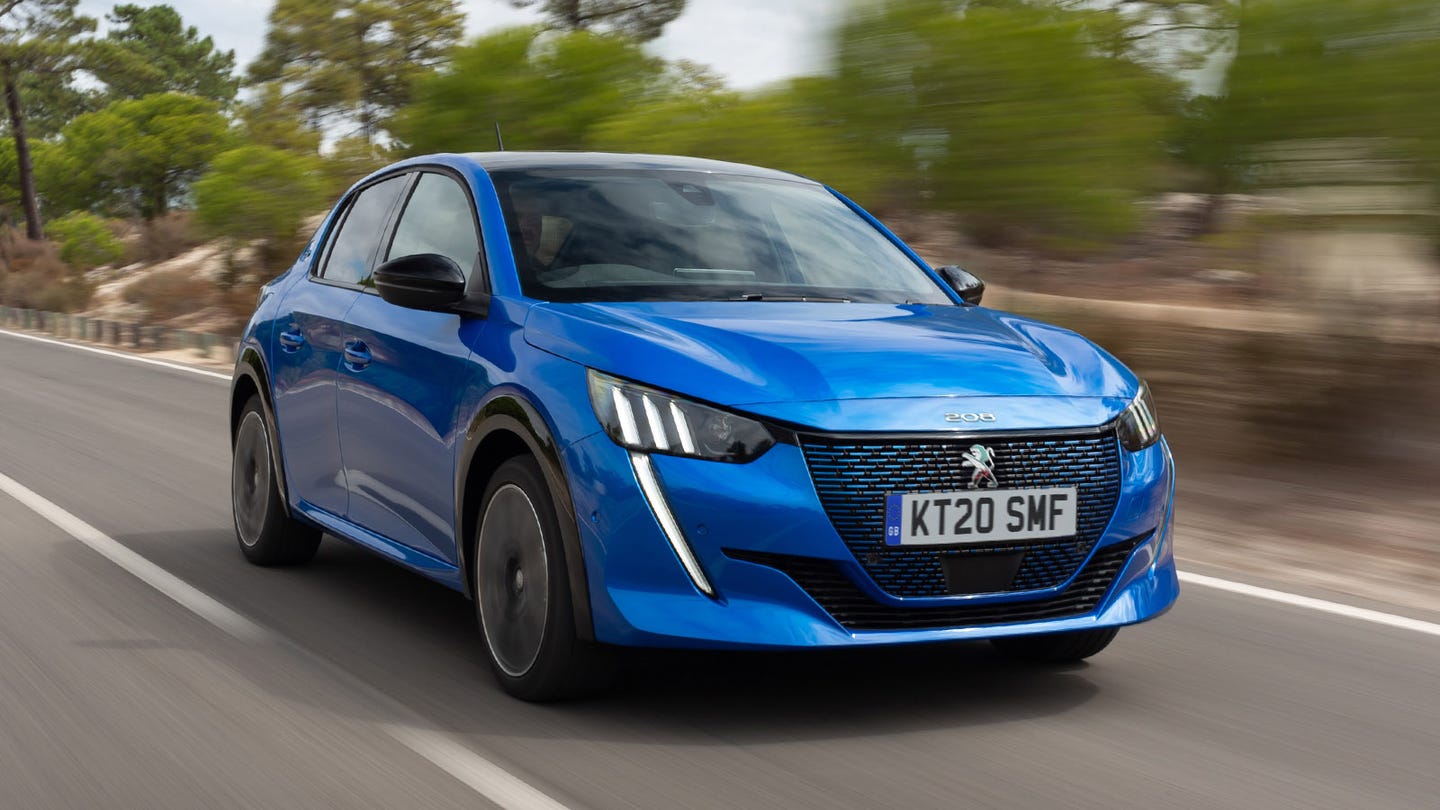

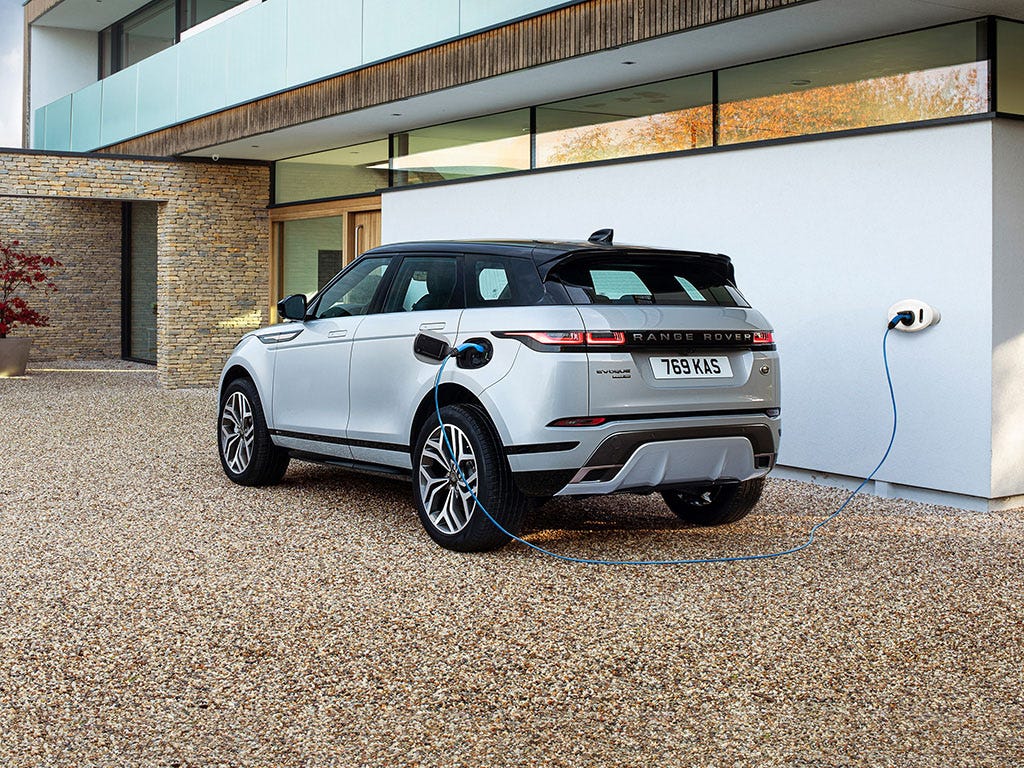
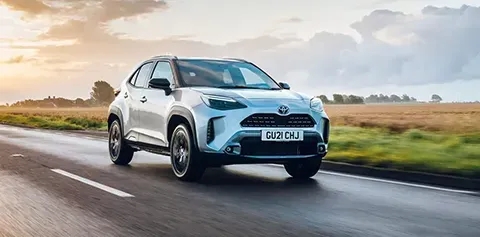








Honda and Toyota are two of the world's largest automakers, and the leading Japanese car brands.
They share some noteworthy traits – both enjoy a strong reputation for reliability, and both have a wide selection of hybrid cars. Plus, both brands have put in effort recently to make their lineups more desirable, with sharper designs and more focus on the driver.
We'll pit Honda and Toyota head-to-head here so you can choose your favourite.
Honda vs Toyota compared
| Honda | Toyota |
Pros:
| Pros:
|
Cons:
| Cons:
|
Design
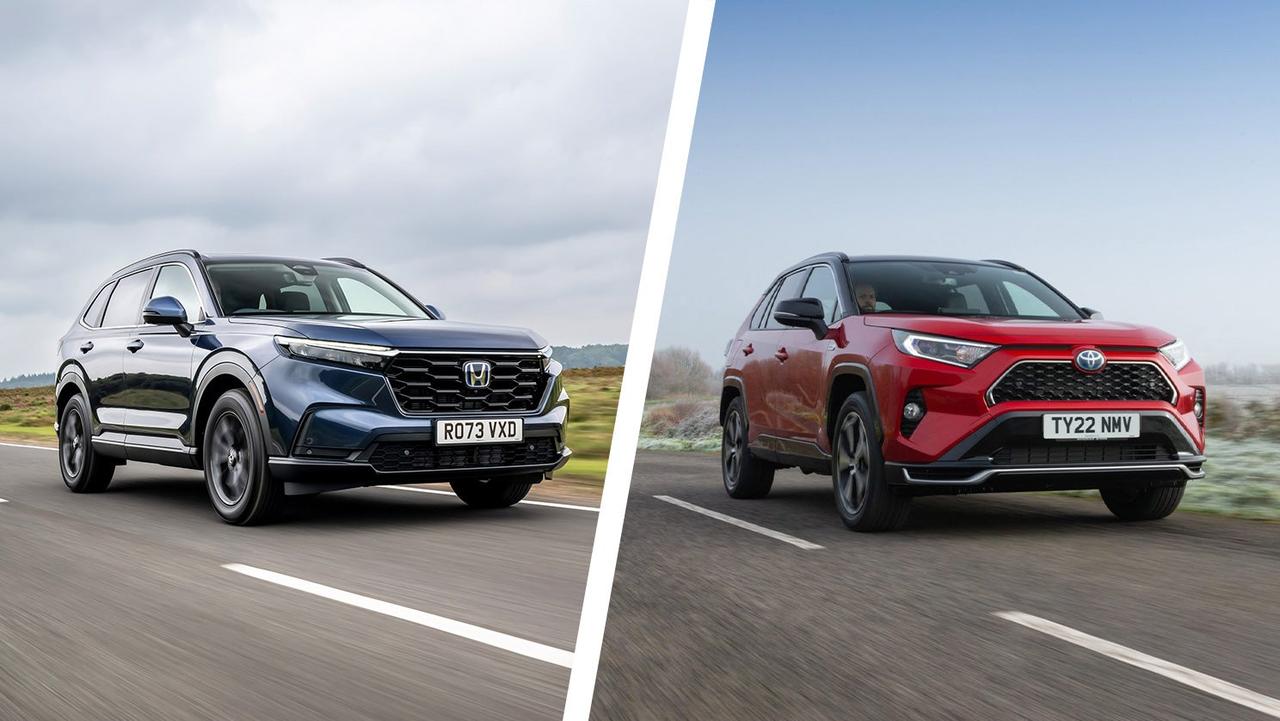
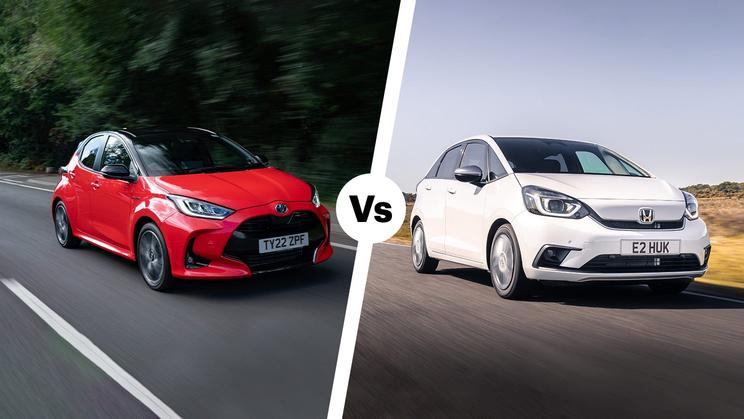
Honda's styling language over the past few years had been getting more and more aggressive. Its cars had sharp creases in their bodywork and lighting, giving them a mean, angular look. However, more recent cars have sought to soften this approach. Models like the ZR-V, Jazz and Civic now have a smoother, more rounded look than their predecessors, which feels like a welcome change.
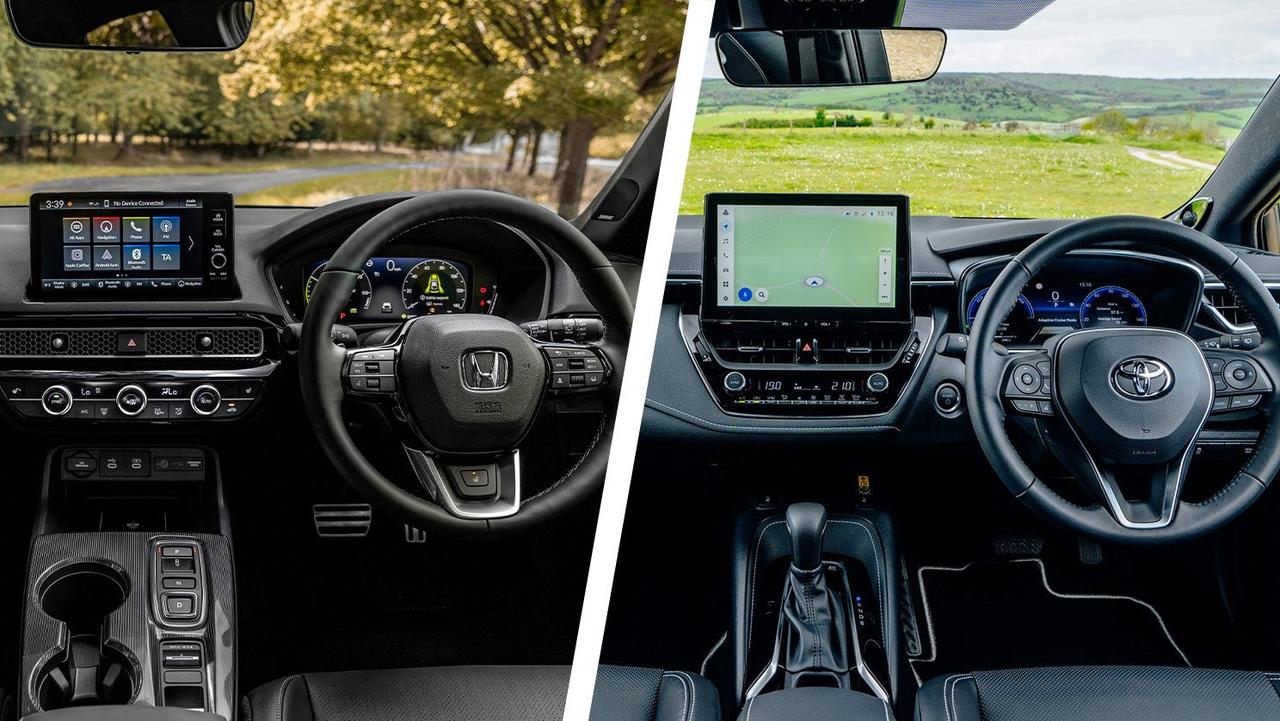
Moving inside, most Hondas have a clear horizontal design for their dashboards. On some cars, this means wide aesthetically pleasing air vents with chrome trim that stretch the full width of the dashboard. You'll usually find an infotainment screen perched on top of the dash, often with a glassy finish to help it feel a little more premium. Like most brands, the driver's dials are now a full-size screen, though Honda's graphics are admirably unfussy, which makes them easy to read at a glance.
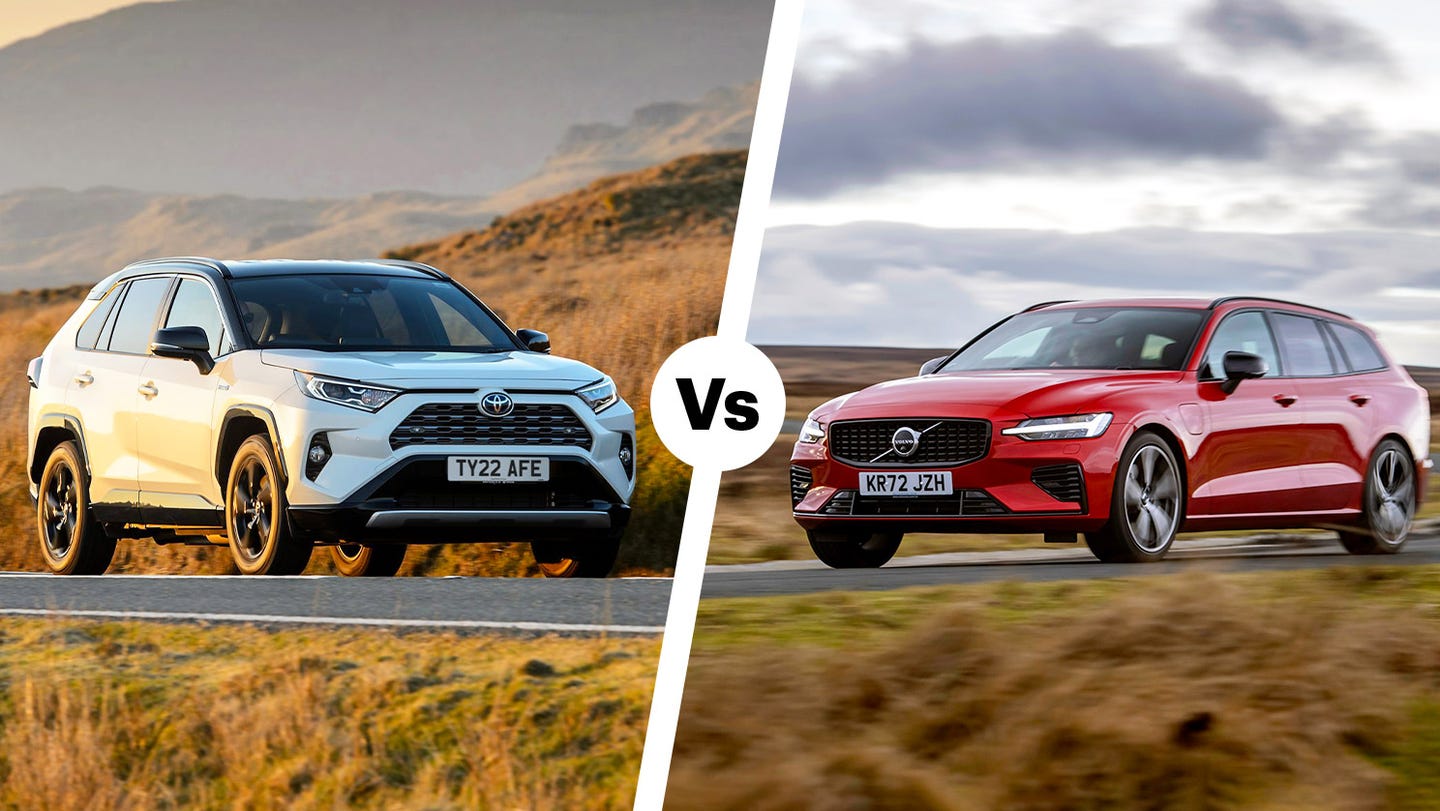
Toyotas traditionally weren't known for their styling, but the most recent lineup has tried to establish a more distinctive look. As a result, several models have exaggerated angular headlights that point inwards towards the Toyota badge at the front, while the bodywork is typically a collection of subtle angles, occasionally with a blacked-out 'floating' A-pillar or C-pillar to lend some visual interest.
Inside most Toyotas, you'll find a layout that's not totally dissimilar from their Honda counterparts. The screen remains a singular pod mounted on top of the dash, with a small selection of physical controls beneath for the most important functions. Where the two brands differ is that Toyota interiors tend to feature more flowing lines and curves, against Honda's more straight, geometric designs. While the latest Toyotas have clean, easy-to-use infotainment screens, slightly older models were criticised for their dated graphics.
Engines and driving
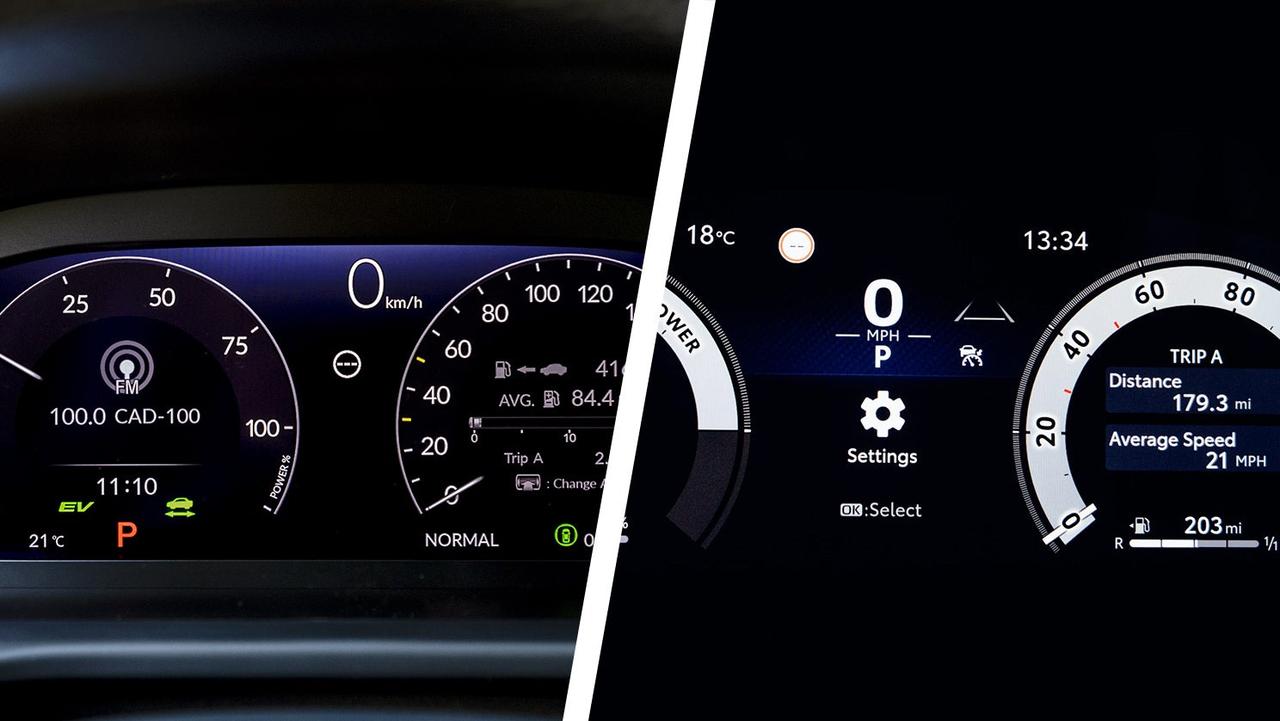
While many European brands invested in diesel power through the 21st century, Honda and Toyota instead chose to focus on their self-charging hybrids. With diesel suffering image damage in the wake of the 2015 emissions scandal, many drivers are waking up to the benefits of hybrid cars from these popular Japanese brands.
Recent Honda and Toyota cars have featured some of the best hybrid setups on the market. These units have instant off-the-line response thanks to their electric motors, with petrol power being smoothly fed in as speeds rise. They're also well suited to a mix of urban and rural roads, and return excellent economy figures even in stop-start traffic. Plus, there's no faffing around with recharging – you simply refill with fuel and carry on.
Honda's lineup mainly features two hybrid setups – a 1.5-litre hybrid in the Jazz and HR-V, and a 2.0-litre unit in the Civic, ZR-V and CR-V. The larger 2.0-litre unit is excellent with loads of instant electric shove meaning the engine barely needs to kick in at urban speeds. Once the engine fires up, performance is surprisingly zippy with the Civic hybrid dashing from 0-62mph in just 7.8 seconds. While the smaller 1.5-litre unit is easy to drive, you notice the lack of grunt compared to the bigger unit.
Toyota also offers 1.5 and 2.0-litre hybrid engines. The former powers small cars like the Yaris and Yaris Cross, plus the upcoming Aygo X Hybrid. We reckon Toyota's 1.5 is a bit nicer to use than Honda's 1.5, though it can be a bit noisy on full throttle. You'll find a 1.8 or 2.0-litre hybrid engine in the larger Corolla and C-HR, which is a little punchier and smoother than the 1.5. Finally, there'a a 2.5-litre hybrid powering the burly RAV4, giving it a great blend of power and efficiency.
Price
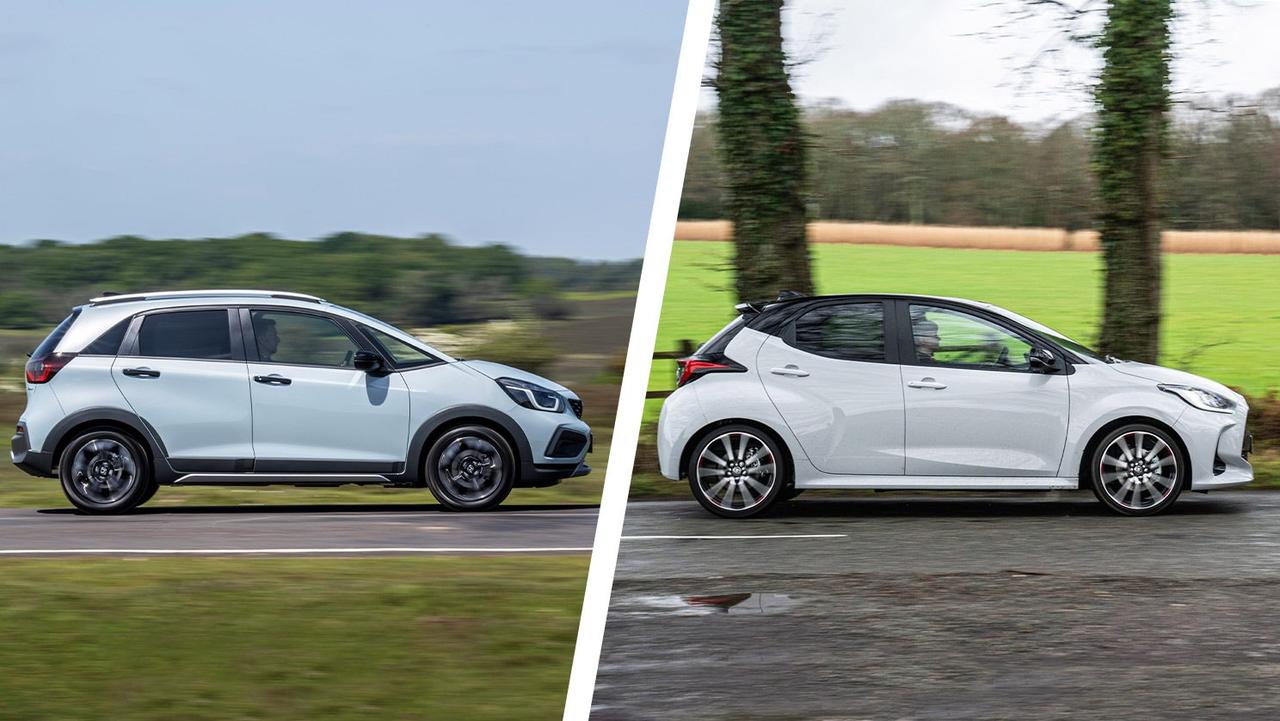
While Honda and Toyota are widely seen as 'mainstream' brands, their cars tend to be priced a little higher than rivals like Ford, Vauxhall and Peugeot, for example. This reflects the high perceived quality of these two brands, but also the fact their entry-level cars often have pricey features like a hybrid powertrain.
As a very broad rule, Hondas tend to cost a few thousand pounds more than an equivalent Toyota. However, for that price, you'll often get slightly more standard kit on the Honda model you're looking at. That price gap remains once these cars hit the used market, with Toyotas remaining the slightly more affordable option.
Running costs should be very low. Both brands' hybrid cars return excellent real-world economy figures, and neither should present you with many unexpected maintenance costs. Be aware that, while Honda's warranty is the industry-standard three years, Toyota warranties its cars for up to 10 years if you have them serviced at a dealership.
Reliability
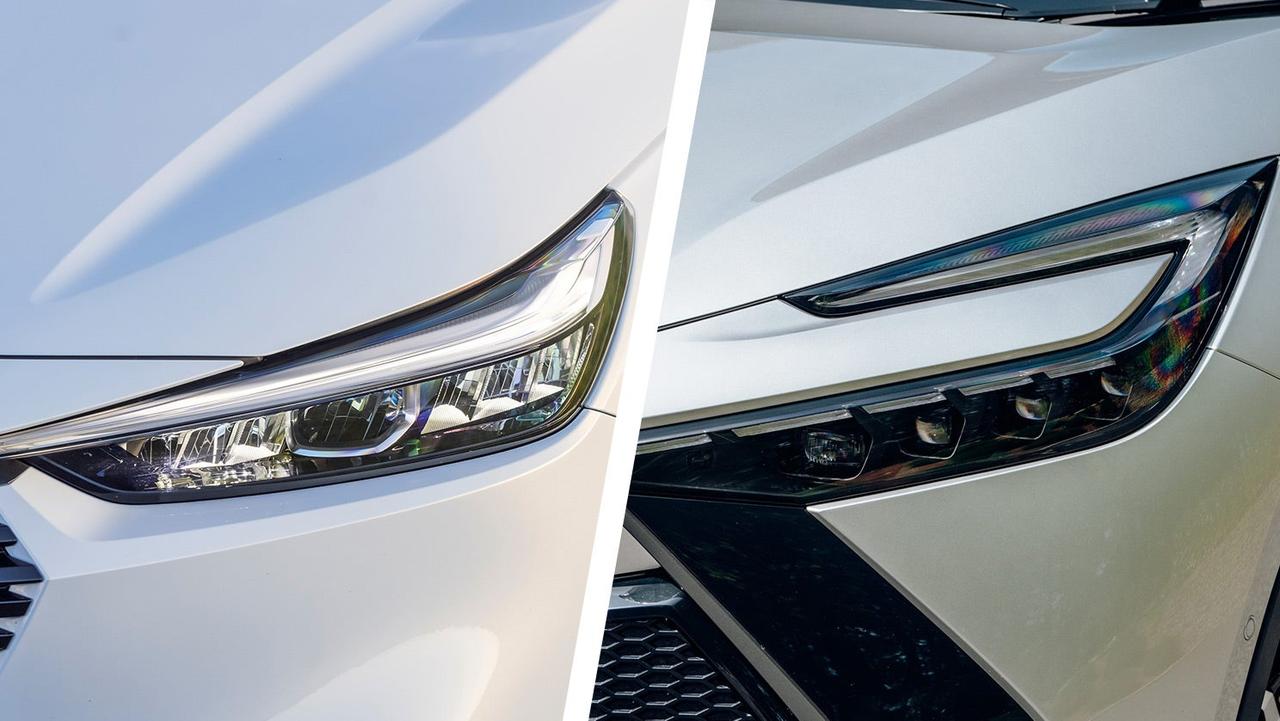
Both Honda and Toyota earn high marks here. It's common to hear of decades-old examples still running with nothing more than regular maintenance. As far as reliability surveys go, Toyota usually takes the edge, often finishing either right at the top or in the podium positions. However, Honda is rarely far behind, with similarly excellent scores.
Technically, both brands offer a standard three-year warranty from the factory. However, Toyota will automatically extend your warranty by 12 months each time you have the car serviced at a Toyota dealership – up until the car is 10 years old or has covered 100,000 miles. Honda, meanwhile, offers you the option to pay for an extended warranty.
Which is best?
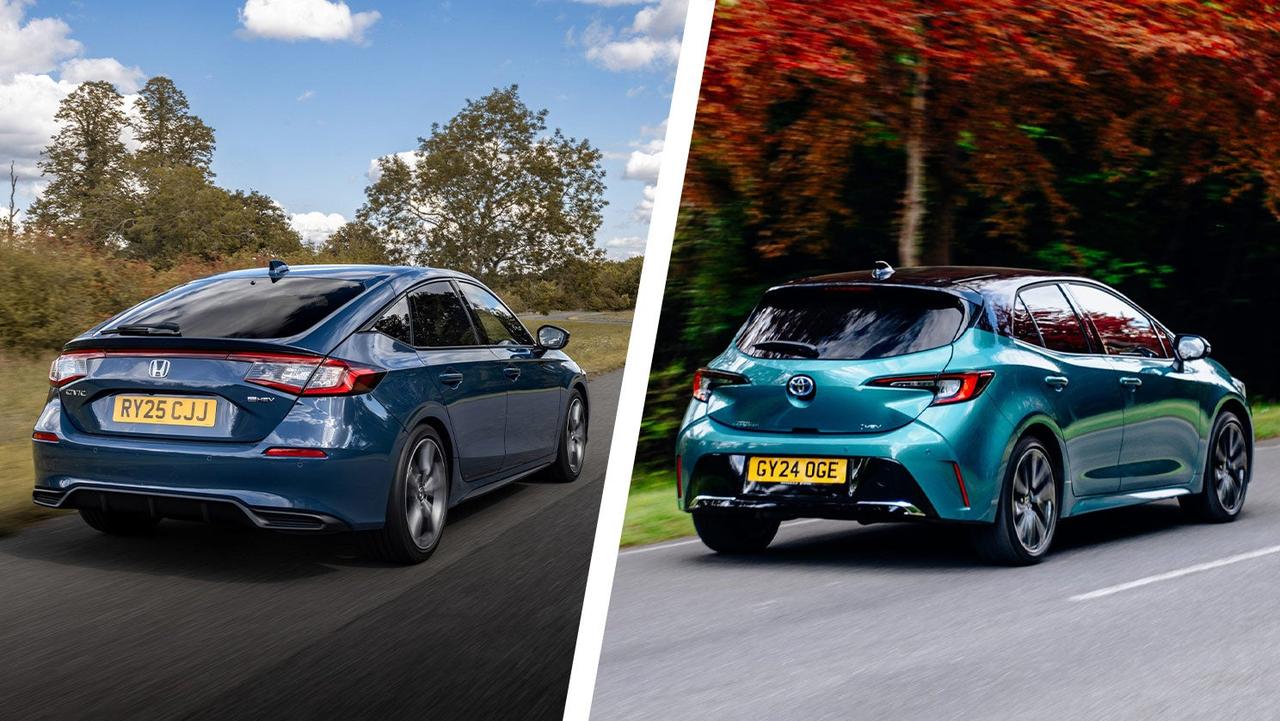
These are two of the most accomplished and popular car brands in the world, so there isn't a bad choice between them. Your preference will probably be driven by which models you prefer the look of, and what kinds of models your budget lets you consider.
Hondas are typically a little pricier than Toyotas, but you get a bit more driver appeal and possibly a snazzier cabin. However, recent Toyotas have ramped up the desirability factor substantially and that long factory warranty guarantees many years of fuss-free miles.
Find out what these cars are like to live with by reading our Honda reviews or our Toyota reviews. Then see how much you could save by shopping used Honda cars and used Toyota cars.