







10 of the best value cars

Ben Custard
•
Affordable Driving

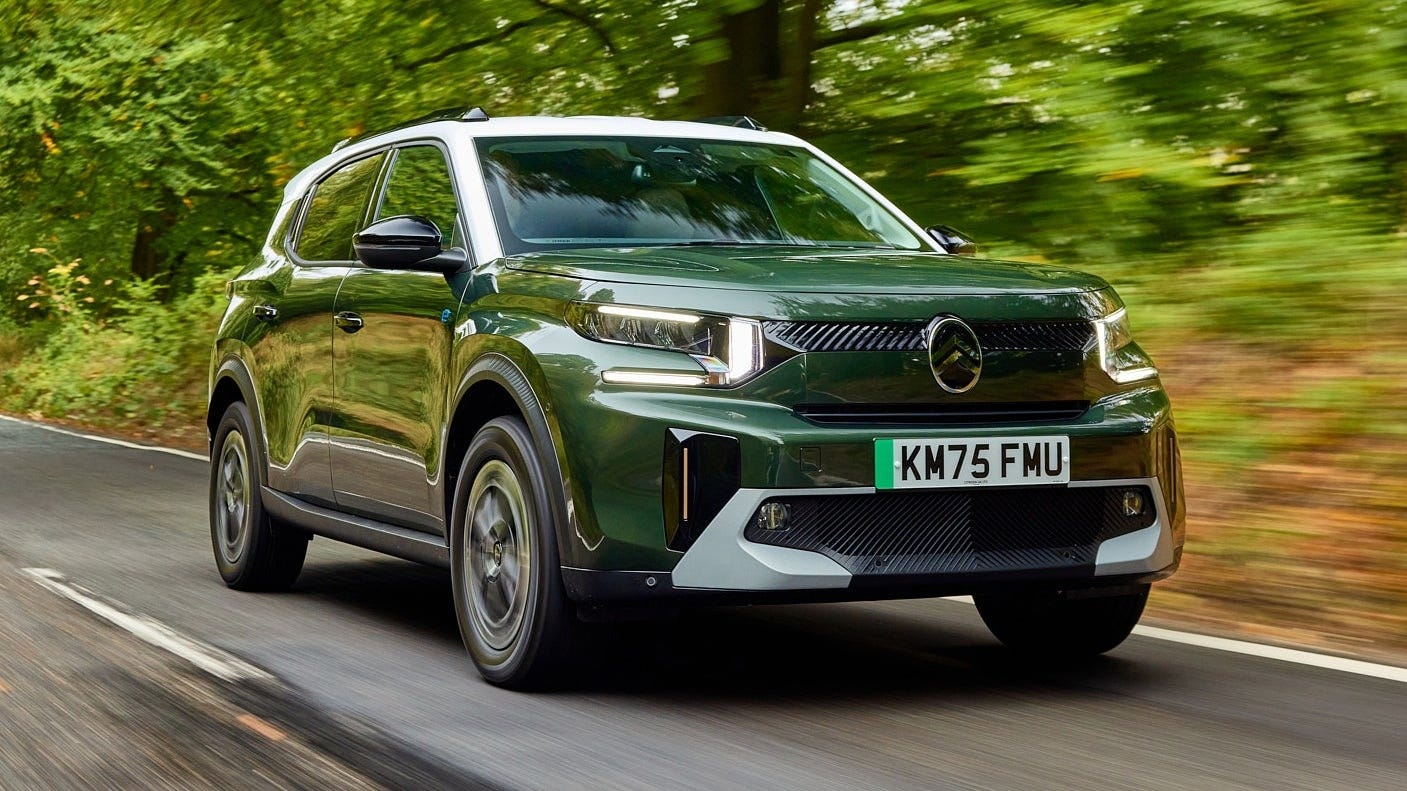
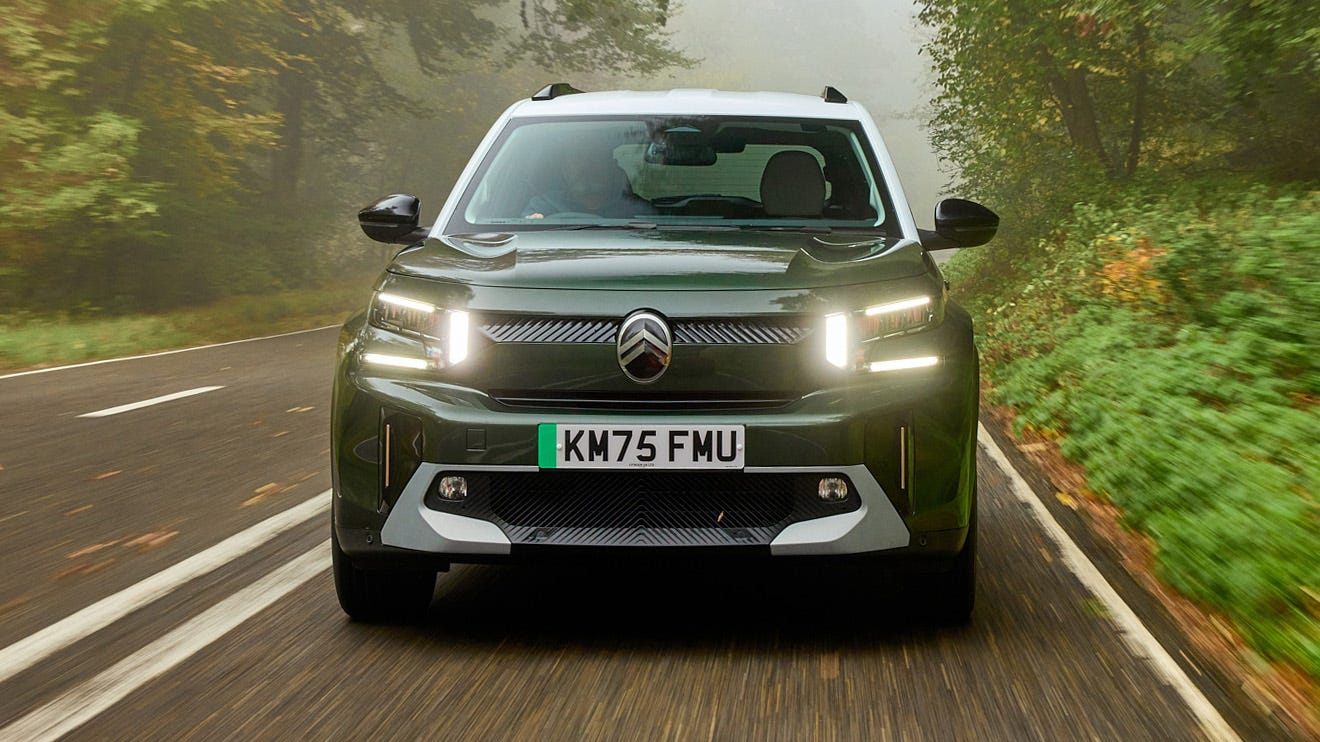
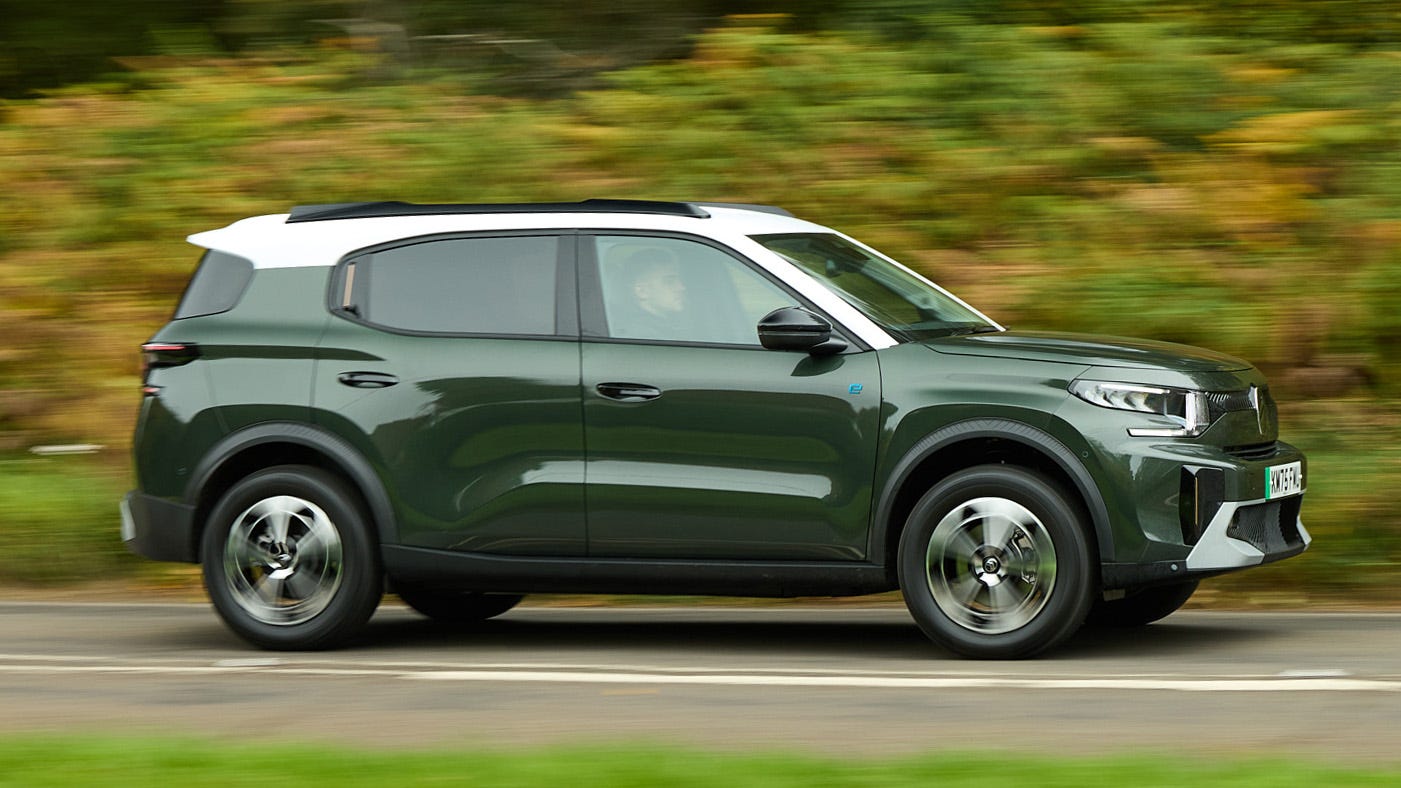
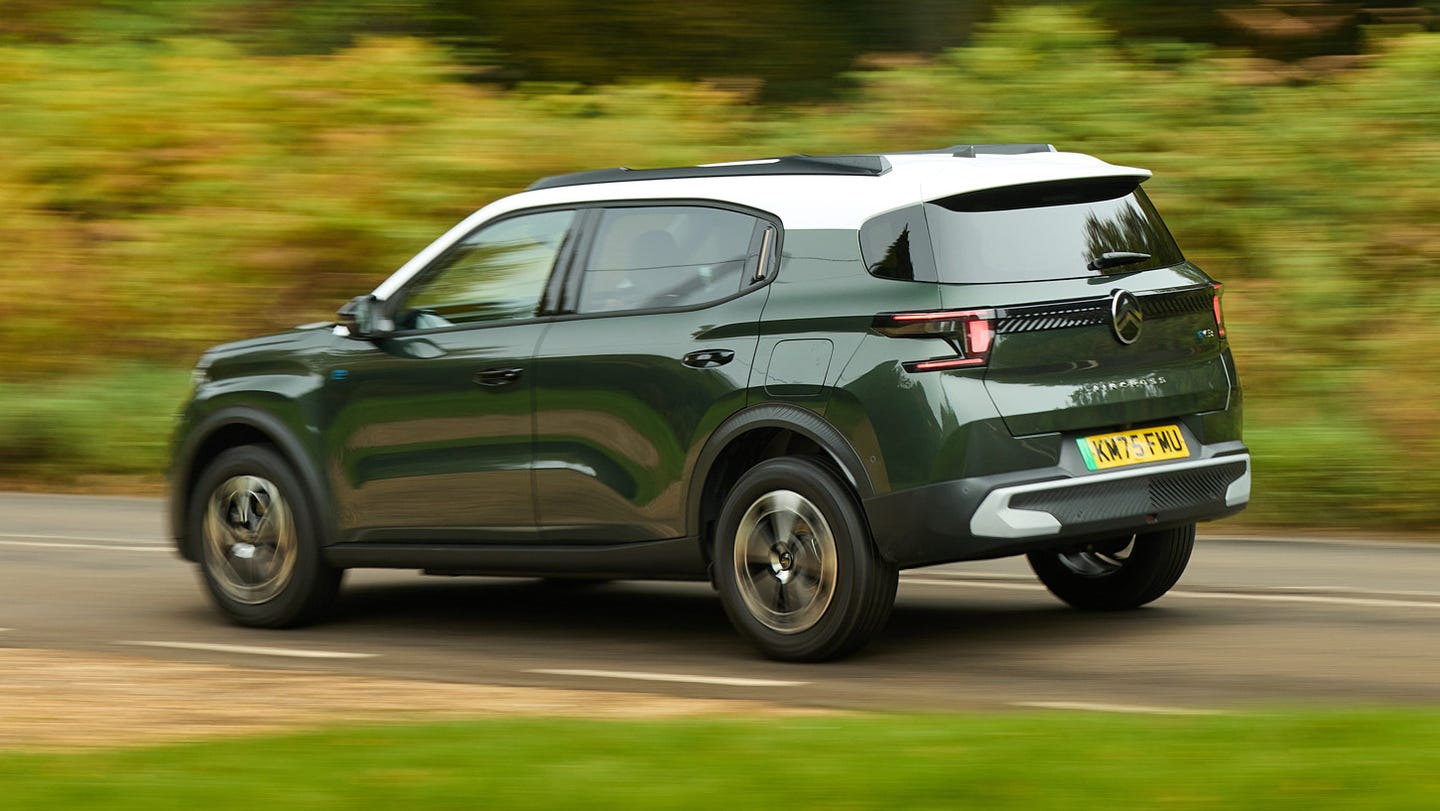
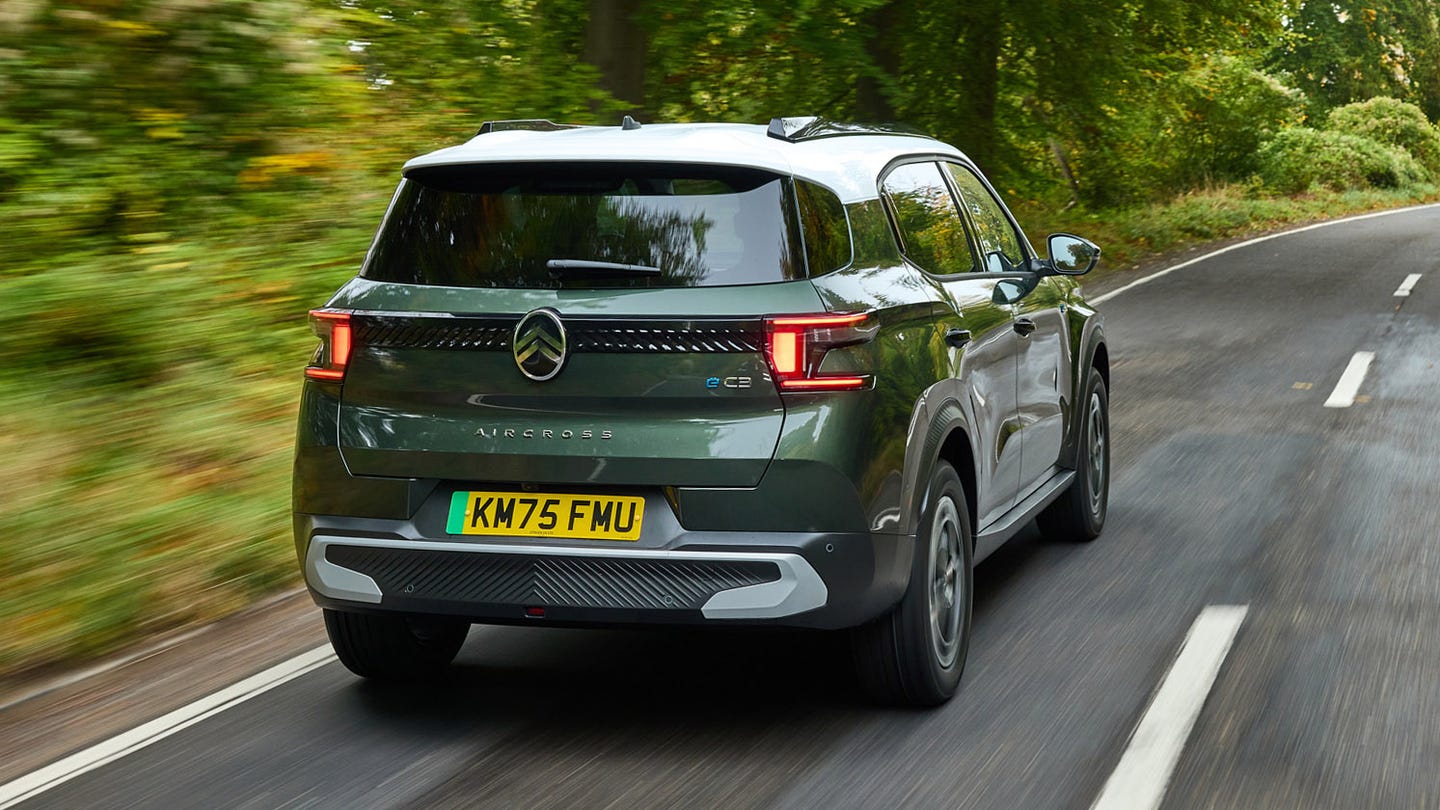
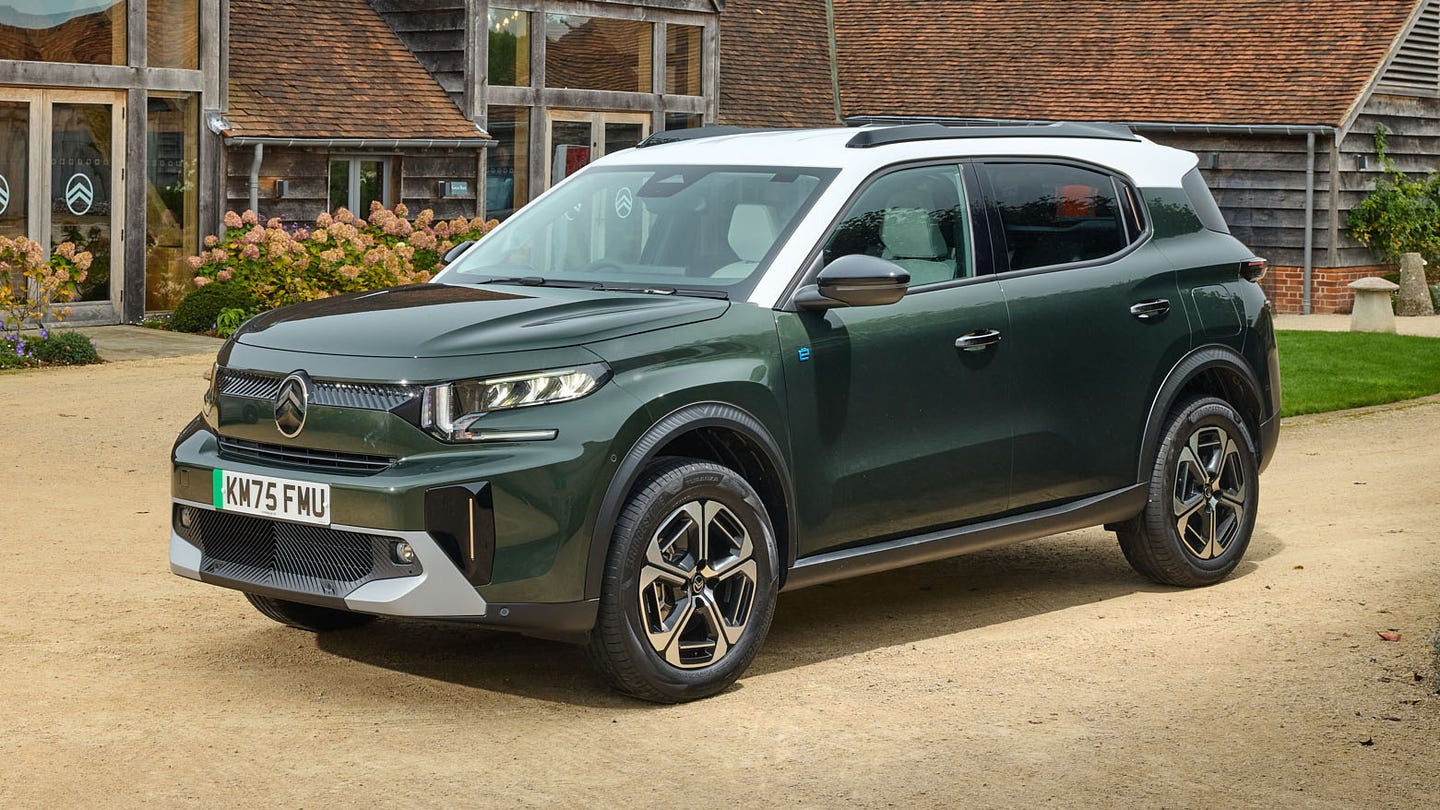
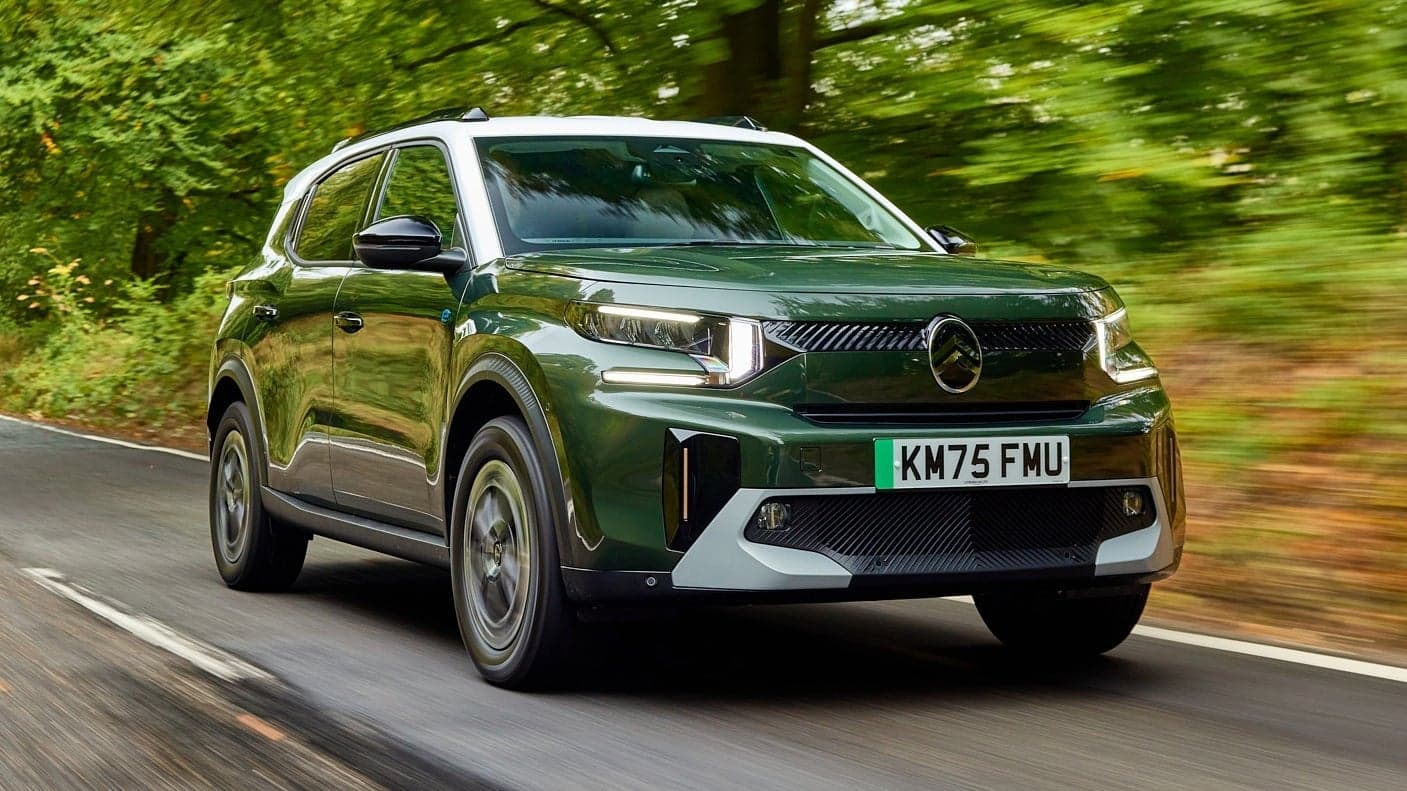
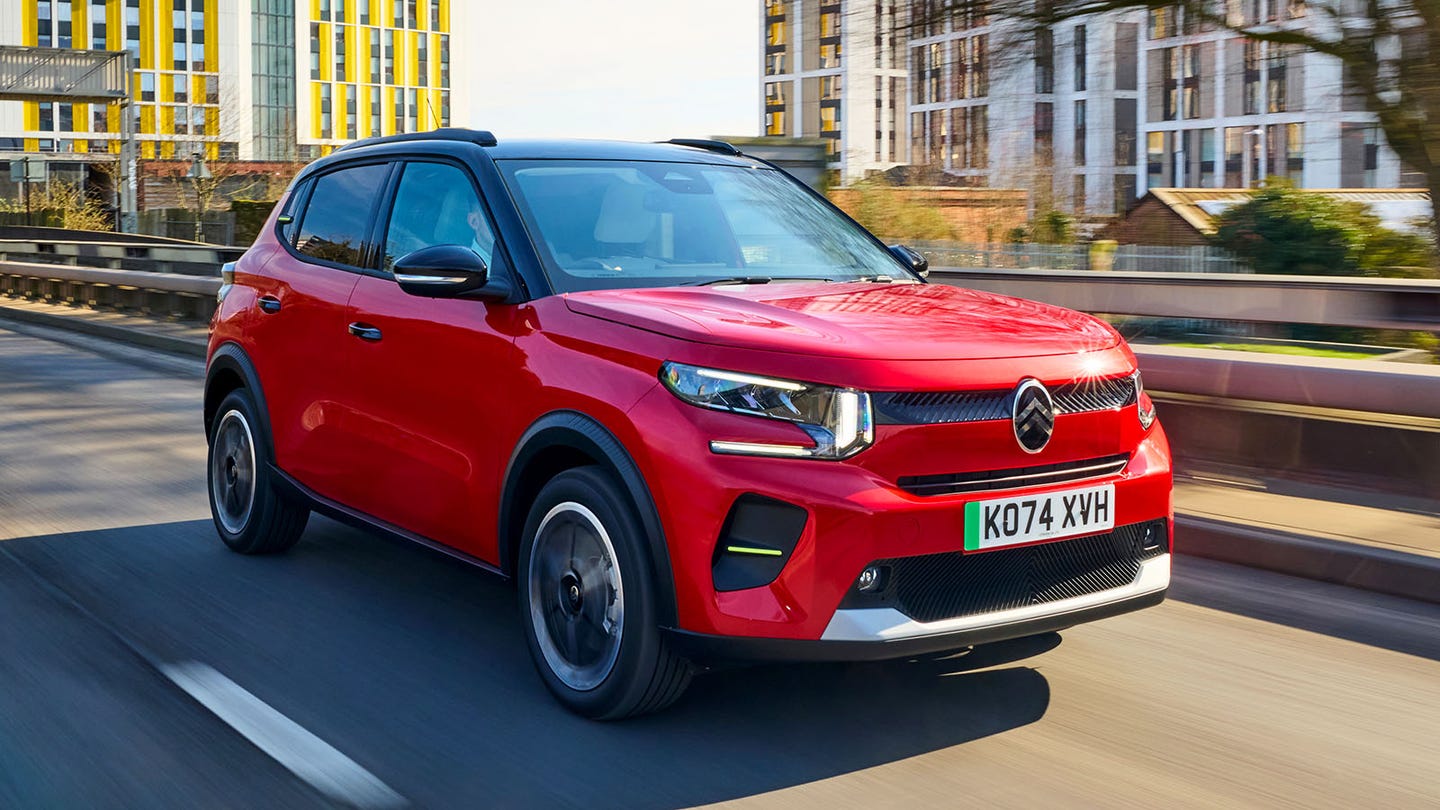
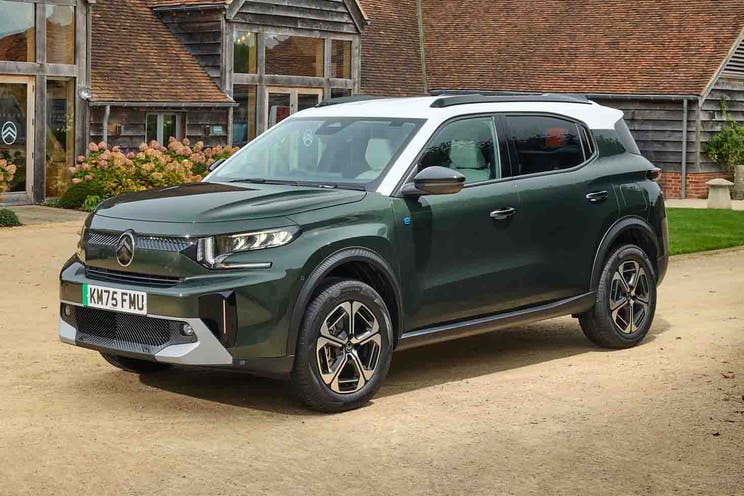
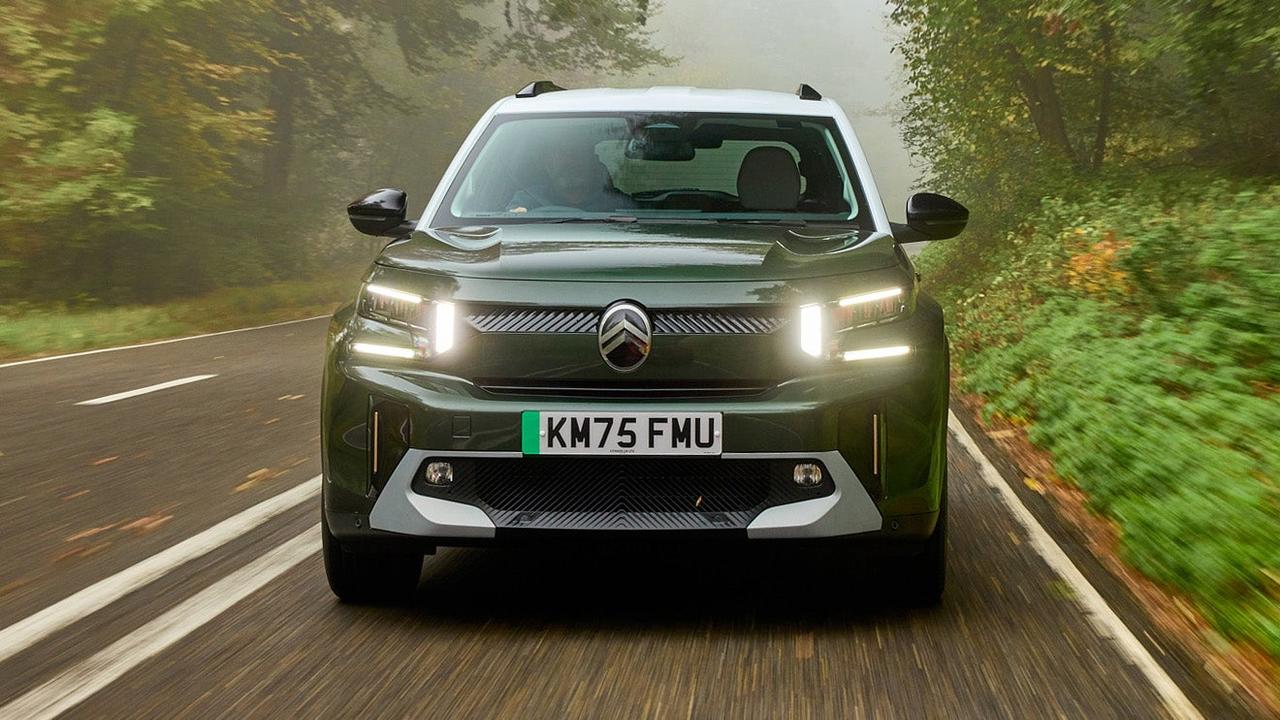
The Citroen e-C3 Aircross is an electric SUV that’s cheap to buy and cheap to run – but you don’t feel like you’re missing out versus more expensive options.
Unlike many EVs, the e-C3 Aircross keeps it simple, with no unnecessary driving modes and an easy way to turn off some of the mandated safety features. It’s a breath of fresh, zero-emission air.
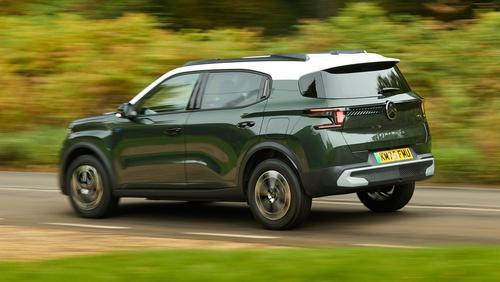
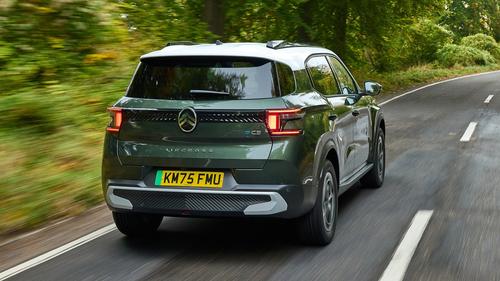
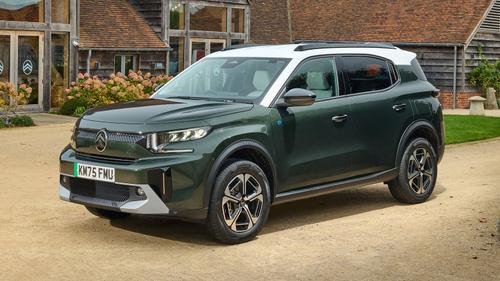
Cheap electric SUVs sound like they should be mutually exclusive – surely a battery-powered and big car will be expensive to buy and run?
Many are, but the Citroen e-C3 Aircross certainly isn’t. It’s off to a good start by being the cheapest new electric SUV you can buy right now, and by being not much more expensive than the smaller e-C3 hatchback. Take a look at our used e-C3 Aircrossesseeseses for sale and you’ll see they’re already significantly better value than a new one.
"The e-C3 Aircross soaks up big bumps better than many luxury cars"
Costs are kept down by rampant parts sharing – the e-C3 and e-C3 Aircross are mechanically identical to the Vauxhall Frontera and Fiat Grande Panda, and they all use the same interior switchgear and even the same screens. Compare the e-C3 Aircross side-by-side with the Frontera and you’ll spot shared body panels, too.
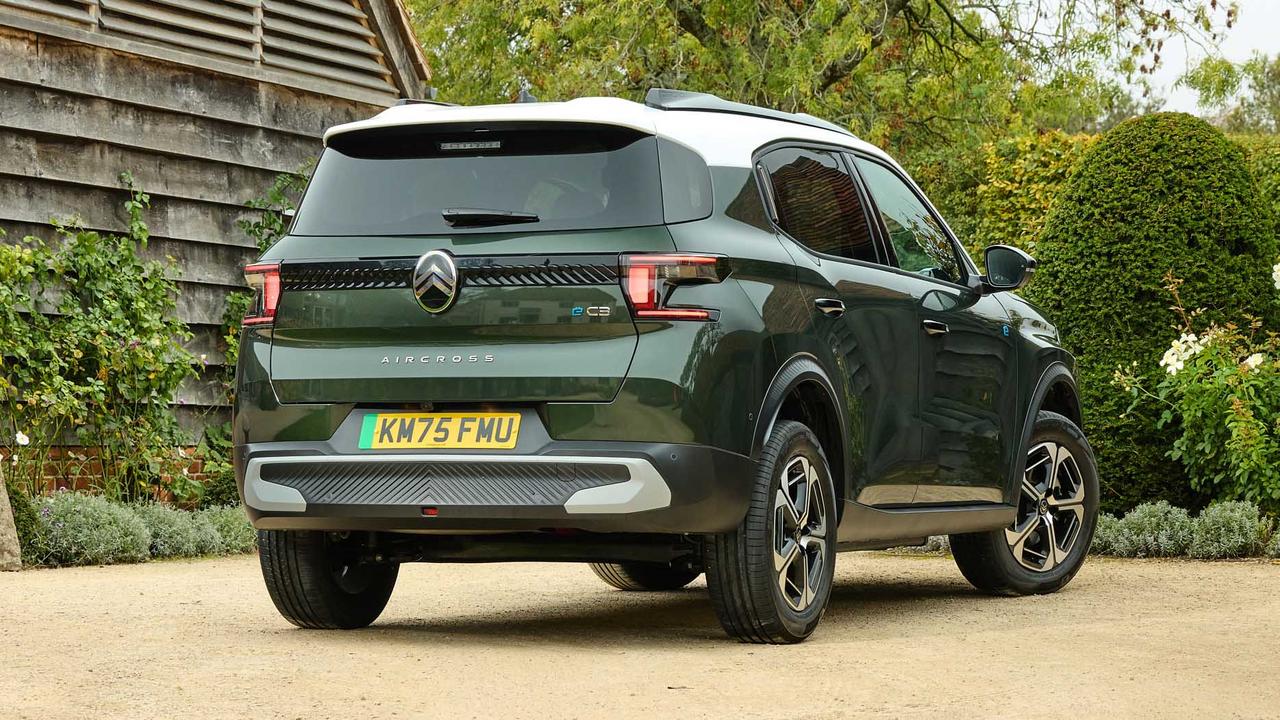
You can opt for a modestly sized 44kWh battery in the e-C3 Aircross, which’ll keep your running costs down if you can cope with its modestly sized 188-mile range. It’ll fully charge in cheap windows of overnight electricity, insurance costs should be low and its relaxed attitude means you’re not going to be driving like a tyre-smoking hooligan. If you get range anxiety just thinking about the 44kWh version, thankfully there’s an Extended Range version that gets close to 250 miles.
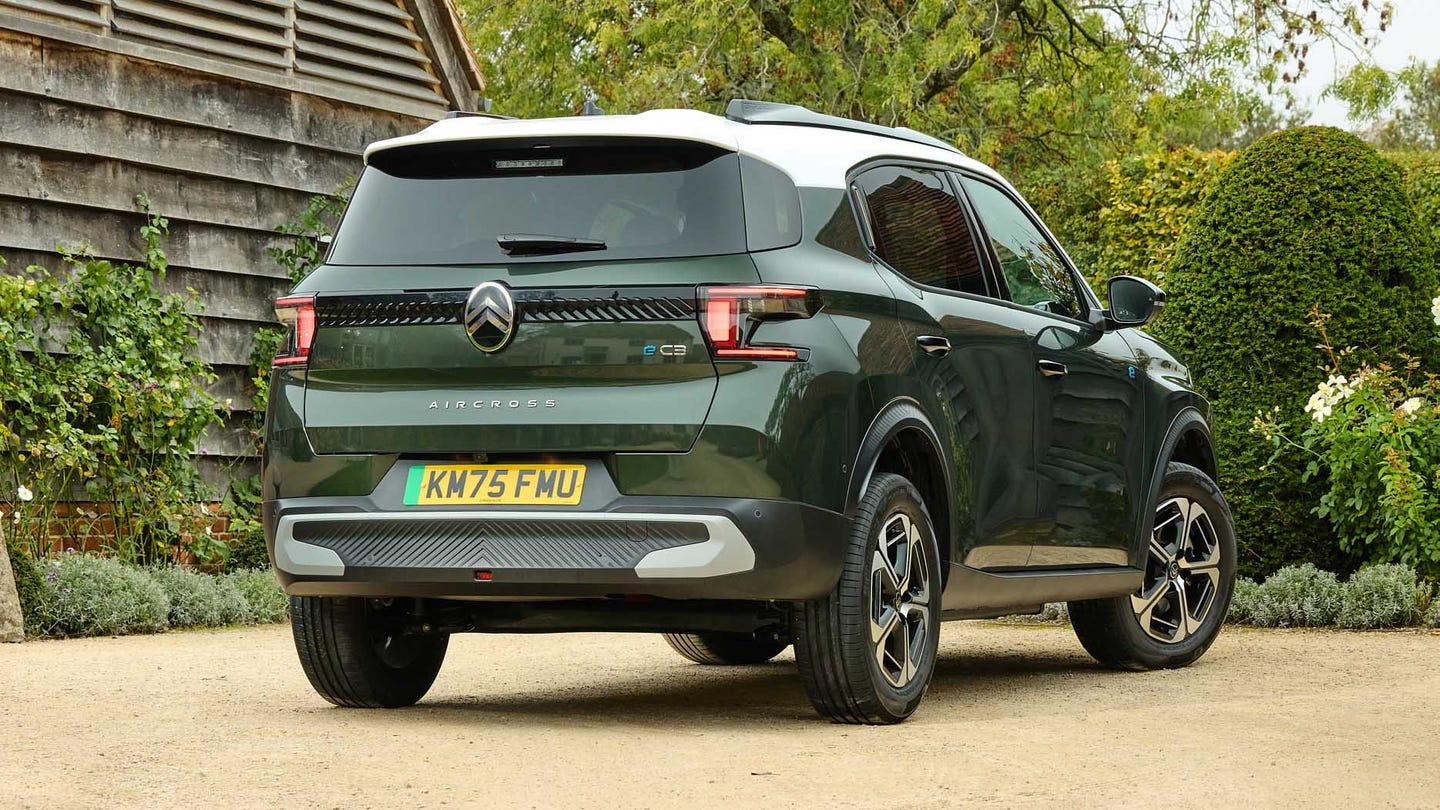
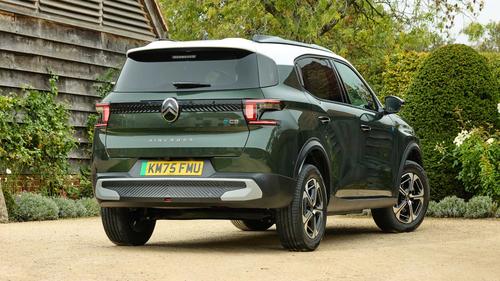
Besides the obvious practicality boost over the e-C3, not much has changed in creating the e-C3 Aircross. You get the same styling, same interior and the same colour choices. That’s fine by us: the C3 is a happy and simple car, and the C3 Aircross is just the same but with more space.
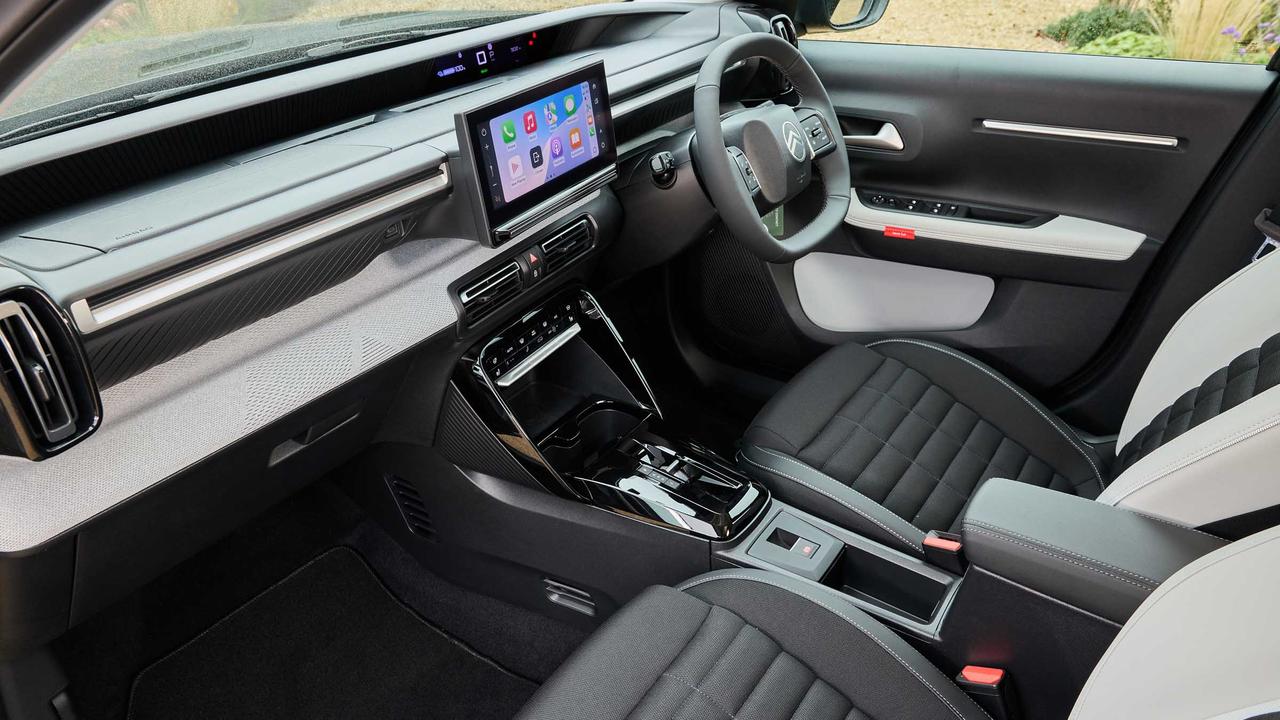
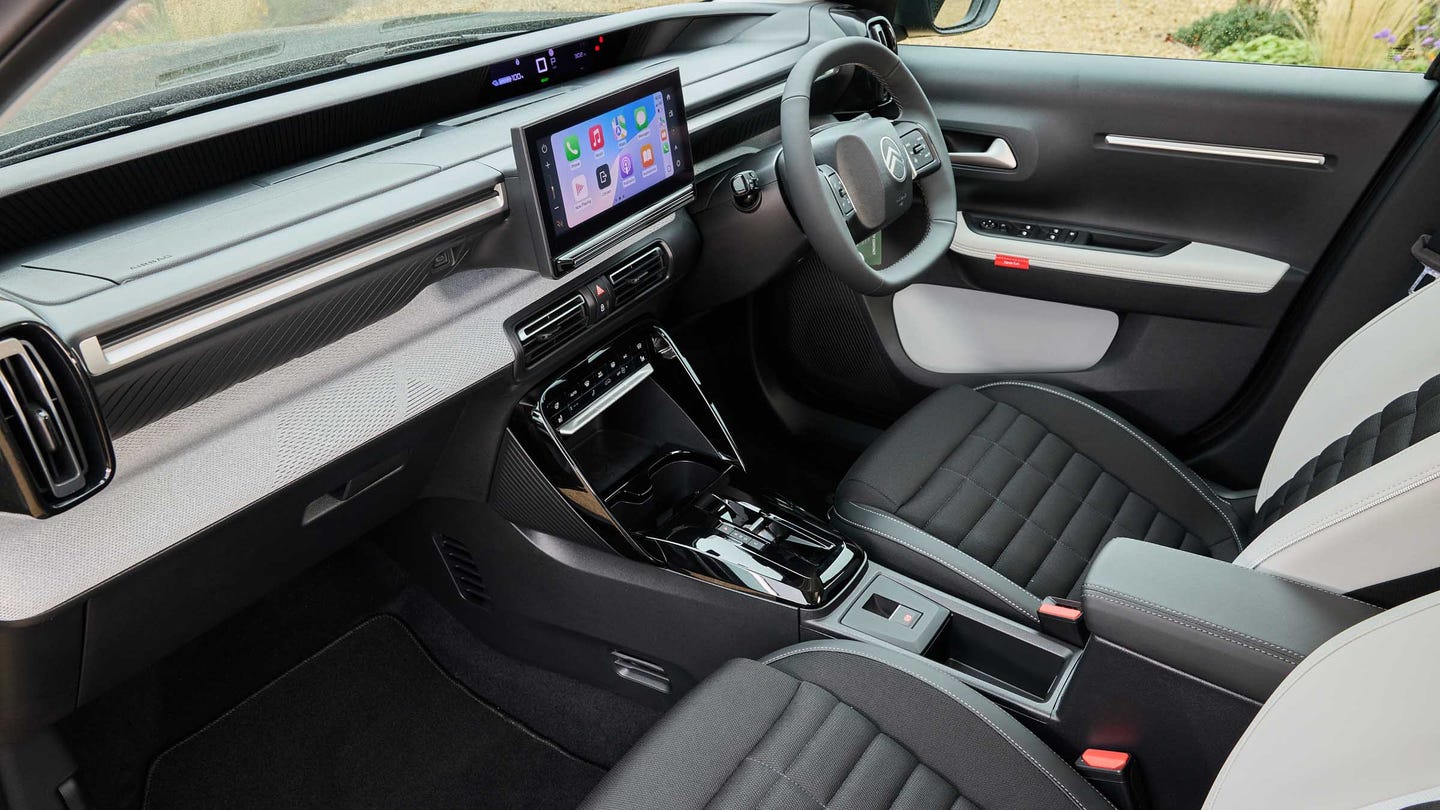
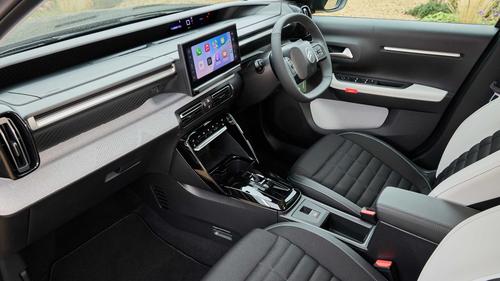
Citroen is cooking with its recent interiors, and the e-C3 Aircross is a really interesting place to spend time.
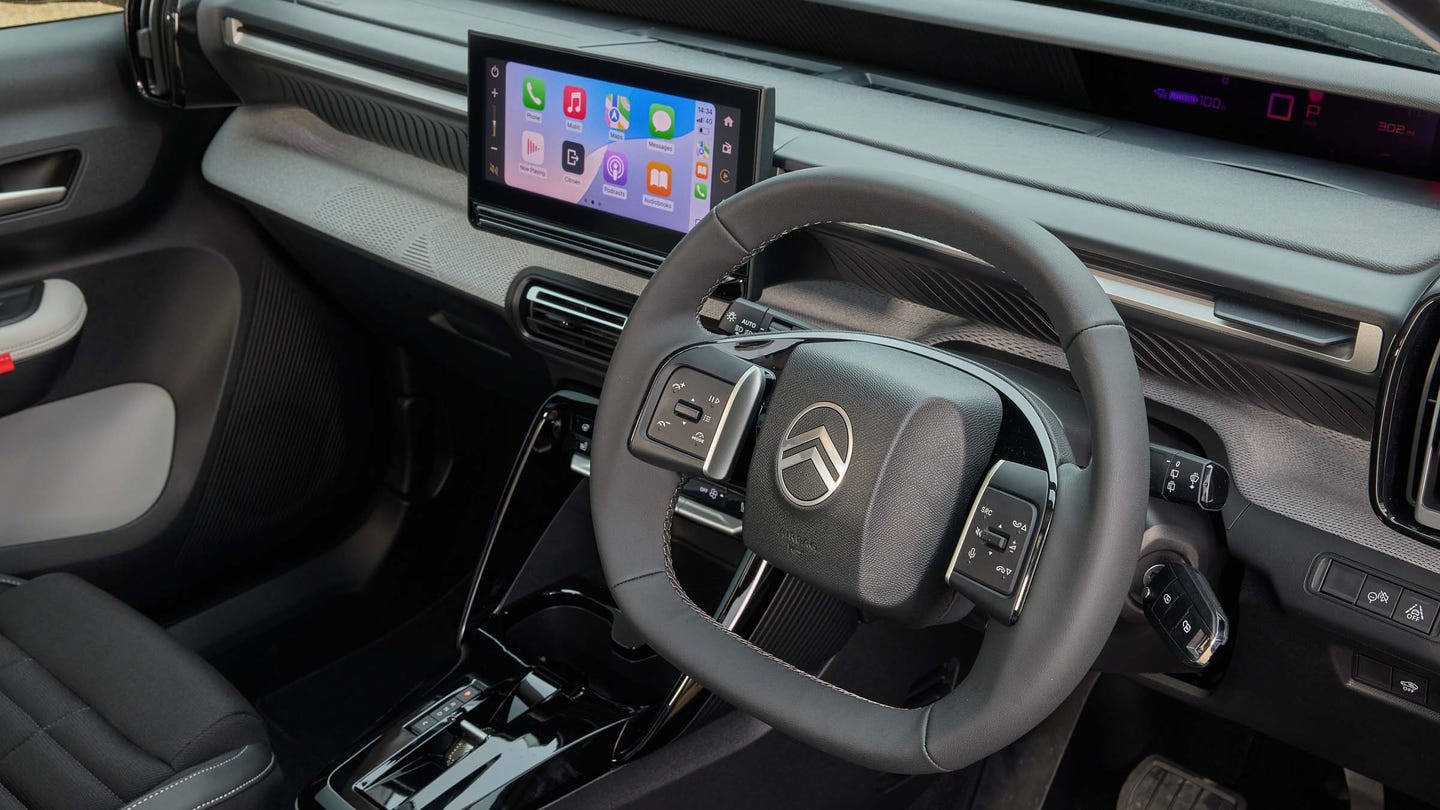
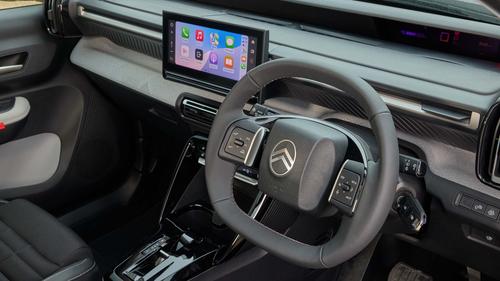
You look over the totally bizarre steering wheel (which feels reassuringly zany considering Citroen’s history) at a small display tucked into a recess underneath the windscreen. This is perfectly placed because it’s very close to your eyeline. It’s like a budget version of the BMW iX3’s superb ‘Panoramic iDrive’ info strip.
The touchscreen has been decontented and simplified, to the point where we reckon a dog would quickly work out how to make a phone call or navigate home. There are big tiles for radio, phone, nav (on Max versions) and phone mirroring functions, and that’s basically it. This isn’t a car where you can fiddle with endless settings – you just get in and drive.
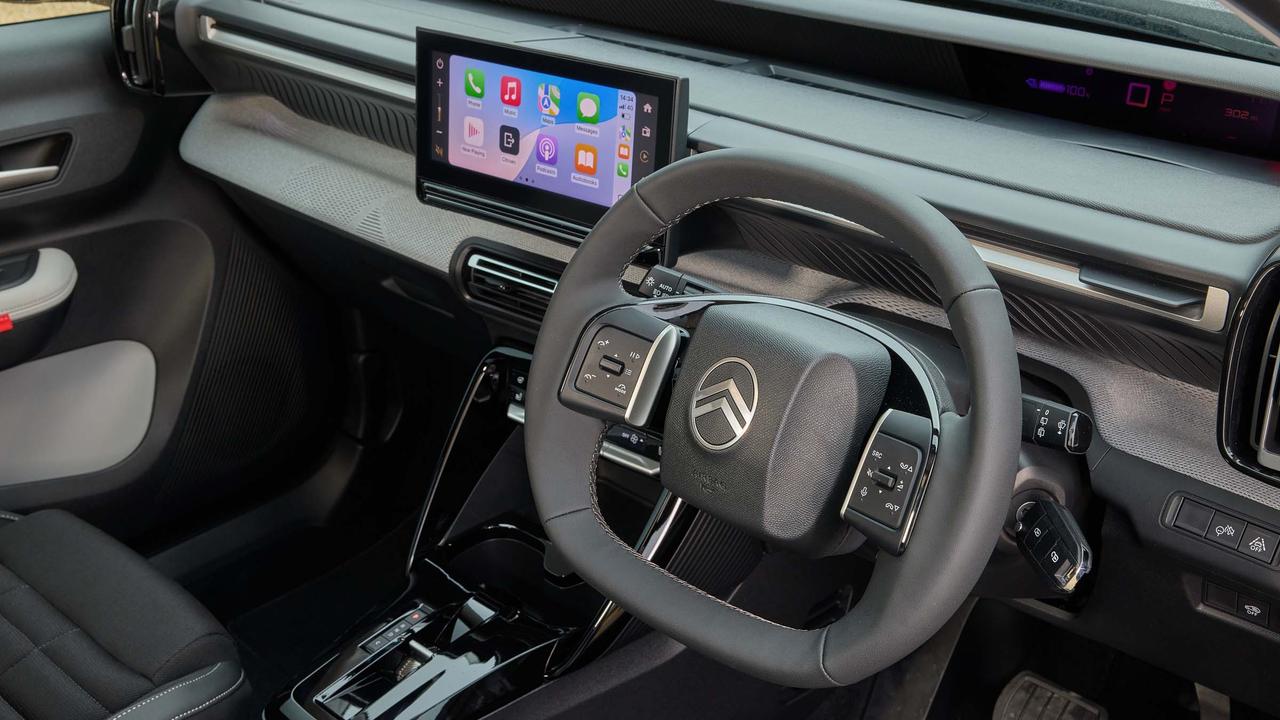
Reintroducing physical climate controls and putting in buttons to turn off the lane-keep assist and speed limit warnings reduces the load on the touchscreen, and makes the e-C3 Aircross a doddle to use.
As we said about the e-C3, the light grey textured fabric panel on the dash and the subtle chevron detailing above it help to lift the ambiance over the drab Frontera. Citroen’s also gone to the effort of stitching in little motivational tags on the doors. We can understand if you find these cringey.
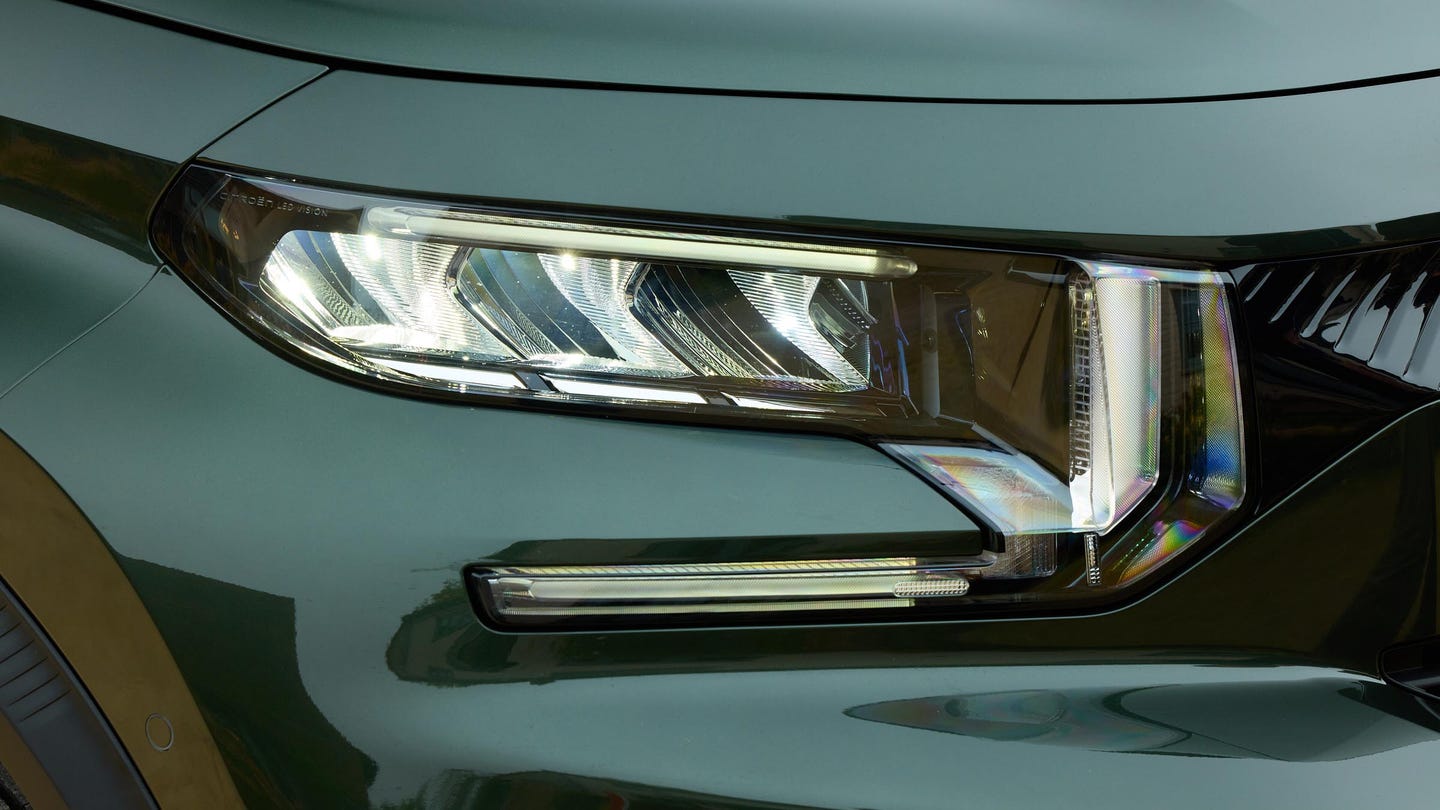
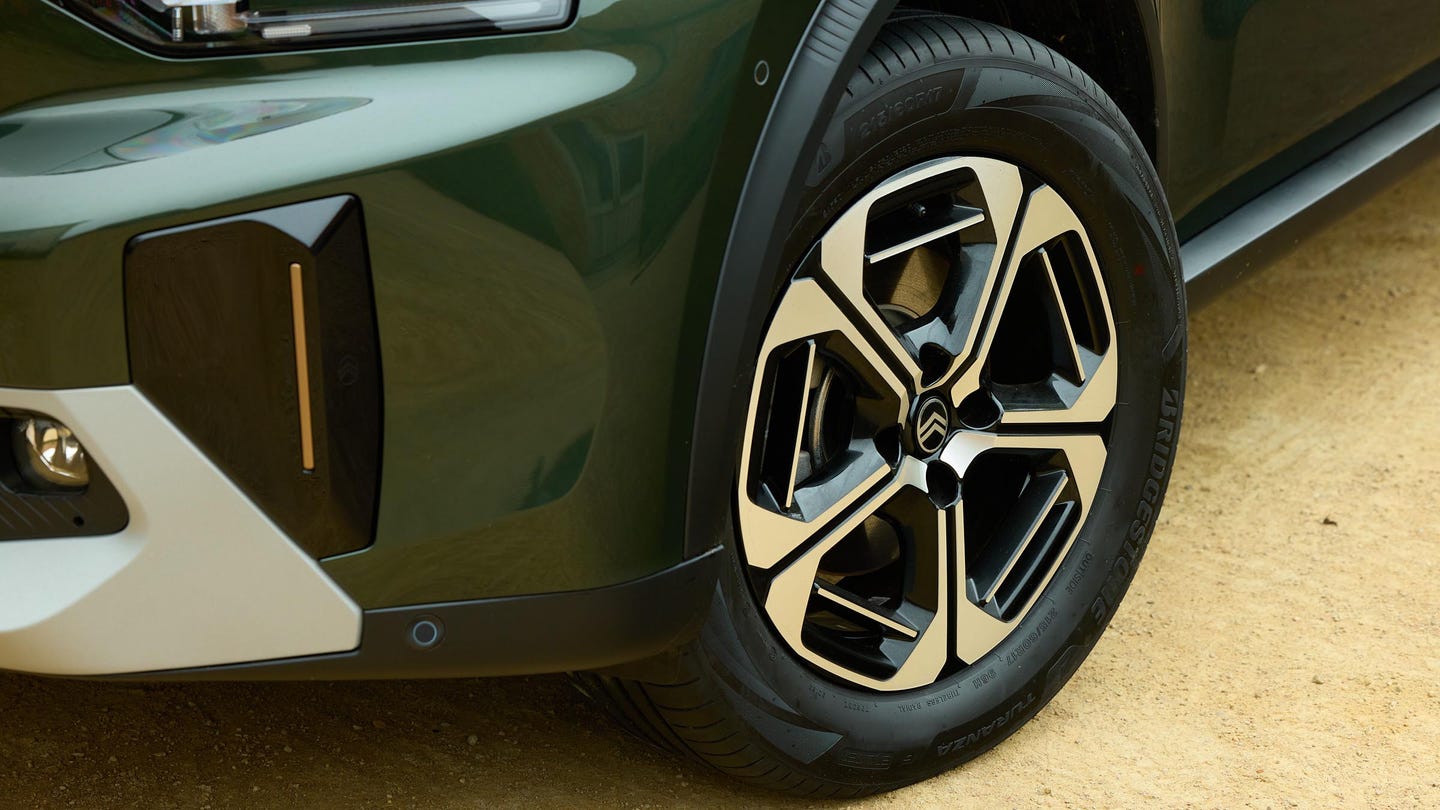
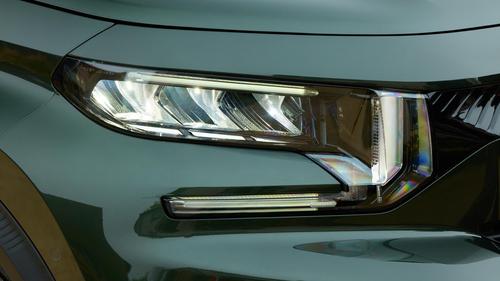
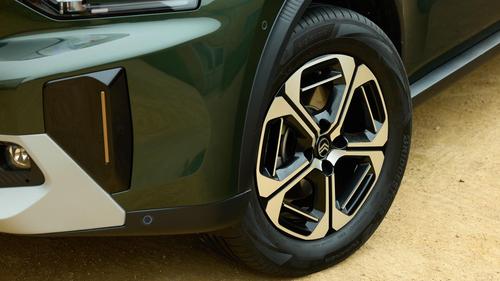
Standard equipment includes the ability to precondition the interior temperature and schedule charging, plus LED headlights with auto high-beam assist, 17-inch alloy wheels, auto wipers and a reversing camera. Upgrading to top-spec Max trim additionally gives you LED rear lights, blind-spot monitoring, wireless phone charging and the winter pack – consisting of heated front seats, a heated steering wheel and a heated windscreen.
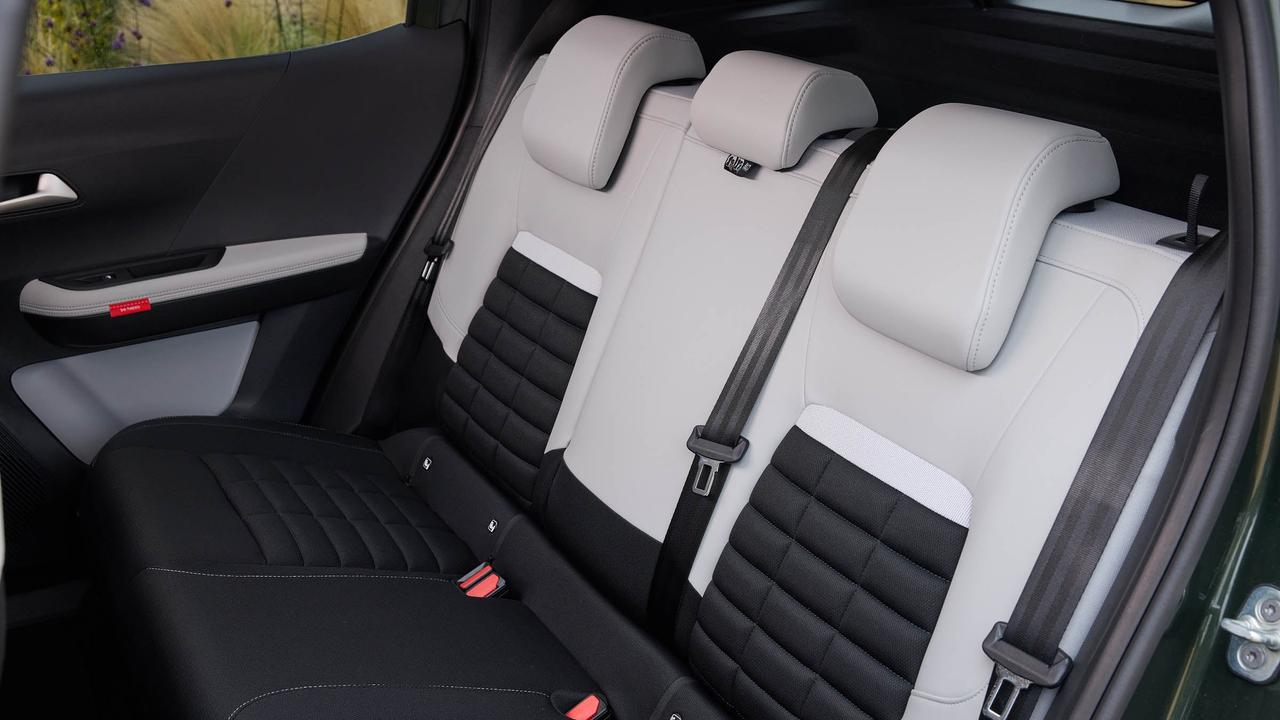
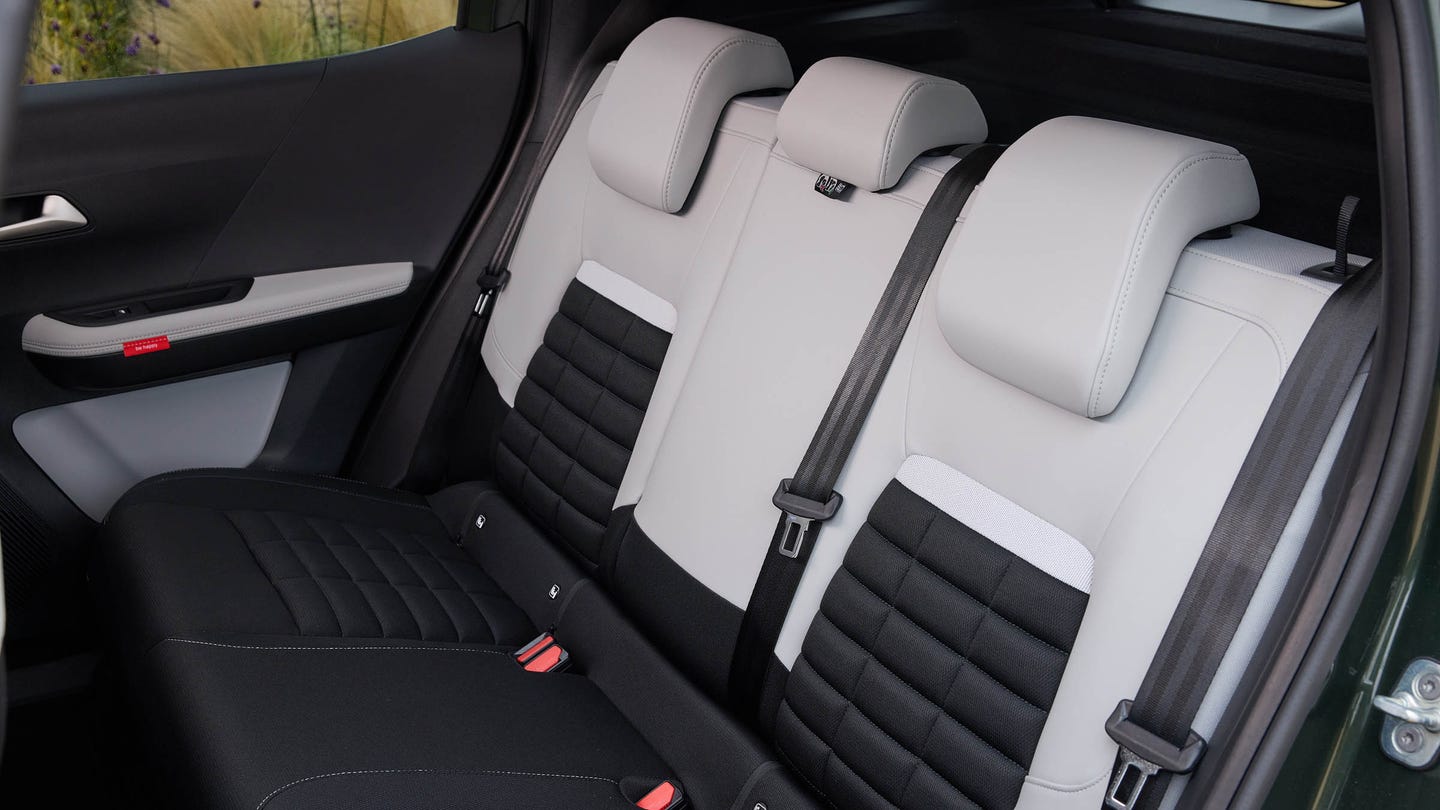
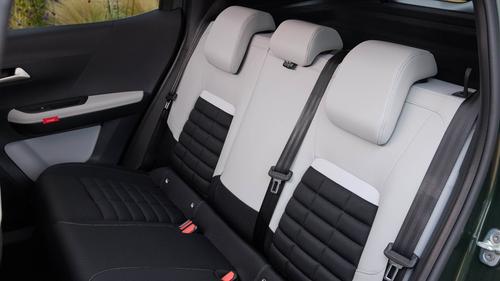
We’re pleased to see that the e-C3 Aircross is just as practical as the petrol-powered model. Four of the five seats are spacious, and the flat bench and nearly flat floor means it won’t be too much of a squeeze for a fifth person on short journeys. Citroen wins points for easy ingress, but loses a point for its fiddly Isofix points.
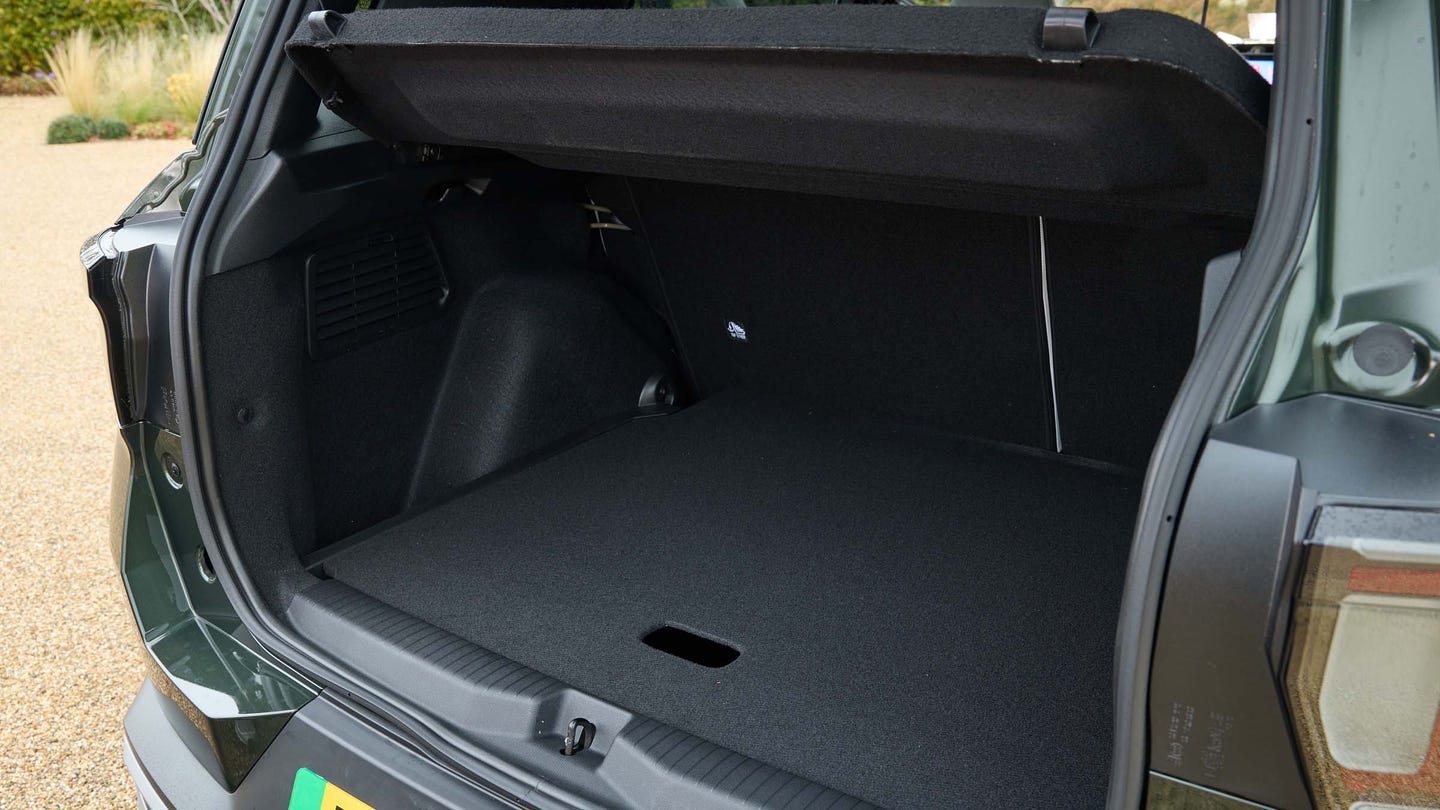
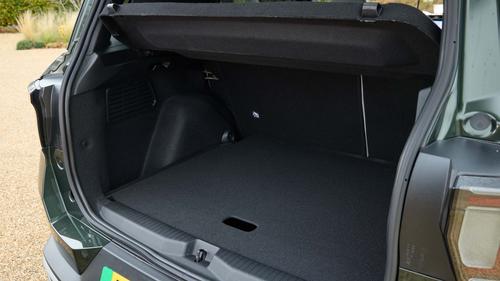
Aft of the seats, you’ve got a 460-litre boot – which is close to 50% bigger than the e-C3’s, and very competitive with the Skoda Epiq, MG S5 and Hyundai Kona.
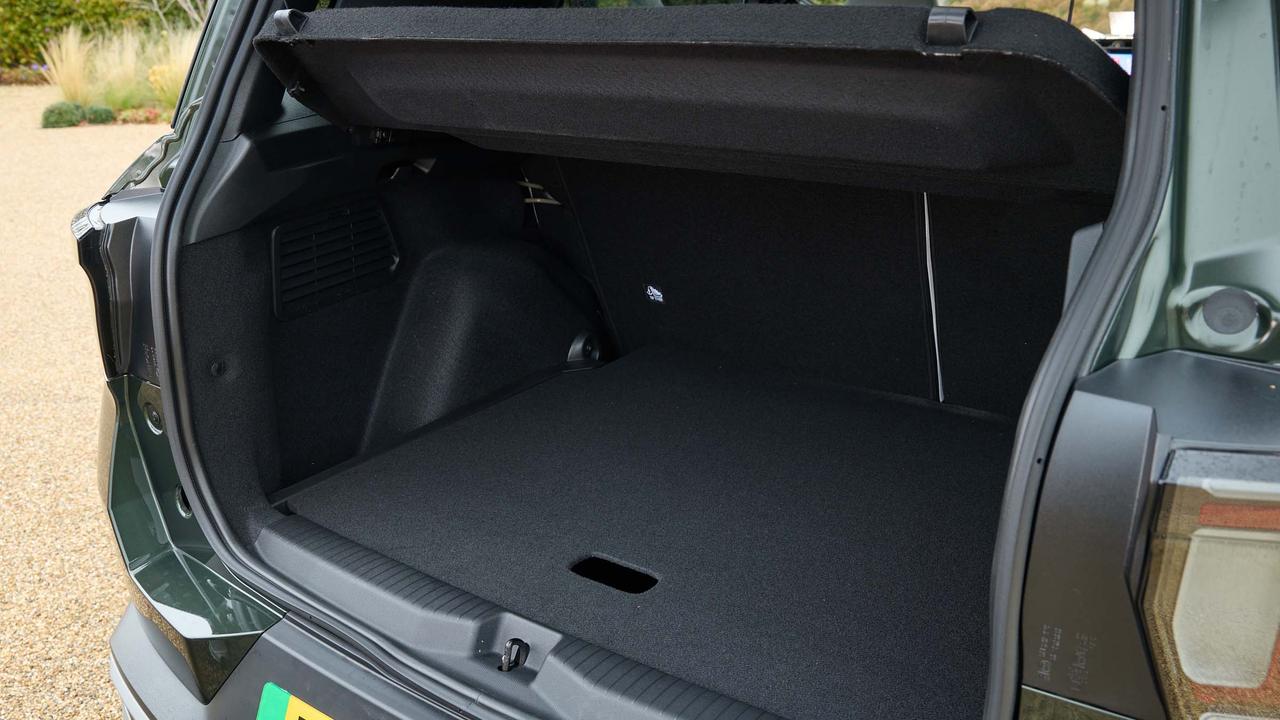
There are a couple of minor points where the e-C3 Aircross isn’t quite as versatile as the petrol one. First, the rear floor is noticeably higher in the electric one (batteries under the floor, y’know), raising your knees and meaning that your thighs aren’t supported quite as well. Second, the e-C3 Aircross is only available with five seats whereas the hybrid can be optioned with seven seats – but the seven-seat version is so cramped and compromised that this is barely worth mentioning.
Upfront storage is pretty good, with a couple of useful shelves and some small areas that are well sized to fit your phone, sweets or clutter. Just as well when the glovebox is half the width it should be.
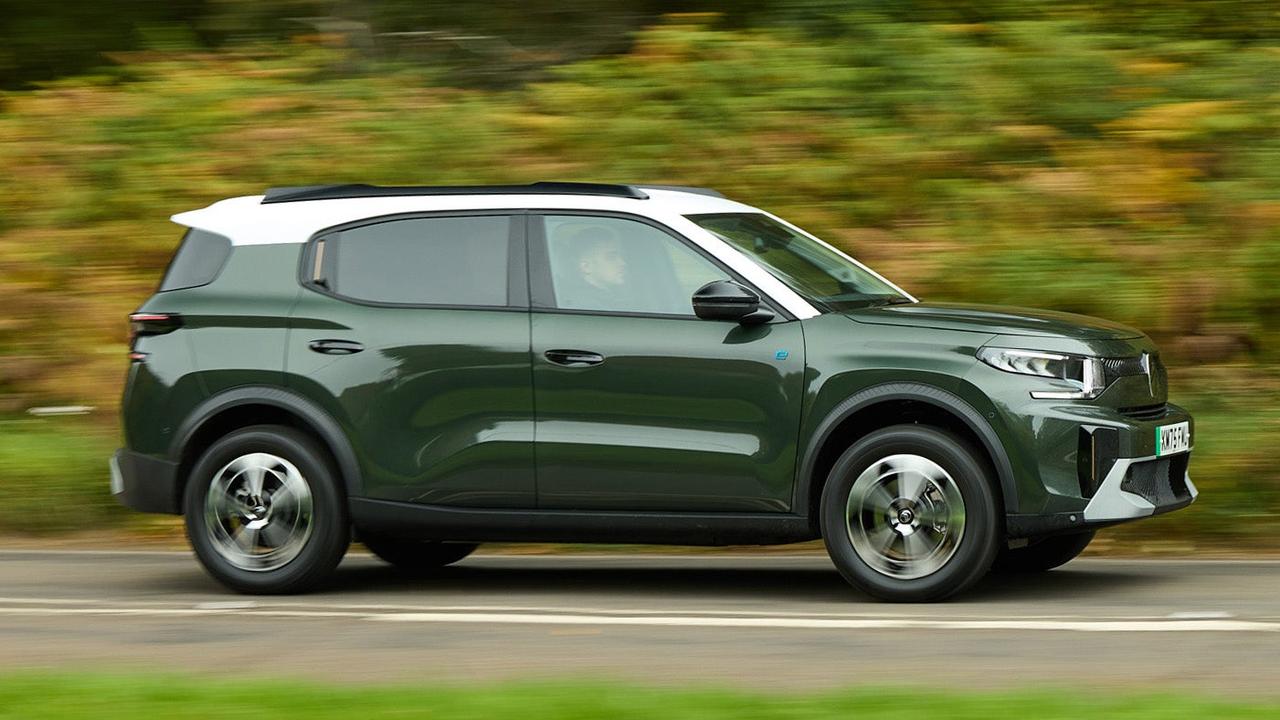
The e-C3 Aircross offers a choice of Standard Range and Extended Range options. If you can charge at home and don’t often do long journeys, you can save yourself quite a bit of money by going for the Standard Range model.
Officially, the 44kWh Standard Range model returns up to 188 miles on a charge, while the 54kWh Extended Range model ups that to 249 miles. Just remember that high speeds, hills and cold weather will make the battery less efficient – and that it’s prudent to charge to 80% in daily use and only charge to 100% before long journeys.
Because the batteries aren’t enormous, they don’t take very long to recharge. A 20-80% charge from a home wallbox takes four or five hours, or under half an hour at a 100kW public charger.
Both battery options are linked up to a 113hp electric motor. Performance is best described as relaxed, with 0-62mph times of 11.7 and 13 seconds for the 44kWh and 54kWh batteries respectively (the bigger battery is heavier and therefore makes the car slower).
A benefit of this is that the e-C3 Aircross sits in low insurance groups (14 to 16 out of 50). Unusually, the electric versions are cheaper to insure than the hybrid version, which sits in group 23/24.
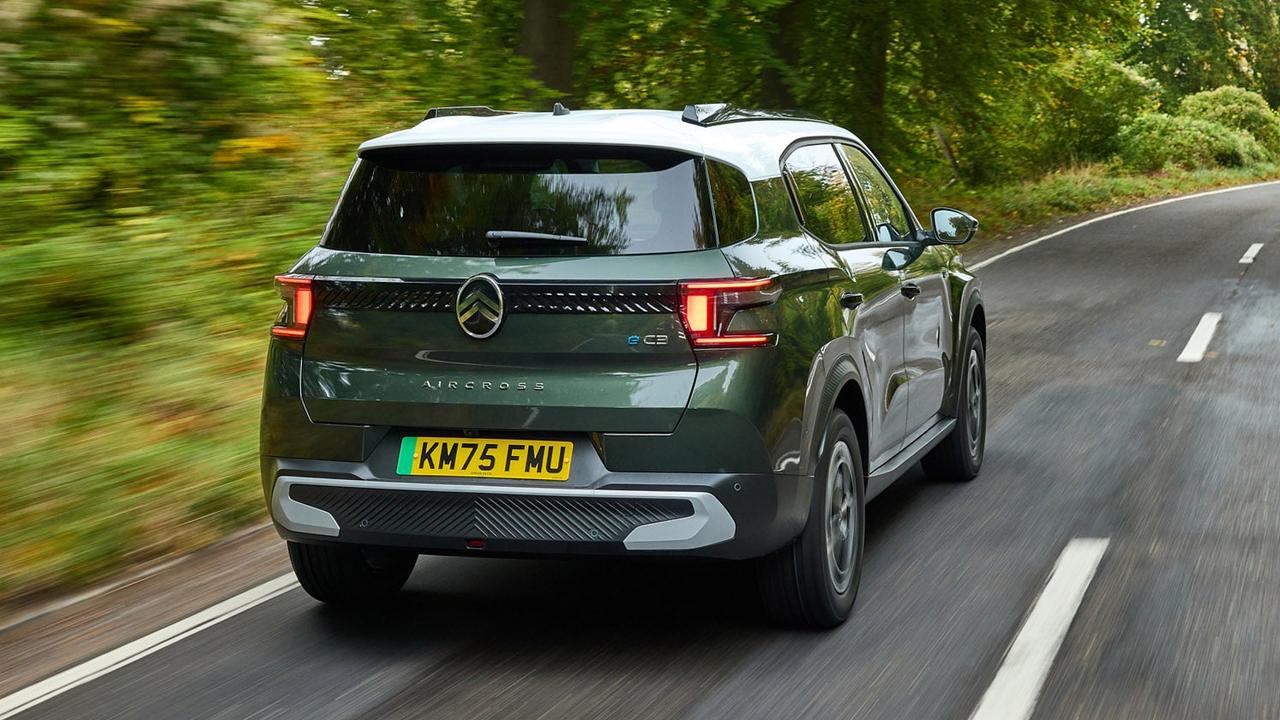
The laid-back performance perfectly suits the vibe of the e-C3 Aircross, which is totally focused on comfort. It soaks up big bumps better than many luxury cars, thanks to hydraulic cushions in the suspension that are unique to Citroen. Put simply, it’s perfectly suited to scabby British road surfaces.
Carrying around 100kg more than the hybrid and 250kg more than the entry-level manual petrol car, the e-C3 Aircross can feel a bit wallowy and boaty over sustained undulating Tarmac. This highlights that the e-C3 Aircross isn’t trying to provide an engaging driving experience whatsoever.
In the pursuit of simplicity, there aren’t any drive modes or brake regeneration settings. We would prefer to have the choice of regen settings, but it does mean you can just get in and go. And the lane-keep assist and speed limit warning can be turned off by pressing a button by the steering wheel, instead of having to faff around in the touchscreen.
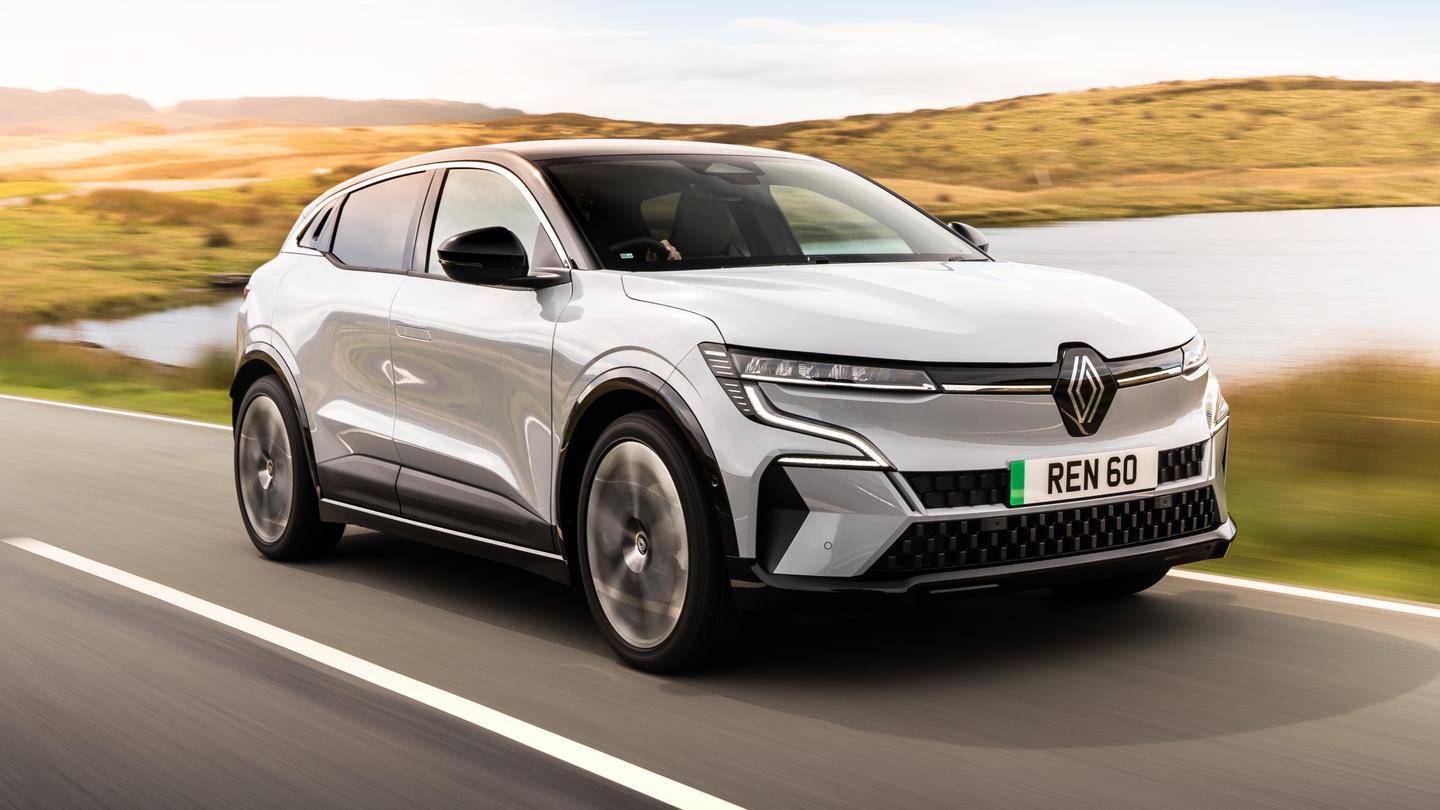
Going EV has transformed the Megane – it’s now among the class best