









The 10 fastest charging electric cars

Mike Vousden
•
Electric Cars

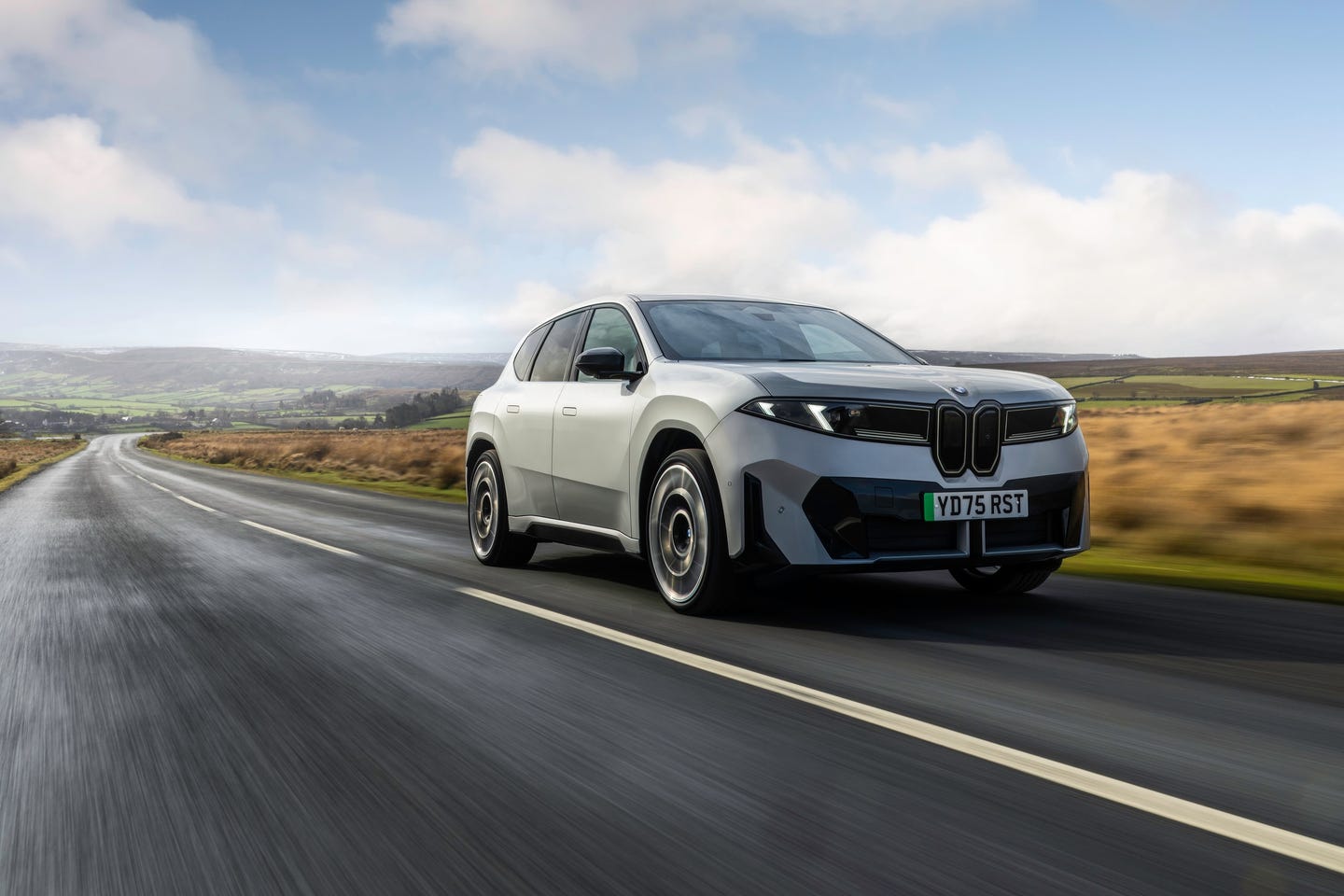
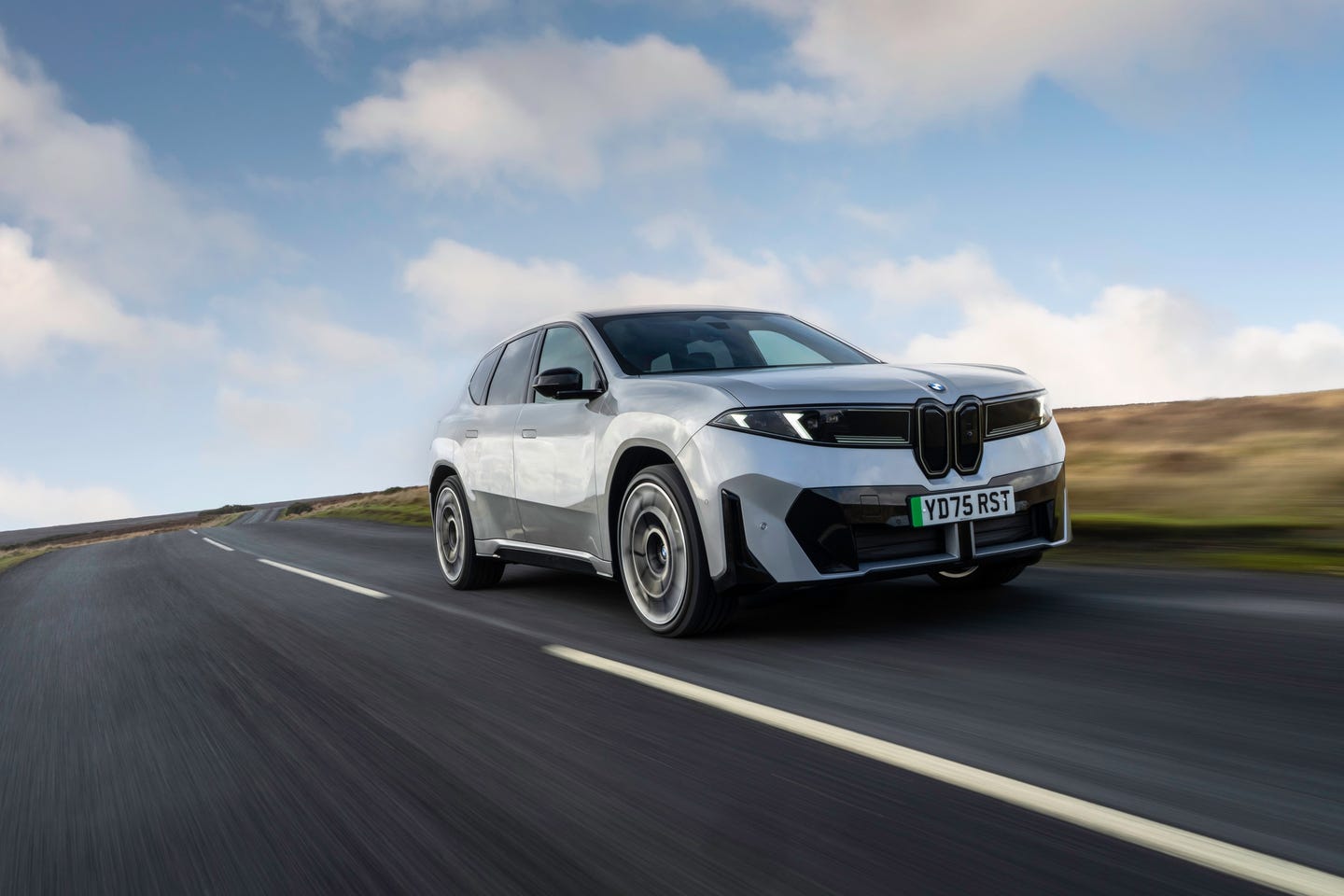
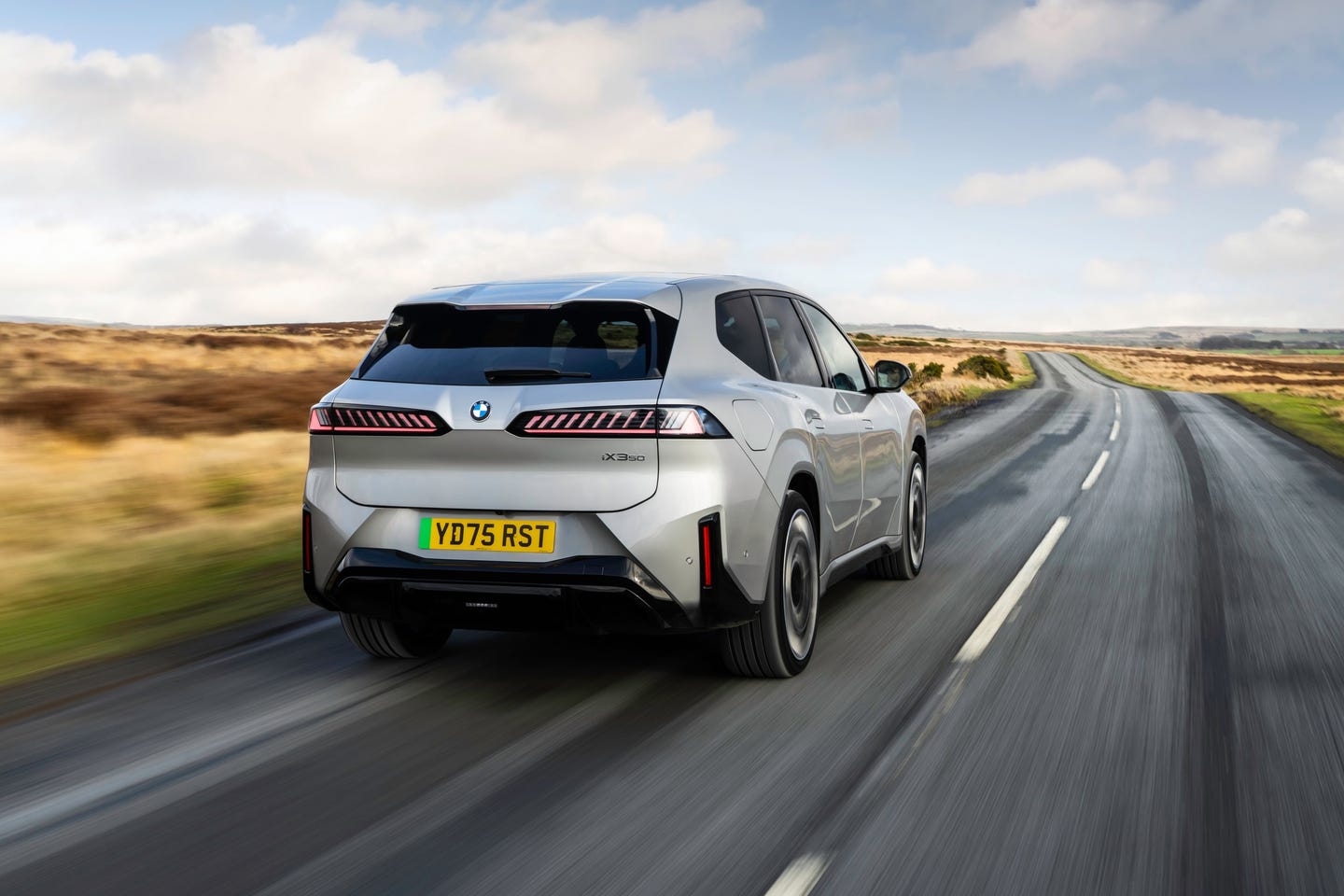
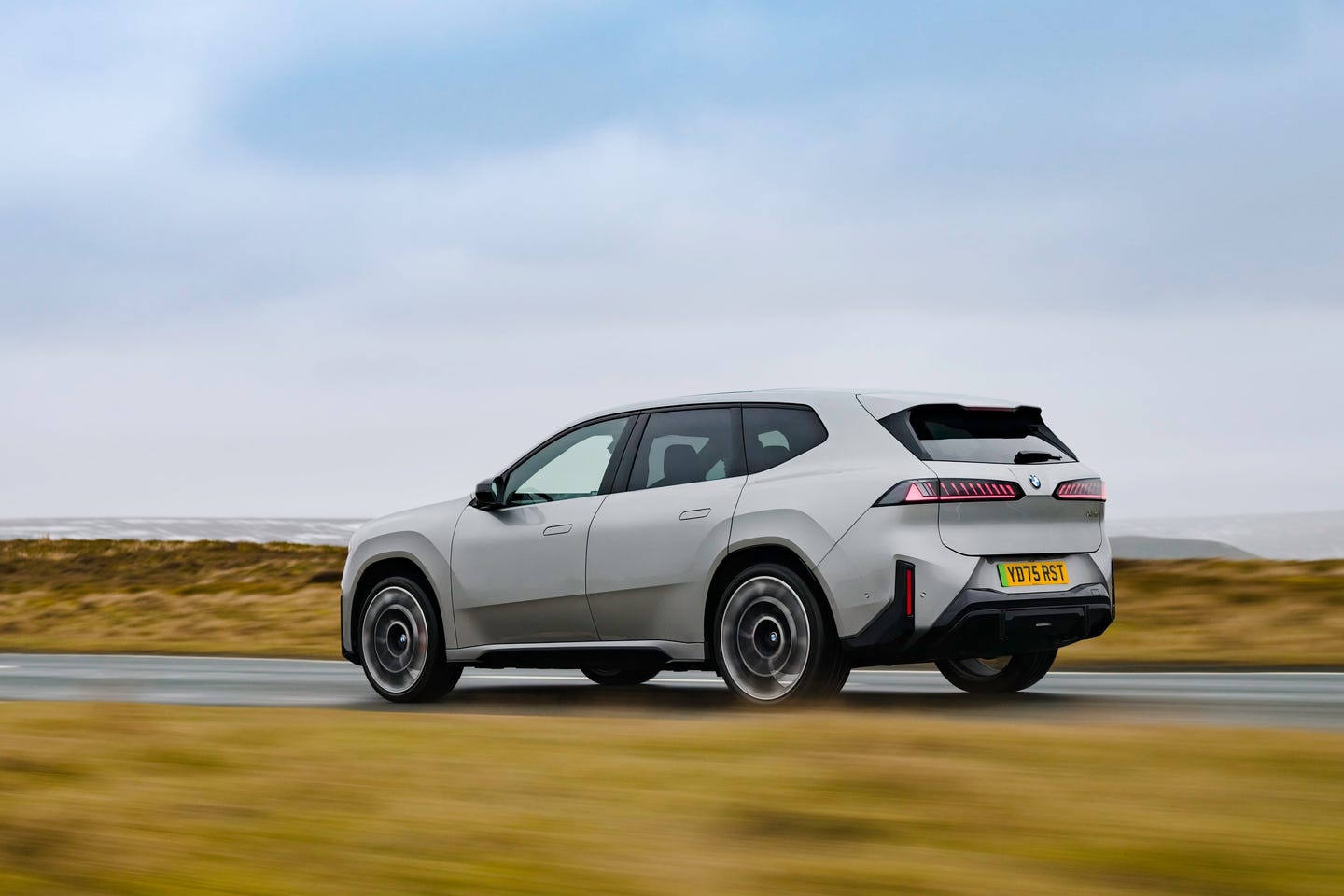
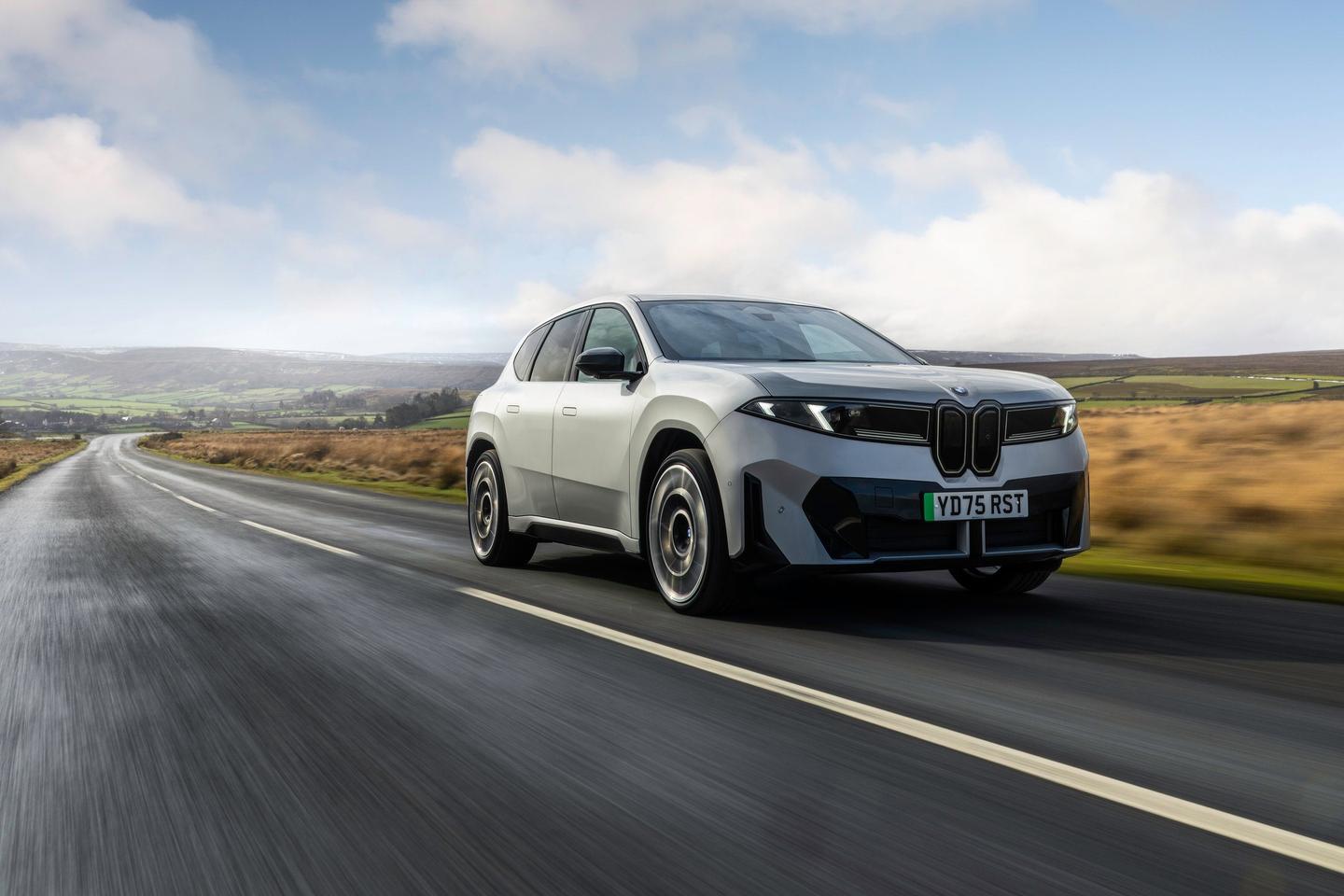
The BMW iX3 is the first taste we've had of the future of the brand, and it's a generational leap over the competition.
It truly feels like a car from the future – the iX3 delivers 450 miles of real-world range, super-fast 400kW charging and outstanding efficiency from new tech under the skin. But it's also host to a superb cabin, some game-changing user-interface ideas and still has room for the family, while costing as much as a plug-in hybrid BMW X3.
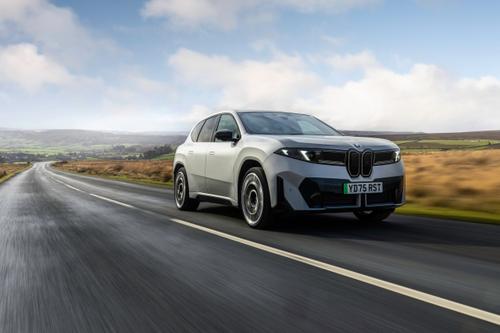
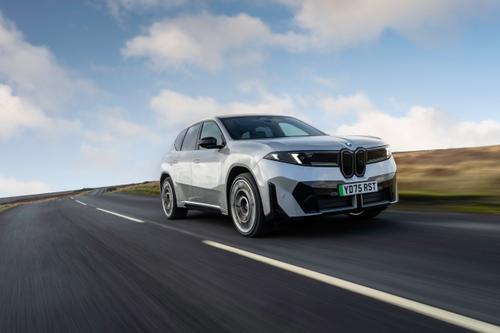
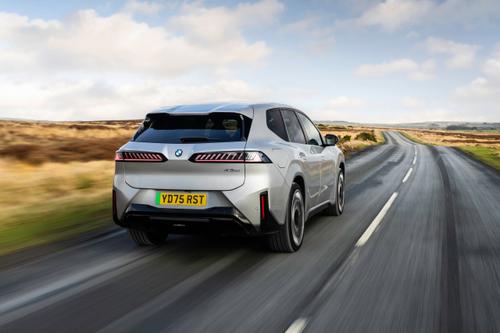
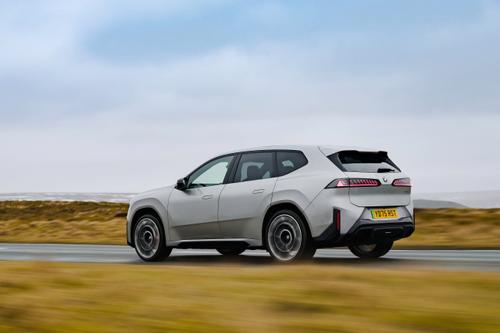
We can't remember a car we've driven in the past decade that's felt like a genuinely giant leap for car buyers, but that's exactly how the BMW iX3 makes us feel.
Cut away the new 1960s-inspired front end (which we'll see on other so-called Neue Klasse BMWs in the coming years), and you're left with a car that heralds the arrival of a next generation of EVs. The iX3's big 108.7kWh battery can't deliver the claimed 500-mile range on its own – instead BMW's engineers have gone chasing every little efficiency to extract maximum driving distance while also reducing the car's carbon footprint.
They've reinvented the car's internal networking systems to cut out 600 metres of wiring and accompanying weight. It's produced in a new Hungarian factory that doesn't use fossil fuels. The wheel centres are made from recycled aluminium, and most of the plastics inside are recycled from the world's oceans. The list goes on.
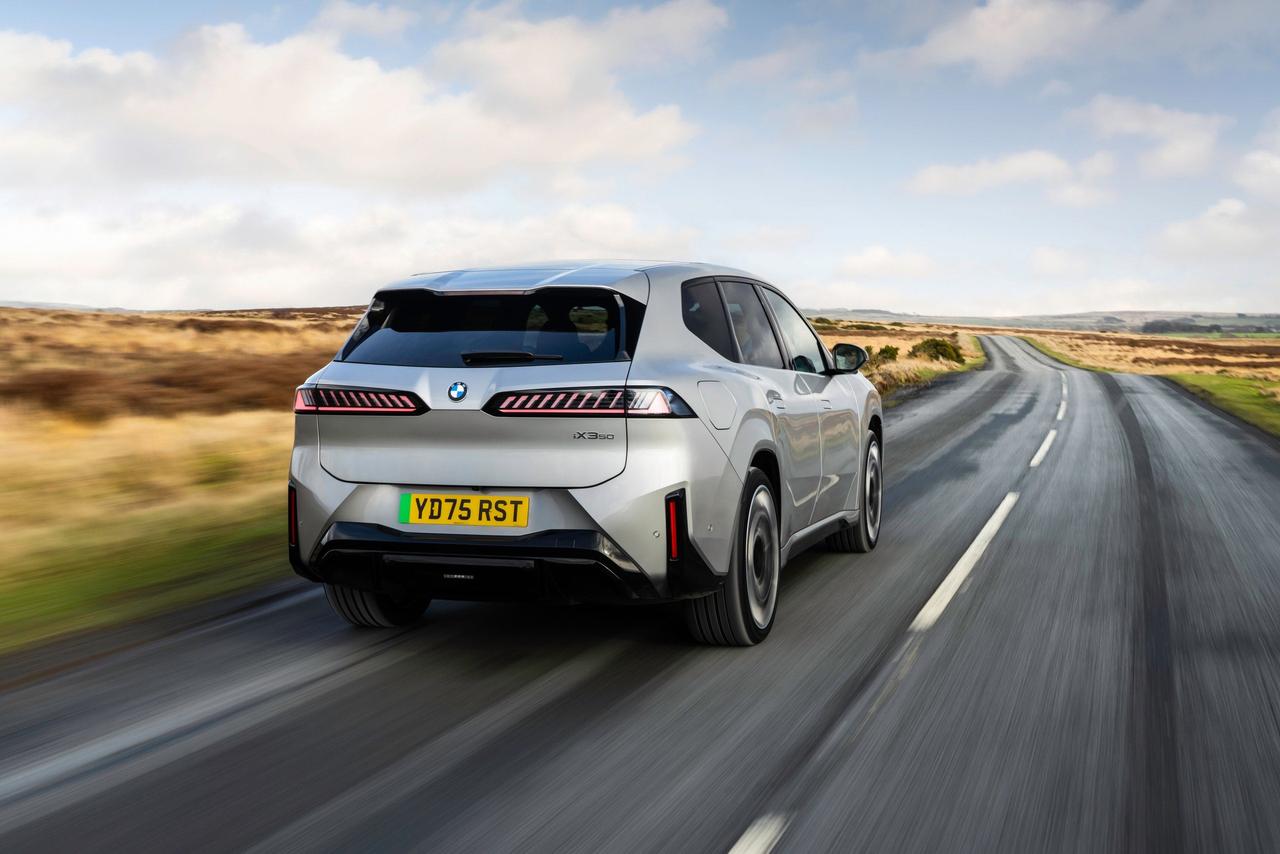
Thanks to a new 800-volt architecture, the new iX3 can fast charge at a whopping 400kW, meaning you can add 231 miles of range in just 10 minutes on an appropriately fast charger. Getting from 10-80% takes 21 minutes, which sounds average, but less so when you consider how big the battery is and how many miles 80% represents.
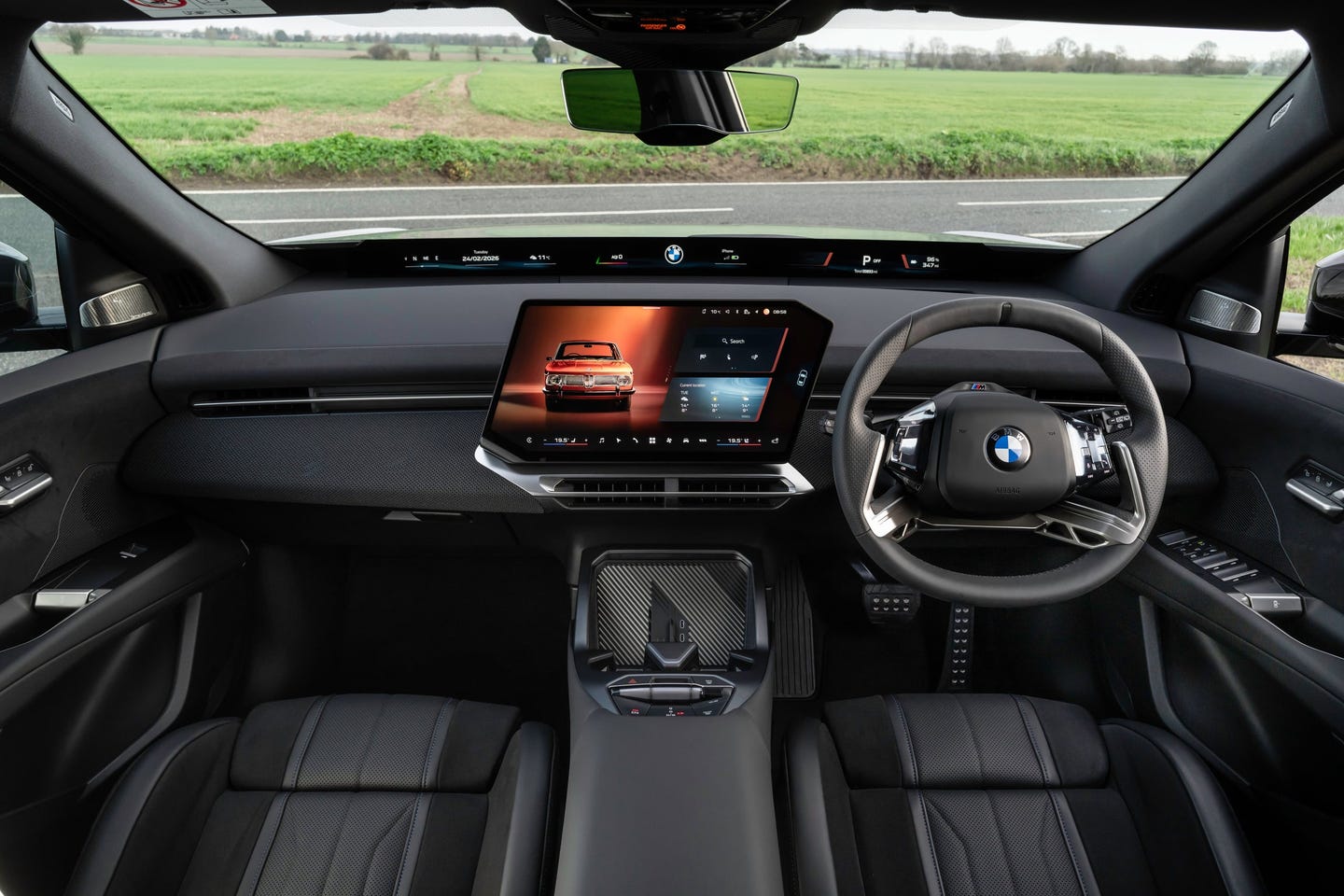
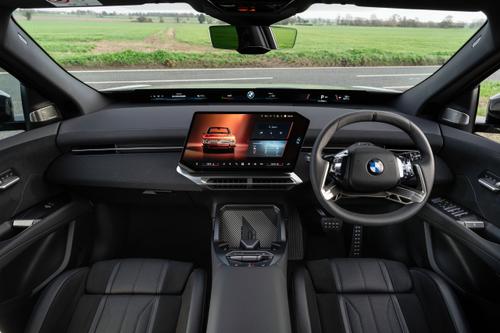
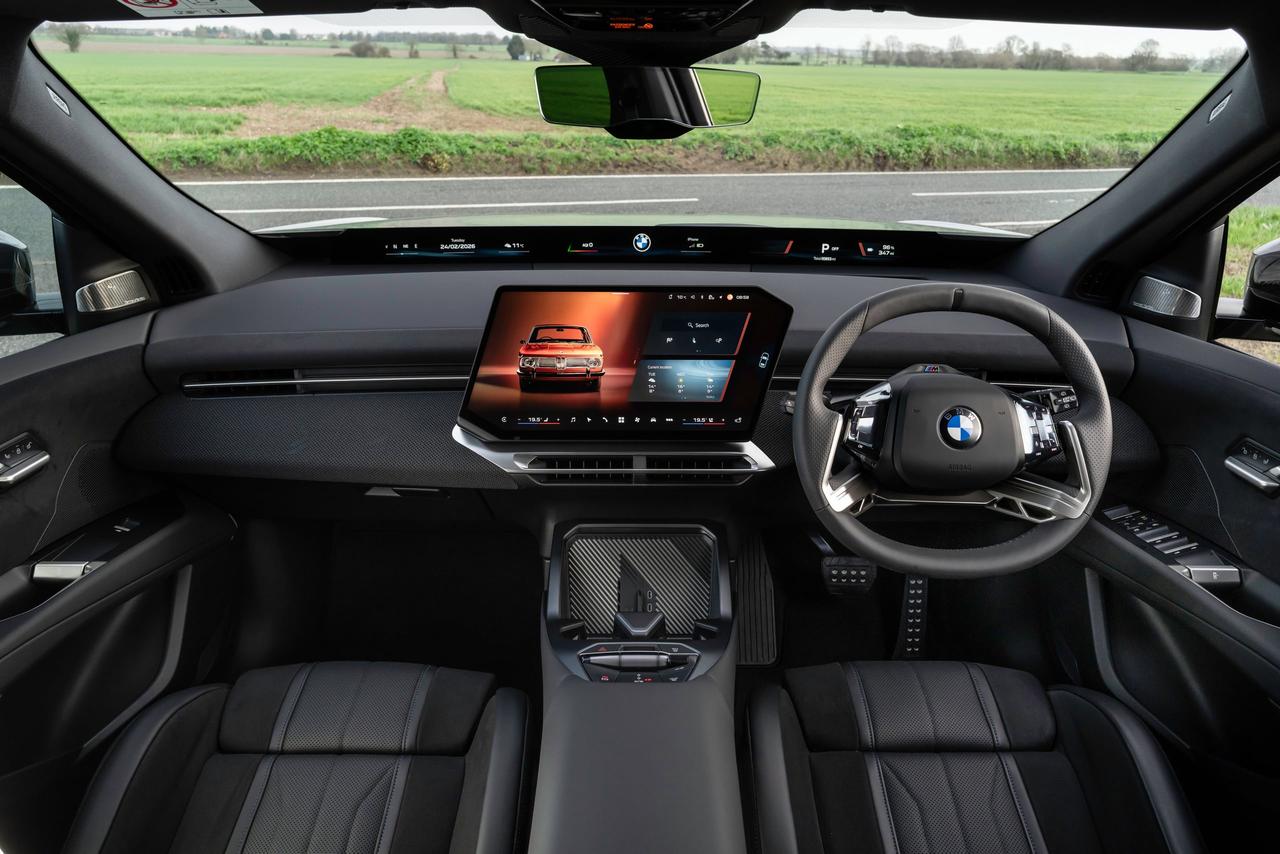
Inside, the iX3 gets – surprise – an all-new cabin. The four-spoke steering wheel stands out with its odd extra Meccano-esque member running from the central hub to the 12-o'clock position. The thumb rests are positioned well and it feels much better in the hand than you'd imagine from the photos. The new infotainment operating system is truly simple to use – a vast improvement on the fiddly tile-based systems we've seen from BMW since about 2020.
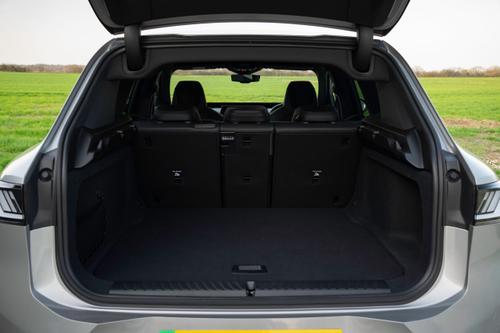
Thanks to clever packaging of the iX3's battery, back-seat space is on par with the bigger X5 rather than the X3. The 520-litre boot is a little short of the one in the petrol-powered X3, but much bigger than the plug-in hybrid X3's, which roughly shares a price point with this new electric version.
It's a fast, refined car to drive, helped by active noise cancellation in the cabin. It was incredibly efficient in our testing, and also quite an engaging SUV to drive quickly on a back road.
It's one of the most impressive all-round family cars we've driven in years.
Hunt around the iX3's black and grey cabin and you'll find precious few parts carried forward from older models. The cabin is striking by way of just how many new concepts it gives you to play with, including a lozenge-shaped infotainment screen, that oddball heated steering wheel (with slightly too reflective buttons which only illuminate when relevant) and a full-width 43-inch display just underneath the windscreen.
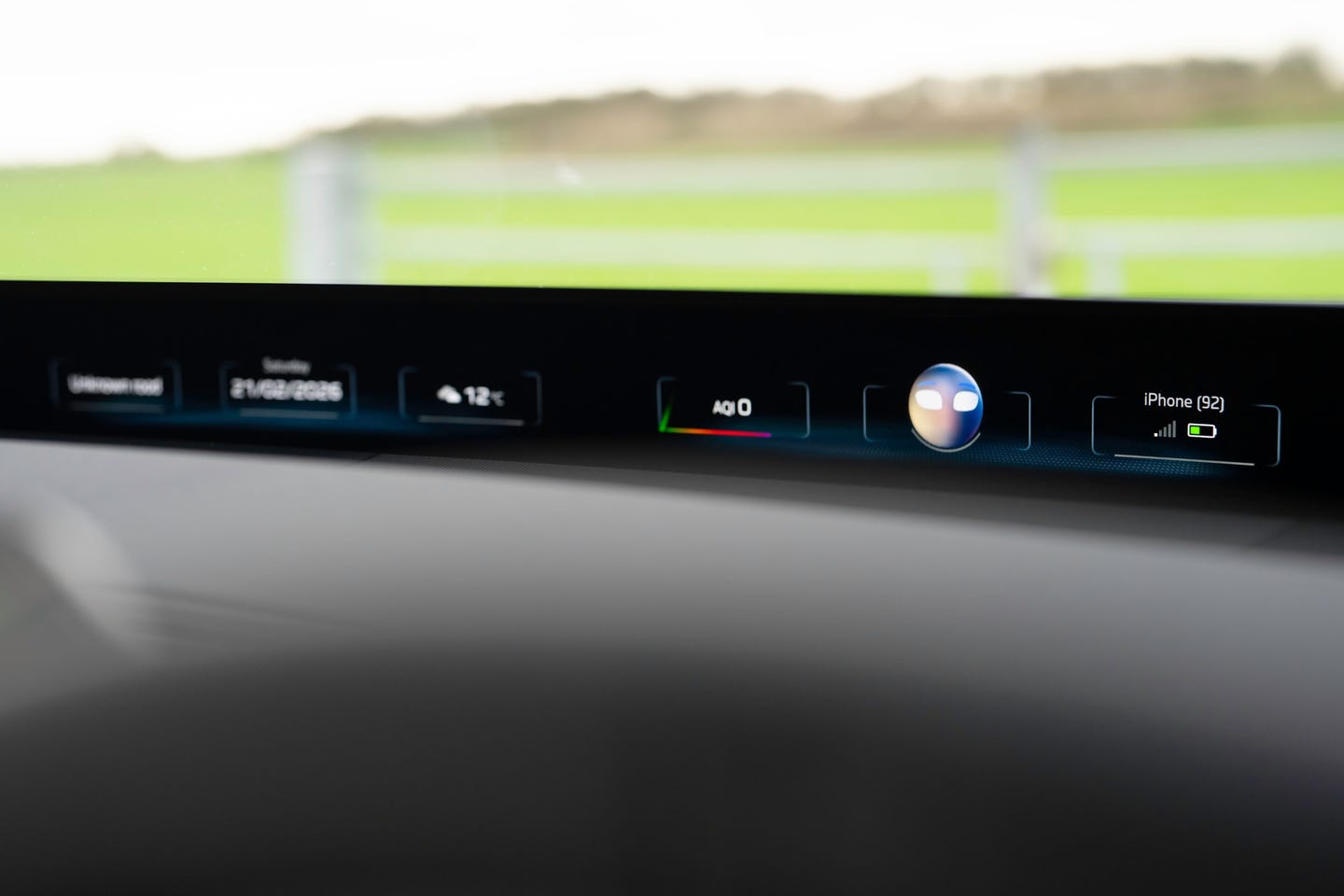
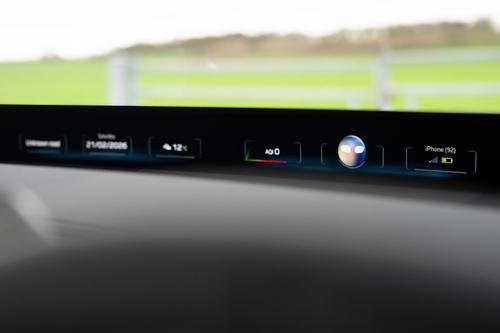
Called the panoramic iDrive display, this strip of screen is actually projected from below, giving the impression that the display is buried in the engine bay – it's odd, but it sits perfectly in your eyeline while driving.
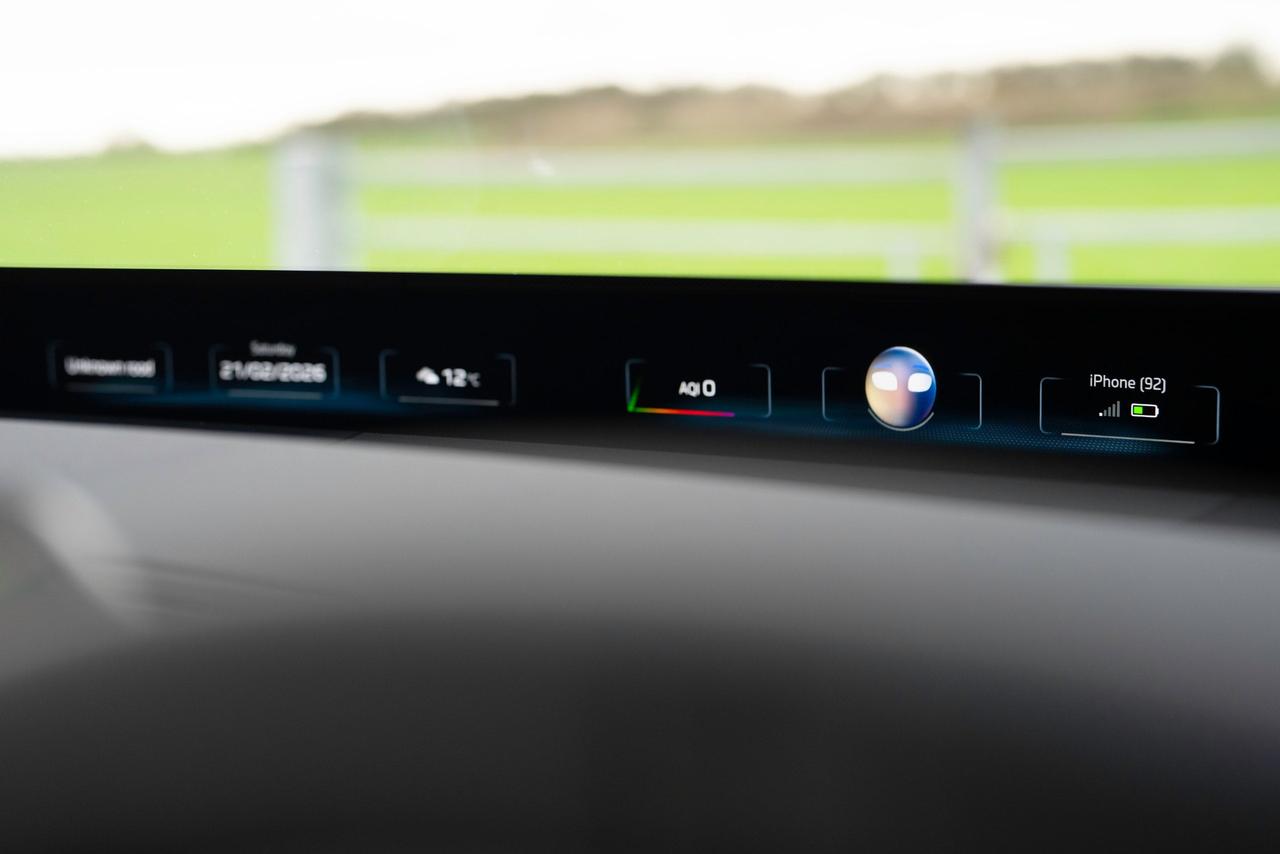
The panoramic display is broken up into three areas. The passenger side can display G-forces, weather or media settings, while the central portion can display trip computers and settings menus that you control with the steering wheel, and the driver's section acts as a digital dashboard. It displays sat-nav directions, speed, and speed limits. This means there's no traditional driver's display behind the steering wheel, and you never miss it. We'd argue that this panoramic iDrive display renders the optional head-up display somewhat irrelevant (despite it cleverly using augmented reality tech to show you where to turn on your route), and it's so well implemented that it makes traditional digital dashboard screens feel distracting, antiquated and in entirely the wrong place.
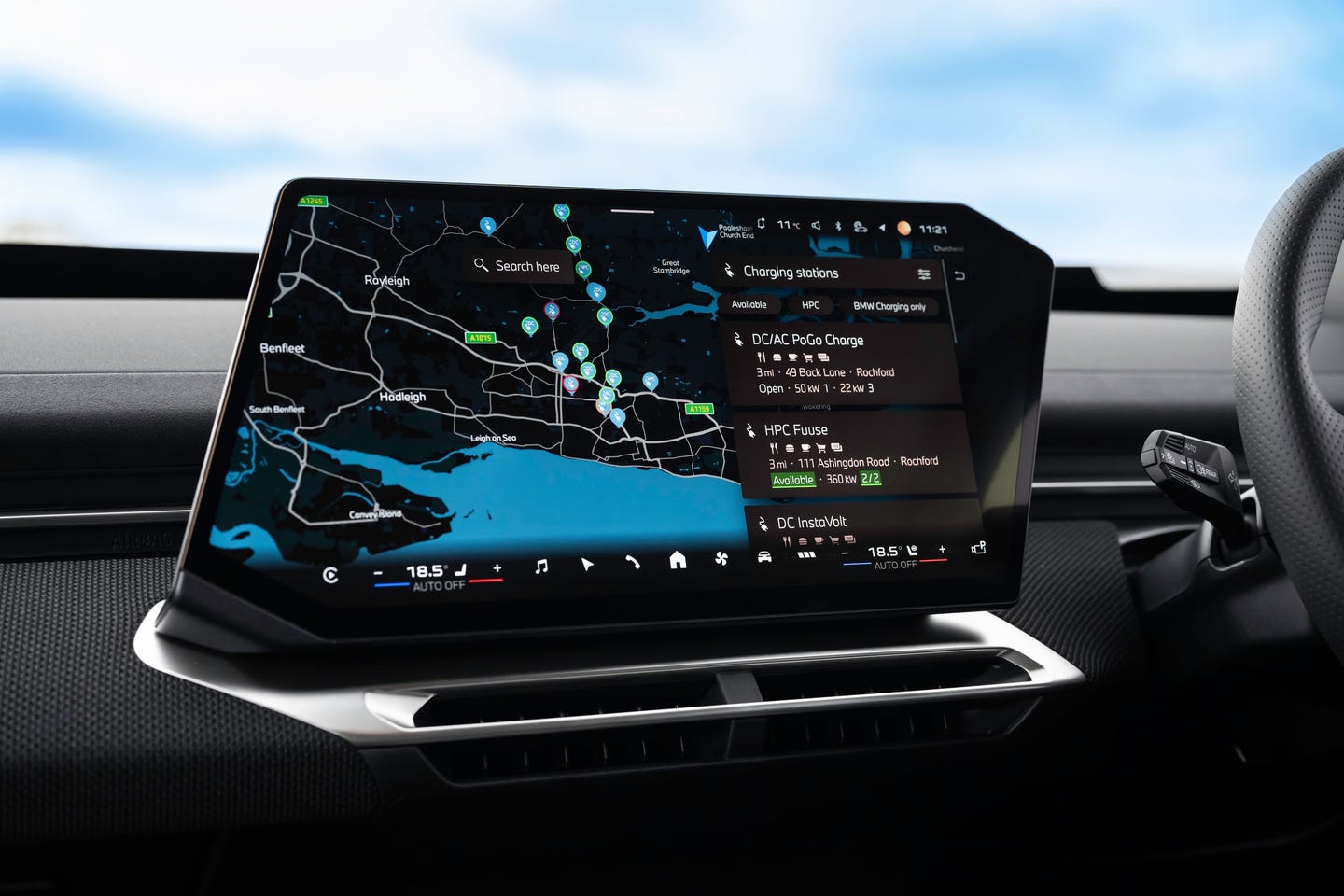
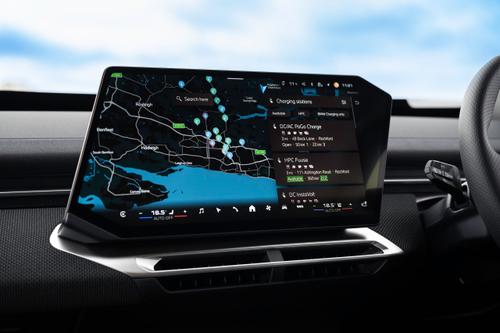
Other infotainment duties are carried out by a 17.9-inch screen which is shaped like an eight-sided lozenge, giving the impression it's angled towards you. You use it to adjust the climate controls, which are permanently displayed along the bottom, and you can also tap ever-present icons on the right-hand side of the screen to disable speed limit warnings and lane-keeping assist. Rejoice. We didn't miss the usual BMW rotary iDrive controller, which hasn't made it to the iX3's cabin.
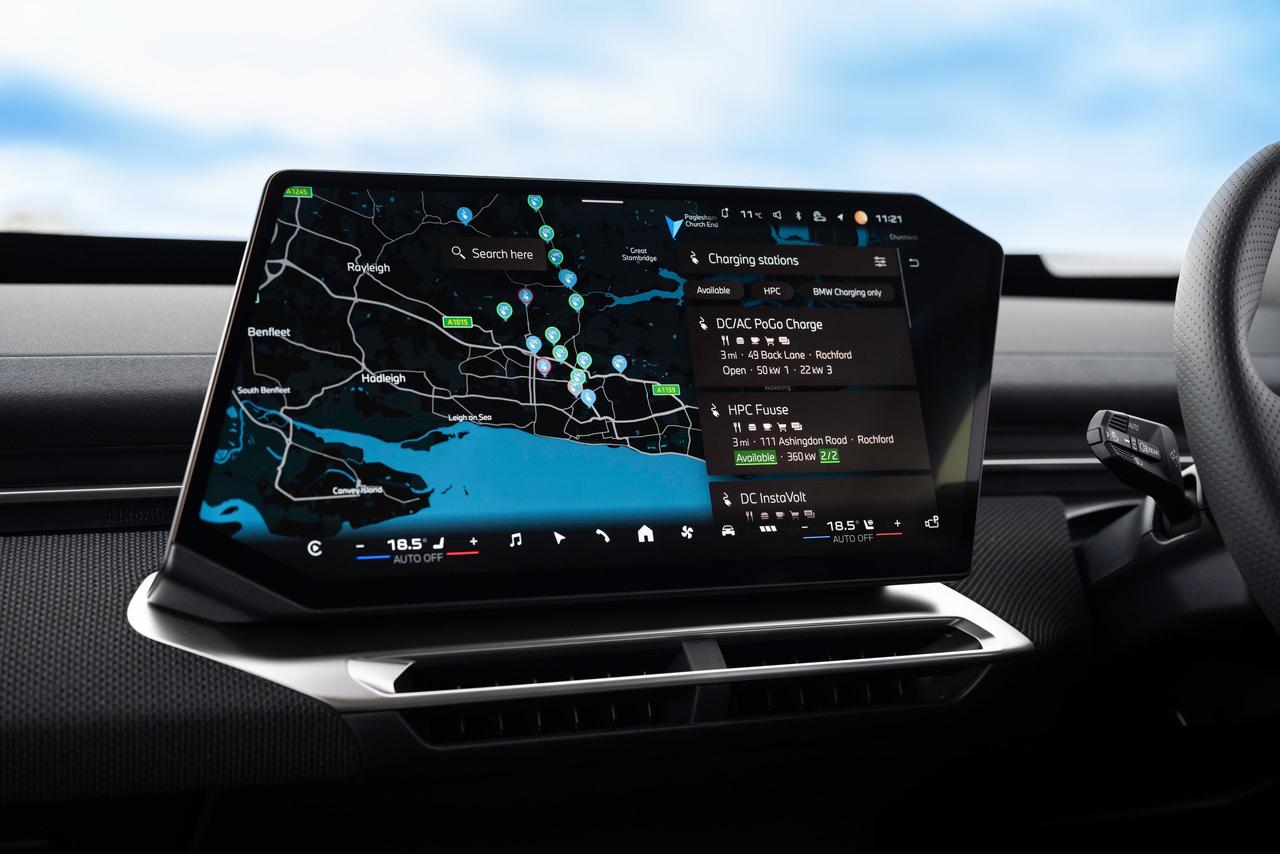
Otherwise, the iX3's central screen has the usual wireless Apple CarPlay and Android Auto smartphone mirroring systems as well as Disney+, Spotify, YouTube and even Zoom, and the built-in software is a delight to use. It's easy to find and adjust settings, and given that many features such as trip computers have been bumped up to the panoramic screen, you'll find yourself looking at the road more of the time when checking your efficiency and sat-nav directions.
Below this screen are wireless chargers, plenty of storage and some fast-charging USB-Cs, and the gear selector is a simple switch on the centre console. It feels a little plasticky, which is a shame because the rest of the iX3's cabin feels suitably posh.
Material quality is spot on, and there's a strip of cloth across the dashboard which is gently backlit in different colours to provide visual clues and warnings – it glows red when a door is open, for example. You can choose from a few upholstery choices including brown, white and the usual black. We're not sure we'd trust ourselves not to ruin the £100 white steering wheel option with chocolate smears and KFC residue.
BMW offers an upgraded Harman/Kardon sound system as part of the technology package, which also includes the head-up display. It sounds pretty good, with punchy bass response and clear high-end notes.
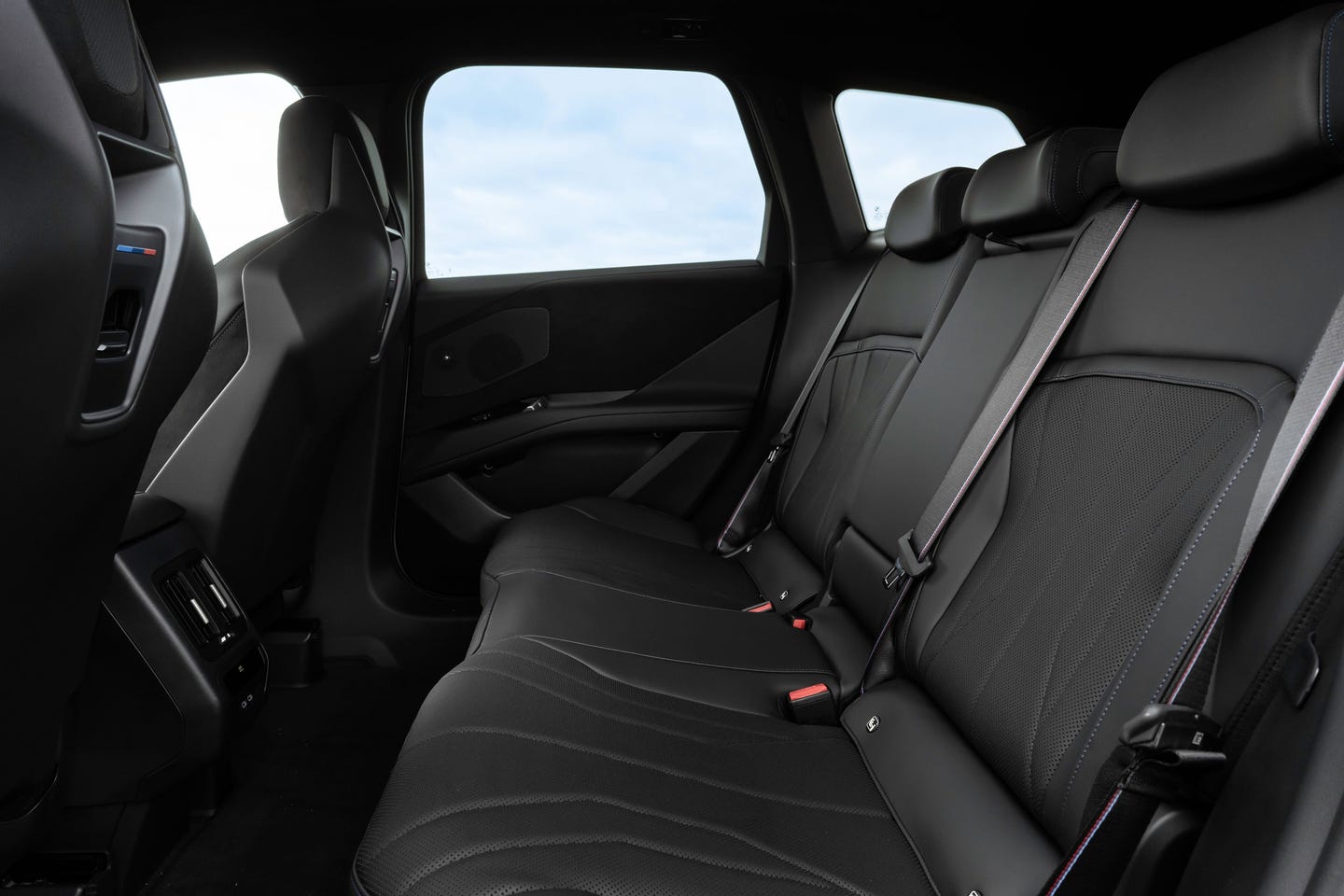
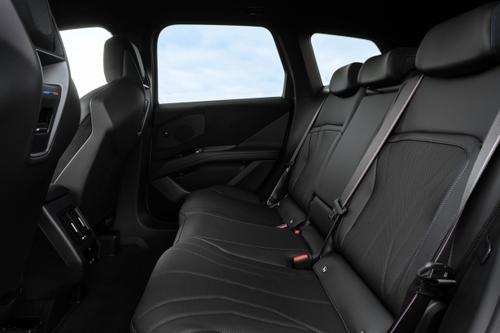
The iX3 is designed to provide an electric alternative to the ever-popular X3 SUV, but the ground-up design for the EV has resulted in back-seat space that's closer to the bigger X5. Tall adults will fit very comfortably behind other tall adults, and a flat floor means it's easy to let kids walk through the car if you're parked in a tight spot. The seat backrests can be reclined ever-so-slightly by pulling on a fabric loop at the edge of the seats, though we found a tall adult has plenty of legroom and headroom however the seat is set up.
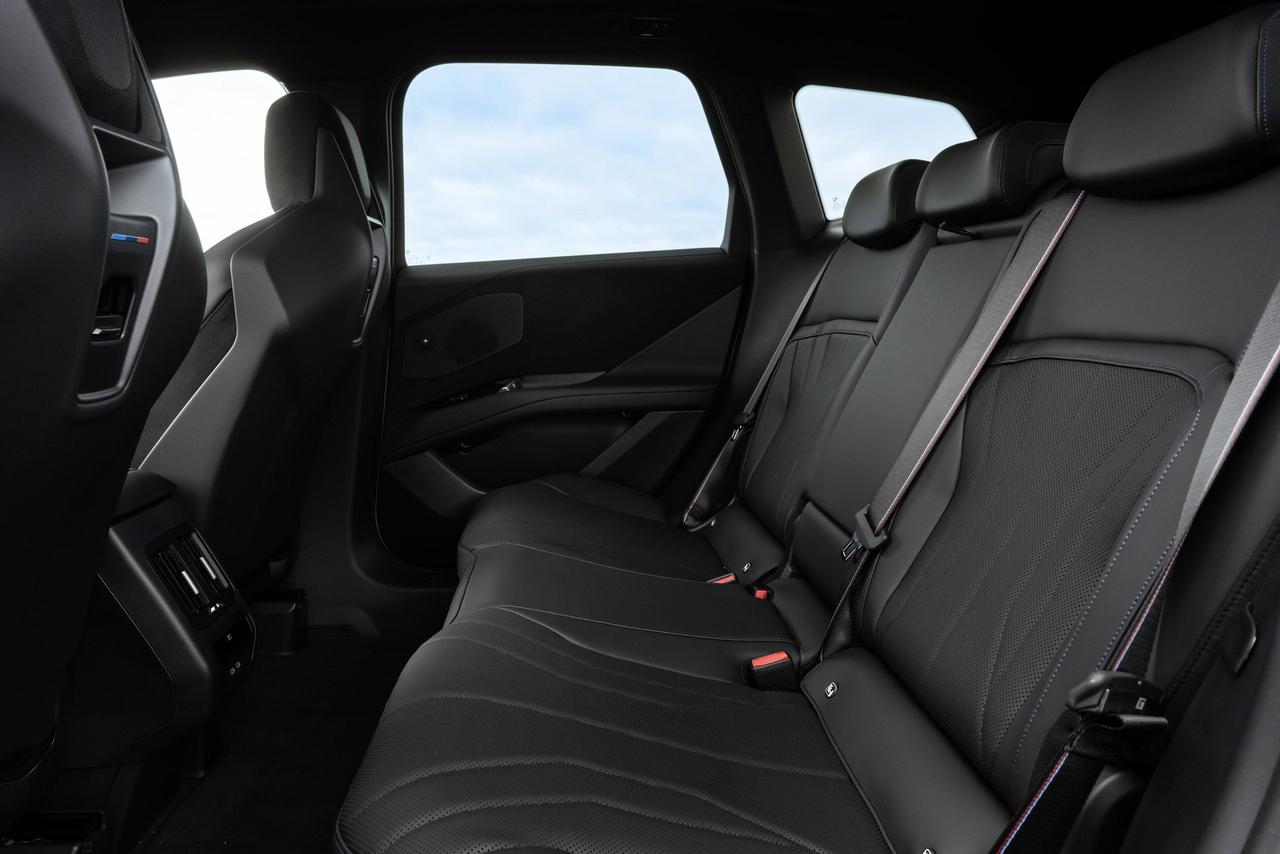
You only get a separate rear zone of climate control if you pick the technology pack as an option, and these controls sit above a pair of USB-Cs for charging your passengers' devices.
The iX3's window line is quite low in the back, meaning that smaller kids should still get a view out, helping cut down on car sickness. Easily accessible Isofix points and wide-opening rear doors make it a great car for families.
A fold-down central armrest with two built-in cupholders, and reasonably large door bins, complete the back-seat accommodation.
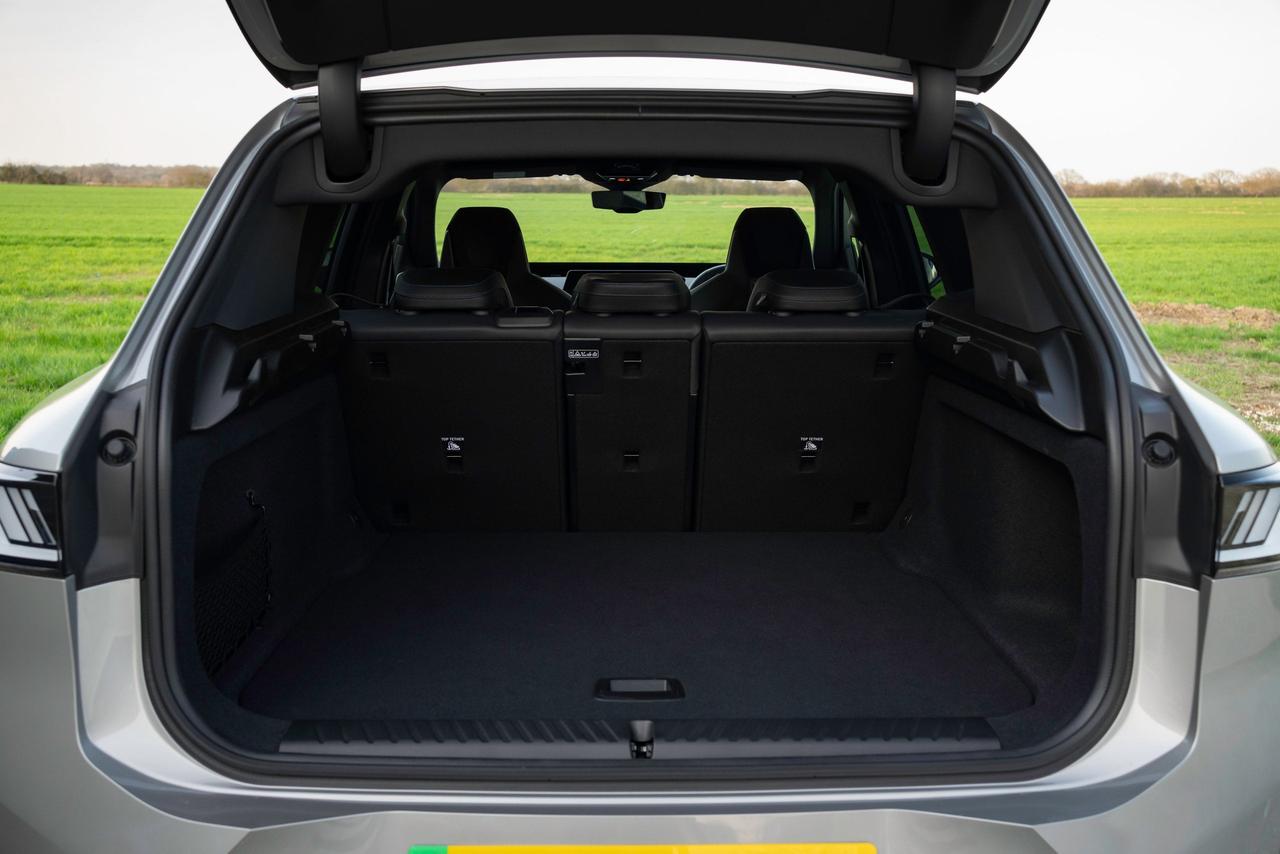
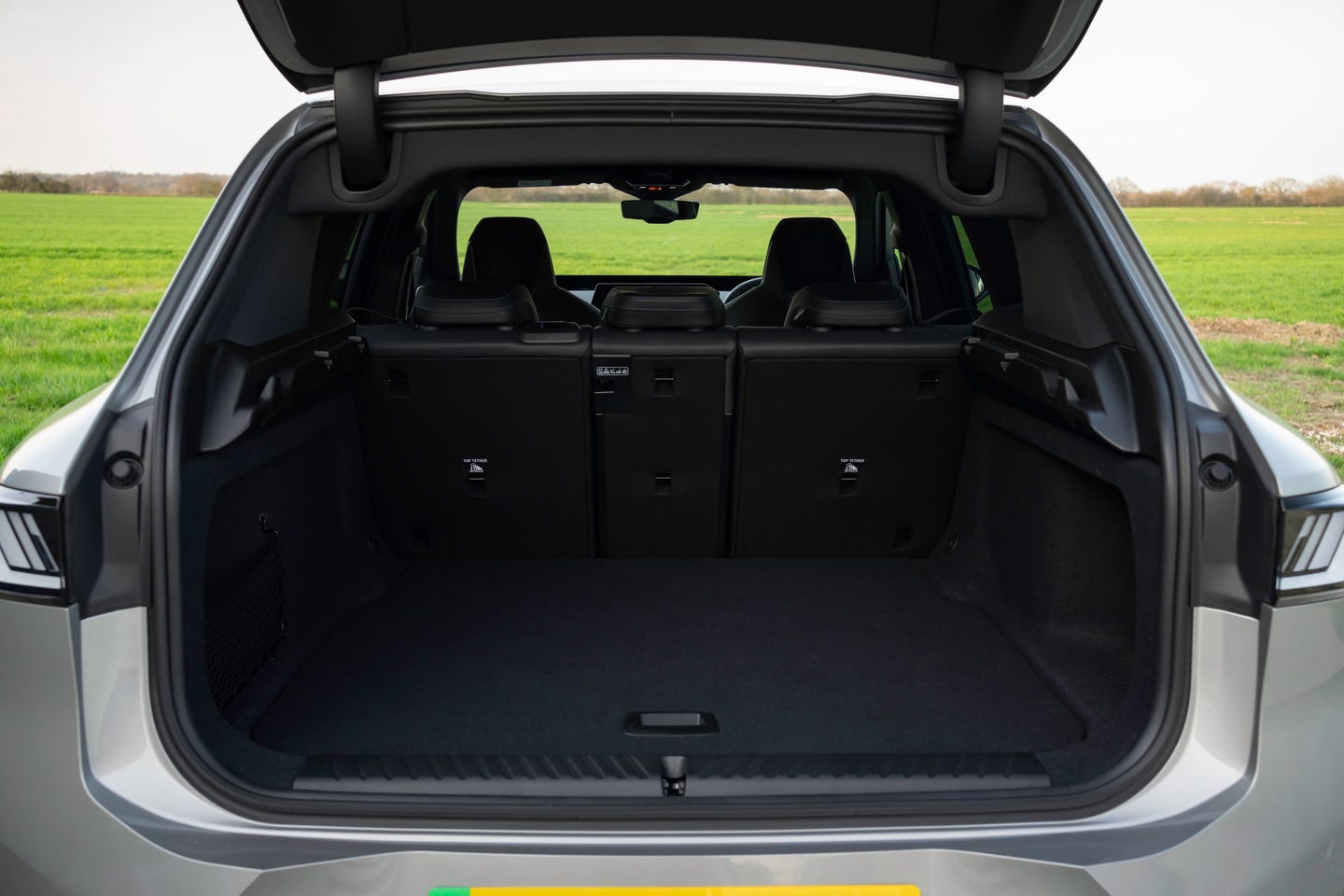
Boot space sits at 520 litres, and it's a deep space that'd easily cope with a family holiday to Europe. There's a tray under the boot floor for storing a charging cable, but it's a bit of a shame there are no levers to remotely fold the rear seats, and nor is there a 12-volt socket.
If there was ever a car built to absolutely boss the 'range' part of this review, it's the iX3. The twin-motor long-range version with the smallest 20-inch wheels is claimed to get 492 miles of range, while slapping a fat set of 22s on it only drops the range to 457 miles.
We tested the car on the standard bicolour 20-inch wheels, and a mix of urban driving and motorway cruising saw us hit 4.7 miles/kWh in 12-degree temperatures, for a real-world range of more than 500 miles. A late-afternoon romp back up the motorway at slightly more enthusiastic speeds saw efficiency drop to 3.2 miles/kWh, which is still noticeably more than most rival SUVs manage – giving a real-world motorway range of 350 miles. Blimey.
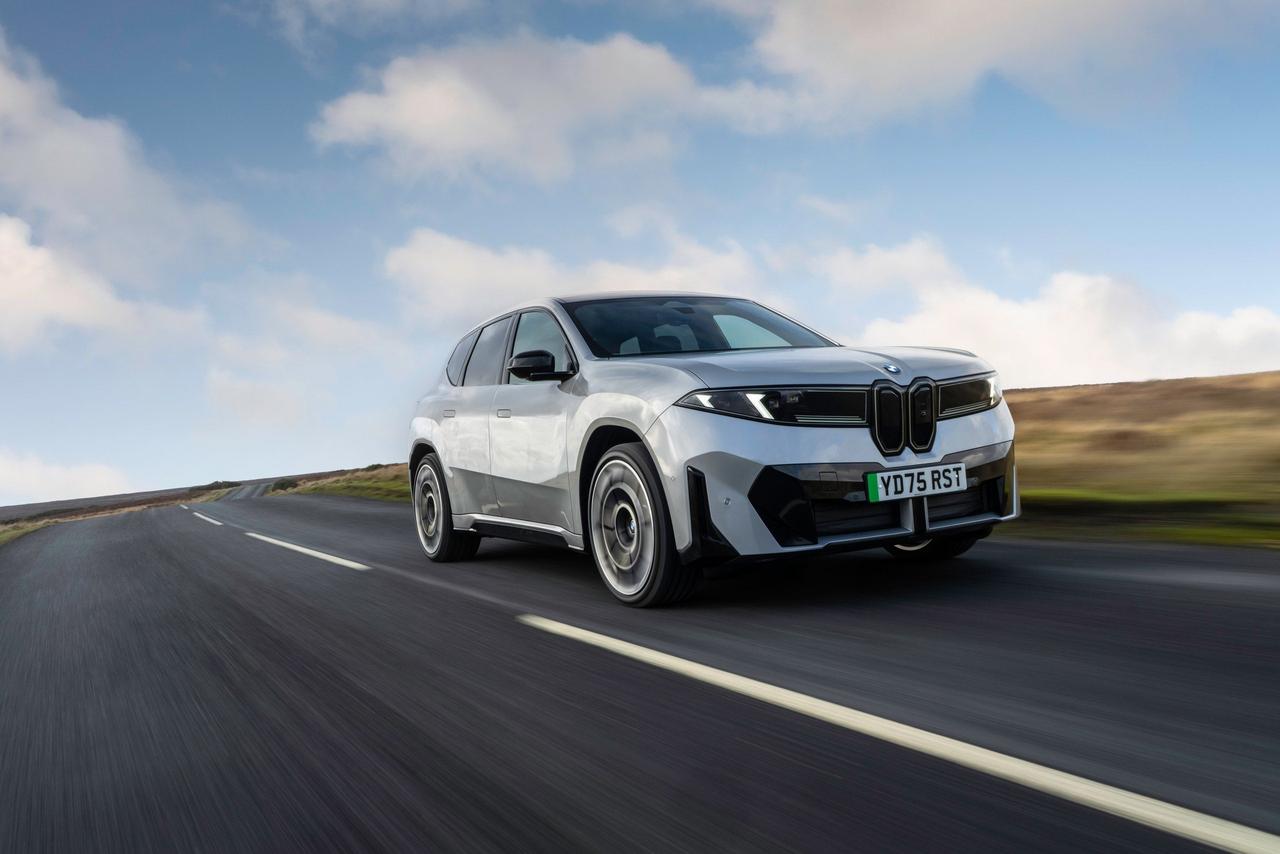
The 109kWh battery fast-charges at 400kW (if you can find such a charger), giving a 10-80% charge time of 21 minutes.
Our test car was a dual-motor ix3 50 xDrive M Sport, which has 469hp and a 0-62mph of 4.9 seconds. Given the efficiency figures we saw and the performance on offer, the iX3 is a bit like driving a Lamborghini with Toyota Prius fuel economy.
The iX3 manages to feel remarkably like a BMW from behind the wheel. Sure, the steering is lighter than most of the brand's existing cars, but there's a sense of agility and engagement that not all electric SUVs can muster. BMW's chassis engineers have done a solid job of managing the iX3's 2.4-tonne weight, and you can feel the torque being shuffled around on bumpy roads to make the most of available grip. You feel yourself being pushed from the back wheels out of tight corners in that classic BMW style, though you won't find yourself having to catch any errant oversteer – this is still a sensible family SUV.
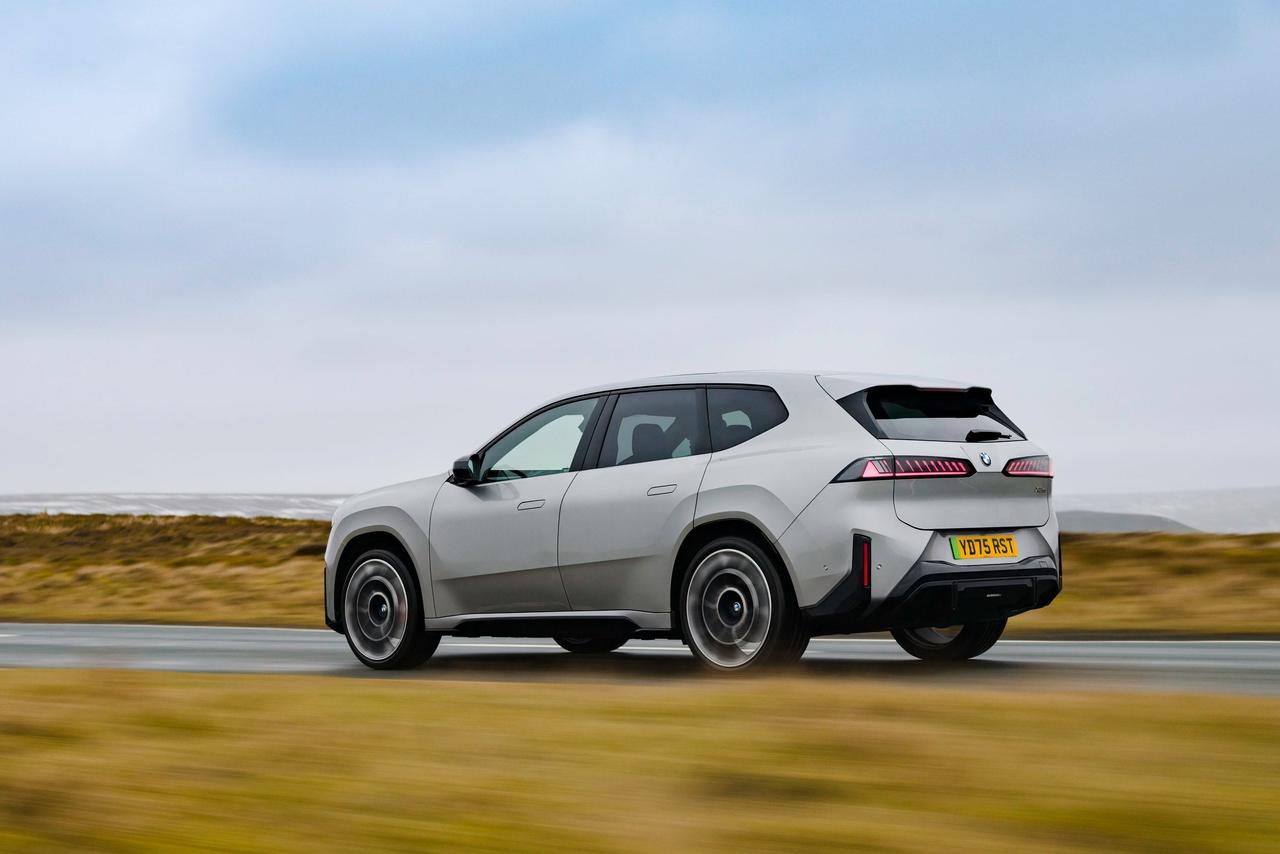
And it does the sensible family SUV thing very well. Aside from an occasionally lumpy response to bumps at low speed, the iX3 rides well. The cabin is remarkably refined at 70mph, with active noise cancellation technology doing the bulk of the work to hide the noise of the outside world. BMW says they used this tech rather than fit heavy double-glazed windows and acres of heavy sound deadening. Regardless, the iX3 is a calm, relaxing car to munch miles in.
Hushed luxury SUV with massive discounts on the used market