






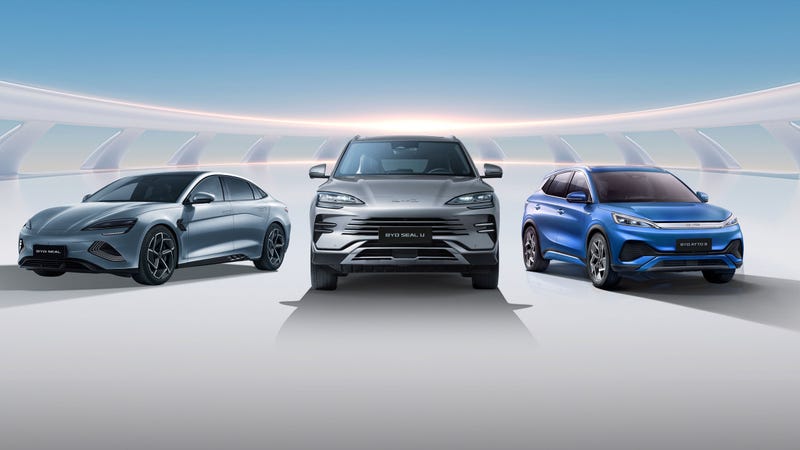
BYD SUV and car model range explained
Ben Custard
•
Manufacturer Guides

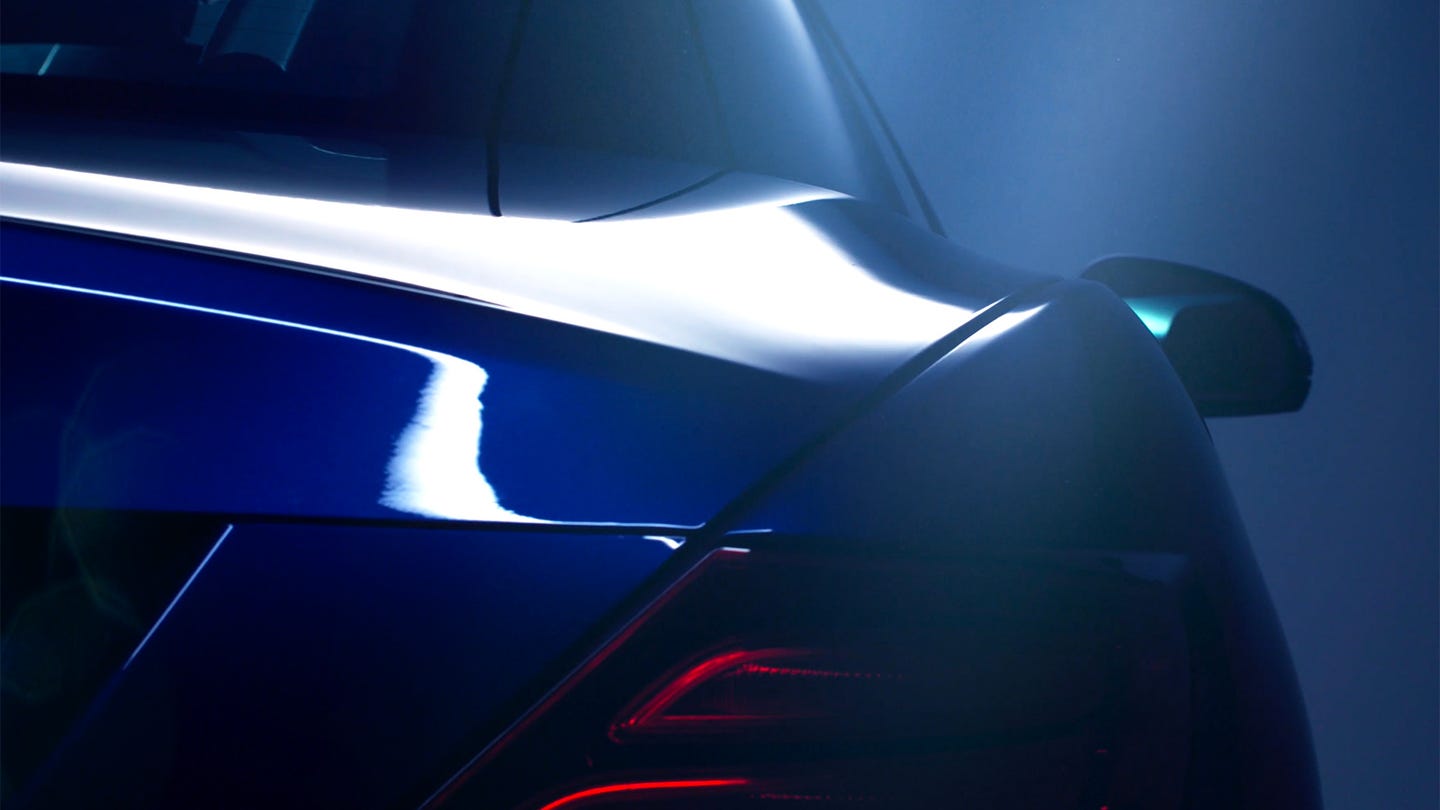
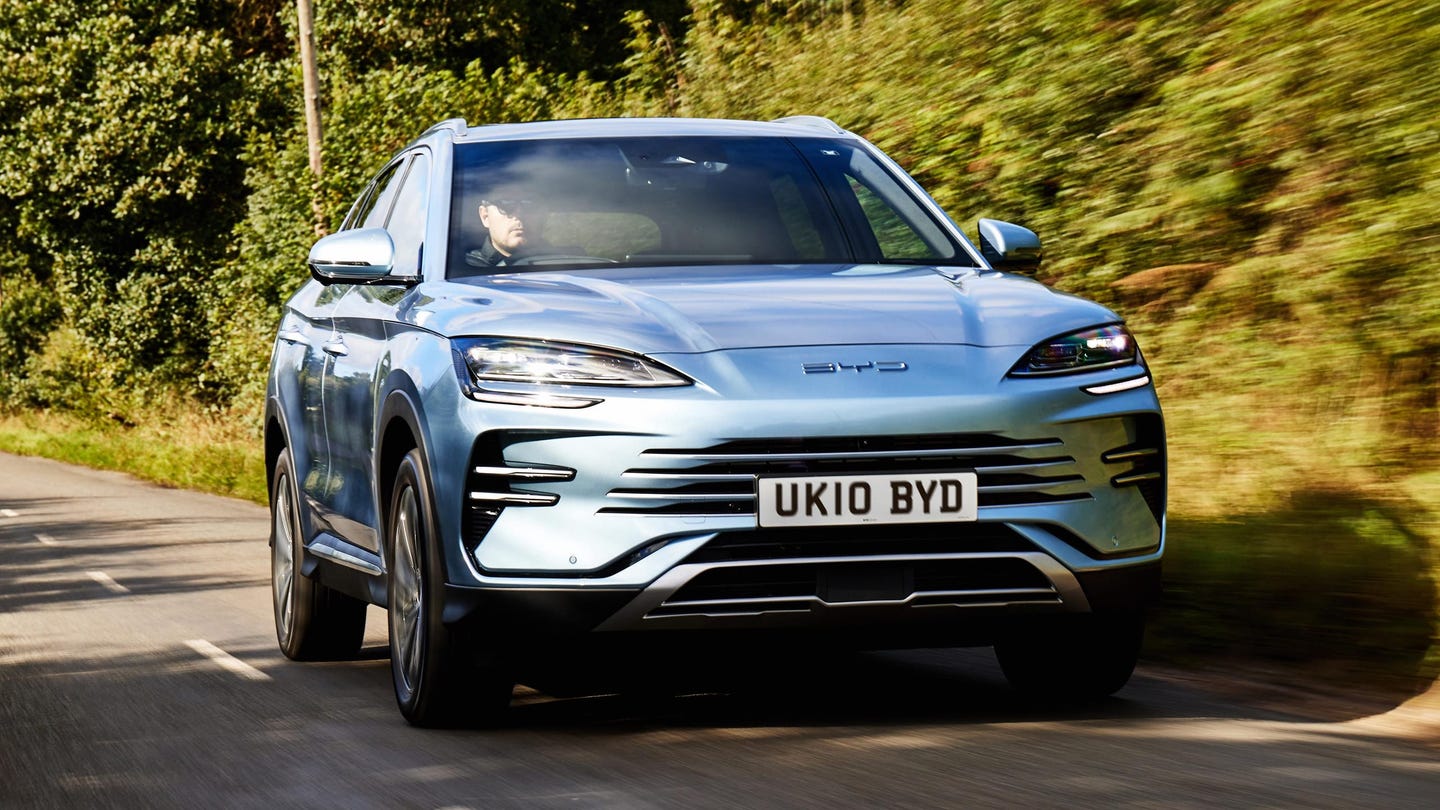
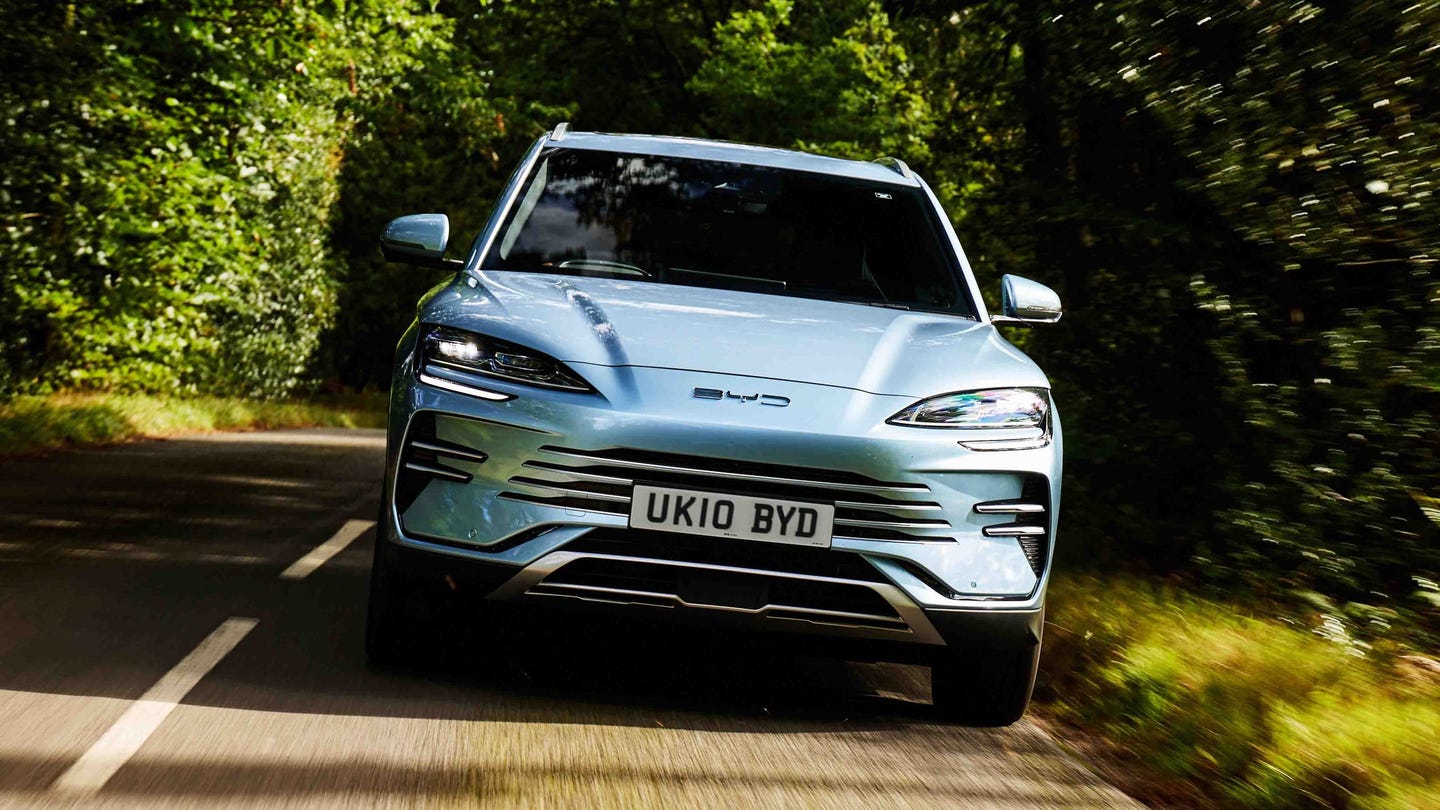
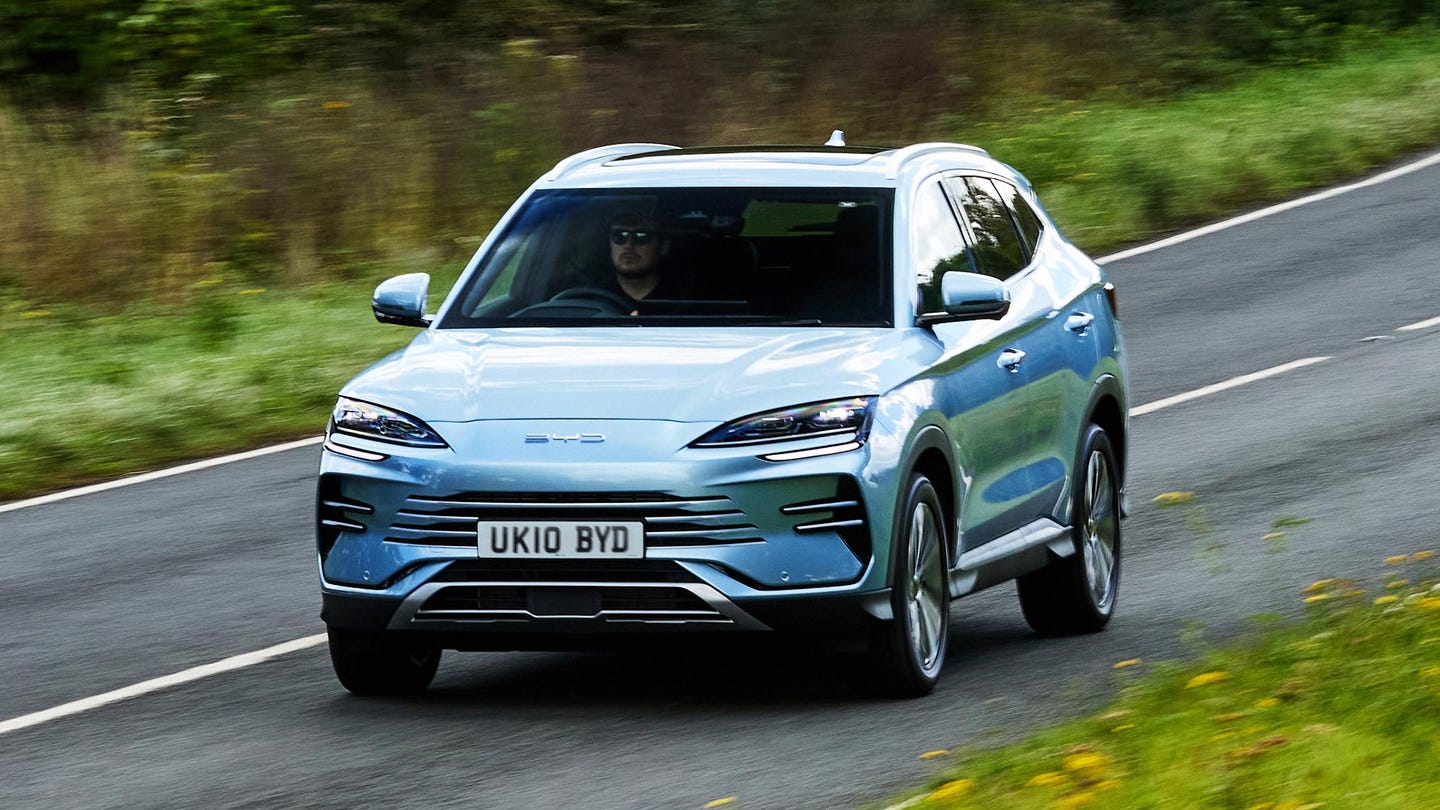
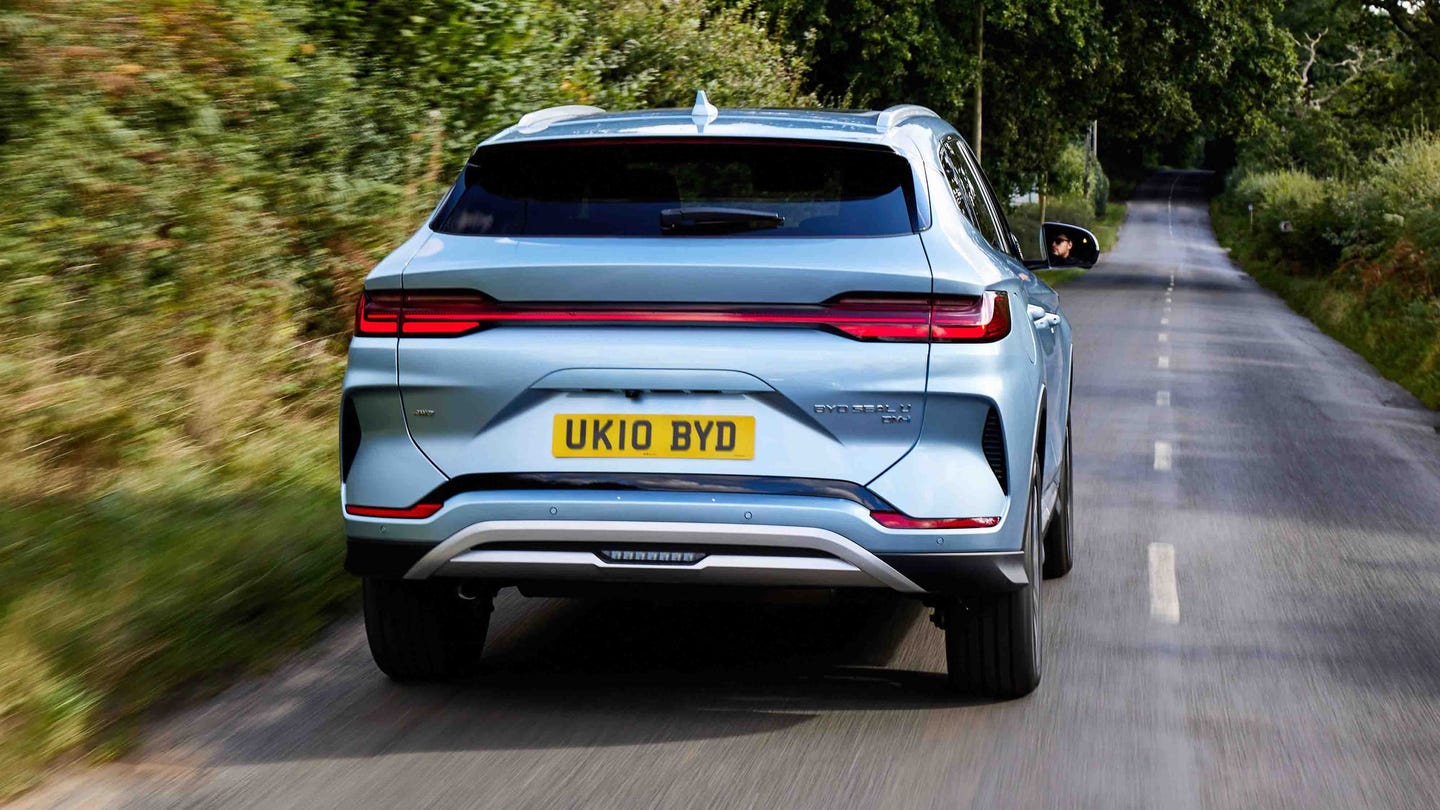
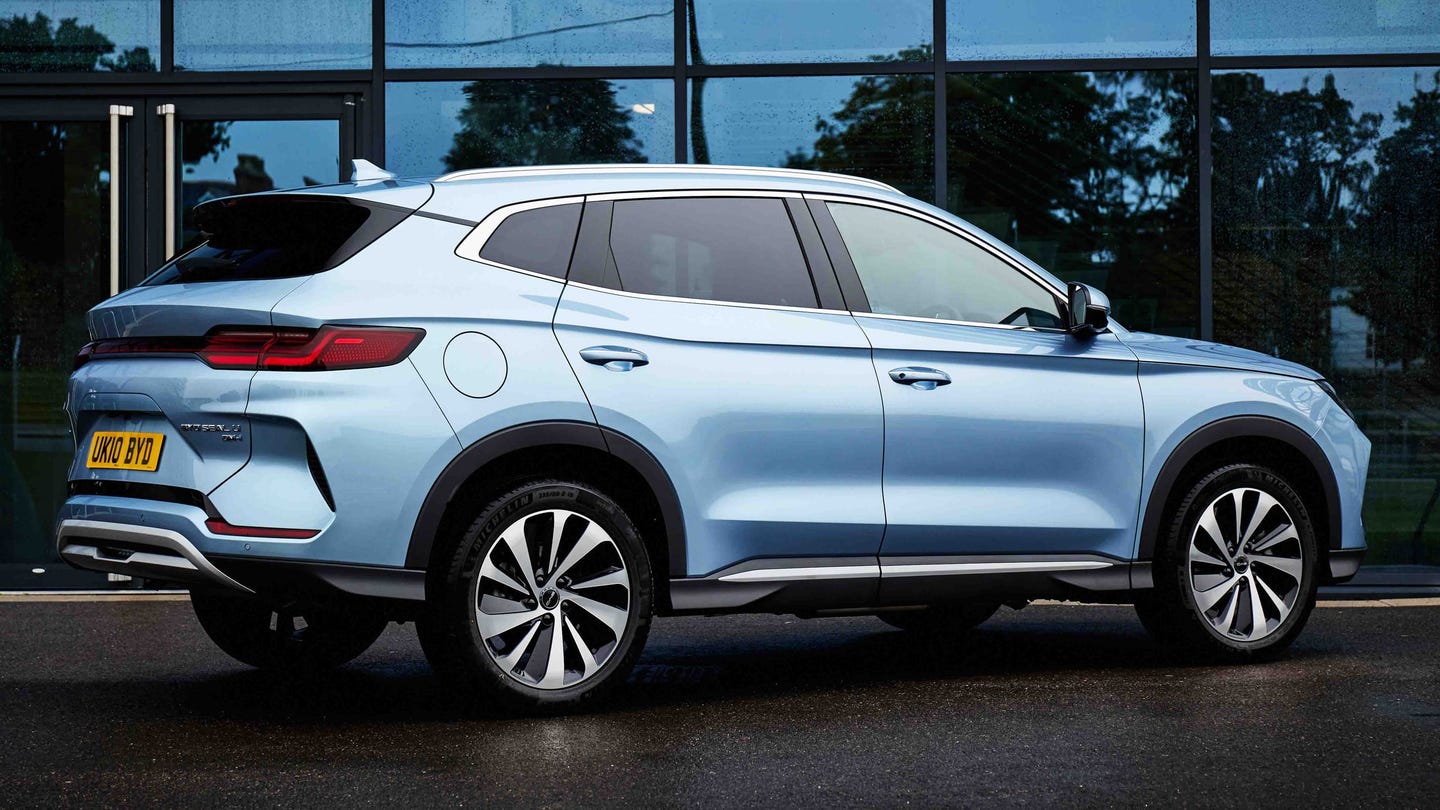
The BYD Seal U is a good choice if you want a good-value, high-tech SUV with lots of passenger space.
You’ll like it if you can get on with its touchscreen and aren’t offended by its immense blandness.
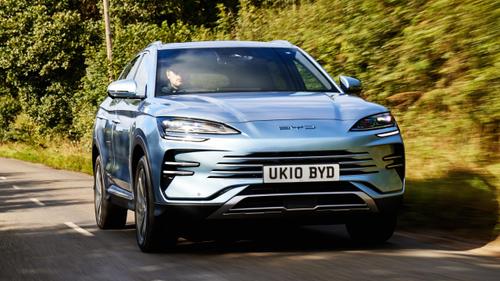
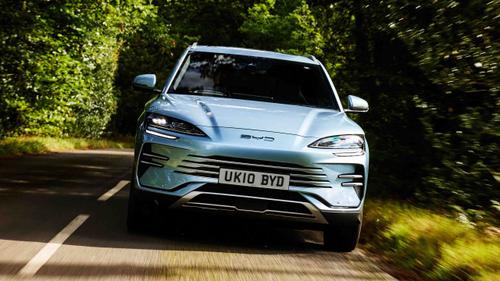
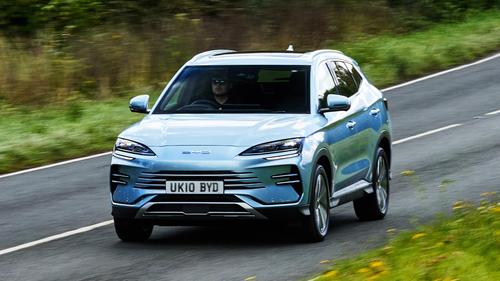
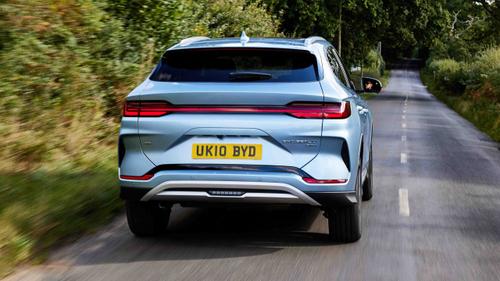
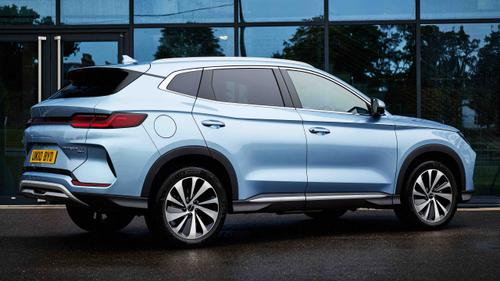
The BYD Seal U is a large-ish hybrid SUV that’s priced like a petrol family hatchback. And that’s probably the main reason why the Seal U has shot to success almost overnight in the UK.
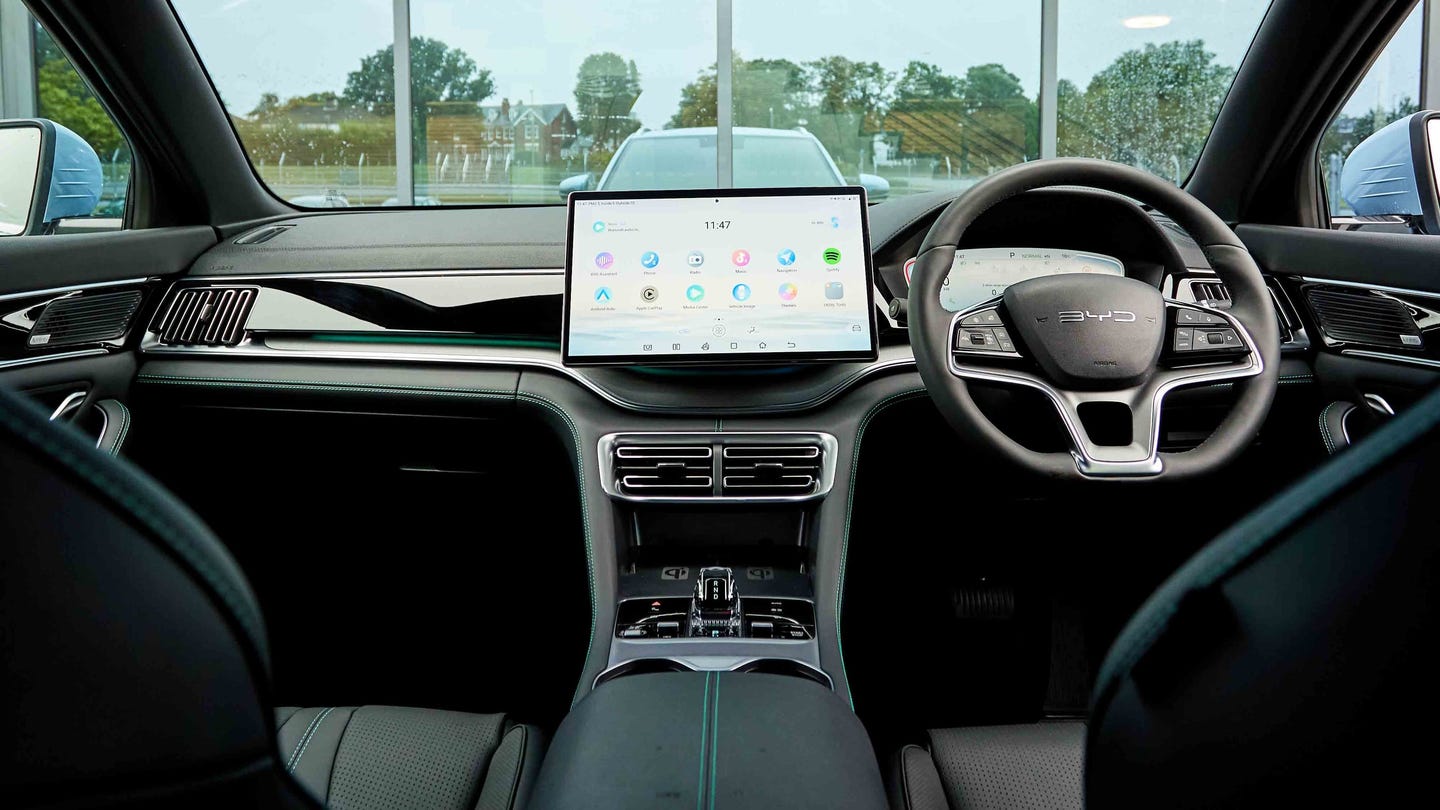
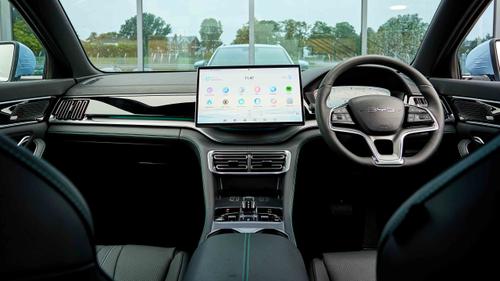
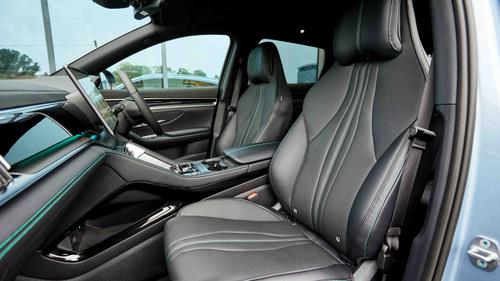
It’ll impress in the showroom. There’s a vast amount of passenger space, plus a well built interior with more tech than you can imagine – including a rotating touchscreen that’ll woo your passengers. If we’re being kind, the styling is typically SUV-like with a tall height and strong lines, and it sort of looks like something from a premium European brand.
"The Boost model is a good option to keep costs low, while Comfort maximises your fuel savings if you can charge at home"
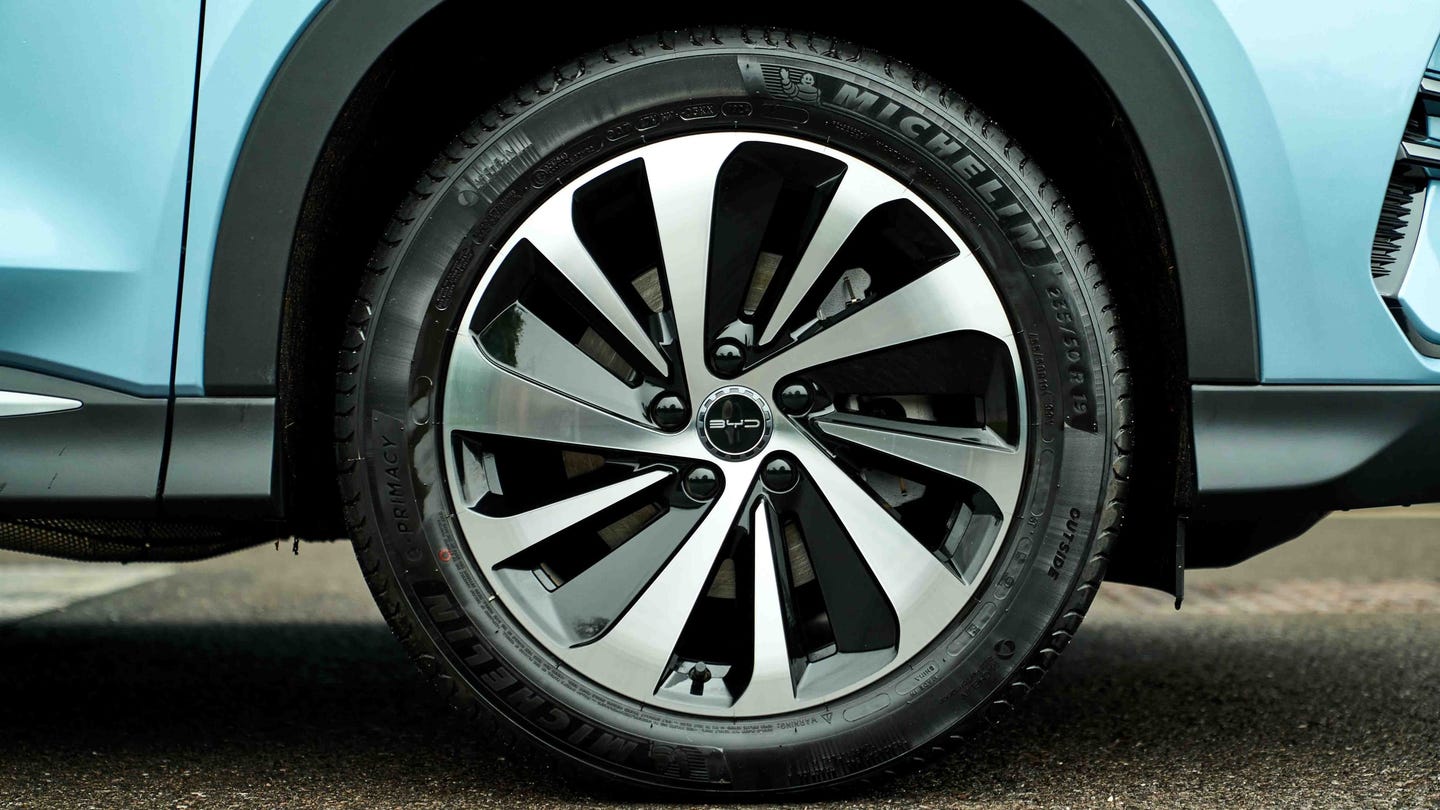
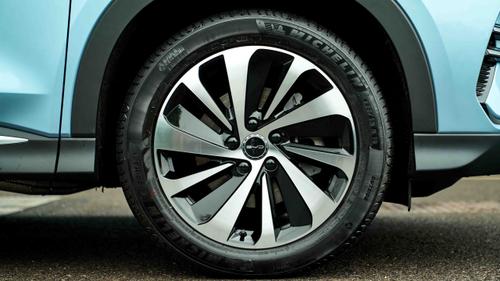
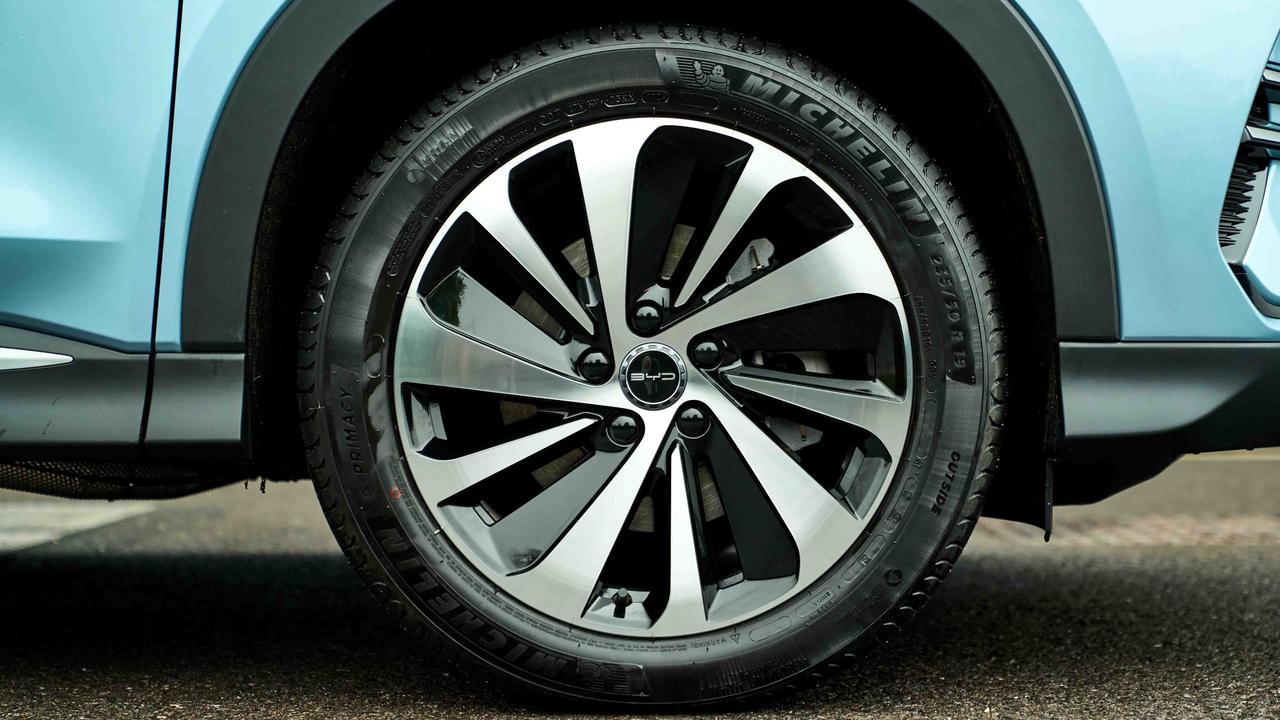
If we were being less kind, we could say that the Seal U’s styling is pretty generic – almost like one of those rendered no-brand cars on an insurance advert. There’s a blue paint choice or three monochrome ones, and only one wheel design across the range.
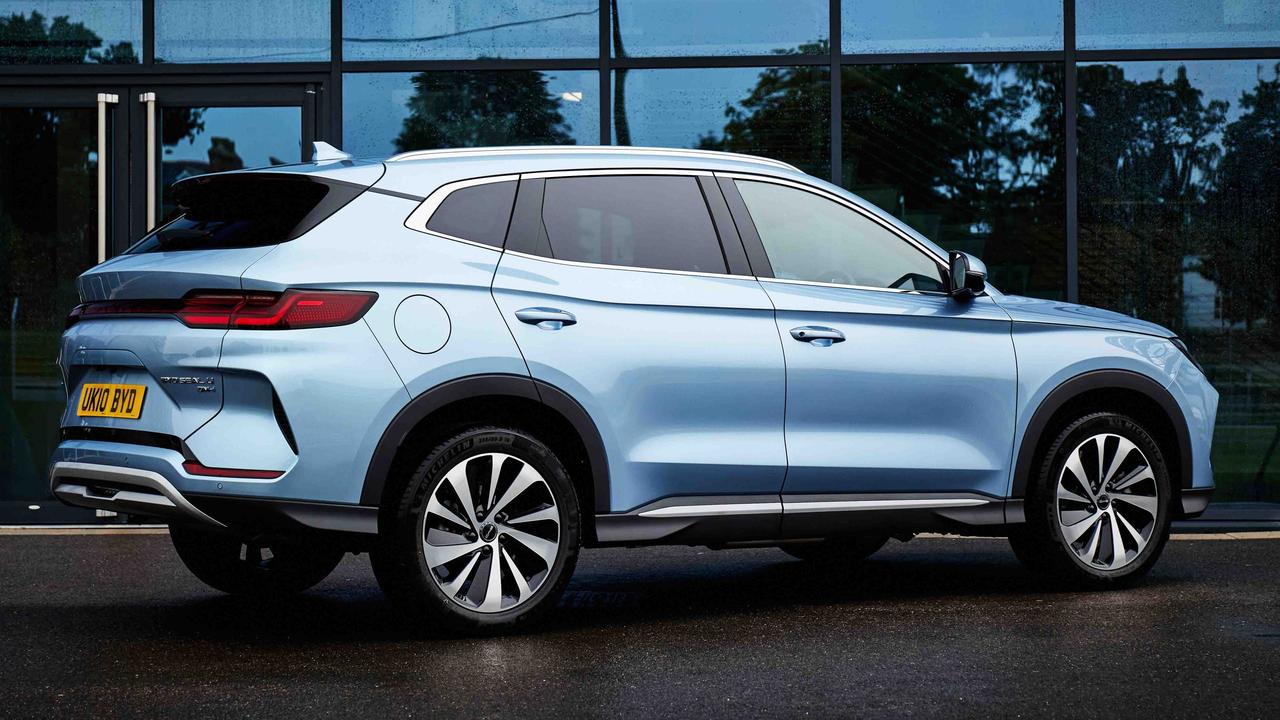
A couple of powertrain choices, though. All UK Seal U models are plug-in hybrids, and all feature a 1.5-litre petrol engine. However, the electric motors do most of the work, while the available battery options give you 50 or 78 miles of quoted range. With a full charge and a full petrol tank, BYD reckons you’ll get 700 miles of total range. It makes sense if you can charge at home but can’t welcome a full EV into your lifestyle.
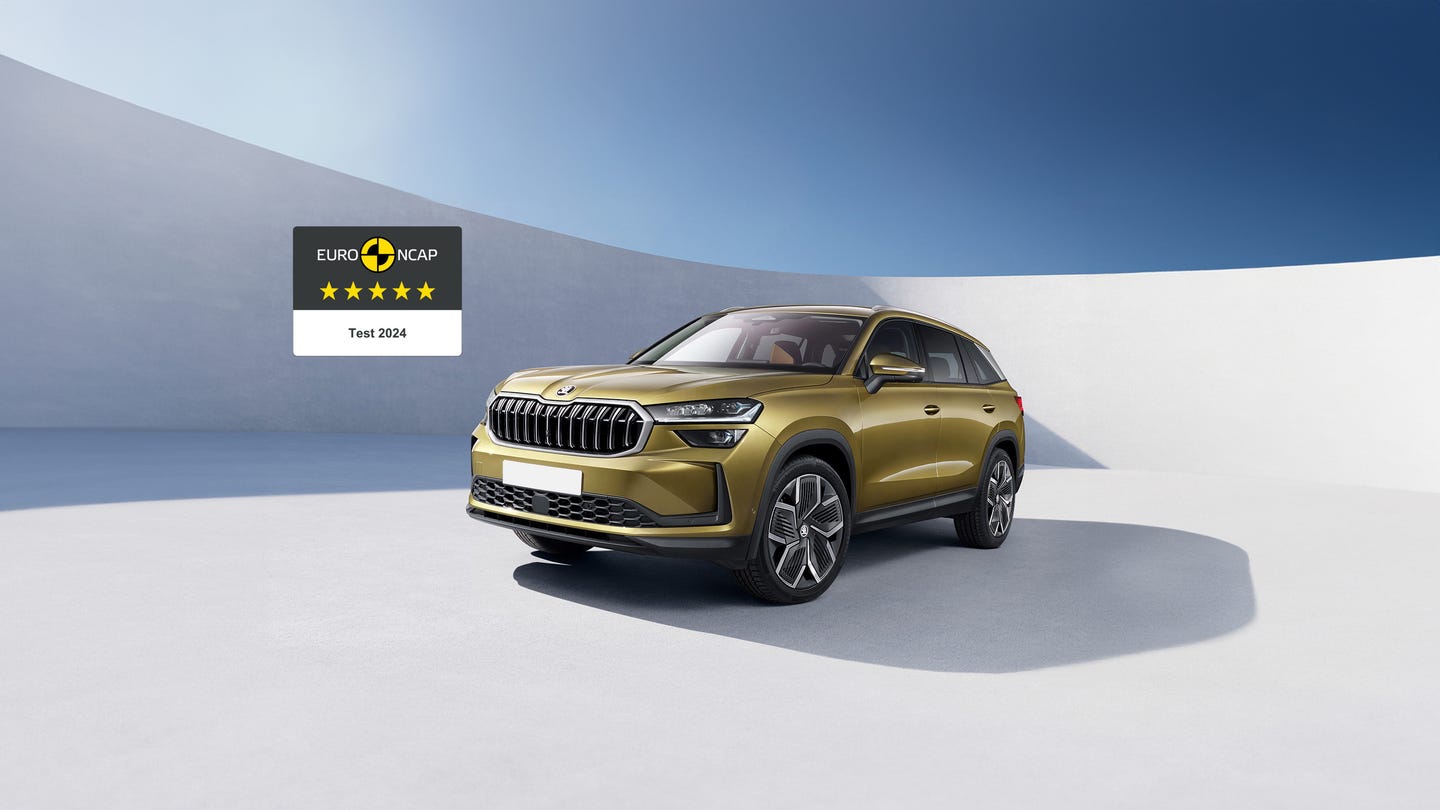
There’s a six-year, 93,750-mile warranty, and the Seal U scored five stars in its Euro NCAP crash test.
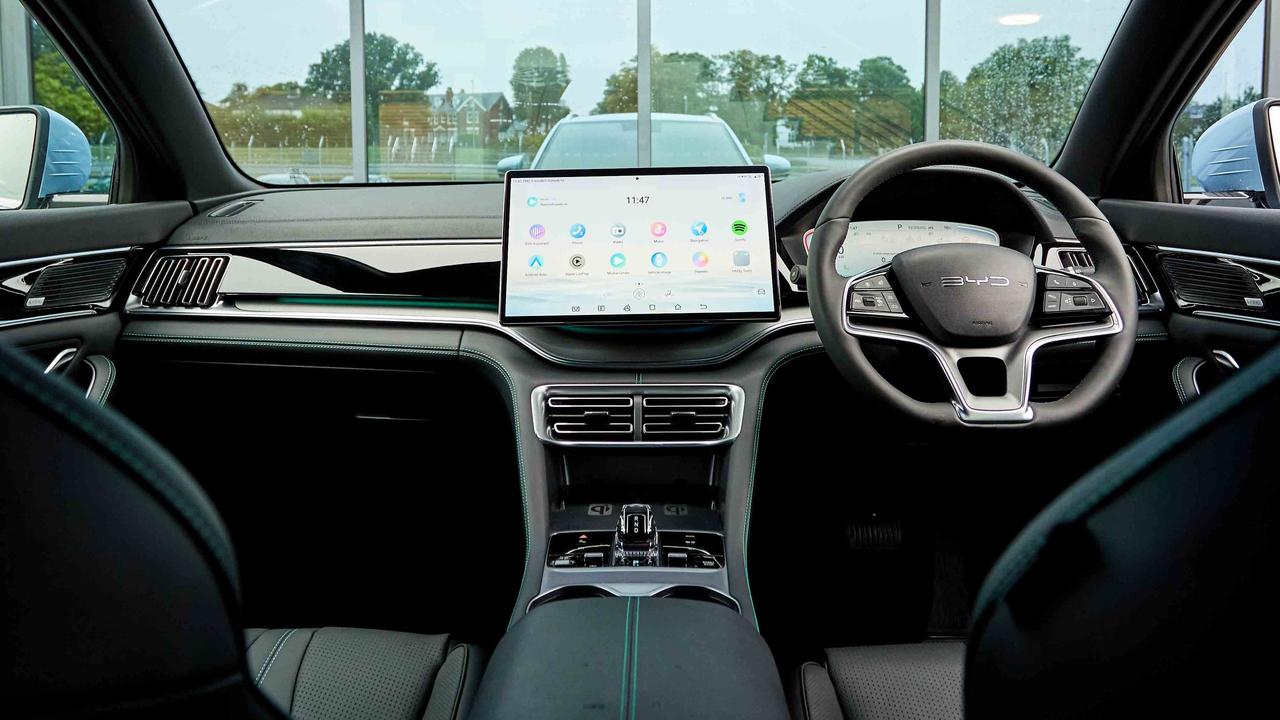
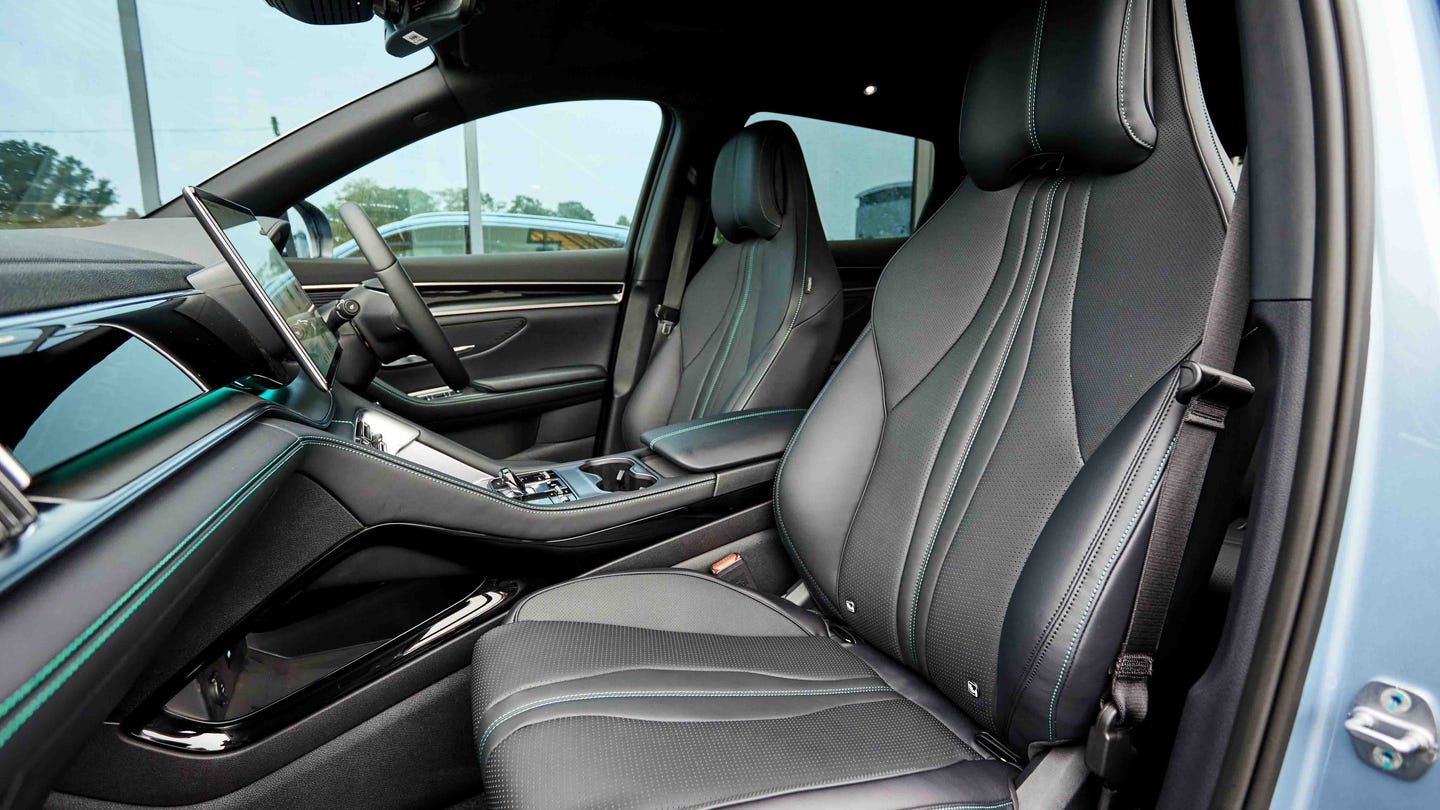
BYD has clearly put significant effort into the hardware of the interior. Build quality is impressive, and there are lots of soft-touch materials – plus premium touches like the contrast-coloured double stitching and the numerous ambient lighting strips.
All the kit you could wish for is standard. It’s quite amazing that the basic Seal U Boost, at just over £30,000, includes auto LED headlights with high-beam assist, a panoramic sunroof, a powered bootlid, a heated steering wheel, dual wireless phone charging, a head-up display, keyless entry, adaptive cruise control, and front seats that are powered, heated and cooled. We could go on.
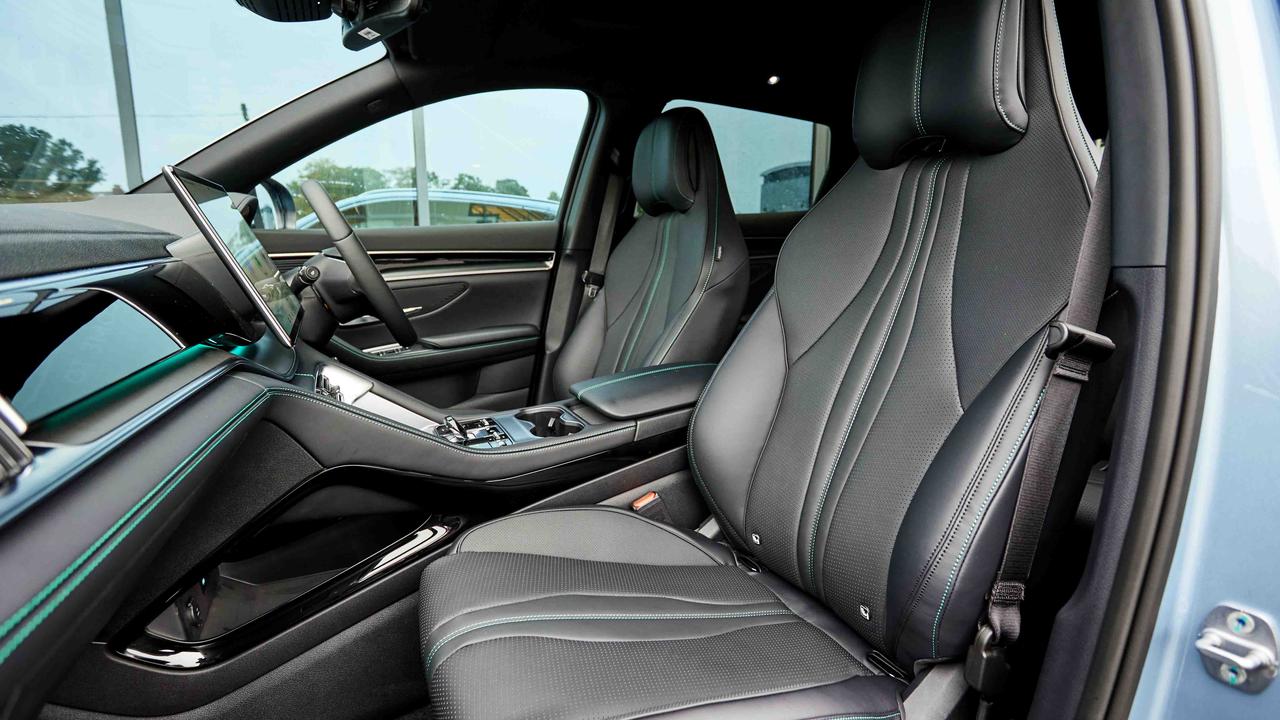
Upgrading to Comfort trim only brings a bigger battery, or upgrading to Design trim adds more power and all-wheel drive.
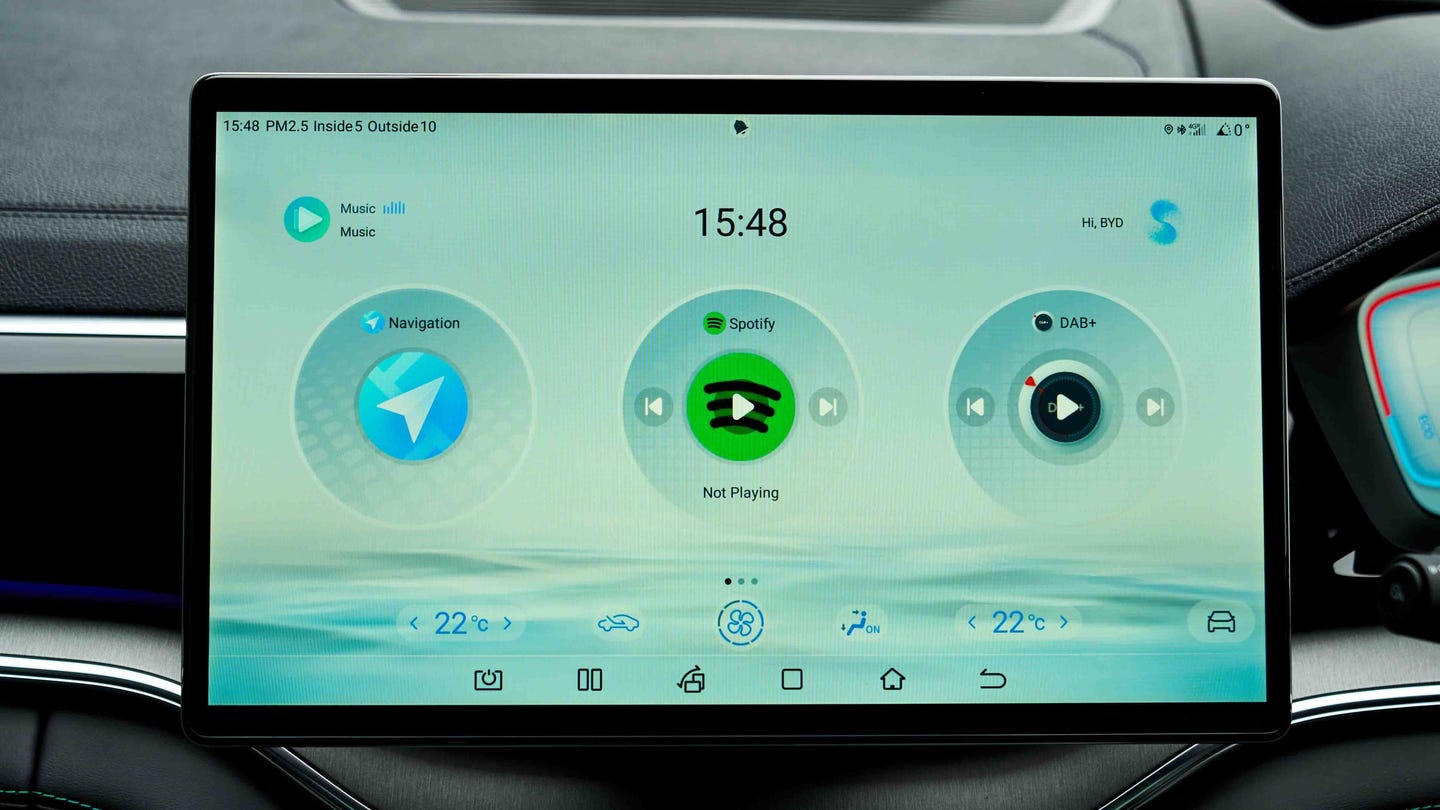
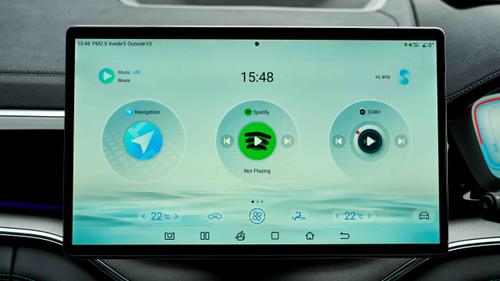
Every Seal U also comes with a 15.6-inch touchscreen, which is sharp and responsive and – thankfully – doesn’t relegate key features to the bottom of a computer-generated wallpaper. But a lot of functions are buried a couple of menus deep, so you’ll be prodding at the screen a lot while driving.
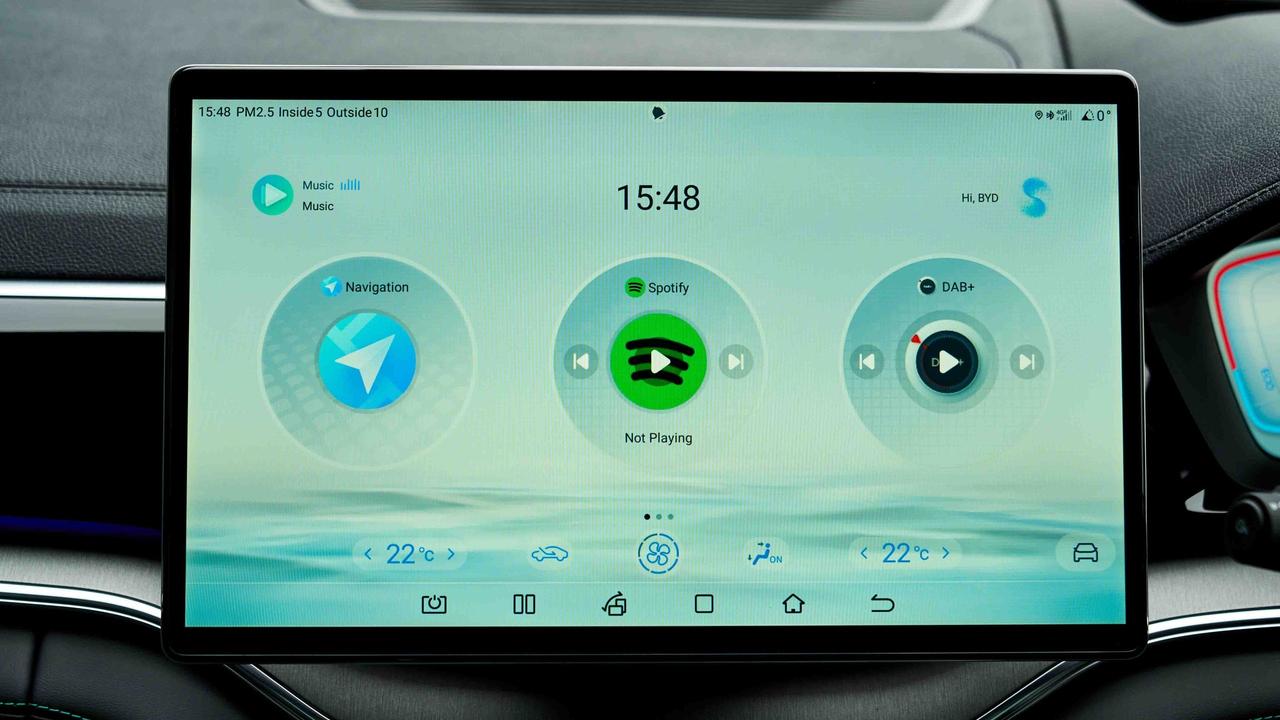
BYD’s big thing is that the touchscreen can rotate from landscape to portrait, and there are buttons to initiate this on the screen and – curiously – on the steering wheel. We can think of many, many buttons that would be better placed on the steering wheel. You’ll probably rotate the screen a few times for the novelty factor, but you can only use Apple CarPlay or Android Auto in landscape mode. And, if you wear polarised sunglasses, the display becomes invisible in portrait mode.
The digital dials are cluttered with lots of information, and it can be hard to discern what’s relevant to the situation at first glance. You can adjust what’s displayed in the centre of the screen, but as far as we know there isn’t a way to change the power readout on the left-hand side – or a way to change it from kW to hp.
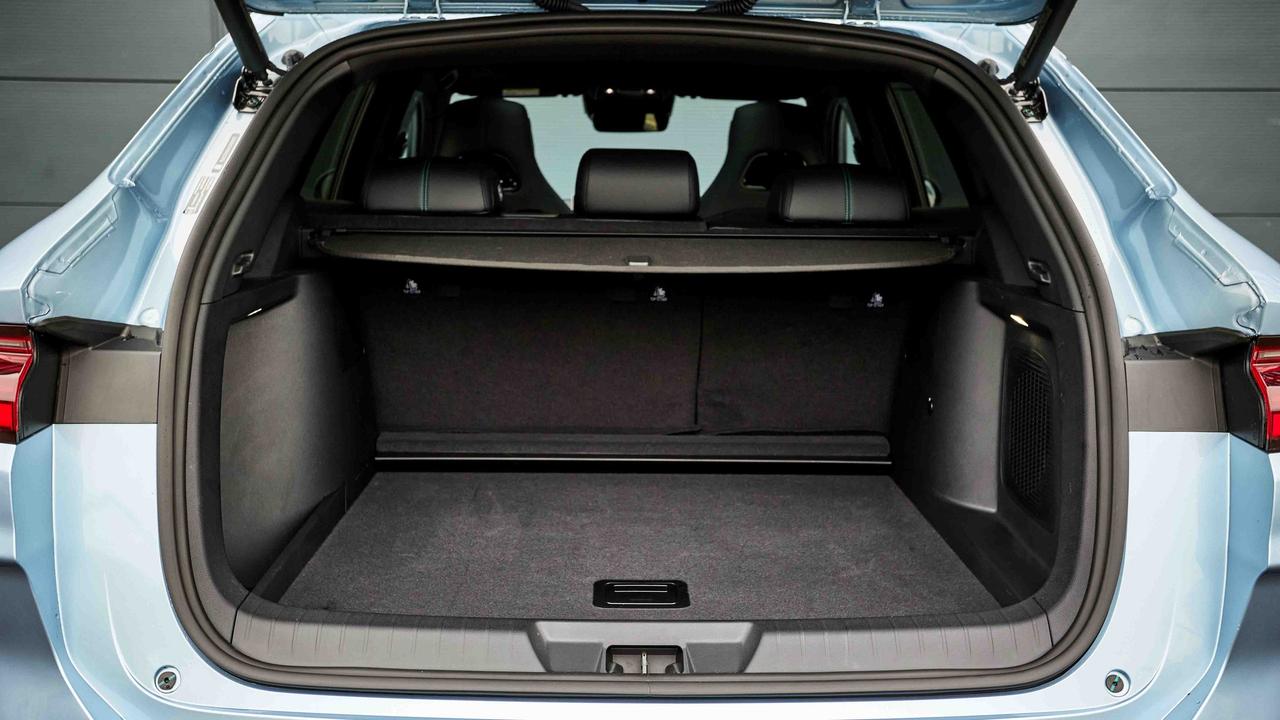
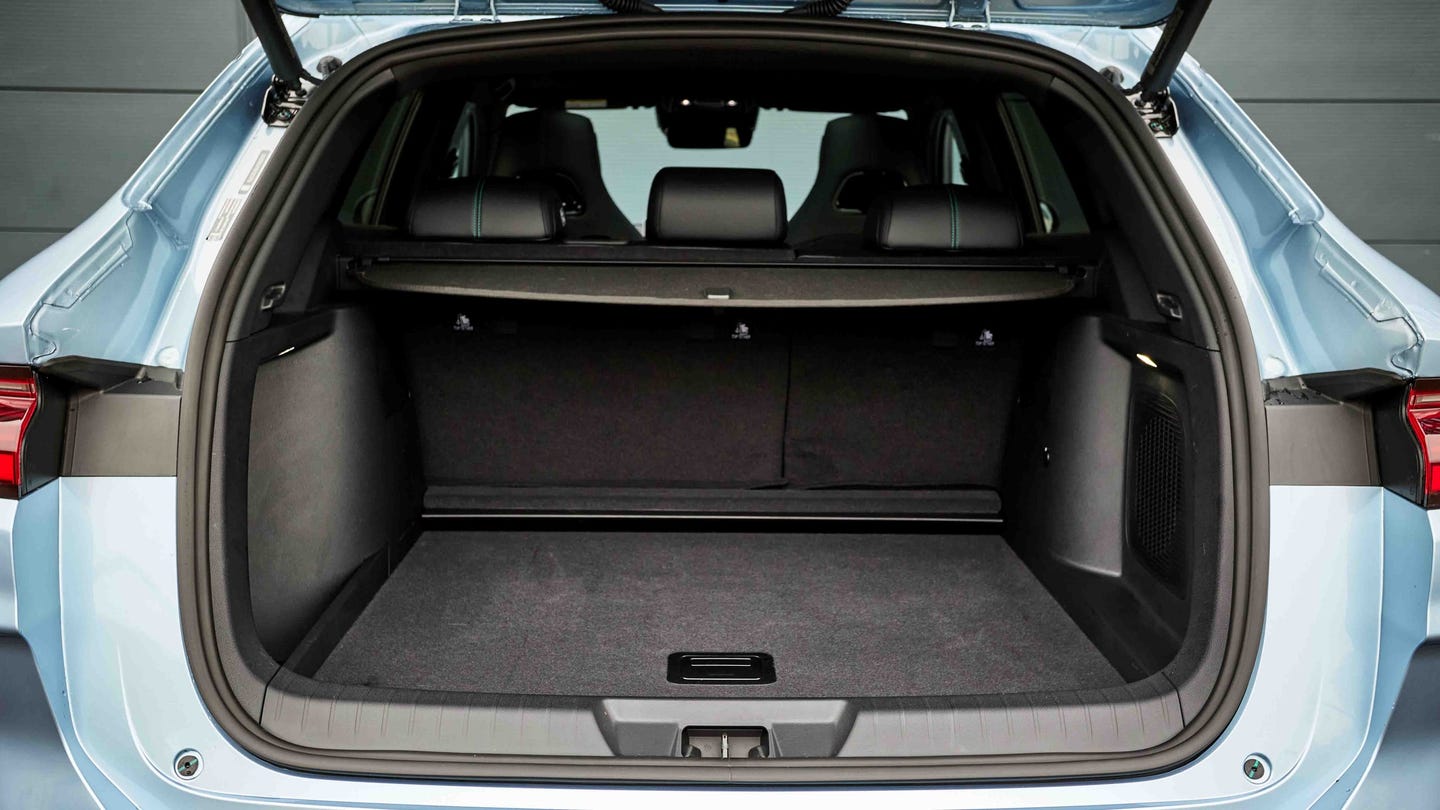
The Seal U is the size of an estate car with the boot space of a hatchback. That’s not a good thing.
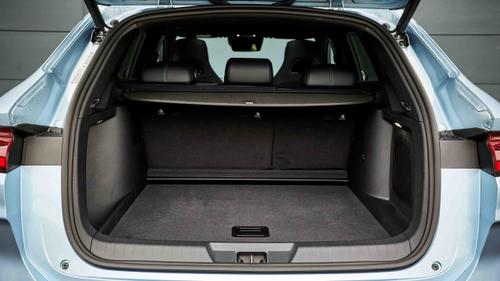
Allow the tailgate to lift itself up and you’re met with 425 litres of space, which is lower than most mid-to-large-sized SUVs you can think of. For context, the Skoda Kodiaq plug-in hybrid wades in with 745 litres of suitcase space. It might not be a dealbreaker, but you’ll need to make sure that the things you’ll take with you regularly will fit in the BYD’s boot.
The boot has a high floor but not much of a load lip. It’s a square space with limited wheel arch intrusion, and there’s a decent amount of room above the parcel shelf for when you need to load to the roof. It could do with some clever features, though – some extra hooks, a 12V socket and seat release levers wouldn’t go amiss. There’s a limited amount of underfloor storage that’s appropriate for the charging cable.
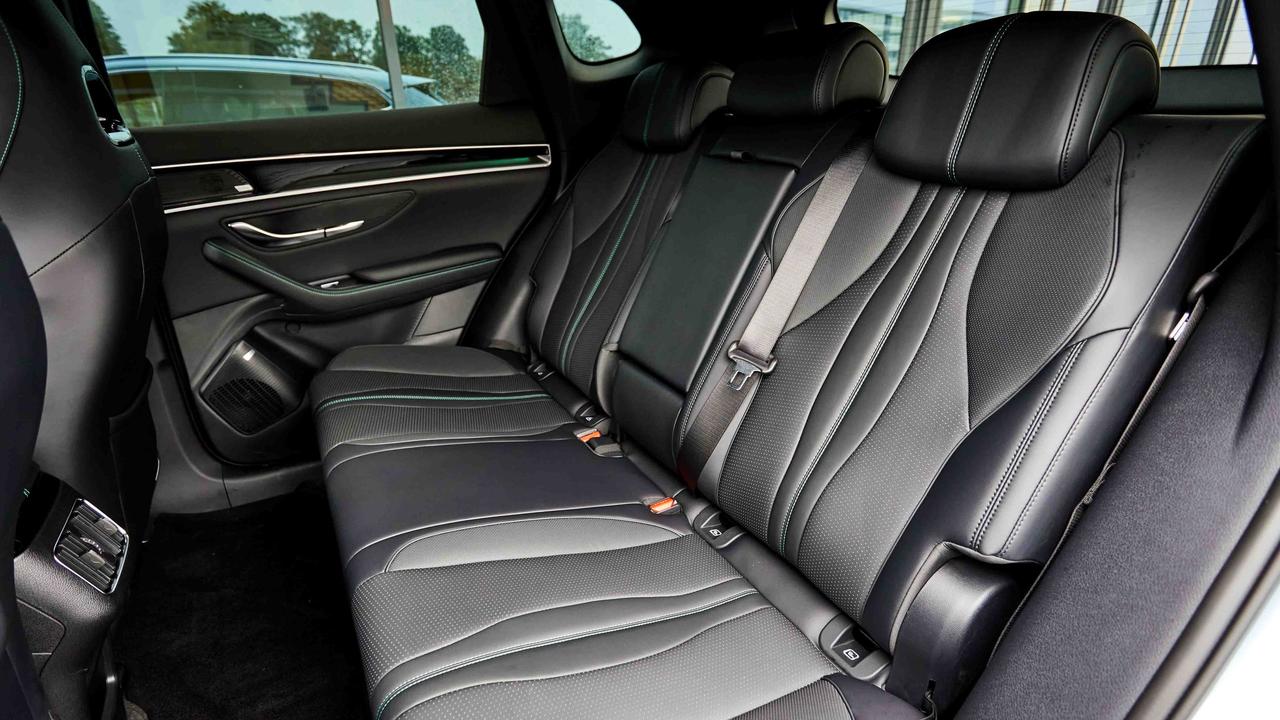
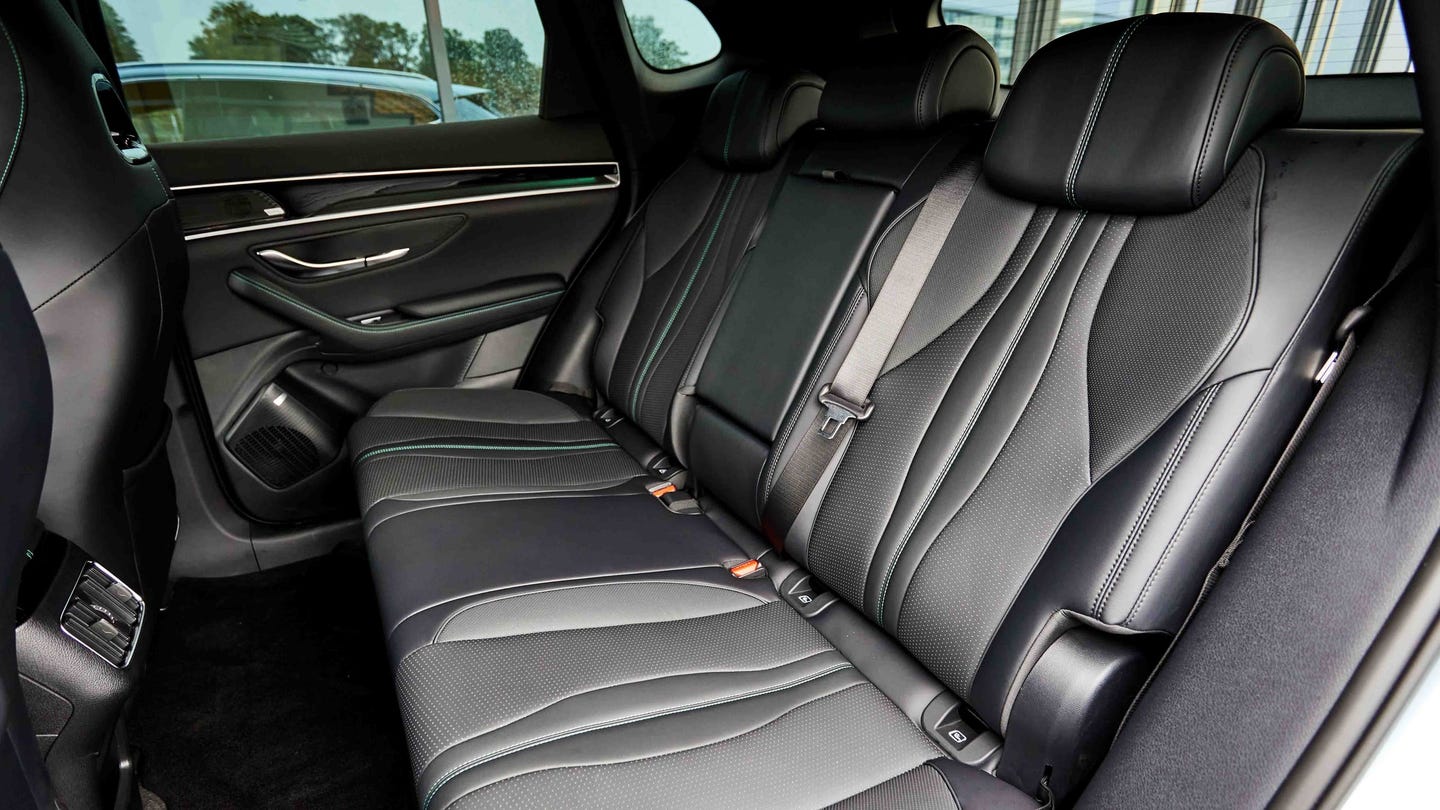
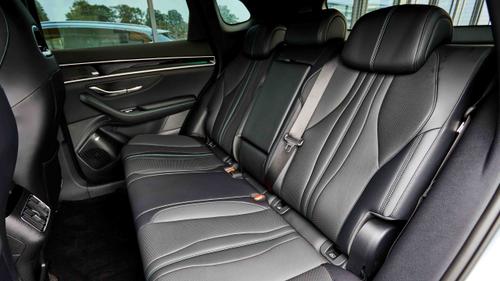
BYD has prioritised passenger space over boot space, which’ll resonate with you if you’re taking adults or gangly teenagers along for the ride. Legroom is excellent – a tall adult sitting behind another tall adult will still have room to spare. Headroom is good, too, and the Seal U’s wide enough that three adults should be comfortable enough back there for short journeys. Pull the fabric strap by the side of the seat and the seatback will recline a bit for better long-distance comfort.
Rear-seat passengers get plenty of features, too. A fold-down armrest with cupholders, USB sockets, reading lights and decent storage all come as standard. The Isofix points are easy to access, and it’s good to see that the front passenger seat also gets child seat mounting points.
Front storage is good as well. You get a good-sized glovebox, big door bins, a hidden storage area beneath the centre console, lidded armrest storage and two phone trays.
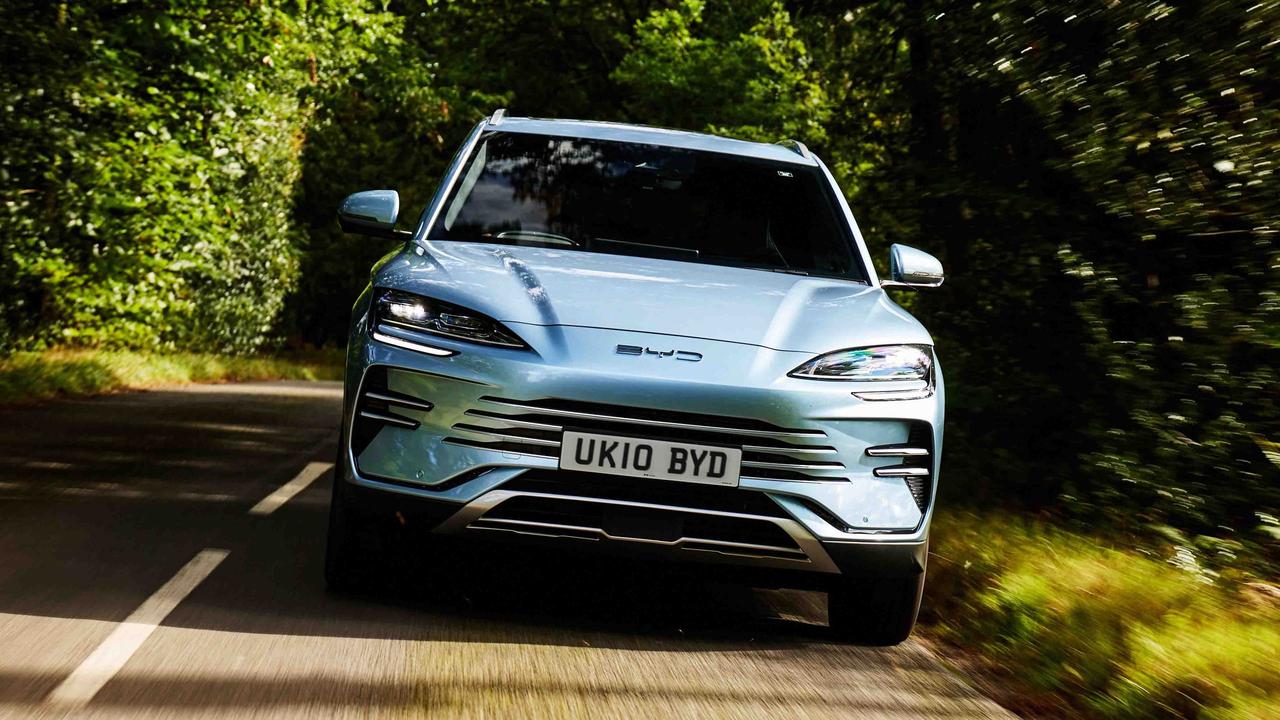
Every UK-bound Seal U comes with BYD’s ‘DM-i’ tech. In other words, it’s a plug-in hybrid that prioritises the electric side of the equation.
In the Boost and Comfort trim levels, the engine is a naturally aspirated 1.5-litre unit producing just 96hp. The e-motor produces getting on for double that, so it’s not surprising that the driving experience feels broadly as smooth as a fully electric car.
There’s even DC charging capability like in an electric car, although it’s capped at 18kW so you’ll be waiting a long time at a charger for not much in return. Better to charge at home and avoid the overpriced public chargers.
As is often the case in these hybrid SUVs, when the petrol engine is called into action, it comes in all guns blazing. High revs and a fair bit of noise but the resulting progress doesn’t feel matched to the output of the engine. Fortunately, in most situations, the engine tends to stay quiet and lets the electric motor get on with it.
The battery part is a BYD Blade cell pack, similar to the brand’s full EV models. In the Boost – and the top-spec Design – you get an 18.3kWh battery, whereas it’s a 26.6kWh battery in the mid-range Comfort. On paper, a full battery delivers 50 electric miles in the Boost, 78 miles in the Comfort model and 43 miles in the four-wheel-drive Design.
In the Design model, you get a second electric motor and a total output of 324hp. BYD says the 0-62mph time is just 5.9 seconds but it never feels as quick as the stats suggest. Design also introduces a turbocharger for the petrol engine, plus sand and mud driving modes – although this is still a very road-focused car.
We’d avoid the Design trim. Not only is it the least efficient of the trio, but it’s the only one that is north of £40,000. That’s the point where the luxury car tax comes into effect, tripling your road tax to £620 a year until the car is six years old. Boost is a good option to keep costs low, while Comfort maximises your fuel savings if you can charge at home.
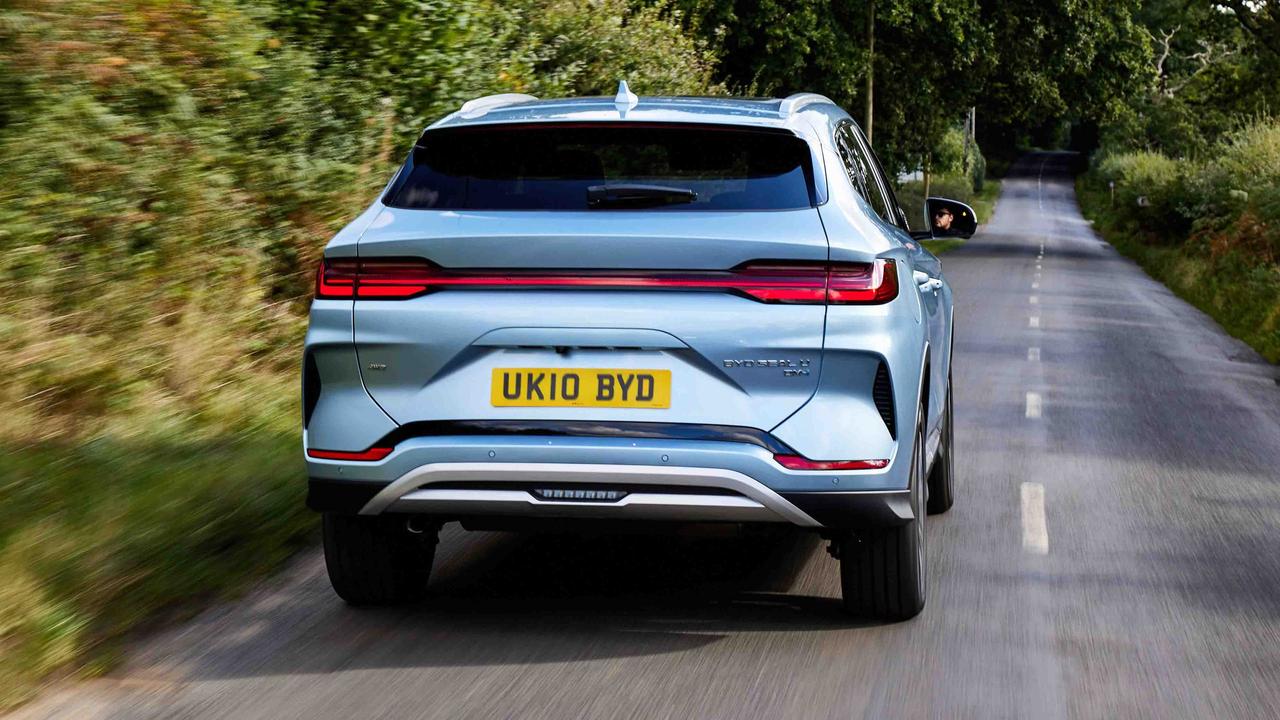
We’d also avoid the Design model because the Seal U is certainly no sports car. Its apparently hot-hatch-like acceleration is at odds with the car’s relaxed nature and complete lack of driver engagement.
The Seal U goes for comfort, not sportiness. It’s very softly sprung, which benefits its cruising speed ride quality but can mean it gets caught out by sustained undulations. The sort that you’ll come across on most British minor roads.
On these roads, the floatiness and body motion can induce some travel sickness – so it’s worth taking one for a longer test drive if you can. Some European rivals are still soft over big impacts but are firm enough not to feel like a boat on an ocean of jelly.
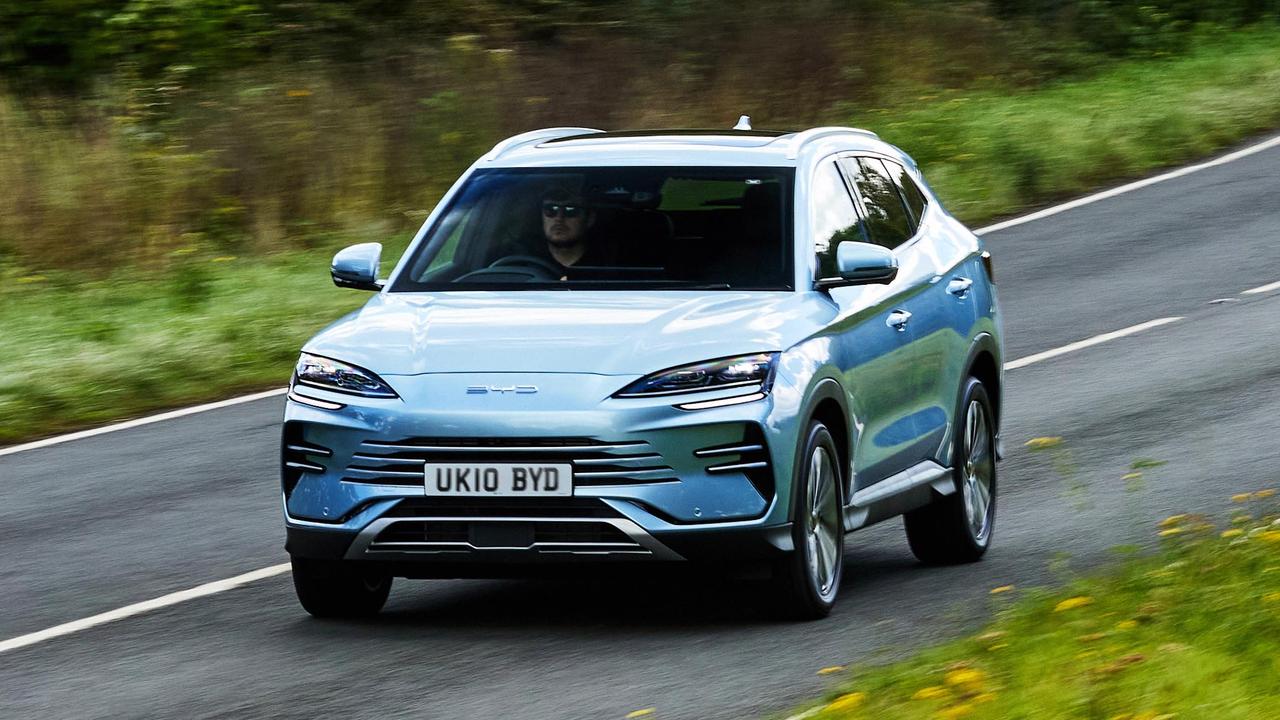
The standard steering setup is disconcertingly light. Around town this makes the Seal U feel easier to manoeuvre, but it’s not what you want at higher speeds. We’d recommend using the sport driving mode at higher speeds, as the added steering weight in this mode makes you feel like you’re more in control of the car’s movements.
In terms of noise, refinement is pretty good. Get up to motorway speeds and you’ll notice some wind noise and tyre roar, but most drivers will find that turning the radio up will make it less of an issue.
It’s not unique to the Seal U, but rear visibility isn’t great. We’ve also heard that the central front parking sensors aren’t actually functional, which has made some owners find that it can be difficult to manoeuvre when there’s something close to the front of the car. You’ll also want to turn some of the persistent driver aids off, such as the often incorrect speed limit warning bong, but this requires a dive into the touchscreen every time you start the car.
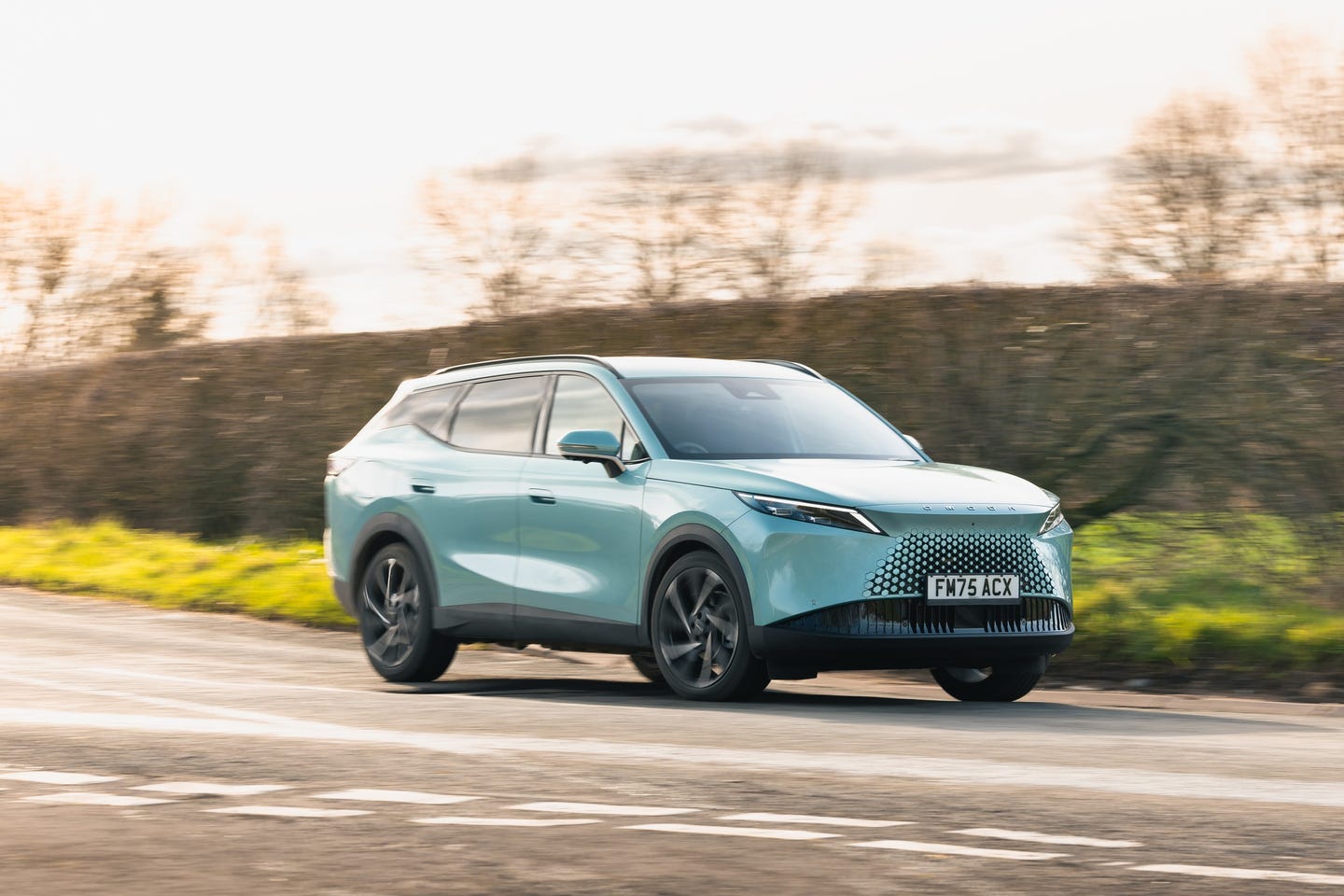
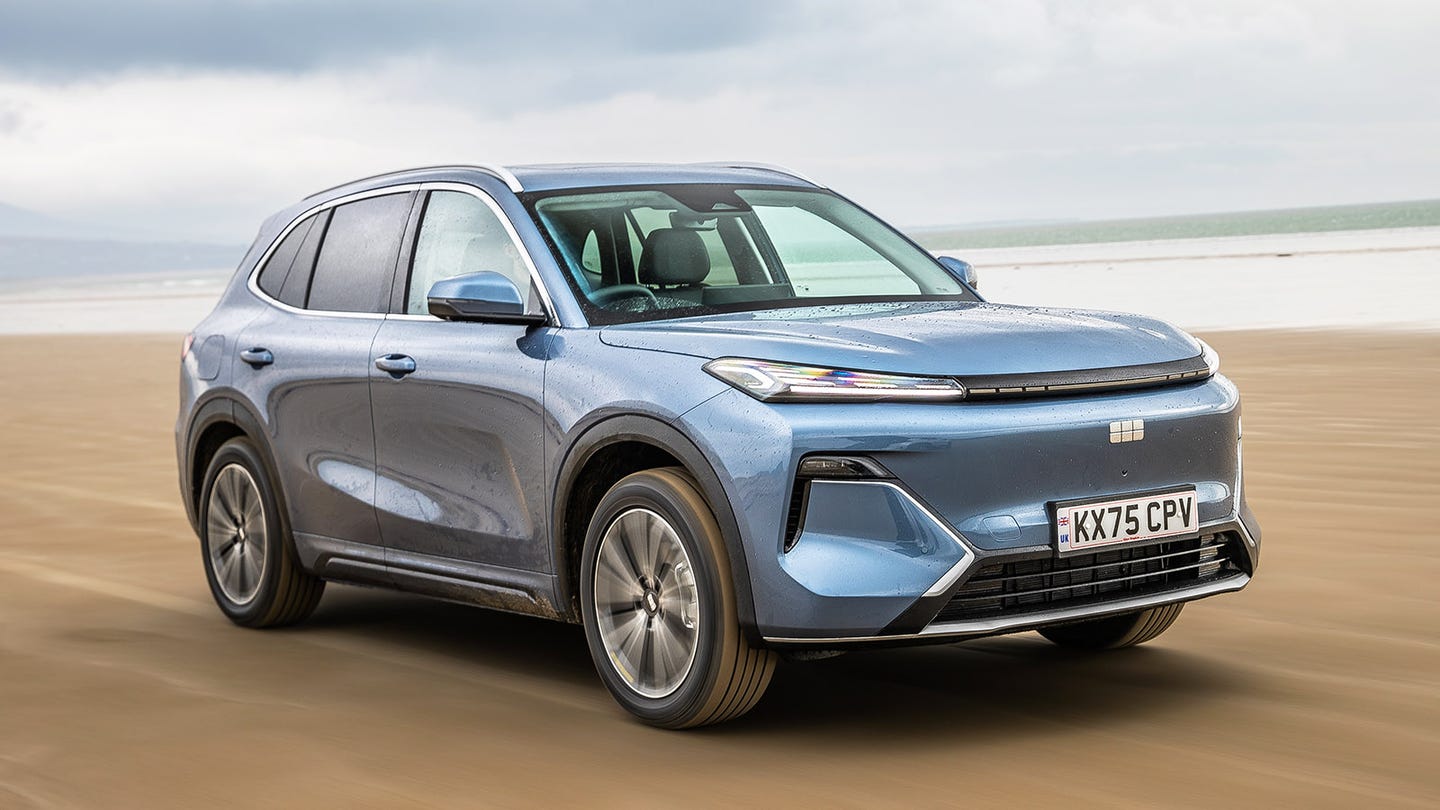
Impressive on paper but does Geely's PHEV SUV work in the real world?
A new range-extender option makes the Leapmotor C10 more appealing