








Chinese cars – what you need to know

Mike Vousden
•
Buying Guides

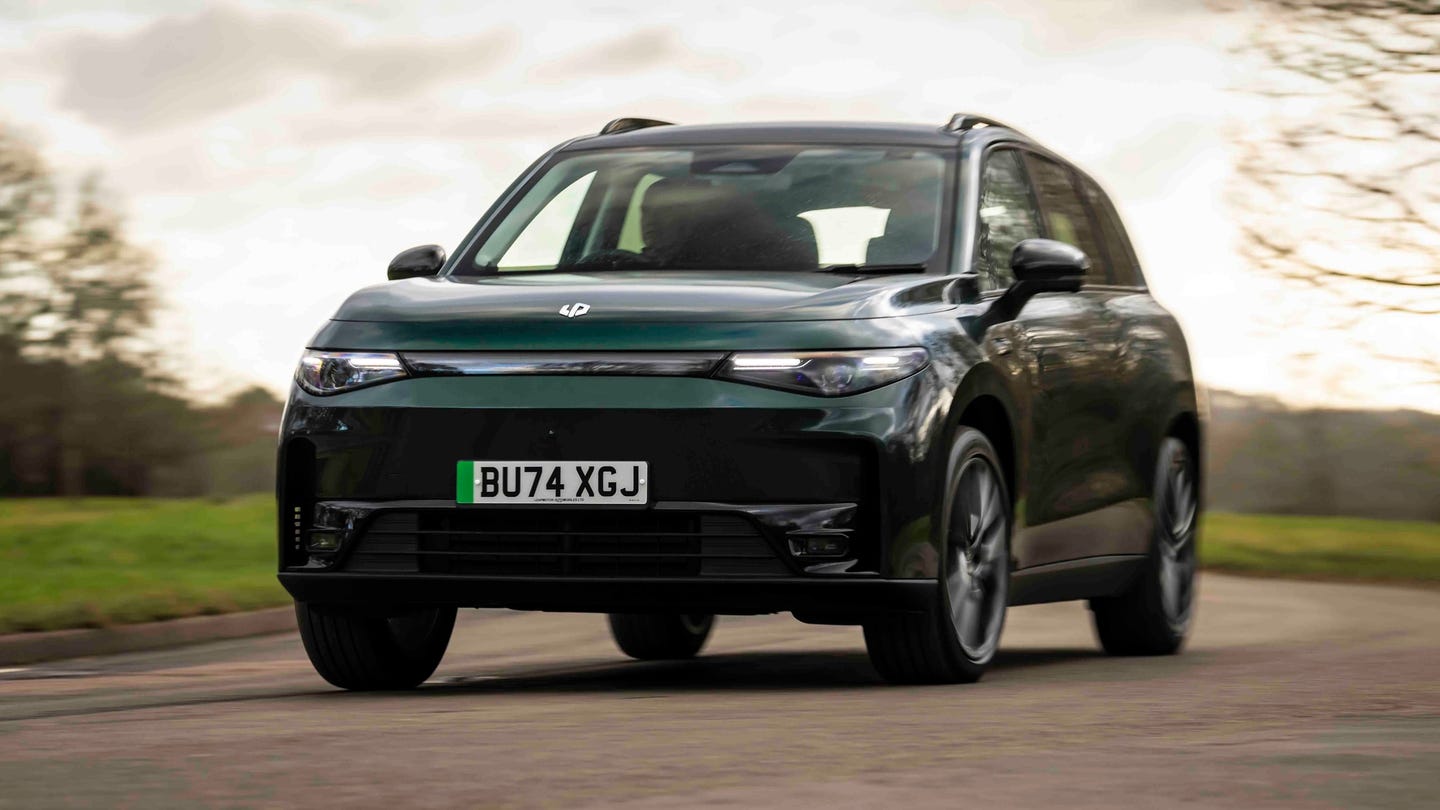

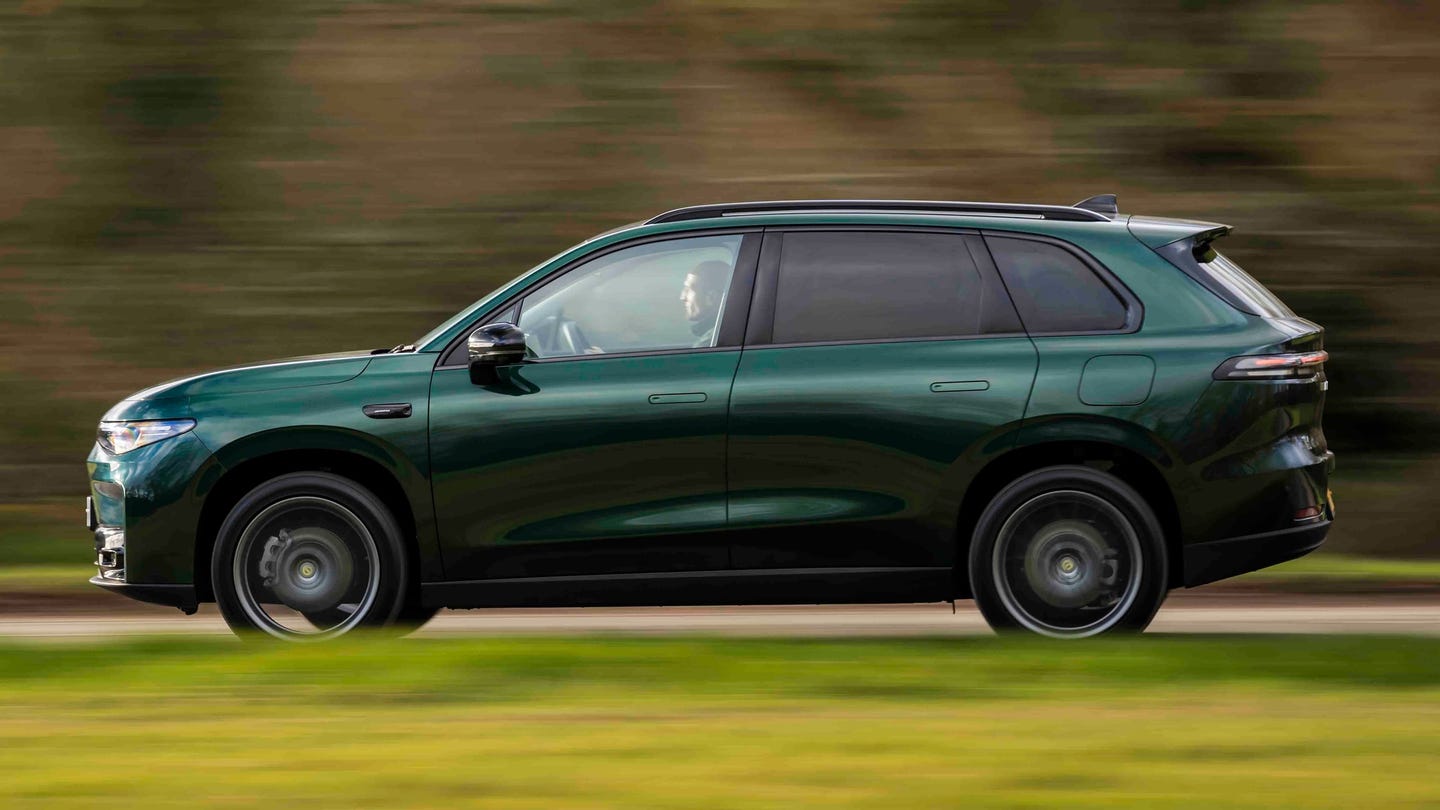



Leapmotor only built its first car in 2019, and launched in the UK in 2025.
Piggybacking off the massive Stellantis empire and its network of established dealerships, Leapmotor has gained a small but steady foothold in the UK market. Now, with the introduction of a range-extender EV and more models, it hopes to become a household name.

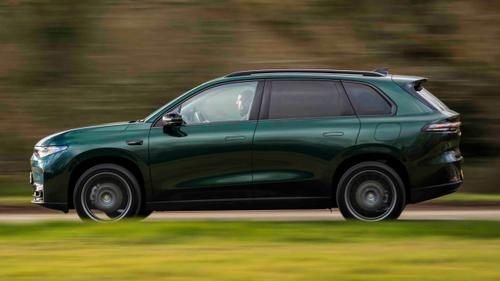


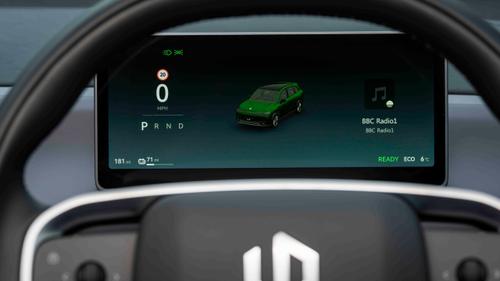

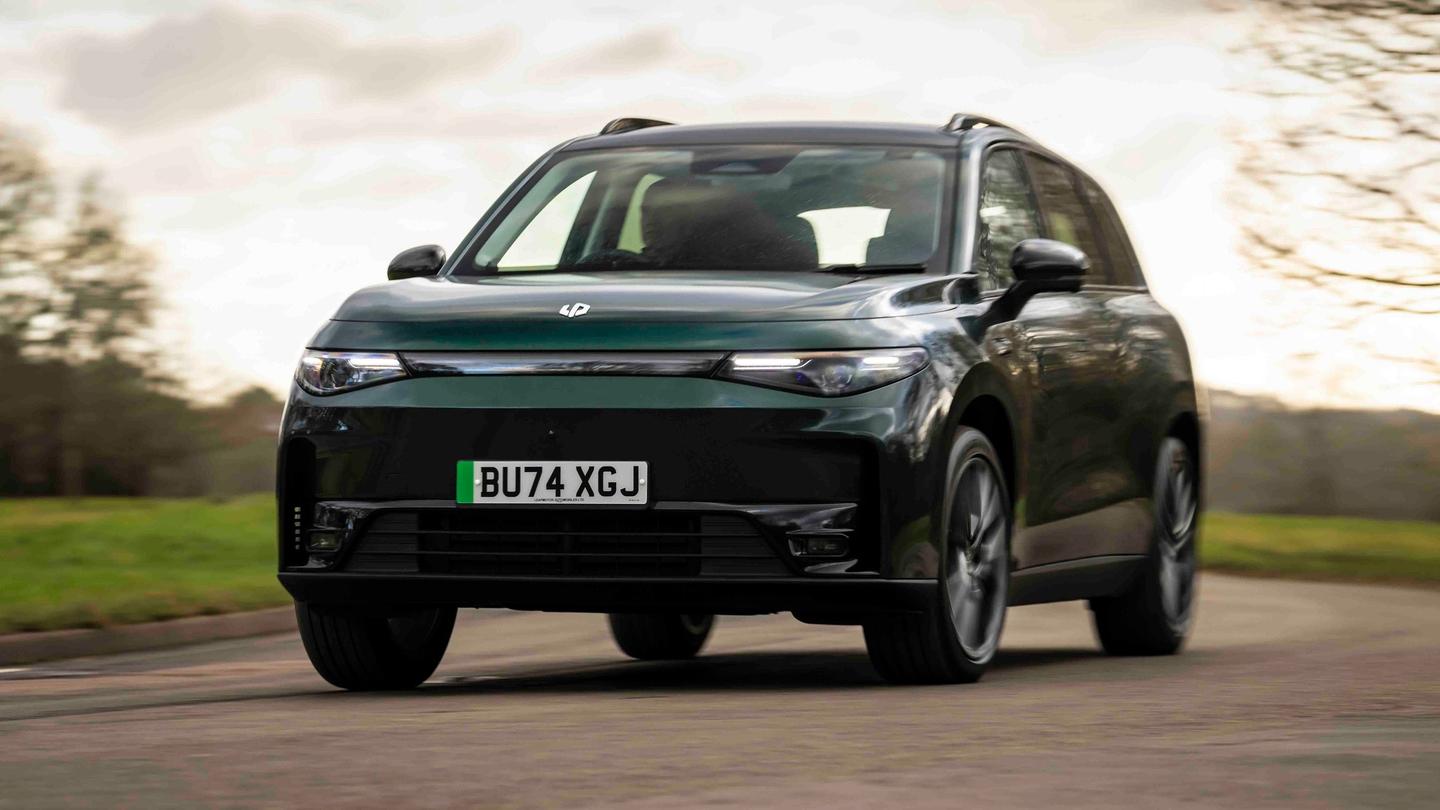
The Leapmotor C10 was the brand’s first SUV to launch in the UK, but we can’t help thinking that maybe it should’ve waited until it launched the smaller, newer and better B10.
So far, around 75% of Leapmotor’s sales over here have been for the C10, with the cheap T03 electric city car failing to mop up even 1,000 sales as of December 2025. But the C10 isn’t particularly impressive as a family SUV or as an EV.
"By fitting a smaller battery and an even lower charging rate, the new C10 REEV actually fixes the EV’s problems"
Yes, it’s full of tech and offers plenty of space for the nuclear family. But the interior materials aren’t quite up to scratch, its fast-charging speed is stretching the definition of fast, and it’s sorely missing a long-range model to take the fight to the class best.

Rather than fitting a bigger battery, Leapmotor has added a petrol engine to the electric motor to create the C10 REEV – a range-extender that only uses the engine as a generator to charge the battery. The result is 90 or so miles of electric power, another 500 from the petrol engine and a quoted fuel efficiency figure of 700mpg.
Introducing the REEV has made the C10 much more versatile. And the REEV is no more expensive than the full EV at £36,500 (although the EV currently has £1,500 off to match the government’s electric car grant). It undercuts the Volkswagen Tiguan PHEV and the Omoda 9 SHS, although it doesn’t always feel polished enough to justify its price tag.
Additionally, insurance costs are very high for the performance on offer – probably due to the brand being so new and perhaps some wariness around parts supply and repair costs. While a mid-range Skoda Enyaq sits in group 27 (out of 50), the C10 EV is in group 41. And we’ve heard that many insurers simply can’t or won’t cover it at the time of writing. A four-year warranty and a matching length of roadside assistance add peace of mind.

Given that the brand sees itself more as a tech brand than a carmaker, it’s not surprising that the C10 is very tech-heavy. Actually, it’s a little surprising how much tech and spec you get. To keep it simple, there’s one model with the kitchen sink thrown at it.
The credit card-like NFC key card is merely a backup – you’re meant to use your phone as a digital key.
Download the Leapmotor app and you can also pre-heat the cabin, lock/unlock the car and schedule battery charging – as you can with many EVs. But you can even use your phone to remotely open the windows, tailgate and sunshade, plus send sat nav directions to the car’s screen and turn on the heaters for the seats and steering wheel.
Facial recognition tech can recognise up to eight drivers, and can adjust the settings automatically to that person’s preferences as soon as they get into the driver’s seat.
Other standard features include a large glass roof, a 12-speaker sound system, powered front seats and wireless phone charging.
However, you’ll have to wait a while before Apple CarPlay and Android Auto become available. They’re coming via an over-the-air software update, but it seems an oversight to ship the car without this must-have smartphone mirroring in the first place.
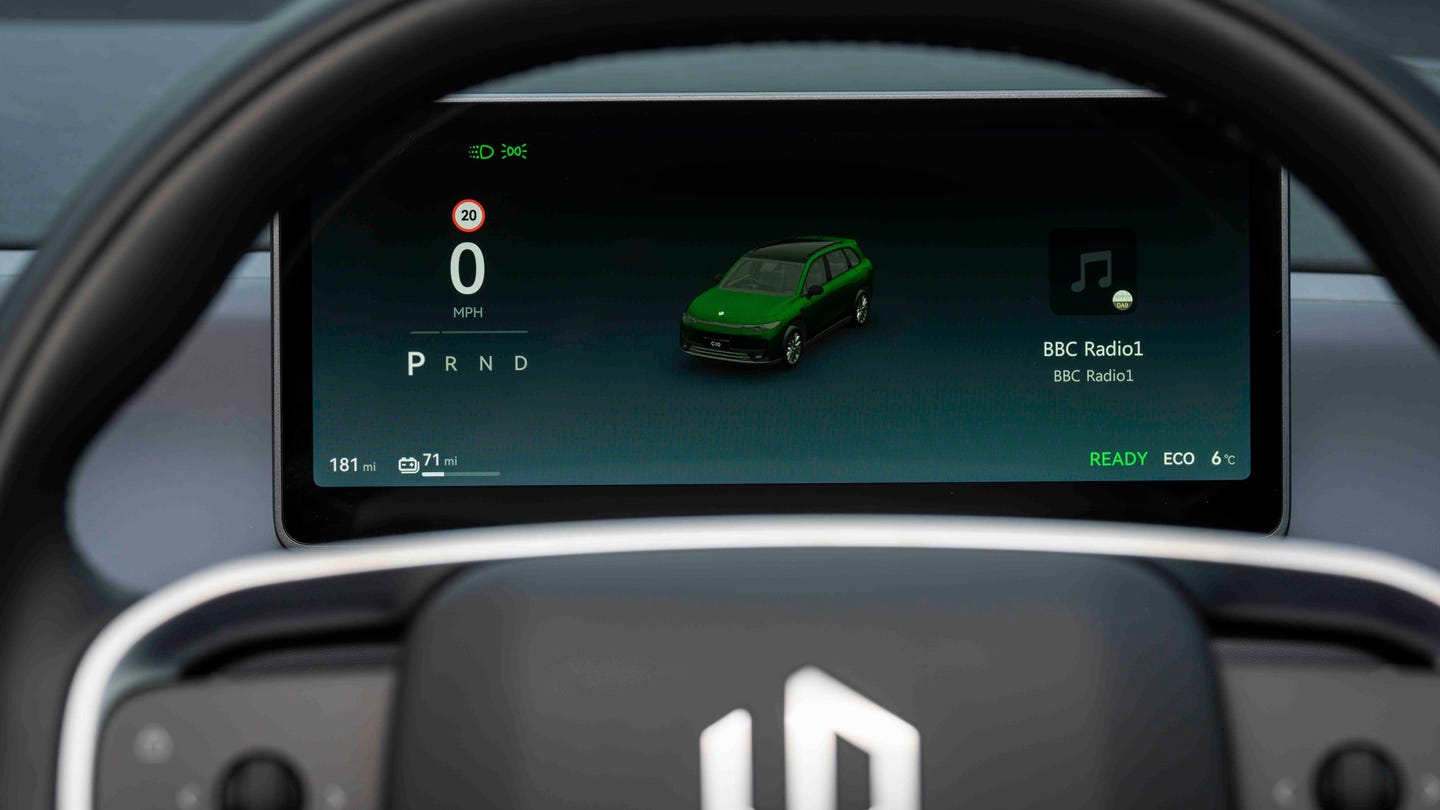
The native infotainment system is quite Tesla-like, especially in how the menu structure is arranged. That means you have to look away from the road for longer than is ideal – and that’s not helped by the row of tiny icons at the bottom of the screen, which are used for common features. It’s a massive 14.6-inch screen so you’d think there’d be plenty of room to shove them all in.

The screen is sublimely responsive to your inputs and renders images in the blink of an eye. Once you’ve got used to the layout, it’s fairly easy to use the main functions. The accompanying digital driver’s display shows the key information clearly and concisely.
We found the seats comfortable enough on our relatively short test drive, but there’s not much adjustment in the seats or wheel so it could be tricky for some drivers to find their ideal position. Your passenger doesn’t get height adjustment, which seems like a simple and cheap thing to skimp on.
Having driven the C10 after the newer B10, we were disappointed to find that the C10’s material quality isn’t as strong – despite it being more expensive. There are fewer areas of soft-touch materials, and the door trim that looks like plush suede is actually cheap-feeling plastic. Mind you, you get proper cupholders that take a variety of drink sizes (unlike the B10’s fold-down ones) and the car feels like it’s built to last.
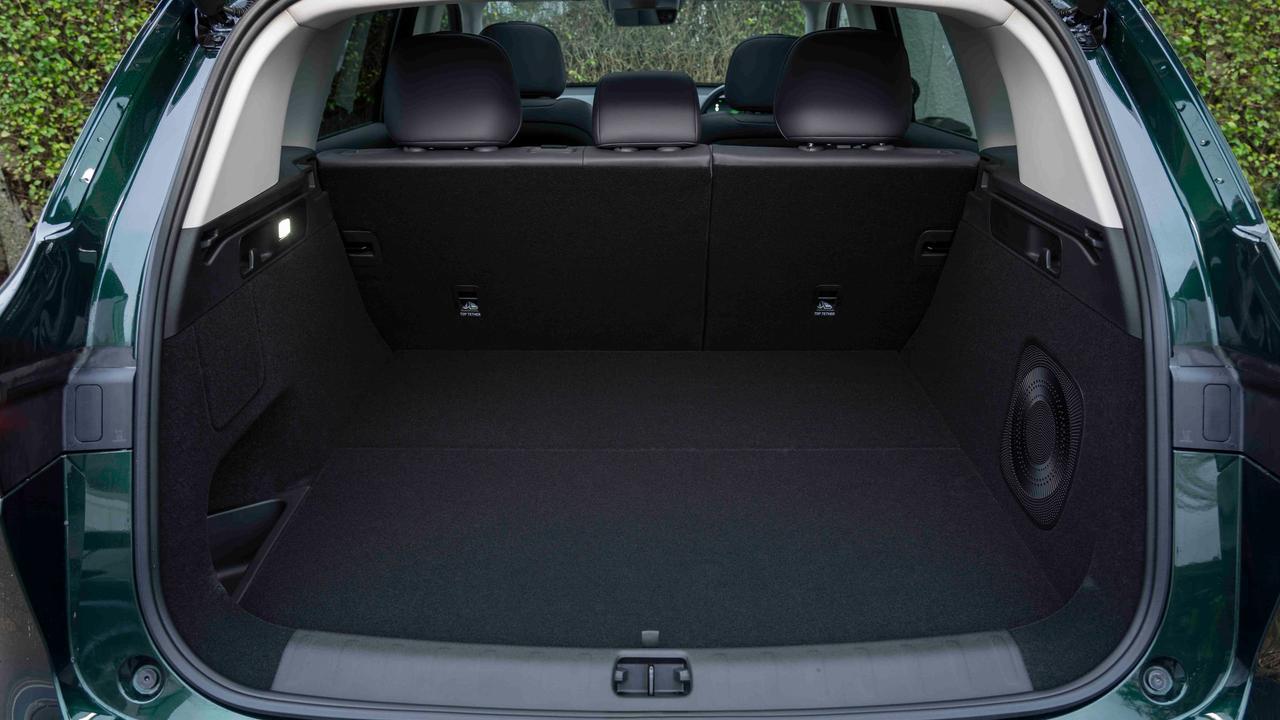
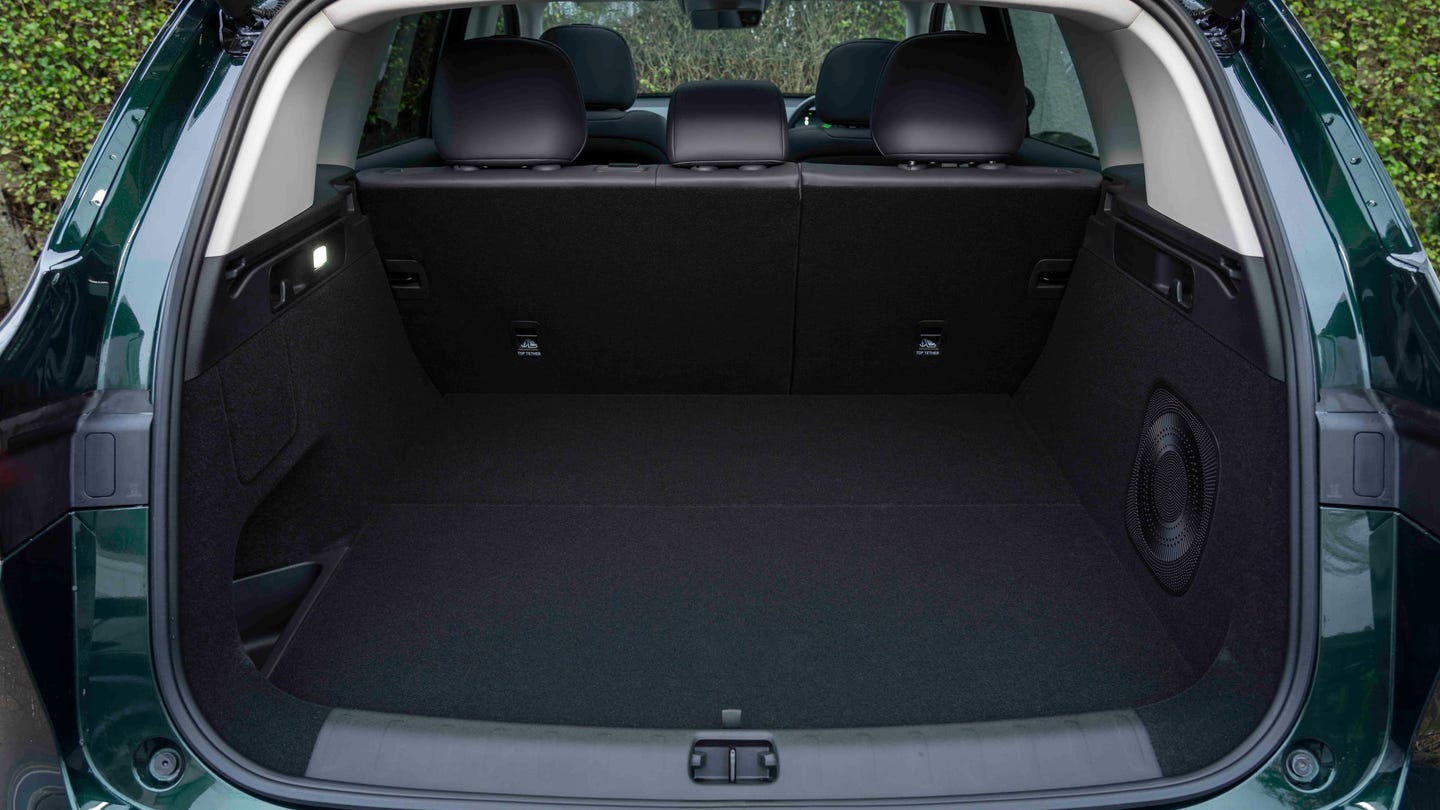
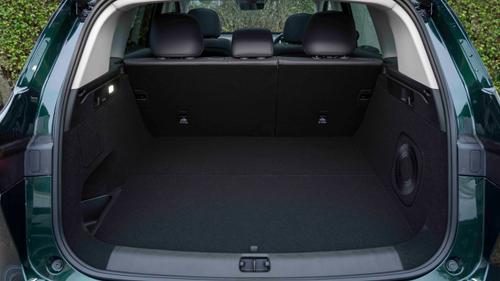
We’re not sure if Leapmotor measures the boot capacity in the same way as other manufacturers. Apparently, the C10 has a 400-litre boot, which looks very uncompetitive with other family SUVs.
But, when you open the boot – which can be done via the touchscreen or by pressing the hidden button in the rear lightbar – the space looks huge. It’s much bigger than the SEAT Arona’s boot, which also offers 400 litres. Maybe it could be a little wider or lower, but the long boot floor and wide boot opening make it easy to load in large suitcases or awkwardly sized furniture.
The relatively high floor means no load lip, and there are a couple of hooks for hanging light items from. And there’s cable storage beneath the boot floor.
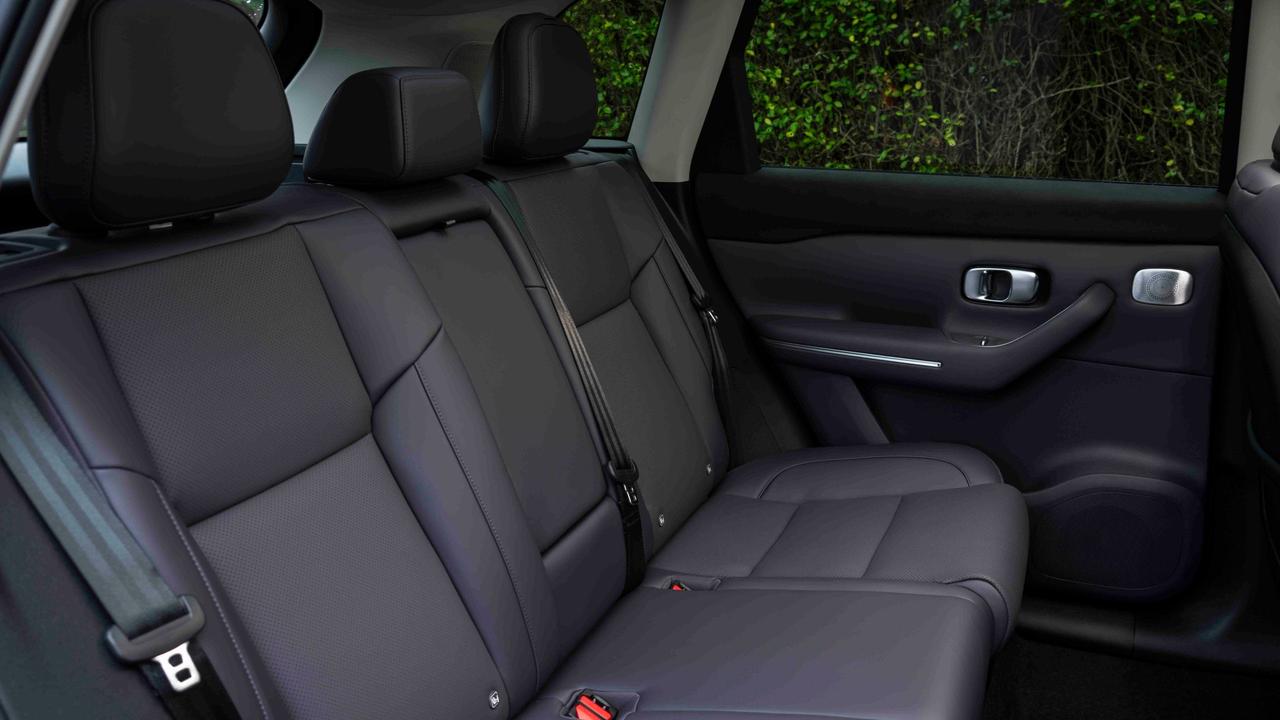
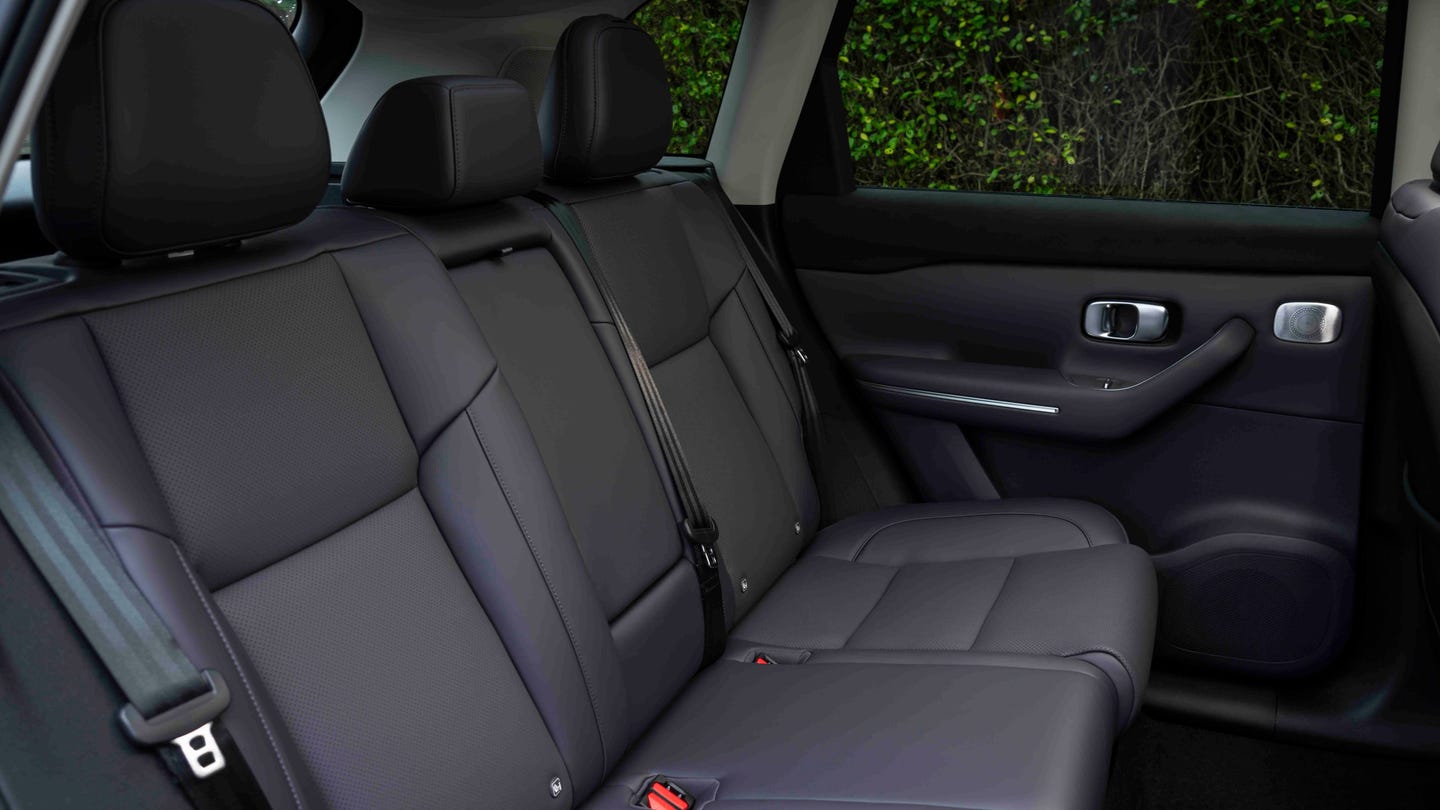
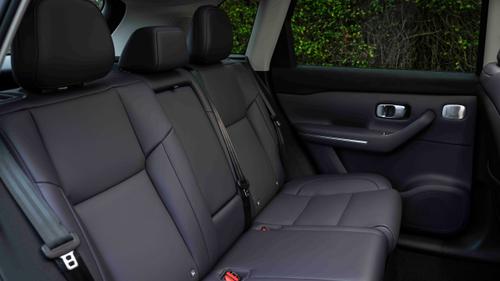
At over 4.7 metres long – roughly the same size as a Skoda Enyaq – the C10 is a big car. The rear-seat space it offers is still impressive; you’d have to be a certified giant to bump your head on the headliner or for your knees to hit the seat in front.
A flat floor means it’s easier to sit three adults side-by-side, and rear-seat occupants get storage, air vents and USB sockets. No armrest cupholders though.
It’s easy to install child seats thanks to the wide doors and clearly marked Isofix points.
The C10 does quite well for storage in the front, with good-sized door bins, a hidden cubby under the armrest, another one under the cupholders, a phone tray and a glovebox that’s just about big enough to be useful. Some flock lining in the storage zones to stop things rattling around wouldn’t go amiss, however.

Performance is fine but the C10’s 218hp won’t blow your head off. The 0-62mph sprint takes 7.5 seconds in the EV and 8.5 seconds in the REEV; both feel adequate in most driving situations but you might be pining for more performance getting onto the motorway or when overtaking.
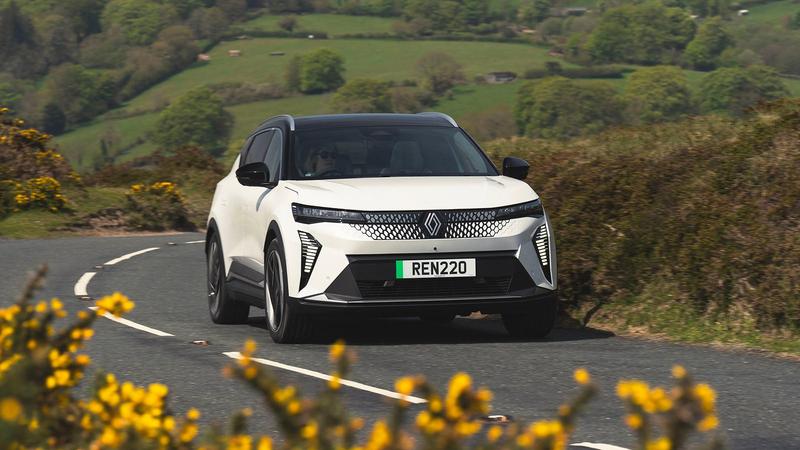
With a 67kWh battery and a 263-mile quoted range, the C10 EV’s main figures are in line with entry-level versions of the Enyaq and Nissan Ariya. But nearly all of its rivals offer a longer-range option with a bigger battery – the Renault Scenic E-Tech offers up to 379 miles for broadly the same price as the C10.
The mediocre range figure wouldn’t matter quite so much if you could charge up in the blink of an eye, but the C10 is poor here. A maximum charging rate of just 84kW – nearly half what the Scenic and Enyaq offer – means you’ll be waiting a long, long time at a public charger. A 10-80% top-up is likely to take 45 minutes or more.
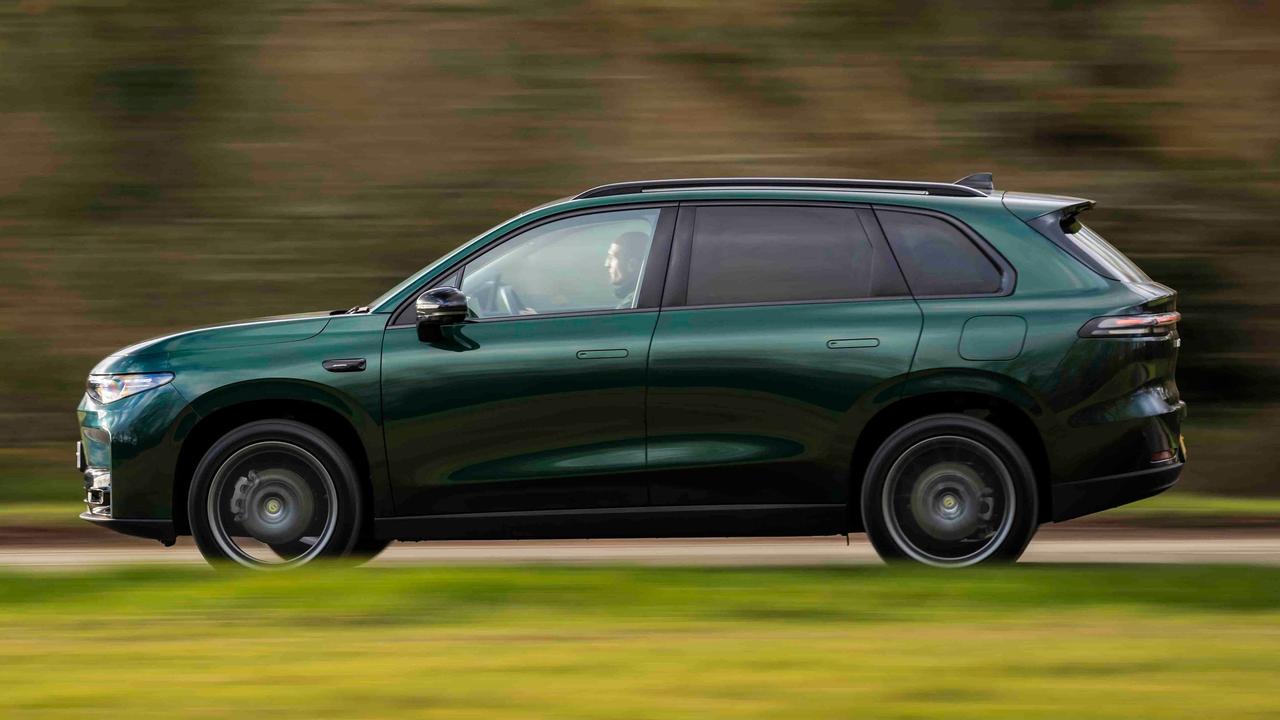
By fitting a smaller battery and an even lower charging rate, the new C10 REEV actually fixes the EV’s problems. The battery shrinks to 28.4kWh, for a maximum EV range of 90 miles, but it’s joined by a petrol engine that only exists to feed power into the battery. With the battery and the 50-litre fuel tank both brimmed, you can manage around 600 miles of driving – which isn’t the absolute best around but is more than enough to get rid of any range anxiety. The 65kW max charging speed is really good for a hybrid car, too, although DC fast-chargers are an expensive way to add no more than 90 miles of range.
There are four hybrid modes in the REEV. EV+ forces the engine to stay out of it until the battery is at 9%, EV stays electric until 25% charge, Fuel gives you petrol power below 80% battery charge and Power gives you maximum performance.
What’s impressive is how quiet the engine is. Even when you’re in the Fuel mode and pinning the accelerator, the engine never gets gruff or shouty. You could quite easily forget it’s there until you have to detour at a petrol station.
And because the electric motor always drives the wheels, you get the EV driving experience – smooth acceleration, quietness and adjustable regenerative braking.

Our REEV test car was an early left-hand-drive model on Italian plates, and it probably would’ve offered a smooth ride on glossy Italian asphalt. But on UK roads, the ride simply isn’t good enough.
It thumps into impacts and feels very unsettled and fidgety on the motorway. While the B10 has been tuned for European roads, the C10 – in both EV and REEV forms – hasn’t. And the difference is night and day. It’ll quickly become tiring on a long journey.
Our motorway experience was also hampered by the poorly calibrated adaptive cruise control. Pull into the fast lane to overtake a vehicle in front of you, and there’s a heart-stopping second before the system accelerates to the speed you’ve set. We could envisage cars behind having to slam on their brakes or getting cross with you for not speeding up.
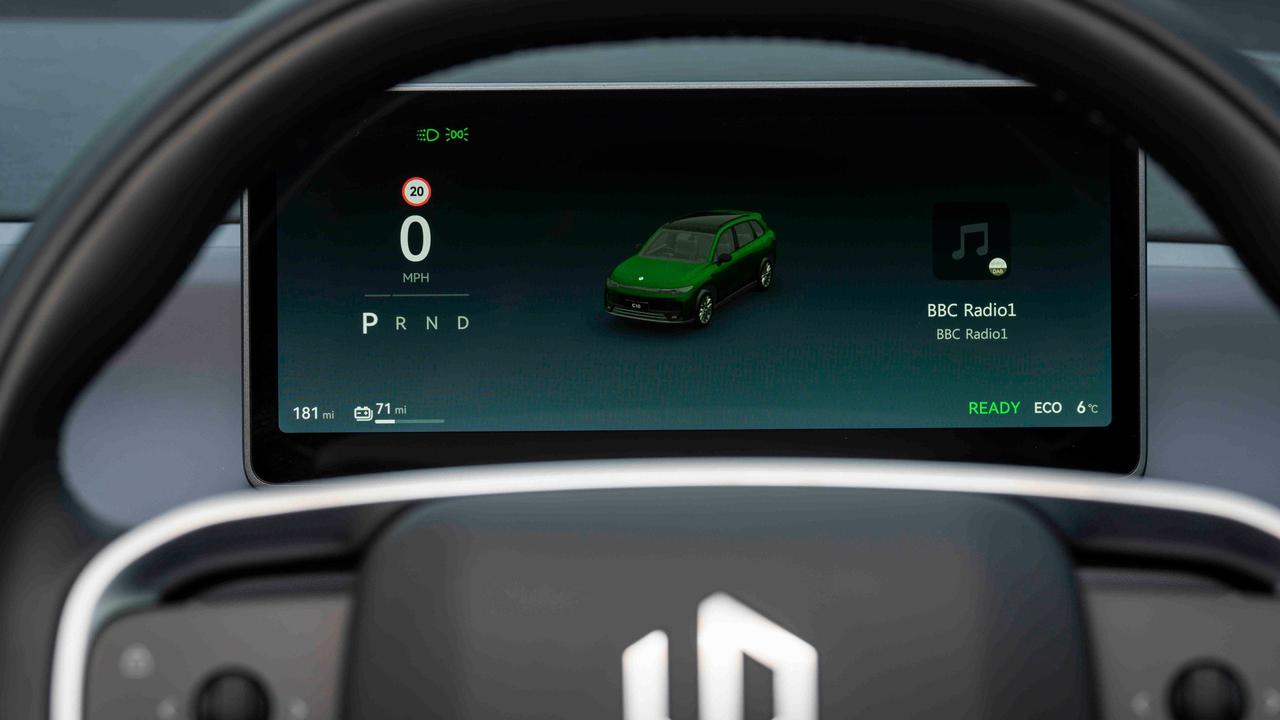
The cruise control is turned on by pulling the gear selector down, but the speed set and the follow distance is managed by the unmarked scroll wheel on the left-hand-side of the steering wheel. You could go the whole duration of your finance agreement without realising that you can change the follow distance.
Peeling off onto twistier roads, the C10 is stable and doesn’t roll through corners. It’s predictable but unengaging, feeling like it simply exists to be a means to getting you to your destination.
All the ADAS systems you could wish for (or not, perhaps) are fitted as standard. Some are more intrusive than helpful – the lane-keep assist doesn’t quite trust you to be able to drive in a straight line. If you yawn while driving, the system pings up a message to prompt you to take a break. Maybe another coffee wouldn’t be needed if the C10 was a bit more exciting.
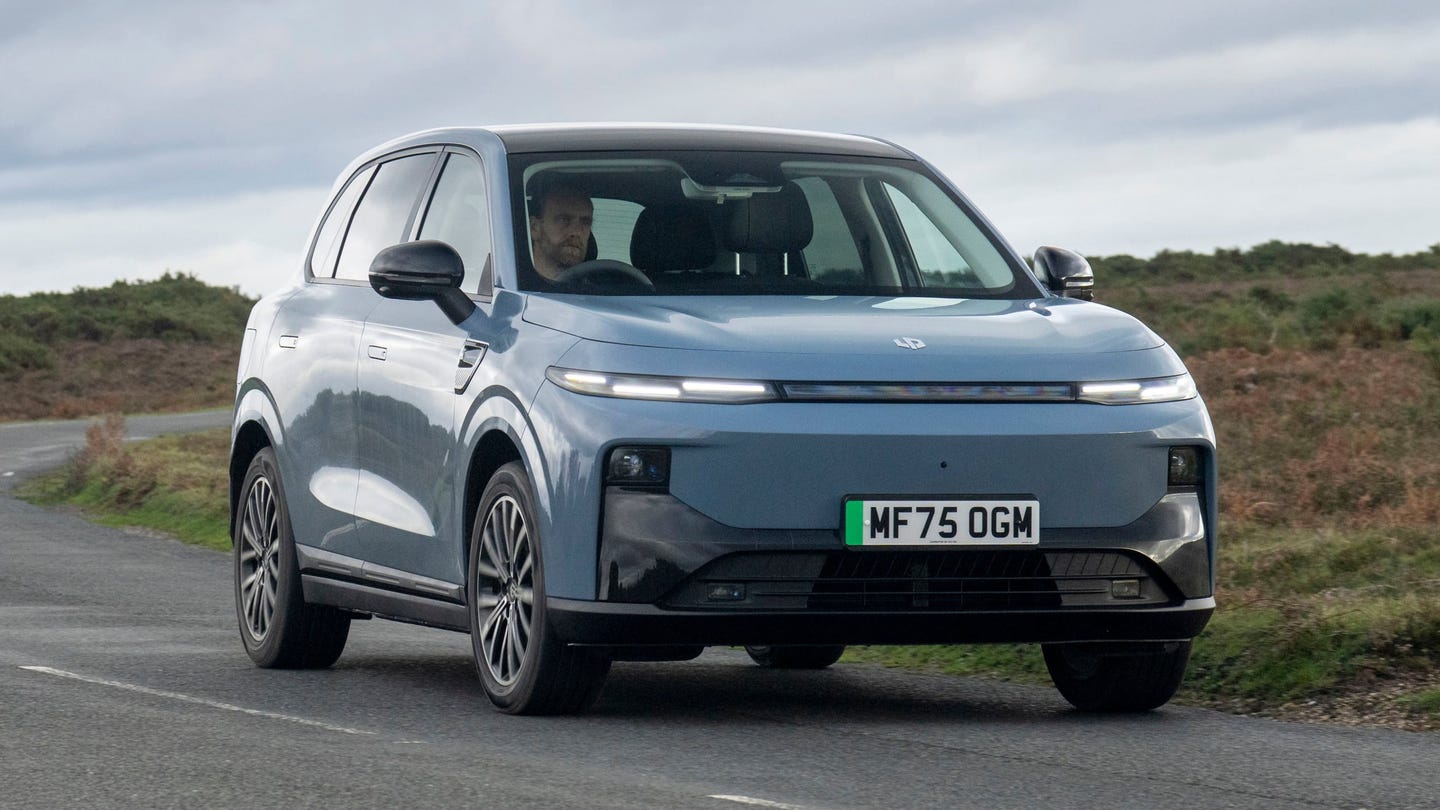
Leapmotor’s new £30,000 SUV drives nicely and is packed with tech
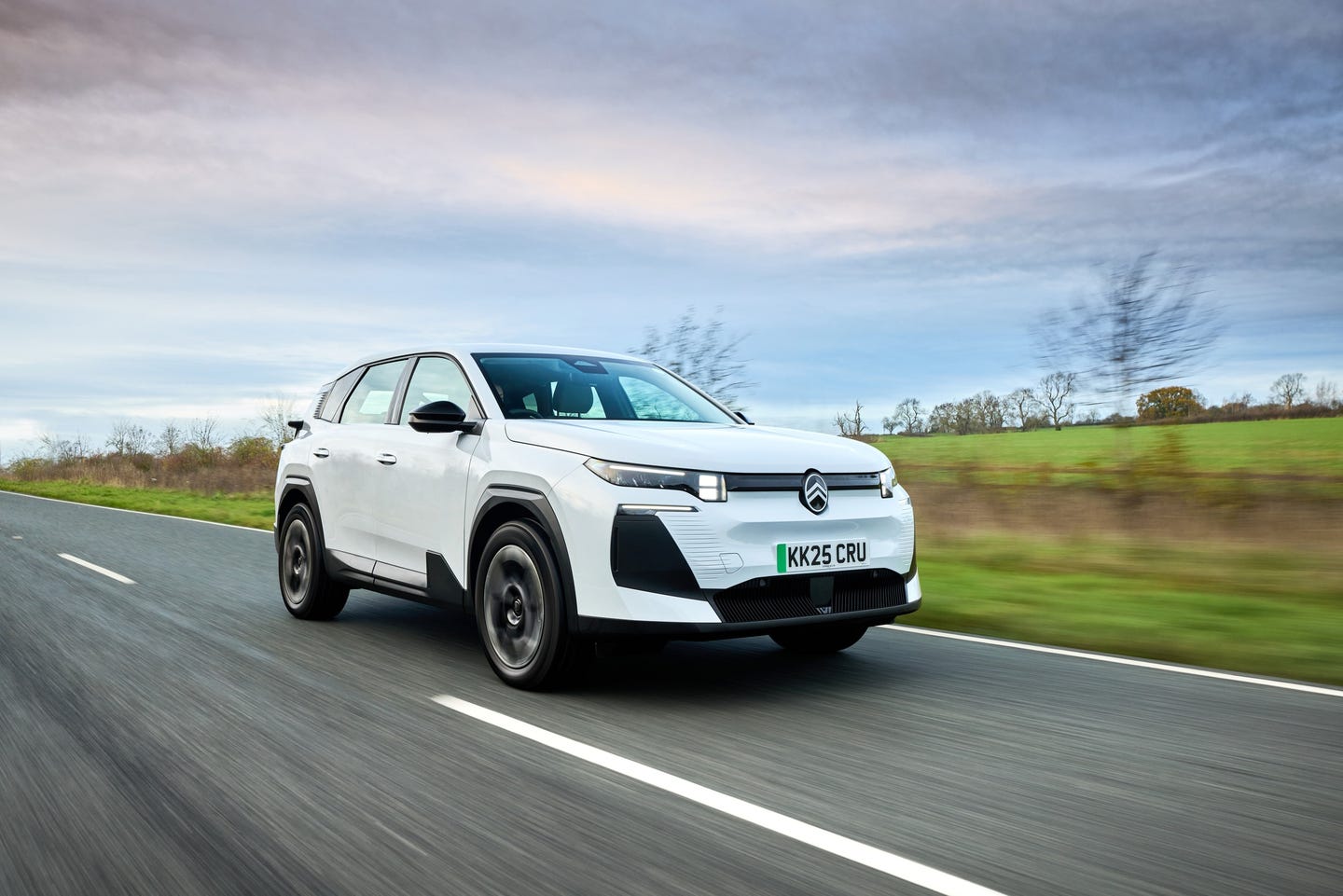
Comfy SUV offers 420 miles of range in EV form, with PHEV option too