




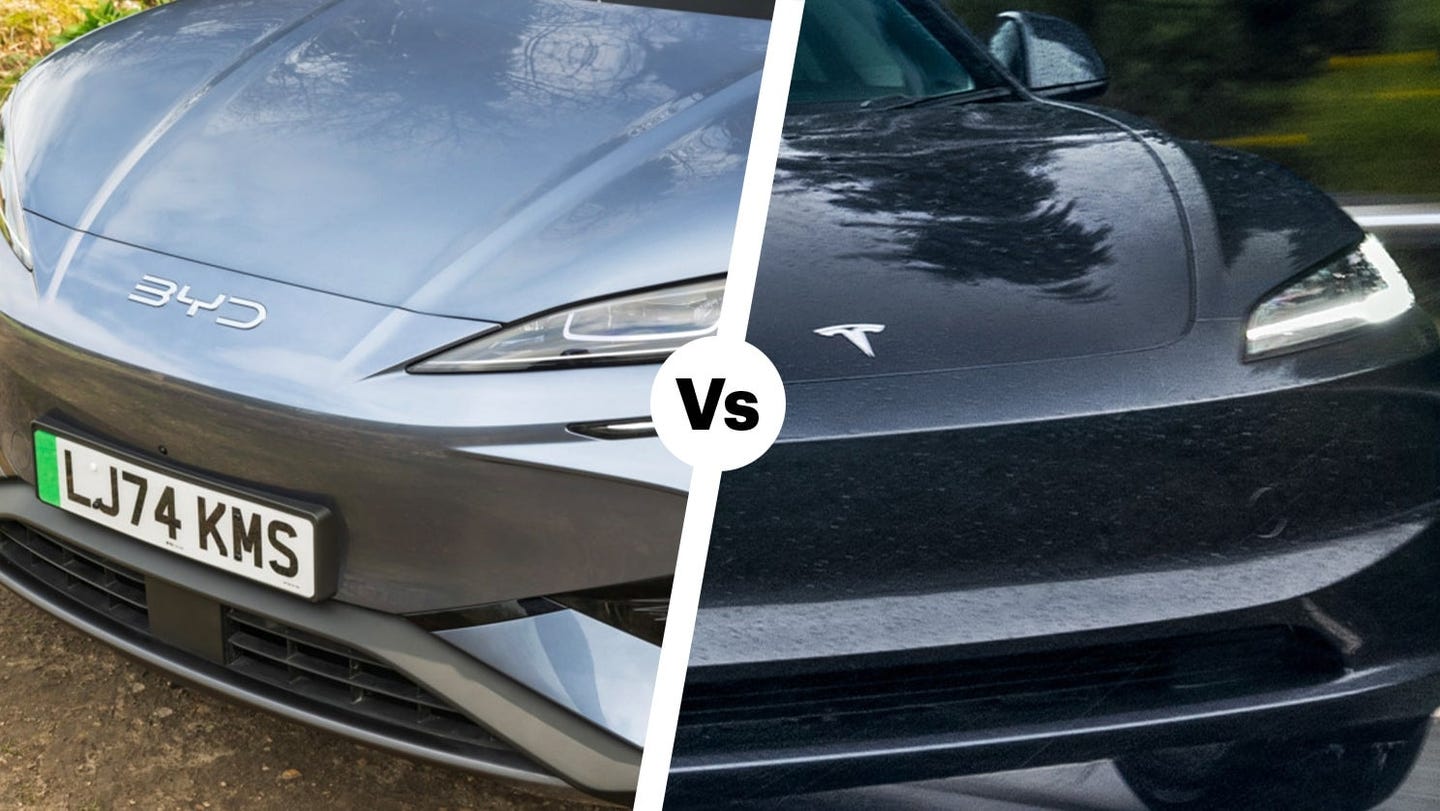
For some, Tesla is still the gold standard – but being the best means you’re the target for everyone else. BYD is now a major presence in the UK, so should you choose one over a Tesla?
So, you like lots of tech in your cars? Tesla is perhaps the obvious choice – its cars have set the tone for the entire car industry, with a big touchscreen controlling nearly all the onboard features.
But Chinese carmakers are filling their cars with tech, too – because, in their home market, screen entertainment is a far higher priority than driving entertainment. BYD also offers a very techy interior – so should you choose a BYD over a Tesla?
BYD vs Tesla compared
| BYD | Tesla |
Pros:
| Pros:
|
Cons:
| Cons:
|
Styling
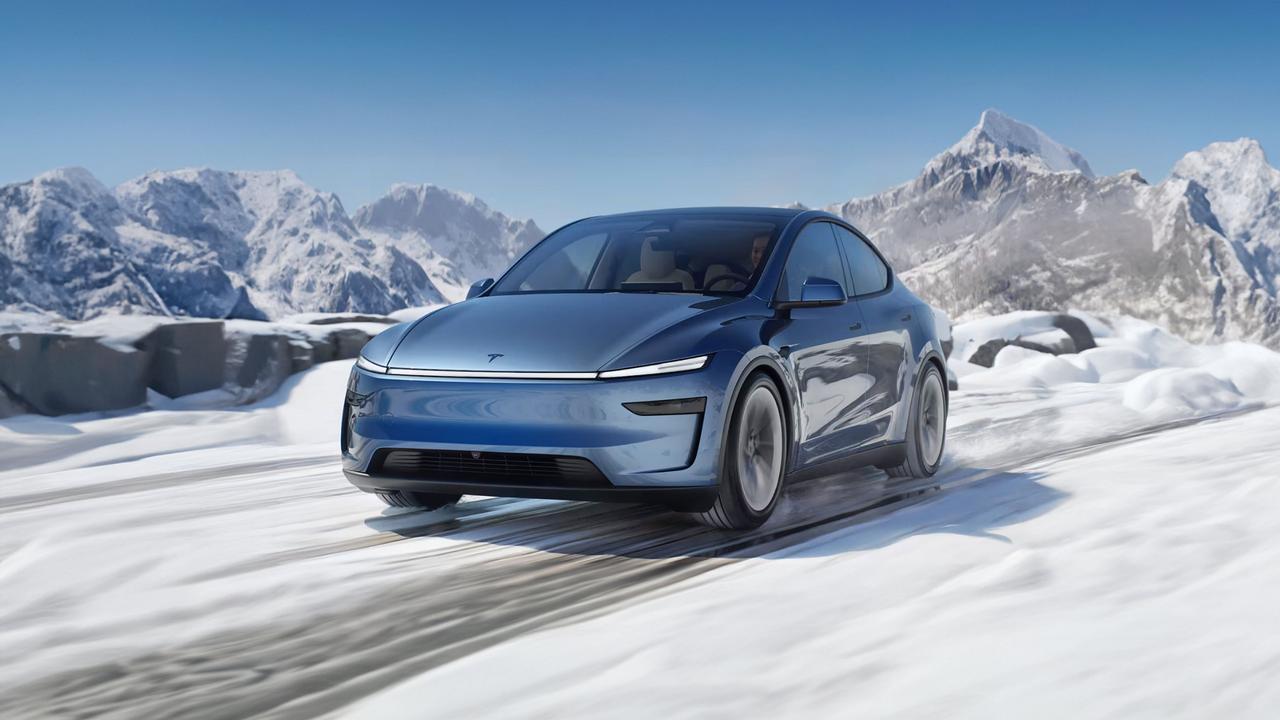
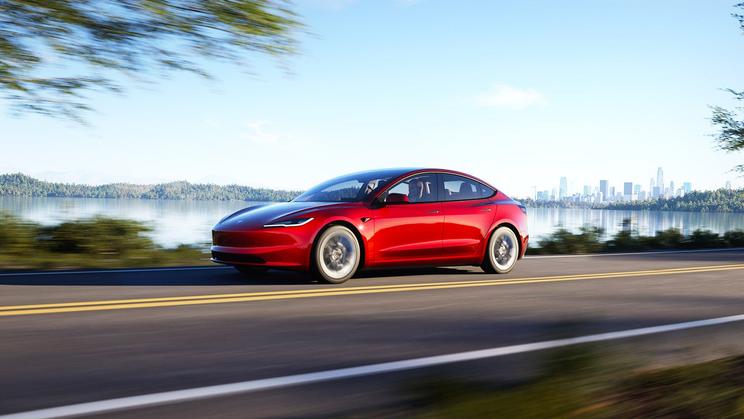
Tesla is known for its sleek, streamlined styling that helps the air flow over the car as smoothly as possible. Its Model 3 and Model Y are instantly recognisable, while major updates in recent years have helped the two models stay fresh, despite having been on sale for a number of years now.
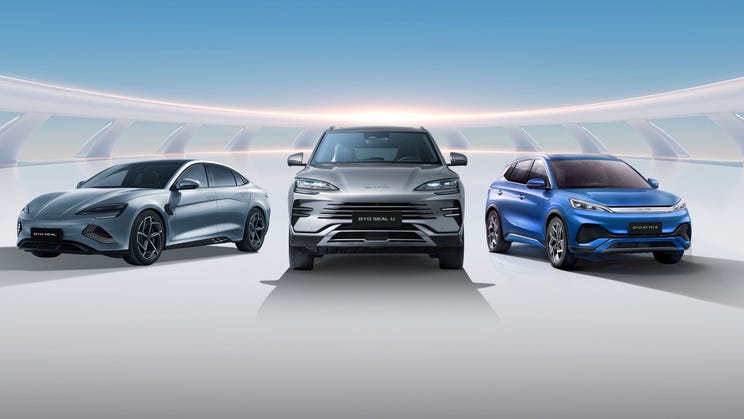
BYD’s styling is generally a little more conservative and mass-market than Tesla’s, In our eyes it has some hits and some misses – the Seal and Sealion 7 look sleek, and the Dolphin and Dolphin Surf look funky, whereas the Atto 2 and Seal U don’t really stand out at all.
Engines and EVs
| BYD | Tesla | |
| Fuel type | Electric, petrol plug-in hybrid | Electric |
| EV battery chemistry | LFP (lithium iron phosphate) | NCA/NCM (nickel cobalt aluminium/ manganese) |
| Longest-range EV | 354 miles – BYD Seal in Design spec | 466 miles – Tesla Model 3 in Long Range RWD spec |
| EV battery sizes | 30/43.2/60.5/82.5/91.3kWh | 60/79kWh |
| Max recharge speed | 150kW (10-80% in 37 mins) | 170-250kW (10-80% in ~30 mins) |
| Fastest 0-60mph time | 3.8s – BYD Seal Excellence | 2.9s – Tesla Model 3 Performance |
Both of these brands are leaders in electric vehicles. Tesla has long been the benchmark for range and performance, and it’s still up there with the best. Even the cheapest Model 3 offers up to 323 miles and a 0-60mph time of just 5.8 seconds; the Long Range RWD model pushes that to well over 450 miles between charges. Range anxiety, be gone!
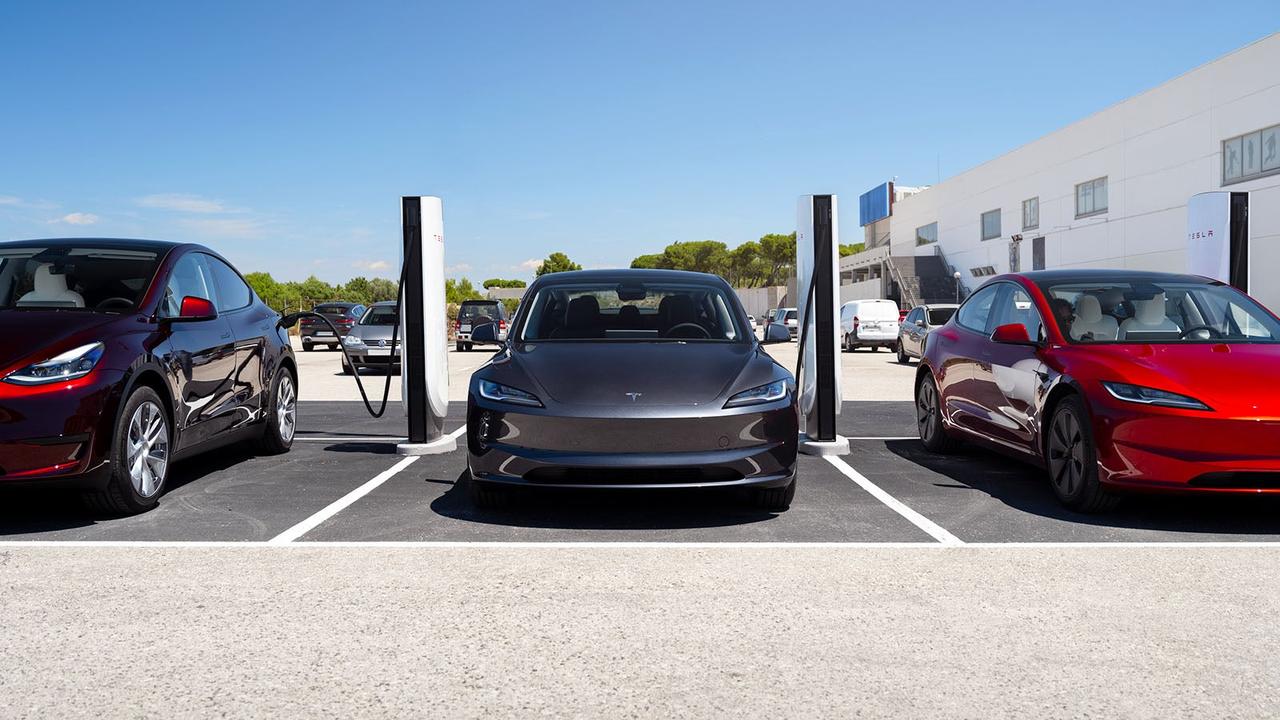
Plus, you get discounted access to Tesla’s Supercharger network, which manages to be rapid, reliable and widely available. Some Tesla chargers are now open to non-Tesla models, but buying a Tesla ensures you’re able to connect to the entire Supercharger network.
BYD now has six fully electric models in its stall, and more are likely coming soon. The Seal and Sealion 7 are positioned close to the Tesla Model 3 and Model Y, but beneath them are smaller, cheaper hatchbacks and SUVs. Kicking off the range is the tiny Dolphin Surf, while small SUV buyers are catered for by the Atto 2.
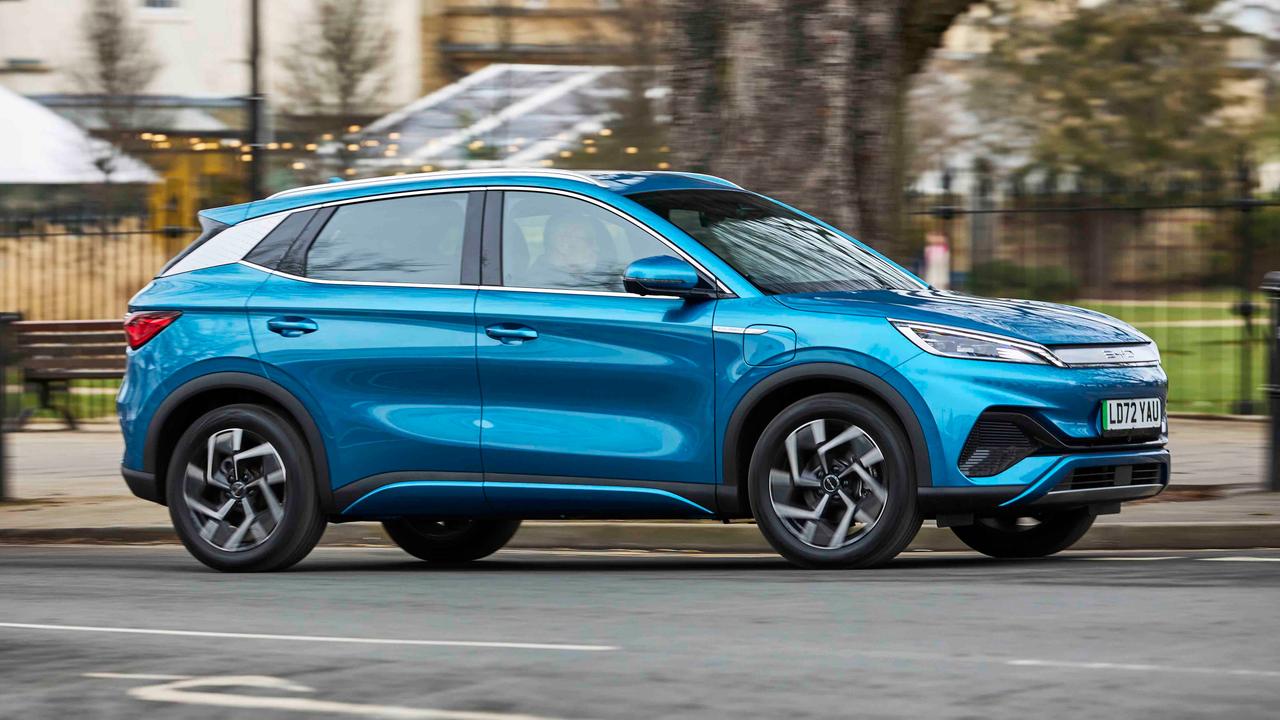
But what if you don’t want a fully electric car? BYD offers two plug-in hybrid models – the Seal U and Seal 6. These act like electric cars as much as possible, and have a large electric-only range, but are supplemented by a petrol engine to give a total range of about 700 miles.
BYD and Tesla are both responsible for their own battery production. However, while Tesla uses Panasonic and CATL cells, BYD goes one step further by making its own cells. The result is what BYD calls its Blade battery, which not only has space for more cell packs than a conventional battery, but is an integral part of the car’s chassis as well.
Interior
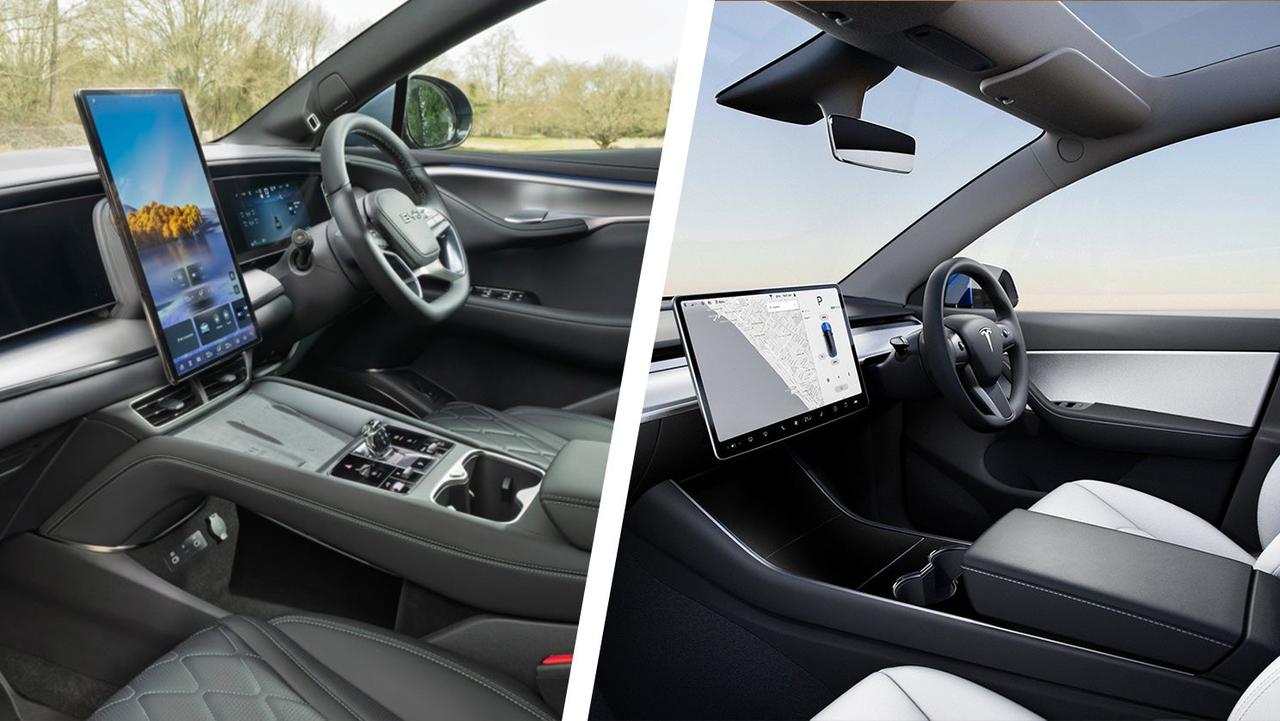
Forget reinventing the wheel – Tesla has reinvented the interior of a car. Mainly by taking nearly everything out. Even the indicator stalk has been binned in some models in favour of buttons on the steering wheel. Pretty much everything else is done through the 15-inch central touchscreen, whether that’s opening the glovebox, playing whoopie cushion sounds, letting passers-by know that your dog is safe inside, or even watching Netflix. Maybe you’ll add in unnecessary charging stops just to play around with it.
For the most part, BYD’s interiors are a little more conventional – unless you take a look inside the zany Atto 3. The touchscreen is still required for the vast majority of controls, and there’s a lot of info to display. It feels similar to using the Tesla screen, although the Tesla screen is marginally better for finding submenus and settings.
Practicality
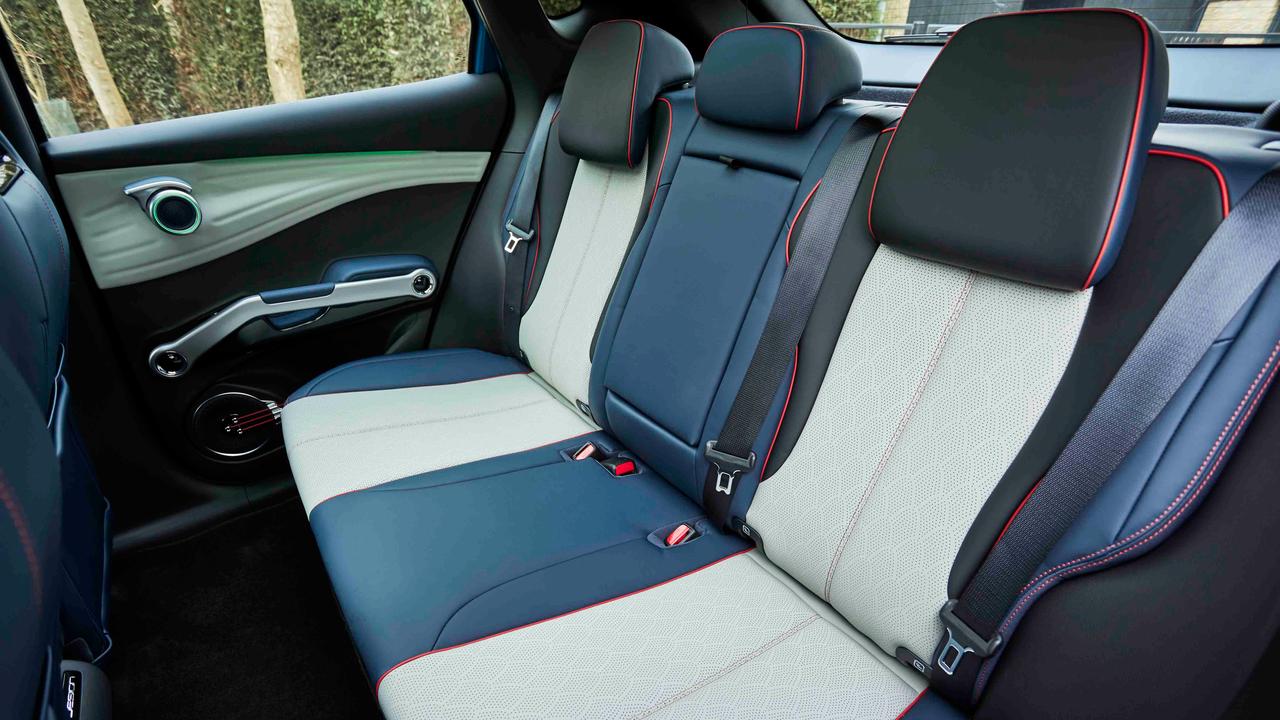
On paper at least, the Tesla Model 3 and Model Y have more luggage space than the equivalent BYD models. Interior space is similarly strong across comparable BYD and Tesla models.
But BYD has a wider model lineup, with more options if you don’t need anything as big as the Model 3, which is over 4.7 metres long. In fact, BYD’s smallest model, the Dolphin Surf, comes in under four metres. However, BYD’s best-selling model is the Seal U, which is nearly 4.8 metres long but isn’t any more capacious than the 30cm shorter Atto 3.
Value

The basic BYD Dolphin Surf starts at under £19,000 for a car with vegan leather seats and a 10-inch rotating touchscreen. It’s not particularly good value for money, though, because it’ll only do 137 miles before the battery’s flat.
Some of BYD’s other models offer better value. For instance, the new Seal 6 plug-in hybrid starts from £33,990, which is £13,000 less than the cheapest BMW 3 Series plug-in hybrid. Maybe that’s an outlier, as most BYD models don’t offer the bargain-basement prices of Omoda or MG.
The cheapest Tesla currently costs around £40,000, marking Tesla out as a more premium offering. New buyers are likely to be company-car drivers, mind, so the price is largely immaterial – the rate of tax you pay is more important. If you’re after a used Tesla, there are plenty to pick from, and high-mileage Model 3s start from just £10,000.
Warranty
| BYD | Tesla | |
| Warranty length (years) | 6 | 4 |
| Warranty mileage cap | 93,750 | 60,000 |
| EV battery warranty | 8 yrs/93,750 miles (drive unit) 8 yrs/155,350miles (battery) | 8 yrs/100,000 miles |
| Transferable? | Yes | Yes |
Read our in-depth guide to the Tesla warranty here.
Which is best?
The Tesla Model 3 and BYD Seal, plus the Model Y and Sealion 7, are very closely matched. Impressive though the BYDs are, we’d probably opt for the Tesla for its longer range, slightly sportier driving experience and wider availability on the used market.
BYD’s wider model range means it’s active in sections of the market that Tesla doesn’t have an answer for. Its models feel new and different, its interior quality is pretty good and the ownership experience is a little more traditional. BYDs are also typically slightly more comfortable and have a longer warranty.
Why not test-drive a used BYD and a used Tesla at a Motorpoint store to see which you prefer?