





The 10 fastest charging electric cars
Mike Vousden
•
Electric Cars

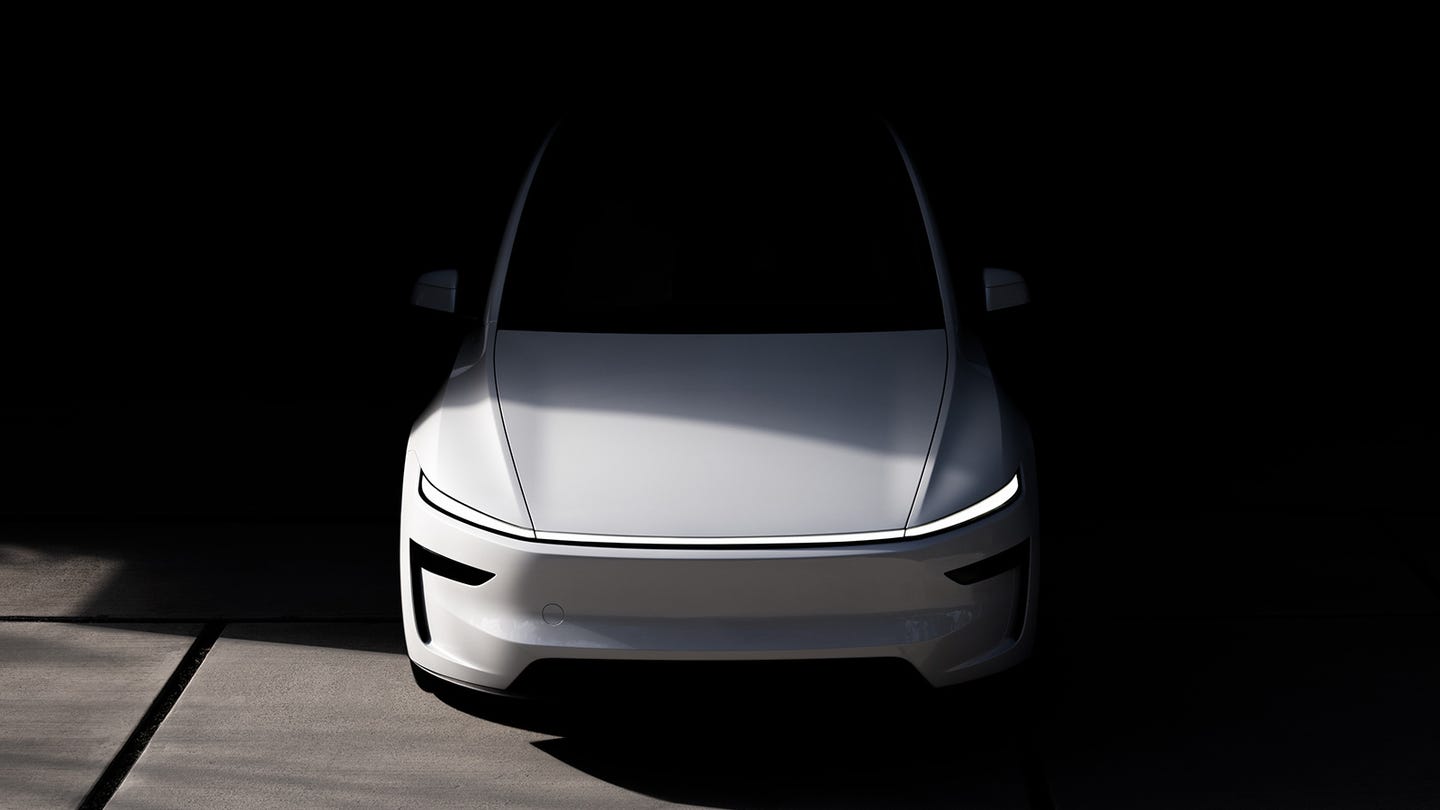
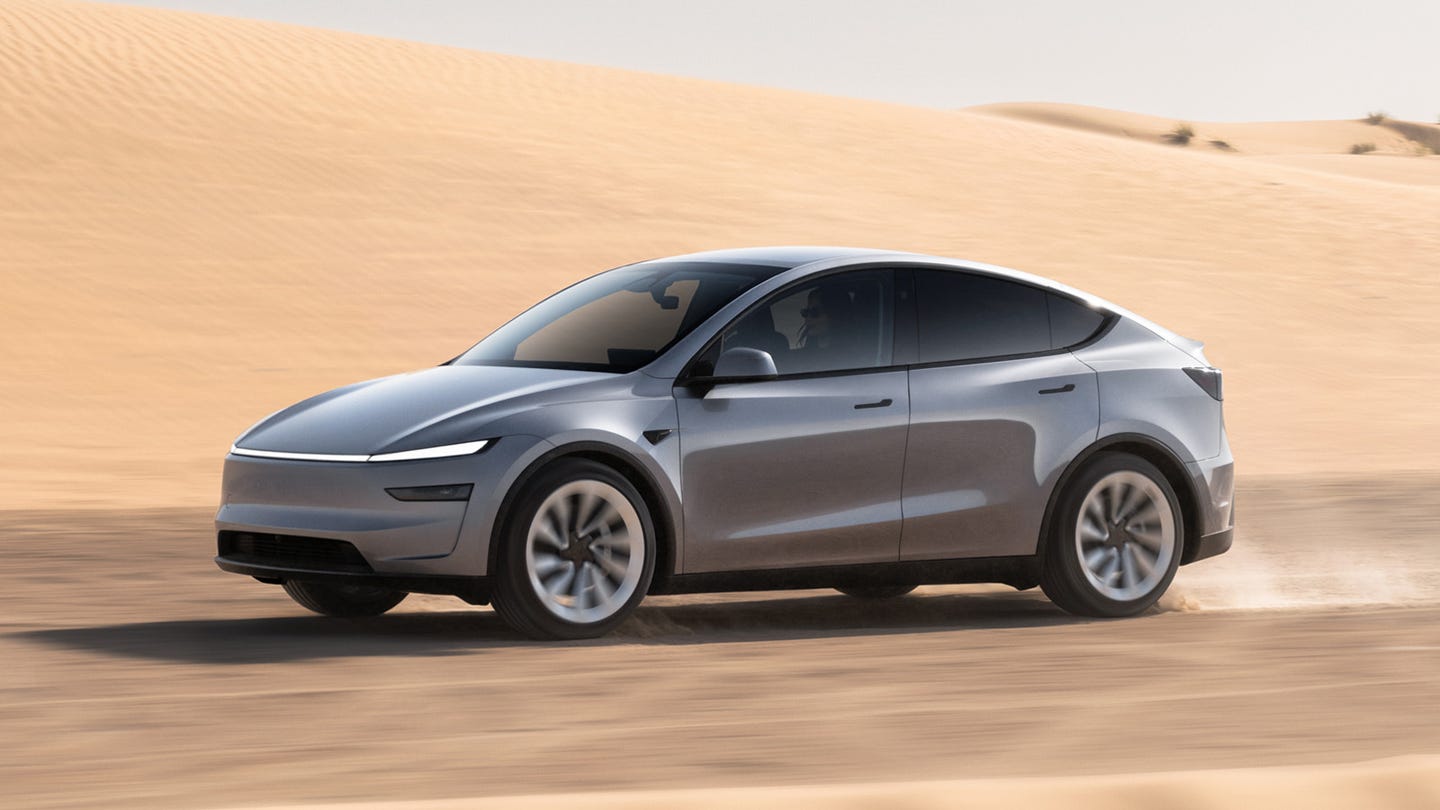
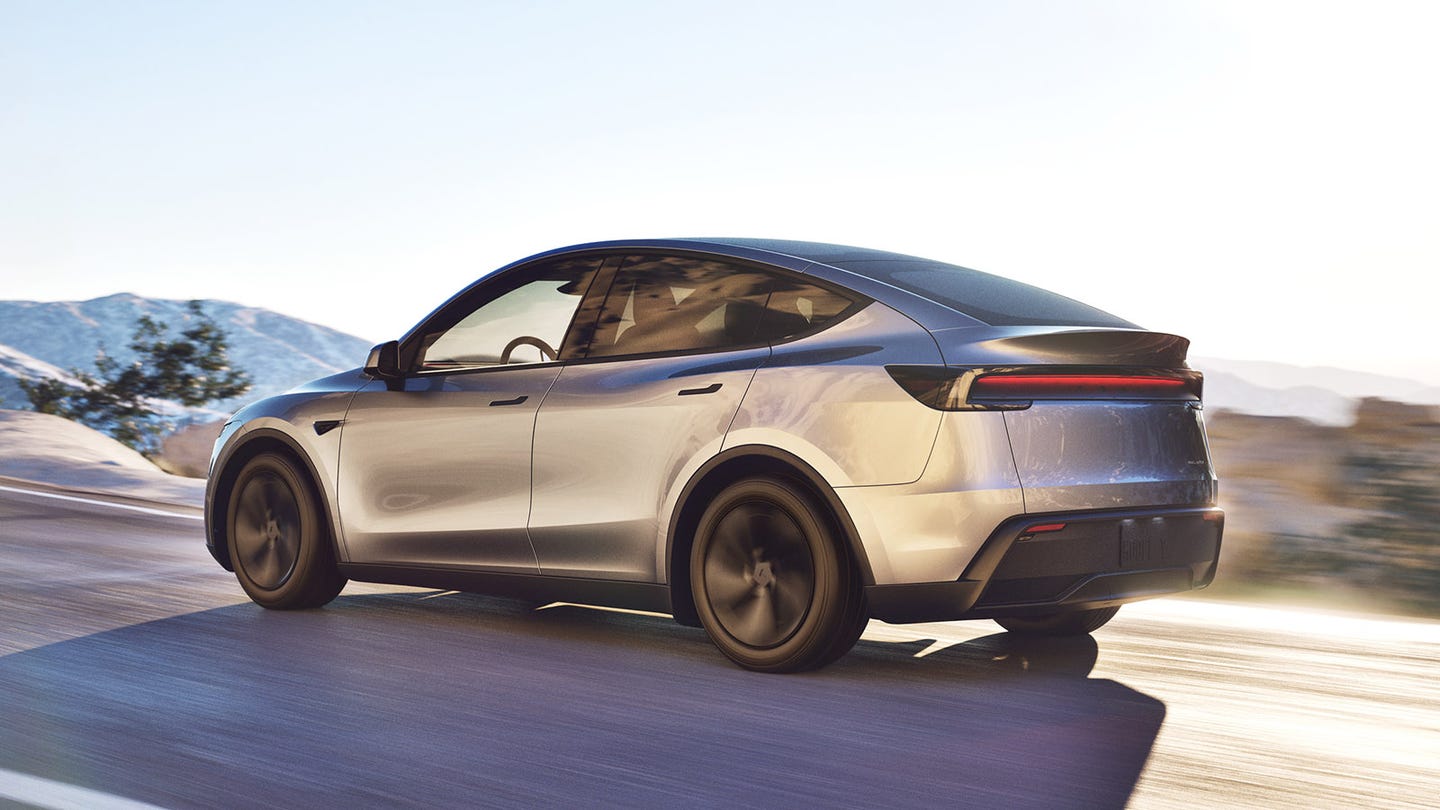
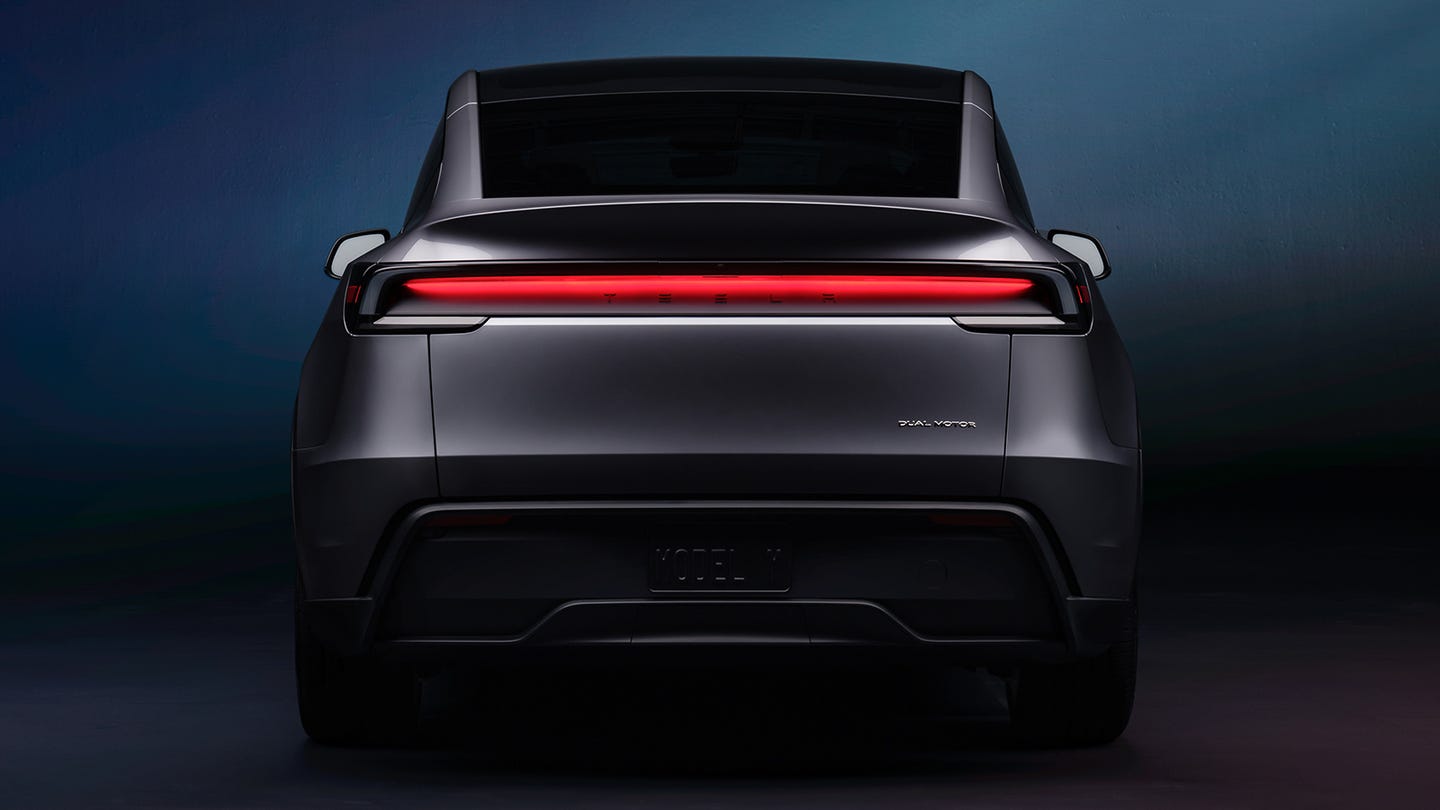
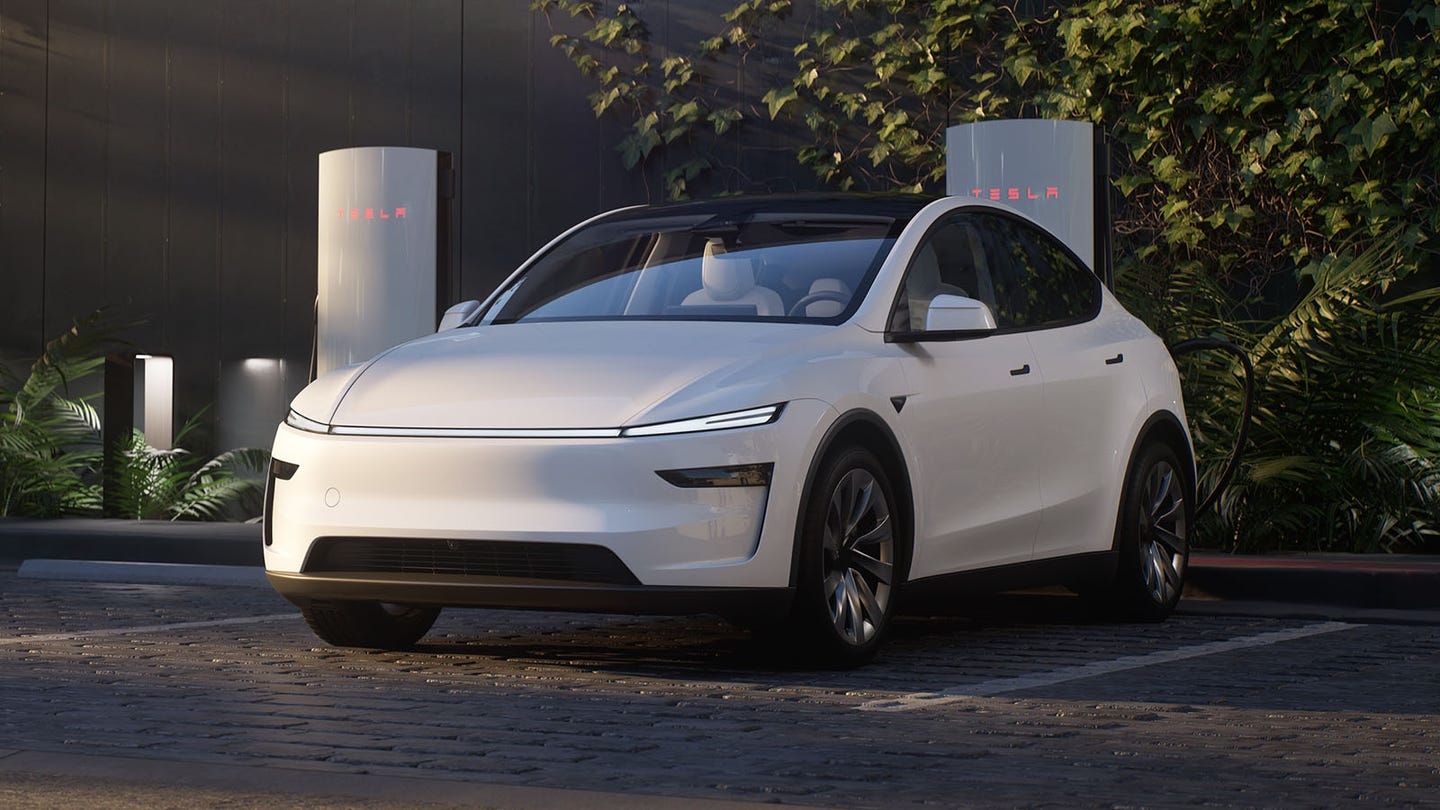
The Model Y is Tesla's most popular car, and often tops global sales charts. That's why its 2025 update – informally codenamed 'Juniper' – is such a big deal.
Older Model Ys had plenty of plus points, but they fell short of the competition in other areas. Refinement and ride quality were underwhelming, and Tesla's baked-in distain for physical buttons made some dashboard functions tricky to use.
Tesla claims to have addressed many of those complaints with the latest Model Y, so let's see if the changes have worked…
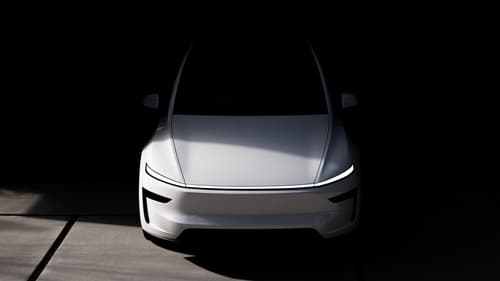
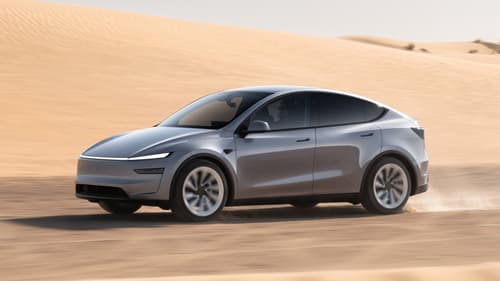
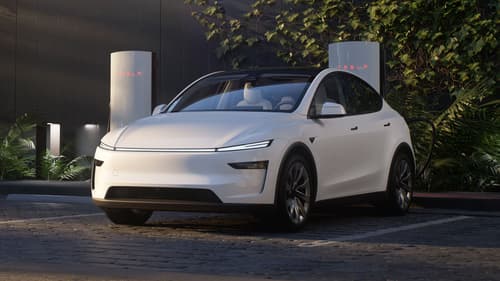
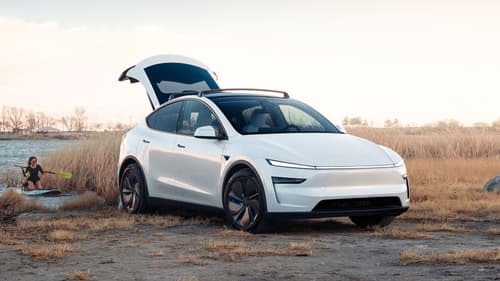
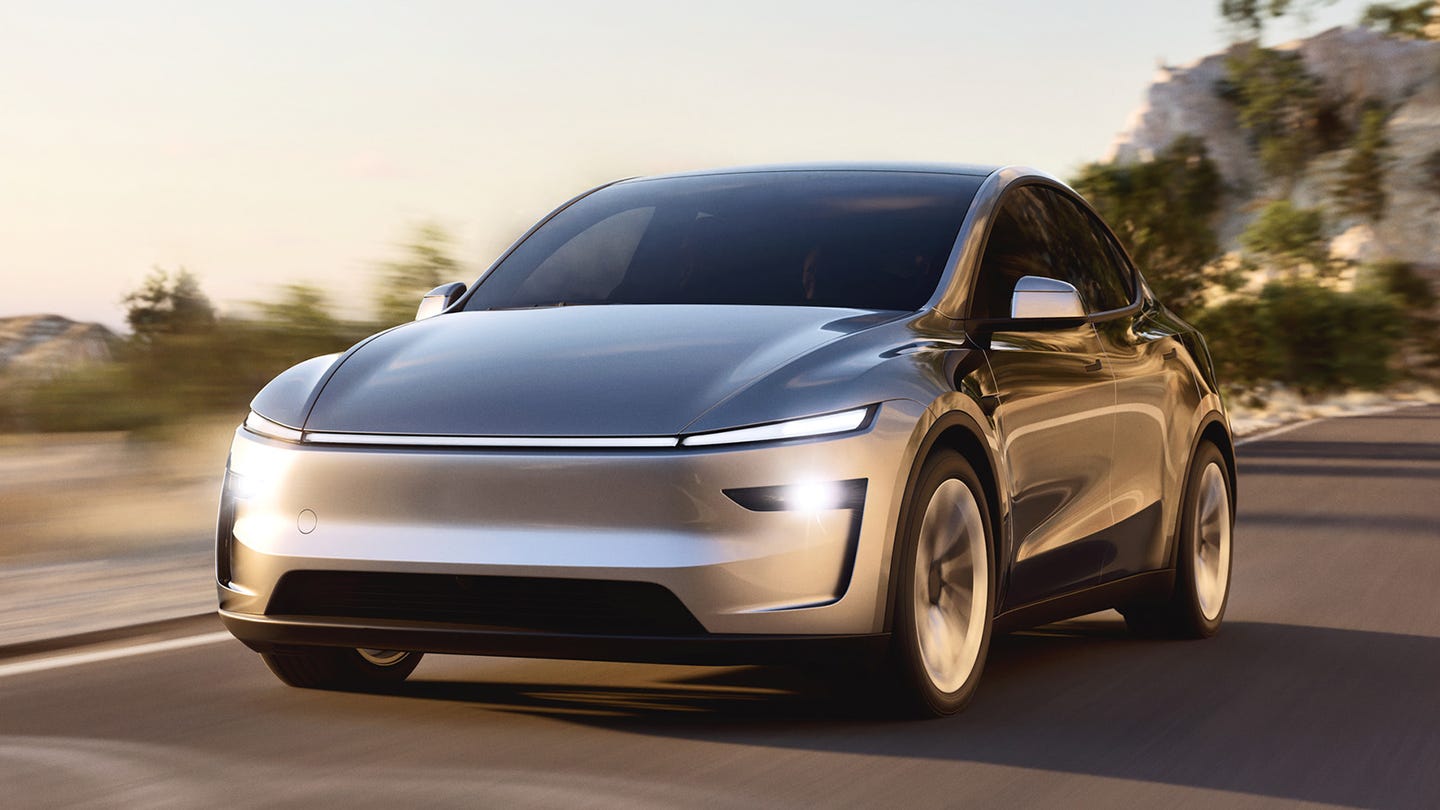
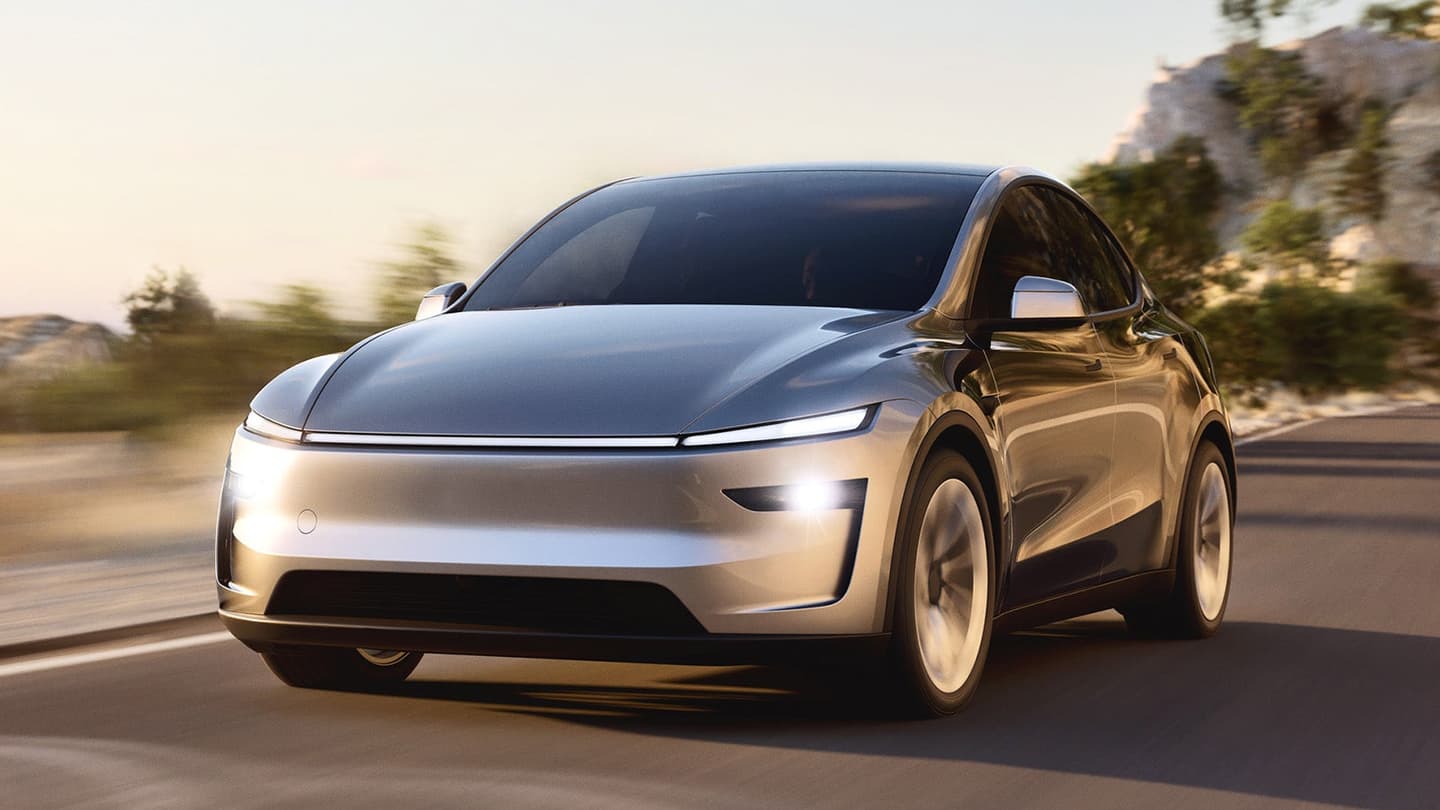
Most of the changes are under the bodywork, but let's check out the updated metalwork first. Starting at the car's new sci-fi front end, with a prominent LED lightbar on Premium models helping the Model Y look, well… just like every other electric SUV at the moment. The actual headlights are hidden beneath the bar in their own slim housings.
Elsewhere, the overall profile of the Model Y remains the same, with a blobby body and dumpy proportions. That may not sound flattering, but the shape makes the car incredibly aerodynamic without compromising cabin space.
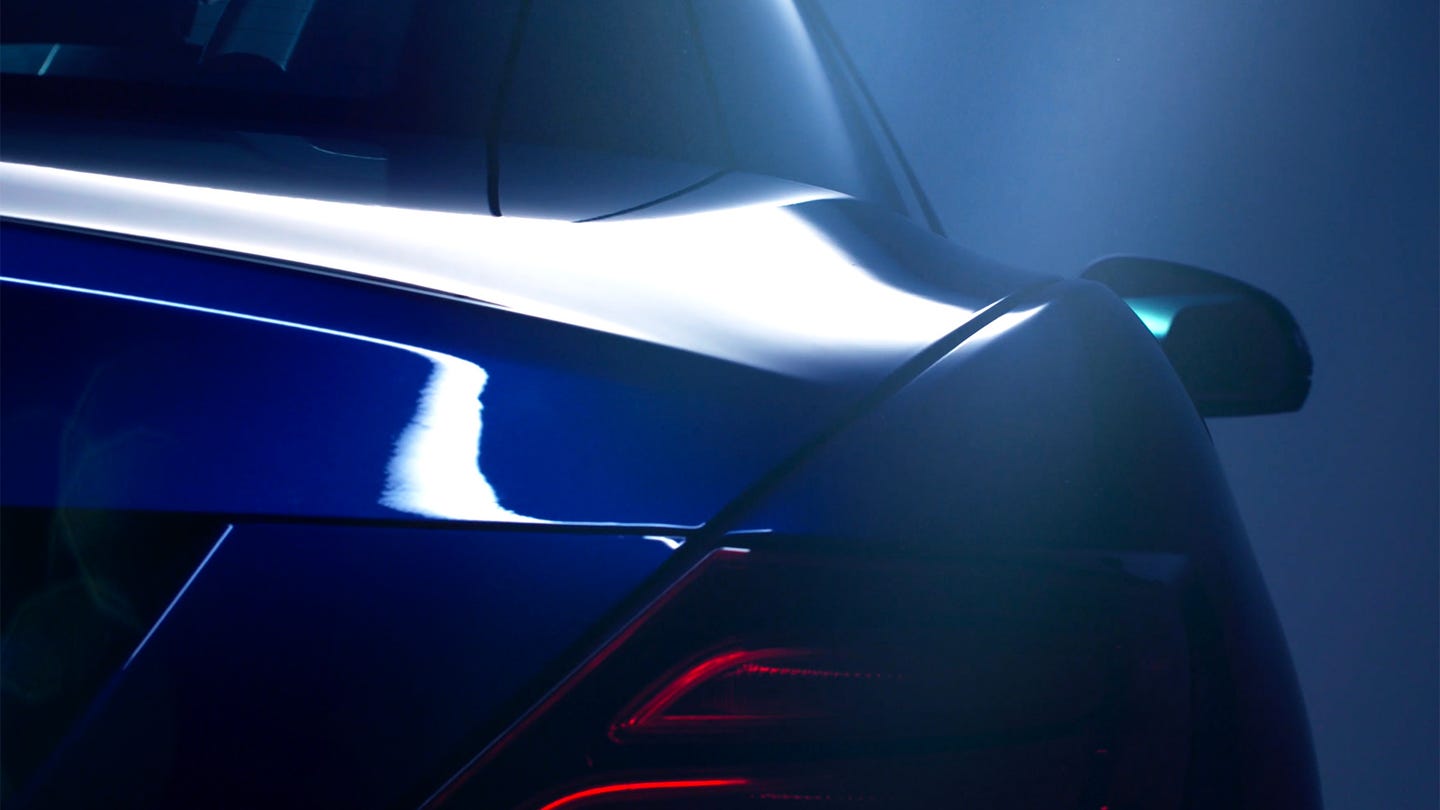
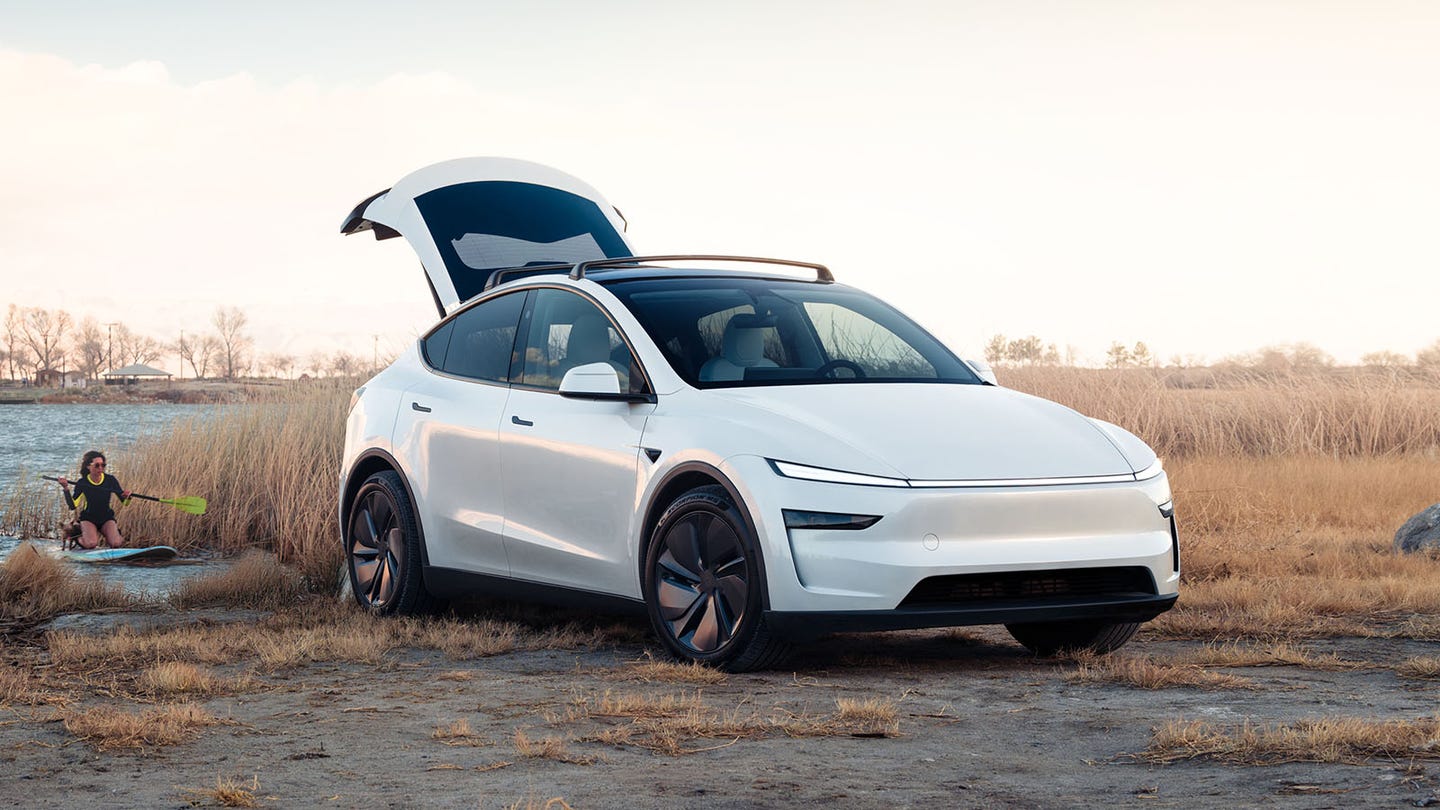
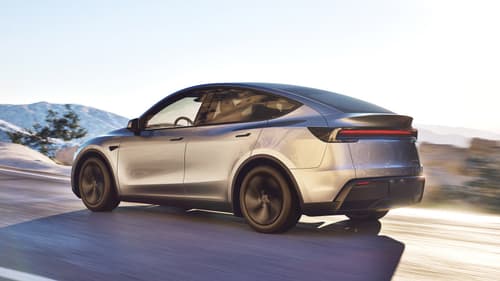
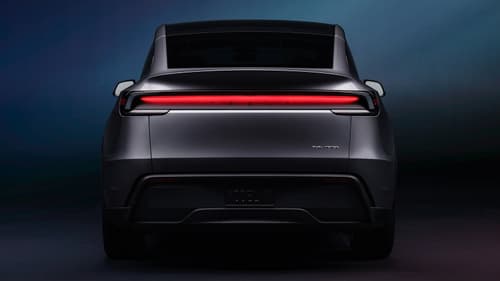
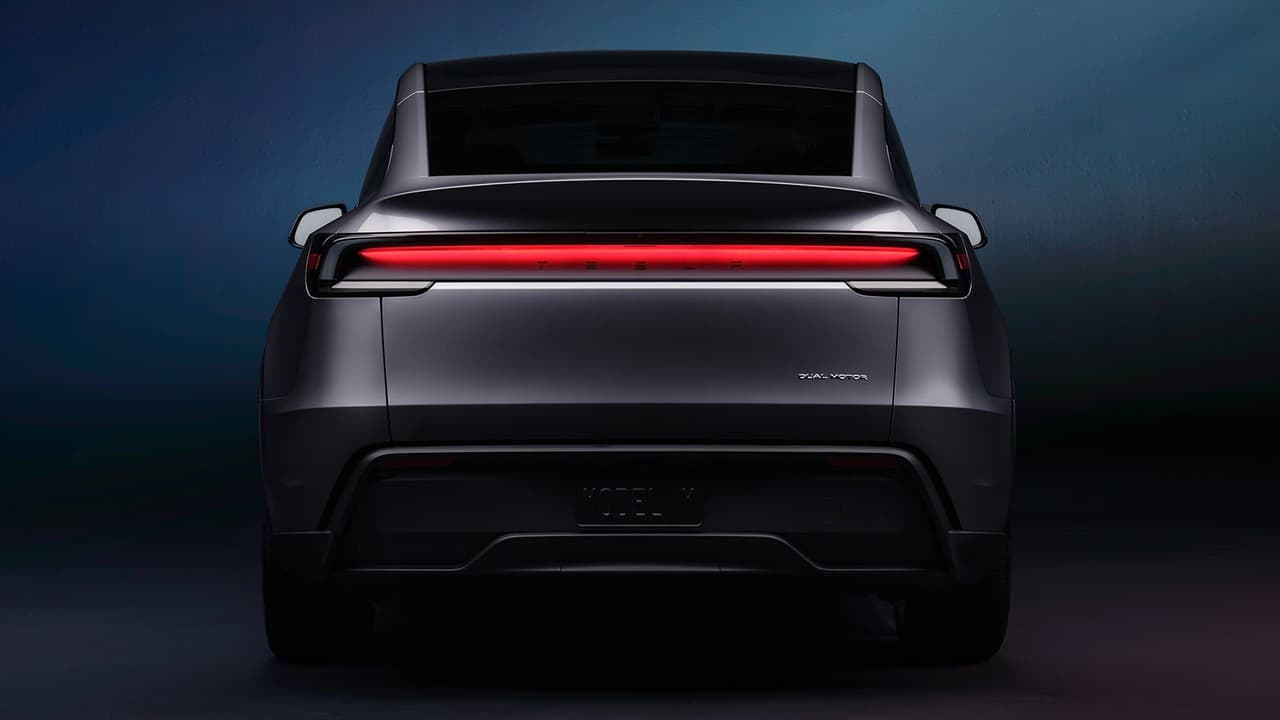
At the back, Tesla has redesigned the rear bumper and boot lid, smoothing off the surfaces and simplifying the point where they meet on the body. This reduces production costs but, more importantly, means repairing rear-end collisions should be a bit cheaper. You'll also find another light bar stretching across the back end, but this one is actually matte black plastic that's indirectly lit by hidden LEDs, creating a soft red glow.
"We can't deny it's entertaining to have so much acceleration under your foot. Prod the pedal and you'll quickly feel like the scenery is passing by on fast-forward"
Most EVs are bought based on their specs. The Model Y still performs strongly here, but the rest of the industry has now caught up, with cars like the BMW iX3 and Volvo EX60 going further and charging faster. Entry-level Model Ys return around 300 miles, while long range cars raise this to around 380 miles. Max charge speeds are a healthy 250kW, and the ease and availability of Tesla's Supercharger network means long journeys are easily tackled.
Another sensible addition is a new mid-range battery and motor setup. Previously, there was just a small-battery, single-motor car or a big-battery, dual-motor car (ignoring the speedy Performance version for now). However, Tesla has added a new version with the big battery pack and a single motor. This might be the 'Goldilocks' choice for drivers, since it's still plenty fast without the second motor, costs a bit less, and still goes many miles on a charge.
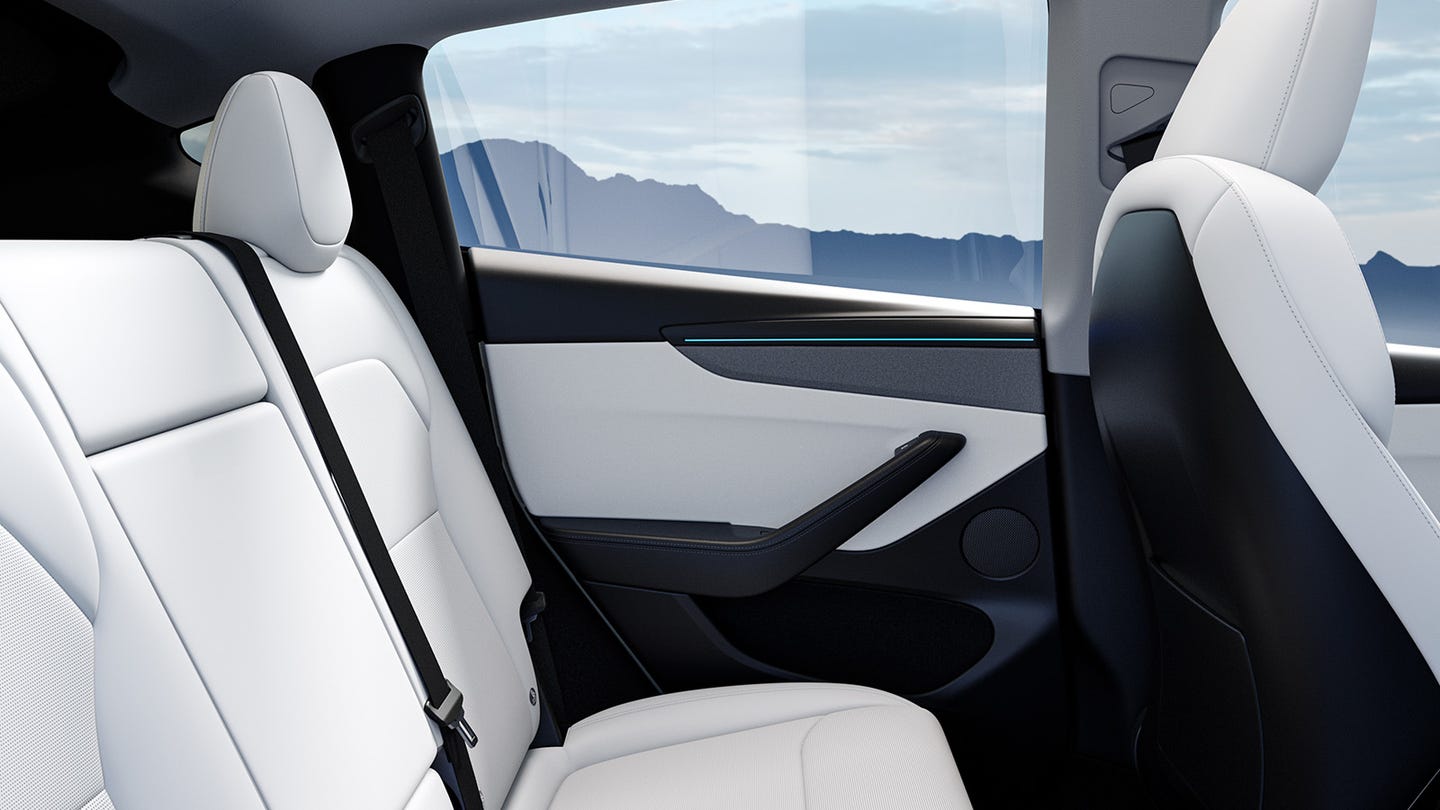
The more time you spend with the enhanced Model Y, the more you appreciate how wide-reaching Tesla's update is. Even the door panels – hardly a point of contention in the old car – have been restyled with new textile details and metal speaker grilles. We also like the new ambient light bar that starts in the door, wraps around the back of the dashboard, and stretches to the other door. This can be programmed to any tacky shade your heart desires, and also includes flashing effects if you want your car to mimic a Twitch streamer's PC for some reason.
We'll go into much more detail about the driving experience below but, in brief, the new Model Y acquits itself well on the open road. The old car was fast, but its chassis never felt tied down enough to handle all that power. Thanks to a stiffened structure and clever frequency-selective dampers, the new car feels much more coherent, with greater compliance over bumps and excellent composure at speed.
Keep reading to learn more about the new Model Y's interior, driving range and performance.
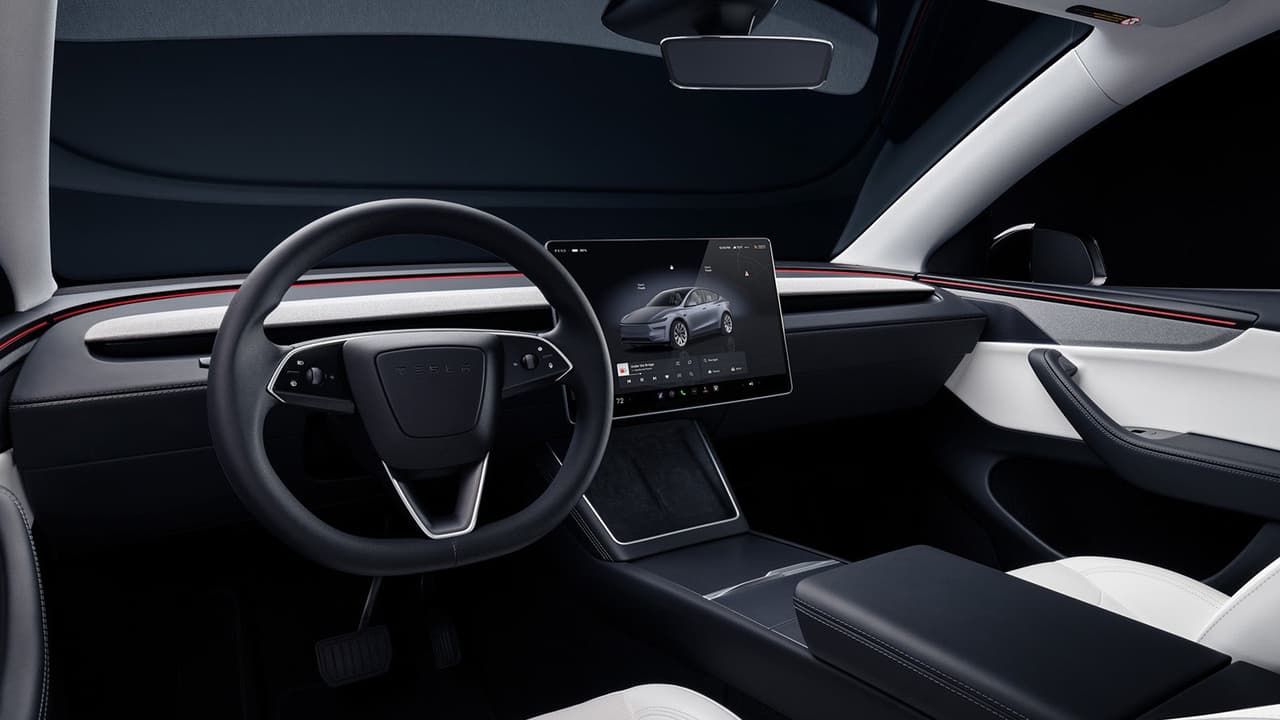
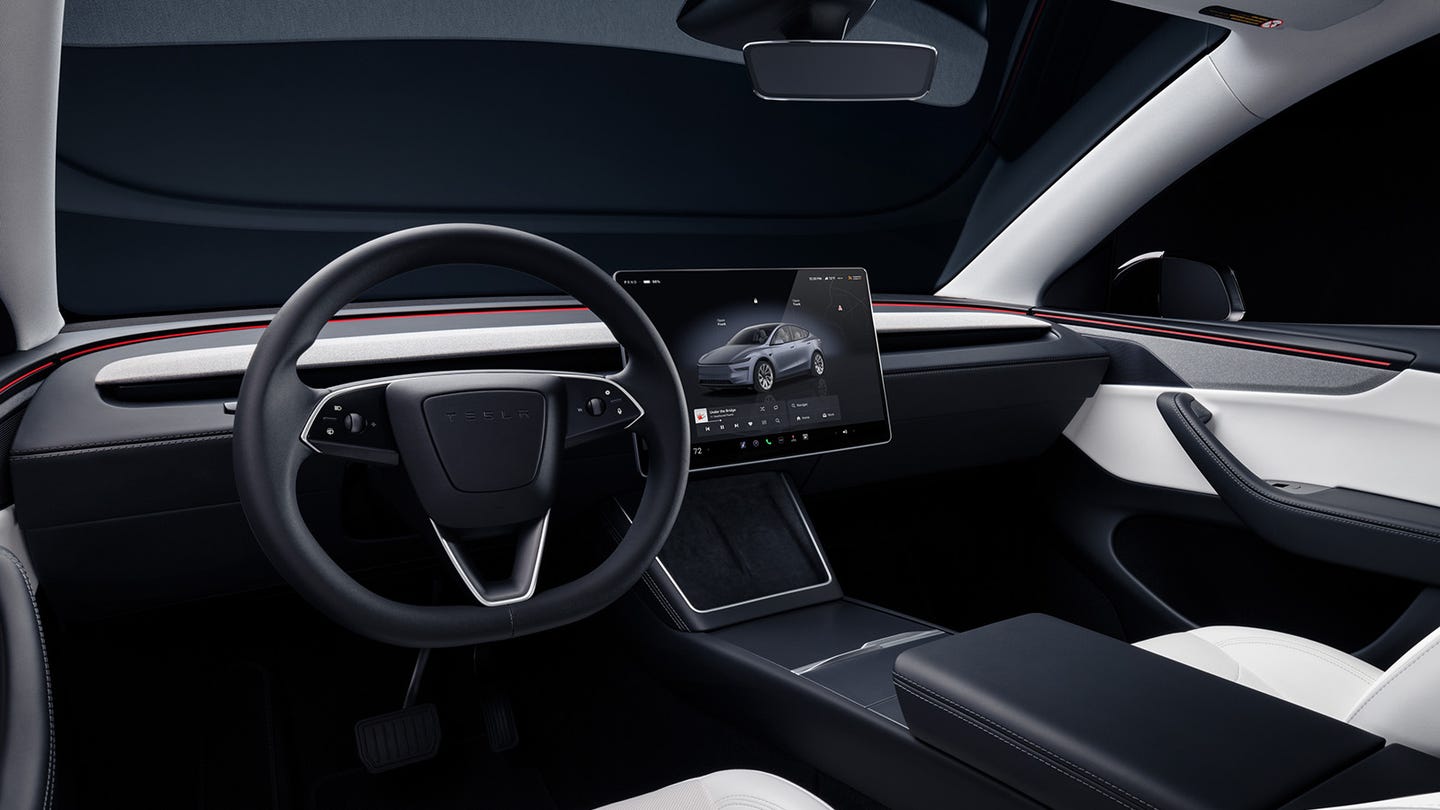
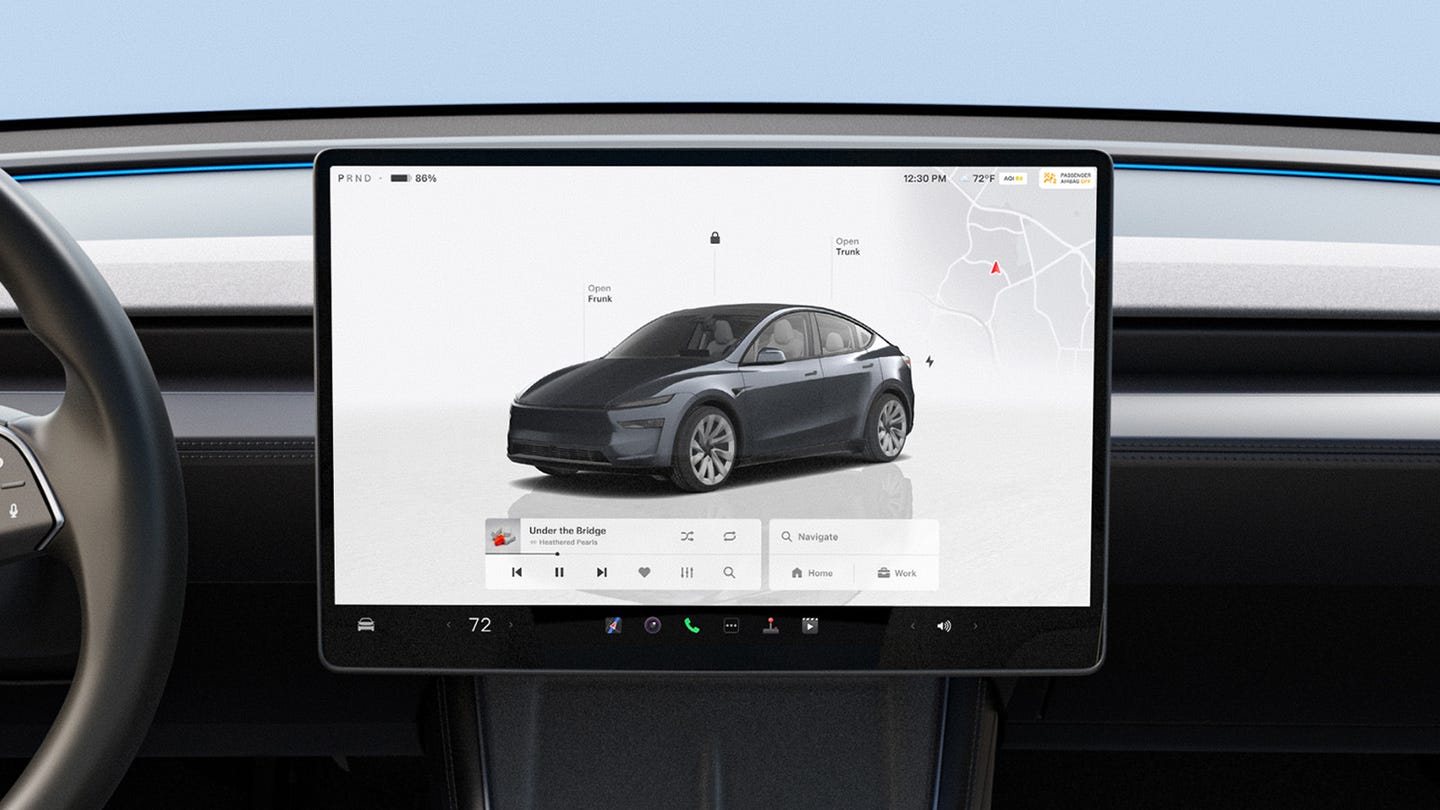
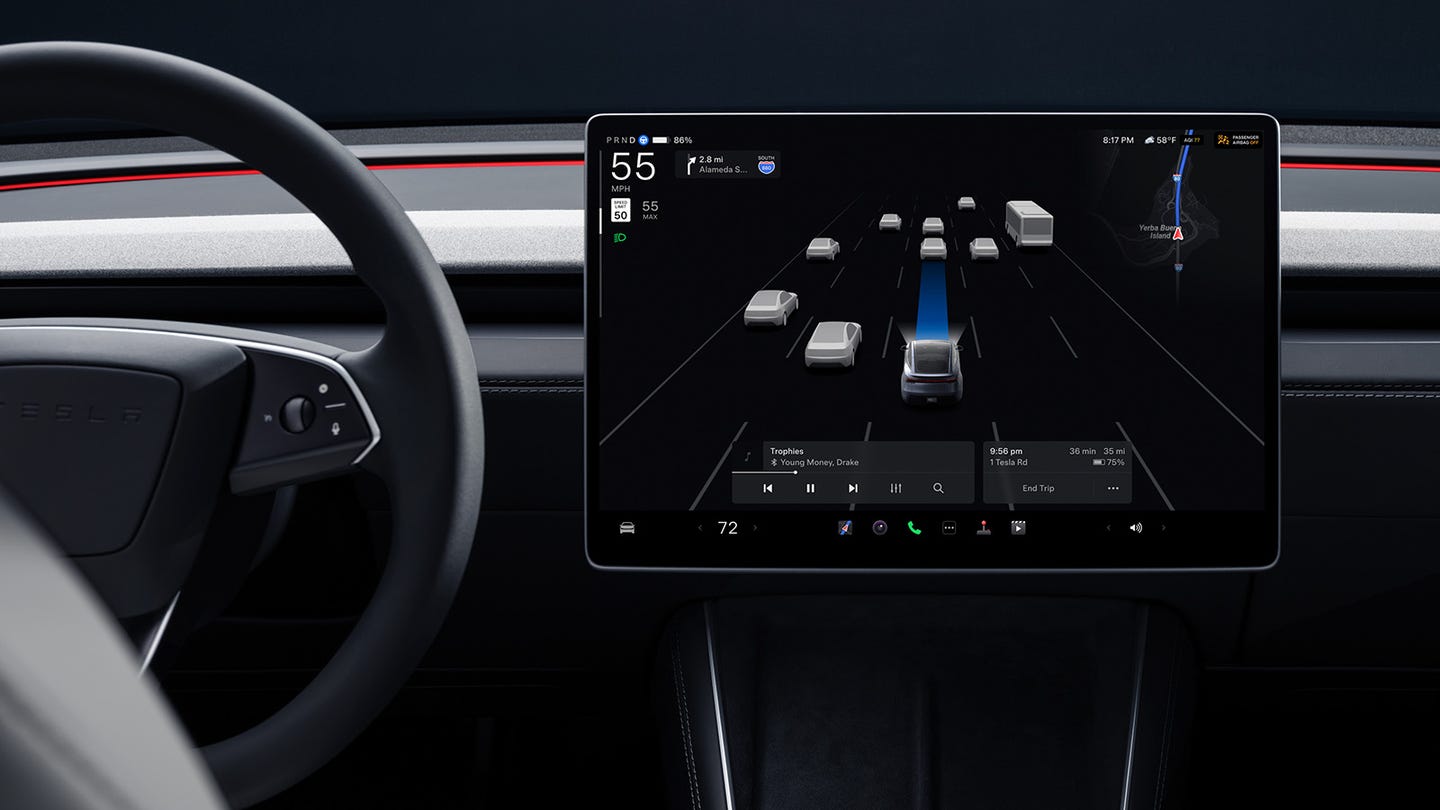
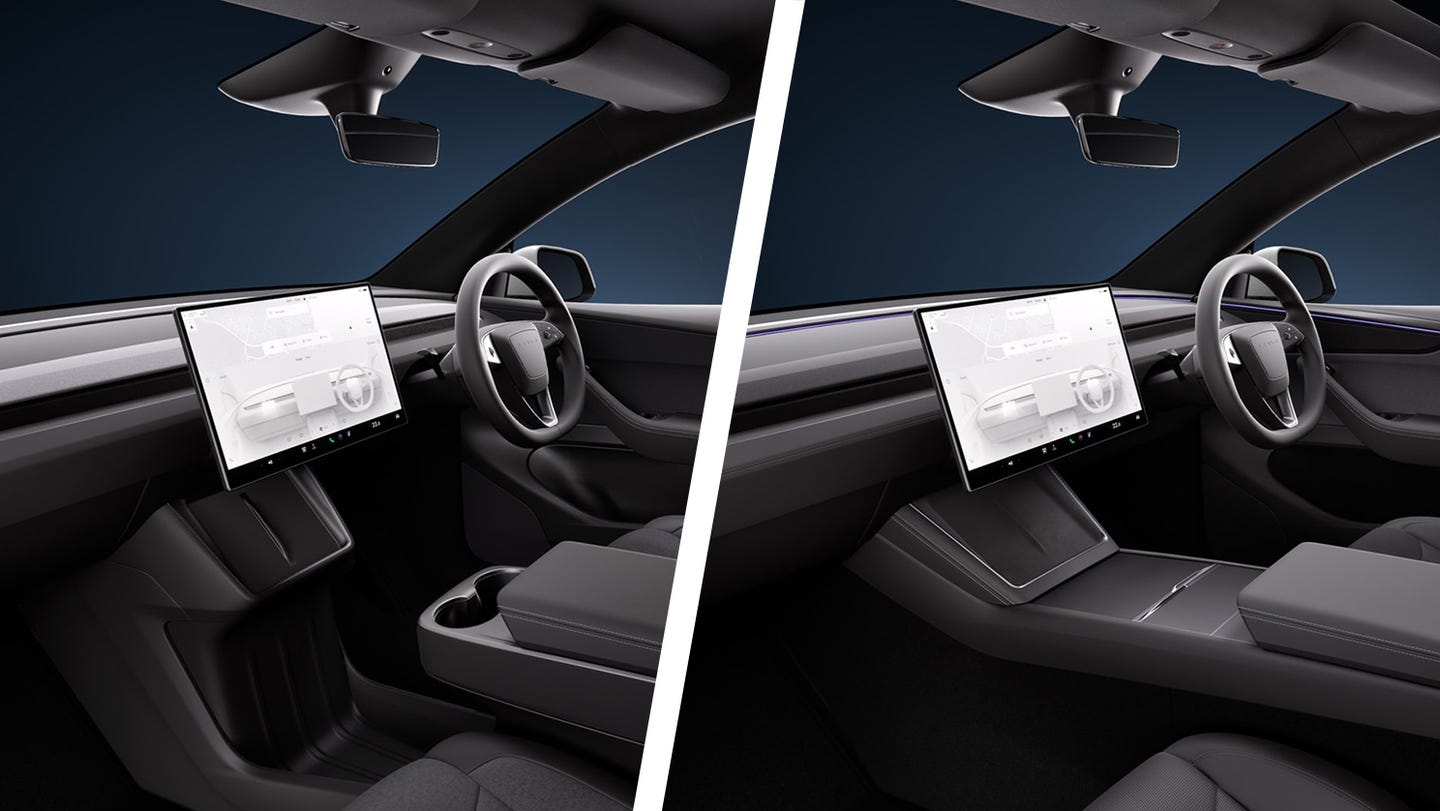
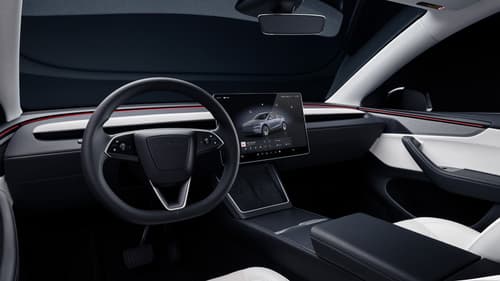
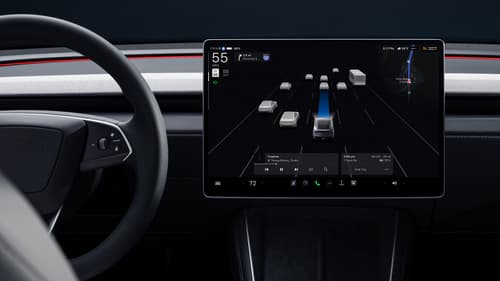
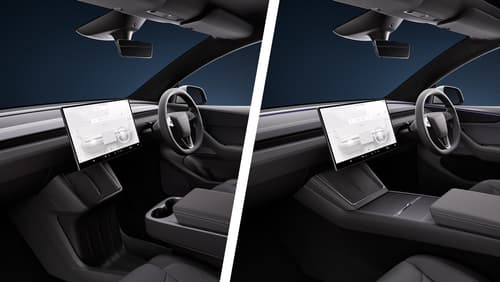
Inside, the Model Y's main touchpoints are unchanged. There's a nondescript centre console separating the front seats, and the monolithic centre screen ahead of that. The steering wheel sits alone in front of the driver with no instruments or binnacle behind it. There are pros and cons to this approach – we like the unobstructed view of the road ahead, but it's annoying having to flick your eyes over to the screen to see your speed.
Old Model Ys could be identified by the slightly Ikea-like strip of wood that spanned the dashboard. This has been deleted from the new car, though the overall dashboard is more-or-less the same slim shape. That includes the frustrating hidden air vents that can only be adjusted through the touchscreen.
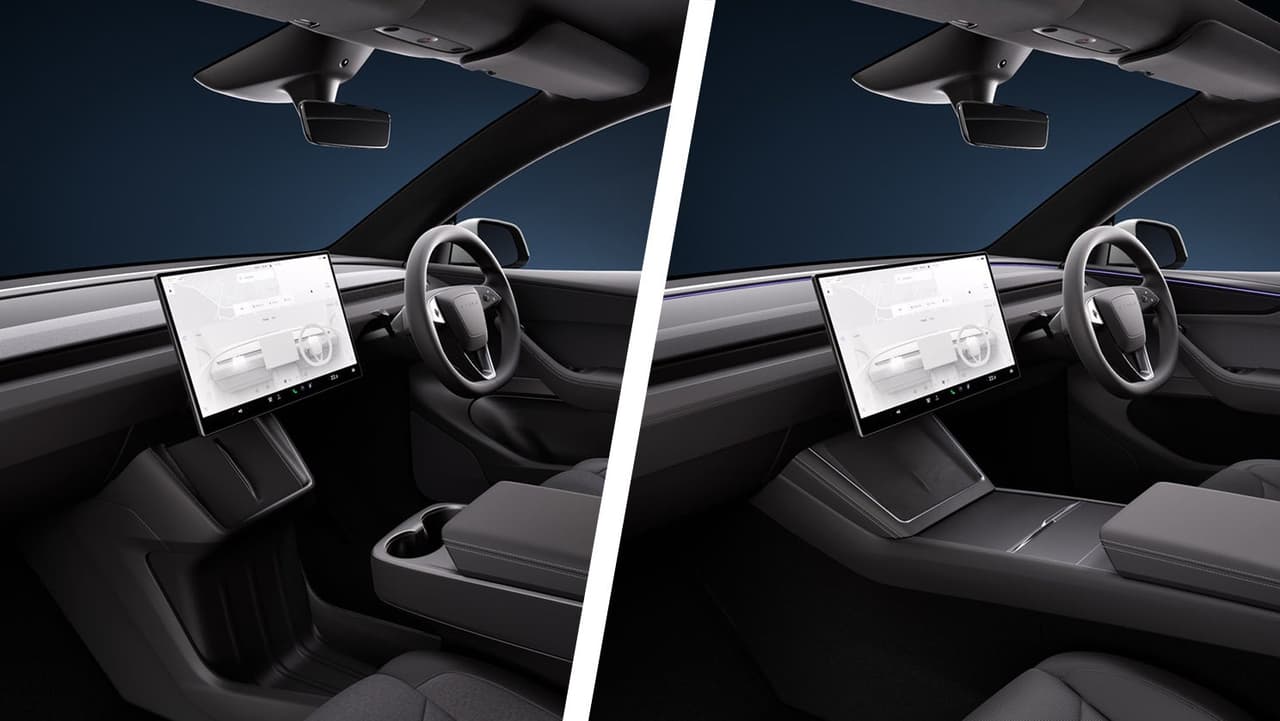
Another new addition for the facelift Model Y is the choice of standard or Premium trim levels. The former hits the headline £45,000 price point, but only comes with the small battery and a 309-mile range. You also miss out on features like the exterior light bars, the interior ambient lighting and the vegan leather upholstery on Premium versions. Nevertheless, standard kit is still generous with climate control, sat nav, heated front seats, a heated steering wheel, two wireless phone chargers and adaptive cruise control.
Spend the extra £5,000 for a Model Y Premium and you unlock a bigger battery and a faster motor, plus a host of extras. These include heated and cooled front seats, power-folding and heated rear seats, more stereo speakers, and an eight-inch centre screen for rear passengers.
Premium Model Ys also have an expansive panoramic glass roof. This floods the cabin with light and has a UV treatment to block out the sun's heat and glare. You might feel a bit short-changed if you bought a standard Model Y, however, as its roof is also made of glass, but there's a fabric headliner inside to completely obscure the view out. Apparently, the reason is that it's still cheaper for Tesla to fit a glass here rather than metal, but the pane used on standard Model Ys lacks the tinting, lamination and UV coating of Premium cars – hence requiring the cloth liner.
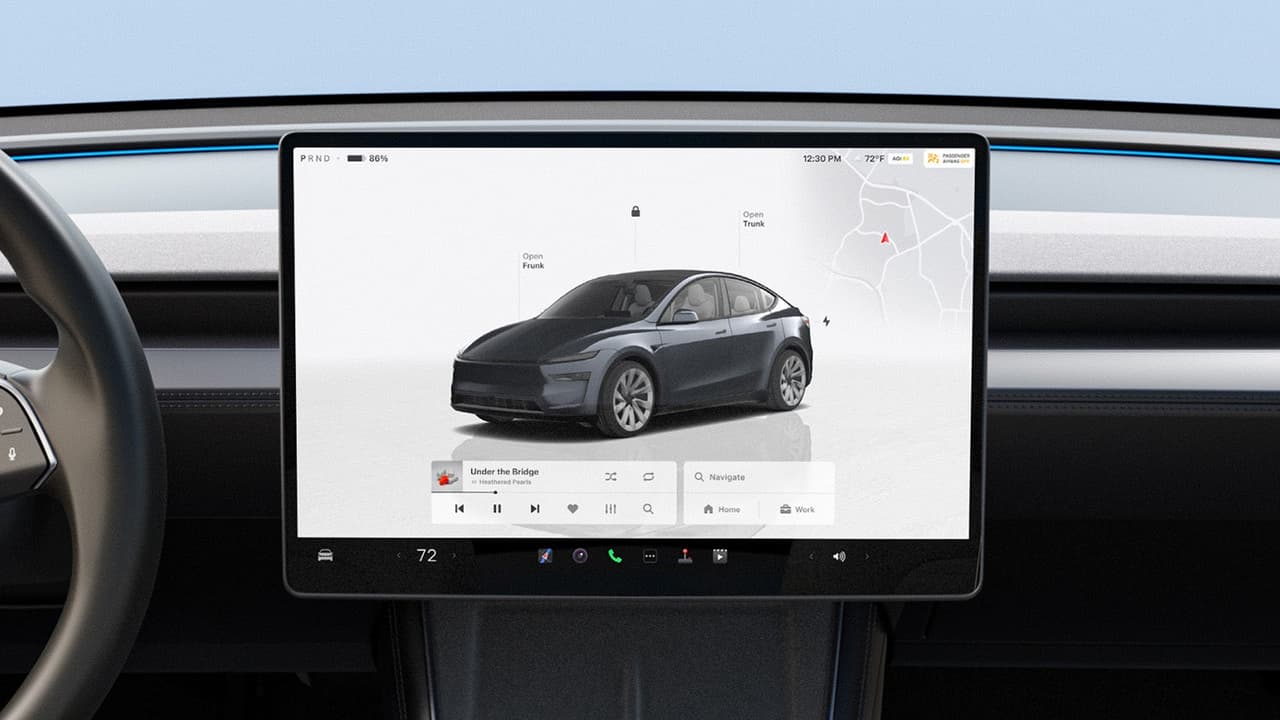
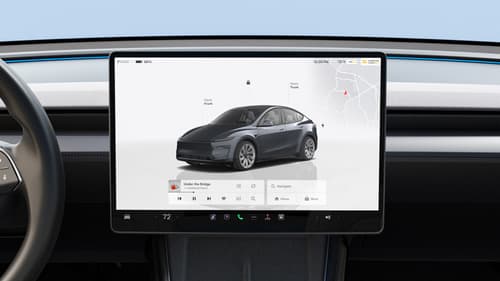
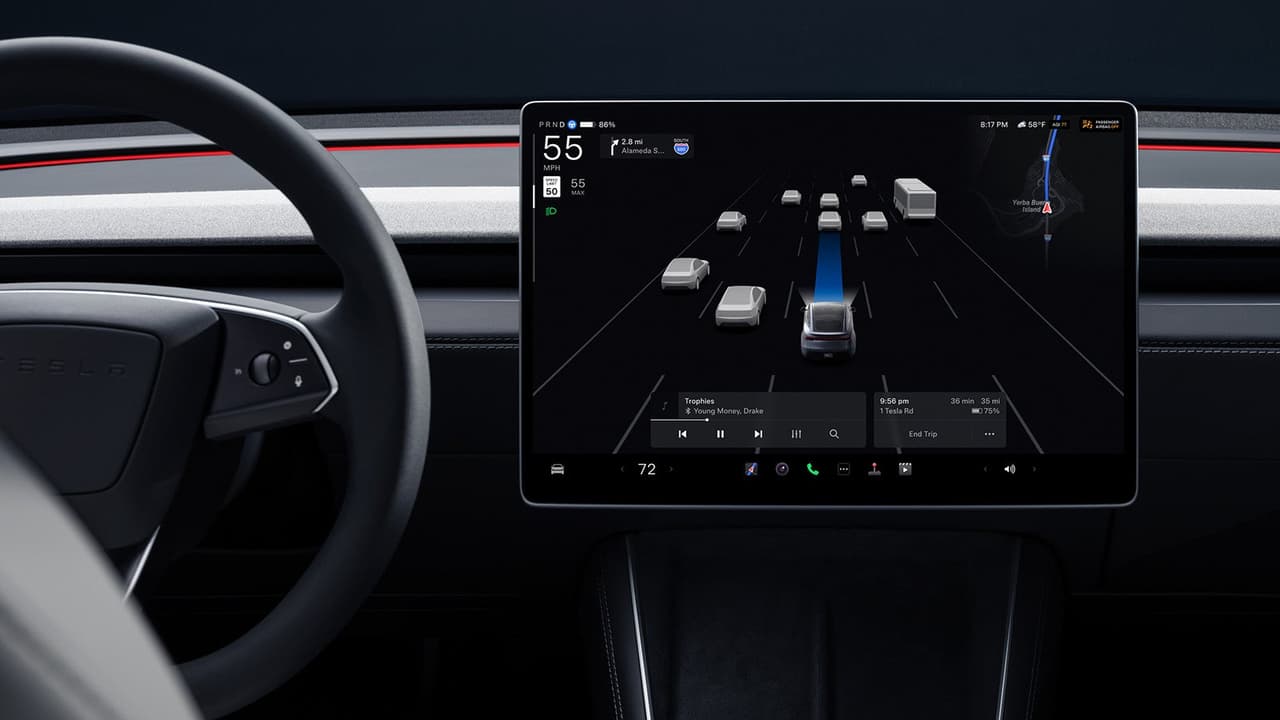
Of course, you can't talk about a Tesla without mentioning its omnipotent infotainment system. All cars have the same 16-inch landscape panel plonked in the middle of the dash, and it's responsible for virtually all the car's functions. Like so many rivals that copied Tesla's approach, the biggest downside here is that the system and its menus struggles to bear the weight of so many functions crammed into one place. Even basic things like adjusting headlights, steering-wheel position or door-mirror angle need you to fiddle about in submenus – rather than simply reach for a familiar physical control.
Eventually, however, you'll learn your way around the dozens of functions and start to feel at home with the setup. The sheer breadth of things you can do is also impressive. You'll find streaming TV for when you're parked, plus a selection of popular video games like Cuphead and Vampire Survivors. There are also wacky 'Toybox' features like whoopee cushion sounds, flashy lighting effects, or making your sat nav look like the surface of Mars.
For all the system's capability, however, there are some substantial drawbacks to consider. For starters, the Model Y only gets 'Standard connectivity' for free, and this only has basic sat nav and Bluetooth music streaming. 'Premium connectivity' is a £9.99 monthly subscription, accessing native streaming for music and video, a satellite view for the sat nav, plus speed camera and weather info. Frustratingly, you can't bypass this irritation since Tesla doesn't support Apple CarPlay or Android Auto. But worst of all, even the 'Standard connectivity' expires after eight years – at which point your Tesla will have no sat nav and virtually no digital features until you set up a subscription.
Tesla does earn some props for fielding the only car in this class with a screen for rear-seat passengers – a feature still mainly reserved for proper luxury cars. It's included on Premium Model Ys and doubles most of the front-screen functions, as well as allowing video playback while driving. Being picky, it's positioned a bit low, so you might get a crick in your neck if you're watching a long movie, but it's still a great addition at this price point.
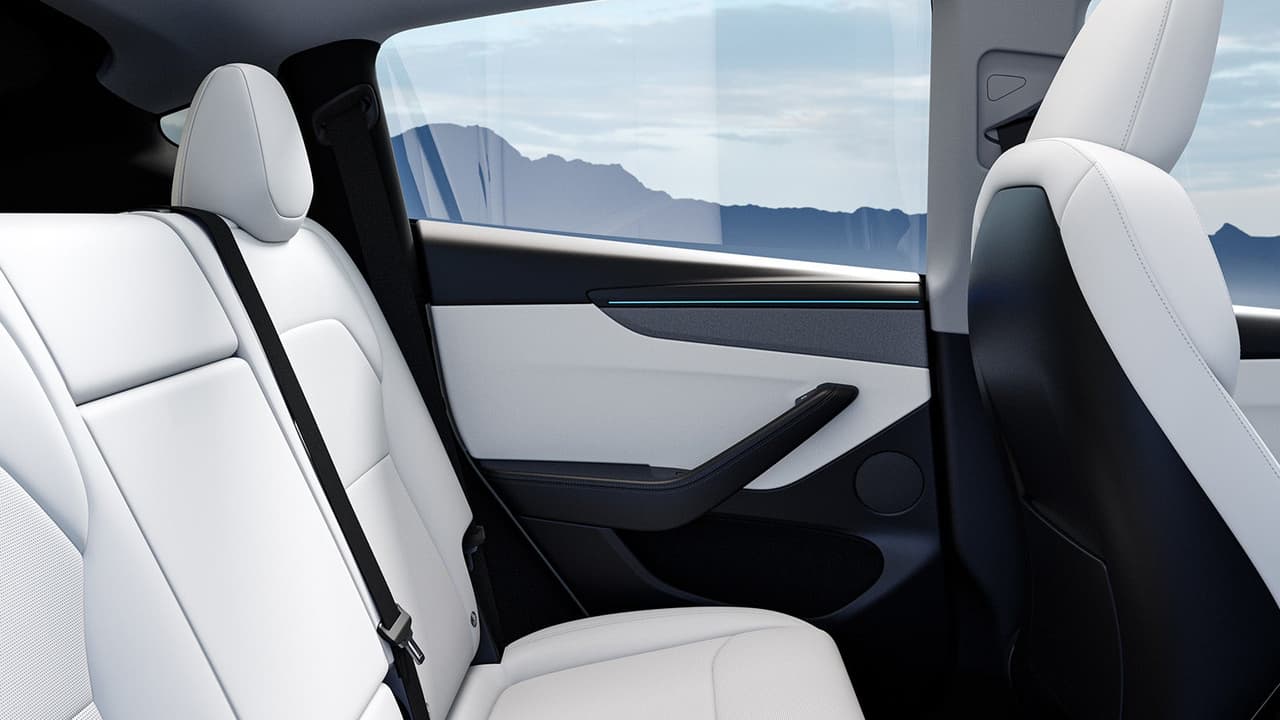
With no major changes to the Model Y's shape or size, practicality is effectively the same as older cars. That's no bad thing, however, because the Model Y was already one of the most spacious cars in its class.
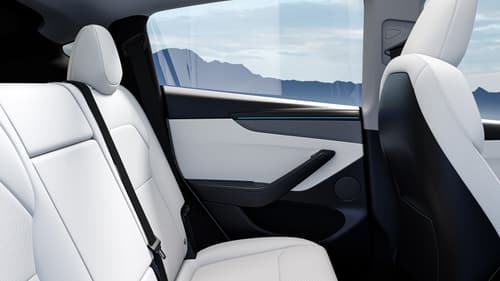
There's lots of flexibility in the front, so even the loftiest of basketball players should find enough legroom and steering-wheel adjustment to get a dialled-in driving position. And, even with the front seats pushed all the way back, there's still space for a full-sized adult in the rear seats. Centre-rear fifth-seat passengers also get a better deal in the Model Y than typical SUVs thanks to its totally flat floor.
Visibility is reasonably good overall, but particularly impressive out the front since there's nothing but the steering wheel in front of your face. We did find it a little tricky to tell exactly where the front of the car was, however, since the bonnet sweeps steeply downward. Thankfully, the car's TV studio's worth of cameras means parking is generally easy. That's handy since rear visibility is still pretty poor thanks to the car's high boot line.
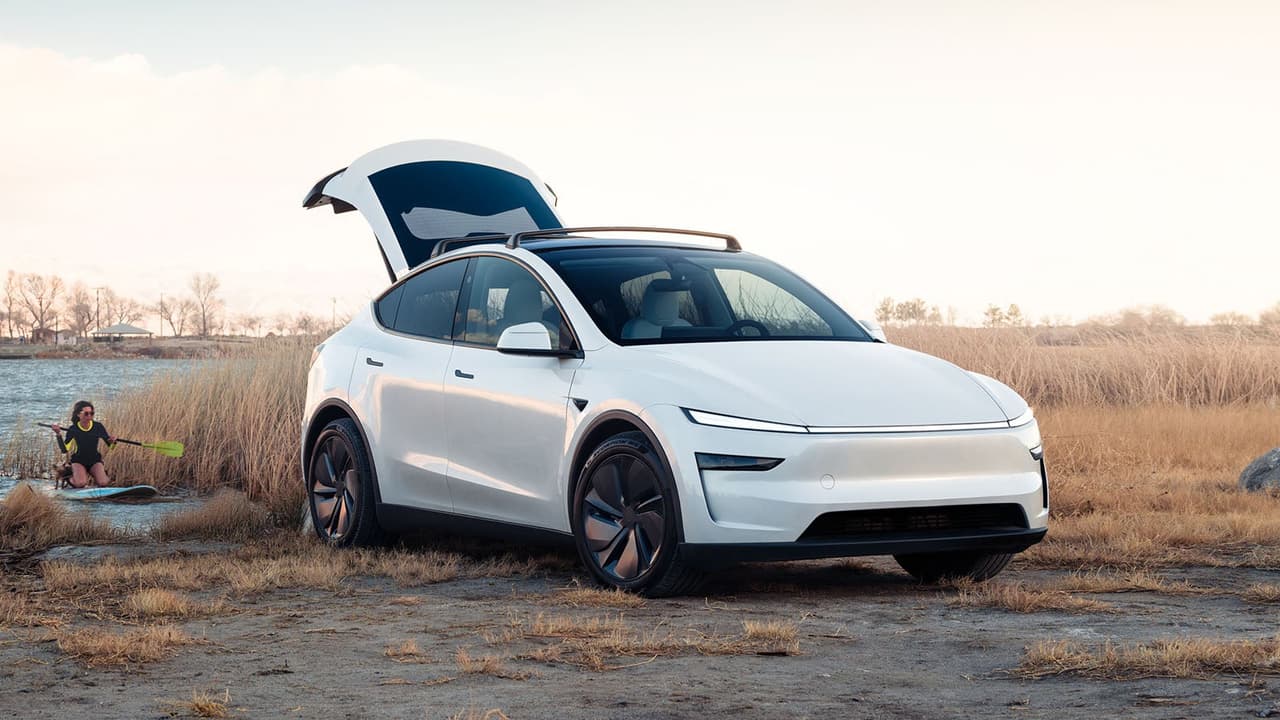
On paper, the 854-litre boot is substantially bigger than all rivals. But Tesla cheekily quotes the space measured all the way to the roof, rather than to the parcel shelf, which is the industry standard. Despite these fudged numbers, the Model Y is still a tremendously practical car, with a big, square and wide cargo area, plus better access than the Model 3 thanks to the Y's hatchback-style boot lid.
That's not the end of it, either, since Tesla also includes a generous 'frunk' under the bonnet, which will happily swallow a cabin-sized suitcase. Inside, there's a deep centre storage cubby between the front seats or, on standard Model Ys, simply a big open space where you could chuck a rucksack or handbag. Like the pre-facelift car, we have to dock some points for the glovebox which, infuriatingly, can only be opened via an on-screen control.
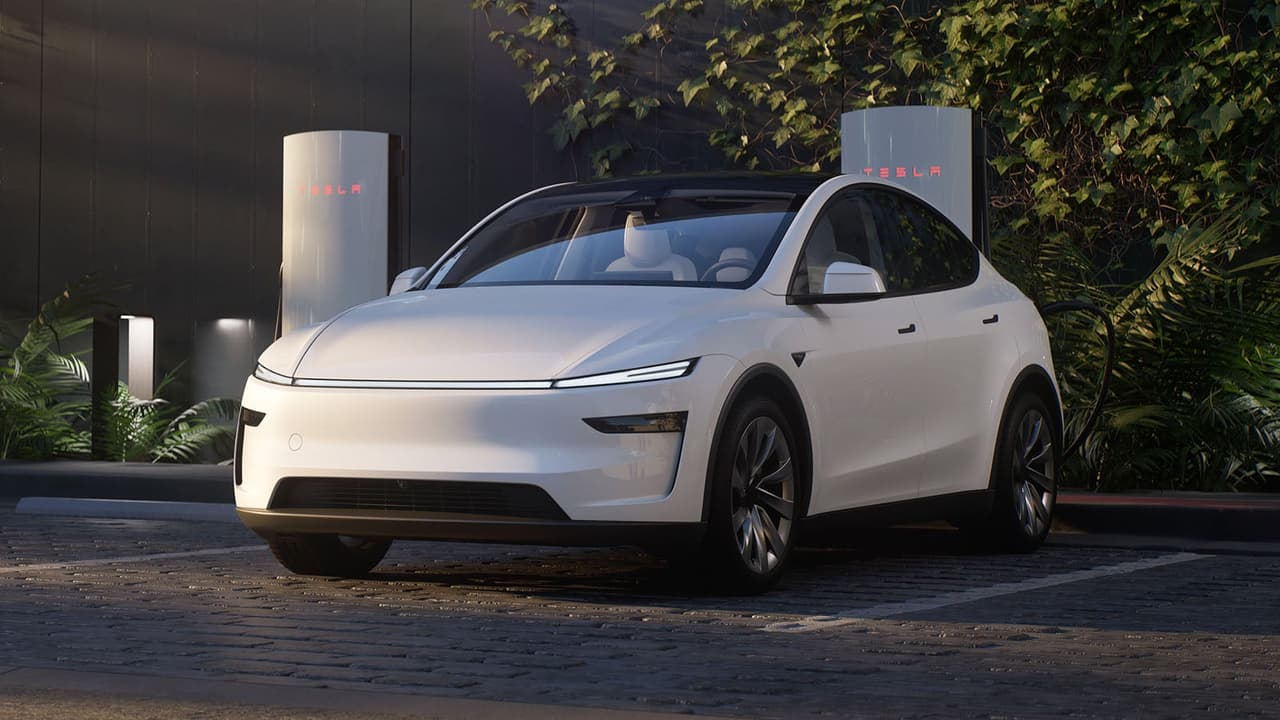
Our test car was a Model Y Premium with the long-range battery and dual-motor all-wheel drive. This means a healthy quoted range figure of 387 miles. That's a strong number by most standards, but the arrival of 500-mile cars like the BMW iX3 and Volvo EX60 means the Tesla is now only 'decent' rather than the obvious class leader.
That range number is also fractionally longer than the 375 miles quoted for single-motor long-range cars. The difference existing, presumably, mainly to justify the extra £3,000 price increase from single-motor to dual-motor models.
Big-battery cars like this will charge at a claimed 250kW. Again, that's respectable but just a bit behind the class leaders, which are all closing in on 400kW. Tesla says the new Model Y will recover around 160 miles of driving from just 15 minutes of charging.
All versions of the Model Y are quick. The standard car dashes from 0-60mph in 6.9 seconds, which is nearly hot hatch territory. Be aware that Tesla quotes North American 0-60mph times rather than the 0-62mph (0-100km/h) times we're used to in Europe. Upgrading to the single-motor Premium drops the sprint time to 5.4 seconds, and adding our dual-motor setup shaves another second off that. Those kind of speeds were reserved for supercars just a few decades ago.
We can't deny it's entertaining to have so much acceleration under your foot. Prod the pedal and you'll quickly feel like the scenery is passing by on fast-forward as your head is pressed harder into the seat. That said, the Model Y will mainly be used as a sensible family car, and we reckon this version might simply have too much power. You so quickly become accustomed to the prodigious thrust on tap that it's easy to overuse it, and have to work the brakes hard as road conditions change.
We think most drivers will be much better off with the long-range single-motor car. This still has the effortless acceleration we expect from EVs, but it's noticeably cheaper than the dual-motor car and its character is a little less manic.
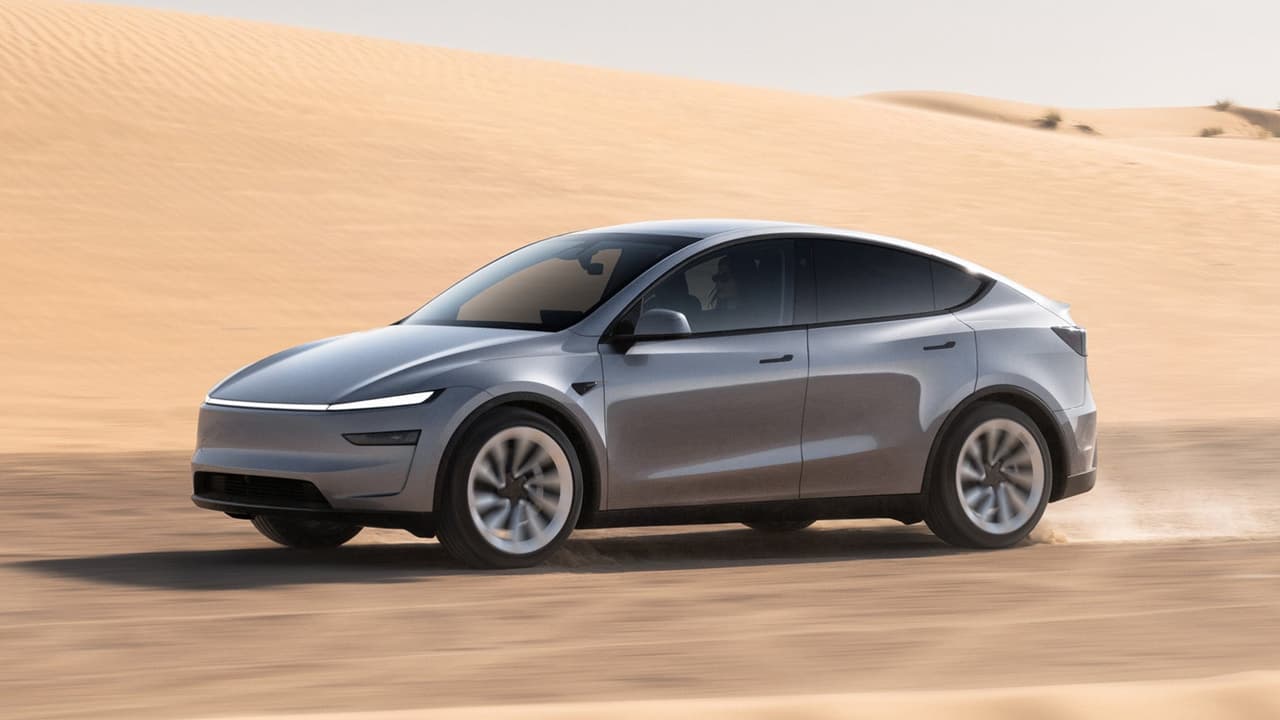
This was an area where the old Model Y underperformed. It was very fast, but the suspension was too firm and the handling was too hyperactive, which made the car feel nervous in certain conditions. Tesla's addressed this firstly by lengthening the new car's steering rack so it responds more slowly, and by fitting clever frequency selective dampers to Premium-trimmed cars.
Both additions are welcome and represent a substantial improvement over older Model Ys. However, it's still not perfect. The steering's reactions have been tempered, but it's still too quick, and small movements of the wheel send the car darting off its line. Plus, the power steering assistance feels quite light and artificial, so sensing how much grip is available and whether the car is tracking straight can be occasionally tricky.
Those frequency selective dampers are a world away from the old Model Y's crashy ride, but neither have they turned it into a budget Rolls Royce. You still get some vibrations from scruffy road surfaces, and the setup can only go so far to masking the car's substantial weight over big bumps.
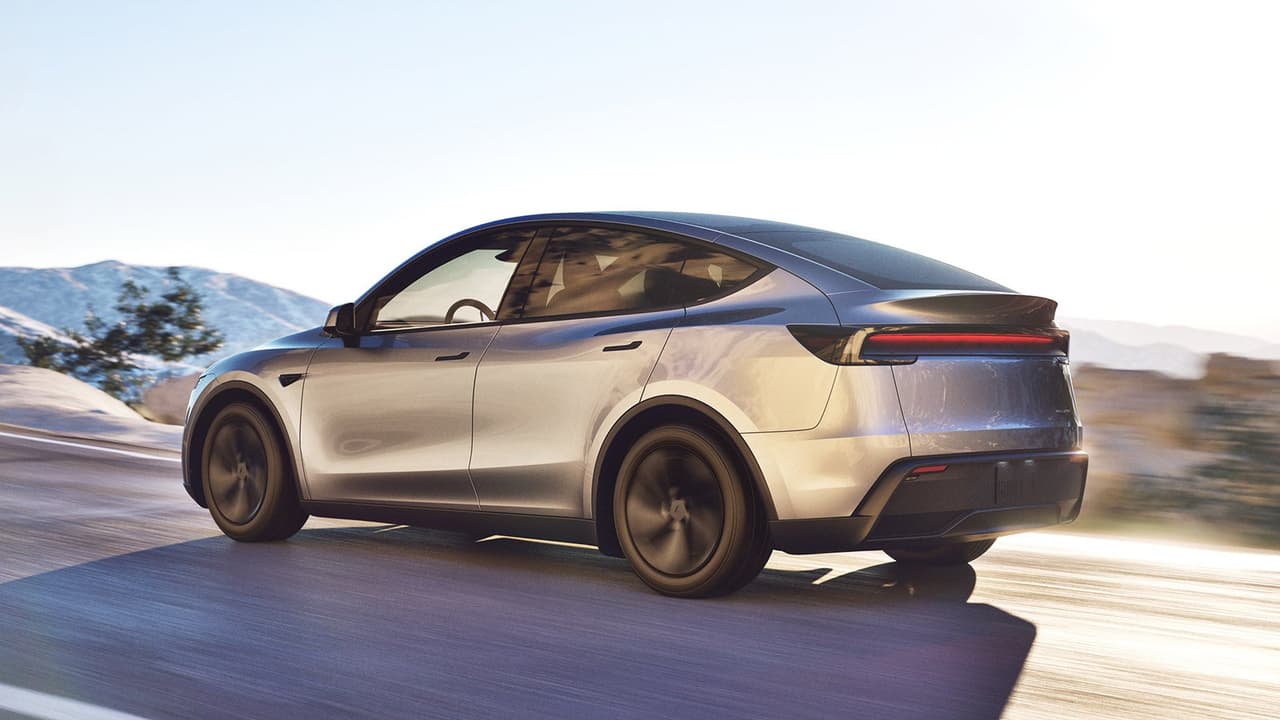
The suspension does, at least, have a better handle on the Model Y's body control. It grips more tenaciously than the old car and feels much less prone to being bounced off its line by road undulations. As a result, the plentiful power that Model Ys have always possessed makes a lot more sense in the new car. The chassis is better able to deploy all that muscle without feeling like the weight and momentum will overcome the car's stability.
For us, however, by far the most obvious improvement is to refinement. Tesla has added much more sound deadening to the new Model Y, plus extra laminated glass beyond just the windscreen and front windows. On the move, the car is genuinely whisper quiet, with scarcely a wind whistle or suspension thump to disturb your tranquility. There's just a hint of tyre noise at motorway speeds, but you'll notice how well the Model Y isolates you from the roar of traffic around you.
The overall effect is that the Model Y is a simply wonderful car to quietly cruise around in. Yes, we appreciate having all that acceleration on tap, but the real magic is in how calmly it does day-to-day driving, with easy controls and luxurious refinement.