
















15 of the longest-range plug-in hybrid cars

Ben Custard
Hybrid Cars


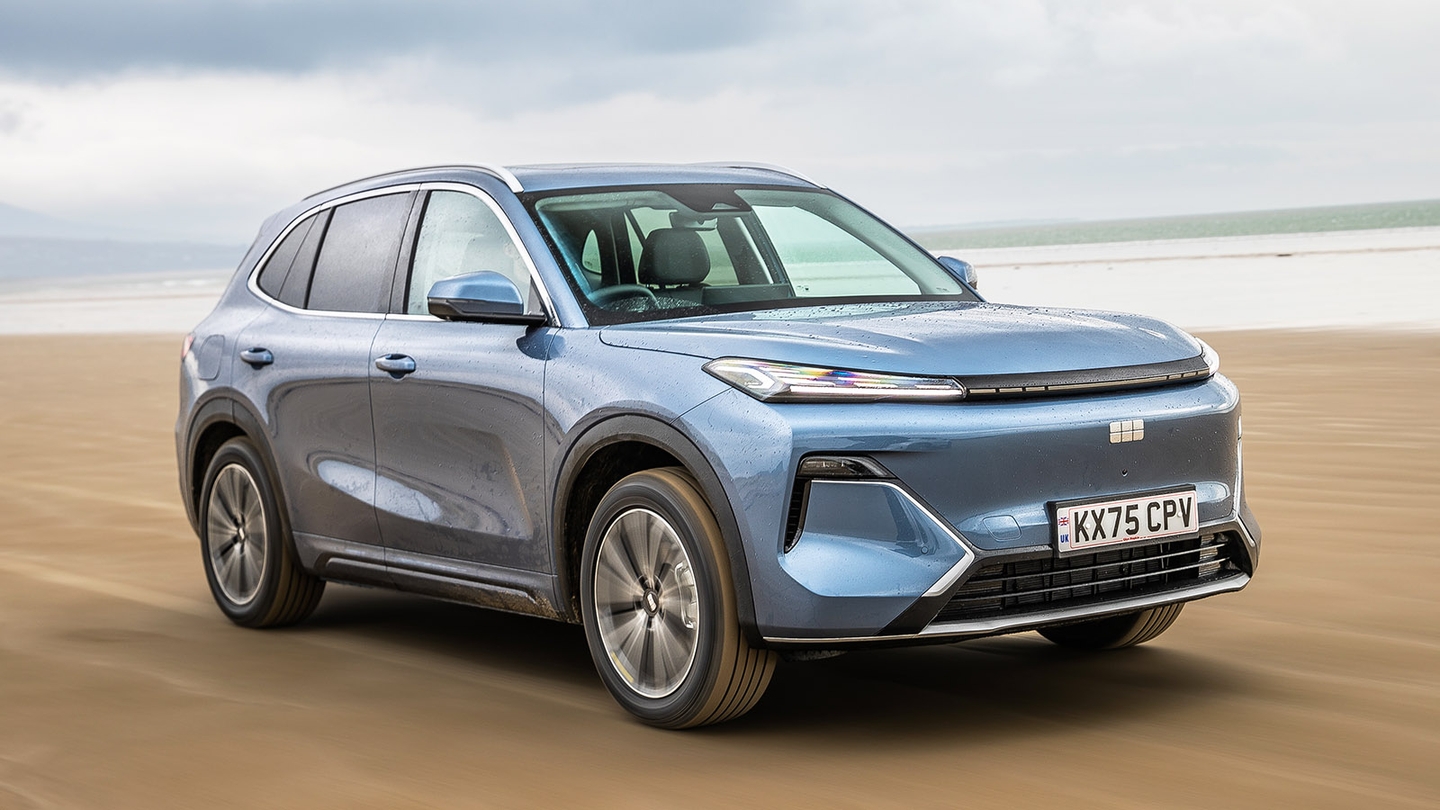
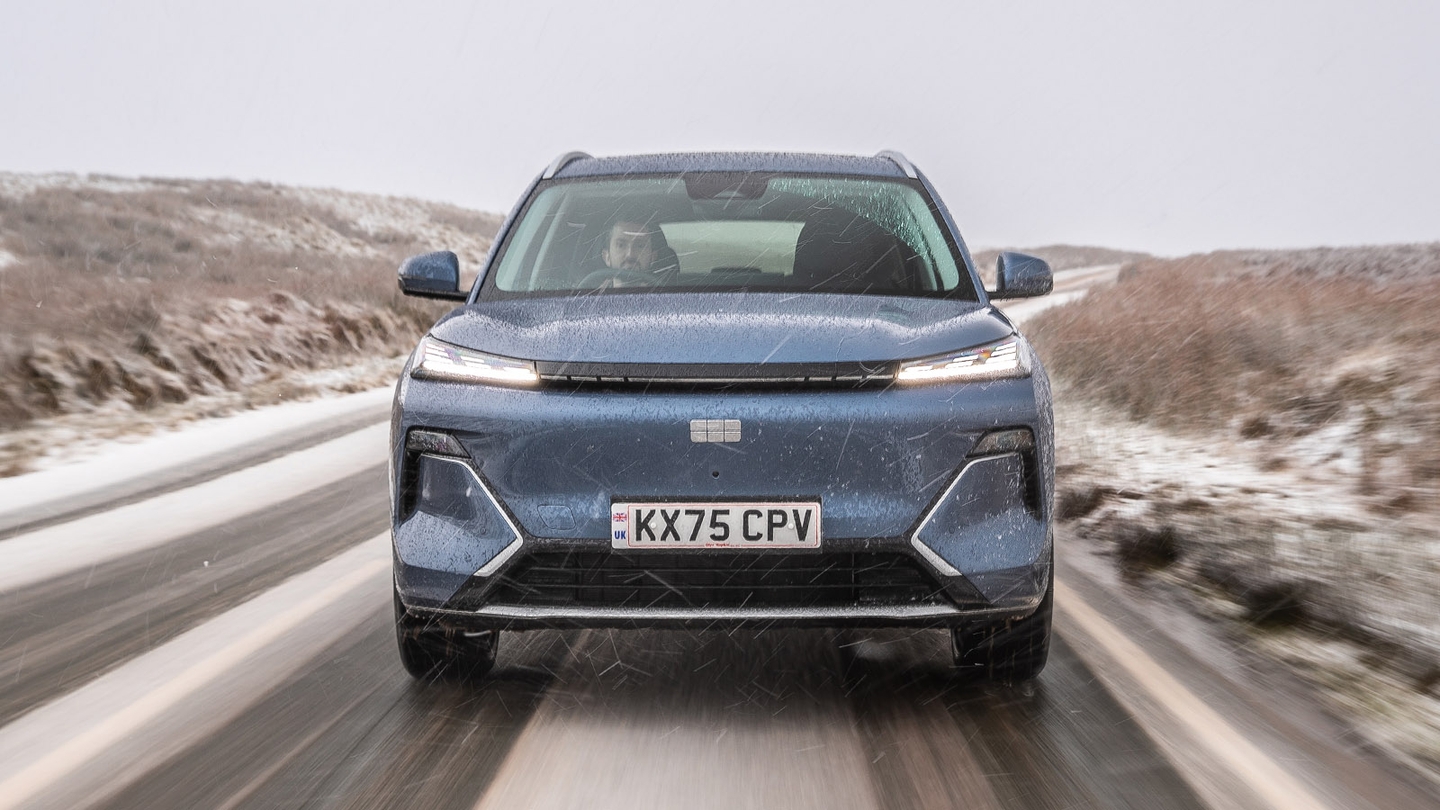
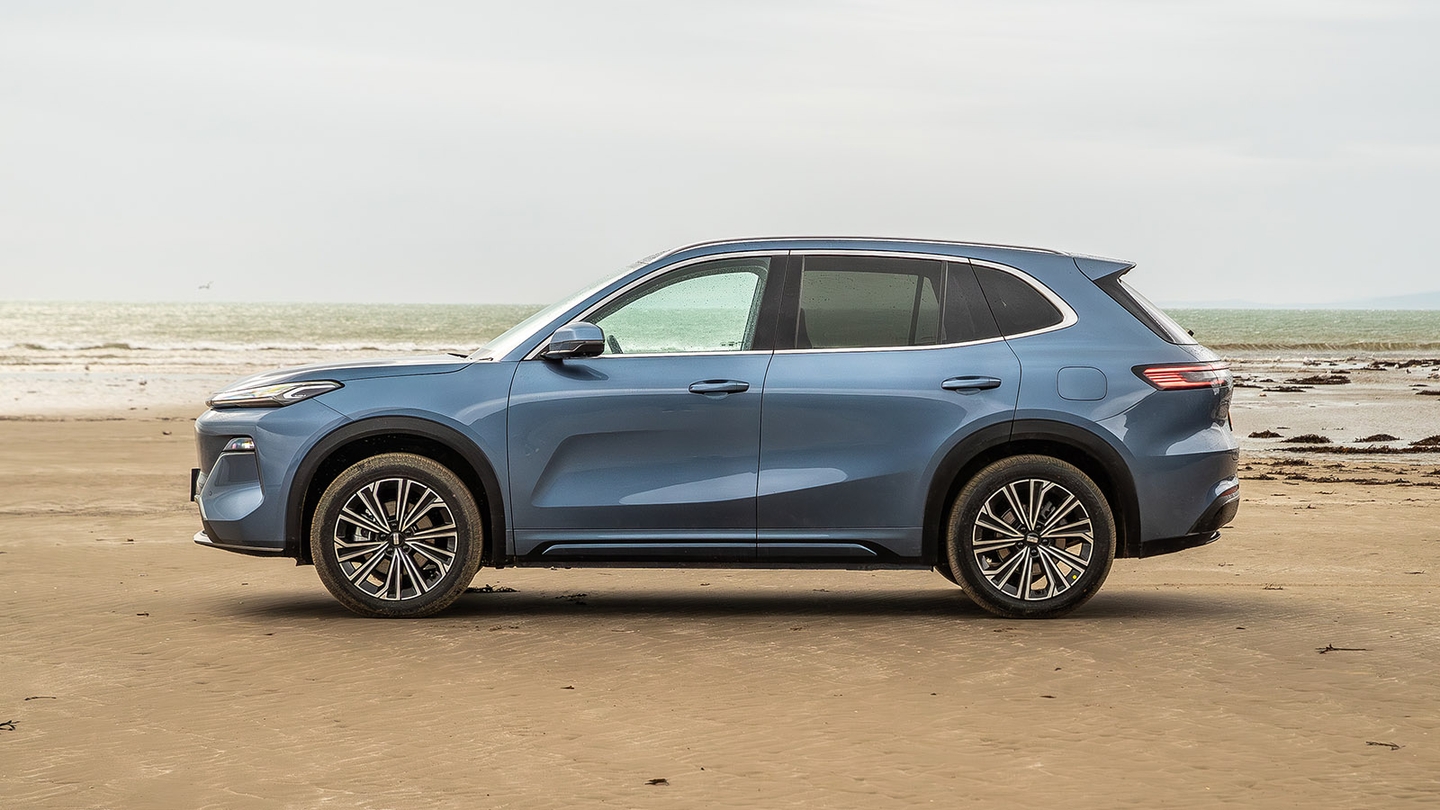
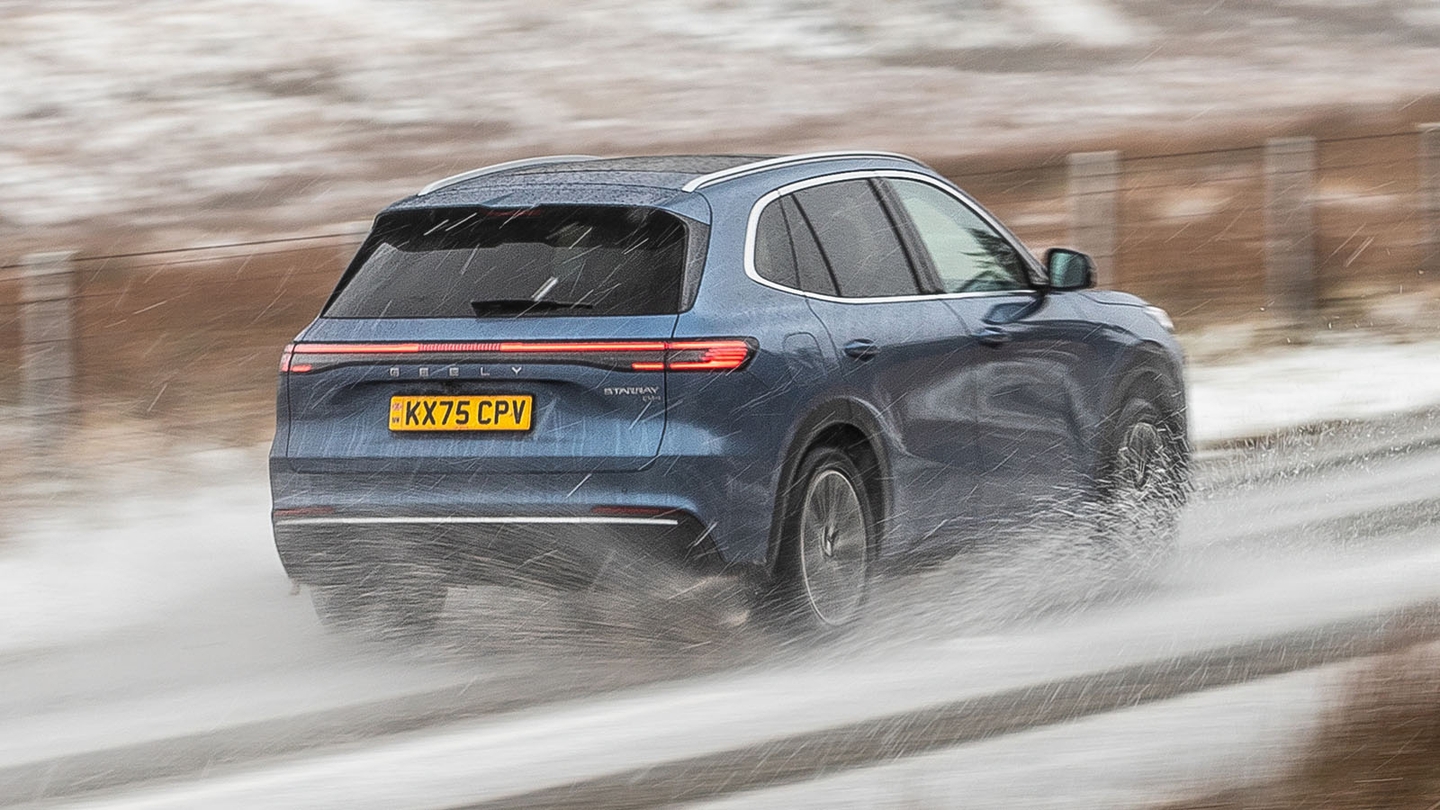
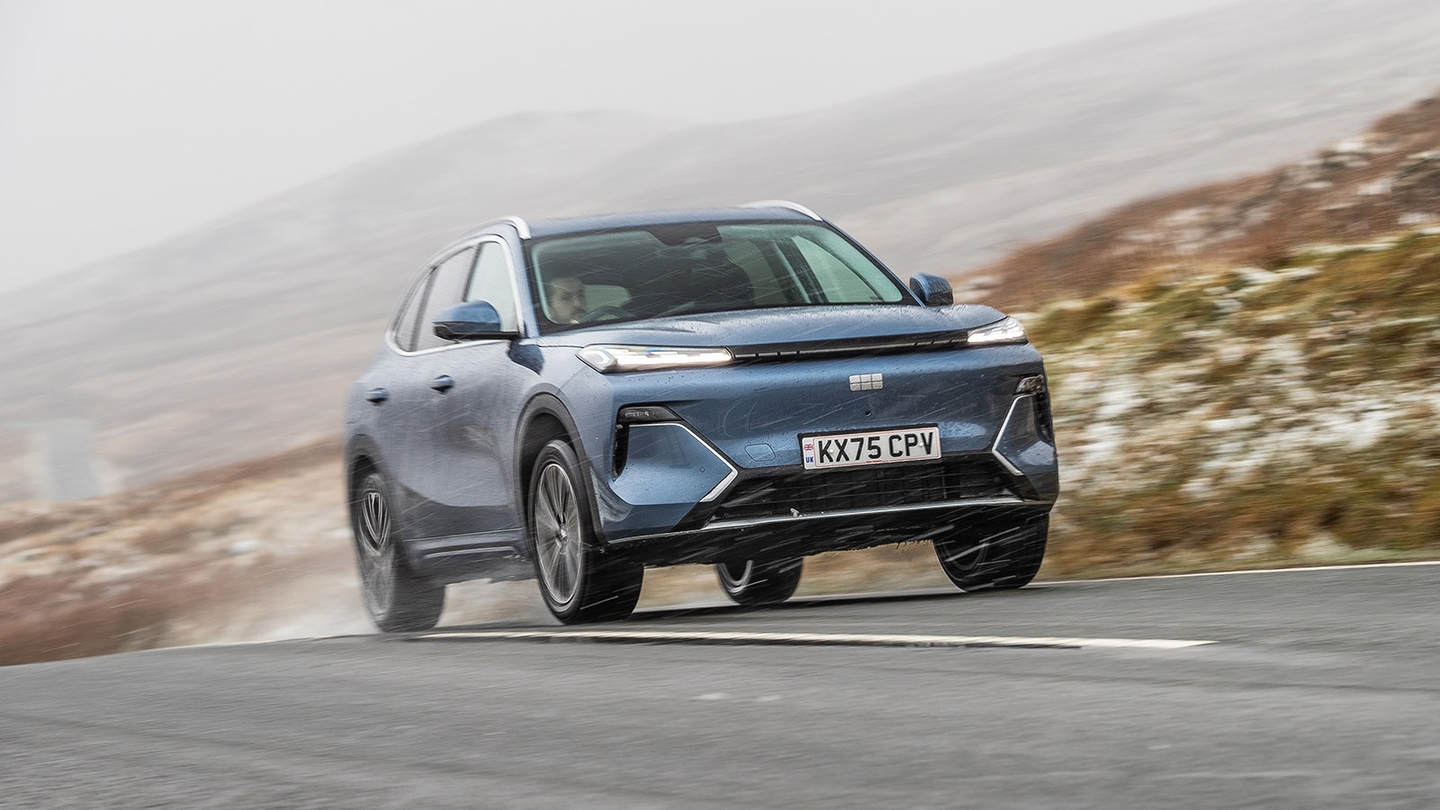
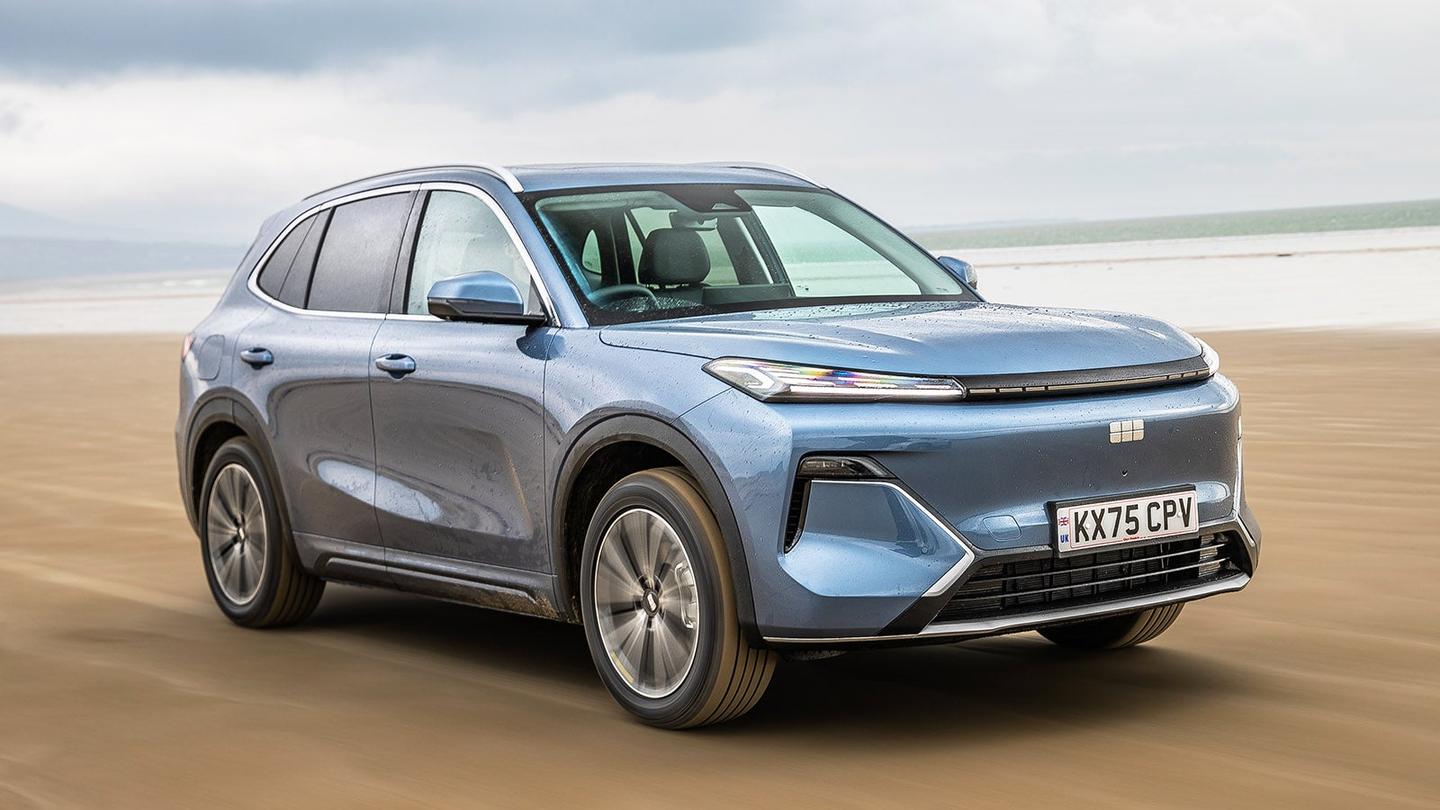
Geely isn't exactly a newcomer to the UK, having sold familiar cars under the Volvo, Polestar and Smart brands for several years now. The Starray EM-i is the company's second self-branded car to launch here after the fully electric Geely EX5.
Geely says the car is built from the ground-up as a plug-in hybrid, although it's actually based on the EX5's electric architecture. However, that does at least mean the Starray EM-i gets a big battery, giving it the longest electric range of any PHEV at the time of writing.
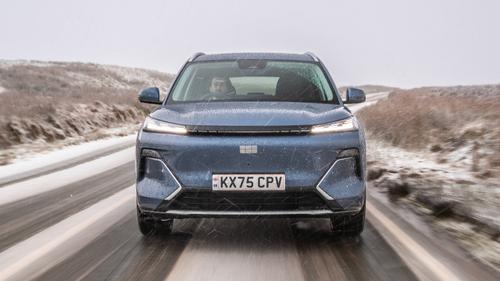
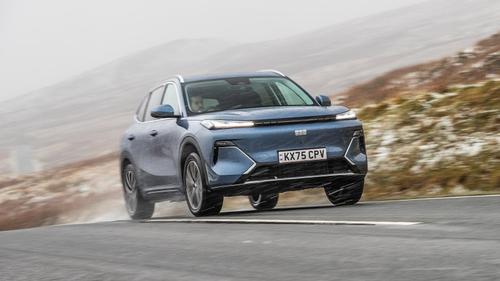
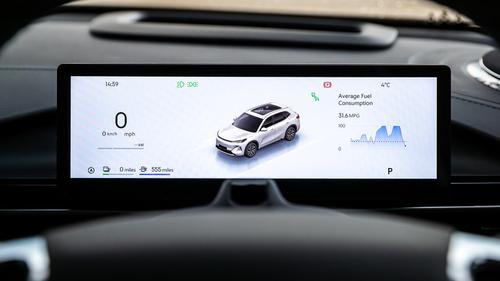
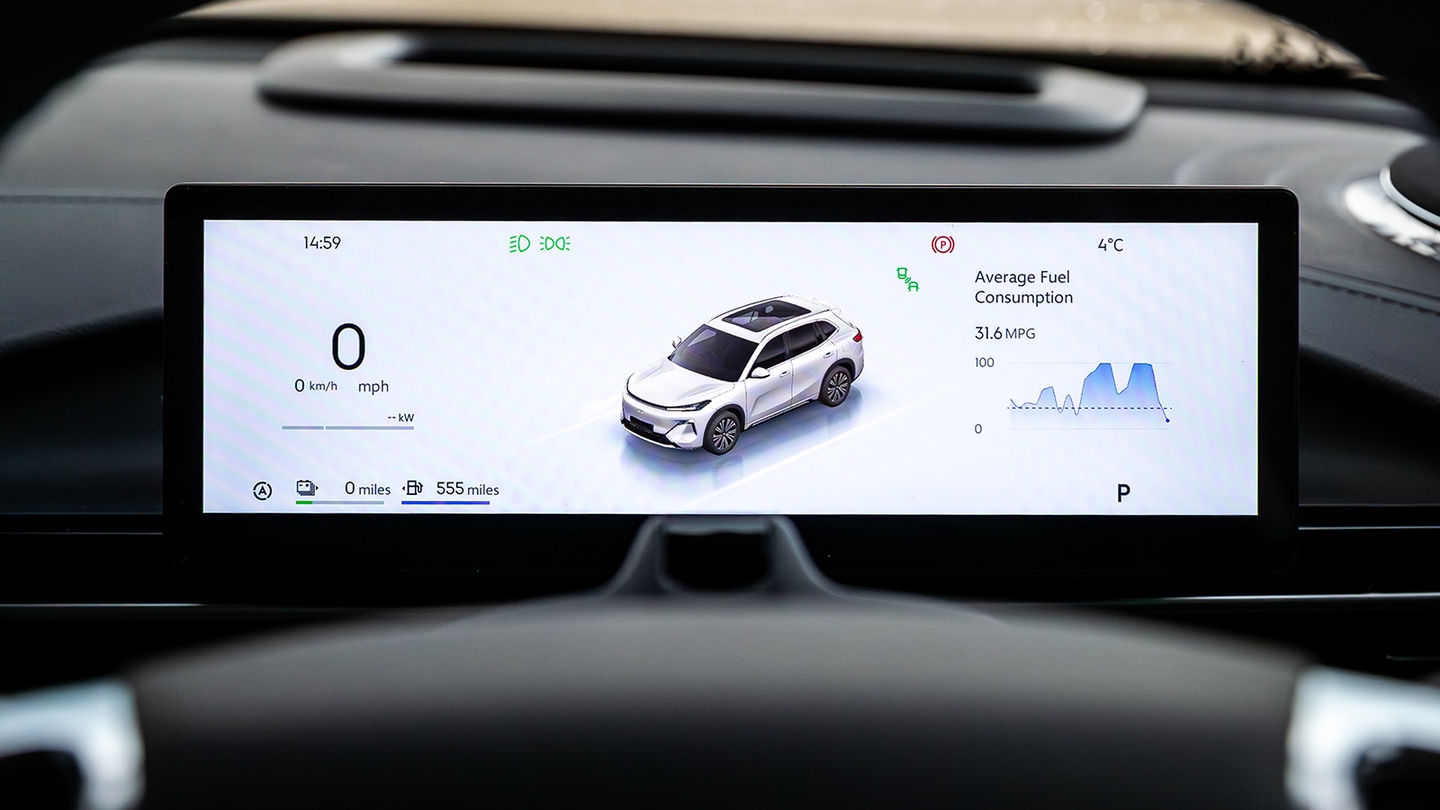
Certainly by most on-paper measures, the Starray EM-i impresses. Entry-level Pro models cost less than £30,000 brand new and include a respectable 51-mile electric range. Spend just less than £35,000 for a top-spec Ultra model and this jumps to 84 miles – the longest range of any PHEV SUV you can buy as of February 2026. That version also gets a class-leading 60kW charge rate.
"At sedate speeds, the electric motor does the lion's share of the driving, with the engine acting more as a generator. This makes for an extremely quiet and smooth setup"
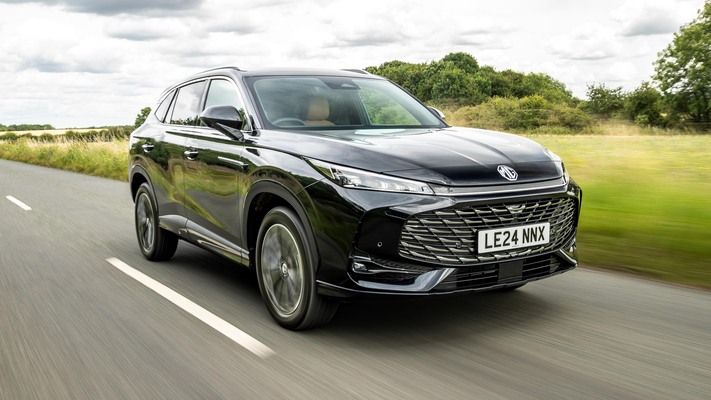
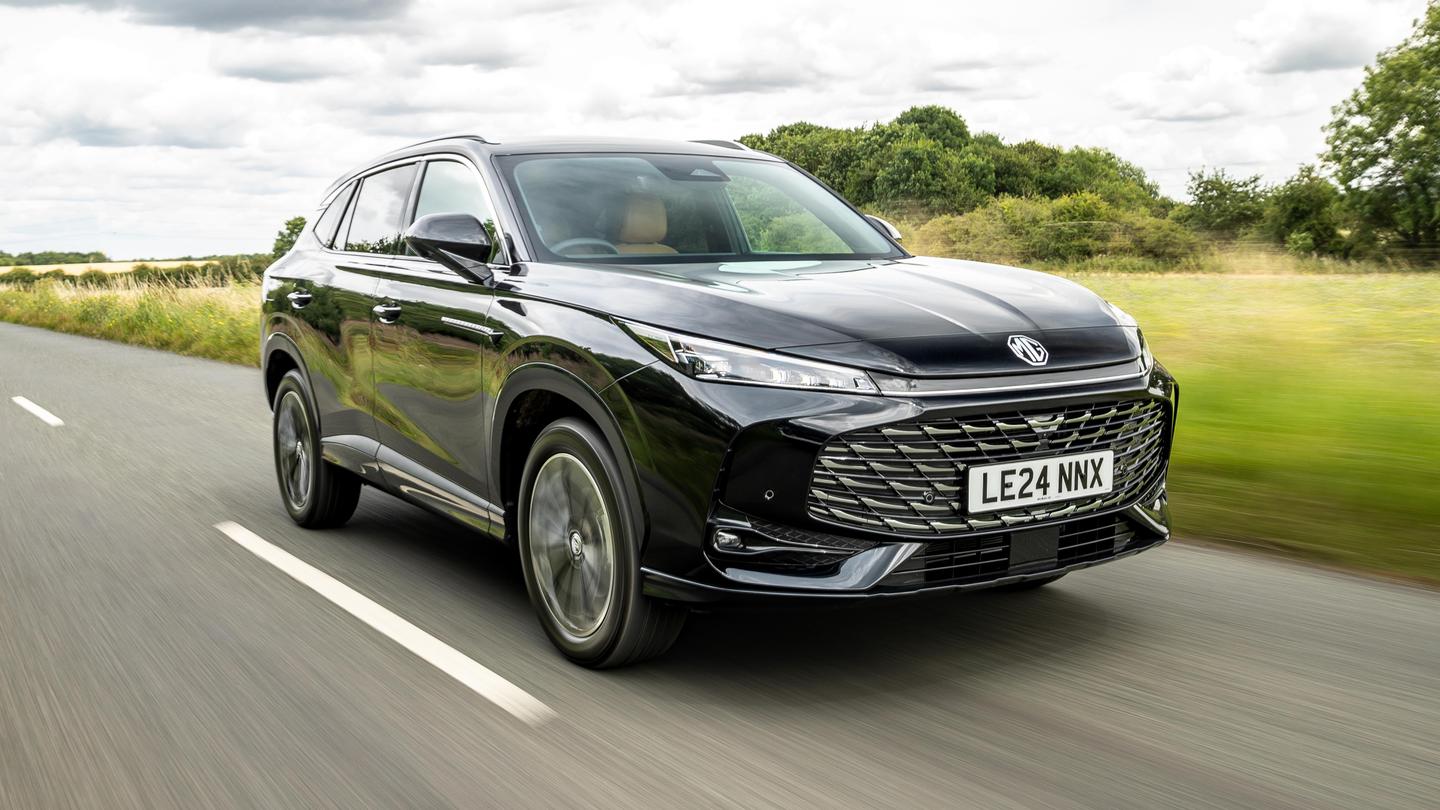
It may be a teacher's pet as far as PHEV performance goes, but the Starray EM-i's pricing is pretty sharp too. No European rival can get close, with the majority priced anywhere from £8,000 to £12,000 more than the Geely. Even among other affordable Chinese brands, the Starray EM-i continues to impress. Entry-level models undercut the similarly sized MG HS and match the physically smaller Chery Tiggo 7. Meanwhile, the Geely's range-topping Ultra model sits closer to rivals for price but outsmarts all of them for range and charge speed.
You aren't getting a bargain basement special, either, even if you pick the £30,000 version. Standard kit includes 19-inch alloy wheels, keyless entry and starting, vegan leather upholstery, heated and power-adjustable front seats, a surround-view camera and full smartphone integration for the infotainment system. The £33,000 Max version adds a ventilated driver's seat, a heated steering wheel, head-up display, a powered boot lid, panoramic sunroof and an upgraded Flyme 16-speaker stereo. £35,000 Ultra models gain the bigger battery pack.
So the PHEV setup is strong and the pricing's good too, and there's even a long eight-year warranty to back it up – what's the catch?
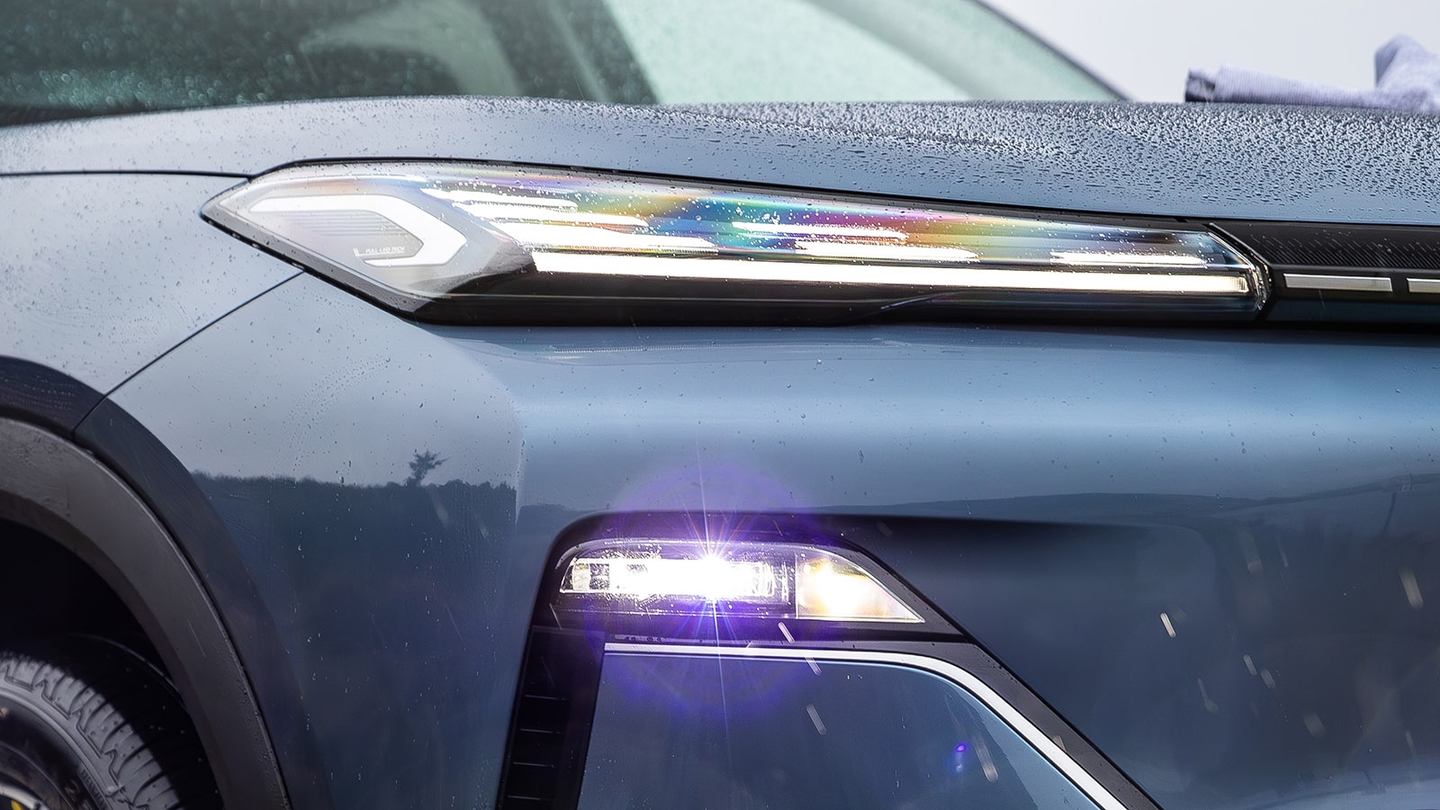
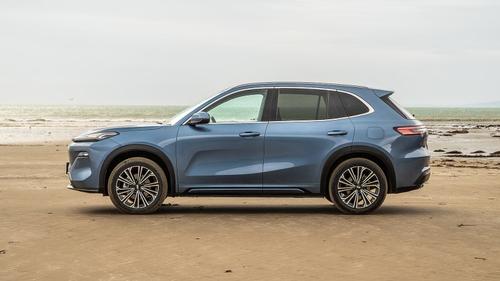
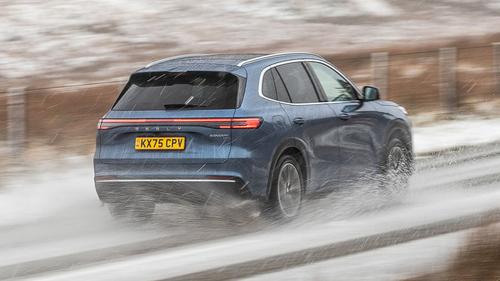
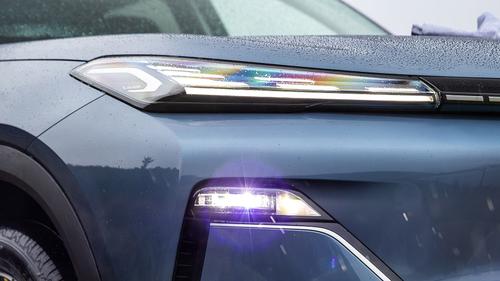
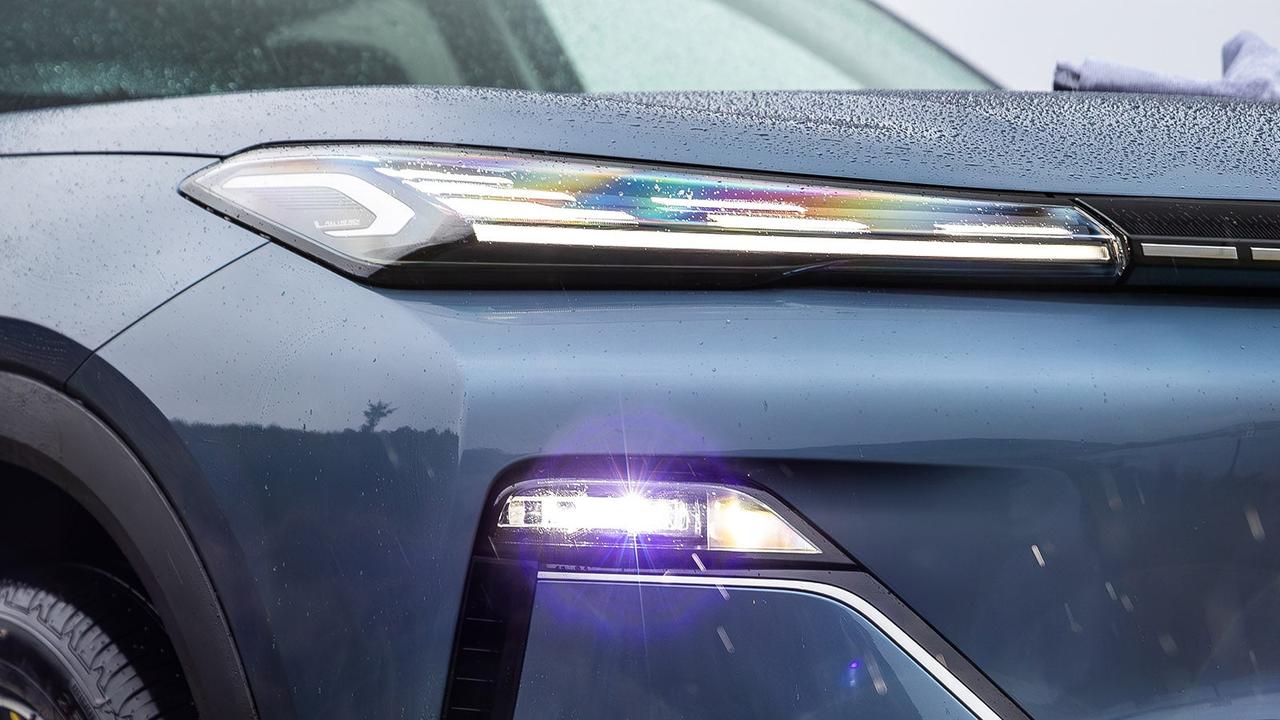
Sadly, there are a few areas the Starray falls short. The first for us is the car's styling. It has the same kind of bland, nondescript front end that we've complained about on cars like the MGS5 EV and Changan Deepal S07. Similarly, the side of the car is mostly devoid of styling save for a small scoop in the door panel. You could – if you were feeling exceptionally charitable – say that the profile looks very slightly like a Porsche Cayenne, but only from quite a distance. At the rear is a lightbar conjoining the brakelights, just like every other car these days.
At least, once you're in the car, the exterior styling will no longer bother you, and the Starray EM-i's cabin is mostly plush and comfortable. This impression continues for a while after you've set off, with the plug-in hybrid setup remaining hushed and very little noise creeping in from outside. Things go a bit south, however, once you test out the car's claimed 259hp output. Mash the throttle and you'll need a calendar to measure how long it takes the car to respond with some actual acceleration. And, once the powertrain eventually gets wound up to the max, it still feels some way off its claimed eight-second 0-62mph run.
Here, you might rightly point out that family SUVs like the Starray aren't meant to set lap times. However, what we'd like in return is a car that rides comfortably in the real world. Disappointingly, the Geely doesn't pull this off either. The overall setup is quite soft, leading to boat-like up-and-down oscillations over uneven motorway surfaces, but there's a near-constant higher-frequency jiggle from the suspension that means the car never really settles down.
Keep reading to learn more about the Geely Starray EM-i's interior, practicality and driving experience.
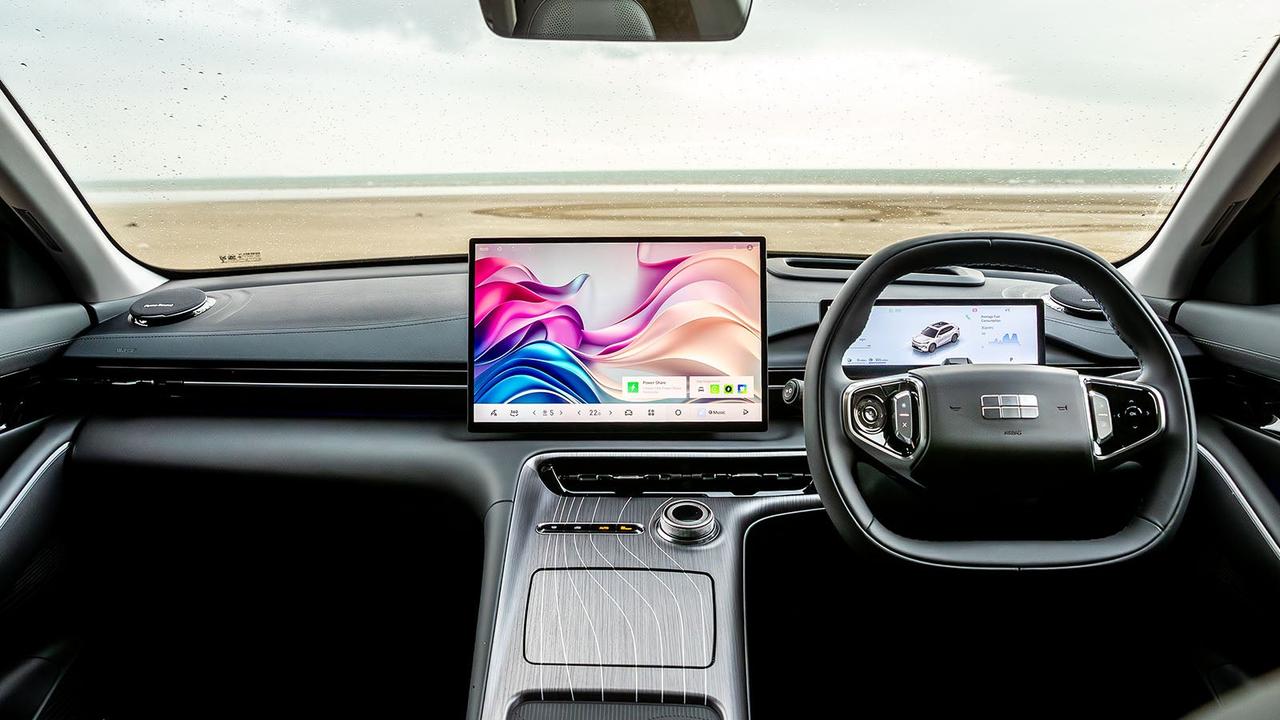
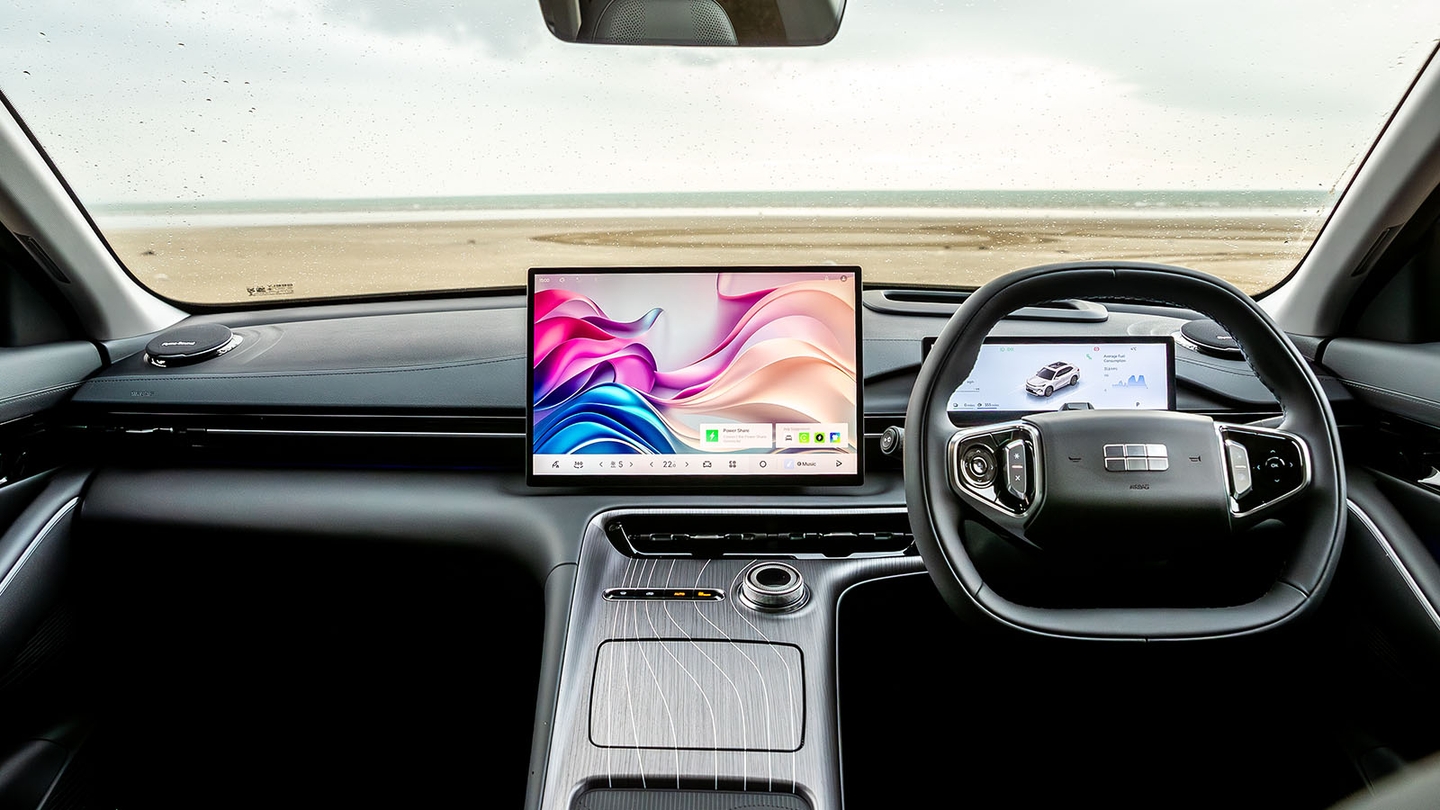
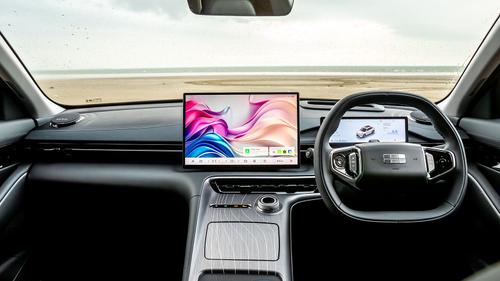
The Starray EM-i's cabin is one of its best features. All versions get faux-leather upholstery with a smooth finish that reminds us of the materials you'll find in Tesla models. Across most other surfaces you look and touch, you'll find tactile vinyl and soft-touch materials, giving the Geely a convincingly upmarket ambiance. We're not quite as convinced by the plastic trim on the centre console, which has jazzy contour lines and a texture designed to mimic open-pore wood – but ends up feeling a bit cheap under your fingers.
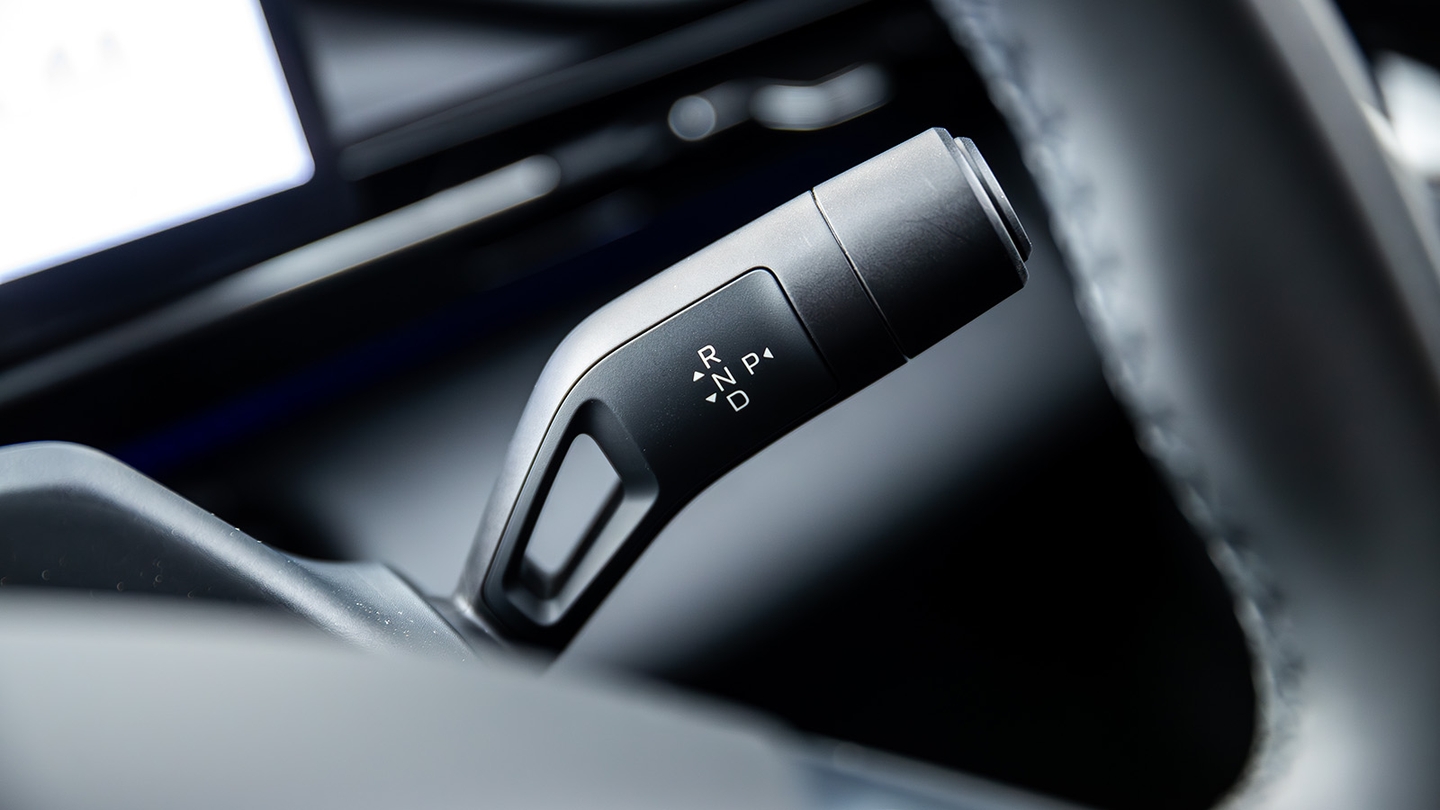
Build quality on our test car felt really robust, too. There were no squeaks and rattles – which would've been obvious considering how hushed the engine is – and no visually misaligned panels. We did notice a couple of odd choices with the switchgear, however. For starters, the window switches go the 'wrong' way – pushing them away opens the window, while pulling them towards you closes it.
Then there's the almost comically oversized volume knob. We're certainly not complaining about its inclusion but its ratio is very slow, so you have to turn it over and over to make even modest volume adjustments. This knob can also be pressed to change its function to adjust fan speed but it took the car such a long time to react to our press that we initially thought it wasn't working.
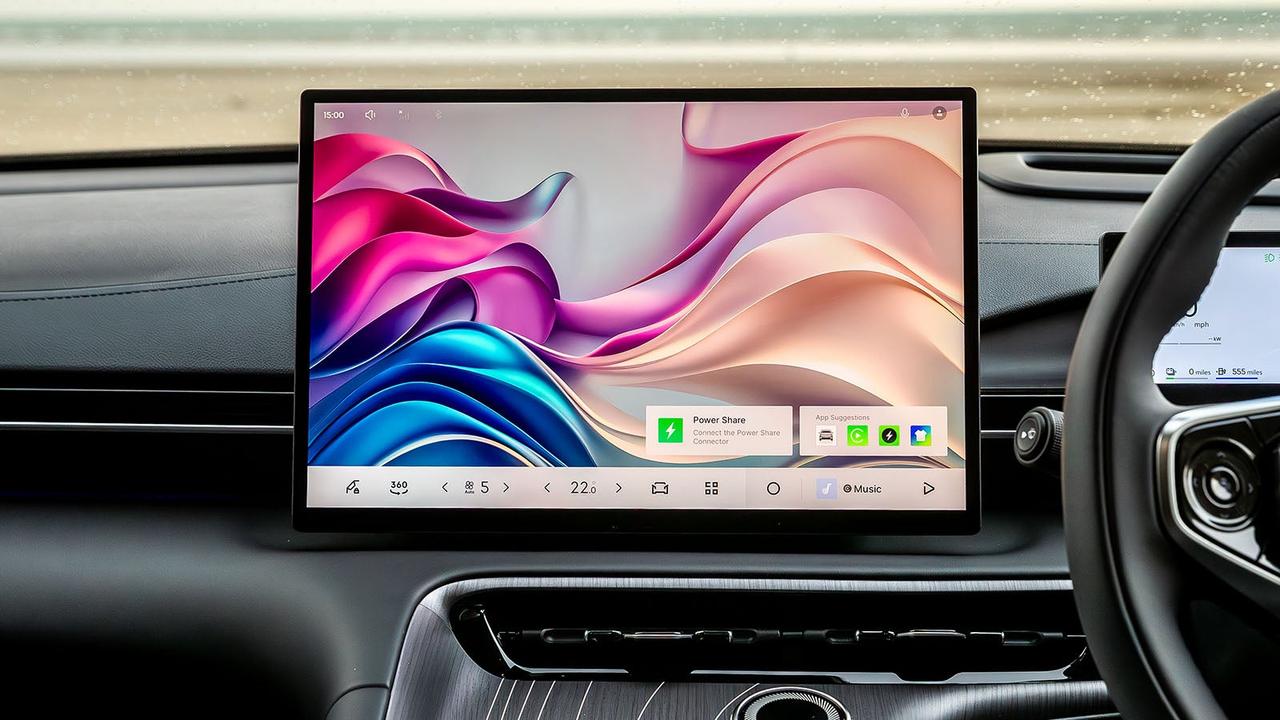
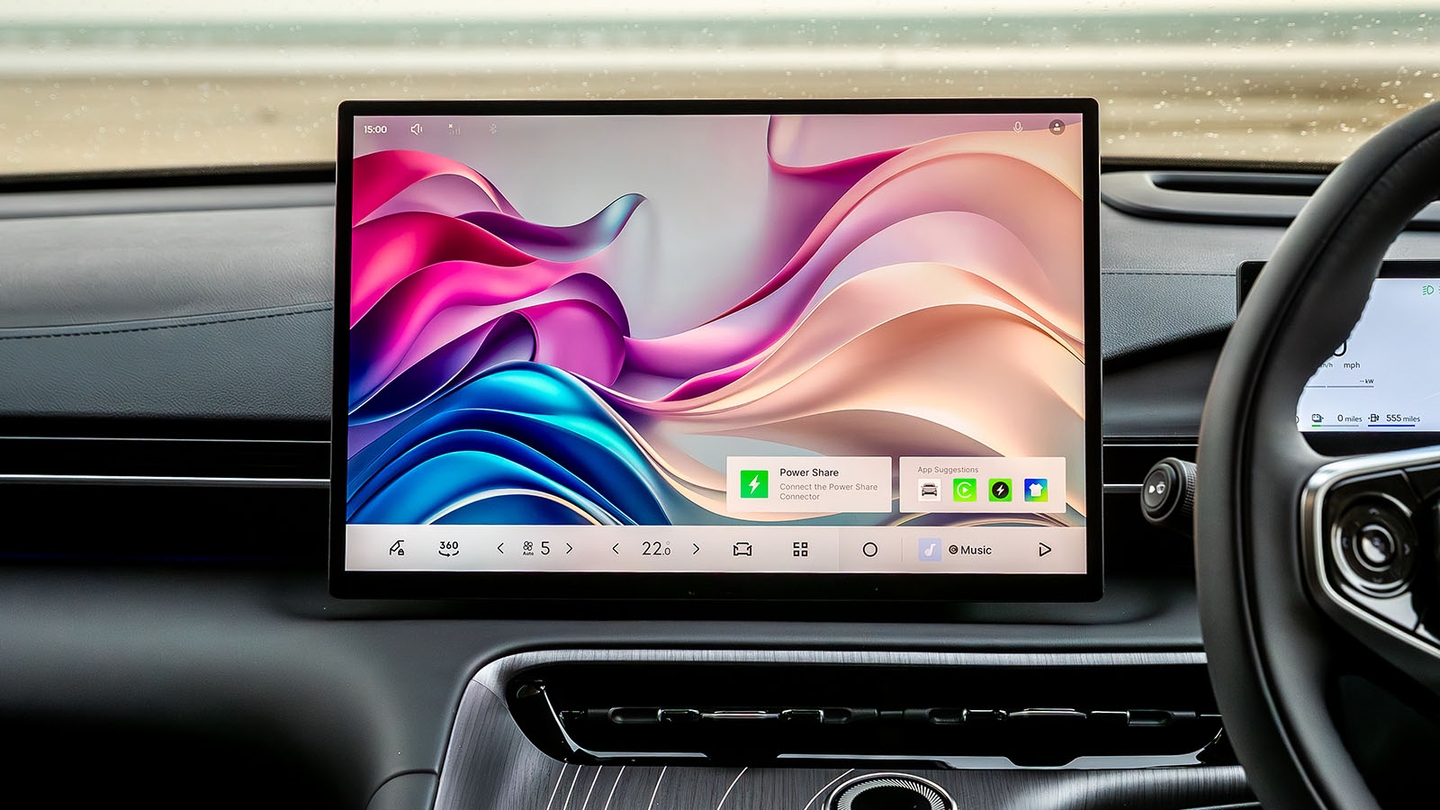
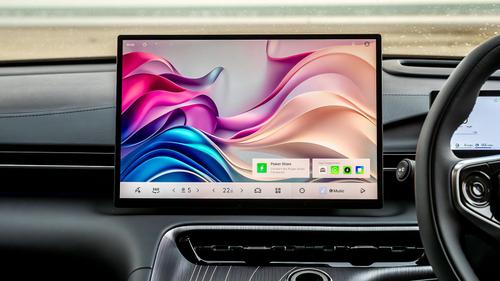
The infotainment system takes the form of a single, pin-sharp screen mounted in the centre of the dashboard. This has a layout that seems bizarrely common among Chinese brands – even ones beyond the Geely group. The home screen has some basic climate and car settings shortcuts along the bottom, then two shortcut modules in the lower right. Beyond that is an expanse of unused screen space that feels completely wasted. It would've been much better for Geely to evenly spread home widgets across the screen, making each button bigger and clearer.
We also found some software shortcomings that hopefully will be fixed by future updates. For example, the car brings up a feed from your blind-spot camera any time you put your indicator on – a handy safety feature also found in Hyundai and Tesla models. However, opening this camera feed closes your map on Apple CarPlay, so your navigation vanishes any time you put the indicator on. It also takes at least three presses to access the car's ADAS system settings, with several more needed if you want to turn any of these bleeping systems off.
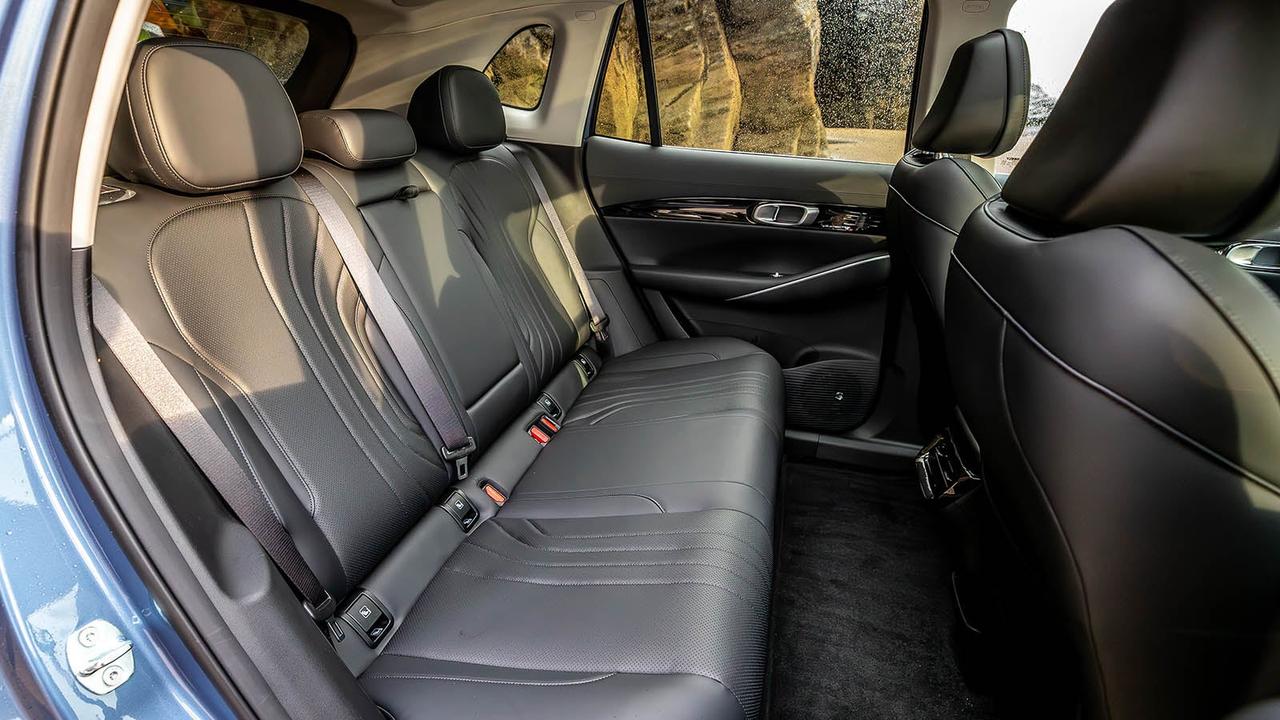
The Starray is deceptively large at 4,740mm long – more than the MG HS (4,670mm) and the Volkswagen Tiguan (4,539mm). Considering the Geely's slightly larger footprint, however, its interior space merely matches rather than exceeds those cars. Nevertheless, that still means a large two-row cabin with good headroom for all passengers.
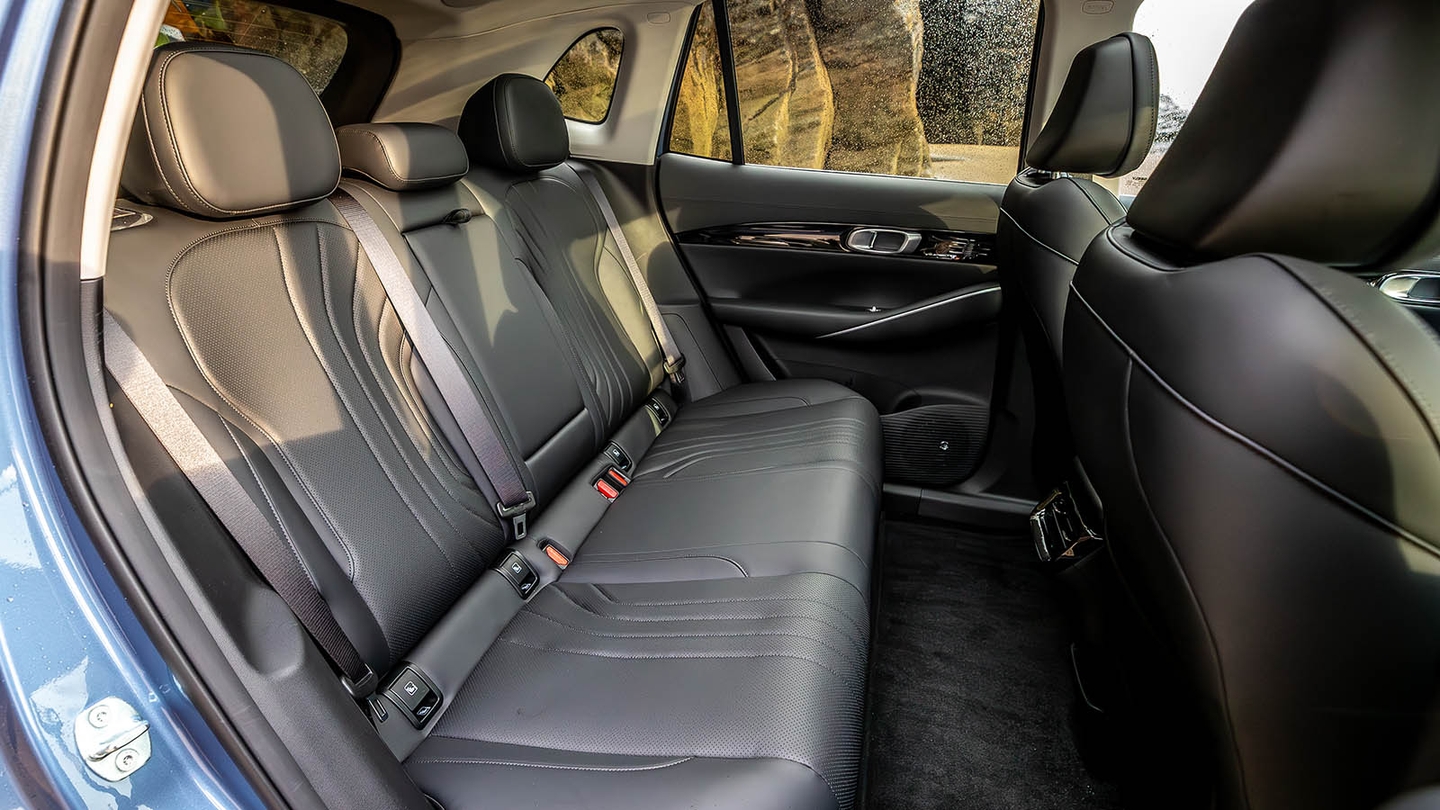
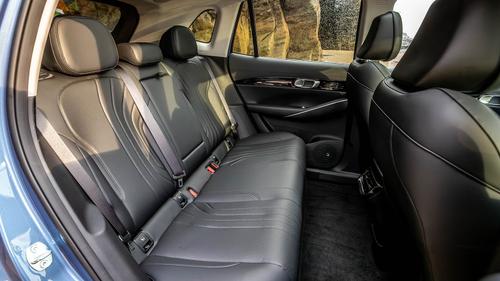
Front-seat legroom is acceptable if not outstanding, while rear seat legroom is vast – probably due to the front seat positioning. Like the EV it's based on, the Starray EM-i has a flat rear floor with no transmission tunnel, which makes life comfier for your occasional fifth centre-rear passenger.
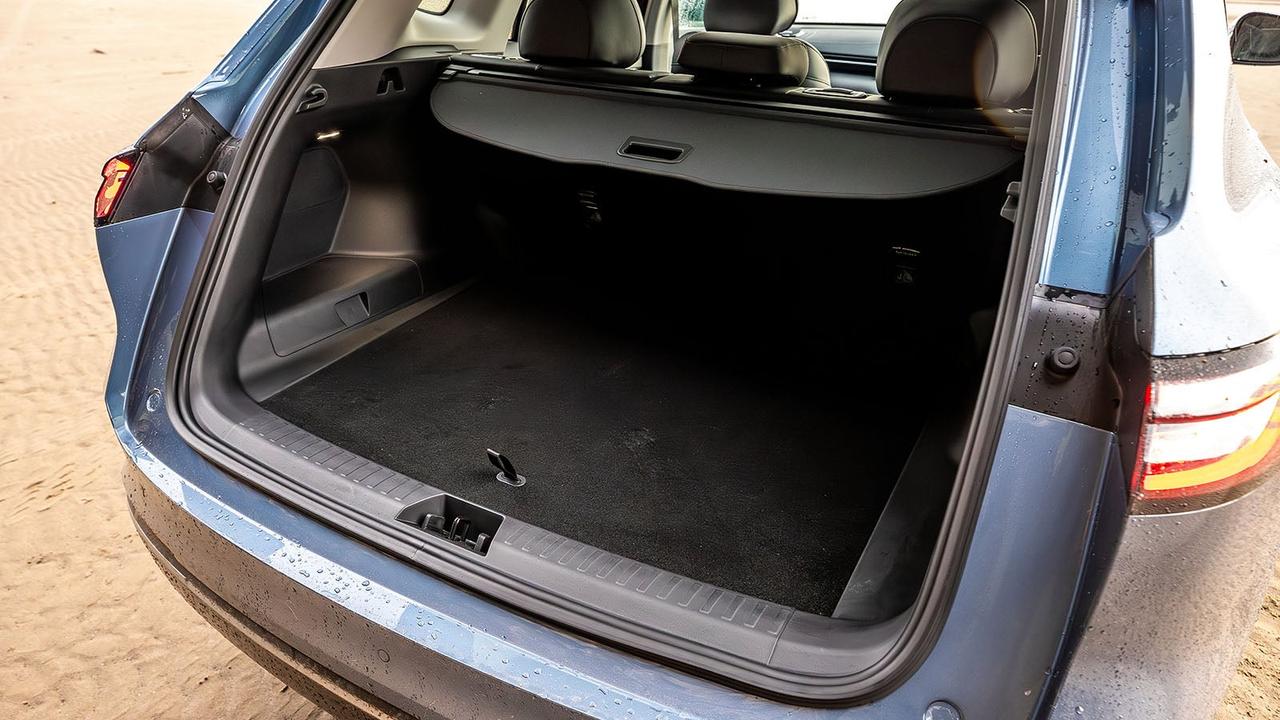
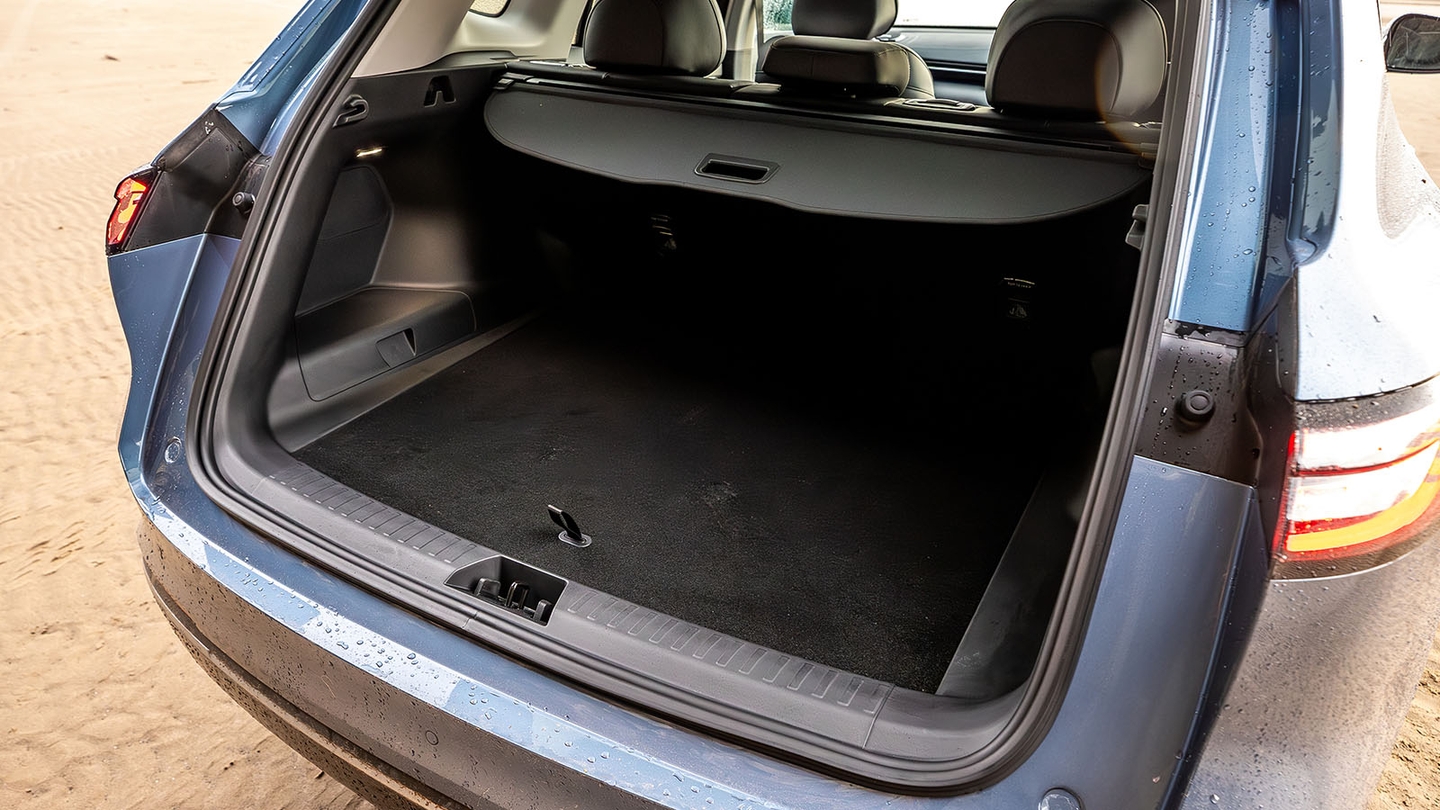
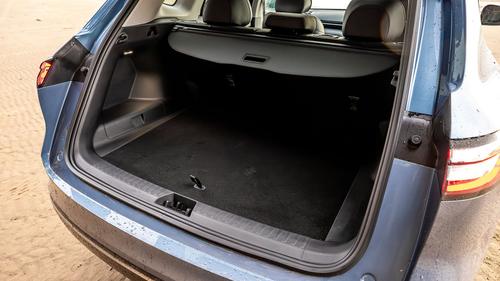
As for cargo, the Geely should prove practical enough for most buyers, although it doesn't lead the class in any one area. You get 528 litres of boot space with all seats in place and 2,065 with the rear row folded. That means you can easily carry a pushchair or a small-ish dog, or your family's holiday luggage if you pack efficiently. There are a couple of handy hooks for holding shopping bags in place plus a useful underfloor spot for stashing charging cables.
Since the Starray EM-i's cabin layout is virtually unchanged from the Geely EX5, it shares that car's handy cubby under the centre console. This is just spacious enough for a small handbag or a box of tissues, making it easy to chuck things in as you get in and out the car. Beyond that, you'll find a reasonably big glovebox and average-sized doorbins. There's a wireless phone charger on mid-range Max models and up, but we found our phone kept slipping around and losing connection as we drove, diminishing its usefulness.
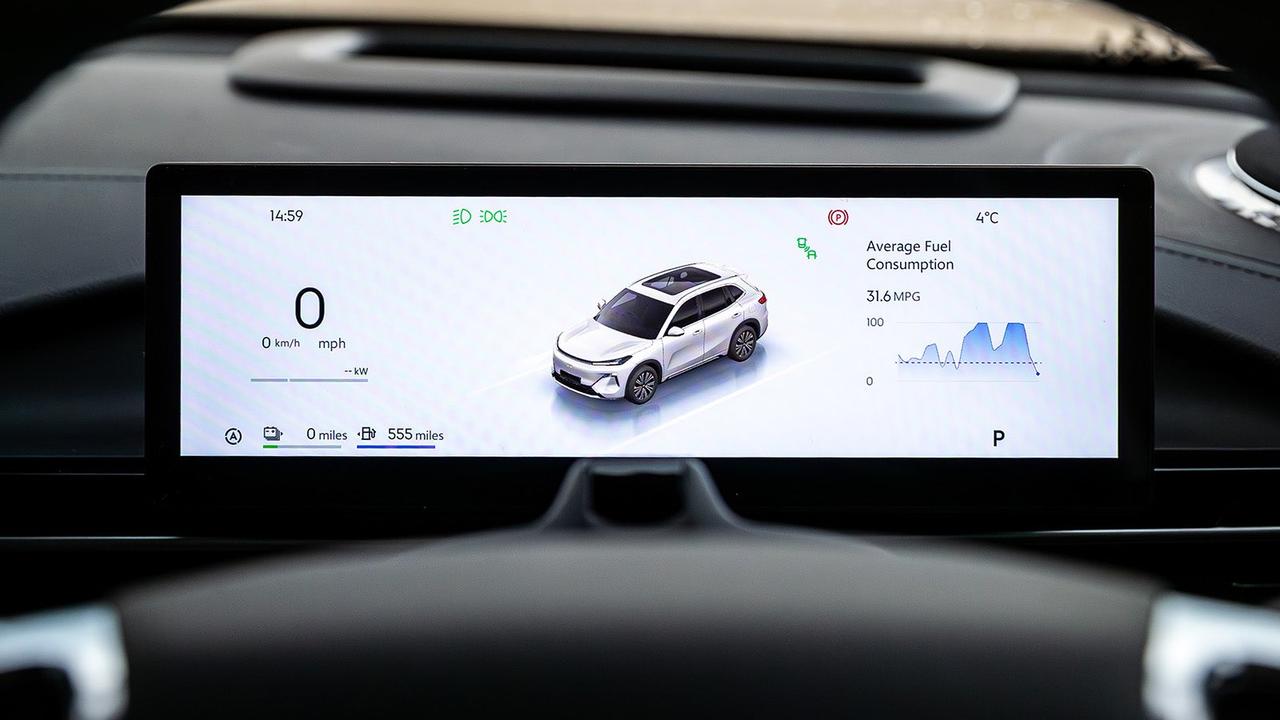
All Starray EM-i cars get the same 98hp 1.5-litre four-cylinder petrol engine and 215hp electric motor. They turn the wheels through what Geely calls an E-DHT (electric dedicated hybrid transmission) which, as far as we understand, is mechanically very similar to the e-CVT gearboxes used in Toyota and Ford hybrids. The result is a very smooth, linear power delivery that favours the electric motor as much as possible.
In total, this setup makes 259hp and hits 62mph from a standstill in eight seconds – both respectable on-paper numbers. The problem is the Starray EM-i simply doesn't feel that fast in the real world. Much of the blame can be laid at the throttle pedal tuning, with a massive delay between you pressing the accelerator and the car actually speeding up. However, even once all cylinders are firing – literally and figuratively – it's still underwhelming, with the speedo climbing much slower than the roaring engine suggests.
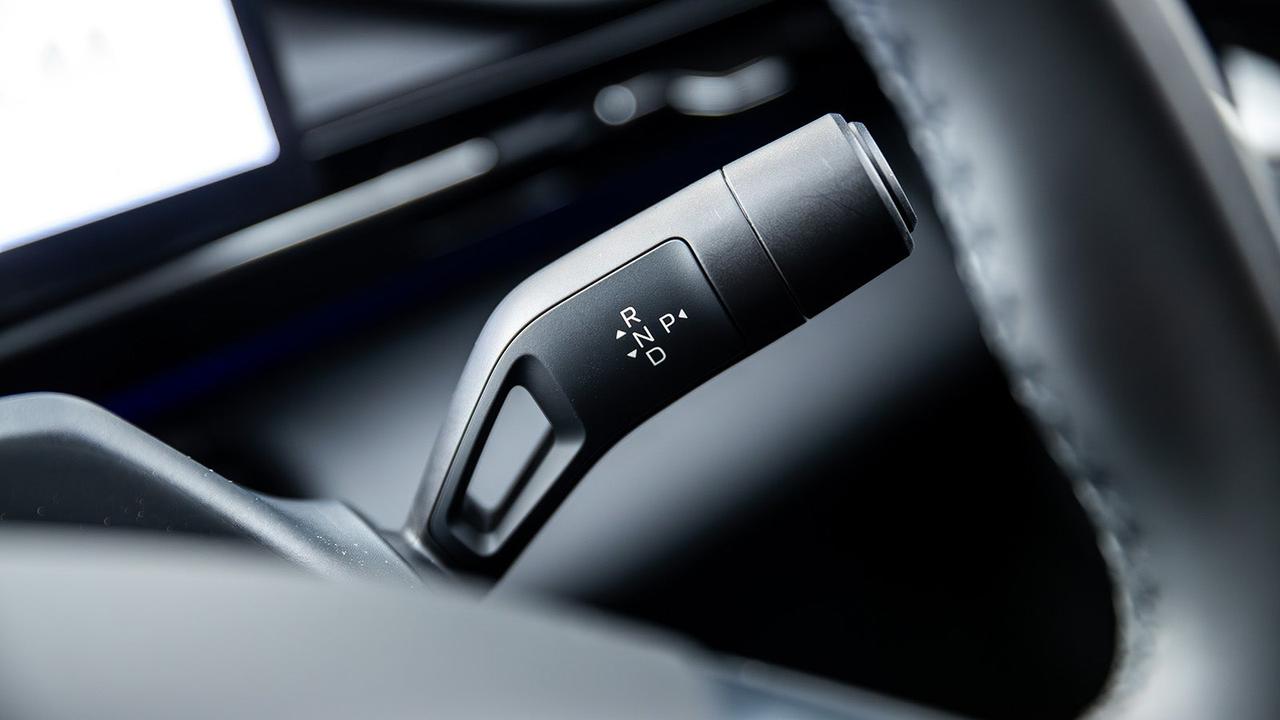
Clearly, then, this isn't the car for you if you like a bit of punch under your right foot. Thankfully, once you abandon the full-throttle mentality, this plug-in hybrid setup starts to make more sense. At sedate speeds, the electric motor does the lion's share of the driving, with the engine acting more as a generator. This makes for an extremely quiet and smooth setup that lends the car a calming character.
You've a choice of two battery setups for the Starray EM-i. Entry-level Pro and mid-range Max models have an 18.4kWh battery pack with a useful 51 miles of electric range. This can be DC fast-charged at 30kW, meaning a 30-80% jump takes 20 minutes. Ultra cars get a 29.8kWh battery and 84 miles of EV range – the longest-range PHEV SUV at the time of writing. Total claimed range for Ultra models is 618 miles between battery and petrol power. The bigger pack also features a class-leading 60kW charge rate so the 30-80% time falls to 16 minutes.
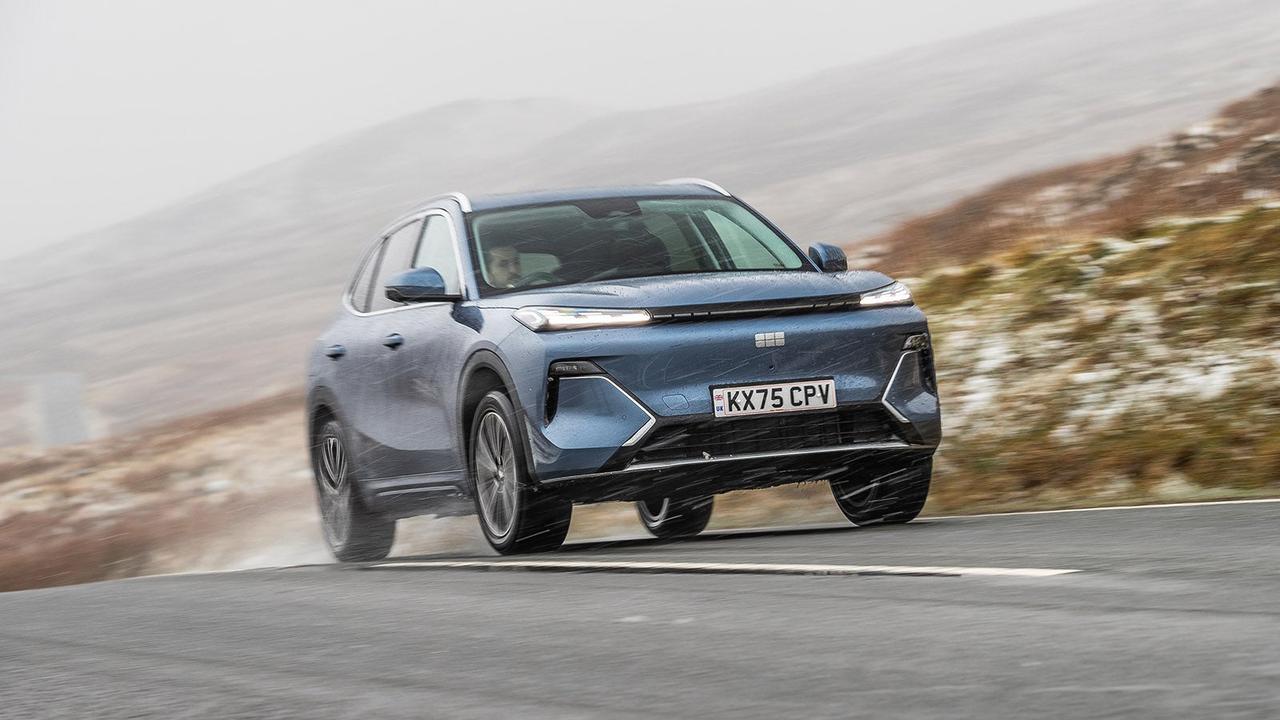
The kindest thing we could say from our drive of the Starray EM-i is that there was nothing offensive about the way the car drives. Its handling is safe and predictable, and the car's body control was good enough to keep it feeling stable on craggy British roads. The steering or pedals were intuitive so we weren't left guessing how much input was needed.
There's absolutely no reward for driving the car aggressively. Any vigorous steering simply results in more body lean, with little sense that the front wheels are scrabbling to pull you tighter into a turn. Of course, this is mostly fair enough for a sensible family SUV. However, cars like the Ford Kuga and Cupra Formentor remind us that it is possible to give these models fun handling without compromising their family-hauling ability.
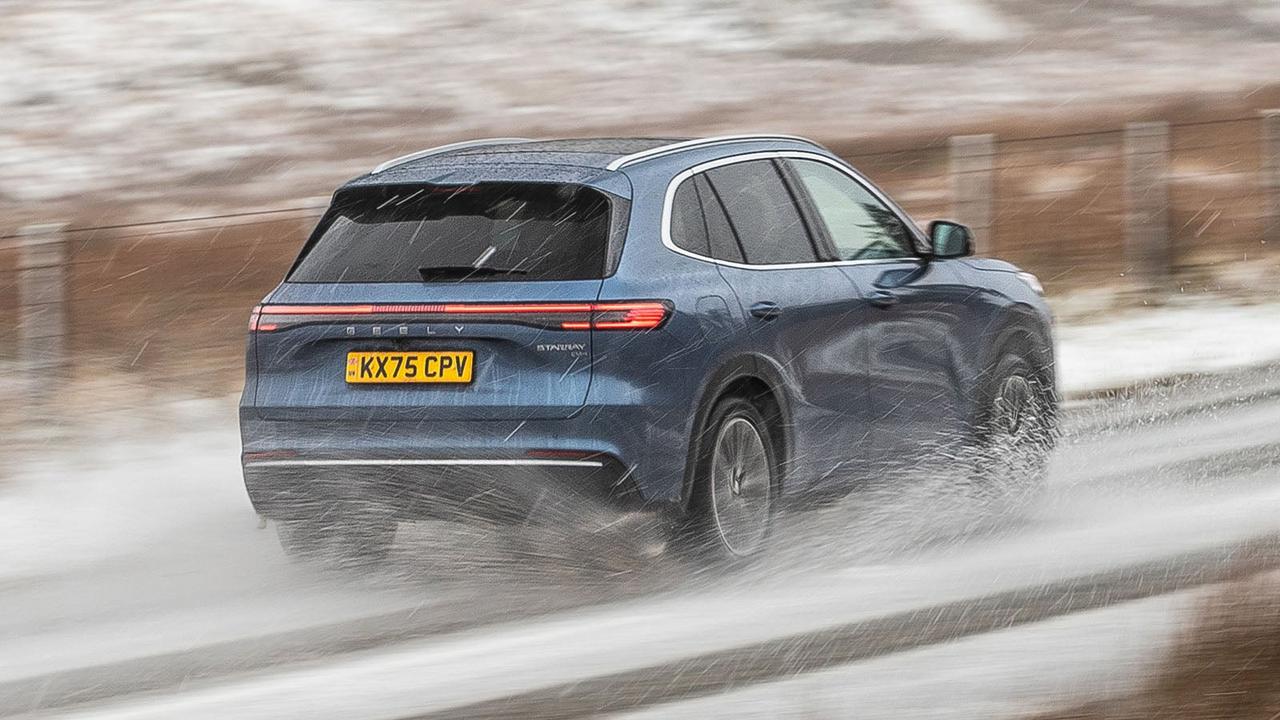
Like several cars we've tried from Chinese brands, the Starray EM-i has a generally soft setup. This means it allows a fair amount of body motion over bumps and undulations, in return for absorbing most of the impact forces before they make it to the cabin. Over big bumps like potholes, the Geely's setup works well, softening the blow before it makes it to your seat. Scruffy road surfaces aren't dealt with quite so well, though, with almost constant small jiggles being felt though the car's floor.
Obviously, the car's driving experience isn't going to leave a lasting impression, but we do want to give a nod to its refinement. As mentioned above, the engine is very hushed if you're driving gently, but so is the rest of the car as you go down the road. Very little tyre roar, suspension thumps or wind whistle makes it to your ears, even at motorway speeds. We'd love to say this let us better enjoy the upgraded Flyme stereo on our test car, but the system didn't sound particularly special to our ears.
A smart and very talented family SUV with an economical hybrid engine