









With so many cars going electric or hybrid, is it still worth buying a petrol-powered car?
Batteries are getting baked into more and more cars, but there are still plenty of models that are sold with pure petrol engines.
We'll look at the pros and cons of buying petrol cars today to help you decide if it's the right fuel type for you. Don't forget to check out the big savings on used petrol cars for sale at Motorpoint.
Petrol car benefits and drawbacks
Pros of petrol cars
- Usually the most affordable engine option
- You don't need off-street parking to recharge overnight
- Doesn't need regular long drives like diesel
Cons of petrol cars
- Generally less efficient than a diesel equivalent
- Running costs are higher than an EV
- Creates emissions that damage the environment
Why you should buy a petrol car
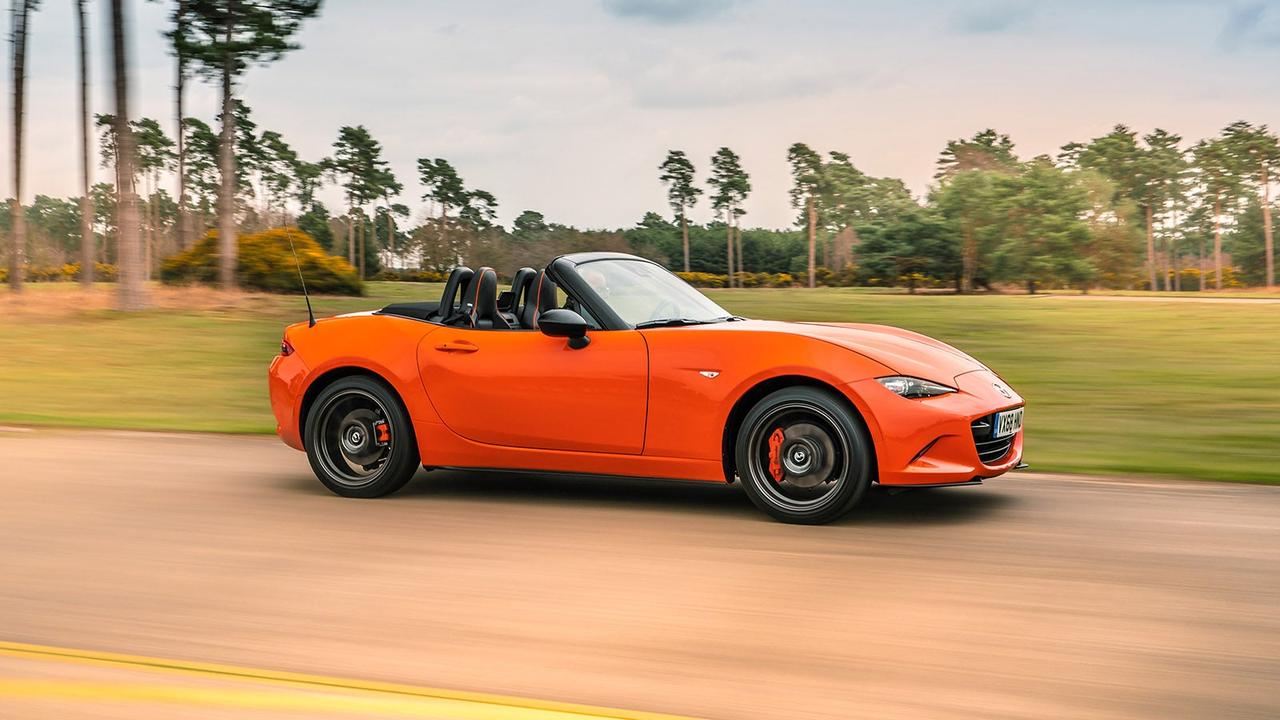
Petrol is a great option for drivers who cover mixed motoring – in other words, those who cover a mix of short urban routes and longer higher-speed journeys.
You have reasonable fuel efficiency, and can quickly refuel at any petrol station. At the same time, petrol cars avoid the risk of clogged diesel particulate filters (DPF), which affects diesel cars that aren't regularly driven long distances.
Many models on the market offer a choice of pure petrol, with a number of hybrid variants appearing as you head higher up the range. As a result, petrol cars usually have the lowest purchase prices within a particular vehicle range, which makes them more affordable to buy in the first place. This discount can often offset the potential fuel savings you might've made by going for a more efficient alternative.
Should you still buy a petrol car in 2026?
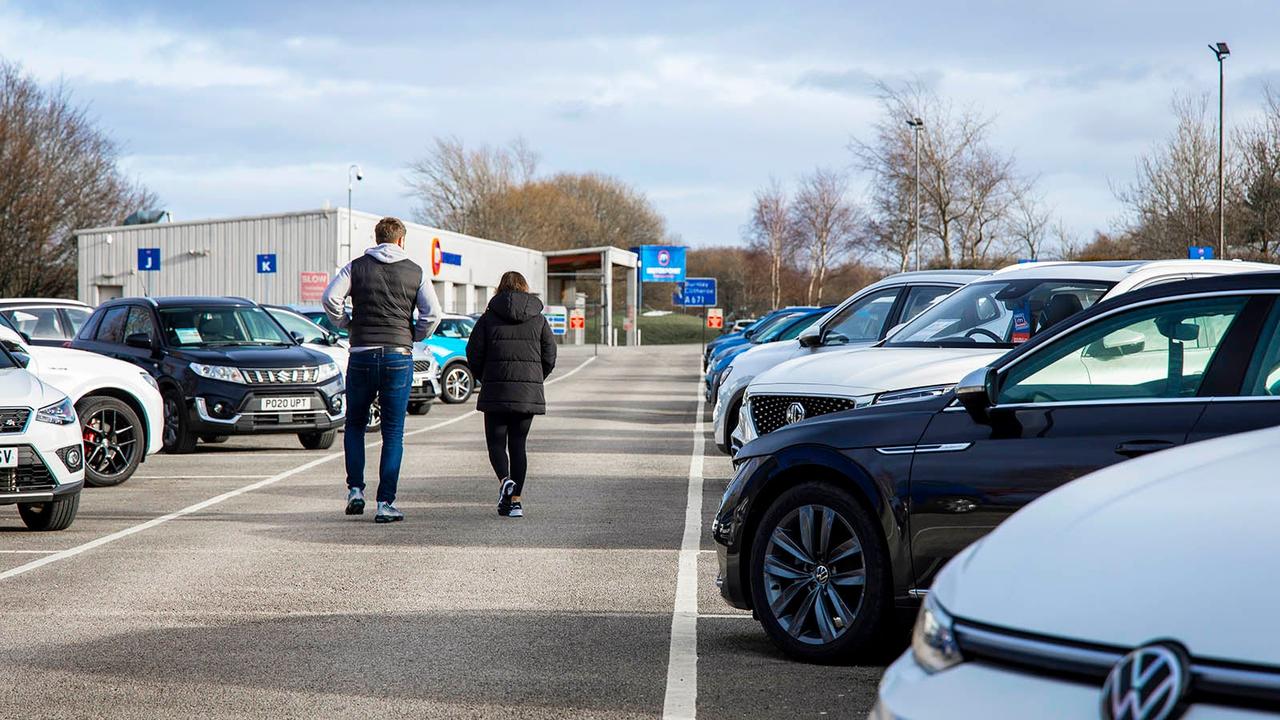
Yes, absolutely. Current UK rules mean that brand-new petrol and diesel cars can continue to be sold until 2030. After that point, new cars with engines can still be sold but they'll need a hybrid system of some kind. This will continue until 2035, when the sale of new fuel-powered cars is planned to be stopped outright.
More importantly, you will still be able to drive your petrol car in the UK, regardless of whether sales of new petrol cars are banned.
Can you still drive a petrol car after 2030?
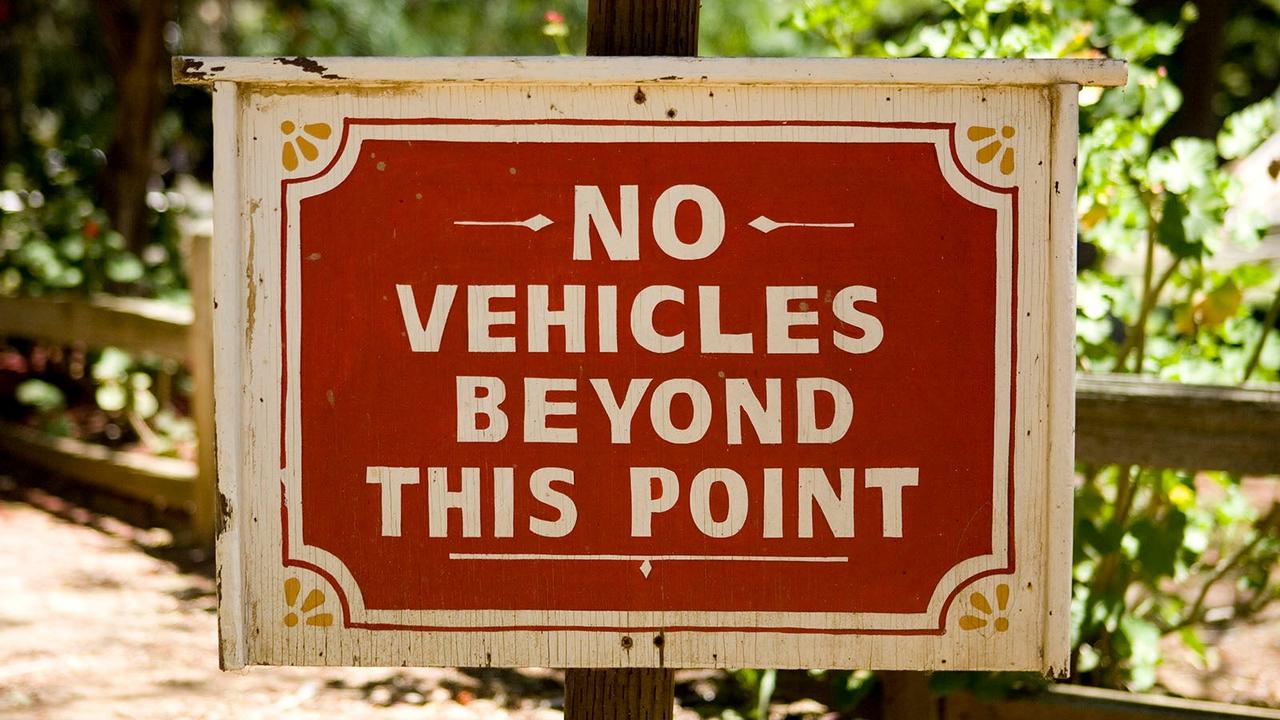
Yes. The only thing that's currently expected to be banned in 2030 is the sale of brand-new non-hybridised cars. That means you'll be able to buy new pure-petrol and diesel cars until 2030, and you'll be able to drive them on the UK's roads for as long as you like.
After 2030, the only fuel-powered cars you can buy will be hybrid ones. Then, from 2035, we expecting the sale of brand-new fuel-powered cars to be totally banned in favour of purely electric cars. Again, none of this will impact your ability to drive existing or used petrol-powered cars after this point.
Are petrol cars fuel efficient?
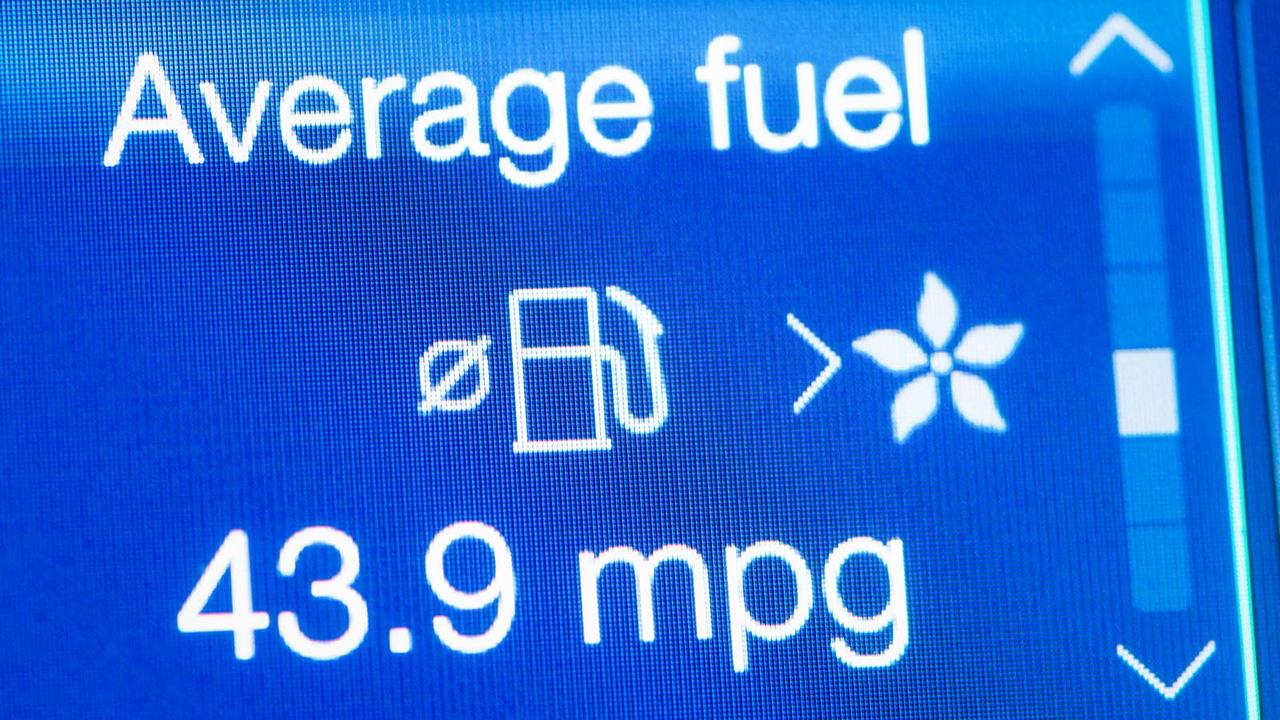
The answer here obviously depends entirely on what model of car you're talking about. However, today's petrol cars are remarkably efficient compared to those of just a few years ago. Advancements in turbocharging and fuel injection tech mean even fairly large, powerful petrol cars still achieve respectable economy figures.
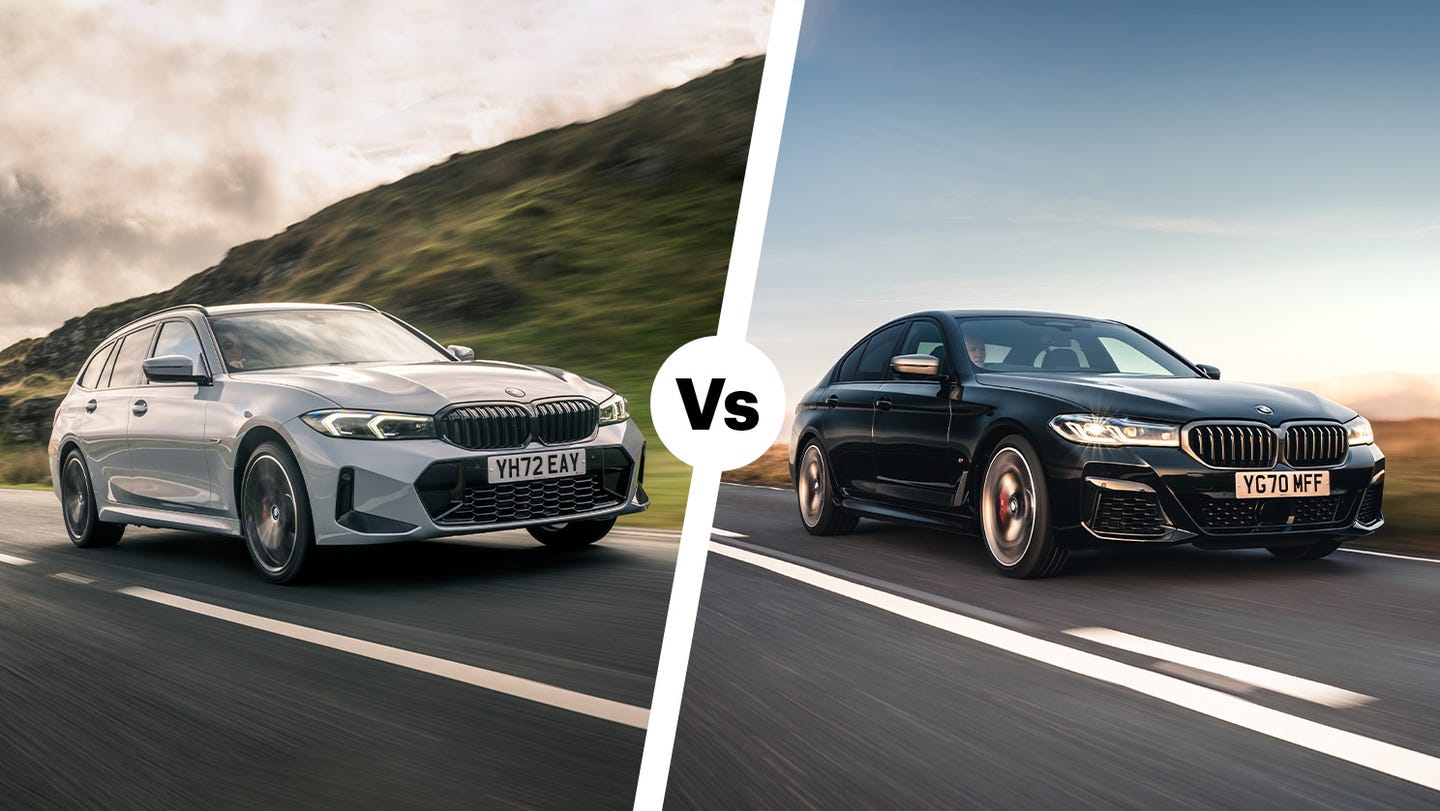
For example, take a modern BMW 3 Series in 320i petrol form. This is a spacious, premium car and, with 184hp on tap, it's quite quick too. But, if you drive the 320i with a light foot, it'll return over 40mpg on average and possibly more on a long drive.
Are petrol cars good or bad for the environment?

All cars come with an environmental cost, like many things in our lives. That's why it's good to have regulations that push companies to build cleaner, more sustainable cars.
The best information available right now shows that petrol cars do more total damage to the environment over their total lifetime than electric cars. This is due to the huge amount of emissions the fuel-powered car creates during its years in service, even though EV manufacturing is thought to do slightly more damage at first.
Can petrol cars drive in clean air zones (CAZ) or ultra-low emission zones (ULEZ)?
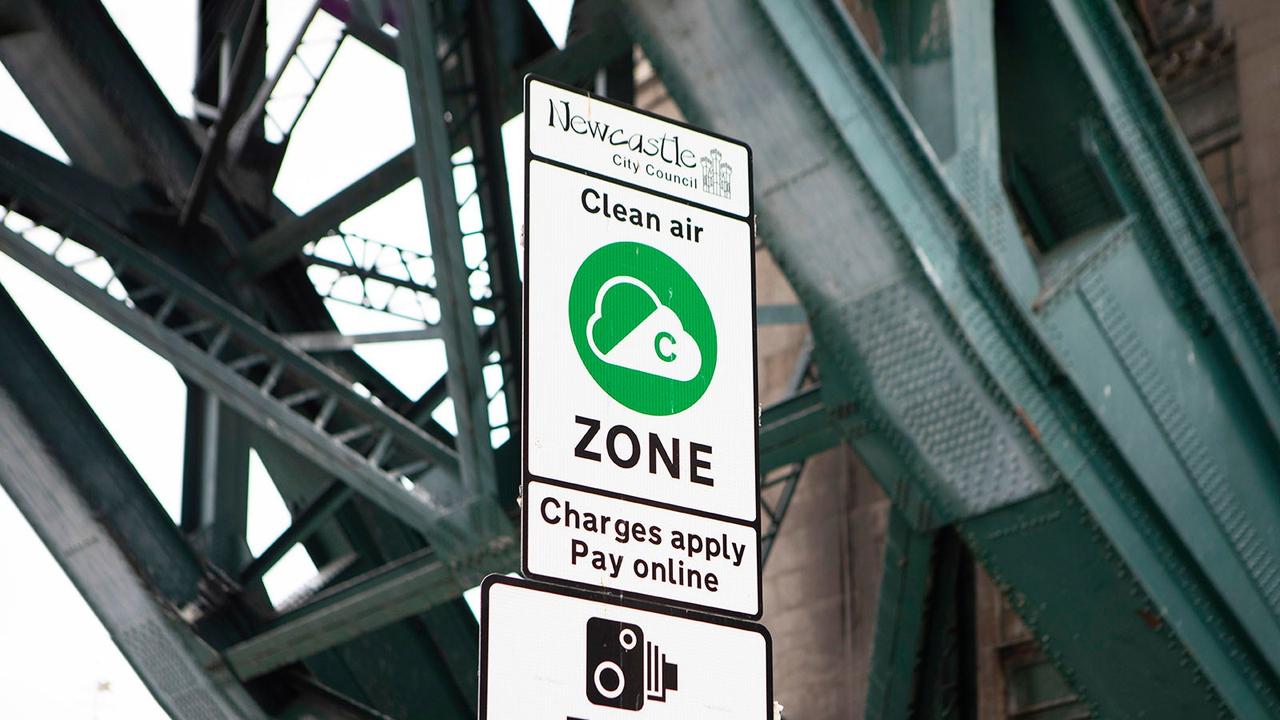
The overwhelming majority of petrol cars today can freely drive into a clean-air zone or London's ultra-low-emission zone without paying a penny.
This is because petrol cars only need to meet Euro 4 emissions standards to drive for free in a CAZ or the ULEZ – that's all petrol cars from January 2006 onwards and even a handful of earlier models. Meanwhile, diesel cars need to meet stricter Euro 6 standards – September 2015 onwards – to avoid being charged.
What alternatives to petrol cars are there?
If you need a car but don't fancy petrol power, there are three main alternatives:
Diesel
- More economical than petrol, especially on longer journeys
- Diesel cars are usually a little more expensive than comparable petrol cars
- Not suited to drivers covering lots of short journeys due to DPF concerns
Read our diesel car buying guide
Hybrid
- Usually based on petrol cars but with better economy, especially in stop-start traffic
- Mild and full hybrids have basically the same user experience as petrol cars (just fill up and go)
- Plug-in hybrids can save a lot of money if you have a regular commute or school run
Read our hybrid car buying guide
Electric car
- Substantially lower running costs than petrol if you can charge at home
- Long journeys may take a fraction more planning to account for charging stops
- Purchase prices are now very similar to fuel-powered cars
Unbeatable prices on petrol cars
Search a huge selection of nearly new and used petrol cars for sale at Motorpoint. If you're keeping an eye on the pennies, check out our picks for the best fuel-efficient cars you can buy.