








Just a decade ago, diesel cars accounted for nearly half of new car registrations.
Now, in 2026, diesel cars have made up less than 5% of the total figure. The downfall of diesel and the rise of electrified cars means that new diesels are few and far between. Even the Volkswagen Golf, which has offered diesel engines for 50 years, has recently dropped black-pump options.
But diesel still has its place for some drivers, and buying a used diesel car is still a good idea provided you’re going to be doing a lot of miles.
- Are diesel cars bad?
- Should I buy a diesel car?
- Do diesel cars have a future?
- When will diesel cars be banned in the UK?
- Can I still use my diesel car after 2030?
- Will diesel cars be worthless in 5 years?
Are diesel cars bad?

Diesel cars were heavily promoted in times gone by, because they offered greater fuel economy and lower carbon dioxide (CO2) emissions than an equivalent petrol car. But, in terms of nitrogen oxide (NOx) emissions, diesels produce far more than petrol or hybrid cars.
NOx emissions are less prevalent than CO2 emissions, but much, much stronger. Smog in cities, acid rain and poor local air quality for pedestrians have all been attributed to high NOx outputs.
Diesel falling out of favour was additionally down to the 2015 Dieselgate scandal, where Volkswagen, among other manufacturers, was found guilty of fitting a ‘defeat device’ to cheat during an emissions test. This meant that cars were producing far more emissions than quoted. (The current WLTP emissions test always suggests that plug-in-hybrid cars produce far fewer emissions than they actually do, but this is apparently irrelevant.)
Should I buy a diesel car?
| Do buy a diesel car if: | Don’t buy a diesel car if: |
|
|
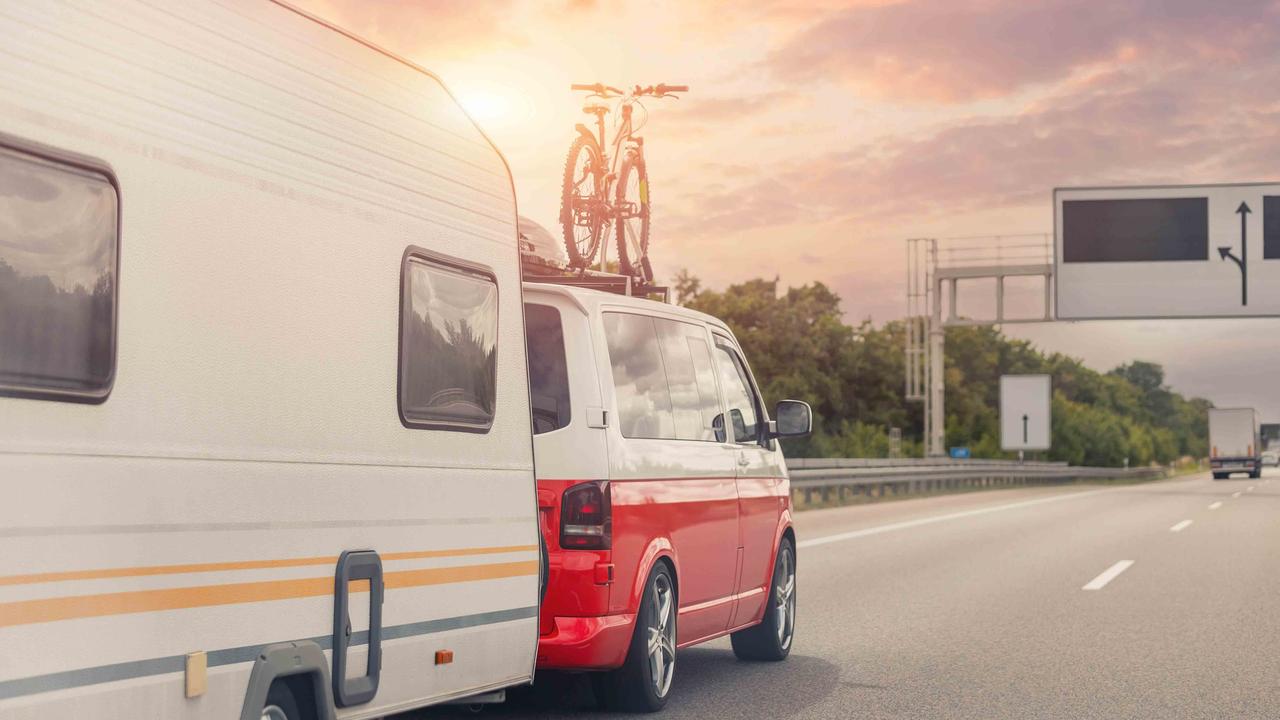
Diesel cars are efficient and economical at a constant cruising speed. Combined with the fact that diesel cars typically can travel a long way on a tank of fuel, this means that diesel cars are ideal for regular long motorway journeys. Being able to do hundreds of miles on a tank of fuel will also appeal if you live far away from a petrol station.
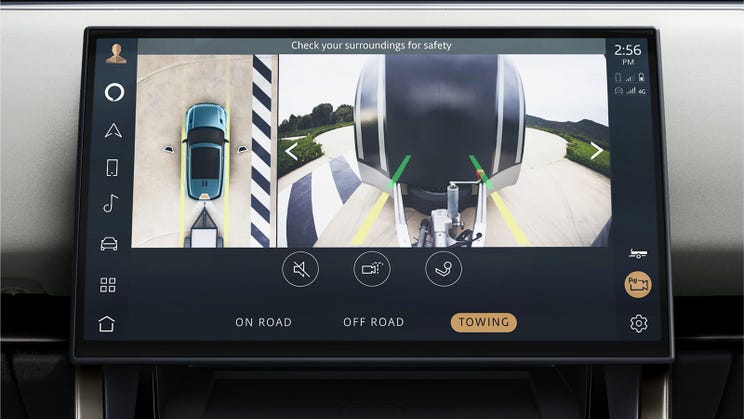
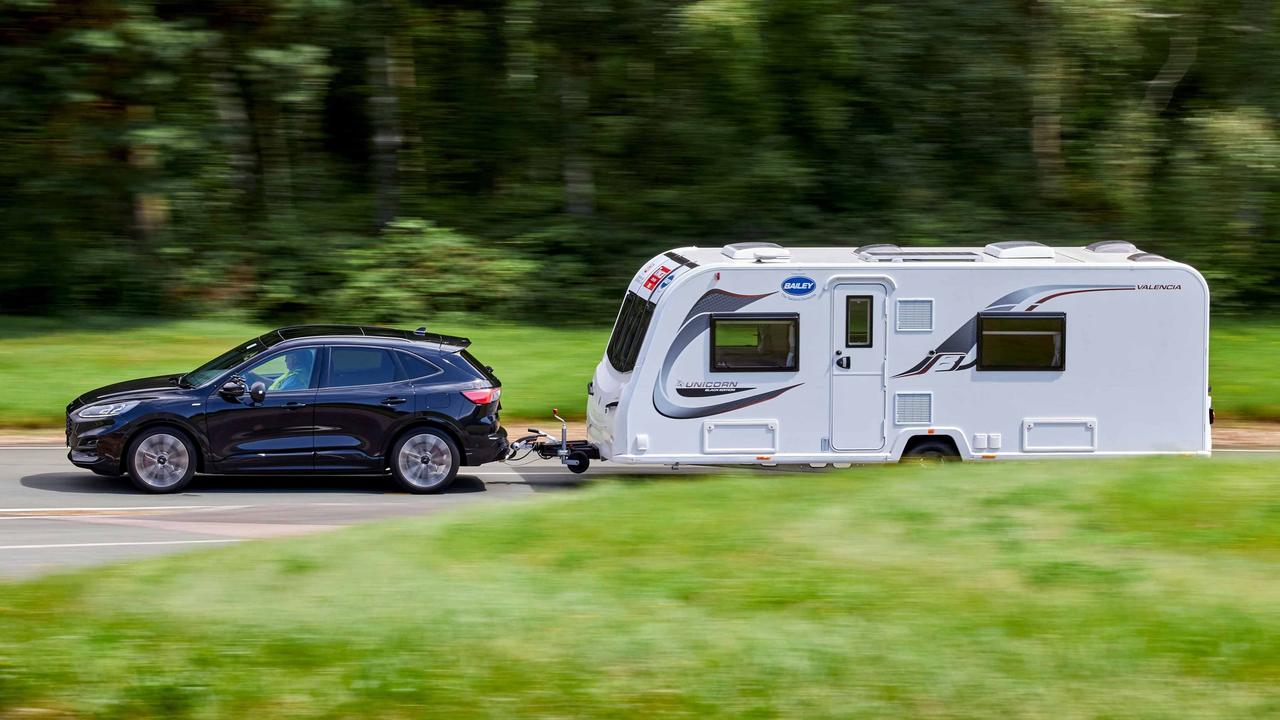
The other reason to buy a diesel car is for its towing capacity – a diesel engine’s low-down torque makes it easier to get moving with a heavy trailer or caravan behind you. However, these days there are many suitable options that don’t have a diesel engine, and you could even consider a hybrid towcar or a fully electric towcar if they suit your budget and lifestyle.
Modern diesel cars have lots of tech on board to reduce emissions. Almost all Euro 6 diesels (an emissions standard made a legal requirement for then-new diesel cars in 2015) require AdBlue top-ups every few thousand miles. You may need to purchase AdBlue from a petrol station and top it up yourself if you’re running low.
All modern diesels additionally have a diesel particulate filter (DPF). The DPF needs the engine to get hot to burn off the soot that it catches – repeated short journeys won’t allow the engine to get up to the right temperature, and the soot will build up until it clogs the DPF and causes major problems. While Euro 6 diesels are compliant with Clean Air Zones (CAZs) and London’s Ultra Low Emission Zone (ULEZ), they aren’t the most suitable option for driving in built-up areas.
Do diesel cars have a future?
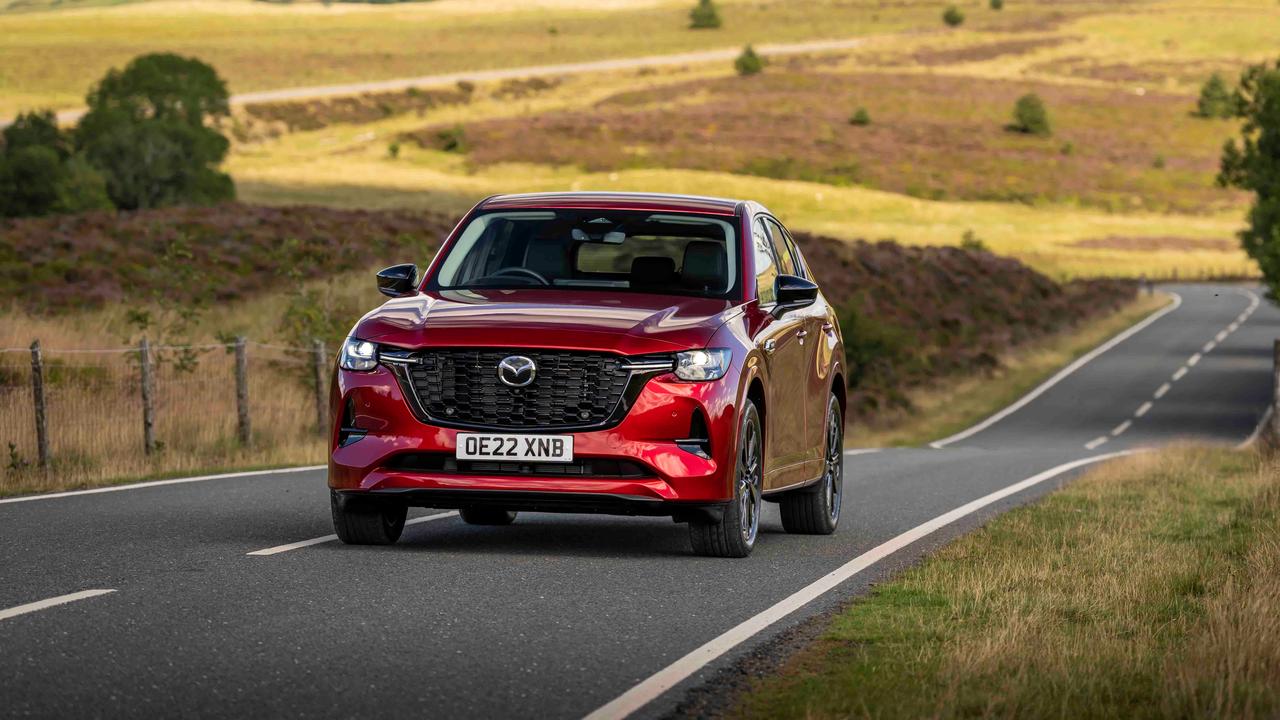
It’s hard to see how diesel cars will ever be a mainstream choice for cars again. Modern petrol engines are often similarly economical to certain diesel cars, and hybrid cars are far more economical in low-speed driving than a diesel car would be. Let’s not forget that there are numerous long-range electric cars now, and the charging network is good enough that long-distance electric driving is perfectly viable for most.
Diesel is still the best choice for many commercial vehicles, especially for vans and lorries that are driving large distances.
When will diesel cars be banned in the UK?
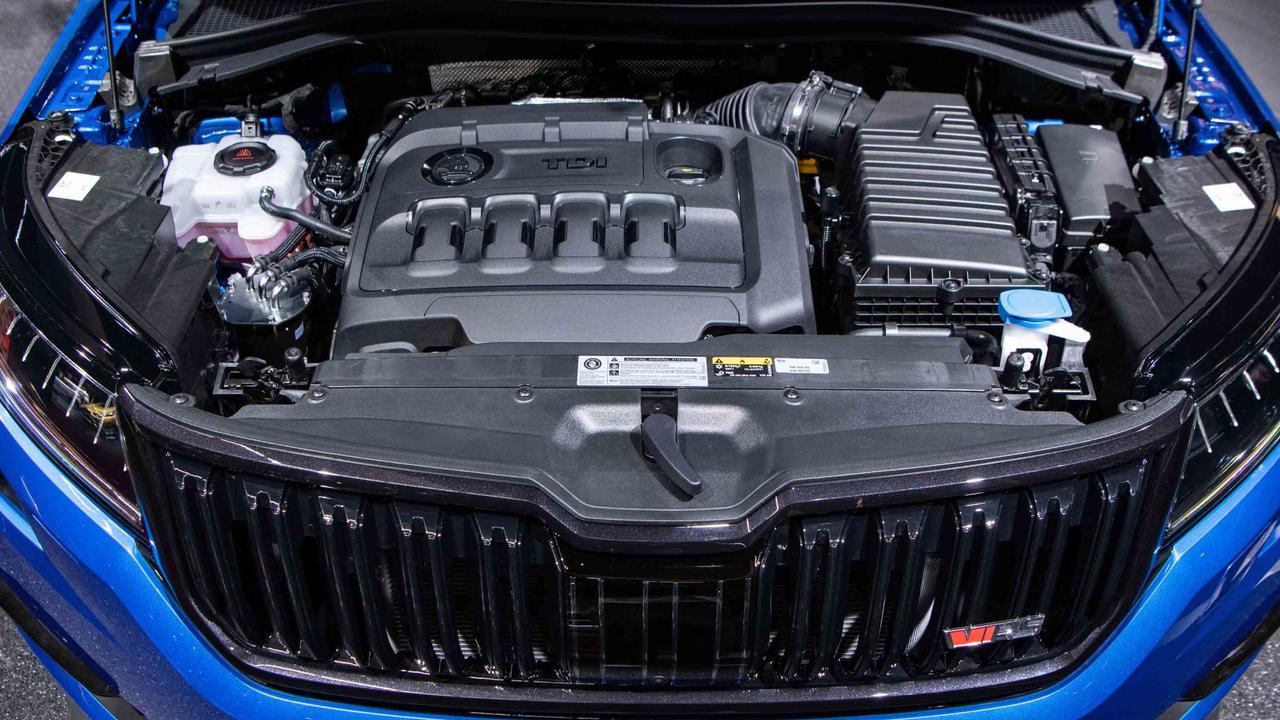
The sales of new diesel cars will be phased out in 2030, alongside purely petrol cars. However, hybrid cars (presumably including diesel hybrid cars) will remain on sale until 2035.
By 2035, all new cars and vans will have to be zero-emission vehicles – which means electric and hydrogen, but in reality hydrogen is never going to be a mainstream option.
Of course, this could all change – we’re only a few years away from the Government’s target and the 2035 push for 100% zero-emission cars and light commercial vehicles currently seems unlikely to be achievable.
Can I still use my diesel car after 2030?
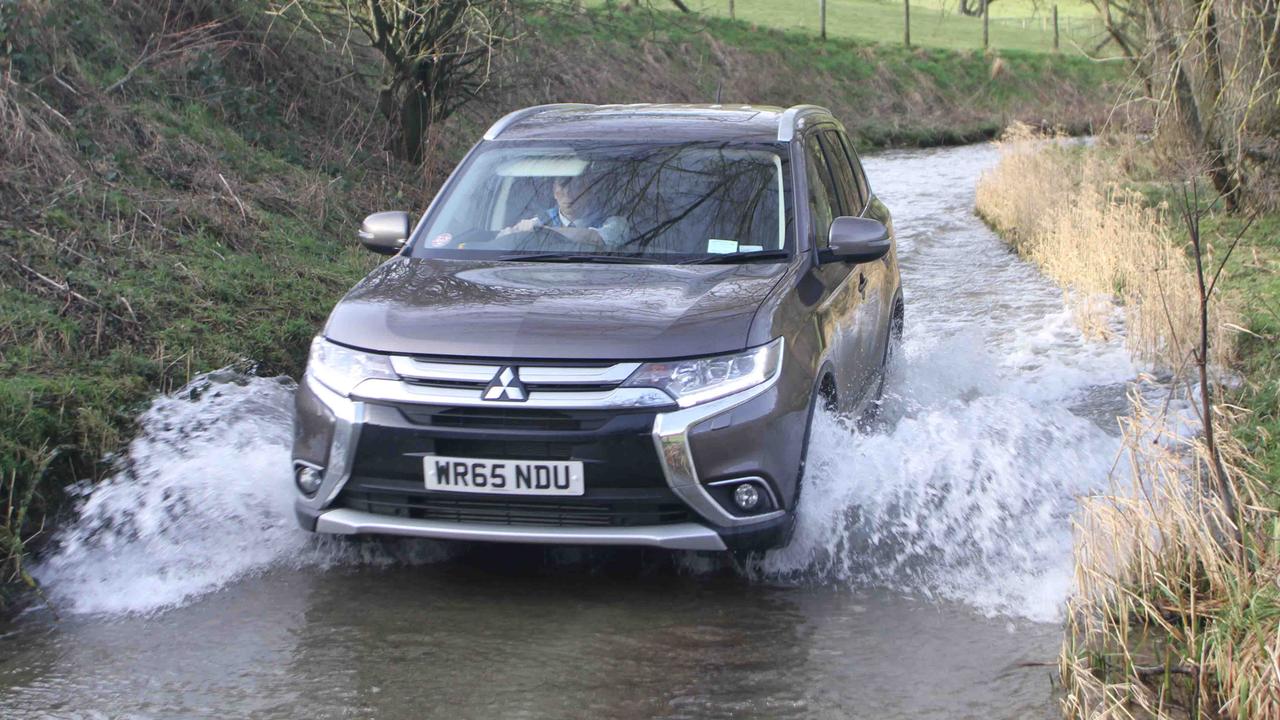
Yes, you’ll still be able to use your diesel car after 2030 – you just won’t be able to buy a new one. Fuel stations will continue to sell diesel as long as there’s demand for it, but the price of diesel might rise to make up for these companies selling less of it.
Will diesel cars be worthless in 5 years?
For the foreseeable future, there will always be people who need a diesel car (or think they do). The shrinking choice of diesel cars available to buy could improve the values of the remaining options.
The other side of the coin is that, with most drivers moving away from diesel, you’ll be selling your car to a smaller pool of potential buyers – which could make diesel cars harder to sell.
It’s worth remembering that, if you buy a diesel car on PCP finance and stick to the agreed mileage and condition stipulations, the finance company will absorb the difference if your car is worth less than initially expected at the end of your contract.