







Euro emissions standards help measure and reduce car exhaust emissions.
They are a series of numbered standards between 1 and 7 set by the European Commission. All new cars sold in Europe and the UK must comply with these standards, and they've become more stringent over time.
For example, all new cars sold after January 1993 needed to meet Euro 1 emissions standards, with Euro 2 applying to cars sold after January 1997 and so on. Leading us to the latest Euro 7 standards, which will apply to all new cars sold after November 2027.
What Euro emission standard is my car?
This table shows the minimum Euro emissions standard your car would meet based on its age:
| Car registration date | Minimum emissions standard* |
| Jan 1993 - Dec 1996 | Euro 1 |
| Jan 1997 - Dec 2000 | Euro 2 |
| Jan 2001 - Dec 2005 | Euro 3 |
| Jan 2006 - Dec 2010 | Euro 4 |
| Jan 2011 - Aug 2015 | Euro 5 |
| Sept 2015 - Oct 2027 | Euro 6 |
| Nov 2027 onwards | Euro 7 |
*This is the minimum emissions standard your car would have met when it was brand new. Some manufacturers introduce newer engines that meet future standards before those standards come into place. As a result, your car might still meet more stringent standards, even if it was registered under the previous standard.
Why do I need to know what Euro standard my car is?
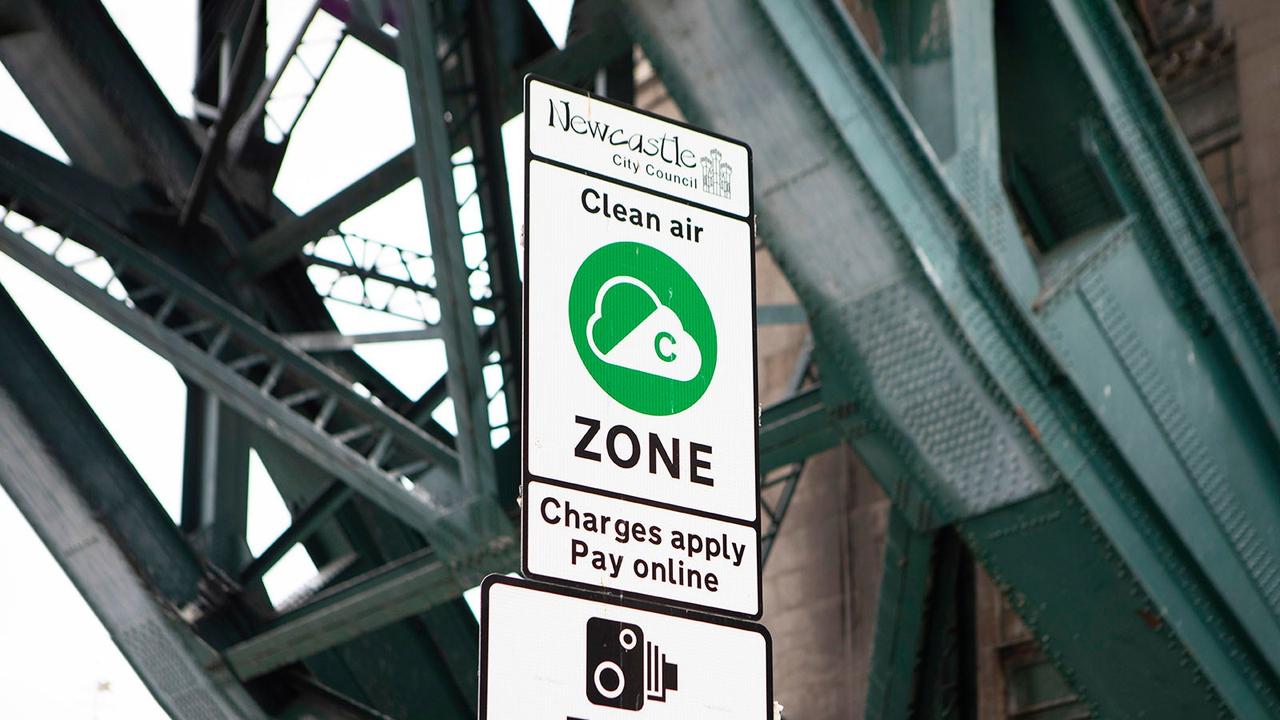
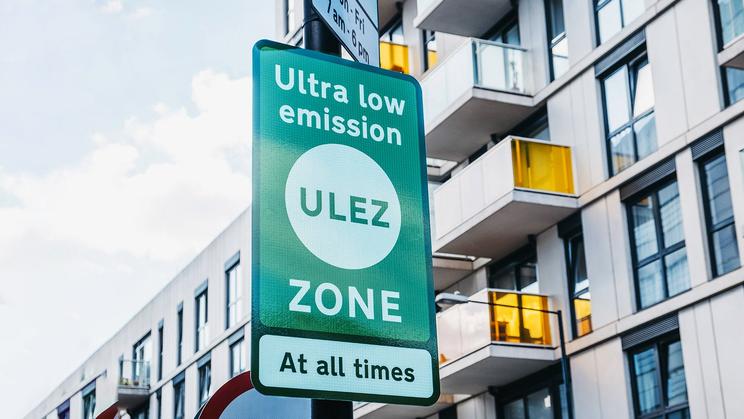
Cities like London, Birmingham and Bristol have low-emissions ULEZ and CAZ areas in their centres. These charge older, more polluting cars money if they want to drive into the city.
Whether or not your car has to pay these charges is based on its Euro standards. Across most English low-emissions zones, petrol vehicles need to meet Euro 4 standards while diesel vehicles must meet Euro 6 to drive in the centre without being charged.
How do Euro emission standards work?
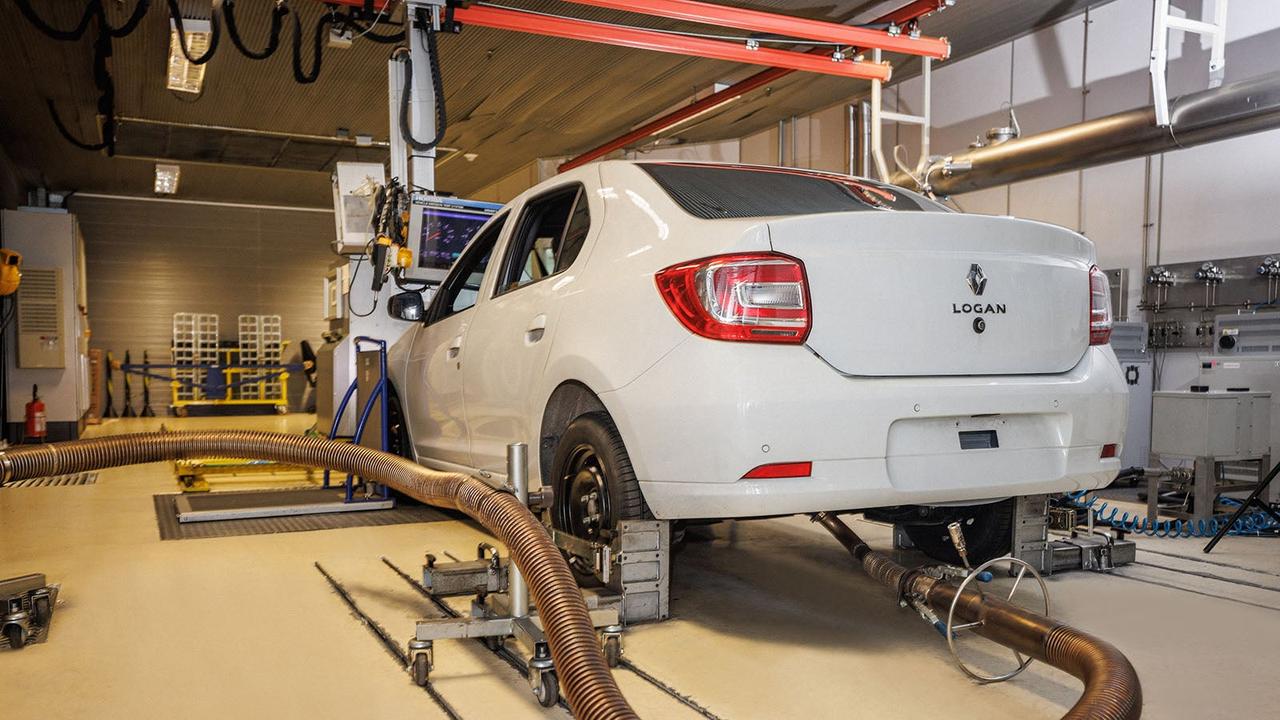
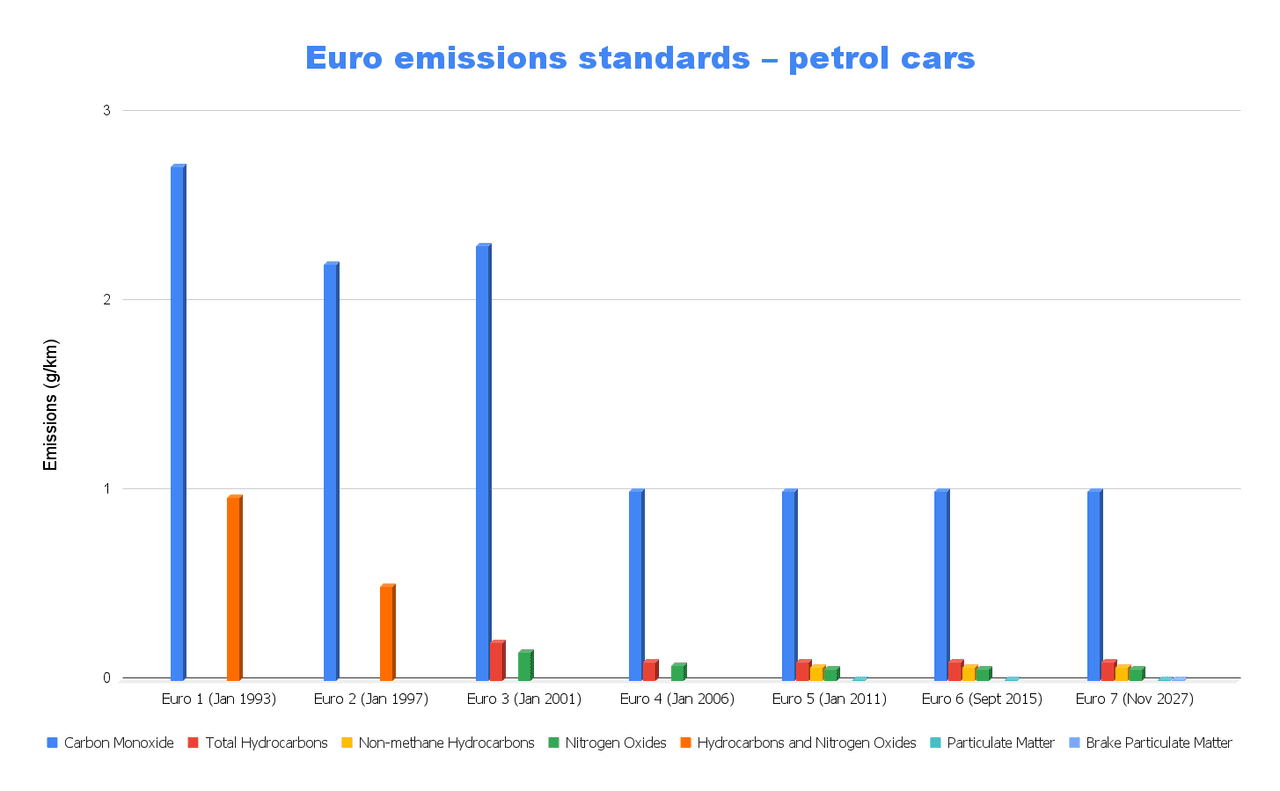
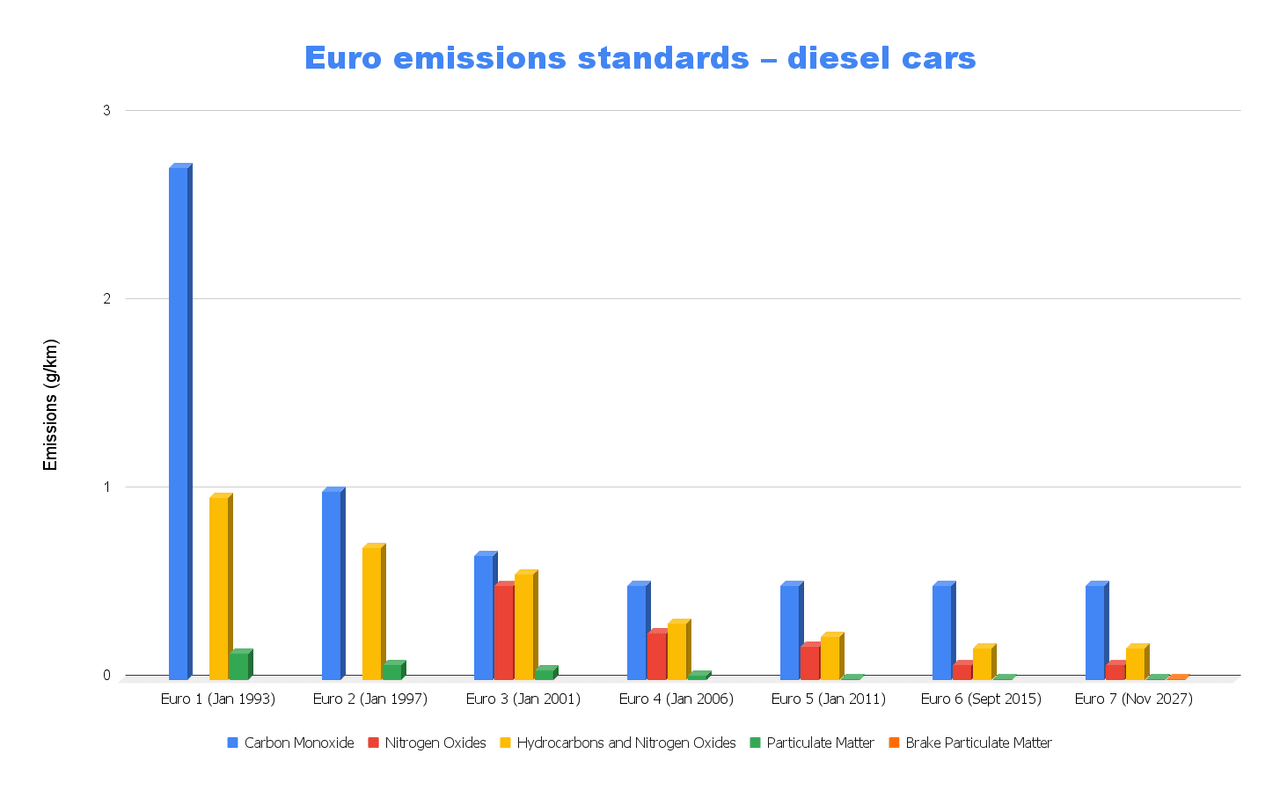
Each Euro emissions standard has introduced progressively tougher limits across several types of harmful emissions and gases produced by cars. This includes carbon monoxide (CO), nitrogen oxides (NOx) and hydrocarbons (HC), as well as particulate matter (PM) – the soot that you see from older diesel engines.
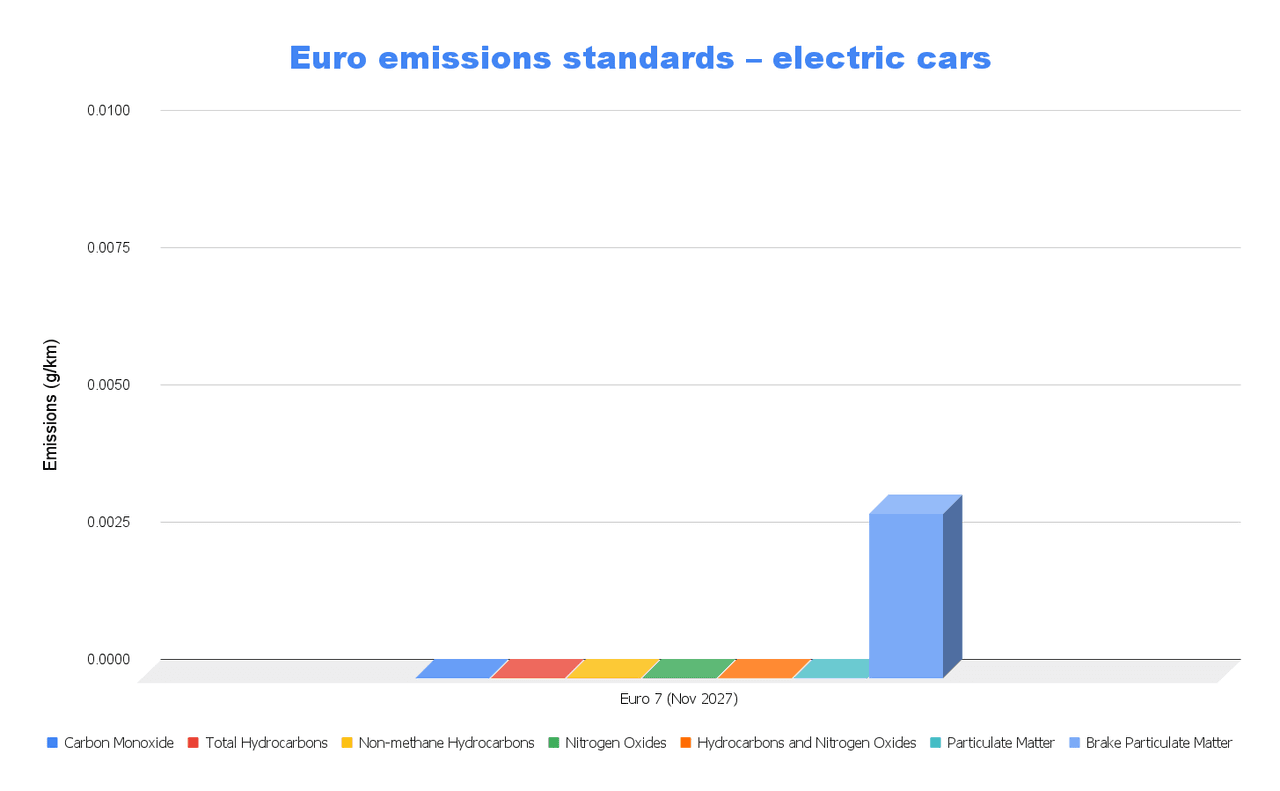
These charts show how Euro restrictions have tightened over time for petrol, diesel and, with the introduction of Euro 7, electric cars.
Euro emissions standards for petrol cars
Euro emissions standards for diesel cars
Euro emissions standards for electric cars
Electric car emissions will be regulated for the first time with the launch of Euro 7 in November 2027. Of course, EVs don't have engines so don't have exhaust emissions, but Euro 7 also limits how much brake particulate matter (brake dust) all cars can produce. Brake particulate limits for EVs are more than twice as stringent as those for fuel-powered cars.
Why do we have Euro emission standards?
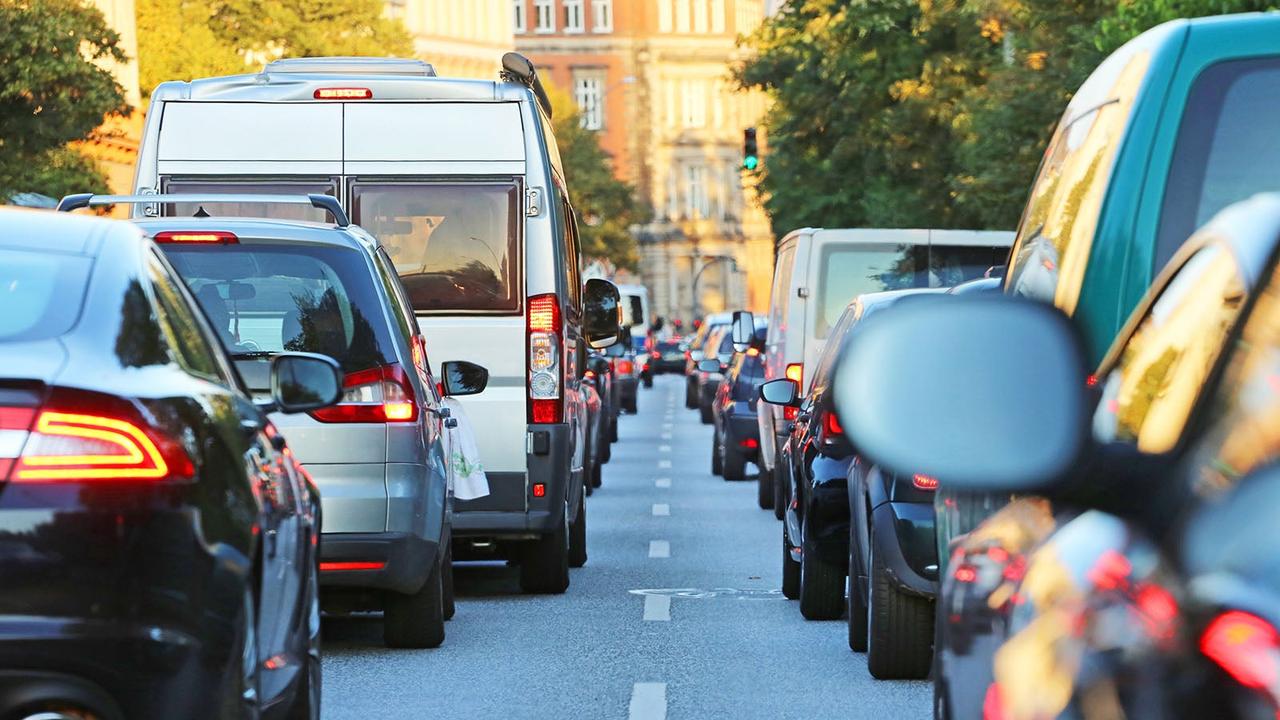
Euro emissions standards have several benefits. Primarily, they reduce the amount of harmful emissions from UK and European traffic. Tens of thousands of premature deaths across the continent come from diseases caused by exposure to pollutants, so these standards should help reduce this. On a larger scale, reducing emissions may help slow the effects of man-made climate change.
Beyond this, Euro emissions standards also push UK and European carmakers to develop ever cleaner and more efficient powertrains. This helps those companies maintain a competitive edge on the global stage, where many other countries have their own, similar emissions rules.
Euro emissions standards explained
Here, we'll cover the key improvements successive Euro standards aimed to deliver:
What is Euro 1?
Euro 1 was the first unified emissions standard for European cars. The most important rules were mandating the use of catalytic converters and unleaded fuel, dramatically reducing the toxicity of car exhaust gases. Euro 1 also introduced particulate matter (soot) limits for diesel cars.
What is Euro 2?
The second stage of emissions standards reduced the amount of carbon monoxide and unburned hydrocarbons allowed in the exhaust.
What is Euro 3?
This stage further reduced the amount of harmful gas emissions. It also separated out the limits for unburned hydrocarbons and nitrogen oxides into two categories.
What is Euro 4?
Progressively lower limits for all exhaust emissions. Also included a significant reduction in particulate matter from diesel cars.
What is Euro 5?
Limits reduced across the board. Most diesel cars now require a diesel particulate filter (DPF) to be compliant. Petrol cars with direct fuel injection also have particulate matter limits applied.
What is Euro 6?
Further limit reductions, especially to nitrogen oxide emissions. Diesel cars either need to use selective catalytic reduction (SCR) by injecting AdBlue exhaust fluid, or exhaust gas recirculation (EGR) to meet emissions limits.
What is Euro 7?
Latest rule set due to arrive in November 2027. As well as much lower emissions limits, which will require most engines to be at least a mild-hybrid, this standard also limits the amount of particulate emissions from brakes and tyres – so they apply to EVs as well as fuel-powered cars.
Save money on a low-emissions car
If your old car is getting a bit smoky, it might be time to swap to something cleaner. Check out huge savings on a massive choice of nearly new and used cars for sale at Motorpoint.