















Cars in the UK and Europe are subject to Euro emissions standards.
These numbered standards – from Euro 1 to Euro 7 – set limits on the amount of harmful emissions a car is allowed to produce.
Euro 7 is the latest emissions standard, and replaces the current Euro 6e standard. All cars sold here and on the continent must meet Euro 7 standards after it launches.
What do Euro 7 emissions standards mean?
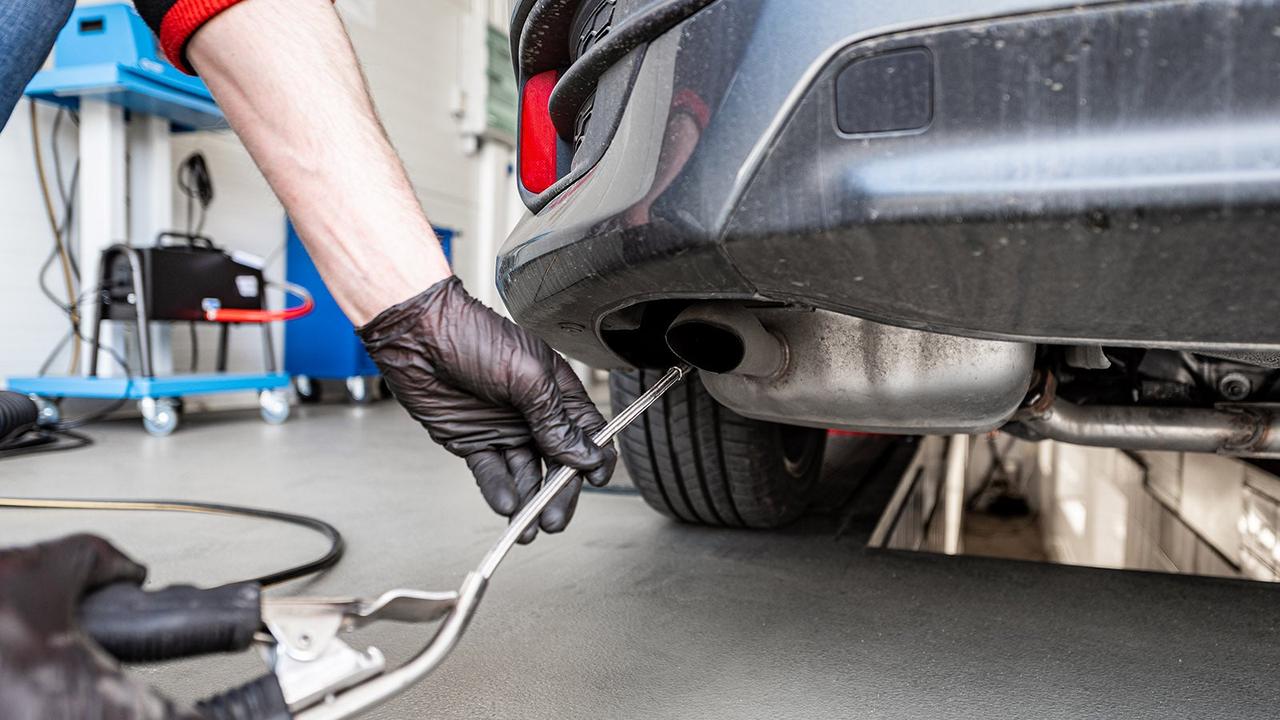
Like all Euro emissions standards, Euro 7 sets new, tougher limits on the amount of greenhouse gasses and other forms of pollution a car can emit while driving.
Having progressively tougher emissions limits means car manufacturers are forced to develop ever cleaner and more efficient engines. This ultimately improves air quality, reducing the harm brought about by exhaust emissions and reducing the car's impact on the climate.
Pushing carmakers to develop cleaner cars also helps British and European brands remain competitive on the global market. Other countries have similarly strict emissions standards, so Euro standards help more local brands remain competitive in those markets.
When are Euro 7 emissions standards being introduced?
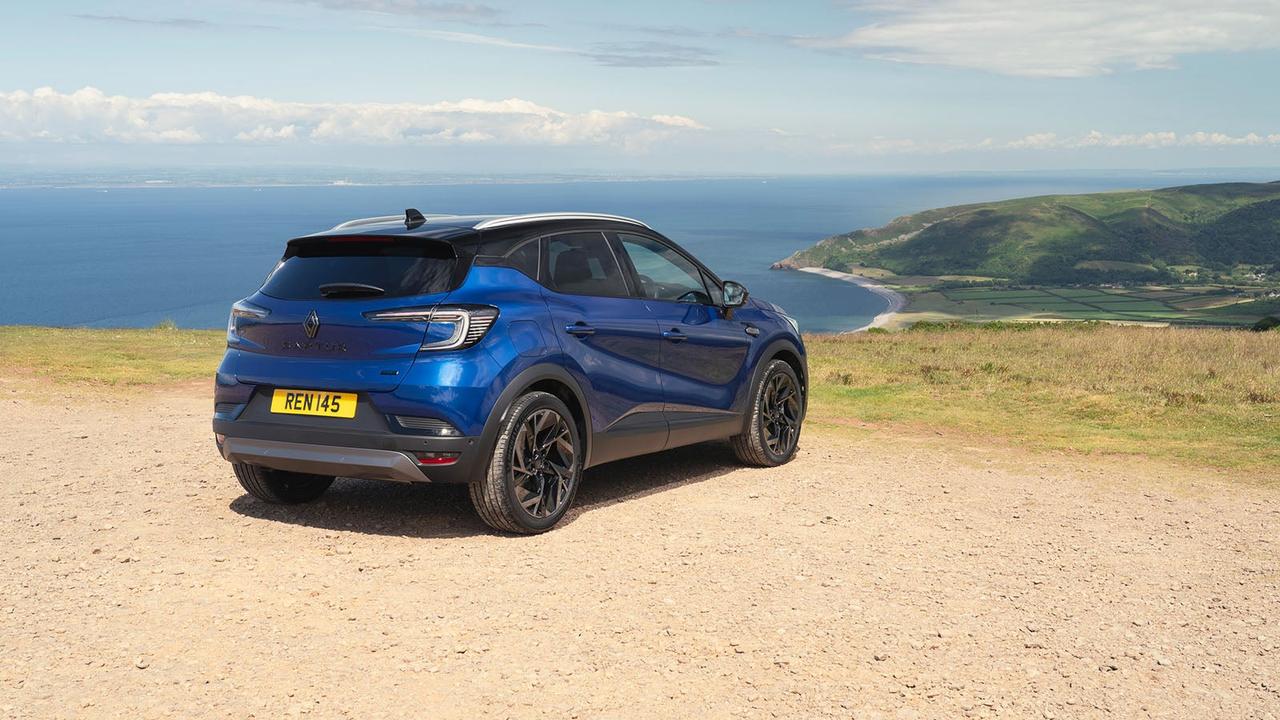
Euro 7 emissions standards will come into force on 29 November 2026. At the time of writing, the UK government is currently running an open consultation on following the rest of the continent in introducing the legislation. It's very likely that this will be formally approved for the UK.
This timeframe is a little later than originally planned. Initially, it was expected that Euro 7 would be introduced in 2025, but this was pushed back following discussions with carmakers.
What regulations are included in Euro 7?
There are several key changes that Euro 7 will introduce:
- New limits on brake and tyre emissions – all vehicles, regardless of how they're fuelled, produce emissions from their brakes and tyres as they wear down. Euro 7 includes new restrictions on the amount of brake and tyre particulate matter (PM) a car can produce.
- Introduce EV battery durability testing – the high-voltage battery packs in electric cars will now be tested for excessive capacity degradation. Euro 7 mandates that the battery must keep at least 80% of its brand-new capacity after 5 years and 72% after eight years. We expect almost all modern EV batteries will last the lifetime of the car.
- Engines must stay clean for longer – Euro 7 requires that cars must continue meeting the established emissions requirements for 10 years or 124,000 miles (200,000km).
- More realistic testing – emissions testing standards have been updated to include harder conditions like short journeys and high temperatures. This should better match driving conditions these cars will face in the real world.
How does Euro 7 reduce emissions?
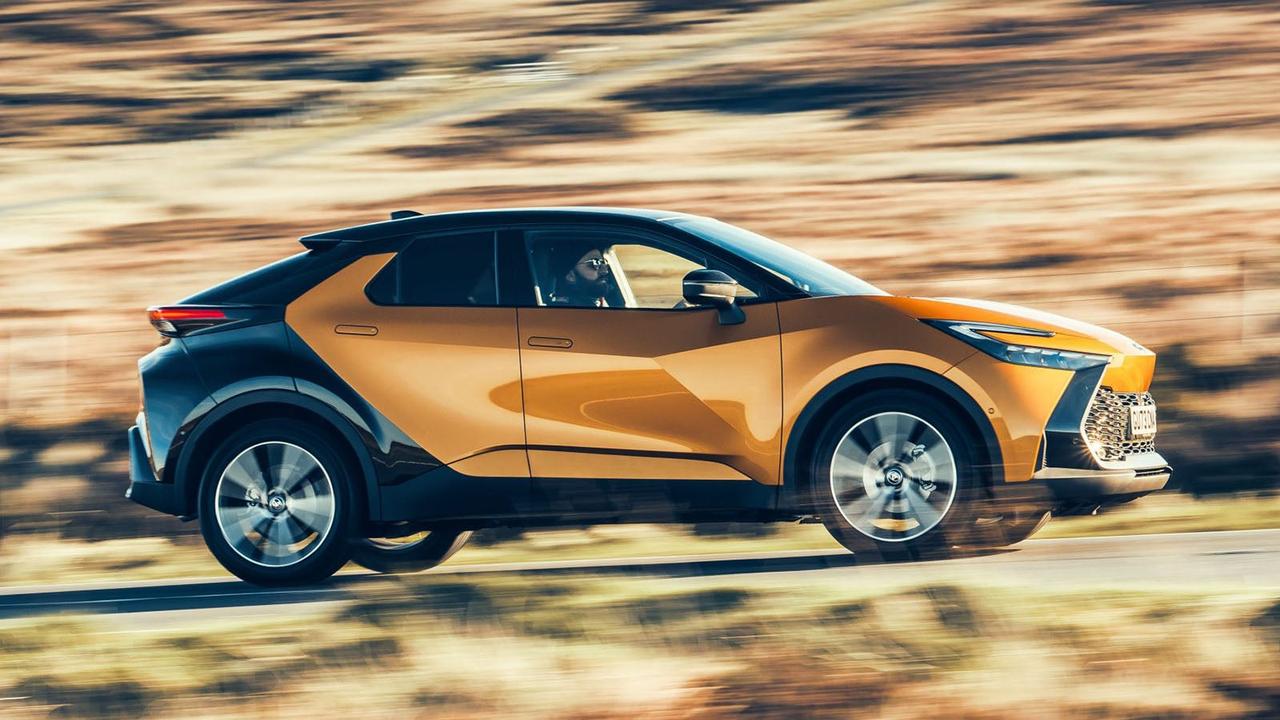
Euro 7 takes a slightly broader view of the emissions your car produces as it gets used. Probably the most important change is the addition of brake and tyre particulate emissions, as all previous Euro standards have solely focused on exhaust emissions.
Of course, Euro 7 maintains strict limits on the greenhouse gasses that come out your car's exhaust, but these restrictions aren't much tougher than existing Euro 6 levels. What's changed, however, is the fact that cars will need to meet these limits in harsher, more realistic testing conditions. They'll also need to stick to these limit for longer, with Euro 7 requiring cars still meet limits after 10 years of driving.
Time to upgrade your car?
Save thousands off a huge choice of nearly new and used cars for sale at Motorpoint.