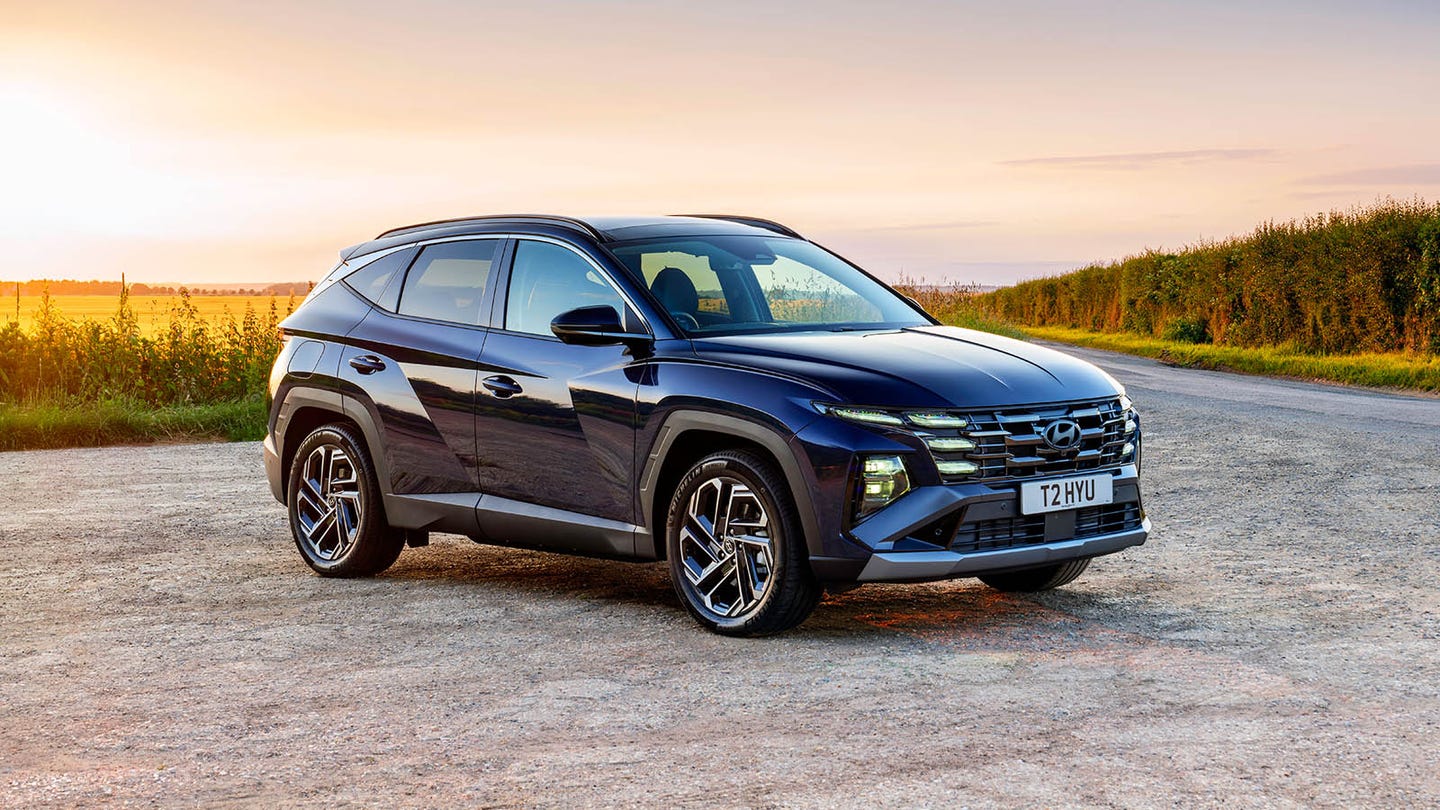
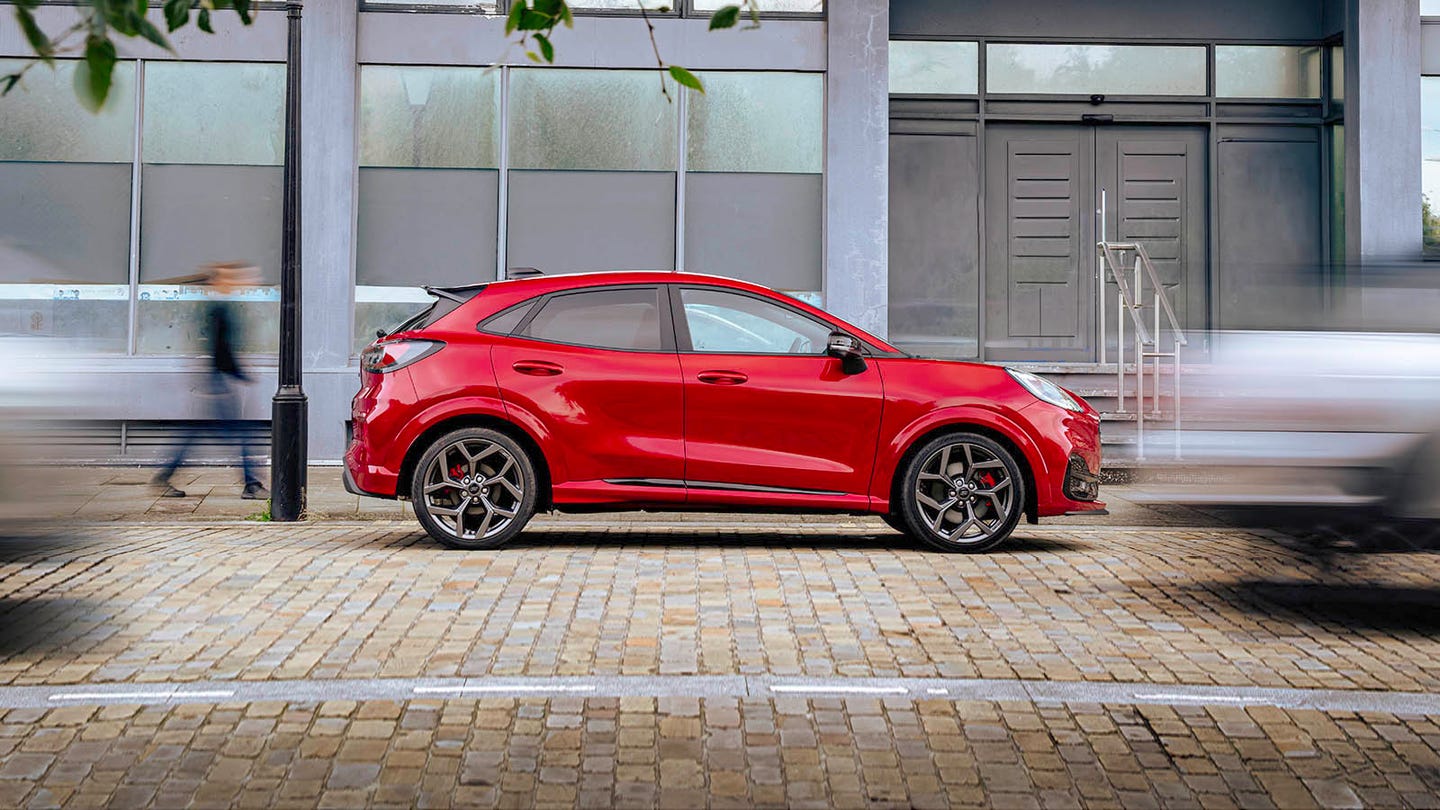
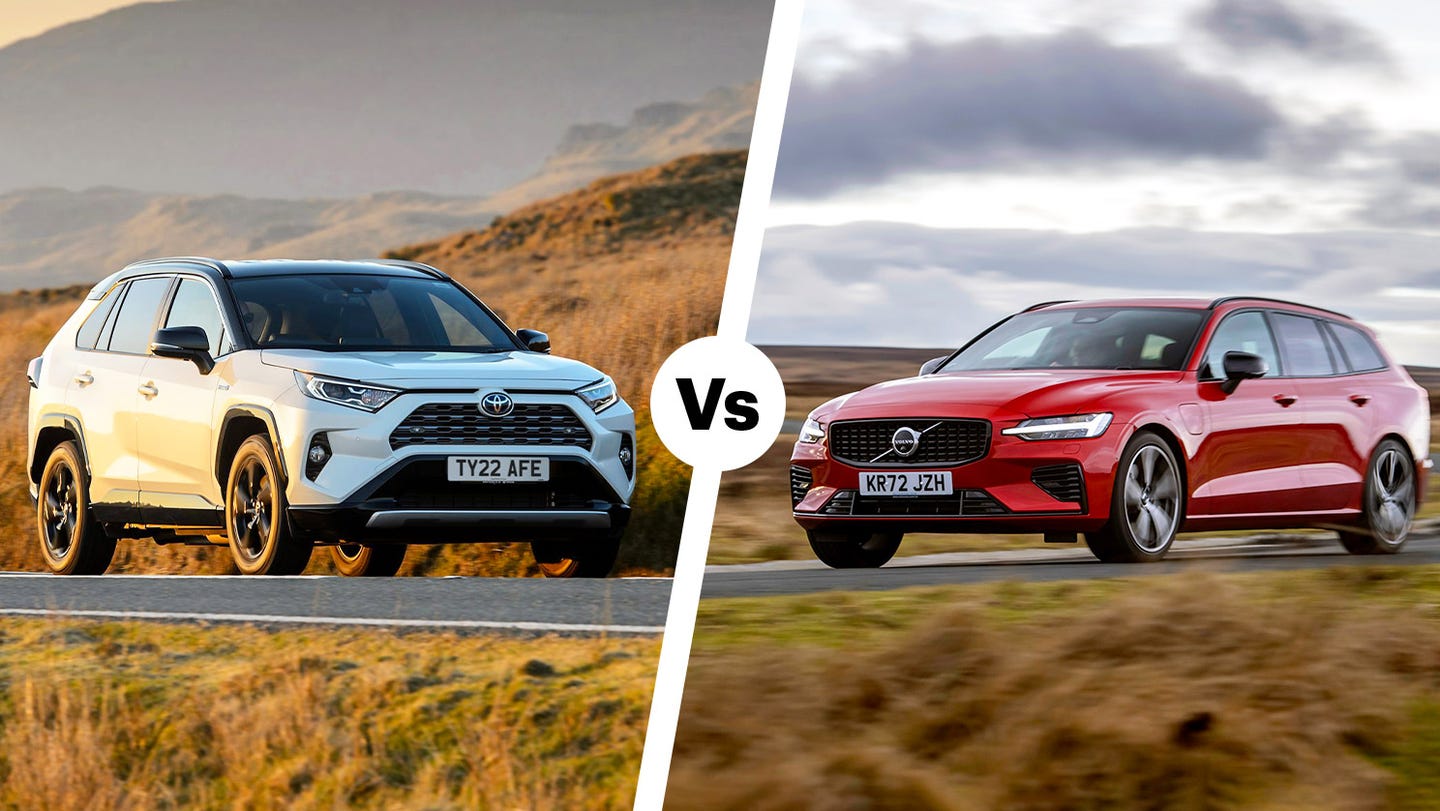

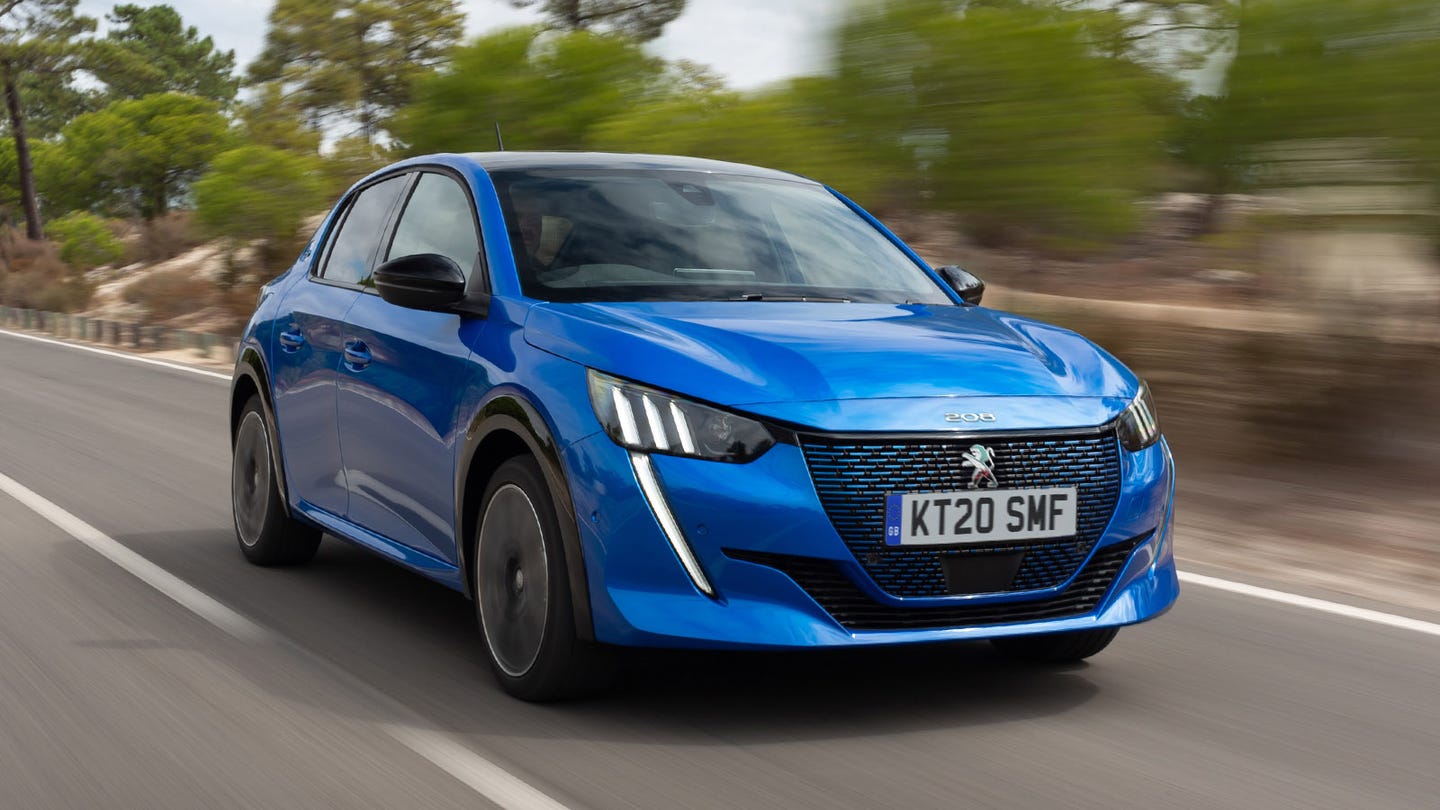










Plenty of modern cars now offer the choice of hybrid power alongside traditional pure-petrol engines.
But which fuel type is the right one for you? Hybrids obviously score better fuel efficiency, but they can be pricier than regular petrol cars, so will you recoup the extra cash in fuel savings?
We'll compare hybrid and petrol cars here, highlighting their pros and cons, and explaining what makes them different.
What is a hybrid car?

A hybrid car is one that uses both a fuel-powered engine and an electric motor to drive the wheels. Blending the two power sources makes the car more efficient because the engine can be optimised for steady cruising, while the electric motor can handle most stop-start driving.
'Hybrid' as a category actually includes three main types of hybrid engine:
- Mild hybrids – essentially a beefed-up alternator that takes some of the strain off the engine while accelerating. Most mild hybrids can't drive on electric power alone, or can only do so at slow speeds
- Read our full mild-hybrid guide
- Full/self-charging hybrids – either the engine or the electric motor can power the wheels, or together in combination. They can't be externally recharged and will go about a mile on electric power alone
- Read our full self-charging-hybrid guide
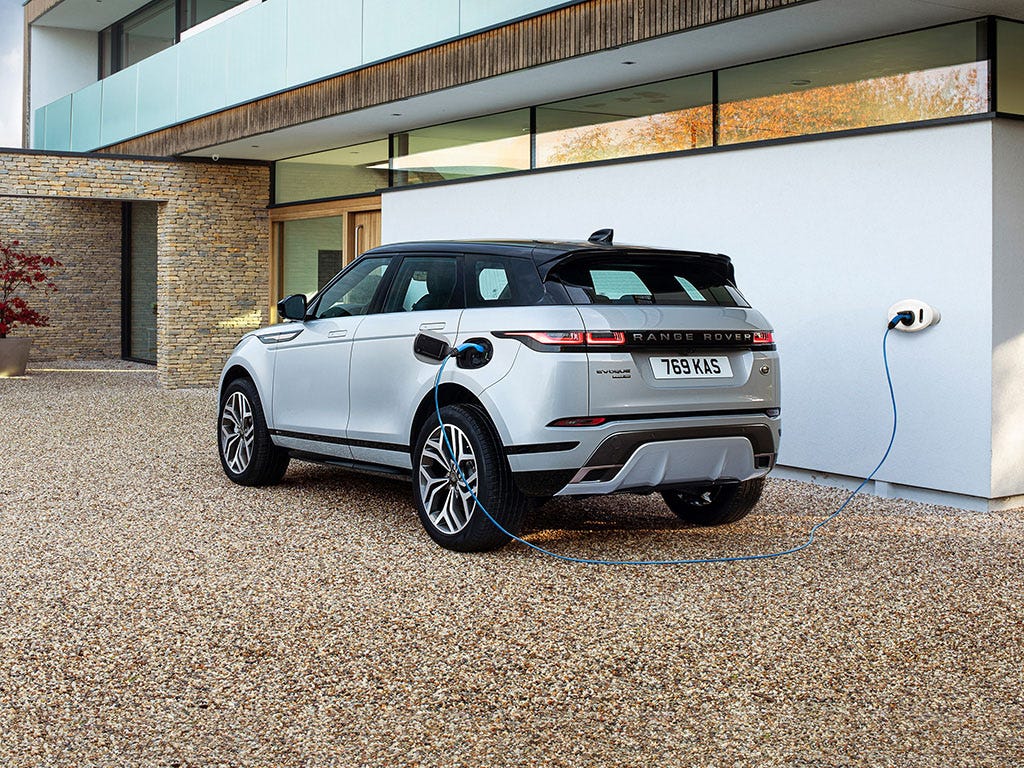
- Plug-in hybrids – these hybrids have much bigger batteries and can be externally recharged. They can usually drive dozens of miles on electric power alone, with the engine as backup for longer drives
- Read our full plug-in-hybrid guide
This table summarises the differences between hybrid types:
| Mild hybrids | Full hybrids | Plug-in hybrids | |
| Can drive on electric power alone | ❌ | ✅ | ✅ |
| Typical range on electric power | n/a | ~1 mile | 20-80 miles |
| Typical EV battery size | 1-2kWh | 1-2kWh | 10-30kWh |
| Gearbox type | Manual or automatic | Automatic only | Automatic only |
| Recharges using the car's brakes | ✅ | ✅ | ✅ |
| Recharges using the car's engine | ✅ | ✅ | ✅ |
| Can be recharged from a charger | ❌ | ❌ | ✅ |
What is a petrol car?
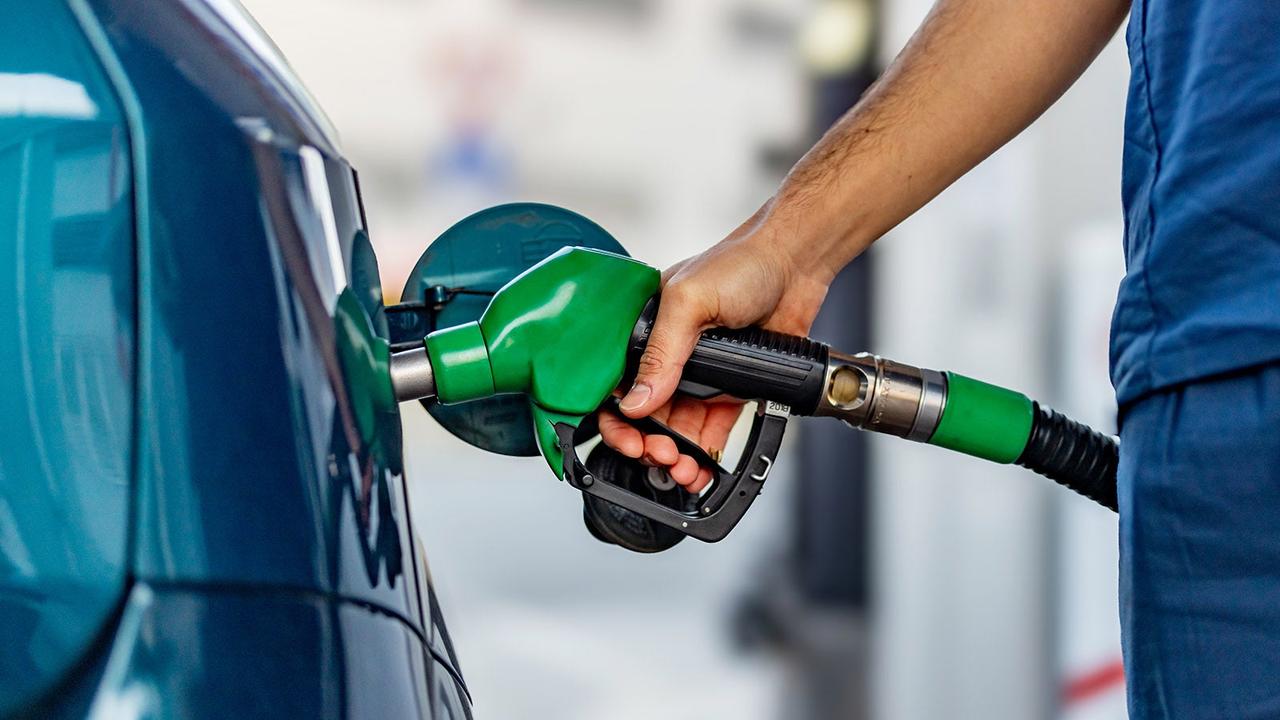
Compared to hybrids, petrol cars are much simpler. You have a standard combustion engine using petrol as its fuel, and you can connect it to any manner of drivetrain – manual or automatic gearbox, two or four-wheel drive.
There's no assistance from a hybrid system, so the petrol engine has to handle every driving scenario. That includes slow stop-start traffic, where they're often far less efficient than equivalent hybrid cars. However, the flip-side is that petrol cars are usually cheaper to buy, somewhat offsetting their higher fuel consumption.
Full-hybrid and plug-in-hybrid setups are often quite different mechanically to straight petrol engines. However, mild-hybrid setups usually start out as regular petrol engines, and are redesigned to incorporate mild-hybrid add-ons. As a result, many brands are now phasing out pure-petrol engines in favour of mild-hybrid units. These don't need the car to be dramatically redesigned and help improve economy and emissions performance.
What's the difference between hybrid and petrol cars?
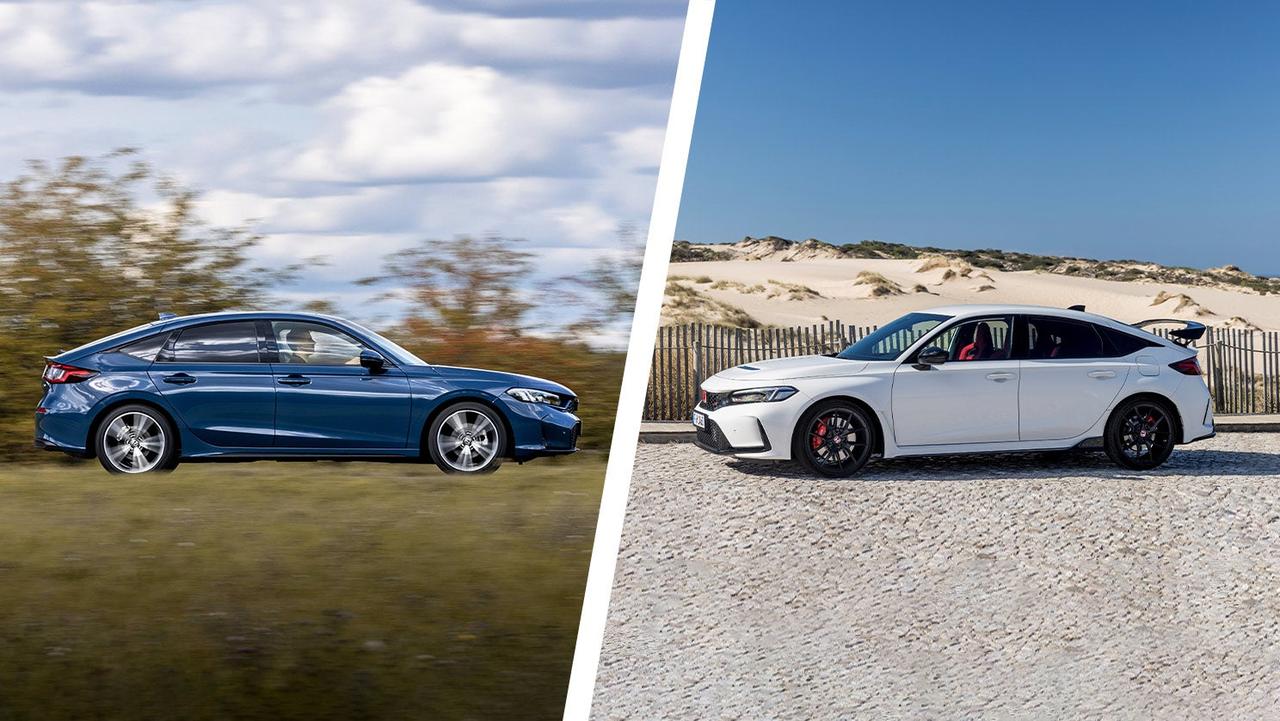
The key on-paper differences between hybrid and petrol cars are cost and economy. You can expect to pay a few thousand pounds extra for a car with a hybrid system, versus the same car with a simple petrol engine. However, you'd also expect the hybrid car to be noticeably more efficient, cutting your running costs once it's on the road.
There are differences in the driving experience, too. Full-hybrid and plug-in-hybrid cars are exclusively fitted with automatic gearboxes. This makes them extremely easy to drive, but you might notice that there's an occasional disconnect between how you're driving and what the engine is doing, as the car shuffles power around in the most efficient way.
Conversely, pure petrol cars – along with most mild-hybrid cars – have a more traditional feel on the move. That means your engine's behaviour will always match the speed you're travelling, and you'll have a more familiar choice of manual and automatic gearboxes.
Hybrid vs petrol – pros and cons
| Hybrid | Petrol |
Pros:
| Pros:
|
Cons:
| Cons:
|
Should I buy a hybrid or a petrol car?
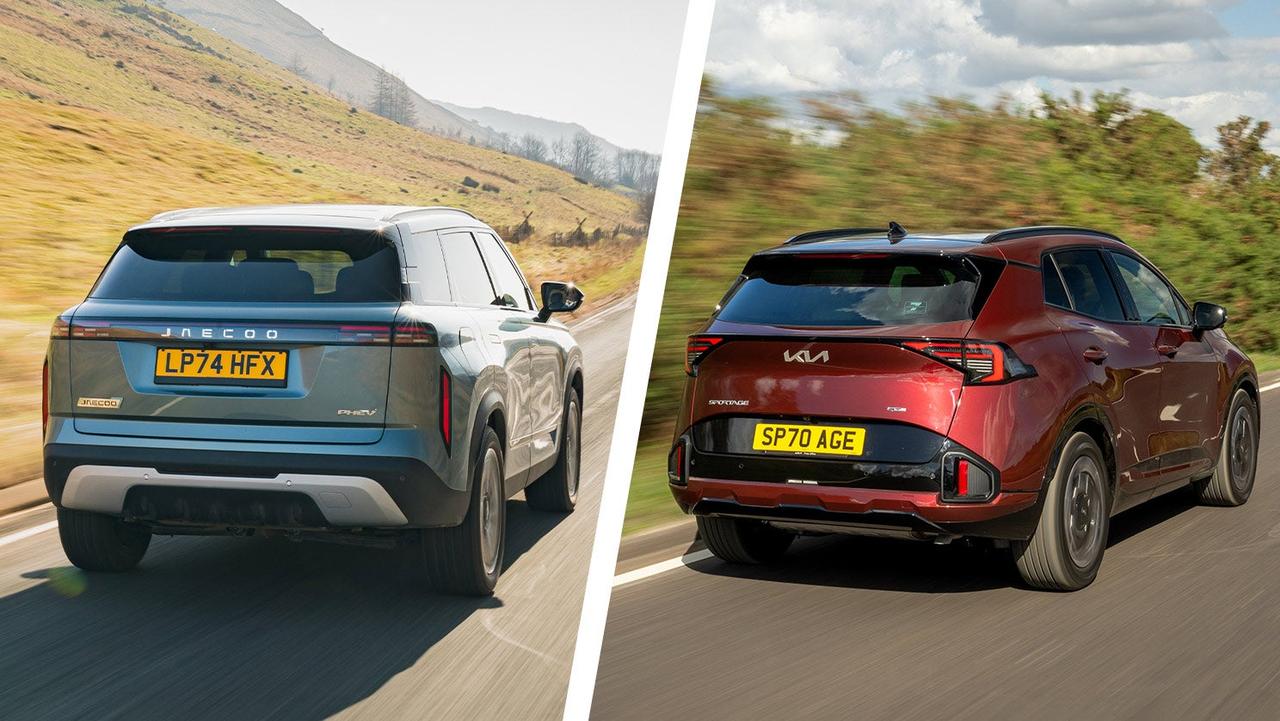
The correct answer here depends on your budget and your preferences. From a solely financial perspective, a hybrid car will usually save you money on your running costs, while an equivalent petrol car will usually save you money on the purchase price. It's worth considering how many miles per year you cover, and weighing up whether the fuel savings of a hybrid car will outweigh its extra purchase price over the course of your ownership.
There are subjective considerations too, however. If you, like many Brits, do mostly mixed motoring both in stop-start traffic and on faster roads, you might appreciate the extra smoothness a hybrid offers. Having the low-down muscle of an electric motor makes the car feel swift and responsive off-the-line, similar to a pure EV, which makes urban and suburban driving a piece of cake.
Despite hybrid cars' many advantages, drivers might still prefer the sensation of a traditional petrol model. This might apply if you prefer a manual gearbox, or you want a more direct sense of connection between the car's speed and how hard the engine is working. In addition, drivers who mostly cover longer distances on faster roads and motorways might find they see less fuel-economy improvement from a hybrid setup, versus drivers who cover a wider mix of road types.
Find your perfect used car
Shop a wide choice of nearly new and used cars for sale at Motorpoint. This includes plenty of used hybrid cars and used petrol cars.