





10 of the best large hatchback cars 2026
Ben Custard
•
Body Style

Look! It's a hatchback… it's an SUV… it's a coupe…?
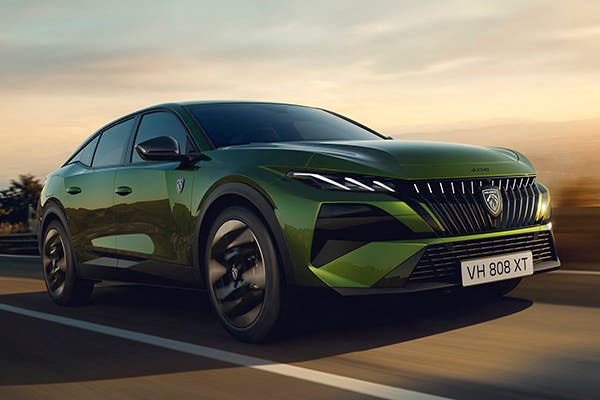
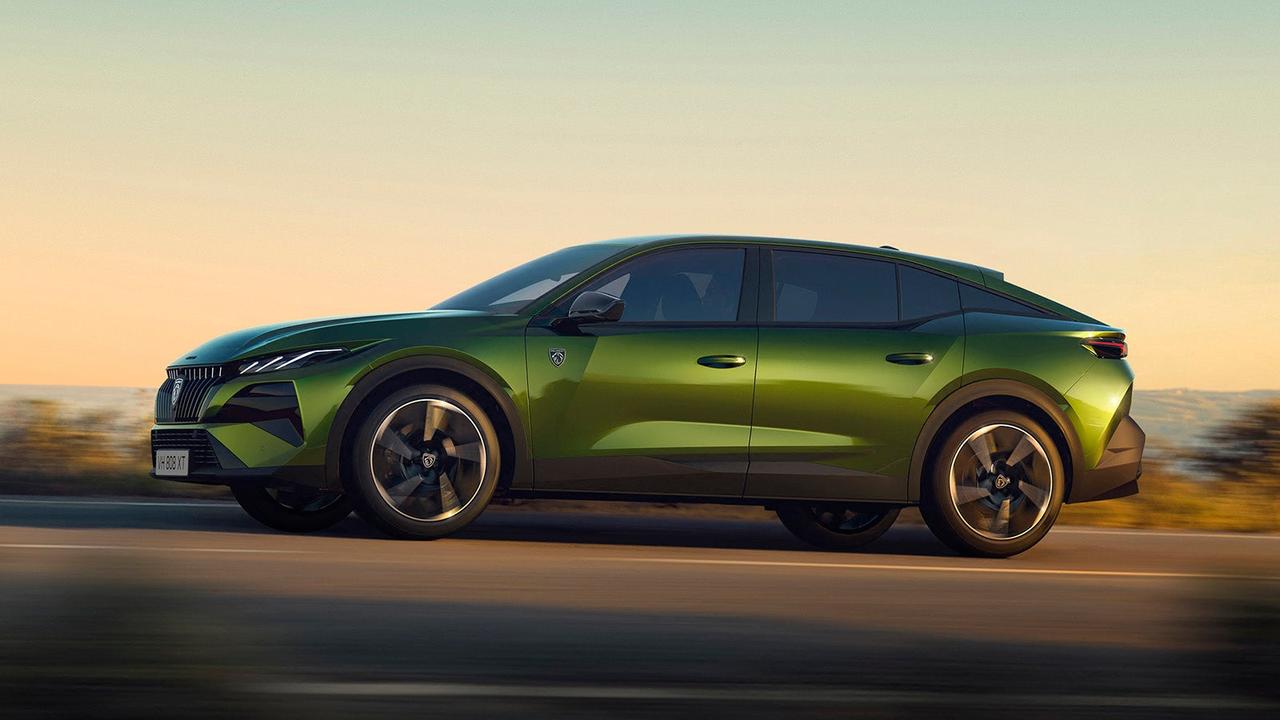
The E-408 is the battery-powered version of the regular Peugeot 408. It's a mishmash of several different genres, but the result is quite compelling. There's a good blend of practicality and premium features, plus an overhauled model lineup for this 2026 facelift model.
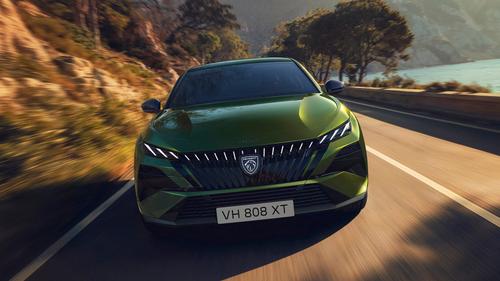
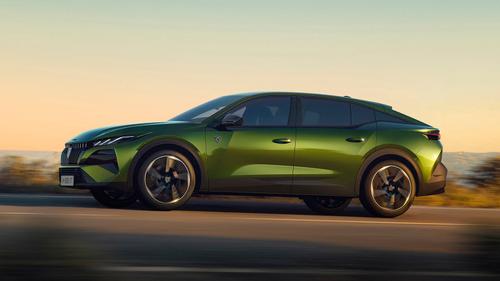
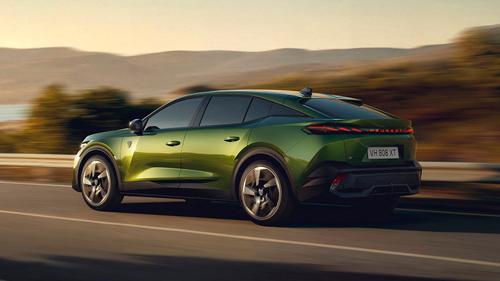
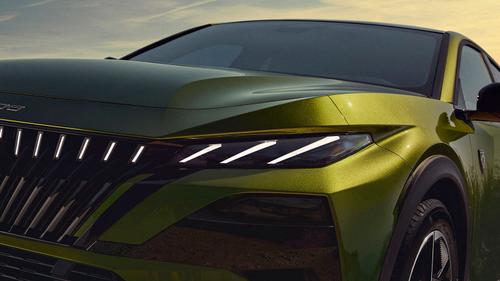
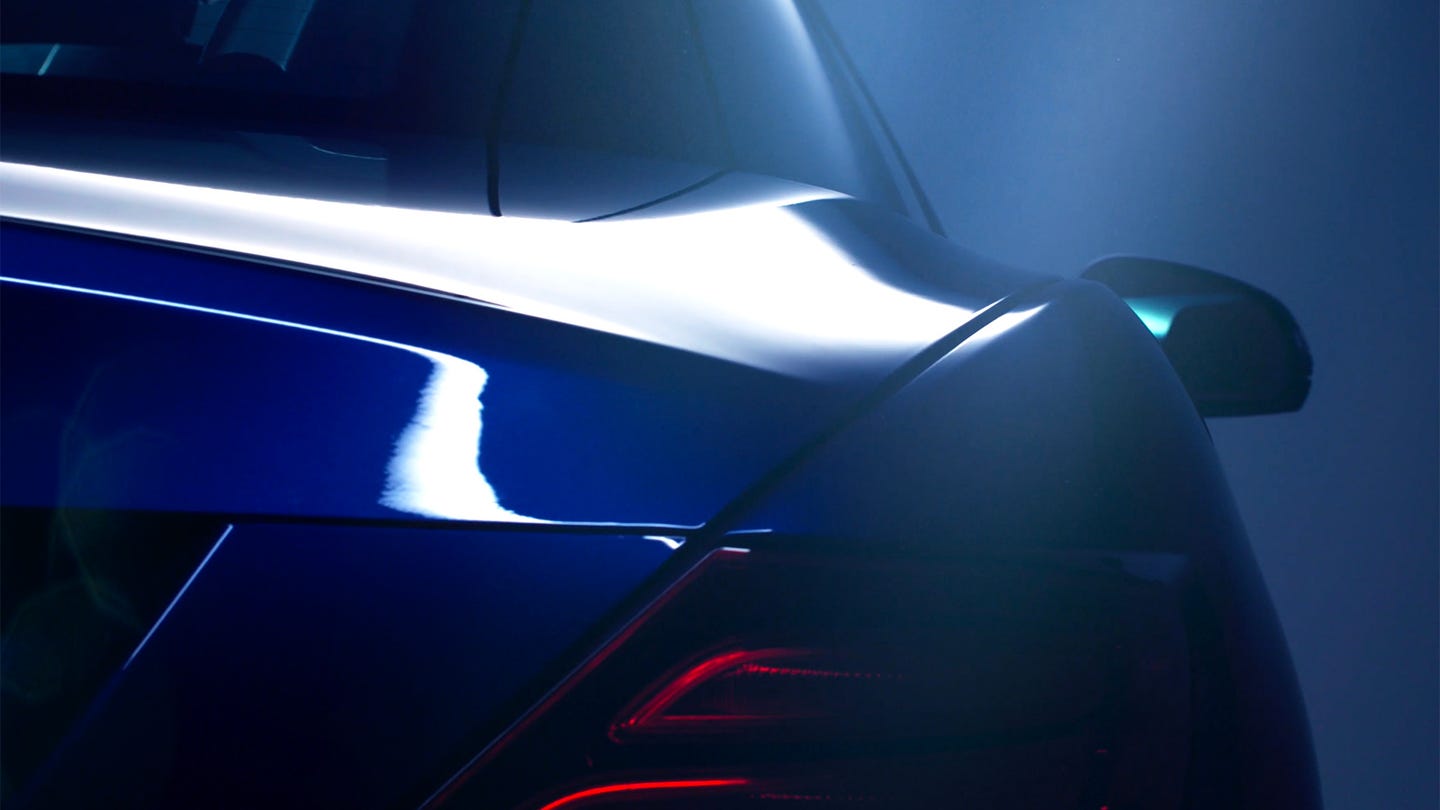
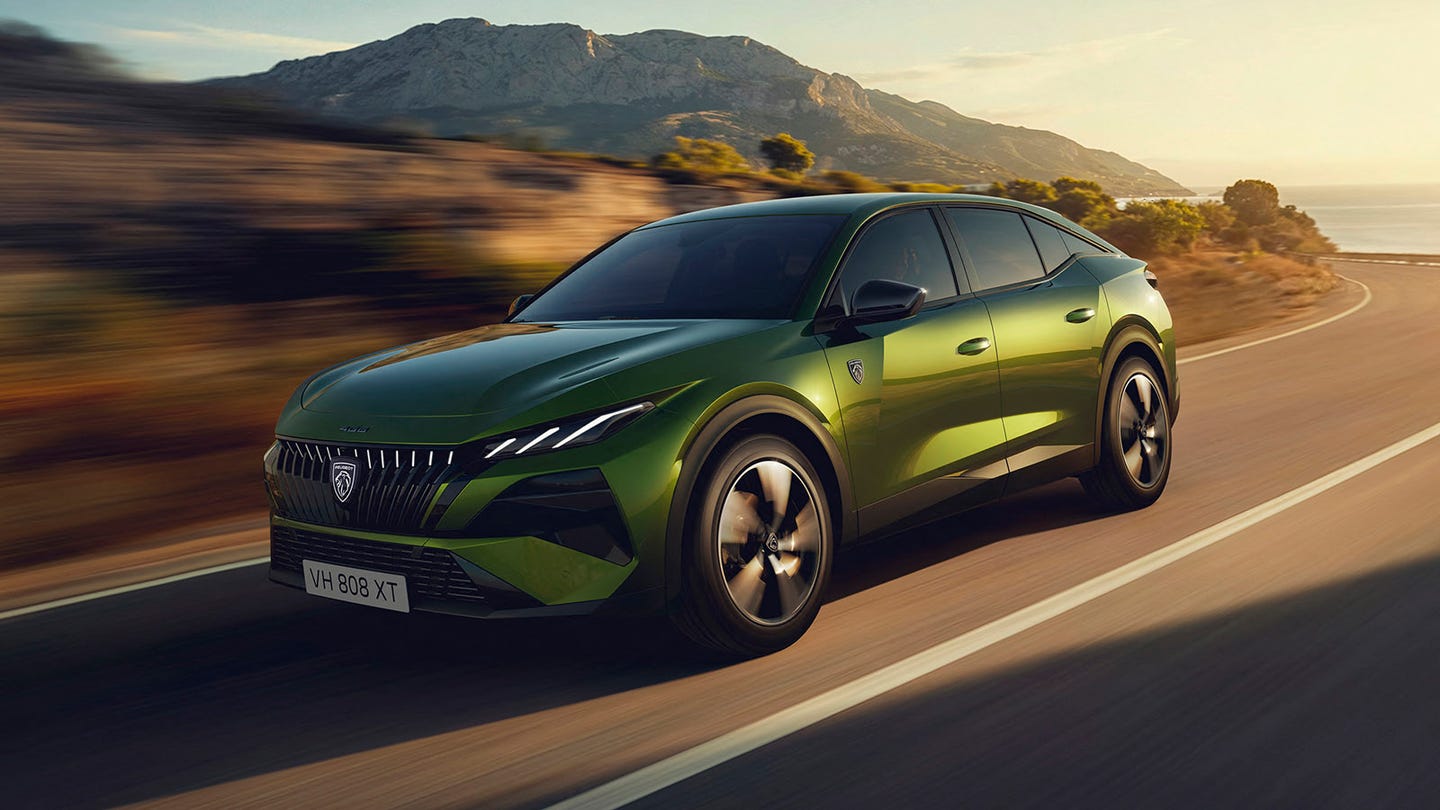
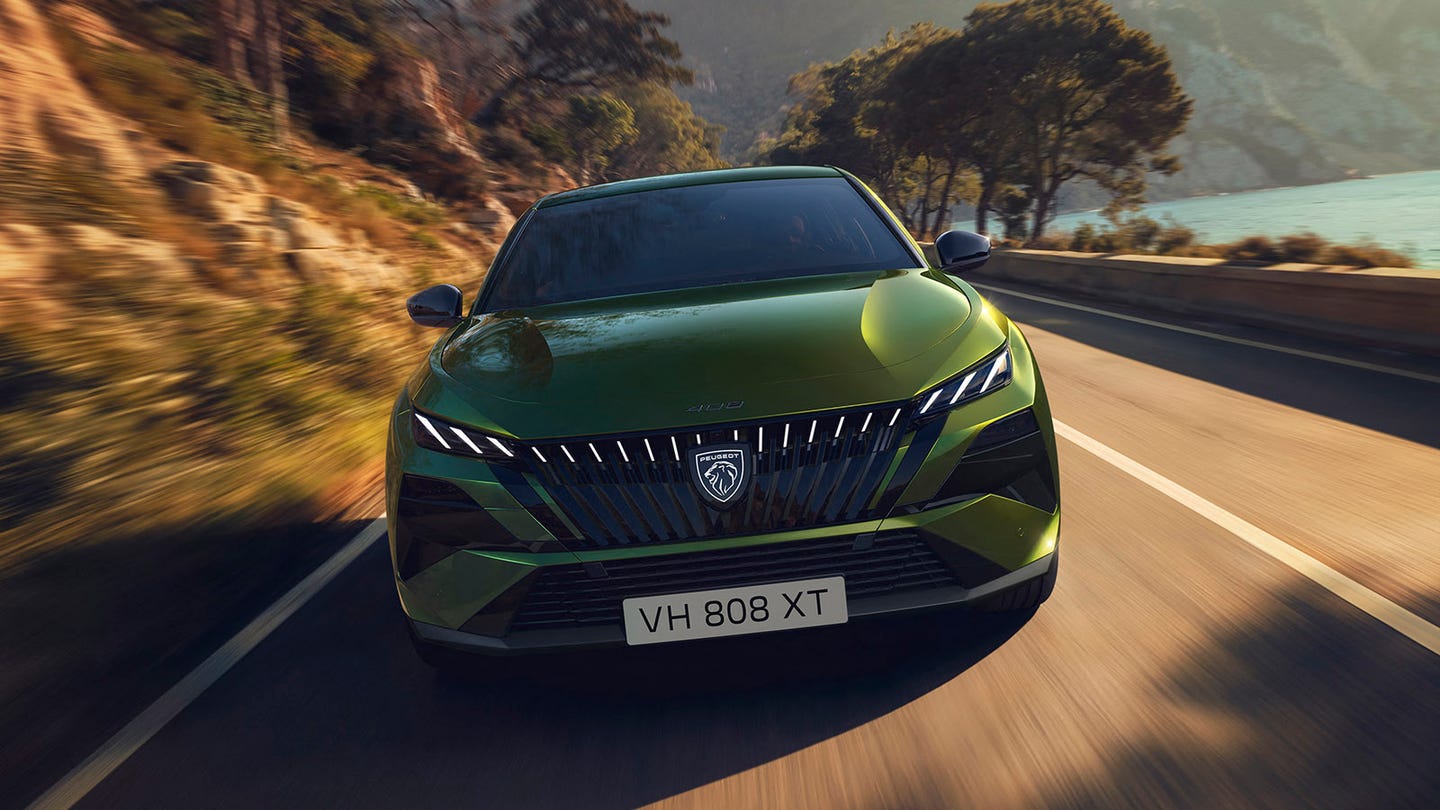
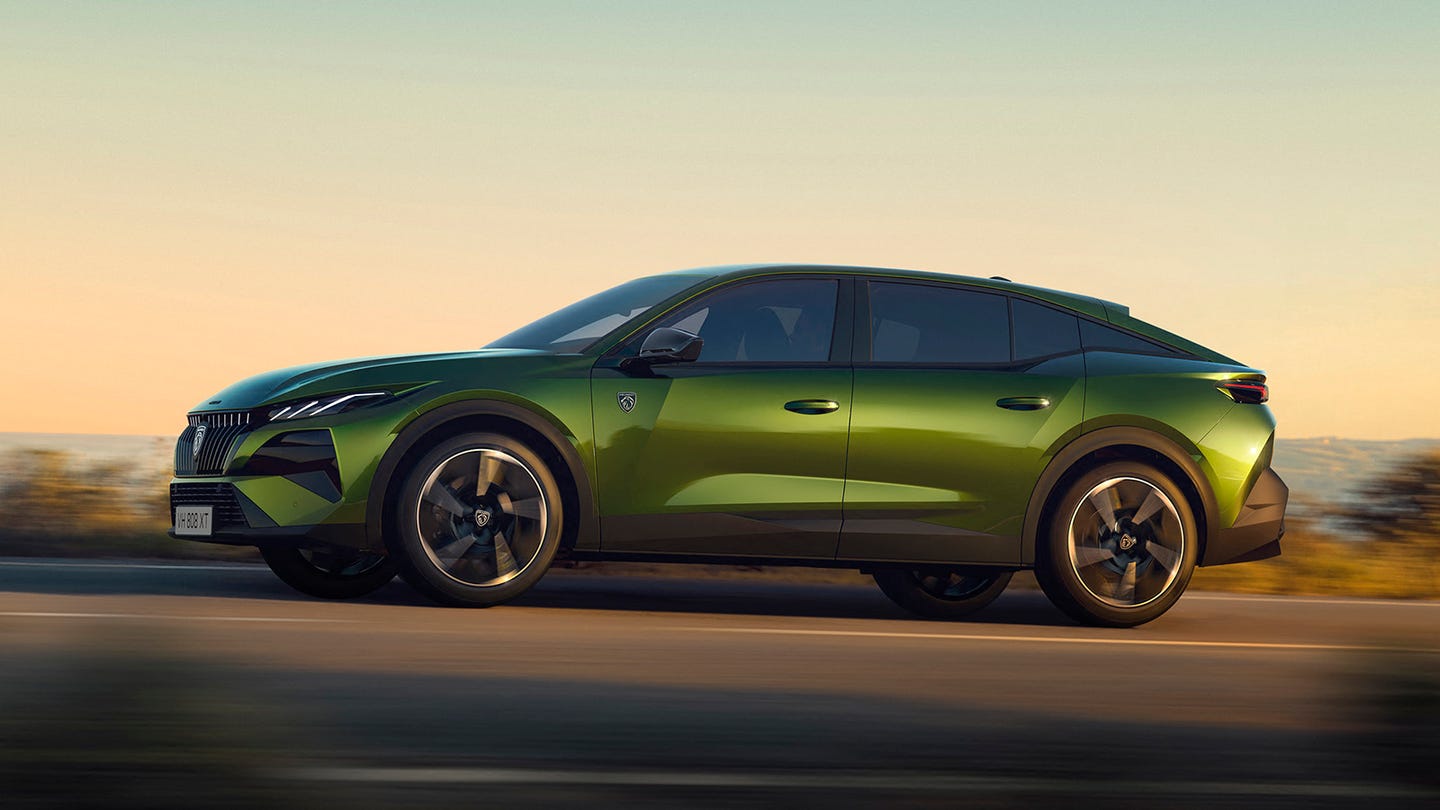
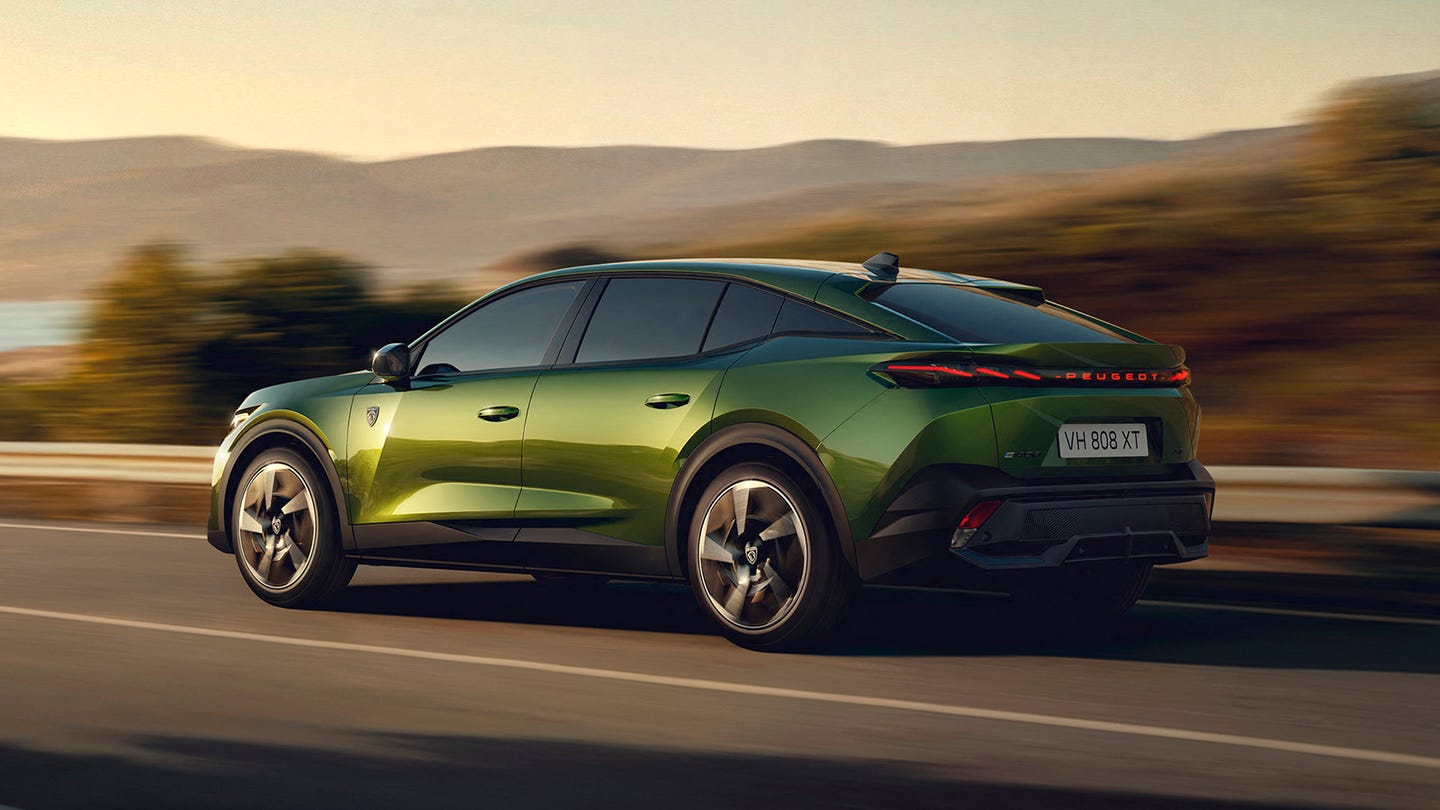
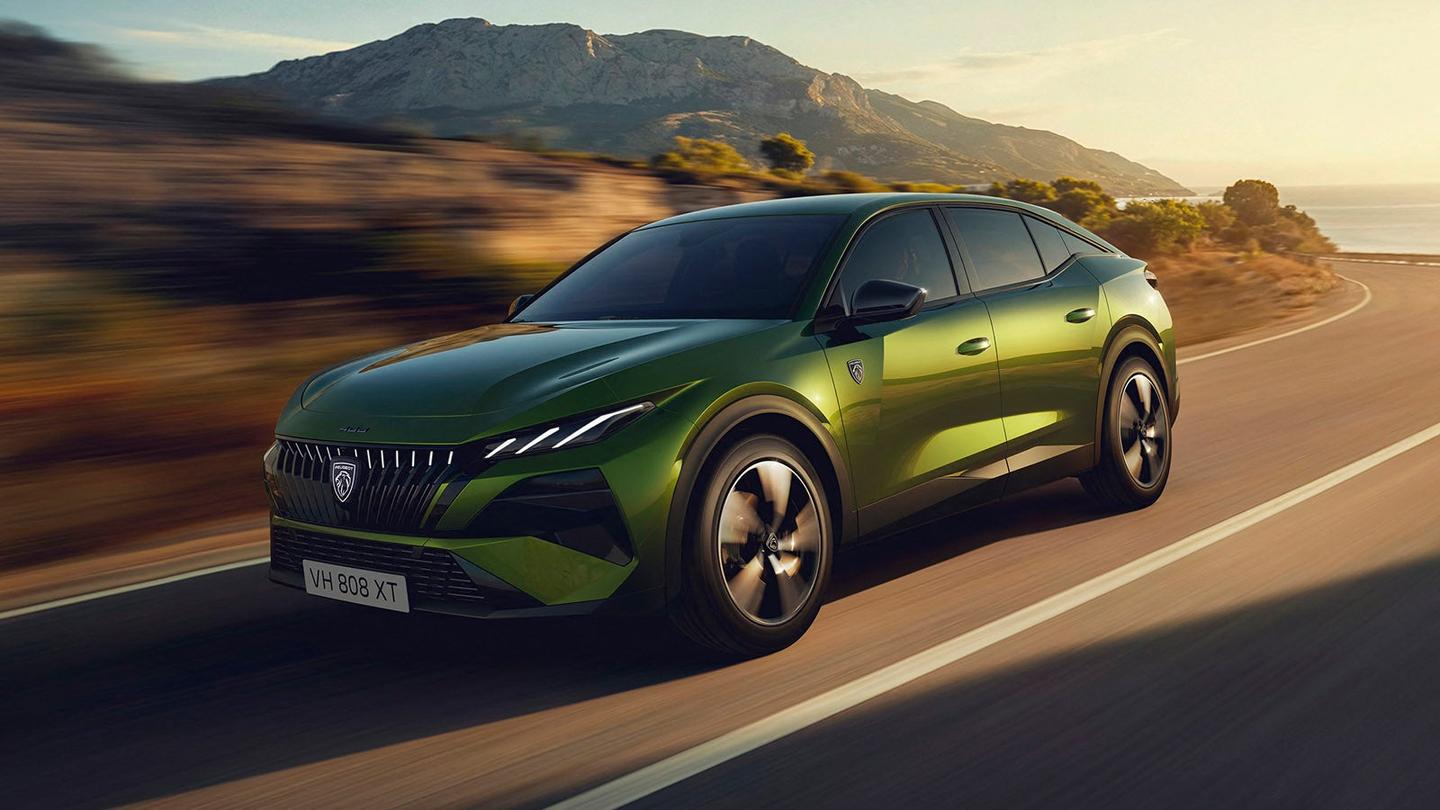
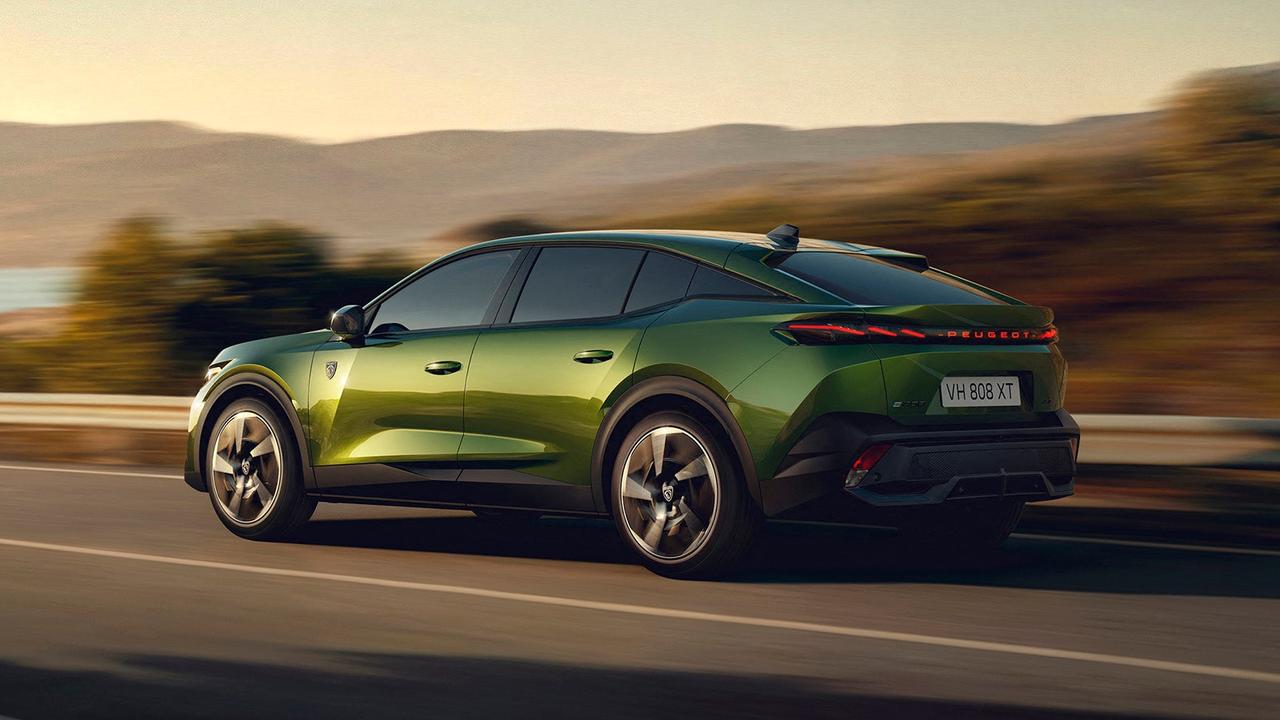
First impressions are strong for the E-408. The design is slightly updated for this 2026 model but the overall shape and style is broadly unchanged. So it's still an elongated family-sized hatchback with elegantly creased bodywork and a roofline that swoops down behind the rear seats. That gives it a fastback-style profile that stands out from typical 'two-box' hatches.
"Pin the throttle and the E-408 eases off the line, taking a second to gradually feed in the power rather than dumping it into the wheels all at once"
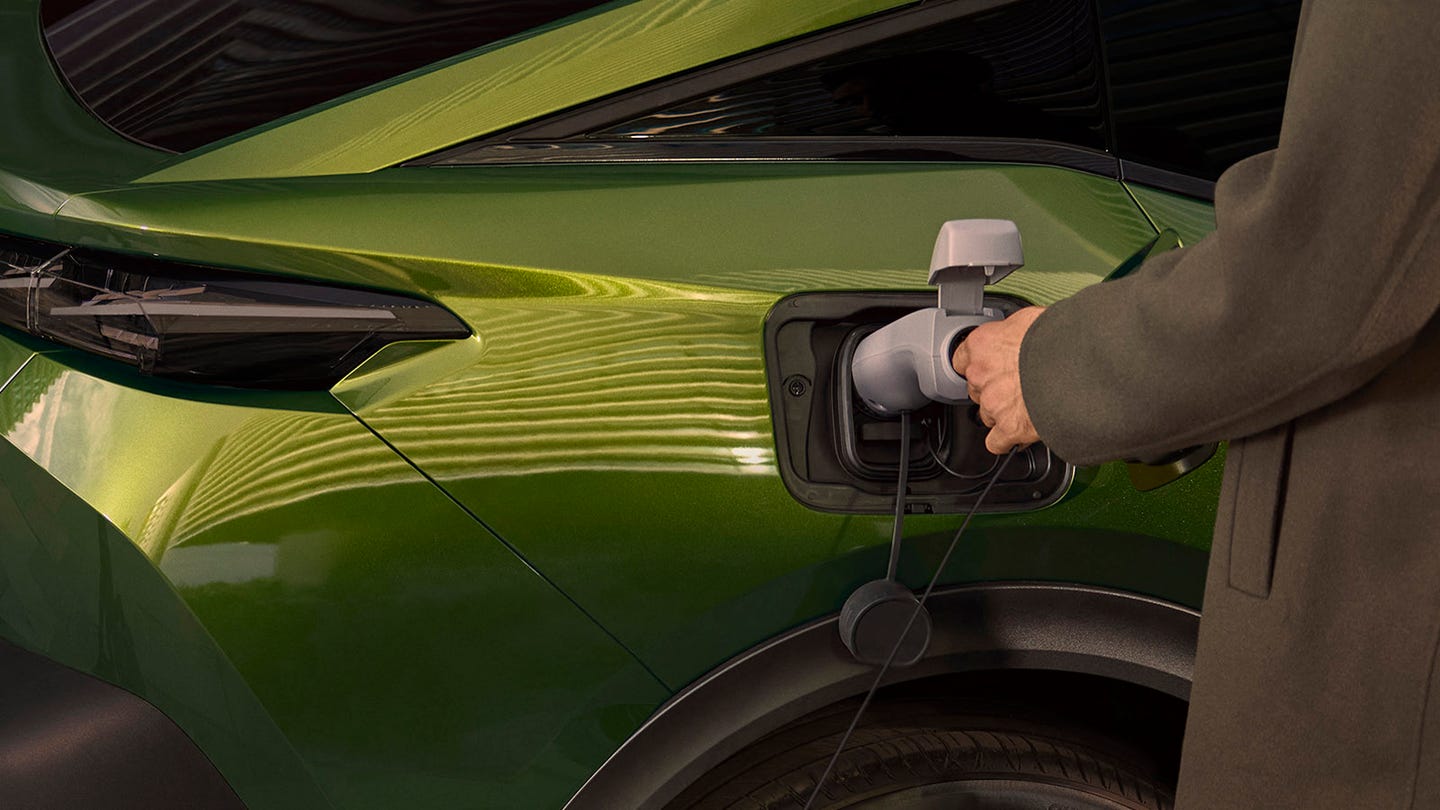
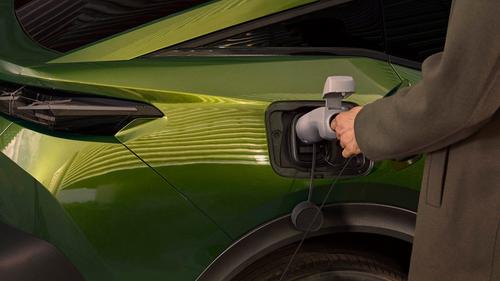
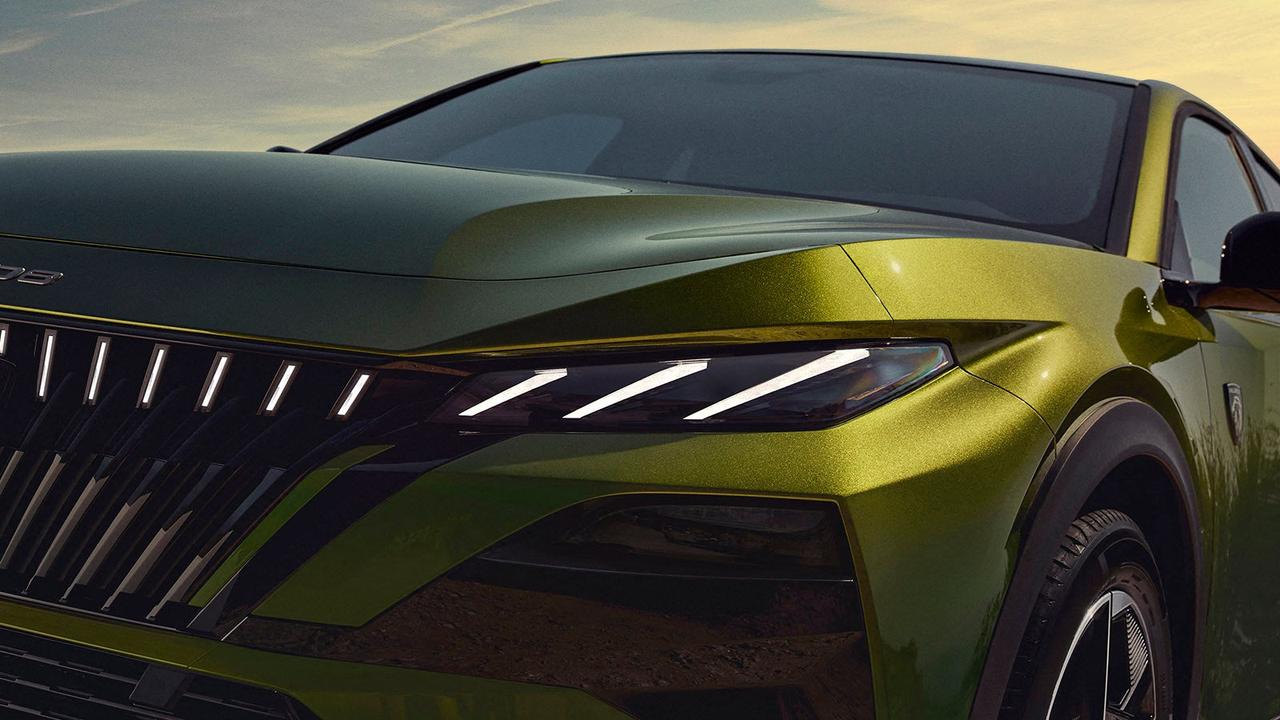
Another stand-out feature are the paint colours. The Elixir Red shown in our photos is the priciest shade at £950, but it has a wonderful ruby-like gleam in bright sunlight and neatly contrasts the blacked-out styling elements like the grille and the wheelarch trims. We also loved the Flare Green shade, which is the E-408's standard no-cost colour option – this has a delightful glittery sparkle as the light moves across the car.
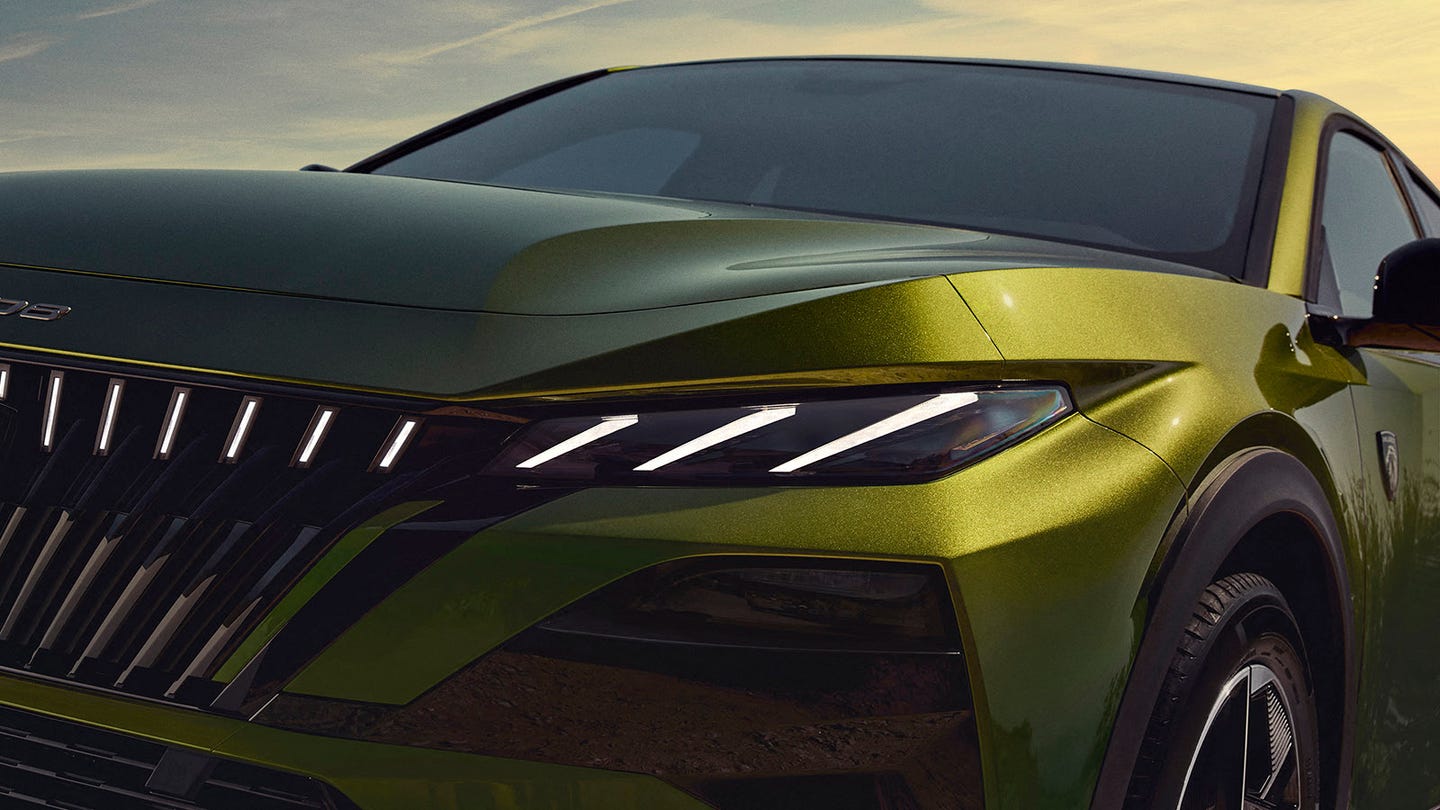
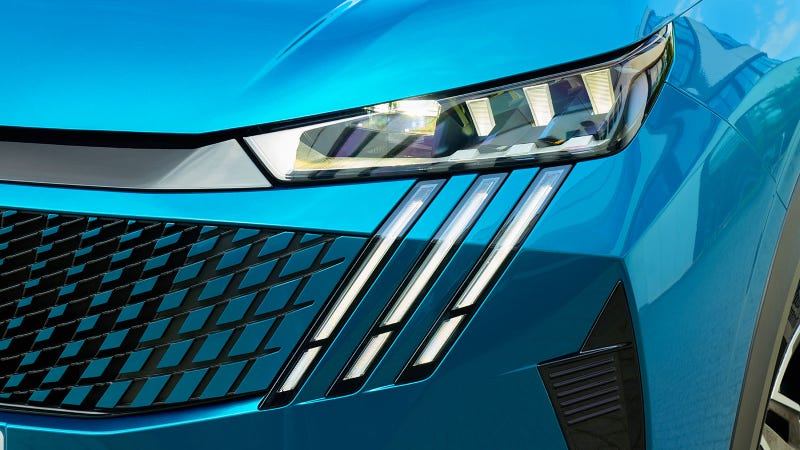
Technically, the most obvious change for 2026 is the E-408 version becoming a permanent addition to the lineup – the pre-facelift 408 had mild-hybrid or plug-in-hybrid engines and only gained an EV version right at the end of its sales run. Beyond the new powertrain, the biggest change is the front end, where Peugeot's signature 'claw' LED running lights are now confined to the headlight units, rather than stretching into the lower bumper. The dash-shaped details from the pre-facelift car's front grille have been swapped for simpler vertical strakes – fanned out into a shield shape. At the rear, the lights have the same 'claw' LED details, and an illuminated Peugeot logo in block capitals rather than the brand's traditional lion badge.
We'll delve deeper into the driving experience lower down, but we quickly found ourselves feeling at home behind the E-408's wheel. The combination of the near-silent electric motor and laminated windows means the car is astonishingly quiet. Even at motorway speeds, you can speak in Christopher Nolan-style hushed voices and still hear each other clearly. Of course, you also get the instant reactions and smooth, linear acceleration we've come to expect from EVs, making the E-408 effortless to drive in stop-start traffic.
In fact, the biggest challenge facing the E-408 has nothing to do with how it looks, feels or drives. The issue for the big Peugeot is that drivers shopping for EVs tend to look closely at the on-paper figures. In particular, the car's range and charging speeds – and these are both decidedly average in the E-408. A full battery will get you 281 miles of claimed range, and max fast-charge speeds of 120kW mean a 20-80% jump takes 31 minutes. That's probably enough for the majority of drivers, but these mid-table numbers mean the E-408 doesn't stand out against similarly priced alternatives like the Kia EV3 or Renault Scenic E-Tech.
Nevertheless, the E-408 is still a very likeable overall car. Its styling both inside and out helps the car look upmarket – especially when you spec a bright, metallic paint finish. Plus, the comfortable, quiet driving experience means you can spend hours behind the wheel without the fatigue you get from some sportier rivals. It also benefits from the Government's £1,500 EV grant, so entry-level Allure models cost from £32,695 – just £700 more than the mild-hybrid 408's recommended retail price and thousands less than the plug-in-hybrid version.
Read on to learn more about the Peugeot E-408, including its range, practicality and driving experience.
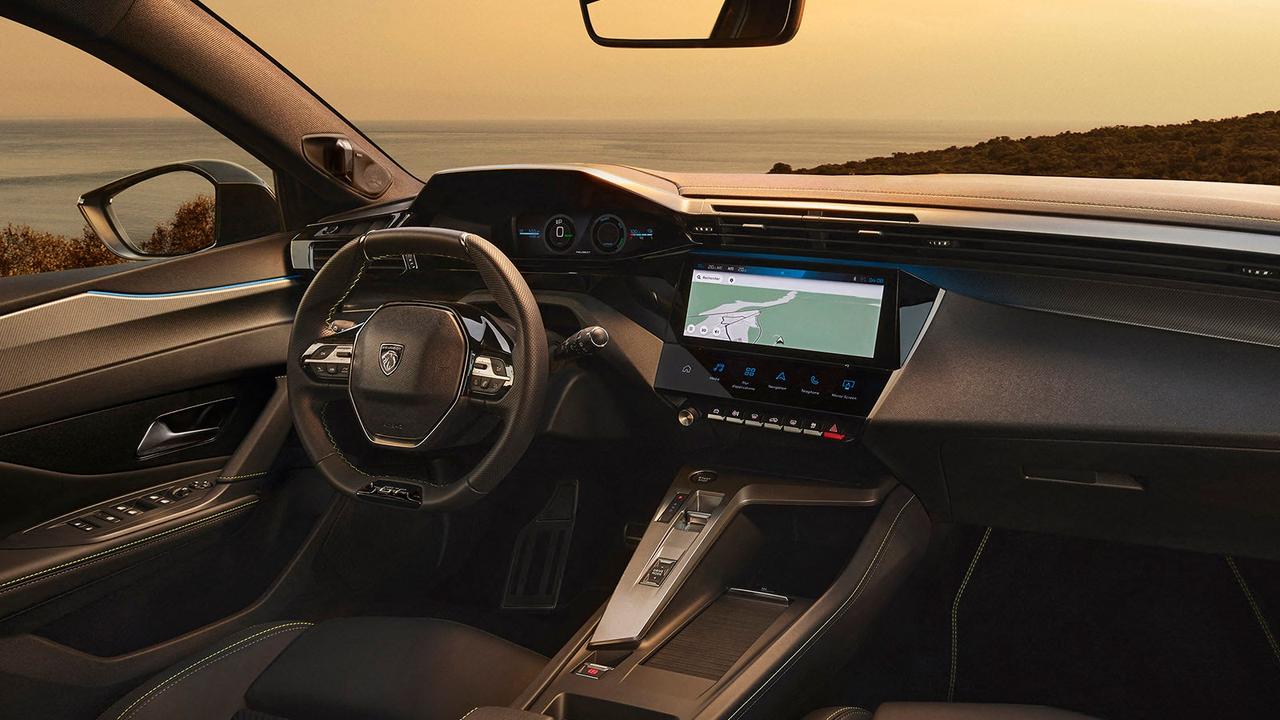
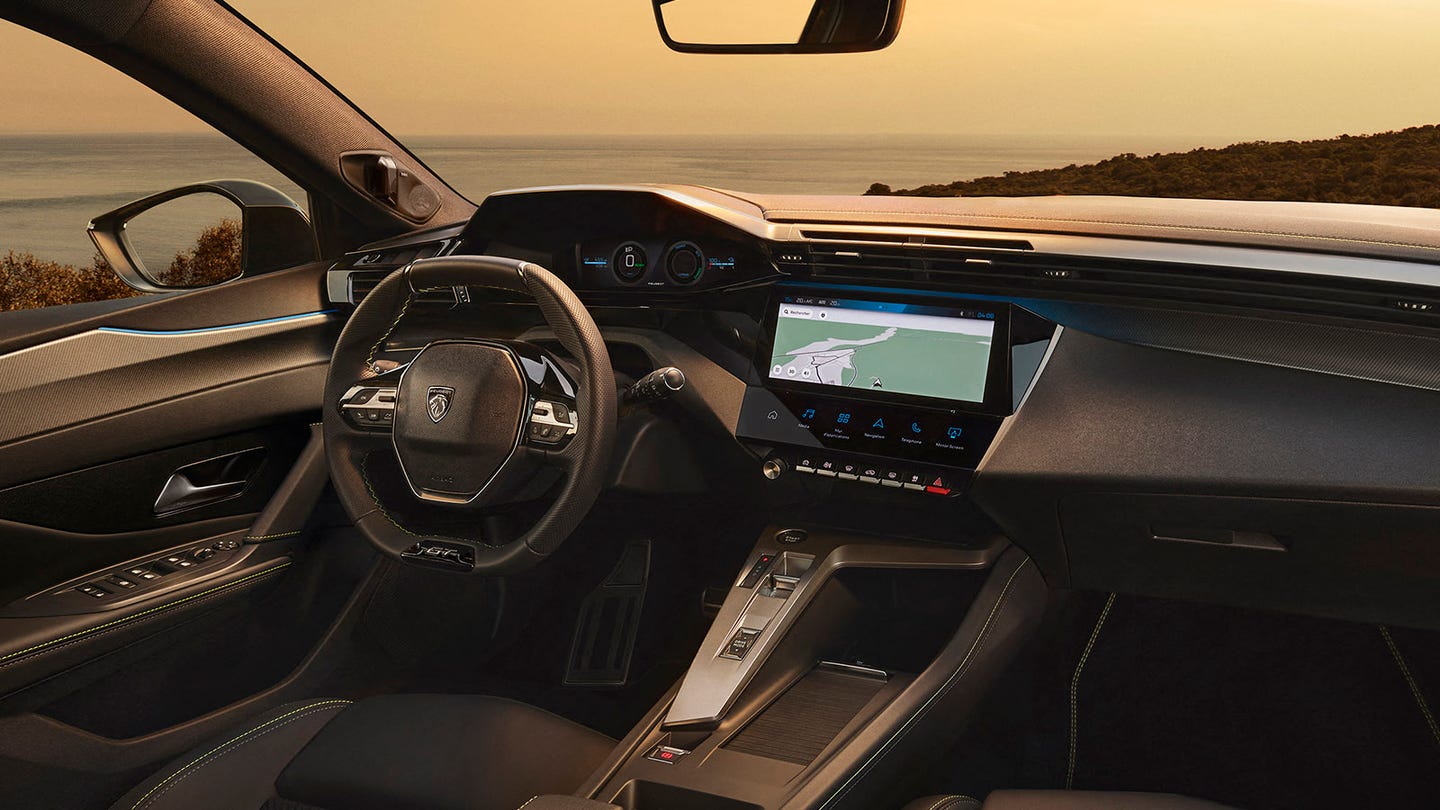
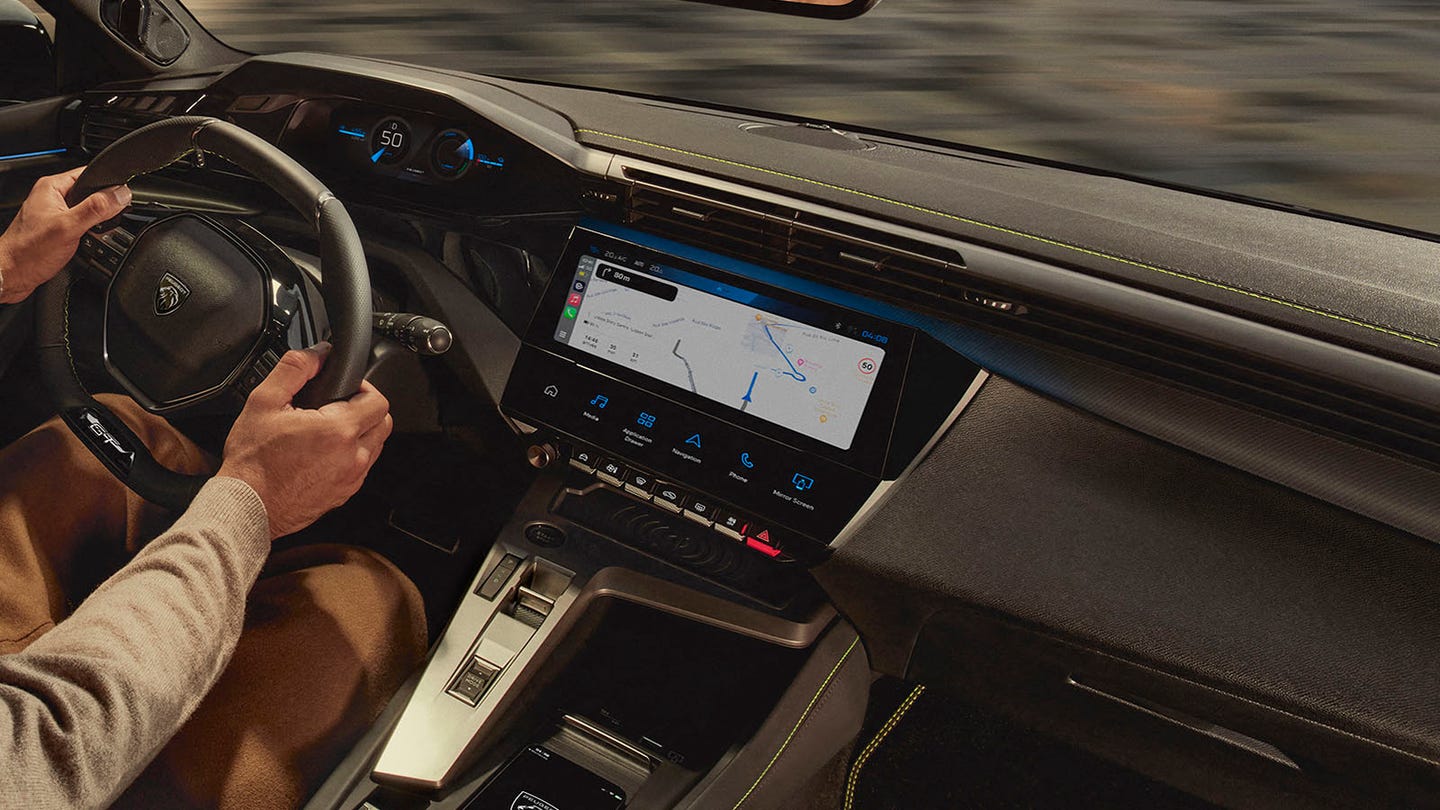
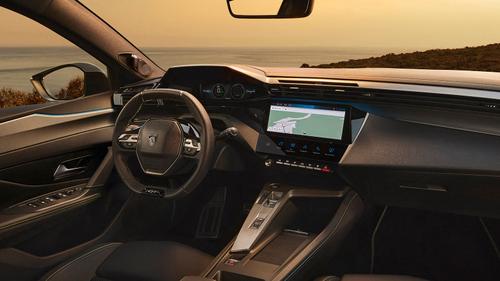
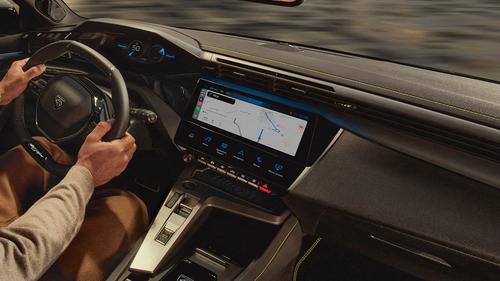
The bold statement made by the E-408's exterior styling continues when you step inside. You'll find neat intersecting angles across the dashboard and infotainment system, while an upper metallic line sweeps across the width of the car and the digital driver's dials. Like other Peugeots, the 'i-Cockpit' dials are mounted high up, with a distinctively small steering nestled below them. This makes the car feel 'flickable' and assists with manoeuvring, but very tall drivers should check whether they can find a comfy position before committing.
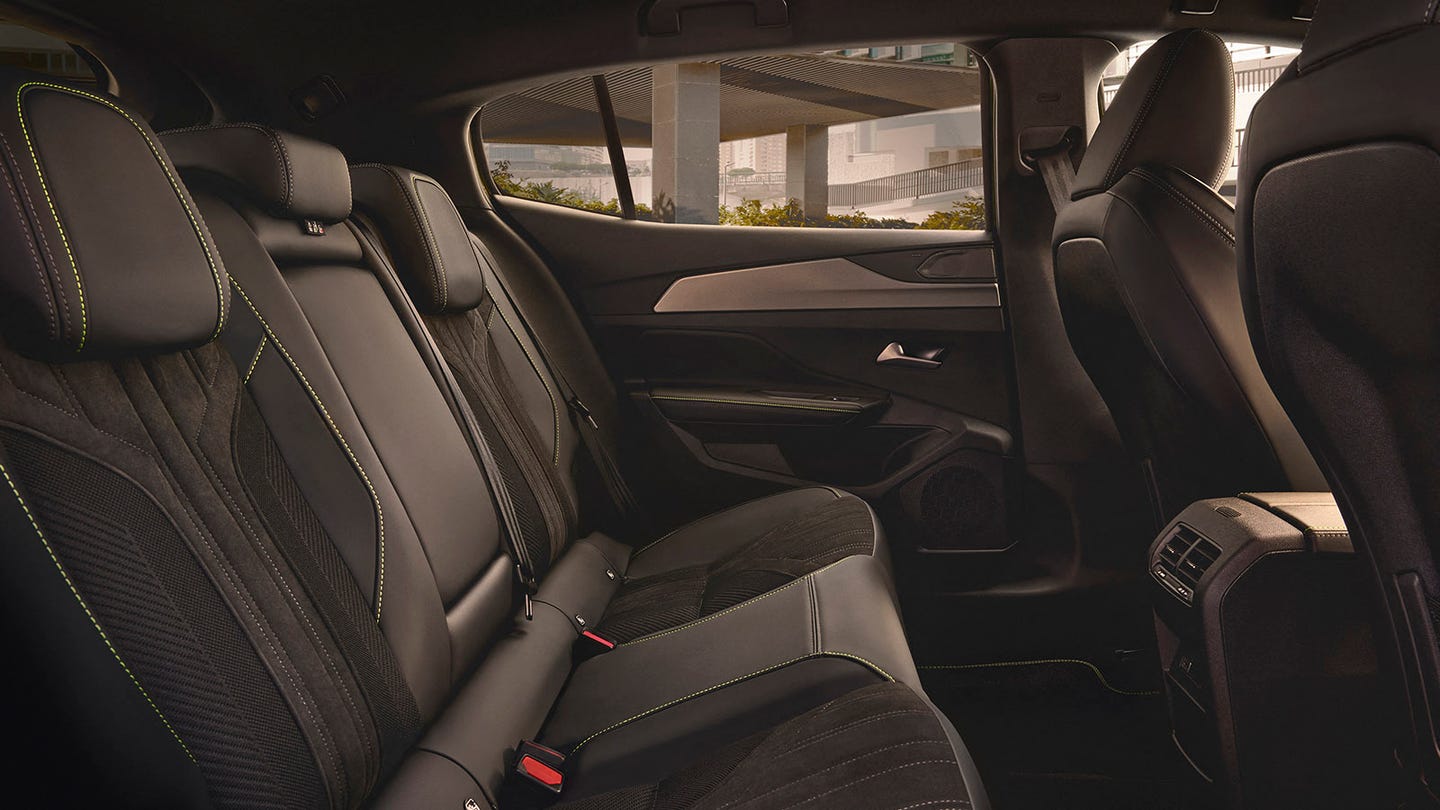
Material quality is generally impressive. You'll find soft-touch plastics and faux-leather dotted across most surfaces you're likely to touch or lean on, and the cloth/faux-leather seat upholstery feels suitably upmarket. Step up to a mid-range GT model to gain a few extra splashes of Alcantara suede, while top-spec GT Premium versions get full Alcantara upholstery.
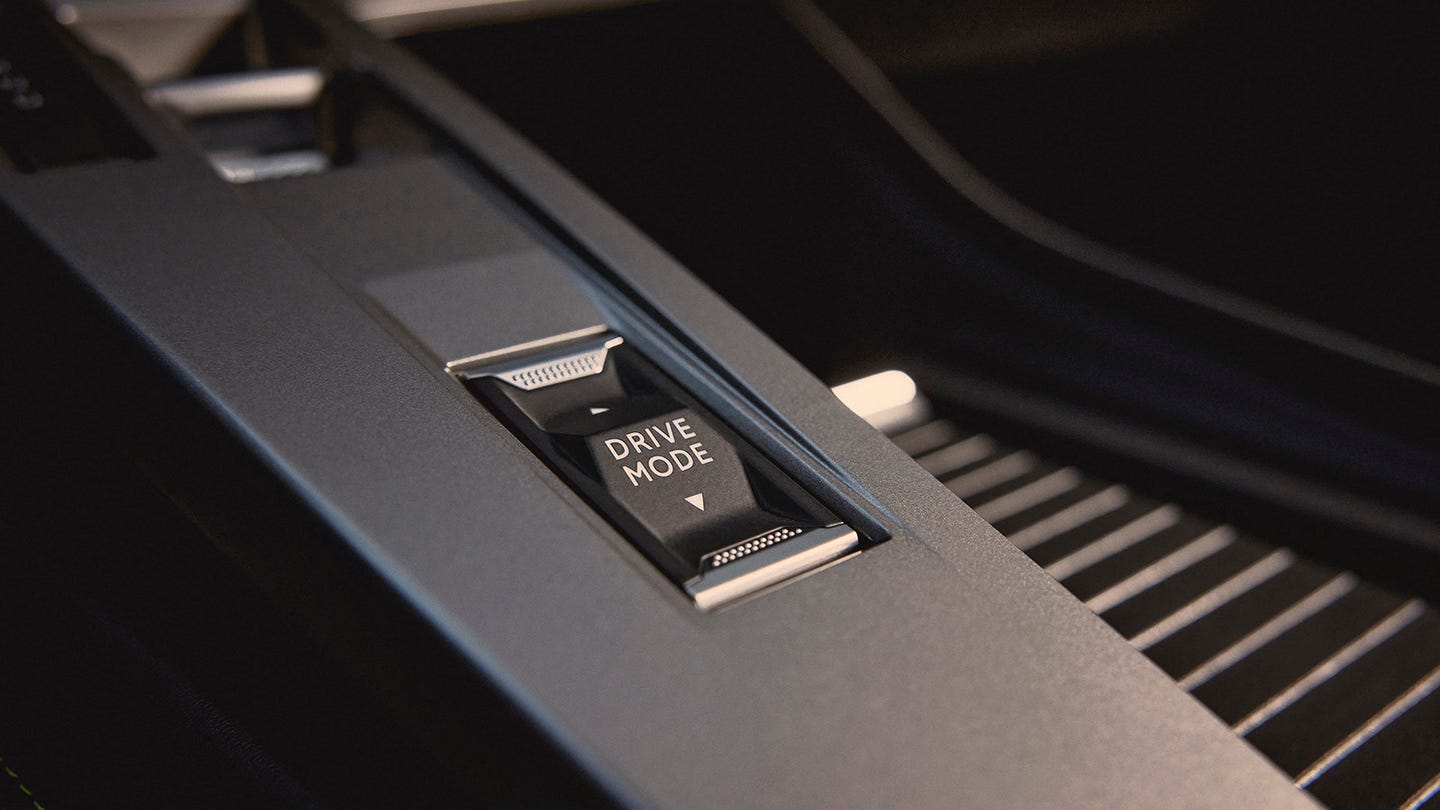
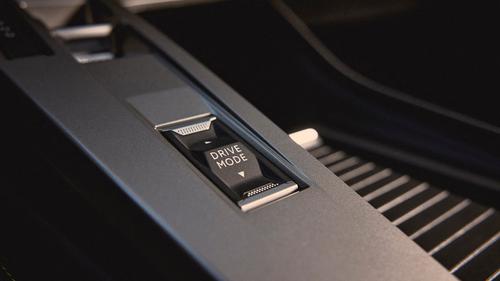
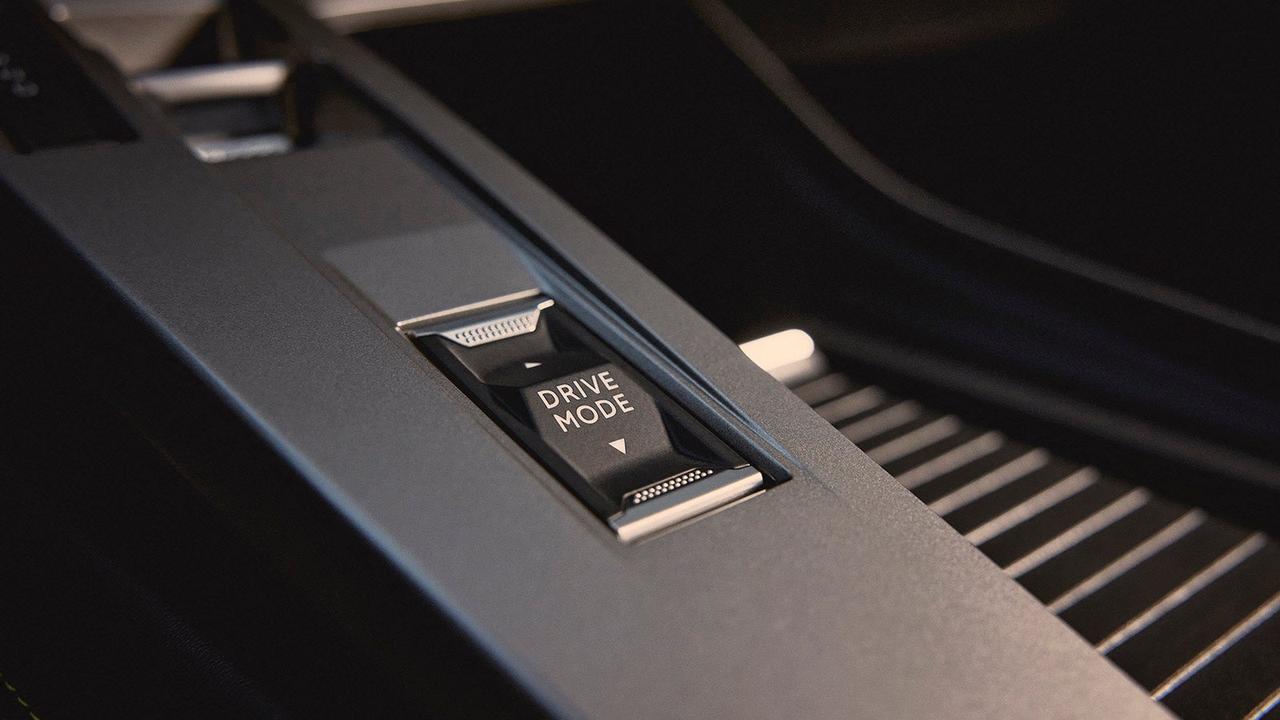
Our one complaint would be the gear selector switch. This is a cheap plastic part that Stellantis uses on everything from the cheap-and-cheerful Vauxhall Corsa to the posh DS No.8. It's a bit awkward to use as the lever is lower than the surrounding surface, and doesn't feel anywhere near as satisfying as a proper mechanical shifter.
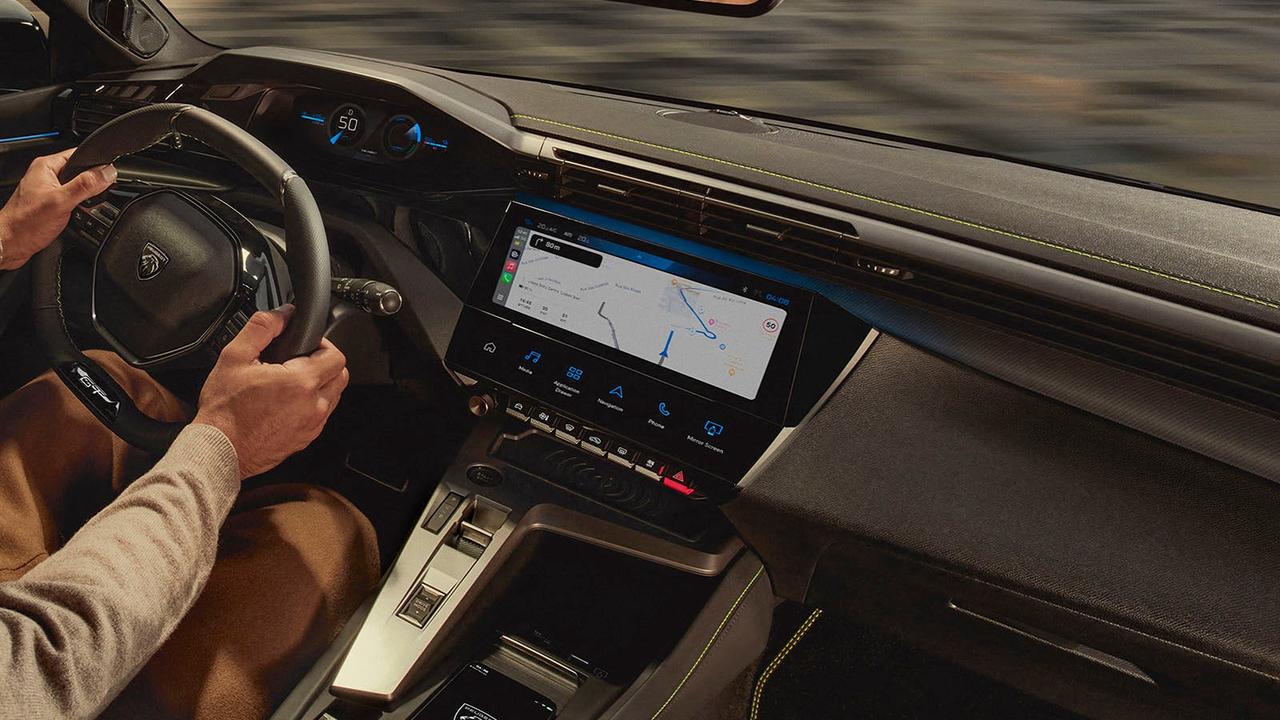
The infotainment setup is mostly unchanged from the pre-facelift 408. It looks nice with bright, glossy graphics, but its short-and-wide aspect ratio means on-screen buttons are often crammed close together, making them tricky to hit while driving. Annoyingly, the same is true for the digital driver's dials. Most of the customisable layouts are overloaded with information, with too many fonts, colours and graphics competing for visual attention. You can pair it back to a more simplified setup if you dig through the menus, but the default setting was too busy for our luddite brains.
Like most modern infotainment systems, however, you'll eventually find the functions you use often and can safely ignore the rest. Handily, below the infotainment screen is a row of 'i-Toggles' – essentially another screen with large, sharp-contrast shortcut icons for functions like navigation, music and the home screen. These can be configured to your most-used settings, making it easier to pick what you want.
Under the i-Toggles are a row of piano-style keys and a physical volume dial. Peugeot wins points for these as they're easy to use while driving, and somewhat make up for the clunky screen-only climate control settings. Further points are earned for the driver-assist functions – press the 'car' key to jump to the ADAS menu, or you can hold it down to activate your preferred settings in one go. That means you can easily turn off functions like the speed limit warning or lane keep assist if you prefer driving without them.
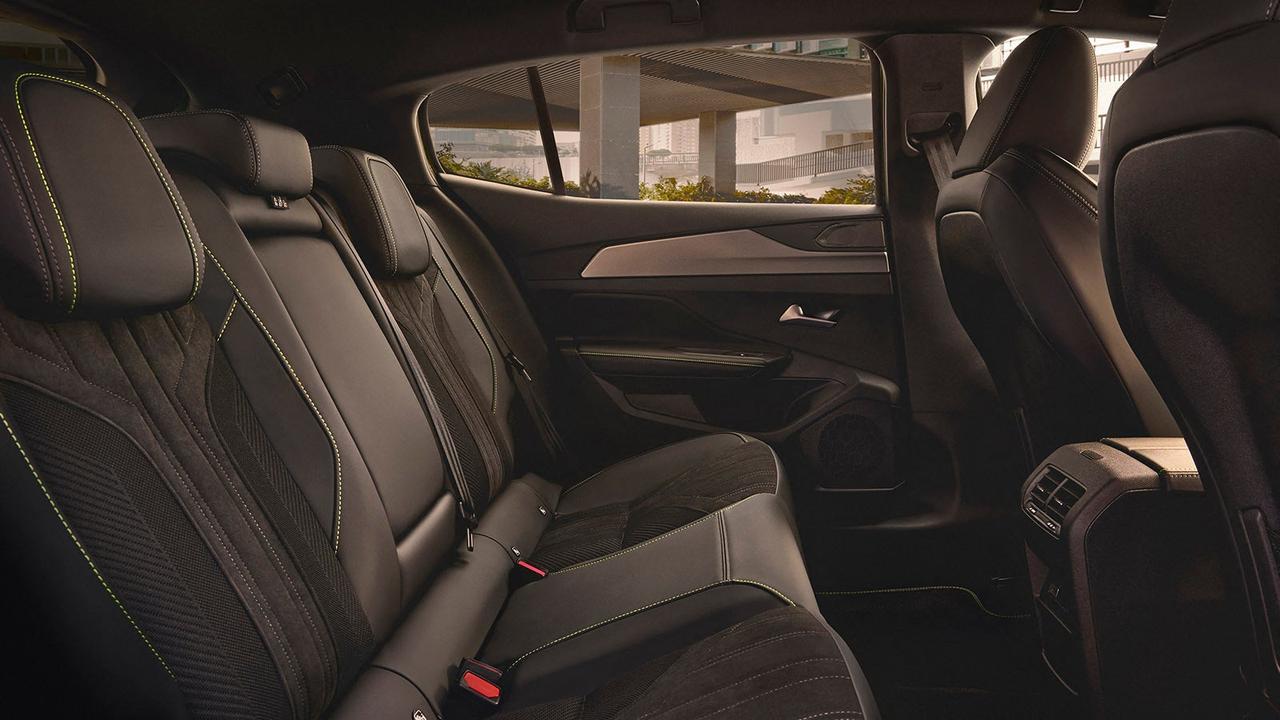
In isolation, there's little to complain about the E-408's practicality. It's noticeably bigger and longer than typical family hatches like the Volkswagen Golf and Ford Focus. That means there aren't many direct rivals, with something like the petrol-powered Honda Civic coming the closest to the Peugeot's size.
Front passengers have all the room they need and a good range of adjustment to get comfortable. As noted above, very tall adults should check that the positioning of the quirkily small steering wheel works with their body shape.
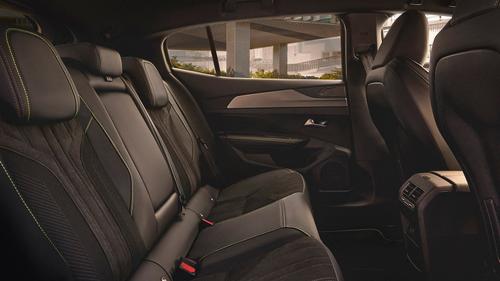
At nearly 4.7 metres long, the 408 outstretches many family SUVs. You are, at least, afforded lots of rear legroom as a result. There space for an average-sized adult to sit comfortably behind the front seat, even if it's adjusted all the way back. And, with a little negotiation, you should be fit one tall adult behind another if your passengers are particularly lofty. Do so, however, and you'll find that rear headroom is only on par with other family hatches, and lags behind taller traditionally shaped SUVs.
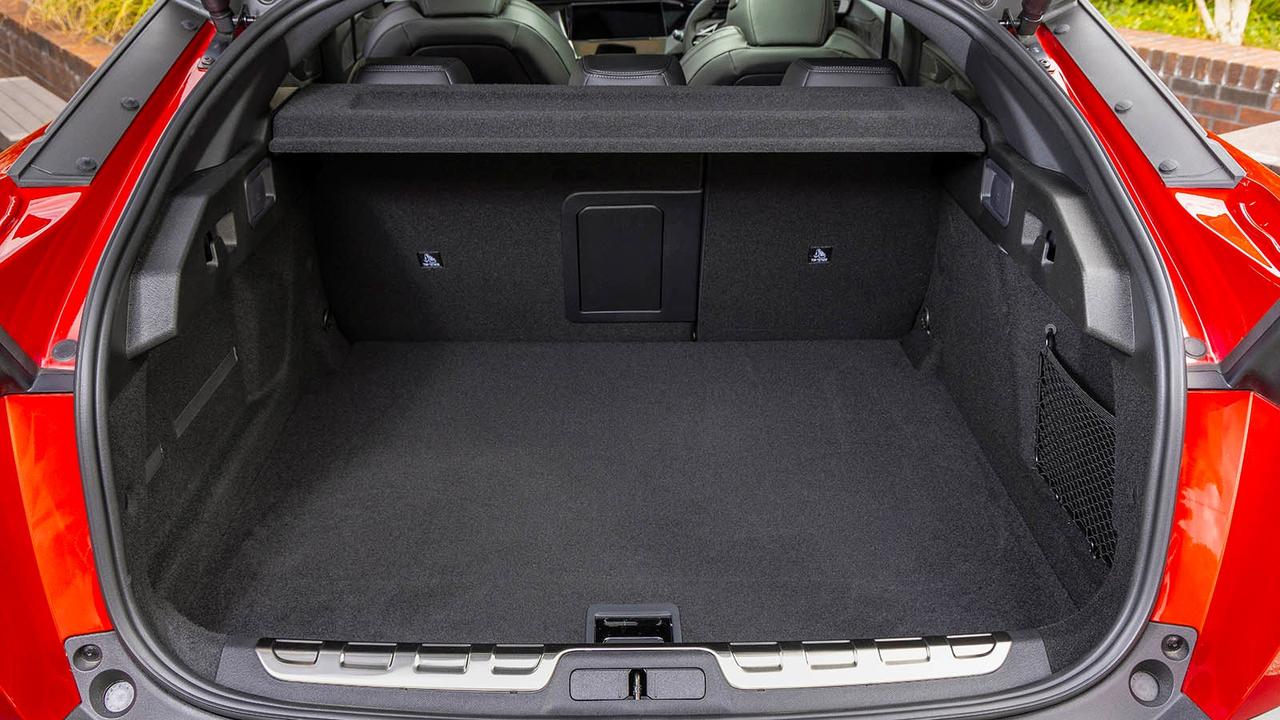
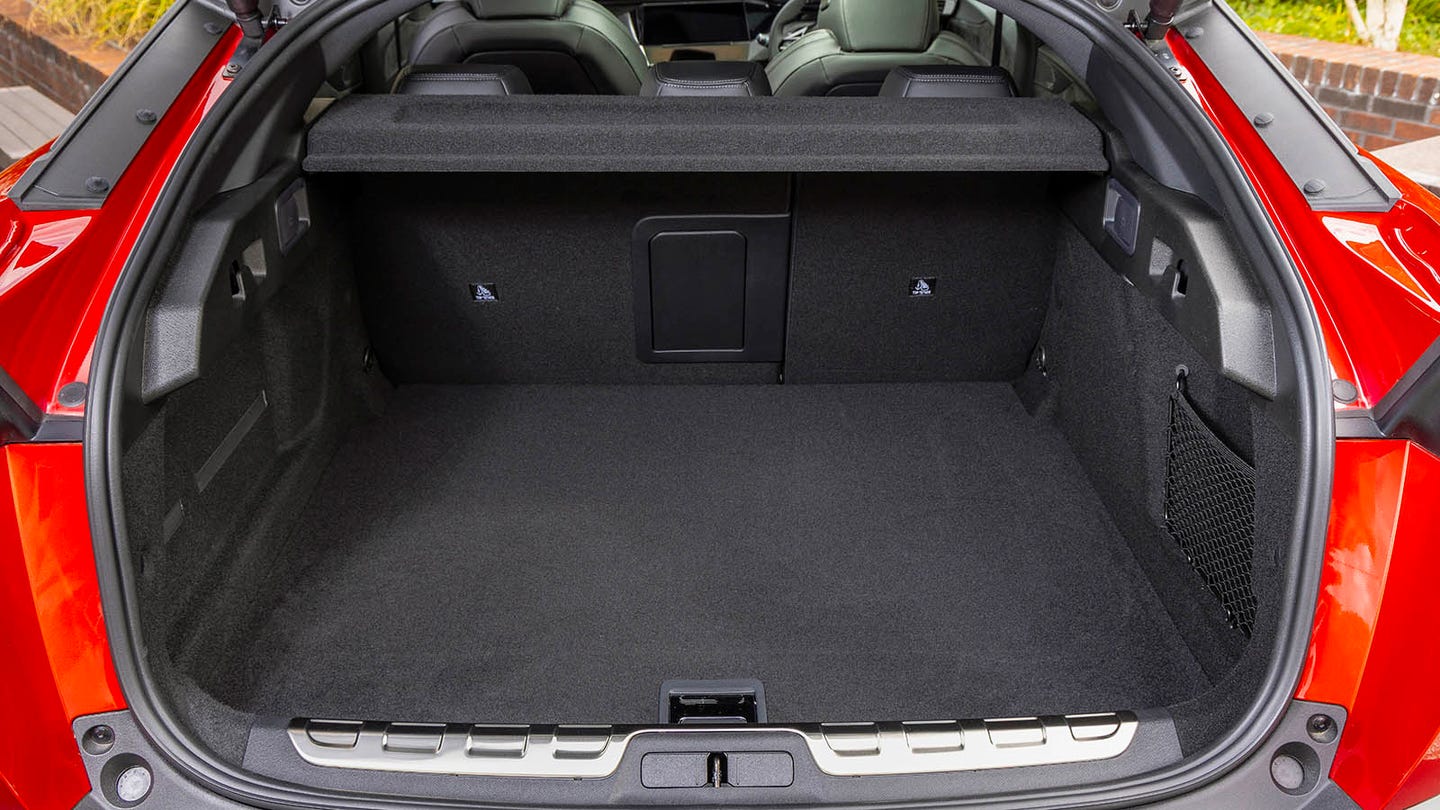
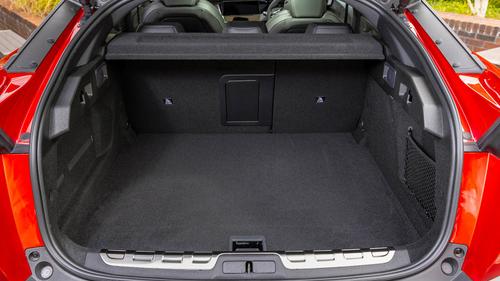
At the rear, there's a 471-litre boot. That's a strong figure for the class, but you'd expect that considering the car is longer than most competitors. As a result, you should be able to fit a family's holiday luggage or a couple of pushchairs with ease. There's not much load lip to speak of, though the car's taller ride height means you'll have to lift cargo a little higher than average.
Cabin storage is about what you'd expect from this class. There are useful door bins for odds and ends, with a cutaway in the armrest so you can fit a taller bottle. The glovebox is pretty average, though Peugeot no longer insists on shoving the fusebox in there, so it is at least full width. There's also a split-folding lid that forms the centre console armrest, though the space inside is a little cramped.
Driving the E-408's front wheels is a 210hp electric motor. It won't get close to the neck-snapping holeshot you'll find in a Tesla or other performance-focused EVs, but there's a solid, insistent slug of power available under your right foot that'll whisk you up to motorway speeds with barely any sense of strain.
Pin the throttle and the E-408 eases off the line, taking a second to gradually feed in the power rather than dumping it into the wheels all at once. You wouldn't describe it as exciting, but it makes it very easy to drive the E-408 smoothly and swiftly. Its official 0-62mph time of 7.6 seconds will be more than sufficient for most drivers.
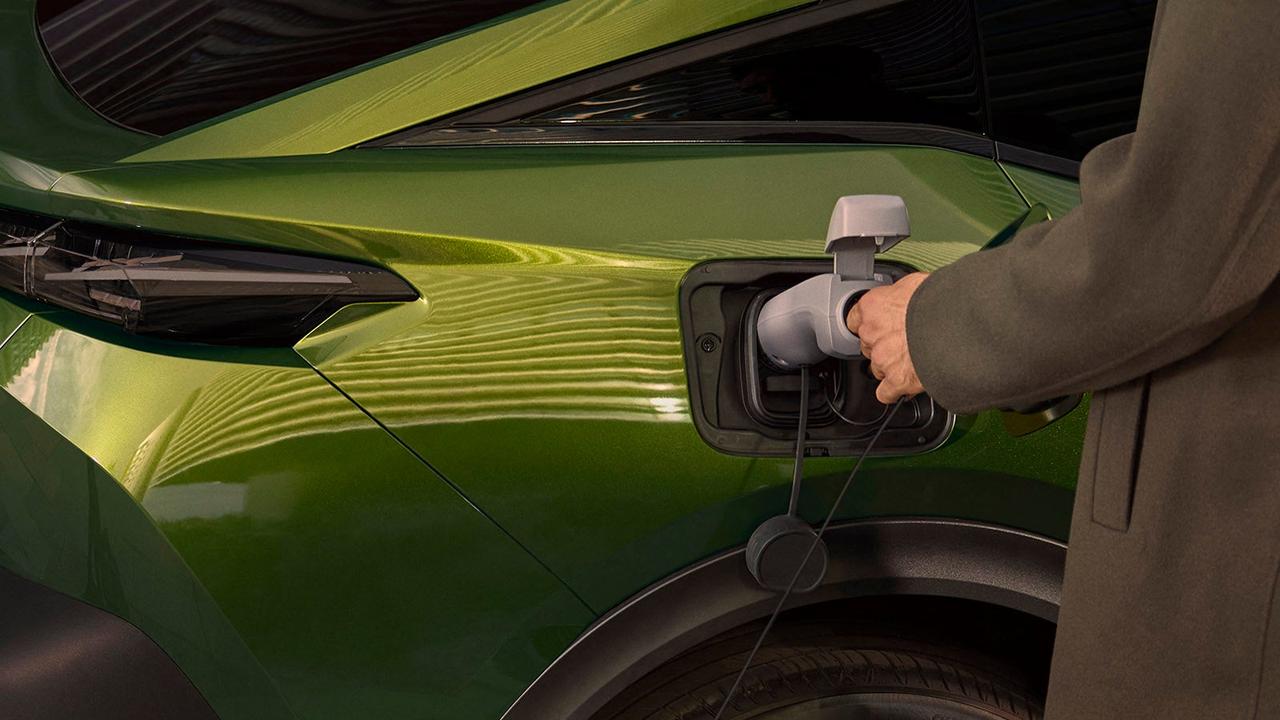
Advertised range stands at 281 miles on a full charge. That's some way off the best in class, which now comfortably return over 300 miles. Considering many Brits don't even cover 200 miles in an entire week, however, the E-408's range will almost certainly be enough for most motorists – especially if they have the convenience of charging at home. Nevertheless, on-paper performance matters in this segment and the Peugeot only scores a passing grade here.
The max charge rate is 120kW, which is also some way off the best in class. Peugeot says that equates to a 20-80% top-up at a fast charger in 31 minutes. Half-an-hour is pretty standard for most rivals but that's for an industry-standard 10-80% charge – a deeper charge cycle than Peugeot quotes.
It takes a few minutes behind the wheel of the E-408 to work out what's missing from the experience. But eventually you'll notice that there's very little sound making it to your ears. There's barely any whine from the electric motor, no creaks from the bodywork, no resonating thuds from the suspension, and just a whisper of tyre and wind noise at motorway speeds.
Not only that, but the laminated windscreen and side windows fitted to GT models and up do a remarkable job of cutting out noise from the traffic around you. As a result, you can waft past roaring HGVs and droning mopeds with almost none of that cacophony disturbing your serenity inside.
And you will be wafting in this car. The E-408's platform is shared with the Vauxhall Astra, DS No4 and Citroen C5 X and, like those models, the Peugeot's ride quality is very well judged. It's not quite as wobbly as the aforementioned Citroen, but there's still a lot of grace to the E-408's body movements over big bumps, so potholes and motorway expansion joints barely register in the cabin. Being picky, there's occasionally a little patter and jiggle over scruffy roads, but the overall softness means you'll still feel refreshed after a long drive.
Between the whisper-quiet electric motor and the smooth ride, there's not really much point exploring the limits of the Peugeot's handling. It's much more satisfying to just cruise around placidly – ideally, enjoying the optional Focal stereo. If you do start to push the car harder, it remains impressively composed despite the soft suspension. Again, you wouldn't describe it as 'fun', but the E-408 always feels predictable and intuitive on the move.
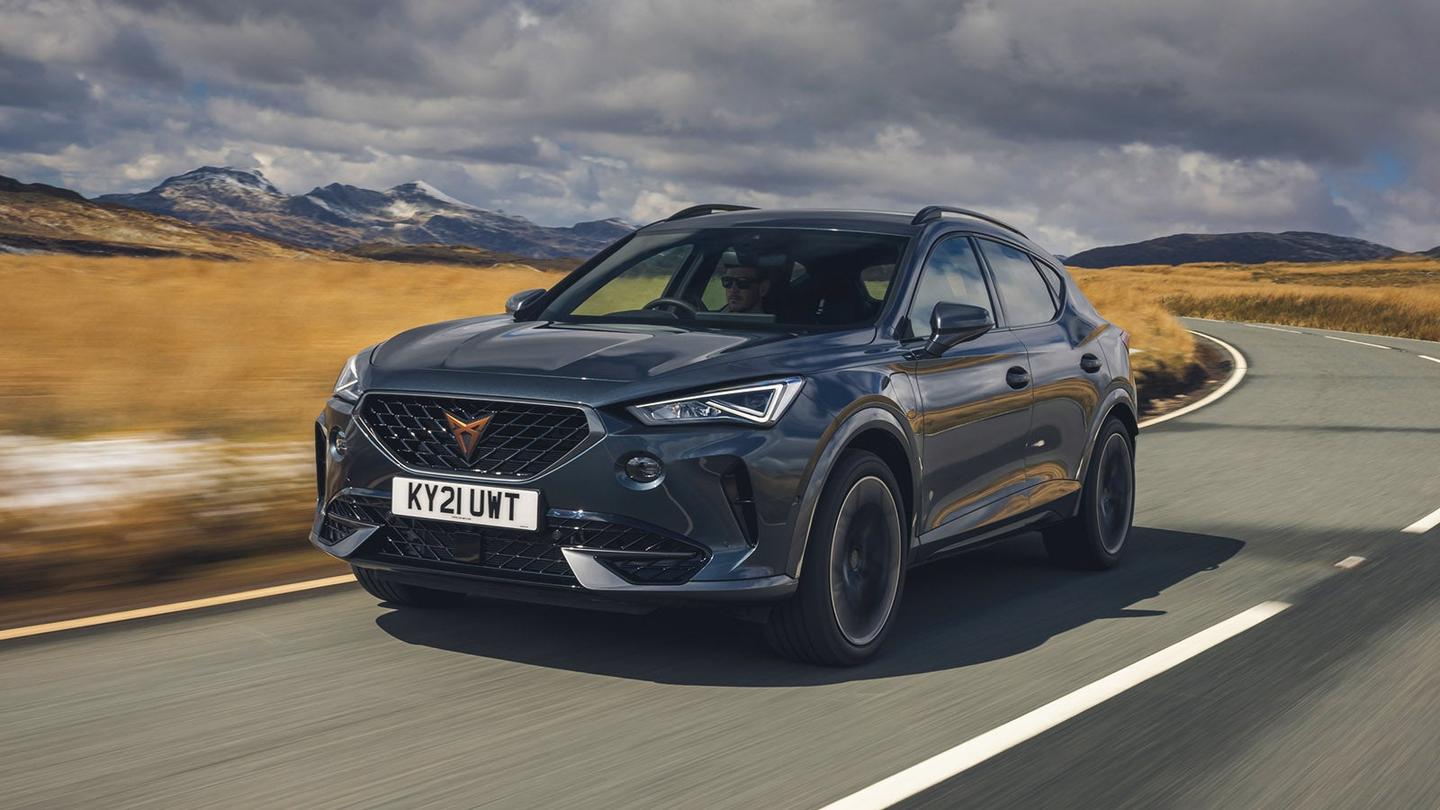
Cupra's first standalone model is one of the very best sporty SUVs
.jpg&w=800&q=75)