









10 of the best Chinese cars to buy

Ben Custard
•
Choosing A Car

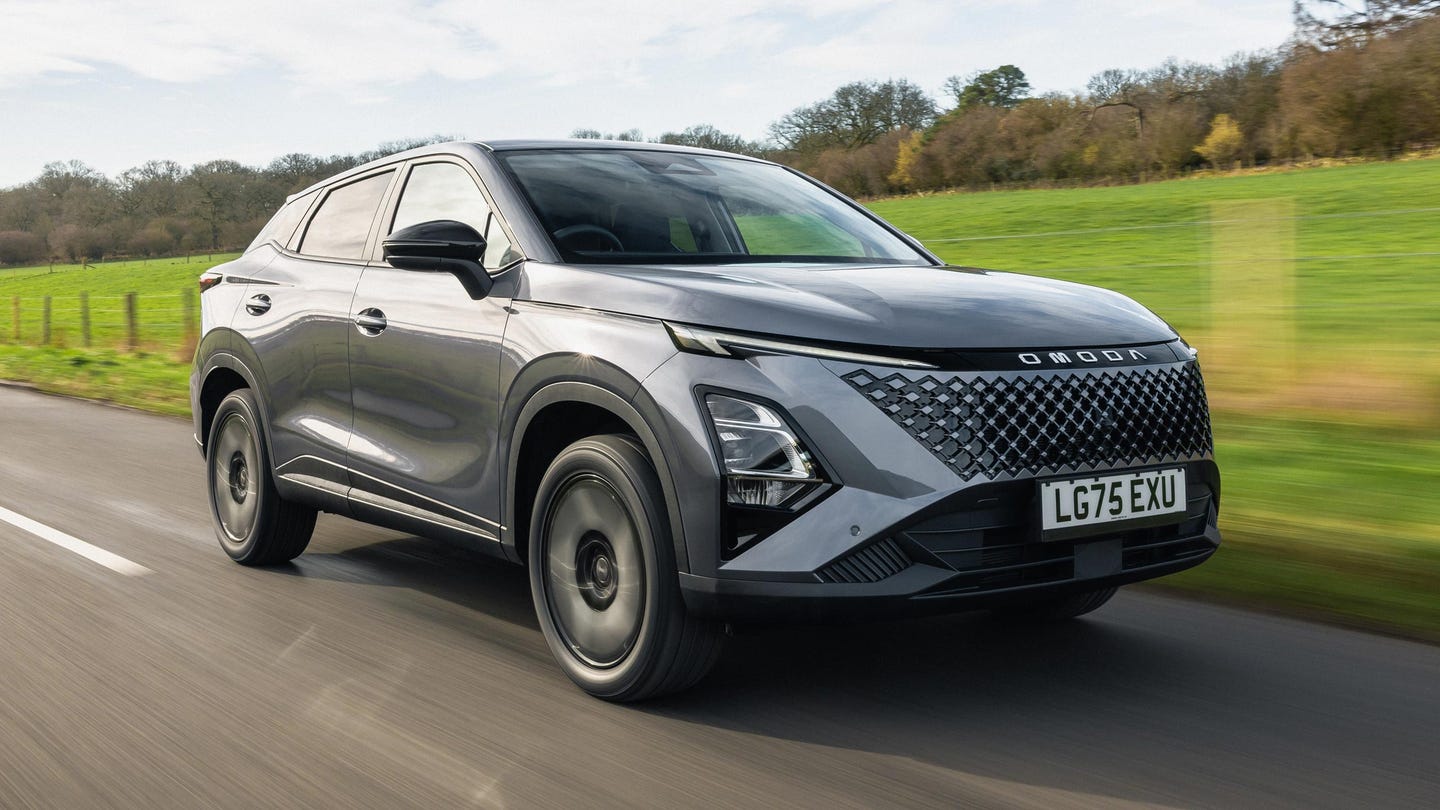
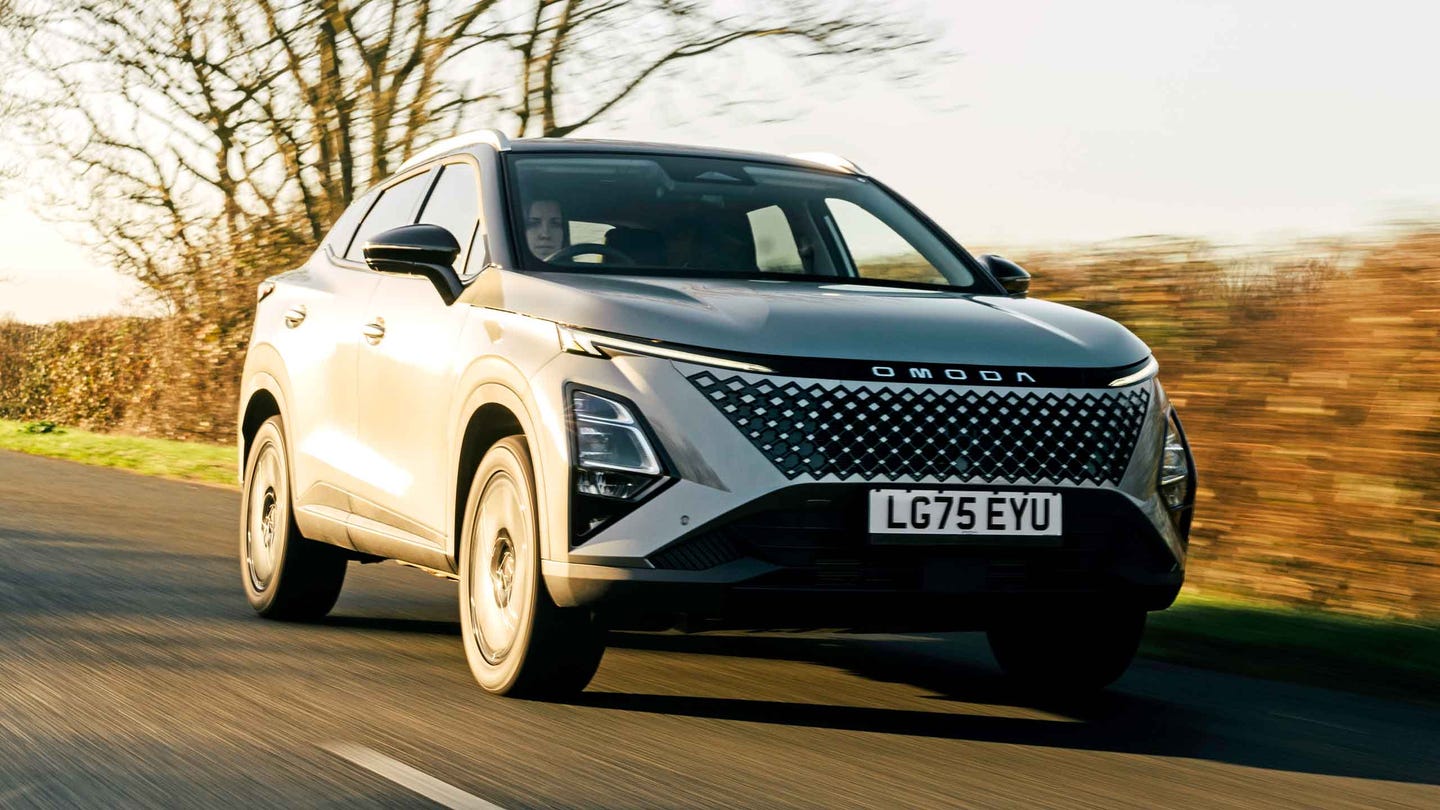
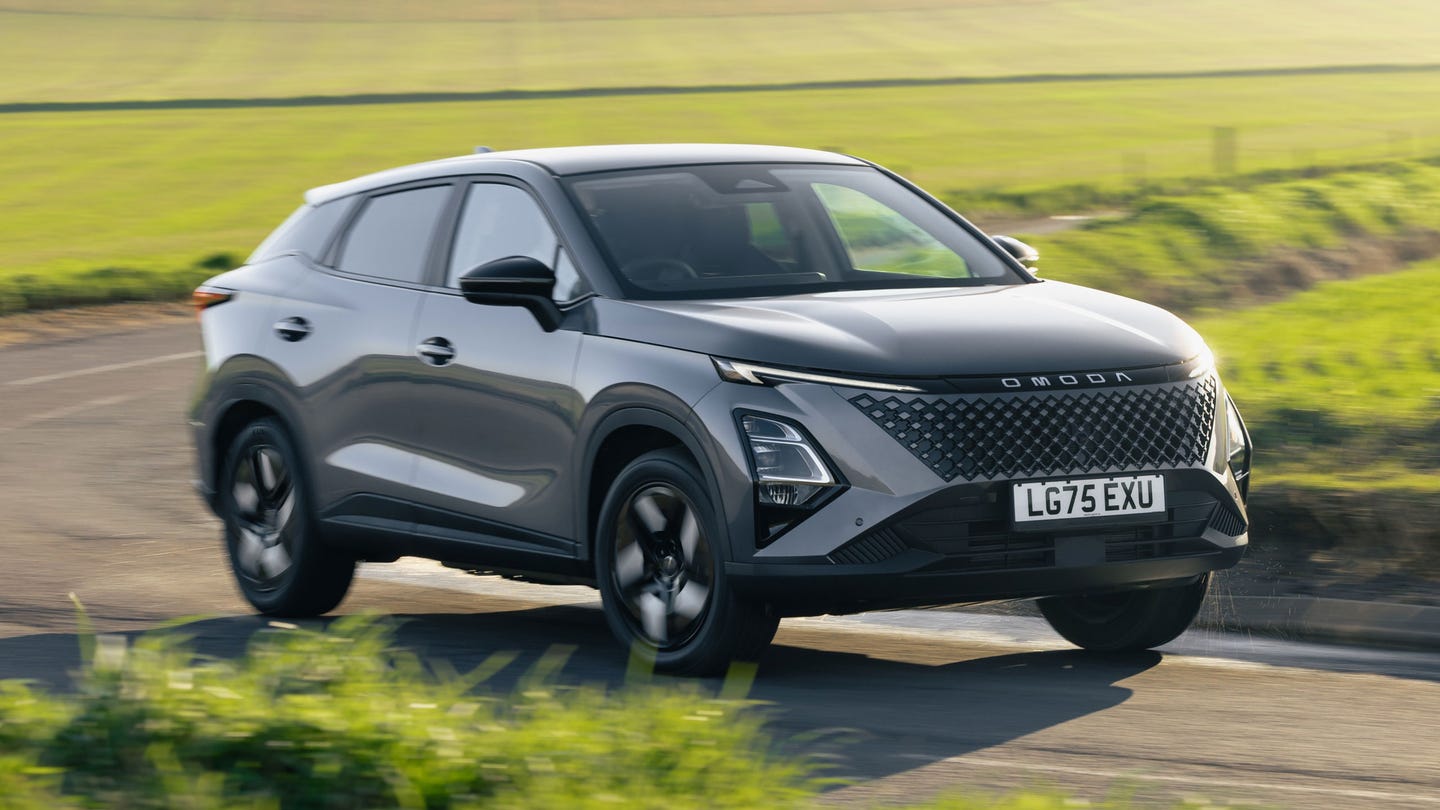
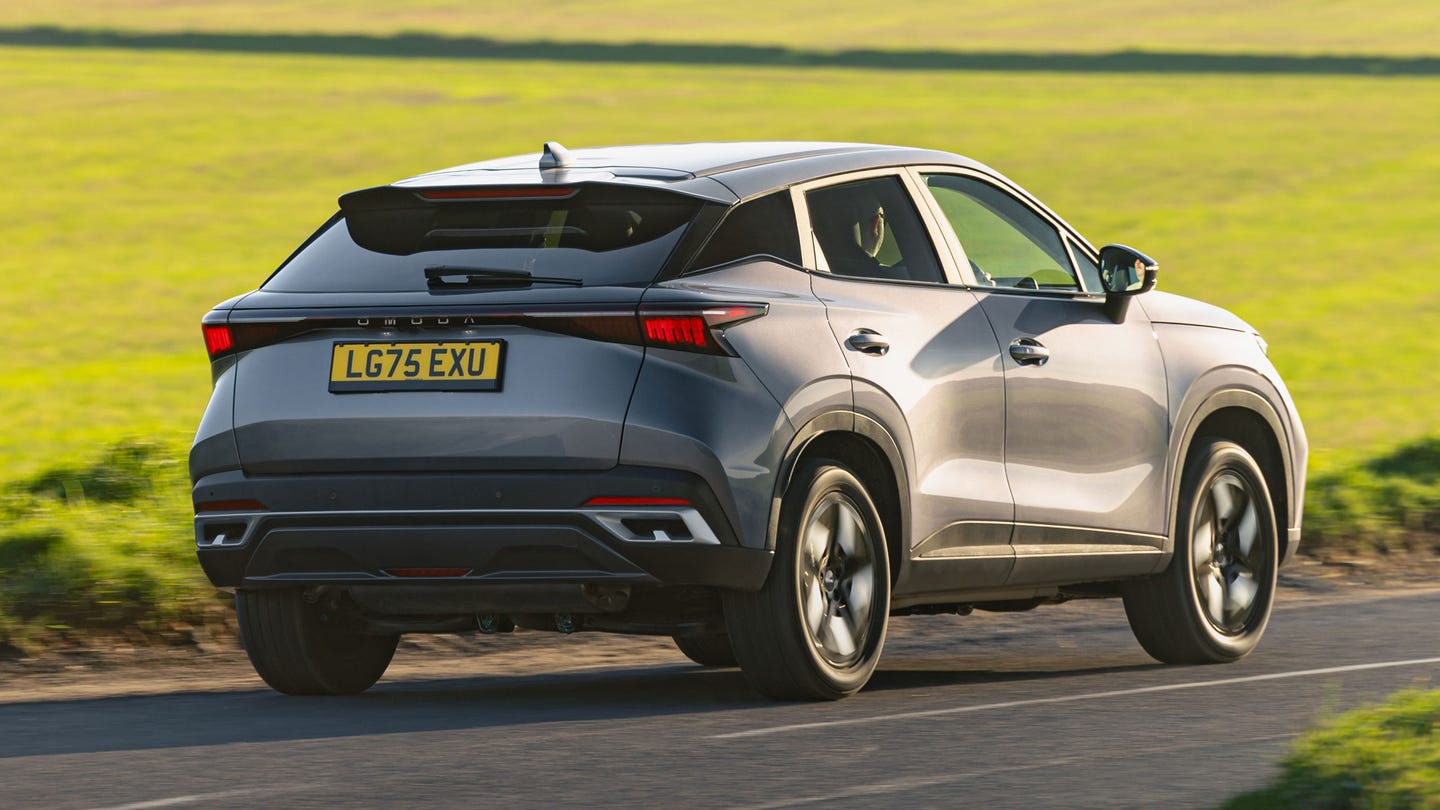
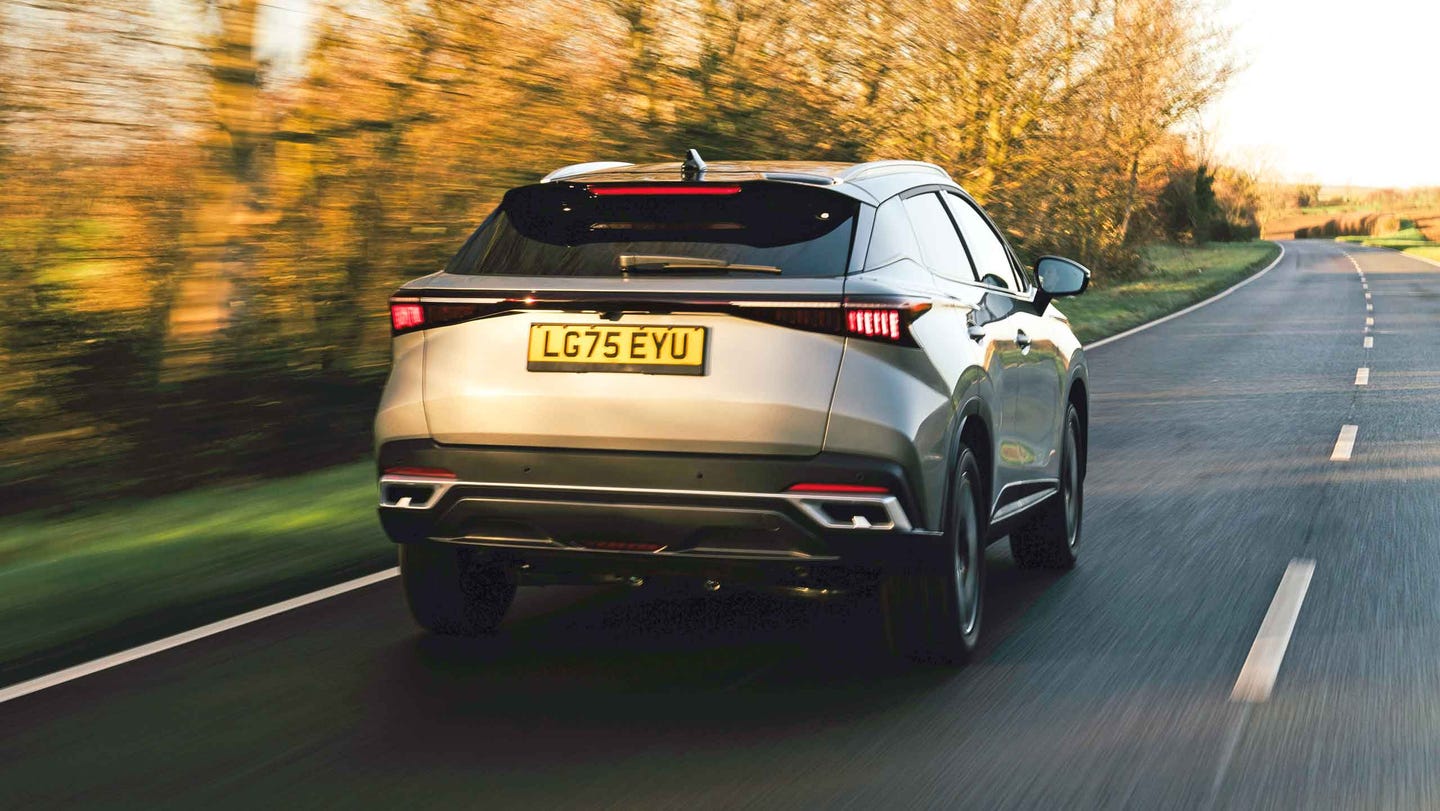
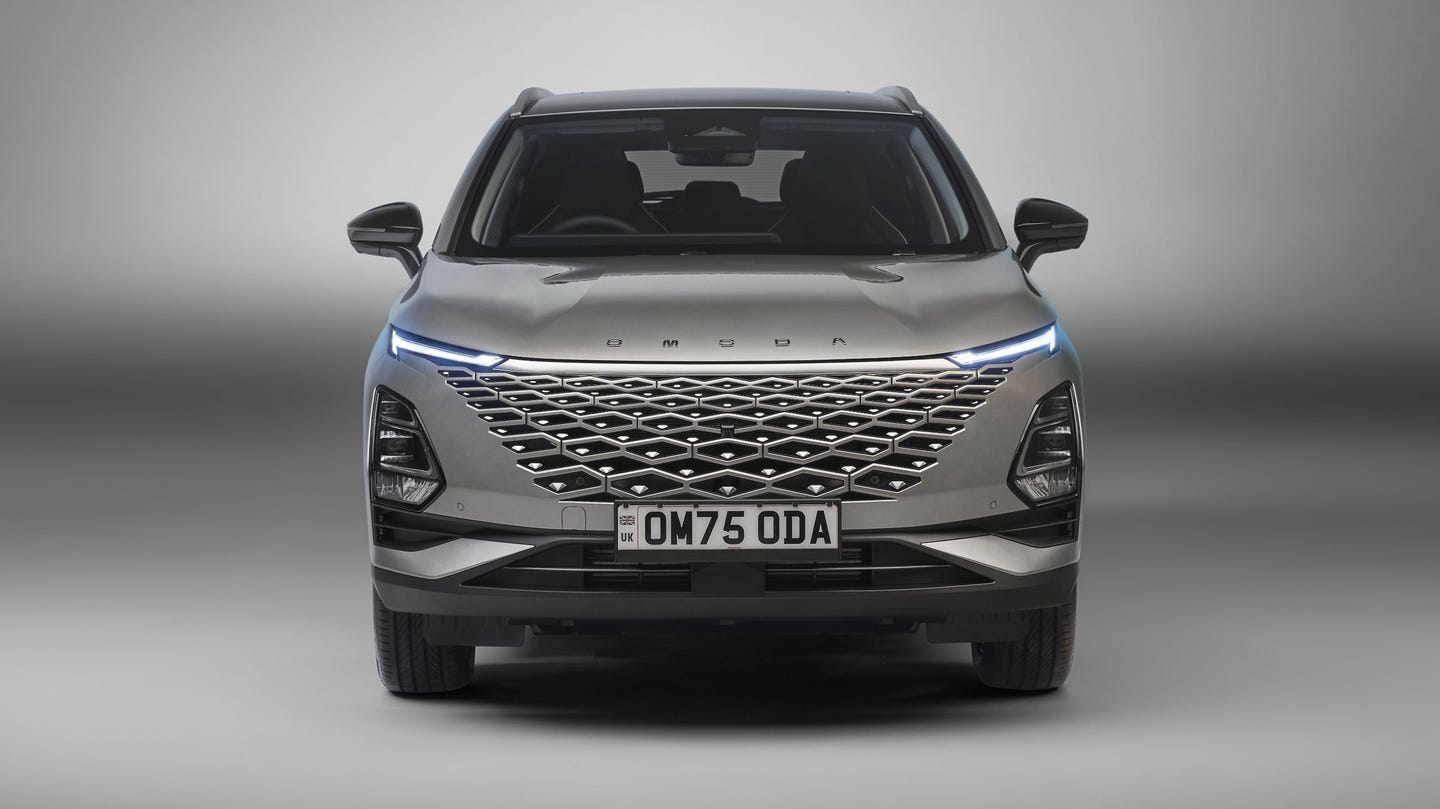
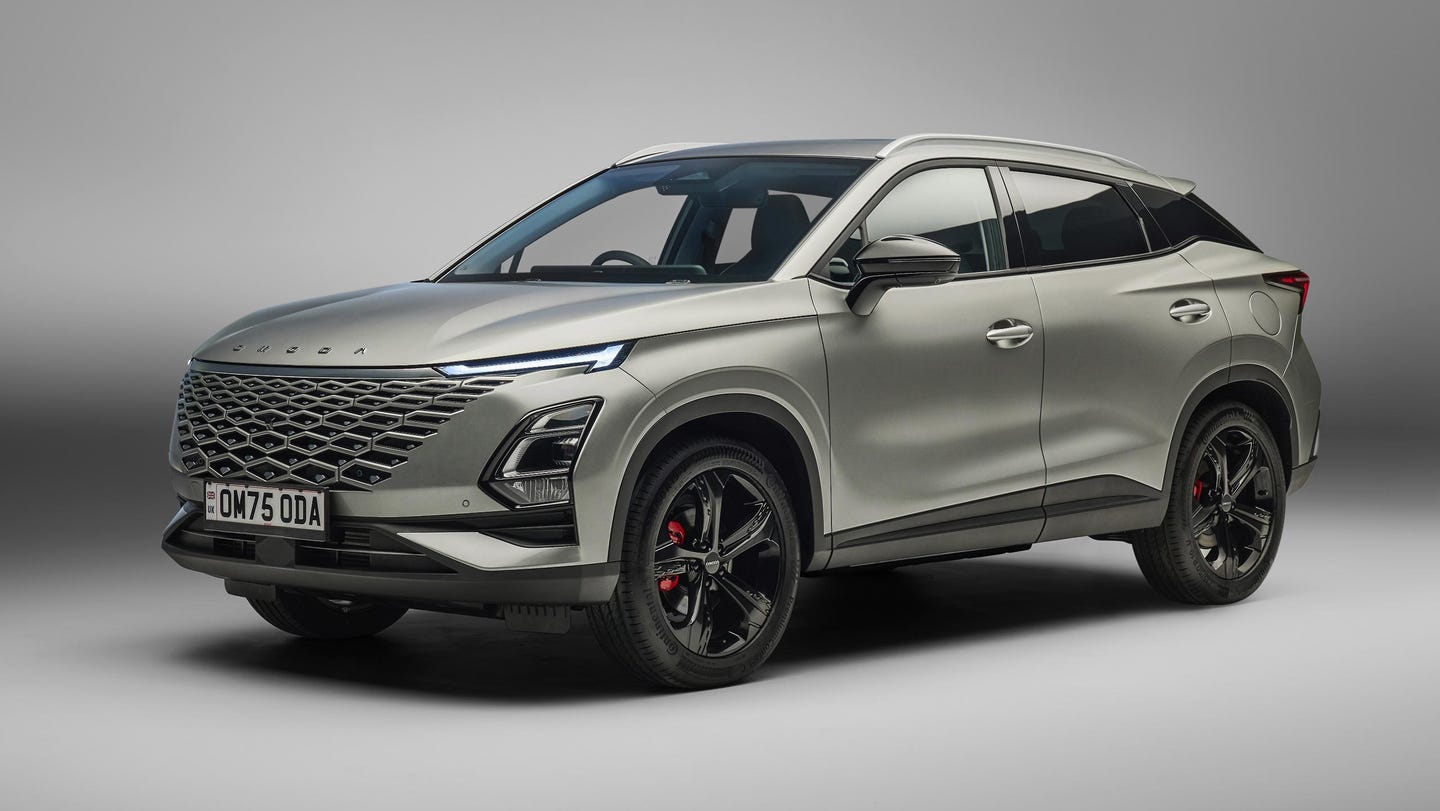
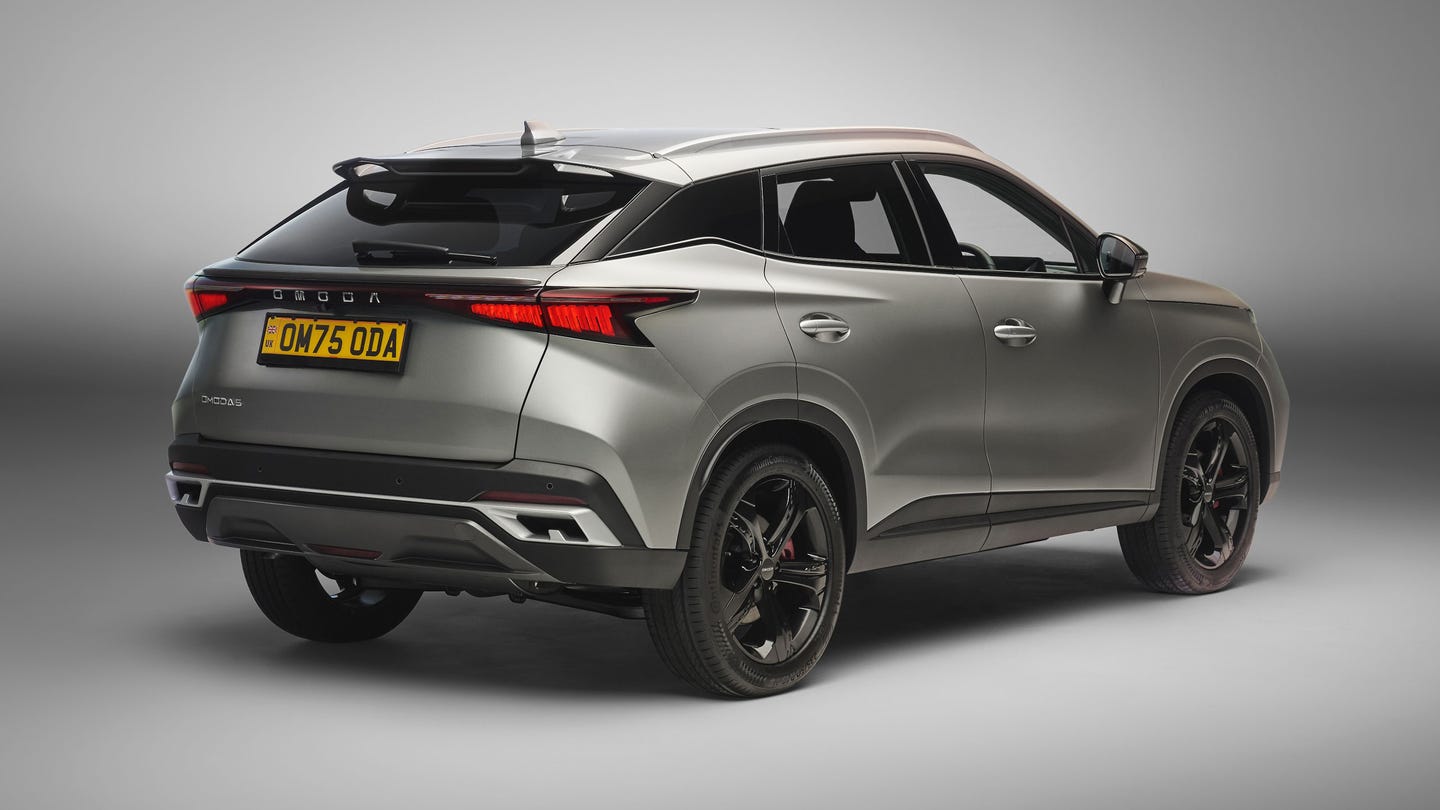
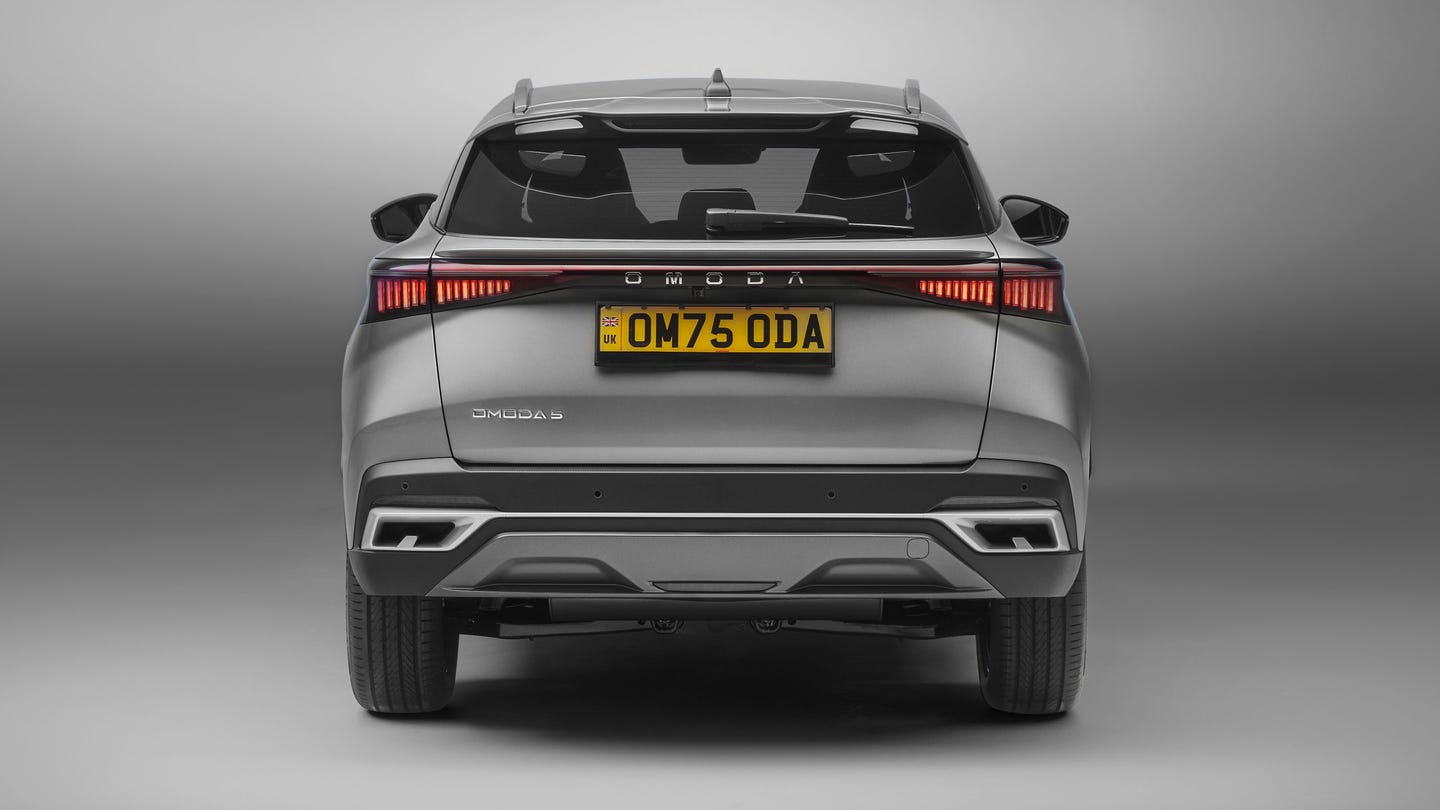
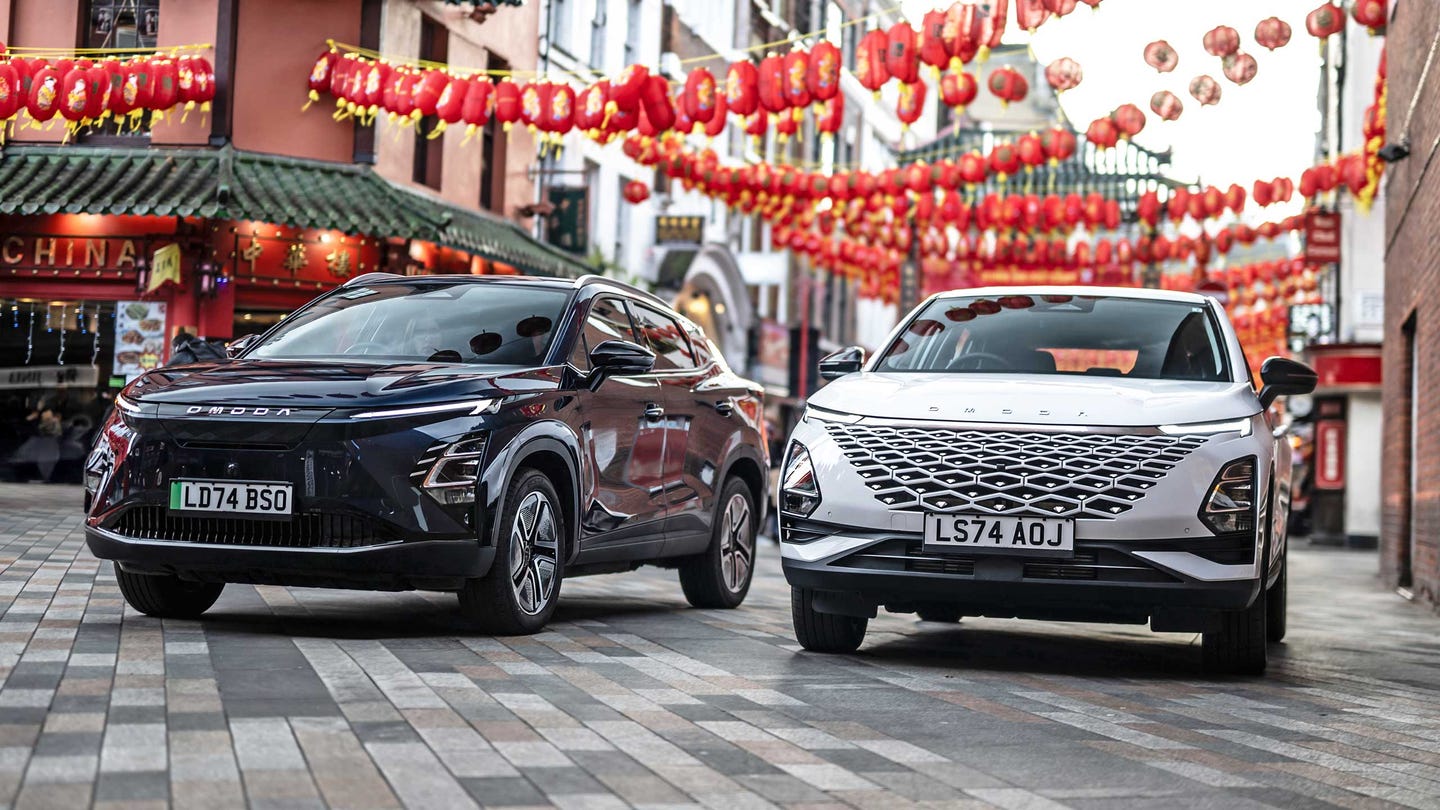
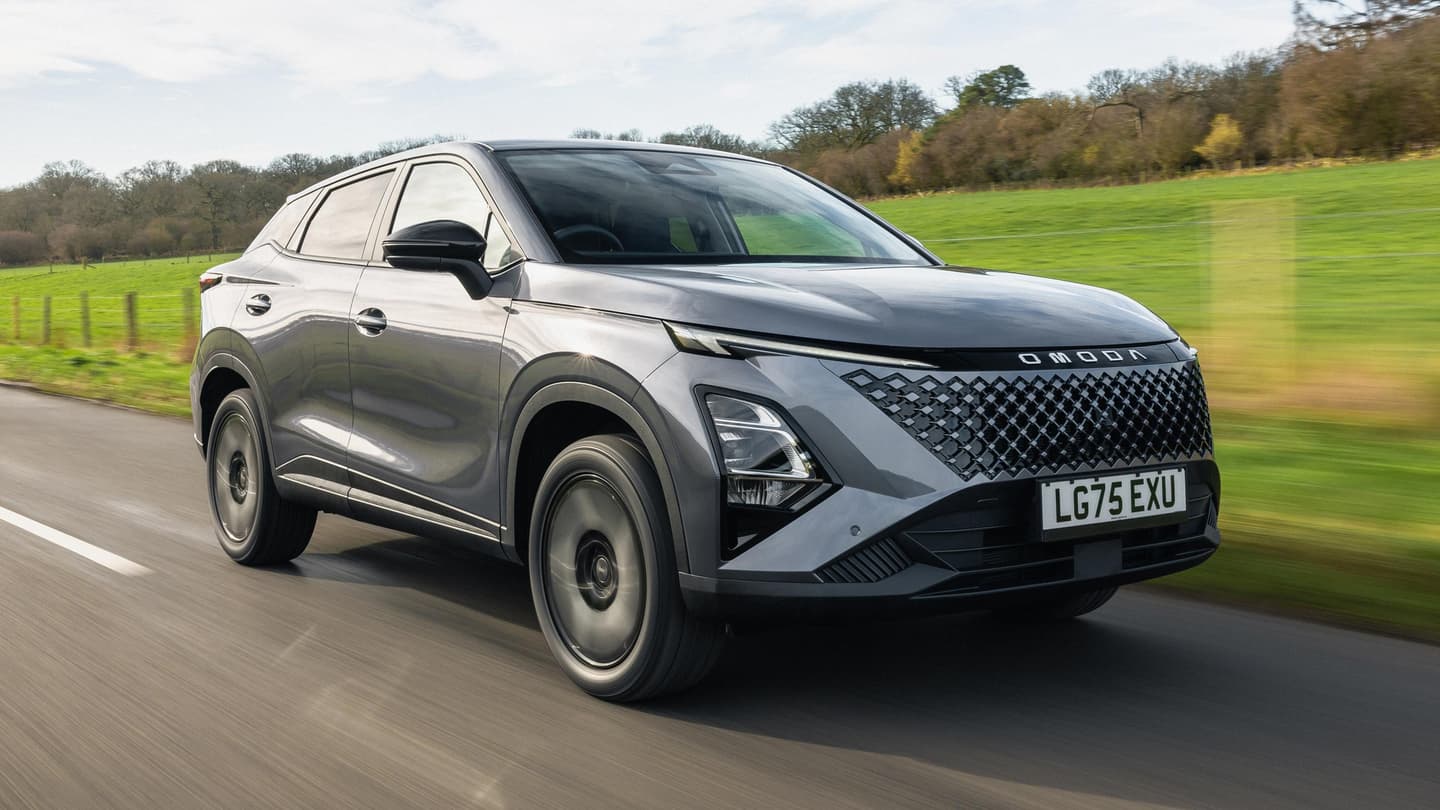
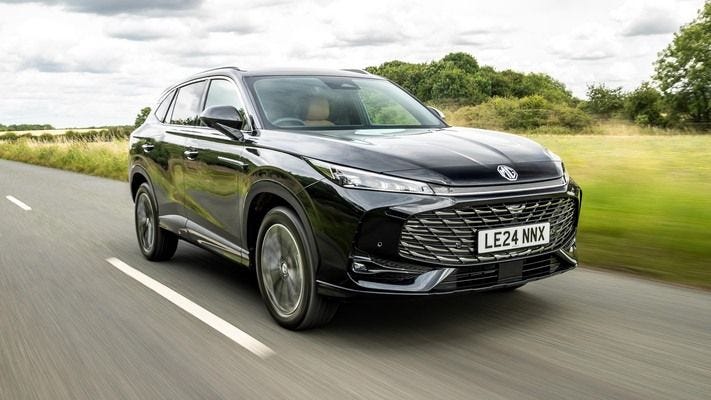
The Omoda 5 was one of the first Chinese cars to successfully launch in the UK since MG returned. It instantly became popular for its distinctive styling, long warranty and affordable prices.
If that’s all you’re looking for, the Omoda 5 is a decent enough car. Just know that it’s not as spacious, techy or economical as alternatives like the Nissan Qashqai.
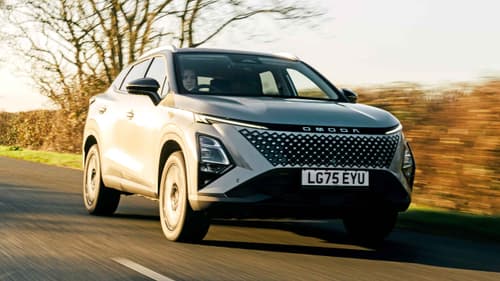
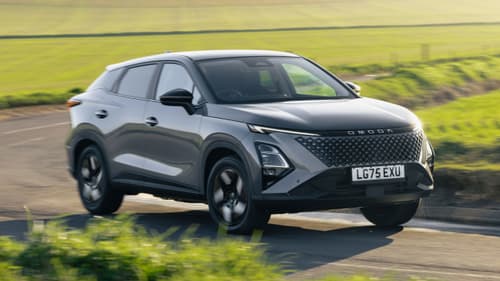
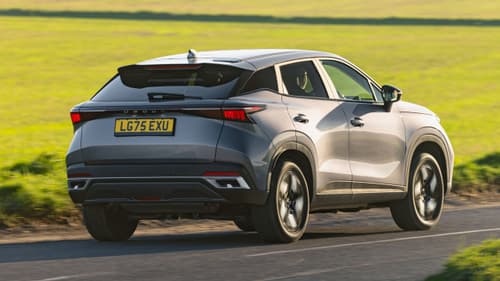
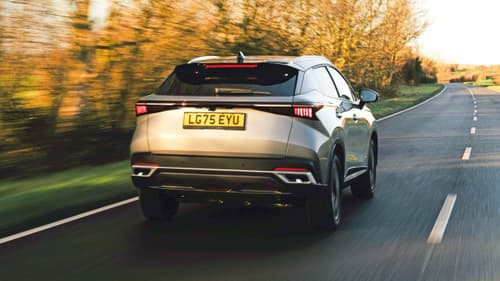
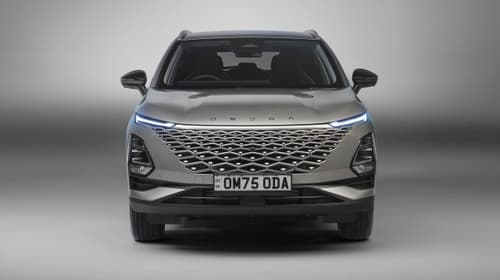
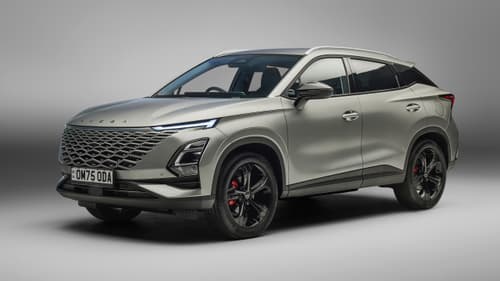
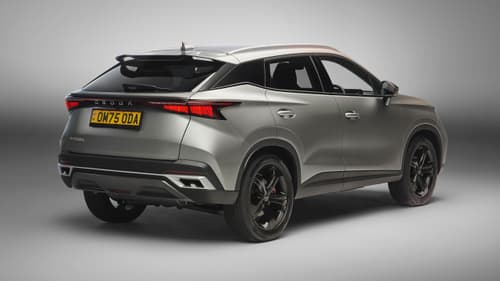
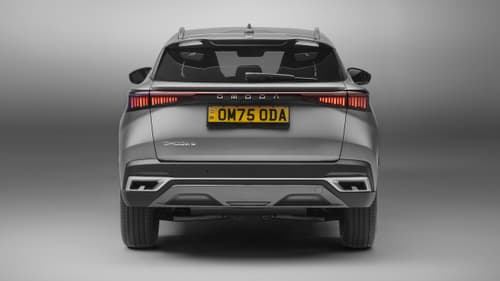
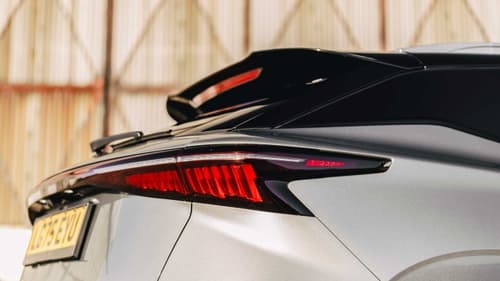
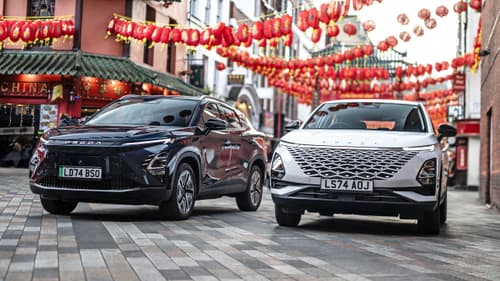
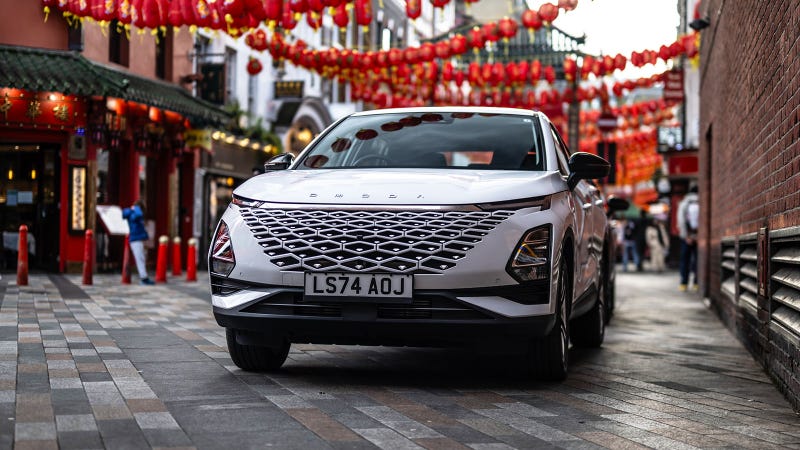
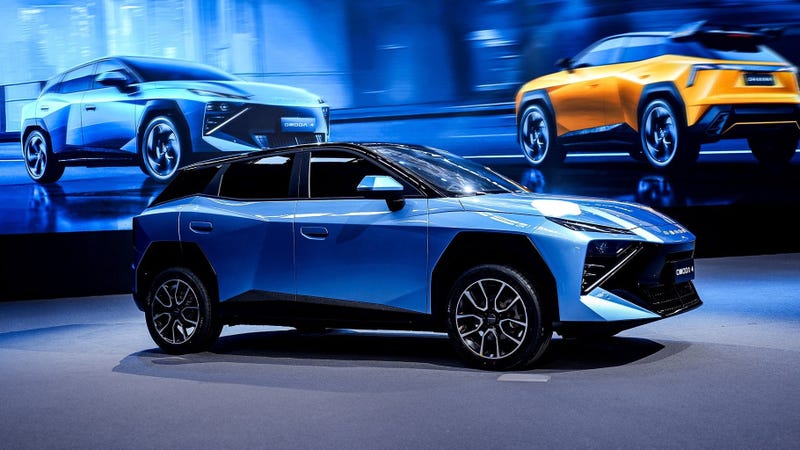
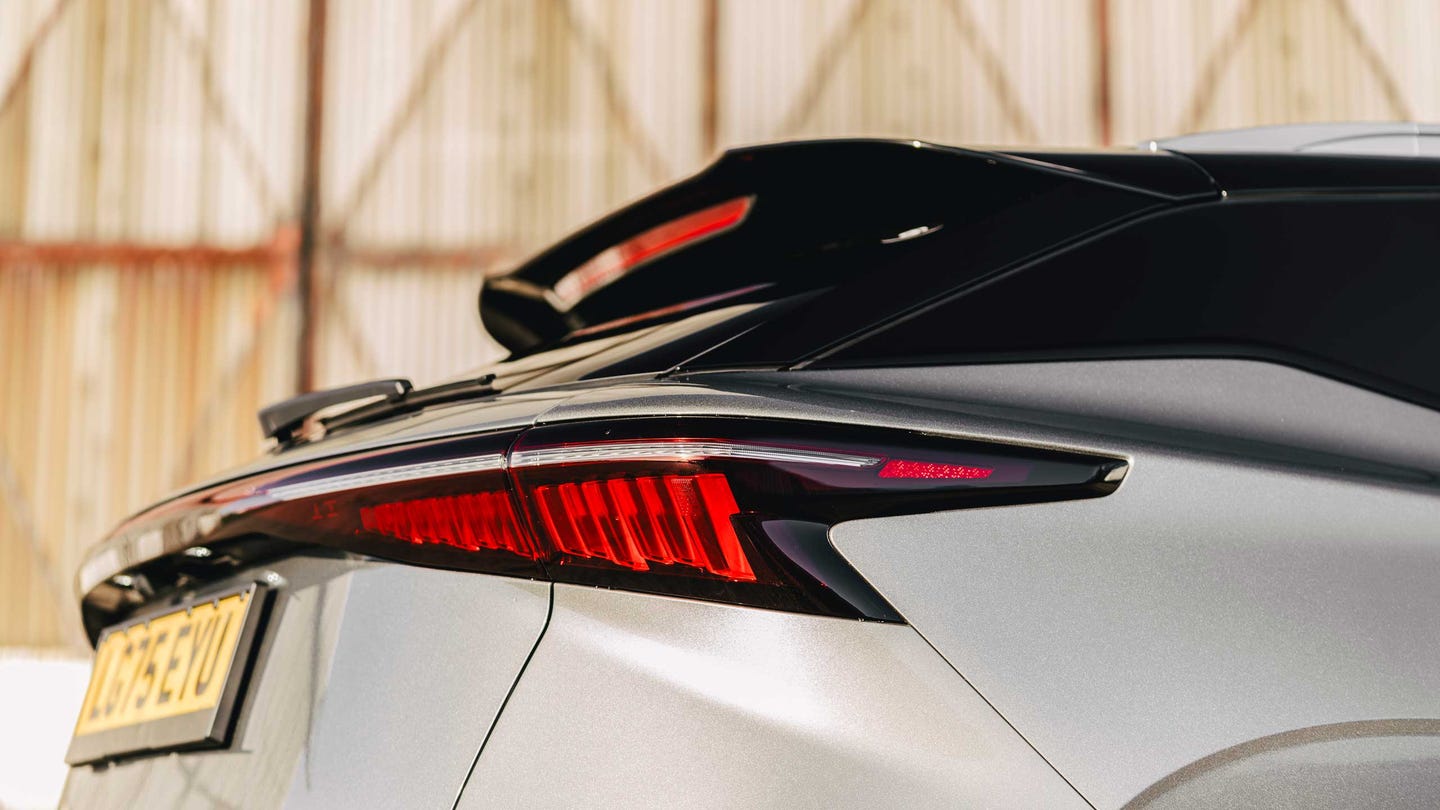
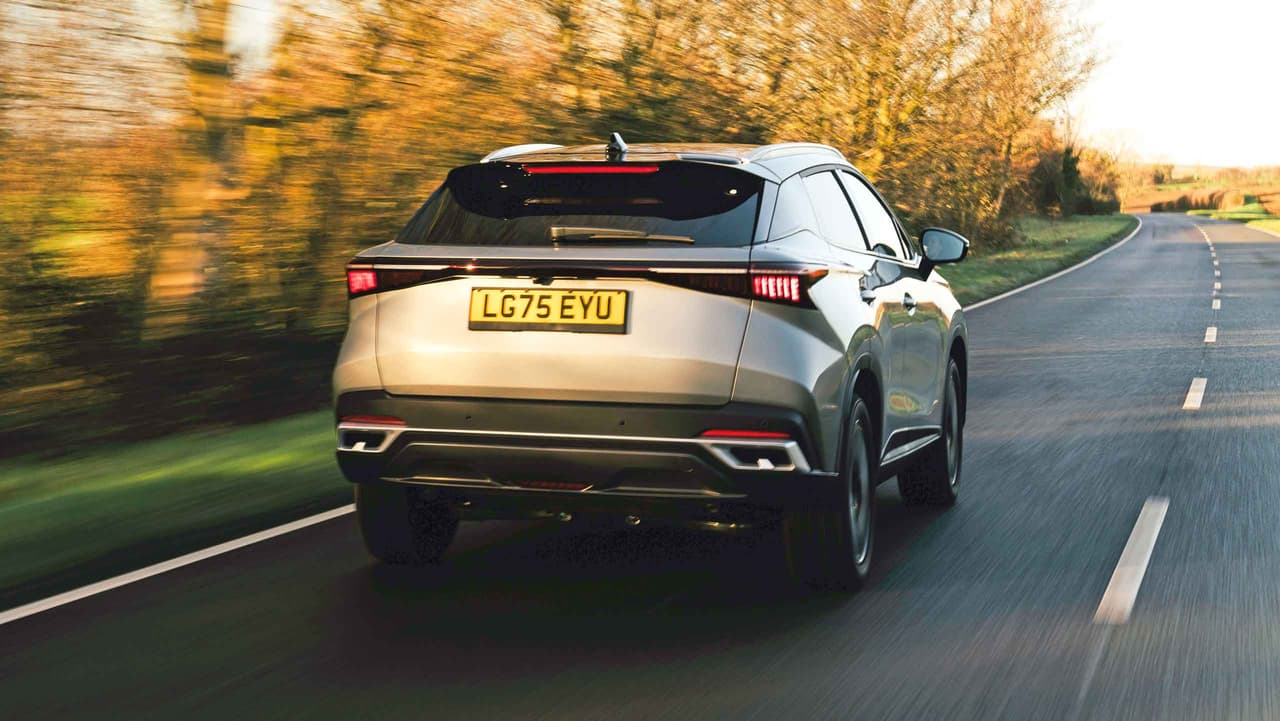
The Omoda 5 makes a good first impression. Its pointy styling resembles a cross between a Nissan Juke and a Stormtrooper, and it stands out more than a Volkswagen T-Roc or MG ZS. There are sharp body creases to catch your eye, pointy tail-lights and a stylish coupe-SUV shape. Plus, petrol Omoda 5s stand out with an intricate, Peugeot-like grille that seems to blend into the bodywork.
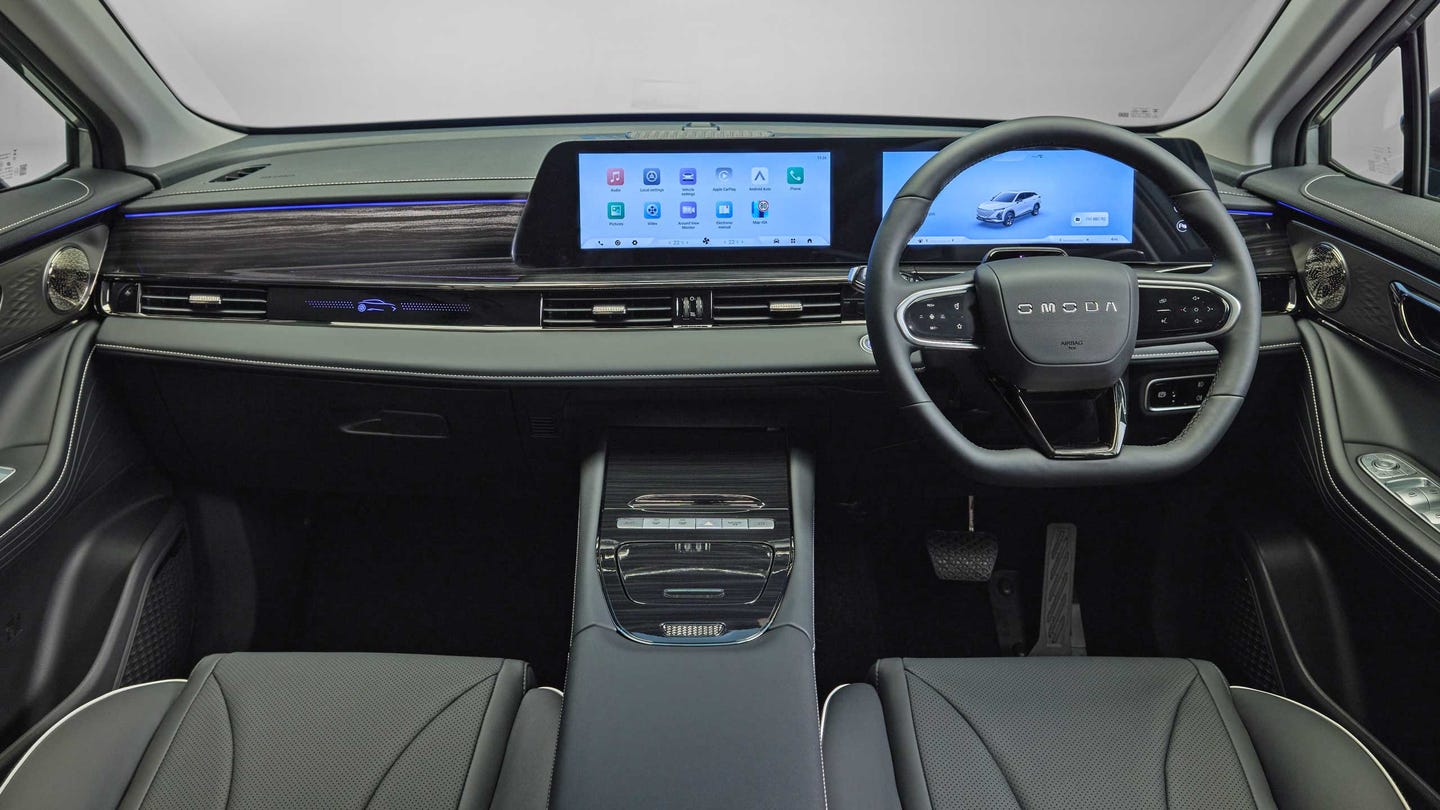
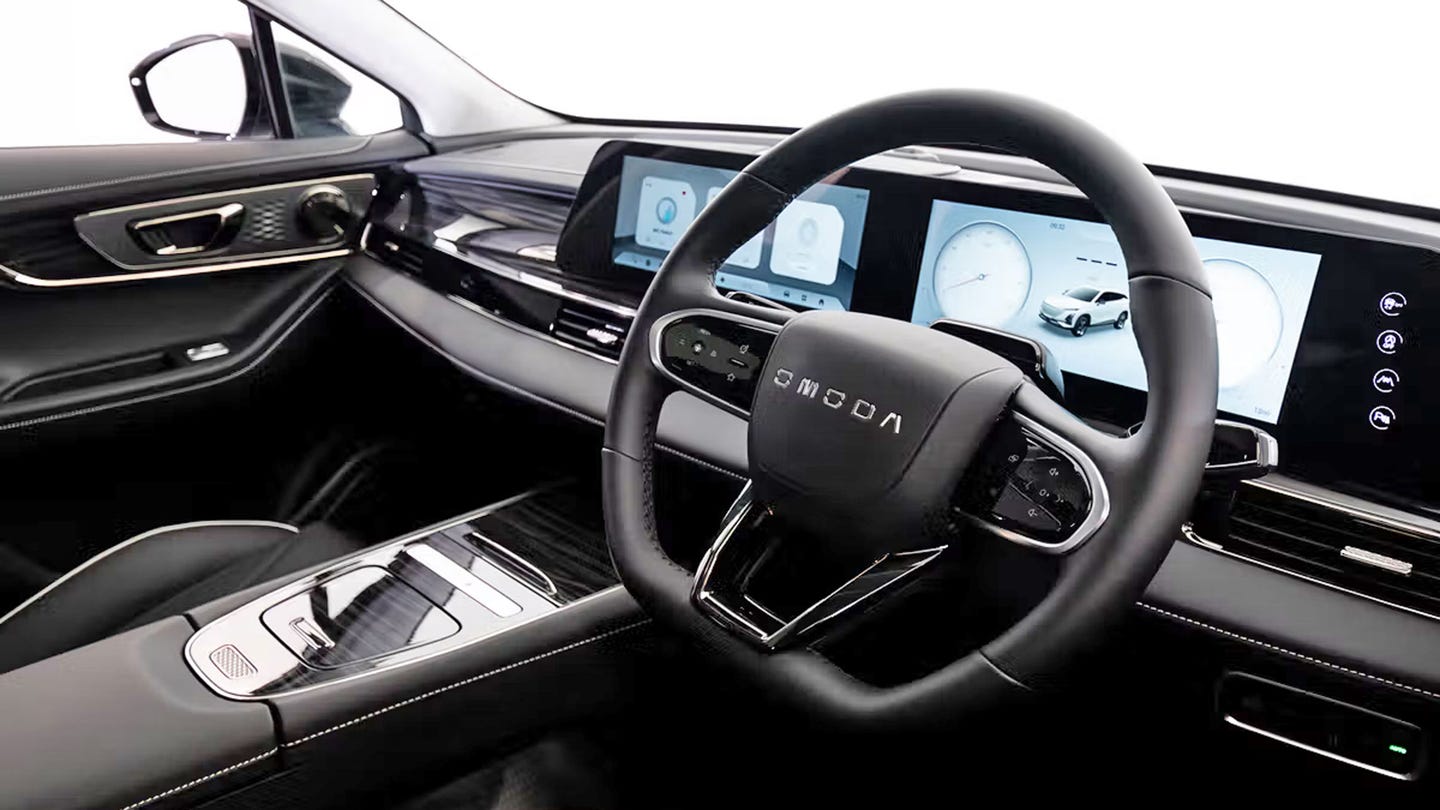
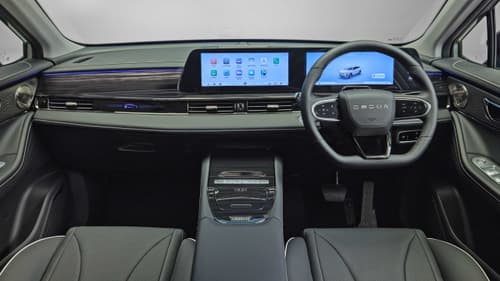
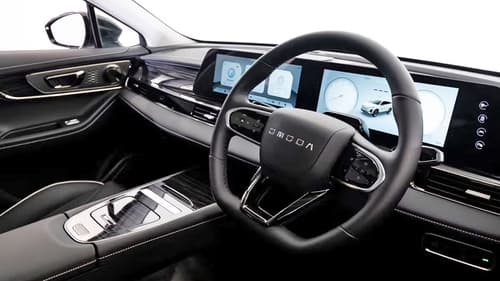
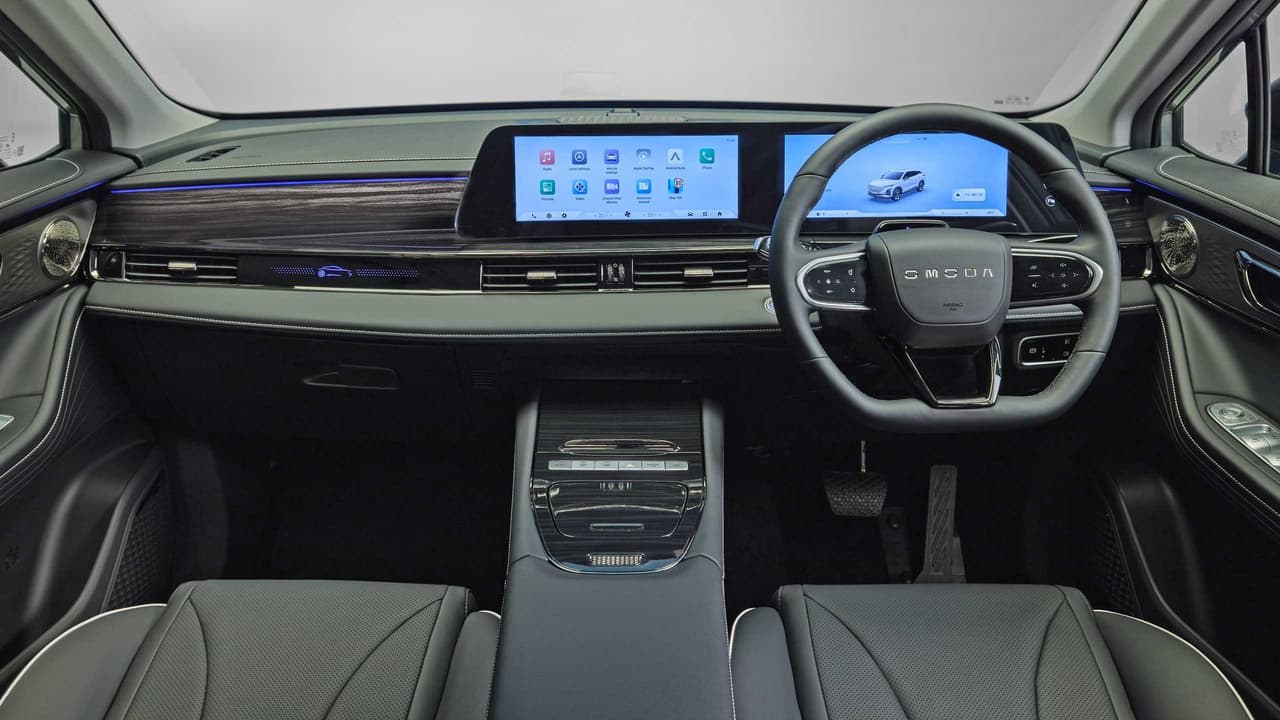
It’s easy to be wowed by the interior as well. Two large screens, a largely button-free layout and a flat-bottomed steering wheel all help to make the interior feel modern. Leather-effect upholstery, wood-effect trim and Mercedes-effect speaker panels inject a premium-effect feel into the cabin. You’ll be especially impressed if your frame of reference is primarily older or cheaper cars.
"The Omoda 5 is set up to get you through a twisty road, not to enjoy it"
Low-mileage used cars come with considerable discounts compared to new prices, and there’s the balance of Omoda’s seven-year/100,000-mile warranty. Don’t be worried if you haven’t heard of Omoda; it’s a sub-brand of Chery, one of the world’s biggest carmakers.
So the Omoda 5 works well over the honeymoon period, but can become a bit tiresome over time. You'll have to put up with the lazy engine response, the mediocre fuel economy, the poorly laid out screens and the bitty ride quality. Your passengers might also find the cramped rear seats a bit of an annoyance.
At launch, it was a straight choice between a petrol engine and the electric Omoda E5. Now there’s a hybrid to split the difference, and we’d recommend picking this over the standard petrol engine. Hybrid models also get tweaked styling; it’s a shame the other versions don’t get the updated grille and newly winged daytime running lights.
The Omoda 5 is cheap, but it’s not the cheapest SUV on the block. Looking at 2026-plate used cars, the MG HS, Nissan Juke, Mazda CX-30 and Renault Captur can all be picked up for less money than a 5 with similar age and mileage.
Such is the astonishing rate of progress in car interiors, in particular from the numerous Chinese brands now in the UK, that the Omoda 5 is already starting to feel a little second-rate.
It’s nicely laid out, and the twin screens, stalks and trim are all similar to what you might expect from a Mercedes. The quality isn’t Mercedes-like, though. All the wood-style trim pieces are shiny, flexy plastic, and the synthetic leather seats aren’t fooling many backsides – they’re very plasticky too. Related Jaecoo and Chery models manage to feel a bit nicer inside despite using some of the same switchgear.
The touchscreen is quite basic in its functionality, which is no bad thing – wireless Apple CarPlay and Android Auto phone connectivity comes as standard, so you can use your familiar apps on the car’s screen. That way you don’t have to interact with the not very useful home screen and its cheap-looking graphics.
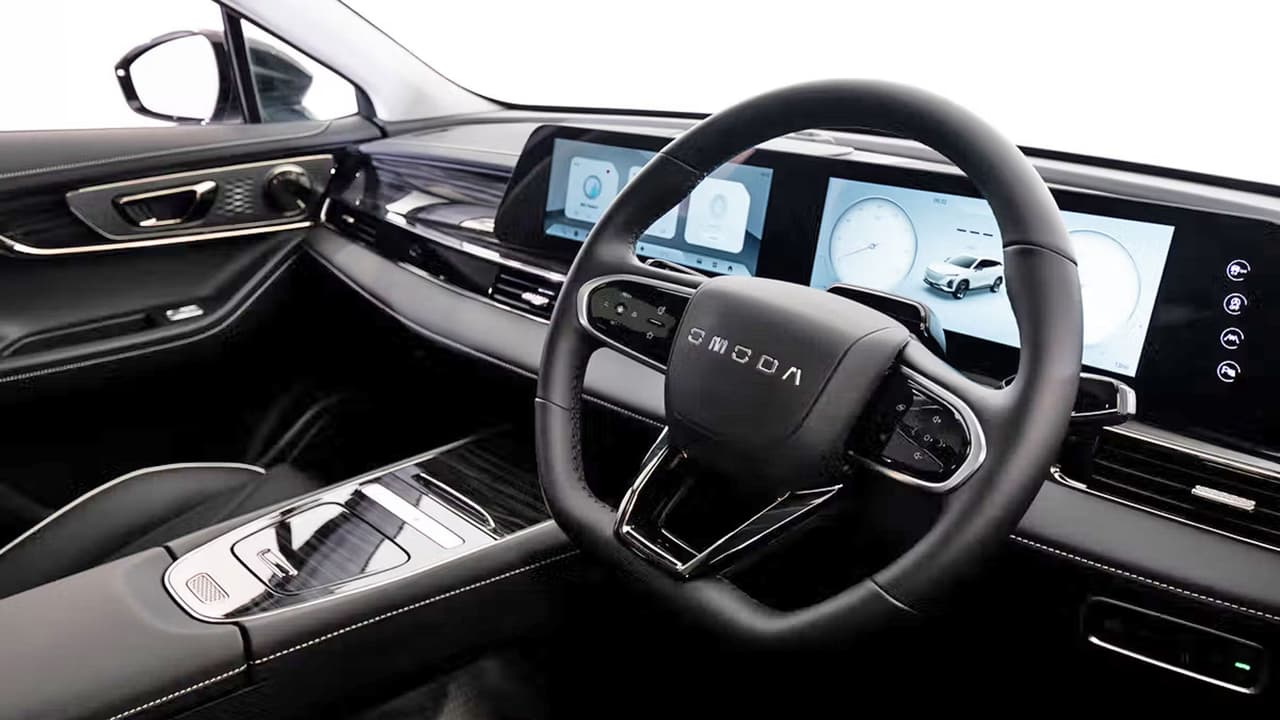
There are some odd submenu layouts within the settings screen, and our test car featured buttons next to the driver’s screen which control some of the driver assist systems – but they’re completely hidden by the steering wheel.
You’ll probably get used to the layout of the driver’s screen but, at first, it’s a little confusing with icons scattered seemingly randomly across the space.
Trim levels are Knight and Noble, and both get the big screens, a reversing camera, LED headlights, heated front seats, high-speed (and cooled) wireless phone charging and adaptive cruise control.
Top-spec Noble adds a Sony-branded sound system, two-zone climate control, a heated steering wheel, cooled and powered front seats, ambient lighting, and a panoramic glass roof. However, we weren’t convinced by the upgraded sound system, and the ambient lighting in our test car seemed to be linked to the headlights.
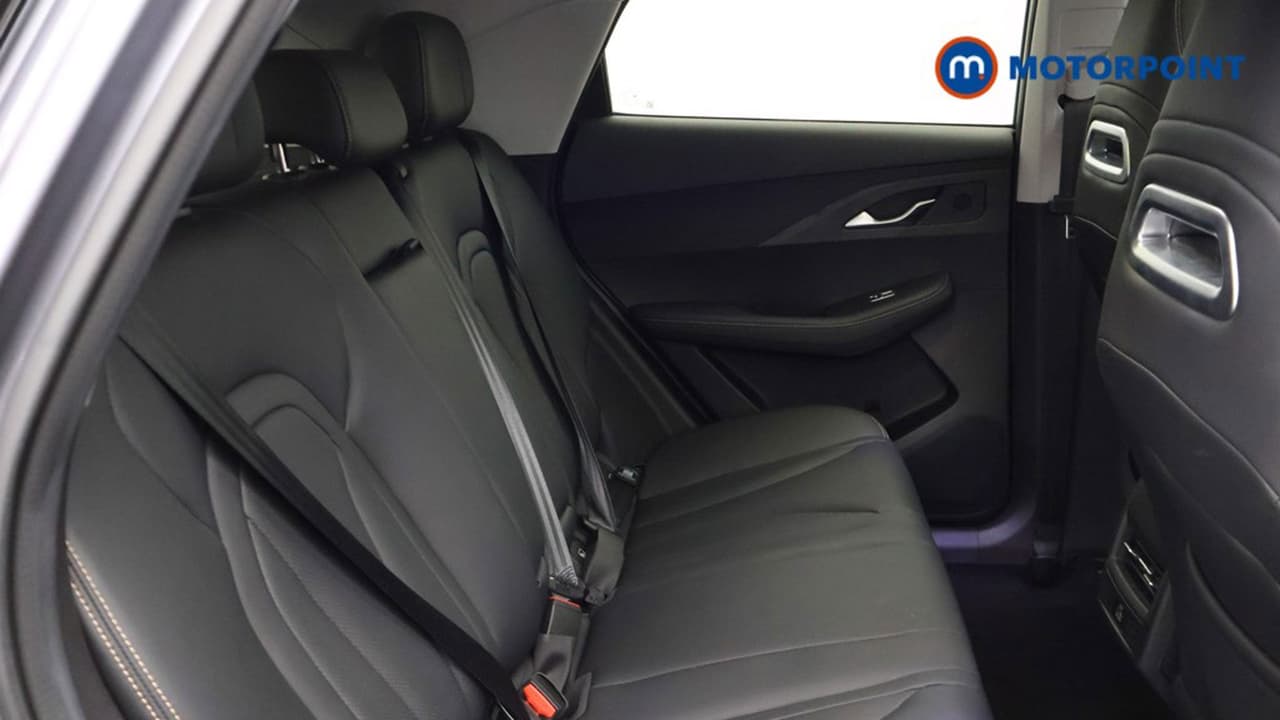
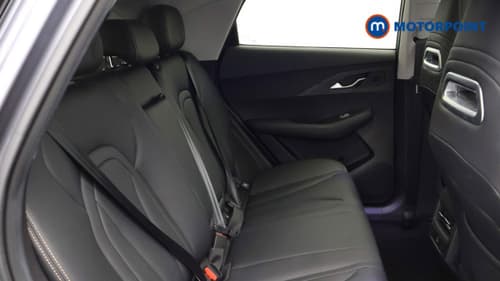
The Omoda 5 has similar dimensions to a Nissan Qashqai, but its sleek shape takes a chunk out of practicality. Rear headroom and legroom are fine so long as you’re not much taller than average. Surprisingly for a petrol car, the floor is quite high, pushing your knees up away from the seat base – which might make long journeys uncomfortable.
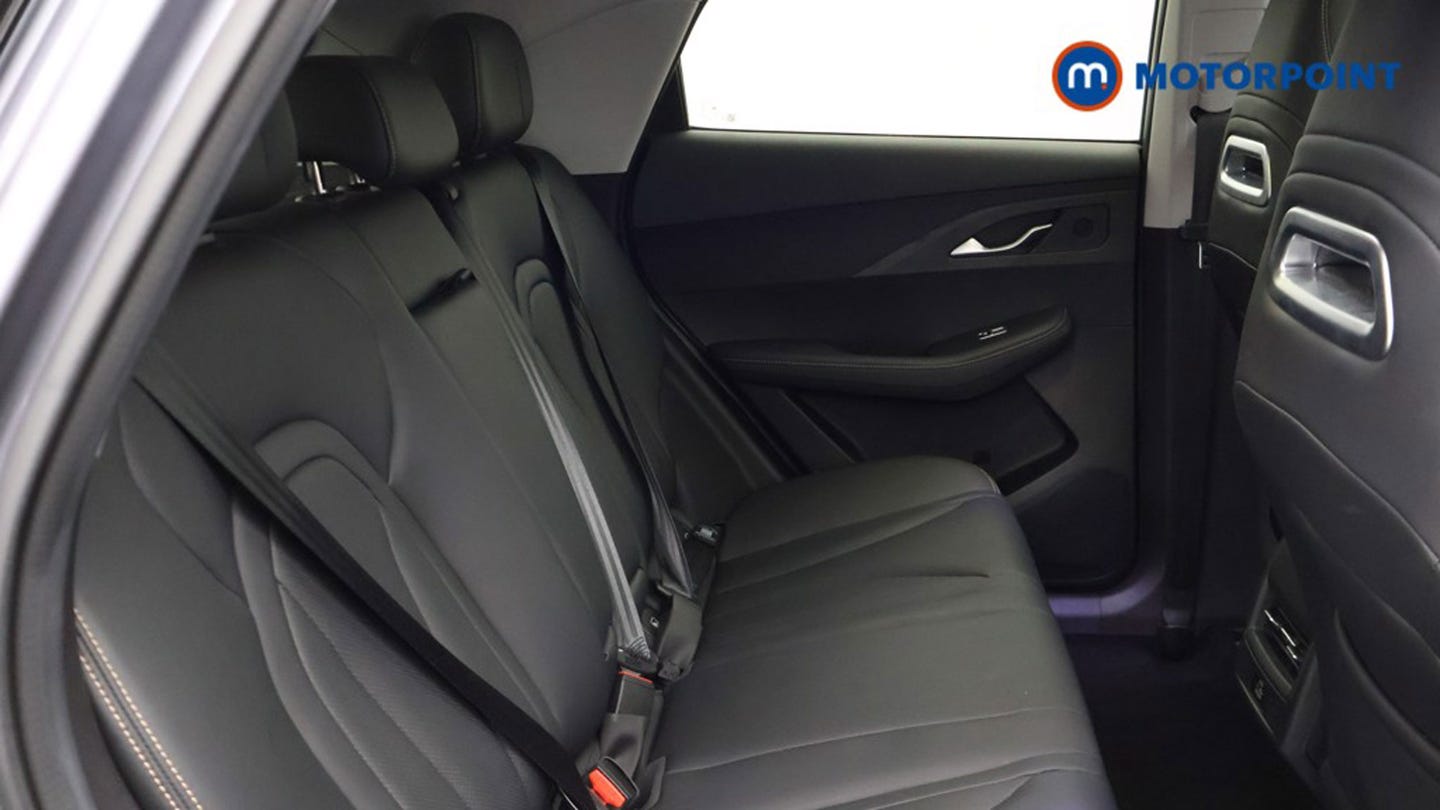
The rear seats feel more cramped than they are because of the smallish windows, chunky front seats and jutting rear pillar, which seems to impede on your space. Rear-seat passengers enjoy a couple of air vents and USB sockets, a few useful storage areas and the same posh-looking materials as in the front. They might wonder what the blank buttons are for, considering they’re fitted to the top-spec car and there aren’t any options to pick.
Omoda’s Isofix points are easy to find, so getting a child seat in will be easy once you’ve navigated through the door. The flat floor will make it a bit more comfortable for three people to occupy the rear bench at a pinch.
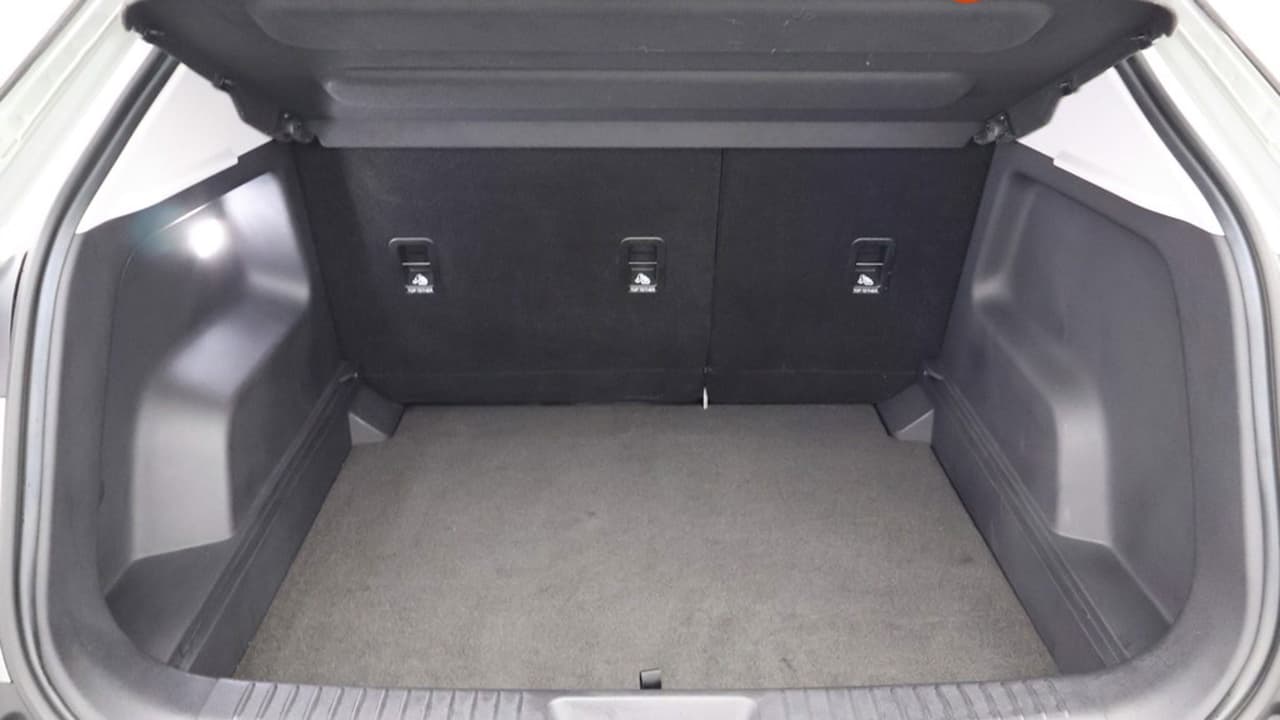
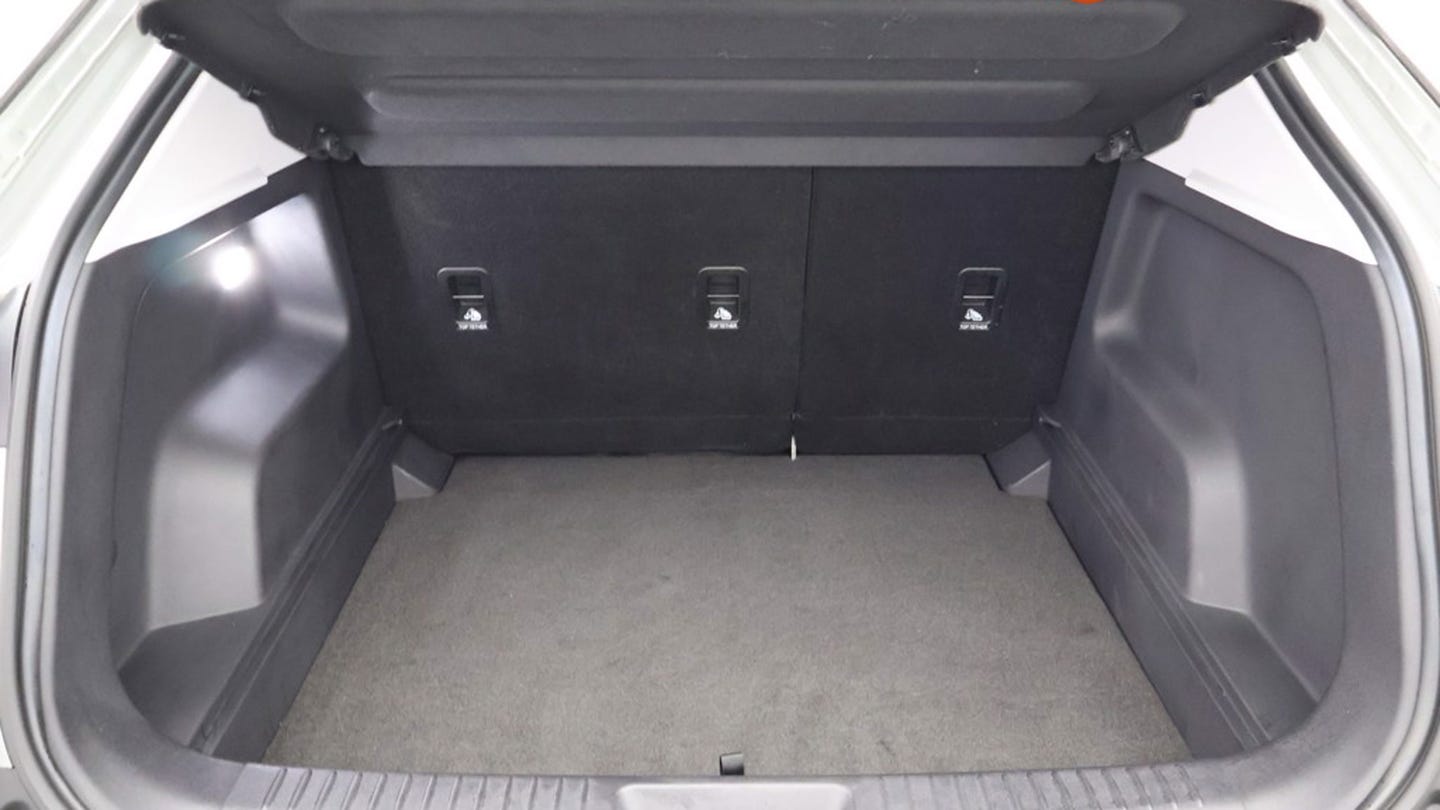
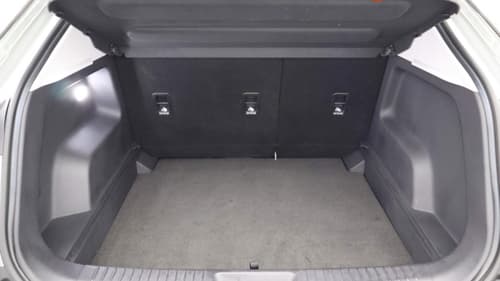
Behind the 60:40 split-fold seats is a 380-litre boot, which matches the Volkswagen Golf. It’s easy to get stuff in and out, with a big opening and a low sill – provided the items you’re hauling aren’t that wide. Most SUVs this size have a larger boot, however, so the Omoda 5 won’t be the best choice if you’re regularly taking a lot of stuff with you.
Having said that, you could stash plenty of stuff up front. The centre console includes a phone holder, a pair of cupholders and a large, cooled storage zone under the armrest. Additionally, there’s a big space underneath and capacious door bins.
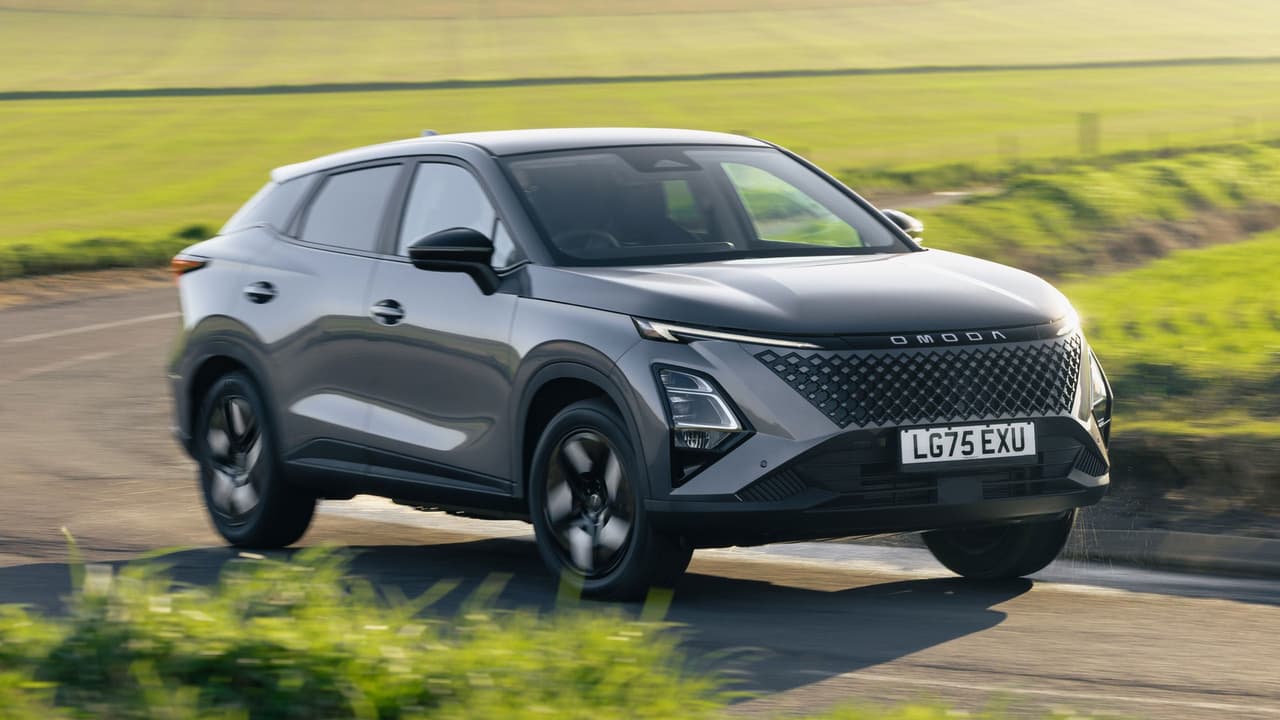
These days, a small petrol SUV can often manage a quoted fuel economy figure of around 50mpg – or somewhere in the low 40s at the very least. Omoda’s website triumphantly quotes MPG figures in the mid-30s for the petrol 5, which isn’t really much to shout about. You might be saving money on the monthly finance cost versus some other SUVs, but you’ll be spending more at the petrol station instead.
And you’re not even getting much bang for your bucks. Power stands at a reasonable 147hp but the 10.1-second 0-62mph time is a little lethargic. For comparison, a 150hp Volkswagen T-Roc does the sprint in 8.5 seconds. When the 5 was introduced, it came with a 186hp petrol engine with a 7.9-second 0-62mph time.
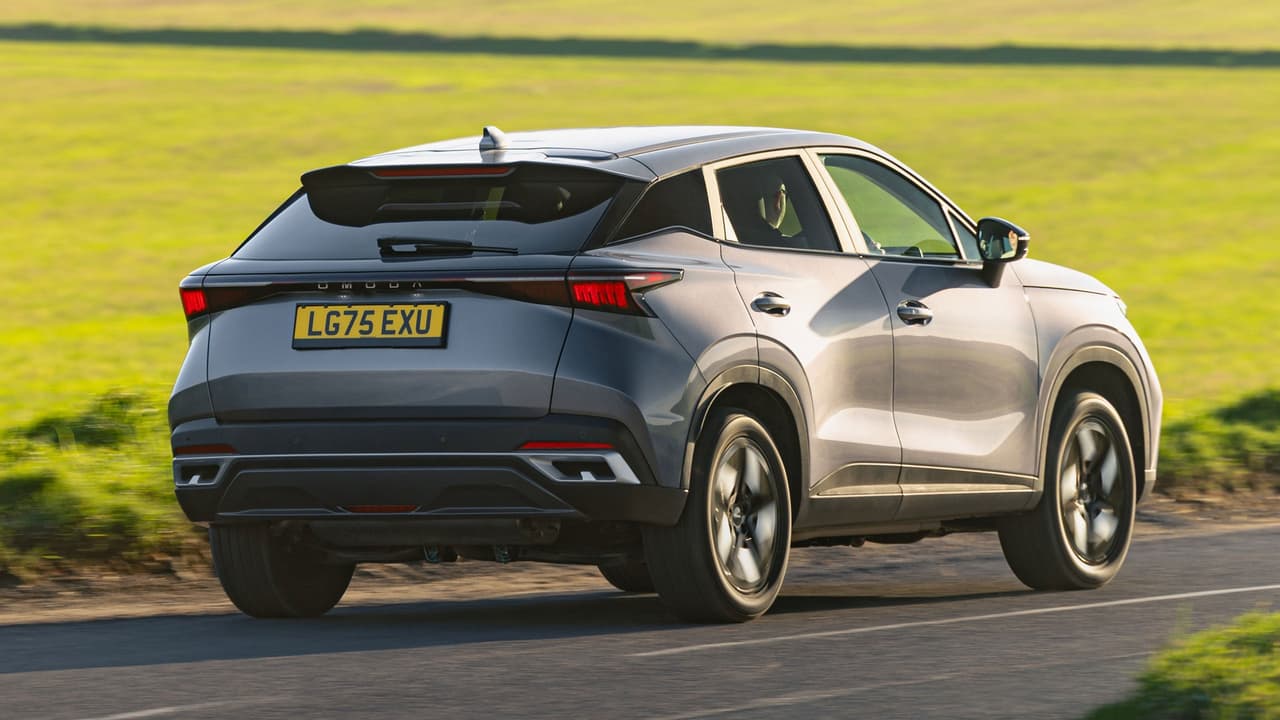
We’ve tried the 147hp petrol engine and the fully electric Omoda E5; now, there’s also a hybrid petrol engine. From the stats, this looks to be much better than the standard petrol engine – the ‘SHS-H’ hybrid has a brisk 0-62mph time and promises 53mpg. Just try to forget that SHS-H stands for ‘Super Hybrid System – Hybrid’. Maybe it’s so good they named it twice.
Insurance costs are comparable with a top-of-the-range Nissan Qashqai (the E-Power hybrid Qashqai sits in group 26 out of 50), but a standard petrol Qashqai is in groups 12-13. The Omoda 5 is in group 28 across the board.
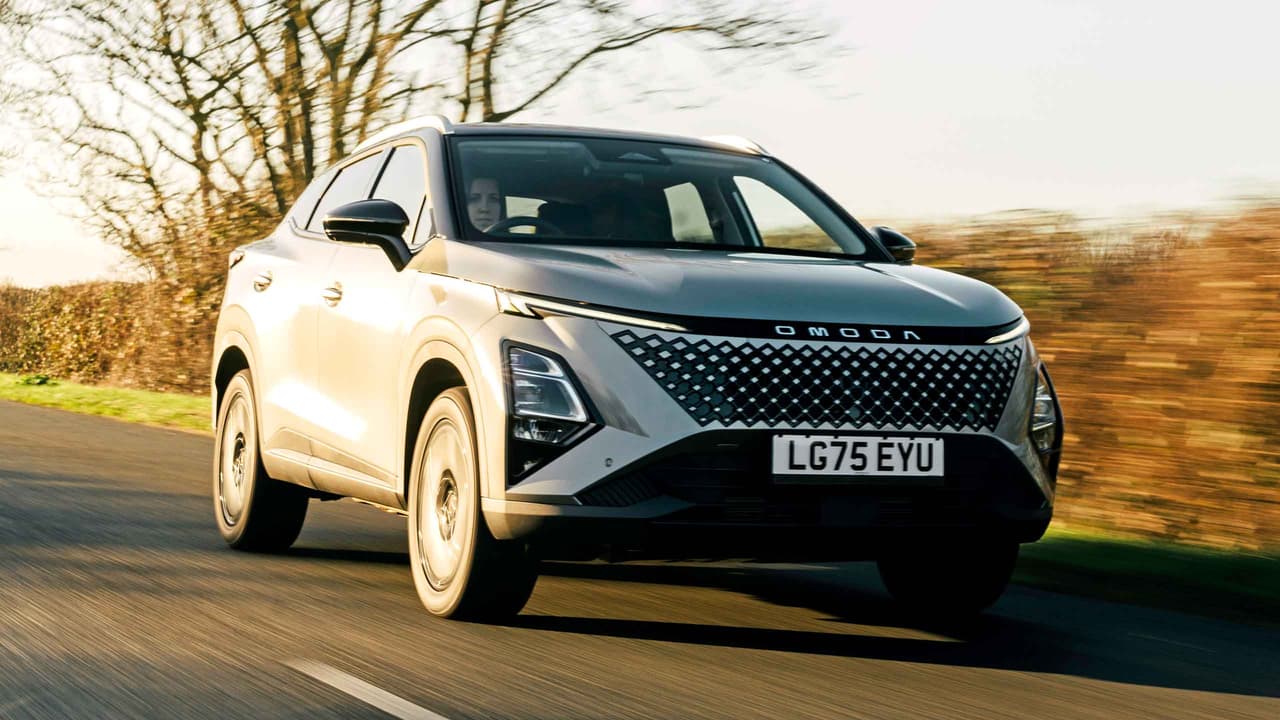
If you hadn’t already found areas of cost-cutting, you’d find it in the driving experience. The lack of polish is most noticeable in the tuning of the accelerator pedal. Press the pedal and it takes ages for the engine to react – so naturally, you press the pedal down further. When the car finally realises you want to speed up, it gives you lots of revs and a fair bit of engine noise.
Get through the mushy top of the brake pedal and the brakes are strong without being grabby. The steering also feels a little mushy and the weighting is a little unnatural – but you’re not likely to care if you’re more worried about getting to the school gates on time.
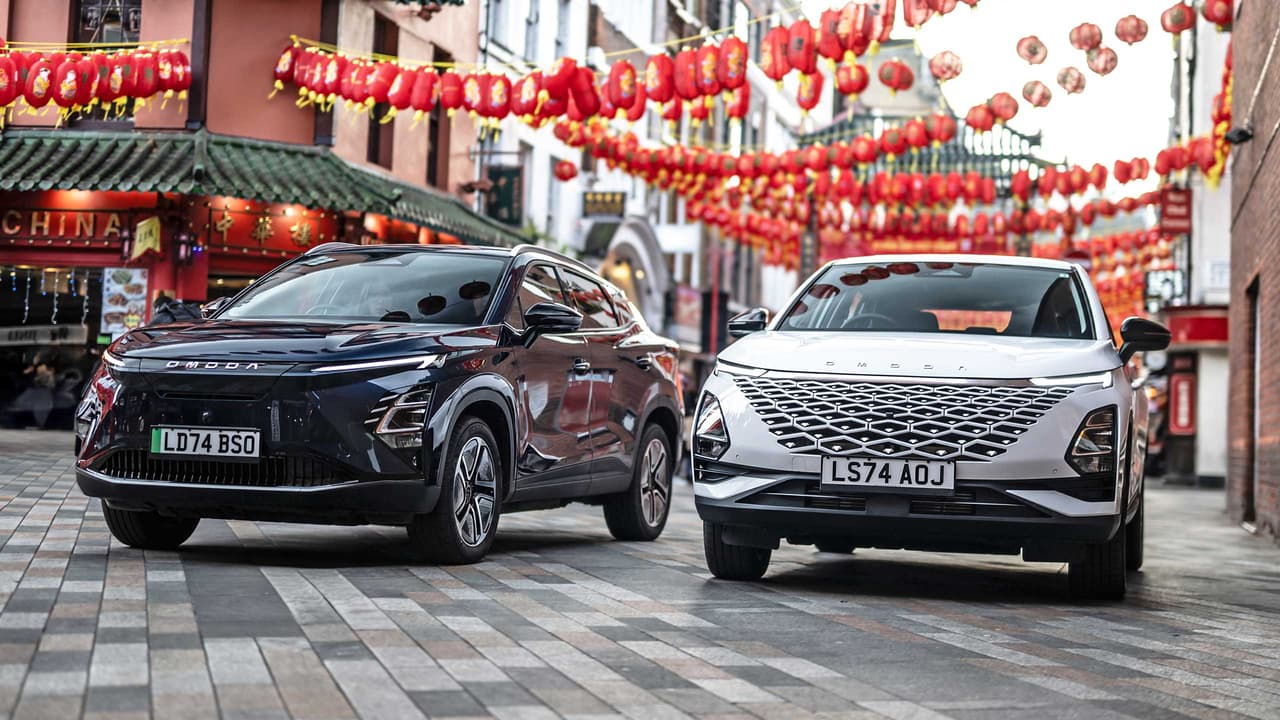
It’s certainly no sports car, and neither is it the most comfortable choice. The ride is often bitty and doesn’t quite settle although, in fairness, we’ve said similar about numerous SUVs. It’s a little better at speed, and the level of ambient noise on the motorway isn’t too intrusive.
The Omoda is set up to get you through a twisty road, not to enjoy it. Steam into a corner a bit fast and the 5 starts to lean while exhibiting noticeable understeer.

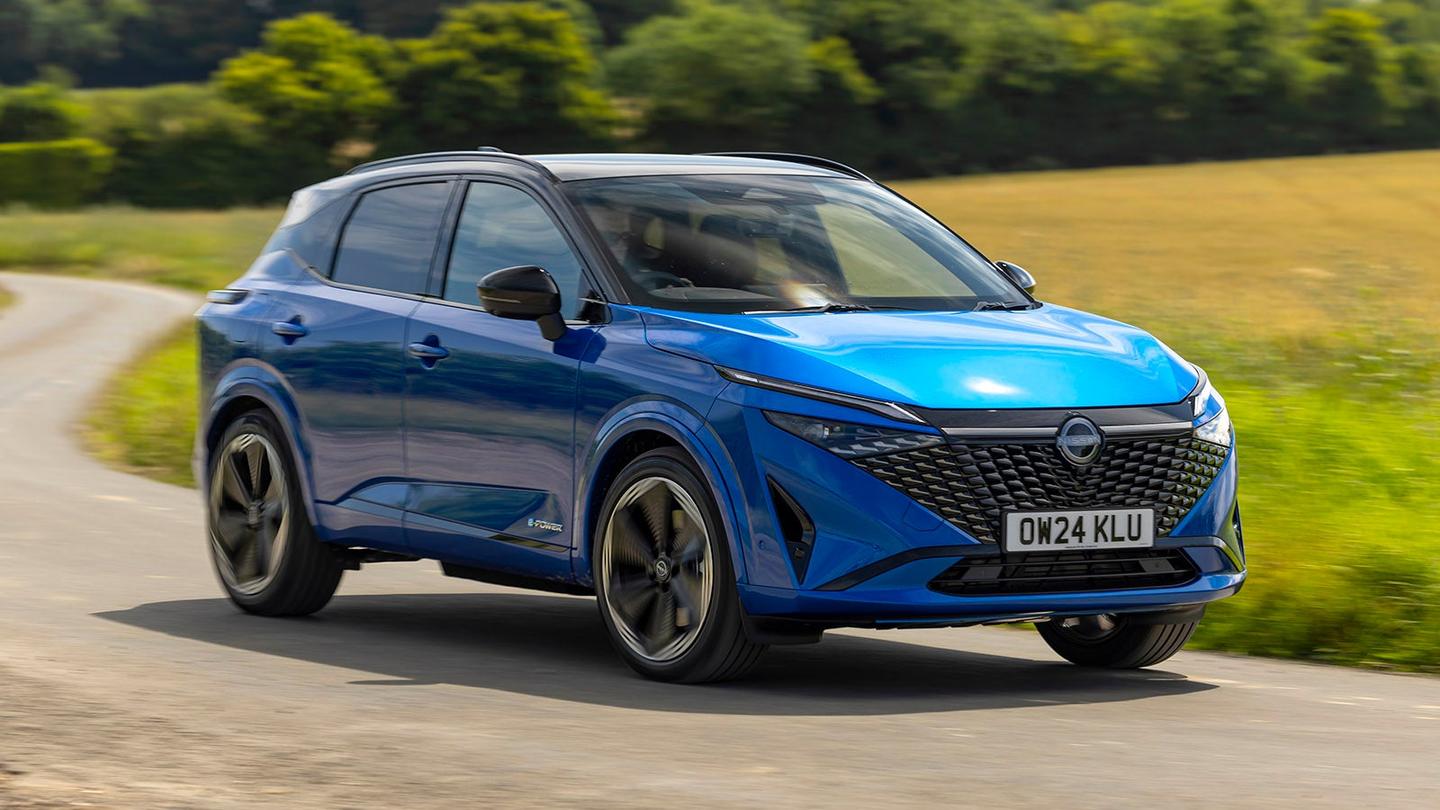
This British-built evergreen family car gets even better tech for 2024