













Volkswagen T-Roc vs Tiguan – which is best?
Ben Custard
Models


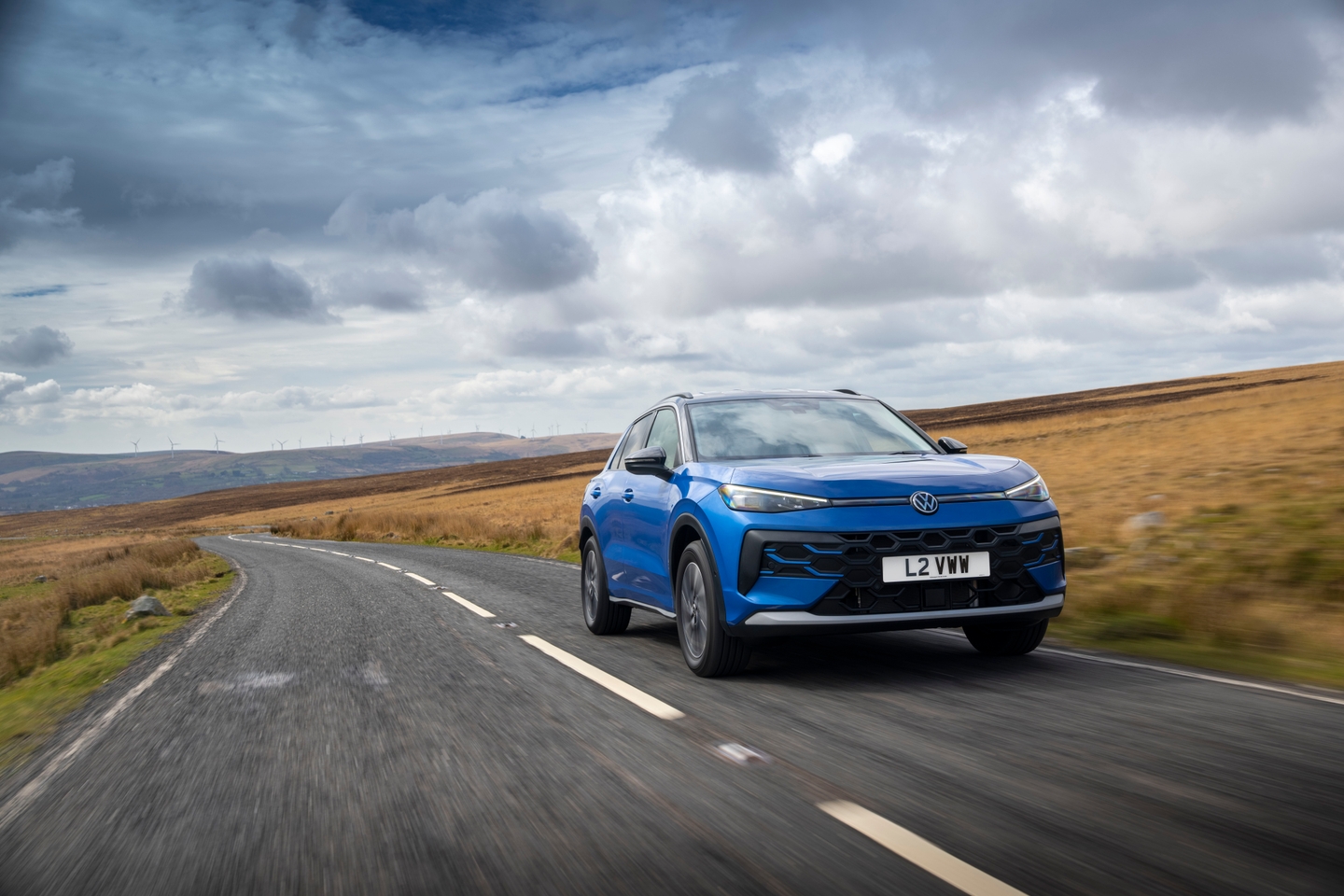
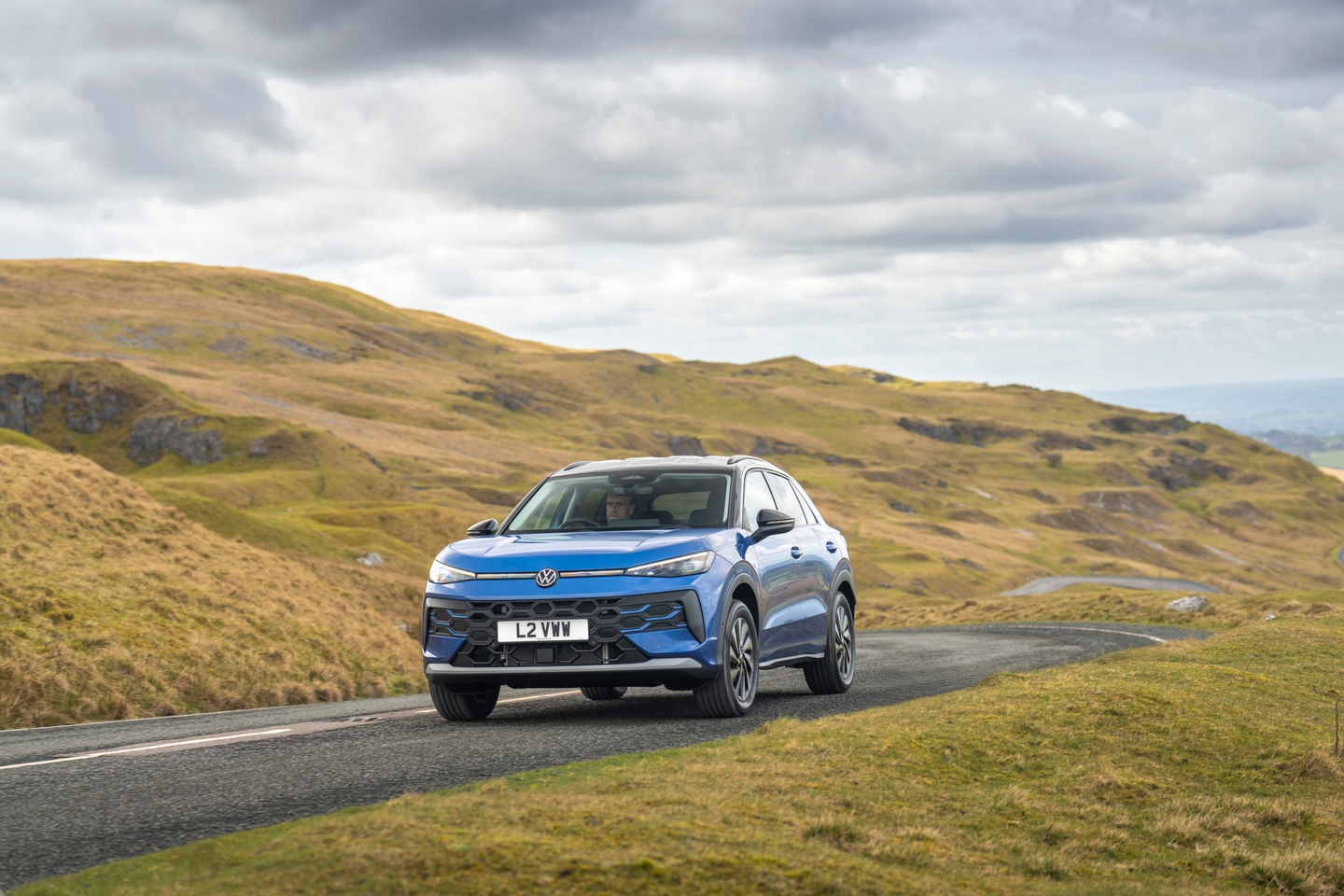
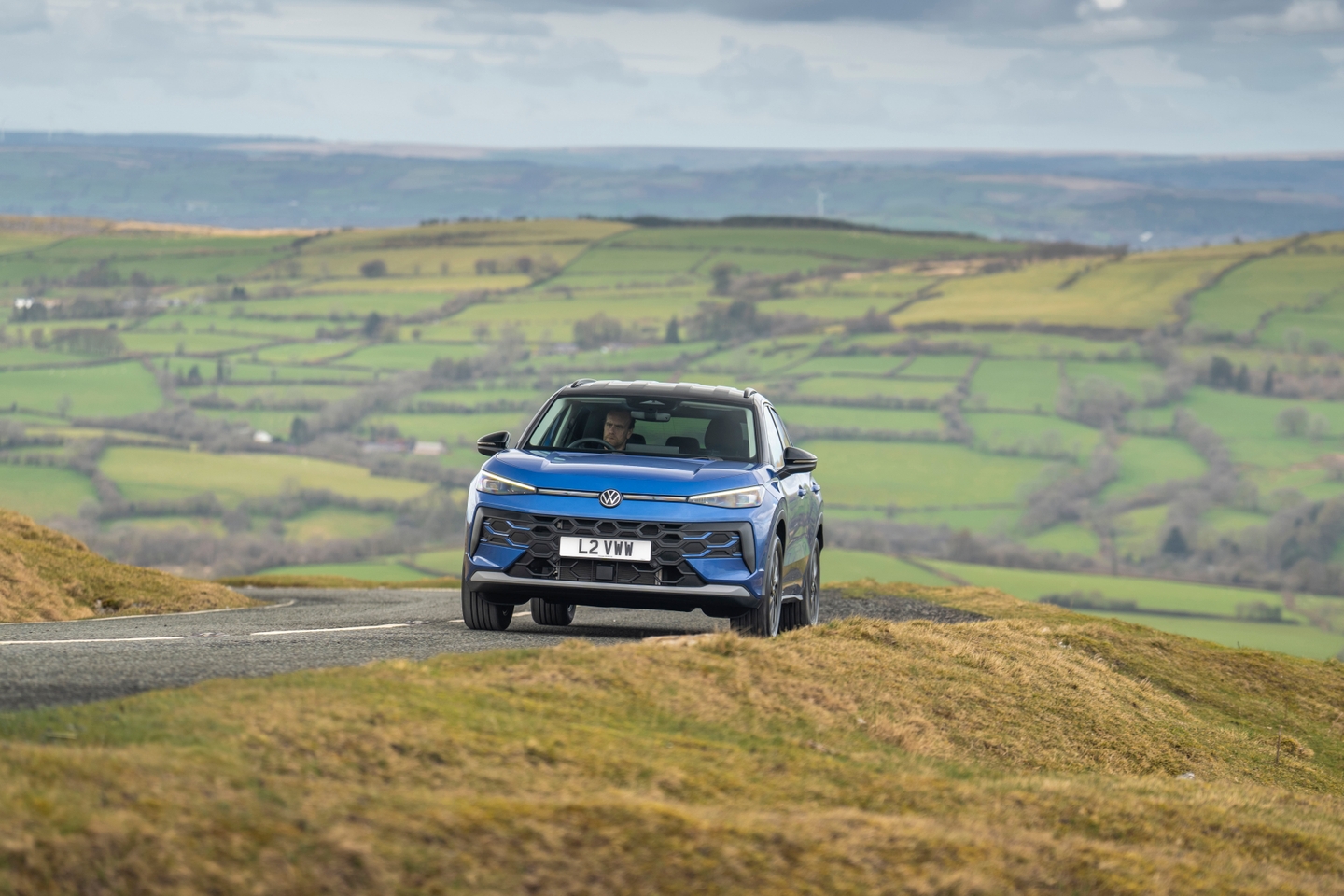
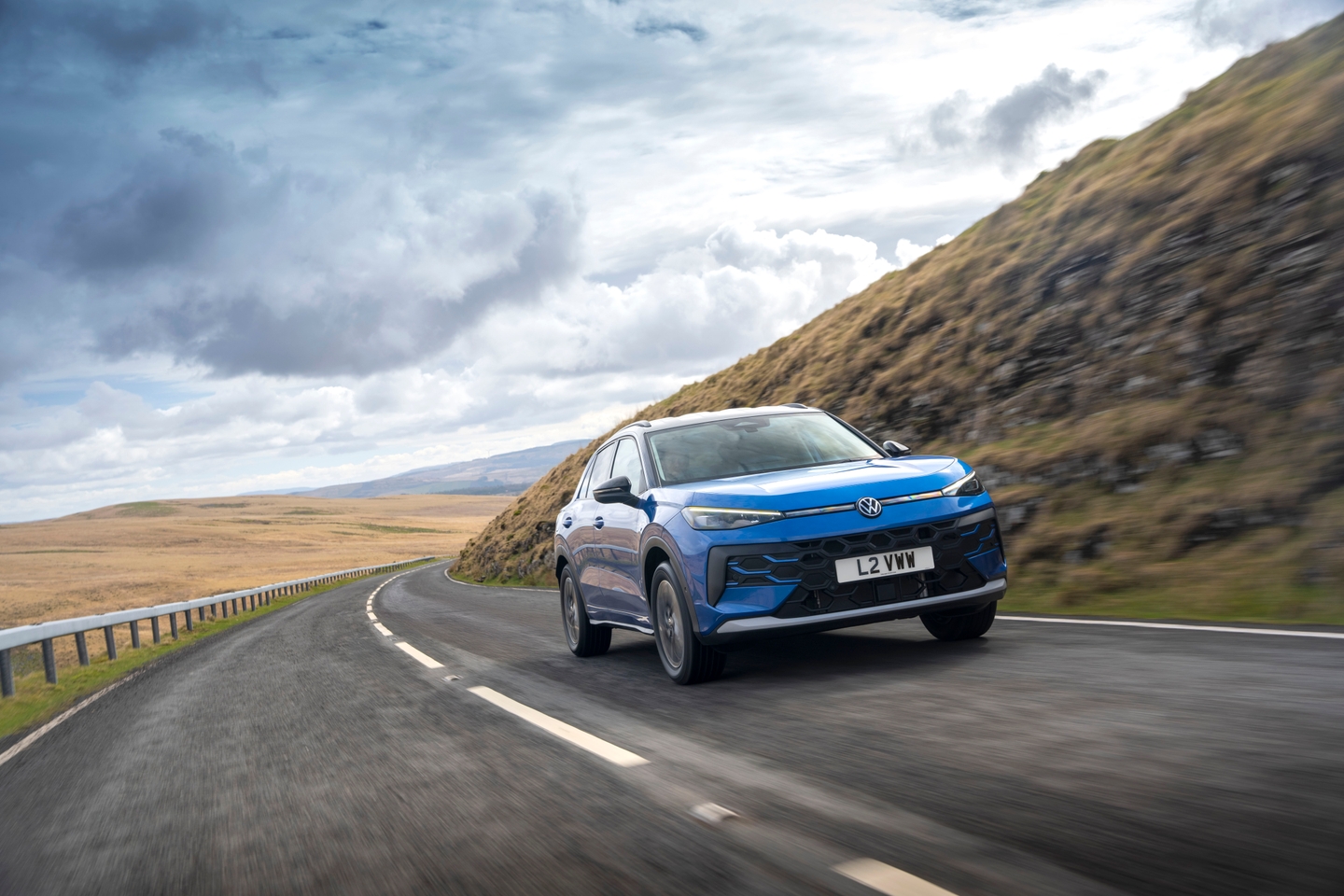
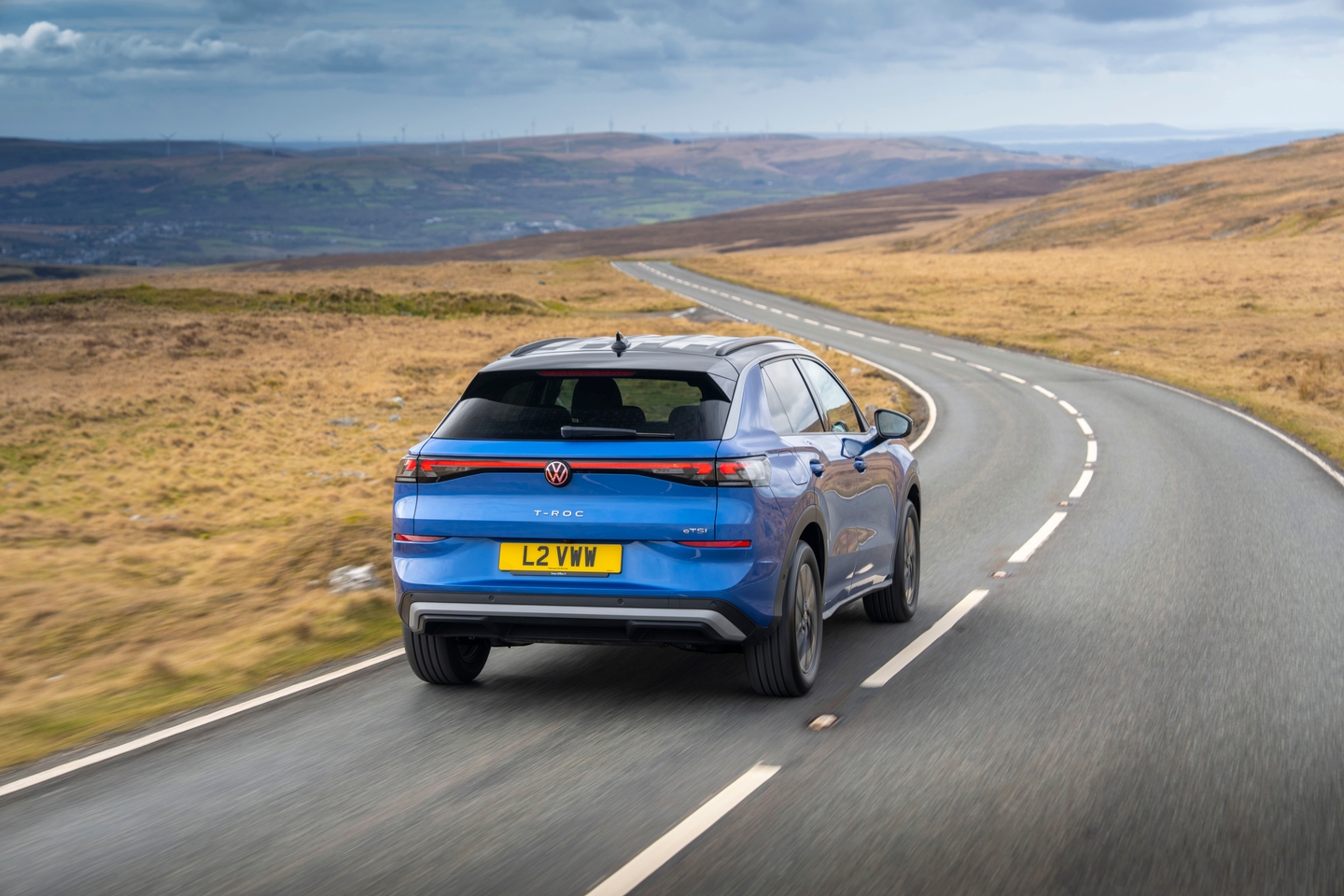
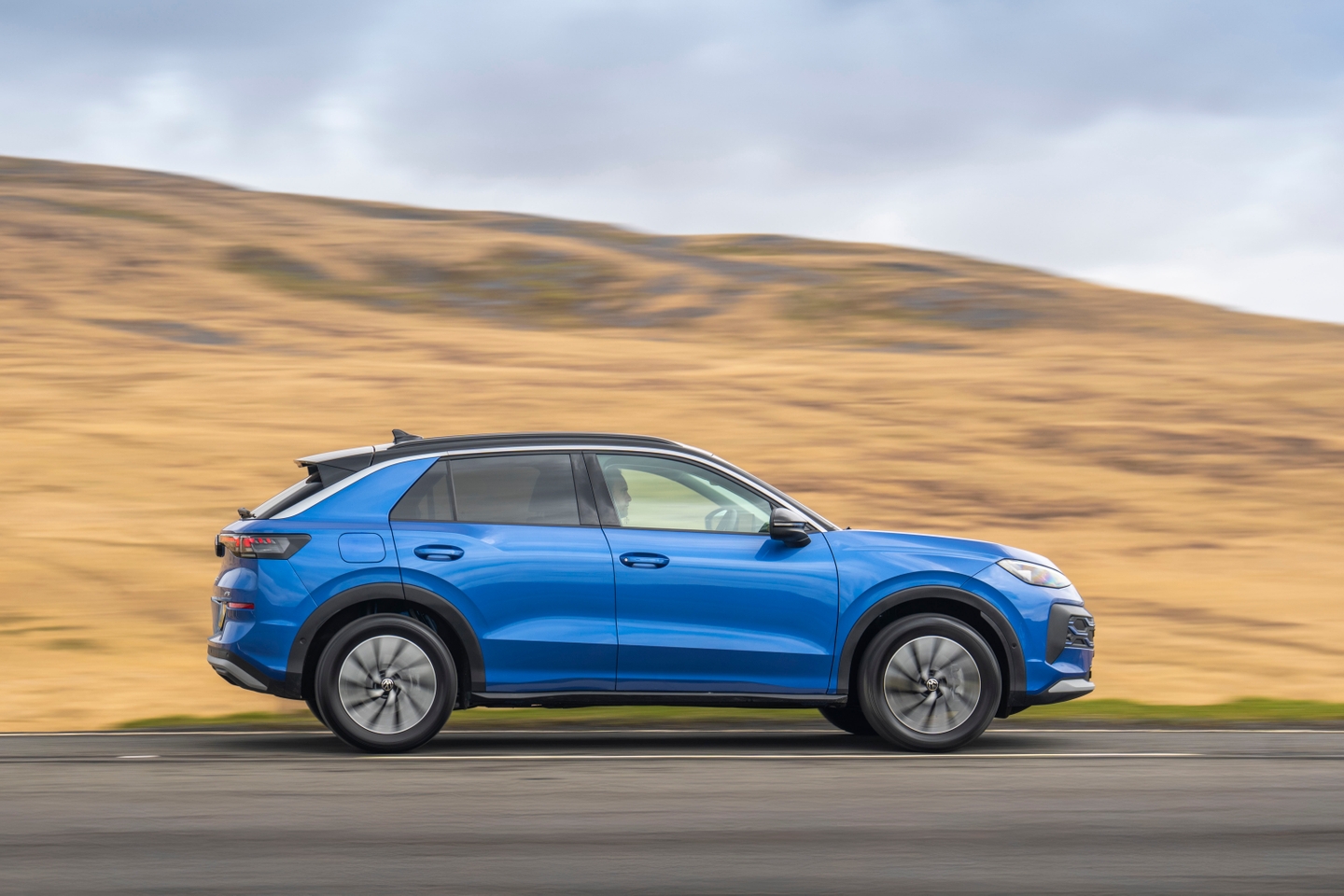
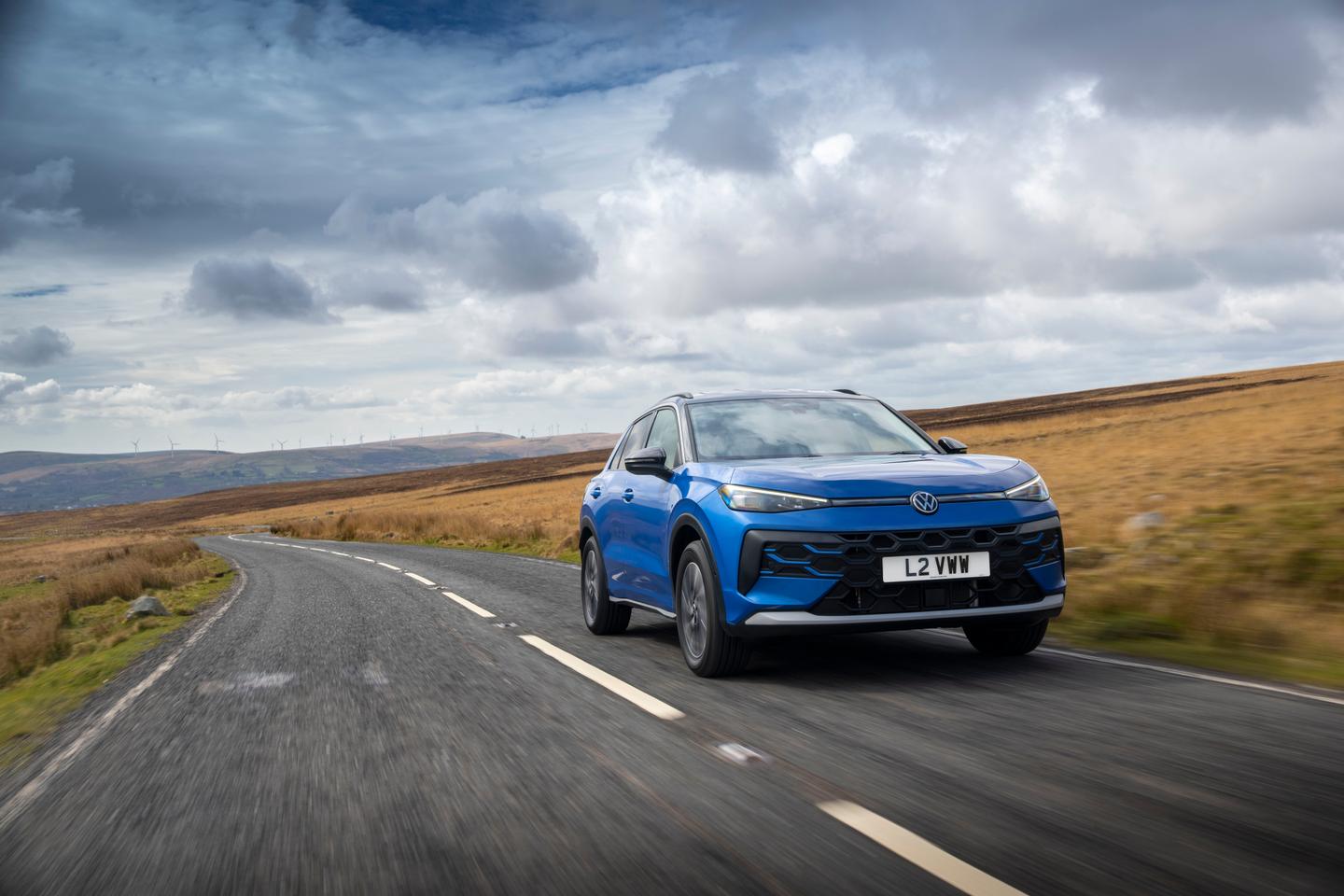
The world of small SUVs is more crowded than an all-inclusive ice-cream buffet in the Sahara Desert. But the latest Volkswagen T-Roc stands out with impressive practicality and a no-fuss do-it-all approach.
Sure, it's grown in size and price since the original came out in 2017, but it's now a truly compelling car that could tempt you out of the bigger Volkswagen Tiguan.
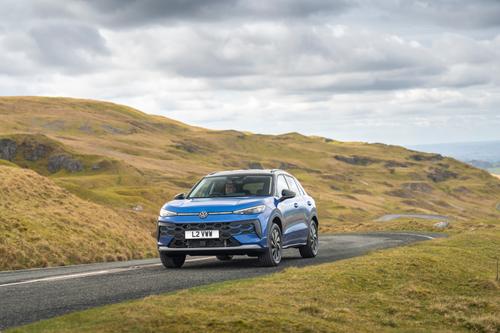
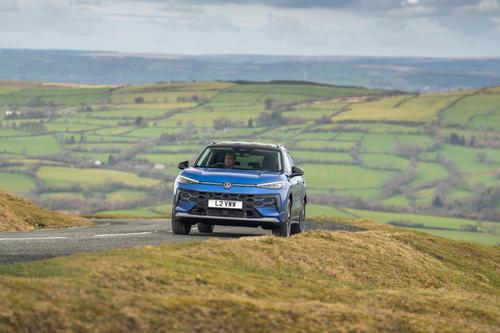
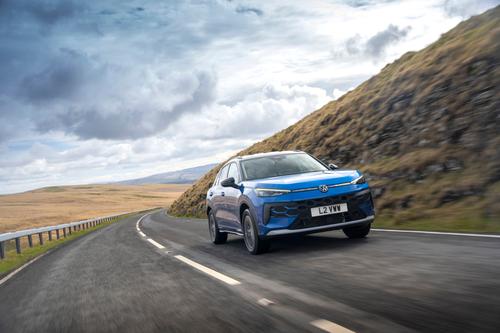
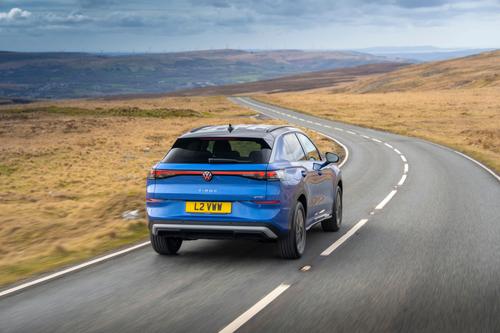
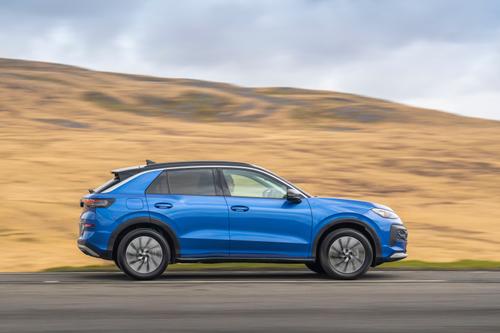
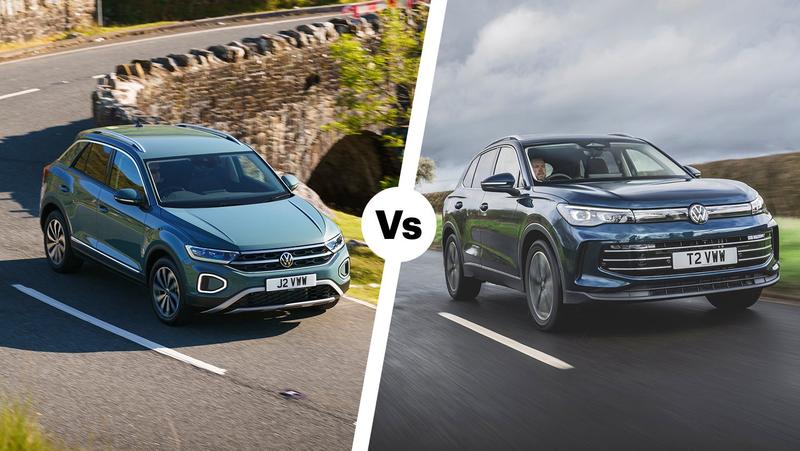
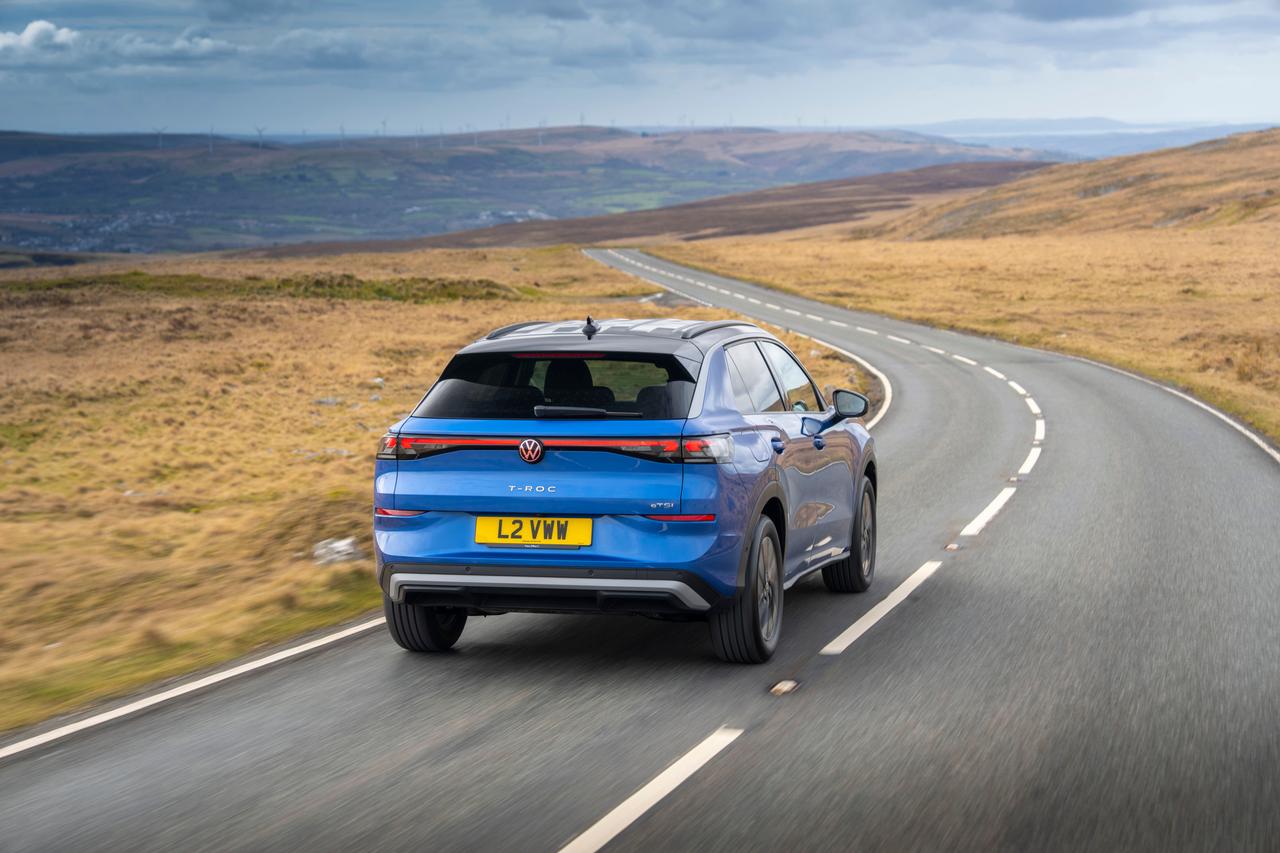
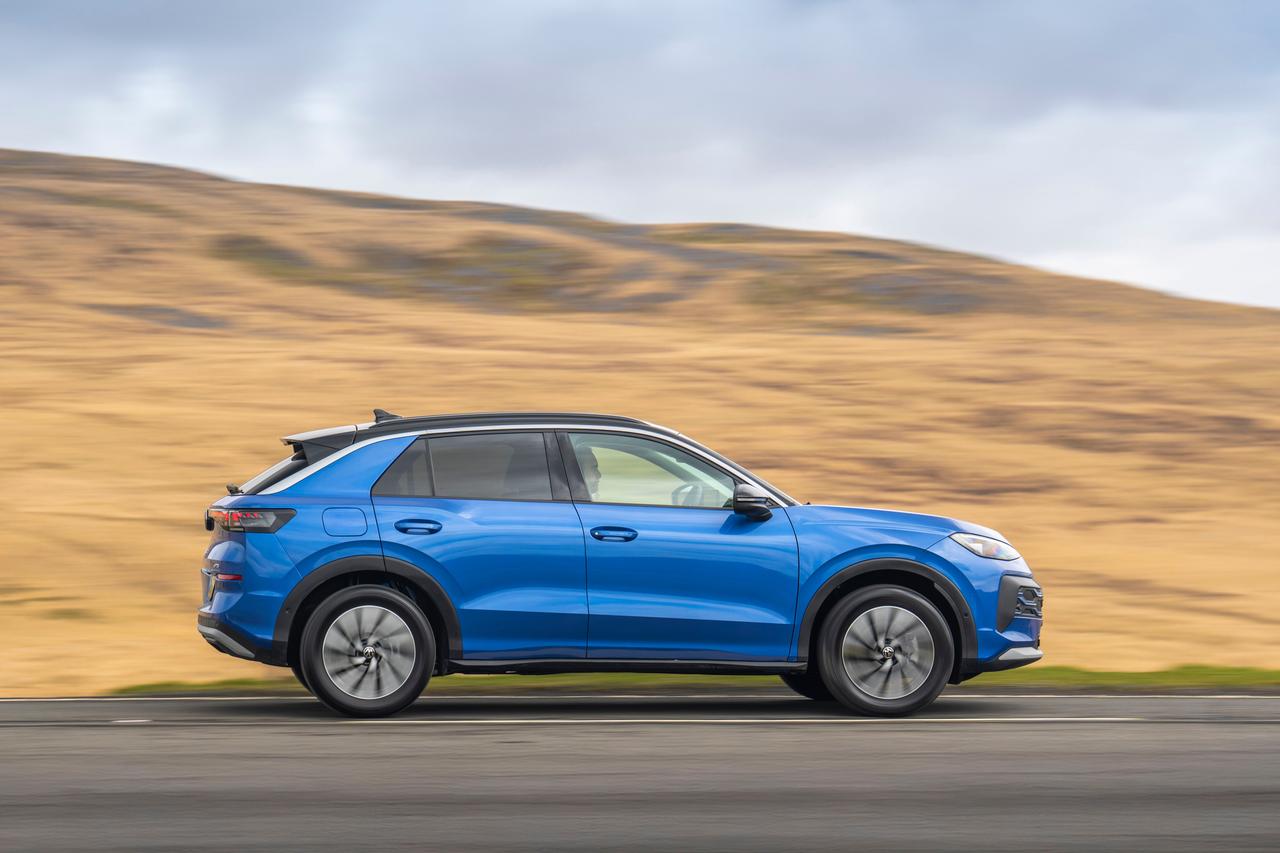
This new second-generation T-Roc replaces a car that’s been hugely popular with UK buyers since its launch in 2017. It’s 12cm longer than before, with more interior space, more boot space and smoothed-over styling which looks a little more anonymous to our eyes – we prefer the original’s chunky aesthetic.
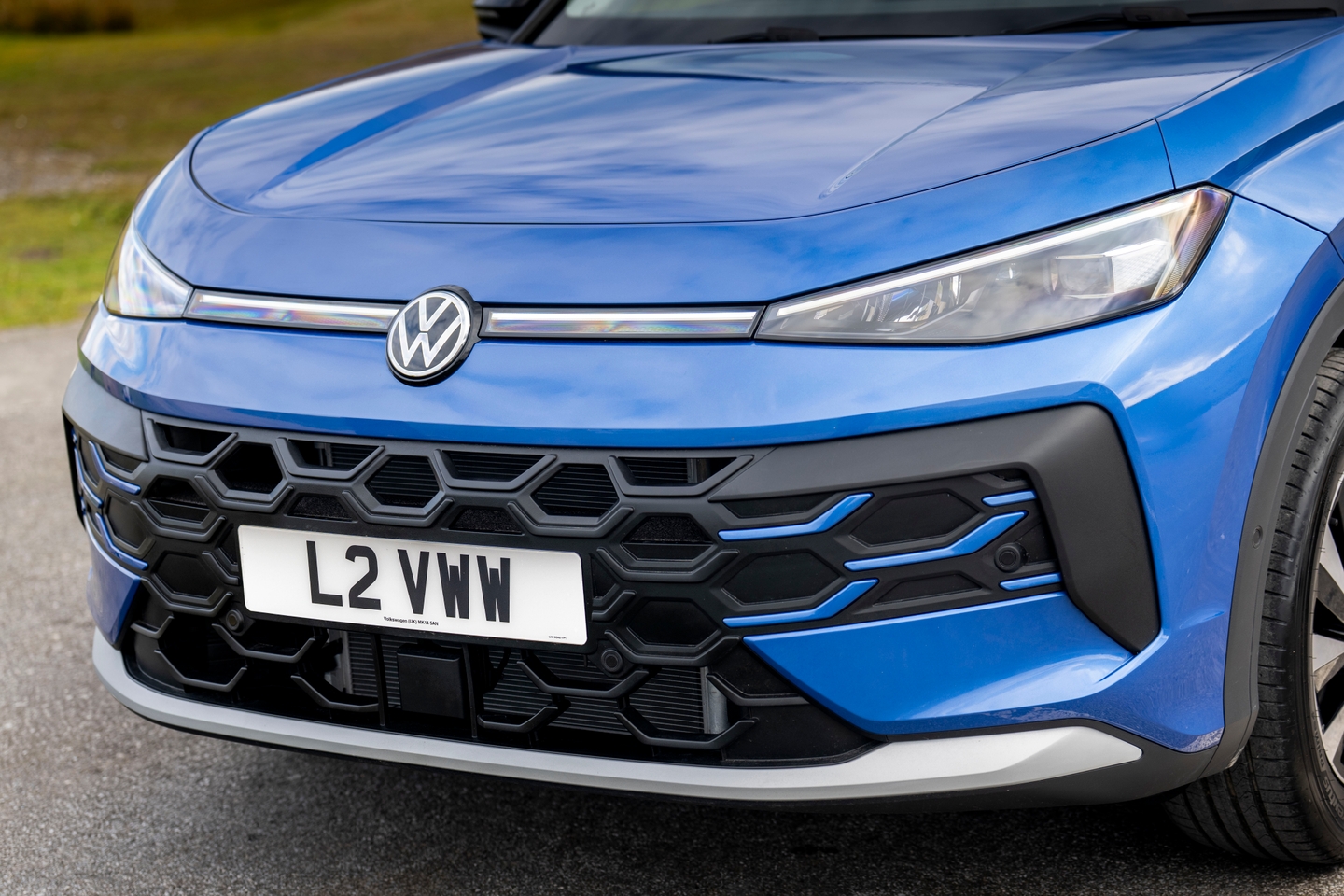
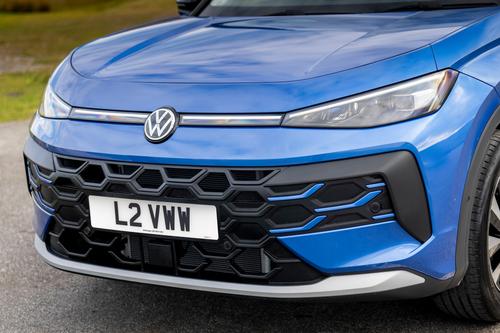
Regardless of taste, the new T-Roc gets slim LED headlights, with an option to upgrade to LED matrix items that cleverly block out oncoming traffic. It probably won't surprise you to discover that you can get a lightbar joining the headlights on higher-spec models, and the VW logo can also be illuminated at both ends of the car if you pick the right options.
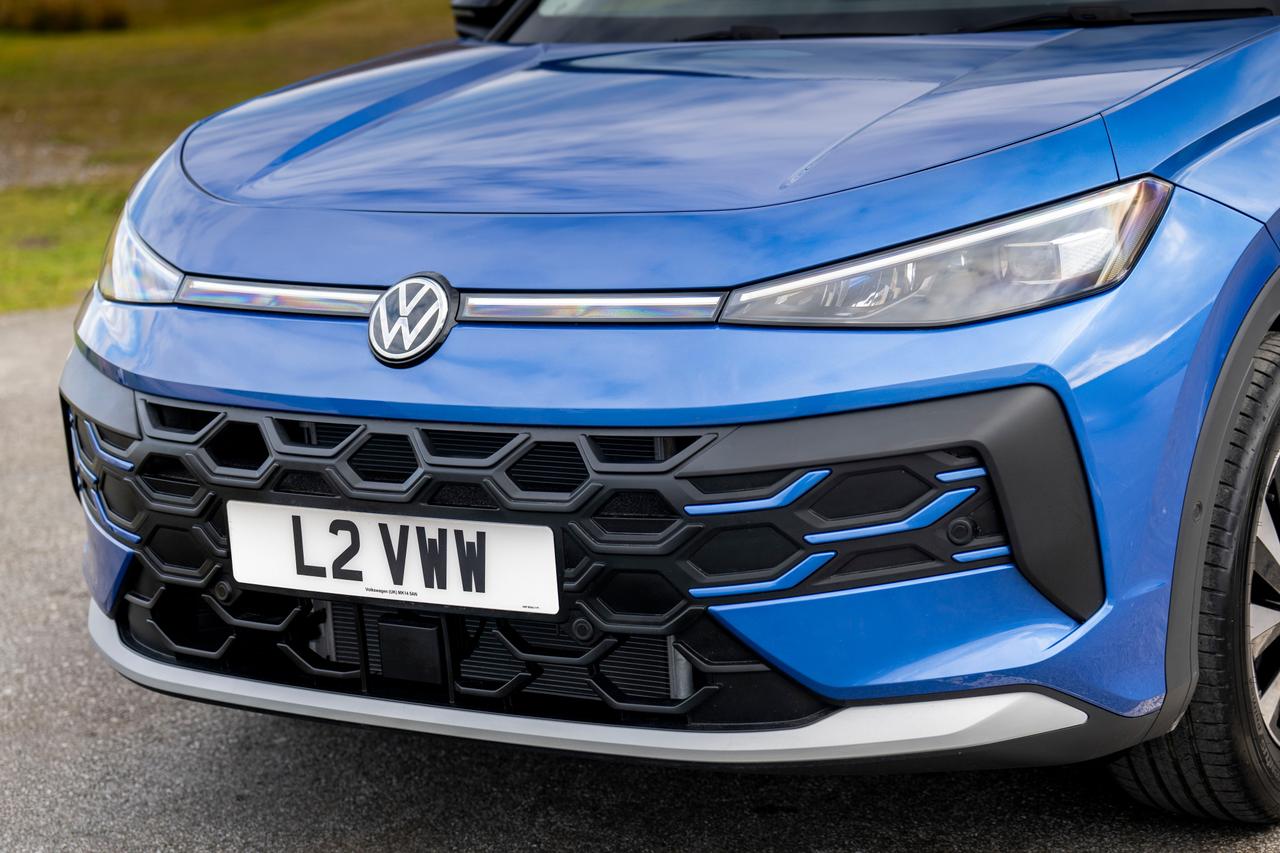
Top-spec T-Roc R-Line models get more aggressive bumpers and blacked-out trims at both ends, and they also get larger 18-inch wheels, as do mid-spec Style models. Entry-level Life models get 17-inch items as standard.
"It ticks all the right boxes for a no-fuss small SUV, and it never annoys"
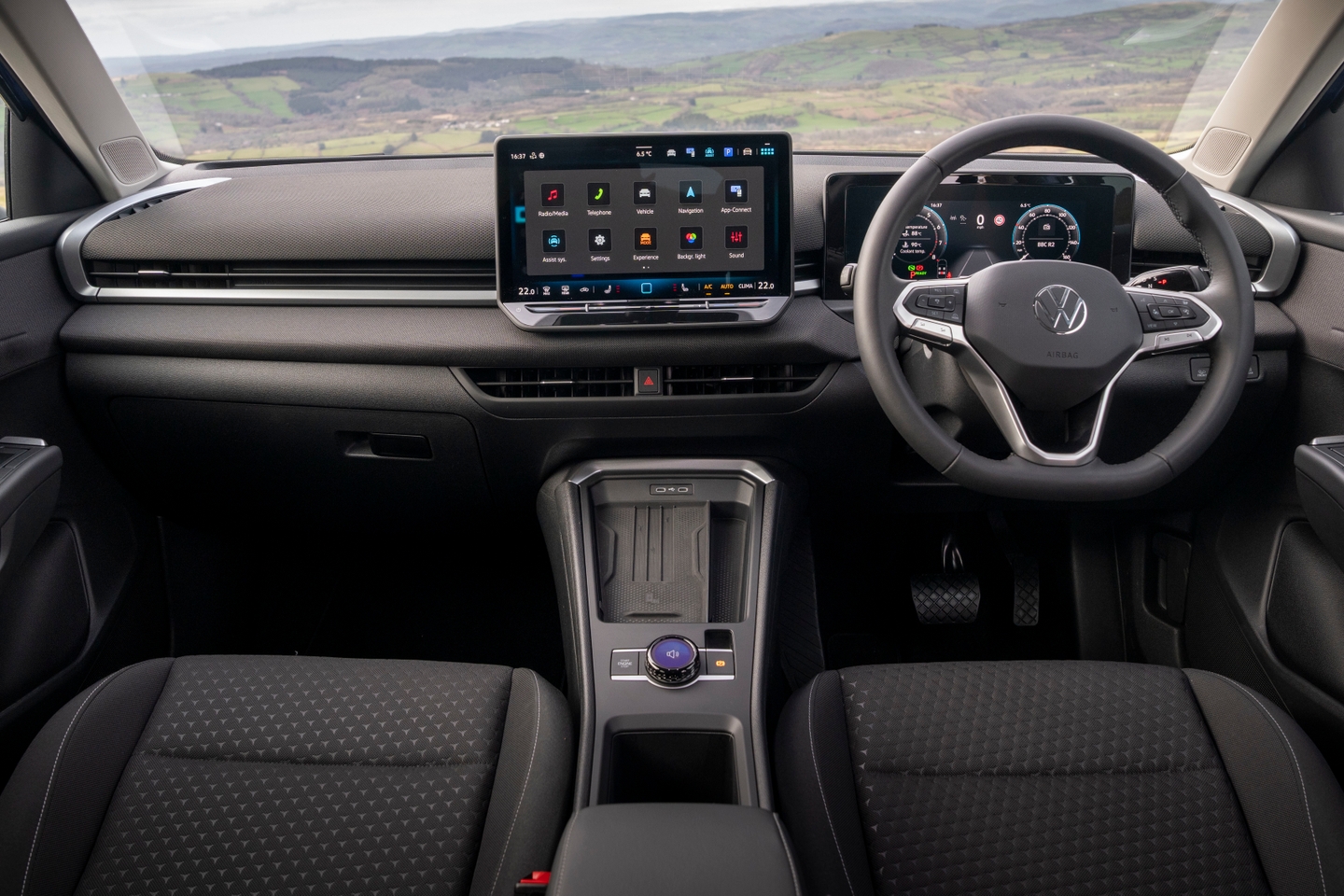
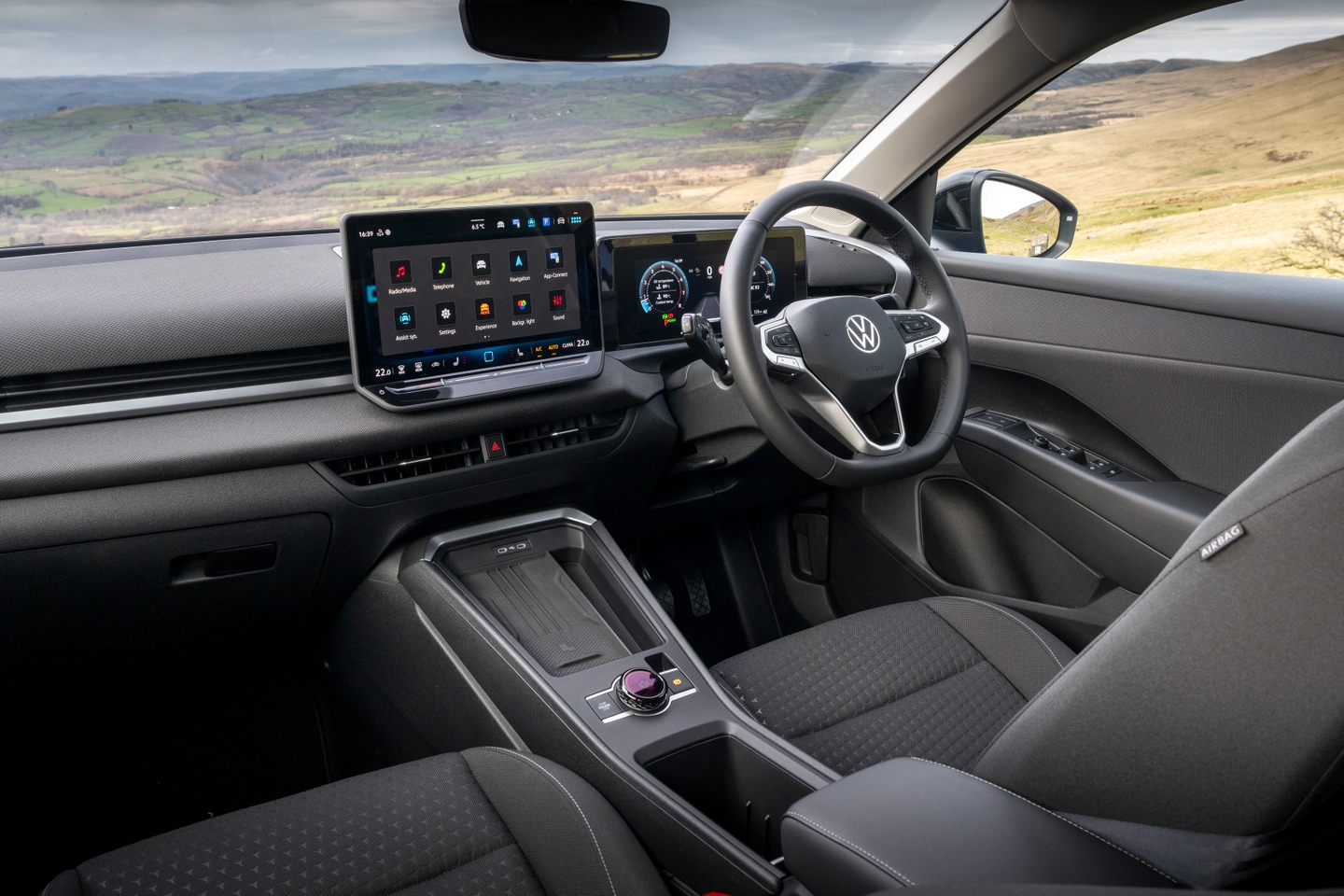
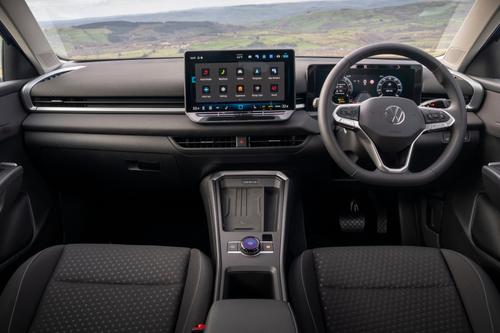
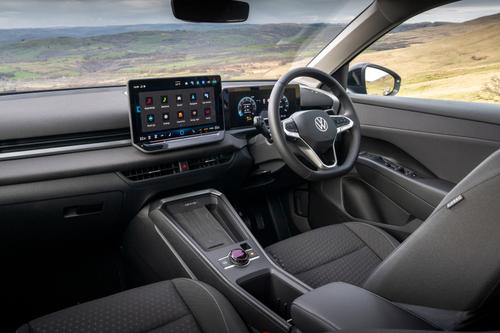
Inside, the new T-Roc feels noticeably posher than the old one – and you’d hope so, given the price increase. Where the previous-gen T-Roc launched with disappointingly hard plastics in its interior, the new one features softer plastics. Higher-spec models have colour-change ambient lighting shining through perforations on the dashboard material.
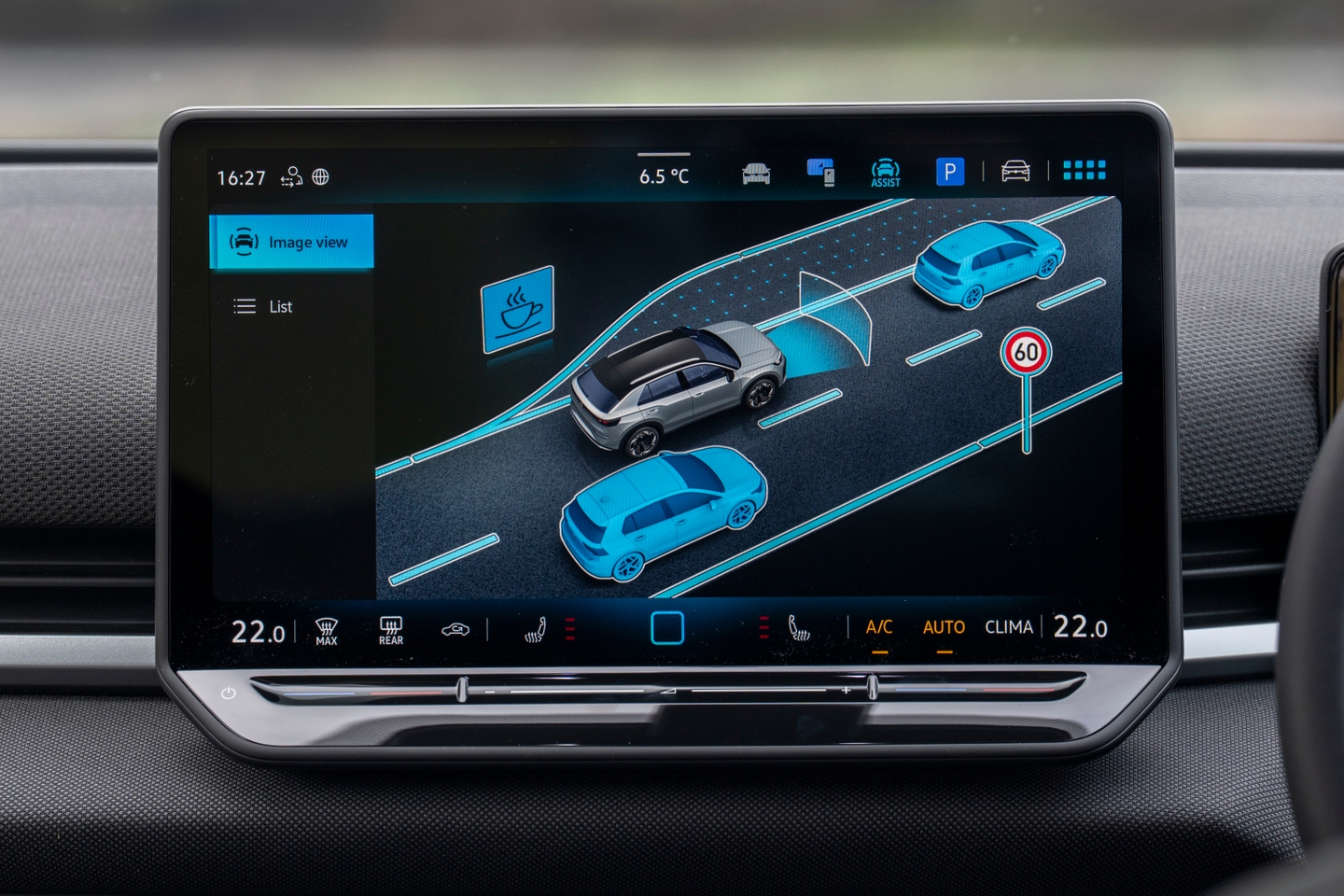
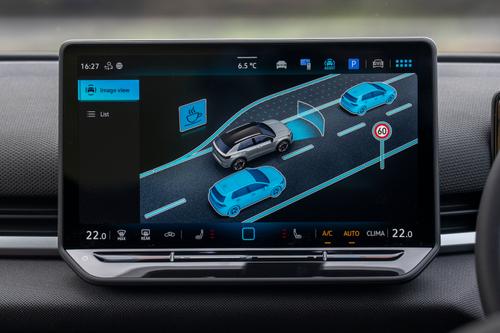
You get the usual Volkswagen Group 13-inch infotainment system which is impressively easy to use, and you’ll find a heated wheel and heated seats on Style models upwards, though they can be specced on entry-level Life models.
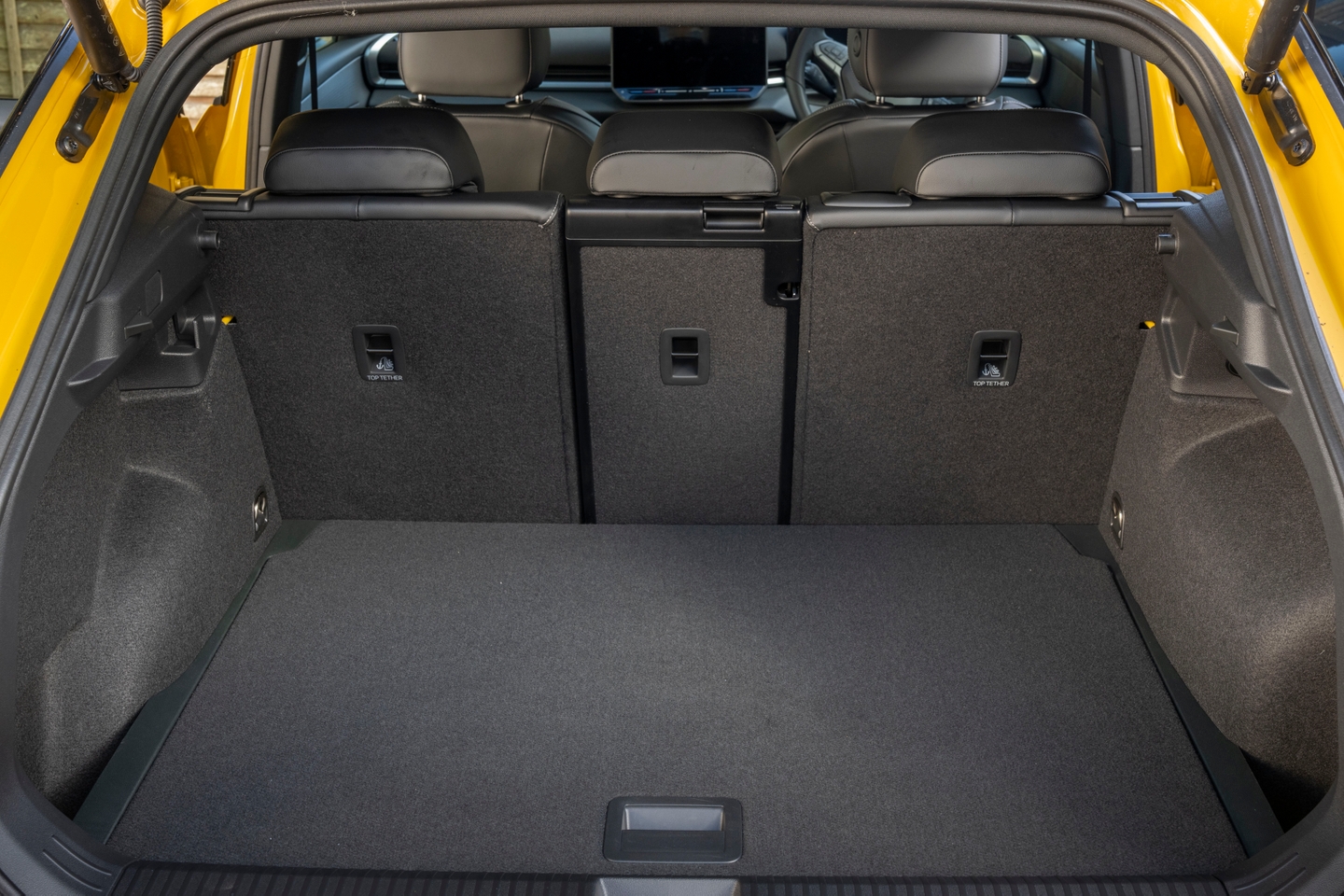
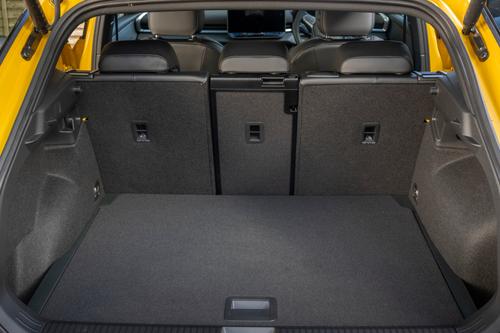
Practicality is strong with more rear-seat space than in the old T-Roc. Tall adults can sit back there with little to whinge about, while a 475-litre boot is 30 litres bigger than before.
Engine choices are simple – for the moment. All new T-Rocs are automatic only, and you’ve a choice of a mild-hybrid 1.5-litre petrol engine with 116hp or 150hp. The T-Roc is expected to get Volkswagen’s all-new full hybrid system when it arrives later on.
In short, the T-Roc’s a fantastic all-rounder. It’s probably not a car you’ll buy with your heart, but it ticks all the right boxes for a no-fuss small SUV, and it never annoys. Sometimes in life, that’s all you need…
When the original T-Roc launched in 2017, we were expecting to see the Golf’s posh soft-touch interior transplanted into an SUV. Instead, we were greeted by a bright body-coloured swathe of hard plastic across the dashboard, and rock-hard materials where the hatchback would use softer plastic. It was the automotive equivalent of dropping onto an invitingly soft bean bag only to discover it was made of bees.
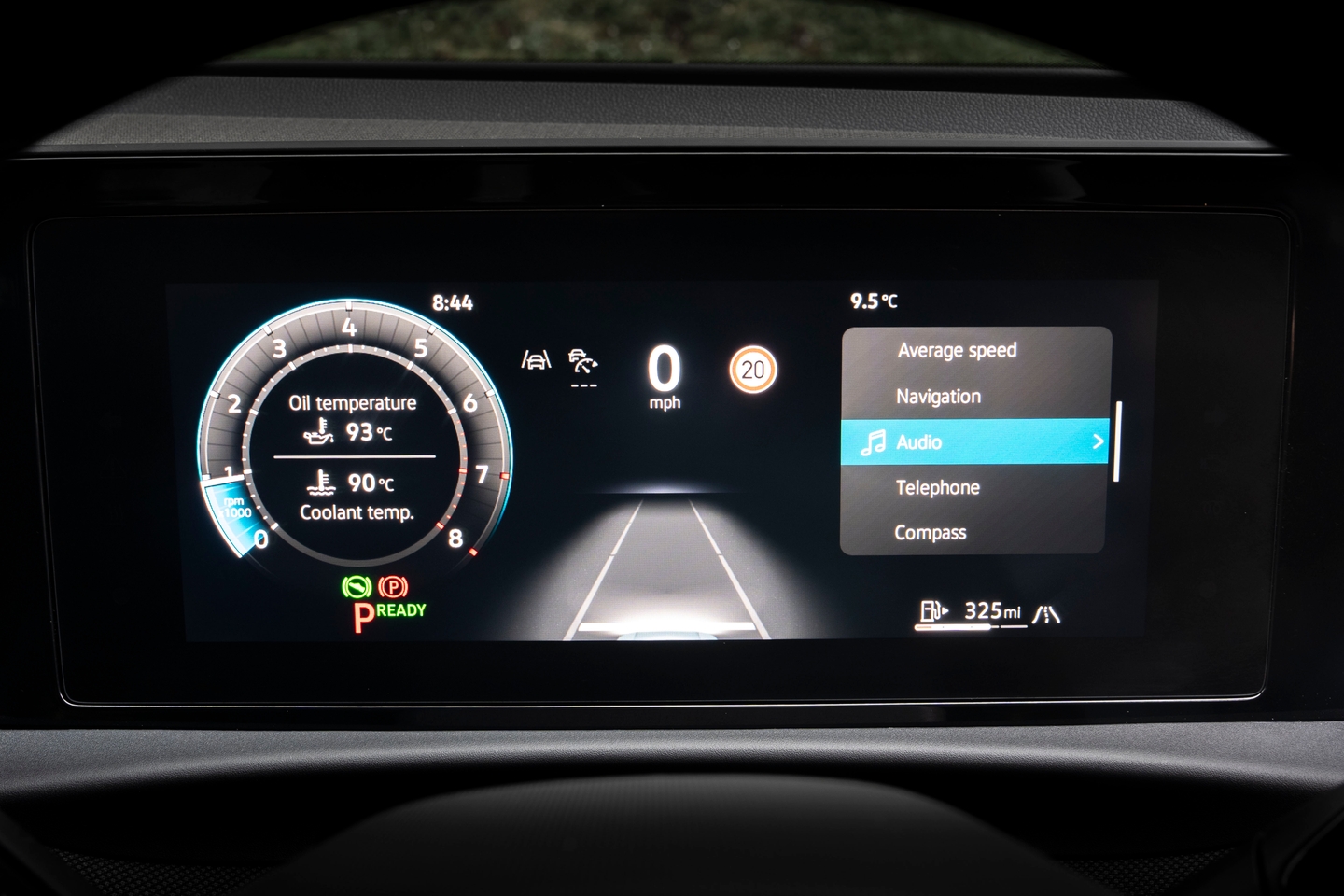
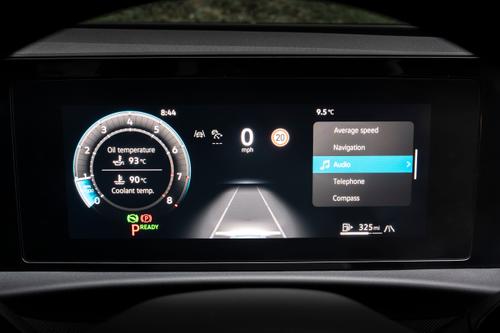
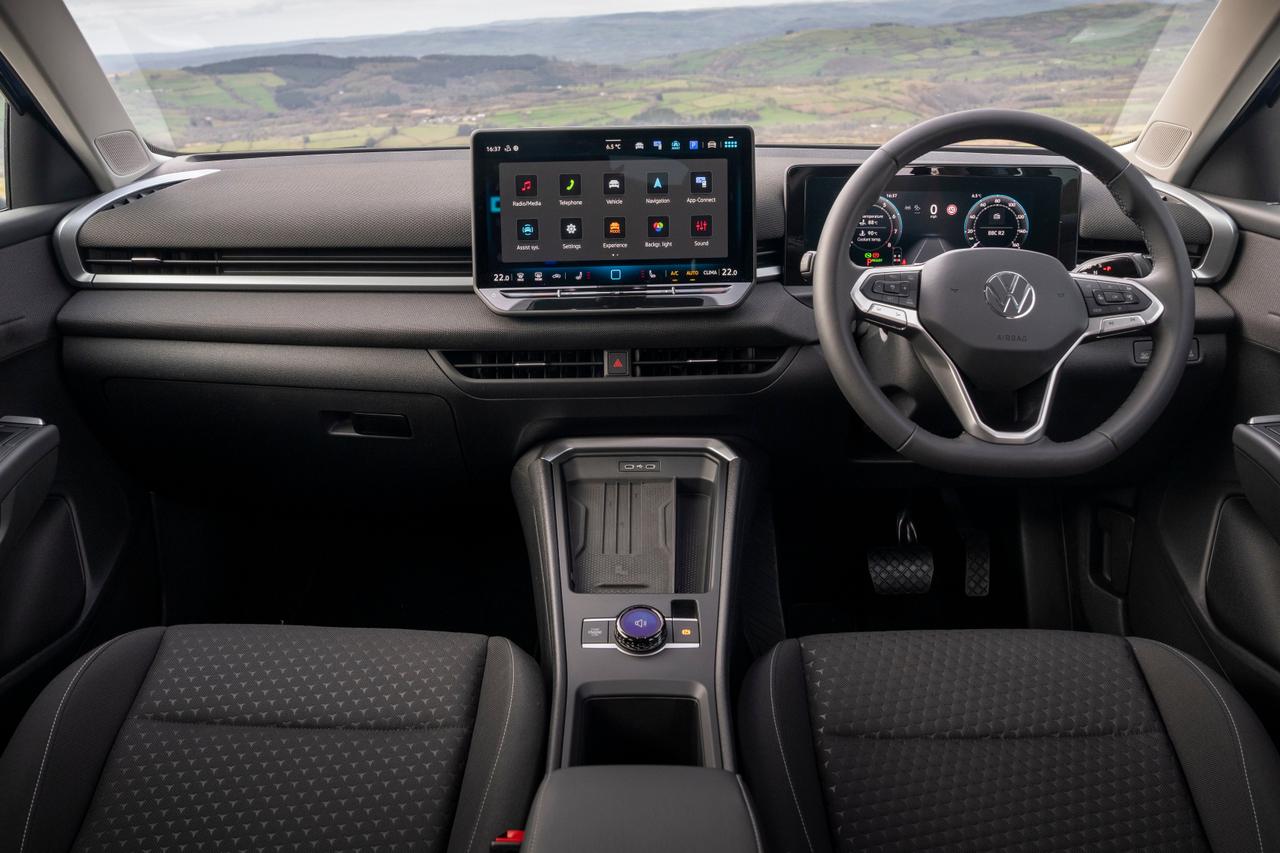
This new T-Roc, thankfully, has been to the house of soft sting-free furnishings, and it’s much improved in terms of material quality. Sadly, grey is the order of the day – save for the ambient lighting – but the new 13-inch screen and large digital dashboard break up the slightly monotone cabin.
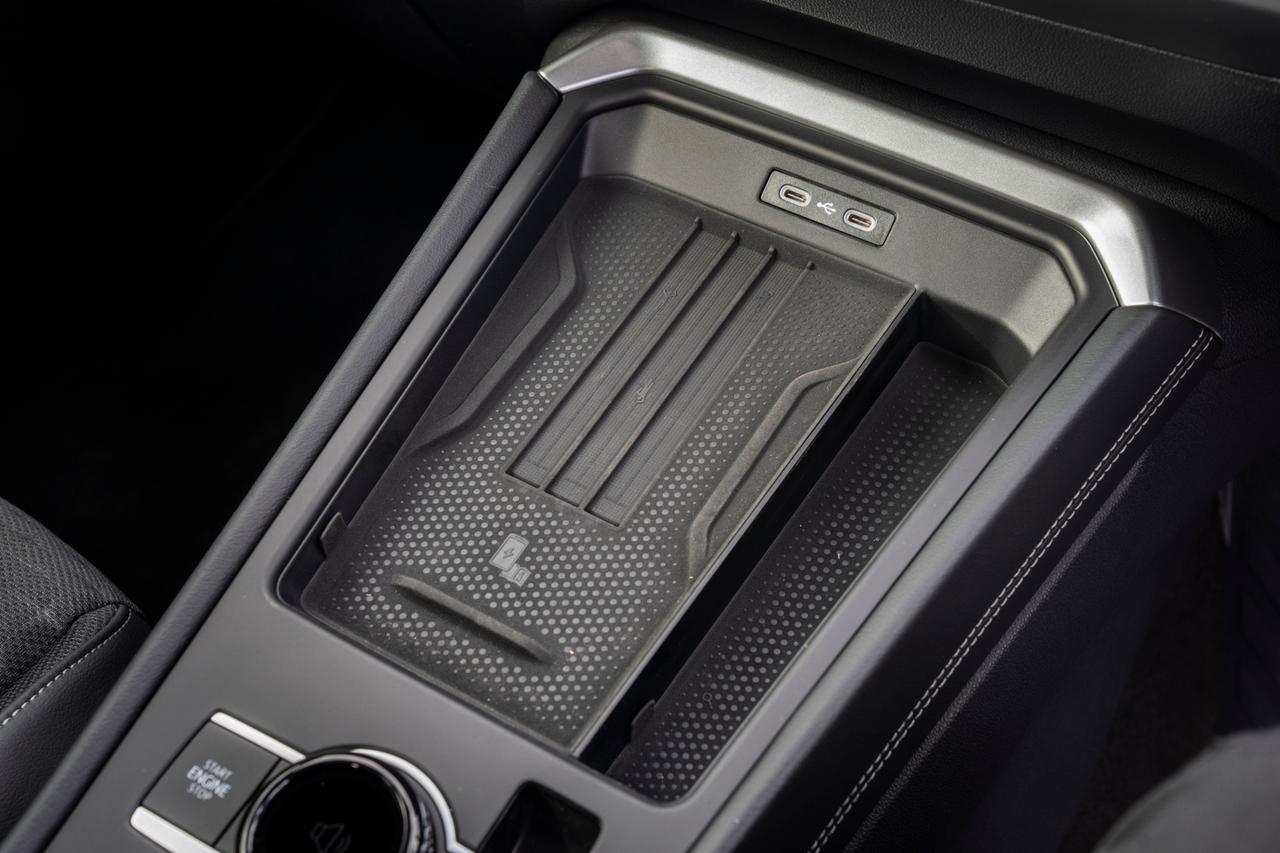
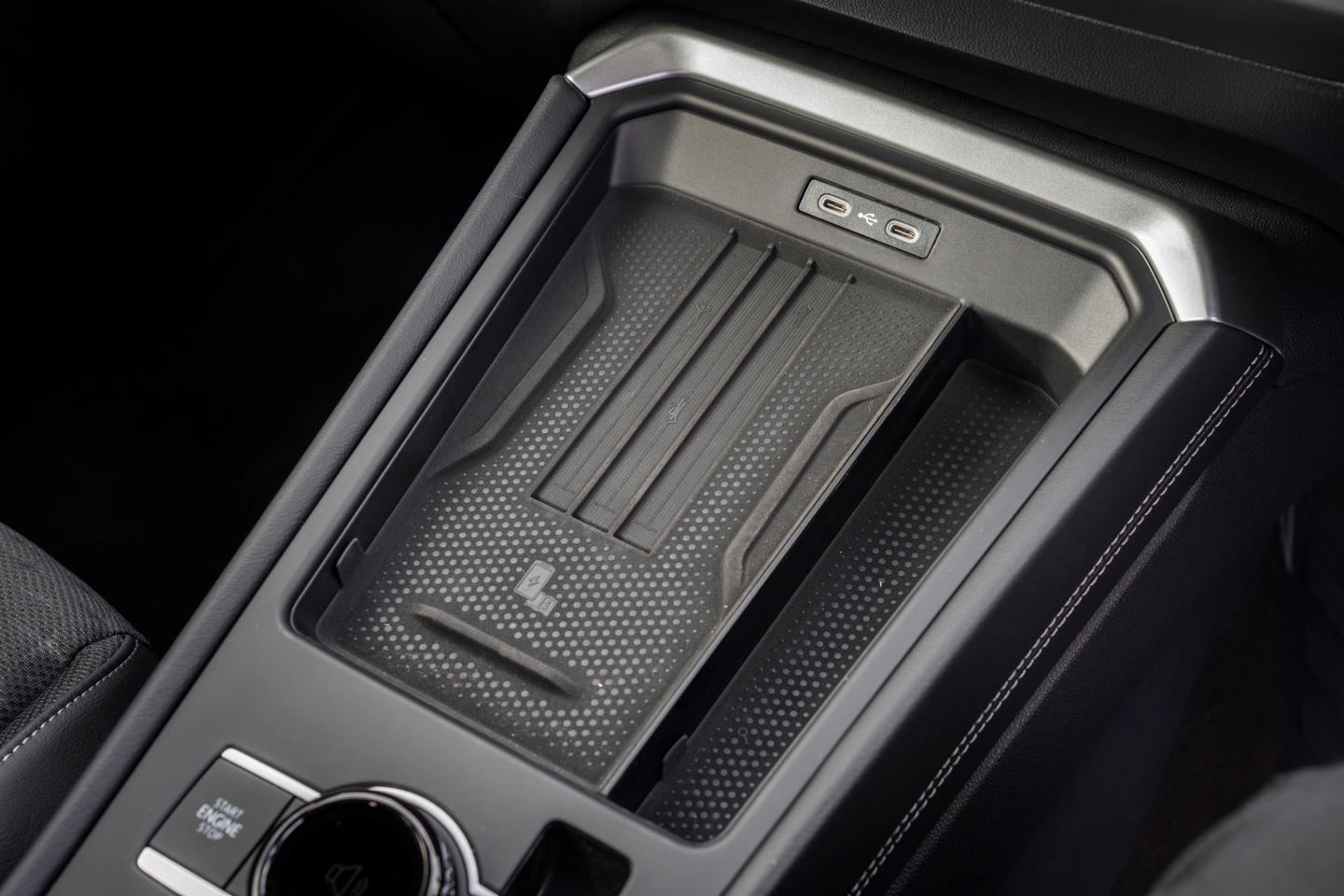
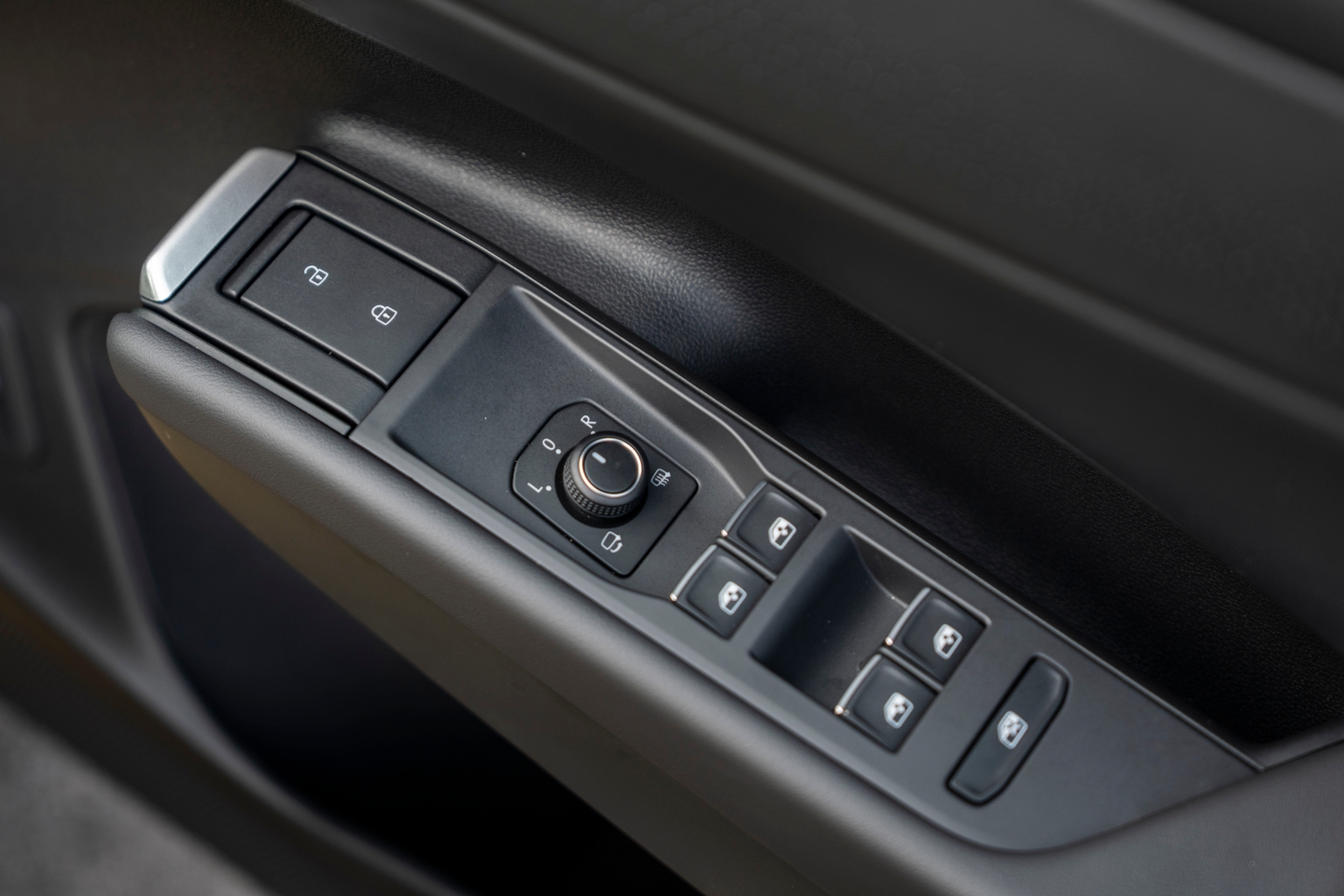
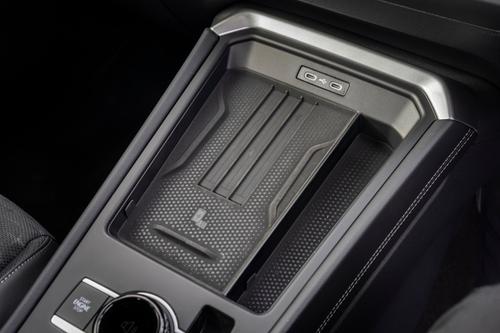
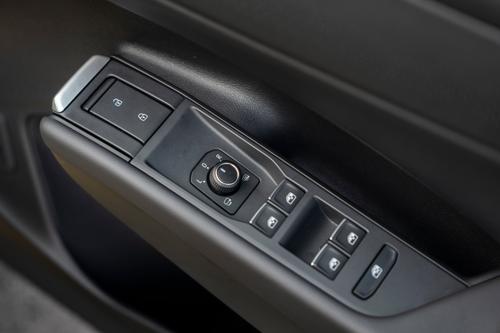
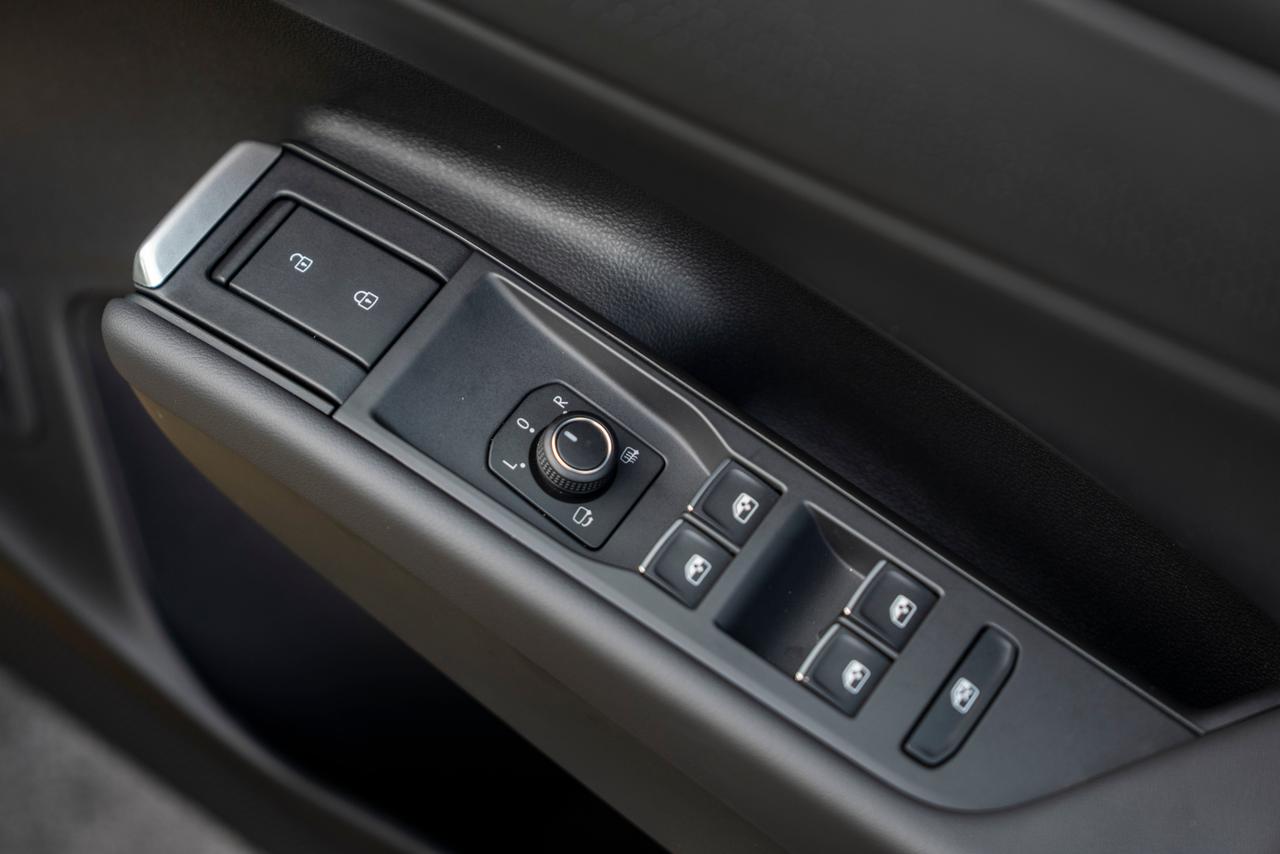
There are some nice details in the T-Roc's cabin. Every version gets a wireless phone charger complete with an unusual design – look closely and you'll see couple of swimmers doing lengths down its three depressions, while the T-Roc's door handles are a new ‘lift-up’ design on the door armrests.
Usability is good. You get physical buttons on the steering wheel rather than the useless shiny haptic touchpads from Volkswagen's 'Dark Times' (2020-25), and the air-con controls are permanently on view at the bottom of the infotainment screen. There’s plenty of adjustment in the seats and wheel, so the T-Roc is well suited for all sizes of driver.
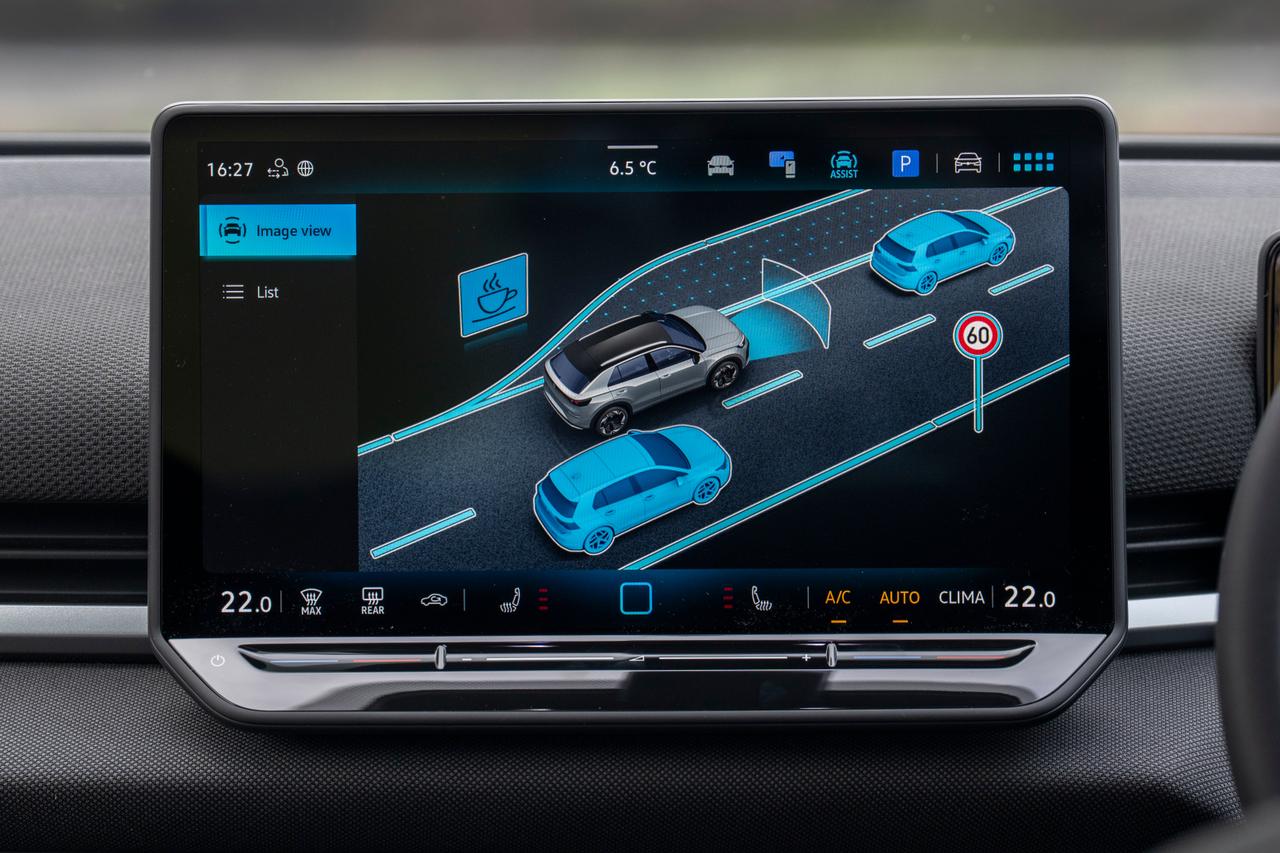
The new T-Roc’s infotainment system includes wireless Apple CarPlay and Android Auto, and the built-in software is also very easy to use. A tap on a shortcut at the top of the screen turns off your speed-limit warning bongs, so you’re not left hunting through a thousand menus at the start of every drive.
If you’re feeling fancy, you can option the T-Roc with a new head-up display – it wasn’t fitted to our test car, but it’s usually a good way to keep your eyes firmly on the road while checking your speed and sat-nav directions.
Another new feature is the smart knob – a rotary controller on the centre console that has a screen in the middle of it. You can use it to control the volume of the reasonably impressive six-speaker sound system, and then you can press it to switch between the T-Roc’s driving modes.
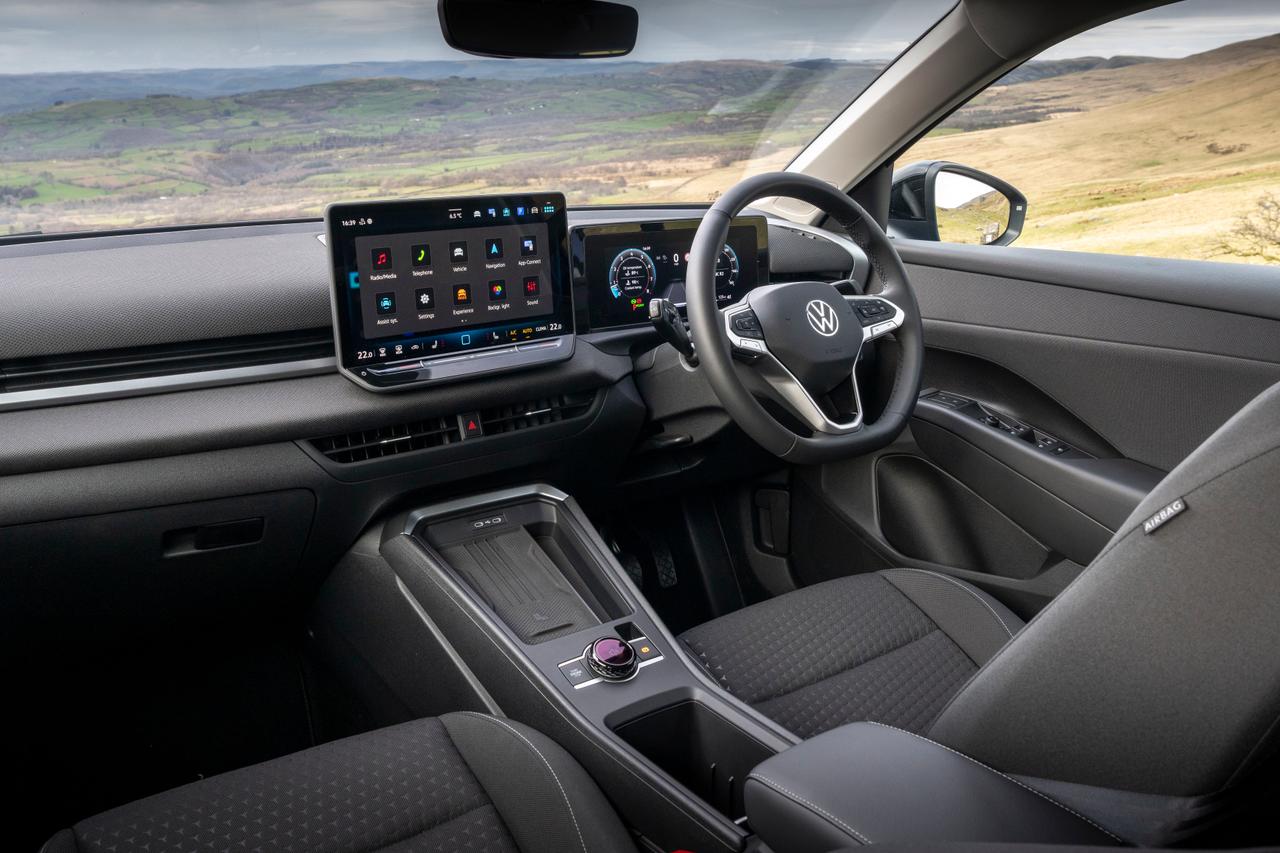
The T-Roc has fallen into line with the rest of the Volkswagen range by moving the gearshifter behind the steering wheel. It’s a twist-style affair that frees up the centre console for more storage space.
You’ll find a nice deep bin under the central armrest, which you can adjust for length and angle, meaning you get superb support for your left arm when you’re cruising along. It's a small thing, but some rivals have fixed armrests that don't suit every size of driver.
Unlike some of Volkswagen Group’s electric cars, the T-Roc has a full-size glovebox that can hold the car’s manual (it feels odd to point this out, but we’re increasingly finding cars with small gloveboxes that mean you have to store the manual elsewhere).
We’re also fans of the T-Roc’s felt-lined doorbins, which are big enough for a large bottle of water and will hold your keys without them rattling about over bumps like a dancing skeleton.
The only black mark for practicality up front is that there’s no sunglasses holder in the roof.
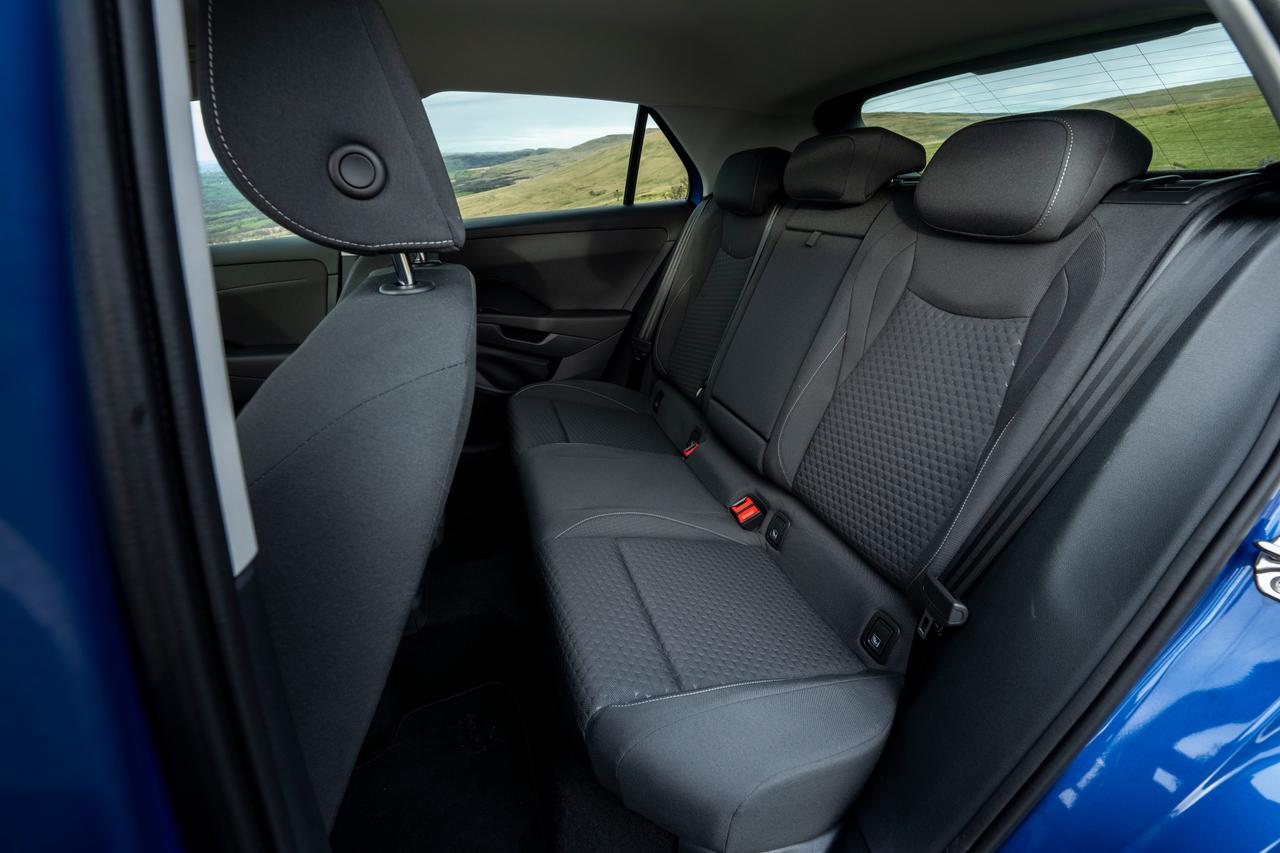
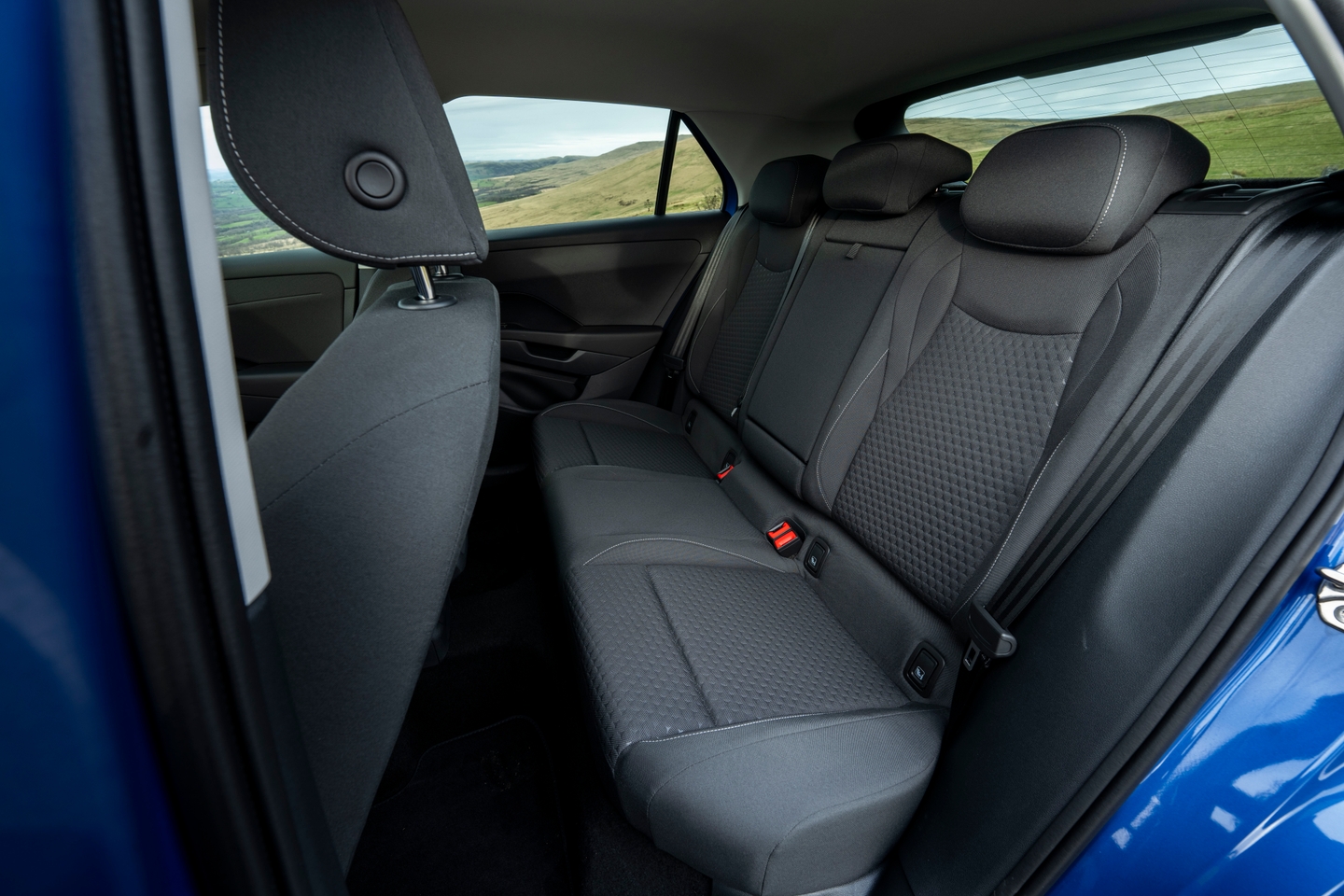
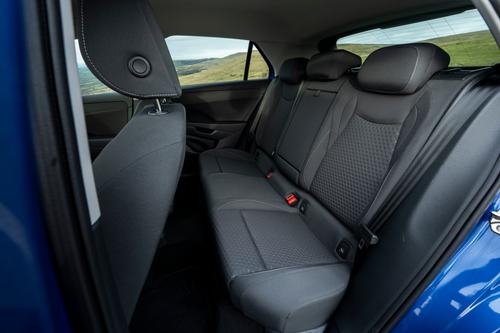
Back-seat space in the second-generation T-Roc is mostly improved over the old car, and the new car’s 3cm-longer wheelbase means taller adults have a bit more knee room.
Sadly, there’s a hump in the floor under the driver’s seat, so your right-hand rear passenger gets short shrift in terms of foot room, and headroom is a little tight for me at 6’3” – but only if I lean right back in the seat. It’s a pity because I didn’t have such problems in the old T-Roc, and it’s a problem that’s been introduced because the new T-Roc has a slightly more aerodynamic roof-line for better fuel efficiency.
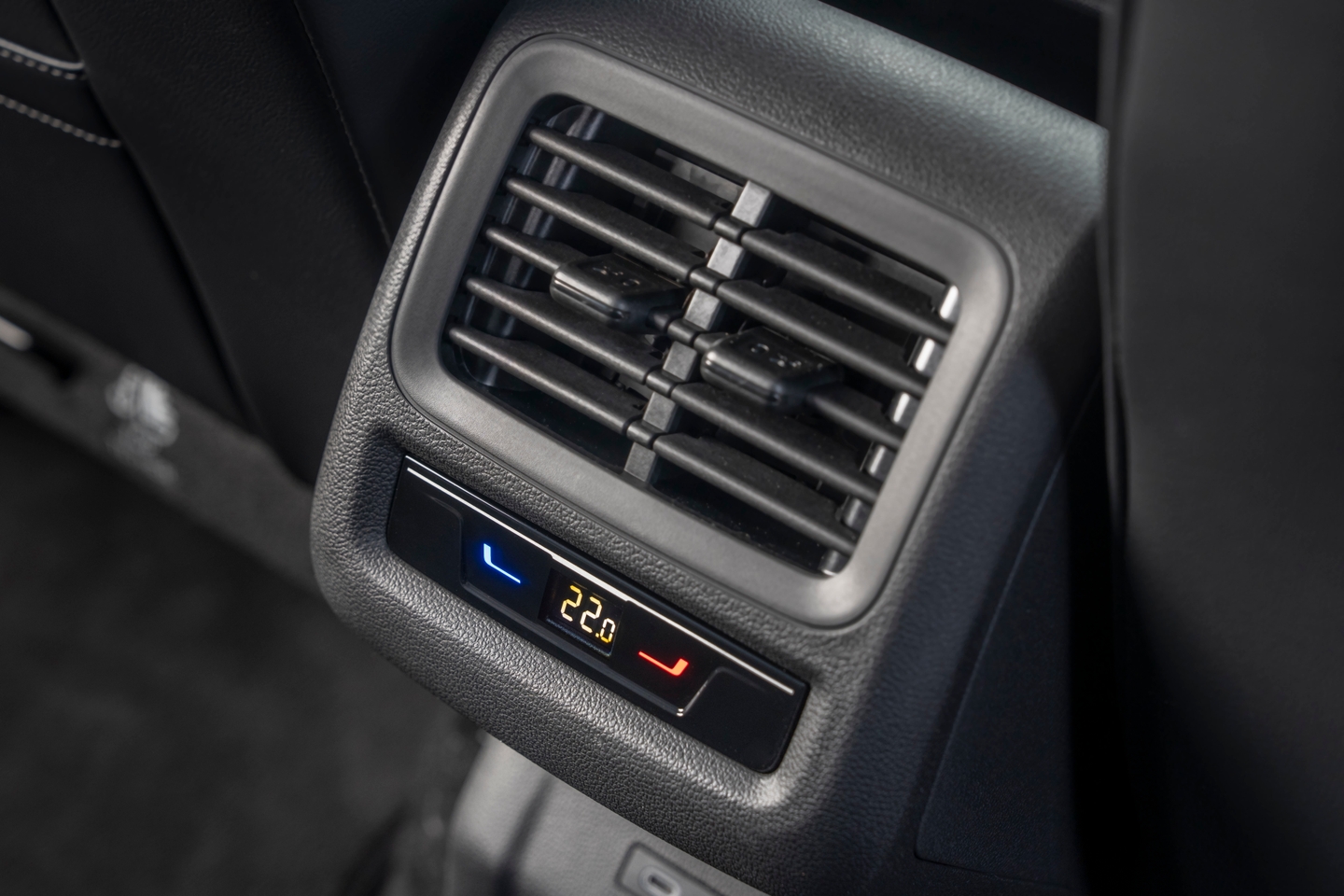
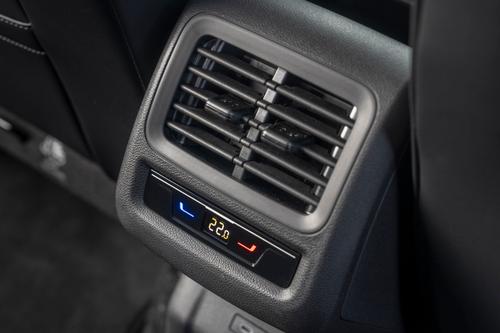
The new T-Roc's hump theme continues. A large lump in the floor in the middle of the rear compartment means middle-seat passengers will have their feet clashing with passengers either side, which is a shame. Back-seat passengers have access to their own climate control zone and two USB-C chargers, while a centre armrest can fold down revealing two cup holders. Covers for the Isofix child-seat mounting points on the outer rear seats flip neatly out of the way, exposing easy-to-locate attachment points.
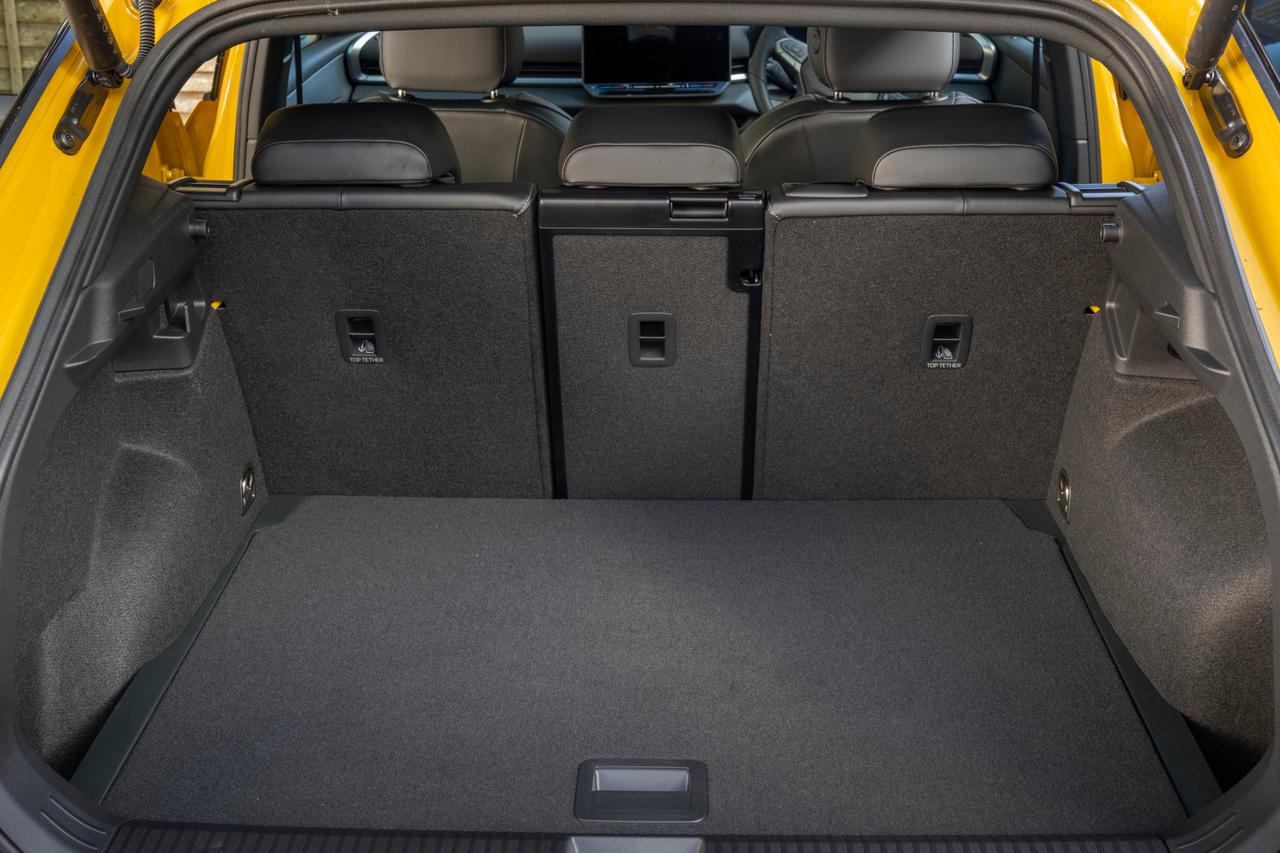
Boot space in the latest T-Roc is up 30 litres on the old car to 475 litres, with a large space under the adjustable boot floor where a spare wheel should be. The boot floor can be lowered to increase space, and if it’s left in the higher position it can be locked up at an angle so you can load the underfloor space without it flopping back down.
Braked towing weights for the T-Roc stand at 1.3 tonnes for the 116hp engine and 1.5 tonnes for the 150hp variant, and reversing is made easy thanks to a standard-fit parking camera.

The T-Roc comes with either 116hp or 150hp from a mild-hybrid-assisted 1.5-litre petrol engine. Acceleration from 0-62mph takes 10.6 seconds in the 116hp version, and 8.9 seconds in the 150hp version.
All T-Rocs come with a smooth-shifting dual-clutch automatic gearbox, as well as the ability to shut off half the engine’s four cylinders at a cruise to improve fuel economy. In our experience you'll get 45-50mpg depending on how you drive.
Often, we’ll say that mild-hybrid systems don’t bring any tangible performance increase, but the Volkswagen Group's 1.5-litre ‘eTSI’ system in the new T-Roc does give a noticeable extra punch at low speeds, meaning you don’t have to work the engine quite as hard to dash away at a roundabout. It can still sound a bit thrashy when you floor it, but there's enough sound deadening material in the car that you don't have to shout at your passenger when joining a motorway.
The T-Roc feels noticeably bigger from behind the wheel than the old one – purely because the bonnet design means it stays in view further out to the corners of the car, which makes parking a little easier to judge. It’s still an easy car to thread around town or down narrow country roads, however, and save for the usual SUV blind spots at the back corners of the car it’s not a car you’ll fret about parking – helped by that reversing camera.
The door mirrors are a decent size, and the cabin isn’t noisy at motorway speeds.
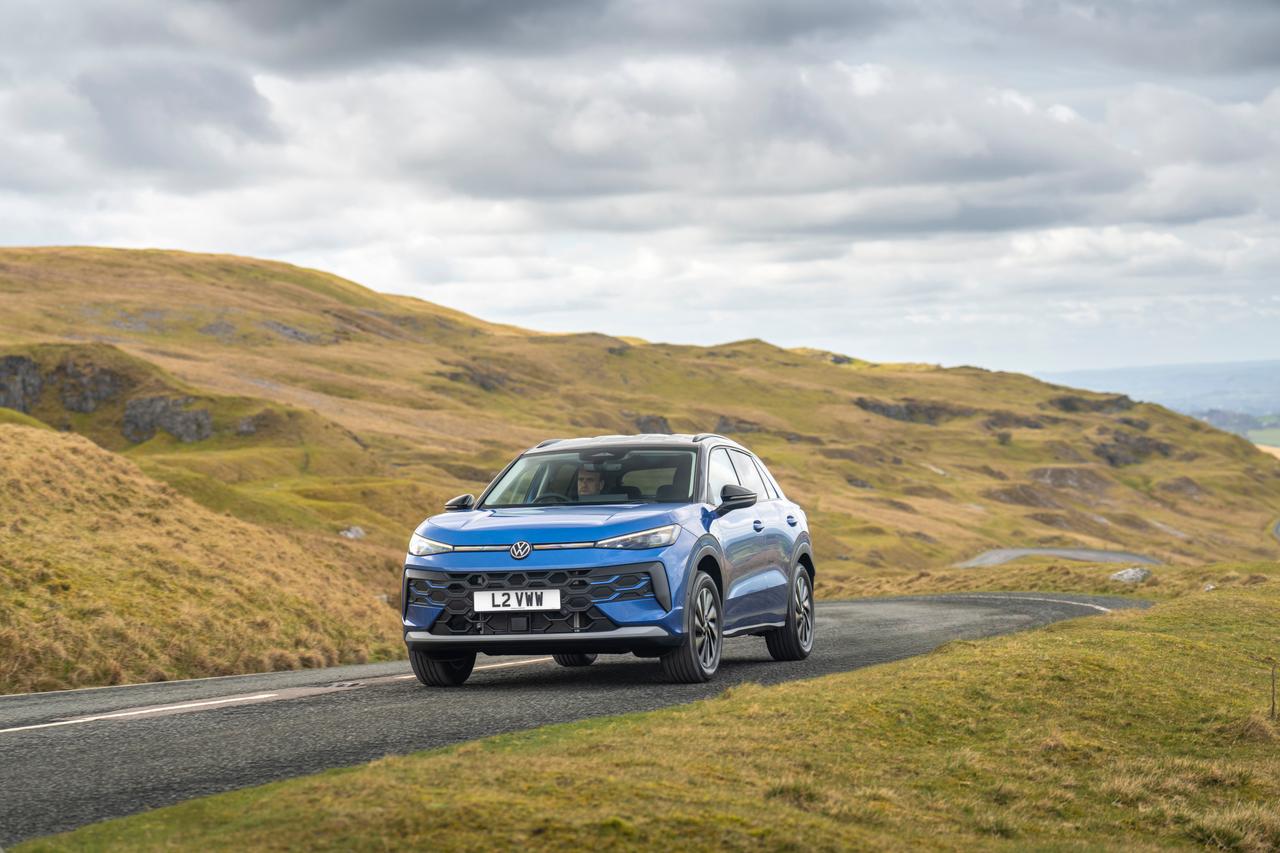
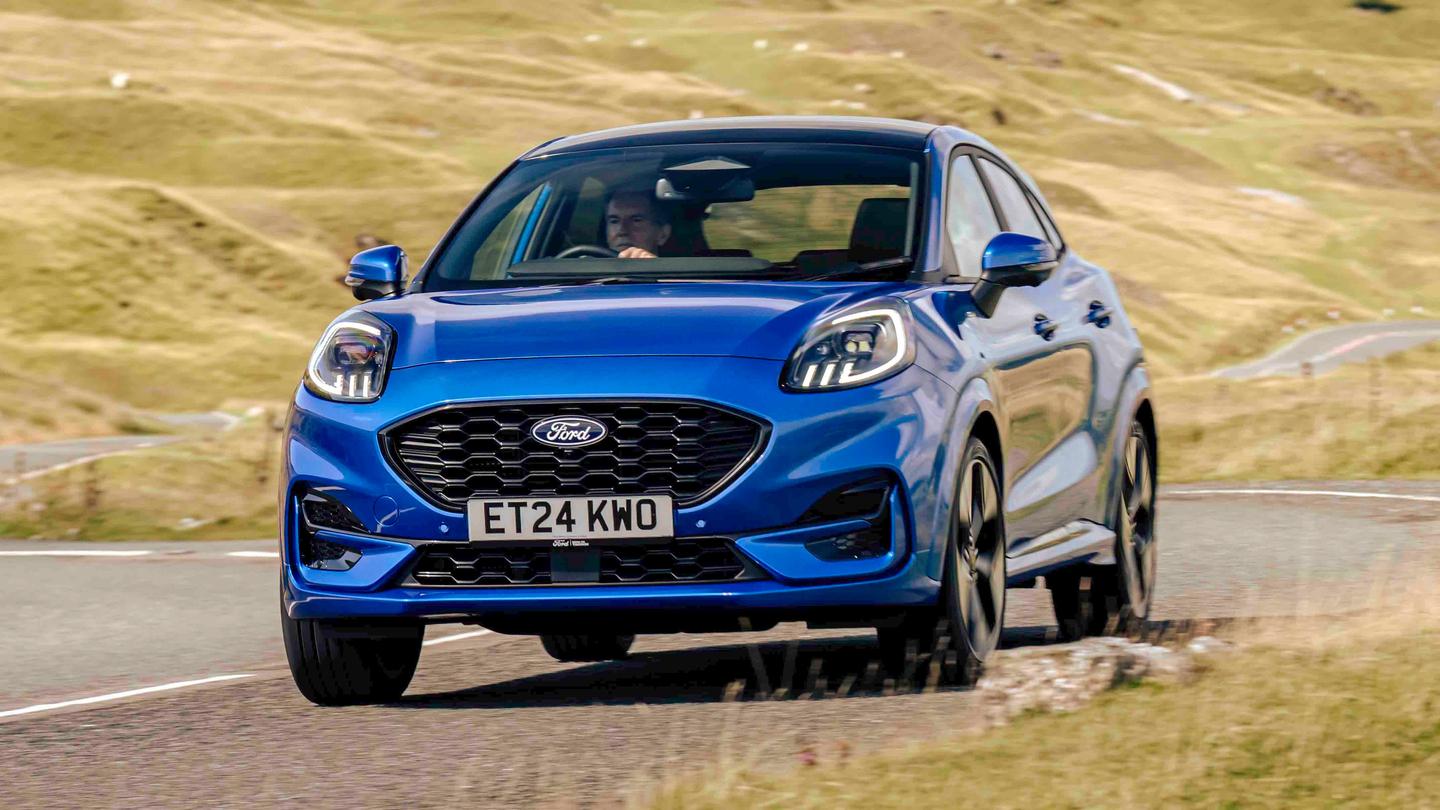
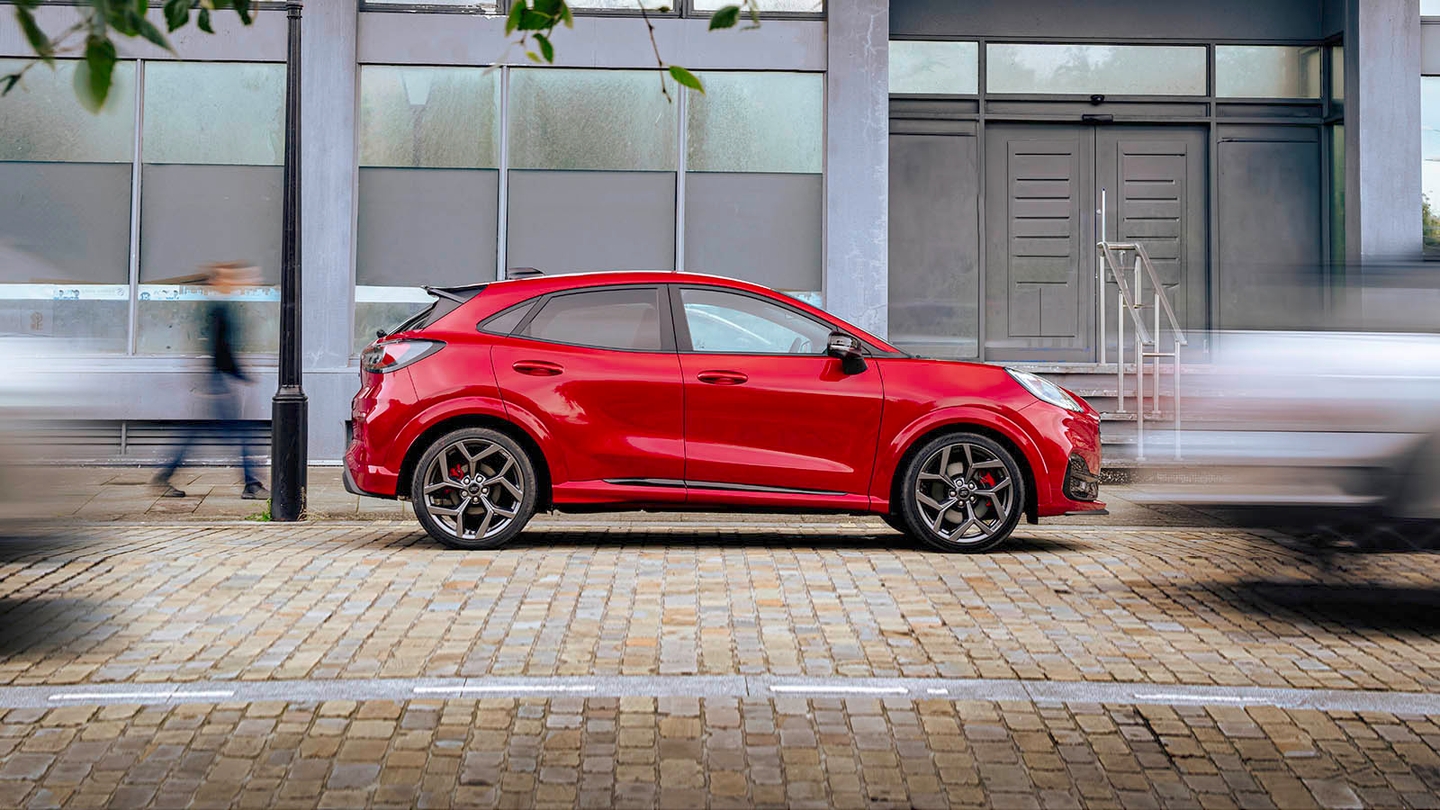
Bumps are also ironed out well, and you’re never left cursing a stiff suspension setup. The flipside is that the T-Roc isn’t loads of fun to drive fast – it won’t raise a smile like a Ford Puma – but when did you last need a family SUV that’s a hoot on a back-road? That said, if Volkswagen brings back the 300hp T-Roc R for this second generation car then we may revise that statement…
As it stands, the standard new T-Roc is a cinch to drive, comfortable enough and comes with adaptive cruise control as standard, meaning long drives aren’t too taxing.
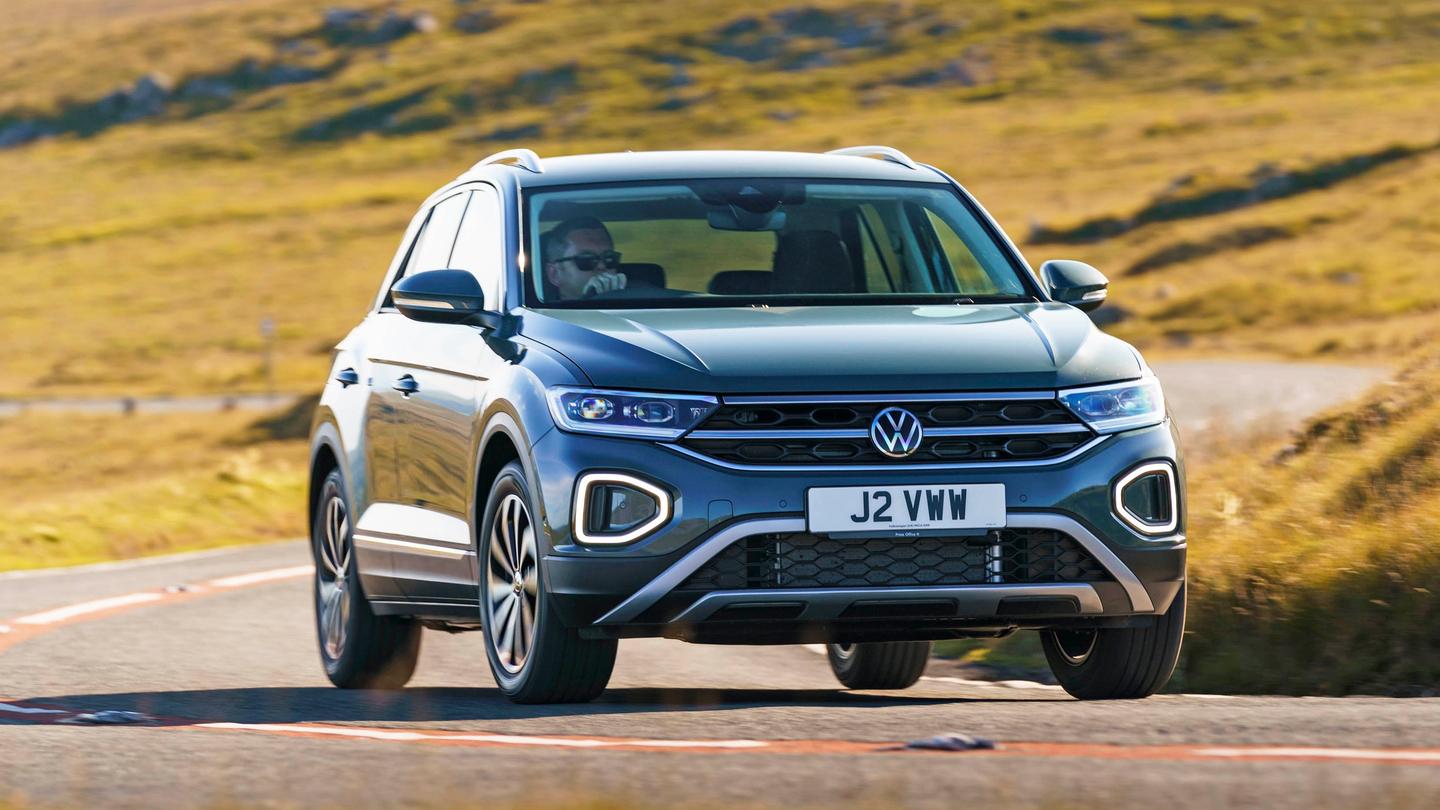
A posh-feeling small SUV with roomy rear seats and a spacious boot