








The 10 most underrated cars on sale

Mike Vousden
•
Choosing A Car

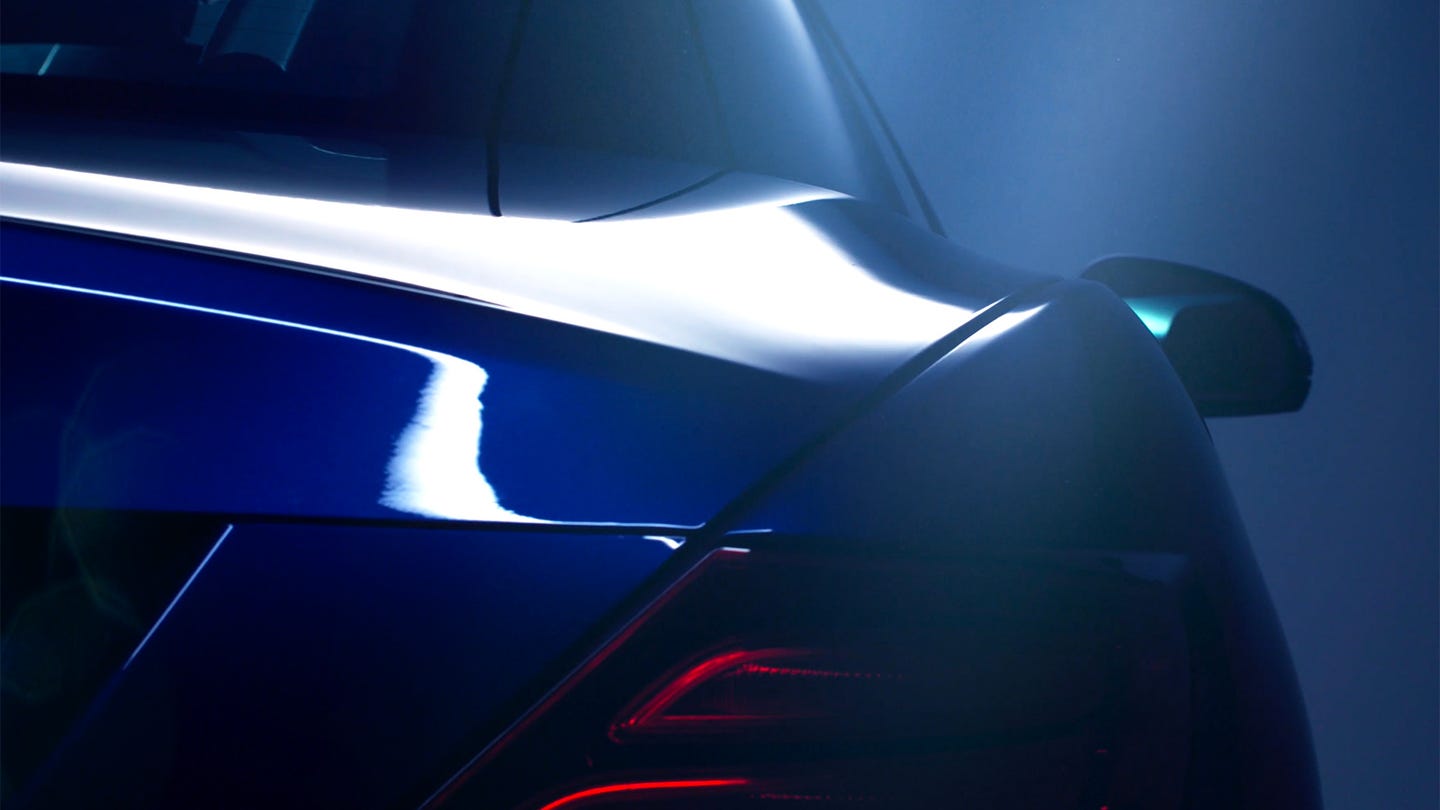
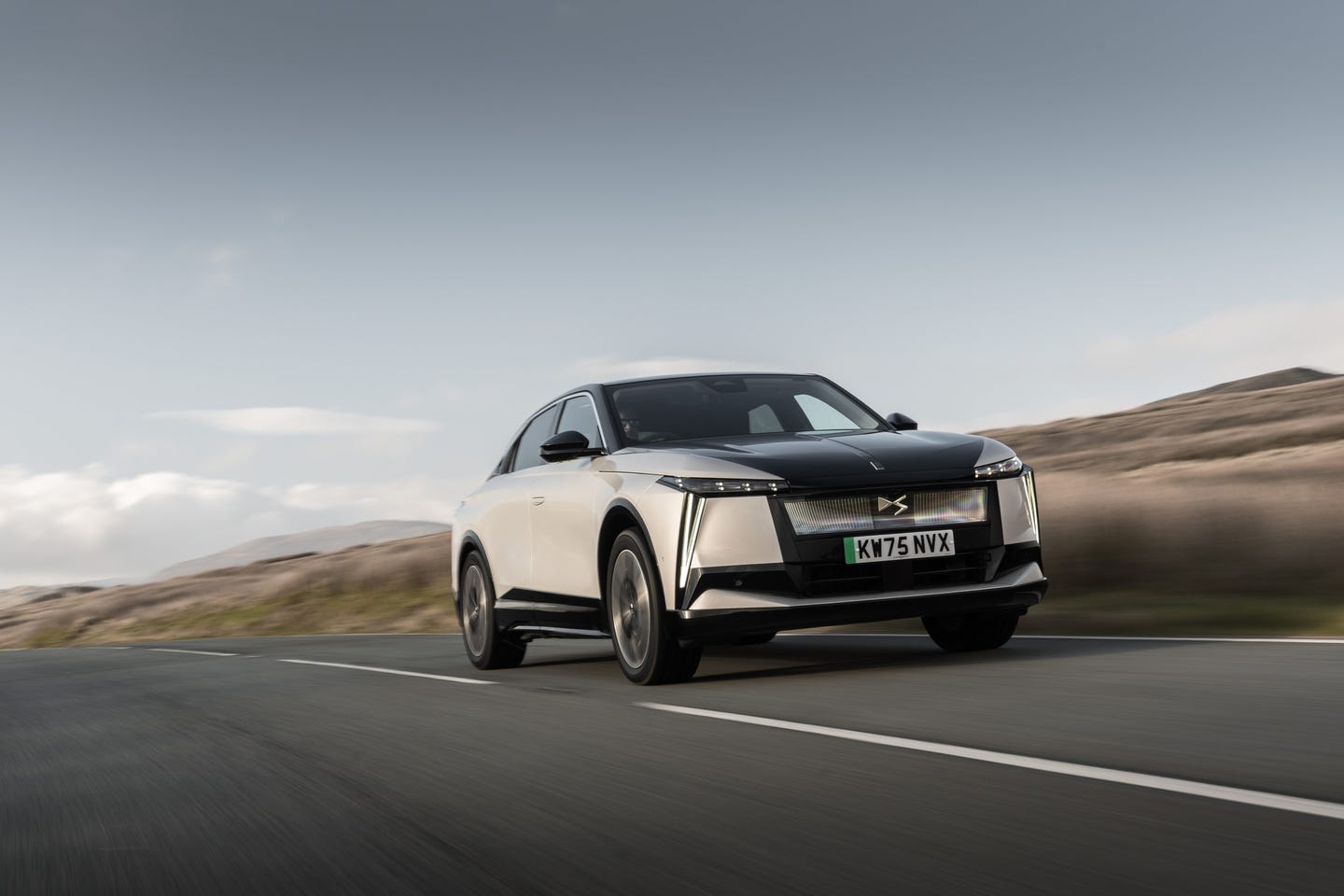
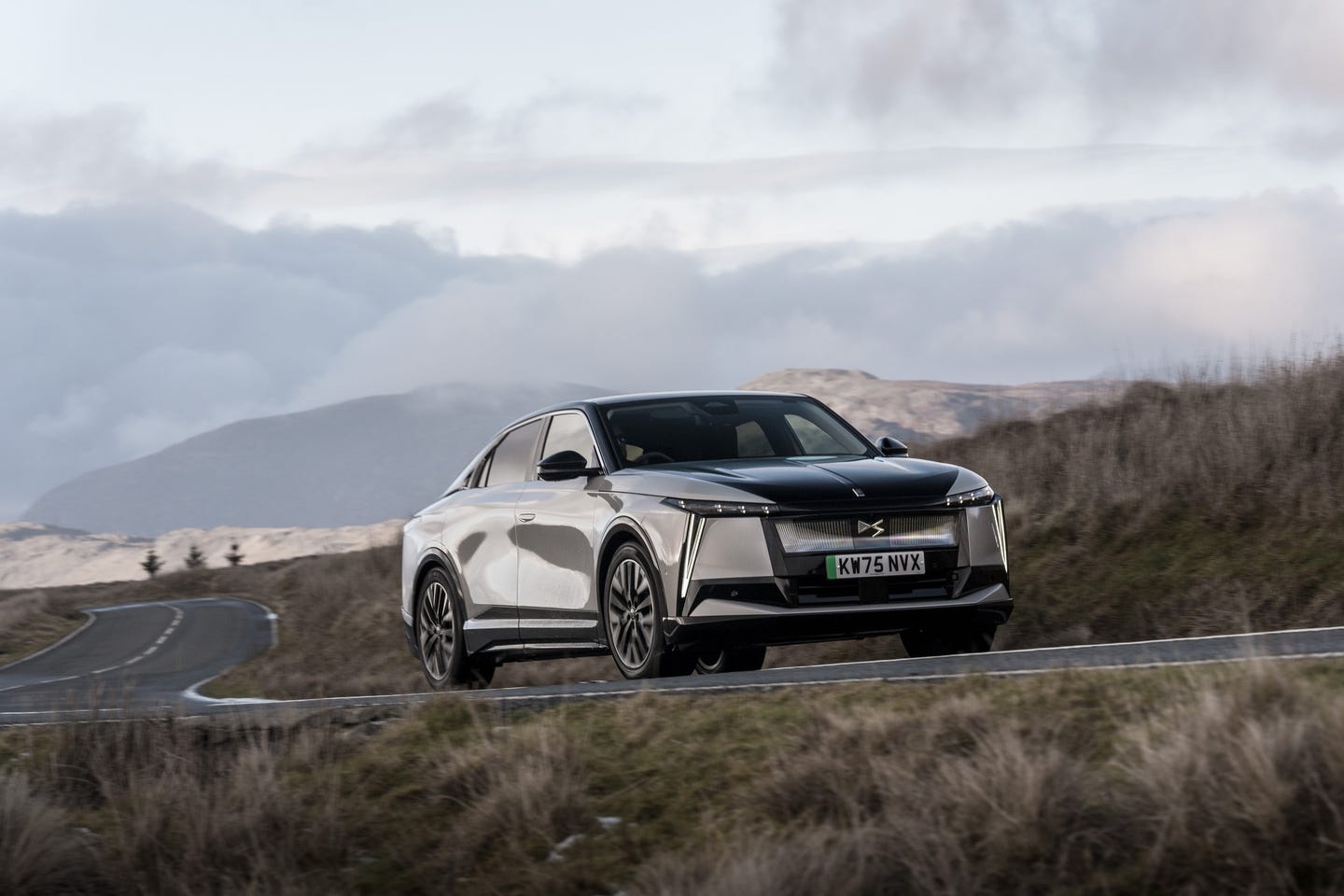
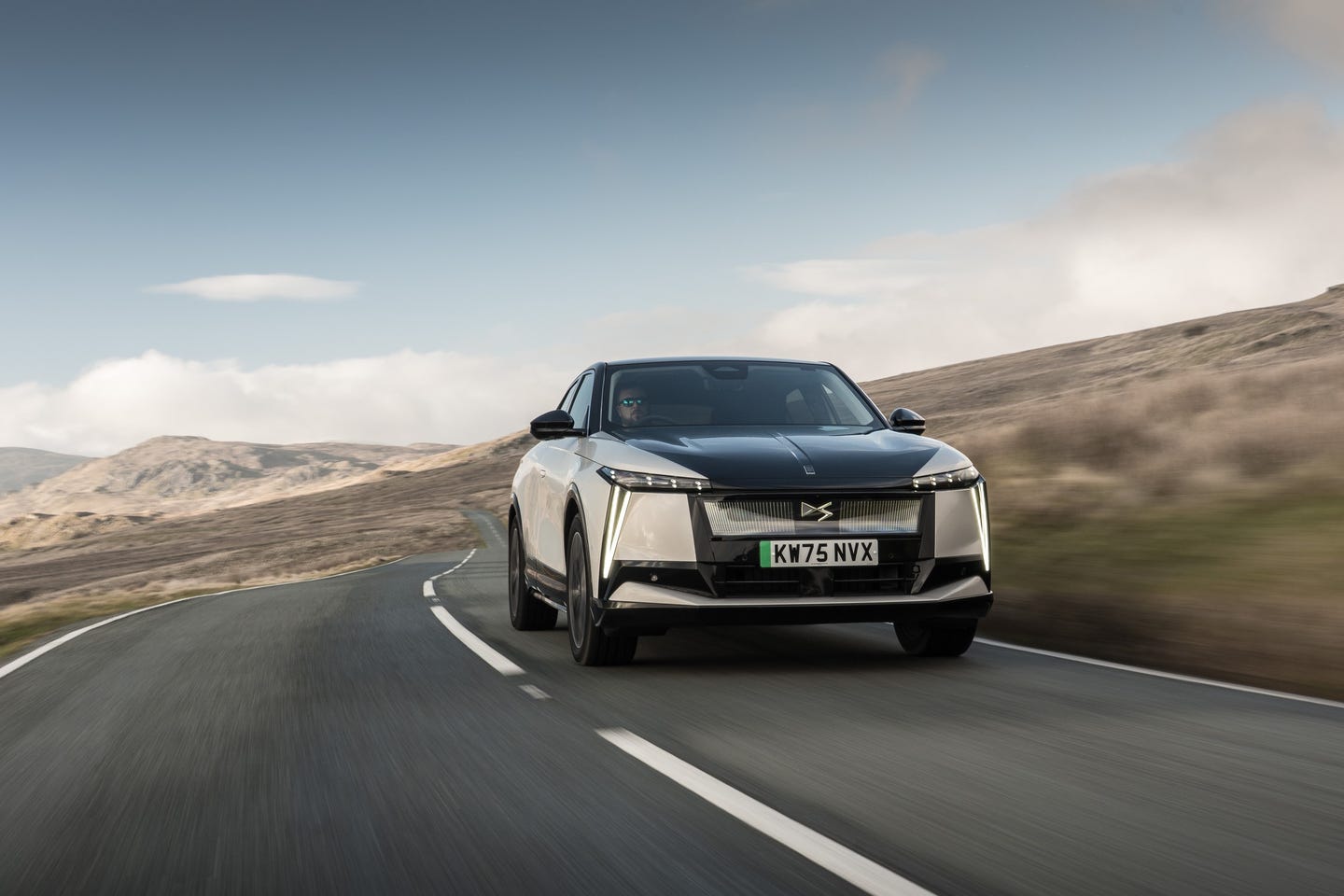
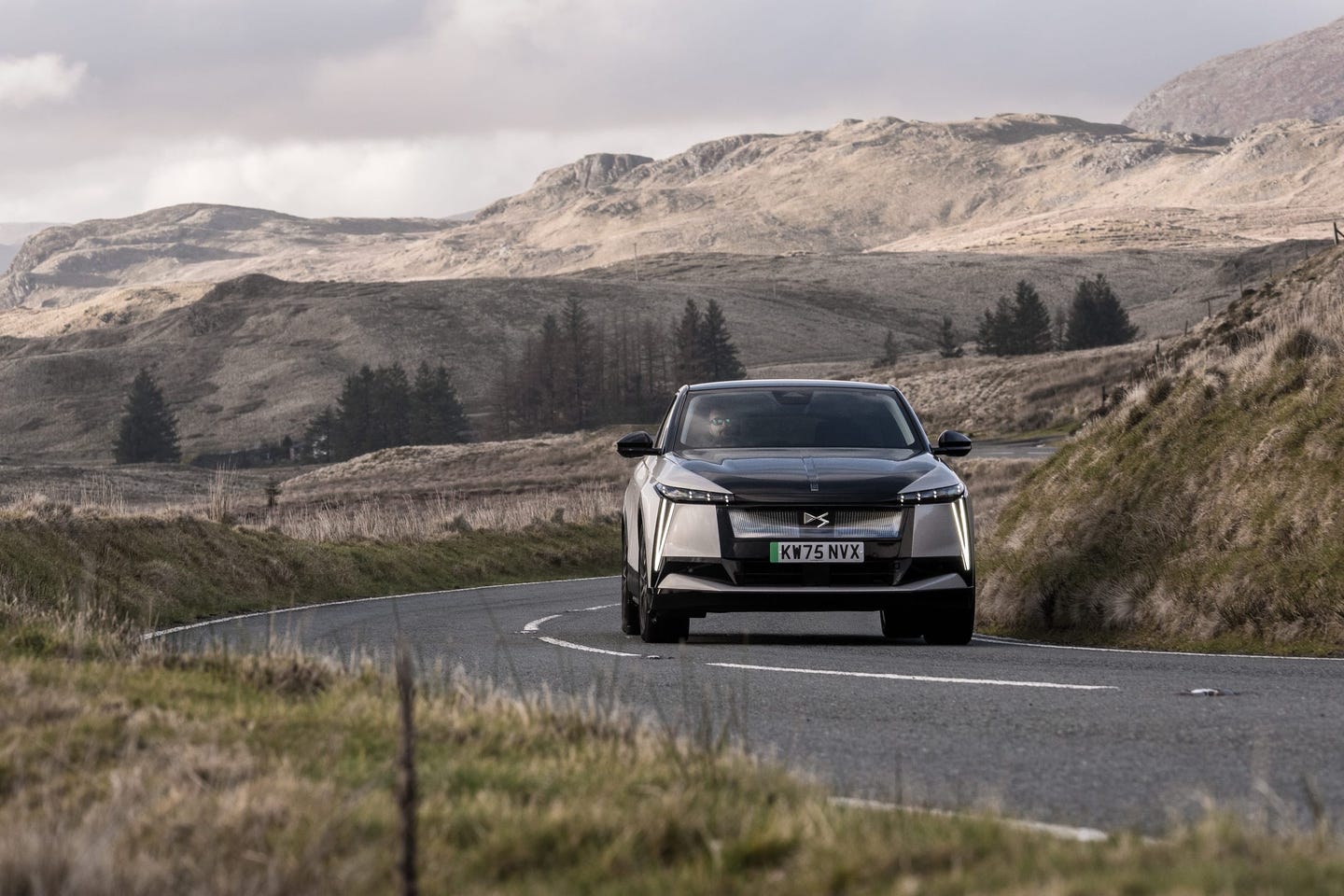
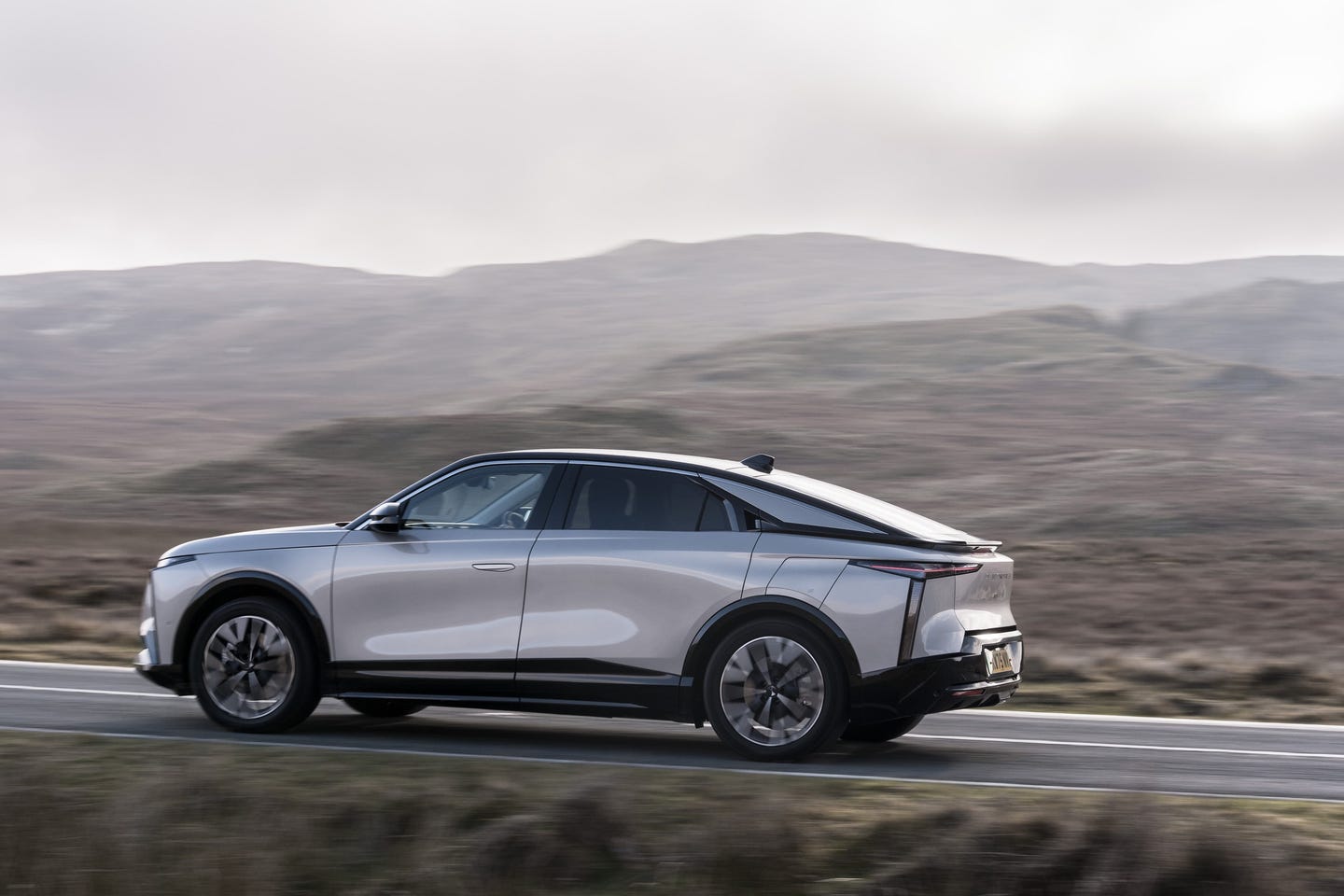
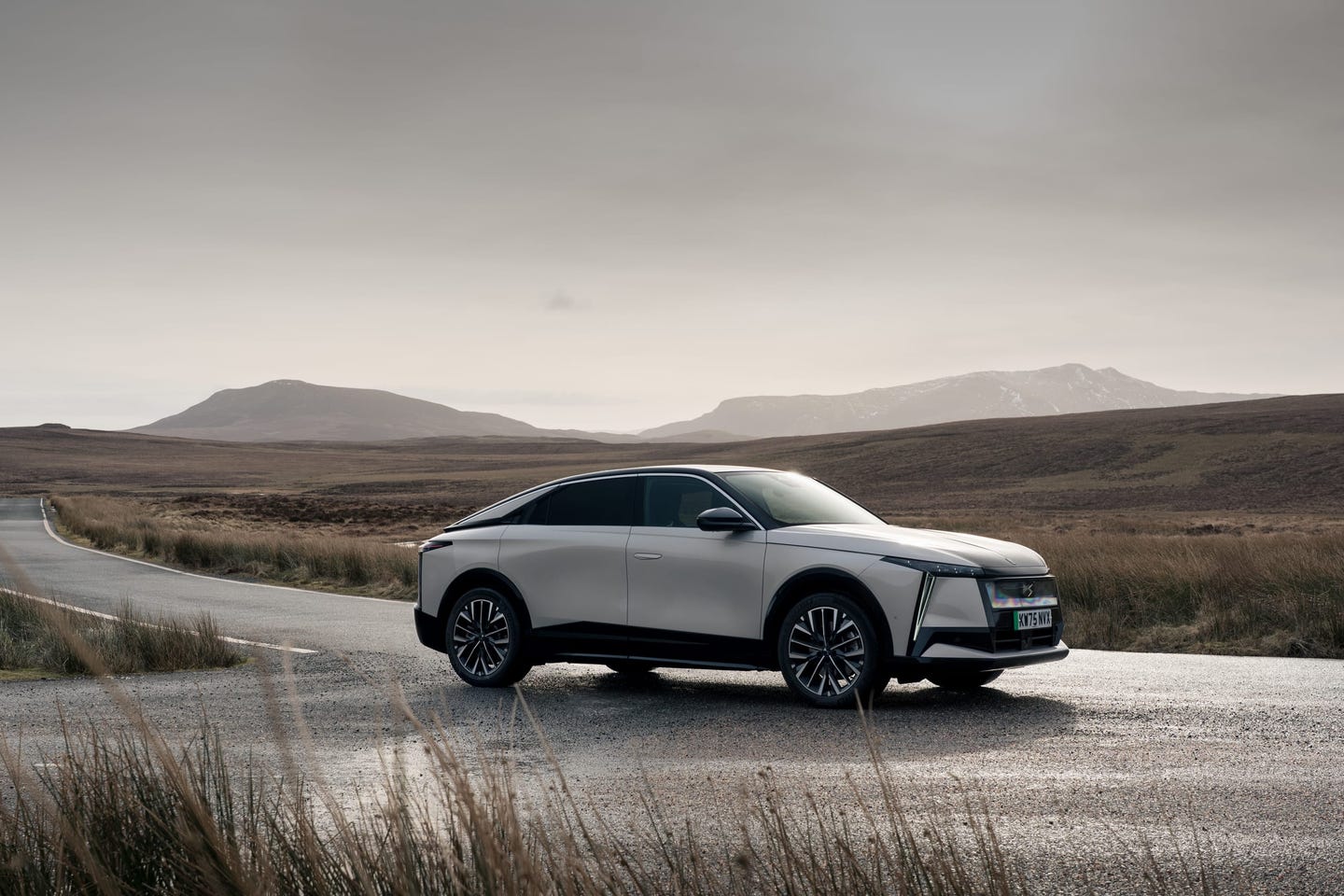
Want a long-range EV that feels like haute couture on wheels? Then the DS No.8 might just be for you.
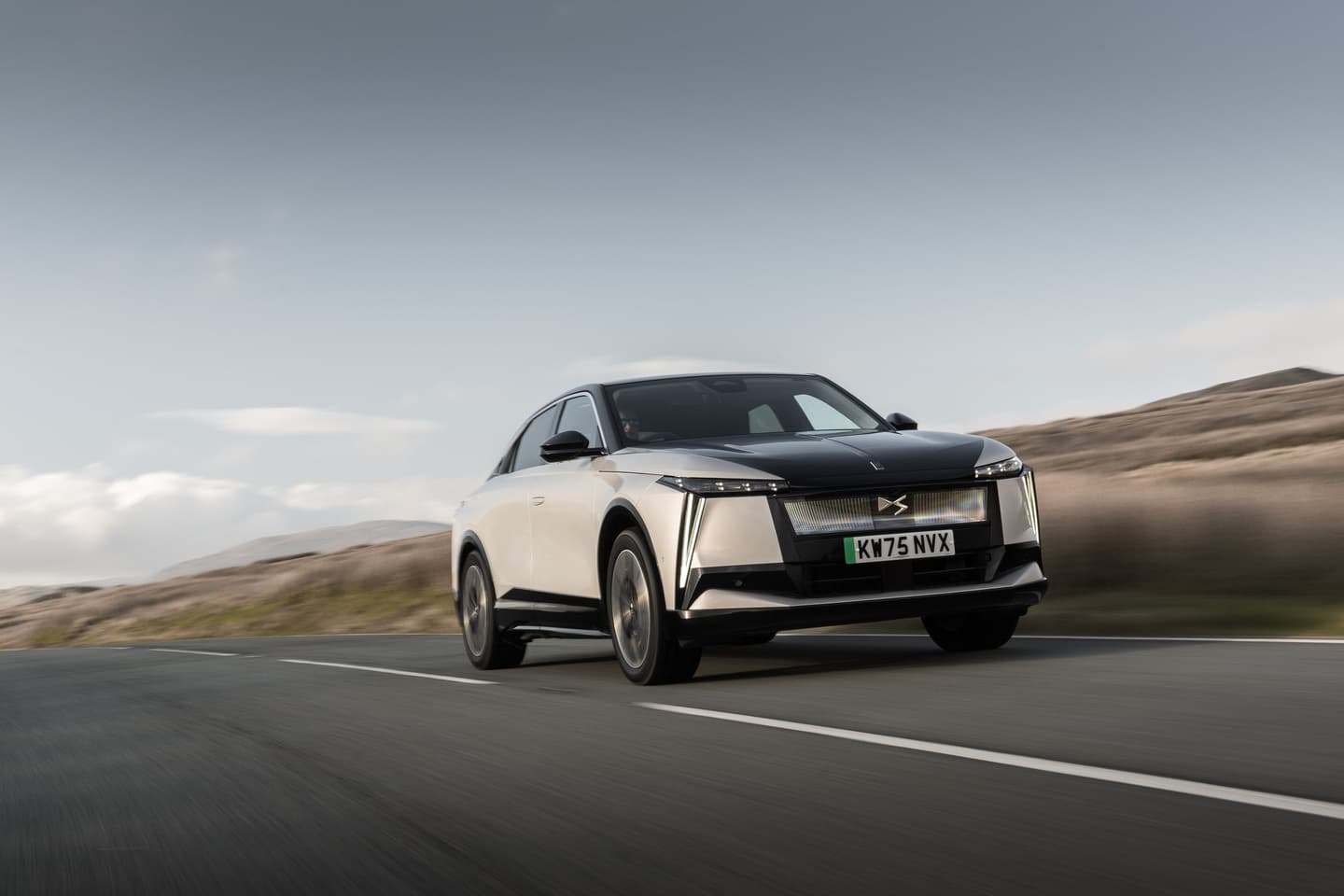
If you can stomach the avant-garde styling and questionable four-spoked steering wheel, this is a comfortable way to rack up motorway miles. It's expensive, however, especially when there are several obvious Stellantis parts-bin features poking through the chic interior.
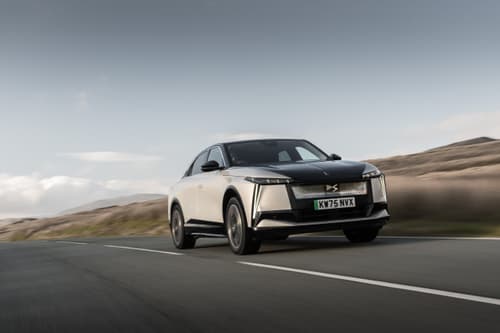
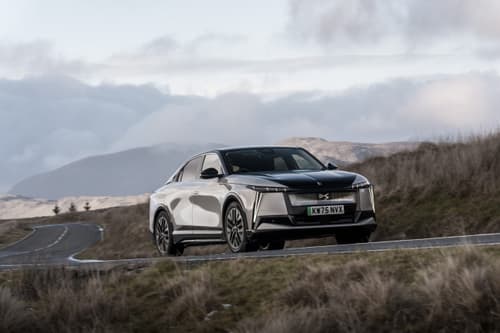
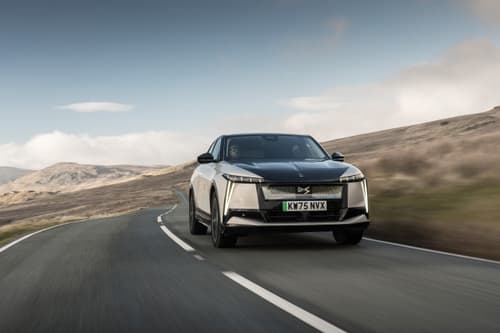
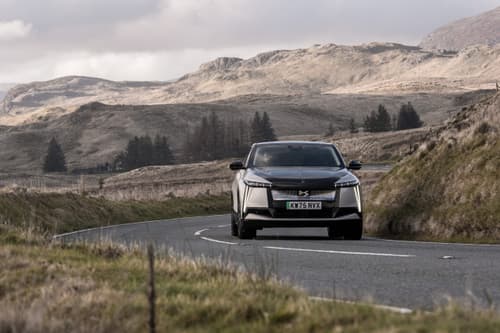
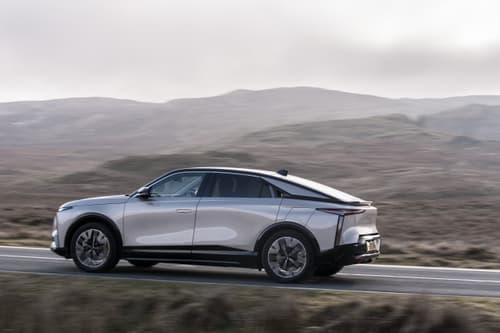
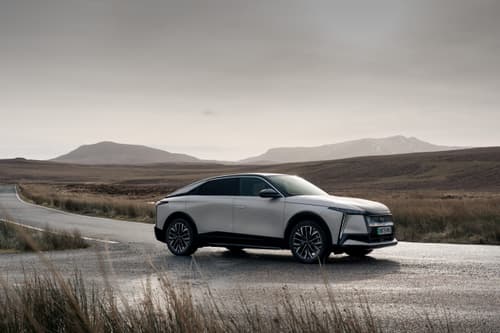
Ever since DS Automobiles was formed back in 2009, the French brand has attempted to create more luxurious alternatives to Citroen's mainstream models while using many of the same cheaper components to please les accountants at parent company Stellantis. As a result, DS has often struggled to truly differentiate its cars from the more affordable models it was using as its starting points. That changes (mostly), with the all-electric DS No.8, which does feel closer than ever to a bespoke luxury offering.
Buy the No.8 with the bigger of its two battery options and you'll have a range of up to 466 miles, and if you pick a top-spec Etoile model you'll get road-scanning suspension that tries to smooth out bumps in the Tarmac.
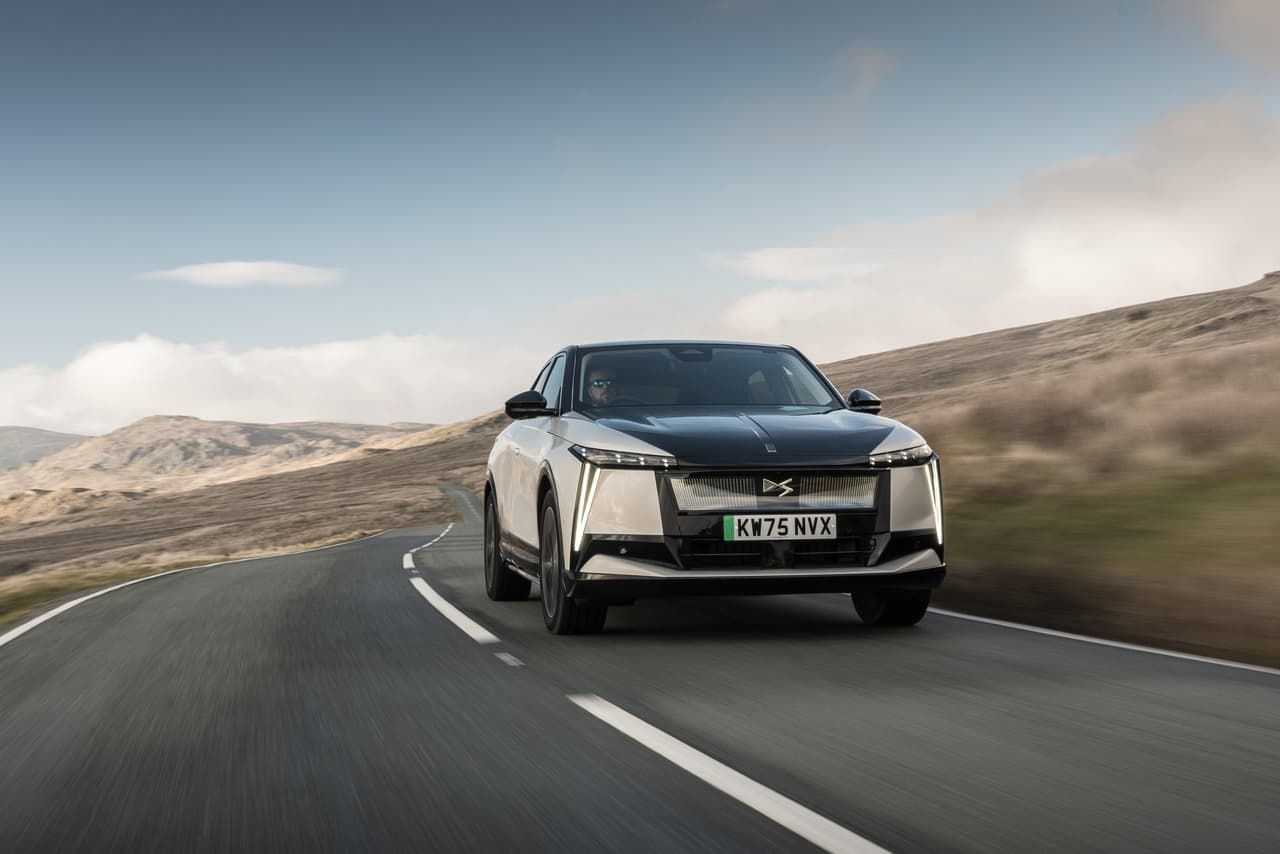
In terms of styling, the No.8 is fairly mad inside and out, if something of an acquired taste – we think it's more Eurovision than Palace of Versailles. The optional two-tone bonnet is certainly striking (and it's created using a new paintjet technology that's similar to 3D printing), but the No.8's four-spoke steering wheel makes every drive a unique experience.
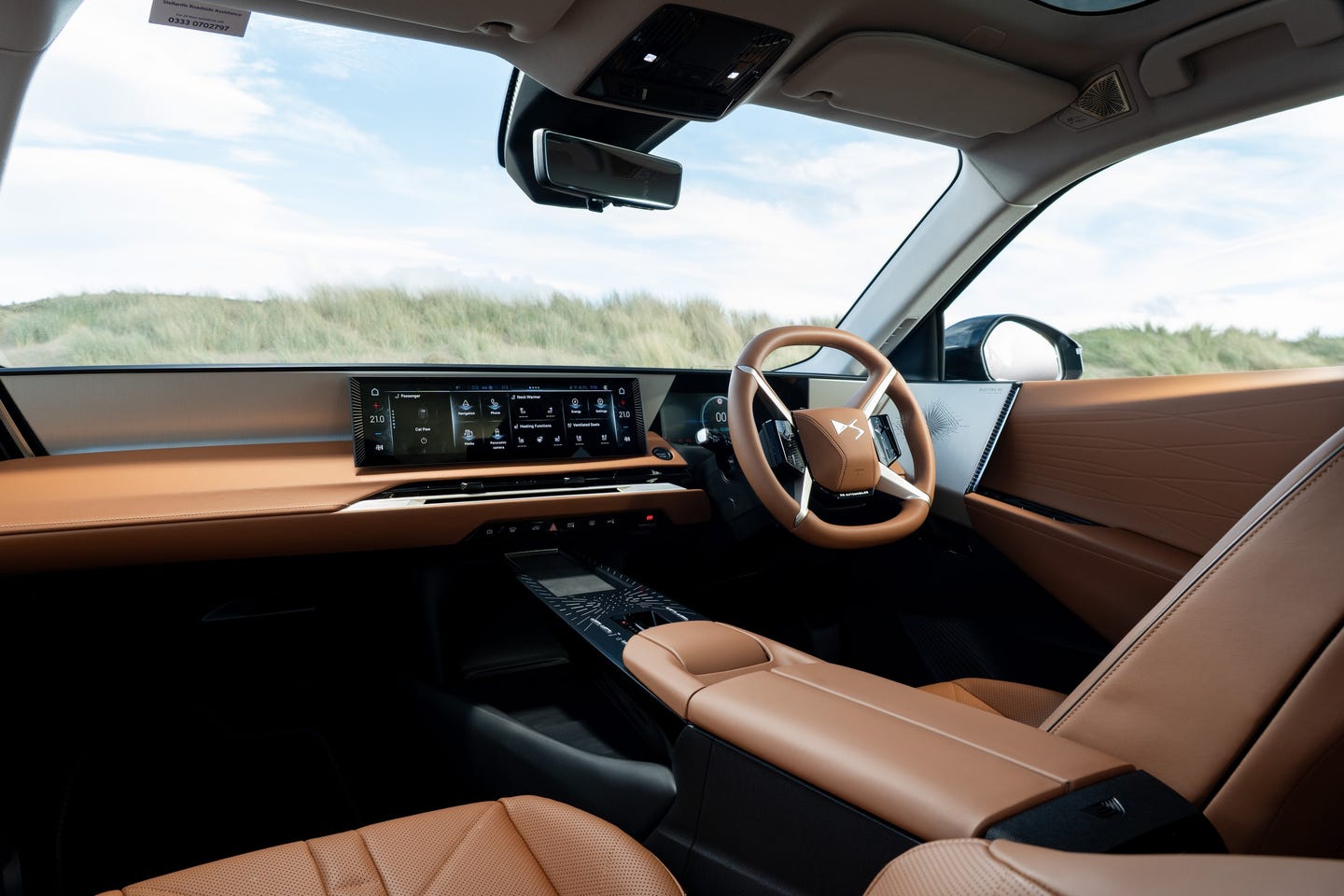
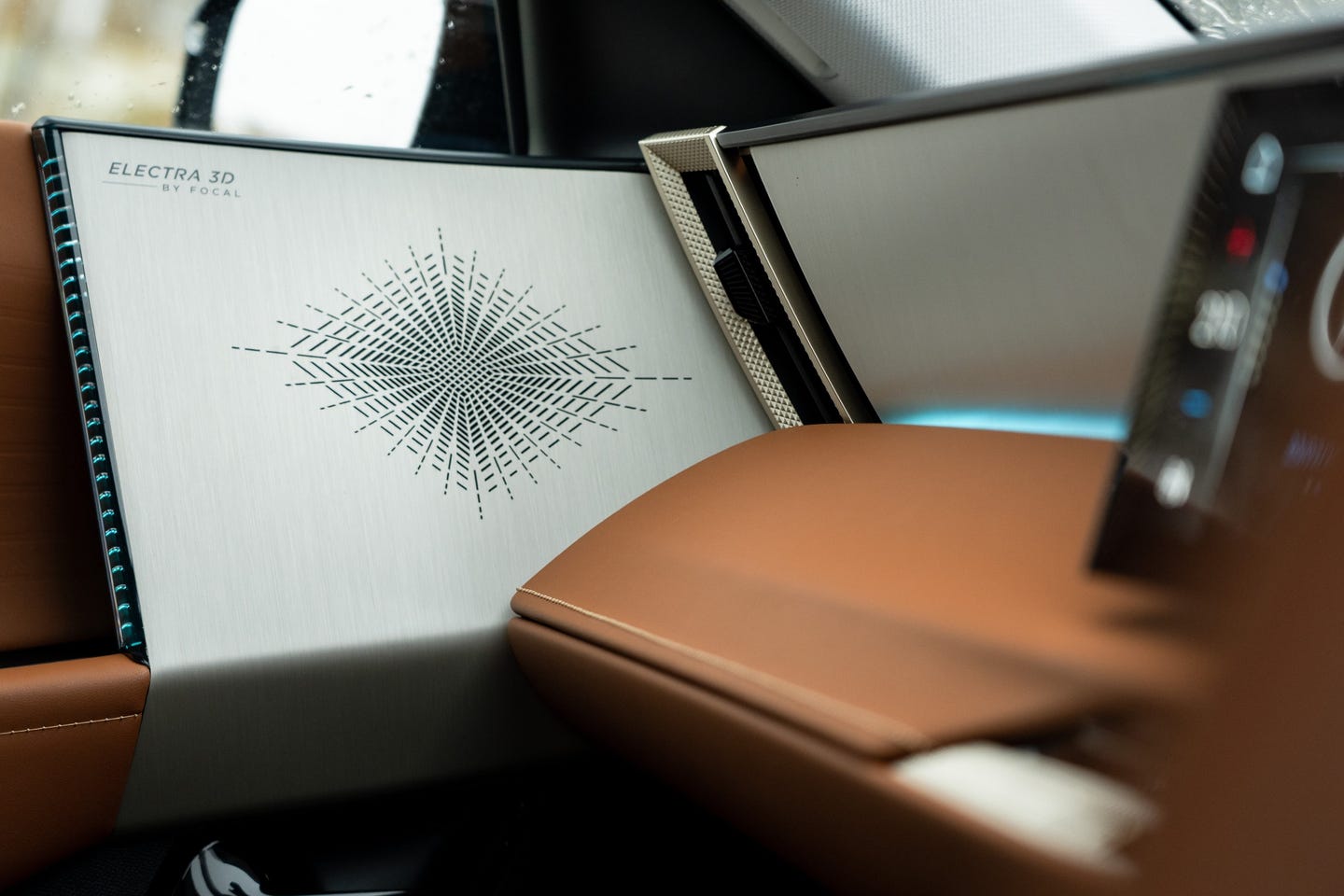
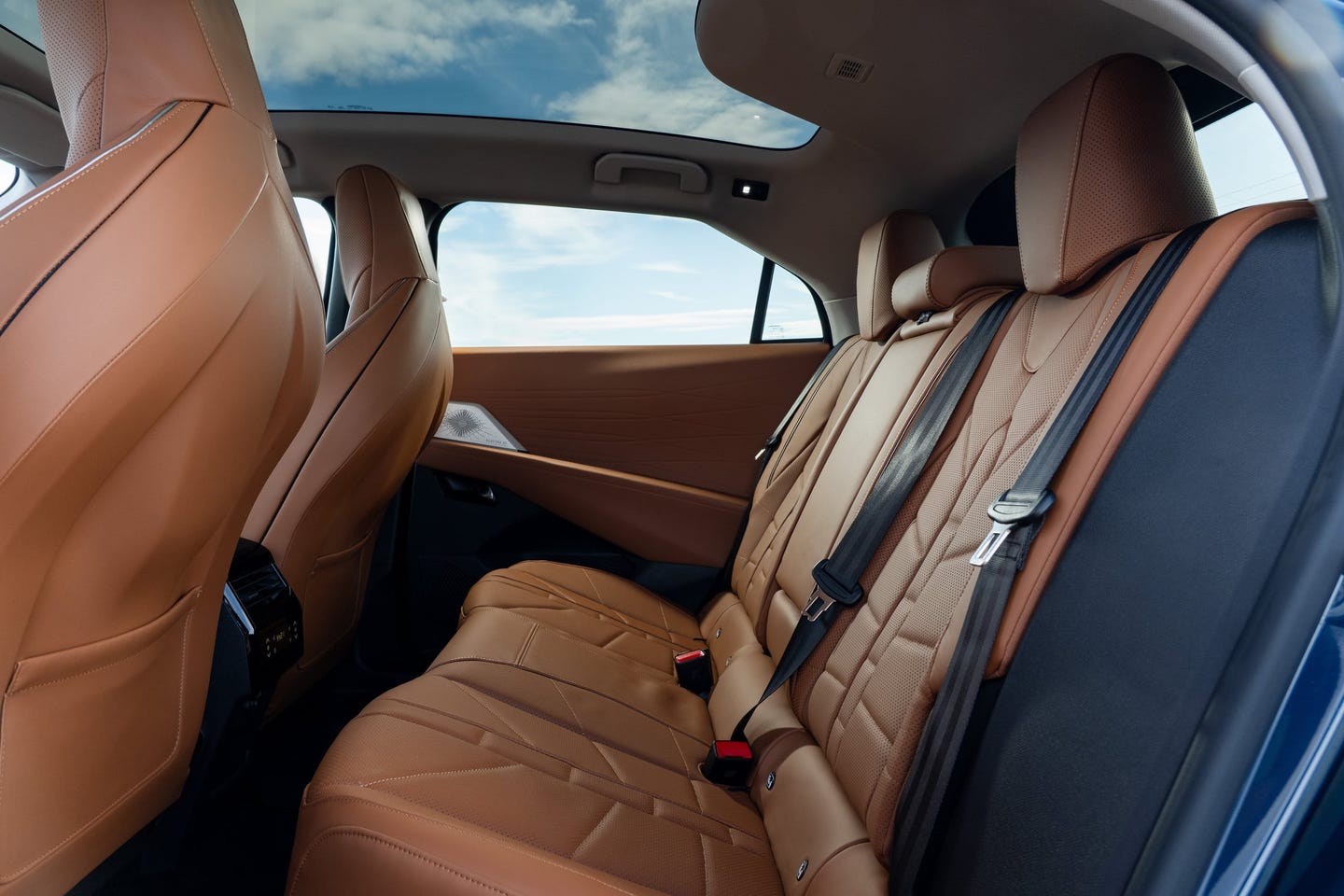
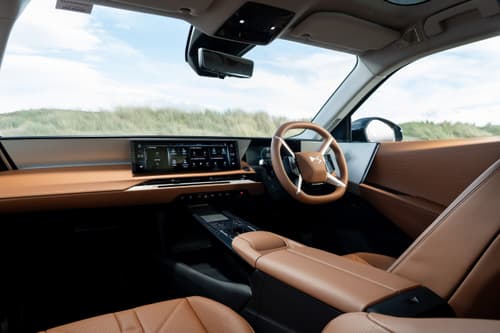
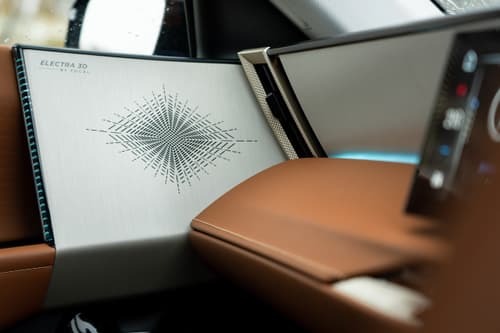
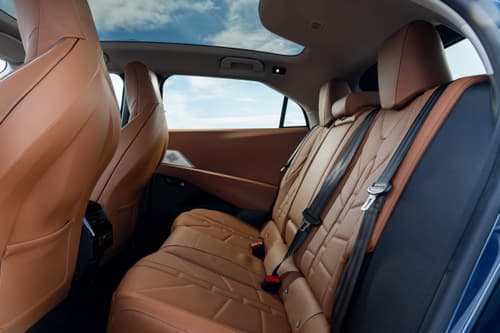
If you're a fan of holding the wheel at ten-to-two then it can dig into your palms in a slightly unrelaxing way, which is a shame given how posh the cabin feels in most areas. Classy brown ventilated Nappa leather seats are an option, and laser-etched speaker grilles form the interior door handles.
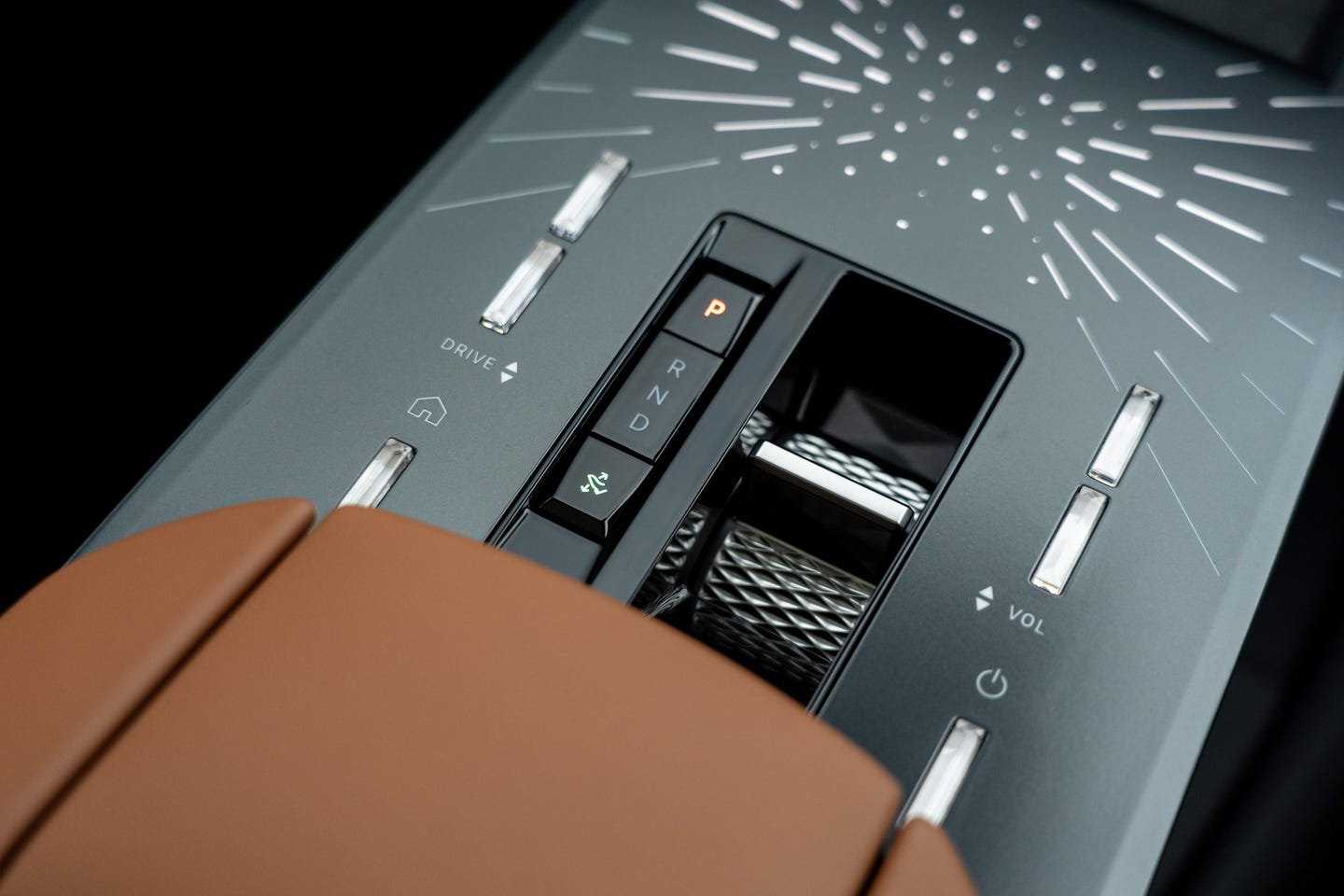
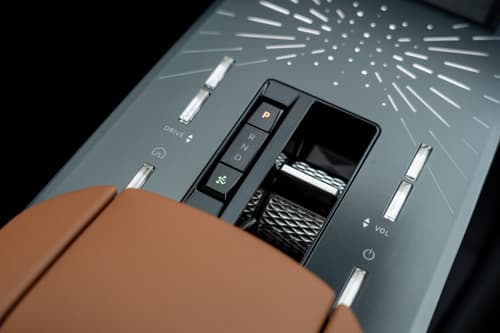
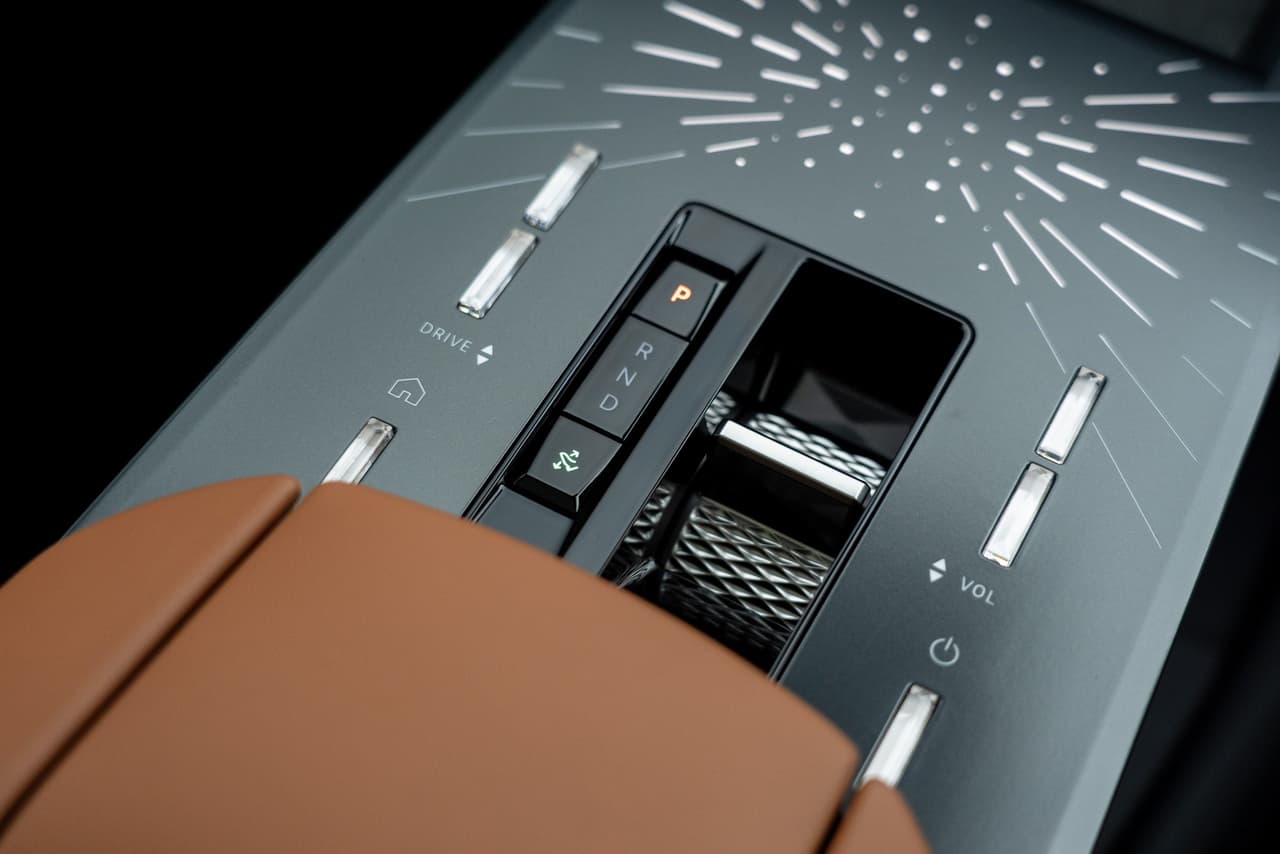
Put simply, the No.8's cabin is like no other car on sale… except for the gear selector which comes from the electric Vauxhall Corsa. D'oh.
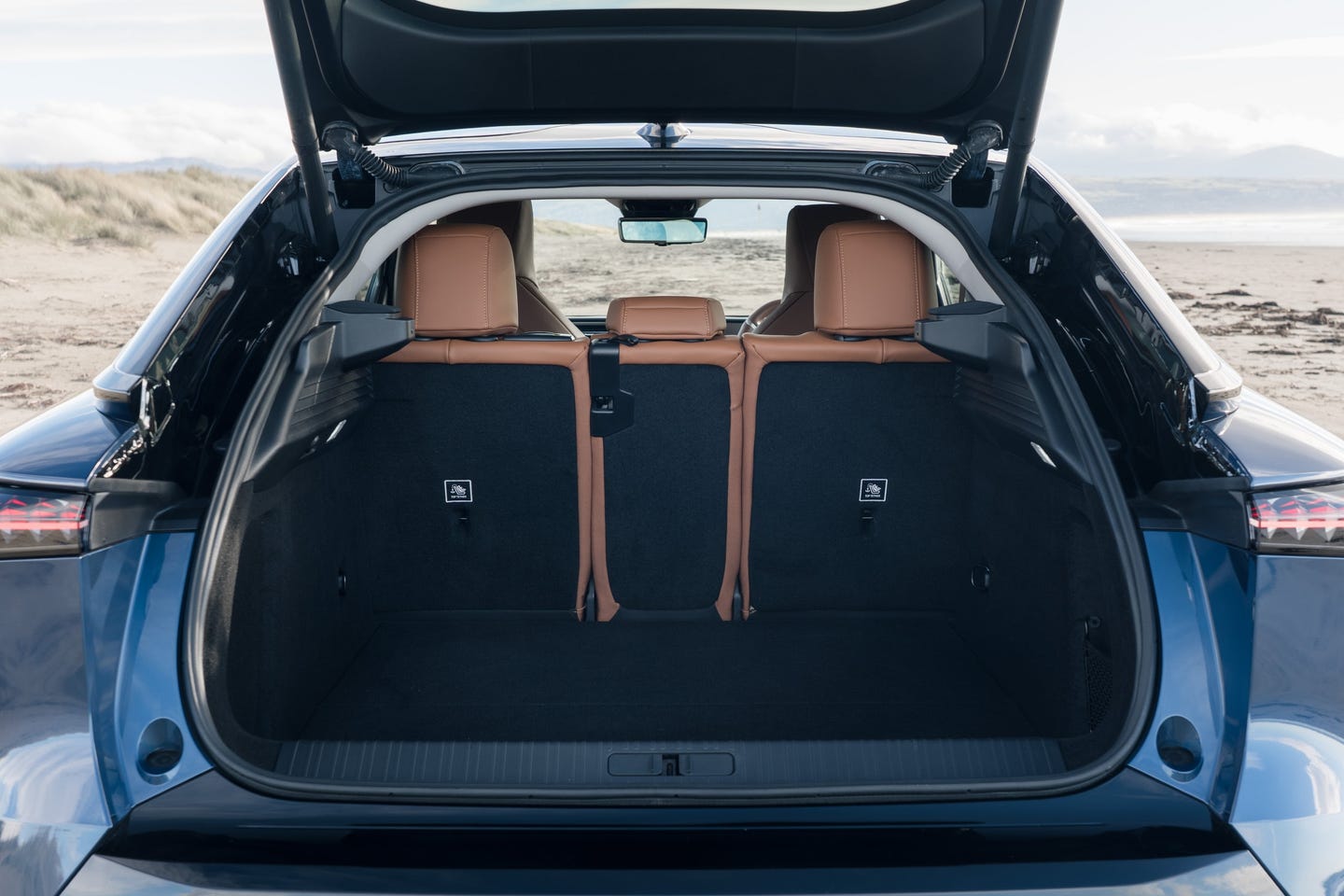
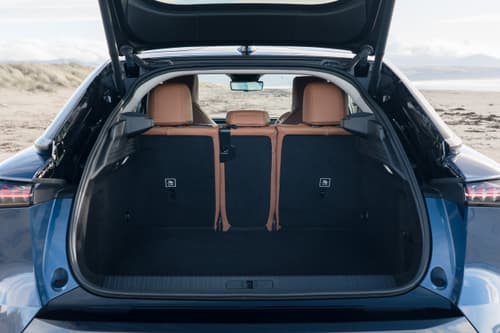
Practicality is a mixed bag too. Tall adults will hit their heads on the roof in the back seats, but the 620-litre boot is huge, helped by a tall hatchback opening rather than an awkward saloon-style lid.
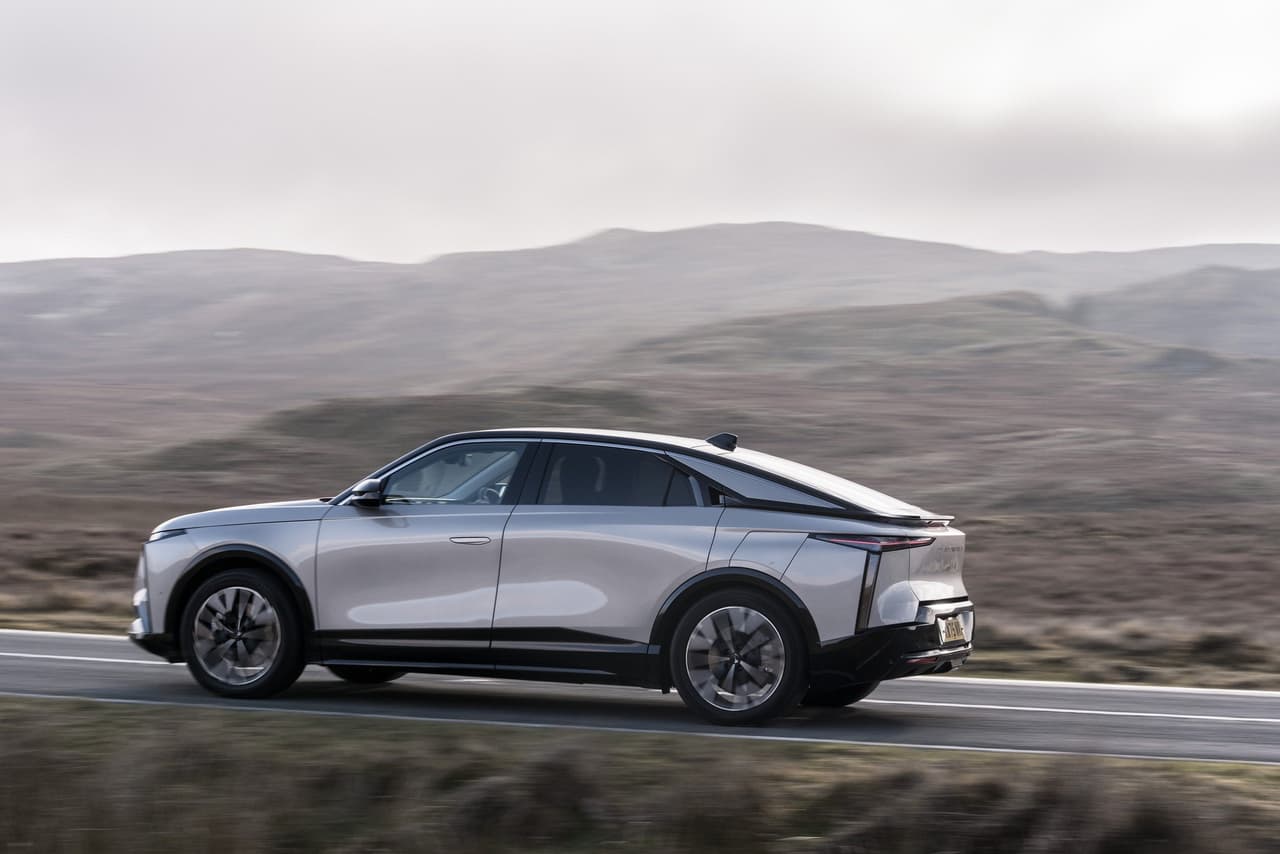
Out on the road, the top-spec 350hp all-wheel-drive version of the No.8 feels brisk rather than fast, but it's largely comfortable and the noise insulation is top-notch. Don't expect a full magic carpet experience from the camera-assisted suspension in top-spec models – you'll still feel most holes and bumps in the road. A Mercedes S-Class it is not.
The No.8 is not quite the consummate mile-muncher then, and our test car cost a bowel-loosening £69,000. Entry-level models will set you back £51,000 at the time of writing, but they only offer 329 miles of range and don't get the fancy suspension. We'd wait until they hit the nearly new and used market before taking the avant-garde plunge – but that relies on someone buying a new one...
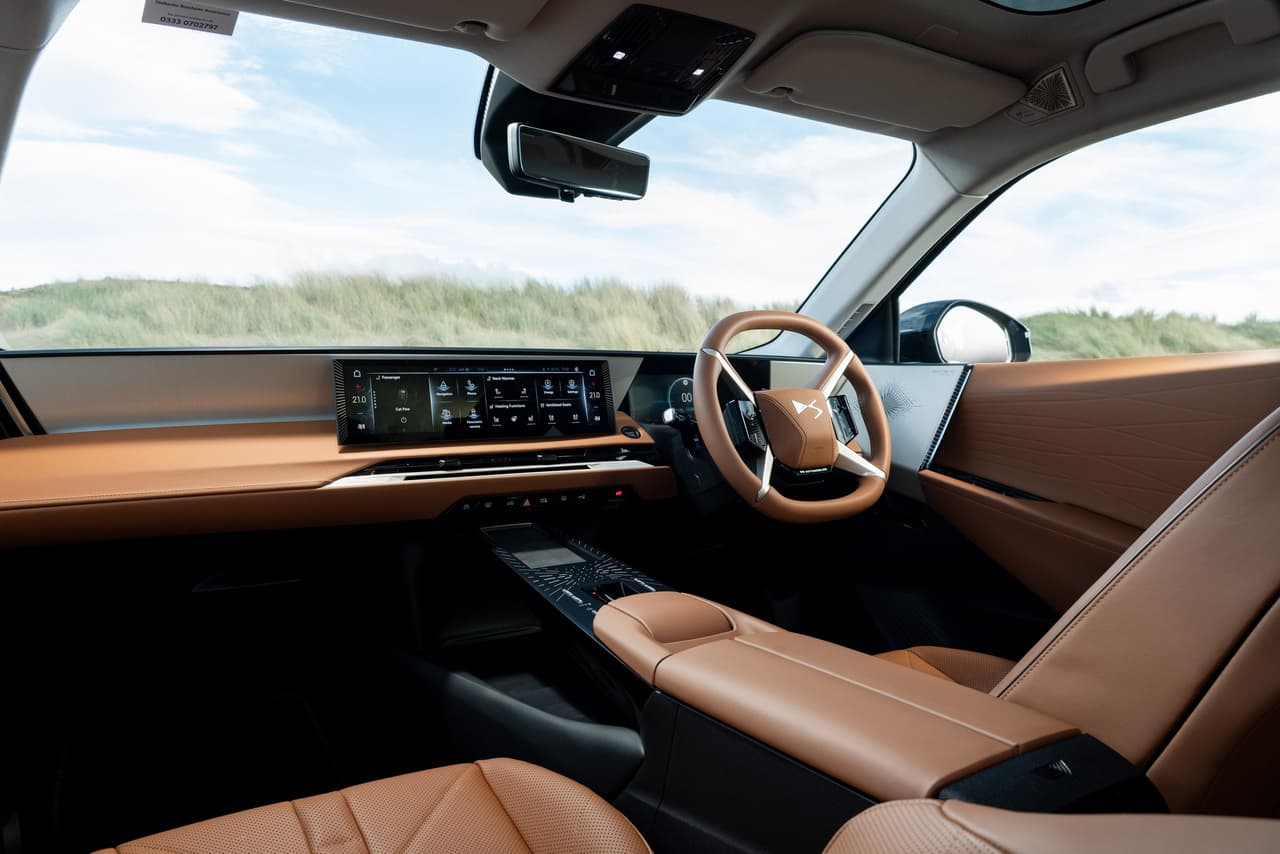
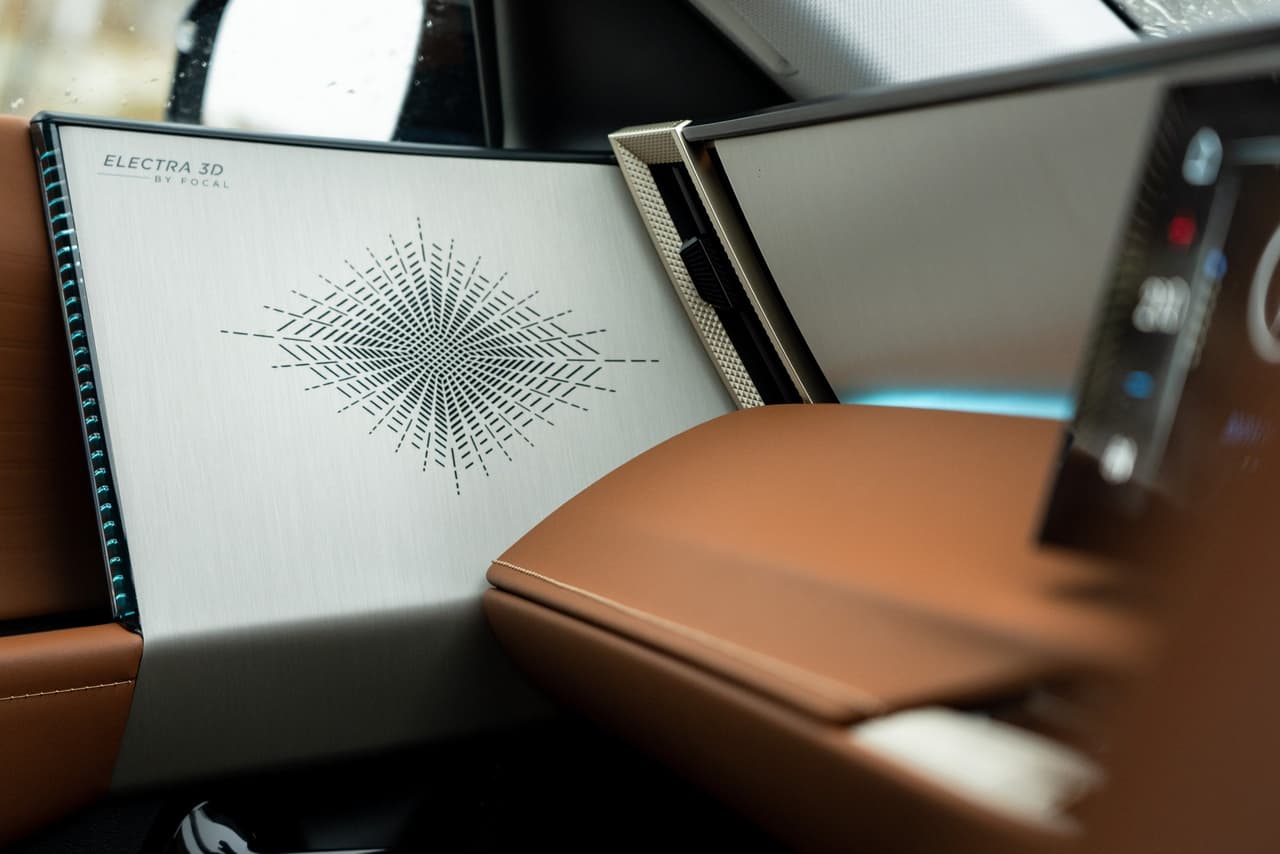
The No.8's interior has a wow factor that few other cars in this price bracket can match. Every inch of the cabin has some eye-catching (bordering on quirky) styling. From the white starburst pattern around the gear selector and wireless charging tray, to the rhomboid pattern etched into the giant speaker grilles which also form the door grab handles – the No.8's cabin is a real design statement.
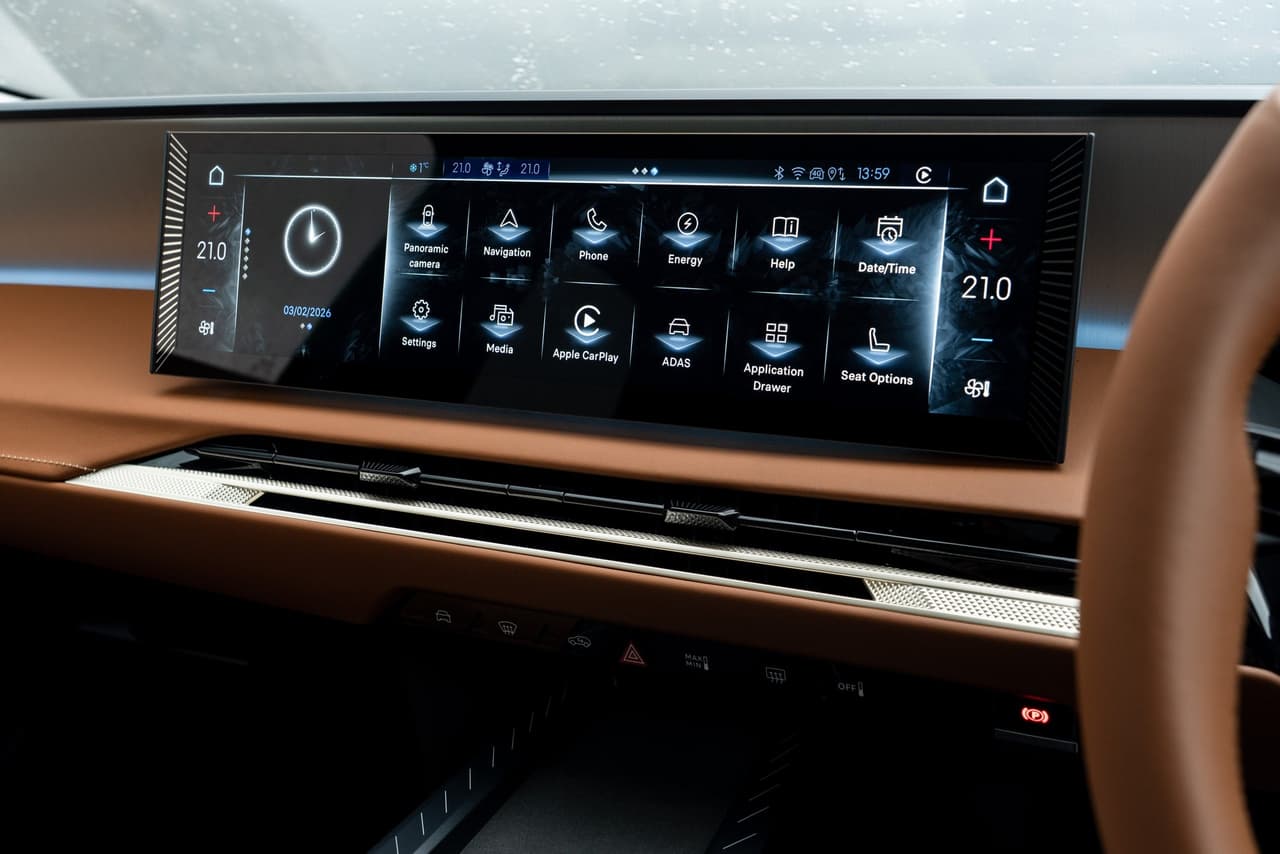
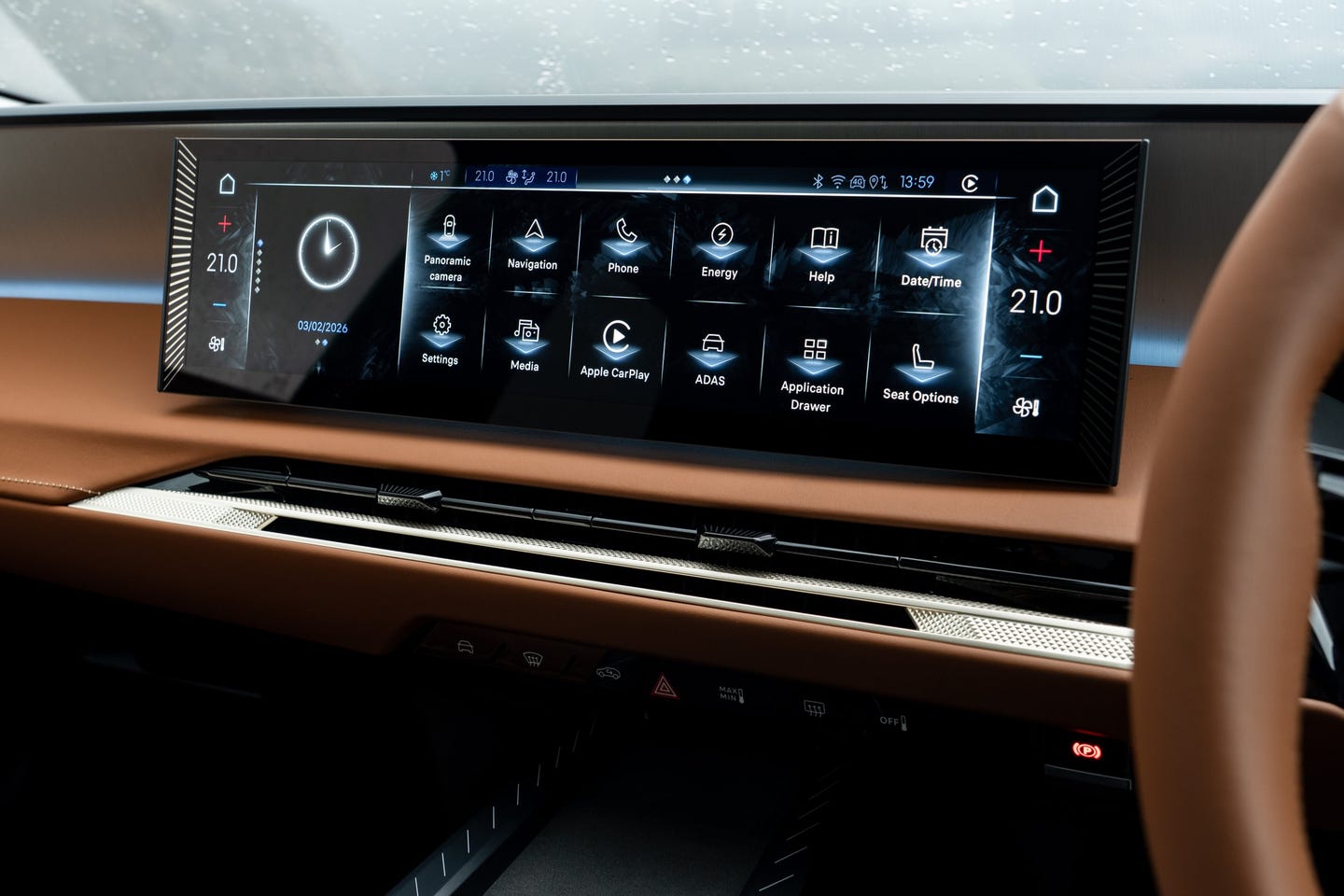
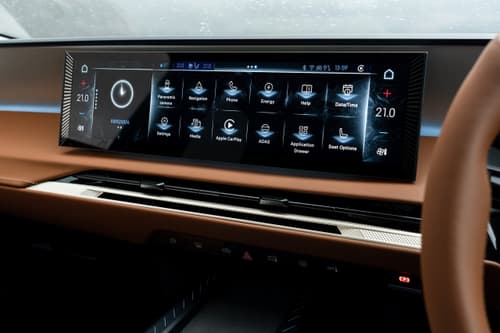
A wide 16-inch screen dominates the centre of the cabin. It packs the usual wireless Apple CarPlay and Android Auto smartphone connectivity options, but we found the layout to be a little confusing, with a real stretch needed to reach any onscreen elements on the far left of the screen. You also have to use the screen to adjust the climate control functions, and it's just a bit fiddly until you get used to it.
The driver's display is a 12.25-inch screen, which is easy to read, and it's paired with a head-up display that's standard even on entry-level Pallas models.
Pallas models get a heated steering wheel and front seats, while top-spec Etoile models can be optioned with an 'Absolute Comfort Pack', giving you ventilated front and rear seats, the fancy 14-speaker Electra 3D by Focal sound system, and – most importantly – a neck warmer on the front seats.
We weren't too sure how valuable a neck warmer is in a non-convertible car, but just having a little bit of warm air blowing on your neck is a guaranteed mood-improver. Well done, DS. Now if you could just make it whisper sweet nothings in French…
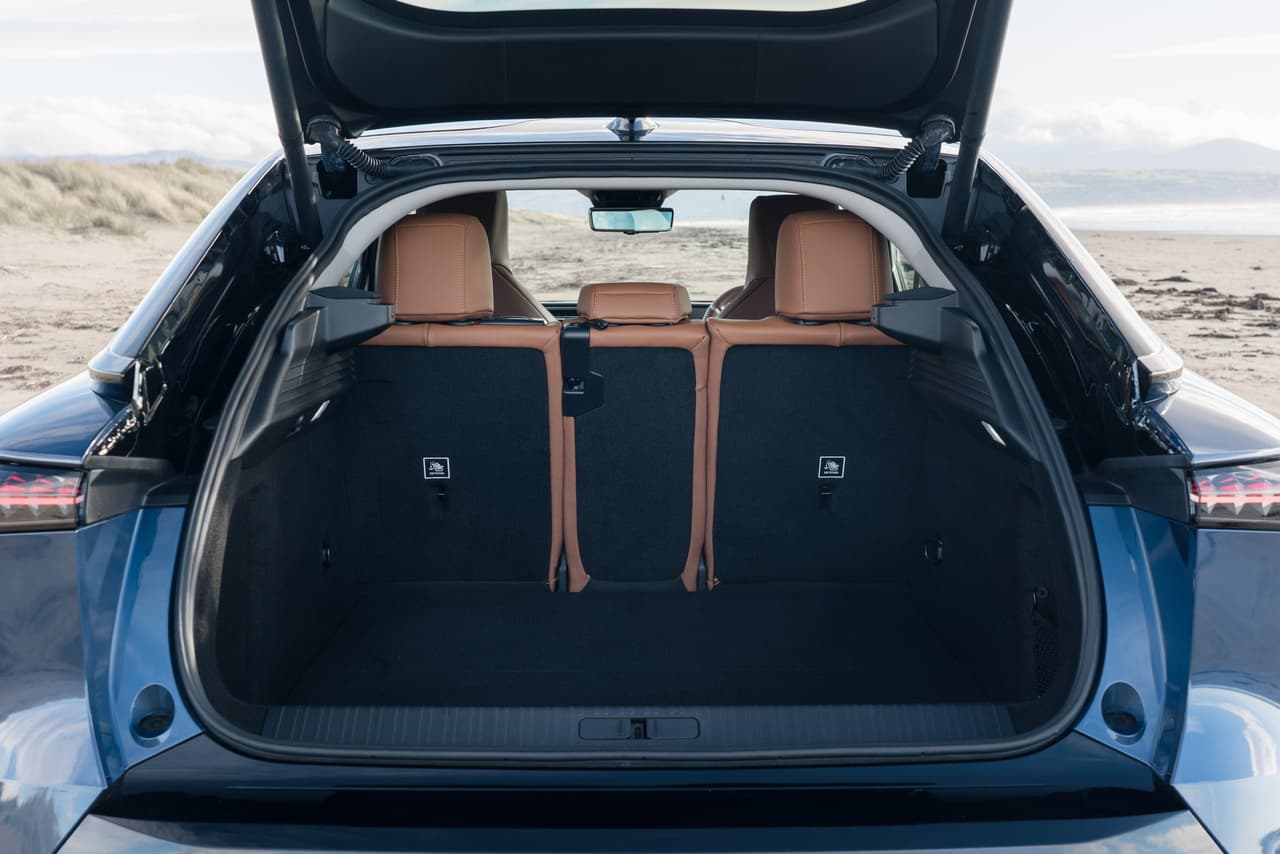
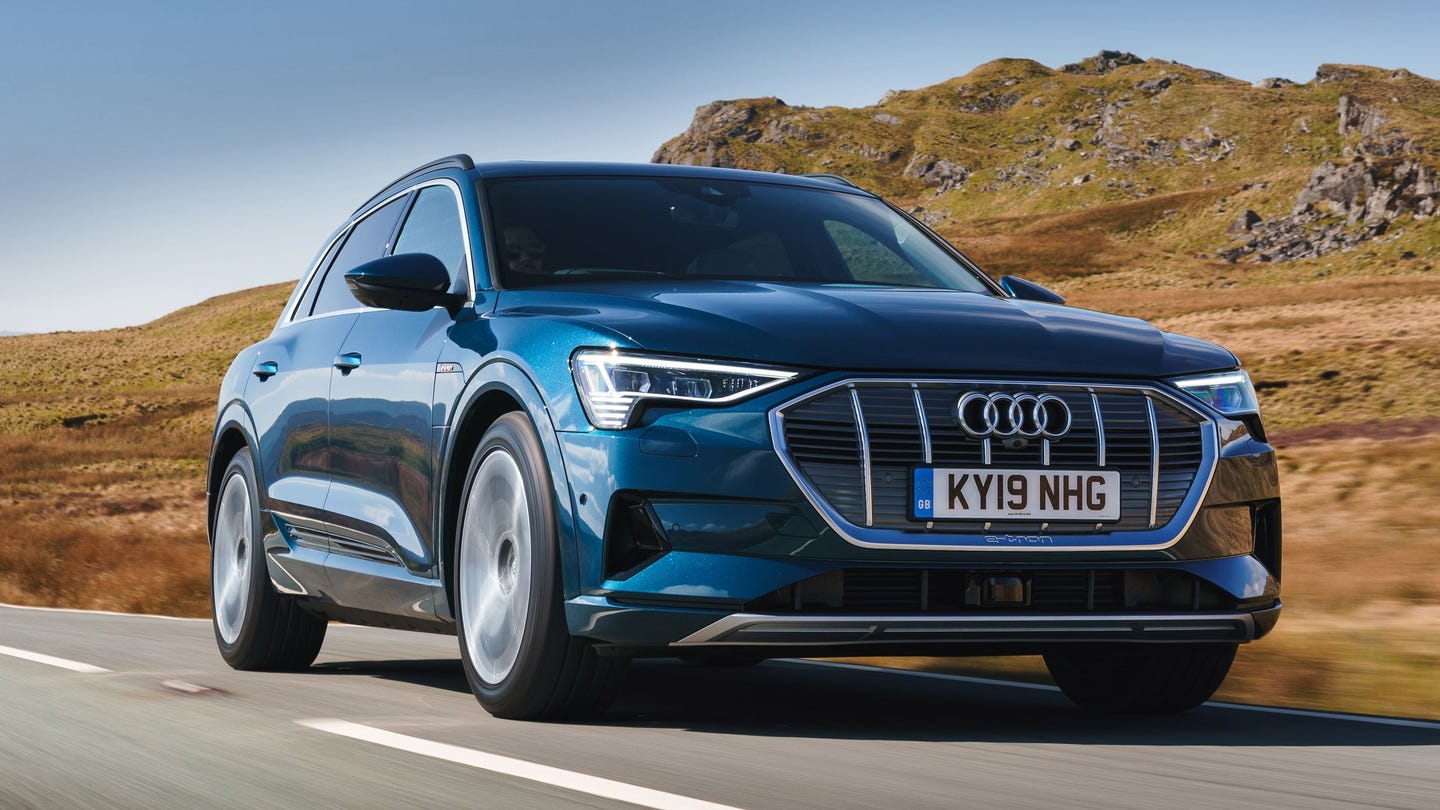
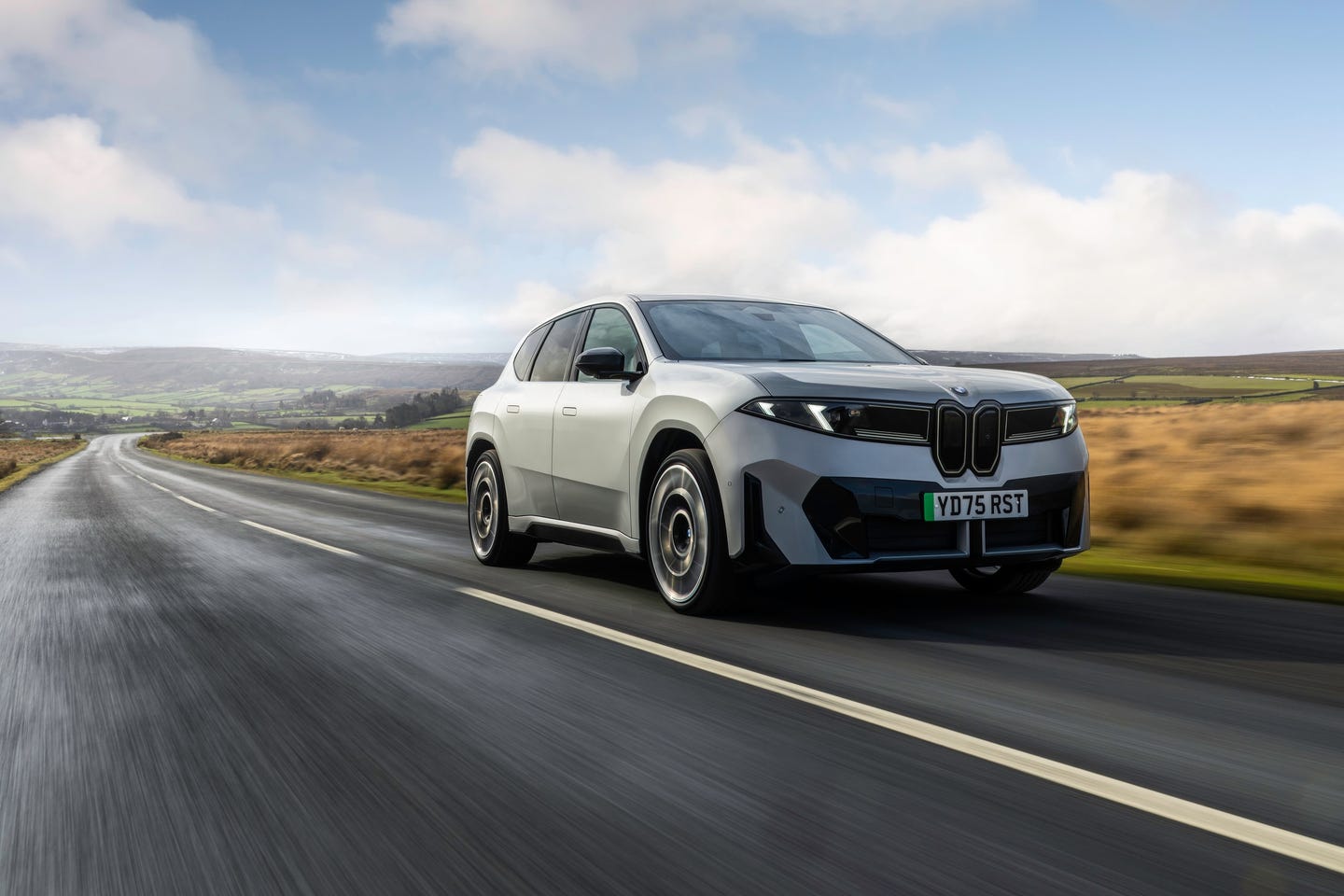
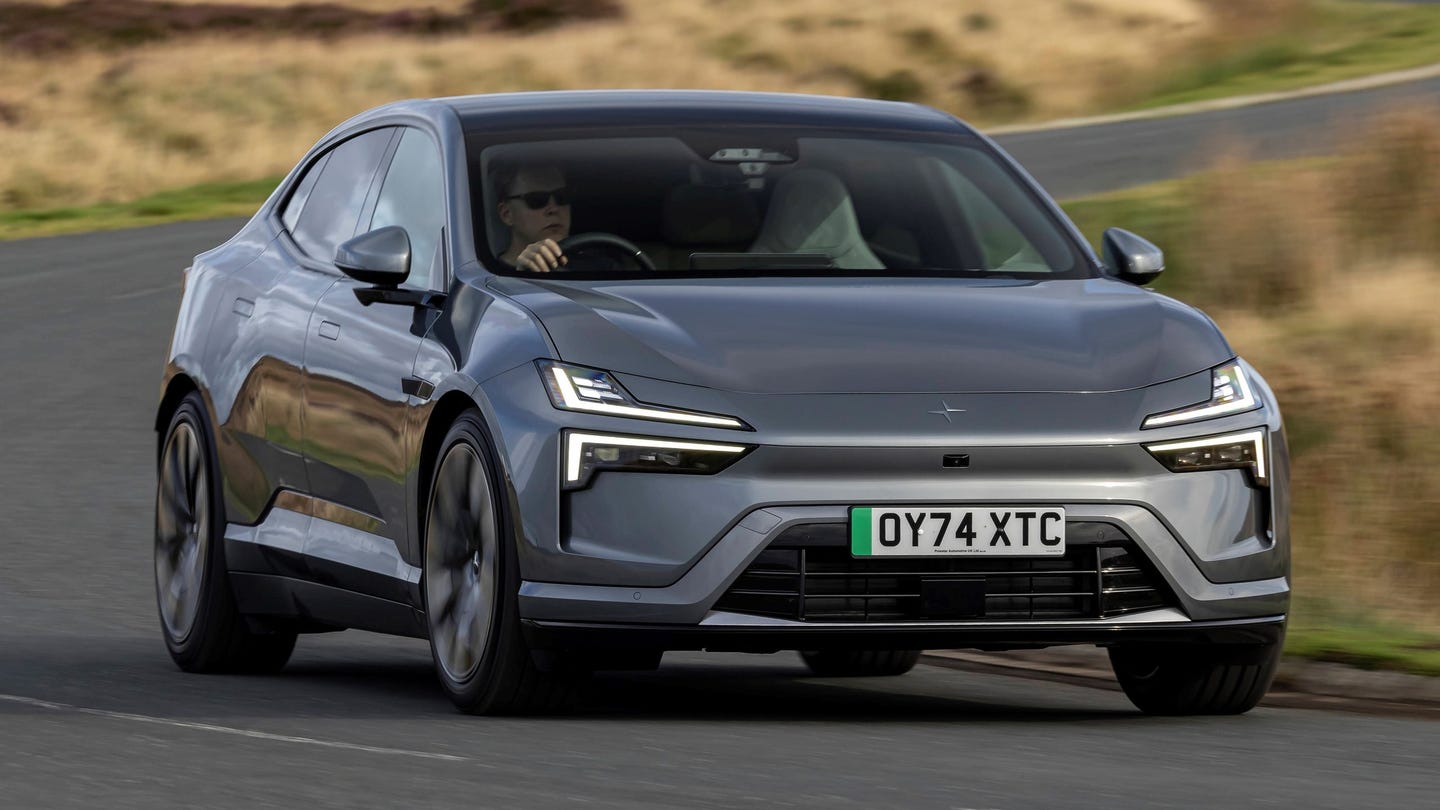
The DS No.8 isn't a small car – at 4.82m long it's technically a rival for electric SUVs such as the new BMW iX3, the rear-windowless Polestar 4 and even the Audi Q6 e-tron. The DS certainly does well when it comes to boot space – 620 litres is not to be sniffed at, and it'll easily swallow a couple of large suitcases and a few carry-on bags on an airport run, thanks to a depth of almost 1.2 metres from the load lip to the rear seatbacks. The electric-opening bootlid lifts up with the window glass just like a hatchback, so although the sloping roofline prohibits the loading of really tall objects, access to the full boot won't break your back.
You get a reversing camera on entry-level Pallas models, but upgrading to an Etoile nets you a full 360-degree camera, though as with other Stellantis models, the quality isn't exactly 4K. As for towing, the DS No.8 has a maximum braked towing capacity of 1.2 tonnes.
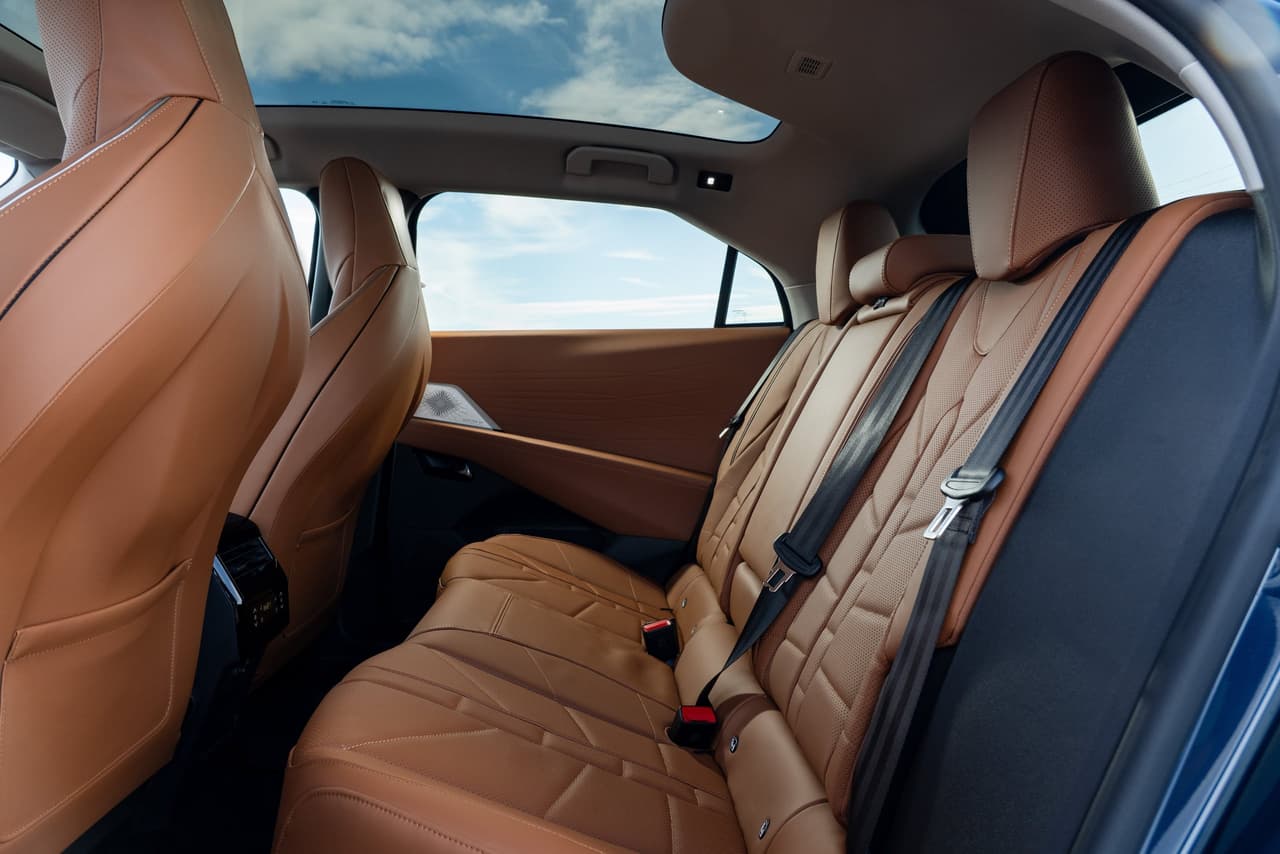
Back-seat space in the DS No.8 is good in terms of leg room, but there's not quite enough headroom for tall adults – our 6'3" test subject couldn't lean all the way back before banging his bonce on the glass sunroof, despite cutouts for heads in the rooflining.
Unlike many more premium brands, the top-spec No.8 gets ventilated and heated outer rear seats, and you get a couple of USB-Cs in the back, as well as a zone of climate control.
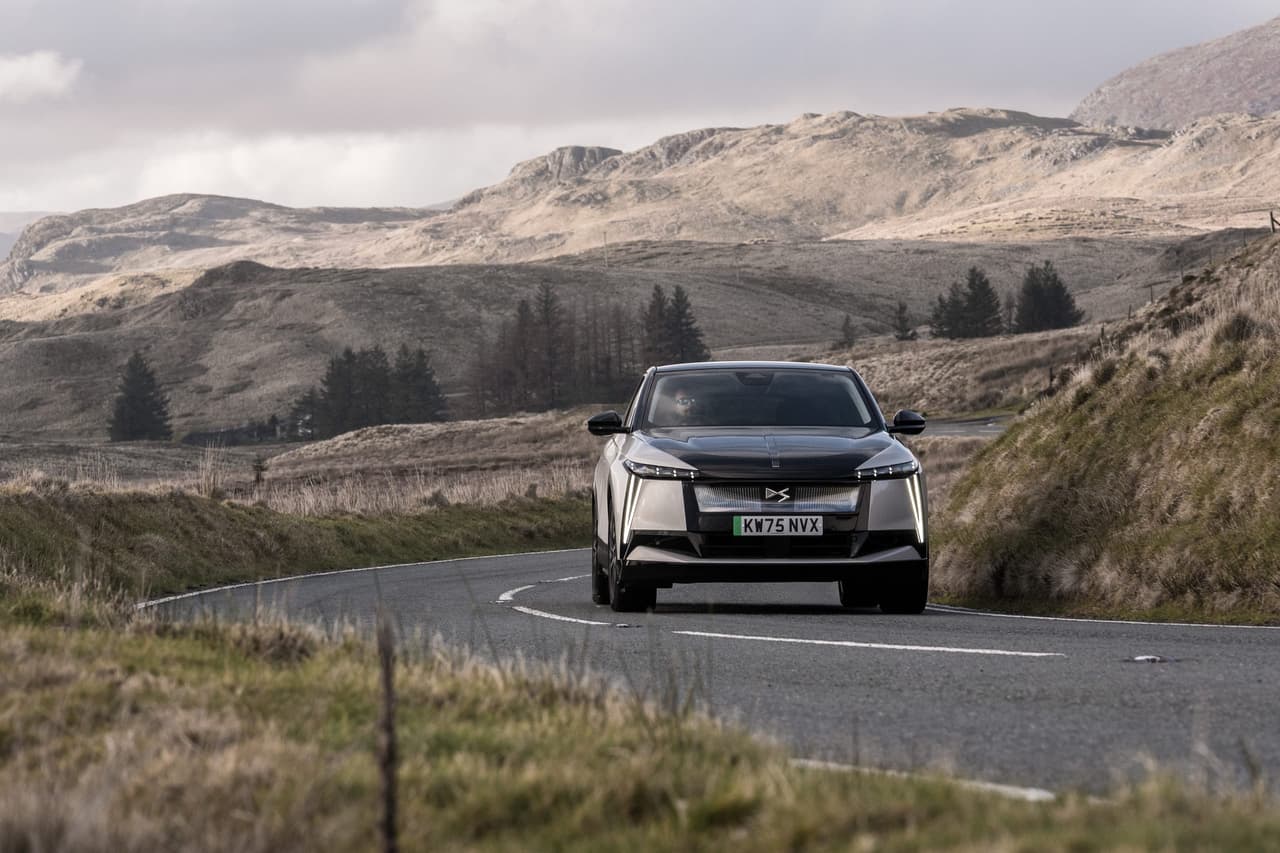
Standard-range versions of the DS No.8 offer up to 341 miles of range courtesy of a 74kWh battery, which feeds a front-mounted 230hp motor for a 0-62mph time of 7.7 seconds.
Long range versions get a 97.2kWh battery for up to 466 miles of range in front-wheel-drive configurations, or 427 miles in dual-motor variants. Long range FWD (front-wheel-drive) versions have 245hp and a 0-62mph time of 7.8 seconds, while all-wheel-drive versions pack 350hp and a 0-62mph time of 5.4 seconds.
The DS No.8 can fast-charge at up to 160kW, meaning it can get from 20-80% in 27 minutes. While the peak speed is a little behind the Polestar 4's peak of 200kW, the engineers at DS proudly claim the No.8's charging curve maintains its 160kW peak for longer than the Polestar 4 can maintain the same rate.
All No.8 models come with a heat pump as standard to help minimise the impact cold weather has on your driving range.
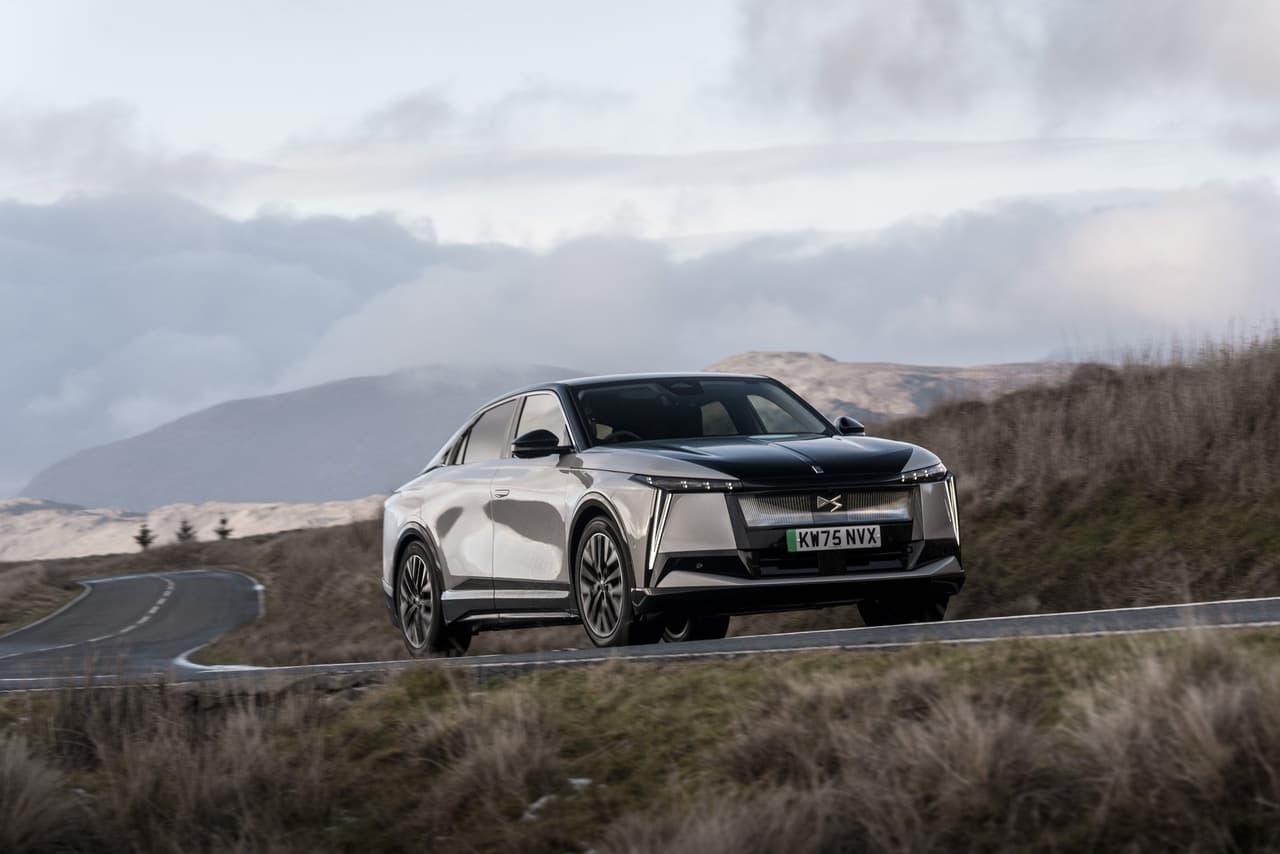
The DS No.8 is marketed as a soft-riding car to crank out long distances in complete serenity – something akin to long-haul business-class air travel, if the marketing bumf is to be believed. While the motorway refinement is impressive – there's little wind or tyre noise – it's been achieved by the use of heavy sound-deadening material and thick windows, rather than a lightweight noise-cancellation system as seen in the BMW iX3.
While the high-density foam seats fitted to the No.8 are supremely comfy (and again, that neck warmer is a game changer), the camera-controlled suspension fitted to Etoile models doesn't quite deliver the magic-carpet ride we'd hoped for. The system scans the road ahead and automatically adjusts the car's damping to cope with any lumps or bumps in the road. It's only active when you've selected the comfort driving mode, and it'll deactivate when the car can't see ahead – such as when it's foggy.
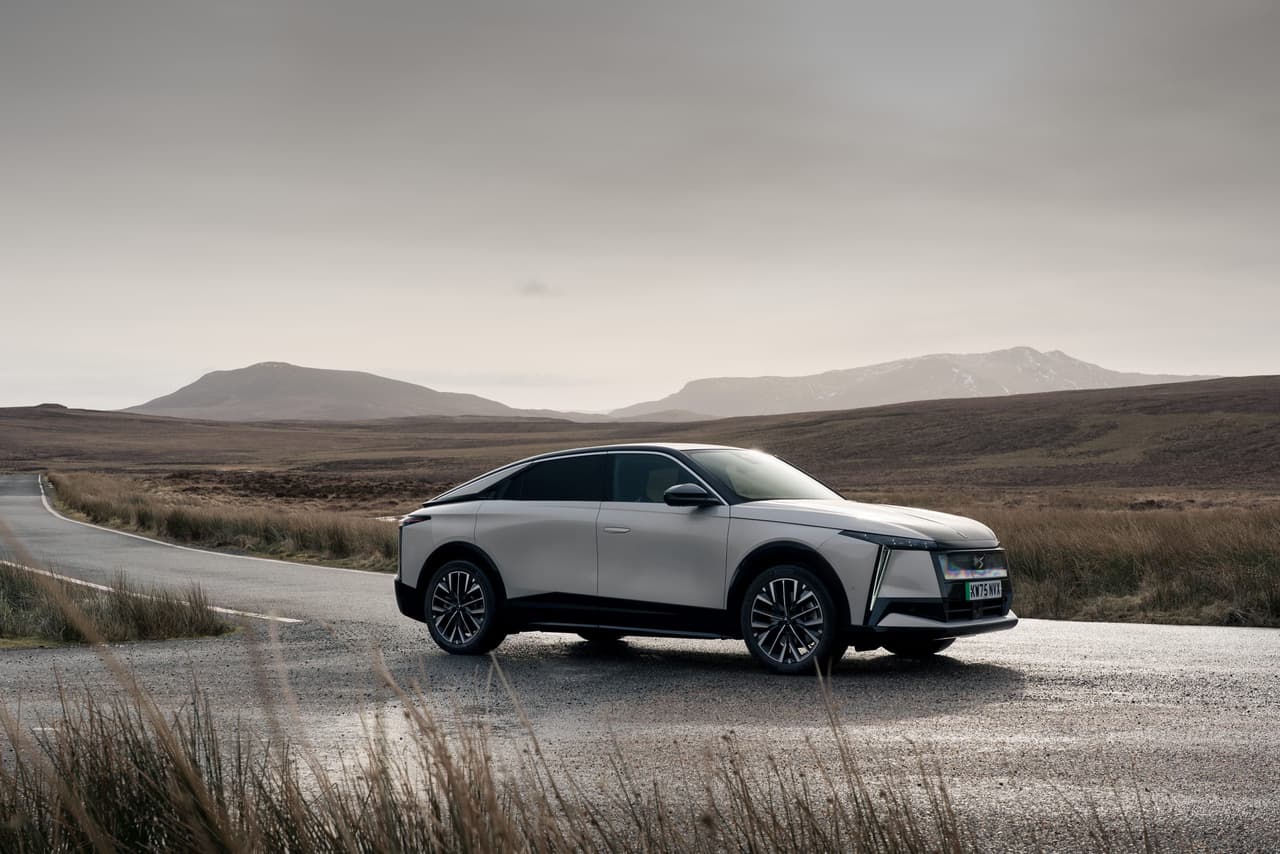
Generally speaking, the No.8 does ride well, but it doesn't take the sharp edge off potholes as well as we'd hoped, and it doesn't feel especially pillowy. It leans a little in faster corners, and it doesn't ever encourage you to drive in anything other than a relaxed manner. There's also a soft edge to the power delivery, even in the 'fast' 350hp model.
Perhaps the biggest quirk to the No.8's driving experience is the one-pedal driving mode. Accessed using a button near the gear selector, this does the usual trick of slowing you to a stop when you come off the accelerator. However, the No.8's brake pedal physically moves as the system works, and we often went to use the brake pedal with our foot, only to find it half an inch further away than we expected, resulting in some jerky brake inputs. It's a little unnerving, and a lot annoying. Rather than use the one-pedal mode, we'd recommend using the gear shift paddles to cycle through the three available levels of brake regeneration.