







The 10 best vegan-friendly cars

Mike Vousden
•
Choosing A Car

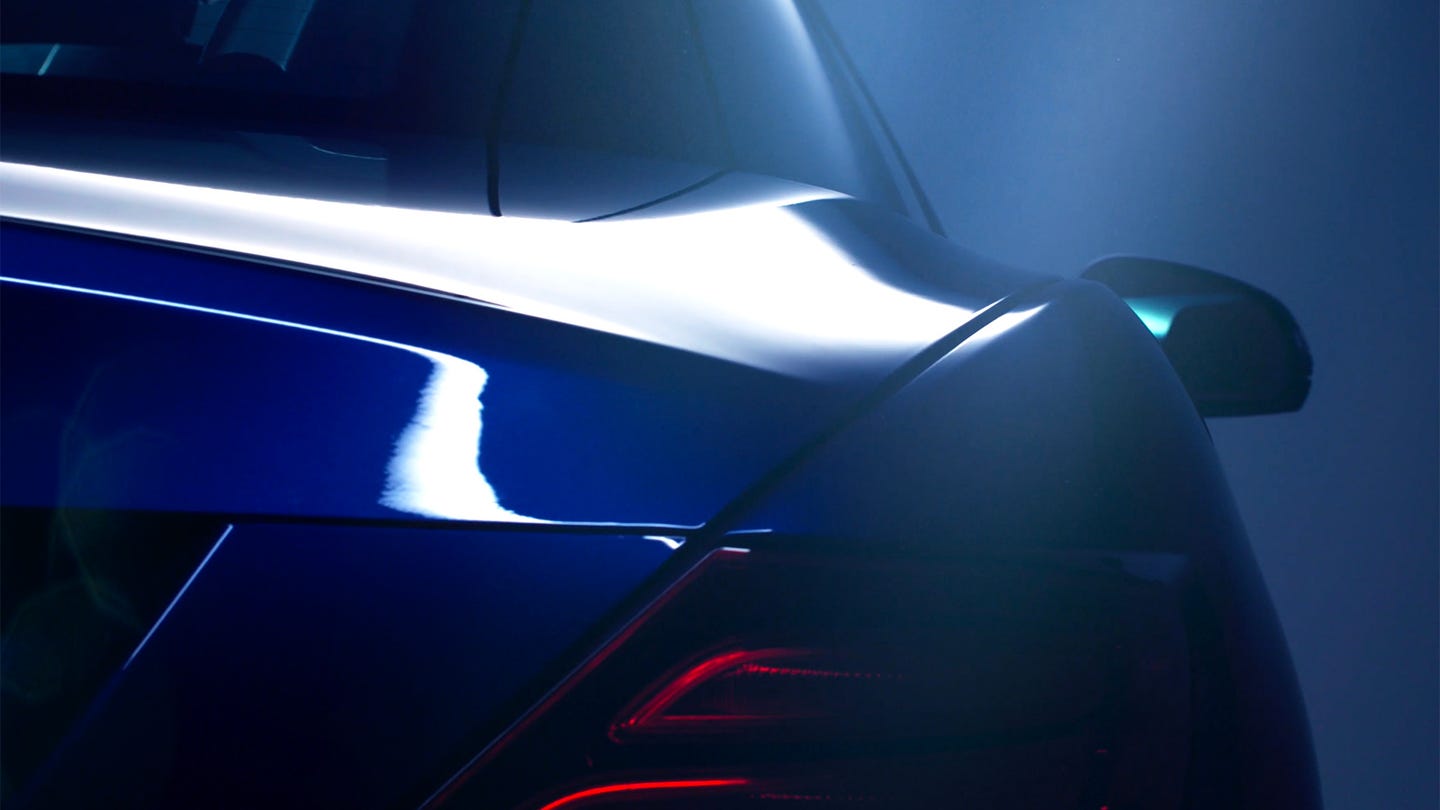
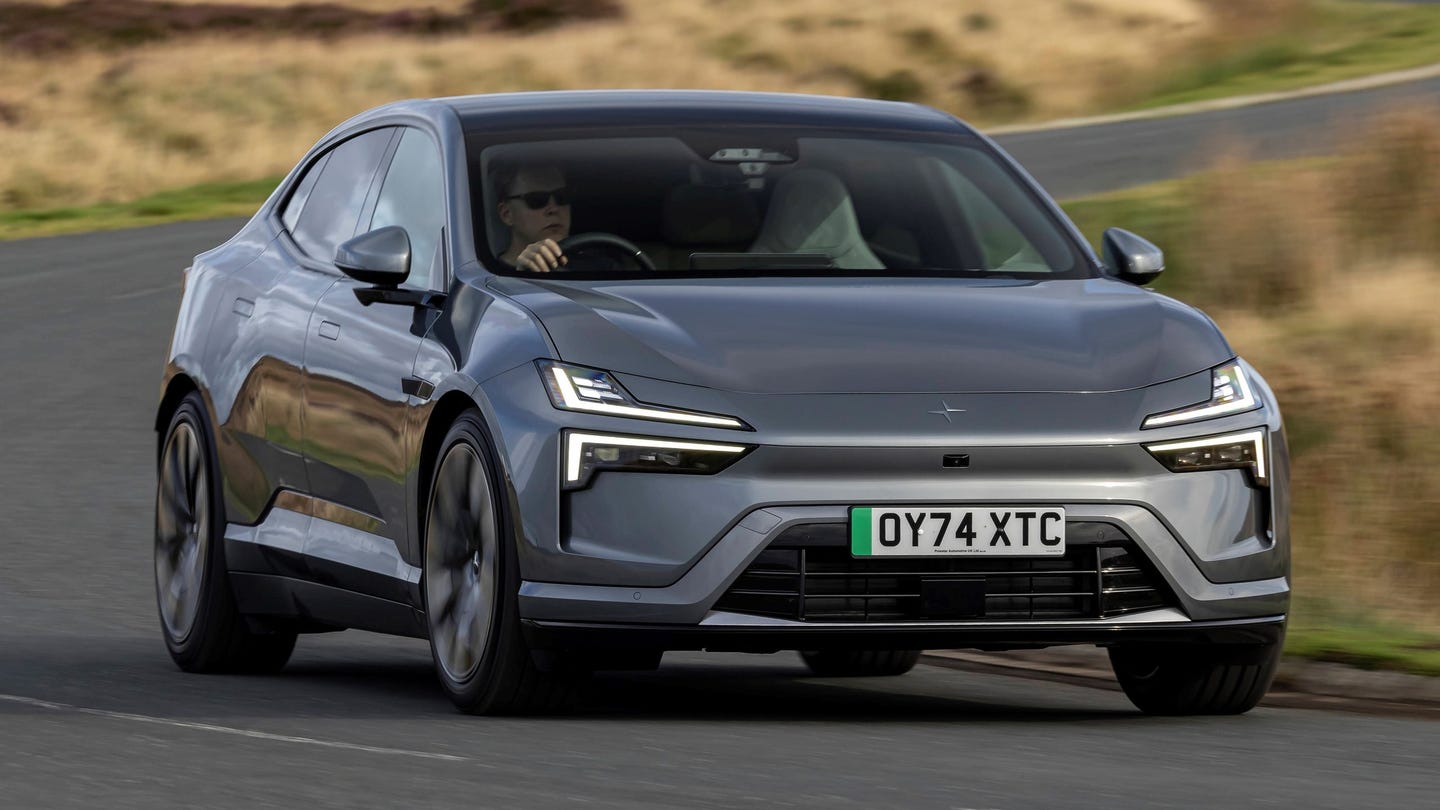
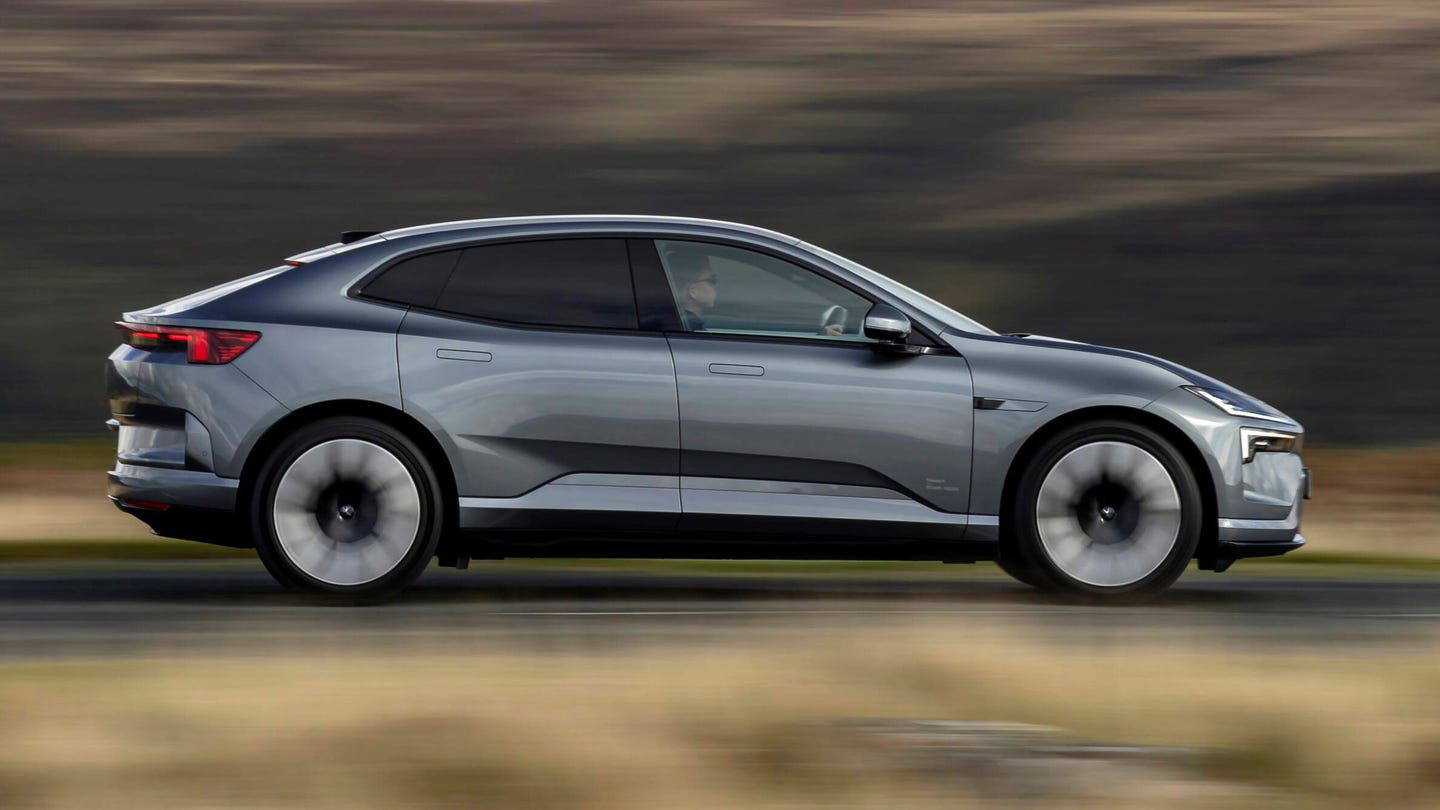
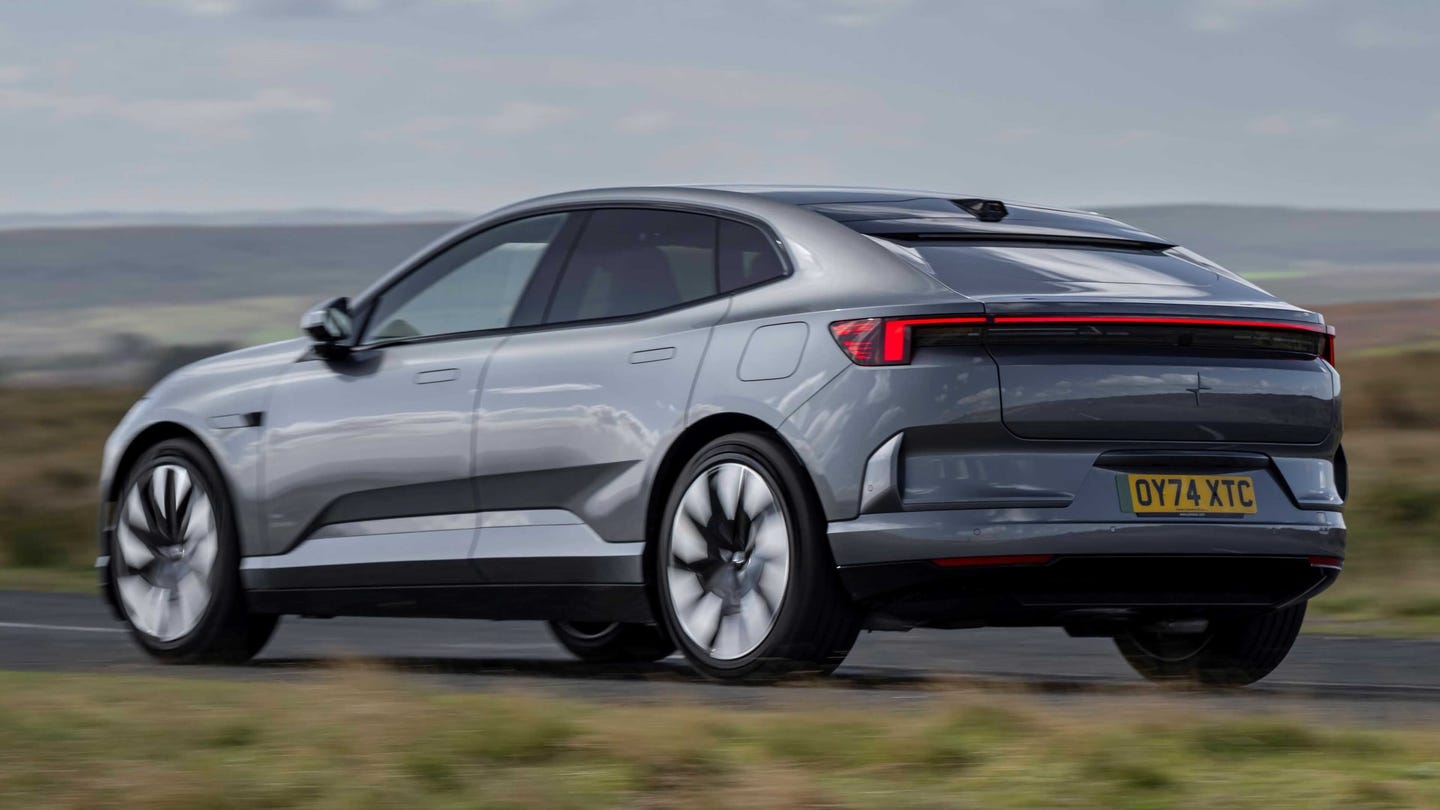
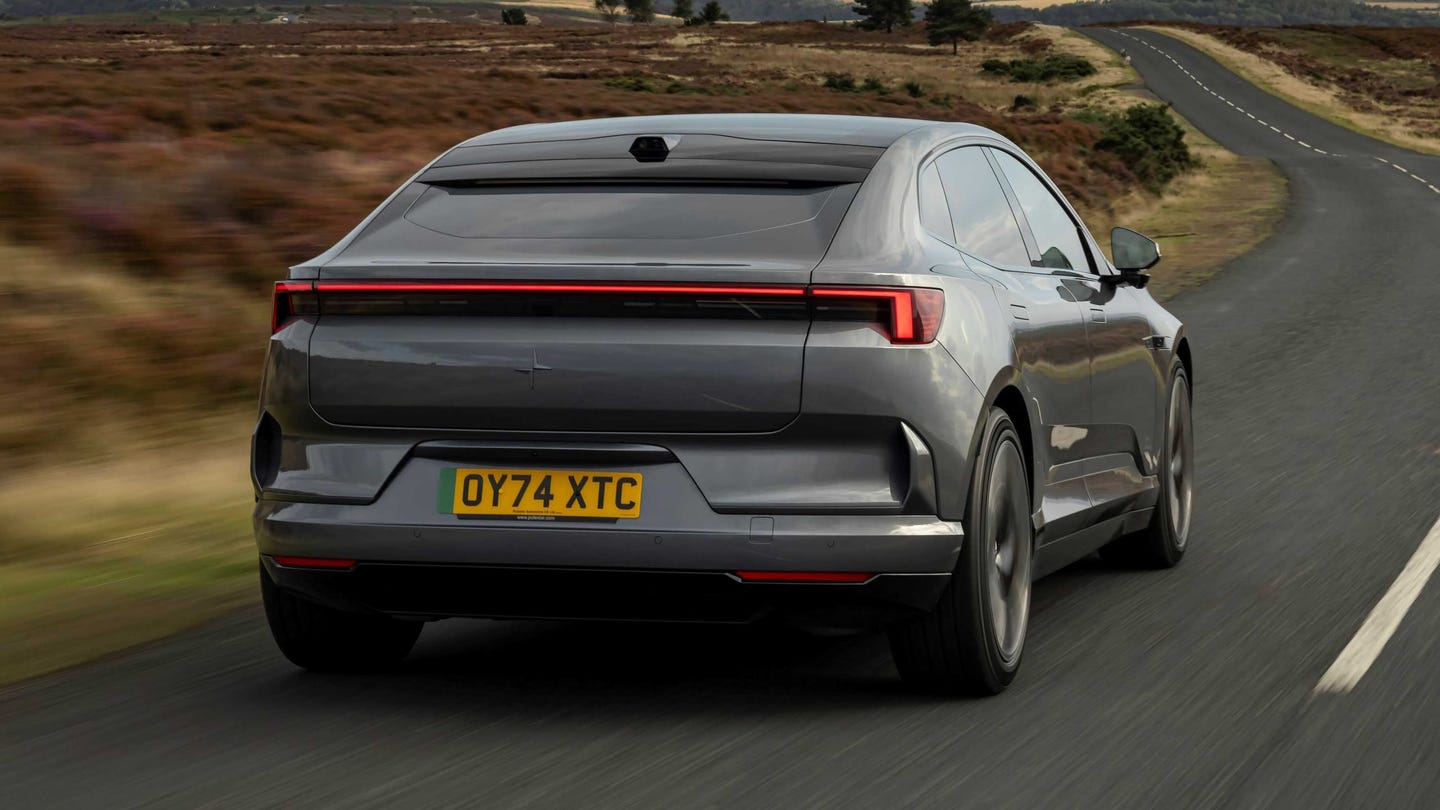
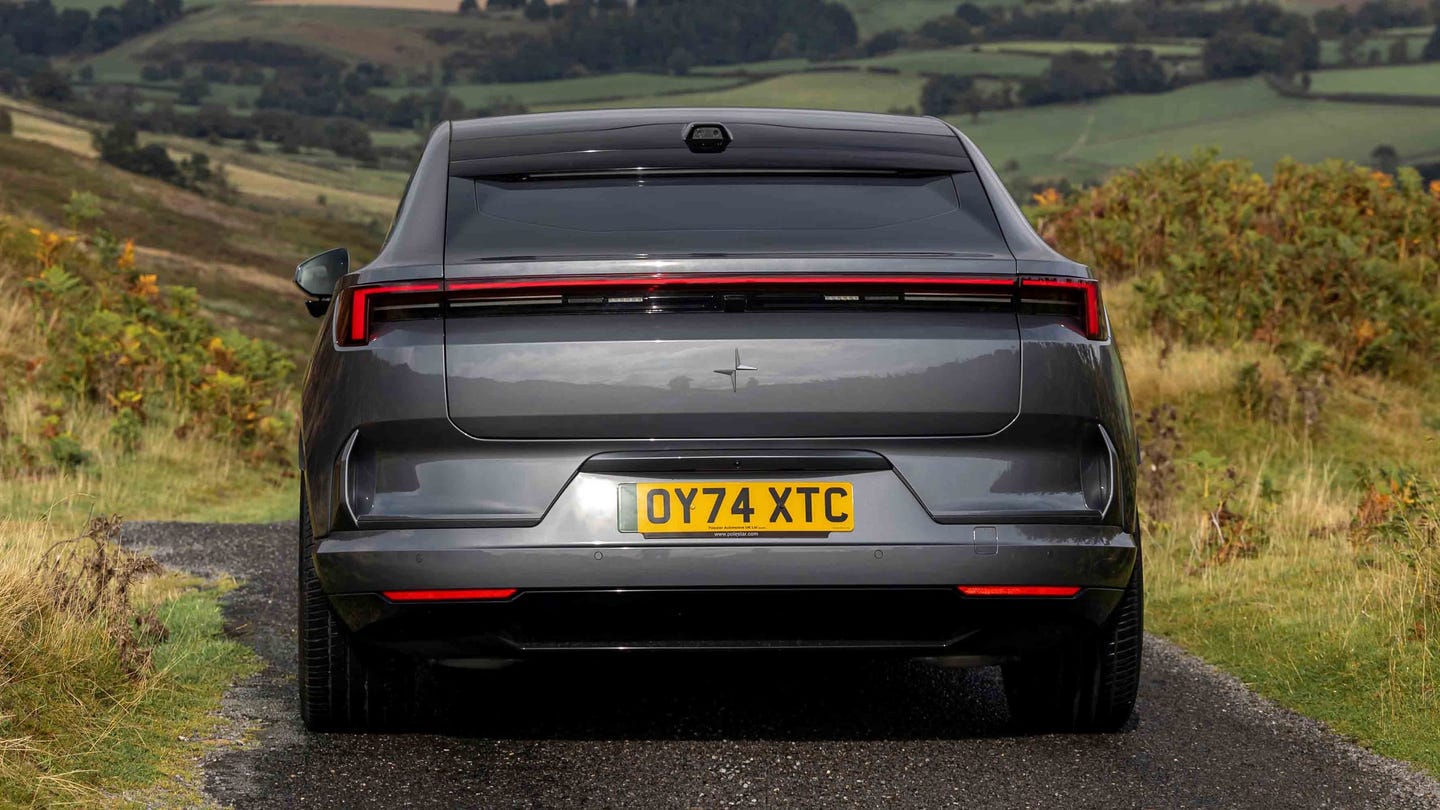
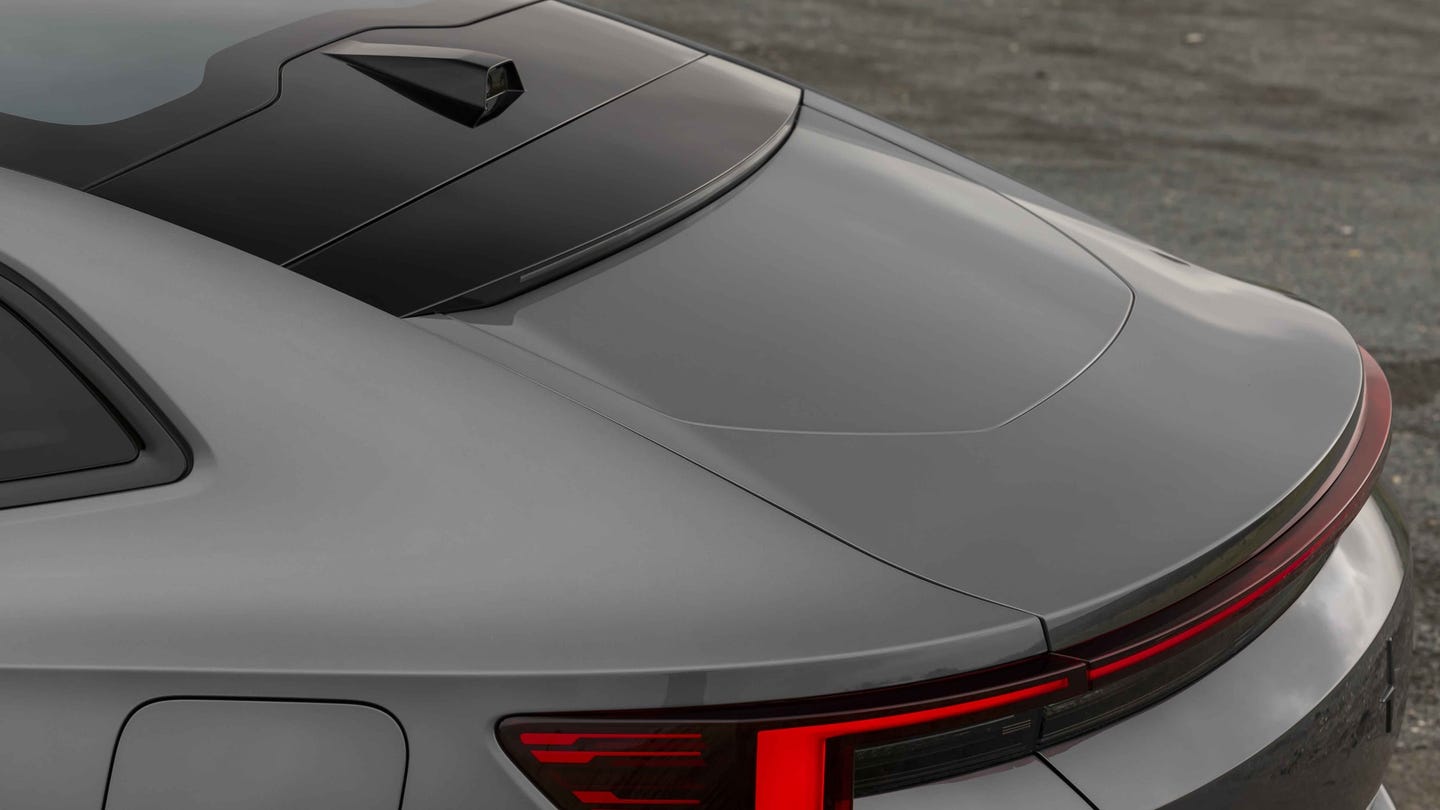
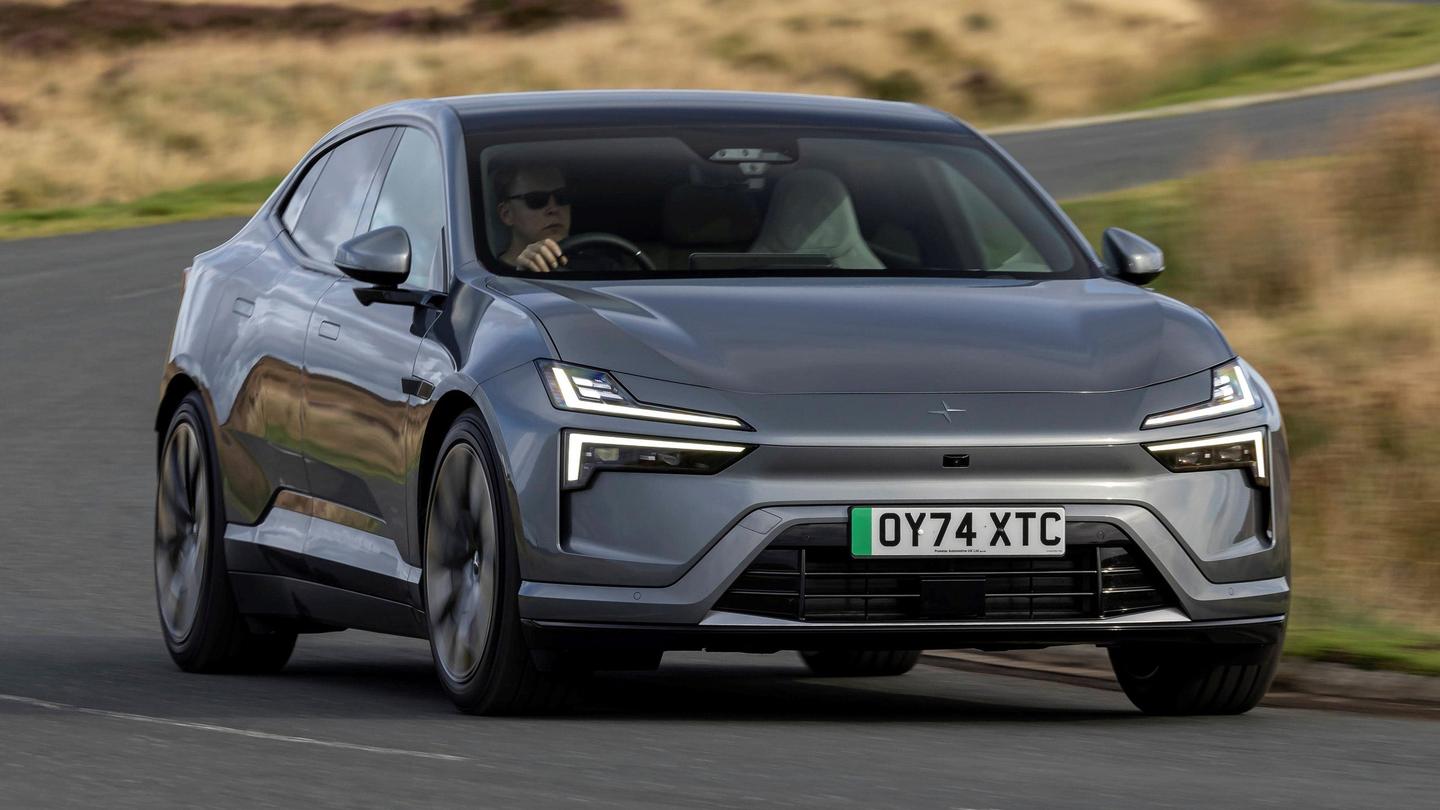
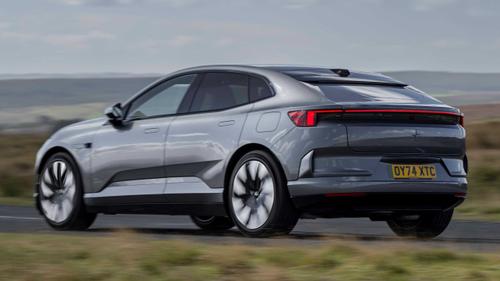
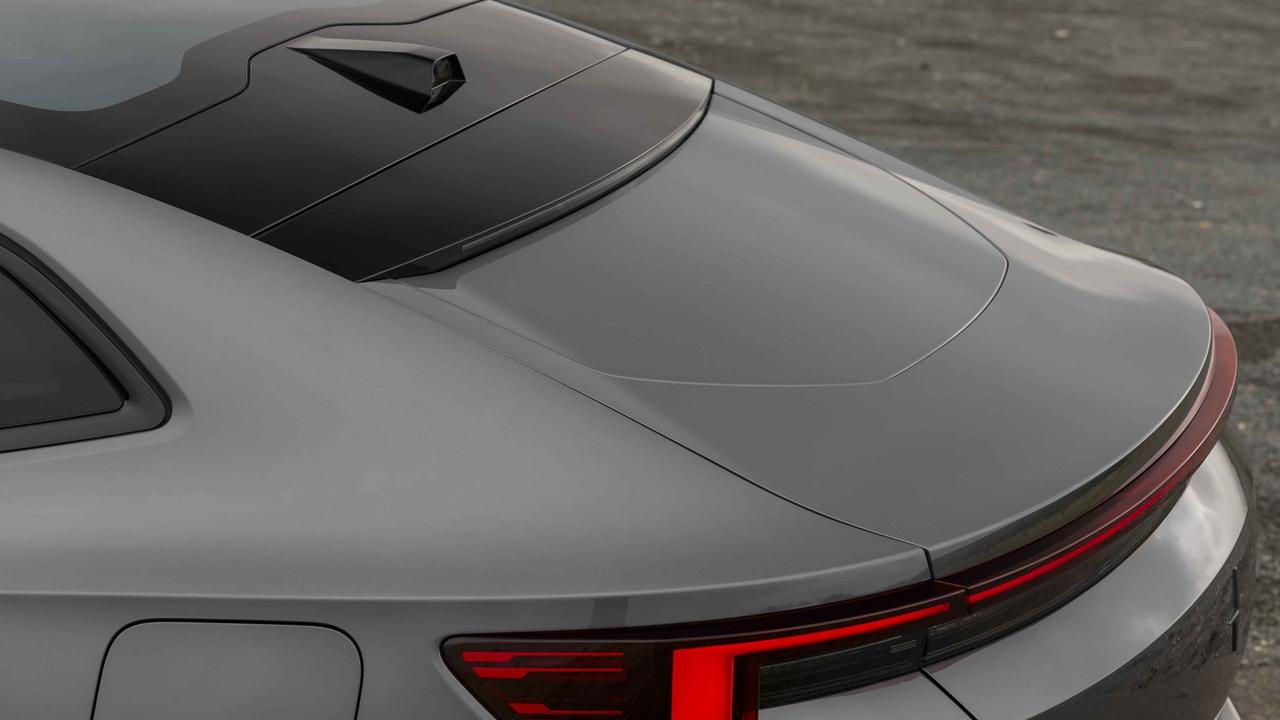
The Polestar 4 stands out for something it doesn’t have – a rear windscreen.
While the van-like rear end is a little unusual, it’s something you’ll soon get used to. But the 4’s bigger problem is that it’s not sporty or comfortable – some rivals are cheaper and more talented.
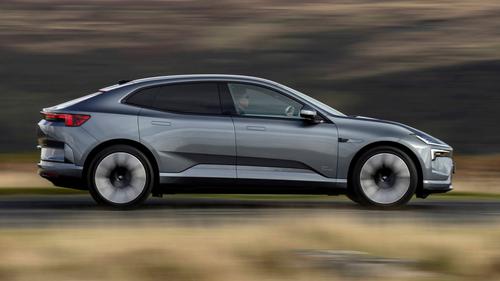
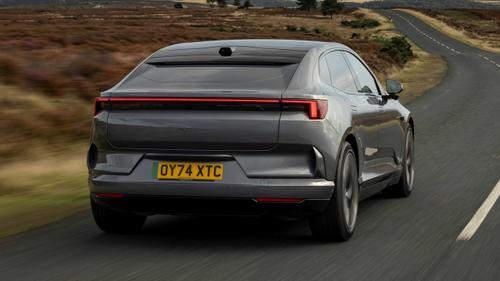
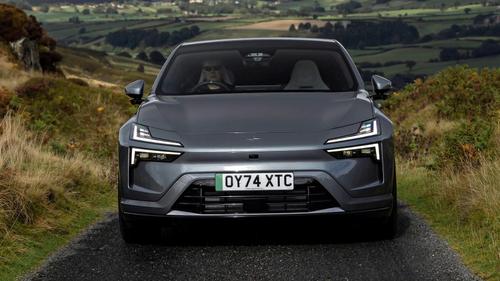
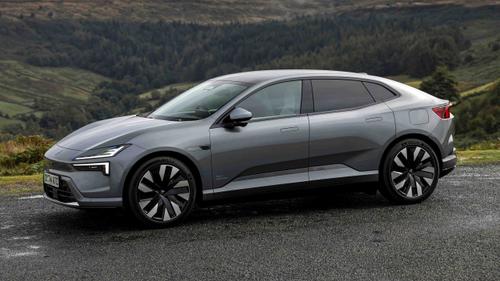
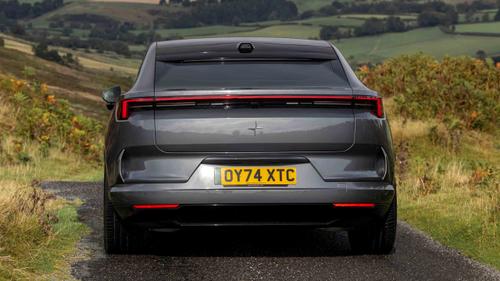
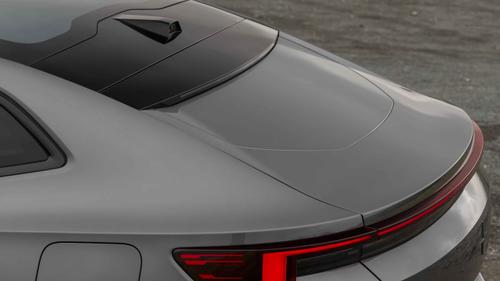
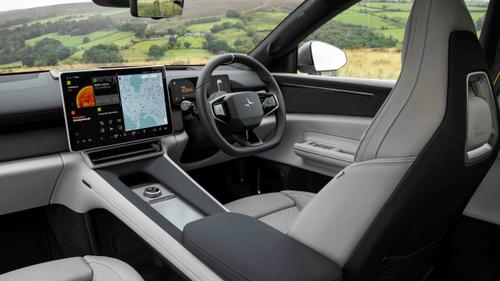
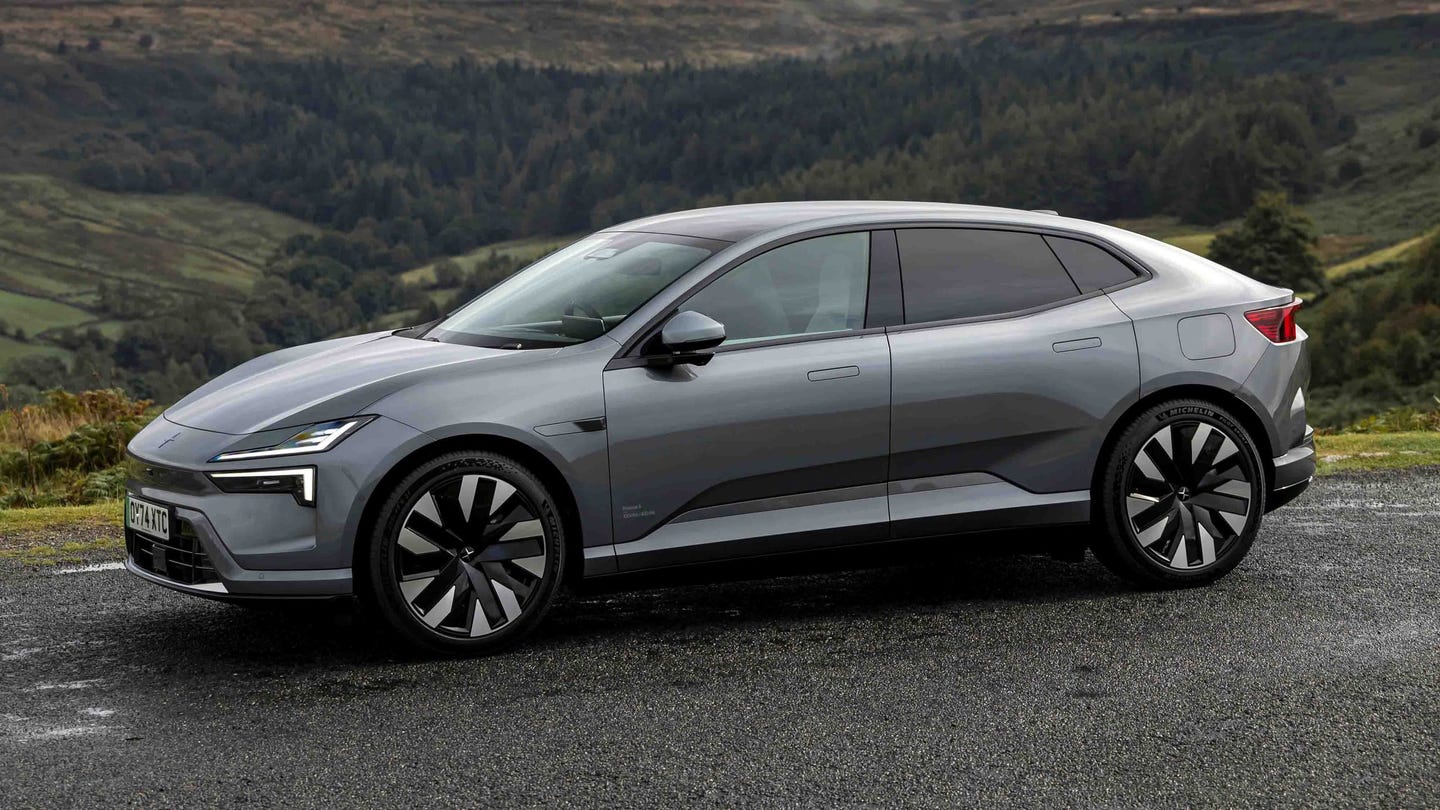
If the Polestar 4 had a conventional rear windscreen, it wouldn’t have many stand-out points.
It’s awkward in profile, has practicality compromises and it doesn’t always feel at home on our roads. It’s a decent car in isolation, and has clear merits including a whopping range estimate and a cool interior.
"On country roads, you’ll be riding the white centre line and your passenger will still feel like they’re very close to the verge"
We can all see where the rear windscreen should be, and that rear visibility would’ve been basically non-existent due to the car’s pinched shape. So while having a camera feed as a rear-view mirror takes your eyes a second to get used to, it’s no real issue. Well, mostly, apart from the fact that the mirror is far, far too close to your face.
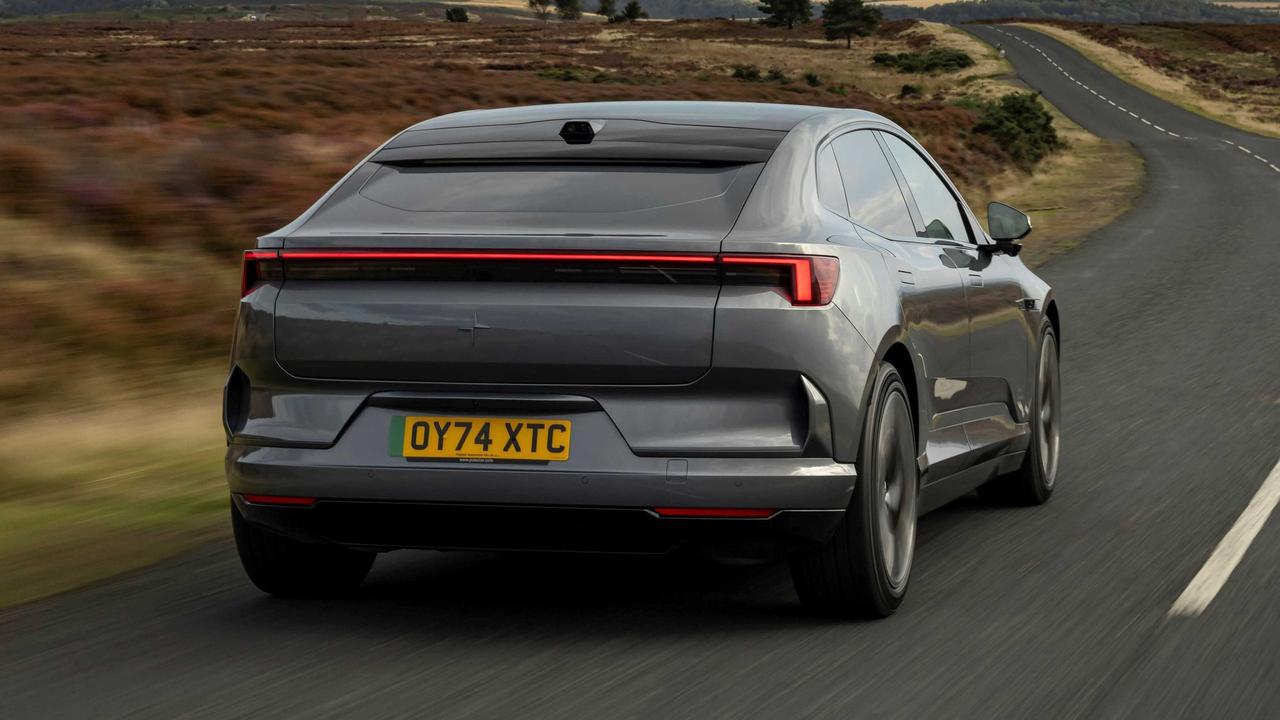
Polestar says that the removal of the rear windscreen enables the strengthened part of the roof to go further back, enabling more rear-seat headroom. It also mentions occupants being ‘cocooned’ in the back, which seems very accurate.
The 4 feels like a bit of an oddball in Polestar’s lineup. It lacks the clarity and simplicity of the Polestar 2, it’s not as practical or as comfortable as the Polestar 3 (which is only a little more expensive in the grand scheme of things), and it’s not as graceful or as driver-focused as the new Polestar 5. It’s all a bit confusing, and you sense that Polestar doesn’t really know what it wants the 4 to be.
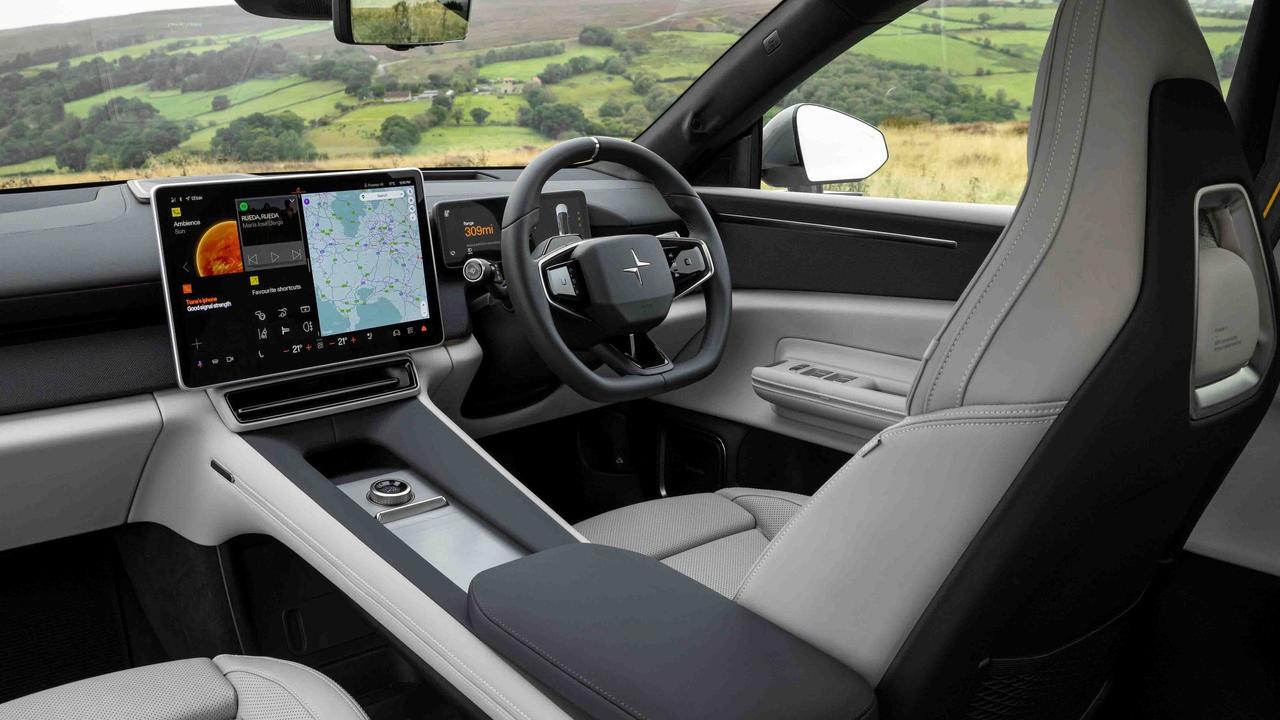
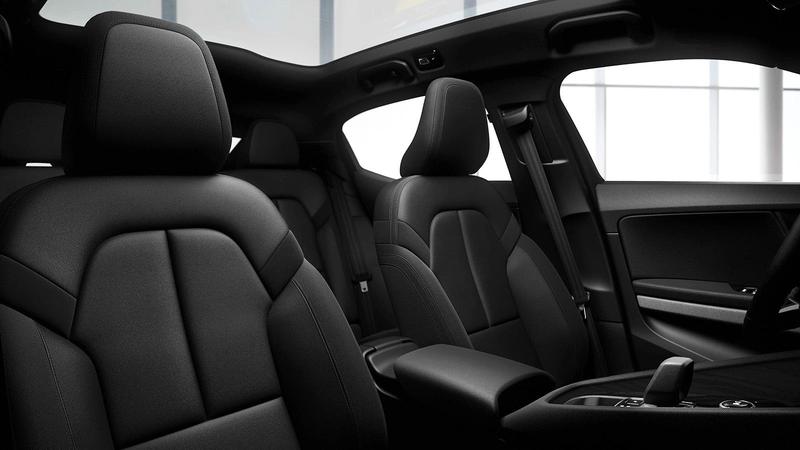
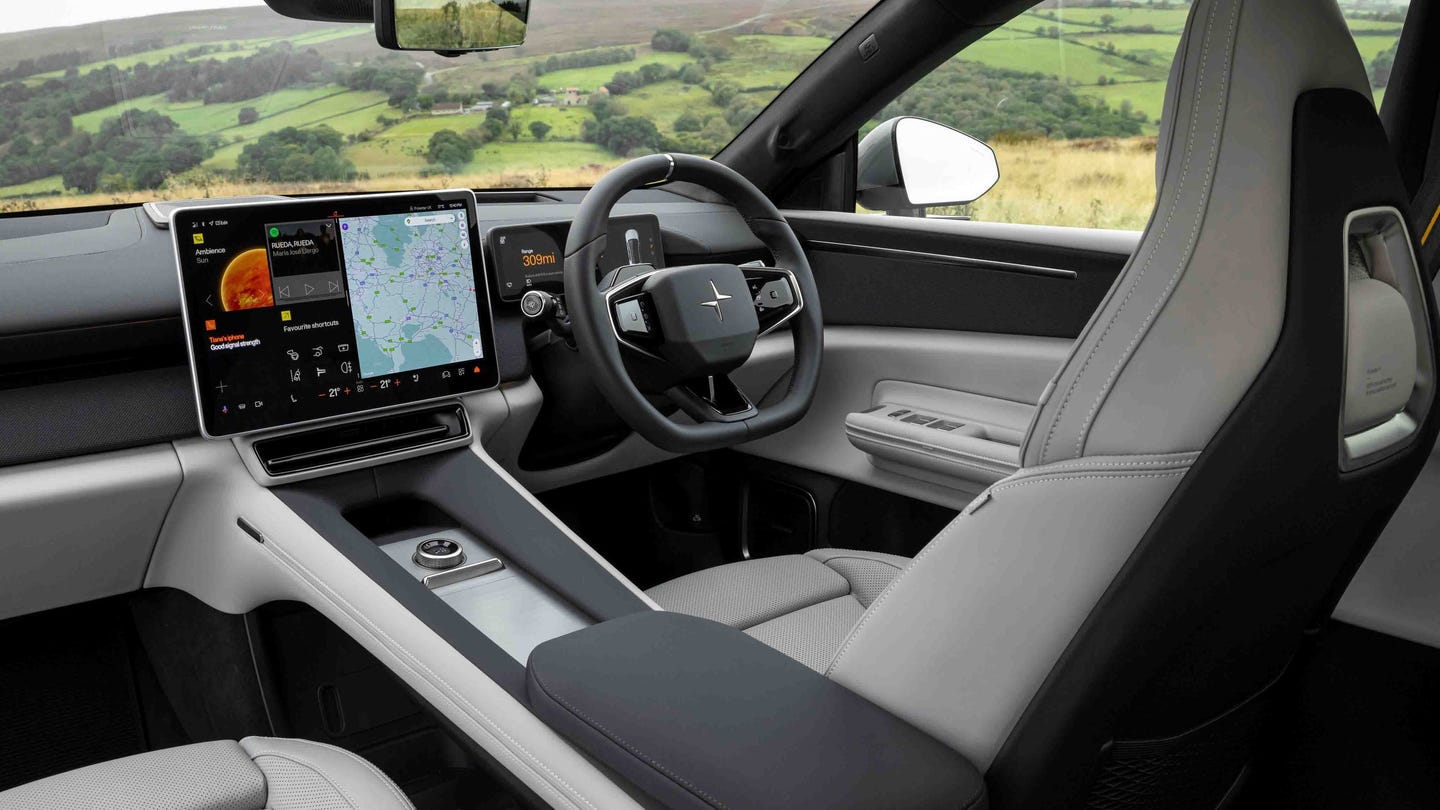
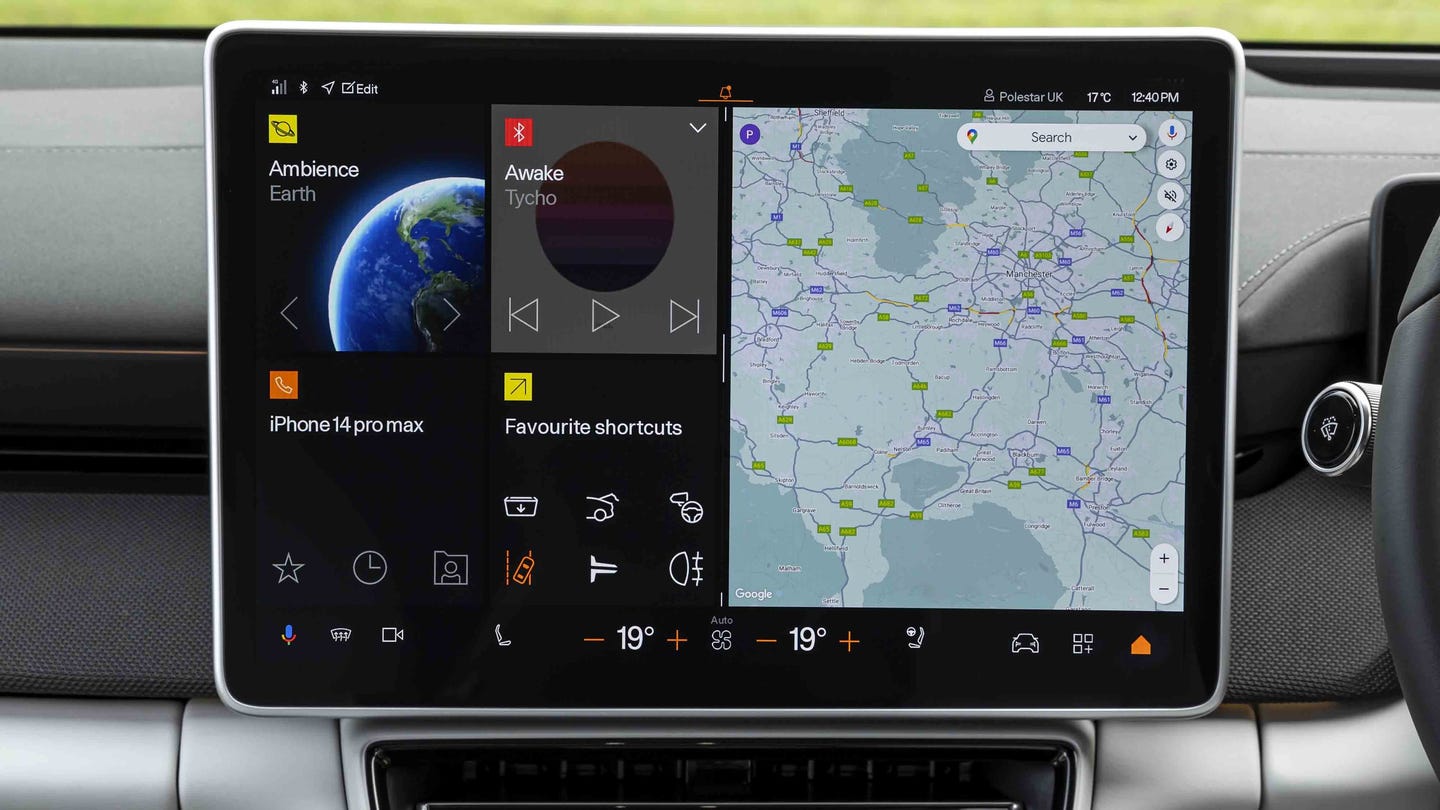
On first impressions, the Polestar 4’s interior is a particularly pleasant place to be, even though you could argue that its minimalist surfaces and all-consuming touchscreen are similar to many of the Chinese cars we’ve tested recently.
The expansive panoramic roof lets a lot of light into the cabin, and the atmosphere is warm and tranquil. Apparently, the interior ambiences are inspired by the solar system; it feels like a missed opportunity not to have a child’s mobile among the options list.
It won’t take you long to find evidence of Polestar’s sustainability quest. The floor mats state that they’re completely made from recycled plastics, and the back of the headrests have eco-sounding words like ‘bio-attributed’ and ‘100% fossil-free’.
As well as being as kind to the planet as possible, the interior materials of the 4 are apparently influenced by the ‘soft tech’ of fashion and sportswear. But the end result doesn’t quite feel as luxurious as you might hope – although upgrades to welfare-traced Nappa leather are available if you pay extra.
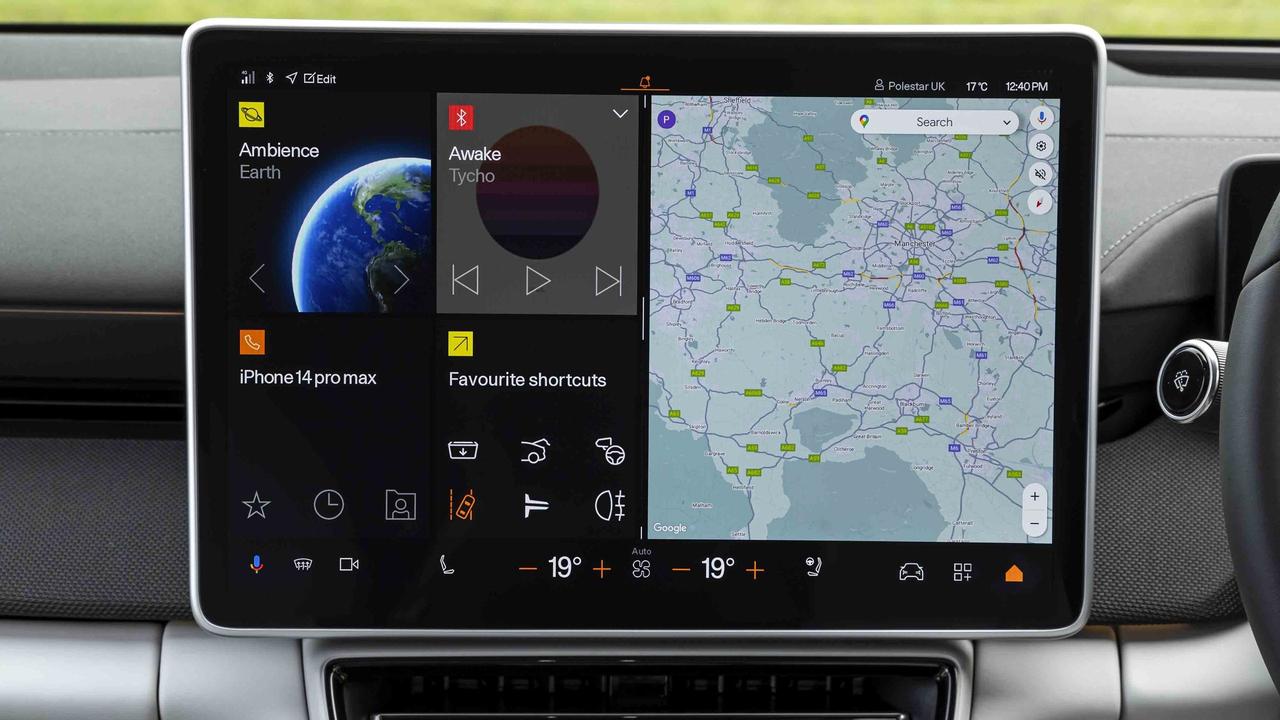
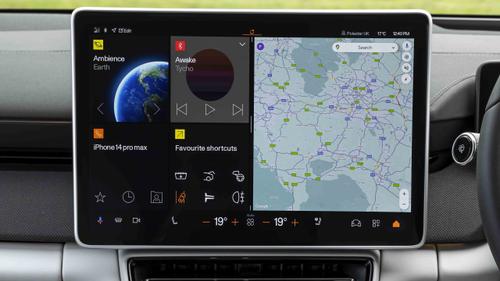
The screen graphics are razor sharp, and the home screen is a doddle to operate. Things that you’ll interact with regularly are easy to find, but less used functions – like the mirror adjustment – require a deep dive into the touchscreen. It’ll make sense if you’ve experienced a Tesla. If not, you’ll probably just need to sit in the car and have a fiddle with the display until you’ve unearthed all the features at your fingertips. However, a Polestar 2’s infotainment system is far simpler without losing much functionality.
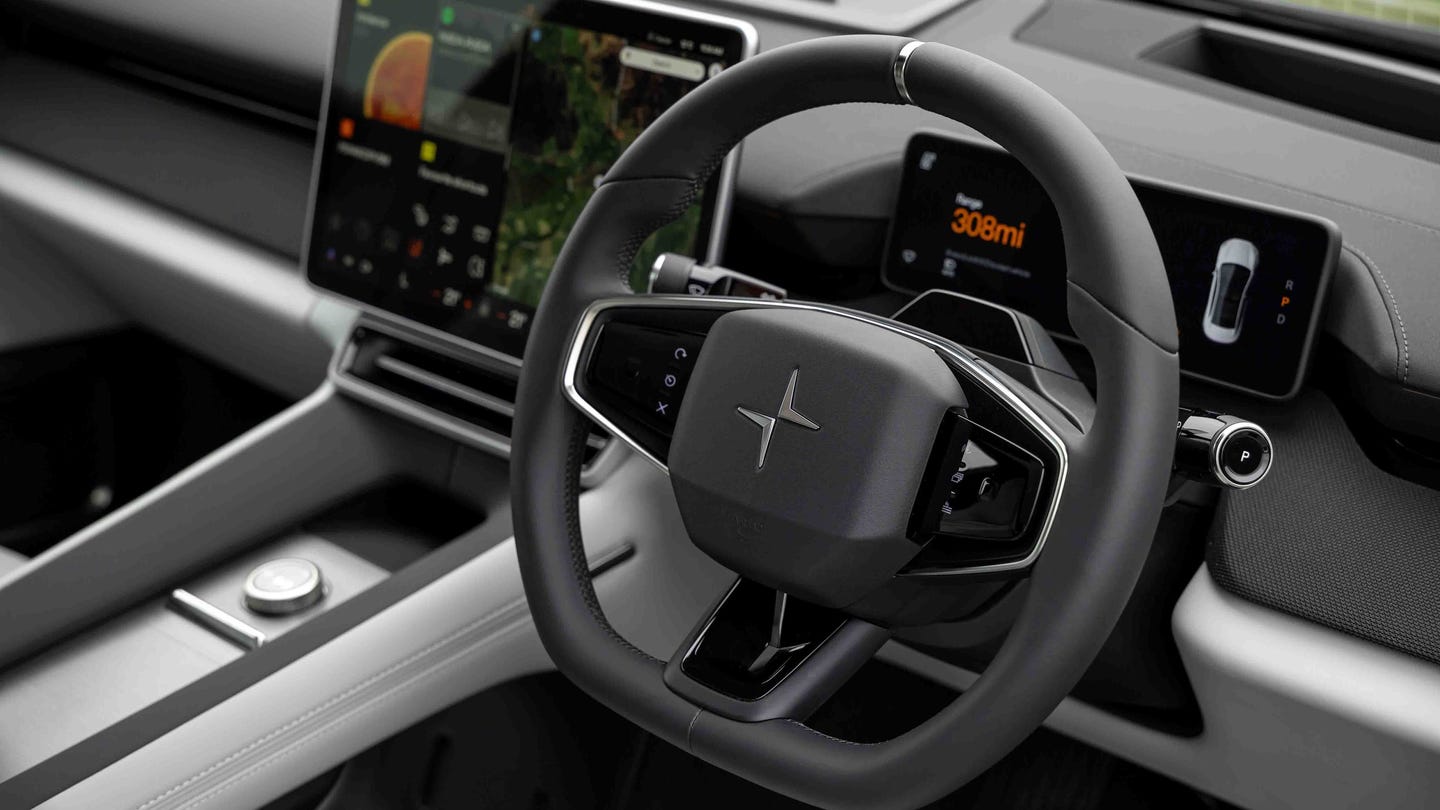
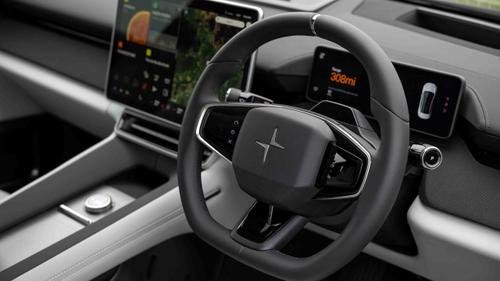
We also like the 4’s compact digital driver’s display, which is crystal clear. You can have a real-time visualisation of the car in the context of the road, with the positions of other cars mapped, but this can be a bit distracting so we preferred having the option of a more minimal display.
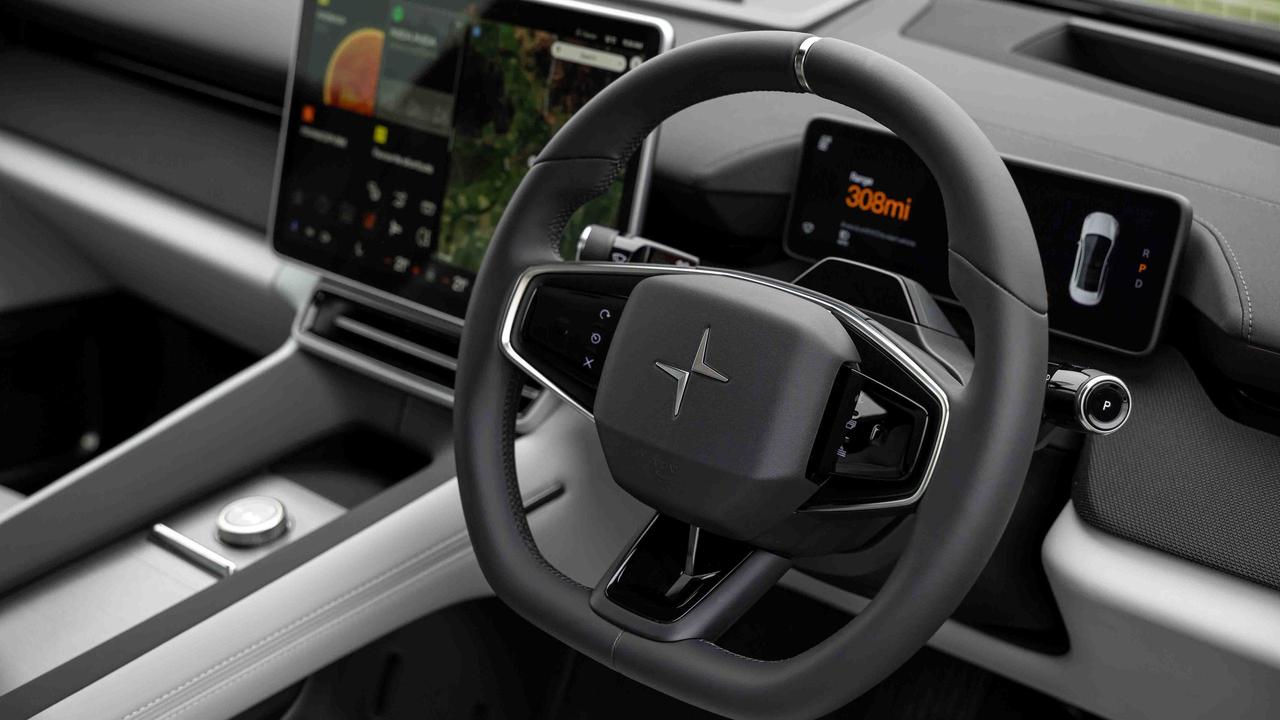
The 4 could do with some more physical buttons – how hard would it be to put a button in for the glovebox release? What’s baffling is that the last few remaining buttons, on the steering wheel, are either confusingly marked or completely unmarked. The direction buttons have lots of different jobs – everything from adjusting the adaptive cruise control to adjusting the mirrors – and it can be frustrating trying to work out what the car thinks you want to do while you’re driving.
As you’d hope, there’s a huge amount of standard equipment. LED headlights with auto high-beam assist, a soft-close tailgate, laminated glass, a Harman Kardon sound system and an air filtration system are all present and correct. There are enough cameras and sensors on board that you wonder if Polestar is thinking about getting rid of the front windscreen, too…
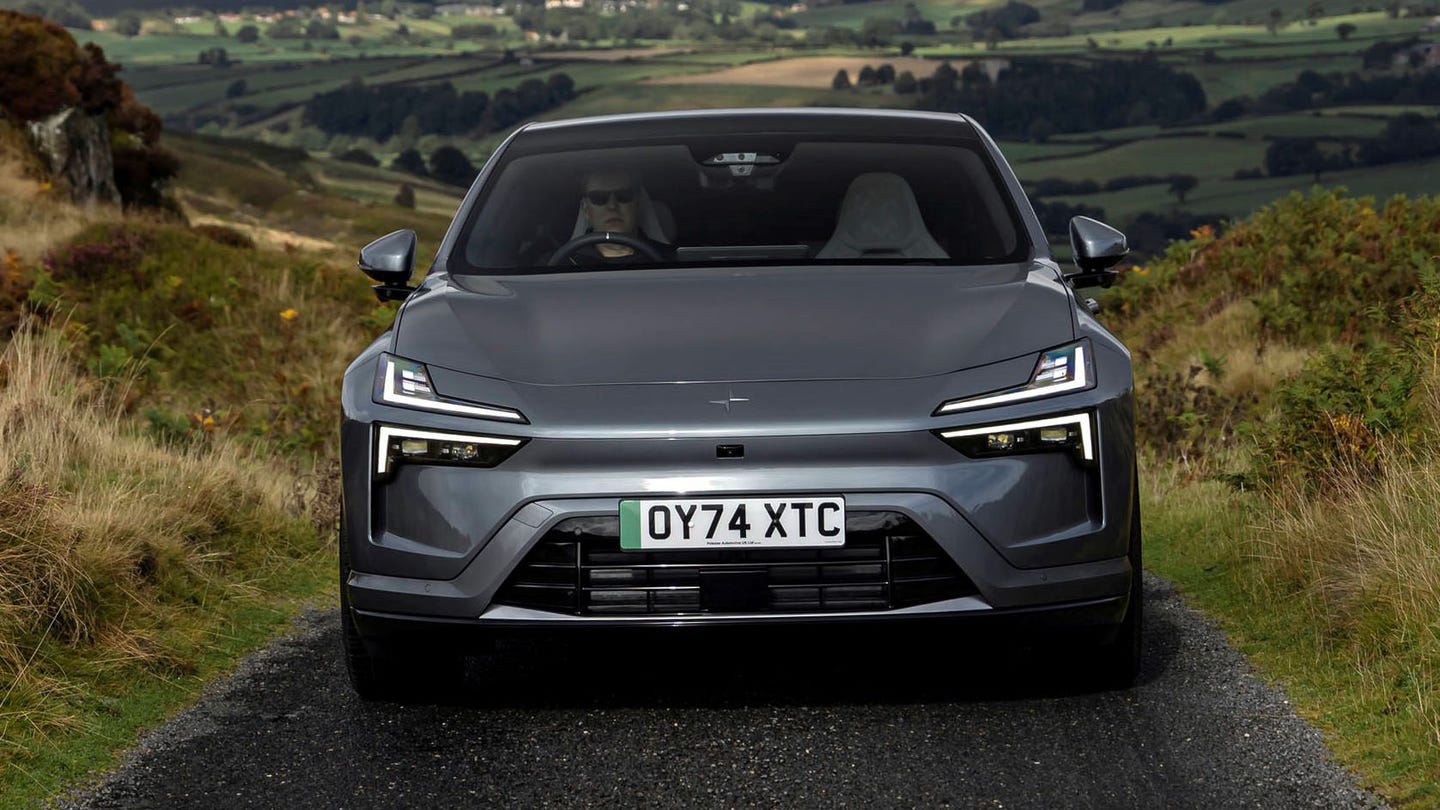
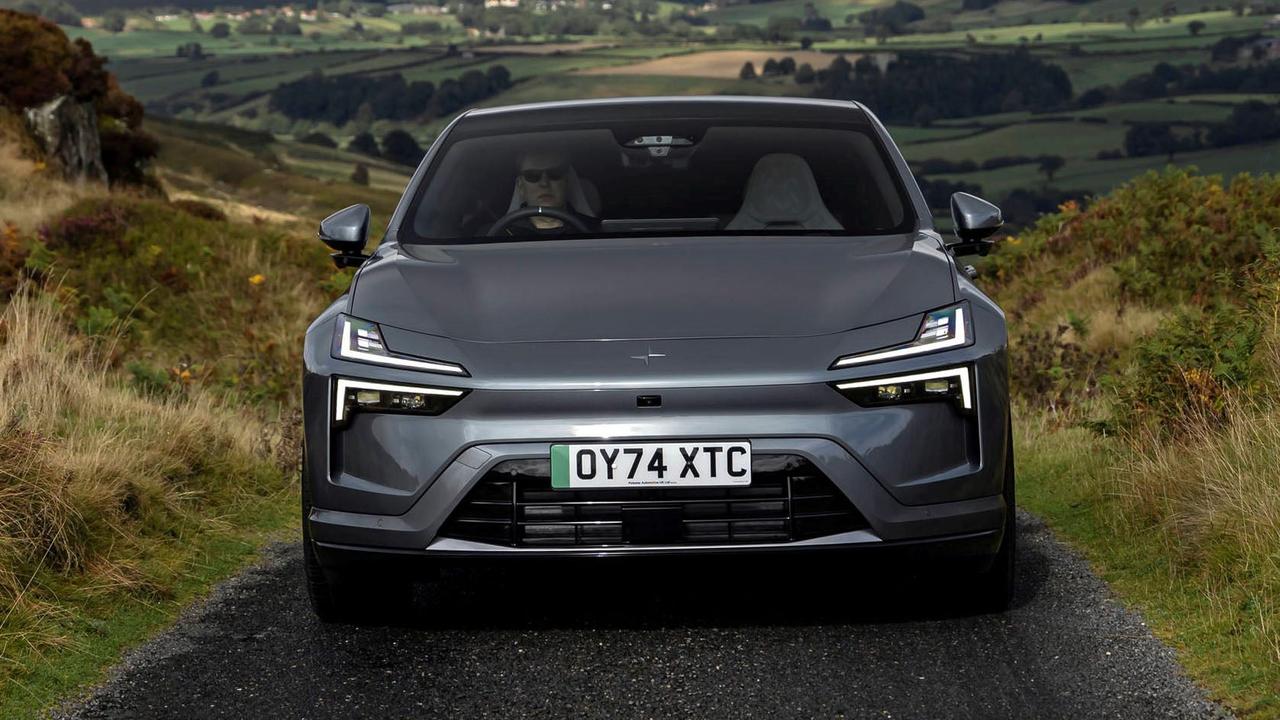
The Polestar 4 is substantially bigger than the Polestar 2. It’s over 4.8 metres long – with a three-metre-long wheelbase – and is one of the only cars on sale to be two metres wide before you take the mirrors into account. It’s wider than a Range Rover.
So you might expect it to feel like a Hummer inside, but it doesn’t really. Just kind of feels normal for a premium car.
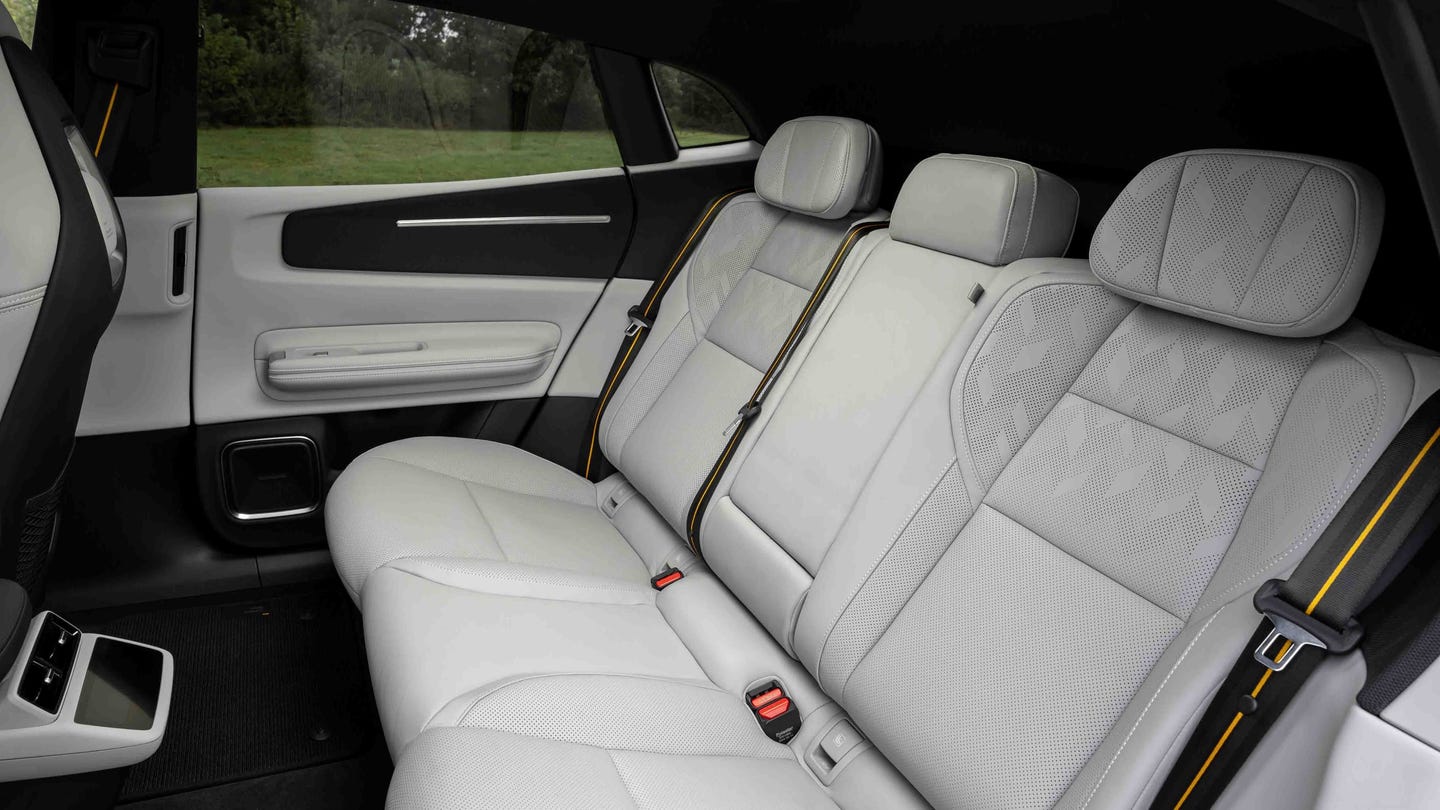
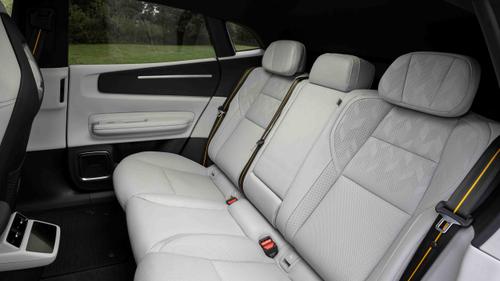
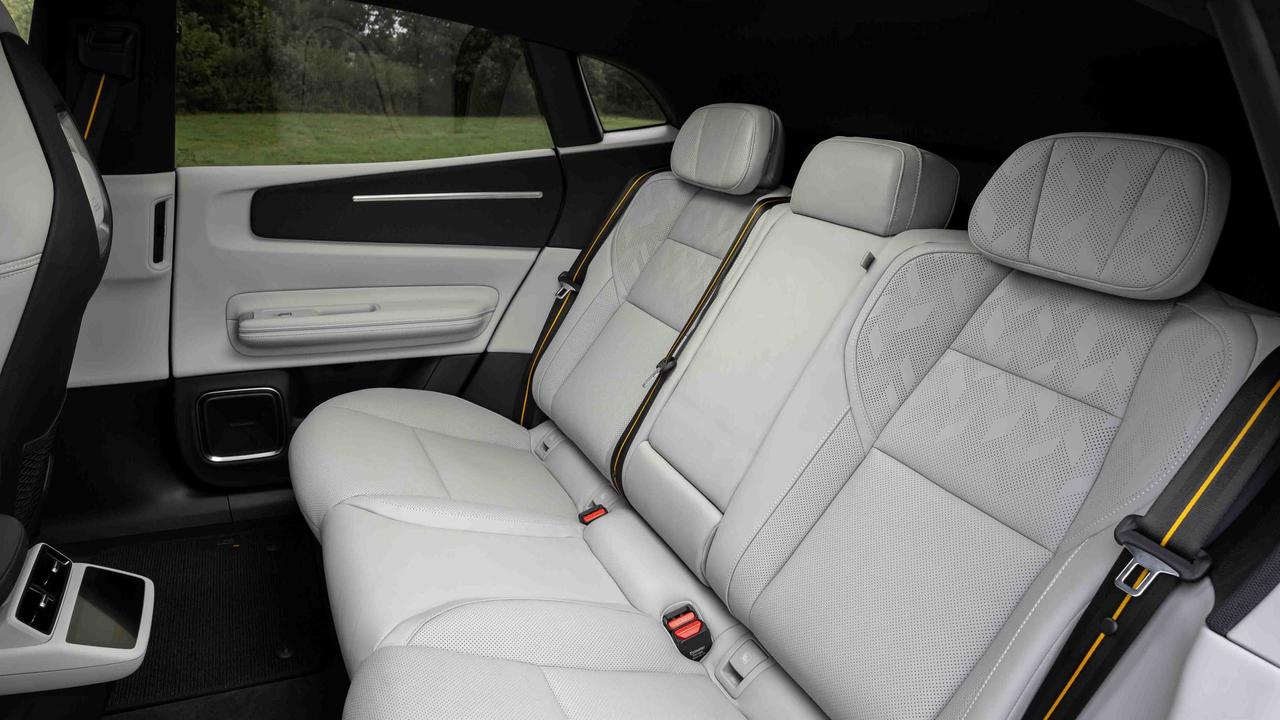
You can tell the 4 is a long car, because the interior space is very impressive. Even with the front seats pushed fully back, rear legroom is vast. And the width gives room for three adults to sit side by side.
But considering the removal of the rear windscreen is meant to improve headroom, it still feels pinched back there.
Rear-seat passengers get their own climate controls and can even fiddle with the audio controls. Storage and equipment for the back-seat DJs is pretty good, and the Isofix points are easy to access.
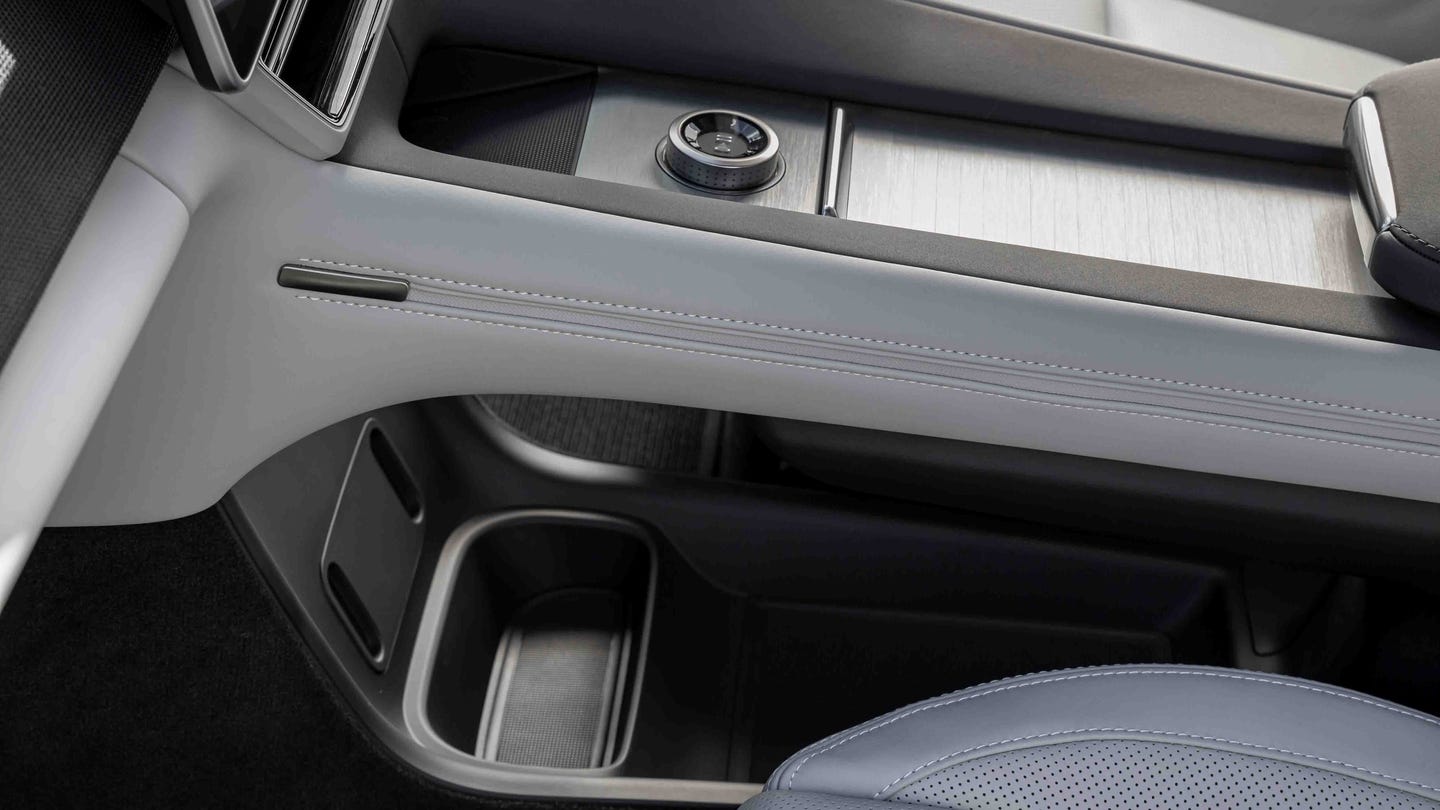
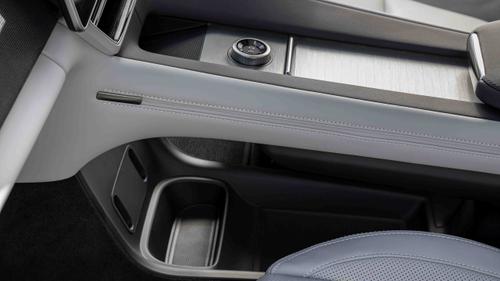
There’s a phone tray and a pair of cupholders in the centre console, plus a big open storage area underneath. We wonder if the storage area would be more useful if the centre console wasn’t there, though.
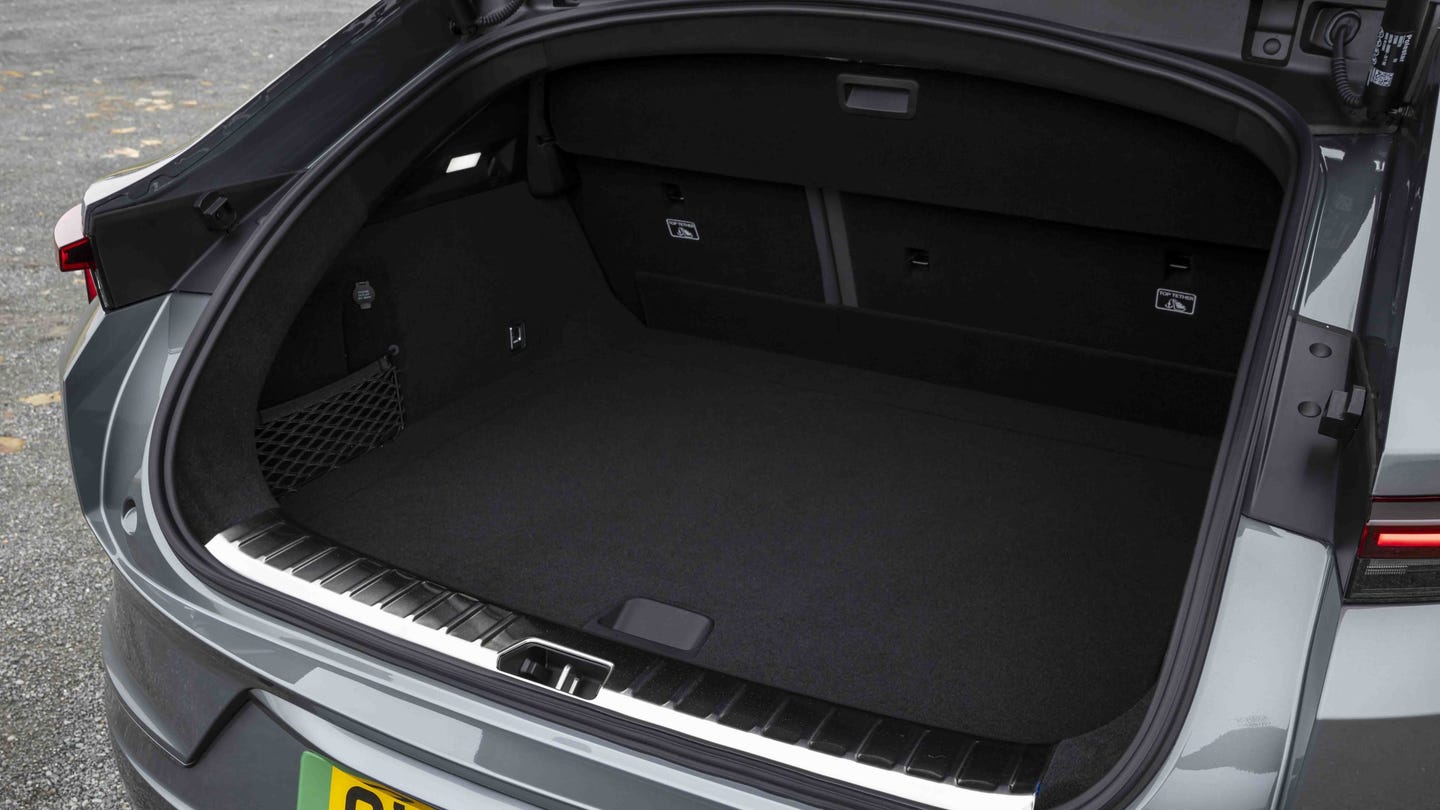
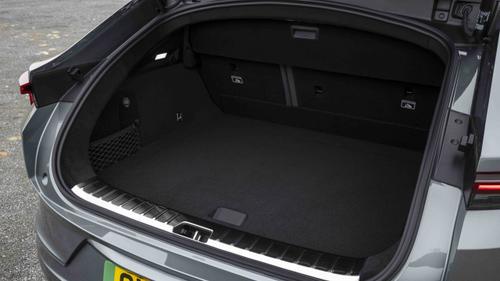
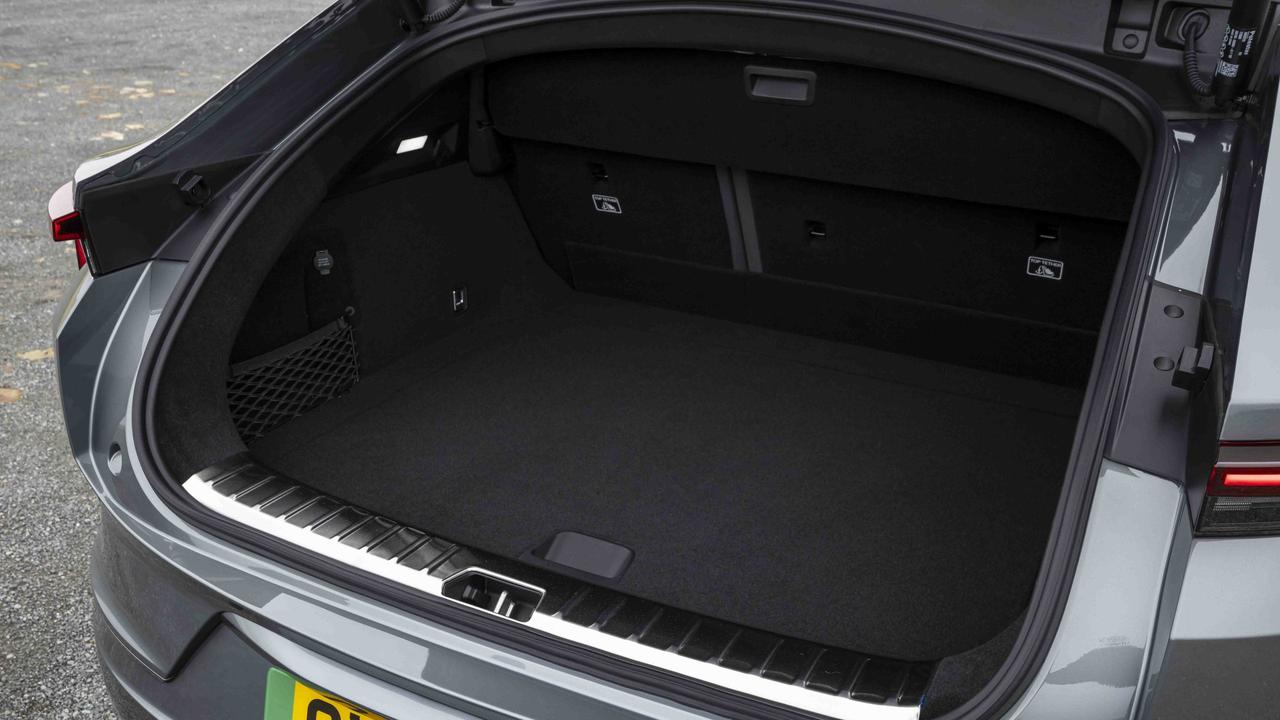
The boot is long and wide but shallow – blame the massive battery pack for that. A couple of hooks and a 12V socket add versatility, and there’s a big cutout under the boot floor that’s perfect for cable storage and stashing away the tyre sealant. You could also use the frunk under the bonnet for this.
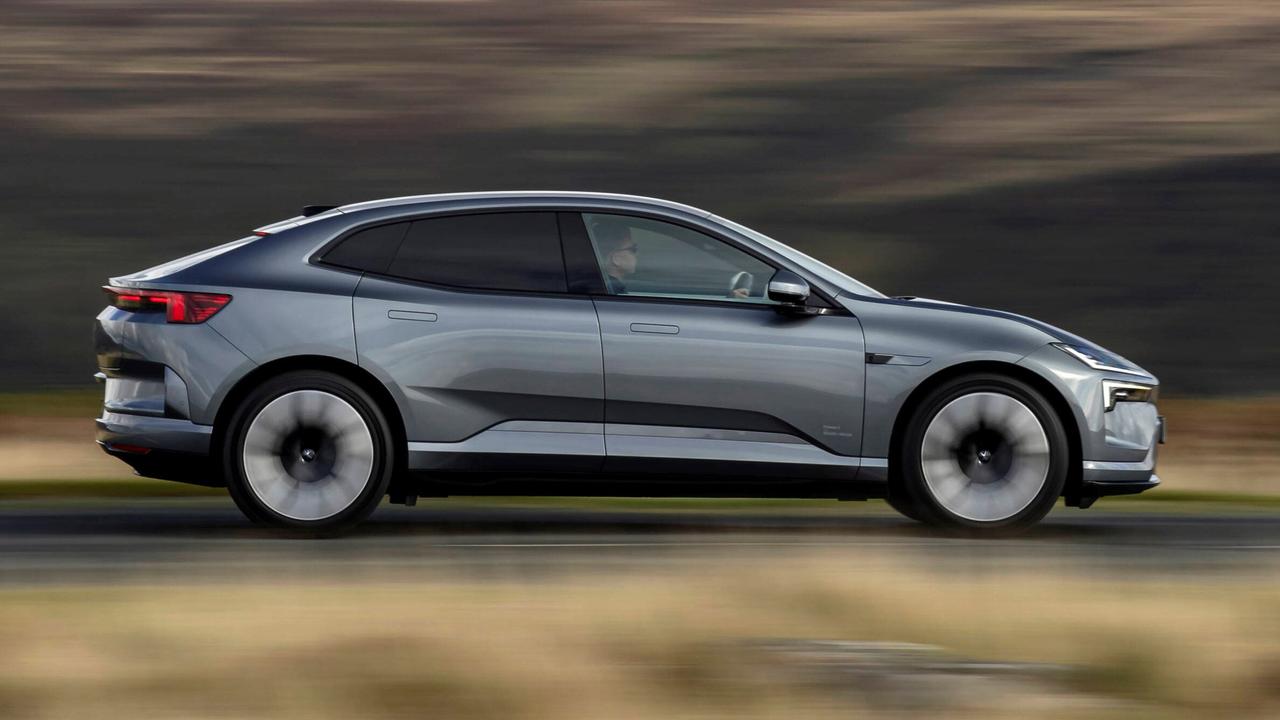
Both versions of the Polestar 4 come with a chunky 100kWh battery, with up to 385 miles possible in the single-motor model. The dual-motor model is quite a jump in price, but it doubles the power output to bring the 0-62mph time down from 6.9 seconds to just 3.7 seconds – for a range reduction of just 18 miles.
Of course, you won’t get close to the dual motor’s 367-mile estimate if you pin the accelerator at every opportunity. Drive normally and you should get close to Polestar’s figures. We drove the single-motor car in single-digit temperatures and it still promised over 370 miles to a charge, based on the remaining battery percentage and accompanying range.
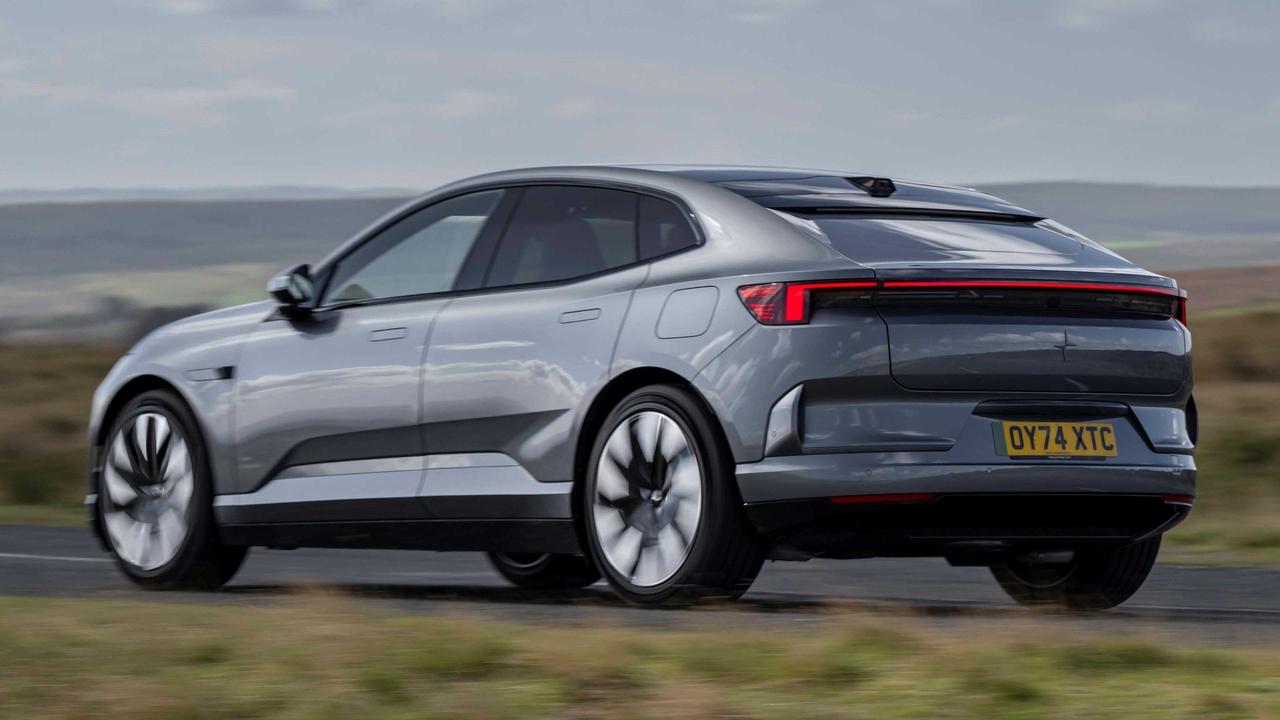
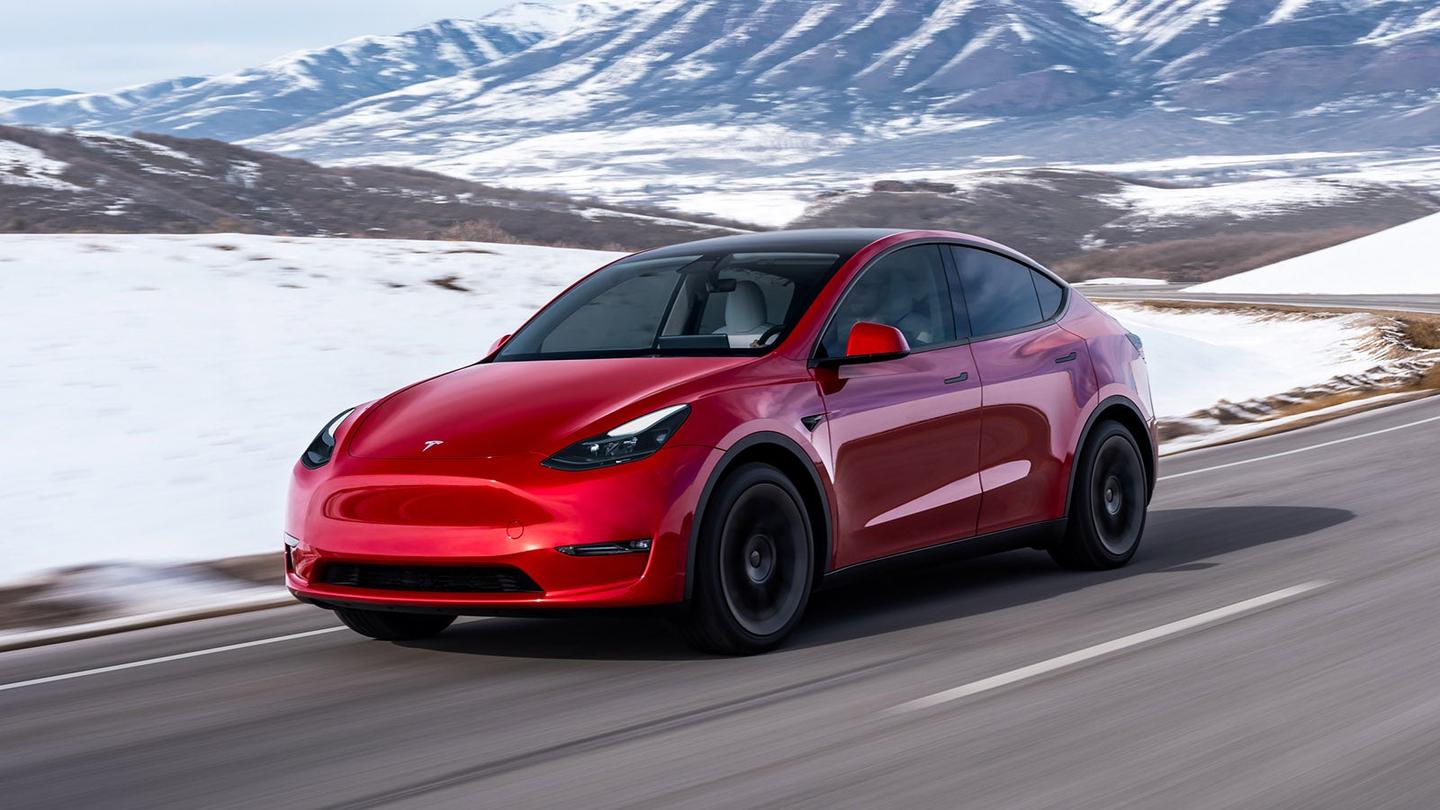
The performance of the single-motor car is fine, if not outstanding for the price. Compare it to the Tesla Model Y Long Range RWD, and you’ll find the Tesla faster, considerably cheaper and more spacious.
Arguably, the 4’s charging speed is more impressive than its acceleration. A 10-80% top-up takes just half an hour at its 200kW maximum, giving you near enough 300 miles of extra range in that time.
The big battery means a 0-100% charge takes 11 hours from an 11kW wallbox – and longer still on a more common 7.4kW household wallbox. It’ll be worth charging little and often if you get windows of cheap charging on an EV-specific tariff.
The Polestar 4 sits in high insurance groups, and cars registered since April 2025 are subject to the luxury car tax.
This is where the 4 feels most confused. Is it trying to be a sporty GT car? Or a luxury car? It ends up being neither.
It’s not as comfortable as it really should be, and nor is it the most refined long-range EV. Our test car was on the smallest 20-inch wheels, too – we’d wager that the 21-inch and 22-inch optional alloys would make the ride feel even lumpier.
The firm ride doesn’t add up to a racy driving experience. Throw it into a fast corner and you’ll immediately feel that the 4 is a heavy machine. You need to keep things smooth to keep the car feeling settled.
There are settings for the steering and throttle response, but they don’t massively change the way the car drives. The energy recuperation settings make more difference; you can increase the brake regeneration and choose whether the car’s creep function is on or off.
On some roads, the 4 feels like it’s not completely suited for the UK. Its length and fairly wide turning circle make manoeuvring a little trickier than it needs to be, while the digital rear-view mirror and small side mirrors mean you’re always second-guessing your surroundings for a millisecond.
On country roads, you’ll often be riding the white centre line and your passenger will still feel like they’re very close to the verge. And that distracts the lane-keeping and semi-self-driving tech.
New electric SUV is confusing to operate and doesn’t have a USP