








What is Mazda Skyactiv?

Mike Vousden
•
Car Features

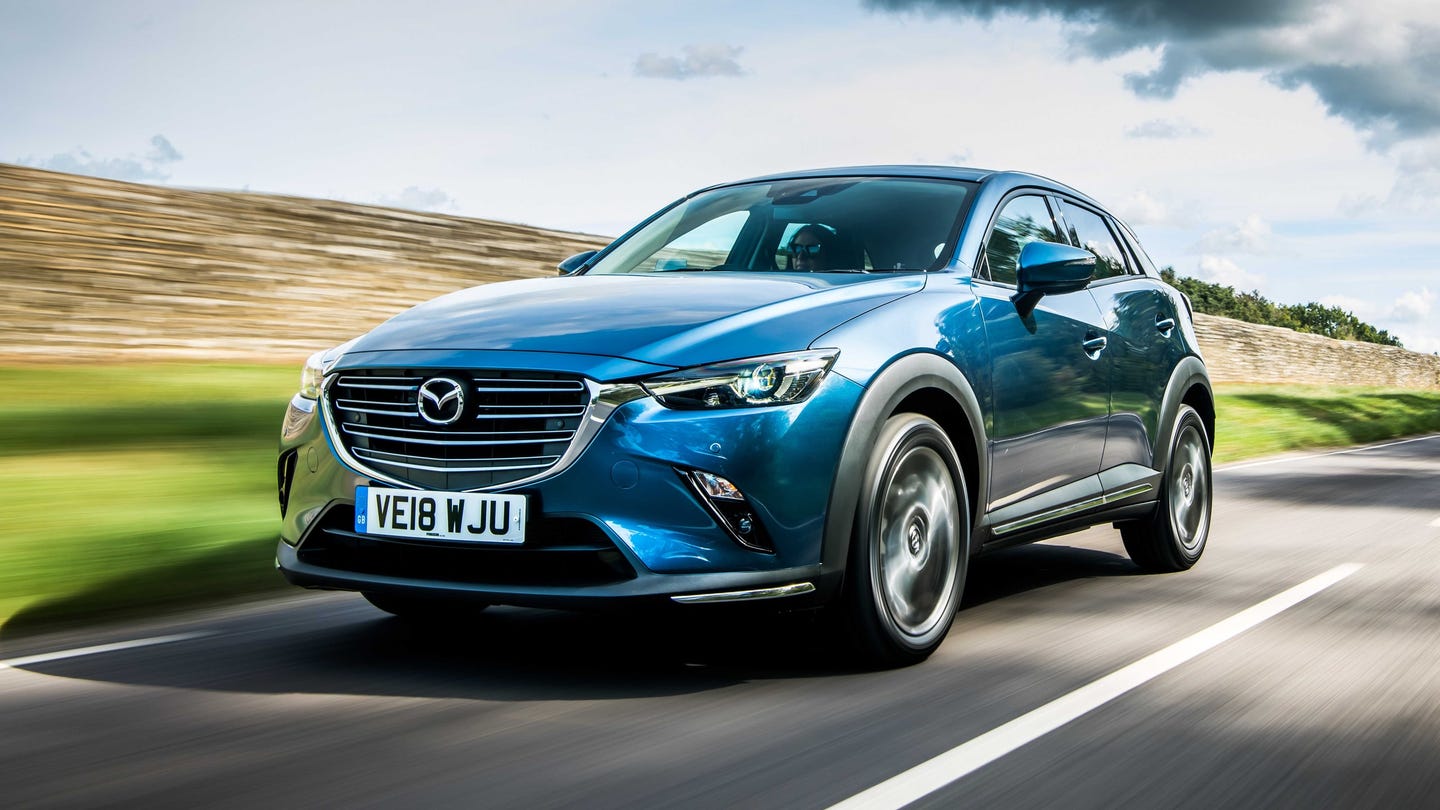
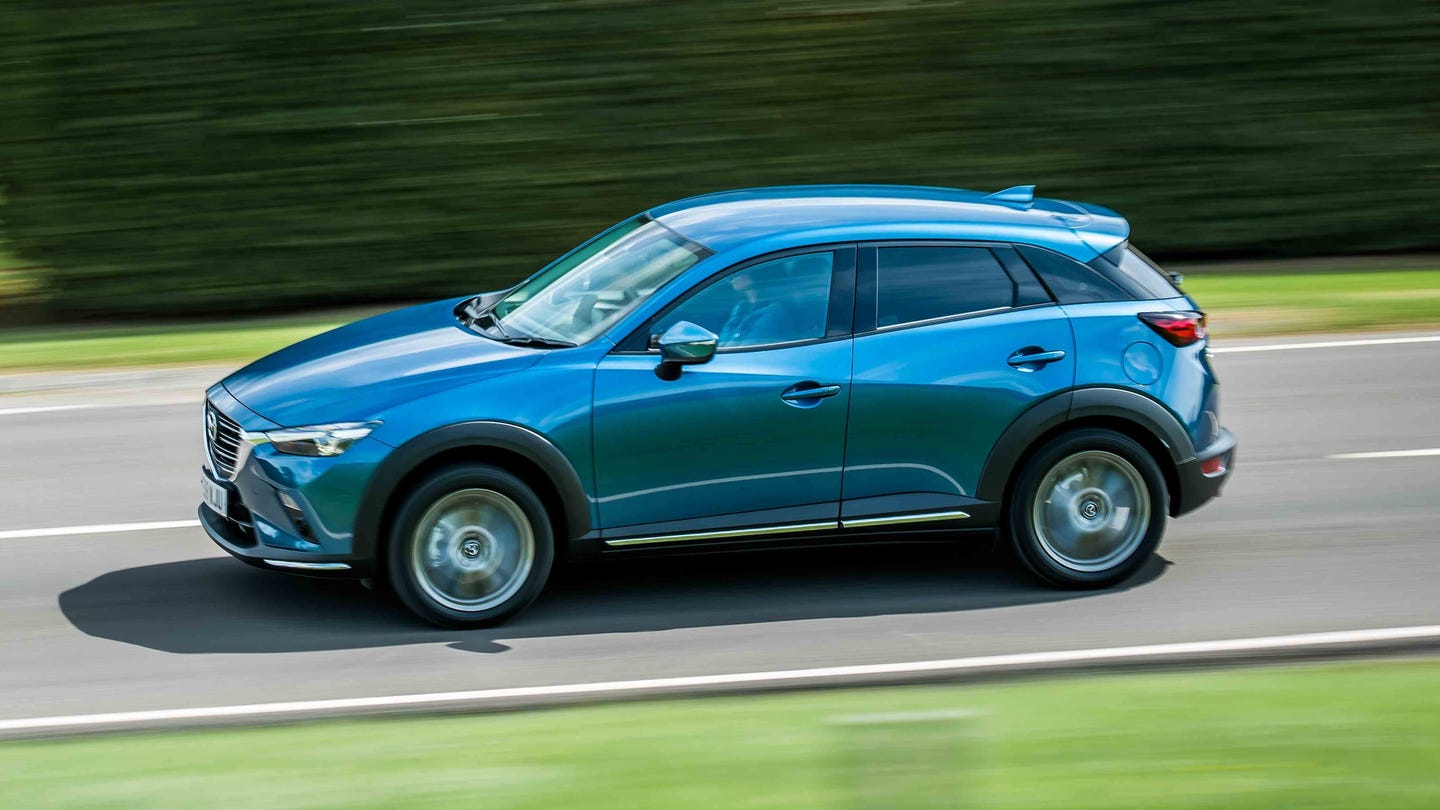
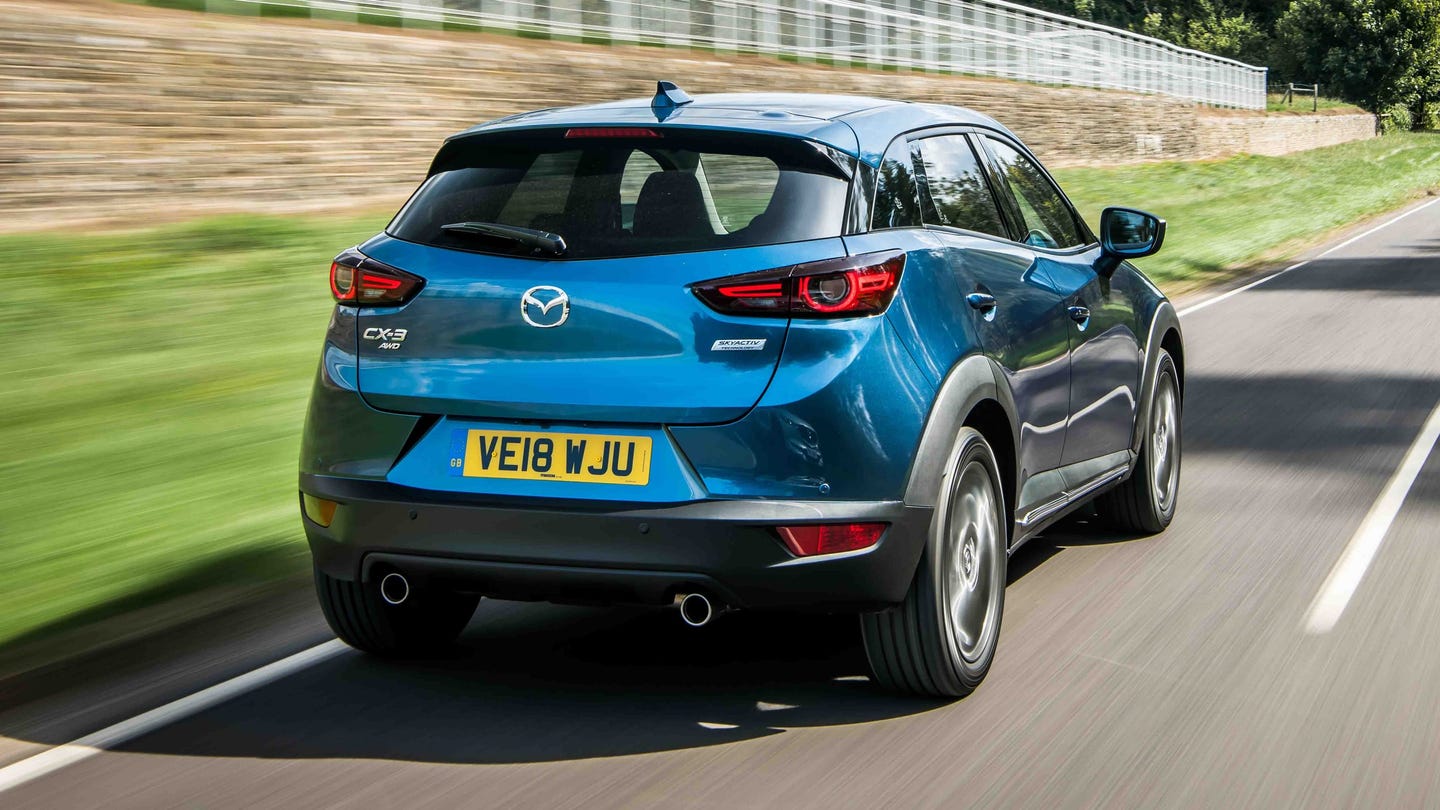
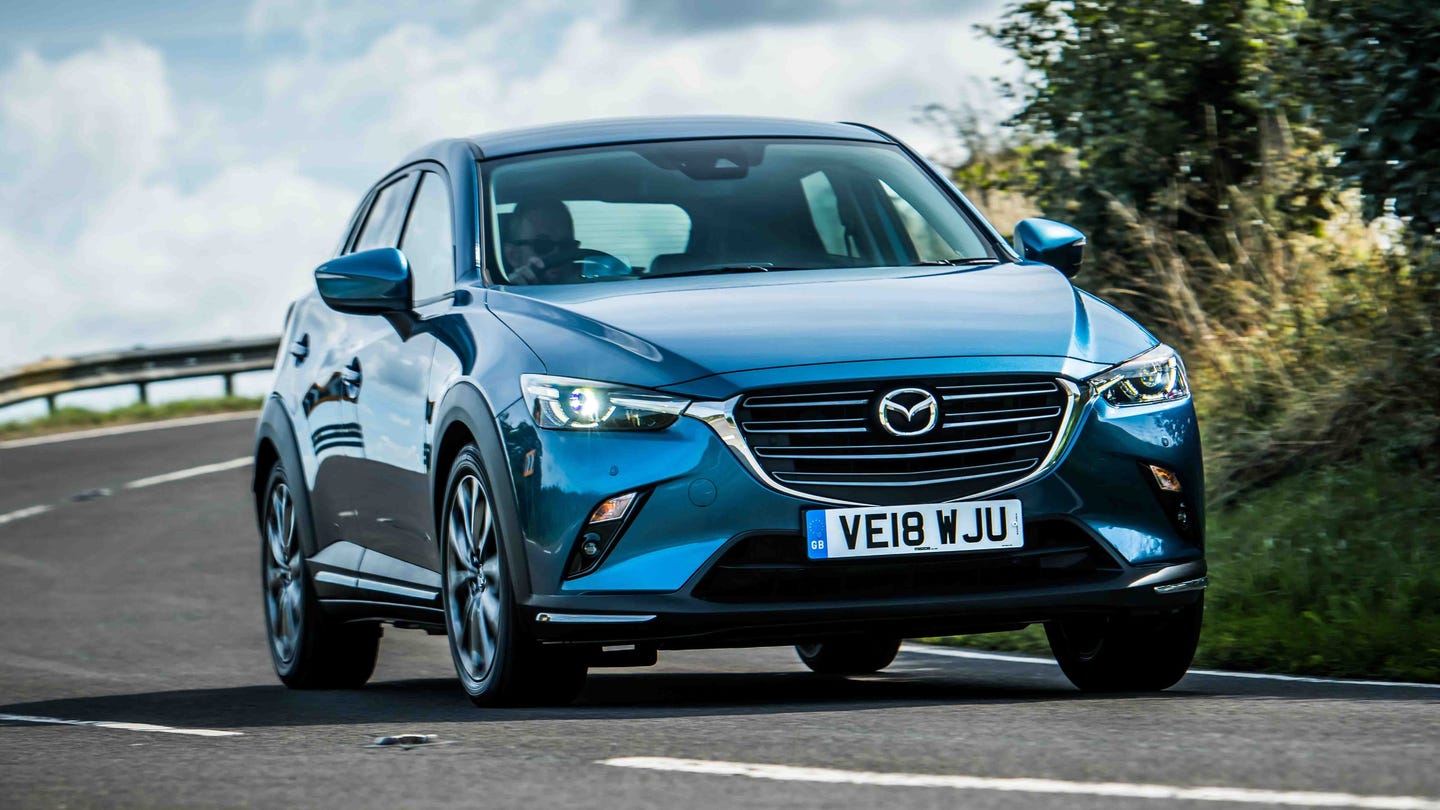
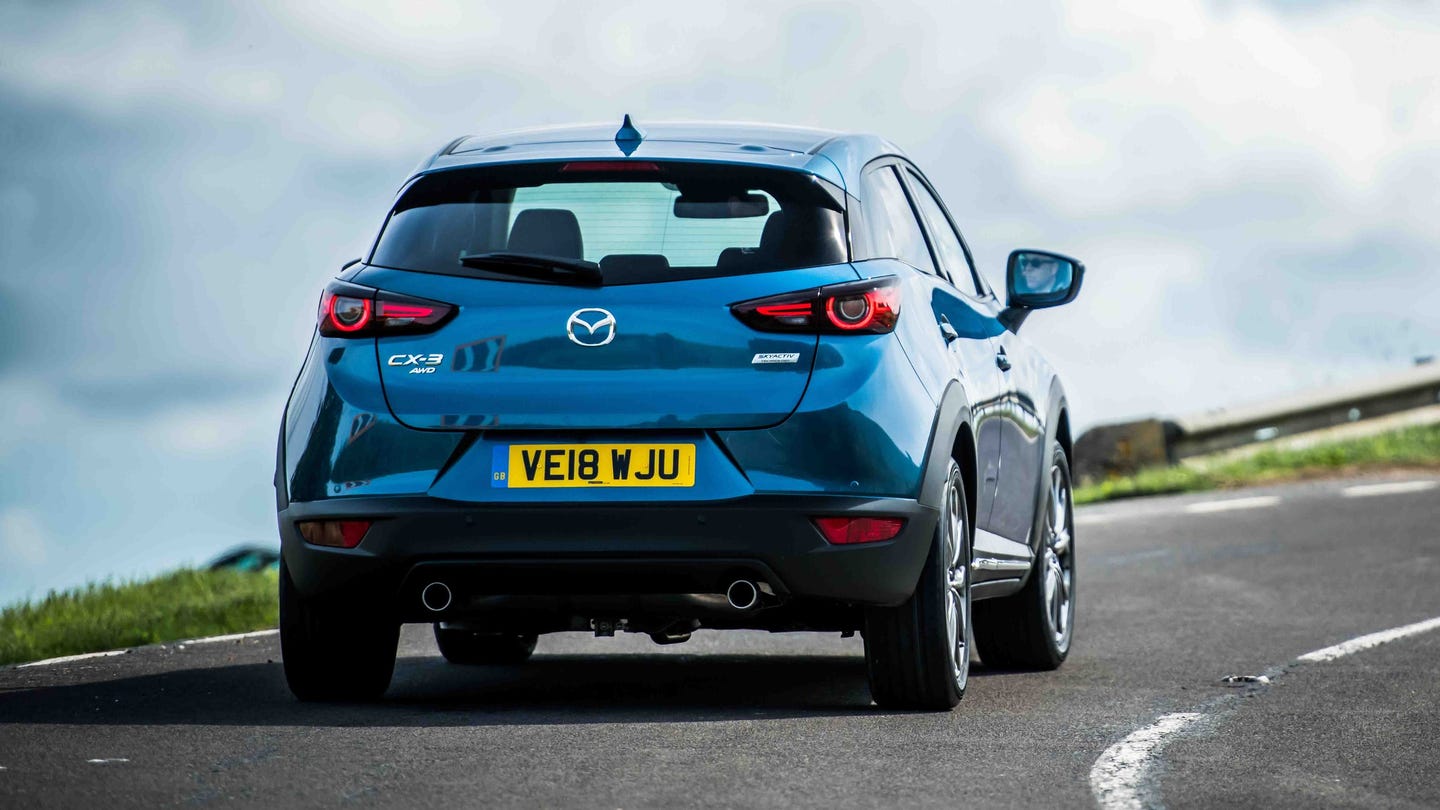
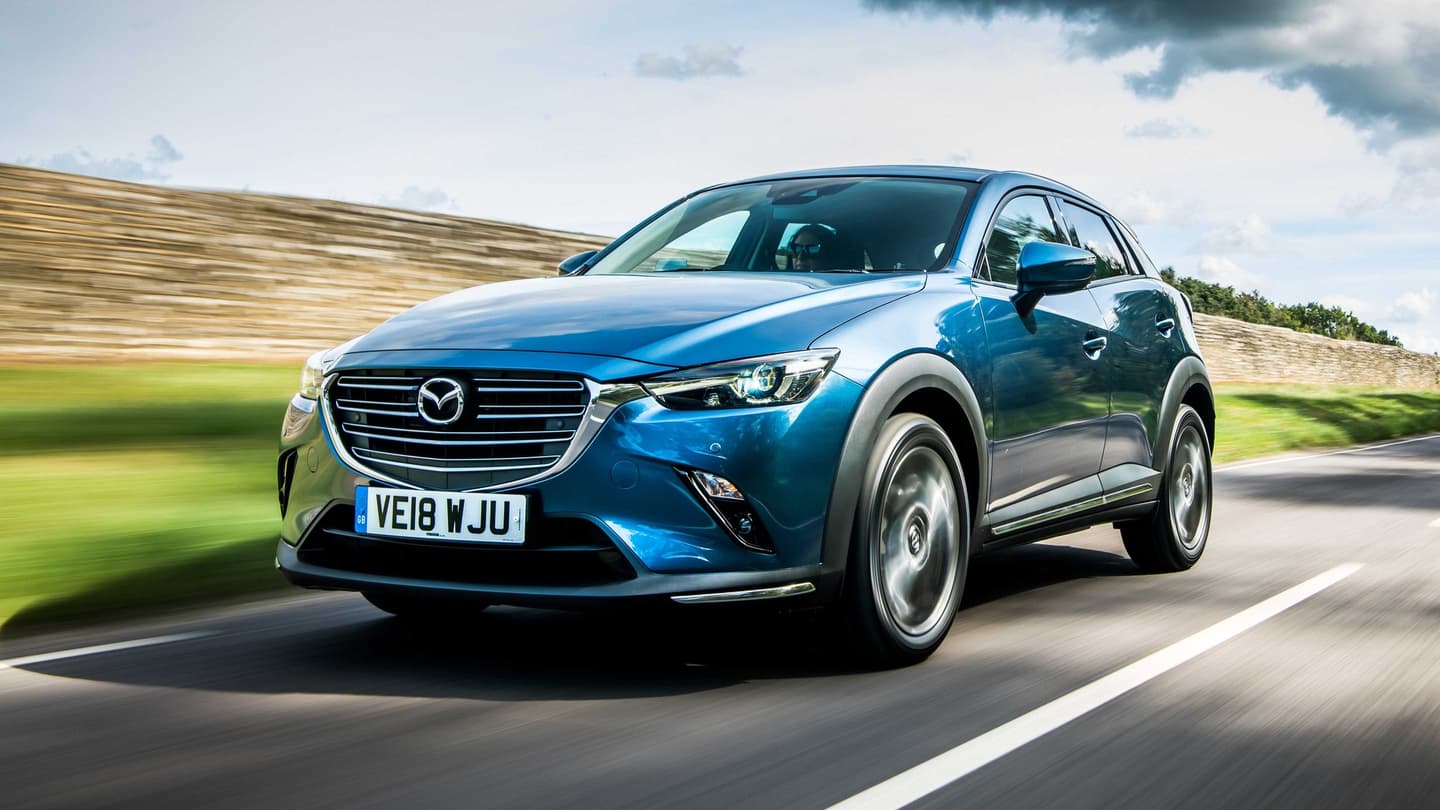
The Mazda CX-3 focuses on the ‘sport’ and forgets the ‘utility’ in Sports Utility Vehicle.
It’s a small SUV that’s based on the Mazda 2, so you get keen handling and nice interior materials, but not a lot of room for passengers or luggage.
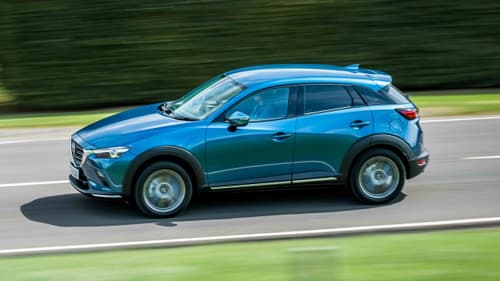
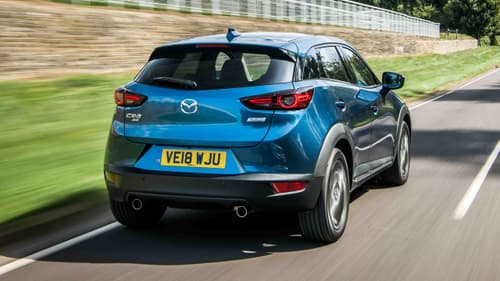
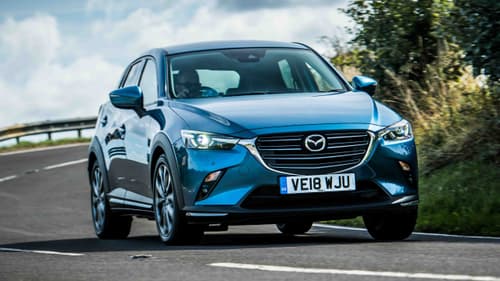
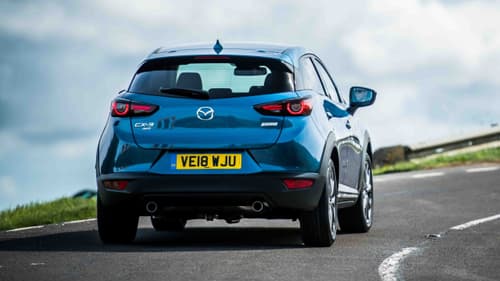
It’s Mazda’s thing to be sportier but less practical than rival cars. The CX-3 is one of the few small SUVs that you’ll actively enjoy driving down a windy B-road, when so many just aim to get you from A to B.
Being based on the Mazda 2 means the CX-3 was never going to be the biggest kid in its class, but we’d argue there’s not a whole lot of point to a small SUV that can’t comfortably fit four adults. You might as well buy the Mazda 2 and enjoy its lower, sportier driving position – unless, of course, the CX-3’s higher driving position is necessary for you.
"The Mazda CX-3 is one of the better small SUVs to drive"
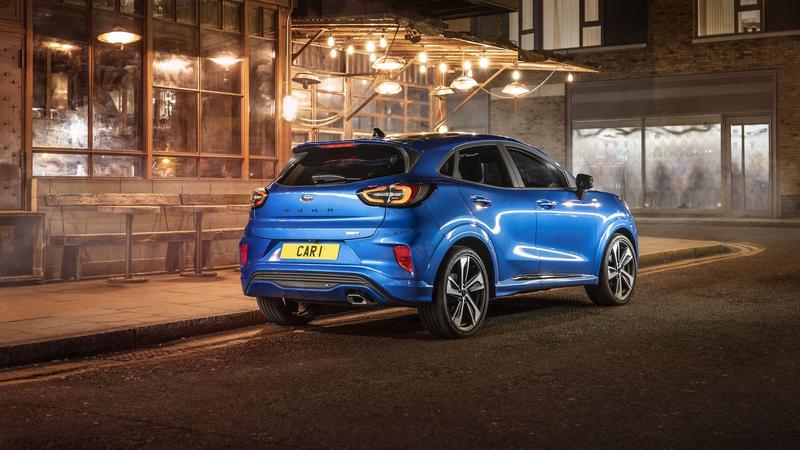
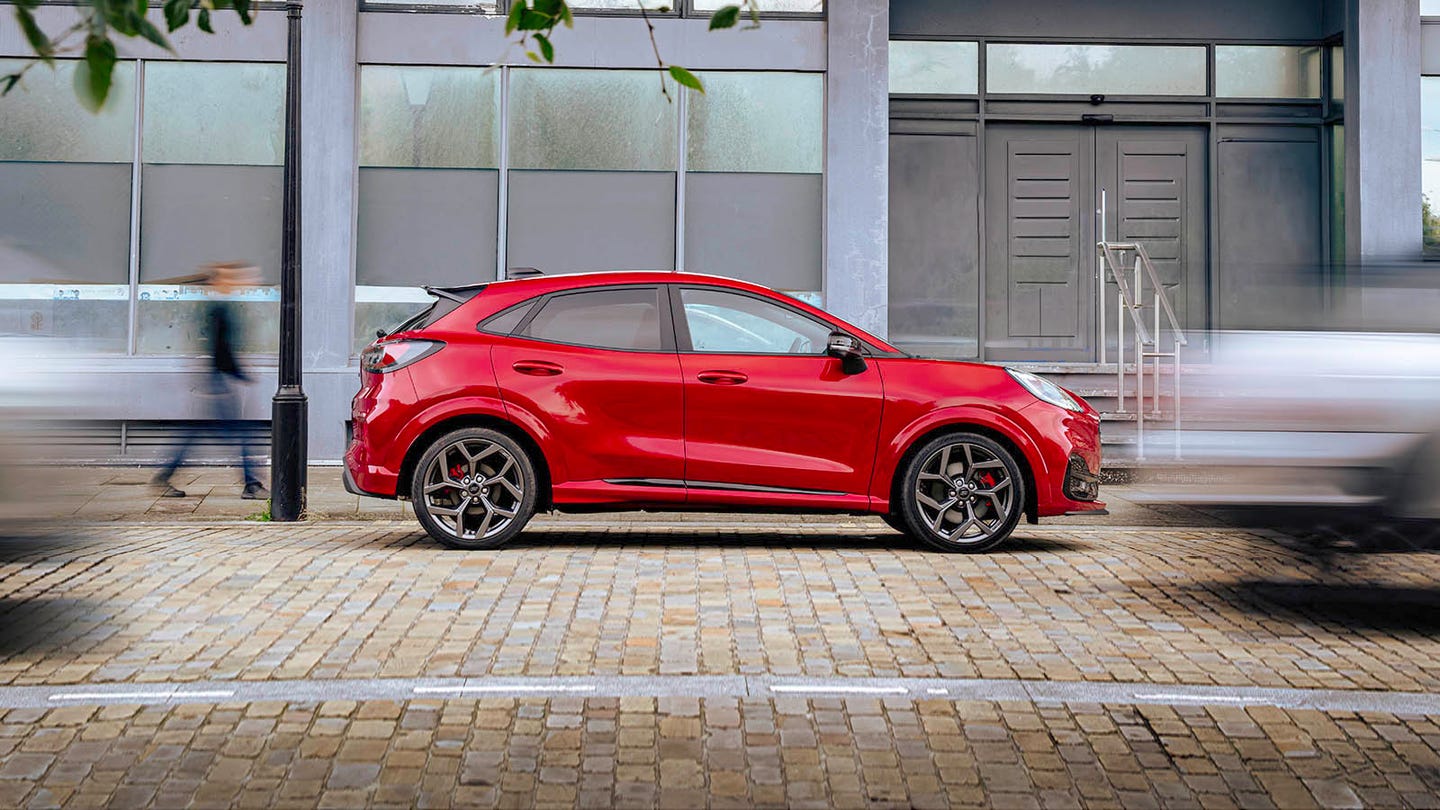
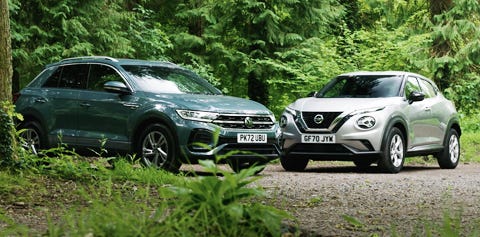
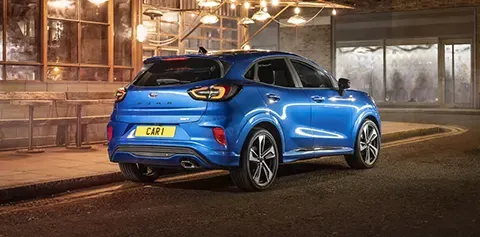
The other hurdle to overcome is that the CX-3 isn’t the cheapest choice available. For the same money, you could get yourself a SEAT Arona, Nissan Juke or Ford Puma – all of which are at least reasonably good to drive, newer and more practical. Or there’s the Kia Stonic that’ll still have warranty cover remaining.
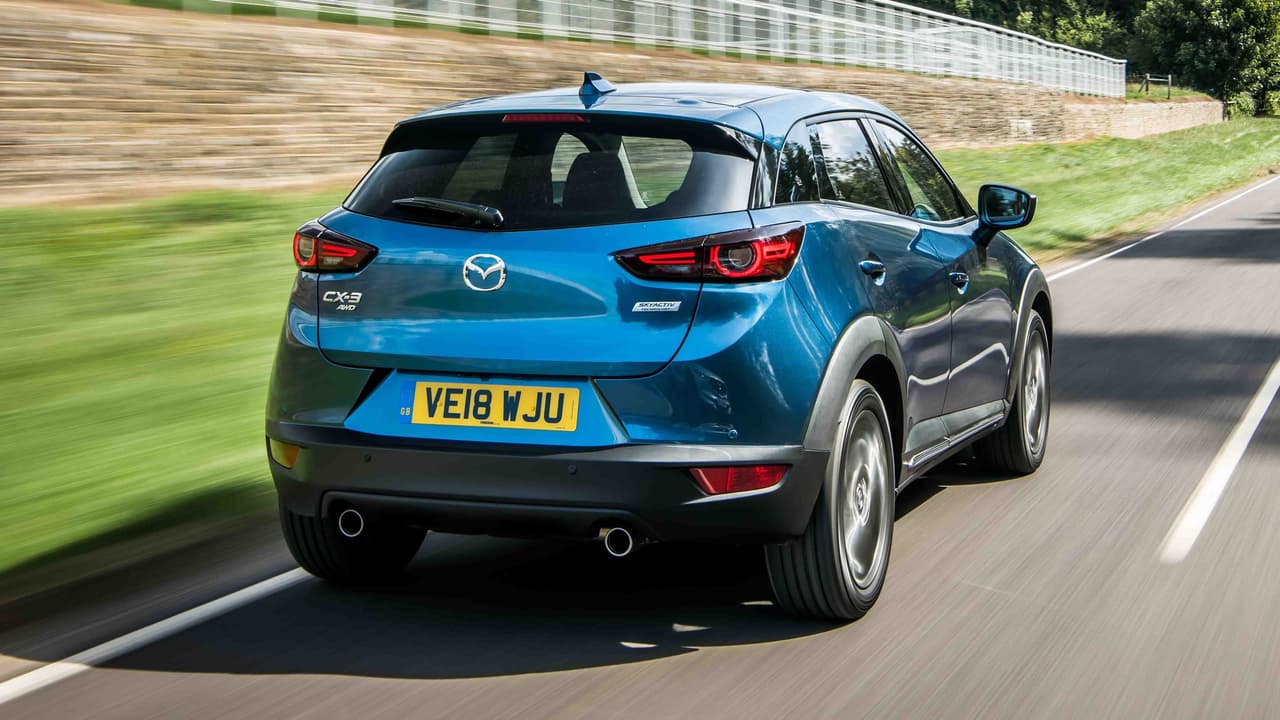
If neither of these drawbacks are dealbreakers, you’ll probably enjoy the CX-3’s taut styling, its satisfying interior and its generous kit.
Plus, the petrol engine is revvy and reliable, so the CX-3 promises to be really easy to live with.
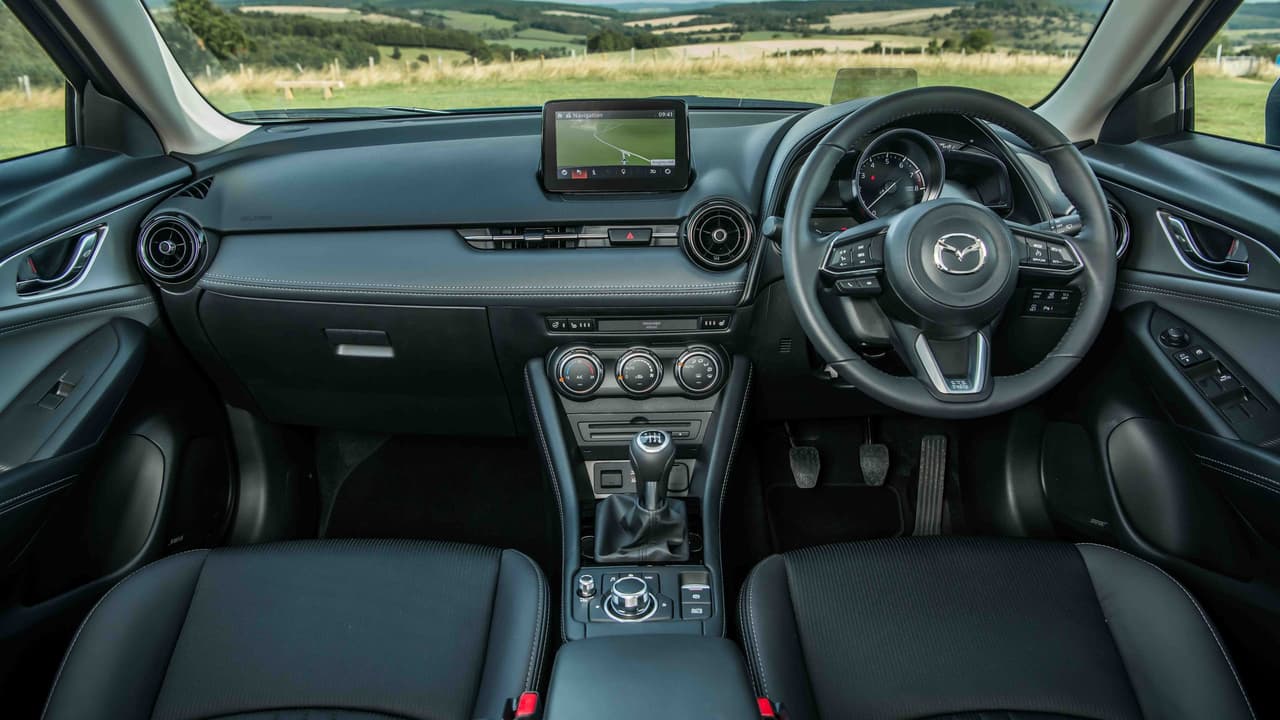
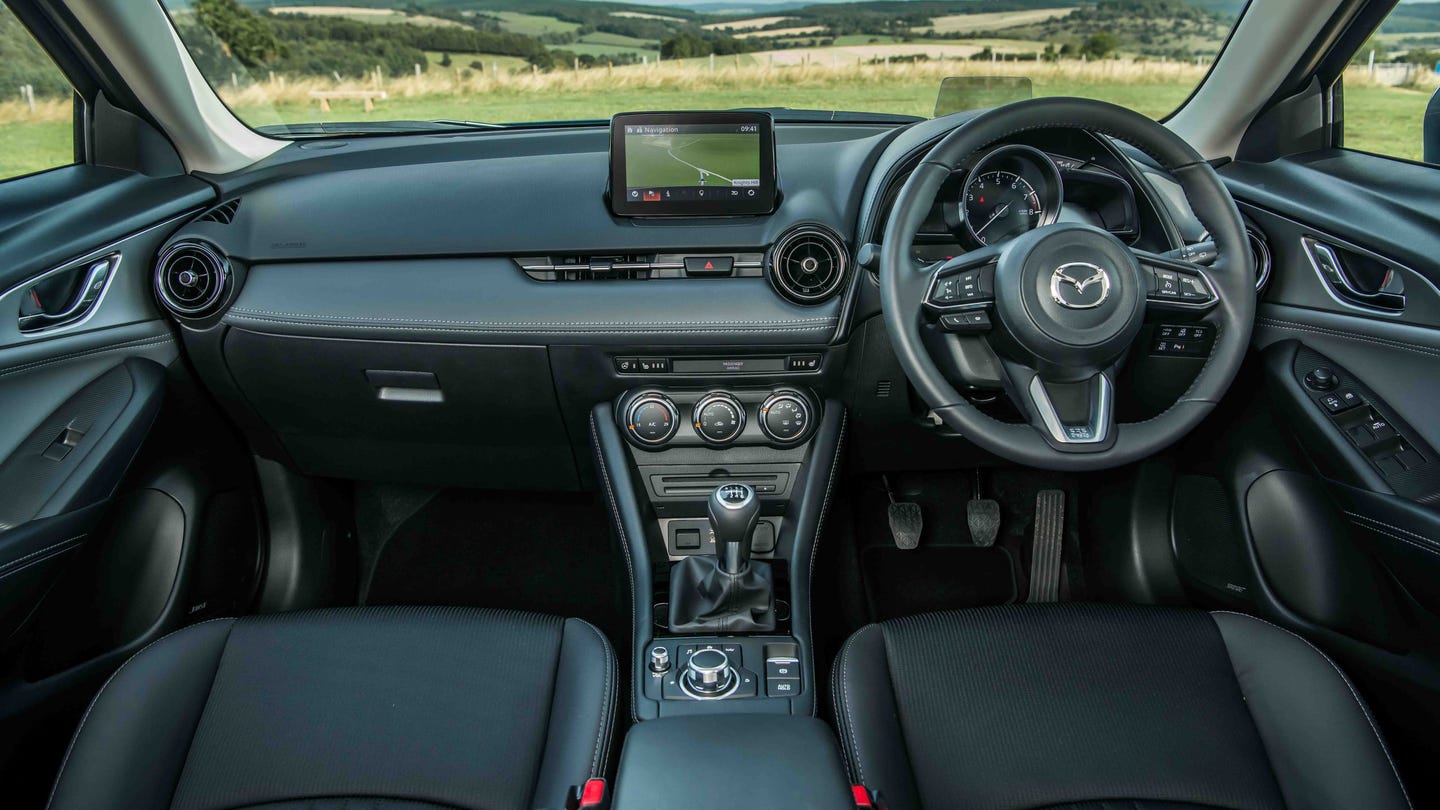
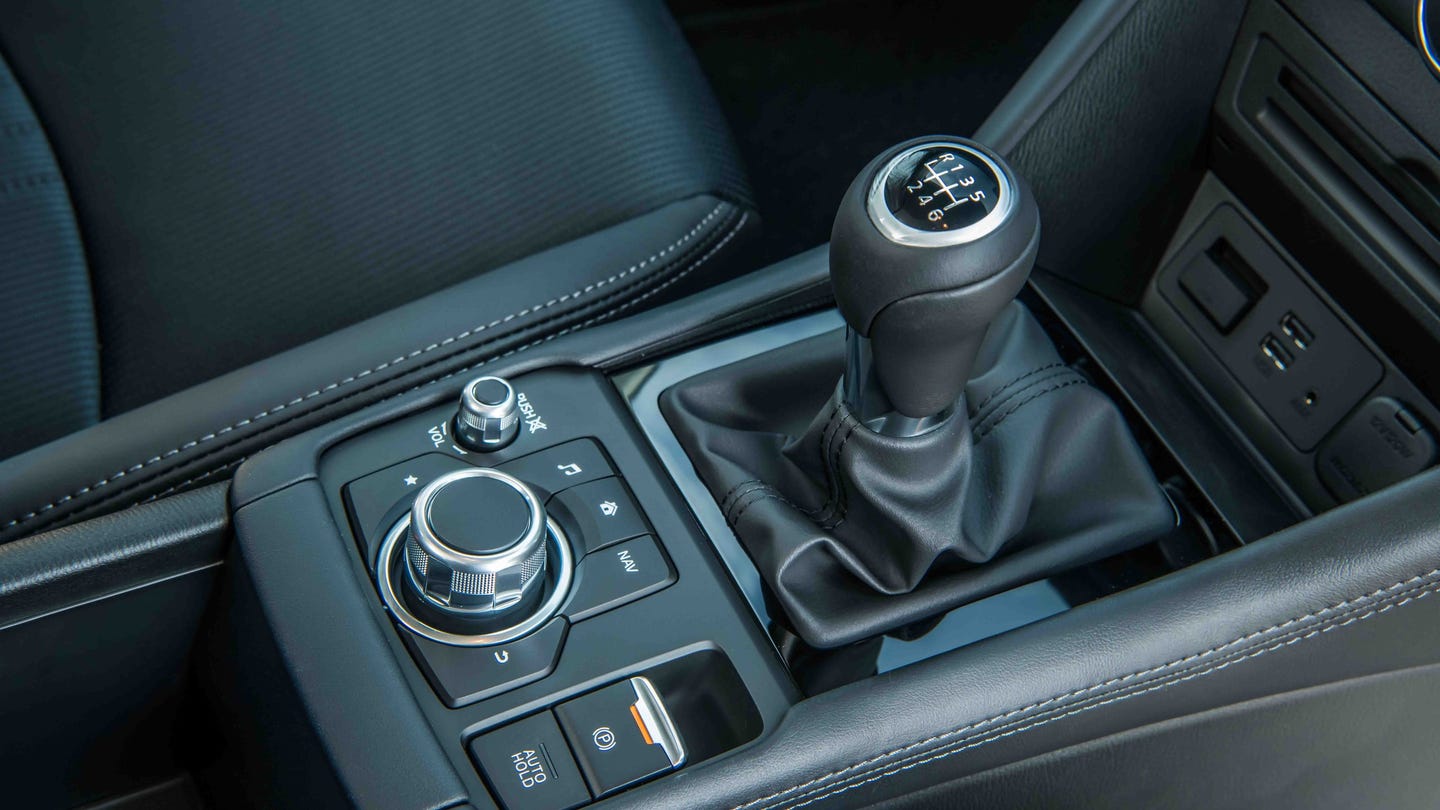
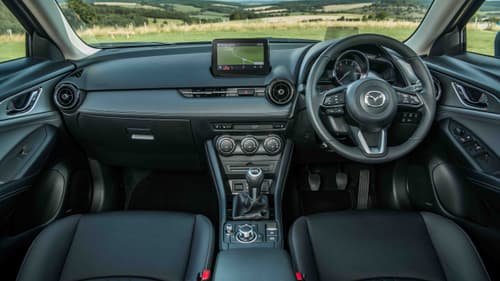
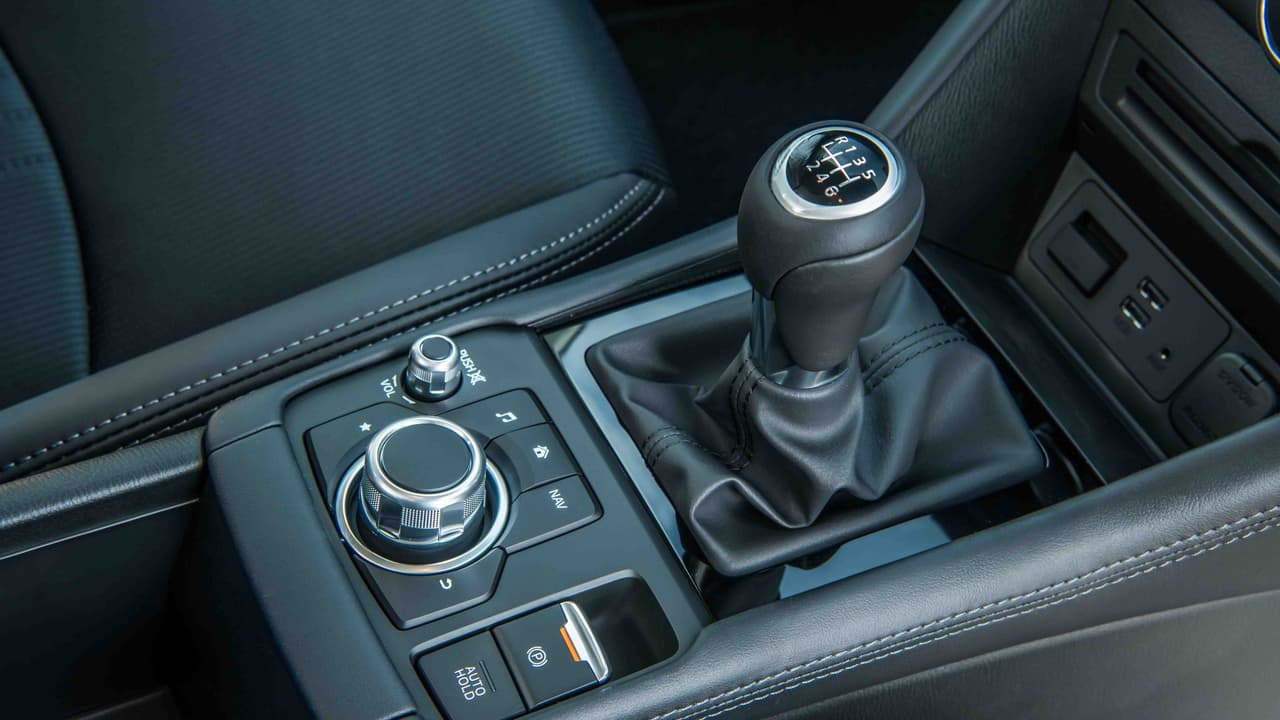
We’d wager that most people had a smartphone in 2015. But there’s nowhere to put it in the CX-3’s interior, because the space in front of the gearlever isn’t big enough. You still get a CD player, which eats into centre console space.
Otherwise, the CX-3’s interior reminds us how good car interiors used to be before everything was punted onto a touchscreen. The steering wheel features sensibly placed buttons that are clear and obvious, there are twizzly knobs for easy air conditioning adjustment, and a set of crisp analogue dials that we’d never get tired of looking at.
Even on the base models, you get a soft-touch leather-style strip across the dashboard with double stitching, plus metallic accents to break up the black and grey. It’s a classy, well-built interior that wouldn’t feel out of place in an equivalent Audi or BMW.
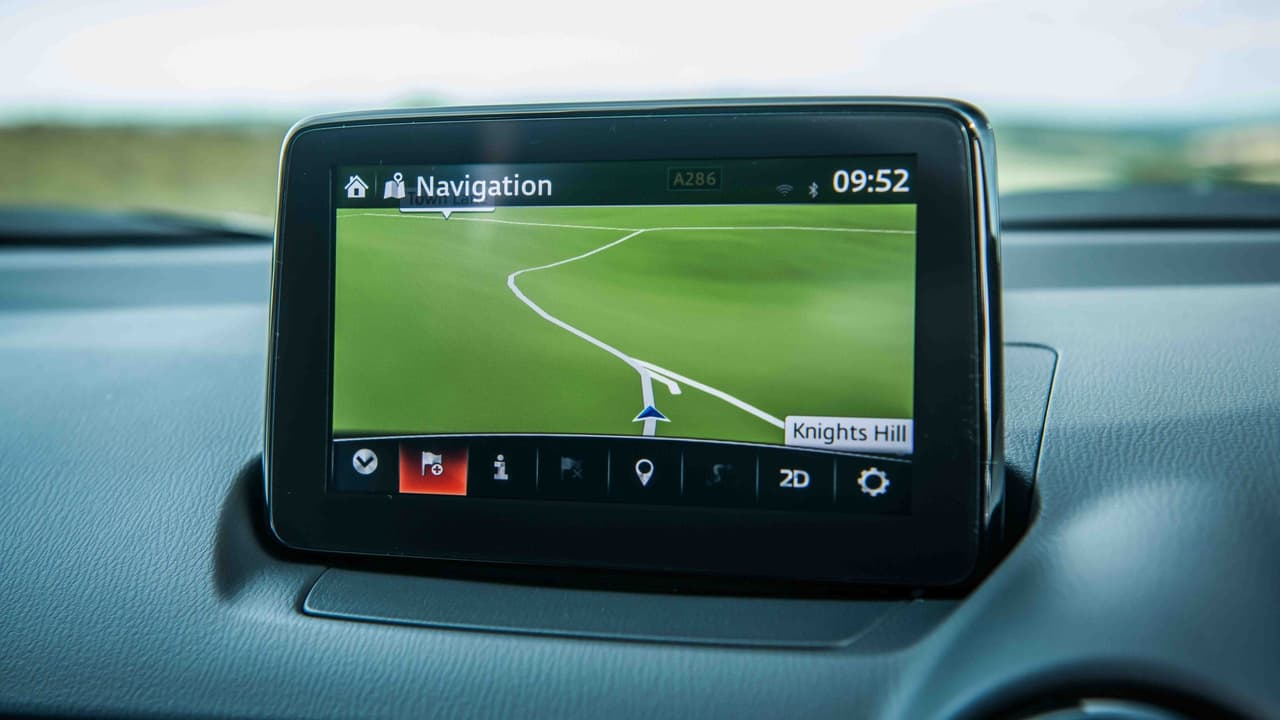
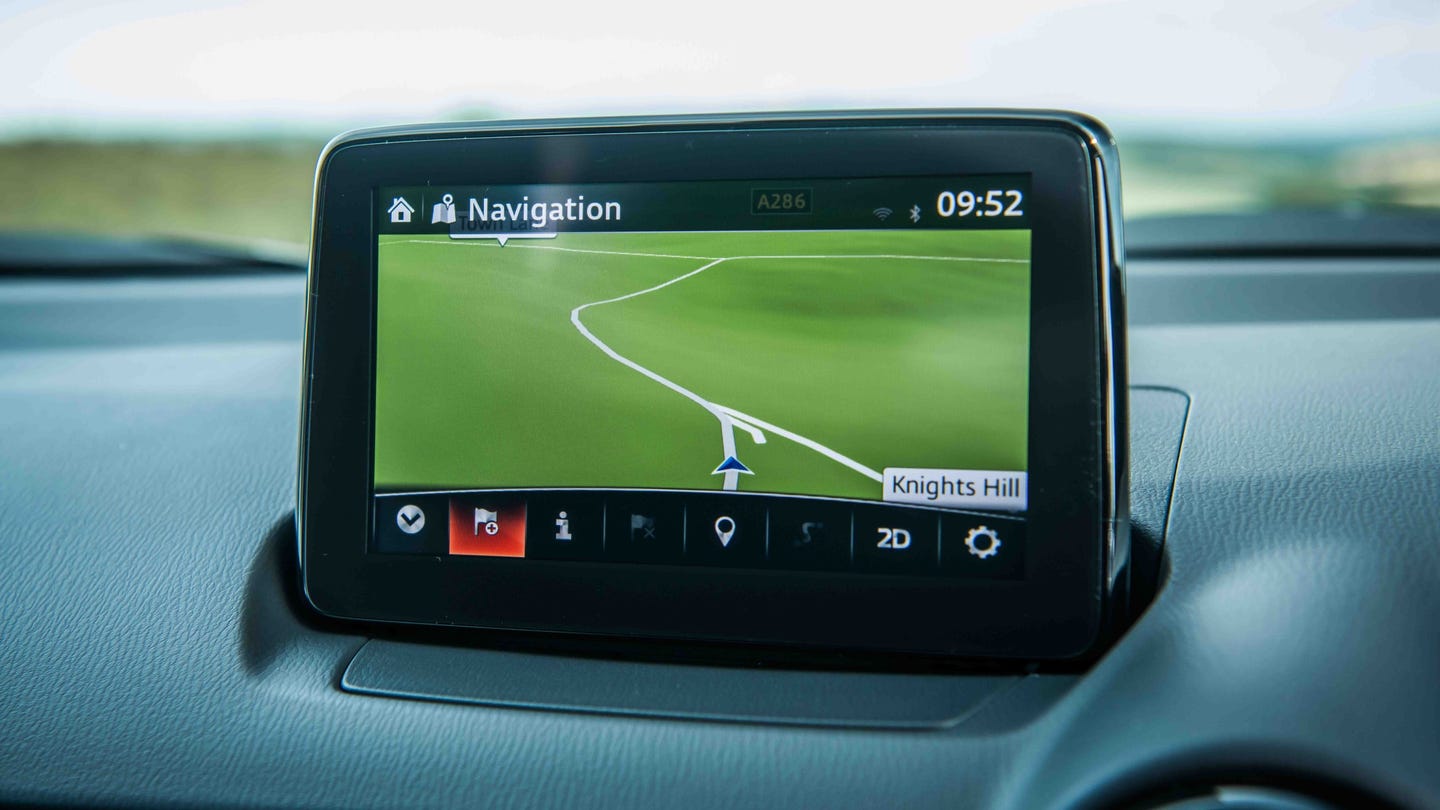
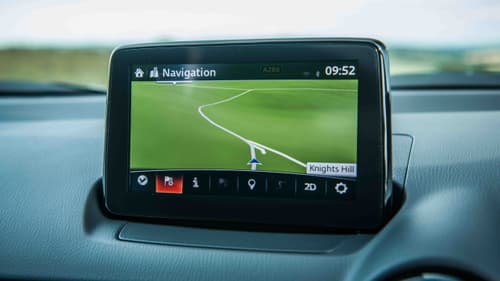
The infotainment system is one area that lets the side down a bit, with basic graphics and slightly laggy responses. You also don’t get Apple CarPlay or Android Auto unless you pay to have it retrofitted.
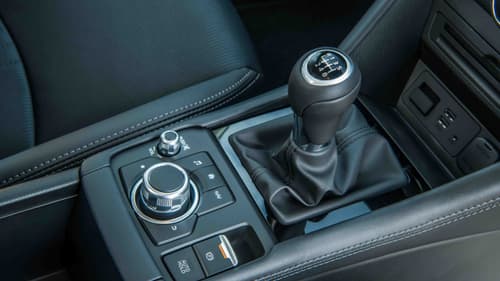
In most situations, the seven-inch screen isn’t a touchscreen. Instead, you control it with a rotary dial between the seats, which is really intuitive and keeps your eyes on the road a bit more. That also means your screen isn’t full of smudgey fingerprints. Only when you come to a stop can some of the screen's functions be operated by your finger.
In its later years, the CX-3 came in three main trim levels: SE Nav+, SE L Nav+ and Sport Nav+. Standard equipment includes leather on the steering wheel and gear lever, plus cruise control, sat nav and hill-start assist. SE L Nav adds heated front seats (a rarity in this class), auto wipers and headlights, rear parking sensors and climate control.
Sport Nav+ looks the part with 18-inch alloy wheels, LED headlights and extra chrome accents. You also get keyless entry, a reversing camera, a heated steering wheel and a Bose sound system.
The CX-3 won’t be on your shortlist if you want a spacious car. While the front seats are roomy enough for most body types, the rear seats offer limited legroom. There isn’t really sufficient headroom for a tall adult back there, either.
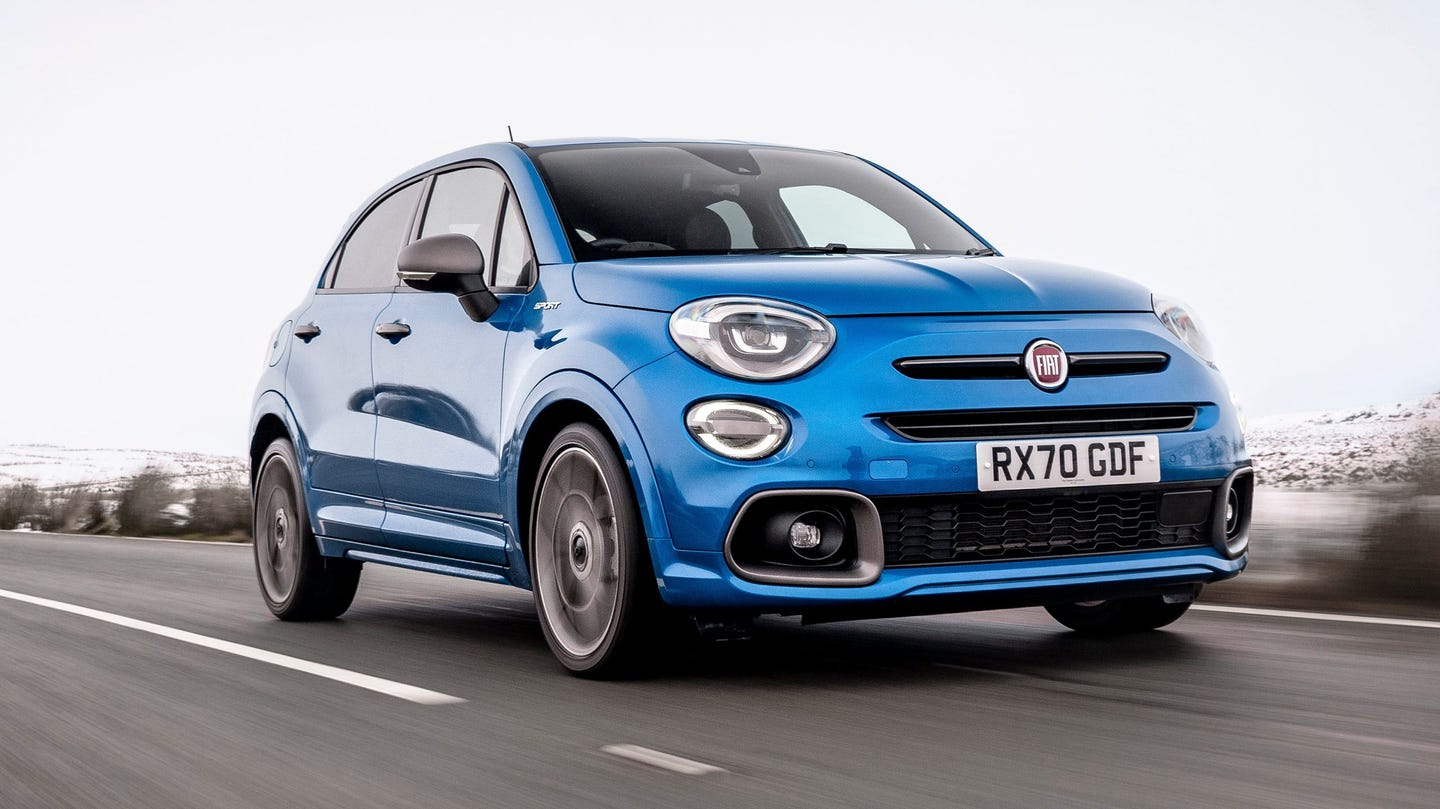
Besides a fold-down centre armrest with cupholders (again, uncommon for a car this size), rear-seat passengers don’t get many comfort features – such as air vents or USBs. The nice materials from the front continue in the rear, which we appreciate. Rivals such as the Fiat 500X and Vauxhall Crossland are very plasticky in the back.
Fitting a child seat will be a bit of a squeeze, first because of the shape of the door aperture and second because of the limited space. The Isofix points are also a bit tricky to locate until you’ve done it a few times – you might need to use the adaptors that typically come with a child seat.
Storage space up front could definitely be better, with only small cubbies to stash your travel sweets and chargers. The door bins front and rear are shaped to hold a water bottle and nothing else.
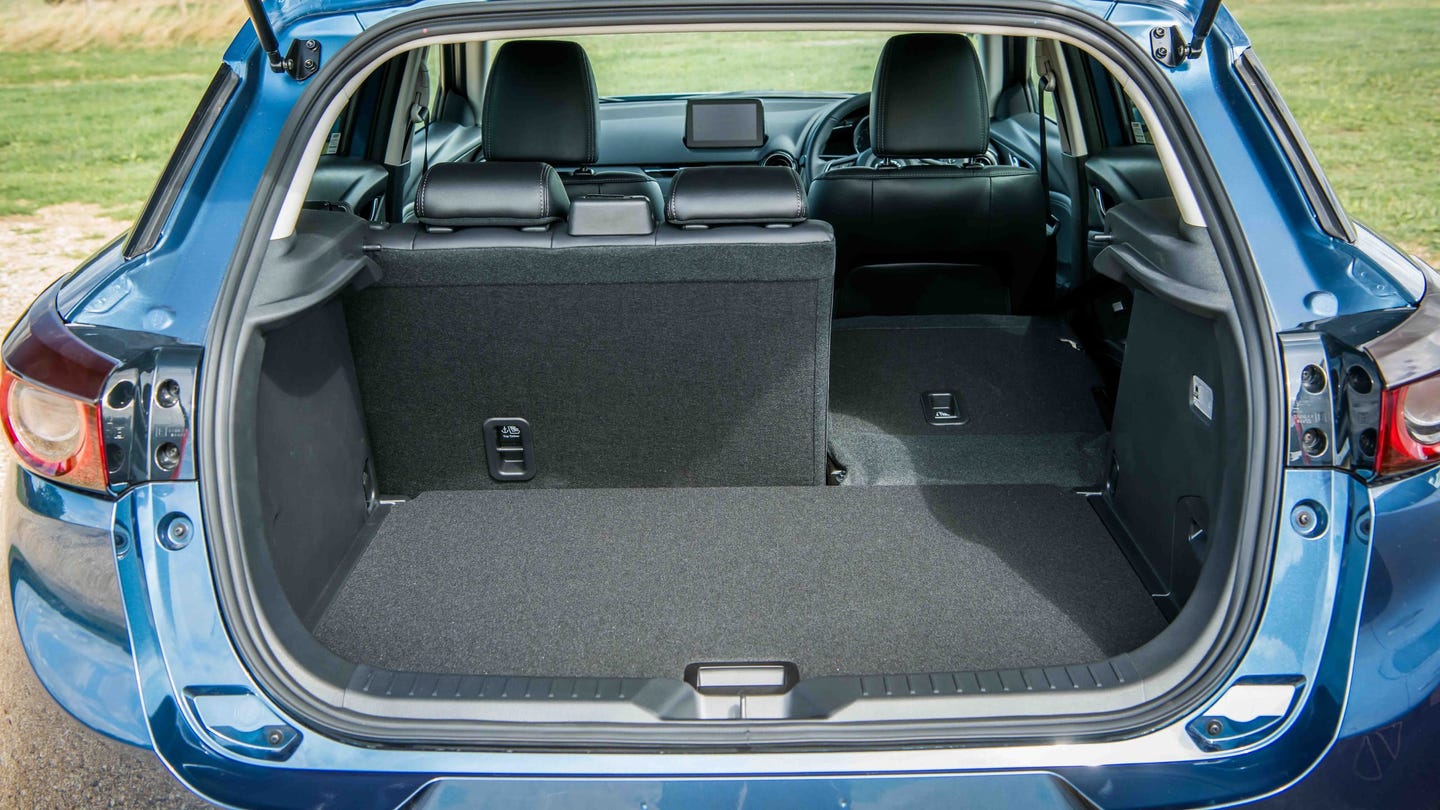
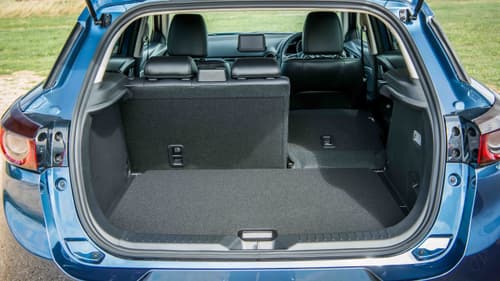
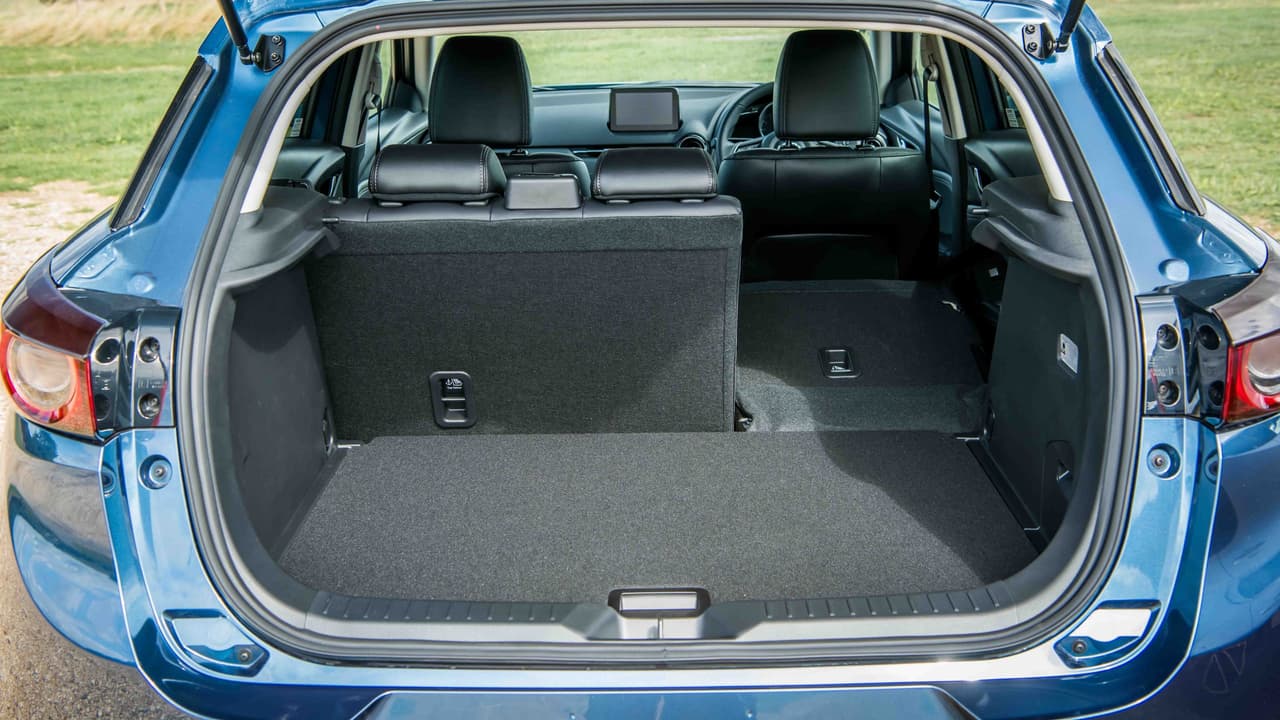
Most rival SUVs have more boot space than the CX-3. The quoted 350-litre capacity includes the underfloor storage, which is taken up by the subwoofer for the Bose audio system in top-spec models. The resulting 255 litres of boot space is no better than a Mazda 2, or indeed a Volkswagen Up.
The boot floor is high, so you’ll have to lump heavy items up further than is comfortable, and the boot opening is a little pinched.
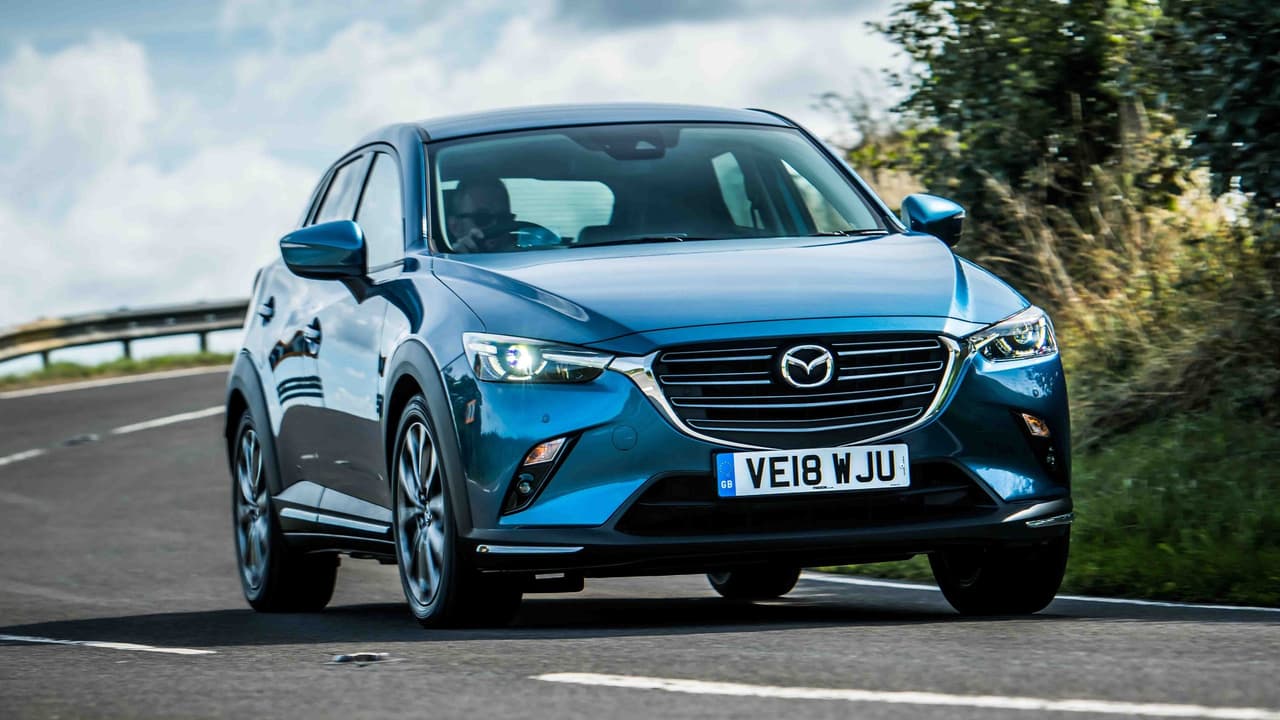
You’ll tend to find used CX-3s powered by a 2.0-litre petrol engine. Diesel engines are available but rare, especially on newer examples.
The 2.0-litre engine is big for a car this size when the vast majority of rivals come with 1.0 or 1.2 engines. But, unlike the vast majority of rivals, the CX-3’s engine isn’t turbocharged. This engine needs revving out to make great progress, which keen drivers might appreciate, and it has an enviable reputation for longevity and reliability.
Mazda believes this is the ‘right-sized’ engine for this car to offer good fuel economy. Really, though, the official figure of 45mpg is merely fine (a Puma or Juke will manage around 50mpg) and we could only get 40mpg out of it however hard we tried.
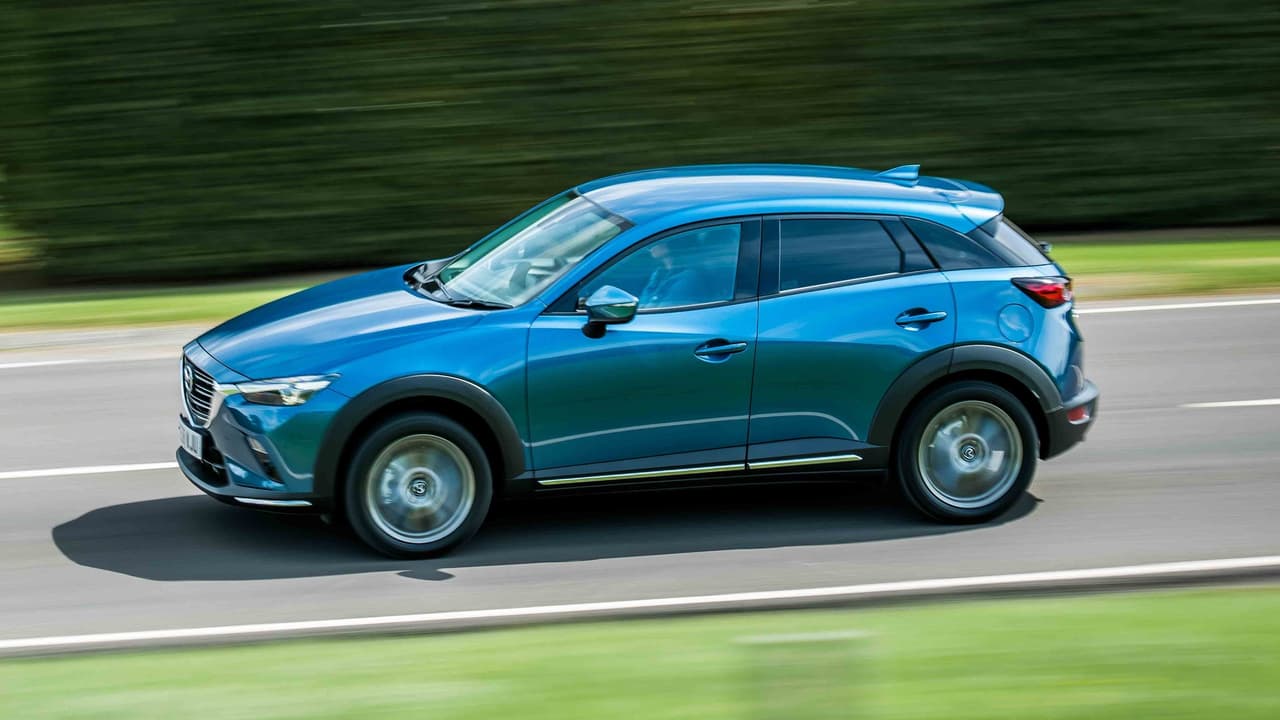
The power output of 121hp is reasonable, but it never feels that fast because the peak power is locked away at the top end of the rev range.
We’d recommend opting for a manual CX-3 if you can, because Mazda’s manual gearshifts are a particular highlight. Then you can really make the most of the engine and the power available.
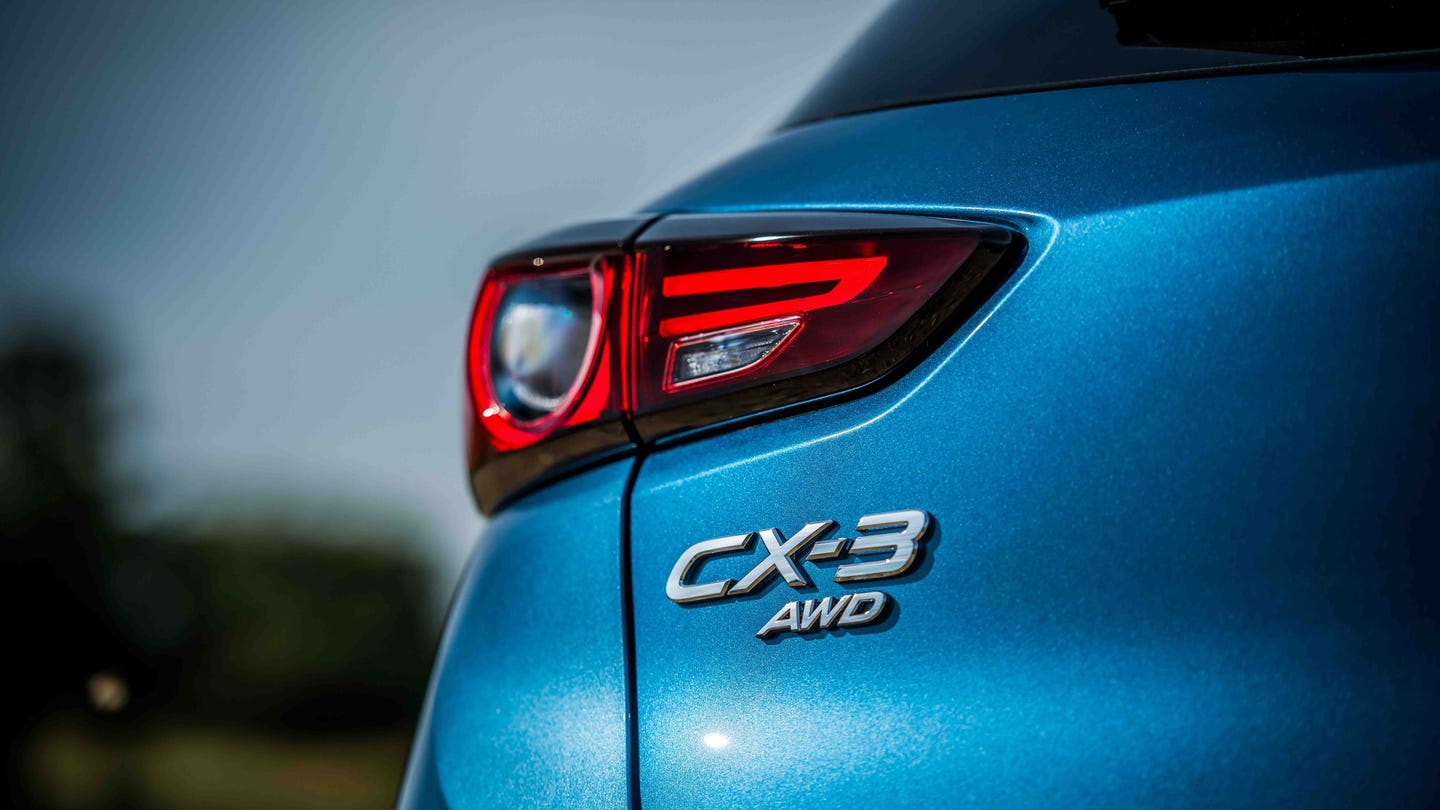
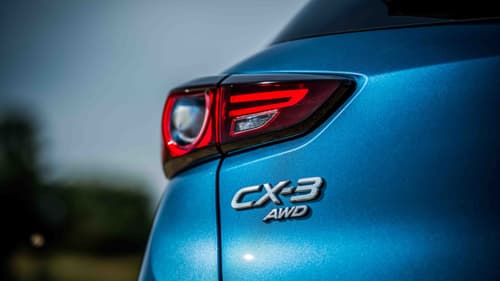
Avoid the rare all-wheel-drive versions, though. They’re not any faster, despite a power boost to 150hp, and they’re less economical with a best-case of 40mpg. No CX-3 will get very far off-road, and the AWD versions come with a slightly smaller fuel tank, too. If you’re worried about slippery conditions in cold weather, you’ll be better off equipping your CX-3 with a set of winter tyres or all-season tyres.
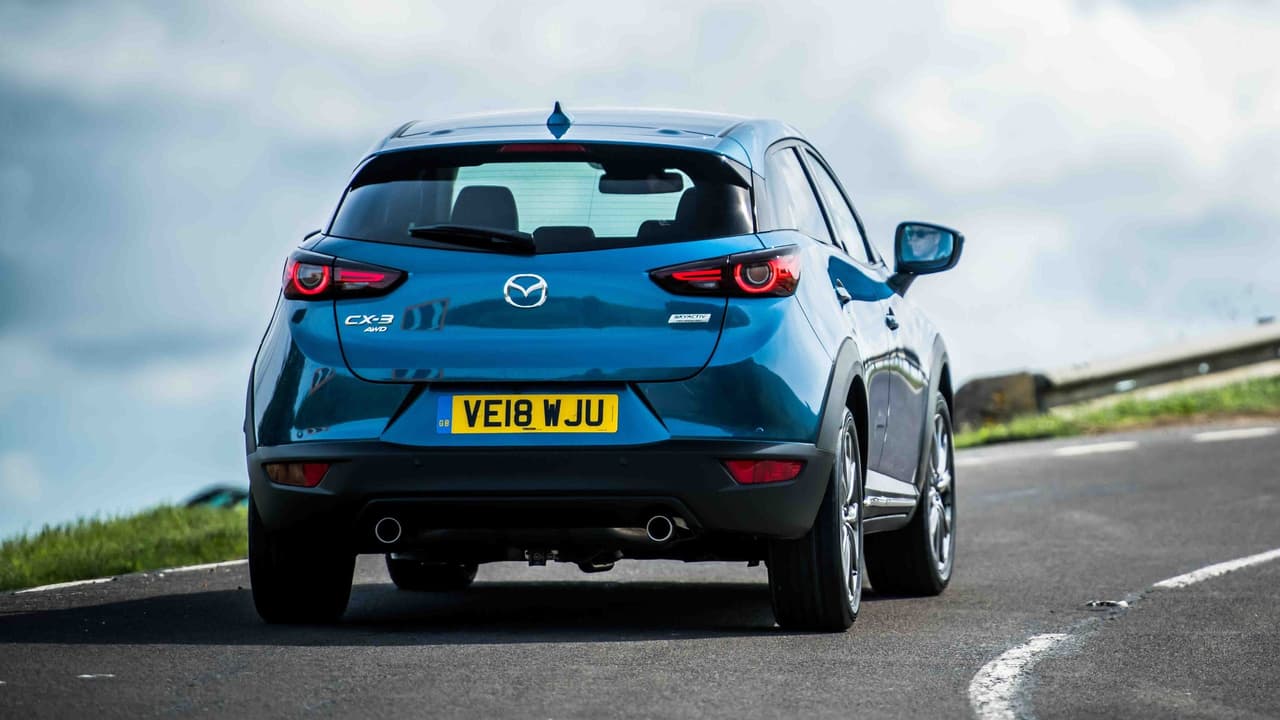
The Mazda CX-3 is one of the better small SUVs to drive, thanks to a well-sorted chassis, direct steering and that manual gearbox action.
It rides nicely, with a good balance between sportiness and comfort. Harsh jolts are generally smoothed out, and the body control is noticeably good on twisty roads. You can develop a nice sense of flow on a typical British B-road.
Because you’ll sometimes have to work the engine quite hard, steep inclines or motorway approaches can be noisy. This is exacerbated in the automatic model – another reason to choose the manual.
There’s a bit of wind noise around the large side mirrors at speed, but it’s unlikely to put you off the CX-3 completely. It’s definitely not the worst motorway companion, with the CX-3 managing to feel sophisticated and capable at sustained high speed.
Practical Polo-based crossover is efficient and easy-going
.jpg&w=800&q=75)