







Volkswagen SUV and car model range explained

Ben Custard
•
Manufacturer Guides

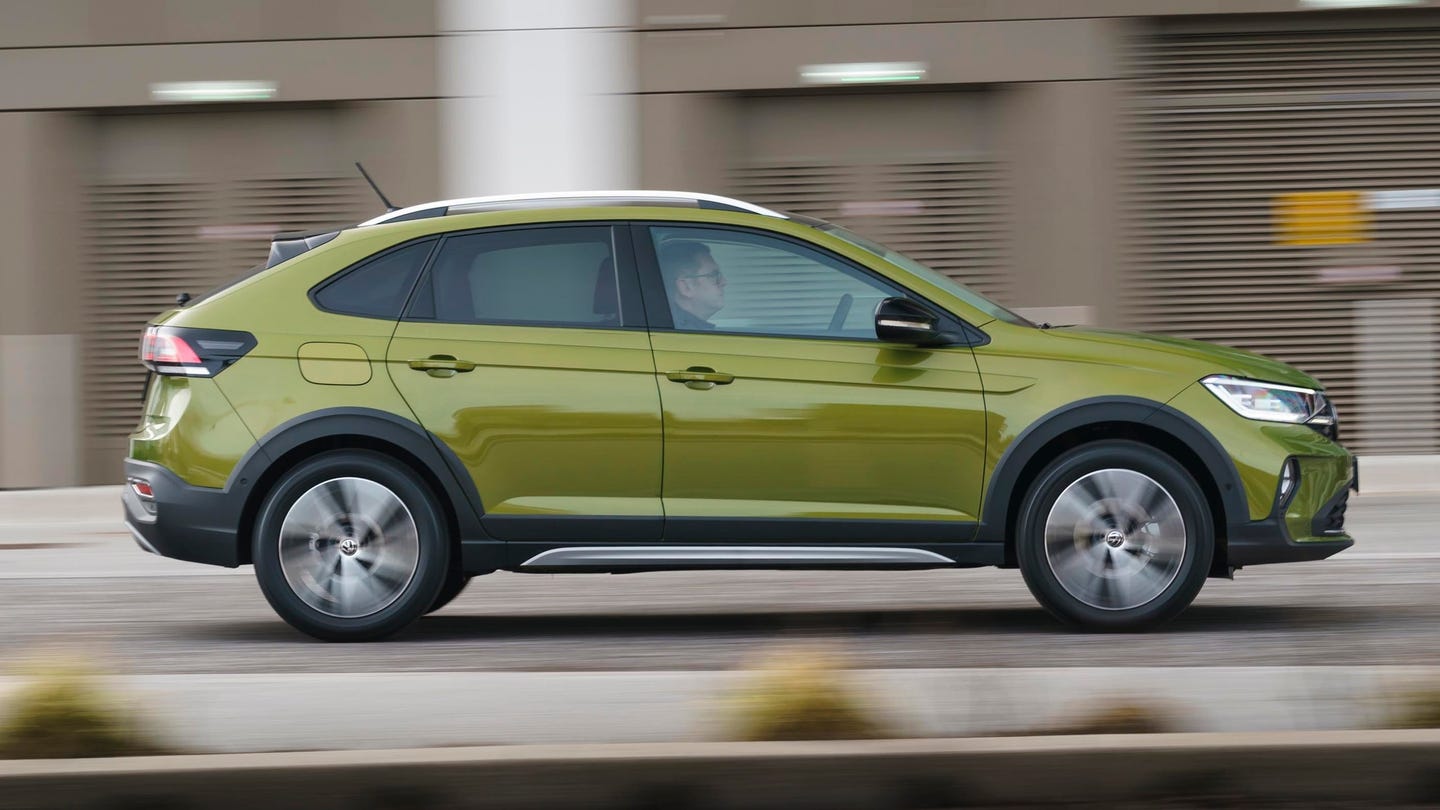
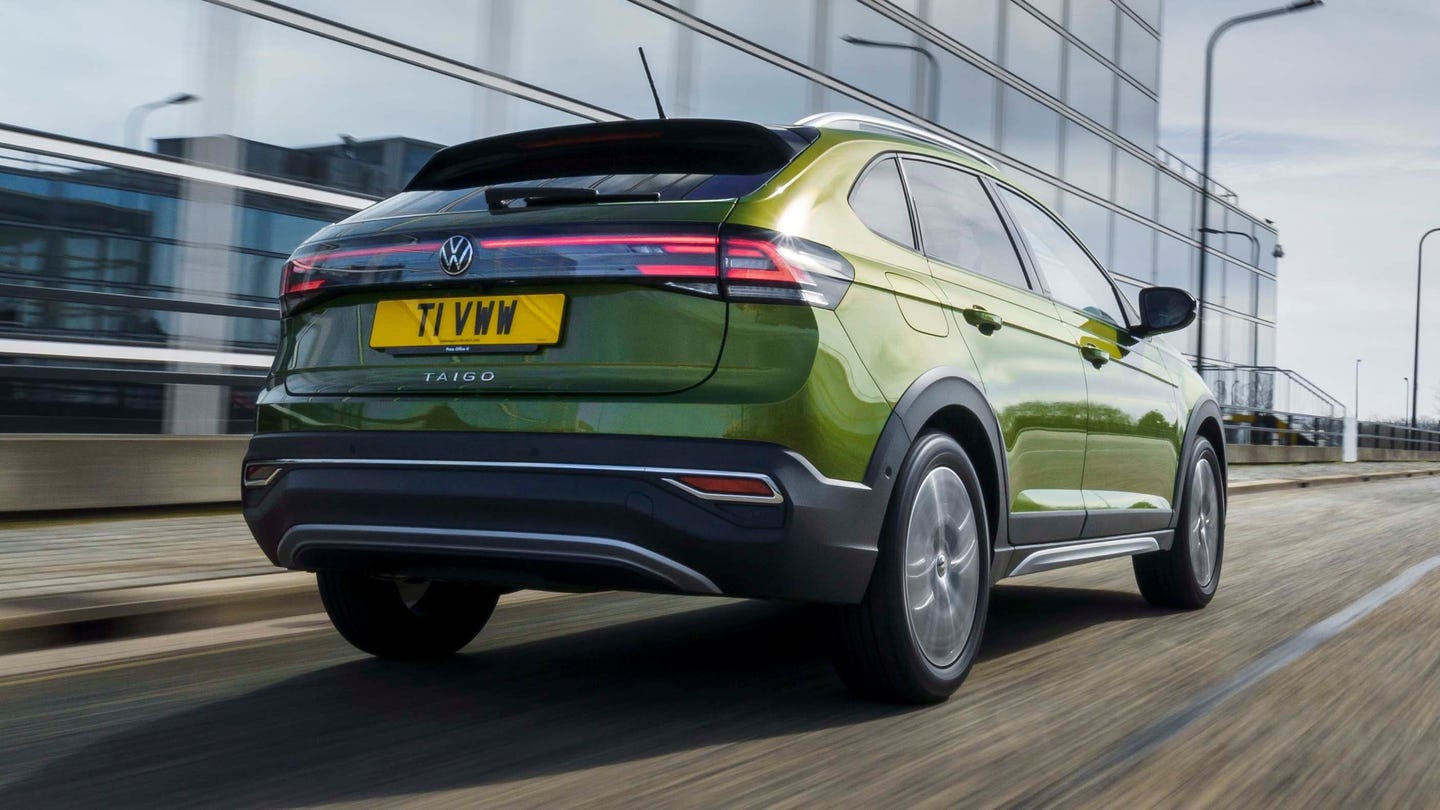
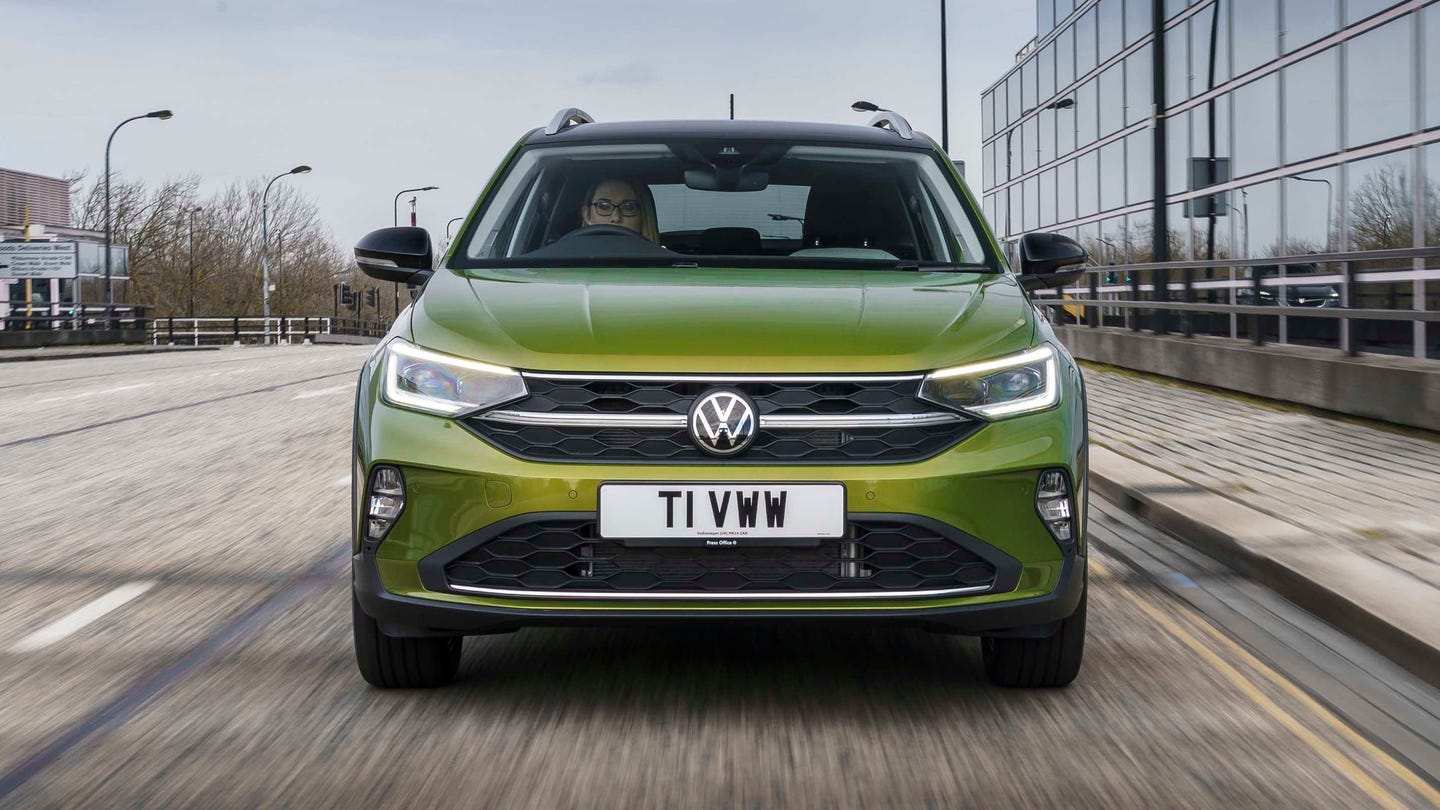
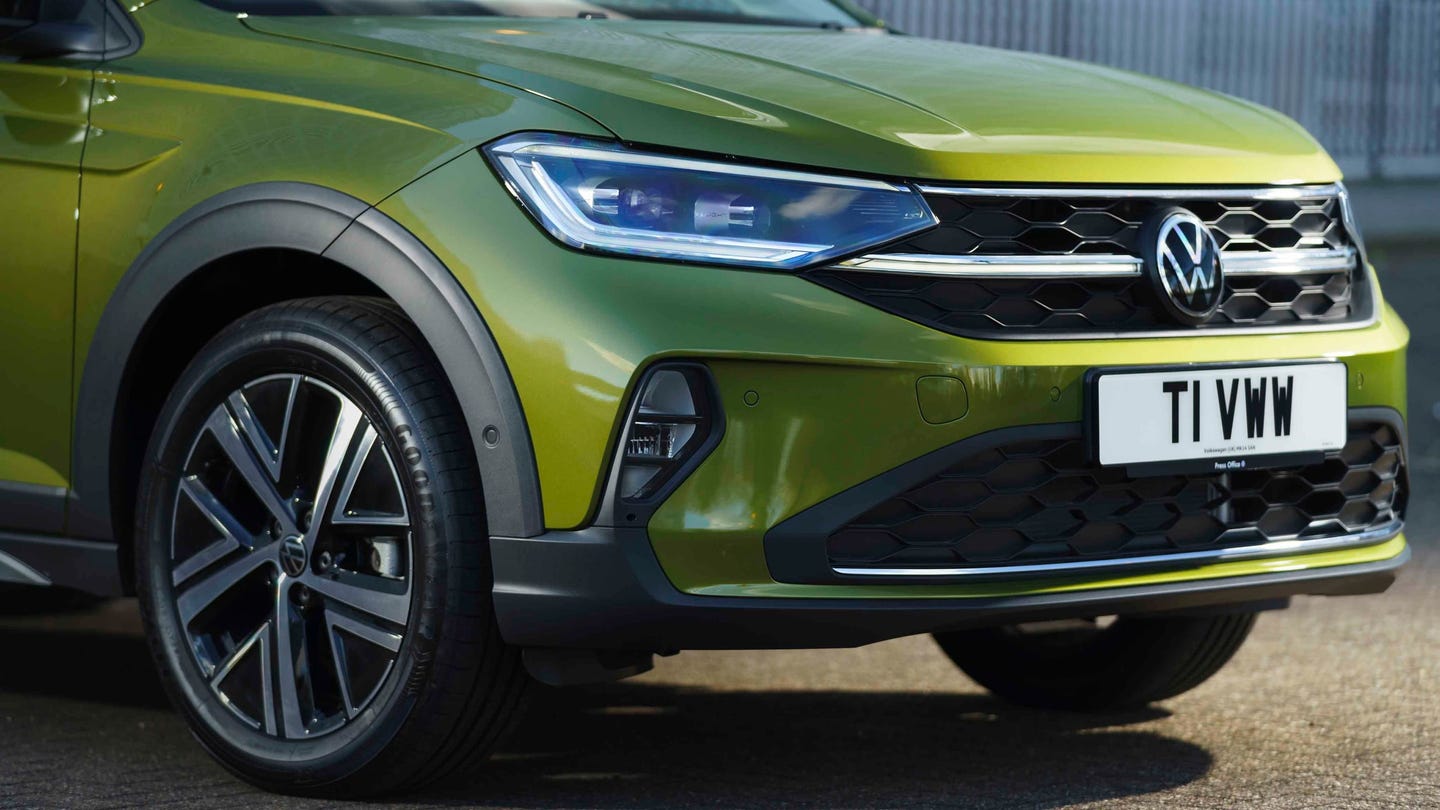
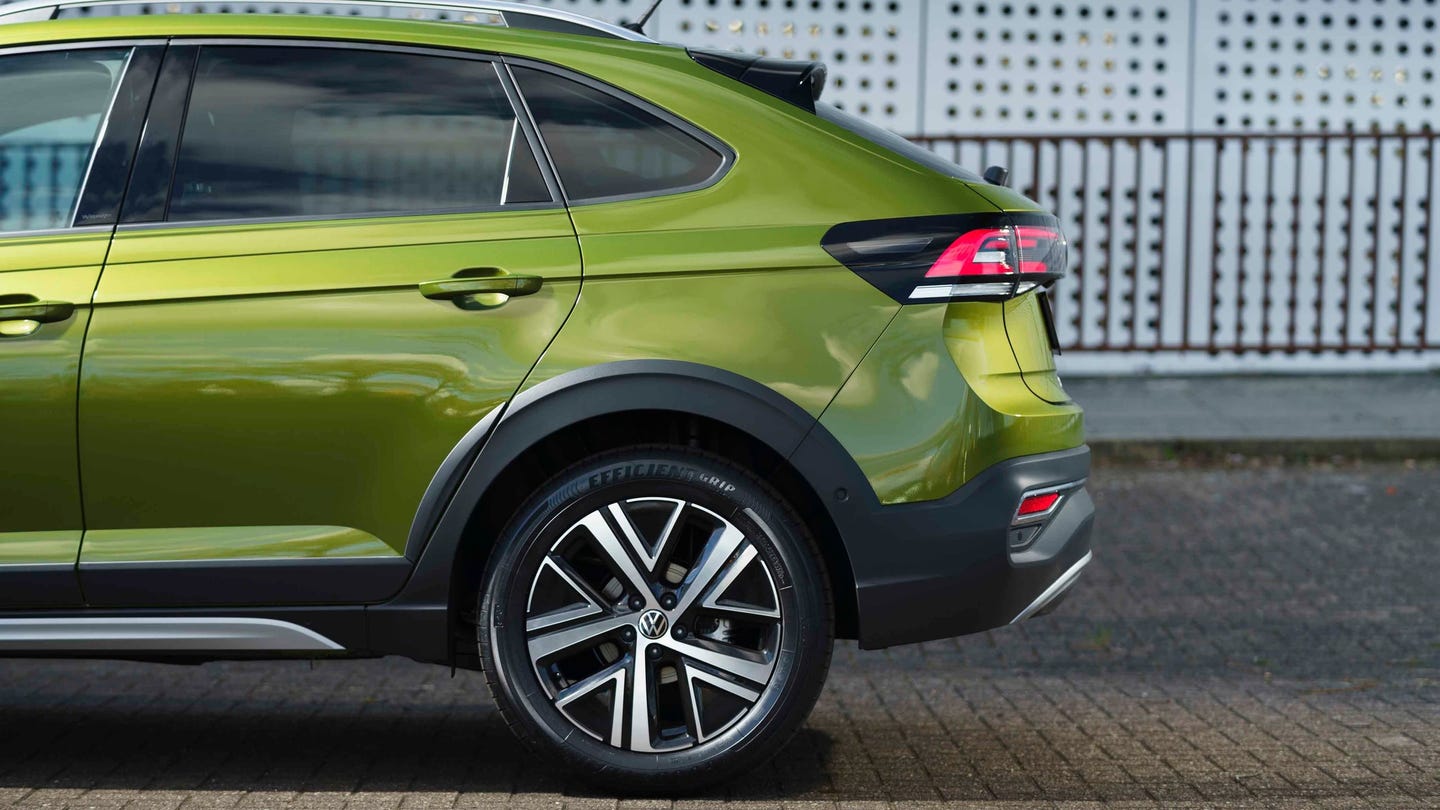
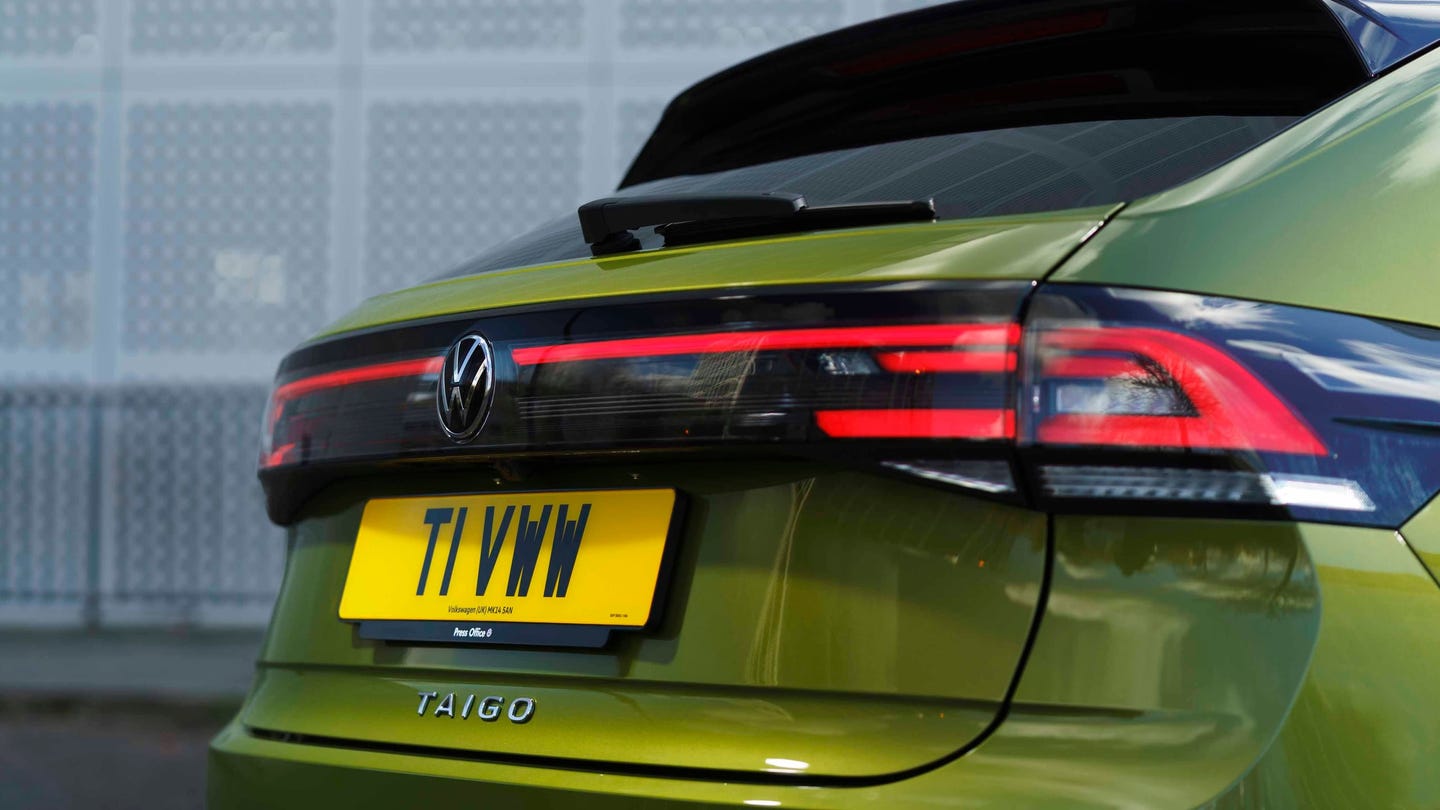
There’s plenty of choice if you’re after a small petrol SUV – even within VW’s own model range.
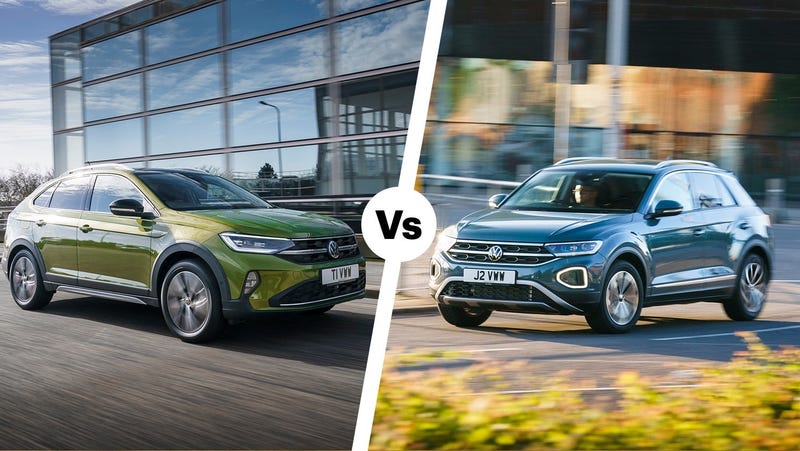
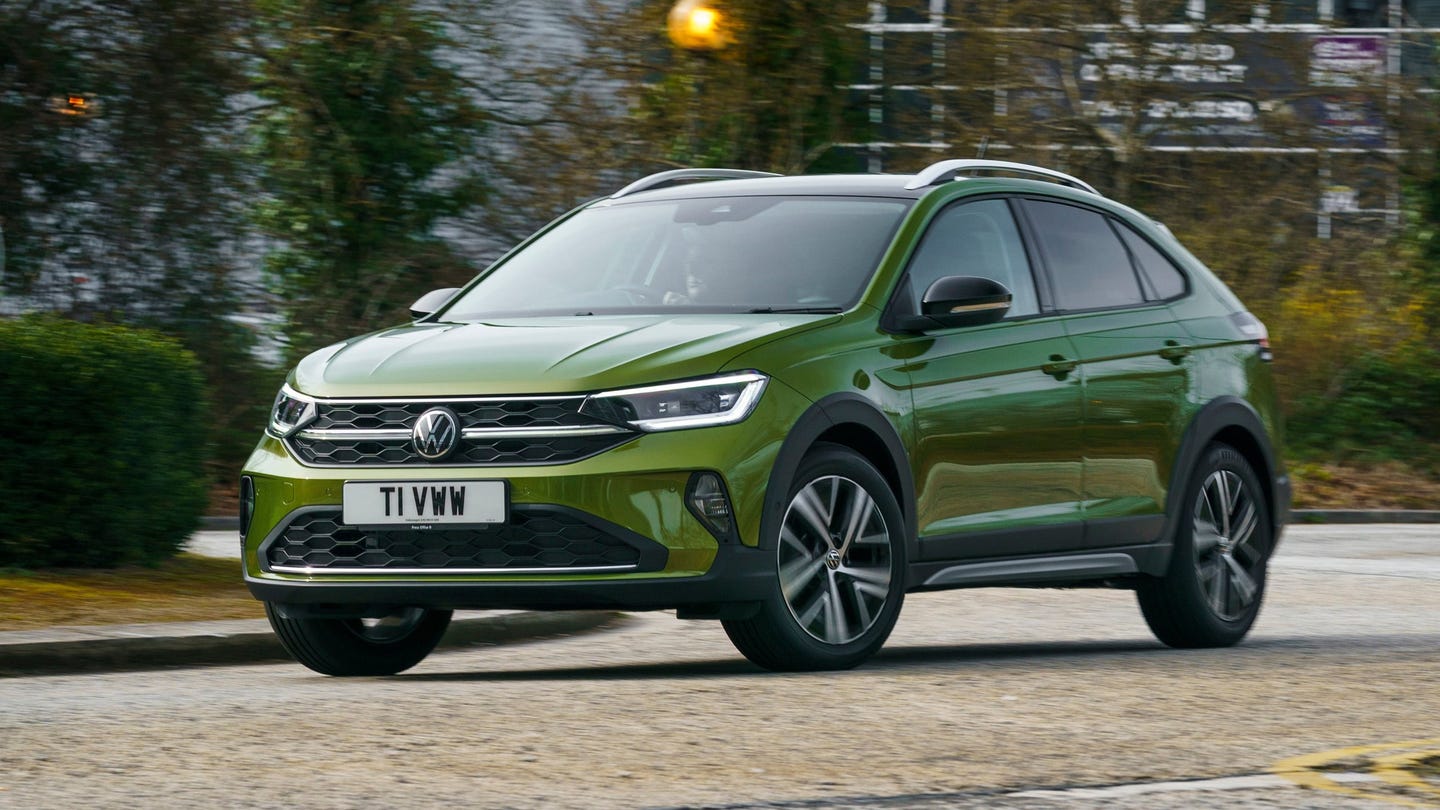
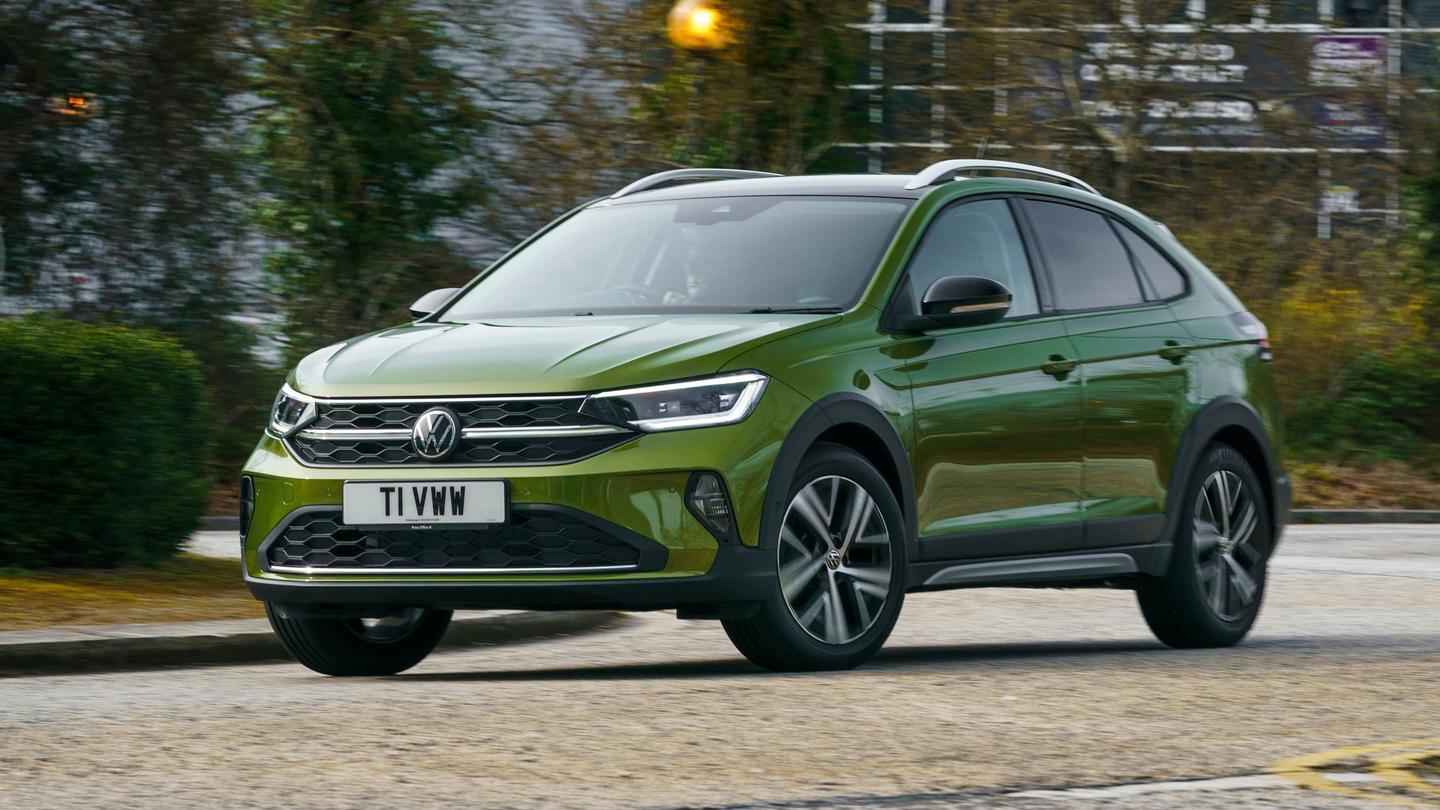
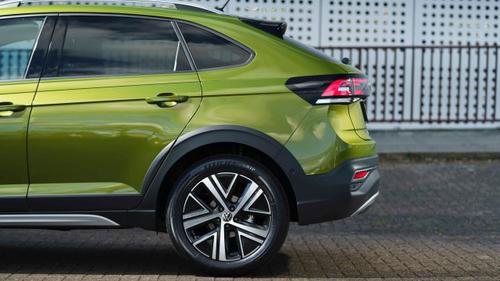
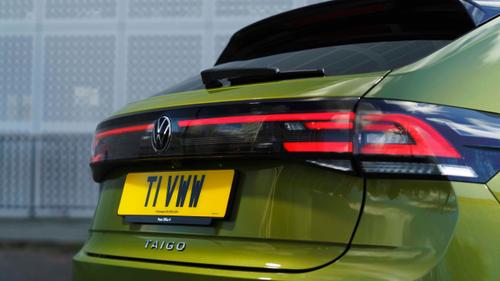
But the Taigo actually makes a lot of sense, because it’s slightly cheaper than the T-Cross but no less practical and arguably more stylish.

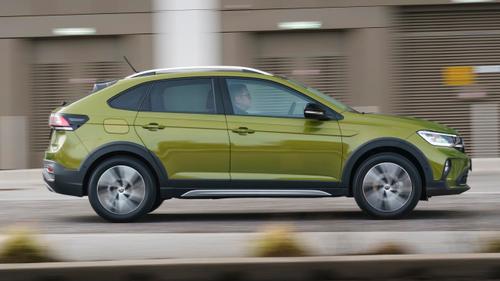
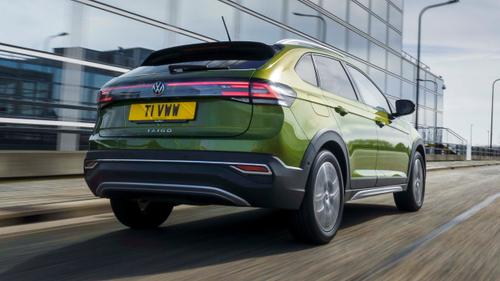
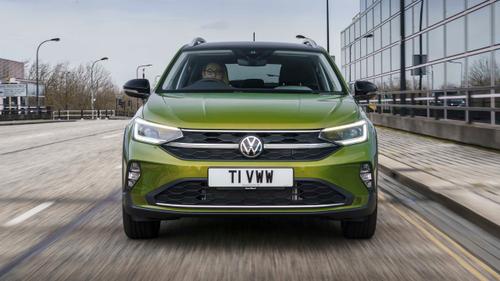
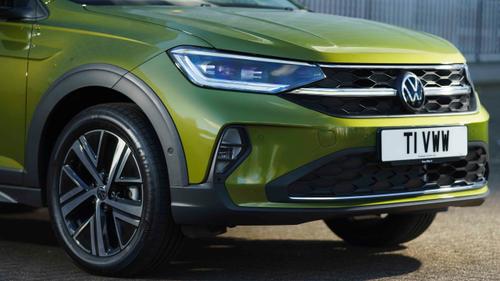
We can all agree that the Volkswagen Polo is a good starting point. It’s very practical for a small car, it’s cheap to run and feels just as sophisticated as a larger VW. So, a small SUV with those qualities should be good as well.
For some reason, one isn’t enough. The Volkswagen Taigo and T-Cross are both Polo-based and there are a lot of similarities between them – including the price. Maybe they’re sold side by side to hoover up buyers who like boxy styling and buyers who like the coupe-SUV trend.
"The 1.5 engine feels a bit unnecessary in the lightweight Taigo – the 1.0 is cheaper, feels eager and offers sufficient performance"
Once you’ve eeny meeny miney mo’d your way to the Taigo, it’s a relatively simple affair. Every Taigo is petrol – you just have to choose from two engine sizes and whether you want an automatic gearbox or not.
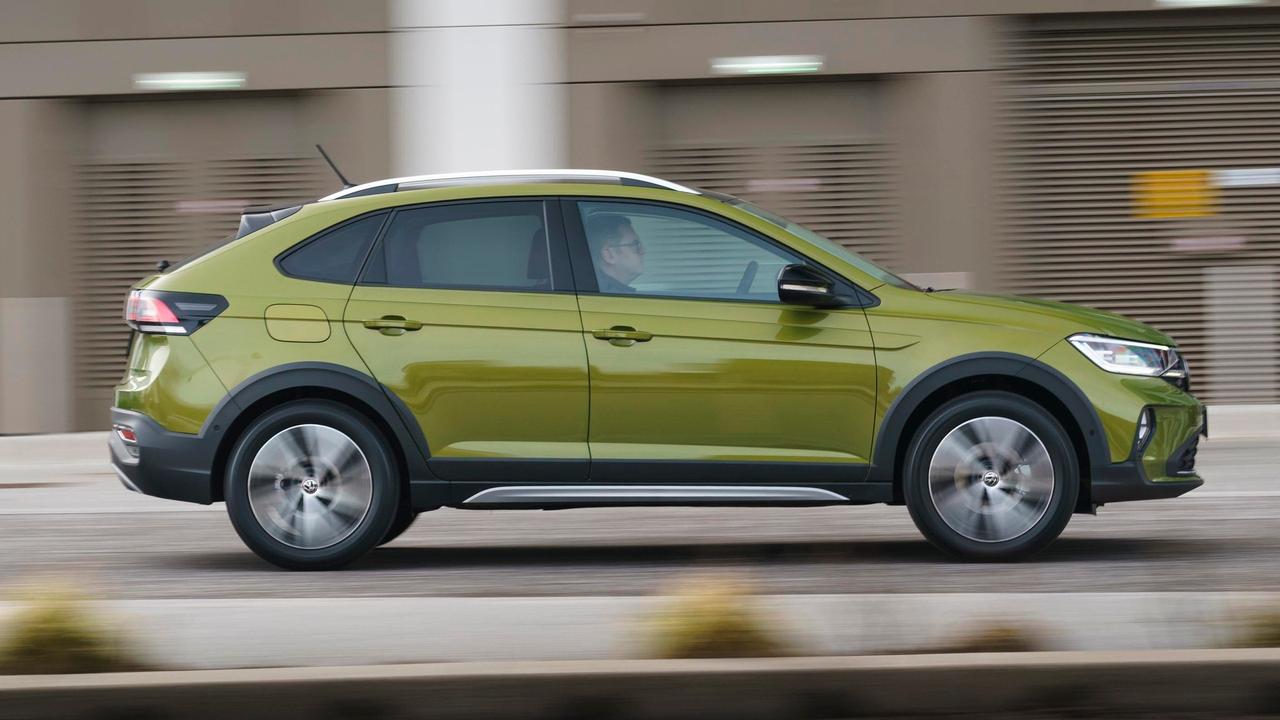
Simplicity and straightforwardness is the Taigo’s vibe. The interior feels familiar and user-friendly, and the driving experience is easy but confidence-inspiring. It might be one of a never-ending number of small SUVs, but the Taigo is particularly well rounded and promises to be nice to live with.
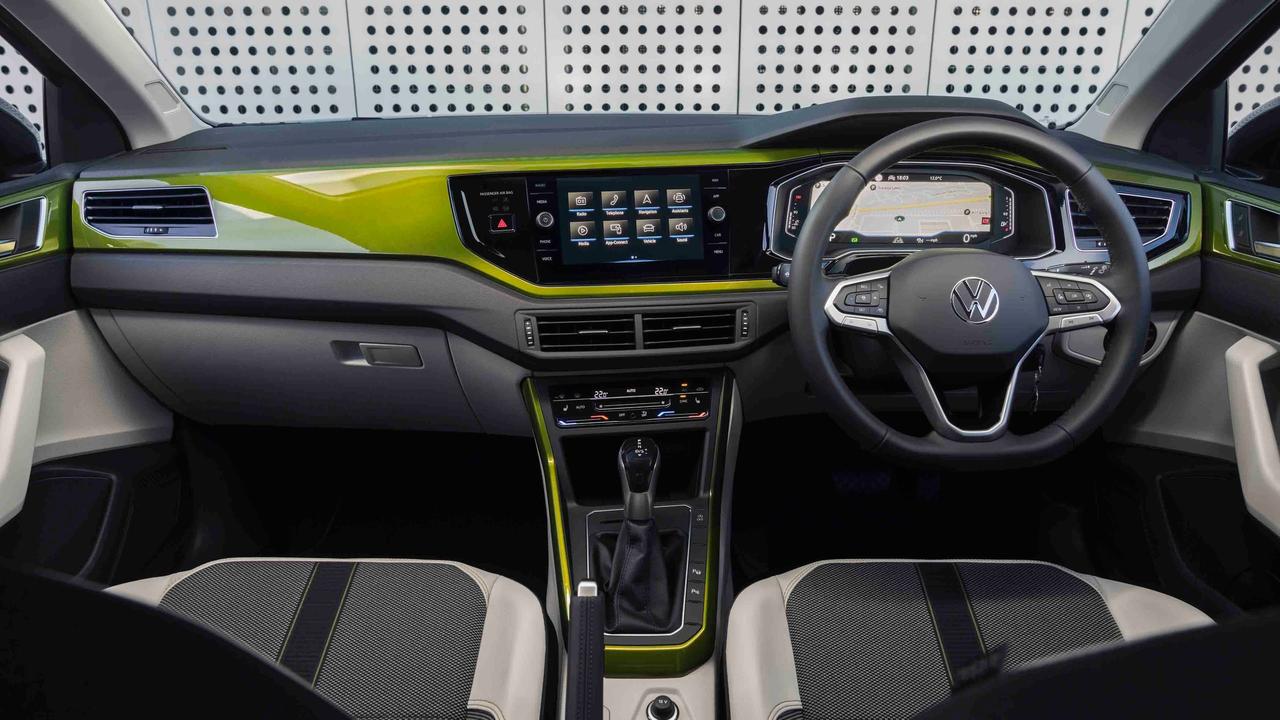
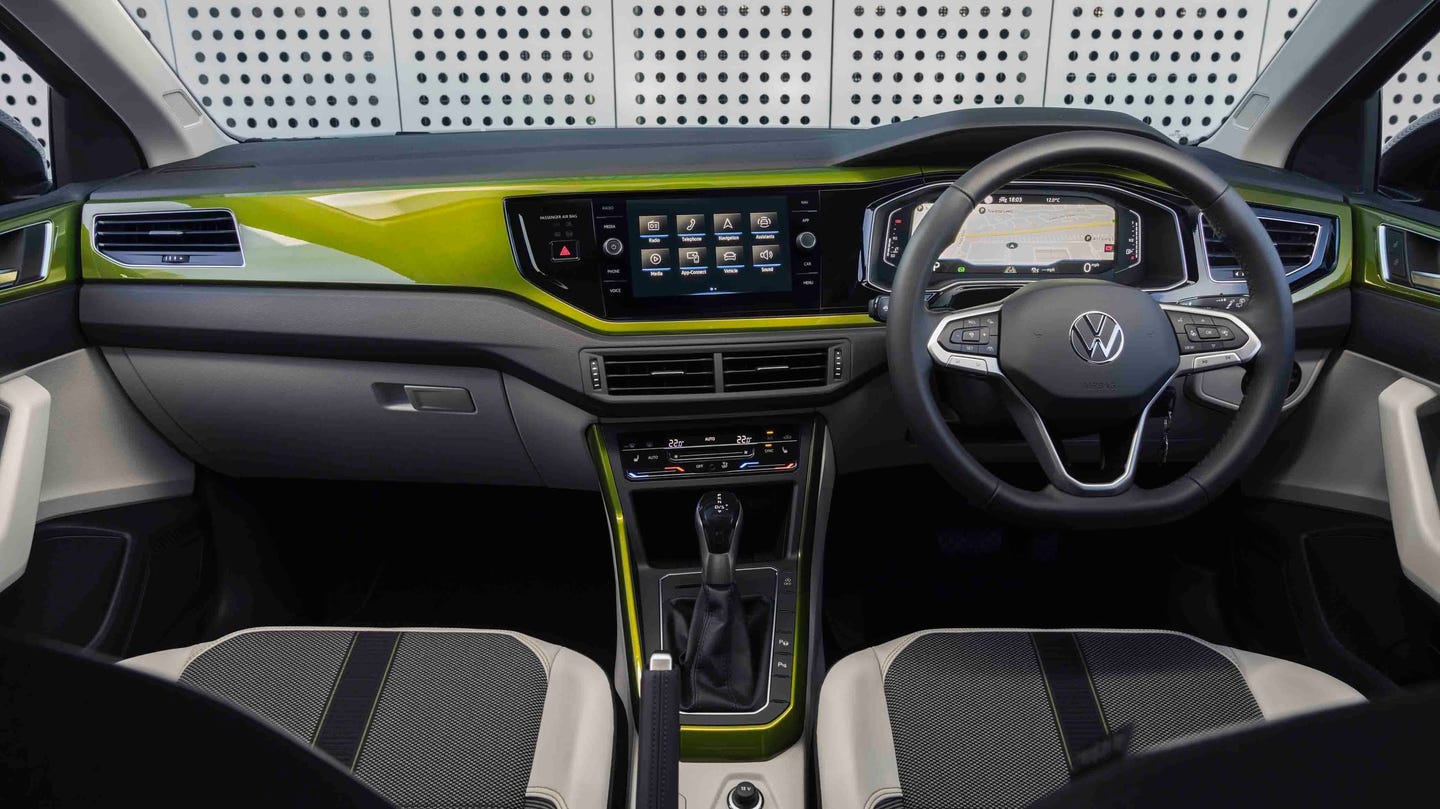
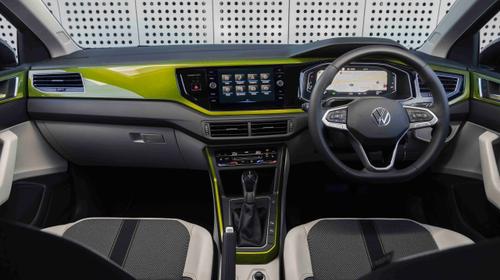
While some small SUVs boast a bit more interior design flair – such as the Peugeot 2008 and DS 3 – the Volkswagen Taigo feels modern enough.
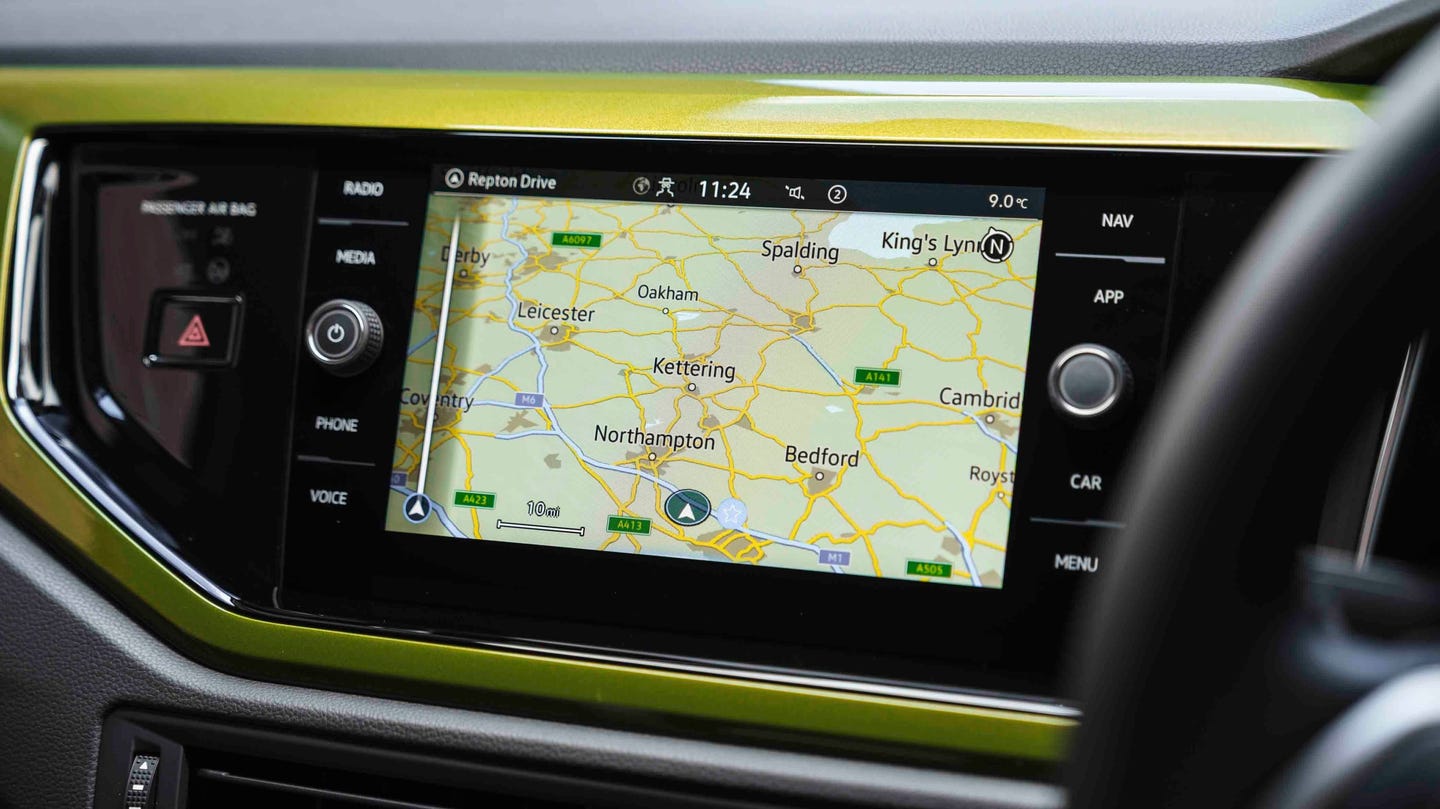
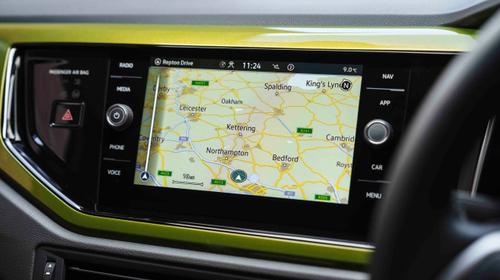
Crucially, the interior is easy to use while you’re driving, thanks to lots of physical buttons and dedicated shortcut keys for different infotainment functions. There’s a physical volume wheel and a second wheel on the right that can flick between stations or, if sat nav is fitted, zoom in or out of the map.
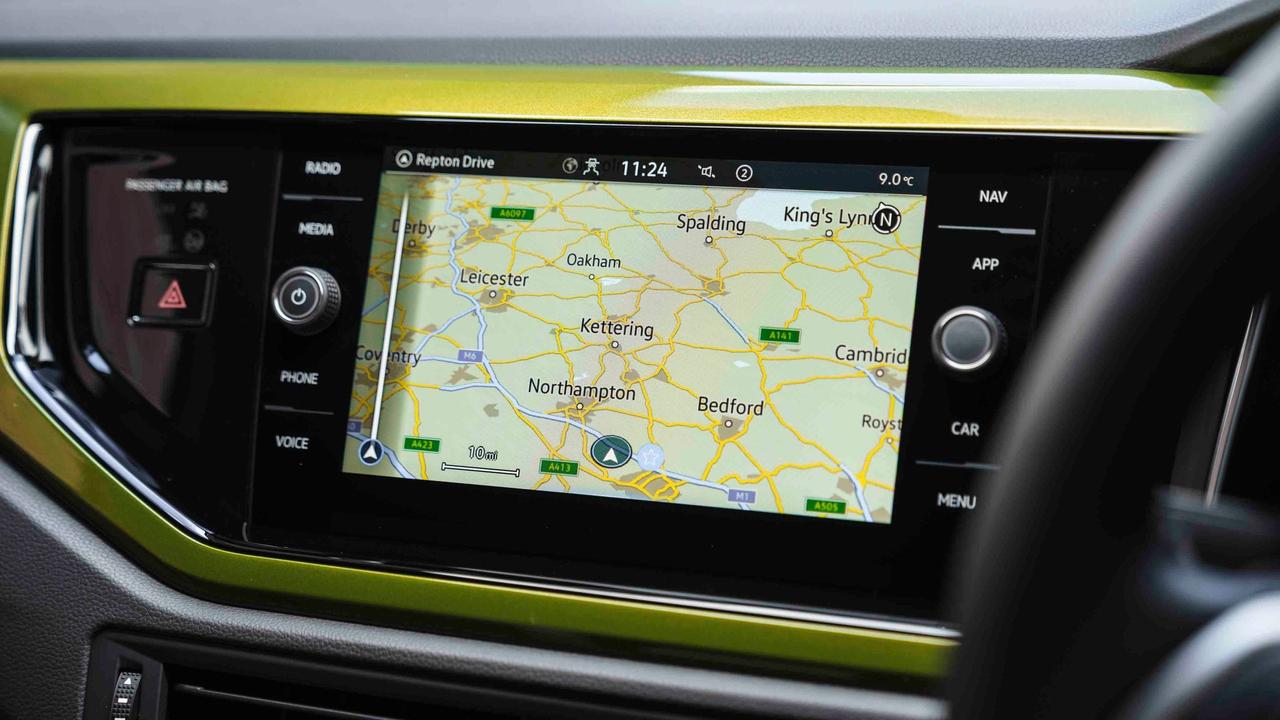
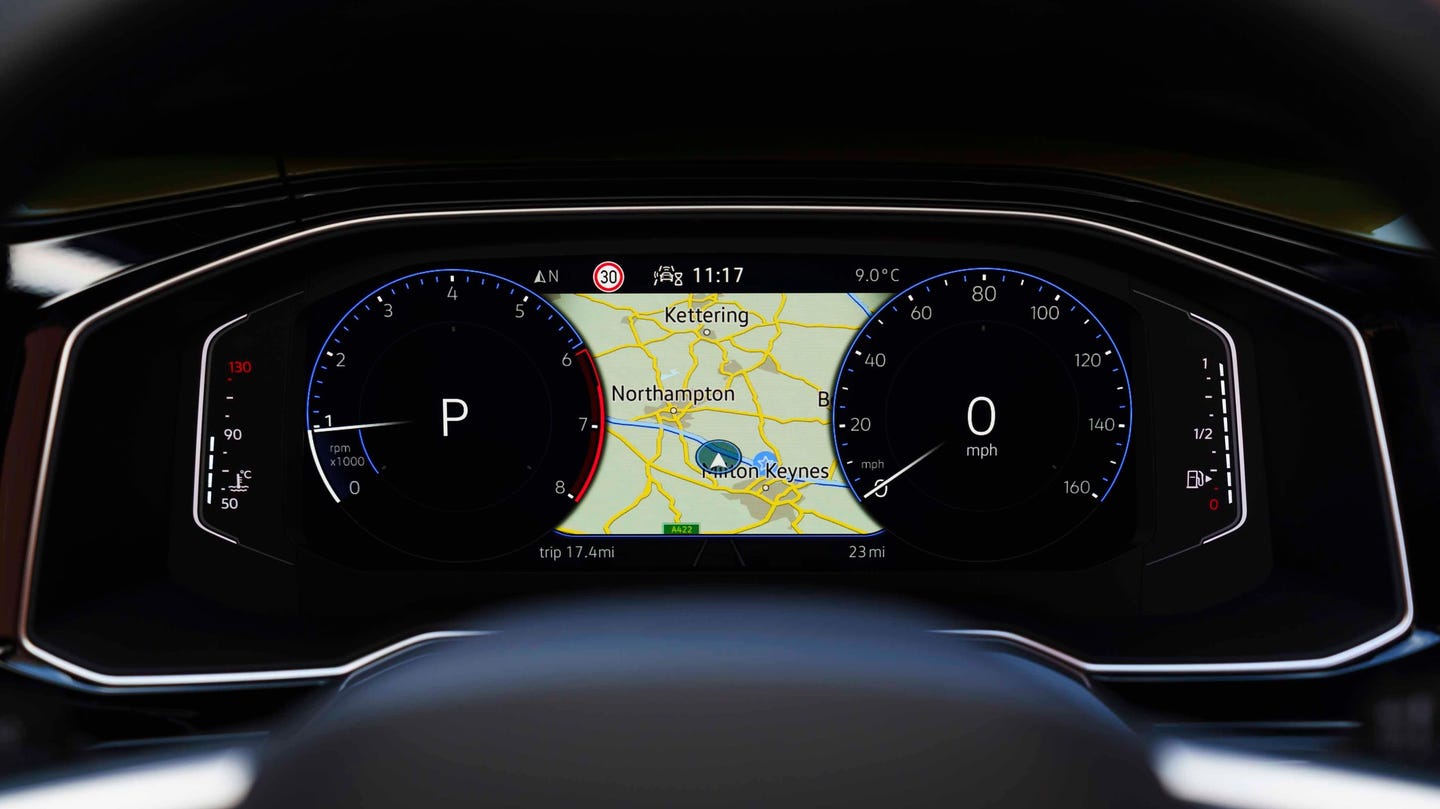
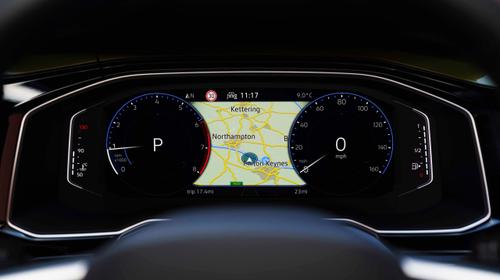
All cars get a decent-sized touchscreen and fully digital dials as standard. Both are quite clear and intuitive. The touchscreen is well laid out and responsive, while the digital dials are customisable and don’t overwhelm you with lots of information all at once.
The materials are definitely more durable than plush, but that’s no bad thing if you’re going to be subjecting the Taigo to tantruming toddlers or muddy boots. Most of the cabin is screwed together well, and the sturdy surfaces will be easy to clean.

The Taigo range starts with Life trim, which includes alloy wheels, roof rails, wireless Apple CarPlay and Android Auto, automatic LED headlights and a host of mostly well calibrated driver assistance tech.
Match is next, adding bigger wheels, a reversing camera, tinted windows and keyless entry. Mid-range Style is quite the jump up in price – in return you get two-zone climate control, built-in sat nav and upgraded Matrix LED headlights.
R-Line loses the swish headlights but comes with a sportier look, black trim, two-tone wheels and exclusive upholstery. Top-spec Black Edition brings back the Matrix lights and gets bigger wheels plus more black trim and heated seats.
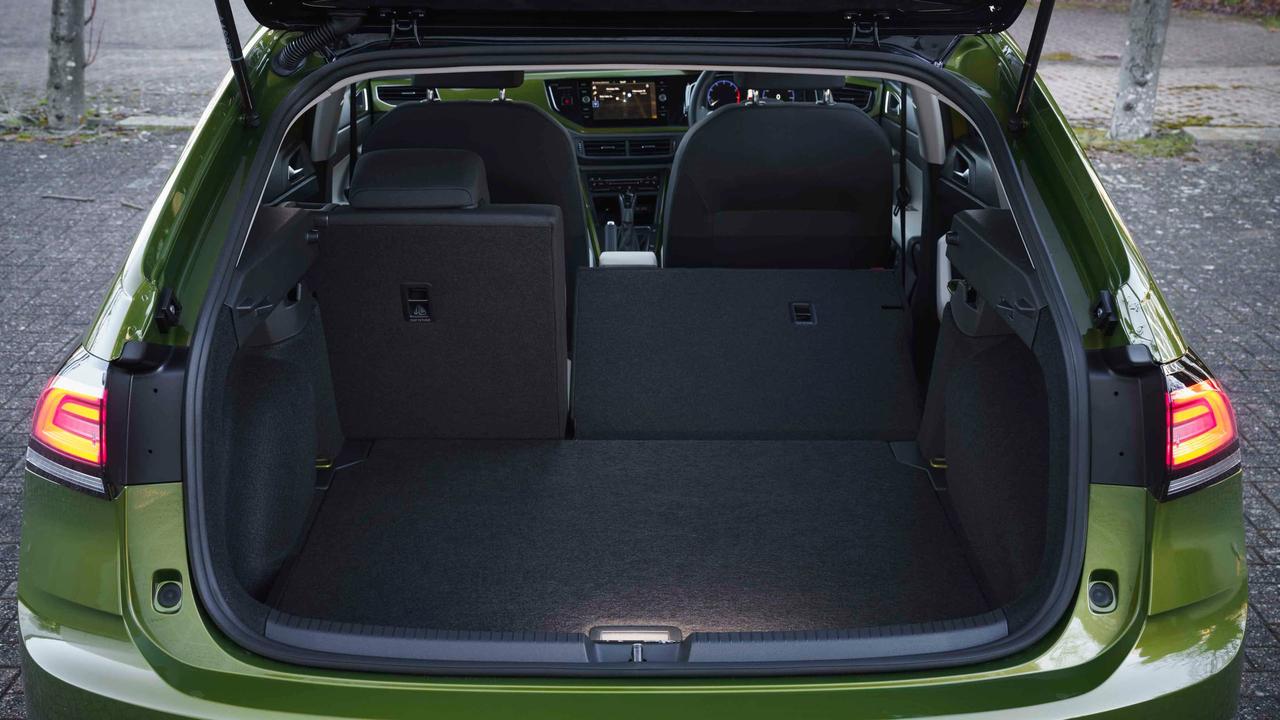
The Taigo might be based on the Polo, but it’s nearly 20cm longer so it’s decently practical. You don’t even pay a penalty for that sloping roofline, because the Taigo is also 15cm longer than the upright T-Cross.
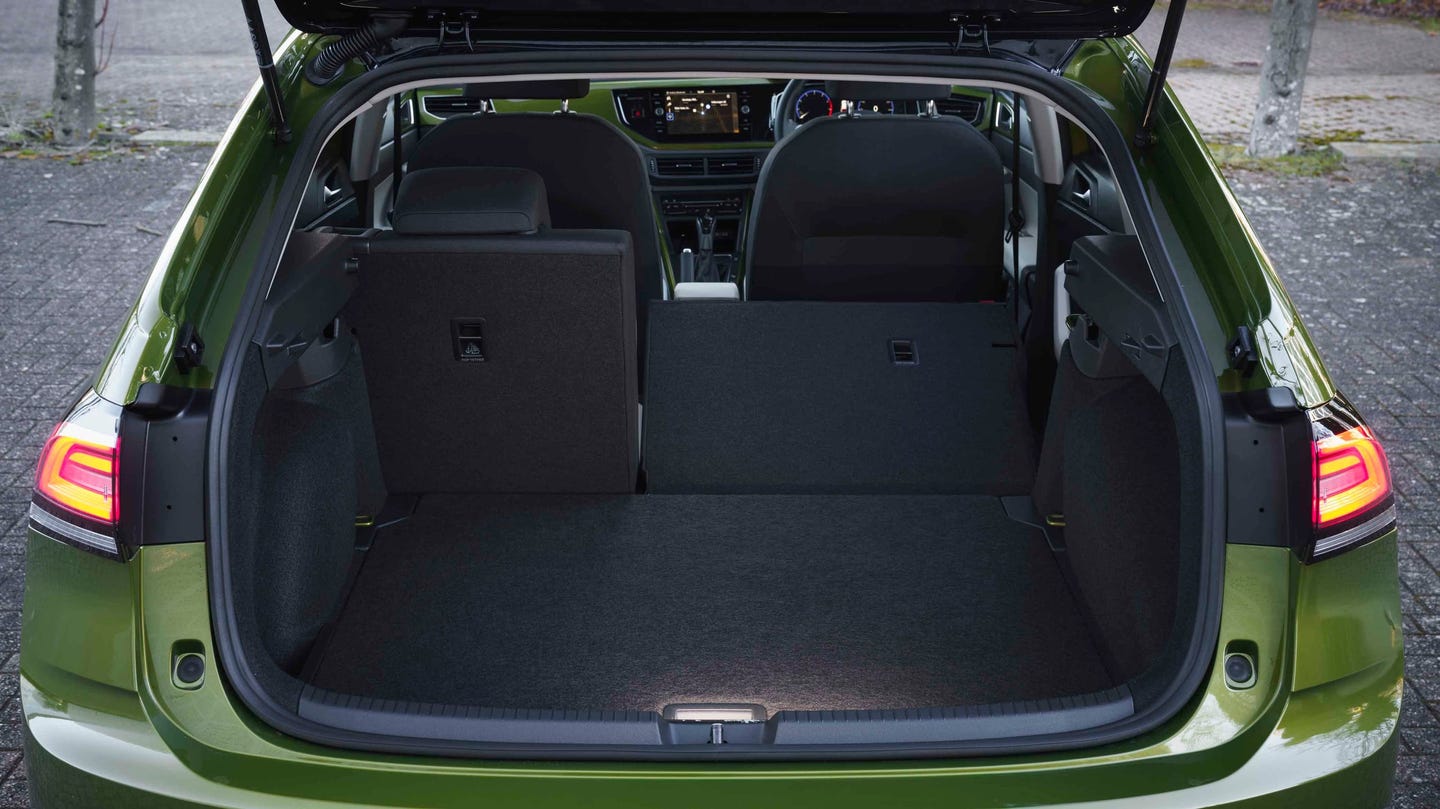
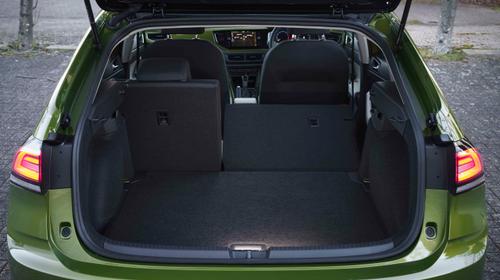
Boot space stands at 440 litres, which is only five litres shy of the more expensive T-Roc. It’s a good size for the class, beating most other rivals by a few litres. To get the same amount of boot space in the T-Cross, you have to slide the rear seats forwards and sacrifice legroom.
The boot is wide and long, if a little shallow, and there are a couple of hooks to hang small items from. With a large opening, it’s easy to play suitcase Tetris and the low load lip means you won’t put your back out in the Sainsbury’s car park.
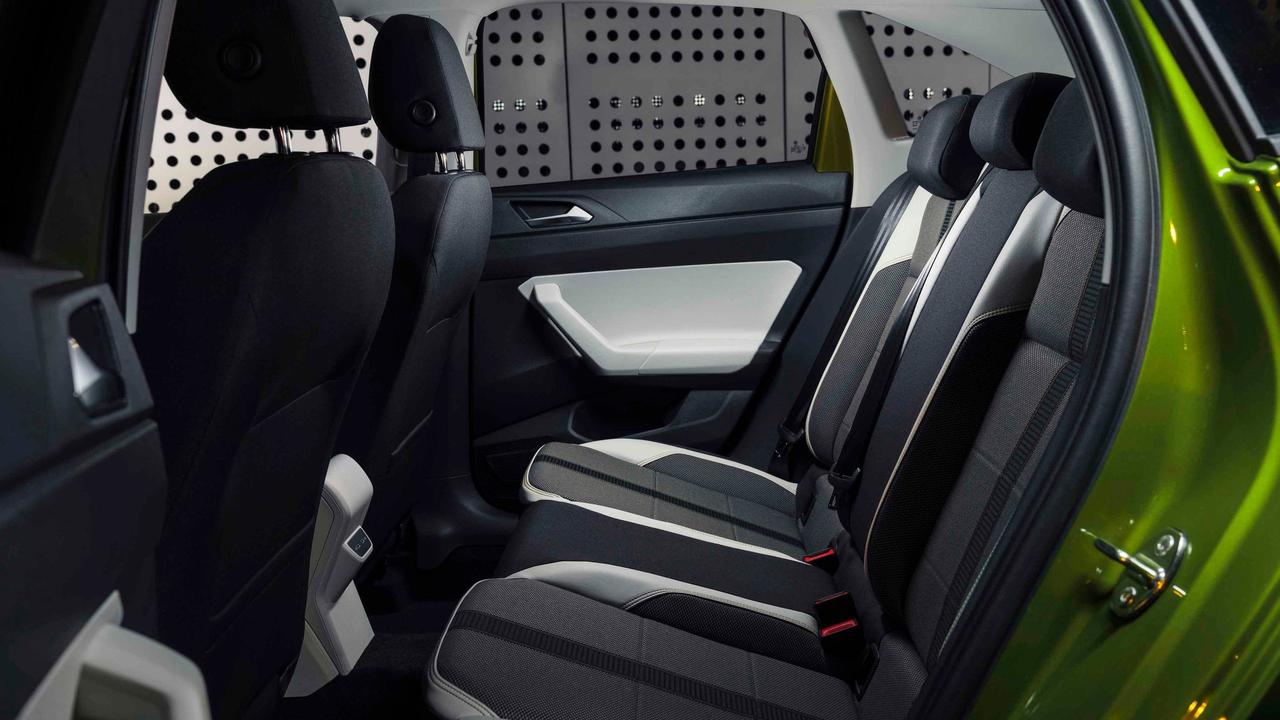
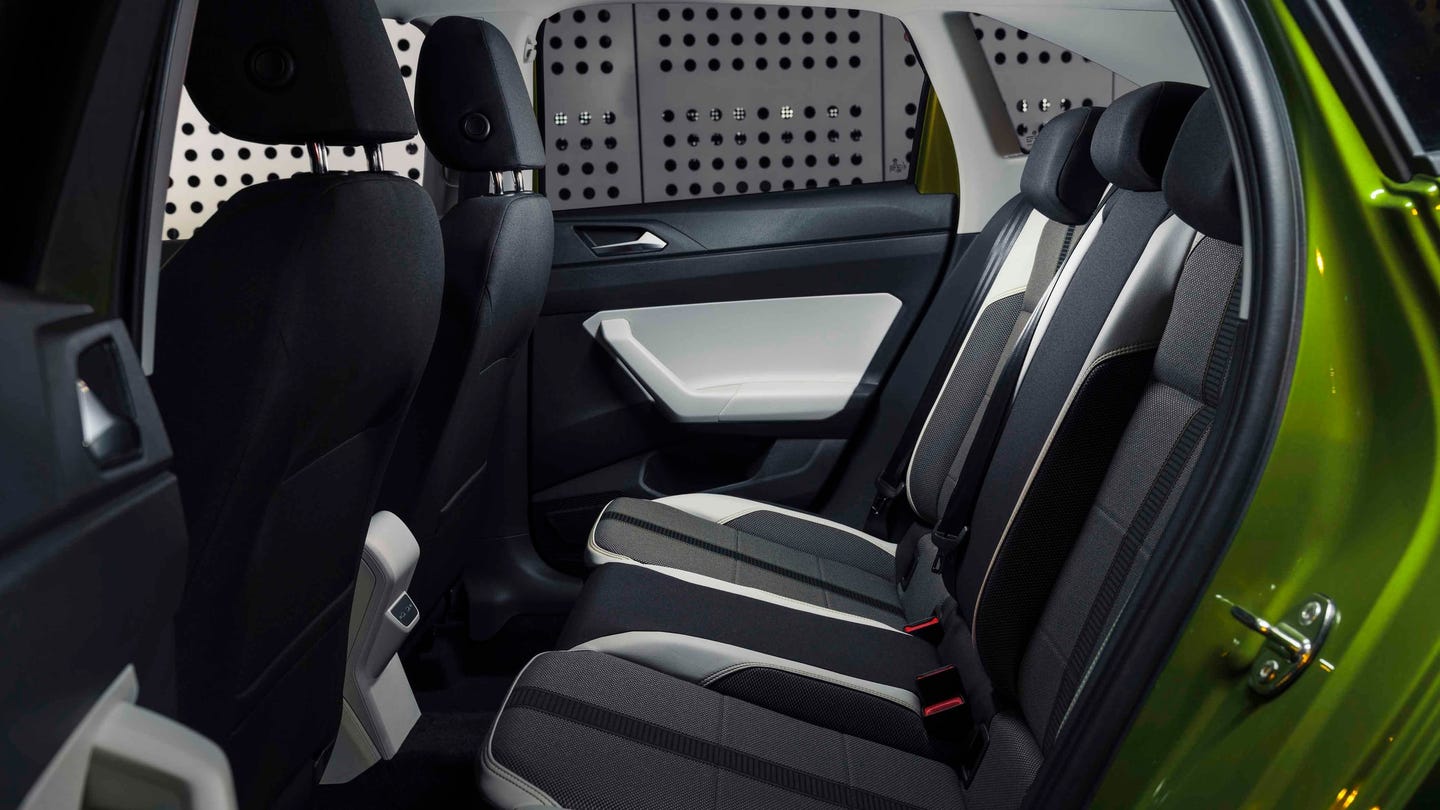
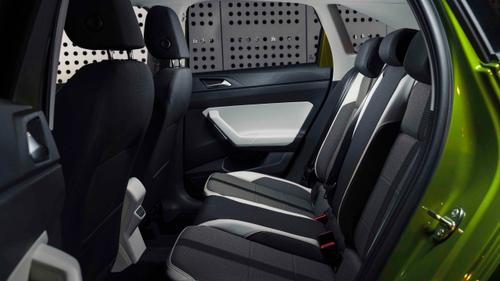
The Taigo’s extra length means it’s really good for passengers, too. There’s plenty of legroom, and most adults will fit nicely – although extra tall folks will be nudging the ceiling. Rear passengers get a couple of USBs to charge devices, plus map pockets and useful door bins. It’s also a decent choice for transporting young children, thanks to doors that open wide, quite large windows and easily findable Isofix points.
Up front, there’s plenty of interior storage, including a phone tray under the air con controls, although the manual handbrake means the cupholders are small and awkwardly shaped.
You’re guaranteed to find a petrol engine under the Taigo’s bonnet. Most examples feature a 1.0-litre three-cylinder turbocharged engine. This is available with either 95hp – with a five-speed manual gearbox – or 110/115hp. The more powerful choice doesn’t only make the Taigo a bit quicker, but also gives you a choice of a six-speed manual or a quick-shifting automatic gearbox.
Higher-spec cars can be fitted with a more powerful 1.5-litre engine, which exclusively has the automatic. While this engine is good, it feels a bit unnecessary in the lightweight Taigo – the 1.0-litre is cheaper, feels eager and offers sufficient performance.
The 1.0-litre engine also promises over 50mpg regardless of the power and gearbox chosen. Who needs a diesel! The Taigo is at home around town but also boasts enough power to make light work of long motorway trips.
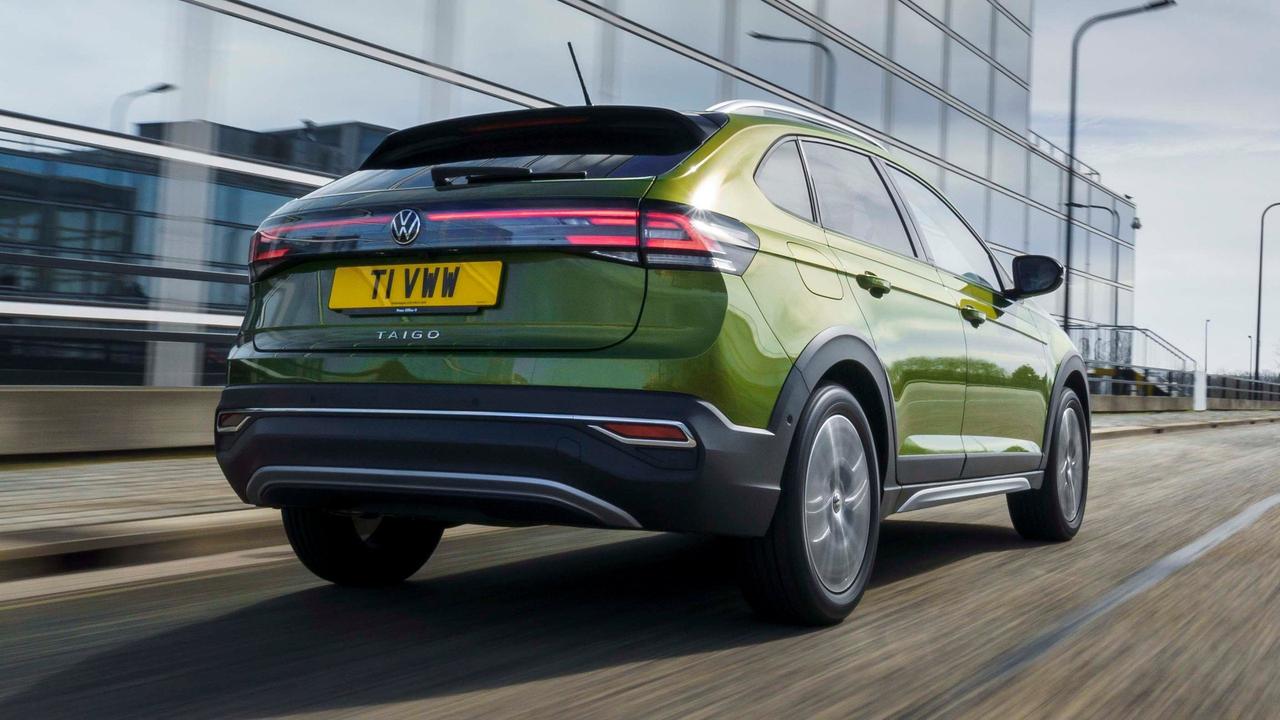
The Taigo feels like a typical VW, despite being one of its cheaper models. Everything feels very well judged and confident. Nothing particularly stands out for better or for worse – the Taigo is satisfying and good to drive. It won’t make enthusiasts want to get up early and go for a sunrise drive, but it is a seamless companion for everyday journeys.
The light steering helps the Taigo to feel manoeuvrable at low speeds. At higher speeds, it’s a bit more heavily weighted to stop the car feeling twitchy on the motorway. You might not even notice – it’s simply effortless and gets on with the business of getting you to your destination.
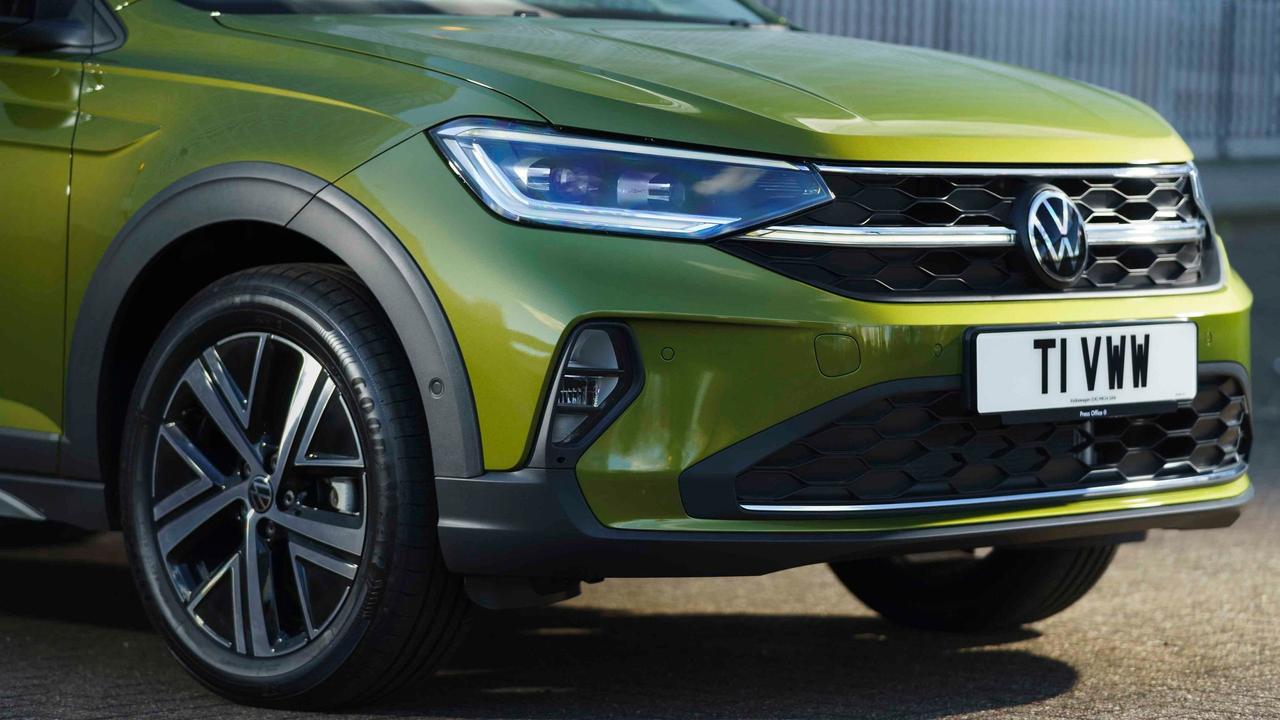
Because the Taigo sits higher up than the Polo it’s based on, there’s a bit of body roll through quick corners. Enough to stop you driving like a donut, but not enough to make the car feel uncomfortable on fast roads.
Refinement is generally strong. Besides some wind and tyre noise at speed, the Taigo stays quiet. Over bumps, the Taigo does well, shaving off the harshness from potholes and speed bumps, and the ride gets better at speed.