




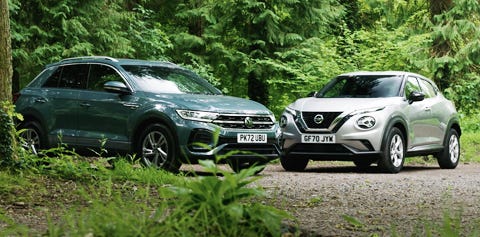






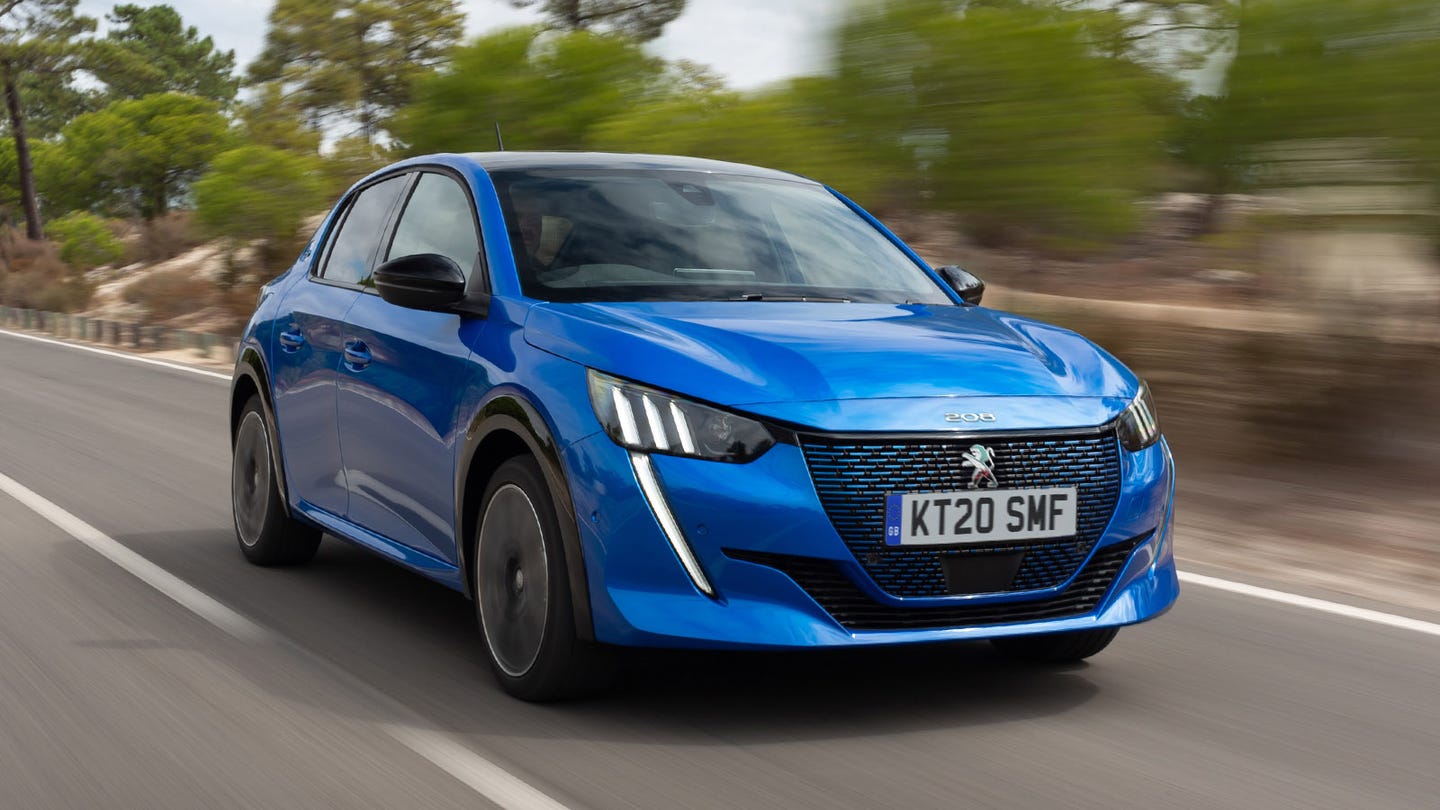









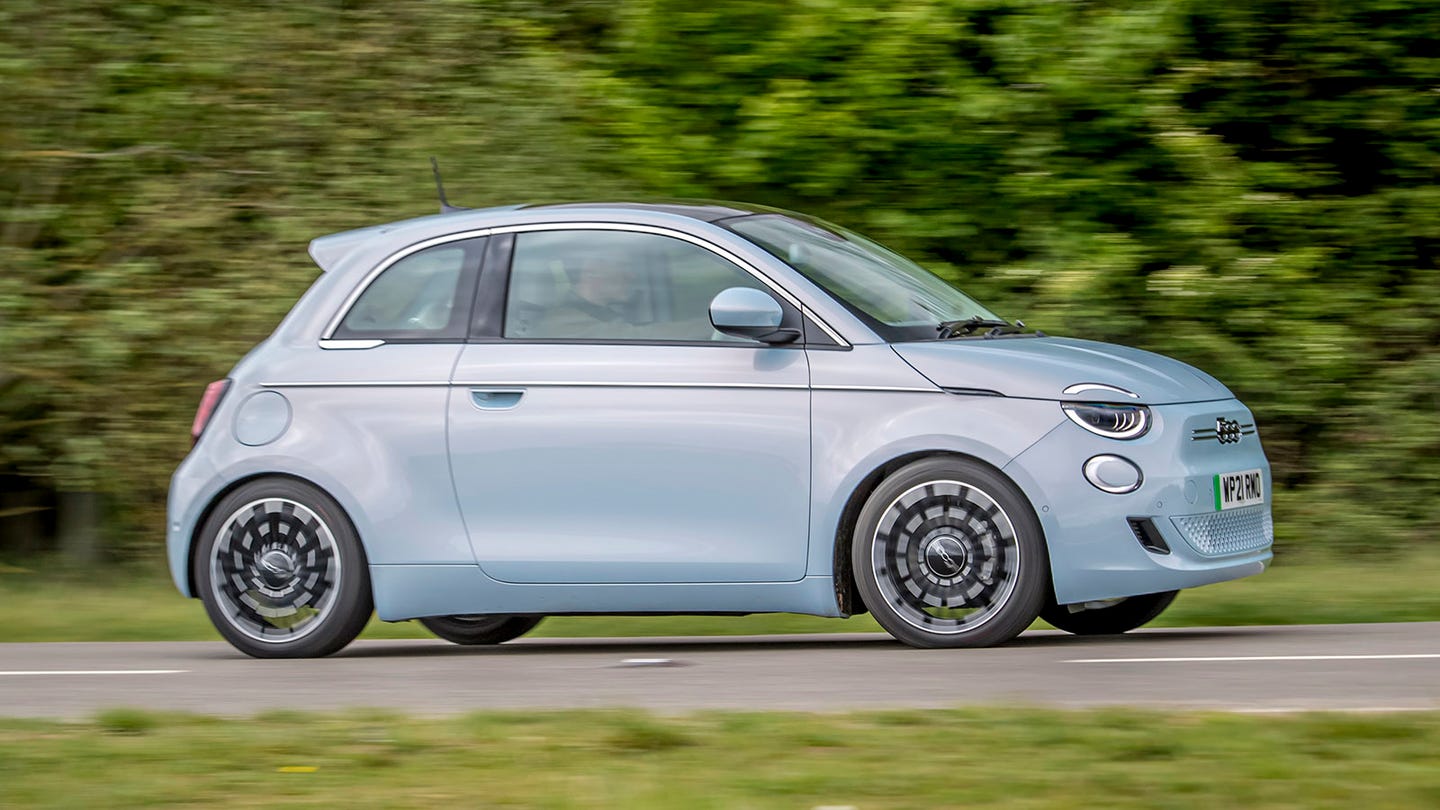







All-season tyres – sometimes called all-weather tyres – are a middle ground between summer and winter tyres.
They aim to give drivers a single tyre that can be used all-year round. As a result, they need to handle the high grip and friction of a hot summer's day, as well as the slippery conditions you encounter during the winter months.
All-season tyres explained
- Middle-ground option between full summer and full winter tyres
- Intended to be used all-year round
- They won't quite match the dry-weather grip and efficiency of summer tyres
- …or the outright cold-weather performance of winter tyres
- Most UK cars come with summer tyres by default, so you'll need to swap them out if you want all-seasons
- Some brands identify their all-season tyres with an icon featuring a sun and snowflake
All-season tyres vs summer tyres and winter tyres
| All-season tyres | Summer tyres | Winter tyres | |
| Best time to use them | All-year round | Spring, summer and autumn months | Autumn, winter and spring months |
| Ideal temperature range | Usually -10 to 30ºC | Above 7ºC | Below 7ºC |
| Works in the dry | ✅ | ✅ | ✅ |
| Works in the rain | ✅ | ✅ | ✅ |
| Works in snow | ✅ (if 3PMSF certified) | ❌ | ✅ |
How do all‑season tyres work?

The most obvious part of all-season tyres is their tread design – the shape imprinted into the rubber that helps the tyre grip the road. You might see larger separate blocks of tread with slightly wider gaps (grooves) between them compared to a summer tyre, which helps the all-season tyre clear rain, mud or snow more effectively.
What you won't see is the actual compound of rubber used to make the tyre. All-season rubber contains additives that help it stay springy and elastic even at very cold temperatures where normal tyres would become harder and less grippy.
Are all-season tyres any good?

Yes – all-season tyres are a good idea for many drivers. Particularly if you live somewhere like the UK that experiences lots of cold, slippery weather over winter. And especially if you live in a more rural part of the country with less frequently maintained roads.
All-season tyres won't match the outright cold-weather performance of proper winter tyres. They're much more convenient, however, as you won't have to swap back and forth between summer and winter tyres as the year goes on.
Pros of all-season tyres
- More convenient than swapping between summer and winter tyres
- Much better in cold weather than the summer tyres most UK cars have by default
- Some all-season tyres are 3PMSF-rated, so can be used in countries that require snow tyres
Cons of all-season tyres
- Noisier, less efficient and less grippy than summer tyres in summer
- Not as capable over snow or ice as a dedicated winter tyre
- Fewer options on the market
Should I use all-season tyres in the UK?
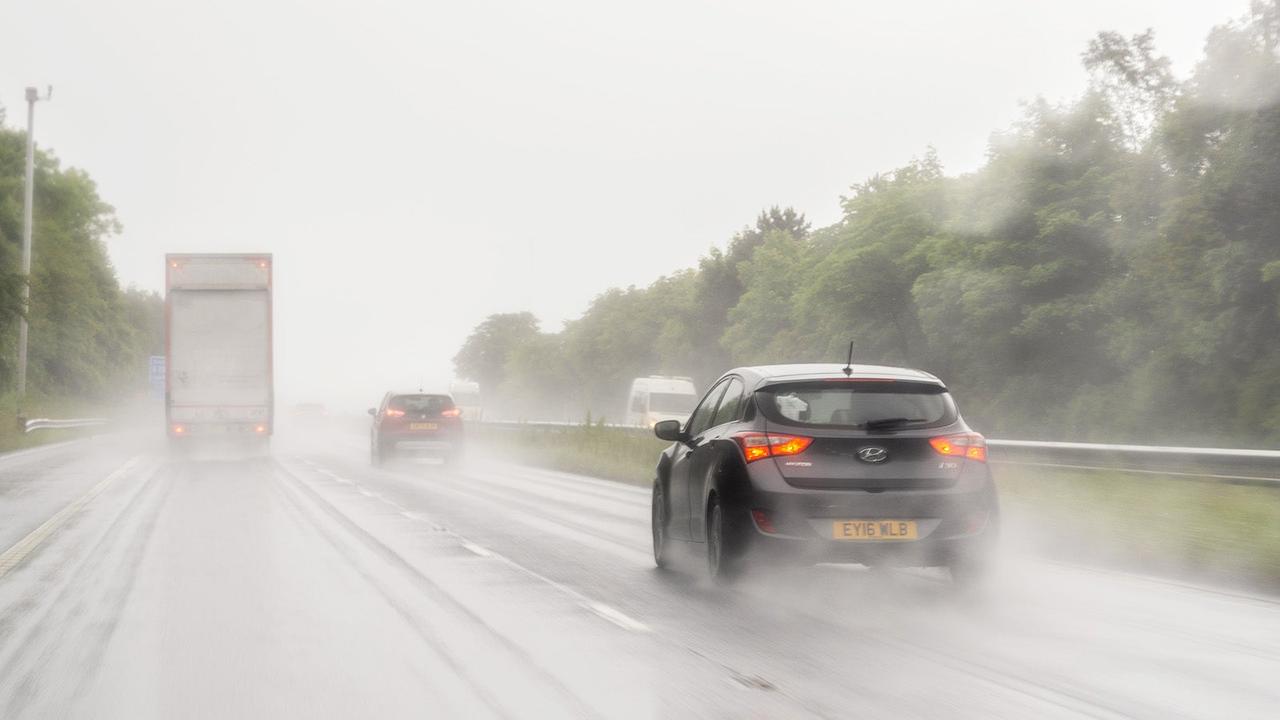
All-season tyres are a great choice for many UK drivers. As we all know, our country experiences a broad range of weathers and temperatures. That means all-season tyres might be a better fit for your driving than the summer tyres your car was probably equipped with from factory.
You should consider the area where you live and the places you usually drive to. If, for example, you live outside of the city with more rural and country roads, all-season tyres will mean more grip and traction at times when those roads are wet or slippery. However, if you mostly live and drive in urban areas that are gritted often, then you might be able to get away without them – though you'll still have an easier time in the cold with all-seasons equipped.
Do all-season tyres work in snow?

Unlike a full winter tyre, all-season tyres are not designed specifically for driving in the snow. That means they won't generate as much grip or traction on snowy surfaces as proper winter tyres.
That said, their tread design and rubber compound mean they'll perform substantially better in the snow than summer tyres. So, given the choice between all-season and summer rubber to tackle snow, we'd pick the former every time.
What are three-peak mountain snowflake (3PMSF) all-season tyres?

Some all-season tyres are starting to carry the three-peak mountain snowflake (3PMSF) certification. This means they've undergone extra testing to demonstrate even better grip in snowy conditions than regular all-season tyres. You can check if a tyre has this certification by seeing if it has the 3PMSF symbol – a snowflake inside the outline of a three-peaked mountain (appropriately enough!).
An important consequence of this certification is that you'll be able to use these tyres in countries like Bulgaria, Denmark and Sweden that legally require you to have winter or snow tyres on your car.
Things to check before buying all‑season tyres
- Are they suitable for you? – does your driving include roads that see occasional snow or ice, or do you drive exclusively on paved, well-gritted urban roads?
- Are all-season tyres available for your car? – check that all-season tyres are offered in your required tyre size, which can be found on the side of your existing tyres
- Should you pick all-season tyres, or swap between summer and winter tyres? – if you live somewhere that sees very challenging weather, you might be better off with full winter tyres