






2026 Lepas L6: price, specs & release date
Ben Custard
•
First Look

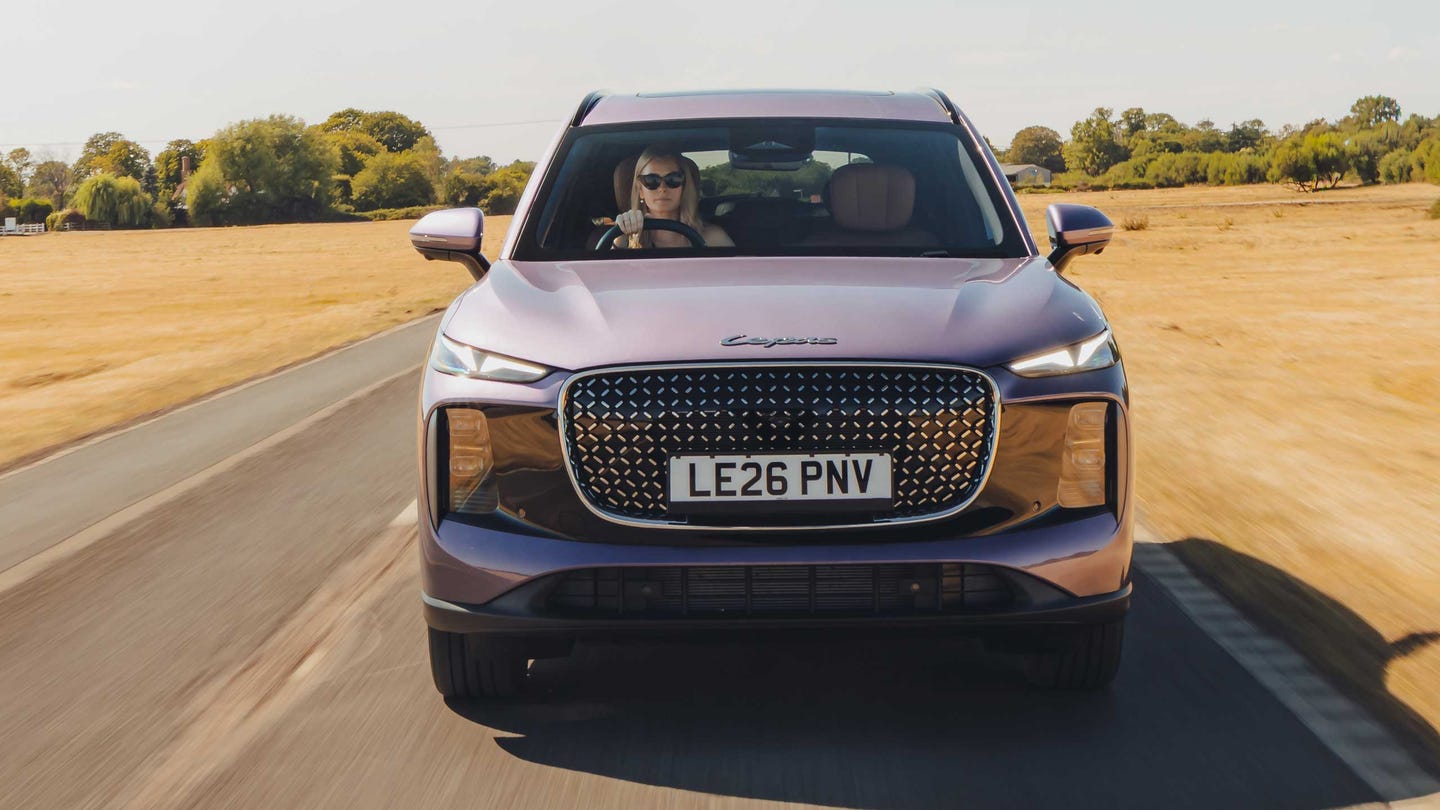
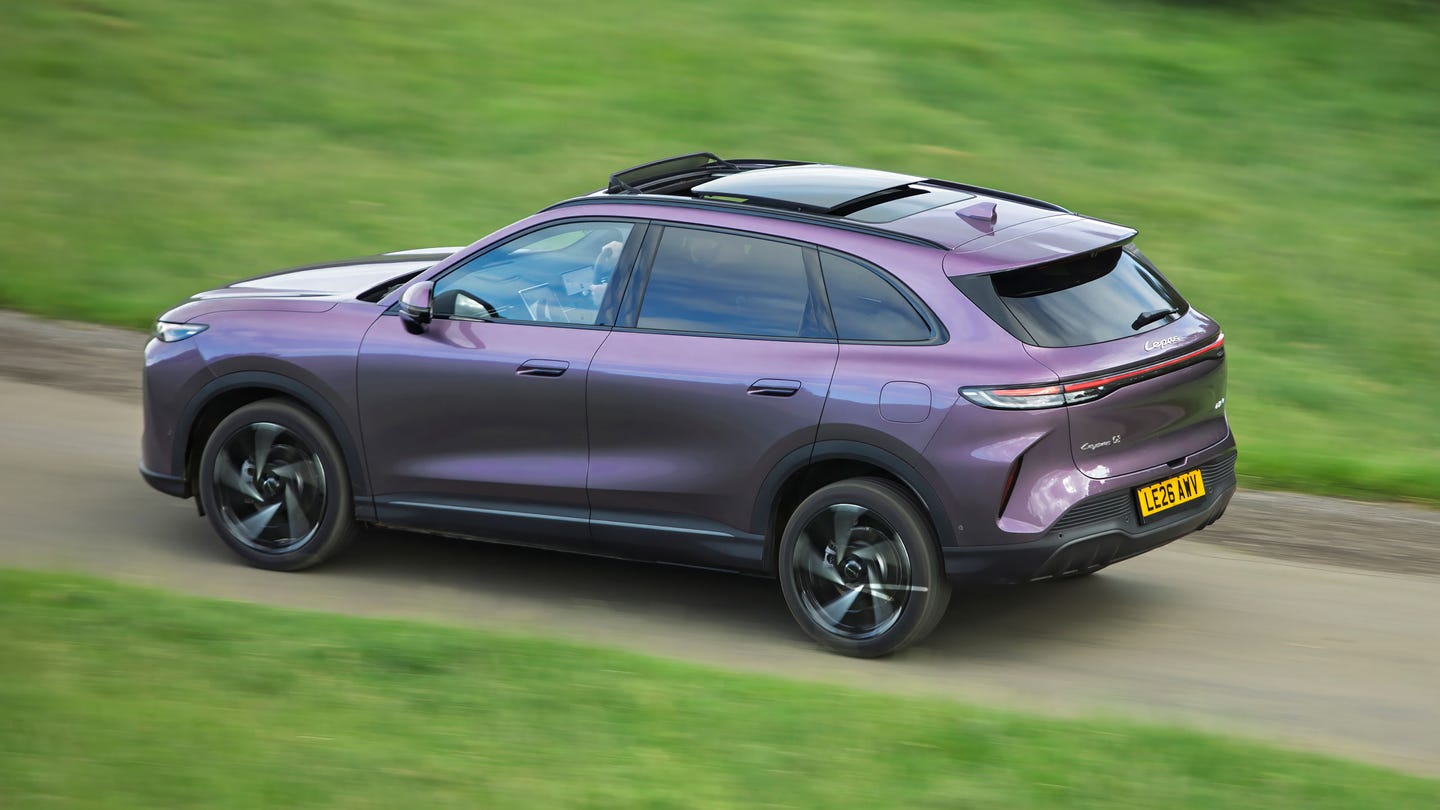
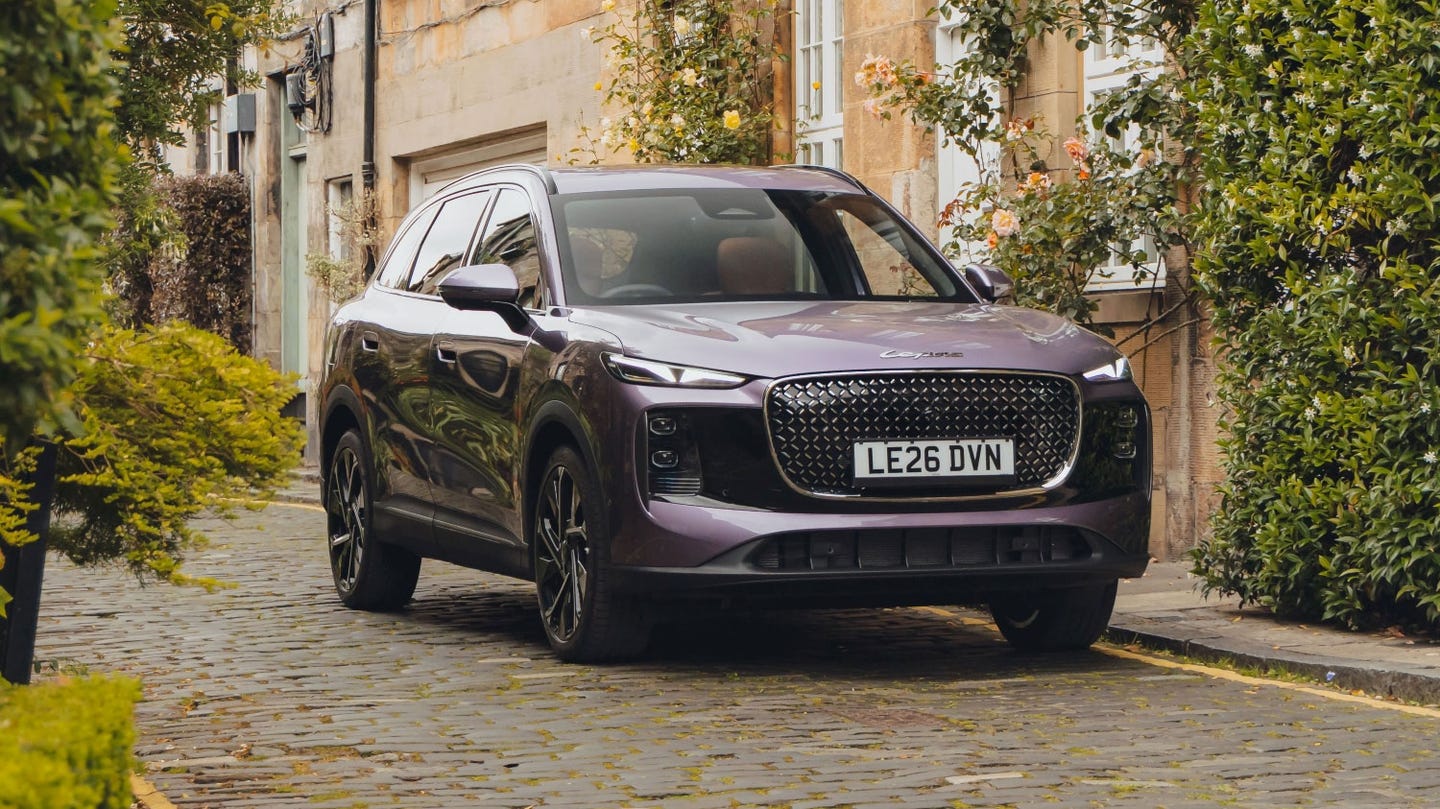
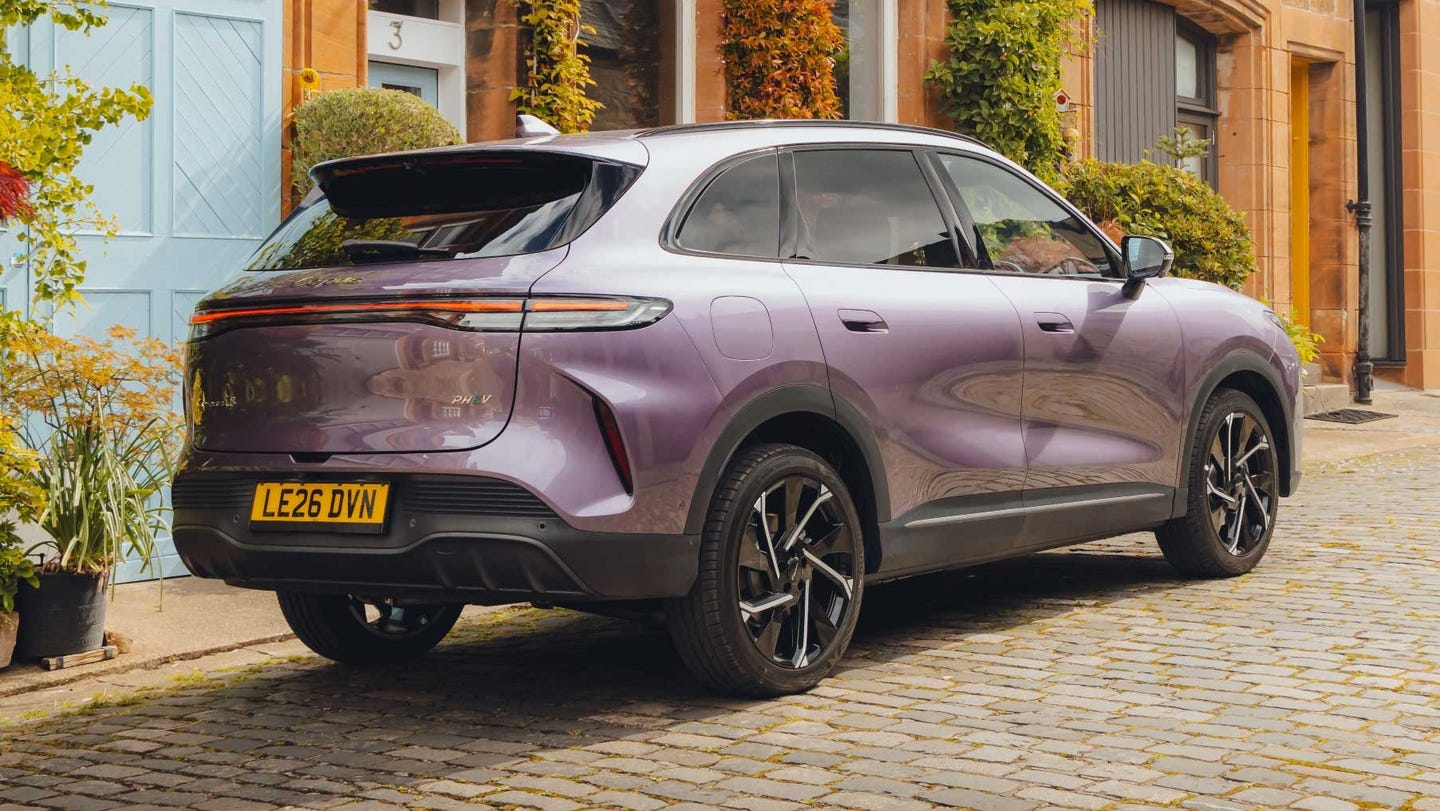
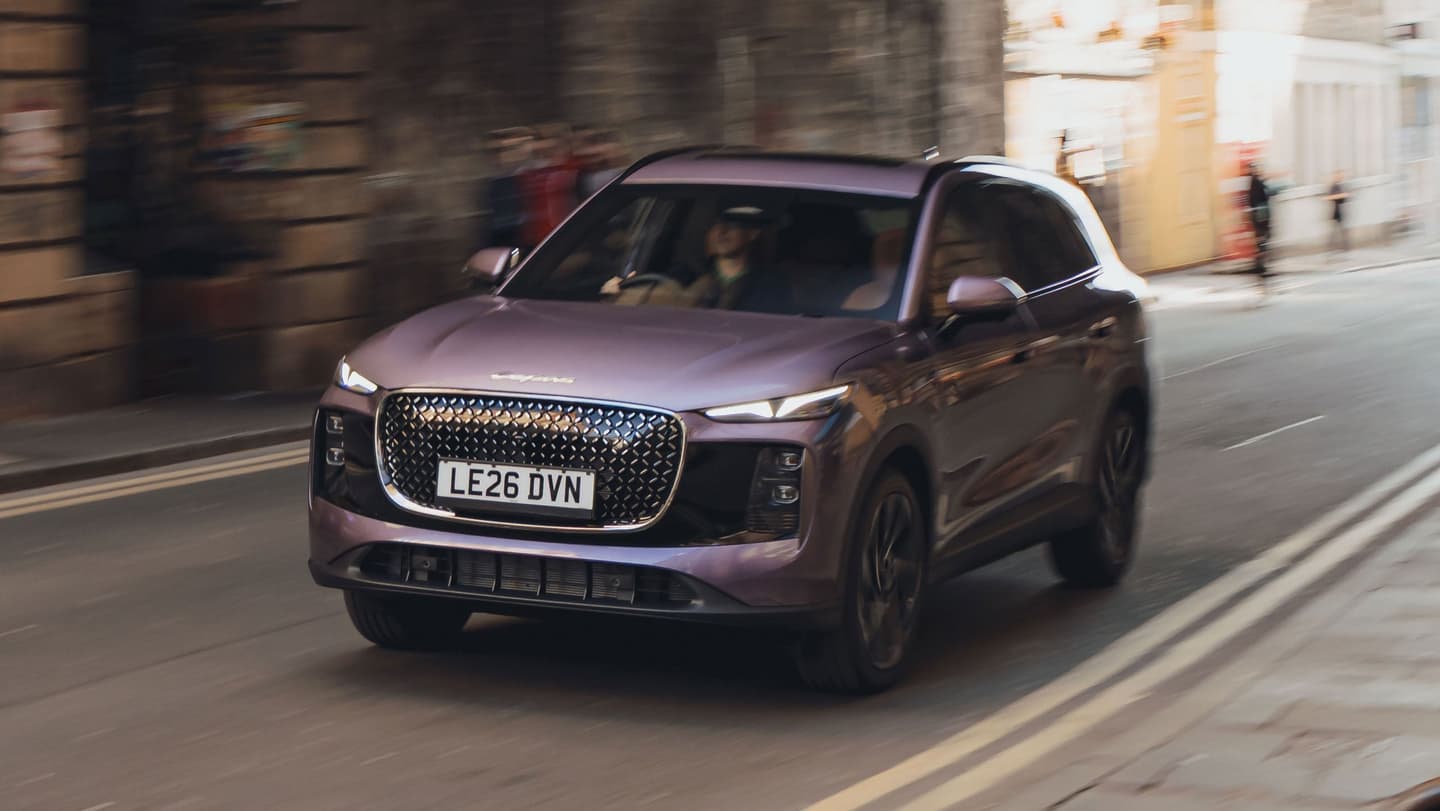
In the UK, it seems that everything Chery touches turns to gold – its own cars, plus its Omoda and Jaecoo sub-brands, have proved immensely popular.
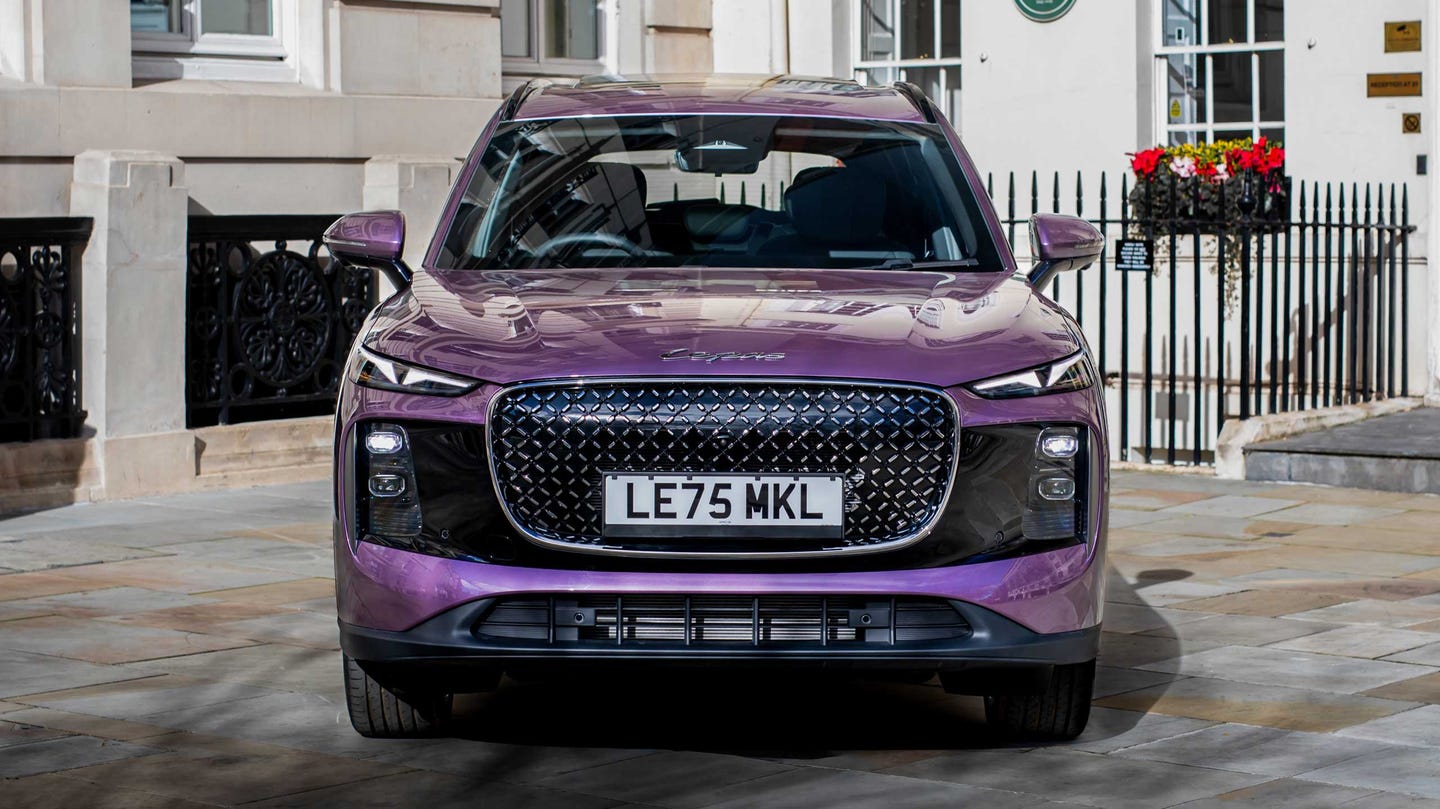
Its latest brand, Lepas, is said to be a more premium offering, with exclusive Lepas dealerships, built-in fragrances and a ‘Founders Club’ for early customers. However, the actual car doesn’t quite live up to the marketing.
Search for something on Amazon and you’ll no doubt get lots of listings for things that look identical but have made-up brand names. It’s starting to feel like that in the Chery group of brands.
This latest one is Lepas, which is a mashup of ‘leopard’ and ‘passion’. Even though there’s no official hierarchy in the Chery group, Lepas is meant to be the fancy one. That’s why you won’t be able to buy a Lepas in the same dealerships as Omoda and Jaecoo. But Chery, Omoda and Jaecoo all sell a more expensive, posher-feeling car than the Lepas L8, apparently the flagship car.
"The L8 boasts the smoothness and responsiveness of a fully electric car"
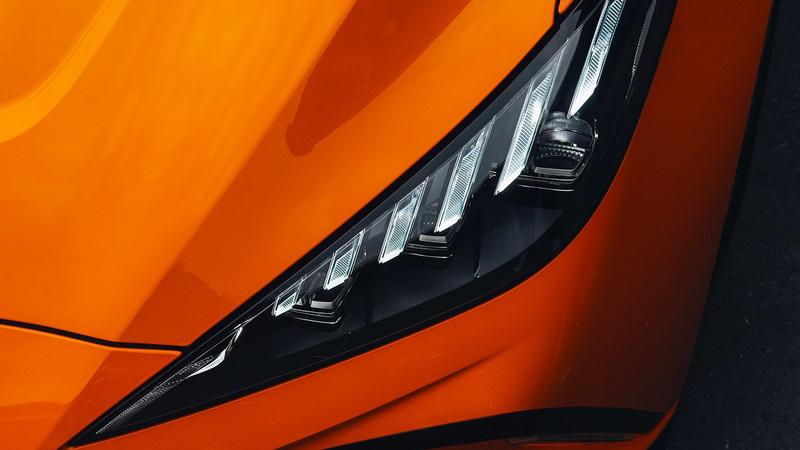
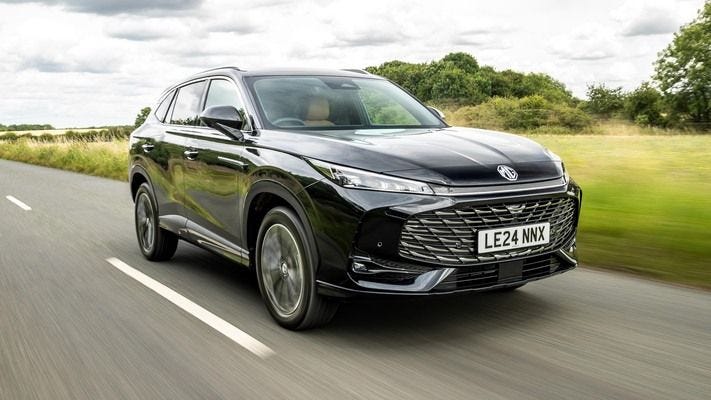
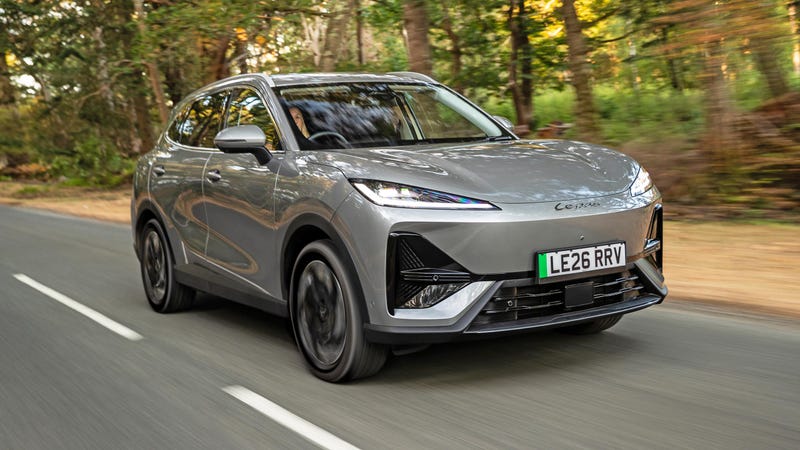
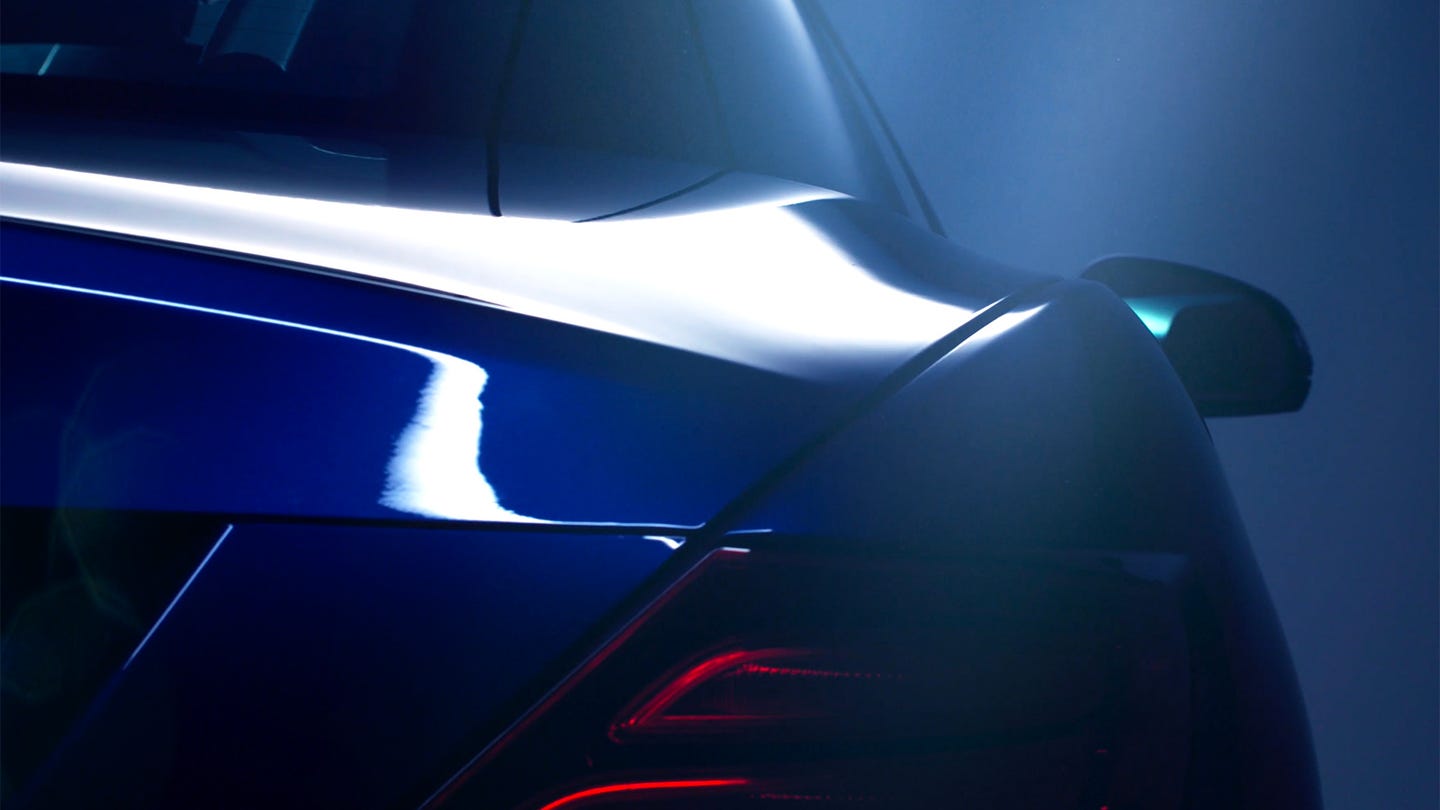
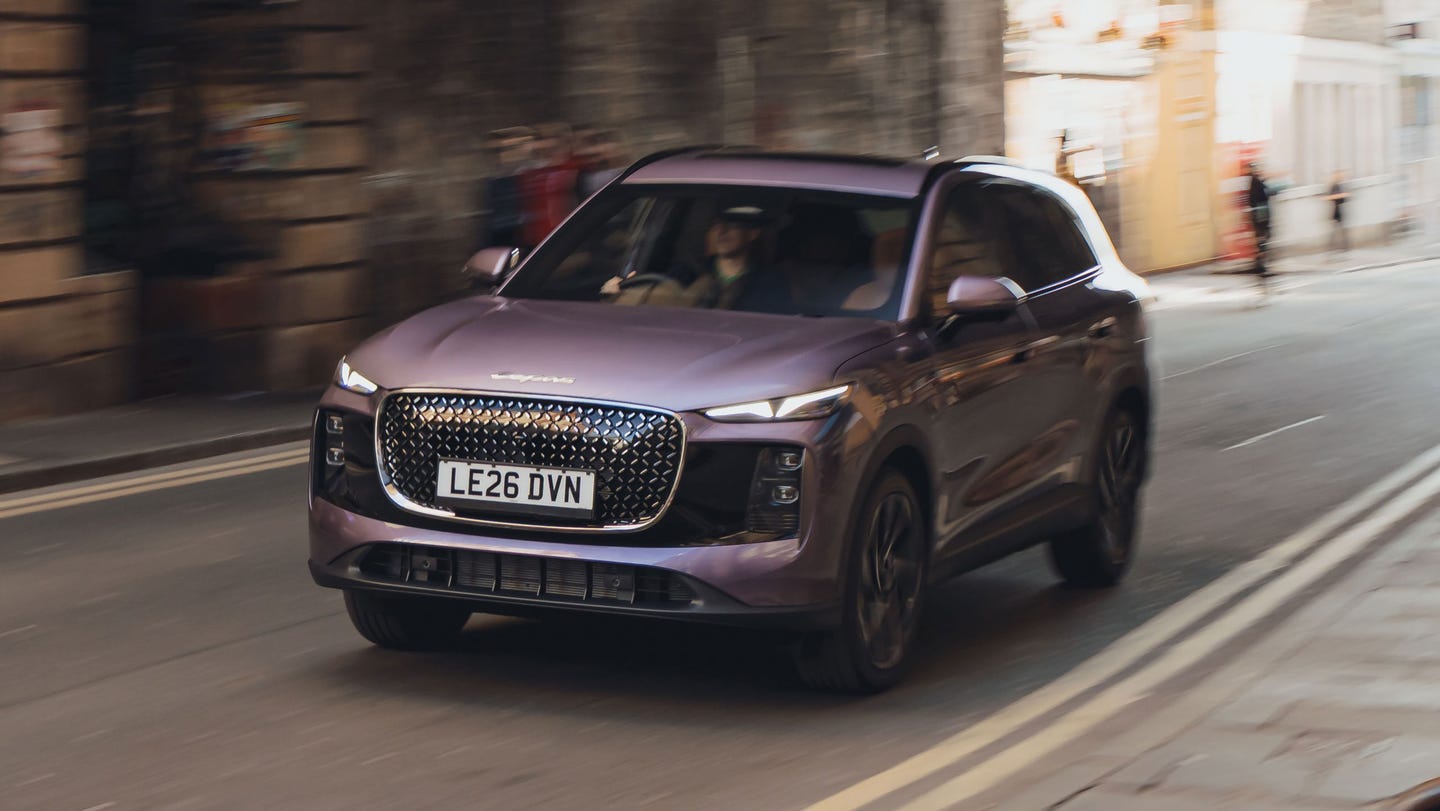
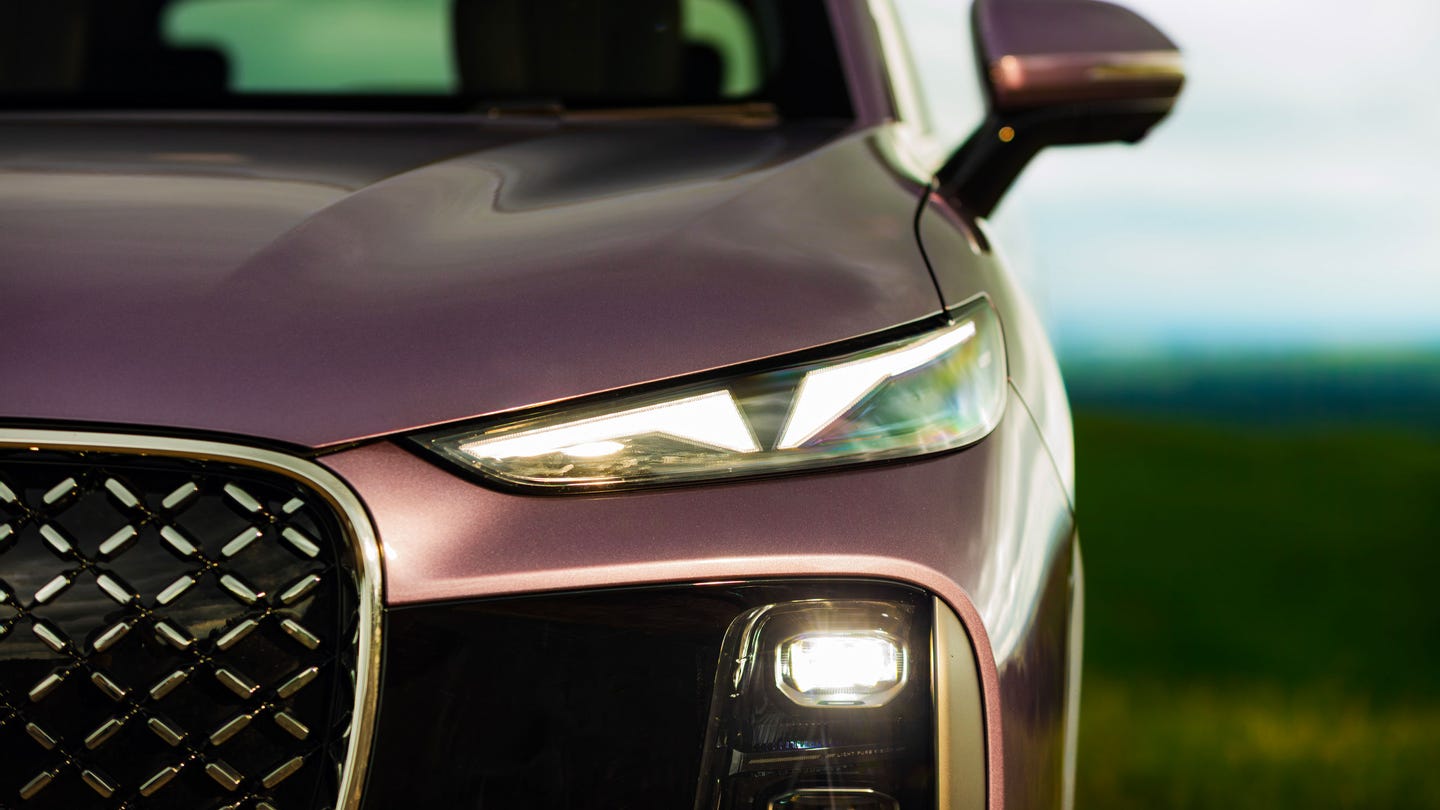
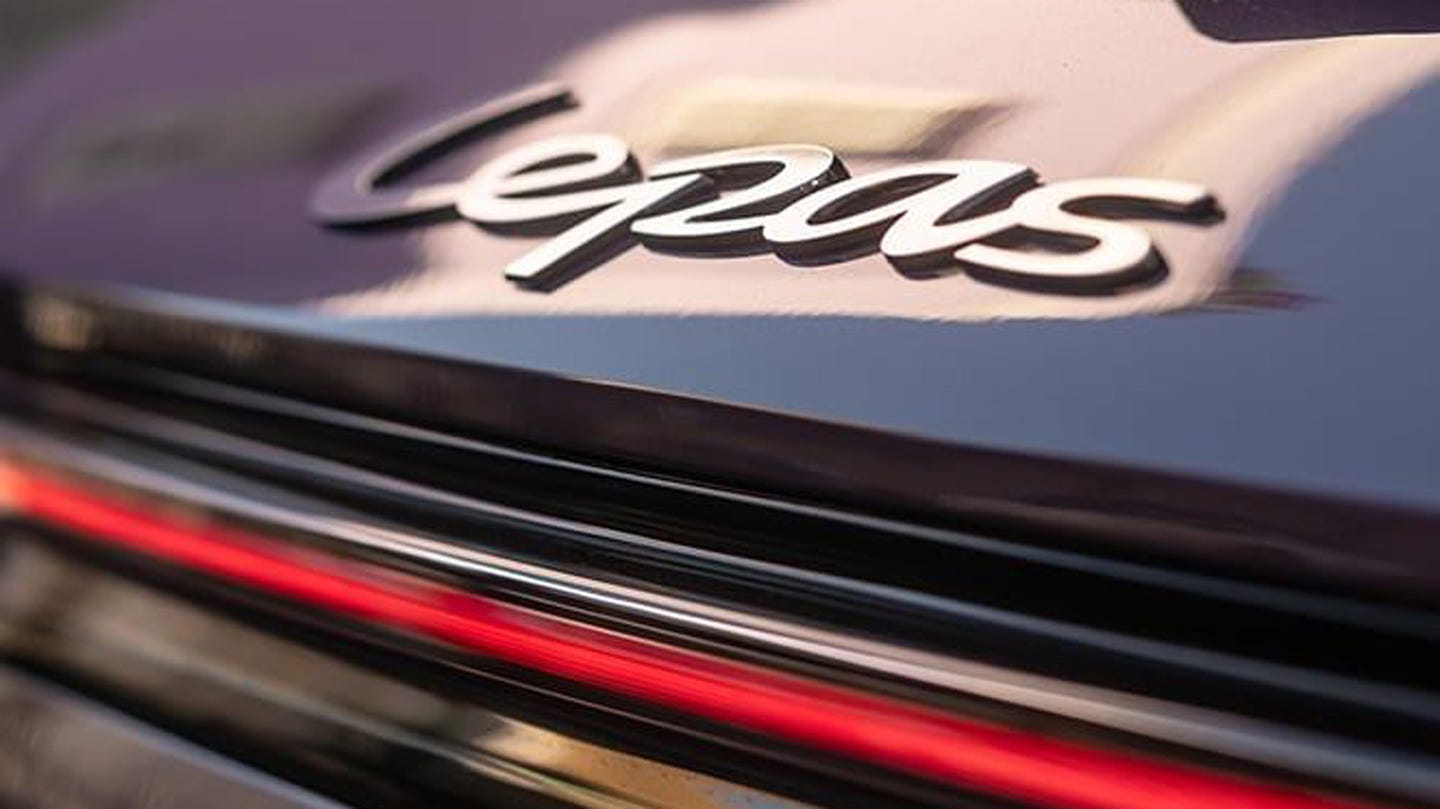
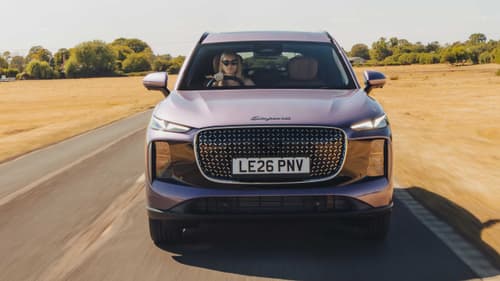
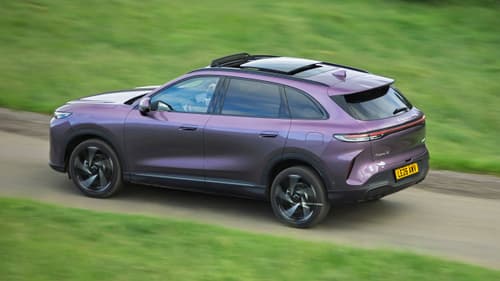
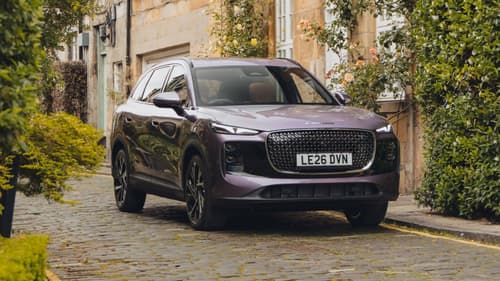
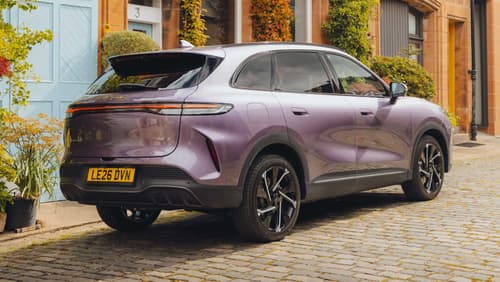
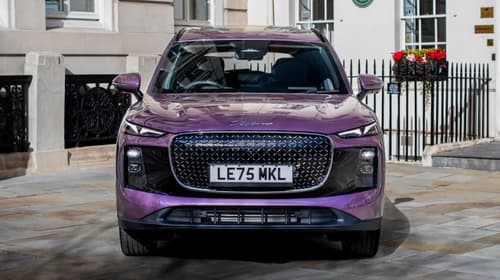
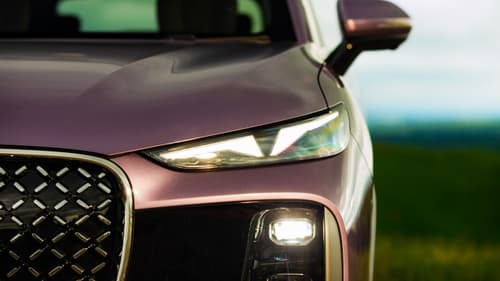
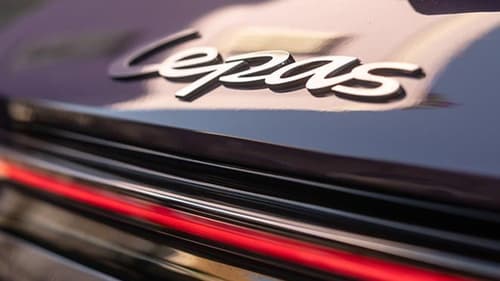
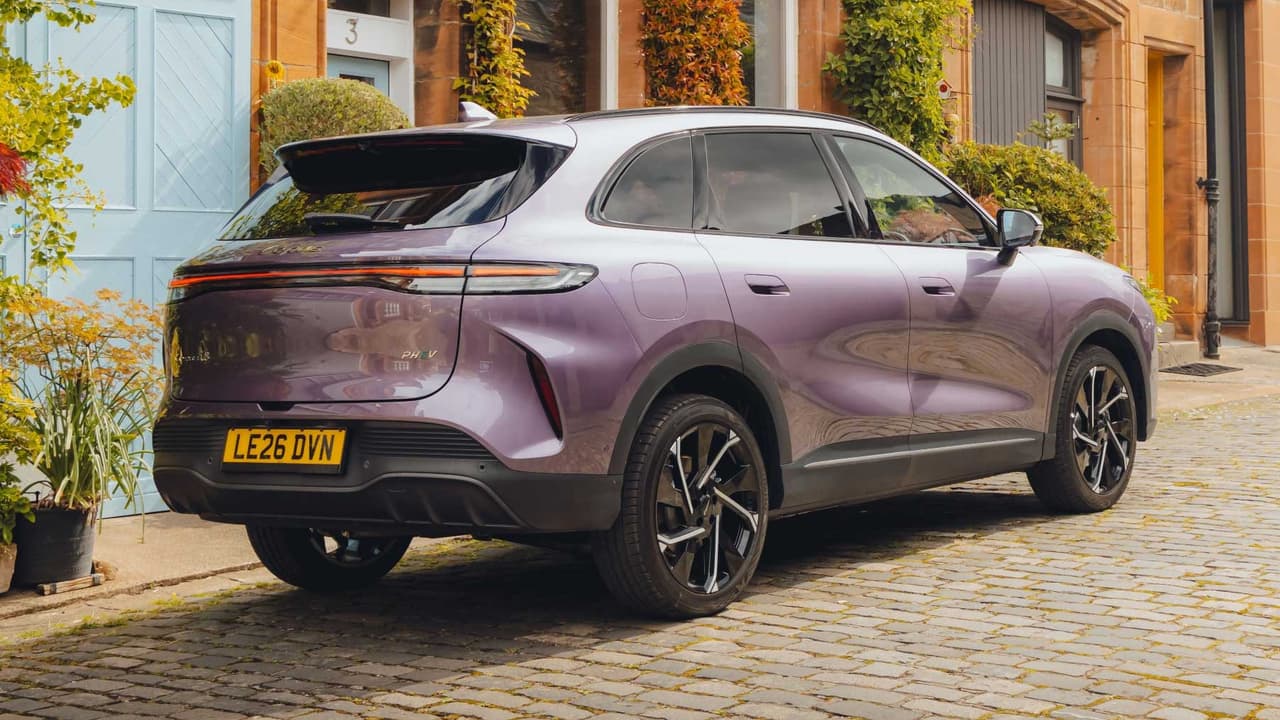
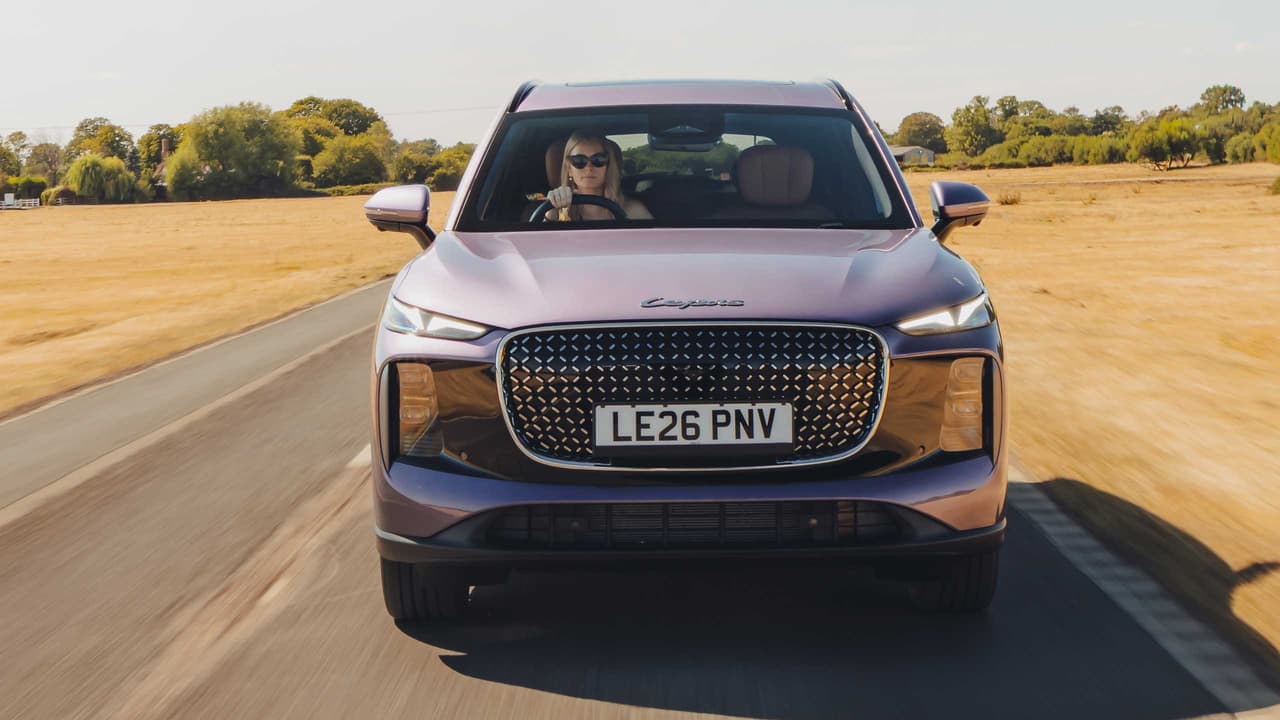
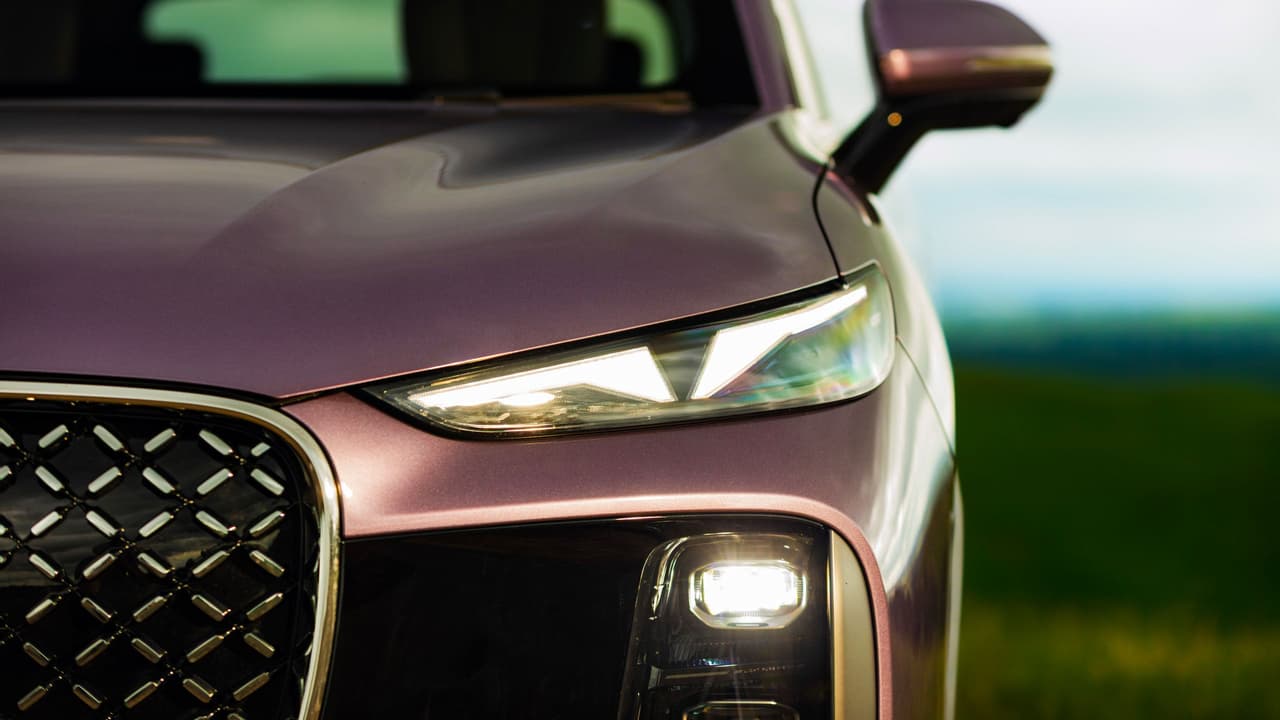
Its ‘leopard eye’ front end design has seen previous service on the petrol Chery Tiggo 8, while the nice but anonymous rear-end styling is said to be inspired by porcelain. The Lepas font is very similar to the one Porsche uses, and there are some bold colour choices amongst the monochrome options.
For now, the L8 is only offered with the same plug-in ‘Super Hybrid’ powertrain that we’ve seen in other Chery group SUVs. A fully electric one is coming in 2027, although you’d be forgiven for thinking the hybrid is a full EV, given how quiet the engine is.
With so many family-size SUVs to pick from, what gets you into a Lepas over a Chery? Or, a Ford, Volkswagen, Toyota, MG or Kia? Maybe it’s the interior fragrance options that you can choose from, or maybe it’s the pedestrian warning sound that plays an odd twinkly melody at low speeds…
More likely, you’ll be drawn towards the L8 because of its £35,000 starting price. That’s around £4,000 less than a Ford Kuga PHEV, almost £6,000 less than a Kia Sportage PHEV, and £8,000 less than a Volkswagen Tiguan eHybrid. However, it’s not the absolute cheapest: the MG HS PHEV is even better value – it’s cheaper and a better car than the languid Lepas.
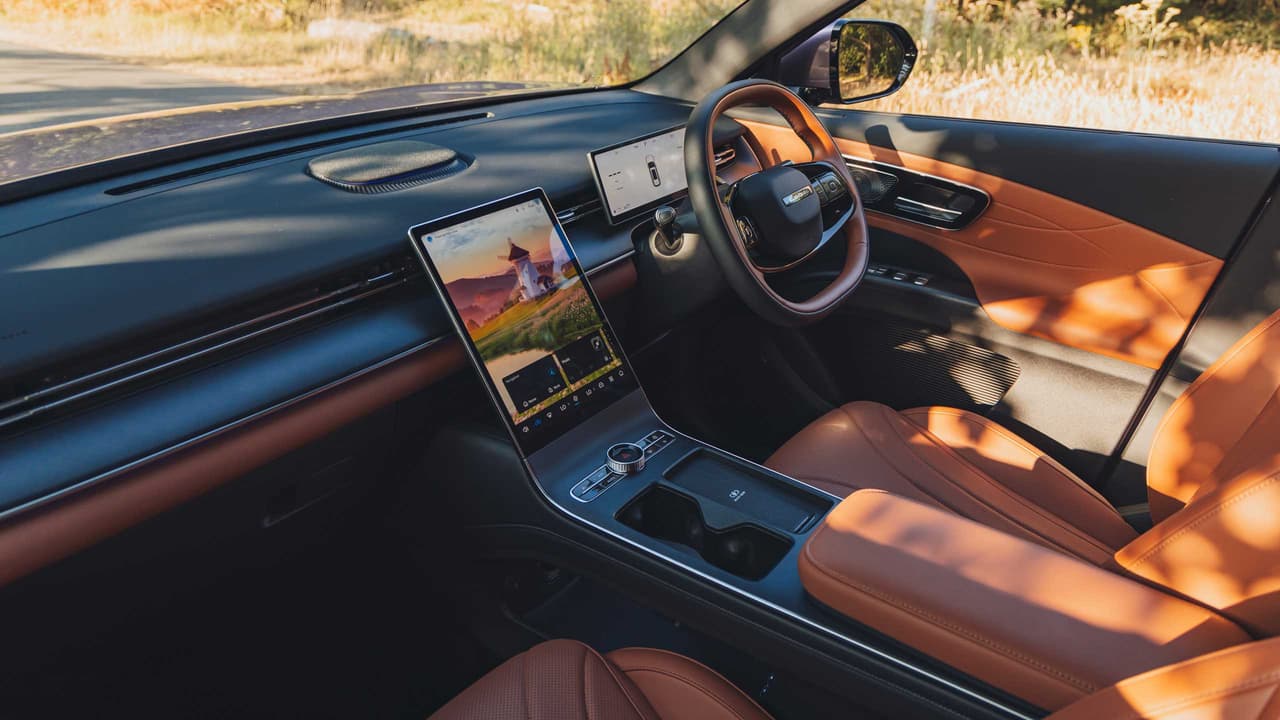
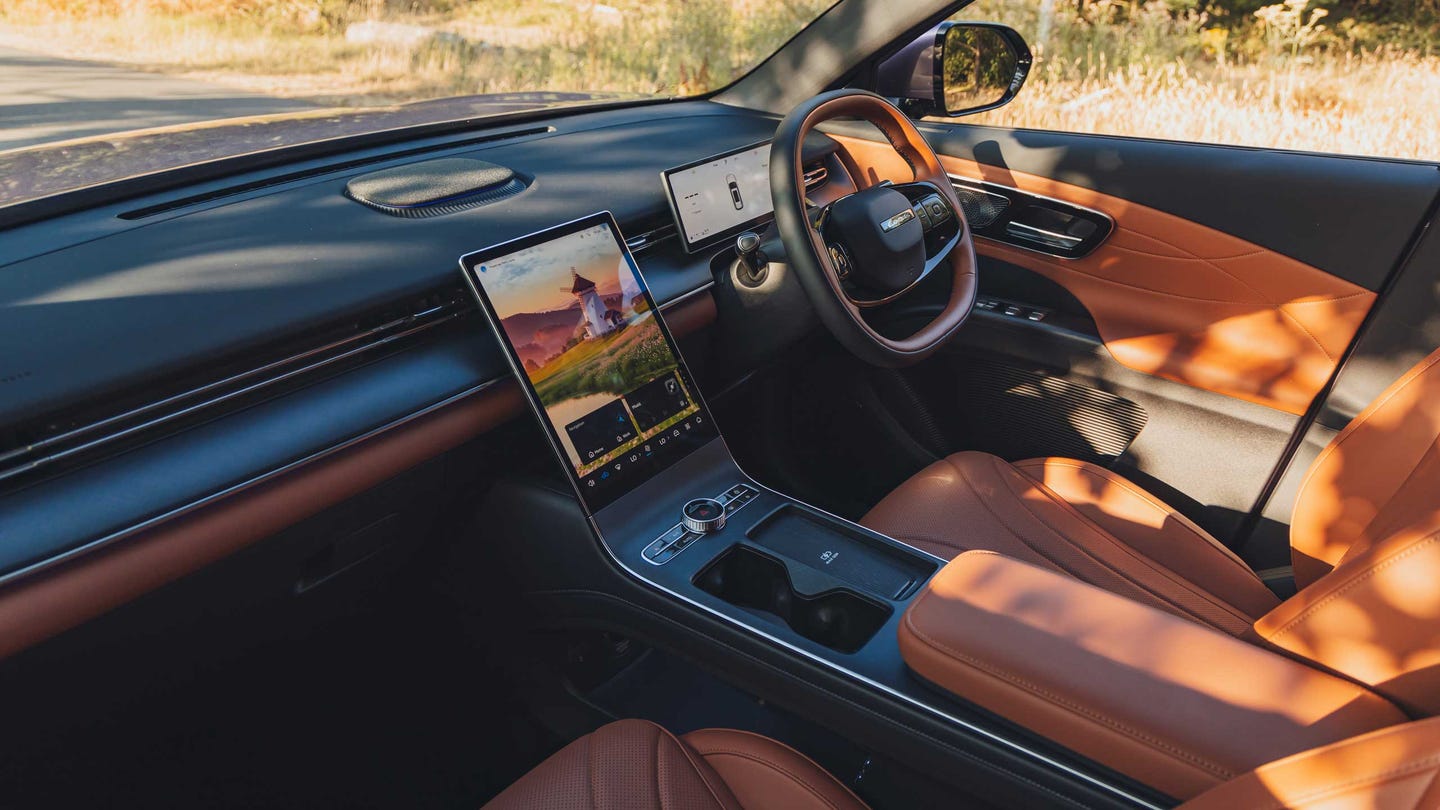
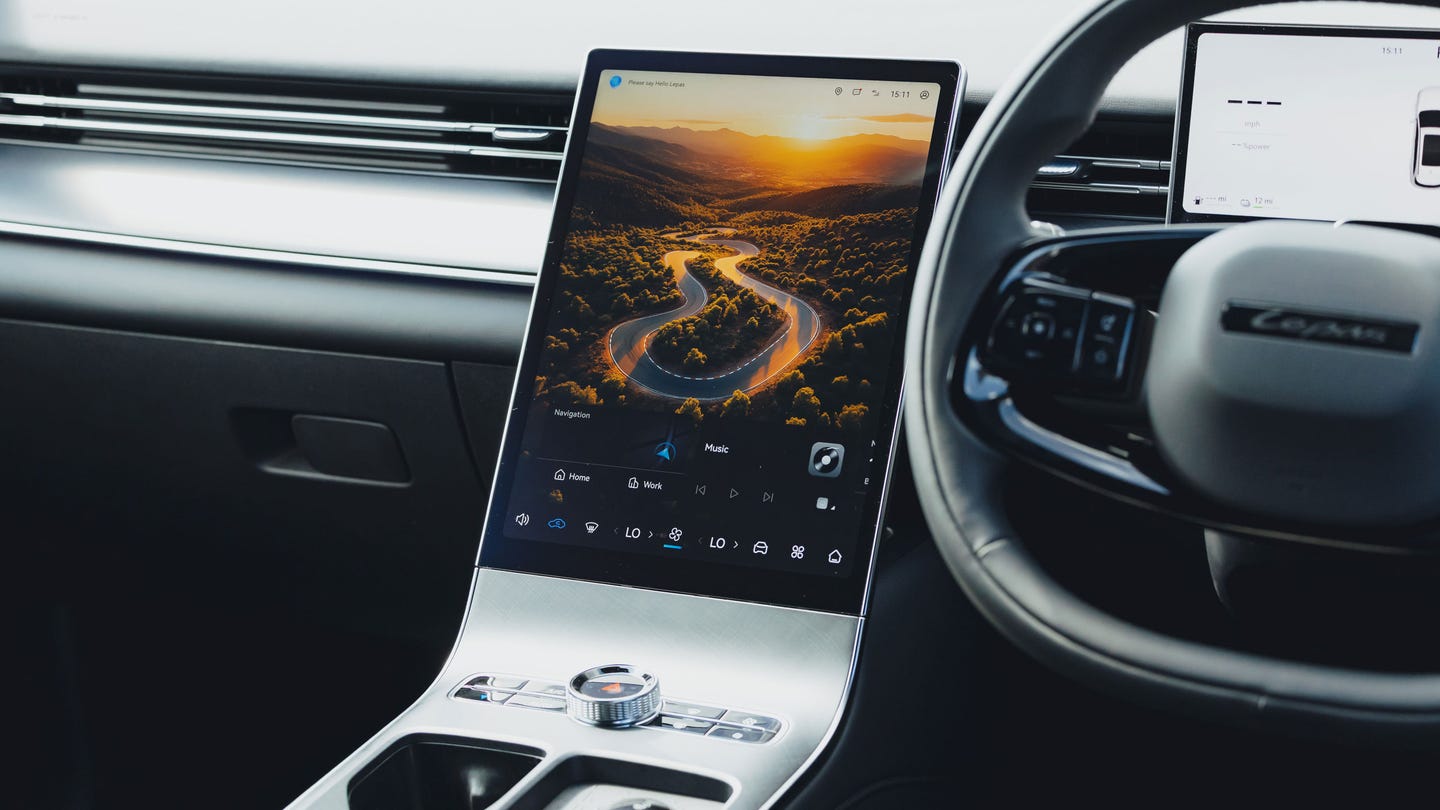
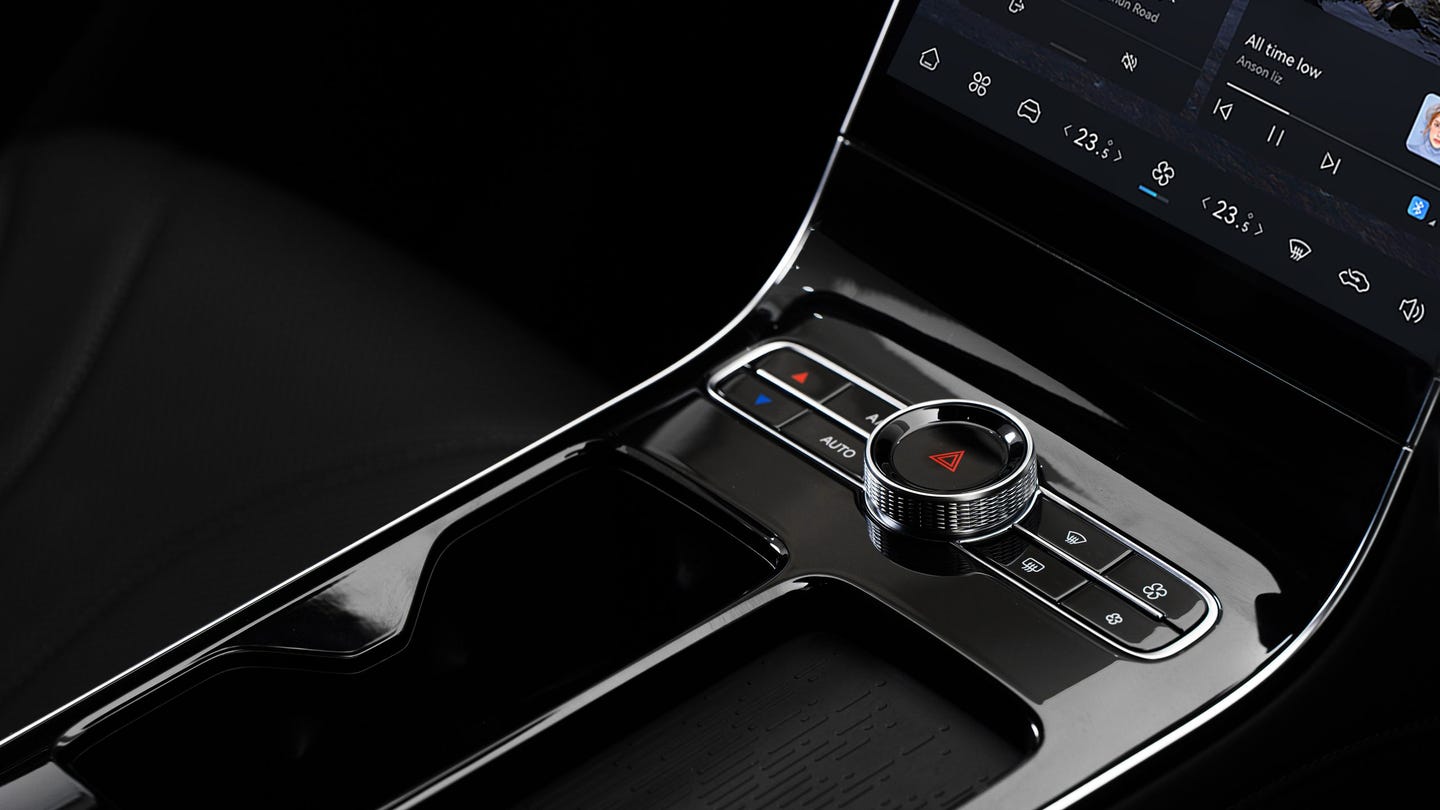
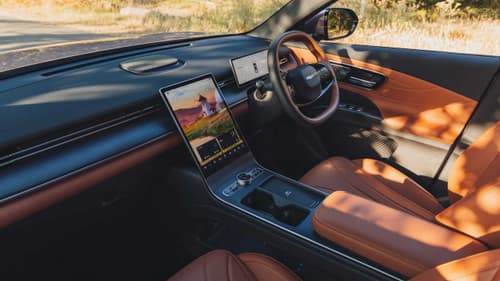
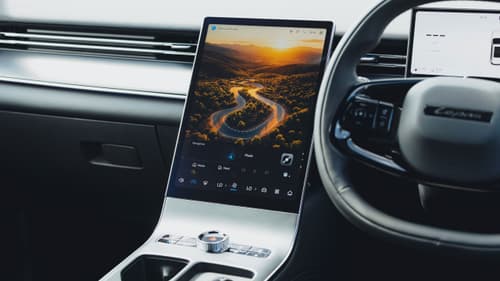
You could be forgiven for thinking you’ve got into a Mercedes GLC. There’s a portrait touchscreen that flows into the centre console just like the Mercedes, the switchgear could well be Mercedes parts, and the gloss black backlit panels on the doors which contain the speaker grilles are very Benz-esque as well.
Superficially, it looks high quality. However, it doesn’t take long before you find some cheap plastics, and parts of the door trim sound hollow. There’s too much of the gloss black plastic through the cabin, which is a magnet for greasy fingerprints and hairline scratches.
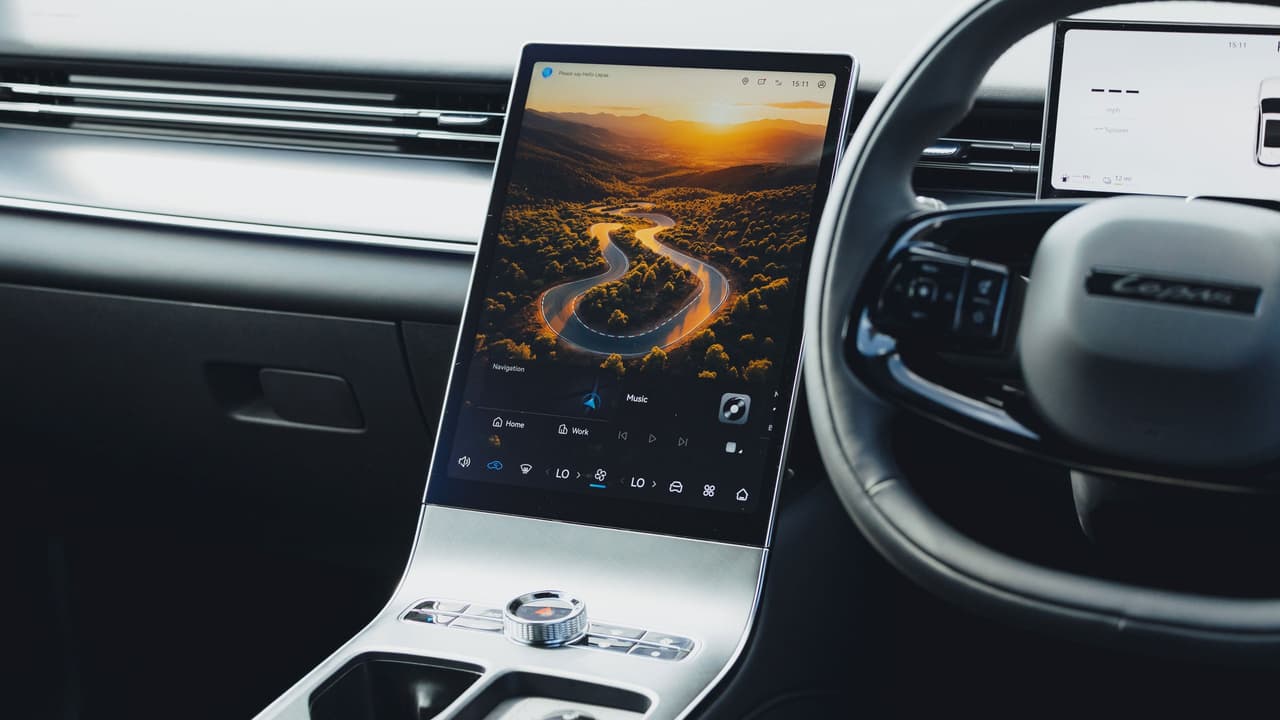
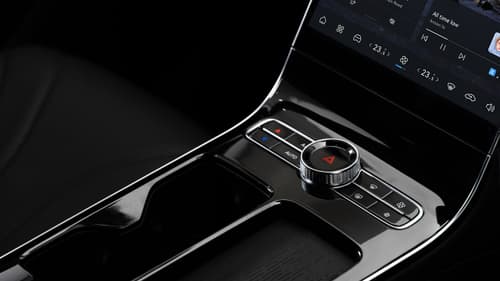
We like the few physical climate controls, although you’ll be tapping the touchscreen so often that you’ll probably just go through there for the air con as well. The dial in the middle is to change the driving modes, not adjust the volume (you have to swipe down from the top of the screen for that), and it's easy to accidentally press the hazard lights button when switching between the drive modes.
As is the case with all other Chery cars (and most Chinese cars in general), the touchscreen’s home screen is a kind of nice but largely pointless art display. All the useful shortcuts you’ll use on a regular basis are kept right at the bottom. You can at least configure the shortcut bar with features like Apple CarPlay and Spotify, which is a good thing.
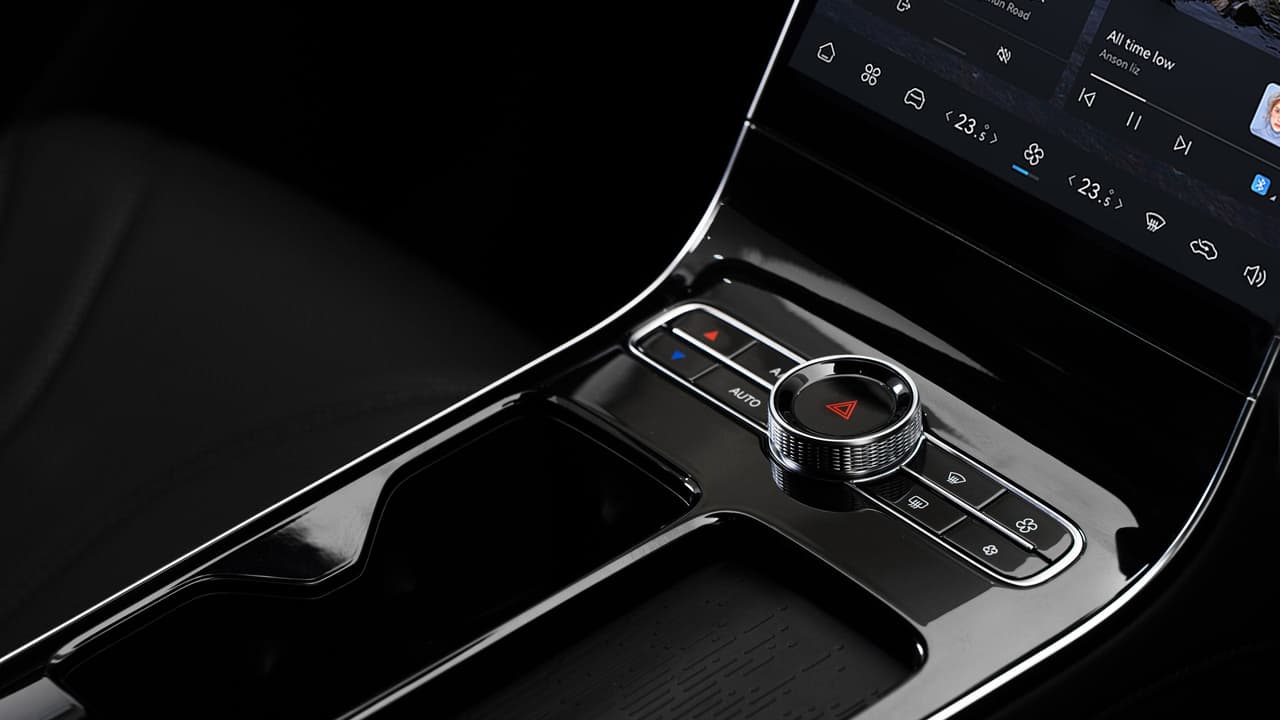
The car menu brings up a Tesla-like wall of settings to mess around with, and it’s hard to adjust these while driving because you’ll be constantly looking between the road and the screen. The L8, like a lot of recent entrants into the UK market, is a car that you’ll need to spend some time sitting on your driveway just making sure everything is set up to your preferences. Make sure to configure the home screen and the quick access menus, as then you can arrange the features that you’ll use the most in a convenient place.
Standard kit is comprehensive, with the cheaper Essence trim including 50W wireless phone charging, keyless entry, a glass roof with sunshade, LED headlights and two-zone climate control. Upgrade to Elevate trim and you’ll also enjoy heated, cooled, massaging and powered front seats, plus a powered bootlid, a surround-view parking camera, bigger wheels, a Sony sound system and the fragrance system, which lets you pick the scent (from a choice of three) and intensity that’s piped through the cabin. The strongest setting is very prominent indeed.
One thing that the L8 doesn’t have is a start button. We’ve got used to this in electric cars, but it’s unusual for a hybrid car to turn on as soon as the seat sensors register that you’ve sat down.
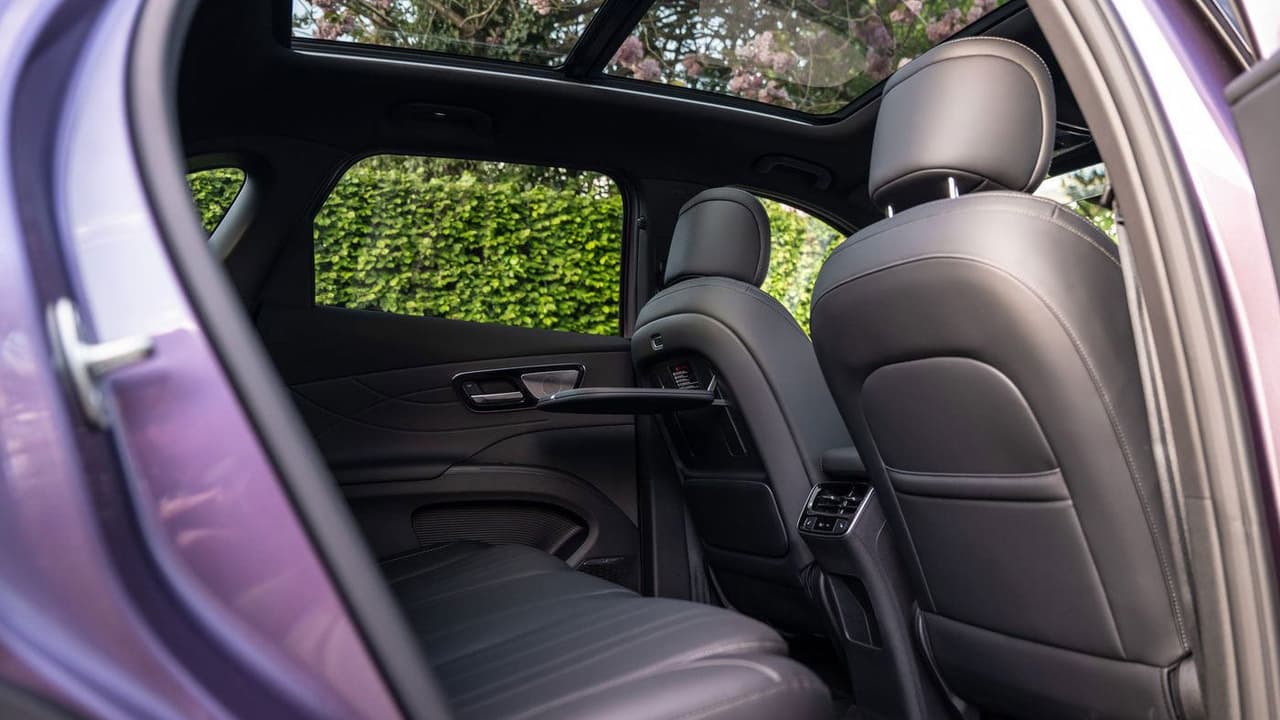
Within the passenger compartment, the Lepas L8 does really well for practicality. There are loads of storage spaces dotted around, with a deep area within the central armrest and some semi-hidden storage under the centre console.
Front-seat occupants enjoy plenty of adjustment to find a comfortable position, and we’re pleased to see that the passenger seat benefits from height adjustment – it always feels miserly when this is left out.
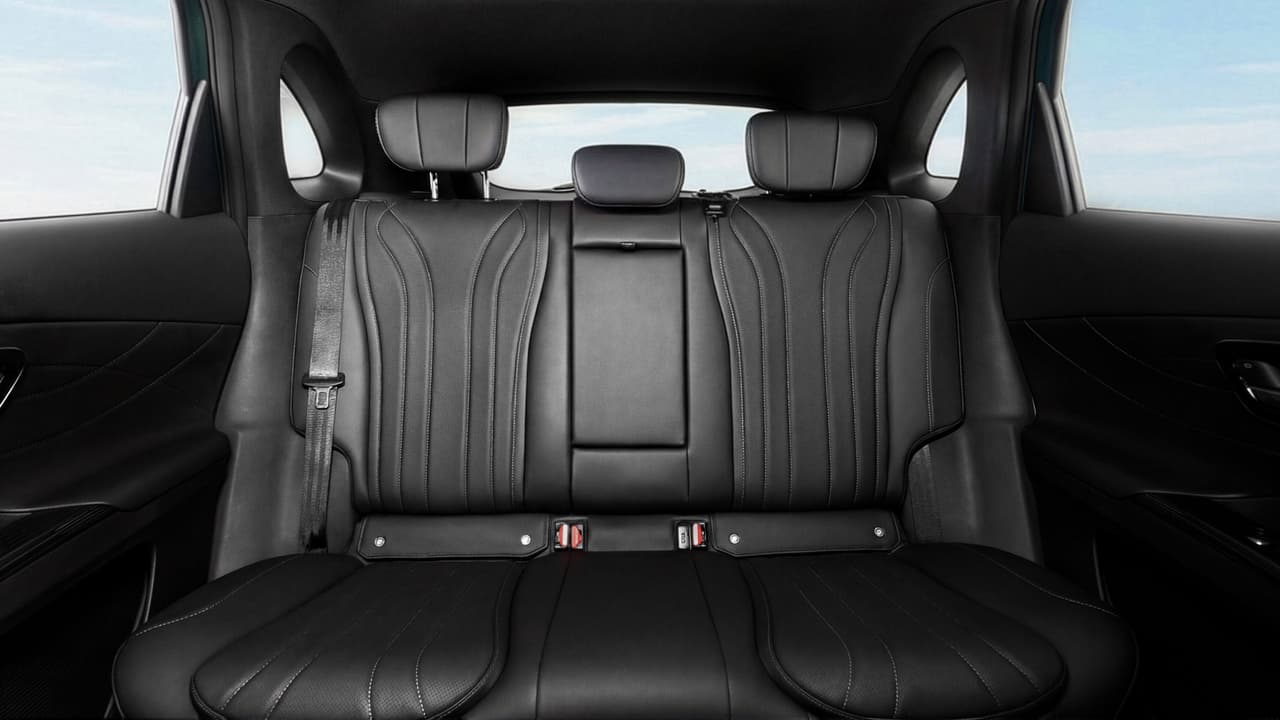
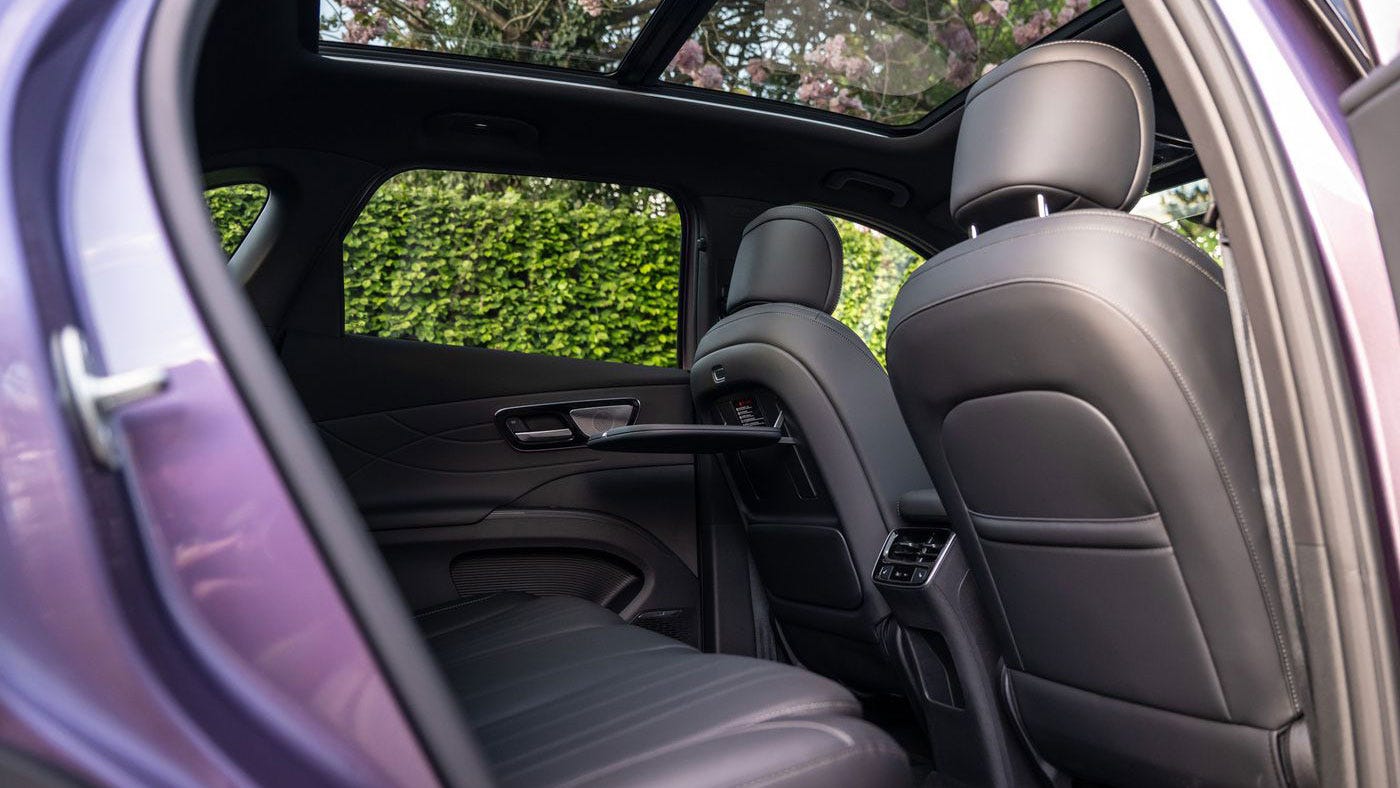
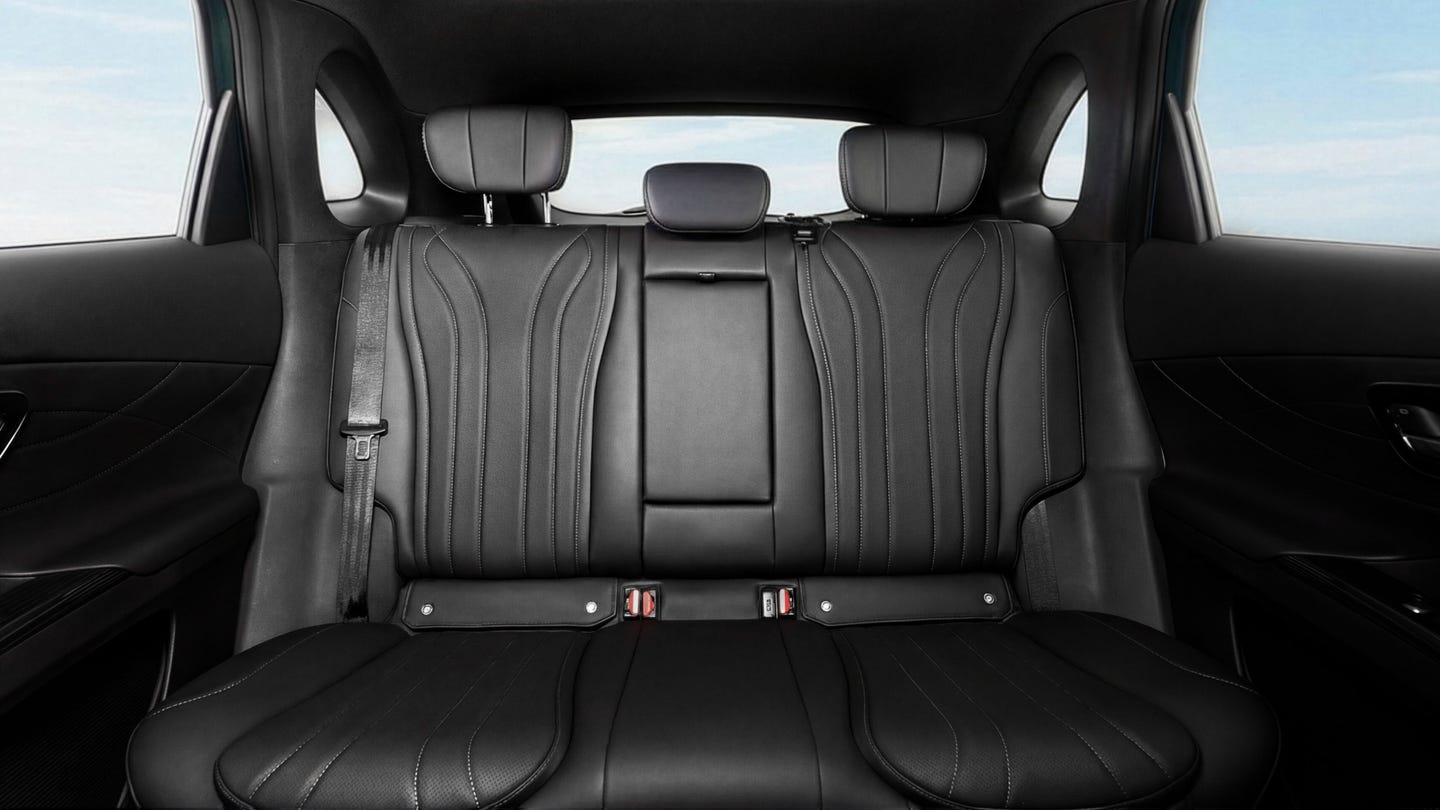
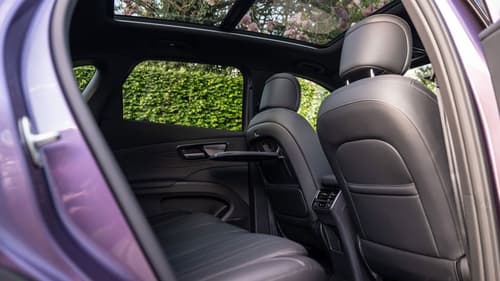
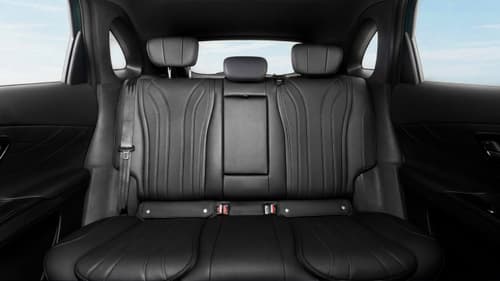
Rear-seat space is generous, with more than enough legroom and headroom. The rear seats recline, although the lever to do this is awkward and imprecise. The materials from the front are carried on to the back seats, and the second row includes USB sockets, a fold-down armrest and map pockets in the seatbacks. Oh, and a tray table with a similar action to a Bentley. That won’t mean much if your kids are like bulls in a china shop.
Speaking of, the Isofix points are hidden behind a velcro flap. We can imagine it being a little tricky to juggle a bulky child seat while keeping the flap lifted up.
Less impressive is the 507-litre boot, which is on the small side for a car of this size. Having to package in a hybrid battery pack means the boot floor is very high – so it can be difficult to load heavy items in. It’s handy that there’s enough space under the boot floor to stash the charging cable.
We’re told an electric L8 is coming later on but, for now, you get a plug-in-hybrid engine consisting of a 1.5-litre turbocharged petrol and an electric motor. It’s the same 'Super Hybrid' setup you get in Chery, Jaecoo and Omoda cars, prioritising the electric side of the powertrain and keeping the engine there as a backup.
As a result, the L8 boasts the smoothness and responsiveness of a fully electric car. The engine is so refined that you barely know it’s there. Total power stands at 279hp – plenty to get the car up to speed with no effort at all. We’d stop short of saying it’s quick, but it’s sufficient for normal driving.
With a fully charged battery, you can travel up to 56 miles on electric power alone, although you’re probably more likely to leave it in hybrid mode where the system works out the best way to use each propulsion system.
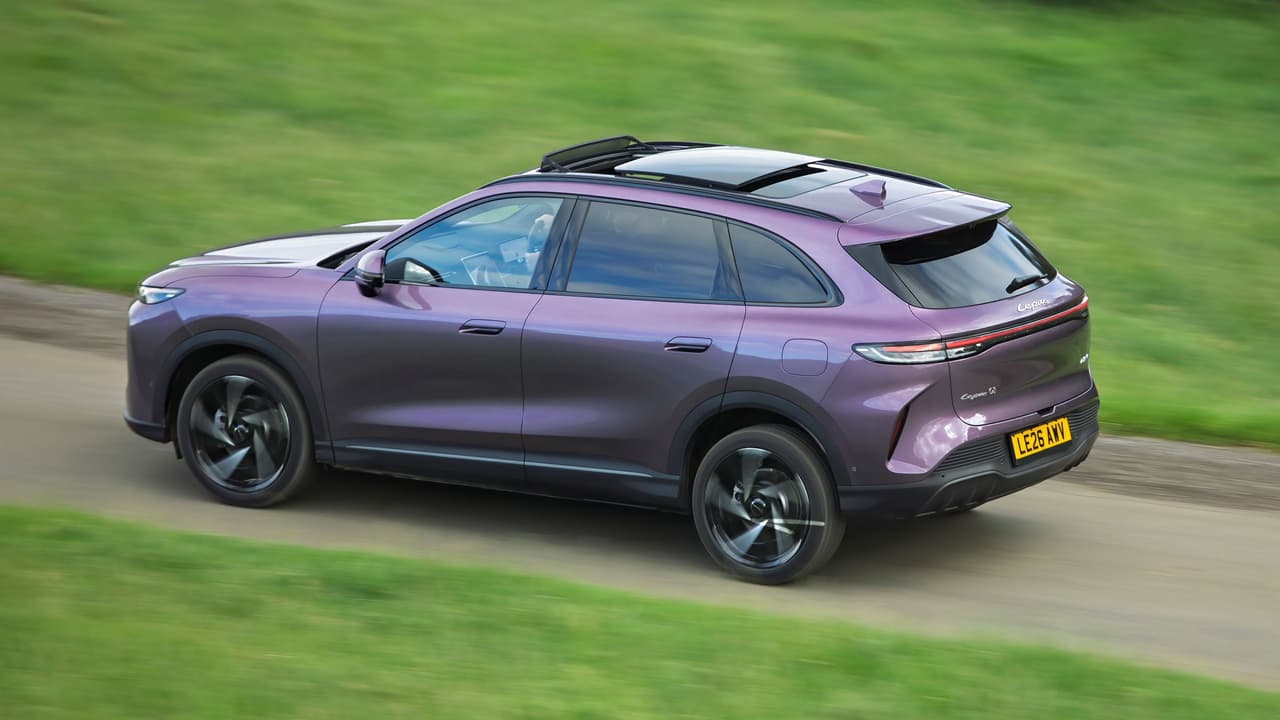
Considering Lepas is pitched as a premium brand (except for the L8’s price tag), the driving experience isn’t good enough. The main culprit is the refinement. There’s a lot of tyre noise present at all times, which ruins the soothing vibe that the car is striving for. It might be a bit quieter on premium tyres, rather than the midrange Maxxis rubber our test car had.
Additionally, the ride is gravelly and unsettled. The way the car constantly fidgets over scrappy road surfaces quickly becomes annoying, and it doesn’t settle down at speed.
What’s more, we were astonished to find that our test car refused to let us turn the lane-keep assist off. Once we'd found the setting buried deep within the driver assistance menu, we toggled the switch to off. But, just a few seconds later, it stubbornly reactivated on our L8. No matter how many times we tried to override it – even with the car stationary – there was no way to turn it off for the duration of our journey. It’s a little thing that becomes deeply frustrating, especially if you want to feel like you’re in control of the car and not the other way around.
In other aspects, the driving experience is fine. The car steers accurately enough, the brakes are decent enough at bringing you to a halt, and the L8 resists feeling like it’s falling over in corners. But a Volkswagen Tiguan feels more settled, composed and well engineered.

Impressive on paper but does Geely's PHEV SUV work in the real world?