







The top 10 best Jaecoo 7 alternatives

Tim Rodie
•
Choosing A Car

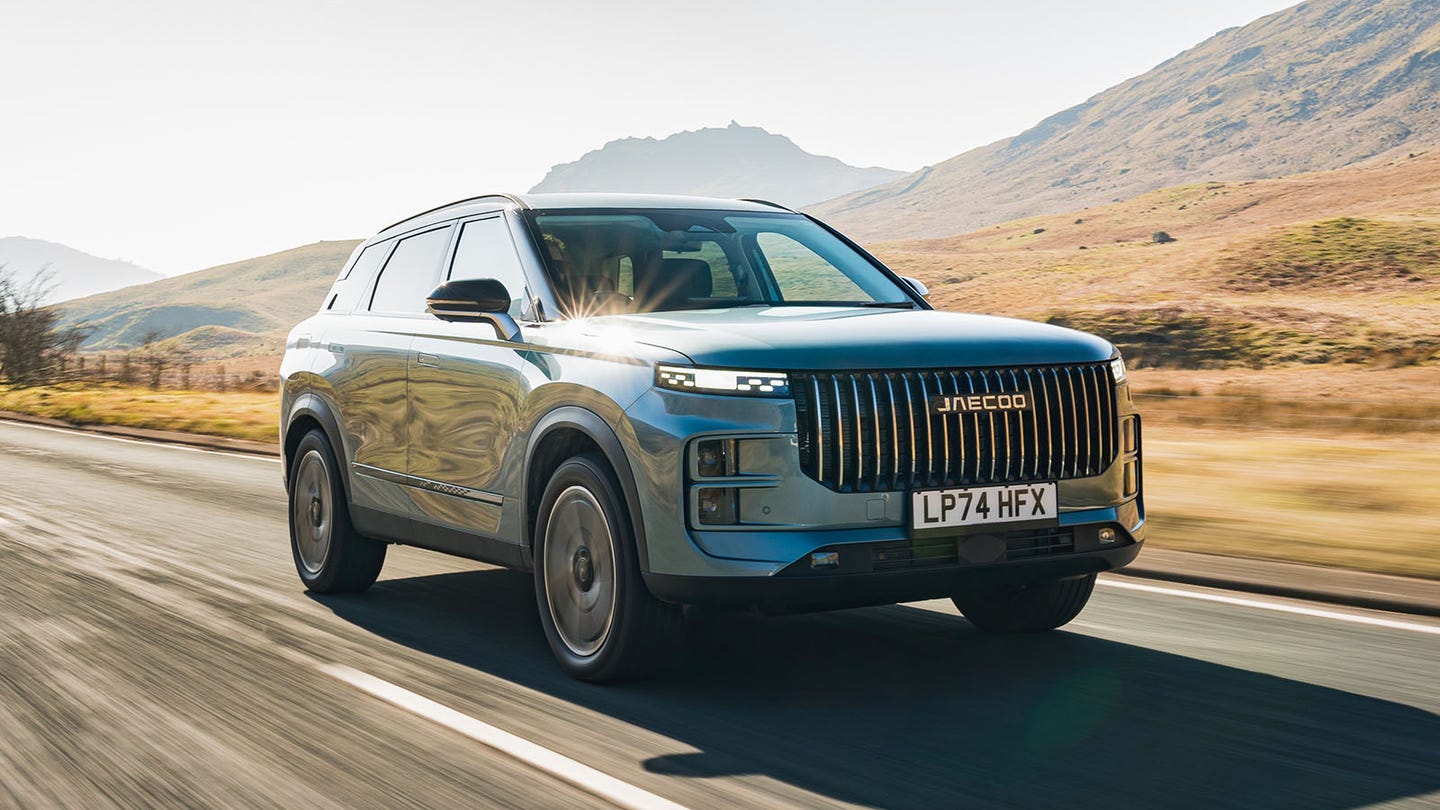
Jaecoo has barely existed in the UK for more than a couple of years and, already, the brand has hit the top of the sales charts.
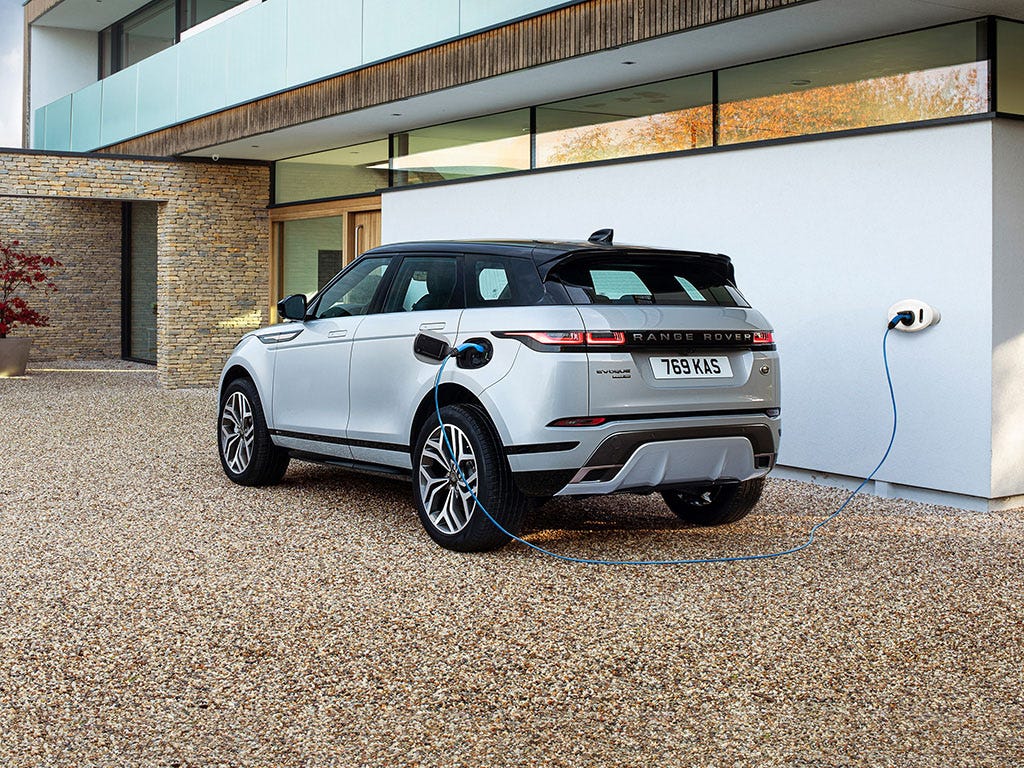
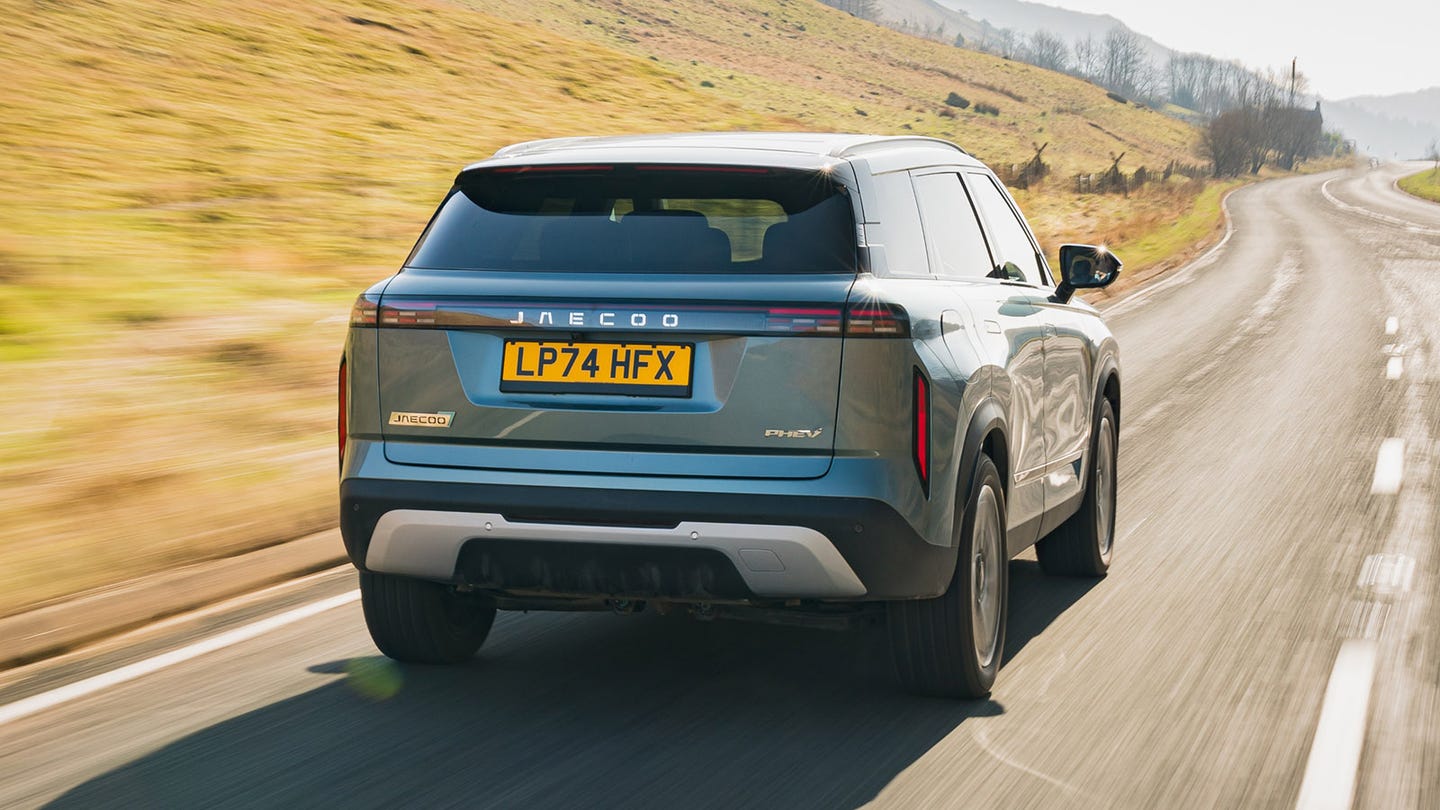
That shouldn't be a surprise, however, because cars like the Jaecoo 7 remind us of the incredible economies of scale Chinese brands can achieve. It bears more than a passing resemblance to a Range Rover Evoque, but it's roughly half the price, with more than twice the warranty cover, and still feels like a quality product from the driver's seat.
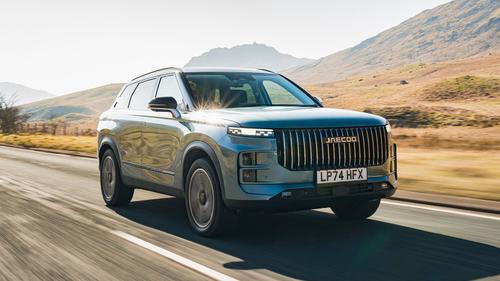
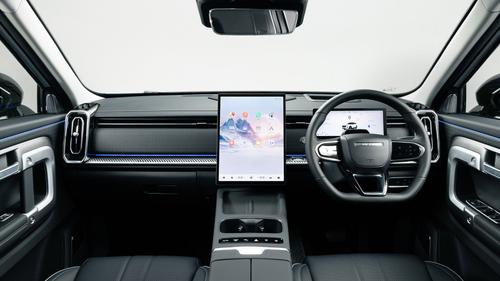
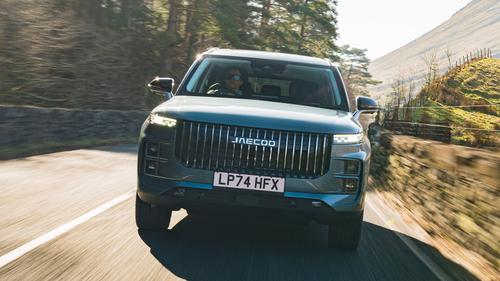
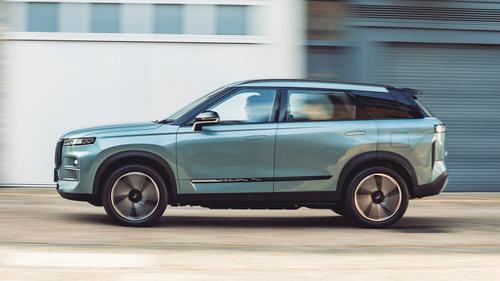
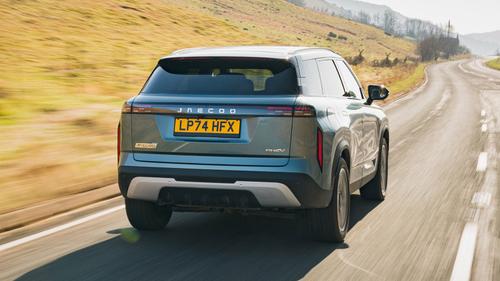
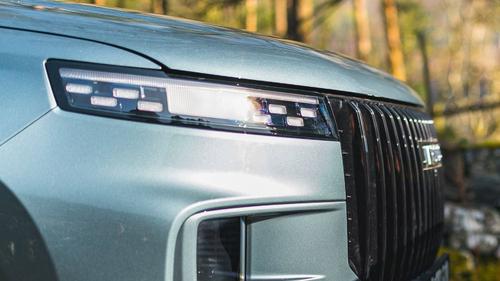
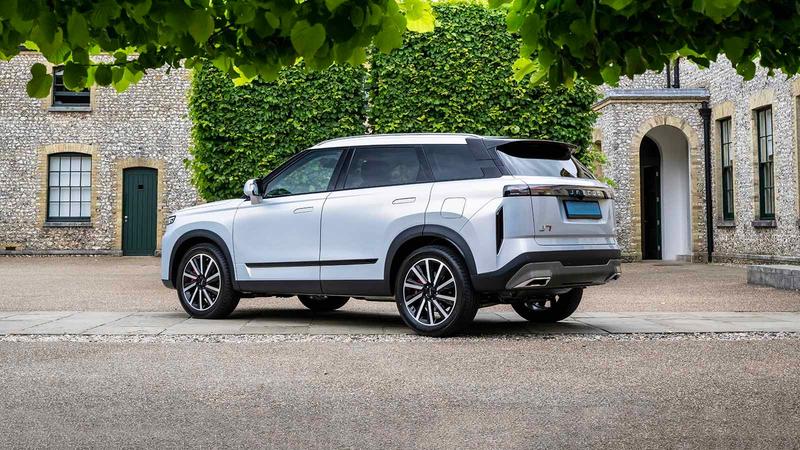
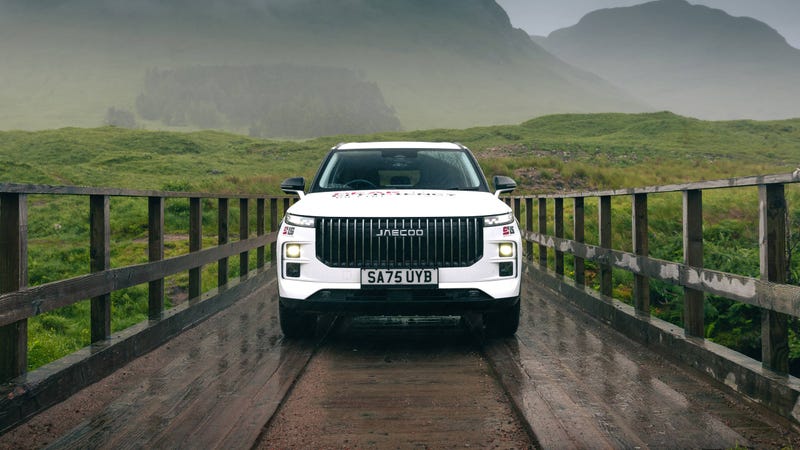
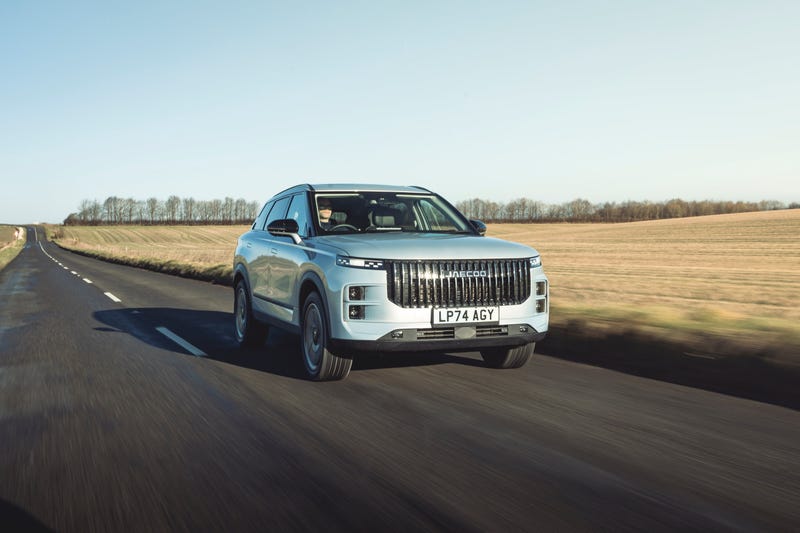
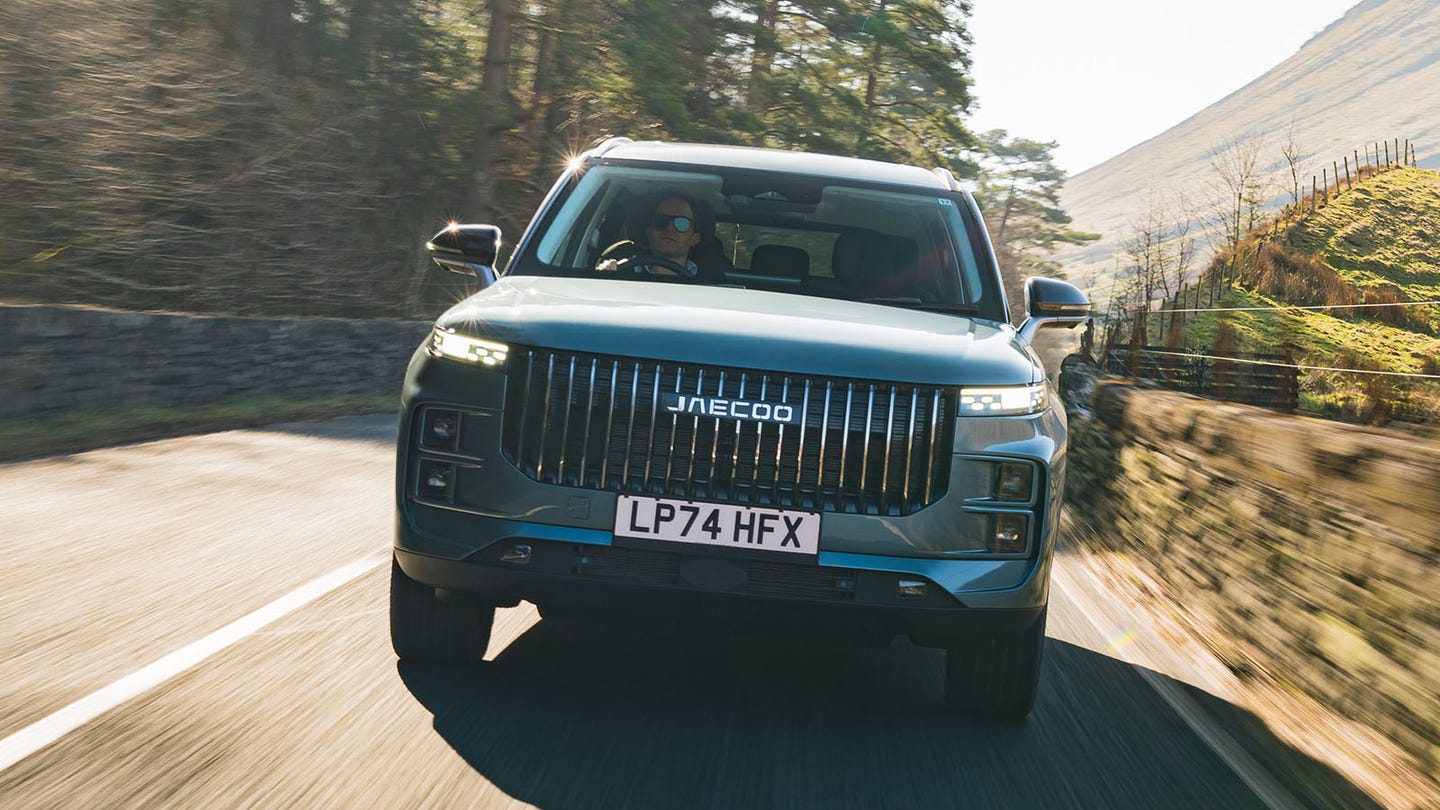
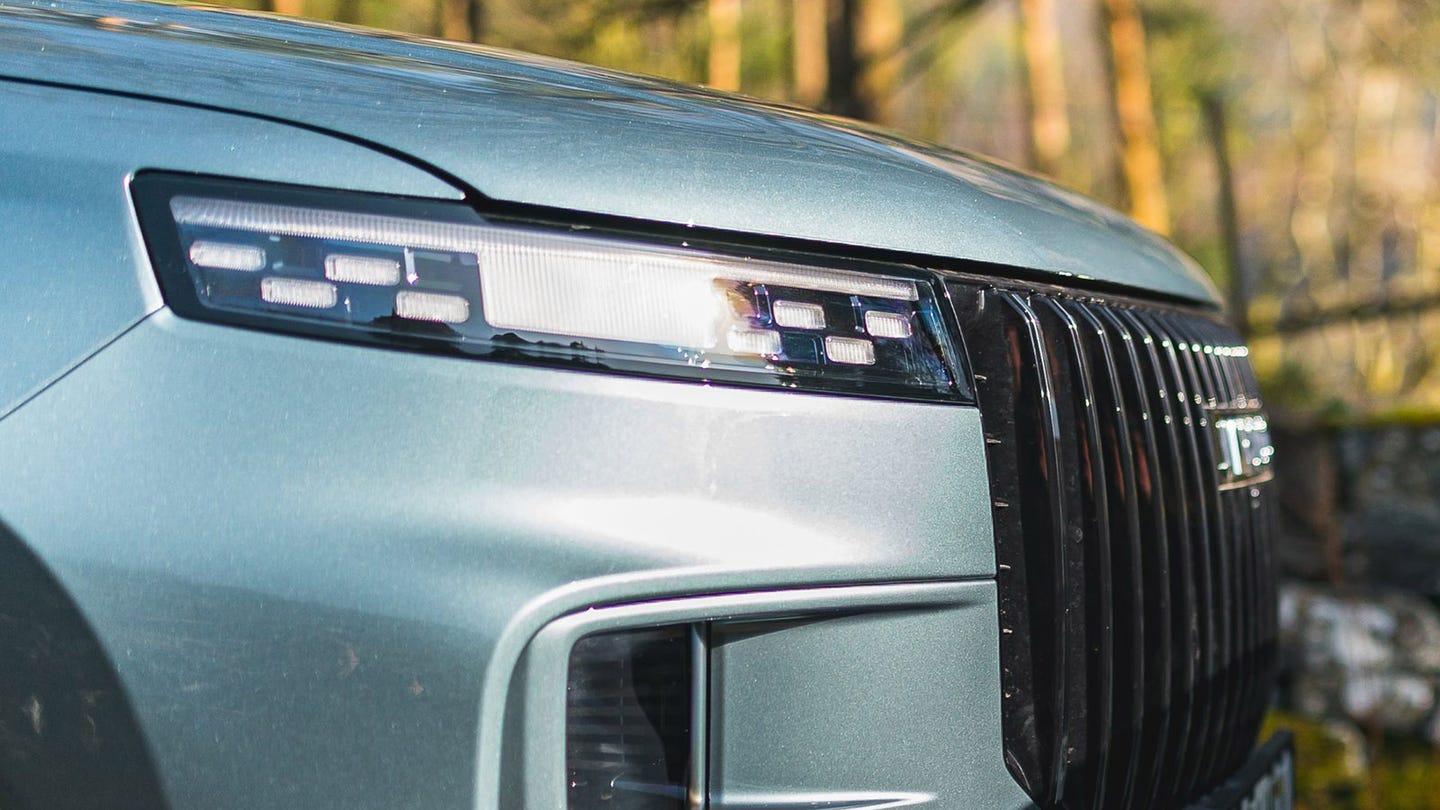
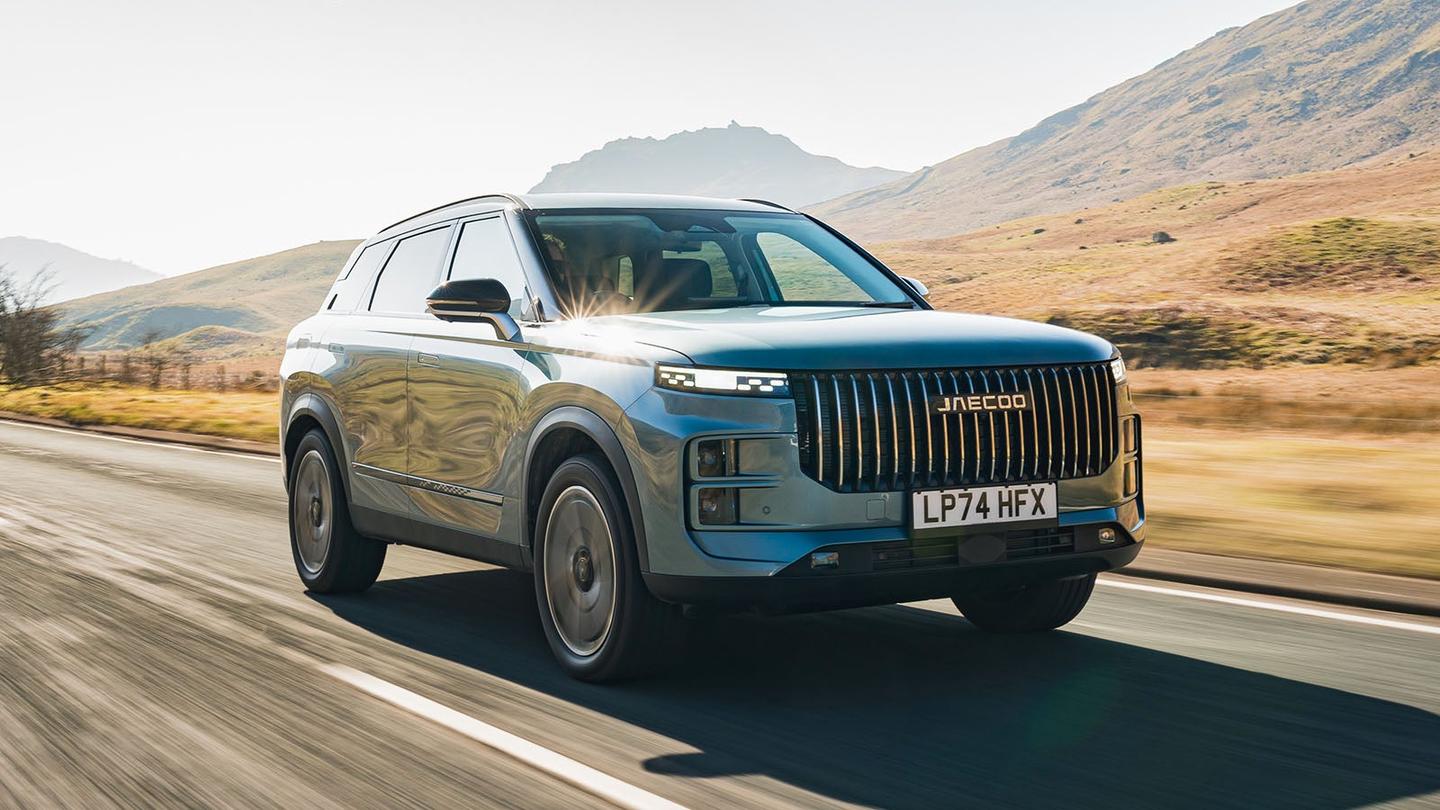
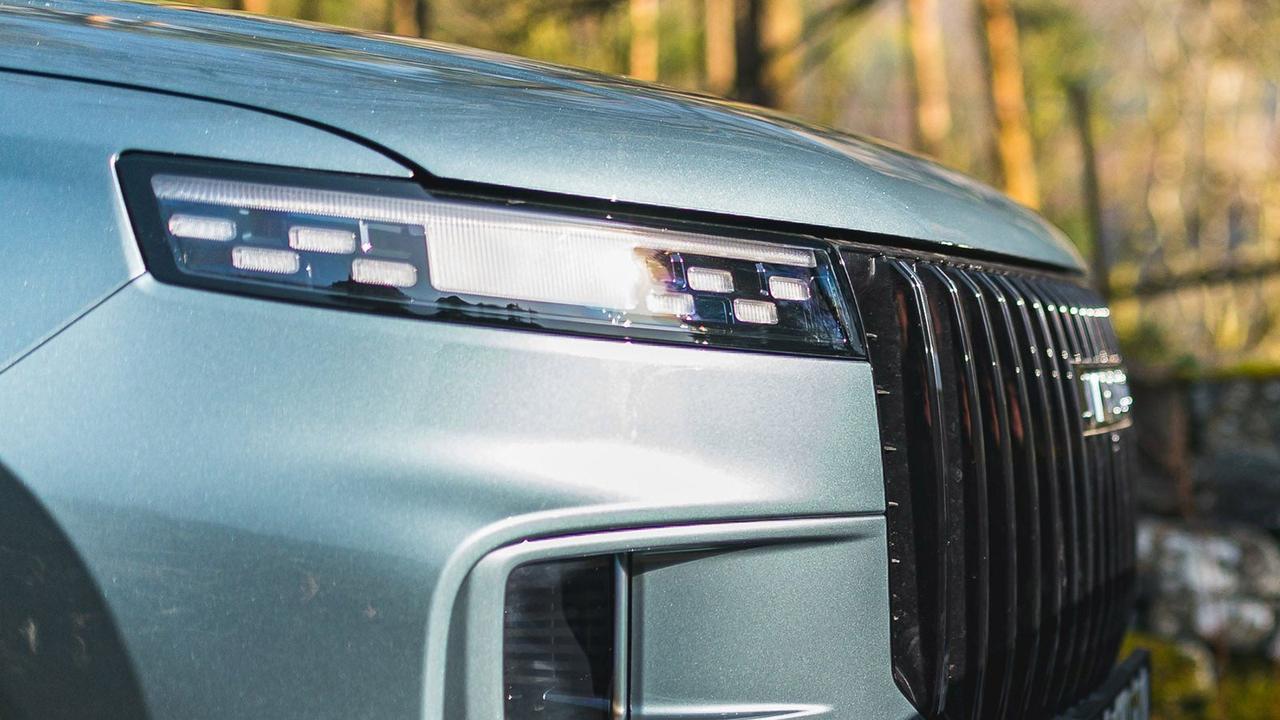
Unquestionably, part of the Jaecoo 7's appeal comes down to its looks. We've criticised many Chinese cars like the BYD Seal U and MGS5 EV for their dull, generic styling, but the Jaecoo embraces a more traditional, boxy look that's proved to have timeless appeal among the Land Rover and Range Rover lineups. Its upright, rectangular grille is made up of neat, chrome vertical bars that look like they could've been lifted from a Rolls-Royce, while slender exterior lights with LED signatures mark out the car's corners.
"While the Jaecoo's cabin design doesn't outright copy any of its rivals, we can see where its designers have drawn inspiration"
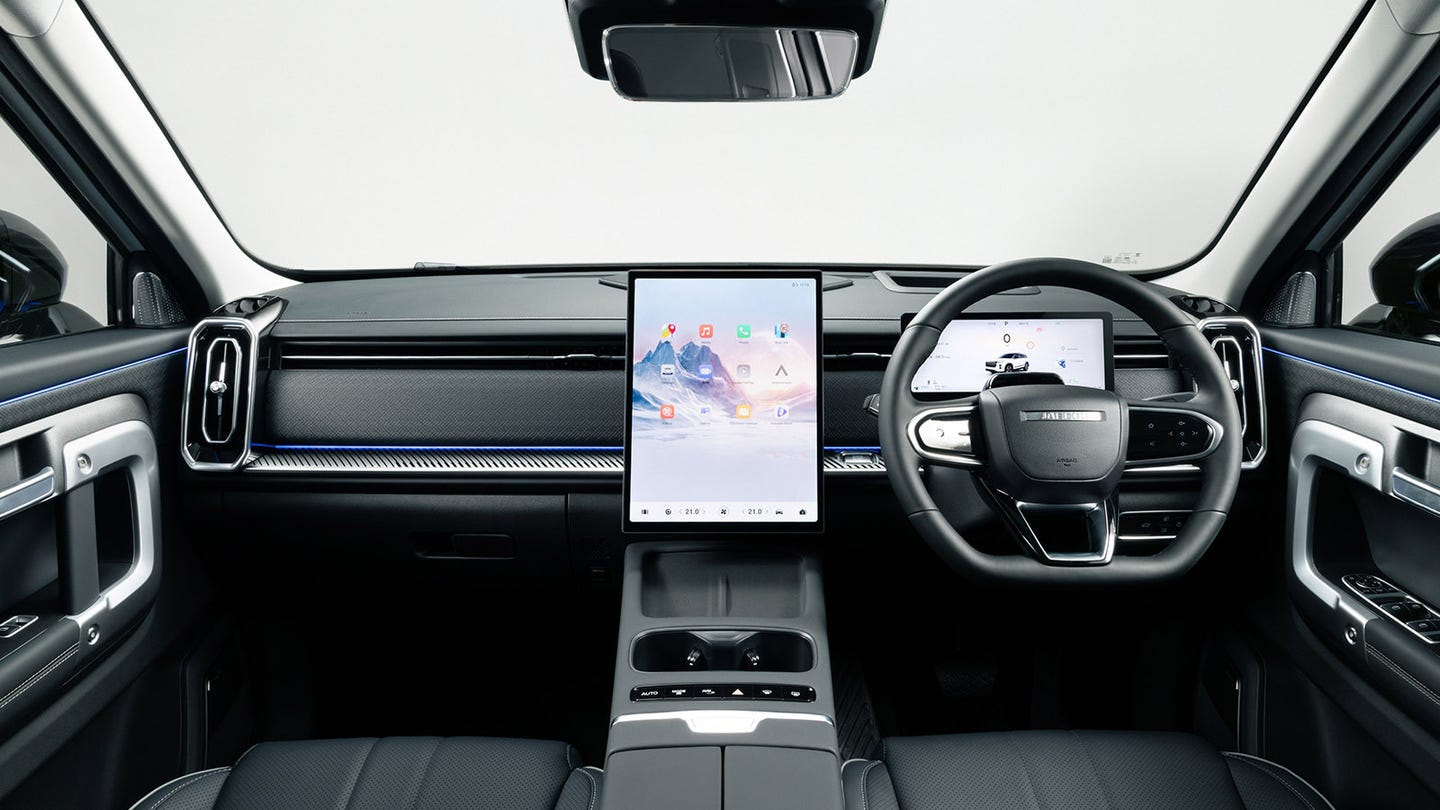
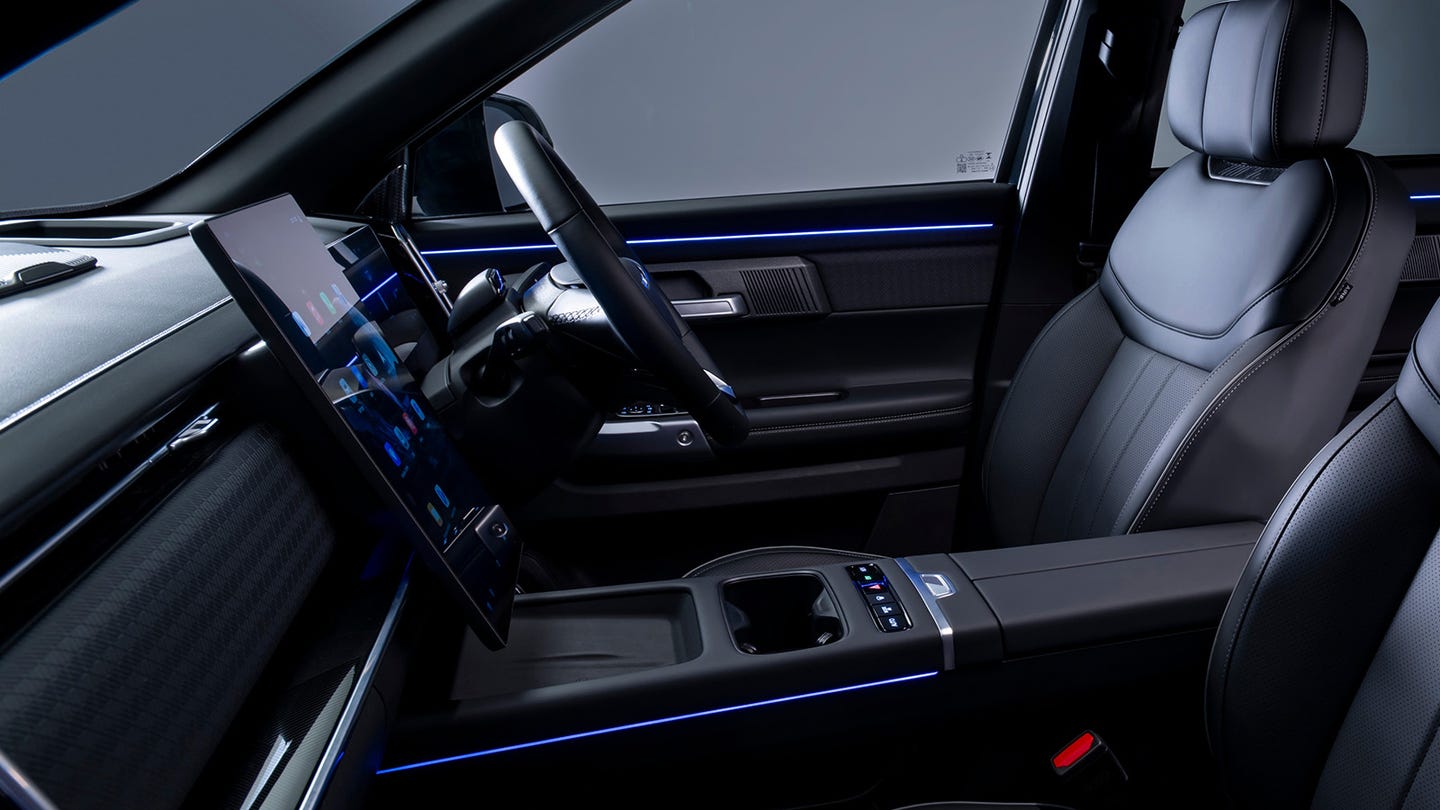
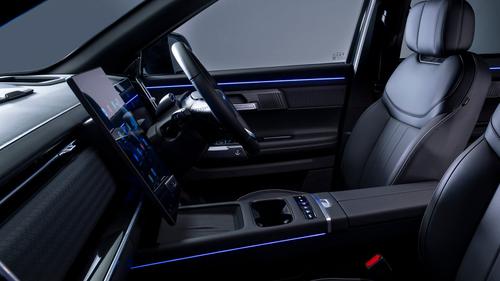
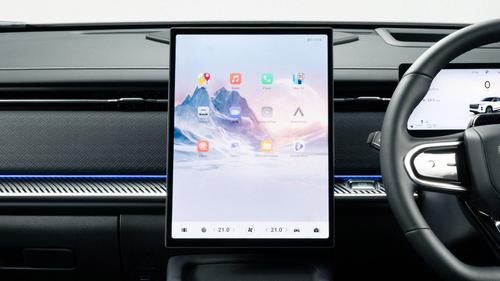
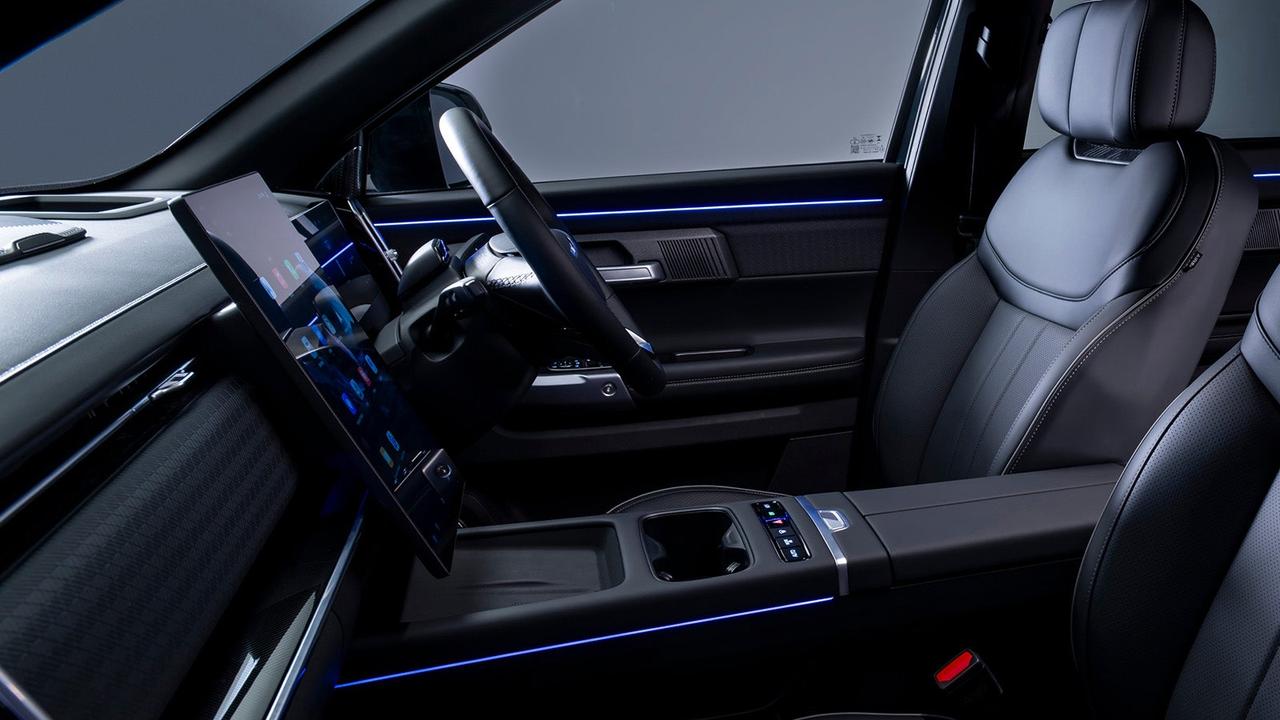
You might think the Jaecoo's style is mostly superficial, but the cabin quickly silences those complaints. There's generous usage of soft-touch materials, plus a cohesive mix of horizontal and vertical elements in the dashboard that leave a simple-yet-elegant impression. Of course, the car's digital features are front and centre with a glossy centre infotainment screen and a smaller display behind the wheel for the driver's dials.
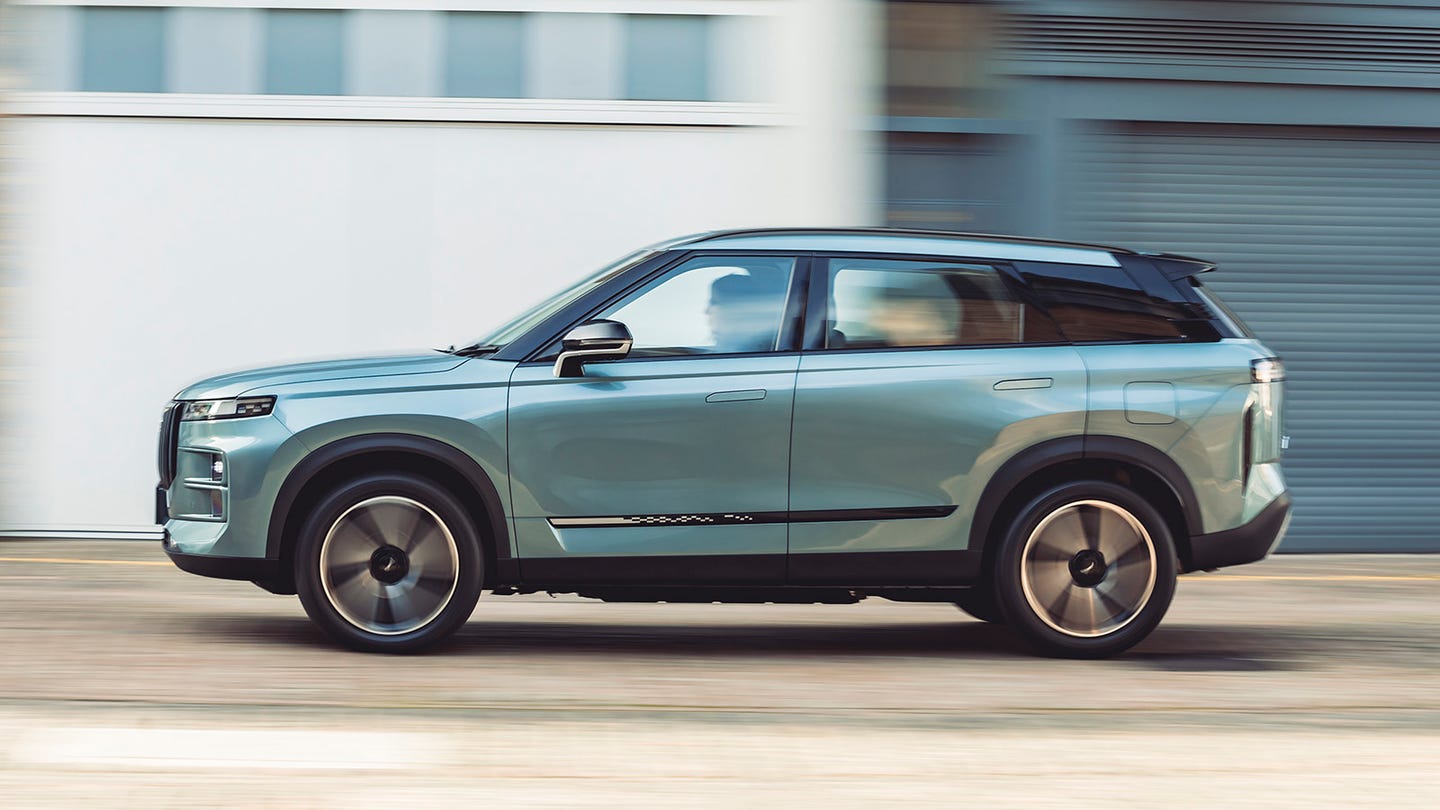
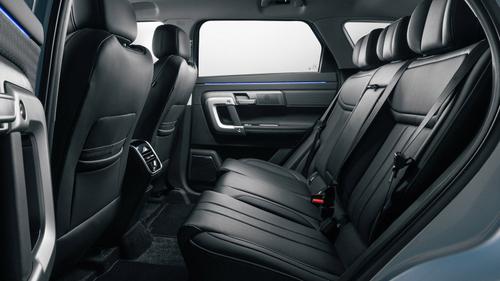
The 7 is a nice, neat 4.5 metres long. That puts it somewhere in the middle of the family SUV class, competing against established rivals like the Nissan Qashqai and Kia Sportage. Practicality is mid-pack as a result, with sufficient room in both rows for tall adults, plus a decent-sized boot, but there's nothing particularly outstanding here to lift it above the best-in-class.
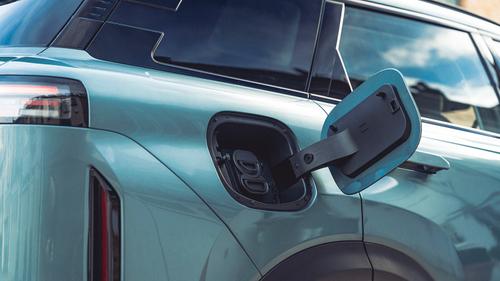
At launch, the Jaecoo 7 came with either a turbo petrol engine paired with a dual-clutch automatic gearbox, or a plug-in hybrid. The former was impressively affordable but, as we'll discover in the driving section below, felt underwhelming compared to the best petrol-powered competitors. Meanwhile, the excellently named 'Super Hybrid' PHEV was much better to drive but had limited appeal for drivers who can't charge at home. The more recent addition of a self-charging-hybrid engine gives drivers the best of both worlds.
We've driven a number of Chinese SUVs that sacrifice handling for ride comfort and, for the most part, they work pretty well over the UK's craggy roads. The Jaecoo 7, however, doesn't follow its peers with a soggy suspension setup and, instead, feels a little more taut on the move. As a result, the Jaecoo's body does feel a bit more tied down than something like a BYD Seal U, but still falls a little short as a driver's car.
Brand new, you'll be paying around £30,000 for a Jaecoo 7, rising to more than £35,000 if you want a high-spec trim level or one of the hybrid engines. That compares favourably to virtually all its more familiar rivals, which cost a few thousand more and can't match the Jaecoo for equipment. There are tradeoffs like the so-so driving experience or the unrefined entry-level petrol engine but, for many owners, these are an acceptable loss in the face of the car's design, interior and pricing.
Keep reading to find out what the Jaecoo 7 is like to live with in more detail.
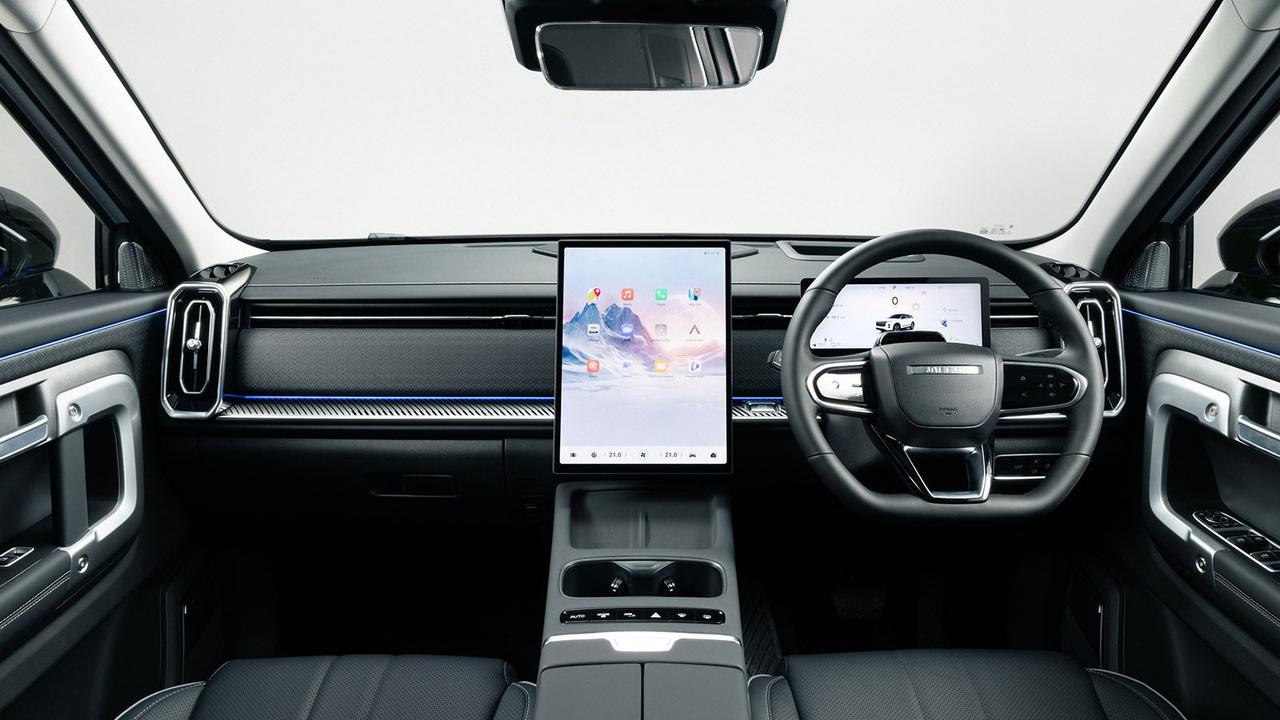
While the Jaecoo's cabin design doesn't outright copy any of its rivals, we can see where its designers have drawn inspiration. The dashboard is predominantly made up of a single wide slab of padded leatherette material, positioned upright to the driver. This kind of visual shorthand is present in lots of SUV rivals, including nearly all Range Rover models. We also spotted artfully exposed bolt heads on the door panels, which are a clear nod to the Land Rover Defender.
You might hear these comparisons and assume that the Jaecoo looks posh but doesn't feel posh. It is virtually half the price so the cost saving has to come from somewhere, right? However, pretty much everything we poked and prodded felt reassuringly solid, with no creaks or rattles over road bumps. You're not going to mistake the Jaecoo's faux-leather upholstery for the finest leather seats in a six-figure Range Rover, but it's on-par with semi-premium brands like Tesla or Jaguar, for example.
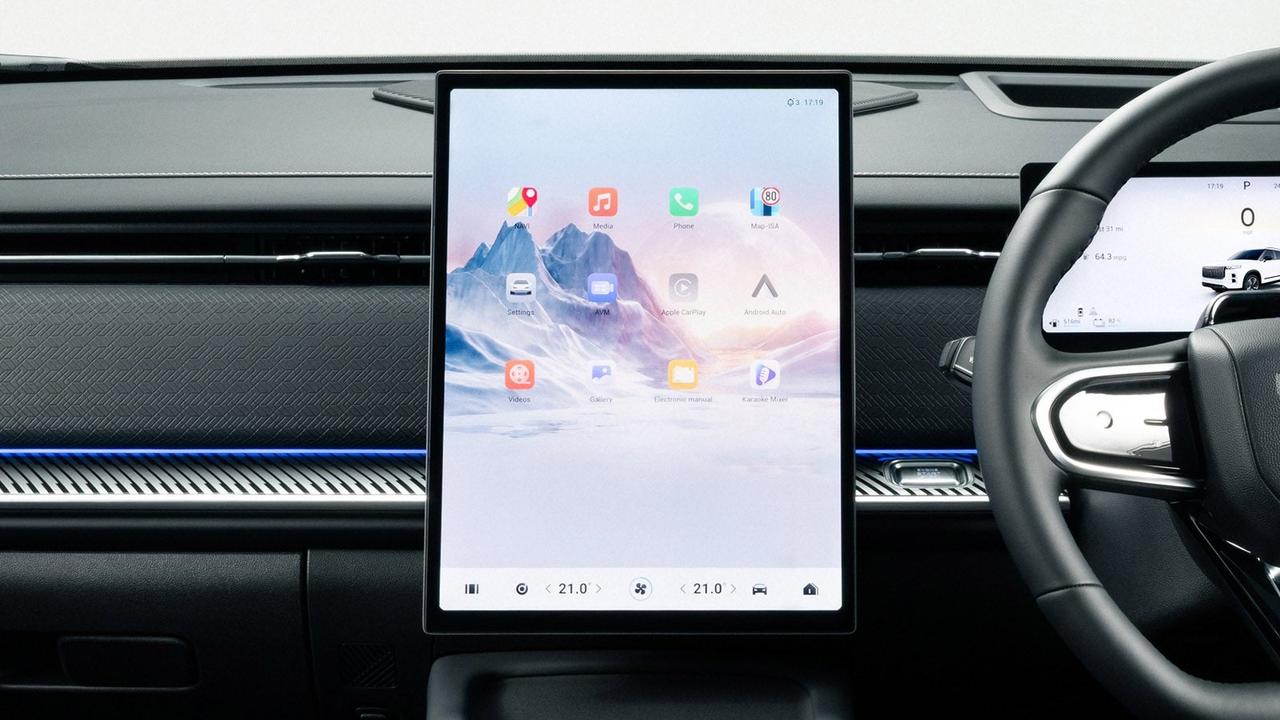
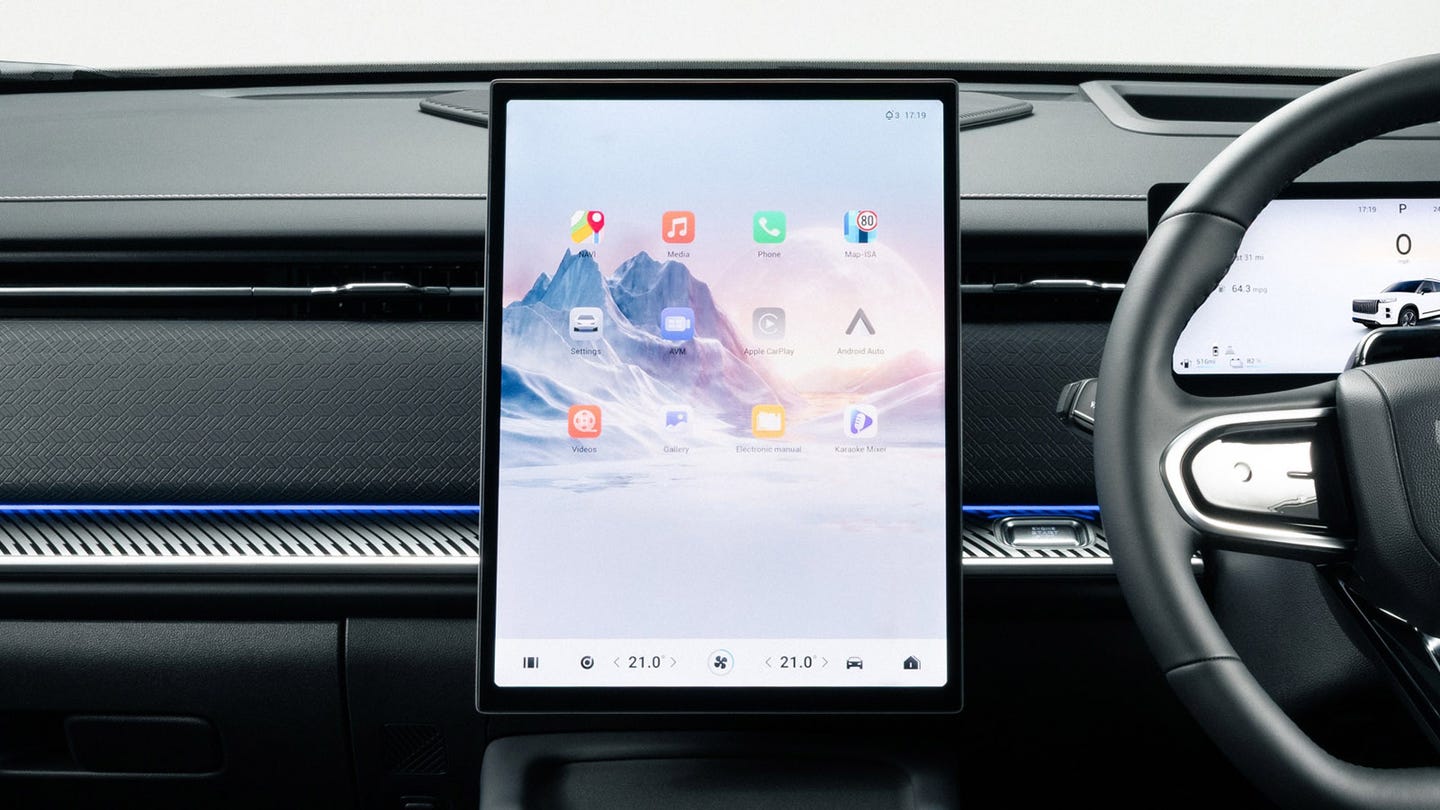
Sadly, Jaecoo's fallen for the modern fad of getting rid of virtually all interior buttons and putting most functions in the infotainment screen. On the plus side, this isn't the worst execution of the formula we've seen, with a big, glossy panel so most on-screen buttons large and easy to hit. It's swift to respond to your inputs too, and loads menus quickly so you're not hovering over the screen waiting for the option you want to appear.
Apple CarPlay and Android Auto are present and correct, which is a good thing as the car's 'home' screen is pretty useless. It's laid out similar to a smartphone, with small hard-to-read icons for main apps taking up most of the screen and a lower bar with unlabelled shortcuts for climate, car settings and home-screen navigation. Rivals make better use of the home space, with the ability to simultaneously show your map, your audio and vehicle information neatly in one layout.
There's also a smaller driver's display, but we found it a bit distracting. There are too many different fonts and colours, and lots of icons seemingly randomly scattered over the small screen, so you often have to hunt around for the info you want to see – taking your eyes off the road. The same is also true of the head-up display in our Luxury-trimmed car, which just tried to cram too much competing info into one space.
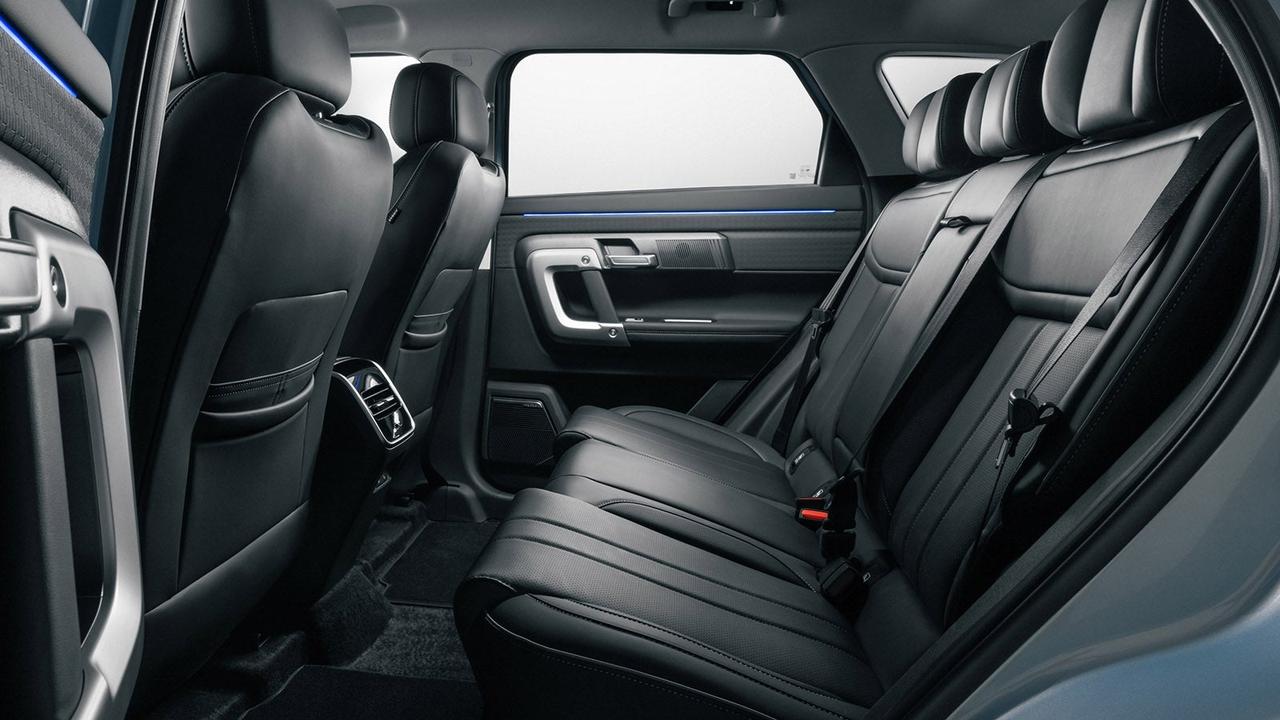
The Jaecoo's interior and exterior design are doing most of the heavy lifting for this car. That's why it can mostly be forgiven for earning only a 'good' grade in the practicality stakes.
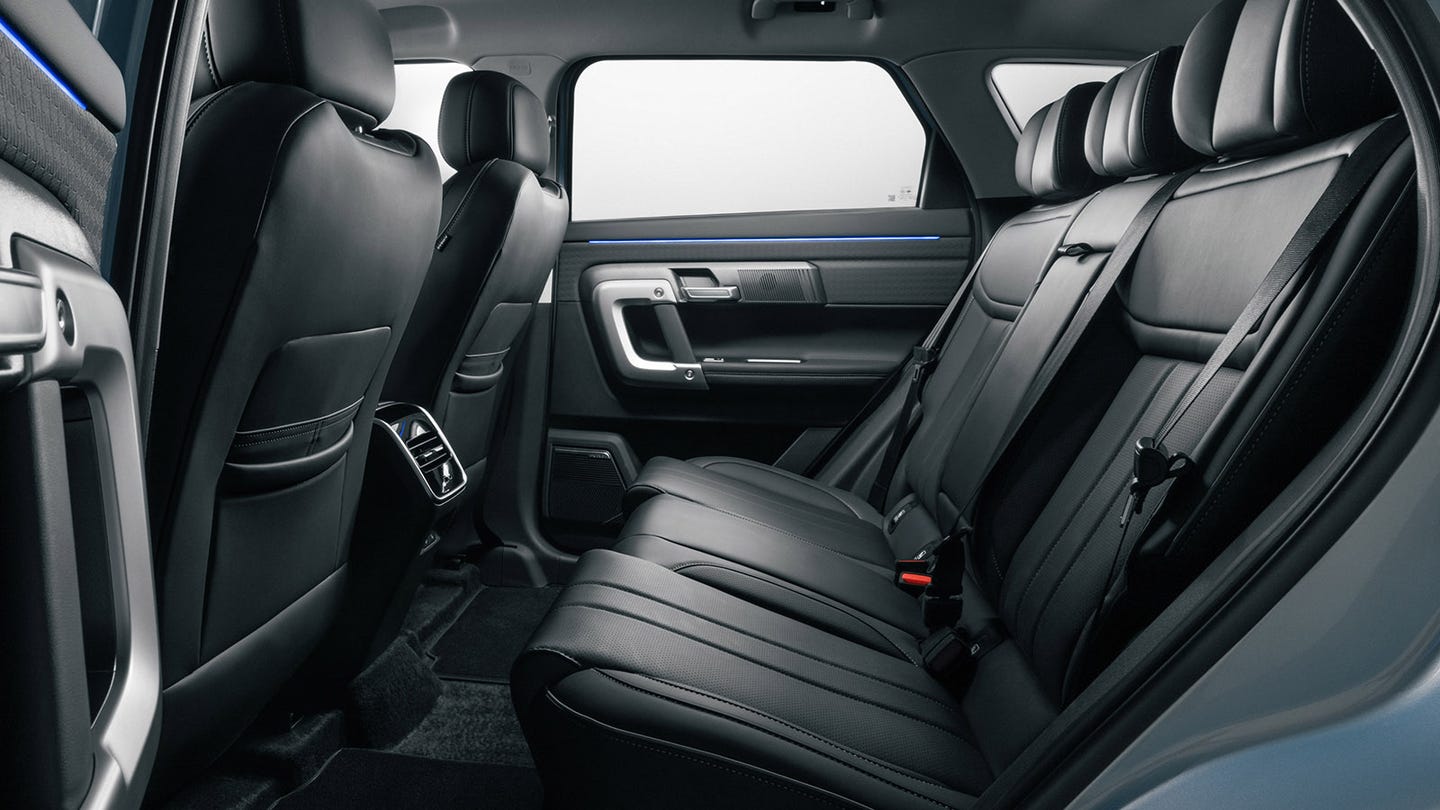
Front-seat occupants have a wide range of adjustment so even the lankiest driver should find a workable position. As for rear-seat space, it's a solid 'okay'. Average-height adults will be fine but anyone six-foot or over will find they don't have enough legroom or headroom. Rear headroom is further impacted in higher-end models with the panoramic glass sunroof.
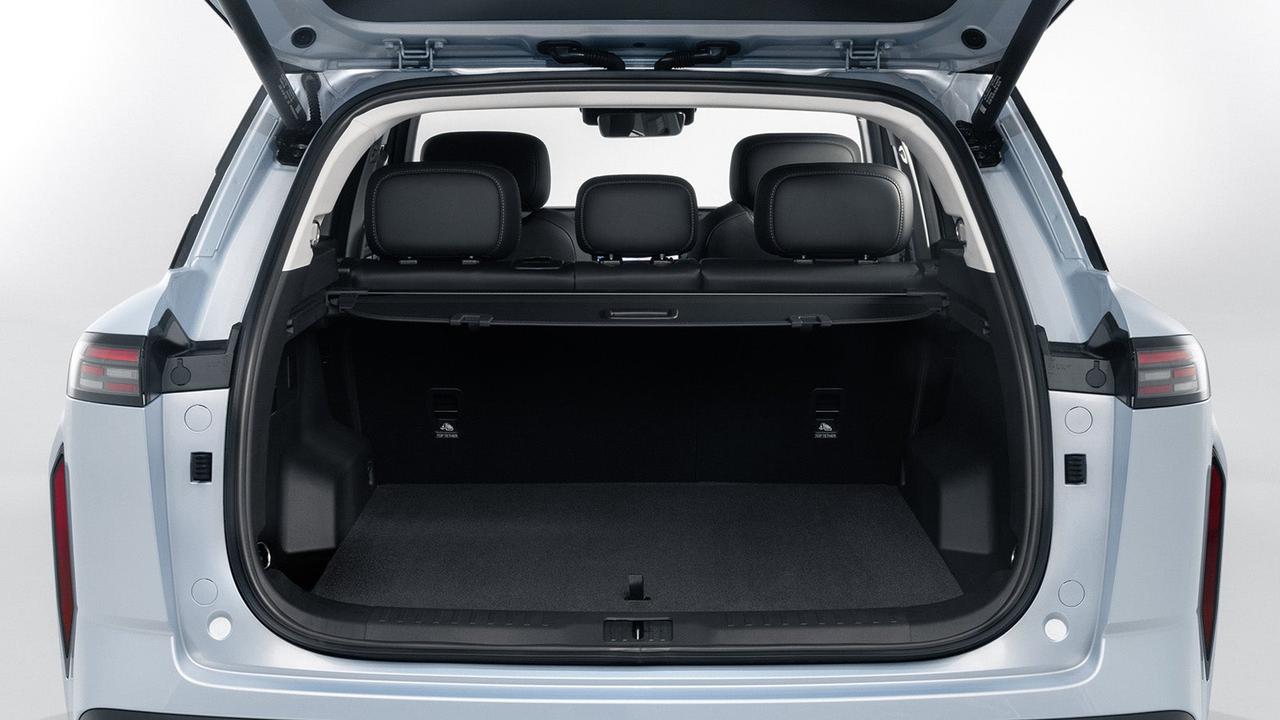
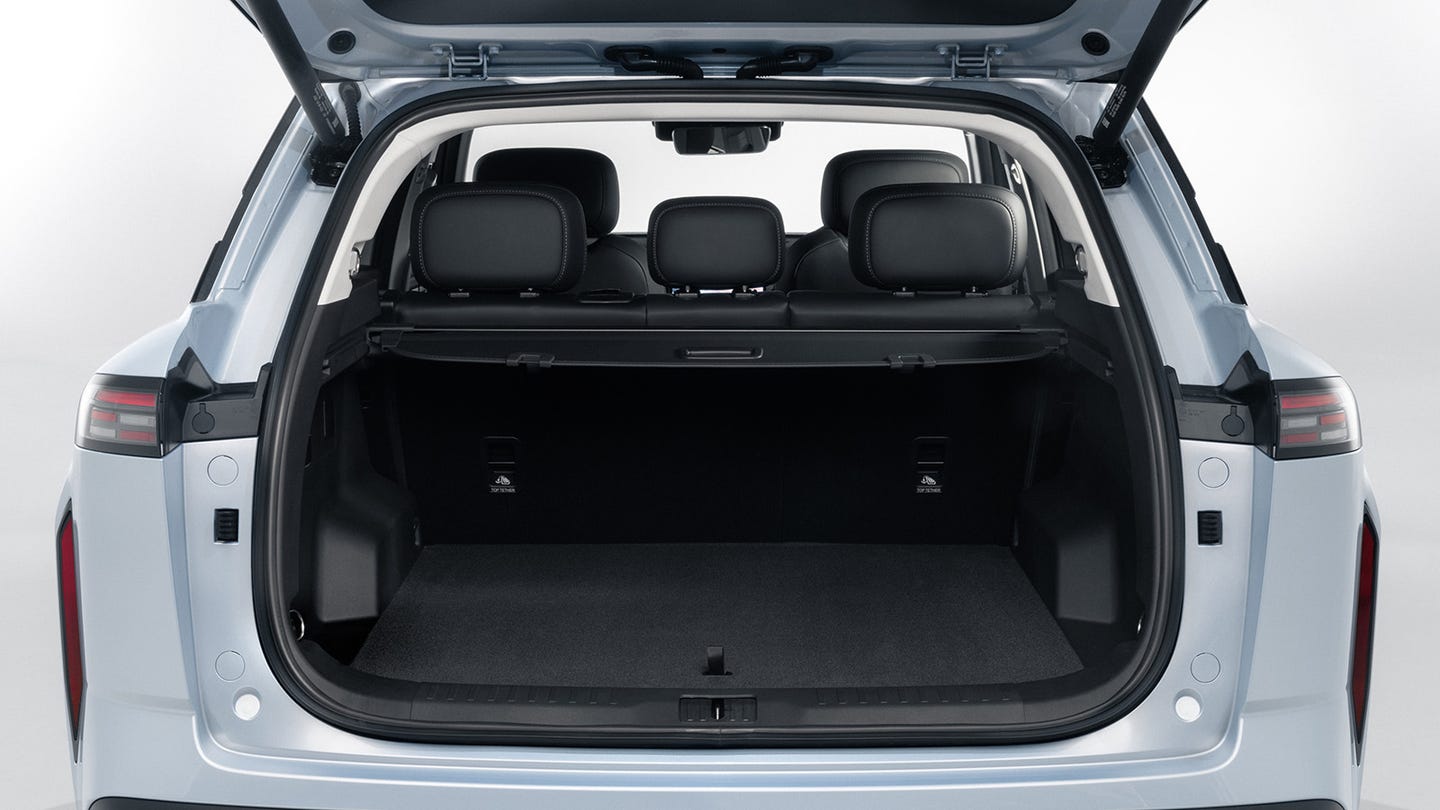
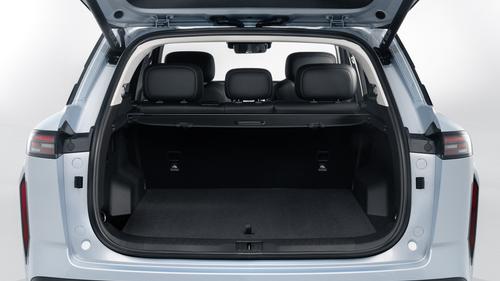
Boot space is 410 litres on hybrid models and 500 litres for petrol versions. Those are decent figures in this class and the space itself is usefully shaped. That means families with a pushchair or a medium-sized dog should find that the Jaecoo 7 fits easily into their lives. The only caveat here is that the actual boot opening is quite high off the ground, so you'll have to lift whatever you're carrying a good distance upwards to load it properly.
Storage for odds and ends in the cabin is reasonably good. There's a large glovebox and medium-sized cubby between the seats. You also get a handy shelf under the centre console for a small handbag or wallet. In the centre console, there's a tray for your phone that includes wireless charging.
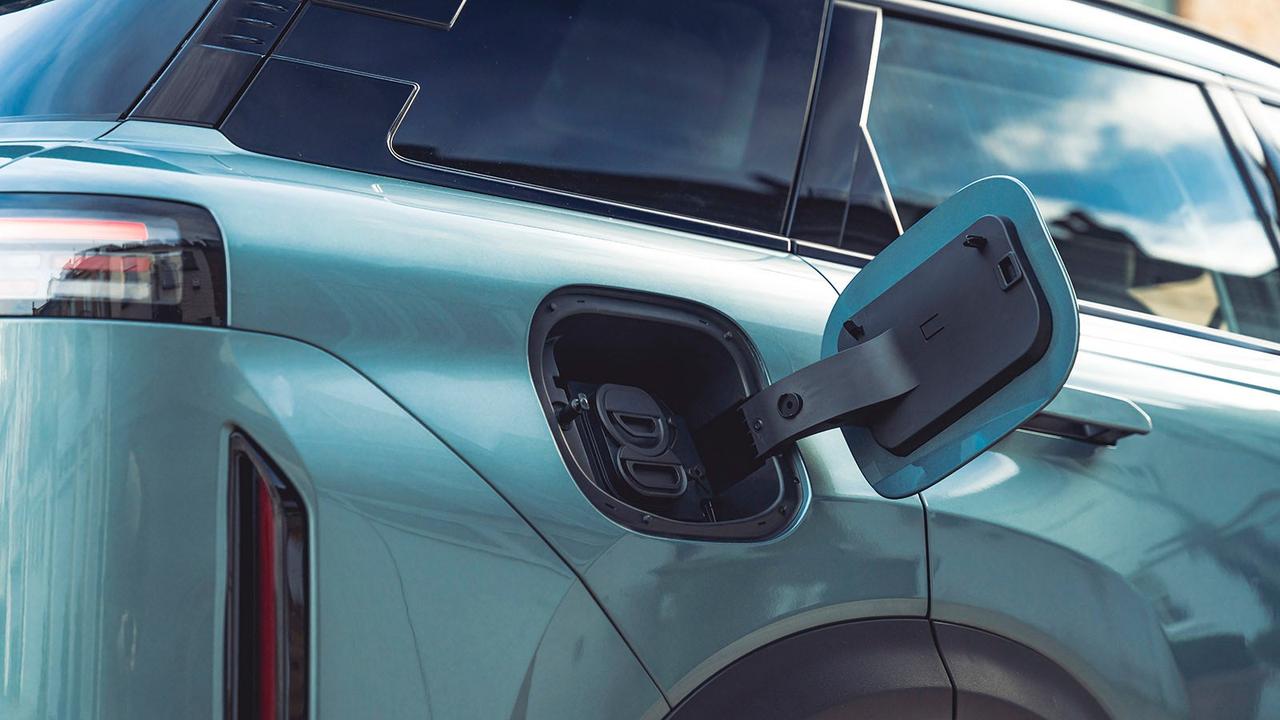
We're yet to try the hybrid Jaecoo 7 that doesn't need plugging in, but we've sampled both the entry-level petrol version and the plug-in 'Super Hybrid'. Whichever engine you pick, all 7s come with an automatic gearbox as standard.
The regular petrol engine is a 1.6-litre turbocharged unit making 147hp. It comes with a choice of front or all-wheel drive, and both versions use a seven-speed dual-clutch automatic gearbox. For our money, we'd avoid this setup. The engine is powerful enough but it's very noisy, sending a near-constant grumble into the cabin even at low loads. Plus, our indicated mpg remained resolutely close to 30mpg during our test, which is disappointing compared to the 40-45mpg you'd get from a Volkswagen Tiguan.
It feels like the relationship between the engine and gearbox needs more work, too. Gentle prods of the accelerator make the car feel sluggish and unwilling to speed up. Naturally, you then press the pedal harder, which causes the gearbox to kick down and the engine revs to flare while the car suddenly shoots forward. Annoyingly, neither eco mode nor sport mode did much to help the setup's bipolar character.
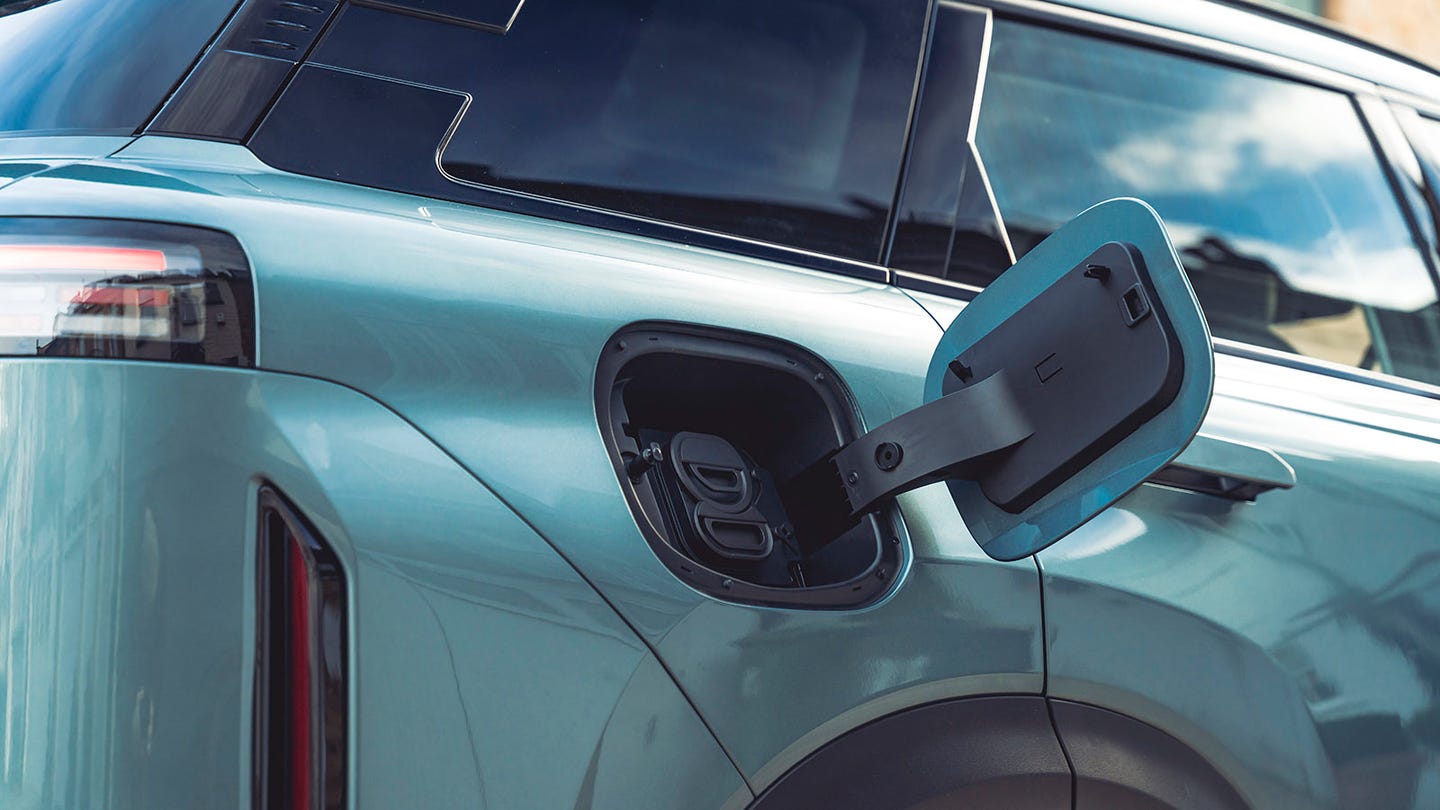
The plug-in hybrid version is a night-and-day difference compared to the standard petrol model. This setup makes 204hp and uses the car's electric motor as much as possible in regular driving. That means you can easily forget it even offers petrol power and, even better, the 1.5-litre engine itself is very quiet when it kicks in. It's still not exactly 'fast' but the PHEV's instant electric torque makes it easier to use in stop-start traffic. Fully charge the battery and you can cover up to 56 miles on electric power alone.
Now, Jaecoo has added a self-charging hybrid version of this engine. That means you get the smoother, more powerful setup driving the wheels, without having to recharge the car to make the most of it. This is the version we'd recommend to most drivers assuming they didn't want the plug-in hybrid.
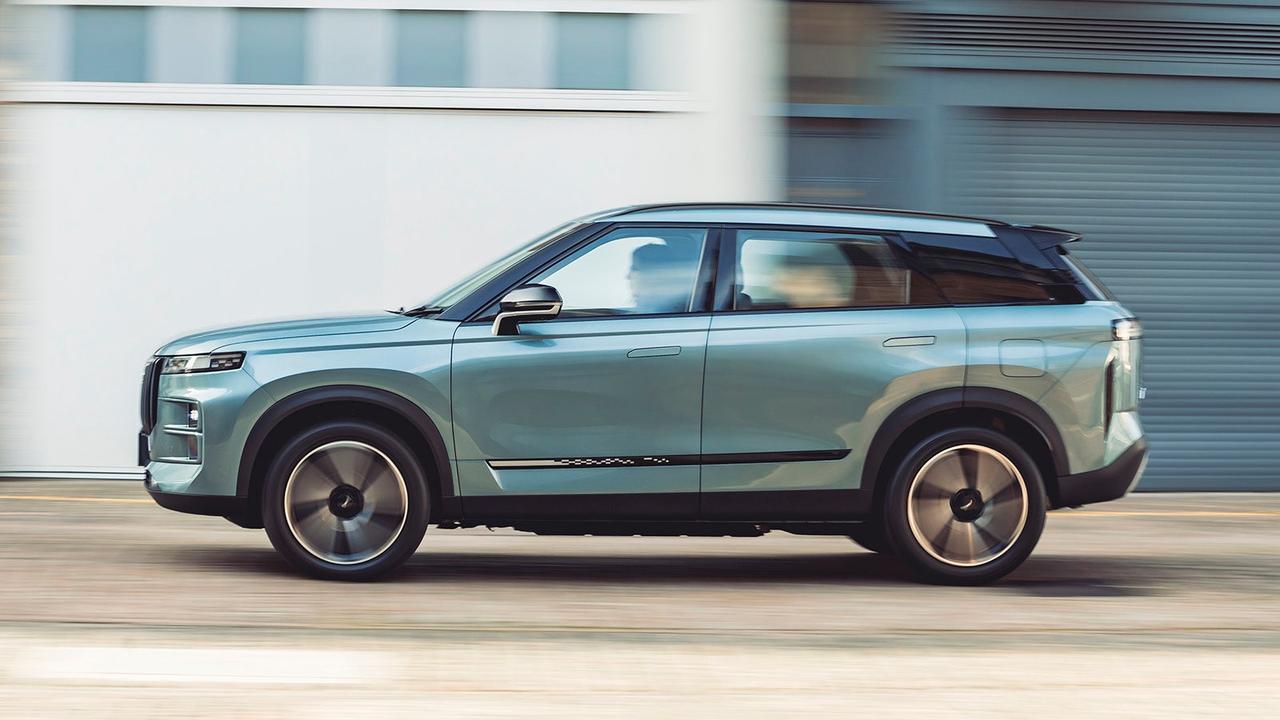
With such a variable experience under the bonnet, the Jaecoo 7's handling is remarkably consistent. All versions have the same safe, predictable setup that makes them fairly easy but totally uninspiring to drive. The steering is accurate so you're not guessing how much lock to put in, but there's an artificial quality to the weight that builds as you turn the wheel more. It feels like someone simply attached an elastic band to the wheel that stretches as it's turned.
That won't really matter to most owners, however, because the 7 has no interest in spirited driving. You feel like you're sat up high, so the already reasonable body roll around curves gets amplified through your seating position. Testing the car's agility through direction changes also results in a wobbly sensation, with little desire from the front end to tuck neatly into a corner.
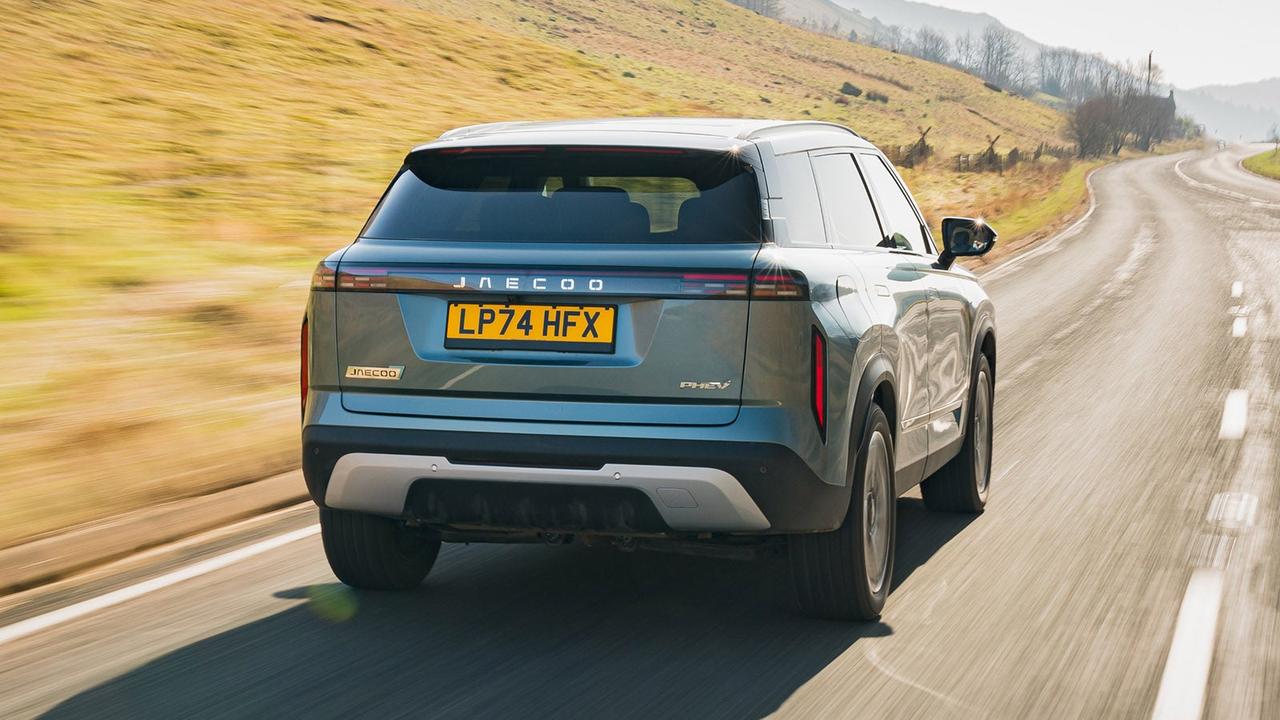
We can usually forgive an inert driving experience if the car can at least cruise comfortably. However, the Jaecoo 7 lacks the kind of suspension sophistication found in the best in class. Bigger bumps aren't really the issue – the Jaecoo's damping mostly absorbs impact forces from potholes and speedbumps – but smaller vibrations end up souring the impression. These little jiggles happen almost constantly, even over seemingly smooth road surfaces, and mean the car never totally settles down at speed.
Whether that flat note is enough to spoil the car's overall experience is up to you. Clearly, so much of the Jaecoo experience is based on the way the car looks and how it feels on the inside. These features will be more important to many regular owners, so they might be willing to put up with the so-so driving experience as a result.
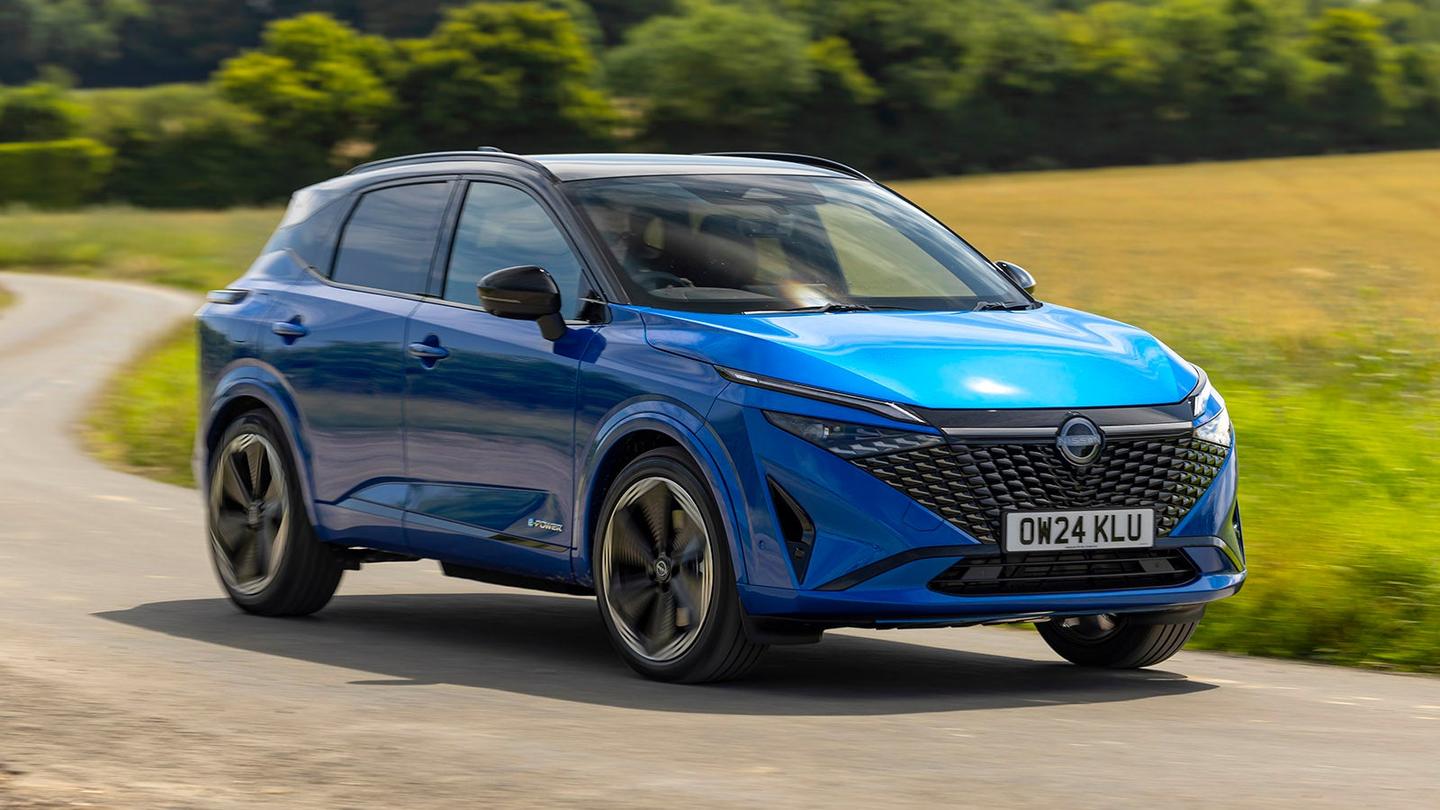
This British-built evergreen family car gets even better tech for 2024

Big SUV undercuts electric rivals while providing more space
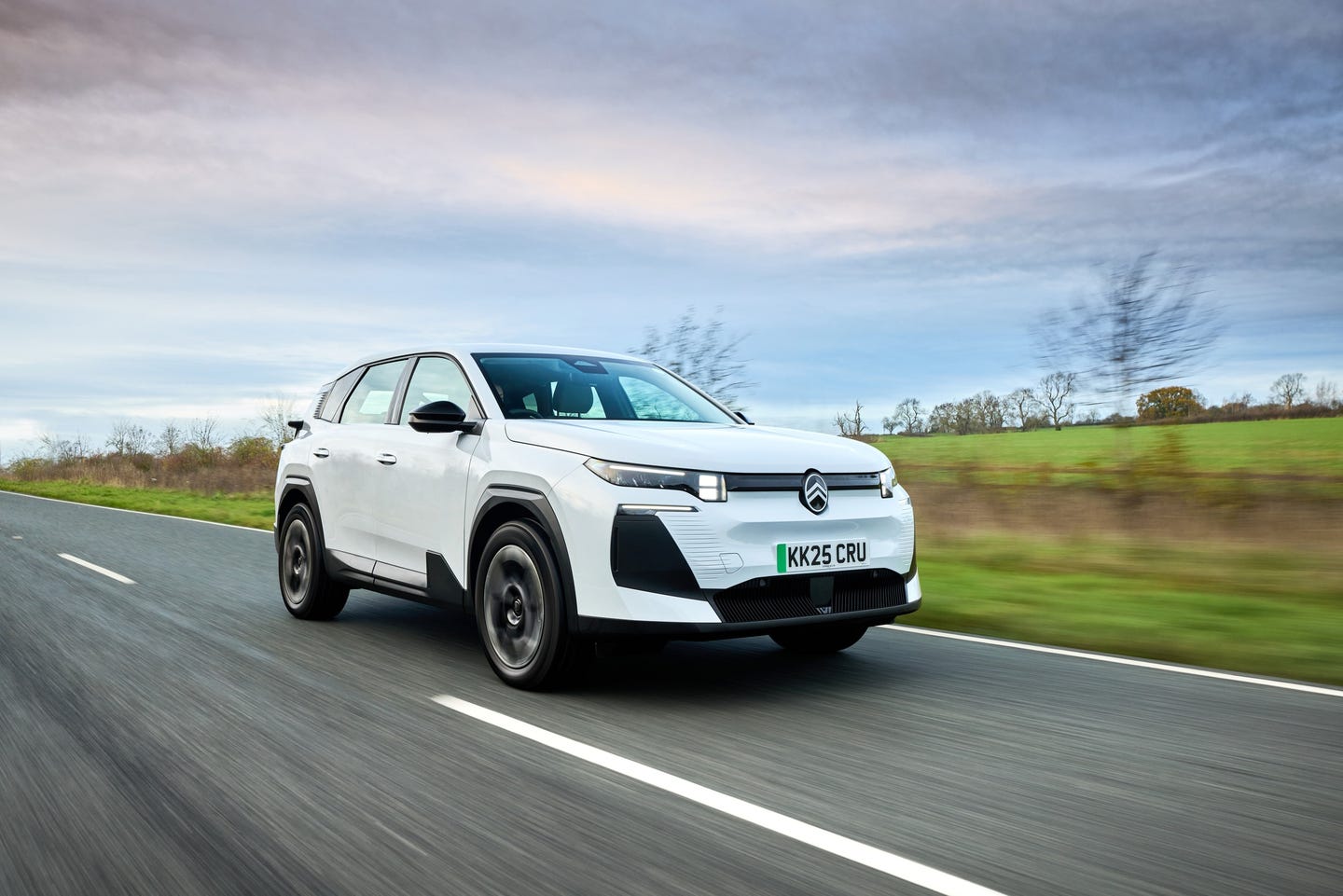
Comfy SUV offers 420 miles of range in EV form, with PHEV option too