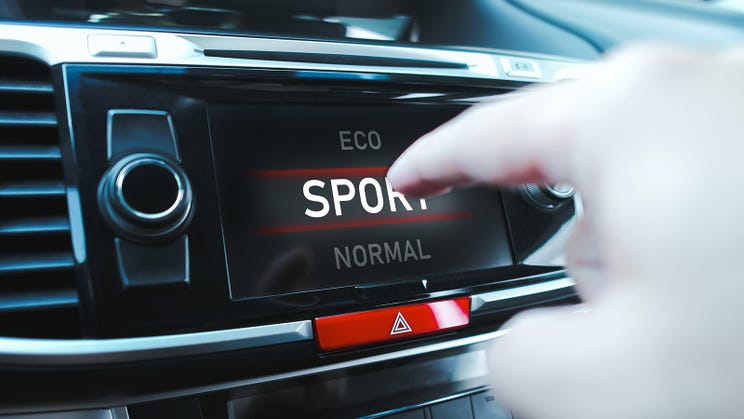






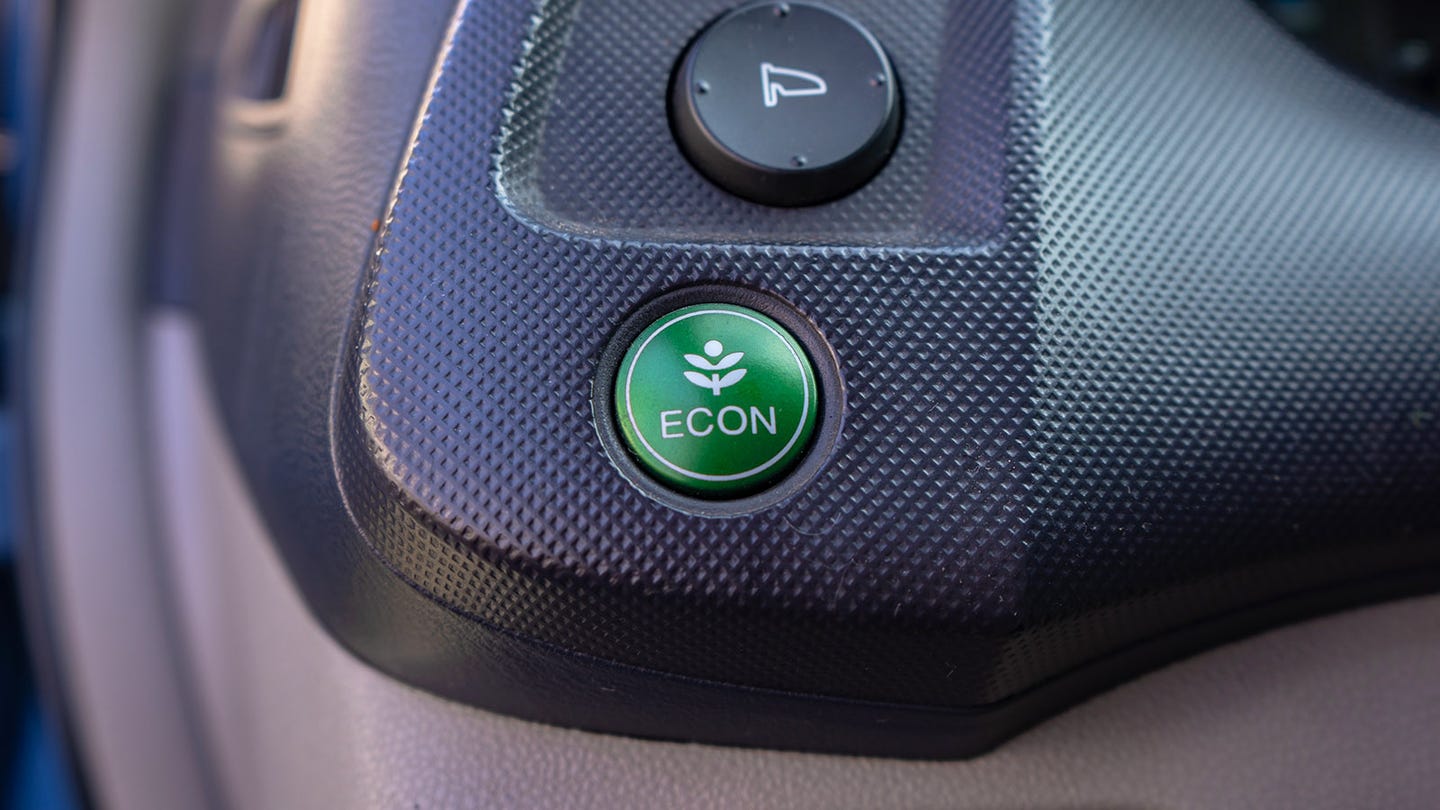

Lots of modern cars have drive modes that let you optimise the experience for different situations.
These include the likes of 'normal', 'comfort' or even sport mode. Here, we're going to look at eco mode and find out how it works, and whether it'll actually save you fuel.
What does eco mode do in a car?
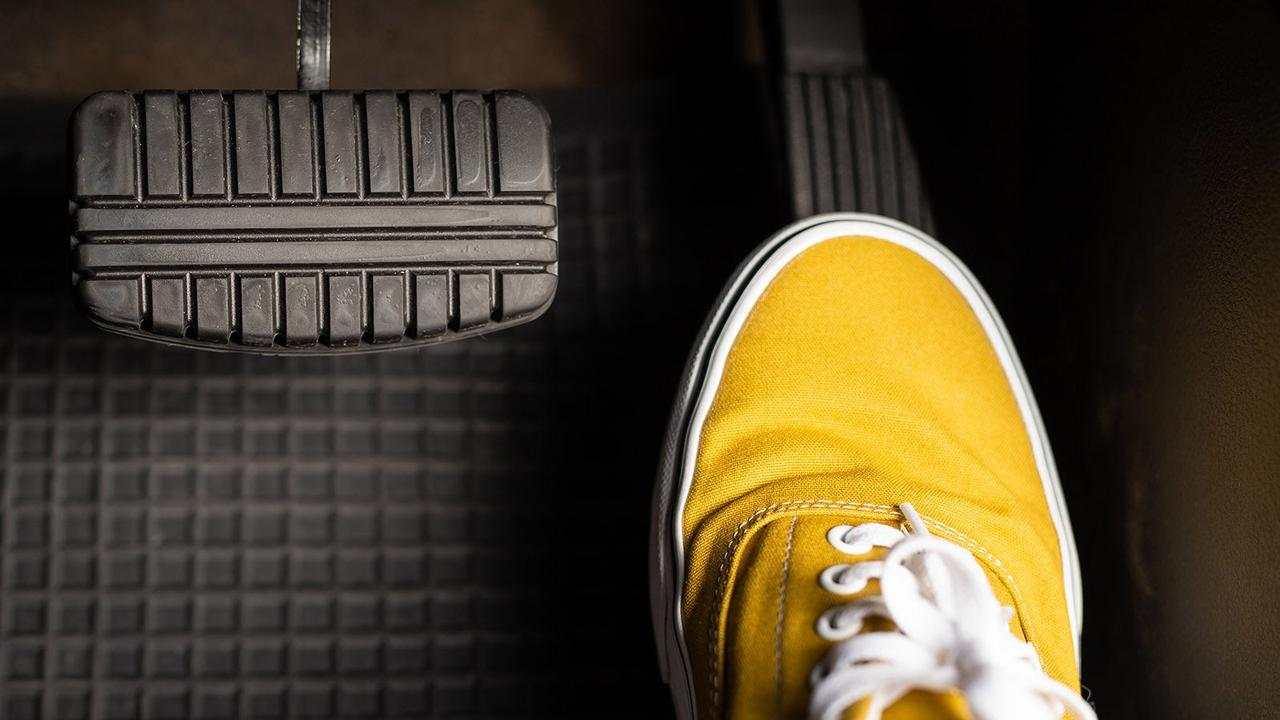
You've probably already guessed that eco mode is intended to reduce your fuel consumption, but how does it do this? Rather than make any mechanical changes to the engine, eco mode simply adjusts the responsiveness of the accelerator pedal to help you drive more economically.
This means you'll have to press the pedal further to get the car to accelerate briskly. By 'dulling' the inputs of the accelerator, eco mode should make it a little easier to moderate how much engine power you're using and match it more closely to the road you're driving on.
Eco mode is mostly focused on fuel economy, so it rarely makes adjustments to other parts of the car. However, models with more sophisticated eco modes might also make the steering lighter to match the pedal sensation, or they might adjust how the climate control behaves to minimise energy use. Certain high-end cars that use adjustable air suspension might deliberately lower themselves on the motorway to be more aerodynamic.
How does eco mode work?
The main thing eco mode adjusts is the 'throttle mapping'. This is the relationship between how hard you press the accelerator and how hard the car tries to accelerate.
In normal mode, for example, pressing the pedal 50% of the way might make the car accelerate with 50% of its potential engine power. However, in eco mode, pressing the pedal down 50% might only summon 25-30% of the engine's power. This makes it a little easier to make fine adjustments to the pedal so you're only using as much power as you need in that moment.
This line chart illustrates the difference between how far you press the pedal and how hard the car tries to accelerate across eco, normal and sport modes:
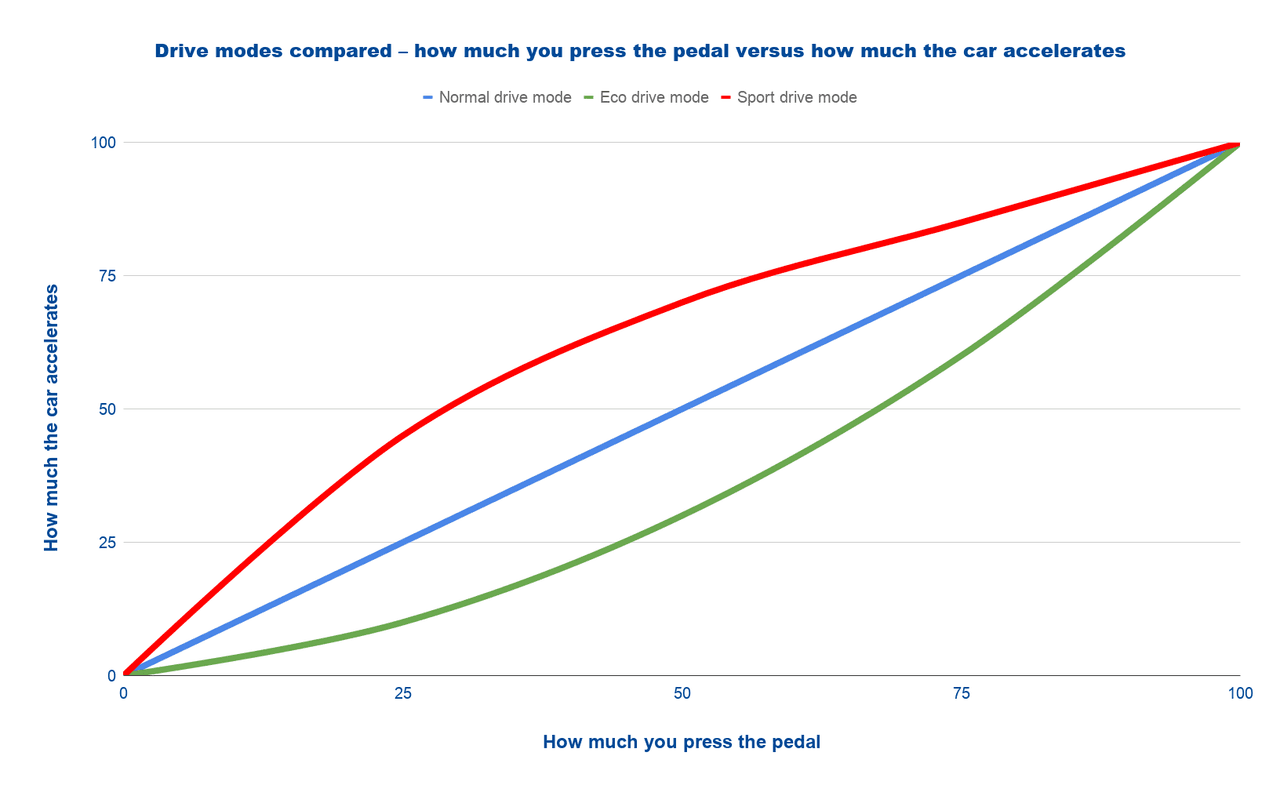
(note – this chart is illustrative and not based on real-world data)
Does eco mode save fuel?
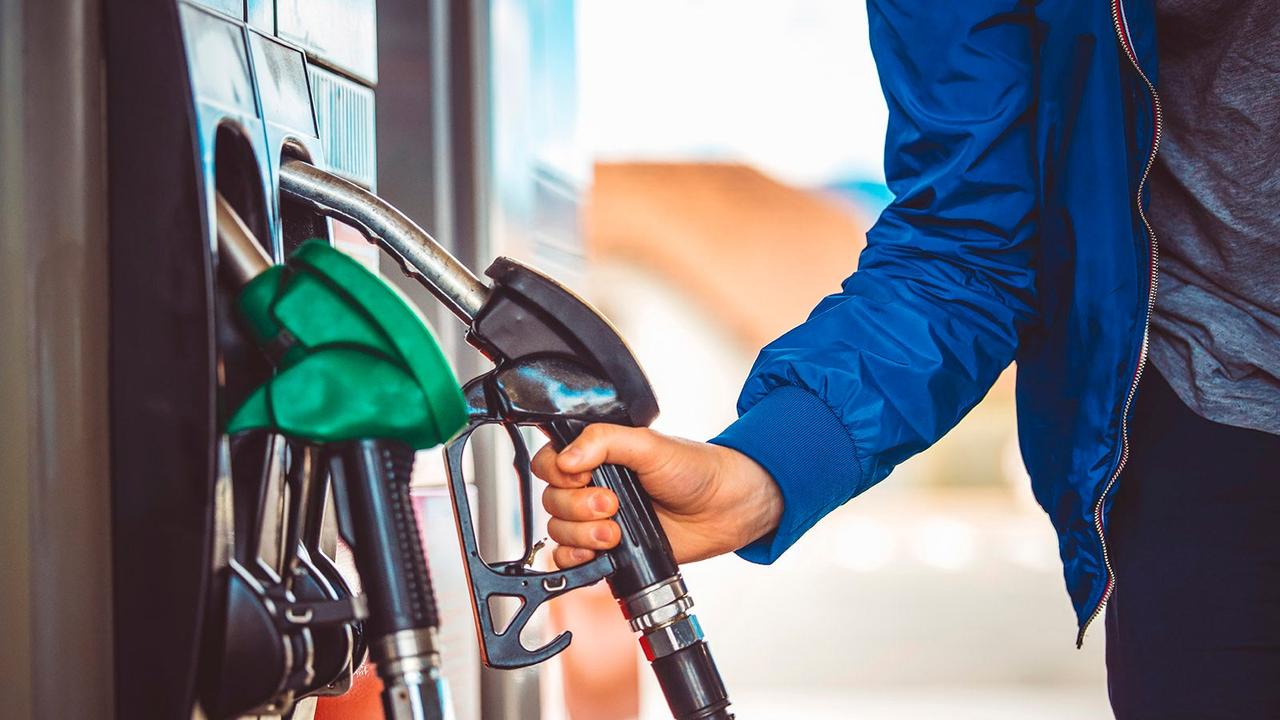
If a skilled driver drove a car around a fixed test route in normal mode, and then repeated the exact test in eco mode, there would be virtually no difference in the amount of fuel used.
Eco mode doesn't fundamentally make your car more economical, but rather makes it easier for you to drive economically by encouraging you to accelerate more gently and only as much as you need.
Does eco mode make your car slower?
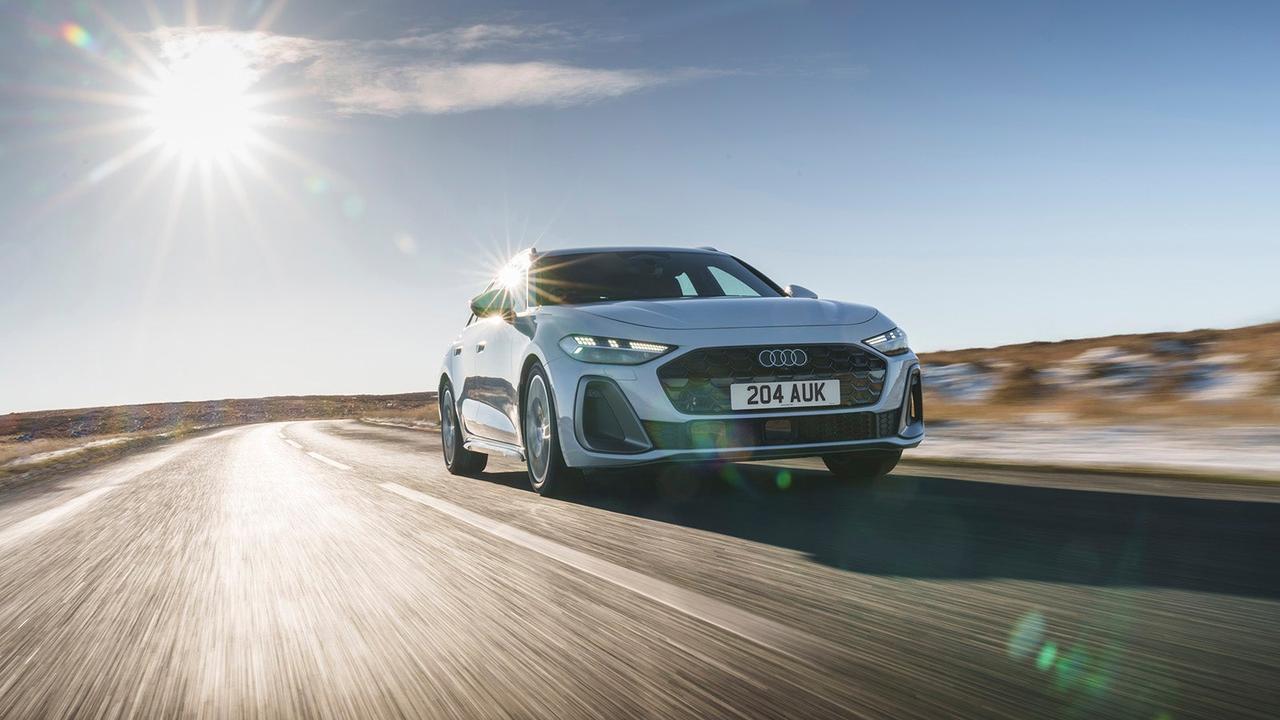
Your car might feel slower when you activate eco mode. As covered above, this is because you're getting less power from the engine for a given amount of accelerator pedal input.
However, if you floor the throttle in eco mode – i.e. ask for 100% engine power – your car will still deliver full throttle acceleration. As a result, if you raced a car in eco mode against an identical car in normal mode, with both drivers going as fast as possible, the eco-mode car wouldn't be any slower.
When to use eco mode
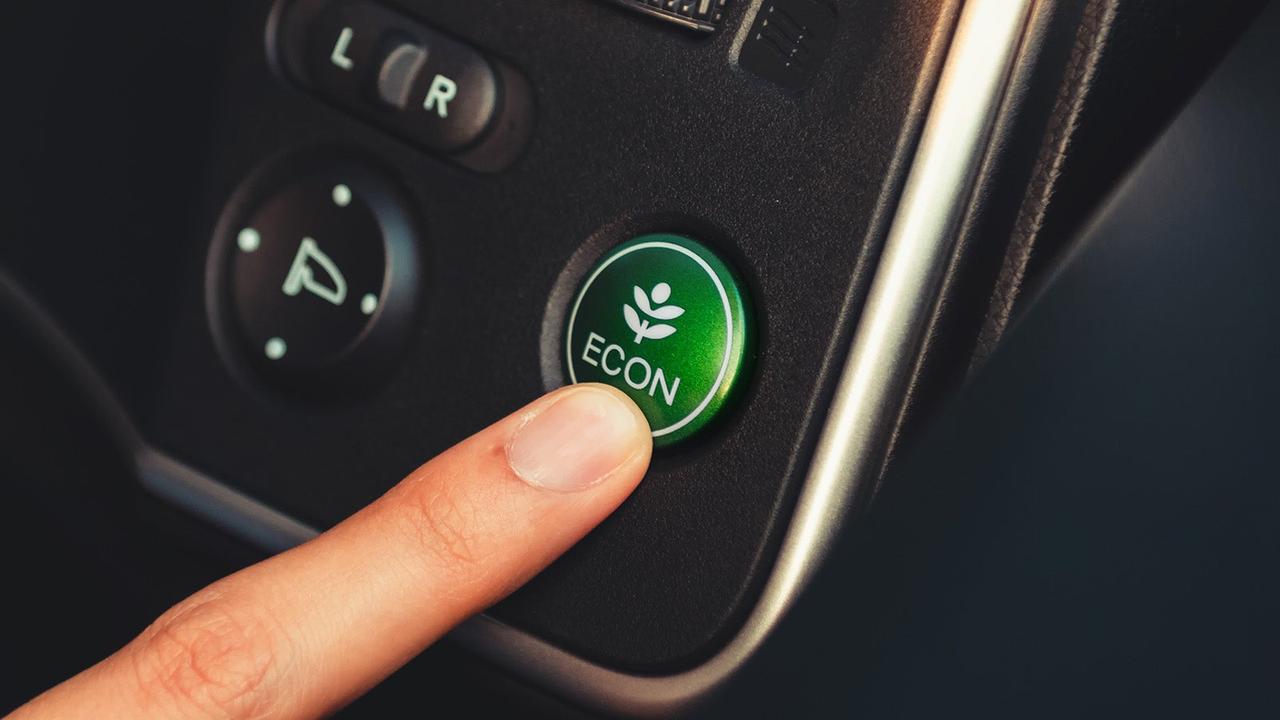
Eco mode is best thought of as a driver aid that makes it easier to drive the car more economically. It's totally optional and you might prefer the feeling of driving your car in normal or sport mode instead. Your car is capable of the same efficiency in those modes, but you may need more delicate throttle control to achieve the same mpg figures.
If you're keen on achieving the best economy in your car, you might find eco mode makes that goal a bit easier. We've also heard of drivers with powerful high-performance cars who use eco mode occasionally as it makes these models feel a bit less manic during day-to-day driving.
When to avoid eco mode

There are virtually no on-road situations where you should avoid eco mode – you should be able to drive your car in this mode all the time with no real difficulty.
You might decide, however, that eco mode simply isn't your cup of tea. The dull throttle response can make your car feel more sluggish than you're used to, and you might simply prefer the more reactive sensation of normal or sport mode.
There are a few edge cases, such as driving on snow or in slippery conditions, where it might be better to use a snow or ice mode if you car includes it. If your car doesn't have a dedicated mode for these conditions, there's still no harm in using eco mode.
Pros and cons of eco mode
Pros of eco mode:
- Makes it easier to drive economically
- Lets you optimise your car for less-pleasant driving situations like commuting
Cons of eco mode:
- A skilled driver will be just as economical in other drive modes
- Can make the car feel a bit slow or lazy