










The top 10 Land Rover Defender alternatives

Mike Vousden
•
Choosing A Car

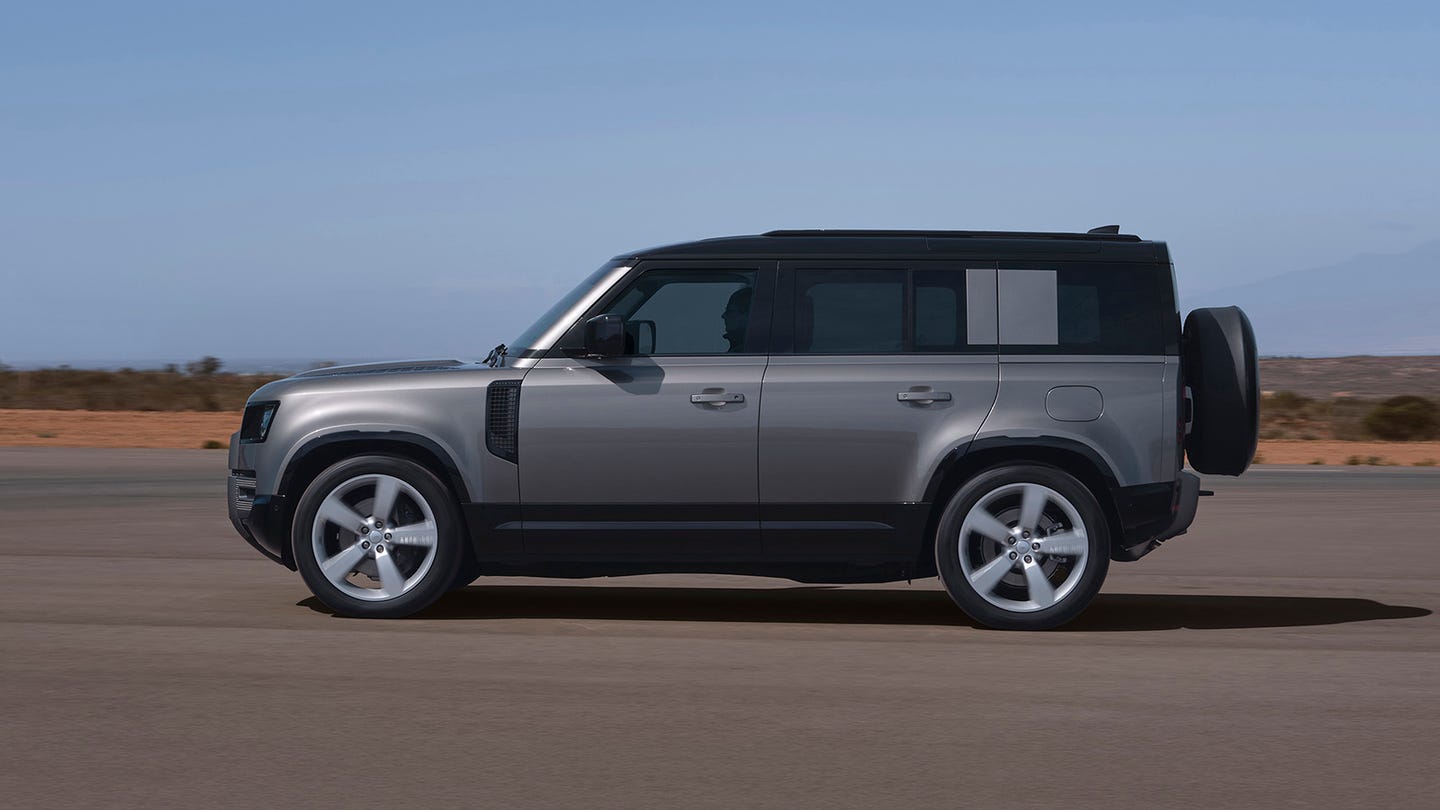
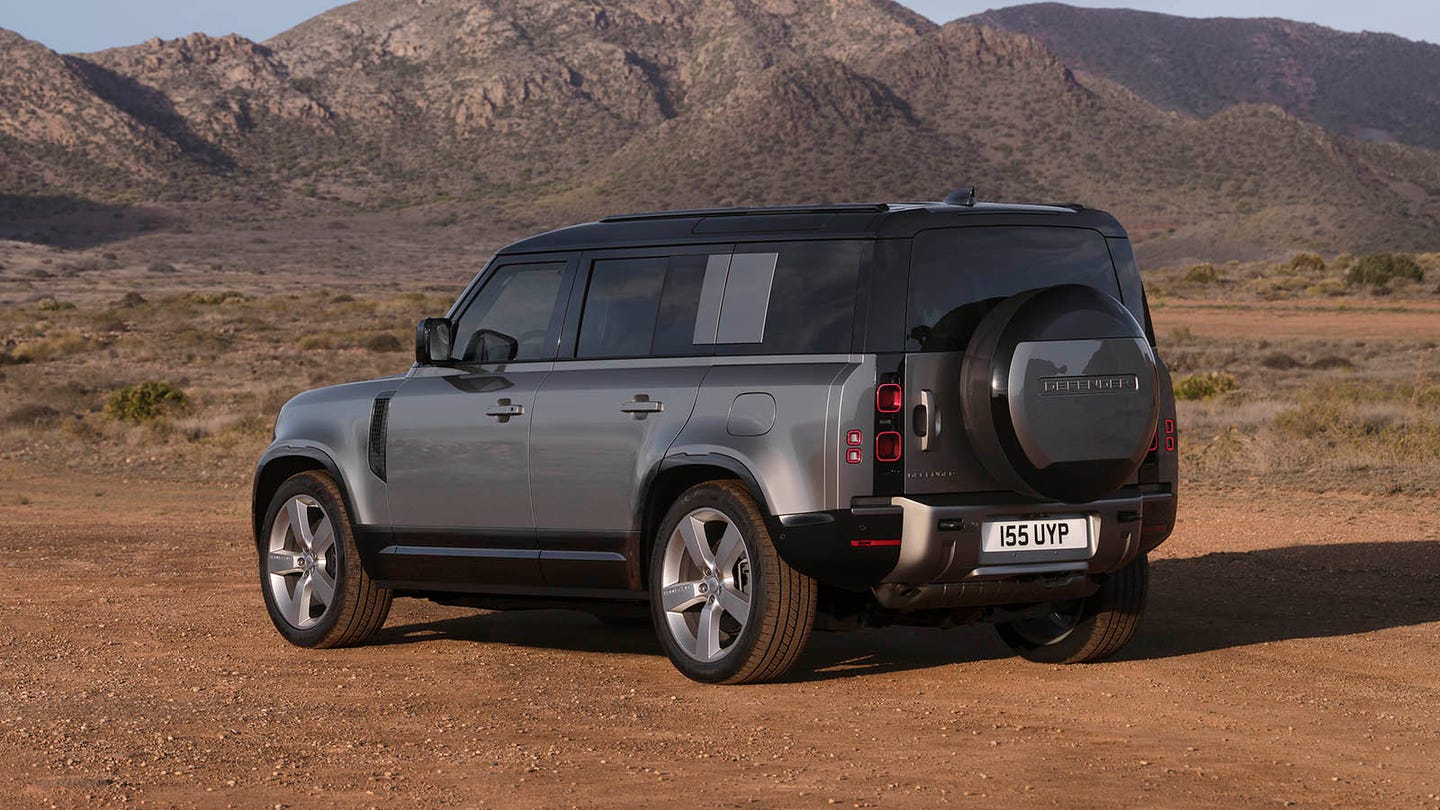
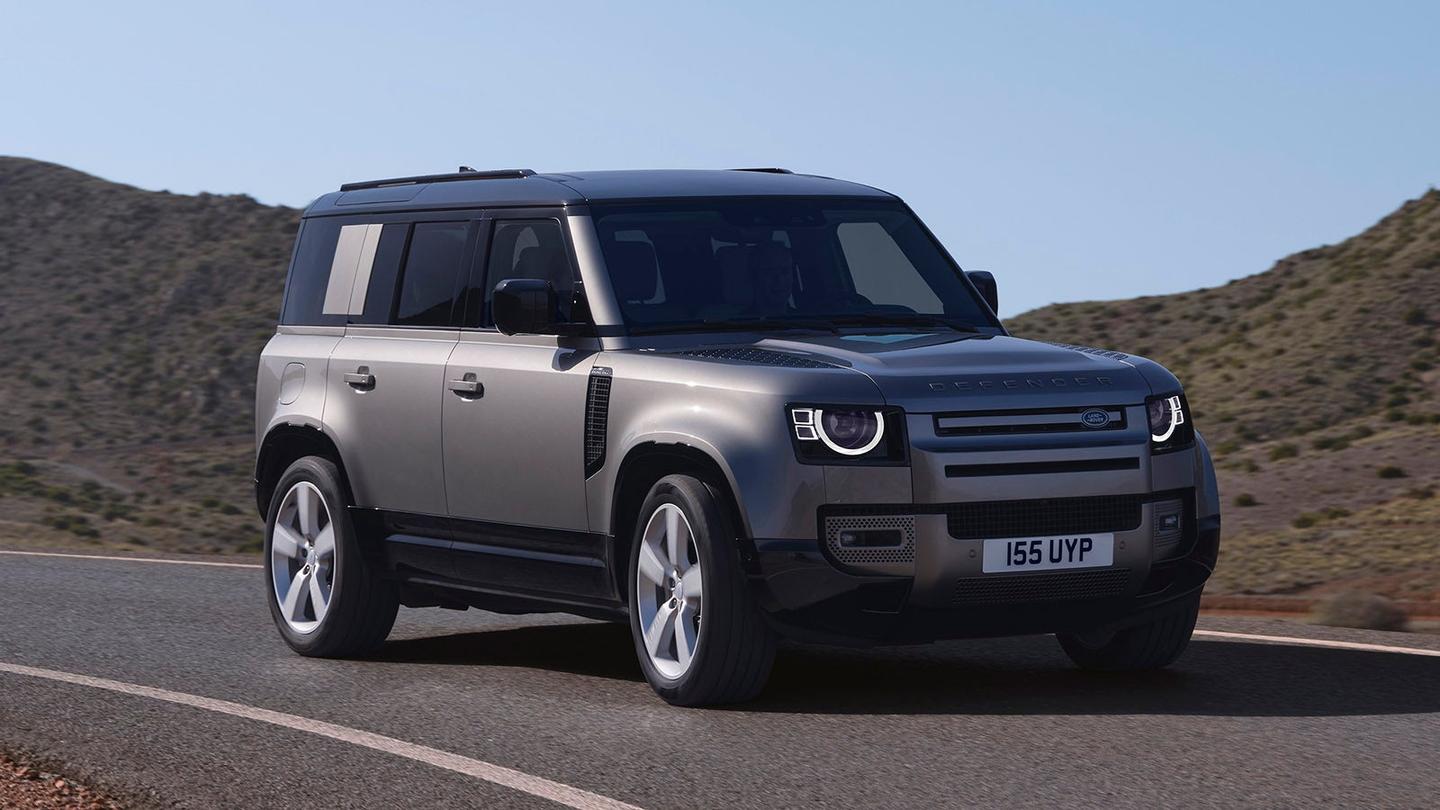
The old Land Rover Defender was sold with minimal changes for 67 years – an astonishingly long production run. So, when the new Defender arrived in 2019, it had some seriously big boots to fill.
Whether it reaches the iconic status the old car did remains to be seen but, in almost every measurable way, the new Defender is a night-and-day improvement. Now, you have all the off-road chops of its predecessor but with a much more modern driving experience, not to mention a wealth of extra luxury and tech features.
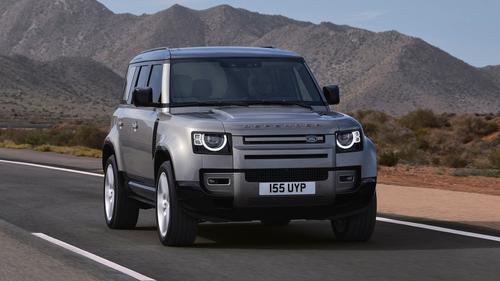
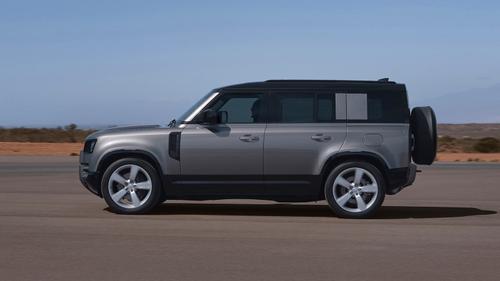
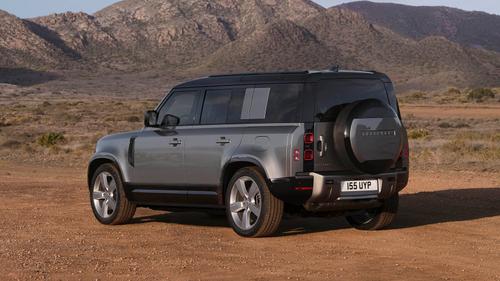
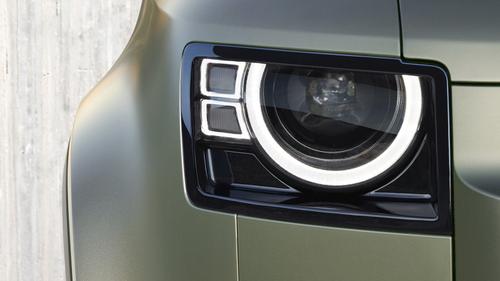
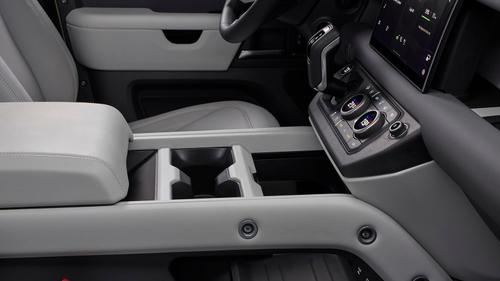
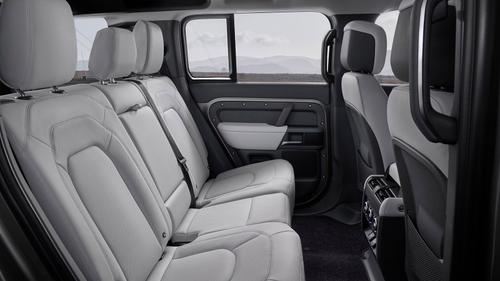
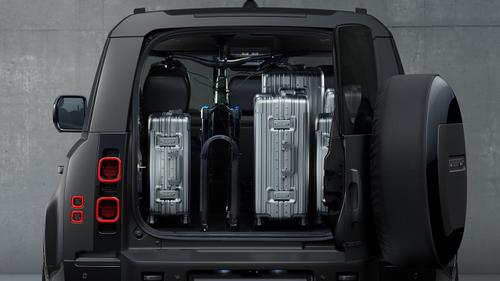
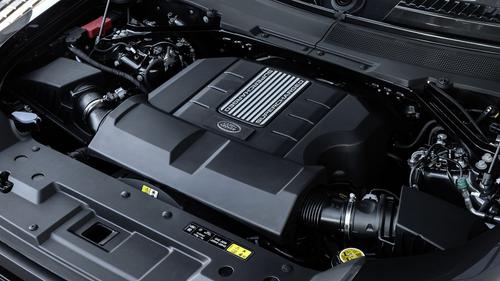
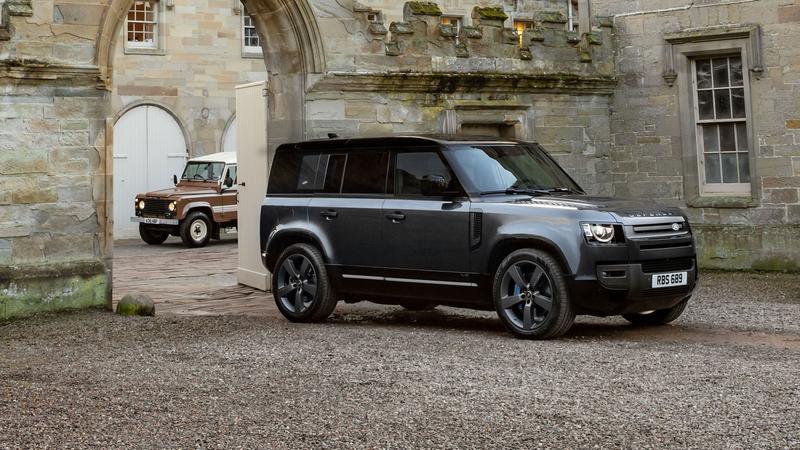
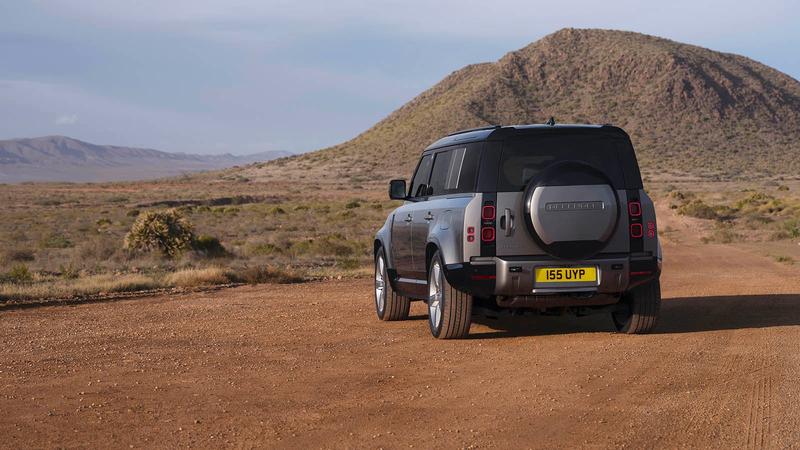
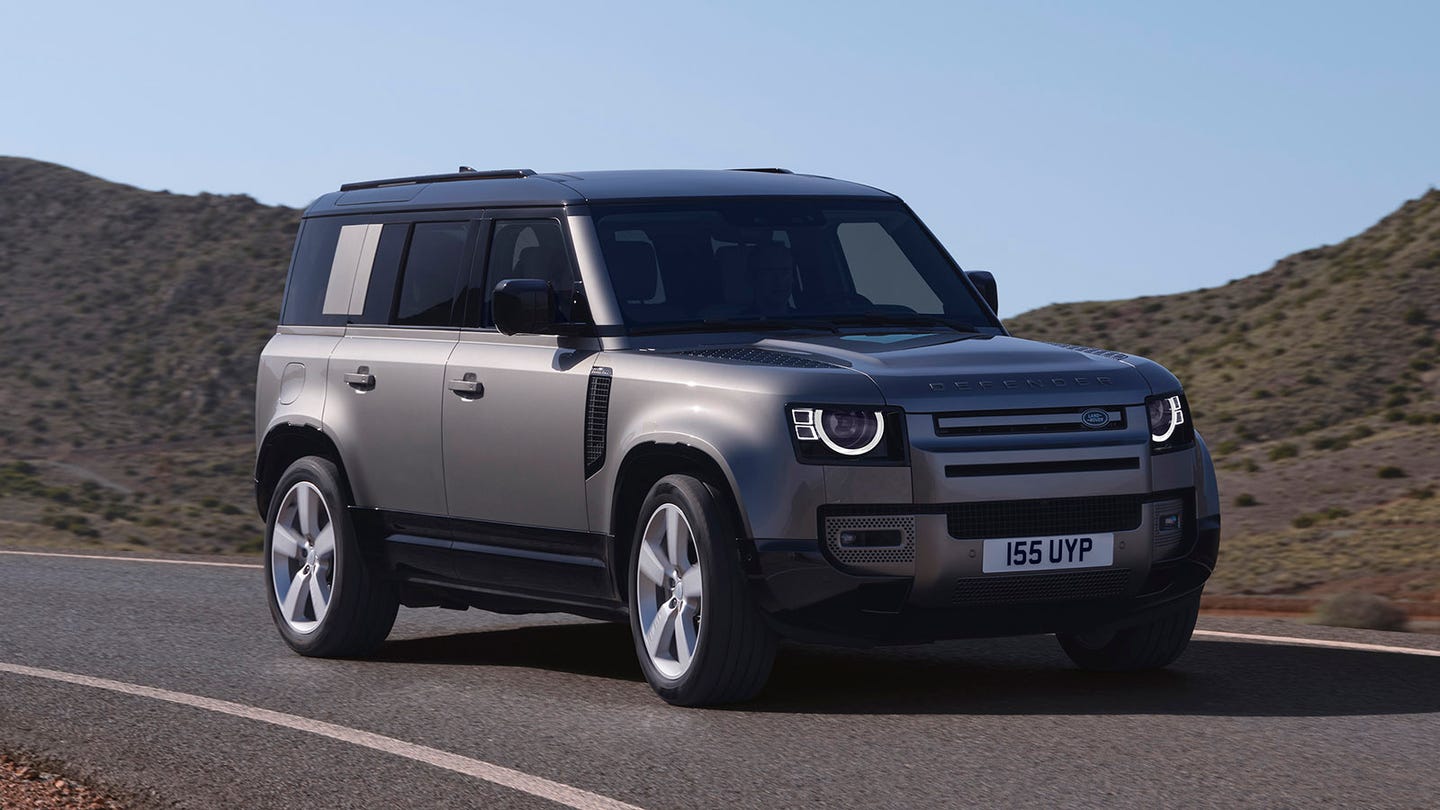
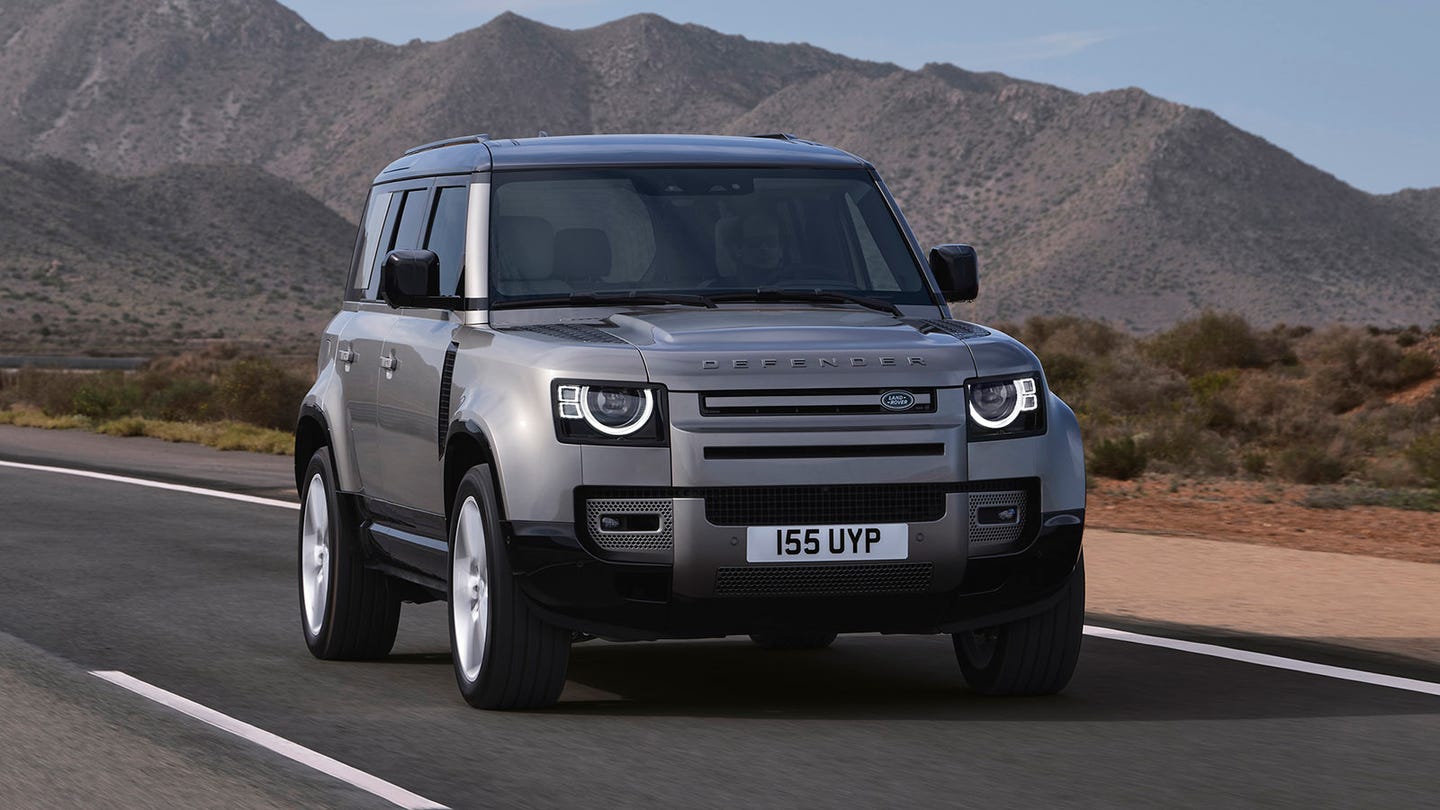
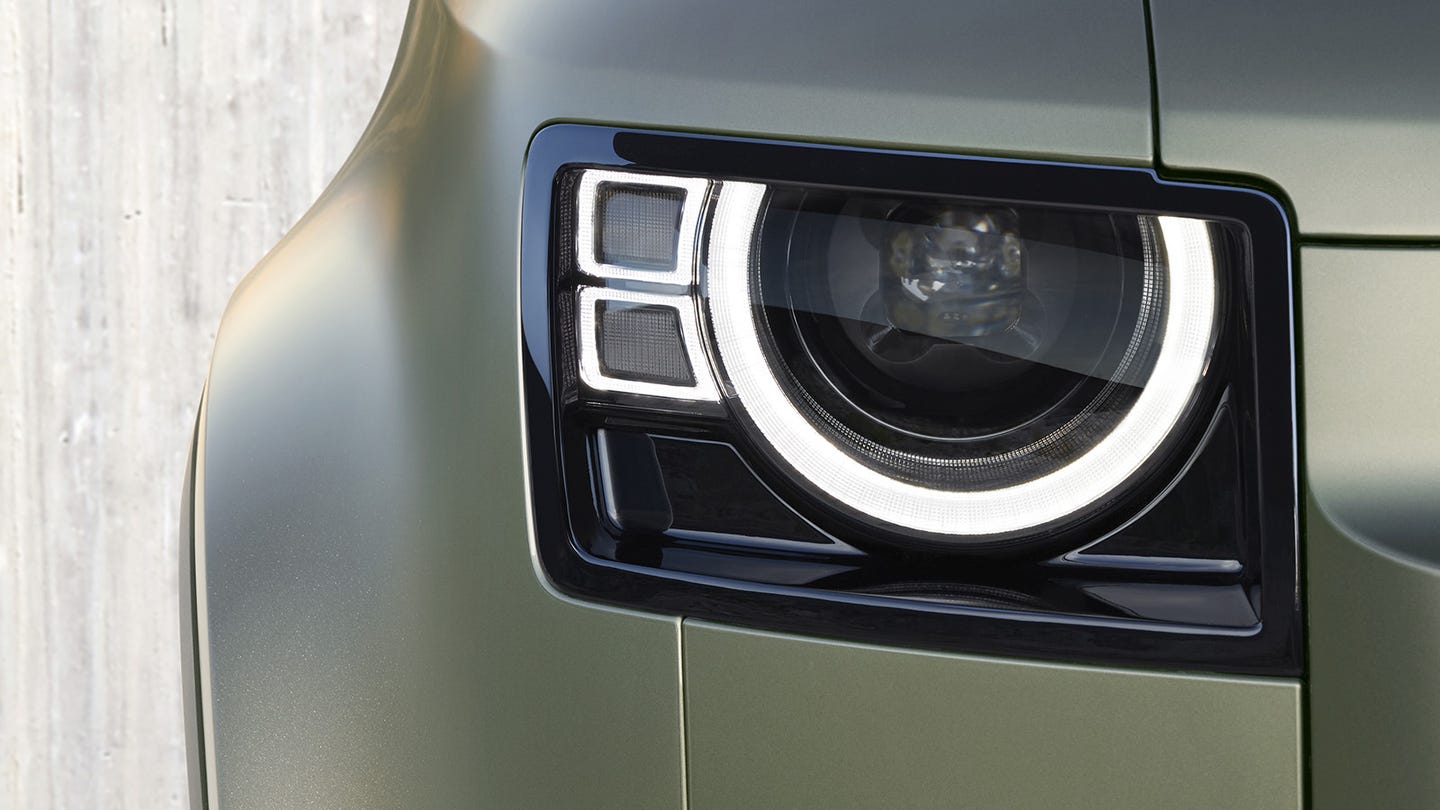
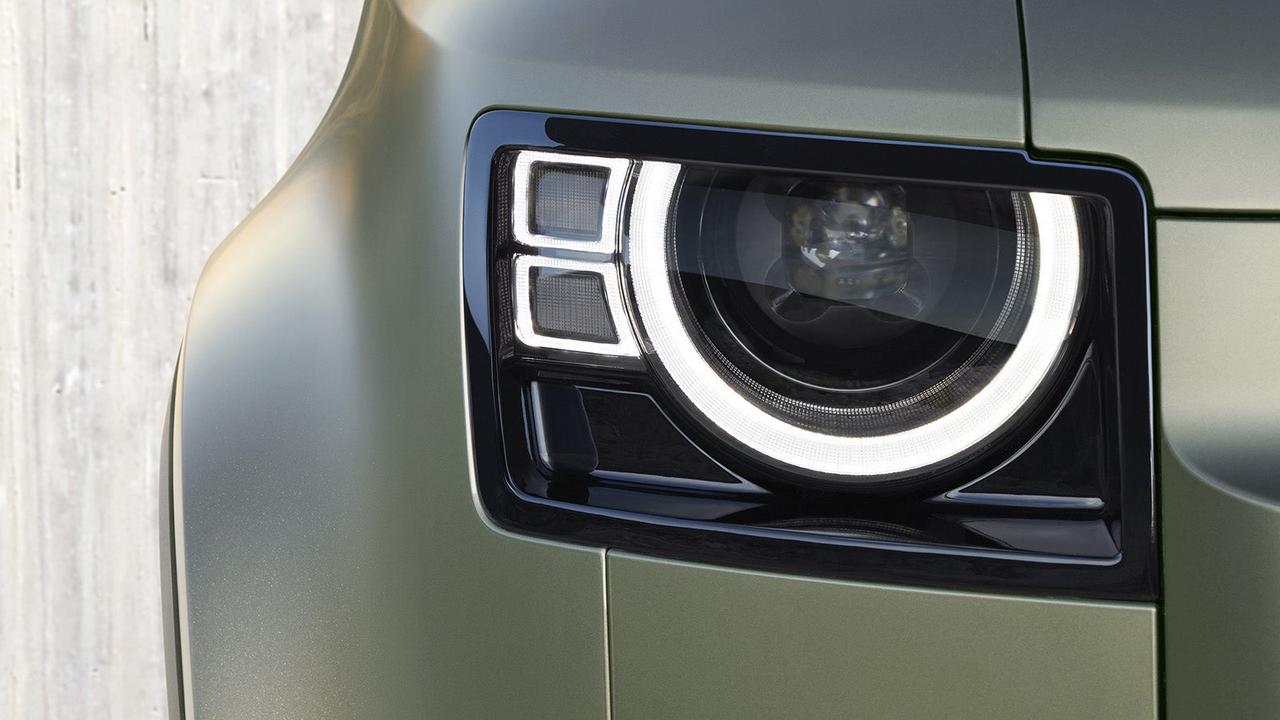
Yes, the Defender is practical and comfortable, and has ten-times more off-road ability than most owners will ever use. But let's talk about the real reason most people stump up the steep asking price – its styling. Land Rover has done a superb job capturing the upright, stately form of the old car, but modernising it for 21st century roads. Clean metalwork echoes the slab-sided original, and the circular daytime running lights mirror the old car's circular sealed-beam headlight panels.
"Material quality is reasonably good, but the Defender is definitely more of a workhorse than something like the similarly priced Range Rover Velar"
It's available in three bodystyles. The three-door Defender 90, which measures just 4.3 metres long – shorter than a Ford Focus – and is available with an optional three-seat front bench for six seats total. Next is the five-door 110 body, which is the most popular version and is offered with five or seven seats. Finally, the Defender 130 is an ultra-long version with a choice of five or eight-seat layouts.
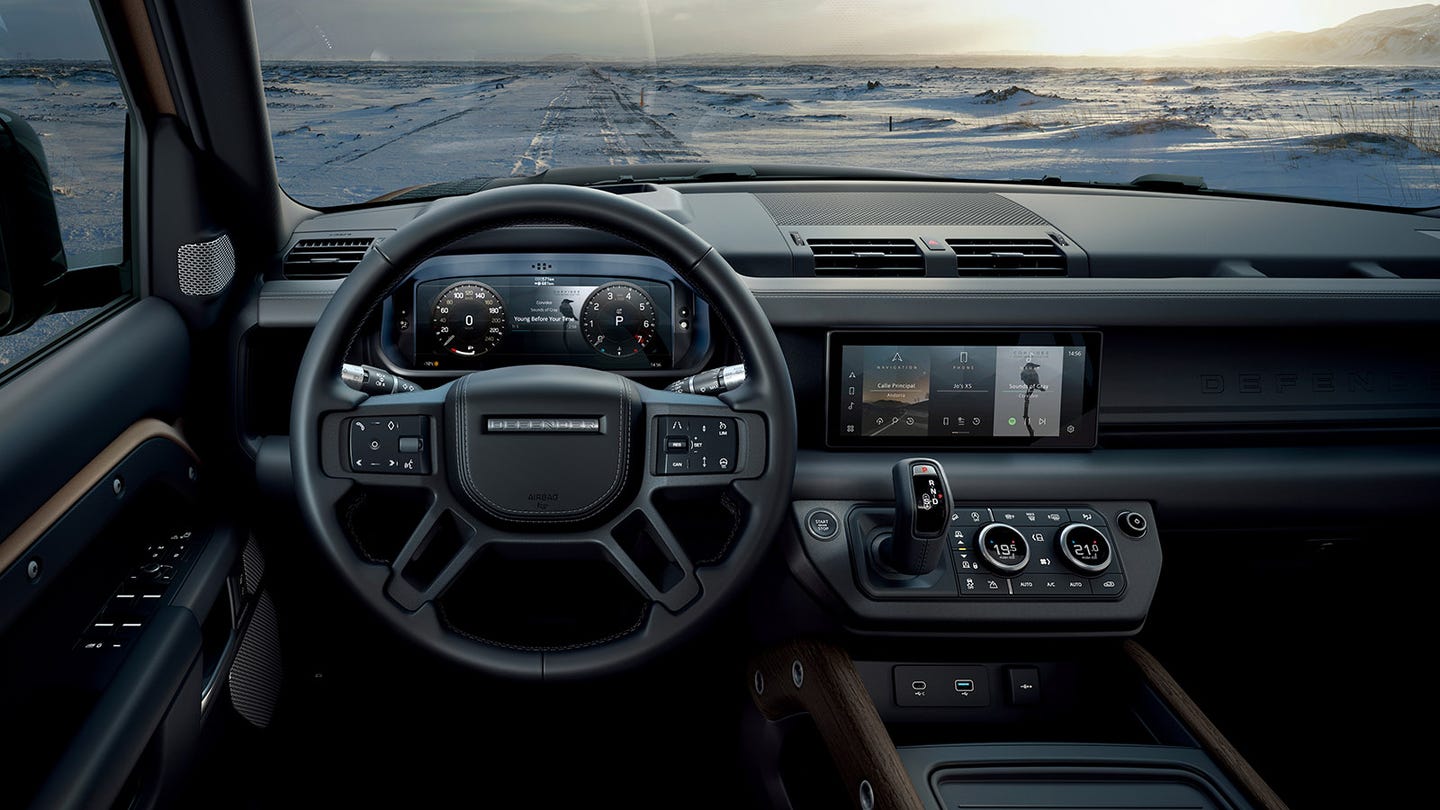
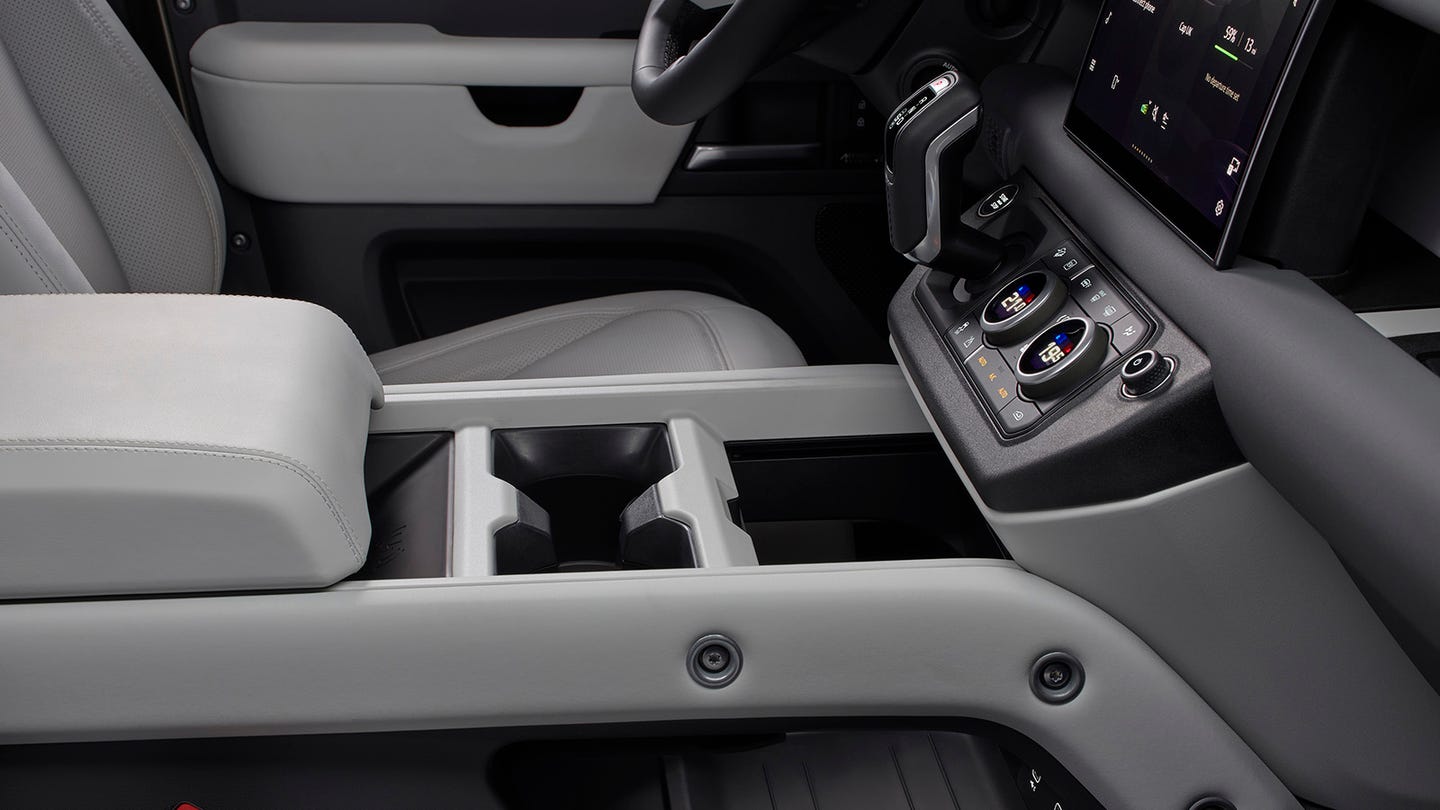
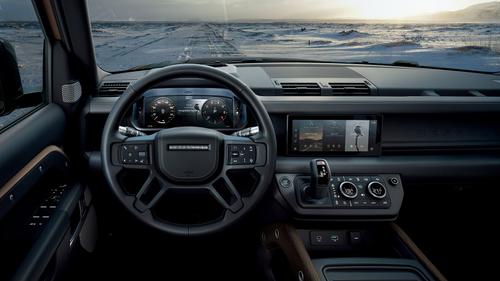
Inside, there are nods to the Defender's rough-and-tumble heritage, with an upright dashboard incorporating a storage shelf and grab handles, plus artfully exposed screw heads on the doors and centre console. However, there's also no denying the Defender's status as a luxury car now. You'll find leather and soft-touch upholstery on almost every surface, along with luxuries like heated and cooled front seats and a fancy Meridian sound system.
Lots of SUVs today embrace the 'sports' part of that acronym. The Defender isn't one of them. This feels like a big, heavy car in nearly all driving scenarios. There's lots of body movement as you hit bumps and undulations in the road, and the car will lean alarmingly if you get too vigorous with the steering wheel. You could never describe the driving experience as 'fun', but it is surprisingly satisfying to use the accurate controls to manage the Defender's waywardness.
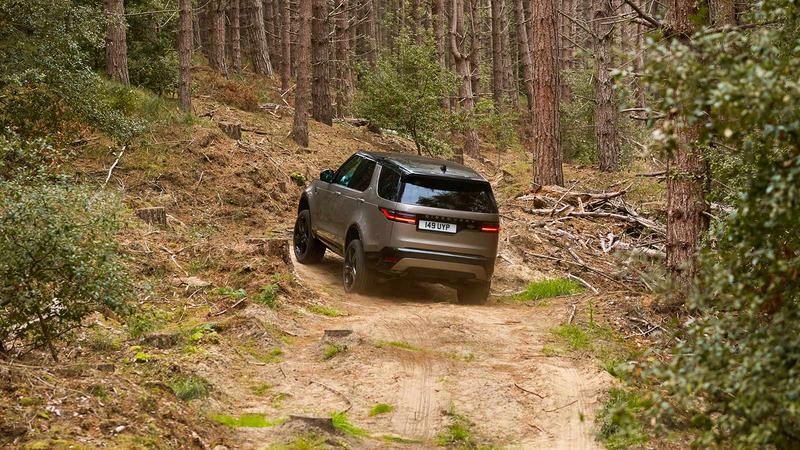
Of course, much of the way it drives on the road is influenced by the Defender's ability when driving off road. Firstly, you have loads of ground clearance and massive wheels as a solid foundation, then you add hardware like permanent all-wheel drive and a two-speed transfer case to help you scrabble over rocks. Finally, it's backed up by Land Rover's clever off-road tech like Terrain Response, hill descent control, low traction launch and roll stability control.
All that ability comes at a cost, however. Entry-level Defender 90s might just slip under £60,000 but most buyers will be spending closer to £70,000 or more once they've picked the options, bodystyle and engine they want. That's a bit more than other serious 4x4s like the Jeep Wrangler, but less than an entry-level Toyota Land Cruiser. Running costs will be high too, with steep insurance and maintenance costs, and hefty fuel consumption too.
It's worth it if you're going to make use of the Defender's excellent off-road skills. If you're just looking for a stylish, spacious family SUV for on-road use, there are more affordable options that do a similar job.
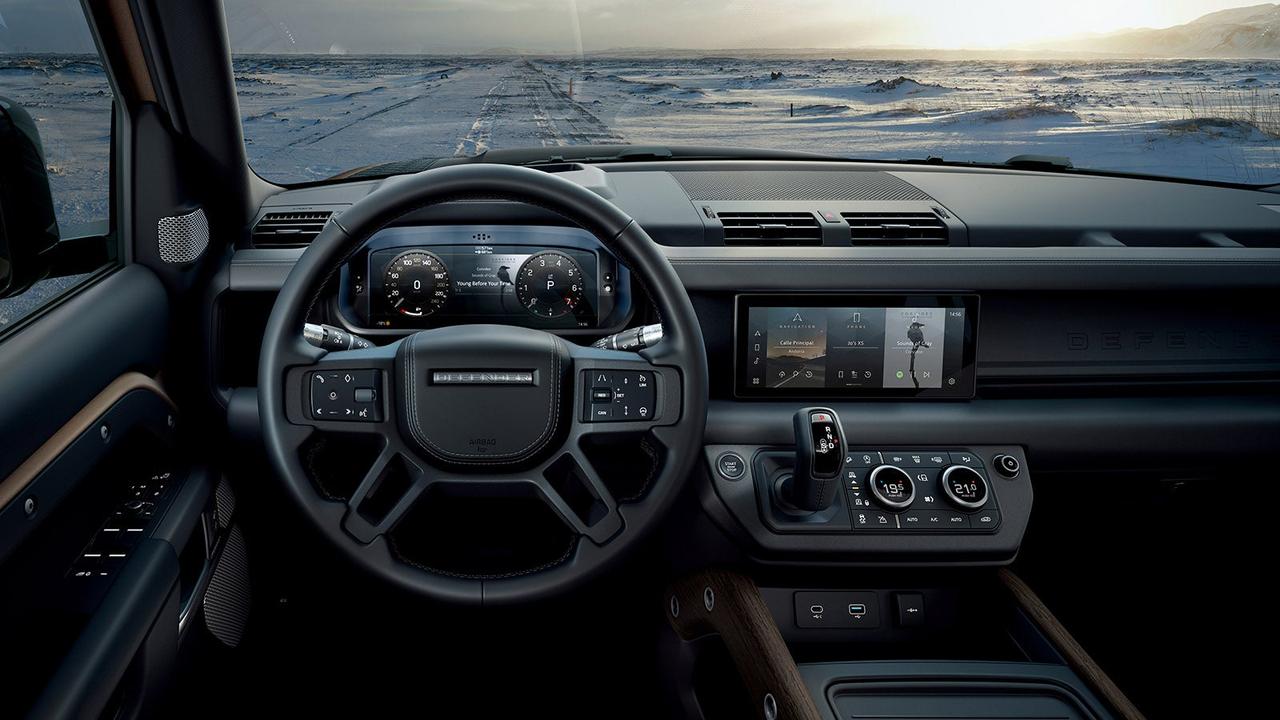
You don't step into the Defender as much as you climb up into it, with seat bases roughly at hip level. Thankfully, the dashboard is made up of a structural frame with a grab handle at either end, making it easy to hop up into the seats. The benefit of this ascent becomes apparent when driving, as you have a towering view of the road ahead and the bonnet stretching out ahead of you. Another feature enabled by the Defender's dash is a useful shelf within the frame, giving the driver and front passenger somewhere to stash their off-roading snacks.
Material quality is reasonably good, but the Defender is definitely more of a workhorse than something like the similarly priced Range Rover Velar. As a result, where the Velar has leather and faux-leather on areas like the dashboard and door tops, the Defender instead uses slightly rubberised soft-touch materials that, we assume, are easier to wipe clean. The cabin on our four-year-old test car also felt well-screwed together and solid – something that couldn't be said for older Land Rovers and, in particular, old Defenders.
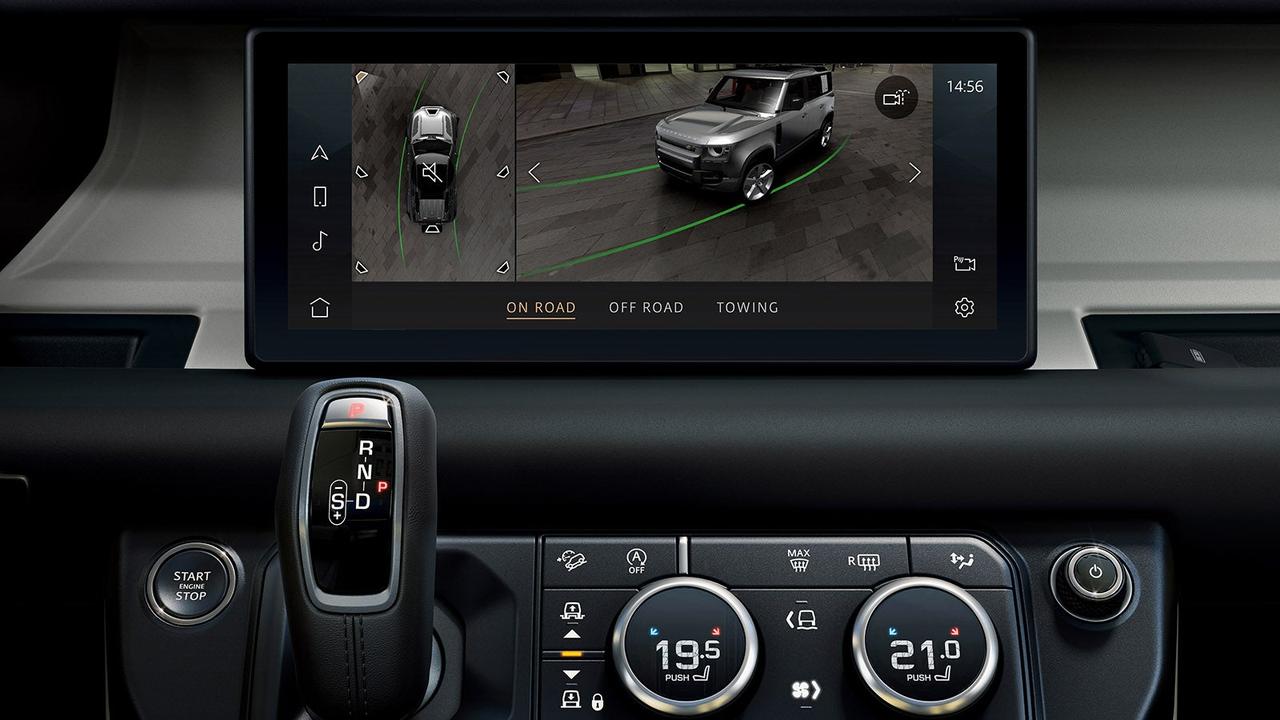
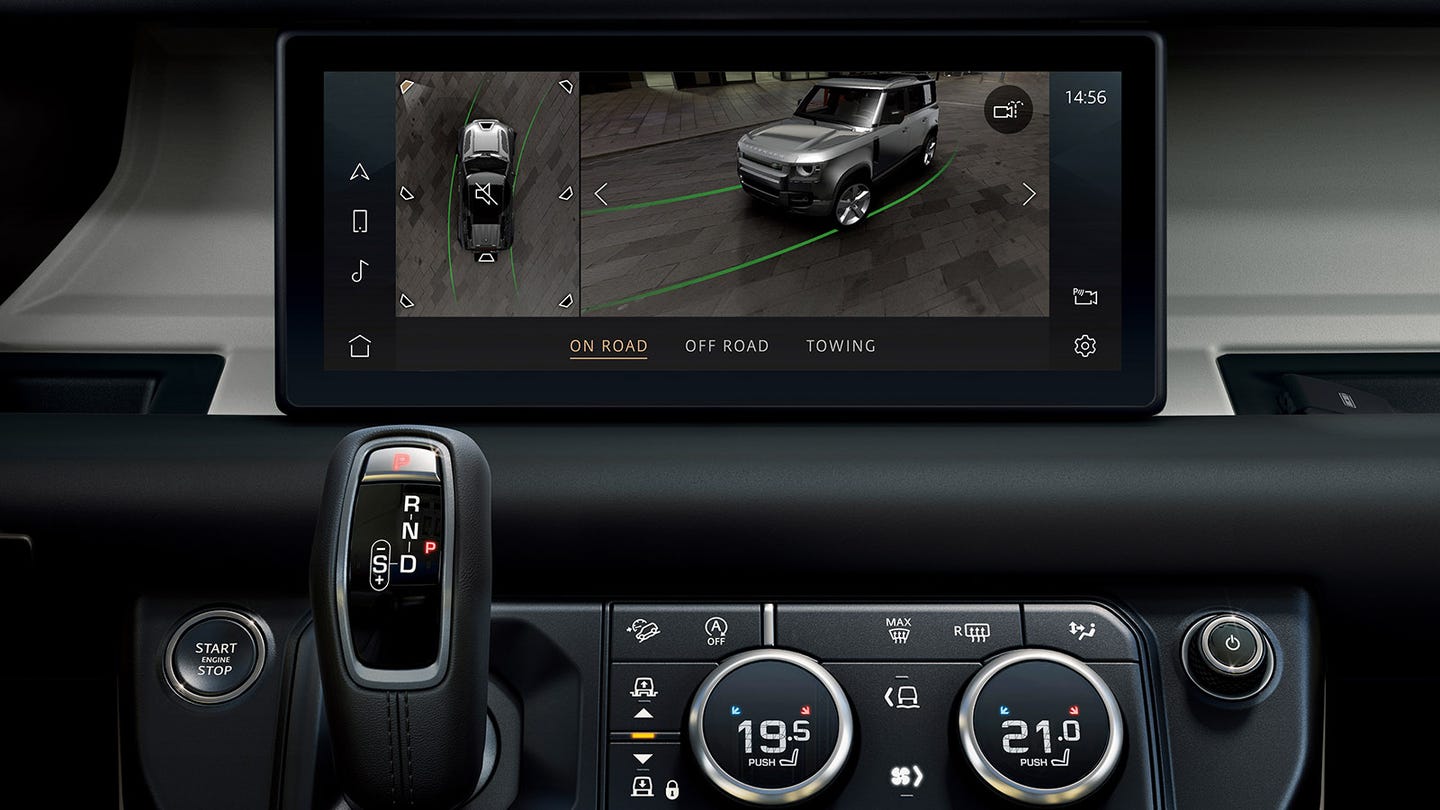
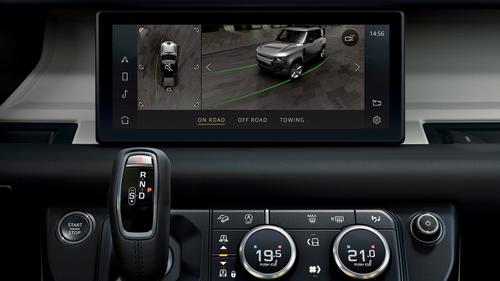
Perched in the middle of the dash is the infotainment screen. It isn't as flashy as the IMAX-size screens you'll find in recent BMW and Mercedes models, but the finish is glossy and the bezel is reasonably thin. The graphics themselves are sharp and responses to inputs are reasonably quick. It's pretty easy to find your way through the different functions thanks to persistent shortcut icons on the right-hand side, though some of the deeper sub-menus cram a few too many controls on screen.
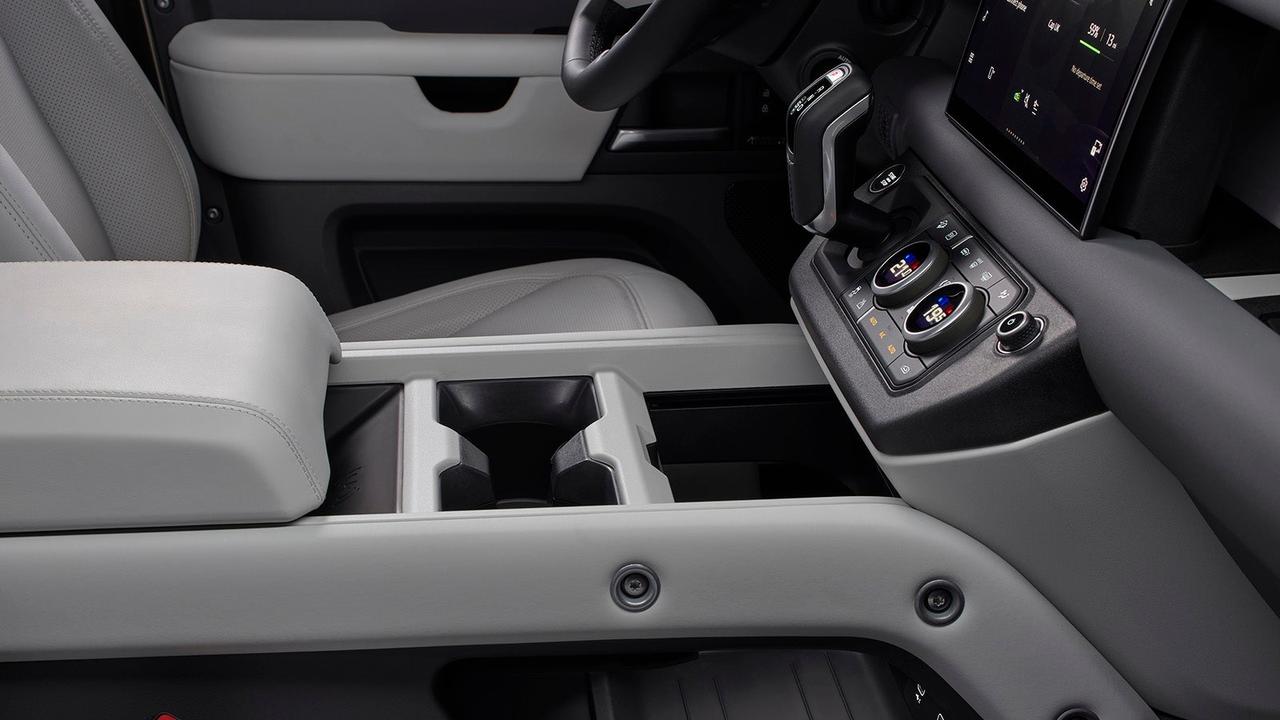
Speaking of controls, there's a welcome panel of physical buttons beneath the screen that handle climate control and driving settings. This includes a pair of dials that control the left and right temperature settings, which can also be pressed to adjust the heated seats. These controls are easy to adjust on the move, although we do find it odd how closely Land Rover has clustered climate and drive settings – you might need to spend a few minutes familiarising yourself with the layout before first setting off.
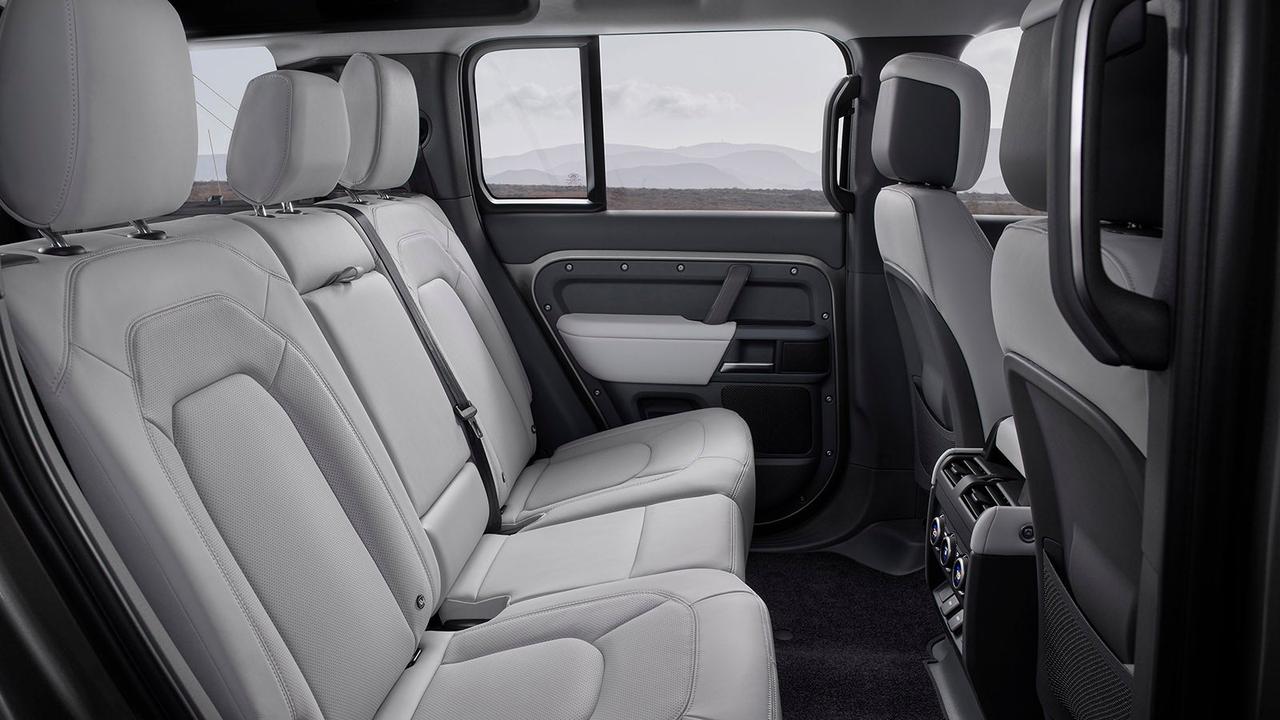
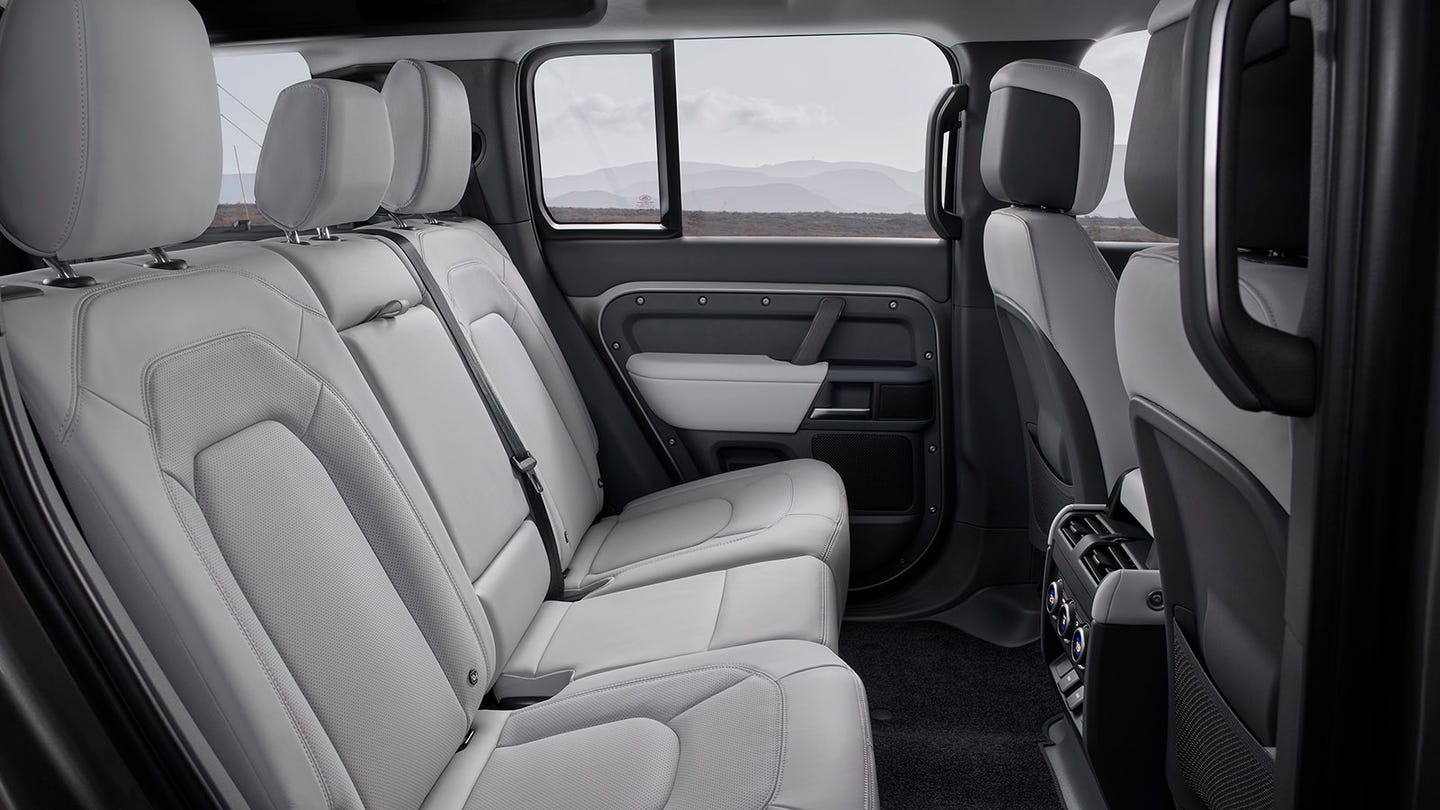
The Defender is a big, boxy car and that means a big, boxy interior. There's a wide range of adjustment in the front seats so even very tall drivers should be able to get comfortable. Impressively, despite the Defender 90's relatively short length, you can still fit average-sized adults in the second row with the front seats pushed all the way back. Accessing the rear seats through the 90's single side doors isn't too challenging thanks to wide door openings and a handy grab handle on the B-pillar.
However, the latch that folds the front seats out the way doesn't automatically slide them forwards, so you have to stand there waiting as the electric adjuster lazily slides the seats out of the way – with an equally excruciating wait to slide them back afterwards.
That's why the five-door 110 bodystyle makes a much more practical choice for most buyers. This gives easy, direct access to the second row and also opens up the option of a three-row seven-seat cabin. Like many cars with a third row, the sixth and seventh seats are best saved for the occasional short journey, as they'd feel quite cramped for passengers who had to use them everyday. Drivers who need the maximum seating capacity should, instead, seek out the almost comically elongated Defender 130 and its eight-seat layout.
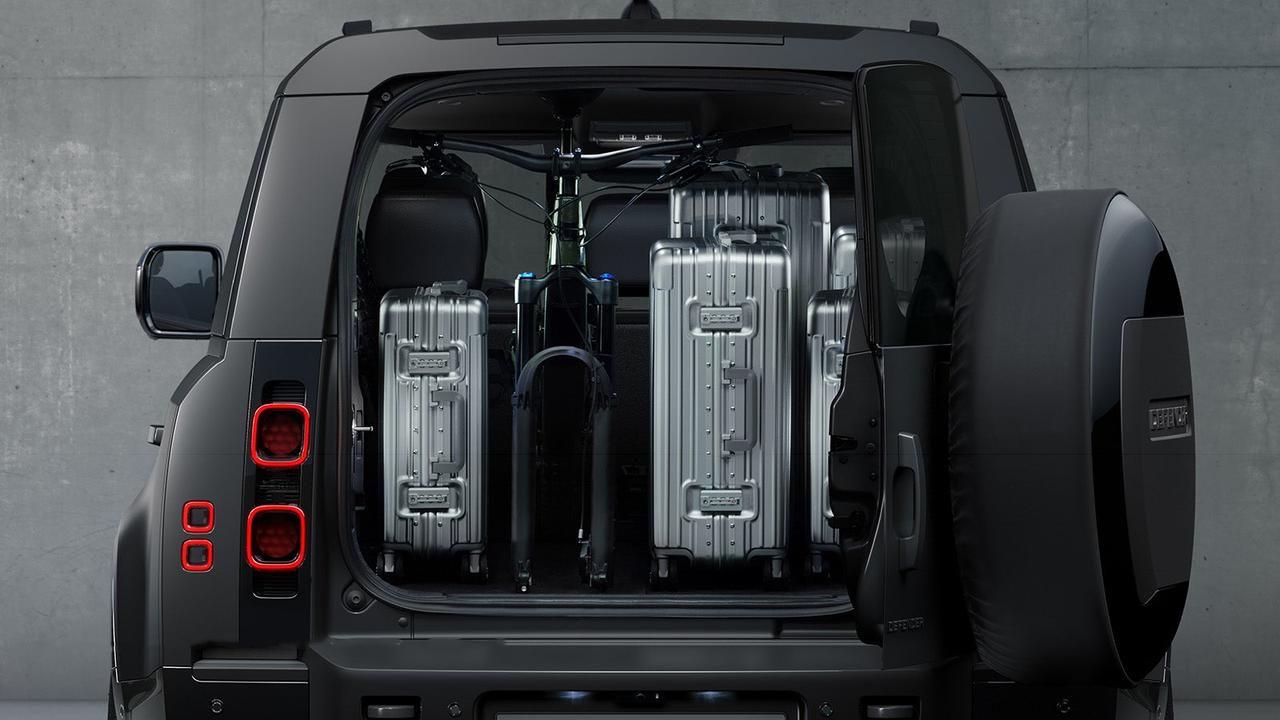
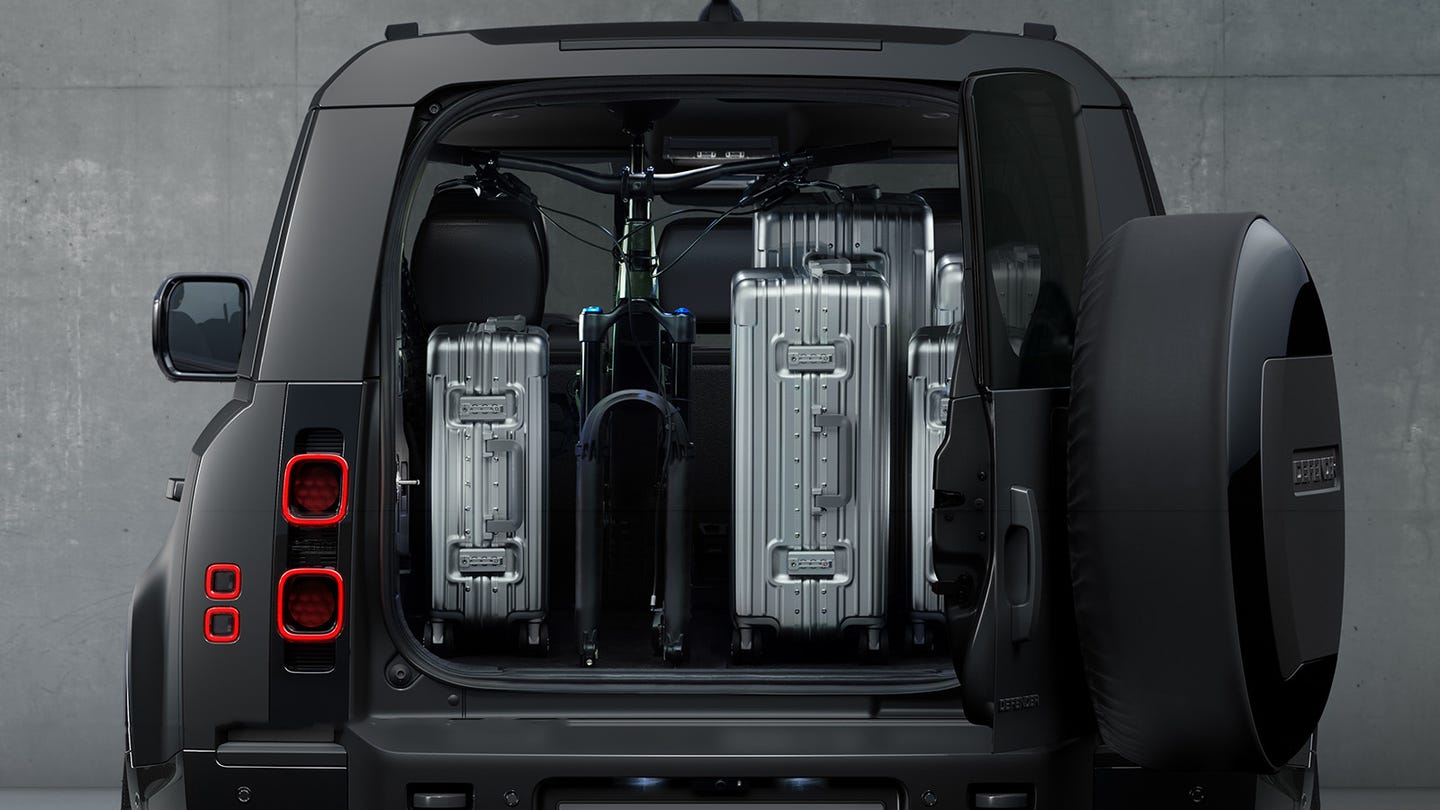
As the shortest version, the Defender 90 has the least cargo capacity. You get 397 litres of space with all the seats in place, although that figure is measured up to the ceiling, and the cargo space is mostly tall rather than especially deep. There are handy power outlets and cargo hooks too. Step up to the Defender 110 and you'll get a much more accommodating 646 litres of space in five-seat mode, or 231 litres with the optional seven-seat layout. Obviously, ultimate boot-space bragging rights go to the 130, which has 389 litres with all three seat rows up, 1,232 litres with the rearmost row folded, or a van-like 2,291 litres with just the front seats up.
Cabin storage is pretty good, too. There are big bins in all of the doors, plus a large glove box and the aforementioned dashboard shelf for items you want easy access to. You get a somewhat average-sized centre console cubby for odds and ends, plus an upper panel that joins it to the dashboard containing cupholders and somewhere to pop your phone near the charging ports. Beneath this panel is a small lower shelf with space for a box of tissues or a purse. On six-seat models with a three-seat front row, this centre console area is swapped out for an open space for the centre passenger's feet.
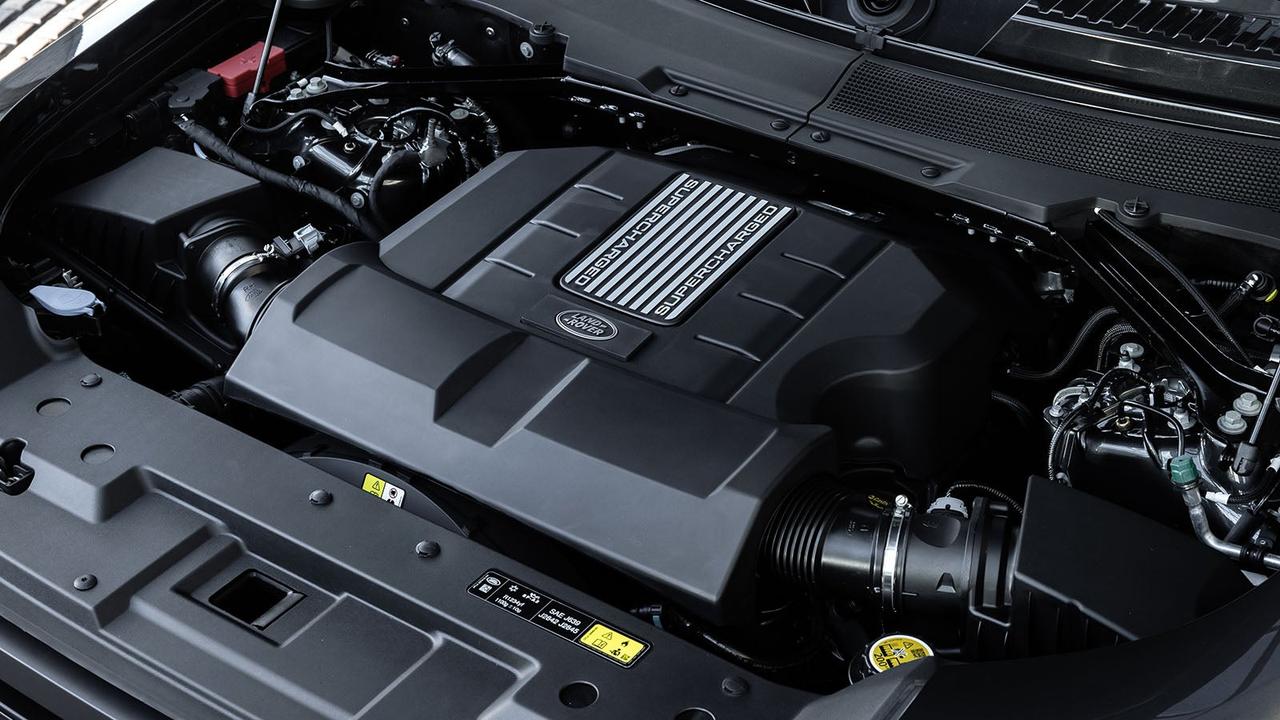
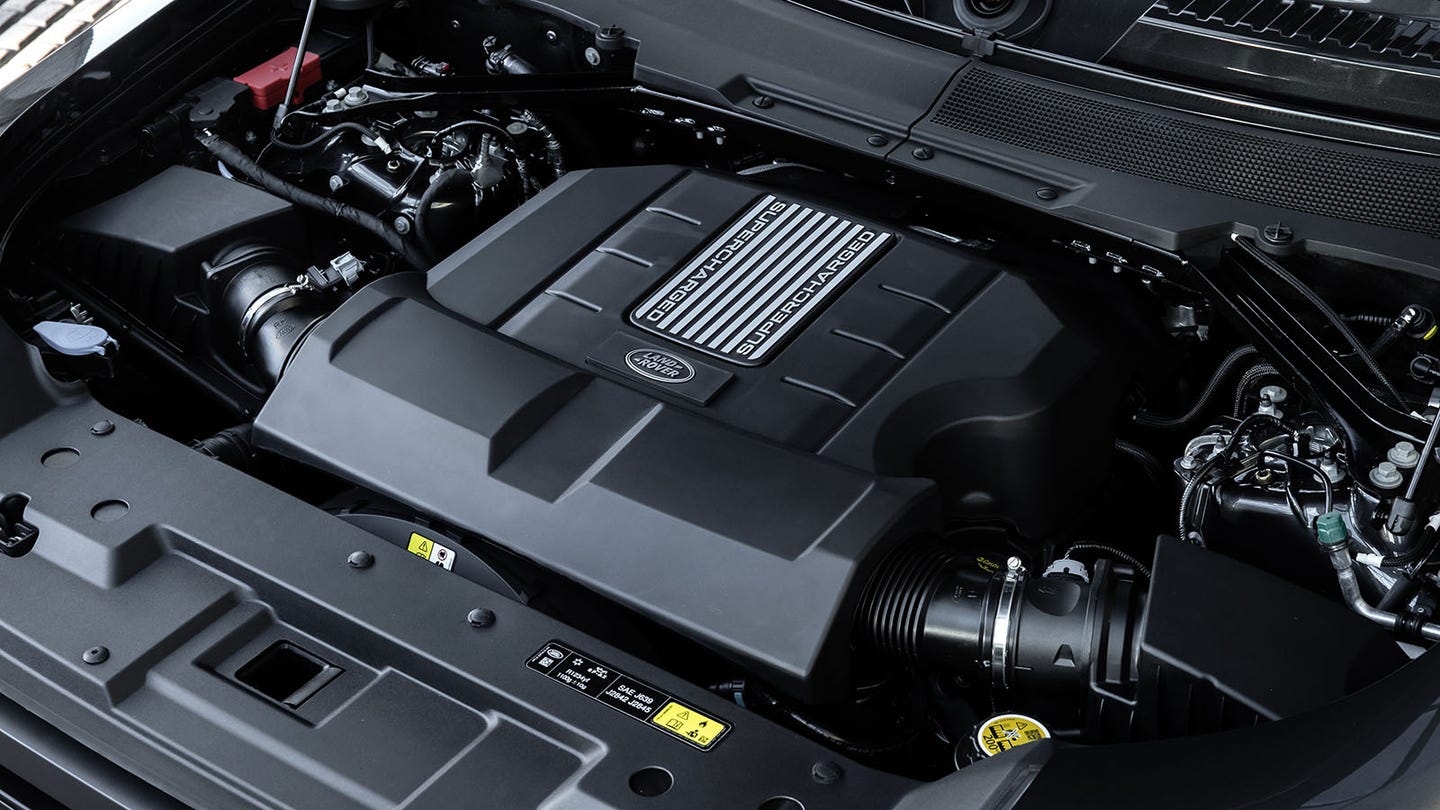
Under the bonnet, most Defenders come with diesel engines with four or six cylinders. There's also a four-cylinder petrol plug-in-hybrid version that claims more than 30 miles on electric power alone or up to 110mpg if you make the most of both power sources – truly uncharted territory for a Land Rover. Finally, there's a 5.0-litre supercharged V8 in 425 and 500hp forms and the utterly unhinged 635hp Defender Octa, which borrows its 4.4-litre twin-turbo V8 from the BMW M5.
Our test car is a D300 model – a 3.0-litre diesel straight-six with 300hp, paired with the standard eight-speed automatic gearbox. As you'd hope from a big diesel engine like this, you sense there's an enormous amount of torque available under your right foot, even if you just brush the pedal. With the gearbox keeping the engine in its fairly narrow power band, you can make swift progress in the Defender without feeling like you're thrashing it.
Despite feeling unstrained, you do hear the engine quite a lot while driving. There's a lot of low-frequency grumble and, if you open the throttle a bit wider, you're greeted with a somewhat agricultural drone that put us in mind of a big diesel lorry. Sadly, despite all the engine's bluster and its claimed 6.7-second 0-62mph time, performance is merely okay and it lacks the outright speed of most of its premium rivals. That said, we did enjoy how the softly sprung Defender rears up like a majestic stallion if you pin the throttle from low speeds.
Another common feature of big Land Rovers is their impressive thirst for fuel. The on-board trip computer revealed that our six-cylinder diesel model had barely crested 35mpg for the last thousand-or-so miles, which means you'll need pretty deep pockets to keep the car's tanks topped up.
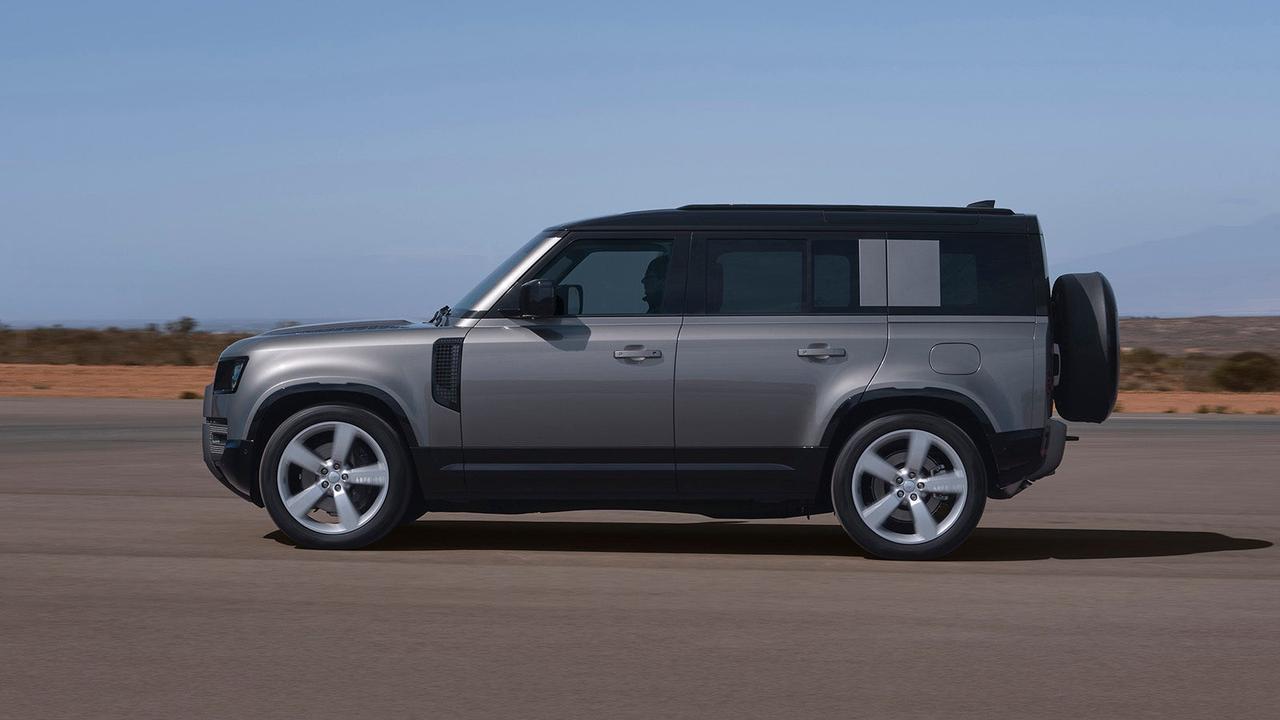
The Defender casts an intimidating presence on the road. At nearly two metres wide before you include the door mirrors, you can see why. You'll definitely notice the Defender's bulk if you take it into the concrete jungle, but the job of driving is made quite a bit easier by the lofty driving position, giving you a commanding view of the road. Visibility over the shoulder is pretty poor thanks to the massive rear pillars, but all versions include 360º parking sensors and a 3D parking camera to make tight manoeuvres or tricky off-road trails easier.
We were only able to try our Defender on paved roads but, considering this is how most owners will probably use their cars, it's still a useful test. And, for the most part, the Defender earns a solid passing grade – something its tractor-like predecessor could only dream of. Roadholding is solid and reassuring, and the car's mass makes it feel big and substantial on the road.
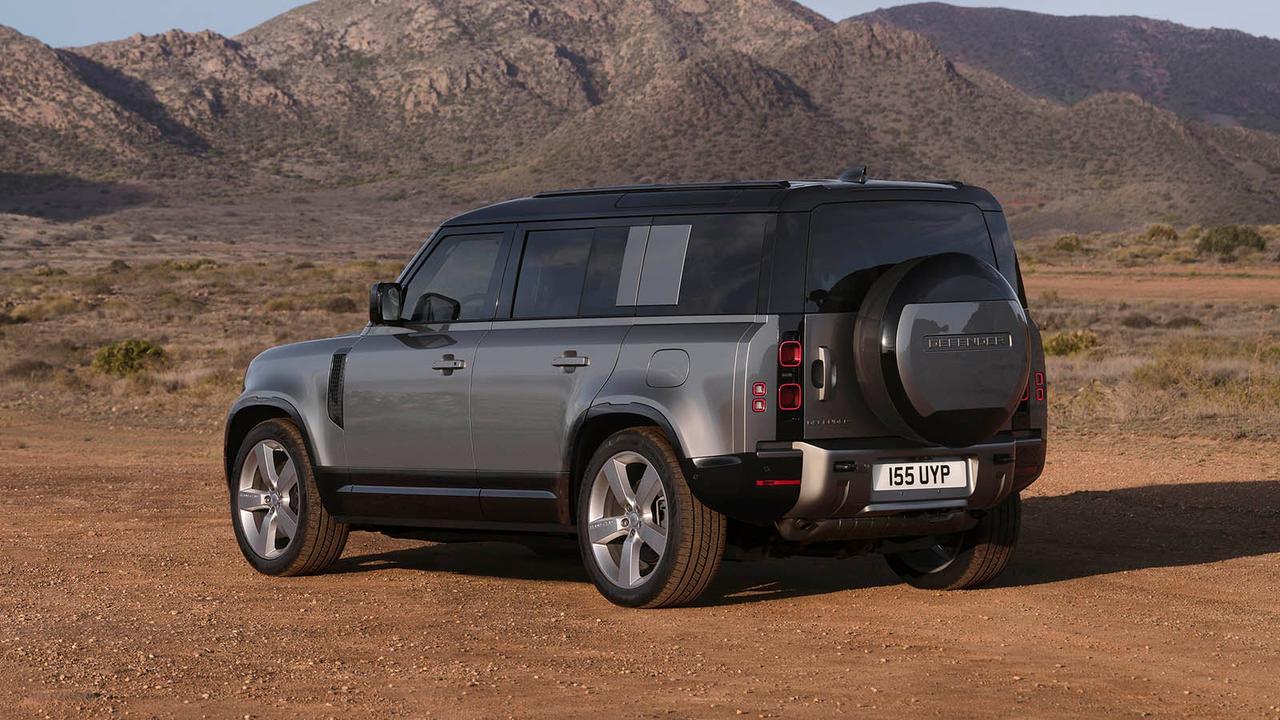
Any kind of vigorous driving quickly overwhelms the chassis, sending the body pitching dramatically off the side or wobbling through direction changes. However, once you settle down and drive the car at a more normal pace, it becomes very easy to thread down the road. The steering is accurate and doesn't need constant adjustment to keep the car pointed straight – again, an annoyance when driving the old Defender.
Comfort is reasonably good thanks to the car's fairly soft setup. It copes especially well with undulating or bouncy roads, where the graceful body control allows for a gentle hint of up-down movement, as if you were a boat travelling over rippling water. Less impressive are sudden suspension impacts like potholes or speedbumps, which are usually too quick for the chassis to react to, sending small thuds to the base of your seat.
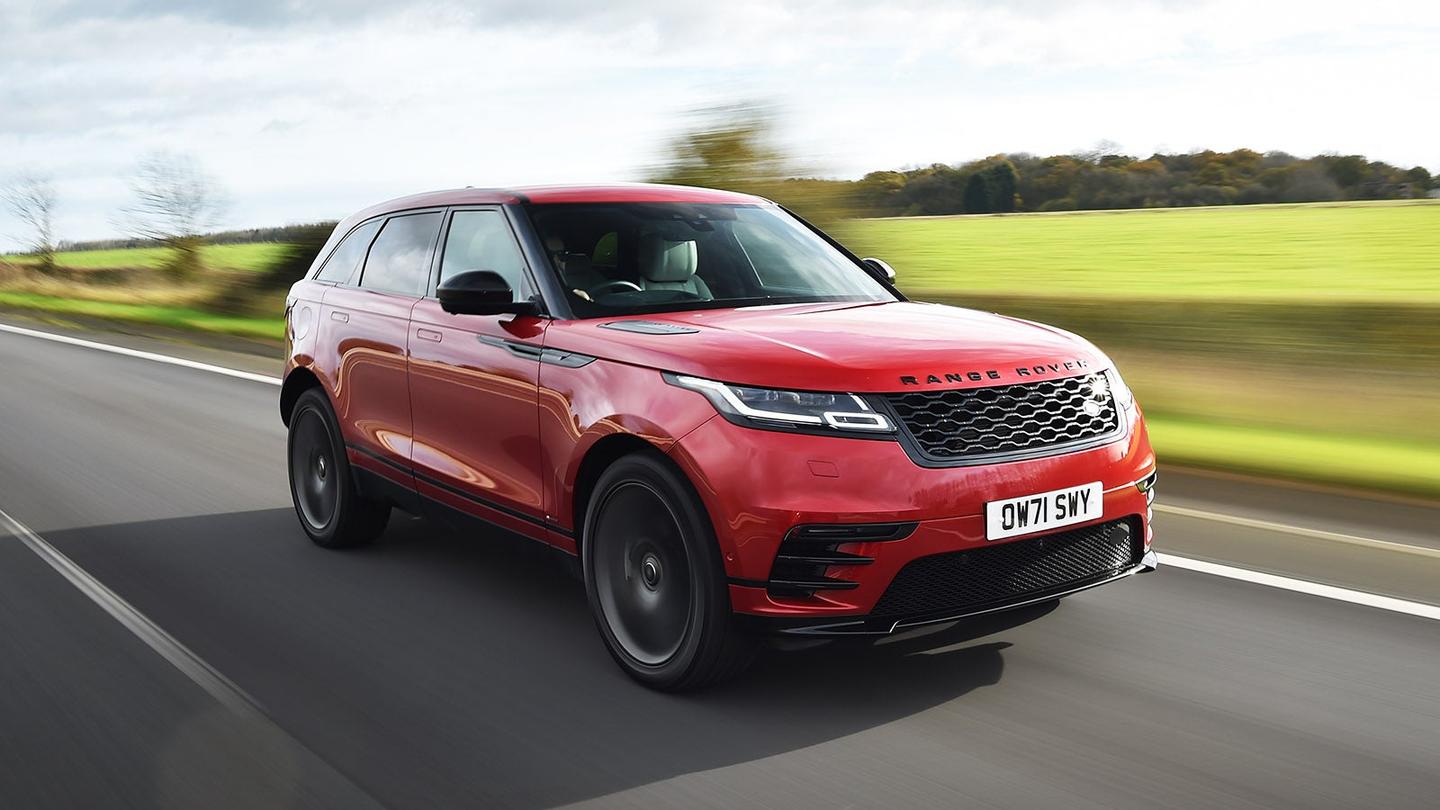
Spacious SUV with a sumptuous interior and tempting finance rates
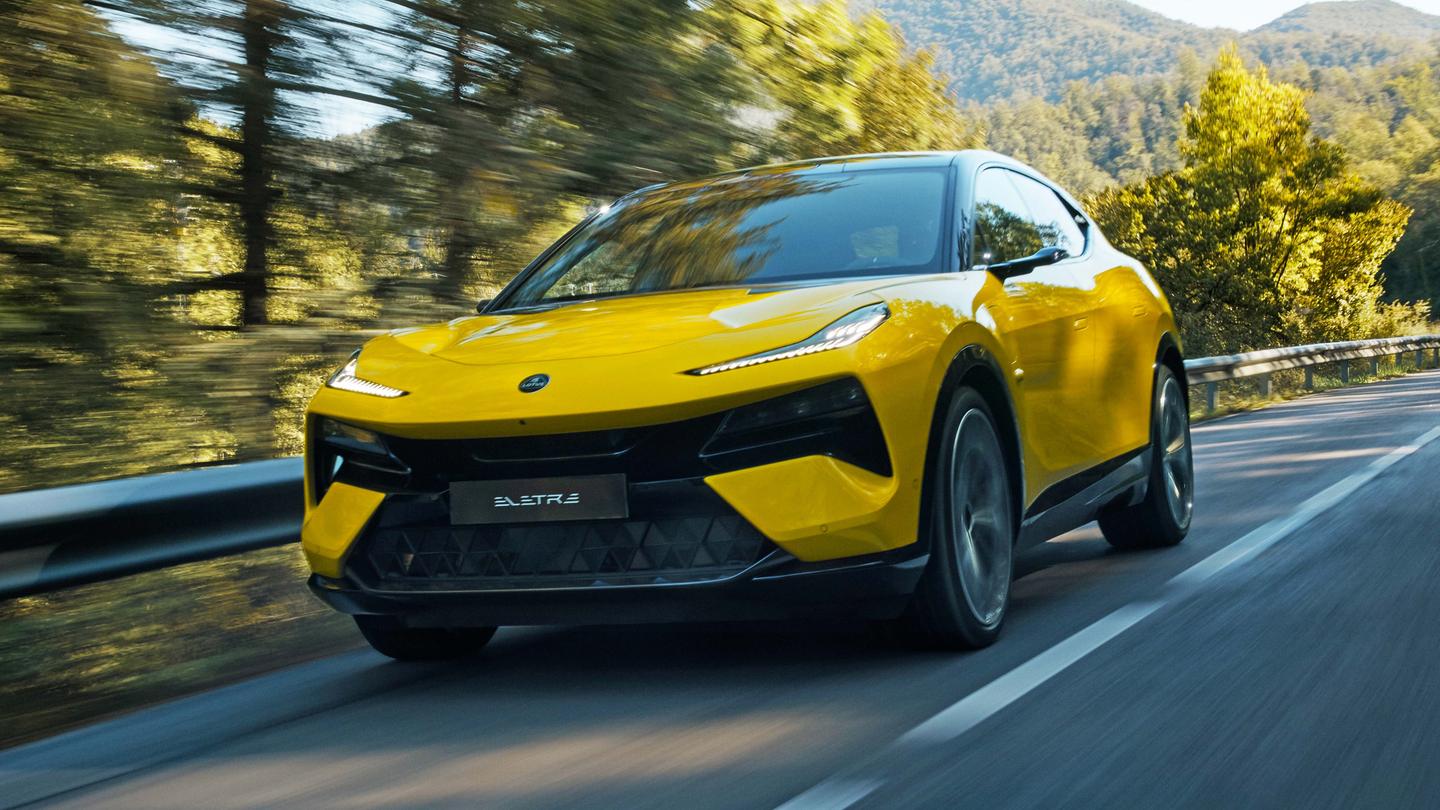
Not a Lotus as we know it, but an insanely fast, massive electric SUV
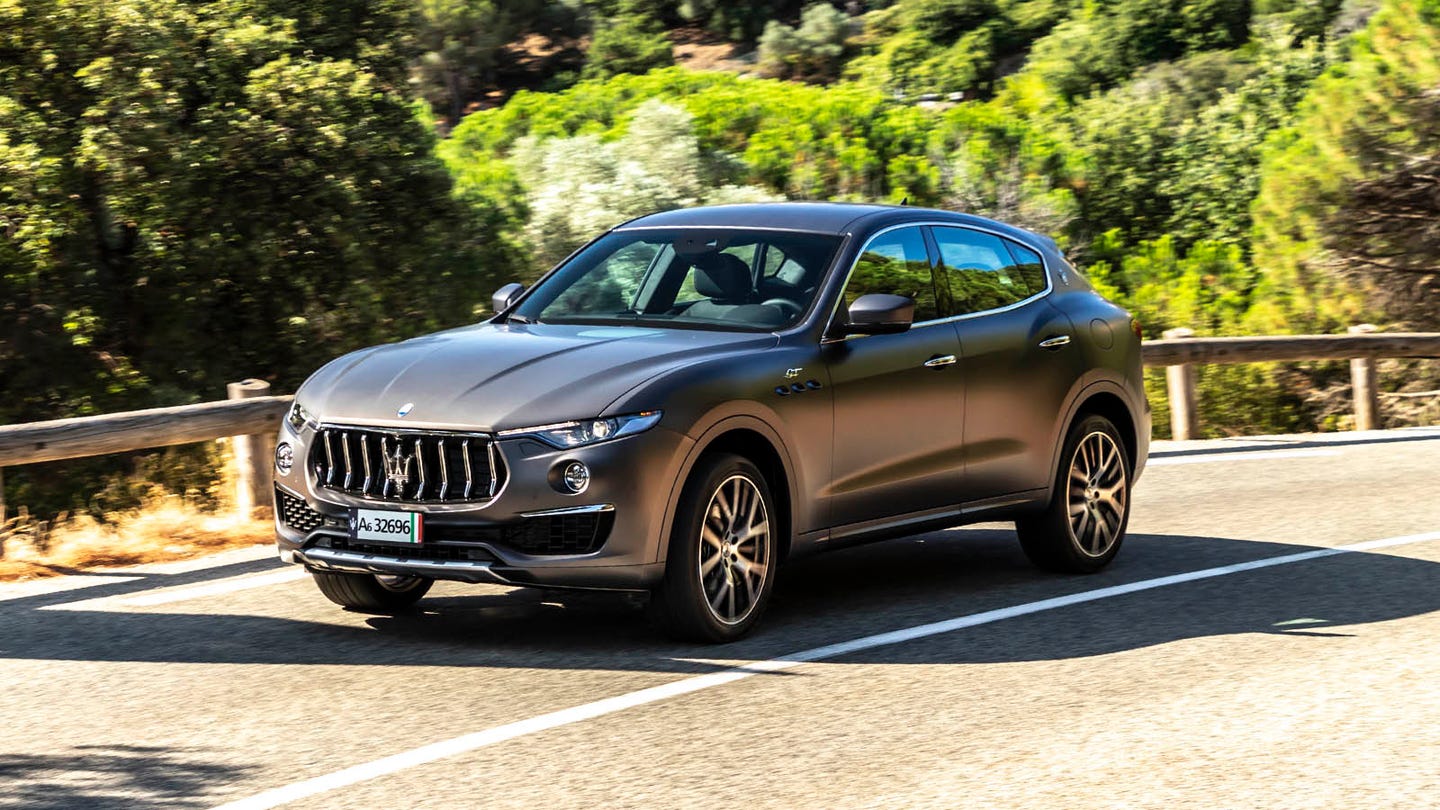
Posh performance-focused SUV that needs a little more polish