







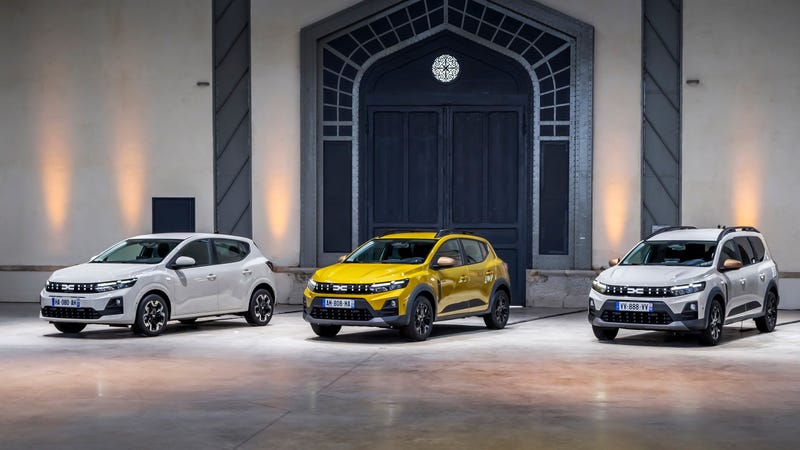
Dacia Sandero and Jogger facelift: price, specs & release date
Ben Custard
•
First Look

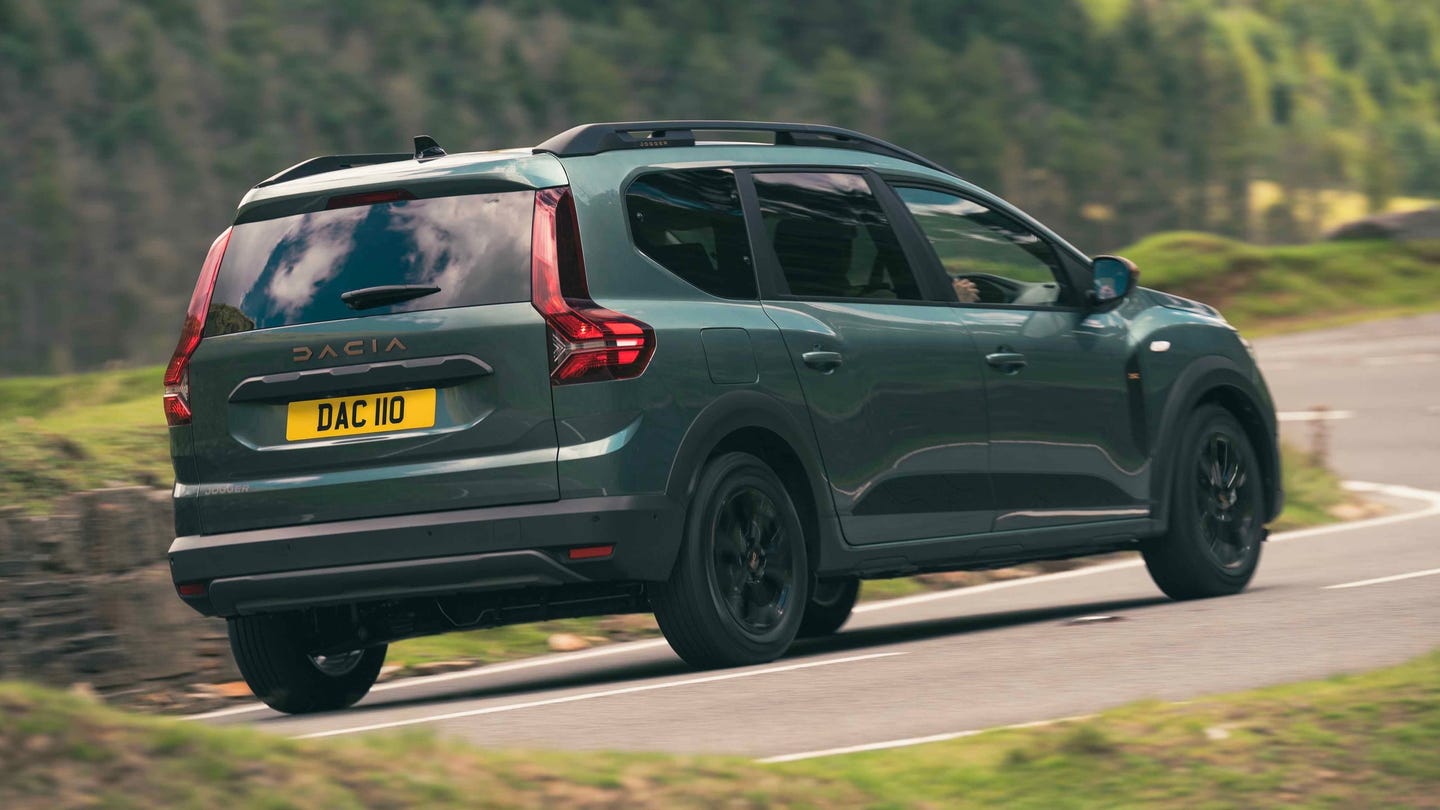
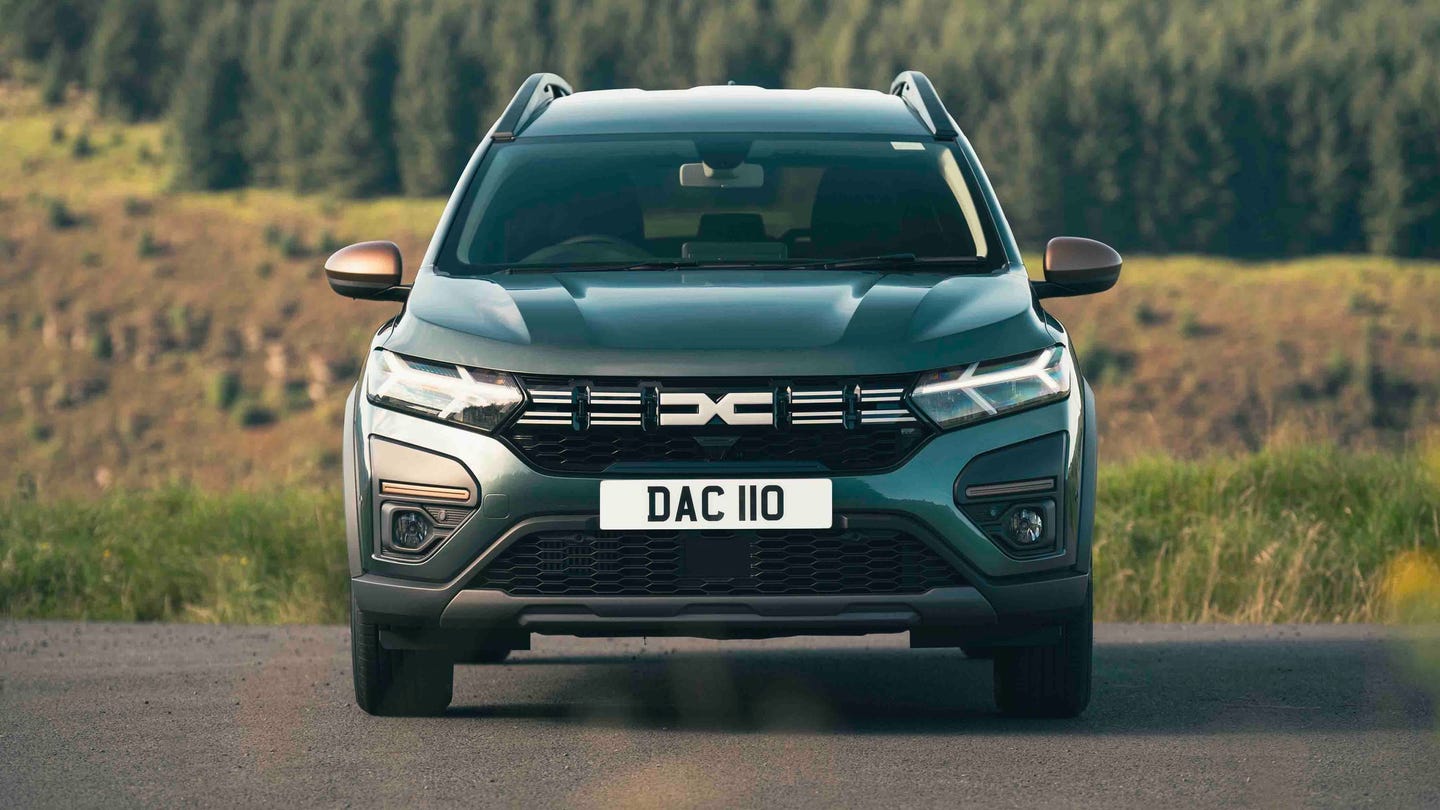
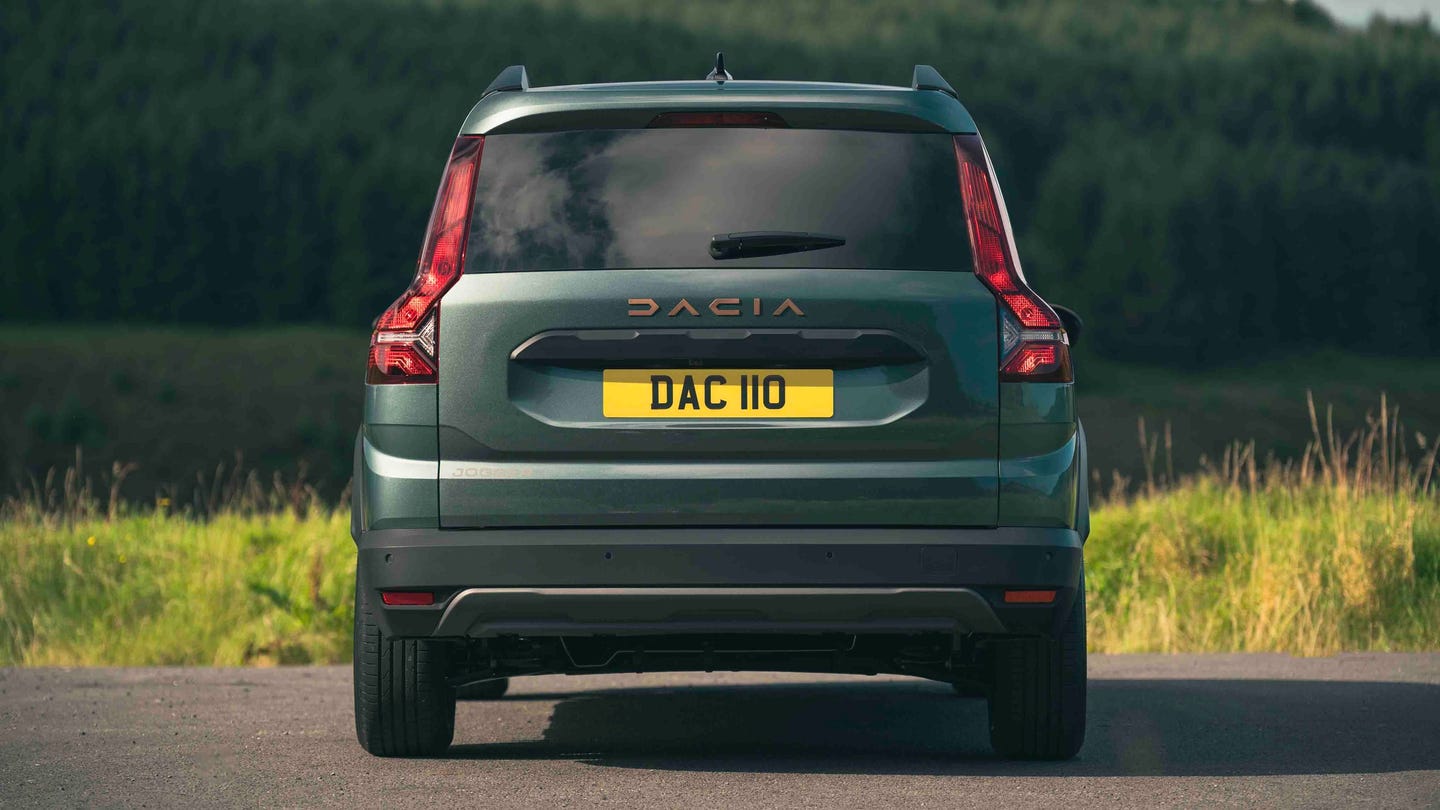
Need a spacious family hauler without spending a vast amount of money? Dacia’s big cars should be top of your list.
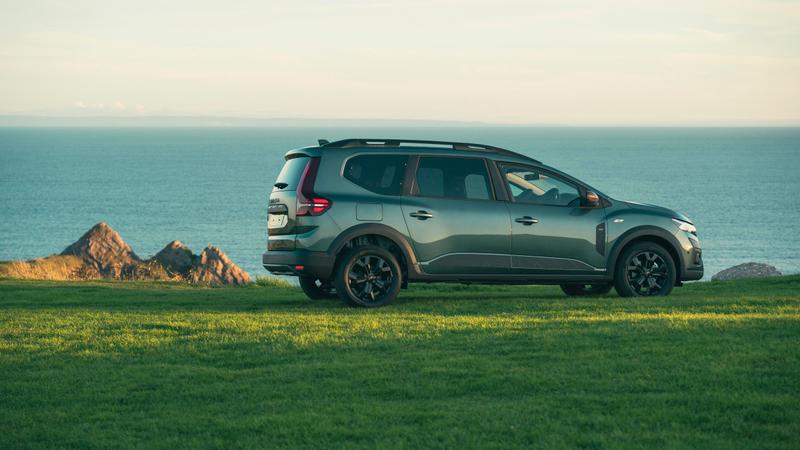
But the cheapest of them – the athletically named Jogger – is probably the most versatile, because it comes with seven seats.
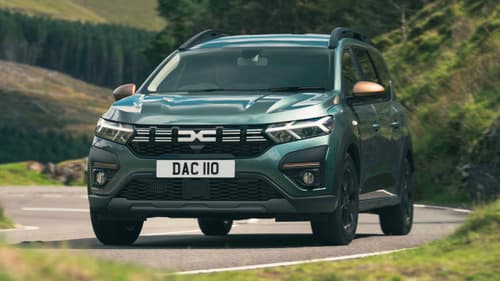
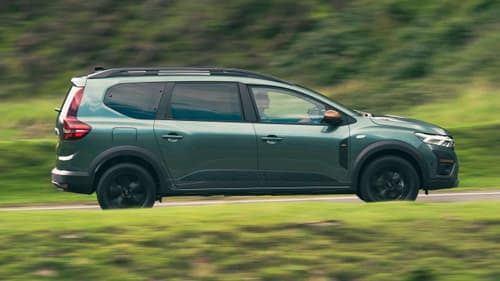
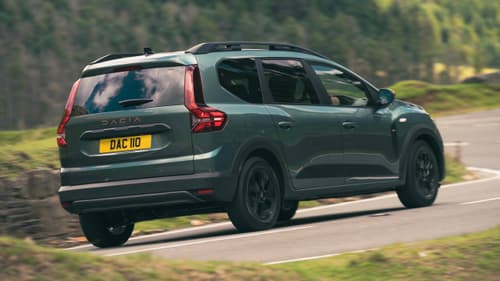
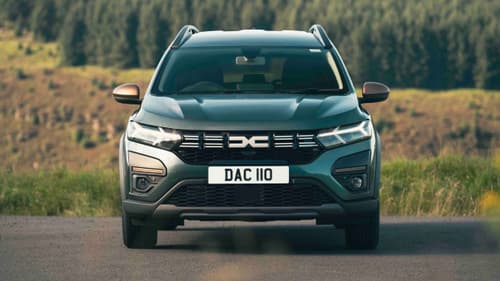
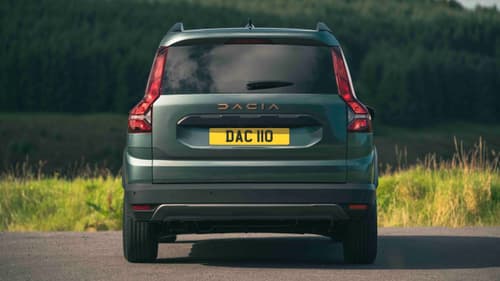
It’s no good for badge snobs, but in nearly every other respect the Dacia Jogger is a solid gold family car.
If you need seven seats, a lightly used Jogger is about half the price of a Skoda Kodiaq, Peugeot 5008 or Nissan X-Trail with a similar age or mileage. Dacia’s effort is considerably newer than something like a Citroen Grand C4 SpaceTourer and considerably cooler than a van-based MPV such as the Vauxhall Combo Life.
The Jogger is an odd thing on paper – it’s based on the Sandero supermini, it looks like a mix of three body styles at once and there’s a smattering of no-longer-used Renault parts inside. But the Jogger really works.
"The Jogger is one of the most compact seven-seaters on the market, but it embarrasses bigger and costlier cars for interior space"
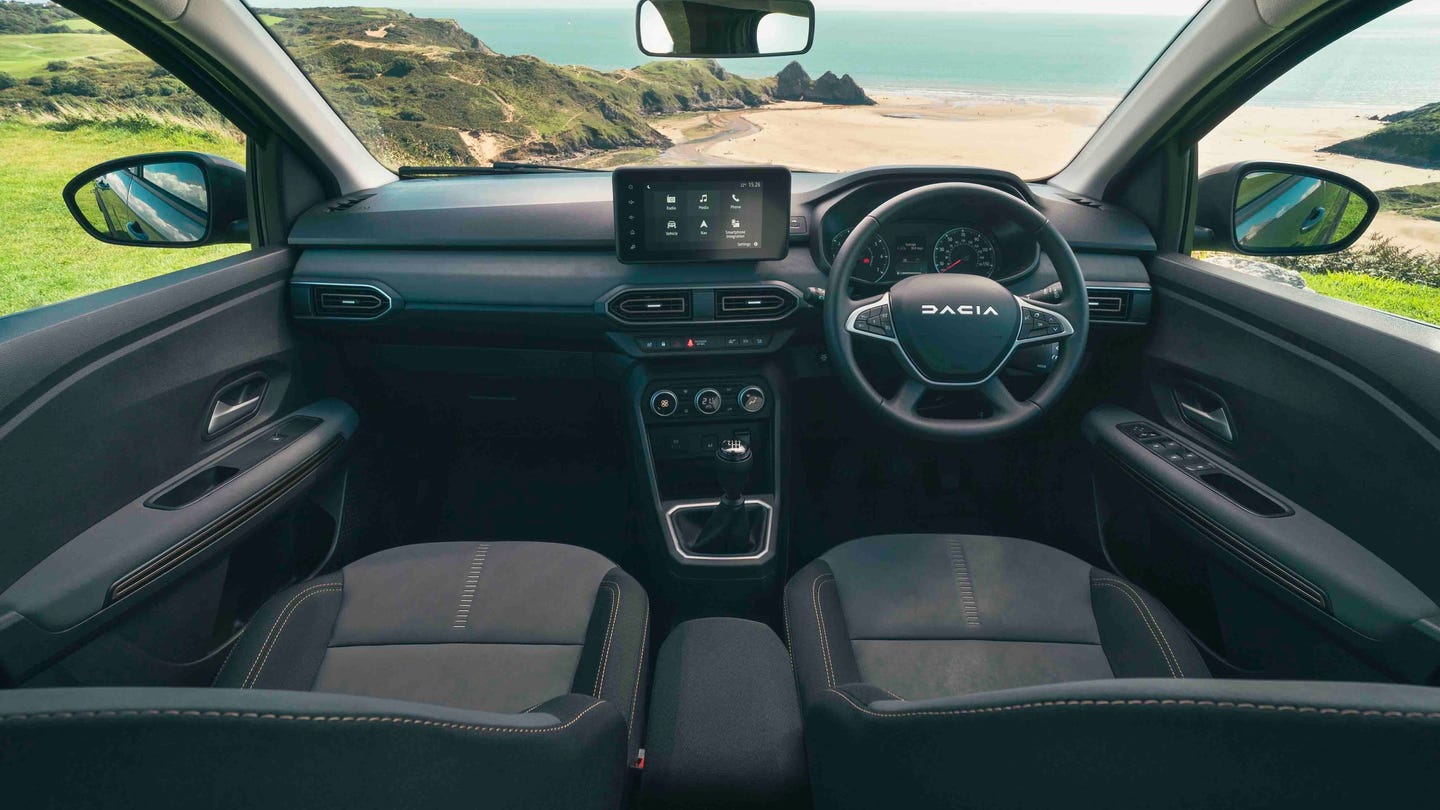
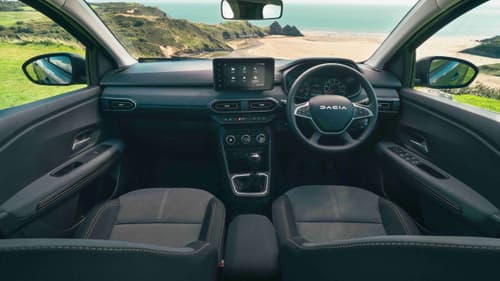
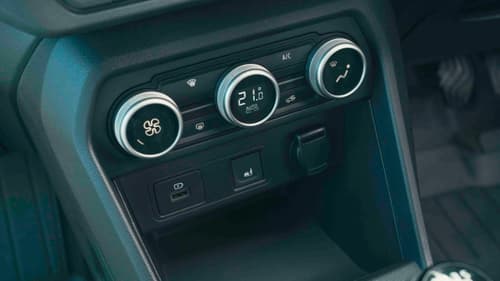
Dacia’s no-nonsense vibe really is charming and well considered. The interior is robust without feeling sparse, the equipment list has the must-haves without adding too many unnecessary distractions, and there are practical touches that are genuinely useful in day-to-day life.
Yes, you can see where money has been saved, but the Dacia Jogger knows exactly what it is and the result is an absolute clarity in its fitness for purpose.
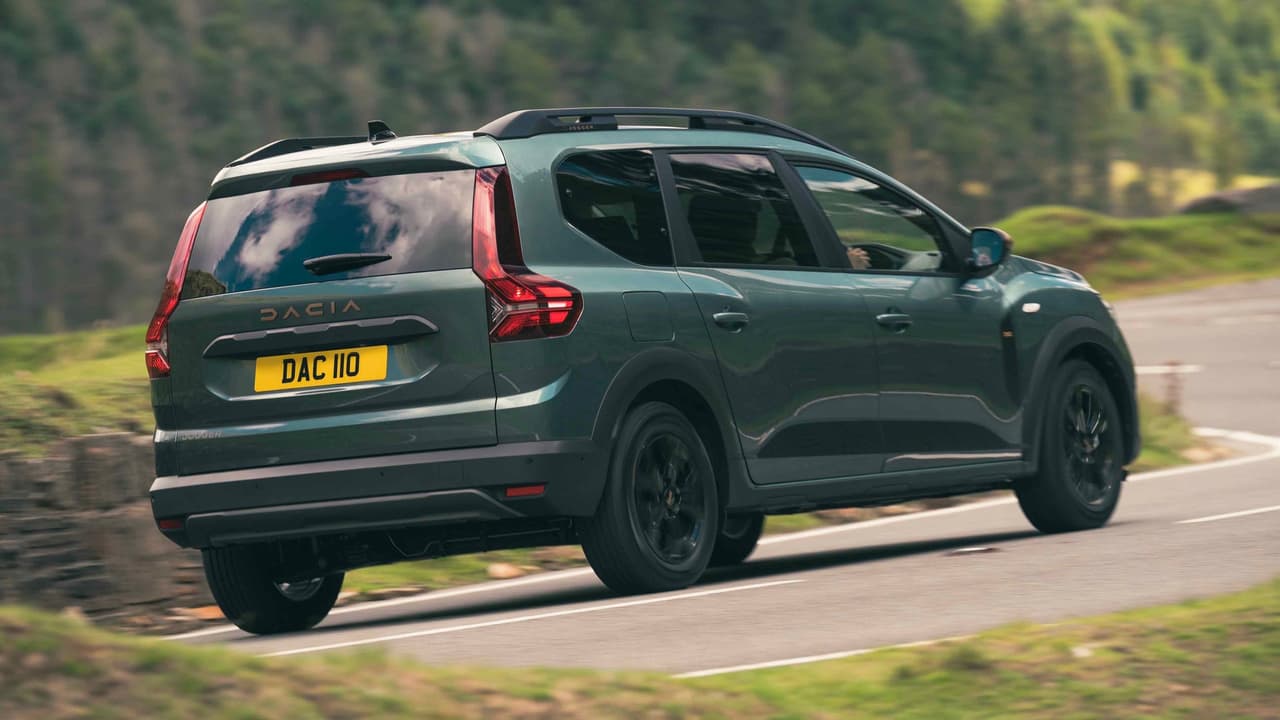
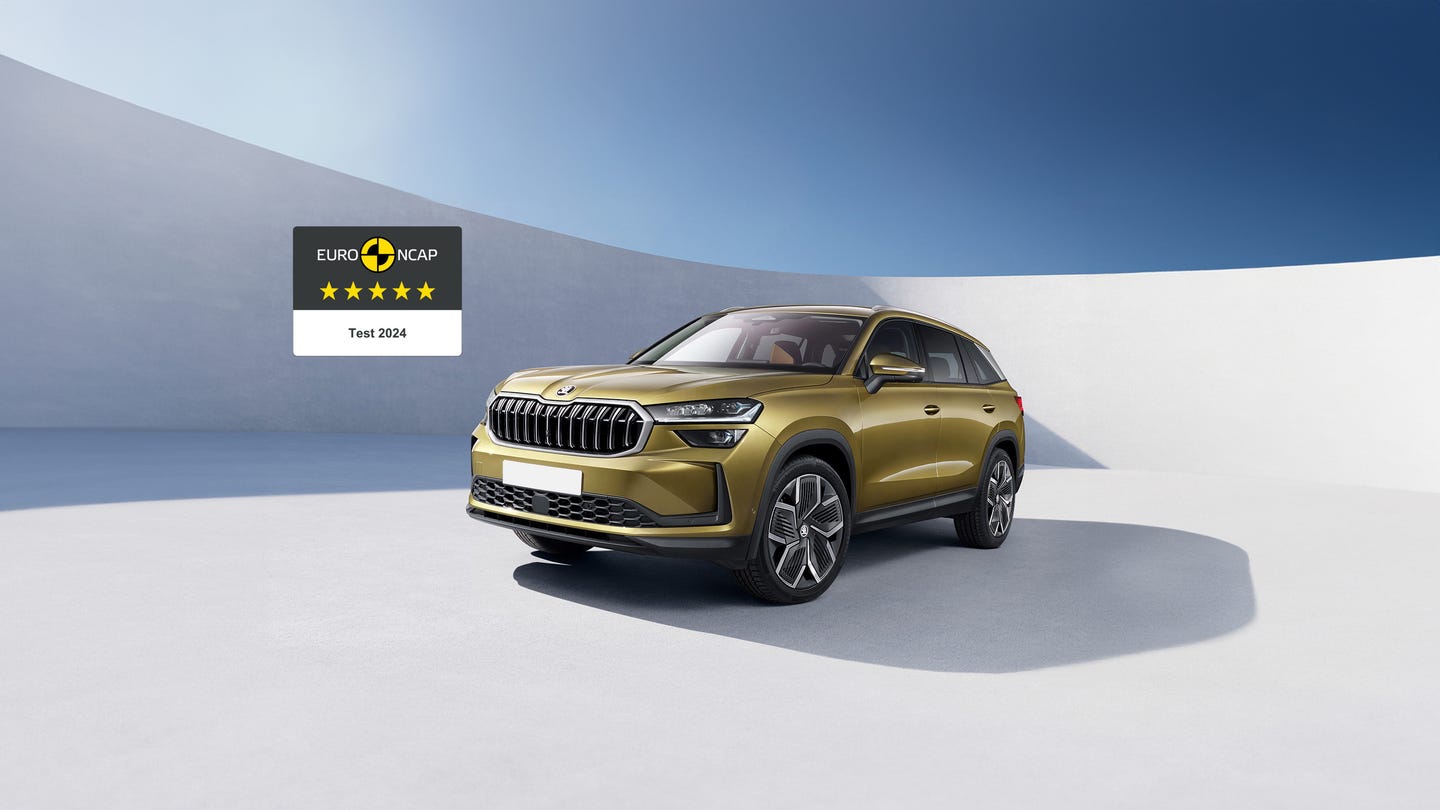
Perhaps the only fly in the ointment is the Jogger’s one-star Euro NCAP score, but this comes with caveats. The main one is that the Jogger’s rating is based on the Sandero – it hasn’t been tested separately – so it’s a little tricky to assess its performance.
The Jogger lost points for not having seatbelt reminders for the third row of seats, and was also marked down because it doesn’t come with the full complement of driver assistance tech to get a better score. Dacia consciously made that decision because it knows that most people are competent drivers and that the driver assistance systems are just distracting half the time.
In the actual crash tests, the Jogger performed decently, and its adult protection score is okay. It’s not an unsafe car as the score might suggest, it’s just that some other cars are slightly safer.
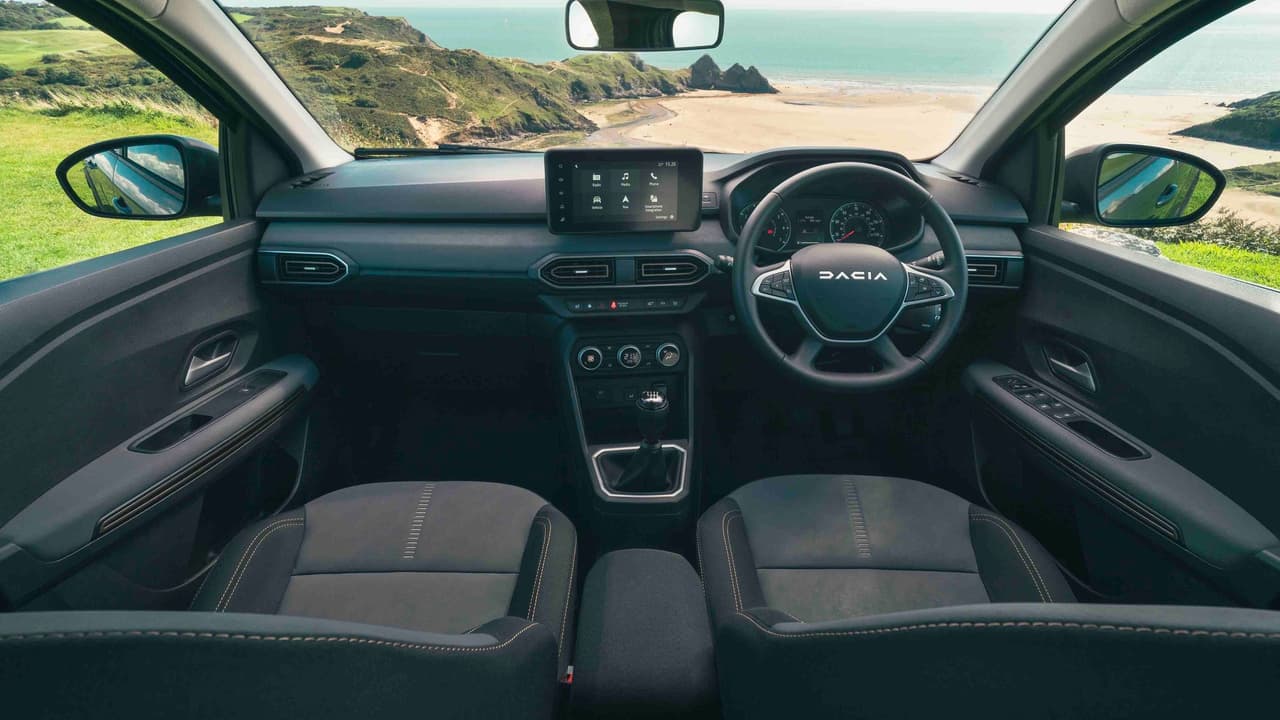
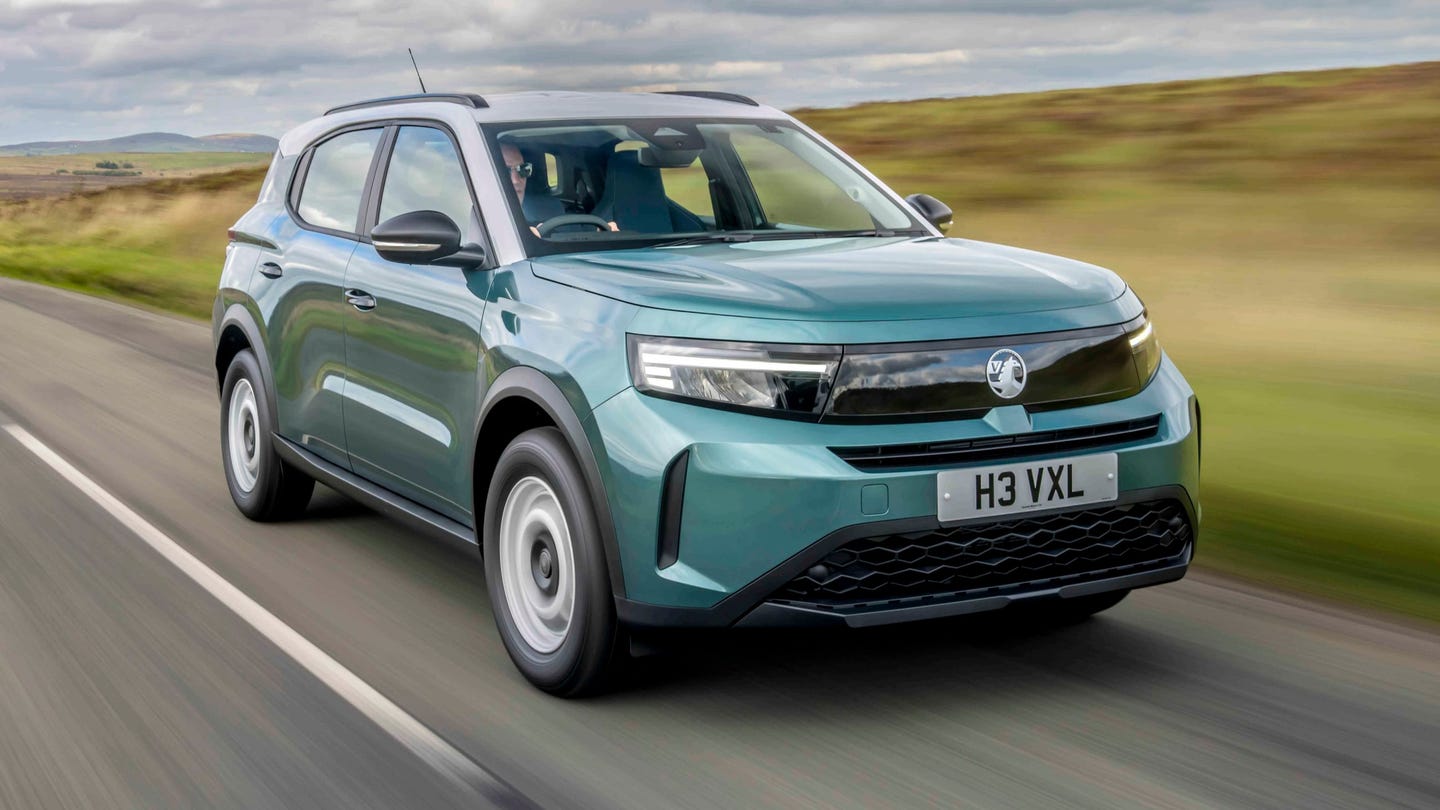
Of course the interior isn’t a luxurious palace but, crucially, it’s well built. Everything feels like it’ll withstand family life and muddy boots for years to come, and the hard materials are easy to keep clean. It’s noticeably better built than the new Vauxhall Frontera, even if that’s not exactly saying much.
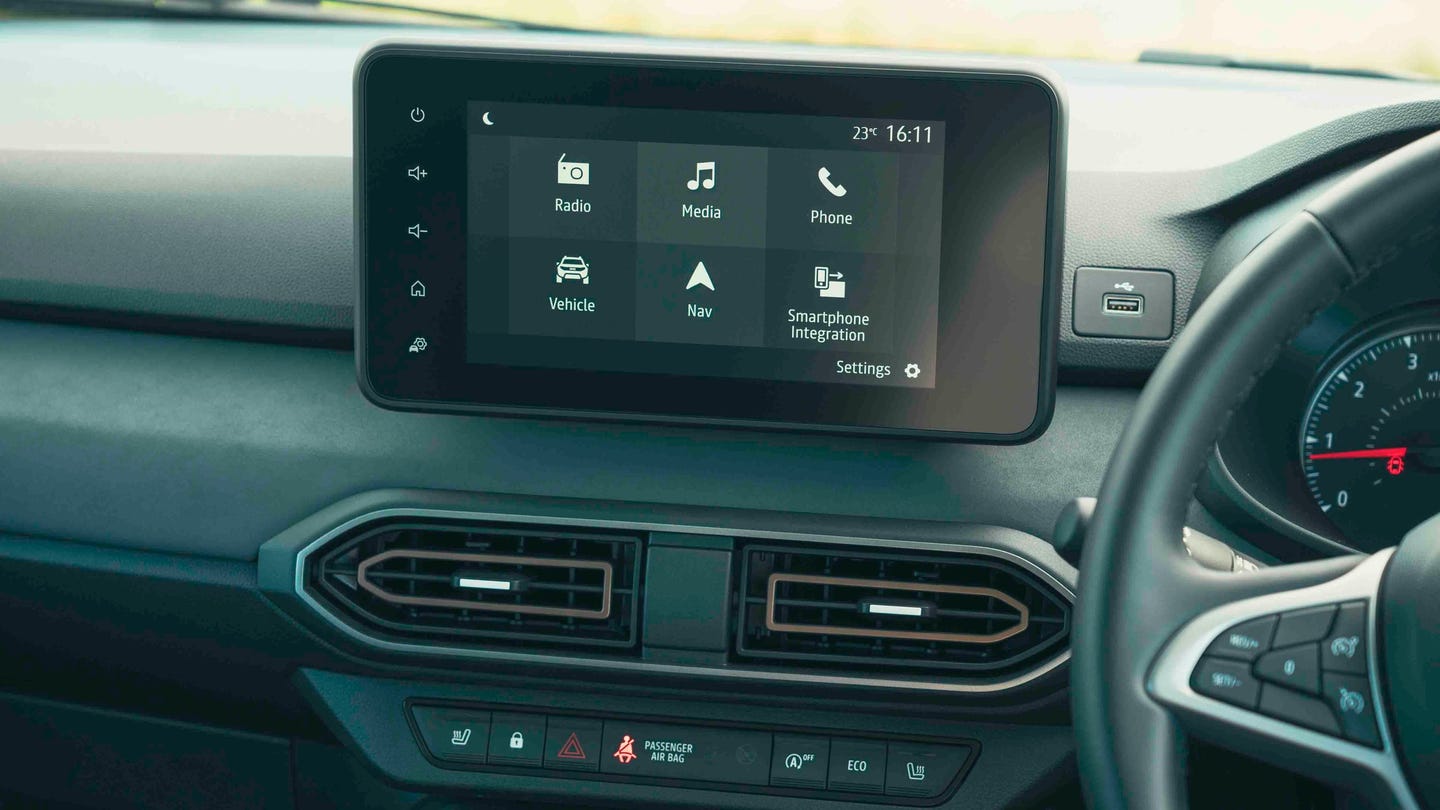
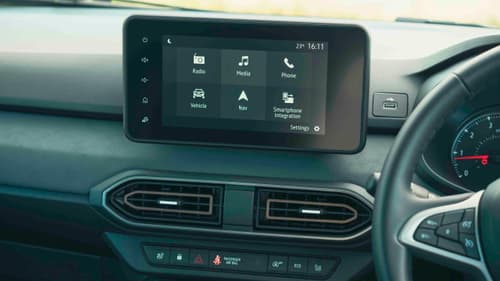
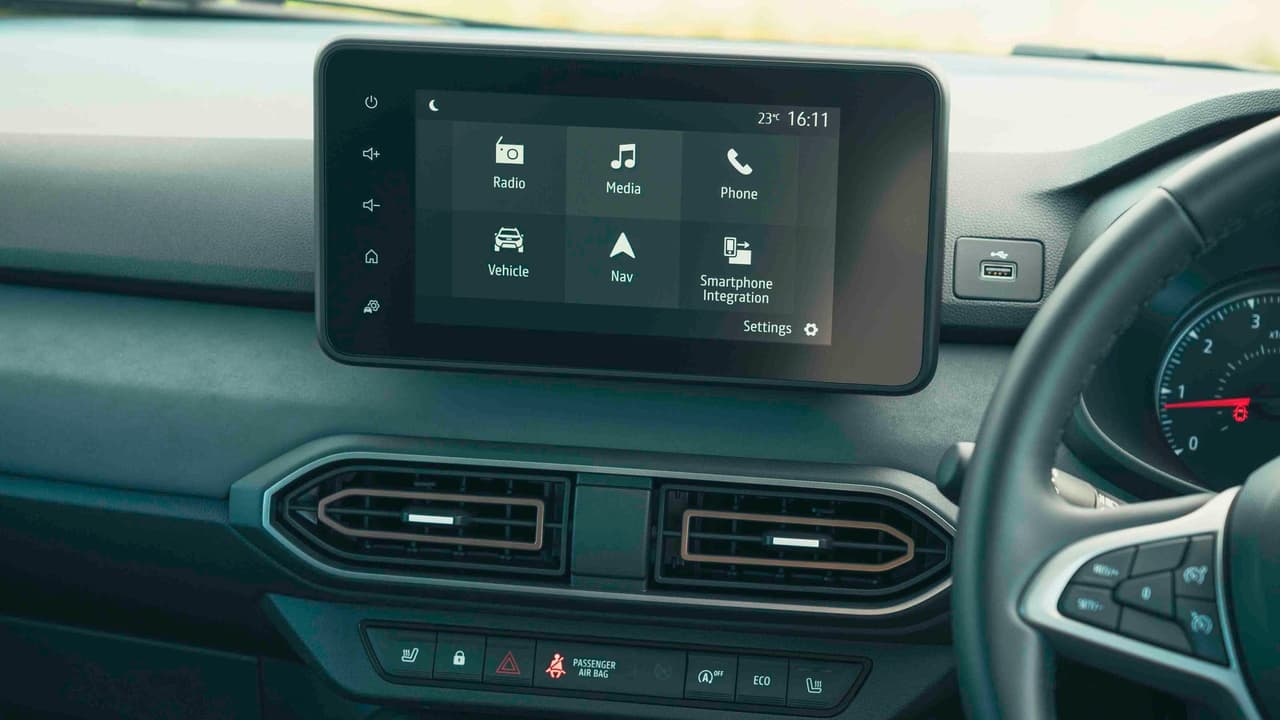
The touchscreen is blissfully easy to use and easy to read. It’s not massive by modern standards but the icons are clear and obvious, and it’s not cluttered with animations or superfluous information like some brands focus on. There’s Apple CarPlay and Android Auto, so you can use your familiar media and navigation apps on the screen if you prefer.
Base-spec Essential ditches the touchscreen altogether, instead giving you a simple phone holder and a USB connection. With Dacia’s phone app downloaded, the phone becomes your infotainment system – although when using this setup in the Sandero, we found the connection between your phone and the car can sometimes be unpredictable.
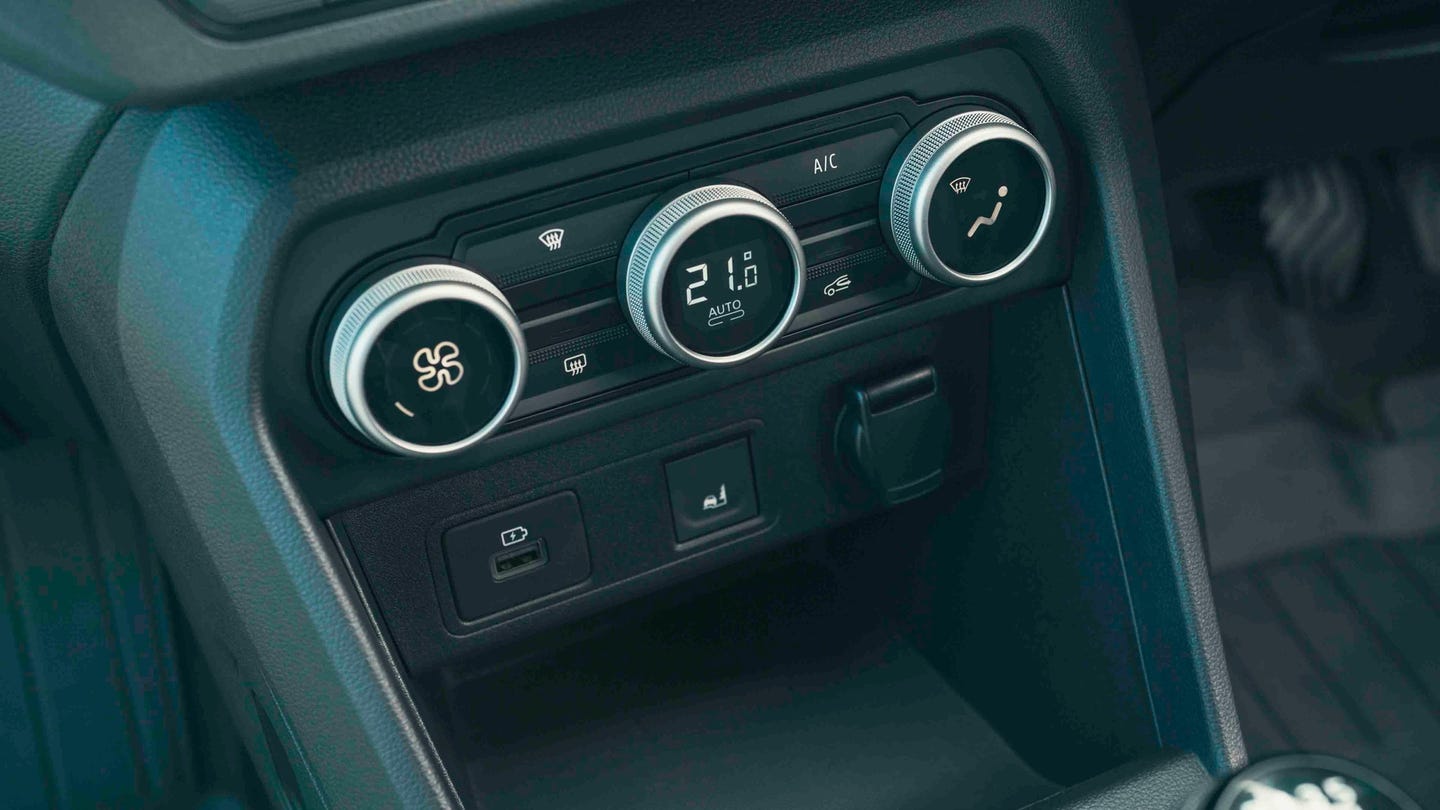
The Essential trim has roof bars, cruise control, air con, LED headlights and basic safety kit. Expression adds two extra speakers (for a total of four) to go with the touchscreen, while you also get a reversing camera, auto wipers, powered mirrors, second-row electric windows, clever modular roof bars and fabric dash trim.
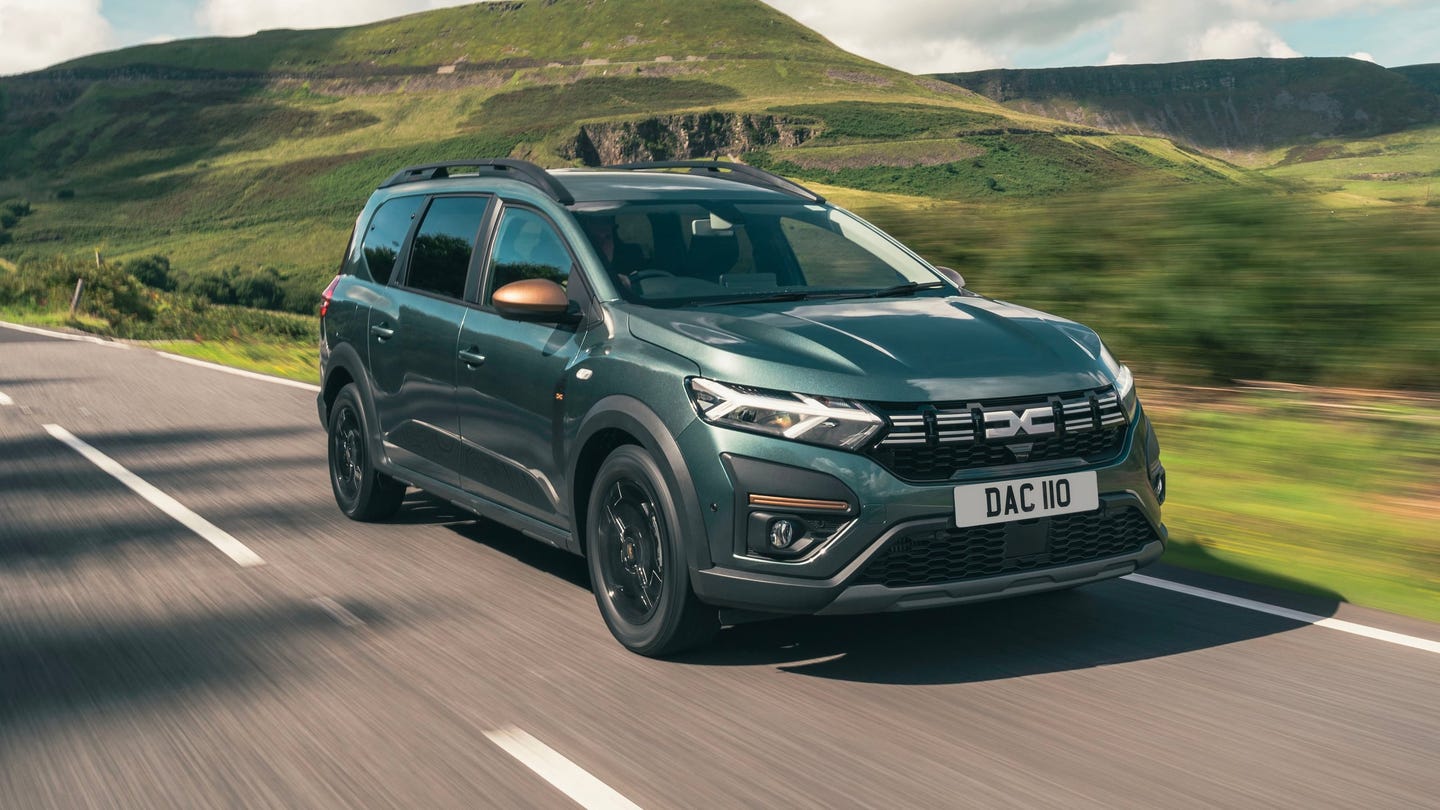
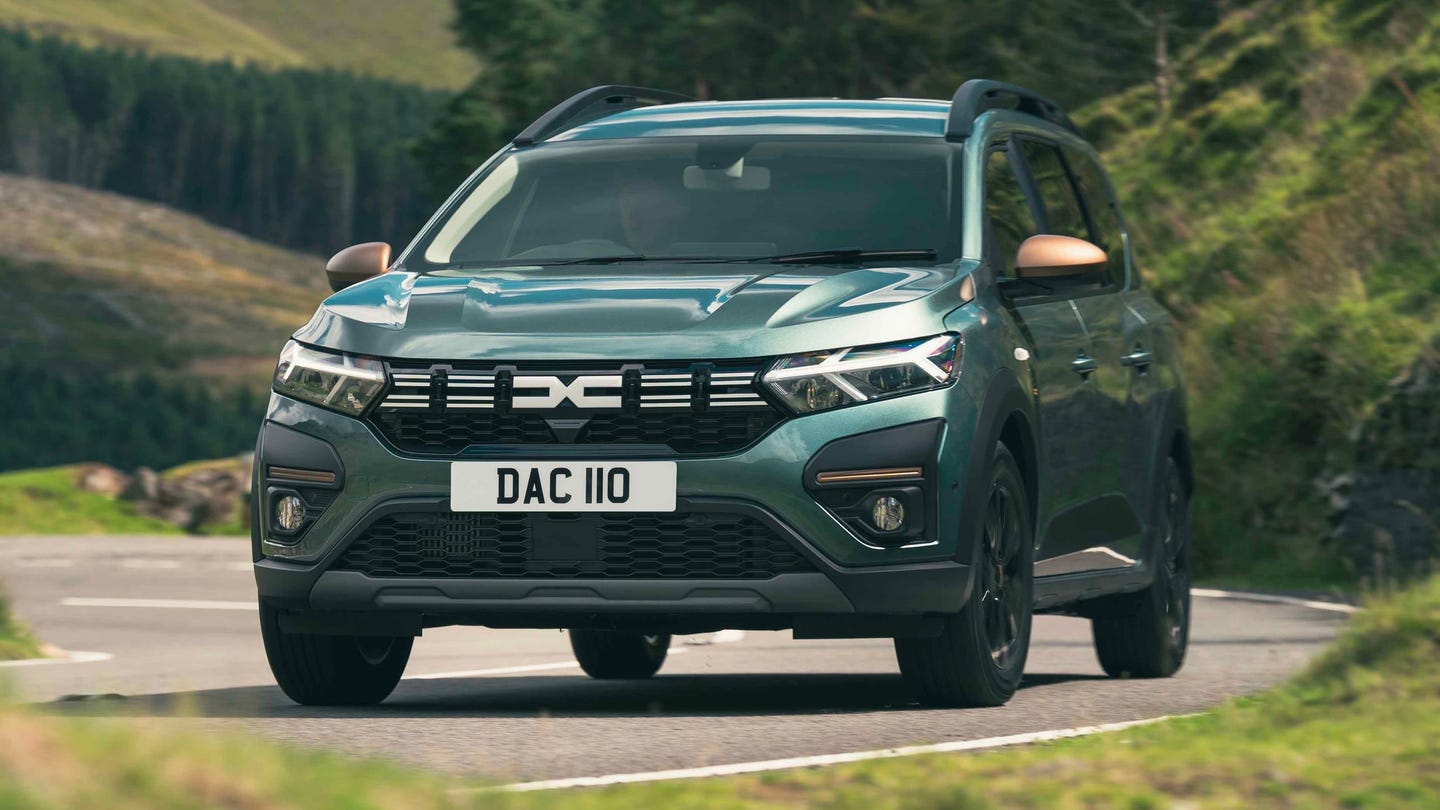
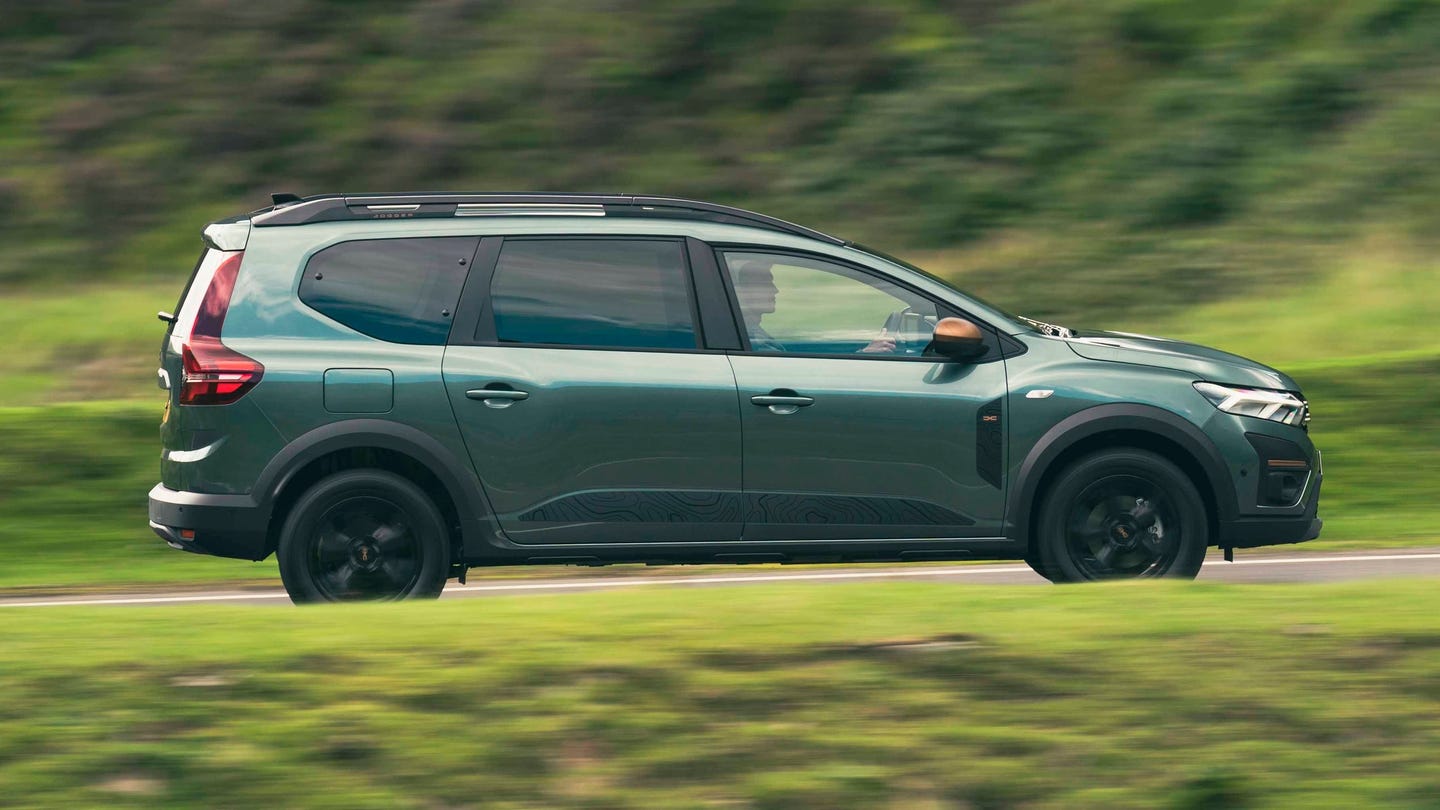
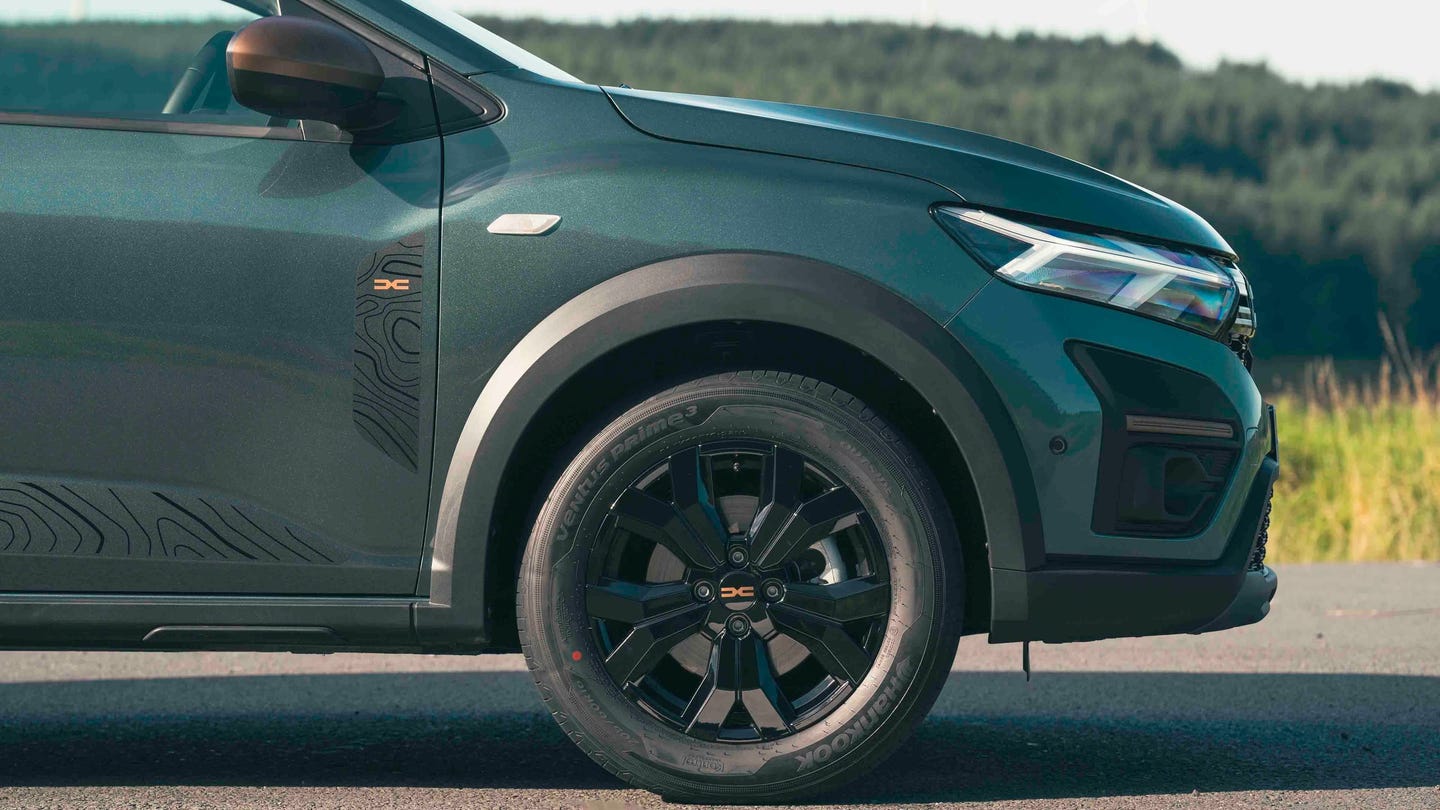
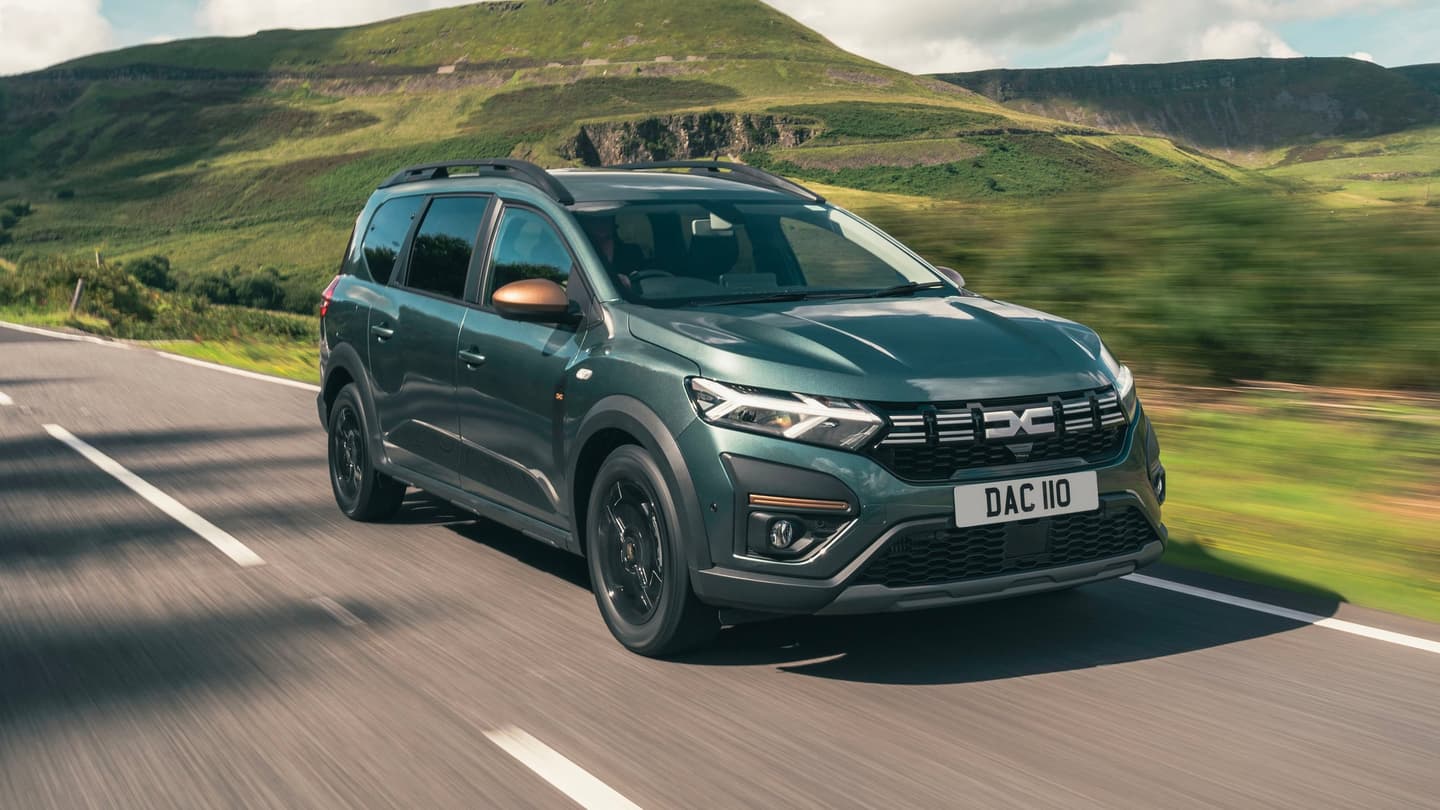
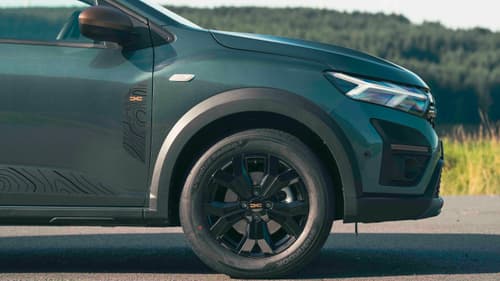
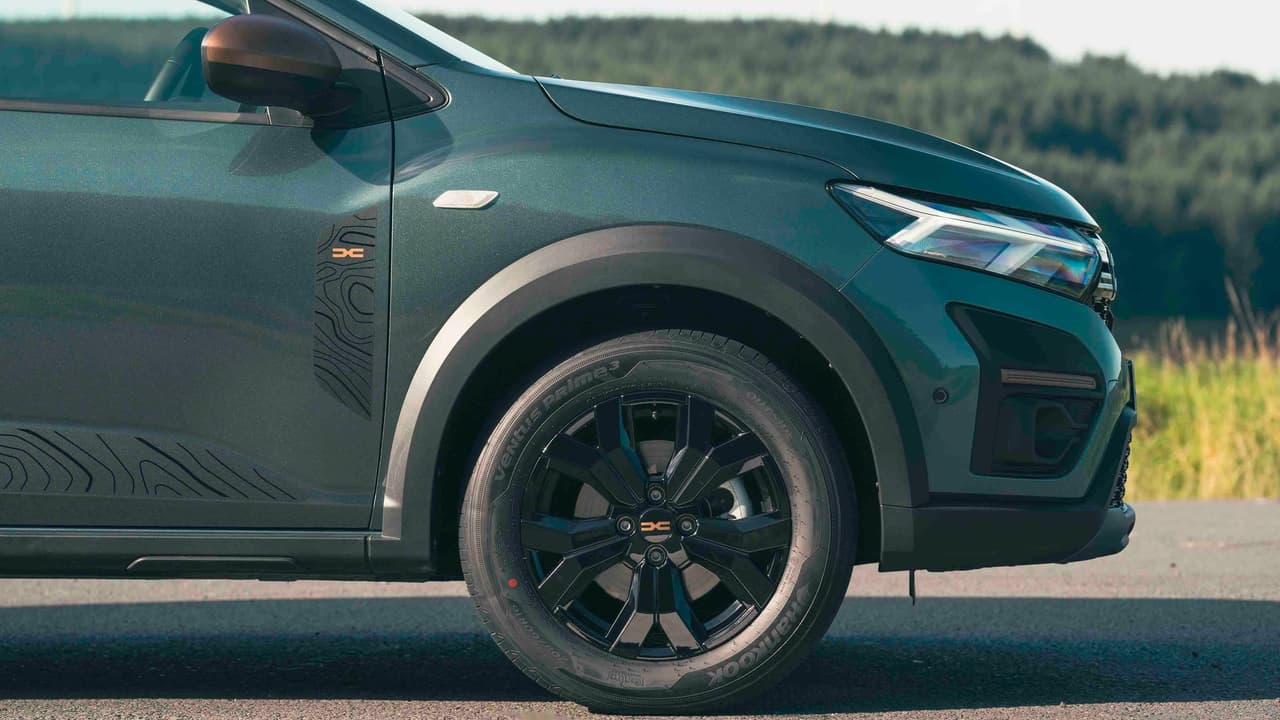
Top-spec Extreme or Extreme SE adds some natty copper detailing inside and out, plus black alloy wheels, heated front seats, enhanced traction control for slippery surfaces and exclusive upholstery that’s washable and partly made of recycled fabrics.
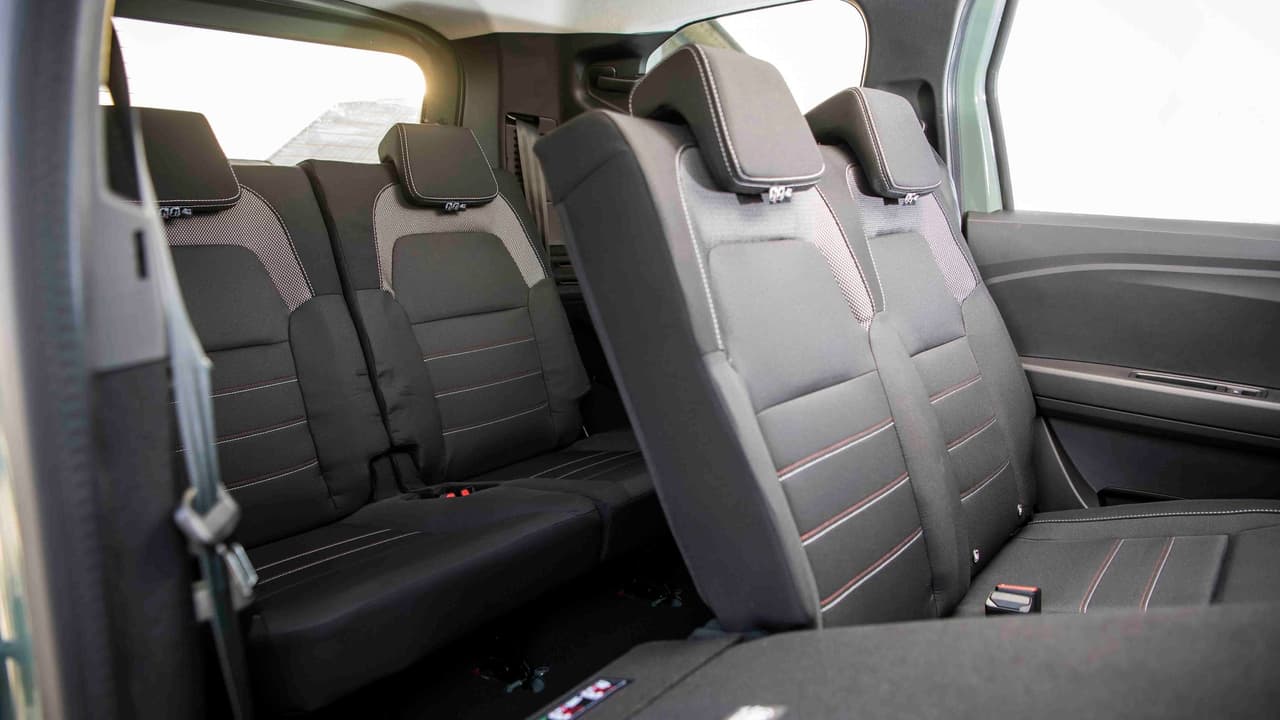
The Jogger is one of the most compact seven-seaters on the market, but it embarrasses bigger and costlier cars for interior space.
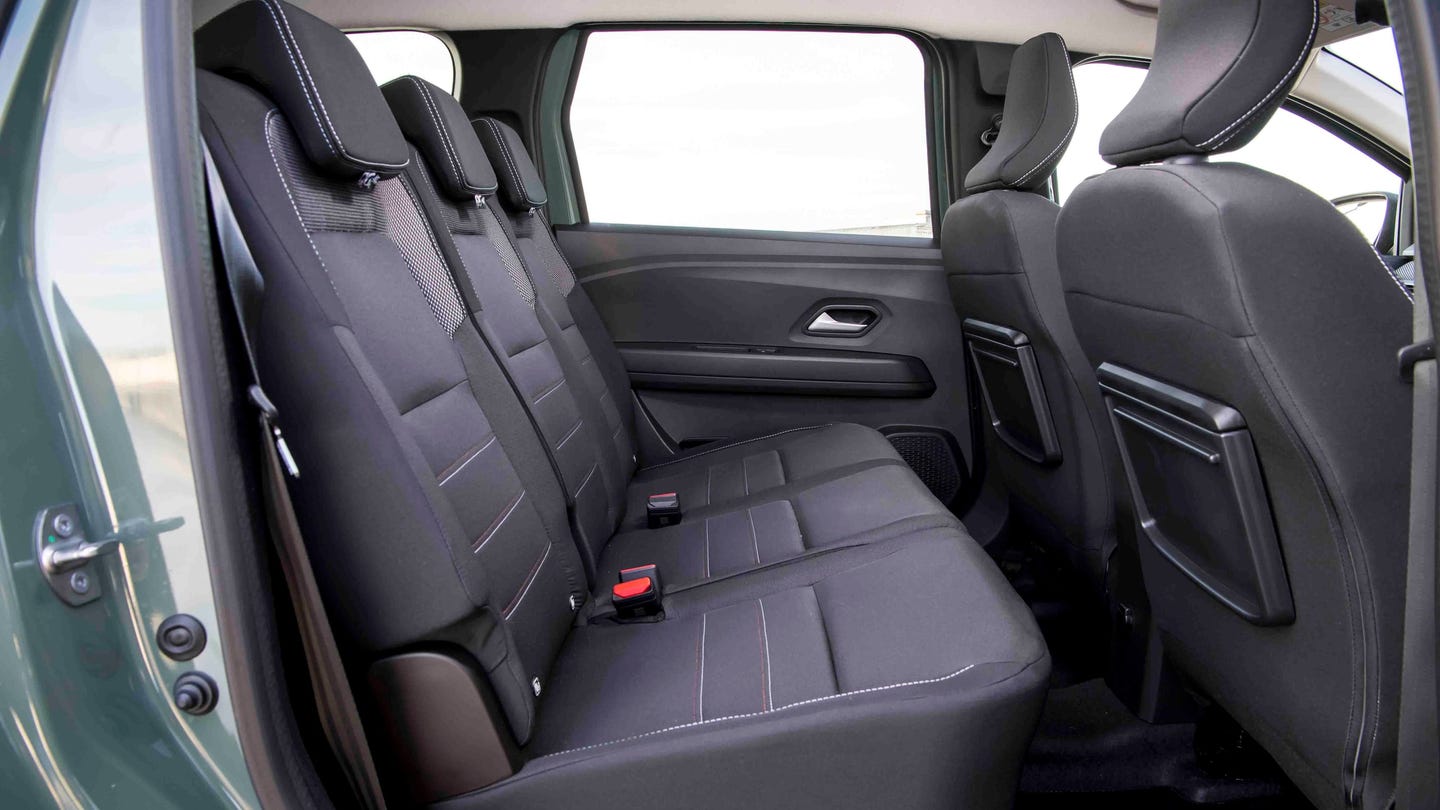
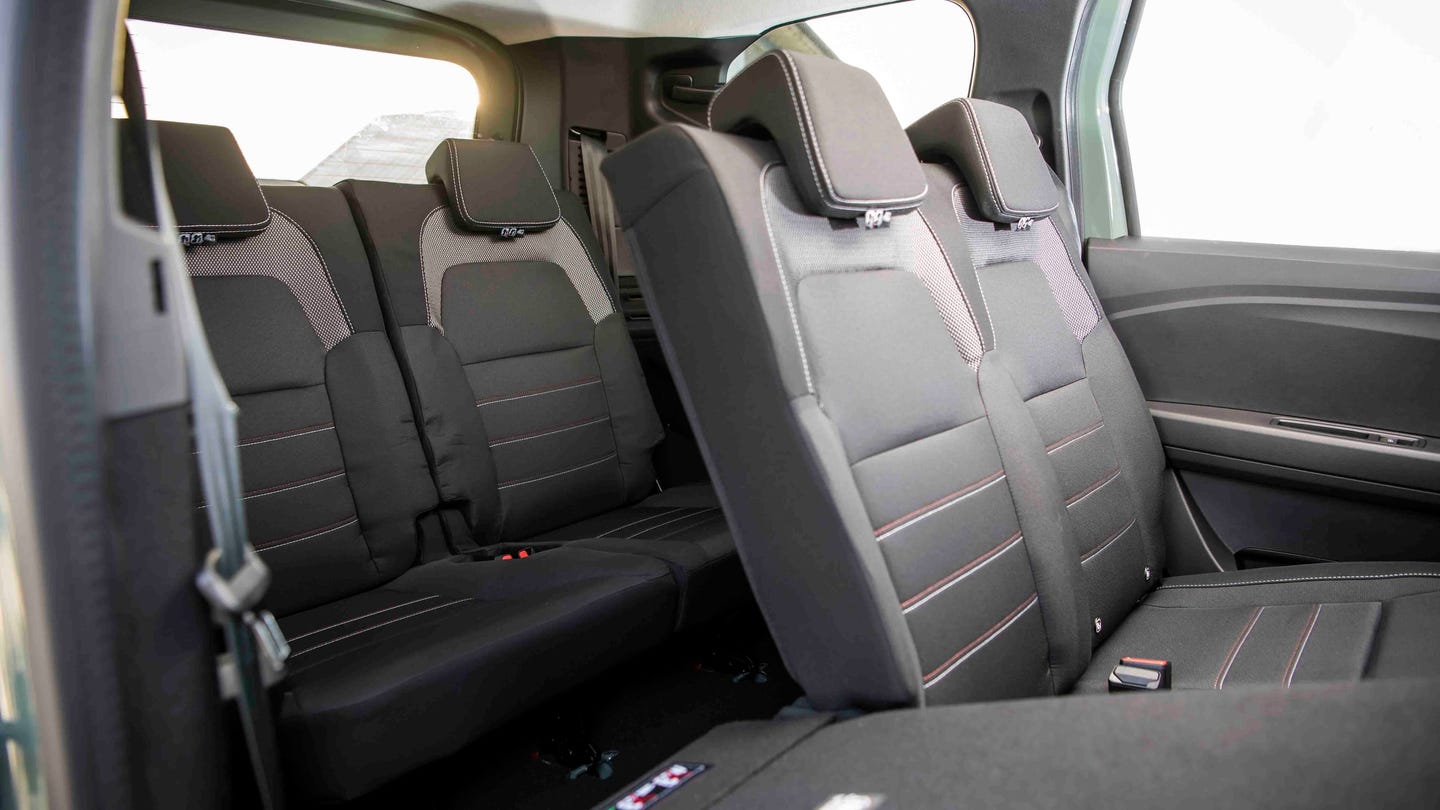
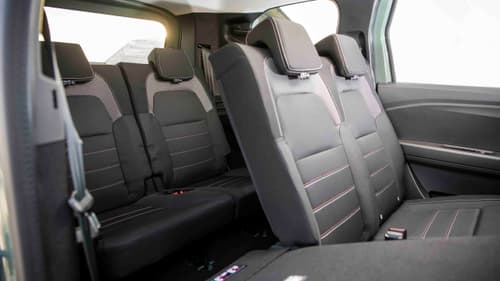
Unusually, the third row of seats isn’t just there for display purposes. Real-sized adults can actually fit back there – although it's best to keep journeys short. It’s really easy to get into the third row, too, because the middle seats fold and tumble out of the way. There’s a cupholder back there, and top-spec cars get pop-out windows for ventilation.
However, what’s also a bit unusual is that the middle row of seats doesn’t slide backwards and forwards – like it does in the five-seat Renault Captur, which is related to the Jogger. This is to save cost but it does mean that you only get the same amount of middle-seat legroom as you get in the Sandero, so it’s a bit tight for adults.
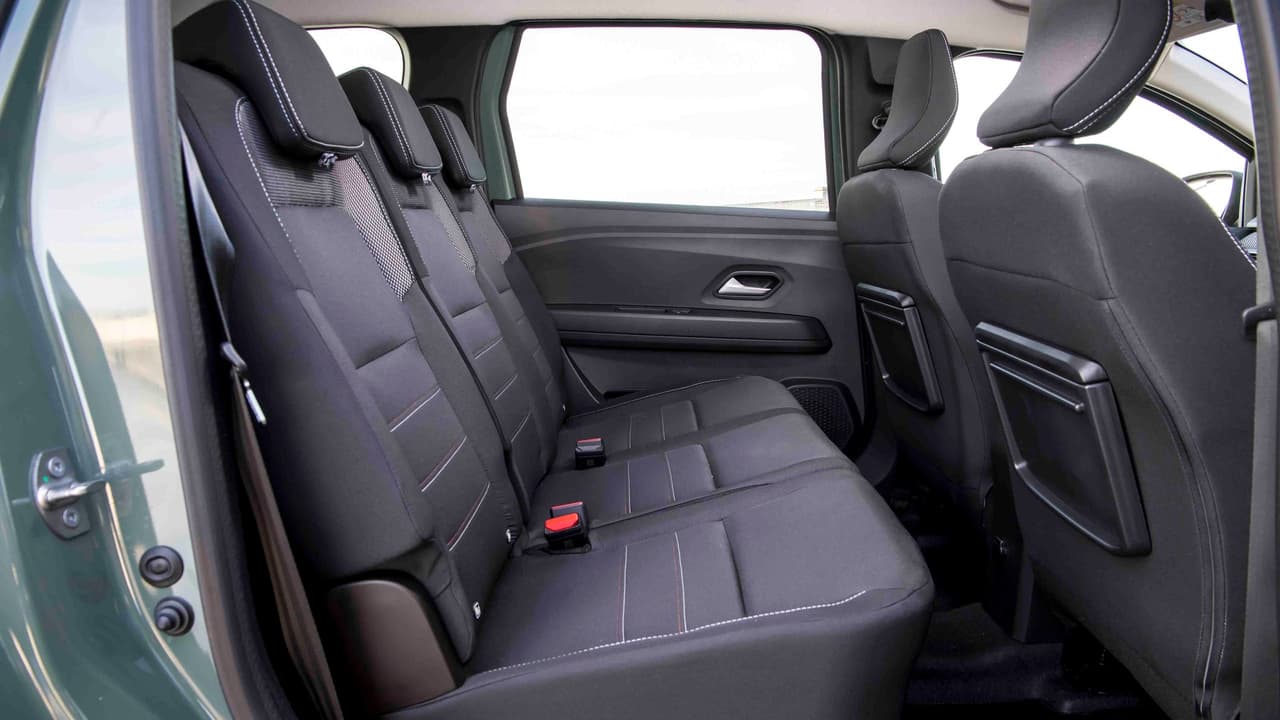
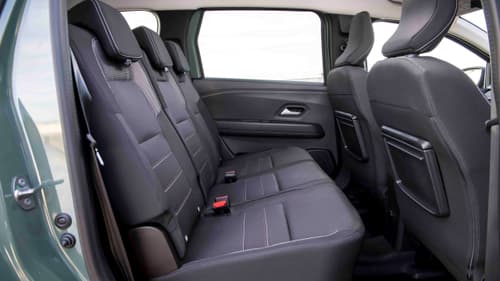
The flat rear bench with three equally sized seats means that there’s enough room for three adults to sit side-by-side – or for an older child to sit between two younger children in Isofix car seats. Some versions get seatback pockets and USB sockets, while top-spec cars get folding tables like you’d have on an aeroplane.
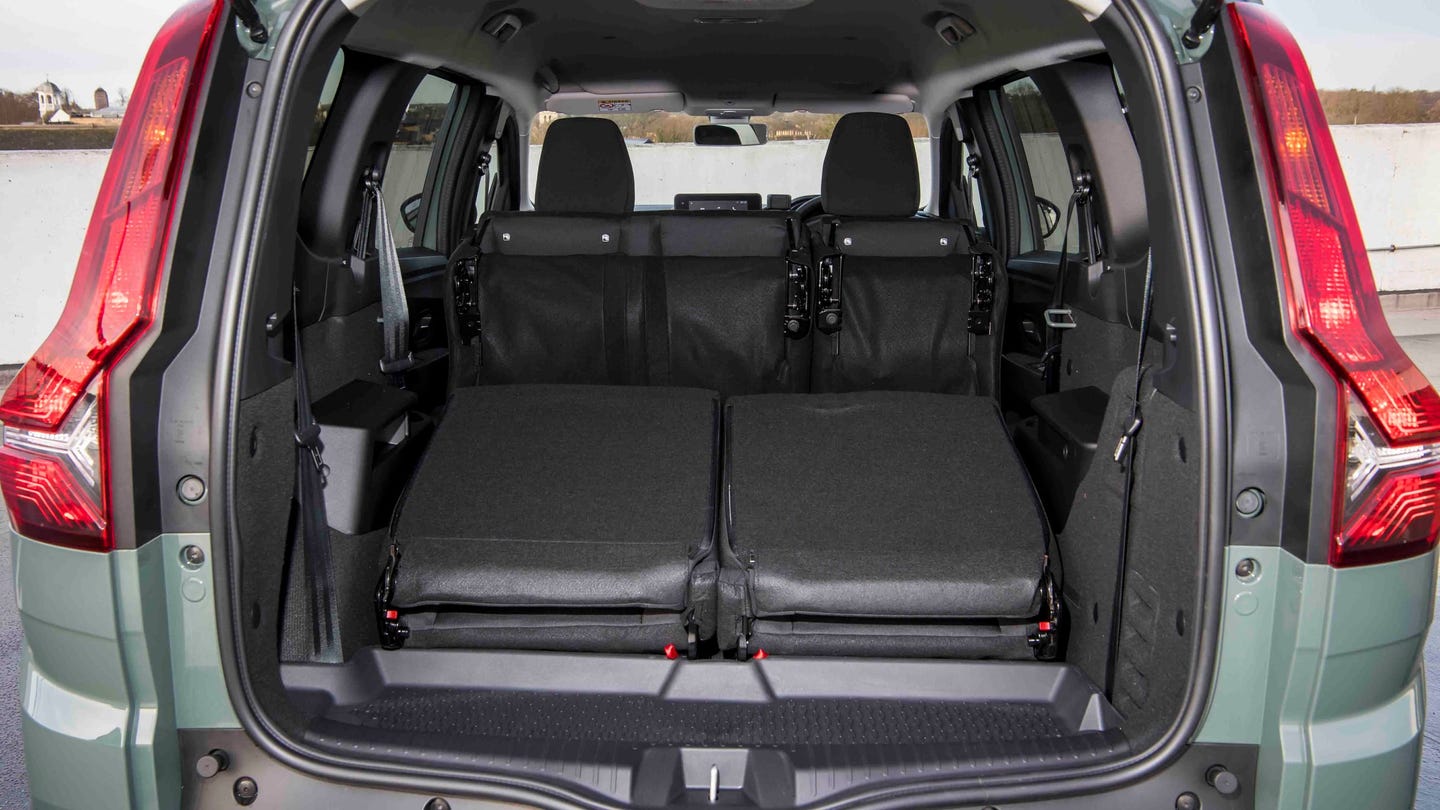
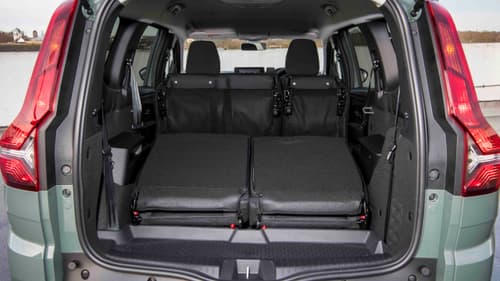
Even with all seats up, there’s a small but usable boot area. Fold the third row of seats down and the boot increases from 212 to 699 litres. For the times when you need a flat floor or maximum luggage capacity, the two third-row seats can be removed individually. Removing them frees up 820 litres of boot space, or up to 2,085 litres if you flip the middle seats down and are happy to load to the roof. From a seven-seater to a van, the Jogger does it all.
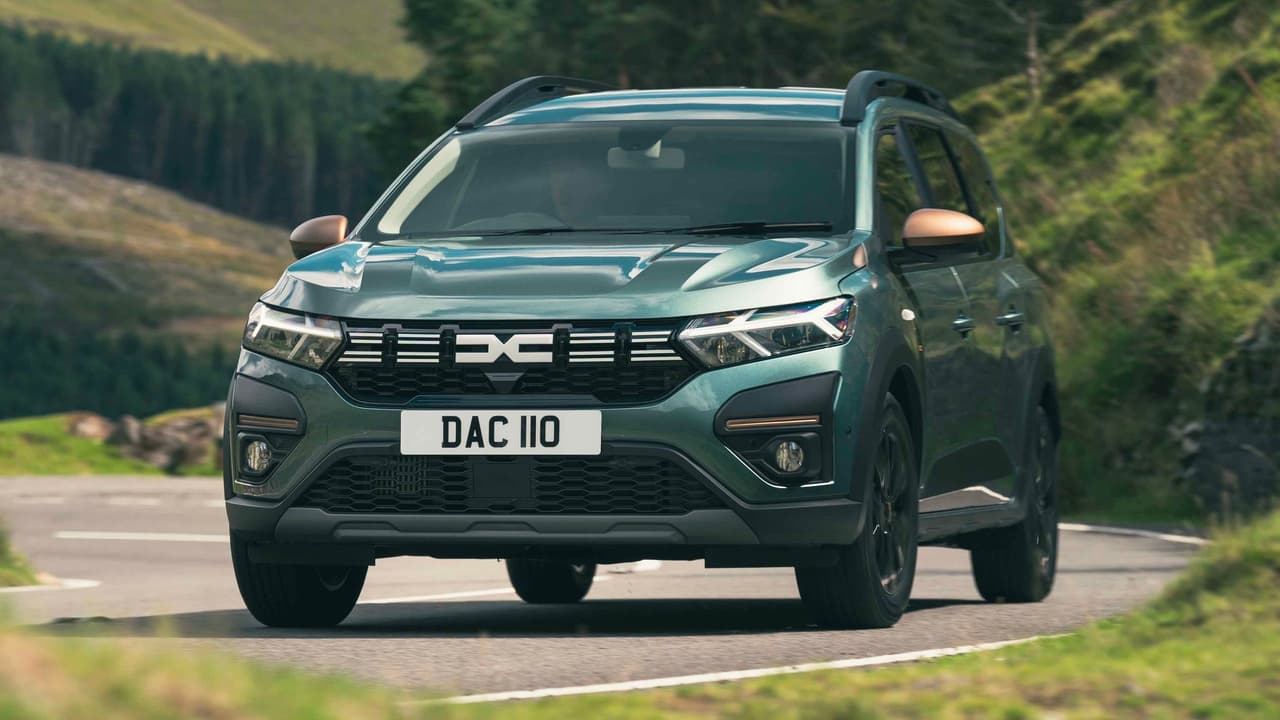
The first engine choice is a 1.0-litre petrol engine with a humble 110hp. It’s definitely not a speed queen, but it copes with the Jogger’s bulk well in most situations. You’ll wish for a bit more power when the car’s fully loaded.
It’s an extension of Dacia’s brand personality. You get enough acceleration without unnecessarily sporty performance, because this is a family car after all and it’s best driven in a relaxed way. Do so and you could see 48mpg from the trip computer, while insurance is cheap too. Supermini prices, a supermini engine and supermini running costs – but in a proper family car.
The other choice is a 1.6-litre petrol hybrid engine, borrowed from the Renault Clio. This is a bit more powerful than the standard petrol engine and a bit quicker off the line, but it’s also more economical too. Dacia says this engine can return 56mpg; you could see even more than that if you mainly drive in stop-start traffic. With an automatic gearbox as standard, the hybrid is even easier to drive than the standard petrol.
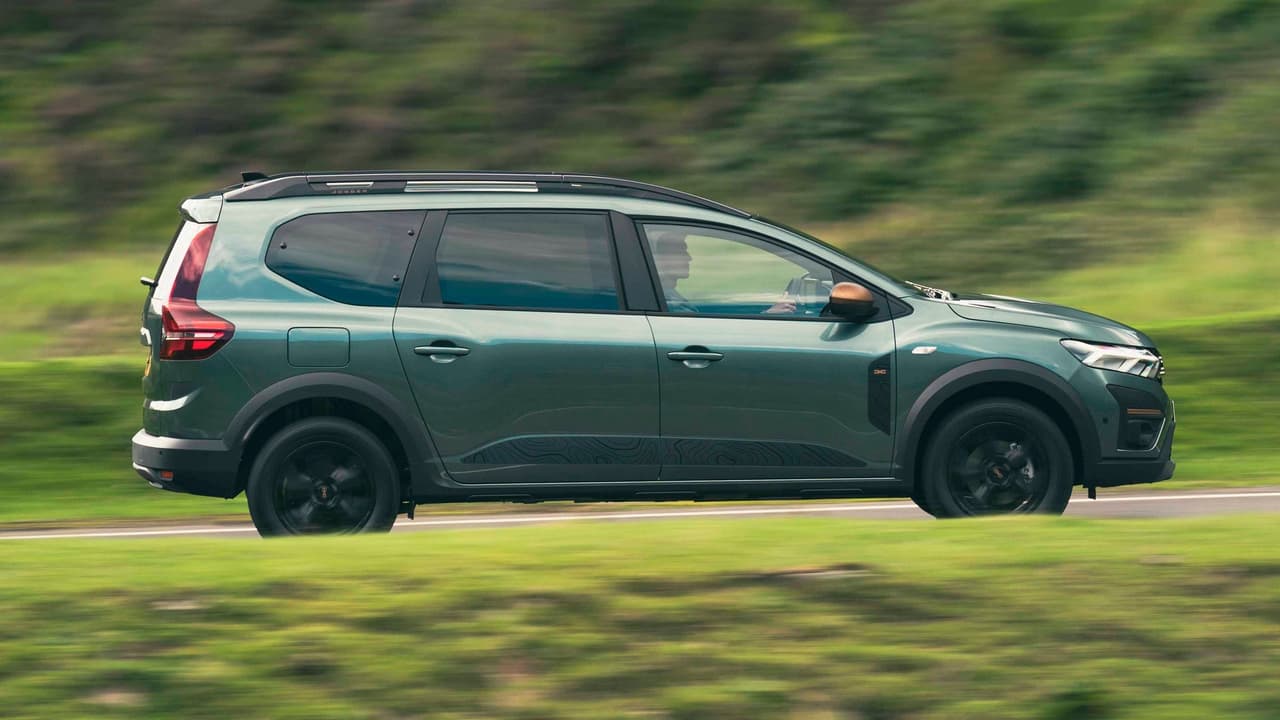
The Jogger drives surprisingly well. It’s immensely simple to operate, with clear controls and predictable control weights. It feels like it takes the hassle out of driving, with the actual mechanical actions relegated to just a means to get to your destination.
If you do pay attention to the driving experience, you might be impressed to find that it’s agile in corners, turning keenly thanks to not having much weight over the front wheels.
Because the Jogger is quite light for a large-ish car, it rides decently and doesn’t thump into potholes. The biggest wheel size is 16 inches, so you’re guaranteed a lot of tyre sidewall to cushion the impacts.
At high speeds, the wind noise is noticeable, so a bit more sound deadening would be nice. But it’s not awful on a long journey, and it is a cheap car after all.
Like some other hybrids, the electrified Jogger can sound coarse when you ask for lots of acceleration – and it’ll struggle to hit its quoted economy figure on the motorway. The setup could also provide smoother gearchanges and shifts between petrol and electric power.
If we were being picky, the seats could do with a bit more support to make long journeys more comfortable.
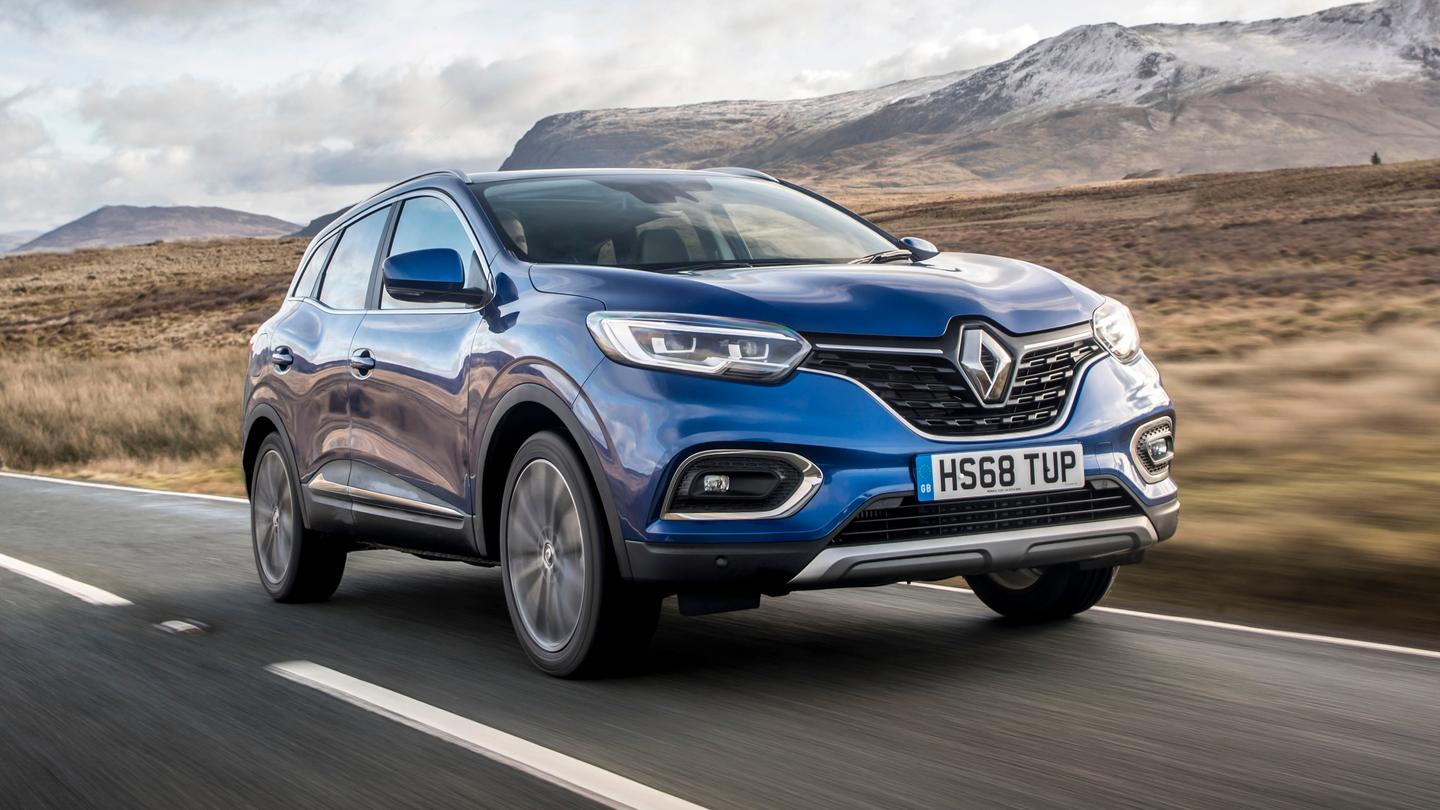
You’ll struggle to get as much space for the money in any other car