








Diesel was once the darling of cost-conscious drivers in the UK.
But an unfortunate combo of industry scandals and evolving emissions regulations has seen the fuel fall from grace. This has led some owners to ask whether it's time to ditch diesel?
This guide weighs up the pros and cons of selling your diesel car, so you can pick the option that suits you best.
Overview – should I sell or keep my diesel car?
| Consider selling your diesel car if… | Consider keeping your diesel car if… |
| You do more mixed and urban driving | You have a high annual mileage |
| You have a low annual mileage | You mostly drive on motorways |
| You rarely drive on the motorway | You use your car for towing |
| You like to change your car every few years | You prefer to keep your cars for a long time |
Why are more drivers thinking about selling their diesel cars?
The starting pistol for diesel's decline was the 2015 emissions scandal. This was the discovery that diesel cars from brands like Volkswagen, BMW, Mercedes, Fiat and Vauxhall were actually putting out far more harmful exhaust emissions than advertised. This led to several multi-billion-dollar fines, and drastically impacted consumer confidence and demand for diesel cars.
Alongside that, places like the UK and Europe re-examined emissions rules. They previously focused on carbon dioxide (CO2) emissions, where diesel cars outperform petrol ones. However, measures like Euro emissions standards have been updated over time, taking account of other emissions like nitrous oxides (NOx) and particulates (soot), where diesel performs worse than petrol. You also have cities setting up low-emission zones like the ULEZ or CAZ areas, which usually only let the cleanest Euro 6 diesels enter for free.
Finally, the car market itself also changed. Since the 2015 emissions scandal, a wealth of new electric cars and hybrid cars have arrived on sale. These are often very efficient and affordable to run, and may suit a broader range of owners better than diesel, which usually benefits high-mileage drivers the most.
Are diesel cars losing resale value?

Analyst reports from Percayso Inform and others show that diesel values are falling slightly faster than all other fuel types. This is because overall diesel demand has fallen from its peak in the 2010s, leading to softening prices.
While diesel will never be as popular as it once was, we don't expect diesel demand to completely dry up for a long time. There will always be drivers who cover lots of motorway miles or do lots of towing, and many will be willing to pay for benefits of a diesel car well into the future.
As a result, diesel values have declined from the height of their popularity, but we anticipate this fall will slow over time.
Are diesel cars being banned in the UK?
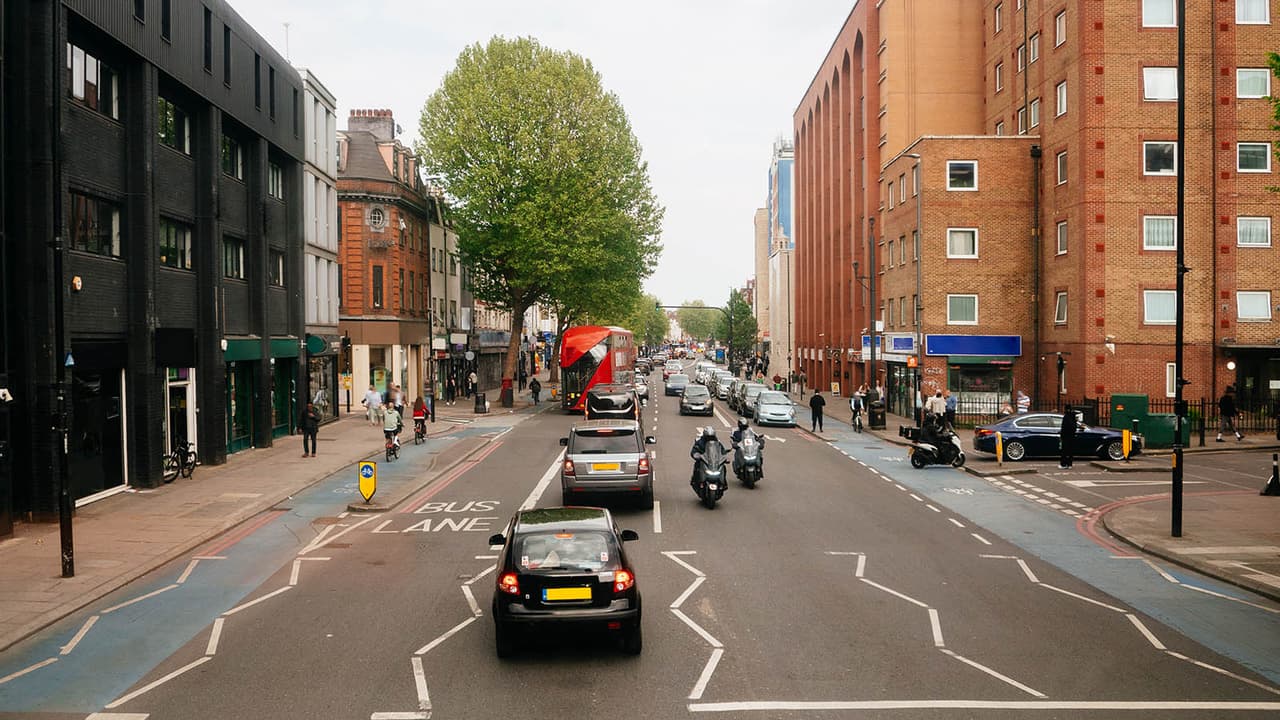
No. There are no plans to ban diesel cars in the UK. Diesel car owners can continue using them for as long as they like. Be aware that older diesel models may face restrictions or have to pay a premium to enter some UK city centres.
The government has committed to banning the sale of brand-new diesel models. This starts with halting sales of brand-new diesel-only cars from 2030, with only diesel plug-in hybrids permitted afterwards. Then, from 2035, all new cars sold will have to be fully electric. All existing diesel cars can continue to be bought and sold freely at any point, with these rules only stopping the supply of new diesel cars entering the market.
Can I still drive a diesel after 2035?
Yes. The only thing that's being banned from 2035 is the sale of brand-new diesel cars.
Any diesel car that's sold before this point can continue to be driven on UK roads as normal. Plus, any diesel car sold before the 2035 cutoff can be resold and bought freely after 2035. That means there will still be lots of diesel cars for sale on the used market long after 2035.
What is the future for diesel cars in the UK?
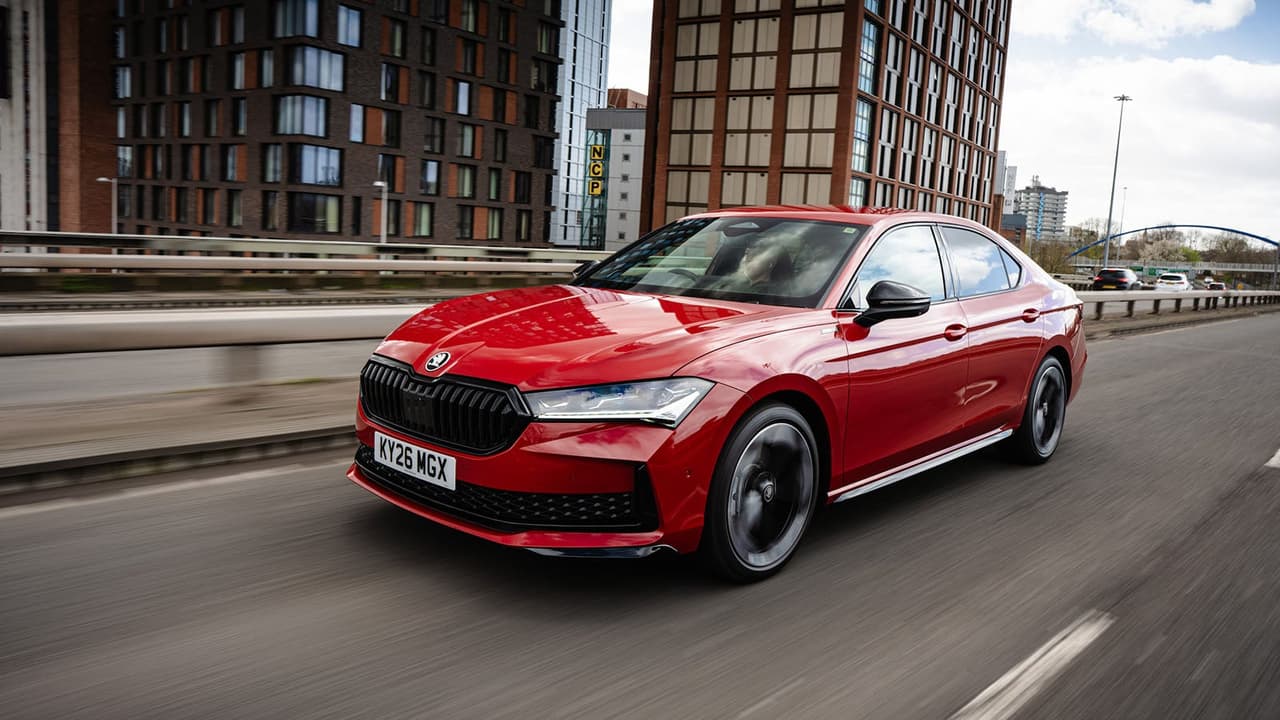
Gazing into our crystal ball, we reckon diesel cars will continue to have a place on UK roads for many years to come. Yes, the 2035 ban will stop new diesel cars from entering the UK market, but consistent demand means there should be a long supply of used diesel cars for many years after this point.
It's worth noting that some UK cities have restricted or discouraged older diesel cars from entering their town centres. Currently, this only affects diesels that don't meet Euro 6 regulations (from September 2015). It's possible that cities might update their rules in several years time to only allow cleaner Euro 7 diesels to enter freely – although no such plans have been announced so far.
How do ULEZ and CAZ areas impact diesel cars?
Emissions from diesel cars can be particularly harmful if they're concentrated in tight urban settings. As a result, some cities across the UK have enacted clean-air zones. This includes the ULEZ in London, and CAZ areas in cities like Birmingham and Bristol.
These areas only allow diesel cars that meet Euro 6 emissions standards (from September 2015) to enter freely, while older diesels have to pay a charge. The rules also apply to petrol models, but they only need to meet Euro 4 standards (from January 2005) rather than the tougher benchmark for diesel cars.
Should I swap my diesel car for a petrol, hybrid or electric one?
If you're thinking of swapping from a diesel car, here are the pros and cons of each alternative:
| Petrol | Hybrid | Electric | |
| Pros |
|
|
|
| Cons |
|
|
|
When does keeping a diesel car make sense?
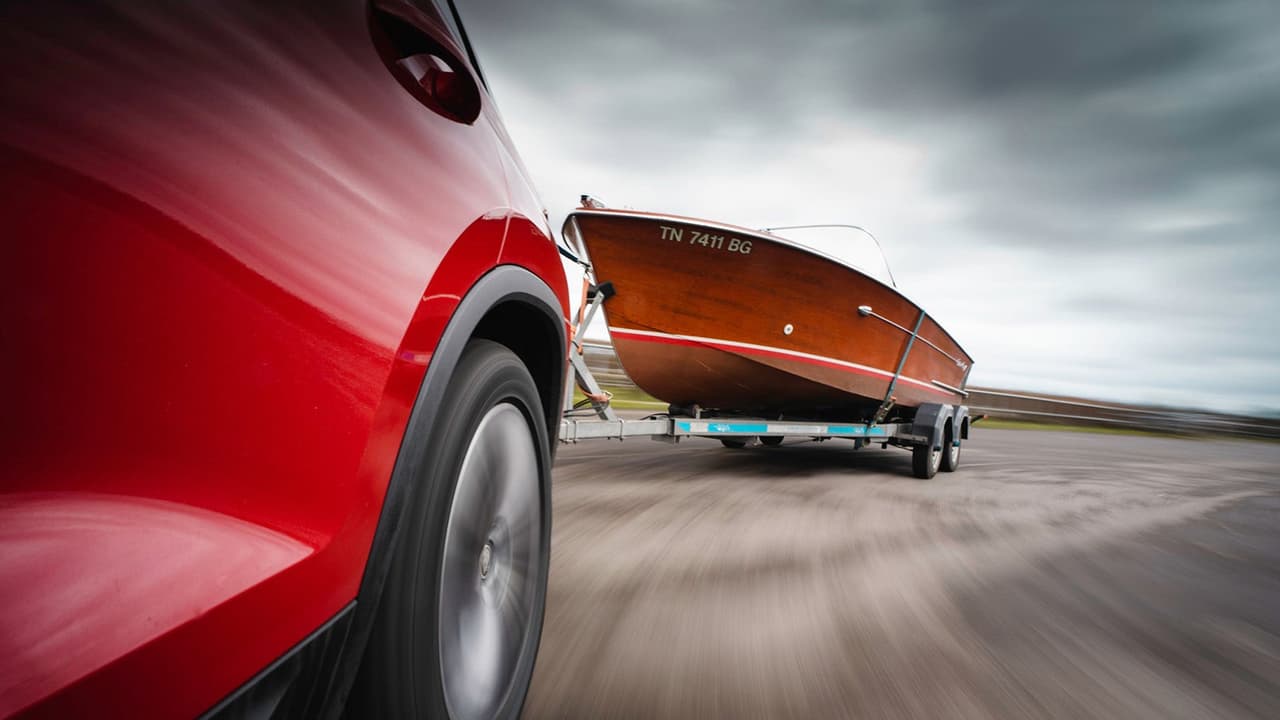
There are loads of great alternatives to try out if you're swapping away from diesel. However, you might find that diesel is still the best fuel type for you. Diesel might be the best choice if:
- You're a high-mileage driver – drivers who cover well over average mileage (say 12,000 miles or more) might want to hang on to their diesel cars. This is because diesels are at their most efficient over long motorway stretches.
- You need to tow a trailer – modern petrol, hybrid and electric cars can tow fairly well, but they're not quite as effective as diesel cars in this area. That's partially thanks to diesel's low-down muscle that gets heavy trailers moving easily, but also its long-range efficiency so you can still go long distances.
- You like driving a diesel car – another totally legitimate reason to keep your diesel car. Modern diesels have effortless low-down torque, so even the heftiest luxury SUVs still feel calm and relaxing to drive, while returning decent economy on a long drive.
Sell your car to Motorpoint
Get a fast, competitive quote that's valid for seven days by selling your car to Motorpoint. Learn more about diesel ownership with our guides to AdBlue and diesel particulate filters DPFs.