








The 10 best Chinese electric cars in the UK

Mike Vousden
•
Electric Cars

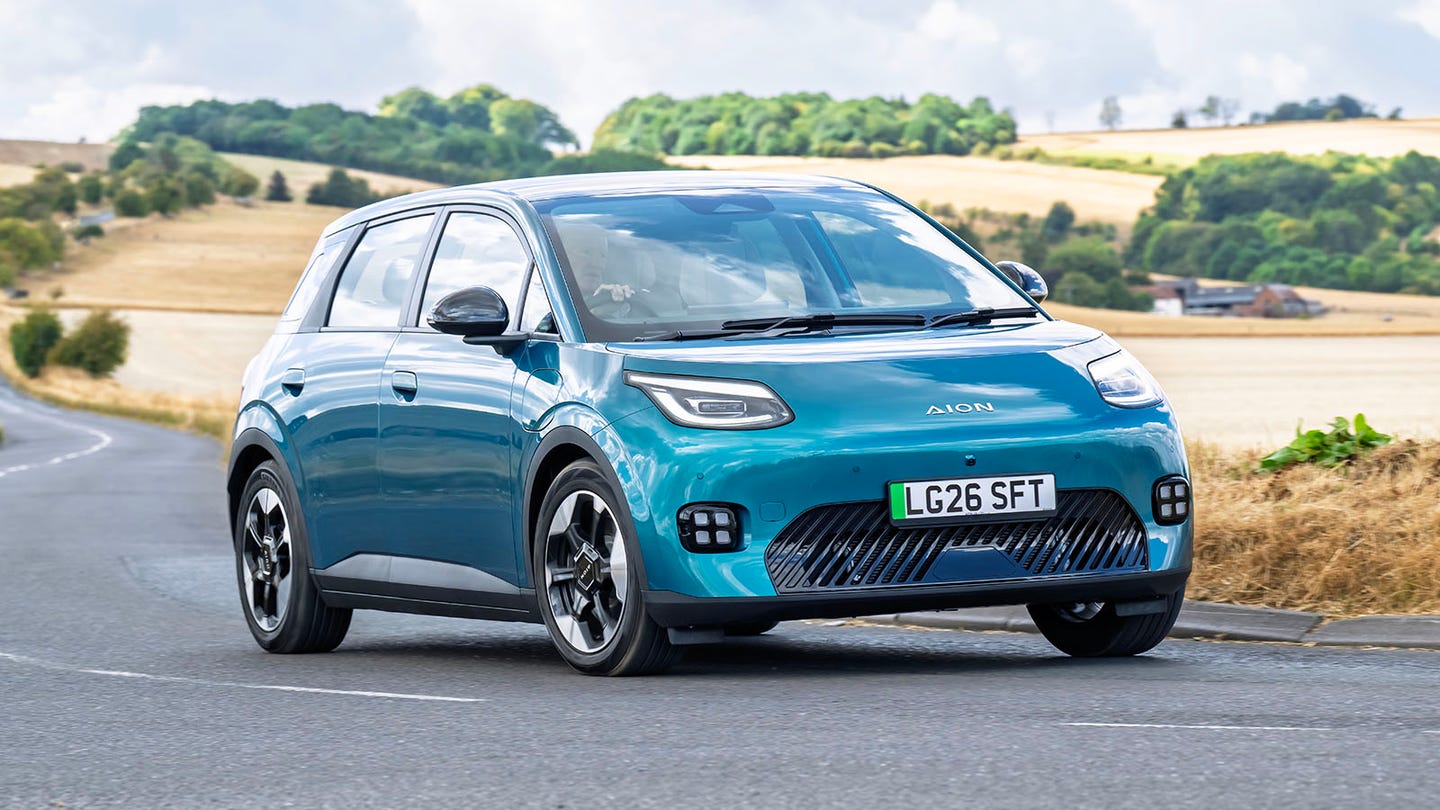
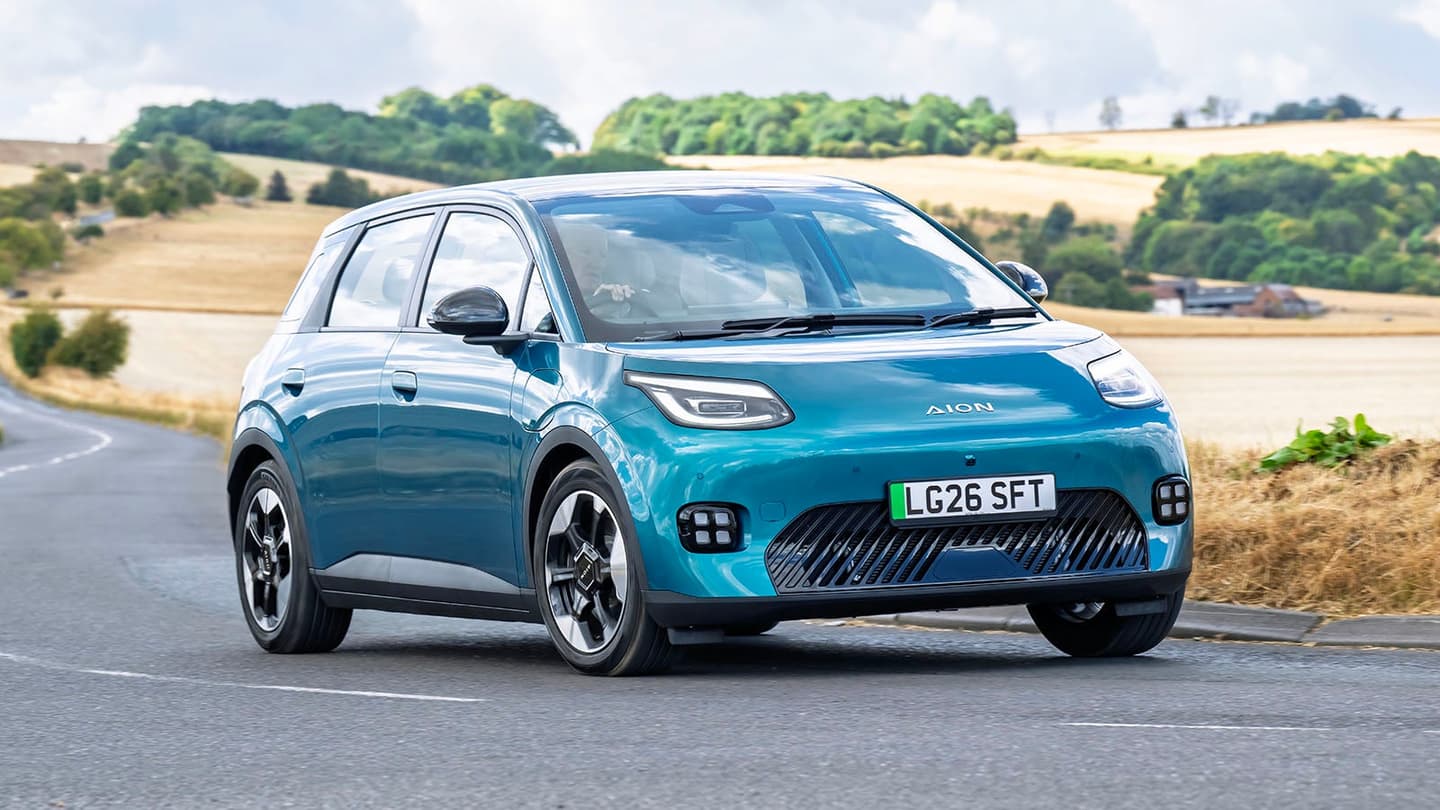
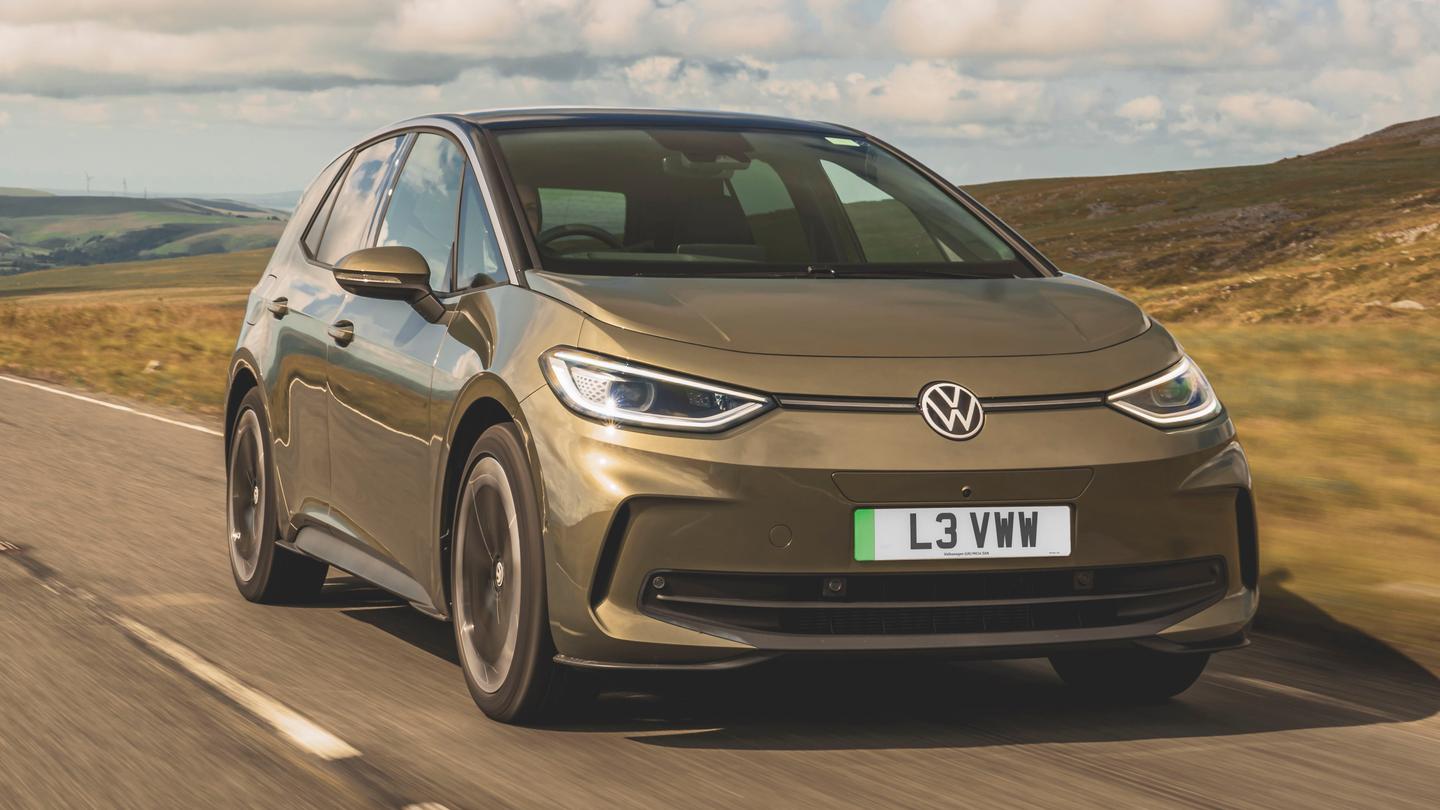
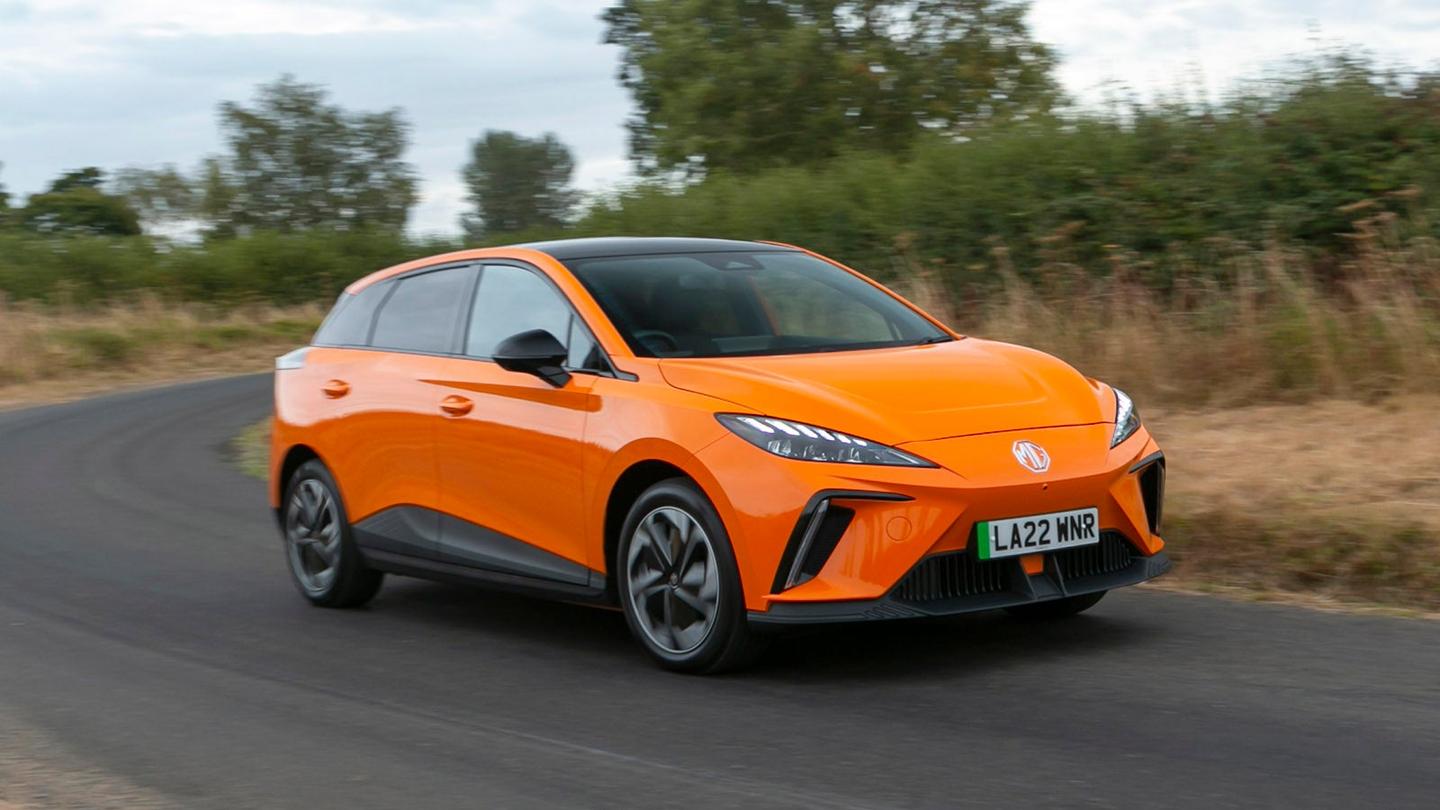
This is the Aion UT. It's an electric family hatchback aiming to take on the Volkswagen ID.3, MG4 and Renault Megane E-Tech.
There's a dizzying array of new Chinese carmakers arriving in the UK. Aion is an EV brand from China's GAC Group, and has previously launched the V SUV. GAC itself has been a little slower than the likes of BYD, Chery and Geely to make its way over to our shores. Has it been worth the wait…
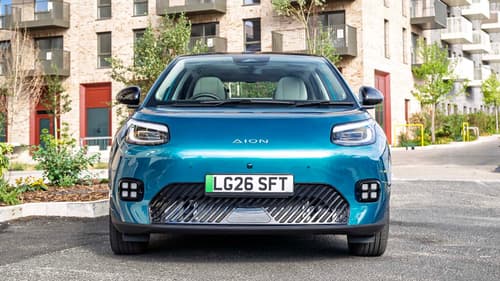
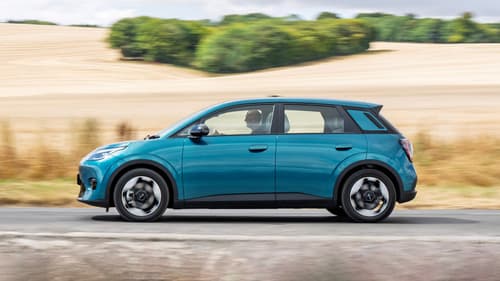
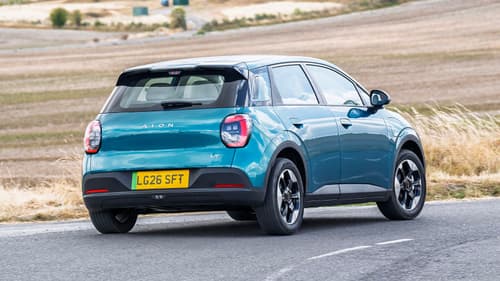
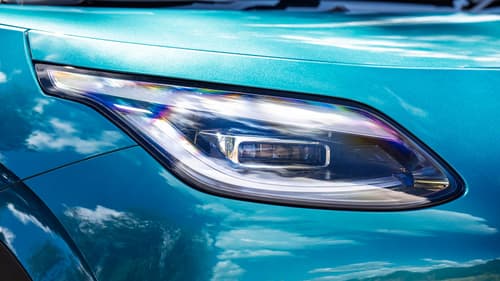
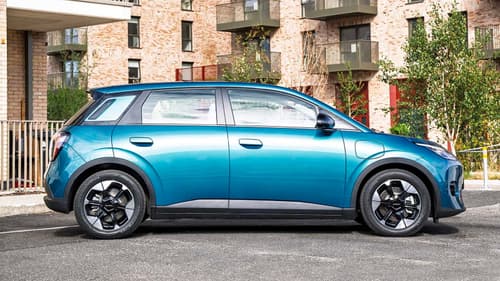
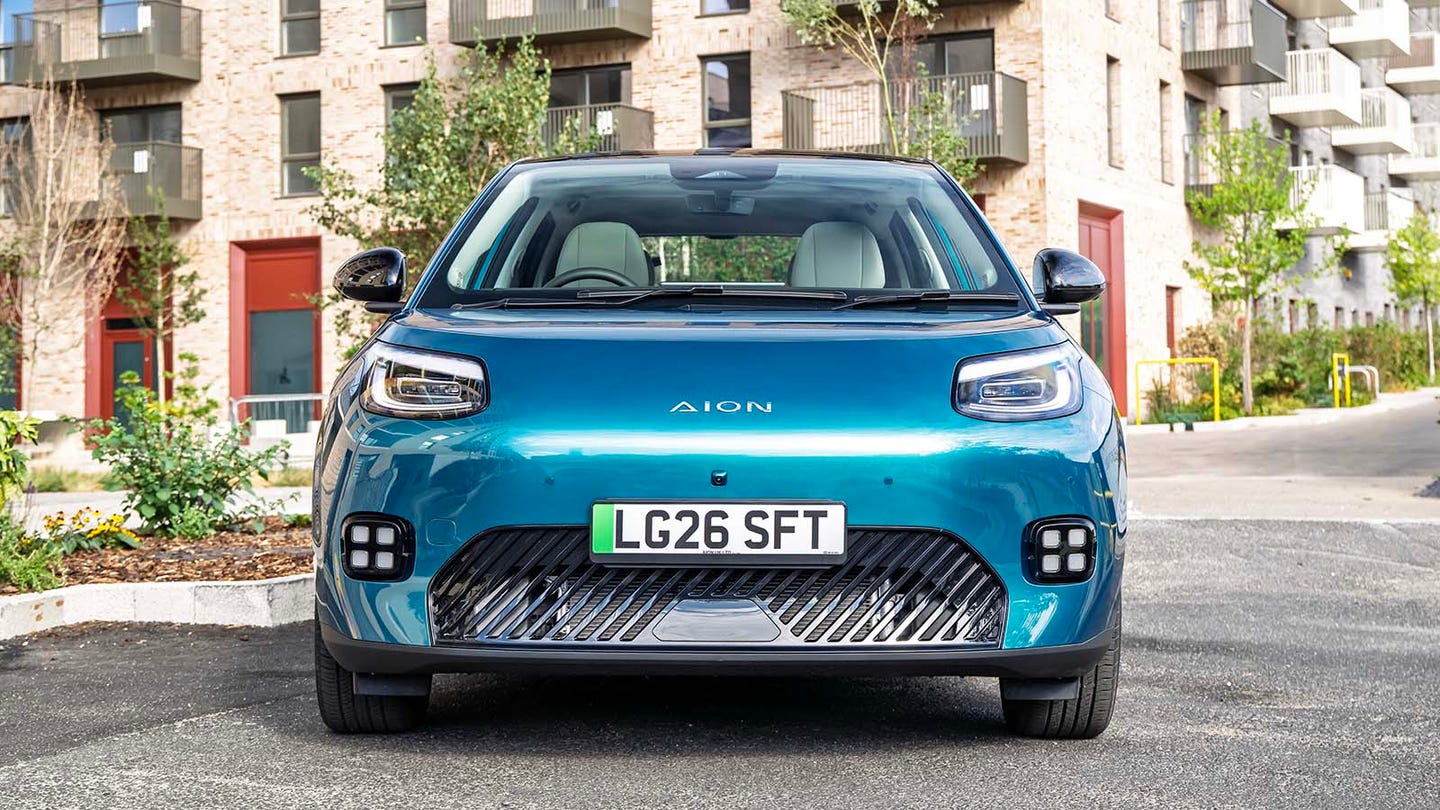
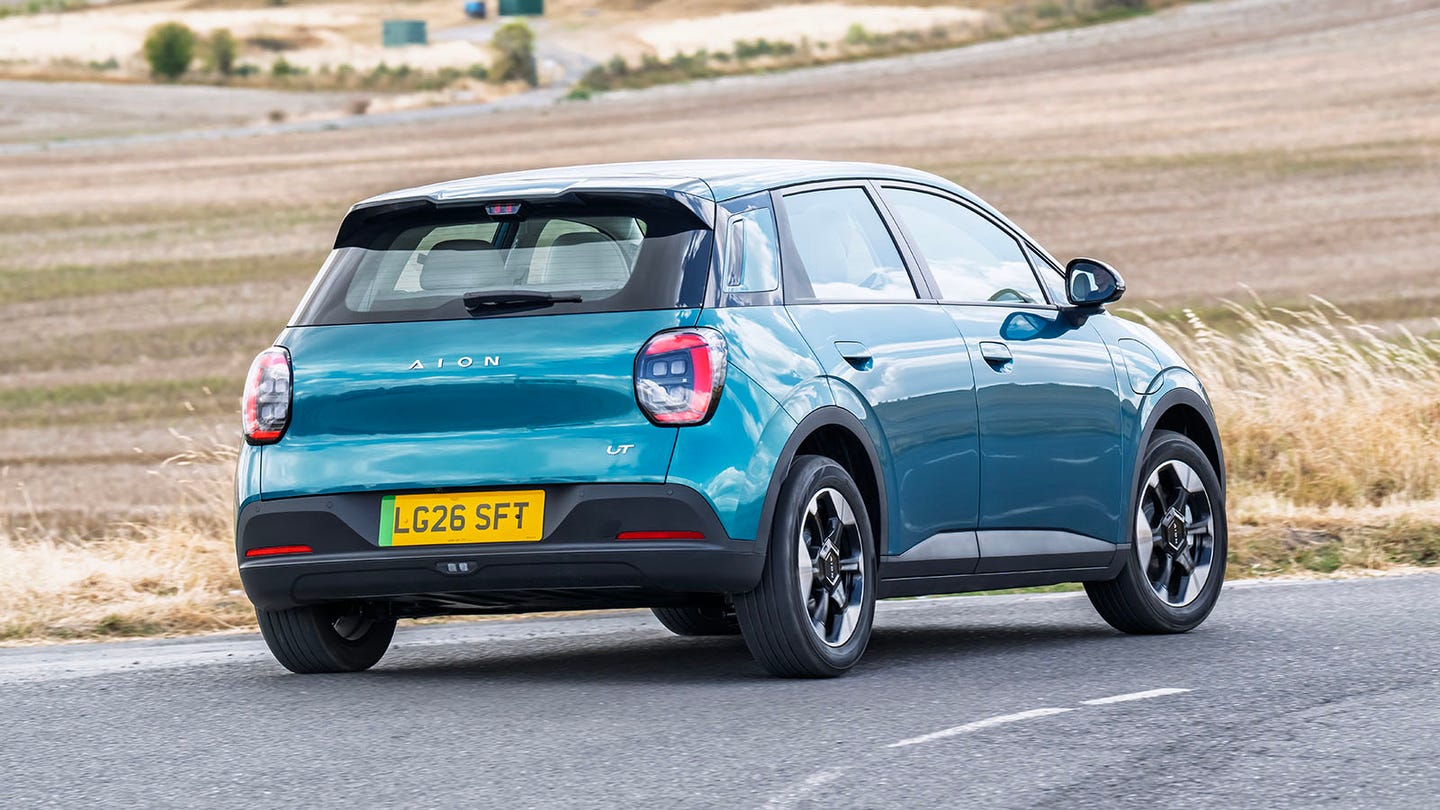
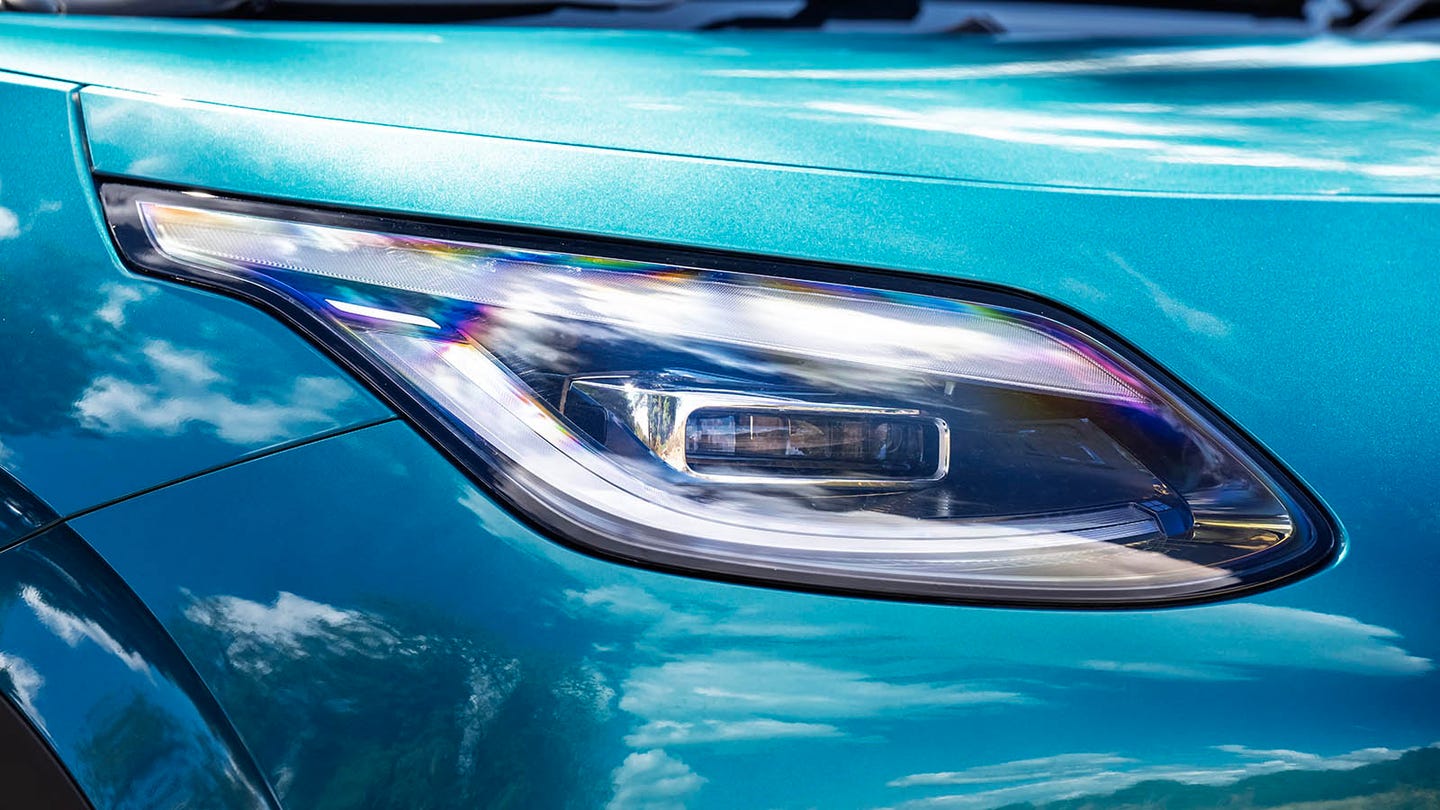
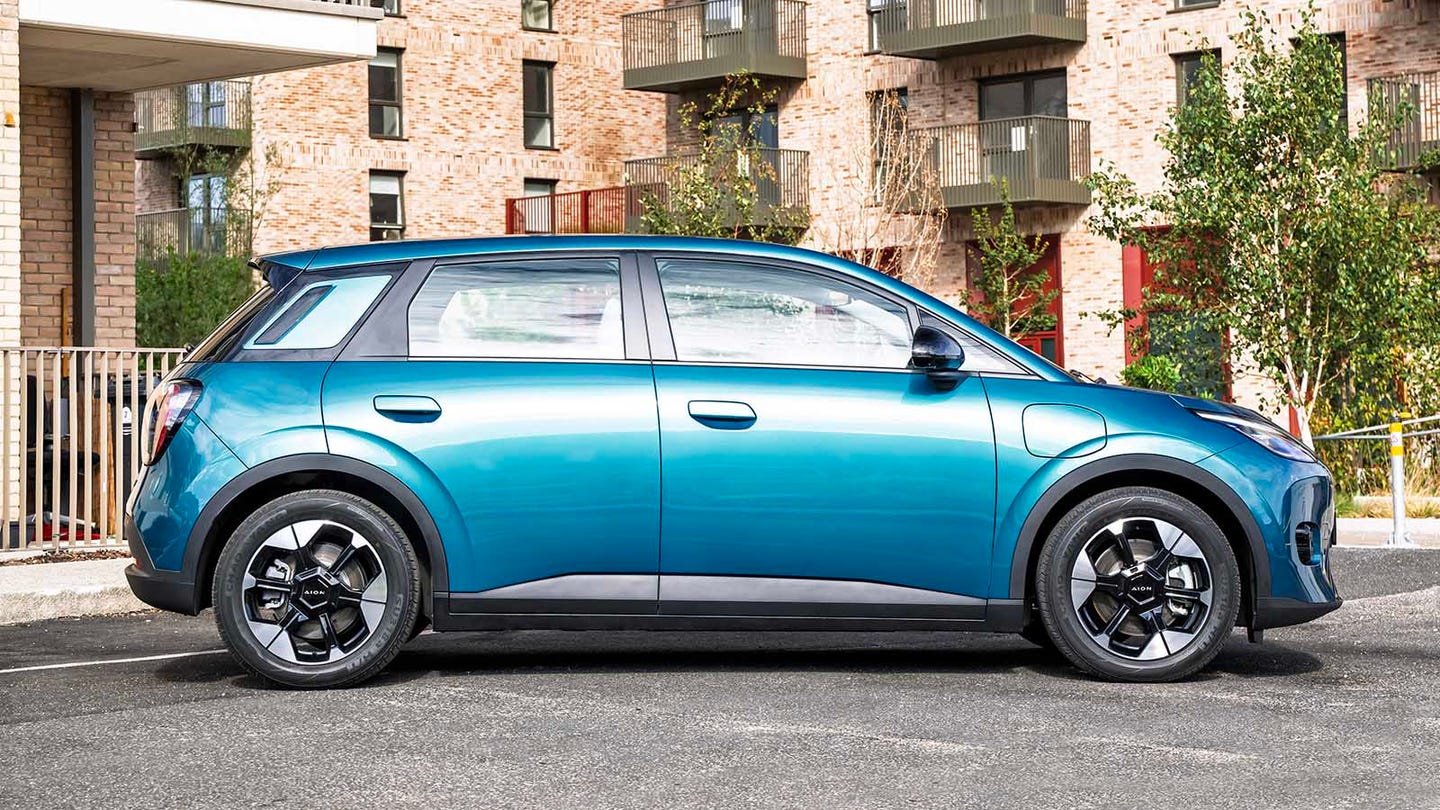
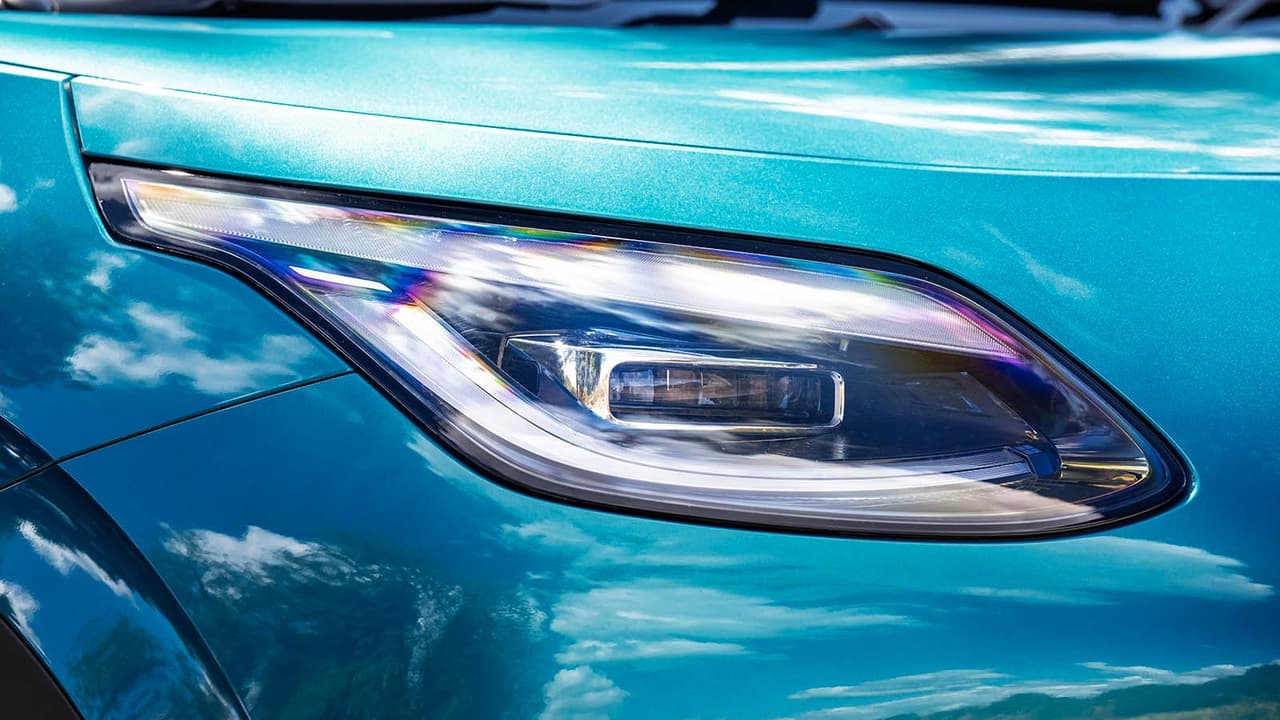
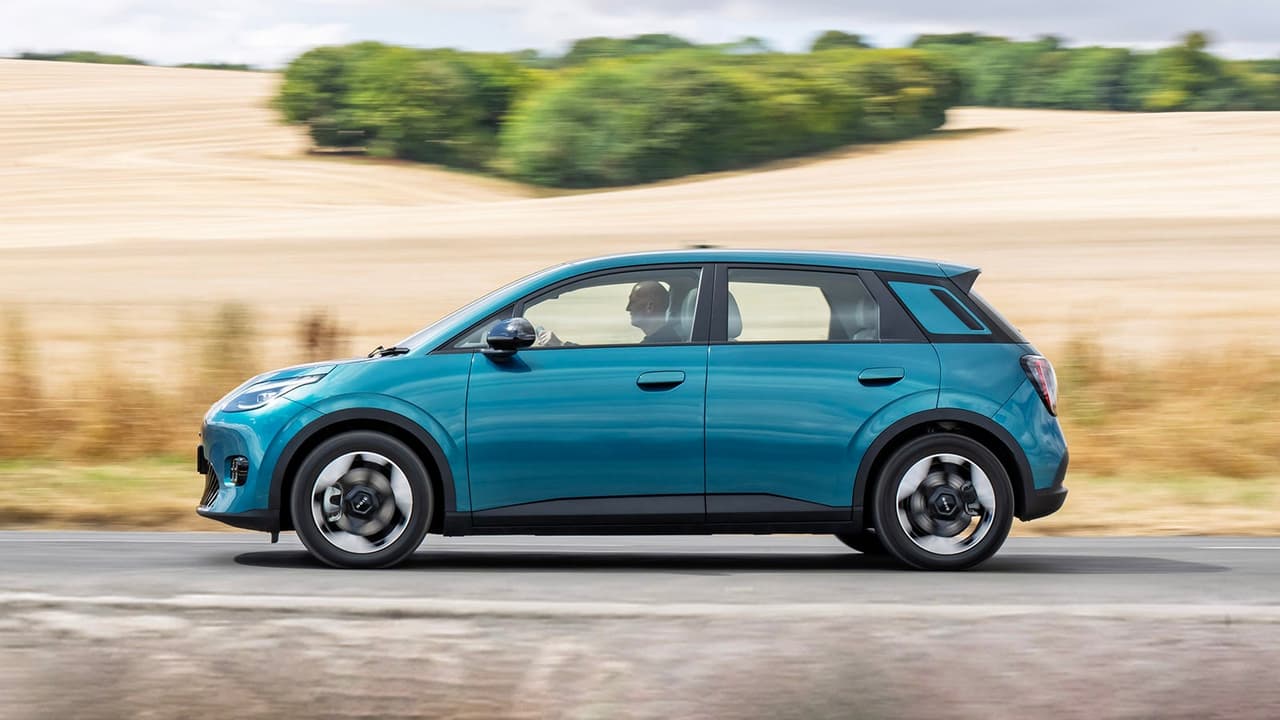
Taking in the UT's styling in person, certain features start to jump out. Firstly, how rounded the car is. There are few sharp edges to be found, with the bodywork mainly composed of soft surfaces and minimal fussy detailing. A harsh eye might call it a bit bland, while a kinder observer may spot a hint of early Apple iPod in its design – especially in our test car's 'Rocco White' colour scheme.
"Space inside the UT is nothing short of remarkable, even if you ignore Aion's misguided claim that this is a Ford Fiesta-sized supermini"
Aion's marketing material pitches the UT as a B-segment hatchback. That would be a small hatch or 'supermini', similar to the likes of the Fiat Grande Panda or Kia EV2 – roughly four metres long and priced up to £25,000. However, considering the UT is nearly 4.3 metres long and priced at nearly £29,000, it makes more sense to compare it to C-segment rivals like the Volkswagen ID.3 and MG4.
There's no reason for Aion to shy away from this comparison either. The UT undercuts the ID.3 Neo by over £3,000 and has more range, faster acceleration and better standard kit. Even compared to the MG – which is more keenly priced than the VW – the Aion is still marginally cheaper and quicker. And that's before you consider that the Aion bests both of those cars for passenger space.
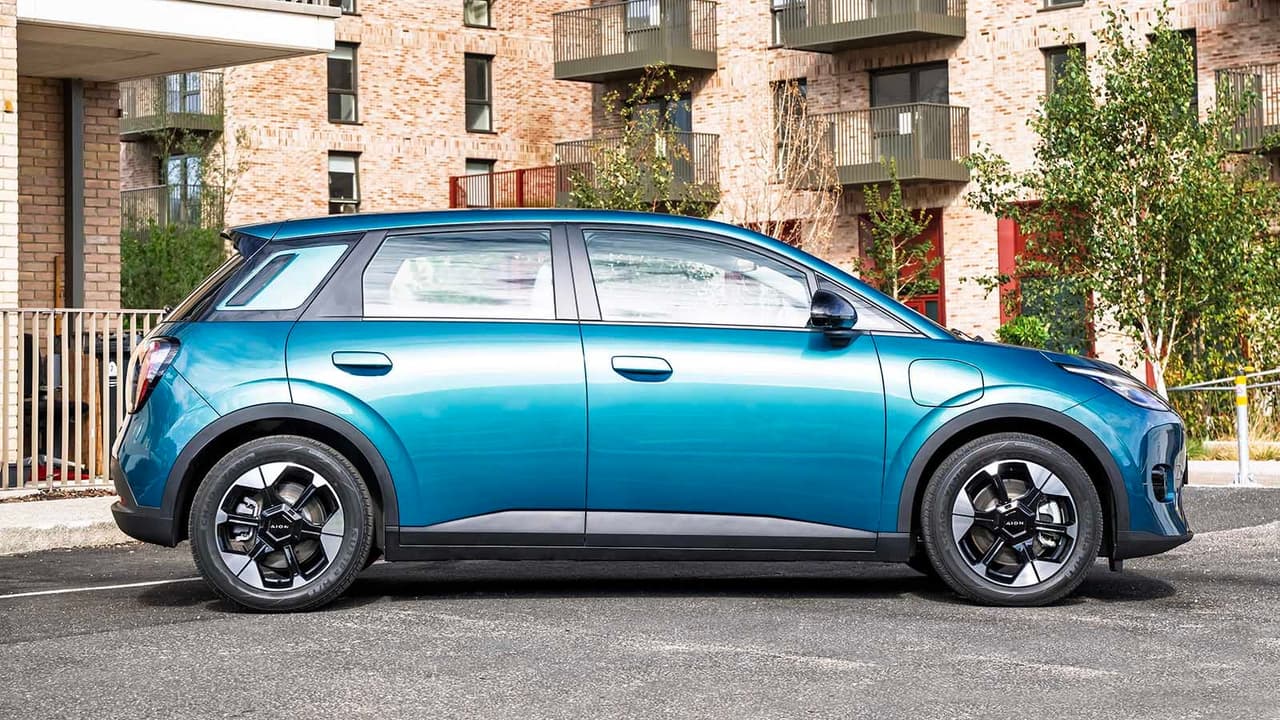
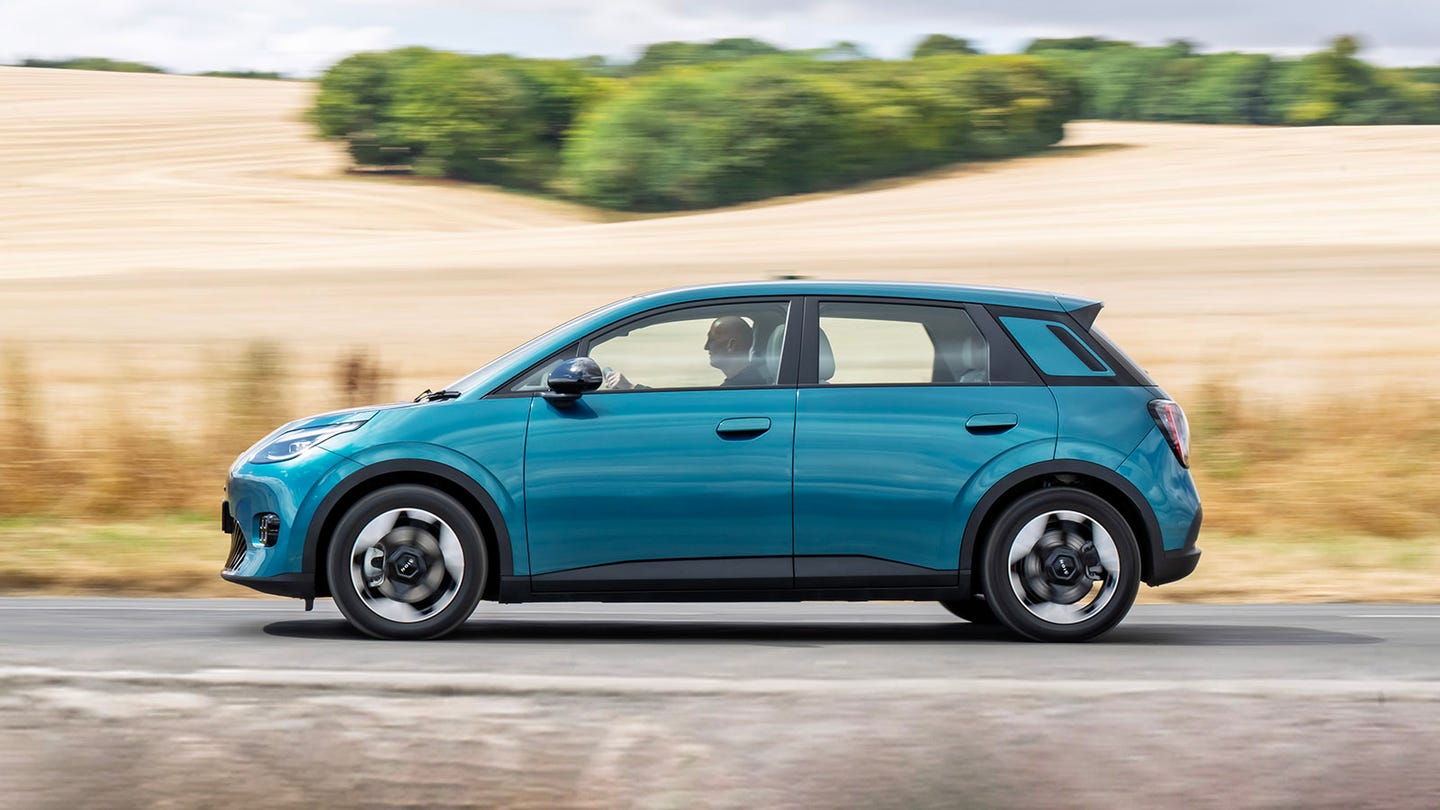
Standing to the side and appreciating the UT's profile hints at how Aion has unlocked so much practicality from its modest footprint. You'll spot the front and rear axles have been pushed all the way to the car's edges, leaving more space between them for people and cargo – a traditional benefit of an EV's 'skateboard' chassis. It's actually a similar trick to that pulled by people carriers to maximise interior space, but on hatchback scale.
Having established that there's a lot of room inside the UT, it's handy that it's also a nice place to spend time. We'll delve into the cabin design in more detail below, but Aion's made judicious use of leatherette and soft-touch materials throughout, helping the UT feel a cut above some more plasticky European rivals. We obviously can't simulate the rigours of family life on a test drive, but everything we touched felt solid and well built.
Let's jump back to the UT's pricing and positioning for a moment. We've seen that it undercuts the Volkswagen ID.3 and MG4 but, casting the net more broadly, we bring up tougher rivals. For starters, the MG4 Urban might not match the Aion's more premium experience, but it offers similar practicality and range for a few grand less. More pressingly, the excellent Kia EV3 is only a few thousand pounds more than the Aion with a noticeably longer range, so might be a better choice if it's your only car.
You might already know the EV3 benefits from Kia's seven-year warranty. However, Aion has come out swinging with its 'Great 8' offer to tempt new buyers. This includes eight years of warranty cover – both for the car and for the battery pack. That's already very competitive, but it also includes eight years of servicing and MOT coverage, as well as eight years of roadside breakdown assistance.
Keep reading to learn more about the Aion UT, including its range, practicality and driving experience.
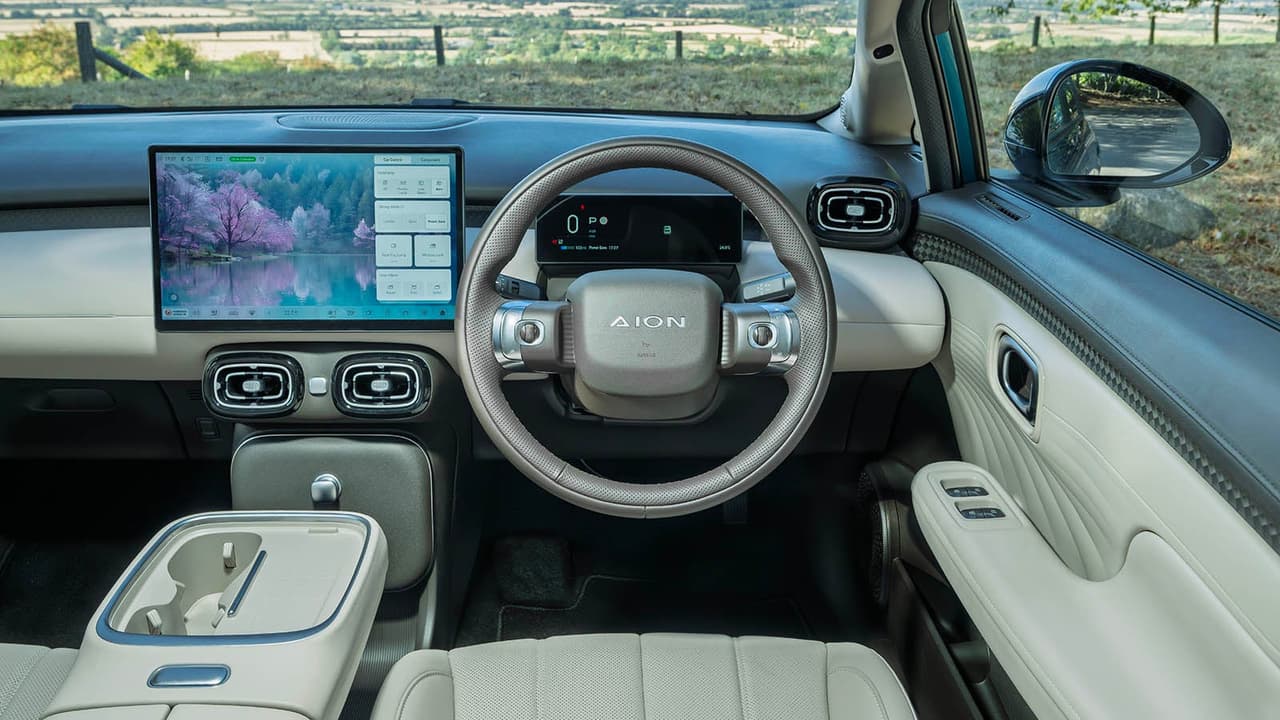
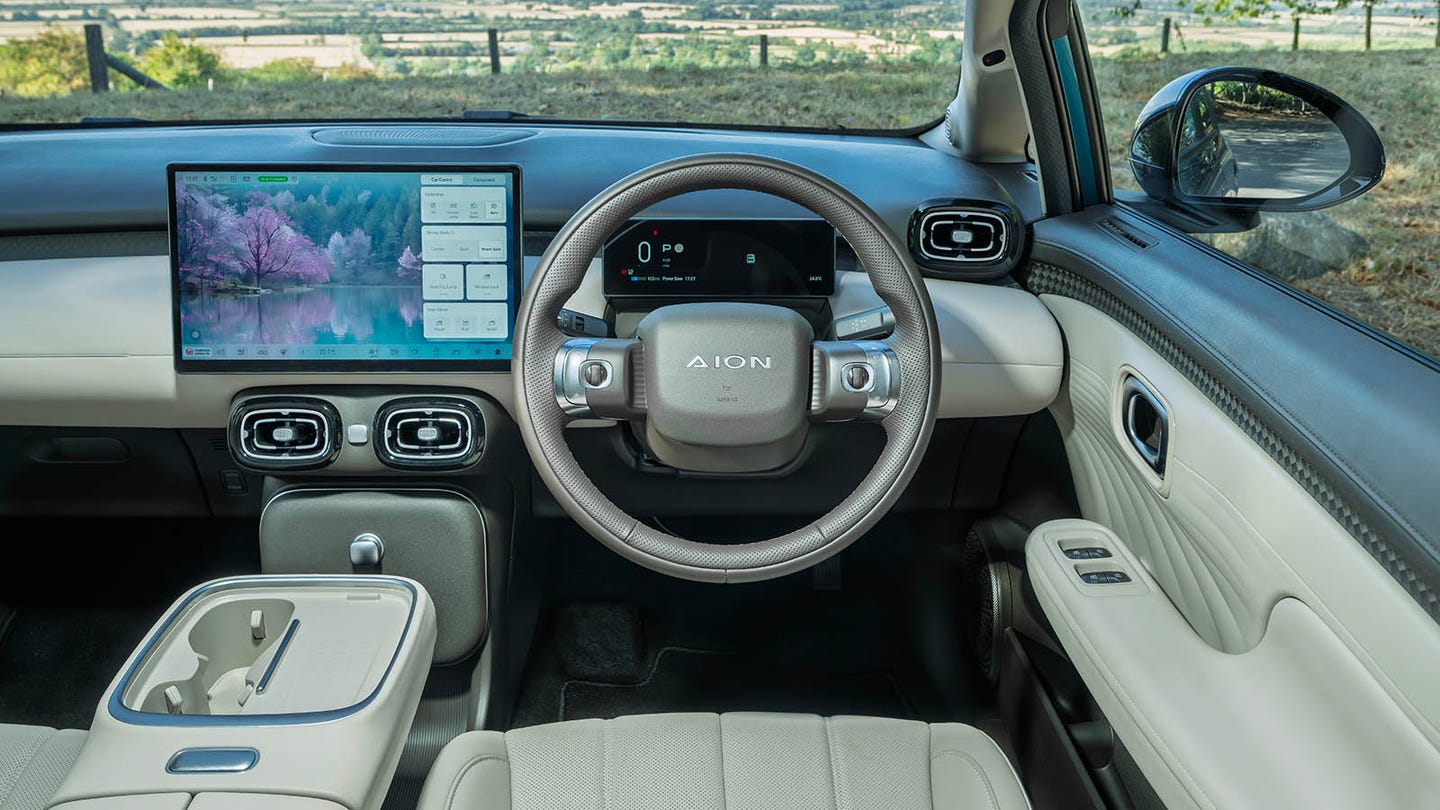
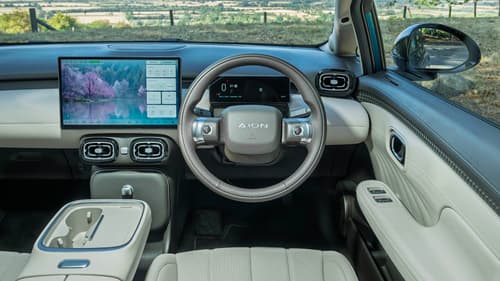
Like the outside, the UT's interior is mostly composed of rounded shapes. The dashboard, the doorhandles, the centre console, even the air vents – all have a rounded-square appearance that lends the car a welcoming ambiance. This impression is reinforced by the upholstery and materials on display. All cars feature faux-leather upholstery and steering wheel trim which, admittedly, no one is going to mistake for the finest hides, but it's more plush than most comparable cloth-trimmed European alternatives.
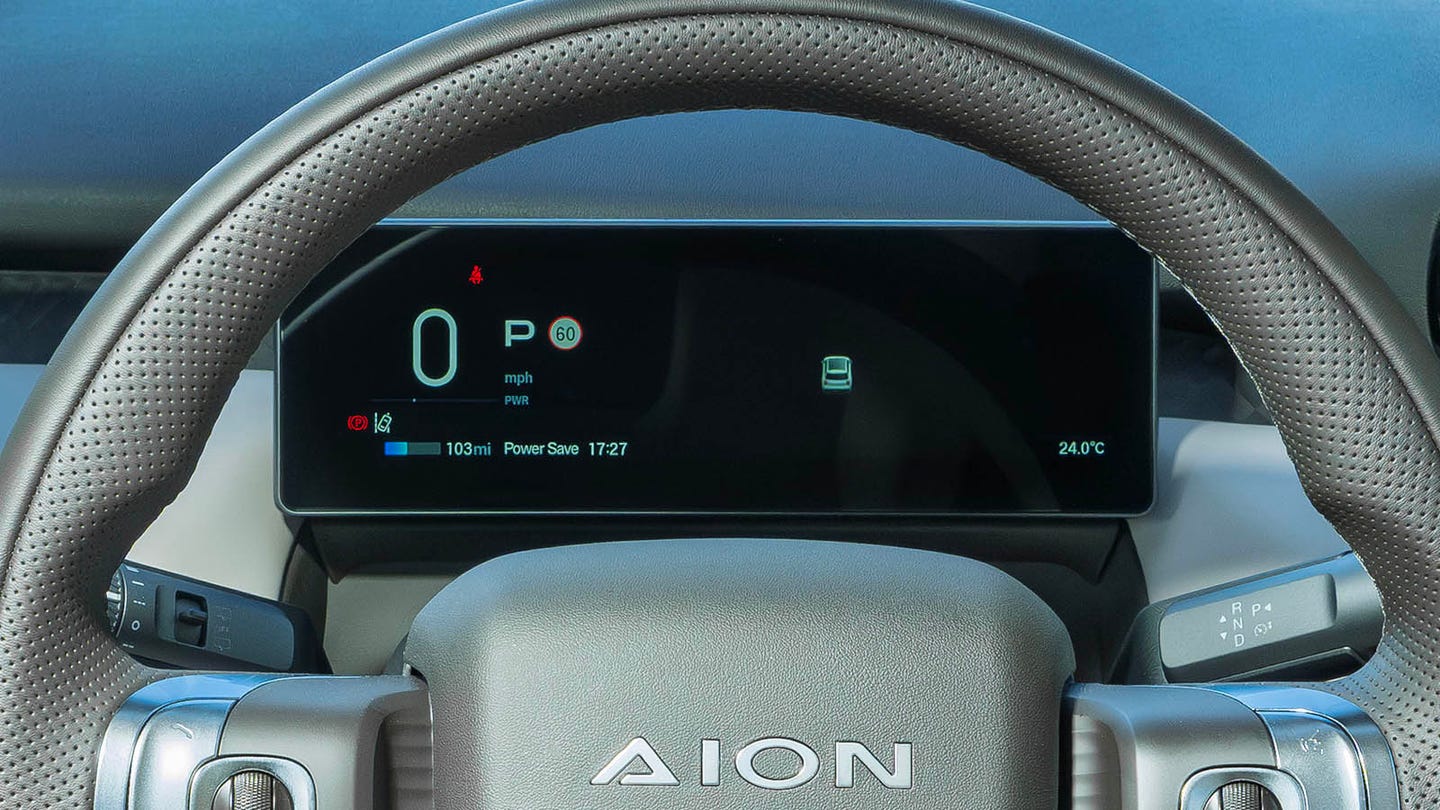
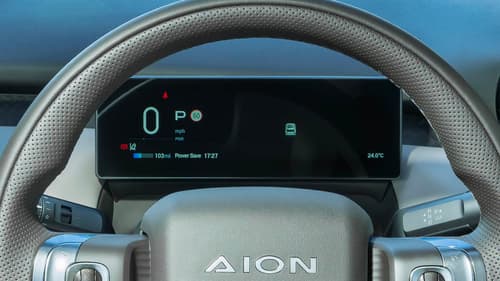
You'll also notice a near-complete absence of buttons in the cabin. Beyond the window switches, steering-wheel buttons, and the hazard and reading light controls above you, everything else is controlled through the UT's infotainment system. This may be fashionable among brands like Tesla and Volkswagen but, as we'll discover, it does impact how easy the car is to use.
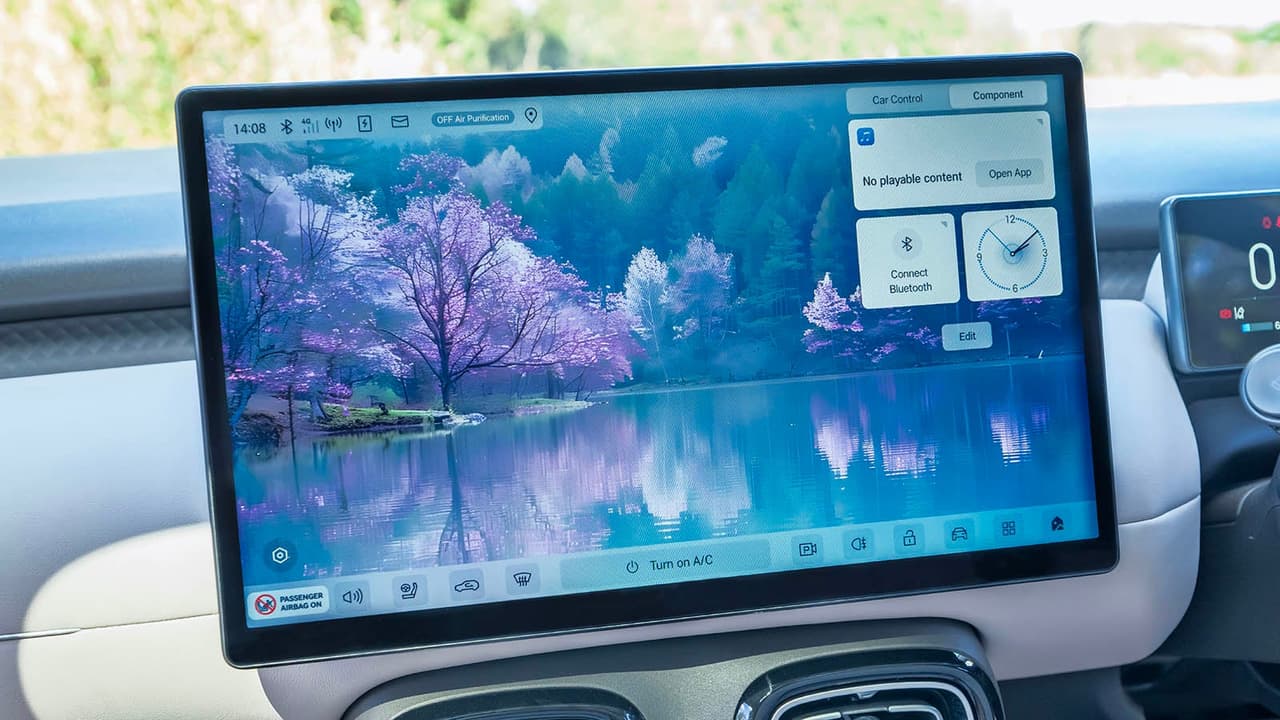
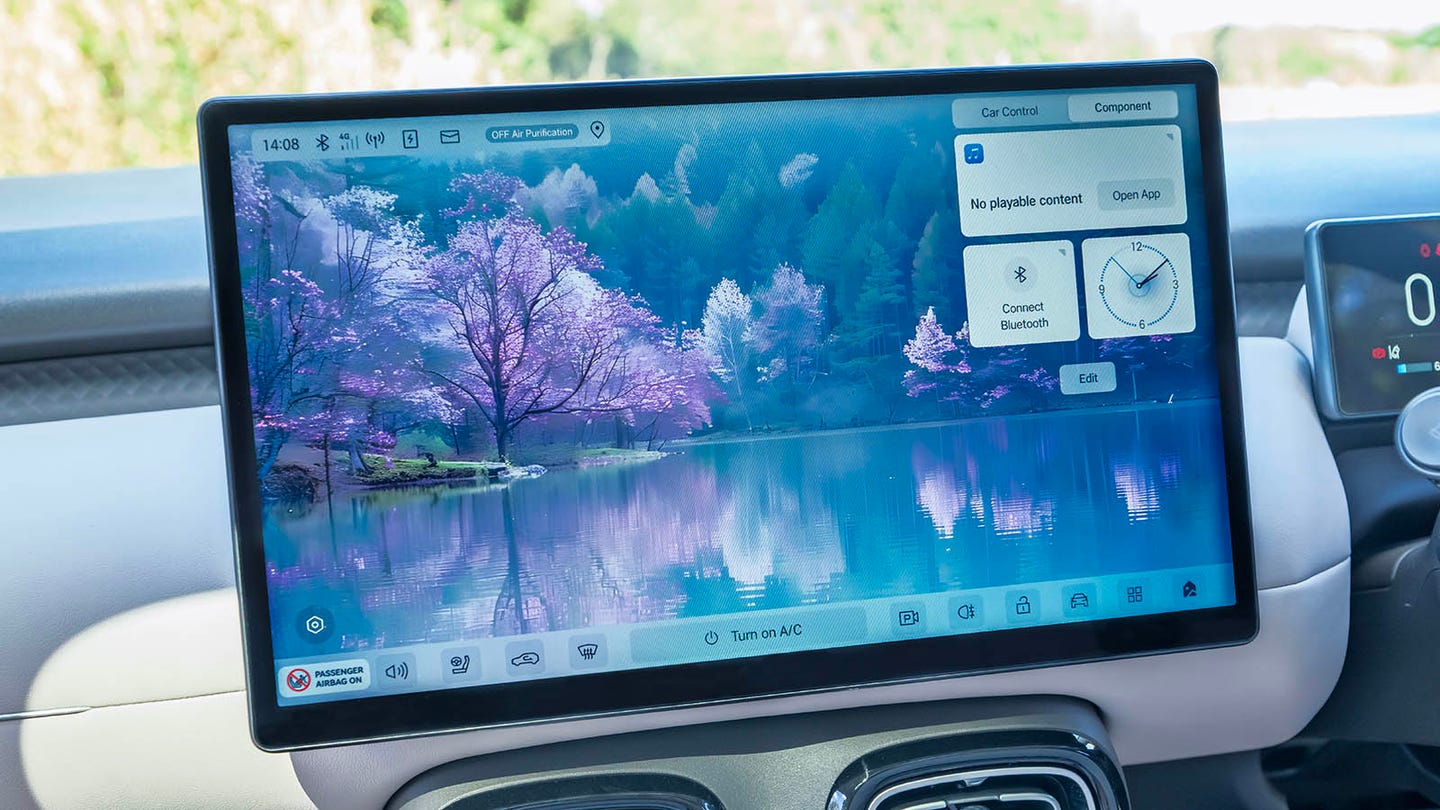
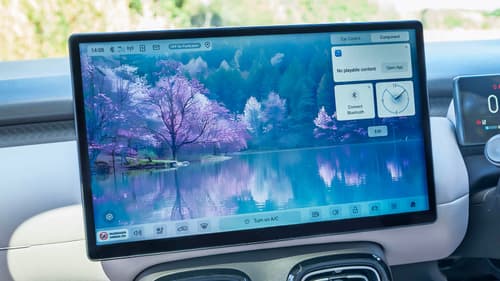
Taking pride of place in the middle of the dash is a 14.6-inch touchscreen. The display itself is bright, crisp and colourful, and earns some points for its persistent row of shortcut buttons along the bottom. However, the systems constantly bogs itself down with a deluge of on-screen options, so you need to tackle seemingly endless submenus to find the function you want.
Examples include the home screen – Aion was clearly unsatisfied with just one so it actually has two home screens. One with the sat nav map and another with a pretty picture uselessly taking up screen space, and you can swap between them by pressing the home icon. The home screen also has commonly used controls like headlights, driving modes and mirror adjustment in a stacked column tucked over on the right hand side – again stuffing lots of features into a tiny space when there's lots of screen real estate left inexplicably unused.
Another example that's representative of the entire experience is the control for opening the cover on the panoramic glass roof – fitted to cars with the £1,200 Premium Pack. The obvious first place to look is the roof controls by the reading lights, but there's no physical button for the glass roof. Next, you check the car's home screen for a digital control, only to be met again with failure. It turns out, the correct answer is in that pesky column of car controls, which you actually needed to scroll through to locate the shortcut for the roof control.
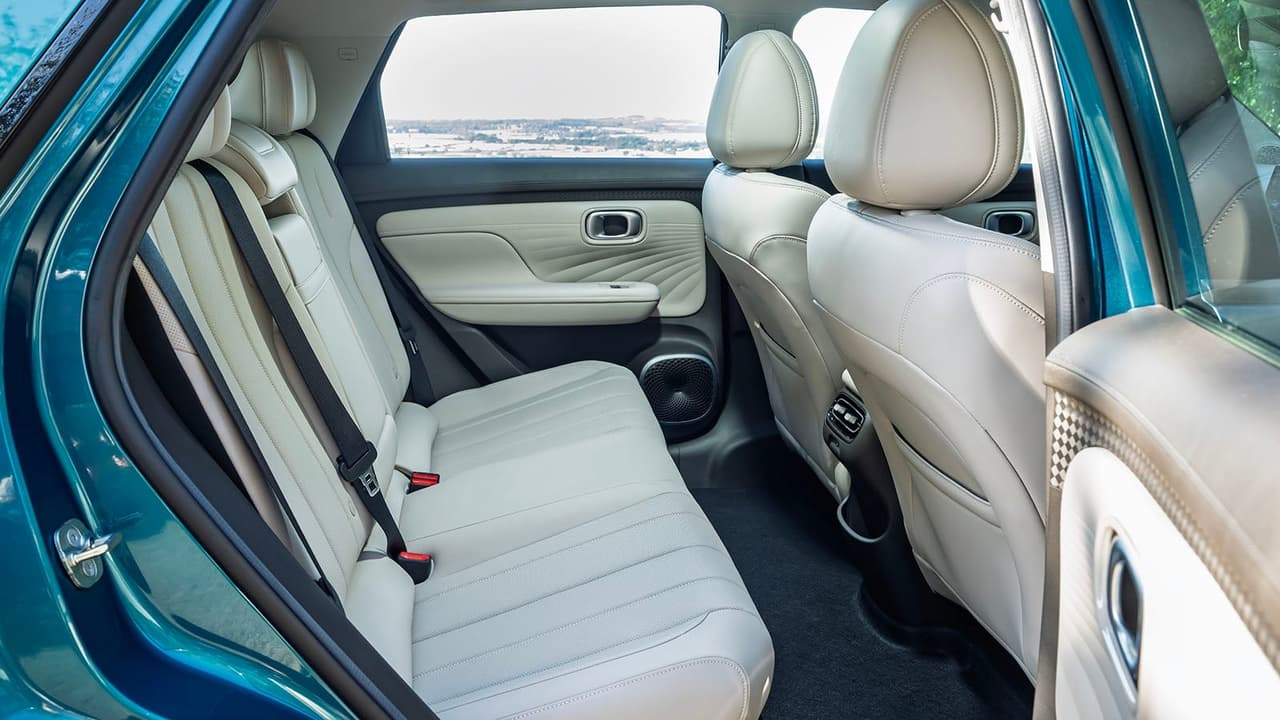
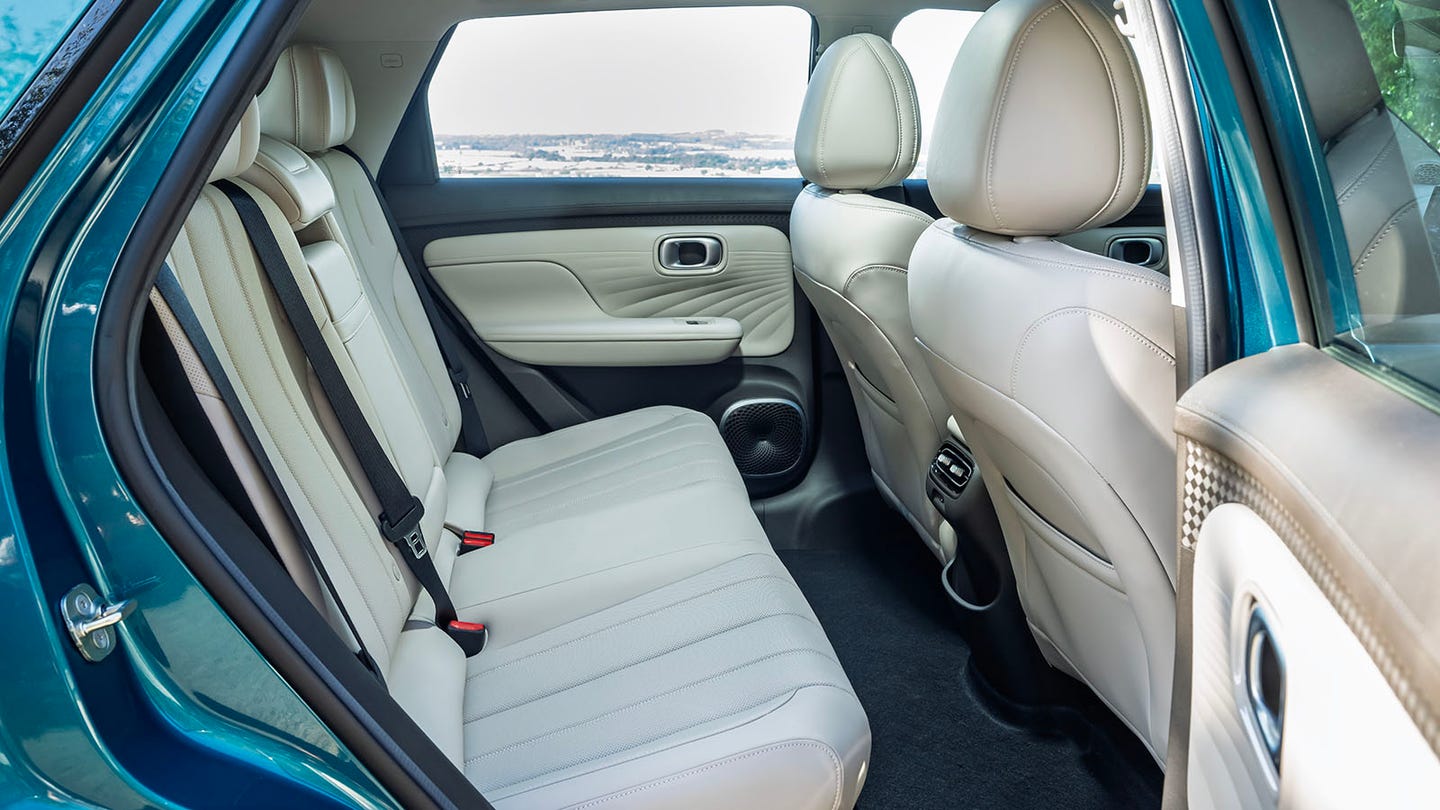
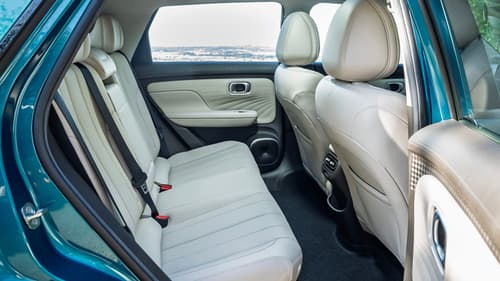
Space inside the UT is nothing short of remarkable, even if you ignore Aion's misguided claim that this is a B-segment car. Slide either front seat all the way back and even the loftiest of adults will have enough head and legroom to get comfortable. What's really impressive, however, is that you can comfortably sit another very tall adult behind them with acres of legroom and decent headroom.
The long wheelbase also means the doors can be quite wide, so access into either of the UT's seating rows is very easy unless you're in a tight car park. That bodes well for parents manoeuvring bulky child seats into place or passengers with restricted mobility. There's also a flat floor in the back, so anyone perching on the centre-middle seat for a short journey will, at least, have enough space for their feet.
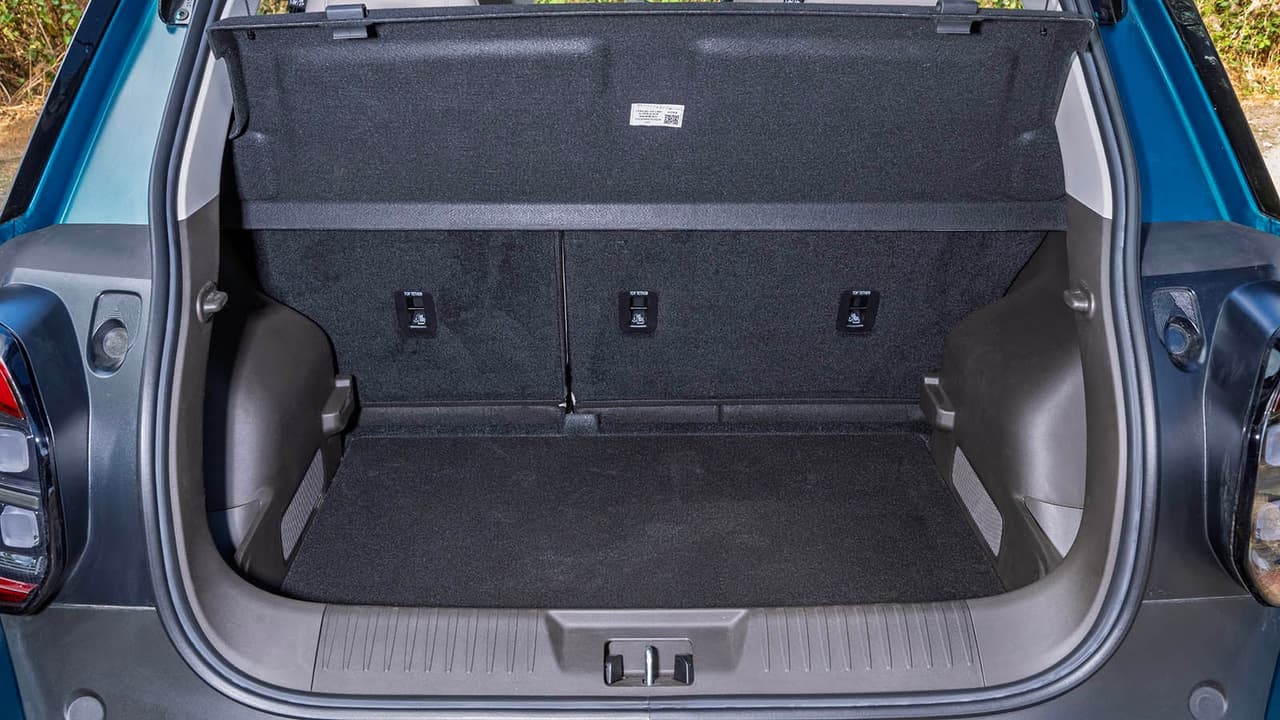
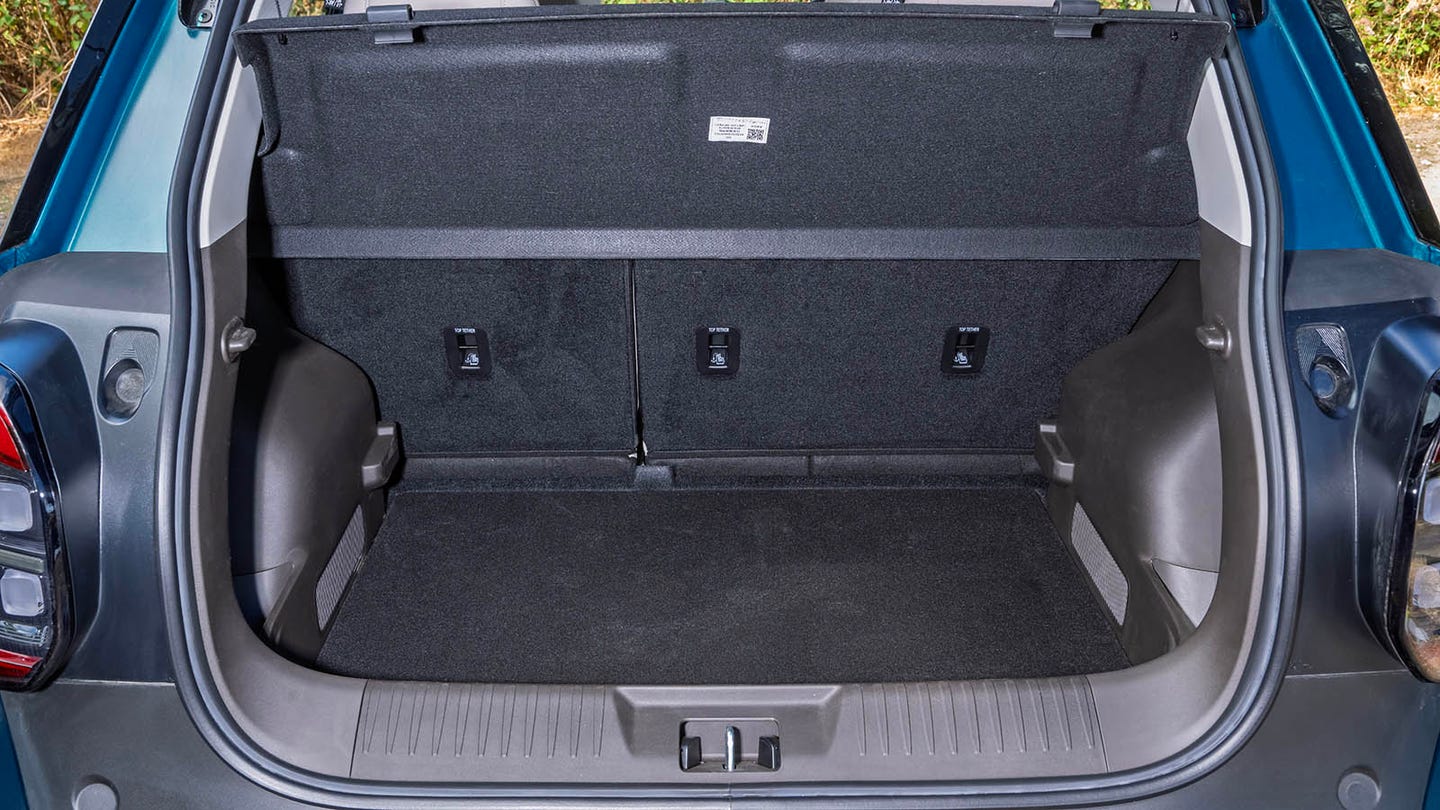
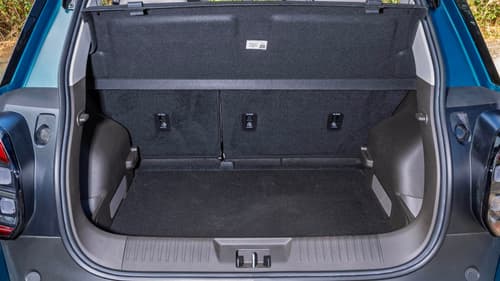
On paper, the Aion's boot is an impressive 440 litres. However, that figure includes space above the parcel shelf, while most rivals traditionally only measure the space below the shelf. Against that more restrictive criteria, the UT's boot measures 321 litres, which is a bit smaller than its VW and MG rivals – probably a consequence of the Aion's generous rear-seat space. In the real world, the UT should still be practical enough for most owners, and includes a flexible boot floor to maximise space or flatten the load lip.
Cabin storage is fairly strong. Taking advantage of the EV platform, the UT has no transmission tunnel between the front passengers. As a result, you get an open space large enough to sling a handbag or small rucksack. In front of that is a square panel that puts us in mind of traditional cabinetmaking, with a twist knob that opens it to reveal storage for a phone or similarly sized item. Topping all that off are the usual doorbins, glovebox and centre console cubby to stash your preferred choice of sugary snack.
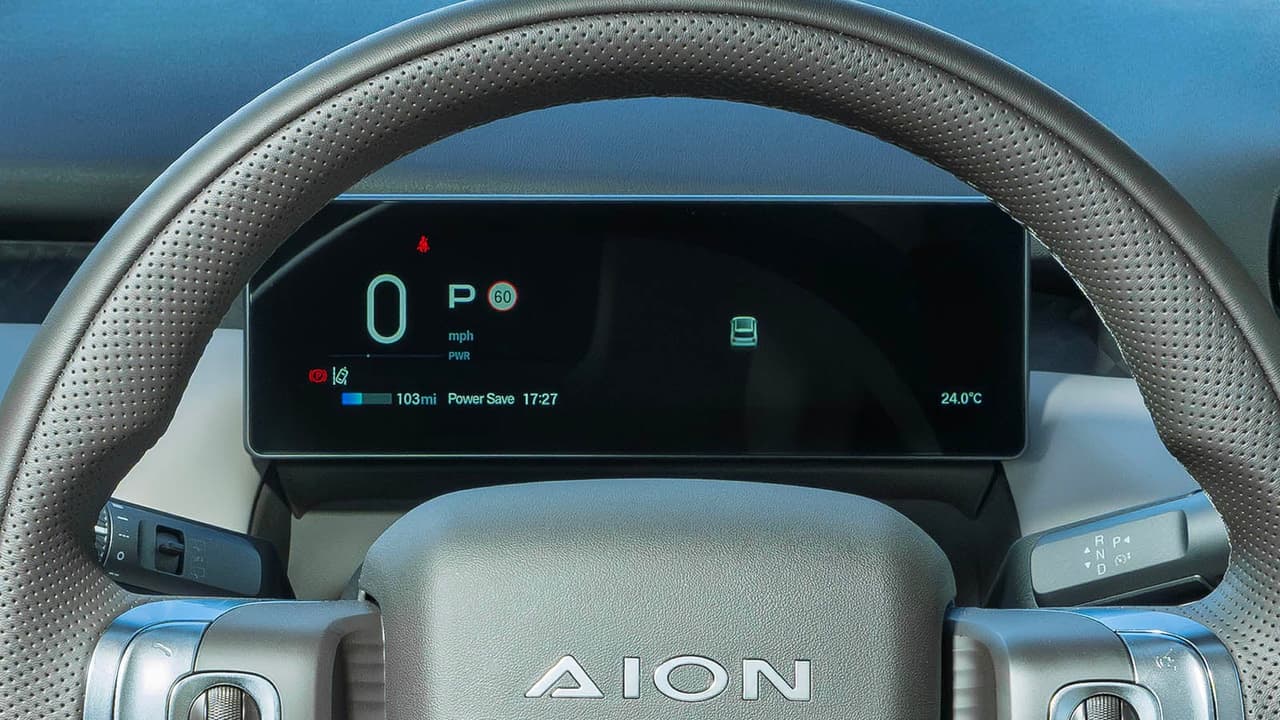
There's just one powertrain option for UK and European UT models. You have a 60kWh battery pack paired with a 204hp electric motor driving the front wheels. That combination means the all-important range figure on the WLTP test cycle is 268 miles. That's 10 miles more than the cheapest Volkswagen ID.3 Neo (which is several thousand more than the UT), but 12 miles less than the MG4, which is around £1,000 more than the Aion.
While range is competitive, charging speeds are a little mediocre. The UT peaks at 87kW and, assuming the public charger you're using can sustain that level of power, you'll complete the benchmark 10-80% charge in 32 minutes. In comparison, the ID.3 Neo can charge at 100kW and recover 10-80% of its smaller 50kWh battery pack in 24 minutes. Meanwhile, the MG4 can hit 150kW charge speeds, meaning a 10-80% charge of its larger 64kWh battery takes a respectable 25 minutes.
It might fall a bit short for charging speed, but the Aion acquits itself well for actual speed. The 204hp motor makes it one of the more powerful options in this segment, and its 7.3-second 0-62mph time is a bit quicker than most direct competitors.
As you'd hope from an electric car, acceleration is swift, smooth and nearly silent. There's not quite enough power to slam your head against the headrest, but it'll surge towards the national speed limit with enthusiasm. When you're not driving like a hooligan, the UT's abundant power means it always feels relaxed, with effortless torque to pull you up hills and enough shove for a country-road overtake.
The highest praise we can heap on the UT's driving experience is that you could happily cover many miles in the car without ever thinking about how it drives. Nothing gets in your way, with simple controls, excellent visibility and fuss-free, predictable handling. As an appliance for getting from A to B, the little Aion performs faultlessly, with a sense of ease thanks to its fairly muscular electric motor.
As a trade-off, however, there's not much here for a keen driver to enjoy. There's a very artificial feel to the steering wheel, with no real sense of how hard you're working the front tyres. And, while the UT stays admirably level through corners, it feels resistant to tucking harder into a line if you apply more steering or a boot-full of throttle. Even the fairly abundant acceleration ramps up gently rather than violently pinning you to your seat.
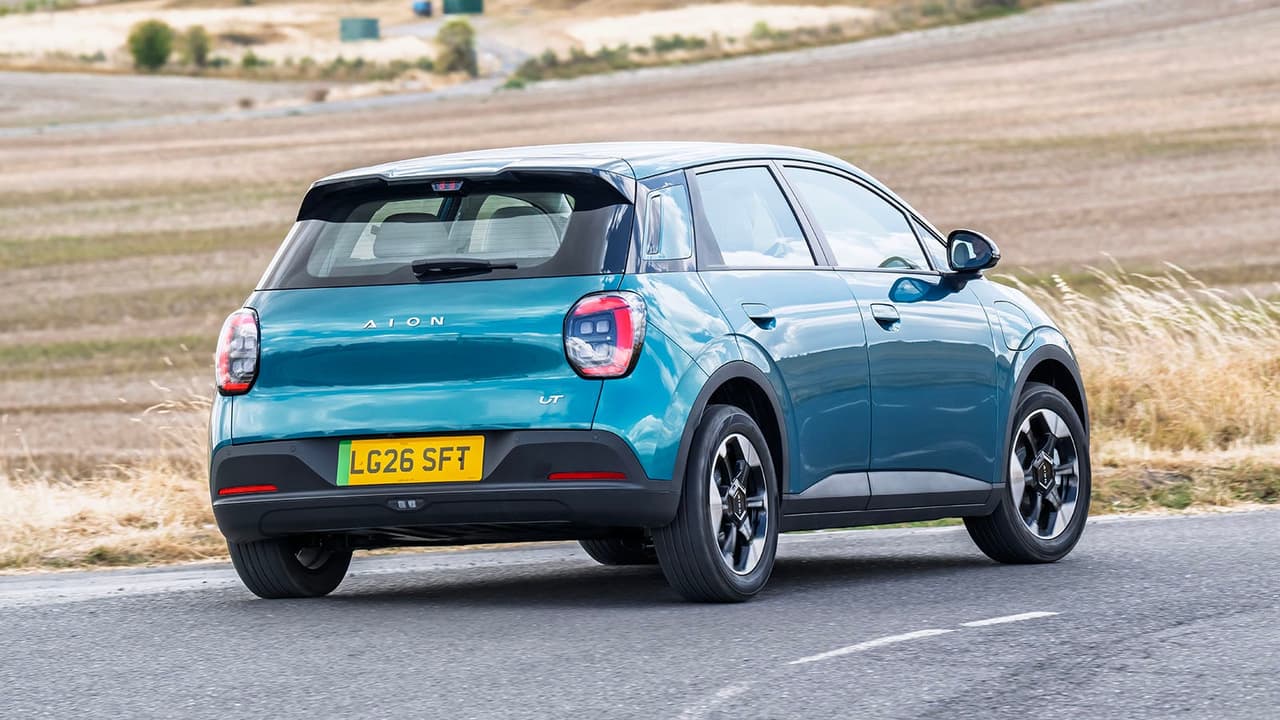
Soften your approach and the UT makes far more sense. Perhaps its greatest virtue is the ride quality, with Aion claiming it's specifically tuned the car's springs, dampers and anti-roll bars for the UK's challenging road surfaces. Whatever it's done, the result is a calm, cushioned drive even over seriously pothole-scarred streets, which makes the UT a very easy car to cover long distances in.
The car's graceful ride is complemented by its hushed refinement. Most of the wind noise and virtually all the powertrain noise is eliminated before it makes it to your ear. The only thing we picked up on our test drive was a bit of road roar from the car's tyres, which could probably be addressed by fitting some more expensive rubber.
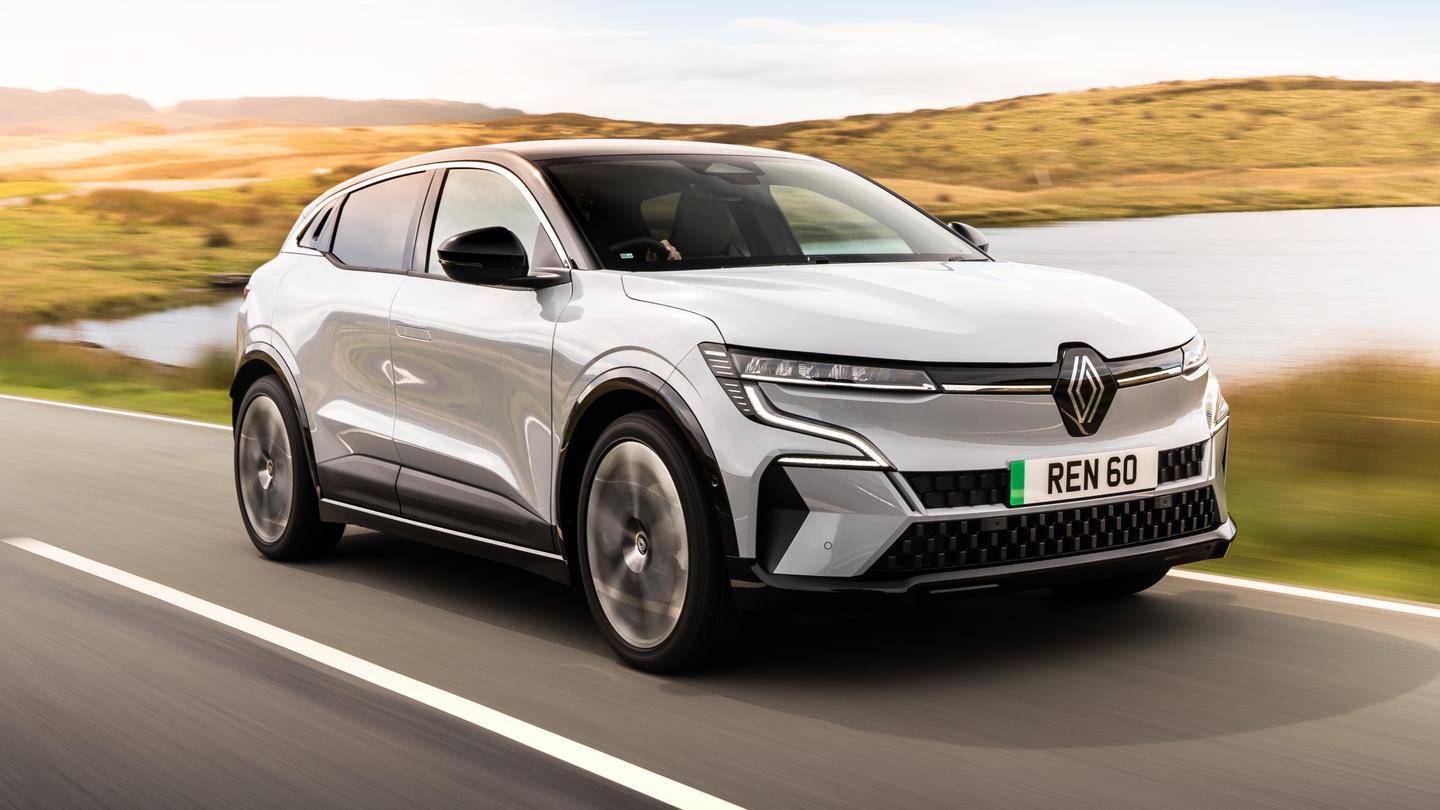
Going EV has transformed the Megane – it’s now among the class best