







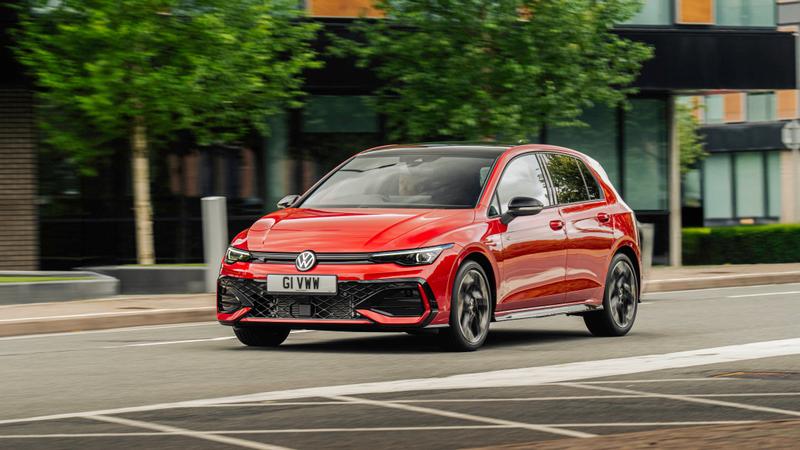
Volkswagen Golf models and trim levels explained
Ben Custard
•
Models

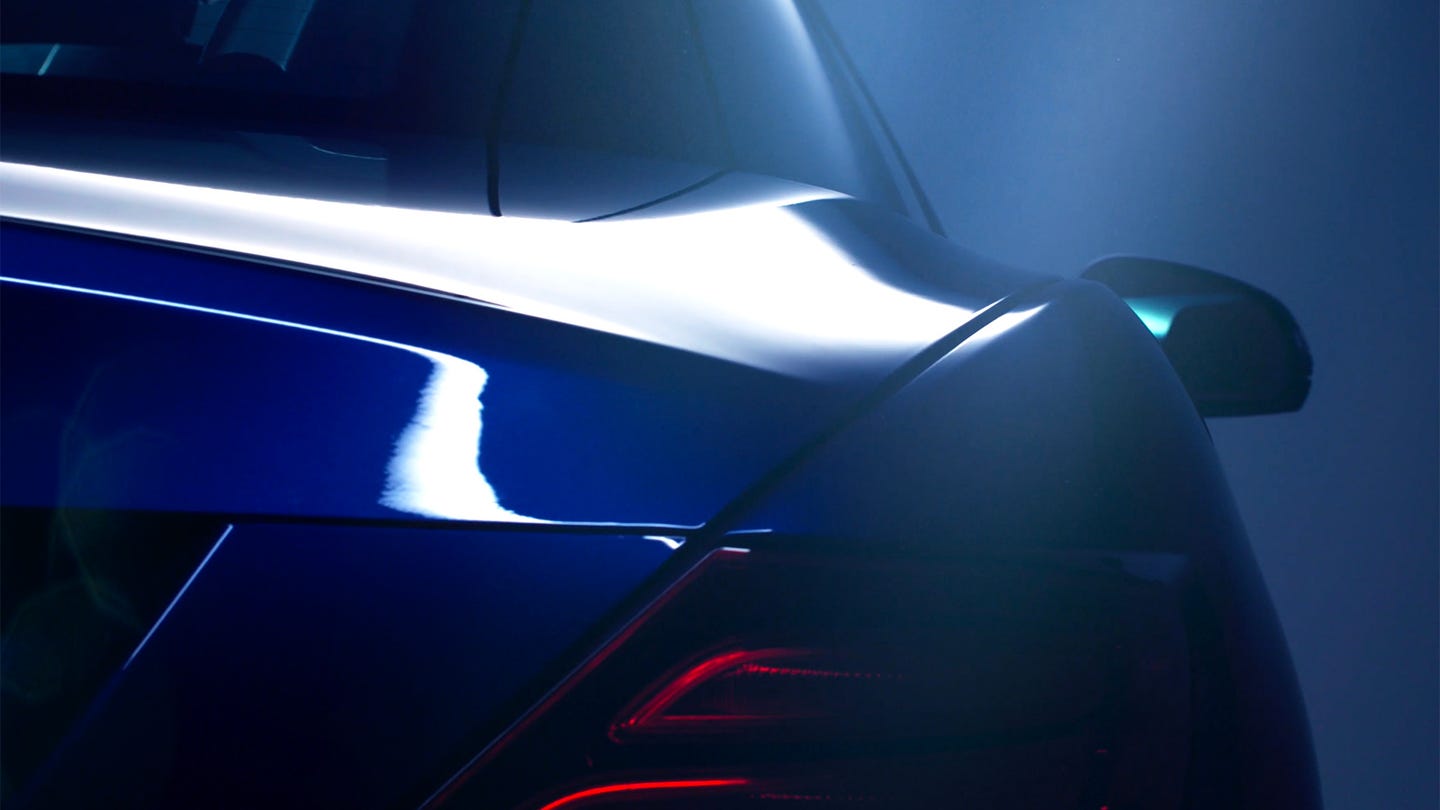
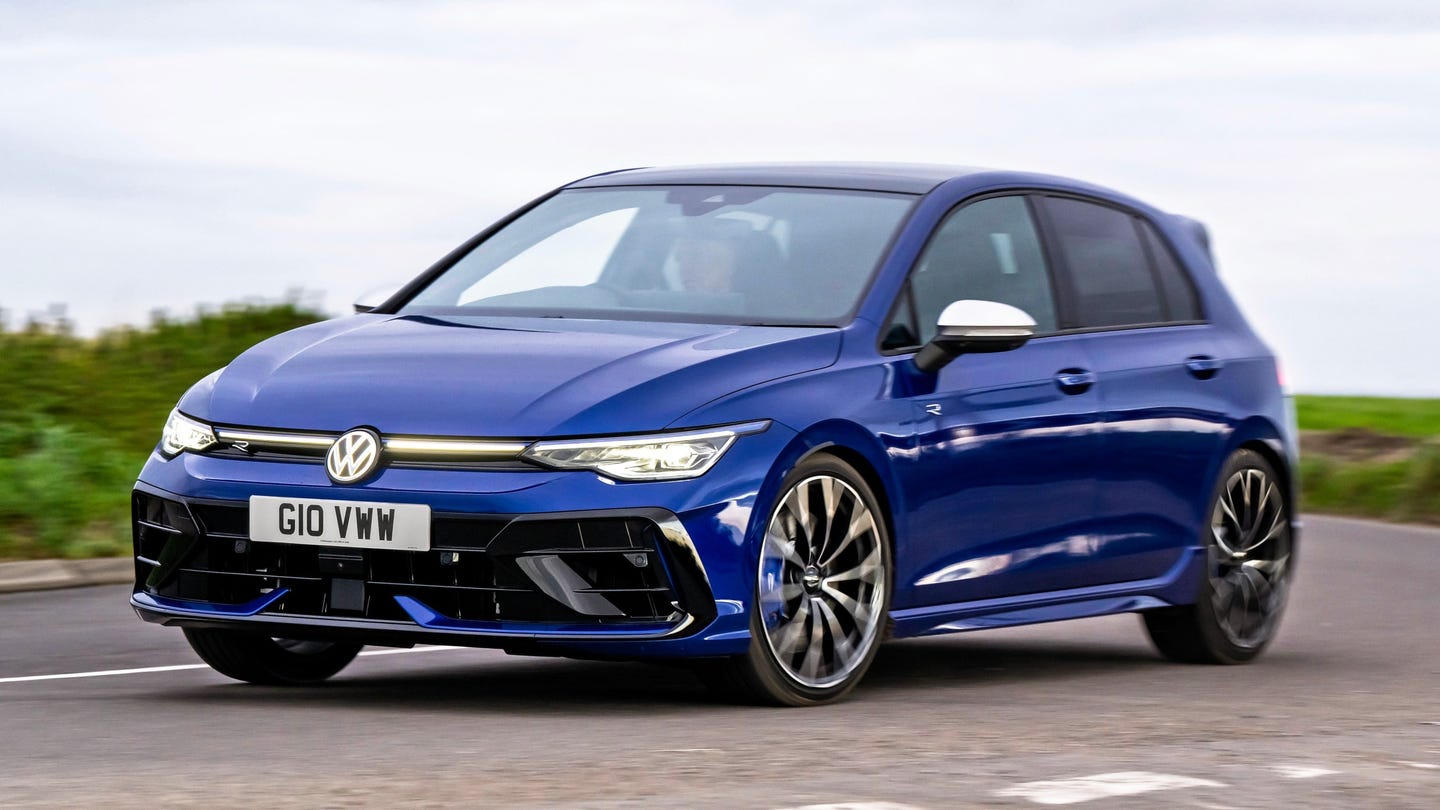
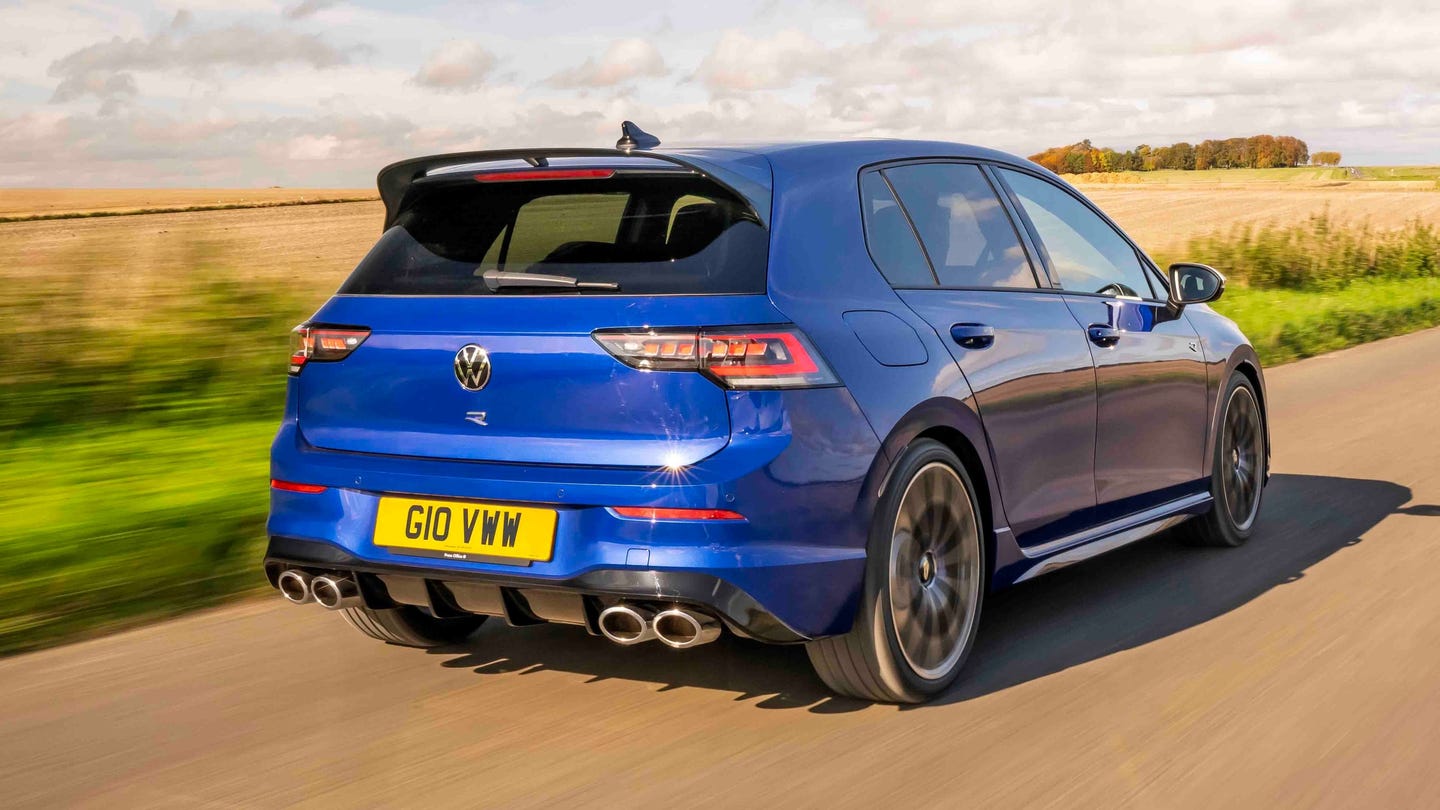
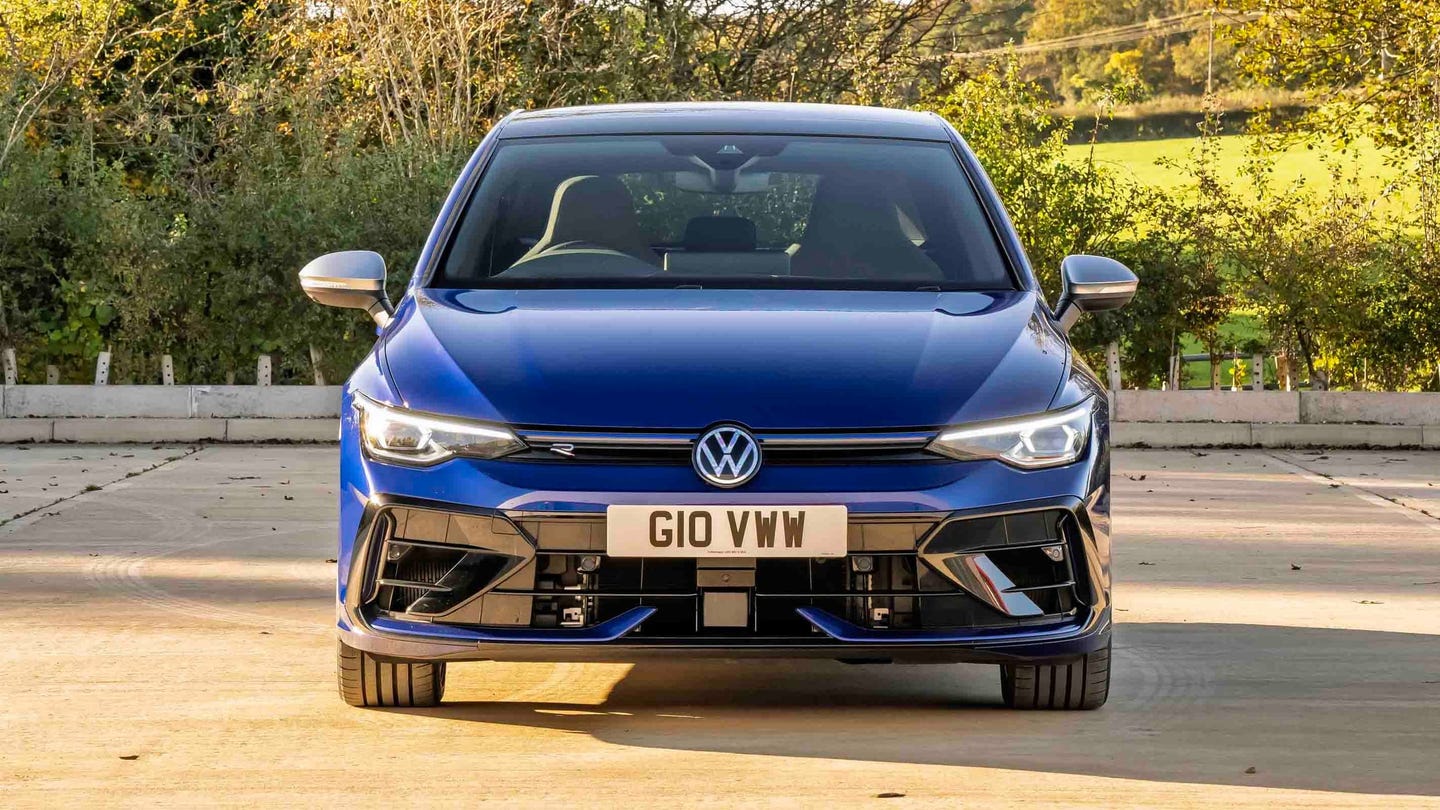
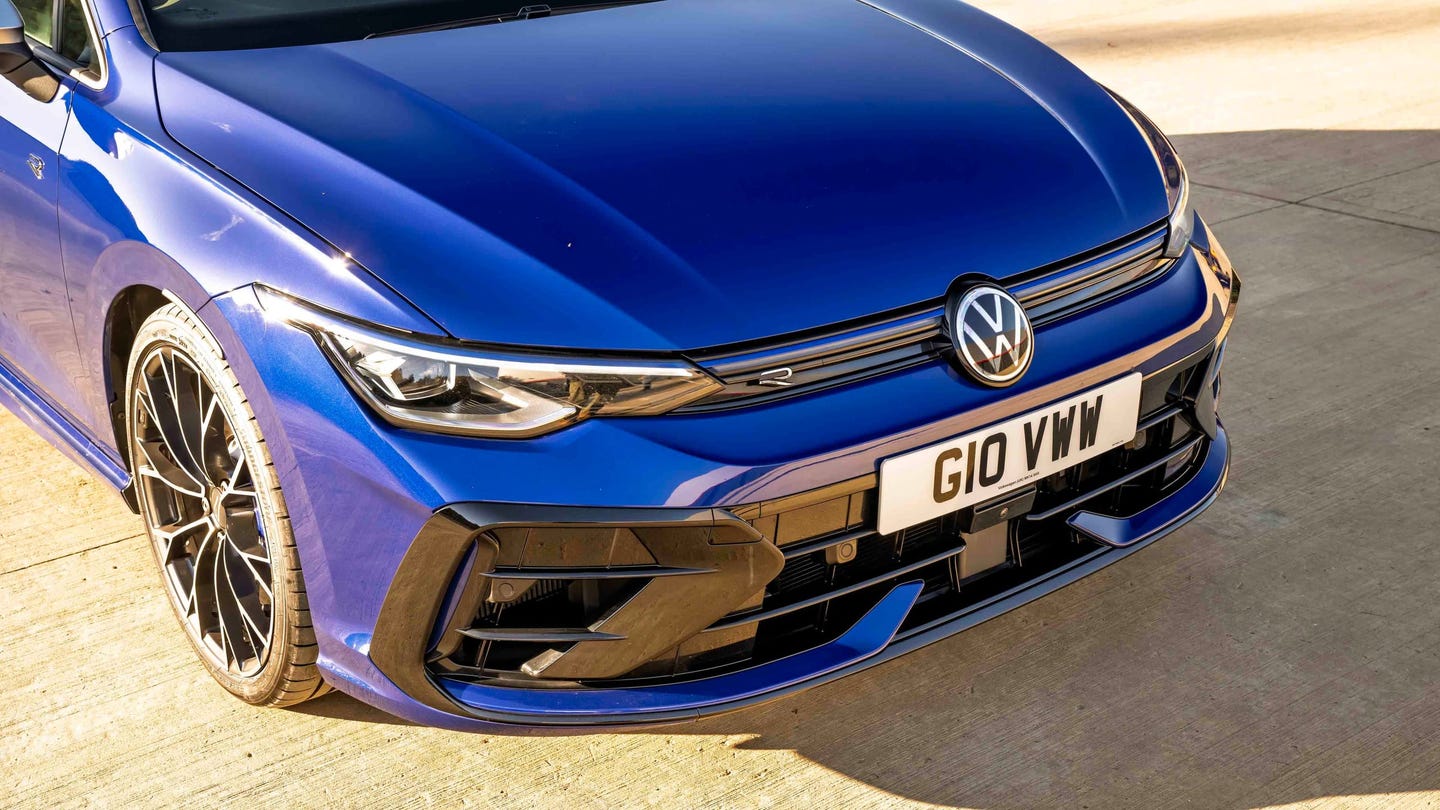
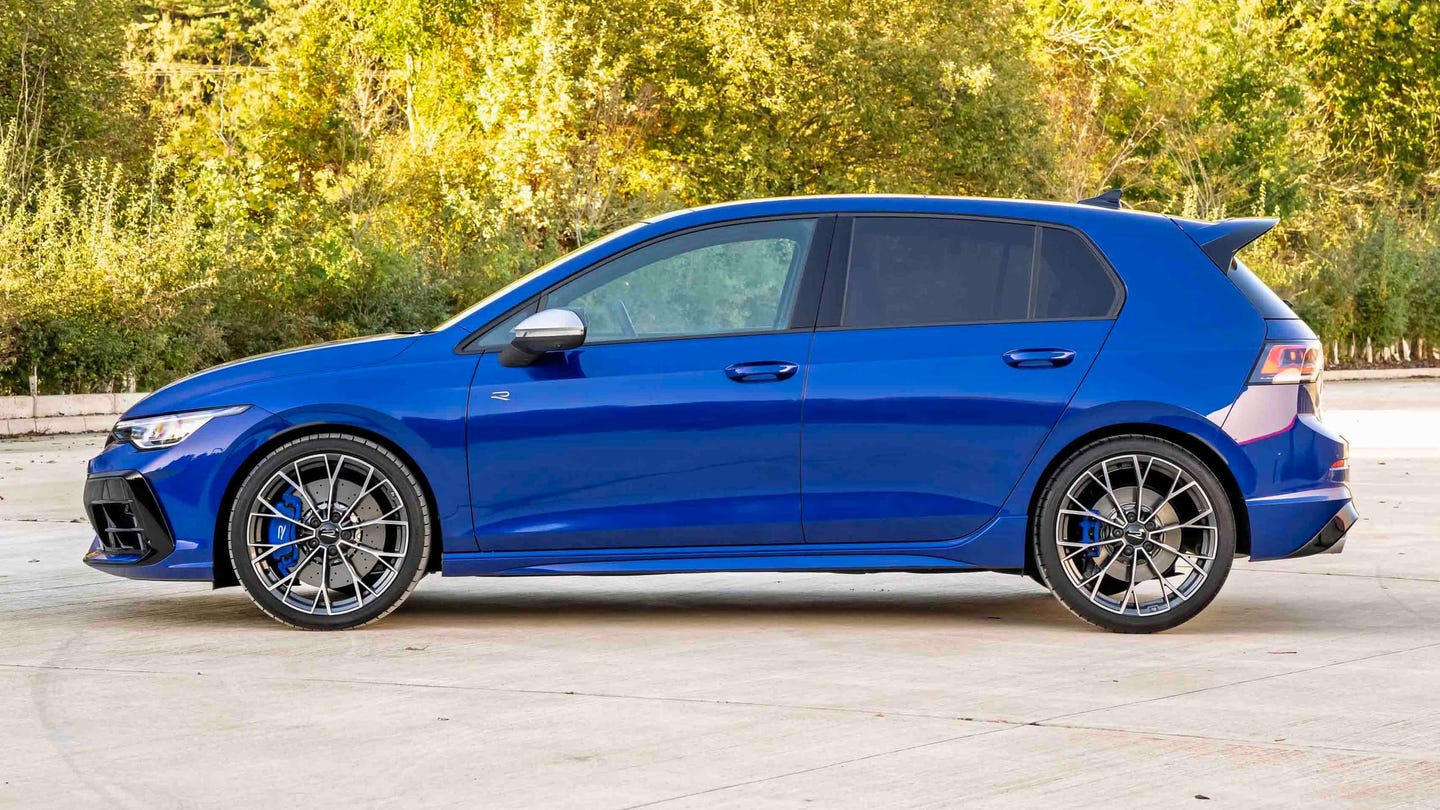
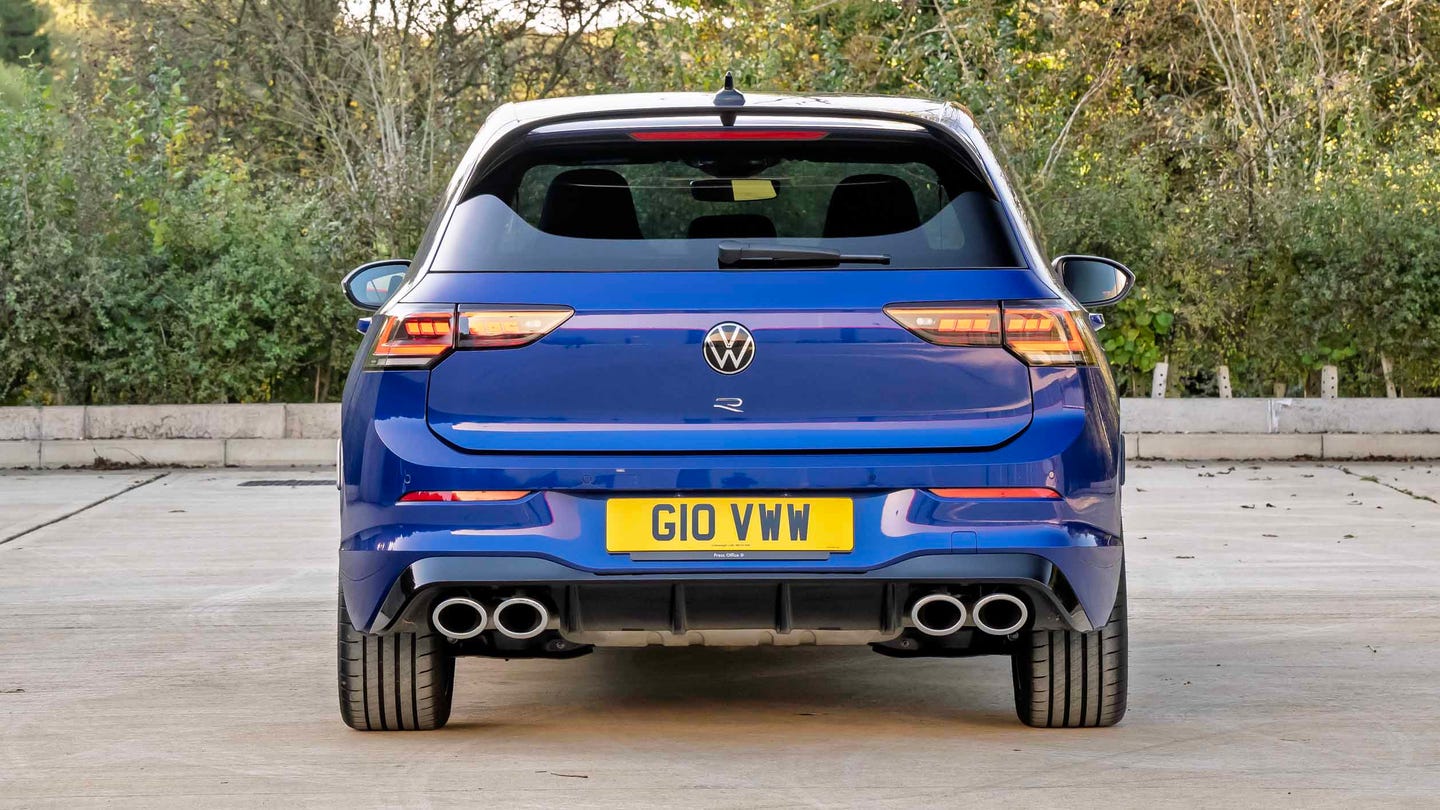
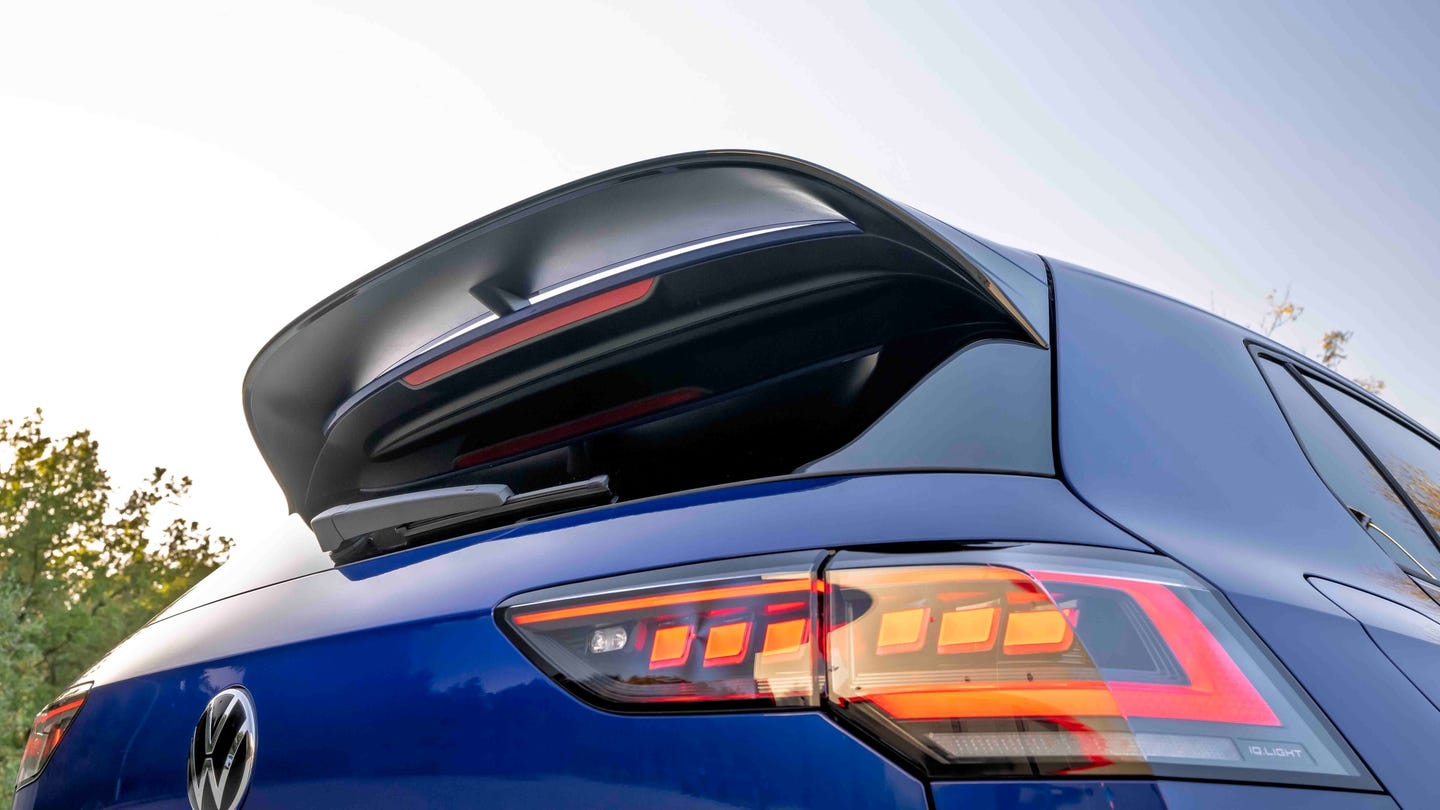
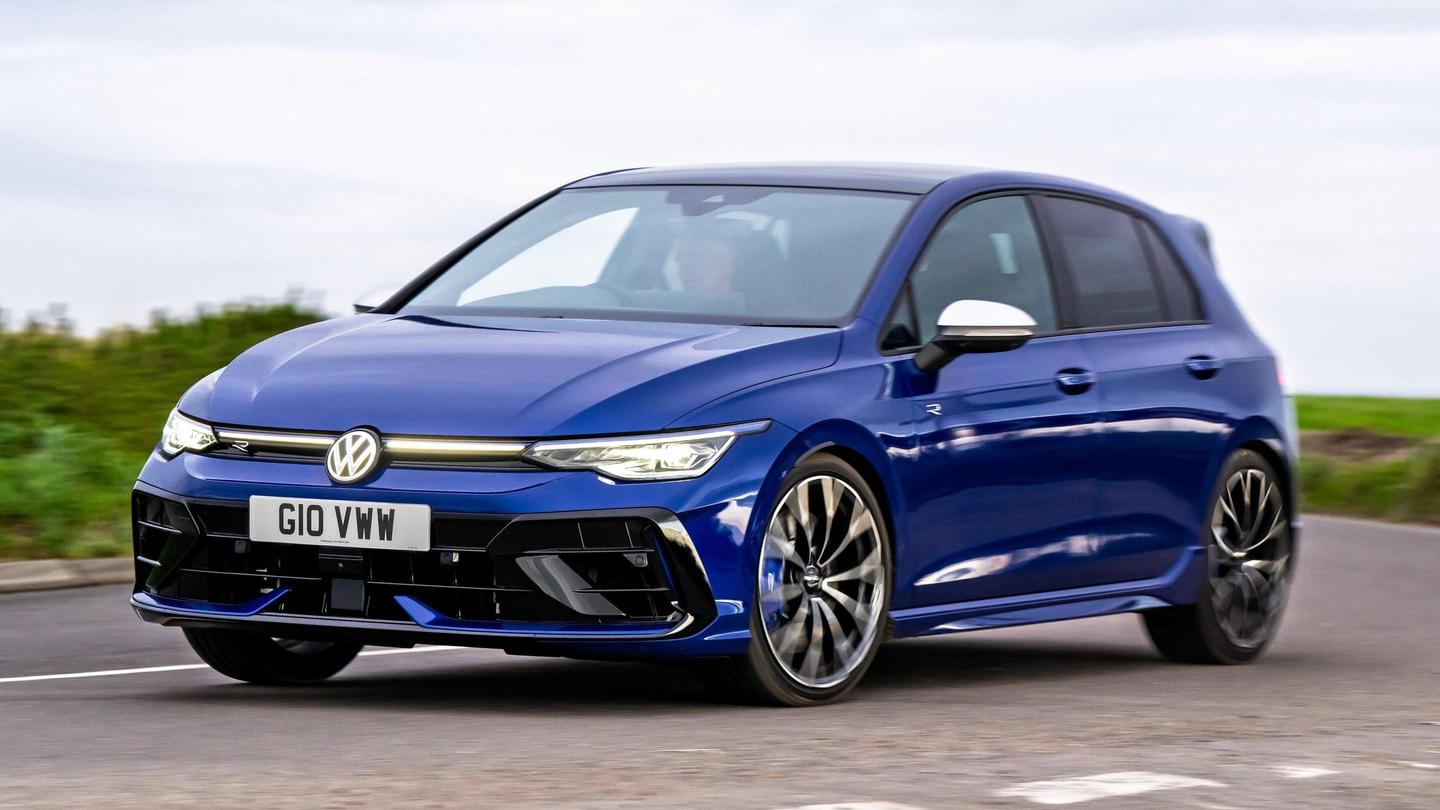
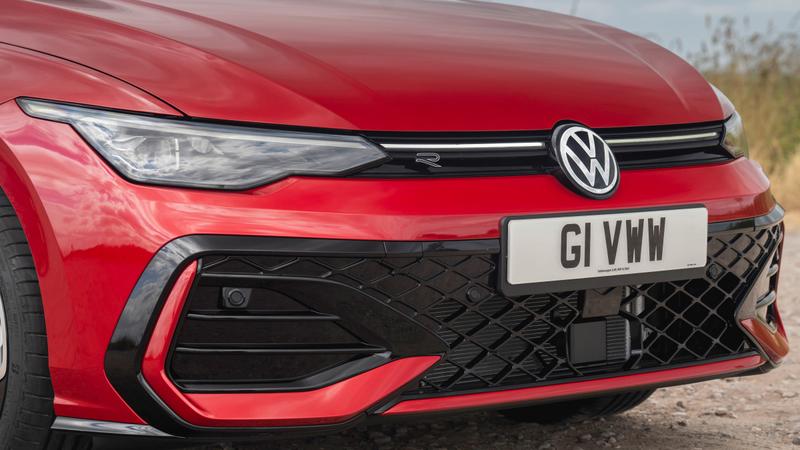
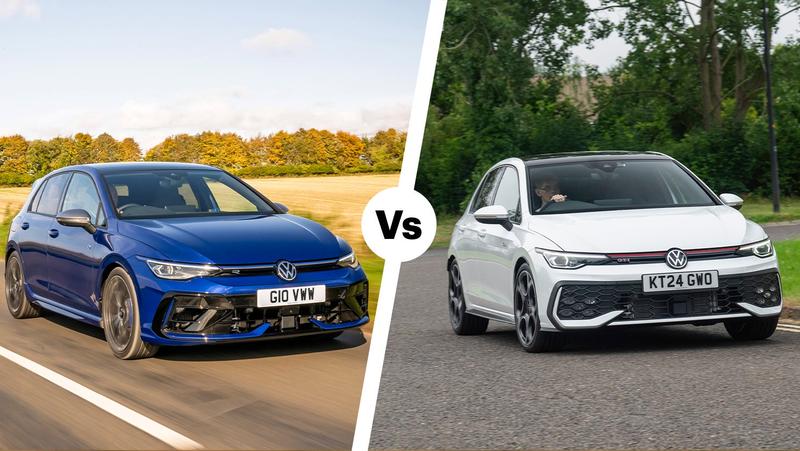
While the Golf GTI might be hot hatch genesis, it’s the Golf R that’s the fastest and most enticing version of VW’s iconic family car.
It’s not cheap to buy or to run, but its sports car performance and all-round talent make it a superb hot hatch.
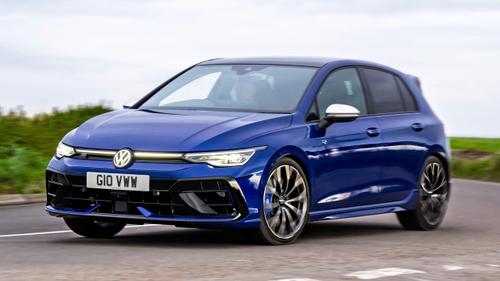
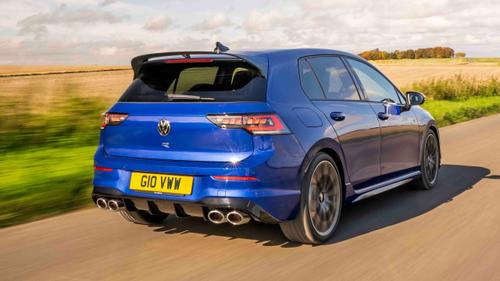
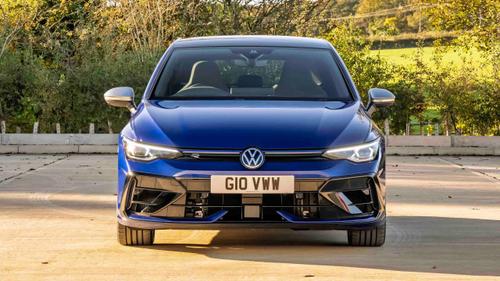
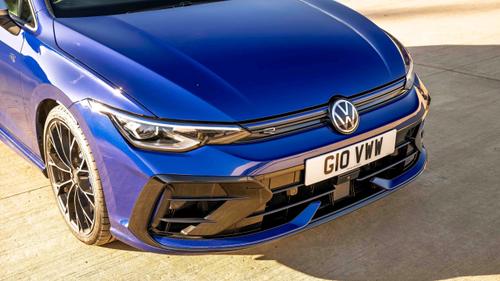
If you’re considering buying a hot hatch, the Golf R has to be the starting point on your shortlist.
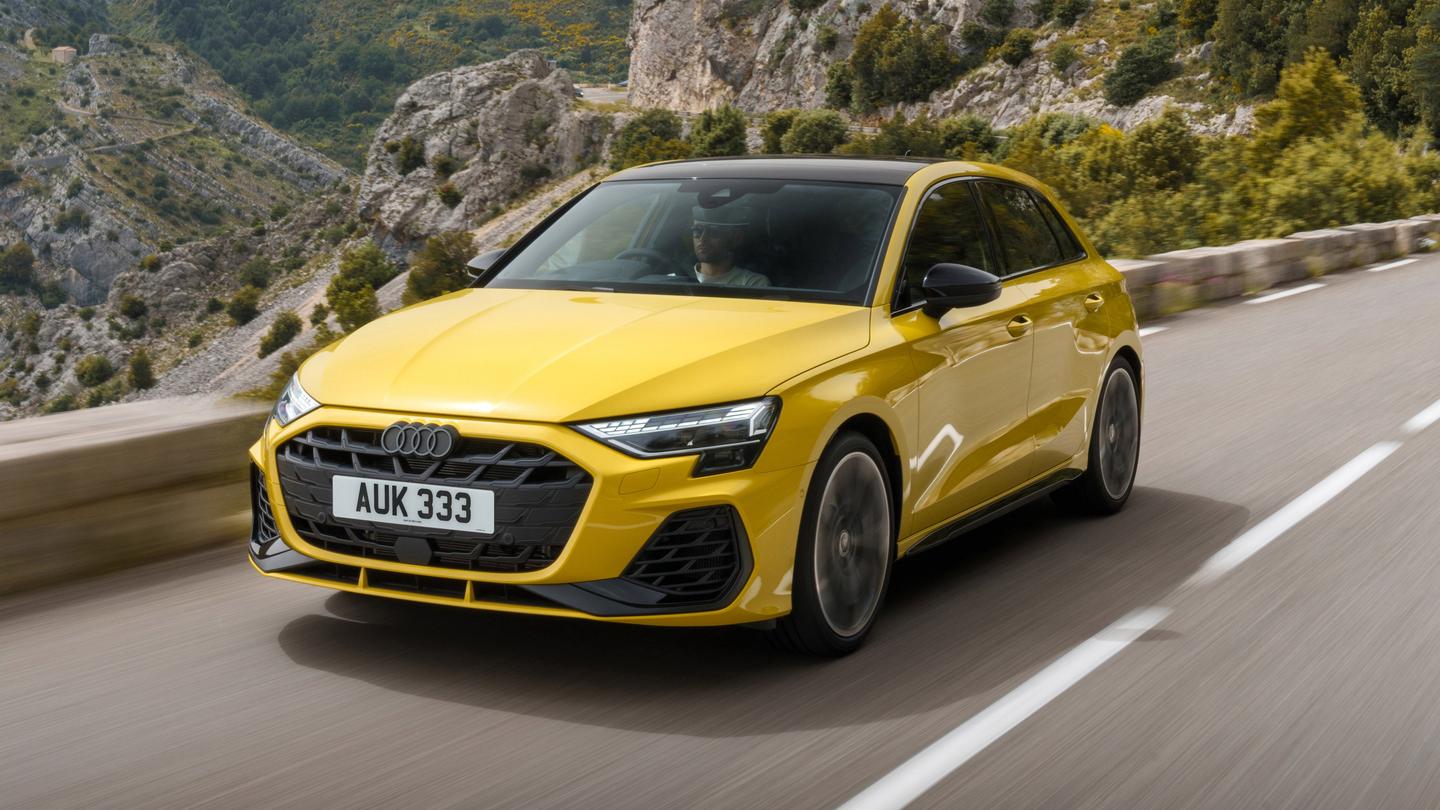
In this speed-obsessed world, the Golf GTI doesn’t cut it for sheer acceleration – you need four-wheel drive to give you the sort of punch in the gut that an extreme rollercoaster gives you. That puts the Golf R in the hot hatch big leagues; its 4.6-second 0-62mph time almost exactly matches the BMW M135, Audi S3 and Mercedes-AMG A35.
"It’s a cross-country weapon and we’ve no doubt that it’d be faster than many supercars on an badly surfaced back road"
The Golf R is more practical and engaging than the M135 (and that’s before you consider the Golf R Estate), better built than the A35 and more overtly sporty than the S3.
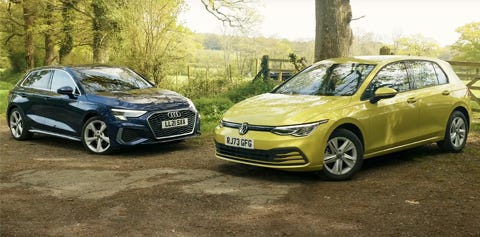
Read our rundown of the Volkswagen Golf R vs Audi S3 here.
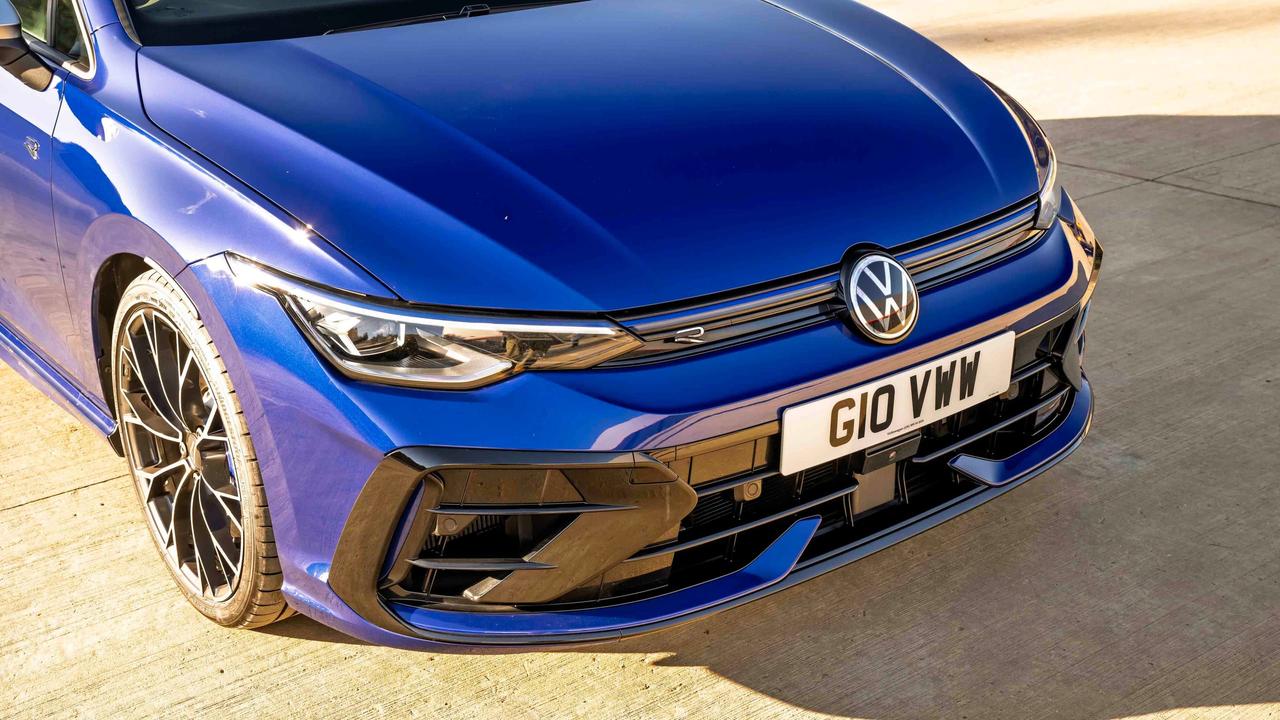
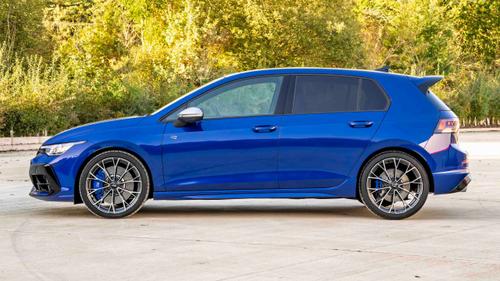
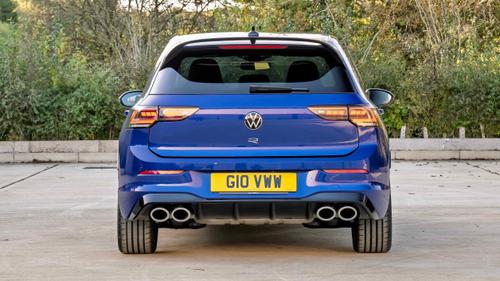
However, get one in a moody colour – there are only four to choose from: three monochrome and the Golf R’s signature Lapiz Blue – and you’ll slip through traffic unnoticed. In the right spec it can be as subtle as a 1.0-litre Golf, which’ll appeal if you like the idea of a sleeper that can surprise unsuspecting sports-car drivers.
And, besides the extra performance, the Golf R does all the Golfy bits just as well. It’s spacious for four adults, it can tackle long journeys without an issue and it feels completely unflappable in testing situations.
That’s a double-edged sword. The Golf may be R for rapid, but it’s not E for exciting. Your heart rate isn’t going to rise much on a twisty B-road. If you can sacrifice a bit of outright pace for a bit more driving pleasure, the front-driven Honda Civic Type R and Ford Focus ST both put you right in the midst of the action. Or, if you can afford it, the Audi RS3 and Mercedes-AMG A45 S deliver the 4WD grippiness and the excitement, by dint of having over 400hp.
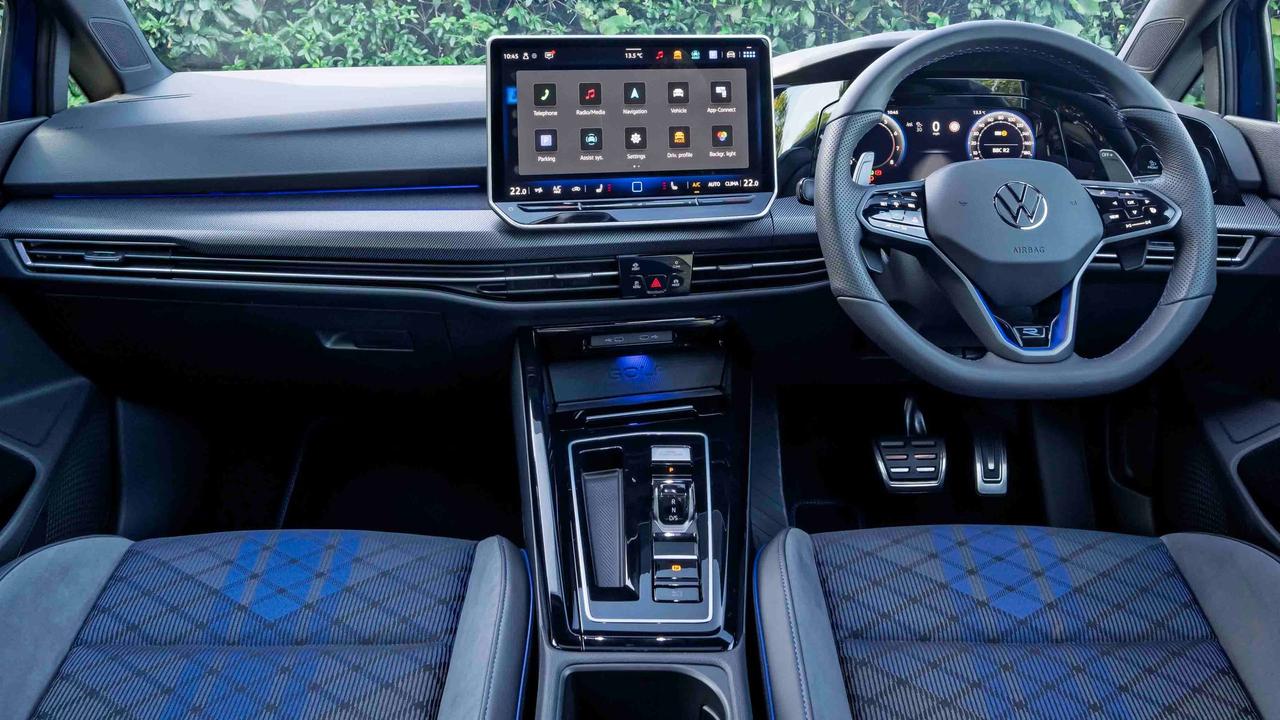
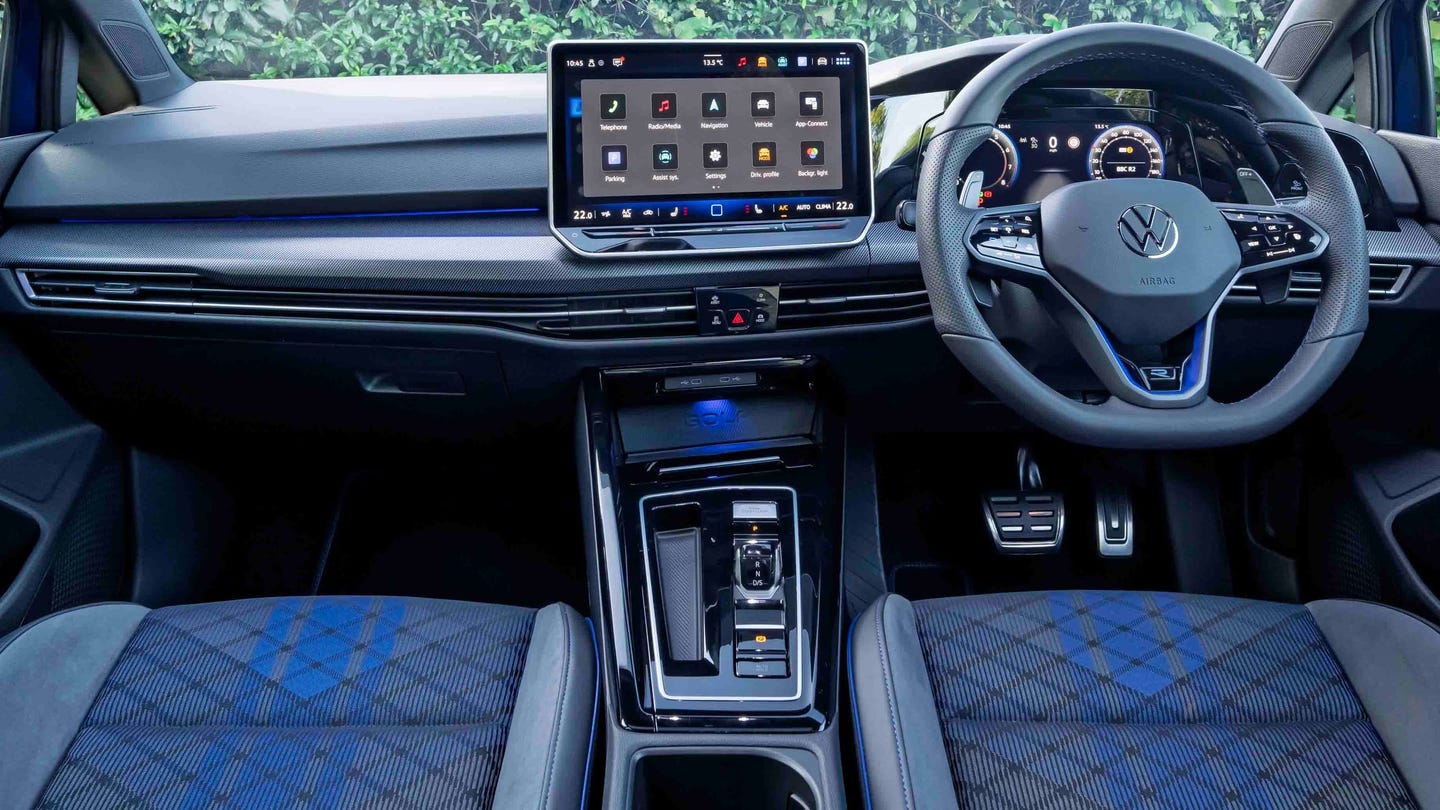
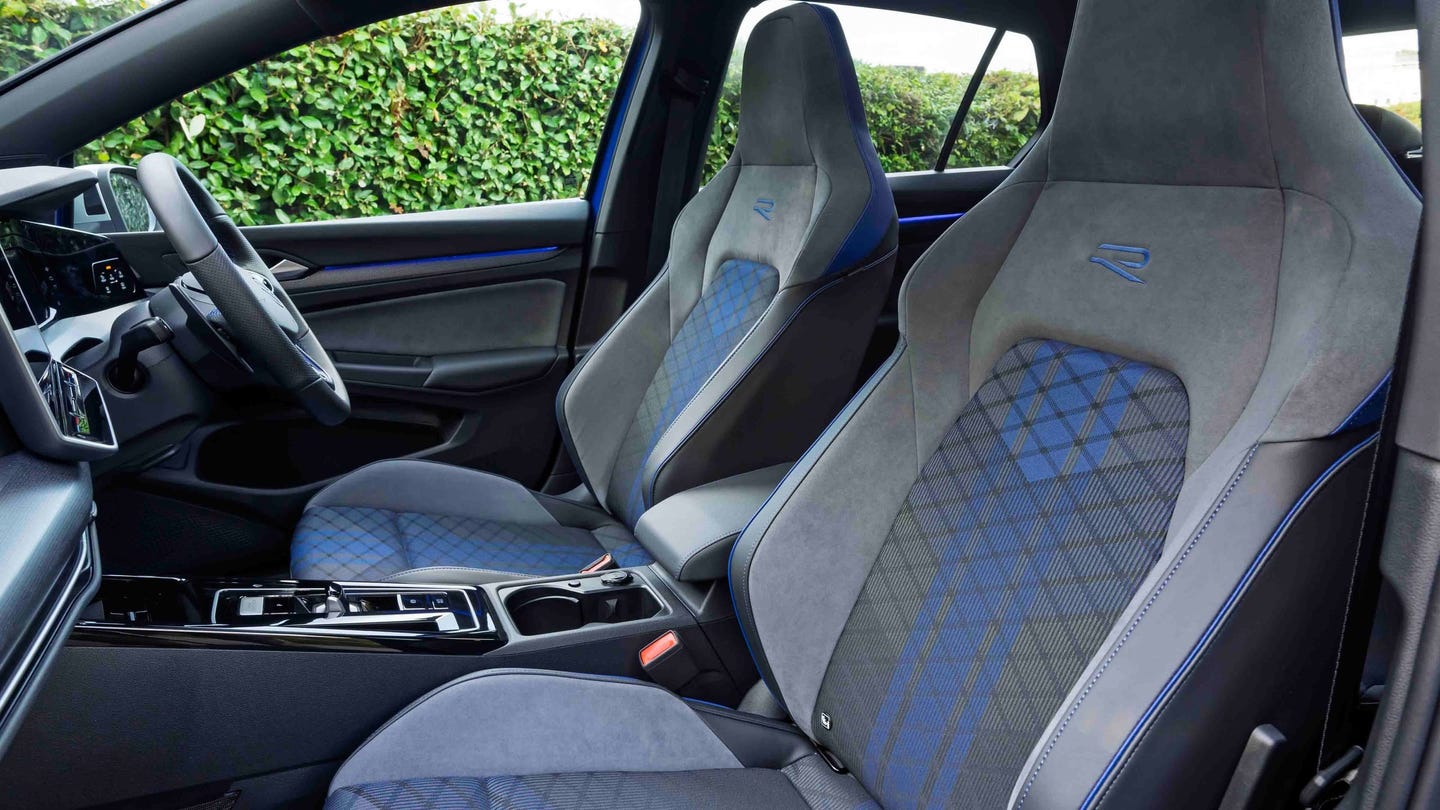
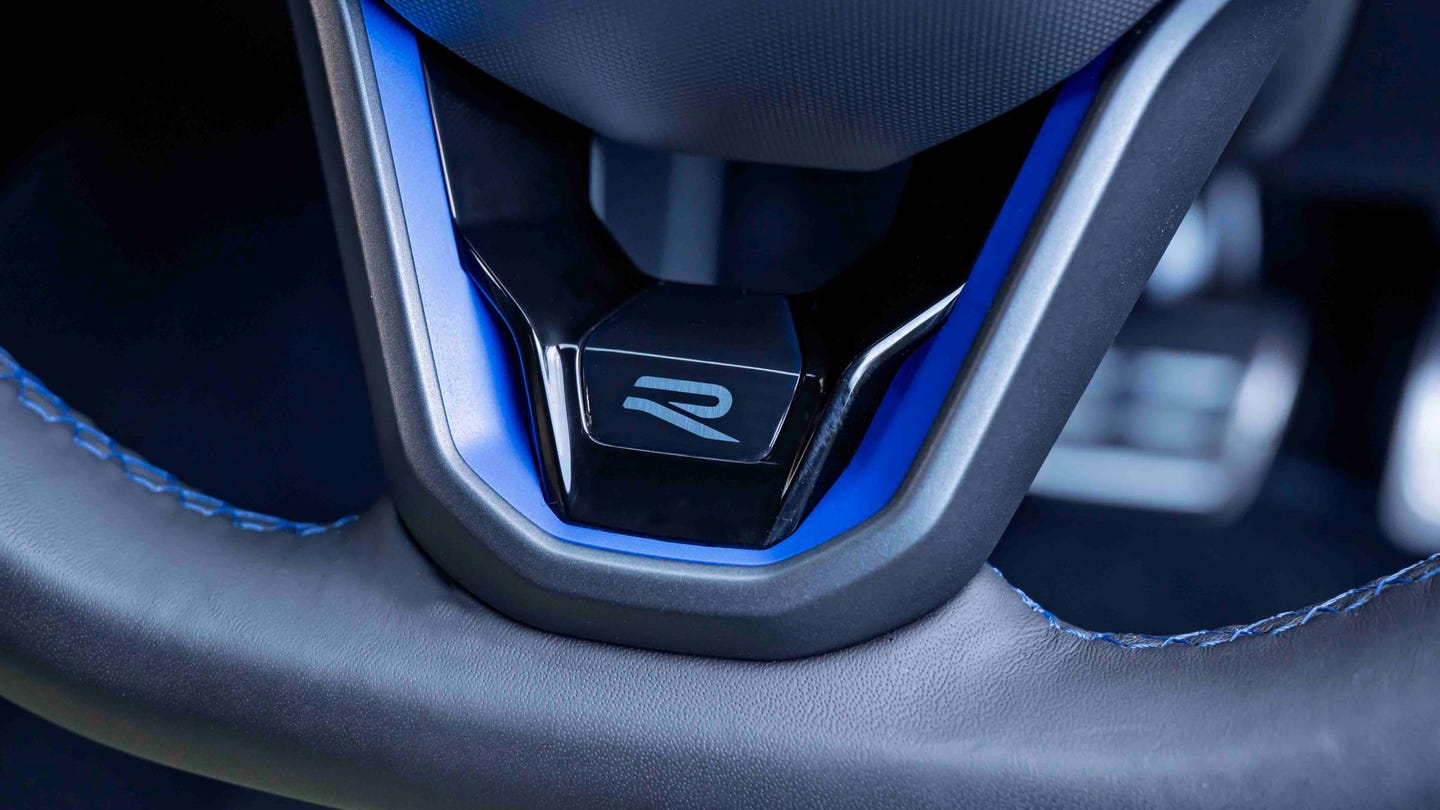
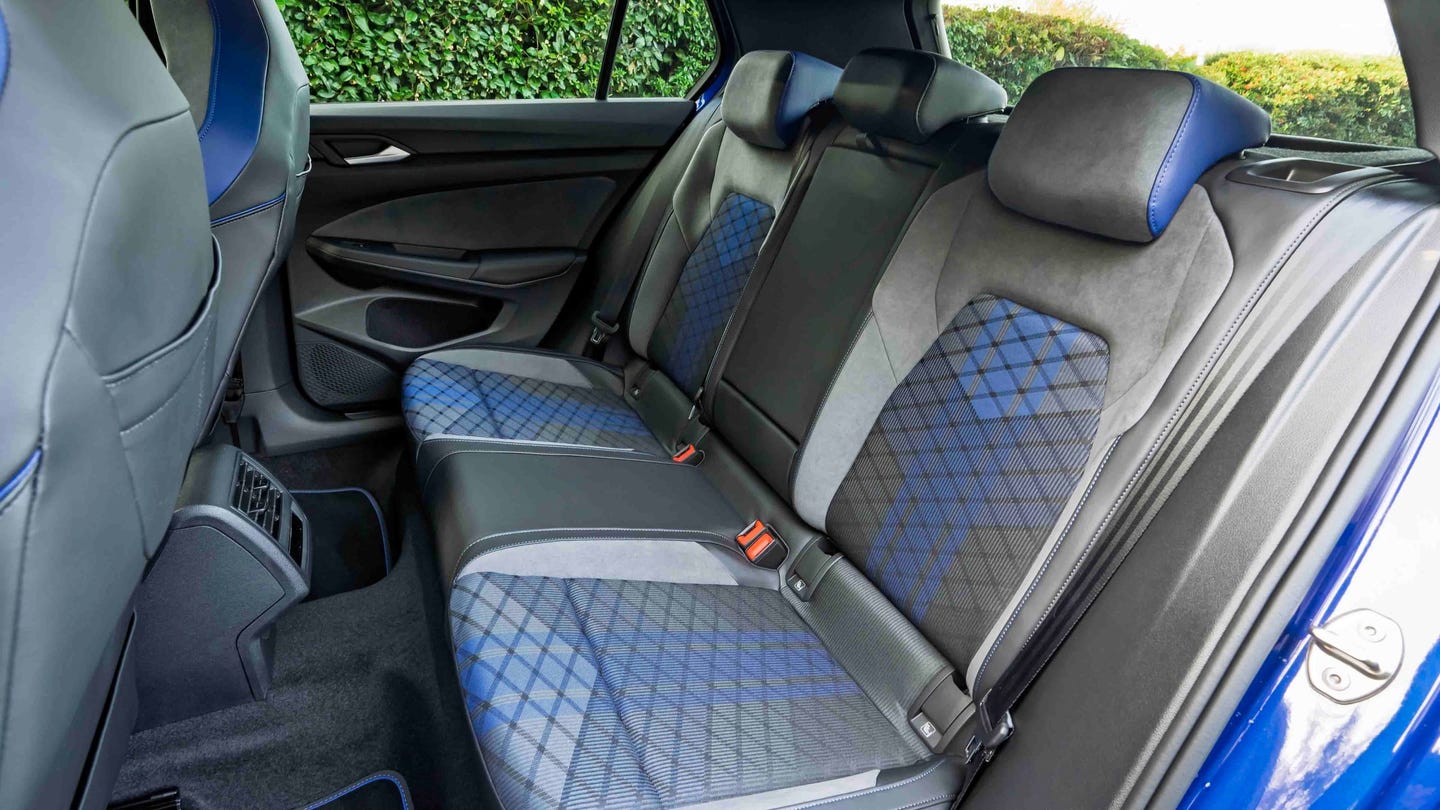
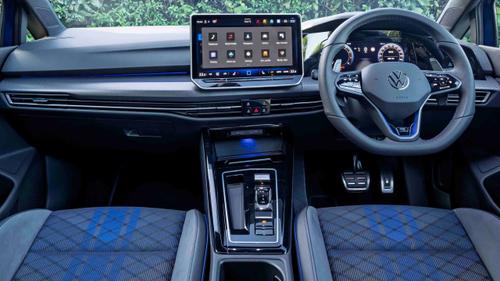
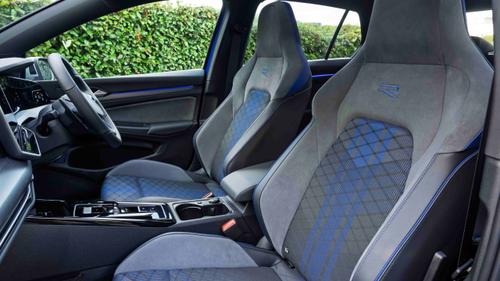
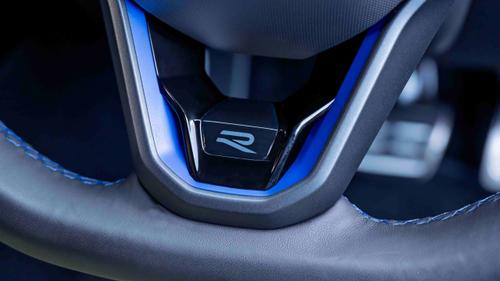
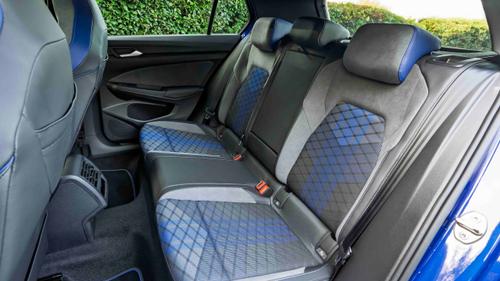
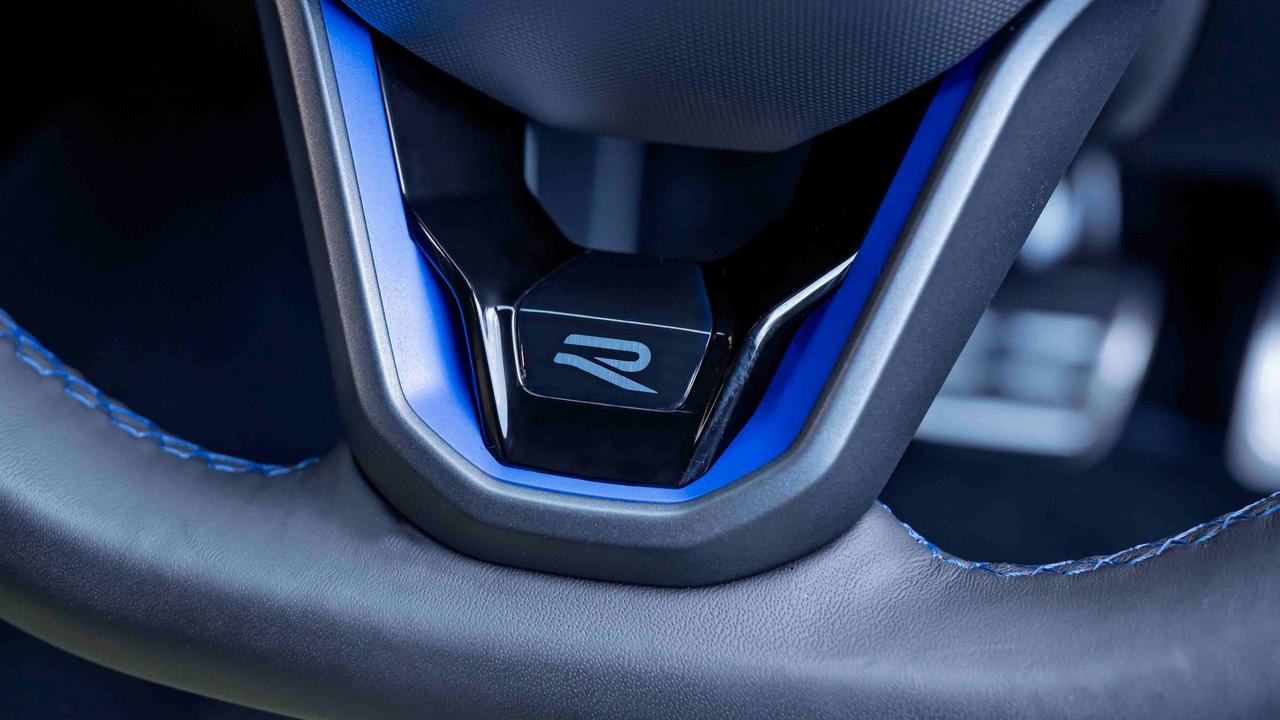
Buying the R gets you a sea of blue accents – you’ll find blue tones on the steering wheel, in the digital dials, in the preset ambient lighting setting and, of course, all over the seats. Speaking of the seats, they’re more supportive than standard Golf ones, and they put you within reach of a grippy steering wheel complete with gearshift paddles.
Everything else is pure Golf – the driving position is great, all-round visibility is fantastic and the build quality is mostly right up there. Some of the materials feel expensive but some key touchpoints – such as the interior door handles – feel cheap. On a similar note, the Golf R’s cloth seats don’t feel as luxurious as the Audi S3’s premium Nappa leather seats.
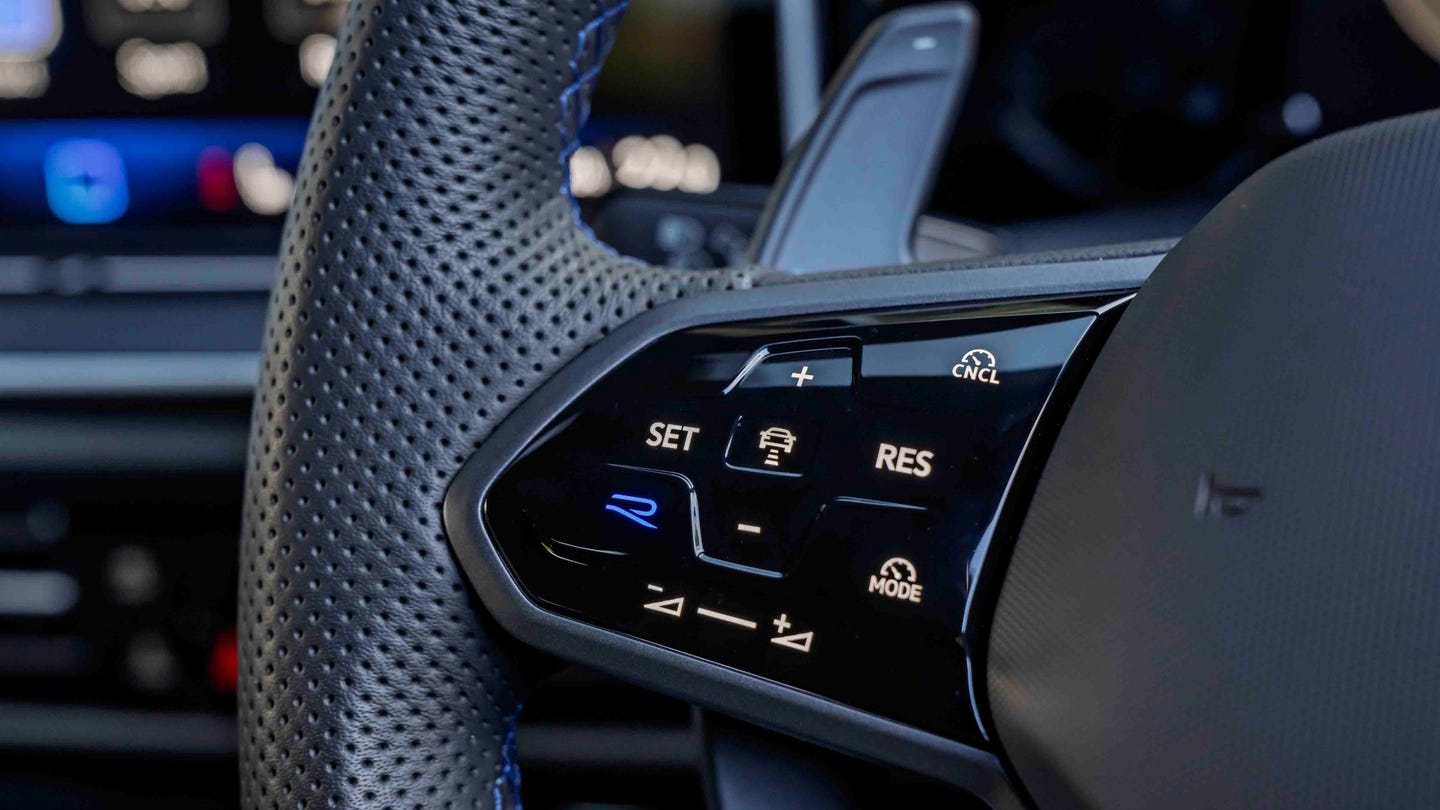
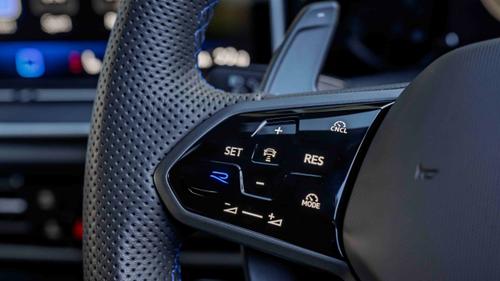
You still get touch panels on the steering wheel in the Golf R, which is a bit strange given that most Golf models have returned to using physical buttons after strong customer feedback.
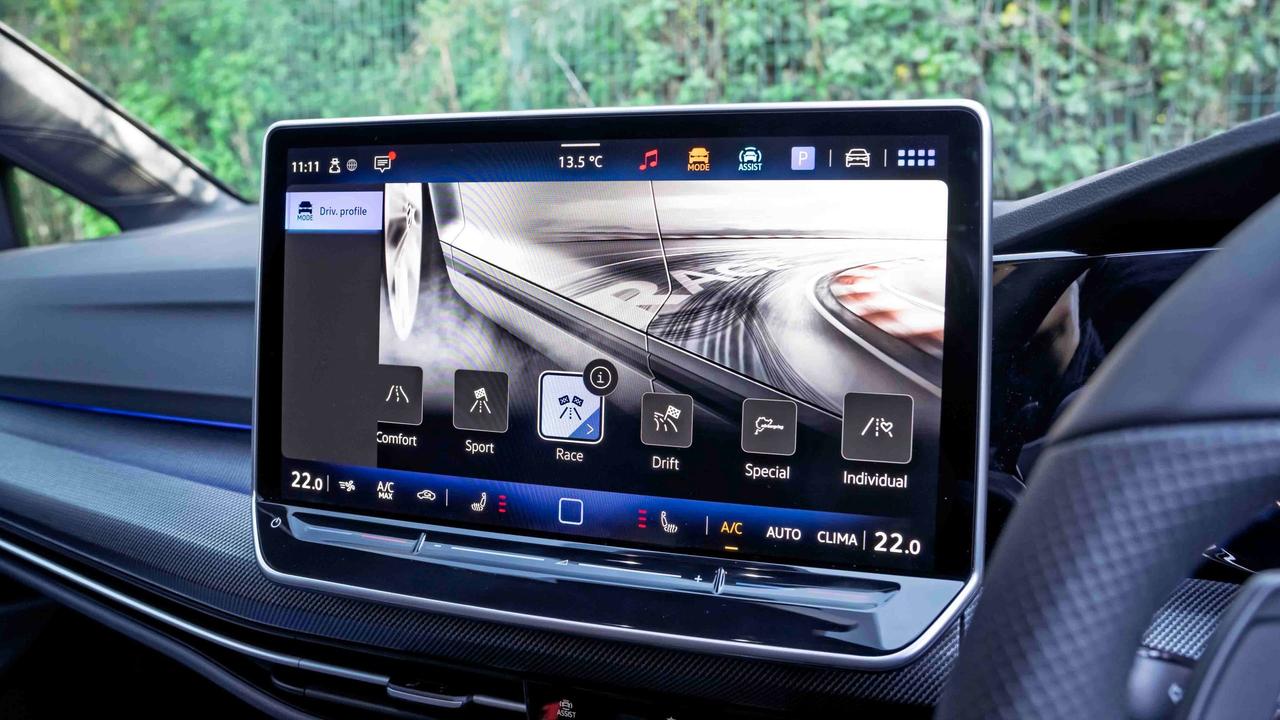
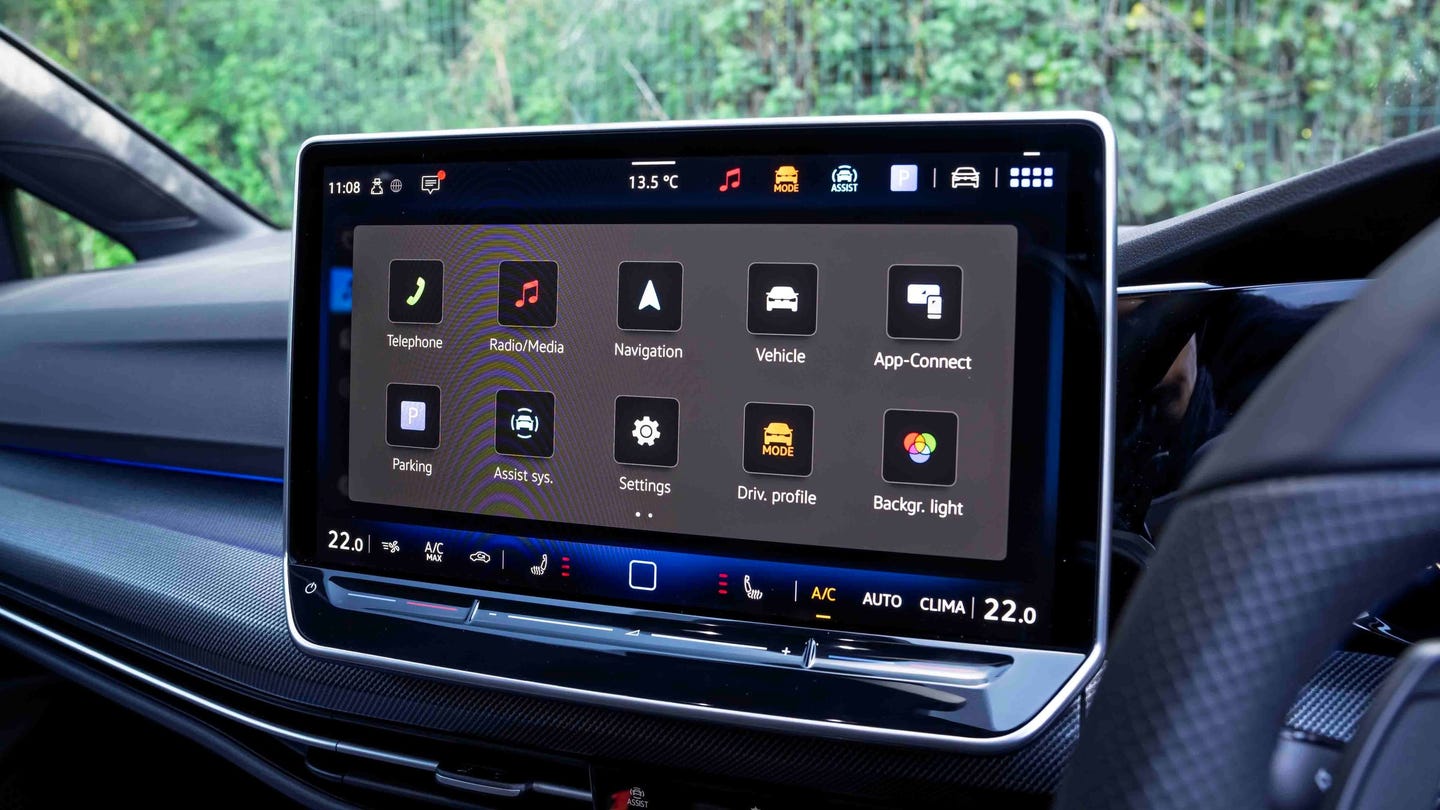
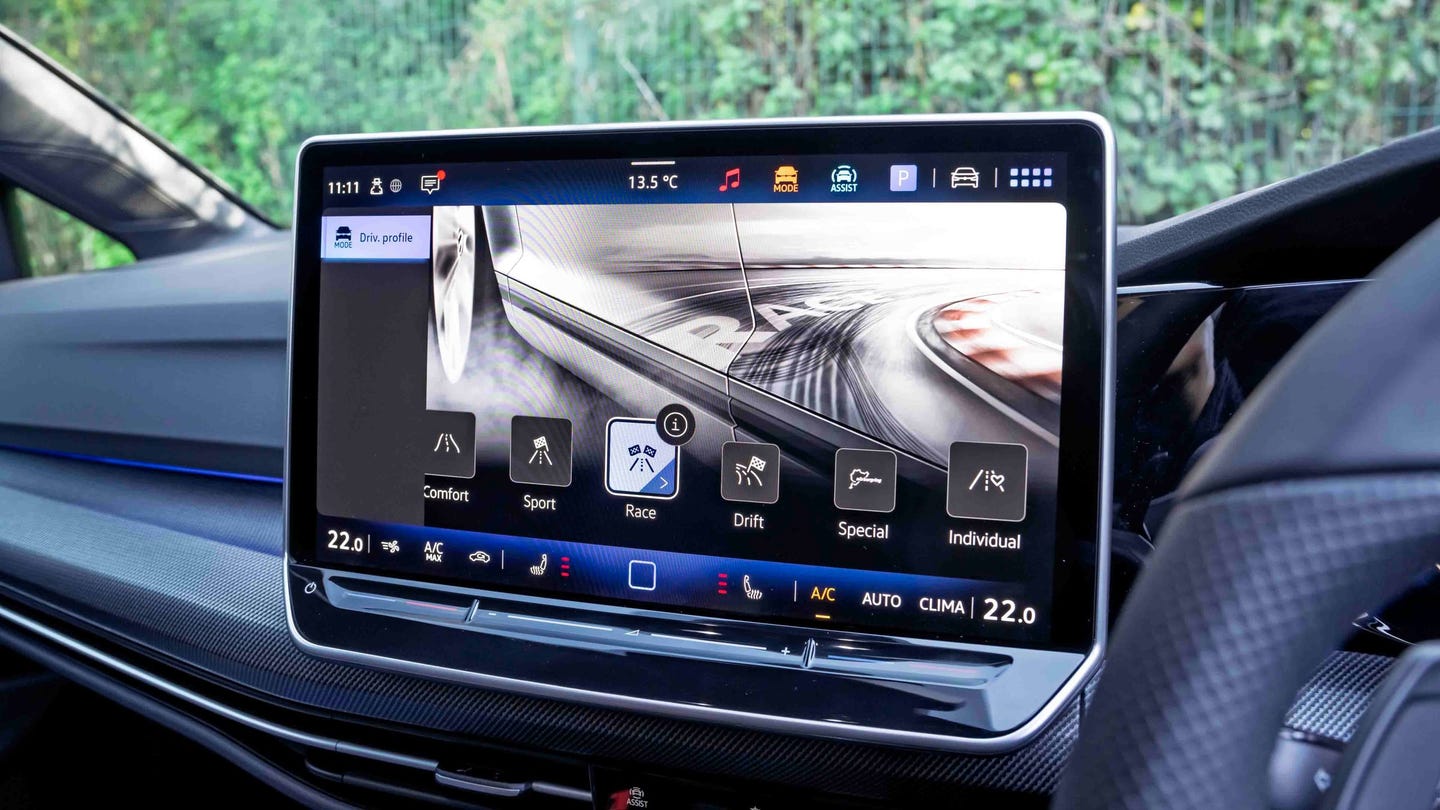
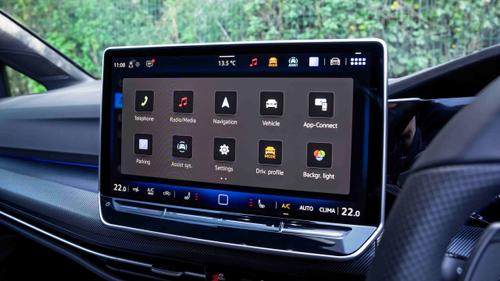
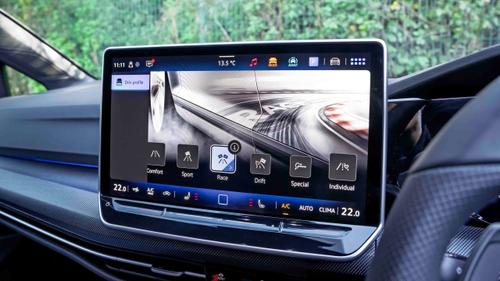
Speaking of touch controls, you’ll use the big central touchscreen a lot. Facelift models (2024 and newer) come with a better thought-out infotainment system than earlier cars. In the latest cars, it’s easy to set the screen to your preferences, with a customisable access bar at the top and a customisable home screen menu. Most of the time, it responds fairly quickly too.
Having said that, the Golf’s system now features a ChatGPT-enabled voice assistant, so you don’t even have to touch the screen if you don’t want to. In our experience, however, it hasn’t quite nailed the ‘intelligence’ bit of artificial intelligence yet, often struggling to answer even quite simple questions.
Being the flagship Golf, the R is pretty well equipped. There are fancy headlights with auto high-beam assist, a heated steering wheel, wireless Apple CarPlay/ Android Auto, three-zone climate control, heated front seats, adaptive cruise control and self-parking tech. If we were being really picky, we might expect to see electric seats and an electric bootlid, but the latter isn’t even available as an option.
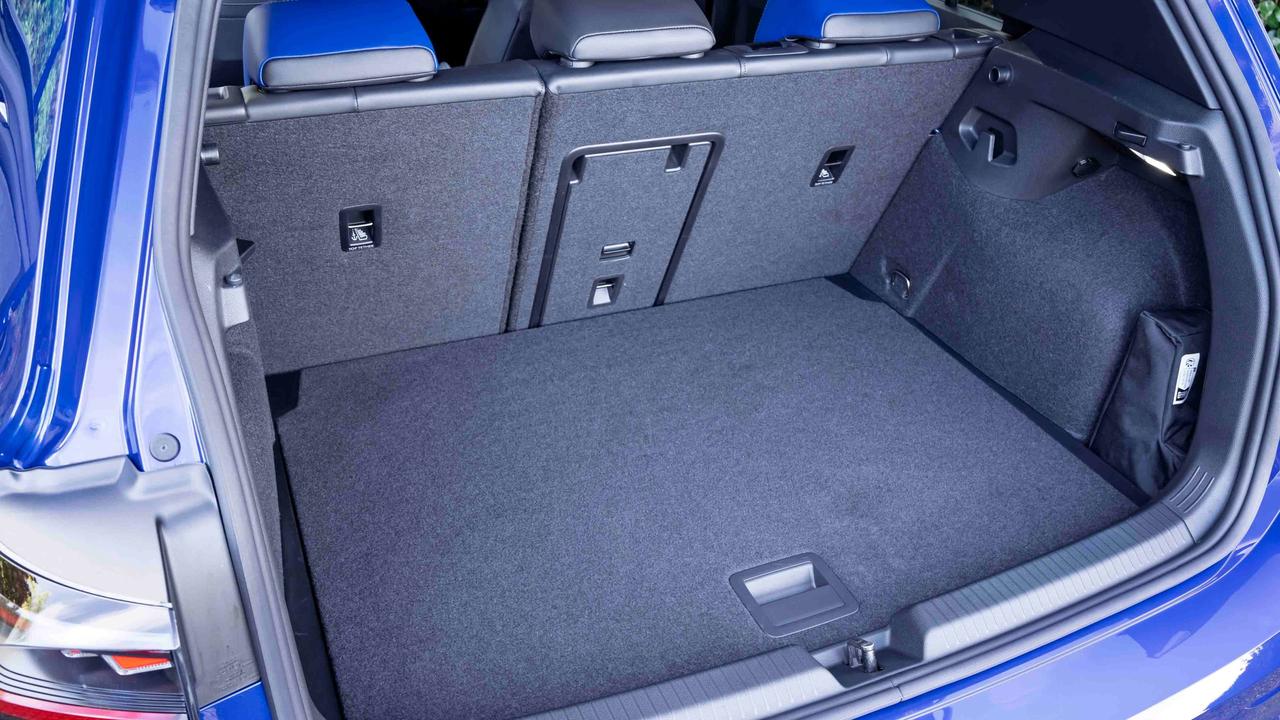
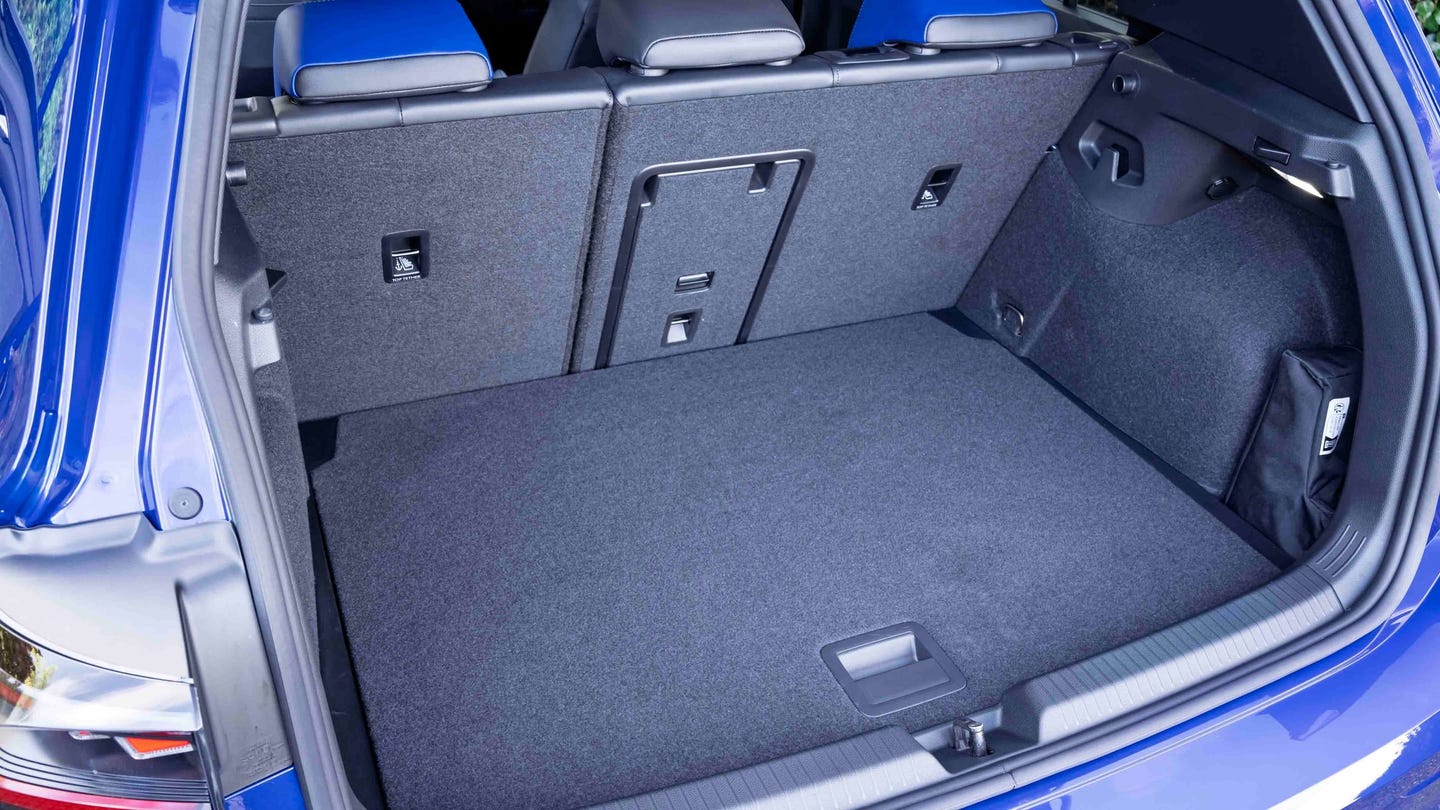
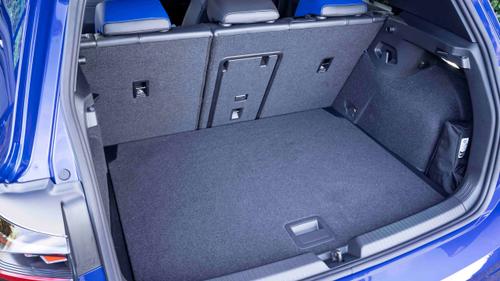
The Golf R’s four-wheel-drive system cuts into boot space a little, so you get 341 litres in the R compared to 380 litres in an R-Line. In practice, you’re not likely to notice much difference. Like any family hatch, it’s big enough for a couple of small suitcases or a weekly food shop, but it’ll struggle if you get too enthusiastic in your local Swedish flatpack megastore.
So it’s a good job that you can get the Golf R as an estate, with a massive boot and no effect on performance. However the new-shape Golf R estate is rarer than a painter with clean trousers.
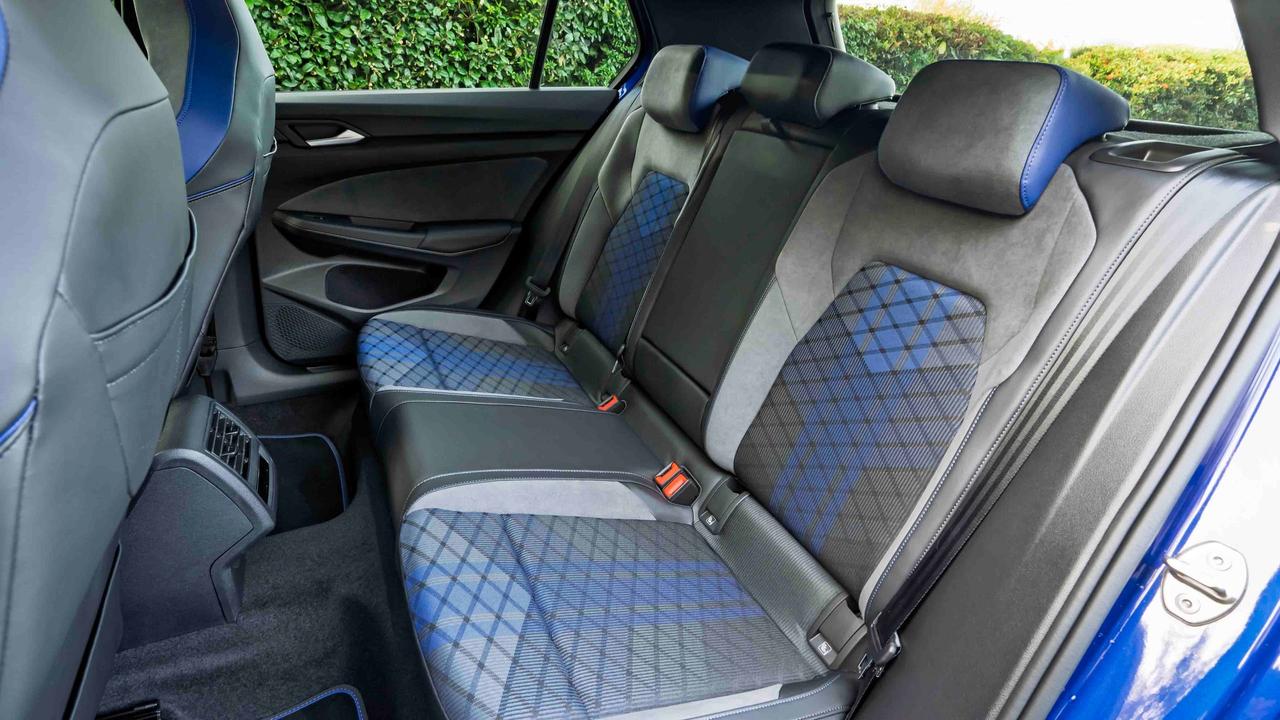
In either bodystyle, your rear-seat passengers might moan that they can’t see much out of the front, due to the one-piece seatbacks. In other respects, rear-seat space is strong – there’s enough legroom and headroom for a tall adult, and numerous places to stash devices or road-trip snacks.
Have thrill-seeking children? You’ll be pleased to know the Golf R comes with three sets of easily accessible Isofix points.
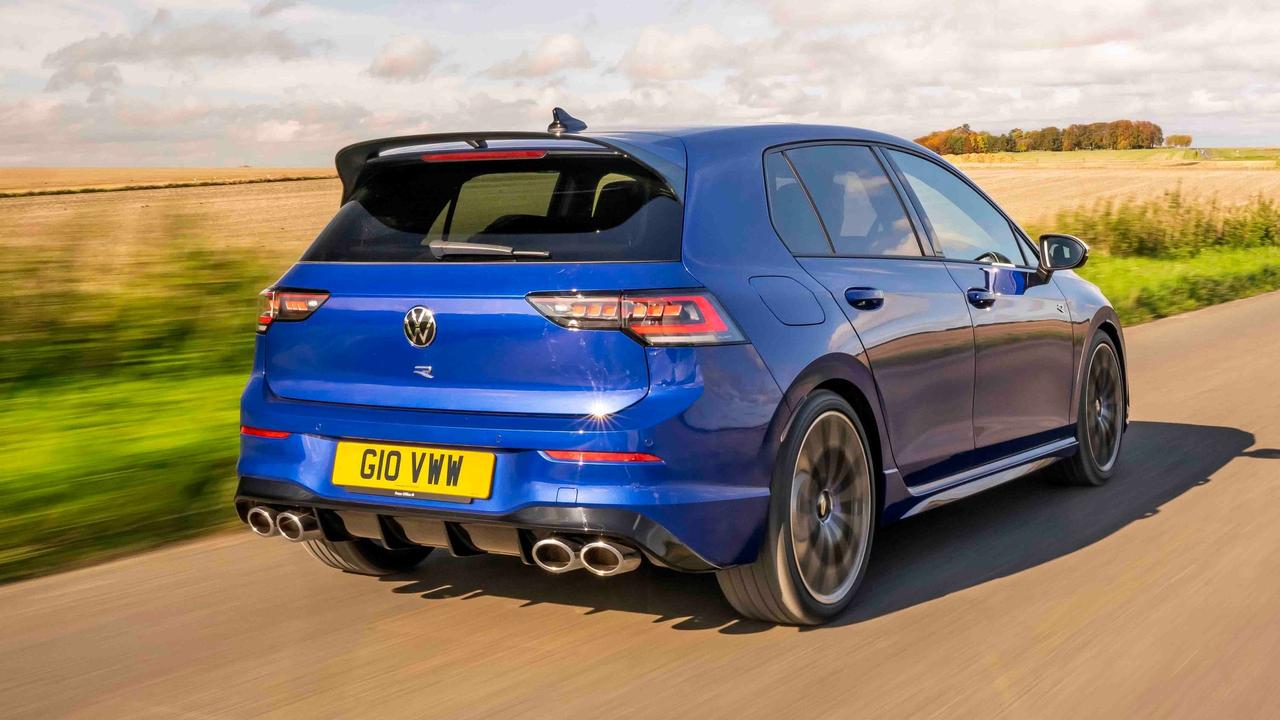
Volkswagen’s faithful 2.0-litre ‘EA888’ petrol engine has been powering the Golf R for some years now, and it’s easy to see why. The turbocharged engine is strong, dependable and, if you’re feathery footed, even reasonably economical on a long run.
Over its lifespan, the engine has been gradually turned up and boosted further. Latest models produce 333hp, up 13hp from pre-2024 cars. That’s enabled a tenth of a second to be shaved off the 0-62mph time, which is the sort of marginal gain that iPhone engineers would do a whole press conference for.
If you’re looking for a manual Golf R on a recent registration plate, you’ll be disappointed – the Mk8 Golf R has only ever been offered as an automatic.
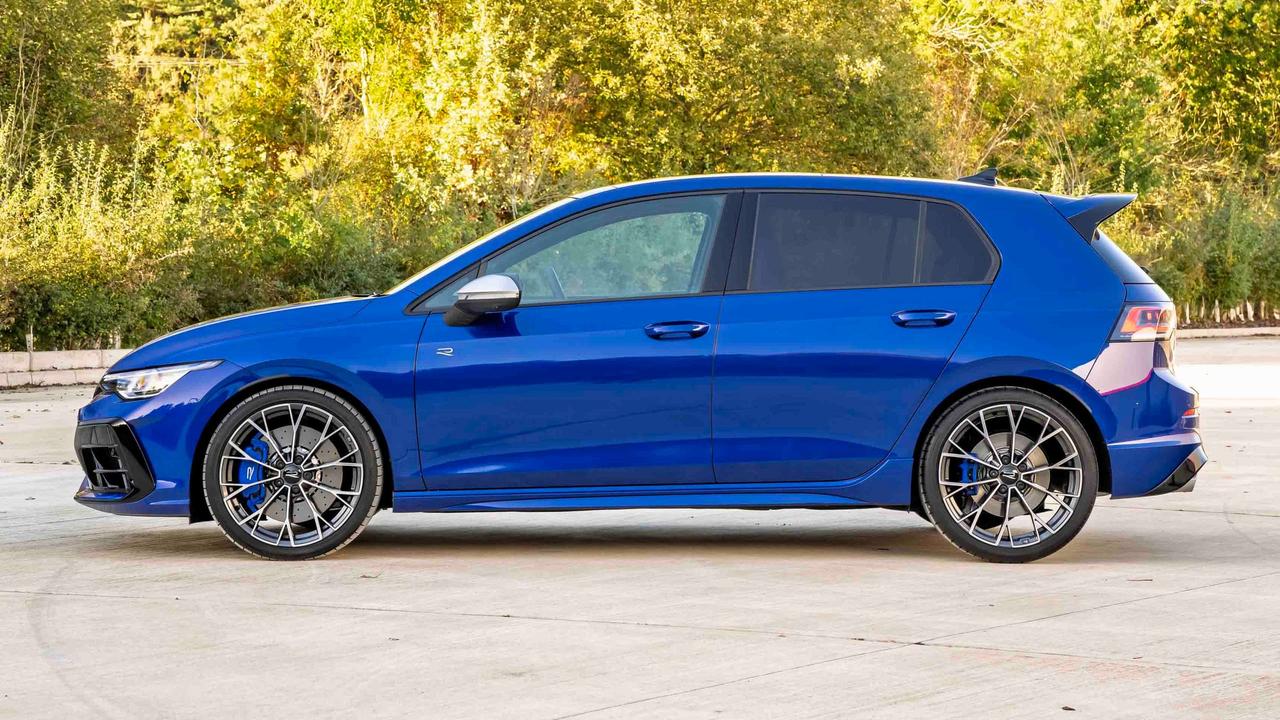
The Golf R’s character has always been surefooted and approachable – even though it’s got three times the power of a base-spec Golf, it’s still a Golf. And that means it’s a superb all-rounder.
Whether it’s a twisting B-road, a boring motorway, a poorly sighted country lane or the dreaded suburban speed bumps, the Golf has the toolkit to deal with it all.
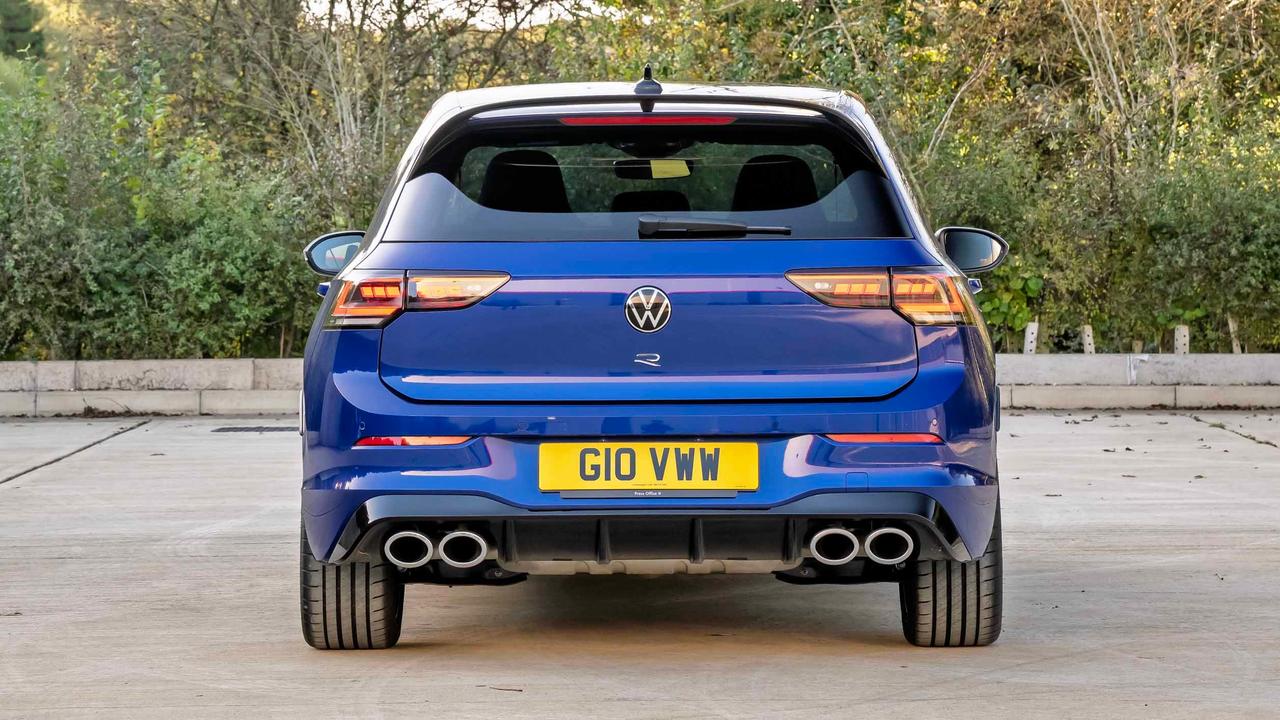
So as long as you can put up with the R’s fuel costs, tax costs, insurance costs and servicing costs, it’s as easy to live with as any other Golf. It’s a daily driver, not a garage queen.
The all-wheel-drive system serves up power to each individual wheel to maximise traction, and the result is that it still feels confident and grippy on wet or leafy roads. It’s a cross-country weapon, and we’ve no doubt that it’d be faster than many nervous supercars on an undulating, cambered, badly surfaced back road.
When you need to haul the car to a stop, you’ll find the brakes are strong and reassuring.
The ride is even bearable. It’s a little firmer than a standard Golf – the upshot being better handling – but harsh impacts don’t hit the cabin too much. It feels like it forgives bad road surfaces and just wants to get on with going fast.
Noise-wise, there’s a bit of tyre noise at higher speeds but nothing major, and at a cruise the sports exhaust can become a bit droney.
While the tenacious all-wheel-drive system makes it easy to go fast whatever the weather, it robs some of the engagement from the Golf R experience. As we’ve mentioned, rivals are more exciting and make you feel closer to the action. Compared to the Civic Type R and Focus ST, the Golf R is a little removed.