





10 of the best Fiat Panda alternatives
Ben Custard
•
Affordable Driving

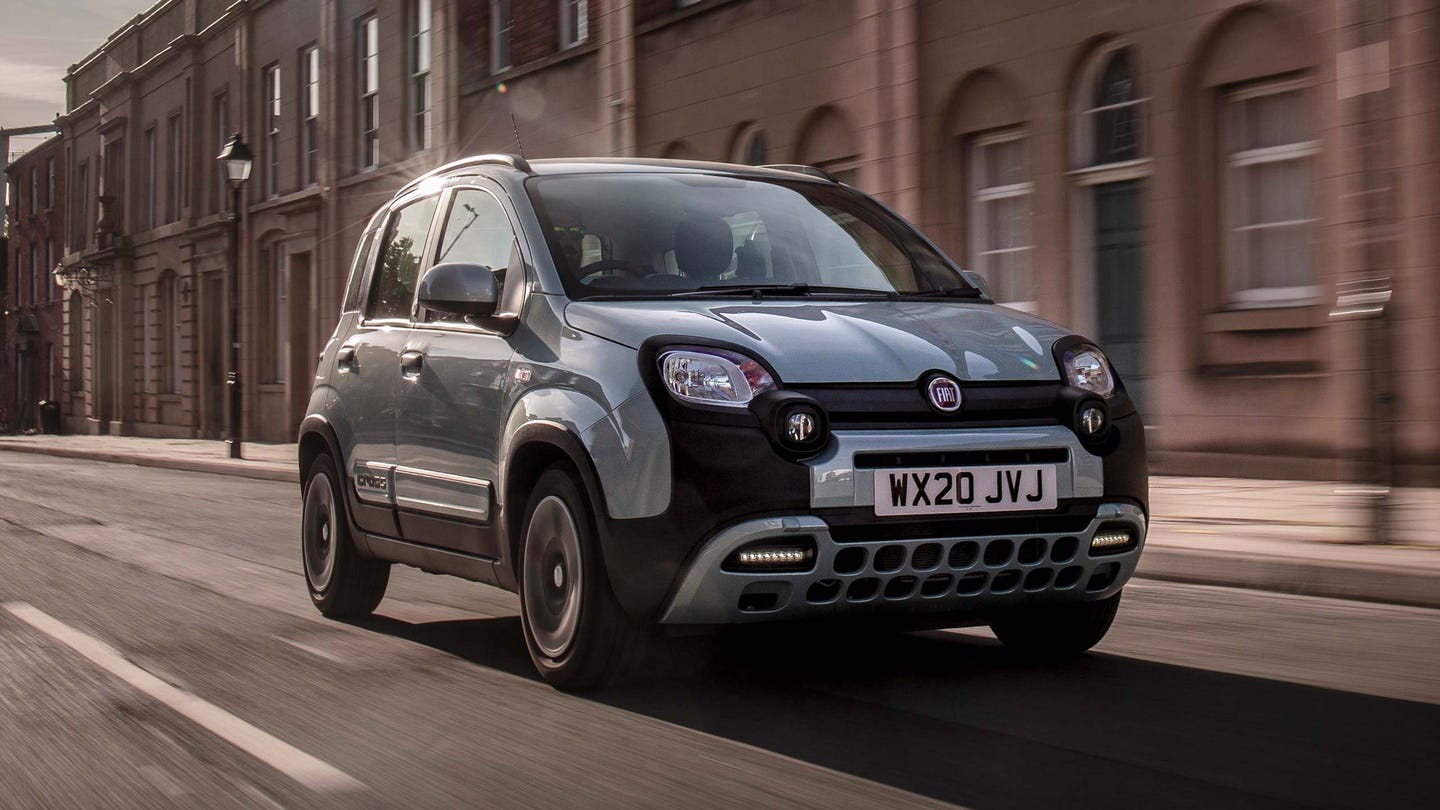
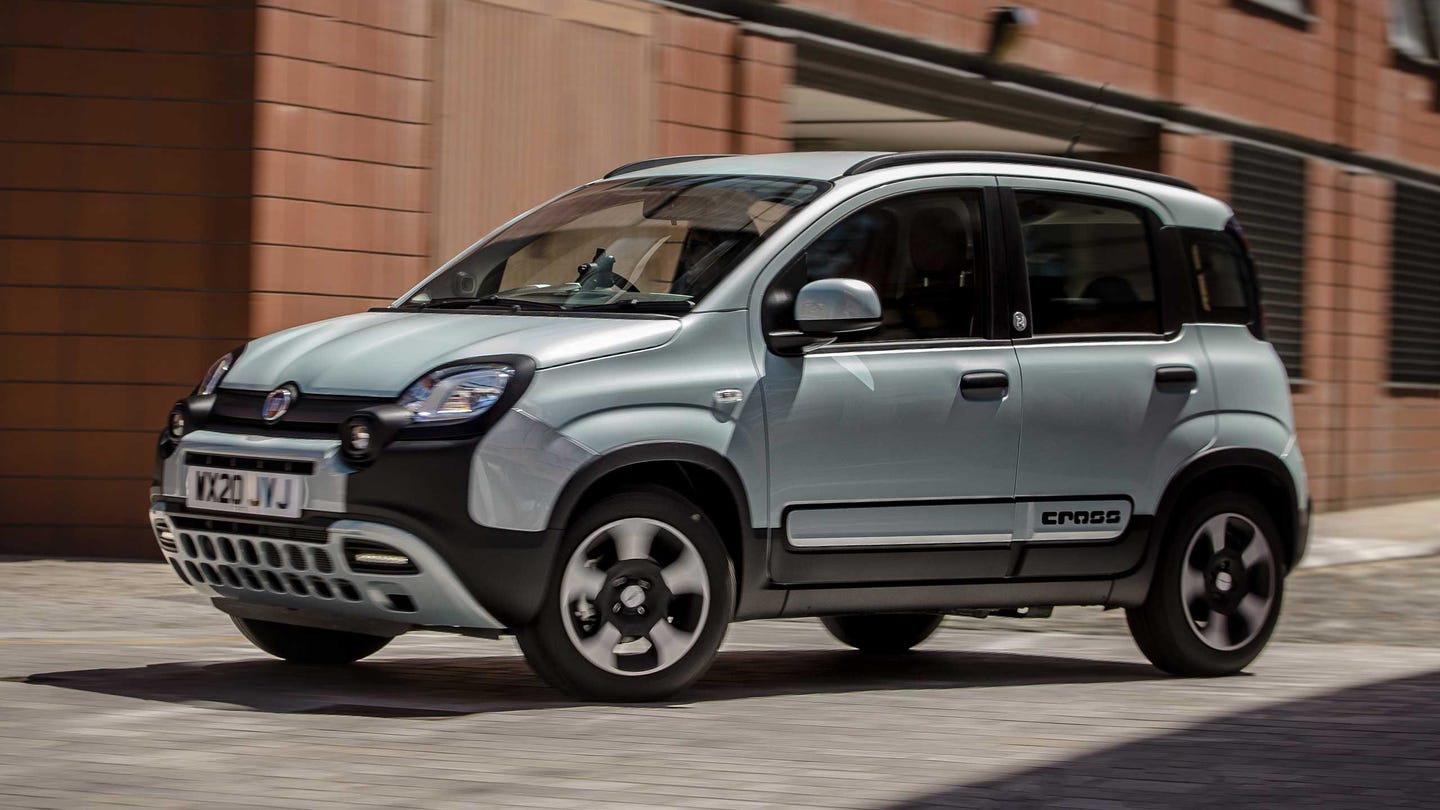
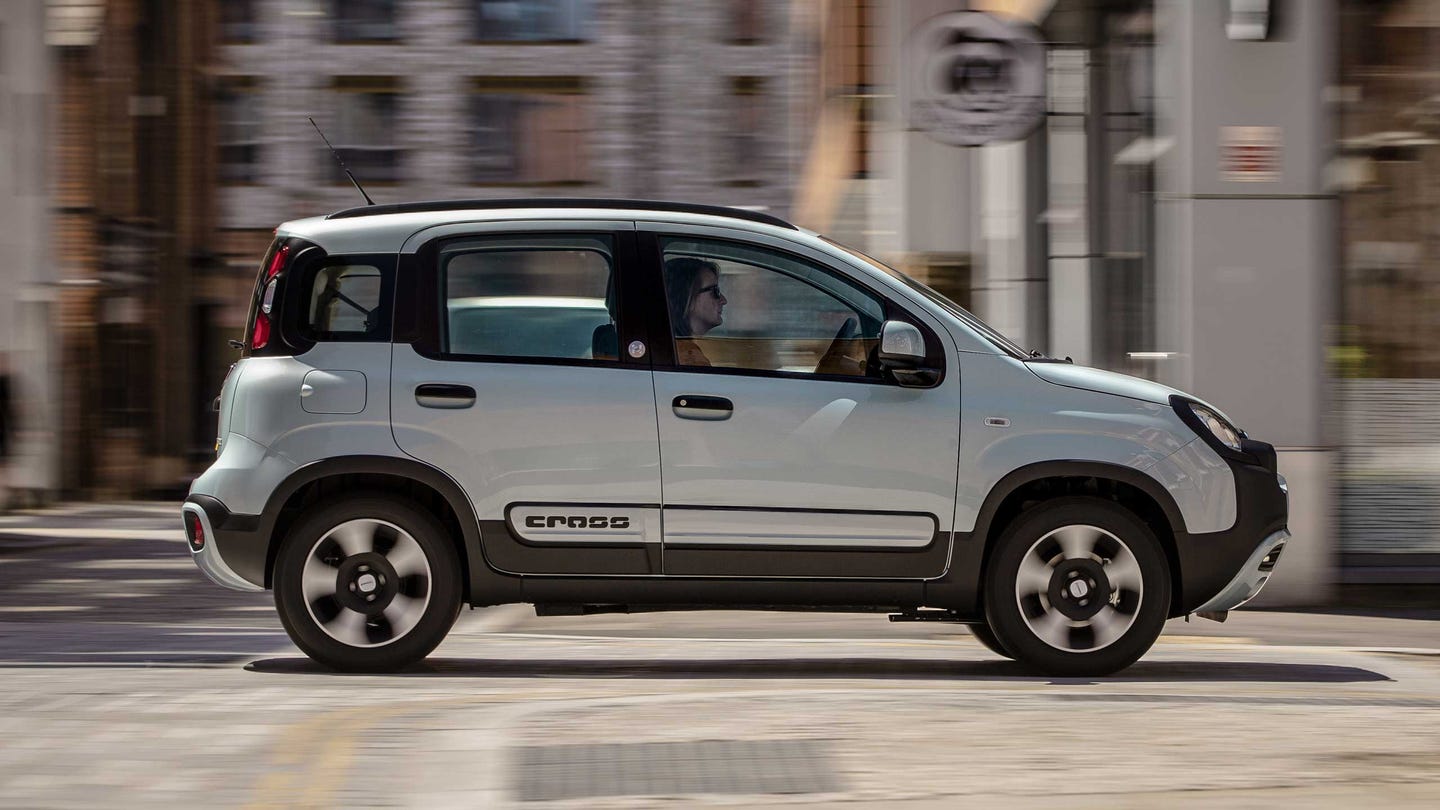
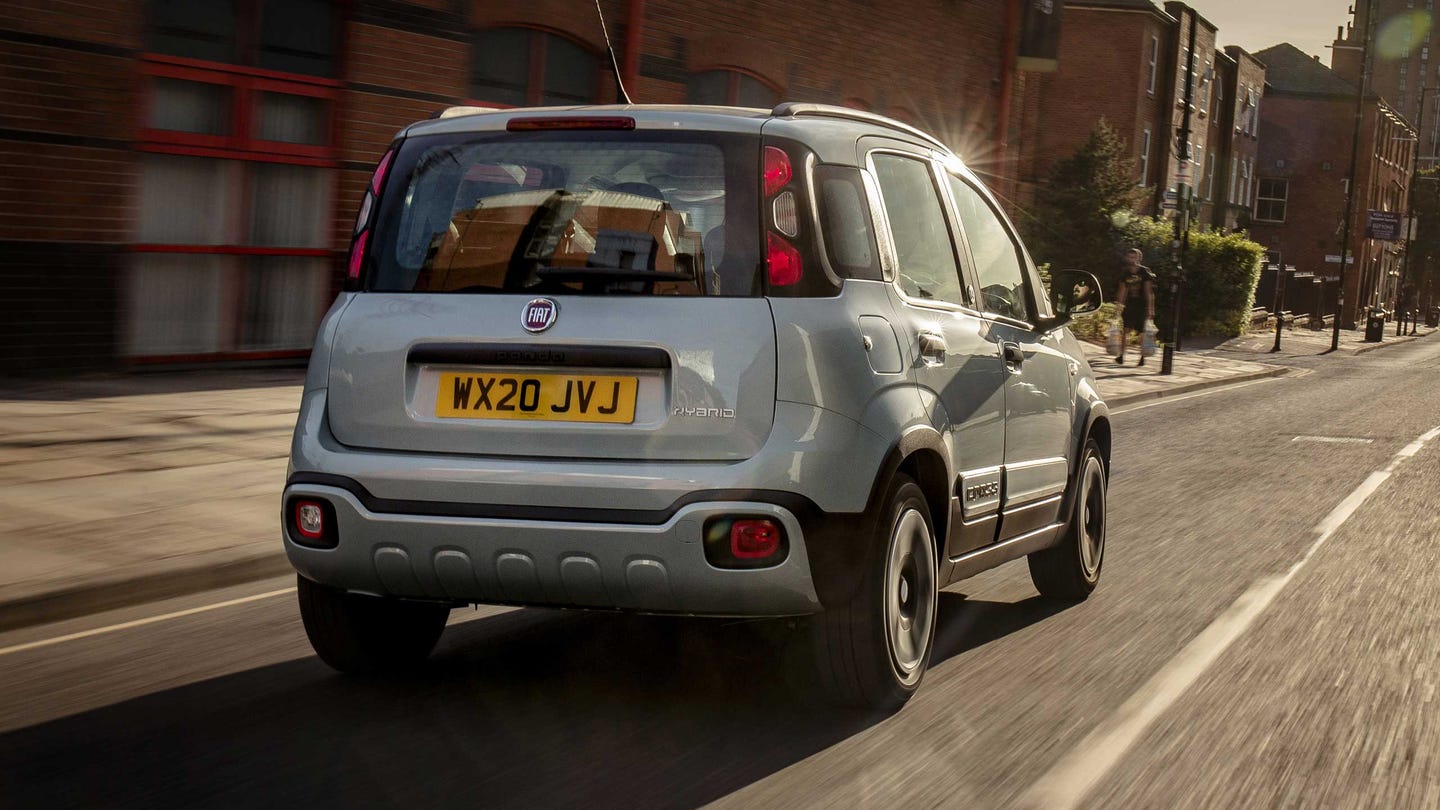
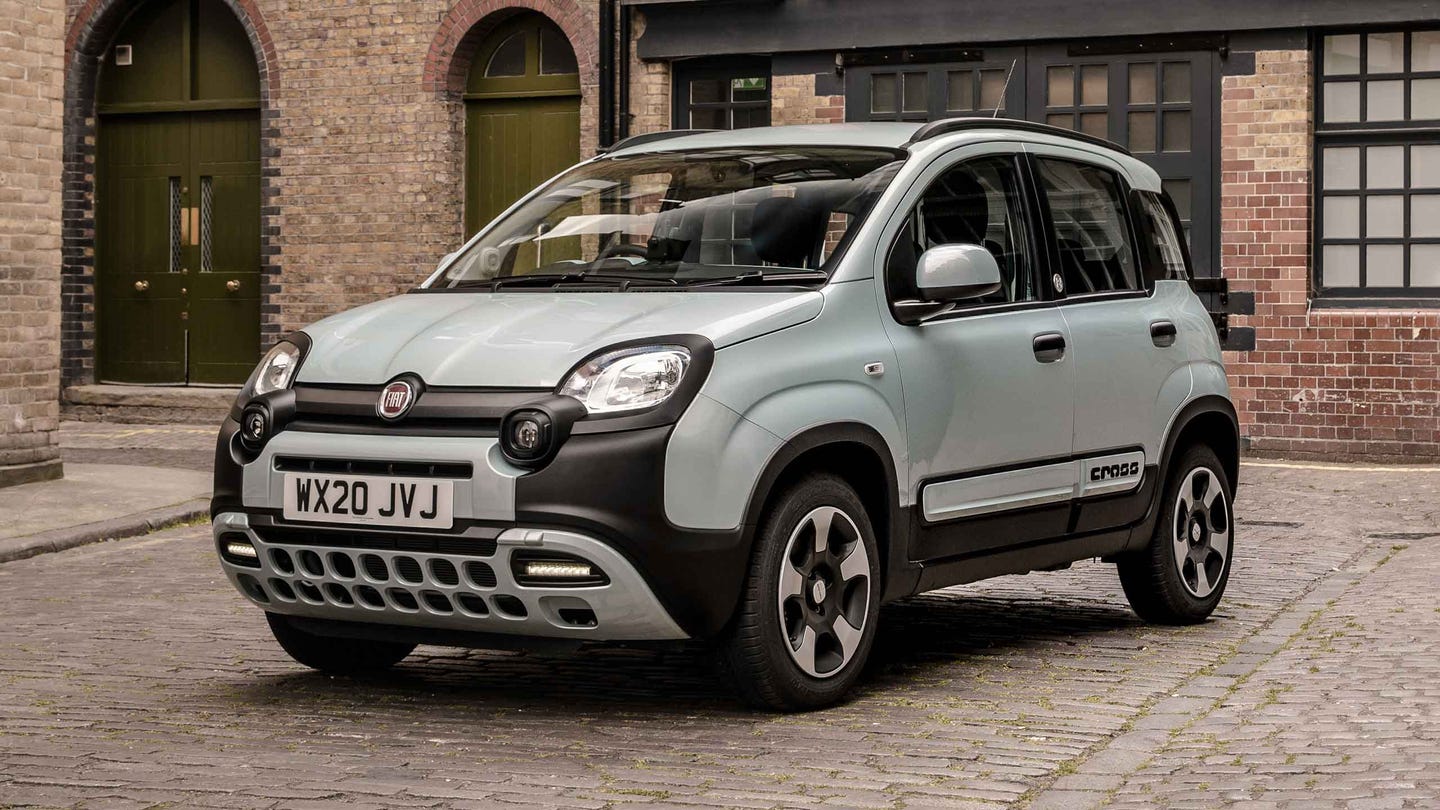
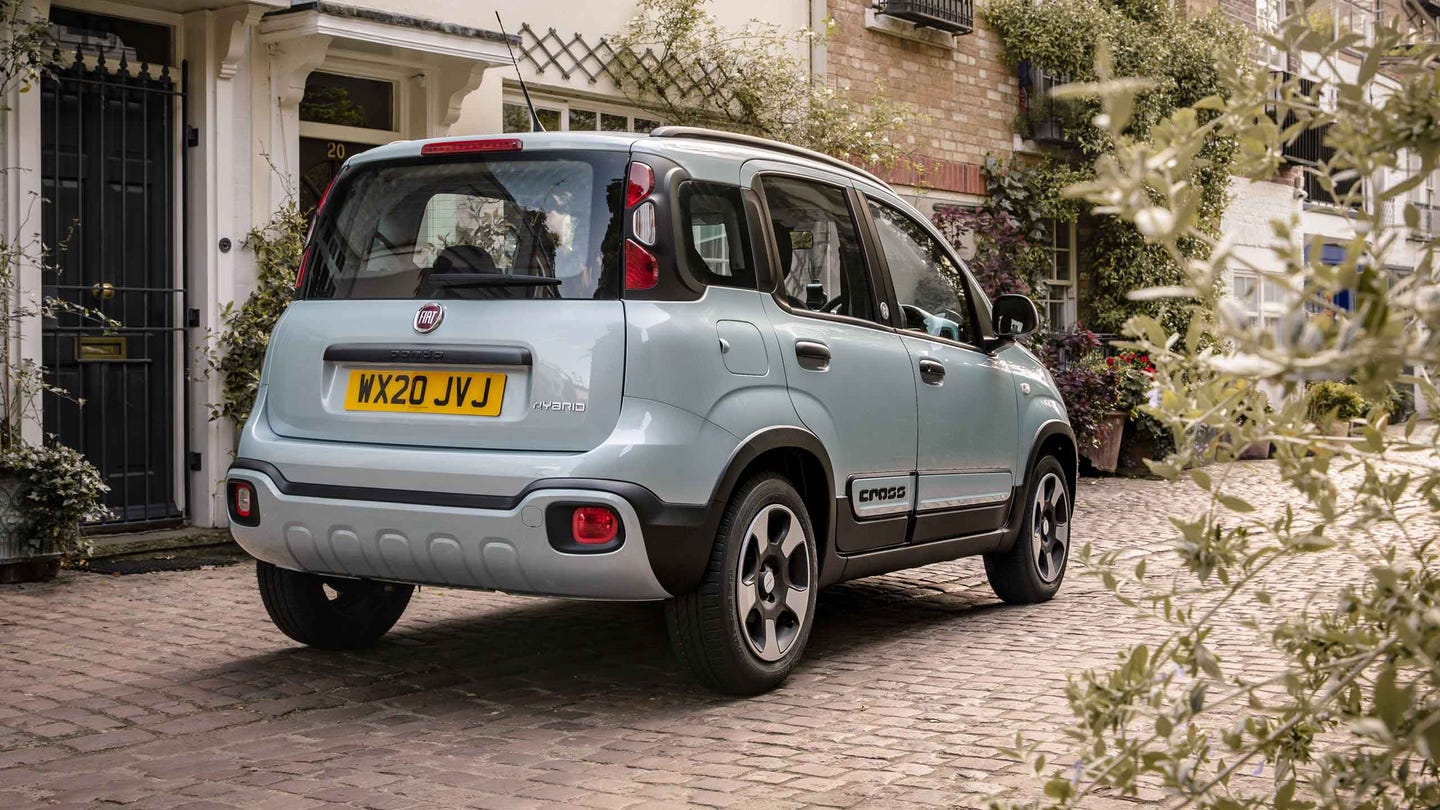
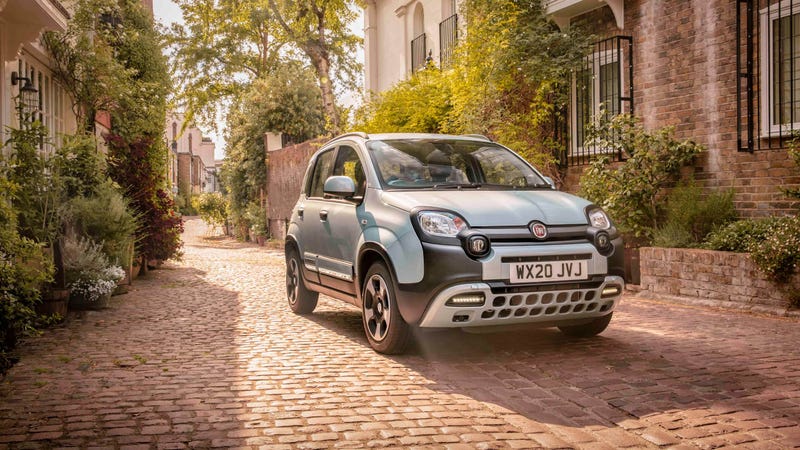
There’s nothing quite like the Fiat Panda on sale any more. It’s so simple to operate, it’s charming and it feels like you’re stepping back in time.
That said, you need to buy a Panda with your eyes open. There isn’t much safety tech, the engines are fairly noisy and the interior is cramped.
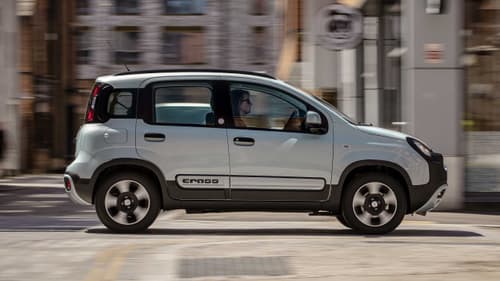
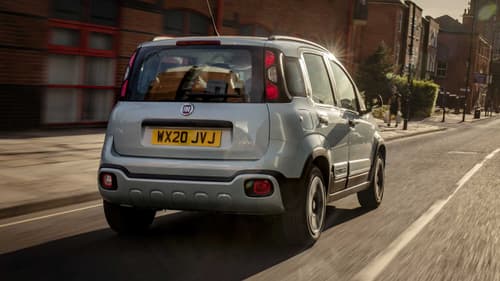
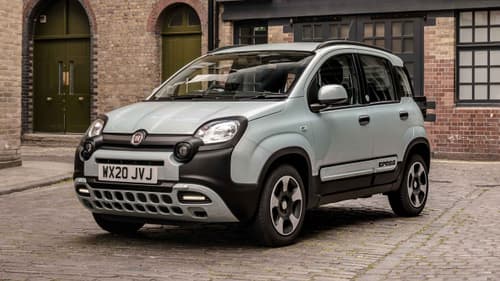
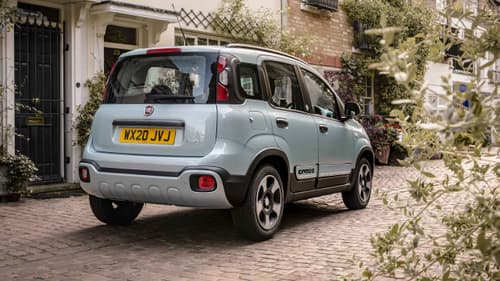
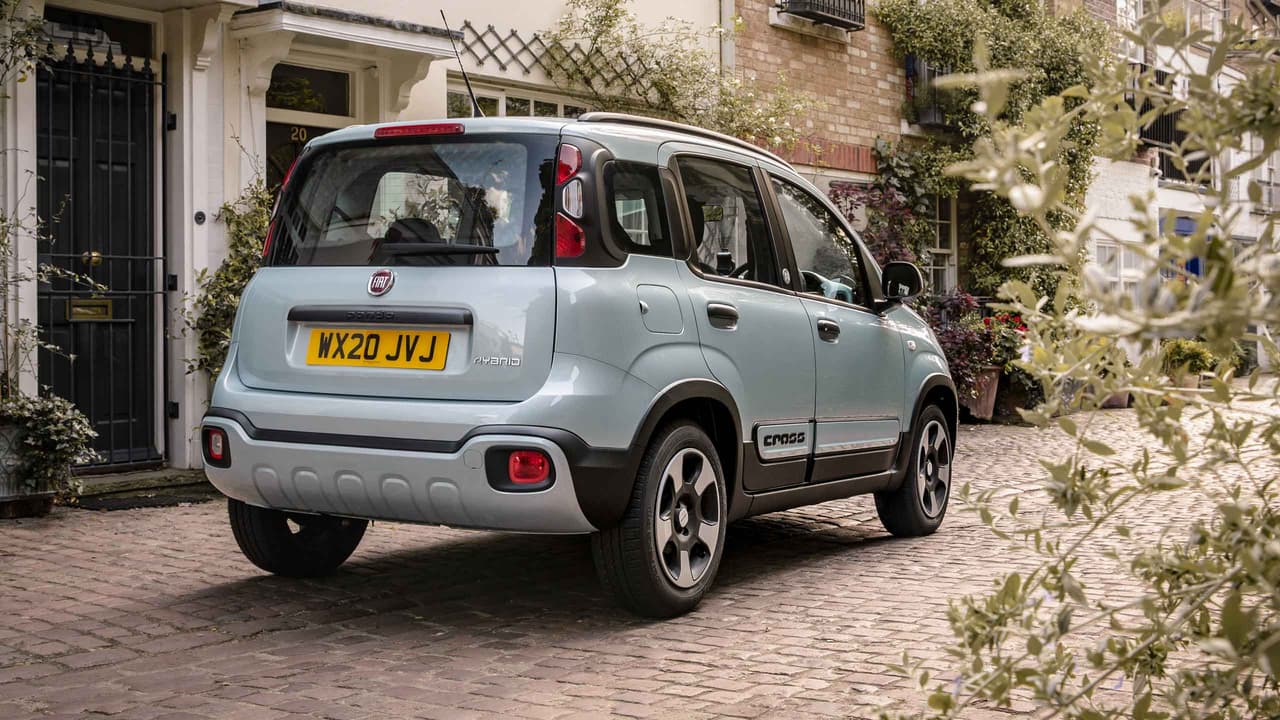
If we were Italian, we’d probably give the Fiat Panda a 10/10 score. The 500 might get the plaudits but the Panda helps keep the lights on in Fiat’s offices. For years, it’s been Italy’s best-selling car, and it’s still popular even though the Panda has been replaced by the significantly better Grande Panda.
Maybe a Mediterranean diet and a ‘dolce vita’ lifestyle are key to appreciating the 'old' Panda. Imagine yourself zipping around Lake Como in a small, buzzy and characterful Fiat. Molto bene. Now imagine yourself stuck in British rush hour traffic on a gloomy November Tuesday with the windows starting to steam up, in a noisy and cramped Fiat. Terribile.
"Six gears seems excessive for a car with 70hp"
The Panda isn’t totally without merit. It’s blissfully simple to use, its boxiness means visibility is good and it’s full of character. If you want a simple car, or an old-school driving experience in a car with a recent number plate, then the Panda is worth a look…
… if you can overlook its drawbacks. It’s very small but, even so, there’s not enough rear legroom. There’s a lot of noise from the engine and from your surroundings, you won’t get anywhere quickly and you might struggle to find a comfortable driving position.
The (now expired) Euro NCAP safety rating is a concern, too. You might argue that you can happily do without all the modern driver assistance features fitted to new cars, and you might say that the key to driving a car is simply not crashing. But you never fully know how other drivers will act, and scores of 45% for adult occupant protection and just 16% for child occupant protection are sobering.
When there are many safer cars available for similar money, arguing for the Panda becomes an uphill struggle – like the driving experience.
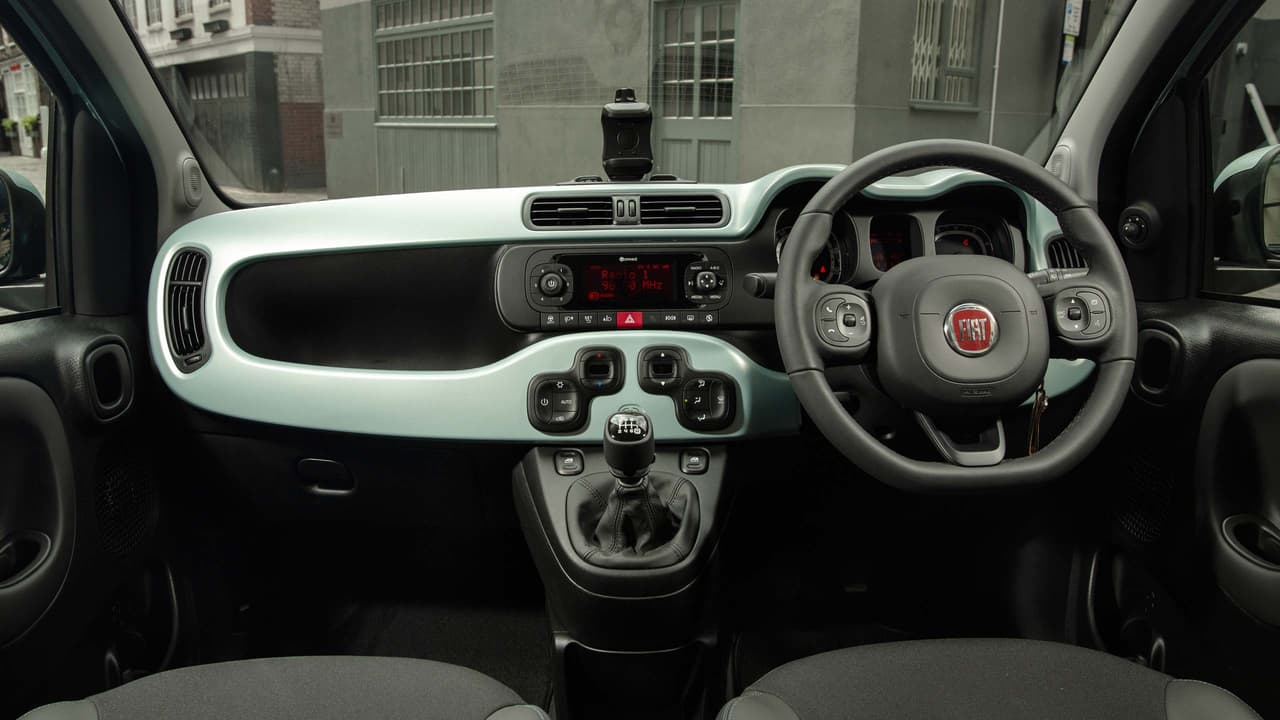
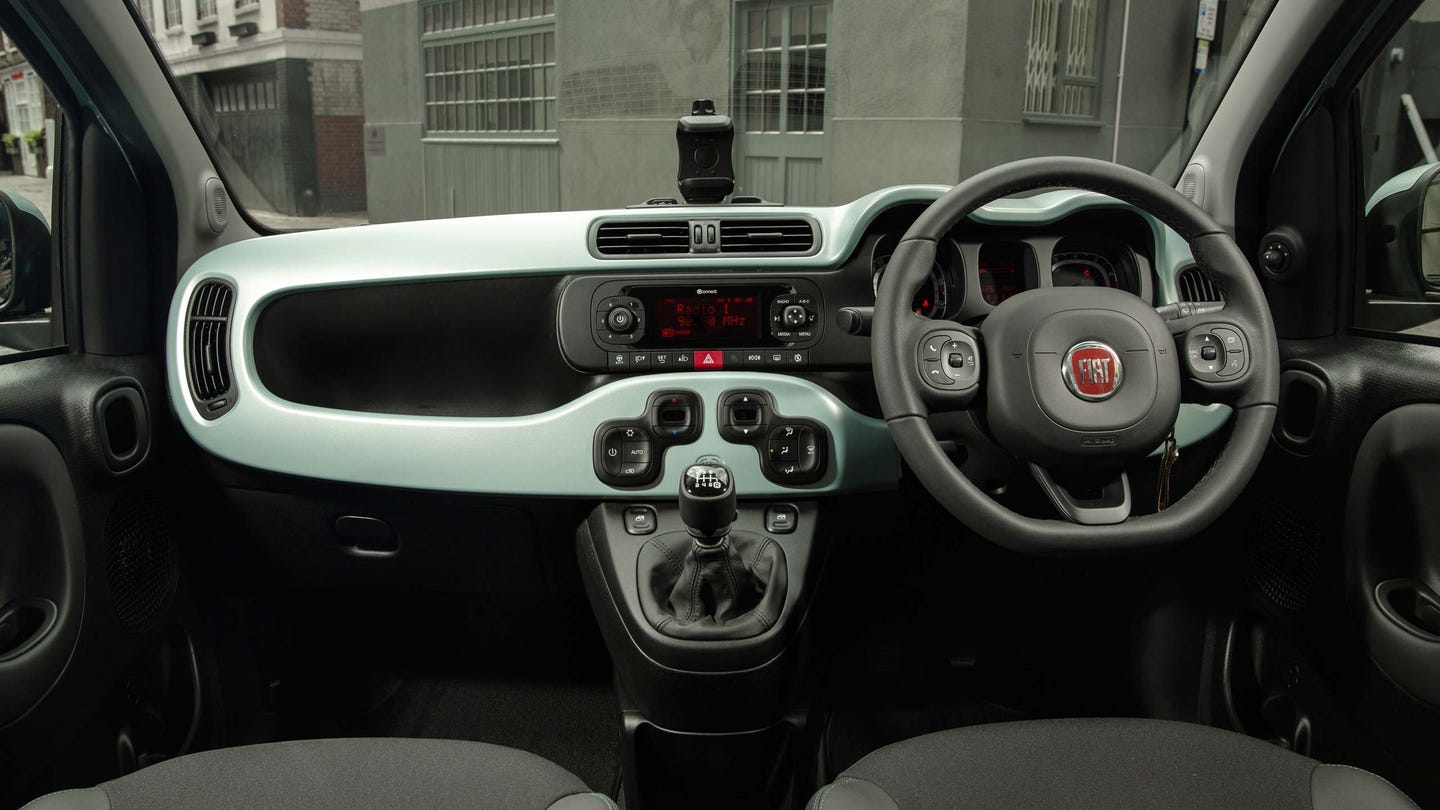
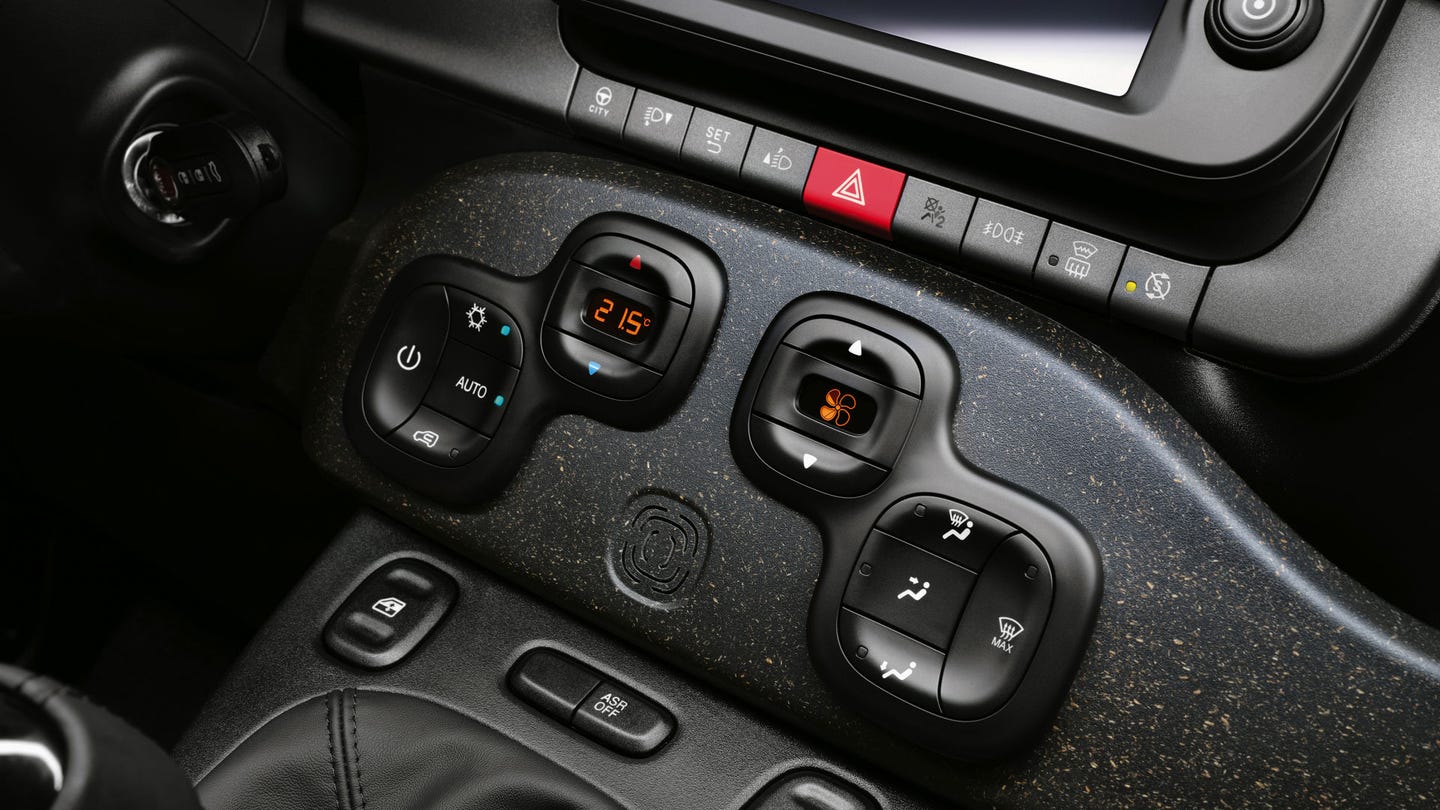
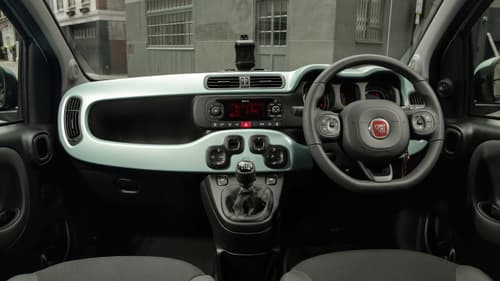
The inside of a Panda (the car, not the animal) is functional and sturdy. You won’t worry about bringing dirt or mud in because everything’s easy to clean. In most areas the car feels like it’d outlive some sort of catastrophic global incident, although the dashboard trim in our test car looked like polystyrene – especially as some of the plastic fibres were starting to fray.
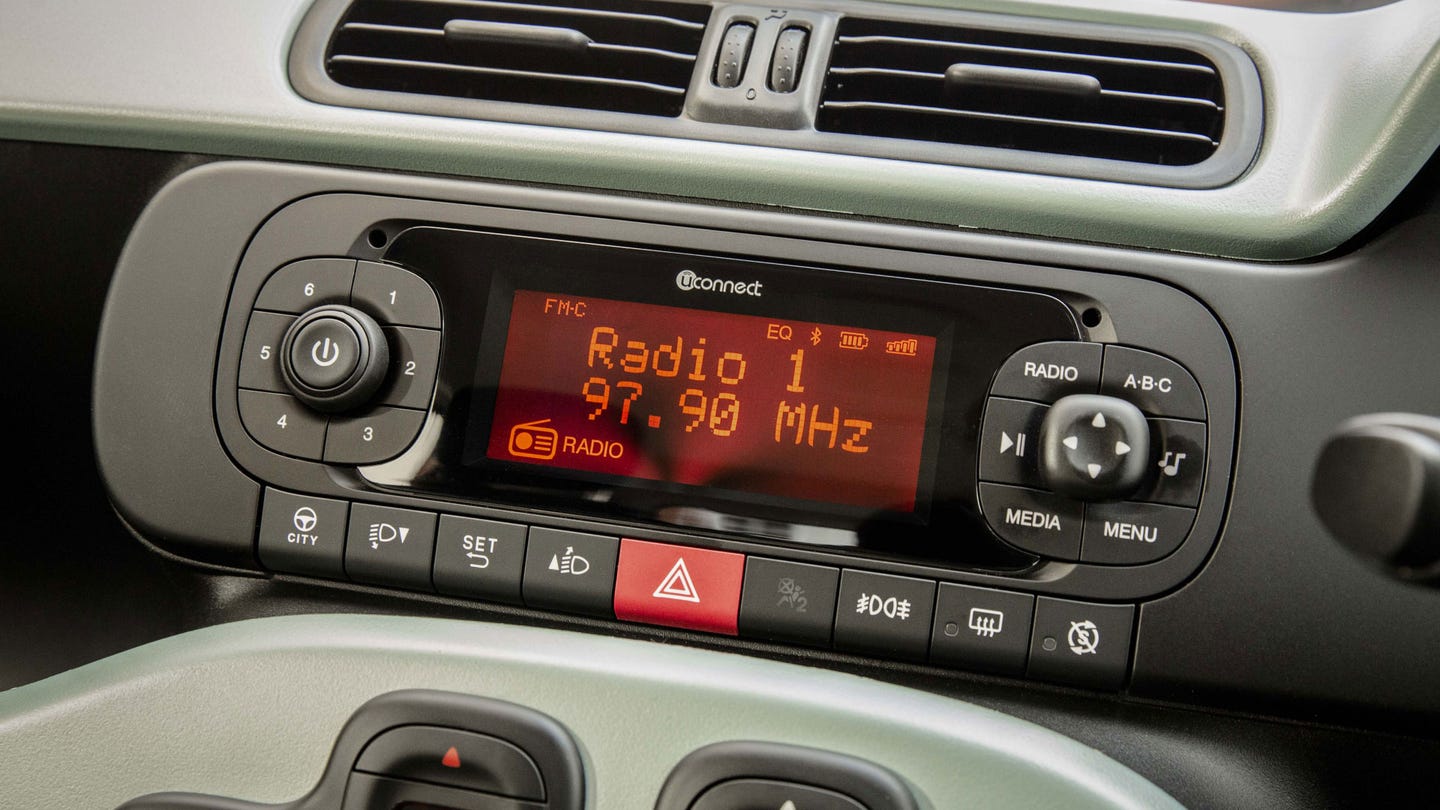
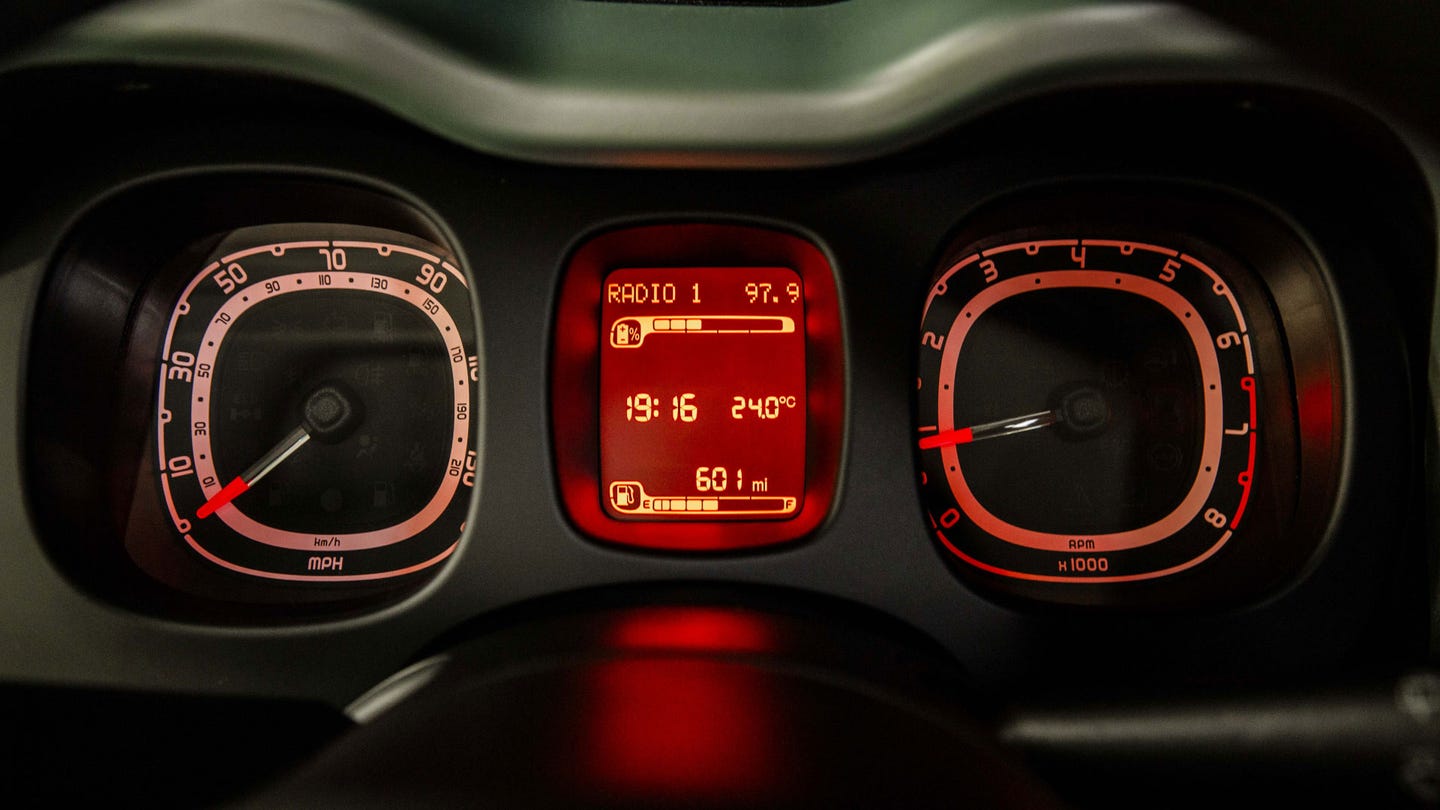
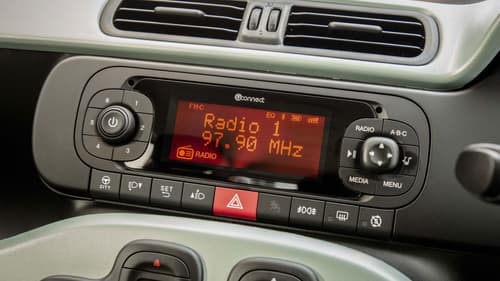
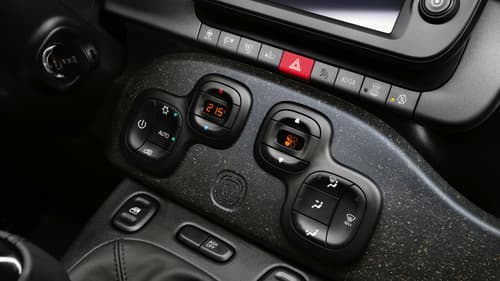
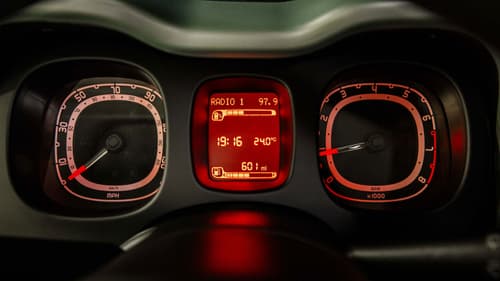
Almost everything is controlled by proper dials and stalks, so it’s incredibly user-friendly and takes no acclimatisation. You’ll probably barely use the touchscreen, because the seven-inch Uconnect screen is pared back to just radio, media and telephone functions.
There’s Bluetooth and USB connectivity, but often no Apple CarPlay or Android Auto, so you’ll need to buy a phone holder if you want sat nav, or use the cutout above the screen that looks perfectly sized to hold an iPad. Alternatively, rely on a paperback AA routemap and a sheet of carefully written-out directions – it’s how your Dad would’ve done it.
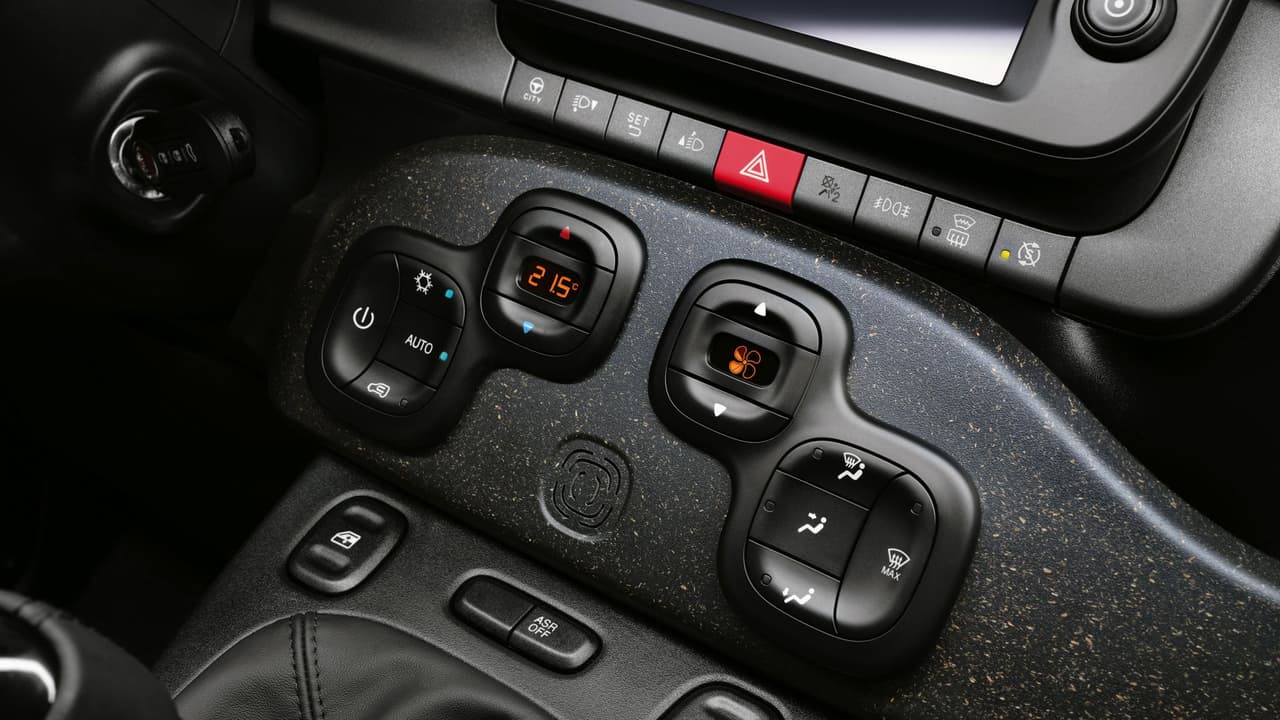
Most recent-ish Pandas include air conditioning, DAB radio, alloy wheels and electric front windows. Don’t expect cruise control, auto lights/wipers or any sort of parking assistance.
The steering wheel also only adjusts for height, not reach, which will make it tricky for some drivers to find a comfortable driving position. Long journeys might get tiresome in seats that are very flat and aren’t particularly supportive. You might have to get a passenger to adjust your nearside mirror; the Panda features old-school waggly stalks on each window, and you might struggle to reach the passenger one from the driver's seat.
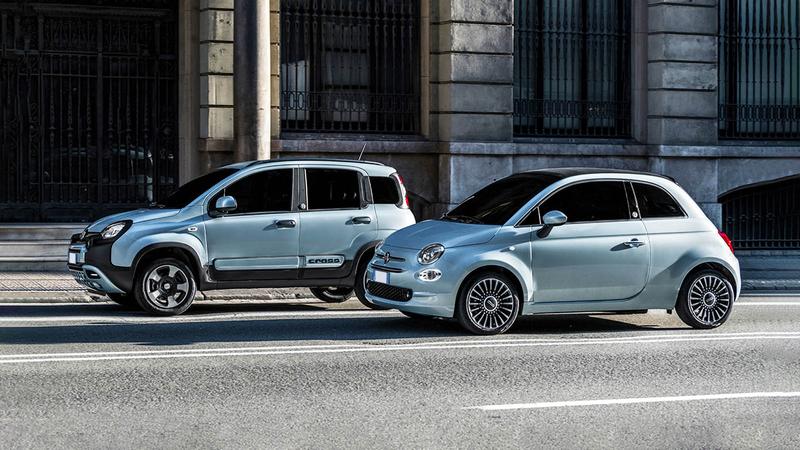
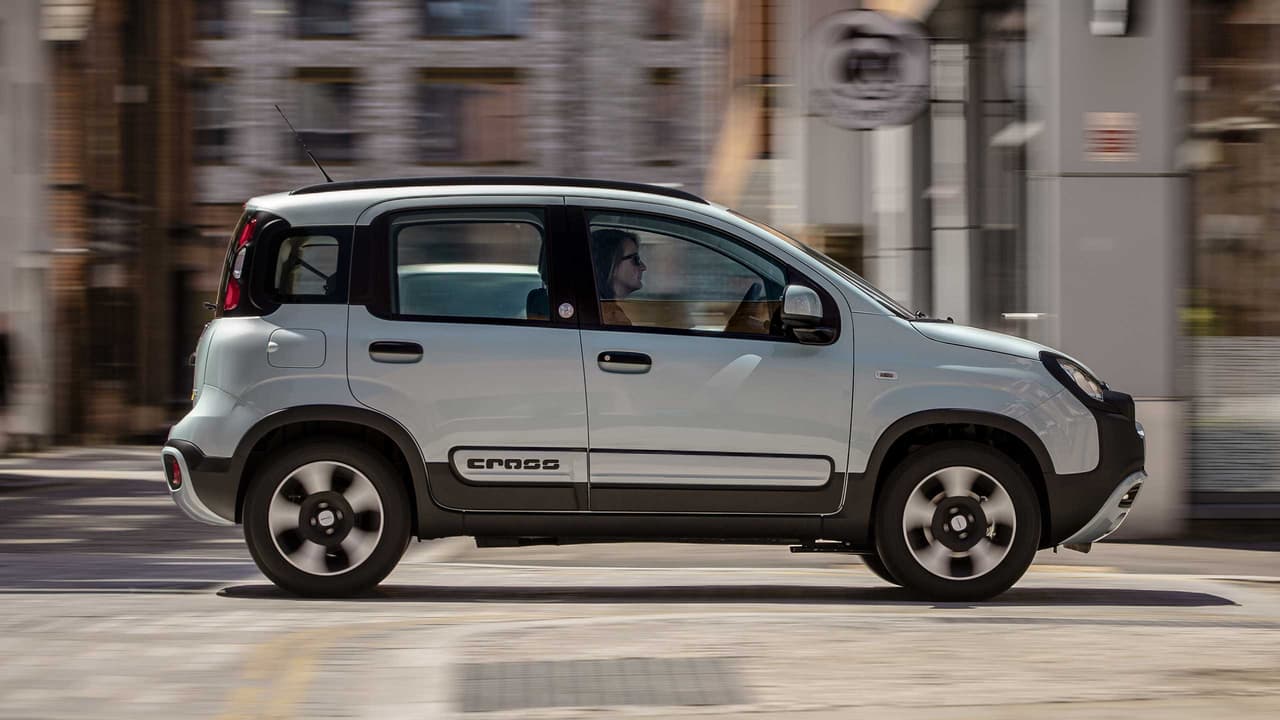
At just 3.65 metres long, the Panda is not a big car. This means you can slot it easily into tiny spaces – even without any parking sensors or rear-view camera.
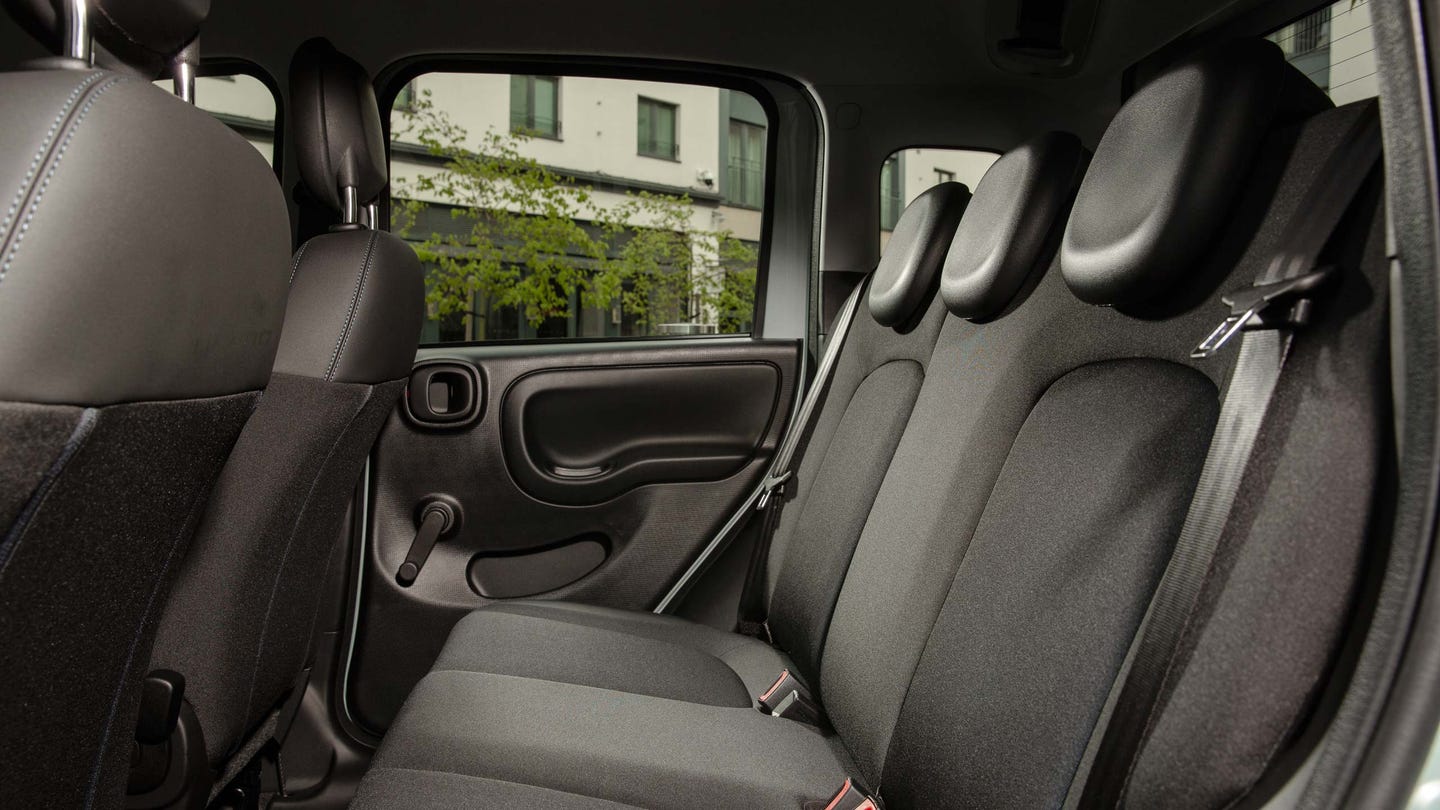
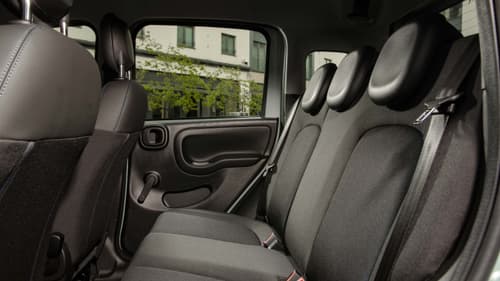
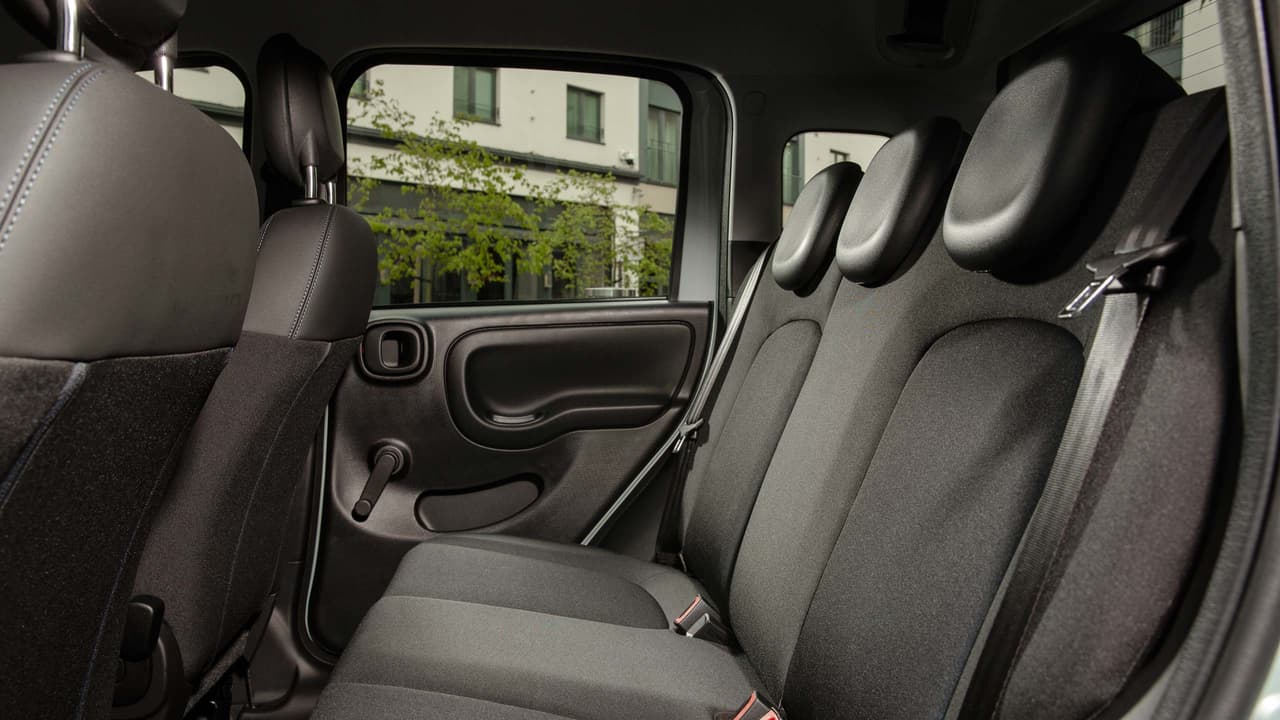
Headroom is excellent because the Panda is so tall, but legroom is disappointing. With an average-sized adult driving, a similarly sized person sitting behind will either have to straddle the seat or have their knees poking harshly into the seatback – and we can’t imagine the driver will enjoy that. The similarly sized Kia Picanto and Hyundai i10 offer a much more comfortable rear-seat experience.
Your rear passengers will have to fight over a sole cupholder, and only have awkwardly shaped door bins and windy windows for company. In the Picanto, for example, you might also get a USB socket, 'leccy windows and seatback pockets.
If you have to take kids along for the ride, the Panda’s Isofix points are hidden in the base of the seat. You’ll probably have to start folding the seat to access them. Only high-spec Pandas come with split-folding rear seats.
The 225-litre boot is a decent enough size, although the flimsy boot carpet might as well not be there. Fold the rear bench down and you’ll have 870 litres to fill, and the square shape makes it surprisingly easy to load bulky items. Further forward, the big open shelf on the dashboard is certainly more handy than the tiny glovebox and narrow door bins.
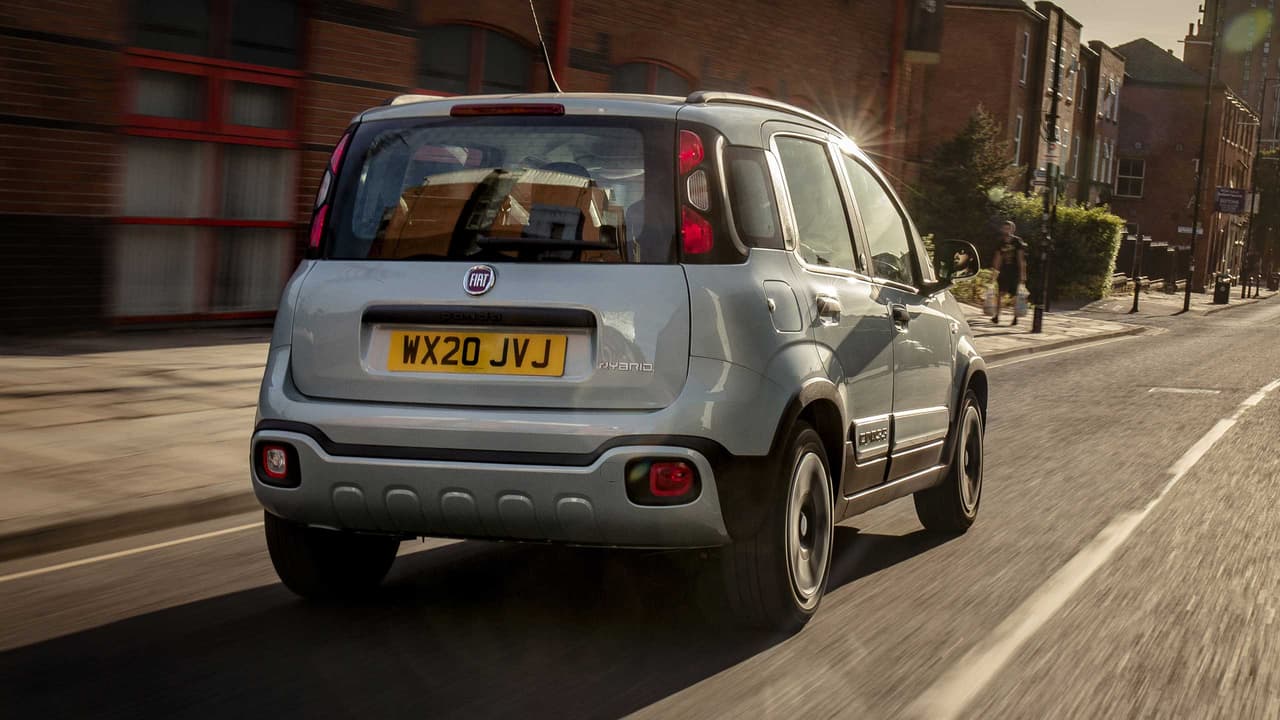
Newer Pandas are either powered by a 1.0-litre mild-hybrid petrol engine with 70hp, or a 0.9-litre ‘TwinAir’ petrol with 90hp. Both are shared with the contemporary Fiat 500 – along with the earlier 1.2 engine that you’ll find on older Pandas.
The unusual two-cylinder TwinAir engine is great fun, but it’s not very efficient in real driving and a Panda TwinAir is the noisiest car we’ve ever tested.
The 1.0 MHEV is the better choice. Our test car was indicating nearly 50mpg, which is respectable fuel economy, and it’s not quite as noisy as the raspy TwinAir. You won’t pull the skin off a rice pudding though, as evidenced by the 0-62mph time of nearly 15 seconds.
Super-low insurance costs (the 1.0 is in groups 5 and 6 out of 50) offset the Panda’s slightly high used prices, and road tax costs the standard rate of £200 per year for cars registered since April 2017.
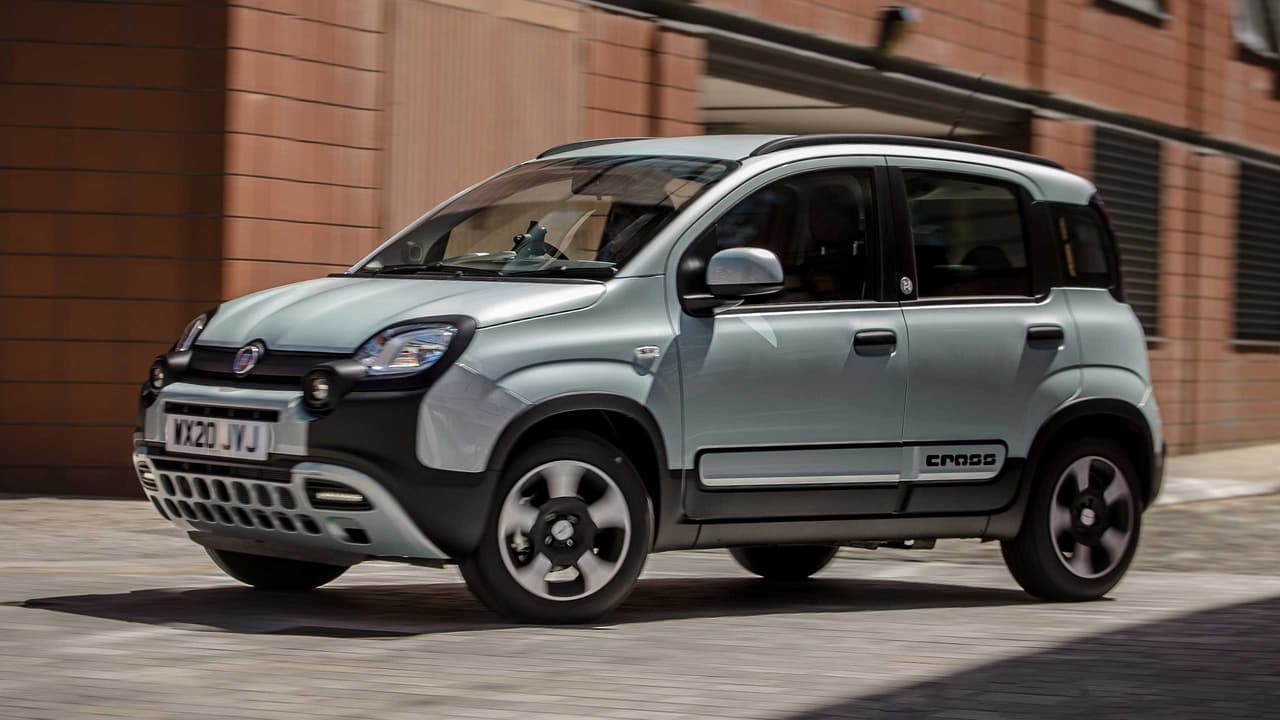
The Panda is at its best around town – the all-round visibility is a plus point in heavily congested streets, and the city steering mode makes it even easier to manoeuvre in tight spaces.
Fiat’s manual gearbox is great to use, which is good when you’ll be using it so frequently. Its action is positive and the raised gearlever is in the perfect position, even if the throw is a bit long. Six gears seems excessive for a car with 70hp; the sixth gear acts like an overdrive to reduce the revs at cruising speed. There’s barely any power at all in gears five and six, and you kind of have to slur the change from first to second to keep it smooth.
At higher speeds the Panda becomes a bit lollopy – its tall, short shape makes it obvious that it isn’t a sports car. The steering is slack and uncommunicative, the car feels keen to understeer and it’ll start to feel a bit flustered if you try to hustle it.
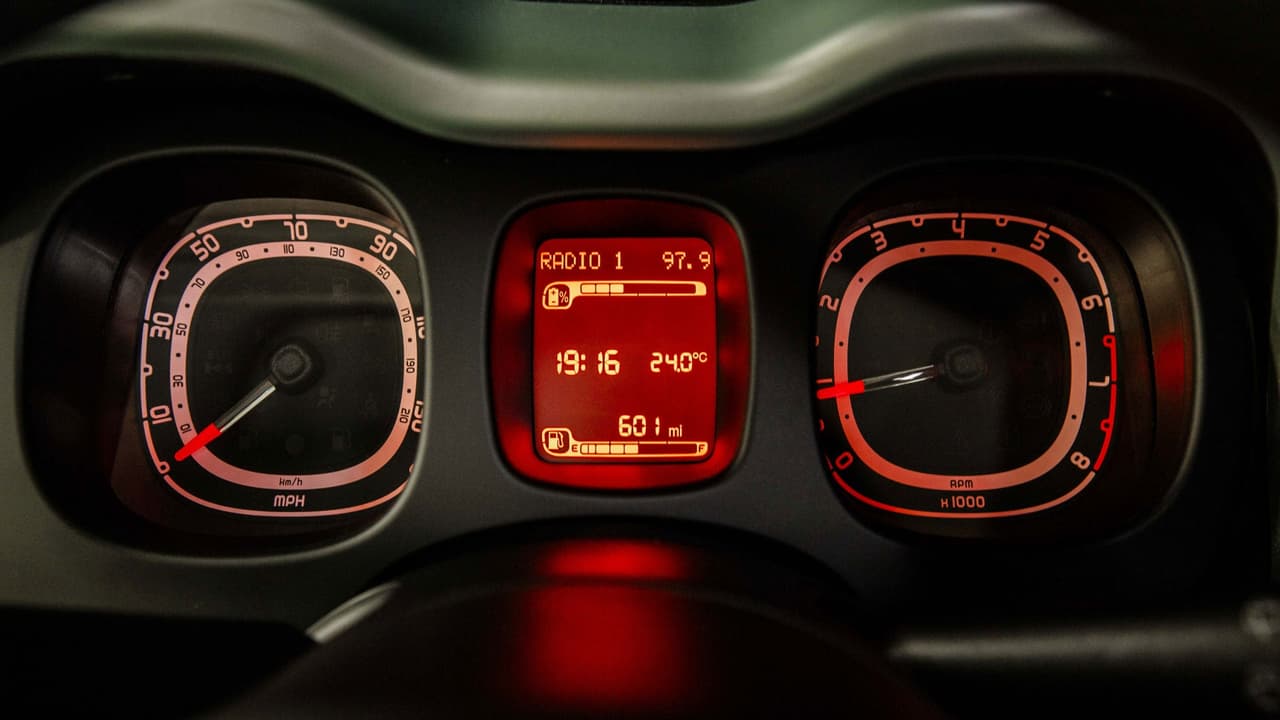
The slightly raised Cross models offer a slightly better ride than standard cars because they’re higher off the ground and further away from the potholes and speedbumps. The Panda can sometimes make a mountain out of a speedbump, but the ride is soft so the impacts don’t feel too sharp.
If you actually want to cross a mountain instead of a speedbump, go for the Panda 4x4. A must-have for hilly rural Italy, the Panda 4x4 will also feel right at home in the Brecon Beacons. It's a fabulously plucky thing, and will tenaciously scrabble its way far off the beaten track.
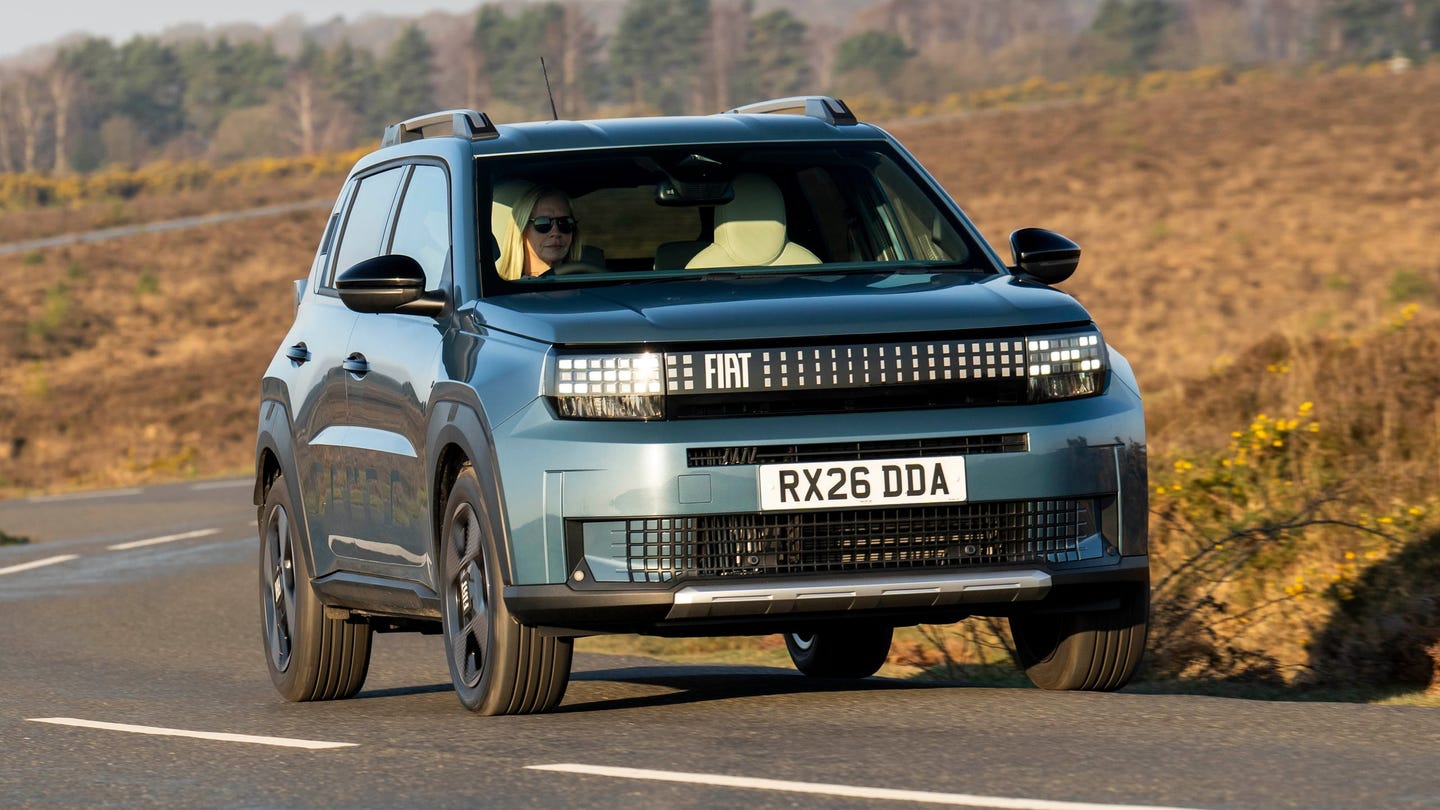
Cheap and full of character: the new Grande Panda is a top small car


The Citroen C3 is comfortable where so many hatches try to be sporty