









15 of the longest-range plug-in hybrid cars

Ben Custard
•
Hybrid Cars

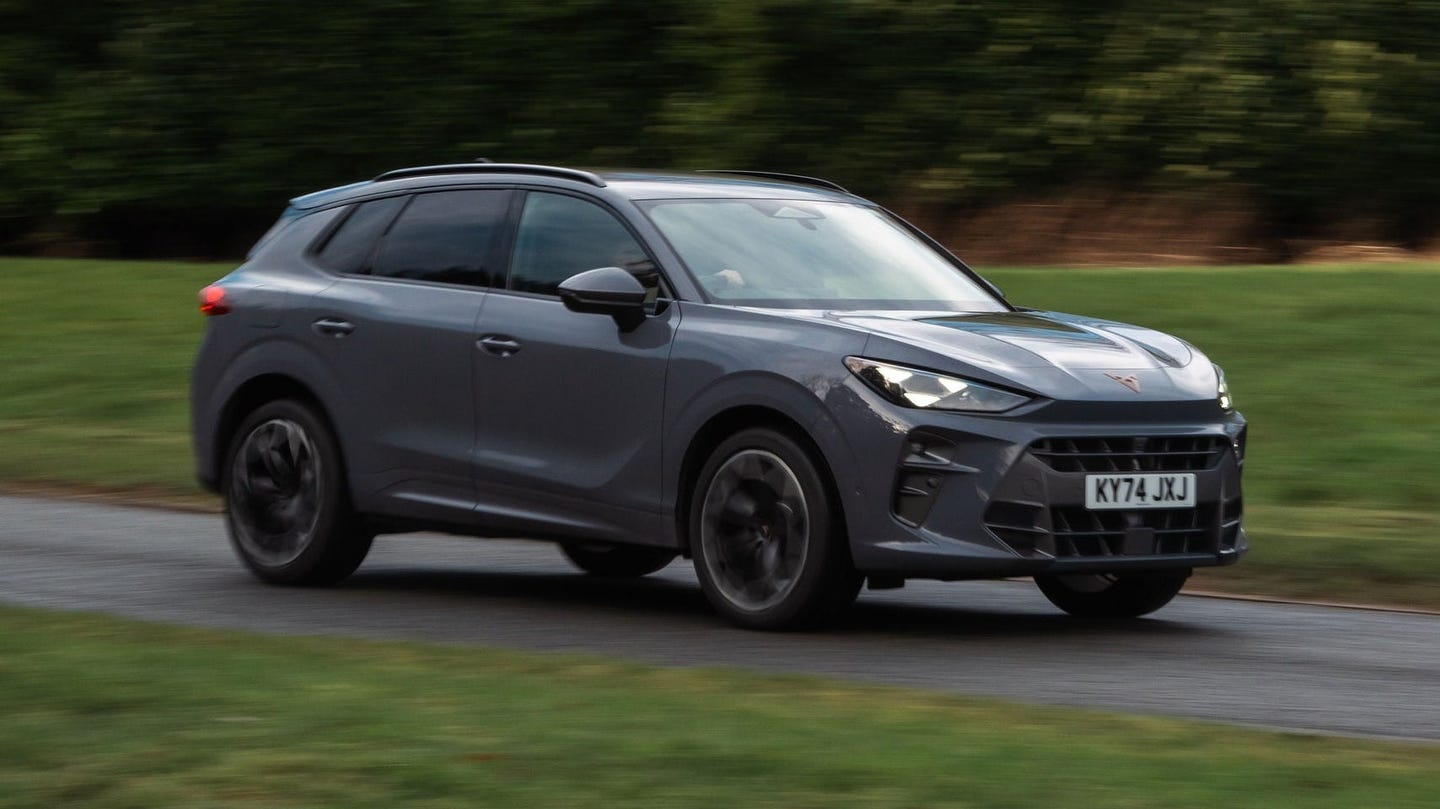
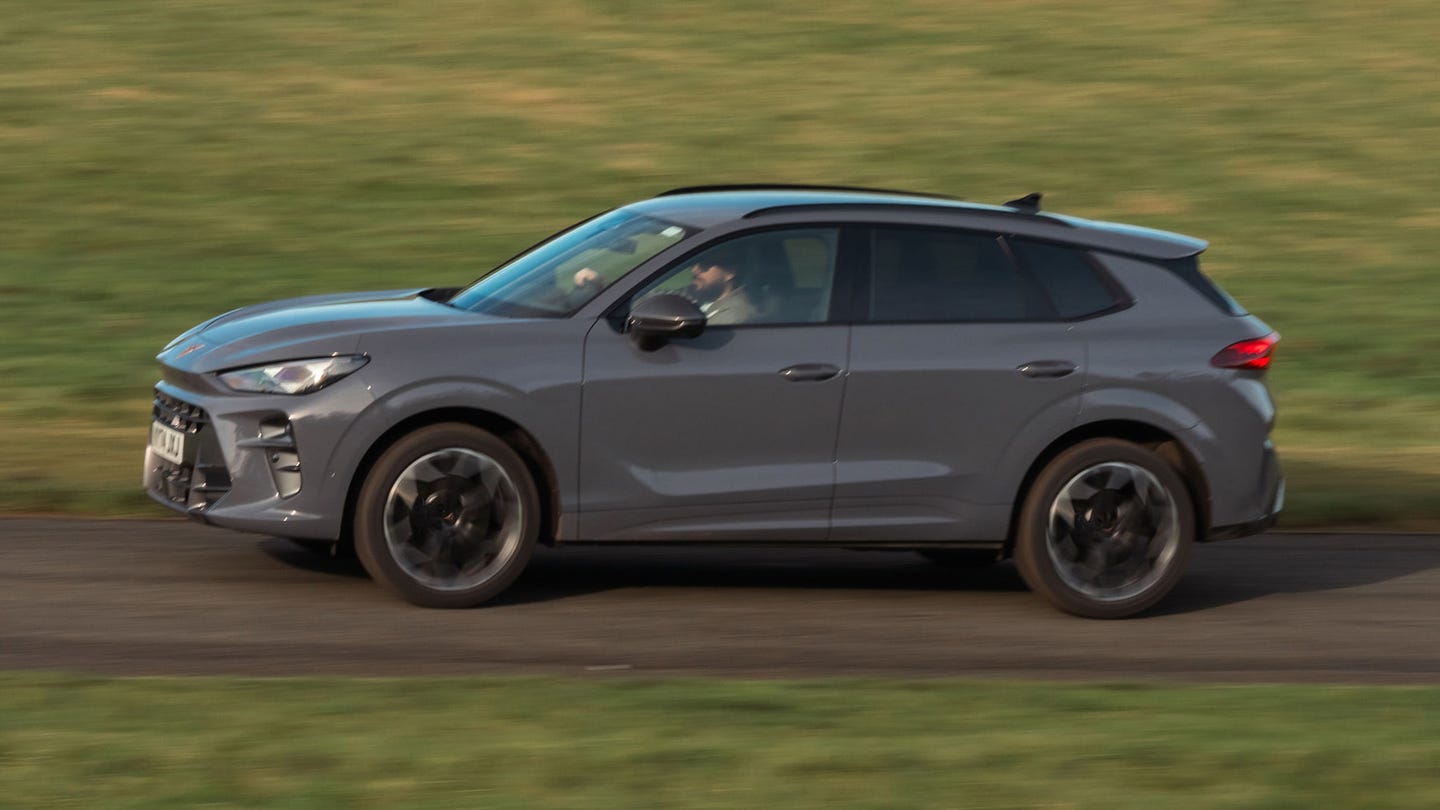
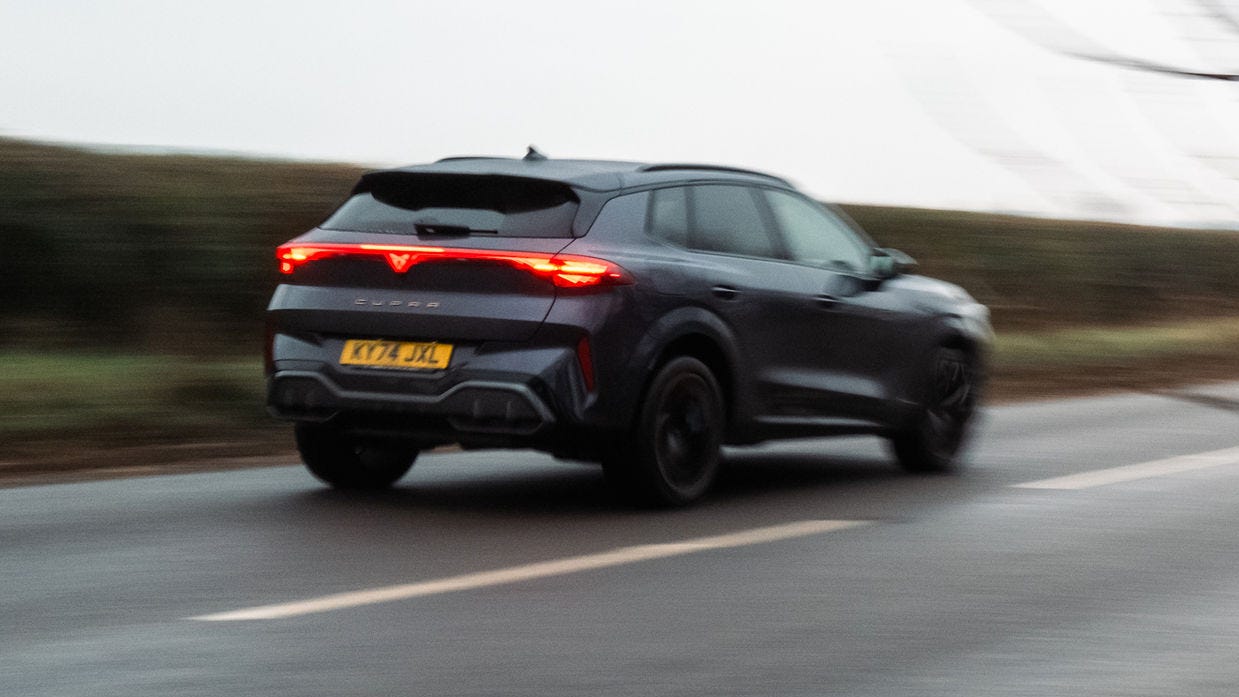
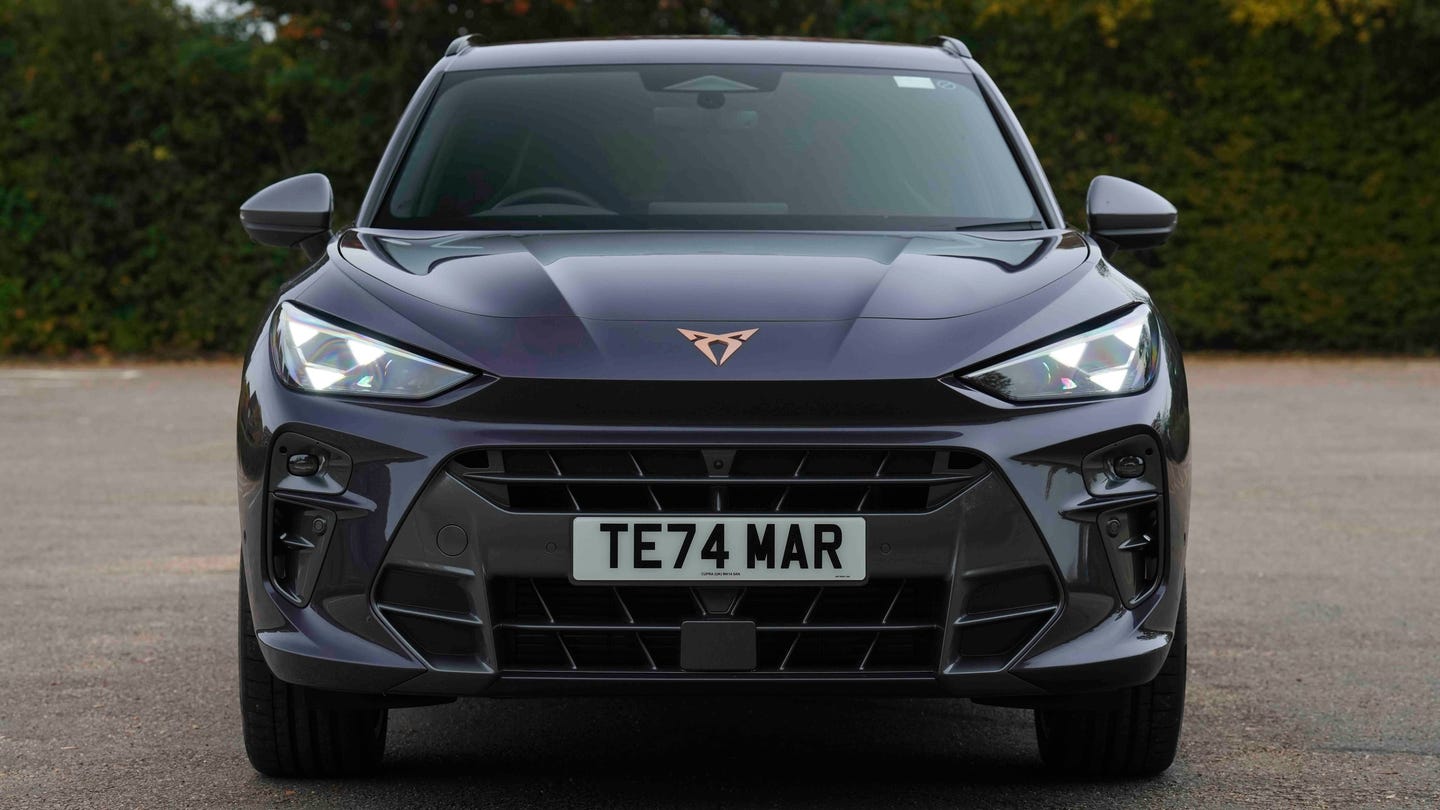
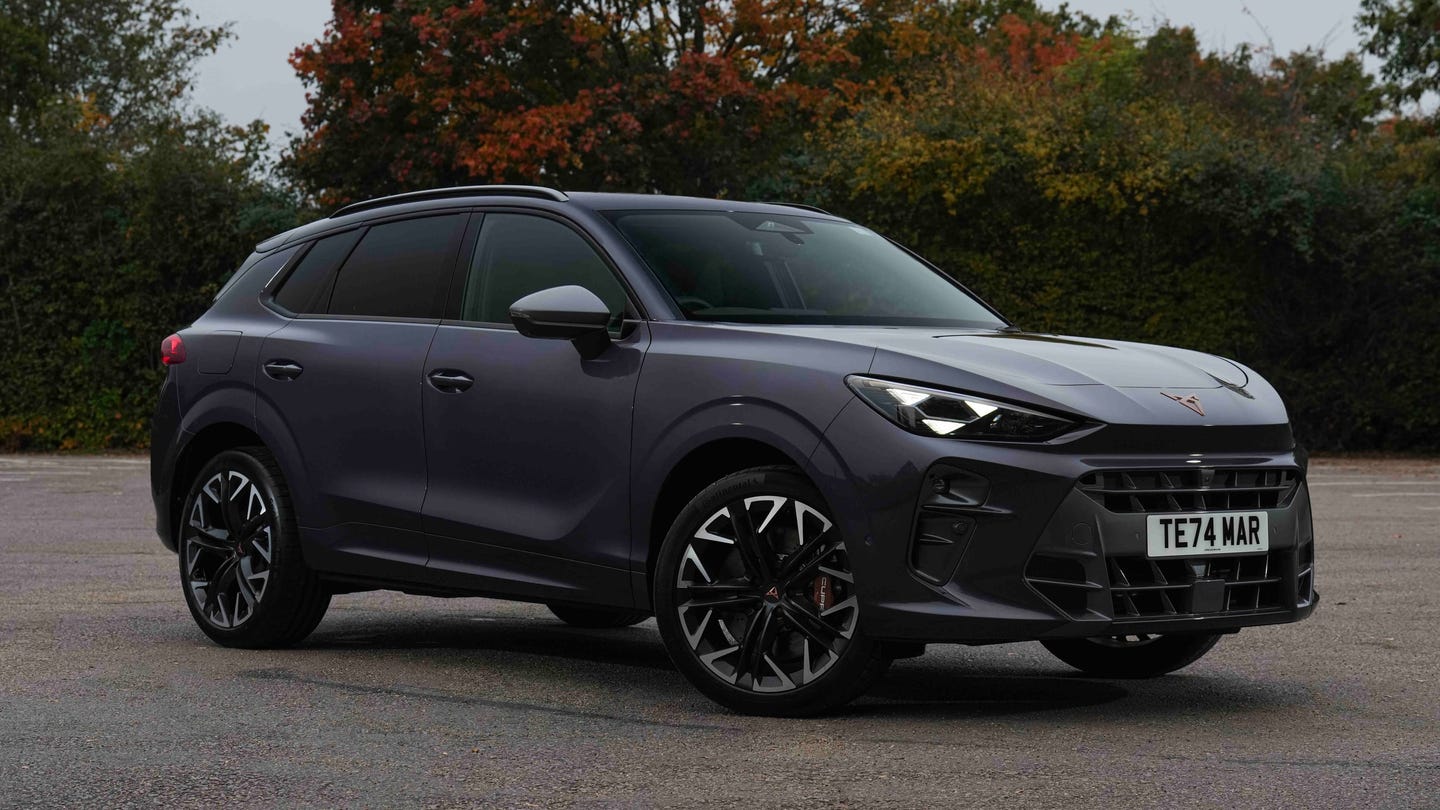
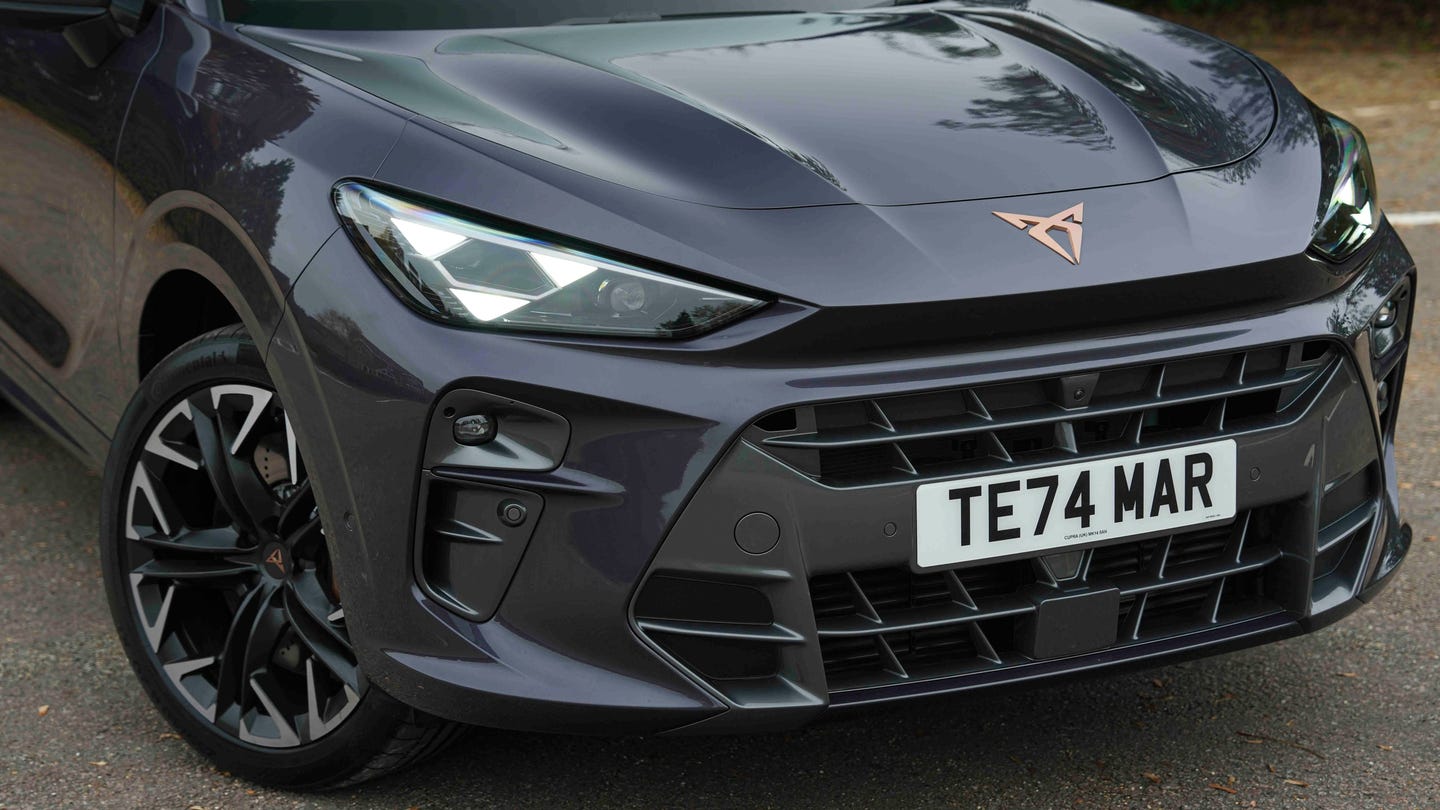
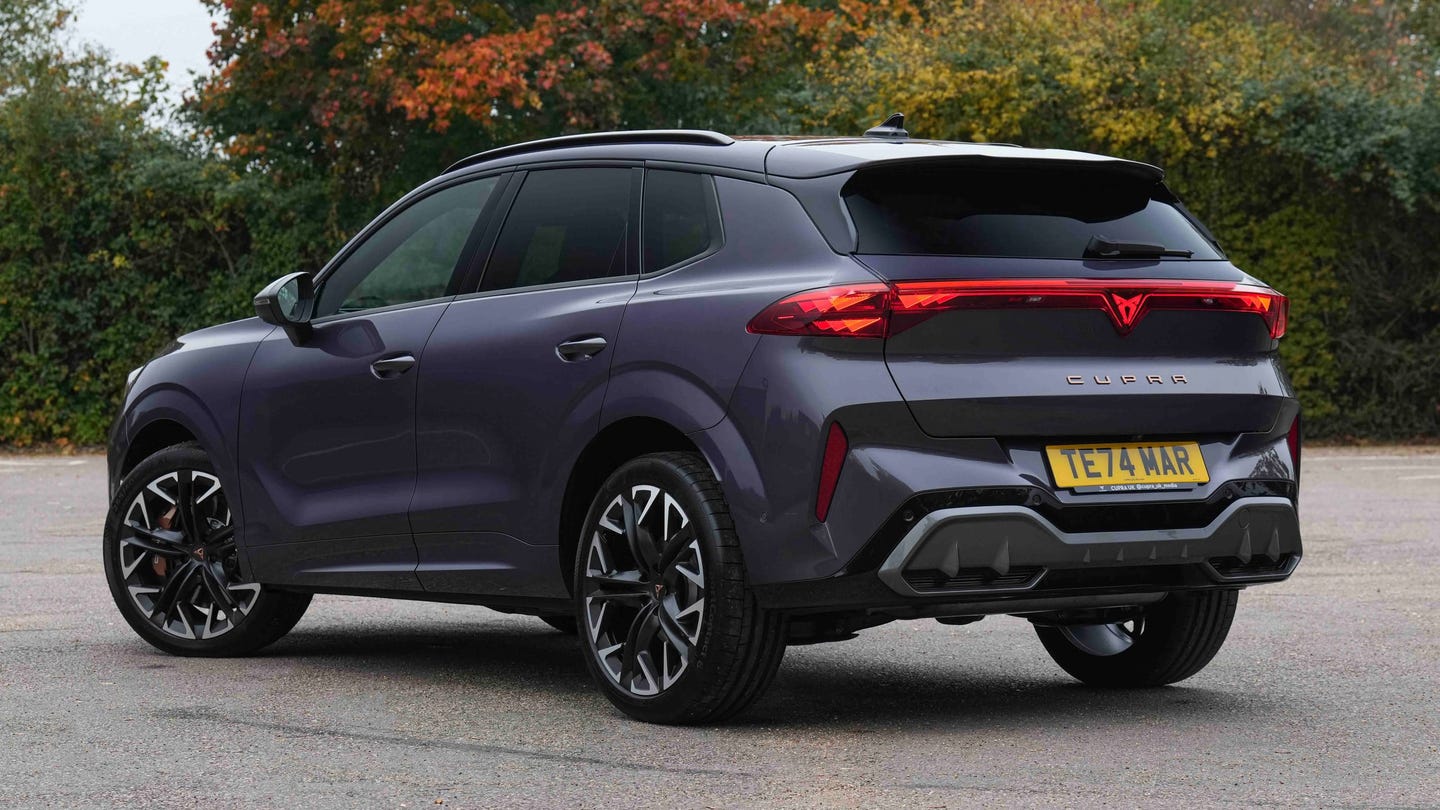
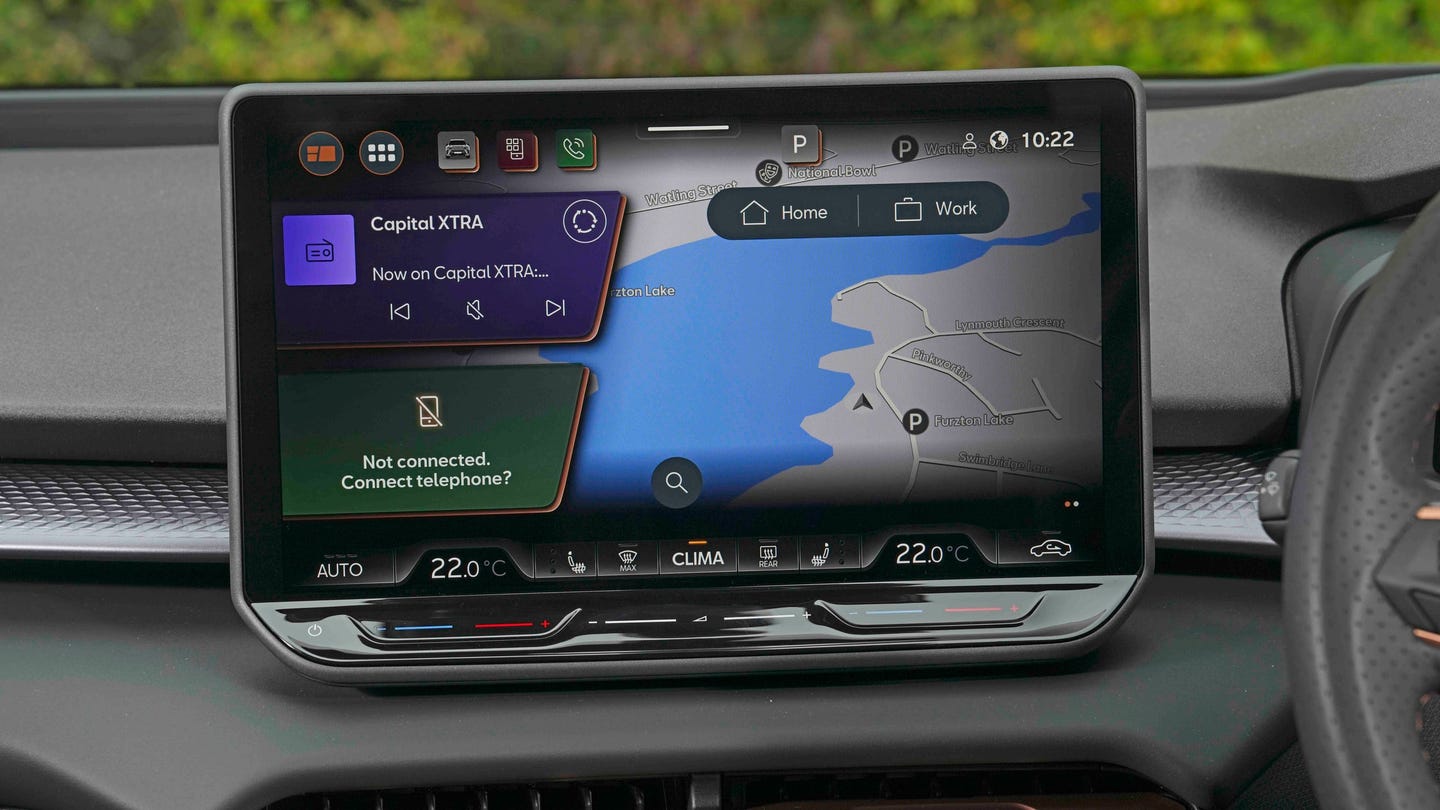
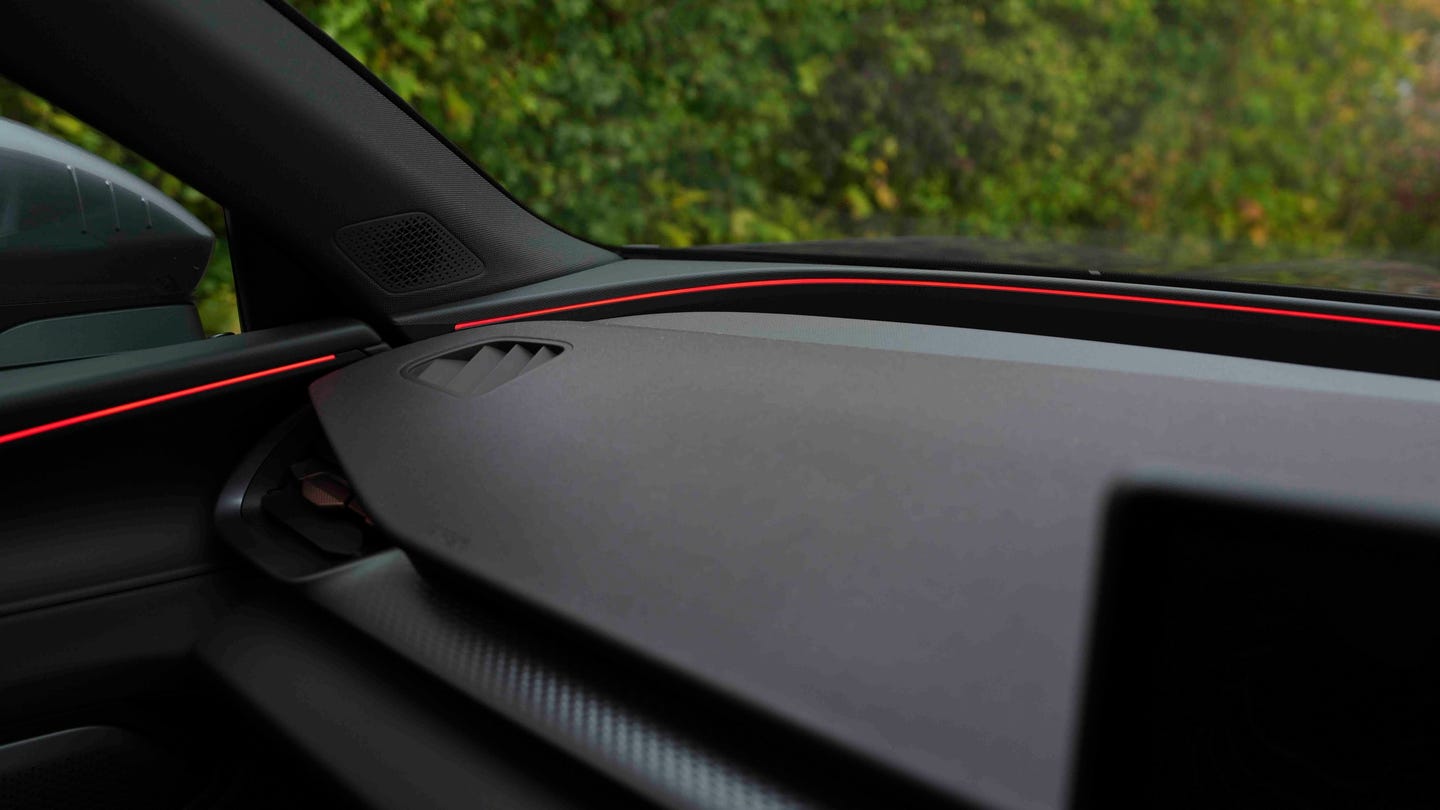
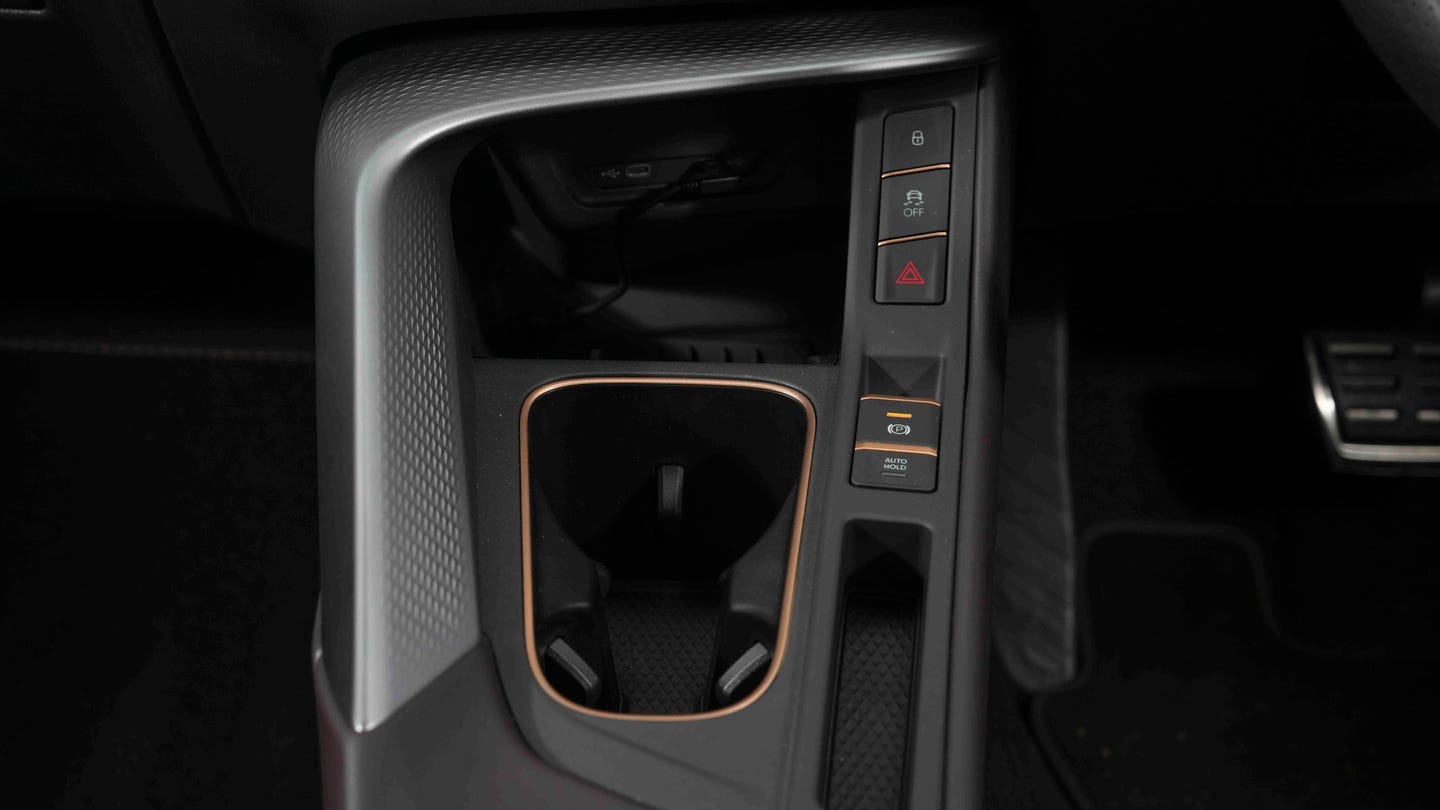
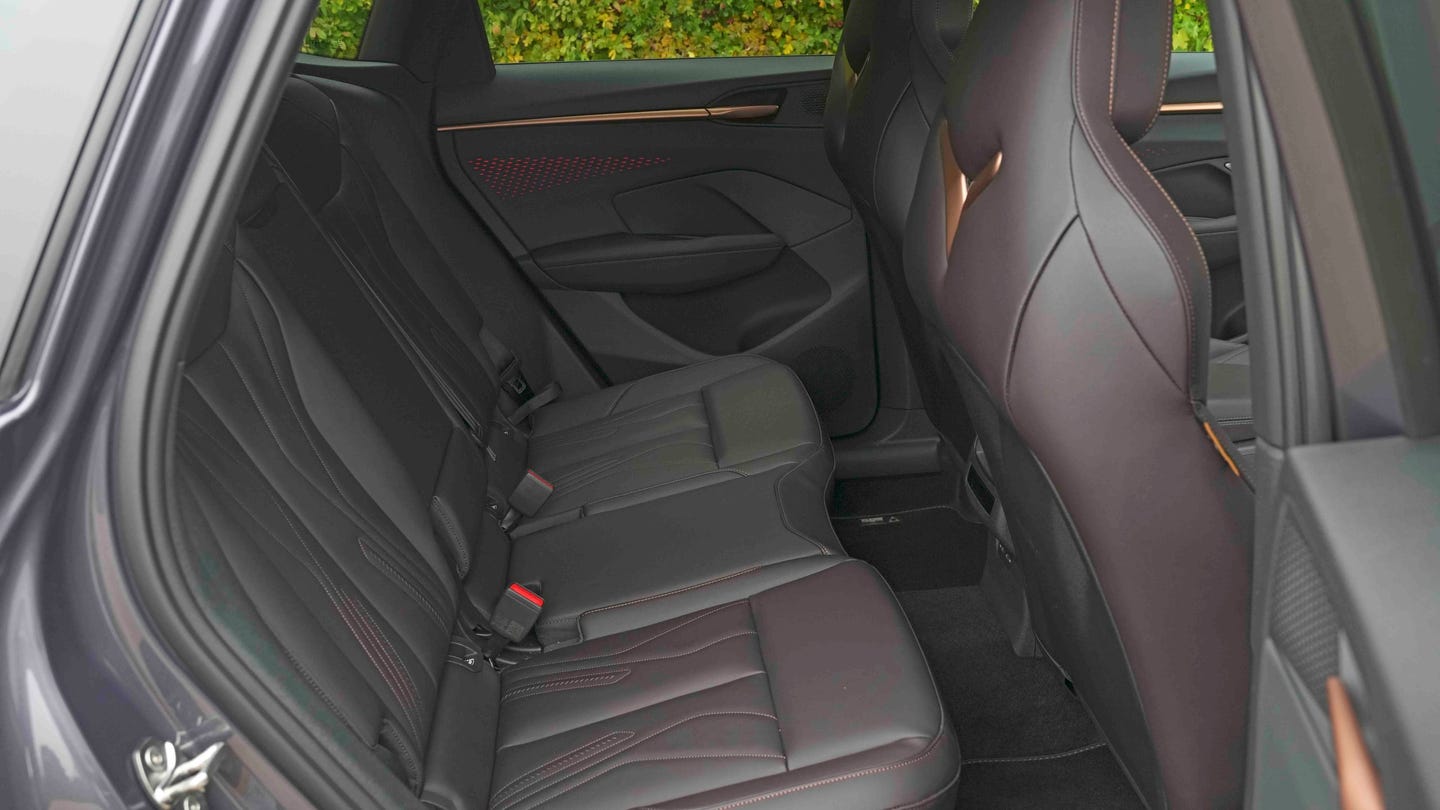
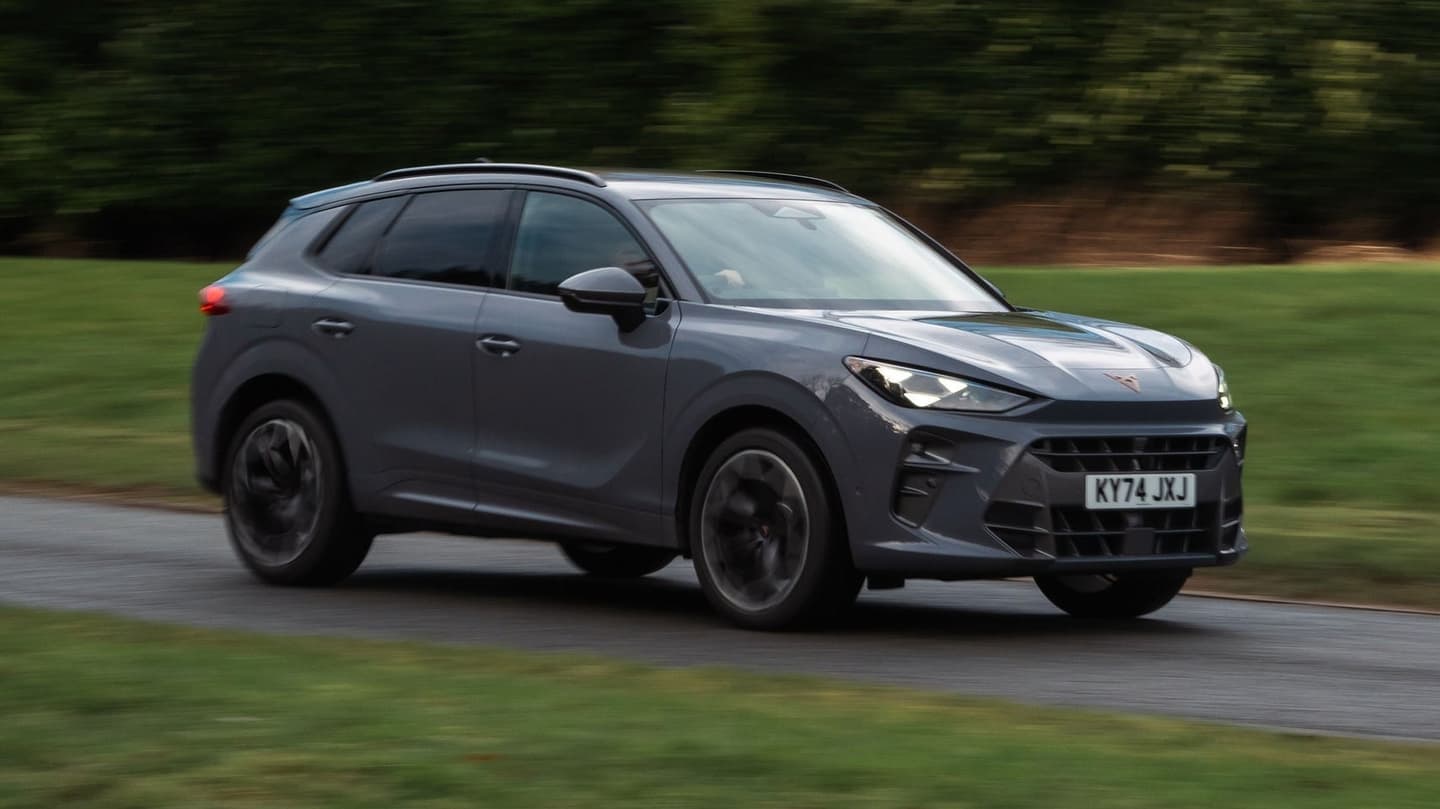
The appeal of the Cupra Terramar is clear: its sporty looks stand out and the interior feels special.
Its sportiness extends to the firm ride quality, but it’s not matched by a stunning driving experience.
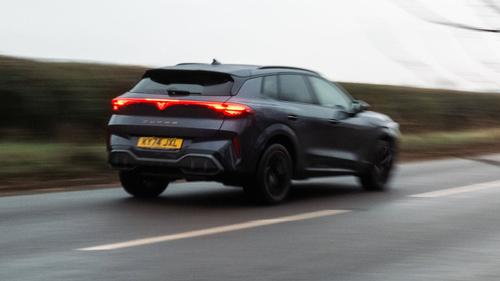
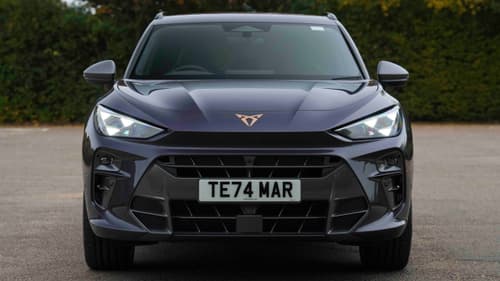
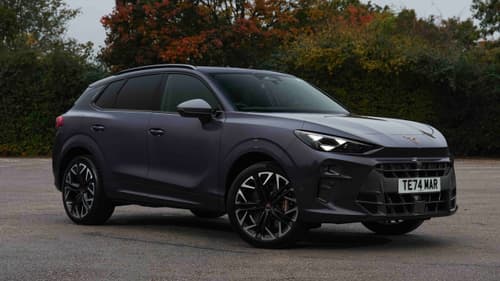
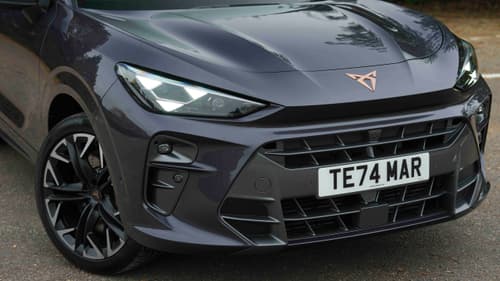
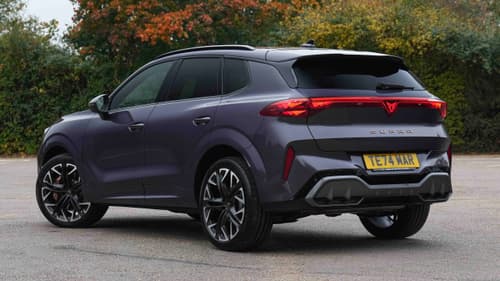
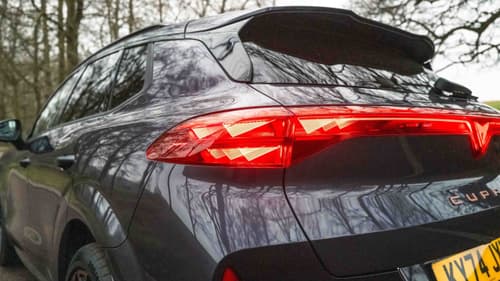
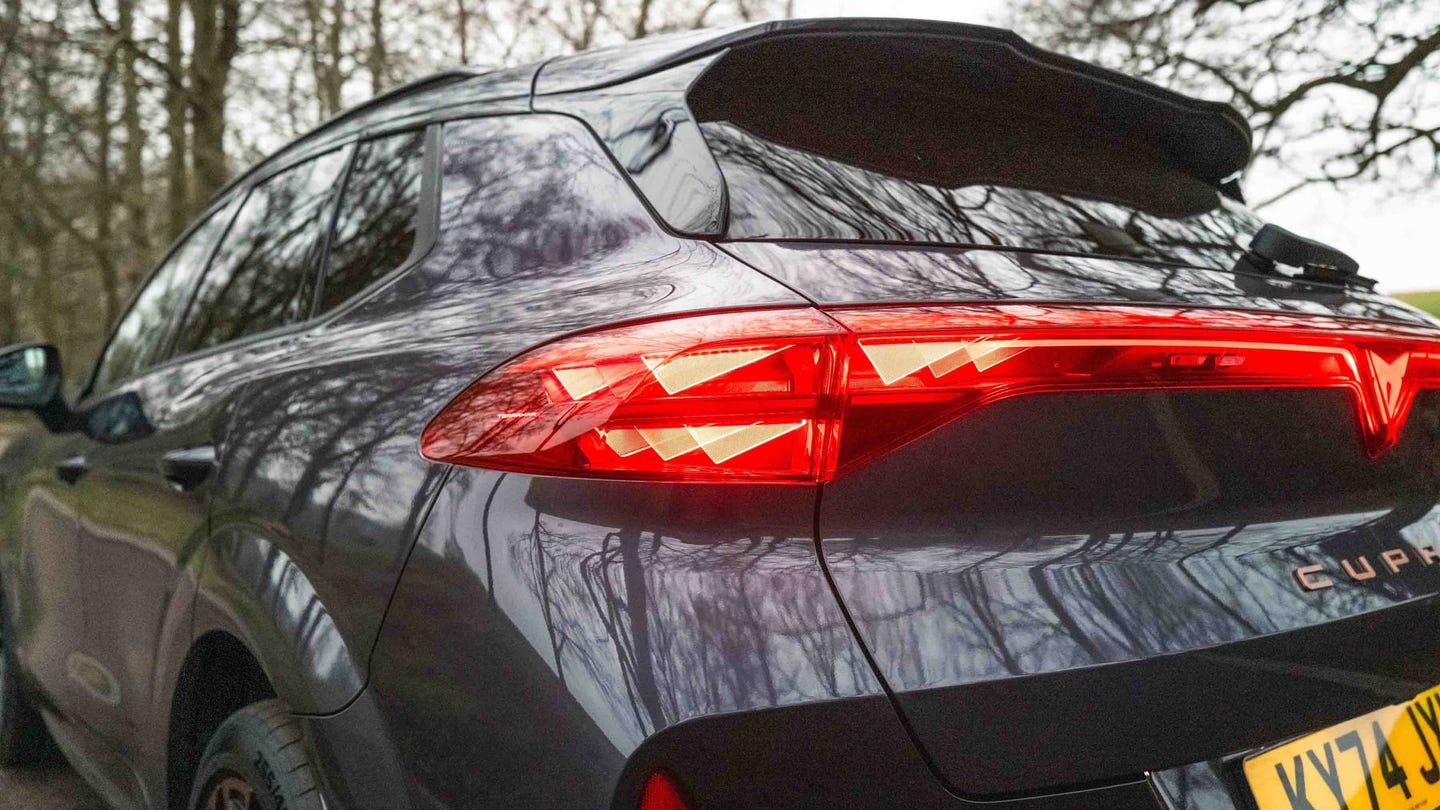
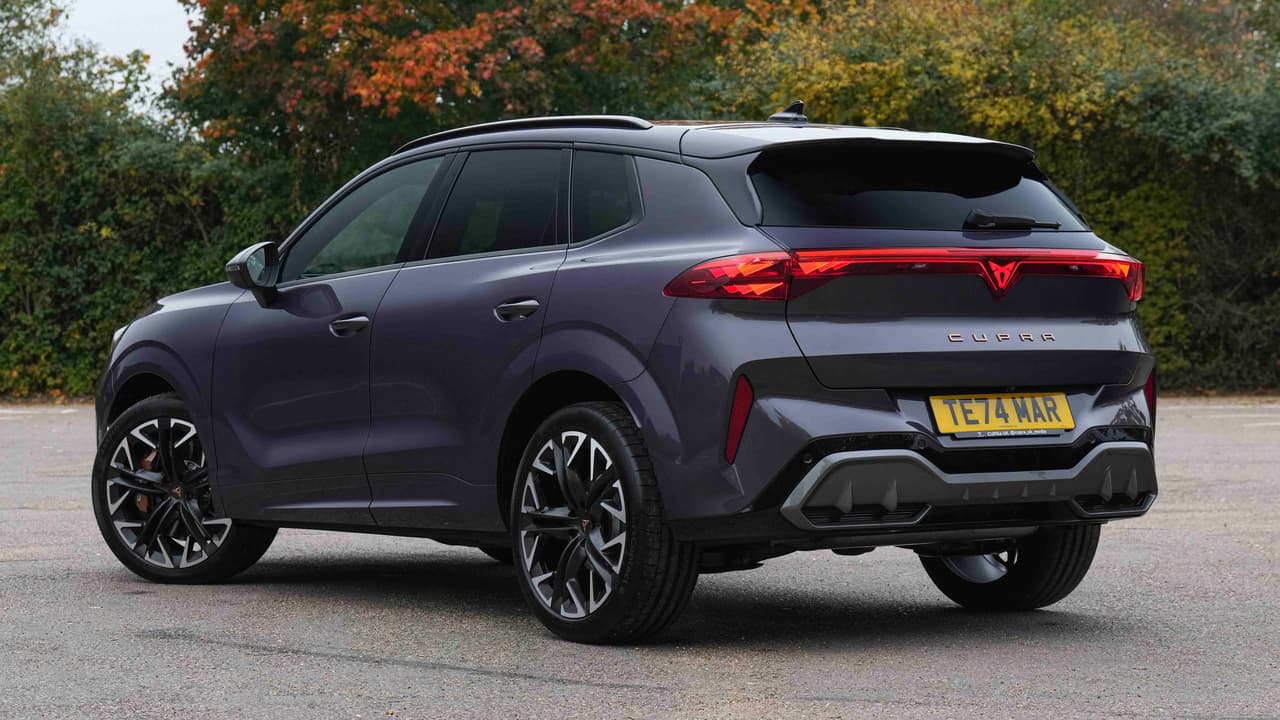
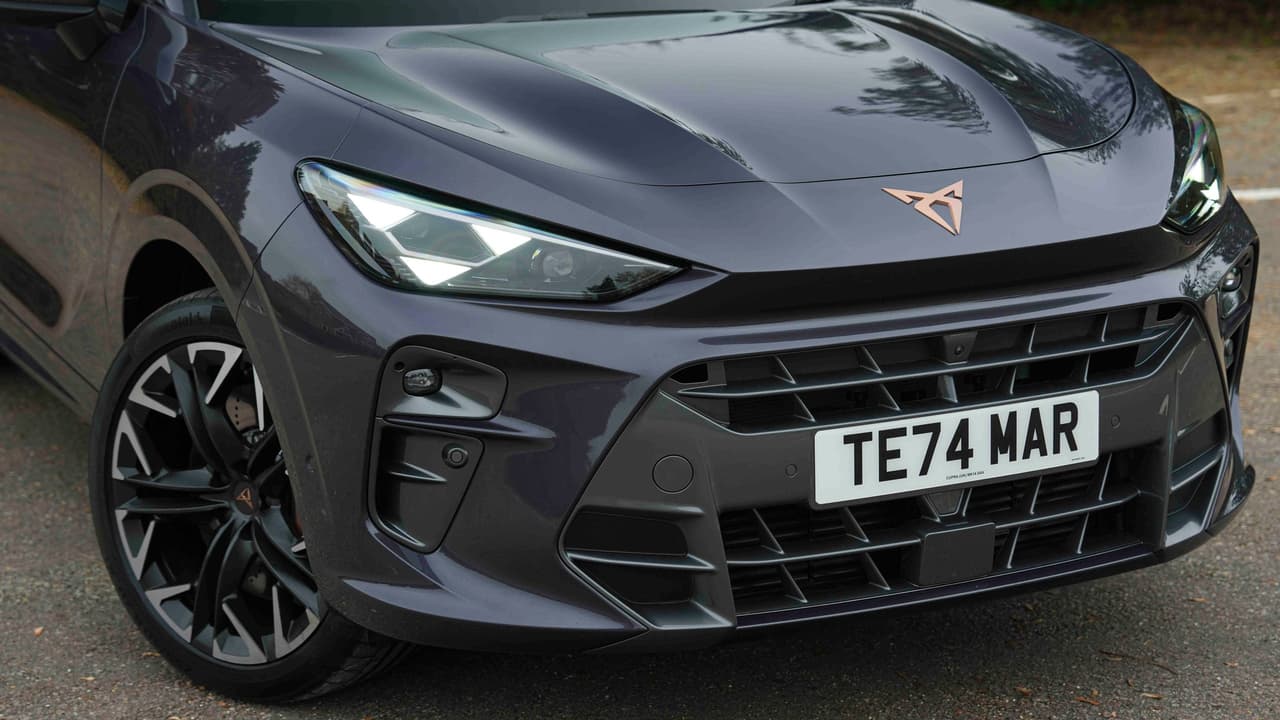
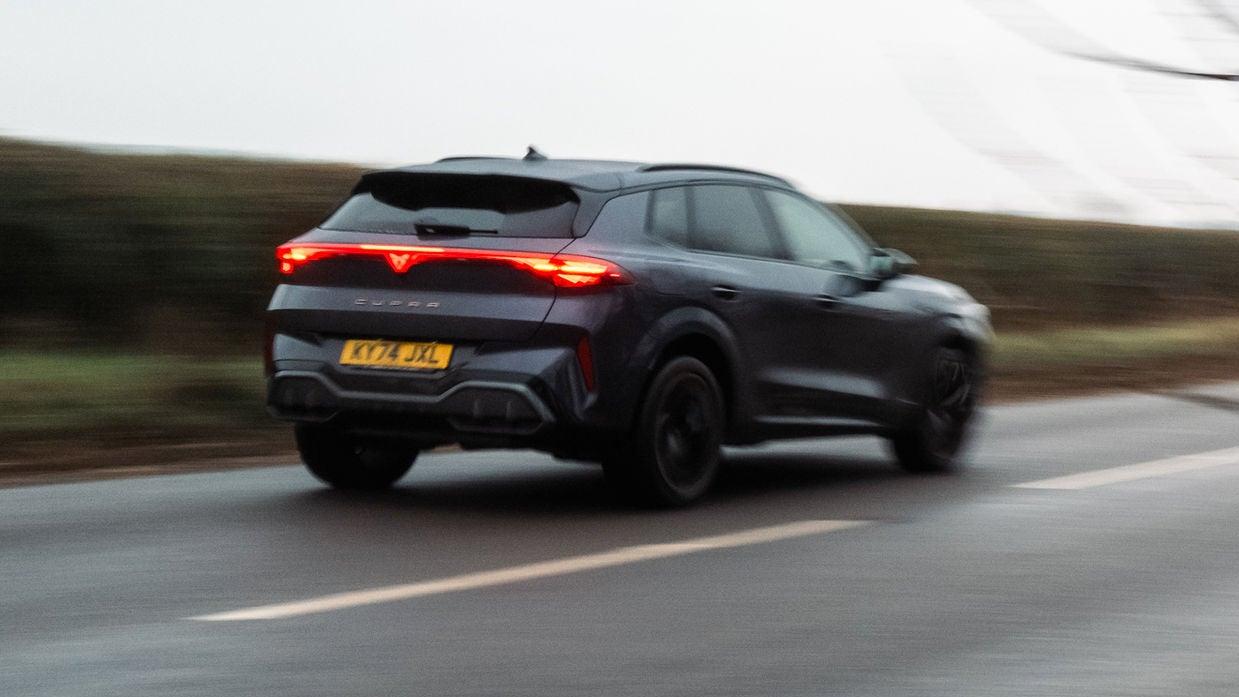
The Cupra Terramar makes an excellent first impression. Its sharp headlights and wide grille make it look mean and angry, while the rear LED light bar makes the whole car feel new and premium.
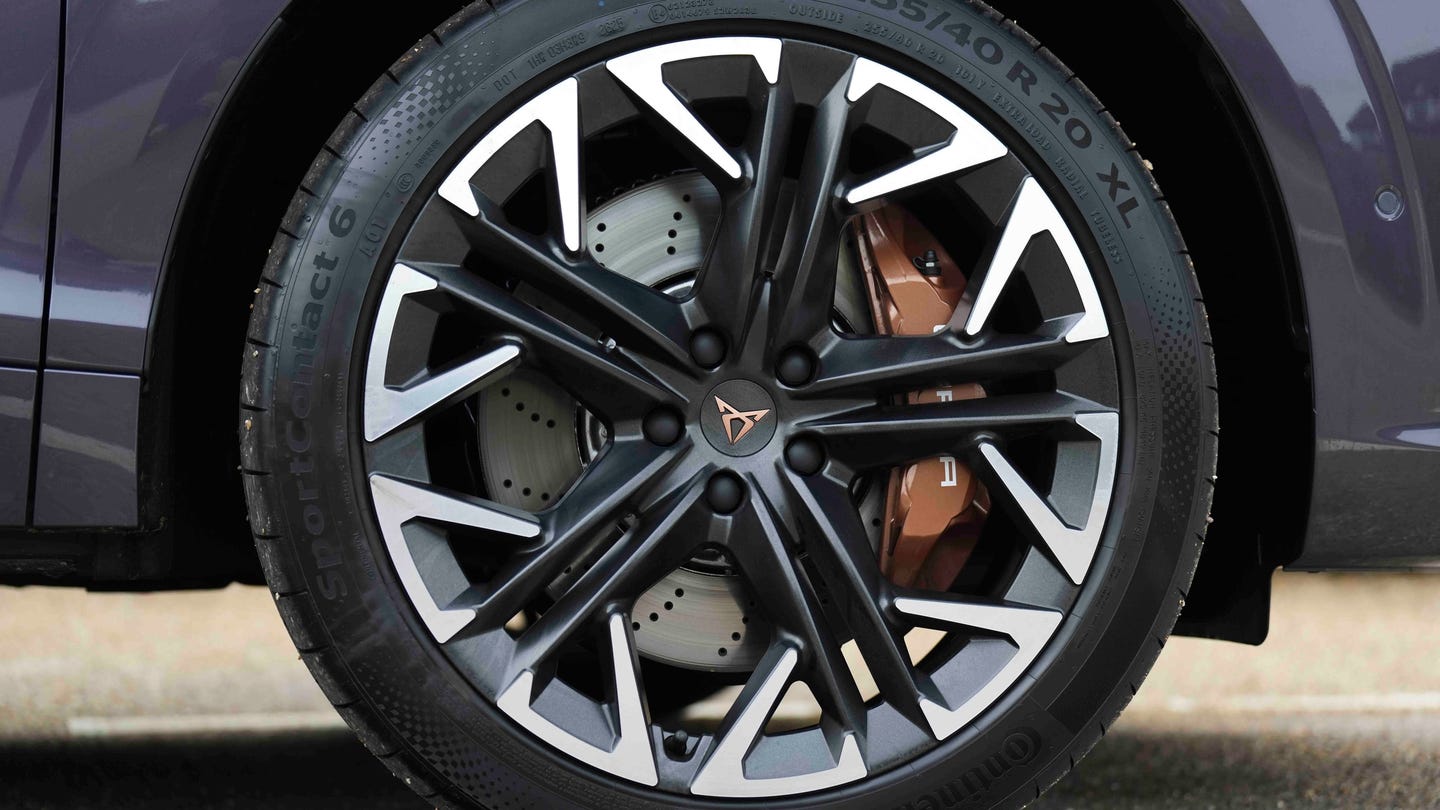
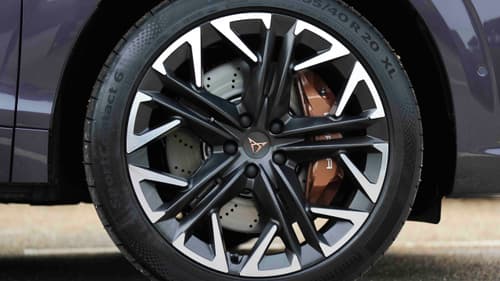
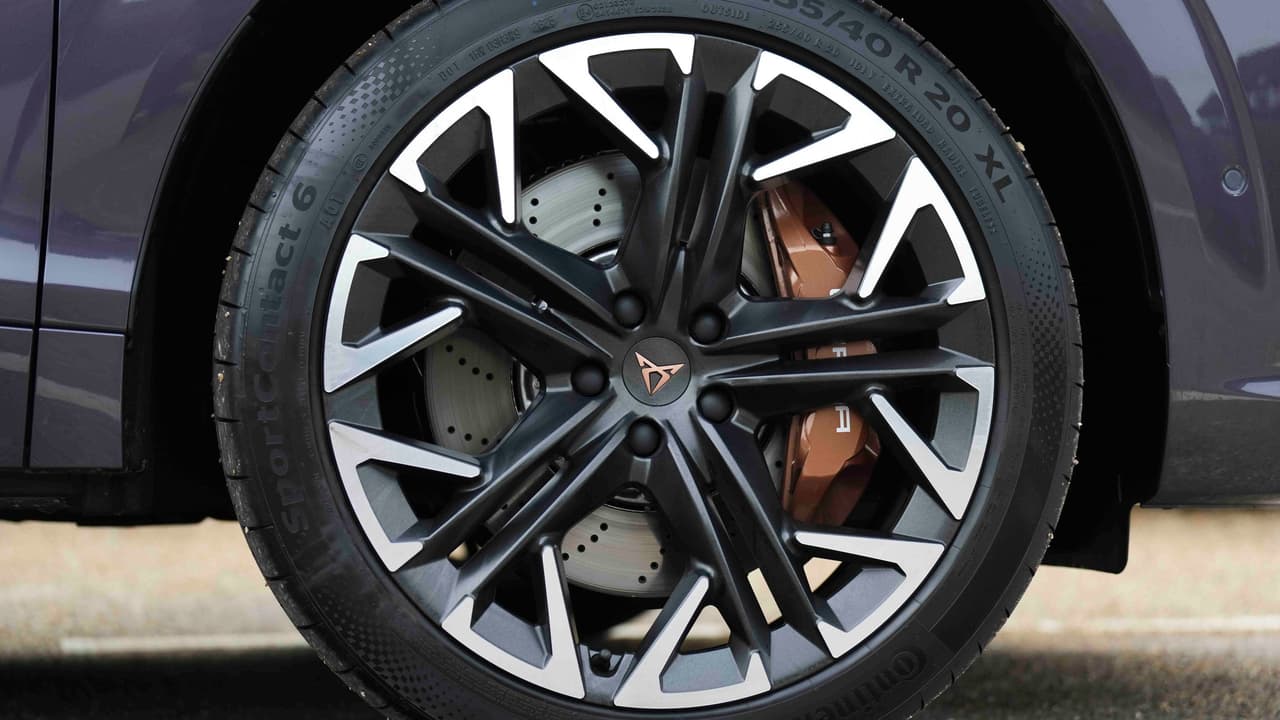
Every Terramar comes with the kind of sporty styling that sees UK buyers flock to BMWs and Audis. The Cupra’s back bumper features a diffuser-like panel inspired by high-end sports cars, plus there’s a lot of black trim and big, diamond-cut alloy wheels coming as standard.
"Like other Cupra models, the range is split in half: ‘V’ trim levels are limited to the lower-powered engines, while ‘VZ’ trim levels only get the more powerful engines"
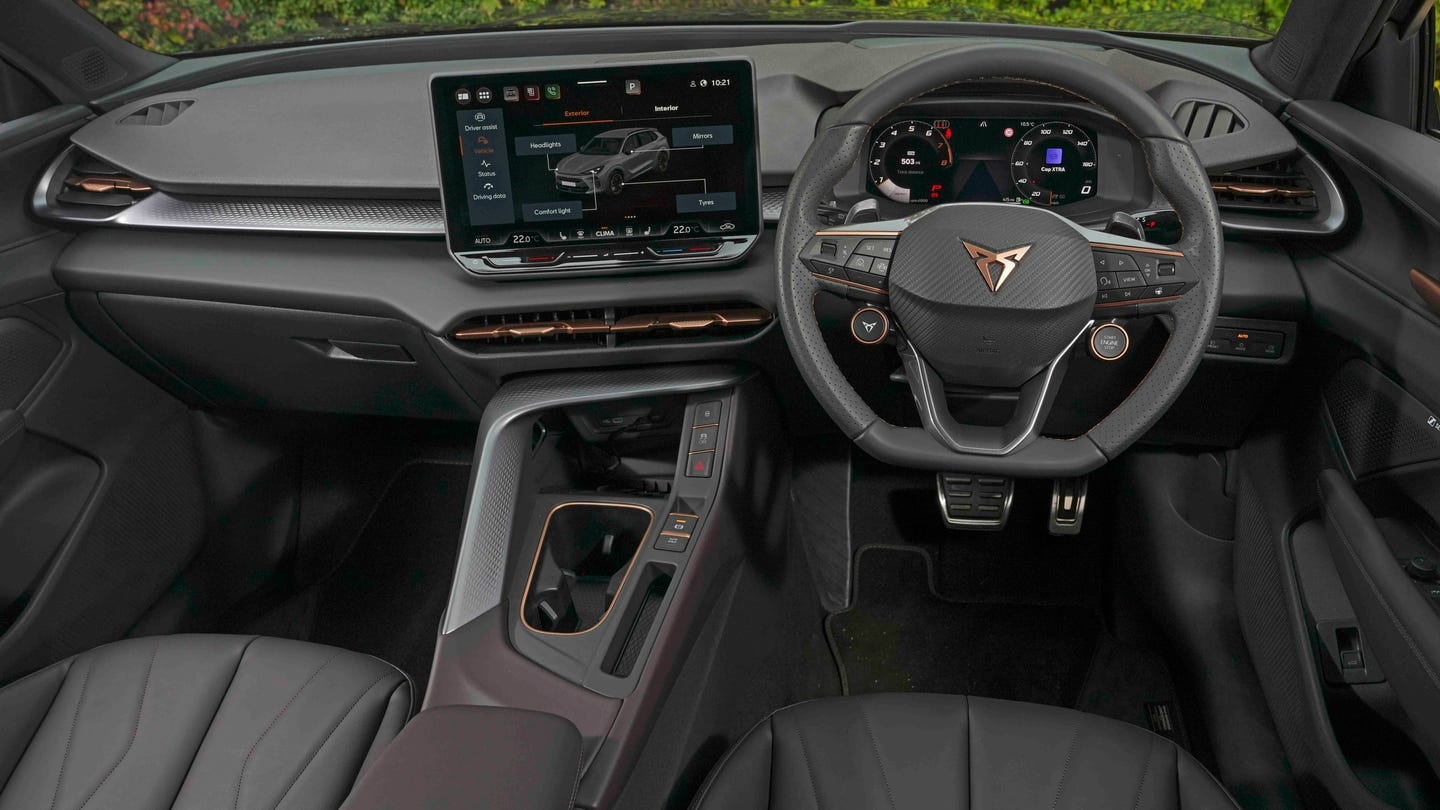
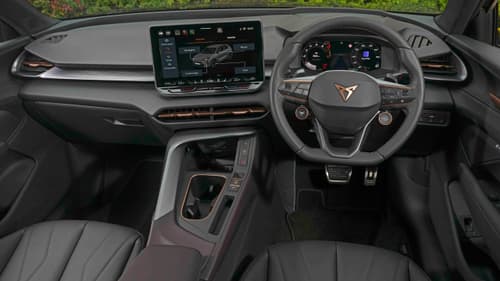
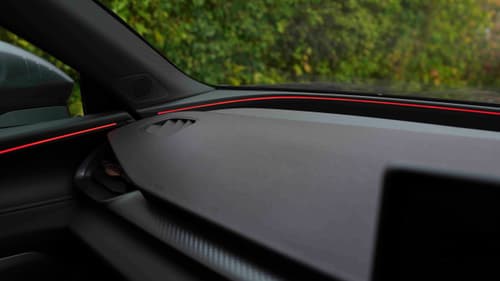
Inside, liberal splashes of copper and some sporty trim pieces make the Terramar more exciting to sit in than the related Volkswagen Tiguan, and the big screen makes it feel more modern than the ageing Cupra Ateca.
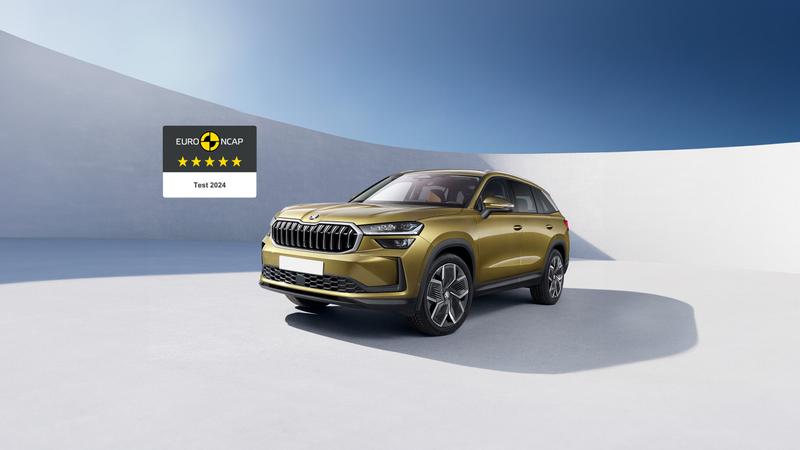
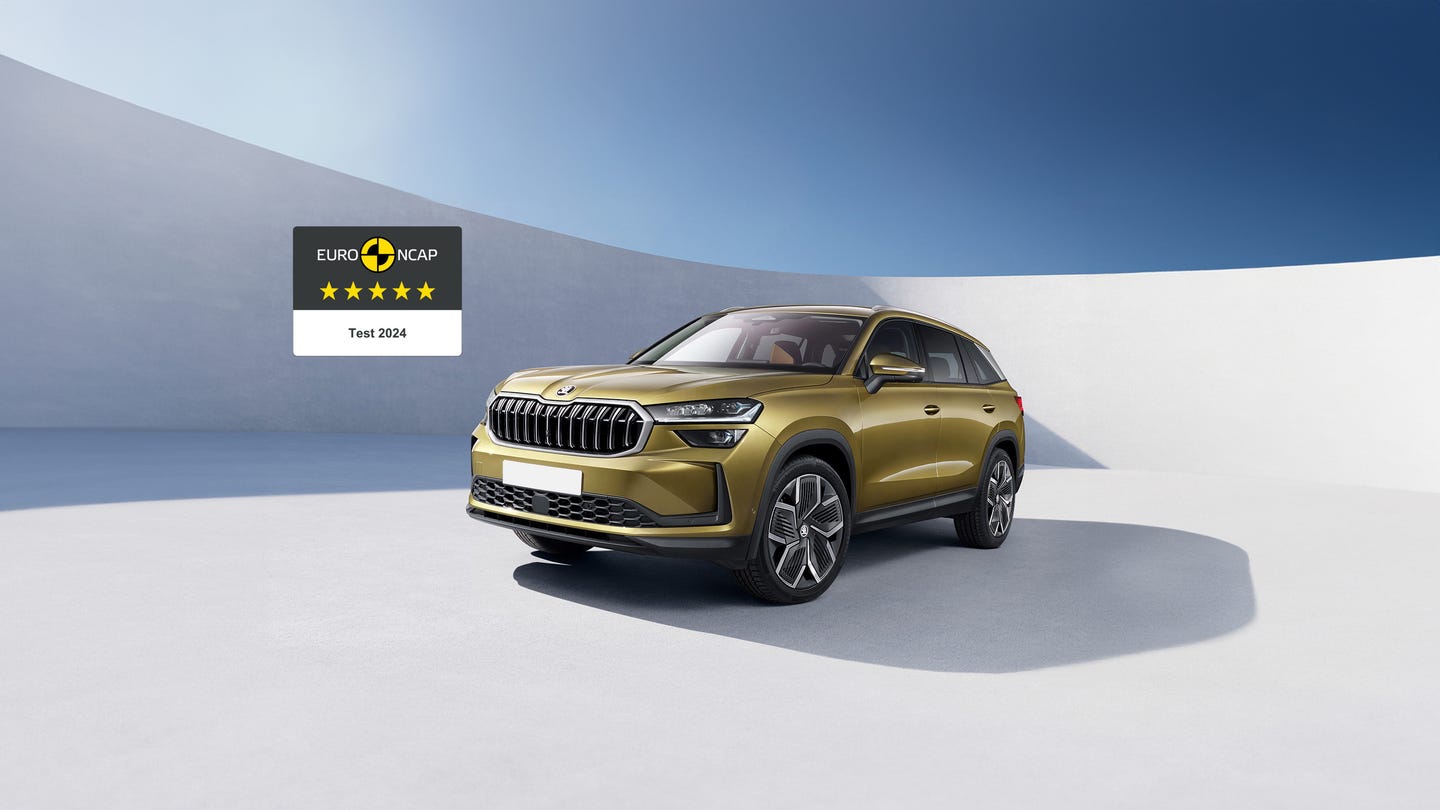
The ownership proposition is strong enough. Petrol cars have a big enough boot for family clutter, it’s reasonably economical, there’s a five-year warranty and the Terramar scored five stars in its Euro NCAP crash test.
But it feels confused. If you’re buying the Terramar as a family SUV, it’s not comfortable enough. If you’re buying it as a sporty SUV to replace a hot hatch, it’s not fun enough.
We'll update this review when we drive a Terramar with Cupra’s Dynamic Chassis Control fitted. This could be transformative, because there’s usually a noticeable difference between the firmer and softer suspension settings in cars with DCC. On a motorway you could stick the suspension in its most comfortable setting, then dial it up when you’re on more fun roads.
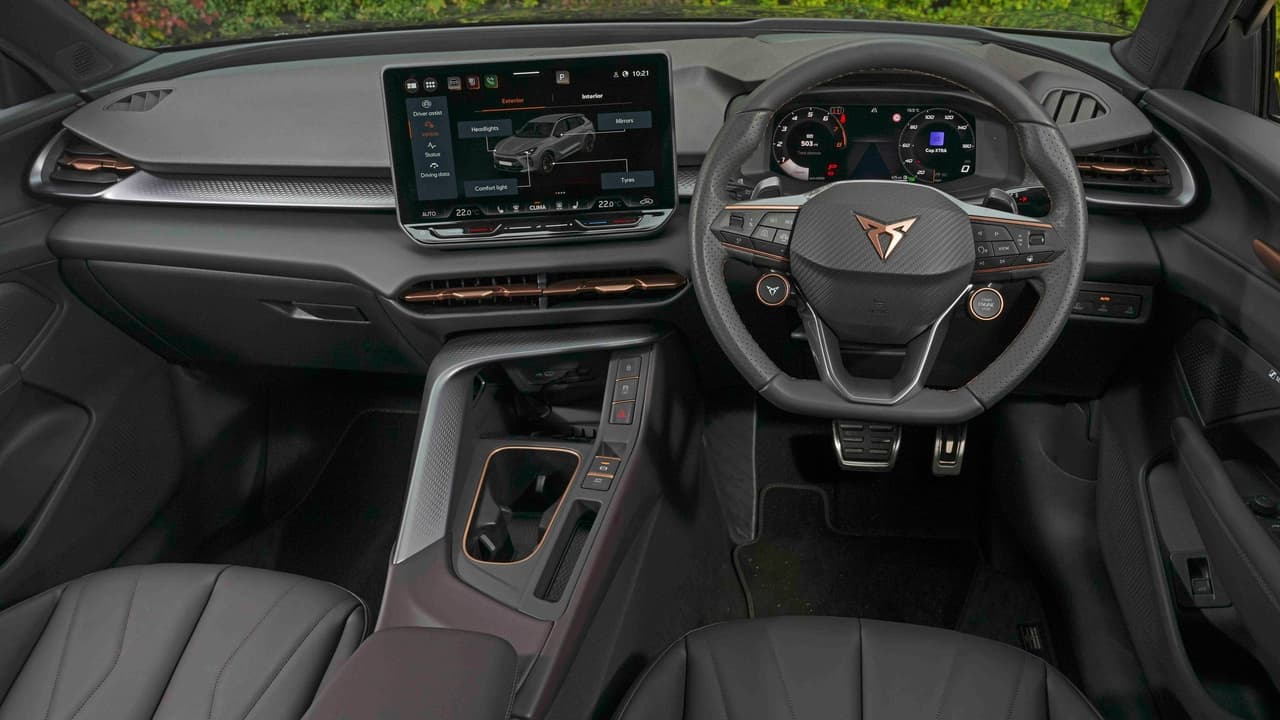
The Cupra Terramar’s interior is full of little touches that make it feel a lot more welcoming than the Tiguan or the Skoda Karoq. The various copper accents go a long way to improving the interior ambiance, and there are a lot of textured materials in prominent places for your fingertips to interact with.
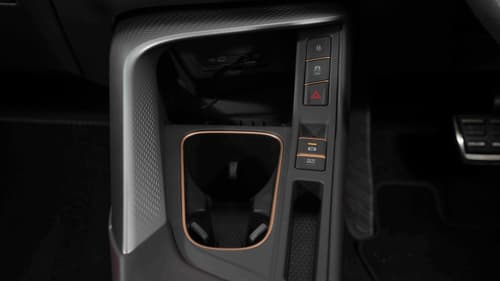
A neat addition is the hockey stick-shaped bit on the centre console, which subtly makes the cabin feel more driver-focused. We also like that the engine start button and the drive mode button are sticking out of the steering wheel, giving mundane everyday journeys a smidge of Lamborghini-esque theatre.
The build quality is strong, as you’d hope from a VW Group car, and the materials that you’ll touch most feel pleasant and sturdy.
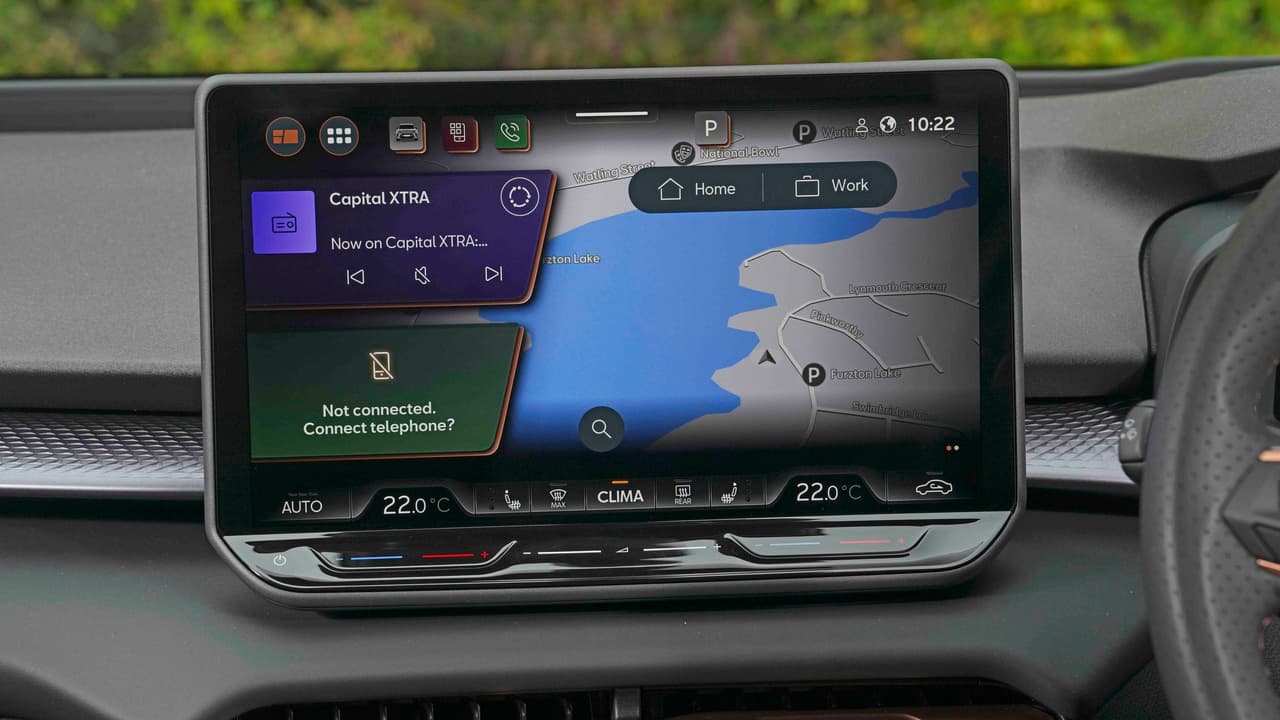
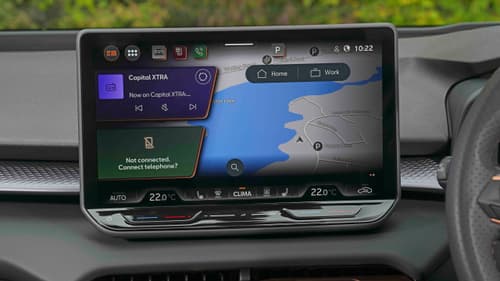
You get digital dials and a big 12.9-inch touchscreen as standard. The graphics on both are excellent, and both can be configured to your preferred view. This version of the infotainment system is easier to use than Cupra’s earlier efforts, but some of the screens are still quite busy and it’ll take you a second to work out where you need to press to get the result you want. One example is the climate control screen – it’ll probably be fine once you’re used to it but, at first, it’s a bit overbearing.
Entry-level V1 cars are generously equipped with 18-inch two-tone alloy wheels, tinted rear windows, LED headlights, three-zone climate control, a heated steering wheel, a reversing camera, adaptive cruise control, keyless entry and wireless phone charging.
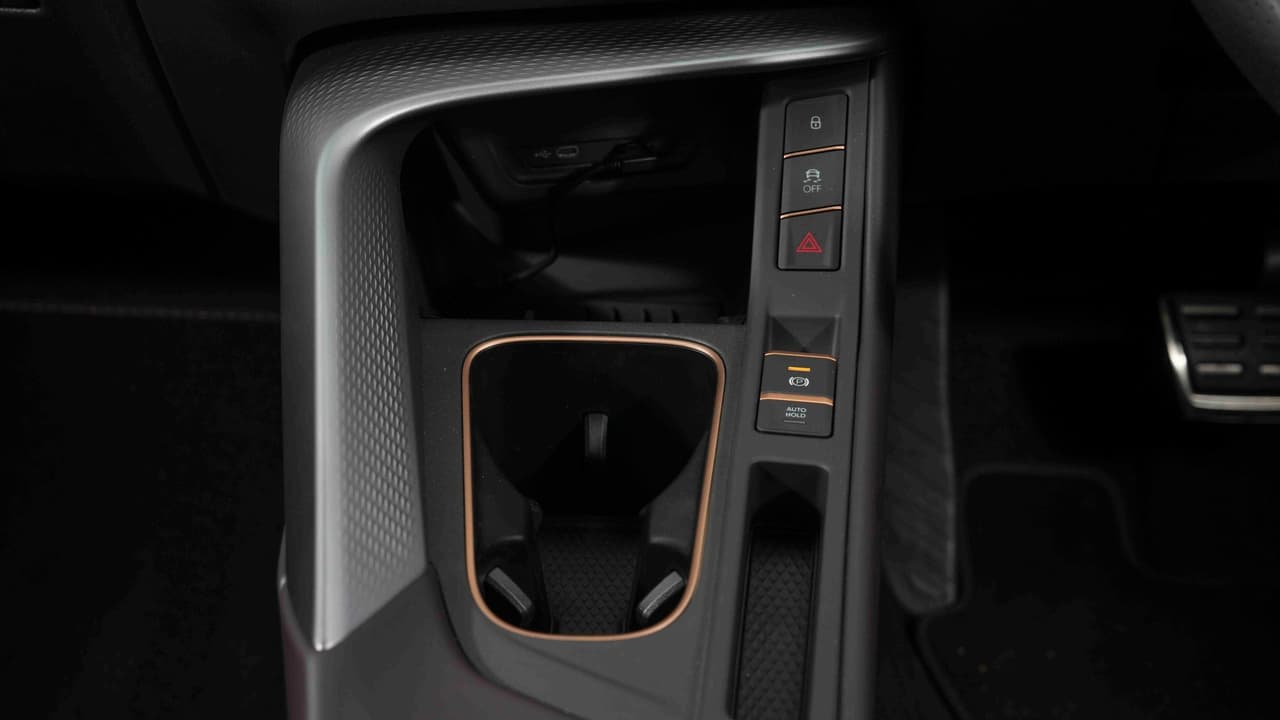
V2 ups the size of the wheels by an inch, swaps the basic ambient lighting for ‘smart’ wraparound lighting, and adds heated front seats in a sporty ‘bucket’ style, park assist, high-beam assist and additional driver assistance features.
Like other Cupra models, the range is split in half: ‘V’ trim levels are limited to the lower-powered engines on offer, while ‘VZ’ trim levels only get the more powerful engines. Over V1, VZ1 adds the bucket seats, lighting and high-beam assist, plus fancy Matrix LED headlights and Dynamic Chassis Control.
Top-spec VZ2 adds the rest of the kit from V2, plus 20-inch alloy wheels and deep burgundy leather seats.
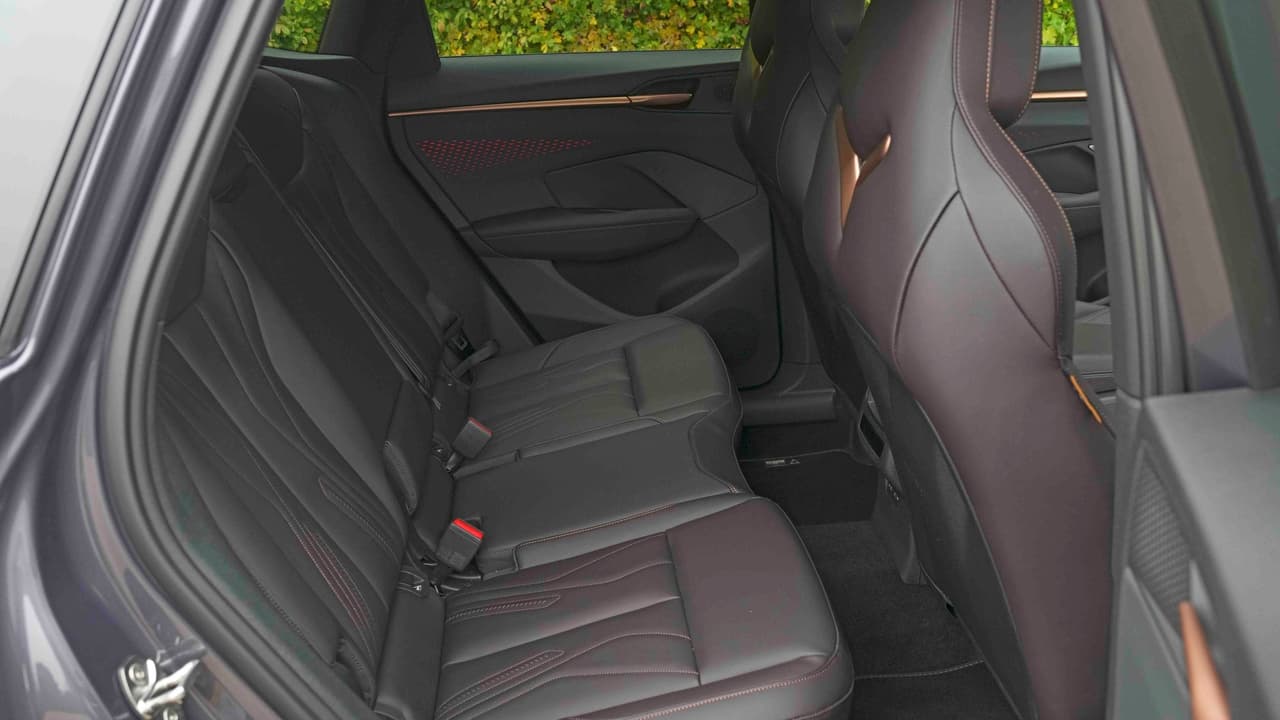
While other SUVs like the Volkswagen Tiguan and Kia Sportage are a bit more practical, the Cupra Terramar should offer enough space for many buyers.
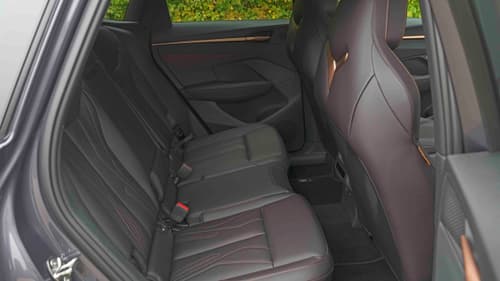
Rear legroom and headroom are both fine for tall-ish adults. If you’re taking kids along instead, the Isofix points are easy to find. Rear passengers get their own climate control zone, USBs, reading lights, big door bins and a fold-down armrest with a pair of cupholders. Plus, the materials are as good as the ones in the front, so everyone can enjoy the soft suede upholstery and the illuminated triangle pattern.
While you might appreciate the sporty bucket seats in the front, they do reduce the forward visibility for your passengers. A chunky transmission tunnel means it’s a bit of a squeeze to fit three people side-by-side across the rear bench, too.
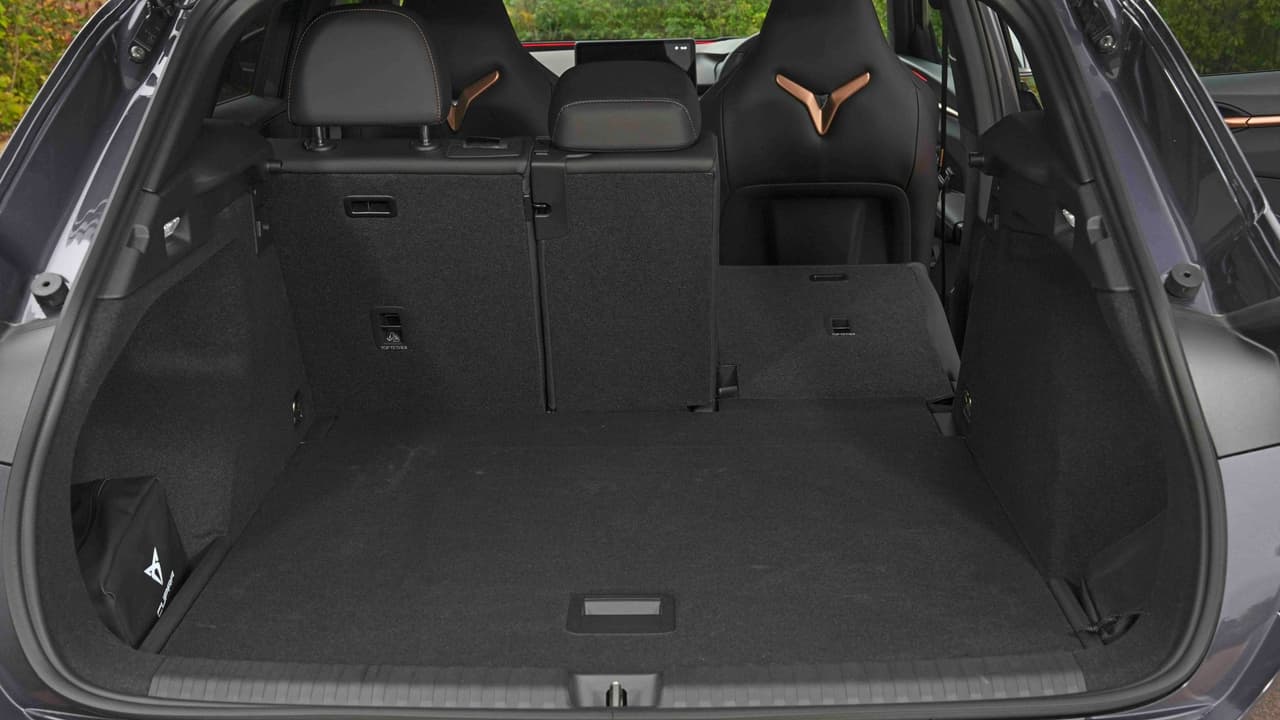
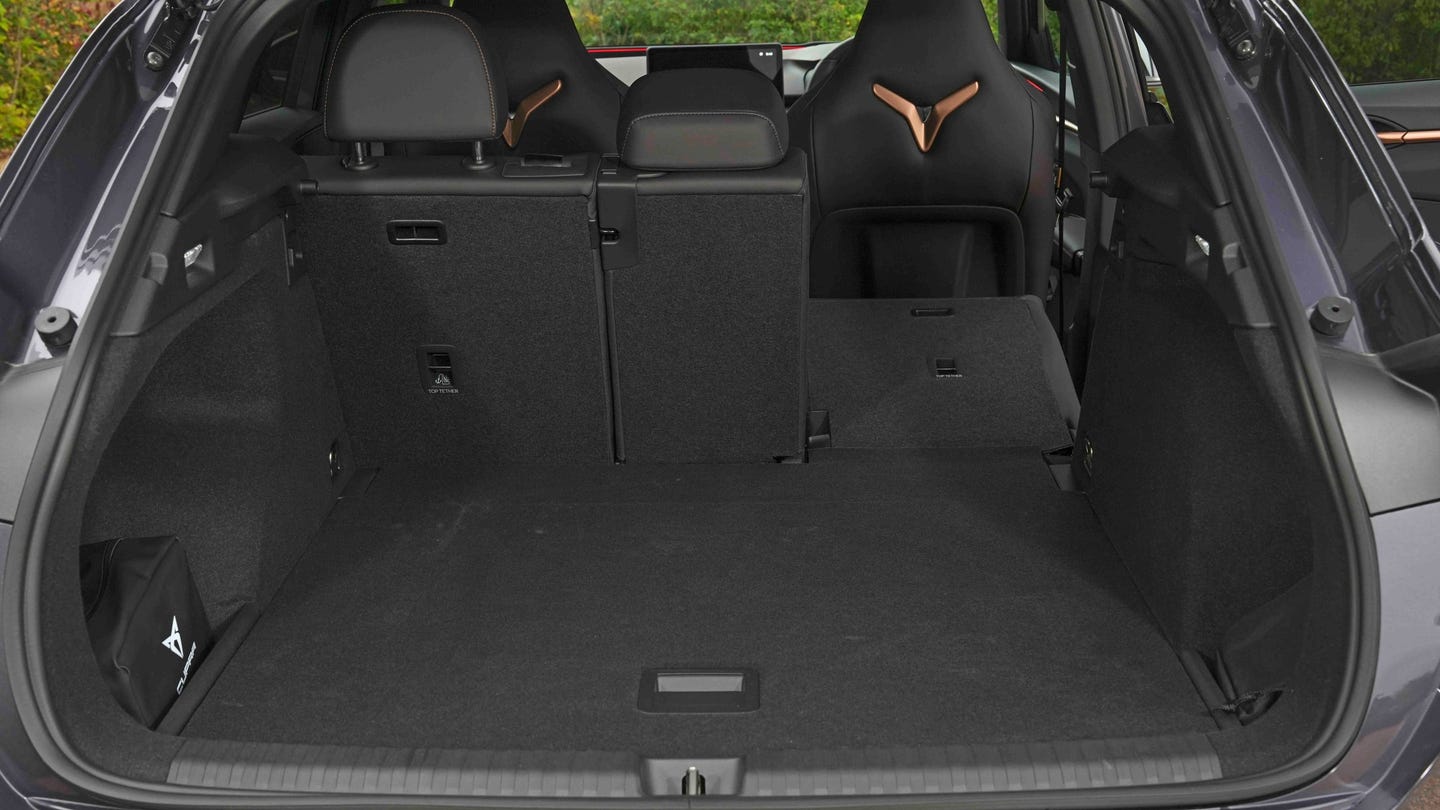
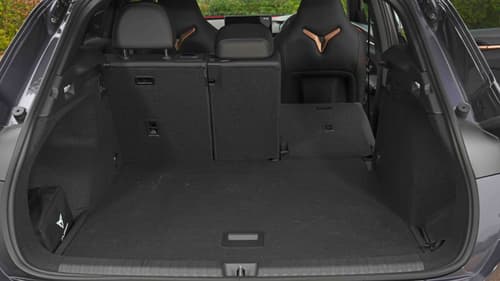
The 540-litre boot is a good, useful size, and includes a couple of deep side pockets and some underfloor storage. Lights and hooks add a bit of versatility. There’s not much of a load lip to worry about, although the boot floor is quite high so you might find it tricky to put awkward or heavy items into the Terramar’s loadspace.
Plug-in hybrid versions offer a disappointing 400 litres of boot space, but the silver lining is that the space you’ve lost is all under the floor.
Up front, there’s a decent sized glovebox and a couple of cupholders, plus a phone tray. You’re a better person than us if you always remember your phone when you leave the car – its tray is hidden deep in the centre console.
Four-wheel-drive Terramars can tow 2,200kg, while the less powerful engines manage 1,800kg.
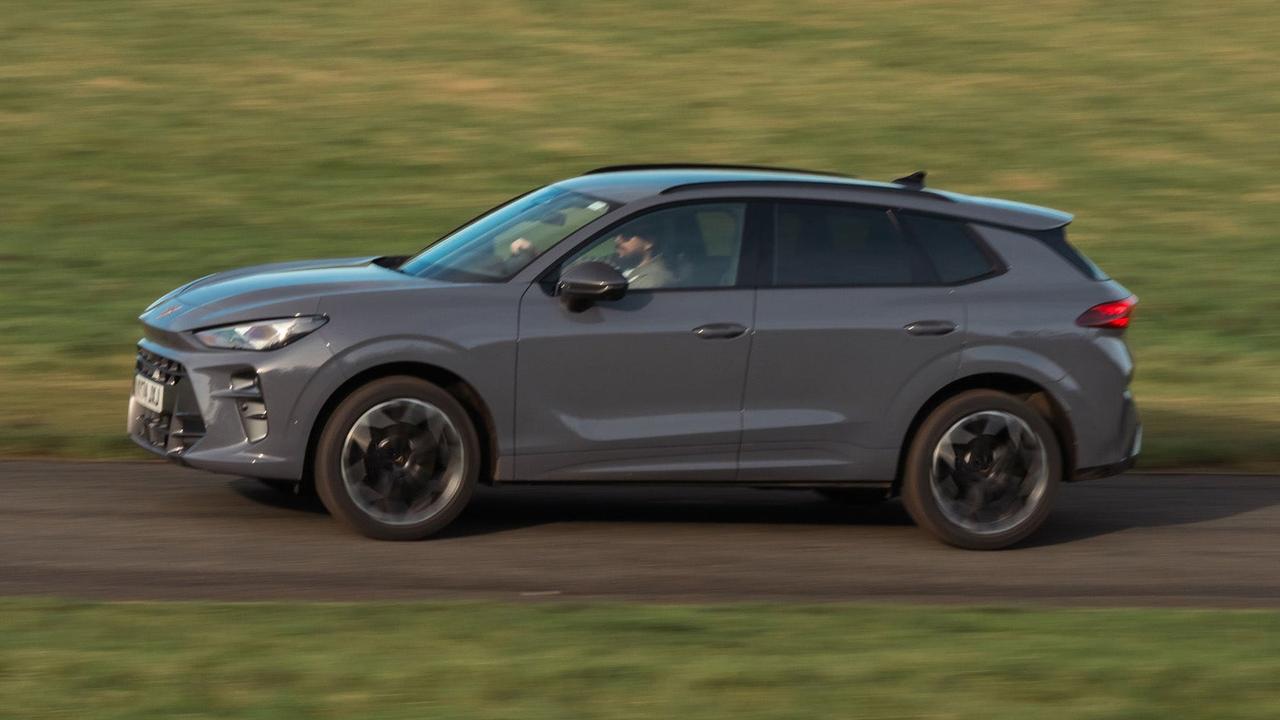
The Terramar’s engine range is broadly the same as other fuel-driven Cupra models – all come with an automatic gearbox with a column shifter.
Things kick off with a 150hp mild-hybrid 1.5-litre petrol engine. It’s plenty for normal everyday journeys but it doesn’t offer the performance you might expect from a Cupra, feeling strained when you ask for full acceleration. However, it’s decently economical: we saw mpg in the low 40s, which is pretty close to Cupra’s estimate.
Then there’s a pair of four-wheel-drive petrol engines, with 204hp in the ‘V’ trim levels and 265hp in the ‘VZ’ models. Both offer improved performance which the Terramar feels like it needs, with the 265hp engine being particularly quick off-the-line. It’s the same engine as you get in the Volkswagen Golf GTI and Porsche Macan T, after all.
These are a bit thirstier. The 204hp engine promises up to 37mpg, while the 265hp one tops out at 33mpg – and obviously you’ll get a lot less if you use the full performance.
The plug-in hybrids are intriguing choices, and offer strong acceleration alongside the possibility of 72 miles of silent, cheap EV miles per charge. We’ve liked this same engine and battery combination in the Volkswagen Passat, and the fact that it’ll fast-charge from 10-80% charge in 26 minutes adds a string to the PHEV’s bow – making it more suitable for long-distance driving.
You’ll need the entry-level trim and engine to avoid the luxury car tax – most Terramars will cost over £600 a year in road tax until they’re six years old. Insurance groups are reasonable across the range, though.
The Terramar has some of the characteristics of a sports car, but not necessarily the good ones.
There’s tyre noise on the motorway, and the suspension is too firm for UK roads. It’s busy even on apparently smooth roads, and jiggly at high speed.
Like we said above, it might be worth testing out a car with the Dynamic Chassis Control system, as this lets you choose a more comfortable setting that’ll soak up road surface imperfections a lot better than the standard setup.
There’s a hint of the Tiguan in the way the Terramar drives. It’s stable and secure, but a bit dull to drive. Somehow, the Formentor is more fun.
Mind you, there’s some good stuff in the Terramar’s genes. The steering is responsive and quick, and it’s grippy even with just two driven wheels.
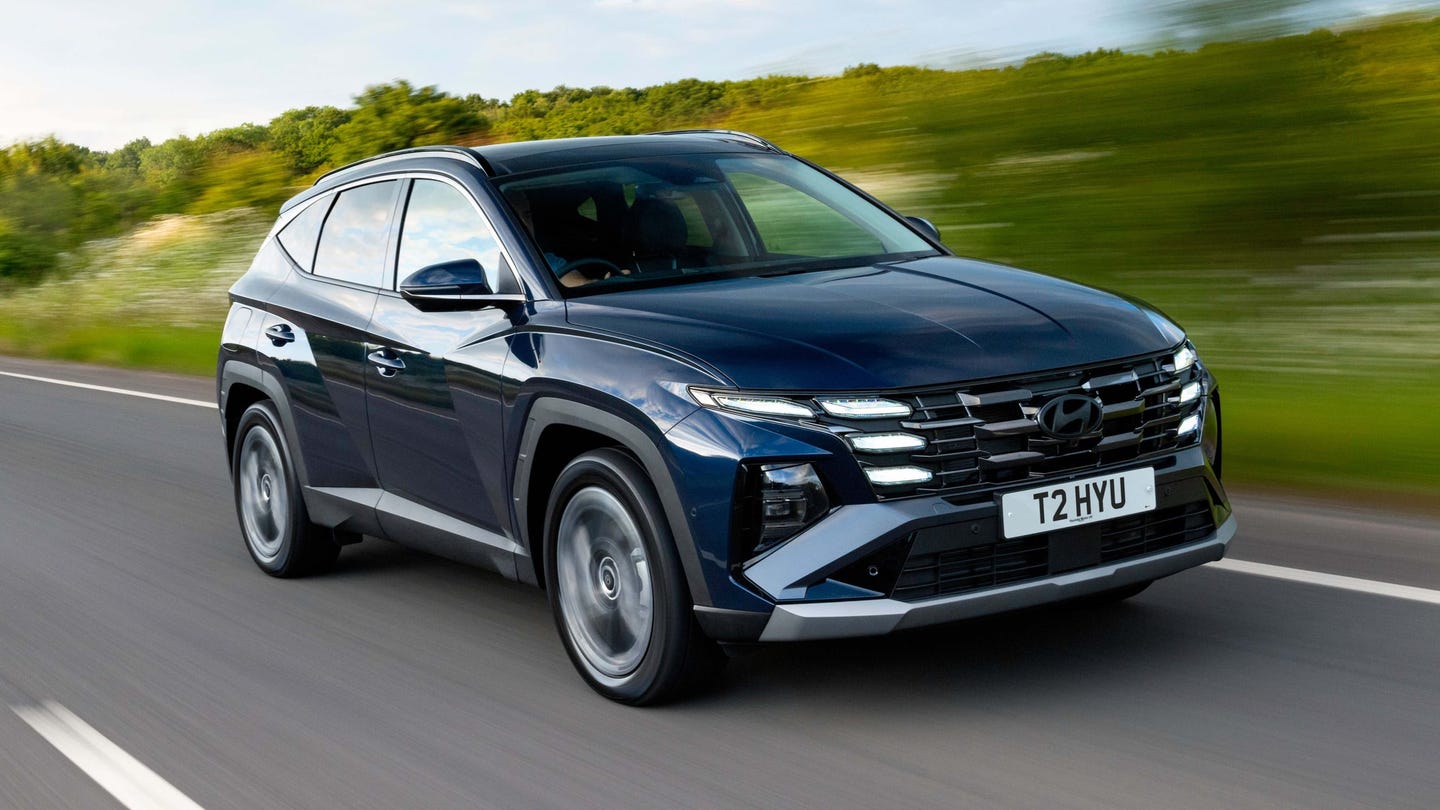
The Hyundai Tucson is one of the best mid-size SUVs you can buy
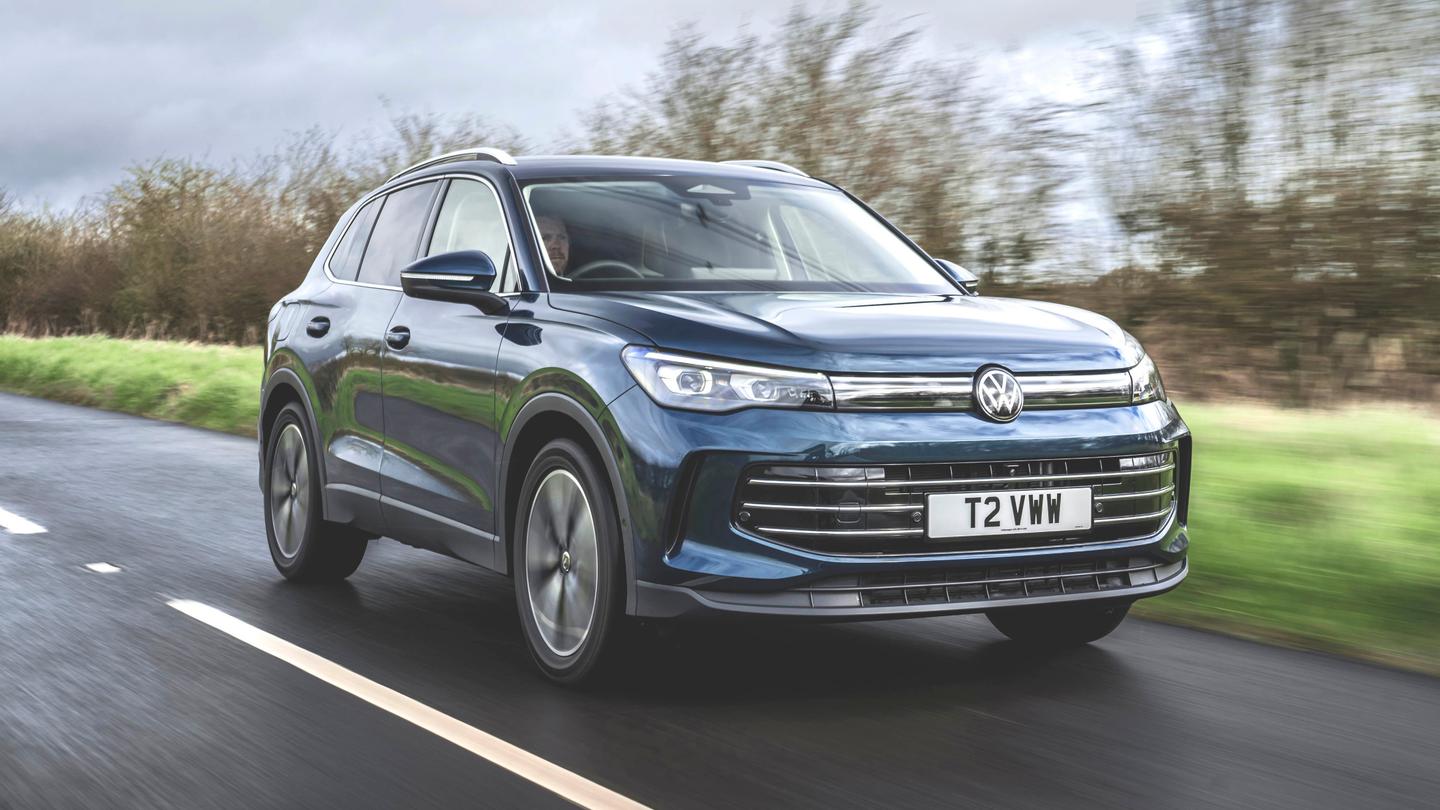
VW’s latest Tiguan builds on its predecessor’s long list of strengths
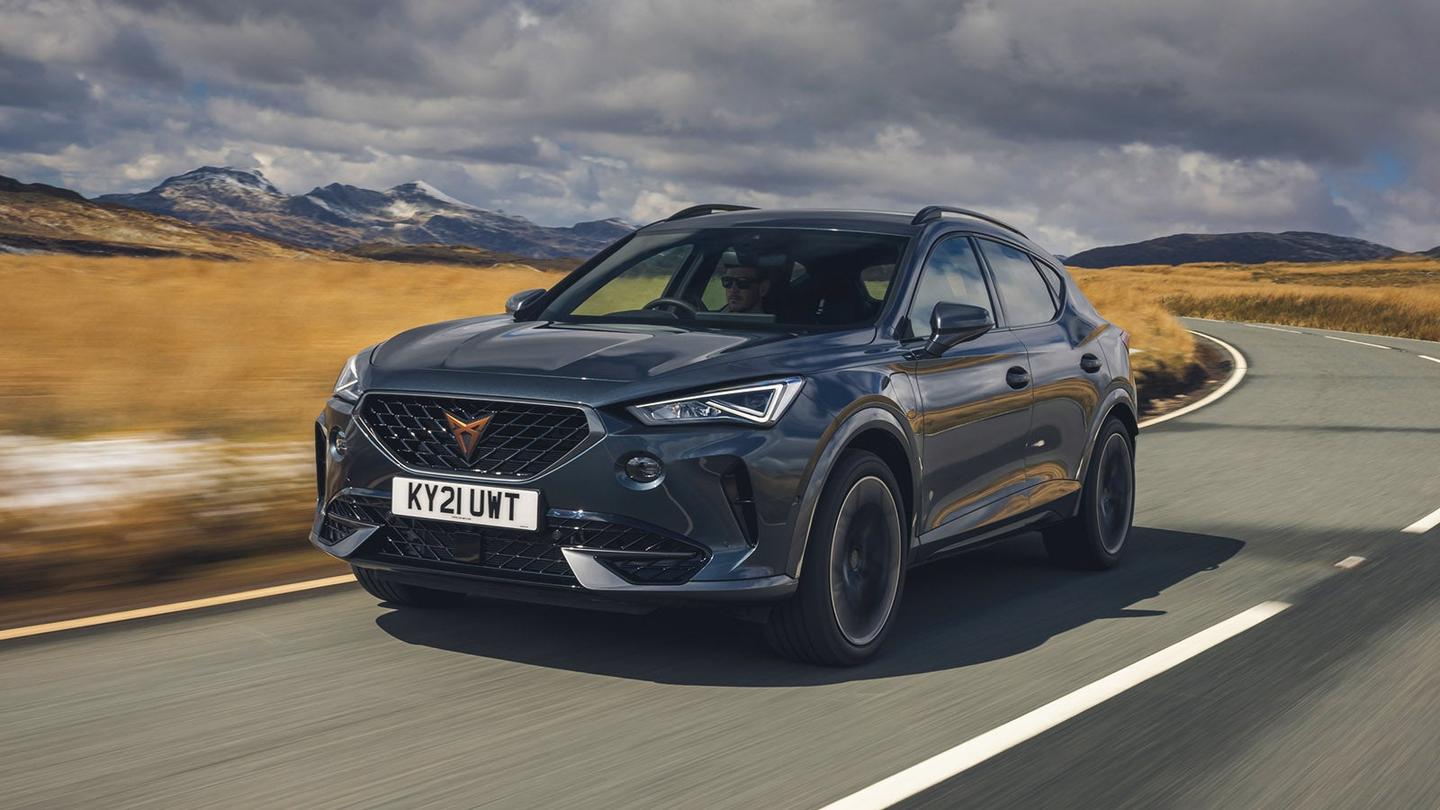
Cupra's first standalone model is one of the very best sporty SUVs