









10 of the best luxury SUVs to buy in 2026

Ben Custard
•
Choosing A Car

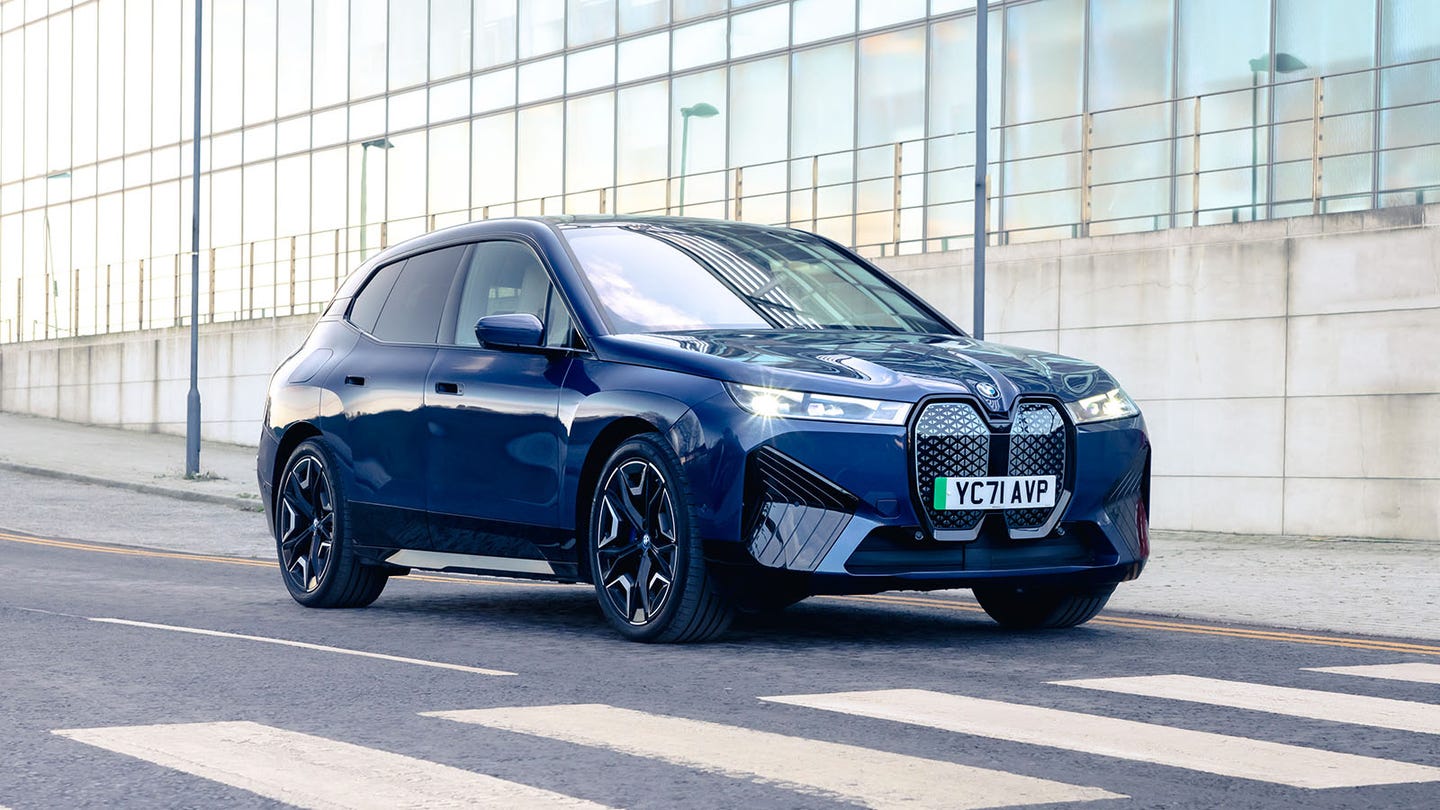
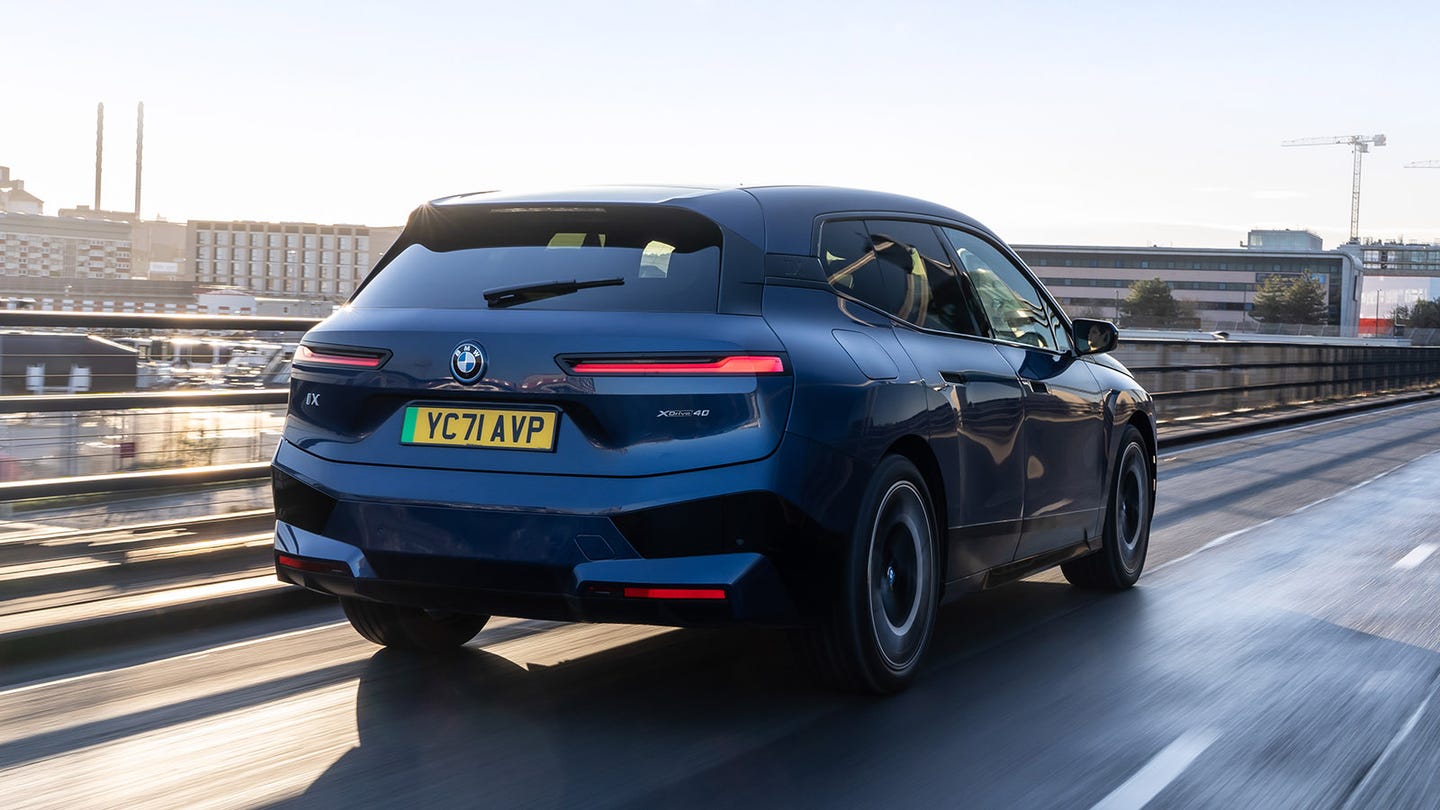
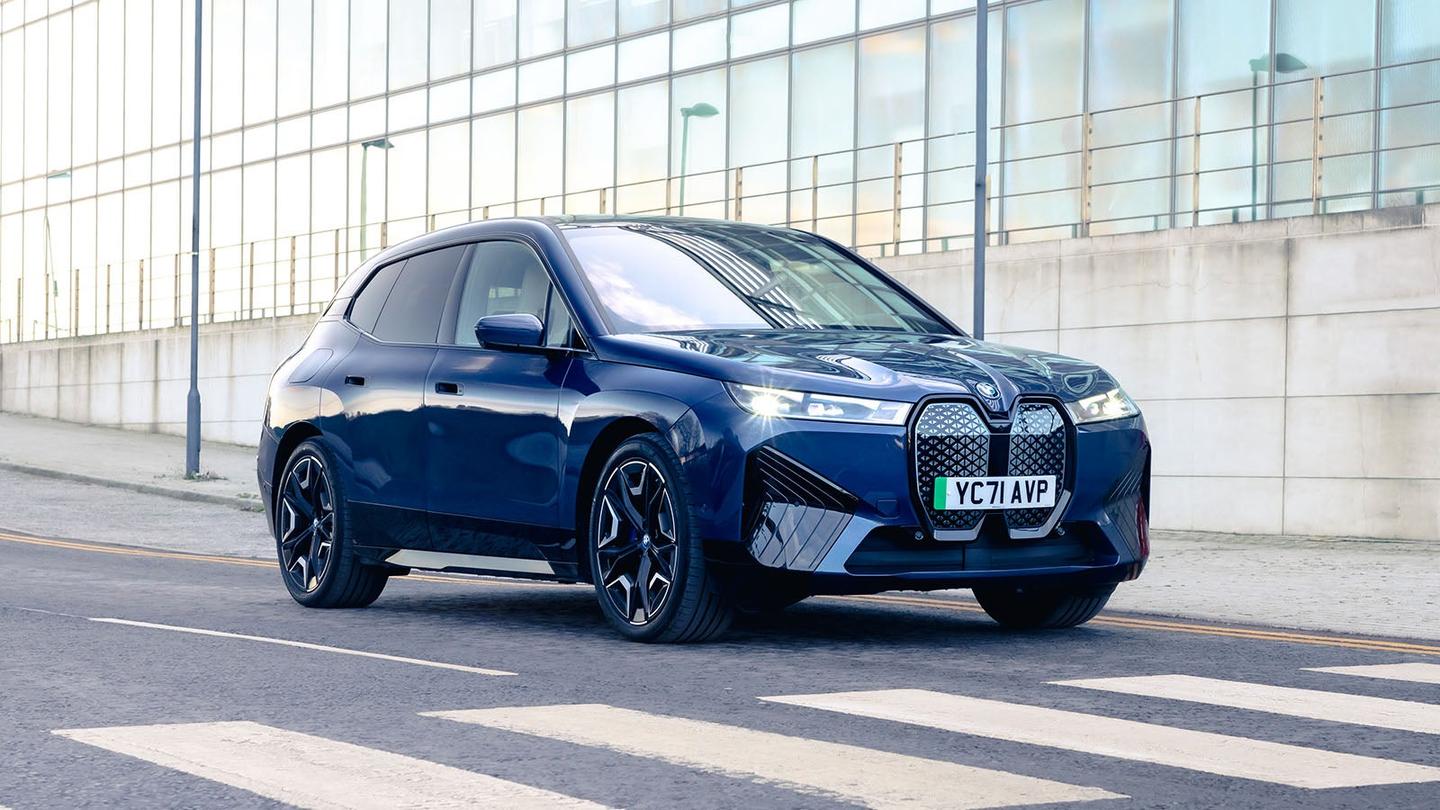
The BMW iX is the brand's flagship electric car, and was designed from the ground up as an EV, with no compromises made to share the platform with an engine-powered version.
Unsurprisingly, the result is a technical masterclass, with instant power, effortless performance and an ultra-modern design – but is it enough to tempt die-hards away from their X5s?
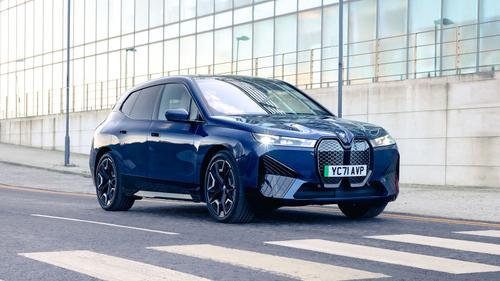
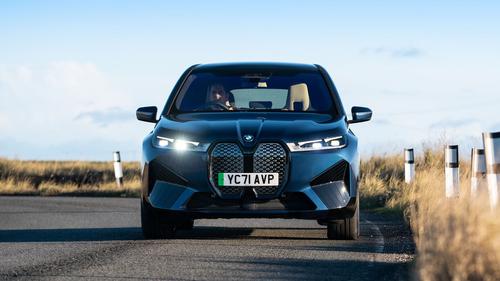
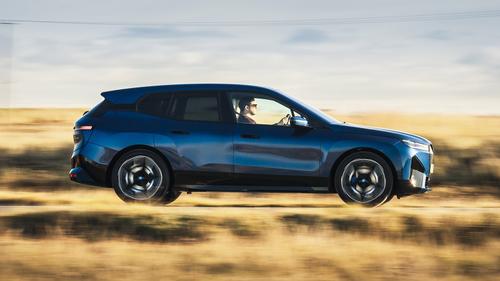
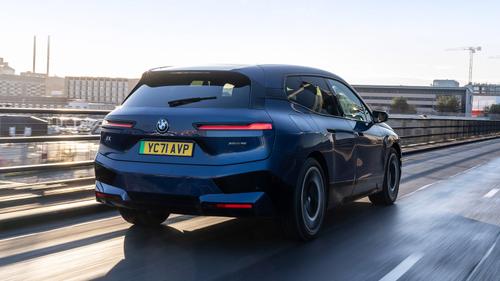
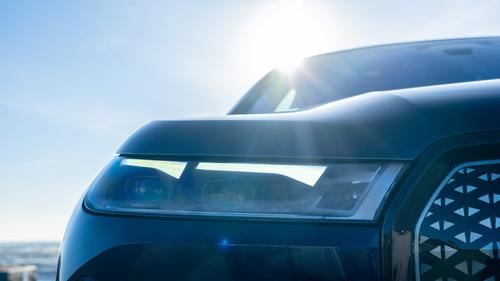
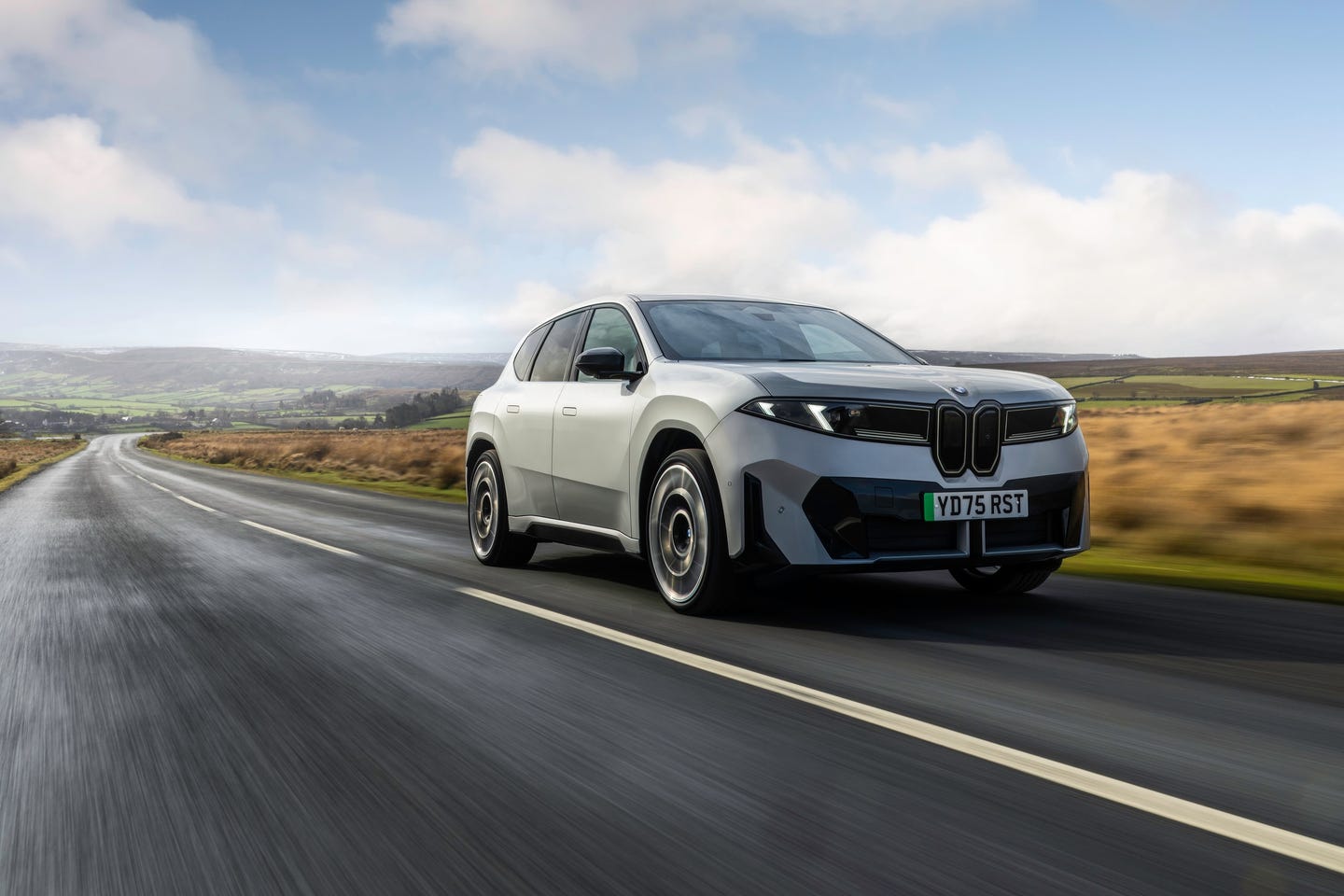
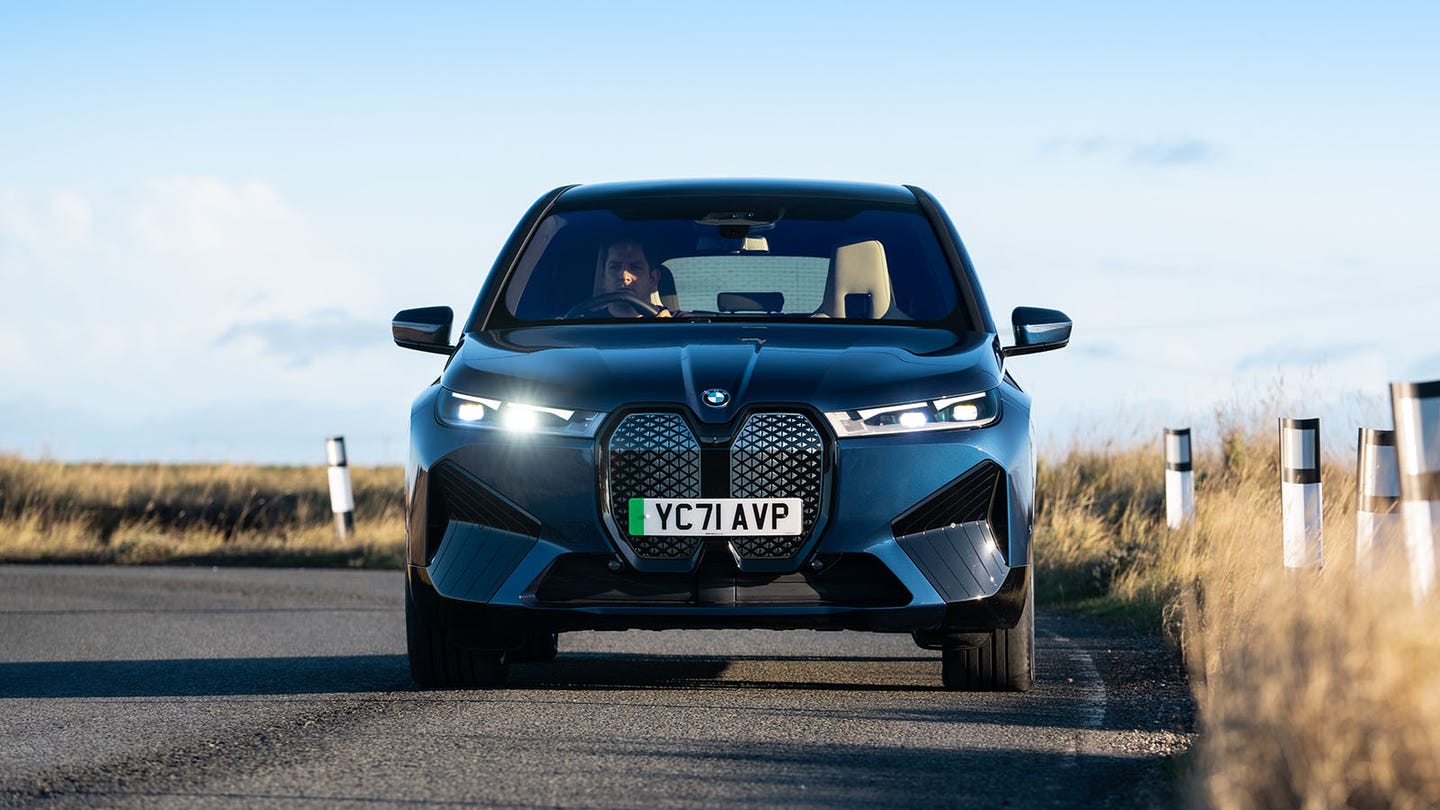
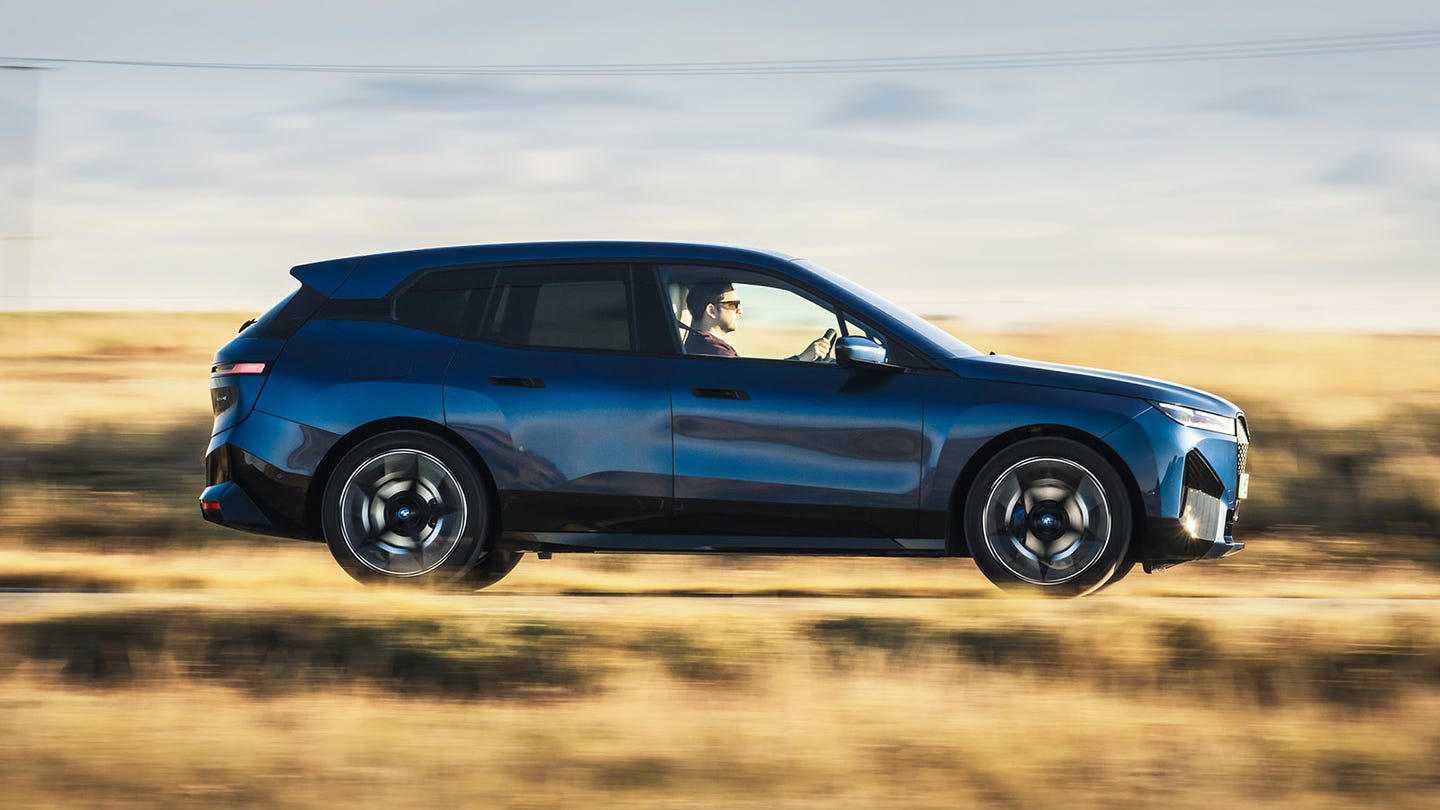
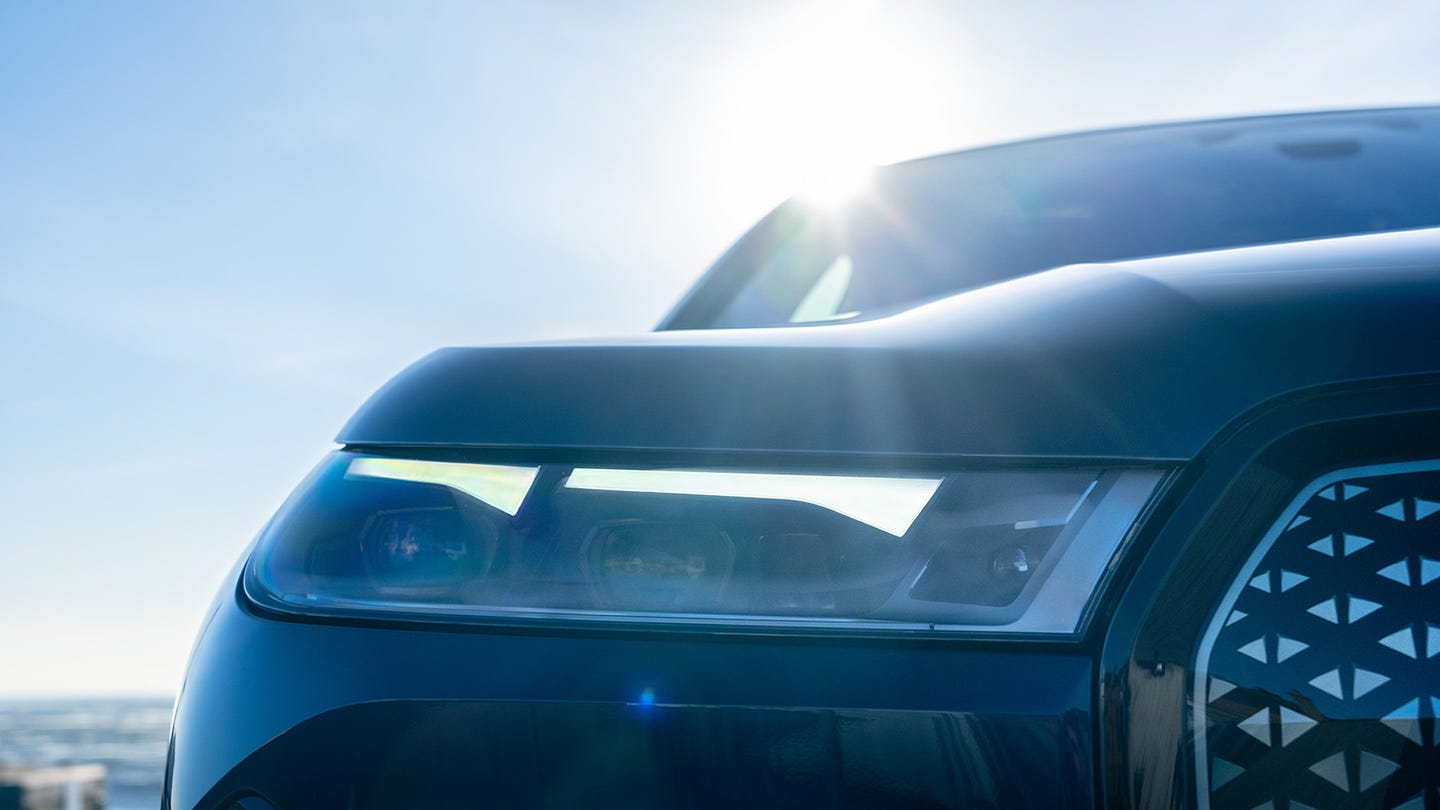
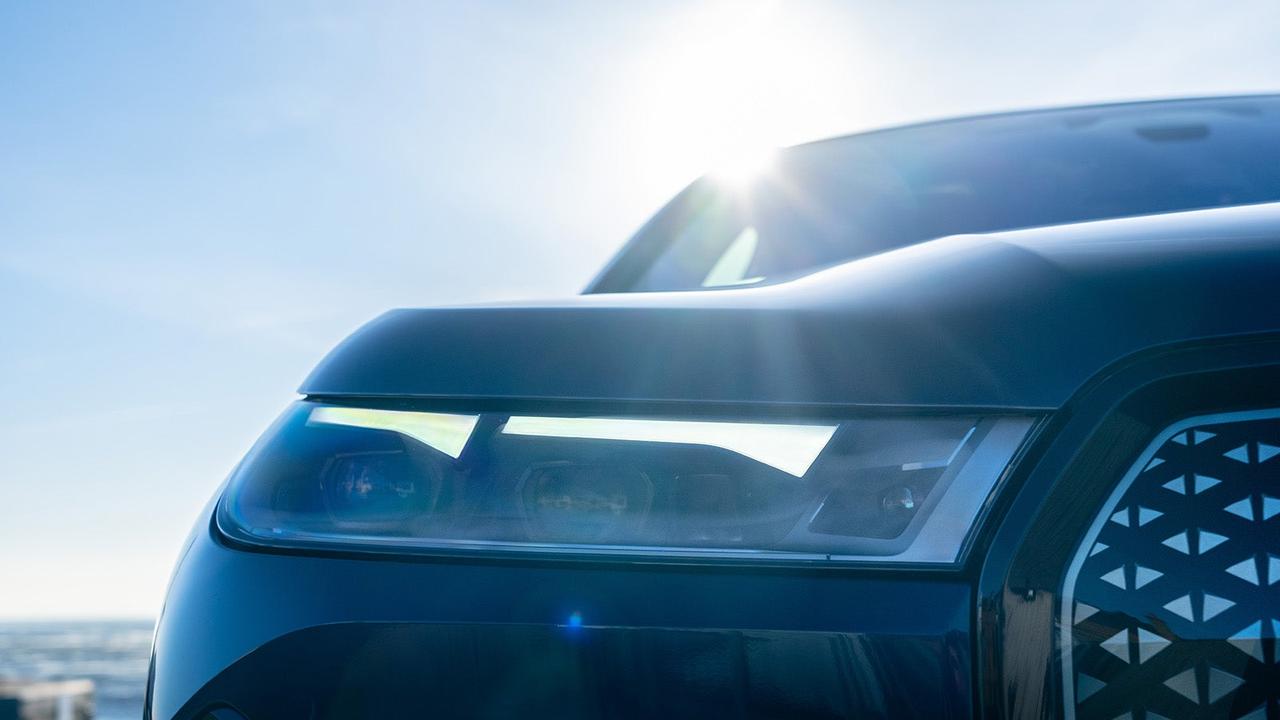
Before we tackle the iX's long list of talents, let's address the elephant in the room – its styling. Since launching in 2021, the car has divided opinions with its modern, flat surfacing and snout-like 'kidney' grilles. It's an SUV in the contemporary sense, shaped more like an oversized hatchback than a high-riding off-roader. We've no business telling you what looks good and what doesn't, but prepare for Marmite-like reactions from your passengers.
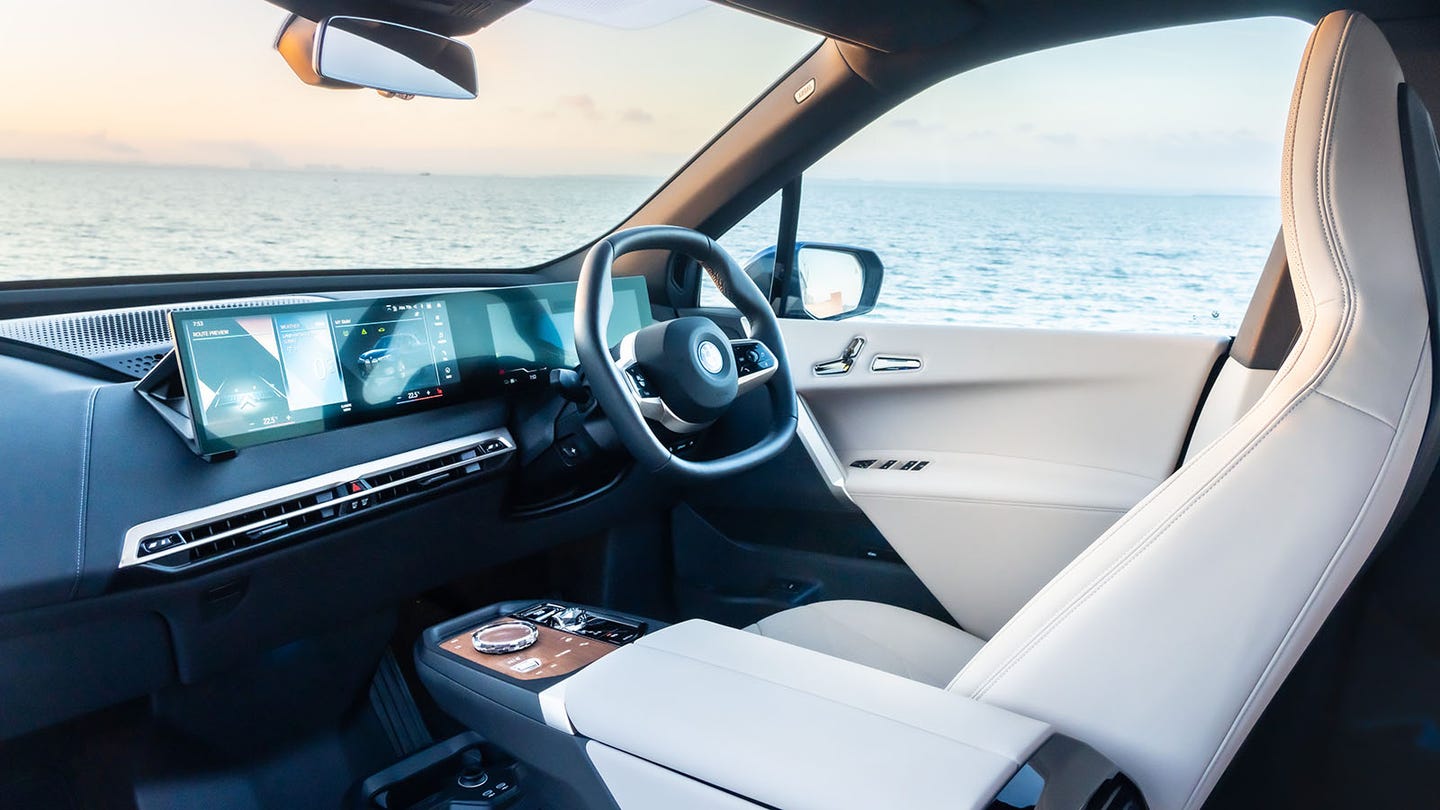
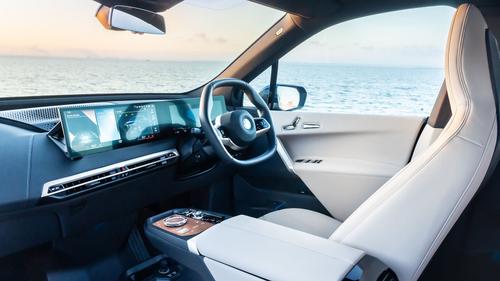
"The dashboard is a jutting geometric slab containing the steering wheel, screens and air vents – and that's about it"
The exterior may be divisive but this helps highlight the two biggest virtues of the iX's interior. First, it's objectively a lovely place to sit, with plush materials, lots of space and excellent build quality. And, of course, when you're inside the iX, you don't have to look at the outside! You'll also spot giveaways of the iX's electric underpinnings with no transmission tunnel dividing each pair of front and rear seats.
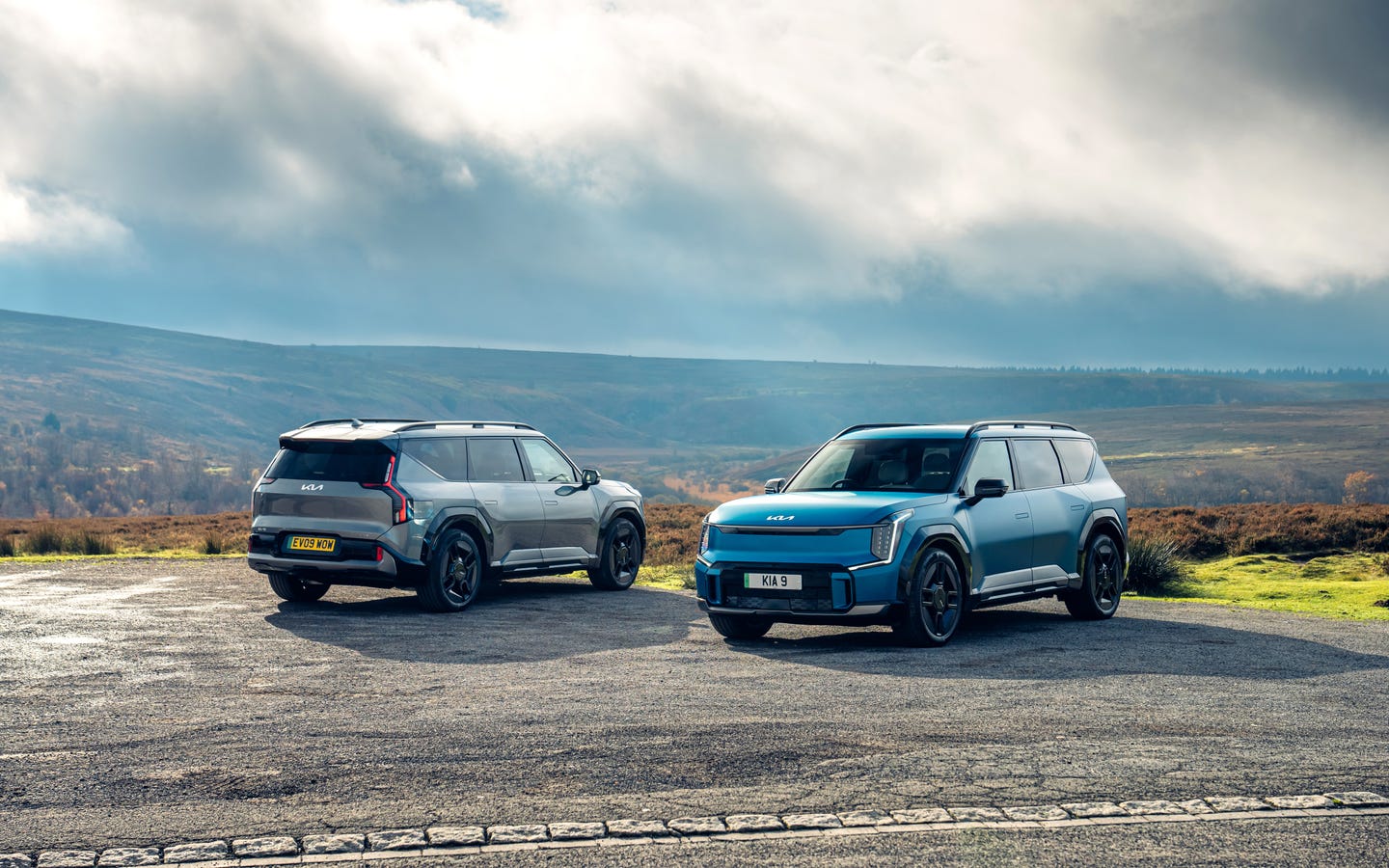
Space is, as you'd expect, generous for all passengers. Then again, it should be considering this is a near-five-metre-long SUV with just two rows of seats. In fact, when you consider the iX's substantial footprint, it arguably makes less effective use of the space it takes up than cars like the Kia EV9 or Volkswagen ID.Buzz – both broadly the same size but equipped with three rows of seats.
BMW's reputation was built on how its cars drive, rather than how well they ferry passengers, so the iX needs to perform well here to be worthy of the blue-and-white roundel. Generally speaking, it pulls off the brief, striking a well-judged balance between agile and somewhat sporty handling, while riding softly enough to cope with Britain's scarred roads.
It's powerful too, with our pre-facelift xDrive40 model making 326hp between its dual-motor all-wheel-drive setup. You'll be needing that grunt, however, because even this smaller 77kWh-battery version weighs nearly 2.4 tonnes, while long-range versions are more like 2.6 tonnes. Claimed range from our version was 250 miles (you'll see 200 miles in the real world), which isn't especially impressive compared to the latest long-range battery SUVs. Thankfully, a 2025 update brought bigger batteries and better efficiency, with long-range versions now capable of more than 420 miles.
Brand new, an entry-level iX will cost you just over £75,000, and you'll be paying well over £90,000 for the long-range version. Upgrade even further to the high-performance M70 version and this will easily become a six-figure car. That's pricey by anyone's standards and doesn't compare favourably to seven-seat rivals like the Kia EV9 or Hyundai Ioniq 9. We'd also be very tempted by the Polestar 3, which is similarly priced to the iX but with a more universally appealing image.
Plus, in 2026, you also have the new BMW iX3 to choose from. This is technically positioned below the iX, but it goes further on a charge and has virtually the same practicality, along with the brand's latest 'Neue Klasse' styling and a new 800-volt architecture – all for a slightly lower price, too.
Keep reading to find out more about the BMW iX's practicality, performance and handling.
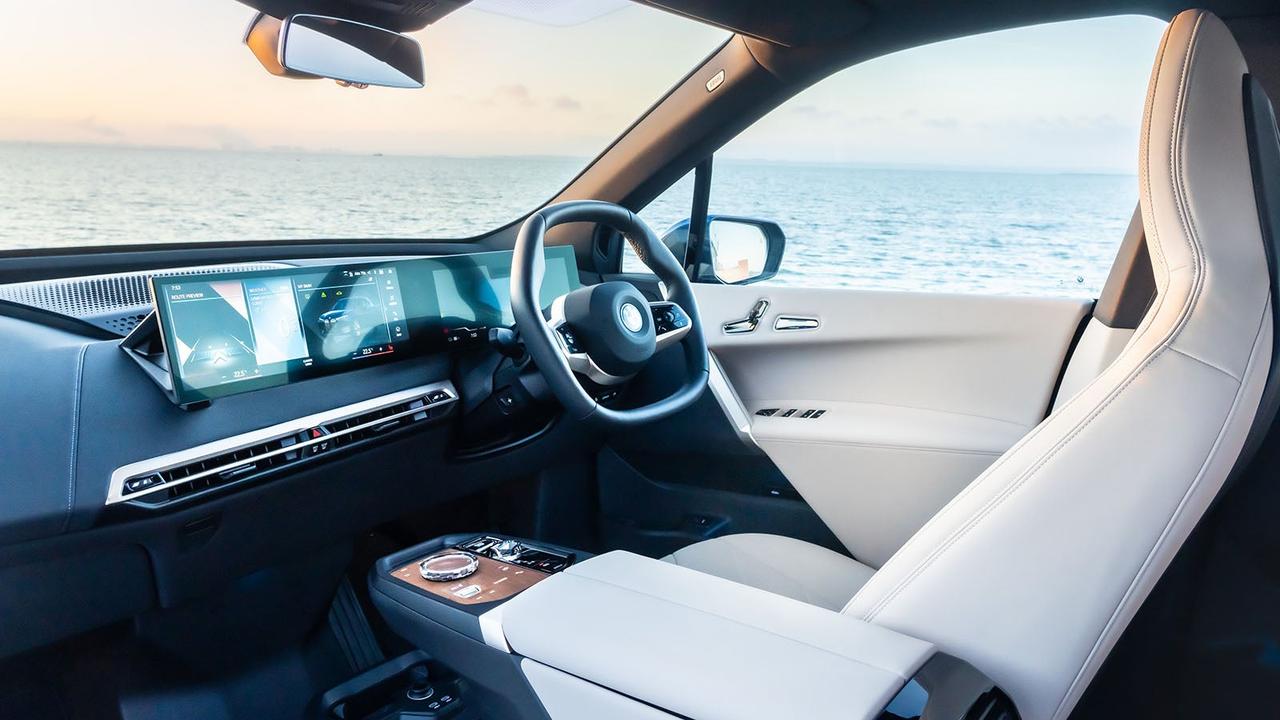
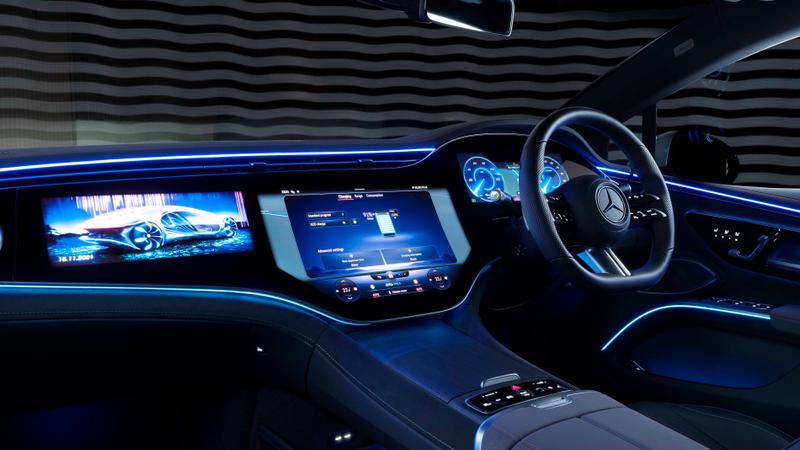
BMW's made some really interesting choices in the iX that separate it from the rest of the brand's lineup. Considering we've criticised BMW for its overly conservative interior design, this feels like a welcome refresh. The dashboard is a jutting geometric slab containing the steering wheel, screens and air vents – and that's about it. All versions come trimmed in plush stitched leather and include faintly brass-coloured metal details that look really classy.
Our test iX was trimmed in resale-friendly black-on-black upholstery, which just didn't look special enough for a car this expensive. Considering occupants are surrounded by swathes of interior leather trim, it's a missed opportunity not to go for one of the more eye-catching finishes like oyster white, stone grey, mocha or Castanea red. Any of these colours lends the iX's cabin much more of a sense of occasion.
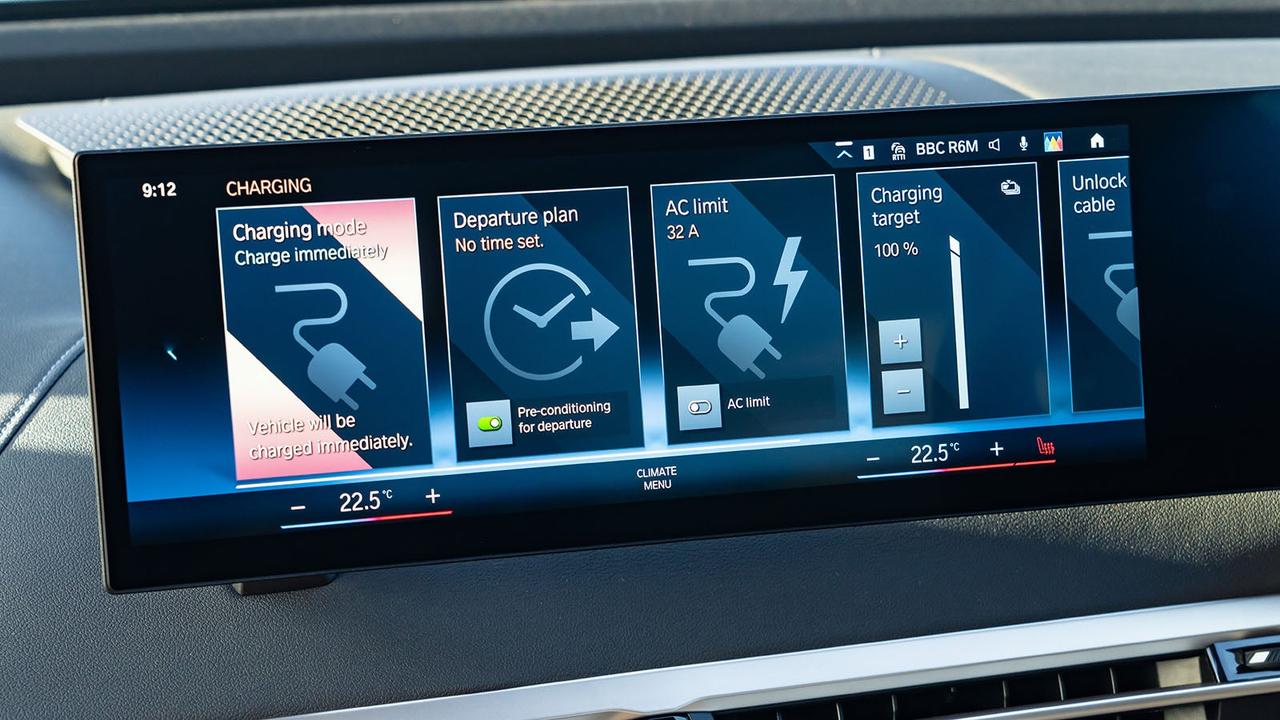
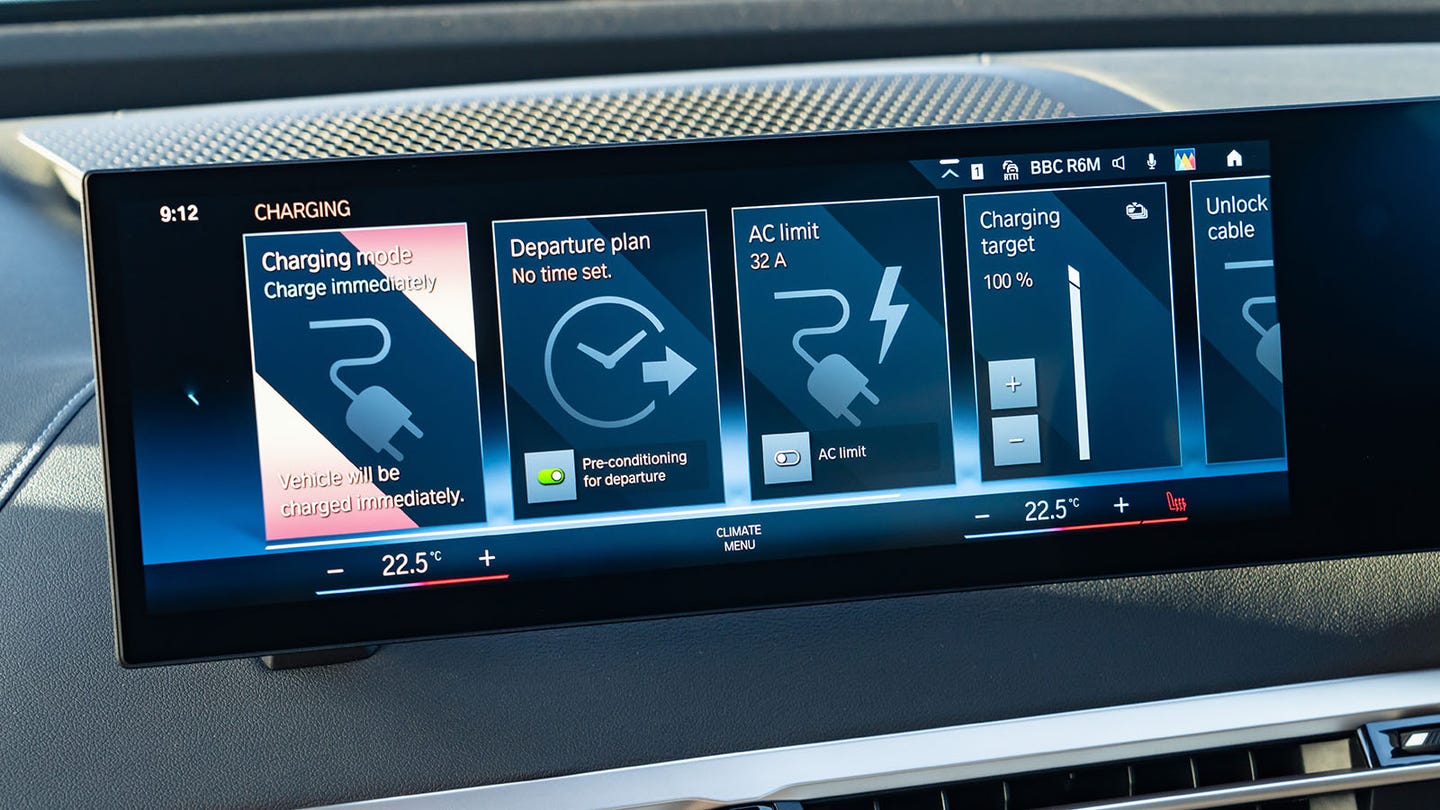
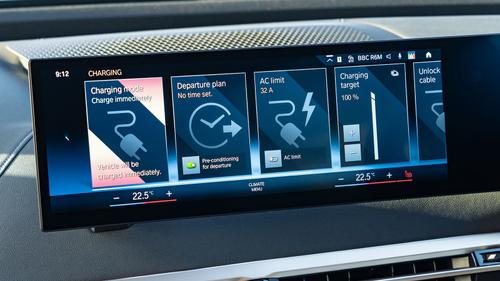
The iX was one of the first BMWs to get the now-familiar sweeping dual-screen iDrive infotainment setup atop its dashboard. This incorporates two high-resolution screens into a single unit – one in the centre for main infotainment functions, and a second behind the steering wheel making up the driver's dials. We've used this setup is several BMWs now and it has mostly the same benefits and drawbacks.
Objectively, the screens look good. Graphics are sharp, the displays are crystal-clear, and their sheer size means on-screen icons are usually big enough to hit with your finger. There are annoyances, though, like the unwieldy list of apps in the app menu, which would be dangerous to scroll through while driving. The iX also loses points for putting its climate controls in an on-screen menu. It loses even more points, however, for making those controls completely unresponsive unless a tiny slider far off in the edge of the screen is set to 'on'.
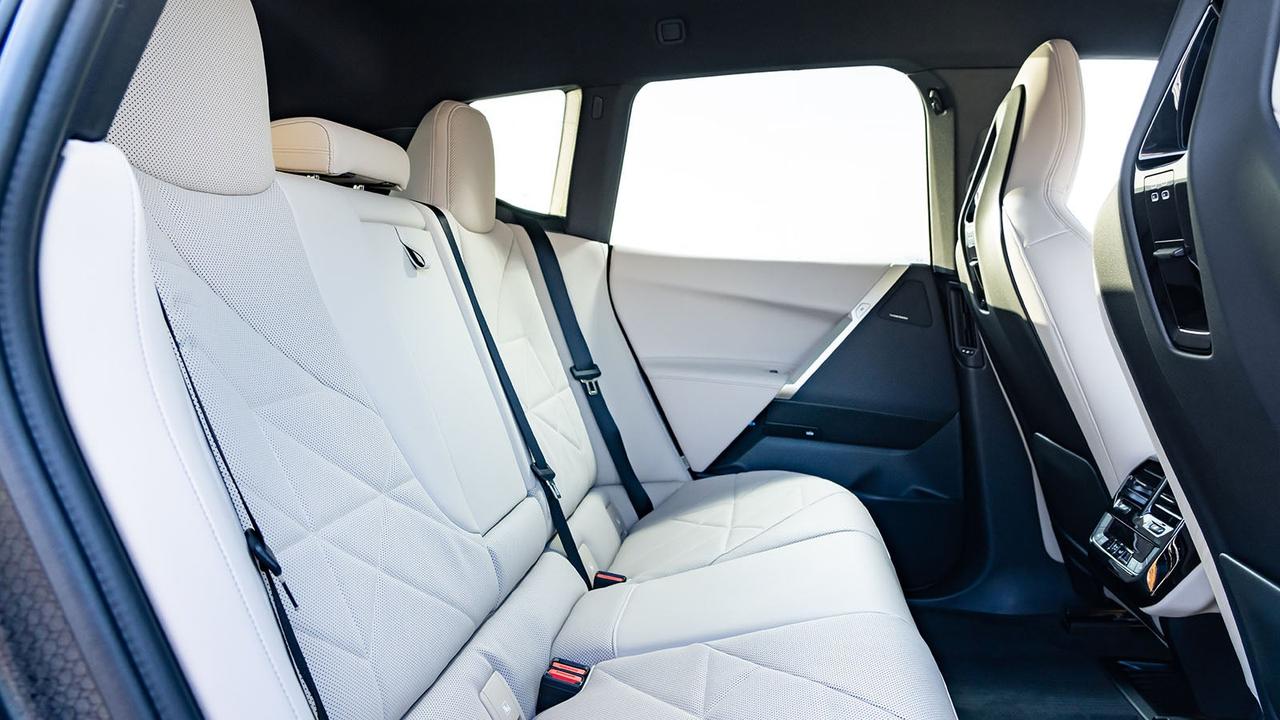
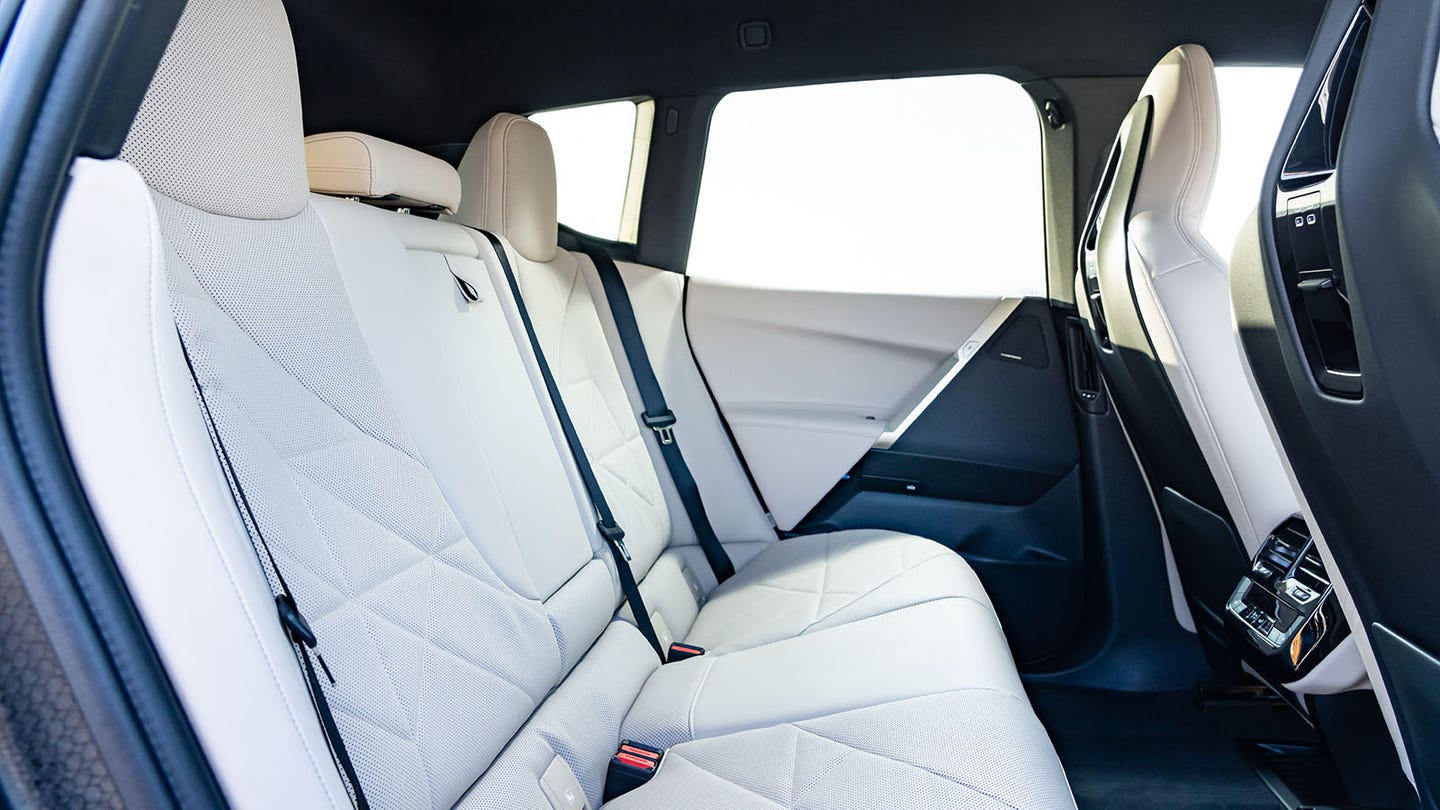
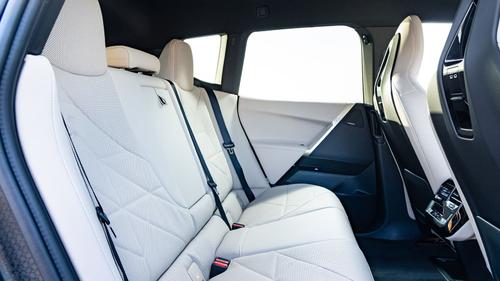
Few iX owners will have any complaints about the car's practicality. It's a two-row, five-seat SUV and tall adults will be comfortable sat either up front or in the back. There's absolutely masses of adjustment for front-seat passengers, and even the tallest occupants should be able to give themselves spare room to stretch out in. Thankfully, you'll still be able to seat another lofty person behind your tall front passenger as the rear seats are comfy and spacious.
The EV-only platform means there's no transmission tunnel at all. That means no hump between the rear seats so your centre-rear passenger gets more foot room than most engine-powered rivals. Even better is the fact BMW also eliminated the front tunnel and centre console, leaving a large open space between the front-seat footwells. This gives you space to chuck a handbag or rucksack for easy access.
Owners are unlikely to max-out the iX's carrying capacity, but that doesn't mean it compares favourably to the competition. The Kia EV9, Hyundai Ioniq 9 and Volvo EX90 are all just a few centimetres longer than the iX, but they all have larger cabins with three-row seating, so might be a better choice for big families. And even those rivals pale into insignificance against EV minivans like the Volkswagen ID.Buzz or Kia PV5.
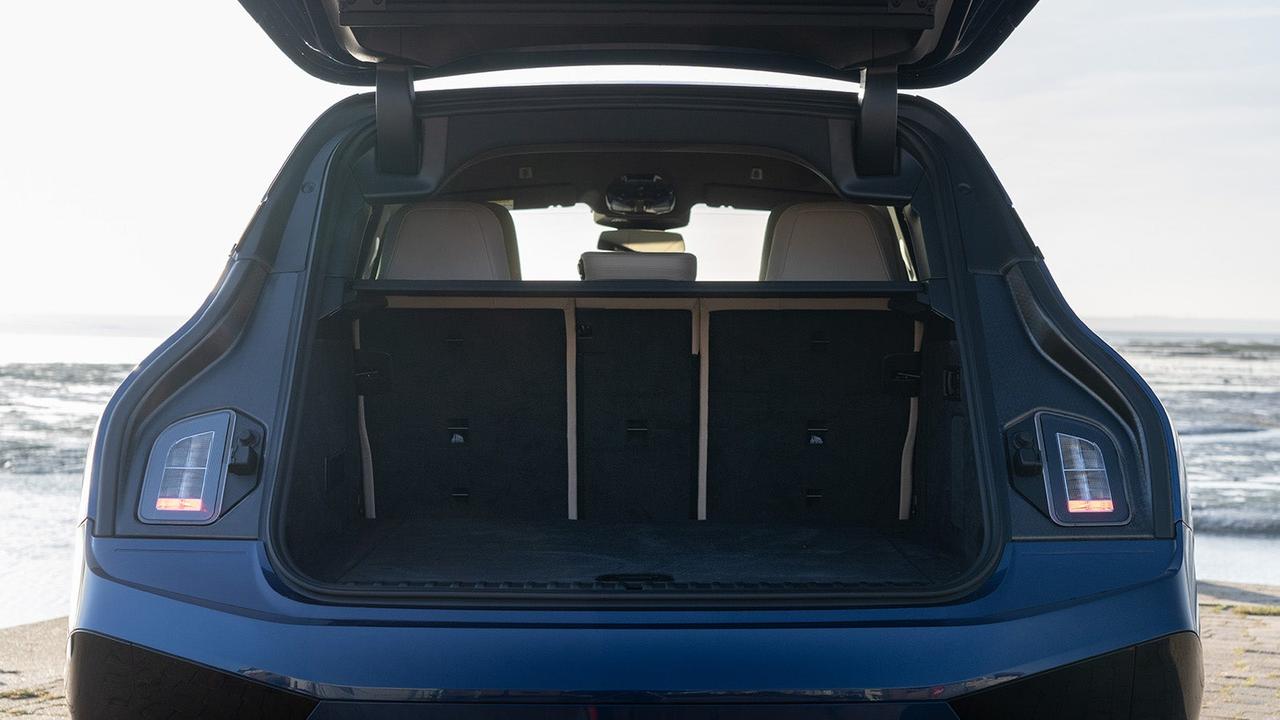
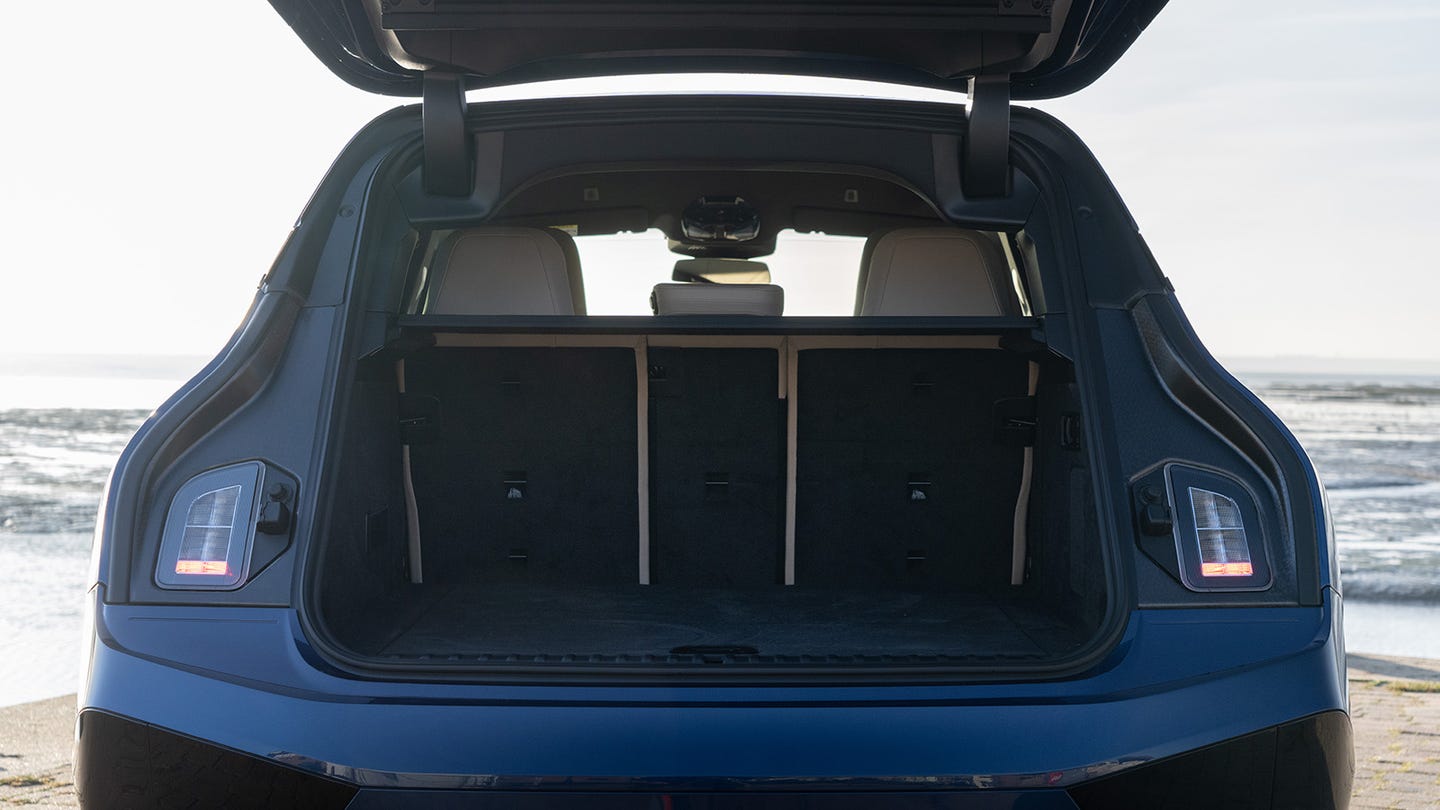
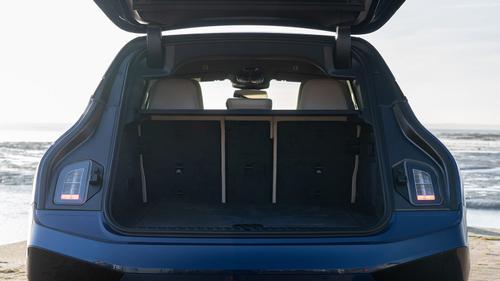
Like the passenger space, the boot is broadly good but a little way off the best-in-class. The headline 500-litre capacity should be enough for most families' holiday luggage or your pedigree Portuguese Water Dog. Access is granted through a large, square opening as the chunky boot lid automatically lifts out the way. There's a little space above the parcel shelf for tall items, plus a little underfloor storage that's just big enough for a charging cable.
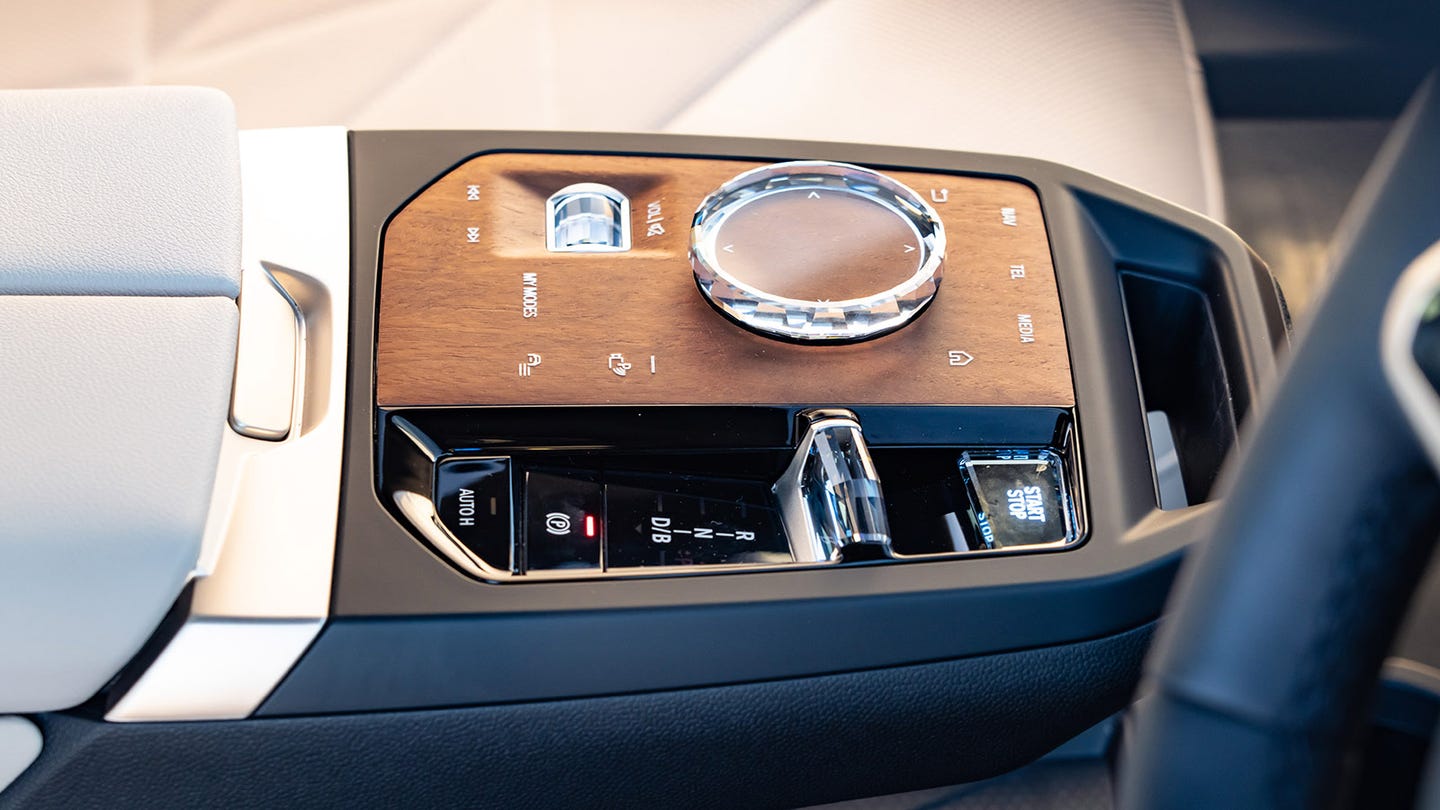
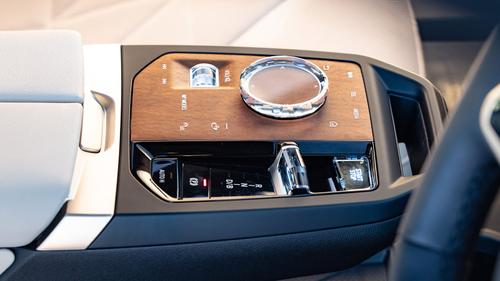
In-cabin storage is respectable. There's the already-mentioned open space between the front footwells to sling your small bags. Behind that, there's a plinth between the front seats containing the gear selector, rotary iDrive controller and volume dial – all easily positioned under your hand. This plinth also includes a mid-sized cubby under the arm rests while, on the lower edge, there are cupholders and a small tray for your phone.
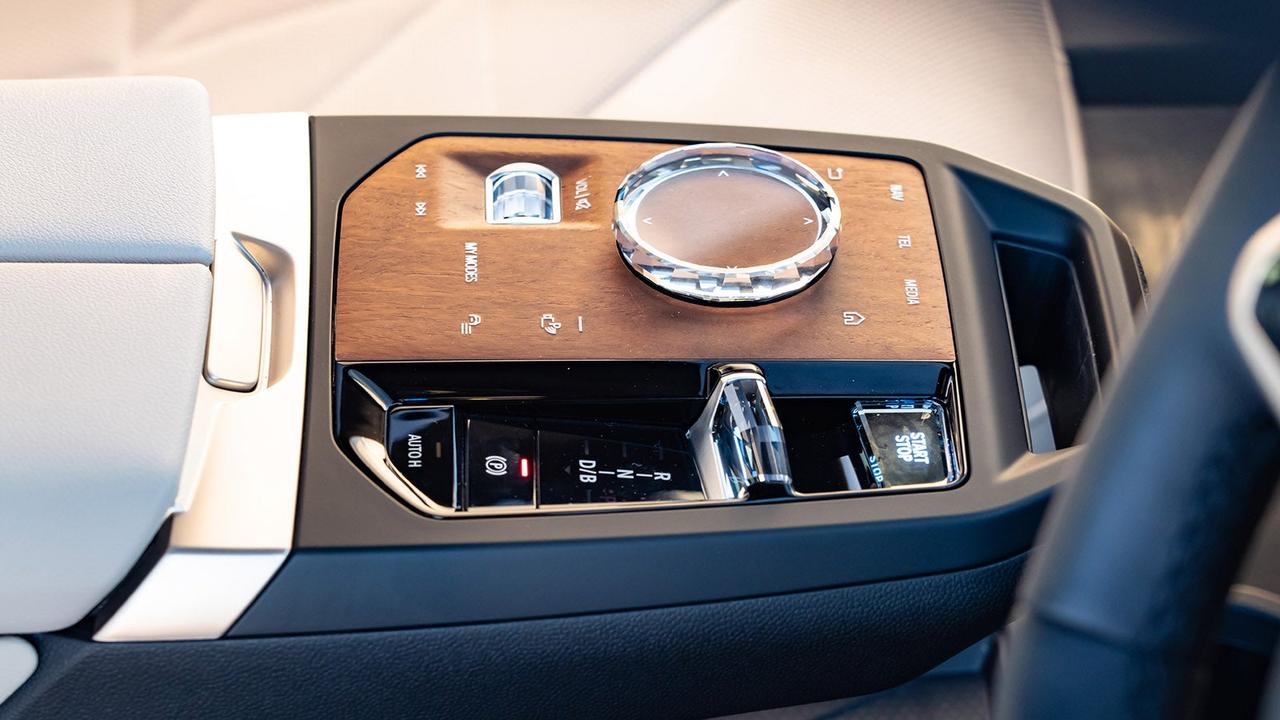
Our test iX was a pre-facelift xDrive40. That means dual-motor all-wheel drive, 326hp and a 6.1-second 0-62mph sprint. Impressive numbers but they only tell half the story. At lower speeds it feels hugely fast with the car heaving its nose towards the sky if you mash the throttle. However, get closer to motorway speeds and you'll notice the acceleration start to tail off.
It's still quick enough to perform fast overtakes with ease, but much less impressive than its low-speed performance suggests. This wasn't the case when we tested '40' variants of the i4 and i5, which felt like they'd keep accelerating hard into triple-digit territory. We assume the iX's massive SUV body is the culprit here.
Claimed range is 250 miles from a 77kWh battery. That'll probably equate to around 200 miles of real-world driving – possibly a little less at higher speeds or in colder conditions. As a result, this setup is best-suited to second-car duties or mostly urban driving, and will favour drivers who can charge from home. Pre-facelift iXs also came in an xDrive50 setup, returning up to 391 miles from a 105kWh battery, along with more motor power.
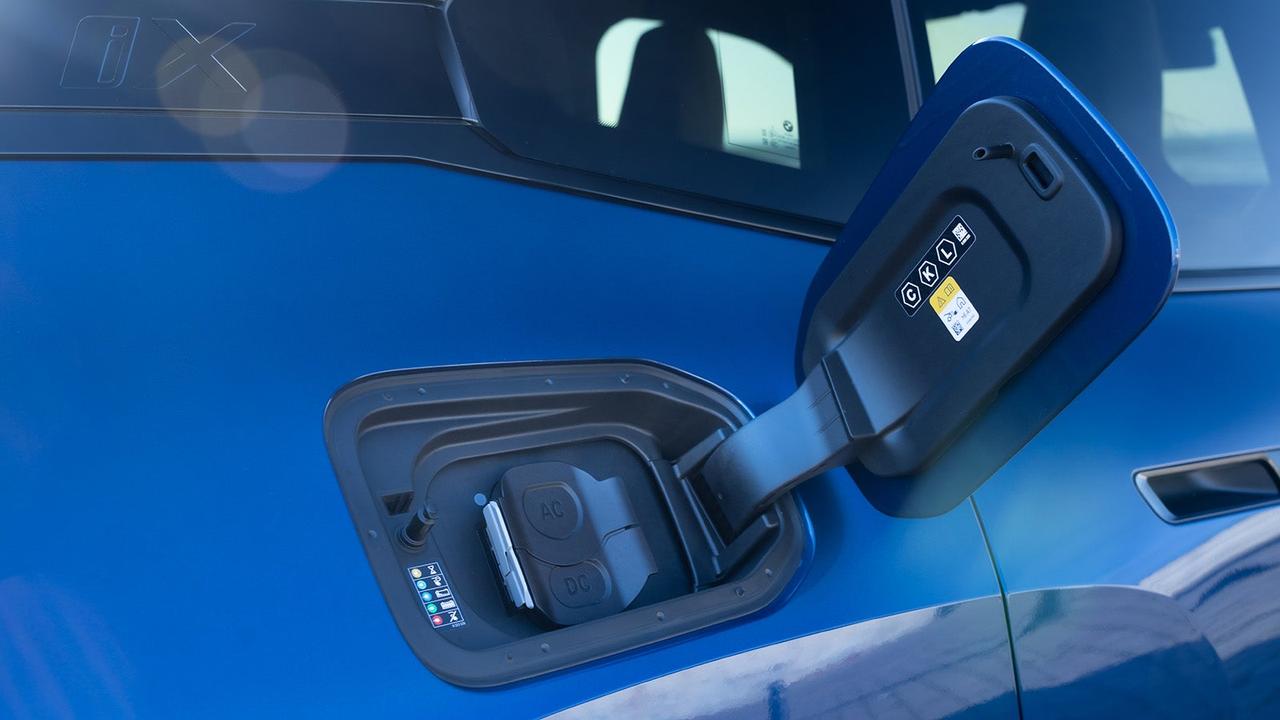
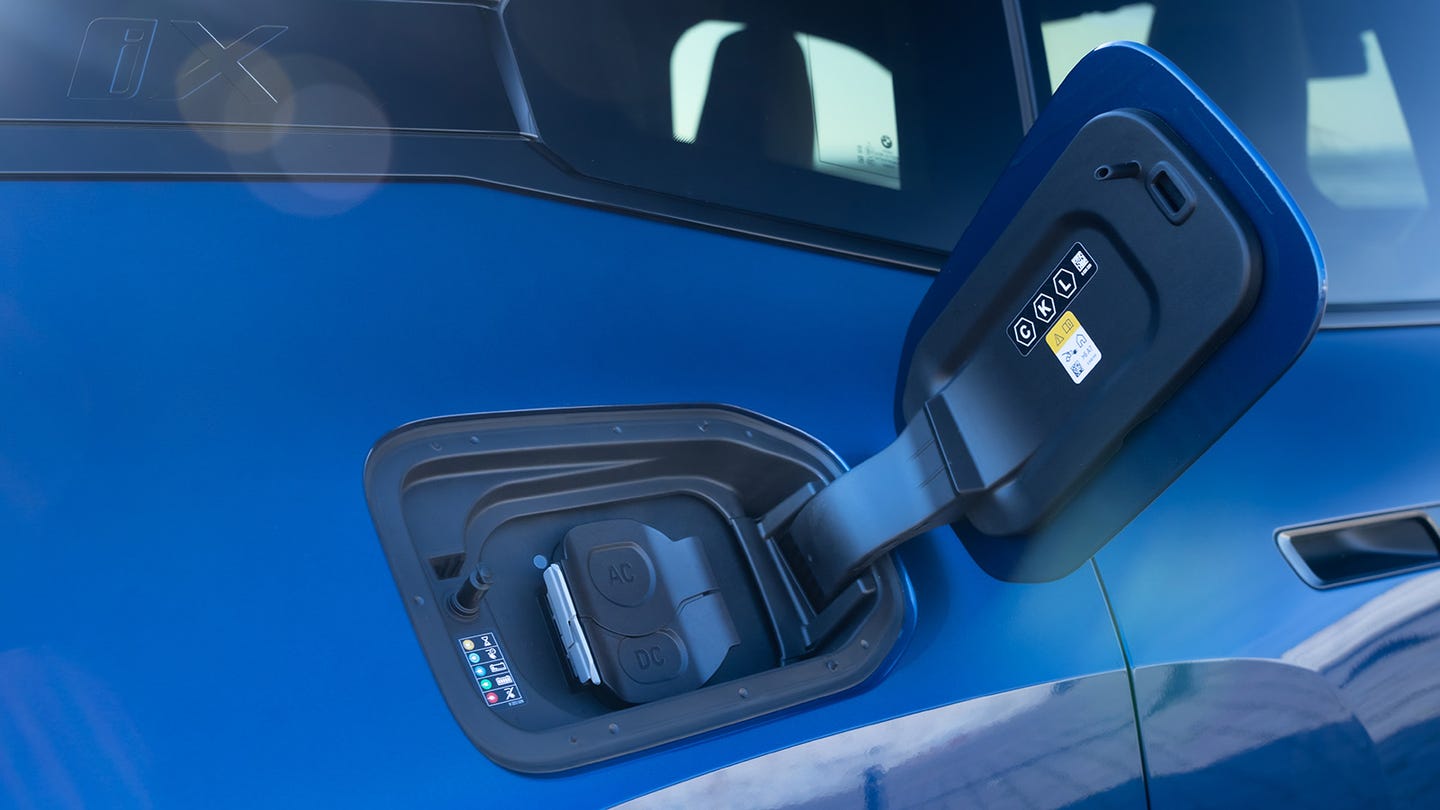
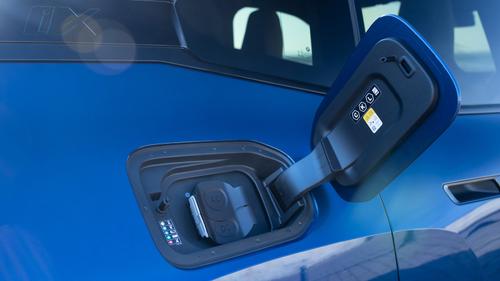
If you're using a public DC charger, this iX xDrive40 will accept up to 150kW. That means a 10-80% charge in as little as 31 minutes, or 35 minutes for the xDrive50, which can accept up to 200kW. A full charge from a 7kW AC home charger will take more than 14 hours for the big battery, but most drivers charging at home will only need to recover a few percent every night in normal use.
The iX was facelifted in 2025, gaining better batteries and more powerful motors. Entry-level xDrive45 cars now have 408hp and up to 374 miles from their 95kWh battery packs. Meanwhile, xDrive60 versions get 426 miles from a 109kWh battery, plus a frankly unnecessary 544hp. Charge times are similar to pre-facelift models – around 35 mins for a 10-80% top up – but the batteries are bigger, so they add range more quickly.
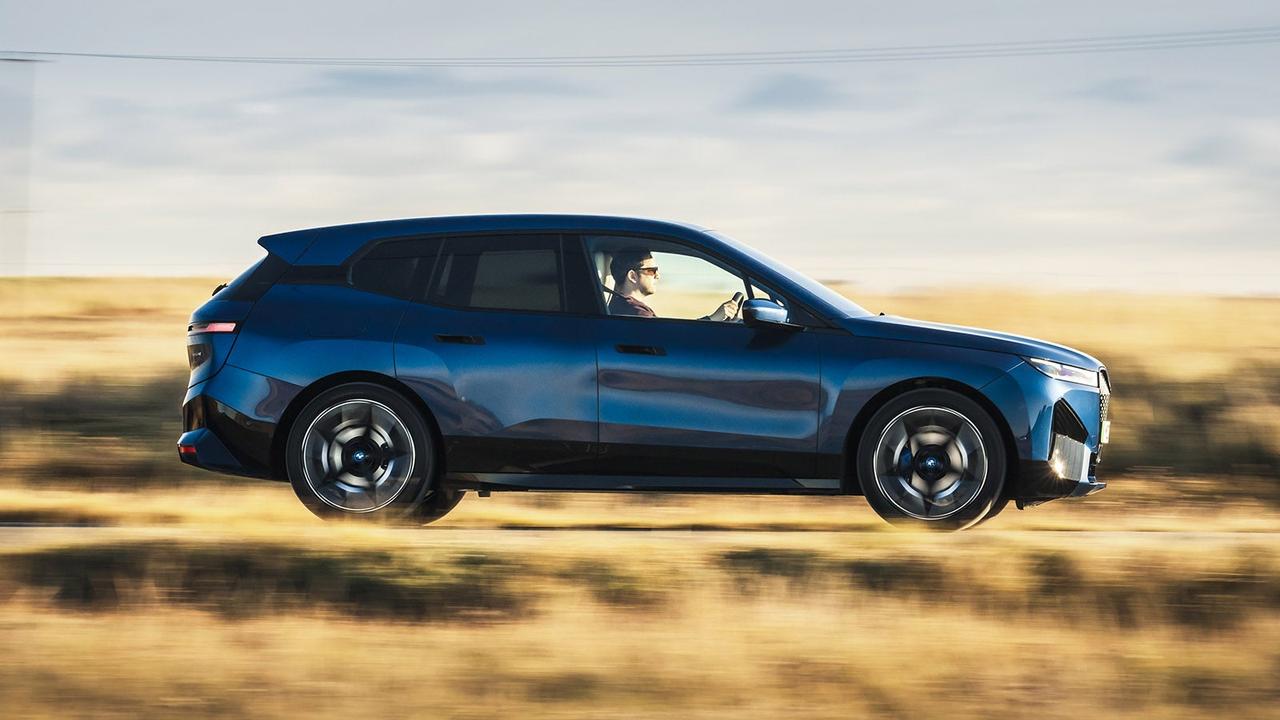
We normally expect BMW models to add a little extra spice to the driving experience compared to their peers at Mercedes and Audi. There's only so much you can do when your car weighs two-and-a-half tonnes, however, so we were left a little underwhelmed by the iX.
It gets all the everyday stuff right. The controls are direct and well-tuned so you intuitively know how much steering or pedal input is needed. Plus, the ride quality has lots of compliance, despite resisting body roll effectively, so long distances aren't punishing in the big BMW.
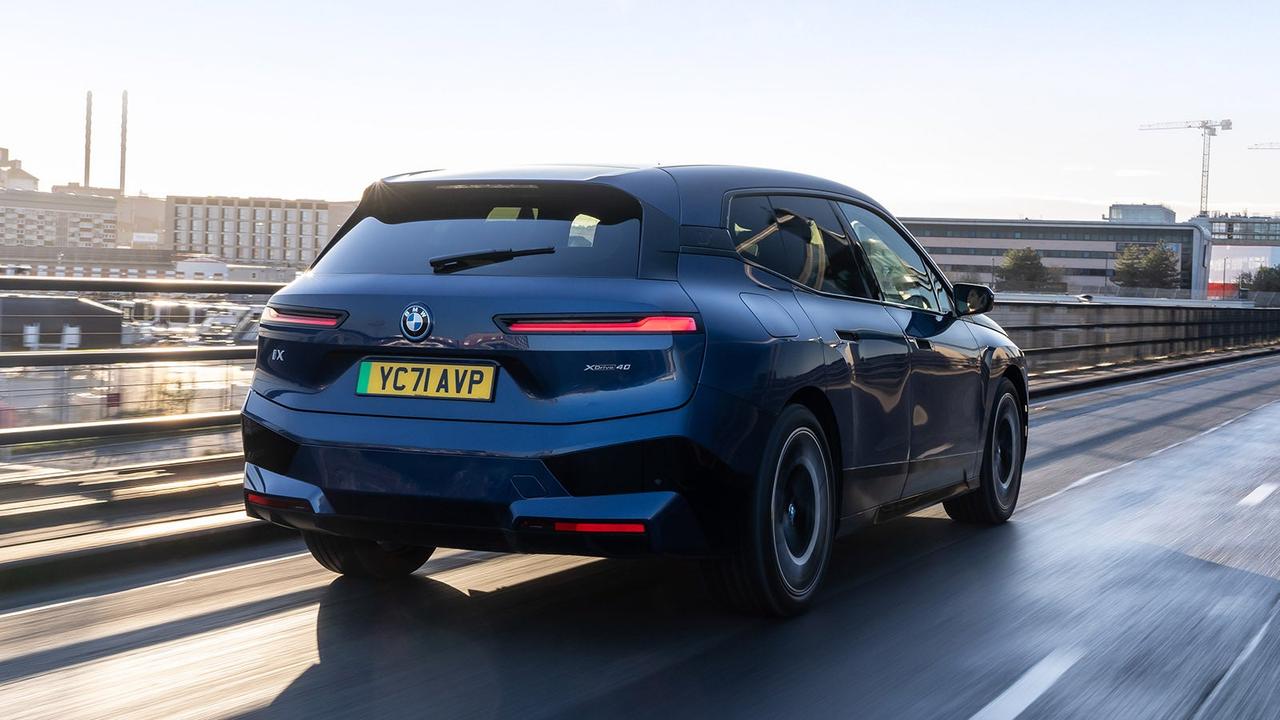
It's just lacking the athletic edge you find in the brand's engine-powered models. There's not much sense that the iX is egging you on to turn harder into corners, and it shows little eagerness to tuck the nose into a corner apex.
In fact, start driving the iX aggressively and you'll find yourself getting thrown about in your seat. This is because the suspension is performing witchcraft to keep the body level, but there's only so much mass it can hide before the experience becomes dominated by the sheer sense of weight being managed.
So this is a BMW that works beautifully at a cruise, but doesn't quite deliver the ultimate driving experience if you push harder. For most iX owners, this is probably a good compromise with effortless performance and a softer ride for passengers. But, if you were hoping for a sportier experience to match the likes of the Hyundai Ioniq 5 N or the Tesla Model Y Performance, the iX falls a little short.
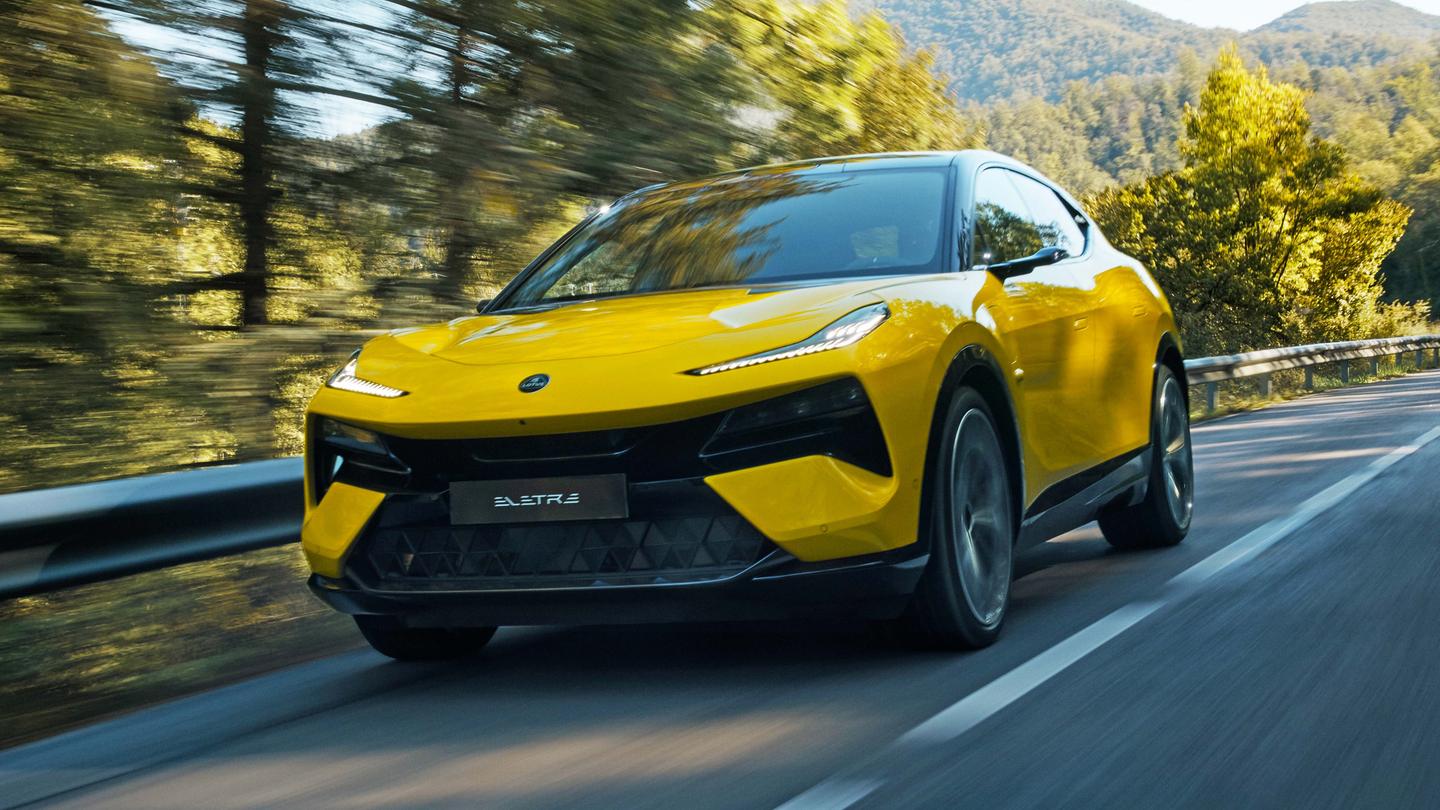
Not a Lotus as we know it, but an insanely fast, massive electric SUV