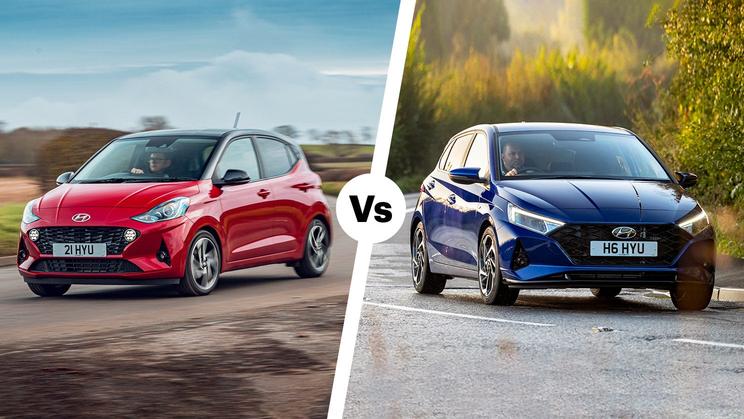














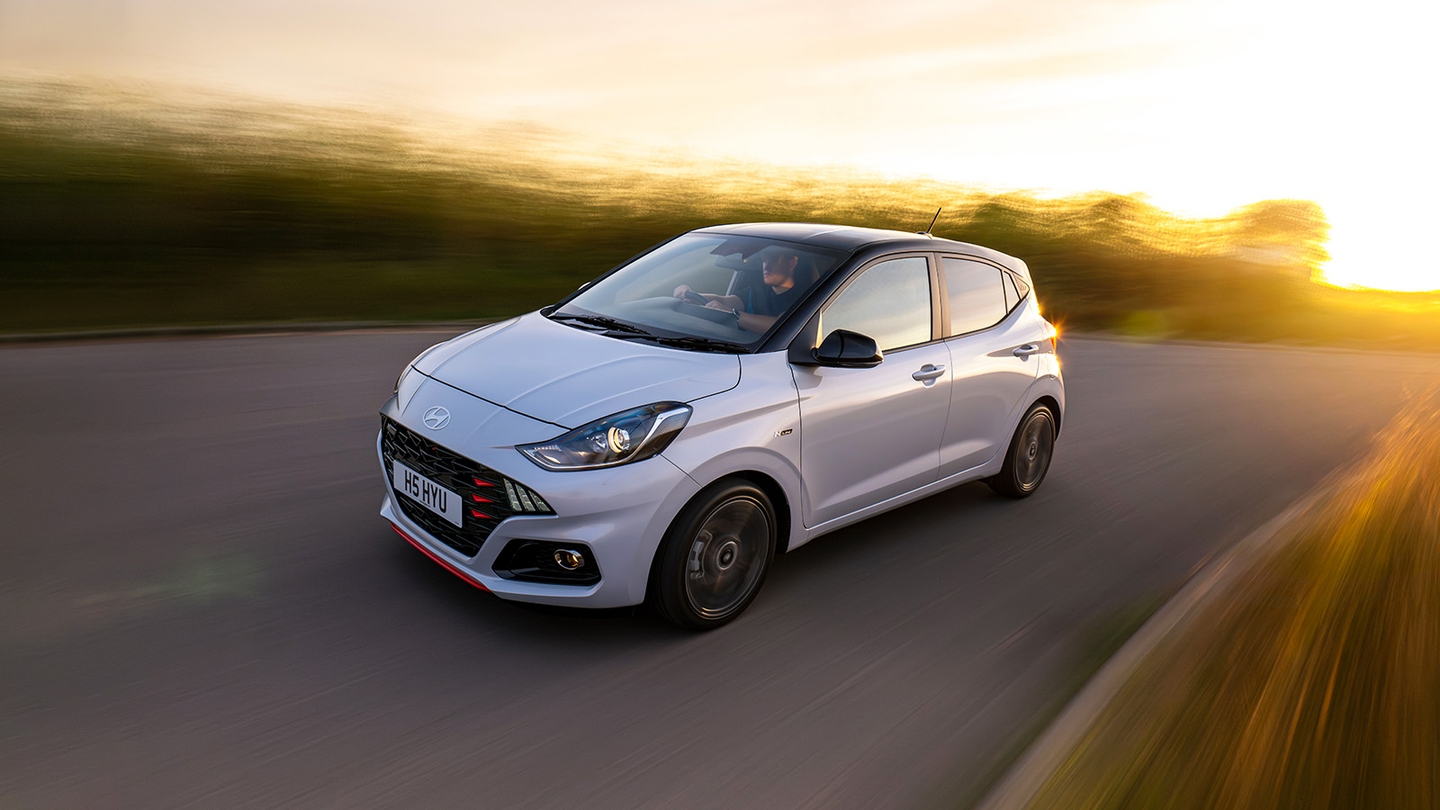

The Hyundai i10 proves that some of the best things come in small packages.
It's a tiny city car less than 3.7 metres long, but it makes clever use of what little space it takes up. That means you actually get more passenger space than some hatches in the class above, plus a boot that's more than a match for daily use.
This guide will explain everything you need to know about the Hyundai i10. We'll cover the range of trims available and see how the model's evolved over time.
Hyundai i10 models explained
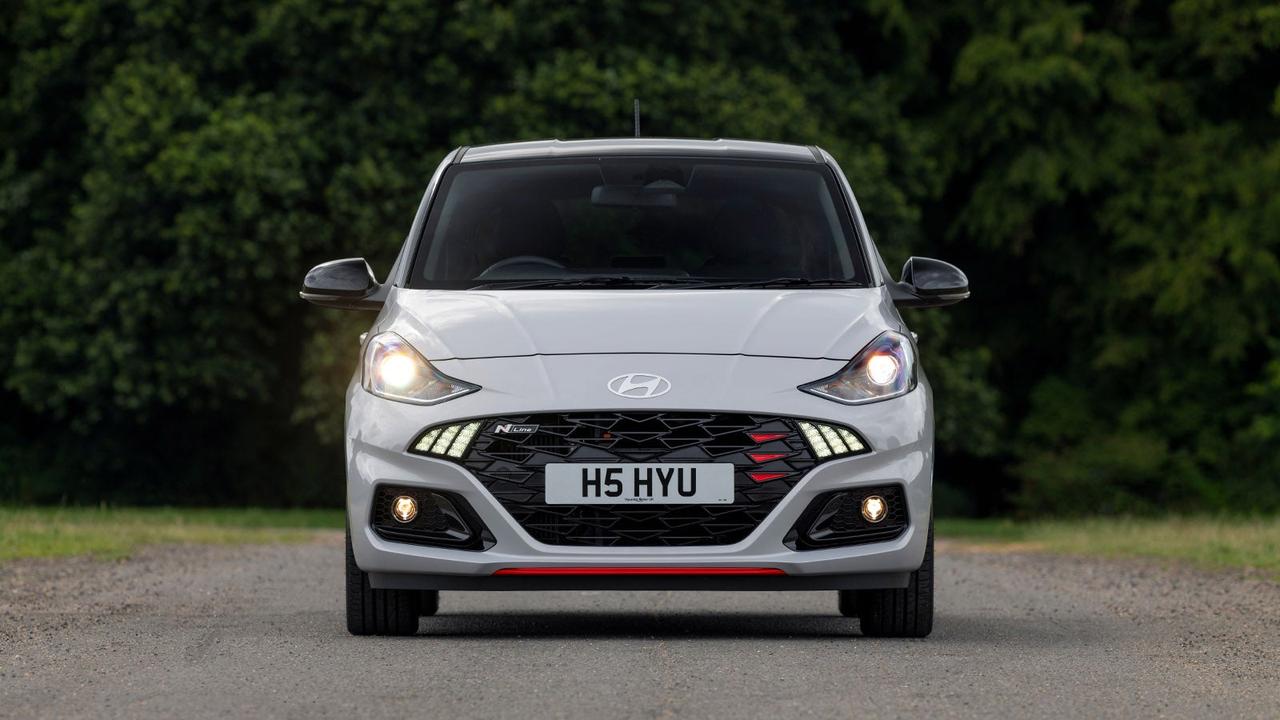
The first Hyundai i10 arrived in 2007 to replace the ageing Hyundai Amica (Atos outside the UK). We're now into the third generation of i10, but every single version offered for sale in the UK has been a five-door, five-seat car with a hatchback-style bootlid.
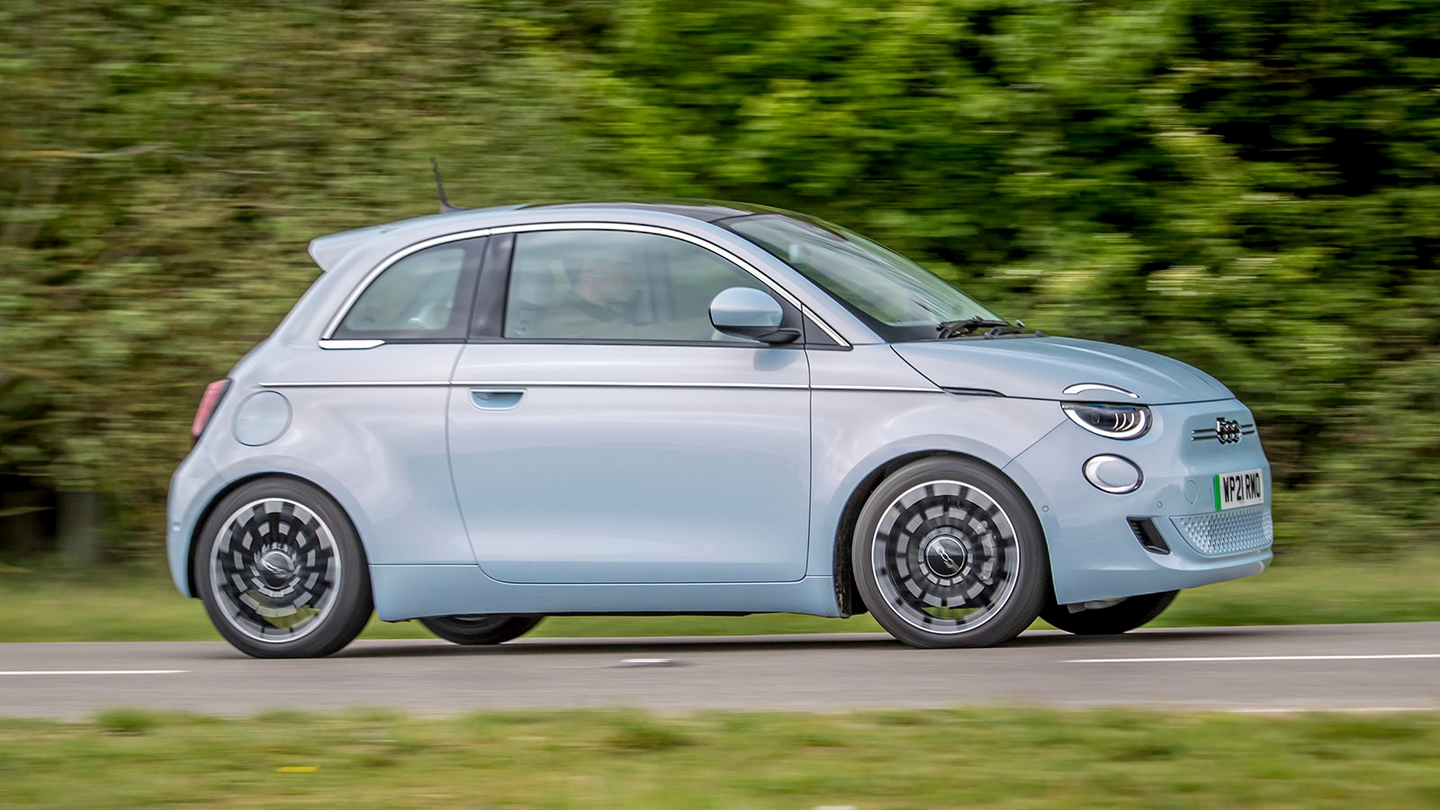
While the latest i10 is more desirable than ever, it's always appealed mainly to drivers who want a sensible car, rather than one that's focused on fun. That means you won't find chintzy styling details or flashy upholstery like you might in a Fiat 500, for example. On the other hand, you get more passenger and cargo space than almost any similarly sized rival, plus a generous equipment list and Hyundai's five-year warranty.
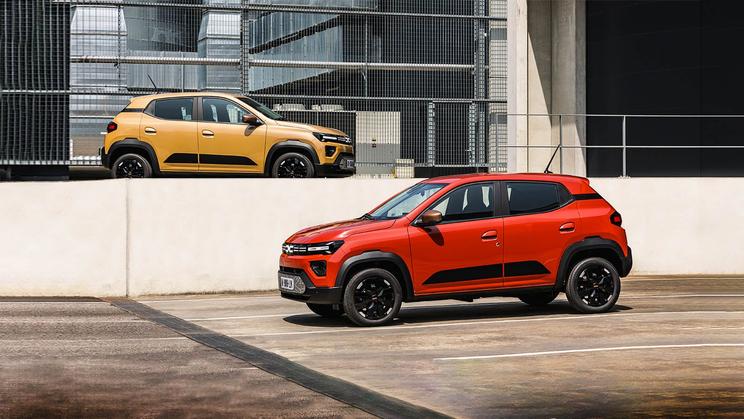
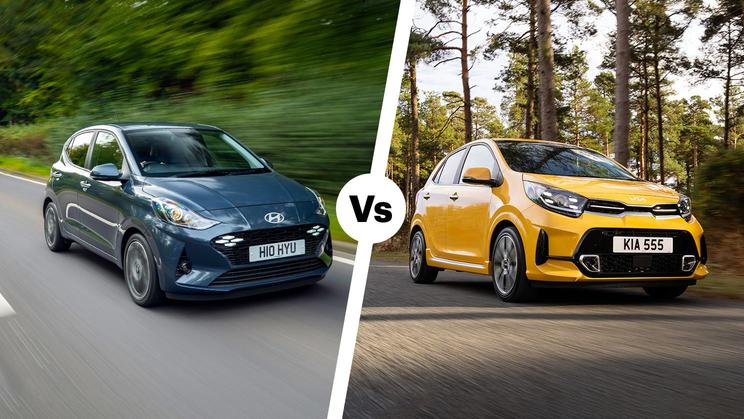
There were once many small city cars on sale to rival the i10, but the choice has dwindled recently. Consider cross-shopping the i10 against the Toyota Aygo X, Fiat 500, Dacia Spring or the i10's cousin, the Kia Picanto. You might also want to consider recent used examples of the Peugeot 108, Volkswagen Up, Toyota Aygo, SEAT Mii, Citroen C1, Skoda Citigo and Vauxhall Adam.
Hyundai i10 trim levels
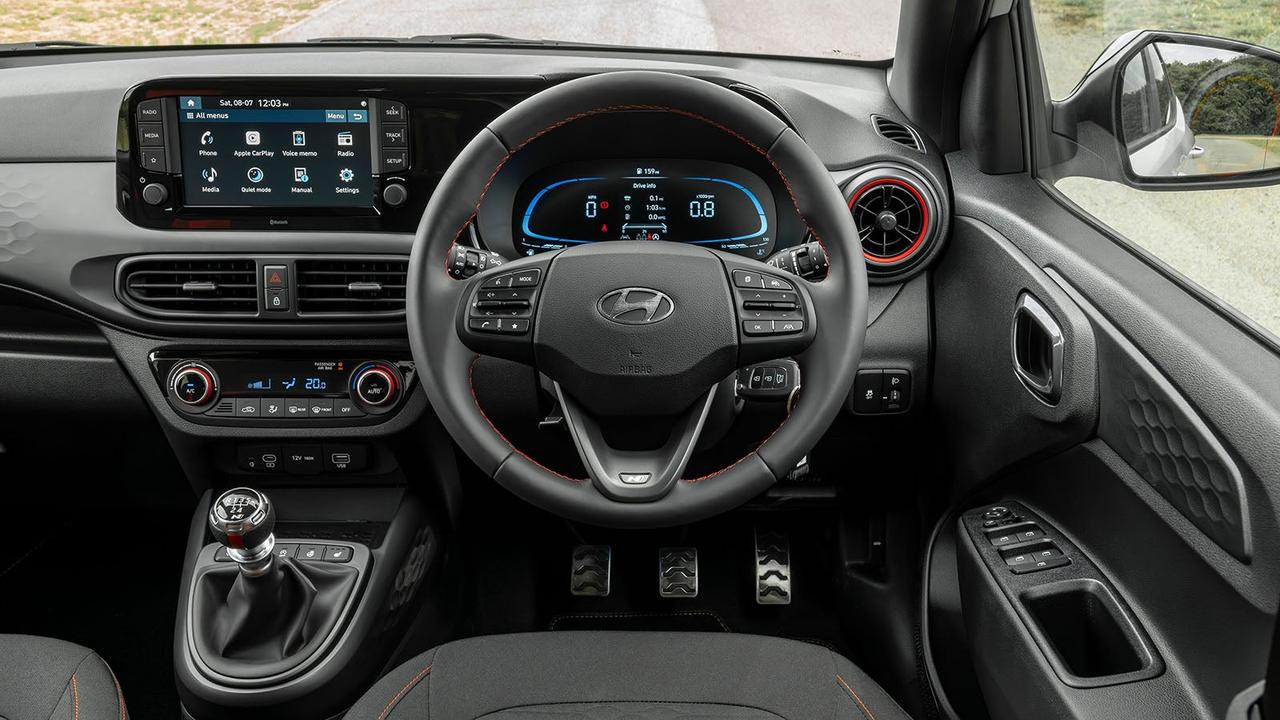
- SE – the original entry-level trim for current i10 models. Includes a stereo with Bluetooth, cruise control, air conditioning and active safety aids
- SE Connect – adds 15-inch alloy wheels, an eight-inch infotainment system with Apple CarPlay, Android Auto and a reversing camera
- Advance – now the entry-level trim for newer i10s. Includes all SE Connect features plus rear parking sensors
- Premium – gains 16-inch alloys, climate control, heated front seats and a heated steering wheel. Later Premium models also gained wireless phone charging
- N Line – includes a sporty body kit and alloy wheels, plus a turbocharged engine. Equipped similarly to Premium models
Hyundai i10 generations
Third generation – 2019-present
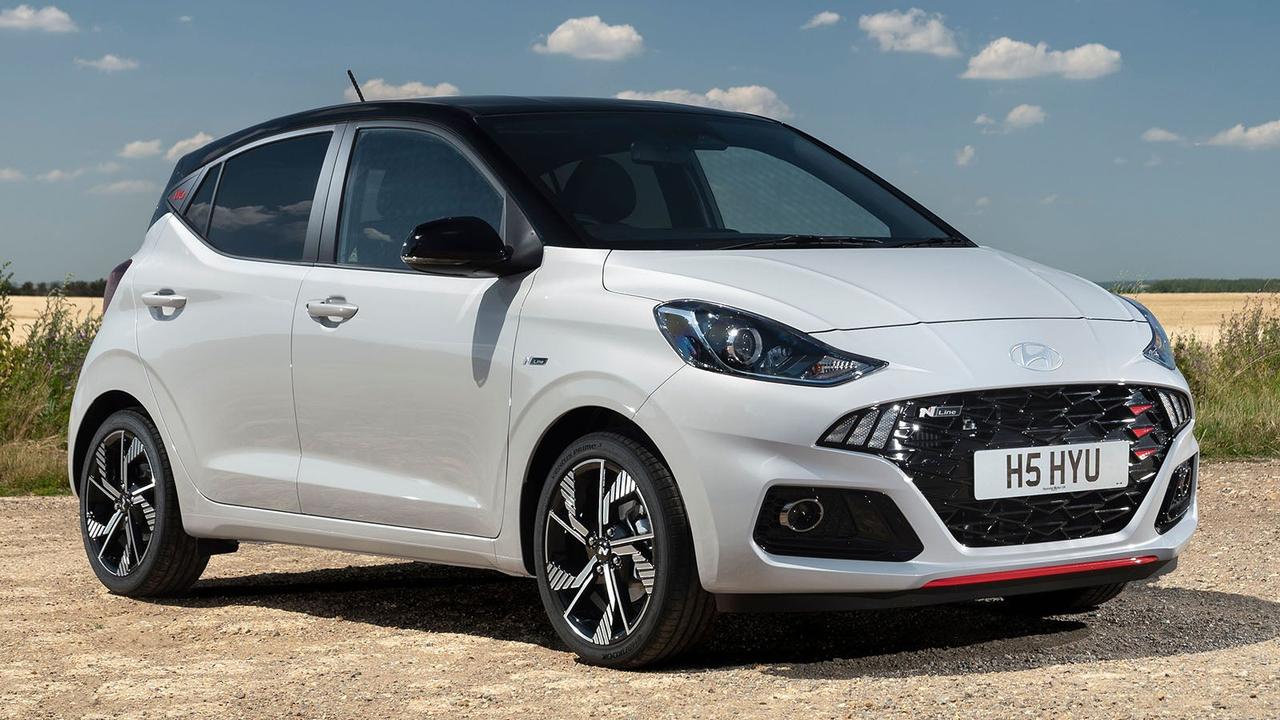
- The third-gen i10 is 20mm wider and 20mm lower than before for a sportier stance
- Model code – AC3
- Facelifted in 2023
- This was the first i10 to get Hyundai's sporty N Line treatment, complete with a punchy turbo engine
- Petrol and turbo petrol engines in the UK, with manual and automatic options
Second generation – 2013-2019
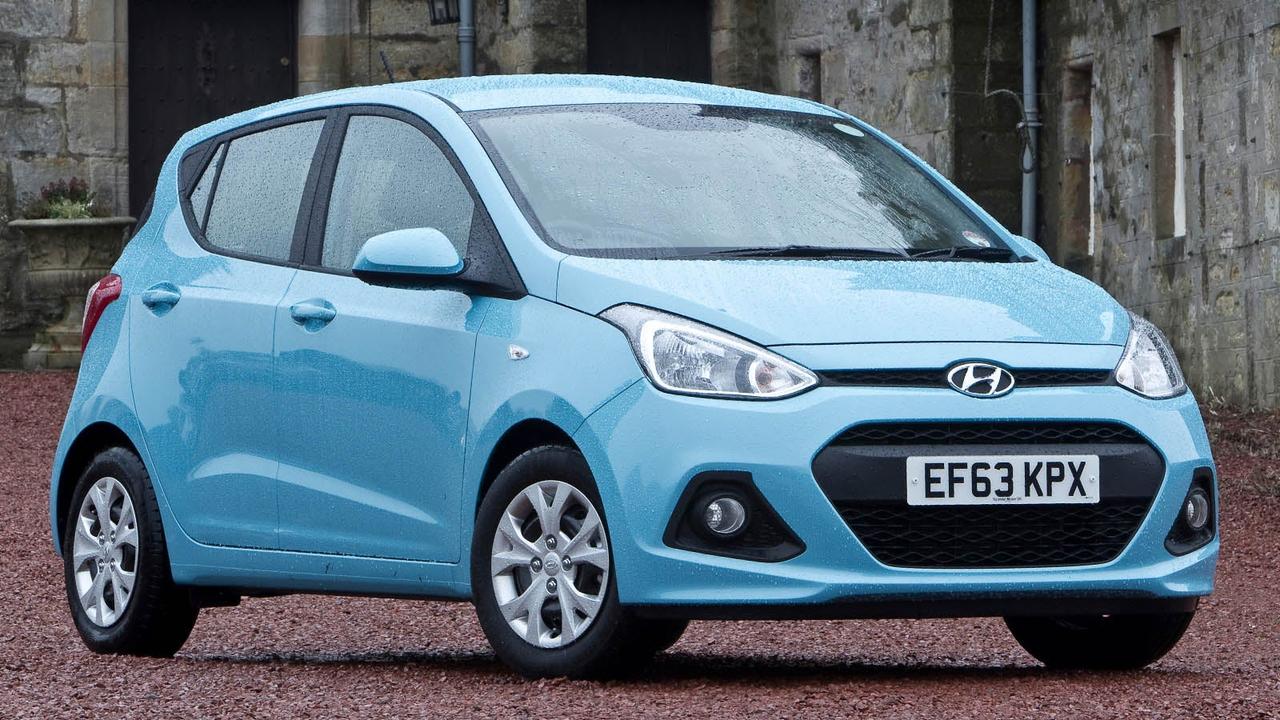
- Development work for the second-gen i10 was completed in Germany, with final assembly in Turkey
- Model code – IA
- Facelifted in 2017
- This i10 had a longer wheelbase and relocated rear dampers for better wheel control and ride quality
- Petrol-only in the UK, with manual and automatic options
First generation – 2007-2013
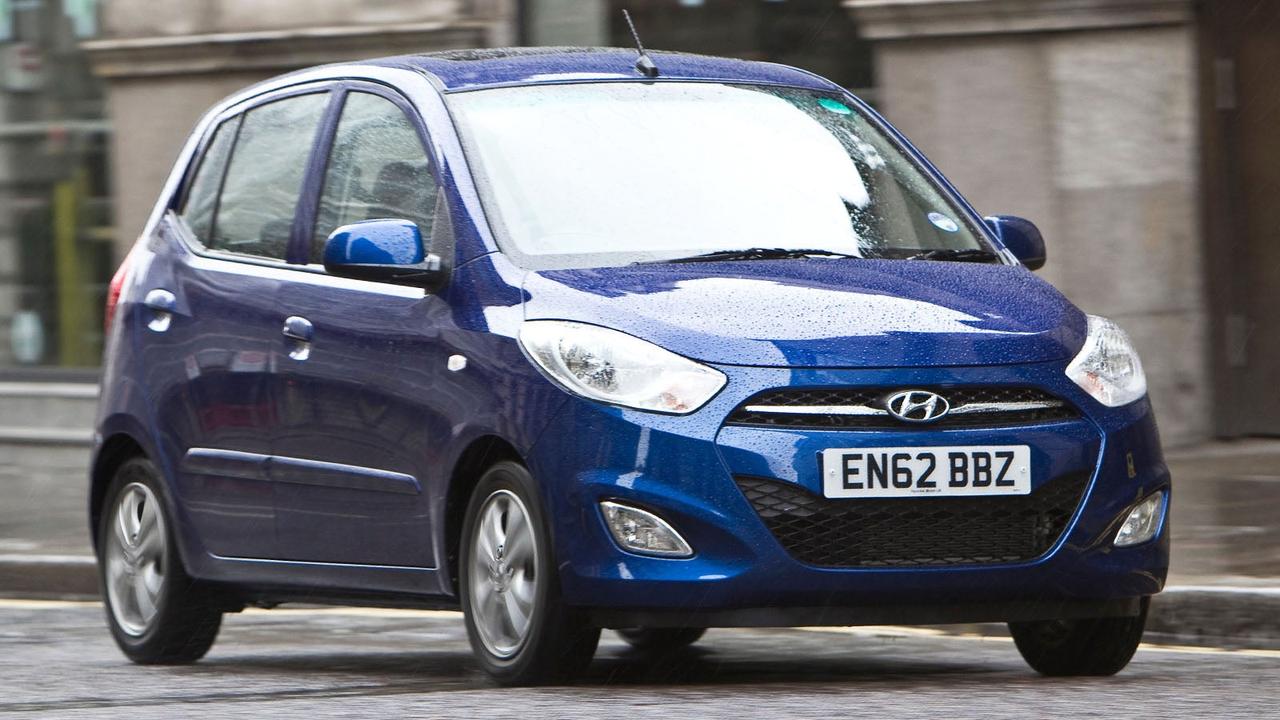
- The first i10 model launched with better standard equipment and practicality than contemporary rivals
- Model code – PA
- Facelifted in 2010
- Notable features included a dashboard-mounted gearstick and standard A/C across the range
- Petrol-only in the UK, with manual and automatic options
What's the best Hyundai i10 model?
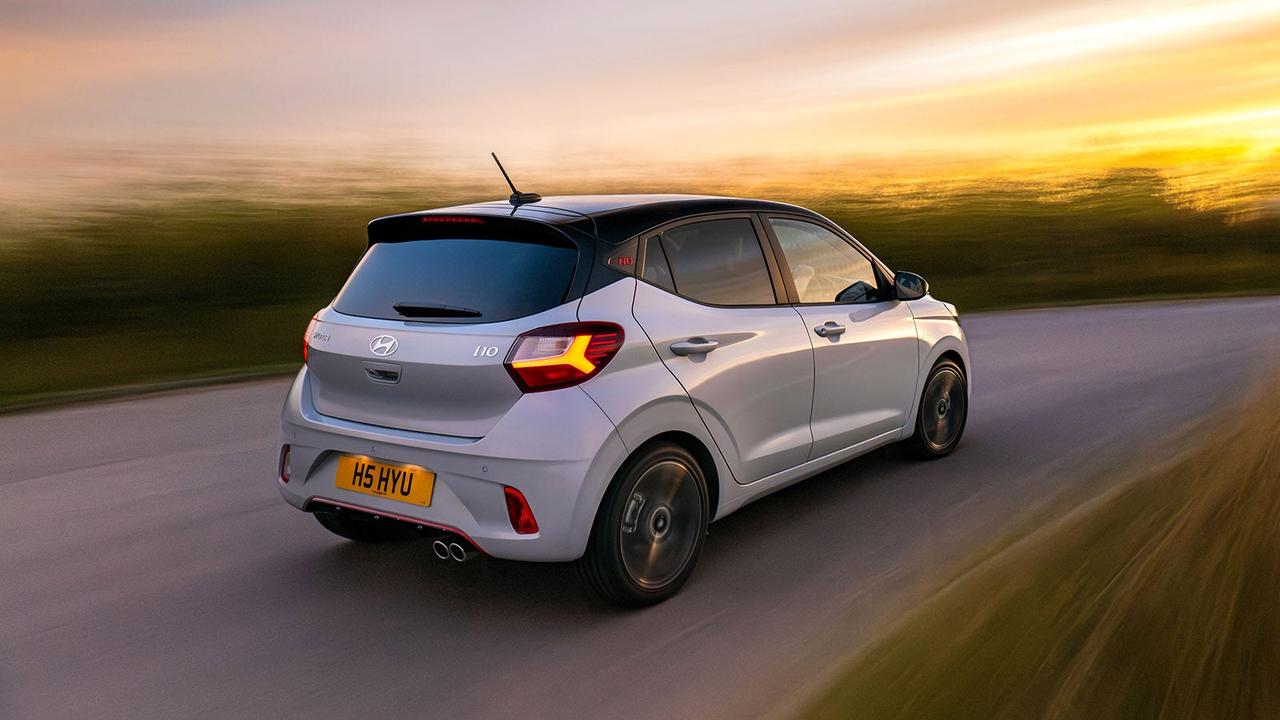
The latest i10, launched in 2019, is by far the best i10 built to date. Its biggest benefit over its predecessor is the extra desirability thanks to a more premium-feeling interior and sportier exterior styling. Prices are competitive across the range, which means nearly new versions are affordable and still include a good chunk of Hyundai's five-year factory warranty.
However, if you can live without the cosmetic improvements, the second-generation i10 sold until 2019 represents much better value for money. It has similarly impressive practicality to the current model, despite its tiny exterior dimensions, and an equally calm and grown-up driving experience.
First-generation i10s have proven impressively durable and it's not unusual to see these still running happily on UK roads. Most of these examples will now be feeling quite tired and tatty – and that's saying something, considering these felt quite cheap and plasticky to begin with. On the plus side, prices are very low.
Browse nearly new and used Hyundai i10 cars for sale, or read our Hyundai i10 review to find out what it's like to live with.