









How bad is electric car depreciation?

Mike Vousden
•
Sell Your Car

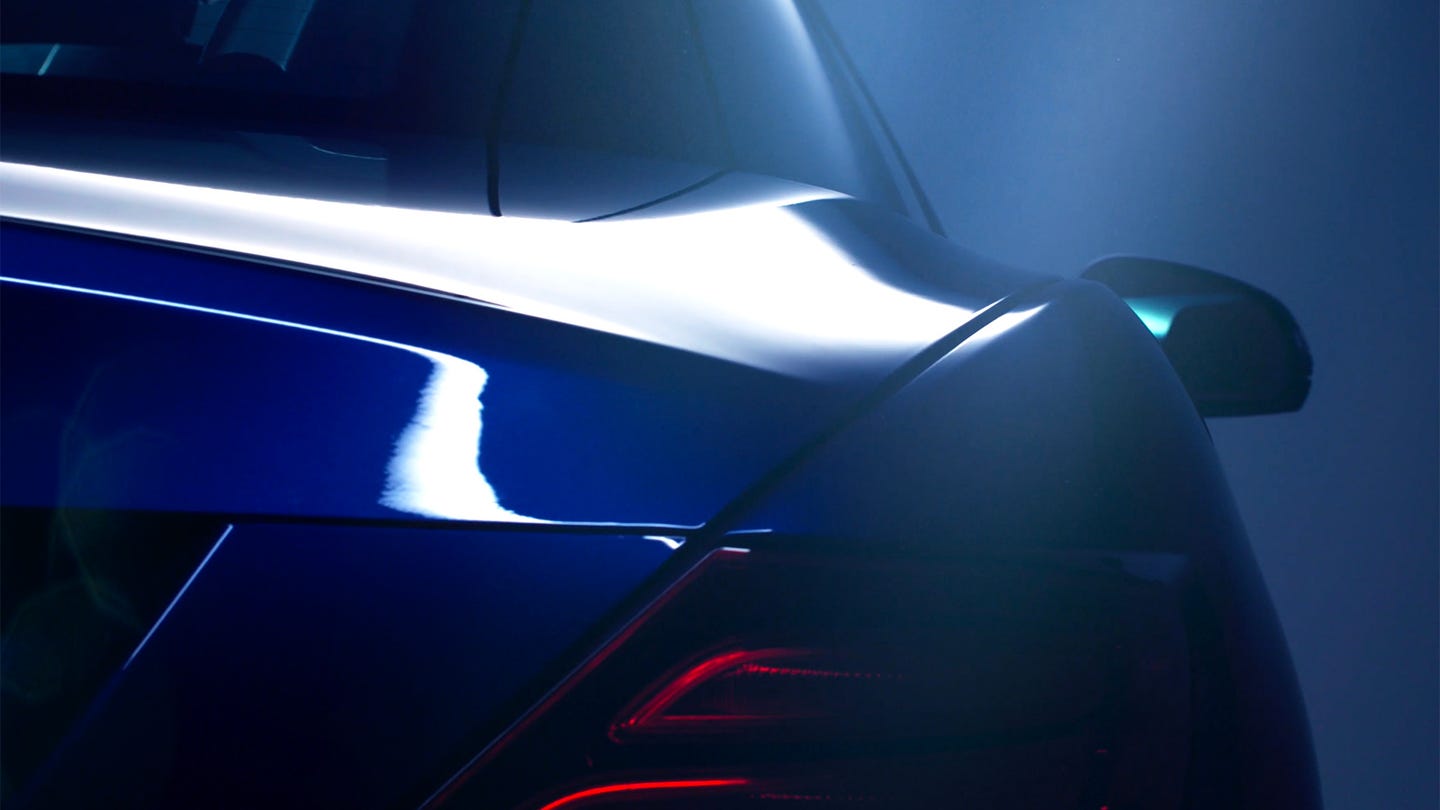

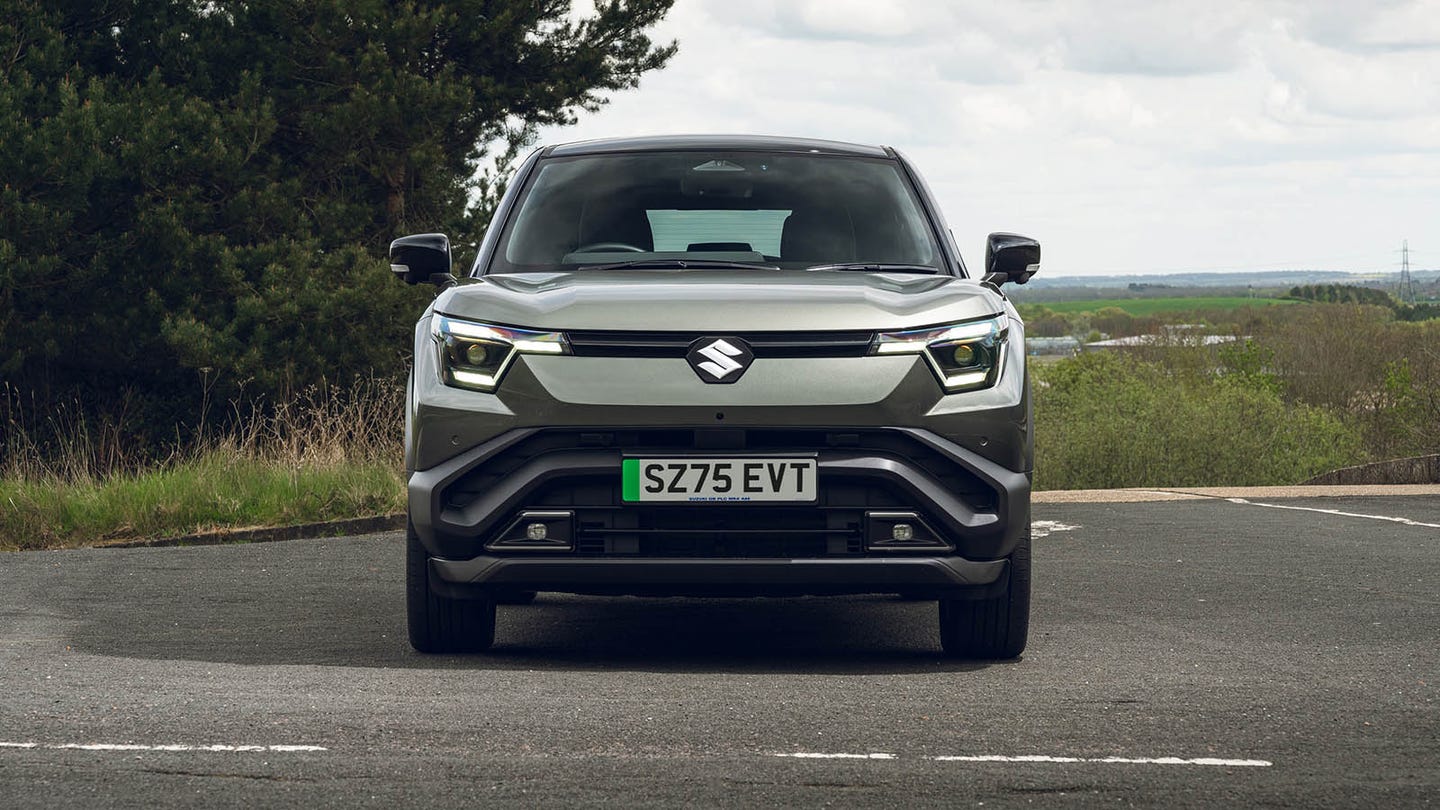
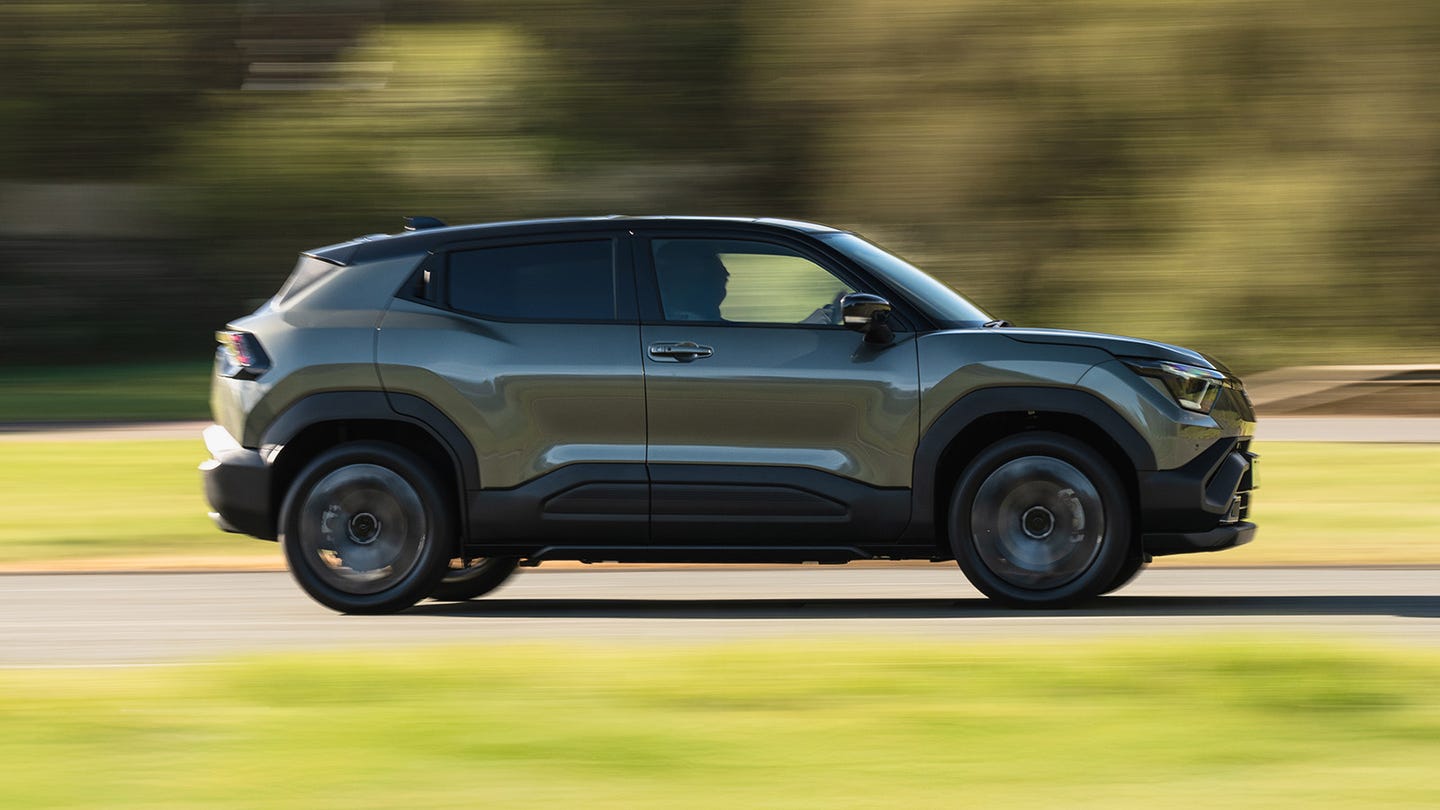
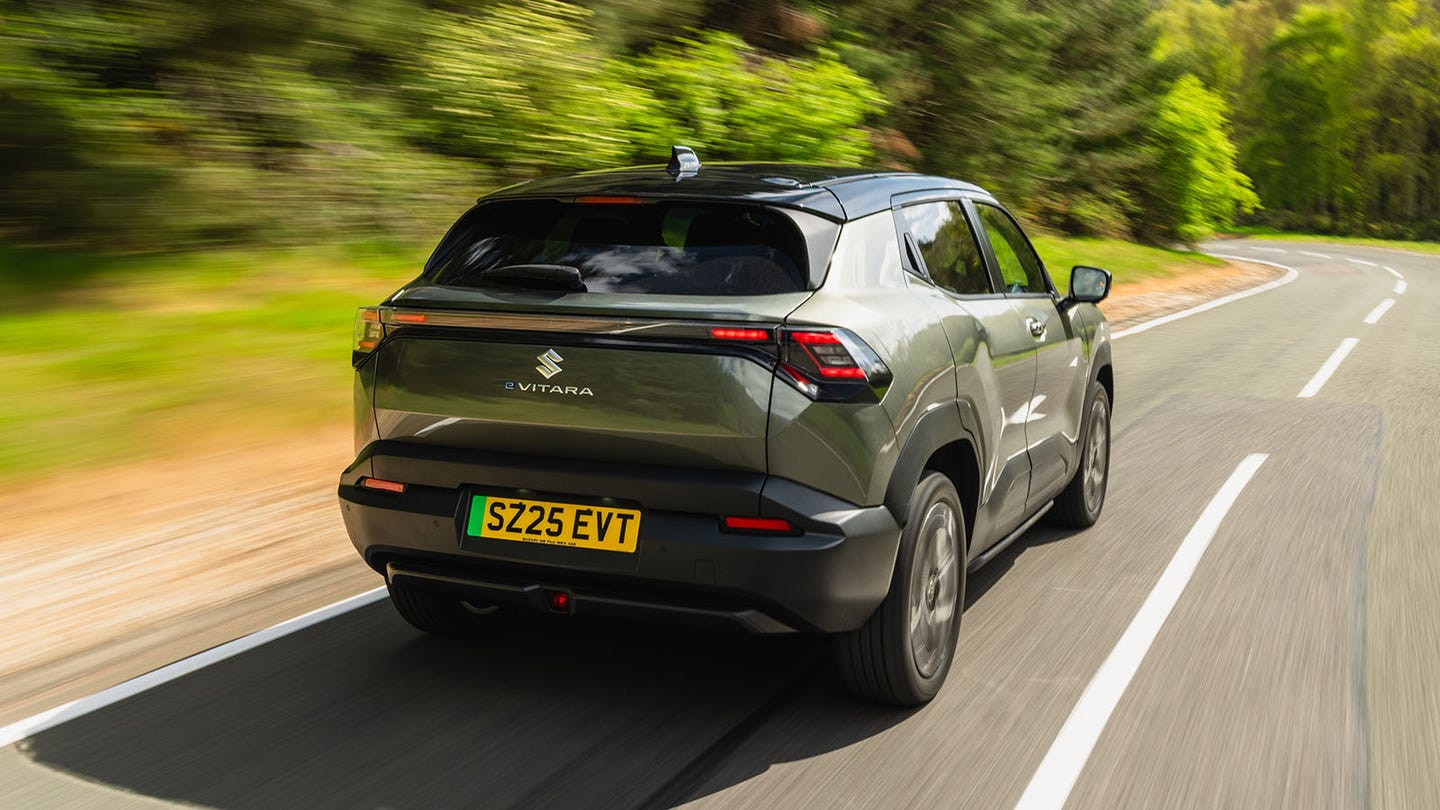
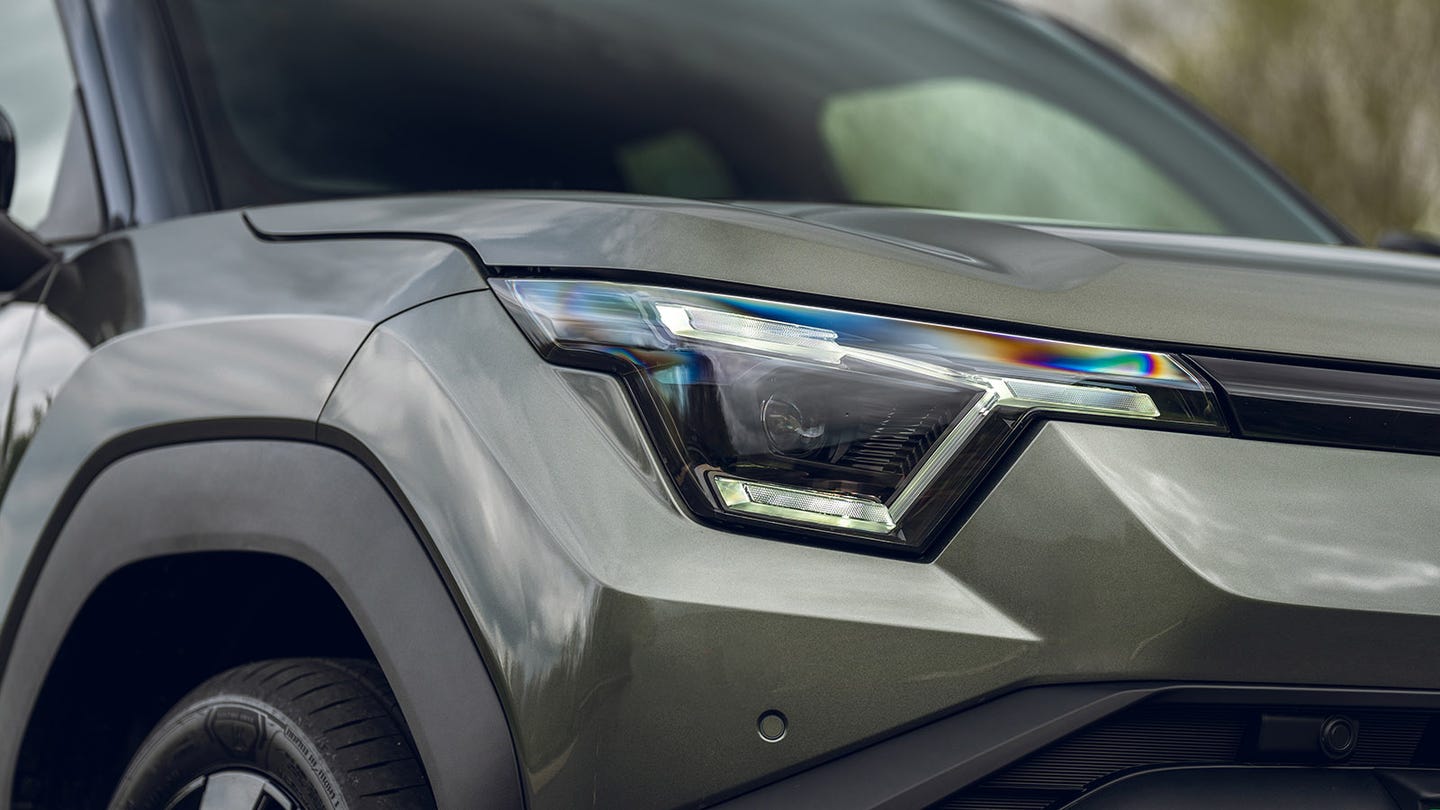
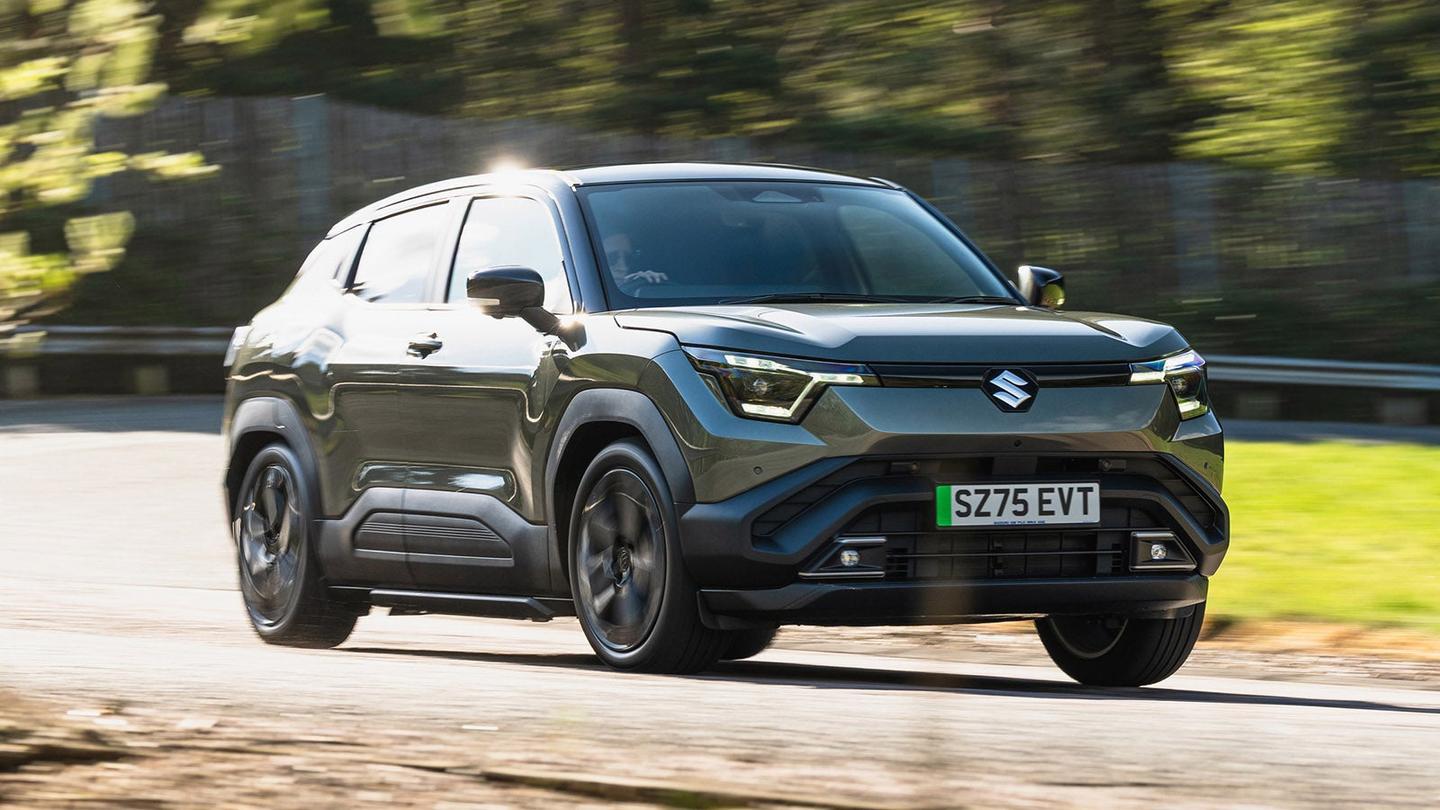
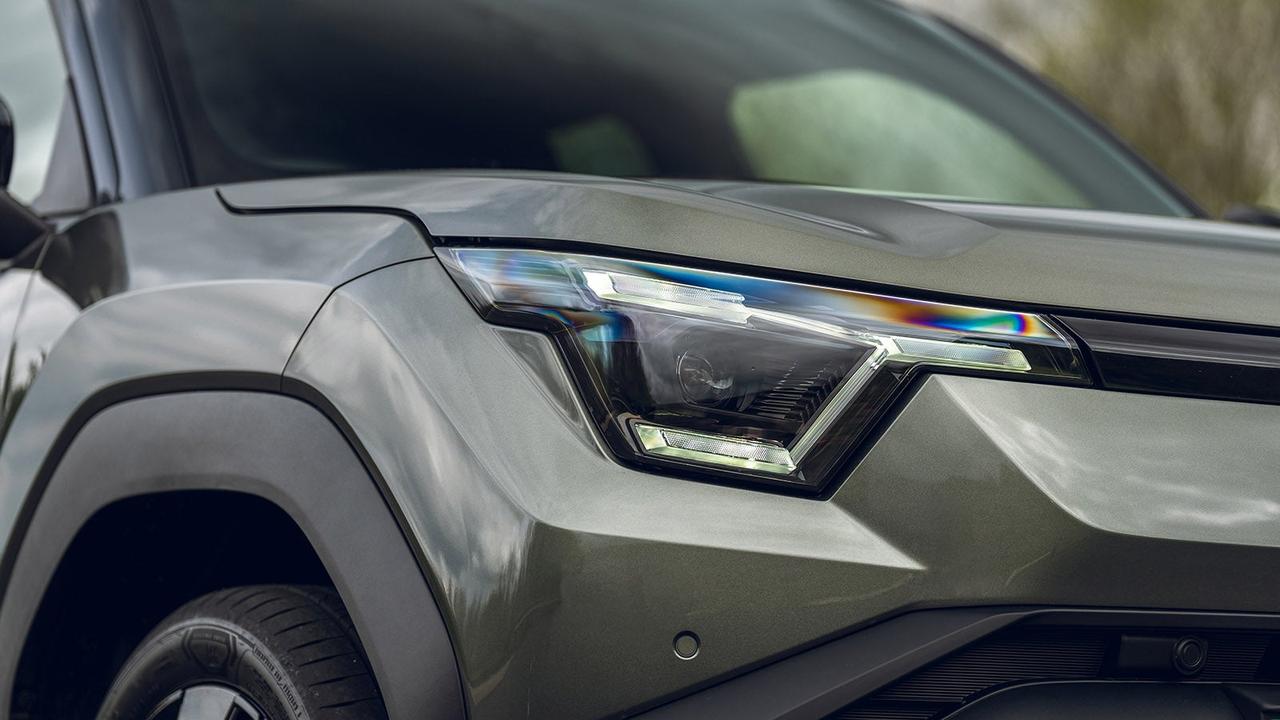
The e Vitara is Suzuki's first fully electric vehicle. To help existing customers feel more at home with the new powertrain, the brand's given it the familiar Vitara name and similarly squat, chunky proportions.
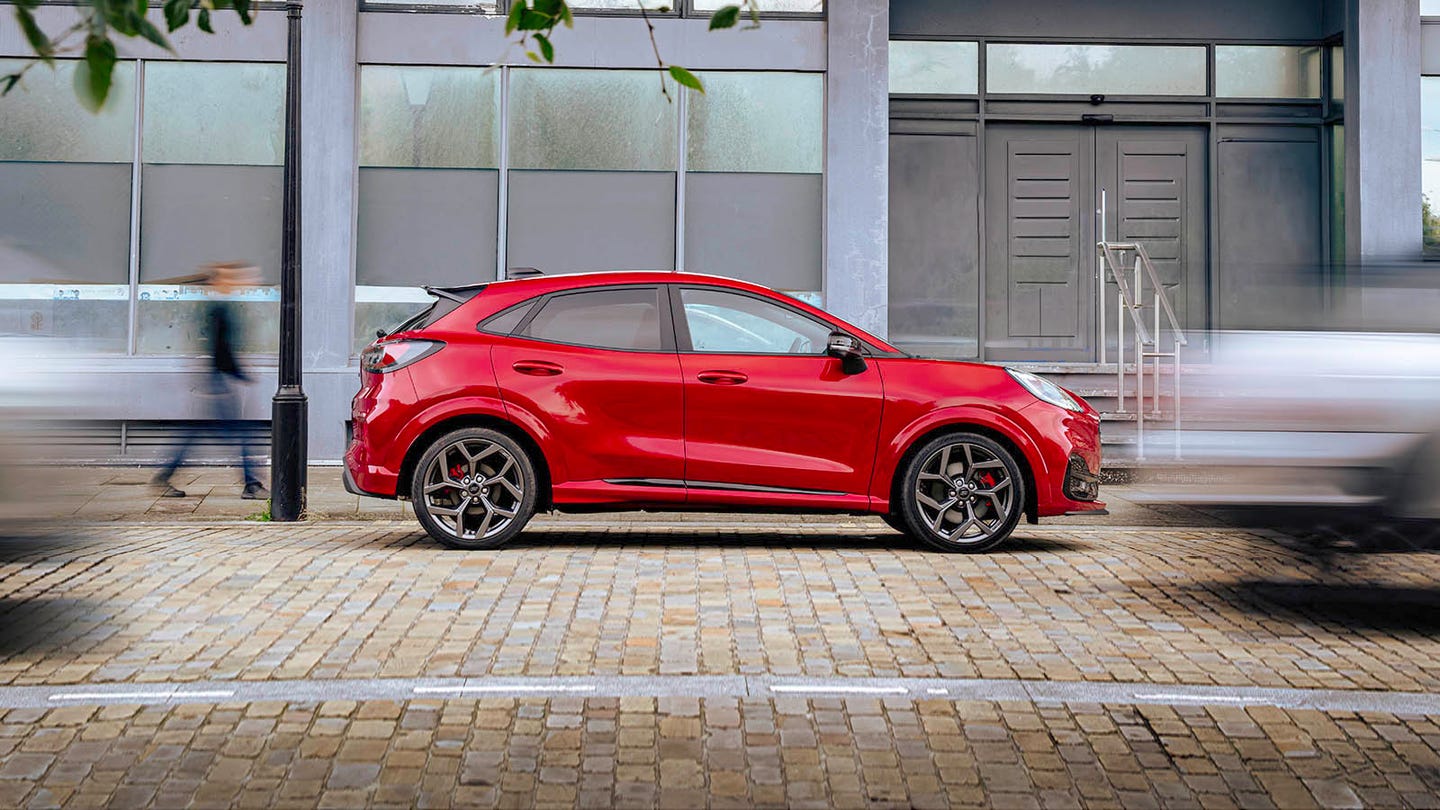
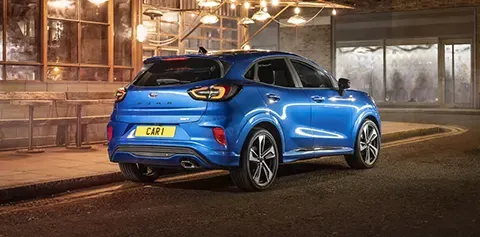
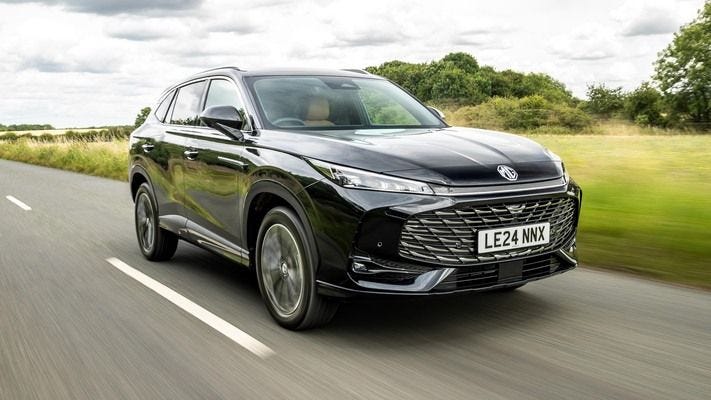
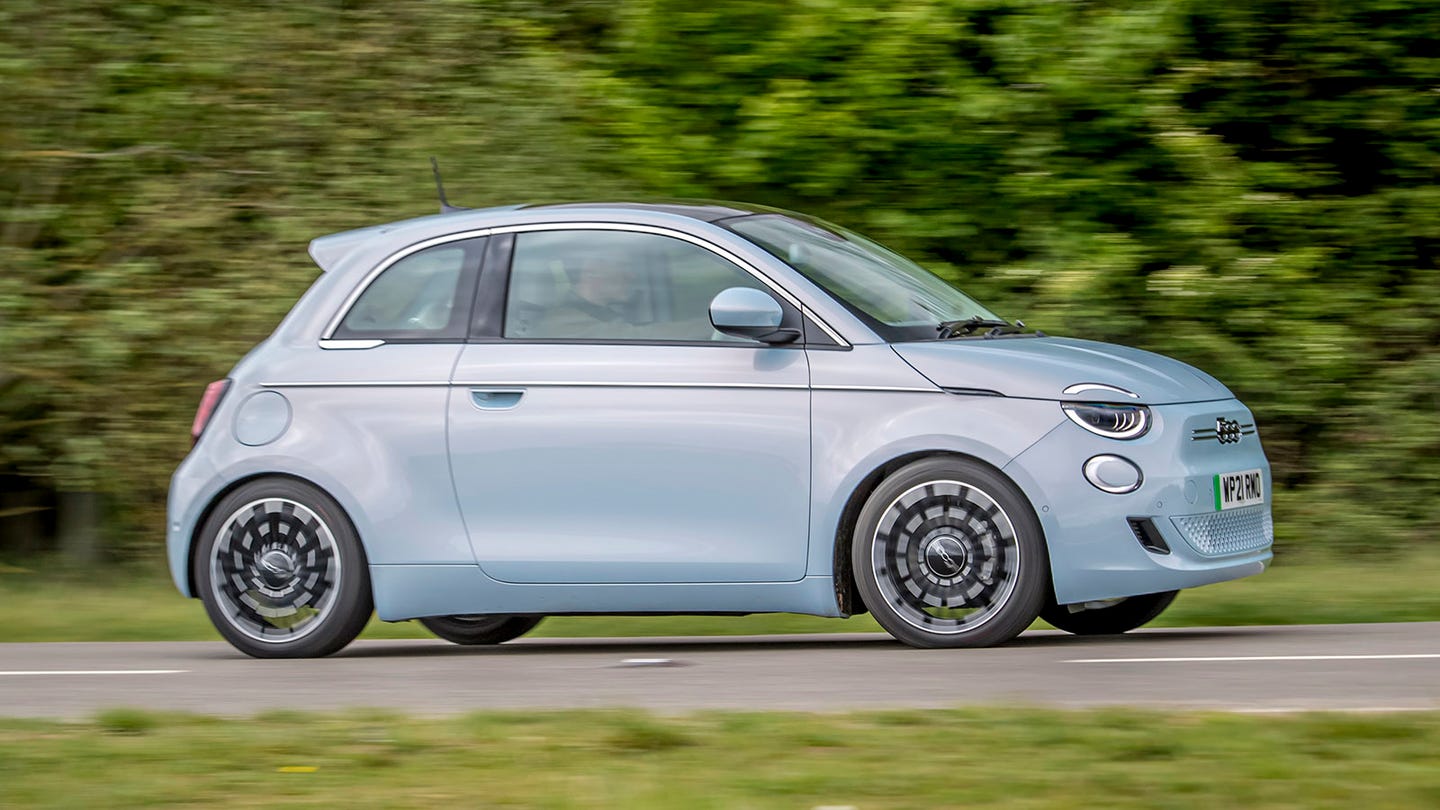
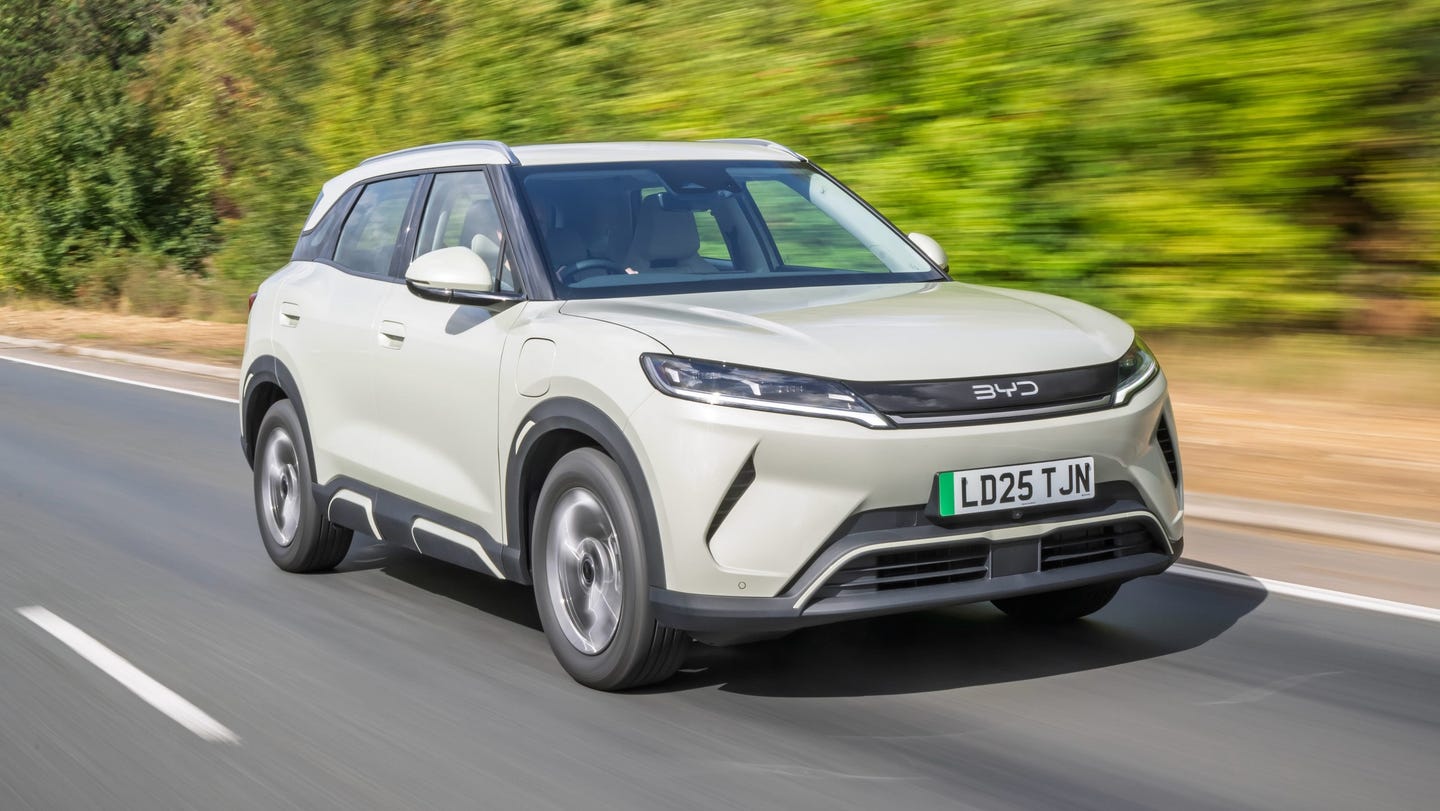
There's no shortage of rivals including the Ford Puma Gen-E, BYD Atto 2 and Fiat 600e. The e Vitara needs a strong showing to earn a foothold in this segment.
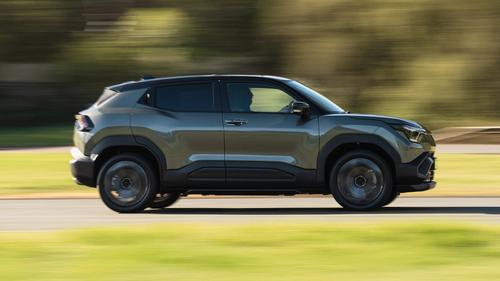
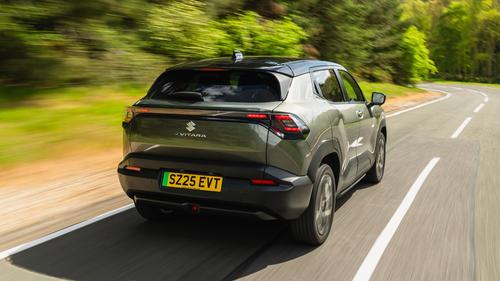
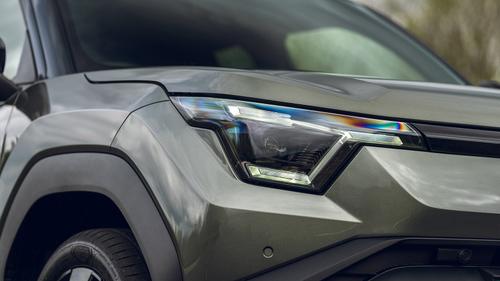
We suspect drivers who like to carefully shop a car's spec sheet may be left a little underwhelmed by the e Vitara. Its max range of 264 miles is pretty average and its 45-minute 10-80% charge time is slow compared to rivals – although, as we'll learn later, it does mean Suzuki can offer an especially long 10-year warranty on both the car and its battery pack.
"With seven out of 10 Suzuki owners going on to buy another Suzuki, the brand is clearly trying to build an EV that works for its existing customer base"
Things get a little better when you look at the e Vitara's pricing. At the time of writing, Suzuki's offering its own £3,750 saving off the e Vitara's retail price, matching the government's more selective electric car grant. That brings the starting price down to just over £26,000 for the 49kWh version or £29,000 for the larger 61kWh battery pack. Only the Ford Puma Gen-E, Vauxhall Frontera and Citroen C3 Aircross beat the e Vitara for range at this sub-£27k price point, although the Suzuki has more standard equipment including adaptive cruise control and all-round parking sensors.
Push the e Vitara's purchase price up to £31,249 and you'll get the larger 61kWh battery pack paired with a dual-motor all-wheel-drive setup. This is rare in this segment – only the similarly sized Smart #1 and Volvo EX30 are also offered with all-wheel drive, and both cost substantially more than the Suzuki. Adding the second motor doesn't just improve traction and performance, but also brings with it hill descent control and a trail mode, which we'll cover in the driving section lower down.
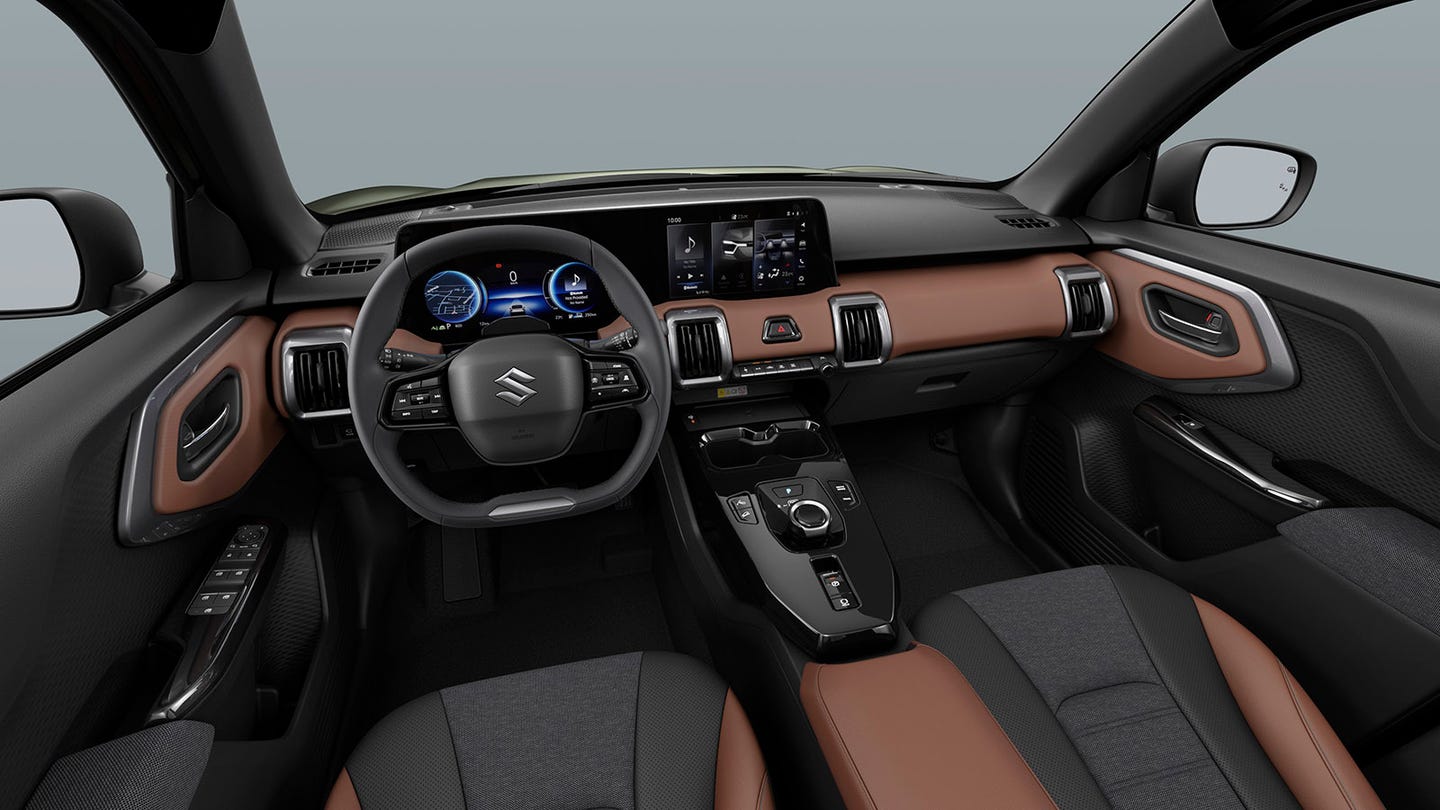
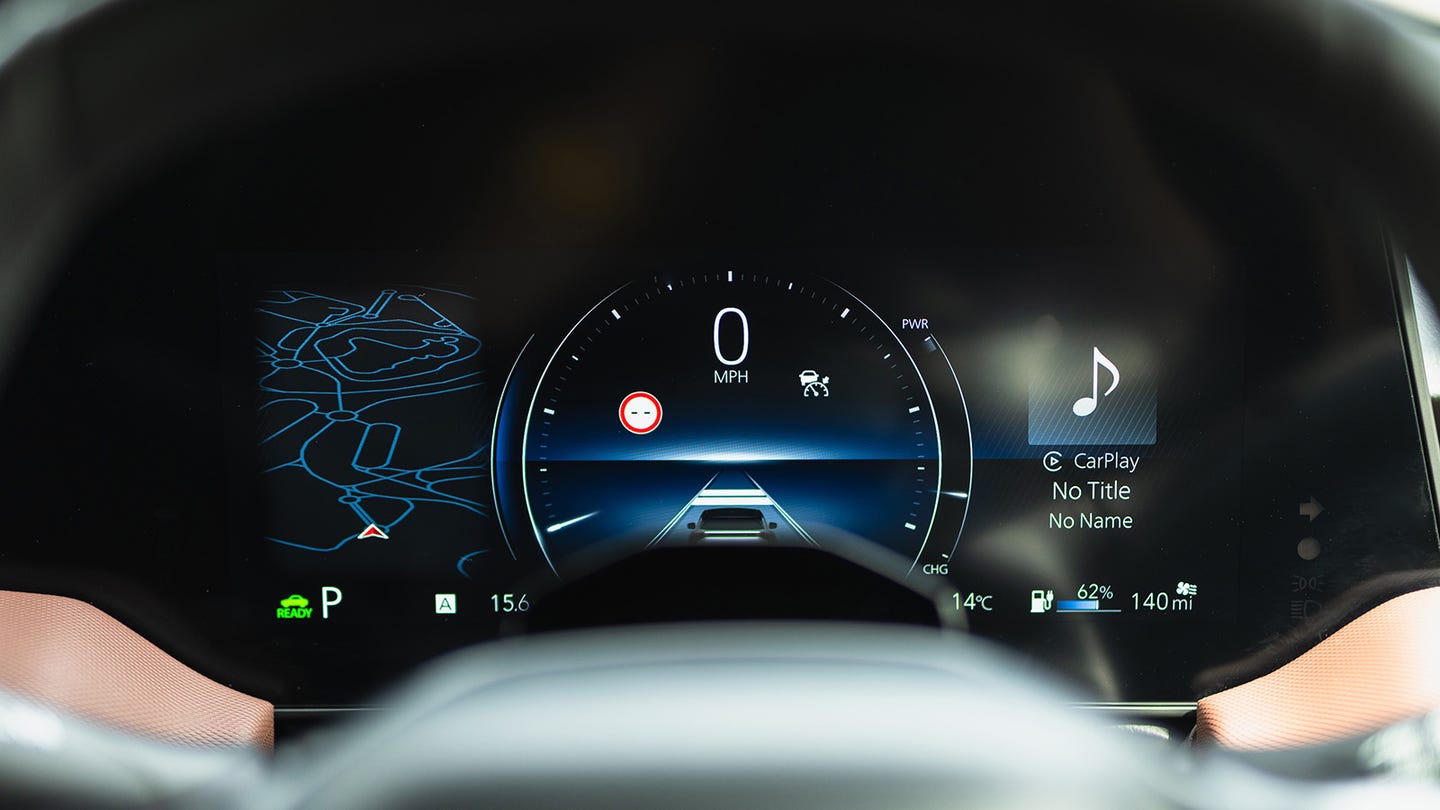
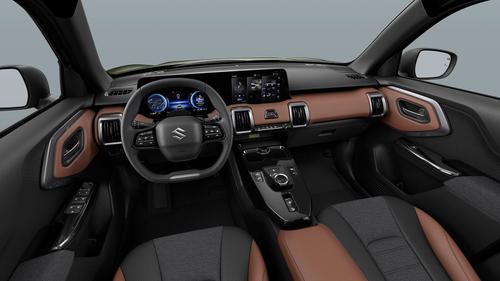
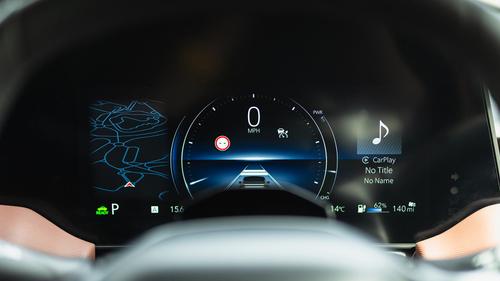
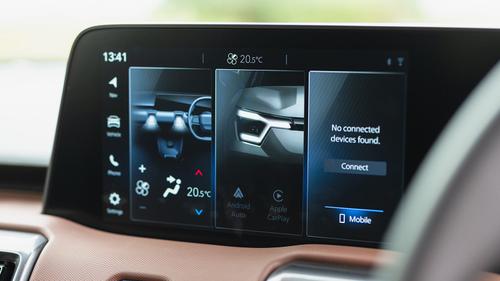
Despite being a brand-new model on a brand-new platform, the e Vitara doesn't break any new ground in its cabin. There's a carefully curated selection of buttons on the dashboard plus a pair of bright, glossy screens – one in the centre and one behind the steering wheel. That means it's quick and easy to get acquainted with the e Vitara's features, but it lacks the more futuristic feel of the Kia EV3 or BYD Atto 2.
Suzuki has taken the same careful, considered approach with the e Vitara's setup. The controls are precise and accurate, lending the car a predictable feeling on the road. But it's not exactly fun – the chassis doesn't relish being thrown into corners and the acceleration is sufficient rather than scintillating. Similarly, the ride is respectably soft but the car is surprisingly hefty, which means you're occasionally bounced about as the springs fight the laws of physics.
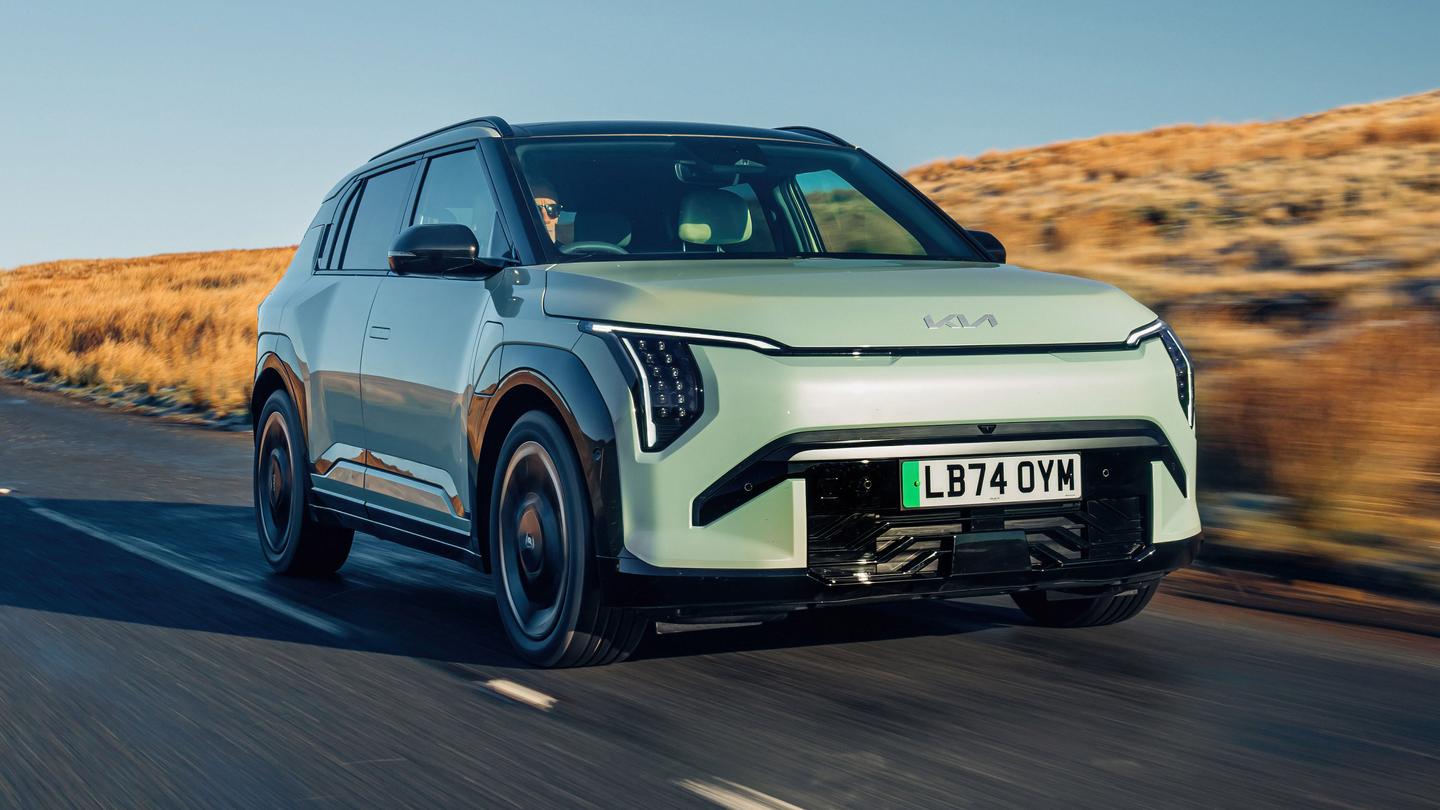
With seven out of 10 Suzuki owners going on to buy another Suzuki, the brand is clearly trying to build an EV that works for its existing customer base. That means the e Vitara might be perfect if you're after a well-priced, well-built small car that has four-wheel drive for occasional light off-roading. However, if it's just an SUV-shaped electric car you're after, the larger MGS5 EV is pretty much the same price, while the slightly pricier Kia EV3 is more practical, faster and goes further on a charge.
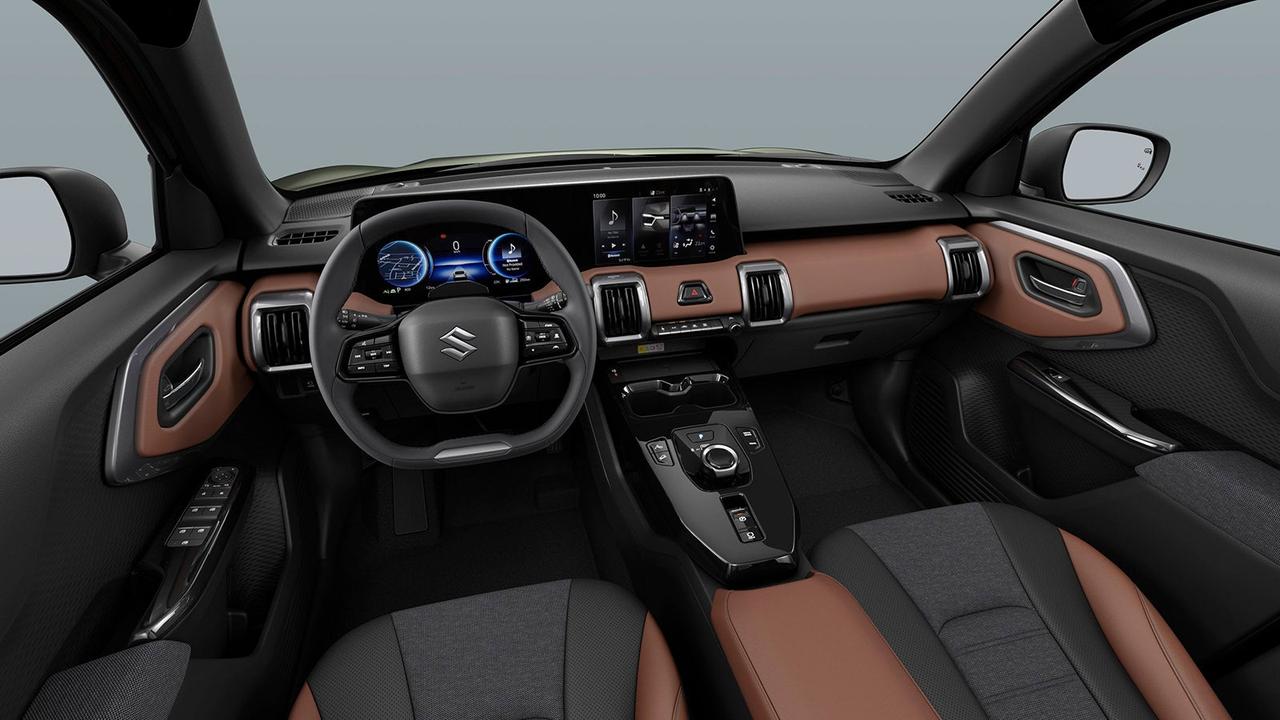
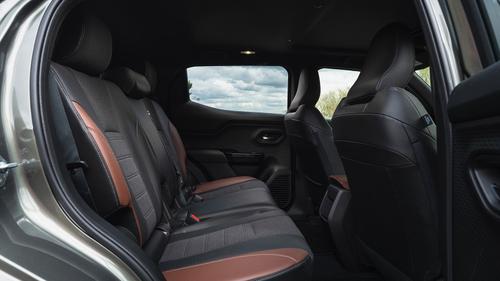
There might be nothing particularly novel about the e Vitara's interior, but it's still a nice place to sit. Compared to the outgoing petrol-powered Vitara, material quality has improved substantially. We like the textured dashboard panel with rectangular air vents framed by gunmetal bezels, as well as the slightly squared-off dual-spoke steering wheel. Spec your e Vitara in Ultra trim with either green or silver metallic exterior colours, and you'll get tan fabric and faux-leather upholstery inside, further enhancing the car's newfound premium feel.
Finding a comfortable driving position is easy with a good range of adjustment. This is particularly true in Ultra models with their 10-way power adjustment for the driver, plus power lumbar adjustment. It's a little disappointing, then, that there's no option for height adjustment for the front passenger seat. Choose any e Vitara with the larger 61kWh battery and you'll get front seat heaters and a heated steering wheel as standard.
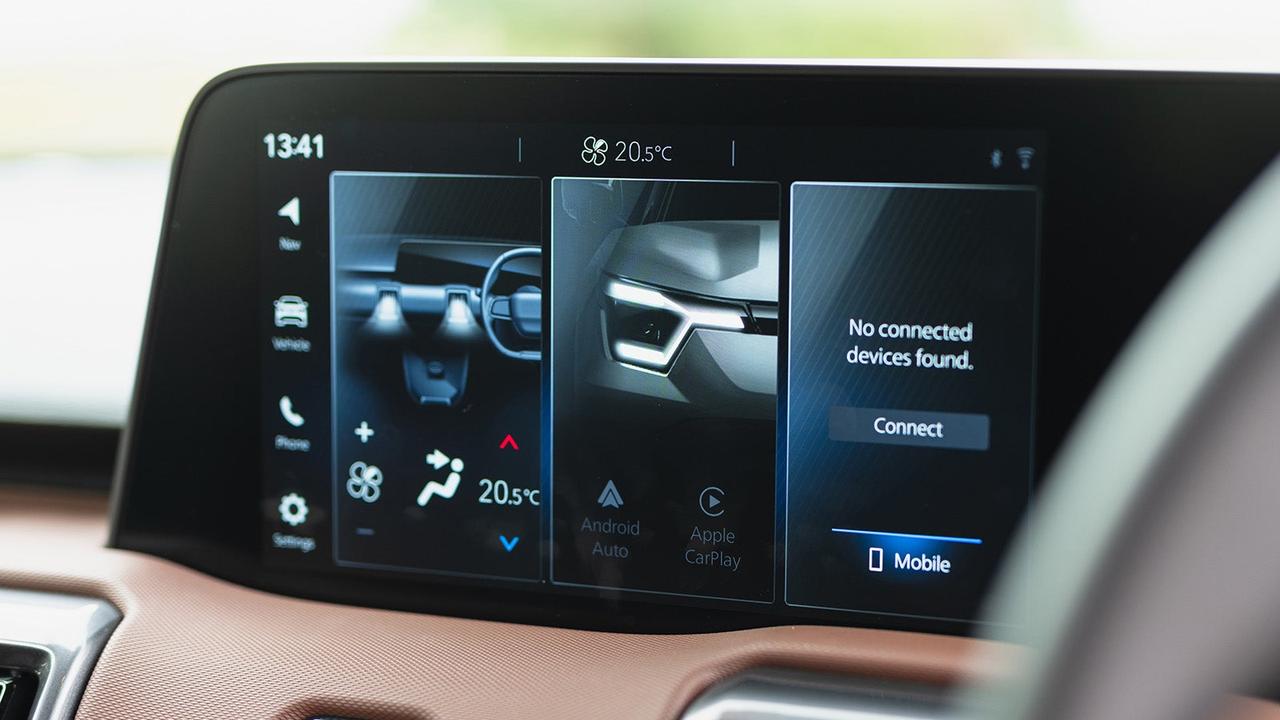
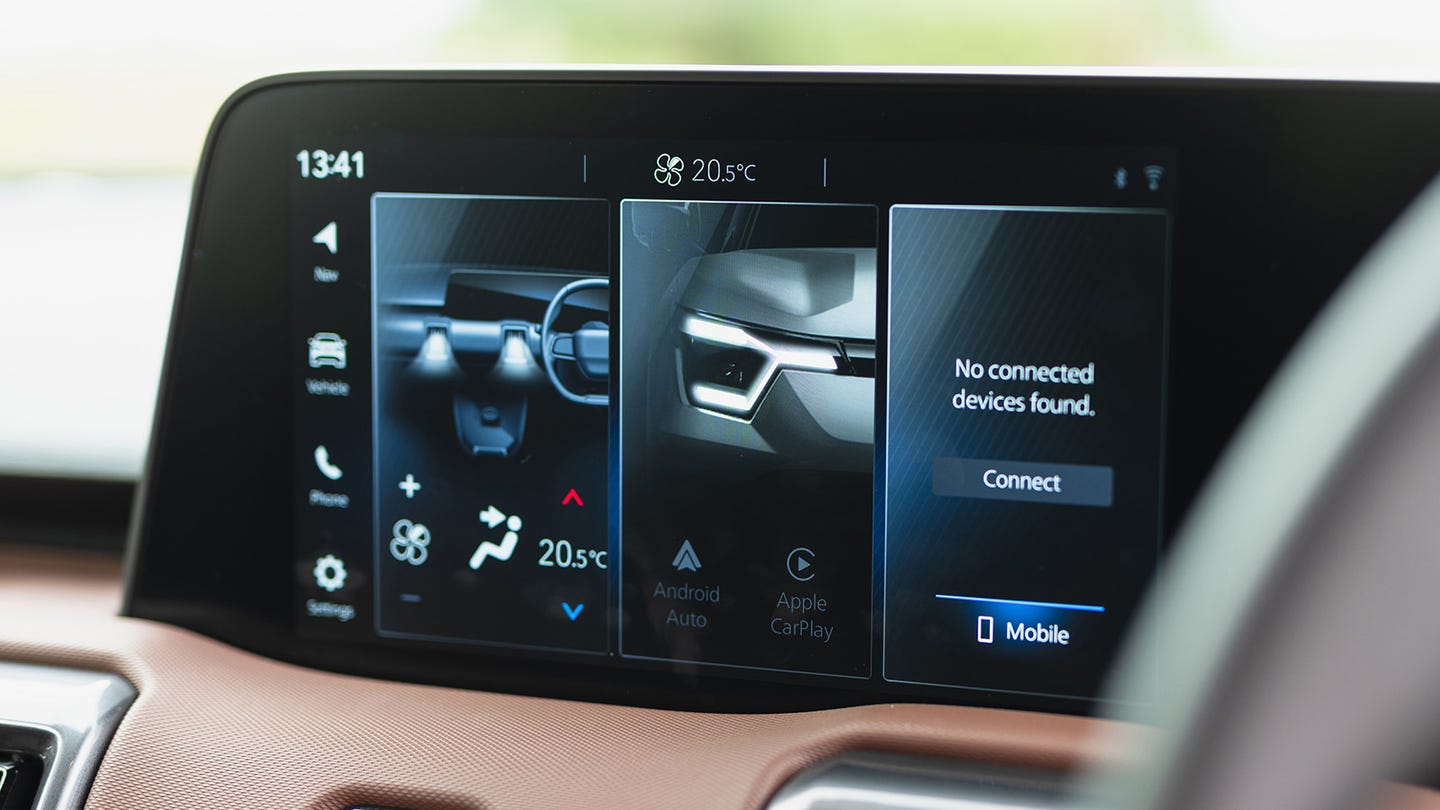
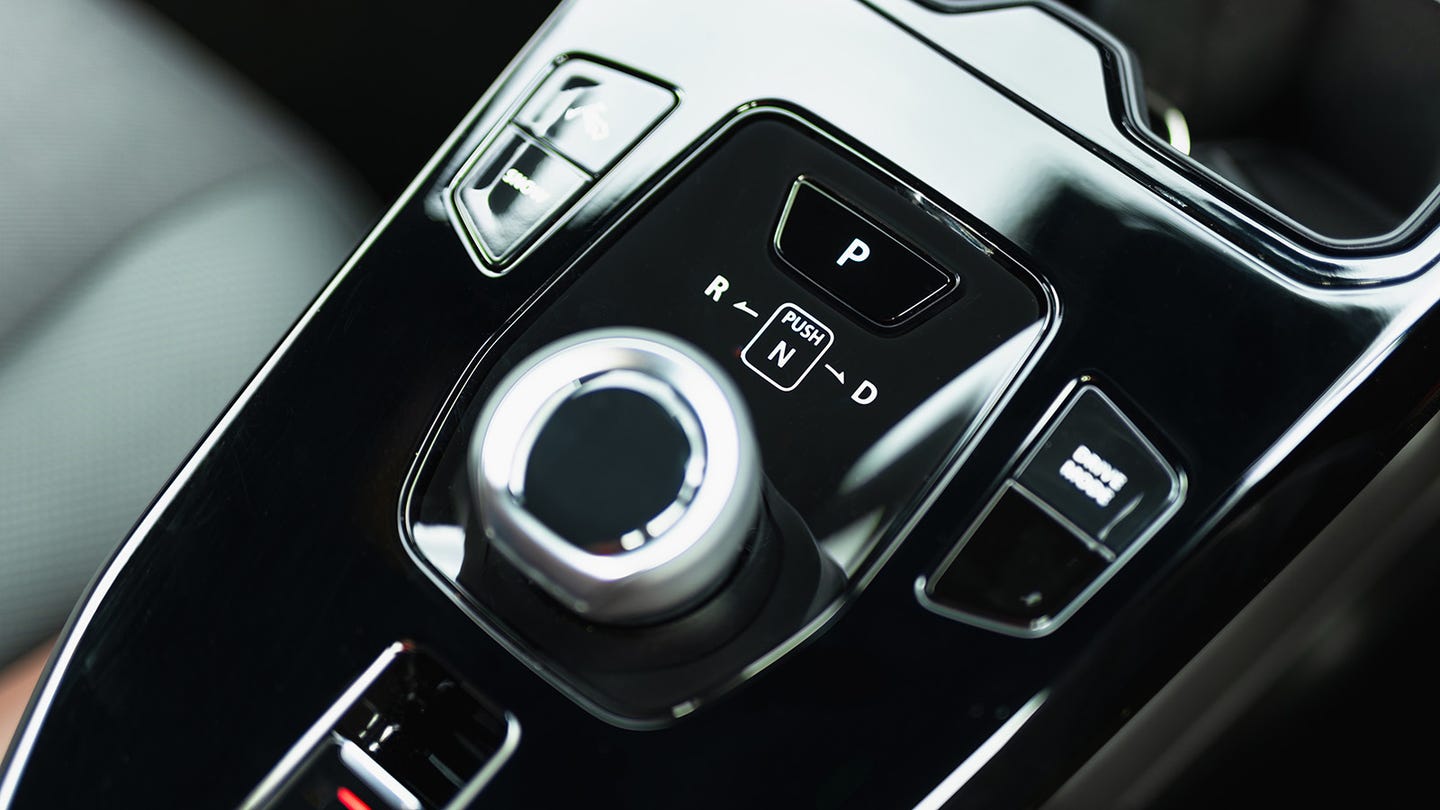
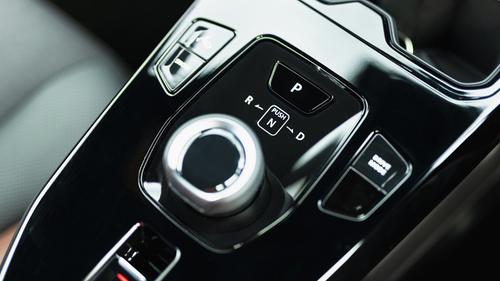
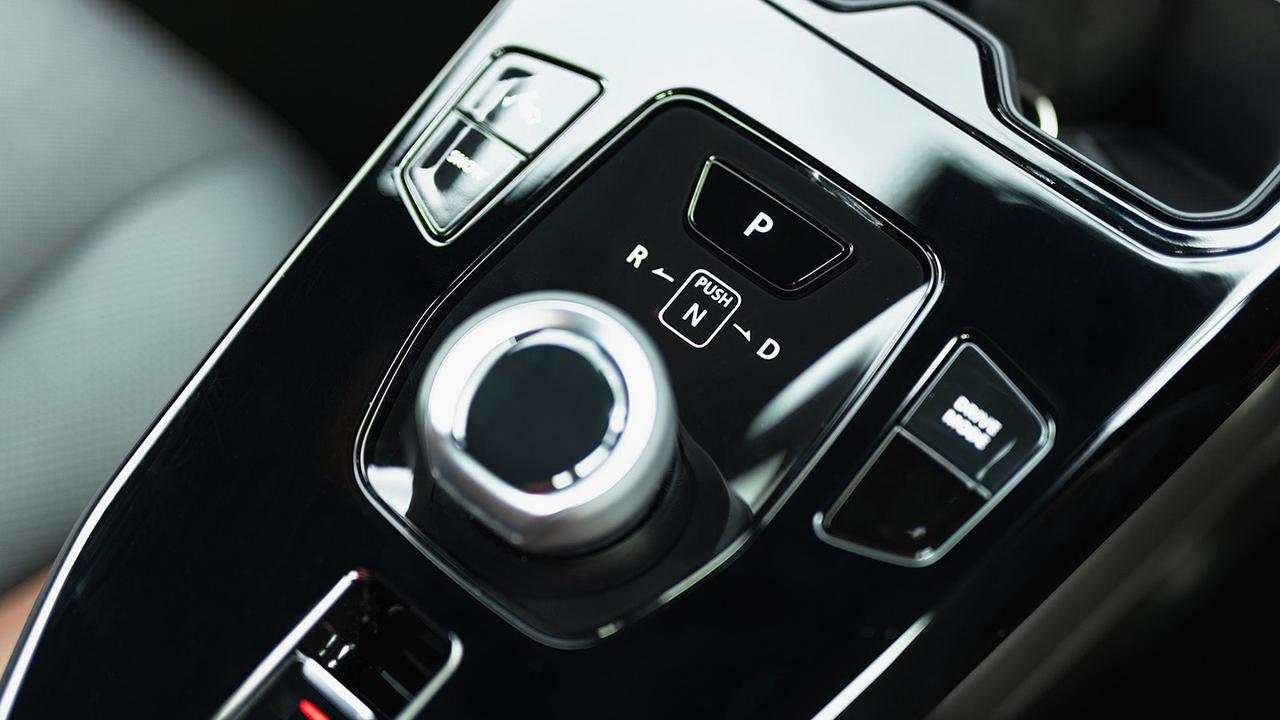
All the important stuff like climate control, stereo volume, drive mode and brake regen is tied to obvious physical buttons, so they're easy to find at a glance. Everything else is handled by the e Vitara's infotainment system. At first glance, there's little to complain about here – the graphics are sharp, the 10.1-inch centre display is big enough that on-screen buttons are easy to hit, and there are handy shortcut icons down the sides to jump between functions. Plus, every version includes wireless Apple CarPlay and Android Auto as standard.
However, some shortcomings become more apparent as you spend more time with it. Most egregious are the load times when swapping between different menus. The system registers your touch nearly instantly but you can count the time it actually takes to load the new screen in seconds. This is especially annoying in the ADAS menu, where the system wants to play a little demo video of each feature before letting you into its specific settings page. We also felt the driver's screen could do with more configurability such as a full-screen map mode, or a simplified mode with a more minimal layout.
Front-seat passengers should find they have more than enough room to get comfortable. We did get a little more overall front legroom out of the BYD Atto 2, but only those approaching seven-foot tall will actually notice the difference. The standard fixed glass sunroof on Ultra models also helps enhance the sense of space up front. Being picky, we could've taken an extra inch or so of steering wheel reach adjustment.
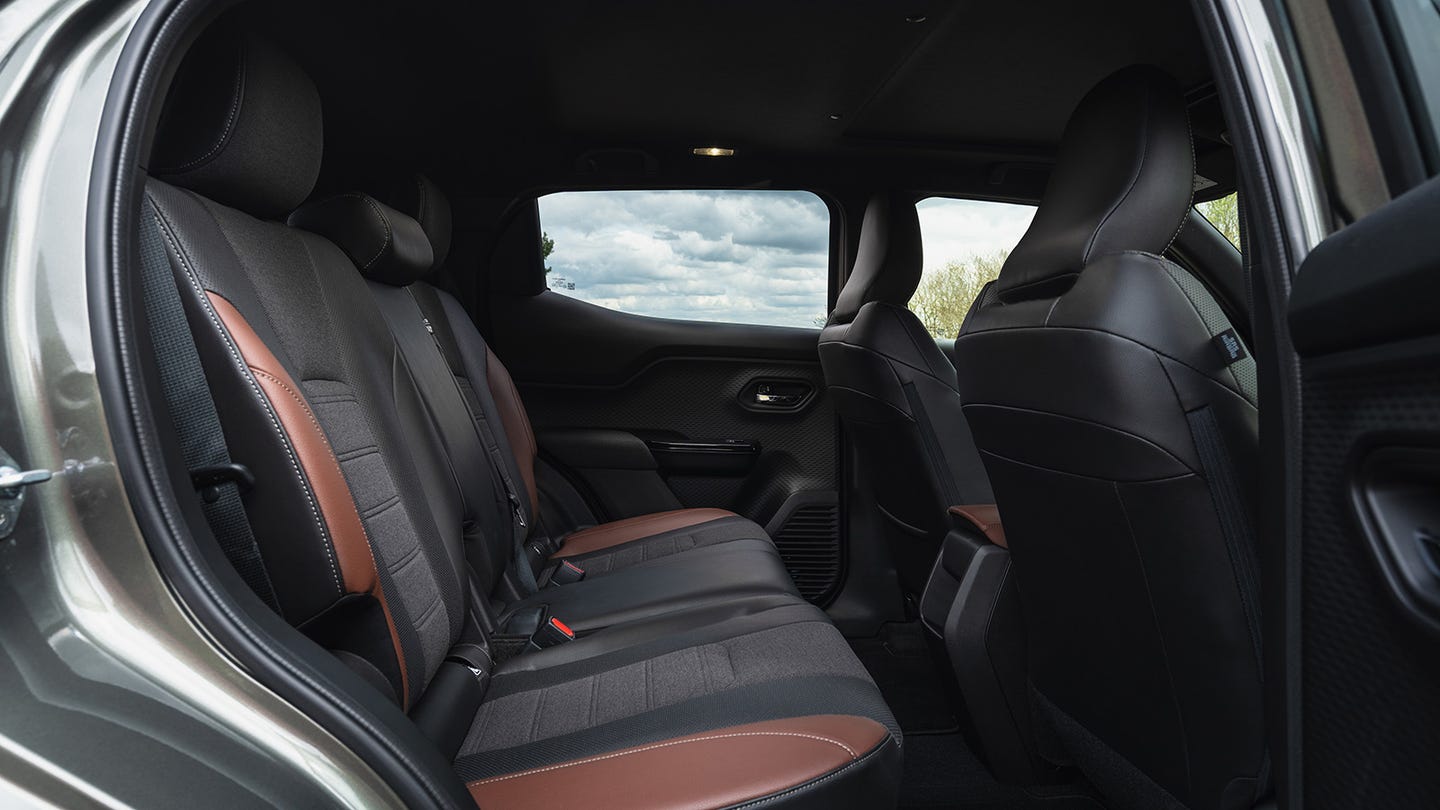
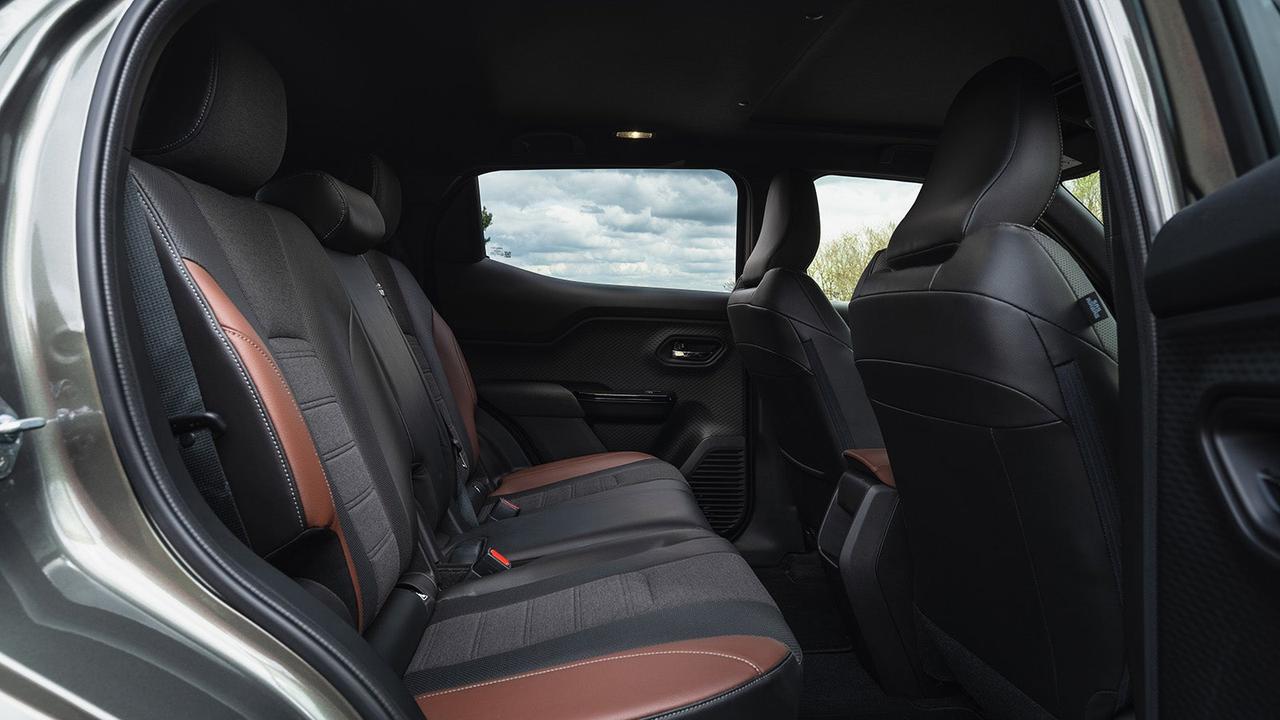
Impressively, even with the front seat slid all the way back, you can still fit an average-sized adult behind them in the rear row. Back-seat occupants get a good amount of legroom thanks to the car's EV platform that pushes the wheels further out to the car's edges, along with a decent amount of foot room with space under the front seats. The lack of transmission tunnel also means the rear floor is flat, making life a little more comfortable for your occasional centre-rear fifth passenger.
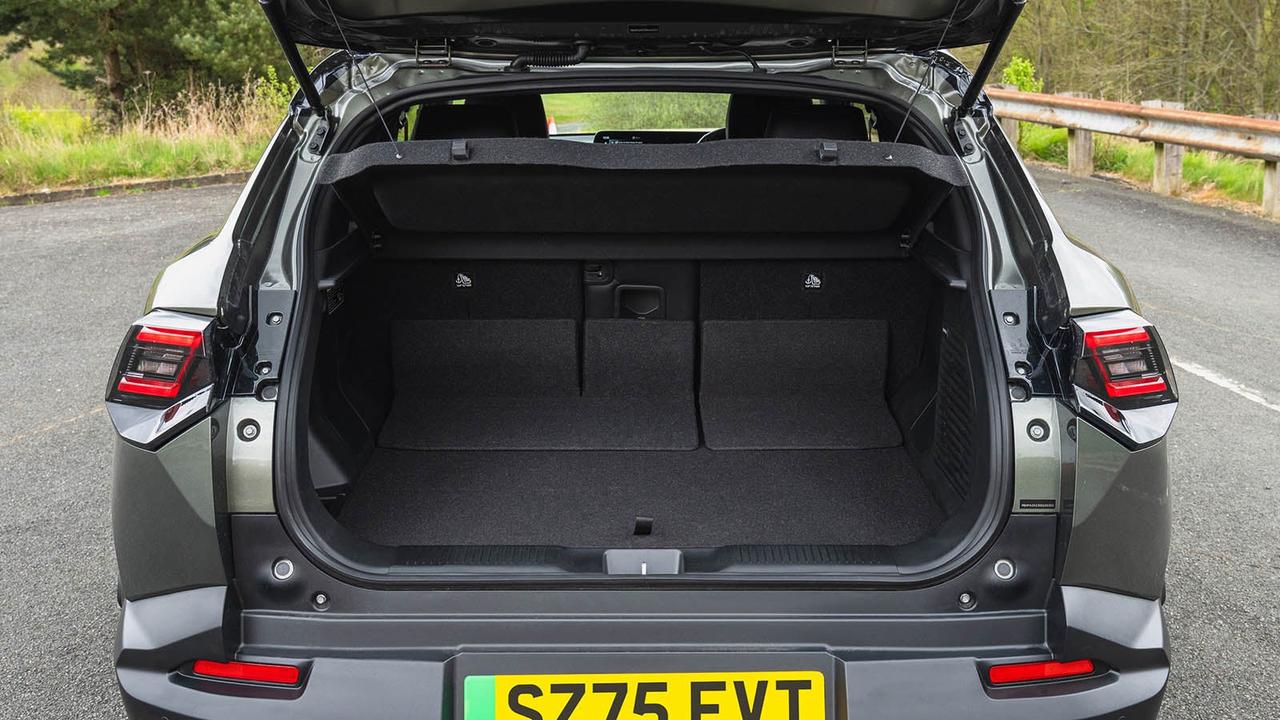
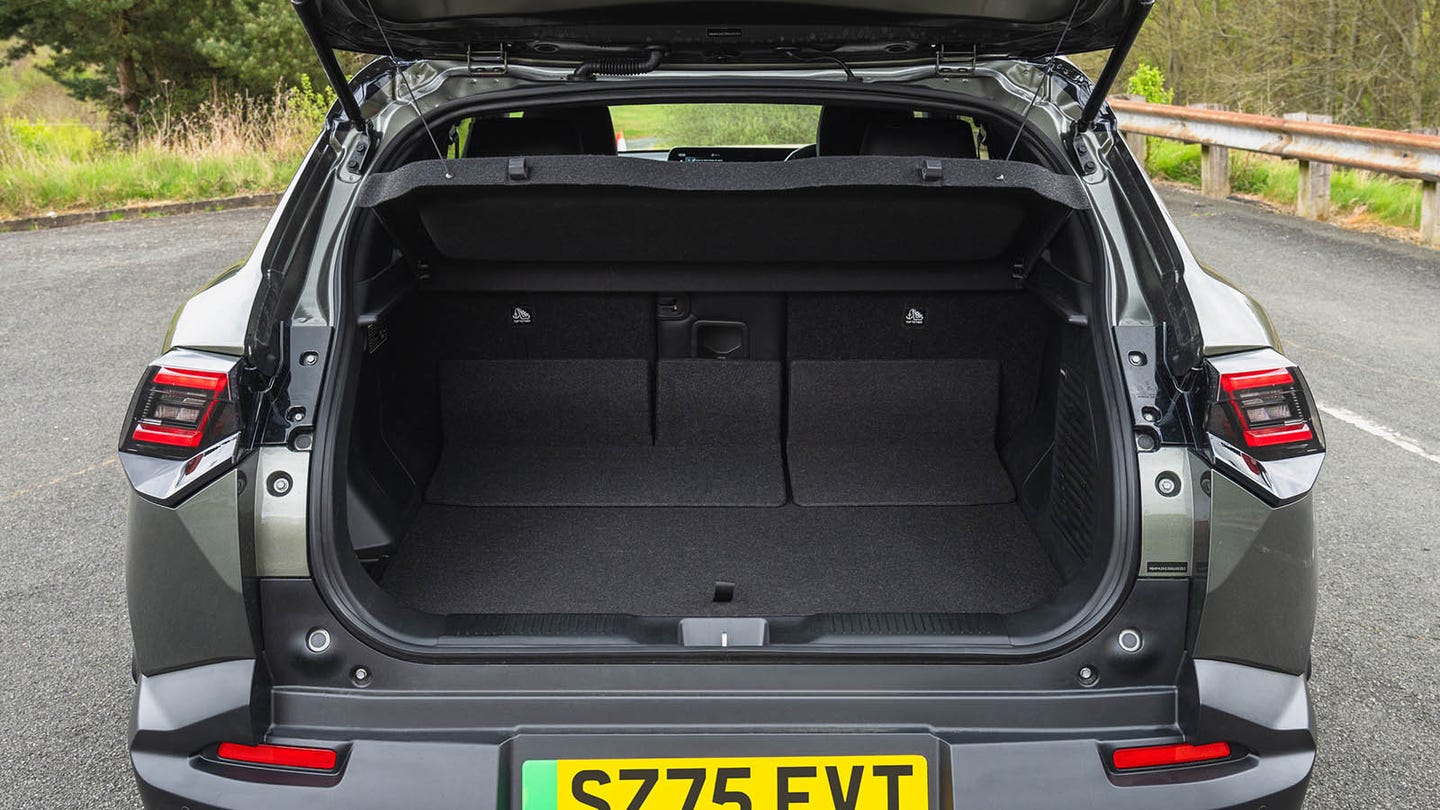
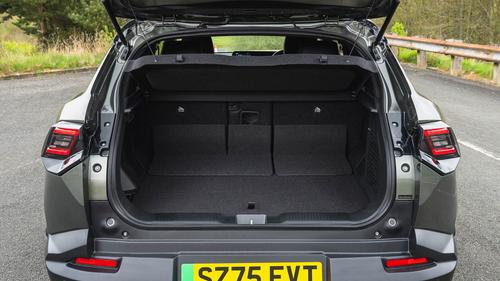
One of the e Vitara's party pieces is its sliding rear bench. This lets you move the rear seats forwards and backwards to prioritise either cargo space or rear-seat passenger space. It's a feature you might find yourself using quite often too, as the e Vitara's 244-litre boot with the seats all the way back is disappointingly small. Even sliding the seats forwards only pushes this up to 310 litres – down on the Smart #1 and Volvo EX30 and miles off the cavernous Ford Puma Gen-E and Kia EV3. There's a chunky moulded foam insert under the boot floor with space for a charging cable, but we think Suzuki would've been better off trying to integrate this space into the main cargo area.
Elsewhere, cabin storage is mostly unremarkable. The glovebox and centre console storage bin are pretty average, but there's a handy storage shelf under the centre console that should be large enough for a purse or a box of tissues. The front doorbins are a decent size, with space for a tall drinks bottle plus a few extra personal items. Beyond the front and rear USB-A and USB-C sockets, you'll find a wireless phone charger on Ultra models, providing a handy place to store your device.
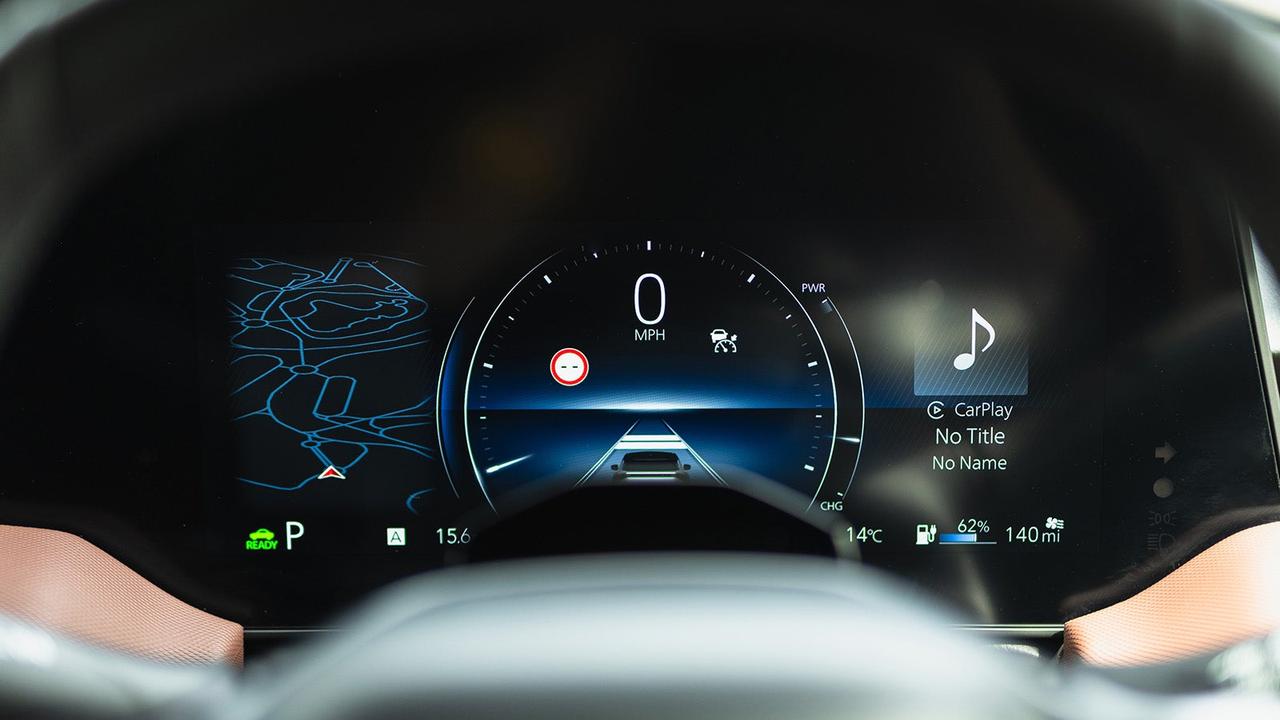
There's a choice of two battery packs for the e Vitara – a 49kWh and 61kWh unit, with the latter expected to be the biggest seller. You'll get a claimed 213 miles from the 49kWh version on a full charge, with this figure jumping to 264 miles for the 61kWh single-motor model. Pick the dual-motor all-wheel-drive version and you'll get 245 miles from a full charge. These figures are broadly competitive with rivals like the Puma Gen-E and Atto 2 but lag behind the pricier Kia EV3 and its much bigger 81kWh battery and 375-mile range.
Where the Suzuki falls a little short is charging speeds. All e Vitaras complete the benchmark 10-80% fast charge in 45 minutes, which is some way off the half-hour figure most rivals can achieve. Suzuki notes that its charging speeds are software limited to prolong the life of the battery pack – a contributing reason for Suzuki's long 10-year warranty for the car and its battery pack. However, BYD cars that use the same battery cells as the e Vitara can charge much faster, so Suzuki might bump this number up later on.
Single-motor cars get either a 144hp electric motor for 49kWh models or a 174hp unit for 61kWh versions. We tried the latter, which claims an 8.7-second 0-62mph time. That's thoroughly acceptable by today's standards, but we've been spoiled by powerful family EVs that pin you to your seat if you mash the pedal, while the e Vitara's more gentle throttle mapping makes it feel a little slower than the numbers suggest. Swapping over to sport mode does improve matters somewhat, with the tradeoff being a slightly more hyperactive pedal feel.
We also tried the Allgrip-e dual-motor car. This keeps the 174hp front motor but adds a 65hp rear motor, bringing the system total to 183hp. More meaningful is the boost in system torque from 193Nm to 307Nm. You can feel that extra muscle on the road, with a more insistent shove when you floor it and a zippier 7.4-second 0-62mph time. For its extra power and off-road ability, this is the battery and motor setup we'd choose and, handily, it's available on Motion models and not just restricted to the pricier Ultra trim level.
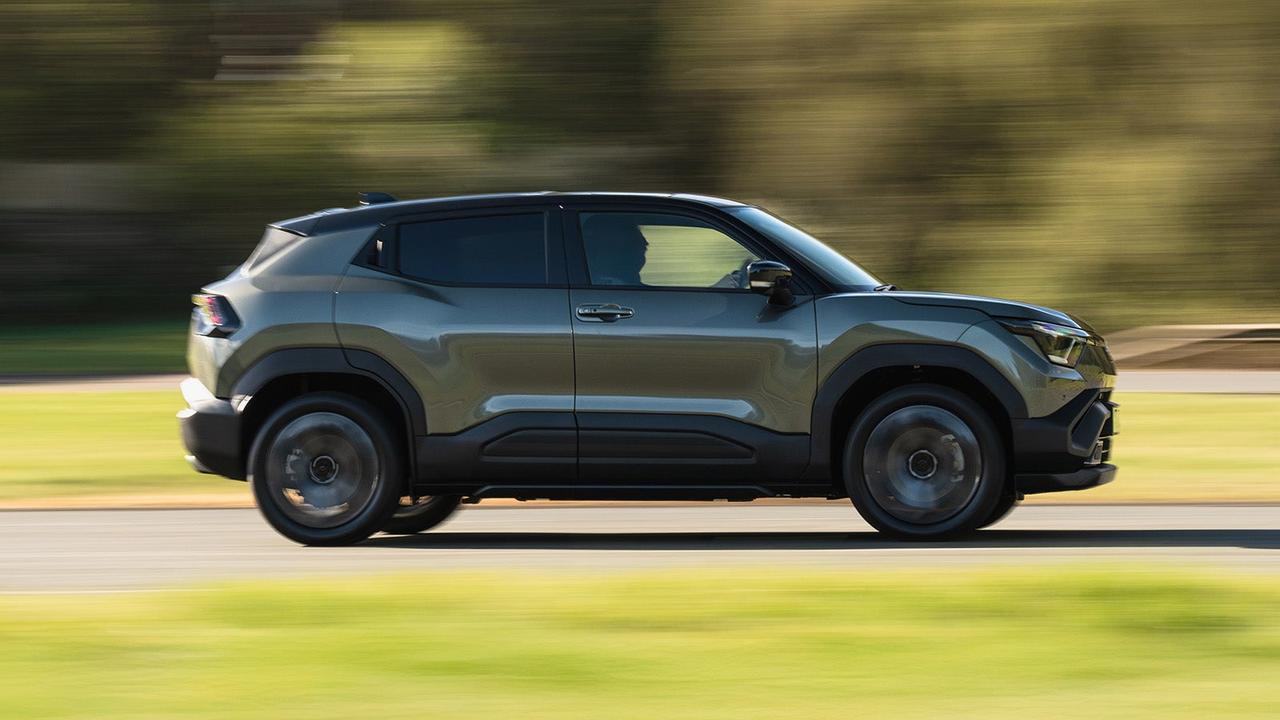
There's little to fault about the e Vitara's day-to-day driving abilities. The steering and pedals are easy to use and perfectly tuned so you're never guessing how much input you need. While the fairly soft acceleration curve makes the car feel far from fun, it does mean you're rarely at risk of throwing your passengers' heads around if you jab a pedal too hard.
At higher speeds, it feels planted and secure – again reducing the mental strain of driving the car. Despite its relatively long wheelbase and squat stance, however, it doesn't feel keen to turn hard into corners. Attack a twisty country road and you'll be rewarded by a fair amount of body roll, and little sense the e Vitara wants to tuck tighter to its line with a jab of throttle or a tug of the wheel. A glance at the car's spec sheet quickly provides the answer to its blunted handling – even the lightest e Vitara has a 1,700kg kerb weight, while all-wheel-drive 61kWh versions tip the scales at a hefty 1,899kg.
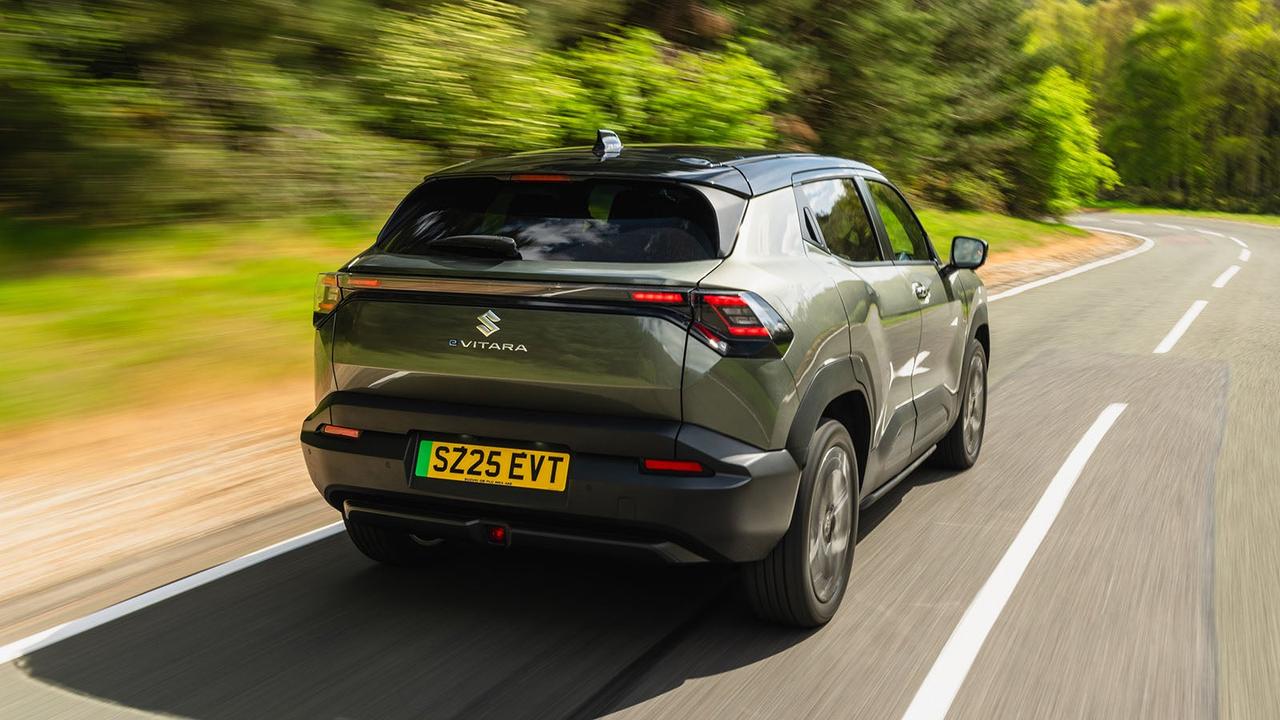
That makes the e Vitara heavier than the Puma Gen-E and the BYD Atto 2, and roughly the same weight as the larger Kia EV3, which also has a bigger battery. All that heft has an impact on the ride quality as well as the handling. Suzuki's set the e Vitara up admirably soft, so the car absorbs potholes, speedbumps and craggy surfaces respectably. However, to achieve this, the suspension ends up feeling under-damped with the body getting bounced about a bit on anything other than perfectly level roads.
At town speeds, the e Vitara feels impressively calm. There's almost no noise from the suspension or powertrain, and wind noise only becomes noticeable at much higher speeds. As a slight downside, tyre roar is present at pretty much all speeds, and is especially noticeable on rougher road surfaces. You might even be tempted to spec the Ultra trim, which gets an Infinity premium stereo with a subwoofer in the boot to drown out the tyre noise.
Suzuki let us take the e Vitara on a fairly challenging off-road course on its standard tyres. This included muddy, rutted fields with steep inclines to climb and descend. Our all-wheel-drive car performed admirably here, with hill descent control making swift and accurate adjustments to make every downhill easily controllable. We also tested out trail mode, which uses the brakes to stop individual wheels from spinning on loose surfaces, transferring power across the axle, mimicking a mechanical limited-slip differential.

Small electric SUV trades interior space for impressive efficiency