







10 of the best American cars 2026
Ben Custard
•
Choosing A Car

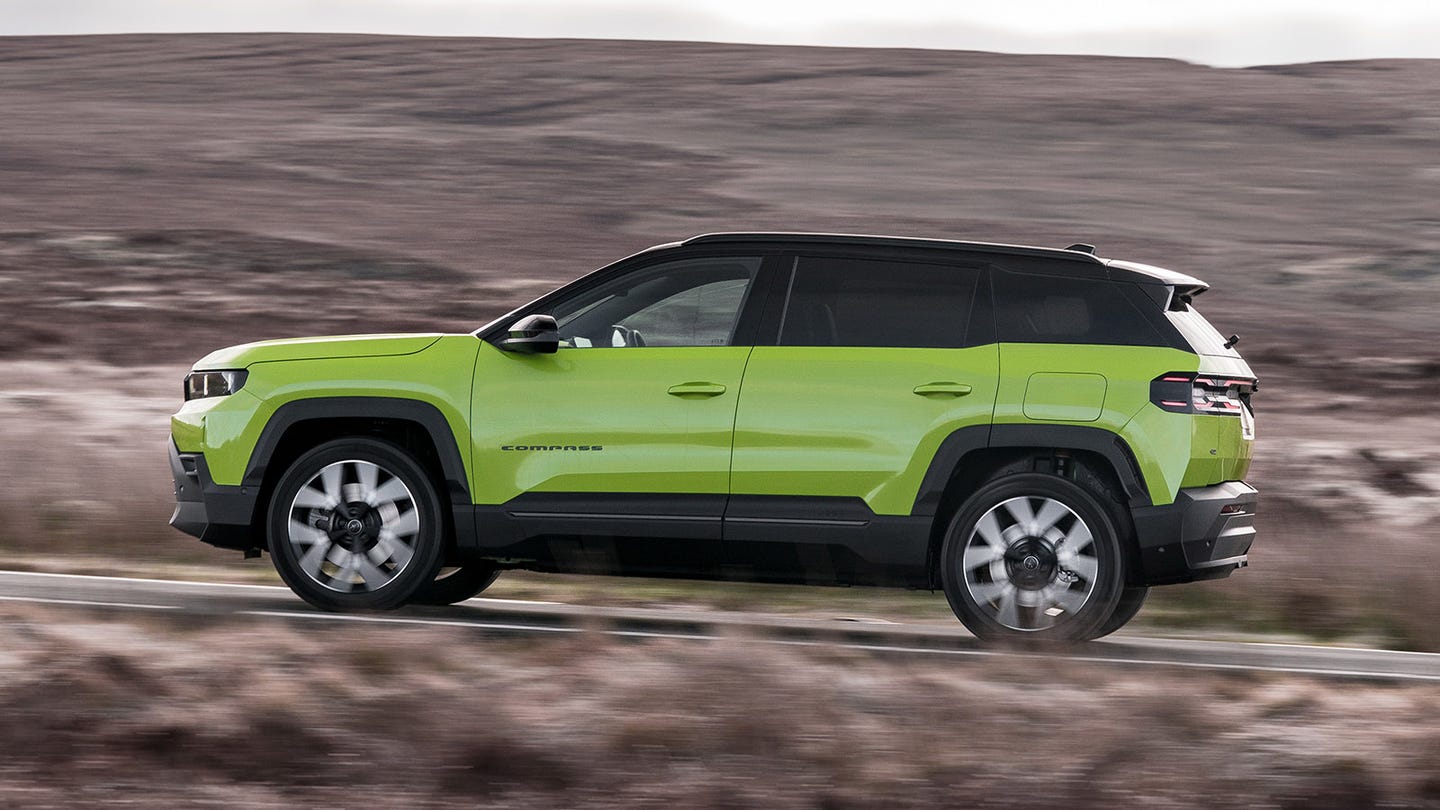
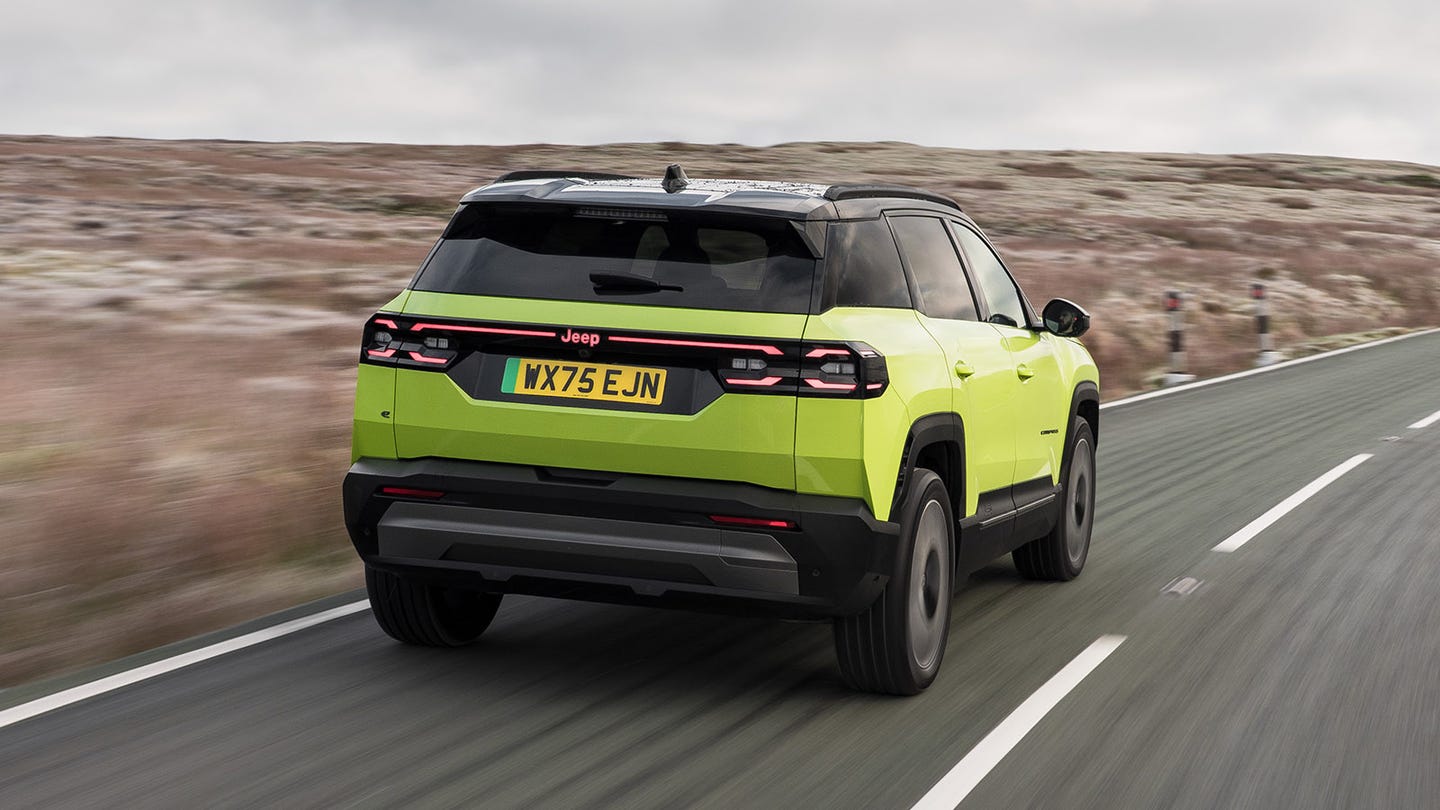
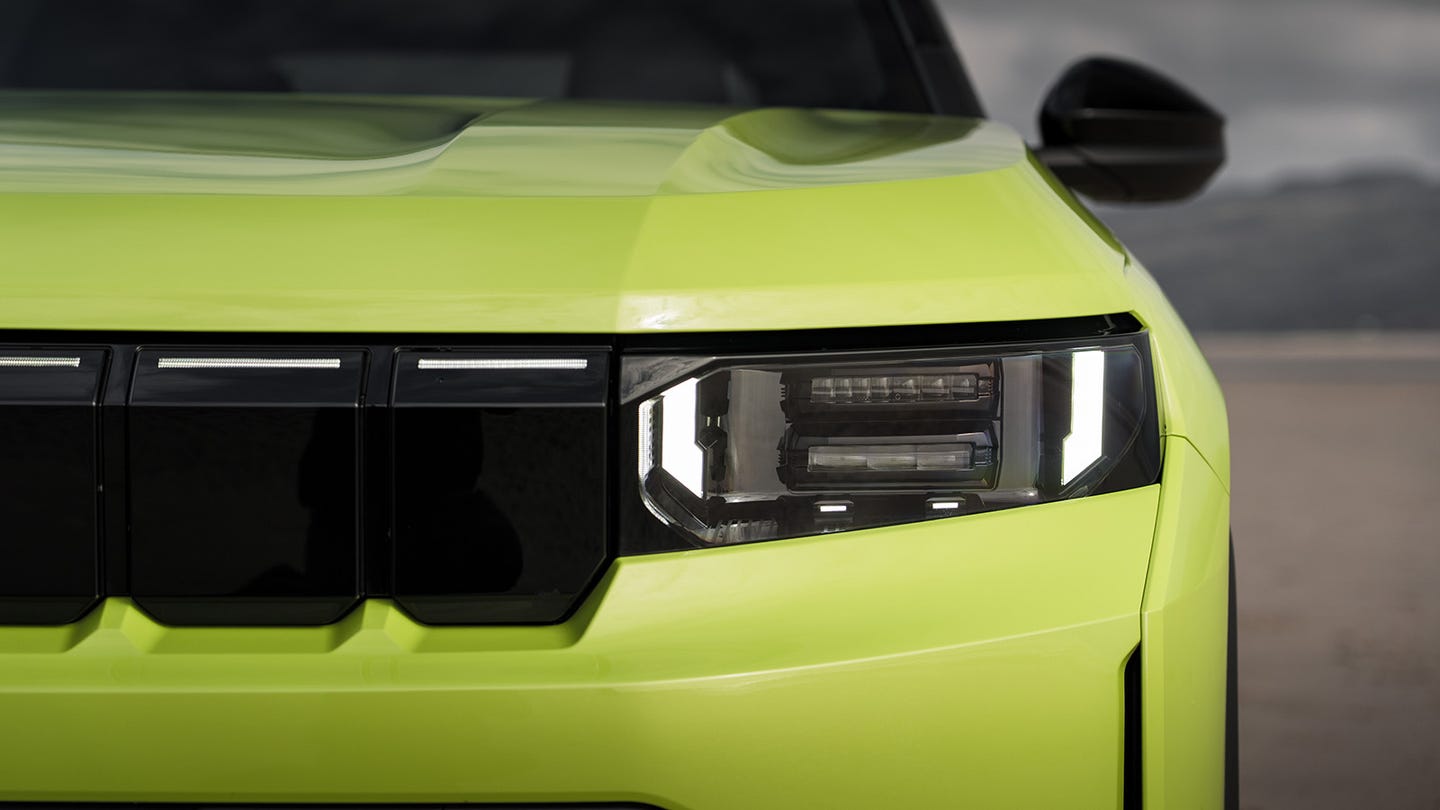
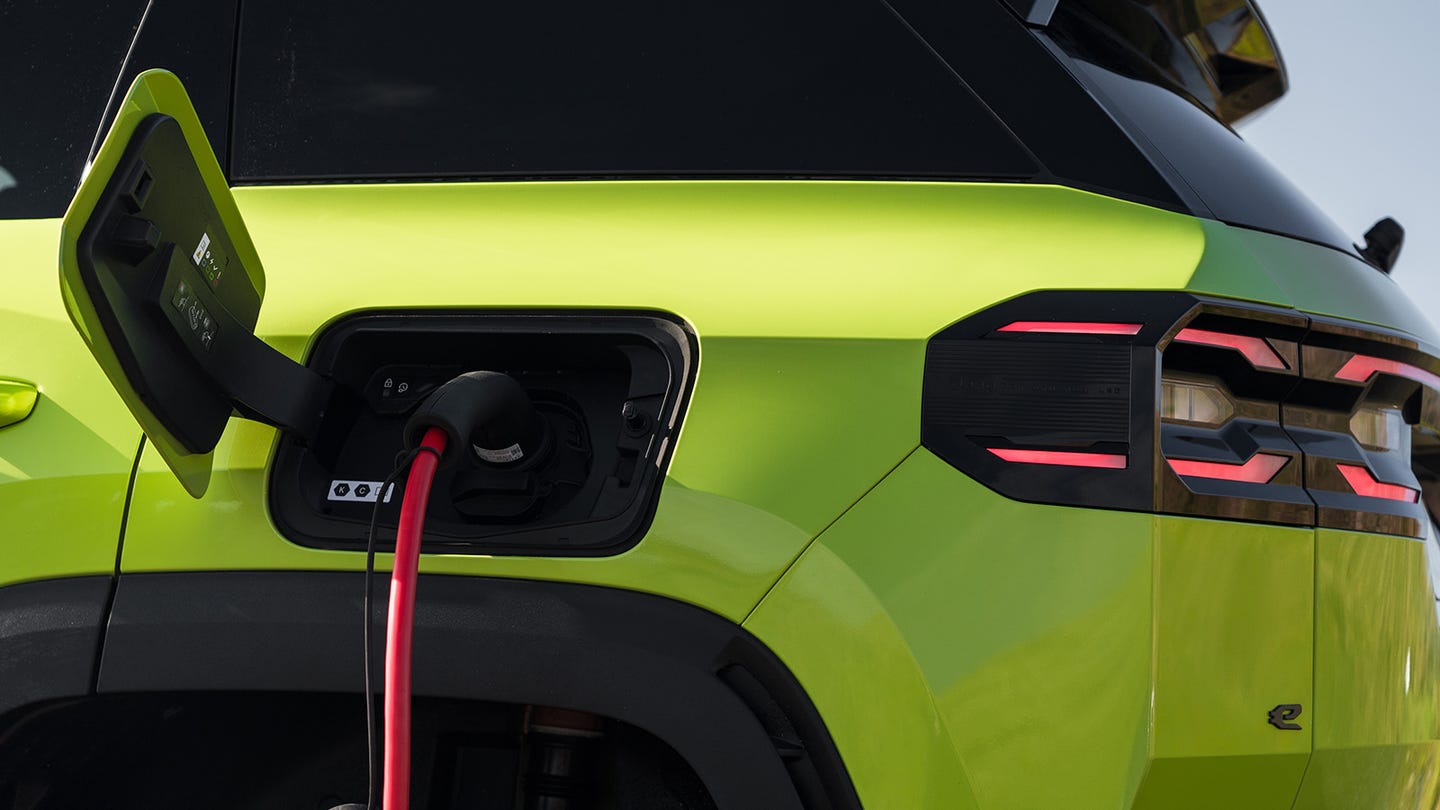
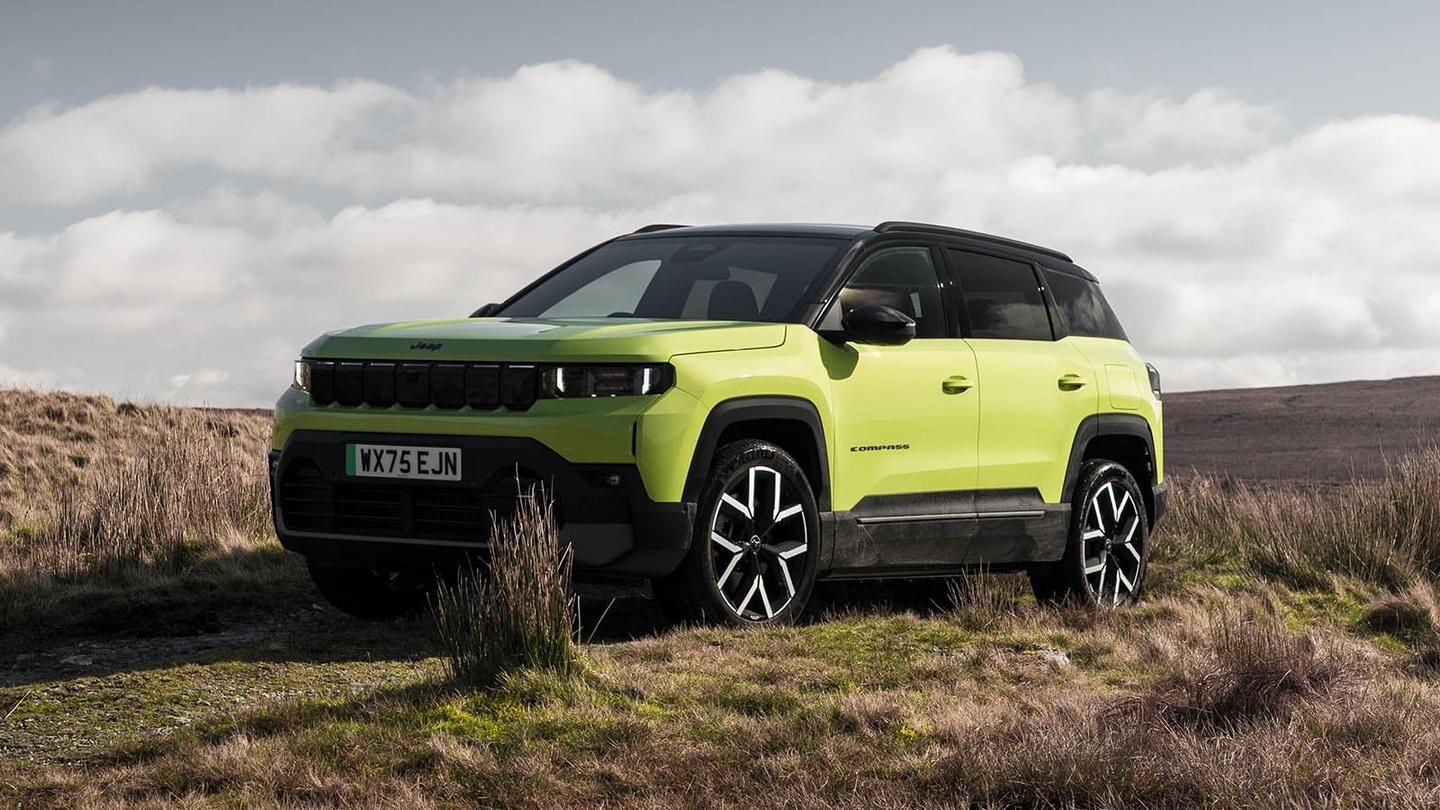
Jeep is celebrating its 85th anniversary in 2026. That's a lot of heritage to draw on, but also means a lot of drivers have a very firm idea of what Jeep represents.
So, if your image of Jeeps includes rock-crawling, dune-bashing off-road hijinks, the new Compass might come as a surprise. This is a softer, more sensible family car with either mild-hybrid petrol or a fully electric power in place of a gas-guzzling motor – and most versions don't even come with four-wheel drive!
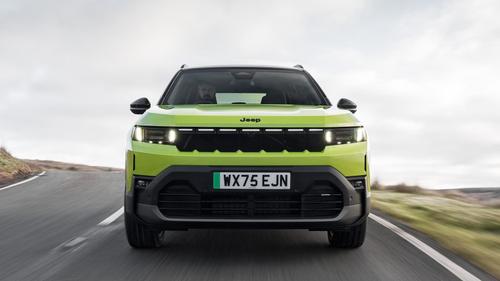
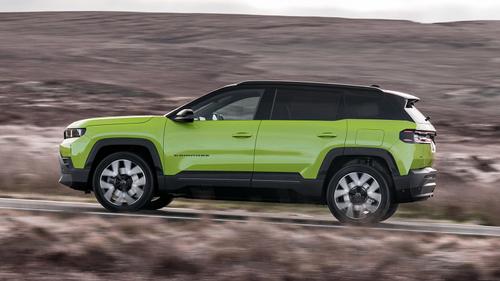
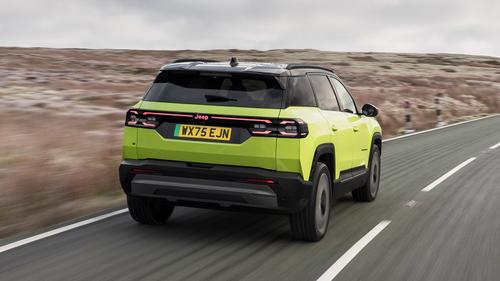
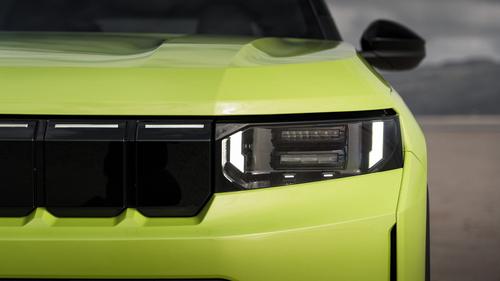
Already, most serious Jeep enthusiasts will probably have made their minds up about the Compass. Most versions are front-wheel drive, don't have locking differentials, and won't be able to park on an incline with one wheel floating in the air. But, for everyone else, the Compass is a much better everyday car compared to its predecessor.
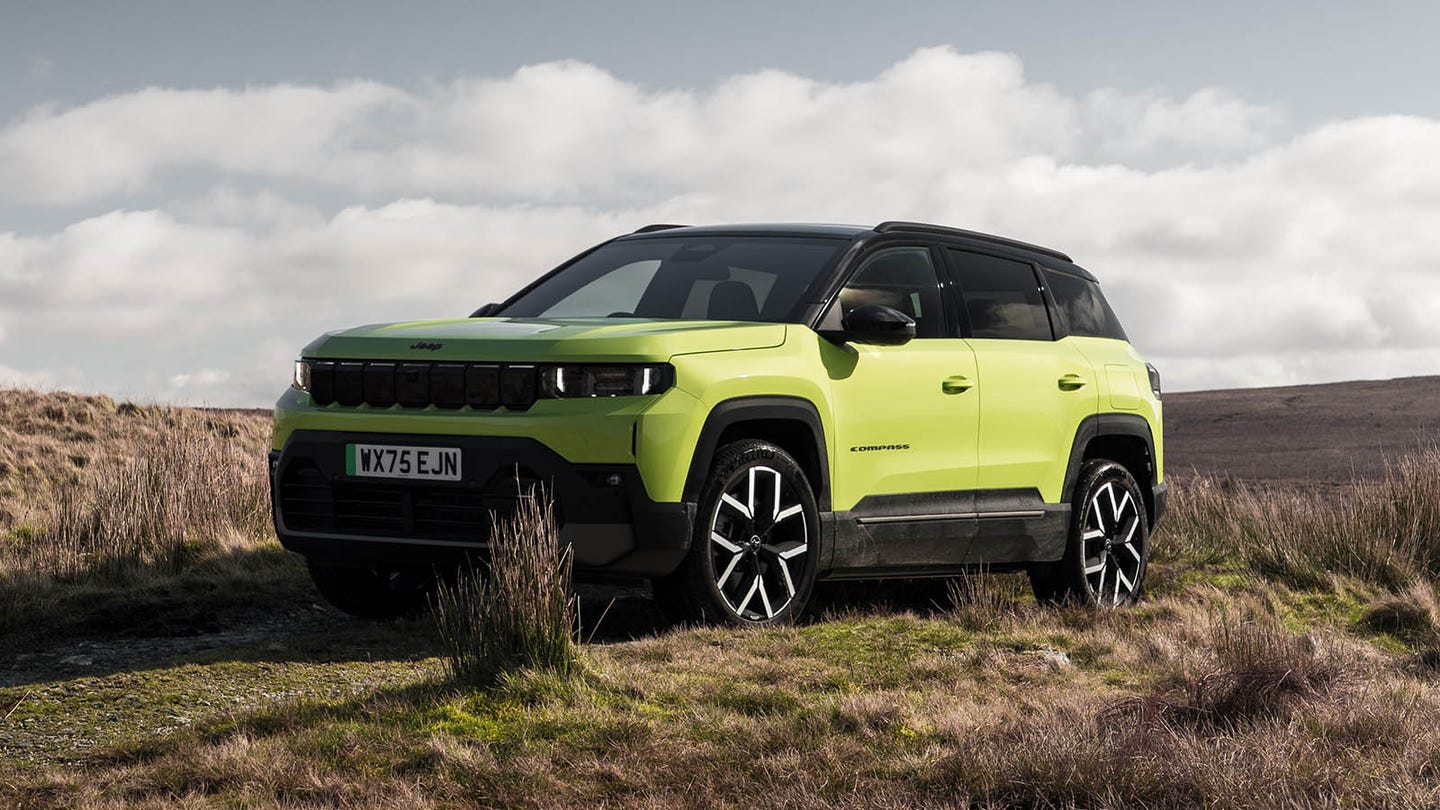
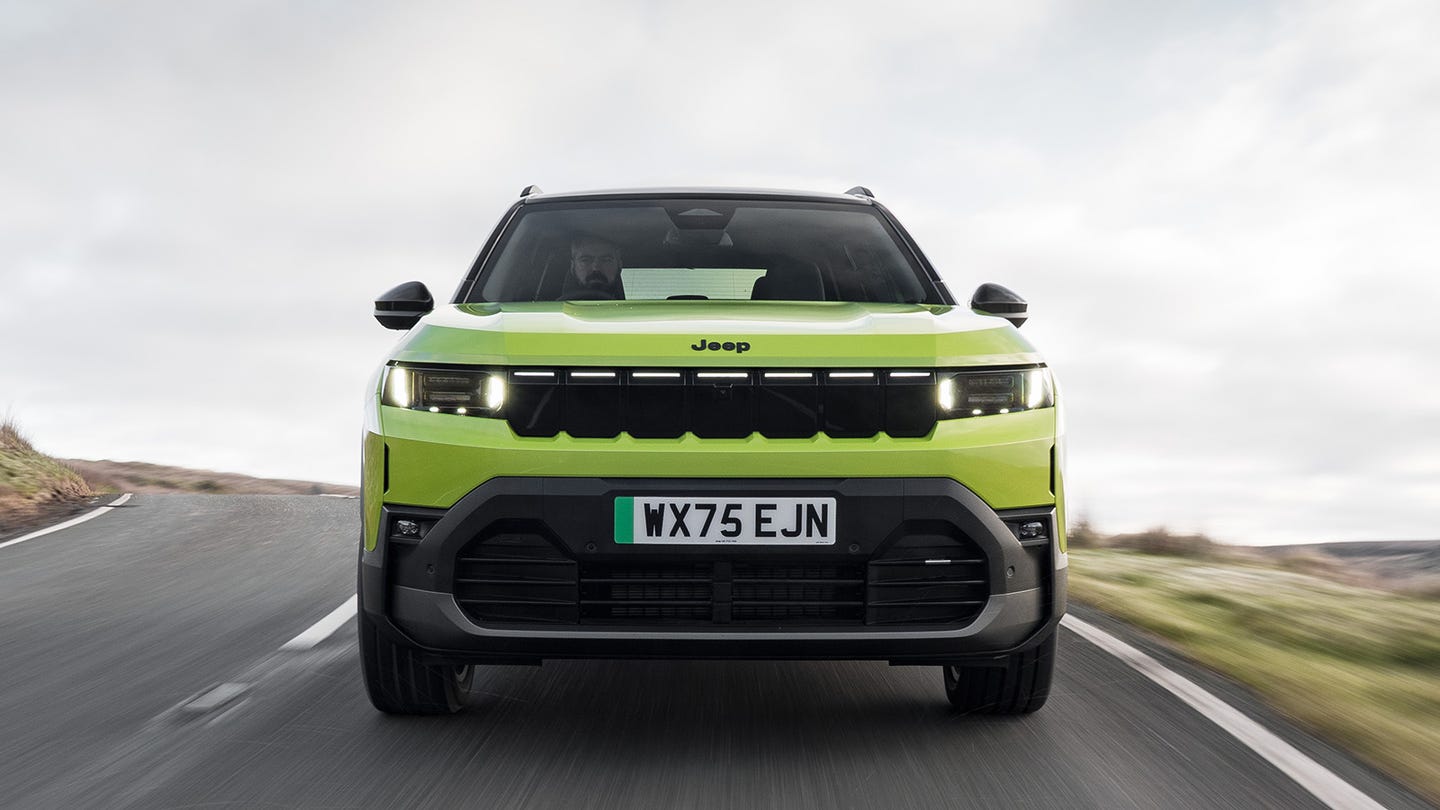
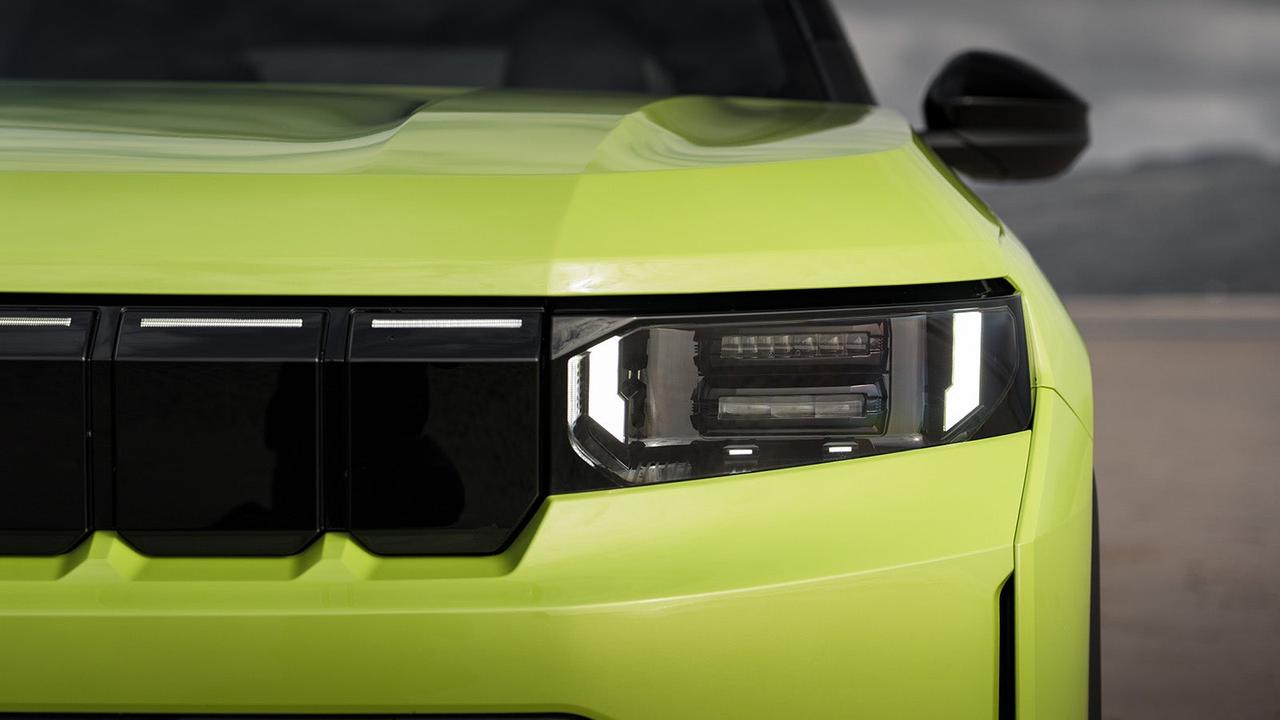
"It has the classic square-jawed looks you'd expect from the brand – and, with its lofty ride height and huge wheels, it has more presence than many rivals on the road"
For one, it's quite a lot larger than the outgoing Compass. The body is longer, wider and taller, while the distance between the two axles has increased even more so. As a result, there's noticeably more passenger space in the cabin, plus an airier-feeling ambiance thanks to the extra width and large windows.
Material quality also takes a step up over previous Compass models, which used a few too many hard plastics in their cabins. The new car still feels like a chunky, hard-wearing product from behind the wheel, but with a much more modern tech setup, and deliberately rugged choices like the rubberised buttons on the dash and steering wheel.
Older Jeep models, including the previous Compass, felt 'Jeep-ey' to drive – tall, heavy and a little cumbersome. For many owners, that was part of the charm and was worth the trade-off for the car's off-road ability. But, for mostly on-road drivers, it meant Jeeps didn't work so well for day-to-day usage. This is one of the most obvious changes for the new Compass – the car's on-road performance has been substantially improved, partially thanks to its new chassis shared with the Vauxhall Grandland and Peugeot 3008.
Despite this, the Compass hasn't forgotten its roots, with Jeep making several changes to the setup to improve off-road performance. For a start, it rides much higher than its fellow Stellantis platform mates, with a longer wheelbase and class-leading approach, breakover and departure angles according to Jeep. All Compass models get Selec-Terrain off-road driving modes to adjust the car's traction and stability control for various surfaces.
Brand new, the Compass costs from £35,450 for the 145hp mild-hybrid petrol or from £37,000 for the 213hp electric version. That's around £1,000 more than the same powertrains in the Vauxhall Grandland and £3,000-4,000 more than the Citroen C5 Aircross. Those cars are both well-equipped and a little more efficient than the Compass, scoring a few extra mpg or 15-20 miles of claimed electric range.
Whether the Jeep is worth the price and economy penalty comes down to your tastes and needs. It has the classic square-jawed looks you'd expect from the brand – and, with its lofty ride height and huge wheels, it has more presence than many rivals on the road. You'll need to be comfortable with the fact the Compass is more Jeep by name than Jeep by nature, however. Considering many Jeep drivers still spend much more time on-road than off-road, it might make sense for them to sacrifice a little off-road prowess for better on-road manners.
Keep reading for an in-depth look at the Jeep Compass' practicality, performance and handling.
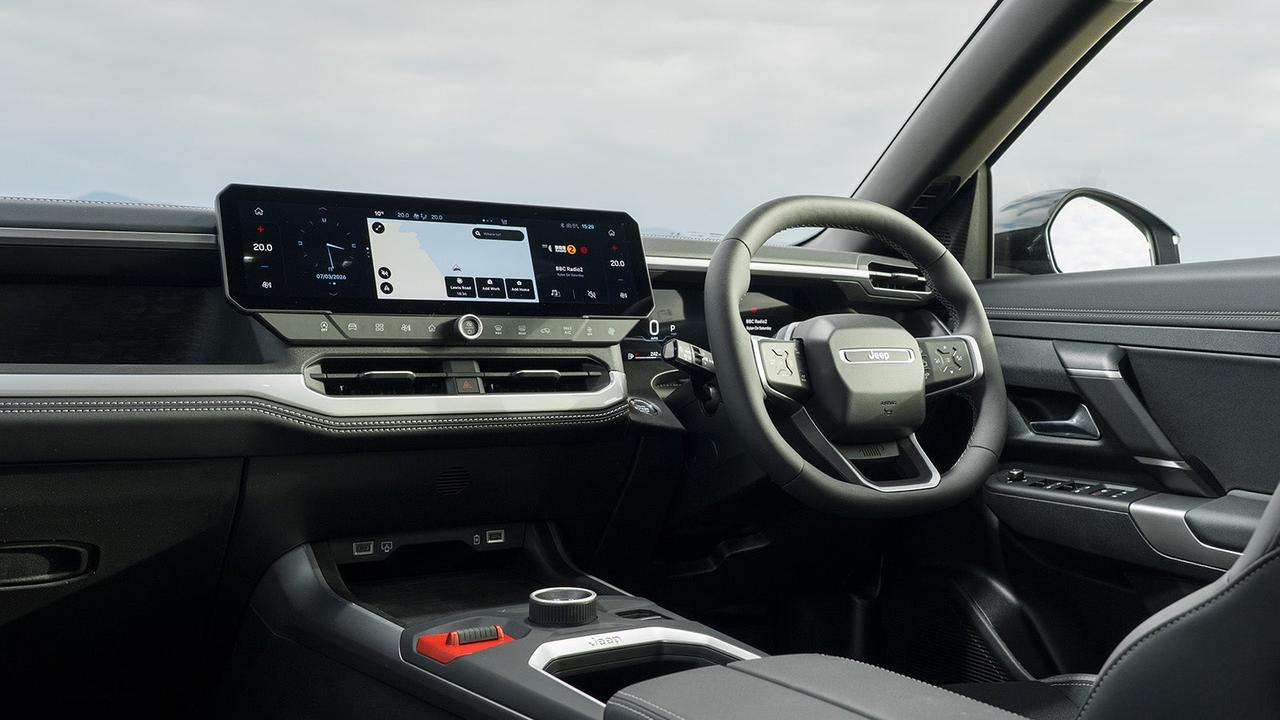
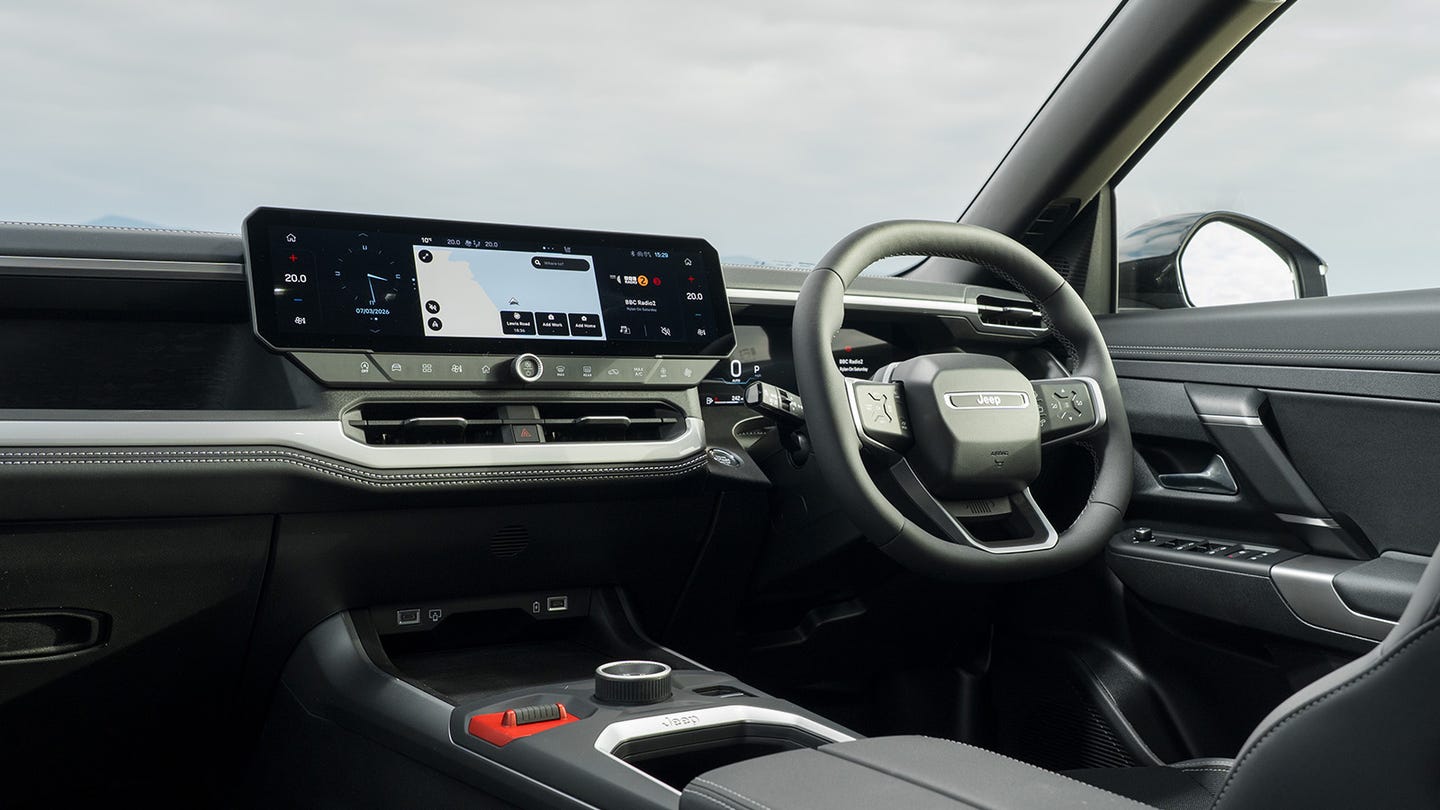
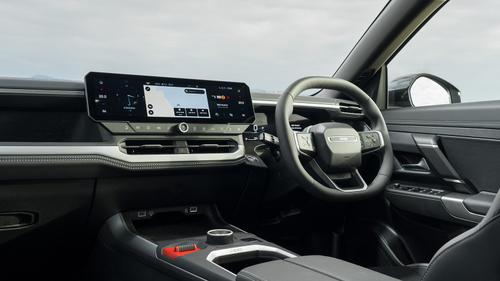
Step inside and you might spot that the dashboard mirrors the car's distinctive front-end looks. It's dominated by a single wide rectangle, containing the driver's information screen behind the wheel, and a handy shelf on the passenger side. The lower edge of this shelf works as a grab handle so your passenger can steady themselves as you crawl over obstacles. This is actually a necessary addition since Jeep decided to blank off the interior door grab handles, so you can't comfortably grasp them.
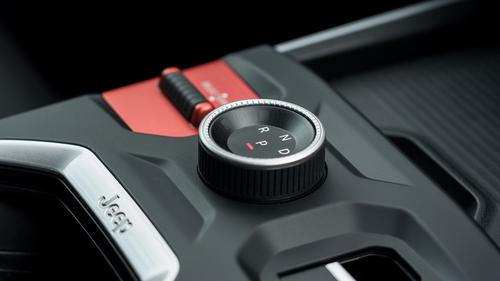
There's a fair amount of plastic lower down in the cabin, but Jeep has at least resisted temptation to pick gloss black and, instead, go for a matte finish. Alongside the rubberised floor mats and dashboard buttons, this lends the Compass' interior a wipe-clean quality that should be handy if you're heading off the beaten track. Jeep says the car's upholstery features polyurethane-injected fabric, which is twice as durable as its predecessor.
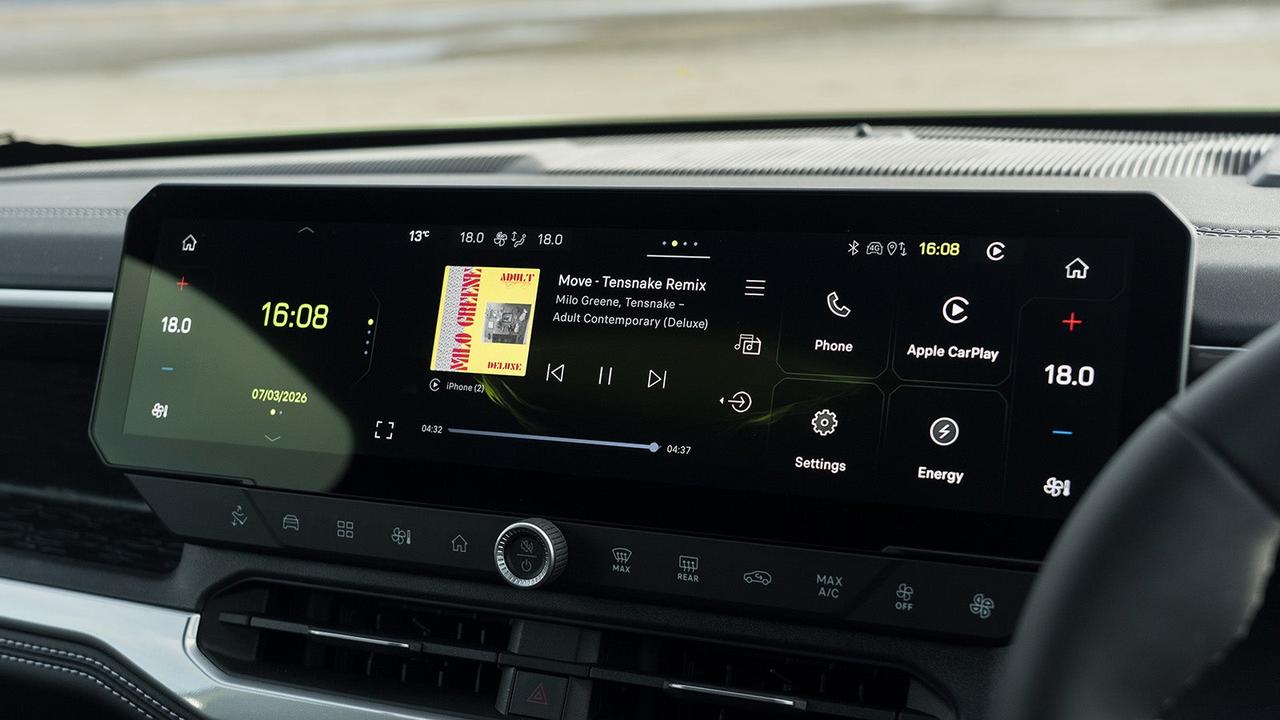
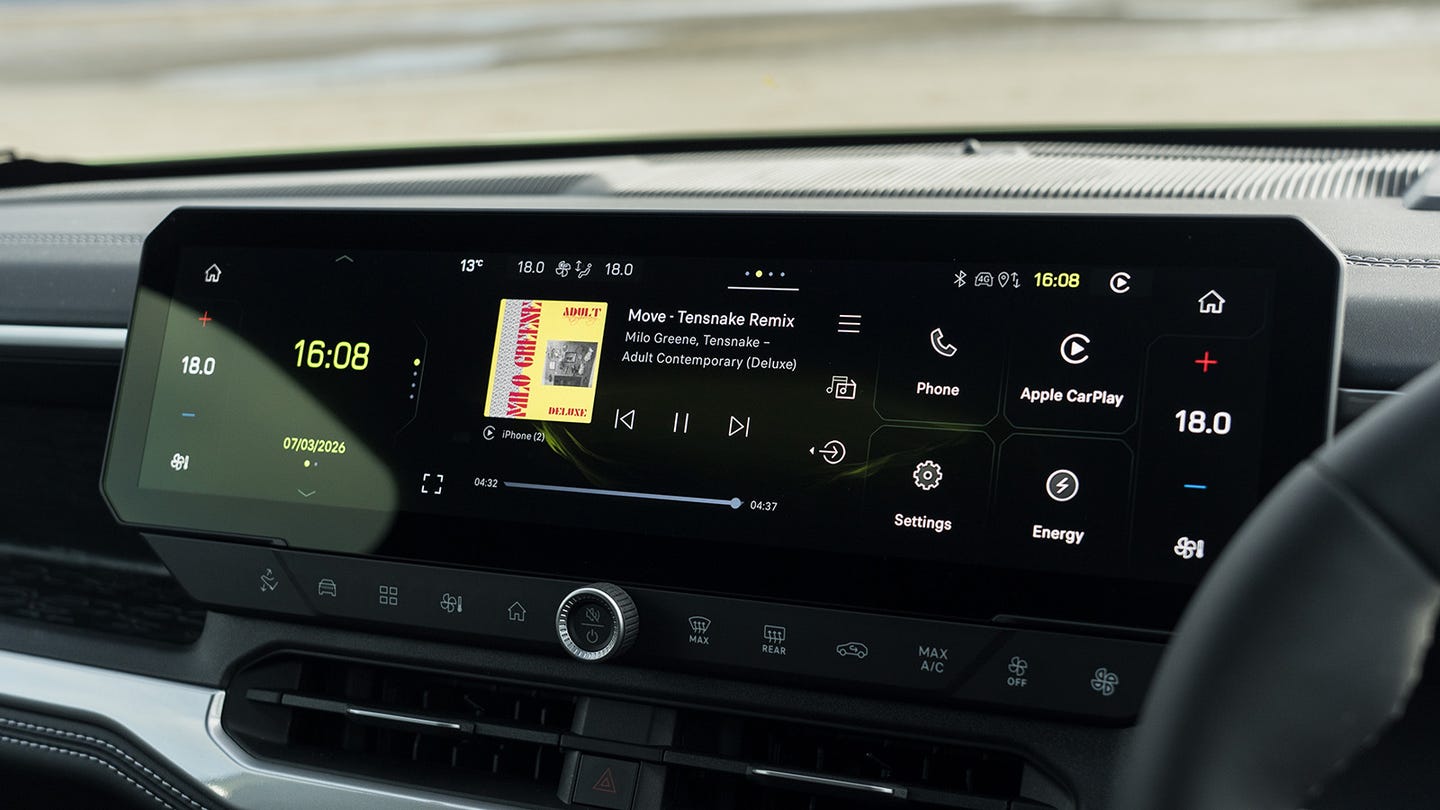
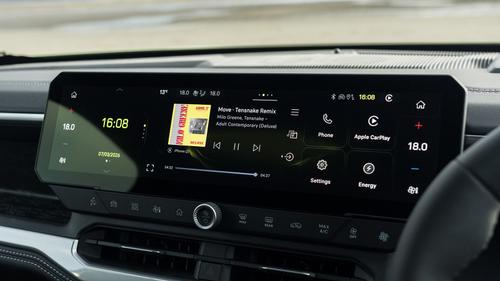
The overall dash mimics the car's front end, so the infotainment screen sits in the middle echoing the car's 'seven-bar' grille. It's 16-inches across, which sounds impressive, but most of that is width and not height, which means the overall aspect ratio is wide and short like a letterbox. This is very similar to the setup in the Vauxhall Grandland and, like that car, means that on-screen icons end up being a bit squashed and harder to hit than systems with squarer screens.
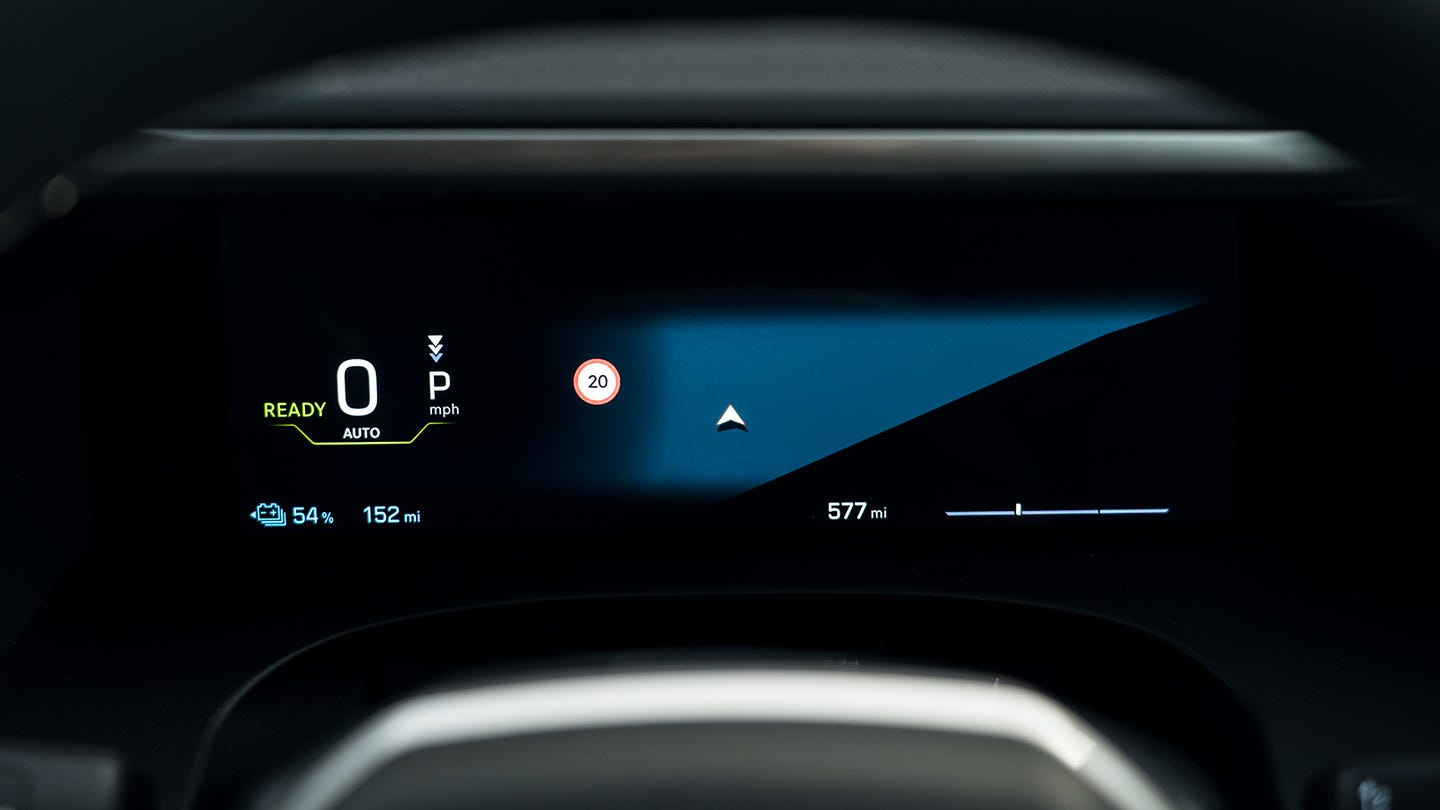
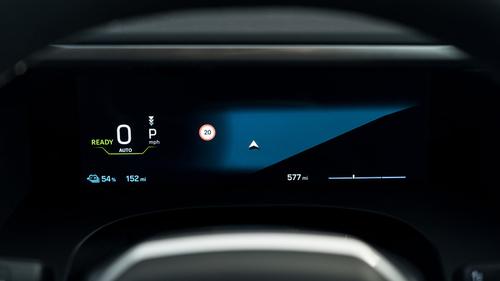
In use, the screen is sharp and usually responds quickly to your inputs. The home screen layout makes sense, with configurable columns either side of the central widget. We did find the button to swap between the built-in software and Apple CarPlay to be a little small and hard to find, however. The driver's screen offers a few different display options, including a wonderfully uncluttered minimal setting containing just your speed, range and power level.
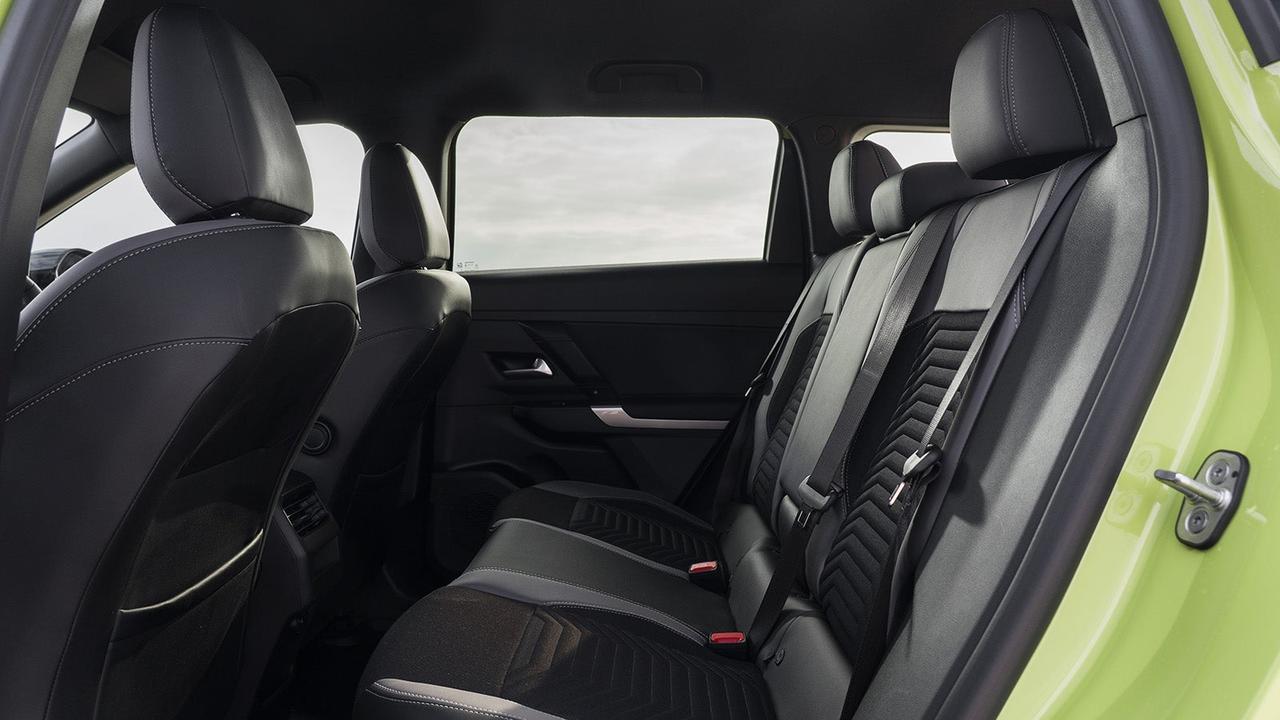
The Compass has gone being from one of the smaller cars in this class to a touch larger than average. Compared to the outgoing car, the new one is 144mm longer, while the wheelbase – the gap between the axles – has grown by 160mm. This helps unlock more room for passengers in the cabin and makes better use of the space the car takes up.
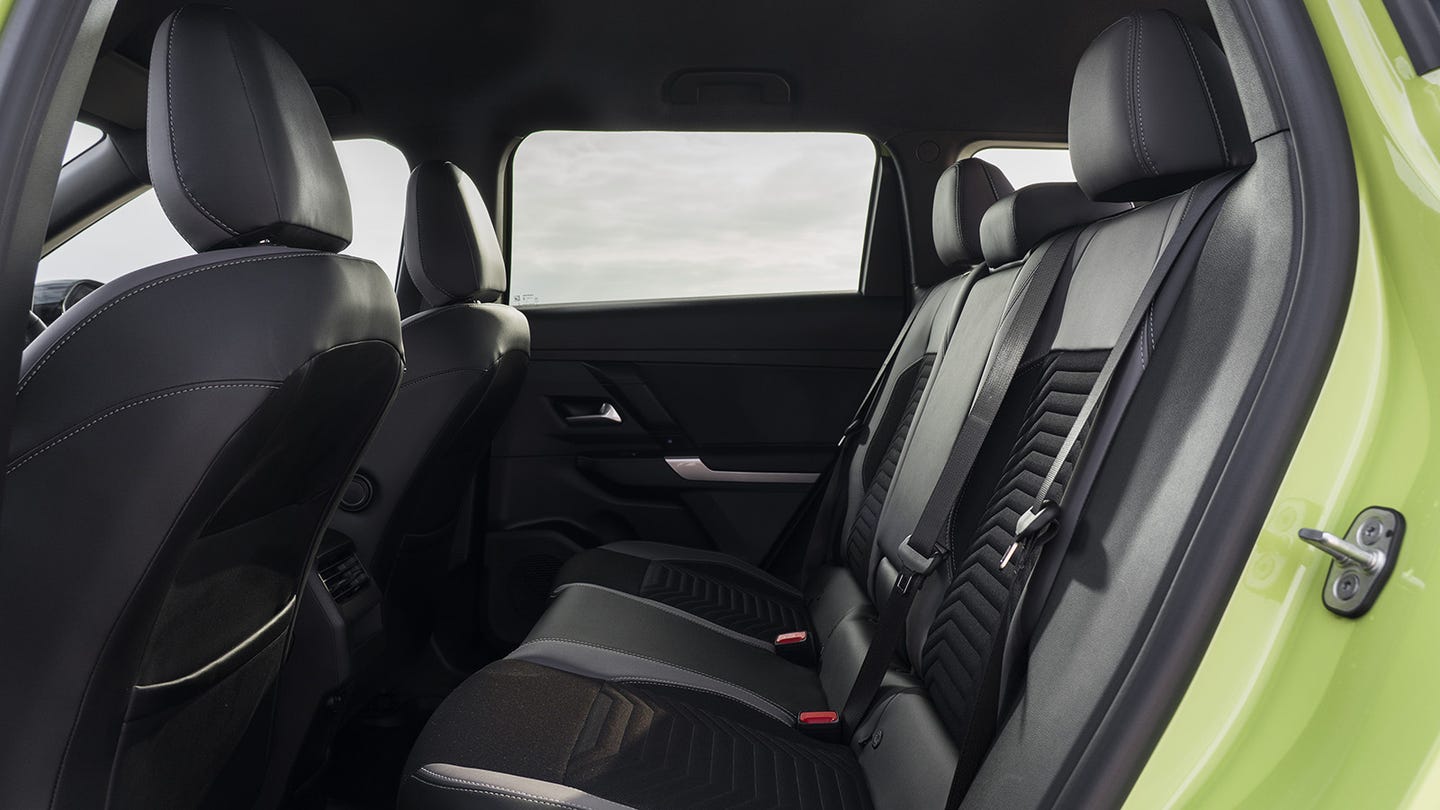
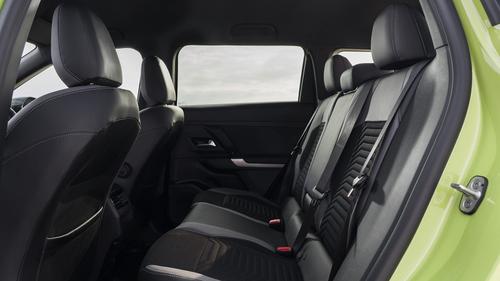
Front passengers get plenty of adjustment and they'll only start impacting rear-seat passenger space if they push their seat all the way back. Assuming you're not travelling with a team of basketball players, that means adults in the rear row should have enough space to get comfortable. Jeep's also fitted tall side windows so those in the back don't feel claustrophobic.
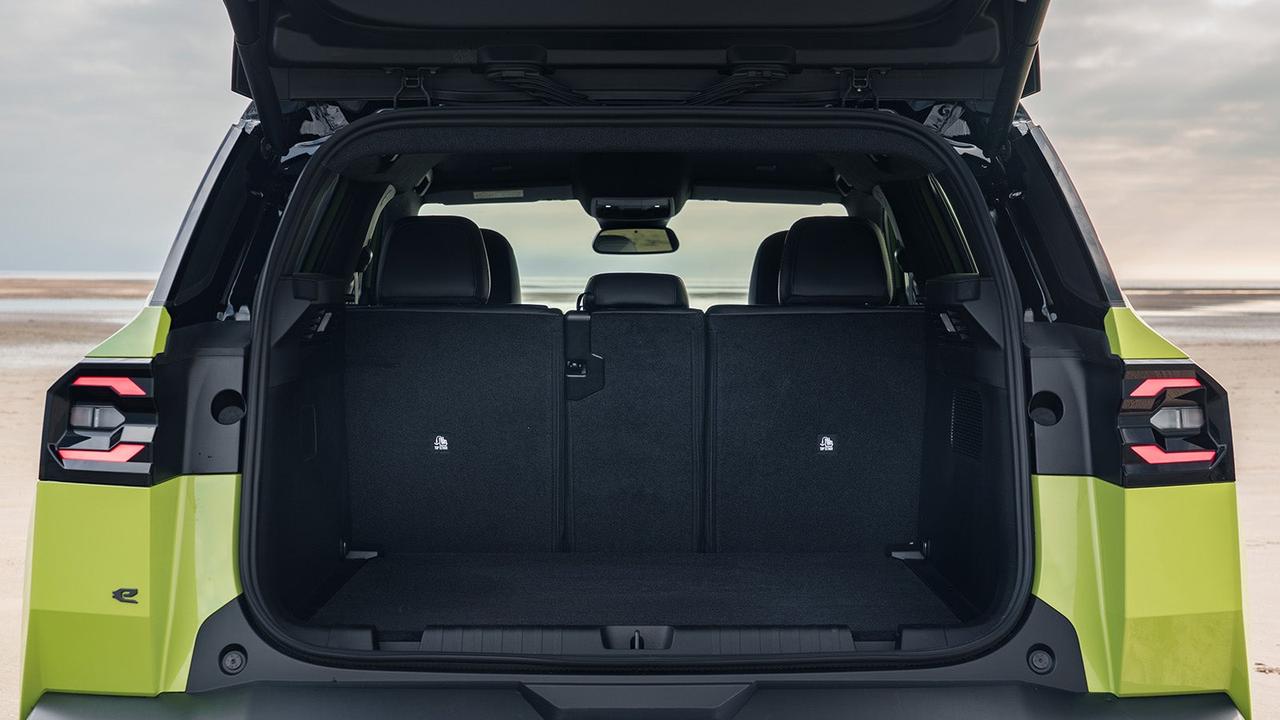
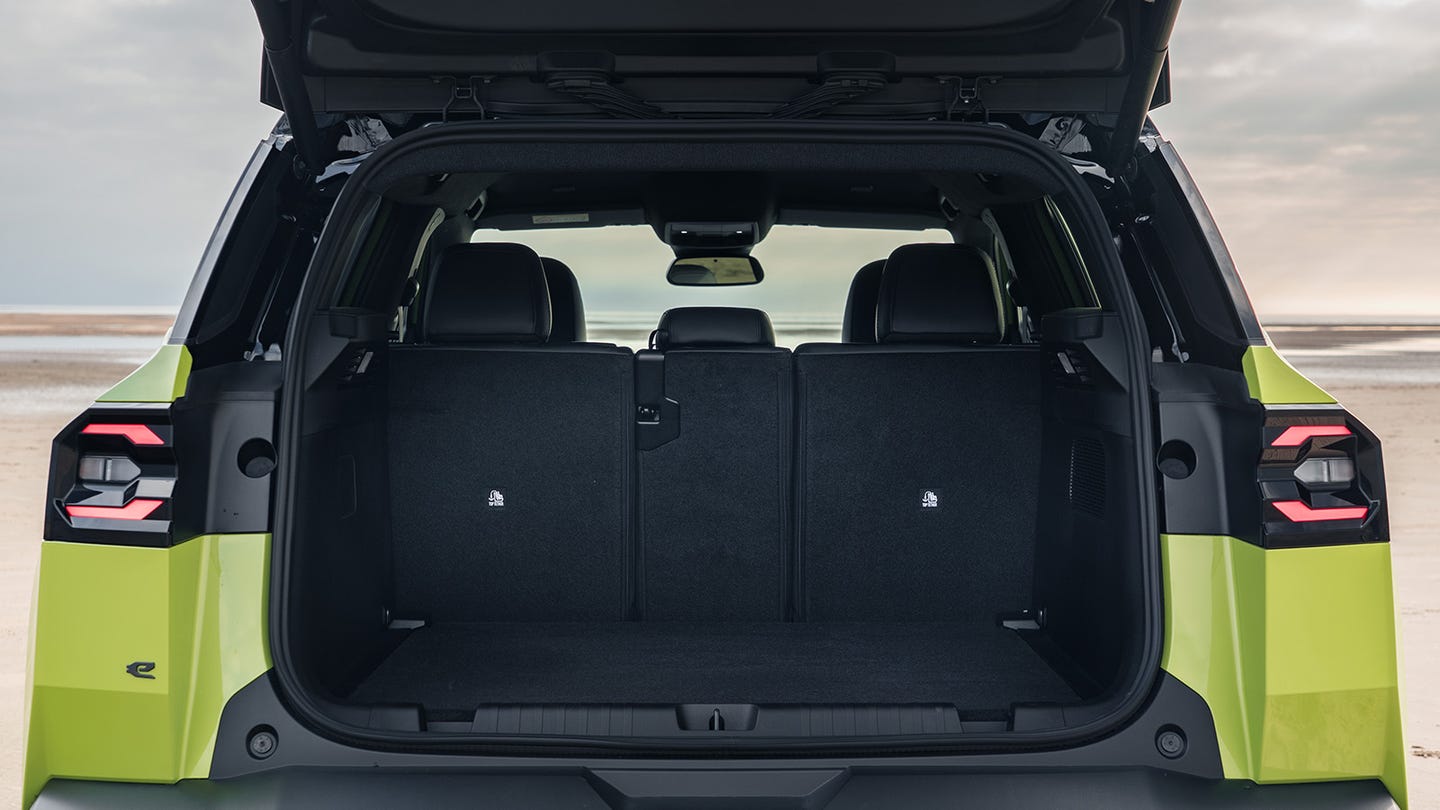
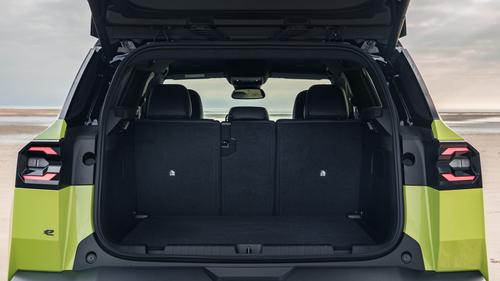
The boot measures 550 litres, which is reasonably good for the class. The space is useful too, thanks to the Compass' square body and tall rear end, which means you can load awkwardly shaped objects above the parcel shelf. In fact, the only real downside is that the car's big wheels and tall ground clearance means you have to lift things a little higher to heave them into the Jeep compared to more road-focused rivals.
Cabin storage is unusually generous with 34 litres of total space available to front-row passengers. That's spread between the handy shelf we've already mentioned, along with generous glove box and centre console storage. The door bins aren't especially wide, but they're shaped so that you can fit a taller bottle beside you, along with smaller odds and ends.
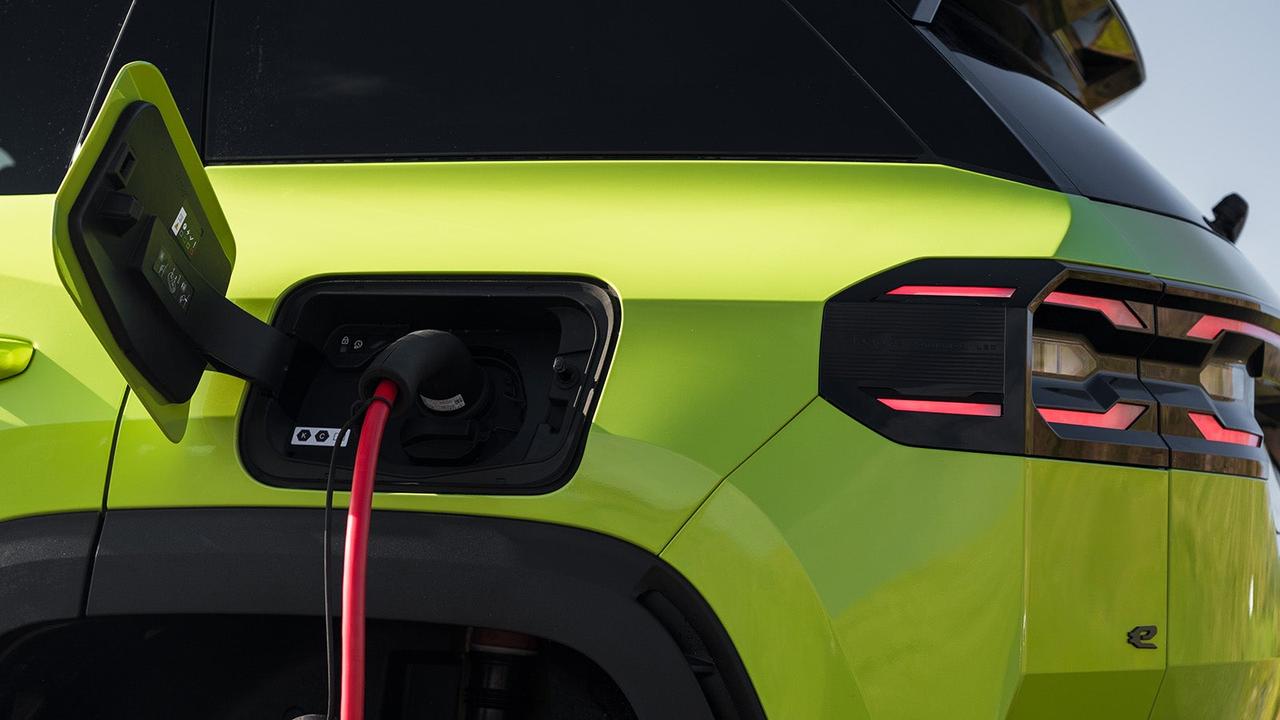
At launch, all Compasses in the UK will be front wheel drive. There's a choice of either a 1.2-litre turbo petrol engine with mild-hybrid assistance, or a fully electric model with a single motor and a 73kWh battery pack.
We drove the electric version first and it made a strong first impression. The front-mounted motor makes 213hp and delivers a solid, even chunk of acceleration that doesn't start to let up until you're at fast motorway speeds. At an outright sprint, it'll go from 0-62mph in 8.5 seconds. That means it won't thump your head against the headrest when you floor the throttle like a Tesla, but it still feels effortless in everyday driving.
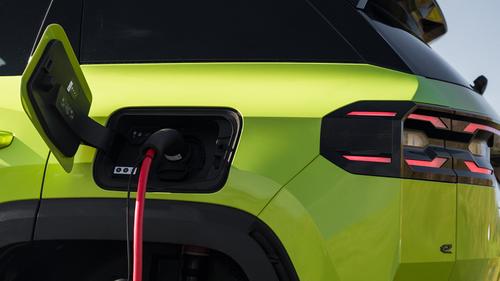
Total claimed range from its 74kWh battery pack is around 300 miles depending on the trim level you select. That's probably enough for most drivers but it's still less efficient than other Stellantis SUVs with this setup. Max DC charge speed is an unremarkable 160kW, meaning a 10-80% top-up will take 31 minutes. In the future, Jeep will add a long-range front-wheel-drive Compass with more than 400 miles of range, plus a 4xe dual-motor four-wheel-drive version for better off-road performance.
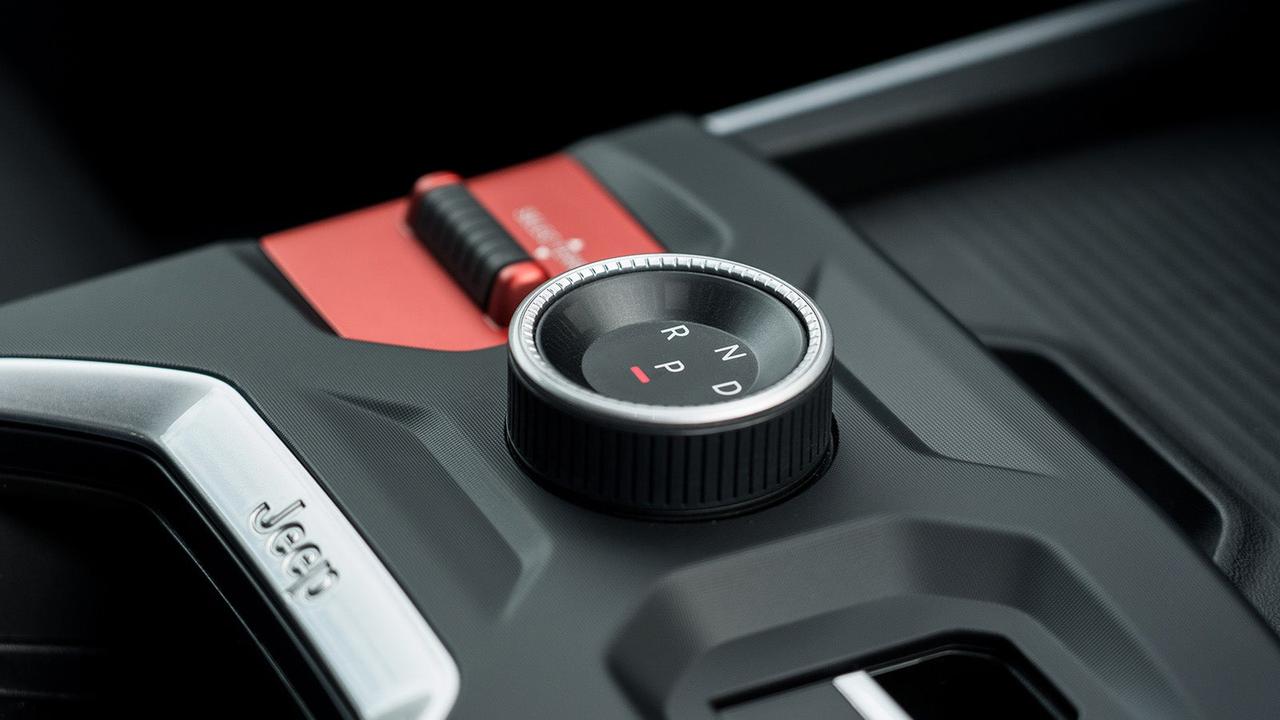
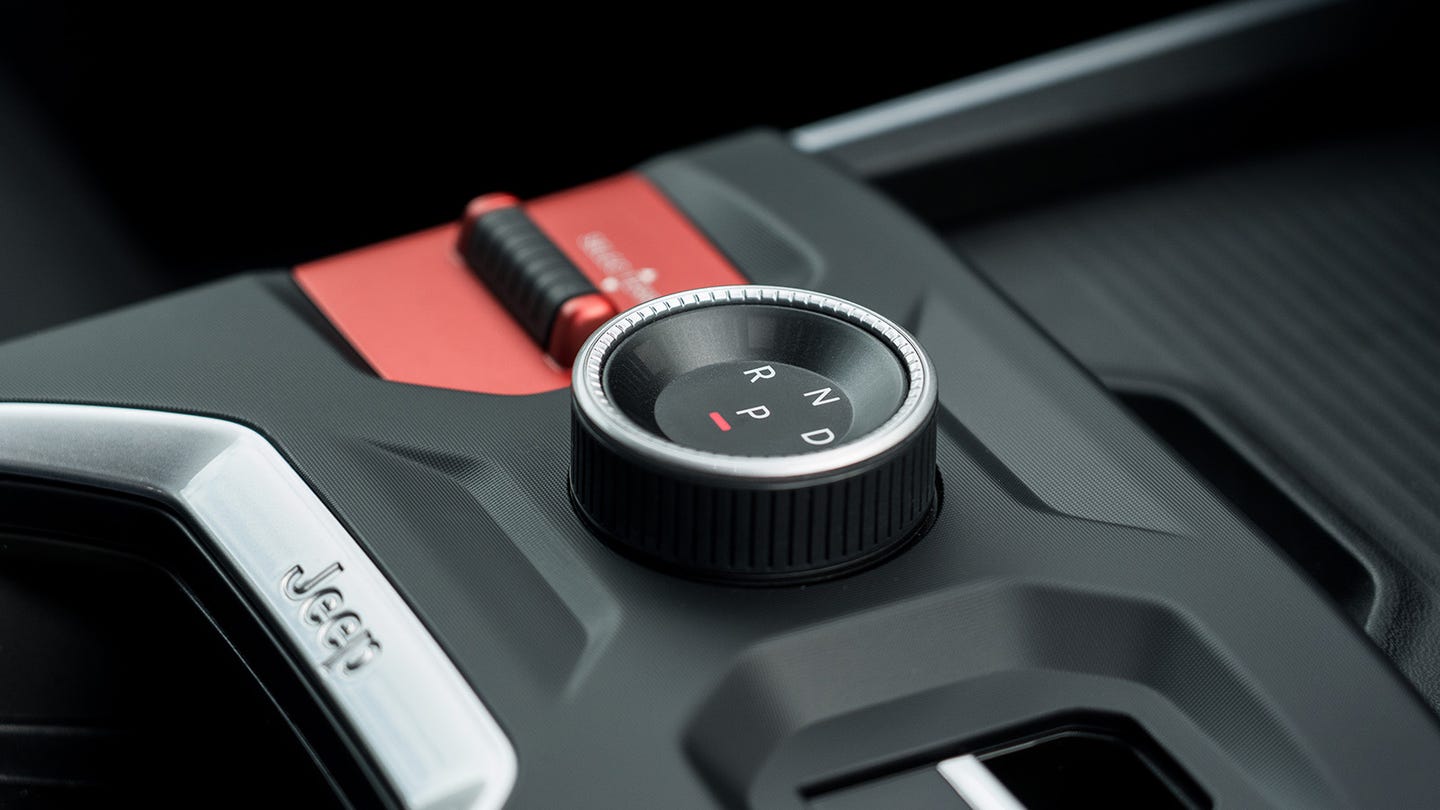
We also tried the 145hp mild-hybrid petrol Compass. This pairs the familiar 1.2-litre turbo petrol engine used in many other Peugeot, Vauxhall and Citroen cars, with a hybridised six-speed dual-clutch automatic gearbox. That might sound complex on paper but, in use, it just feels like a normal petrol automatic with just a hint of electric assistance as you pull away.
Sampling the petrol after the electric version made for a bit of an unfortunate comparison. The petrol engine felt so much less immediate, with a noticeable gap between pressing the accelerator and the car actually gaining speed. You wait for the gearbox to pick what gear it should be in, and then wait for the engine to spin up to speed – whereas the electric version just gets up and goes.
On the plus side, the mild-hybrid setup is well integrated and gives the car some extra muscle off-the-line. It's also fairly refined, with the little three-cylinder engine really only making its presence known when you ask for full throttle. With around 70hp less than the electric version, performance is a bit more pedestrian with the 0-62mph sprint taking a full 10 seconds.
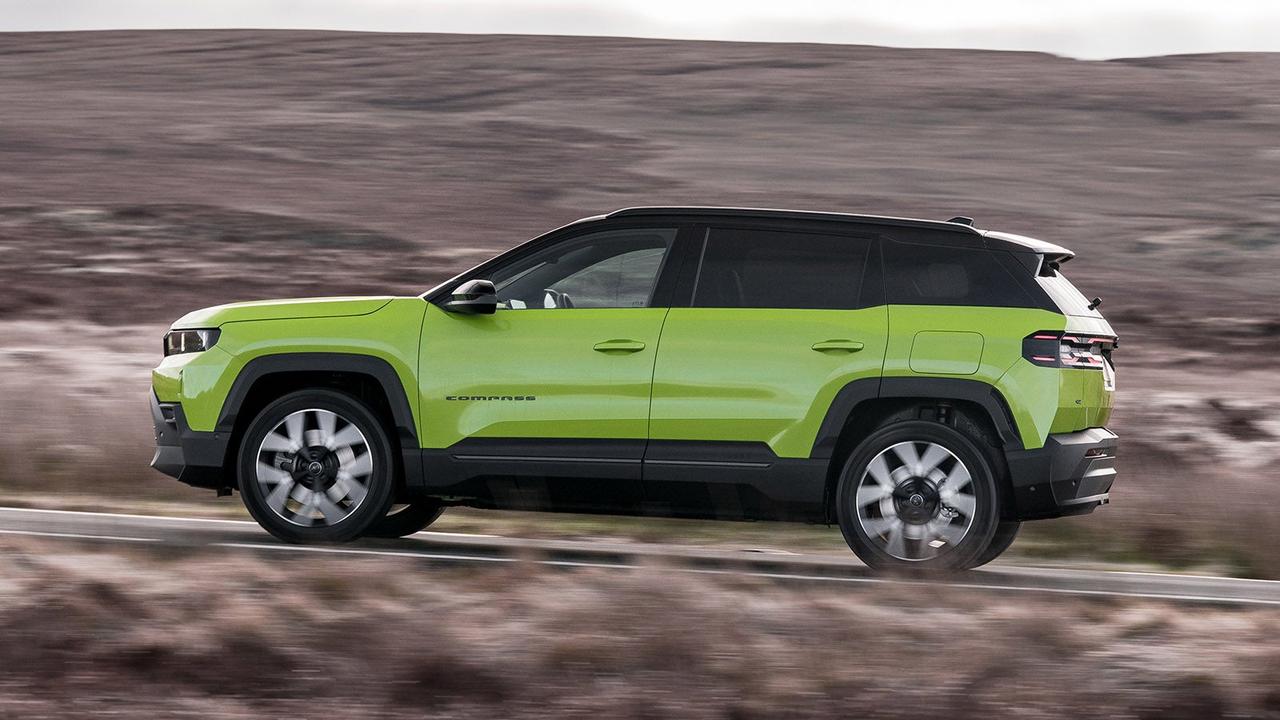
Our test route was entirely paved so we couldn't properly assess the Compass' off-road potential. Despite this, we still expect the car to perform well as it gets the basics right – chunky wheels and lots of ride height. Drivers who are likely to tackle some mild off-roading may only need to swap the Compass' tyres out for knobblier ones.
Starting out in the electric Compass, it's clear this is a car set up for cruising rather than enthusiastic driving. The suspension is generally quite soft, leading to lots of bounciness and body motion over uneven surfaces. This means the car copes quite well with big impacts like speed bumps or potholes, but smaller imperfections can happen too quickly for the suspension to react and get sent straight into the cabin.
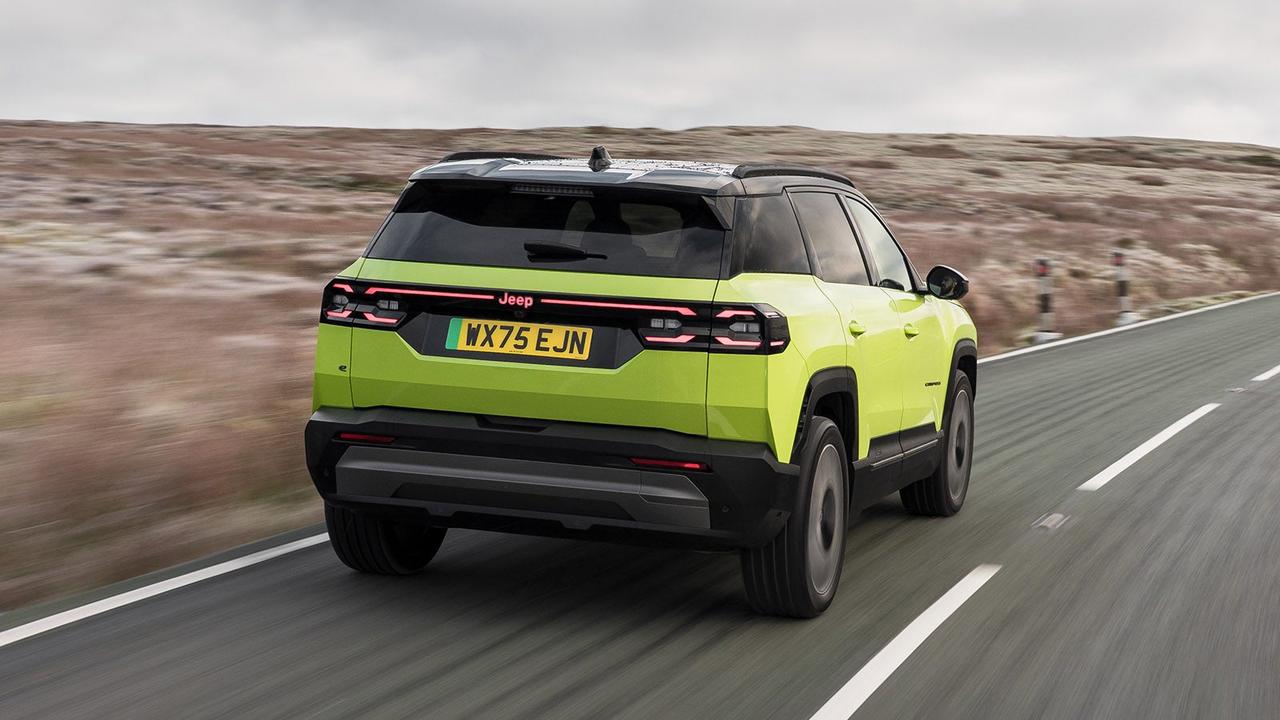
Pick the pace up a bit and it's clear the Jeep does not want to play ball. That soggy suspension translates to plenty of body roll around corners. Attempting to aggravate the car through quick direction changes sent the body violently flinging back and forth over the suspension. We doubt anyone will be surprised by this conclusion but we recommend you don't pick a Compass for your next track day.
We hopped into the mild-hybrid petrol hoping that its lighter weight would make the car better to drive but our results were a mixed bag. You definitely sense that the petrol leans less in corners, although it's still quite far from what you'd call sporty. However, for whatever reason, the suspension setup on the engine-driven version simply wasn't as good, with far more thuds and vibrations from the road making their way into the cabin.
Comfy SUV offers 420 miles of range in EV form, with PHEV option too

Big SUV undercuts electric rivals while providing more space