






Fiat 500 models and trim levels explained

Mike Vousden
•
Models






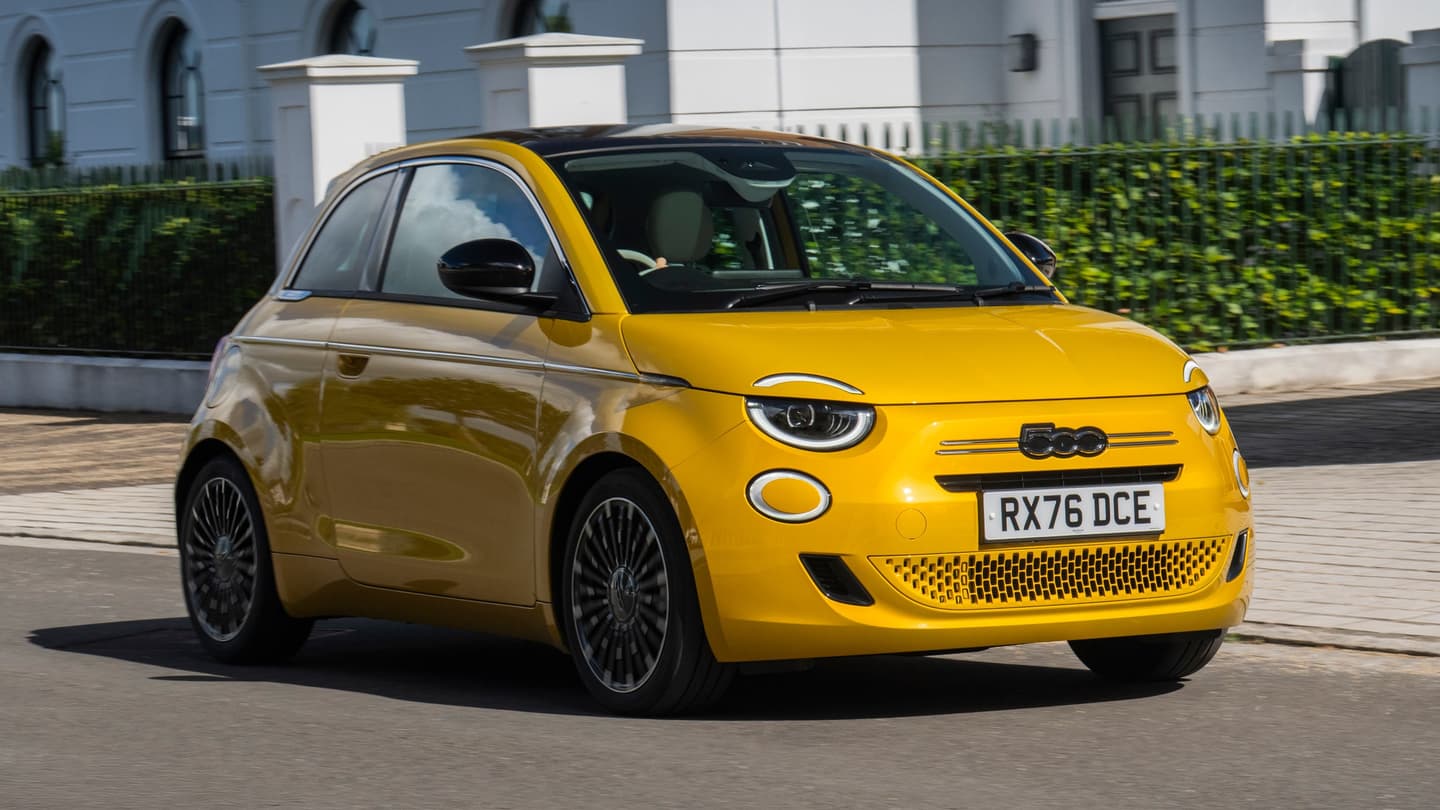
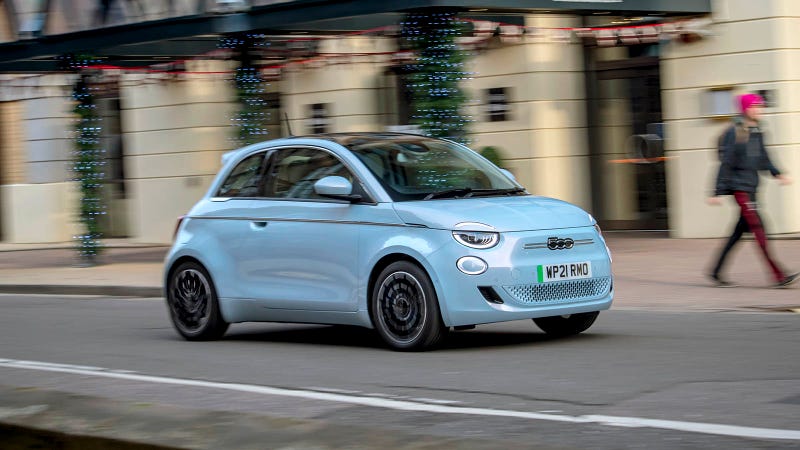
The current Fiat 500 has been on sale a few years now but it hasn’t had the same success as its predecessor. Why? Because, until now, it’s only been available as an EV.
Now, Fiat has managed to shoehorn the old 500’s petrol engine in, which should increase the appeal of the brand’s most important model.
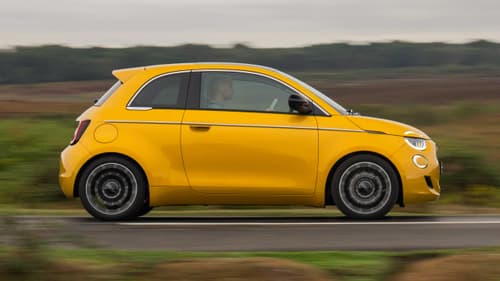
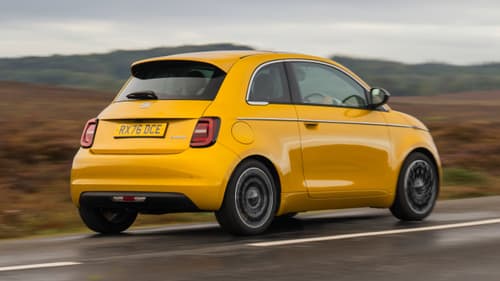
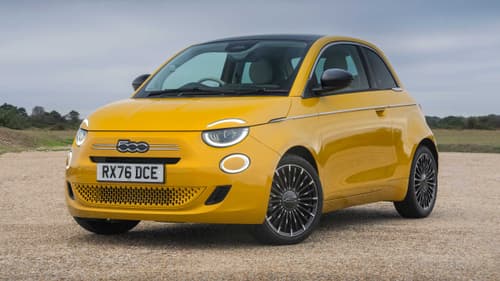
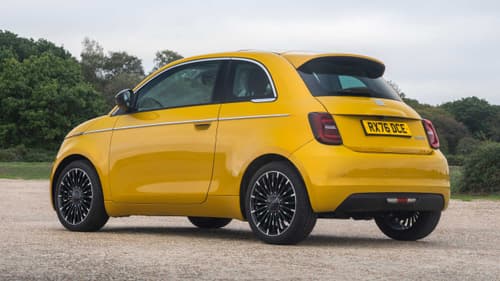
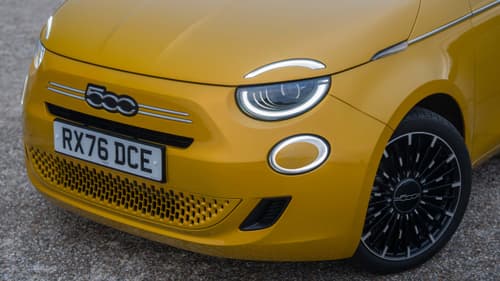
In theory, the electric Fiat 500 is the perfect car for driving in a city; it has instant reactions, an automatic gearbox and no exhaust emissions. In reality, it won’t work for you if you can’t reliably charge at home, and it’s a tricky proposition if you think you’ll go more than the 199-mile maximum range estimate. The 500e was also considerably more expensive than the (old) petrol one when it launched, which didn’t help matters.
Objectively, the 500 Hybrid is a worse car than the 500e. It’s incredibly slow and there’s not much room in the footwell for three pedals. And yet, this is almost certainly going to be the best-selling version of the 500. A petrol engine and a manual gearbox better matches the affordable, pragmatic ethos of the 500.
"Despite barely having enough power to get out of its own way, the Fiat 500 Hybrid is a joyful thing to drive"
Fiat has introduced the 500 Hybrid because its customers ‘demanded petrol’ versions (that much would’ve been obvious to Fiat in the sales figures). But this generation of 500 was designed to only have electric power, so cramming in an engine and gearbox was a challenge.
The only engine that would fit is the old 500’s 1.0-litre non-turbo engine, which isn’t exactly a powerhouse. With just 65hp, the 500’s 0-62mph time of 16.2 seconds makes it one of the slowest cars on the road. Any sort of incline requires changing down to a lower gear, so it’s a good thing that the manual gearbox is great to use – you’ll be using it a lot.
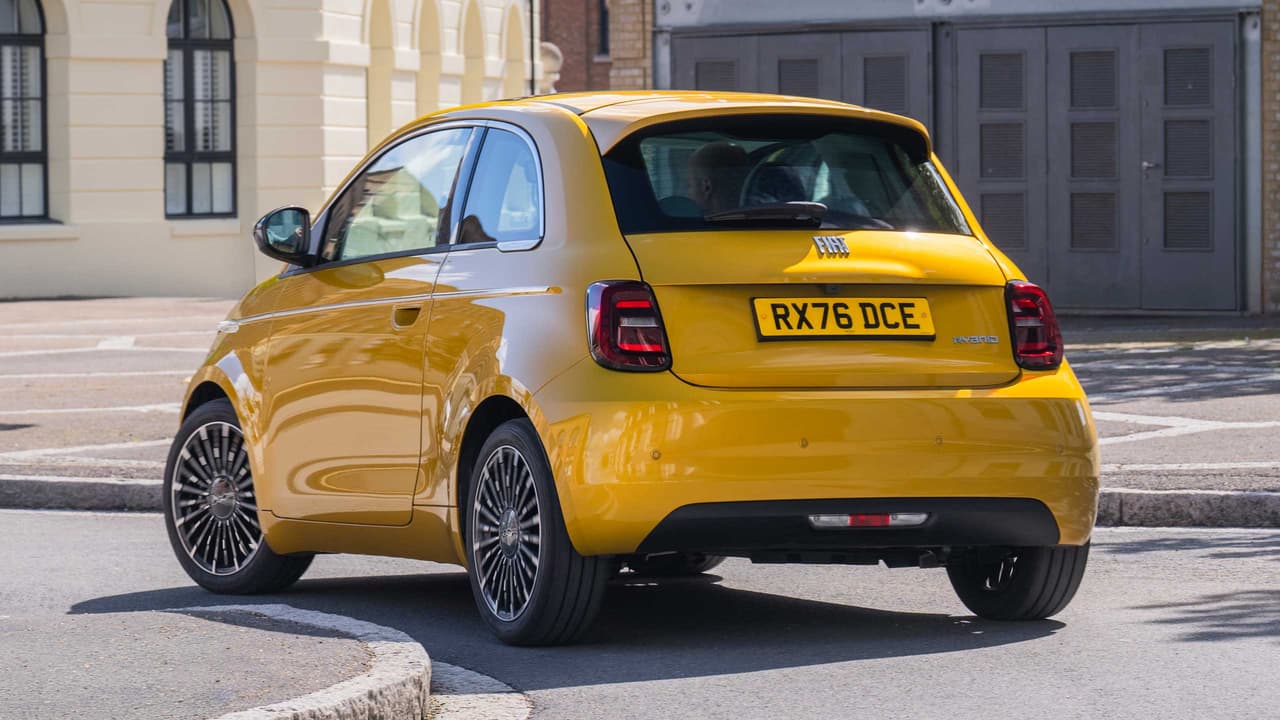
Even when you’re not driving the 500 carefully, it’s still economical. The ‘hybrid’ aspect of the powertrain is extremely minor and hardly worthy of the hybrid badge on the boot lid, but we still achieved 49mpg on fast roads. Fiat’s 54mpg estimate should be easily achievable in suburban areas.
Otherwise, the 500 Hybrid is familiar. You get a premium interior, cute styling and the same terrible practicality that the 500 has always had. After all, the old 500 sold so well, why change it?
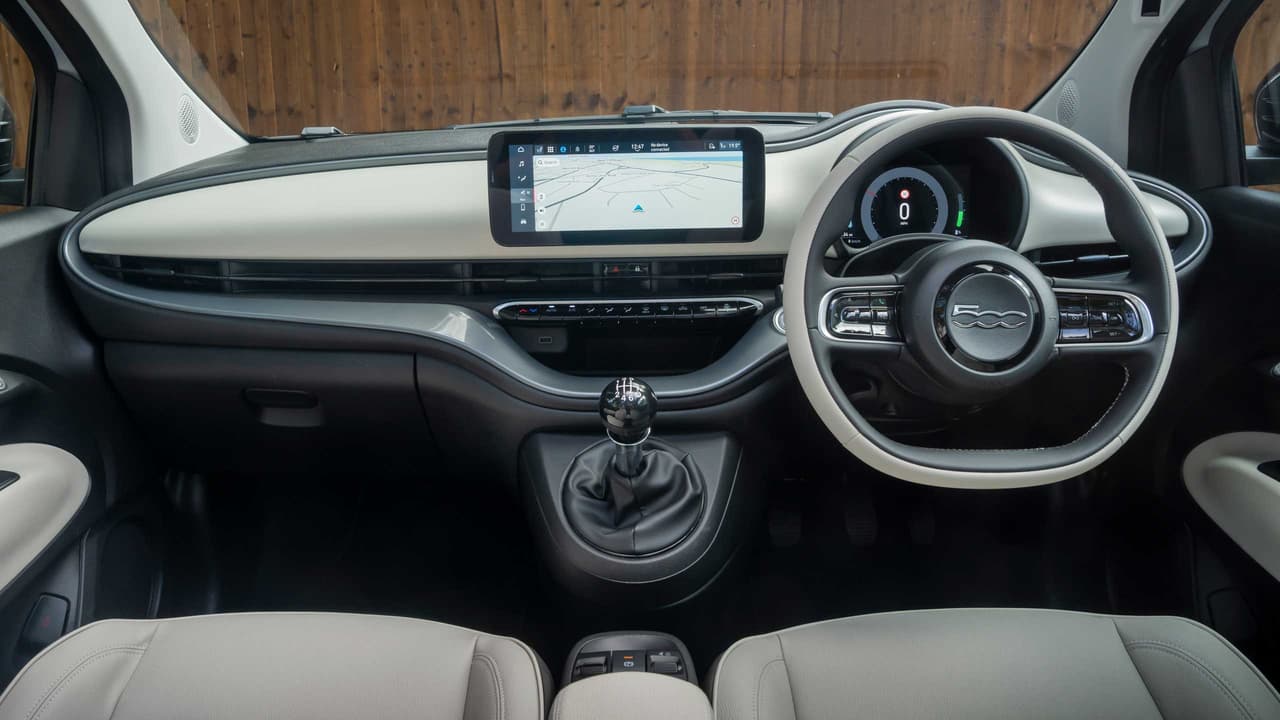
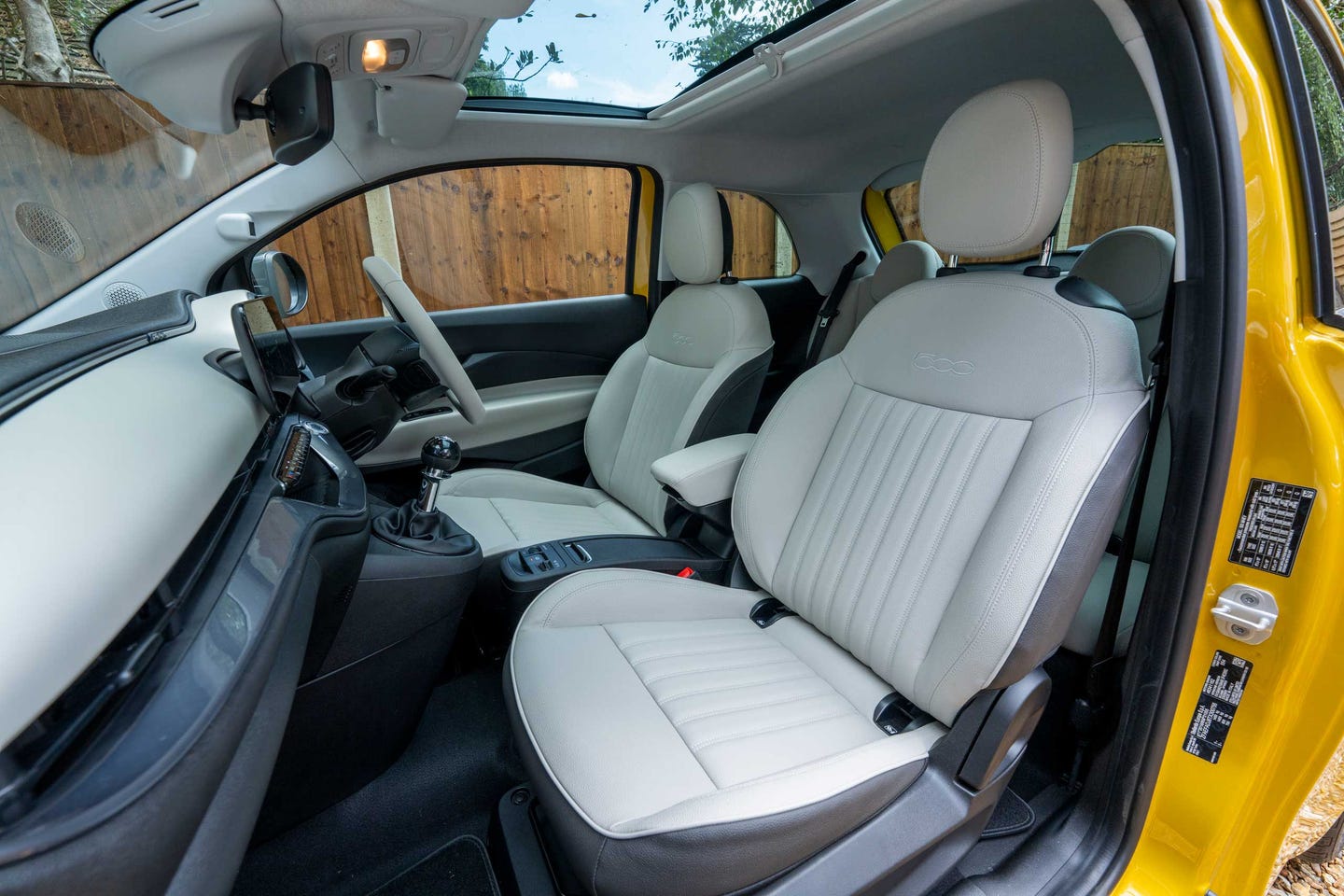
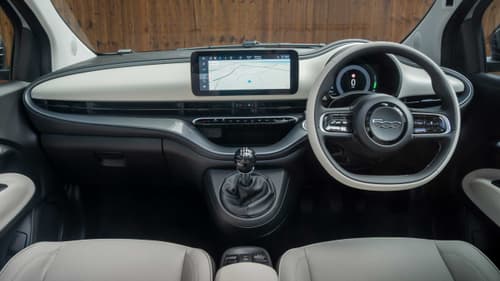
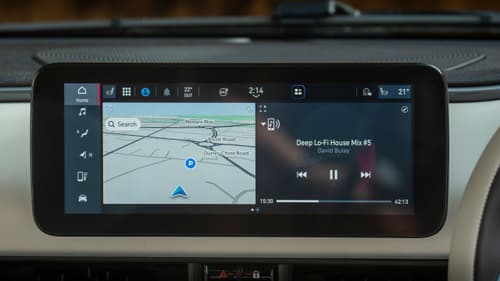
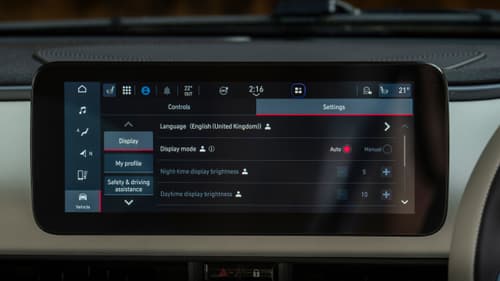
The Fiat 500’s interior remains a highlight of the car. It balances some of the charm of the older 500 models with a freshness and modern tech.
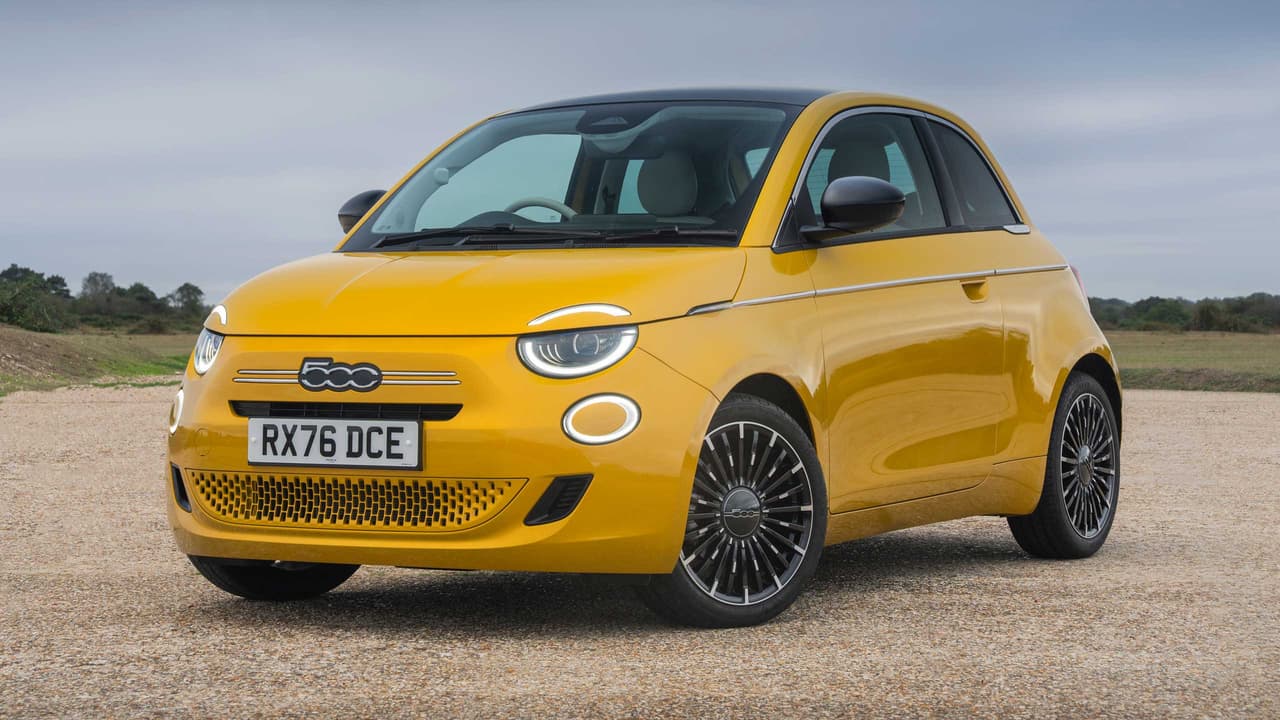
On lower-spec Icon and Torino models, the exterior colour of the car is matched by the dashboard insert – so make sure you get your car in a fun colour. Top-spec La Prima cars feature a pearly dashboard trim regardless of the colour you pick, but you do get a delightful two-tone steering wheel.
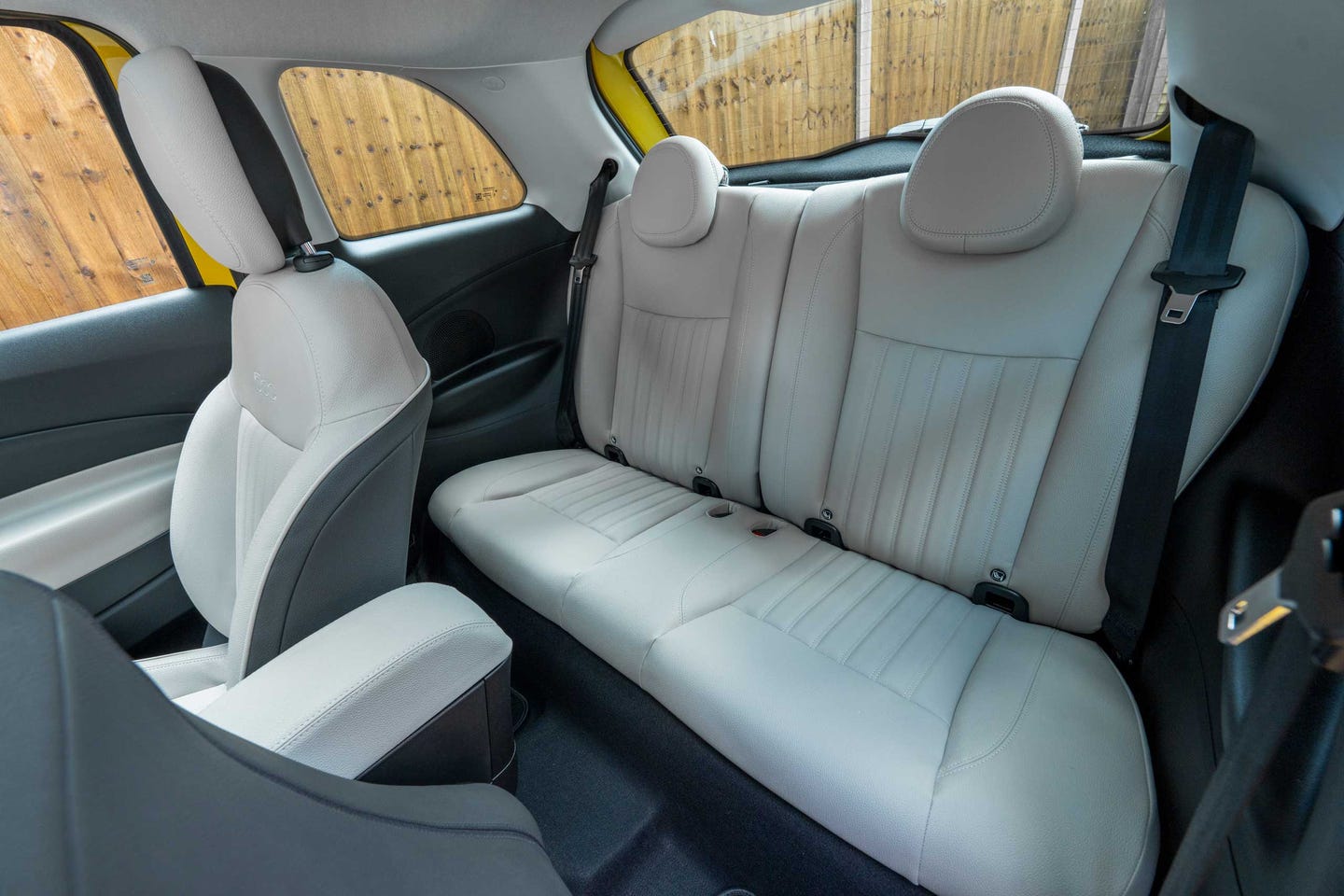
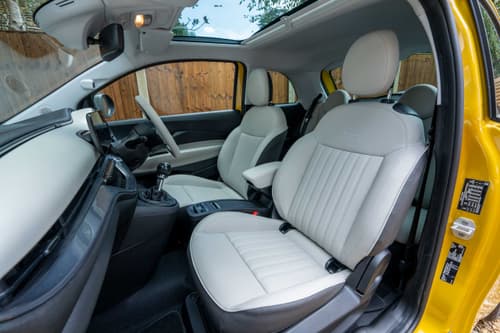
Every 500 comes with some lovely upholstery, whether you go for the cheaper models with white piping or the beige ‘cannelloni’ eco-leather option that’s available on top-spec cars. It helps to make the car feel a bit more premium and elegant.
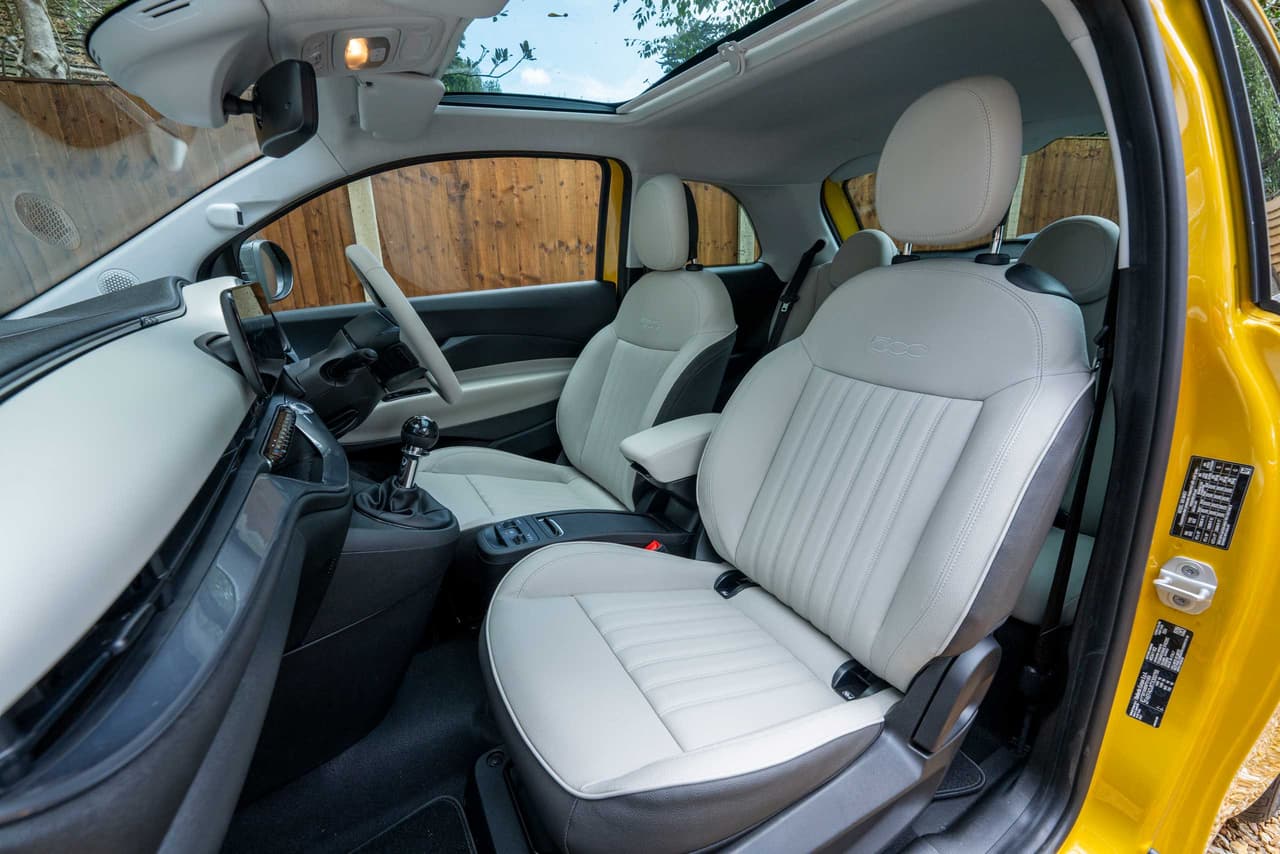
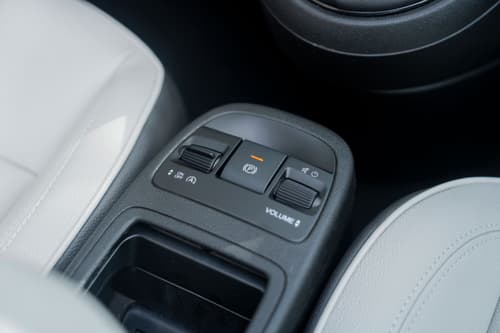
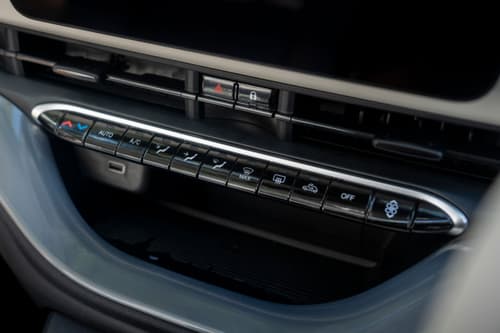
There’s a long row of physical climate controls so it’s really easy to adjust the temperature, and you get clearly marked buttons on the steering wheel for cruise control and some of the media functions. You’ll probably find the skip and volume buttons by accident – they’re on the back of the steering wheel.
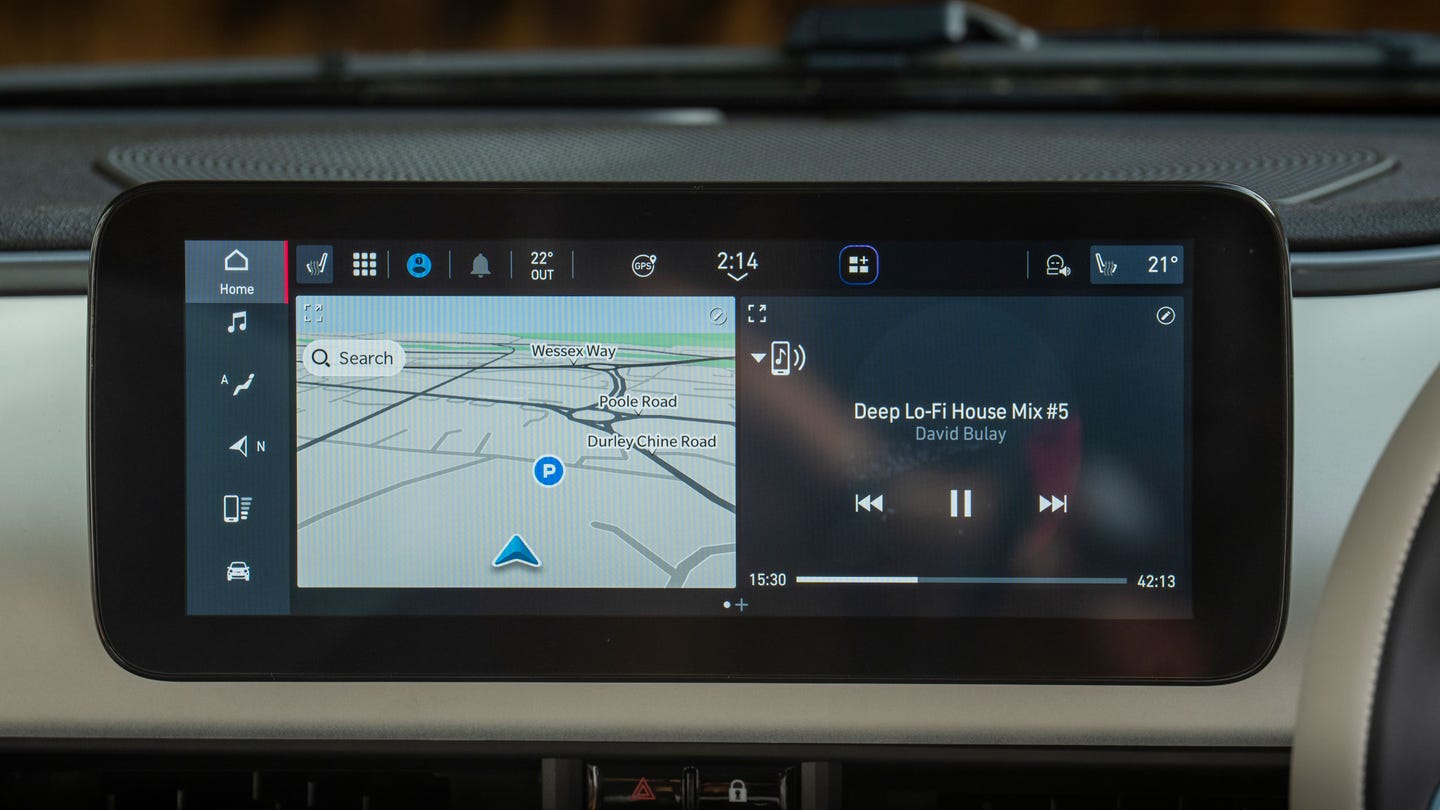
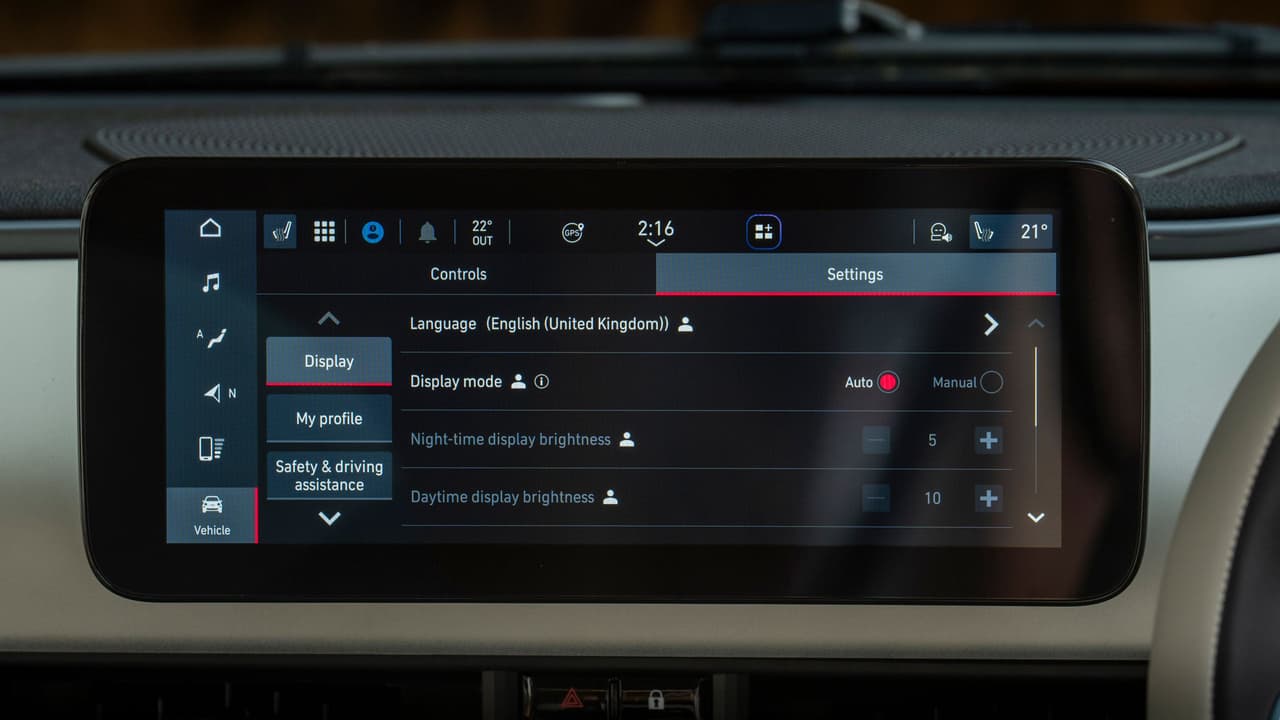
Some other ergonomic frustrations become obvious when you get on the road. The main one is that there’s no room for your feet in the footwell. Just like in the old 500, the clutch is too far over for your left foot to rest, so you end up with your knee in a slightly uncomfortable position against the centre console. Additionally, some of the icons on the screen are a bit small, and the shortcut icons being on the left-hand side is a little awkward for right-hand-drive cars – it’s a bit of a stretch to hit them from the driver’s seat.
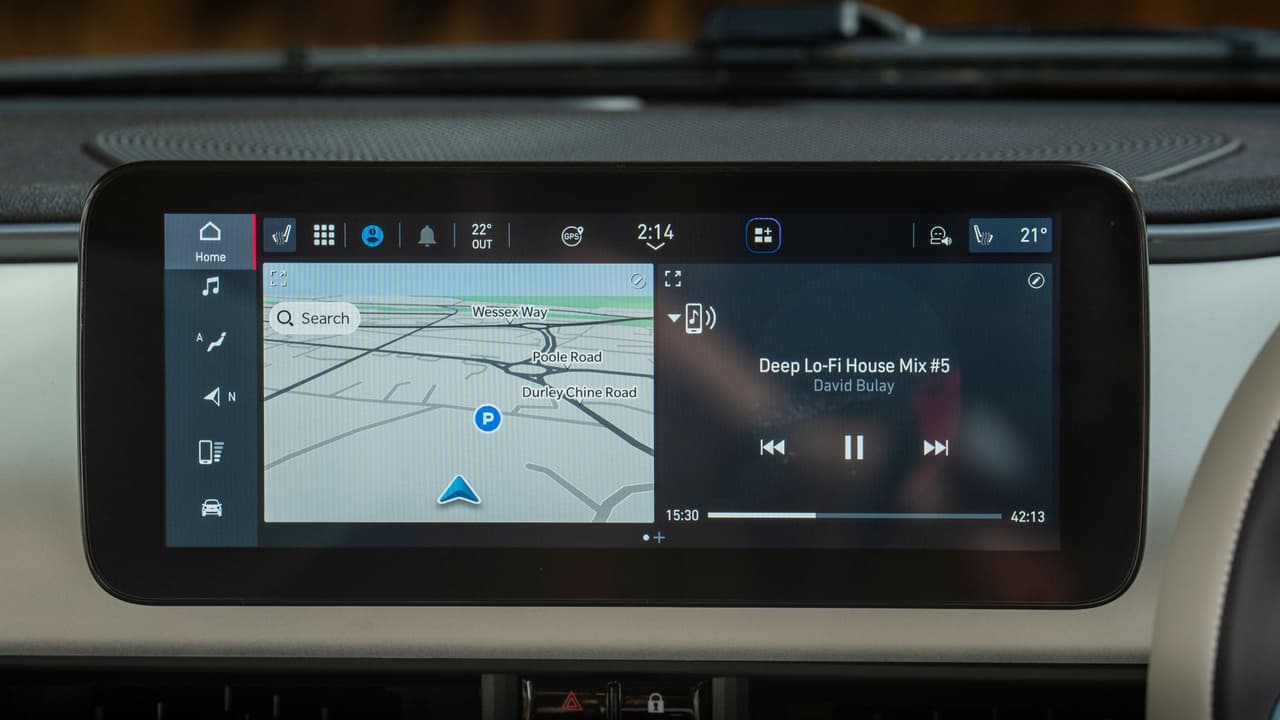
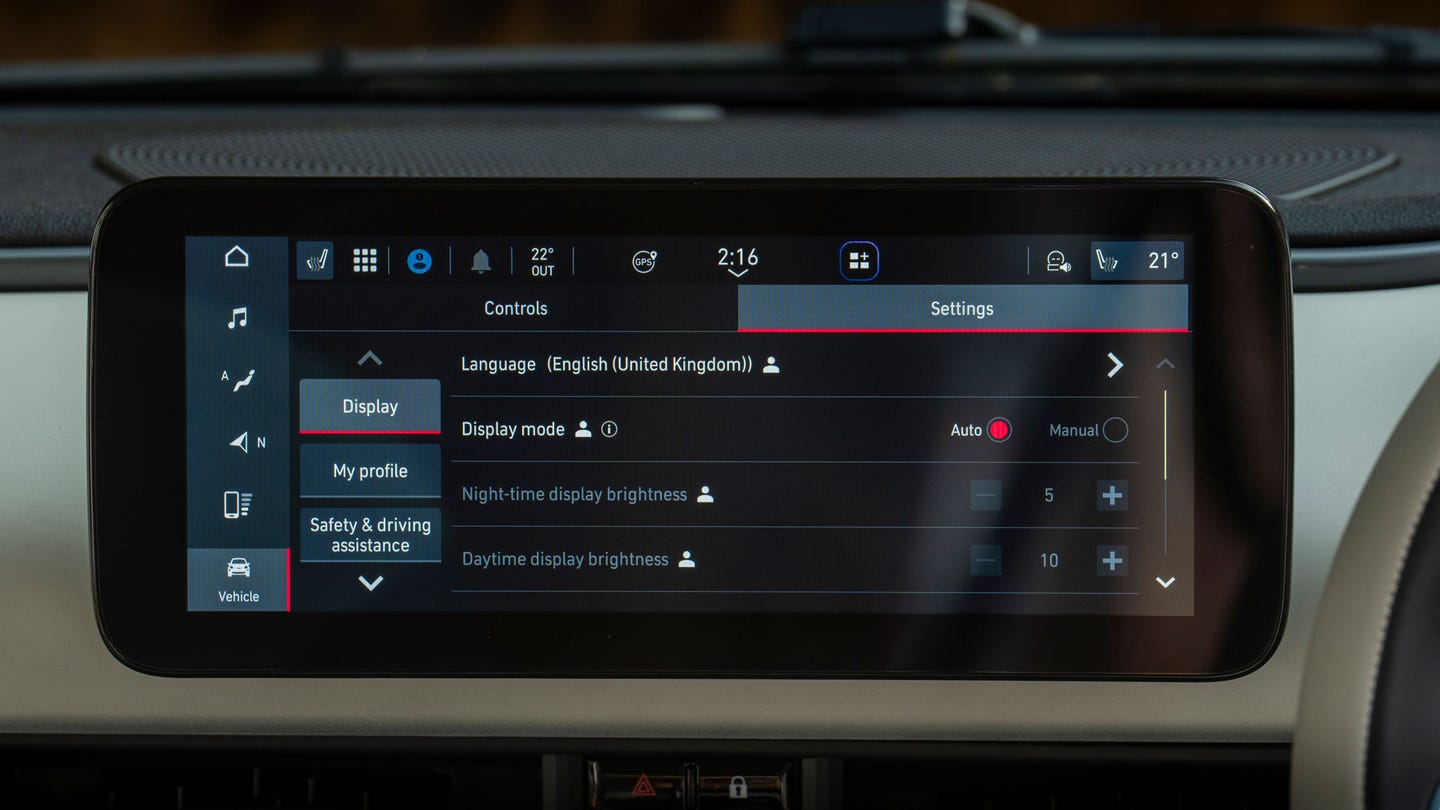
Otherwise, the tech works well. When it registers your touch, the screen is fairly quick and easy to use. The sub menus are mostly logical, and you’re not presented with a big shopping list of menu options like in a BYD Dolphin Surf or Leapmotor T03.
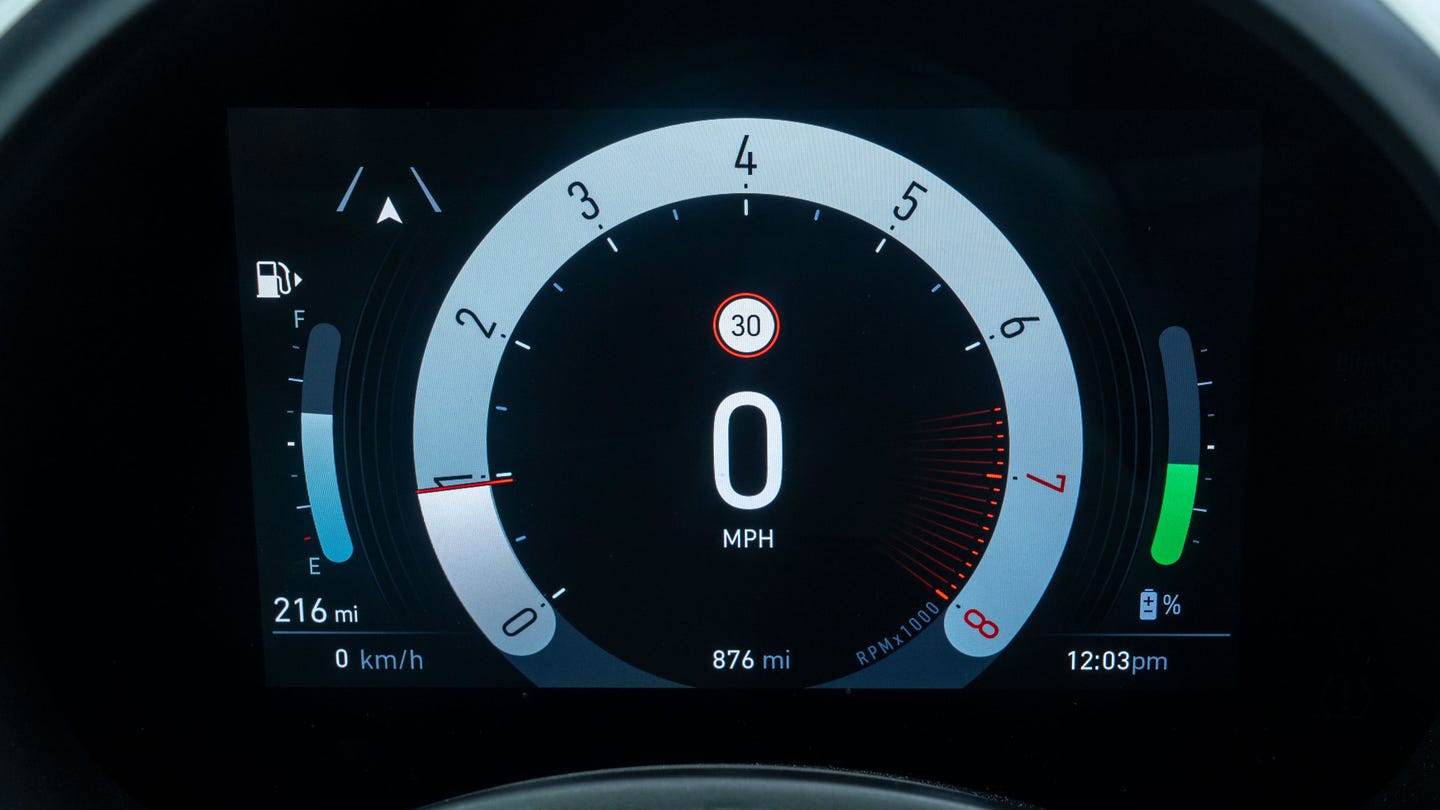
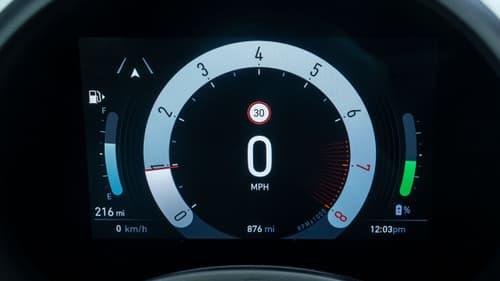
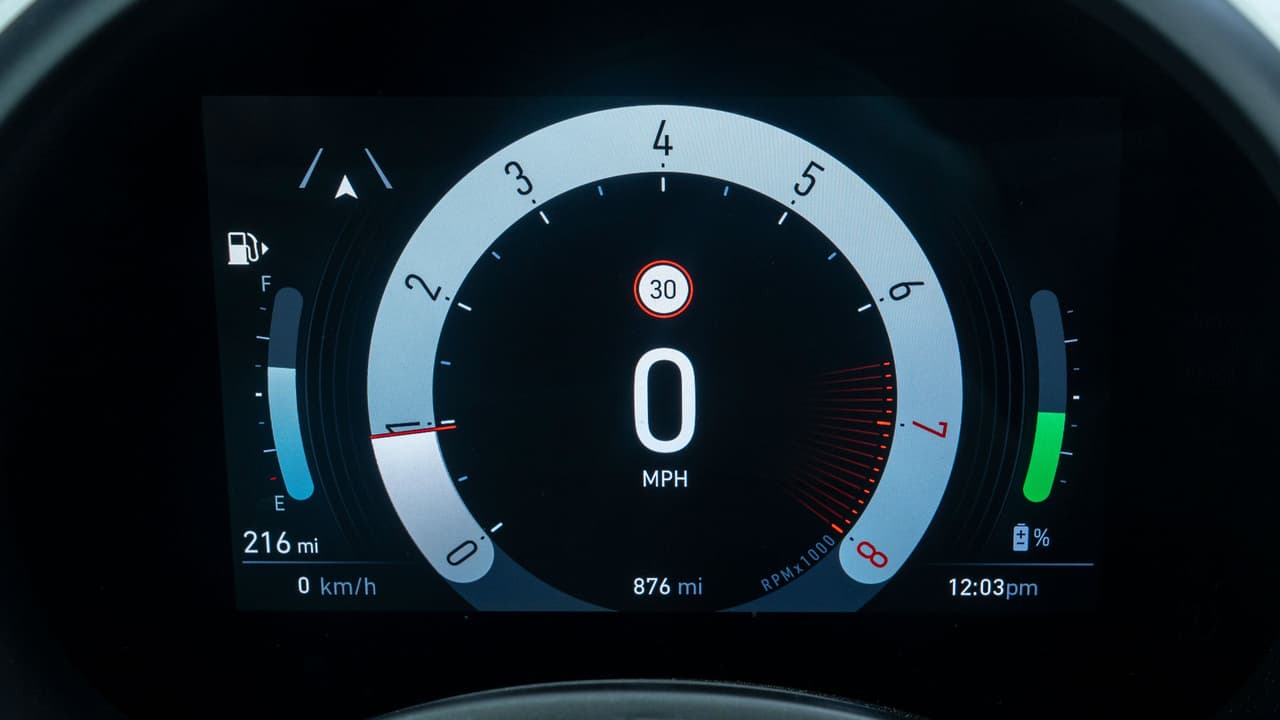
The driver’s display is crisp and useful, and it’s easy to scroll through the different view screens to see your MPG, sat nav or driver assistance features. Handily, one of the options is a rev counter.
Unlike the old 500, the new 500 Hybrid has plenty of desirable features as standard. These include LED headlights, air conditioning, rear parking sensors, push-button start and some must-have assistance kit.
Upgrade to the luxurious La Prima trim and you’ll also enjoy wireless phone charging, heated front seats, auto high-beam assist, a reversing camera and an auto-dimming rear-view mirror. It feels a little miserly that you need to spec the La Prima trim to get height adjustment on the driver’s seat. Your front passenger can’t adjust their height on any model. It’s good to see that the steering wheel adjusts for height and reach, though.
La Prima also includes a fixed glass roof, which is a lovely addition and makes every slightly sunny day feel like you’re on holiday near the Mediterranean. Except, the sunshade for it is like a mesh, so the sun can still blind you through the little holes when it’s directly overhead.
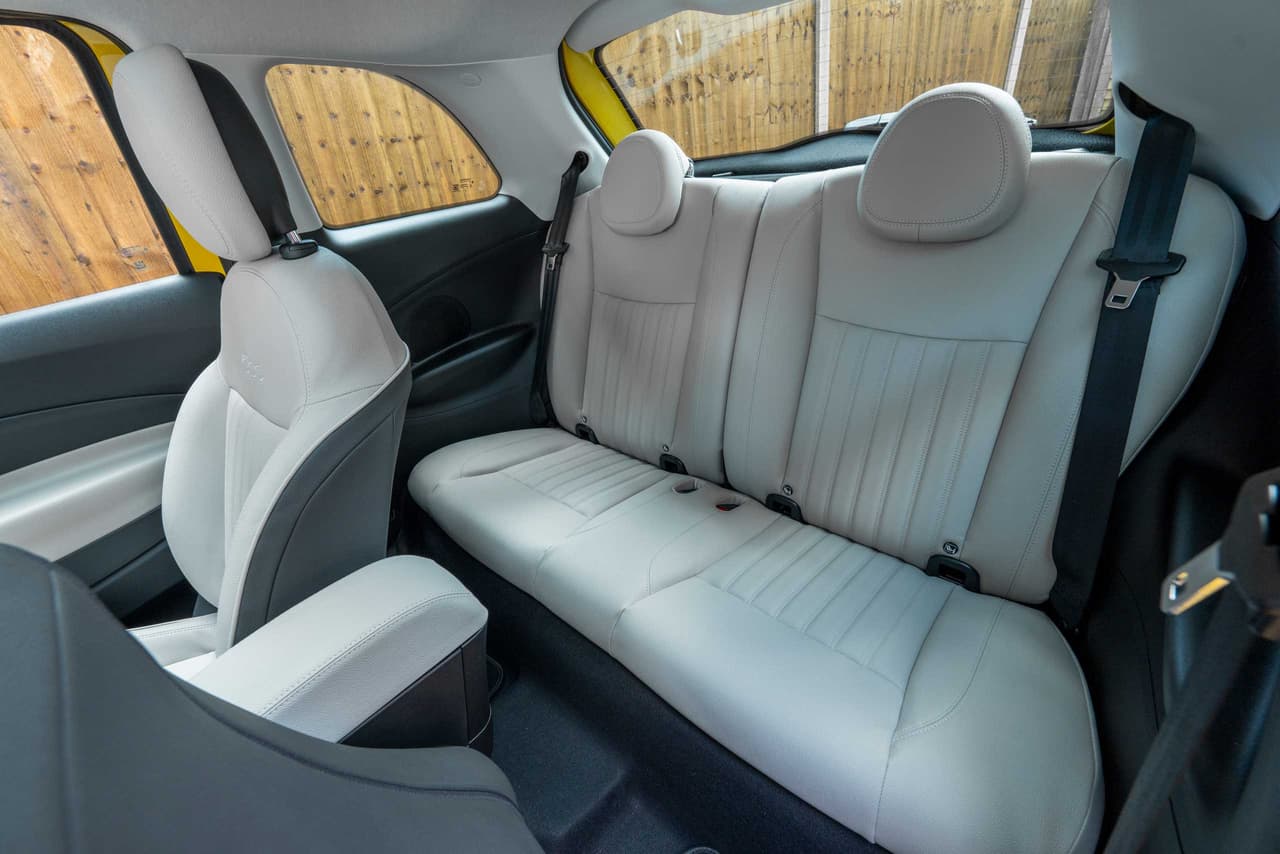
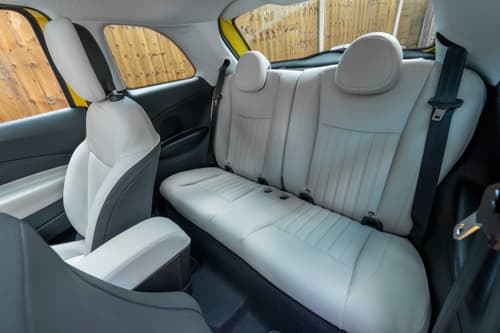
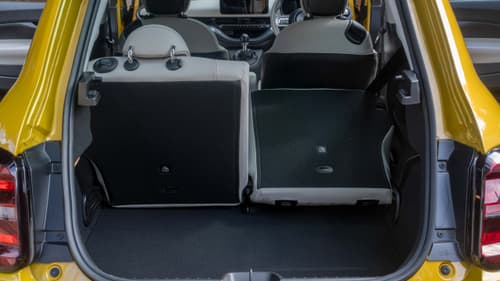
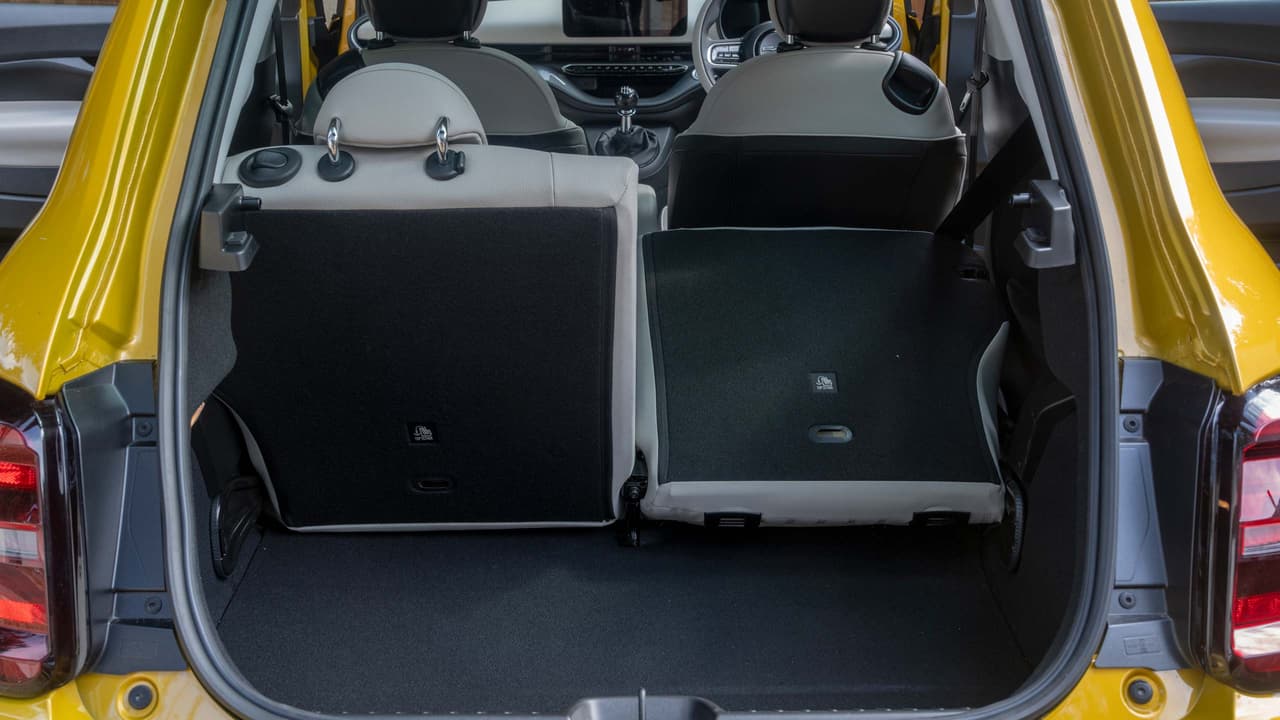
You don’t buy a Fiat 500 for its practicality. If you aren’t going to be carrying rear passengers often, you won’t care that adults can’t fit comfortably in the back seats. And if you don’t need to take a lot of stuff around with you, you won’t care that the 183-litre boot is pretty titchy.
It’s useful that the 500 has three sets of Isofix points, so you can install a child seat on the front passenger seat if you don’t want to contort inside the car to strap a kid in.
Storage up front is pretty decent, with a usefully sized glovebox, a phone tray and some centre console storage. The door bins are a little on the small side, so you’ll have to find somewhere else for your big gulp water flask.
To benefit from split-folding rear seats, and the ability to carry extra luggage and a third person at the same time, you’ll need the La Prima trim.
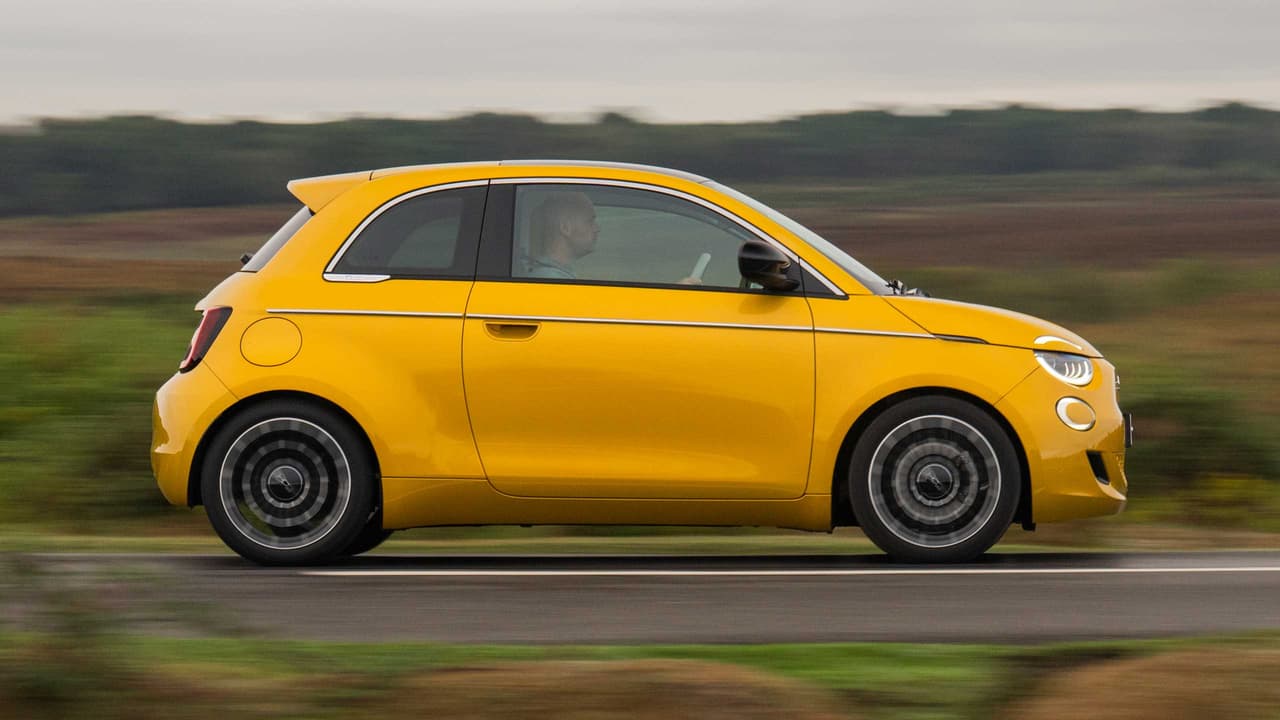
Sticking with a proven formula, the new Fiat 500 Hybrid comes with the same 1.0-litre engine as the old one. The non-turbo, Italian-built Firefly engine seems to be reliable if you keep up with routine maintenance and servicing. Except it’s actually down on power – it now offers 65hp instead of 70hp.
Fiat tells us that 90% of the engine’s torque is available from just 2,200rpm. But that’s 90% of just 92Nm of torque, which is barely enough to pull the skin off a rice pudding. The difference versus the old car is surprising: the old car posted a 0-62mph time of 13.8 seconds, while the new one takes 16.2 seconds.
It goes without saying that it feels like a long time before the little 500 gets up to speed. And with most of the torque already at your disposal in normal driving, you don’t have much left when you need a burst of acceleration.
You’re basically resigned to the fact that overtaking tractors or lorries is for other people. It’d take a long stretch of flat road and a bit of bravery to attempt such a manoeuvre in the 500 Hybrid.
After just a short amount of time, you automatically change down when you approach any sort of hill, even a gentle one. The 500 quickly runs out of puff and, if the hill is fairly steep, you’ll notice the numbers on the speedo dropping even when you’re in a low gear.
On our test route through the Worcestershire countryside, we saw a sign pointing to a 17% incline. In the pursuit of a thorough road test, we took the clearly underpowered 500 up this incredibly steep ascent. Imagine a dachshund trying to get onto a high sofa unaided and you’ve got some idea of what it was like.
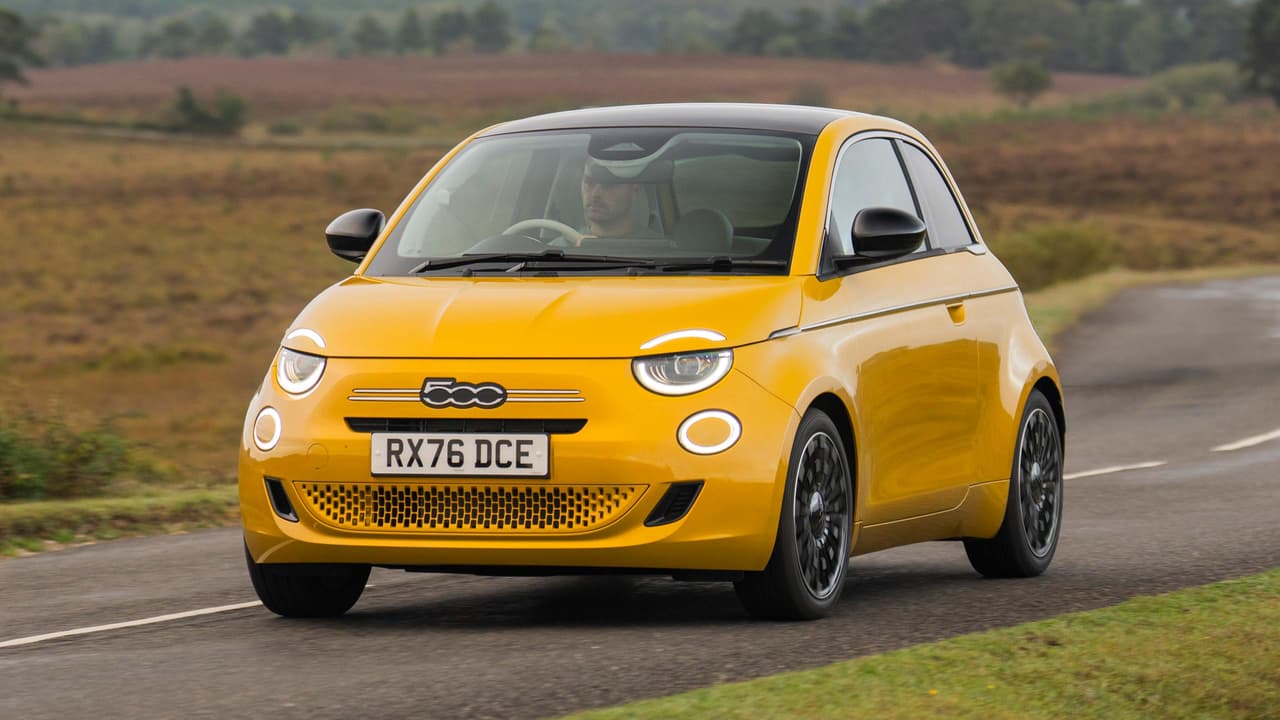
On a hill so steep, your clutch control and gear selection have to be on point. Talking of gears, the sixth gear might just be there for the ride – you won’t often use it. In fact, we can’t think of another car that has so many gears for so little power.
You can’t feel the 12V mild-hybrid system working, although the fuel economy readout suggests it’s helping. Before the 17% incline, the 500 was delivering almost 50mpg despite being on fast roads and us having to go up and down the gearbox frequently.
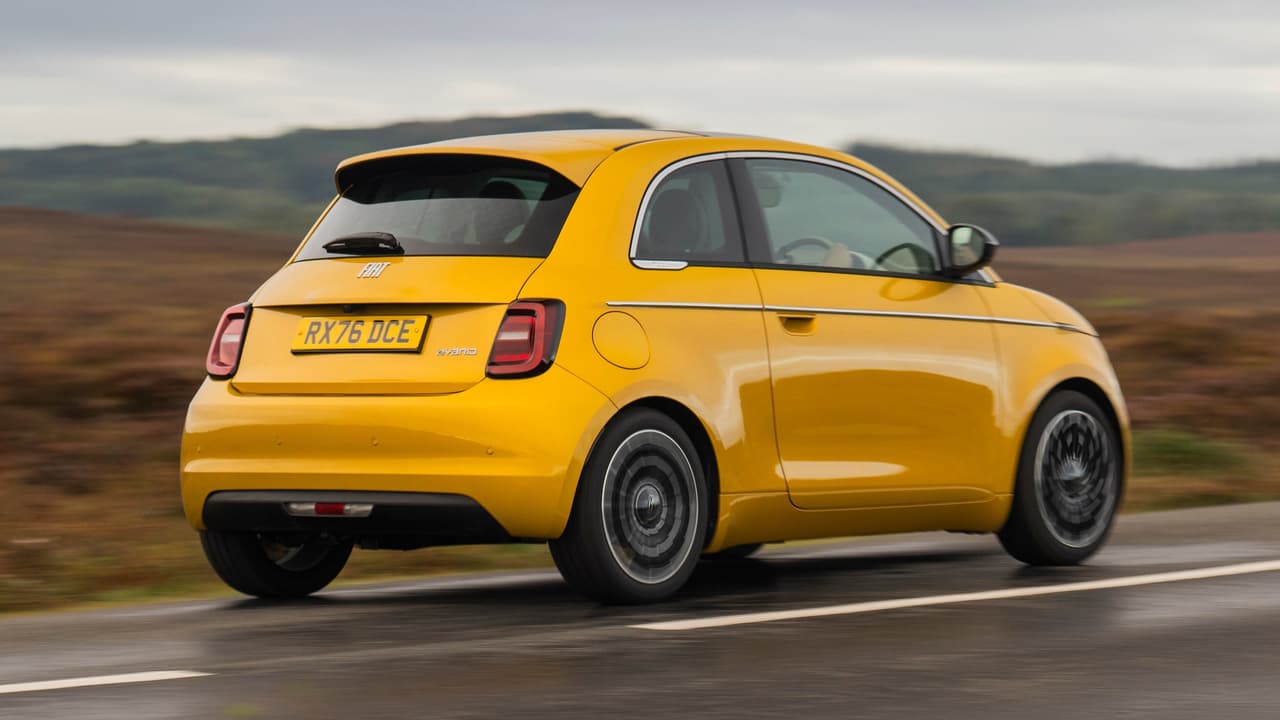
Despite barely having enough power to get out of its own way, the Fiat 500 Hybrid is a joyful thing to drive. The manual gearbox is lovely to operate – the spherical lever feels perfect in your hand and every shift feels precise and positive.
It’s paired to a buzzy, happy-sounding engine, and the whole experience is one that feels a bit old-school in the best way. You have to keep the momentum up on fast roads because you can’t lean on an excess of power. The 500 Hybrid would make an excellent first car: it teaches you to read the road and what gear to be in at the right time.
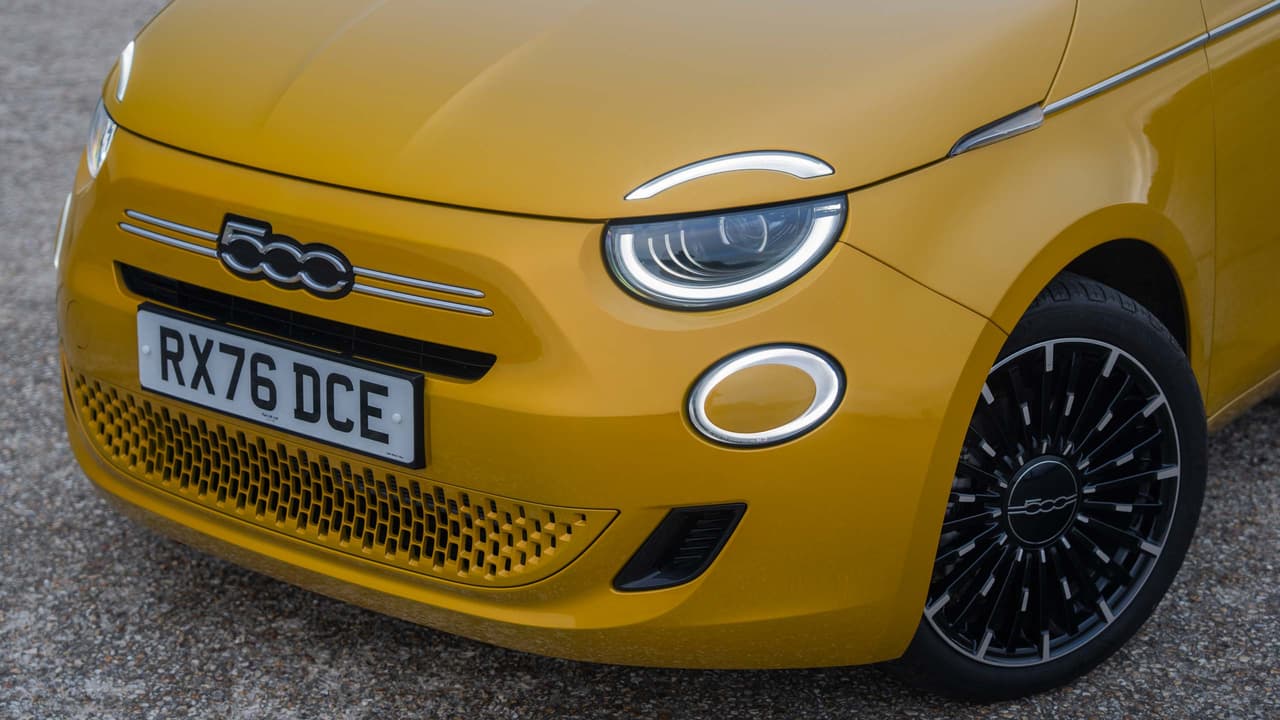
The 500 has super-light steering – it feels like the old 500’s city mode is now the default setting. As such, the 500 takes no effort at all to drive in tight and twisty streets. The lightness means the steering feels quite vague on faster roads.
Even so, with the whole 500 being such a featherweight (it’s barely over a tonne and 163kg lighter than the 500e), it’s a chuckable car that deals well with quick direction changes. There’s almost no body roll and the 500 feels stable at higher speeds.
The ride is a little jiggly (we’ll be nice and call it ‘communicative’) and there’s always a bit of noise at speed. It’s a bit of everything: tyre, wind, suspension and ambient noise from cars around you. But rather than being annoying, it gives you a clear picture of what’s going on. And, besides, you can always turn up the radio if it’s getting on your nerves.
You can expect a range of between 300 and 400 miles from a full tank of petrol, which is considerably further than the 500e goes on a charge.
.jpeg&w=1440&q=75)
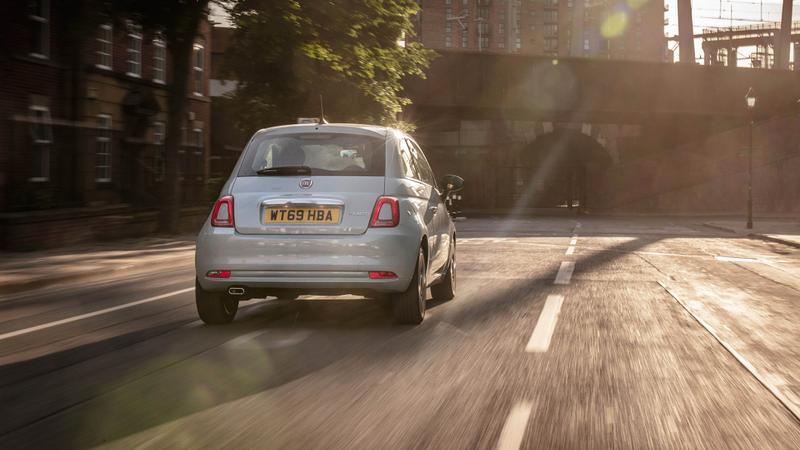
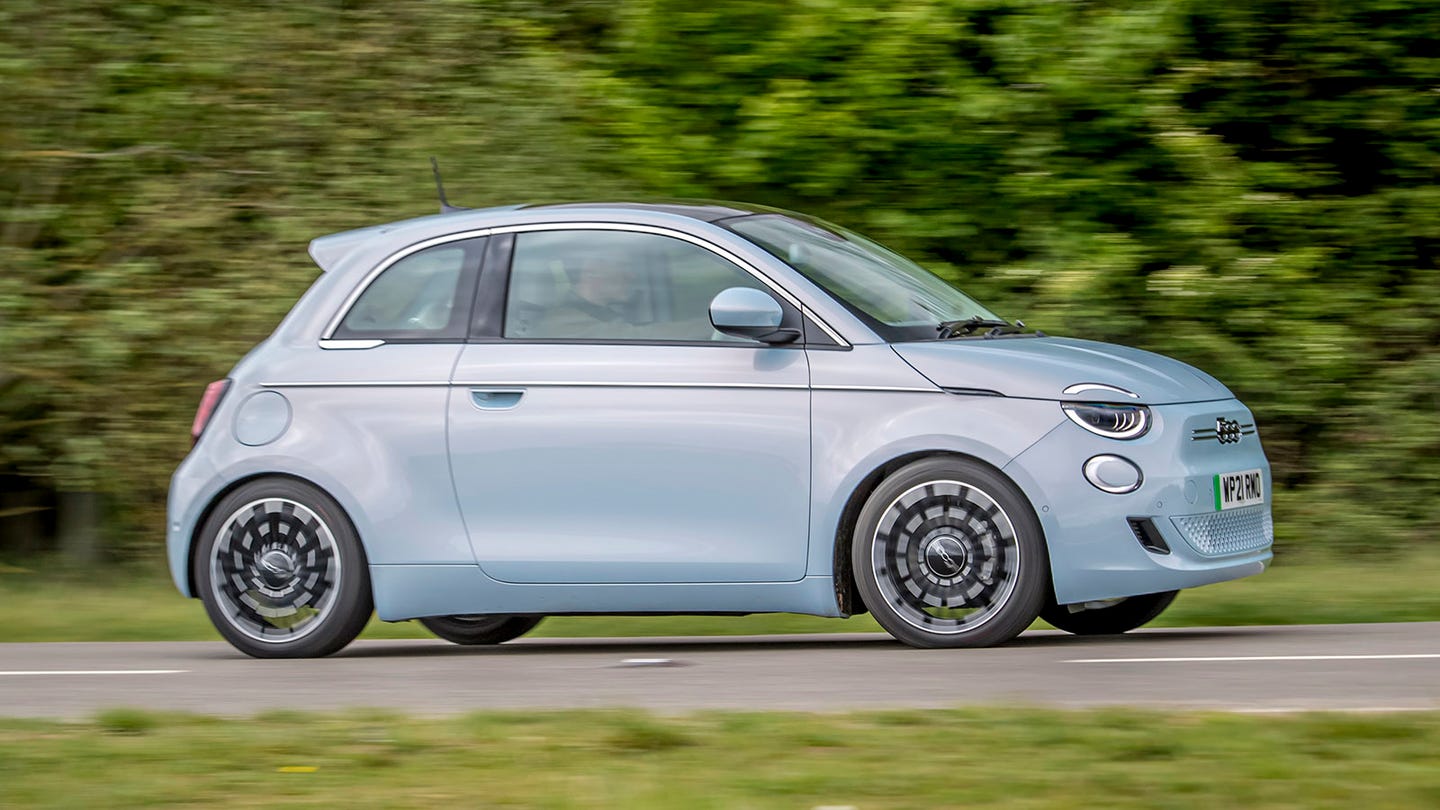
Timeless style makes the Fiat 500 a charming choice for city driving
Dinky SUV beats the regular Aygo in every way, but isn't quite perfect