









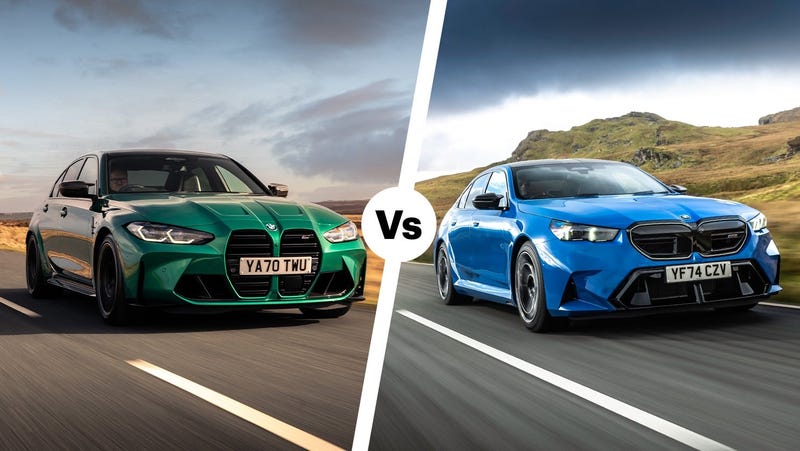
BMW M3 vs M5 – which is best?

Ben Custard
•
Models

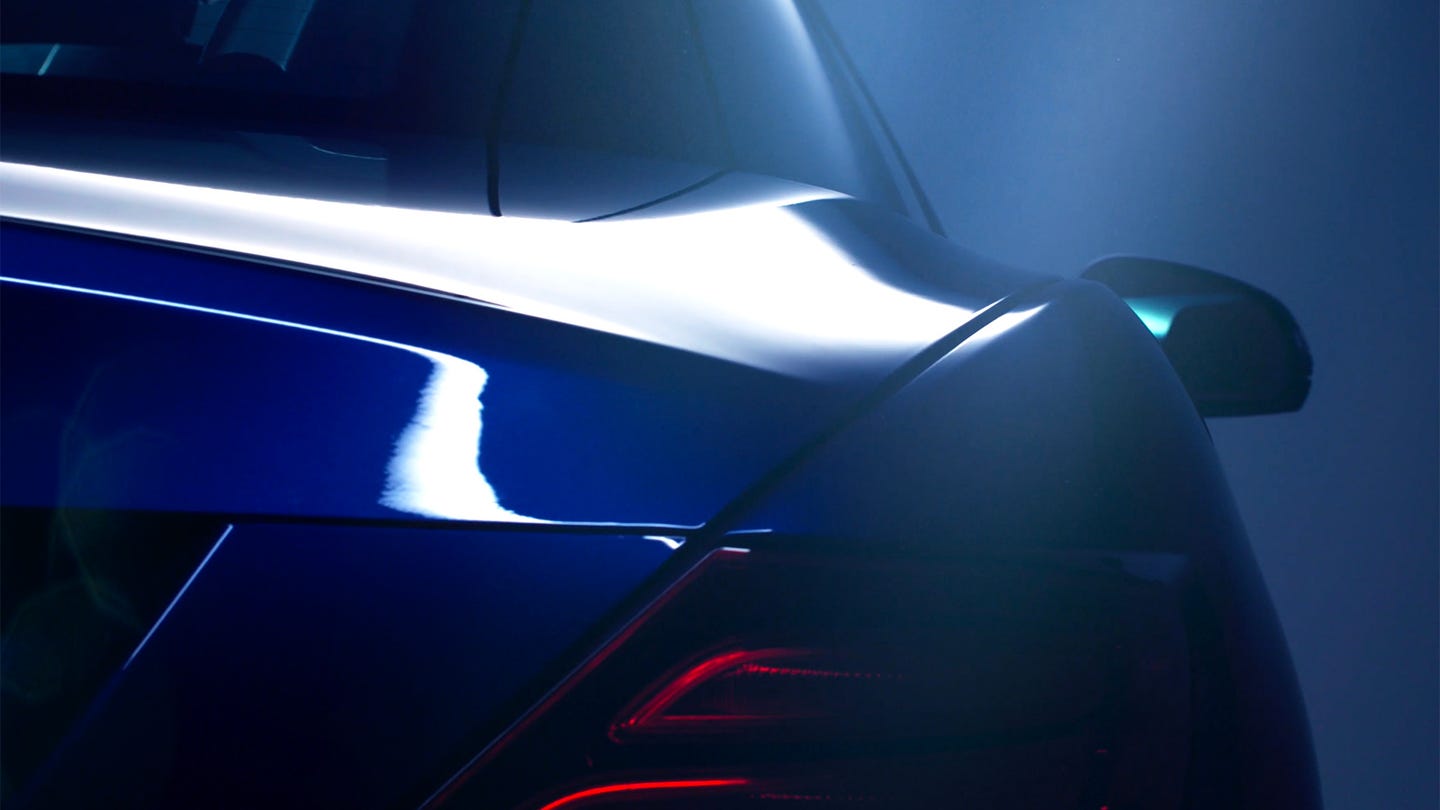
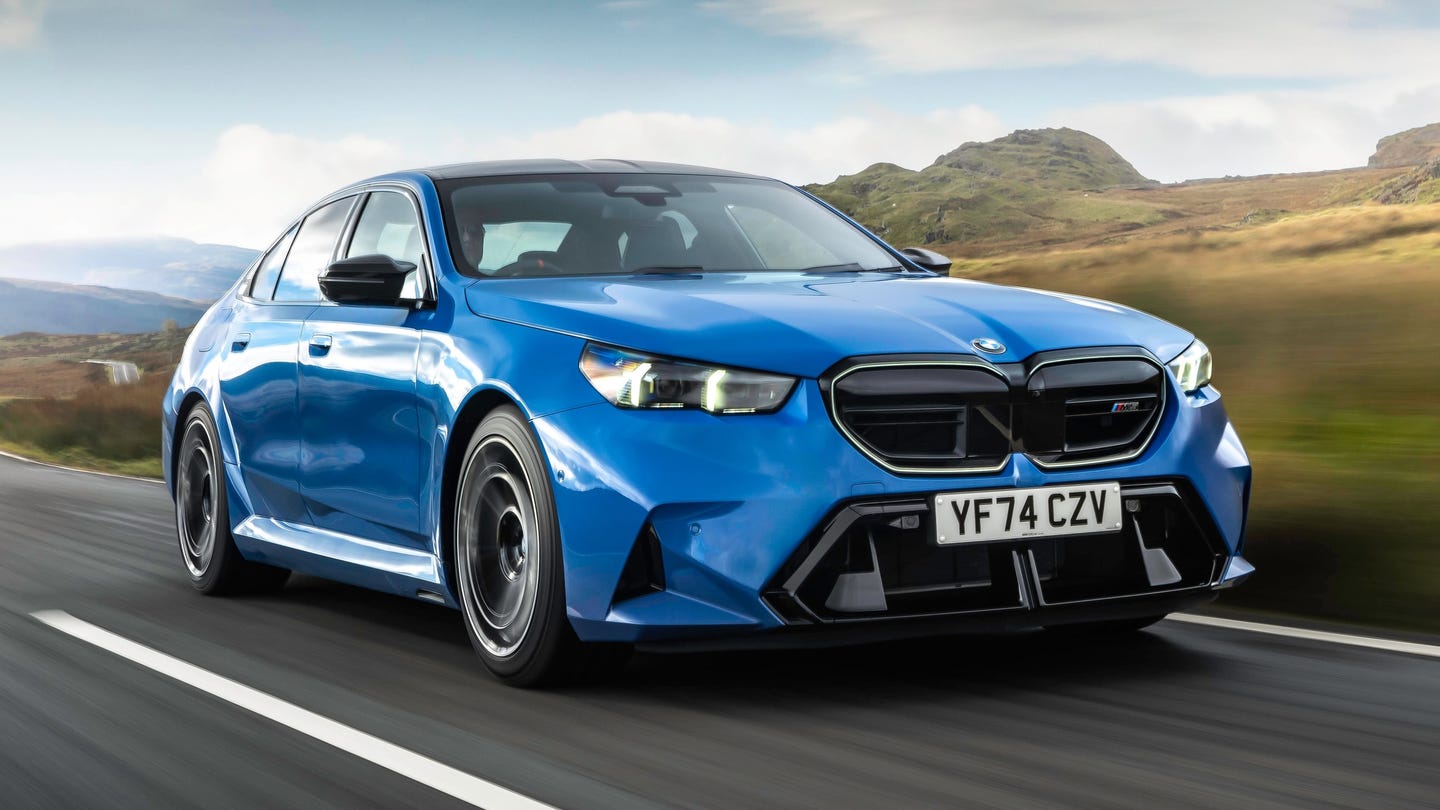
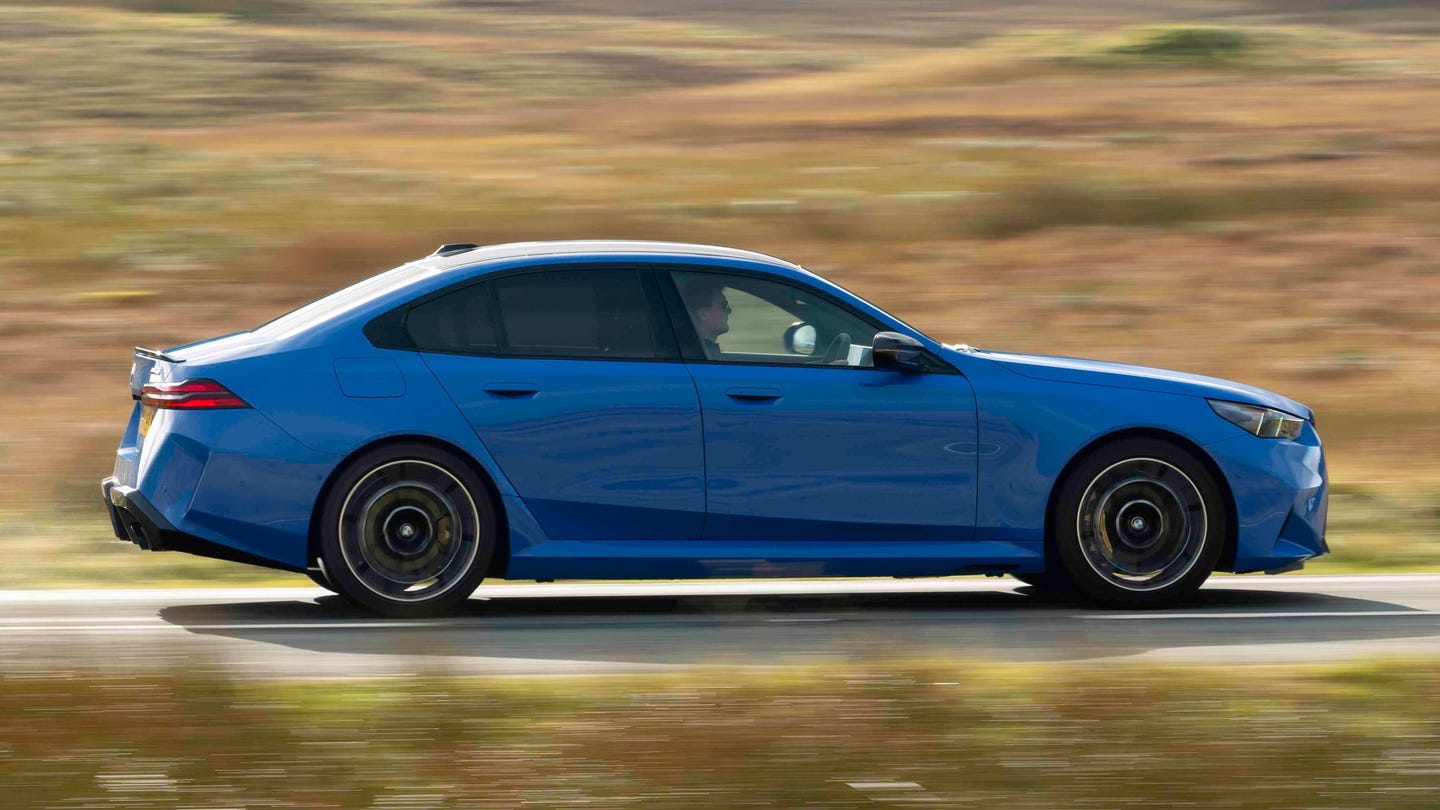
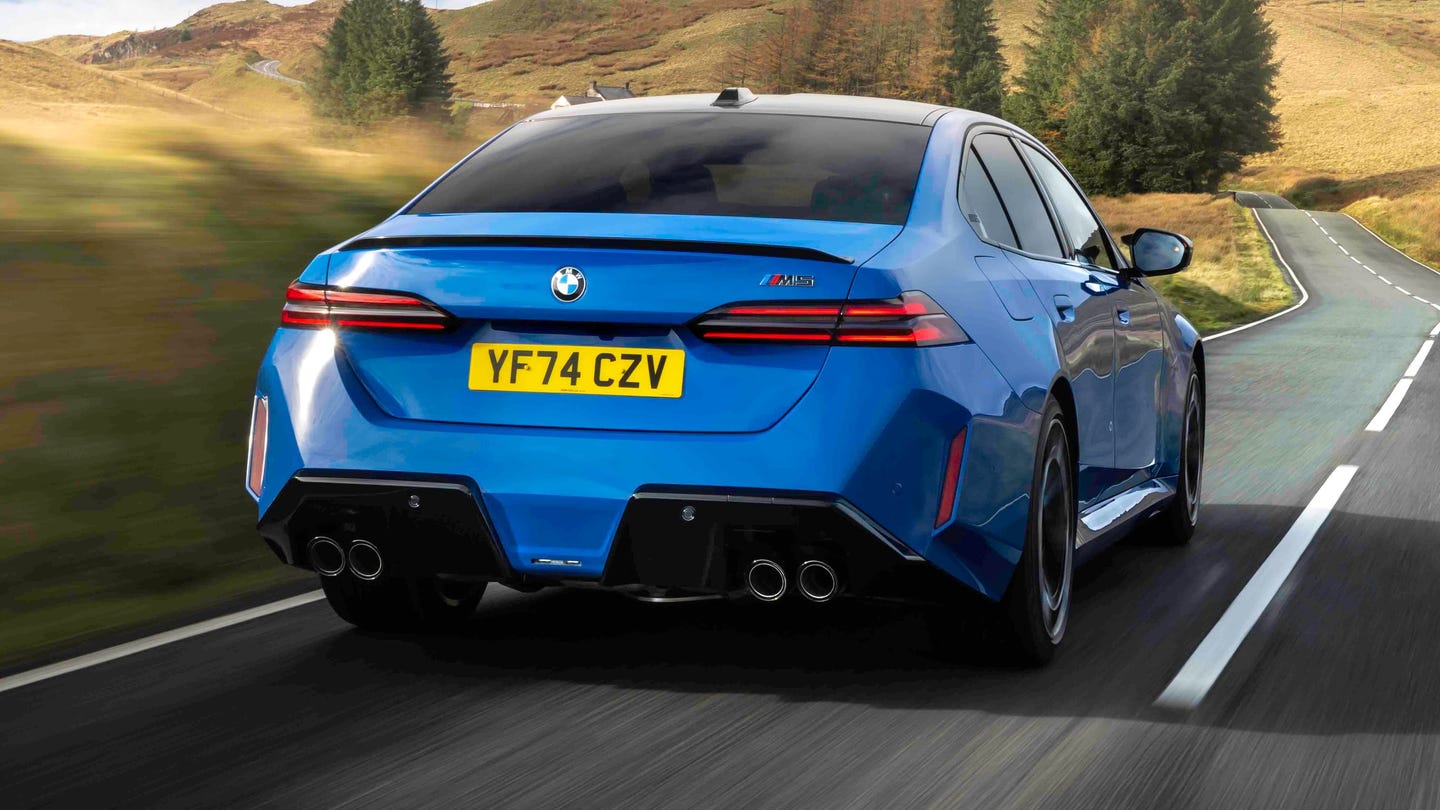
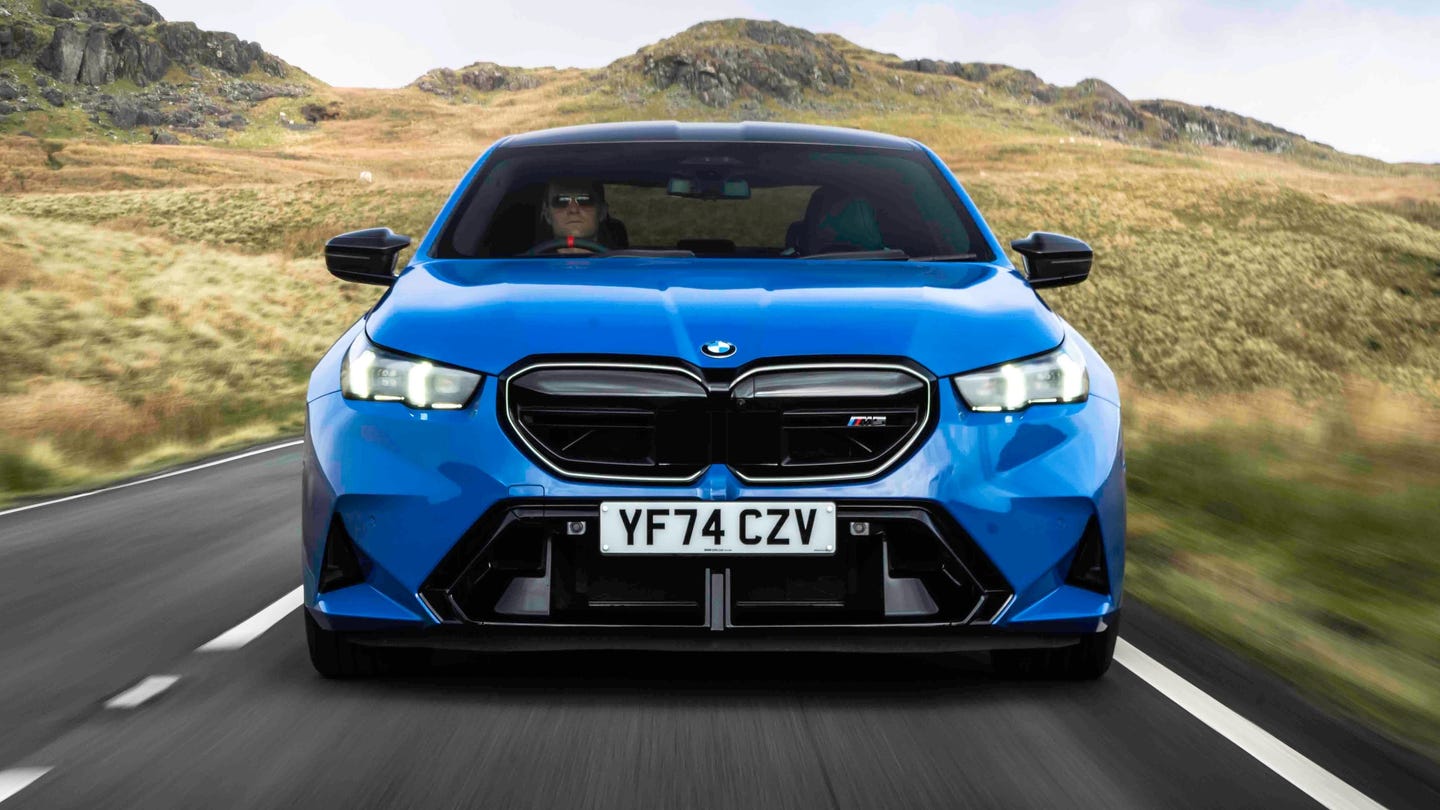
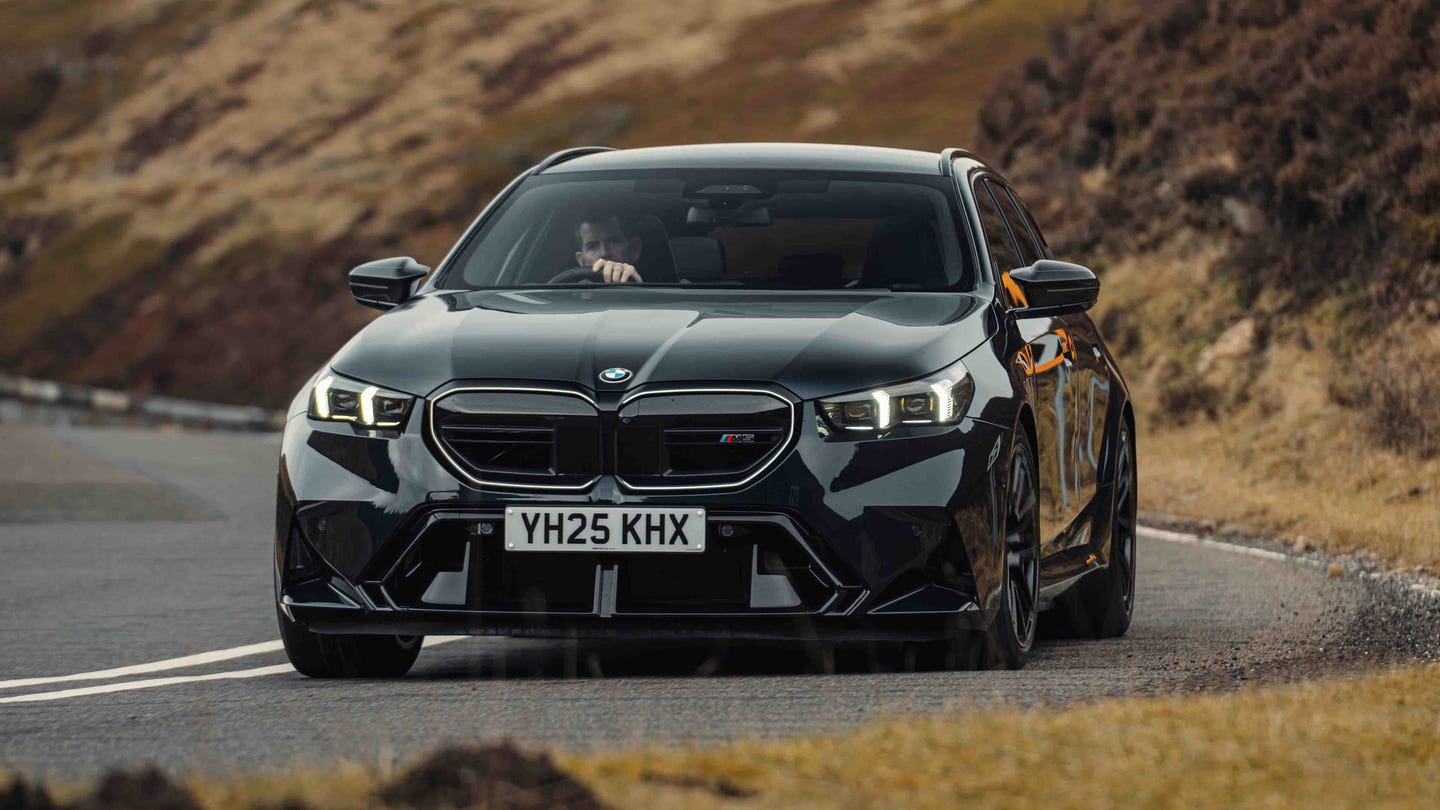
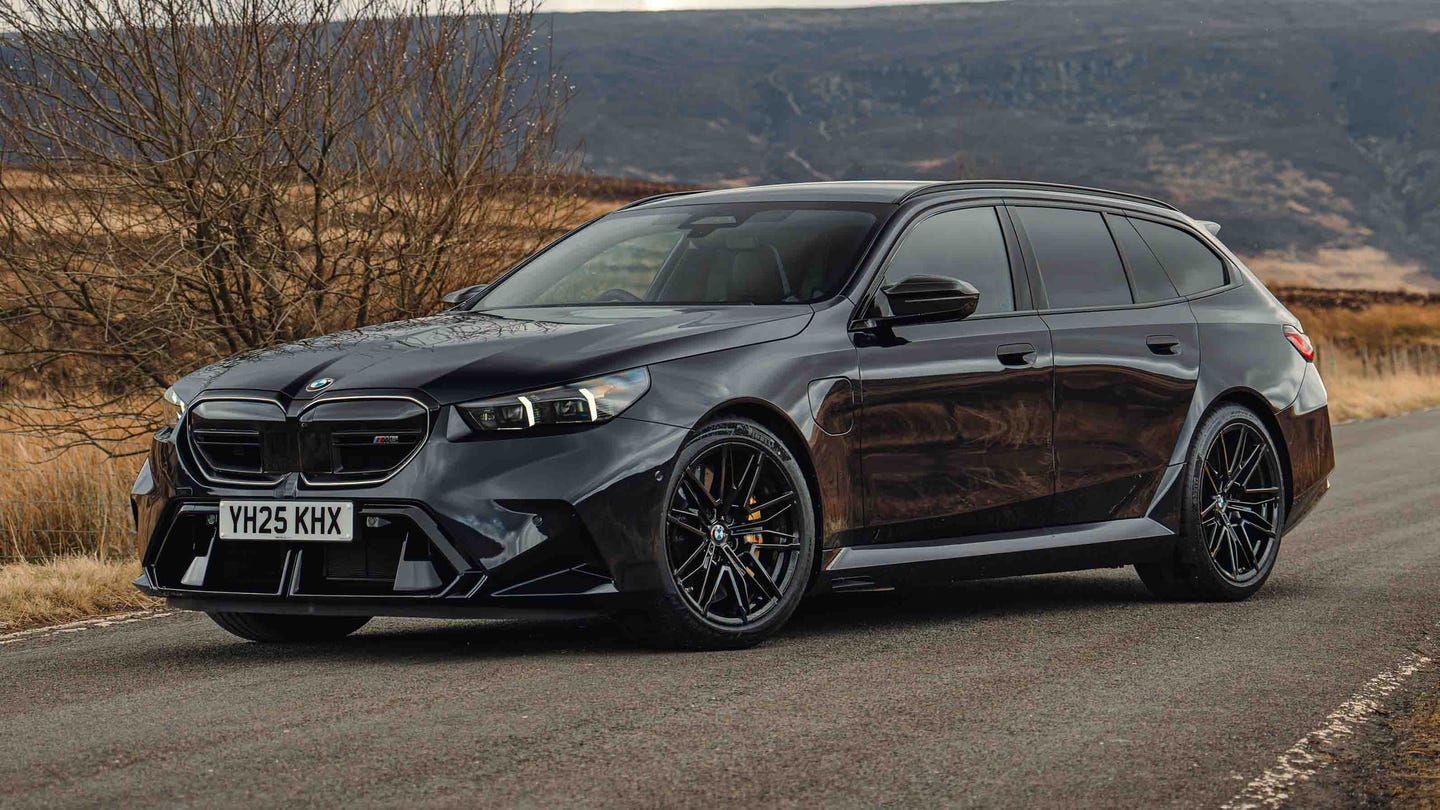
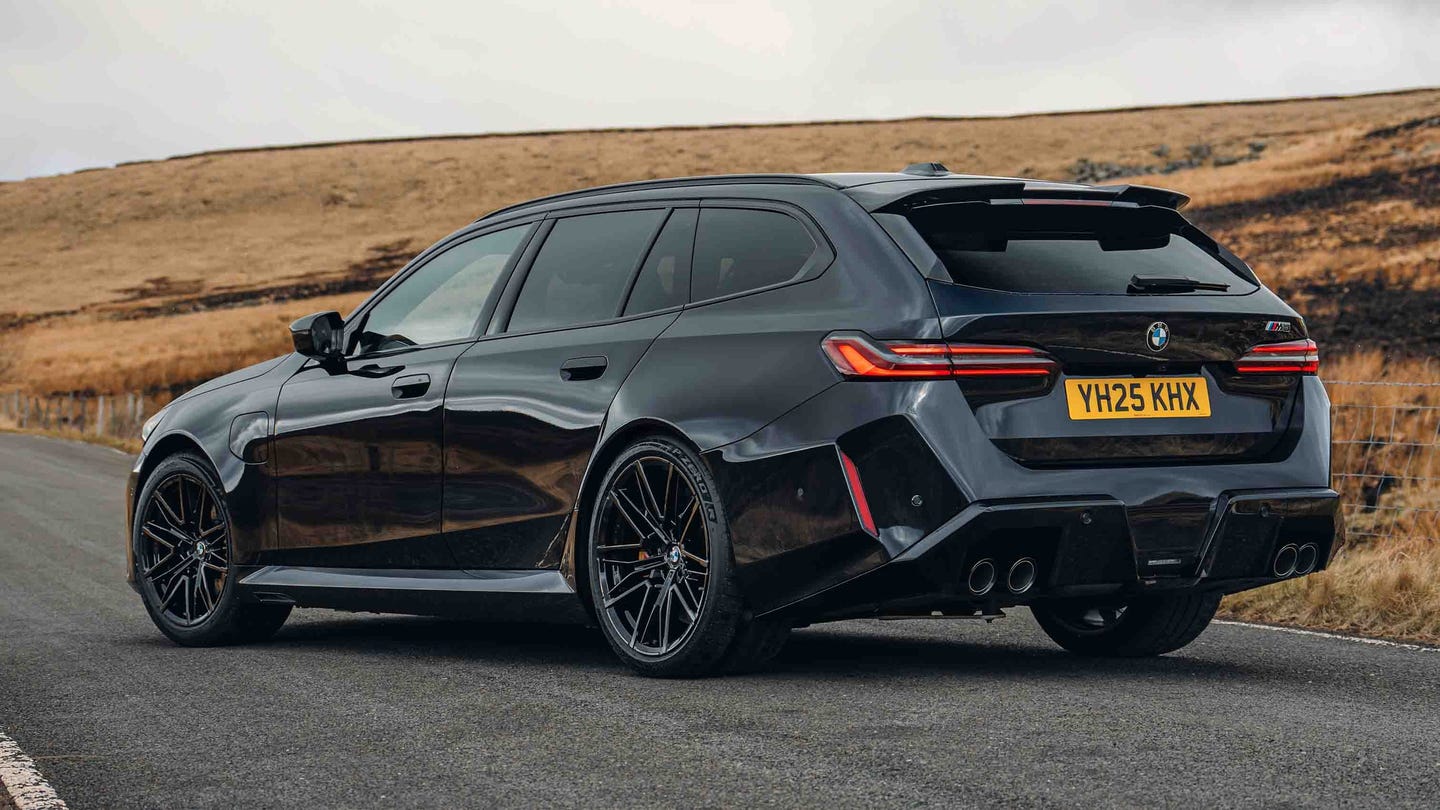
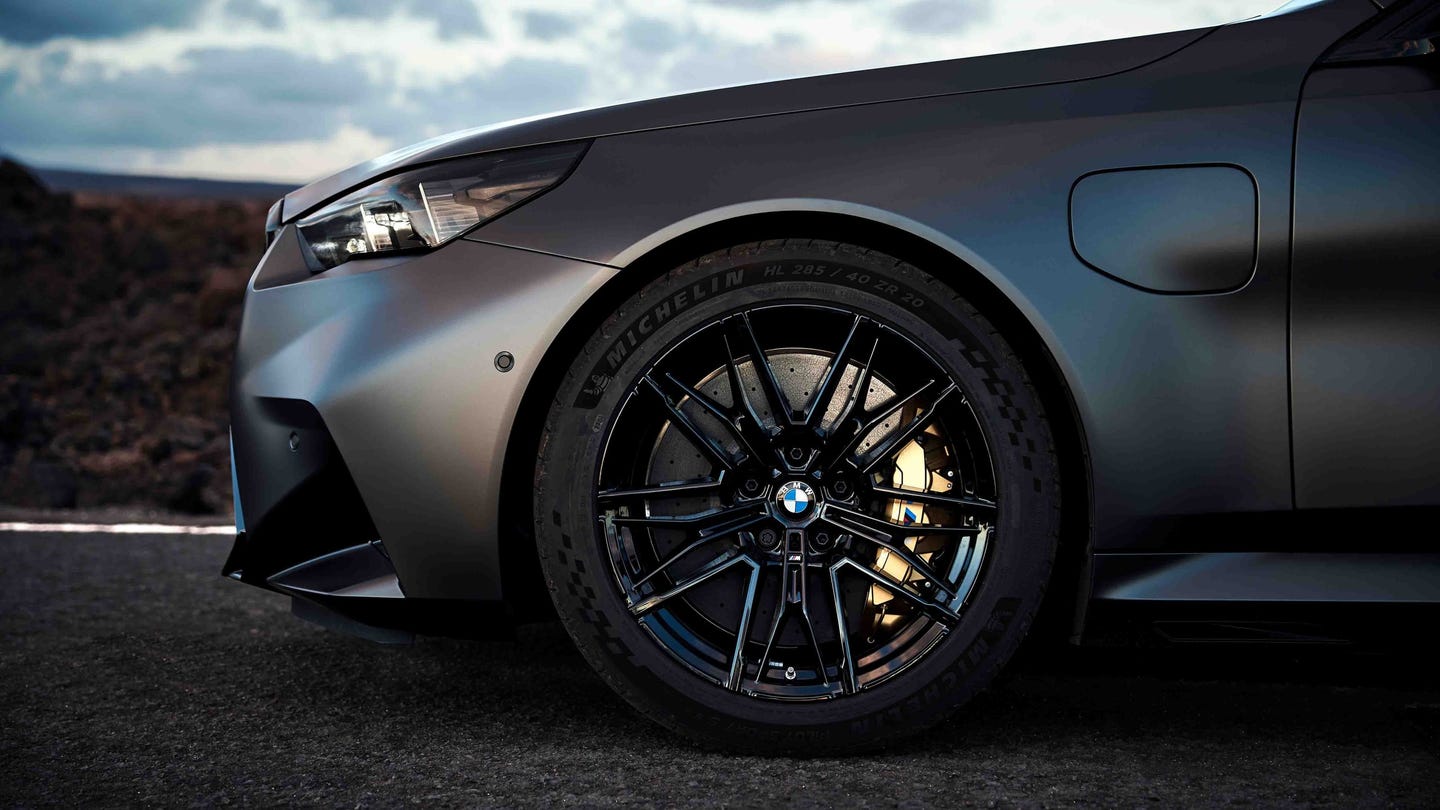
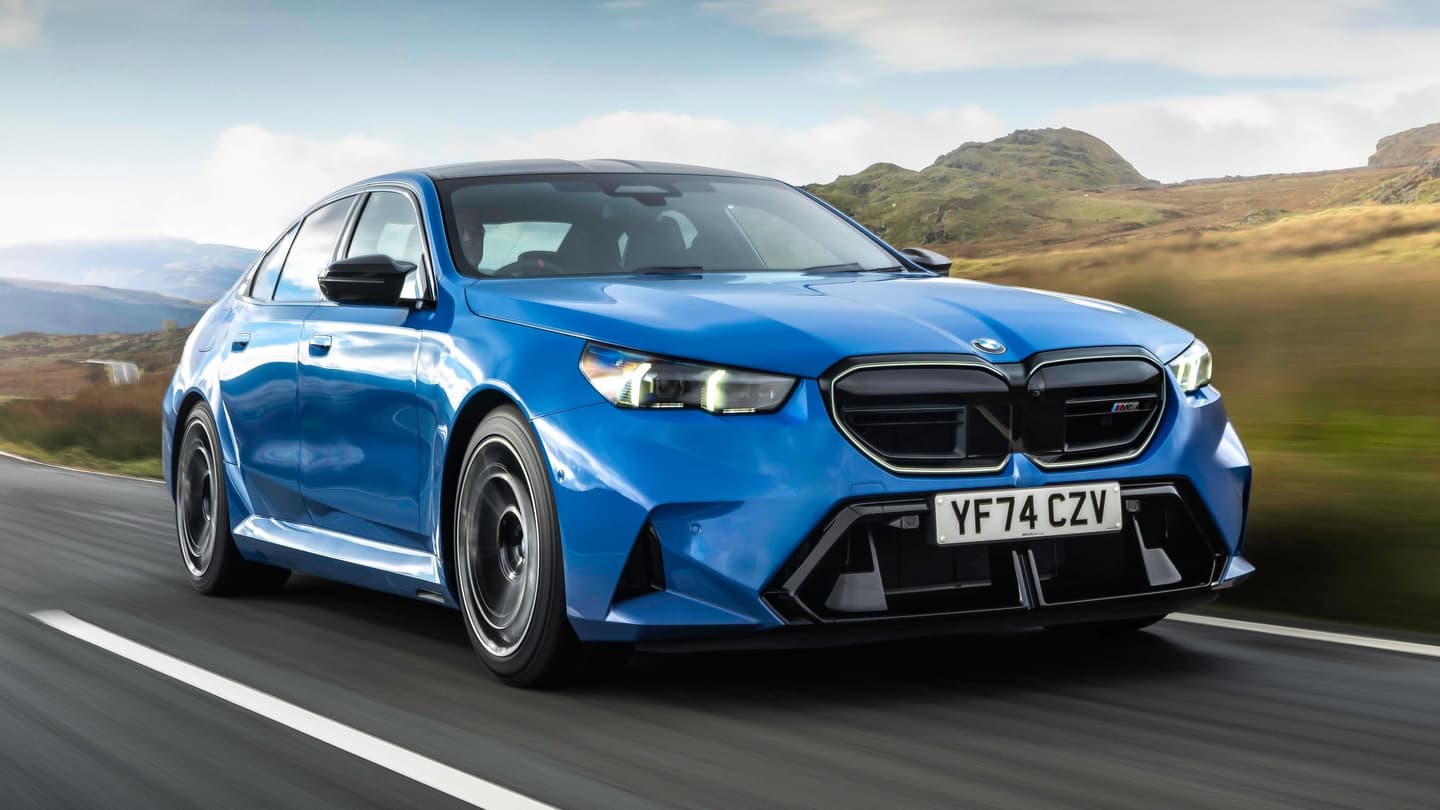
The BMW M5 has always been a car of many talents. It excels at high-speed driving, can soak up vast motorway distances in comfort, gives you luxury features and there’s room for a family.
But the latest G90 M5 is controversial. Now a plug-in hybrid, the M5 is a heavy old thing – and despite producing a monumental 727hp, it’s actually not as fast from 0-62mph as the previous M5. It still has more power than you’ll know what to do with, mind.

A lot of performance cars are plug-in hybrids now – it’s almost unavoidable because of the strict emissions targets that carmakers have to abide by. Heck, even the £400,000, 1,000hp Ferrari SF90 needs an electric motor and a battery, and gets around emissions regulations with 16 miles of e-range.
Adding electricity is an easy way to unlock more power. The latest BMW M5 kicks out a colossal 727hp. This is essentially a family car, remember. With BMW’s xDrive four-wheel-drive system in control of the power, it can sprint from 0-62mph in just 3.6 seconds and tops out at 190mph.
"Performance is absurd, punching you in the gut and rearranging your internal squishy bits"
But adding the electrical bits to the M5’s 4.4-litre V8 also adds weight. Around half a tonne, in fact, resulting in the new M5 slumping onto the scales at a portly 2.4 tonnes. So even with the extra power, it’s actually a couple of tenths of a second slower in the 0-62mph sprint than the old M5. Few would want more than the ferocious, seemingly neverending acceleration the G90 offers – but you do notice the weight in fast corners.
Use the powertrain as intended and you’ll get 40 miles of electric range. The plug-in aspect brings benefits for cruising refinement and, obviously, fuel economy. It adds another string to the M5’s bow, because it can settle down and be cheap-ish to run if you really want it to. The M5 really feels like it can do anything, especially in Touring estate guise.
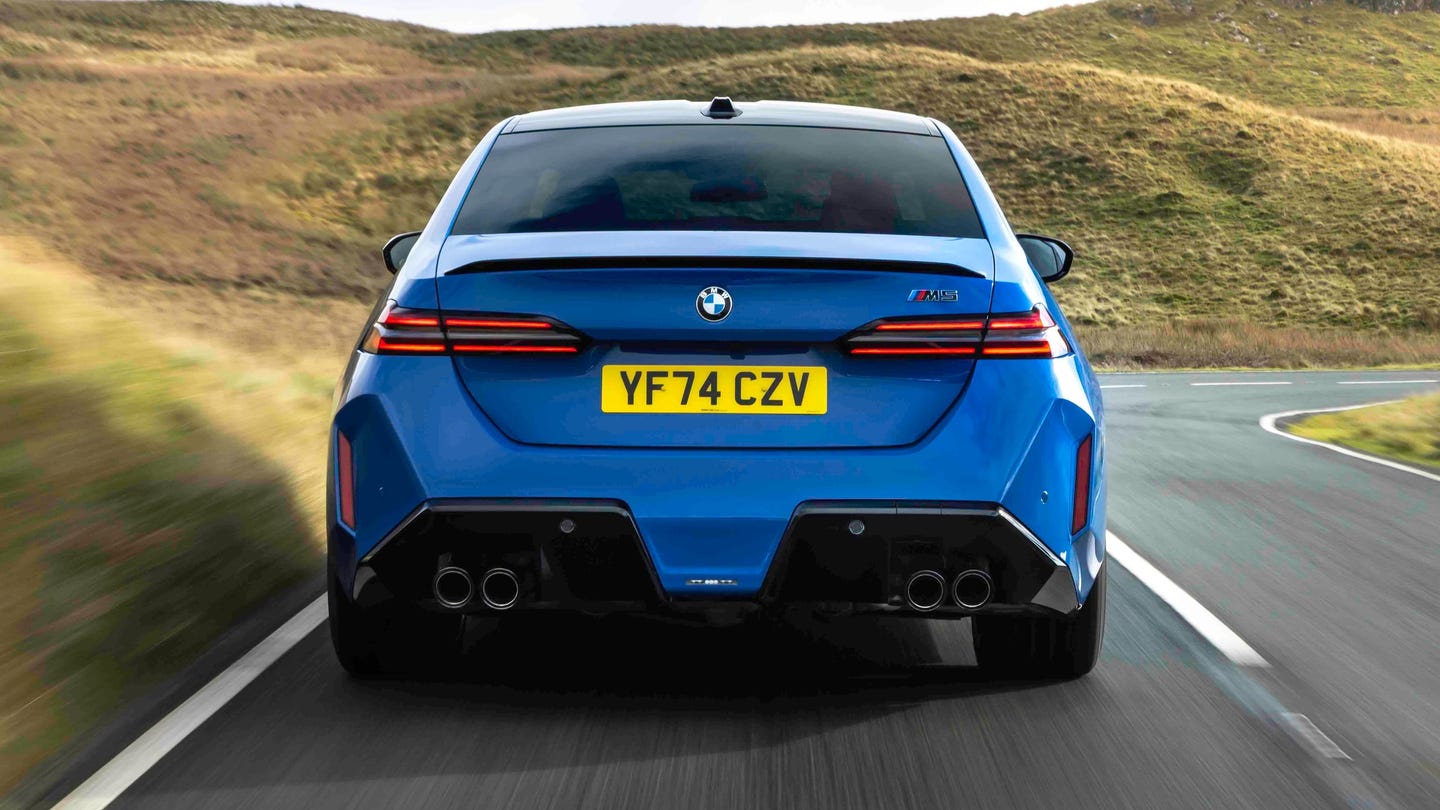
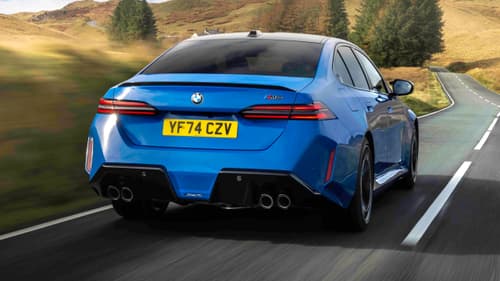
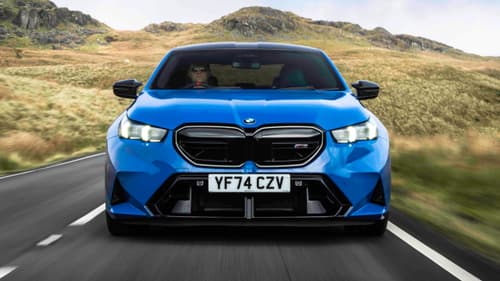
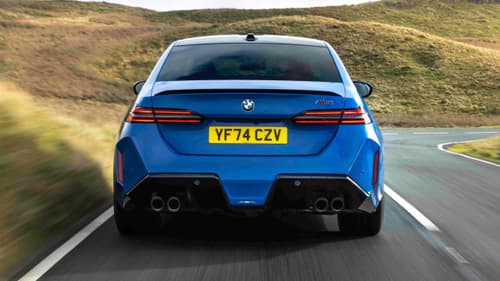
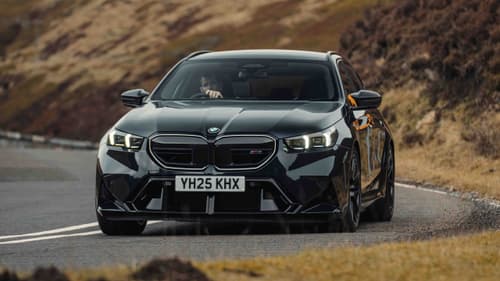
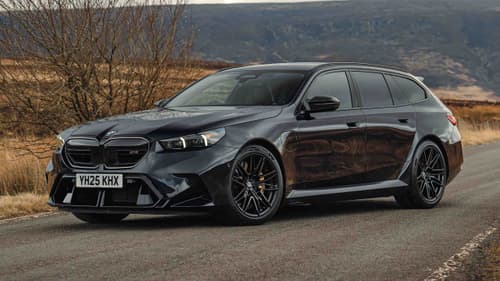
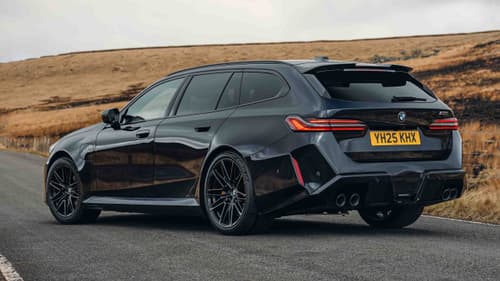
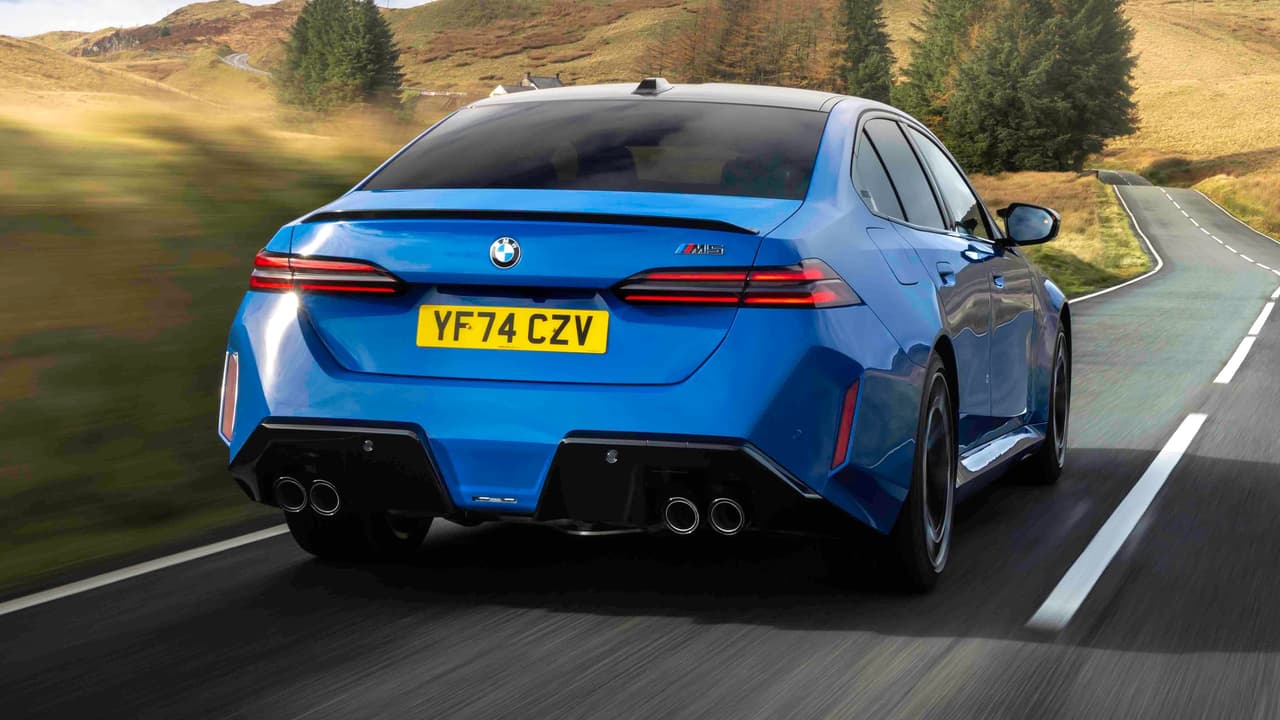
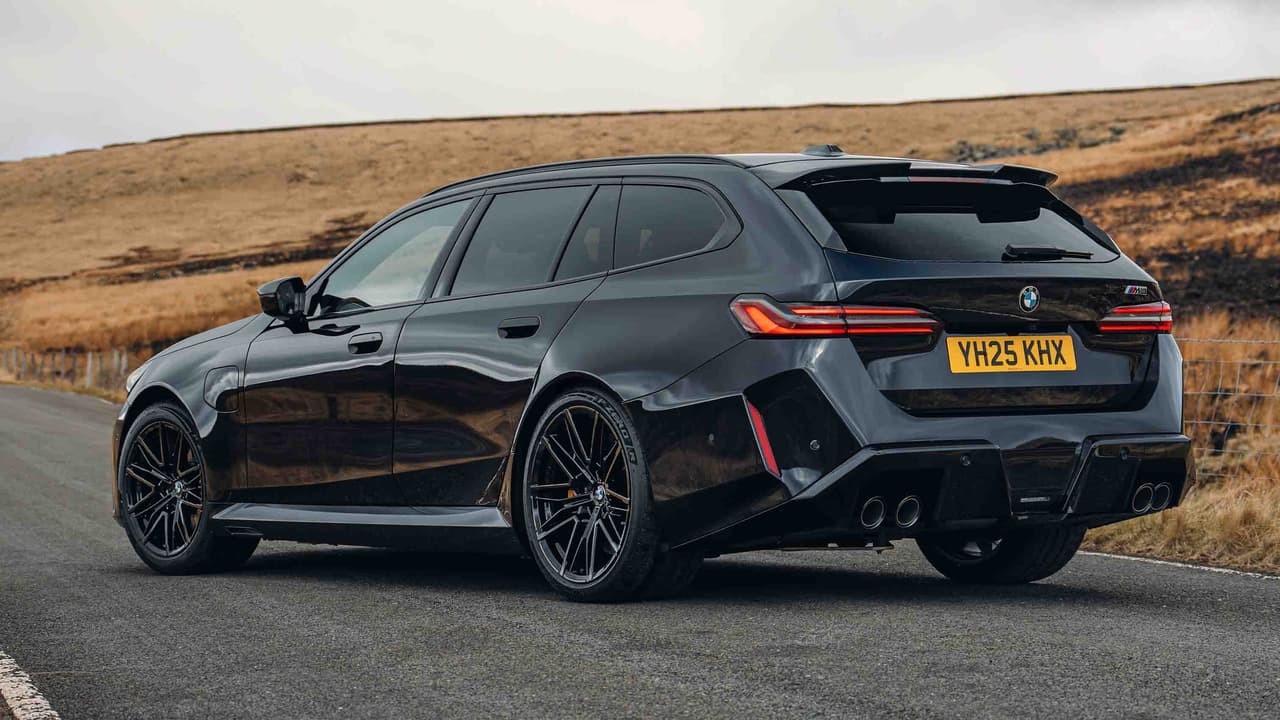
You can creep through city centres making no noise at all, but you’ll still stand out. There’s no mistaking the M5 for a normal 5 Series thanks to its swollen wheelarches, quad exhausts and fat stance. It might not look classically pretty, but it does look immensely presenceful.
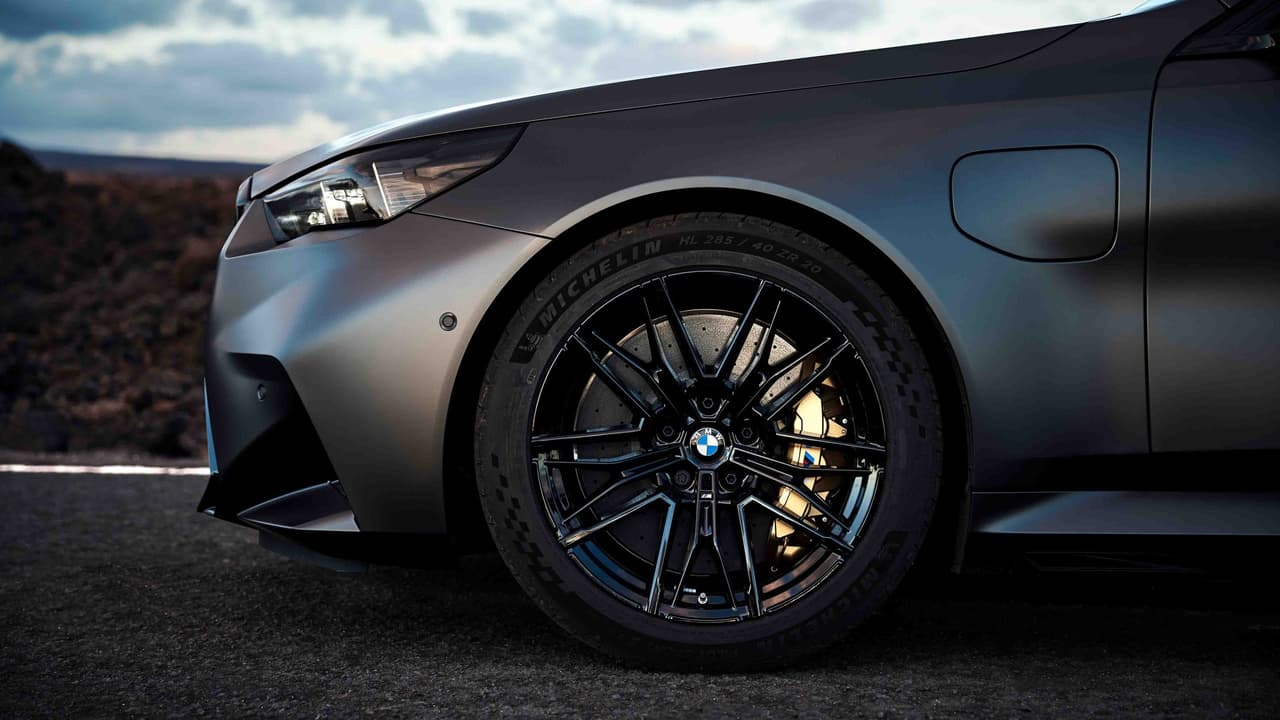
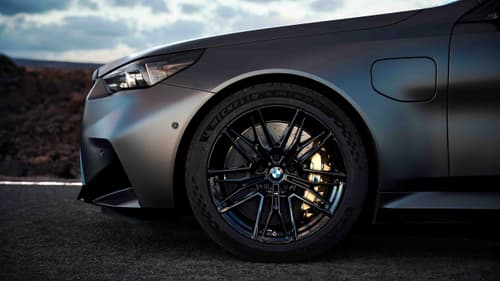
Our test car wore five grand’s worth of optional paint, plus carbon mirrors and the gold brake calipers that come with the pricey Ultimate Pack. Full total: over £27,000 worth of options, taking the on-the-road price of our car to over £140,000. Spend that much and you probably want people to notice.
If you don’t, you can save yourself tens of thousands of pounds by going for the sub-£80,000 550e – and you’ll still get exciting performance, four-wheel drive and a fancy interior. Hmm, that’s quite tempting versus the M5 actually…
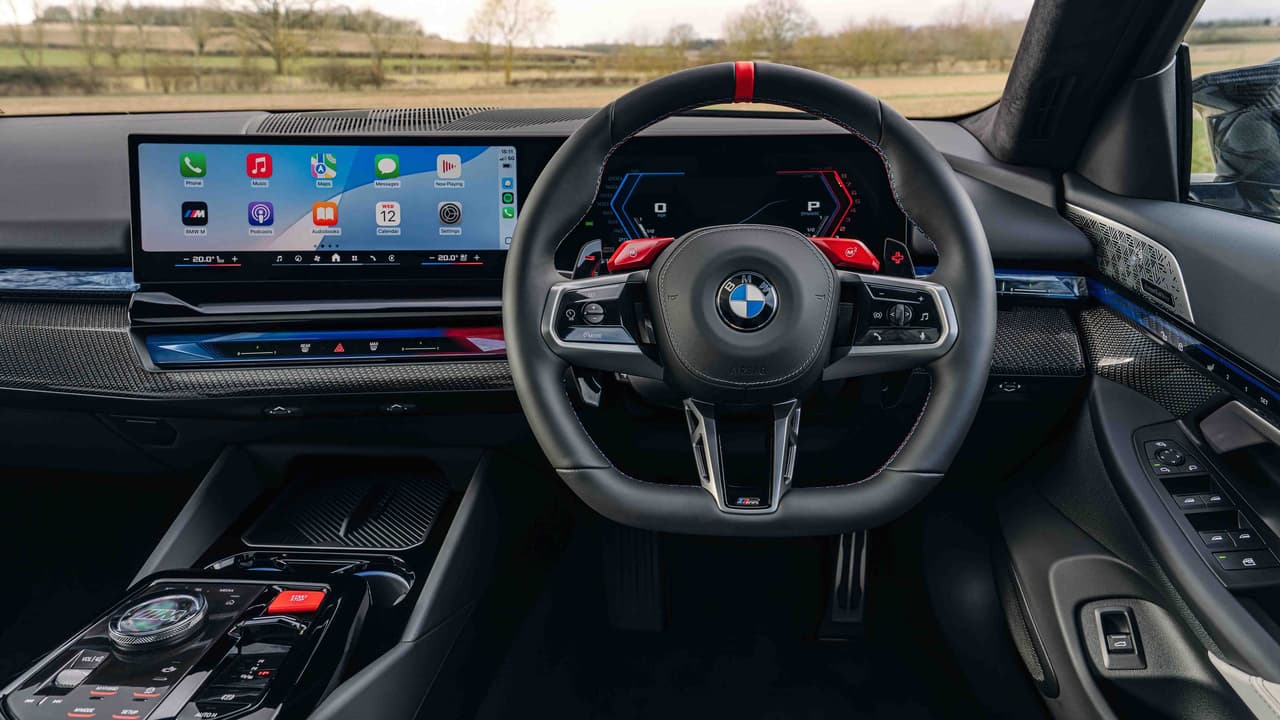
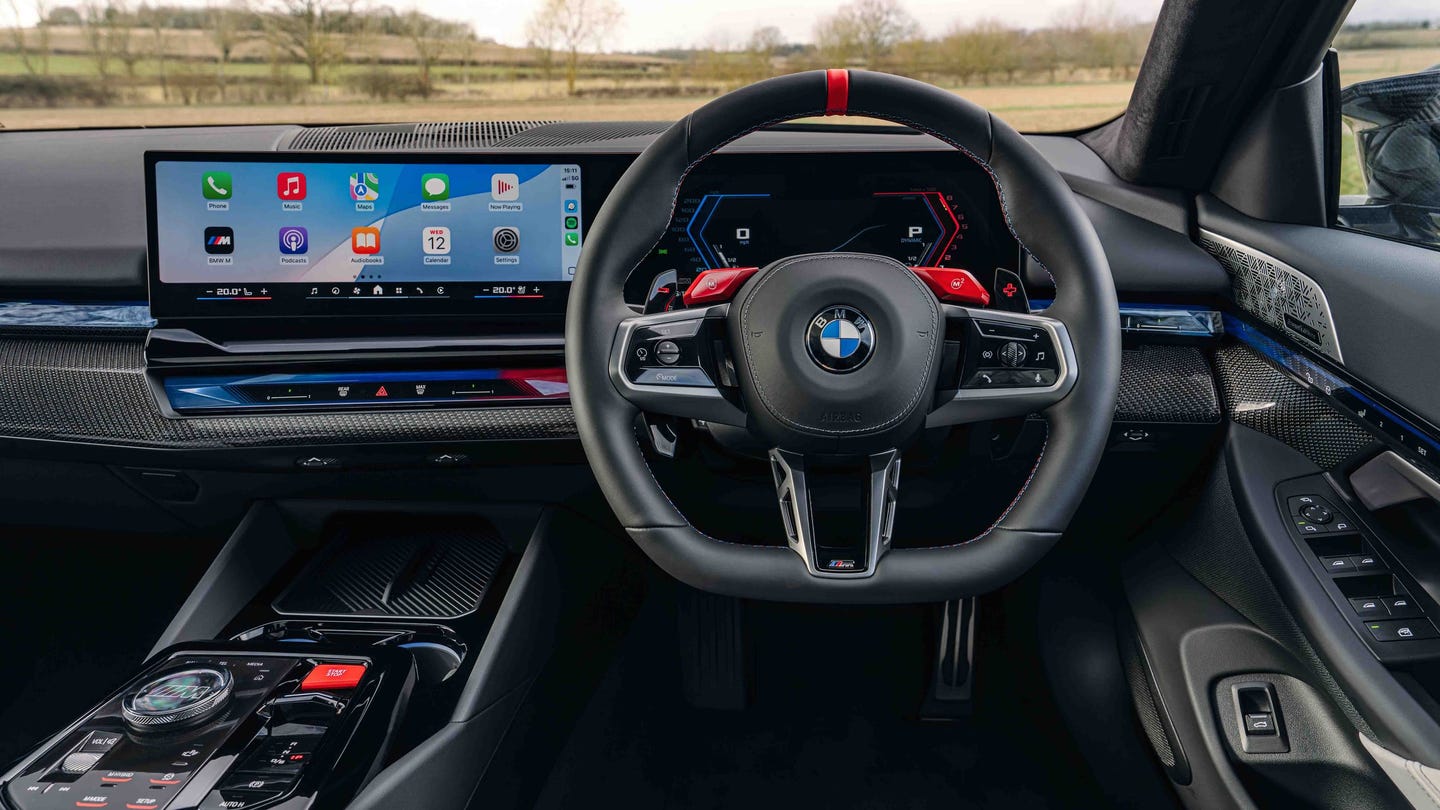
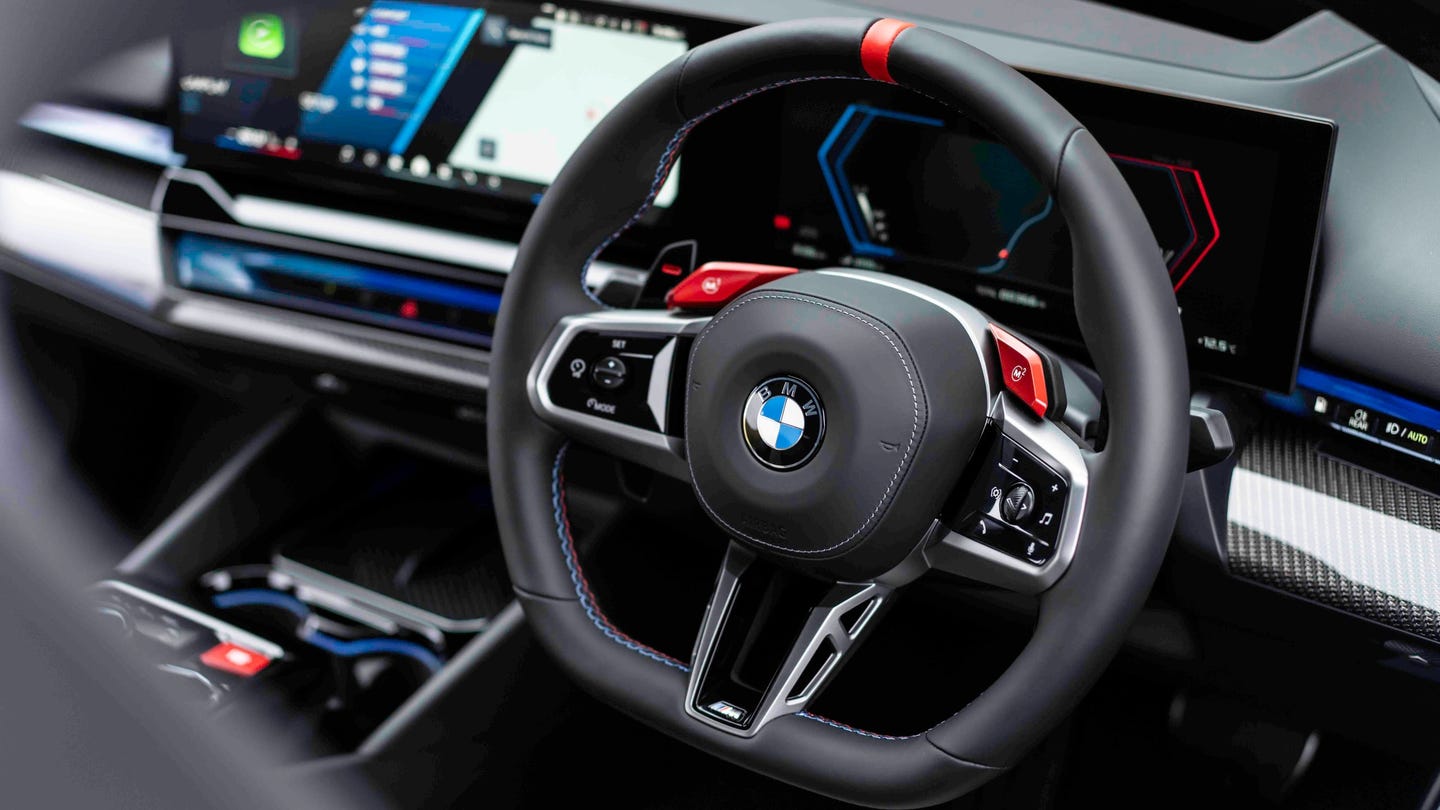
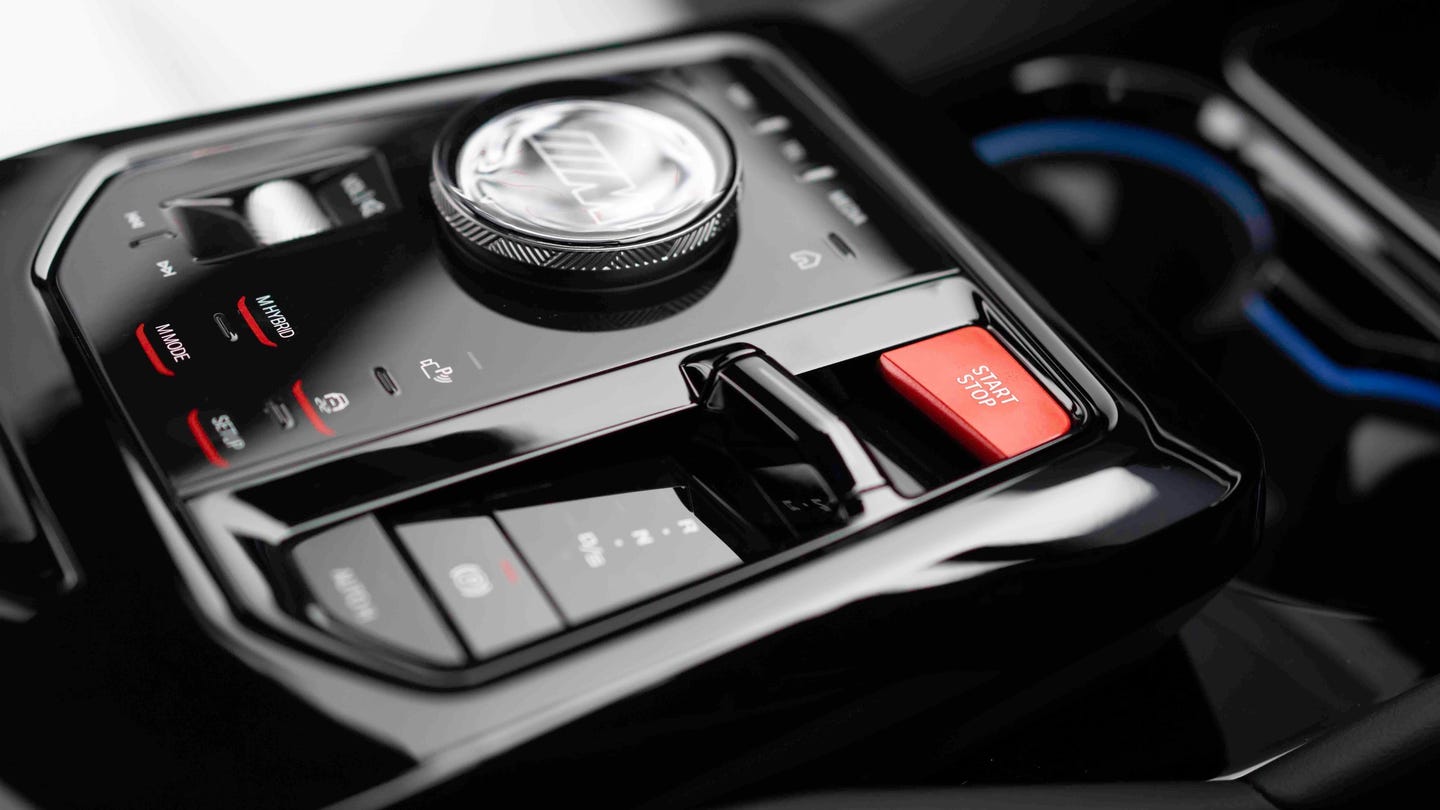
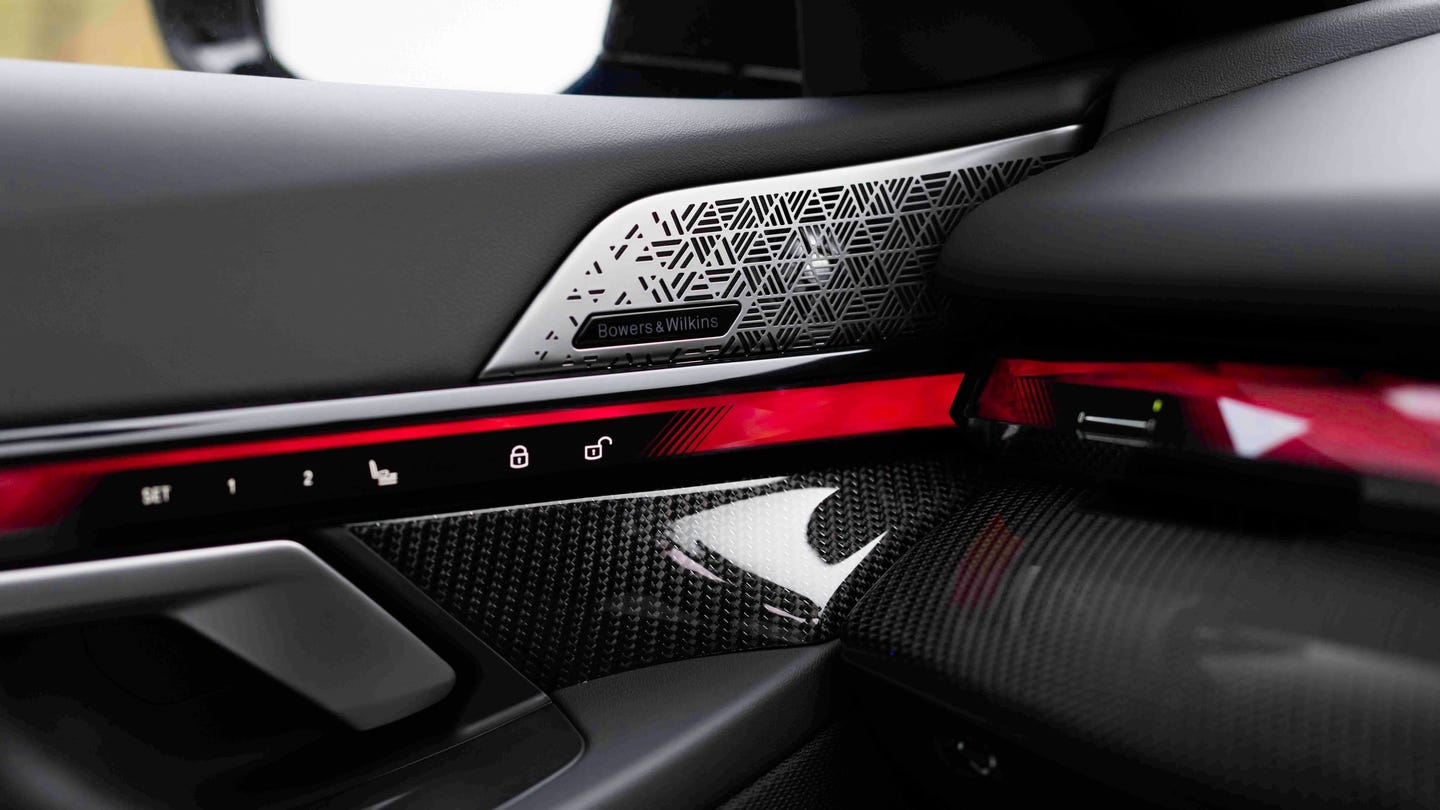
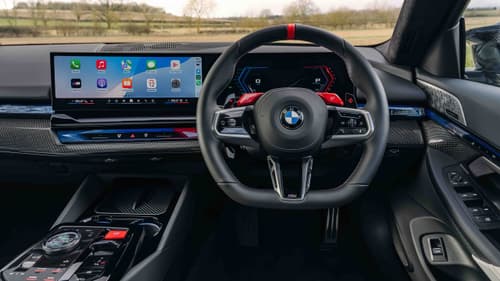
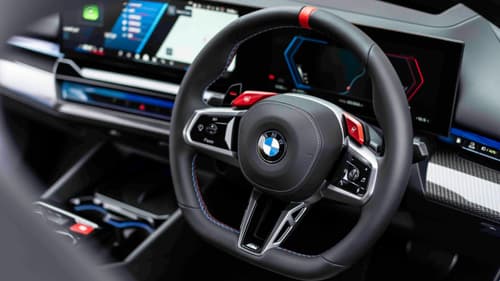
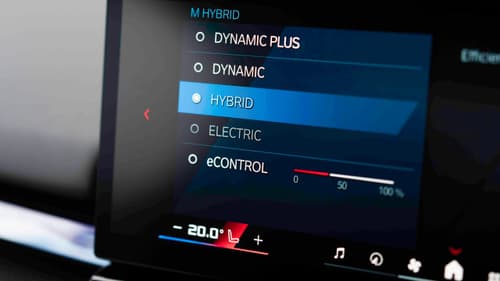
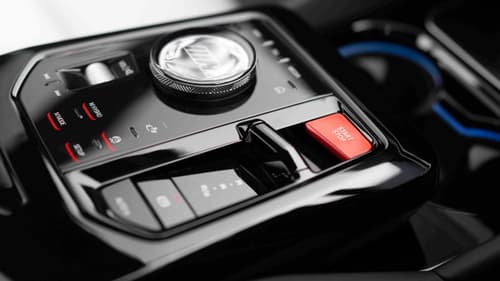
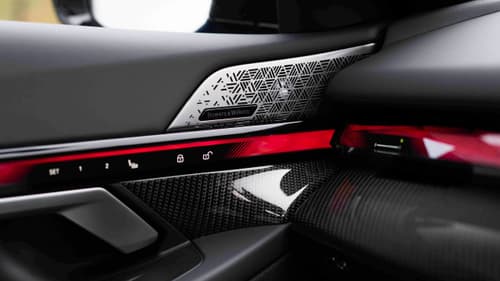
We’re all about the little details, and the M5’s red start button, red M driving modes, red 12-o-clock steering wheel marker and (optional) carbon fibre interior trim really do it for us. The M5’s interior certainly feels more special and more inviting than a normal 5 Series’.
Build quality is superb and the interior feels built to last. Given how firm the car is, you might expect to hear the odd rattle or squeak, but there aren’t any. Every button operates with precision and solidity.
The two large screens are joined in one impressive, curved panel. Despite initially seeming overflowing with information, you quickly find that the main, necessary info is in a sensible place. You can configure the display to your liking, with options including a laptimer, a g meter and your map view.
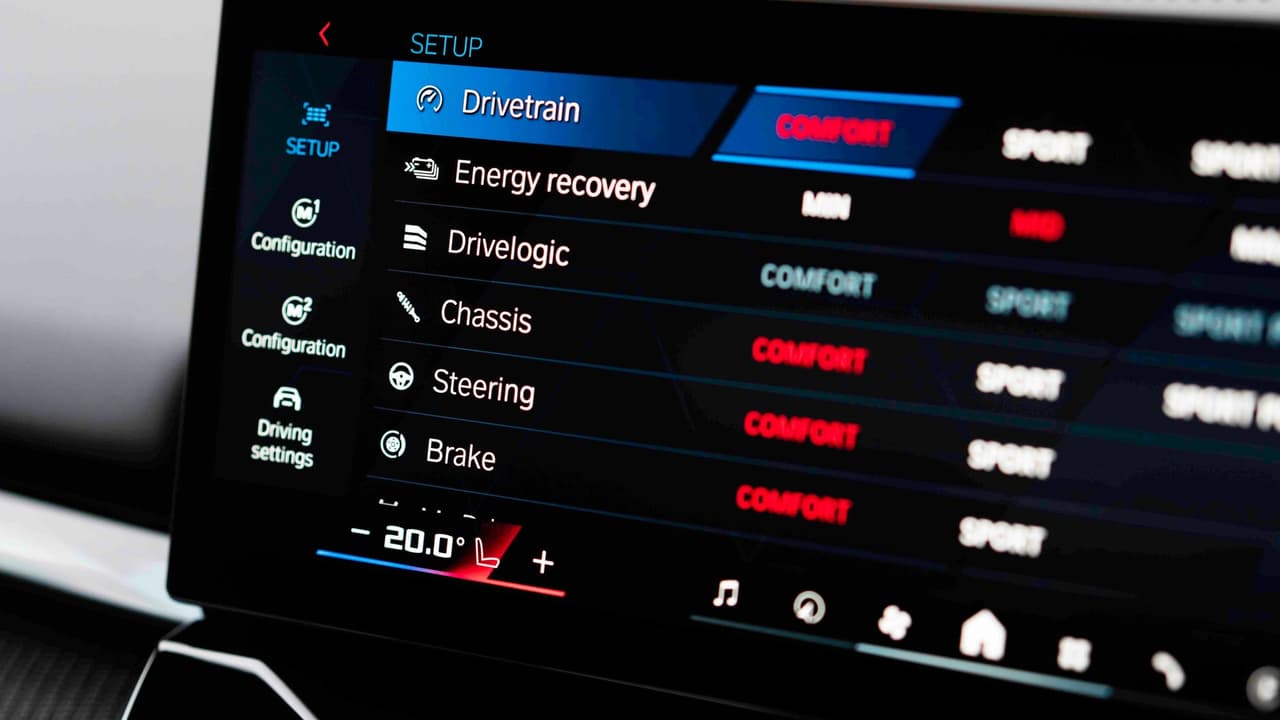
Spend long enough in the settings menu on the touchscreen and you’ll realise that you can configure nearly everything remotely to do with the car. The wall of tiles on the ‘app’ screen – and their resulting sub-menus – would be impenetrable without the superb iDrive controller, the use of which soon becomes second nature.
You’ll almost certainly forget which menus some settings are in, but thankfully the main functions are easily findable from the home screen and you don’t often need to venture into the app menu. Again, you can set up the home screen to your liking, with a long row of widgets that it’s easy to whizz through with the iDrive dial. Why BMW has decided to get rid of this in some of its cars, we’ll never know.
If those two screens aren’t enough, there’s also a comprehensive head-up display. In its ‘adaptive content’ mode, the head-up display negates the need for the driver’s display – it’ll show you your speed and gear information, a large (somewhat distracting) sat nav display and will even warn you when you approach a junction. The adaptive content here and on the screens are generally helpful and clever – such as the different camera views that ping up when you’re reversing.
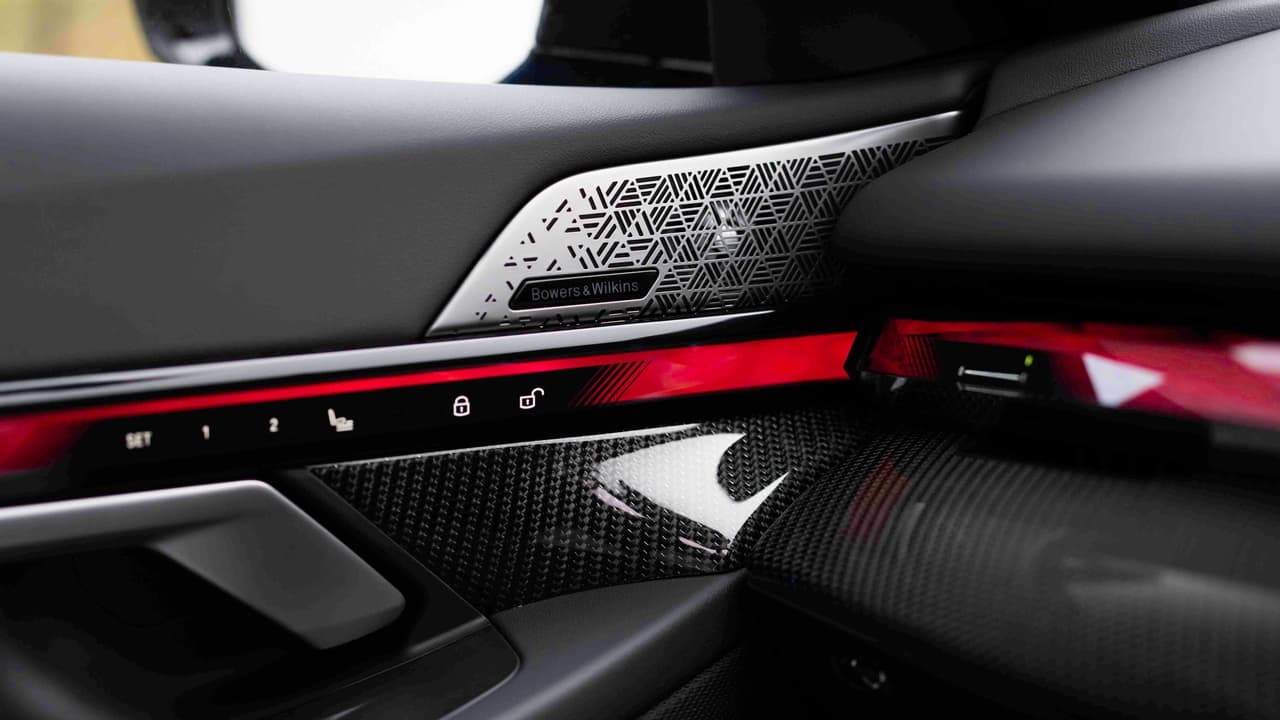
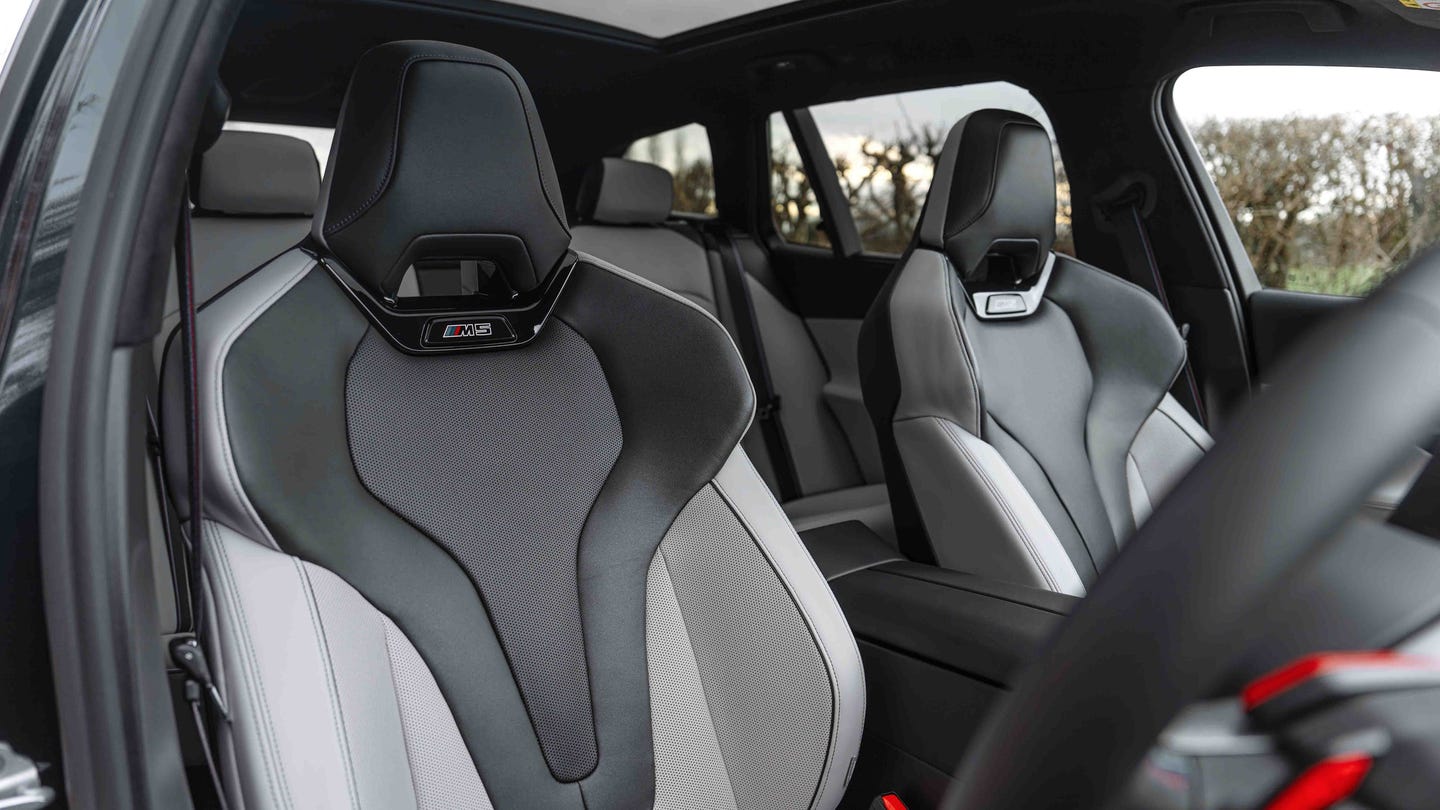
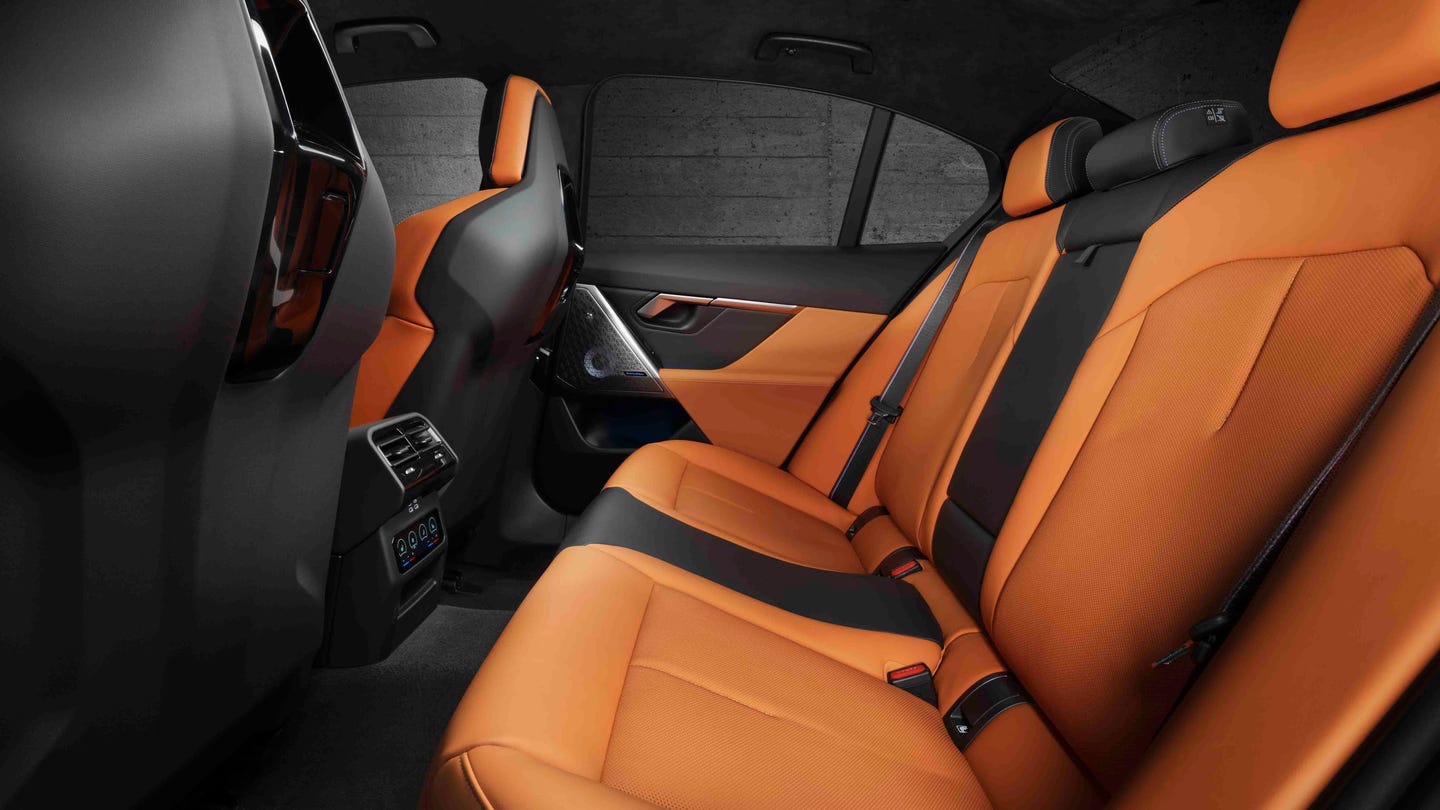
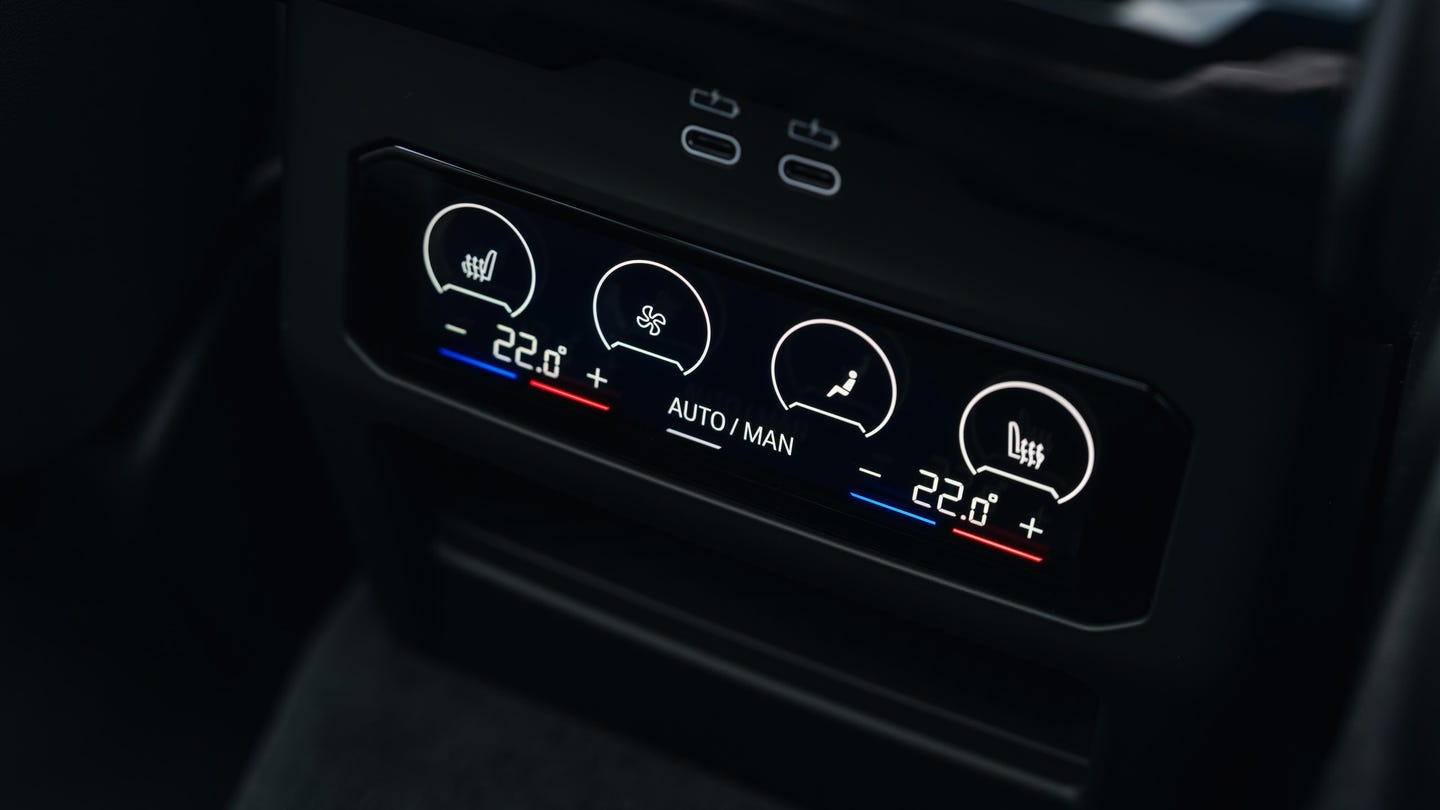
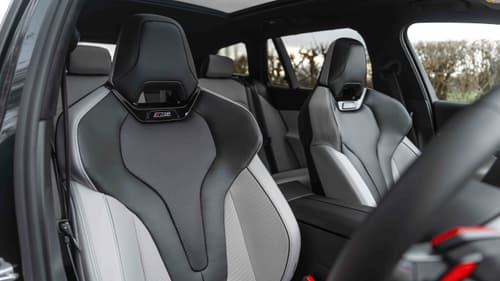
The M5 has a six-figure price tag now, and the standard equipment goes some way to justify that. Adaptive LED headlights, a Bowers & Wilkins stereo, four-zone climate control, comfy M sports seats and an extended ‘Merino’ leather upholstery package are all included. We’d spec the carbon trim on the dash for another £400, and the Comfort Pack that adds heated rear seats, cooled front seats and sunblinds for an extra £1,600.
The Comfort Pack is included if you pick the Ultimate Pack, which bundles in a host of droolworthy extras such as a large glass roof, carbon-ceramic brakes with gold calipers, and park assist. The kicker is that ticking this box costs almost £19,000, which is enough to buy an entire 12-year-old M5.
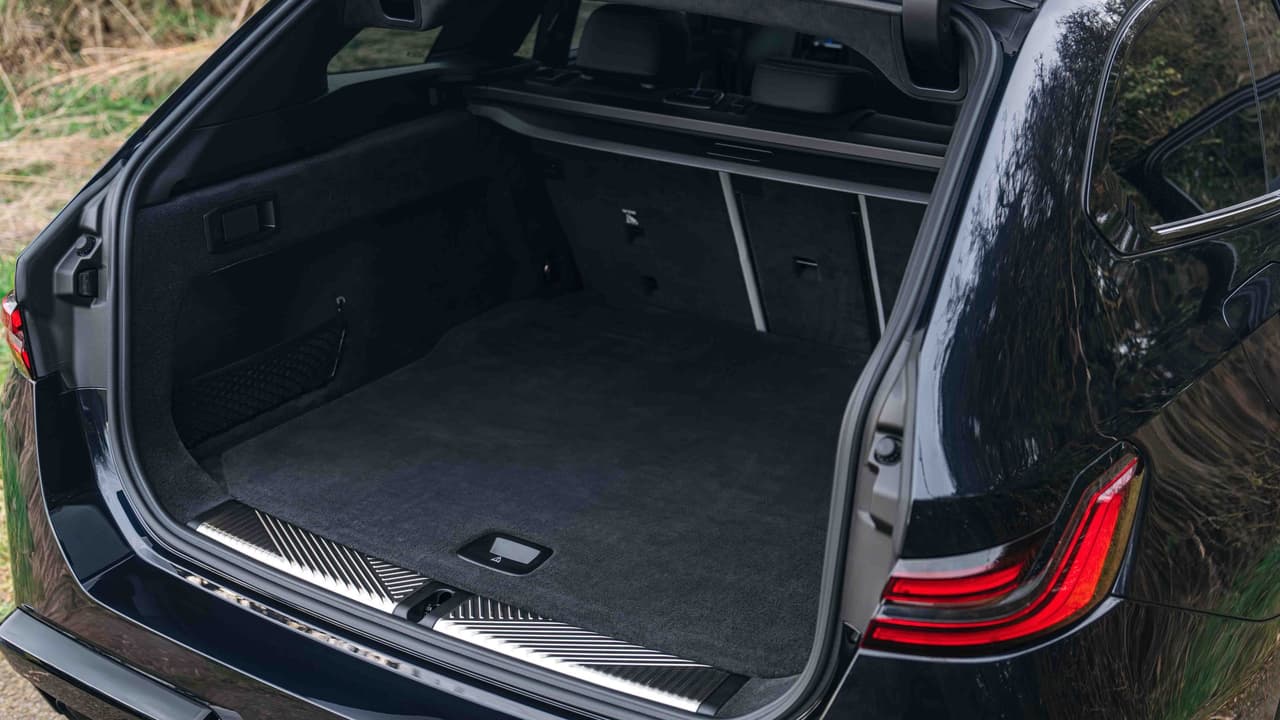
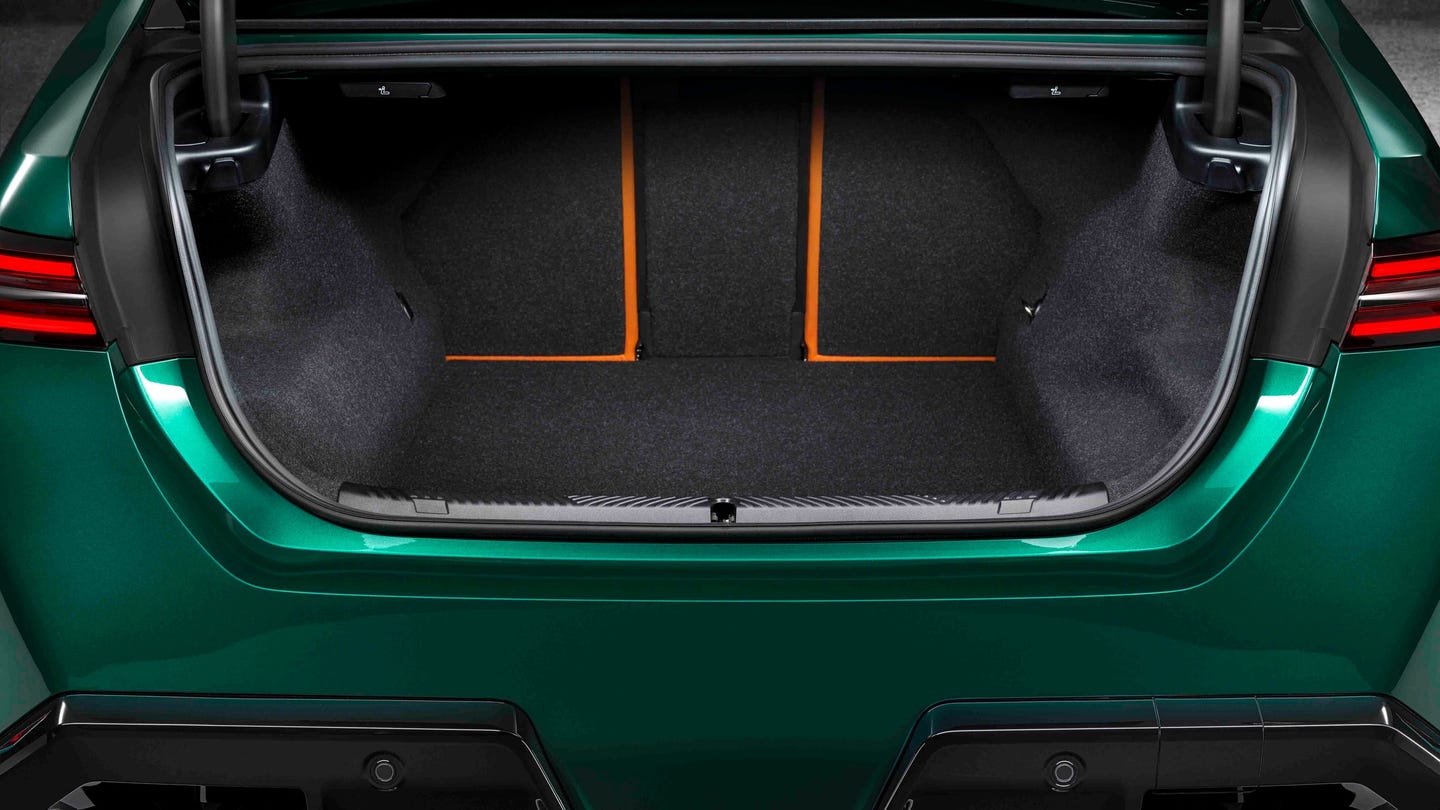
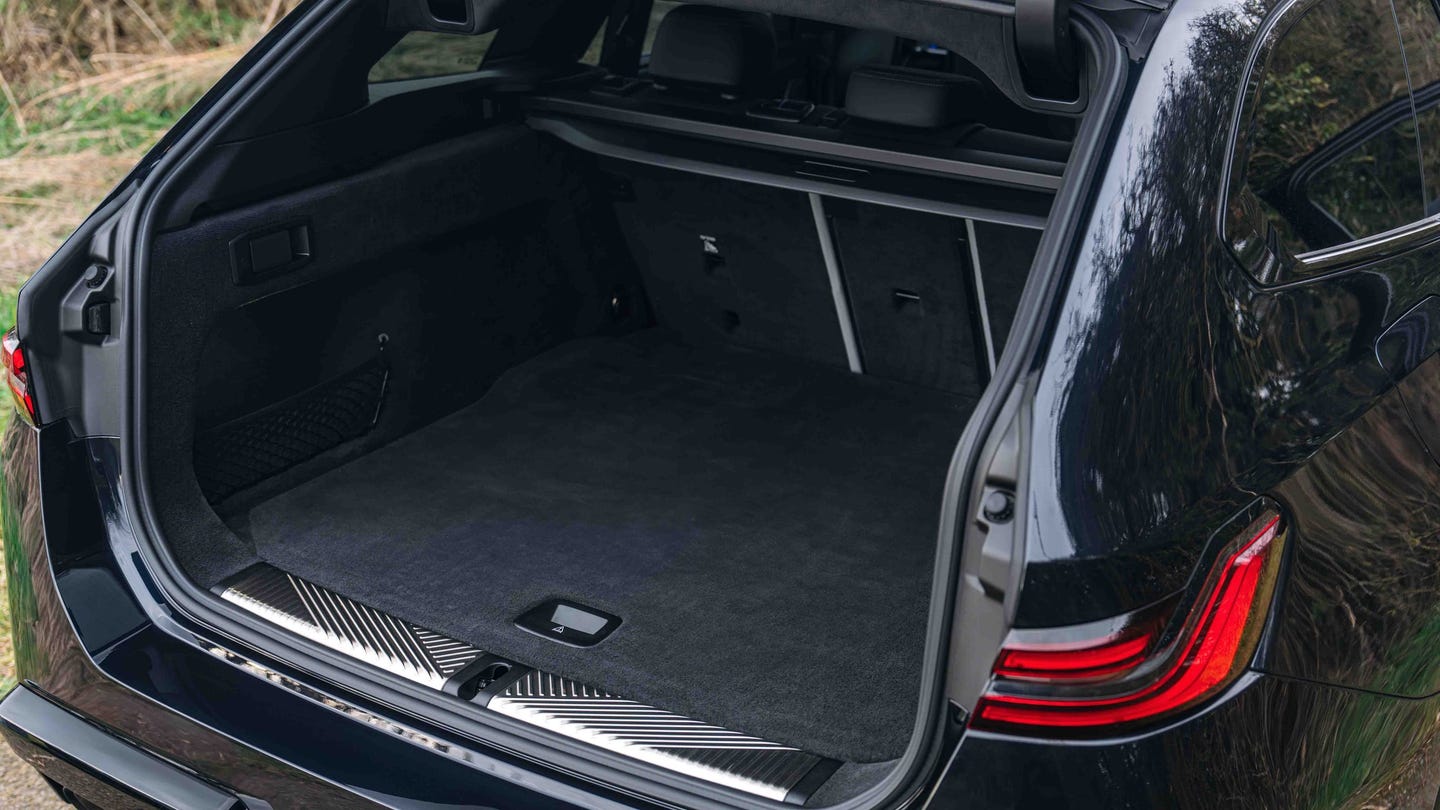
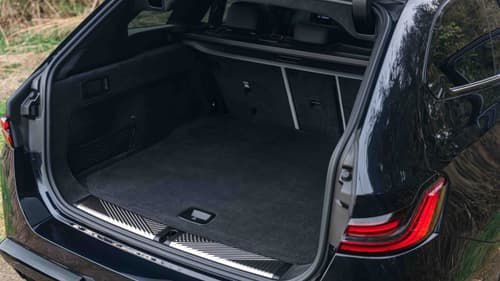
For the first time in three generations of the M5, you can choose an estate model – which you should, as it’s a lot cooler than the saloon. Obviously, the longer roof also gives you more luggage space because you can load above the parcel shelf.
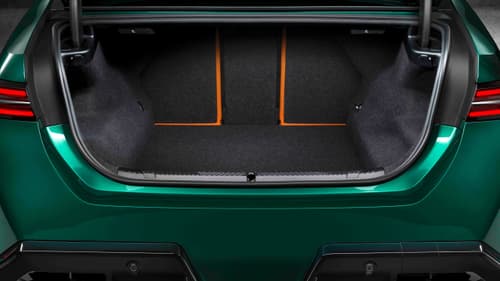
The boot looks big and useful, and there are seat fold levers, hooks, sockets and nets back there. Estate M5s offer 500 litres, which isn’t actually any more than the smaller M3 Touring. That’s because the M5 is a hybrid, so all of the space that you would get underneath the boot floor is taken up by batteries.
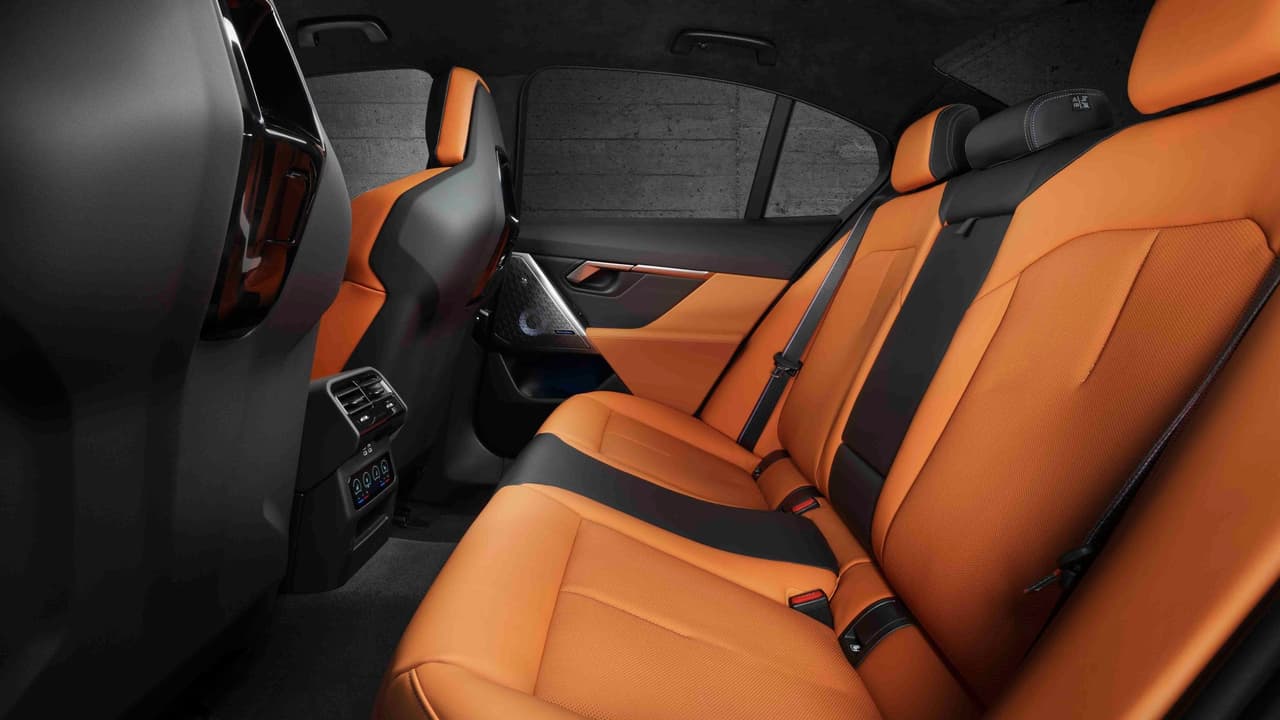
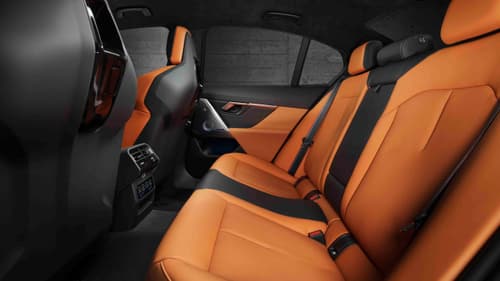
Just like the regular 5 Series, the M5 offers a lot of rear-seat legroom, and decent headroom even for taller passengers. The Isofix points are easy to find for putting child seats in, and there are the usual assortment of features in the back.
Up front, there’s a tray for two phones, a shallow centre armrest and a reasonably sized glovebox. The door bins are on the small side but are still big enough to chuck in Kitkat wrappers or parking charge notices.
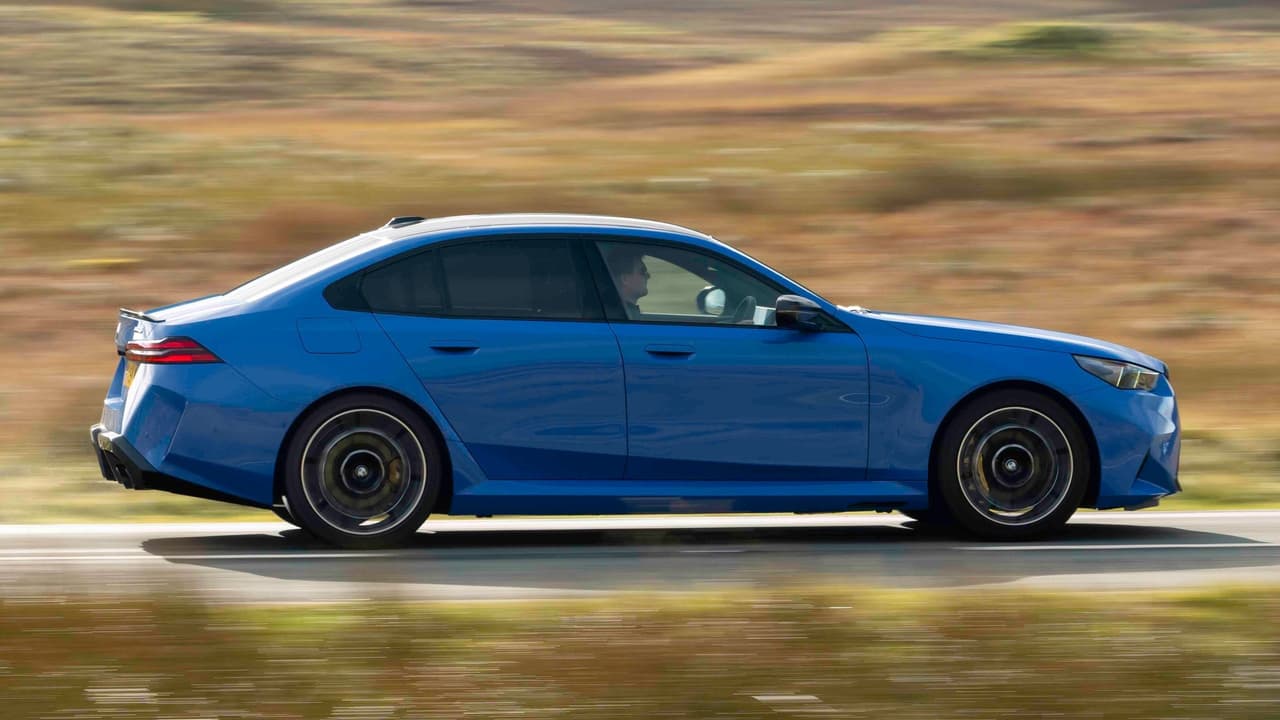
Even on its own, BMW’s ‘S68X’ V8 engine produces 544hp. But here it’s supplemented by electric input worth 197hp, to give a faintly ridiculous total output of 727hp. Oh, and exactly 1,000Nm of torque.
You’re unlikely to care that the newest M5 is a couple of tenths of a second slower from 0-62mph than its predecessor. Performance is still absurd, with full-beans acceleration punching you in the gut and rearranging your internal squishy bits. My kids would scream involuntarily – like being on a rollercoaster – when we briefly deployed full power.
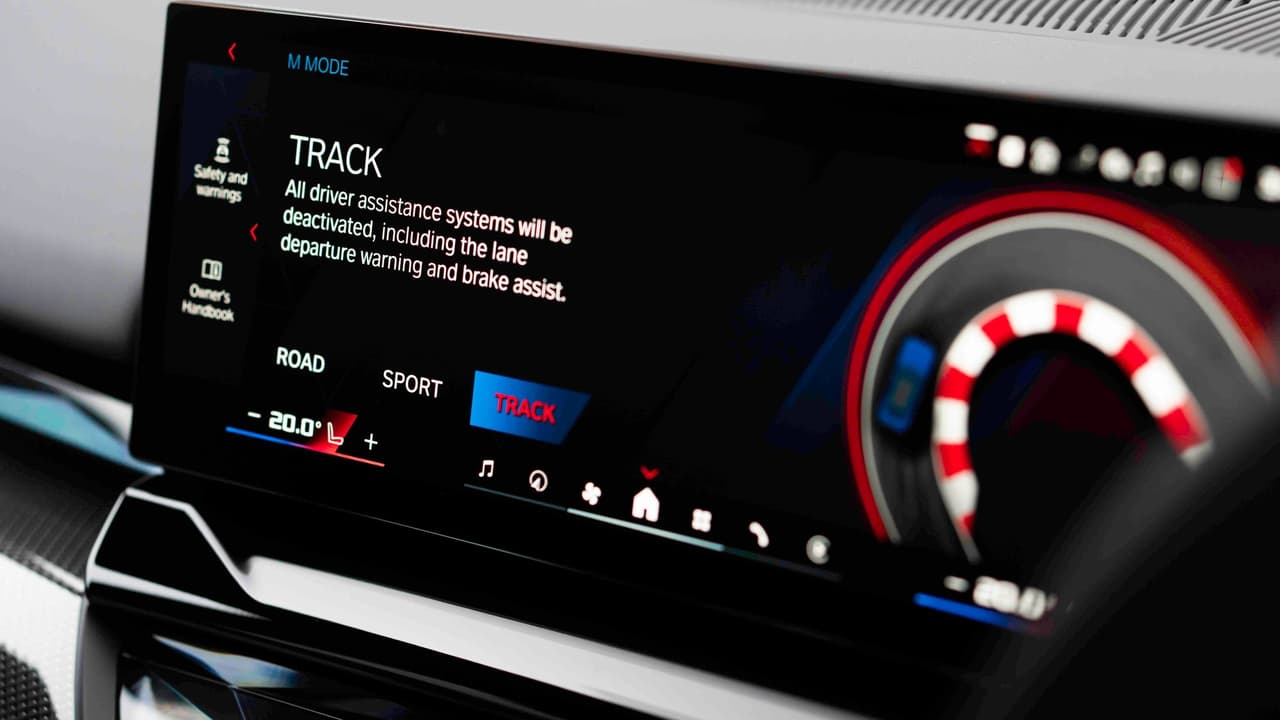
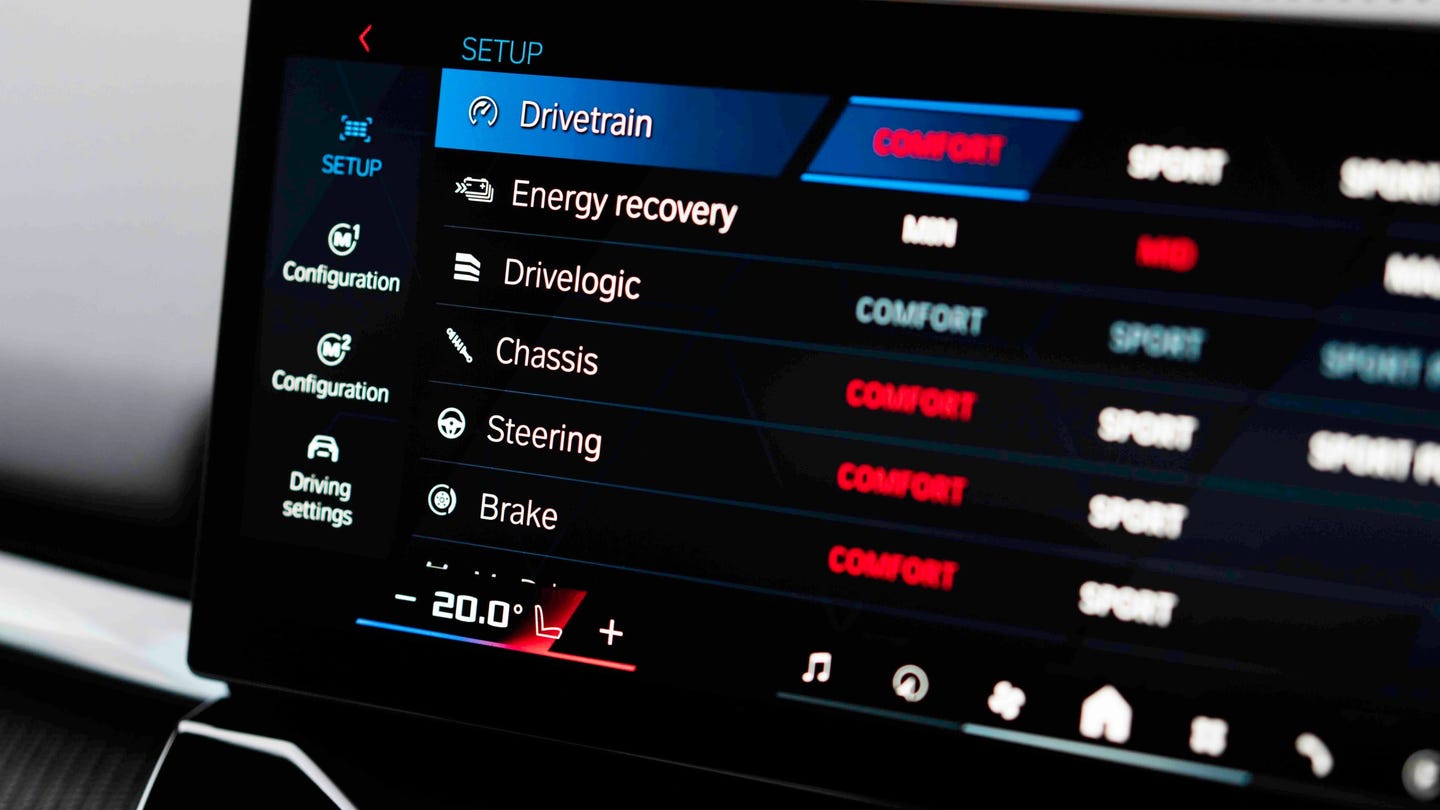
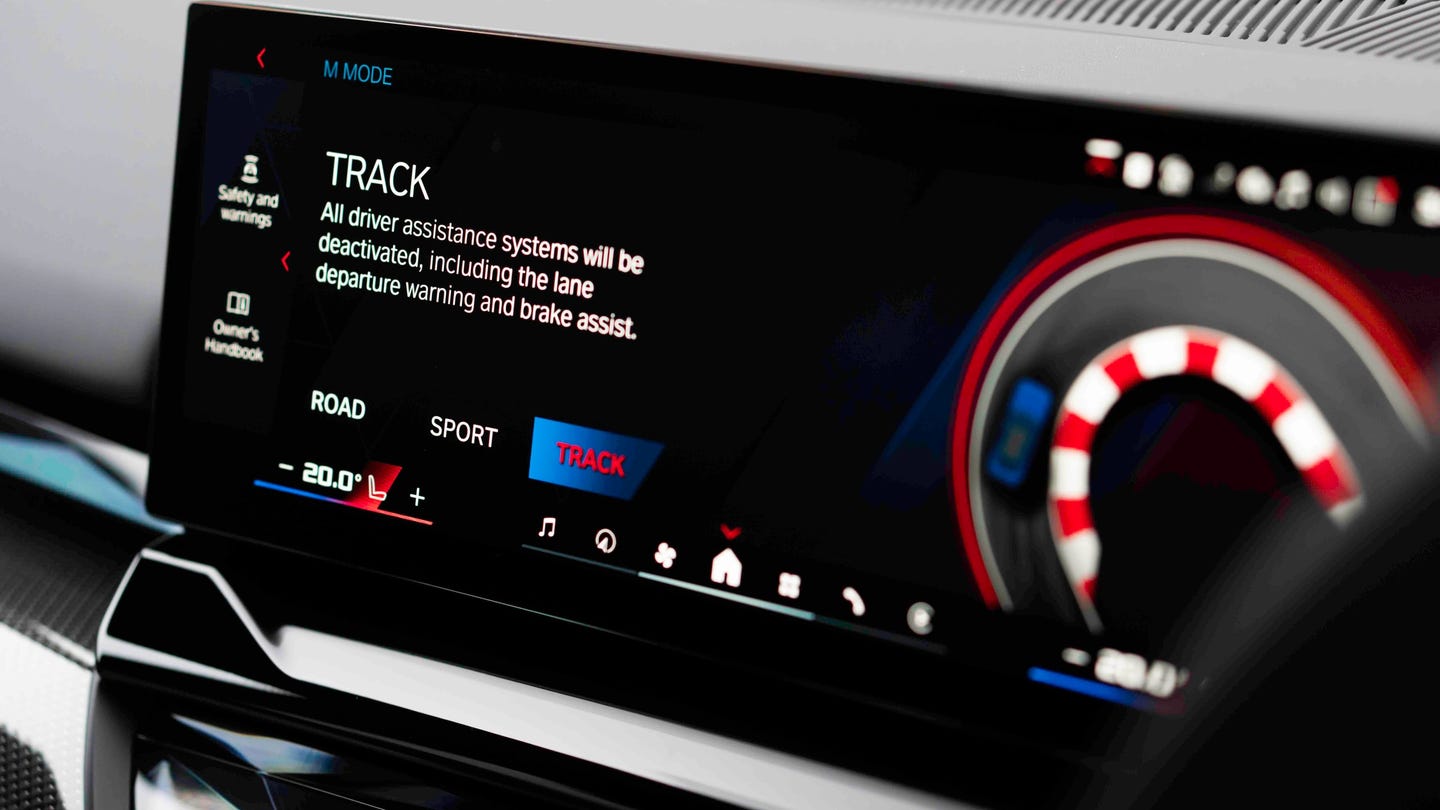
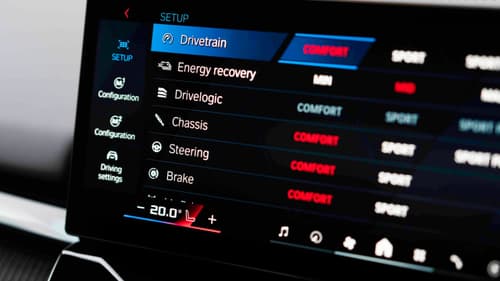
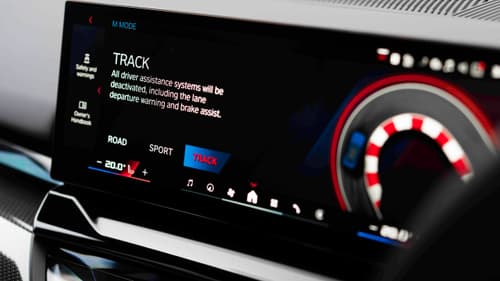
There are so many combinations of setup to pick from. The steering, brakes, chassis, gearbox, acceleration response and exhaust can all be put into a sportier setting than standard, and you can pick and mix them to find your ideal balance. Separate to these is the M Mode button, cycling you through Road, Sport and Track modes. Sport doesn’t change the dynamics of the car but slackens off the speed limit warning and lane-keep assist functions. Safe to say we used this mode a lot.
You can store two setups in the M1 and M2 buttons on the wheel. It’s well worth doing this, because the car resorts back to its most comfortable settings at the start of every journey.
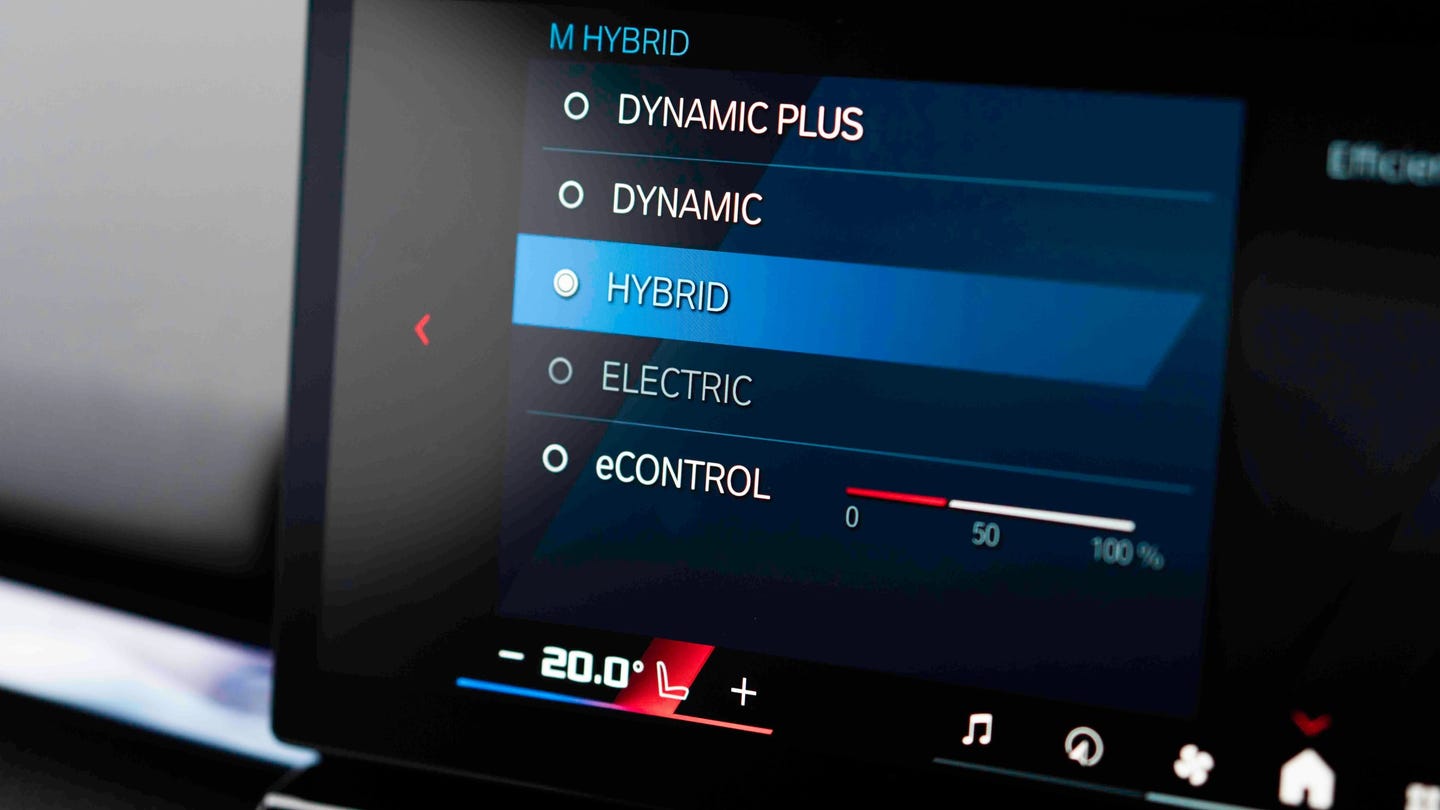
To reduce its on-paper environmental impact, the G90/G99 M5 is a plug-in hybrid for the first time. You need to charge the 18.4kWh battery up to have the full performance figure mentioned above, but you also get 40 miles of e-range. This allows the M5 to drive through a built-up area without producing any local exhaust emissions, and you can go all the way up to motorway speeds on electric power – although doing so will quickly use up the battery.
Officially, the M5 is said to manage 55mpg. We managed 28mpg in our week with the car, even with plugging in, but it feels like you could hit mid-30s without too much difficulty if you drive in a relaxed way and make the most of the e-range. As a sidenote, we also managed 28mpg in a petrol Jaecoo 7, which doesn’t make the M5’s effort seem too bad.
Given it’s so powerful and so heavy, you’re likely to be visiting a tyre shop relatively frequently. BMW offers Pirelli or Hankook tyres as standard equipment – both cost around £300 per corner from a tyre fitting website.
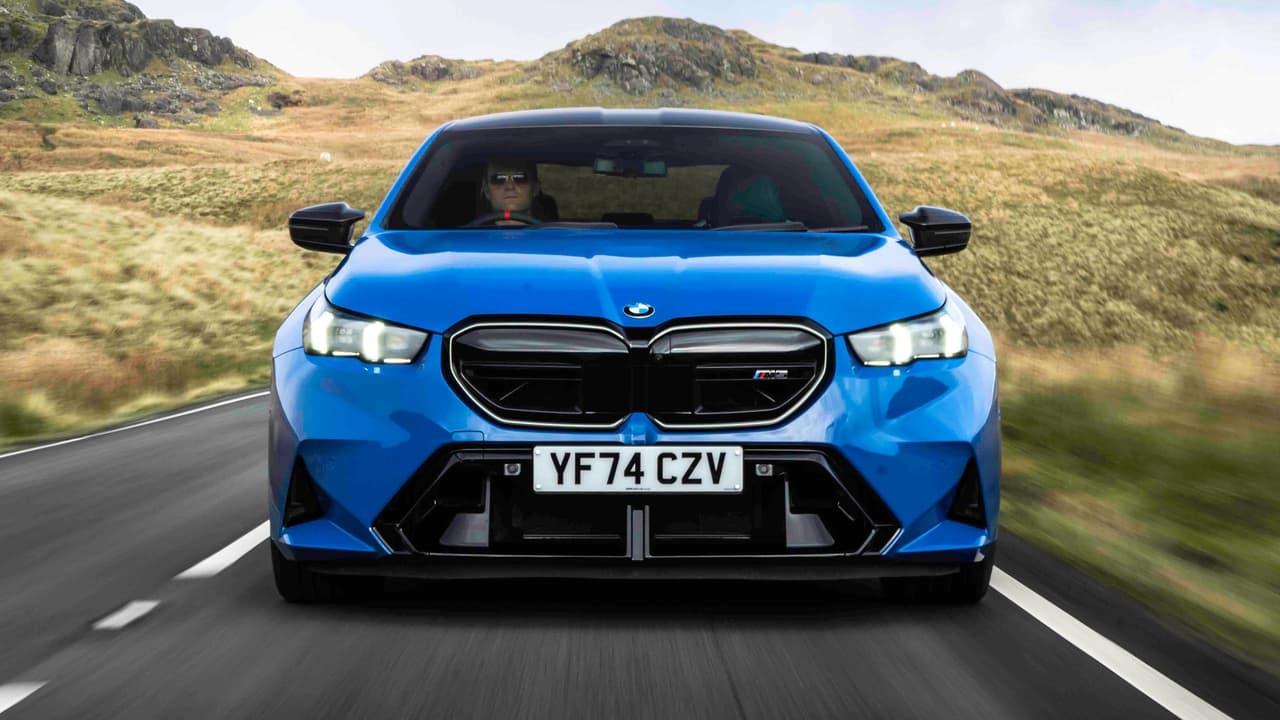
One of the first things you notice with the M5 is how wide it is. The latest model is a big old battleship, and its flared arches push the wheels out a long way. It has an amazing stance, but means you’re always closer to the side of the road than you initially expect. On British country roads, you sometimes have to take it a bit easier than you would in a smaller car.
The M5’s hefty bulk becomes apparent in tight corners; it’s clear that the car prefers wider, flowing roads. But the chassis stiffness means it handles really nicely for such a large car.
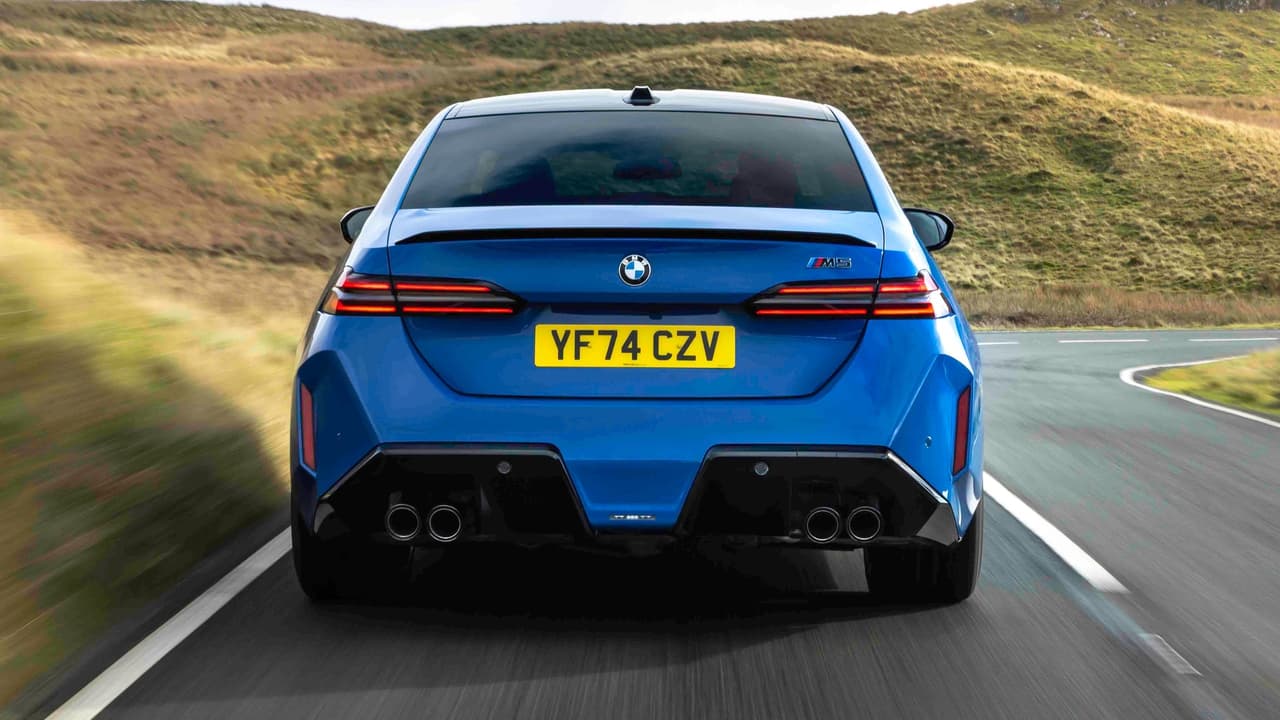
It settles down to a cruise well, even if you’re always aware of the tyre noise kicked up from the wide, staggered tyres.
The optional carbon-ceramic brakes (part of the Ultimate Pack) are superb. They haul you to a stop in no time at all, which is immensely reassuring when the M5 feels so big. Plus, they never squeal like the Audi RS3’s ceramics, and we never noticed any drop off in braking performance. They might even offer a decent lifespan, because you can use the highest setting of regenerative braking in many normal driving situations.
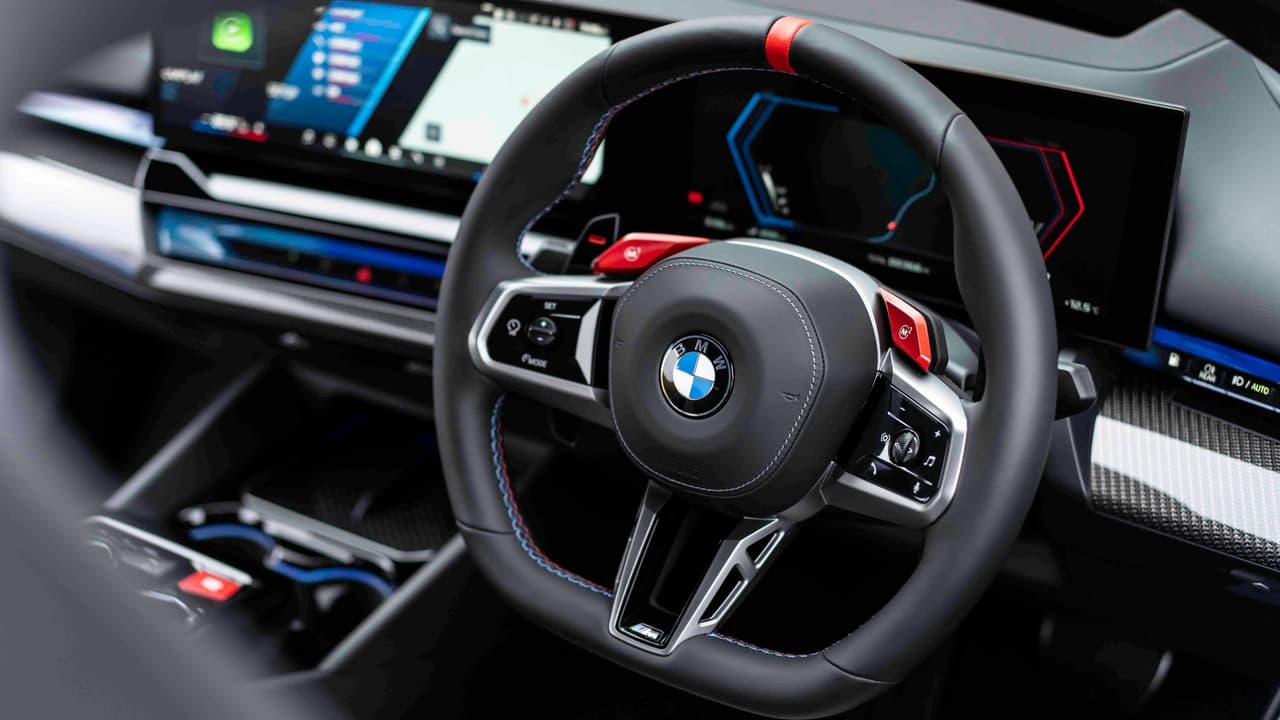
The steering is weighty and direct in sport mode, but a little bit vague in its standard setting. We’d like a slightly thinner steering wheel – BMW wheels have been overstuffed for years now – but the rubberised gearshift paddles are lovely to use.
The worst part of the experience is the firmness of the ride. Yes, it’s a performance car, and yes, it rides on 20/21-inch low-profile tyres, but you might expect the fancy adaptive suspension to offer a softer setup option. As it is, the M5 amplifies impacts even in its ‘comfort’ setting, making every pothole feel like you’re going over a cattle grid.
Actually, perhaps the worst part is that having so much power but not being able to use it is frustrating. The M5 is obscenely fast and easily capable of getting you put in handcuffs, but that doesn’t matter if there’s a Vauxhall in front of you doing 10mph under the speed limit. Don’t expect to be let out of junctions very often, and if you meet another car on a narrow country lane, you’ll be the one reversing.
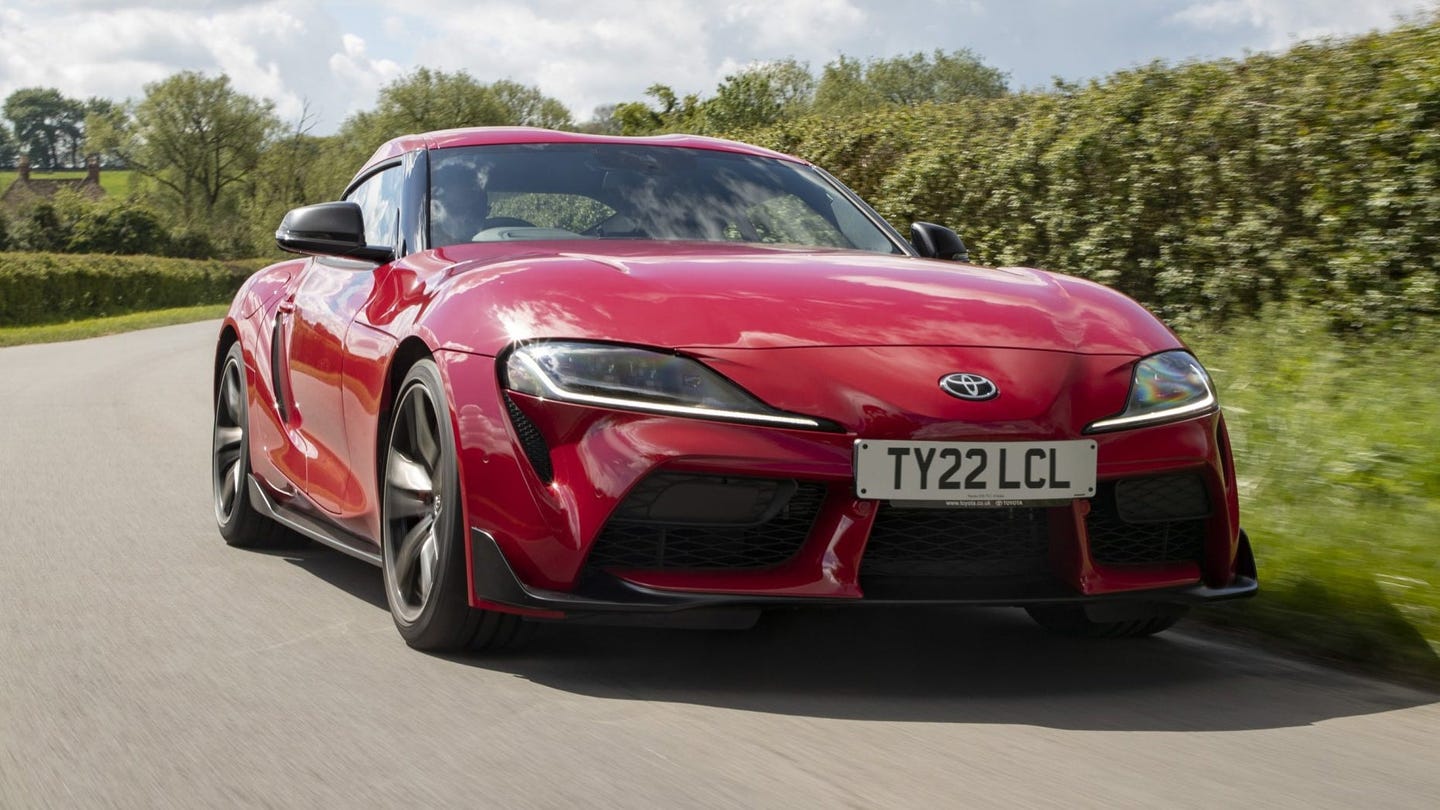
Gives every journey a sense of occasion, but it’s missing some sparkle