









10 of the best Japanese cars 2026

Ben Custard
•
Choosing A Car

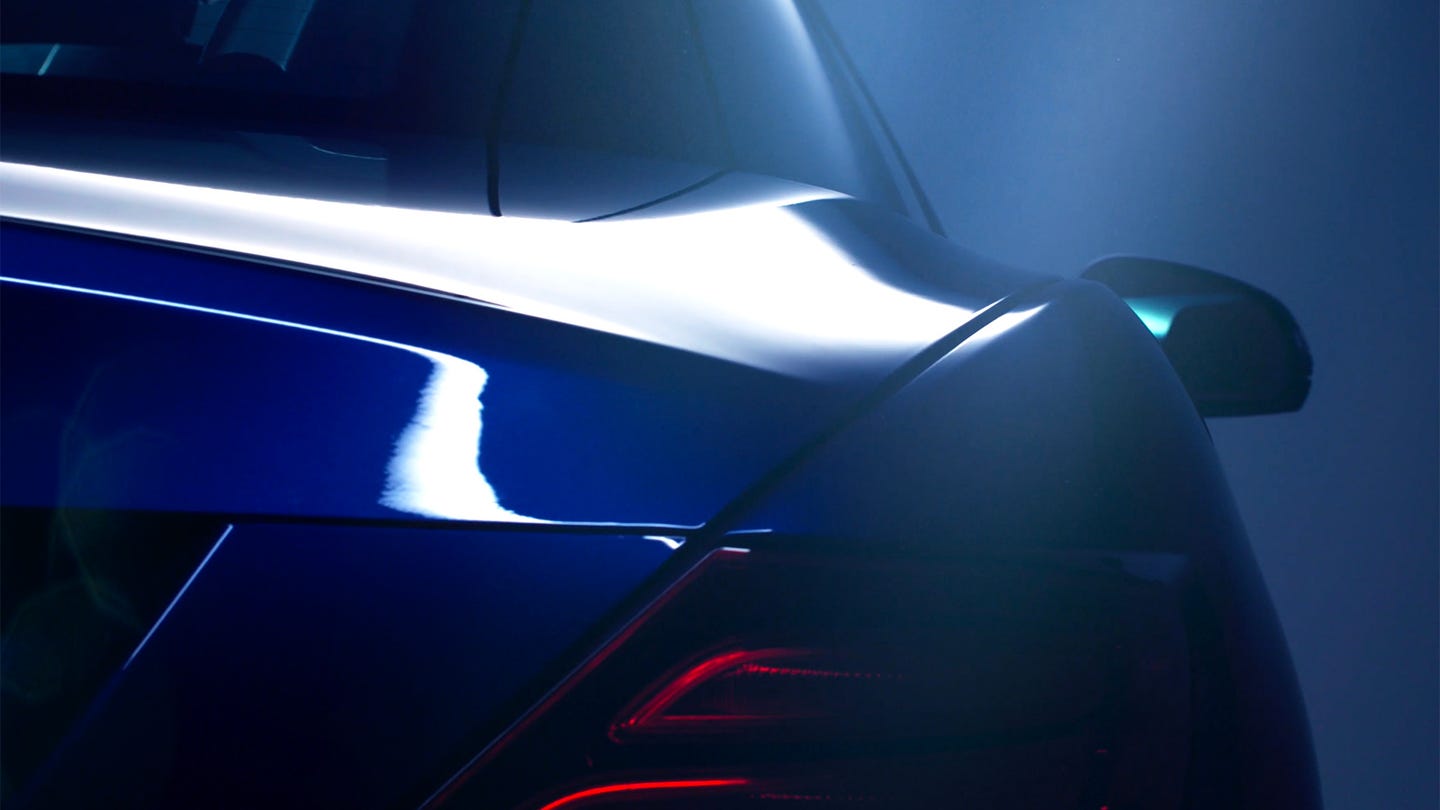
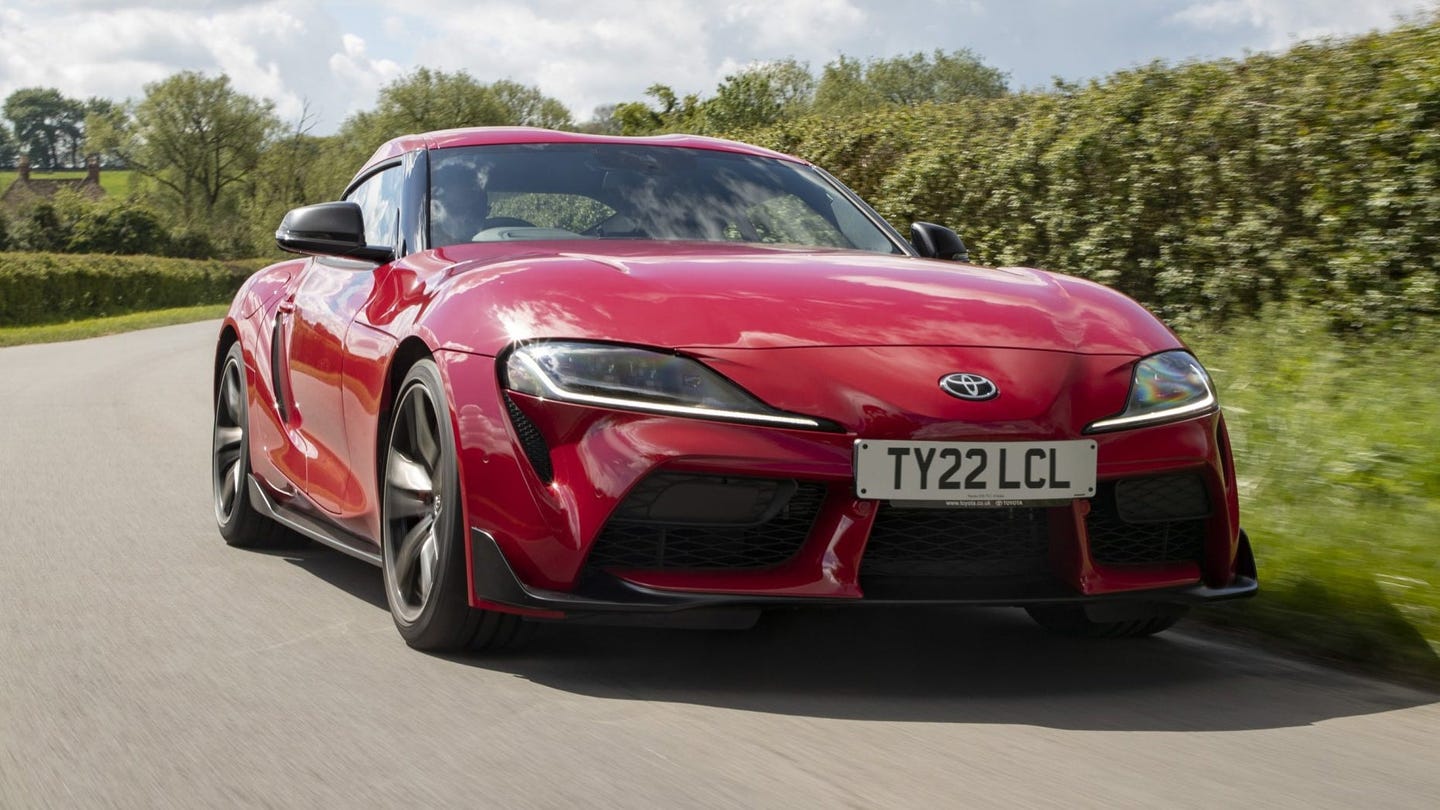
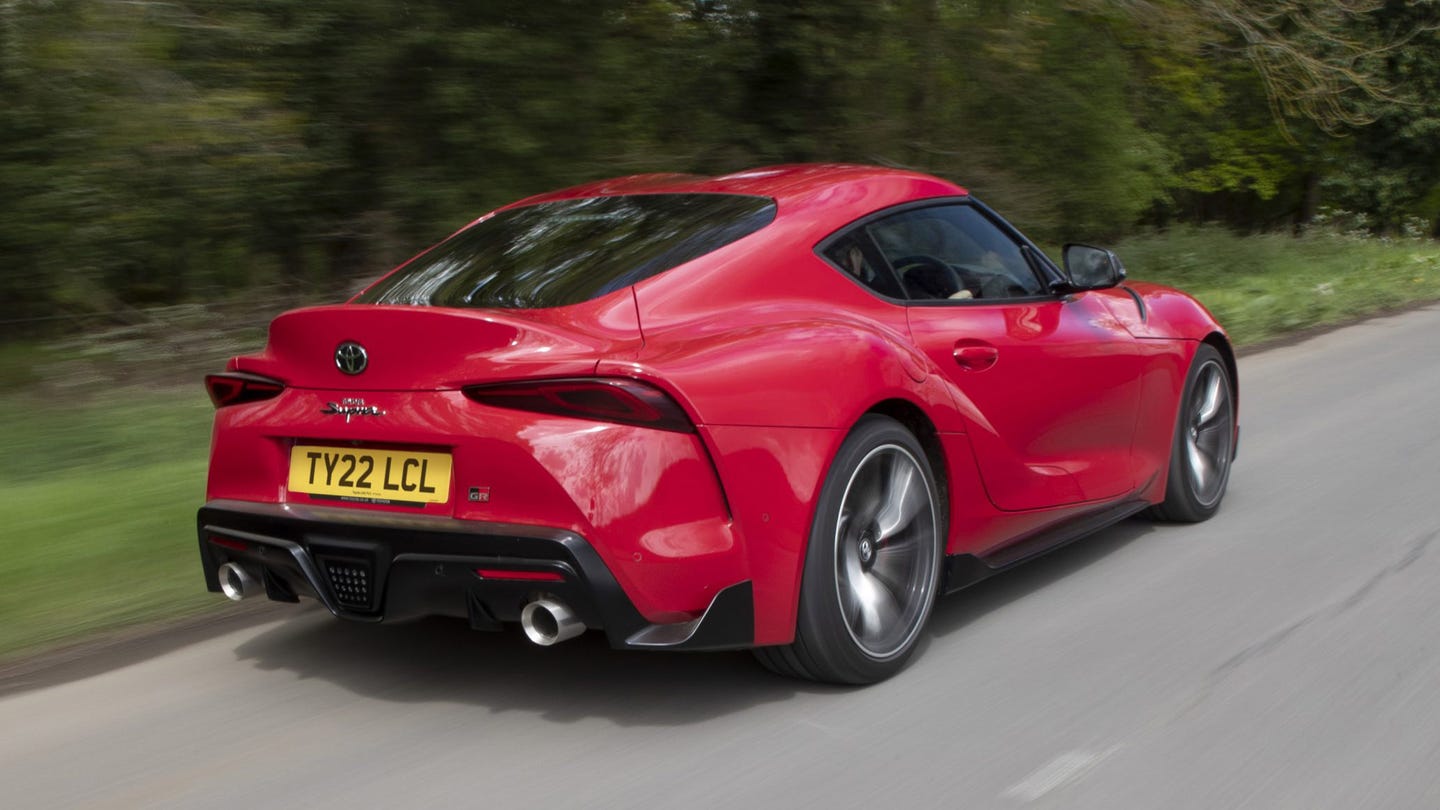
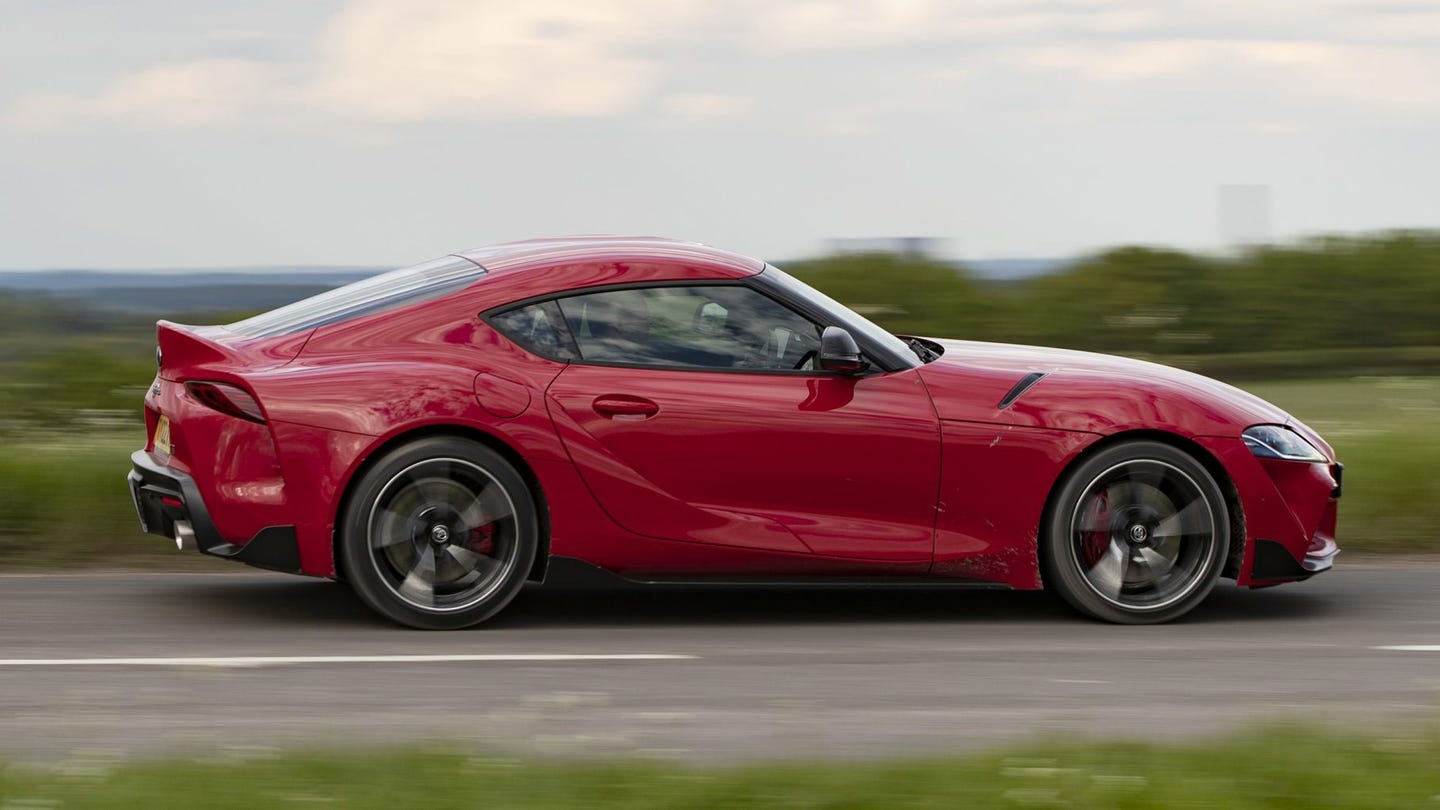
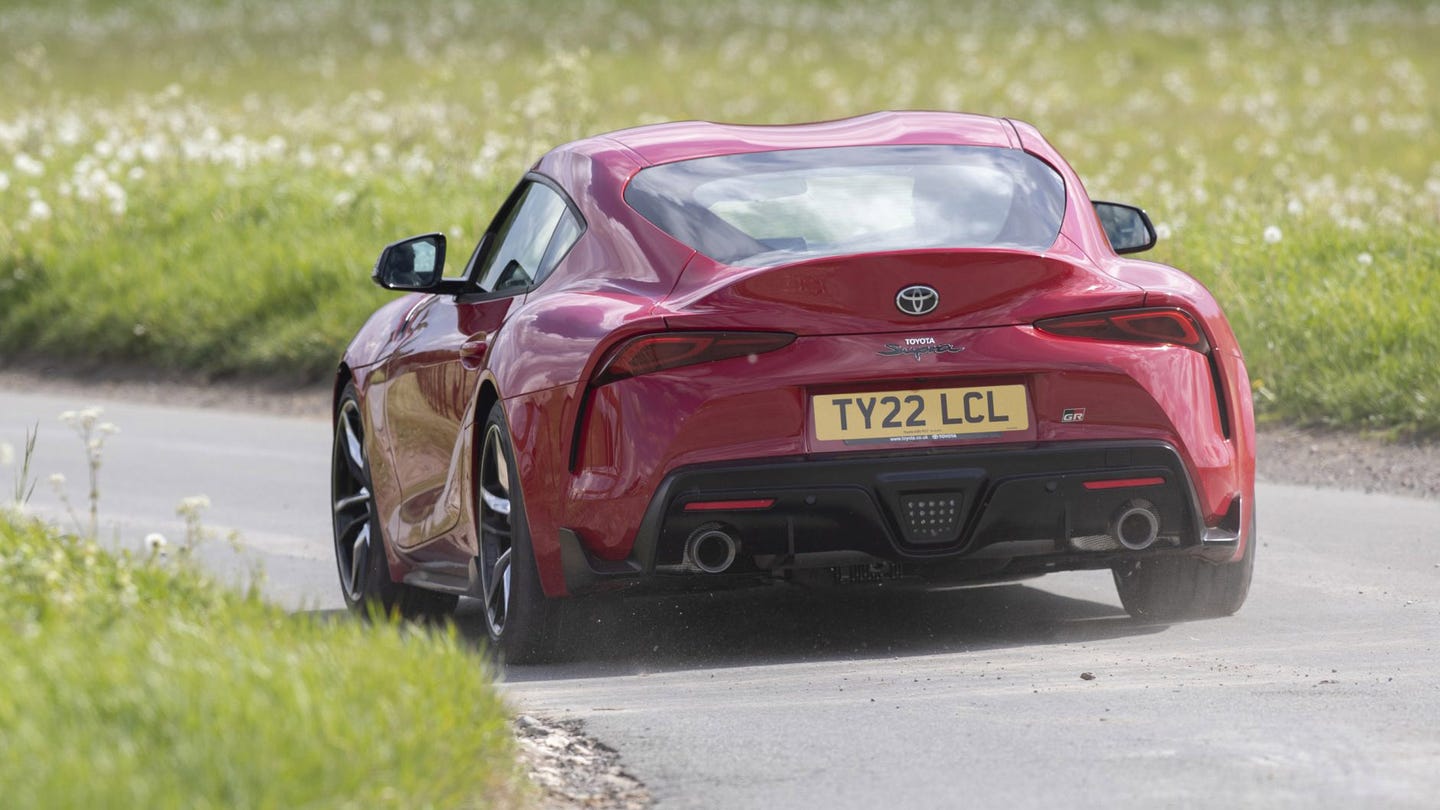
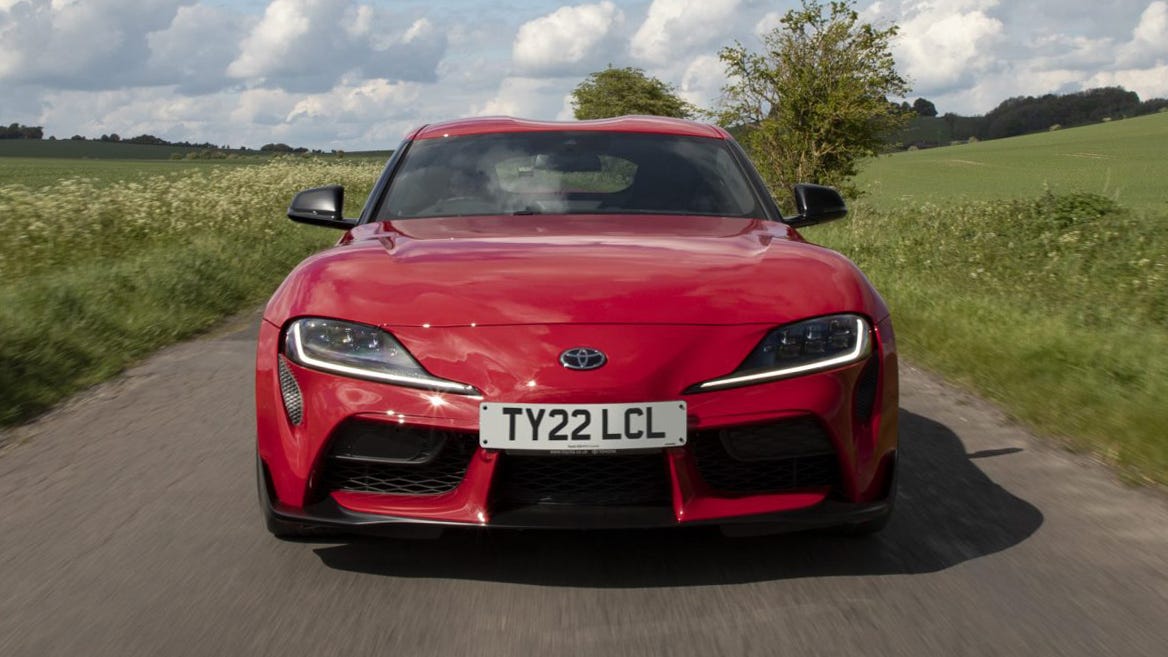
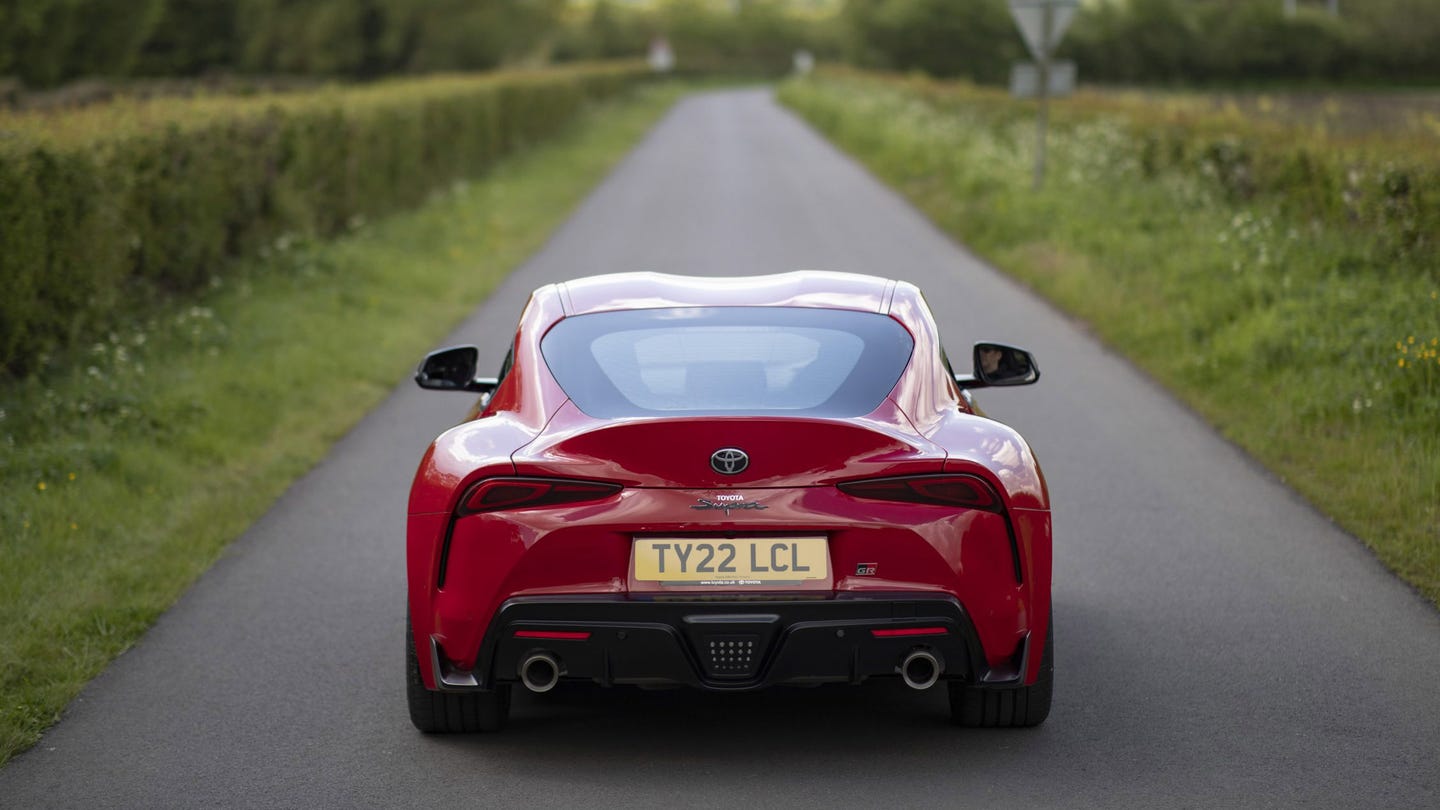
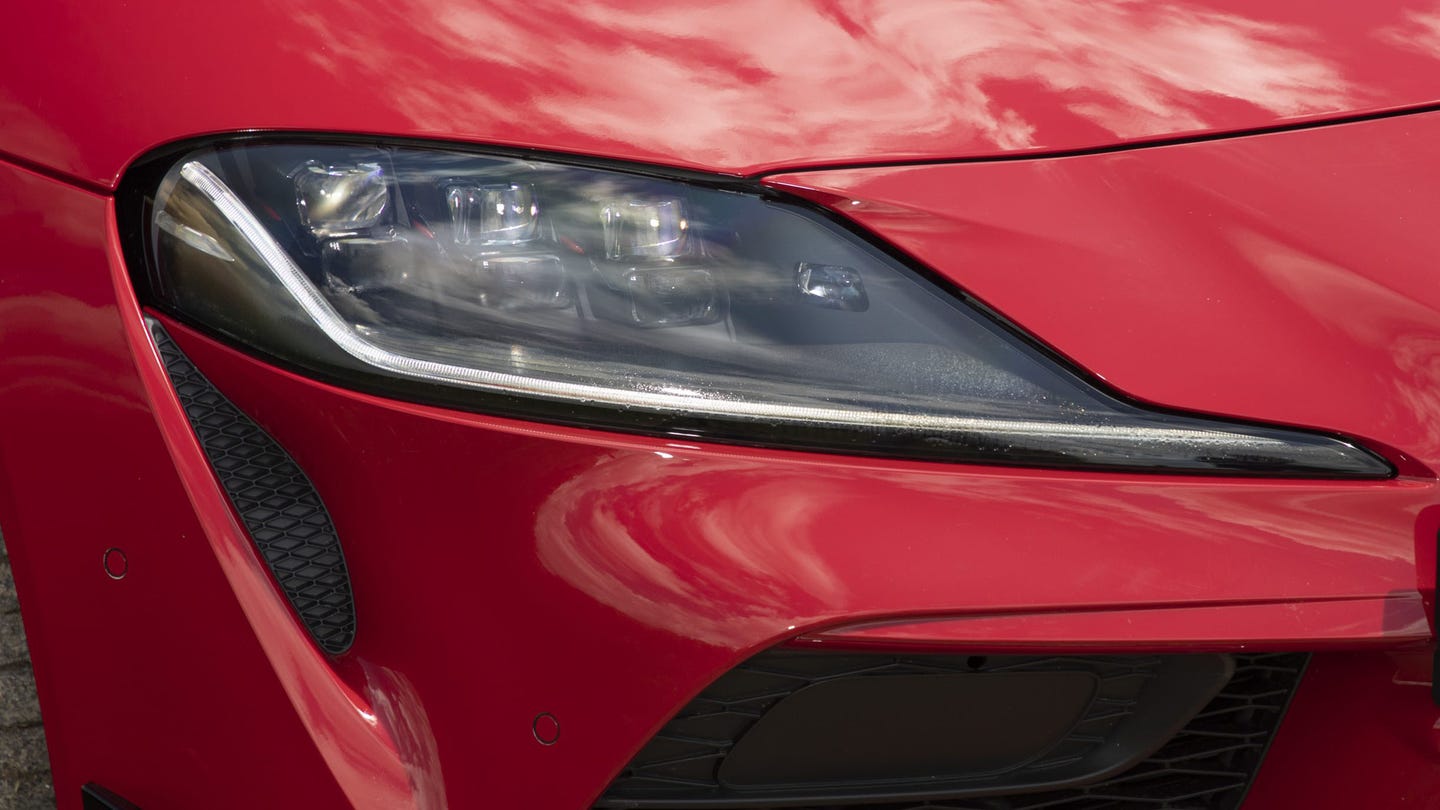
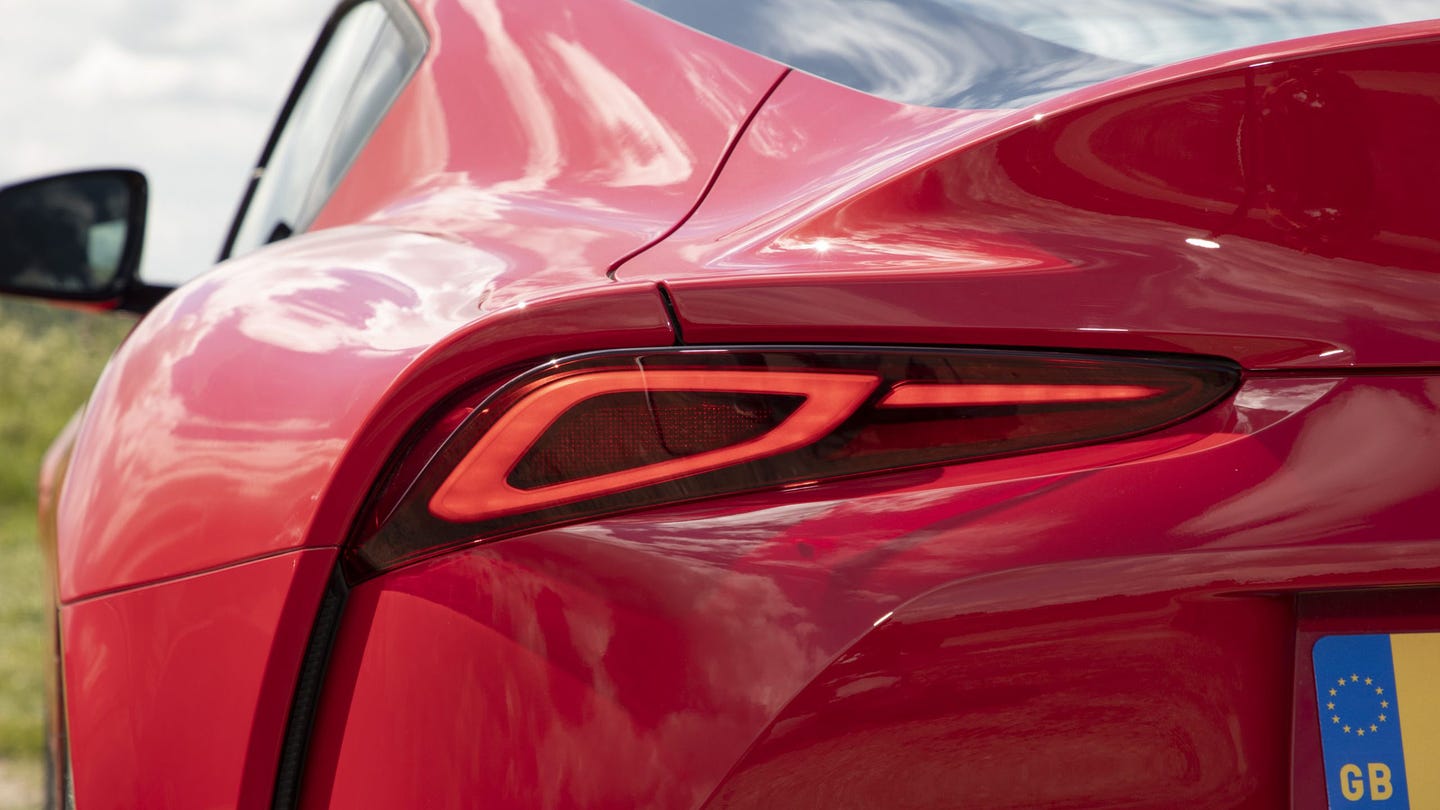
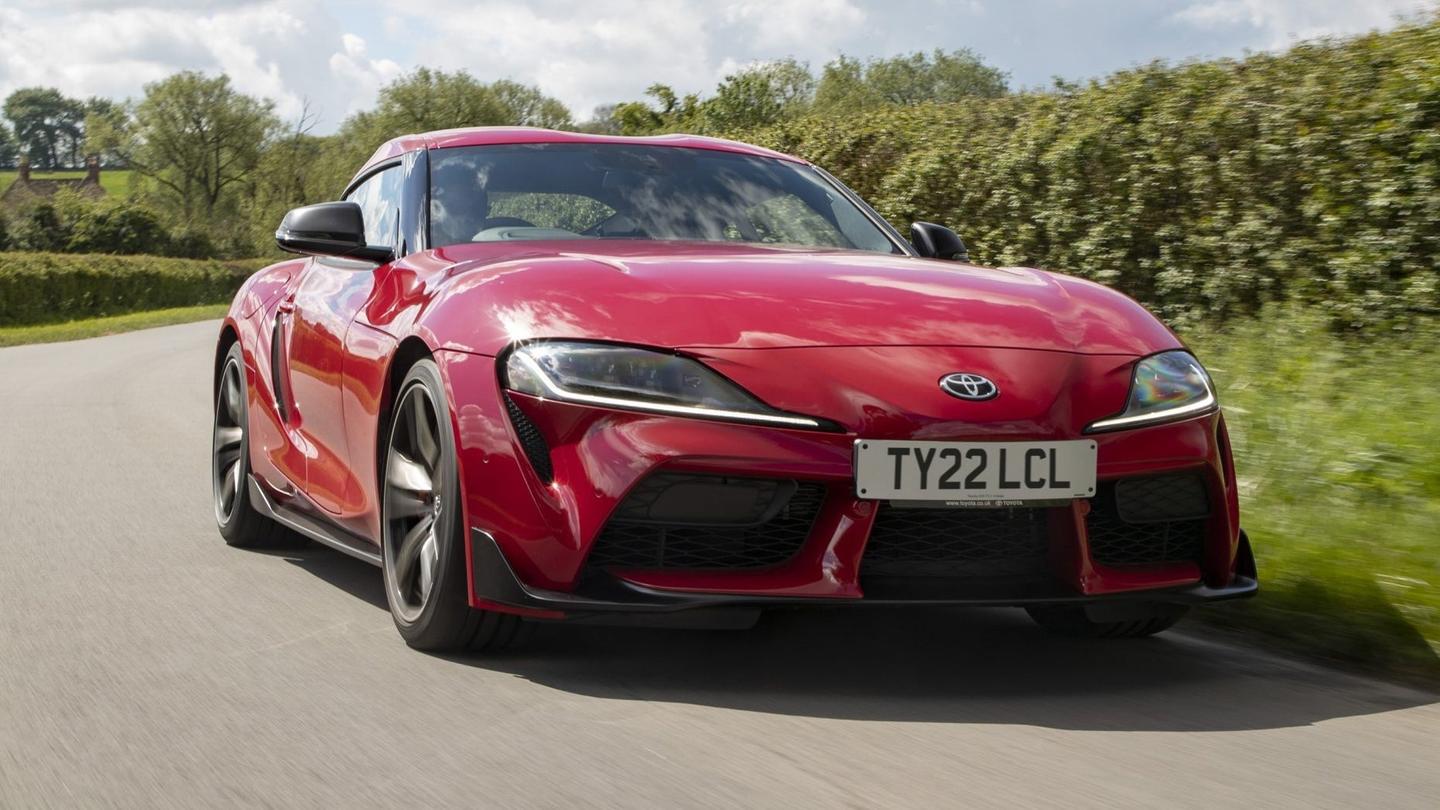
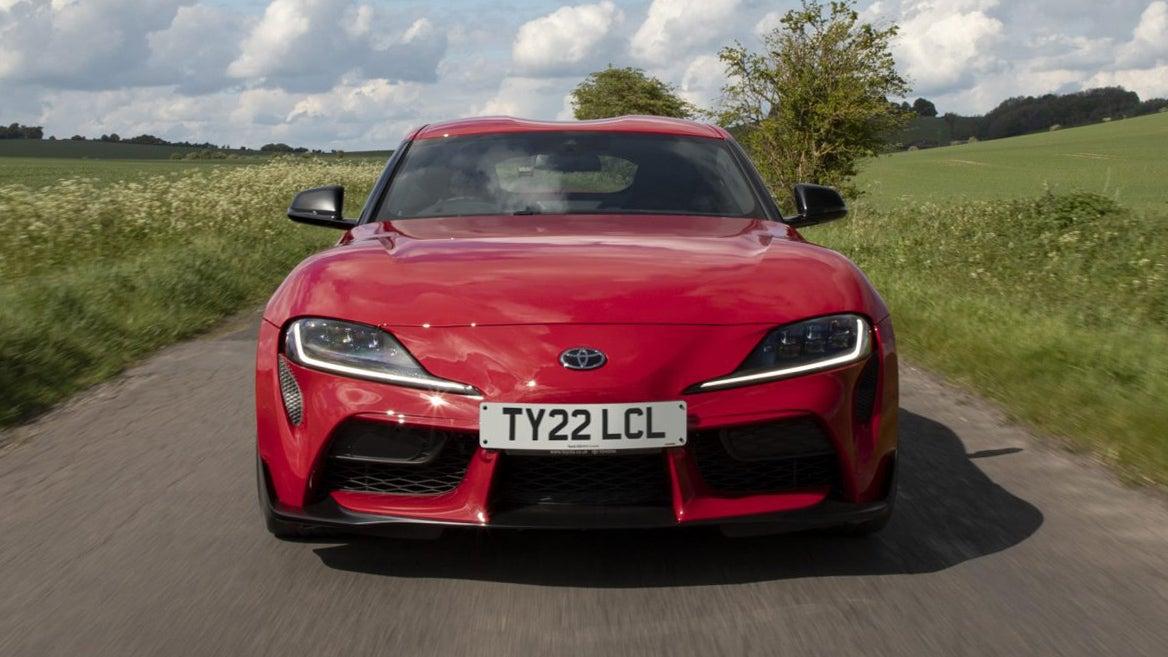
The Toyota GR Supra is a low, wide sports car that’s guaranteed to catch people’s attention – it’s like seeing Cameron Diaz in your local Morrisons.
It's a well-sorted, fun handling car with plenty of performance, but it’s missing that last layer of driver engagement that you’d get in a Lotus Elise or even a Mazda MX-5.
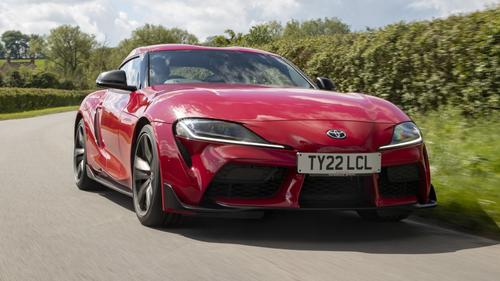
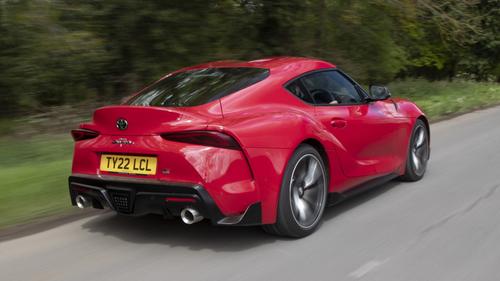
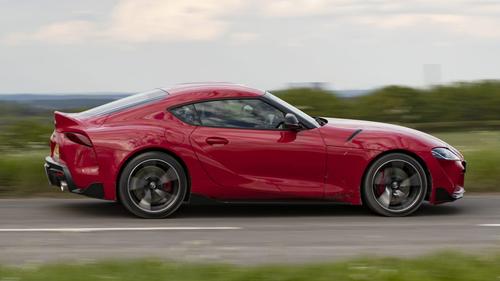
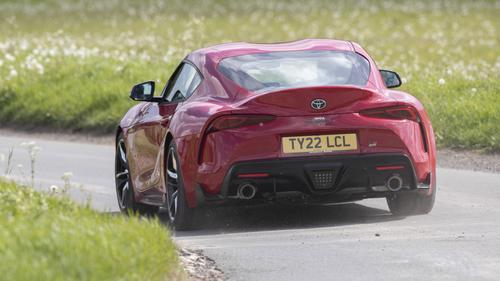
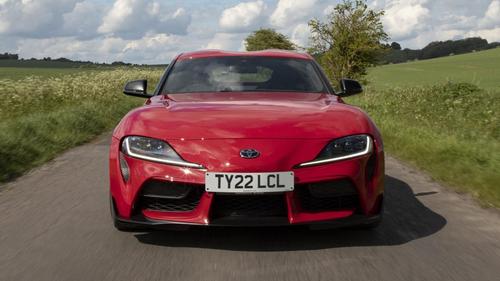
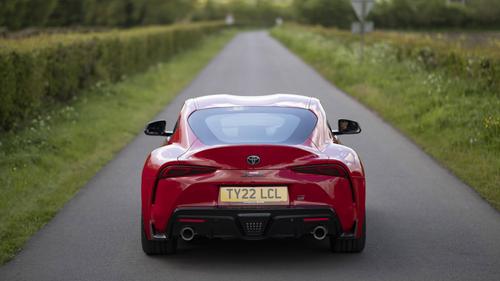
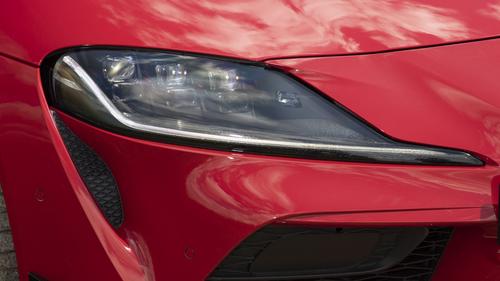
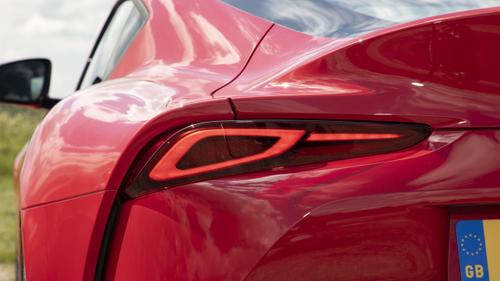
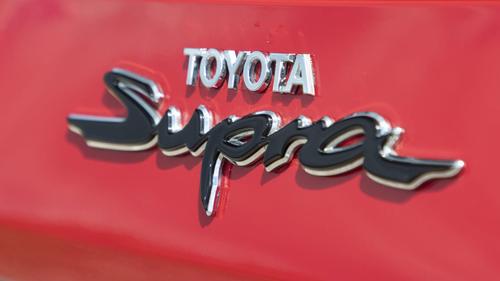
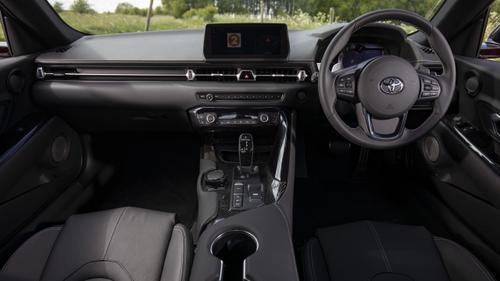
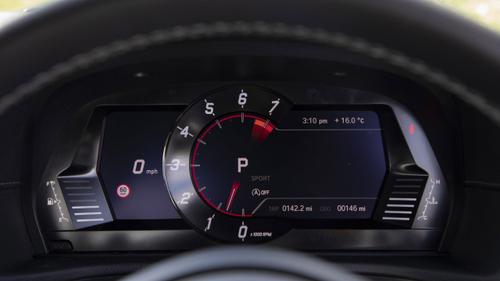
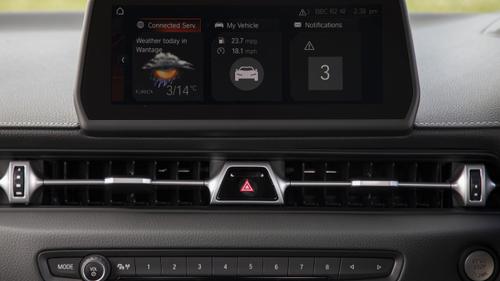
If you buy a Toyota GR Supra, you’re making your neighbourhood a better place. Park the banzai Supra among a sea of monochrome crossovers and you’ve instantly made your street more interesting. Local kids will get an adrenaline hit that’s stronger than vaping in the bushes at the back of the school field. House prices might even go up.
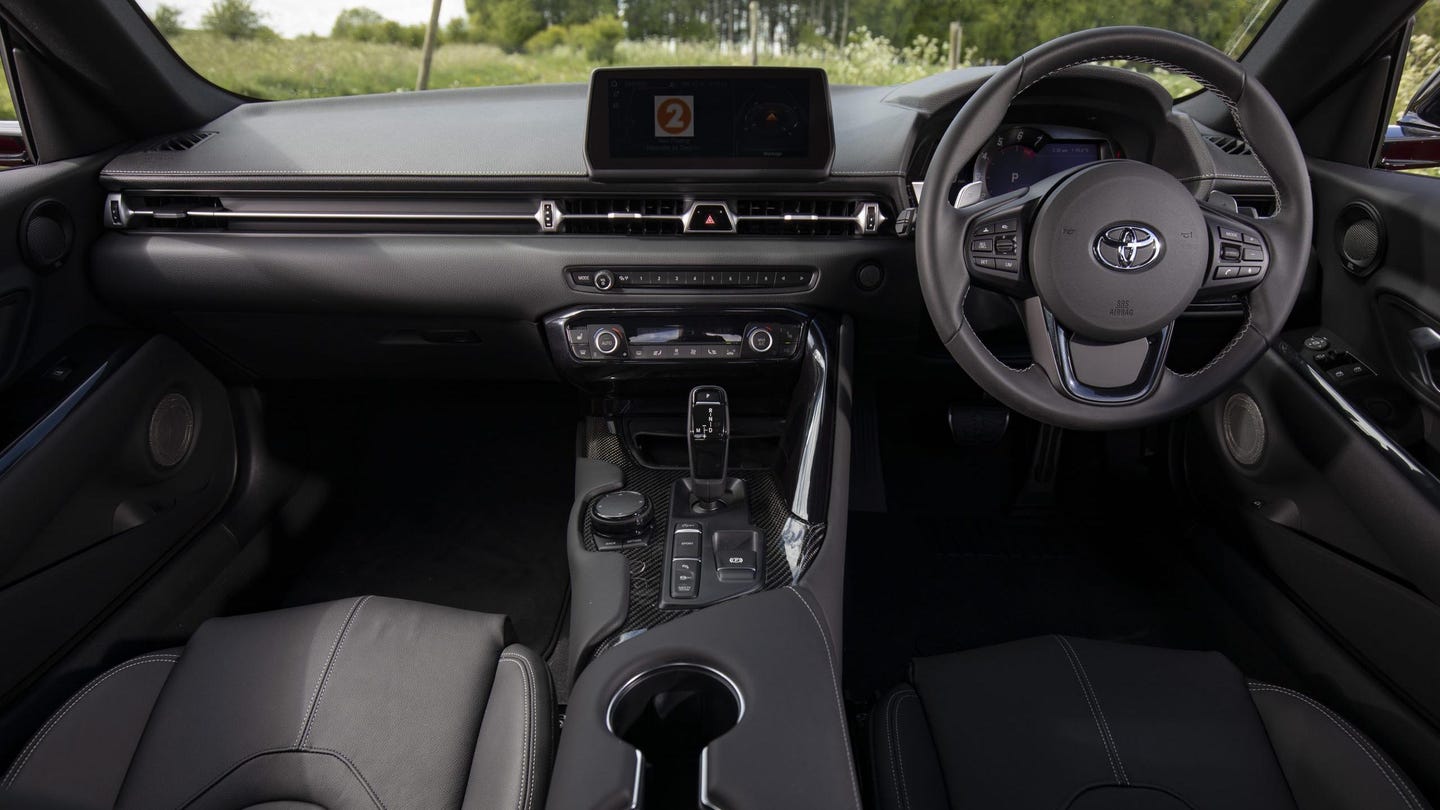
We’ve got BMW to thank for the existence of the Supra – you might’ve known that Toyota’s sports car was developed in partnership with the BMW Z4. If you didn’t already know that, it’ll become crystal clear when you slide in and see that nearly everything’s from an old 3 Series.
"The Supra makes every journey feel like a sense of occasion, but it’s probably not the BMW sports car we’d pick..."
It’s a bit of a shame that everything’s so dour and German inside, but then the GR86 and GR Yaris don’t exactly have fancy interiors either.
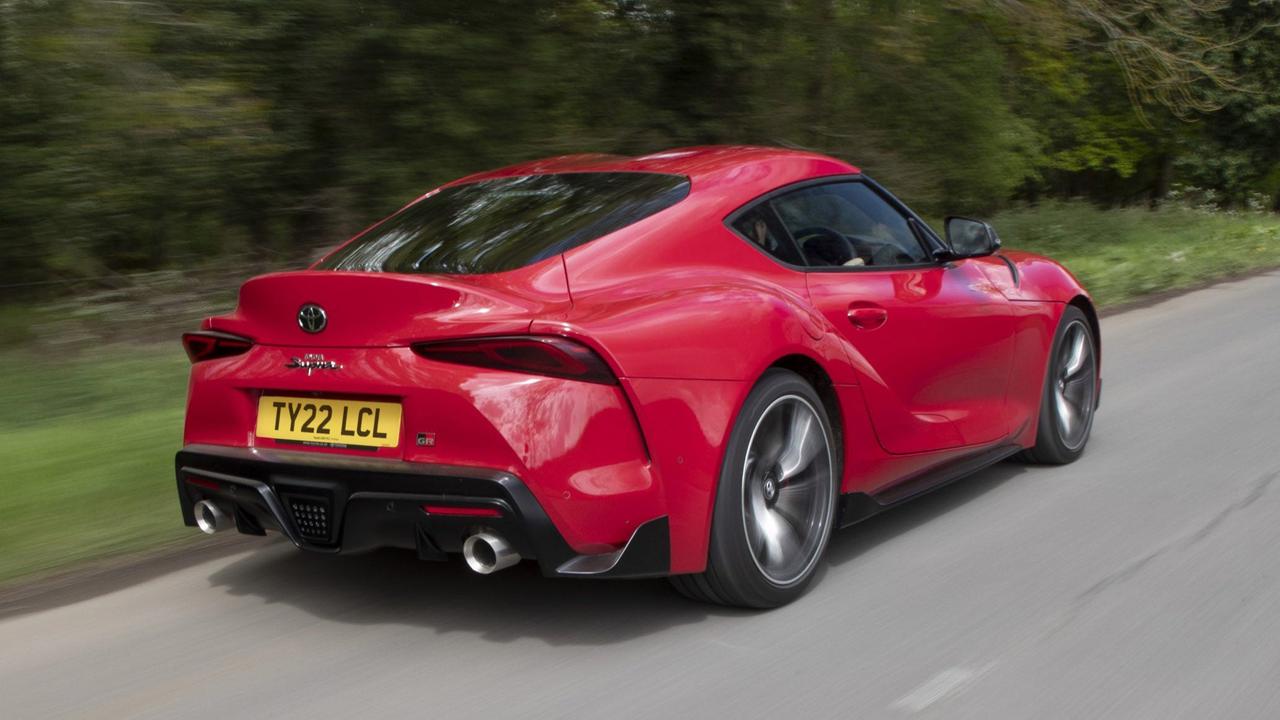
Look around you and you’ll remember what drew you to the Supra in the first place. The bonnet stretches out for several postcodes ahead of you, and the car’s wide hips filling the door mirrors will have you constantly looking backwards.
Like the legendary Supra models of the '80s and ‘90s, the GR Supra uses a 3.0-litre six-cylinder engine. There’s also a 2.0-litre four-cylinder engine, and even this engine offers the performance and sound track you’d expect from a sports car.
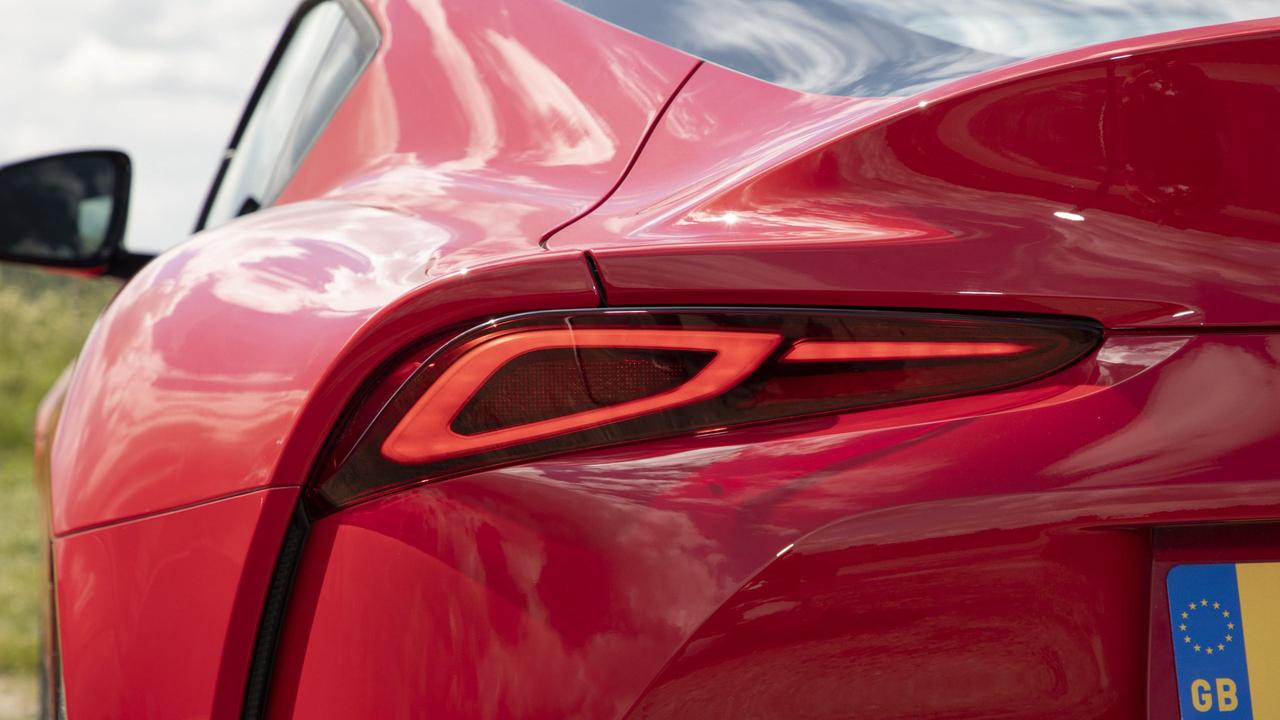
We were hoping to love every aspect of the Supra, but it left us a little disappointed. Perhaps it’s the slightly numb handling, perhaps it’s the fake vents on the bodywork or perhaps it’s the fairly plain interior – or maybe it’s a combination of all three. It’s not as sporty as a Porsche Cayman or a BMW M2, and somehow it just doesn’t feel quite as special as we’d hoped.
A few aftermarket updates could change that, of course, and we suspect that quite quickly you’d end up thumbing through parts catalogues and wondering which of your organs you could live without. The Supra is fundamentally a good sports car, it’s just not the best one.
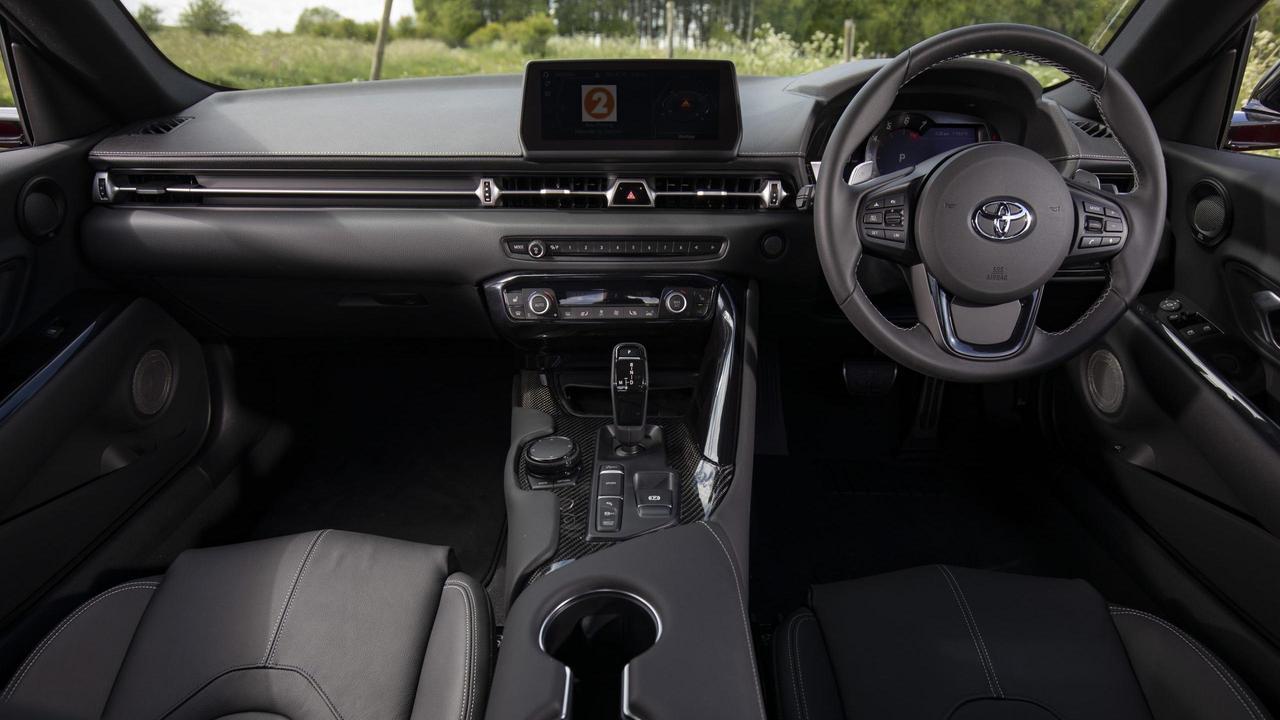
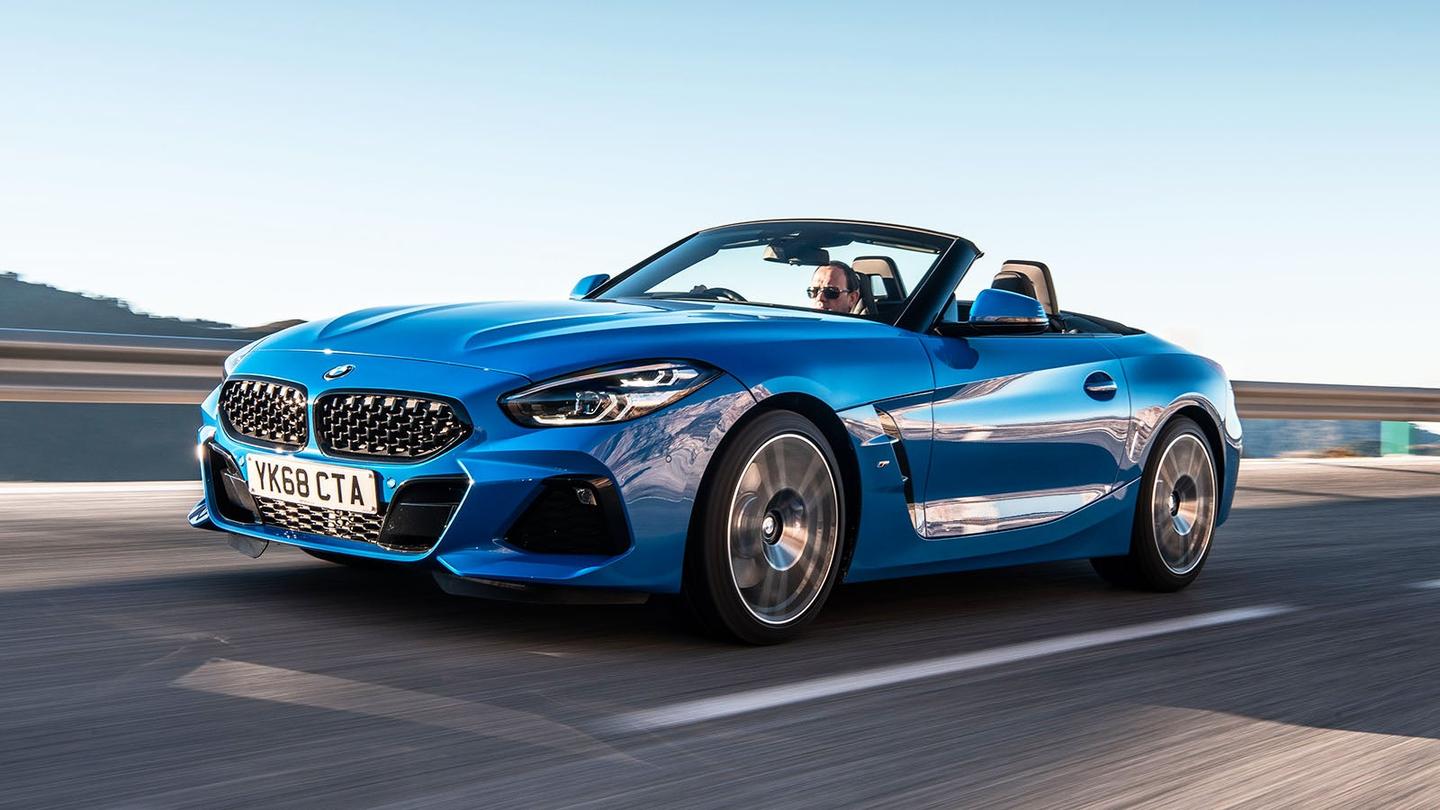
Slide over the wide sill and you’re sat into the belly of the car. You see the vast bonnet through a letterbox of a front windscreen. While that’s not so good for visibility, it does focus the mind a little – rather than in the mechanically similar convertible Z4, where your eyes could easily be drawn to the sky for a spot of birdwatching.
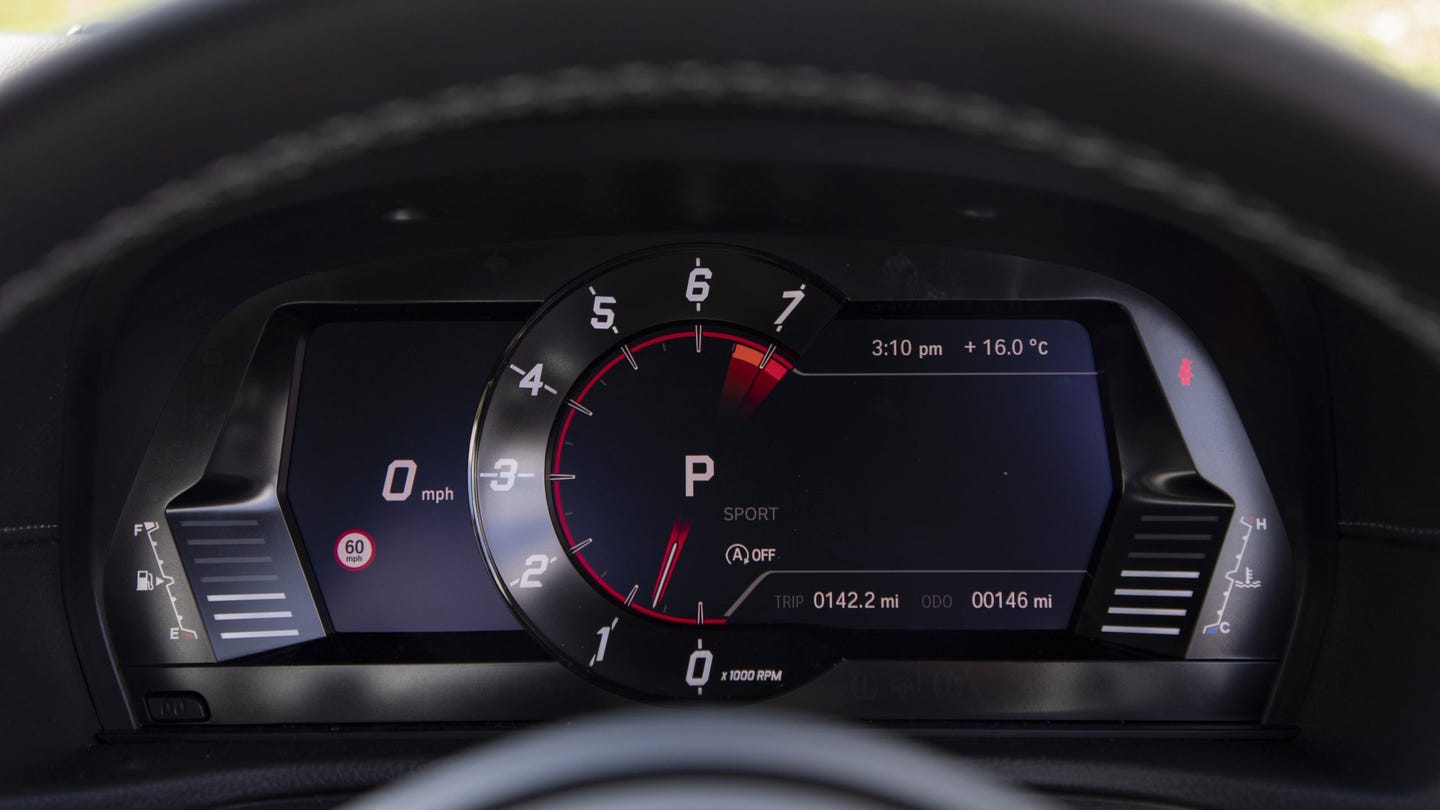
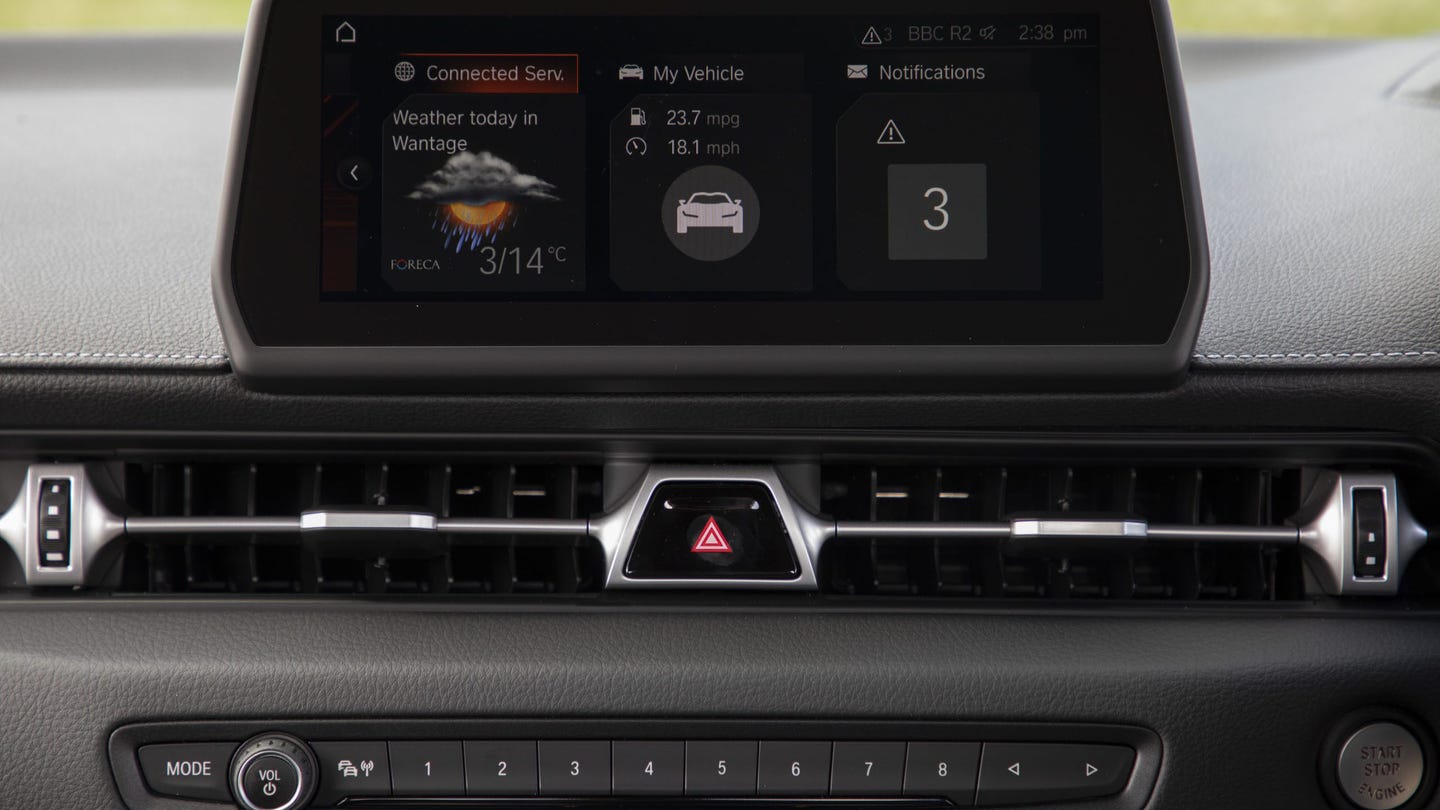
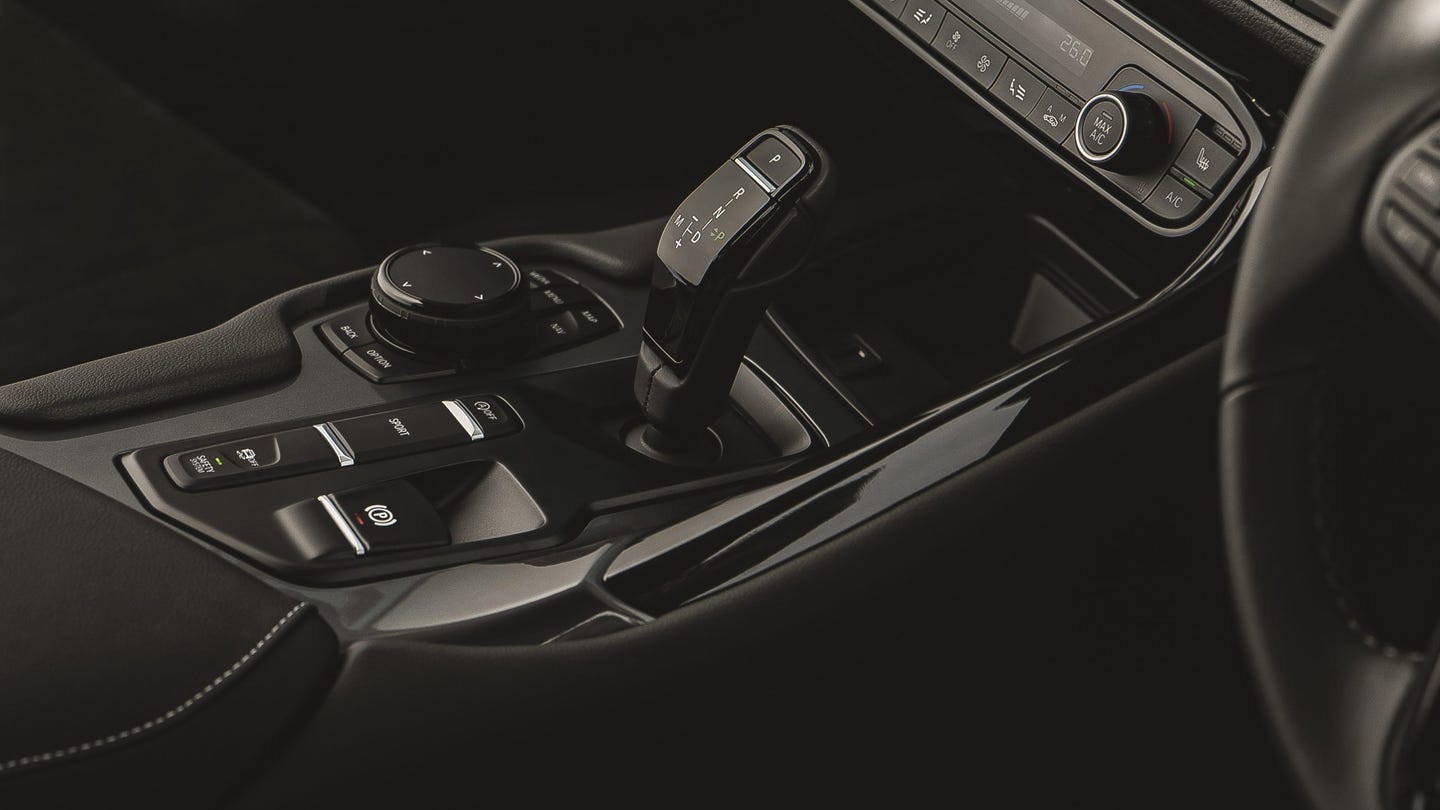
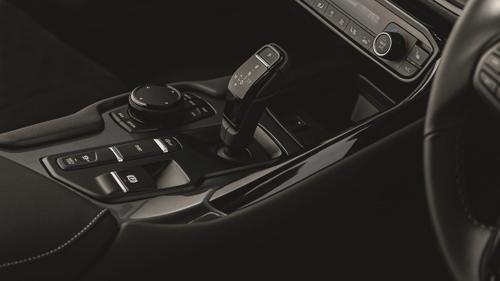
For the most part, the BMW interior doesn’t offend – although a Toyota overlay for the iDrive system would stop the clash of fonts in the displays. BMW has far better interior quality than Toyota, so the build quality is certainly good enough for a Toyota flagship. You get tactile buttons and gearshift paddles on the automatic, and the layout is easy enough to figure out.
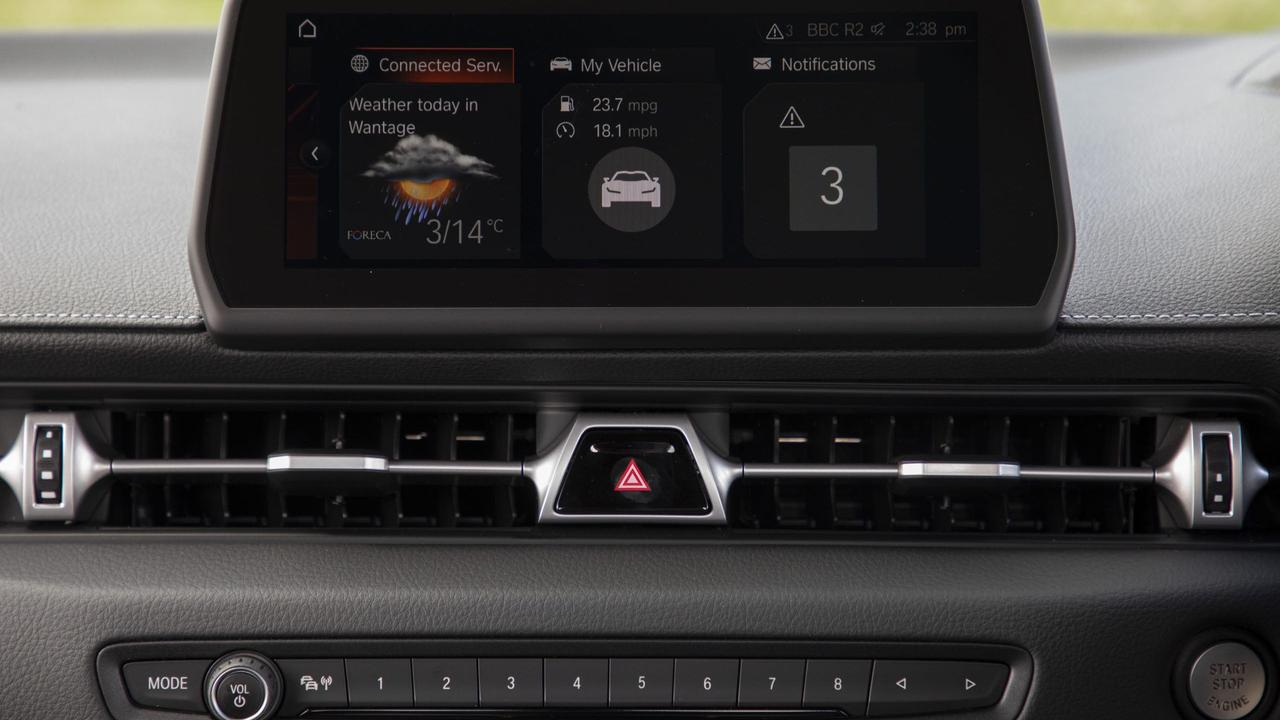
There’s a little carbon-effect inlay at the base of the steering wheel with Supra lettering, plus slightly bolstered sports seats. But we’d like a little more sportiness throughout to make it feel more special than a BMW 1 Series or 3 Series. Splash some more plastic carbon in obvious places, or cover various parts of the dash in fuzzy suede, or just give us some more red stitching.
The iDrive infotainment system is decently quick to respond and quite easy to use, with a home screen that’s split into frequently used sections. You can touch the screen or use the handy iDrive controller to whizz through the menus, and there are a row of numbered buttons that can be set up for your radio or media favourites.
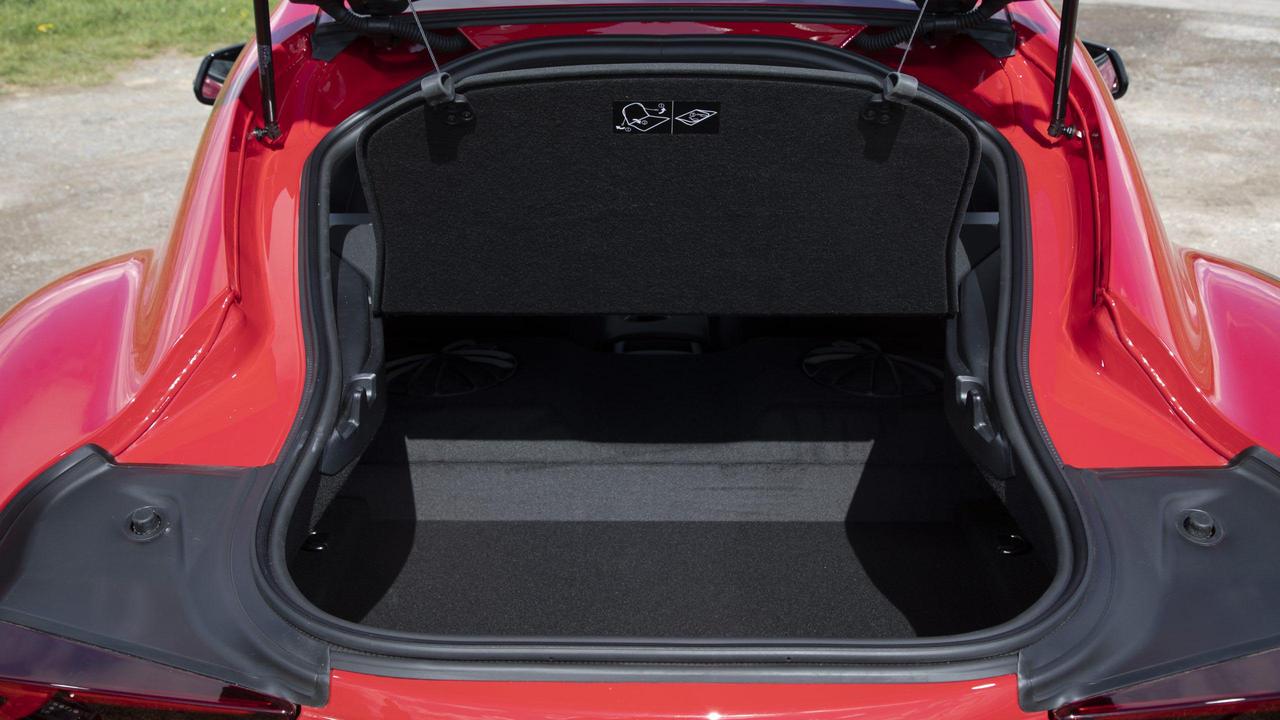
The Supra isn’t the most practical sports car, although it’s considerably better at carrying stuff than the Alpine A110 and Mazda MX-5.
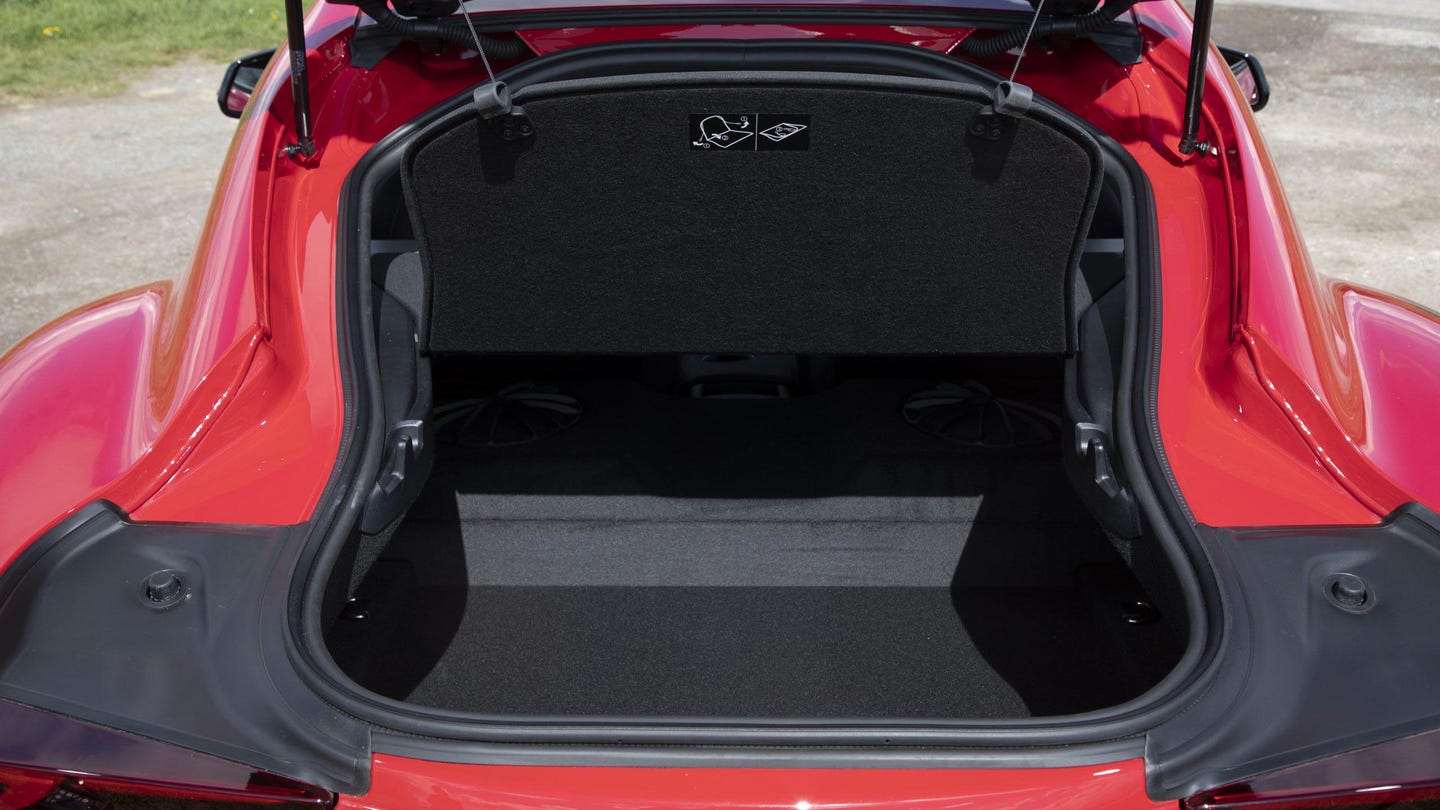
Interior storage isn’t much to write home about, with awkwardly small door pockets, a small glovebox and a phone tray that isn’t big enough for a phone. Although you could stash valuables behind the seats, and the open access to the back of the boot lets you grab stuff if you need it while driving.
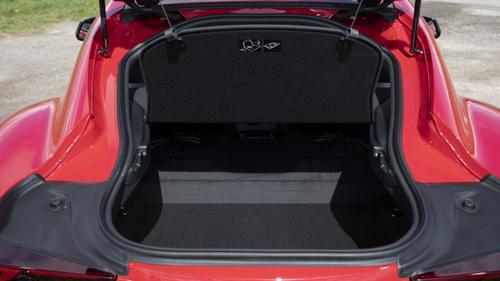
The boot largely matches a Ford Fiesta for capacity, so it’s big enough for a couple’s holiday luggage or a very bougie weekly shop. That’s fine, because the Supra only has two seats. Just watch your head as you get in and out.
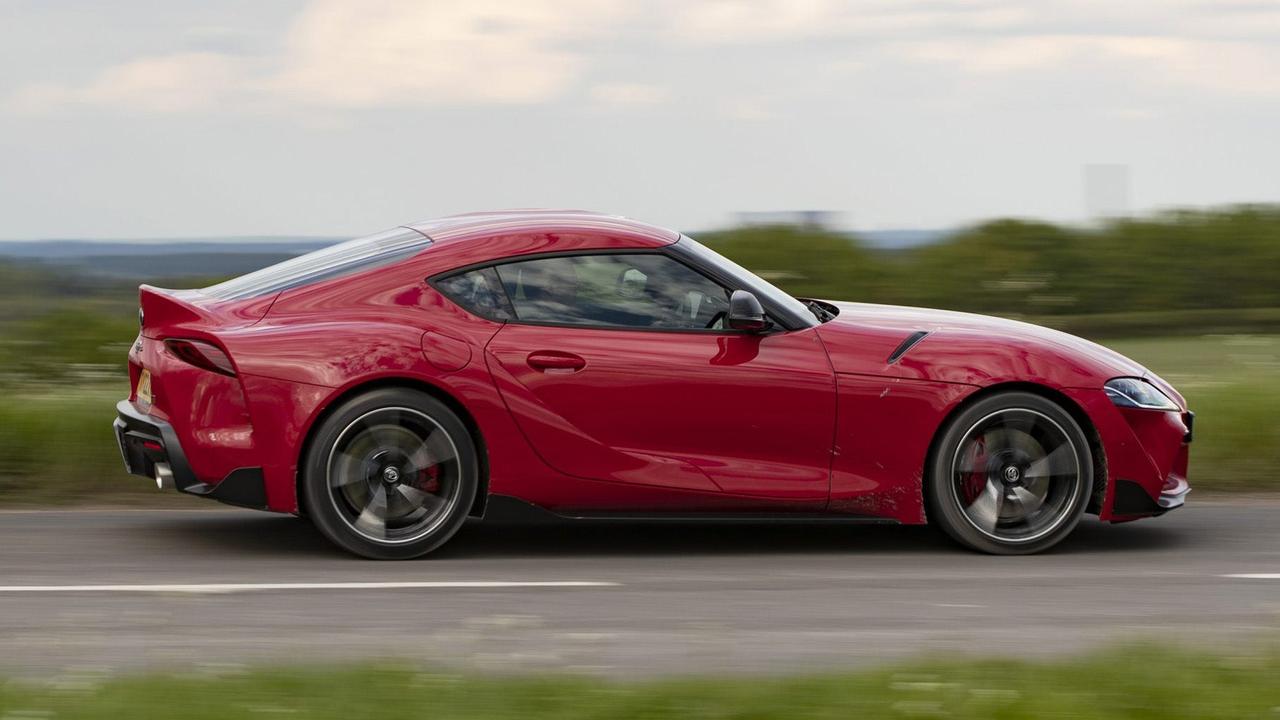
You get a choice of two petrol engines: a 2.0-litre four-cylinder or a 3.0-litre six-pot. Engine nerds will recognise them as BMW’s B48 and B58 engines, and in the Z4 they’re badged as the 30i and M40i respectively.
We’ve spent time with both Supra engines. The 2.0-litre feels more powerful than its 254hp suggests, and its 0-62mph time of 5.2 seconds is more than enough to make the Supra feel sporty. In fact, it’s only half a second off the 0-62mph time of the 3.0.
Given the performance positioning of the Supra, we’d be tempted to save up for the 3.0. It’s not that the 2.0-litre is a bad engine whatsoever, but the 3.0-litre sounds a little bit more special when you wind it out. And there won’t be much difference in running costs if you drive the Supra as Toyota (or BMW) intended.
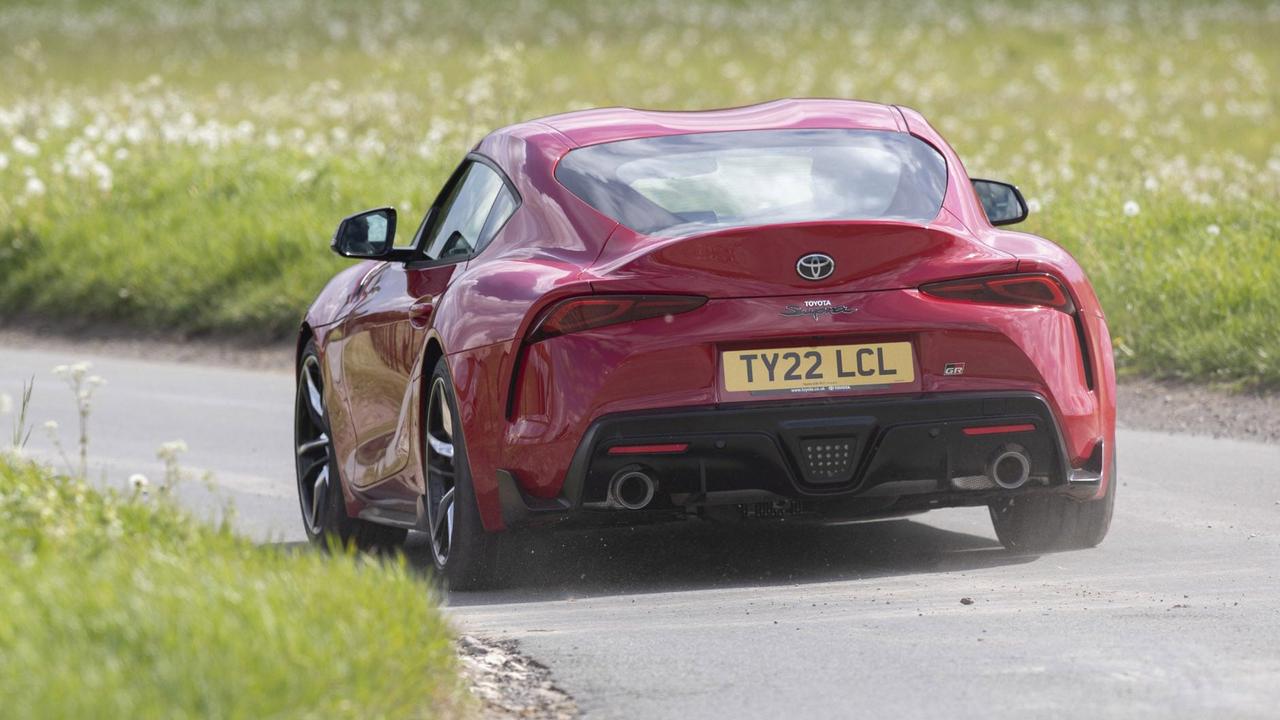
Purists were delighted when Toyota introduced a Supra with a manual gearbox – marked out by a red Supra badge on the bootlid. Unfortunately, it’s not actually very nice to use, with a rubbery, high-resistance action that makes it a chore to change gears. If it were slick and precise like a Mazda MX-5’s or Honda Civic Type R’s gearshift, it might add that extra level of driver engagement that we were hoping the Supra would provide.
The automatic gearbox is not only more prevalent, but the better option as well. The eight-speed ZF ‘box is very slick, and it’s always ready to kick down a gear as soon as you put your foot down.
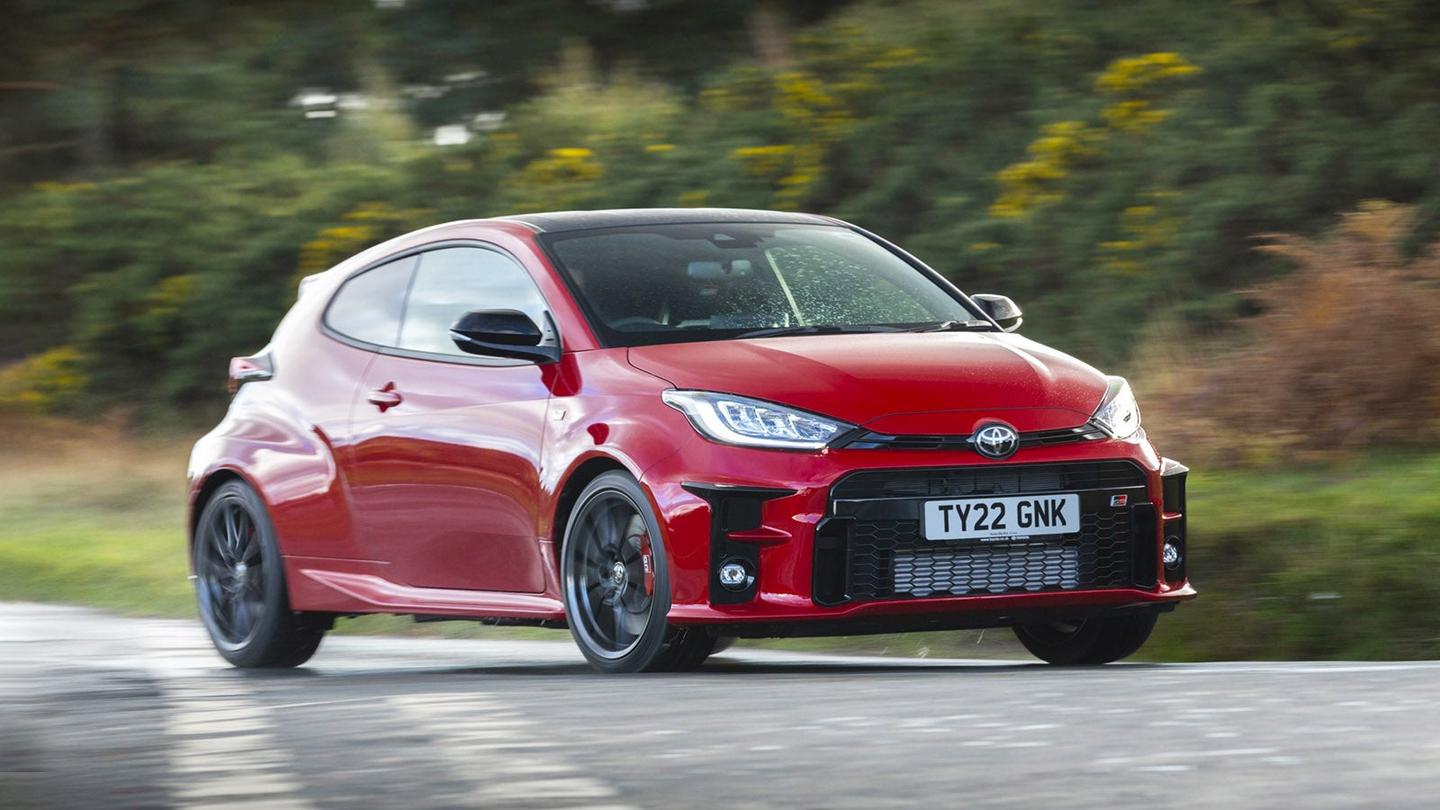
The GR Supra is lovely to drive, but it’s just not quite as fun to drive as a Porsche Cayman or its little brother, the GR Yaris.
The steering is short of feel and not quite as accurate as we’d like. It doesn’t have the telepathic quality of a Lotus Elise or a Cayman. So, while the 2.0-litre engine is a bit lighter on the front end, you don’t reap the benefits of noticeably keener handling.
The Supra is a bit more of a GT car than a track-tuned sports car, and it’s fantastic when the road is flowing rather than tight and technical. You’ve got the responsiveness from the engines, the great soundtrack and the sports car proportions we talked about above.
On the motorway, the ride is firm but tolerable, and you could quite easily do long journeys without needing to see a chiropractor at your destination.
Around town, the Supra’s fairly limited all-round visibility might make it a bit trickier to pilot than a hot hatch like a Civic Type R, and our test car didn’t come with parking sensors on the leading edge of that long bonnet – so you worry about how close you are to objects in front. But, having said that, the Supra is exactly the same length as a Ford Focus, so it won’t be difficult to find a parking space to fit into.
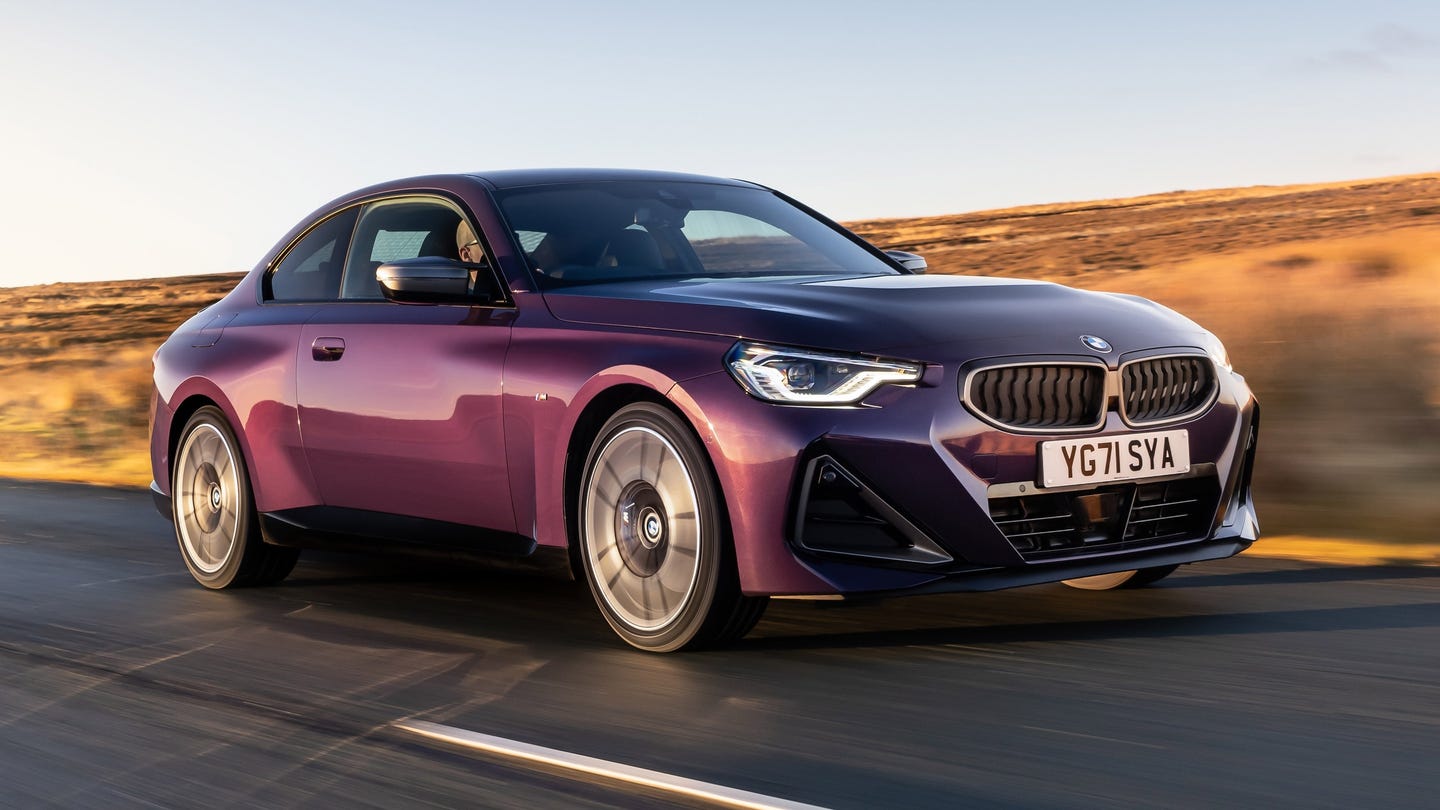
The Supra makes every journey feel like an adventure, but it’s not the BMW sports car we’d pick. Our money would go to the BMW M240i, which comes with the same 3.0-litre B58 engine as the Supra, but it’s more fun and more exciting (albeit much less lovely to look at…). You’ve also got back seats and a bigger boot in the M240i, so it’s a better choice for day-to-day use.